Advertisement

Sharp to launch new 100-inch TV with 288Hz refresh rate

Japanese electronics giant Sharp may be gearing up for the launch of a 100-inch TV in China, with details emerging from an online listing on a Chinese e-commerce platform. While an official announcement is yet to come, the listing offers a glimpse of the upcoming product.

The TV boasts an impressive 288Hz refresh rate for ultra-smooth visuals, alongside 224-zone backlighting for enhanced contrast and HDR performance. Gamers will likely appreciate the support for VRR (Variable Refresh Rate) and ALLM (Automatic Low Latency Mode) for seamless, tear-free gameplay. Connectivity options appear generous, including HDMI 2.1 ports for enabling high frame rate streaming of games directly to the TV.
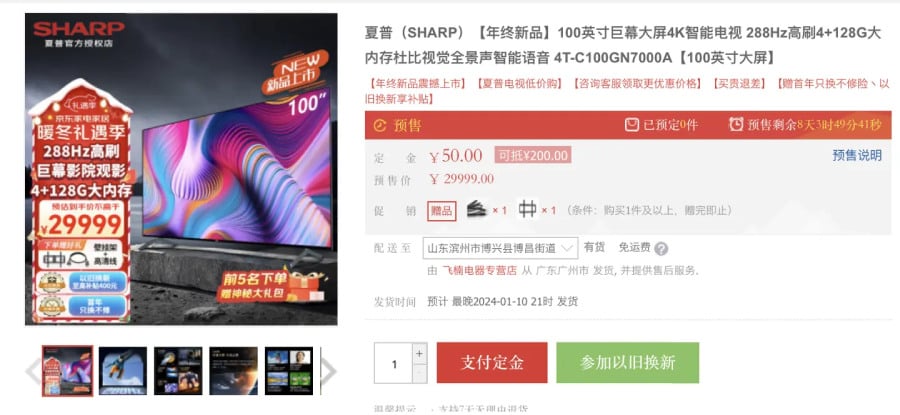
Under the hood, a quad-core processor paired with 4GB of RAM and 128GB of storage will run the operation. And audio duties will be handled by a built-in 60W speaker system.

The listing reveals a pre-sale price of 29,999 yuan (approximately $4,300) and hints at a launch date of December 31st. While Sharp hasn’t officially confirmed these details, the presence of the listing suggests an imminent announcement could be on the horizon.

Sharp also unveiled two new in November – the Sharp FQ8 and Sharp FQ5. Both are 4K TVs with 120Hz native refresh rate and a peak brightness of up to 500 nits. The TV also has HDR certifications like Dolby Vision, Dolby Vision IQ, HDR10, and HLG. 

Moreover, the TV comes pre-installed with Google TV OS. For audio, Sharp offered a 15W speaker and a subwoofer with Dolby Atmos certification. 

Related:

(Via)
Honor’s Haylou Watch smartwatch debuts with 1.95″ AMOLED display, Bluetooth calling for 429 Yuan ($60)

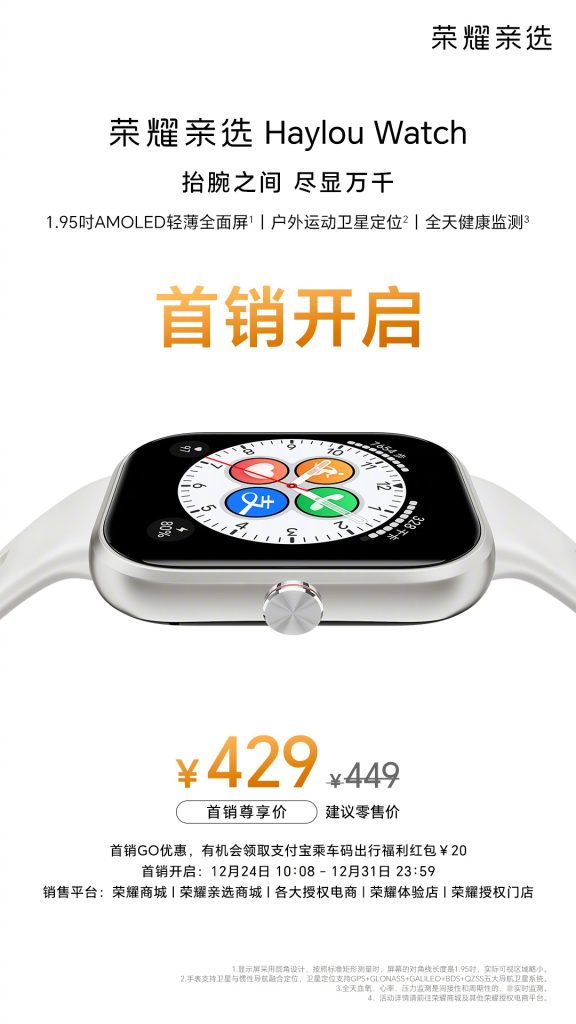
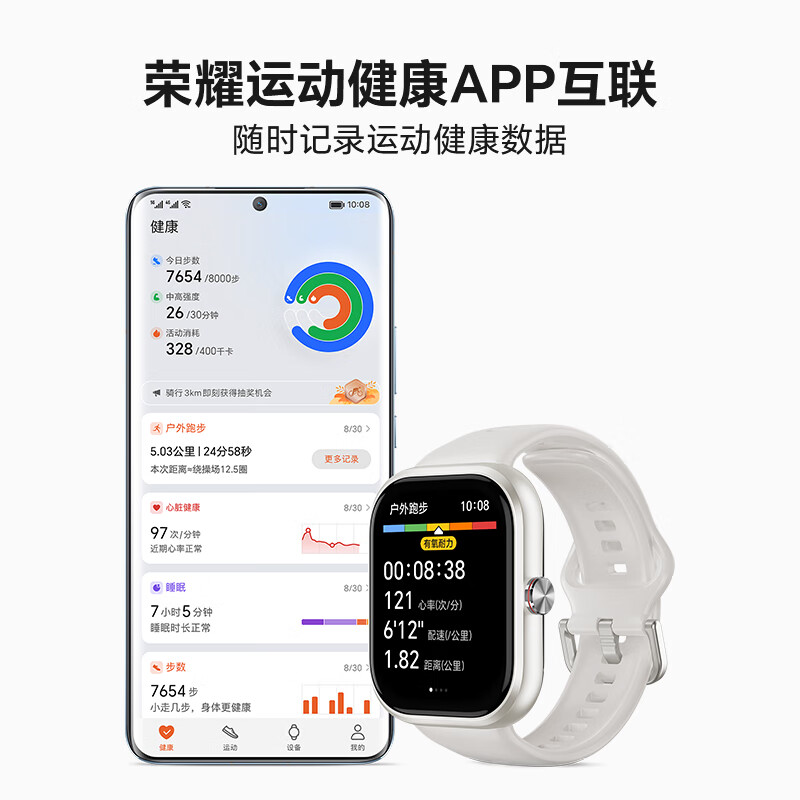
Honor Smart Living has officially announced the launch of the Haylou Watch, a new addition to their Honor’s Selection of smartwatches, via their Weibo channel. Haylou, which was once an independent brand and part of Xiaomi’s ecosystem, appears to have collaborated with Honor for this product. The Haylou Watch utilizes the Honor Health app and is being marketed and distributed through Honor’s channels.

The smartwatch is priced at 449 yuan ($63), with a special introductory offer of 429 yuan ($60). Let’s check out the key specs of this smartwatch.

Honor Haylou Watch

Honor Haylou Watch Specifications:

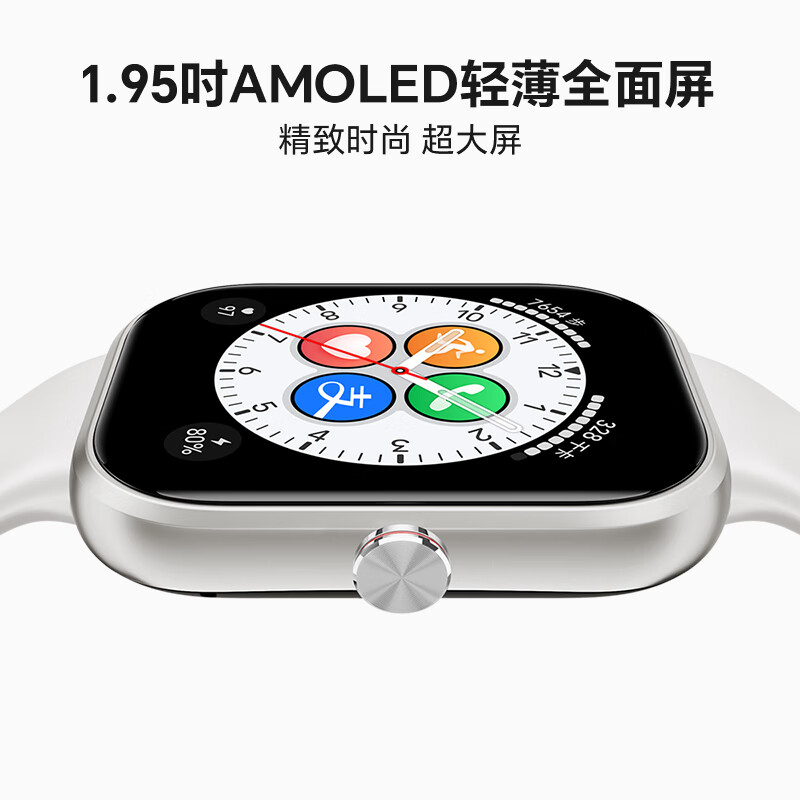
Design-wise, the watch features a sleek 1.95-inch AMOLED display with a screen-to-body ratio of 75%. The display offers clear and vibrant visuals with its 410 x 502 resolution, 60Hz refresh rate, 550 nits peak brightness, and complete coverage of the NTSC color gamut. Its pixel density of 332PPI ensures smooth and detailed images, enhancing the overall wearing experience.

In terms of functionality, the Haylou Watch excels in health and fitness monitoring. It offers comprehensive tracking features, including heart rate, blood oxygen, and stress monitoring, as well as sleep tracking. Its fitness capabilities are extensive, with 120 sports modes and the ability to automatically recognize and track activities like walking, running, cycling, and more, using advanced sports algorithms.

In terms of customization, the smartwatch offers a variety of over a hundred personalized watch faces, catering to different styles like sports, technology, and cartoons. The watch also supports always-on display mode, allowing watch faces to show information even when the screen is off.

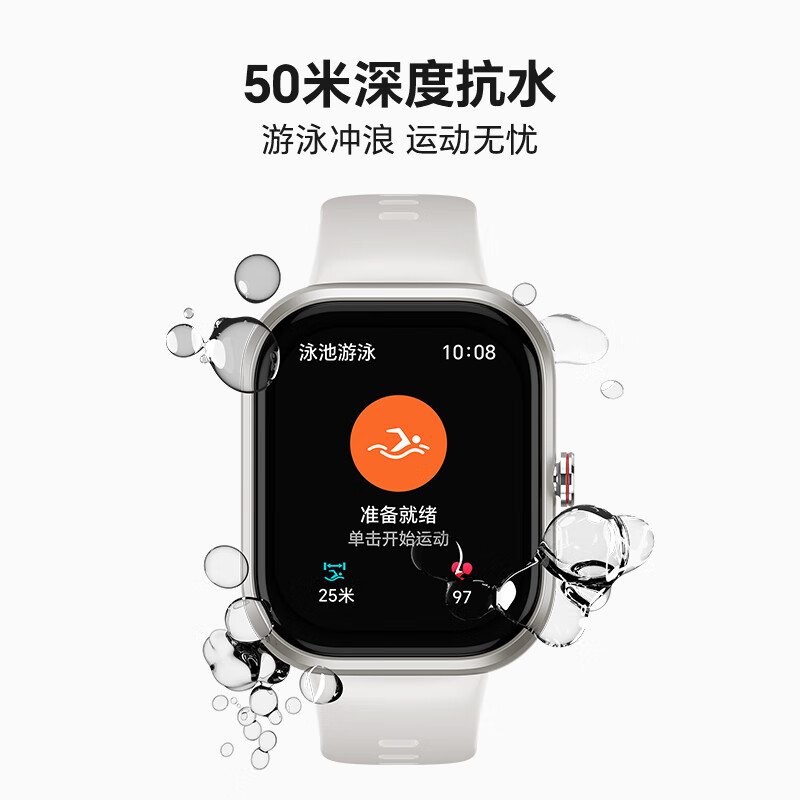
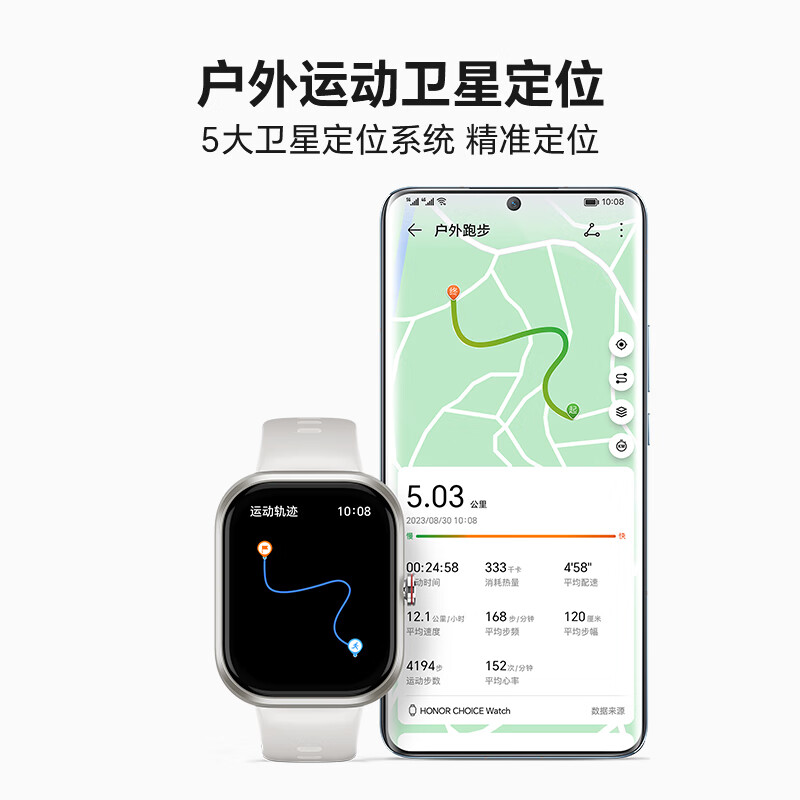
The smartwatch is compatible with the “Honor Sports Health” app, enhancing its functionality. It supports independent satellite positioning and is equipped with NFC for access cards. The watch is water-resistant up to 50 meters, making it suitable for swimming and other water-related activities.

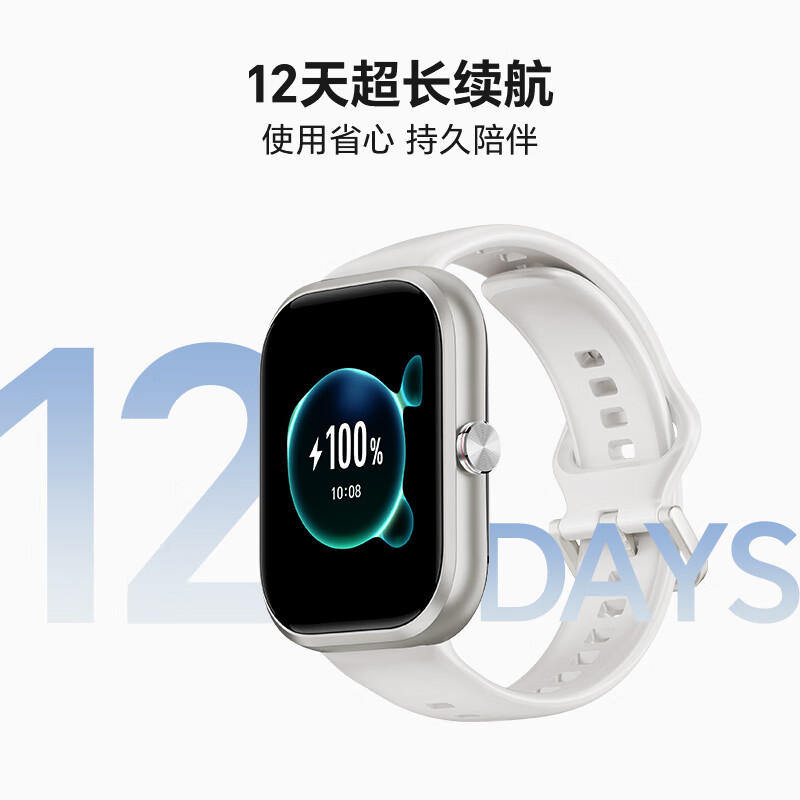
Haylou Watch offers connectivity features like Bluetooth voice calling and an SOS emergency call function. Users can make and receive calls directly from the watch. It boasts an impressive battery life, with a 300mAh battery providing up to 12 days of usage under typical conditions. Additionally, it charges fully in just 1.5 hours, minimizing downtime.

Haylou Watch offers a range of strap options, including silicone and woven straps, all compatible with standard 20mm watch bands.

RELATED:

China’s import of Dutch chip-making lithography systems saw a tenfold increase in November

Amidst the current US restrictions that prohibit Chinese firms from buying advanced chip-making equipment from US companies, there seems to be a shift to other markets. China’s imports of lithography systems from the Netherlands increased tenfold year-on-year last month. China imported 16 units of the machine with a total value of $762.7 million. The bulk of imports of lithography systems in November came from the Netherlands and Japan.

China

China’s semiconductor manufacturers are getting alternative critical fabrication equipment from markets outside the US in an increasing manner. It also indicates that Chinese firms are not yet completely cut off from buying certain advanced equipment for chip-making. In October, China imported 21 lithography systems valued at $672.5 million, while 16 systems were imported in November at a higher sum of $762.7 million. This means that Chinese firms are getting their hands on more advanced and expensive projection systems. The US has been unrelenting in trying to restrict other countries from also selling advanced equipment to Chinese firms but it is yet to fully stop the inflow.

The Netherlands is home to ASML a leading manufacturer of lithography machines. The country is the biggest exporter of lithography equipment used to make the most advanced chips, followed by Japan. The Netherlands and Japan accounted for the bulk of imports by China for lithography equipment in November 2023. China is still far off the top in terms of technology for advanced lithography systems. It has failed to narrow the gap even with massive investments by the government. It is estimated that less than 5% of lithography systems used in Chinese fabs were made in China as of 2021.

There might be more restrictions ahead, however. Both the Netherlands and Japan have released new guidelines and export controls on chip-making equipment. The two countries acceded to the US request in January. There are new restrictions activated by the US Commerce Department targeting China. The US abolished the so-called de minimis rule which applied to certain deep ultraviolet (DUV) equipment. The new rule kicked in last month and restricts ASML from shipping advanced immersion DUV lithography systems to a few fabs involved in advanced semiconductor manufacturing in China. The spike in imports may be unconnected with the new restrictions, as the equipment shipped in November received their licenses in 2022 or early 2023.

Related:

(source)

Again, two senior Vivo execs arrested in India in ongoing money laundering probe

Two senior employees of Chinese smartphone manufacturer Vivo have been arrested in India. The arrest is coming on the heels of the earlier arrest of four executives of Vivo India including a Chinese national for alleged money laundering. A source from Vivo India says the company has vowed to challenge the arrest legally. Vivo, in a statement, said, it was deeply alarmed by the current action of the authorities.

Vivo India

India’s financial crimes agency, the Enforcement Directorate made the arrests but no formal statement has been made yet. The arrest is yet another indication of increased scrutiny of Chinese businesses in the subcontinent since 2020. Vivo says the recent arrests demonstrate continued harassment and induce an environment of uncertainty within the industry landscape. The arrested individuals were arraigned in a Delhi court on Saturday and then sent to the agency’s custody. The unnamed individuals will again appear in court on December 26, according to unnamed inside sources.

Beijing and New Delhi have had a fractious relationship for a while since the deadly border clash in 2020. The Sino-Indian border dispute is an ongoing territorial dispute over the sovereignty of two relatively large and several smaller pieces of territory between China and India. India has ramped up scrutiny of Chinese businesses and investments in India and several arrests have been made previously. Economic relations continue between both countries and India has a large trade deficit that is skewed towards China.

The charges against the accused persons are not yet known. The Enforcement Directorate has not also provided any detail relating to the arrest and subsequent arraignment of the two individuals. The nationality of the arrested persons cannot be ascertained at this time. It is also unclear whether Vivo provided legal representation for the two senior officials in court.

Related:

Infinix Smart 8 Pro with Helio P35 spotted in Google Play Console listing

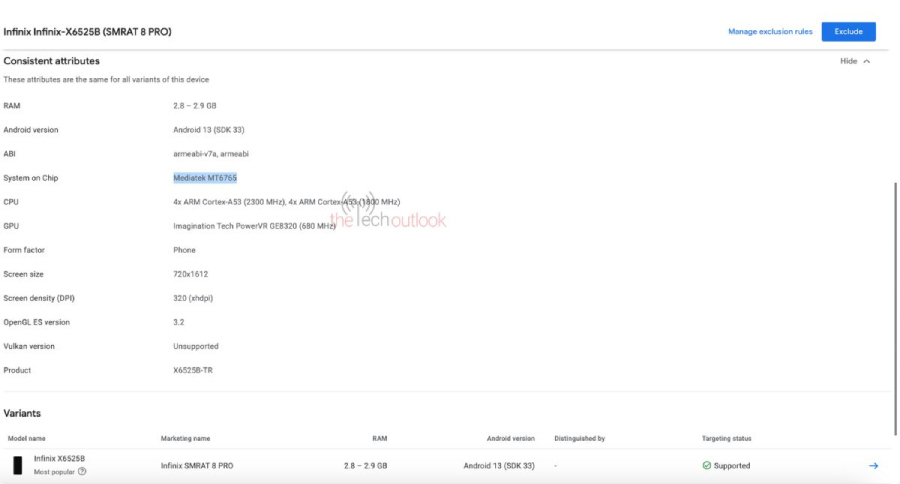
Hot on the heels of their budget-friendly Smart 8, Infinix appears to be prepping another phone in the series: the Smart 8 Pro. Its specs have just surfaced on Google Play Console, giving us a sneak peek at what’s to come.

Infinix Smart 8 Pro Google Play Console listing

The listing reveals a MediaTek Helio P35 processor under the hood, an octa-core chip with a 2.3GHz boost for four of its Cortex-A53 cores. Graphics will be handled by an Imagination PowerVR GE8320 GPU, while 3GB of RAM and the Android 13 complete the picture.

Infinix Smart 8 Pro Google Play Console
Infinix Smart 8 Pro Google Play Console listing.

The listing also confirms a display with 720×1612 pixels resolution and a screen density of 320 DPI. 

While details on other aspects like cameras and battery are still under wraps, the Smart 8 Pro will be a budget-friendly option, just like its non-Pro sibling.

To recap, the Infinix Smart 8 boasts a Unisoc T606 processor combined with Mali G57 graphics. It comes in a single configuration with 3GB RAM and 32GB storage but offers generous expansion options up to 2 TB via microSD card. It runs Android 13 (Go Edition) based XOS 13 custom skin out of the box.

Likewise, its 6.6-inch IPS LCD display boasts a 90Hz refresh rate, 180Hz touch sampling, and a peak brightness of 500 nits. In the camera department, you get a dual-lens setup on the back, featuring a 13MP main sensor and an AI-powered companion. An 8MP selfie camera resides within the punch-hole cutout for selfies. And, there’s even a “Magic Ring” feature inspired by Apple’s Dynamic Island.

Rounding out the package is a capacious 5000 mAh battery with 10W charging, while a side-mounted fingerprint sensor serves as a biometric option.

Related:

(Via)
Huawei Nova 12 Ultra key specifications, display design leaked before launch

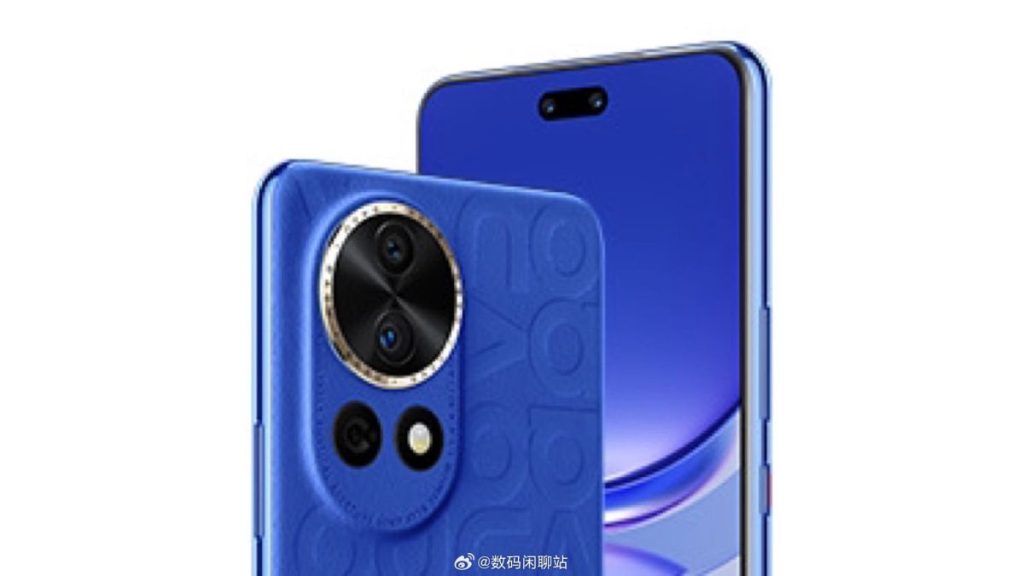
On Dec. 26, Huawei will unveil the Nova 12 series of smartphones in China. The rumor mill has been leaking the key specs of the Nova 12, Nova 12 Lite, Nova 12 Pro, and Nova 12 Ultra in bits and pieces. In a new Weibo post, tipster Digital Chat Station mentioned the key specifications of the Nova 12 Ultra. Here is a look at what to expect from the device.

Huawei Nova 12 Ultra specifications (rumored)  

Huawei Nova 12 ultra front, rear
Huawei Nova 12 ultra front, rear design

According to DCS, the Nova 12 Ultra will have an OLED panel that offers a 1.5K resolution. While it is not mentioned in the leak, it appears that it may support up to a 120Hz refresh rate. Several images of the device have appeared in the recent past, which have confirmed its rear design. The leaker’s aforementioned image provides the first look at the quad-curved display design, which also includes a pill-shaped cutout for the dual selfie camera setup.

The Nova 12 Ultra’s front camera setup is tipped to feature a 64-megapixel main camera and an 8-megapixel portrait lens that supports 2x optical zoom. On the back panel, the device will have a 50-megapixel primary snapper backed by a 1/1.55-inch camera sensor offering f/1.4–f/4.0 physically variable aperture. The leaker did not mention the details of other cameras on the device.

The leak claims that the device has a 5G-enabled Kirin chip onboard, but it does not specify whether it has the Kirin 9000s, which also powers the Mate 60 series. It will pack a 4,600mAh battery with 100W charging. In addition, it will support other features, such as two-way satellite communication, AI air-to-air control, and smart payment.

The Nova 12 Ultra will come in three colors: No. 12 (the signature blue color), Obsidian Black, and Smoke Gray. As per a recent leak, the device will be priced at 5,499 Yuan (~$775) in the Chinese market.

RELATED:

(source)

iQOO Neo 9 Pro’s primary, ultra-wide camera details officially confirmed

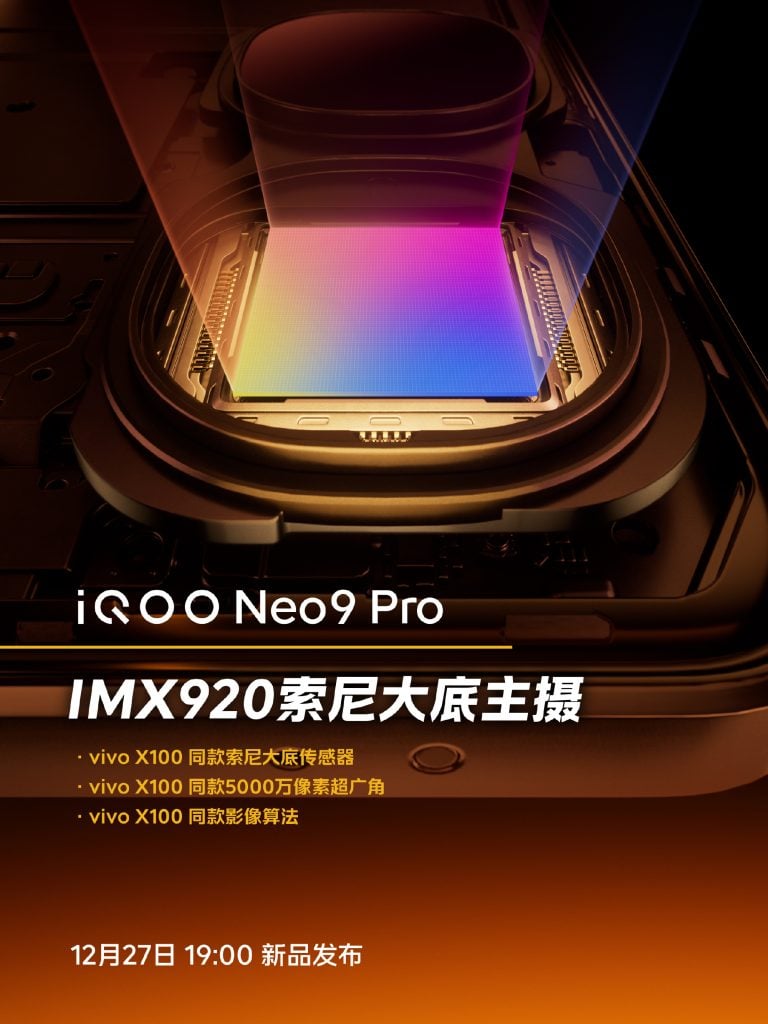
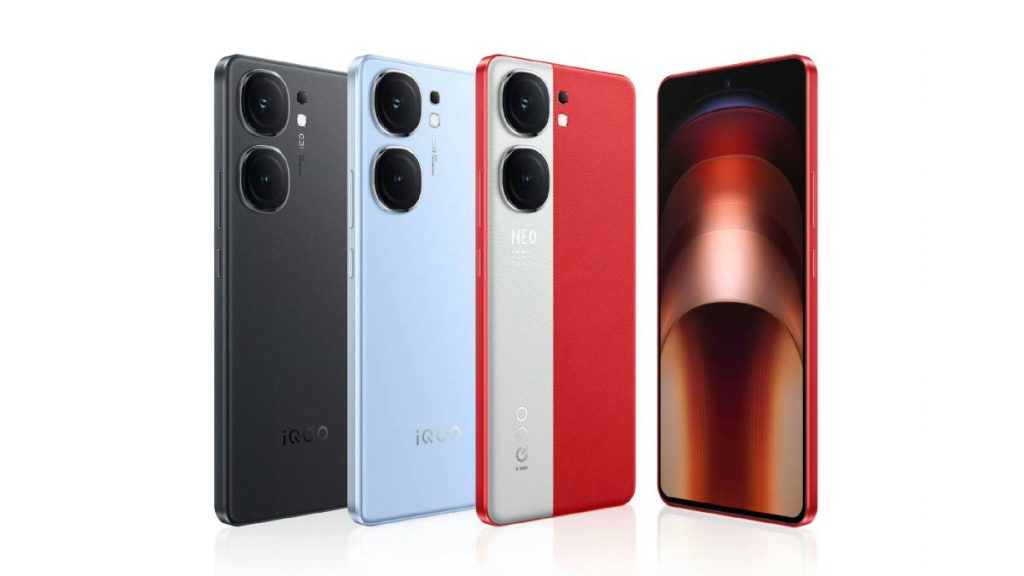
iQOO is gearing up for the release of its iQOO Neo 9 series smartphones in China, with the launch scheduled for Dec. 27. In recent days, the brand has been steadily unveiling crucial information about the Neo 9 and Neo 9 Pro. In the latest update, iQOO has shared a poster disclosing the specifications of the primary and ultra-wide cameras on the Neo 9 Pro model.

iQOO Neo 9 Pro camera specifications

iQOO Neo 9 Pro IMX920
iQOO Neo 9 Pro camera specifications

The iQOO Neo 9 Pro distinguishes itself as a performance-centric sub-flagship smartphone, deviating from the conventional triple-camera setup comprising main, ultra-wide, and macro/telephoto lenses. Instead, it opts for a dual-camera configuration, incorporating the same primary and ultra-wide sensors found in the camera-focused Vivo X100 flagship, unveiled in November in China.

The Neo 9 Pro is set to feature a potent Sony IMX920 50-megapixel primary camera, likely equipped with optical image stabilization (OIS). Complementing this, the device will include a Samsung JN1 50-megapixel camera sensor dedicated to capturing expansive ultra-wide shots.

As per other reports, the iQOO Neo 9 Pro will have a 6.78-inch OLED screen offering a 1.5K resolution and a 144Hz refresh rate. The Dimensity 9300-powered device may have 12 GB / 16 GB of LPDDR5X RAM and 256 GB / 512 GB of UFS 4.0 storage.

iQOO Neo 9 series
iQOO Neo 9 series

The device will pack a 5,160mAh battery with 120W fast charging. It will run on OriginOS 4-based Android 14. It will also have other features, such as an in-screen fingerprint sensor, dual speakers, an IR blaster, and an x-axis linear motor. At present, there is no information about the price of the device. It is expected to come in three shades, such as Flighting Black, Nautical Blue, and Red and White Soul.

RELATED:

Nothing Phone (2a) display, camera specifications tipped before expected MWC 2024 launch

Rumors are rife that Nothing’s next smartphone, the Phone (2a), will be announced at the Mobile World Congress (MWC) 2024, which will take place on Feb. 27 in Barcelona, Spain. Well before the launch, Smartprix published a report to leak the display and camera specifications of the Phone (2a), along with its wallpapers. Here are all the new details about the device.

Nothing Phone (2a) display, camera specifications (rumored)

Nothing Phone (2a) design
The alleged rear design of the Nothing Phone (2a)

The publication has teamed up with tipster Kamila to reveal that the Nothing Phone (2a) will arrive with a 6.7-inch display on the front. It appears to be an OLED panel supplied by China’s Visionox and BOE that offers an FHD+ resolution of 1080 x 2412 pixels and a 120Hz refresh rate.

The leak further states that the Nothing Phone (2a) will arrive with a 50-megapixel Samsung S5KGN9 primary camera, also available on the Moto G84 5G. A Samsung S5KJN1 ultra-wide lens will accompany it. The device will be equipped with a Sony IMX615 32-megapixel primary camera for selfies. As per other reports, the dual-camera system will be arranged horizontally in a round camera module.

Shown above are the leaked wallpapers of the Nothing Phone (2a) dubbed ‘Ruxe’, ‘Nexul’, ‘Azunim White’, ‘Orbique’, ‘Rubrane Black’, ‘Ambra’, and ‘Virmar.’ The report also states that there will be four SKUs of the device, such as PacmanIND (India), PacmanJPN (Japan), PacmanEEA (Europe), and Pacman (global). The device will come in black and white color options.

As per other reports, the Nothing Phone (2a) will feature the Dimensity 7200 chipset, 8 GB of RAM, and 128 GB of storage. It is expected to ship with Nothing OS 2.5-based Android 14. It will have a redesigned 3-part Glyph interface on the back. In the global market, it is likely to be priced at $400.

RELATED:

(source)

Vivo in Hot Water as Arrests and Accusations Shake Up Tech Giant in India

Recently, India‘s law enforcement agencies have taken a significant step by arresting two high-ranking employees of the Chinese smartphone giant, Vivo. This action, set against the backdrop of increased scrutiny of Chinese businesses in India, marks a new chapter in the complex relationship between the two countries.

Two high-ranking employees of Vivo were arrested

The arrests, made by India’s Enforcement Directorate, are linked to accusations of money laundering, a charge that Vivo vehemently denies. This isn’t the first time Vivo has faced such challenges in India. Just two months prior, the Directorate arrested four executives, including a Chinese national, from Vivo’s Indian unit on similar charges.

Vivo logo
Vivo logo

Vivo’s response to these arrests has been one of strong opposition. The company has expressed deep concern over what it perceives as “continued harassment,” which they believe creates an atmosphere of uncertainty not just for them but for the broader industry landscape in India. Vivo has committed to using all legal means to counter these accusations, underlining the seriousness with which they are approaching this matter.

The tension between India and Chinese businesses isn’t new. It has been escalating, especially after a deadly border clash in 2020. India has since been closely monitoring Chinese investments and companies operating within its borders. These latest developments with Vivo are a continuation of this heightened vigilance.

It’s important to consider what this means for the future of Chinese businesses in India. Will this lead to a tightening of regulations for foreign companies, particularly those from China? Or is it a signal for these businesses to reevaluate their operations and compliance strategies in India?

The industry is watching closely as the situation unfolds and more variables appear. The outcomes of these legal battles could set precedents impacting the operations of international companies in India, potentially reshaping the business landscape. With the Vivo employees set to appear in court again on December 26, all eyes are on how this legal drama will unfold and its broader implications for international business relations in India.

RELATED:

(Via)
Sharge Flow Mini power bank with a 5000mAh capacity, 12W output launched

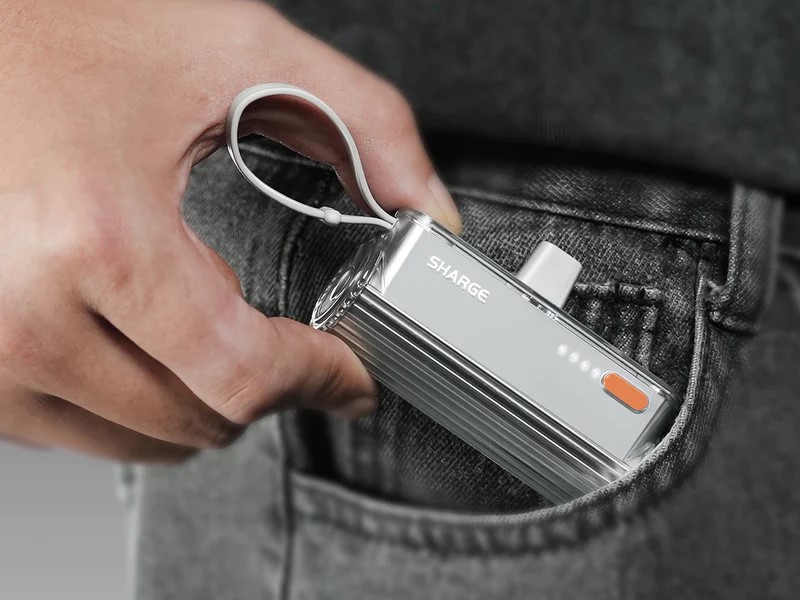
Chinese company Sharge which recently changed its name from Shargeek has launched the Flow Mini portable power bank is now available in the global market. It is a compact portable charger that is the size of a film roll. It has a 5,000mAh battery capacity and features interchangeable charging plugs.

Sharge Flow Mini power bank

Features

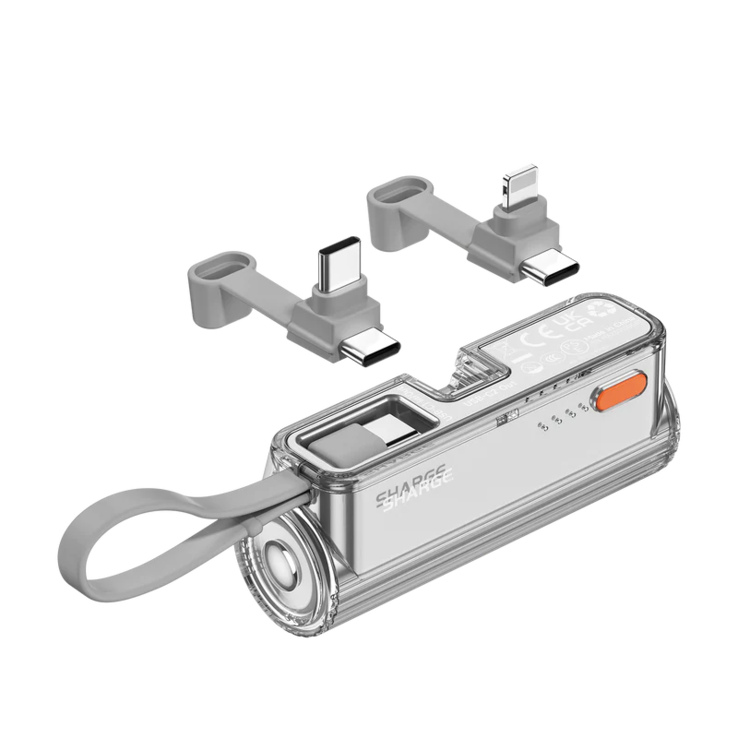
The new Sharge Flow Mini weighs less than 100g and can be easily transported inside the pocket. It is a cable-free charger and features a built-in connector with a 12W output. The Sharge Flow Mini’s interchangeable plugs are for USB-C and lightning connections. You can charge a device without removing cases up to 1.37 inches thick. A second device can be recharged at up to 12W via its integrated USB-C cable, which also serves as a lanyard.

The compact Sharge Flow Mini power bank can recharge your devices for several hours of additional operation. The integrated USB-C cable can charge the power bank at up to 12W power. The dimensions of the Sharge Flow Mini are 77.8 x 33.0 x 25.2mm and the device has a transparent and silver finish with orange accents and LED indicator lights. The power bank can charge various devices including iPhone 15, Google Pixel 8, and Samsung Z Flip, as well as other models.

Sharge Flow Mini power bank

Pricing & Availability

The Sharge Flow Mini compact power bank is priced at $29.99 on Amazon, but the price is due to an in-page coupon. The original price of the device is $39.99 but the discount regime will run until December 25. The availability of the Sharge Flow Mini is open to various countries globally. However, shipping costs will differ across the markets. More details about the Sharge Flow Mini compact power bank can be viewed on the Sharge website.

Related:

SMIC is reportedly working on 3nm process technology despite US sanctions

A new report from Nikkei says Chinese chipmaker SMIC is developing 3nm fabrication processes despite key equipment difficulties occasioned by US sanctions. The chipmaker has been prevented from accessing advanced chip production equipment from US vend

SMIC

SMIC is reported to have developed its 2nd-gen 7nm-class process technology that can be used to produce smartphone processors. The new report states that SMIC is pursuing research on 5nm and 3nm-class process technologies. The research is being carried out in-house by the company’s research and development team. The team is led by co-CEO Liang Mong-Song, a renowned semiconductor scientist. The team leader has had stints at TSMC and Samsung. He is rated as one of the most brilliant minds in the semiconductor industry.

The news is quite instructive that the US sanctions regime has not been able to completely halt the progress of SMC in developing advanced chips beyond the 7nm process. It may have seriously slowed down the company, but a combination of factors is working in its favor in overcoming the challenges.

SMIC is currently the fifth-largest contract maker of chips in the industry. It lost access to leading-edge wafer fab tools that severely limited its ability to adopt new process technologies. As a result of the sanctions, SMIC was unable to get extreme ultraviolet (EUV) lithography tools from ASML. It however relied solely on deep ultraviolet (DUV) lithography for its 2nd-gen 7nm-class node.

The ASML Twinscan NXT:2000i lithography machines are the best tools available to SMIC currently. They can etch up to 38nm production resolutions. The level of precision is adequate for printing 38nm metal pitches using double patterning for 7nm-class nodes. Metal pitches shrink to 30-32nm at 5nm and 21-24nm at 3nm, according to AML and IMEC.

Multi-patterning is another option for achieving ultra-small feature sizes that can omit the use of EUV. It is a complicated process that lengthens the cycle times and can affect yields, as well as wear down the fabrication equipment. The cost implications for multi-patterning is also quite high. SMIC is using triple, quadruple, or sometimes, quintuple patterning to achieve lower resolutions. The design of a DUV-only 3nm-class fabrication process is a significant milestone for SMIC. It remains to be seen how the chip will perform in products.

Related:

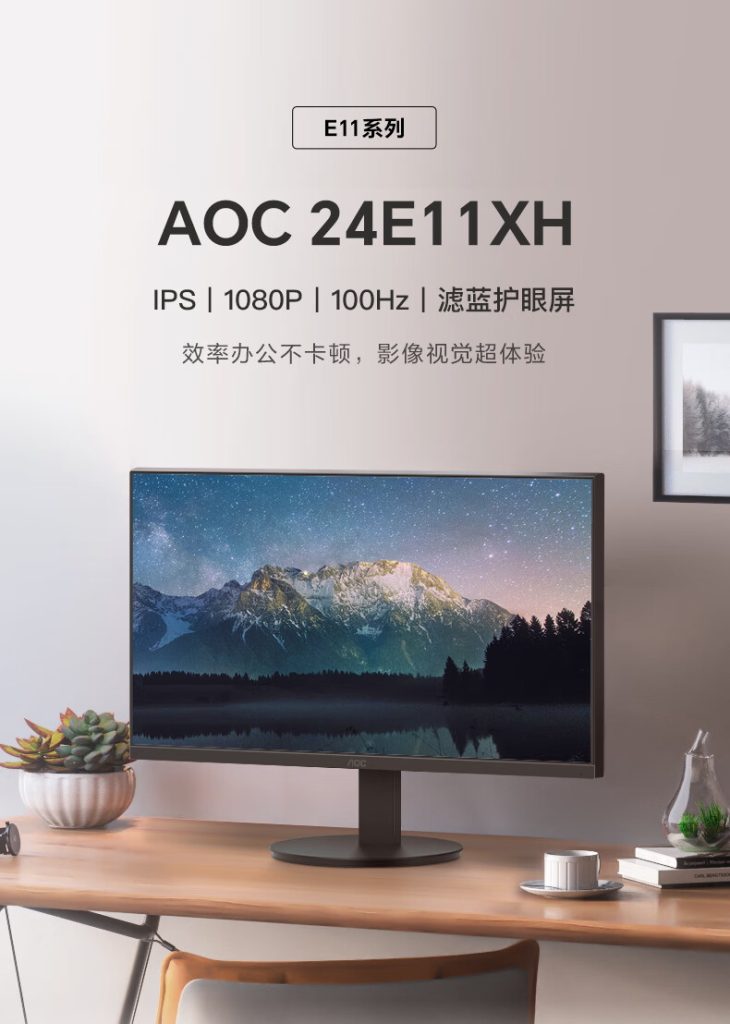
AOC launches 24E11XH, affordable 23.8-inch gaming monitor with 1080P 100Hz panel for 529 Yuan ($74)

AOC has launched the “24E11XH,” a budget-friendly gaming monitor featuring a 1080P resolution and a 100Hz refresh rate. The monitor is initially priced at 599 Yuan but can be purchased for a discounted price of 529 Yuan ($74). Let’s delve into the key specs of this monitor.

AOC 24E11XH Monitor

AOC 24E11XH Monitor Specifications:

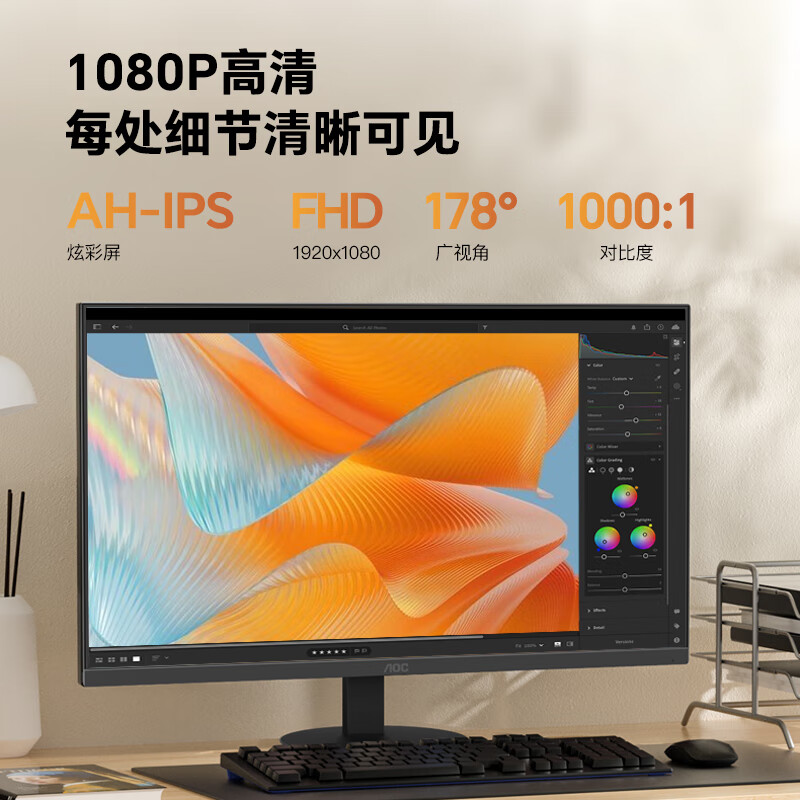
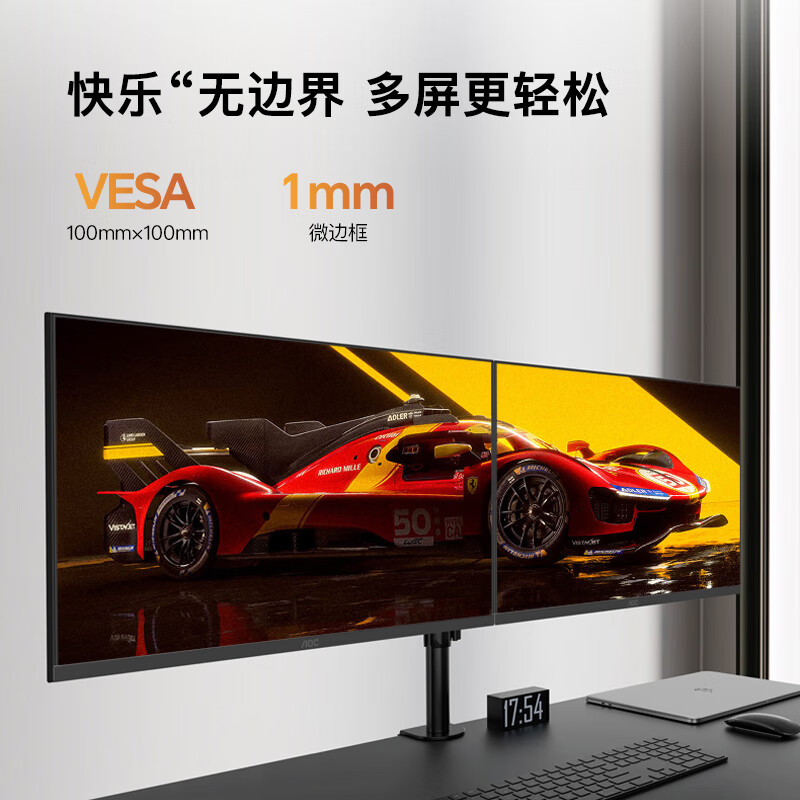
The monitor boasts a sleek design with a slim 1mm three-sided bezel and houses a 23.8-inch 1080P IPS panel offering 1920×1080 resolution and wide 178-degree viewing angles. It’s suitable for tasks such as casual gaming, web browsing, and video playback.

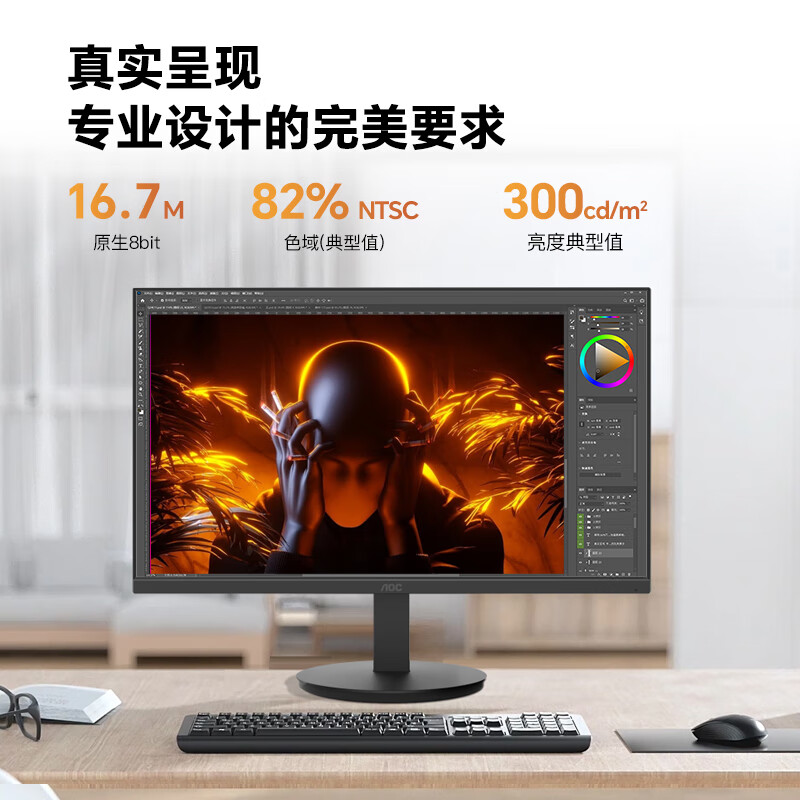
The 24E11XH model covers 82% of the NTSC color gamut, offering a rich color palette with 16.7 million colors and an 8-bit color depth. This makes it ideal for professional design work, providing true-to-life and vibrant colors. The monitor’s brightness is rated at 300 nits, and it has a contrast ratio of 1000:1, enhancing the overall picture quality.

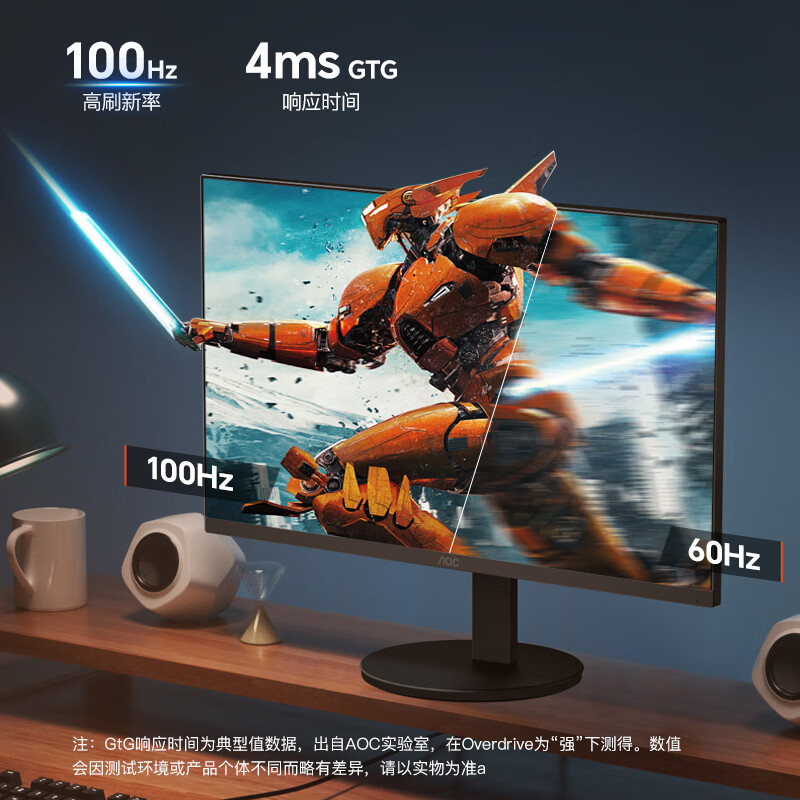
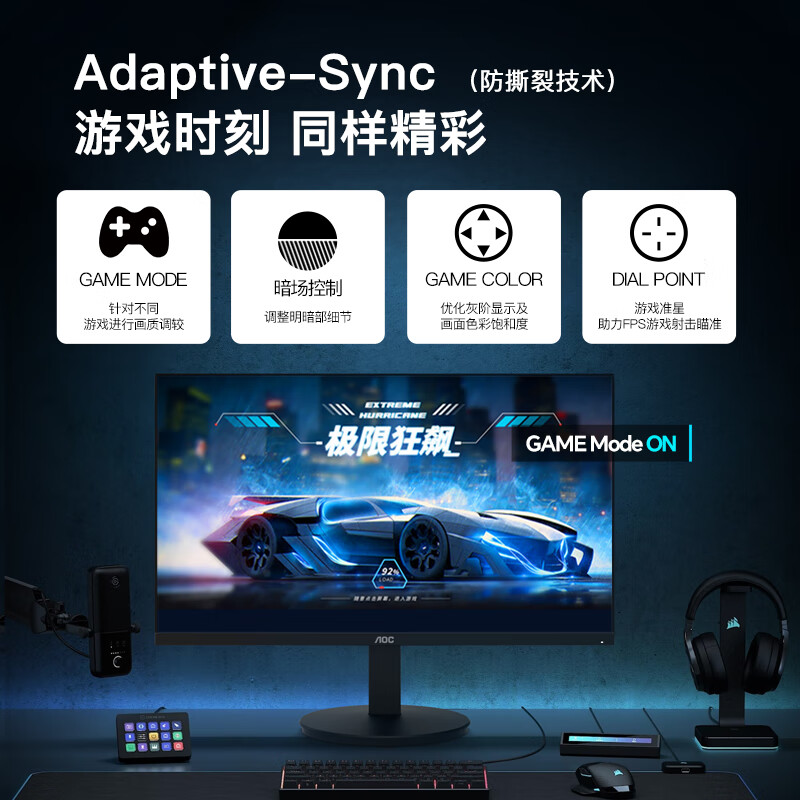
In terms of performance, the monitor boasts a 4ms GTG response time, which is optimal for gaming and other high-speed content. The 100Hz refresh rate ensures smooth and lag-free visuals, reducing screen stutter and improving the efficiency of office work. Additionally, the monitor is equipped with HDR mode, which enhances color and contrast in both dark and light areas, simulating an HDR effect for SDR content.

For eye comfort, the monitor is TUV-certified for low blue light emissions. It uses a low blue light mode and DC dimming to reduce screen flicker and minimize eye strain, making it suitable for extended use. The monitor also offers various scene modes like Energy-saving, Web, Game, Movie, Sports, and Reading, adaptable to different usage environments.

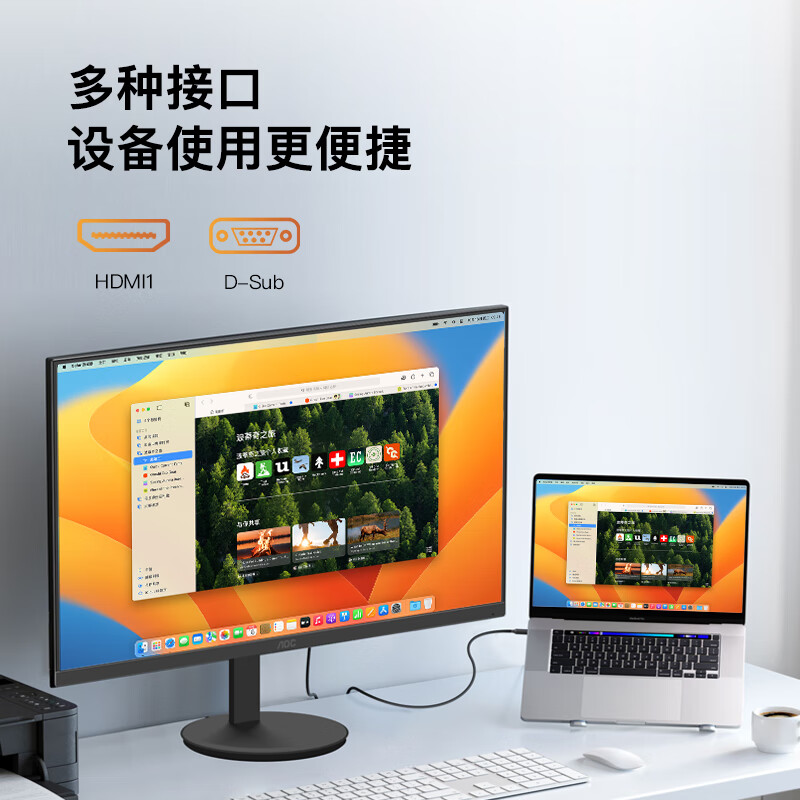
The 24E11XH supports 100x100mm VESA mounting. For connectivity, the monitor includes an HDMI 1.4 port and a D-Sub port, compatible with a range of devices like laptops and desktops. The monitor’s dimensions are 603x396x130mm, with a gross weight of 3.76kg and a net weight of 2.65kg.

Earlier this month, AOC also introduced two new monitors: the AOC U27G10 gaming monitor featuring a 27-inch 4K Fast-IPS panel with a 160Hz refresh rate, priced at 2499 Yuan ($352), and the AOC Q27E12C monitor with a 27-inch 2K IPS panel boasting a 100Hz refresh rate, available for 999 Yuan ($139).

RELATED:

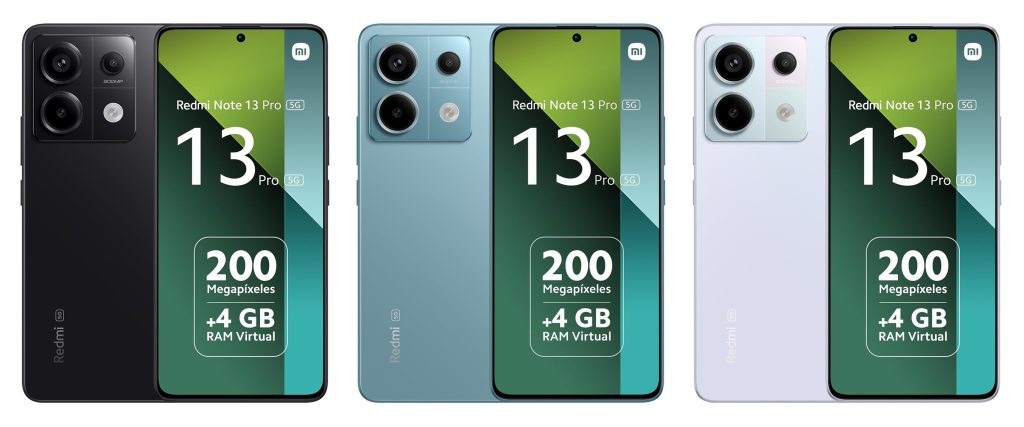
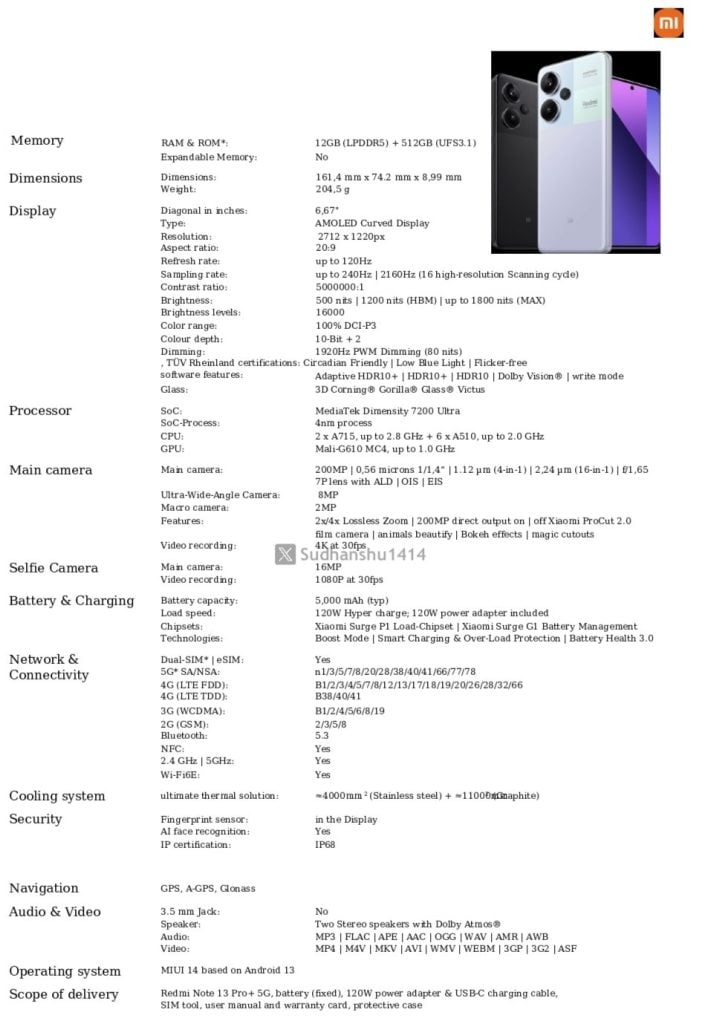
Redmi Note 13 5G Series: Full Specifications Leaked for Indian & Global Variants Ahead of Launch

The Redmi Note 13 5G series is getting ready to launch worldwide, and it’s coming to India at the beginning of next month. Before the official launch, we got a sneak peek at the complete specs and features of three devices, thanks to a leak from tipster Sudhanshu Ambhore. Take a look at what each device has to offer.

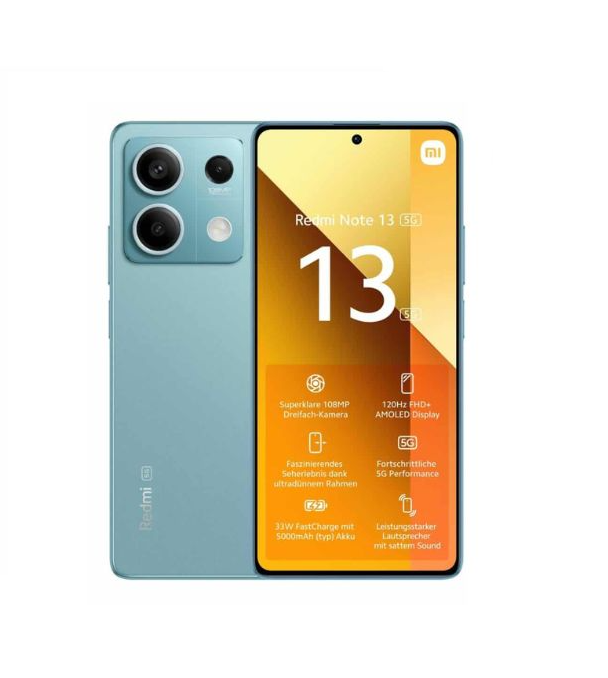
Redmi Note 13 5G specs:

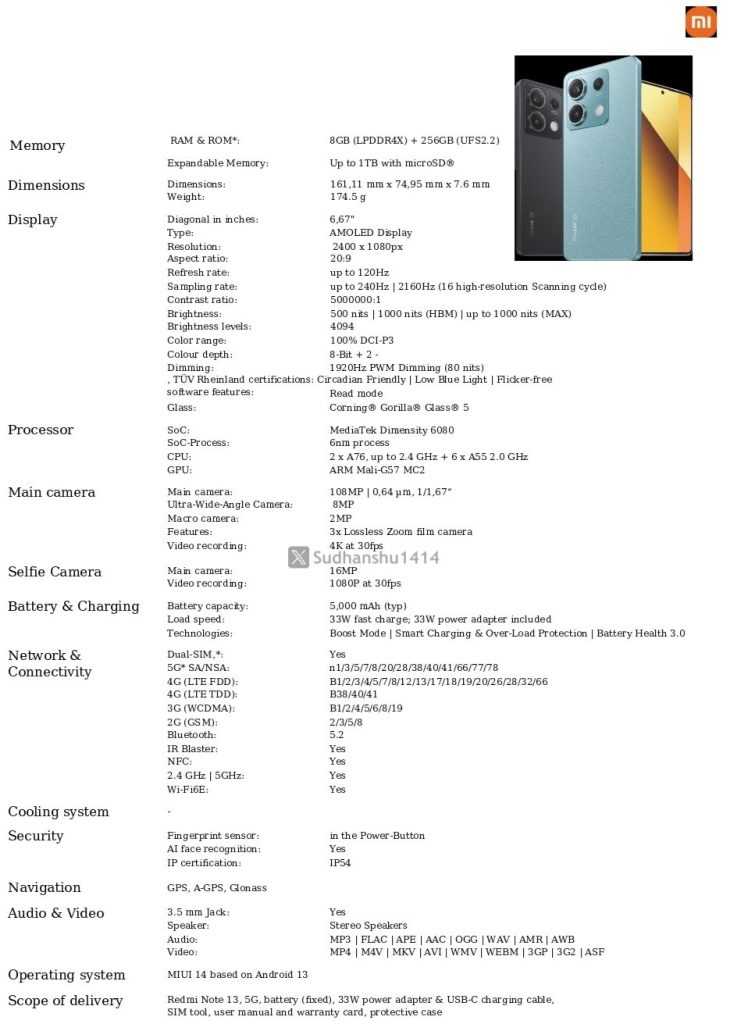
Beginning with the Redmi Note 13 5G, it packs up to 8GB LPDDR4X RAM coupled with 256GB UFS2.2 internal storage, expandable up to 1TB via microSD. The device, with dimensions of 161.11mm x 74.95mm x 7.6mm and a weight of 174.5g, features a 6.67-inch AMOLED display boasting a resolution of 2400 x 1080 pixels. This display supports up to 120Hz refresh rate and a sampling rate of up to 240Hz.

Redmi Note 13 5G specs

Under the hood, it is powered by a MediaTek Dimensity 6080 SoC. The camera setup includes an impressive 108MP main camera, an 8MP ultra-wide-angle camera, and a 2MP macro camera. The front camera is a 16MP shooter. A 5,000mAh battery with 33W fast charging runs the show, and the device operates on MIUI 14 based on Android 13.

Connectivity options include 5G SA/NSA, Bluetooth 5.2, NFC, and dual-SIM support. Noteworthy features encompass a fingerprint sensor in the power button, AI face recognition, and an IP54 certification for water and dust resistance. Additionally, it incorporates a cooling system. In the box, you’ll find a 33W power adapter, USB-C charging cable, SIM tool, user manual, warranty card, and a protective case.

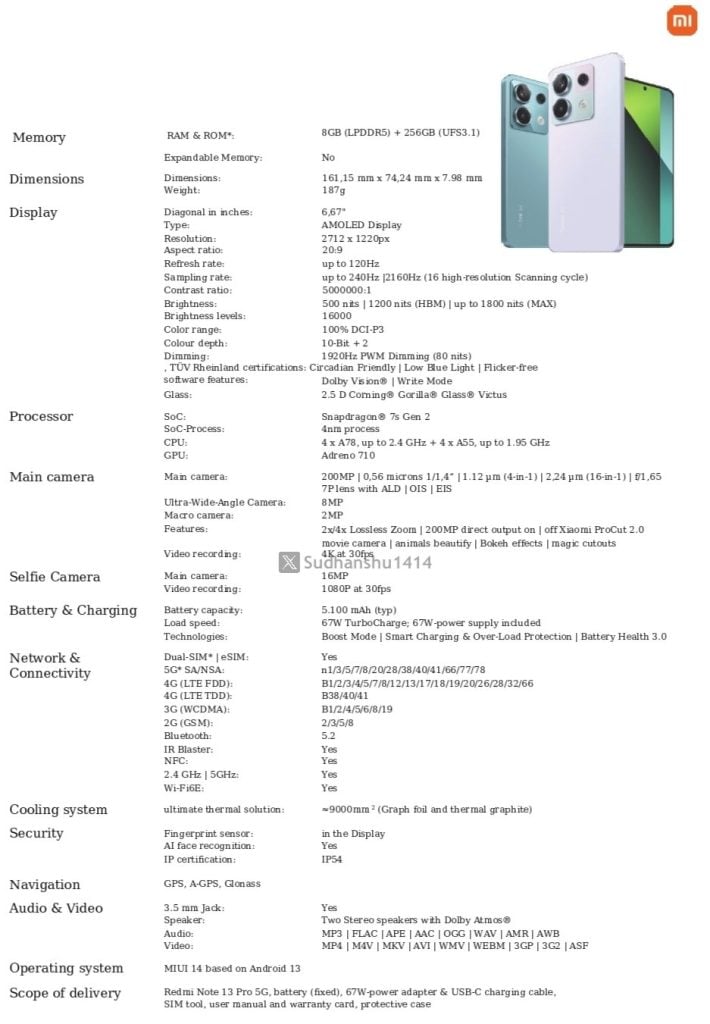
Redmi Note 13 Pro 5G specs:

Moving to the Redmi Note 13 Pro 5G, the device features a sleek design measuring 161.15mm x 74.24mm x 7.98mm and a weight of 187g. It offers a 6.67-inch AMOLED display with a high resolution of 2712 x 1220 pixels. This display supports up to 120Hz refresh rate and a sampling rate of up to 240Hz, with exceptional brightness levels ranging up to 1800 nits.

Redmi Note 13 Pro 5G specs

Powered by the Snapdragon 7s Gen 2 SoC complemented by the Adreno 710 GPU, it comes with up to 8GB of LPDDR5 RAM and 256GB UFS3.1 internal storage. The camera setup is headlined by a 200MP main camera with features like 2x/4x Lossless Zoom, supporting 4K video recording at 30fps. It has an 8MP ultra-wide-angle camera and a 2MP macro camera. The front camera is a 16MP shooter.

Redmi Note 13 Pro 5G renders

A large 5100mAh battery with 67W TurboCharge fuels the device, and connectivity options include 5G SA/NSA, Bluetooth 5.2, NFC, and dual-SIM support. It integrates a fingerprint sensor in the display, AI face recognition, and holds an IP54 certification for water and dust resistance. For audio and video, the device offers a 3.5mm jack, two stereo speakers with Dolby Atmos, supporting various audio and video formats.

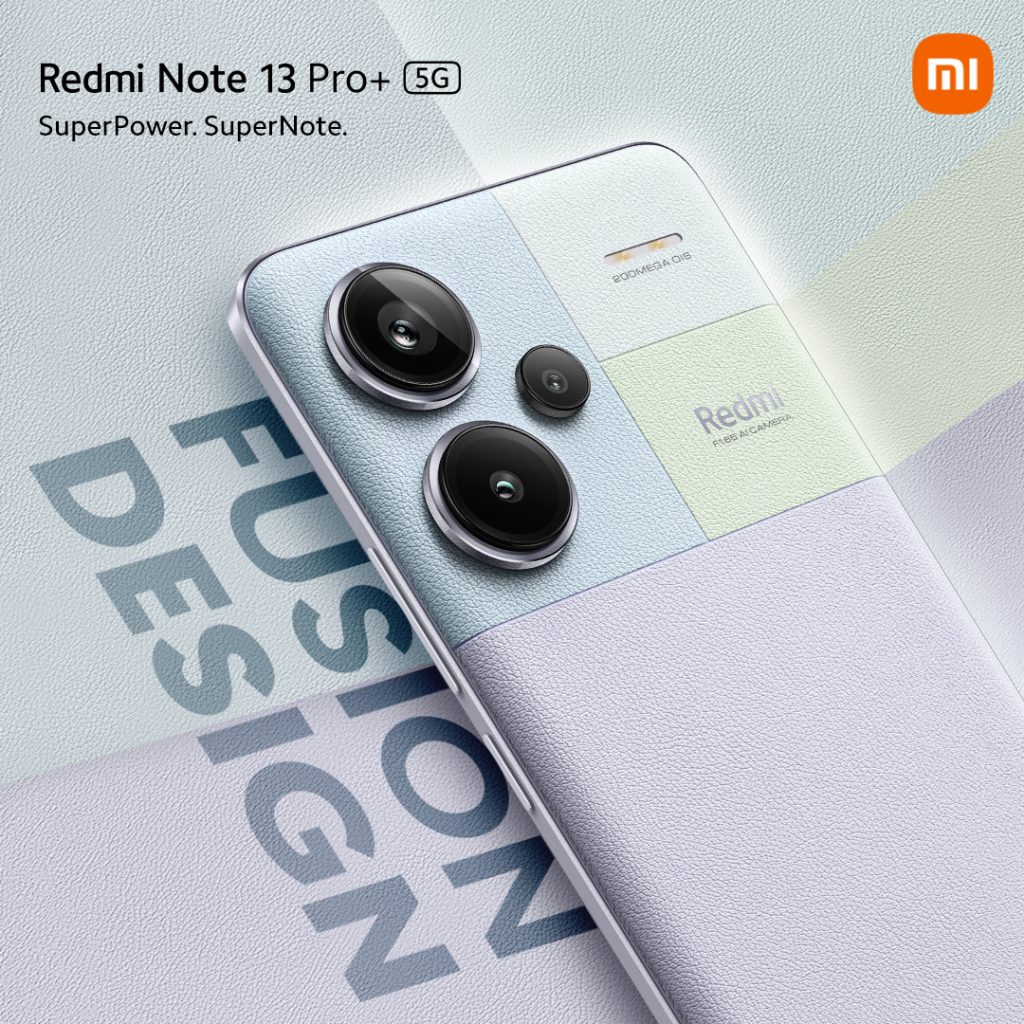
Redmi Note 13 Pro+ 5G specs:

Finally, the Redmi Note 13 Pro+ 5G is powered by the MediaTek Dimensity 7200 Ultra SoC, paired with up to 12GB of LPDDR5 RAM and 512GB UFS3.1 internal storage. Without expandable memory, the device maintains a sleek design, measuring 161.4mm x 74.2mm x 8.99mm and weighing 204.5g.

The phone features a 6.67-inch AMOLED Curved Display with a resolution of 2712×1220 pixels, a 20.9 aspect ratio, and supports a refresh rate of up to 120Hz. The display, with TÜV Rheinland certifications for Low Blue Light, and Flicker-free, is protected by 3D Corning Gorilla Glass Victus.

Redmi Note 13 Pro+ 5G specs

The camera setup has a 200MP main camera with features such as 2x/4x Lossless Zoom and Xiaomi ProCut 2.0. The main camera employs a 7P lens with ALDOIS EIS and supports 4K video recording at 30fps. It has an 8MP ultra-wide lens and a 2MP macro camera. The front camera is a 16MP shooter with 1080P video recording at 30fps.

Redmi Note 13 Pro+

A 5,000mAh battery powers the device, supporting 120W Hyper Charge, and comes with a 120W power adapter. The network and connectivity options include dual-SIM support, 5G SA/NSA, 4G LTE FDD/TDD, 3G, 2G, Bluetooth 5.3, NFC, and Wi-Fi 6E. The phone incorporates an advanced cooling system with a stainless steel and graphite thermal solution. Security features include an in-display fingerprint sensor, AI face recognition, and an IP68 certification for water and dust resistance.

RELATED:

(Source)

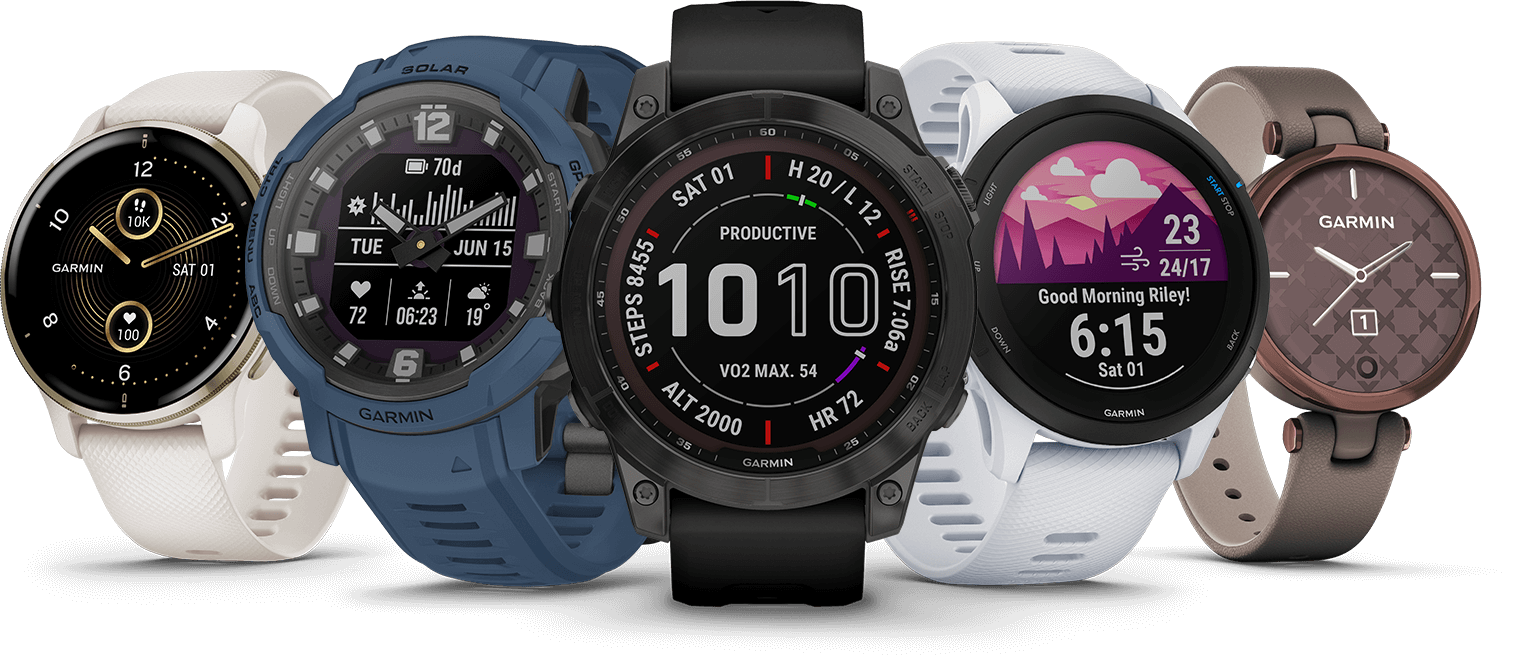
Garmin Fenix 7 Series and Epix Series Smartwatch receives a Live Update including Bug Fixes

Garmin recently released its new public Beta version for some of the latest watches. The Fenix 6 series, the Enduro, Tactix Delta, Quatix 6, and Marq smartwatches were receiving the latest public beta update from the firm. The public beta update resolved five bug fixes.

Now, the manufacturer has released a new stable v15.77 live update for the Fenix 7 Series and Epix Series. The company has begun the rollout of the new update to the following smartwatch: the Fenix 7, the Fenix 7 Pro, and the Epix 2, the Epix 2 Pro, the Enduro 2, the Quatix 7, and the Marq 2.

The latest version, for whatever reason, has bypassed Garmin’s Public Beta program. The version is released by the firm via their forum post. It is a following update to v15.76, which was released by Garmin using the same process.

Garmin Fenix 7 Series and Epix Series smartwatch receives a new update including known bug fixes
Garmin Fenix 7 Series and Epix Series Smartwatch receives a Live Update including known Bug Fixes

To recap, the Epix 2, Enduro 2, Fenix 7, Quatix 7, and Marq 2 series have received their third stable update from the brand this month. However, the update offers a few changes compared to v15.76 and v15.74 which were released before it.

A bug that kept resulting in a map page crash when specific maps were used is considered and fixed in the latest release. But, note that Garmin has not explained what are these “certain maps”. Moreover, the company claims that v15.77 resolves a bug that prevented ski and snowboard distances from being shown in the ‘All Stats’ section for those activities.

Additionally, members of the public beta can still request for v15.77 update without leaving the program itself. To check for the latest updates on your watch, Go to Menu > System > Software Update > Check for Updates.

Related:

(Source)

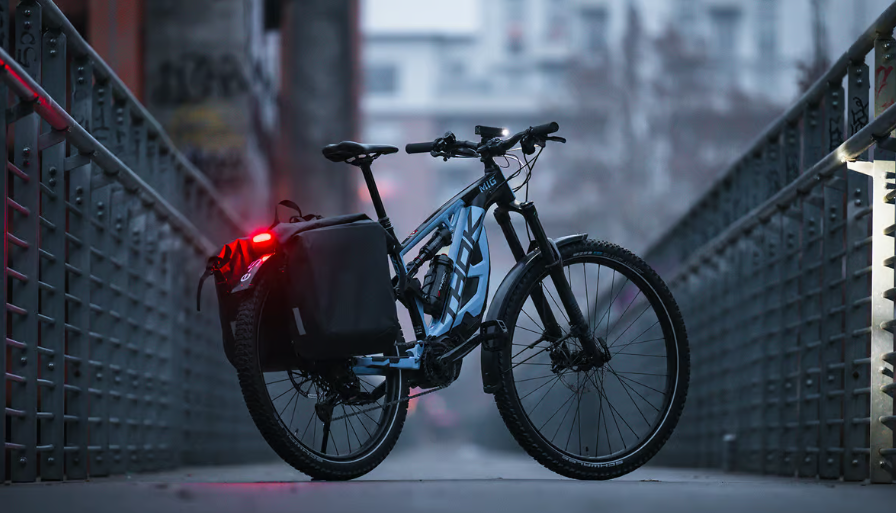
Thok launches the MIG e-S e-MTB designed for urban commute & off-road movement

The Thok MIG e-S electric bicycle has been released. The MIG e-S is an electric mountain bike (e-MTB) that can also seamlessly be used for daily urban movement. The powerful e-bike is powered by a Shimano motor and can be used on rough terrain.

Thok

Features

The MIG e-S is equipped with a Shimano STEPS E7000 mid-drive motor with up to 60Nm of torque. The motor offers pedal assistance up to 25km/h which is in tandem with European e-bike regulations. The MIG e-S has a low-slung downtube battery with a capacity of 630Wh. Thok is yet to provide the assisted range estimates for the e-bike. The bike also comes with a 12-speed SRAM SX Eagle gear set to offer the rider flexible ride choices.

The Thok MIG e-S has a 6061 alloy frame that is designed to deliver optimal comfort to the rider. It has a stretched top tube, a slack head-tube angle, and a straight seat tube. The frame design offers what Thok claims is perfect traction and optimal control in the most technical routes both urban and off-road. There are four size options for the frame to cater to various rider types. The medium size of the MIG e-S weighs about 23.8kg.

MIG e-S e-MTB

The bike is equipped with a RockShox suspension fork with 150mm of travel, in addition to a RockShox Deluxe Select R Air shock with Horst linkage at the rear. These enable the bike to absorb uneven terrain during urban or off-road trips. There is also a Thok telescopic dropper post for taking the seat out of the way in demanding situations. Thok says the MIG e-S is available in a mullet configuration with a 29-inch front wheel and a 27.5-inch roller at the rear. Both wheels are covered by puncture-resistant Schwalbe tires with a reflective strip for improved visibility in traffic. Control of the MIG e-S is achieved via the SRAM disc brakes with 200mm rotors.

The Thok MIG e-S has a front light with 600 lumens brightness while the rear light is 30 lumens bright. The e-bike ships with corrosion-resistant full fenders, a folding lock, and a side kickstand.

MIG e-S e-MTB

Pricing & Availability

The Thok MIG e-S is priced in Europe at €4,290 ($4,700). There are no indications yet whether the Italian-made MIG e-S will be available in other markets outside Europe.

Related:

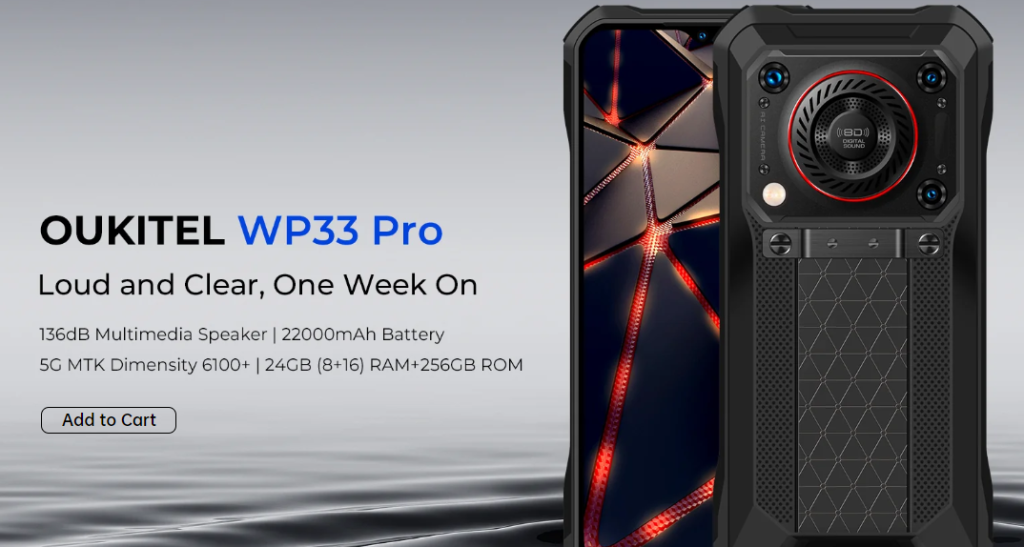
Oukitel WP33 Pro rugged smartphone with 5G, loudspeakers, and a 22,000mAh battery unveiled

Oukitel has released the WP33 Pro as its latest rugged smartphone offering. The Oukitel WP33 Pro comes with a monster 22,000mAh battery and supports 5G connectivity. The smartphone is also equipped with loudspeakers that can be used for music outdoors.

Oukitel WP33 Pro

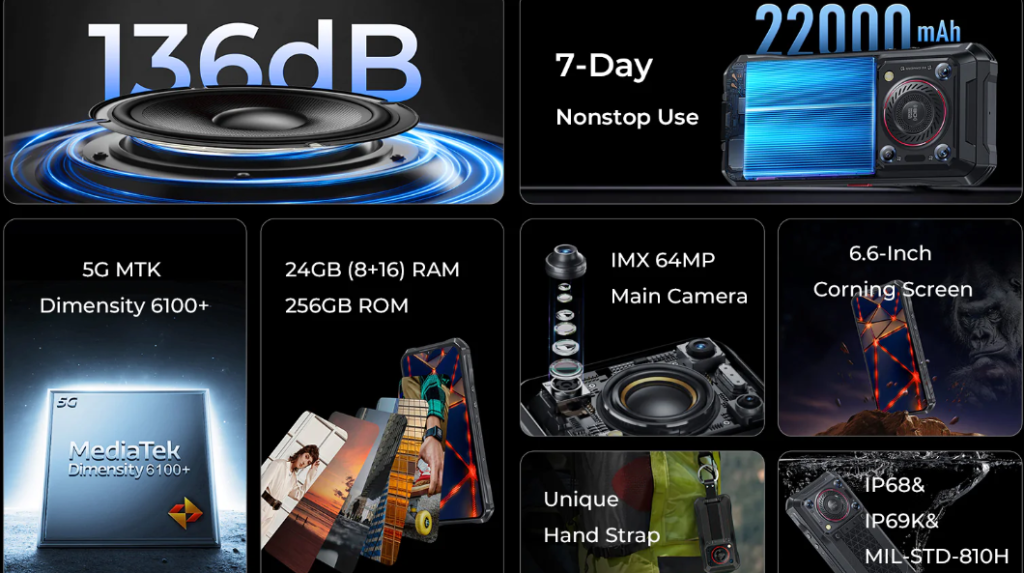
The Oukitel WP33 Pro is robustly designed with a 6.6-inch display that is claimed to be protected by Gorilla Glass. The display has a resolution of 2408 x 1080 pixels and a 60Hz refresh rate. Its design as an outdoor phone is also reflected in its reinforced corners. The WP33 Pro is protected from water, dust, and water drops because of its robust design.

The 22,000mAh battery of the WP33 Pro can sustain the smartphone for a week. The phone can be recharged at up to 33W and because of its large battery, it can function as a power bank, outputting up to 18W. The Oukitel WP33 Pro is powered by a MediaTek Dimensity 6100+ chipset. The SoC offers high performance of the WP33 Pro with high working speeds and support for 5G mobile networks. The phone has a dual SIM architecture and the physical RAM is 8GB but expandable. The internal storage of the Oukitel WP33 Pro is 256GB.

Oukitel WP33 Pro

The new Oukitel rugged smartphone is 27.2mm thick and weighs 577.5g. This is due mainly to its large-capacity battery. The WP33 Pro is equipped with a 64MP main camera and a 20MP night vision camera. The maximum volume of the smartphone’s speaker is 136dB and the power is 5W.

Pricing & Availability

Oukitel will officially launch the WP33 Pro on January 8, 2024, for $240. It will be available directly from the manufacturer and could also find its way to Amazon. The rugged features, large battery, and loudspeakers are some of the major talking points of the Oukitel WP33 Pro. These are in addition to its seemingly competitive pricing.

Related:

Apple’s $50 Million AI Push: Negotiations with News Giants raise stakes in Tech’s Neural Network Race

Apple is currently in talks with major news and publishing giants, including Condé Nast, NBC News, and IAC, in a bid to secure permission to utilize their content in the development and training of generative AI systems. The tech giant’s proposed multiyear deals, valued at a minimum of $50 million, aim to license the extensive archives of news articles from these renowned organizations.

The crux of Apple’s technological endeavor lies in the application of neural networks, a sophisticated form of artificial intelligence that learns intricate patterns through vast datasets, such as digital text and photos. This strategic move aligns with the broader industry trend, as Microsoft, OpenAI, Google, Meta, and other tech behemoths have already introduced products leveraging similar neural network technology, including innovative chatbots.

However, the negotiations have not been without their fair share of challenges. Executives from the publishing world have expressed reservations about the expansive terms put forth by Apple. The initial proposal included broad licensing of publishers’ archives, raising concerns about potential legal liabilities stemming from Apple’s utilization of their content. The lack of clarity regarding how generative AI would be applied to the news industry has also left some stakeholders uneasy.

Sources close to the discussions, speaking on the condition of anonymity, revealed that Apple’s intentions were met with skepticism. Some publishers questioned the competitive risks associated with Apple’s significant news audience on its devices. Apple seems to have encountered difficulties in assuaging these concerns, leading to an air of uncertainty surrounding the negotiations.

Despite these challenges, the potential impact on the news industry is substantial. The integration of generative AI has the power to reshape traditional workflows, offering the promise of significant revenue generation. Apple’s move aligns with a broader trend within the tech industry, where major players are aggressively investing in AI technologies.

In response to media inquiries, Apple has remained tight-lipped, refraining from immediate comments on the reported negotiations. The company’s recent product releases, including the unveiling of new MacBook Pro and iMac computers with specialized chips designed to enhance AI applications, underscore its commitment to advancing artificial intelligence research. Apple asserts that these chips, by addressing limitations on data storage in computer memory, hold particular promise for AI researchers, especially those working on cutting-edge creations like chatbots.

Related:

(via)
Humane’s AI Pin, a screenless wearable projector, will start shipping in March 2024

Humane, founded by former Apple engineers Imran Chaudhri and Bethany Bongiorno, unveiled the AI Pin wearable earlier this year and launched it in November with a price tag of $699.

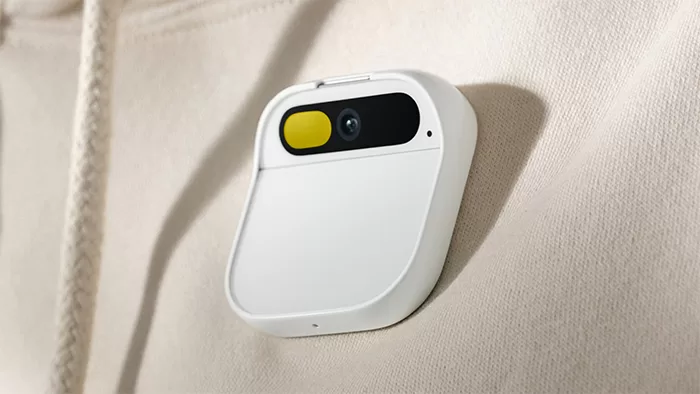
Humane AI Pin

The company has now revealed through X (ex-Twitter) that the device will commence shipping in March 2024. Shipments will be prioritized based on the order of user orders, ensuring those who ordered first receive their products first.

Humane AI Pin Specifications:

The AI Pin is a compact, square-shaped device designed to be worn on clothing. It’s equipped with OpenAI’s GPT-4 and Microsoft’s AI models, and it requires a $24 monthly subscription for cellular data and AI model usage. This subscription is necessary for the device’s operation and includes a phone number along with data coverage through T-Mobile’s network.

What sets the AI Pin apart is its unique “laser ink display” feature. This innovative technology projects a green, monochrome user interface onto the user’s palm at a 720p resolution. The device allows interaction through various gestures and voice commands, enabling functionalities such as photography, translation, and calorie recognition. This screenless wearable device operates without the need for manual app downloads, thanks to its Cosmos operating system, which automatically directs user queries to the relevant tools.

Humane AI Pin

The AI Pin is lightweight, weighing about 34 grams, with an additional 20 grams for its battery booster. It boasts a 13-megapixel camera and a “Personic Speaker,” which adjusts volume for personal or group settings. Additionally, it can connect to Bluetooth headphones.

The device is designed to offer an array of AI tools conveniently and intuitively. The company’s vision with the AI Pin is to provide a futuristic and seamless integration of AI into everyday life, potentially transforming how we interact with technology.

RELATED:

Global outage of Elon Musk’s X app creates waves across China

Elon Musk’s X app experienced a widespread outage, impacting users globally and sparking a flurry of complaints and memes, particularly in the United States. What set this outage apart was its unexpected influence on users in China, a nation known for its stringent internet regulations and restrictions on accessing Western social media platforms.

The incident led to an intriguing turn of events on China’s microblogging site, Weibo, where “Twitter down” swiftly became the top trending hashtag. This unexpected focus on a platform not directly accessible in mainland China raised eyebrows and dominated discussions for over two hours. The hashtag amassed a staggering 190 million views, with Weibo users contributing 50 pages of posts and thousands of comments.

Despite the longstanding ban on Twitter in China, the platform, alongside X, remains popular among the Chinese public. The country’s dominant social media players, Weibo and WeChat, enforce strict registration requirements and censorship algorithms to control content, fostering an environment where freedom of expression is stifled.

The Chinese government’s tight grip on internet regulations is evident in its restriction of access to Western social media apps, viewing them as potential challenges to its narrative. WeChat, boasting 1.3 billion monthly active users, reigns supreme in China’s online landscape, while complaints on Weibo highlight the public’s desire to bypass the “Great Firewall” using official VPNs.

The outage of X, previously known as Twitter, in mainland China left many Chinese netizens surprised. Financial influencer Xiyangsimu, with 1.4 million Weibo followers, humorously questioned the focus on a platform inaccessible in China, pondering the need to investigate those bypassing the Great Firewall.

During the outage, X displayed a placeholder message, welcoming users and highlighting its features, earning praise from Weibo CEO Wang Gaofei. Gaofei commented on the message’s superiority over Weibo’s version in similar circumstances, showcasing a light-hearted acknowledgment of the competition.

In response to inquiries about the outage, X sent a brief email stating, “Busy now, please check back later.” The platform was eventually restored globally, affecting users in the United States, Canada, Britain, France, and other countries. Over 77,000 U.S. users faced issues during the peak of the outage, contributing to the global impact of the incident.

Elon Musk’s ownership of X, acquired in 2022, added a layer of intrigue to the outage. Musk recently boasted about the platform’s “strong growth,” citing a 22.3% increase in site traffic in November compared to the previous year. The outage of X, though temporary, has once again brought to the forefront the complexities of internet regulations, censorship, and the global impact of social media disruptions, leaving both users and industry experts pondering the resilience of digital platforms in an era of constant connectivity.

Related:

(via)
MSI launches Trident Titanium 14th Gen desktops with up to Intel Core i9+RTX 4090, starting at 5,899 yuan ($831)
MSI has launched the Trident Titanium 14th Gen desktop series, featuring the latest Intel 14th Gen Core processors and NVIDIA RTX 40 series graphics cards. These high-performance desktops are designed with a sleek white exterior and offer a variety of configurations to cater to different user needs, from high-end gaming to office design tasks.

MSI Trident Titanium 14th Gen Desktop Series

MSI Trident Titanium Desktop Series Specifications:

The series includes options ranging from the Intel Core i9-14900KF processor paired with an MSI Z790 motherboard and RTX 4090 graphics card to more mainstream setups like the Core i5-14600K with a B760M motherboard. All models come with 32GB of DDR5 memory and offer storage choices between 1TB and 2TB. The desktops are backed by a 3-year warranty and on-site service policy.

Performance-wise, the Intel Core i9 14900KF processor in these desktops boasts 24 cores, 32 threads, and a 6.0GHz single-core boost, promising around a 20% improvement over its predecessor, the 13th Gen Core i9 13900KF. The RTX 4090 24G graphics card enhances gaming and design experiences with its 24GB GDDR6X VRAM and 2K high-resolution support, offering about 30% better performance than the RTX 3090.

The MSI Z790 motherboard in these desktops includes features like superior power supply, armored cooling, smart power supply routing, and support for D5 memory and PCle 4.0.

Storage is handled by a 32GB DDR5 6000MHz memory and up to 2TB NVMe M.2 SSD, ensuring quick booting and efficient handling of heavy workloads. The desktops also come with Windows 11 pre-installed, featuring a new interface, multi-window layout, and a rich application ecosystem.

Physically, the Trident Titanium case measures 472.5mm in length, 210mm in width, and 498mm in height, supporting ATX, M-ATX, and ITX motherboards. The case design includes HDMI/DP ports, USB 3.2 Gen 1 Type-A front interfaces, multiple hard drive bays, and a comprehensive cooling system with several ARGB fans.

Pricing and Availability

The desktops are now up for pre-sale on JD.com. Here are the prices for various desktop configurations available:

i5-14600K + 32GB+ 1TB is priced at 5,899 yuan ($831)
i5-14600KF + RTX 4060Ti + 32GB + 1TB is priced at 8,999 yuan ($1,268)
i7-14700KF + RTX4060Ti + 32GB + 1TB is priced at 9,999 yuan ($1,409)
i7-14700KF + RTX4070 + 32GB + 1TB is priced at 12,799 yuan ($1,804)
i7-14700KF + RTX4070Ti + 32GB + 2TB is priced at 15,799 yuan ($2,227)
i9-14900KF + RTX4080 + 32GB + 2TB is priced at 20,799 yuan ($2,932)
i9-14900KF + RTX 4090 + 32GB + 2TB is priced at 29,799 yuan ($4,201)

MSI is also set to unveil the MSI Titan 18 HX laptop, featuring a groundbreaking 18-inch 4K 120Hz Mini LED display, making it the world’s first laptop with these specifications. Leaked specs include an Intel Core i9 processor, Nvidia RTX 4090 GPU, 128GB DDR5 RAM, and 4TB SSD, with an expected price range of $5,237 to $5,399.

RELATED: