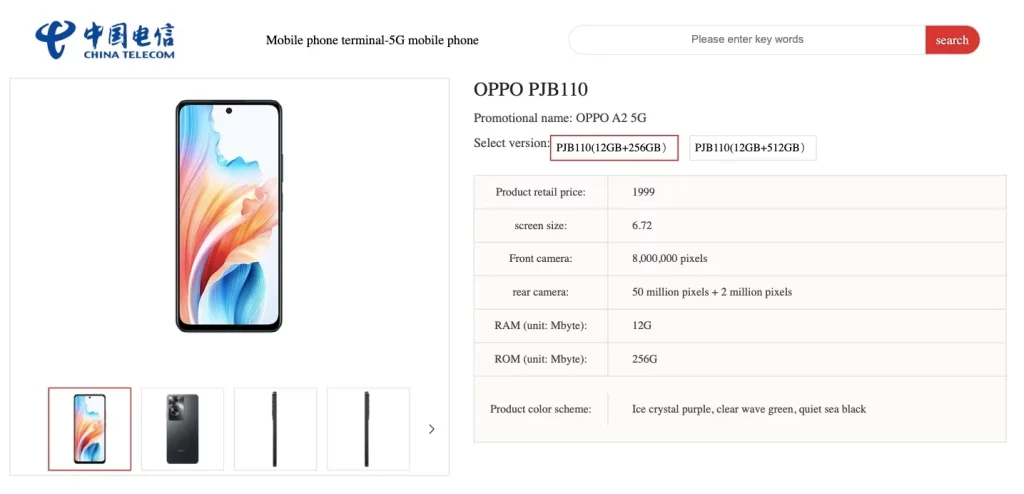
The Oppo A2 5G is set to launch in China soon. The company recently launched the A2m model. And now, we have more details regarding the A2 5G smartphone including its design, pricing, and specifications. So let’s have a look.
Oppo A2 5G surfaces on China Telecom
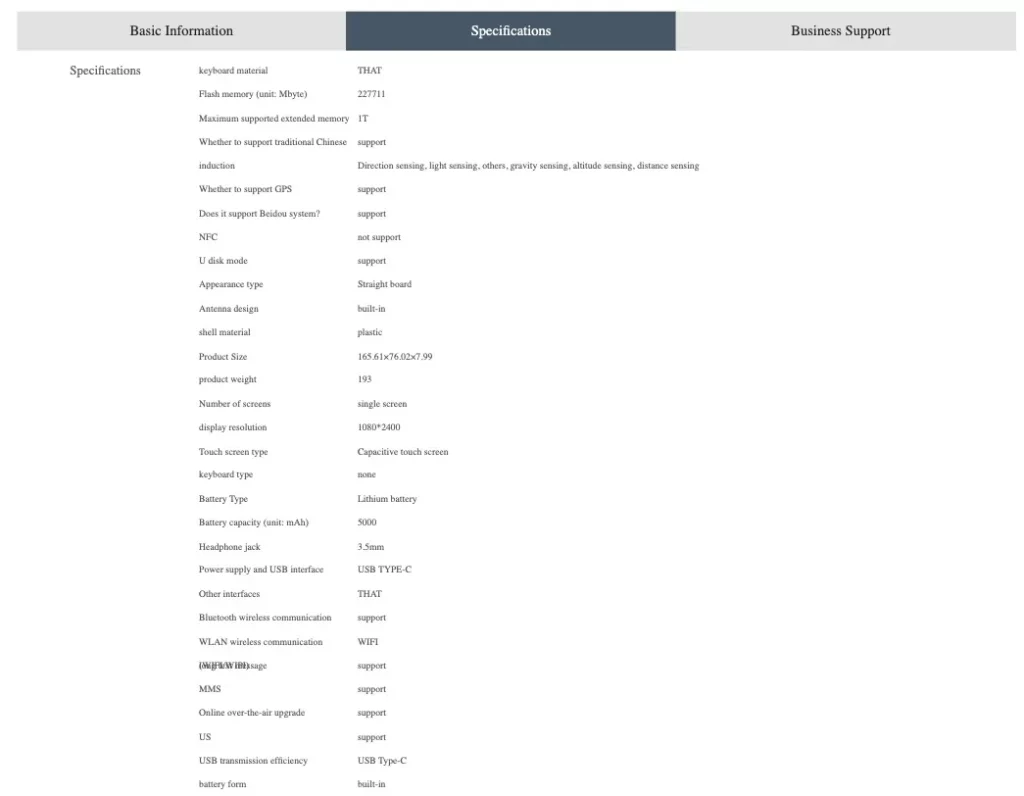
The Chinese tech giant’s A2 5G was sighted on the China Telecom platform. Looking at the online database, the Oppo A2 5G carries the model number PJB110. This listing also revealed the design of the smartphone thanks to official renders. This showed that the front houses a center aligned punch hole cutout for the selfie camera. ITs power button and volume rockers are housed on the right side. China Telecom states that the device will sport a Full HD+ resolution display.
Oppo A2 5G will arrive with a thin body that measures 7.9mm in thickness and weighs 193 grams. Under the hood, the device will be equipped with the MediaTek Dimensity 6020 SoC (rebranded Dimensity 700), which is paired with 12GB of RAM and 256GB/512GB of internal storage. The rear packs a 50-megapixel primary camera that is paired with 2-megapixel secondary sensor. Meanwhile, the front houses an 8-megapixel selfie shooter. Other notable features include a large 5,000mAh battery pack and a 3.5mm headphone jack.
Lastly, the base model of the Oppo A2 5G will reportedly have a price tag of 1,999 Yuan (roughly 273 US Dollars), while the 512GB could cost 2,199 Yuan (roughly 300 US Dollars). The mid range smartphone will apparently arrive in multiple color options, namely Ice Crystal Purple, Clear Wave Green, and Quiet Sea Black. Unfortunately, an official launch date is still unclear, but the announcement should be right around the corner.
Thanks to the hot sales of the Xiaomi 13 in China, the Xiaomi Store was again very busy on the day of the Xiaomi 14’s launch. People couldn’t wait to see what the successor to the Xiaomi 13, the Xiaomi 14, actually looked like. It also shows that Xiaomi has made a lot of progress on its flagship phone.
Unboxing
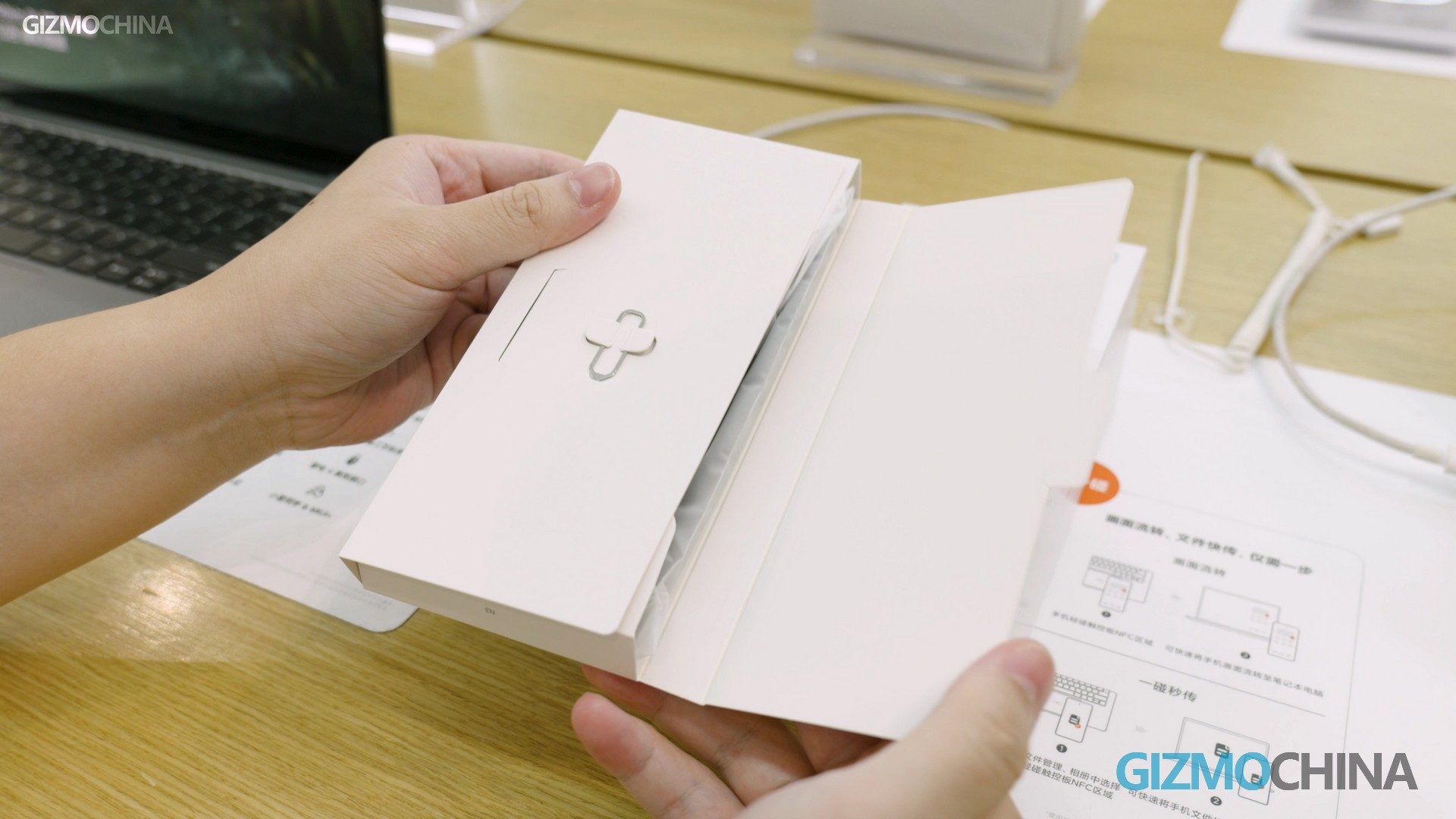
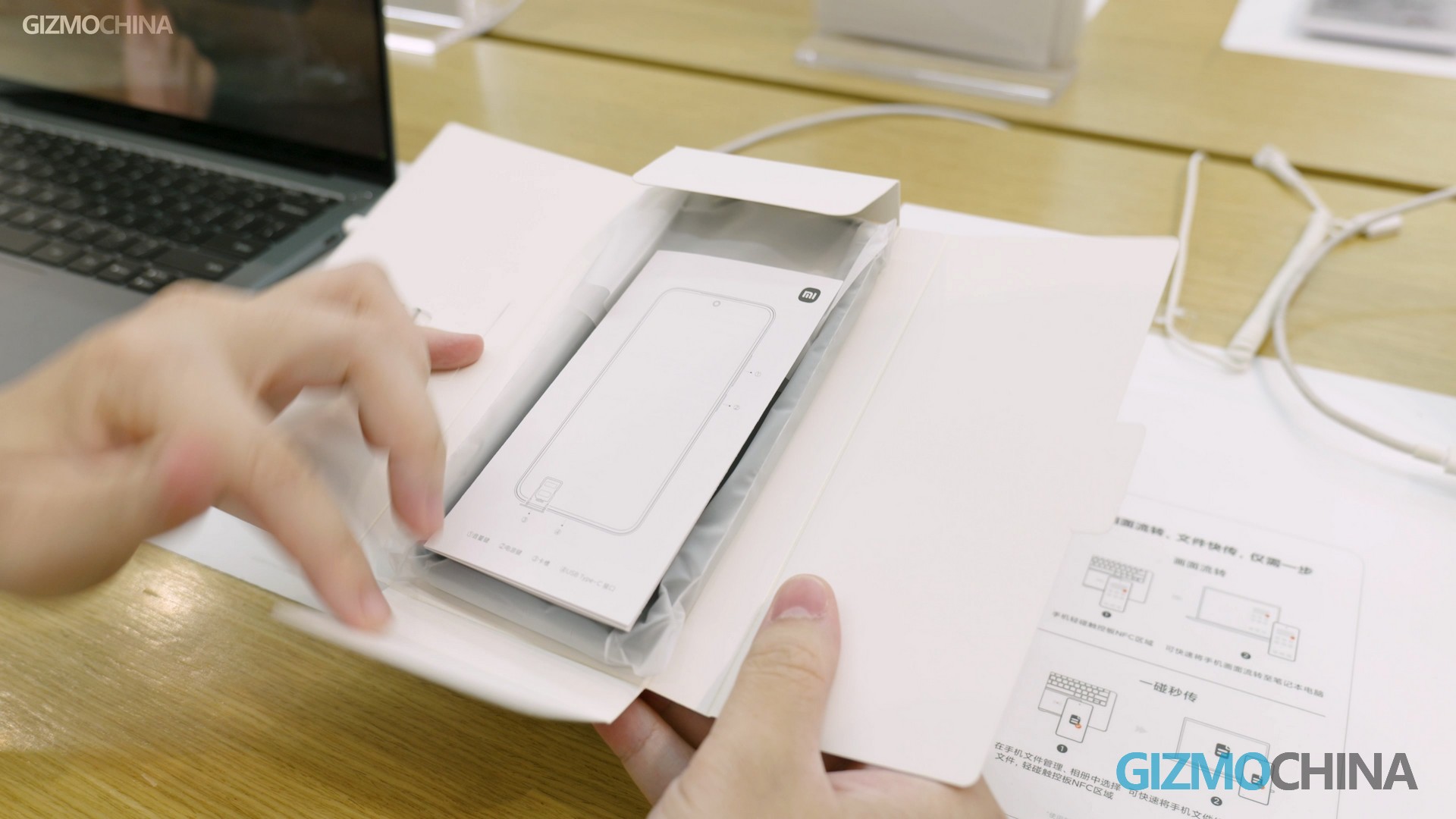
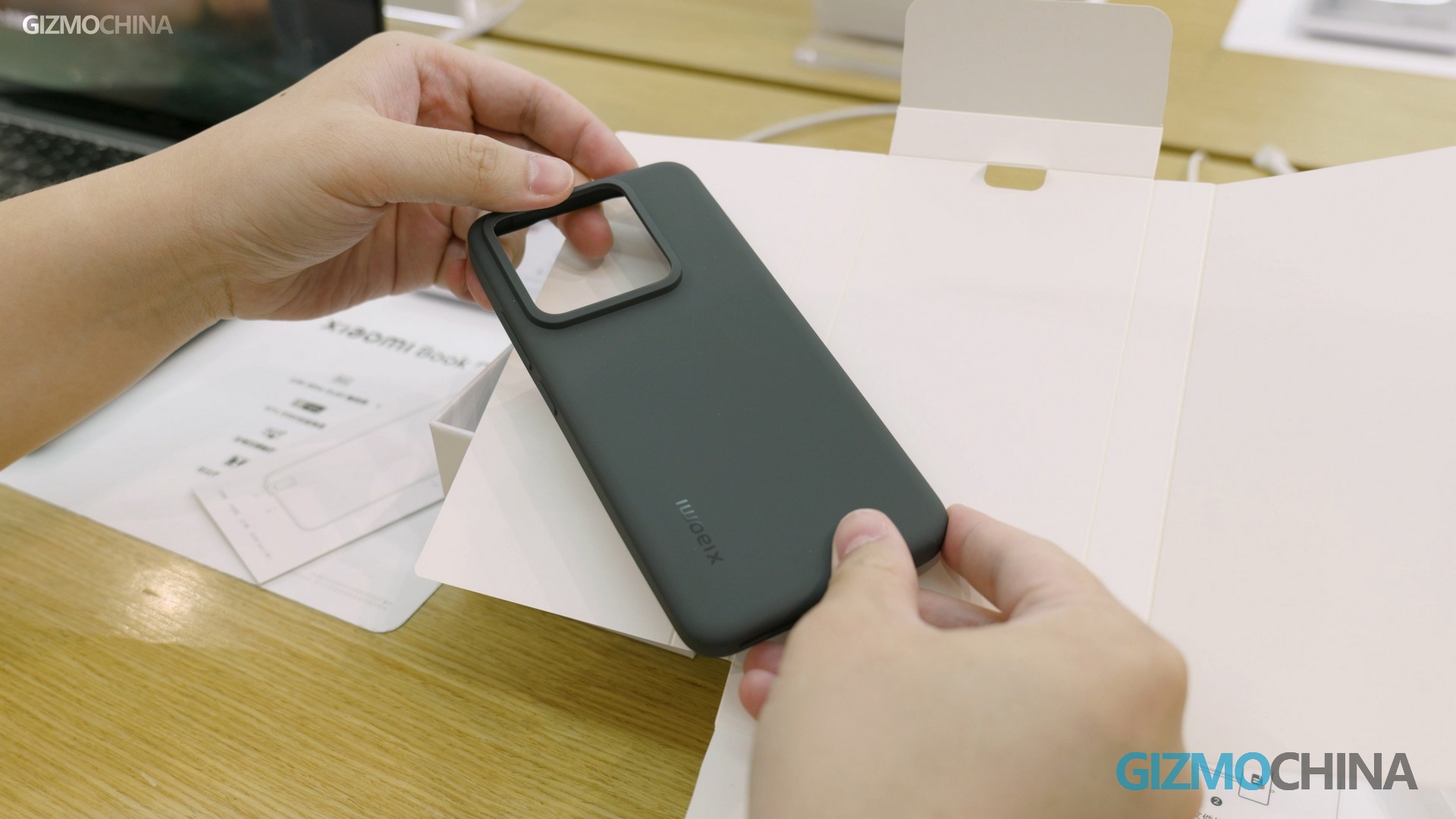
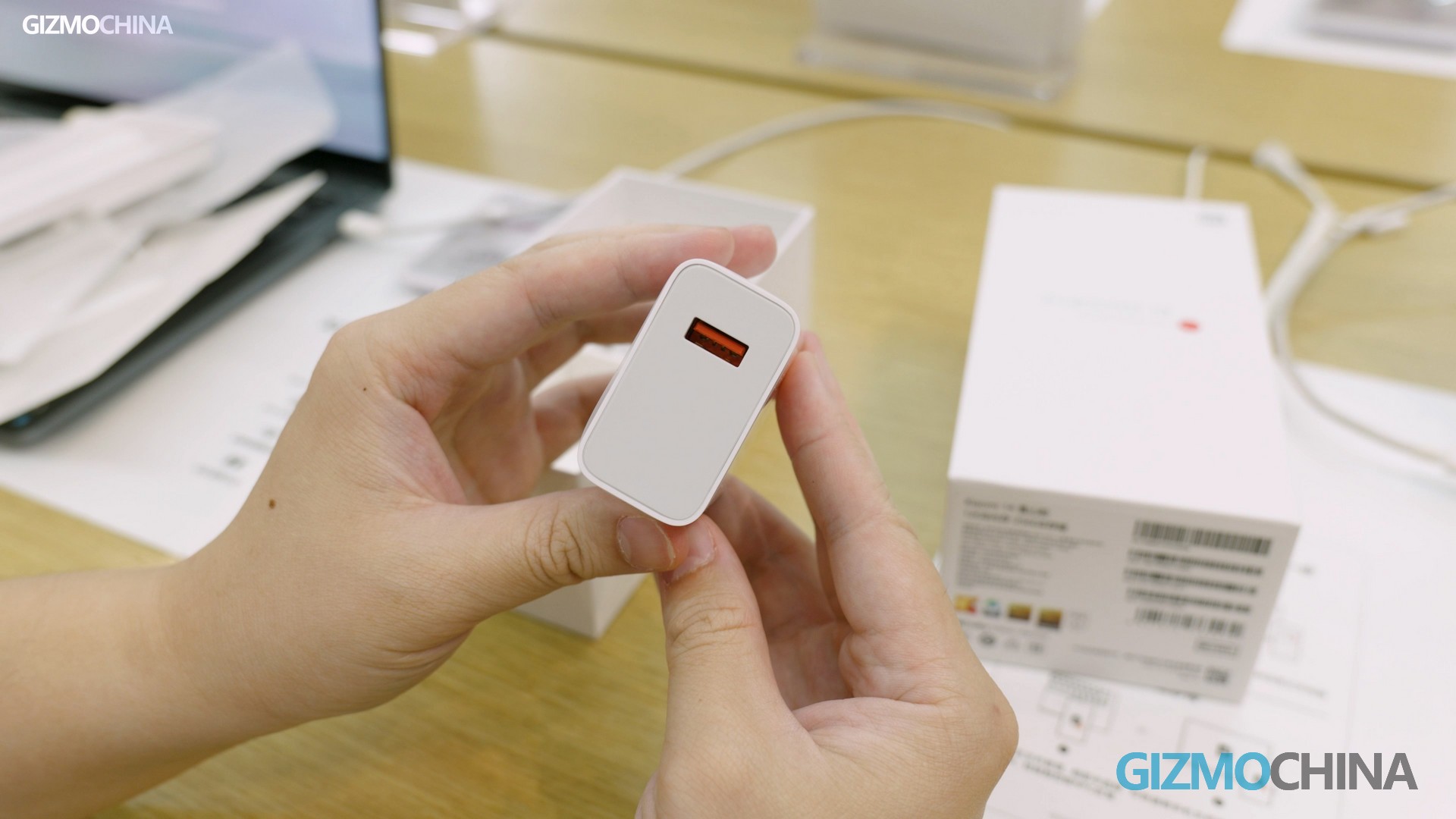
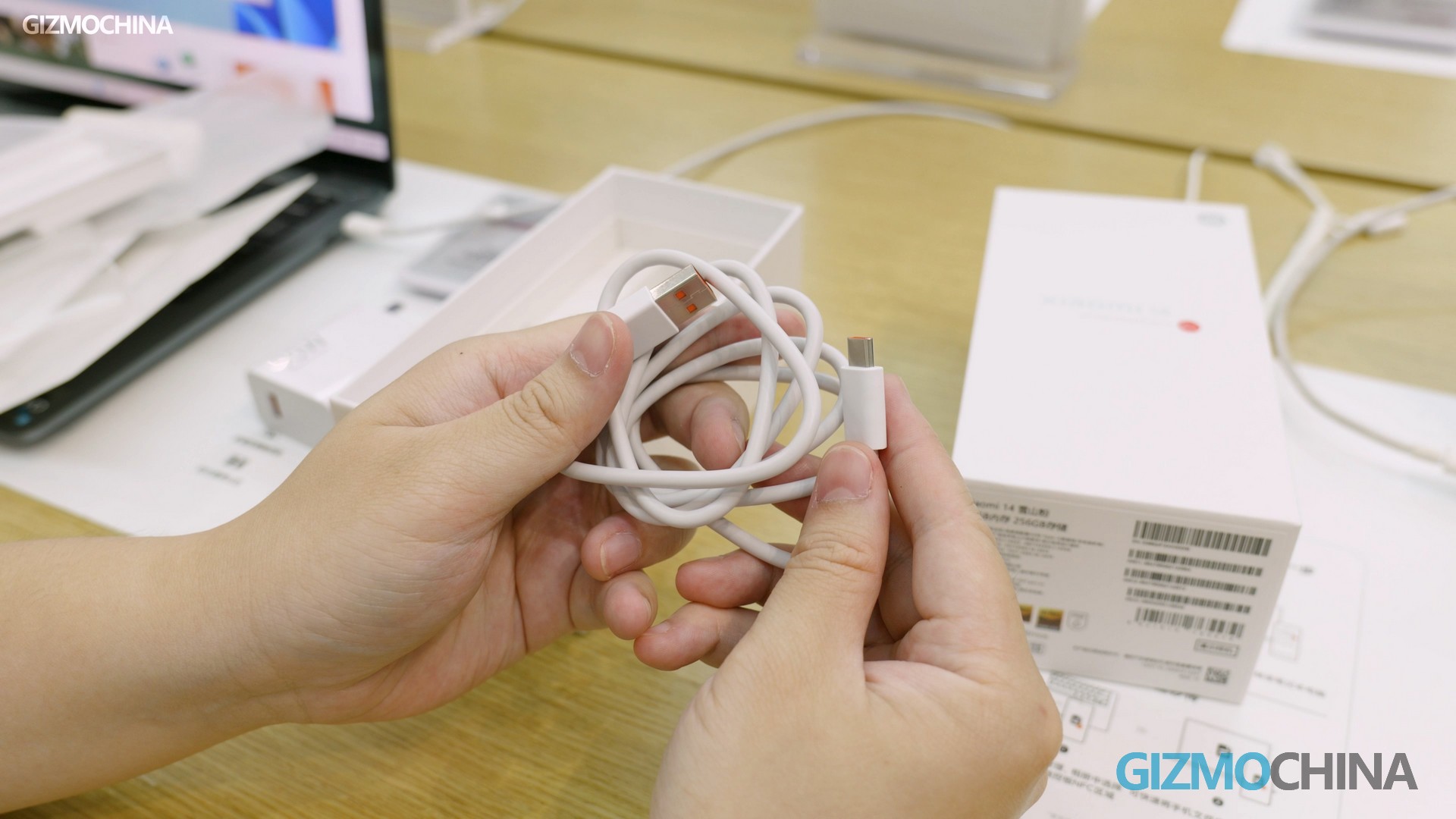
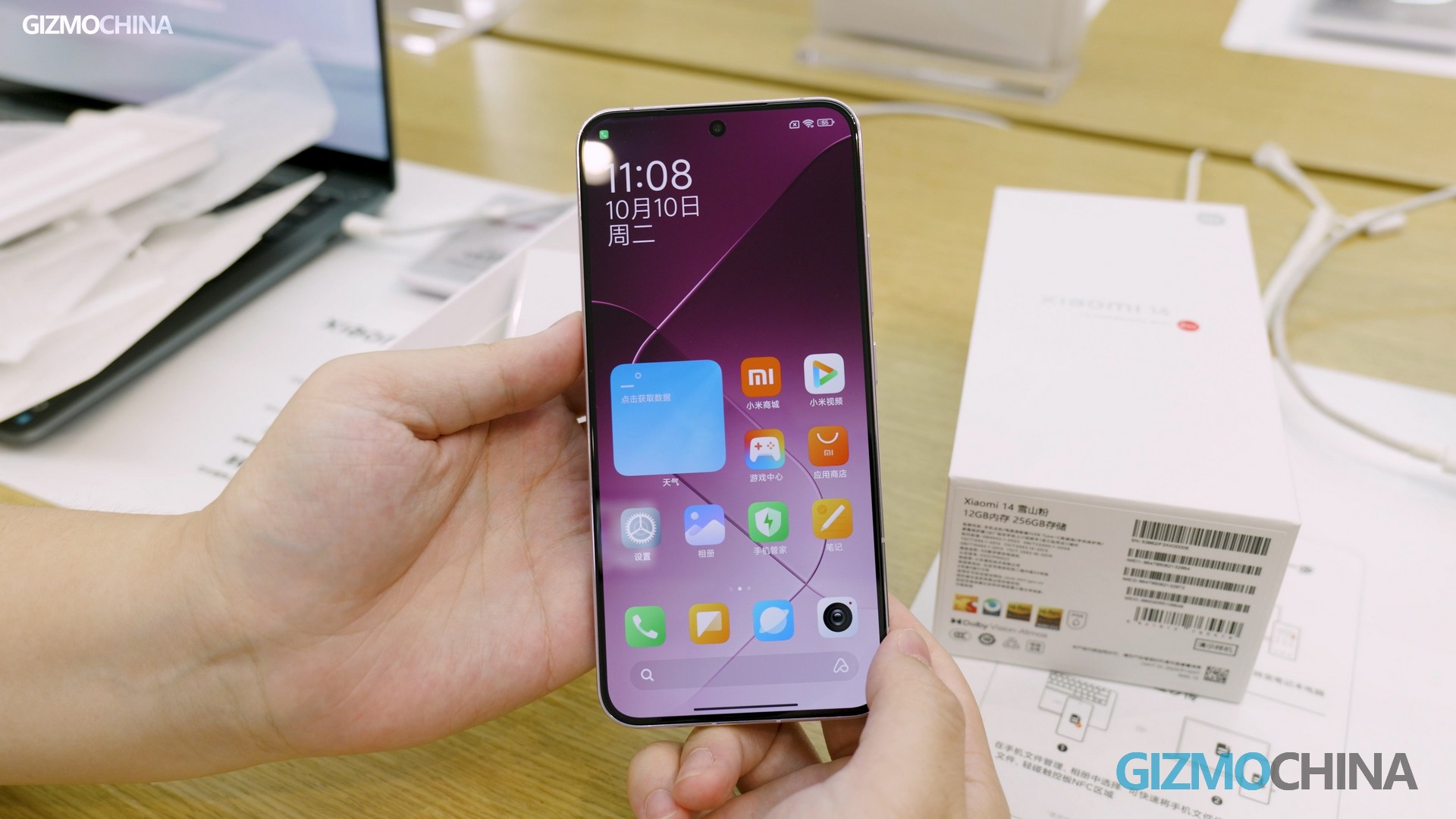
As usual, Xiaomi has differentiated the Standard and Pro versions in black and white. I chose to unbox the standard version first because I was more interested in it. There is a small box with a card pin. Instructions and a warranty card. There is also a phone case. The case is the same as the Redmi Note 13 Pro this time, a black silicone case. On the bottom, there is a 90W charger, still with a USB-A port. The charging cable is also USB A to C, nothing special.
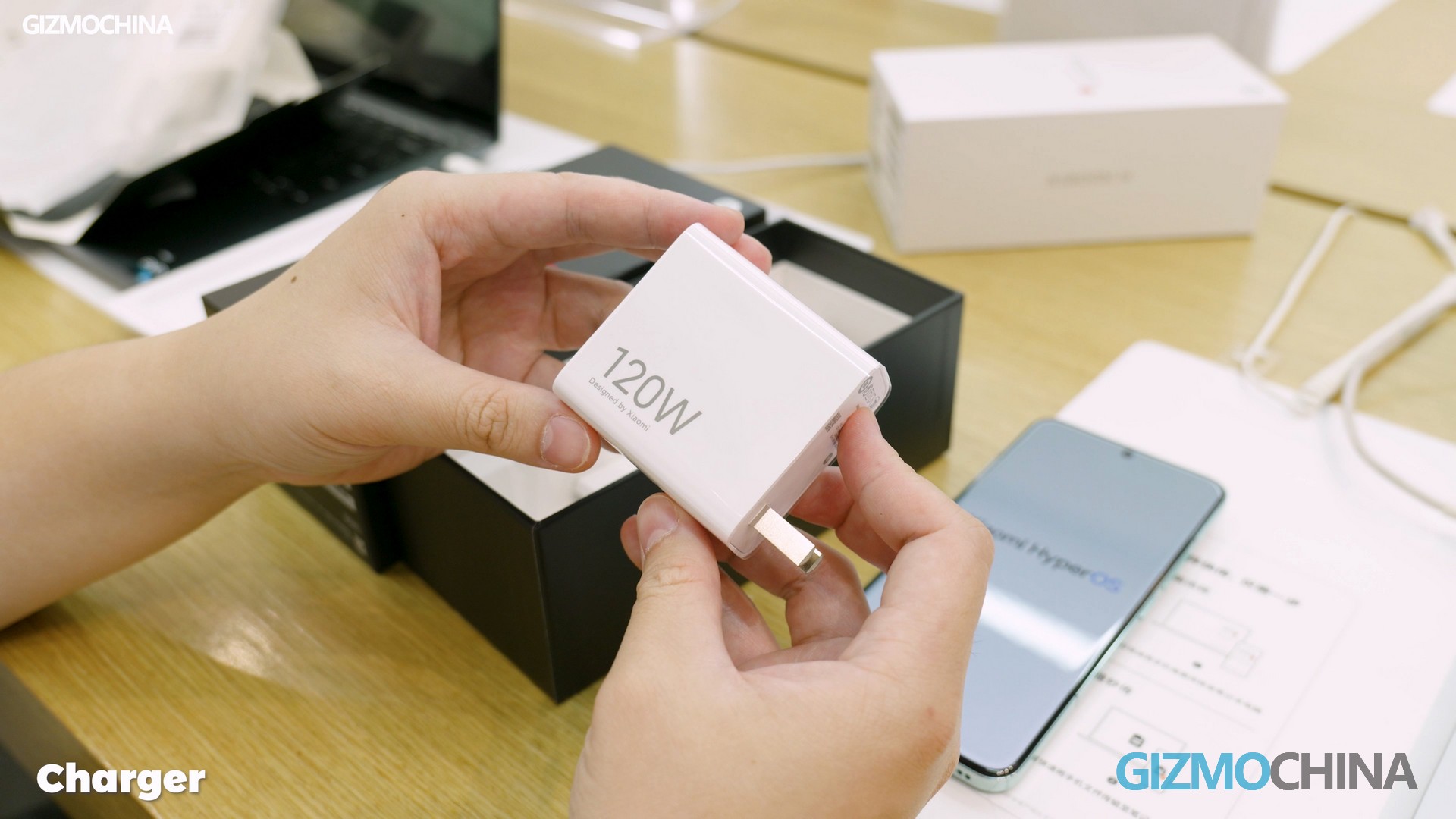
The Xiaomi 14 Pro has the same accessories except the charger has become a 120W one. I won’t go into the details further.
Design
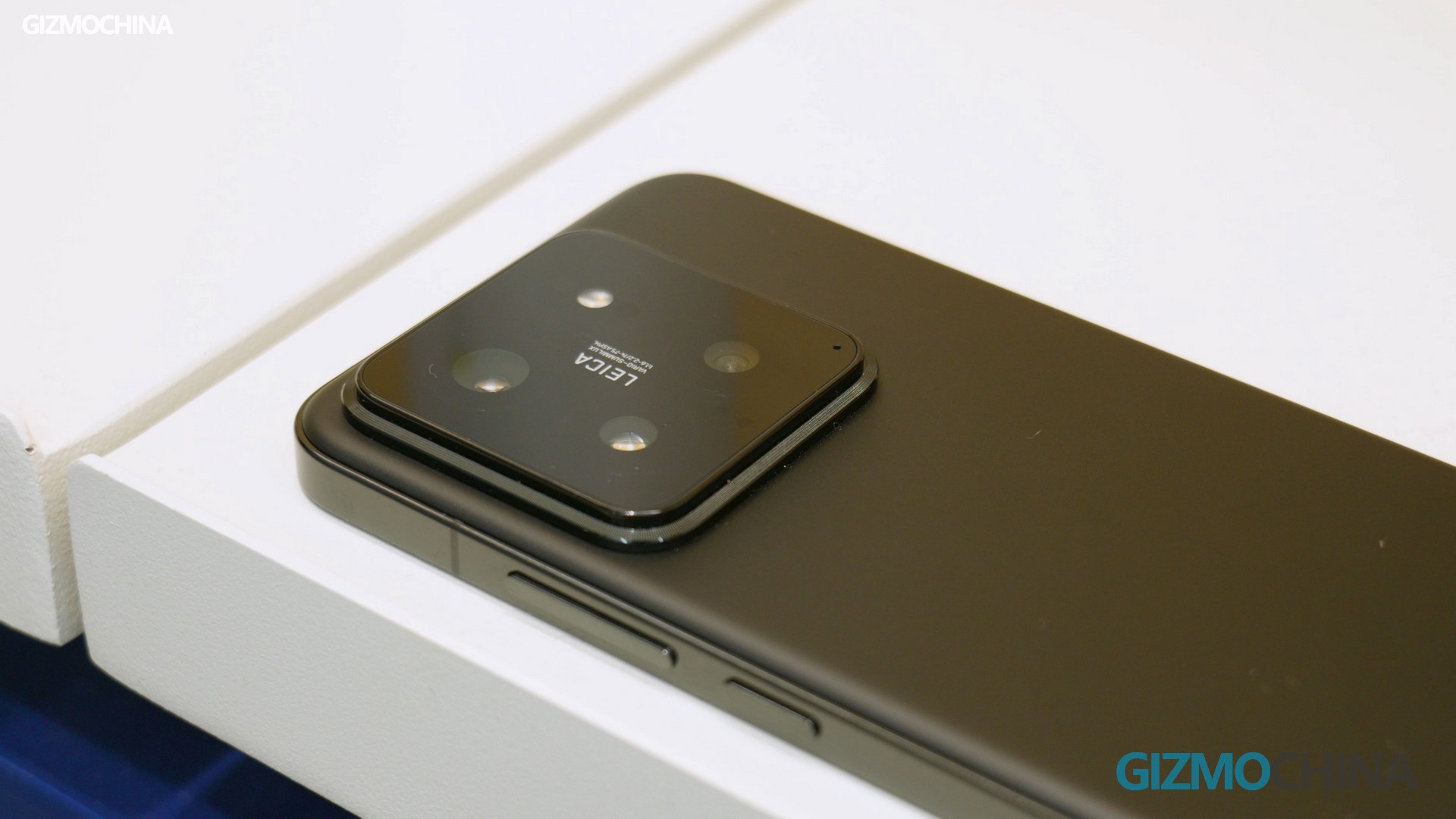
When I saw the poster for the Xiaomi 14, I thought it wouldn’t look good. But when I saw it in person, it wasn’t as ugly as I thought it would be. Aside from the fact that it looks incongruous because the camera module is bigger, Xiaomi has surrounded the camera with a ring of Clous de Paris texture. They say this design is often used on luxury watches, so it looks premium. But I don’t think it’s premium, I think it looks more like my grandma’s nail file, and it really does sharpen your nails.
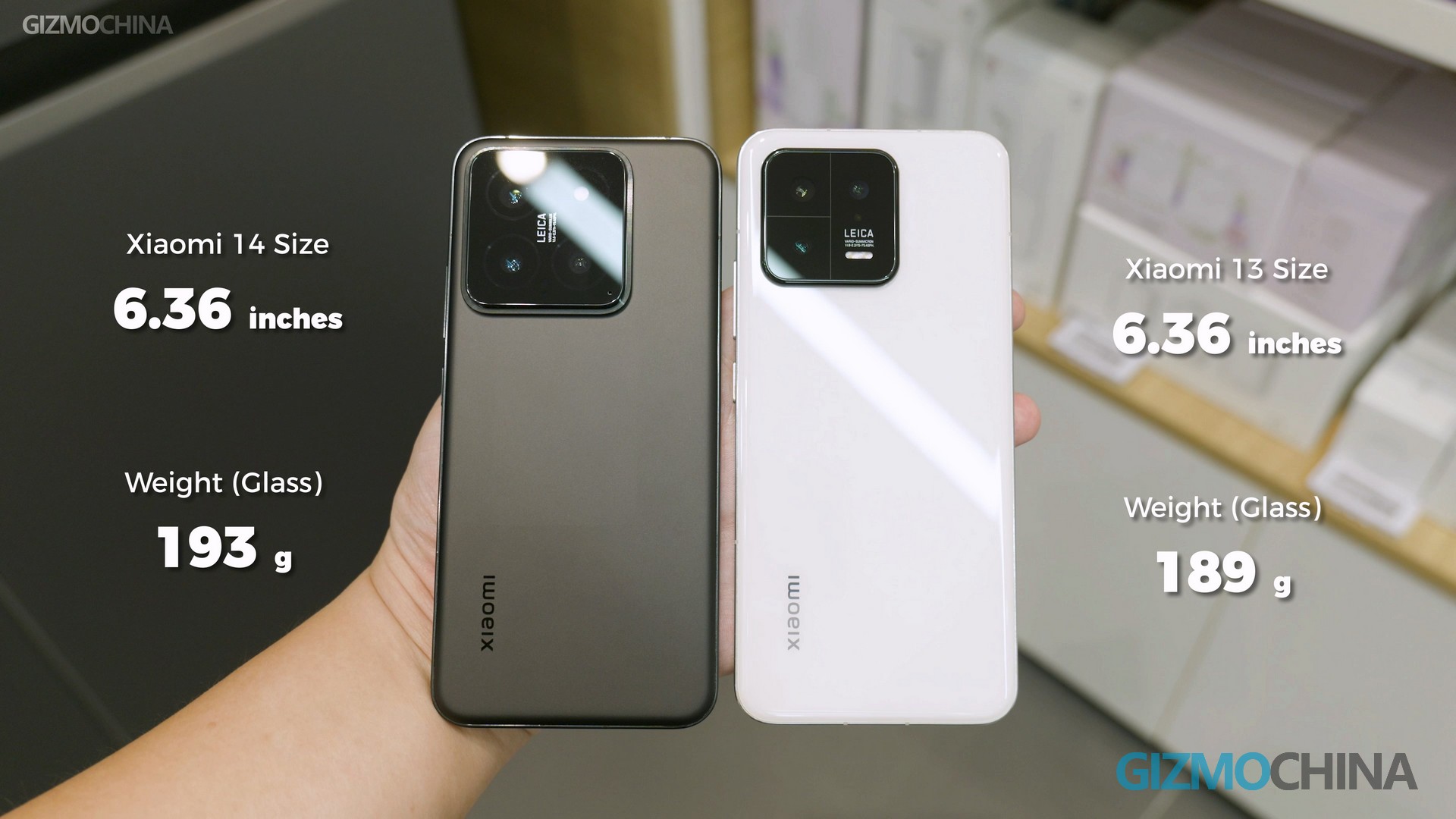
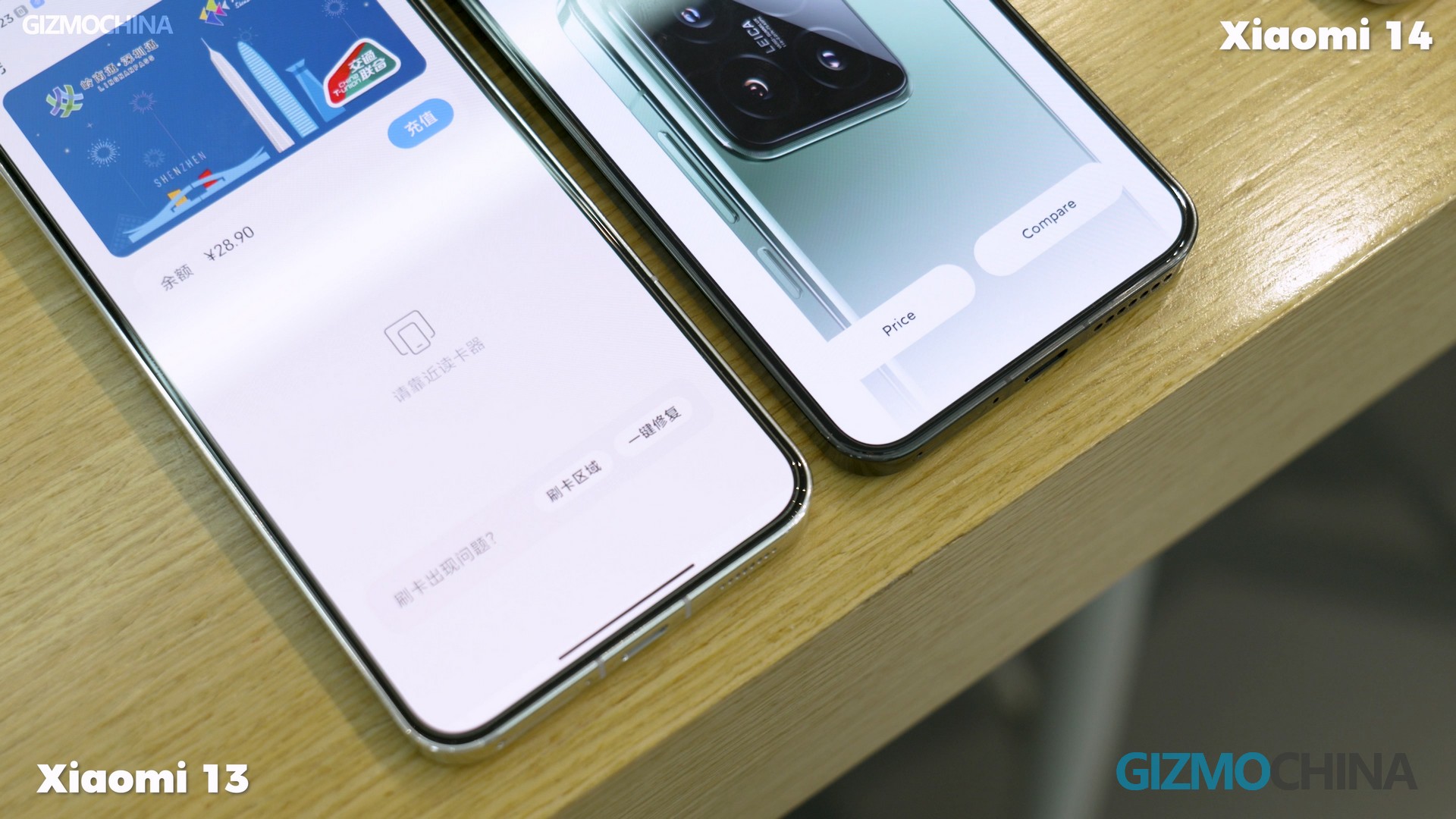
Compared to the Xiaomi 13, it’s clear that the design of the Xiaomi 14 is a step back. It’s comforting to know that even though the camera is bigger, the size and weight is about the same as the previous gen. As long as you don’t look at the camera module, the overall feel is very much like the Xiaomi 13.
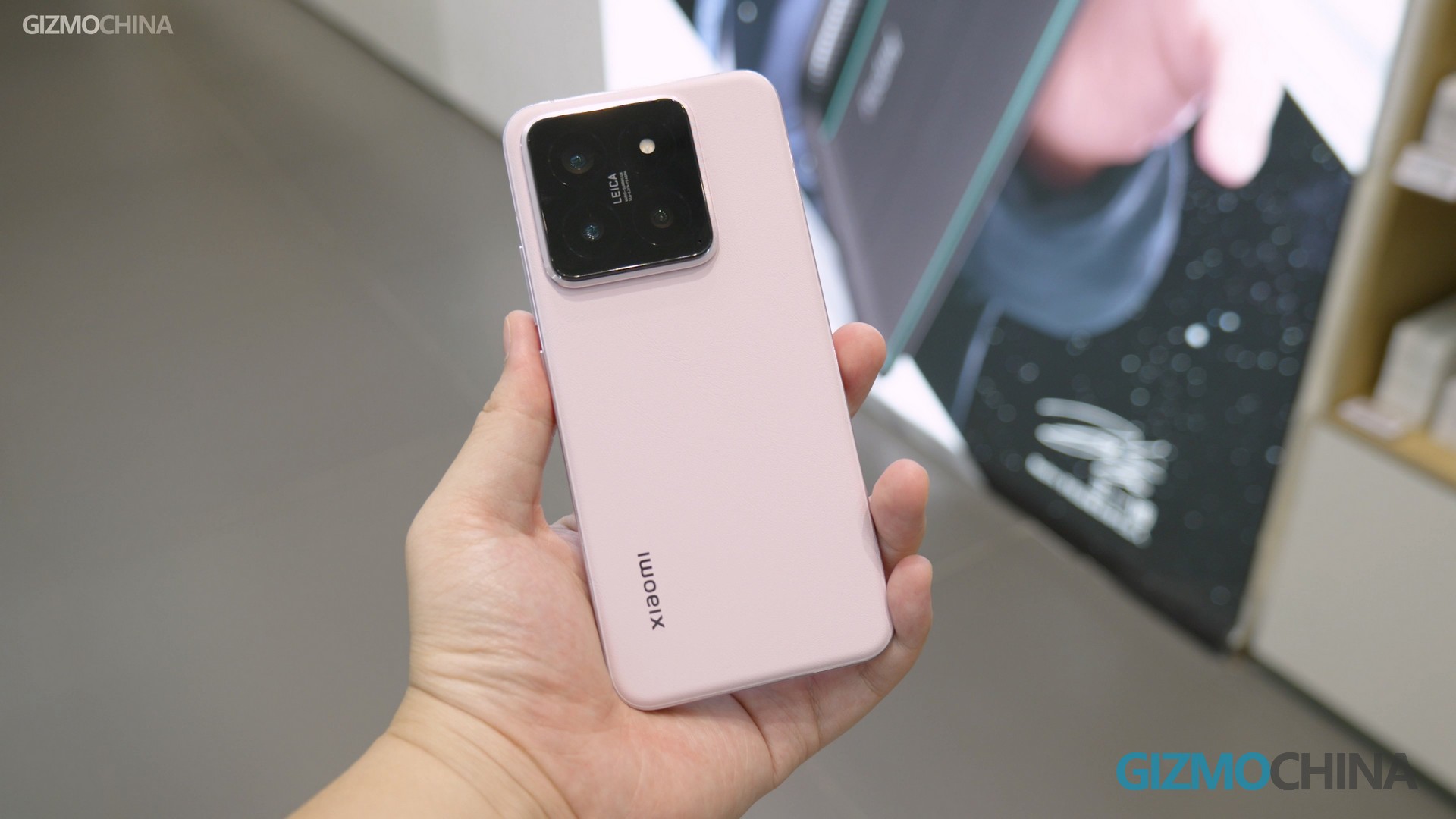
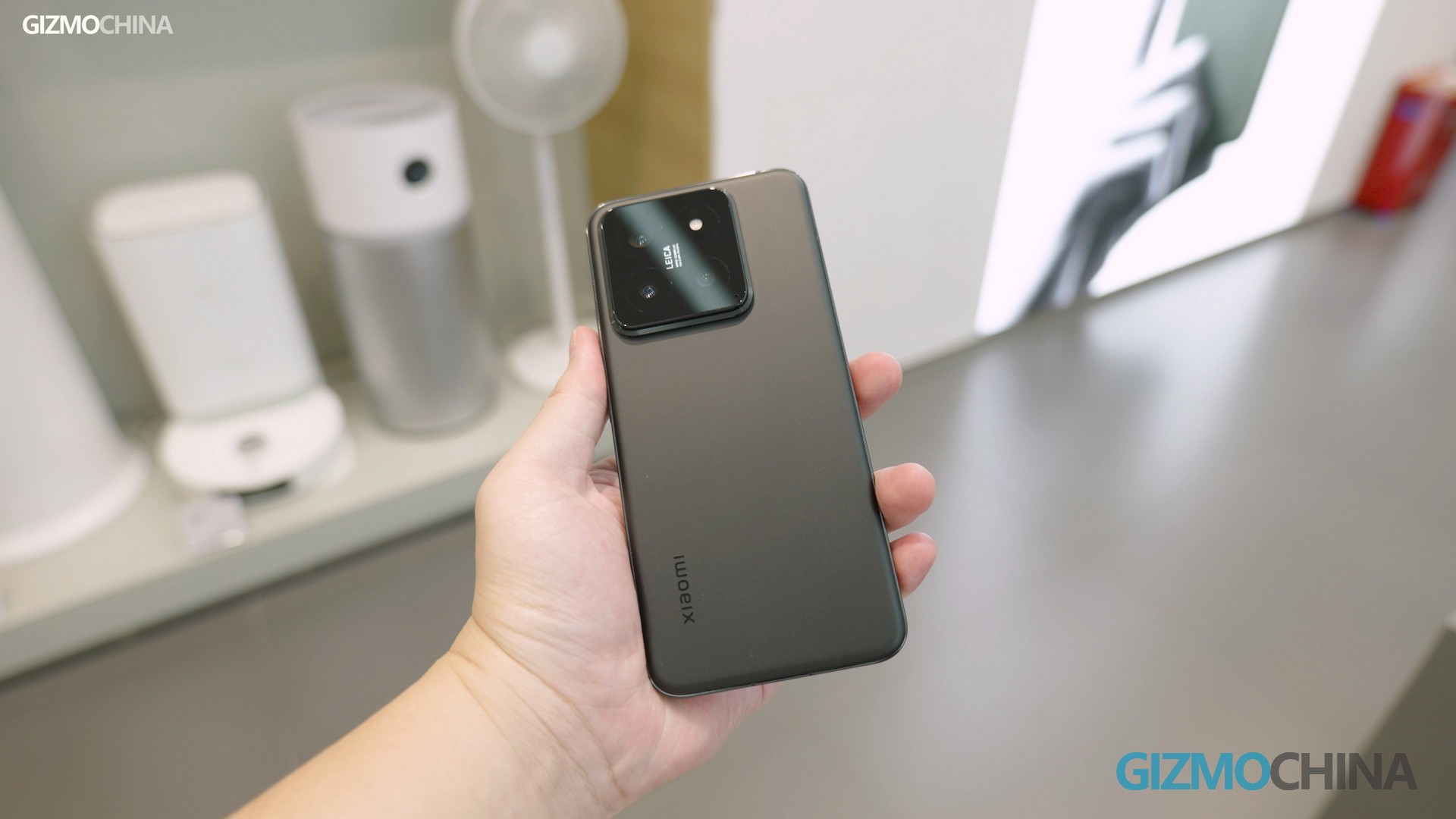
There’s also an unobtrusive upgrade point, all the sensors on the top frame have been moved to the camera module, so the top frame is now very clean. There’s an exclusive pink vegan leather version for the standard model, which is a pretty color to look at. I’m a vegan leather hater though, so I definitely wouldn’t buy it. The black version with frosted glass is also very cool, and the non-fingerprinting feature should be a hit for a lot of people.
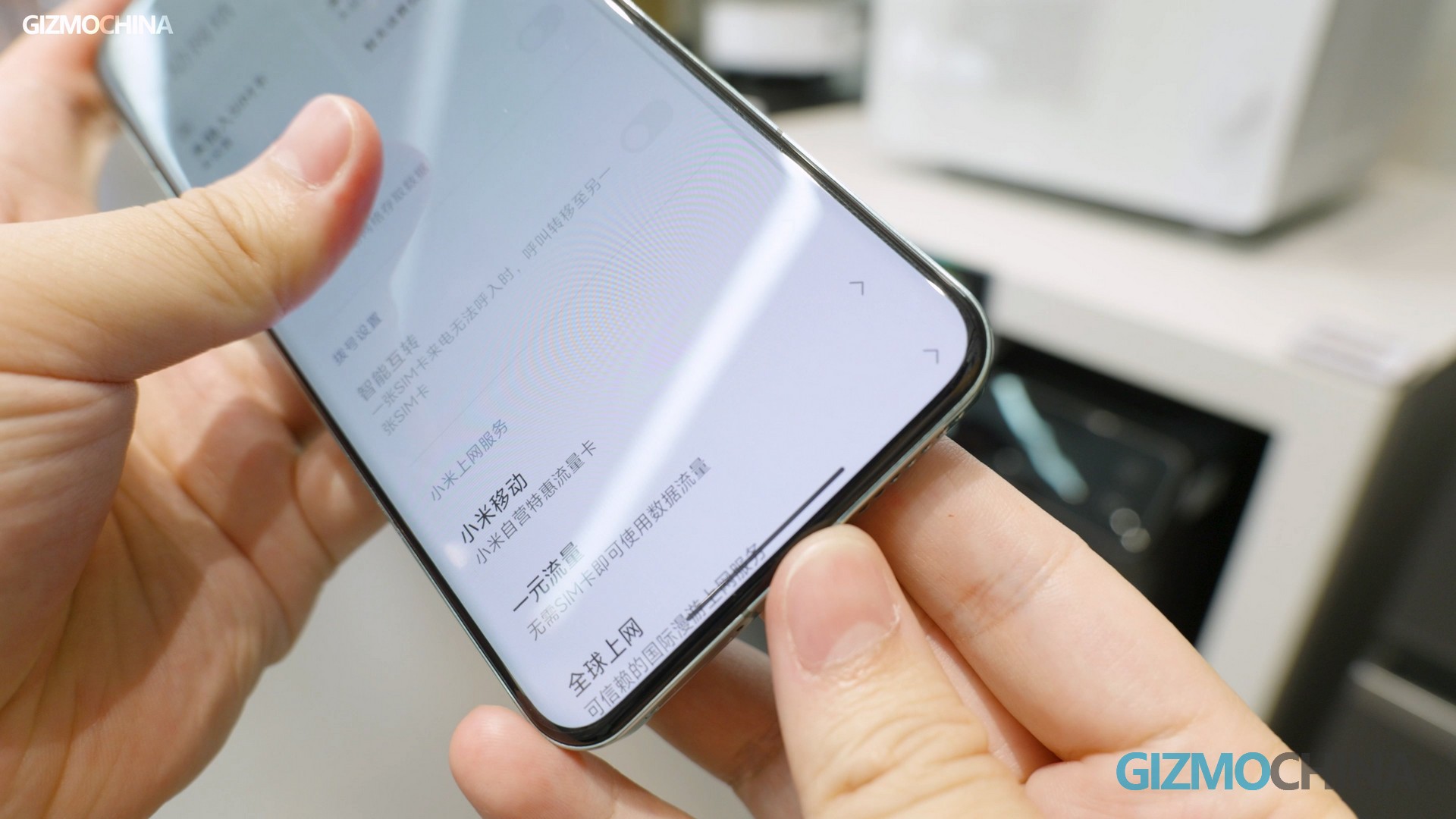
The back of the Pro is pretty much the bigger version of the standard, nothing special about it. The surprise is all on the front. The display isn’t like the curved display before. It’s curved all around, but it barely affects the display area. It looks a bit like the HUAWEI Mate 60 Pro, but the flat bezels make it look tougher.
LeiJun has a very accurate description for the Xiaomi 14 Pro: it looks like a flat-screen but feels like a curved screen. It looks like a pebble and feels truly flawless to the touch.
Display
This time the the display panels of both the Pro and Standard versions are not from Samsung, they are replaced by TCL’s C8 panel. The resolution of the standard version is slightly higher, the DPI reaches 460, and supports LTPO, and full brightness DC dimming. More eye protection and a clearer screen to make up for the regret in the Xiaomi 13.
The chin is narrower than the 13, though our eyes can’t tell the difference. The Pro version has a bump in brightness compared to its predecessor, and the protective glass has switched to its own Dragon Crystal Glass. Anyway, both phones are top-of-the-line when it comes to screens, so there’s nothing to worry about.
SOC
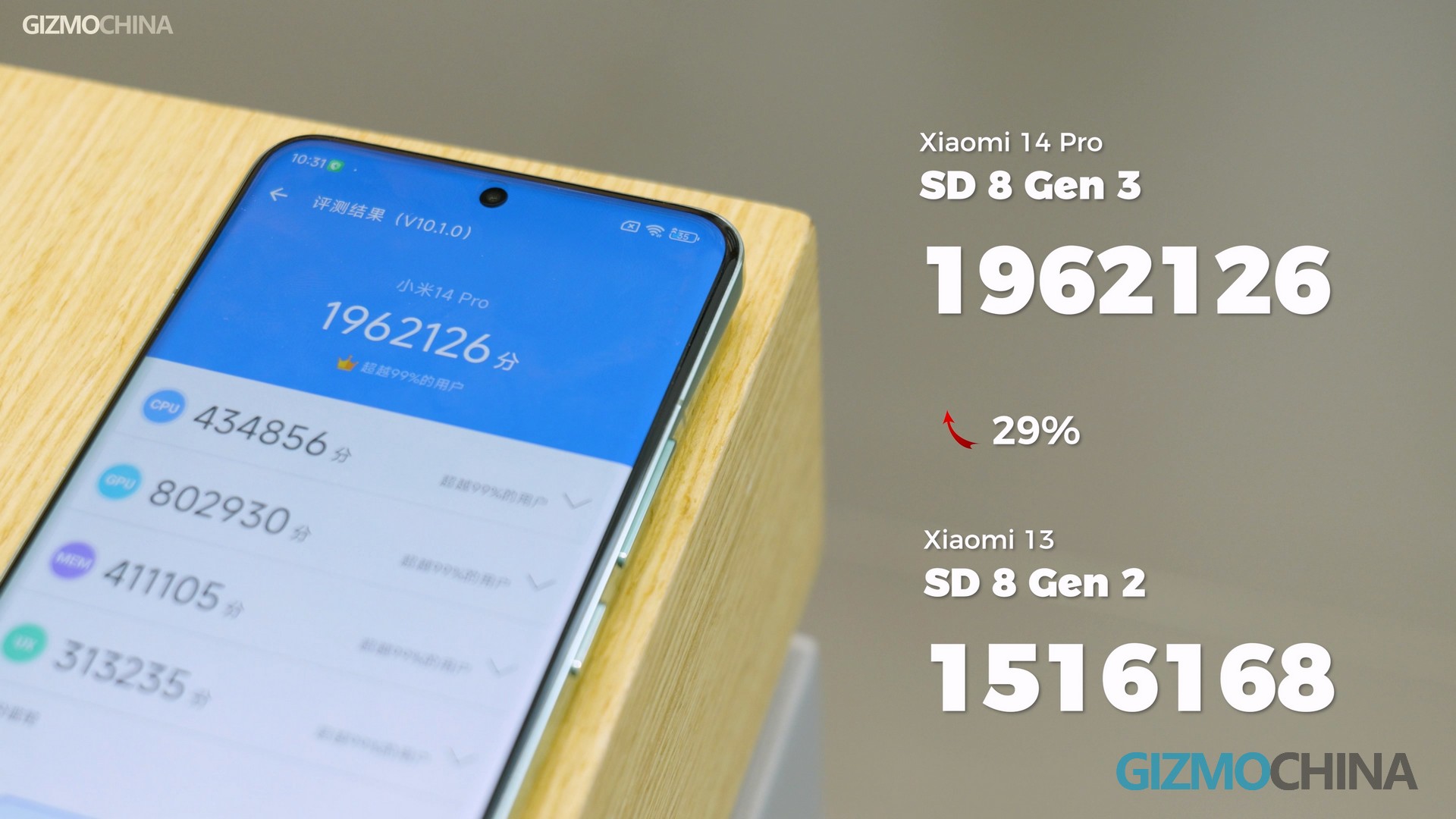
Both the Xiaomi 14 Pro and the standard version use the latest Snapdragon 8 Gen 3 processor, with a 30% boost in CPU and 25% in GPU compared to its predecessor. The Antutu bench we tested in the field actually scored just under 2 million, which is a 29% improvement over the Xiaomi 13 we tested.
Though we can’t do a gaming test yet. But a lot of Chinese media have already tested and praised 8 Gen 3 a lot, so I’m very optimistic about this new chip. When the full review is ready, I’ll let you know how powerful it is.
Differences between Standard and Pro
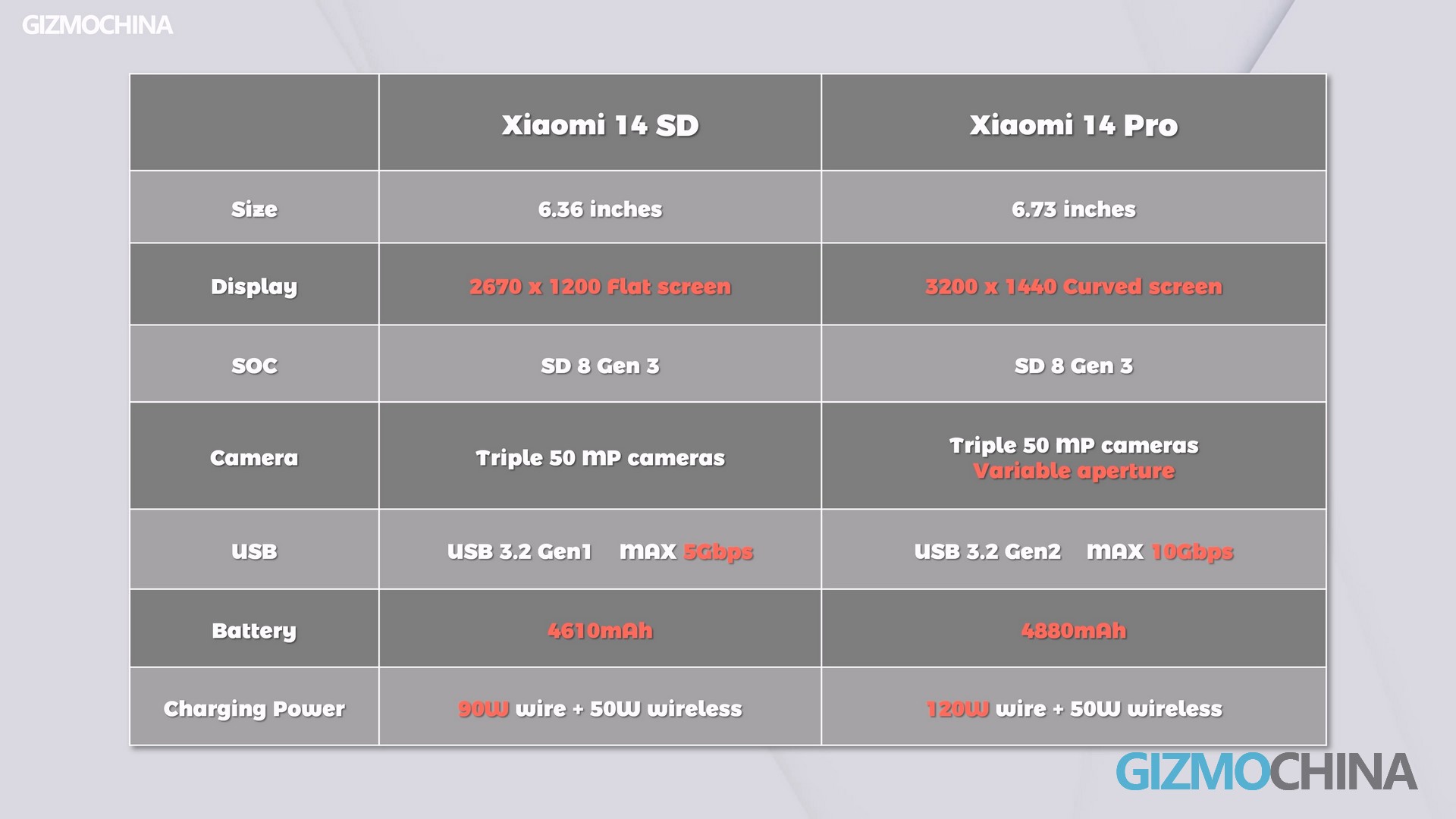
After my comparison of the spec info on the official website, apart from the size, there are only five differences between the Xiaomi 14 Pro and the standard version: the screen, the camera, the USB-C transfer speed, the battery capacity, and the charging speed.
Battery and charging speed are decided by the size of the phone, so it’s to be expected that the standard version is not as good as the Pro version. You can find that they are not really that different, so this time it’s certainly possible to skip the specs and choose your favorite model based only on size.
By the way, in addition to USB 3.0, this time the front camera can also record 4K videos. I’m glad we have one less point to spit on.
HyperOS
I know that this new HyperOS is what you’re most concerned about. The biggest upgrade to HyperOS is the seamless IoT connectivity, but if you just look at the phone itself, there’s not much that’s changed. most of MIUI’s operating logic has been inherited by HyperOS.
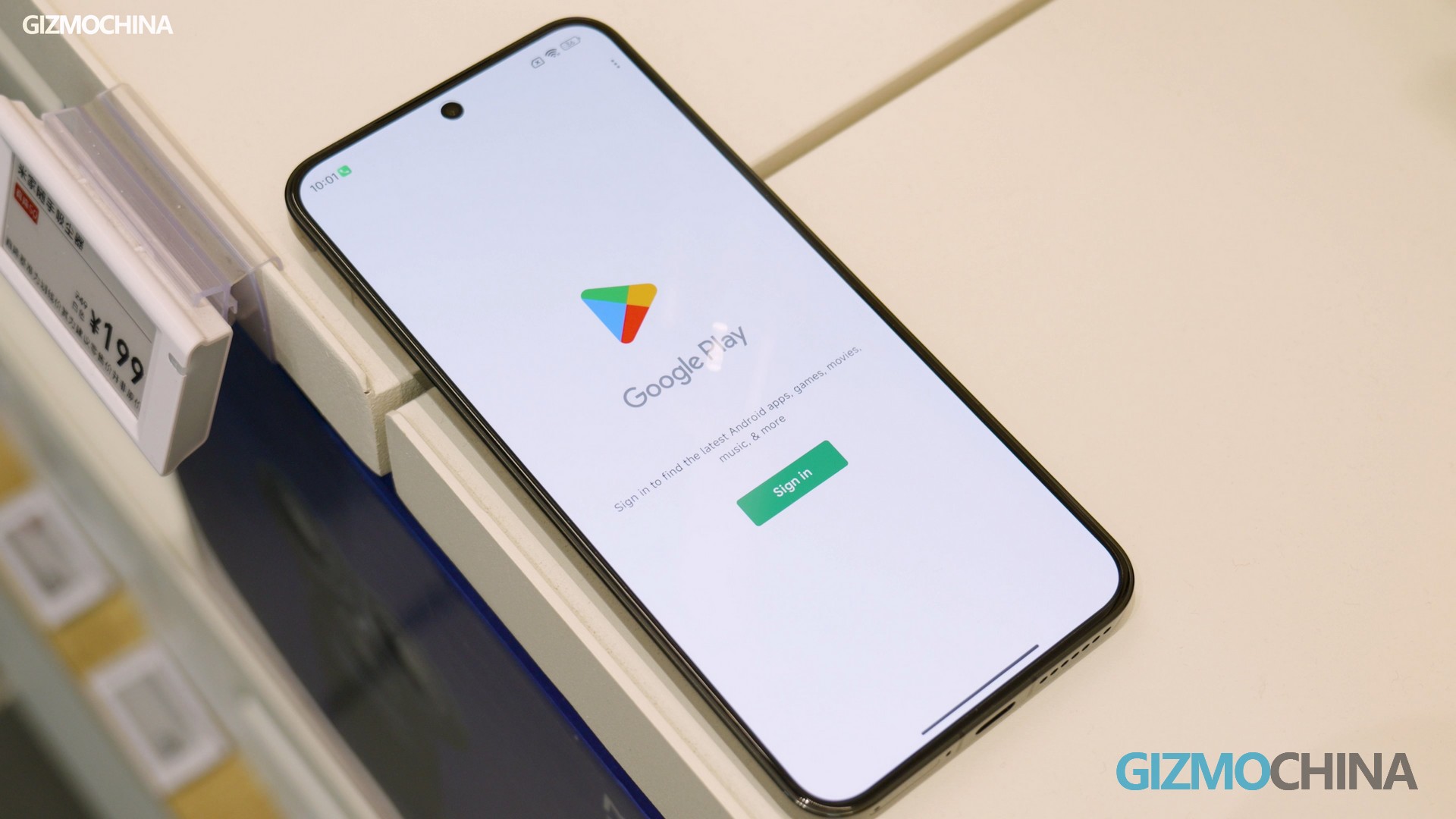
The good news, is HyperOS has Google services inside, meaning apps like YouTube and Google Play can run on the Xiaomi 14. For more in-depth content, you will have to wait until we get the phone, stay tuned for our HyperOS deep review video.
Price & Conclusion
Other than the camera module design that is not to my personal taste, it’s a considerable improvement. Compared to the 13 series, the standard Xiaomi 14 has a more powerful camera and faster charging. the Pro version has a better screen and stronger performance. It’s cheaper at launch instead, so what are you waiting for, just buy it.
Oh, if you haven’t ordered yet, you can just wait for our FULL review, alright? We’ll surely make it happen as soon as possible. Don’t forget to subscribe to our YouTube channel. Leave a comment if you have any questions about the Xiaomi 14 series.
According to a new report from Apple analyst Ming-Chi Kuo, Apple is unlikely to launch a third-generation Apple Watch Ultra in 2024. Kuo says that Apple has not yet started development on the Watch Ultra 3 which is “unusual” given the company’s product development schedule.
Kuo speculates that the delay could be due to ongoing microLED production issues and a lack of innovative new health management features. MicroLED is a promising new display technology that Apple is rumored to be developing for future Apple Watches. It is expected to be brighter and more durable than the current OLED displays.
However, microLED production is still in its early stages, and it may not be ready for mass production in time for a 2024 Watch Ultra release.
Kuo also says that Apple may be waiting for new health management features to distinguish the Watch Ultra 3 from its predecessors. The current Watch Ultra 2, which was released in September 2023, has only a few minor hardware changes over the original Watch Ultra, such as a brighter display and a new chipset.
If Apple does not begin development on the Ultra 3 by December, Kuo says it is “almost confirmed” that the device will not be released in 2024. This would be a blow to Apple, as the Ultra series is one of its most popular and profitable products.
Kuo predicts that Apple Watch Ultra shipments will decline by 20-30% year-over-year if Watch Ultra 3 isn’t released in 2024. He also predicts that overall Apple Watch shipments will decline by 10% year-over-year to 35 million units.
However, it is important to note that this is just speculation at this point. Apple still has a few months to start developing the Apple Watch Ultra 3, so the device may be released in 2024 as expected.
The Samsung Galaxy S24 series is the company’s upcoming flagship lineup of smartphones. But prior to any official announcement, the South Korean model of the Galaxy S24+ model has surfaced on a benchmarking platform that revealed some of its key specifications.
Samsung Galaxy S24+ Korean Version
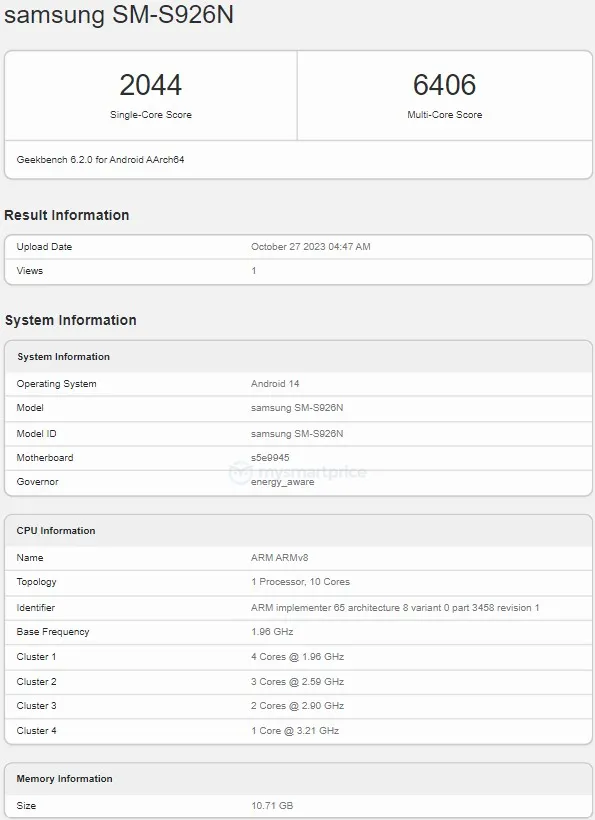
Earlier this month, the South Korean tech giant’s Galaxy S24+ model surfaced on GeekBench with the Qualcomm Snapdragon 8 Gen 3 SoC. Now, the Korean version of the Galaxy S24+ model has surfaced on the same benchmarking platform with the Exynos 2400 SoC. The listing reveals that this variant of the smartphone will carry the SM-S926N model number. Similar to the non-Korean model, this version will also run on Android 14 OS out of the box with the One UI 6 custom skin on top.
Looking at the GeekBench results, we can see that the Exynos 2400 variant of the Galaxy S24+ scored 2,044 points in the single core test and 6,406 points in the multi core test. To recall, the US variant Galaxy S24+ scored 2,233 and 6,661 points in the respective tests. So the performance gap between the two models is still present. But synthetic benchmark is never a direct indicator of real world performance. The Exynos variants have historically been slightly less powerful than their Qualcomm counterparts.
Although this gap is slowly shortening now. The latest GeekBench sighting also shows the deca core architecture, which is in line with our previous report. Unfortunately, this was all the information that was shared on the platform, so stick around for more updates regarding the Galaxy S24 series.
Huawei has quietly refreshed its MateBook D 14 SE laptop with a few notable upgrades, including a new 16:10 display, a more powerful Core i5-13420H processor, and 16GB of LPDDR4X RAM. The overall design of the laptop remains largely unchanged, save for a small lip that protrudes around the webcam and microphone.
The new 16:10 display measures 14 inches diagonally and has a resolution of 1920 x 1200 pixels. It also offers 300 nits of peak brightness and is certified by TÜV Rheinland for low blue light emissions.
The Core i5-13420H is a 13th-generation Intel processor that should offer better performance than the Core i5-1235U processor found in the previous MateBook D 14 SE. It is also a 45W TDP processor, which means it will consume more power than the 15W TDP Core i5-1235U.
Huawei has also doubled the amount of RAM in the new MateBook D 14 SE to 16GB. This will make the laptop more capable of handling multitasking and running demanding applications.
Other notable features of the new MateBook D 14 SE include a 512GB SSD, a 56Wh battery that supports 65W charging, and a variety of ports, including HDMI, USB-C, and USB-A.
The new MateBook D 14 SE is currently available for purchase in China for CNY 4,199 (US$574). Huawei has not yet announced a global release date for the laptop.
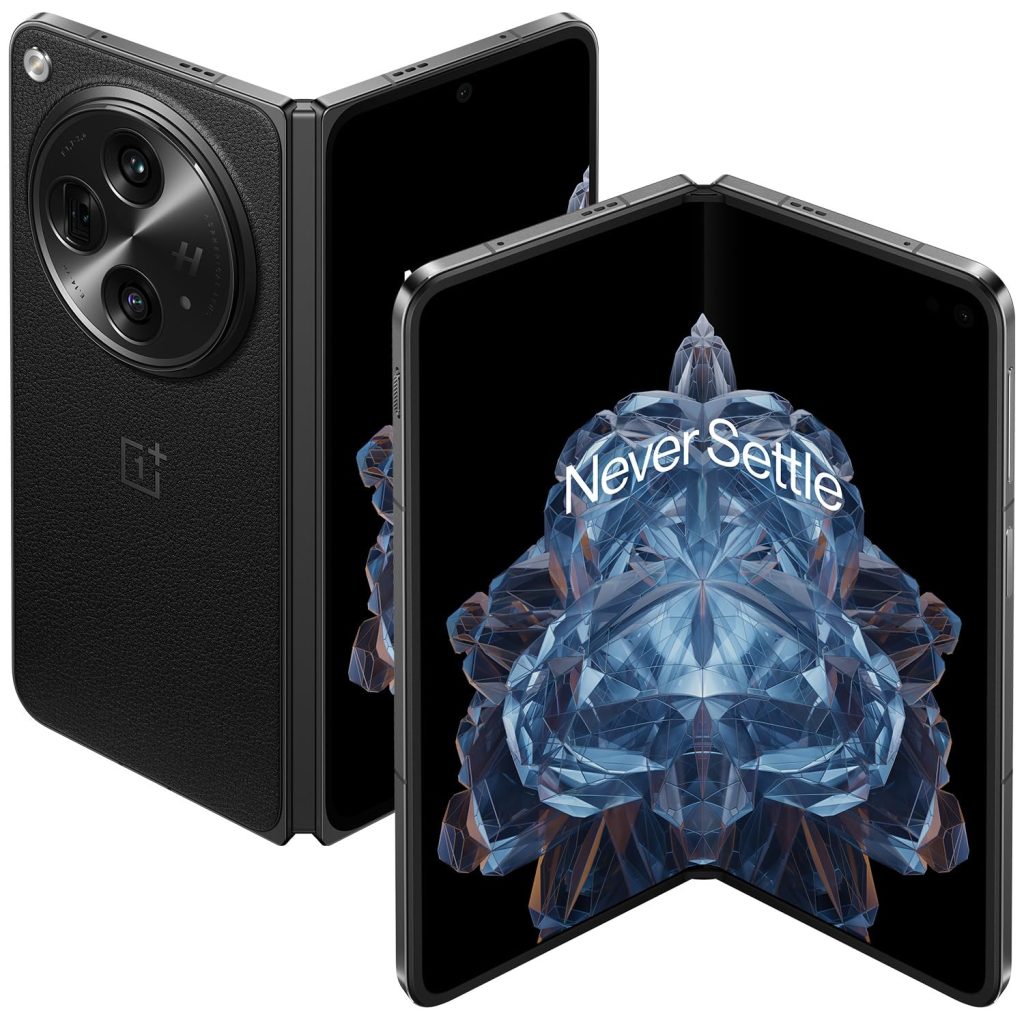
OnePlus recently launched the OnePlus Open smartphone in the global market including India. Starting today, the smartphone is available for sale in India via online channels.
OnePlus Open pricing, offers & availability
The OnePlus Open is priced at Rs 1,39,999 for the 16GB + 512GB configuration. To sweeten the deal, OnePlus is offering a flat Rs 5,000 instant discount for those using ICICI Bank Credit Card (EMI and non-EMI) and Debit Card (EMI only) transactions. Additionally, OneCard users can also enjoy a Rs 5,000 instant discount when making their purchase.
If you’re eager to get your hands on the OnePlus Open, you won’t have to wait much longer. It can be purchased exclusively via Amazon and the OnePlus Store.
OnePlus Open specs & features
The OnePlus Open features two displays, with the cover display being a 6.31-inch Super Fluid AMOLED panel with a 2K resolution, 10-120Hz refresh rate, and a peak brightness of 2800 nits. The main display, on the other hand, is a 7.82-inch Flexi Fluid AMOLED screen with a 2K resolution, 1-120Hz refresh rate, 240Hz touch sampling rate, and Dolby Vision support. Both displays utilize a 10-bit LTPO 3.0 panel and are backed by UTG Glass.
Under the hood, the OnePlus Open is powered by the Qualcomm Snapdragon 8 Gen 2 processor, built on TSMC’s 4nm process, and it boasts an Adreno 740 GPU. It offers a generous 16GB of LPDDR5X RAM, with the possibility of up to 12GB RAM expansion, and a spacious 512GB of UFS 4.0 storage. The device runs on OxygenOS 13.2, based on Android 13.
In the camera department, the OnePlus Open features a Hasselblad-tuned triple-camera setup, including a 48MP Sony LYT-T808 sensor, a 48MP Sony IMX581 sensor for ultra-wide-angle shots, and a 64MP OmniVision OV32C sensor for telephoto functionality. It also offers an impressive front camera setup, with a 32MP shooter on the cover display and a 20MP camera on the main display.
The device is equipped with a 4805mAh battery and supports 67W fast charging. Security is ensured with a side-mounted fingerprint scanner, and it provides a high-quality audio experience with a stereo speaker setup and Dolby Atmos audio. The OnePlus Open also comes with an IPX4 rating for water resistance and is available in two color options: Emerald Dusk and Voyager Black.
OnePlus has also started seeding out the first software update for the OnePlus Open, polishing the camera, connectivity, and UI features.
Yesterday. The Xiaomi 14 series wentofficial in China. The latest flagships from the company arrive with multiple upgrades. One of them is their displays.
It was revealed that these phones use screens from a Chinese supplier. To be specific, they feature display panels from TCL CSOT.
Let’s check out these displays in detail.
Xiaomi 14
Displays on Xiaomi 14 series are 17% more power-efficient
The displays on Xiaomi 14 and Xiaomi 14 Pro are almost identical with a few differences. The panel on the standard model is smaller and offers a slightly lower resolution. It even uses a different fingerprint sensor solution and is protected by an unnamed glass.
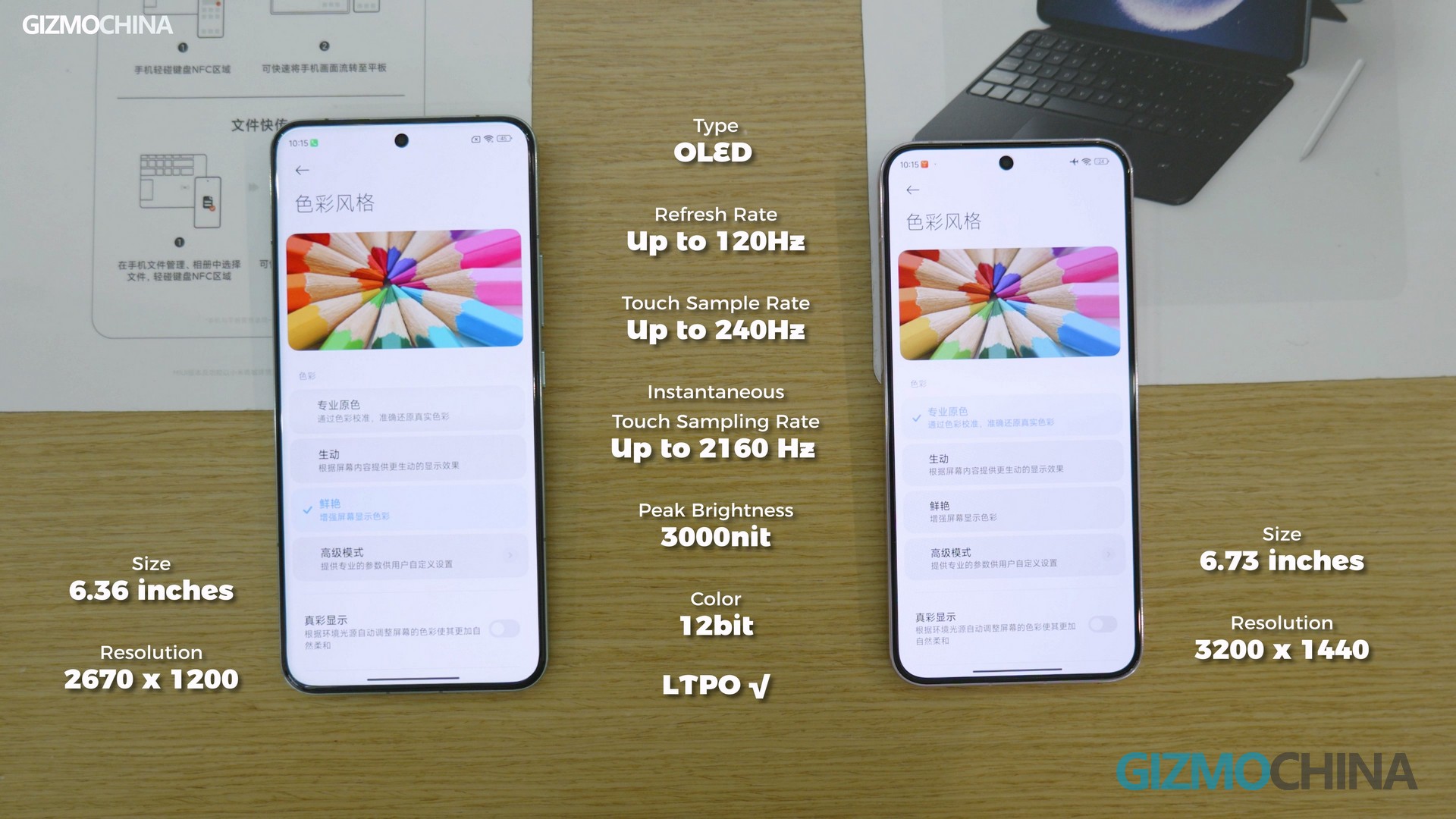
For starters, the Xiaomi 14 sports a 6.36-inch screen with a resolution of 2670 x 1200 pixels (1.5K) and 460 PPI. Whereas, the Xiaomi 14 Pro flaunts a larger 6.73-inch panel with a resolution of 3200 x 1440 pixels (2K) and 522 PPI.
Both displays use C8 luminescent material, which is jointly developed by TCL CSOT and Xiaomi. This new material reduces power consumption by more than 17% compared to the previous generation. It also enables up to 3,000 nits of local peak brightness level.
These 10-bit 1-120Hz LTPO screens support up to 12-bit software-based color depth. They have a 240Hz native touch sampling rate and up to 2160Hz software-based instant touch sampling rate.
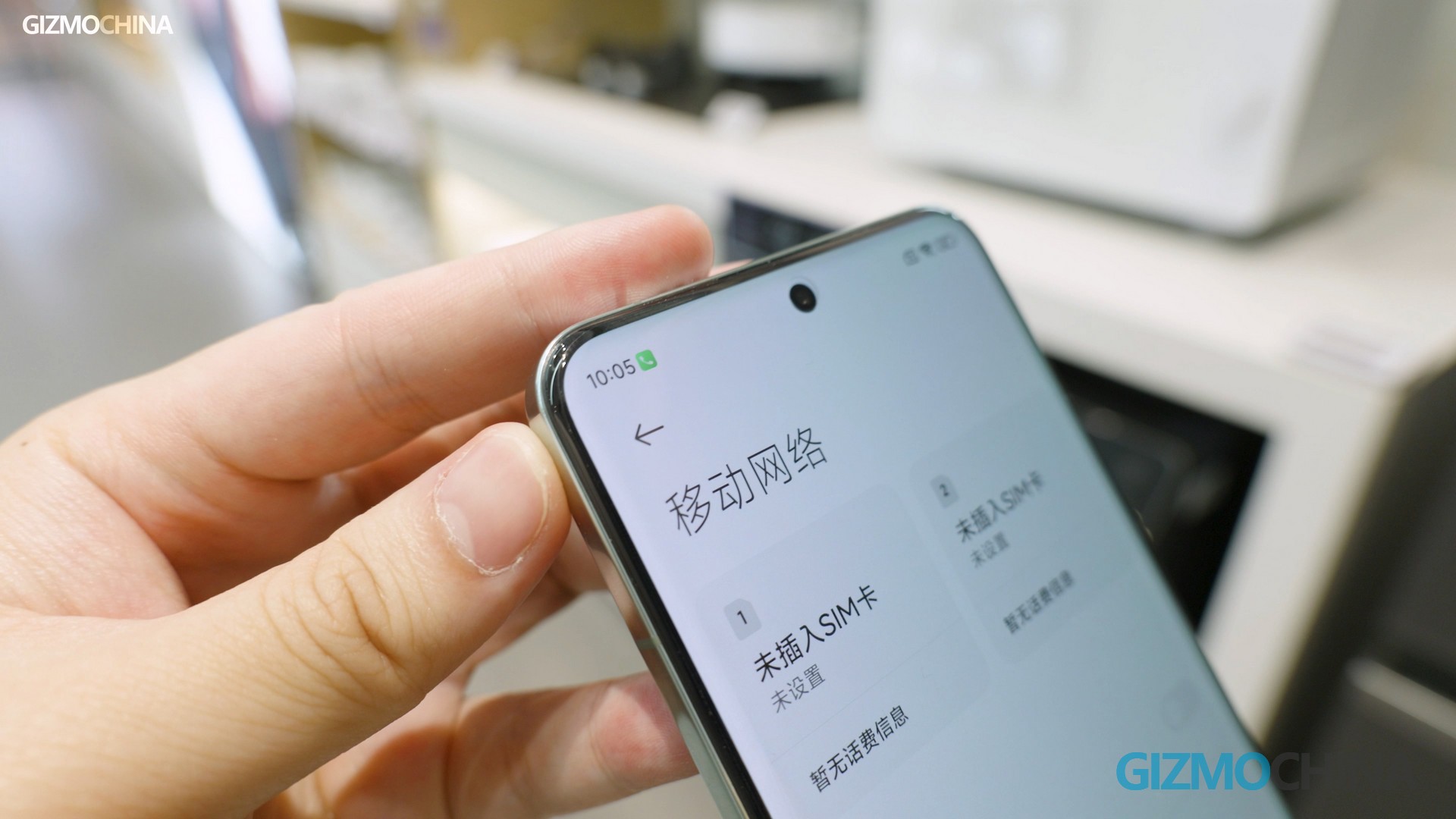
They cover 100% of the DCI-P3 color gamut and offer support for multiple HDR standards, such as Dolby Vision, HDR10+, and HDR Vivid. Both panels have a centered punch-hole but the one on the pro model is slightly curved compared to a completely flat surface on the vanilla variant.
The pro variant has an ultra-thin fingerprint sensor underneath its display, which is protected by Xiaomi Dragon Crystal Glass. On the other hand, the standard model has a regular fingerprint sensor and its screen is protected by an unnamed glass.
Finally, the bezels on the Xiaomi 14 are the thinnest on a flat-screen smartphone. The top bezel measures just 1.61mm, while the bottom bezel is slightly thicker at 1.71mm.
Oppo has just announced a brand-new mid range smartphone in India dubbed the Oppo A79 5G. While it is a relatively affordable smartphone, the company has placed an emphasis on its design to make it seem a lot more premium. So let’s have a look.
Oppo A79 5G Design and Specs
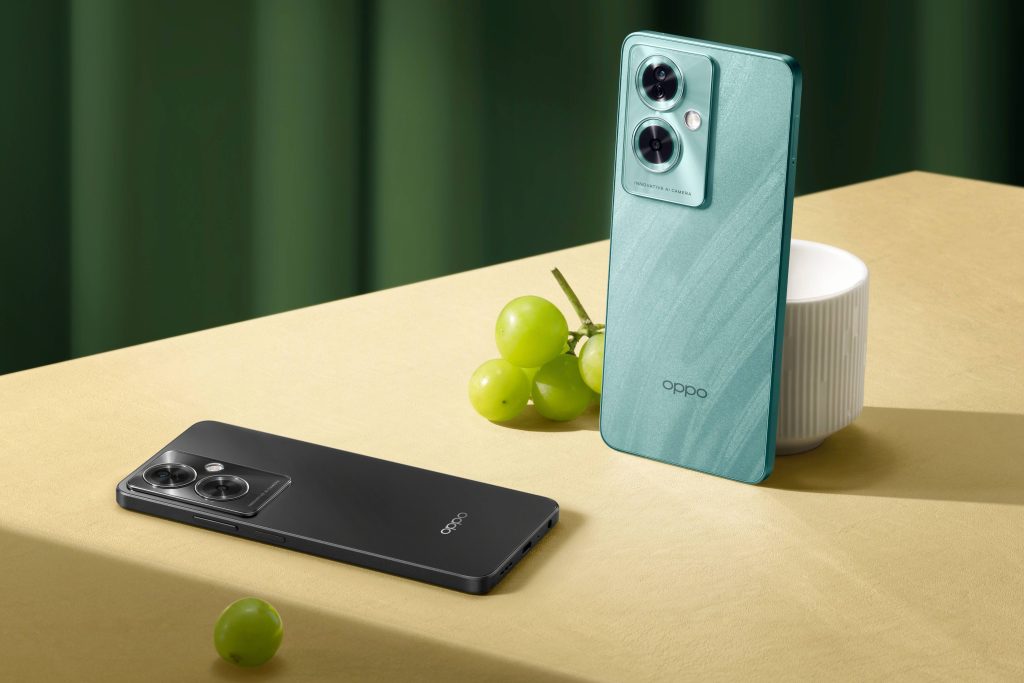
As per official notes, Oppo India is looking to “strike the perfect balance between sleek design, smoother performance, and fast charging battery” with the new A79 5G model. The handset features a thin design measuring just 7.99mm and weighing 193 grams. It comes with a polycarbonate frame with a metallic texture, which is possible due to its unique treatment. The rear has a flat panel and a dual camera setup, with both sensors being placed in a shiny Ring housing.
Meanwhile, the front sports a 6.72-inch display that offers FHD+ resolution, 90Hz refresh rate, and Oppo’s All Day AI eye protection for a safe viewing experience. Buyers can even watch HD video content from Amazon Prime and Netflix since it arrived with Widevine L1 certification. Under the hood, the Oppo A79 5G is equipped with the MediaTek Dimensity 6020 SoC that is paired with 8GB of RAM and 128GB of internal storage. This chipset was also featured on another one of Oppo’s newly announced smartphones, which is the Oppo A2m.
The smartphone features a 50-megapixel Samsung ISOCELL JN1 primary sensor and 2-megapixel portrait shooter (Omnivision OV02B1B) on the rear, while the front houses an 8-megapixel camera for selfies and video calls. A large 5,000mAh battery pack powers this device, which supports 33W fast charging. Other notable features include, Android 13 OS based ColorOS 13 out of the box, virtual RAM expansion up to 8GB, dual speaker setup with stereo support, and dual SIM.
Oppo A79 5G Pricing and Offers
The Oppo A79 5G has been announced in India in two color options, namely Glowing Green and Mystery Black. It was launched for a price tag of 19,999 INR. The brand is offering cashback of up to 4,000 INR and no cost EMI options for this smartphone. There is even a device exchange option that lowers the price by another 4,000 INR.
Xiaomi’s new operating system, HyperOS, is here, and it’s replacing MIUI. HyperOS comes pre-installed on the Xiaomi 14 series, and many users are eager to know when their older Xiaomi, or Redmi devices will get the update.
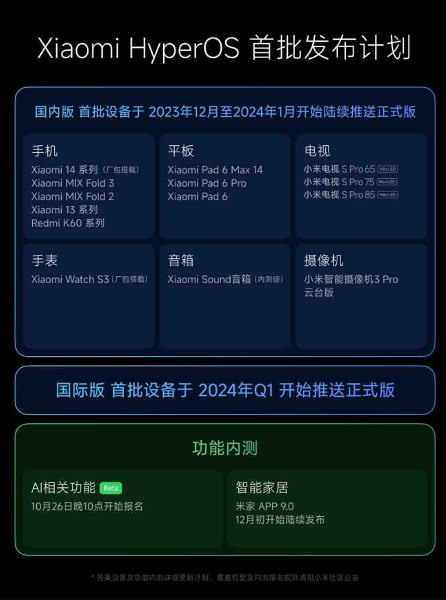
Fortunately, Xiaomi has released a rollout roadmap for HyperOS, showing all smartphones and tablets with MIUI software that will eventually be upgraded. However, the initial rollout will be limited to a few devices, with more models being added later.
HyperOS Rollout Schedule for Xiaomi / Redmi Devices (Domestic Version)
Products
Devices
Rollout Time
Smartphones
Xiaomi MIX Fold 3 Xiaomi MIX Fold 2 Xiaomi 13 Ultra Xiaomi 13 Pro Xiaomi 13 Xiaomi Pad 6 Max 14 Xiaomi Pad 6 Pro Xiaomi Pad 6 Redmi K60 Extreme Edition Redmi K60 Pro Redmi K60
December 2023 – January 2024
Smart TVs
Xiaomi TV S Pro 65 Mini LED Xiaomi TV S Pro 75 Mini LED Xiaomi TV S Pro 85 Mini LED
Other Devices
Xiaomi Smart Camera 3 Pro PTZ version Xiaomi Sound speaker
HyperOS Rollout Schedule for Xiaomi / Redmi Devices (International Version)
Q1, 2024: First batch release for international devices.
Registration
Registration for the domestic version starts at 10 p.m. on October 26th.
Smart Home
Early December 2023: Mijia APP 9.0 for smart home devices will be released.
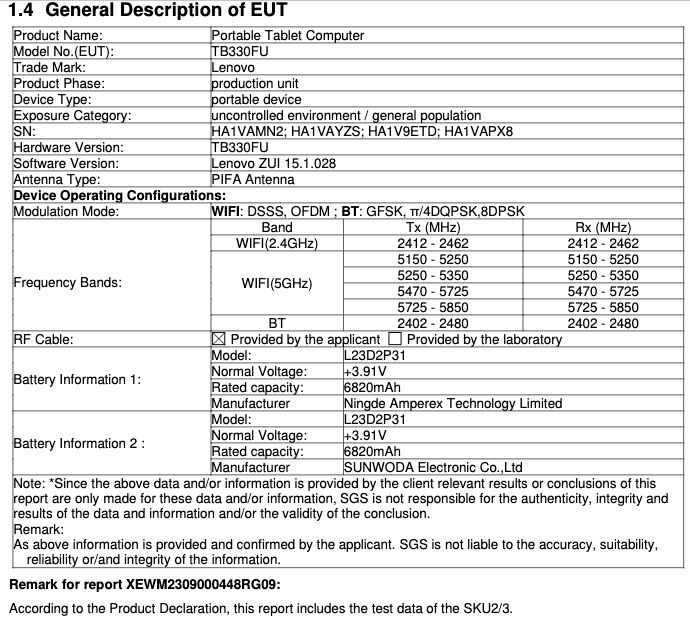
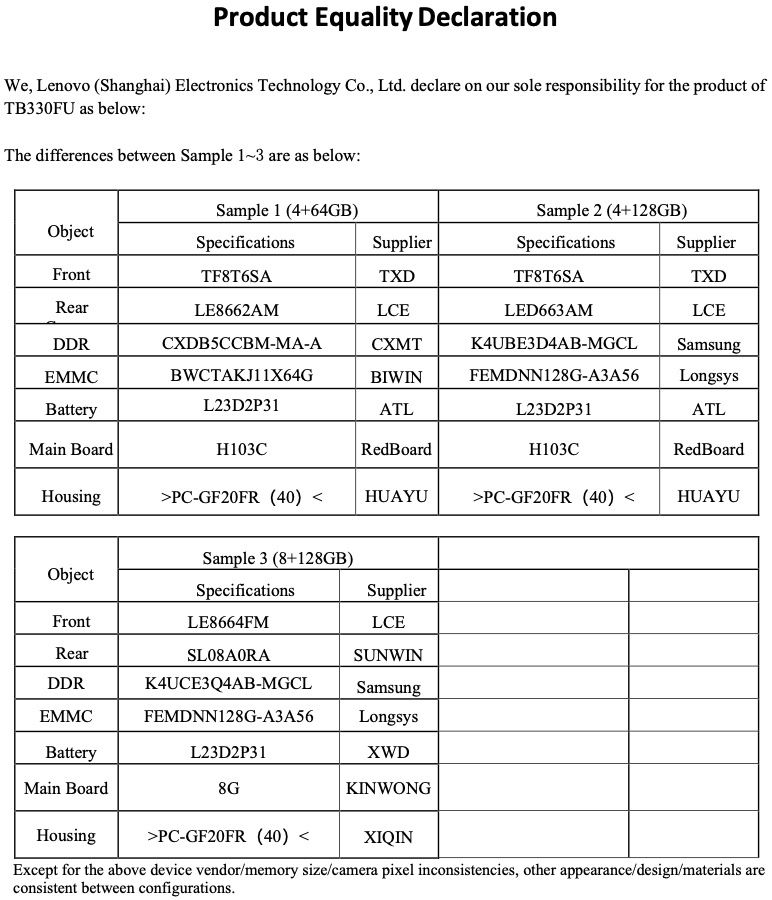
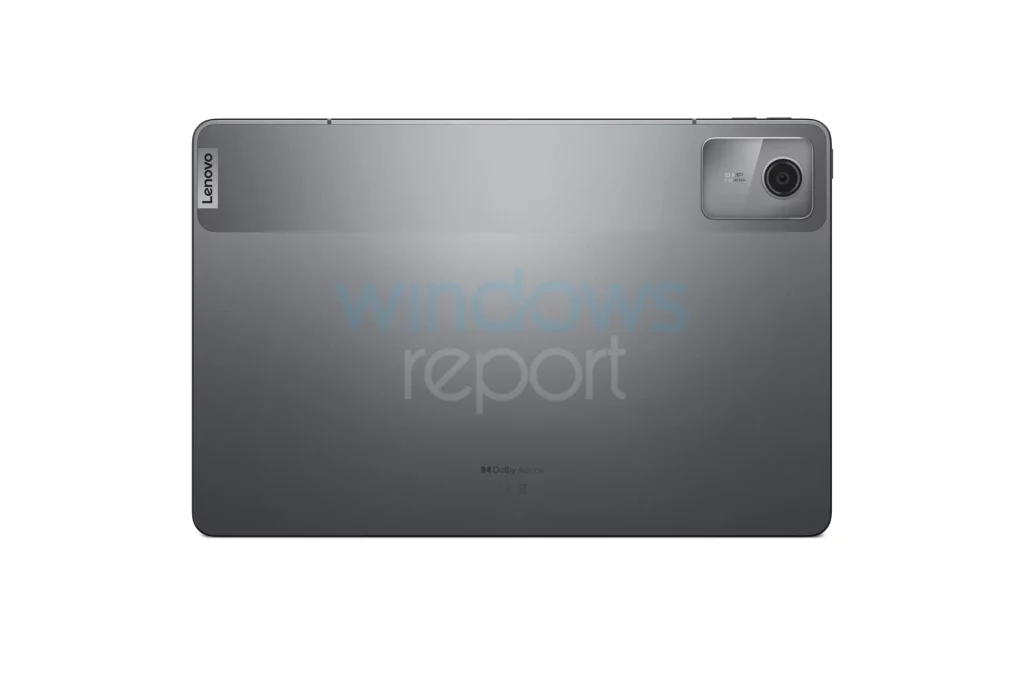
Back in September, a report leaked the complete specifications and renders of the upcoming Lenovo Tab M11 tablet. As per a new report by MySmartPrice, the said tablet has appeared with model number TB330FU in the database of the FCC certification platform. The listing, which hints at an imminent launch, has revealed the RAM and storage configurations of the device.
The FCC certification of the Tab M11 reveals that it will arrive in multiple configurations, such as 4 GB RAM + 64 GB storage, 4 GB RAM + 128 GB storage, and 8 GB RAM + 128 GB storage. The device will run on the ZUI 15.1.028 user interface, which will be overlaid on Android 13.
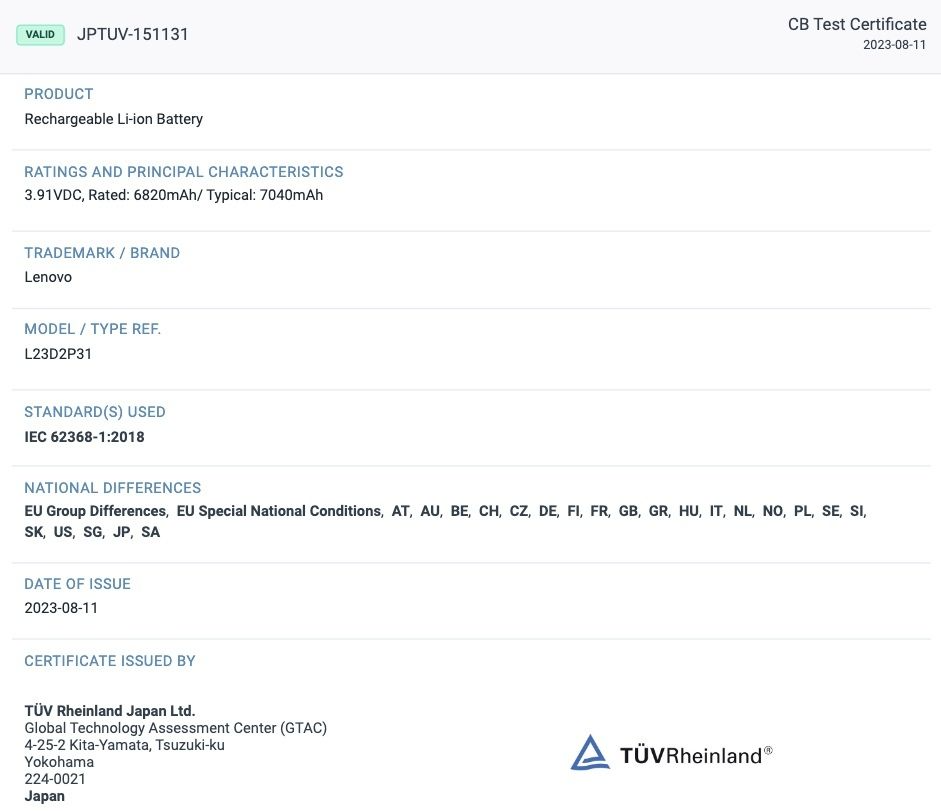
Apart from FCC, the tablet also obtained TUV Rheinland certification. Both listings have revealed that the device will be equipped with a 6,820mAh battery. The FCC certification states that the device will come with support for 2.4GHz and 5GHz Wi-Fi connectivity. It seems that the device will lack support for LTE connectivity.
Lenovo Tab M11 specifications, price (rumored)
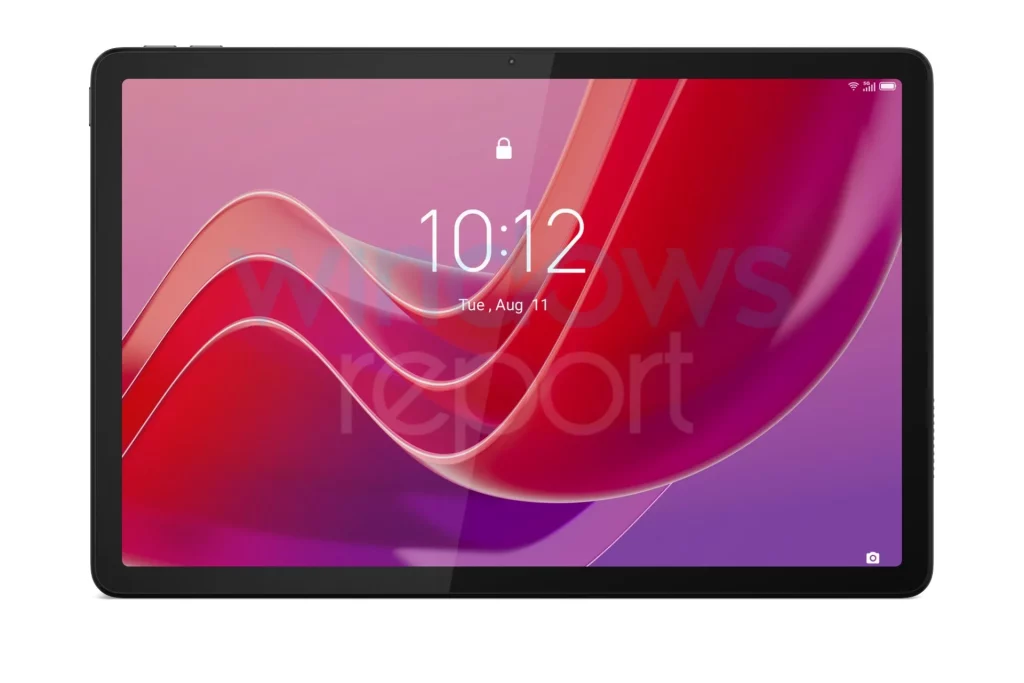
Lenovo Tab M11 leaked render by Windows Report
The Lenovo Tab M11 will arrive with an 11-inch LCD display that offers 1920 x 1200 pixels resolution. It will feature the Helio G88 chipset, up to 8 GB of RAM, up to 128 GB of storage, and a microSD card slot for more storage.
The Tab M11 is said to come with preloaded apps such as YouTube Music, Pay (Wallet), GBoard, News, Lenovo Vantage, and more. The tablet is expected to receive an Android 15 OS upgrade and security updates until January 2028. It will have an 8-megapixel front camera and an 8-megapixel or 13-megapixel rear camera.
Lenovo Tab M11 leaked render by Windows Report
The Tab M11 users will have options to purchase accessories, such as a Lenovo Tab Pen and a Folio Case. It is likely to cost $380 and will come in two options, such as Luna Grey and Seafoam Green.
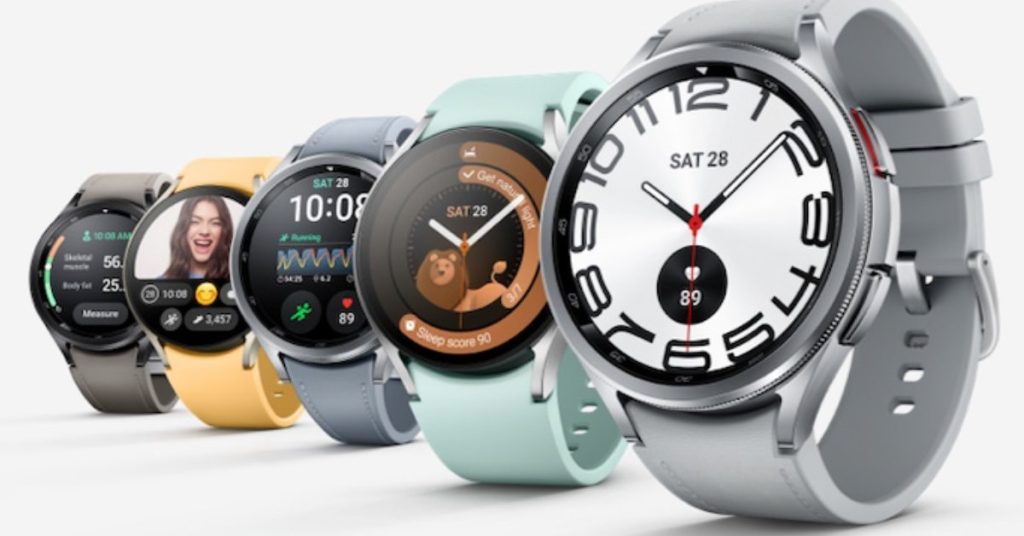
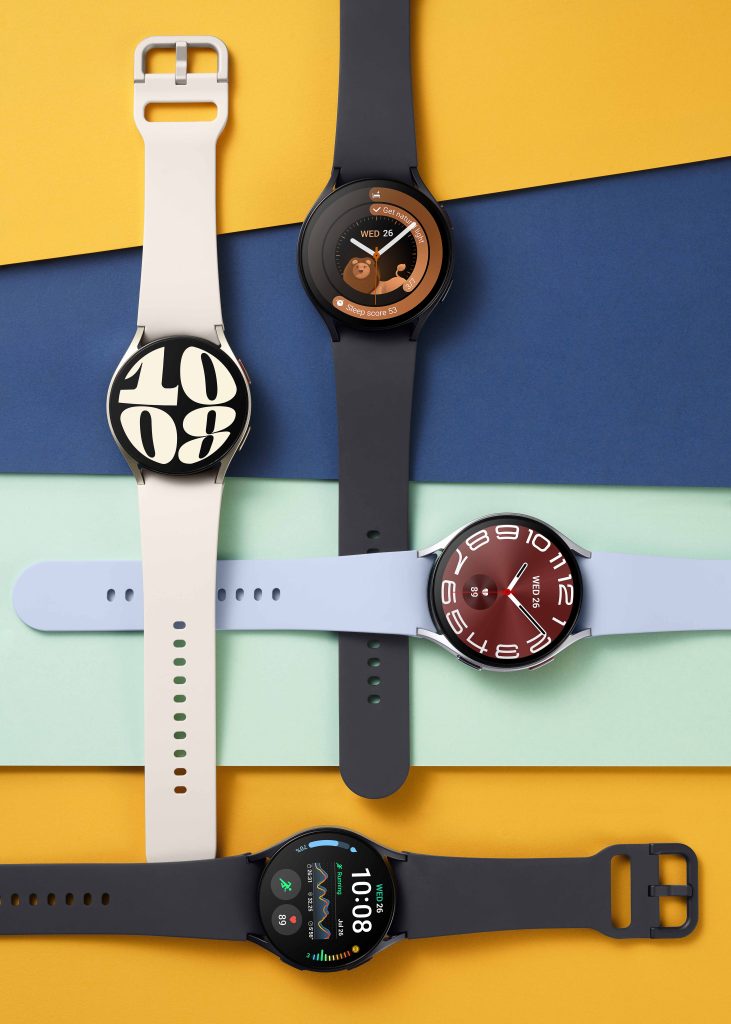
Samsung is reportedly developing its first 3nm chip, which is expected to power the next-gen Galaxy Watch 7 series. The news comes from the Korean media outlet Biz Daily, which reported that the Galaxy Watch 7 will be powered by Samsung’s first 3nm-based Exynos solution, likely dubbed the “Exynos W940.”
This will be a significant upgrade for Samsung smartwatches, which have used Exynos chips based on the 5nm process since the Galaxy Watch 4 came out in 2021.
Samsung 3nm chip for Galaxy Watch 7: Why is this upgrade crucial?
There are a few reasons why the upgrade to a 3nm chip is crucial for Samsung wearable. More importantly, smaller chips are more energy-efficient than larger chips, and they take up less space. This is great for smartwatches like the Galaxy Watch, which have limited battery life. More free space inside the smartwatch means companies can increase the battery size, which further extends the runtime of the device.
A 3nm chip is also expected to be faster and more powerful than a 5nm chip. This could lead to improved performance for all aspects of the Galaxy Watch 7, from its general user interface to its fitness tracking capabilities.
The Galaxy Watch 7 series is expected to hit the market in H2 2024, sometime around the same time as Samsung’s 2024 foldable phone lineup. It will be interesting to see how the new watch performs and whether it meets the expectations of users.
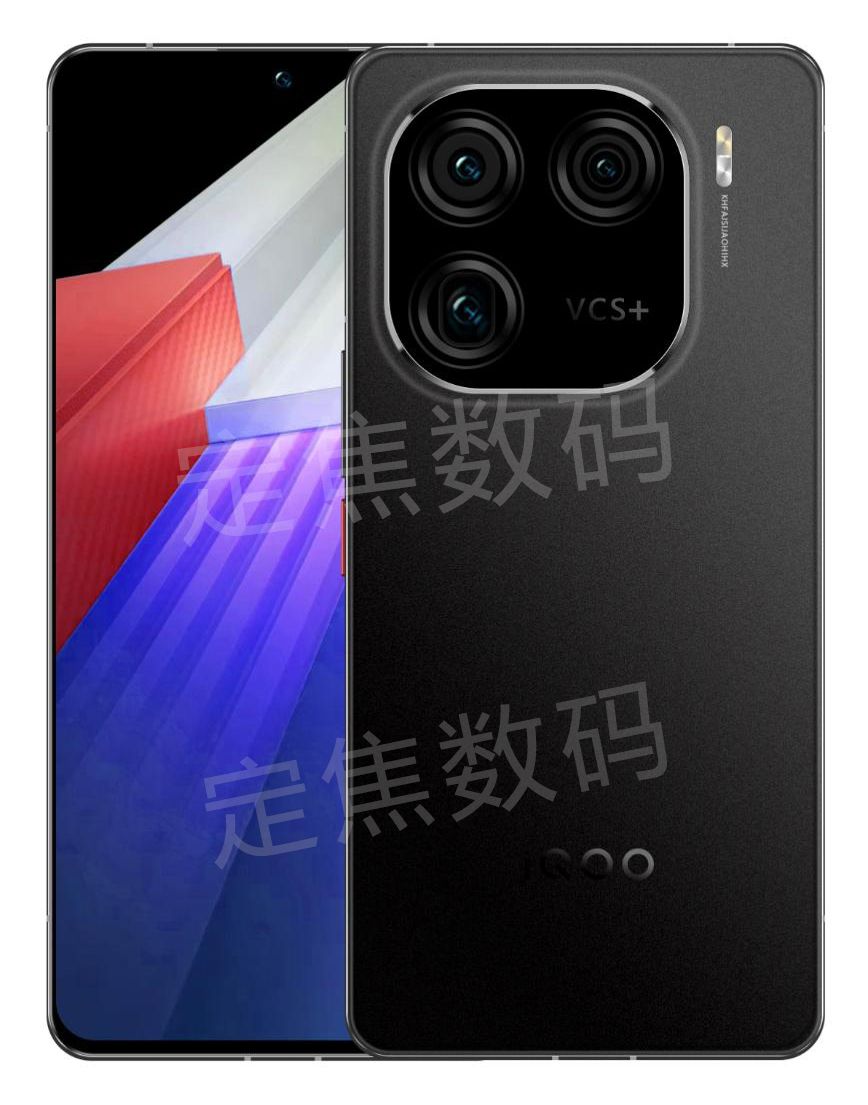
iQOO has recently announced the launch date of its iQOO 12 and iQOO 12 Pro smartphones, which is set for Nov. 7 in the Chinese market. While it has been confirmed that these devices will be powered by the Snapdragon 8 Gen 3 chip, other specifics about the phones are still under wraps. However, as the iQOO 12 lineup’s release approaches, various leaks are surfacing, providing insights into the phones’ specifications and design. Chinese tipsters have recently shared some key details about the iQOO 12.
iQOO 12 to offer enhanced gaming experience
iQOO 12 mock renderiQOO 12 Pro mock render
As per the new leaks, the iQOO 12 will feature a 144Hz refresh rate display powered by a Q1 display processor, which is said to have hardware acceleration and ray tracing capabilities to achieve realistic lighting, reflections, and shadows, thereby achieving a greater immersive experience while gaming. The Snapdragon 8 Gen 3-power device is said to feature the 1016 X-axis motor, which is said to be the largest linear motor ever used in an iQOO device and is nearly two times larger than previous models. For audiophiles, the device will be equipped with symmetrically arranged dual speakers.
In terms of design, the iQOO 12 will feature a right-angle metal middle frame and a plastic-free bracket. Previous leaks have claimed that it will offer IP64-rated dust and water resistance. These design upgrades suggest that the iQOO 12 will have a strong and durable build.
Alleged IQOO 12 camera sample
Recent reports have been unclear about whether the iQOO 12 will include a traditional telephoto camera or a periscope telephoto camera. However, the latest leak indicates that the iQOO 12 will be equipped with a 64-megapixel OV64B periscope telephoto lens, along with a new image processing algorithm. This periscope telephoto lens is said to be 30 percent larger, potentially enhancing the phone’s photography features. The image shown is an alleged camera sample taken from the iQOO 12. For those who don’t know, the device is said to be equipped with a 50-megapixel OmniVision OV50H primary camera.
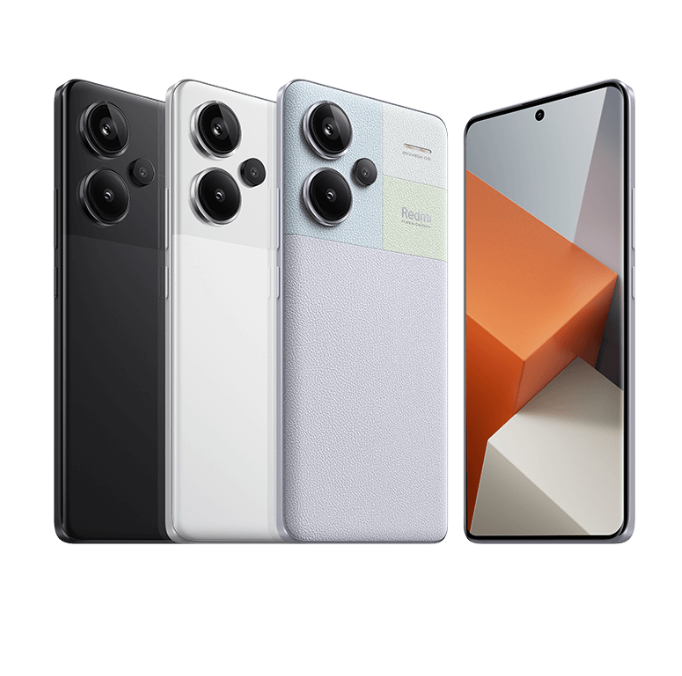
Giztop is giving up to $50 OFF on Redmi Note 13 Pro Plus. You can now buy the phone for as low as $299. Please note that this price applies to the base variant. The phone comes in White, Purple, and Black color options.
Redmi Note 13 Pro Plus, is a cutting-edge smartphone designed to elevate your mobile experience. At its core lies the powerful MediaTek Dimensity 7200 Ultra Octa-core processor, ensuring seamless performance and advanced AI computing capabilities.
The device boasts a stunning 6.67-inch 120Hz OLED display, providing you with vivid visuals and smooth interactions. With a high resolution of 2712×1220 pixels, Dolby Vision, and HDR10+, this display offers an immersive viewing experience, perfect for gaming and multimedia consumption.
Capture your moments with precision using the remarkable 200MP AI triple-camera setup. The 200MP main lens, coupled with OIS support, guarantees sharp and detailed photos. Complemented by an 8MP ultra-wide-angle lens and a 2MP macro unit, your photography options are limitless. On the front, a 16MP selfie camera lets you capture stunning self-portraits and video calls.
The device comes with storage options of 256GB or 512GB internal memory, coupled with 16GB RAM. This ample storage space ensures you can store all your contacts, music, photos, and apps effortlessly.
The 5000mAh battery, supporting 120W fast charging, ensures your device stays powered throughout the day. A side fingerprint sensor allows secure and quick unlocking, enhancing your privacy and convenience.
Immerse yourself in high-quality audio experiences with JBL stereo dual speakers, perfect for gaming, video streaming, and music playback. Redmi Note 13 Pro Plus also supports Bluetooth 5.2, a 3.5mm headphone jack, infrared sensors, WiFi 6, and NFC 3.0, ensuring versatile connectivity options.
For more information on such exciting deals and offers, check out our deals hub.
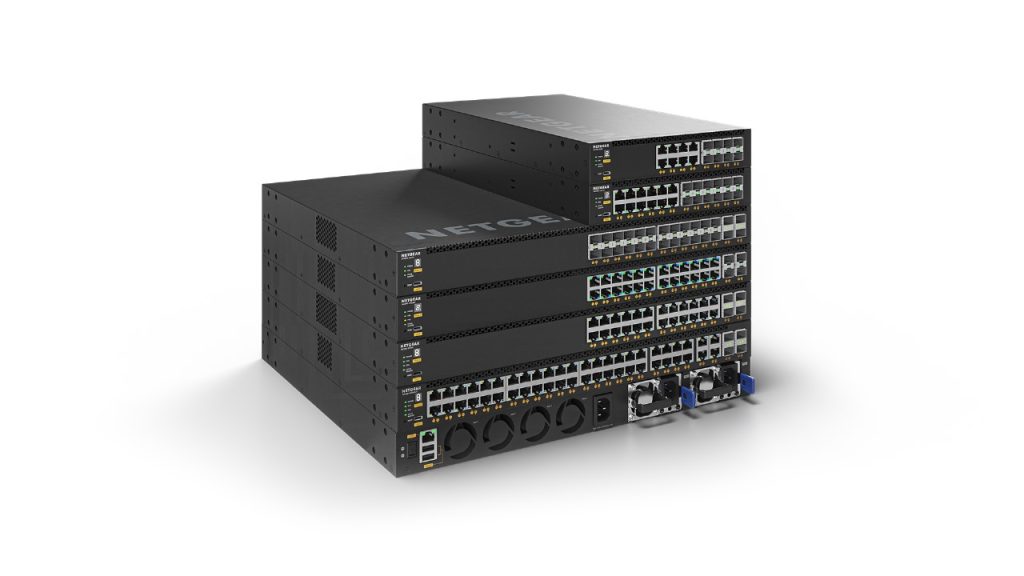
Netgear has launched the M4350 Series AV switches designed for enterprises during the 2023 Infocomm exhibition being held in Mumbai, India. These switches are engineered and certified for AVoIP (Audio and Video over Internet Protocol) and offer out-of-the-box multicast functionality and profile-based configuration. The M4350 Series is equipped with enterprise-class hardware, redundant power supplies, and up to 100 Gbps uplinks.
Netgear M4350 Series AV key features
NETGEAR M4350 Series AV switches
In the past, AV professionals grappled with intricate IT switches, needing to learn technical terms or hire IT experts. The M4350 simplifies this by offering an AV-centric interface and pre-configured profiles for major audio, video, and lighting protocols, streamlining switch setup for many installations. The M4350 Series includes features like IGMP Plus with Auto-LAG and Auto-Trunk, NSF, Selectable Port-Channel / LAG, Advanced IPv4/IPv6 security, PoE+ and Ultra90 PoE++ options for AVoIP endpoints, and intelligent thermal and acoustic control with fans.
With a portfolio of over 200 switching products, Netgear allows businesses to connect various AV over IP devices, offering flexible speed options ranging from 1 Gbps to 100 Gbps per port. These switches can also support PoE for cameras and other security and surveillance products.
Netgear team at Infocomm 2023
In addition, Netgear has designed other products for AV over IP installations, such as IGMP Plus, which simplifies multicast installations, and their modular switches accommodate copper, fibre, and HDMI inputs. Netgear’s switches come in various sizes and mounting options, suitable for installations ranging from university campuses to touring road shows.
BenQ unveiled its next-generation smartboards, the BenQ Board Pro RP04 and BenQ Board Master RM04, at Infocomm India 2023, a professional AV solutions event held from Oct. 25 to Oct. 27, at Jio World Convention Centre in Mumbai. Continue reading ahead to learn more about the features of the new smartboards from BenQ.
BenQ Board Pro RP04, Board Master RM04 key features
BenQ’s GMS-enabled smartboards announced in India
According to BenQ, the Board Pro RP04 and BenQ Board Master RM04 smartboards are India’s first fully integrated smartboards with Google Mobile Services (GMS) and have received official certification under the Google Enterprise Devices Licensing Agreement (EDLA). This collaboration allows corporate and educational users to access Google’s suite of applications and APIs, enhancing the experiences of business professionals, students, and educators.
With GMS support, they seamlessly integrate various Google services like Google Drive, Maps, Meet, and YouTube. Users can install and use Google Workspace apps such as Docs, Sheets, and Slides directly from Google Play. In addition to GMS integration, the smartboards are equipped with EZWrite 6 whiteboarding software and InstaShare 2 wireless screen-sharing solution. EZWrite 6 enables engaging sessions with specialized tools, while InstaShare 2 supports up to nine people sharing and controlling their screens simultaneously, promoting collaboration.
Both devices support encrypted network communications and proxy-level security options, and BenQ hosts its cloud services on a secure AWS cloud infrastructure. They also support Text-to-Speech functionality for the visually impaired, multilingual translation for diverse language support, and Optical Character Recognition (OCR) to convert images and documents into editable text.
BenQ Board Pro RP04, Board Master RM04 price and availability
The BenQ Board Pro RP04 and BenQ Board Master RM04 smartboards will be available from January 2024. Pricing has not yet been announced.
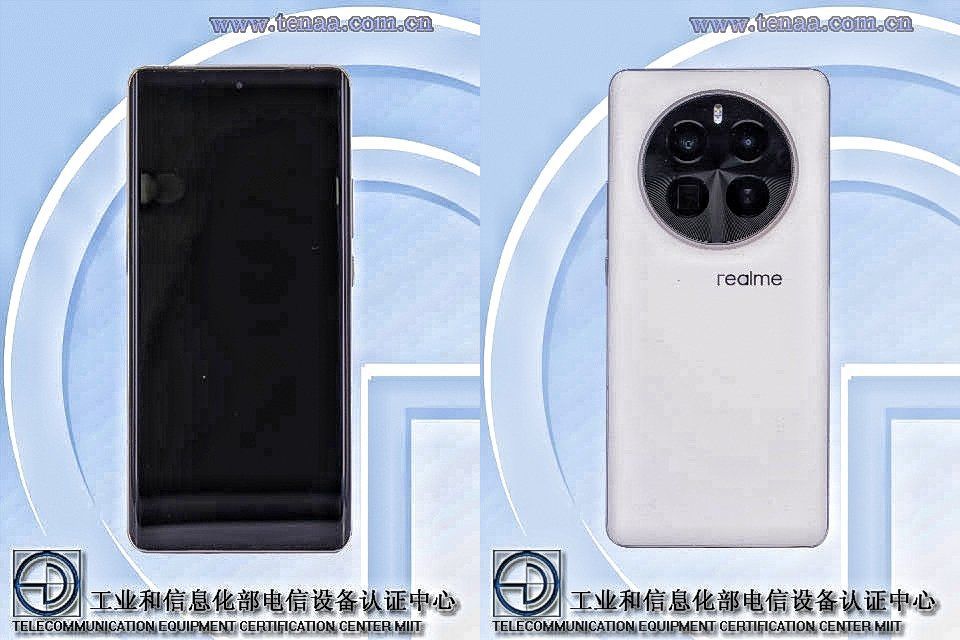
Realme recently confirmed that its forthcoming flagship phone, the Realme GT 5 Pro, will feature the Snapdragon 8 Gen 3 mobile platform. It seems that its launch may not be far away, as it has emerged in the database of China’s TENAA certification platform with images and specifications.
A new Realme smartphone with model number RMX3888 has surfaced in TENAA’s database. Since it is packed with flagship specifications, it appears that the RMX3888 phone could be called the Realme GT 5 Pro when it arrives in the Chinese market.
Realme GT 5 Pro specifications (rumored)
Realme GT 5 Pro TENAA images
As per the TENAA listing, the Realme GT 5 Pro is expected to sport a 6.78-inch curved-edge AMOLED display that is integrated with a fingerprint sensor. The screen offers a 1.5K resolution of 2780 x 1264 pixels and 10-bit colors. The Snapdragon 8 Gen 2-powered Realme GT 5’s screen supports a 144Hz refresh rate. Hence, it is likely that the Pro variant may also support such a high refresh rate.
The GT 5 Pro will have a 32-megapixel camera on the front. On the rear, the device is fitted with a distinctive round camera module housing a 50 + 50 + 8-megapixel triple camera system with a 2.7x optical zoom. As per reports, the primary camera may use Sony’s IMX966 sensor, while the 8-megapixel lens likely serves as an ultra-wide option. Furthermore, the 50-megapixel lens may employ a Sony IMX890 sensor, serving as a periscope camera with a 2.7x optical zoom.
The Snapdragon 8 Gen 3-powered Realme GT 5 Pro will house a 2,630mAh dual-cell battery, hinting at a typical value of 5,400mAh. It will be offered in varying RAM and storage configurations, including 8 GB, 12 GB, or 16 GB of LPDDR5x RAM, paired with 128 GB, 256 GB, 512 GB, or even 1 TB of UFS 4.0 storage. While it is rumored to support 100W wired and 50W wireless charging, certification from China’s 3C platform is still pending.
The Realme GT 5 Pro is expected to come preloaded with Realme UI 5 based on Android 14. In addition to these specifications, there are rumors of a vegan leather back variant, a vapor chamber covering a generous 10,000mm² mm2 of surface area for enhanced cooling, and the possibility of an IP rating for dust and water resistance. The device’s dimensions measure 161.6 x 75.1 x 9.2mm, and it weighs 220 grams. As for the price, the GT 5 Pro is likely to be priced at around 4,000 Yuan (~$546).
We live in a digital age, where everything from our money to our memories is stored on our smartphones. But sometimes, we need to move this data to a safer place, even if it’s just for a while. This is where cloud storage comes in. Companies like Apple, Google, and Microsoft offer cloud storage for a fee. While the fees aren’t always high, they can still be annoying. Samsung is helping out by offering unlimited cloud storage to all its users for free, However there’s a catch. Here are the details…
Samsung Offers Unlimited Cloud Storage, But It’s Not a Replacement for a Real Cloud Storage Service
Samsung, the world’s largest smartphone manufacturer, is determined to maintain this title by selling 250 million new phones in 2024. However, to achieve this success, they must prioritize maximum user satisfaction and earn people’s appreciation. In line with this, the company’s next plan is to offer users unlimited cloud storage. This service, known as “Temporary Cloud Storage,” provides users with unlimited storage for up to 30 days.
Moreover, this service is not exclusive to Samsung users; anyone can use this service, which has no limit other than 100 GB per file. The offer covers all types of data, including audio, video, documents, and even private files within the Secure Folder. Samsung assures that the uploaded data will be securely stored for up to 30 days from the date of the initial backup. However, this fantastic service comes with a significant drawback.
I’m sure many of you have considered using this system when you heard about unlimited cloud storage. However, it’s essential to remind you that this isn’t a service like iCloud, and it’s entirely free. If you don’t somehow retrieve your backed-up data within 30 days, all your files will be permanently deleted, and they cannot be recovered. So, if anyone is planning to use this in place of OneDrive and is thinking of getting cloud storage for free, they should be cautious from the start.
Morris Chang, the 91-year-old retired founder of the Taiwan Semiconductor Manufacturing Company (TSMC), voiced a deep concern that’s probably shared by many in the tech industry: the possible decoupling of the United States and China, the world’s two largest economies. In an event at the Asia Society in New York, he warned that such a separation would “slow down everybody,” reflecting on the complex web of global supply chains that both countries are part of.
TSMC, which is worth over $400 billion, is suffering from this US-China Chip War
While Chang touched on concerns of an emerging superpower challenging an existing one, as described in Graham Allison’s book “Destined for War,” there’s more to the narrative. The tech industry is at the epicenter of this geopolitical earthquake, where the tremors could be felt across the globe, affecting companies like TSMC, which is worth over $400 billion and supplies key components to tech giants like Apple.
The U.S. has taken steps to shift semiconductor production stateside with measures like “onshoring” and “friendshoring,” incentivized by federal subsidies. These moves are aimed at making the U.S. less dependent on Taiwan, a self-governed island that China views as a part of its territory. It’s a security-driven move aimed at securing supply chains and reducing dependency on regions that could become hotspots due to their geopolitical standing.
However, there’s a flip side to this strategy. The U.S.’s push for independence in semiconductor production might undermine the very global ecosystem that has been responsible for technological innovations. It also risks making things more expensive and less efficient for everyone involved. Chang’s TSMC, for instance, has already faced hurdles in its Arizona plant, including a shortage of skilled labor and disputes with local unions.
Moreover, China’s demographics give it an edge as a future tech leader, as pointed out by Joe Tsai, co-founder of Alibaba Group. With 800 million people in the labor force, 200 million of whom are highly skilled, the U.S. and its allies might find themselves playing catch-up in the long run.
In a world that’s becoming increasingly “dangerous and unpredictable,” according to Tsai, the U.S.-China decoupling seems like a double-edged sword: a move toward security could be a step back for global progress. And both countries need to come to a consensus soon to put everyone’s worries to rest.
Advanced Micro Devices (AMD), a major player in the graphics processing unit (GPU) market, has been tweaking its business operations in China. While the company has refuted online rumors about slashing hundreds of jobs in its Shanghai office, it did confirm a “small optimization and restructuring” in a recent statement. But what does this really mean, especially in a market as significant yet challenging as China which is already struggling in the Chip sector?
China accounted for 22% of the total AMD external sales last year
China has been a lucrative market for AMD, accounting for 22% of its total sales to external customers in 2022. However, a U.S. export ban has impacted AMD and its main rival, Nvidia, limiting their abilities to sell advanced AI-training GPUs in the country. As a result, a robust black market has emerged, filling the gap and serving China’s tech giants who are on the hunt for top-tier AI chips.
Despite these hurdles, AMD’s CEO Lisa Su remains optimistic about the potential in China. She recently stressed the company’s commitment to be “fully compliant with U.S. export controls” while expressing a strong desire to offer AI solutions tailored for the Chinese market.
Although AMD hasn’t given details about its recent “restructuring” in China, it’s critical to remember that in the local context, the term often refers to job cuts. Under Chinese law, a layoff involving more than 20 employees calls for official labor authority intervention. AMD, like other U.S. tech companies Qualcomm and Marvell Technology, seems to be reducing its workforce in China as part of an industry-wide reaction to the U.S.-China tech war and global consumer electronics demand fluctuations.
Everyone is probably confused if AMD is retreating or simply adapting? It appears the company is taking calculated steps to navigate through complex geopolitical and market conditions. By optimizing its operations, AMD seems to be positioning itself to capture what it sees as long-term opportunities in China, without alienating itself from existing U.S. policies. With its strong revenue stream from the country, AMD is unlikely to completely withdraw, but a shift in strategy is clearly happening.
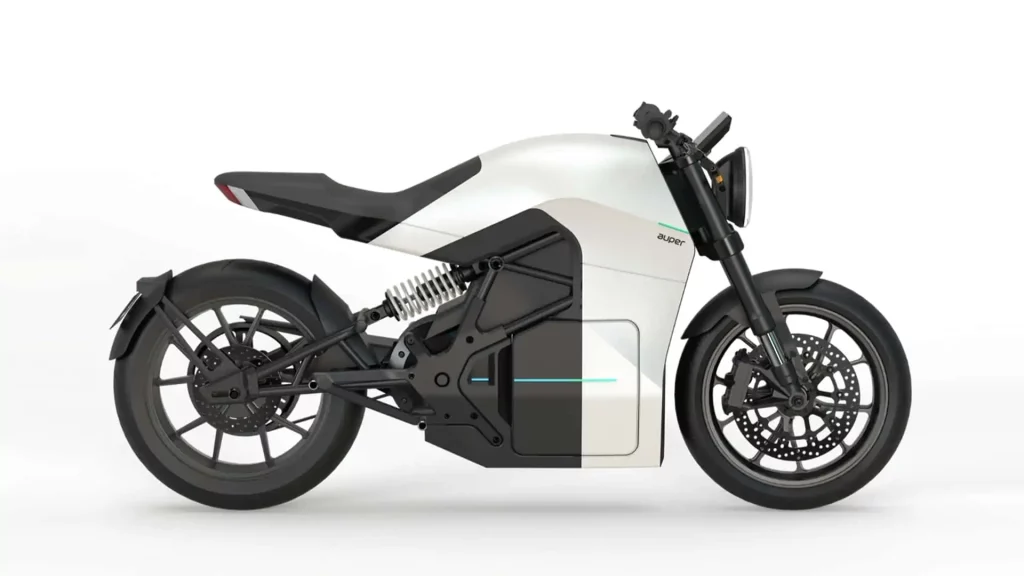
Electric bikes are all the rage these days, especially when they bring tech to the table. One such bike catching attention is the Auper InCity, designed specifically for Brazil’s bustling urban landscape. This isn’t just any electric bike; it’s a tech powerhouse on two wheels.
The company is based in Canada, but has a special focus on Brazil’s market
Based in Canada but laser-focused on Brazil, Auper aims to bring cutting-edge electric bikes to a broader audience. The InCity model is a blend of style and substance, sporting a sleek, futuristic design that is bound to turn heads. But it’s not all about good looks; there’s some serious tech here too.
What sets the InCity apart is its Vehicle Control Unit (VCU), a central hub for all its safety features. Why is this important? Well, Brazil has a high rate of motorcycle theft. Auper’s response is to load up the InCity with an array of security technologies. From encrypted electronic components that can’t be stolen and used elsewhere, to advanced safety features like ABS and traction control, this bike is as secure as they come.
Performance isn’t compromised either. Partnering with Enedym Inc., Auper incorporated a magnet-free motor that enables a top speed of 94 mph and goes from zero to 60 mph in a mere five seconds. The bike runs on a 4.8-kWh lithium-ion battery, giving you up to 60 miles on a single charge. And if you’re craving more, there’s a long-range version in the pipeline.
Another nifty addition is the Intelligent Instrument Cluster (IIC). It’s your all-in-one dashboard, providing real-time data like speed, battery status, and even traffic updates when you’re parked. And the best part? It’s expected to retail for around $5,000, making advanced electric biking accessible to many out there.
We use cookies on our website to give you the most relevant experience by remembering your preferences and repeat visits. By clicking “Accept”, you consent to the use of ALL the cookies.
This website uses cookies to improve your experience while you navigate through the website. Out of these, the cookies that are categorized as necessary are stored on your browser as they are essential for the working of basic functionalities of the website. We also use third-party cookies that help us analyze and understand how you use this website. These cookies will be stored in your browser only with your consent. You also have the option to opt-out of these cookies. But opting out of some of these cookies may affect your browsing experience.
Necessary cookies are absolutely essential for the website to function properly. This category only includes cookies that ensures basic functionalities and security features of the website. These cookies do not store any personal information.
Any cookies that may not be particularly necessary for the website to function and is used specifically to collect user personal data via analytics, ads, other embedded contents are termed as non-necessary cookies. It is mandatory to procure user consent prior to running these cookies on your website.