Advertisement

Apple to update standard AirPods & Max in 2024, and Pro in 2025: Gurman

Apple is gearing up for significant changes in its AirPods lineup, as reported by Bloomberg’s Mark Gurman. In 2024, updates are anticipated for both the standard AirPods and AirPods Max, while the AirPods Pro will receive enhancements in 2025.

Concurrently, Apple is planning to phase out the 2nd and 3rd-generation standard AirPods and introduce two different price points for the upcoming 4th-generation AirPods.

Apple Airpods Pro

Upcoming-Generation AirPods: New Designs and Features

According to Gurman, the 4th-generation standard AirPods are expected to incorporate features from both AirPods and AirPods Pro models and may come with shorter earphone stems. The higher-end version of the standard AirPods is likely to feature active noise cancellation, similar to the AirPods Pro and Max, along with an improved fit for added comfort. Details about potential additions to the charging case, such as speakers or a USB-C interface, remain uncertain.

The AirPods Max will not just be receiving functional updates. Aesthetic variations are also on the horizon, with more color options likely to be available. There’s also talk of adding the USB-C interface.

As for the AirPods Pro, the 3rd gen is rumored to boast a new design and more efficient internal chips. What’s particularly intriguing is the possibility of “hearing health” features, suggesting that these AirPods could collect hearing data, potentially positioning them as an alternative to traditional hearing aids in certain situations. This year Apple already updated the 2nd generation AirPods Pro with USB‐C so the next gen will also feature the same.

Apple has filed recent patents suggesting that future AirPods may include features such as reading biosignals like brain waves using in-ear electrodes and dynamic environment adaptation capabilities.

Apple also plans to manufacture AirPods in India, in addition to iPhones and is expected to introduce these refreshed AirPods models alongside new iPhones next year.

RELATED:

(Source, Via)

iFlytek Spark 3.0 Outperforms GPT-3.5, Setting New Benchmark for Large Language Models

As artificial intelligence technologies gain popularity, competition is increasing in proportion. Companies around the world are fiercely battling it out to develop the best AI model and outperform their competitors. Although, for now, OpenAI, the developer of ChatGPT, leads the race, the performance of its competitors is not too shabby either. In fact, some claim to be even better. One such claim comes from Chinese company iFlytek, which asserts that its latest large language model, Spark 3.0, surpasses OpenAI’s GPT-3.5 in Chinese language tasks while demonstrating comparable performance in English contexts. Here are the details…

Chinese AI Firm iFlytek Develops Spark 3.0, a Large Language Model that Beats GPT-3.5 in Chinese

Following the success achieved by OpenAI with ChatGPT, the entire tech industry has turned its focus towards artificial intelligence. Many companies are actively working in this field, aiming to create their own success stories. One of these companies is iFlytek, a Chinese information technology company specializing in artificial intelligence. iFlytek is a global leader in AI-powered voice recognition and is involved in the development of various other AI products and services. Currently, they are in the process of developing a chatbot named Spark.

ChatGPT vs iflytek spark-3-0

Now, iFlytek claims that Spark 3.0, surpasses OpenAI’s GPT-3.5 in Chinese language tasks while demonstrating comparable performance in English contexts. The company said that Spark 3.0 has been trained on a dataset of 1.2 trillion words and code, and that it can perform a variety of tasks, including text generation, language understanding, knowledge answering, logical reasoning, mathematical computation, code generation, and multimodal interaction.

iFlytek also said that it plans to train Spark 4.0, a further enhanced AI foundation model that it aims to benchmark against GPT-4, on an arithmetic platform built with Huawei. The new iteration is expected to be launched in the first half of 2024. However, iFlytek’s stock price slumped nearly 10% during its annual AI event on Tuesday, a slide believed to be linked to reports that the firm’s teenager-focused educational tablet was allegedly found to have criticized Mao Zedong in an article.

Despite the stock price slump, iFlytek’s claim that Spark 3.0 is on par with GPT-3.5 is a significant achievement. If accurate, it would mean that the company has developed a competitive alternative to GPT-3.5, which could give it a significant advantage in the global AI market.

RELATED:

(via)

Xiaomi MiTu Children’s Phone Watch U1 Pro with built-in XiaoAI & video calling functions launched for 999 yuan ($137)

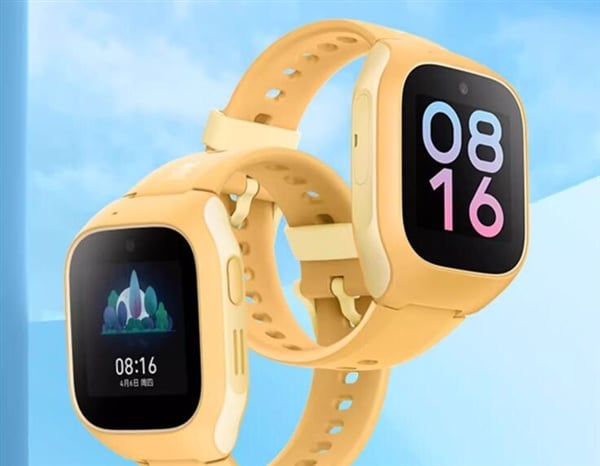
Xiaomi MiTu Children’s Phone Watch U1 Pro specially crafted for children has been launched in China. The Children’s Phone Watch U1 Pro has a built-in XiaoAI functionality and supports video calling, among other functions. The MiTu U1 Pro retains the stability and long battery life the MiTu series is known for.

Xiaomi MiTu Children's Phone Watch U1

The MiTu U1 Pro is equipped with standard apps like WeChat and QQ. It can achieve lots of functionality including voice and video calls. It also supports the AliPay payment system. The daily limit can be set for proper control of the children’s phone watch U1 Pro. The watch has a 950mAh lithium battery for extended usage.

In addition, the children’s watch can withstand up to 20 meters of immersion in water and supports 4G network connectivity. It has a 4GB storage and a 2MP front-facing camera with wide-angle capability. The parents can use the camera to communicate with the child in real time.

The new Xiaomi children’s watch features an encyclopedia containing questions and answers. There is also a dictionary which can be used to search for the meaning of different words. Alarm clock reminders and English/ Chinese voice translation are also supported.

Pricing & Availability

The Xiaomi MiTu children’s watch U1 Pro is currently priced at 999 yuan (~$137) in China. The watch comes in a yellow colorway. Xiaomi is likely going to launch this product outside China considering the Huawei kid’s watch privacy controversies in overseas markets in the past.

RELATED:

Xiaomi MIJIA Home Appliance Three-piece Set launched in China starting from 1,999 yuan ($273)

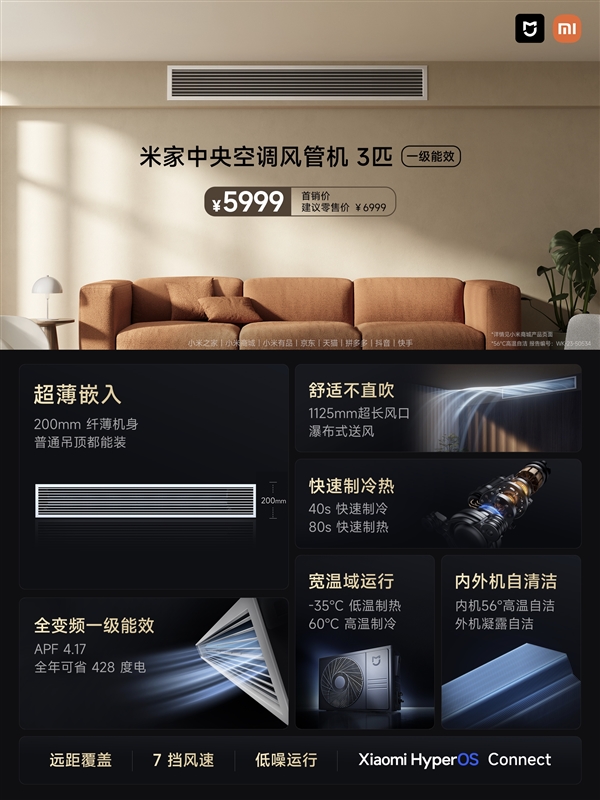
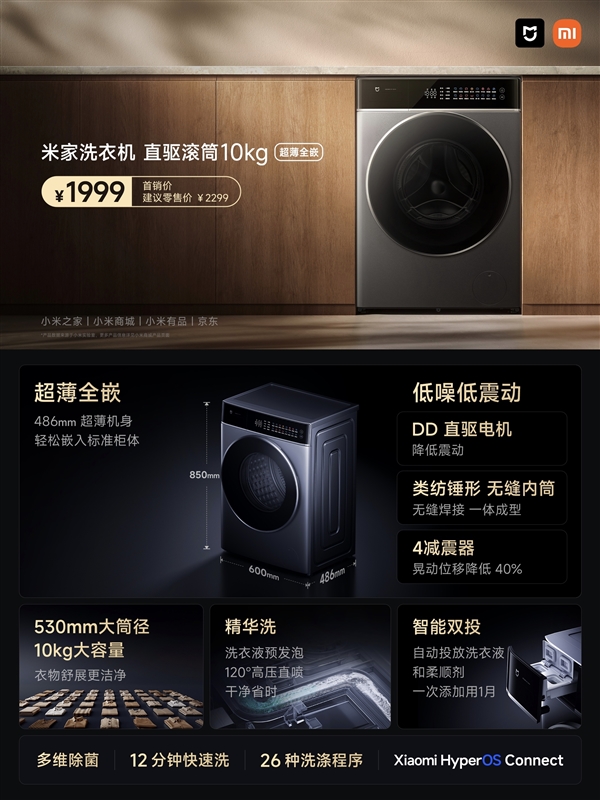
Xiaomi‘s October 26 launch event was signposted by the Xiaomi 14 series. The company equally unveiled the Watch S3 and a blood pressure monitoring smartwatch. One more thing, Xiaomi also announced a three-piece home appliance set. The three-piece set consists of the MIJIA Central Air-conditioning Duct machine, the MIJIA ultra-thin fully embedded washing machine, and the MIJIA ultra-thin fully embedded refrigerator. All three home gadgets support HyperOS Connect for seamless integration into the Xiaomi home ecosystem.

 MIJIA central air conditioning duct machine

The MIJIA central air conditioning duct machine is a central air conditioner designed for small and medium-sized apartments. It has a 200mm body and can be well-placed on a ceiling. It uses a waterfall air supply and does not blow air directly. It has a high energy efficiency and high-temperature self-cleaning. The MIJIA ultra-thin fully embedded washing machine can be embedded into a 600mm cabinet. It has a diameter of 530mm, offering more efficient clothes-washing operations. The washing mechanism is designed for quick washing with up to 45% improvements from previous models. It also features intelligent dual-throwing and steam sterilization.

The Xiaomi MIJIA ultra-thin fully embedded refrigerator can snugly fit edges and cabinets. It has a small area of 0.53 square meters and a capacity of 521L. It has independent adjustable dry and wet conditions, as well as supports silver ion antibacterial odor removal.

Pricing & Available

The MIJIA ultra-thin embedded washing machine is priced at 1,999 yuan (~$273), and the refrigerator is priced at 2,999 yuan (~$410). The top of the pack is the Xiaomi MIJIA central air-conditioning duct machine is priced at 5,999 yuan (~$820).

RELATED:

Xiaomi Wrist ECG Blood Pressure Recorder with one-click blood pressure measurement, fall detection launched

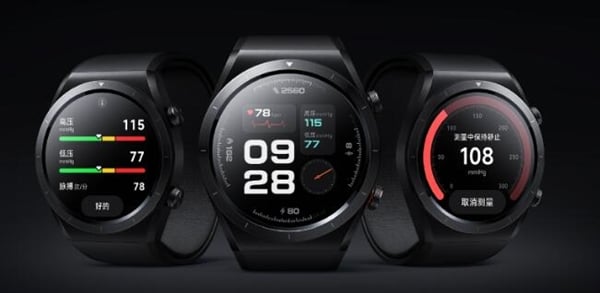
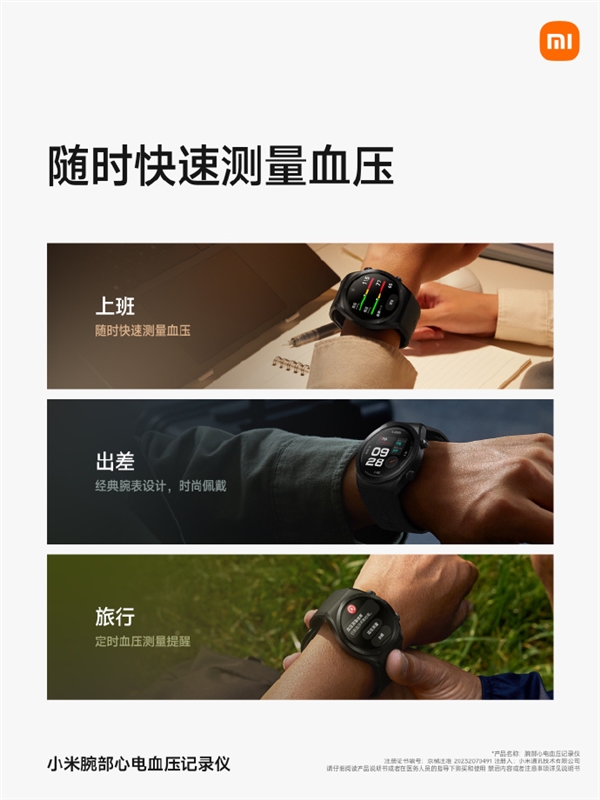
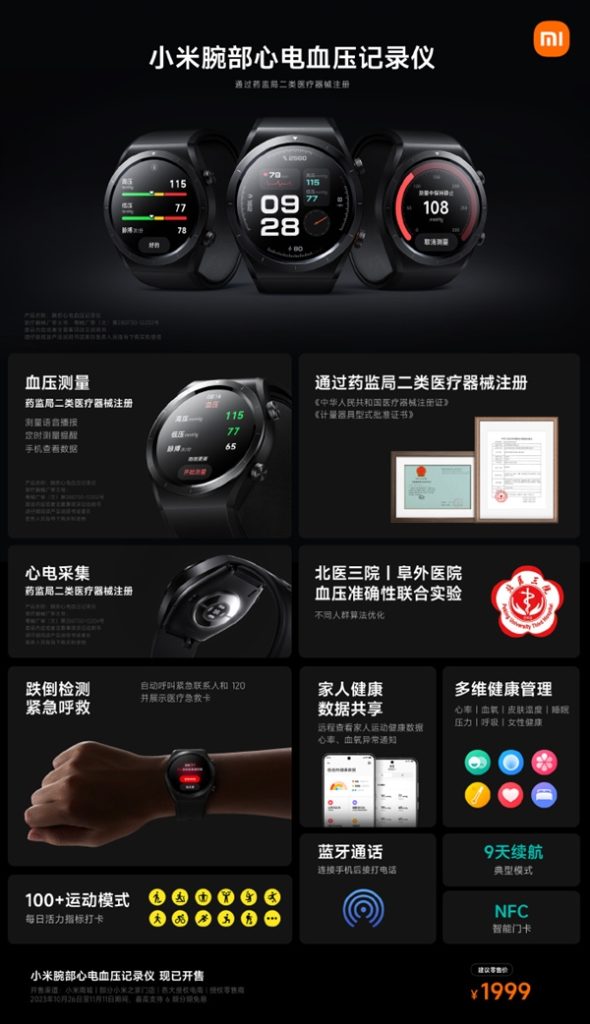
Chinese tech giant Xiaomi, Thursday, held a launch event where it unveiled a slew of products chief of which is the Xiaomi 14 series. One of the innovative products announced is the Xiaomi Wrist ECG and Blood Pressure Recorder alongside the Watch S3. The gadget offers one-click blood pressure monitoring and fall detection, as an added safety feature. The smartwatch also supports rapid measurement of ECG activity in 30 seconds.

Xiaomi Wrist ECG Blood Pressure Recorder

Features

The Xiaomi wrist ECG and blood pressure recorder adopts a classic watch design. It has a 1.43-inch AMOLED screen with high resolution. It has an aluminum alloy integrated body and a stainless steel bezel. Its exquisite textured crown is conspicuous on the wearable. The wearable has an exclusive shortcut key for measuring blood pressure. The one-click function can be customized to suit the user’s measurement needs.

The ECG and blood pressure recorder is being deployed in collaborative research by some Chinese medical institutions. The tests are carried out on accuracy verification of the measurements. The data emanating from the research will enable Xiaomi to optimize the device and build a multi-parameter personalized model. The device monitors heart health on the go and provides interpretation by doctors from top tertiary health institutions.

Xiaomi Wrist ECG Blood Pressure Recorder

The fall detection feature of the Xiaomi wrist ECG and blood pressure monitor is similar to what is featured in the Apple Watch. It features a 6-axis inertial sensor that enables fall detection and the device can make an emergency call. It can also quickly send notifications to the user’s family with just a click. In emergency situations, you can use the watch to dial the emergency number. The smartwatch supports Xiao AI, NFC, Bluetooth calling, and a 9-day battery life.

Xiaomi Wrist ECG Blood Pressure Recorder

Pricing & Availability

The Xiaomi wrist ECG and blood pressure recorder is rated IP68 and starts at 1,999 yuan (~$273). It is expected that Xiaomi will release the global availability details of the new wearable shortly.

RELATED:

Get up to $150 OFF on Xiaomi Pad 6 Pro Tablet at Giztop

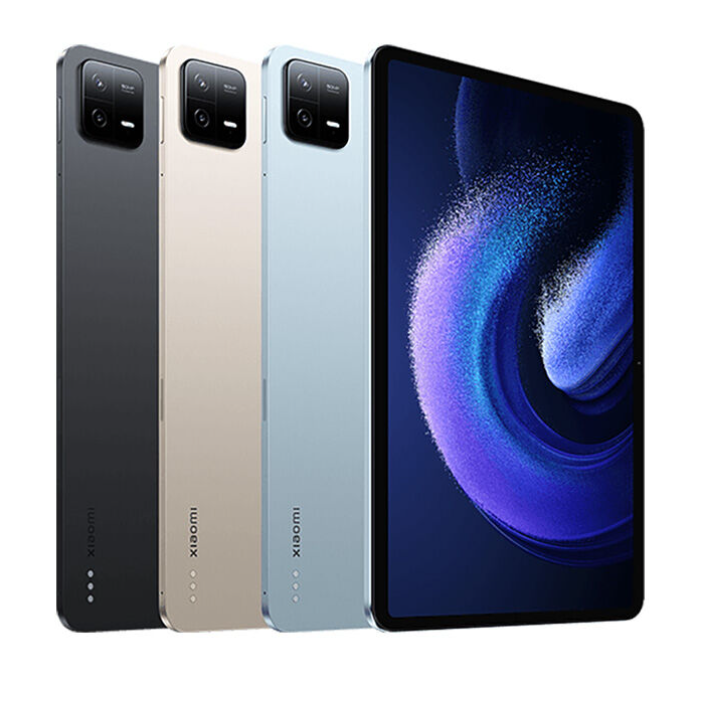
Giztop is giving up to a $150 discount on Xiaomi Pad 6 Pro the latest tablet from Xiaomi. You can now buy the tablet for as low as $369 on Giztop. The 11-inch tablet has multiple memory options in Black, Blue, and Gold variants. The price as mentioned above applies to the base variant. 

WHERE TO BUY
Xiaomi Pad 6 Pro at $369 @Giztop

Xiaomi Pad 6 Pro features an 11-inch AMOLED 2.8K display that supports a 120Hz refresh rate and 240Hz touch sampling rate. It comes with a peak brightness of 500nit and supports HDR10+ and the P3 color gamut. 

The tablet runs on the Snapdragon 8+ Gen 1 Octa-core processor and has multiple memory options. 8GB/ 12GB LPDDR5 RAM and 128GB/ 256GB/ 512GB internal storage. For your video calls and FaceTime meetings, you have a 20MP camera in the front; for capturing your videos and images, you have a 50MP primary sensor and a 2MP secondary sensor at the back. 

The tablet runs on a massive 10000mAh battery and supports 67W rapid charging. It runs on Android 13 OS-based MIUI 14 and features Bluetooth 5.2 and a quad-speaker setup.  You can now buy the 11-inch Xiaomi Pad 6 Pro tablet for a starting price of $369 only on Giztop.

For more information on such exciting deals and offers, check out our deals hub.  

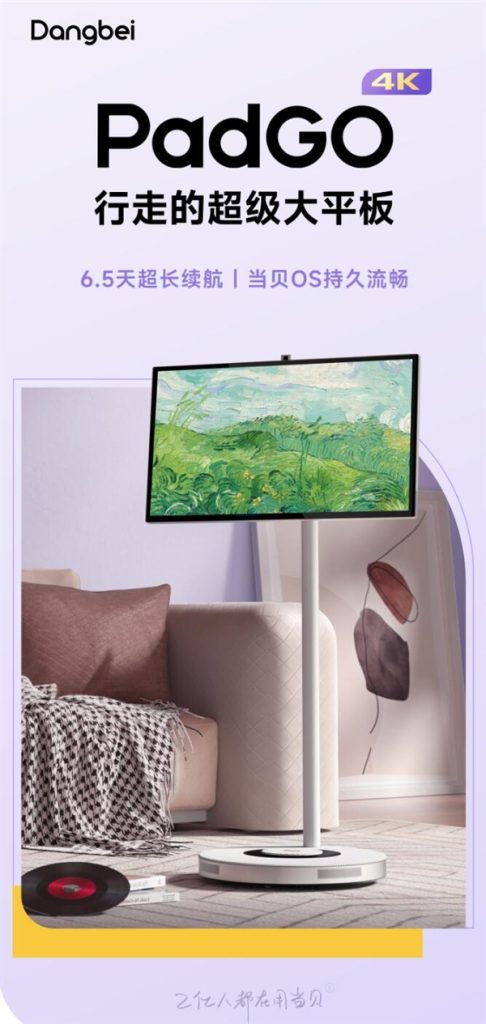
Dangbei PadGO Smart Screen with an AG matte paper display, 4K resolution unveiled in China

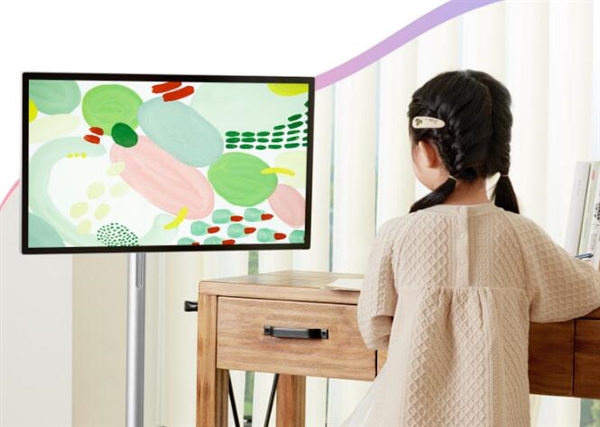
Chinese tech company Dangbei has launched the PadGO smart screen, a 4K ultra-high definition resolution large screen with an AG matte paper display. The new monitor has been unveiled in the Chinese market and is priced at 6,599 yuan (~$902).

Dangbei PadGO Smart Screen

Features

The PadGO comes in a unique design and adopts an ultra-narrow metal frame and industrial design. It has a 19mm screen width and a magnetic back. There are vinyl record player design elements on the bottom cover of the tablet. The PadGO fully matches modern home styles and is available in a variety of color options. It runs on the Dangbei OS with greater functionality and a smoother user experience.

Dangbei PadGO Smart Screen

The Dangbei PadGO has anti-blue light and flicker-free functionality. It is Rheinland-certified for DC hardware dimming. It is powered by MediaTek’s MTK Genio 1200 chip with 8GB/ 512GB memory/ storage configuration. The PadGO comes with a 9600mAh battery which is about twice the size of the typical competitor models. The battery can sustain the device on standby for 6.5 days, while it lasts for 2 days with music playback. The PadGO will be operational for 8 hours of video playback and delivers 5 hours of gaming on a full charge.

Dangbei PadGO Smart Screen

The Dangbei PadGO features an 8MP high-definition camera with a physical anti-peeping design. This contributes to delivering an overall immersive experience when using the Dangbei PadGO while also giving a full sense of security. The tablet has a 20cm lift stroke and can rotate by 90 degrees vertically. It has a depression angle of 25 degrees and an elevation angle of 30 degrees. The PadGO can thus be seen and operated in a variety of lying down, sitting, and standing positions and angles. The PadGO supports small-screen applications with several customization options. It comes with WiFi 6 connectivity which is an industry first and offers greater versatility of usage.

RELATED:

Haier C11 4K 120Hz OLED TV launched in India in 65″ & 55″ variants

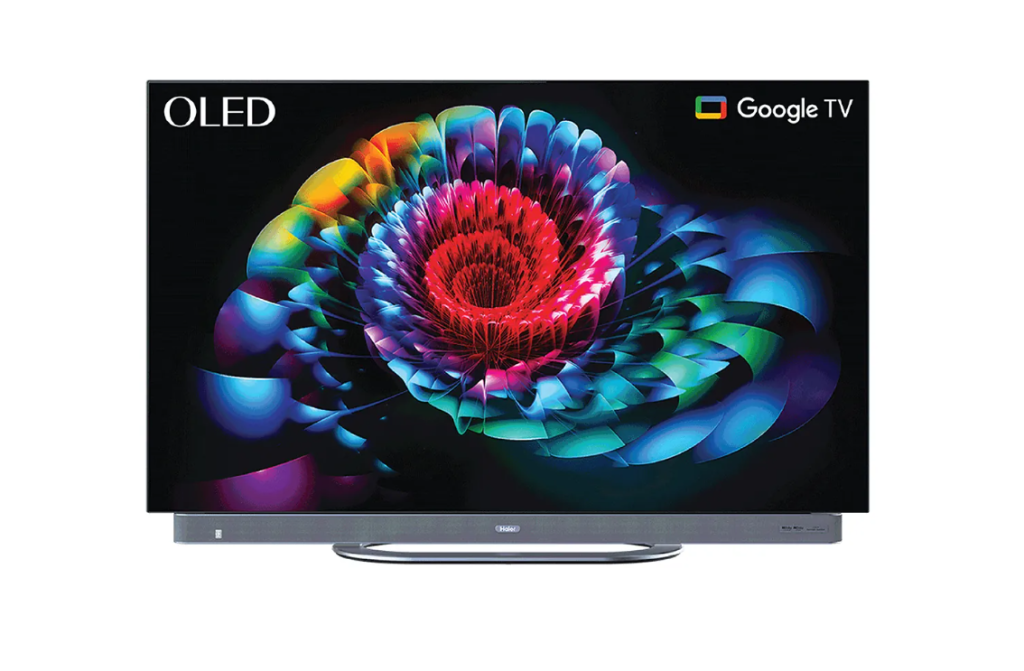
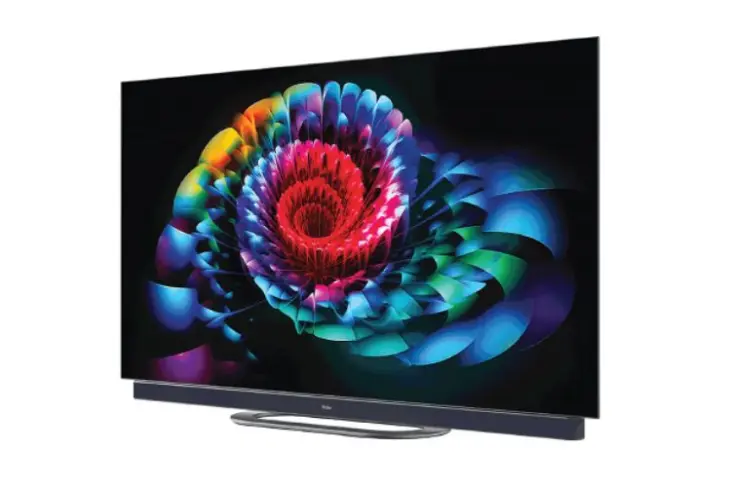
Haier has unveiled its latest addition to the smart TV lineup with the launch of the C11 OLED TV in India. This new TV promises an immersive viewing experience with a 4K 120Hz OLED display and Dolby Vision IQ. The Haier C11 OLED TV comes in two sizes, 65 inches, and 55 inches.

Haier C11 4K TV

With a sleek bezel-less design and a stylish metal stand, the TV complements modern living spaces. It allows for wall mounting or placement on any surface. The wide color gamut and high contrast ratio enhance picture quality. It also runs on Google TV, offering a user-friendly interface that can be controlled using voice commands, making channel changes, volume adjustments, and content searches convenient.

Haier C11 4K TV

For gamers, the Haier C11 OLED TV includes features like Motion Compensation Technology, a variable refresh rate, and Game mode. Connectivity options are robust, including Wi-Fi, Chromecast, Bluetooth 5.1, and USB 2.0.

In the audio department, this TV offers a built-in soundbar and powerful 50-watt Harman Kardon speakers. The inclusion of Dolby Atmos ensures a rich audio experience.

Price & availability

This OLED TV is now available for purchase in India with the 55-inch model starting at Rs 1,69,990 ($1,909) and the 65-inch model available at Rs 2,15,990 ($2,593) price point.

RELATED:

Xiaomi 14 Pro Titanium Special Edition arrives with 16GB RAM and 1TB storage

The Xiaomi 14 series just went official a few hours back. As expected, the company unveiled two devices, namely Xiaomi 14 and Xiaomi 14 Pro.

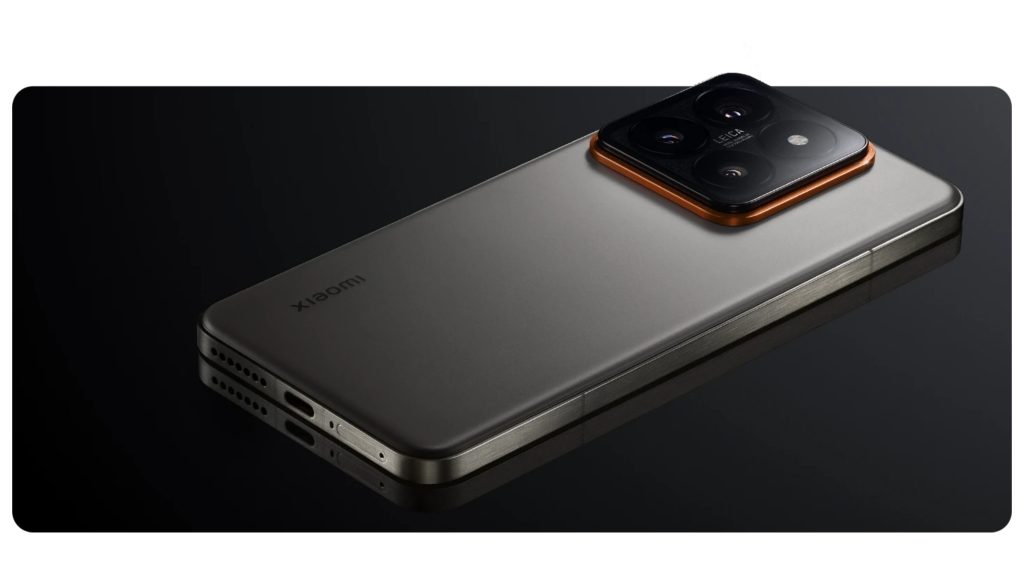
Just like a leak suggested in August, the firm also announced a special edition of Xiaomi 14 Pro. This version of the phone features a titanium alloy frame and comes in a unique colorway.

Let’s check out how this variant differs from the regular model.

Xiaomi 14 Pro Titanium Special Edition

The Xiaomi 14 Pro Titanium Special Edition sports a titanium alloy middle frame. The company claims that the device uses 99% aerospace-grade titanium.

Further, the handset features Xiaomi Dragon Crystal Glass both on the front and the back. For comparison, the standard Xiaomi 14 Pro uses this glass only for the display.

It arrives in a titanium grey color option with an orange accent for the bottom layer of the camera island. Finally, it is offered in a single 16GB + 1TB memory configuration.

Apart from the aforementioned cosmetic changes, the specs of the special variant remain the same as the regular version

The Xiaomi 14 Pro Titanium Special Edition is priced at ¥6,499 (~$890). This makes it ¥500 (~$70) more expensive than the standard Xiaomi 14 Pro for the same amount of RAM and storage.

The Xiaomi 14 series is confirmed to launch outside mainland China. However, it is not known if the Titanium Special Edition will make its way to global markets.

RELATED:

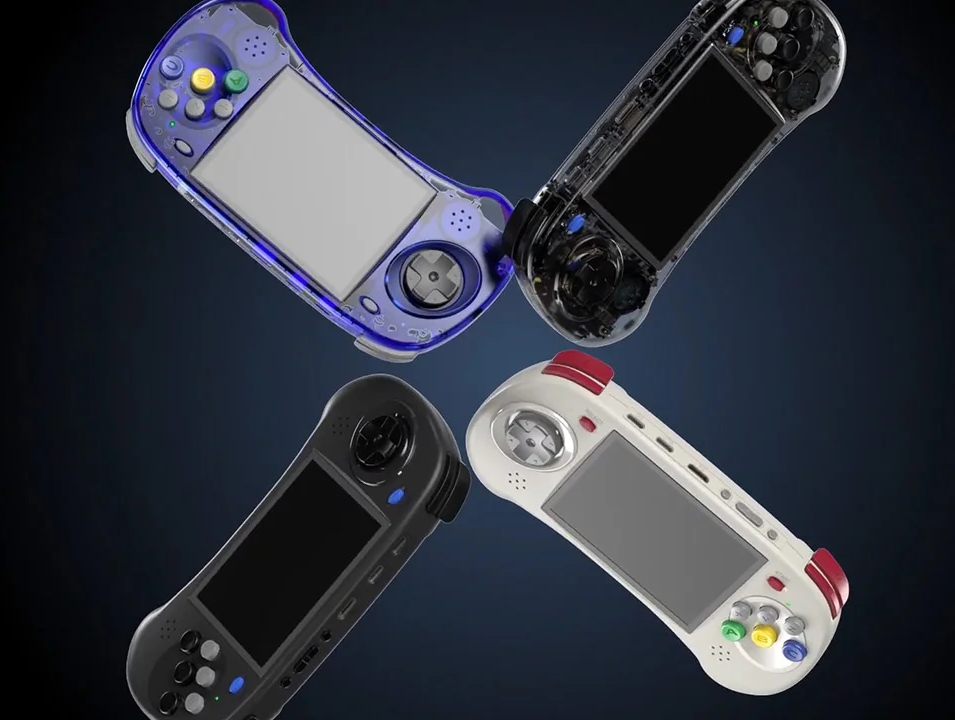
Anbernic RG ARC gaming handheld with a Sega Saturn-inspired design launched

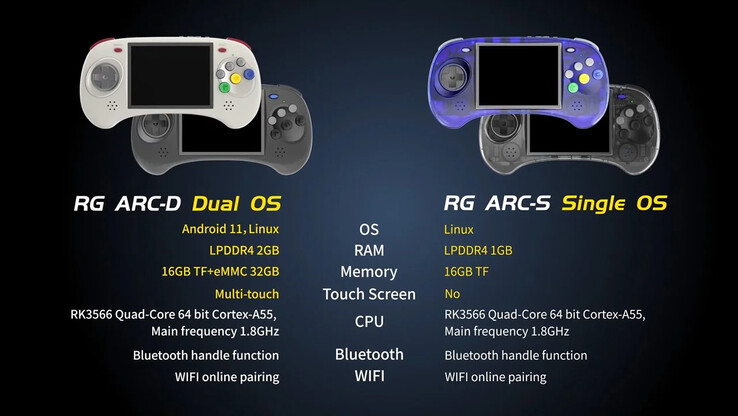
The Anbernic RG ARC new gaming handheld has a Sega Saturn-inspired design. The new gaming handheld will come in single OS and dual OS versions known as the RG ARC-S and RG ARC-D respectively.

Anbernic RG ARC gaming handheld

Features

The RG ARC-D features Android 11 and Linux operating systems while the RG ARC-S has Linux OS. The Sega Saturn design is visible from the handheld’s six front-facing buttons. The gadget’s small display is ensconced in between the D-pad and gamepad buttons.

Ambernic RG ARC gaming handheld

The Anbernic RG ARC will come with a touchscreen display for the dual OS version but both versions are powered by the Rockchip RK3566 chipset. The RG ARC-S has 1GB of LPDDR4 RAM while the RG ARC-D has 2GB of RAM. The single OS version has 16GB TF memory while the dual OS version has 16GB TF + eMMC 32GB memory. Both versions of the handheld feature WiFi online pairing and Bluetooth handle function. This new Anbernic gaming handheld has the same chipset as the earlier released Anbernic RG353PS. There are four ARM Cortex-A55 CPUR cores @ 1.8GHz and a Mali-G52 MP2 GPU in the RG ARC series.

The RG ARC has two sets of shoulder buttons for emulating some games. There are two USB-C ports and a mini HDMI connection for both versions of the Anbernic RG ARC. A microSD card reader is also present in both the RG ARC-S and RG ARC-D models.

Pricing & Availability

Availability and pricing details for the Anbernic RG ARC gaming handheld are lacking at this time. However, it is expected that Anbernic will release an official statement on the upcoming gaming handheld shortly.

RELATED:

Nubia Z50 SE appears on TENAA, design revealed

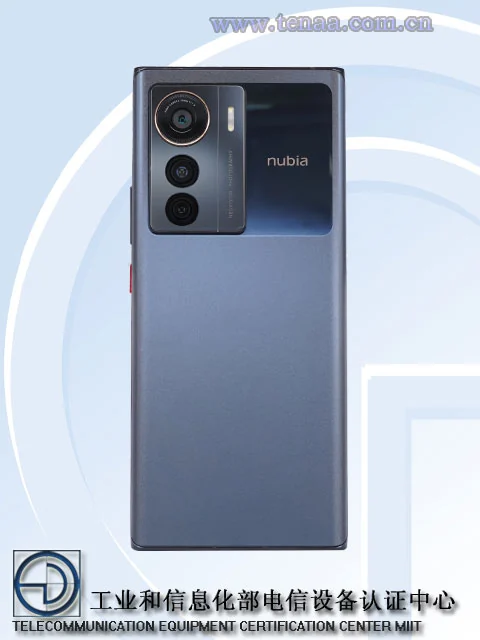
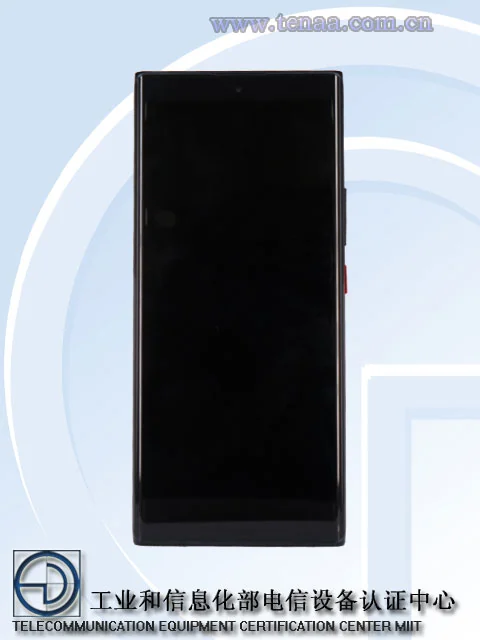
Recently, details about a new smartphone, believed to be the Nubia Z50 SE (model NX715J), surfaced on the Ministry of Industry and Information Technology (MIIT) website.

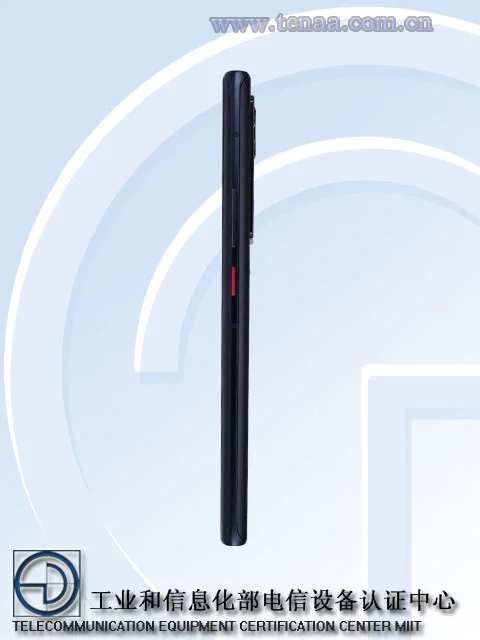
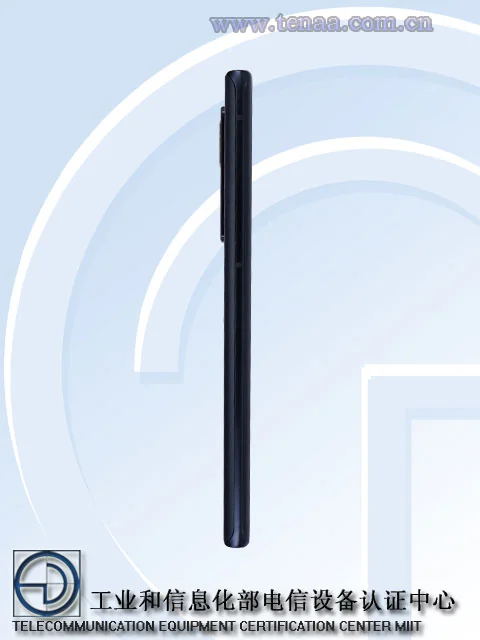
Nubia Z50 SE TENAA Images:

The images highlight that the phone follows the Nubia Z50 series design, showcasing a rear triple-camera setup enclosed in a rectangular module. The model certified is black with a curved screen on the front, though further specifications remain undisclosed. It features volume rocker buttons and a red-tinted power button on the right side. On the back, it sports a triple camera setup accompanied by an LED flash. As pointed out by GSMArena, the device looks a lot like Axon 50 Ultra.

The phone has also secured 3C certification recently, which indicates it’s packaged with an 80W charger. Nubia has been proactive in its lineup expansion. Evidence of two other devices, the Nubia Z60 Ultra, and Nubia Z60 Fold, bearing codenames NX721J and NX801J respectively, have been found on the GSMA IMEI database. However, these are yet to receive their 3C certification.

The standard Nubia Z50 launched last year boasts features such as the Snapdragon 8 Gen 2 processor, LPDDR5X RAM, UFS 4.0 storage, and a 6.67-inch 144Hz curved screen. Its rear camera array includes a 64-megapixel main camera (using the Sony IMX787) and a 50-megapixel ultra-wide-angle macro dual lens. Additionally, it utilizes a 5000mAh battery, also compatible with 80W fast charging.

Also, Nubia recently introduced the Z50S model quietly, equipped with a 6.67-inch 144Hz curved display and a Snapdragon 8 Gen 2 processor. This model also comes with 12GB RAM and a 5000mAh battery. It’s priced starting at 2,199 Yuan ($300) in China.

The official launch date for the Nubia Z50 SE remains unspecified.

RELATED:

(Source)

LG XBOOM XL7S & XL5S portable party speakers launched in India

LG has introduced its latest XBOOM series, featuring the XL7S and XL5S models, designed to provide a portable audio solution that combines sound quality with lighting effects. These speakers are built with convenience in mind, featuring rugged construction and ergonomic handles for easy portability.

The LG XBOOM XL7S offers an impressive 20-hour battery life, while the XL5S provides 12 hours of playtime. Both speakers are rated IPX4 for water resistance, making them suitable for various environments.

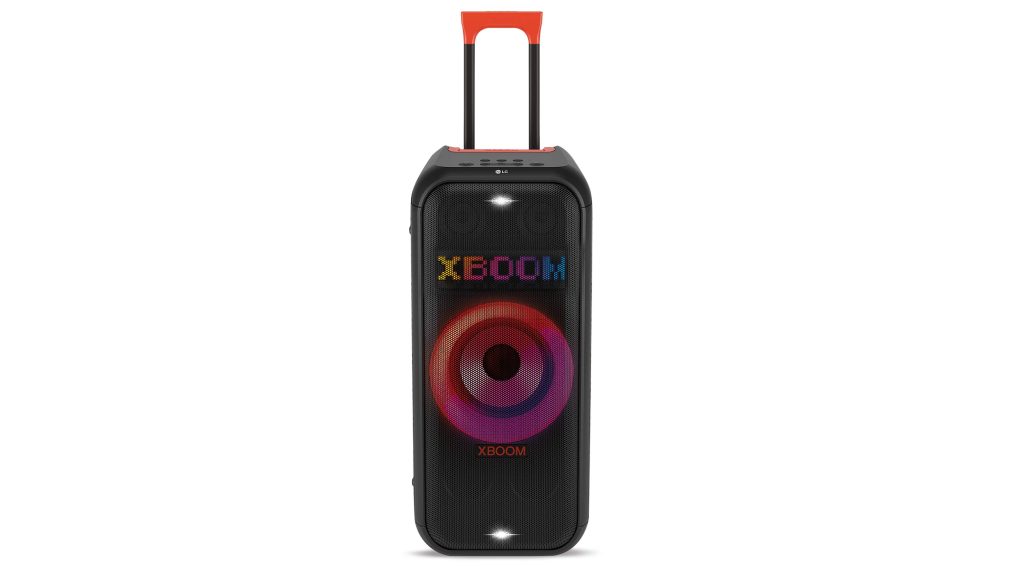
LG XBOOM XL7S

The LG XBOOM XL7S features a 20.32 cm Giant Woofer for powerful bass and a Dynamic Bass Optimizer to ensure balanced sound quality at any volume level. It also includes two 6.35 cm dome tweeters for clear high-frequency notes. The LG XBOOM XL5S comes with a 16.51 cm Giant Woofer and Dynamic Bass Optimizer, along with two 6.35 cm dome tweeters for clear sound.

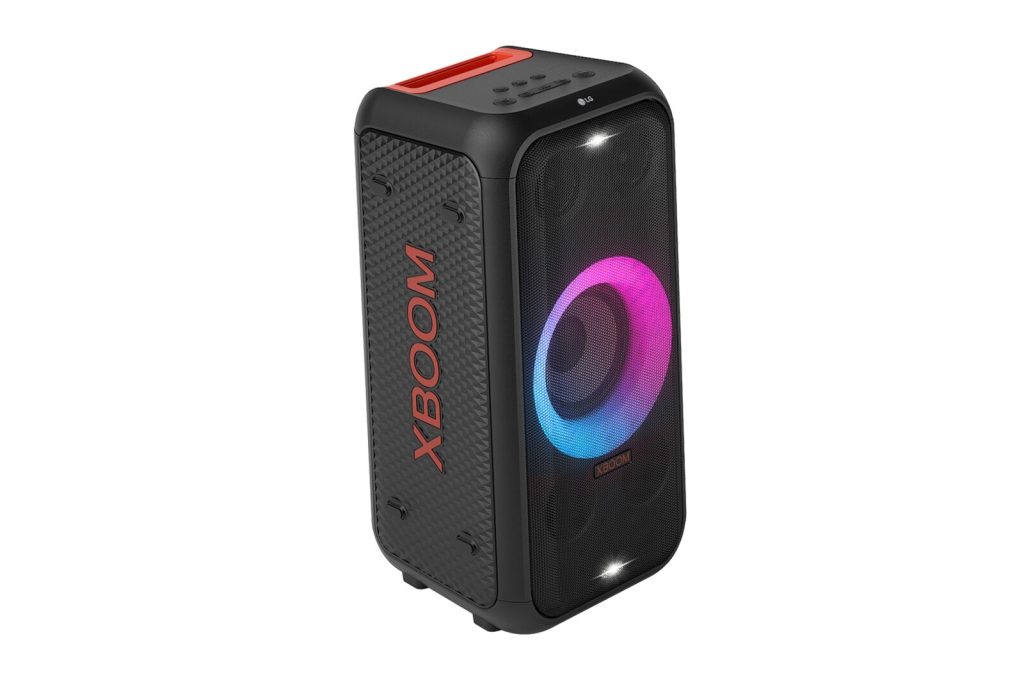
LG XBOOM XL5S

In addition to their sound capabilities, the XL5S adds dynamic party lighting with double strobe lighting that synchronizes with the music. The XBOOM app’s My Pick feature allows for personalized light shows. These speakers can also be used for karaoke, with the option to plug in a microphone or a guitar. The XL7S is equipped with a telescopic handle and wheels for easy transport, while the XL5S has a handle that makes carrying easy.

Price & availability

The LG XBOOM XL7S will be priced starting at Rs 54,990, while the XL5S will start at Rs 44,990. More information about the availability will be made public soon, so stay tuned.

RELATED:

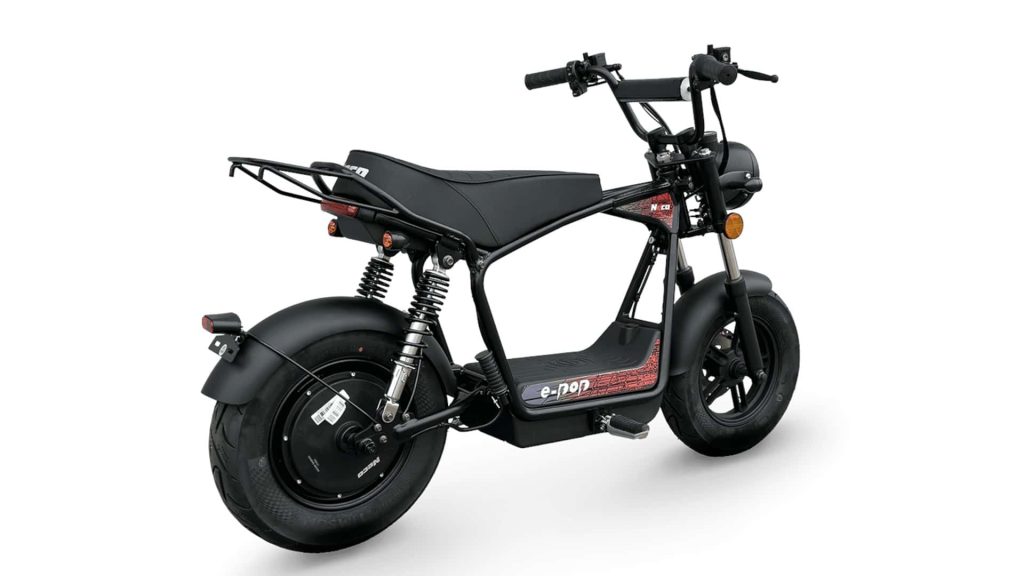
Neco E-Pop Seems like The Next-Gen Compact Electric Commuter

From high-end, high-performance beasts to slim urban commuters, the catalog of E-bikes and scooters is ever-expanding. One such addition to the electric scooter landscape is the Neco E-Pop. Originating from Belgium, Neco, traditionally known for their gasoline-powered scooters and motorcycles, has taken a leap into the future with the E-Pop.

The little scooter zips through the city effortlessly

At first glance, the E-Pop impresses with its moto-inspired design. The exposed frame is reminiscent of the Honda Ruckus, yet the E-Pop stands out with its compactness. It’s not just about looks; this little scooter is designed to zip through city streets effortlessly. With a power output of 1,200 watts, roughly equivalent to a 50cc moped, it can reach speeds of up to 28 mph. Its compact 48-volt battery boasts a commendable range of around 37 miles on a single charge, and the convenience of being removable makes charging hassle-free.

Electric

Beyond performance, the E-Pop is brimming with features. The transparent design approach means there’s no hiding what’s beneath – a straightforward double rear shock and a standard telescopic fork. Despite its size, it’s equipped with 10-inch wheels, efficient disc brakes, and a host of modern amenities like LED lights, keyless start, and a USB charging port. Plus, the built-in luggage rack and two-seater saddle indicate it’s ready for both solo and duo adventures, although reaching its top speed might be a challenge with an extra passenger!

Available in four vibrant colors – black, orange, yellow, and green – the E-Pop is not only a statement piece but also an affordable one. Priced at 1,999 Euros (around $2,120 USD), it’s an attractive proposition for those seeking a sustainable and stylish urban commuting solution.

RELATED:

(Via)

How V2X Technology Bridges the Communication Gap Between Cars and Bikes

To be very fair, the emergence of electric bicycles has ushered in a new era of technological advancements and achievements. As the demand for alternative transport options grows, the spotlight is increasingly on ensuring the safety of all road users. Witness V2X – a revolutionary vehicle-to-vehicle communication technology that aims towards redefining road safety standards.

The technology simply allows vehicles on the road to communicate with each other

At its core, V2X offers a simple yet powerful solution: enabling cars and bikes to “talk” to each other. Imagine cycling towards an intersection and receiving a timely notification on your bike’s display or smartphone about an approaching car. Simultaneously, the car driver receives an alert about your presence, even before you come into their line of sight. This two-way communication system aims to drastically reduce the chances of collisions and, consequently, injuries.

Electric

However, the road to achieving this vision is not a solitary journey. A remarkable collaboration is unfolding behind the scenes, with 19 key players from the automotive, bicycle, and tech sectors joining forces. Notable names such as Bosch, Shimano, Trek, and Audi are at the forefront of this initiative, underlining the collective commitment to enhancing road safety.

The urgency of this collaboration is underscored by a sobering statistic from Bosch, highlighting over 130,000 cycling-related injuries in the US annually. Addressing this challenge head-on, the Coalition for Cyclist Safety has set its sights on introducing Vulnerable Road User (VRU) connected technologies. Brands like Audi, Bosch, and Shimano view this as a potential game-changer in saving lives.

Looking ahead, Audi envisions a future where as many as 5.3 million US vehicles will be equipped with V2X by 2025. The scope of this technology is set to expand further, encompassing communication with pedestrian crossings, school zones, and even buses by 2030. In the words of Claus Fleischer, CEO of Bosch eBike Systems, the success of V2X hinges on a united approach. He emphasizes the need for cross-industry collaboration to ensure that all road users can reap the benefits of this transformative technology.

RELATED:

(Via)

China’s YMTC Unveils World’s Most Advanced 3D NAND Memory Chip Amidst Challenges

Despite facing stringent sanctions and being placed on the US Commerce Department’s Entity List, China‘s leading memory chip manufacturer, Yangtze Memory Technologies Co (YMTC), has showcased resilience and innovation. The company, in a recent unveiling, has produced what is being hailed as the “world’s most advanced” 3D NAND memory chip by TechInsights, a notable semiconductor analysis firm.

3D NAND Memory holds potential in AI and machine learning

This significant stride by YMTC is particularly noteworthy as 3D NAND memory holds a pivotal role in high-performance computing applications, especially in artificial intelligence and machine learning. The success of YMTC‘s chip is a testament to China’s unwavering commitment to advancing its domestic semiconductor supply chain, even in the face of international challenges.

China

Interestingly, this isn’t the first time a Chinese tech entity has stunned industry insiders. The Kirin 9000S 5G processor, housed in the Huawei Mate 60 Pro smartphone, was another product that defied expectations, given the US restrictions it faced.

As of mid-December 2022, escalating trade and geopolitical tensions saw YMTC, alongside 21 other key players in China’s chip sector, added to the US Entity List. Yet, YMTC, based out of Wuhan, remained undeterred. Their focus was on dethroning memory chip giants like Samsung Electronics, SK Hynix, and Micron Technology with their flagship 3D NAND flash chip, the 232-layer X3-9070. Although mass production of this chip faced obstacles, shifts in the memory chip market dynamics and an emphasis on cost-efficiency seem to have given YMTC a leg up.

Further bolstering YMTC’s position, reports in April indicated that the company had intensified collaboration with Chinese suppliers, aiming to produce its top-tier chips using its “Xtacking 3.0” architecture. This endeavor was part of a covert project, Wudangshan, which sought to rely solely on Chinese equipment.

RELATED:

(Via)

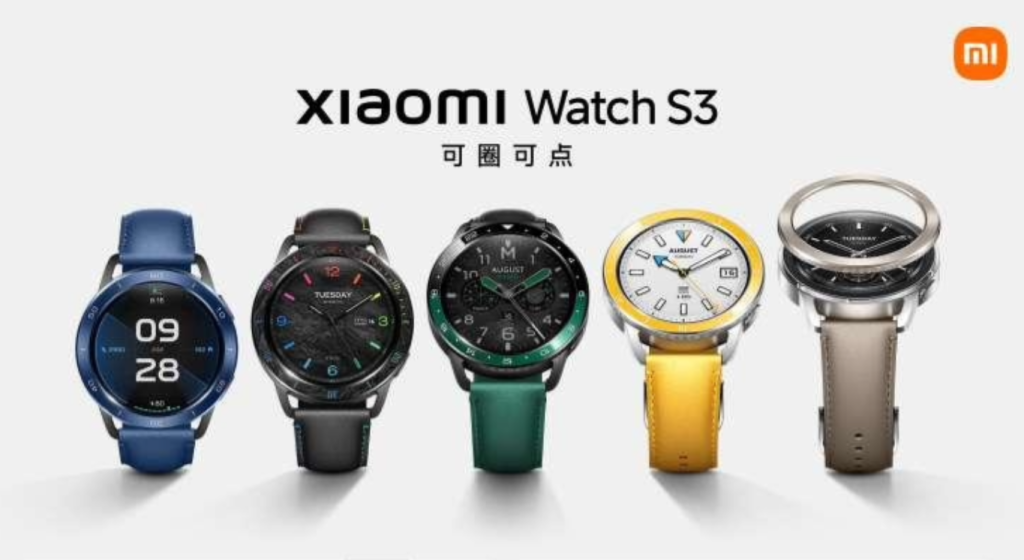
Xiaomi Watch S3 launched with replaceable bezels, HyperOS, and eSim connectivity

Xiaomi today held a mega launch event in China, which saw the launch of handful of new products. Xiaomi 14 and Xiaomi 14 Pro were in the spotlight, boasting Snapdragon 8 Gen 3 SoC and the new HyperOS operating system. Xiaomi Watch S3 was launched during the same event and it brings several interesting features. For one, there’s a unique replaceable bezel on the watch. It is also the first watch to be powered by Xiaomi’s HyperOS. Here are the details.

Xiaomi Watch 3 Specifications

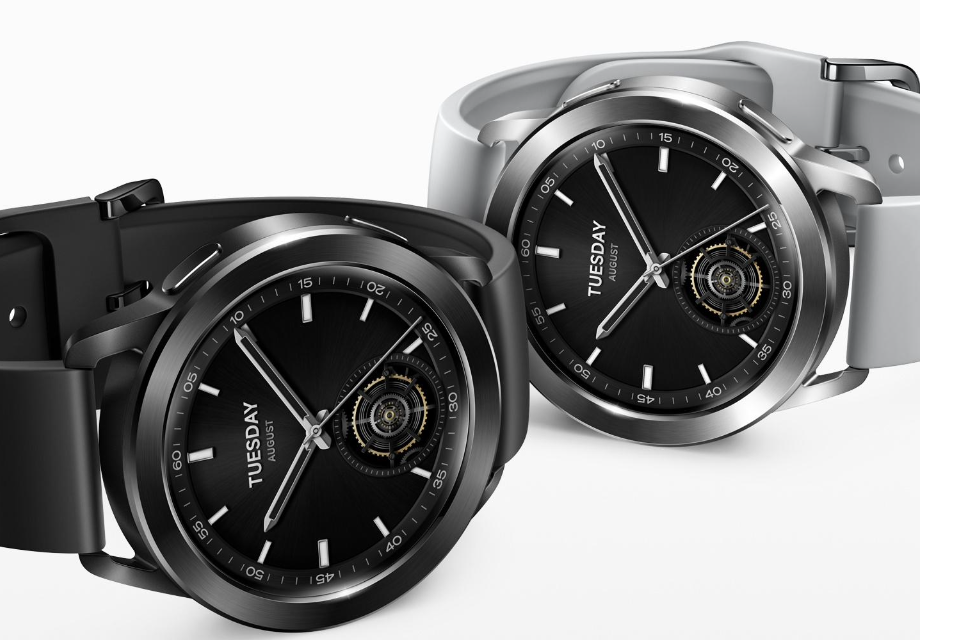
The Xiaomi Watch S3 has a round dial and comes in black and silver color options. The main highlight of this watch is its “versatile bezel,” which lets you change it to match your style. When you replace the bezel, the watch face will automatically change to match.

The Xiaomi Watch S3 features a 1.43-inch circular AMOLED display with thin bezels. The 8-bit screen offers a 60Hz refresh rate, 326 PPI, and 600 nits peak brightness level. The Xiaomi Watch S3 supports a host of health monitoring features, allowing you to monitor sleep, heart rate, stress, and more. It brings dual-band satellite positioning and has a battery life of up to 15 days.

Xiaomi Watch S3 also comes with the upcoming HyperOS system that supports eSIM independent calling and networking. This means you will be able to make calls and connect to the internet directly through the watch without needing to carry your phone. The new OS is also claimed to unify the software architecture of MIUI, Vela, Mina, and Car OS, providing users with a smoother and more convenient experience.

Pricing and Availability

Xiaomi Watch S3 has been launched with the standard version costing 799 yuan (around $109) and the eSIM version costing 999 yuan ($137).

Related:

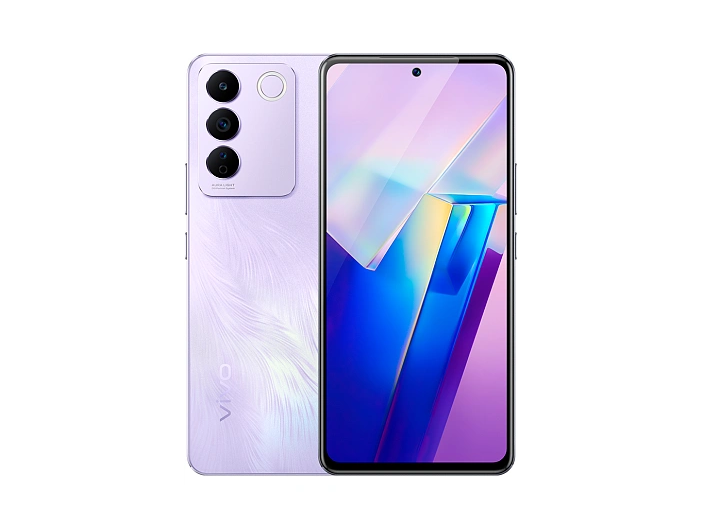
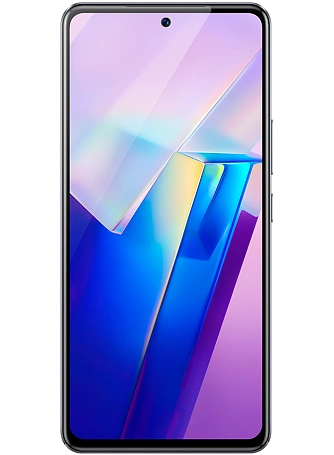
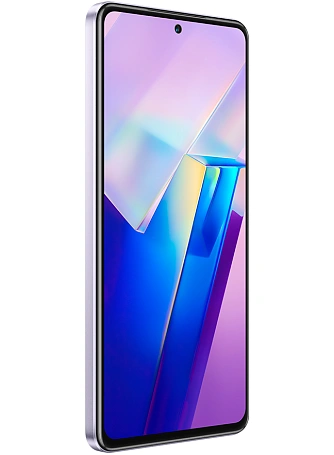
Vivo T2 4G with 6.62″ AMOLED display & Helio G99 SoC launched

After launching the Vivo T2 5G & T2 Pro smartphone earlier this year, the brand has now unveiled a 4G variant of the smartphone in Russia. It is currently unknown if this Vivo T2 4G will come to other markets outside of Russia as well. Here are all of its specifications and features.

Vivo T2 4G

Vivo T2 4G specs

The Vivo T2 4G features a 6.62-inch AMOLED display with a 90Hz refresh rate and Full HD+ resolution. It features an in-display fingerprint scanner but lacks a 3.5mm audio jack.

Under the hood, the device is equipped with a MediaTek Helio G99 processor, equipped with a Mali G57 GPU. It offers 8GB of RAM (expandable to 8GB extended RAM), 256GB internal storage, and IP54 water and dust resistance. The smartphone is powered by a 4600mAh battery with 66W FlashCharge fast charging. It runs on FunTouchOS 13, based on Android 13.

The Vivo T2 4G also features a stereo speaker setup and a USB Type-C audio port. It supports 4G connectivity, dual SIM, Wi-Fi, Bluetooth 5.2, NFC, and various satellite navigation systems. Color options include Sea Green, Lavender Glow, and Black Onyx.

Pricing & availability

The Vivo T2 4G is offered in a single configuration with 8GB of RAM and 256GB of storage, retailing at a price of RUB 27,999 ($298). Consumers in Russia can now purchase the Vivo T2 4G.

RELATED:

(Source)

Xiaomi Announces TV S Pro Mini LED 85-Inch With HyperOS

At an event held in China today, Xiaomi announced its HyperOS along with Xiaomi 14, 14 Pro, and the Watch S3 devices. The company launched the TV S Pro earlier this month. It was offered in 65 and 75-inch screen sizes. Now Xiaomi has announced a new variant of the TV S Pro. It has the same specifications as the other two models except for a different display size. Read on to know more details. 

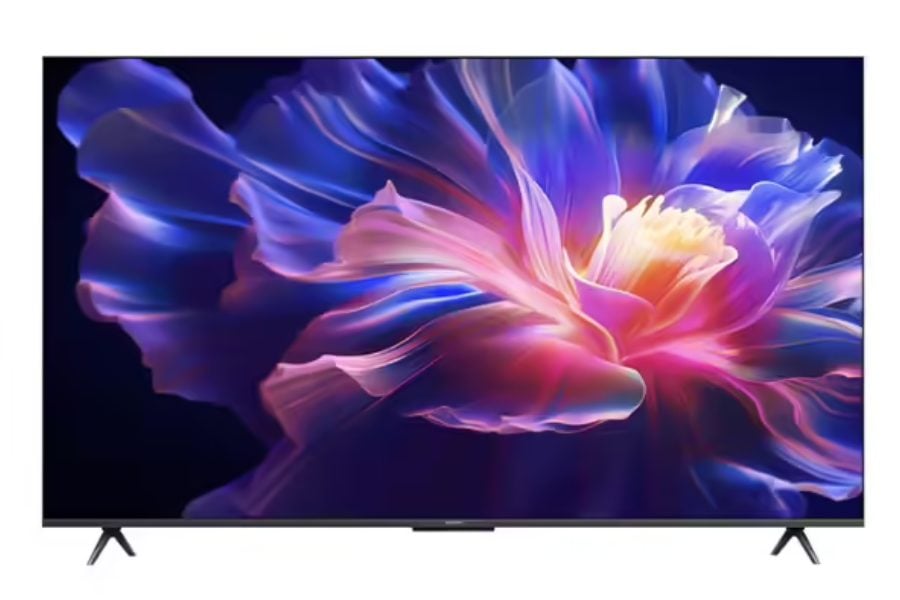
Xiaomi TV S Pro 85-inch specifications and features

The Xiaomi TV S Pro 85 now comes in an 85-inch screen size. It has a Mini LED display panel bearing a 4K resolution, 2,400 nits peak brightness, and a 144Hz refresh rate. The TV offers 1,440 high-end backlight partitions and a light sensor that is capable of automatically adjusting brightness depending on the surroundings. For an immersive and top-notch viewing experience, the Xiaomi TV S Pro 85 also features various technologies including full-stack color engine, contrast enhancement engine, color accuracy engine, dynamic clarity engine, and more. The television can also play Dolby Vision Atmos content and it is HDR10+ as well as IMAX Enhanced certified.

In terms of audio, the Xiaomi TV S Pro 85 is equipped with dual 15W stereo speakers producing a sound output of 30W. It features far-field voice technology for hands-free usage by giving voice commands. 

On the hardware front, the Xiaomi TV S Pro 85 has a quad-core A73 processor. It packs 4GB RAM and 64GB storage. It has an ultra-low-latency of 2ms and features AMD Freesync Premium Pro making it ideal for e-sports. There is also a variable refresh rate for a tear-free gaming experience. 

Software-wise, the Xiaomi TV S Pro 85 runs on the newly announced HyperOS. Connectivity options on the TV include WiFi 6, two HDMI 2.1 ports, an HDMI 2.0 port, USB 3, USB 2, an Ethernet port, and an NFC remote control. 

Xiaomi TV S Pro pricing and availability

The Xiaomi TV S Pro 85 carries a price tag of CNY 9,999 (~$1,366). Customers who pre-order will be eligible for CNY 2,000 discount coupons. The first sales commence on October 31.

Related:

Itel Icon smartwatch with 1.38″ display & Bluetooth calling launched in India

China-based electronics manufacturer Itel is expanding its portfolio in India with the launch of a new smartwatch called the Itel Icon. Earlier this month, the brand also introduced new affordable TWS earbuds in India called the Itel T1 Pro.

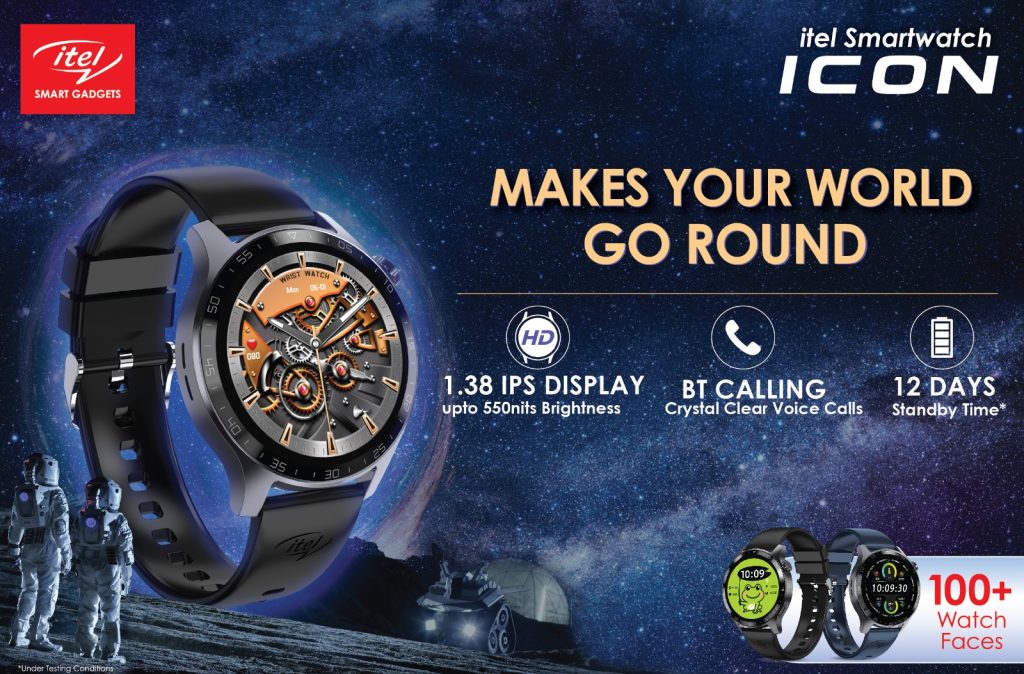
Itel Icon

Itel Icon smartwatch specs & features

The smartwatch boasts a 1.38-inch IPS display with a resolution of 240×240 and a brightness of 550 nits. It comes with a durable 250mAh battery that offers an impressive 12 days of standby time. The watch has Bluetooth version 5.3 for connectivity and holds an IP68 rating for water resistance.

Key features of the Icon smartwatch include health monitoring capabilities like tracking your heart rate and sleep patterns. It offers a variety of sports modes for fitness enthusiasts and allows for Bluetooth calling. Users can customize their watch with a choice of over 100 watch faces.

Additionally, it provides control over music and camera functions for added convenience, and you can interact with an integrated voice assistant. The smartwatch keeps you updated with important notifications, eliminating the need to check your phone constantly. This watch is designed for those who want a practical and stylish wearable device.

Price & availability

The itel Icon is now available at select retail stores for INR 1599.

RELATED:

(Source)

Xiaomi launches HyperOS with a smaller size, AI features, and performance improvements

Xiaomi has been using MIUI to power all of its smartphones for over a decade. The company has made a lot of progress recently, and MIUI 14 was touted as being the best and lightest version yet. It even had some neat features, at least in China.

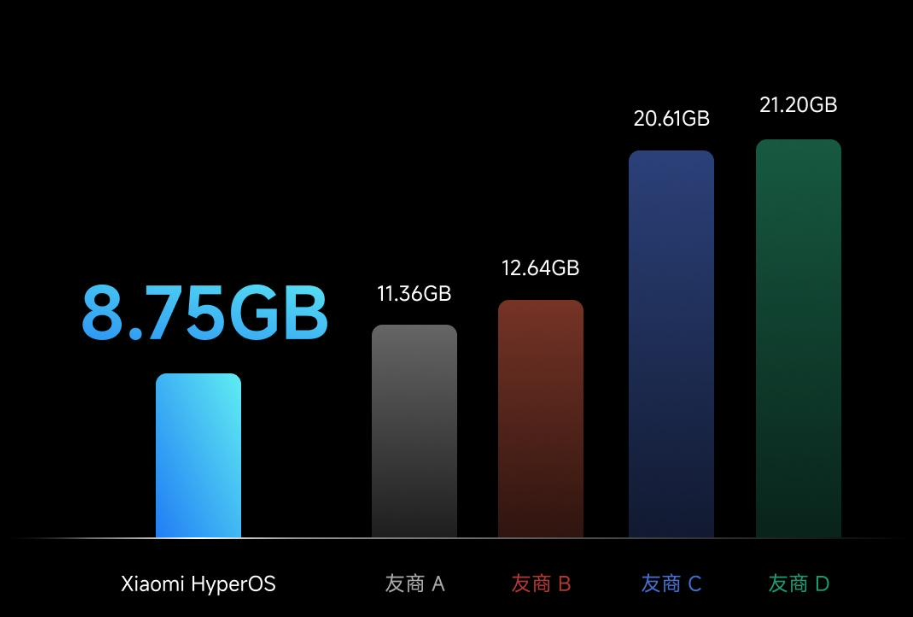
However, Xiaomi has now announced a new operating system called HyperOS, which is essentially the death knell for MIUI. HyperOS is said to have the smallest firmware size in the industry, as well as security, performance, and multitasking improvements.

The gist of the new HyperOS

Xiaomi detailed HyperOS in many words but we’ll keep it short and sweet for you. Starting off, there are changes in the user interface. You get many more customization options for the lockscreen with new templates, fonts, and widgets. The control center has seen refinement and looks more streamlined than the MIUI 14. However, the app icons in HyperOS appear similar to MIUI 14.

Security and firmware size

Xiaomi also added new security features, including a self-developed TEE security system, which processes sensitive content separately. It offers transparent and controllable internet permissions, ensuring complete visibility into every connection.
Xiaomi says HyperOS’ firmware size can be changed to fit different hardware needs. Notably, the mobile phone firmware is very small at just 8.75GB, making it the smallest in the industry.

AI features

HyperOS includes a built-in AI large model that powers features such as Xiaoai Input Assistant for text creation, WPS Document Scanning for text recognition in documents, AI Wonderful Painting for converting doodles into paintings, and AI Image Search for intuitive image retrieval. In addition, there’s a tighter device-cloud Integration.

Cross-device collaboration

Notably, the new operating system also brings seamless cross-device collaboration, letting apps use the hardware of multiple devices. For example, Camera Collaboration lets you use your phone’s rear camera in a PC video conference for better video quality.

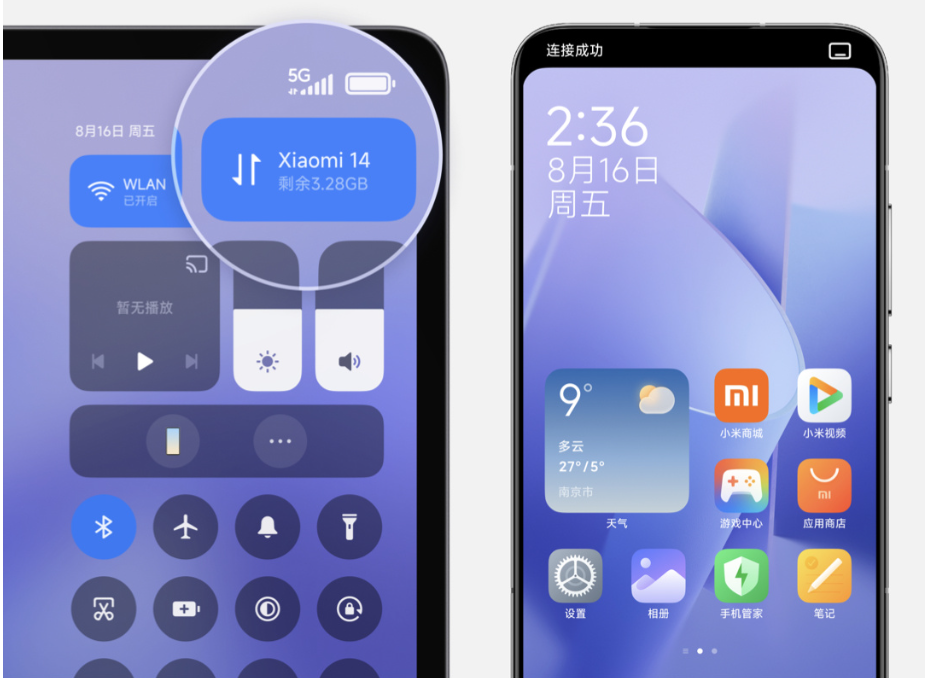
Network Collaboration boosts connectivity by letting devices access a phone’s 5G network for fast and reliable connections. And Cross-Device Focus Notification lets you share notifications between devices, so you can see your phone’s taxi info on your TV, for example.

Performance

HyperOS is apparently the most significant overhaul of Xiaomi’s operating system to date. This transformation includes enhanced memory management, which delivers significantly faster startup speeds and improved background app performance.

The file system has been optimized to maintain I/O performance over extended periods. The graphics subsystem introduces real-time blurring for smoother motion effects.

When will HyperOS make it to your phones?

Xiaomi has announced that the official release of HyperOS will begin in December 2023 for Chinese models and in the first quarter of 2024 for international models. The Xiaomi 14 series, Redmi K60 Extreme Edition, and Xiaomi Pad 6 Max will be the first devices to run the new OS.

Related: