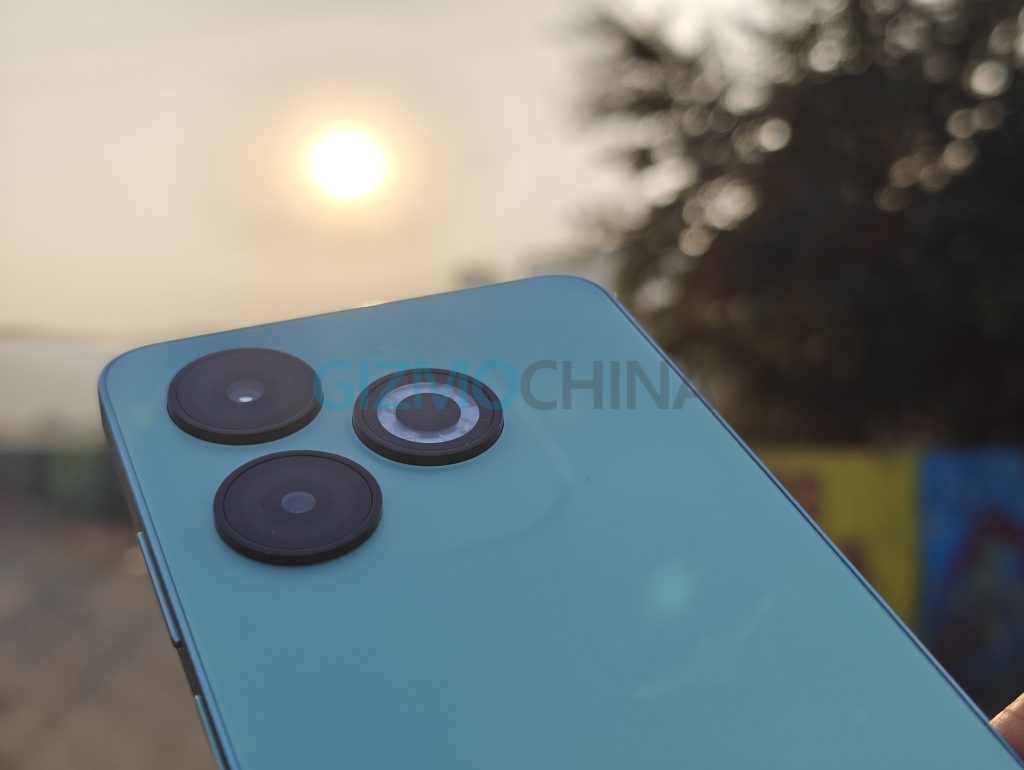
The Google Pixel 8 series recently broke cover worldwide. As usual, the brand has launched two devices in the lineup called the Pixel 8 and the Pixel 8 Pro. A third device called the Pixel 8a will arrive in the coming months. That being said, Google has made the Pixel 8 series available for purchase in India.
Pixel 8 series pricing & specs
In India, the Google Pixel 8 series starts at Rs 75,999. The basic Pixel 8 comes in 8GB + 128GB and 8GB + 256GB versions, priced at Rs 75,999 and Rs 82,999, respectively. The Pixel 8 Pro is offered in a 12GB + 128GB variant for Rs 1,06,999. These devices are exclusively available on Flipkart.
Buyers can get a discount of Rs 8,000 when using ICICI, Axis Bank, or Kotak Bank Cards to purchase the Pixel 8. For the Pixel 8 Pro, the discount is Rs 9,000 with card transactions. Additionally, Pixel 8 series buyers can buy a Google Pixel Watch 2 for Rs 19,990 or a Google Pixel Buds Pro for Rs 8,990.
Pixel 8 & Pixel 8 Pro
The Google Pixel 8 Pro boasts a 6.7-inch LTPO OLED display with a high Quad HD+ resolution, offering 2400 nits of peak brightness. It’s powered by the Google Tensor G3 with Titan M2 chip and comes with 12GB of RAM and 128GB of storage. The phone’s cameras include a 50MP primary rear camera, a 48MP ultra-wide-angle lens, and a 48MP telephoto lens with 5x optical zoom. There’s also a 10.5MP dual PD selfie camera. The device has a 5050mAh battery with 30W fast charging, 23W Qi wireless charging, and Battery Share support. It features stereo speakers, spatial audio, and security options like an in-display fingerprint scanner and face unlock. The phone is IP68 dust and water-resistant and comes in Obsidian and Bay color options.
On the other hand, the Google Pixel 8 features a 6.2-inch OLED display with Full HD+ resolution, offering 2000 nits of peak brightness. It’s also powered by the Google Tensor G3 with Titan M2 chip but comes with 8GB of RAM and a choice of 128GB or 256GB of storage. The camera setup includes a 50MP primary rear camera and a 12MP ultra-wide-angle lens. The front camera is a 10.5MP dual PD selfie camera. The device is equipped with a 4575mAh battery with 27W fast charging, 15W Qi wireless charging, and Battery Share. It features stereo speakers, an in-display fingerprint scanner, and face unlock for security. The phone is also IP68 dust and water-resistant and is available in Obsidian, Hazel, and Rose color options.
There’s no denying Samsung’s renowned update support for its Galaxy Smartphones and tablets. Following the previous record, the company stands ahead of several OEMs in providing the Android 14-based One UI 6.0 Beta updates to compatible smartphones. In a step ahead, the Korean Giant is rolling out One UI 6 Beta 2 for the Galaxy S22, Galaxy A34, and Galaxy A53 smartphones. These smartphones have already received the Beta 1 update a while ago, and the new build is rolling in some countries.
The One UI 6.0 Beta 2 for Galaxy S22 is rolling out in India with the firmware version S90xEXXU7ZWj3. It weighs 1.44GB in size and bundles the October 2023 Security patch. The update bundles several other fixes and patches. The update claims to fix a couple of issues concerning home screen layouts and icons.
Samsung Galaxy A53 is also receiving the one UI 6.0 Beta 2 build in India via the firmware version A536EXXU7ZWJ1. The update package weighs around 1GB also also packs the latest security patch. There are plenty of fixes to further improve the One UI 6.0 beta experience. The changes might be the same for some smartphones. here’s a changelog for the Galaxy A53:
Fixed the problem of the device not locking up automatically.
Fixed new font on the lock screen.
Fixed force closing of the app while remastering images.
Fixed the weather widget.
Fixed the delay in enabling Flight Mode.
Improved Snapchat.
Improved the weather widget.
Fixed privacy permission usage.
Improved full-screen panel button.
Fixed home screen flickering.
Improved camera app.
Improved wallpaper preview.
Another mid-range smartphone – Galaxy A34 is also getting the firmware version A346EXX4ZWJ2 which packs One UI 6.0 Beta 2 consisting of several fixes. The update also brings the October 2023 Security patch and it weighs 983.5MB in size. Precisely, there’s a fix for Samsung Wallet, force closing UI while long-pressing the on-screen home button, and improved quick panel.
Further, in a separate post on the Samsung Korea Community, Samsung confirmed a fix for the unlock error problem via the One UI 6.0 Beta 2 builds across different devices.
The users who have enrolled for the One UI 6.0 Beta update can check for the update by navigating to Settings » Software update and tapping Download and Install.
Xiaomi has launched a new washing machine in China called the Mijia Super Clean Pro. It is priced at 1,999 yuan (approximately $280) and will go on sale on JD.com tomorrow. Here are the details.
Xiaomi Mijia Super Clean Pro Specifications
The Mijia Super Clean Pro is a front-load washing machine with a sleek design and a large barrel diameter of 530mm. Its inner barrel features upgraded laser welding technology and a one-piece design without rivets, which results in a cleaning ratio of 1:1.
Inside, it is powered by a DD direct drive motor and four shock absorbers. These combined with smart chips and algorithms deliver a swift 90° swing of the inner cylinder.
Likewise, the machine comes with 26 washing modes such as smart, Quick 15-minute rinse, wool care, and down washing. You can also connect it to the Mijia App to customize the washing time, temperature, rinse times, speed, and other parameters.
Then there’s a steam sterilization technology and an independent “+ sterilization” button, which can be used with a variety of washing programs. This technology can be used to sterilize clothes, killing bacteria and allergens. It is also equipped with a self-cleaning function to keep the washing machine clean and fresh.
For drying the clothes, the washing machine is equipped with a high-precision sensor to precisely control temperature and time in real time. The machine also supports fast drying, and with an intelligent drying algorithm, Xiaomi claims the drying speed has increased by 14% compared to the previous generation.
iQOO is gearing up to launch the iQOO 12 series of flagship smartphones in its home market of China. But ahead of the official announcement, a fresh leak has hinted at some of the key specifications of the top-end iQOO 12 Pro model.
iQOO 12 Pro Key Specs Revealed
The news arrives from a known tipster Digital Chat Station on Weibo (a Chinese microblogging website). The Chinese smartphone maker’s next gen flagship smartphone will apparently sport the latest E7 AMOLED display made by Samsung. This panel might come with curved edges and reportedly house an integrated ultrasonic under-display fingerprint sensor from Goodix. For those unaware, this screen is expected to offer 1.5K resolution and 144Hz refresh rate.
The tipster adds that the iQOO 12 Pro will arrive with an IP68 rating for dust and water resistance. Meanwhile, the iQOO 12 is rumored to arrive with an IP64 rating for protection against the natural elements. This is all the information that was shared by the tipster. However, our previous reports have hinted at some of its other key specifications. Under the hood, the device will likely be equipped with the Qualcomm Snapdragon 8 Gen 3 SoC that is paired with up to 16GB of LPDDR5X RAM and up to 1TB of internal storage.
A large 5,400mAh battery pack could power this device, which supports up to 120W fast charging and 50W wireless fast charging. On the rear, the high-end smartphone will apparently feature an OmniVision OV50H 50-megapixel primary sensor and an OV64B 64-megapixel periscopic zoom lens. The camera module will probably house an ultra-wide-angle sensor as well.
After a pause of a couple of years, the Korean giant is finally preparing to launch the next flagship S Series smartphone with its own Exynos 2400 SoC. There are already rumors and leaks about the presence of Exynos chipset, and the recent Geekbench listing confirms these leaks and rumors. It is quite surprising to see the Exynos 2400 in action and scoring much better than its predecessor.
Bundling inside Samsung Galaxy S24+ European variant bearing model SM-S926B, the SoC scored 2067 points in the single-core benchmark, and 6520 points in the multi-core test. The performance fell short of the leaked Snapdragon 8 Gen 3 benchmark which scored 2234 points in single-core and 6807 in multi-core test.
As far as the architecture is concerned, it is a 10-core chipset with 1x core @3.21GHz, 2x Cores @2.90Ghz, 3x Cores @2.59 GHz and 4x Cores @1.96 GHz. Further, the benchmark details the presence of 8GB RAM and Android 14 on the board.
As per previous reports, it is expected to offer 70% improved performance in comparison with its predecessor – Exynos 2200, and 14.7x faster AI processing. It is expected to bundle Xclipse 940 GPU with RDNA3 AMD architecture.
This is not the final performance test for the chipset, it will be tuned further by Samsung. Concluding the actual performance on the benchmarks would not be fair. It is better to wait and watch for official information from Samsung side.
Samsung Galaxy S24 Previous Leaks
There are multiple reports about the presence of Exynos 2400 on Galaxy S24 and Galaxy S24+ models shipping in Europe, Latin America, Asia, and Africa. However, the Snapdragon-powered models will only launch in North America (United States and Canada). Meanwhile, the Galaxy S24 Ultra will bundle Snapdragon 8 Gen 3 SoC across the globe. It is quite early to conclude from the leaks, so better to take it as a grain of salt in the ocean.
Oppo has confirmed that its upcoming foldable smartphone, the Find N3, will be launched in China on October 19. The brand also officially teased its color options a little while ago, revealing the design of the smartphone. However, now we get to see the smartphone in a couple of real-life photos.
The photos were shared by Weibo’s CEO Gaofei Wang on the Chinese micro-blogging platform, but he later deleted the post. However, the Chinese website ITHome was quick enough to collect the details before it was taken down.
The real-life photos show the Find N3 in a new red color, which was not previously seen in renders. This variant appears to have a leather back, unlike the green and gold variants teased by Oppo, which likely have a plain glass finish. It’s possible that Oppo may be reserving this red color option for a launch-exclusive release.
Aside from the new color, the real-life photos also reveal that the Find N3 is slightly thicker yet a bit lighter than the Huawei Mate X3. Wang measured the Find N3’s weight and thickness using a measuring device and found it to be 12.44mm thick and weighing 244.8g.
In comparison, the Mate X3 measures 11.8mm and weighs 248.9 grams. Wang also noted that the Find N3’s right-angled frame makes the phone look good but it makes it less grippy than the Mate X3.
As for the specifications, earlier rumors suggest that the Oppo Find N3 will have a 7.82-inch AMOLED inner display and a 6.31-inch AMOLED outer display, both with a 120Hz refresh rate. Likewise, it’s expected to come with a 48MP main camera, a 48MP ultrawide camera, and a 64MP telephoto camera. The phone will have a 4,805mAh battery with support for 100W charging.
Samsung is set to launch the Galaxy S24 series early next year. The lineup will comprise the Galaxy S24, Galaxy S24+, and the top end Galaxy S24 Ultra. Now, a new leak has revealed key core specifications of the Galaxy S24 and Galaxy S24+ models. So here are all the details.
Samsung Galaxy S24 & S24+ powered by a new and improved Exynos 2400
The South Korean tech giant is planning on equipping the Galaxy S24 and Galaxy S24+ with a new Exynos 2400 SoC. For those unaware, Samsung is rumored to launch the Galaxy S24 Ultra with the Qualcomm Snapdragon 8 Gen 3 SoC in every region. The 2024 Exynos chipset will feature a deca core configuration. This means that it houses 10 cores.
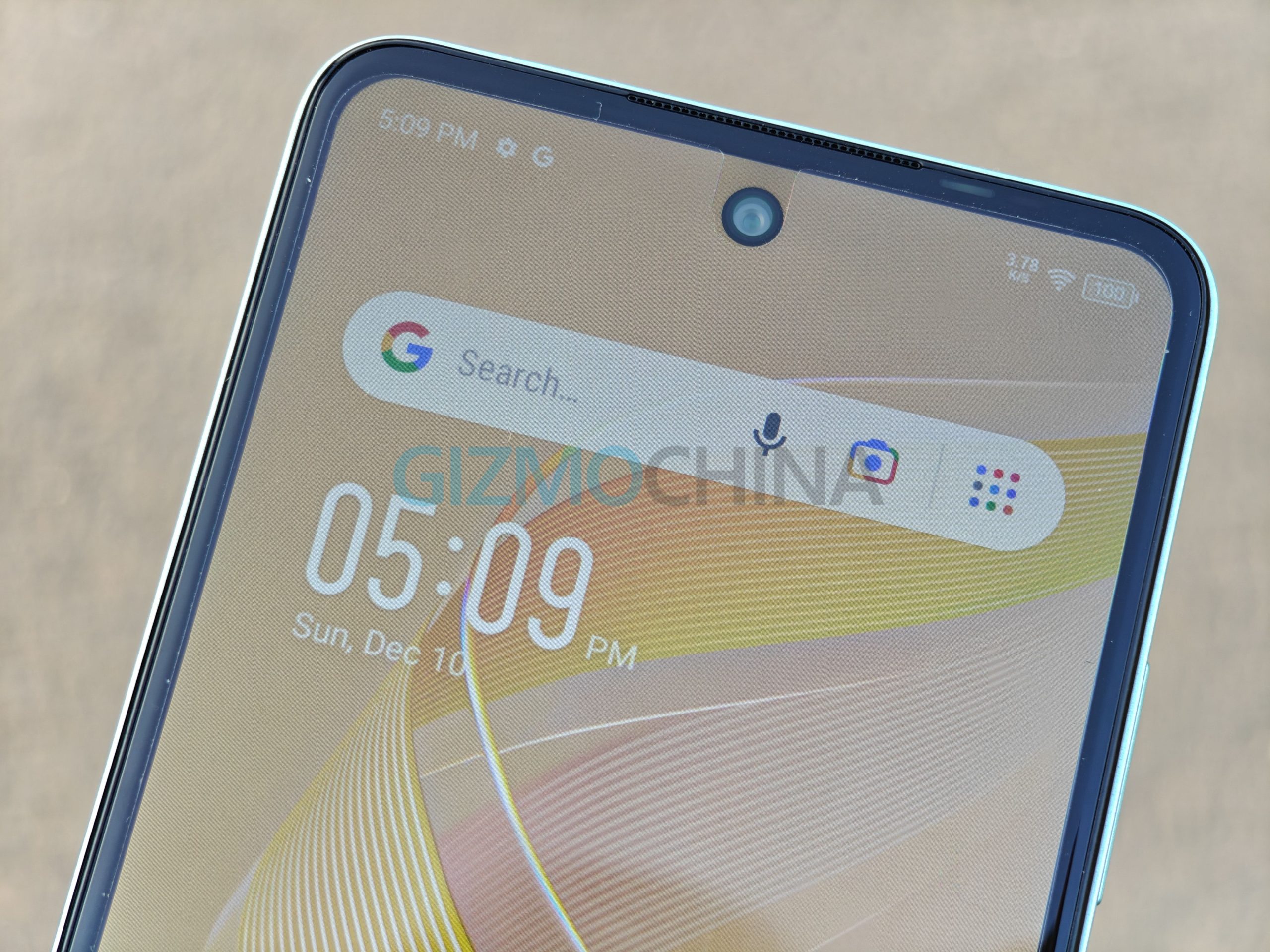
The chipset will have a 1+3+2+4 structure, which consists of one Cortex X4 Prime CPU core that clocks in at 3.19GHz. It is paired with five Cortex A720 performance cores with two cores having a 2.9GHz frequency while the other three have a 2.6GHz clock speed. Lastly, there are four Cortex A520 efficiency cores that clock in at 1.95GHz. The chipset will reportedly also feature the Samsung XClipse 940 and the Exynos 5300, which is an integrated modem that enables a downlink speed of up to 10GBps.
Samsung Exynos 2500
All of this is in line with our previous reports regarding the new Exynos 2400. Tipster @OreXda also shared additional information on X (formerly Twitter) regarding the 2025 Exynos. Apparently, Samsung plans on using a similar deca core configuration on the Exynos 2500 as well. Although, the next gen chip will feature a Cortex X5 Prime CPU core, along with two Cortex A730 performance cores, three Cortex A730 cores with slower clock speeds, and four Cortex A530 efficiency cores.
The OnePlus Pad Go recently made its debut in India. The tablet is a watered-down version of the OnePlus Pad, catered towards people looking for a device for media consumption. It retails a large, high-definition display and an impressive speaker setup. Starting today, customers in India can place pre-orders for the tablet.
OnePlus Pad Go pre-order details
You can pre-order the tablet from the OnePlus India website or Amazon. Currently, the OnePlus India website is only offering the 8GB RAM + 128GB storage WIFI-only model for pre-order, priced at ₹19,999. The 256GB storage model as we as the LTE variants is also expected to be made available soon.
If you pre-order the tablet before October 20, you will get the folio case for the OnePlus Pad worth ₹1,399 absolutely free.
OnePlus Pad Go specs
The OnePlus Pad Go features an 11.35-inch 2.4K display certified by TÜV Rheinland, offering 400 nits of brightness, a 90Hz refresh rate, and a 7:5 aspect ratio. It’s powered by an octa-core Helio G99 SoC with up to 8GB of RAM and 256GB of internal storage.
OnePlus Pad Go
On the software side, the tablet runs Android 13 with OxygenOS 13.2. In terms of photography, it has an 8MP rear camera and a 5MP selfie camera, along with face unlock for security. The device is equipped with an 8,000mAh battery that supports 33W fast charging.
Samsung is reportedly planning to launch the Galaxy S24 series earlier than its usual launch time frame, according to a report from Seoul Economic Daily. The report claims that Samsung is planning to hold a Galaxy Unpacked launch event for the Galaxy S24 in San Francisco, USA, in January 2024.
This corroborates a tip from tipster Ice Universe, who previously revealed that the Galaxy S24, Galaxy S24+, and Galaxy S24 Ultra will be launched one month earlier than the Galaxy S23 series.
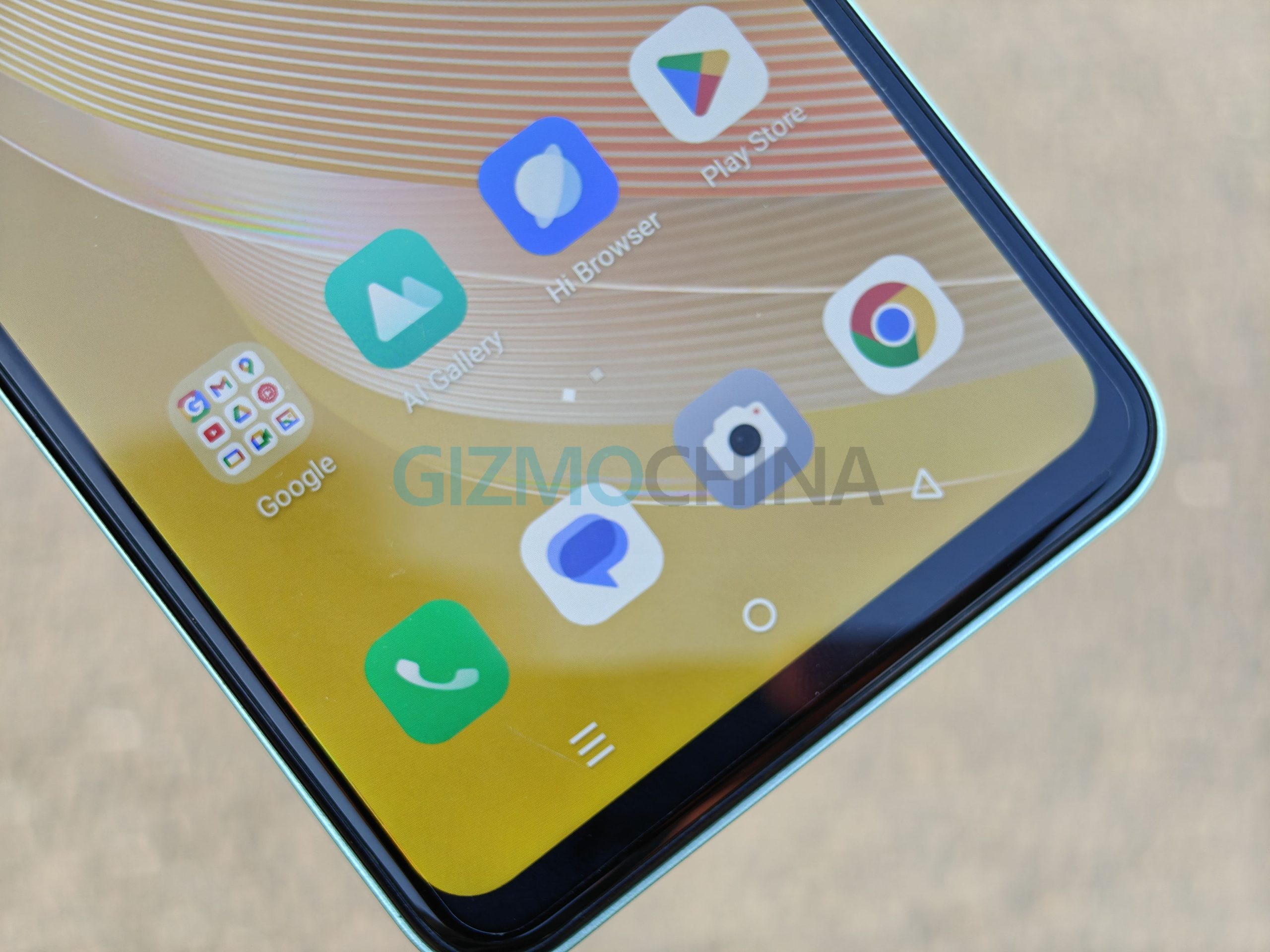
For reference, Samsung held its Unpacked event on February 1st and released the Galaxy S23 line on February 18, 2023. But according to Ice Universe, the Galaxy S24 series will likely be released around January 18th.
The earlier launch is reportedly a strategic move by Samsung to take on other Android handsets expected to be released at the end of this year powered by the Snapdragon 8 Gen 3 SoC.
Speaking of which, the Galaxy S24 Ultra is expected to be powered by Snapdragon 8 Gen 3 SoC worldwide, while the Galaxy S24 and Galaxy S24+ may be powered by the homegrown Exynos 2400 deca-core chipset in some regions.
In fact, the US version of the Galaxy S24 Ultra has just been spotted on Geekbench, confirming that the phone will have a Snapdragon 8 Gen 3 processor. The listing also shows that the phone has a notable performance improvement compared to the Snapdragon 8 Gen 2.
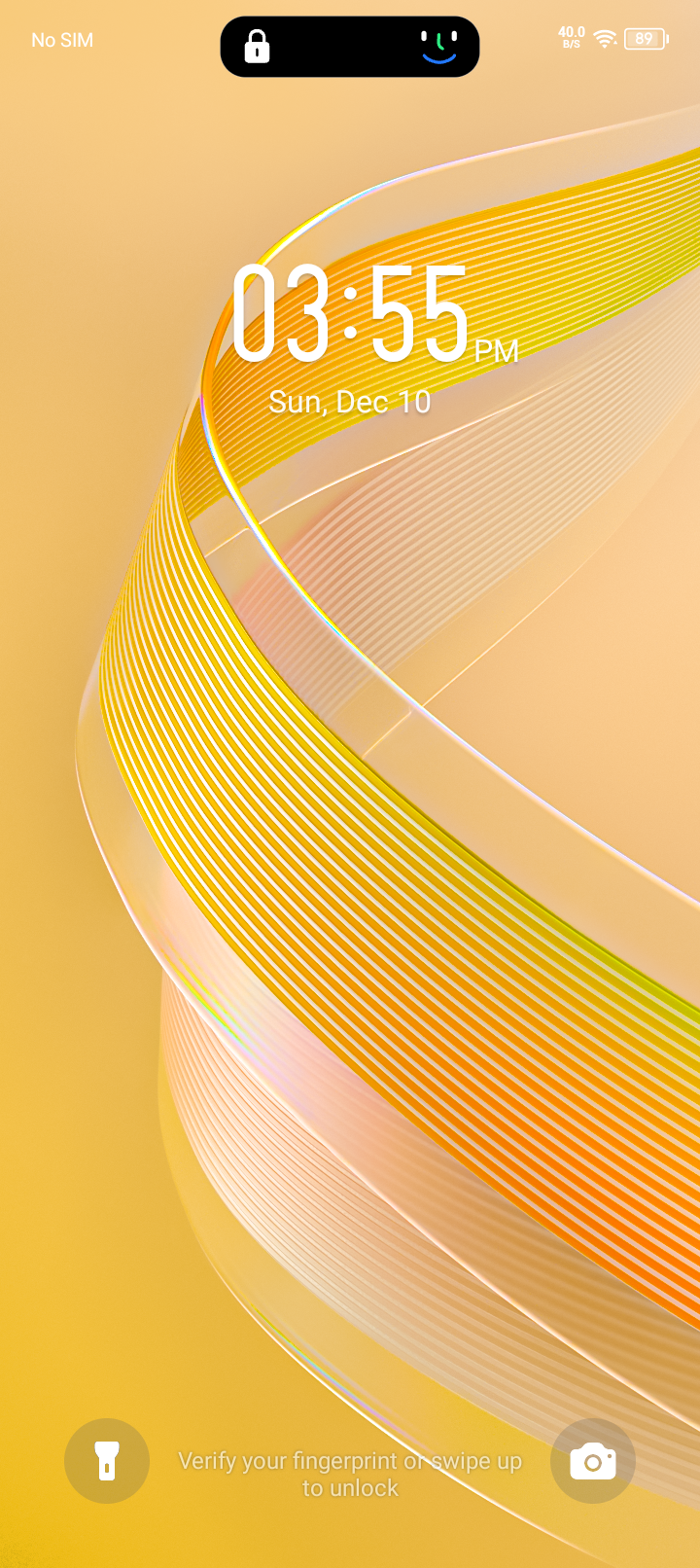
As for the specifications, all the devices in the S24 series will have a Dynamic AMOLED LTPO panel with a 120Hz refresh rate. But the top-tier model may also include a titanium frame this time around.
Likewise, all three devices in the S24 line are expected to have 2400 nits of brightness and Android 14-based One UI 6. The battery sizes will be different, of course, with the S24 rumored to have a 4000mAh cell, the S24+ with a 4900mAh cell, and the S24 Ultra with a 5000mAh cell.
The Samsung Galaxy S24 lineup is the company’s next generation of flagship smartphones, and despite being months away, there have already been various leaks and rumors. In a recent development, the Samsung Galaxy S24 Ultra has been spotted on Geekbench, giving us a first look at its performance.
The benchmark listing shows the US version of the Galaxy S24 Ultra (SM-S928U) with Snapdragon 8 Gen 3 SoC. The smartphone managed to score 2,234 points in the single-core CPU test and 6,807 points in the multi-core CPU test.
This is a significant improvement over the Snapdragon 8 Gen 2-powered Galaxy S23 Ultra, which scored 1,895 points in the single-core CPU test and 5,062 points in the multi-core CPU test.
The Geekbench listing also reveals some details about the upcoming Snapdragon 8 Gen 3. It appears that the SoC will have one Cortex-X4 CPU core clocked at 3.3GHz, three Cortex-A720 CPU cores clocked at 3.15GHz, two Cortex-A720 CPU cores clocked at 2.96GHz, and two Cortex-A520 CPU cores clocked at 2.27GHz. Snapdragon 8 Gen 3 is scheduled to launch on October 24 at the Snapdragon Summit.
Earlier rumors about the Galaxy S24 series suggest that the baseline S23 and S23+ models will be equipped with either the Exynos 2400 or Snapdragon 8 Gen 3 SoC based on region, while the S24 Ultra will exclusively use the Snapdragon platform worldwide.
The S24 Ultra is also rumored to have a titanium frame body, an improved 200MP primary rear camera, and a 50MP telephoto camera with 5x optical zoom. Renders of the smartphone have also leaked, showing a design that is similar to its predecessor, but slightly shorter and wider.
It is unclear when the Galaxy S24 Ultra will be officially announced, but it is expected to launch in early 2024.
OnePlus is bringing the Oxygen OS 14 Open Beta back-to-back on compatible smartphones and tablets, After OnePlus 11, and OnePlus Nord 3, the Open Beta 1 is finally here for the OnePlus Pad. Interested users can enjoy the latest Oxygen OS 14 before anyone else by opting for the Open Beta build. There are several new changes that will enhance the system’s performance and stability.
The OnePlus Pad India Variant is currently compatible with Open Beta and will roll out in other countries soon. It is not recommended for users who would want a stable experience on their devices. The Oxygen OS 14 Open Beta 1 build carries some bugs and may affect user experience.
Apart from some issues, there are plenty of new changes that are available for the OnePlus Pad users. The Oxygen OS 14 Open Beta bundles new security and privacy enhancements, performance optimizations, and a new UX experience.
Official Oxygen OS 14 Changelog
Smart and efficient
• Improves cloud photo service by Google Photos
Security and privacy
• Improves photo and video-related permission management for safer access by apps.
Performance optimization
• Improves system stability, the launch speed of apps, and the smoothness of animations.
Aquamorphic Design
• Adds Aquamorphic-themed ringtones and revamps the system notification sounds.
• Improves system animations by making them even smoother.
Steps to Install Oxygen OS 14 Open Beta on OnePlus Pad
There are a few things, that users must be aware of before participating in the Open Beta Program. Below are the pre-requisites for the device:
The device must been running the latest OxygenOS 13.1 firmware aka OPD2203_13.1.0.603(EX01).
These instructions are only for the OnePlus Pad. Please make sure the battery level is above 30% and a minimum of 4 GB of storage space is available.
Note: The program is limited to the first 5000 users.
Steps:
After updating to the latest firmware, navigate to Settings > About device > Tap up to date > Tap icon on the top right > Beta program > Follow the steps to apply.
Wait for 3-5 days, before receiving the update notifications.
Once the Application is approved, you can update it by heading to Settings > About device > Download Now.
We hope the OnePlus brings Open Beta for more devices. The company has already posted device details in the Open Beta timeline.
iPhone 15 Pro Max has achieved outstanding camera scores in DxOMark testing, with an overall score of 154. This places it second in DxOMark’s global camera ranking, just two points behind the Huawei P60 Pro. DxOMark has now revealed the performance of its selfie camera, and like last year, the iPhone 15 Pro Max has earned first place.
The smartphone topped the selfie camera rankings with a score of 149 points, which is four points higher than its predecessor, the iPhone 14 Pro Max.
Both the iPhone 15 Pro Max and iPhone 14 Pro Max have the same 12-megapixel front-facing camera with a 1/3.6-inch sensor, autofocus, and optical image stabilization. However, DxOMark attributes the iPhone 15 Pro Max’s superior performance to its new A17 Pro chip and image signal processor (ISP).
The selfie camera impresses with its accurate exposure, fast and precise autofocus, large dynamic range, and a high level of detail in daylight. DxOMark also praises the effective video stabilization, which works smoothly even if the user moves while recording.
However, the camera is not without its flaws. The phone’s sensor favors a large depth of field, but this can also lead to visible noise in images, even in good lighting conditions. The camera can also occasionally exhibit color errors and the sharpness sometimes varies from image to image when recording a video.
Likewise, in portrait mode, the Face ID module calculates depth precisely, creating a progressive and natural background blur effect (or bokeh).
However, as the example photo shows, Apple struggles with fine details such as individual hairs, which can make portrait mode look like a software simulation upon closer inspection.
Once considered the stuff of science fiction, smart glasses are rapidly emerging as the next big wave in wearable technology. From their initial prototypes to the sophisticated devices we see today, smart glasses have undergone a monumental evolution.
Let’s explore the evolution of smart glasses over the years and the driving forces behind their advancements.
New Smart Glasses are better in Style and Comfort
The initial generation of smart glasses, while groundbreaking, often lacked in terms of aesthetics. Early designs like Google Glass stood out with their noticeable tech components, making wearers noticeable in a crowd, but not always in a positive way. These bulky and sometimes awkward designs were far from universally appealing, often resembling lab equipment more than fashionable eyewear.
However, in recent years, there has been a significant transformation in the design of smart glasses. Companies have recognized the importance of blending functionality with style for wearables to gain widespread acceptance. Modern smart glasses feature sleeker and more discreet designs that closely resemble traditional eyewear.
For example, Ray-Ban partnered with Meta (formerly Facebook) to create smart glasses that seamlessly integrate advanced technology while preserving the classic Ray-Ban style. These glasses can capture photos, record videos, and even handle phone calls while looking like stylish sunglasses.
Huawei has also entered the smart glasses market with its Huawei Eyewear 2, combining a minimalist aesthetic with integrated speakers and microphones seamlessly built into the frame, offering an ergonomic design with no visible tech components.
Bose, renowned for its audio equipment, surprised many with Bose Frames, which incorporate audio features into subtly designed frames suitable for a trendy cafe or a business meeting.
Brings New Features & Integration
As technology advances, smart glasses have expanded their functionality beyond merely mirroring smartphone notifications. They now aim to provide unique, hands-free experiences that can complement or even outperform other devices.
Navigation and Travel: Modern smart glasses like North Focals offer in-sight navigation directions, freeing users from constantly checking their smartphones. Some even provide augmented reality directions with digital markers in the real world.
Communication: Smart glasses, such as Snap’s Spectacles, enable immersive first-person capture and sharing of moments. Many models feature built-in microphones and speakers for hands-free calls and voice commands.
Entertainment and Media: Bose Frames, for example, let users enjoy music without earbuds by using directional speakers. Glasses like Nreal Light offer rich media experiences by overlaying videos or games in the user’s environment. Meta’s Rayban Smart Glasses support live streaming.
Live Translations: Integrating Google’s AR-based platform with smart glasses facilitates real-time translations of foreign signboards or menus, a valuable feature for travelers.
Health and Fitness: Vuzix Blade smart glasses display fitness metrics, providing real-time updates on speed, heart rate, and distance traveled during activities like running or cycling.
Integration with Home Systems: Smart glasses can control smart home systems through voice commands, connecting with platforms like Amazon Alexa or Google Assistant to adjust thermostats, lights, or security cameras.
Educational and Professional: Professions requiring hands-free access to information, such as medicine or mechanics, benefit from smart glasses that overlay necessary data or instructional videos. Epson’s Moverio line, for instance, has applications in museums and medical schools.
The growing availability of apps and software tailored for smart glasses further extends their potential. As developers become more familiar with these platforms, the distinction between smartphone capabilities and smart glasses experiences is likely to blur, potentially offering a parallel or even superior digital experience.
Adds New Augmented Reality (AR) Experiences
The combination of Augmented Reality (AR) and Artificial Intelligence (AI) in smart glasses is revolutionizing how we perceive and interact with our environment. AI enhances contextual awareness, enabling smart glasses to recognize and provide relevant information about the surroundings.
This includes personalized recommendations, real-time transcription for the hearing impaired, and obstacle warnings. Regarding AI, Meta’s new Ray-Ban Meta smart glasses are equipped with Meta AI, enabling features like photo and video capture, hands-free control through voice commands, and the potential for real-time information display.
Longer Battery Life and Better Power Efficiency
The evolution of battery technology in smart glasses has brought about significant improvements in terms of enhanced battery life and power efficiency. Key advancements include:
Battery Technology: Lithium-polymer and lithium-ion batteries have seen improvements in energy density, allowing them to store more power without increasing in size.
Optimized Chipsets: Wearable-specific microprocessors, like Qualcomm’s Snapdragon XR1 and Snapdragon AR1 Platform, provide high performance while minimizing power consumption.
Software Optimization: Smart glasses now come with optimized operating systems and apps that use resources efficiently, reducing background processes that drain the battery.
Solar Integration: Some smart glasses incorporate solar cells on the frames, providing supplementary power from ambient light during daylight hours.
Fast Charging: Many modern smart glasses support fast-charging technologies, ensuring users can quickly recharge and enjoy extended usage after just a few minutes of charging.
Brands like Bose, Ray-Ban (in partnership with Meta), and Huawei offer smart glasses with impressive battery life, thanks to these advancements. For example, recent Ray-Ban releases provide all-day battery life with rapid charging features. As technology continues to progress, users can expect smart glasses that are both high-performing and energy-efficient, without compromising on functionality.
Better Data Privacy and Security Measures
As smart glasses integrate cameras and recording devices, data privacy and security have become critical concerns. Brands are actively implementing strong security measures such as encryption, user authentication, and strict data-sharing protocols to protect against unauthorized access and potential data breaches, prioritizing user privacy.
Increased Affordability and Market Accessibility
Smart glasses, once a niche for tech enthusiasts, are becoming more accessible to the public. This shift is driven by economies of scale, increased competition, and technological advancements. Production at larger scales lowers manufacturing costs, while a growing number of companies entering the market promote competitive pricing. Innovations in component production, display technology, and materials contribute to cost reduction. Smart glasses are now available through various distribution channels, including optical shops and online platforms. Overall, smart glasses are poised to become widely affordable and commonplace.
Conclusion
Smart glasses continue to advance steadily, benefiting from ongoing technological developments and innovations. The integration of smart features is improving their functionality over time. Furthermore, the emergence of AR devices is enhancing the overall ecosystem, with increasing software support.
As AR/VR headsets evolve, they create a foundation for the continuous improvement of smart glasses. The growing user base and the expanding use of Augmented Reality suggest a gradual shift toward the adoption of smart glasses in the future. The future appears promising, with substantial progress already underway towards an innovative and bright future.
Multiple sources are claiming that Xiaomi will unveil the Xiaomi 14 series featuring the Snapdragon 8 Gen 3 chip in November. Xiaomi’s sub-brand Redmi is also working on the Redmi K70 series of smartphones at the same time. It is speculated that the Redmi K70e, the Redmi K70, and the Redmi K70 Pro will be released as early as November. A new leak, courtesy of tipster Panda is Bald, has revealed the battery and charging capabilities of the Redmi K70 and K70 Pro.
Redmi K70, K70 Pro battery size, charging capabilities
Redmi K70 mock render
According to the leaker, the Redmi K70 will be equipped with a 5,500mAh battery and will support 90W fast charging. Notably, the K70, identified by model number 2311DRK48C, has obtained 3C certification in China, confirming its compatibility with 90W fast charging.
Reports surrounding the Redmi K70 have claimed that it will feature the Snapdragon 8 Gen 2. To recall, the K60 offered only 67W charging. The leak further states that the K70 Pro will pack a 5,120mAh battery and offer 120W fast charging. This device is said to feature the more powerful Snapdragon 8 Gen 3 chipset.
To recall, the Redmi K60 and K60 Pro supported 30W wireless charging. There have been rumors suggesting that the K70 and K70 Pro may not include wireless charging.
At present, there is no information about the battery or fast charging capabilities of the Redmi K70e. Since last year’s K60e featured the Dimensity 8200 chip, it was being said that the K70e would arrive with the all-new Dimensity 8300 SoC, which is yet to go official. However, a recent X post by Mukul Sharma claims that the K70e will feature the Dimensity 9200 Plus chipset.
The Chinese tipster further suggested that the Redmi K70 series is likely to debut by early December, with the latest possible launch occurring in late November.
Huawei has recently launched the Mate 60 series of flagship phones and the Mate X5 foldable phone featuring the Kirin 9000s. The brand is also said to be working on the Enjoy 70 series, Nova 11 SE, and Nova 12 series of smartphones for the Chinese market. According to a Chinese tipster, the brand is also working on a new flagship phone, which will be very similar to the Honor Magic 5 Pro.
Regrettably, the leak lacks precise information about the device’s name. Huawei has been rumored to be in the process of developing the Huawei P70 series of flagship smartphones, but it’s unclear if the tipster is referring to one of the P70 variants or an entirely different product. The choice between a Snapdragon or Kirin chip for the rumored Huawei phone remains a mystery, particularly because the Magic 5 Pro is equipped with the Snapdragon 8 Gen 2 SoC. Let’s delve into the specifications of the Magic 5 Pro.
Honor Magic 5 Pro specifications
Honor Magic 5 Pro
The Honor Magic 5 Pro has a 6.81-inch OLED LTPO panel that offers a resolution of 1312 x 2848 pixels, a 120Hz refresh rate, and an in-screen fingerprint scanner. The Snapdragon 8 Gen 2 chipset powers the device, and its highest configuration offers 16 GB of LPDDR5x RAM and 512 GB of UFS 4.0 storage.
The Magic 5 Pro’s rear camera setup has three 50-megapixel cameras. It comprises a main camera with OIS support, an ultra-wide lens with 122-degree FOV, and a periscope telephoto camera with OIS and 3.5x optical zoom support. On the front, the device has a 12-megapixel ultra-wide selfie camera with a 100-degree FOV and a ToF 3D sensor for 3D face unlock.
The Chinese variant of the Magic 5 Pro has a 5,450mAh battery, while its global version packs a 5,100mAh battery. The flagship phone supports 66W wired and 50W wireless charging. It also offers 5W reverse wireless charging.
Chinese tipsters are claiming that the Xiaomi 14 and 14 Pro will debut as the first Snapdragon 8 Gen 3 phones on Oct. 27 in China. Qualcomm is expected to announce the new chip at the 2023 Snapdragon Summit, which will be held between Oct. 24 and Oct. 26. MediaTek, too, is said to be working on launching its next flagship chip, dubbed the Dimensity 9300. In a new Weibo post, tipster DCS revealed when the first D9300-powered phones will be released in the Chinese market.
MediaTek Dimensity 9300 to launch in November
According to the tipster, MediaTek will unveil the Dimensity 9300 chip in the next month (November). The Vivo X100 and X100 Pro are poised to become the first line of smartphones powered by the Dimensity 9300 mobile platform. Both phones are expected to debut in the same month. The X100 Pro+, featuring the Snapdragon 8 Gen 3, is likely to launch in Q1 2024.
Dimensity 9300 specifications (rumored)
The MediaTek Dimensity 9300 chipset is crafted using TSMC’s advanced 4nm process and boasts a configuration of 1 x ARM Cortex-X4 prime core, 3 x Cortex-X4 cores, and 4 x Cortex-A720 cores, delivering improved power efficiency compared to its predecessor. Notably, the Cortex-X4 ultra-large core, based on Armv9 architecture, pushes the boundaries of smartphone performance, offering a 15 percent boost over the X3, while also reducing energy consumption by 40 percent.
On the other hand, the Cortex-A720 is set to become the mainstream large core in the coming year, enhancing the sustained performance of mobile devices and serving as the primary core in the new CPU cluster. It is expected to offer maximum clocking speeds of 3.25 GHz. For graphics, the chip is said to be equipped with the latest ARM Immortalis G720 MC12 GPU.
The leaked specifications of the Dimensity 9300 chipset indicate a substantial advancement in both performance and power efficiency. This positions it as a strong contender to compete with Apple’s chips in the realm of performance, challenging the recently unveiled A17 Pro that powers the iPhone 15 Pro series.
While the world is still warming up to 5G technology, Huawei Technologies is already setting sights on the next leap with the introduction of 5.5G networks. Announced in a grand ceremony in Dubai, Huawei partnered with several telecom giants, including China Mobile, China Telecom, and China Unicom, as well as du from the United Arab Emirates and Saudi Telecommunication Company.
China had almost 2.8 million 5G base stations as of May
So, what’s the fuss about 5.5G? Huawei claims that the new technology offers ten times the speed of current networks, lower latency, and efficient power usage. Imagine playing a VR game or using your smart car without any noticeable lag, and you begin to see why this is a big deal. Not just for individual consumers, these upgrades are expected to be revolutionary for various industries.
“The phase of accelerated commercialization for 5.5G is already underway globally,” said Cao Ming, Huawei’s president of wireless solutions. Almost 20 countries are reported to have the spectrum in place for 5.5G, making it evident that this isn’t just a futuristic vision but a technology that’s preparing for mainstream adoption. Cao Ming emphasized the technology’s role in boosting productivity across traditional sectors, signaling a broader digital transformation.
China has been a frontrunner in the 5G race, boasting more than 2.8 million 5G base stations as of May. A significant 52% of China Mobile’s upcoming 5G base station work will rely on Huawei equipment. The introduction of 5.5G technology, also dubbed as “5G-Advanced,” is seen as a stepping stone to the next big thing—6G, which might just be around the corner in the next decade.
The 5.5G network is more than just an incremental upgrade; it represents a paradigm shift in how we think about connectivity and its applications across industries. With its launch, Huawei seems poised to steer the digital future.
While Chinese smartphone brands like Vivo have made inroads in India’s booming mobile market, the companies are facing a rocky terrain due to heightened geopolitical tensions between the two nations.
Last December, Indian customs officials detained almost $15 million worth of Vivo’s smartphones
Vivo recently voiced its commitment to support four of its executives who were arrested in India. This comes on the heels of a series of actions taken by Indian authorities against Chinese tech firms, including Vivo, Xiaomi, and Huawei, mostly on charges of financial irregularities such as money laundering. Vivo was already in hot water last December when Indian customs officials detained nearly $15 million worth of its smartphones at a New Delhi airport, affecting its export plans.
Notably, Vivo is a significant player in India, holding a 17% market share, which puts it right behind Samsung and ahead of Xiaomi, according to Counterpoint Research. However, their operations are taking a hit due to India’s tightened regulatory environment, shaped in part by ongoing political frictions. After the fatal Himalayan border clashes between India and China in June 2020, India has amped up scrutiny of Chinese tech companies and even banned several apps citing national security concerns.
The Indian government isn’t just stopping at arrests and bans. Earlier this year, they proposed new regulations requiring smartphone makers to allow users to uninstall pre-installed apps and mandating governmental screening for major operating system updates. These developments add another layer of complexity for companies like Vivo operating in India.
Xiaomi is also grappling with its legal issues; the firm is fighting to regain access to $676 million seized last April over allegations of foreign exchange violations.
While Vivo pledges to “exercise all available legal options,” the company and its Chinese peers are undeniably in a challenging situation. They must navigate not just the local market dynamics but also a regulatory minefield that shows no sign of easing up. And as these tensions persist, the stakes are high not just for the companies but also for the Indian consumers who have increasingly relied on Chinese smartphones.
For now, these tech giants have to find a way to operate under the lens of stricter regulatory scrutiny while also maintaining their hard-won market positions in India.
Fans seeking an off-road adventure with their Tesla vehicles have been looking for new options. Until recently, Germany’s Delta4x4 had cornered the market with its Tesla Model Y lift kit. However, a new contender from China, Pu.Labo, is challenging that kit, promising even more height and features for the Tesla EV.
This kit offers yet another option for Tesla owners to upgrade their cars
Delta4x4’s offering is pretty straightforward. Priced around $1,000, it provides a lift of up to three inches thanks to a 1.3-inch spacer kit and bigger tires. It’s a modest upgrade aimed at those who want a bit more room to navigate rough terrains.
On the other hand, Pu.Labo is going all out. Made in Shanghai, their $15,000 lift kit (with a promotional price of $12,000) not only lifts the Tesla Model Y or Model 3 by up to five inches, but it also includes redesigned control arms and adjustable coil-over shocks. Plus, it maximizes wheel travel to eight inches. The kit has been tested under various harsh conditions, including mud and sand, confirming its off-road capability.
Now, the price difference is noticeable. Delta4x4’s kit is accessible, but Pu.Labo’s cost is in the same ballpark as a used car. Yet, Pu.Labo argues that you get what you pay for, offering a comprehensive set of features that make your Tesla a more robust off-roading machine.
So, what does this competition mean for Tesla owners? Simply put, options. Those who just want a bit of an upgrade can stick with Delta4x4. For the off-road enthusiasts who want to push their Teslas to the limit, Pu.Labo’s kit may well be the right investment.
As Tesla vehicles continue to dominate the electric car market, third-party innovations like these signify that the EV revolution isn’t just about getting from point A to B — it’s also about how much fun you can have along the way.
What are your thoughts? Is Pu.Labo’s steeper price justified for the features it offers? Let us know in the comments below.
Qualcomm is set to unveil its flagship Snapdragon 8 Gen 3 chip at the end of this month. According to recent reports, Xiaomi may lead the pack by introducing the Xiaomi 14 series on October 27, making it one of the first brands to adopt the Snapdragon 8 Gen 3. In a recent Weibo post, tipster Digital Chat Station (DCS) disclosed the names of other flagship phones expected to follow suit.
Forthcoming Snapdragon 8 Gen 3 phones
Snapdragon 8 Gen 3
DCS has suggested that, following the Xiaomi 14 series, we can anticipate successive releases from various manufacturers, including the OnePlus 12, iQOO 12 series, Realme GT 5 Pro, Meizu 21 series, Red Magic 9 lineup, Honor Magic 6 series, and OPPO Find X7 series.
Rumors surrounding these flagships claim that the OnePlus 12, iQOO 12, and iQOO 12 Pro will be announced in November in the Chinese market. A recent report claimed that the iQOO 12 will also debut in the same month in India.
While a lot of information about the Realme GT 5 Pro has emerged in recent reports, it has been unclear whether Realme will announce it this year or in 2024. However, the new leak by DCS suggests that the Realme GT 5 Pro may debut in December of this year in China. The Meizu 21 series has already surfaced in the database of the China Compulsory Certification (CCC), which suggests that it may also break cover in December.
The Red Magic 9 series of gaming smartphones may debut in December of this year or January 2024. The Honor Magic 6 lineup may debut after the Chinese Spring Festival 2024, which indicates that it may go official in February 2024. The Vivo X100 Pro+ and the OPPO Find X7 series are also expected to launch in the first quarter of 2024 in China.
The Galaxy S24 series featuring the Exynos 2400 and Snapdragon 8 Gen 3 is also expected to debut globally in January 2024.
We use cookies on our website to give you the most relevant experience by remembering your preferences and repeat visits. By clicking “Accept”, you consent to the use of ALL the cookies.
This website uses cookies to improve your experience while you navigate through the website. Out of these, the cookies that are categorized as necessary are stored on your browser as they are essential for the working of basic functionalities of the website. We also use third-party cookies that help us analyze and understand how you use this website. These cookies will be stored in your browser only with your consent. You also have the option to opt-out of these cookies. But opting out of some of these cookies may affect your browsing experience.
Necessary cookies are absolutely essential for the website to function properly. This category only includes cookies that ensures basic functionalities and security features of the website. These cookies do not store any personal information.
Any cookies that may not be particularly necessary for the website to function and is used specifically to collect user personal data via analytics, ads, other embedded contents are termed as non-necessary cookies. It is mandatory to procure user consent prior to running these cookies on your website.