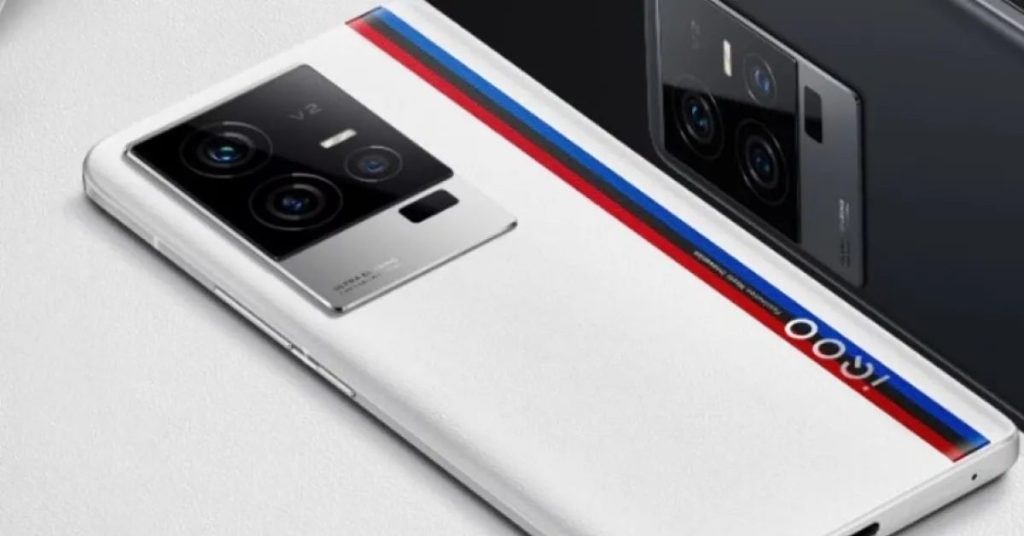
The iQOO 12 series of flagship smartphones are set to launch soon. The company is expected to unveil the new flagship devices in China. But prior to any official announcement, a new leak has revealed certain key specifications of the iQOO 12 and iQOO 12 Pro models.
iQOO 12 and iQOO 12 Pro Battery & Charging Specs
The news arrived from known tipster Digital Chat Station, who shared the information on Weibo (a Chinese microblogging website). Looking at the online post, the iQOO 12 will apparently be powered by a dual-cell 2,440mAh battery pack, which will likely have a combined typical capacity of 5,000mAh. Furthermore, this model will apparently support 120W fast charging.
This appears to be a downgrade compared to its predecessors since the iQOO 10 and iQOO 11 Pro models launched previously with a more impressive 200W fast charging speeds. But the fresh leak claims that its wired fast charging rates have fallen to 120W, while it retains the 50W wireless fast charging speeds. On the other hand, the iQOO 12 Pro will house a 2,490mAh dual-cell battery pack as well. Although, it might be rated for a 5,100mAh battery pack.
According to Digital Chat Station, the base and Pro models of this series won’t have many differences. Based on what we know so far, the iQOO 12 lineup will arrive in three color options, namely black, white, and red. It is expected to launch in early November 2023. The Pro model is rumored to sport an E7 AMOLED display from Samsung, which will also feature a 2K resolution (1.5K resolution on the base model) and 144Hz refresh rate.
Google is rolling out the Wear OS 4 update to its original Pixel Watch. As confirmed at the Pixel Watch 2 Launch event, the update for the Pixel Watch is now available, and will continue over the “coming weeks.”
There are several new changes and feature enhancements that will be now part of the Pixel Watch. The global firmware build (TWD4.2301005.002) is now out for the Pixel Watch alongside the October 2023 Security Patch.
Wear OS 4 brings the ability to easily back up and restore the Pixel Watch from one phone to another without any data loss. It also helps to easily back up your data if you’re moving to a new Watch. Other changes include enhanced notifications, improved safety features, and better accessibility features. Make sure to check best Wear OS 4 features that will empower your Pixel Watch.
Over time, Google is bringing more of its primary Apps to the Wear OS platform. Some of the newly launched apps are Gmail and Google Calendar.
Official Changelog:
Watch transfer

When you upgrade your Pixel phone, you can now easily transfer your Pixel Watch to your new phone without having to factory reset it.

Google Calendar app

The new Google Calendar app will be preinstalled on your Pixel Watch with this update.

Safety Features

With your upgrade to Wear OS 4, you'll get access to the latest and greatest in Safety – Safety Check, Emergency Sharing, and Emergency Info on your Pixel Watch. Keep your most important medical info easily accessible on your wrist or sent to participating emergency services(2) in the event of an emergency with Medical ID Info.

Accessibility & customization

New and improved customization capabilities, like a new text-to-speech engine supporting a faster, a more reliable TalkBack experience on your watch, bold text, new and improved magnification, and audio balance to adjust intensity of sound between right and left audio channels.

Enhanced notifications

Notifications come with smart link recognition of phone numbers and addresses, allowing you to tap to call, message, or get directions. Embedded media previews let you quickly view images and GIFs without leaving the notification shade.
Unlike Pixel Watch 2, last year’s Pixel Watch sans support for the Safety Signal feature that lets the watch access an LTE network without any carrier plan. The feature is only used under emergency circumstances.
The users can head over to Settings > System > System Update to manually check for the firmware update.
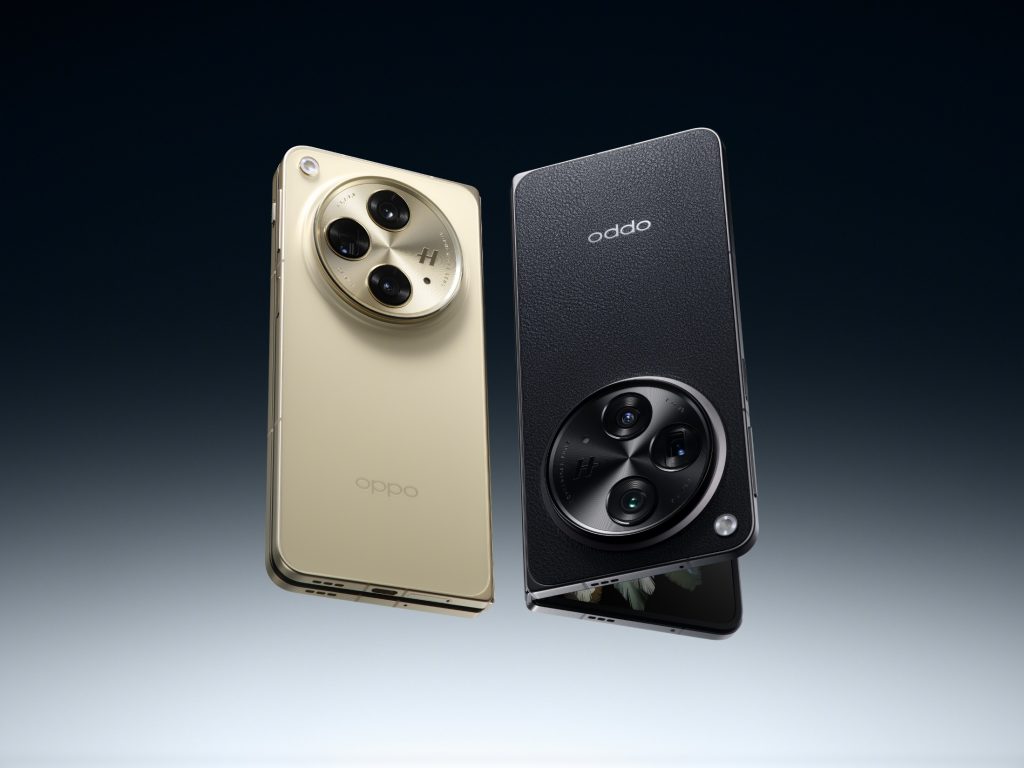
The Oppo Find N3 is the company’s latest foldable smartphone, which follows after the Find N3 Flip. While the launch is just around the corner, a fresh leak has revealed the design of this device via official press renders. So let’s have a look.
Oppo Find N3 Press Renders
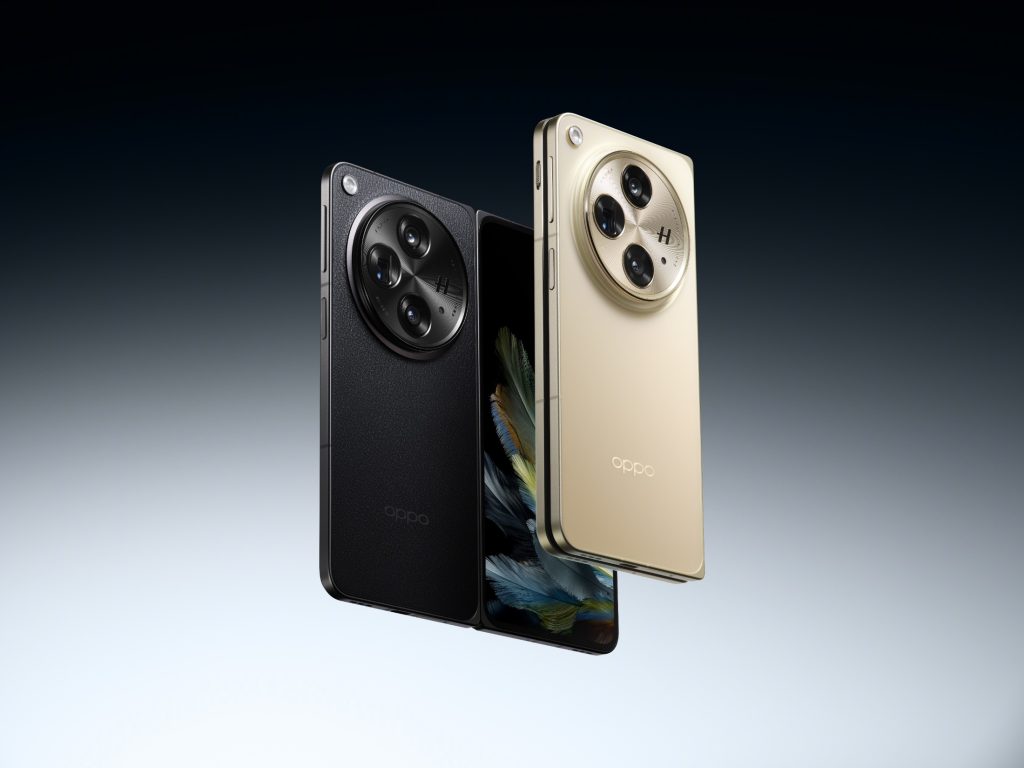
The Chinese tech giant is gearing up to launch the Find N3 on 19th October 2023. On the same date, the OnePlus Open will also be unveiled, which is basically a rebranded Find N3 model. The latest leak arrives from known tipster Evan Blass, who shared the press renders on X (formerly Twitter). Looking at the images, we can see the upcoming foldable smartphone in its gold and black color options.
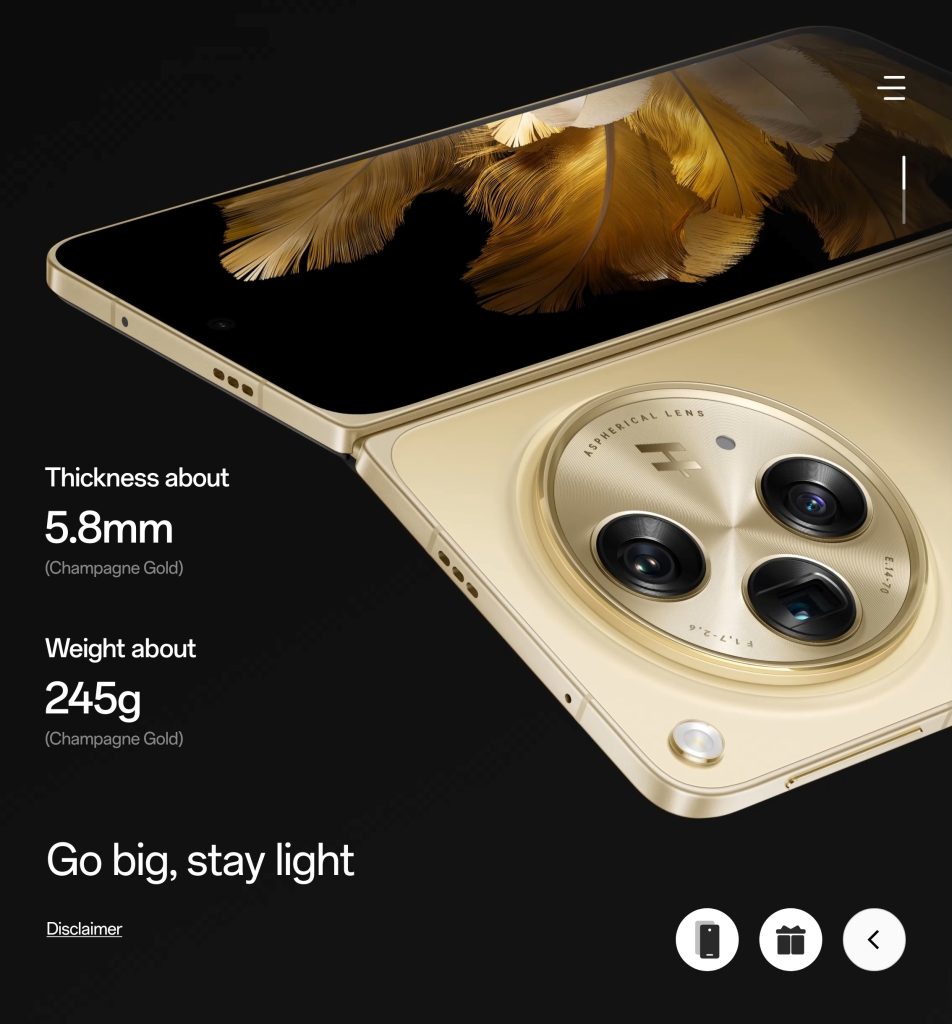
Although, the device is expected to arrive in black, red, and green variants as well. One of the leaked images shows that the Find N3 measures a thin 5.8mm in thickness and weighs around 245 grams. The rear packs a large circular camera module, while the front houses a punch-hole cutout for the selfie camera. Under the hood, a large 4,805mAh battery pack that supports 67W SuperVOOC fast charging.
Oppo claims that the device can go from 1 percent to 100 percent in just 42 minutes. For storage, it will offer up to 512GB of internal storage that is paired with 16GB of RAM. Just recently, we also covered camera samples from the Find N3. The Find N3 is equipped with the Qualcomm Snapdragon 8 Gen 2 SoC. So stick around for more, as we will be covering the launch event tomorrow.
After all the hype over the past few months, the OnePlus maiden foldable smartphone launch is just a few hours away. The device gained much buzz before the official release following multiple rumors and leaks. The rebadged Oppo Find N3 aka OnePlus Open is also teased via official sources, and some details about its pricing is already live. Let’s shed some light on the Deals and Offers on OnePlus Open for the US and the European Markets.
After announcing the Pre-Orders for the device in the US, Europe, and India, the company also detailed some exciting trade-in deals and student discounts in some regions.
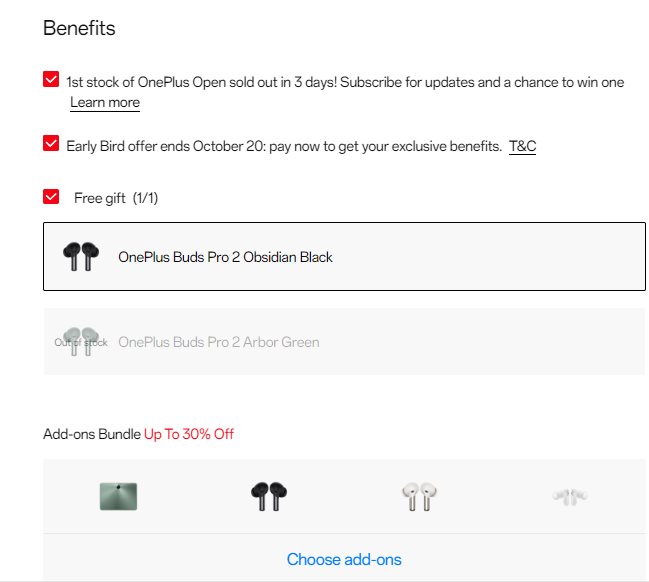
Under the Early Bird Offer in Europe, the users can avail €250 discount on the OnePlus Open and a free pair of OnePlus Buds 2 Pro worth €179 if the user deposits €99. To avail of the offer, the user is liable to pay the remaining balance on October 20 – October 23 when the device will start revealing. However, the full pricing information about the phone will be live by October 19, on the launch day.
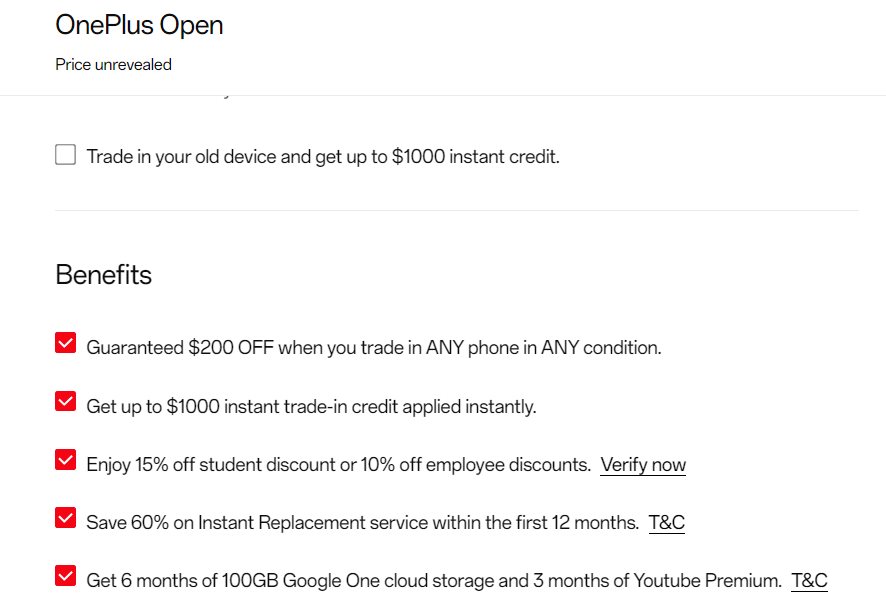
Similarly, OnePlus is bundling a guaranteed Trade-in bonus of $200 for the US market with any device in any condition. Further, the users are liable to get up to $1000 trade-in value depending on the condition of your device. There’s also an additional 15% student discount or 10% employee discount. The company even bundles 100GB of Google One cloud storage for 6 months and YouTube Premium for 3 months. Surprisingly, the user will save 60% if the user replaces with any other OnePlus device within 12 months.
As an example, the user may receive a $800 trade-in value if you own a OnePlus 11 256GB model.
Previously, Oneplus introduced a Reservation Pass worth Rs 5000 for Indian users to get the “Early Bird” discounts and OnePlus Buds 2 Pro as a complimentary gift.
We all are excitedly waiting for the OnePlus Open inaugural to see if the smartphone is worth the hype.
OnePlus Open Specifications and Features
As per the latest leaks, the smartphone will bundle a triple-rear camera featuring a 48MP primary Sony LYTIA-T808 camera, another 48MP ultrawide sensor, and a 64MP 3x Telephoto lens. It would come in two color variants Emerald Dusk and Voyager Black.
There will be a 6.31-inch outer display protected with Ceramic Glass coating. OnePlus Open will house a 7.82-inch inner display with 2800 nits brightness.
You can know more about its specifications and features concluded from leaks over the past some time.
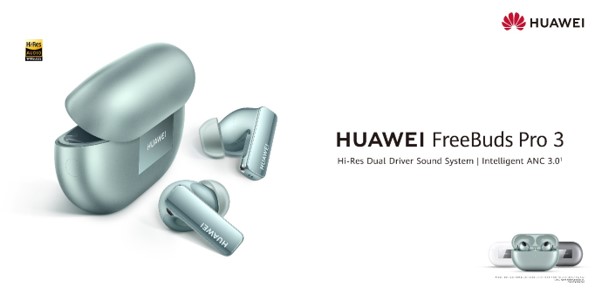
Huawei has just announced its latest pair of truly wireless earbuds for the global market. The hearables in question are the FreeBuds Pro 3, which is a pair of premium TWS models. It comes with some notable specs and features, so here are all the details.
Huawei FreeBuds Pro 3 Specs
The Chinese tech giant first unveiled the FreeBuds Pro 3 back in September in its home market. Now, the wireless earphones have been released for overseas market. It promises to offer great audio quality from its Hi-Res Dual Driver Sound System. The Huawei FreeBuds Pro 3 also supports L2HC 2.0 and LDAC codecs for improved audio quality with Bluetooth. Furthermore, it comes with a Triple Adaptive EQ algorithm as well to deliver a personalized listening experience to the users.
The FreeBuds Pro 3 offers ANC 3.0 (Active Noise Cancellation) and even Pure Voice 2.0 technology that helps improve voice and video calls. On a single full charge, the new premium Huawei earphones can offer up to 31 hours of audio playback. The earbuds also can last for up to 6.5 hours. Other notable features include IP54 water and dust resistance, multi-point connection, and support for both iOS and Android devices.
Huawei FreeBuds Pro 3 Pricing and Availability
The company has announced the new FreeBuds Pro 3 in multiple color options. This includes a Ceramic White, Green, and Silver Frost variant. Additionally, the charging case features a single piece of nano glass that makes it 32 percent more resistant to wear and tear. The earbuds have been launched across the globe for a price tag of 199 EUR or 179 GBP.
If you’ve recently invested in a Pixel 8 Pro, congrats! It’s a powerhouse in your pocket. But are you really getting the most out of it? Enter the world of accessories, where protection meets style, and functionality gets a major boost. From sleek cases that protect without adding bulk, to earbuds that transform your audio experience, 2023 brings a plethora of accessories designed to compliment your Pixel 8 Pro perfectly. Whether you’re a minimalist seeking a touch of elegance or someone who wants to flaunt their tech-savvy side, there’s something for everyone.
So let’s check out the best Pixel 8 Pro accessories of 2023.
Spigen Thin Fit case
Looking for a phone case that combines style and functionality? Look no further than the clean and minimalistic Spigen Thin Fit phone case. With its slim silhouette, you can easily slip it into your pocket without any bulk. But don’t let its slim design fool you, this case provides top-notch drop protection. Made from durable Polycarbonate, it ensures that your phone stays safe from accidental drops and bumps. Thanks to its military-grade drop protection with Air Cushion Technology, you can rest easy knowing that your device is well-protected.
It features precise cutouts and tactile buttons, making it easier than ever to use your phone’s features. The raised edges provide extra protection for both the screen and camera, ensuring that they stay scratch-free. This case is compatible with wireless charging and Battery Share, so you can easily charge your phone without having to remove the case. With its impressive finish, this case is not only functional, but also stylish.
It comes in five color options, allowing you to pick the one that best suits your personality.
Clean minimalistic design.
Comes with a slim silhouette that comfortably fits in the user’s pocket.
Features drop protection.
Made from Polycarbonate for a durable feel and use experience.
Military-grade drop protection via Air Cushion Technology.
Precise cutouts and tactile buttons for easier accessibility.
Raised edges for screen and camera protection.
Compatible with wireless charging and Battery Share.
Two part case to protect both the device’s sides and the back glass.
Impressive finish.
Comes in five colour options for users can pick from.
Introducing the latest wireless earbuds that will revolutionize your audio experience with the Pixel 8 Pro – the Google Pixel Buds Pro. With its premium sound quality, you can enjoy immersive audio like never before. Whether you’re listening to your favorite playlist or taking important calls, the double bandwidth ensures crystal-clear sound for all your needs. Say goodbye to distracting background noise with the Active Noise Cancellation feature, powered by Google Silent Seal technology.
The IPX4 water resistance makes these earbuds perfect for workouts and outdoor activities, providing you with worry-free listening in any weather conditions. The Pixel Buds Pro comes with Bluetooth 4.0+ technology, allowing seamless connectivity to your devices. You can even switch between devices effortlessly with multipoint connectivity. Gamers will appreciate the low latency mode, which reduces audio delay for an immersive gaming experience. Not only does it sound great, but it also looks impressive. With its sleek and comfortable design, these earbuds are a fashion statement while providing hours of comfortable wear. Plus, the wireless charging feature ensures that you never run out of battery, giving you up to 31 hours of total listening time.
The earbuds support Google Assistant voice controls, making it easy to control your music and answer calls with just your voice. With an array of impressive color options to choose from, you can match your earbuds to your personal style.
Offers users premium sound experience.
Offers immersive audio experience.
Double bandwidth for clearer calls.
Active Noise Cancellation with Google Silent Seal technology.
Bluetooth 4.0+ technology.
IPX4 water resistance.
Wireless charging.
Up to 31 hours of total listening time.
Switch between devices with multipoint connectivity.
The Google Pixel 8 Pro Bellroy Leather Case is an Eco-tanned leather case, a stylish and eco-friendly accessory for your smartphone. Made from premium leather that has been carefully tanned using environmentally friendly methods, this case is not only protective but also guilt-free. The case features a super slim profile that adds minimal bulk to your device, making it easy to slip into your pocket or bag. The edge-to-edge leather design adds a touch of sophistication, while the aluminium buttons give a nice tactile feel when using your phone. Inside, you’ll find a soft microfiber lining that protects your phone from scratches and keeps it looking new.
The durable flex polymer construction provides excellent drop protection, so you can rest assured that your device is safe from everyday bumps and knocks. One of the standout features of this case is its support for wireless charging. Simply place your phone on a compatible charging pad and watch it come to life without the hassle of cables. With a range of great color options to choose from, you can find the perfect case to match your style. Whether you’re looking for a sleek and professional look or something more vibrant and eye-catching, this case has got you covered.
Eco-tanned leather case.
Microfibre made from 92% recycled materials.
Suppports wireless charging.
Super slim profile.
Premium, eco-tanned leather wraps edge-to-edge.
Aluminium buttons.
Soft microfiber lining.
Durable flex polymer, with a polyester microfiber lining.
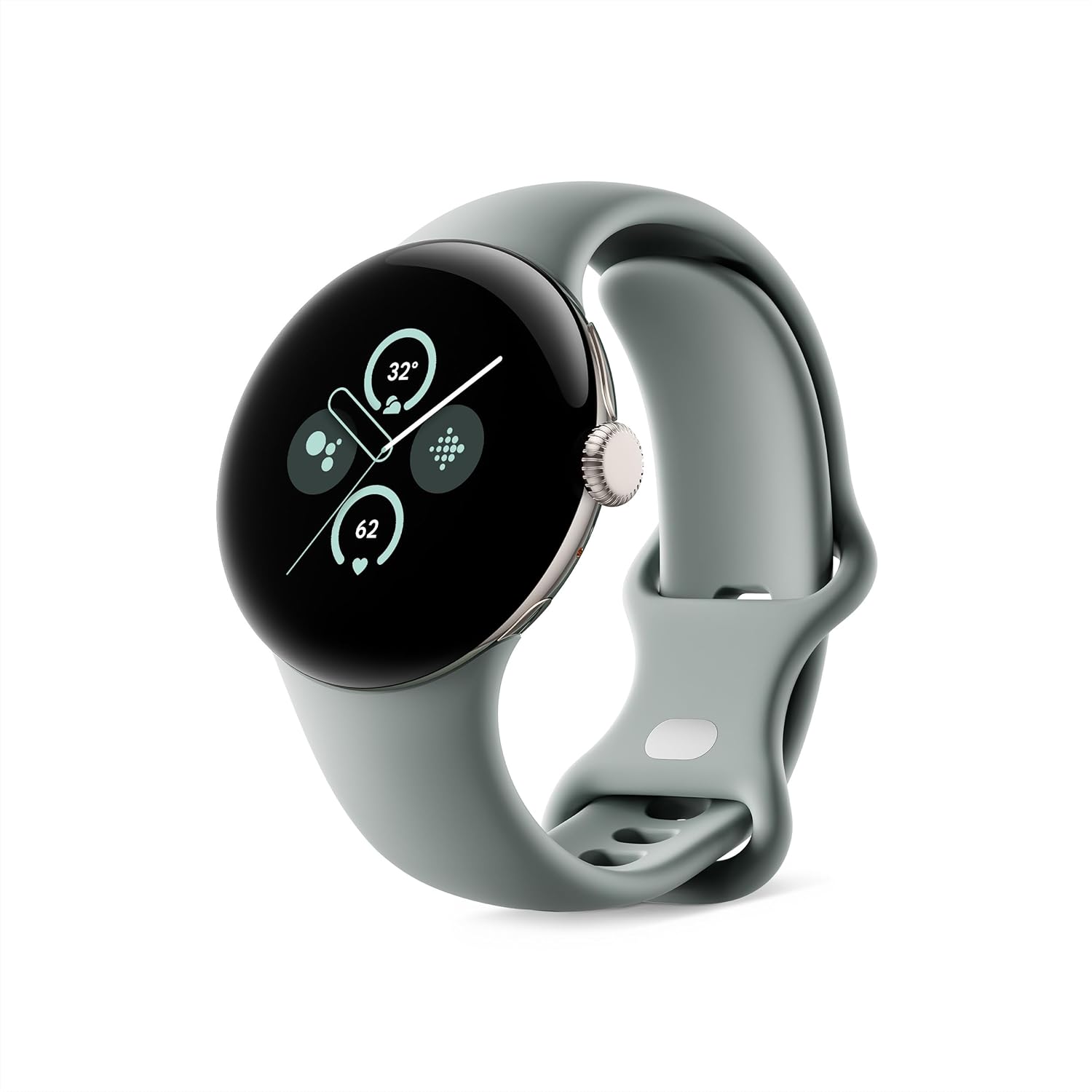
The Google Pixel Watch 2 is equipped with a custom 3D Corning Gorilla Glass 5, ensuring exceptional durability and protection against scratches. With a 320 ppi AMOLED display and DCI-P3 color support, every image and video on this watch comes to life with vibrant and rich colors. Not only that, but the brightness boost on this device can reach up to 1000 nits, making it easily visible even in bright sunlight. The always-on display feature allows you to conveniently check the time and notifications at a glance without having to constantly wake up your watch.
The Pixel Watch 2 features a fluoroelastomer band with a soft-touch coating, providing a comfortable and durable wearing experience. The band is made with 100% recycled aluminum, showcasing the brand’s commitment to sustainability. Powered by a built-in rechargeable lithium-ion 306mAh battery, this smartwatch offers long-lasting performance throughout the day. With support for 4G LTE and UMTS connection, you can stay connected wherever you go. Connectivity options include Bluetooth 5.0 and WiFi, ensuring seamless pairing with your smartphone and easy access to the internet. The Qualcomm 5100 processor ensures smooth and responsive performance, while the 3-axis accelerometer sensor tracks your movements accurately. One notable feature of the watch is its compatibility with the ECG app, allowing you to monitor your heart health conveniently.
Custom 3D Corning Gorilla Glass 5.
Comes with 320 ppi AMOLED display with DCI-P3 color.
Brightness boost up to 1000 nits.
Supports always-on display.
Fluoroelastomer with soft-touch coating with 100% recycled aluminum.
Packs a built-in rechargeable lithium-ion 306mAh battery.
Impressive colour options.
Fluoroelastomer with soft-touch coating for the standard active band.
Supports 4G LTE and UMTS connection.
Bluetooth 5.0 and WiFi connectivity technology.
Built-in 306mAh rechargeable lithium-ion battery.
Qualcomm 5100 processor.
3-axis accelerometer sensor.
Multipurpose electrical sensors compatible with ECG app.
The Google Pixel Stand 2nd Gen wireless charger is the ultimate charging companion for your Google Pixel 8 Pro. This compact charger offers lightning-fast charging speeds, ensuring that your device gets powered up in no time. Plus, with its compatibility specifically designed for the Google Pixel 8 Pro, you can trust that it will deliver optimized performance. One of the standout features of this wireless charger is its nearly silent built-in fan. This innovative addition helps to keep your device cool, even during intensive tasks like streaming or video calls. Not only does this charger efficiently power up your device, but it also allows for convenient usage while charging. Thanks to its stand feature, it holds your phone at a comfortable angle, ensuring easy access to your screen. Whether you’re browsing the web or watching videos, you can multitask like a pro without compromising charging performance.
With a powerful 23W output specifically tailored for the Pixel 8 Pro, you can be confident that this charger delivers the juice your device craves. Additionally, the strong magnets in the charger provide a firm grip, so you don’t have to worry about accidentally knocking over your device while it’s charging. Lastly, let’s not forget about its impressive design. The sleek and stylish look of this wireless charger complements any space, whether it’s your office desk or bedside table. It’s a reliable and aesthetically pleasing addition to your device charging routine.
Superfast wireless charger.
Compactible with the Google Pixel 8 Pro.
Comes with nearly silent built-in fan to keep things cool if you’re streaming or making video calls.
Stands the device at a convinient angle for usage while the phone charges.
Gives 23W for the Pixel 8 Pro.
Grips firmly onto the device using strong magnets.
Can’t be easily fallen over while in use.
Helps users acheive more while their smartphone in charging.
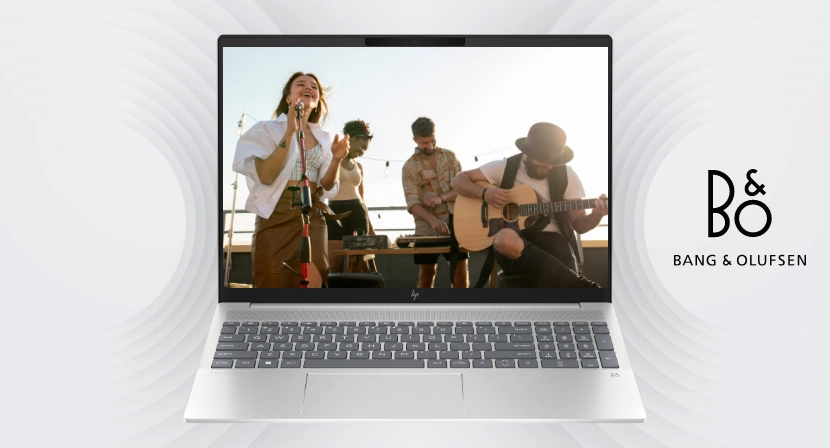
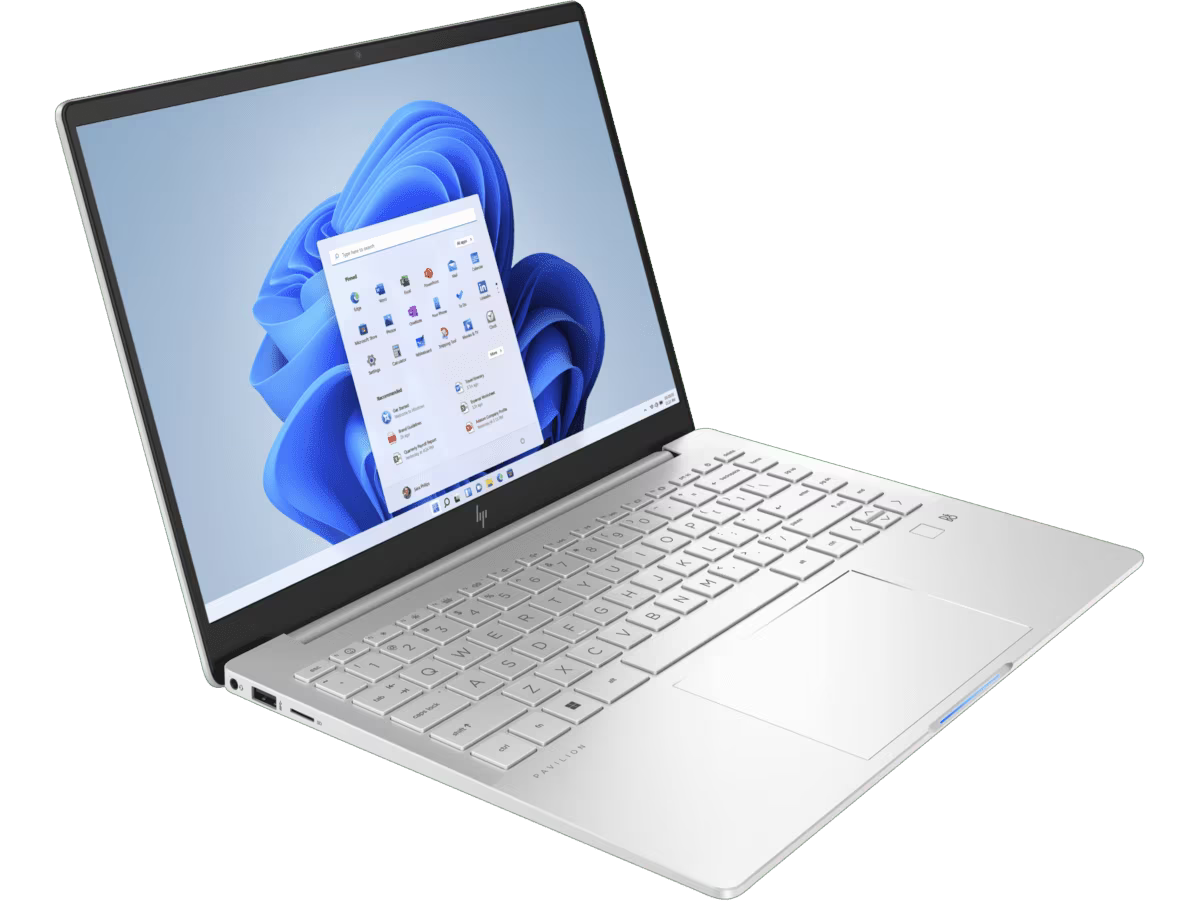
After launching the Omen 16 and Victus 16 laptops last month, HP has now debuted the HP Pavillion Plus 14 and Pavillion Plus 16 laptops in the country. These new laptops come with 13th Gen Intel and AMD Ryzen 7000 series processors.
HP Pavilion Plus 16 (2023) specs
The HP Pavilion Plus 16 (2023) showcases a micro-edge 16-inch display with a resolution of 2560 x 1600 and 120Hz Variable Refresh Rate for smooth animations and power saving. It is equipped with an anti-glare coating and boasts 400 nits of brightness and 100% sRGB color accuracy. Moreover, it prioritizes eye comfort with Low Blue Light technology and is IMAX-enhanced for an immersive viewing experience. The laptop’s processor options include the Intel Core i7-13700H or the Intel Core i5-13500H. For graphics, you can choose between Intel Iris Xe Graphics or the NVIDIA GeForce RTX 3050 with 6GB GDDR6 dedicated memory.
In terms of memory, the HP Pavilion Plus 16 offers Dual-channel support with 16GB LPDDR5x RAM. Storage options include either a 512GB or 1TB PCIe Gen4 NVMe TLC M.2 SSD. It also provides a range of I/O ports, including Thunderbolt 4 with USB Type-C, USB Type-A, HDMI 2.1, and more.
For connectivity, it’s equipped with Intel Wi-Fi 6E AX211 and Bluetooth v5.3. The audio experience is enhanced by B&O technology and DTS:X Ultra, complemented by HP Audio Boost. The laptop features a 5MP IR camera with a privacy shutter, noise reduction, and dual microphones for secure video conferencing and Windows Hello login. The 4-cell, 68Whr battery offers long-lasting power, and it supports fast charging. The laptop is powered by a 90W/135W AC power adapter.
The keyboard is full-size and backlit, and the laptop features an HP Imagepad with Precision Touchpad support. It’s certified as NVIDIA Studio and 100% Intel Evo. The laptop measures 14.06 x 9.98 x 0.7 inches, weighs 1.90KG and operates on Windows 11 Home.
HP Pavilion Plus 14 (2023) specs
Moving on to the HP Pavilion Plus 14 (2023), it boasts a 14-inch OLED display with a resolution of 2880 x 1800 and a 120Hz Variable Refresh Rate. The display has BrightView technology and Low Blue Light, offering 400 nits of brightness and 100% DCI-P3 color accuracy. You have the option of an Intel Core 13th Gen i7-1355U or an AMD Ryzen 7 7840H Processor, and for graphics, you can choose between Intel Iris Xe Graphics or AMD Radeon Graphics.
Memory is set at 16GB LPDDR5x-6400 MHz RAM onboard, paired with 1TB PCIe NVMe M.2 SSD storage. Its 4-cell, 68Whr battery supports fast charging. For audio, the laptop features a dual-speaker setup with B&O technology. It also features a 5MP IR camera with noise reduction and dual microphones for video conferencing.
In terms of connectivity, the HP Pavilion Plus 14 features Thunderbolt 4 with USB Type-C, USB Type-A, HDMI 2.1, and other ports. It utilizes Intel Wi-Fi 6E AX211 and Bluetooth v5.3 for seamless connectivity. It’s designed with dimensions of 31.4 x 22.7 cm and is remarkably lightweight at 1.44kg. The operating system is Windows 11 Home.
Honor is said to be working on announcing several new smartphones in China by the end of this year. These upcoming models comprise the Honor Play 8T Pro, Honor X50 GT, Honor 100 GT, Honor 100, and 100 Pro. Among these, the X50 GT appears to be one of the earliest to hit the Chinese market. Recent leaks have provided insight into the design and a portion of the specifications for the X50 GT. Now, a Chinese tipster has come across a premature listing of the unannounced phone on JD.com. Here is a look at the details that have emerged through the retailer listing.
Honor X50 GT specifications (rumored)
Honor X50 GT design hint by DCS
As per the JD listing, the Honor X50 GT will arrive with a 6.81-inch display. The listing does not state whether the device will feature an LCD or OLED panel. screen will offer a Full HD+ resolution of 2388 x 1080 pixels.
Under the hood, the device will have the older Snapdragon 888 chipset, 8 GB of RAM, and 256 GB of storage. It will draw power from a 4,800mAh battery, but there is no information about its fast charging capabilities.
The listing further reveals that the Honor X50 GT features a 16-megapixel camera on the front and a 50-megapixel rear-facing primary camera. The listing even states that the device will cost 1,898 Yaun (~$259), which is nothing but a placeholder price.
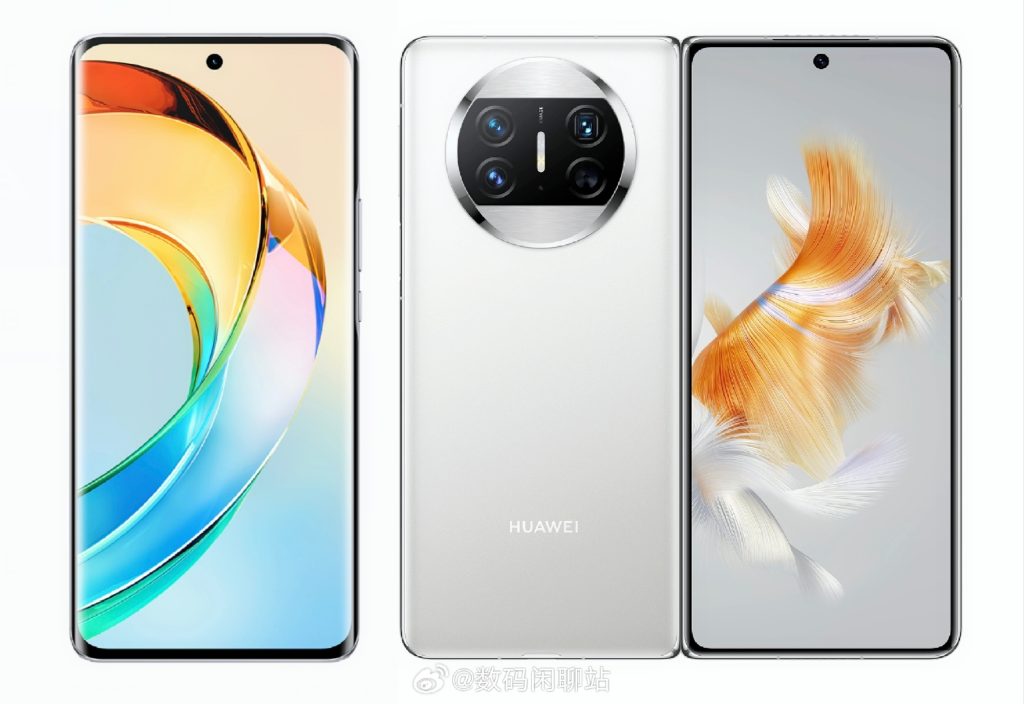
Earlier this month, tipster revealed that an upcoming Honor X50 series phone, which seems to be the X50 GT, will take its front design cues from the Honor X50, while its rear design will be inspired by the Huawei Mate X5. Consequently, it suggests that the X50 GT will sport an OLED display, marking an improvement since the X40 GT from the previous year had an LCD screen. The device may go official either by the end of this month or in early November.
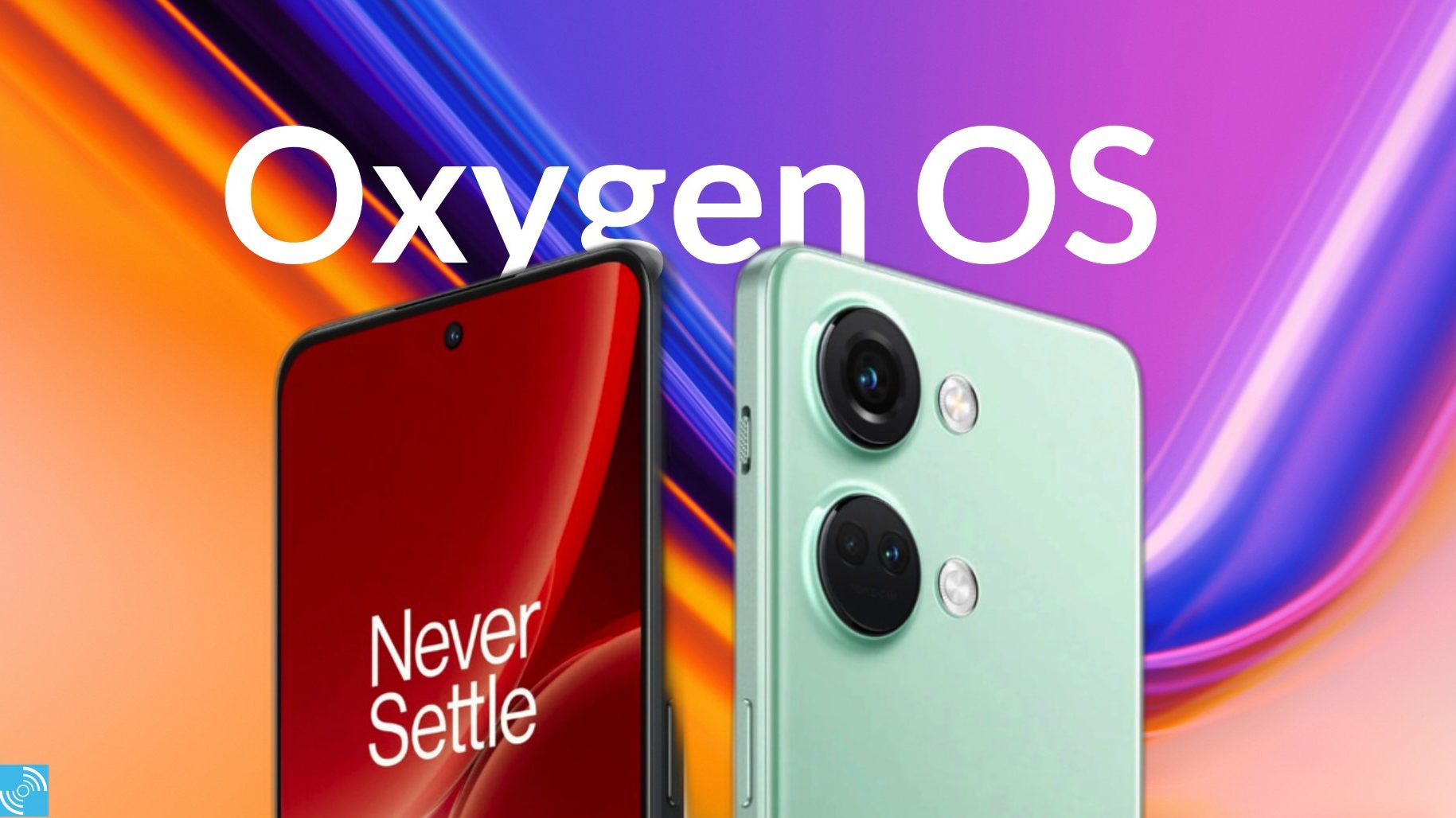
Following the Oxygen OS 14 Closed Beta and Open Beta announcements for the OnePlus Nord 3 a few weeks ago, OnePlus is rolling out the Oxygen OS 13.1.0.592 firmware update. The new firmware brings some system-wide changes and camera improvements for the India Variant.
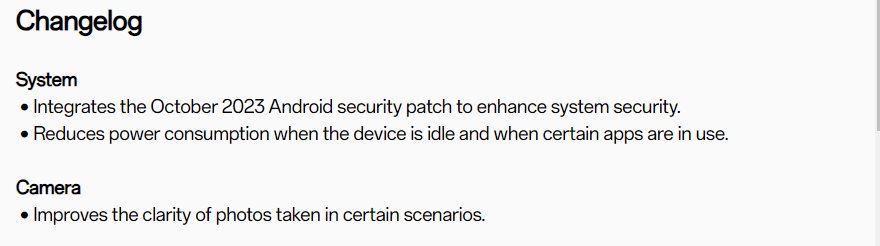
OnePlus Nord 3 is receiving the October 2023 Android Security Patch coupling along with system optimization to reduce battery drain while the phone is idle. It also optimizes and improves the camera quality while snapping photos in certain scenarios. Below is the official changelog for the device:
It is already out for the users in India, and we expect the firmware to go global in the coming few weeks. To manually check for the update, the users can head over to Settings > About > Software Update.
It is an incremental OTA and may take some time to reach each unit across the country. Additionally, the users can submit any bug or give feedback about the update via the OnePlus Community.
Previous Year’s Flagship and a semi-high-end smartphone from the “Never Settle” company are receiving the awaited Oxygen OS 14 Open Beta 1 build. About a month after the rollout of OOS 14 Closed Beta, the OnePlus 10 Pro and OnePlus 11R are receiving a more stable Open Beta 1. There are several new changes, including the majority of bug fixes to offer a more stable experience. Let’s see what’s new with the builds on respective phones in detail below.
After a month of testing on Closed Beta, the company is here with its first Open Beta build for the smartphone. It is currently available for the OnePlus 10 Pro India Variant. There are several improvements and changes but still plagued with some issues. Below is the official changelog:
Smart and efficient
- Improves cloud photo service by Google PhotosPerformance optimization
- Improves system stability, the launch speed of apps, and the smoothness of animations.
Aquamorphic Design
- Upgrades Aquamorphic Design with a natural, gentle, and clearer color style for a more comfortable color experience.
- Adds Aquamorphic-themed ringtones and revamps the system notification sounds.
User Care
- Adds a carbon tracking AOD that visualizes the carbon emissions you avoid by walking instead of driving.
However, the Dark Mode functionality is not stable across some apps, and even the screen mirroring fails while using a multi-screen connection. Even the proximity sensor seems to malfunction while answering calls as the screen doesn’t go off.
The Closed Beta users will receive the update or can manually check for the update by heading to device settings. The program is limited to the first 5000 users who would want to directly flash the Open Beta Build. Before updating, the device must be running NE2211_13.1.0.593(EX01) firmware. To apply, head over to Settings > About device > Tap up to date > Tap icon on the top right > Beta program > Follow the steps to apply.
OnePlus 11R Oxygen OS 14 Open Beta 1 Update Details
OnePlus 11R India Vairant is receiving the Oxygen OS 14 Open Beta 1 build bundling several new changes. Apart from several refinements, the build still carries some issues that make it unsuitable for daily usage. Below is the official changelog:
Smart and efficient

- Adds the File Dock feature that allows you to drag content from the dock to other apps and across devices.
- Improves cloud photo service by Google Photos


Security and privacy

- Improves photo and video-related permission management for safer access by apps.

Performance optimization

- Improves system stability, the launch speed of apps, and the smoothness of animations.
Adds support for app-specific refresh rates to improve user experience.

Aquamorphic Design

- Upgrades Aquamorphic Design with a natural, gentle, and clearer color style for a more comfortable color experience.
- Adds Aquamorphic-themed ringtones and revamps the system notification sounds.

User Care

- Adds a carbon tracking AOD that visualizes the carbon emissions you avoid by walking instead of driving.
There are certain issues that might affect the user experience. There are a couple of issues related to the Network, and calling facility. Even if it fails to connect to the restarted car, the proximity sensor is causing display issues while answering calls.
The Oxygen OS 14 Open Beta 1 build is available for the first 5000 interested users. Before installing the update, your phone must be running either of these firmware:
CPH2487_13.1.0.581(EX01)
CPH2487_13.1.0.582(EX01)
To access the Open Beta program from your OnePlus 11R, head over to Settings > About device > Tap up to date > Tap icon on the top right > Beta program > Follow the steps to apply.
More information about the new date can be found here along with steps to install it.
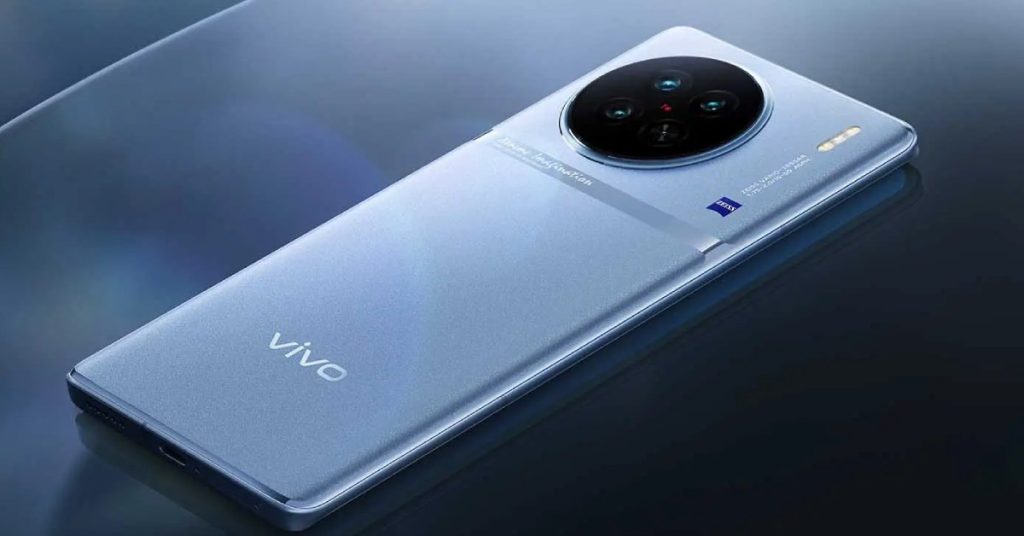
Numerous reports have indicated that Vivo is planning to introduce the Vivo X100 series of photography-focused flagship smartphones in China around mid-November. Tipster Panda is Bald took to Weibo today to disclose a potential launch date for the X100 series. Furthermore, another leak has surfaced, offering insights into the camera, battery, and charging features of both the X100 and X100 Pro models.
Vivo X100 series launch timeframe (rumored)
Vivo X90 Pro
As per the latest leak, MediaTek is scheduled to reveal the Dimensity 9300 on Nov. 6. The same source suggests that the X100 series is set to make its debut during the third week of November, with potential launch dates falling on November 13, 14, or 15. A recent report claimed that the performance of the D9300-powered X100 series will be similar to the Apple iPhone 15 Pro.
Vivo X100, X100 Pro camera, battery, and charging details (rumored)
According to tipster Digital Chat Station, the Vivo X100 will have a Sony IMX920 primary camera. He added that the device will be equipped with a 5,100mAh battery and support 120W wired charging. Like the X90, the X100 is likely to lack wireless charging.
The Vivo X100 Pro is said to feature the Sony IMX989 as the primary camera. Under the hood, the device will feature a 5,400mAh battery that offers 100W wired and 50W wireless charging.
Other reports have claimed that the X100 and 100 Pro may feature an IMX663 ultra-wide lens and a 64-megapixel periscope zoom camera. are Last year, Vivo unveiled the Vivo X90 Pro Plus, along with the X90 and X90 Pro, in December 2022. Several reports have claimed that the X100 Pro+ will be announced in the first quarter of 2024.
Geekwills is an online shop that caters to the latest mobiles, laptops, smart home gadgets, and all electronics in this genre. They deliver to customers in 190 countries. The Lenovo TWS earbuds have the best price for Gizmochina’s readers. Here is an exclusive coupon code: GCGK, 5% off for all products.
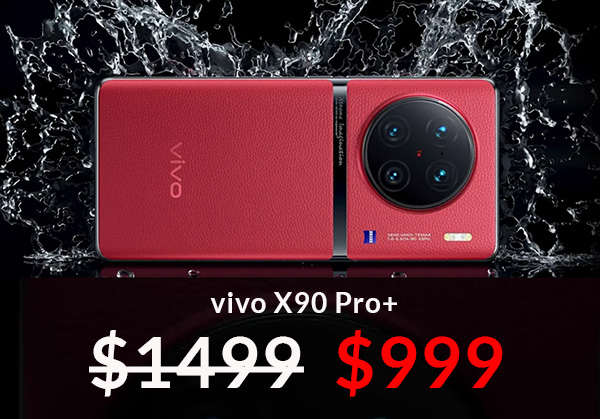
vivo X90 Pro Plus: save $500 for this camera flagship of 2023.
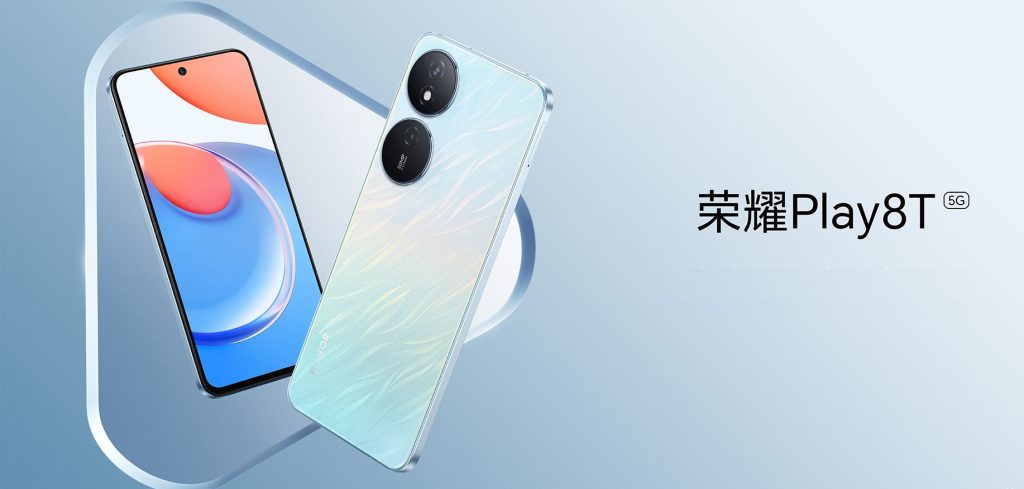
The Honor Play 8T has been launched in China. The mid-range handset comes with a bright LCD panel, a massive battery, ample storage of 256 GB, and a 50-megapixel primary camera. Here is a look at the specifications, features, and price of the device.
Honor Play 8T specifications
Honor Play 8T
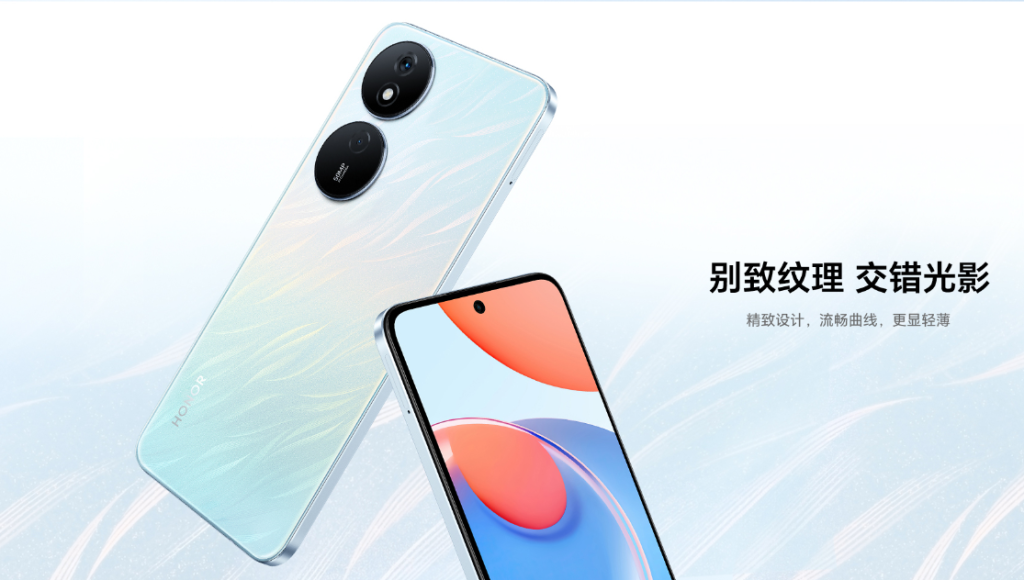
Starting from the front, the Honor Play 8T features a 6.8-inch IPS LCD panel that offers a Full HD+ resolution and up to 850 nits of brightness. The phone’s rear design features a distinct textured surface that plays with interwoven light and shadow effects. For security, the device offers a side-facing fingerprint scanner.
The Play 8T features the Dimensity 6080 chipset, up to 12 GB of LPDDR4x RAM, 8 GB of virtual RAM, and 256 GB of storage. It packs a 6,000mAh battery that promises three years of durability and extended battery life. According to the brand, once the Play 8T is completely charged, it can offer 123 hours of music playback, 10 hours of gaming, or 55 hours of talk time. The phone comes with support for 35W charging.
Honor Play 8T
In terms of camera capabilities, the Honor Play8T features a 50-megapixel primary lens and a 2-megapixel auxiliary camera. On the front, the device is equipped with an 8-megapixel selfie camera. Additionally, the Play 8T features stereo dual speakers for an immersive audio-visual experience. It comes preloaded with Magic OS 7.2-based Android 13. To sum up, the Play 8T is a slightly tweaked version of the Dimensity 6020-powered Honor Play 50 Plus, which was announced earlier this month in China.
Honor Play 8T price, availability
The Honor Play8T is available in two memory configurations: 8 GB RAM + 256 GB storage and 12 GB RAM + 256 GB storage. These variants are priced at 1,099 Yuan (~$150) and 1,299 Yuan (~$178), respectively. It comes in three shades, such as black, silver, and green. The device is now up for pre-orders in China and is scheduled for an Oct. 23 market release.
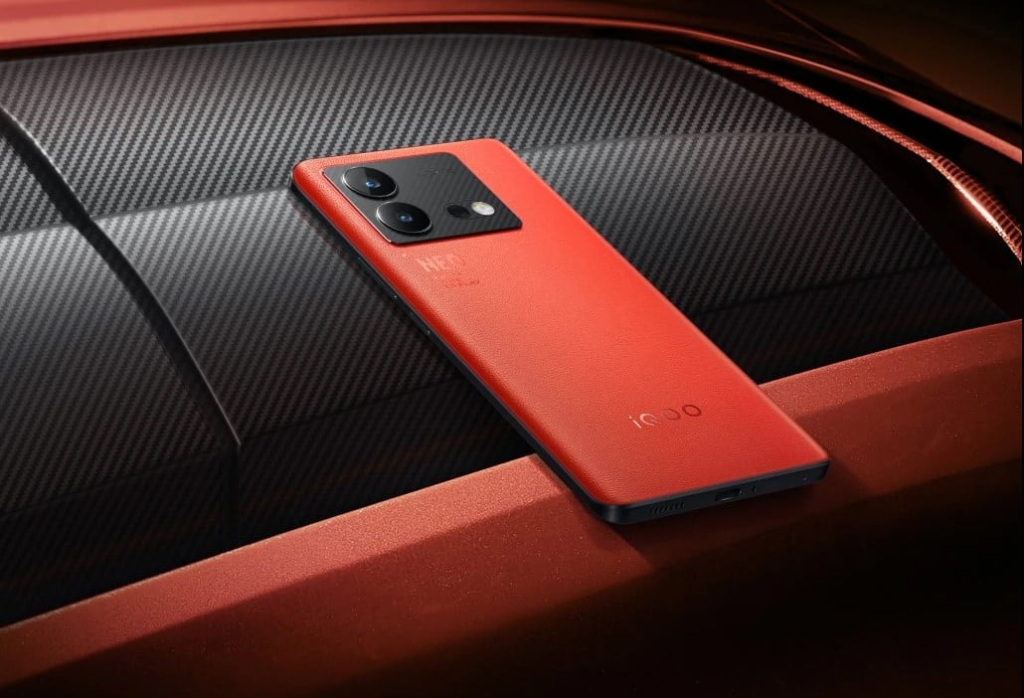
Rumors suggest that iQOO is reportedly working on the iQOO 12 series of smartphones for the Chinese market. It is speculated that the iQOO 12 and 12 Pro may debut in early November, aligning with their availability for the upcoming Nov. 11 (Double Eleven) shopping festival. Ahead of the expected launch, the rumor mill has already leaked the key specifications of both phones. A new leak, courtesy of tipster Panda is Bald, has revealed the color variants of the iQOO 12 series.
To recall, the iQOO 11 and 11 Pro were made available in the same colors, such as black, green, and white. The new leak suggests that the iQOO 12 and 12 Pro will also arrive in three colors, such as black, white, and red. Interestingly, there is a possibility that the white variant may feature a glass back, while the other two options could sport a leather-textured rear panel.
iQOO 12 specifications (rumored)
iQOO Neo 8 series
The iQOO 12 is rumored to feature a 6.78-inch E7 AMOLED display with a flat design. It will offer a 1.5K resolution, a 144Hz refresh rate, and an optical in-screen fingerprint scanner. Its rear-facing triple-camera setup is expected to include a 50-megapixel primary camera (OV50H, with OIS), a 50-megapixel ultra-wide camera (JN1), and a 64-megapixel telephoto lens. The device is likely to be equipped with a 5,000mAh battery, which supports rapid 120W fast charging. It is said to have an IP64-certified chassis and a metallic frame.
iQOO 12 Pro specifications (rumored)
The iQOO 12 Pro is tipped to feature a 6.78-inch E7 AMOLED curve-edge display that offers a 2K resolution, a 144Hz refresh rate, and an under-display ultrasonic fingerprint sensor. On the rear, the iQOO 12 Pro might feature the same 50-megapixel main camera (OV50H, with OIS) and a 50-megapixel ultra-wide camera (JN1), but it’s expected to differentiate by incorporating a periscope zoom camera instead of a telephoto lens. The 12 Pro may arrive with a larger 5,200mAh battery, supporting both 120W wired charging and 50W wireless charging. It is said to feature an IP68-rated water and dust-resistant chassis and a metallic frame for durability.
The iQOO 12 series will be powered by the Snapdragon 8 Gen 3 chip. It will arrive with up to 24 GB of LPDDR5x RAM and a capacious 1 TB of UFS 4.0 storage. Both devices are said to have a 16-megapixel front-facing camera. The lineup is expected to run on OriginOS 4-based Android 14.
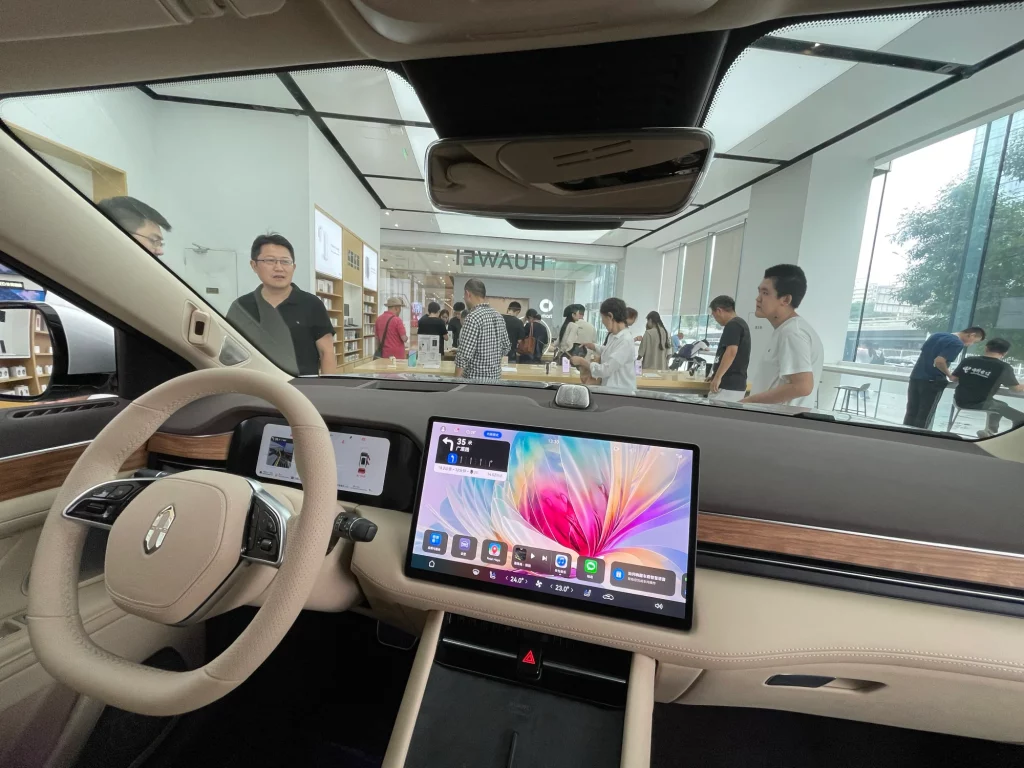
While most auto brands flaunt their cutting-edge technology or performance, Chinese EV maker Aito is turning heads for a different reason—customer satisfaction. Backed by tech giant Huawei, Aito’s newly revamped M7 SUV has been such a hit that production is struggling to keep pace with demand. But what sets the brand apart is its innovative approach to customer relations: compensation for delivery delays.
Aito might be a strong Tesla competitor in China soon enough
For each day an M7 buyer waits beyond the scheduled delivery, Aito promises a 200-yuan ($27.35) payback, capped at 10,000 yuan. Although this might appear to be a mere PR stunt, the decision marks a significant shift in the fiercely competitive electric vehicle market. In an environment where missing a deadline can result in losing a potential customer to competitors like Tesla, Li Auto, or Nio, Aito’s strategy has both short-term and long-term implications.
The short-term gain is obvious—keeping impatient customers loyal to the brand. But it’s the long-term implications that make the move truly intriguing. Aito is setting a precedent for consumer-focused practices in an industry where the spotlight is often on technology and performance metrics. Essentially, Aito seems to be saying that the customer experience is just as crucial as the vehicle itself. This could herald a sea change in how other companies market electric vehicles, with a greater focus on the buying process, not just the car.
With over 60,000 orders in just one month for the M7, Aito has laid down the gauntlet to other EV giants, particularly as it looks to meet China’s booming 2023 sales target of 8.5 million electric cars. With the M7 offering a driving range of 1,300 kilometers and running on Huawei’s HarmonyOS, the brand shows promise in tech as well as customer service. While it’s still early days, this new angle could very well become a key part of Aito’s path through the Chinese electric vehicle market.
Surprisingly enough, Alibaba.com is emerging as a safety net for TikTok merchants as the company struggles with multiple regulations. These restrictions led TikTok to halt its online shopping activities in the country, leaving many small-scale sellers in a bind. Alibaba.com, Alibaba Group’s wholesale platform, has rolled out the S Plan to offer a soft landing for these merchants. The initiative includes support for “traffic flow, operations, and logistics,” and seems perfectly timed to attract businesses looking for an alternative.
Alibaba might be pushing for expansion through this move
The S Plan offers a convenient “one-button relocation” feature, allowing merchants to easily set up shop on Alibaba.com. Additional perks include three to six months of traffic support and personalized export plans tailored for the Southeast Asia market. The platform will also allocate special service staff for individual support to manage logistics and accounts, aiming to make the transition as smooth as possible.
While Alibaba’s move appears strategic, it’s more than just a business opportunity. By offering refuge to TikTok sellers, Alibaba emphasizes its commitment to creating a stable environment for “B2B digital foreign trade,” especially when there’s a cloud of uncertainty hanging over the Southeast Asia e-commerce landscape.
It’s worth noting that Alibaba has been aggressively pushing for overseas expansion. They recently invested an extra $845 million in Lazada, their Southeast Asian online retail wing. With this new initiative, Alibaba is not only providing a platform for TikTok merchants but also fortifying its presence in a region with lucrative growth potential.
TikTok’s previous setbacks in Indonesia suggest that the platform might be fighting an uphill battle in the country. Alibaba’s latest action could pave the way for it to consolidate its foothold in Southeast Asia, even as it offers a lifeline to beleaguered sellers. The current scenario adds a new chapter to the ongoing saga of e-commerce warfare, where Alibaba seems keen on turning a challenge into an opportunity.
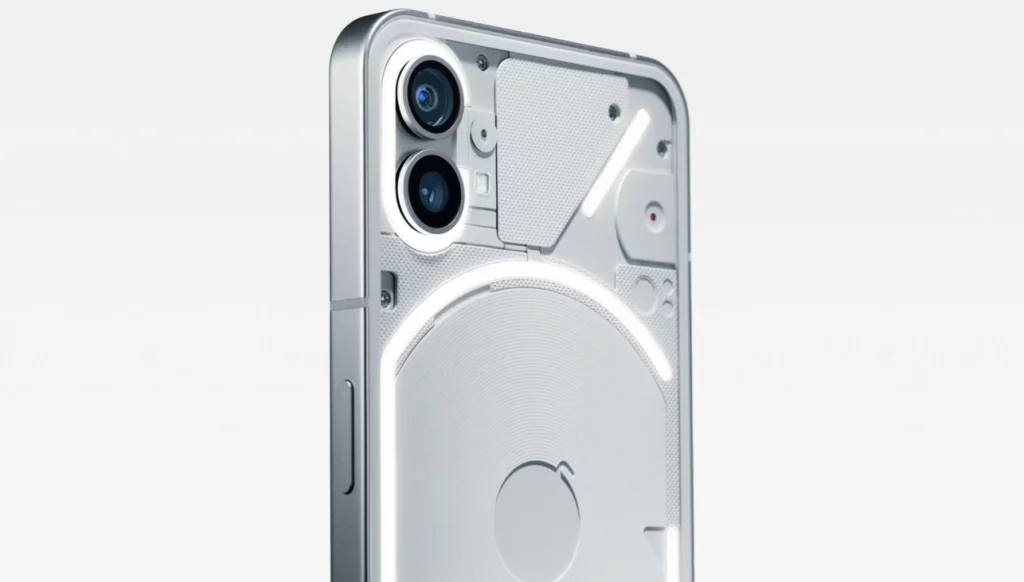
The latest update to Nothing OS 2.0.4 for Nothing (1) smartphones, which is rolling out right now, is more than just a regular software update. The update is being released in a staggered manner. This ensures that any potential issues can be monitored, allowing for a smoother and more stable user experience.
Security has also been stepped up for Nothing (1) users
The update brings with it a new hidden icon compartment feature that allows users to swipe left in the app drawer to access a concealed section. This is perfect for users who wish to declutter their app drawer while keeping certain apps within easy reach but out of sight. Alongside, the new Photo Widget feature is a simple yet effective touch of personalization. Now, users can display their favorite photos on their home screen or lock screen without going through complicated settings.
On the performance and reliability front, the update introduces several key improvements. The lock screen now shows a more accurate charging speed, eliminating any guesswork involved. Additionally, a fix has been rolled out for a rare bug that caused lock screen widgets to disappear after a device restart. Security has also been beefed up, especially for those who use cloned instances of WhatsApp, thanks to improved App Locker support. And for those who frequently turn their device into a Wi-Fi hotspot, the update promises a more stable connection.
Geekwills is an online shop that caters to the latest mobiles, laptops, smart home gadgets, and all electronics in this genre. They deliver to customers in 190 countries. The Lenovo TWS earbuds have the best price for Gizmochina’s readers. Here is an exclusive coupon code: GCGK, 5% off for all products.
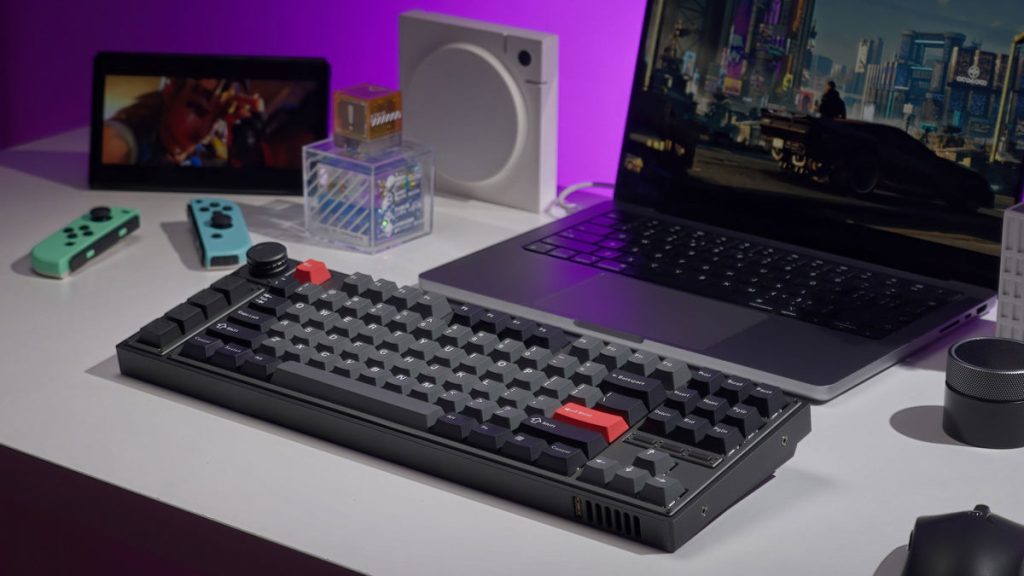
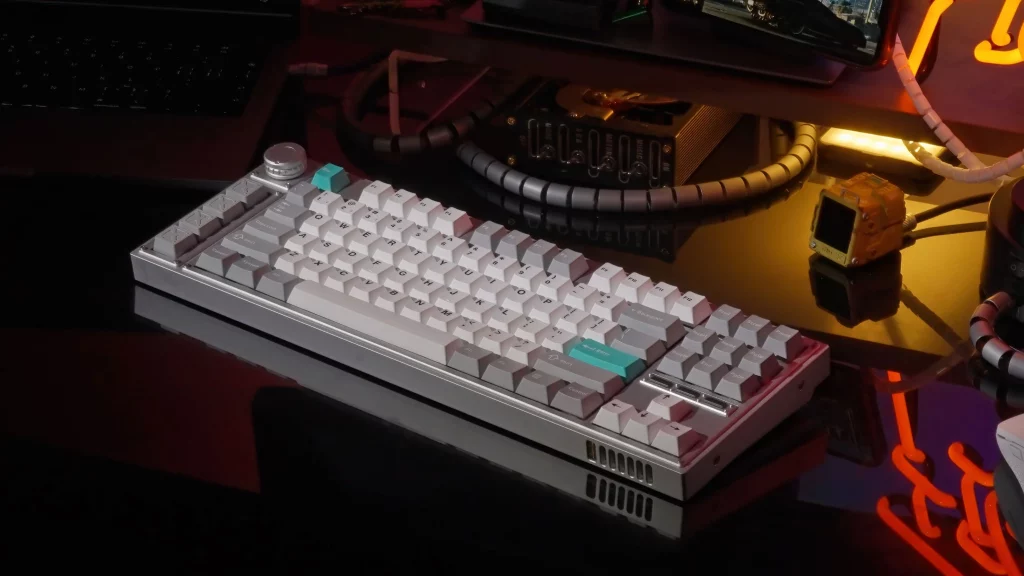
Keychron introduced its Lemokey L3 gaming mechanical keyboard back in August, starting at a price of 908 Yuan ($124). The keyboard is now available to purchase in China from various e-commerce sites.
Keychron Lemokey L3 Key Features:
The Lemokey L3 boasts three connection modes: Wireless 2.4G, Bluetooth 5.1, and Wired, enabling users to connect to three devices simultaneously for efficient multitasking. The keyboard features a robust design, crafted from 6063 aluminum with a CNC machined body that has undergone anodized, polished, and sandblasted finishes.
One of its standout features is the utilization of QMK/VIA software, simplifying key remapping and macro setup creation. The Keychron Lemokey L3 employs a gasket structure for a softer keystroke experience. Equipped with Kailh Jupiter switches, the keyboard promises a lifespan of up to 80 million keystrokes. Durability is further ensured with OEM PBT Double-Shot Keycaps. Additionally, for user convenience, there’s an integrated multimedia knob for easy music and volume adjustments.
In terms of performance, the Keychron Lemokey L3 impresses with its 1000 Hz polling rate in its 2.4 GHz wireless mode. Notably, it offers hot-swappability, allowing users to interchange most 3-pin and 5-pin MX-style switches without soldering.
Enhancing user comfort, the gaming keyboard incorporates a double-gasket mount design known for improving typing sound and comfort. It also boasts 22 RGB backlight settings, offering users control over hue, saturation, brightness, and effect speed customization.
Regarding specifications, the keyboard measures 401 x 137 mm and weighs approximately 1976 grams when fully assembled. Performance-wise, it delivers a 1000 Hz polling rate for both 2.4 GHz and wired connections, while Bluetooth operates at a slightly reduced rate of 90 Hz. The battery life is impressive, lasting up to 200 hours with the backlight turned off and around 100 hours at the lowest RGB brightness setting.
BYD, initially named “Build Your Dreams,” has transformed from a rechargeable battery company to a global powerhouse in the automotive sector, specializing in electric and hybrid vehicles. Their dedication to innovation and sustainable transportation has solidified their status as a strong contender in the fiercely competitive global market.
Recently, BYD has announced impressive financial results. They anticipate a substantial net profit for the first three quarters of 2023, ranging between CNY 20.5 billion to 22.5 billion ($2.87-3.15 billion), marking a remarkable year-over-year increase of 120.16% to 141.64%. To break it down per share, it amounts to CNY 7.06 to 7.74 ($0.99-1.08).
BYD’s Rise: More Sales and Smart Moves Lead to Higher Profits
What’s fueling these robust numbers? Primarily, it’s BYD’s dominant position in the new energy vehicle market. They’ve achieved remarkable sales in the third quarter, solidifying their standing as a global leader in this field.
However, their success isn’t solely reliant on car sales. BYD has also excelled in branding, adeptly managing production costs, and leveraging their extensive scale. Even in the face of tough competition, they remain on an impressive trajectory.
Notably, BYD’s mobile components and assembly division is thriving. This is due to an expanding global market share, a resurgence of interest from Android-based clients, and the growing demand for smart technology and energy-efficient vehicles. They’ve optimized their operational strategy, resulting in improved profit margins.
In a surprising development, BYD surpassed Ford in August, securing the fourth position in the world’s top car brand rankings. They are now in close pursuit of automotive giants like Volkswagen, Toyota, and Honda. Their progress is nothing short of remarkable!
Looking ahead, BYD is focused on enhancing brand visibility, capitalizing on economies of scale, and maintaining cost efficiency. The future appears promising for this automotive titan.
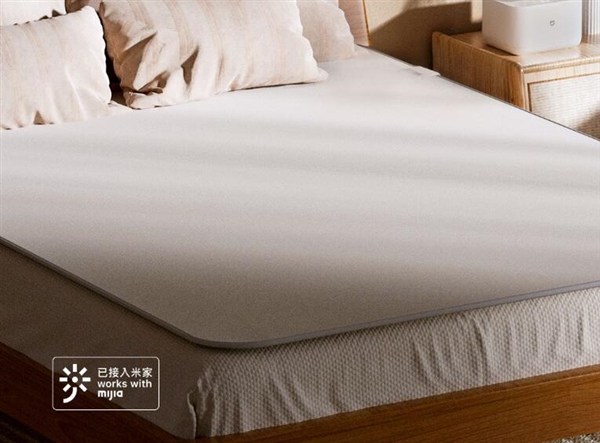
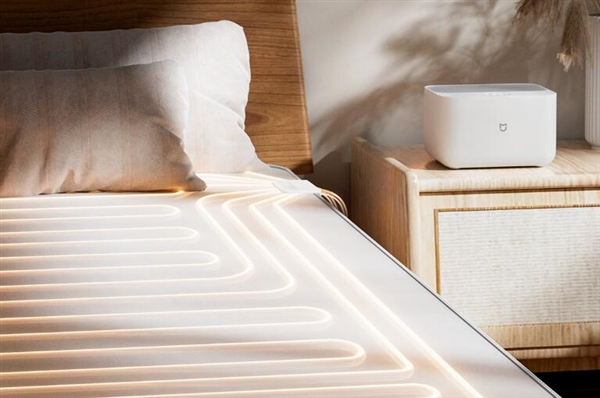
The Xiaomi MIJIA Smart Plumbing Blanket has been announced in China. The new gadget is to be mounted on the Xiaomi Youpin crowdfunding platform. The smart blanket comes with some decent features that could deliver optimal performance.
Features
The MIJIA Smart Plumbing Blanket is equipped with a 400W ceramic core which can rapidly deliver hot water to the blanket body. It uses a dense pipe layout in the leg and foot areas for more warmth in the lower areas. The machine works pretty silently with an operating noise of 25 decibels. The blanket is designed such that its body has no electrical accessories. It comes with eleven layers of safety protection, thus avoiding the risk of electric shock or leakage.
The smart blanket features a mite removal mode, running for 2 hours at a temperature of 65ºC. The blanket uses a DC frequency conversion with minimal daily electricity consumption. The blanket can be used for two months at a go with sufficient water input.
The new MIJIA blanket can be remotely operated via its companion MIJIA app. With the app, you can preset the temperature to different sleep stages to suit your desires. You can also adjust the temperature at any time. The blanket can also be integrated into the Xiaomi MIJIA smart home ecosystem via Wi-Fi.
Pricing & Availability
The Xiaomi MIJIA Smart Plumbing Blanket will soon go on sale on Xiaomi Youpin and it has a 399 yuan (~$55) price tag. Global availability information for the MIJIA smart blanket is not available at this time.
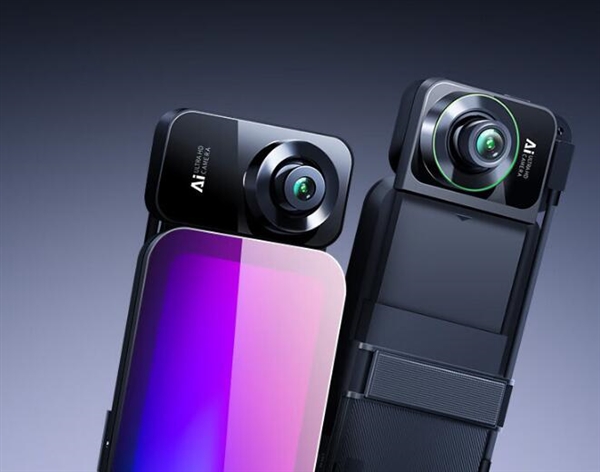
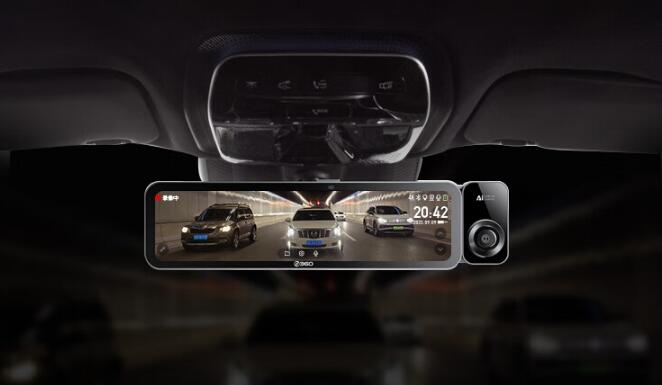
The 360 M600 Dash Cam is set to be released in China shortly. The new dashboard camera from 360 is the brand’s first in-car baby-viewing dashboard camera. The M600 dash cam has an optional in-car lens version in addition to a 120º wide-angle lens. The camera can cover the interior of the car for complete coverage.
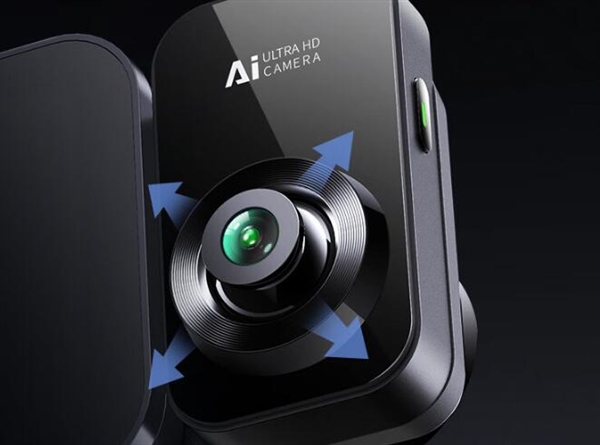
The M600 has four built-in 940nm infrared lights for excellent night visibility. The dash cam supports 1080p image quality while the lens direction is adjustable by up to 360º. The front camera has a panoramic 140º view. It also supports 360-degree continuous plane adjustment. A back-illuminated CMOS image sensor provides more depth in terms of image quality. The dash cam is equipped with a dual-core AI chip which delivers driving assistance support. The camera supports 24-hour parking monitoring and mobile app integration.
The M600 Dash Cam comes with significant improvements in photosensitivity and light input. It has an electronic rearview mirror with a wide field of view up to 130º. The dash cam has a 10.11-inch display with split screen mode supported. A light sensor helps to automatically adjust the screen brightness in sync with the ambient light.
Pricing & Availability
The 360 M600 is available as a dual-camera model, the three-camera regular version, and the three-camera exclusive version. The prices of the M600 Dash Cam models are between 799 yuan (~$109) and 1,099 yuan ($150).
We use cookies on our website to give you the most relevant experience by remembering your preferences and repeat visits. By clicking “Accept”, you consent to the use of ALL the cookies.
This website uses cookies to improve your experience while you navigate through the website. Out of these, the cookies that are categorized as necessary are stored on your browser as they are essential for the working of basic functionalities of the website. We also use third-party cookies that help us analyze and understand how you use this website. These cookies will be stored in your browser only with your consent. You also have the option to opt-out of these cookies. But opting out of some of these cookies may affect your browsing experience.
Necessary cookies are absolutely essential for the website to function properly. This category only includes cookies that ensures basic functionalities and security features of the website. These cookies do not store any personal information.
Any cookies that may not be particularly necessary for the website to function and is used specifically to collect user personal data via analytics, ads, other embedded contents are termed as non-necessary cookies. It is mandatory to procure user consent prior to running these cookies on your website.