The progressive tide of technology has stirred a wave of change in the business sector, particularly with automation. A recent study by Clarify Capital reveals that more than 10% of business owners have integrated AutoGPT to automate operations, cutting costs by an average of $2,487 and freeing up over 6 hours weekly. In this AI-powered wave, text generation (57%) and information gathering (51%) remain the primary tasks automated.
A lot of people are scared for their jobs, but people are also using AutoGPT to handle more workload
The future seems even more AI-driven, as 35% of business owners plan to adopt AutoGPT. The projected tasks to be automated chiefly involve text generation (59%), answering queries (46%), composing emails (38%), and editing or proofreading content (36%). Yet, the rise of AI has sparked concern amongst 22% of the workforce, fearful of job loss. However, a substantial majority, 74%, advocates AI application in the workplace. A misalignment exists with 23% of employees reporting that their superiors promote AI usage, but 43% lack training to effectively use these tools.
Surprisingly, 1 in 5 employees already use AutoGPT for work, primarily for data entry and processing roles (49%). Additionally, more than half the employees manage side hustles, with 10% attributing their initiative to tools like ChatGPT and AutoGPT. For such endeavors, automation tasks typically involve social media scheduling (33%), email marketing (28%), data entry (27%), and content creation (27%).
Despite initial apprehensions, AI technologies like AutoGPT and ChatGPT are being accepted and integrated more than ever. AI clearly offers fresh opportunities for businesses and individuals to thrive. Appropriate training will go a long way for businesses to stay ahead of the curve.
When we see the name Honda, many of us immediately think of motorcycles. The company, which is currently a world leader in motorcycle production, has been working to keep up with the electric vehicle revolution for a while now. Although Honda already has a few electric motorcycle models, it seems like they want to do more. Based on recent information, it appears that the company plans to introduce electric motorcycles to the Southeast Asian market. Here are the details…
Honda looks to kick-start e-motorbike sales in Southeast Asia
As we mentioned earlier, Honda continues to maintain its leadership in the motorcycle market. The company has an incredibly high user rate, especially in Southeast Asia. To give an example, Honda accounted for 88% of all motorcycle sales in the Indonesian market in the last financial quarter.
Europian Honda EM1 Model
This shows that the Japanese manufacturer has a significant say in the future of the market. For instance, the company could maintain its current success and resist innovation. But Honda, determined to move forward, is preparing to launch Indonesia’s first electric motorcycle model. Their new electric motorcycle, the Honda EM1, is now ready. It is expected to be available in Indonesia soon.
The bike is also planned to be sold in Japan by the end of August. It will cost around 300,000 yen ($2,100) and can travel up to 53 kilometers on a single charge. While the specific features of the Indonesian model are yet to be revealed. However, it is expected to be similar to the European model introduced last March. Its features are as follows:
Model
Honda EM1
Top speed
40 km/h (25 mph)
Power
1.2 kW (1.8 kW peak)
Range
40 km
Battery
18650 mAh lithium-ion battery
Battery life
3,000 cycles
Charge time
2 hours
Weight
83 kg
Suspension
Telescopic fork front, dual shock absorbers rear
Brakes
Disc front, drum rear
Colors
White, black, red
Furthermore, the company’s plans aren’t limited to this: it intends to introduce seven e-motorbike models by 2030. Honda’s foray into the Southeast Asian electric motorcycle market comes at a time when the region is experiencing growing demand for greener and more sustainable transportation options.
Foxconn Industrial Internet (FII), a unit of contract electronics manufacturer Foxconn, is engaged in discussions with the Tamil Nadu government to set up a state-of-the-art plant for electronic components. According to reliable sources, FII’s CEO Brand Cheng, along with other company representatives, recently met with the Indian state of Tamil Nadu’s Chief Minister MK Stalin and government officials to explore investment opportunities in the region.
The proposed investment is expected to range between $180 million to $200 million for the initial phase of the project. The plant is slated to be operational by 2024, providing a significant boost to the region’s economy and job market. Further investments are likely in subsequent phases, as the company aims to strengthen its foothold in India’s booming electronics manufacturing sector.
source: Foxconn
Foxconn is no stranger to India, as the company already has a sprawling campus near Chennai where they assemble Apple’s iconic iPhones. The potential investment in Tamil Nadu signifies a strategic move by Foxconn to leverage India’s favorable business environment and tap into the nation’s skilled workforce. With its reputation as a global electronics manufacturing powerhouse, Foxconn’s investment could pave the way for the development of a cutting-edge manufacturing hub in Tamil Nadu, contributing significantly to India’s ambitions of becoming a key player in the global electronics industry.
As the talks between Foxconn and the Tamil Nadu government progress, stakeholders eagerly anticipate the positive impact this investment could have on the state’s economic growth and technological advancement. The final decision on the investment is yet to be made, but the prospect of Foxconn’s expansion in India holds immense promise for the country’s electronics manufacturing sector.
In addition to the talks with Tamil Nadu, Foxconn is also exploring opportunities in the state of Gujarat to make its entry into India’s semiconductor industry. The company’s Chairman, Young Liu, is expected to participate in an annual semiconductor event hosted by the Indian government, further underscoring Foxconn’s dedication to exploring new frontiers in the Indian market.
Meanwhile, Foxconn recently withdrew from a substantial $19.5 billion chips joint venture with Vedanta, citing delays and challenges in executing the project. However, the company clarified that this move does not indicate a lack of commitment to India. Foxconn expressed its determination to address the hurdles that arose during the joint venture while emphasizing its continued interest in the Indian market. The company is now planning to independently apply for establishing a semiconductor unit in India.
Artificial intelligence technologies are becoming increasingly popular, a topic you have read in many news articles by now. We have frequently told you that many companies, including Amazon, have entered this sector and that many people are using AI technologies to simplify their everyday tasks. However, something happened recently that goes beyond all this. Microsoft has made a deal with Japan regarding the supply of AI technology. This means that an entire country has now joined the race for artificial intelligence. Here are the details…
Japan Bets on AI to Improve Efficiency
Microsoft is set to supply artificial intelligence technology to the Japanese government. The technology, developed by Microsoft-backed startup OpenAI, will be used for tasks such as preparing and analyzing government statistics. OpenAI’s technology is highly advanced and will help the Japanese government carry out tasks more efficiently.
The Japanese government is hoping that the technology will help to improve efficiency and productivity. The trial period will begin in the autumn of 2023. If successful, the technology could be rolled out more widely across the Japanese government.
However, with this development, some security concerns have also arisen. As you know, artificial intelligence technologies are still in their infancy and carry many risks. Misinformation and occasional “lying” are among the main problems experienced by individuals and institutions using AI. Data security is another issue.
For example, many companies today, including Apple, do not want their employees to use generative AI models like ChatGPT and to provide sensitive information. Of course, what a Gizmochina writer thinks, Microsoft and Japan must have thought too, but for now, no statements have been made to address these concerns.
Realme GT 5 is the name of Realme’s upcoming flagship phone for the Chinese market. The confirmation came directly from the brand itself, as the moniker “Realme GT 5” was spotted at its booth during the ongoing 2023 China Joy tech exhibition in China.
There have been speculations that Realme’s next phone featuring the Snapdragon 8 Gen 2 chipset will be called the Realme GT 5. The below-shown image of Realme’s booth at China Joy 2023 confirms its moniker. The GT 5 series is also expected to include another model called the Realme GT 5 Pro, which is said to be equipped with Qualcomm’s next-generation flagship chip.
Realme GT 5 name spotted at ChinaJoy 2023 Realme booth
While the GT 5 will debut in August in China, the GT 5 Pro is expected to launch towards the end of this year or by the first quarter of 2024. Here is a look at what to expect from the Realme GT 5 series.
Realme GT 5 series: what to expect?
The Realme GT 5 is expected to arrive with a 6.74-inch OLED panel that produces a 1.5K resolution and a 144Hz refresh rate. The device will run on Android 13 with a layer of Realme UI 4.0 on top. It will be equipped with a 16-megapixel front camera and a triple camera unit featuring a Sony IMX890 50-megapixel main camera with OIS support, an 8-megapixel ultra-wide lens, and a 2-megapixel macro camera on the back.
Under the hood, the Realme GT 5 will feature the Snapdragon 8 Gen 2 chipset, up to 16 GB of LPDDR5x RAM, and up to 1 TB of UFS 4.0 storage. The GT 5 variant with a 4,600mAh battery will support 240W fast charging, whereas its 5,200mAh battery variant will offer 150W fast charging.
As for the Realme GT 5 Pro, it is expected to feature the Snapdragon 8 Gen 3. It is likely that it will be the company’s first phone to feature a periscope zoom camera.
At the ongoing 2023 China Joy digital and entertainment expo in Shanghai, OnePlus made some announcements about its future plans. Liu Fengshuo, President of the OnePlus Products Line, who made the announcements, revealed that the OnePlus Ace 2 Pro will debut in August in China. He also revealed the name of the chipset that will drive the smartphone.
Oneplus Ace 2 Pro tp feature the Snapdragon 8 Gen 2
Rumors are rife that the OnePlus Ace 2 Pro will be released with a different name in the global market. It is speculated that the device could be called the OnePlus 12R globally.
OnePlus Ace 2 Pro specifications (rumored)
Recent reports have revealed that the OnePlus Ace 2 Pro will arrive with a 6.7-inch OLED display with an impressive 1.5K resolution and a 120Hz refresh rate. When it comes to photography, the device is expected to feature a 32-megapixel front-facing camera. On the back, it will come equipped with a 50-megapixel main sensor, a 48-megapixel ultra-wide lens, and a 32-megapixel telephoto lens.
The Ace 2 Pro will run on Android 13 OS and ColorOS 13.1. It will come with other features, such as an IR blaster, an alert slider, and an under-display fingerprint scanner.
Vivo could be planning to launch a new Y-series phone called the Vivo Y77t. The unannounced device has appeared with model number V2278A for the first time in the Google Supported Devices list and Play Console. Interestingly, the model number is also associated with other Vivo phones.
Vivo Y77t
The V2278A model number also belongs to the Vivo Y78 and Vivo Y78m. While the Vivo Y78 has already gone official, the Y78m, which was spotted at Play Console in May, is yet to break cover. Here is a look at the specifications that have emerged through the Play Console listing of the Vivo Y77t.
Vivo Y77t Google Play Console listing
The Vivo Y77t’s image available in the Play Console listing reveals that it has a curved-edge display with a centred punch-hole. As per the listing, the screen supports a Full HD+ resolution of 1080 x 2388 pixels.
Under the hood, the Vivo Y77t features the MediaTek MT6855 chip, which comprises 2 x ARM Cortex-A78 CPU working at 2.2GHz, 6 x ARM Cortex-A55 clocking at 2.0GHz, and IMG BMX 8-256 950MHz GPU. These details reveal that the Vivo Y77t is powered by the Dimensity 7020 chipset.
The listing further reveals that the Vivo Y77t is equipped with 12 GB of RAM and runs on Android 13. It has no information on the cameras, battery, or fast charging capabilities of the device.
The Vivo Y78 also packs the same specs. It comes with other specs, such as an 8-megapixel front camera, 50-megapixel dual rear cameras, and a 5,000mAh battery with 44W fast charging.
As of now, there’s no official information on the Vivo Y77t’s launch date or the markets it will be available in. Devices that appeared on the Play Console are known to go official soon. Hence, it is expected to go official in the next few weeks.
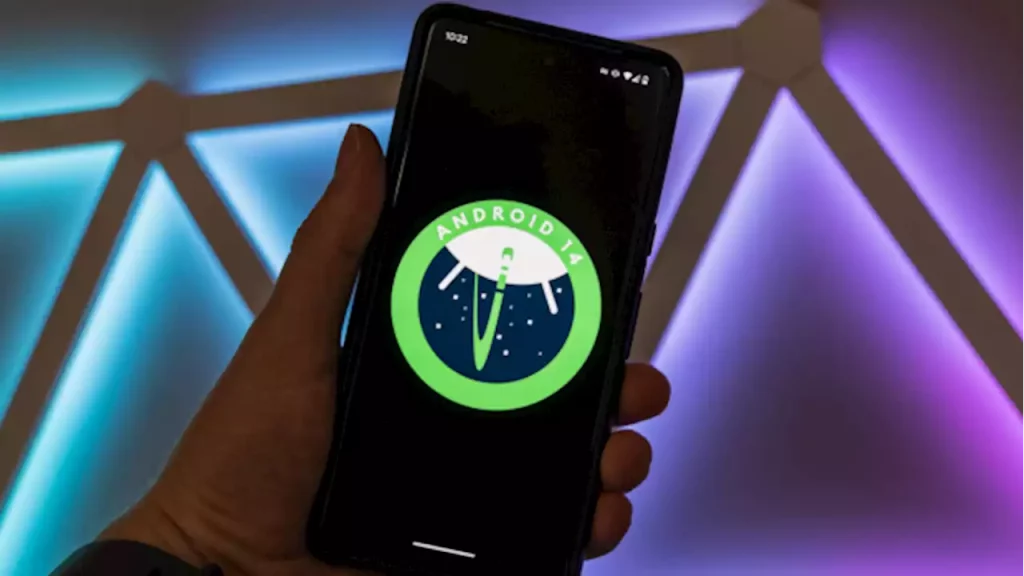
Android, despite being the world’s most popular operating system and being used by hundreds of different manufacturers, has quite a few chronic problems. The biggest reason for this is the manufacturers creating devices of different types and features. Unfortunately, this situation makes it difficult for both Google and app developers. However, we also sometimes see issues that could be easily solved but aren’t. Thankfully, Google has taken the first step to solve one of these problems. The company plans to improve how apps work on larger screens like tablets and foldable phones. Here are the details…
Google Warns Users About Apps That Don’t Work Well on Large Screens
Even though Android smartphone users don’t generally face significant issues running applications despite the diversity of models and manufacturers, things change when it comes to tablets and new technologies like foldable phones. Many apps weren’t designed to work well on large screens, leading to a subpar user experience. For instance, an app might fail to utilize the extra screen space or the controls might be too small to use comfortably. This could make it hard for people to use the app, or even stop them from using it at all. Thankfully, all these issues are becoming less of a problem.
In simple terms, Google is saying, “If you make your app great for big screens, we’ll make it easier for people to find your app in our Play Store.” Apps that follow Google’s guidelines for big screens will now show up higher in search results. Starting in August, apps that can adjust their size, fill the whole screen, and work well in both upright and sideways views will be more visible.
Google is also planning to show pictures of what the app looks like on different devices. This way, if you’re considering downloading an app, you’ll know what it’s going to look like on your tablet or foldable phone. The Play Store will also warn you if an app doesn’t work well on big screens. At first, it will warn about apps that crash or don’t run well. But the company is also looking at other ways to let users know if an app isn’t designed well for big screens.
This is great news for people who use devices like the Pixel Fold or recently introduced Samsung Galaxy Z Fold 5. By making these changes, Google is showing that they care about making sure all apps work well on all devices and that they support new technologies.
Honor has silently unveiled the Honor X6a entry-level smartphone in the UK. Some of its major highlights include massive storage, big storage, and a high refresh rate display. Here is all the information on the specifications, features, and price of the X6a.
Honor X6a specifications and features
Honor X6a
The Honor X6a features a 6.56-inch IPS LCD panel with a waterdrop notch display. It offers an HD+ resolution of 720 x 1612 pixels, an aspect ratio of 20.15:9, and a refresh rate of 90Hz. Under the hood, the X6a features the MediaTek Helio G36 octa-core processor. The device comes in 4 GB and 6 GB RAM variants. Both models offer 128 GB of internal storage. For additional storage, it has a microSD card slot.
The rear camera setup is a triple-camera system, including a 50-megapixel primary camera with an f/1.8 aperture, a depth camera with an f/2.4 aperture, and a macro camera with an f/2.4 aperture. It supports portrait mode, time-lapse, super macro, HDR photo, and 1080p video recording. On the front, the Honor X6a has a 5-megapixel selfie camera with an f/2.2 aperture. The front camera also supports various capture modes like portrait mode, time-lapse photography, and face recognition.
Honor X6a
The Honor X6a is powered by a 5,200mAh that supports 22.5W wired charging. It runs on Magic OS 7.1, based on Android 13. In terms of connectivity, the smartphone supports dual nano SIM cards, 4G VoLTE, Wi-Fi 802.11 a/b/g/n/ac, Bluetooth 5.1, NFC, GPS, a USB-C port, and a 3.5mm audio jack. For security, it has a side-mounted fingerprint sensor. Lastly, the device measures 163.32 x 75.07 x 8.35mm and weighs 188 grams.
Honor X6a price and availability
The Honor X6a is priced at GBP 129 (~$165) in the UK and comes in shades like Midnight Black, Sky Silver, and Cyan Lake. While it is expected to be released in other European countries soon, it is unclear which other markets outside of Europe will receive it.
Artificial intelligence technologies are getting more popular each day. As a result, many companies, big and small, are starting to work in this field. One of these companies is Amazon. Their artificial intelligence named Bedrock is attracting thousands of new customers by offering a variety of AI models and it’s starting to compete with big tech companies like Microsoft and Google. Here are the details…
Amazon Bedrock, Offers a Variety of Models to Create Text, Images, and Sound
Amazon’s cloud services department launched a new artificial intelligence service called Amazon Bedrock in April. Amazon Bedrock gained popularity by enabling businesses to build applications through various artificial intelligence models, providing efficient operation. International companies like Sony, Ryanair, and Sun Life have also experienced this service.
Even though it garnered a lot of interest in a short time, it hasn’t yet managed to find its place in the competition among strong rivals. However, a company official stated that they have gained many users in the short term and expressed that they will leave their competitors behind in the medium and long term, becoming the future’s artificial intelligence model.
Amazon Bedrock is similar to a large collection of AI models. You can use these models to create various things, such as text, pictures, and sound. Currently, this AI service is in a limited preview stage and there’s no specific release date for everyone. However, Amazon has indicated that they aim to release it for everyone in the upcoming months. Even so, it seems to be attracting a lot of attention already.
The aim of Amazon Bedrock is to allow companies to make applications using AI. Businesses such as Sony, Ryanair, and Sun Life have already tested Amazon Bedrock, according to Swami Sivasubramanian, the Vice President of AWS. “Our goal is to help every company use AI,” said Sivasubramanian. He mentioned that Amazon Bedrock is Amazon’s response to similar services from Google and Microsoft. These companies have been getting a lot of attention for their AI studies.
Even though Amazon was a bit late to start on this, it has still managed to get thousands of users for Bedrock. This shows that people are interested in what Amazon is doing in AI. To win more business, Amazon plans to offer more types of AI models. It will also use new technology from startups called Anthropic and Stability AI. Amazon’s position as the biggest cloud service provider also gives it an advantage, since it already hosts lots of customer data.
Amazon also gave a sneak peek at a service called ‘Agents for Amazon Bedrock.’ This service lets businesses make chatbots that can perform tasks and give personalized responses. This kind of technology has a lot of potential for businesses. The activation times for all these services are unknown at the moment, but once they are up and running, they seem likely to capture the attention of users due to their promising features.
A pair of rare Apple trainers has been put up for sale at Sotheby’s. The auction house fixed the starting price of the Apple trainers at $50,000. The shoes were specifically made for Apple employees in the 1990s. They were given out as gifts to employees at a conference. This is the first time a pair of this rare footwear is being auctioned to the public.
The Apple trainers feature a white leather upper body and the old rainbow Apple logo is seen on the tongue and next to the laces. The old Apple logo is a standout detail of the trainers which Sotheby’s claims will be highly coveted. The rare Apple shoes have been described by the auction house as one of the most obscure in existence. This highlighted the uniqueness of the sneakers and their value on the market.
The Omega x Apple sneakers are about three decades old and are new in the box. However, due to their age, they come with some imperfections including a yellowish color around the midsoles. The trainers have an air cushioning window in the heel and are size 10.5 (US standard). This corresponds to size 41 for European size and 8.5 for the UK. The box also contains an alternative pair of red laces.
We have previously seen several Apple memorabilia that have been auctioned in premium fashion. There have also been some of these retro products that flopped on the resale circuit. One of the highly successful Apple memorabilia was the first edition, unopened 4GB Apple iPhone auctioned in the US for $190,000. It remains to be seen how the rare Apple sneakers fares during the Sotheby’s auction.
Flying cars have been one of the most popular fantasies for human beings in the past few centuries. From science fiction books written in the 1800s to movies and TV series of the 1900s and today, this technology exists in every content that depicts our near future. Moreover, our persistent imagination has also brought action. Today, many companies are working to make a real flying car, and some are incredibly close to real-life use. The latest example of this came from China. SinoJet, an investor in the field, bought 100 flying cars from Geely’s Aerofugia. Here are the details…
SinoJet Signs Deal to Purchase 100 Flying Cars from Aerofugia
Many of us are familiar with Geely as a company that produces various car models. However, Geely is involved in many other industries too. Recently, there are even expectations that the company will enter the smartphone market with a new brand. Another interesting area where this Chinese company operates is flying cars. A few years ago, Geely started working on creating flying cars. During this time, they made significant investments and even collaborated with another initiative called Volocopter to speed up the process. Now, it seems all these efforts have paid off.
SinoJet, a Chinese airline company, has taken a significant leap towards the future of transportation. They’ve struck a deal with Aerofugia, a subsidiary set up by Geely for its flying cars. SinoJet plans to purchase 100 AE200 flying cars from them, which are vehicles that can ascend and descend like a helicopter. This feature is known as ‘vertical take-off and landing’, or VTOL.
According to Guo Liang, CEO and lead scientist of Aerofugia, the AE200 has wings on both sides, and eight rotors that can tilt. One big plus of the AE200 is that it doesn’t need a runway to take off or land. This means we could see flying car landing spots on top of office buildings or shopping centers in the future. The cost to travel by flying car could be two to three times the cost of a taxi, but it would be a lot quicker.
Especially in big cities, getting to the airport can be a major problem due to traffic. This is why many people need to set off early to catch their flight. If you are short on time and willing to pay the cost, SinoJet’s taxi fleet of Aerofugia AE200s could greatly simplify your life. Moreover, the AE200 uses electric power to fly.
So it can travel around 300 kilometers in the air on a single charge, and even further when driving on roads. This deal between SinoJet and Aerofugia could signal the start of a new way of traveling. Although it’s currently exclusive to China, it’s expected to be used worldwide in the near future due to its functionality.
The new Mihogo Mini e-bike with a three-step folding mechanism has been announced. The Mihogo Mini will be released via an Indiegogo crowdfunding campaign and it boasts a 100km range. The bike can be folded in three quick steps and it is powered by a 350W motor.
The Mihogo Mini is propped as the most lightweight, versatile, compact folding e-bike on the market. It weighs 19kg but this is not the lightest model from previous Indiegogo offerings. It is heavier than the OXFO OX1 which weighs 16.5kg. The bike features lots of accessories that enhance its appeal and versatility. It has an integrated 2.4-inch display which shows information about the trip and it can be connected to your smartphone via the companion app. It also features accessories like a mid-mounted bag, front basket, rear child seat, etc.
The Mini can be folded completely within 10 seconds in three steps. The 350W motor of the Mihogo Mini delivers a top speed of 35km/h for the e-bike. It features throttle-only and pedal-only riding modes. The bike’s 48V 16Ah battery helps the bike to have a range of about 100km on a single charge. The expected lifetime of the battery is about 1,200 cycles and the bike also features proximity-based automatic unlocking. The Mihogo Mini compact folding e-bike will be available in gray, blue, and yellow colors, among several others.
The Indiegogo campaign kickoff date for the Mihogo Mini has not been specified yet. Pledges for the e-bike are projected to start at $399. The finer optics and full spec list of the Mihogo Mini, as well as release information will be out soon.
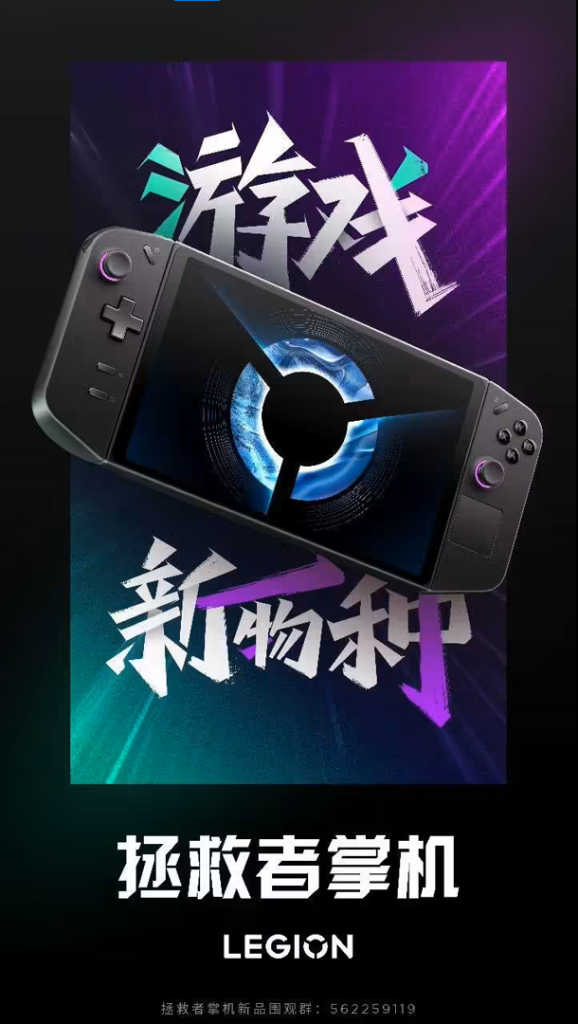
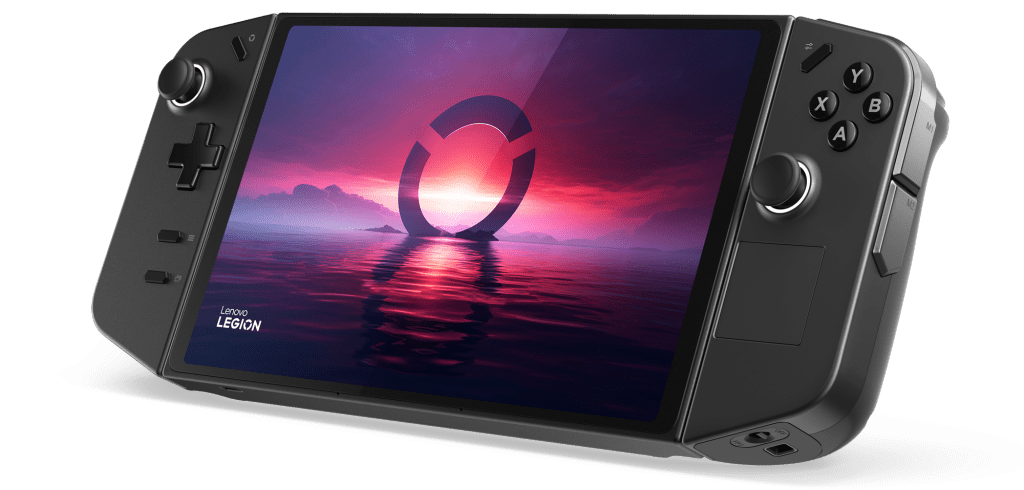
Lenovo had been busy this month launching a handful of new products. Last week, the brand unveiled the Legion Y9000X gaming laptop and the Legion Y700 gaming tablet in China along with a new configuration for the Xiaoxin Pro 16 2023. Lenovo is also gearing up to launch the Legion R9000X 2023 laptop on July 29. Ahead of the launch, the company has announced the specifications of the device. Let’s look at the details.
Lenovo Legion R9000X 2023 specs
As per the company, the refreshed Legion R9000X will be equipped with an AMD Ryzen 7 7840H processor, paired with an independent RTX 4060 GPU. There seems to be no RTX 4070 option. The memory is DDR5-5600, and the SSD comes standard with 1TB.
The Lenovo Legion R9000X 2023 notebook features the same 3200 x 2000 165Hz screen as the Legion Y9000X. It also offers a 100% P3 color gamut and 430 nits of brightness. This series of laptops is equipped with a 99.99Wh battery and comes with support for fast 140W charging. It comes with a thickness of 17.6 mm and weighs 2.1 kg. For connectivity, the laptop comes with Wi-Fi 6E support. It also gets a Harman-branded speaker system enhanced with SmartAMP technology.
Lenovo hasn’t announced the pricing and availability of the laptop yet. We are bound to learn it all on July 29 when it will be launched in China.
As mentioned, Lenovo also launched the Legion Y9000X gaming laptop in China. It comes with a 16-inch PureSight Pro display with a resolution of 3200 x 2000 pixels and 165Hz refresh rate. It comes powered by the 13th Gen Intel Core i9-13900H processor, paired with an NVIDIA RTX 4000-series graphics card.
Honor used to have a market presence in the Indian smartphone market, but it hasn’t launched a new phone in the country in recent years. However, there are recent reports that the company is planning a comeback, with Realme’s Madhav Sheth as the head of its Indian operations. The Honor 90 is rumored to be the first device to debut in the country after years, and a new report claims it will be unveiled in mid-September with a price tag under Rs. 50,000.
Honor 90 could have tough competition in India
IANS reports Honor 90 will be unveiled in the first half of September. The news agency did not reveal the exact date but claimed the Honor 90 will be priced in India at around Rs 45,000. If true, Honor 90 will have to face cut-throat competition as this category is already filled with impressive phones like OnePlus 11R, Oppo Reno 10 Pro, and even the flashy Nothing Phone (2).
Honor 90 is already available for purchase in Europe with a starting price of €550. It brings notable features like a big 6.7” AMOLED display with 1200p resolution and 66W charging support for the 5,000mAh battery. It comes powered by the mid-range Snapdragon 7 Gen 1 Soc and a flagship-tier camera setup with a 200 MP sensor. There’s a 50MP selfie camera and numerous AI enhancement features.
The smartphone certainly looks good and could grab the attention of many Indian buyers. Good-looking phones with great camera setups sell well in India, as evidenced by the popularity of the Oppo Reno and Vivo V series. Of course, there are other factors that drive sales, such as extensive ad campaigns and influencer collaborations.
Honor’s return to India could be great news for consumers, as they will have more options to choose from. If you’re interested, read how Honor’s comeback in India could play out.
Nothing’s semi-transparent phones have set the company apart from the rest of the Android pack. And when you do something unique, it’s only a matter of time before others start taking inspiration from you. That’s exactly what’s happening with the Nothing Phone (2). Infinix has announced a new gaming phone for the Indian market, the Infinix GT 10 Pro, which takes its design cues from the new Nothing phone.
Taking inspiration from existing products isn’t always a bad thing. Most new art or technology, after all, is based on something that came before it. And, given that the Infinix GT 10 Pro is significantly cheaper than the Nothing Phone(2), could it be the low-cost, similar-looking alternative we’ve been looking for? Let’s find out.
Infinix GT 10 Pro gets the semi-transparent design right
What sets the Nothing Phone (2) apart is its transparent design with a LED light interface on the back. This is not something you see on any phone in the market. Of course, the see-through glass on the back doesn’t reveal the actual component of the phones. Nothing cleverly hides the phone’s internals behind plastic covers. Only the induction coil for two-way wireless charging and a ribbon cable, which likely connects to the battery, can be identified as authentic components.
Infinix basically follows the same idea and makes the GT 10 Pro semi-transparent like the Nothing Phone (2). However, it wouldn’t be fair to call it a copycat. It’s clear that Infinix made its phone with gamers in mind. While you do get a see-through back, the internal modeling is done very differently and doesn’t look anything like Nothing’s phone. Not to mention, the Infinix GT 10 Pro sports an unusual camera module that we haven’t seen on any other phone.
Similar to the Nothing Phone (2)’s Glyph Interface, the Infinix GT 10 Pro also has mini-LEDs on the back. These LEDs will likely create an interactive backlight interface. For example, they might light up when you launch a game, or they might flash to notify you of new messages or charging status. This feature could be very useful if you use it right. We are not sure if Infinix will also offer customization options like Nothing.
All in all, the Infinix GT 10 Pro doesn’t look half bad when it comes to design. In fact, it is a potential alternative to the Nothing Phone (2) for those who are looking for a transparent phone at a much more affordable price.
Infinix GT 10 Pro also doesn’t comprise on specifications
Before we talk about the specs, it’s important to know that the Nothing Phone (2) starts in India at ₹44,999 ($549), while the Infinix GT 10 Pro will be priced less than ₹20,000 ($244). That means the GT 10 Pro costs less than half of the Phone (2). However, that doesn’t mean the GT 10 Pro has underwhelming specs. In fact, its specs make it look like the best phone in its category, at least on paper.
From what is known so far, Infinix GT 10 Pro will bring an impressive 6.67-inch FHD+ AMOLED display with a 120Hz refresh rate. While this is not as good as Nothing Phone (2)’s 120Hz LTPO OLED panel, it’s still pretty decent for the price. The panel should be sufficiently bright and also show smooth graphics during gaming thanks to the high refresh rate.
Infinix GT 10 Pro is the brand’s latest gaming phone. While it doesn’t pack a top-of-the-line chipset like Nothing Phone (2)’s Snapdragon 8+ Gen 1, it still gets a practical mid-range SoC— the Dimensity 8050. This is one of MediaTek’s new processors based on the 6nm process, and early benchmarks suggest it can tackle most of the popular titles you’d play on a phone (via Nanoreview). We are talking about BGMI, Call of Duty Mobile, and Free Fire.
The Dimensity 8050 chip on the phone will likely be paired with 8GB LPDDR4x RAM and 256GB UFS 3.1 storage. Infinix GT 10 Pro gets a 5,000mAh battery, which is larger than Nothing Phone (2)’s 4,700mAh unit. It gets 45W charging support but there’s no wireless or reverse charging, of course.
The camera system on the Infinix GT 10 Pro doesn’t look bad on paper. Reports say it has a 108MP triple camera setup on the rear and a 32MP shooter on the front. While we shouldn’t expect earth-shattering picture quality, even the Nothing Phone (2) doesn’t offer that. You should be able to take good enough pictures in most scenarios with this camera setup.
Nothing has also managed to make its software stand out from the competition, giving users a more minimalist and bloatware-free experience. Officially, we don’t know if there will be any changes to the software on the Infinix GT 10 Pro, but Gizmochina’s author Anvin has tried the phone and adds that it offers a bloatware-free and ad-free UI (ZionsAnvin).
So is it a good affordable Nothing Phone (2) alternative?
The Nothing Phone (2) is a decent upgrade over the Phone (1), but it’s not worth the price for everyone. The phone’s flashy looks are its main selling point, but its hardware is not better than most phones in the same price range. The Moto Edge 40 and Poco F5 Pro easily beat the Nothing Phone (2) in terms of hardware, and they also cost much less.
But if you want to experience similar flashy looks and spend much less, Infinix GT 10 Pro could be a killer alternative. Here are some of the key reasons why the Infinix GT 10 Pro might be the affordable Nothing Phone (2):
Similar semi-transparent design with a LED light interface on the back
Impressive specs for the price, including a 6.67-inch FHD+ AMOLED display with a 120Hz refresh rate, the Dimensity 8050 chip, a 5,000mAh battery, and a 108MP triple camera setup
Much more affordable than the Nothing Phone (2)
The Infinix GT 10 Pro should launch sometime in August but there’s no exact date yet. And of course, these are just our thoughts on the phone. If you don’t agree with us or have a better alternative in mind, please let us know in the comments.
The latest IDC Worldwide Quarterly Mobile Phone Tracker has shown that the smartphone market in China fell 2.1% in 2023. The report indicates that 65.7 million smartphones were shipped in China in the second quarter of 2023. This was a slight decline of 2.1% from the figures for the same period in 2022.
Overall, the Chinese market saw 130.9 million shipments in the first half of 2023, which is a 7.3% year-on-year decline. This indicates sluggish consumer demands even with higher discount efforts by vendors and e-commerce platforms. This also resulted in a 5% dip in sales during the “618” Online Shopping Festival. It is expected that the challenging business environment will improve within the second half of 2023.
Former global heavyweight brand Huawei retained a top 5 position, jointly tied with Xiaomi. The brand has continued to serenade the market with a raft of impressive product offerings and marketing. The Huawei Mate X3 foldable and Huawei P60 series has been highly successful in the market. Huawei and Apple were the only vendors with positive YoY growth among the top 5 brands. It is believed that the discount regime for the Apple iPhone 14 series positively impacted the demand of the products. The leading brands were Oppo, Vivo, Honor, Apple, and the joint fifth brands of Huawei and Xiaomi.
The latest IDC quarterly report on the Chinese smartphone market points to a mixed bag for the leading smartphone brands. While Apple and Huawei have recorded positive growth, the other brands recorded a flat or declining performance. The business environment could be one of the major factors but other factors could also be impacting shipments.
Decathlon has just launched a new e-bike for the European market. The model in question is the Stilus E-Touring e-bike, which claims to offer a range of 130 kilometers on a single full charge. So let’s have a look.
Decathlon Stilus E-Touring Specifications
The e-bike features a mid-mounted Bosch Performance Line CX motor. This can allow you to speed up to 25 kph (roughly 16 miles) and deliver up to 85Nm of torque. A large 750Wh Bosch PowerTube battery that offers a 130-kilometer range (roughly 81 miles) on a single full charge. Decathalon’s new electric bicycle features Schwalbe AL Grounder 29 x 2.35-inch tires, a 10-speed Microshift Advent X rear derailleur, and 180mm Clarks M2 hydraulic disc brakes.
It features a torque sensor that helps in making the pedaling experience feel natural even with the added power. Other notable features include Spanninga Axendo 40 front and rear lights, and a Bosch Kiox display to show journey details and directions. The Decathlon Stilus E-Touring e-bike also connects with the eBike Flow app, which enables the trigger for eBike Lock. The electric bicycle arrives in three sizes, namely small, medium, and large.
Its medium variant weighs around 26.2 kilograms and is built using an Aluminum 6061 frame. The e-bike has a maximum load support of up to 145 kilograms. Decathlon is selling this model in the Netherlands, France, and Germany for EUR 3,499. Although, customers in the Netherlands and Germany can get a 14 percent discount, which reduces its price tag to EUR 3,019.
Sony has launched a new XV800 party speaker in India. The company says this speaker is ideal for Indian music genres such as Bollywood, Punjabi, Tamil, Telegu, and other regional music. The speaker comes with a decent 25-hour battery and is touted to offer omnidirectional sound. You can also connect it to a microphone and turn the device into a karaoke system. Let’s have a closer look at its specifications and pricing.
Sony XV800 Price and Specifications
The Sony XV800 debuts with a solid build, weighing around 18.5 Kg. The speaker measures 317mm x 720mm x 375mm and comes with IPX4 water resistance when placed vertically and IPX2 horizontally. The speaker packs two woofers paired with triple tweeters on the front and rear to provide deep bass. It offers Omni-directional Party Sound and X-Balanced Speaker units.
Sony has incorporated the speaker with a unique lighting effect and designed it using sustainable materials, such as recycled plastic. The Sony XV800 comes with a 25-hour battery and supports quick charging that lets you get 3 hours of playing time with just 10 minutes of charging.
This portable party speaker also has a karaoke input, meaning you just plug in your microphone and show off your singing talent to the crowd. It has two inputs that let you plug in a guitar and use the speaker as an amp. There are features like Echo and Key Control located together on the rear panel.
Sony XV800 supports Google Fast Pair and lets you connect it with up to 100 compatible speakers and sync your music. The Sony SRS-XV800 is priced in India at Rs. 64,990. You should be able to purchase it online through Amazon or offline through various retailers.
The OnePlus Ace 2 Pro has successfully obtained 3C certification in China, and it has also been spotted on Geekbench featuring the Snapdragon 8 Gen 2 SoC. The brand has now officially commenced teasing the device, unveiling its launch timeline and key specifications.
As per a recent Weibo post, OnePlus revealed that the OnePlus Ace 2 Pro will debut in August 2023. In addition to that, the brand also confirmed that the OnePlus Ace 2 Pro will be the first phone in the world to be equipped with the Tiangong cooling system. This system is said to be the most powerful VC in the industry, and it is at least two generations ahead of the competition.
The Tiangong cooling system has a VC area of 9140mm², which is the largest in the industry. It also features a world-first integrated dual-circulation heat dissipation system and Laval air channels. In addition, the system uses aerospace-grade heat dissipation materials, including diamond thermally conductive gel and superconducting thermal graphite.
The Tiangong cooling system allows the OnePlus Ace 2 Pro to release its performance to an unprecedented level. This means that the phone will be able to handle even the most demanding tasks, such as gaming and video editing.
OnePlus Ace 2 Pro specs
So far, the OnePlus Ace 2 Pro is expected to feature a 6.7-inch OLED display offering a sharp 1.5K resolution and a buttery smooth 120Hz refresh rate. Under the hood, the device will feature a Snapdragon 8 Gen 2, paired with 24 GB of RAM and up to 1 TB of UFS 4.0 storage.
The device will also have a 5,500mAh battery with 150W charging support. On the camera front, the device is said to sport a 32-megapixel front-facing camera and a versatile triple camera setup on the back, consisting of a 50-megapixel main sensor, a 48-megapixel ultra-wide lens, and a 32-megapixel telephoto lens.
We use cookies on our website to give you the most relevant experience by remembering your preferences and repeat visits. By clicking “Accept”, you consent to the use of ALL the cookies.
This website uses cookies to improve your experience while you navigate through the website. Out of these, the cookies that are categorized as necessary are stored on your browser as they are essential for the working of basic functionalities of the website. We also use third-party cookies that help us analyze and understand how you use this website. These cookies will be stored in your browser only with your consent. You also have the option to opt-out of these cookies. But opting out of some of these cookies may affect your browsing experience.
Necessary cookies are absolutely essential for the website to function properly. This category only includes cookies that ensures basic functionalities and security features of the website. These cookies do not store any personal information.
Any cookies that may not be particularly necessary for the website to function and is used specifically to collect user personal data via analytics, ads, other embedded contents are termed as non-necessary cookies. It is mandatory to procure user consent prior to running these cookies on your website.