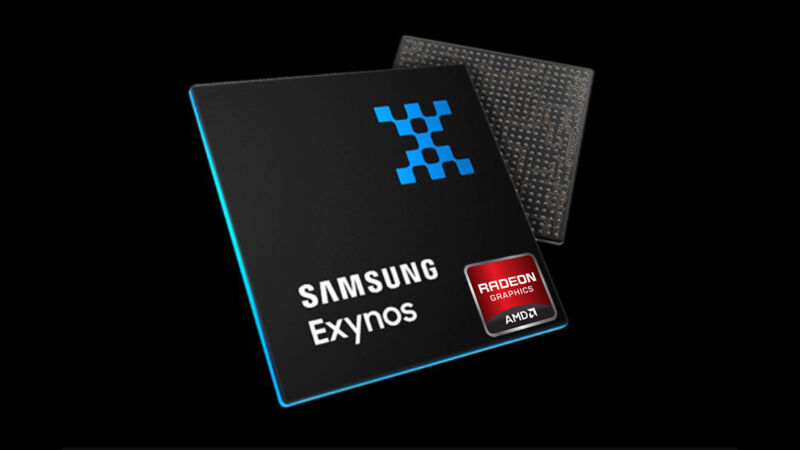
Samsung recently launched the Samsung Galaxy S23 series in February 2023, powered by Snapdragon 8 Gen 2 SoC. Whereas the previous series, the Galaxy S22, was powered by an Exynos chip co-developed by AMD and Samsung. According to recent reports that have surfaced online, Samsung will most likely bring AMD GPU to its mid-range Exynos processors in 2024.
In a recent post by Revegnus, the company plans to introduce mRDNA-based GPUs in their mid-range Exynos 1430 and Exynos 1480 chips, which are expected to be announced next year. In our earlier report, we covered that the Exynos 2200 chip, which also uses an mRDNA-based GPU, performed really well, scoring 170.7 fps in the Manhattan 3.1 test, while Apple’s A14 Bionic chip scored 120fps.
However, the post has made it clear not to expect high gaming performance with this processor. “This processor will be more focused on ISP rather than gaming,” said Revegnus, meaning the Exynos 1430 and Exynos 1480 are speculated to provide an enhanced image capture experience.
In related news, Samsung has confirmed that it will hold the Samsung W series launch conference on September 15. We can expect the launch of Samsung W24 and W24 Flip from this event. Those who wish to know about this can check out our Samsung W series launch date story.
Xiaomi is entering China’s car manufacturing industry with bold determination, despite challenges in the vast automobile market. The company’s entry into electric car production will bring it into competition with established manufacturers. Notably, tech giants like Apple and Sony are also exploring car manufacturing, with Sony even revealing a prototype electric car developed in collaboration with Honda.
Phased Construction and Testing: Mapping Xiaomi’s Strategic Development Timeline
According to a report by First Financial Daily, Xiaomi’s car factory construction is divided into two phases: Phase 1, spanning 720,000 square meters, started in April 2022 and is set to finish by June 2023. Phase 2 is scheduled for 2024-2025. The facility will consist of four buildings and a modern testing facility, targeting an annual production of 150,000 vehicles. Notably, the factory passed inspection on June 12. Xiaomi car has been spotted undergoing tests numerous times in diverse weather conditions.
The Xiaomi car factory in Beijing’s Yizhuang district is located in an undeveloped area, bordered by an office park, Beijing Fangxindian, and open land to the south. The facility currently has a quiet atmosphere with minimal employee activities and subdued construction noises. A lone security guard watches over the unfinished southeastern entrance. The factory spans from Tongyi Road to Huanjing West First Road, and from Jingsheng South Fourth Street to Yitong Street.
Xiaomi’s CEO, Lei Jun, is confident that their cars will enter full production by early 2024, aligning with their goal to become one of the world’s top five car manufacturers.
Xiaomi’s Q2 2023 financial results reflect a positive outlook, with a quarterly revenue of 67.4 billion ($9.4 billion) yuan and a 13% increase compared to the previous quarter. The adjusted net profit saw remarkable year-over-year growth of 147%, reaching 5.1 billion yuan ($714 million) and surpassing market expectations. The company’s investments, particularly in areas like electric vehicles, also saw a rise, reaching 1.4 billion yuan ($196 million) with plans to roll out 100,000 EVs in 2024.
Xiaomi Group’s President, Lu Weibing, highlighted the company’s dedication to the automotive sector, outlining intentions to increase investments for extensive research and development. Xiaomi aims to secure a place among the top five global car manufacturers and is committed to establishing its own car factories.
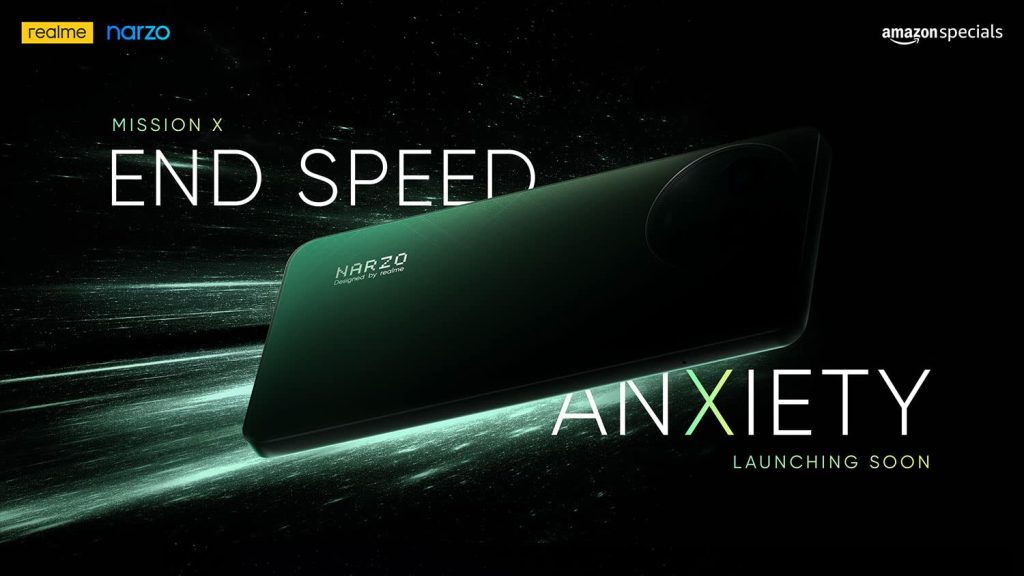
Earlier this week, Realme teased the imminent arrival of the Narzo 60x smartphone. The device will be the third addition to the lineup after the Narzo 60 and Narzo 60 Pro smartphones. Now, tipster Abhishek Yadav has revealed the launch date of the device along with the launch date of the Realme Buds T300 TWS.
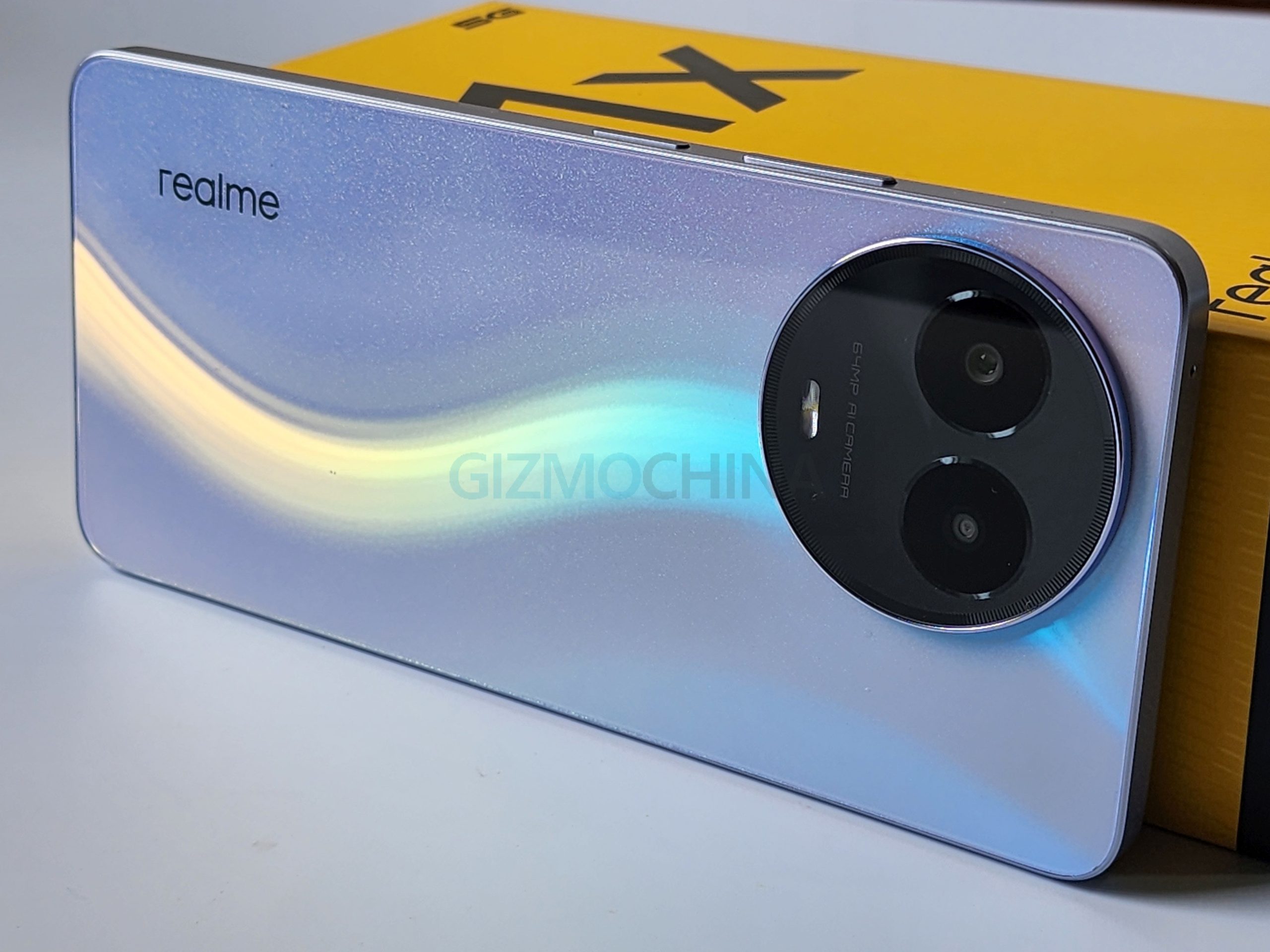
As per a tweet by Brar, the Realme Nord 60x will be launching on September 12 in India. Along with that, the brand will also debut the Realme Buds T300, which recently broke cover in Indonesia. So far, it is said that the Narzo 60x could be a rebranded version of the Realme 11x 5G (review). You can find more details about these devices below.
Realme 11x 5G specs
Since the Narzo 60x is said to be a rebranded Realme 11x 5G, we can expect it to feature the same spec sheet. The device could come with a 6.74-inch IPS LCD display with Full HD+ resolution (1080 x 2400 pixels) and a 120Hz refresh rate. Its cameras could include a 64-megapixel main camera with OIS, a 2-megapixel depth camera, and an 8-megapixel front camera.
It will likely BE powered by the MediaTek Dimensity 6100 Plus processor and come in 6 GB or 8 GB RAM variants with 128 GB of storage. The smartphone could have a 5,000mAh battery and support for 33W fast charging. It will likely run on Realme UI 4.0 based on Android 13.
Realme Buds T300
The Realme Buds T300 features 12.4mm drivers for clear sound and 30dB active noise cancellation. They have an IP55 rating for dust and water protection and utilize four microphones for noise reduction during calls. These earbuds support 360-degree spatial audio, use Bluetooth 5.3, offer a low latency mode, and provide an impressive 40-hour battery life. A quick 10-minute charge yields 7 hours of playback time.
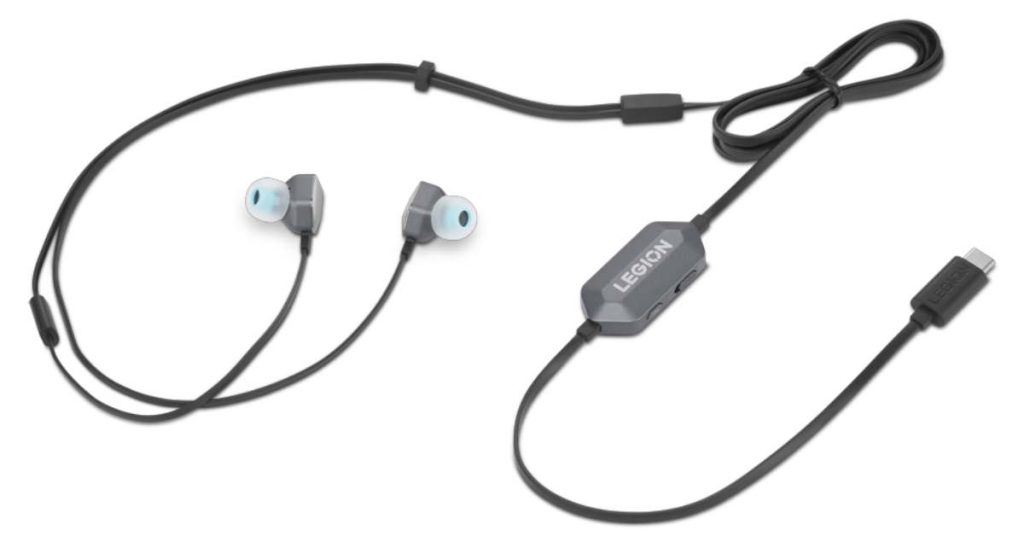
Lenovo recently announced its first gaming handheld console, Legion Go, at the IFA 2023 event. They also launched a few accessories for the console, including Legion Glasses and the Lenovo Legion E510 7.1 (or rather Lenovo Legion E510 7.1 RGB gaming as Lenovo likes to call it) in-ear headphones. We’ve covered Legion Glasses in a separate story while here we will take a closer look at the Lenovo E510 7.1 RGB Gaming In-Ear Headphones.
As implied by the name, the Lenovo E510 7.1 are in-ear headphones designed for gamers. They feature driverless 7.1 surround sound, hence the suffix 7.1 in the name, and 10mm armature drivers that are claimed to deliver powerful bass, balanced mids, and clear highs.
The headphone can operate at a frequency range of 50 Hz to 10 kHz and comes with a cable length of 150 cm. It weighs just 26 grams and has a single omnidirectional analog silicon mic. For those unaware, an omnidirectional mic is a microphone designed to pick up sound from all sides of the mic, meaning that a speaker can talk into the microphone from any direction and it will be able to capture the sound.
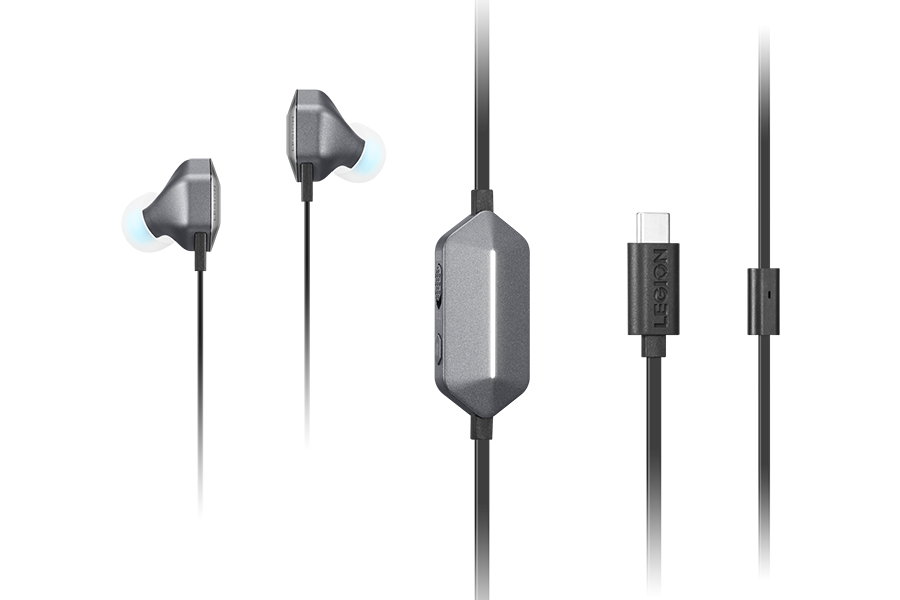
The headphones also have a multifunction in-line controller for quick volume and playback adjustments. The controller also has an RGB strip that can be customized to match your gaming setup.
As for the other aspects of design, the earphones are not too flashy, but they have an angular design for the buds and controller. They are compatible with the Lenovo Legion Go, as well as other portable devices with a USB-C port.
As for the price, the Legion E510 7.1 RGB Gaming In-Ear Headphones are expected to be available in October 2023 for the price of €49.99.
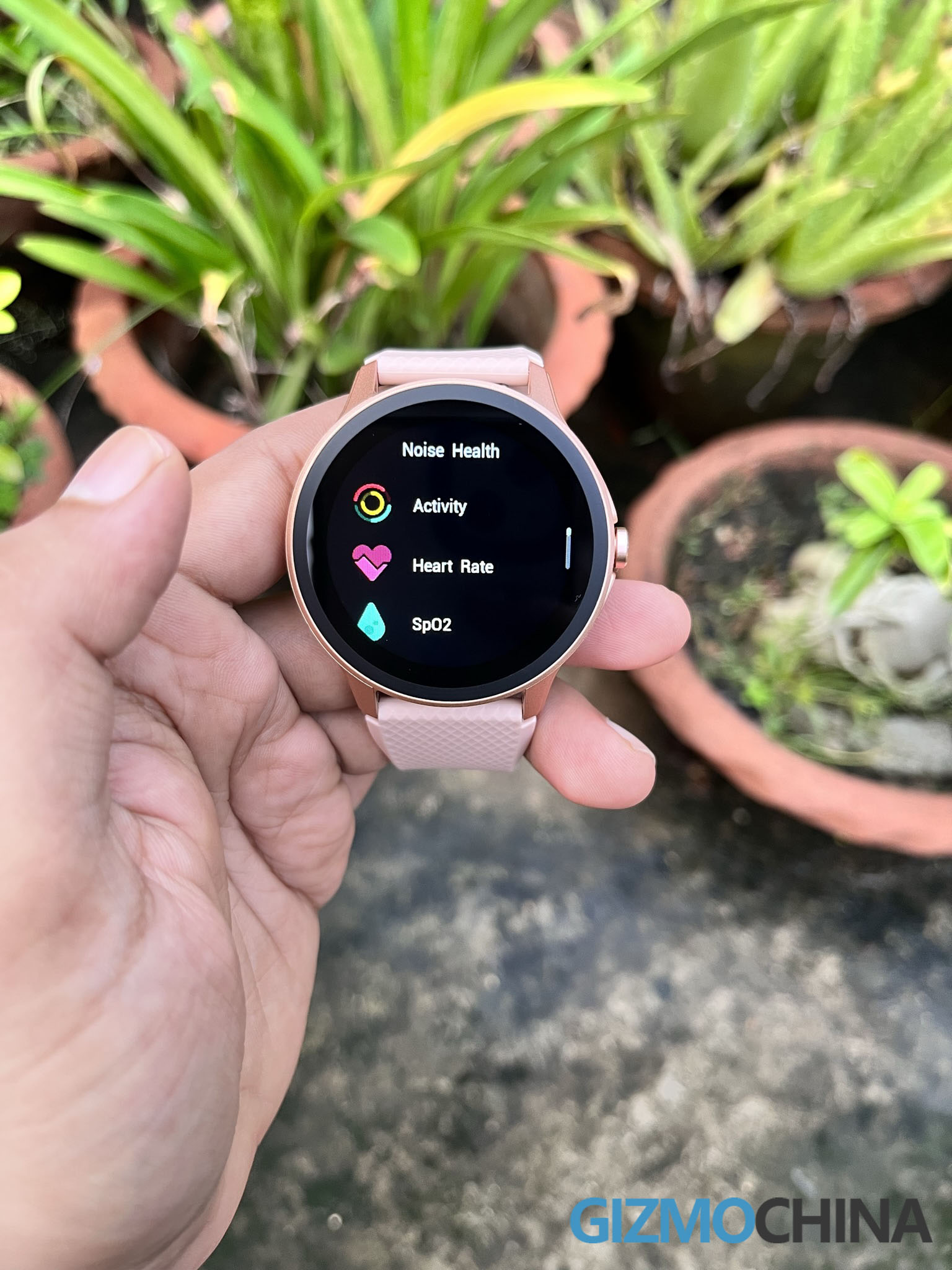
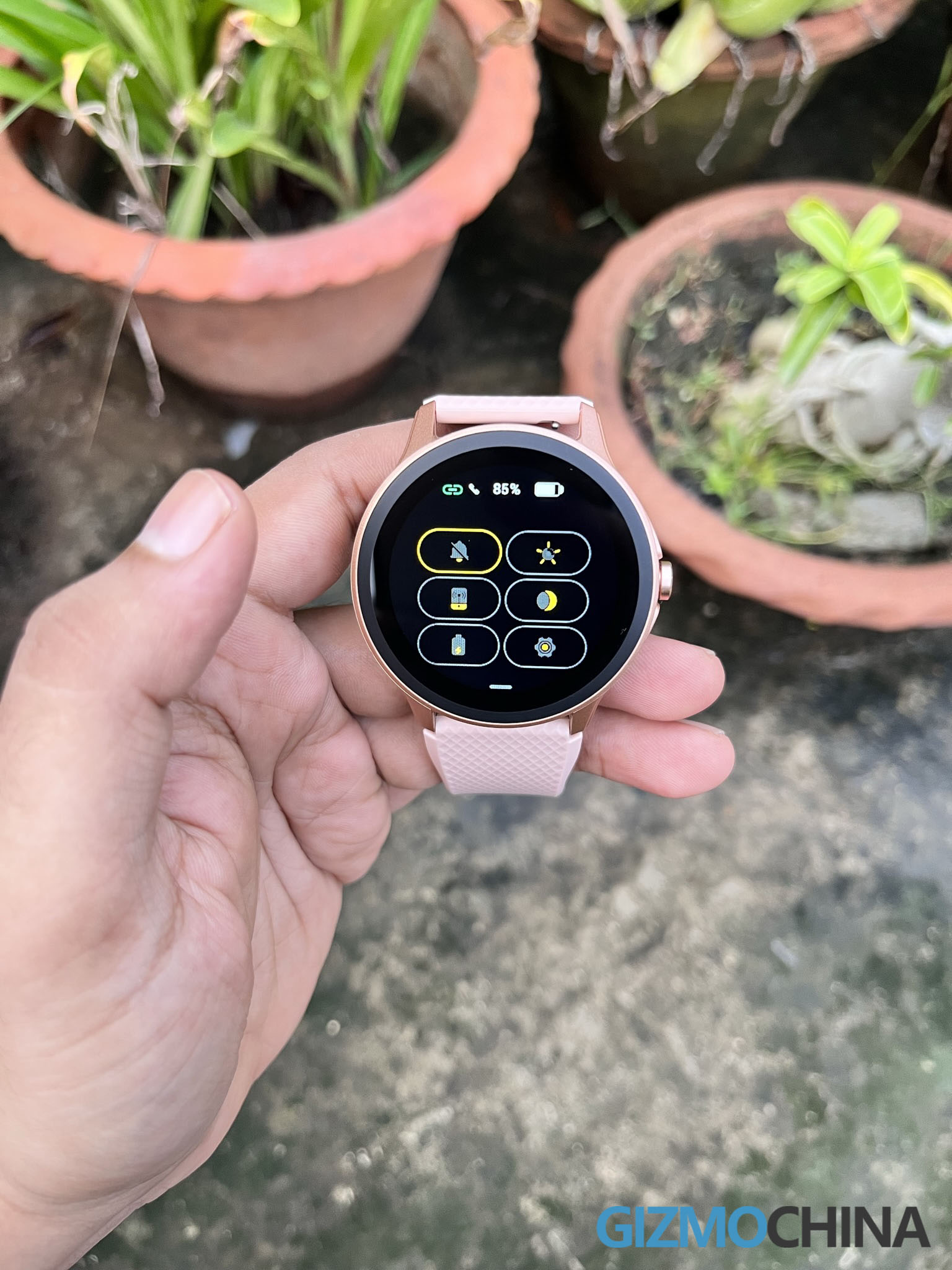
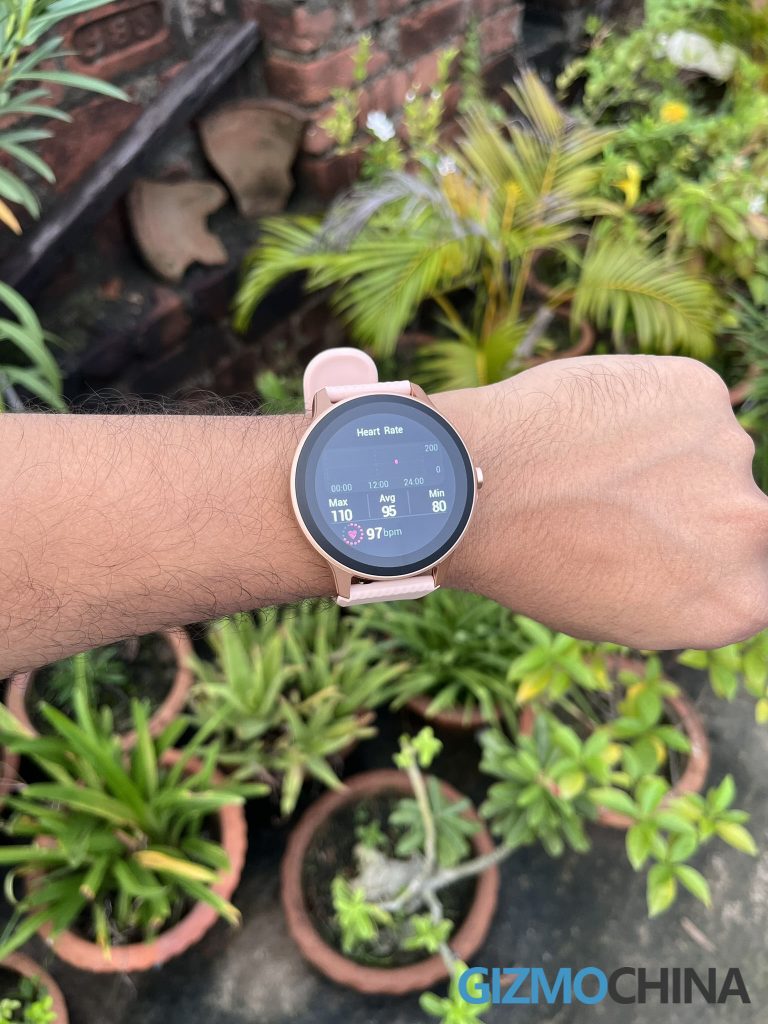
Noise recently introduced the NoiseFit Fuse in India, positioning it as a cost-effective choice that doesn’t compromise on a variety of functions. In this article, we will cover all the nitty-gritty details like specs, how it performs in day-to-day usage, and other important aspects of this watch. Can it actually deliver on this promise? Let’s dive right into the review and find out!
Unboxing Experience
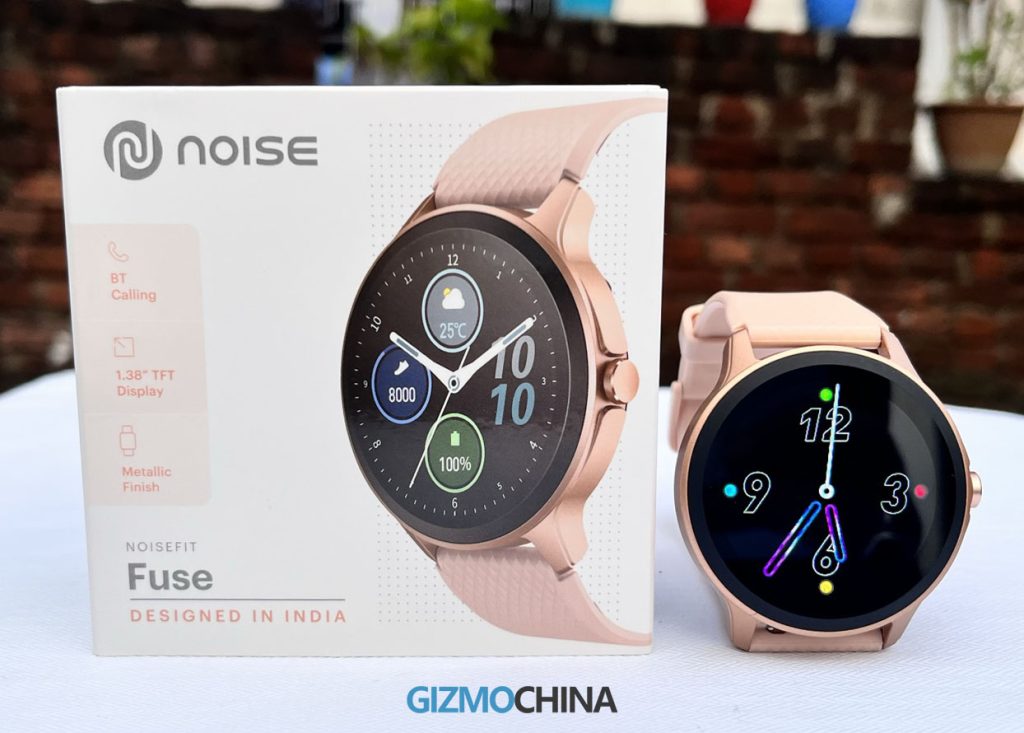
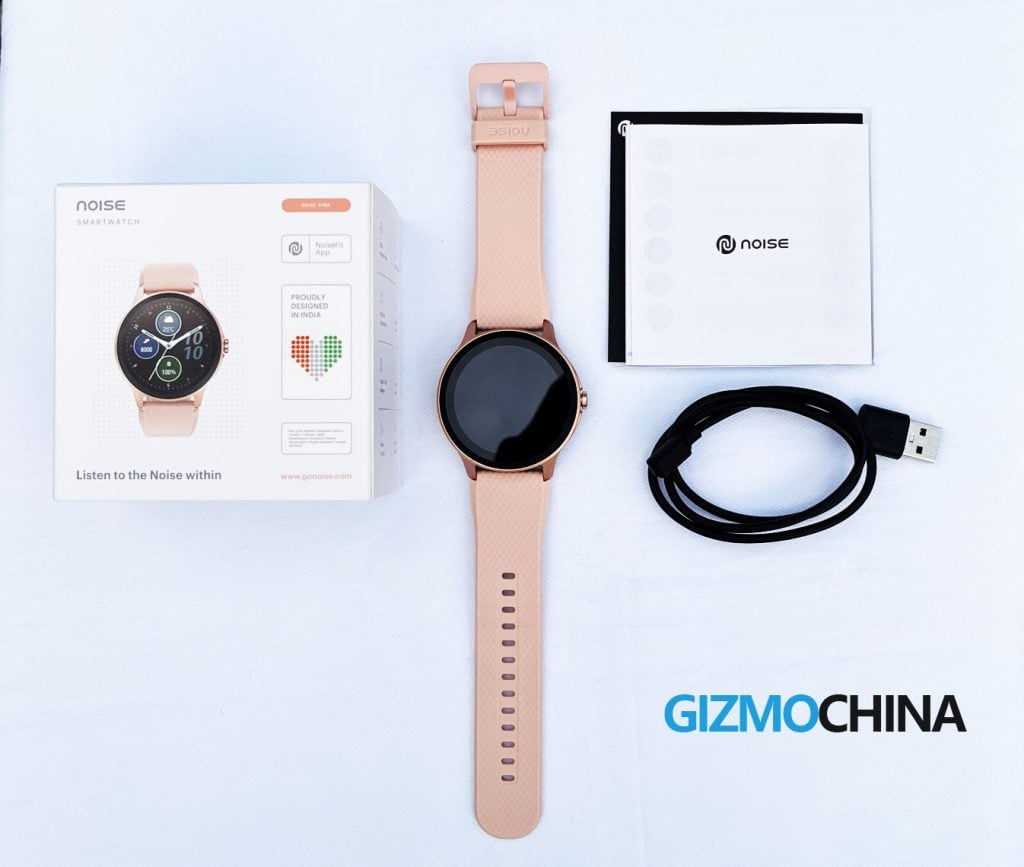
The smartwatch comes in a squarish box, with all the brand ads, and a brief overview of the watch’s specifications.
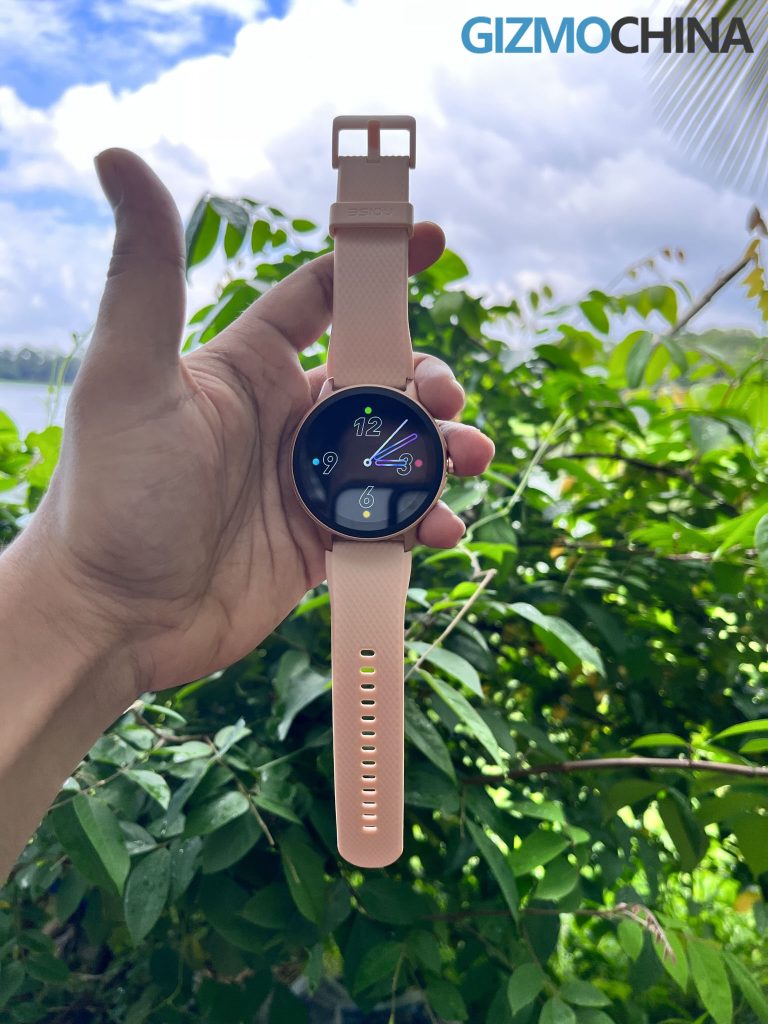
After opening the box, you will find the watch along with essential items like the charging cable, and warranty cards, all neatly organized and packed. The overall experience is enjoyable, revealing the NoiseFit Fuse smartwatch. You’ve got options when it comes to colors for this watch, including Jet Black, Silver Grey, Rose Pink, Vintage Brown, and Forest Green. So, you can pick what suits your style.
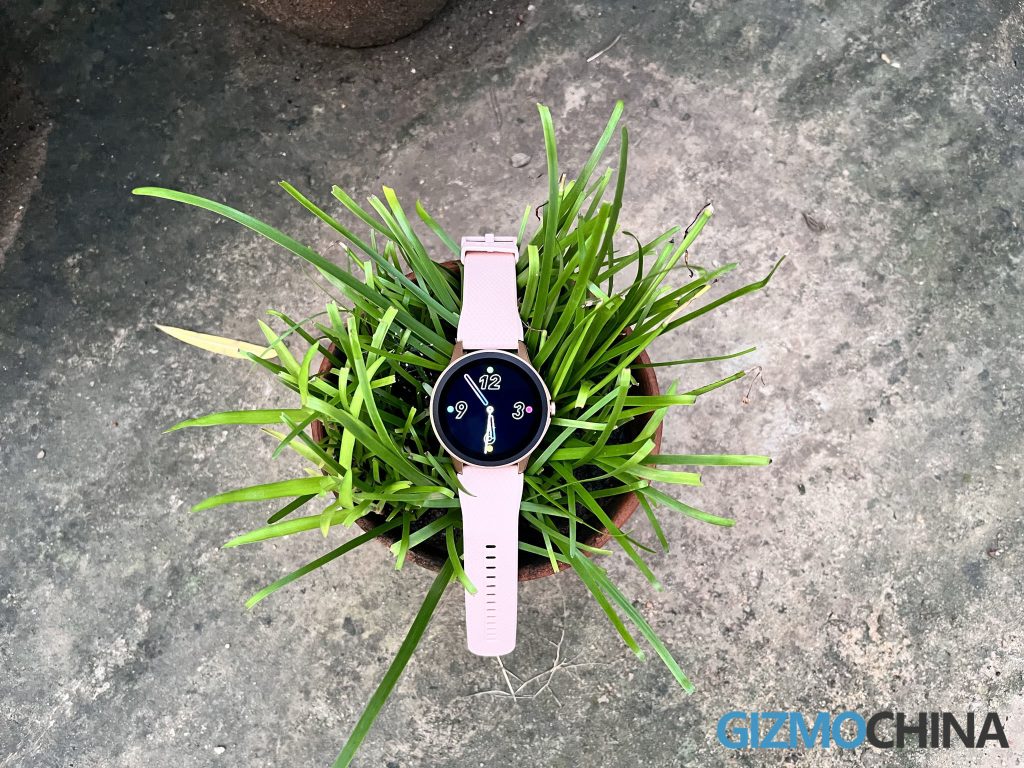
As for the one we got, it’s in Rose Pink – the company sent us this unit. If you’re curious, personally, I would have liked the Jet Black option.
Build & Design
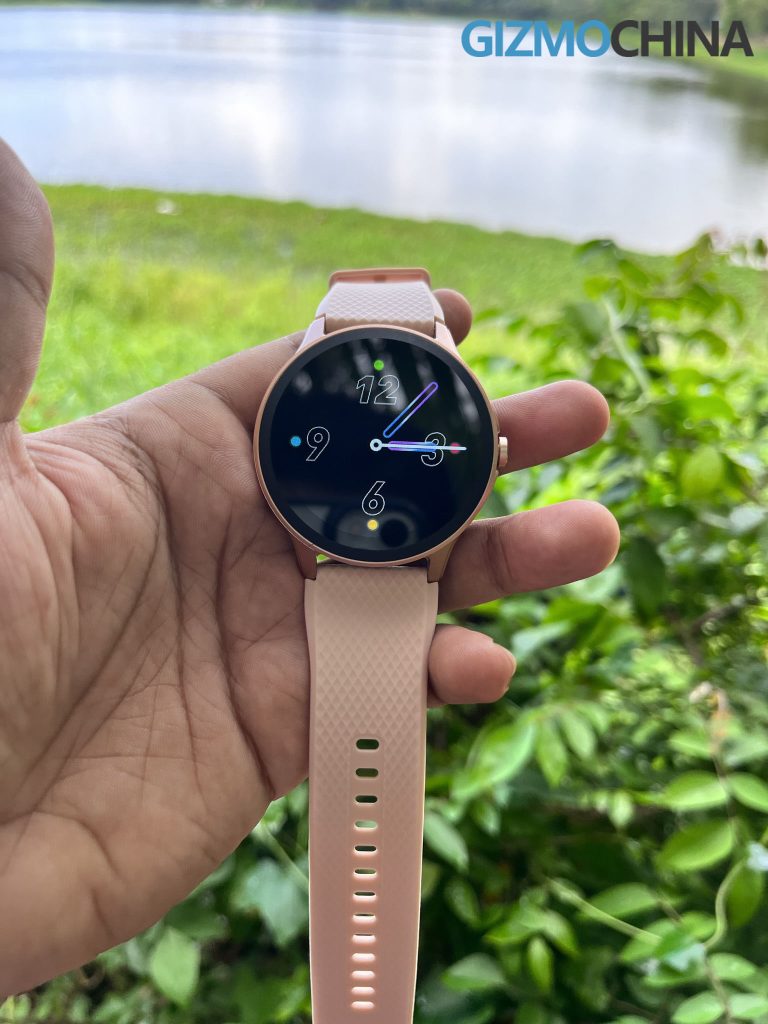
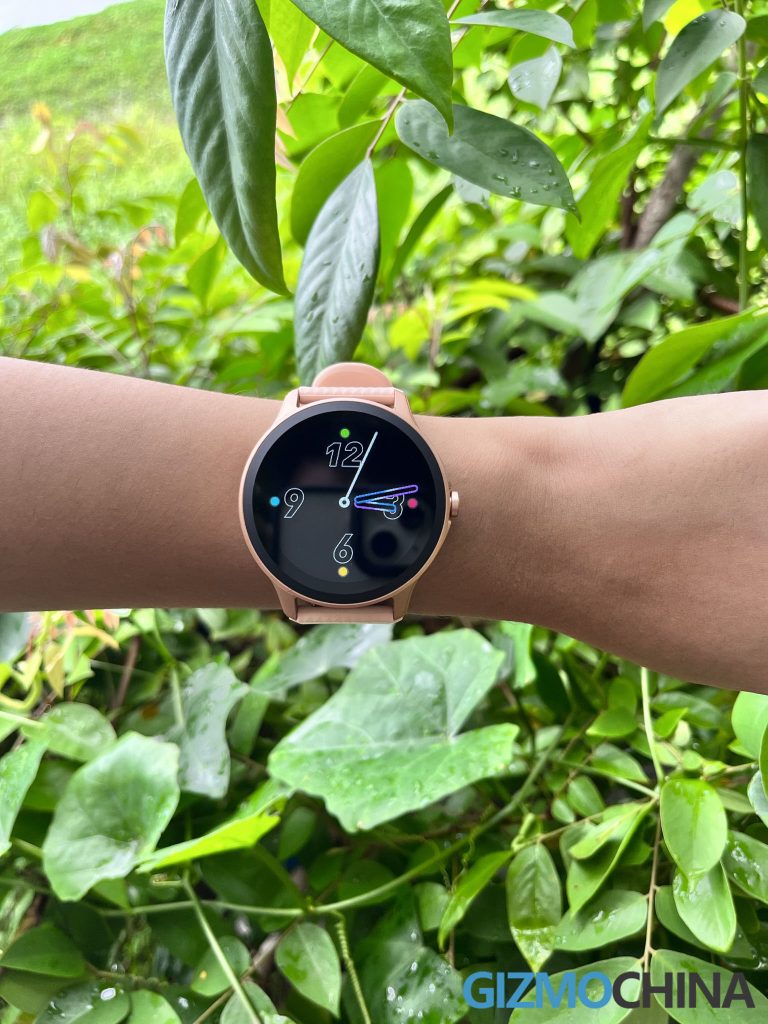
The NoiseFit Fuse comes with a round display that combines a classic feel with modern features. The watch is mainly made of polycarbonate, making it strong yet light. The textured silicone straps are high quality, comfy and trendy.
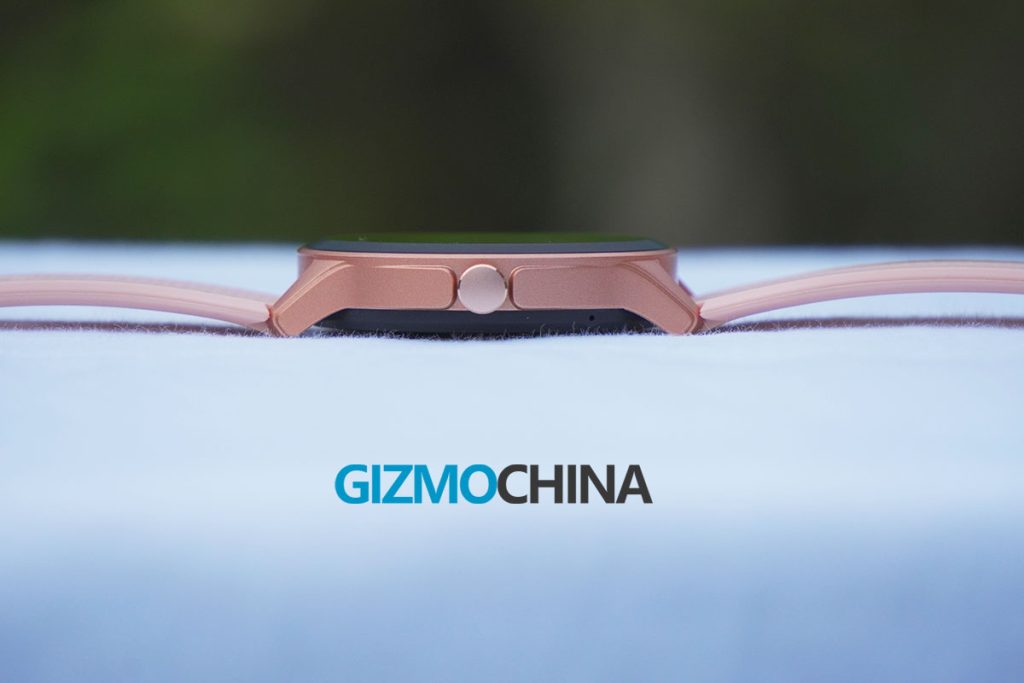
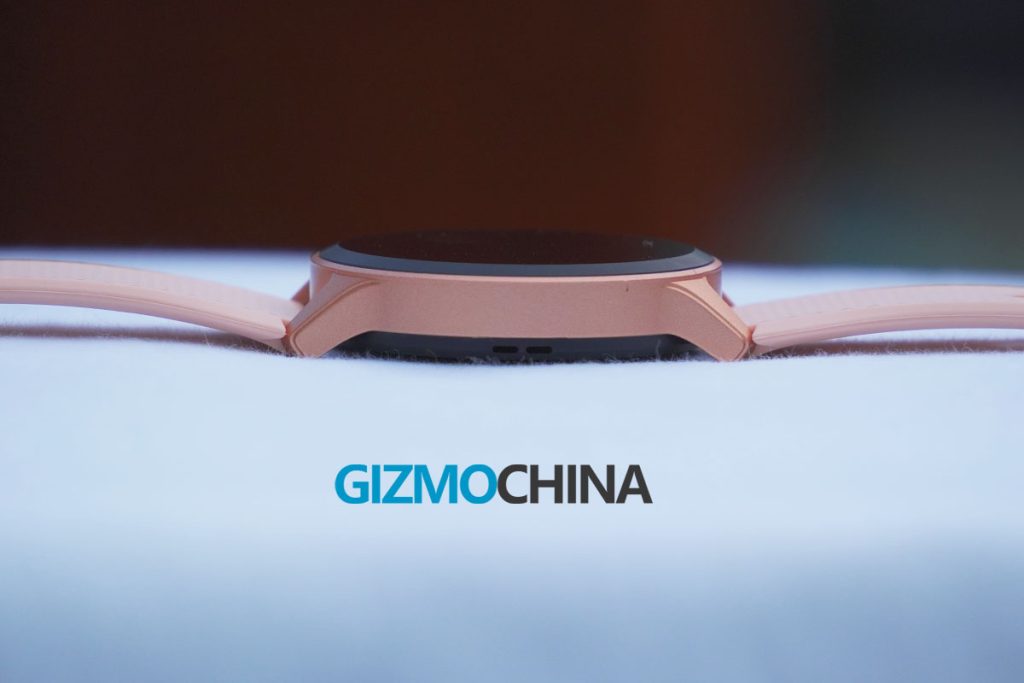
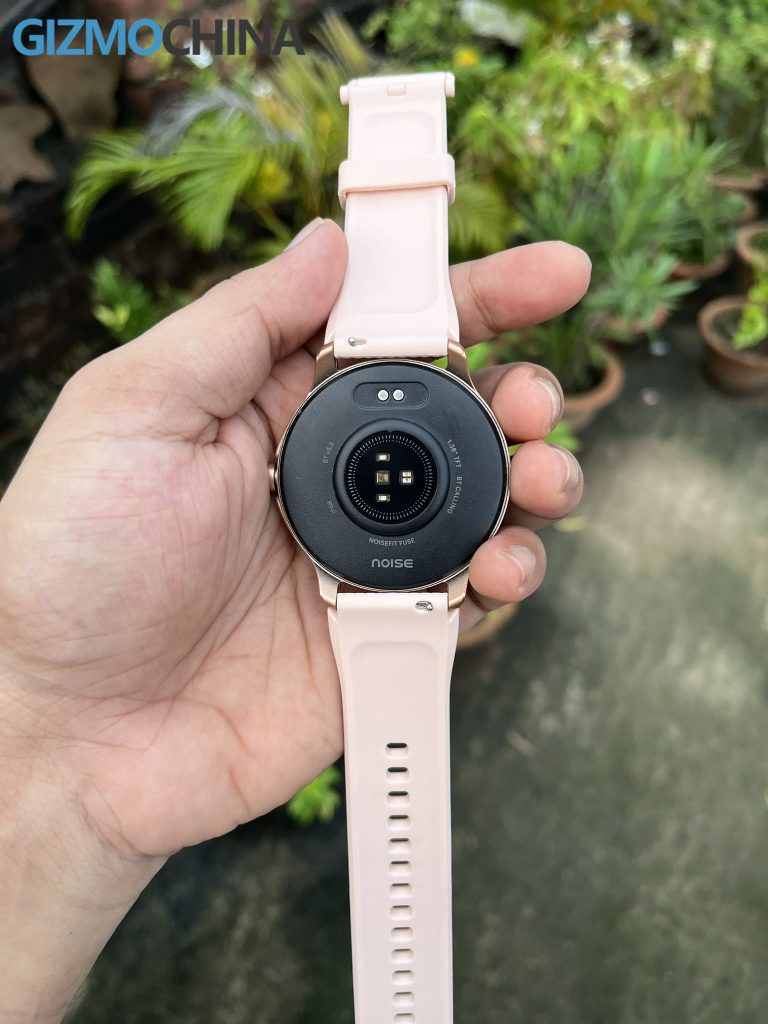
The straps are also detachable, making it a simple task to change the appearance of your watch. You can buy new straps from the company website and easily replace them. The sensors and the charging connectors are placed under the watch. It also features a physical button placed on the right side.
Display
Featuring a 1.38-inch circular touchscreen display, the NoiseFit Fuse offers satisfactory clarity through its 240 x 240-pixel resolution. While it may lack the sharpness of an AMOLED screen found in some higher-priced competitors, it performs admirably within its price range. The 550-nit brightness ensures good visibility across different lighting environments, and the 246 PPI pixel density, while not revolutionary, provides sufficient clarity for displaying numbers, text, and icons.
The touchscreen is quick to respond, making it fairly simple to explore its functions. Its IP68 Water Resistant certification provides a level of confidence, although it’s important to remember that swimming with it isn’t advised by the brand. The display is clear and adequate for a budget watch, even though it might not rival the sharpness of higher-priced alternatives.
Software and Features
The connectivity experience is smooth thanks to TruSync Bluetooth calling support. The feature that enables users to store up to ten favorite contacts on the watch proves genuinely practical. Managing calls directly from your wrist, especially when you’re on the move, becomes a true advantage.
Additionally, the Bluetooth calling functionality stands out for its quality. The speaker delivers impressive sound, and I often answered calls even in noisy surroundings, experiencing clear and crisp audio. While there were occasional difficulties with background noise affecting the other party’s ability to hear clearly, in most instances, this wasn’t an issue. Given that it’s a budget-friendly watch, we shouldn’t expect top-tier noise cancellation, but the overall calling experience is commendable.
The NoiseFit Fuse keeps you informed with notifications from a variety of apps, including emails, messages, and social media. The ability to control which notifications appear is a feature that all users will find valuable. Alongside useful additions like a music control panel and alarm setting, it ensures that essential functions are well handled.
I encountered a bug in the noise app that’s quite bothersome. When I attempted to add contacts to the close contacts list, everything went smoothly until I reached five contacts. At that point, I found a frustrating glitch – the app ended up duplicating the initial five contacts. As a result, instead of being able to add new contacts, I ended up with a total of ten contacts. This bug prevents me from adding any more contacts beyond five. I think this can be fixed easily with a software update.
Fitness and Health
The NoiseFit Fuse goes beyond connectivity, venturing into health monitoring as well. Offering over 100 sports modes, it targets both indoor and outdoor fitness enthusiasts. The watch handles fundamental fitness tracking well, encompassing step counting and sleep monitoring.
However, there’s a little hiccup when it comes to the heart rate monitor. It can be a bit hit-or-miss with its accuracy.
I actually put it to the test myself. Most of the time, it showed a heart rate that was somewhat in line with what I got from a medical device. But then I decided to get a bit experimental. I placed a round cloth under it to see if the sensor would pick it up, and well, it did! It registered a heart rate on the cloth.
Now, considering it’s a budget-friendly watch, I don’t think most of you would expect super-precise medical-grade sensors, so it’s not a major concern. It’s good to keep in mind that while it can give you a rough idea, it’s not a replacement for those high-end medical gadgets. The watch is more for casual tracking rather than diving deep into serious health analysis.
Battery Life
Undoubtedly, one of the NoiseFit Fuse’s standout features is its impressive battery life. With the capability to last up to seven days with regular usage, it minimizes the need for frequent charging. This extended endurance, particularly considering features like Bluetooth calling, is praiseworthy within its price range.
Final Verdict
Priced at just Rs 1500, the NoiseFit Fuse undoubtedly delivers a good experience. Striking a balance between style and functionality, it stands as an excellent choice for those entering the world of smartwatches. Its performance is really good, especially considering the added value of the Bluetooth calling feature.
Nonetheless, like any product, it does have its constraints. If you’re in search of accurate health monitoring or an exceptionally sharp display, you might need to explore the premium market segment.
However, for individuals who are looking for a smartwatch within a budget capable of handling calls, basic activity tracking, and displaying a stylish appearance, the NoiseFit Fuse stands out as a robust contender.
If you ask my opinion personally, I would really recommend this watch to anyone who just wants to try a smartwatch for the first time. Just keep in mind that it’s in the budget segment, so don’t set expectations too high.
Disclaimer: All of the opinions in this NoiseFit Fuse review are mine and based on my own experiences. There has been no editorial input from Noise.
Xiaomi 13T is expected to be the global variant of the Redmi K60 Ultra, it will bundle most of the same specifications. But, this time Xiaomi seems doing something differently as they are coming with two different variants of Xiaomi 13T. If famous tipster @Sudhanshu Ambhore is believed, then Xiaomi 13T will launch a Leica-branded version and a standard version which we have already seen in the recent leaks.
The new Leica-branded version will be limited to some regions including Europe. However, other details are not present, but we expect the same specifications on both variants. In the new render, we can see a slightly different Leica-branded camera module.
Xiaomi 13T will be launched in 2 versions: one with Leica branding and the other without Leica branding.
Specifications of both phones are exactly the same. While some regions will receive the Leica-branded version, others will not.
Further, the overall camera setup would have improved sensors than the Redmi K60 Ultra.
Xiaomi 13T Specs (Expected)
As per previous leaks, the smartphone will launch in Black and Mint color options. It will house the same 6.67-inch OLED display with 144Hz refresh rate and 1220×2712 pixels resolution. There’s a 5000 mAh battery with 120W fast charging support.
It will be an IP68-rated device and will embed MediaTek Dimensity 9200 Plus flagship SoC. It will be coupled with 16GB RAM and 1TB storage. Meanwhile, the Xiaomi 13T could come with a Dimensity 8200 Ultra chipset, 8GB RAM, and 256GB storage. Unfortunately, there would be no microSD slot or a 3.5mm audio jack.
The camera details are also expected to be similar to the Redmi K60 Ultra, but as per new claims, there might be some changes for the better.
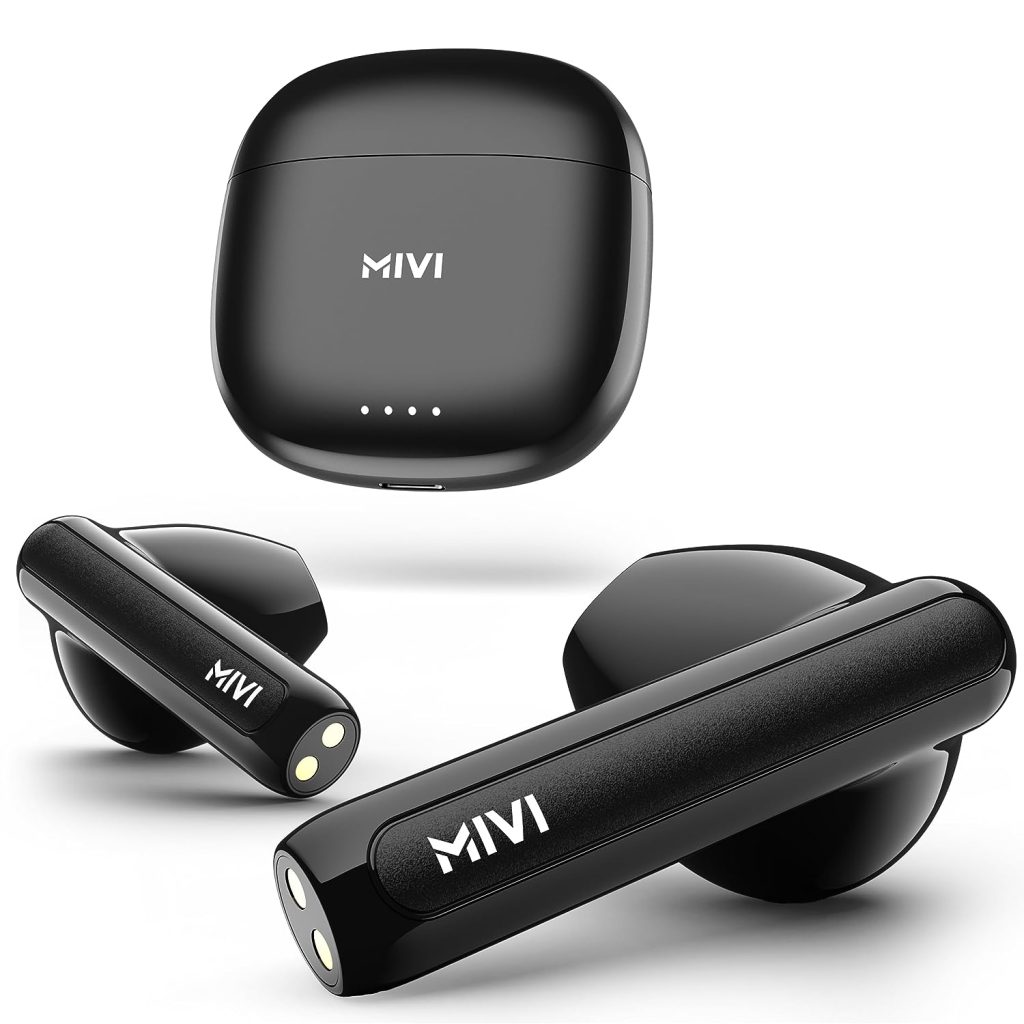
After launching the DuoPods D3 TWS earbuds last week, Mivi has now launched the DuoPods A250 earbuds in India. These new earbuds feature a lot of attractive features like sweatproofing and large audio drivers. Keep reading for more details.
Mivi DuoPods A250 specs
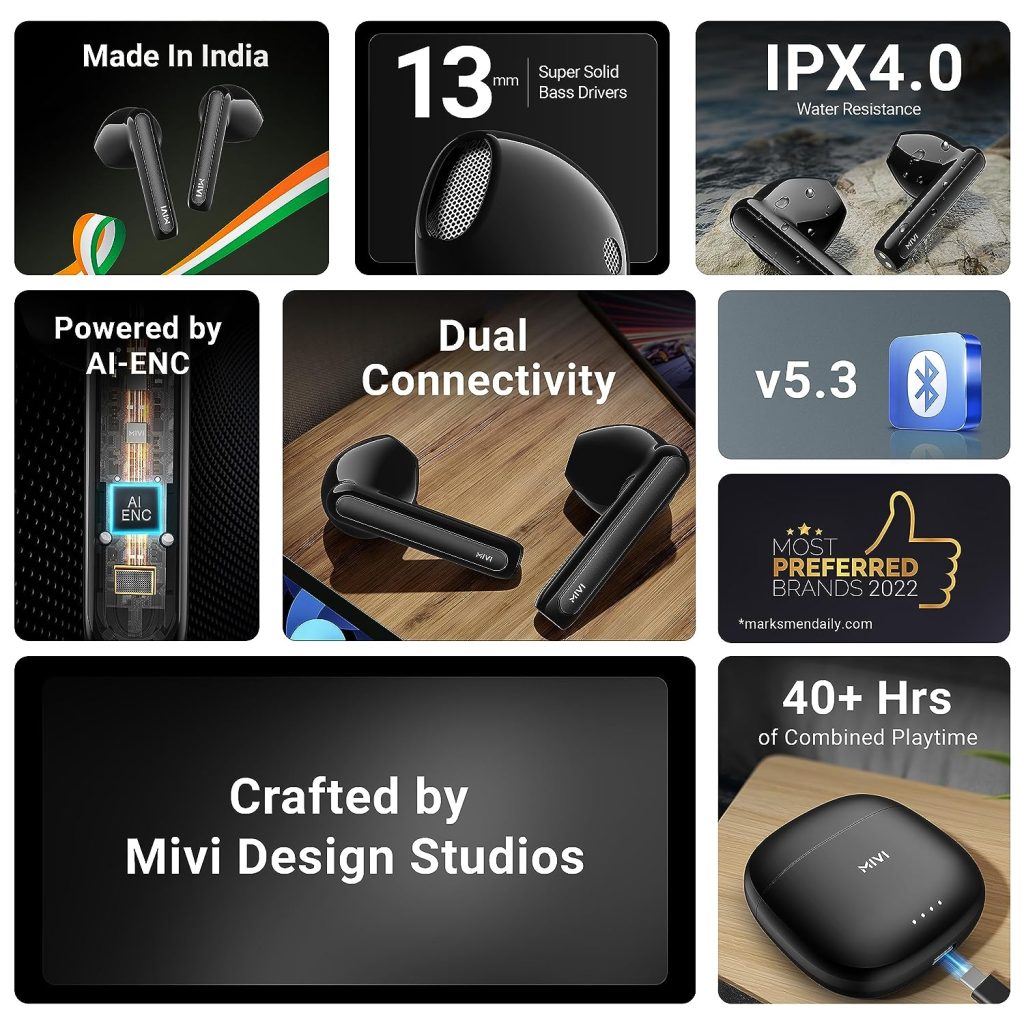
The Mivi DuoPods A250 earbuds come featuring large 13mm Super Solid Bass drivers, delivering rich and powerful audio quality. They are equipped with an AI-ENC Chip, enabling AI Environmental Noise Cancellation and HDCalls Technology for clear calls. With dual connection support, you can effortlessly switch between devices.
The DuoPods A250 boasts Bluetooth Version 5.3 for a stable and efficient wireless connection. In terms of battery, these earbuds provide an impressive 40 hours of total battery life, with 7.5 hours of continuous playtime on a single charge. Thanks to Swift Charge Technology, just a 10-minute charge can give you an impressive 500 minutes of playtime. The earbuds are also designed with IPX4 sweat resistance, ensuring they can handle sweat.
Pricing & availability
Priced at Rs. 999, the Mivi DuoPods A250 comes in Blue, Black, Space Grey, White, and Mint Green colors and is readily available for purchase on Amazon.in.
Nokia is seen shifting its focus from the mid-range and high-end smartphone market to the affordable and feature phone market. There are quite a few Nokia smartphones in the mid-range market, but a recent teaser on Nokia India confirms a 5G phone launch in India on September 6, 2023.
The specifics about the device are not revealed yet, but it is teased with a video that asks “Are you ready to experience speed?” The round corner of the smartphone is highlighted in the video. It is quite hard to guess the device as there’s no leak about the upcoming Nokia 5G smartphone. Even, there’s not a single leak that could shed some light on what we are expecting on September 6. However, we believe it to be a new X series smartphone as the launch date is matching last year’s launch of the Nokia X30.
Nokia is diligently working to launch new feature phones and affordable smartphones. The company recently introduced some additional color variants of the Nokia C12 and 2660 Flip.
The last 5G smartphone launched by an HMD-owned company is the Nokia X30 5G. It houses a 6.43-inch AMOLED display with a 90Hz refresh rate and 700 nits of maximum brightness. The HD+ display offers 1080 x 2400 pixels resolution. The smartphone is powered by a Snapdragon 695 SoC coupled with an Adreno 619 GPU. It is available in three storage variants – 128GB + 6GB RAM, 128GB + 8GB RAM, and 256GB + 8 GB RAM.
In the camera section, there’s a dual-rear camera with a 50MP primary sensor and a 13MP ultrawide lens. A 16MP sits on the front for selfies and video calling.
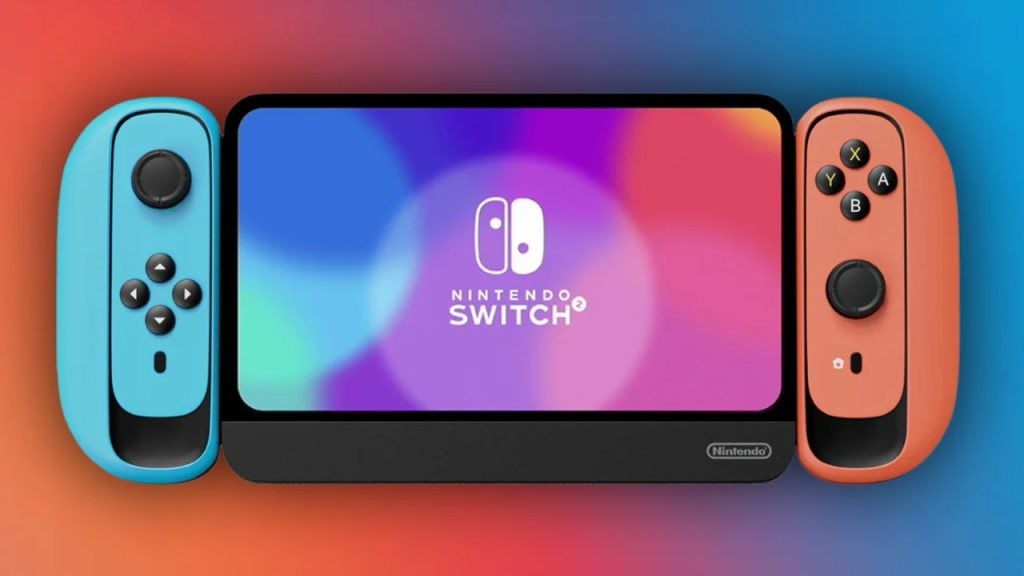
The Nintendo Switch was initially introduced in 2017, providing fans with many games like Mario and The Legend of Zelda. Since the launch, fans have wondered what the Nintendo Switch 2 will offer. According to recent reports, a few leaks about the Nintendo Switch 2 have emerged online from a leaker called “Im A Hero Too,” suggesting how the Nintendo Switch 2 will perform.
The post by the leaker mentions that the Nintendo Switch 2 is in development, and the developers are testing the Final Fantasy 7 Remake port on Switch 2. For those unaware, Final Fantasy 7 Remake was initially released on PlayStation 5 and was ported on PC after a while. According to the post, the game runs well on the new Nintendo Switch 2, almost like it’s on a PlayStation 5.
Furthermore, the Nintendo Switch 2 will be backwards compatible with a few older games, as we reported earlier. Aside from the Final Fantasy port, the post suggests that the Nintendo Switch will launch with a new cartridge and camera feature. It has yet to be confirmed how this new camera feature will work.
In related news, Denuvo will now protect games launching on Nintendo Switch from piracy using its latest Nintendo Switch Emulator Protection. For more details about this report, check out our Denuvo protecting Nintendo Switch games story.
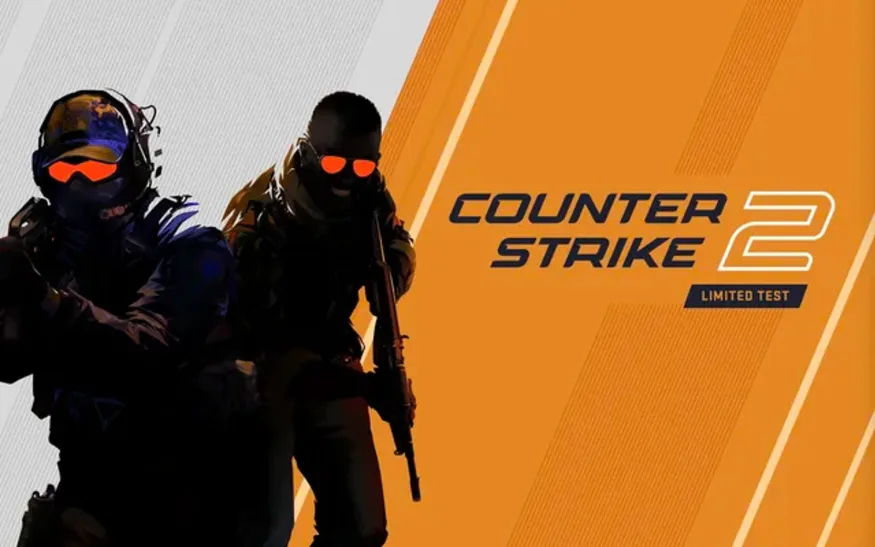
Valve is getting closer to releasing Counter-Strike 2 in late 2023. In March 2023, the first limited test was released, only available to a small group of players and content creators. According to a recent post by CS2 on X, the company is trying to invite more players to join the CS2 Limited test.
How to get Counter Strike 2 Limited test?
As per the post, the players who have Prime status and are part of a competitive skill group in Counter-Strike Global Offensive will get an invitation. When you see this invitation on the top-left corner of your screen in the game, you can click on it. It will then ask you to exit the game and download the Counter-Striker 2 upgrade, which is about 26GB in size.
It’s worth mentioning that not everyone has received the update, myself included. Following this release, I unlocked my rank in CSGO, and I’m currently waiting for the invitation. However, there’s a possibility that the company might open up testing to the remaining players in the next release.
What can we expect from this update?
With this latest limited test release, people are now getting a chance to play on the reworked Inferno map. Players can now earn points for winning games in the latest Premier mode. The game introduces its new pick-and-ban system in ranked, which is much quicker than other games. Aside from the pick-and-ban ranked mode, the new rating system has been announced, and the post on X hints at how this new rating system works. Stay tuned for more information on Counter-Strike 2.
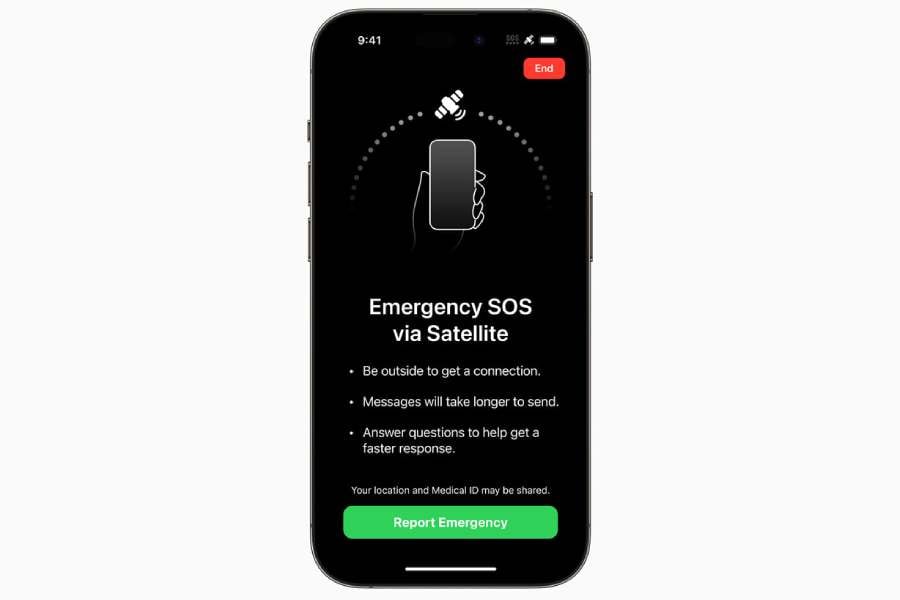
Apple introduced the Emergency SOS service via satellite on its iPhone 14 series last year. This feature is likely to be available on the upcoming iPhone 15 series, which is scheduled to launch on September 12. Just days before the launch, a new report revealed that Apple is working to improve satellite connectivity on its iPhones. Reportedly, Apple and its satellite partner, Globalstar, are working with SpaceX to launch new satellites that will improve the Emergency SOS via the Satellite feature on iPhones.
SpaceX and Globalstar to launch satellite for Apple’s Emergency SOS
As a part of the deal, Globalstar will pay SpaceX $64 million to launch new satellites that will enhance the communication network for this feature. The payments will be made in installments over time, starting now and ending in 2025, when the satellites are expected to be launched into space.
The Emergency SOS via Satellite feature was introduced by Apple last year with the iPhone 14 models. This technology allows iPhone users to contact emergency services even when they are not within cellular or Wi-Fi range.
When Apple launched the iPhone 14 series, they said that the Emergency SOS via Satellite feature would be free for the first two years. After that, users would have to pay a fee to use it. Apple has not yet released any details about how much the fee will be, but with all the expenditures Apple is making to improve its reliability, it is now logical to assume that Apple will charge a small fee to use the SOS option.
Moreover, Globalstar has agreed to allocate 85% of its current and future network capacity to Apple’s iPhones. They will also provide and maintain all personnel, software, satellite systems, and more while maintaining minimum quality and coverage standards.
This is not the first time both these companies are working together. In 2022, Apple invested $450 million in developing the critical infrastructure that supports Emergency SOS via satellite for iPhone 14 models. The majority of this funding went to Globalstar. Likewise, last year, Globalstar purchased satellite equipment worth $327 million from a Canadian company. Apple lent Globalstar $252 million to help with this purchase.
Emergency SOS via satellite is available in these countries: the United States, Canada, France, Germany, Ireland, the United Kingdom, Austria, Belgium, Italy, Luxembourg, the Netherlands, Australia, New Zealand, and Portugal.
British chipmaker ARM is gearing up for an initial public offering (IPO) as its parent company SoftBank plans to raise money from the public after the failed acquisition by Nvidia. Last month, a report said that Apple and Samsung are planning to buy shares of ARM when the IPO opens. Now a report byReuters suggests that Arm customers, including Apple, and Samsung are set to be among the investors in the chip designer’s IPO.
Apart from Apple and Samsung, ARM’s IPO has attracted many notable investors from the technology and chip industry, including AMD, NVIDIA, Intel, Cadence Design Systems, Synopsys, and Alphabet. These investors have agreed to invest in the IPO at a valuation of between $50 billion and $55 billion, Reuters reported earlier on Friday. SoftBank, ARM’s parent company, is hoping to hit this target valuation.
While the investment amounts of individual companies have not been disclosed, NVIDIA, Apple, and others have agreed to invest in Arm’s IPO. The report says that the investment amount could be between $25 million and $100 million. Arm and SoftBank are keeping aside 10% of the shares to be sold in the IPO. Amazon was also in talks to invest but has since pulled out for undisclosed reasons.
It is no surprise that Samsung and Apple are investing in ARM’s IPO. Both companies are major users of ARM chips, and they will benefit from having a say in the company’s future. However, investing in ARM’s IPO does not guarantee any special treatment, such as a seat on the board of directors or the ability to dictate strategy, reports Reuters. Still, the involvement of these companies makes it more difficult for a competitor to acquire ARM in the future.
Samsung is aiming towards several smartphones and tablets launched in the coming quarter. Among the list of upcoming devices, the Galaxy S23 FE is a much sought-after smartphone that is trending on the rumor-mill board. It has already appeared on multiple public certifications and leaks, and the device bearing model number SM-S711B/DS was recently spotted on Thailand’s NBTC. The listing confirms its upcoming launch in Thailand, and once again confirms its nearing launch
The listing further confirms the presence of 2G, 3G, 4G, and 5G network connectivity, but it does carry certificate number B38450-23.
Most of the specifications and other details are already present via its appearance on Bluetooth SIG, SafetyKorea, GCF, and 3C certifications. It appeared on Kazakhstan’s support website, and bundles support for GeekBench and IMEI platforms. From the above listings and some leaks, we have concluded its onboard specifications and features. However, the pricing information is not available.
Samsung Galaxy S23 FE Expected Specifications (Expected)
It is tipped to feature a 6.4-inch Full HD+ Dynamic AMOLED display with a 120HZ refresh rate. It will house Qualcomm Snapdragon 8 Gen 1 SoC and Exynos 2200 in respective regions coupled with up to 12GB RAM and up to 256GB onboard storage.
In the camera department, it will bundle a triple-rear camera module coupling a 50MP OIS primary camera, 8MP ultrawide sensor, and a 12MP telephoto lens. On the front, a 10MP sensor might make its place.
There would be a 4500 mAh battery with 25W fast-charging technology. It will run on Android 13-based OneUI 5.1.
The smartphone will receive four years of major OS updates and five years of security updates. It will come with Wireless Charging and IP rating.
These specifications are confirmed via Geekbench listing and via some leaks. Make sure to take these as a grain of salt in the ocean, as nothing is official by Samsung.
Huawei’s 2022 flagship smartwatch, the GT 3 Pro has started receiving a new firmware update—version 3.0.0.101—in Europe. The update includes a number of new features and optimizations to improve the user experience.
These new features include hibernation mode, which puts the watch into a low-power state when not in use, and a context menu that provides quick access to frequently used settings. The update also includes a new feature that detects when the band is not properly fitted during exercise.
Below is the changelog with all the new features added to the smartwatch.
Changelog:
This update adds hibernation and allows you to open an app from the context menu by simply holding down the icon.
[Updates]
Adds hibernation
Allows you to open an app from the context menu
Adds the function of detecting if the band is too loose when exercising
Support incoming call notifications for specific social media apps
Supports detecting incoming messages from specific social media apps via emojis
[Optimizations]
Optimized the accuracy of the swim lane count
Optimizes the accuracy of heart rate monitoring during exercise
Improves the accuracy of SpO2 measurements
Note:
For a better user experience, it is recommended to first update the Huawei Health app to the latest version in the app store
Do not disconnect the Bluetooth connection during the update. If the update fails, try again
It may take a little time to update the wearable. Wait for the progress bar on the device to indicate the end of the process. The device will restart automatically after the update is complete
If you encounter any problems while using the device, call the Huawei customer hotline or visit a Huawei customer service center
To download the update, Huawei Watch GT 3 Pro users can open the Huawei Health app and go to Me > Check for Updates.
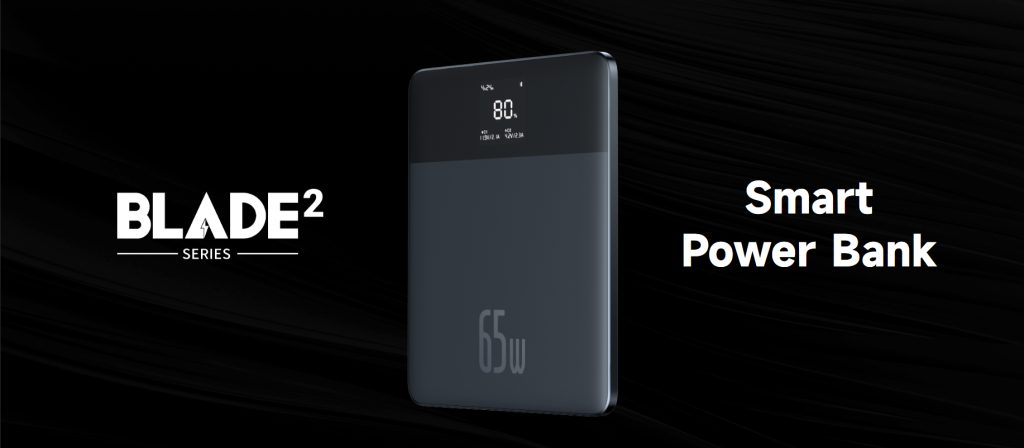
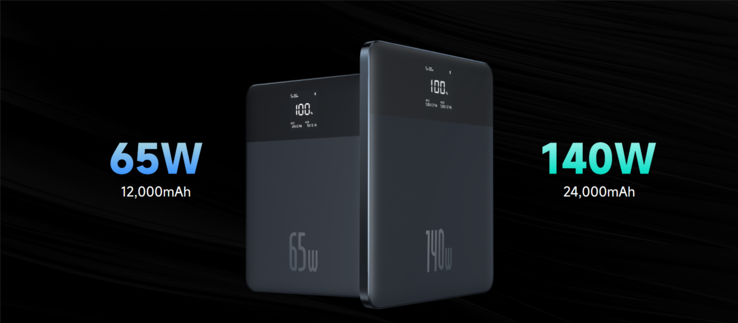
Baseus has announced its intention to showcase the new Blade2 Smart Power Bank at IFA 2023 Berlin. The Baseus Blade2 smart power bank features up to 140W fast charging and comes in new colorways. The brand also plans to unveil a new GaN desktop charger with ultra-fast charging up to 240W, among other products.
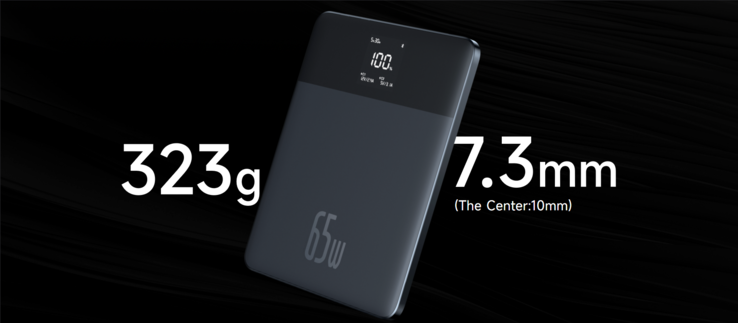
The IFA 2023 product sneak peek by Baseus was held at the Hotel Adlon Kempinski in Berlin. The second generation Baseus Blade Power Bank will be available in 65W and 140W options. They retain the ultra-thin design from the first iteration and are also light. The power bank starts at a weight of 323g and a thickness of 7.3mm. In terms of capacity, the Baseus Blade2 offers up to 24,000mAh in capacity. New colors like Horizon Silver, Mariana Blue, and Sandstone Orange will join the original black colorway of the power bank.
The new Baseus 240W Desktop Fast Charger can charge up to five devices simultaneously. It offers both AC and USB Type-C PD 3.1. It comes with a real-time charging status display and app support. Another Baseus power accessory slated for unveiling at IFA 2023 is the latest MagPro magnetic charging devices including car, desk, and wall-mount options. Baseus will also unveil MagSafe-capable power banks. There are other Baseus accessories like the Lightning-free extendable cables for a variety of scenarios.
This year’s IFA event is held in Berlin from September 1 to 5, 2023. Baseus’ products are stationed at Booth A116 in Messe Berlin’s Hall 5 throughout the fair.
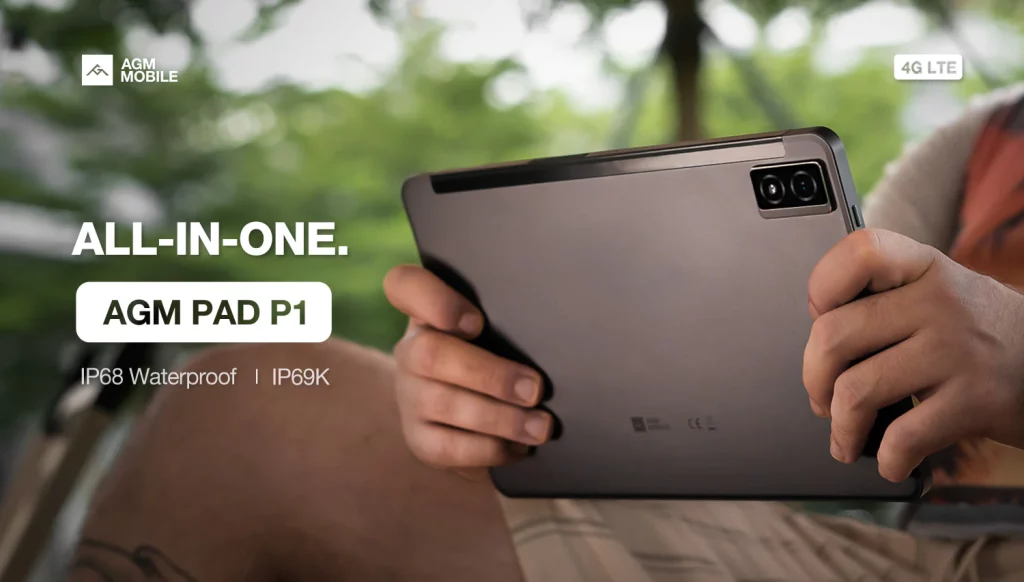
The ongoing IFA 2023 Berlin has seen a raft of innovative products being announced by several brands. The latest announcement is the AGM Mobile Pad P1 tablet which comes with Android 13. The new AGM Mobile tablet features IP68 and IP69K waterproof protection and optional 4G/ LTE support. Recall that the tablet was first announced in China in July.
AGM is known for its rugged smartphone offerings and the new all-in-one tablet reflects the AGM tradition. The Pad P1 tablet has a 10.36 FHD screen and a multi-use design. The dust- and water-resistant tablet, according to AGM, is heavy-duty yet light and sleek. It has waterproof plugs for its ports and supports USB-C 18W charging.
The AGM Pad P1 has a 7,000mAh battery and the tablet is powered by the MediaTek Helio G99 chipset. The MediaTek Helio G99 SoC packs appreciable performance and durability to the device, offering both productivity and entertainment. The tablet has Dual Box Stereo Speakers located behind the grille of the shorter side of the tablet’s frame. The frame itself is flat-edged while a camera hump similar to that of the Lenovo Legion Y700 is present. One of the two camera rings on the tablet features an 8MP sensor.
The AGM Pad P1 is well-suited for outdoor use. Apart from its USB-C port, it also has a 3.5mm audio jack. The RAM/ internal storage configuration of the Pad P1 is 8GB/ 256GB and it supports microSD cards up to 2TB. Different versions of the Pad P1 will be available depending on the market. This includes the US and EU versions. While the US version comes with a $199 price tag, the European version offers 4G/LTE and Wi-Fi connectivity and is priced at €299.99 (~$325).
After overcoming previous bottlenecks in supply chain and factory downtime, GMC is stepping on the gas in the electric vehicle market. The Hummer EV Pickup and Hummer EV SUV, GMC’s all-electric flagship models, have been gradually pulling out of the snags to set a promising course for the brand.
GMC’s Hummer EV Factory was offline for some time in the past
According to data from GM Authority, GMC managed to roll out 2,439 units of its electric Hummers in July 2023 alone. Coupled with 2,590 in May and 2,750 in June, this marks a consistent performance for three months straight. Considering the company’s pledge to ramp up production, these numbers are anything but shocking.
What makes this intriguing is the context. General Motors‘ Factory Zero, responsible for the Hummer’s production, was offline for a few months at the end of last year. Why? To prepare for other big electric releases like the Chevrolet Silverado EV and GMC Sierra EV. This downtime could have affected Hummer’s production more severely. But it didn’t.
GMC already boasts a total of 16,088 electric Hummers off the assembly line since October 2021. Despite a slow start with just 49 units delivered in the first half of the year, all signs indicate a steep curve upward in customer deliveries come Q3.
For those wondering if it’s too late to get a slice of this electric behemoth, tough luck. Reservations closed in September 2022, with an astonishing 90,000 units reserved, backed by $100 refundable deposits. But be ready to dish out a bit more, as the price for the Hummer EV Pickup was recently bumped by $1,600.
Given the average monthly production, we’re looking at an annual rate of about 30,000 units. A solid number, especially for electric vehicles that start at just under a whopping $100,000
The social media platform formerly known as Twitter, now called X, is not just about tweets and likes anymore. According to its updated privacy policy, X plans to collect biometric, job, and educational data from users. Why? To train artificial intelligence models, says owner Elon Musk.
X seems to have long term plans for creating new applications and integrations
Don’t worry about your private messages, though. Musk confirms that only public information will be used. But the question remains: Why does X need this data? Musk, who’s always been ambitious, recently launched an AI company, xAI, aiming to decipher the universe’s secrets. So it seems likely that your personal details could feed into this grand vision.
Another angle? Musk has talked about making X a “cool” alternative to Linkedin, which he calls “cringe.” With the new policy, collecting job and education data makes sense for this aim.
Sure, X could just sell the data; they’re not rolling in ad dollars. But there’s no evidence to support this. Unlike Twitter, which used data for its own growth, X seems to have grander plans.
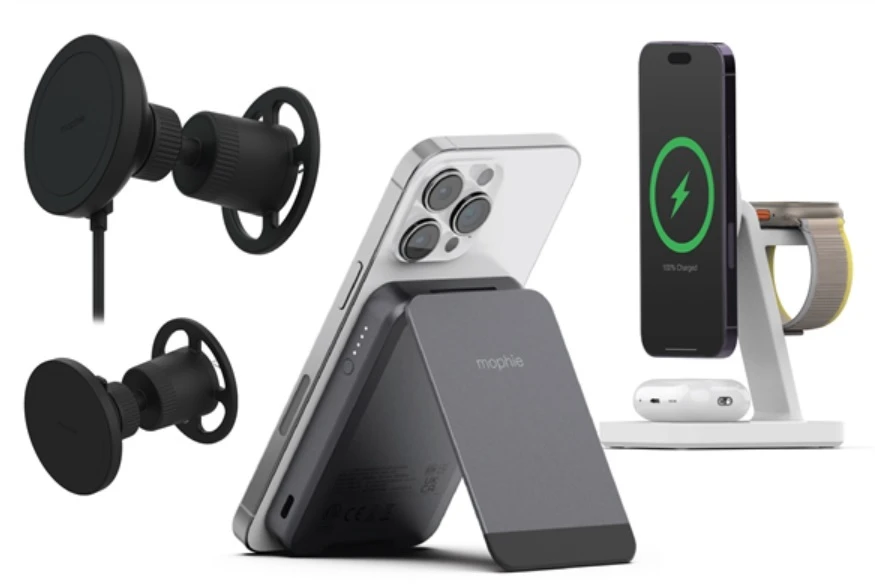
Mophie has once again proven to be ahead of the curve in mobile charging solutions with their latest release at IFA. This time, they’ve raised the bar by incorporating the new Qi2 wireless charging standard into their product range, promising faster and more reliable charging.
The charging station could be a great addition to a desk or a dresser with multiple devices
What sets this release apart? Take the snap+ wireless charging vent mount, for example. Priced at $69.95, this gadget could be the unsung hero for the gig economy, particularly ride-sharing drivers. It not only provides a 15W power boost but also keeps the phone securely mounted on the car’s front vent. That’s a two-in-one deal that’s hard to beat when you need to keep your eyes on both the road and your navigation app.
The snap+ 3-in-1 stand is another standout, offering a charging solution for those with multiple Apple devices. For $129.95, it allows simultaneous charging of your Qi2-compatible phone, Apple Watch, and AirPods. Talk about an all-in-one charging station for Apple enthusiasts! This could declutter your workspace or bedside table in a jiffy.
Matt DiPrimio, Mophie’s director of product management, emphasized how the new Qi2 standard will enhance charging speed and reliability. It uses magnets to ensure perfect alignment with charging coils, a feature inspired by Apple’s MagSafe tech.
So, whether you’re a ride-share driver looking for a convenient in-car charging option or a multi-device user aiming to streamline your charging routine, Mophie’s new range might just be what you’ve been waiting for.
Customers can expect these products to be available for order later this year, both online and through select global retailers. Plus, all these gadgets come with a two-year warranty, making it a safer bet for those willing to invest in high-quality charging solutions.
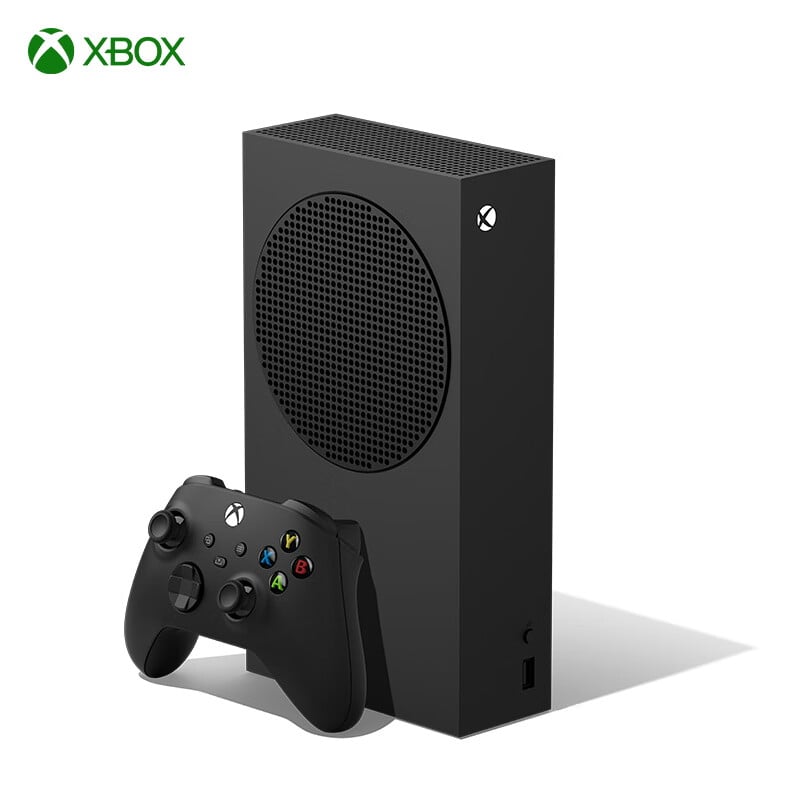
Microsoft has just released an upgraded version of its Xbox Series S, making digital gaming more convenient and eco-friendly than ever. For a $350 price tag, gamers can now enjoy a whopping 1TB storage, double that of its predecessor’s 512GB, in the brand-new “Carbon Black” shade.
The Series S is economical, with no disc drive and a lower resolution
This expanded storage is a game-changer for Xbox Series S owners. Since the console is digital-only, all your games have to fit into the built-in hard drive. Previously, with just 512GB, you could barely store three or four AAA games, considering the latest Bethesda release, Starfield, requires a whole 130GB. Now, the Series S’s 1TB hard drive means you can host around seven or eight high-end games, along with several smaller indie titles, giving you a breather before needing to decide which games to delete or purchase an external hard drive.
But storage isn’t the only thing that’s new. The Series S now incorporates various components made from post-consumer recycled (PCR) resins. In an age of increasing awareness about environmental sustainability, this is Microsoft tipping its hat to a greener future.
When you’re out shopping for an Xbox, the Series S and Series X might sound similar but have key differences. Series S is the economical cousin of the higher-powered Series X. It doesn’t come with a disc drive and is designed for lower resolutions (1080p or 1440p) compared to Series X’s 4K capabilities. Yet, the Series S’s newest model is closer to narrowing that gap, with the storage at least.
We use cookies on our website to give you the most relevant experience by remembering your preferences and repeat visits. By clicking “Accept”, you consent to the use of ALL the cookies.
This website uses cookies to improve your experience while you navigate through the website. Out of these, the cookies that are categorized as necessary are stored on your browser as they are essential for the working of basic functionalities of the website. We also use third-party cookies that help us analyze and understand how you use this website. These cookies will be stored in your browser only with your consent. You also have the option to opt-out of these cookies. But opting out of some of these cookies may affect your browsing experience.
Necessary cookies are absolutely essential for the website to function properly. This category only includes cookies that ensures basic functionalities and security features of the website. These cookies do not store any personal information.
Any cookies that may not be particularly necessary for the website to function and is used specifically to collect user personal data via analytics, ads, other embedded contents are termed as non-necessary cookies. It is mandatory to procure user consent prior to running these cookies on your website.