Samsung has already launched the Galaxy Tab S9 series recently. As per multiple reports, the South Korean brand is working on two additional models in the lineup namely the Galaxy Tab S9 FE and FE+. Apart from the flagship Tab S lineup, Samsung also has the Galaxy Tab A series in its portfolio catering to the budget segment. However, the company last launched a tablet in the Tab A lineup in 2021. Now the Galaxy Tab A9 has bagged FCC and WiFi Alliance certifications.
Samsung Galaxy Tab A9 appears on FCC and WiFi Alliance
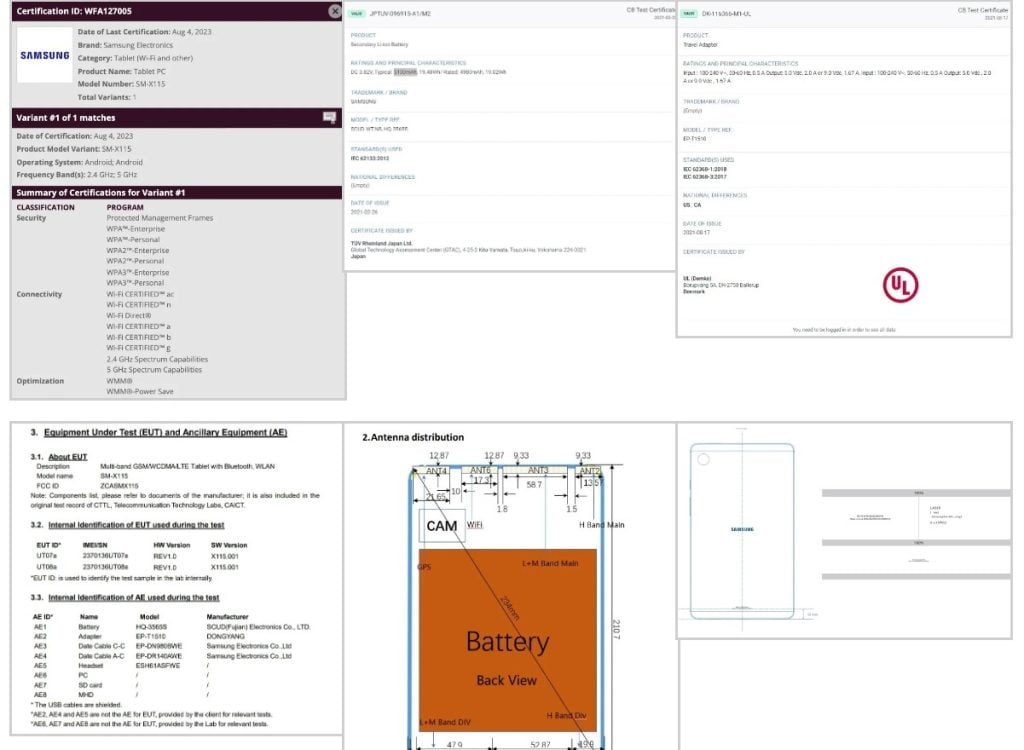
The Samsung Galaxy Tab A9 has been spotted on FCC and WiFi Alliance certification websites with the model number SM-X115. The former reveals a host of information about the device.
As per the FCC listing, the Samsung Galaxy Tab A9 will measure 210.7mm in length and 124.7mm in width. The certification also shows the schematics and live images of the tablet. It has a single rear camera on the back panel, There is a USB-C port and a 3.5mm jack at the bottom whereas the power and volume rocker buttons are on the right side. The device seems to have a boxy form factor. There are bezels surrounding the display.
The FCC certification reveals that the Samsung Galaxy Tab A9 will be backed by a 5,100mAh battery unit with support for 15W fast charging. Additionally, connectivity options on the device will include LTE support, WiFi, FM, GPS, and Bluetooth,.
The WiFi Alliance listing of the Galaxy Tab A8 confirms its WiFi model. It does not mention any details.
The Samsung Galaxy Tab A9 will arrive as the successor to the Galaxy Tab A8 that debuted in December 2021.
Samsung unveiled the fifth-generation Galaxy Z foldables last month. The Galaxy Z Fold 5 arrived with incremental upgrades over its predecessor but the Z Flip 5 packed significant changes compared to its last year’s model. Both foldable phones went up for pre-orders on the day of launch with shipments set to commence from August 11 in multiple countries across the globe. Now the South Korean brand has revealed that both devices have smashed pre-order records in its home market.
Samsung Galaxy Z Fold 5, Z Flip 5 pre-order records in South Korea
Samsung opened pre-orders for its latest-generation foldable phones in its home country on August 1. As of today, the company announced that it has received 1.02 million pre-orders for the Galaxy Z Fold 5 and Z Flip 5. It broke the previous record of 9,70,000 units held by the Galaxy Z Fold 4 and Z Flip 4 last year.
Samsung said that this time the Galaxy Z Flip 5 was more popular than the Galaxy Z Fold 5. The former recorded 70 percent of total pre-orders whereas its predecessor had accounted for approximately 60 percent of the pre-orders received during the one week from August 1. The latest clamshell foldable phone registered 7,14,000 units of pre-orders whereas the Fold 5 scored 3,06,000 units with still a few days to go for the closure of the pre-order window. The figures clearly indicate that more people were interested in the Galaxy Z Flip 5 which is no surprise considering that it got a significant upgrade with a larger secondary display.
Surprisingly, the Samsung Galaxy Z Fold 5 clocked 3,06,000 units in pre-order. It’s predecessor had recorded 3,88,000 pre-orders. This seems underwhelming despite the strong trade-in offers and the new Flex Hinge mechanism that leaves no gap between the two halves of the phone, smooth experience, and dust resistance.
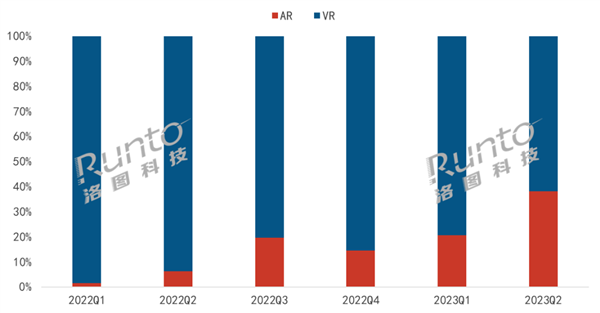
China’s VR/AR market has seen dramatic shifts in Q2 2023, as revealed by the latest data from Runto Technology (RUNTO). In this period, the market witnessed sales of 178,000 units, marking a year-on-year (YoY) decline of 51.2%. But this broad figure hides a fascinating story of divergence between the two technologies.
Credit: iStock Photo
AR Devices See a Slight Decrease in Average Pricing
Virtual Reality (VR) online sales endured a significant downfall, with a 60.9% YoY decrease. The factors behind this steep drop remain speculative but could be linked to shifting consumer preferences or technological advancements in other areas.
Contrasting VR’s decline, Augmented Reality (AR) devices have seen a meteoric rise, with a staggering 258% YoY growth in sales. Additionally, AR devices’ market share has increased by 38% within the overall online VR/AR sector. This growth trend is accompanied by a mild reduction in the average price of AR devices, now at 2,828 yuan.
Three brands, namely Raybird Innovation, XREAL, and Rokid, have emerged as the dominant players in China’s AR online market. They hold an extraordinary 90.2% combined market share, as per the CR3 index, for the second quarter. Raybird Innovation leads with a 39.1% share, followed by XREAL at 32.2% and Rokid at 18.9%.
The divide between VR and AR could signify a broader shift in consumer interest and technology development. While VR’s immersive experience might be losing appeal, AR’s ability to blend virtual elements with the real world is gaining traction. This shift might also be influenced by a wider range of applications and the utility that AR offers. Apple’s recently announced AR headset, Vision Pro, has already contributed significantly to boosting the AR industry, despite its unreleased status.
RUNTO’s forecast for the remainder of 2023 seems to underline this trend, projecting robust growth in China’s consumer-grade AR devices market. The expected annual total sales across all channels could range between 200,000 and 250,000 units, translating to an incredible YoY growth of 100% to 150%.
It’s the first week of August and the update for Pixel devices is here with all new enhancements and improvements. Apart from minor tidbits on Pixel Watch, the August 2023 update brings the majority of changes for the Pixel Fold and Pixel tablet. Alongside the August 2023 Security Patch, the update brings a fix for the Bluetooth Connection issue on Pixel Fold and Pixel Tablet.
Security Updates have really improved the Android Ecosystem as a whole, and the regular patches for mainstream Android devices really help in plugging security flaws. Following each month’s routine, Google Pixel smartphones are getting a new security patch. This time, Google patched over 30 security vulnerabilities.
Pixel Tablet and Pixel Fold are major gainers as plenty of issues related to both devices have been fixed with the update. Especially, there’s a fix for the issue while connecting Bluetooth Keyboards, and the flicker issue on the Pixel tablet while in Hub Mode is also resolved. There are several other changes and here’s the official changelog:
Bluetooth
Fix for issue occasionally causing Bluetooth keyboards to not connectUser interface
Fix for issue causing certain Live Wallpapers to display incorrectly in different device orientations
Fix for issue occasionally causing lock screen to not respond
Fix for issue occasionally causing home screen launcher search input to not register
Fix for issue occasionally causing flickering or glitches while in Hub Mode
The update is rolling out for all the Pixel smartphones which are yet under the update cycle. Surprisingly, this is the last scheduled update for the Pixel 4a smartphone.
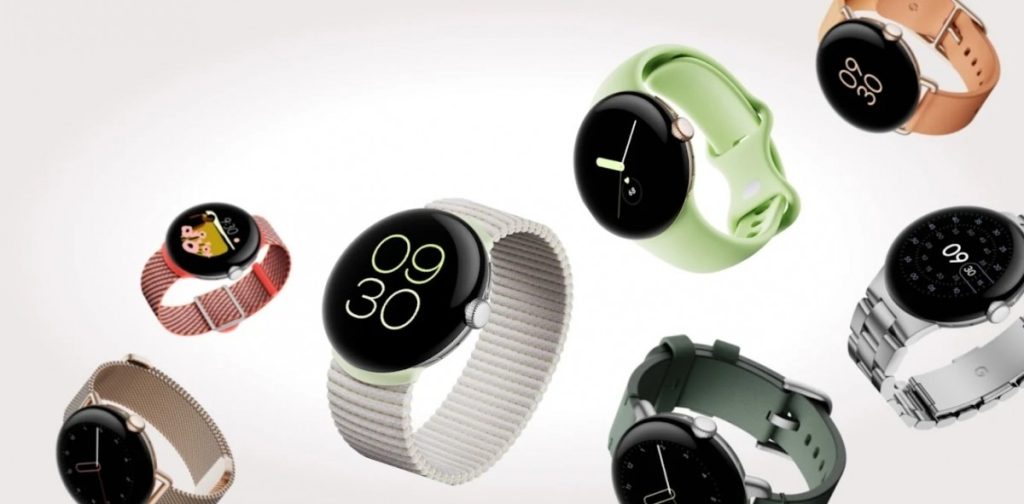
Pixel Watch is receiving another minor update bringing August Security Patch via the firmware RWDC.230805.001. The update is gradually rolling out and may take a week to full availability across the globe. It bundles a fix for eight high-severity issues.
The users can manually check for the update by heading to Settings > System > System updates.
OnePlus recently confirmed that the eagerly awaited OnePlus Ace 2 Pro smartphone will officially release on August 16. As the launch date approaches, OnePlus has also announced a special Genshin Impact Edition for the Ace 2 Pro.
Over the past few years, OnePlus has launched several special Genshin Impact Editions of their smartphones. We have reviewed some of them as well (our hands on with the Ace 2 Xiangling edition is here).
As per a recent update on Weibo, the upcoming Ace 2 Pro will also have a limited edition version inspired by our most reliable companion, Paimon. For those who don’t know, Paimon is a cheerful and outgoing character in the game who likes socializing with people and openly expresses her feelings toward others. Her referring to herself from a third-person point of view makes her character more likable.
Unlike the earlier special edition models like the OnePlus Ace Pro, the official teaser reveals that this upcoming Genshin Impact edition model will not have a custom-themed paint job. In the image, the phone seems to have a grey-themed build with no physical difference. That being said, we can expect it to have a custom UI based on Genshin Impact.
Judging by the teaser, we can see a mystery box at the bottom of the post, which may contain special Genshin Impact theme-based accessories like a themed charger, back cover, and collectibles including cards, stickers, and a themed SIM ejector tool. Check out our hands on with one of the editions to see the possible customizations.
Based on recent reports, the upcoming OnePlus Ace 2 Pro will feature up to 24GB RAM. The device is rumored to come with a sizable 6.7-inch OLED display, offering a clear 1.5K resolution and a fluid 120Hz refresh rate. The smartphone might feature a 5,000mAh battery, which could support rapid 150W fast charging. Adding to earlier reports, it’s been suggested that the Ace 2 Pro could potentially be equipped with the flagship Snapdragon 8 Gen 2 processor.
The recent leaks also indicate that the phone will have a Tiangong cooling system making it the world’s first aerospace-grade three-dimensional cooling system smartphone.
Stay tuned for further updates and leaks regarding the upcoming OnePlus Ace 2.
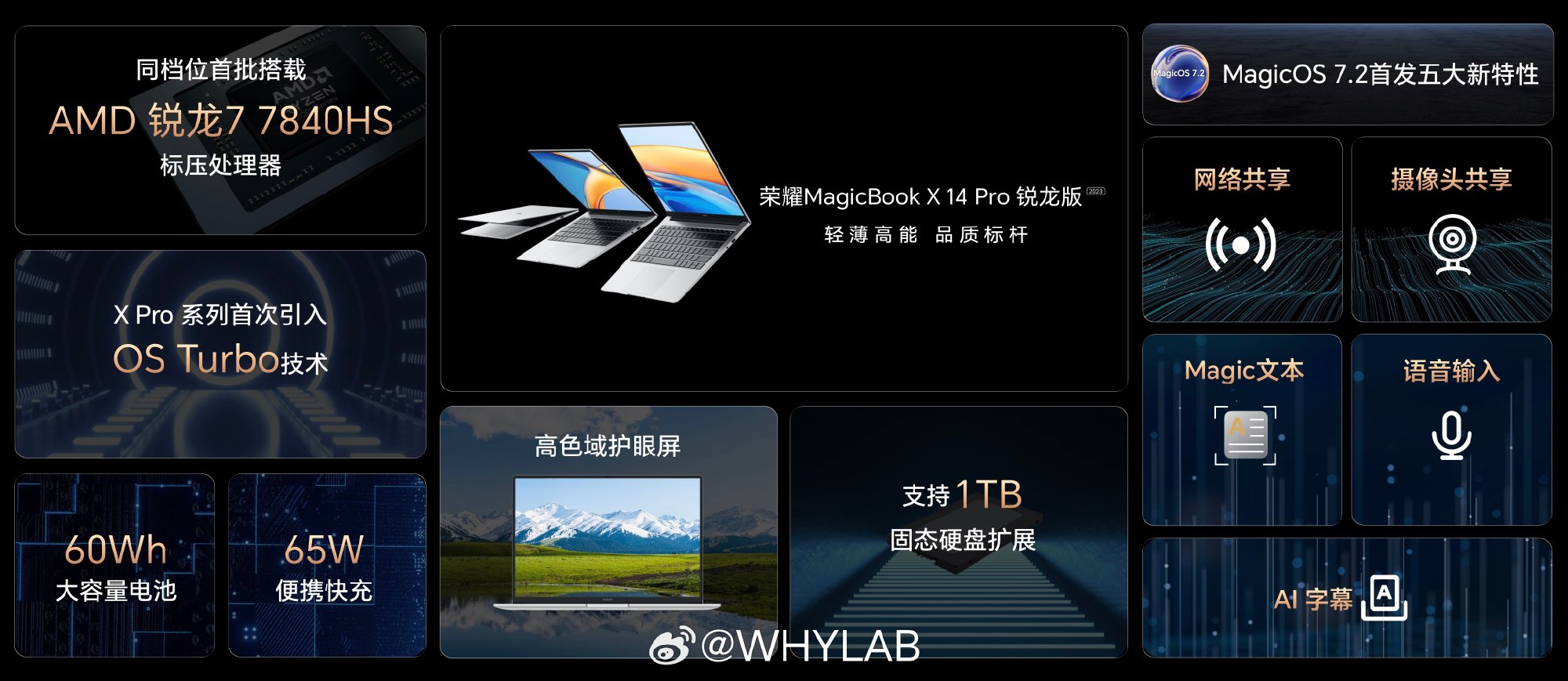
Honor has introduced the Honor MagicBook X 14 Pro and X 16 Pro Ryzen Edition laptops in the Chinese market. As the previous line suggests, both of these laptops come equipped with cutting-edge AMD Ryzen 7000 series processors. Check out the details below.
Honor MagicBook X 14 Pro and X 16 Pro Ryzen Edition specs
Specs-wise, both laptops are equipped with the Ryzen 7 7840HS processor, high-speed 16GB LPDDR5x memory, and a 512GB NVMe PCIe solid-state drive. The cooling mechanisms differ between the two sizes. The 14-inch model boasts a built-in 90×85mm fan and an expansive 20600 mm² heat dissipation fin area. On the other hand, the 16-inch version features a larger built-in 100×91mm fan and an even bigger 29700 mm² heat dissipation fin area.
Both laptops feature a 1920×1200 LCD IPS matte screen, presenting a 16:10 aspect ratio, 300nit brightness, and 100% sRGB color gamut. Additionally, these screens have been certified by TÜV Rheinland for hardware low blue light eye protection. They also support Honor’s natural light eye protection technology.
The laptops are equipped with a 60Wh battery that supports a 65W fast charging feature. As for connectivity, there is a variety of port choices, including a 3.5mm stereo headphone jack, a USB4 interface with a speed of 20Gbps, a standard HDMI interface, and USB-A interfaces operating at USB 3.2 Gen 1 speeds.
The 14-inch variant boasts a thickness of 16.5mm and a weight of 1.4kg, while the 16-inch version measures 17.9mm in thickness and weighs 1.75kg. Both laptops are available in star gray and ice silver colors.
Price & availability
The Honor MagicBook X 14 Pro (16GB + 512GB) comes with a price tag of 4199 yuan ($582) during its first sale. On the other hand, the MagicBook X 16 Pro with 16GB RAM & 512GB SSD will cost 4399 yuan ($610).
After the first sale ends, these laptops will cost 4499 yuan ($623) and 4699 yuan ($651) respectively.
Realme launched a host of devices in India last month including the C53, Narzo 60 series smartphones, Pad 2 tablet, and Buds Wireless 3 earphones. Previously, the brand teased the arrival of the Buds Air 5 Pro TWS earphones in the country. Now Realme has dropped a new teaser on Twitter confirming the launch of a new smartphone. It also reveals some key details of the upcoming offering.
Realme teases new phone in India
We came with a vision of “No Leap, No Launch”. But what if we double the leap this time. Get ready for the next leap forward revolution!
Realme has not explicitly revealed the name of the upcoming smartphone. The brand is teasing the device with a ‘Double Leap, Coming Soon’ tagline. The shared teaser image gives us a hint at the forthcoming Realme phone. The device has a circular camera module on the left side of the back panel. The volume rocker and power buttons are located on the right side with the latter doubling up as a fingerprint scanner. The rest of the details of the smartphone remain a mystery for now. We can expect Realme to share more teasers in the coming days.
Going by the teaser image, the upcoming Realme smartphone seems to be the Realme 11 that debuted in the global markets recently. It remains to be seen whether the brand will launch the phone’s 5G or 4G version in India.
The Realme 11 5G and 4G have slightly different specs from each other. The former has a 6.7-inch LCD display with an FHD+ resolution and a 120Hz refresh rate whereas the latter features a 6.4-inch AMOLED panel with an FHD+ resolution and a 90Hz refresh rate. Both phones have a 108MP HM6 primary camera paired with a 2MP secondary lens on the back. Internally, the 5G variant is powered by a Dimensity 6100+ processor while the 4G model is equipped with a Helio G99 SoC. Both phones pack up to 8G RAm and 256G storage. They are backed by a 5,000mAh battery with support for 67W fast charging.
GearBerry is the ultimate destination for savvy do-it-yourself enthusiasts seeking high-quality industrial equipment, power tools, safety supplies, and more at competitive prices. With a strong emphasis on electric tools, 3D printers, and laser engravers, GearBerry is driven by a genuine passion for DIY projects and top-notch power tools.
Handpicked from the finest manufacturers and with a focus on customer feedback, GearBerry ensures only the best tools make it to their product assortment. Renowned brands like Anycubic, Kaiweet, Ortur, and Xtool are available at impressive discounts, and exceptional post-sale services guarantee customer satisfaction.
For a limited time, GearBerry offers substantial discounts on DIY gadgets with free shipping from local warehouses and a 7-day refund and 30-day exchange policy. Maximize your savings and efficiency with GearBerry, your go-to source for all your DIY needs. So let’s explore some intriguing offers from GearBerry.
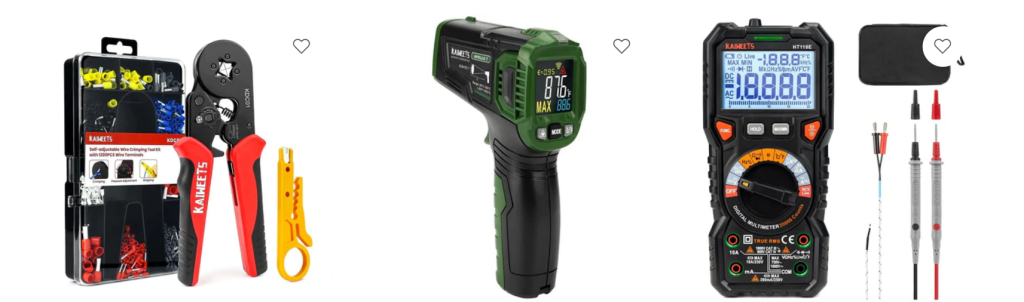
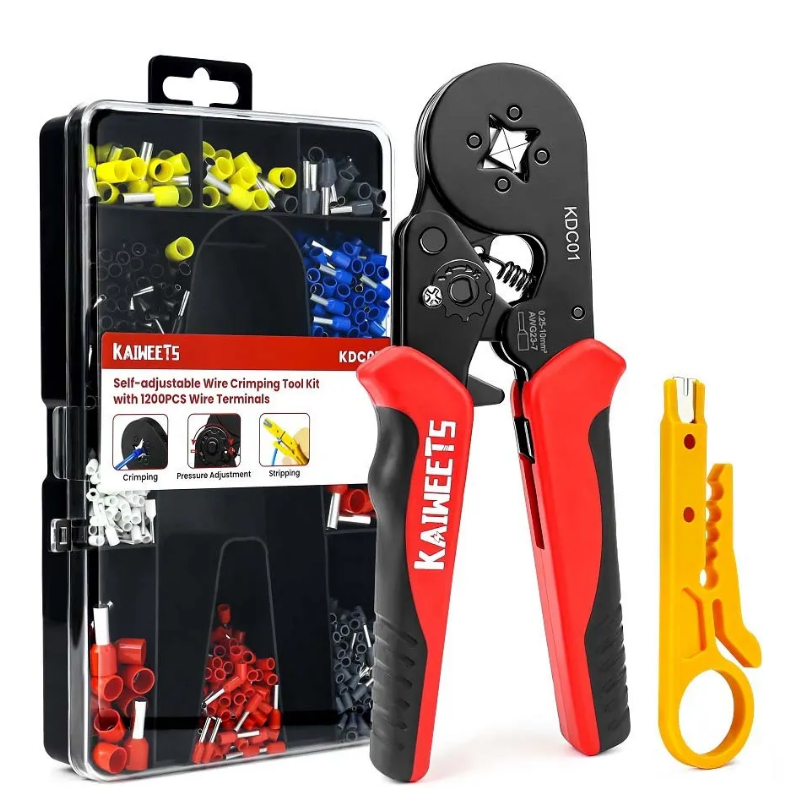
KAIWEETS KDC01 Crimping Tool – Ultimate Solution for High-Quality Pressing!
With the KAIWEETS KDC01, you can confidently press the venous end cannula between 0.25-10 mm2 using the included crimping tool set. This innovative tool automatically adapts to the relevant insulating sleeve, ensuring consistent and reliable performance every time.
Perfect for various crimping tasks, the KAIWEETS KDC01 features a high-efficiency ratcheting mechanism and a professional crimping die. Its adjustable crimping force and quick-release lever allow you to crimp both insulated and non-insulated ferrules ranging from 0.34-10mm² (22-8 AWG) with ease and precision.
The wide application of this ferrule crimping tool makes it an essential addition to your toolbox. Whether you are working in electrical maintenance workshops, automotive mechanics, machines, automobiles, electric welding, or running an electrical business, the KAIWEETS KDC01 is the go-to tool for all your crimping needs.
What’s more, the package comes complete with 1200 crimp connectors, a high-quality crimper plier, a small stripper, and a convenient collected case, providing you with everything you need for efficient and organized work.
KAIWEETS KDC01 Crimping Tool is a reliable and versatile solution for high-quality pressing. Say goodbye to subpar crimping tools and upgrade to the KAIWEETS KDC01 for effortless and professional crimping results.
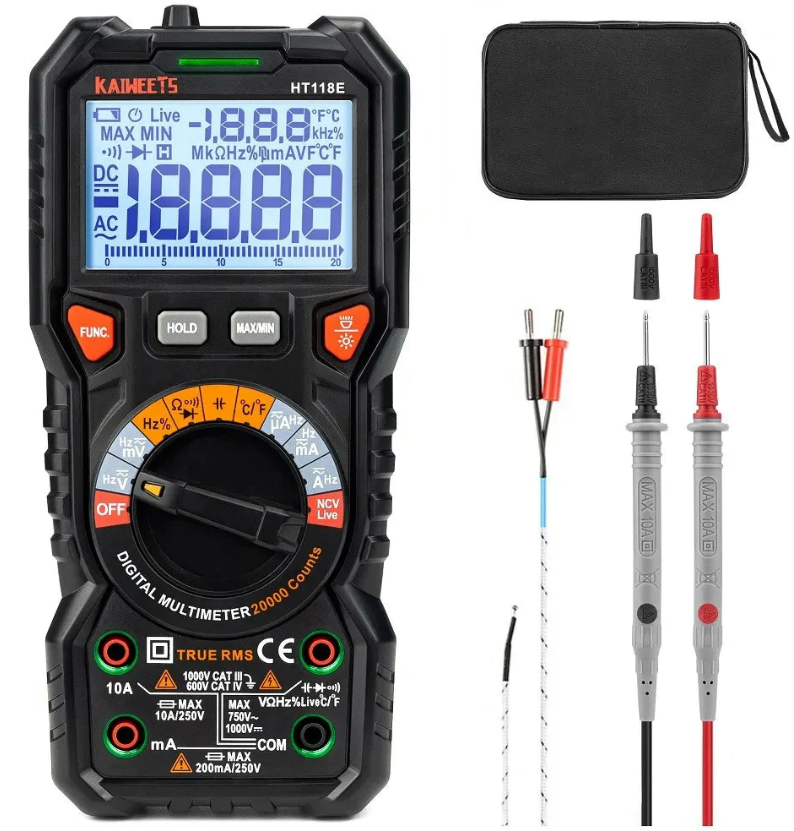
KAIWEETS HT118A Multimeter – Best Electrical Testing Companion!
Retail Price: $49.99 Discounted Price: $39.99
The KAIWEETS HT118A Multimeter is a powerful and reliable tool designed to handle a wide range of electrical measurements with ease and precision. Whether you’re a professional electrician, an electronics enthusiast, or a DIY enthusiast, this multimeter is a must-have for your toolkit.
With the KAIWEETS HT118A, you can confidently measure up to 600V AC/DC voltage, 10A AC/DC current, and 60 MOhms resistance, covering all essential electrical parameters. But it doesn’t stop there! This versatile device goes above and beyond, offering additional functionalities such as temperature, capacitance, frequency, duty-cycle, wire on-off, and diode/continuity tests – truly an all-in-one solution.
Operating the KAIWEETS HT118A is a breeze. Simply switch the dial to your desired function, and the LED lights on the jacks will illuminate accordingly, making it easy to plug in the leads correctly. Thanks to its auto-ranging feature, there’s no need to manually select the value range; the multimeter intelligently does it for you. Plus, the large 2.9” LCD backlight display with easy-to-read digits provides a crystal-clear view, offering a 6000-count resolution for precise readings.
Safety is paramount with the KAIWEETS HT118A. It comes equipped with non-contact voltage testing and a live function with sound and light alarms to alert you of potential hazards. The built-in flashlight on the back ensures effortless usage in low-light conditions. Additionally, features like Min/Max/Average recording, stable kickstand, pen slot on the back, low battery prompt, data retention, and auto power-off further enhance its usability.
The KAIWEETS HT118A is designed with safety certifications, boasting an IEC rating of CAT III 1000V and CAT IV 600V, as well as CE and RoHS certifications. It features anti-burn protection with double ceramic fuses and a thermistor protection circuit. High voltage protection is active on all ranges, and the unit is double insulated. Furthermore, a silicone protective case provides extra durability, preventing damage from accidental falls.
KAIWEETS HT118A Multimeter is a feature-rich, reliable, and safe electrical testing tool that simplifies your work and ensures accurate results.
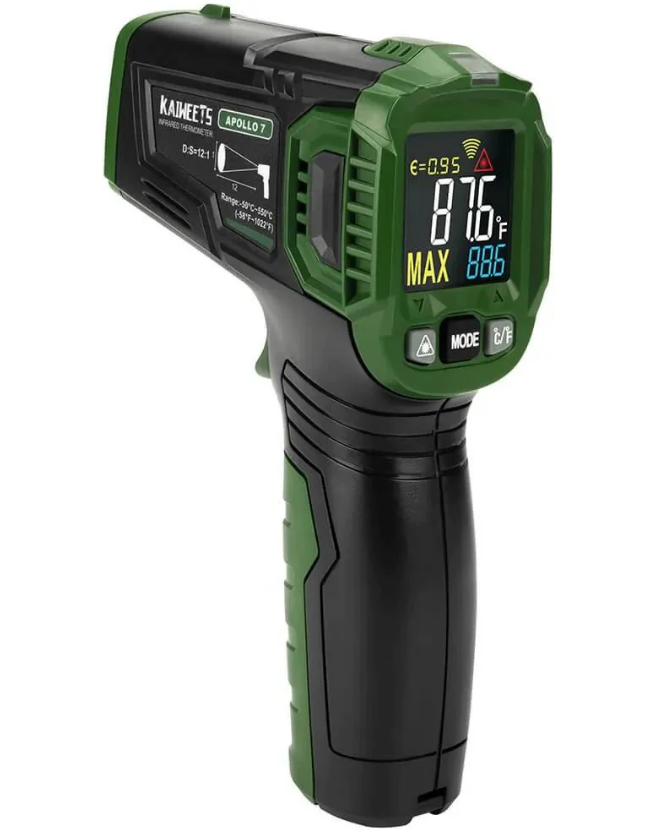
KAIWEETS Apollo 7 Infrared Thermometer – Reliable Temperature Measurement!
Retail Price: $23.99 Discounted Price: $21.59
The KAIWEETS Apollo 7 Infrared Thermometer is a cutting-edge digital temperature gun designed for precise and rapid surface temperature measurements of inanimate objects. Offering exceptional accuracy of up to ±2% in just 0.5 seconds, this thermometer is a must-have tool for various daily and industrial applications.
Ideal for cooking, household maintenance, HVAC diagnostics, soap making, and water temperature measurement, the KAIWEETS infrared thermometer proves to be a versatile and indispensable companion in both home and professional settings. However, it is essential to emphasize that it is not intended for measuring human body temperature, as it may yield inaccurate results.
Equipped with an LCD screen with a backlight, this thermometer ensures effortless data reading at a glance, even in dimly lit environments. The MAX/HOLD data function allows users to retain critical readings, while the unit switch (°C/°F) ensures compatibility with different measurement systems. To help conserve battery life, the thermometer incorporates a low battery indicator and a 30-second automatic shutdown function.
Safety and precision are at the forefront with the KAIWEETS Apollo 7. The thermometer features MAX mode and high/low-temperature warning functions, and the indication turns red when the test temperature surpasses the predefined limits. For users seeking the most accurate results, the emissivity (0.1-1.0) can be adjusted to match the material being measured.
Whether you’re a home chef, DIY enthusiast, or professional tradesperson, the KAIWEETS Apollo 7 Infrared Thermometer empowers you to take temperature measurements with confidence and efficiency. Its compact and user-friendly design makes it a handy tool for a wide range of applications, delivering precise results and simplifying your temperature measurement tasks.
KAIWEETS Apollo 7 Infrared Thermometer sets a new standard for accuracy, speed, and versatility in temperature measurement.
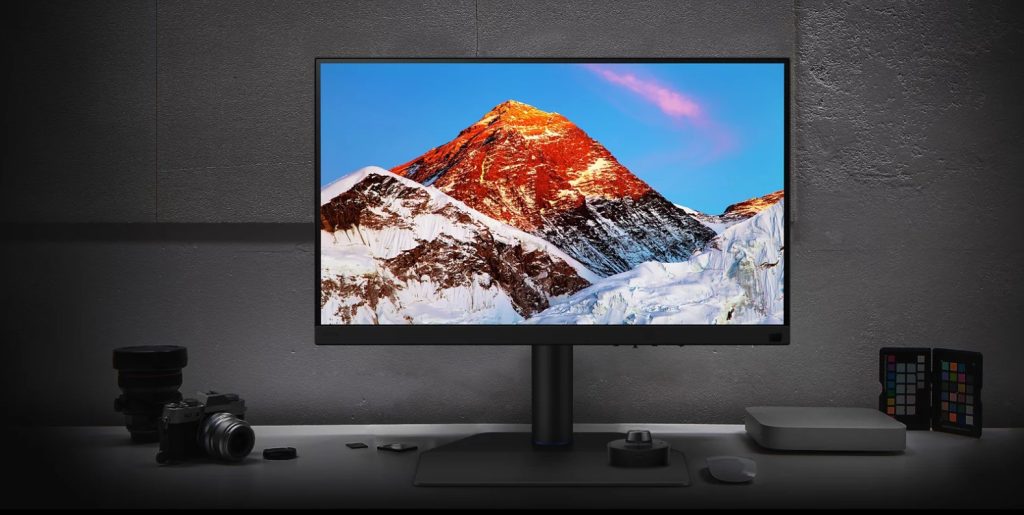
Recently BenQ launched the ZOWIE EC2-CW mouse in India. The brand had also launched the W4000i projector last month. The company also has a host of monitors in its portfolio giving customers wide options depending on their needs. Now BenQ has announced the PhotoVue SW272U monitor to expand its lineup. It is aimed to meet the needs of photography, videography, and creative professionals. Read on to know more about it below.
BenQ SW272U monitor specifications and features
The BenQ SW272U monitor has a 27-inch IPS display with a 178-degree viewing angle and a 5-ms response time. There is a 140mm adjustable stand and a leather textured base for a comfortable viewing experience. The former allows users to change the orientation of the monitor from landscape to vertical. The monitor also comes with accessories such as a shading hood and Hotkey Puck G3 with a rotating dial for color accuracy management.
In terms of display, the BenQ SW272U monitor offers a 4K resolution, 400 nits peak brightness, and a 60Hz refresh rate. There is Adobe RGB, sRGB, P3 color gamut, and also support for HDR10 and HLG. The monitor is Pantone, Pantone SkinTone validated and Calman certified for delivering realistic viewing. It also has TUV Anti-Reflection certification for minimizing glares and reflections from other light sources. With the Paper Color Sync technology, the monitor is touted to offer color consistency to simulate paper texture on the screen for accurate printed output.
The BenQ SW272U monitor offers seamless connectivity with options such as two HDMI ports, DisplayPort 1.4, USB-C, two USB 3.1 ports, a card reader, and a USB Type B port. The monitor also features 90W power delivery.
The BenQ SW272U monitor is priced at Rs 1,39,990. It is available for purchase from Amazon, the BenQ website, and authorized retailers across the country starting today.
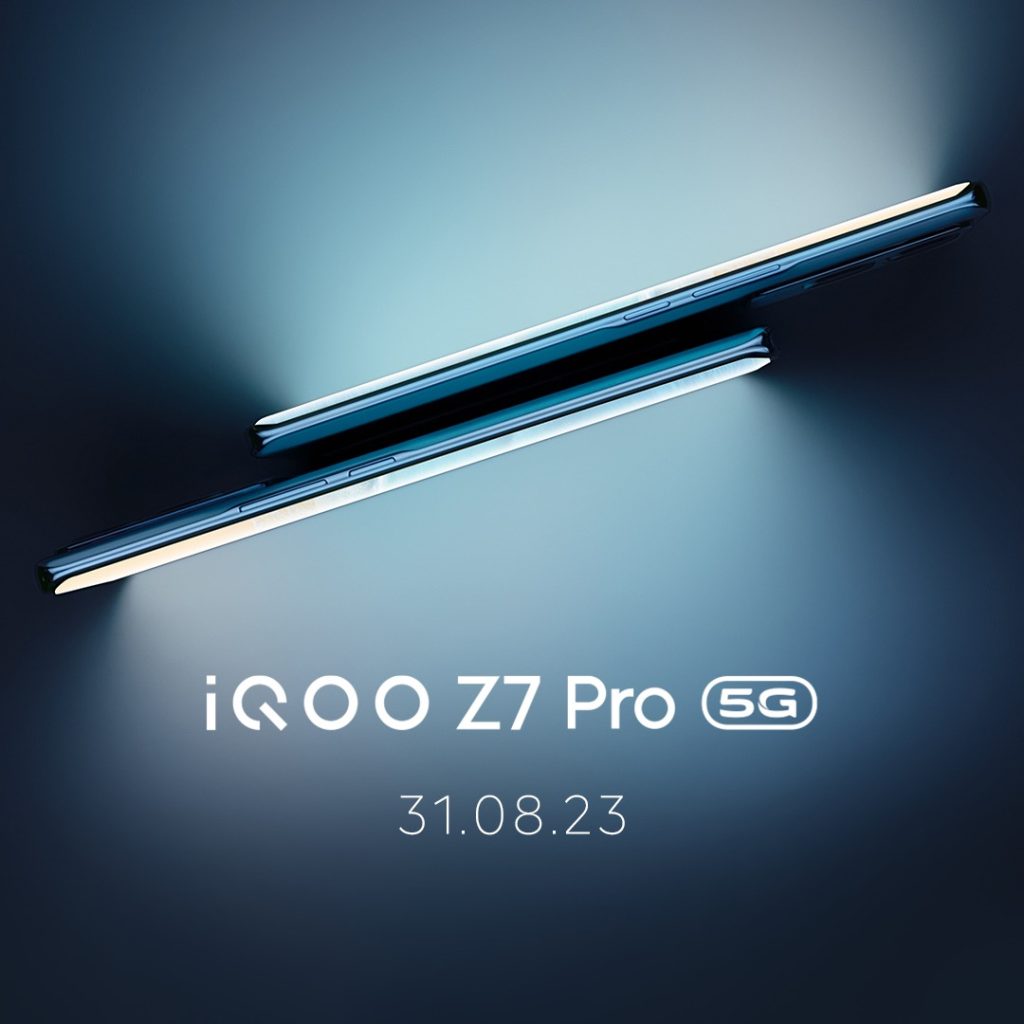
iQOO has a new mid-range smartphone in the pipeline for the Indian market called the iQOO Z7 Pro 5G. The device has already been teased on Amazon, and now, iQOO India CEO Nipun Marya has unveiled the launch date of the device.
Nupur tweeted that the iQOO Z7 Pro 5G will arrive in India on August 31. Even though the launch is still a few weeks away, there have already been leaks revealing a bunch of details about the iQOO Z7 Pro 5G.
iQOO Z7 Pro 5G specs & features (leaked)
Leaks have revealed that the iQOO Z7 Pro 5G will feature a MediaTek Dimensity 7200 SoC which is a 4nm-based mid-range processor and has two ARM Cortex-A715 performance cores clocked at up to 2.8GHz and six Cortex-A510 efficiency cores. It will come paired with up to 12GB of RAM and 256GB of internal storage. A leak from last week reveals that the device can cross the 700,000 point mark on the AnTuTu benchmark test.
The phone is rumored to feature a 6.78-inch curved AMOLED display with a smooth 120Hz refresh rate. It will provide a Full HD+ resolution and a 20:9 aspect ratio. On the rear, there will be a setup with two cameras: a main 64-megapixel sensor and a secondary 2-megapixel one. For taking selfies, there’s a 16-megapixel front camera. The estimated price for the smartphone in India is expected to be between Rs. 25,000 and Rs. 30,000.
Xiaomi recently organized the 4th edition of its Hacking Contest 2023 with the theme “Creative Unbounded, and Endlessly Living”. The competition brought together several Xiaomi engineers from different departments in Beijing, Wuhan, Nanjing, Shanghai, Shenzhen, and other locations. Together, they showcased 76 innovative new technology projects to take part in the competition.
Xiaomi Hacking Contest 2023
Later on August 5th, Xiaomi hosted an OPEN DAY at the Xiaomi Science and Technology Park in Beijing. During this event, the 8 project teams that stood out from the 76 participants had the opportunity to interact directly with users at the venue.
According to ITHome, the competition’s judges evaluated entries on six criteria: innovation, technological leadership, application scenes, user experience, business value, and work completion. The winners were selected based on their performance in these dimensions.
The winning project was Xiaomi AI Literacy Glasses, which is a visual system based on semantic understanding. The glasses use a double-eyed camera to identify objects, distance, location, color, text, and human faces. They also provide visually impaired people with multiple functions, such as identification, and recognition of roads.
Likewise, the second prize project, Xiaomi Easy to Control-Intelligence Control Center Based on Visual Recognition System, aims to improve the experience of people with speech disabilities using smart homes.
Lei Jun, the founder of Xiaomi, recently stated that the company’s R&D investment in 2022 was about 16 billion yuan. This year, Xiaomi expects to invest 20 billion yuan in R&D. Over the next five years, Xiaomi plans to invest more than 100 billion yuan in R&D.
Microsoft regularly updates the list of supported processors for Windows 11. In the previous change, which happened sometime in May, the company added several new Intel chips to the list, including the new Raptor Lake (13th Gen) processors. However, in a new list published on July 25, Microsoft removed support for several Intel CPUs from the official Windows 11 22H2 support that were previously eligible for the update.
It is important to understand that each version of Windows 11 (21H2 and 22H2) has its own specific list of supported processors. The recent change log from Microsoft applies to the Windows 11 22H2 version.
List of Intel CPUs removed from Microsoft Windows 11 support
The list of removed processors includes Xeons, which are part of Intel’s server processor lineup. The Intel CPUs that Microsoft removes from the official Windows 11 support list are:
Intel Xeon E-2104G
Intel Xeon E-2124
Intel Xeon E-2124G
Intel Xeon E-2126G
Intel Xeon E-2134
Intel Xeon E-2136
Intel Xeon E-2144G
Intel Xeon E-2146G
Intel Xeon E-2174G
Intel Xeon E-2176G
Intel Xeon E-2176M
Intel Xeon E-2186G
Intel Xeon E-2186M
Intel Xeon E-2224
Intel Xeon E-2224G
Intel Xeon E-2226G
Intel Xeon E-2226GE
Intel Xeon E-2234
Intel Xeon E-2236
Intel Xeon E-2244G
Intel Xeon E-2246G
Intel Xeon E-2254ME
Intel Xeon E-2254ML
Intel Xeon E-2274G
Intel Xeon E-2276G
Intel Xeon E-2276M
Intel Xeon E-2276ME
Intel Xeon E-2276ML
Intel Xeon E-2278G
Intel Xeon E-2278GE
Intel Xeon E-2278GEL
Intel Xeon E-2286G
Intel Xeon E-2286M
Intel Xeon E-2288G
Intel Xeon E-2314
Intel Xeon E-2324G
Intel Xeon E-2334
Intel Xeon E-2336
Intel Xeon E-2356G
Intel Xeon E-2374G
Intel Xeon E-2378
Intel Xeon E-2378G
Intel Xeon E-2386G
Intel Xeon E-2388G
The above list of unsupported Xeon CPUs includes all of Intel’s Coffee Lake (8th Gen) Core processors. This means that Microsoft has completely removed support for these server-based CPUs, even though their desktop counterparts are still supported. However, almost all Xeon CPUs released after the Coffee Lake generation are still eligible for an upgrade.
On the other hand, the new list of supported processors includes a few new Ryzen models, even the unannounced Ryzen 3 5380! This processor is rumored to be one of the SKUs from AMD’s “Lucienne” lineup, which is based on the Zen 2 CPU and Vega GPU microarchitectures.
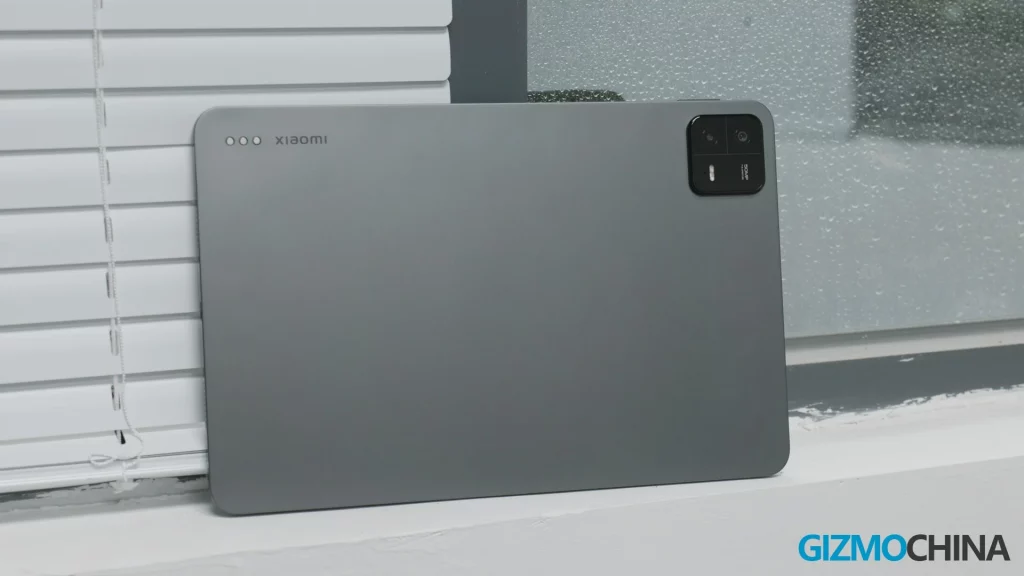
A report came out online last week saying that the new Xiaomi Pad 6 Max will be pretty much the same as the Xiaomi Pad 6 Pro (review) but with a bigger screen. Now, this idea seems even more true because the Xiaomi Pad 6 Max showed up on Geekbench revealing its key specifications.
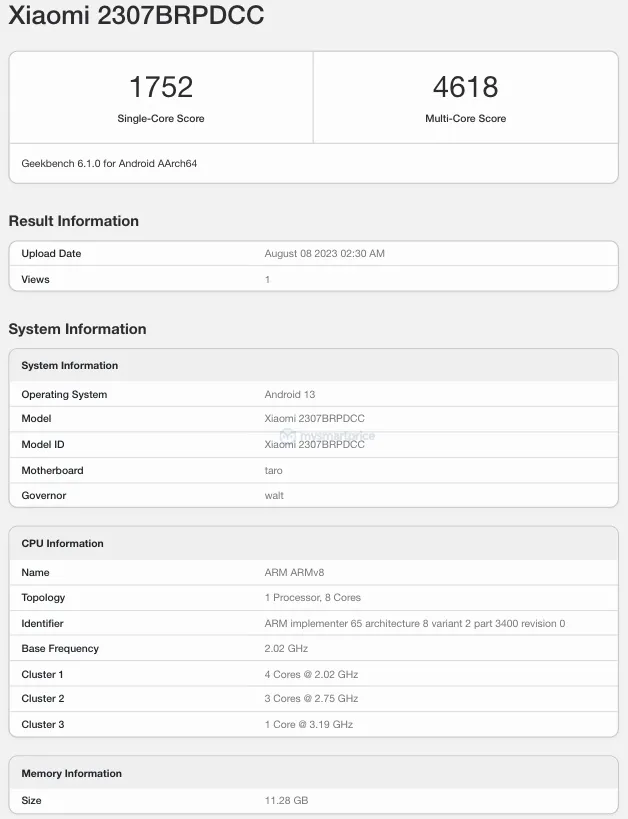
The Geekbench listing of the Xiaomi Pad 6 Max with model number 2307BRPDCC reveals that it features a 3.19GHz octa-core processor codenamed Taro. This confirms that the device will indeed feature the Snapdragon 8+ Gen 1 SoC, which is the same one used in the Xiaomi Pad 6 Pro.
Also, the tablet will come with a maximum of 12GB of RAM. When it comes to the software, this new tablet will feature Android 13-based MIUI 14 OS. In the Geekbench test, the tablet scored 1752 points in the single-core test and 4618 points in the multi-core test. Other than that, the listing does not reveal other details about the device. But since it will be similar to the Pad 6 Pro, we can get an idea of what to expect.
Xiaomi Pad 6 Max specs
The device is rumored to have a 14-inch LCD display with 2.8K resolution and a 144Hz refresh rate. Certifications have revealed that it features 67W fast charging, however, considering the bigger size, the battery will also likely be bigger.
For optics, we can expect the device to feature a 50MP main camera, along with a 2MP depth-of-field sensor and a 20MP front camera for video calls and selfies.
Sony continues to expand its product range in India. This Asian country, being one of the world’s largest markets, is especially important for technology companies. Aware of this situation, Sony, which sells nearly 30 million TVs annually and has a 5% market share in the country, introduced its new Bravia TV models. The company is launching 13 new Bravia 4K HDR TVs, known as the BZ40L, BZ35L, and BZ30L series. Here are the details…
Sony Expands its Product Range in India with New BRAVIA TVs
The new Sony Bravia BZ40L, BZ35L, and BZ30L series are made for businesses and places where good picture quality, reliable performance, and wide compatibility are important. They come in different versions to match different needs, from high-end to basic, and in sizes from 43 inches to 85 inches.
The new product range stands out because it includes the BZ40L series. These are special because they have a unique screen design that isn’t found in other products. The BZ40L screens have a special Deep Black Non-Glare Coating. This coating makes the screen less shiny, and it still shows deep black colors and high contrasts really well.
Price and Availability:
Model
Best Buy (in INR)
Availability Date
FW-85BZ40L
700,000/-8,400 USD
25th August
FW-75BZ40L
500,000/-6,000 USD
25th August
FW-65BZ40L
300,000/-3,600 USD
25th August
FW-55BZ40L
225,000/-2,700 USD
25th August
FW-75BZ35L
450,000/-5,400 USD
25th August
FW-65BZ35L
250,000/-3,000 USD
25th August
FW-55BZ35L
200,000/-2,400 USD
25th August
FW-85BZ30L
500,000/-6,000 USD
25th August
FW-75BZ30L
350,000/-4,200 USD
25th August
FW-65BZ30L
200,000/-2,400 USD
25th August
FW-55BZ30L
150,000/-1,800 USD
25th August
FW-50BZ30L
125,000/-1,500 USD
25th August
FW-43BZ30L
100,000/-1,200 USD
25th August
Every one of the 13 models has features that promote sustainability. These include using recycled plastic, creating less waste with reduced ink on the packaging, and an ECO Dashboard to help monitor power use. They also have several user-friendly features like 24/7 operation, easy setup, screen mirroring, and a consistent design across all models.
Installation is flexible and you can also use multiple screens together. The BZ40L and BZ35L models have more storage space, and all models have a new kit for easier mounting. They all share a similar structure, which makes choosing between different brightness levels easier without changing your installation plans.
The new professional displays will work with Sony’s Partner Network for more integration options across several sectors like corporate, education, transportation, and retail.
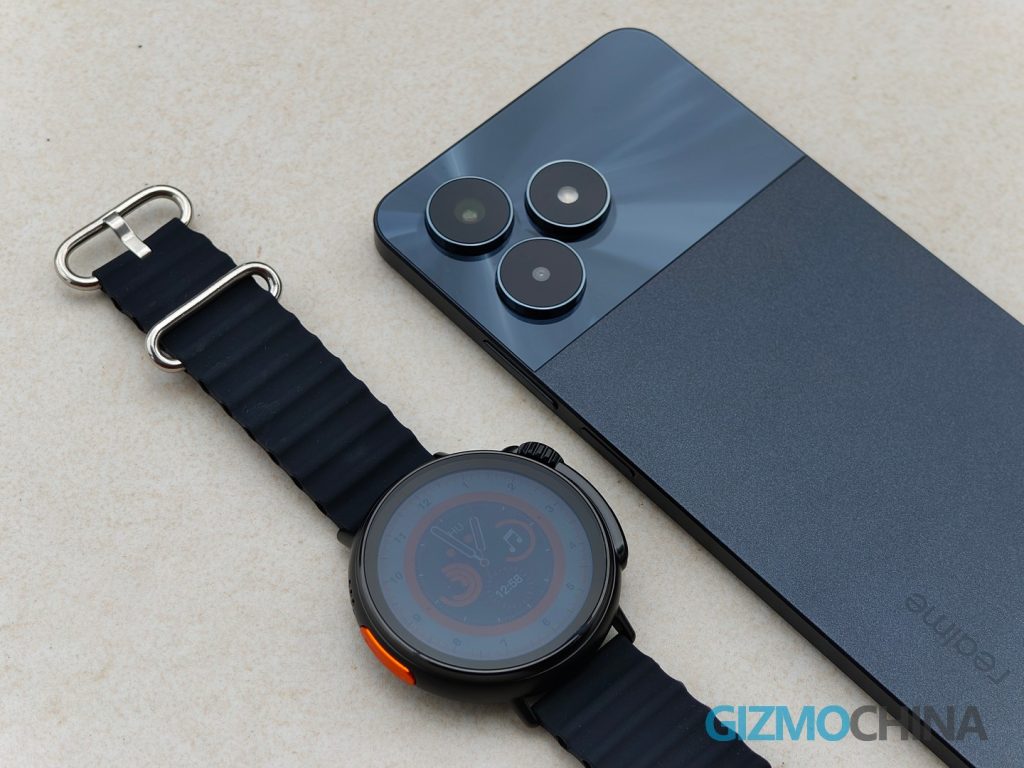
Realme C53 was recently released in India. Similarly, a few weeks back, Gizmore Cult, an affordable smartwatch debuted in the country.
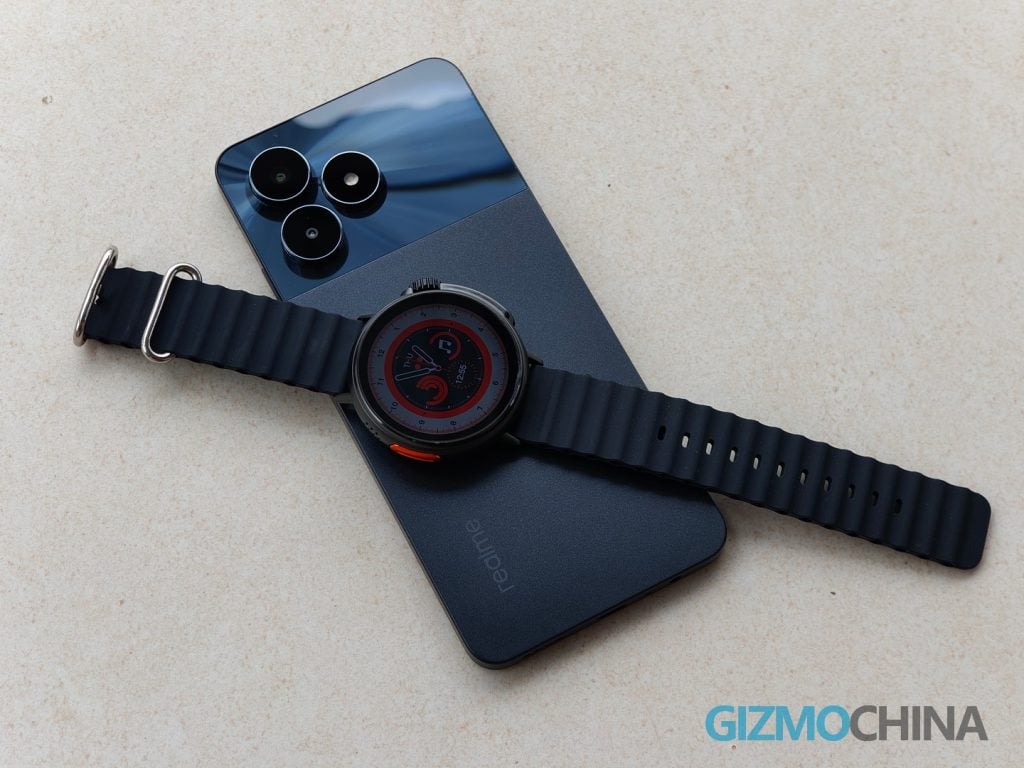
Both these products have two things in common. First and foremost, they are cheap. Secondly, they feature an Apple-inspired design.
They seem like an iPhone Pro and Apple Watch Ultra at first look. But their design is not entirely Apple-like.
This got me intrigued to write this story. Here’s what I feel about these products.
Apple is a premium brand, and it has a strong influence over other brands in the market. Hence, companies copy almost whatever the Cupertino-based tech giant does, be it good or bad.
Since design is the easiest thing to imitate, that’s what the majority of companies do. There are literal companies that only sell Apple counterfeit products. On the other side of the spectrum, even Apple’s competitors copy its design.
The products that resemble Apple devices are usually budget options. These devices are targeted at an audience for whom owning an Apple product is an aspiration.
I am personally against copycat products. However, if the product offers value for the targeted consumers, I don’t mind.
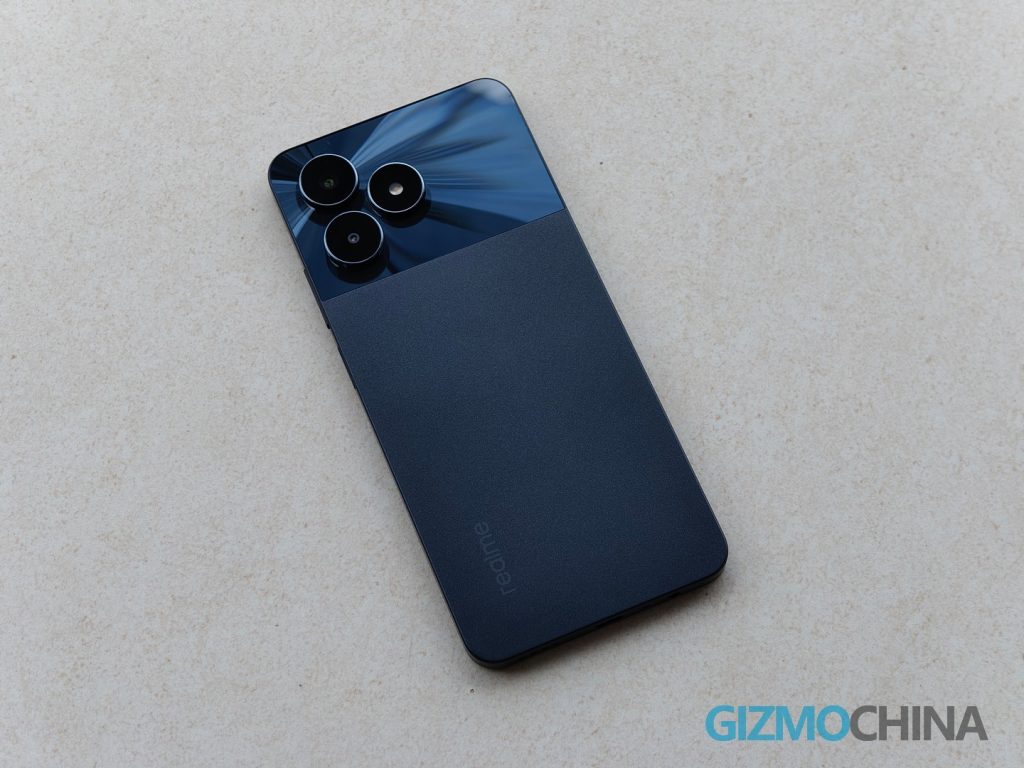
For instance, the Realme C53 sure looks like an iPhone Pro clone. But the smartphone is more than that.
Its design is merely inspired by Apple, and not an exact lookalike. In fact, I consider Realme C53 to be one of the best-looking smartphones for just ₹9,999.
I received similar feedback from whomever I showed the phone to. No one could believe that the handset is this cheap.
Even feature-wise, it does not lack much as I detailed in my review. It is a well-rounded 4G smartphone for its asking price.
Some of its highlights include a 108MP camera (the cheapest smartphone to feature it), a Unisoc Tiger T612 chip, and a 5,000mAh battery.
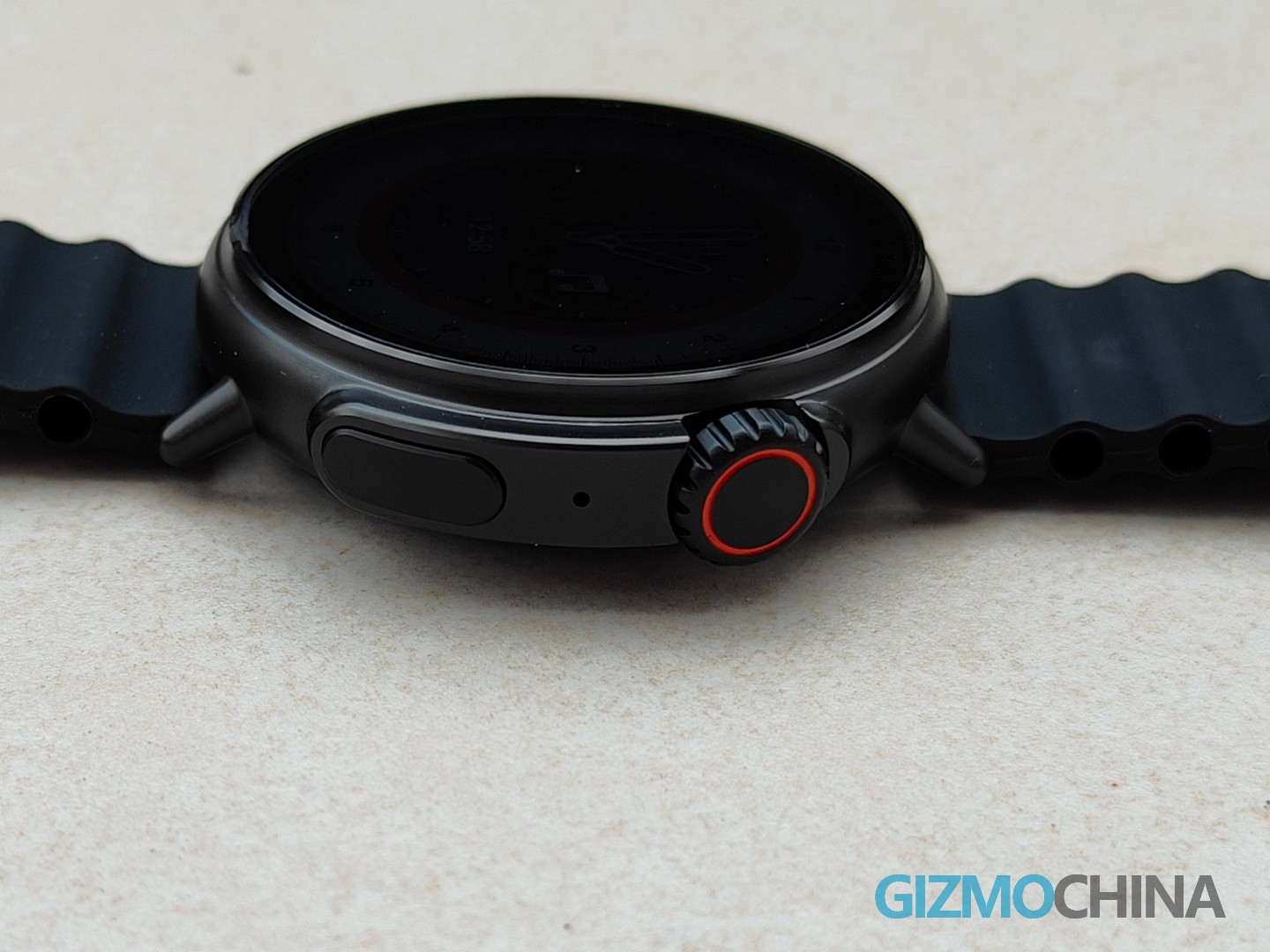
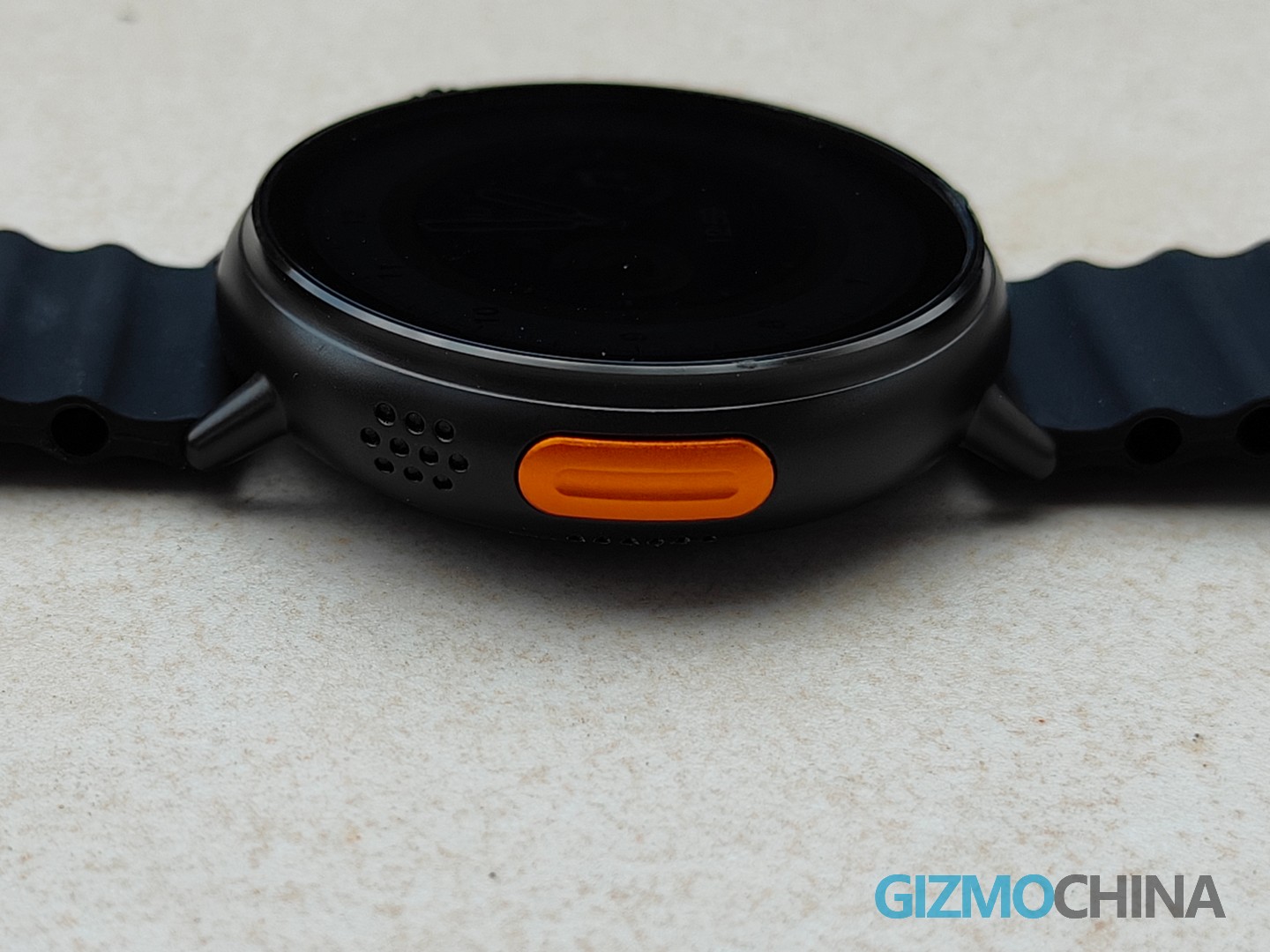
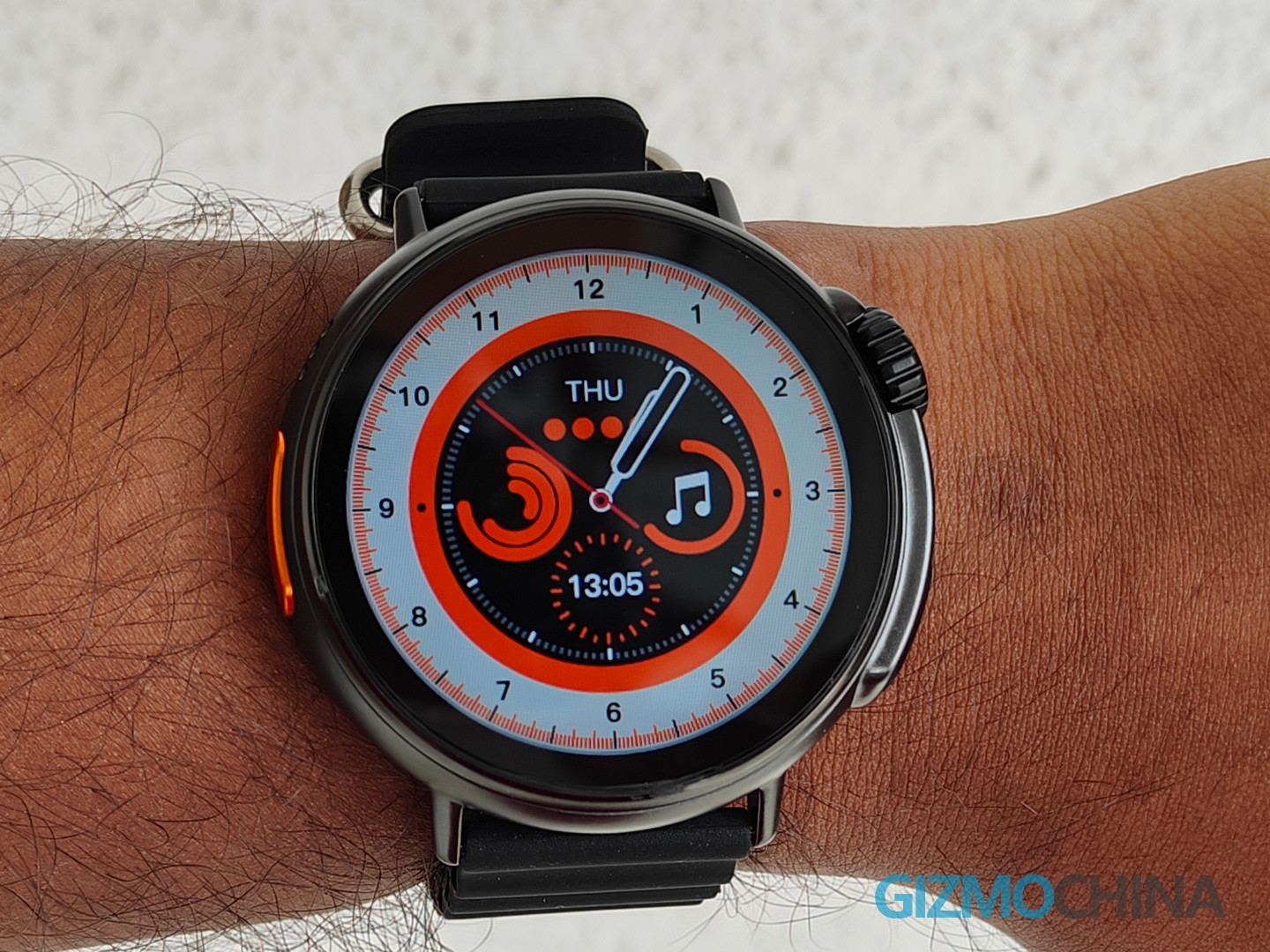
On the other hand, Gizmore Cult sports a design inspired by the Apple Watch Ultra. Unlike the original Apple product, it offers a circular dial which makes it unique.
I really like this design as I am fond of watches with circular dials. Gizmore has got the looks right with accented crown and action button.
For under ₹4,000, the wearable offers almost all the sought out features by consumers. Some of them are Bluetooth calling, heart rate monitoring, sleep tracking, app notifications, and IP68 dust/water resistance.
It even has an AOD (Always-on Display) option despite sporting an LCD screen. An OLED screen could have been better but you can’t expect everything for a cheap price.
I know you can find a lot of smartwatches in this price range offering a similar set of features. But none of them are as different looking as the Gizmore Cult.
Watches are a fashion statement. Some people simply wear watches due to their design and to complement their attire.
Anyhoo, I am personally against cheap smartwatches as they are glorified generic fitness trackers. But most consumers don’t think that way, and the data shows it.
Having said that, copying Apple, or any other brand for that matter, is not a bad thing if done rightly. There should be value for the intended consumers.
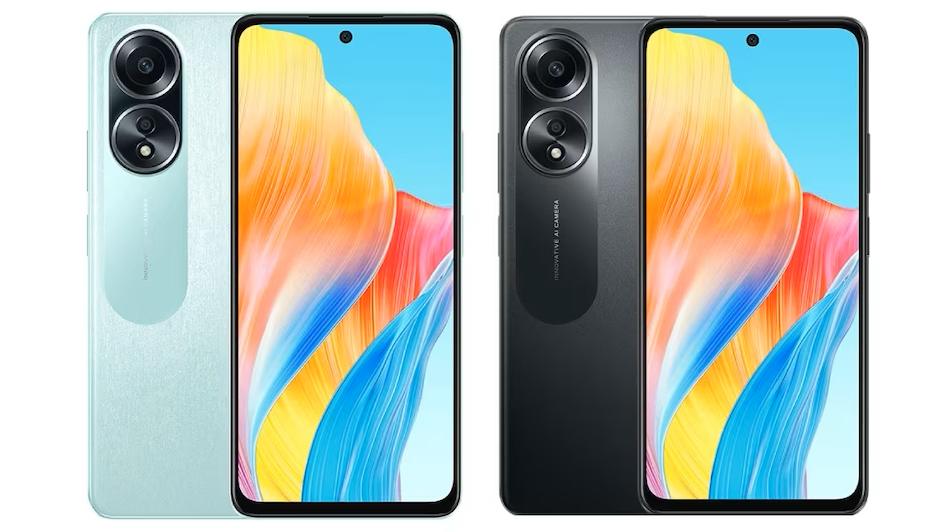
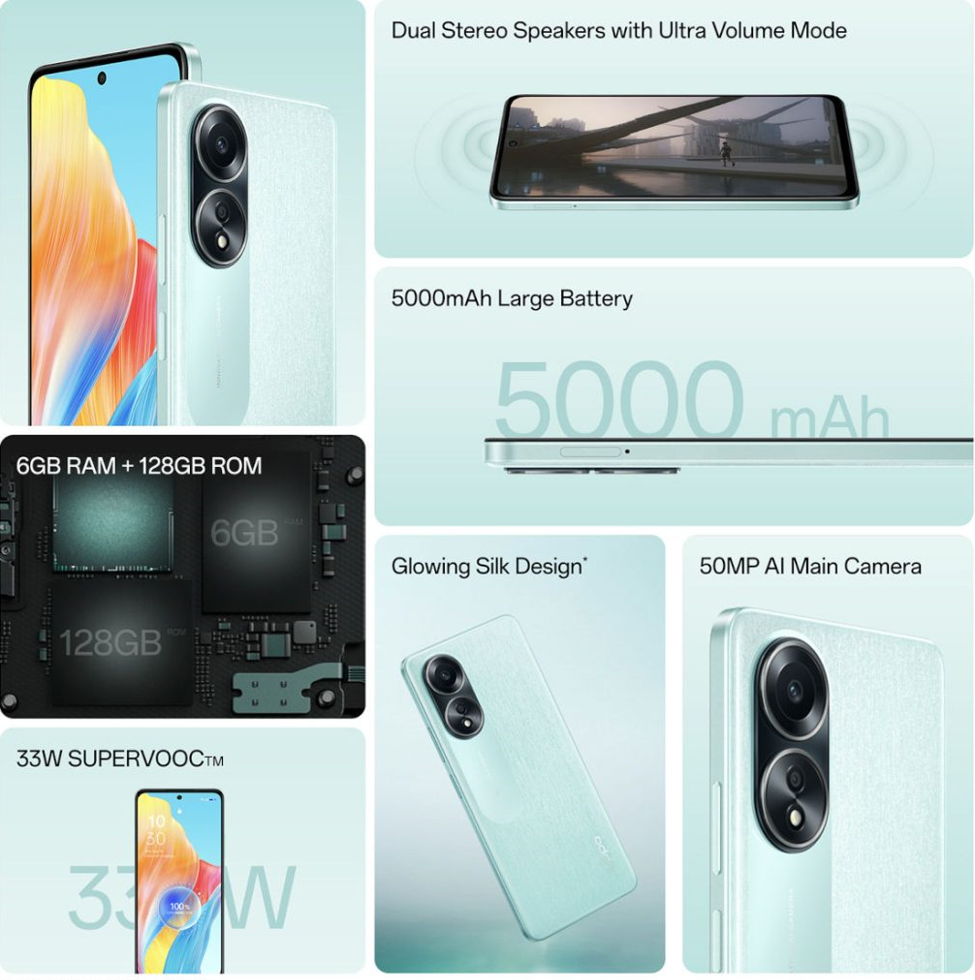
Last month, the Oppo A58 4G was launched in Indonesia. After many leaks and rumors, the device has now made its Indian debut. It features a large Full HD+ display paired with a 12nm MediaTek SoC and a 50MP primary camera. Let’s take a detailed look at the features and specs.
Oppo A58 4G specs
The Oppo A58 4G smartphone presents a sizable 6.72-inch FHD display, showcasing a resolution of 2,400 x 1080p. This display boasts a touch sampling rate of 180 Hz and a peak brightness reaching 680 nits. To enhance security, the device incorporates a side-mounted fingerprint scanner.
Under the hood, the Oppo A58 4G derives its power from the octa-core MediaTek Helio G85 processor. The SoC is paired with 6GB RAM and 128GB storage. A robust 5,000 mAh battery sits within the device, facilitating 33W charging for swift and hassle-free recharges. In addition to the fingerprint sensor, the smartphone also provides a face-unlocking option for security.
On the device’s rear, there is a high-resolute 50 MP primary camera partnered with a 2 MP auxiliary camera. The main camera capably records 1080p videos at a fluid 30fps. A front-notch accommodates an 8 MP camera, catering to selfies and video calls.
Price & availability
The Oppo A58 4G is priced at Rs 14,999 and comes in a single configuration with 6GB of RAM and 128GB of onboard storage. There are several offers available for customers of ICICI, Kotak, HDFC, and SBI banks on credit card and EMI transactions. You can choose between two color options: Black and Green. The smartphone is already available for purchase on Flipkart.
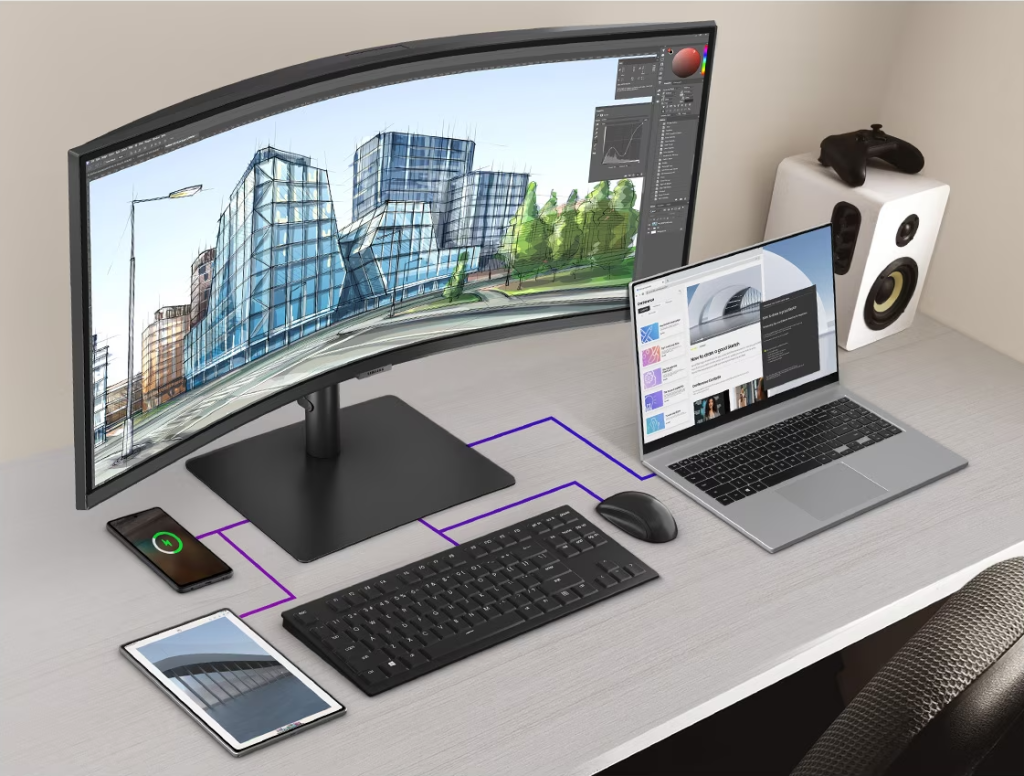
After launching the ViewFinity S8 and S9 monitors earlier this year, the brand has now added two new models to the lineup called the ViewFinity S65UC (S34C652UAU) and ViewFinity S65VC (S34C652VAU). These monitors are aimed at creative professionals, however, they are also great for content consumption and casual gaming. Let’s take a look at the details.
Samsung ViewFinity S6 series monitor specs
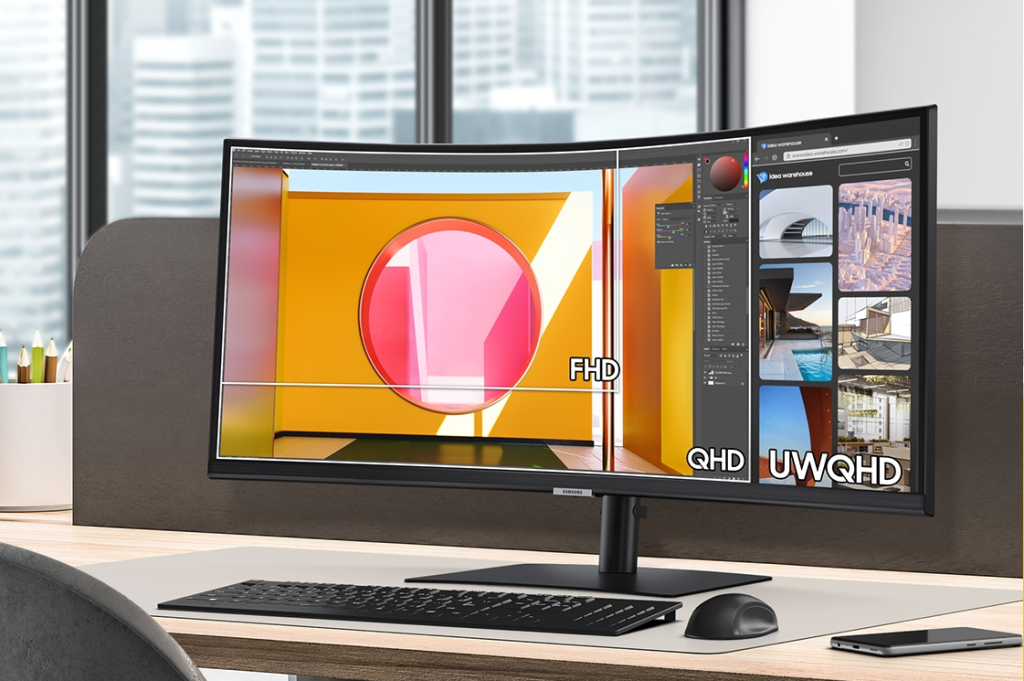
Both the monitors boast a 34-inch VA curved panel with a 1,000r radius of curvature. They both offer a resolution of 3,440 x 1,440 pixels and a picture format of 21:9. The monitors support a maximum refresh rate of 100Hz, ensuring smooth graphics and reduced motion blur.
In terms of audio, each monitor is equipped with built-in 5W speakers. The displays support 1.07 billion colors, ensuring lifelike and accurate color reproduction. For gamers, monitors offer AMD FreeSync support, which reduces screen tearing and stuttering during gameplay.
In terms of special features, users can benefit from Eye Saver Mode and Flicker-Free technology, which reduce eye strain during extended use. The monitors also support Picture-In-Picture and Picture-by-picture functionalities, allowing users to multitask efficiently. Other features include ImageSize, Off Timer Plus, HDR10 support, Auto Source Switch+, Adaptive Picture, and KVM switch capabilities, catering to various user needs and preferences.
Connectivity options are abundant, featuring DisplayPort 1x 1.2 EA, HDMI 1x, and headphone ports. Additionally, both monitors have multiple USB ports (2x for the S65VC and 3x for the S65UC), along with a USB-C port (90W power delivery) for added convenience. A network connection (LAN) is also included for enhanced connectivity options.
Both monitors come in an elegant black case with versatile foot adjustments, including tilt, height, and swivel functions. They also offer VESA wall mount compatibility, allowing users to easily mount the displays on compatible stands or walls.
Price & availability
As per Prad.de, both the ViewFinity S65UC and ViewFinity S65VC will arrive in Germany around the end of August 2023. Pricing of the monitor is currently under wraps.
Founded in 1998, Google has evolved from a mere search engine to a tech powerhouse with ventures in various domains. One such domain is smartphones, where the company’s Pixel series has garnered a robust fanbase over the years. However, the recent I/O 2023 developer conference left Pixel enthusiasts in suspense as Google remained tight-lipped about the upcoming Pixel 8 and Pixel 8 Pro.
Pixel 8, unlike the Pixel 8 Pro, will be limited to the 128GB and 256GB variants
Despite the silence, the tech community isn’t exactly in the dark. Numerous leaks regarding these devices have surfaced, unveiling certain features and stirring further excitement. Roland Quandt, a reputable tech journalist, has recently highlighted three storage configurations for the Pixel 8 Pro: 128GB, 256GB, and 512GB, aligning with the offerings for the Pixel 7 Pro. However, potential Pixel 8 buyers might find themselves limited to just 128GB and 256GB variants.
In terms of competition, while Samsung’s Galaxy S23 Plus boasts 256 and 512GB storage options, its base S23 model offers an entry-level 128GB, providing a comparative view of what Google might have aimed for with Pixel 8. Nevertheless, choices are there, and consumers will opt for what aligns with their needs.
An interesting highlight of the upcoming Pixels is their modified color palette. Sources suggest three colors for both models: “Licorice”, “Peony”, and “Haze” for the Pixel 8 and “Licorice”, “Porcelain”, and “Sky” for the Pixel 8 Pro. While exact shades remain a topic of mystery, there’s talk of a potential fourth color, “Jade”, which is currently shrouded in mystery.
With October on the horizon, Google’s unveiling of the Pixel 8 series is eagerly awaited. Only then will all speculations be laid to rest, offering clarity to an eager audience.
Japan is gearing up to supercharge its EV infrastructure, aiming for a major overhaul by the end of the decade. Recent insights from Nikkei suggest the nation’s Ministry of Economy, Trade and Industry (METI) is setting ambitious benchmarks to bolster its fast-charging provisions.
The advancement of charging systems in Japan is far behind Europe and the US
The focal point of METI’s plans is a mandate to increase the charging power of highway stations. The current standard, averaging at 40 kW, is anticipated to change to 90 kW by 2030. While these figures represent a significant bump, they surprisingly lag behind global expectations. Why? This conservative 40 kW average is the result of an aggressive installation of 50 kW CHAdeMO chargers during the early Nissan Leaf phase, which, despite their sheer numbers, provide sub-optimal charging durations due to their limited power.
However, the proposed 90 kW, though an improvement, seems inadequate for future EVs. While select high-traffic zones might witness 150 kW chargers, it is pretty low in comparison to Europe and the US, where it’s a whopping 250-350 kW, especially along interstates and other important highways.
METI’s holistic approach isn’t just confined to power increments. Plans also encompass denser charger placement, with one every 44 miles along highways, sweetened by the allure of subsidies for operators.
Transitioning from time-based to energy-specific pricing, METI plans to achieve a pay-per-kWh system, targeting an on-the-go payment model by possibly 2025. This could prove pivotal in attracting users by offering transparency and convenience.
METI’s actions undeniably align with the global electrification run. However, the metrics, especially regarding power, remind us to exercise caution rather than audacity. For Japan to fully embrace the EV revolution’s spirit, it might need to lay out its plans and the resources the country needs to achieve those high ambitions.
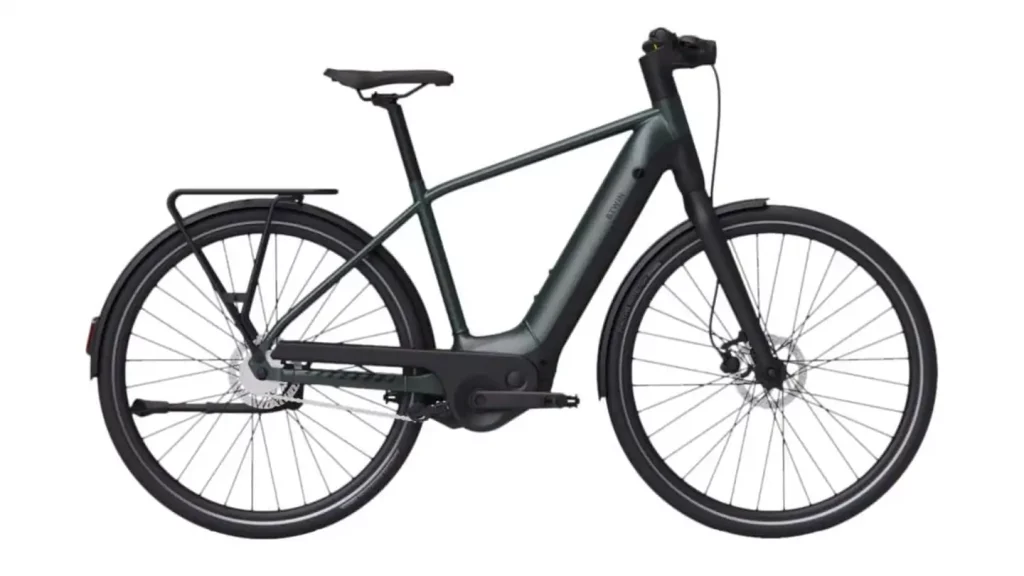
As the catalogue of electric bikes keeps getting larger and larger, French sports retailer and manufacturer, Decathalon, makes a considerable amount of inroad bikes – especially with their divergent branding approach. Their list includes Rockrider for mountain enthusiasts, Triban for the urban and long-distance road riders, and B’Twin for versatile cyclists. Recently, they’ve been focusing on electric bikes, and they’ve got some new updates
The Bike has a touchscreen that shows detailed information while riding
The latest news is about an updated version of the B’Twin LD 920 E e-bike. Last year, this bike was made for long trips. Now, they’ve added an automatic gear system to make riding even easier. This new gear system was made with a company from Belgium called E2 Drives. It uses two motors to help you pedal and change gears smoothly. There are sensors that check the bike’s performance really fast, about 20,000 times in just one second. This means the ride feels smooth and easy.
One of the best parts is the battery. It’s hidden in the bike frame and can last up to 150 kilometers (or about 94 miles) when it’s fully charged. The bike also has some cool extra features. There’s a GPS tracker built-in, so you can find your bike if it gets stolen. It also has a touchscreen that shows useful information while you’re riding. Consumers can pick different modes, like Eco or Boost, to change how the bike rides. There’s also a strong light at the front and a rack at the back for your bags.
Those interested can buy the B’Twin LD 920 E on Decathlon’s website for 2,999 Euros (about $3,300 USD). If you’re looking for a solid city e-bike with cool features, this could be a good choice.
We use cookies on our website to give you the most relevant experience by remembering your preferences and repeat visits. By clicking “Accept”, you consent to the use of ALL the cookies.
This website uses cookies to improve your experience while you navigate through the website. Out of these, the cookies that are categorized as necessary are stored on your browser as they are essential for the working of basic functionalities of the website. We also use third-party cookies that help us analyze and understand how you use this website. These cookies will be stored in your browser only with your consent. You also have the option to opt-out of these cookies. But opting out of some of these cookies may affect your browsing experience.
Necessary cookies are absolutely essential for the website to function properly. This category only includes cookies that ensures basic functionalities and security features of the website. These cookies do not store any personal information.
Any cookies that may not be particularly necessary for the website to function and is used specifically to collect user personal data via analytics, ads, other embedded contents are termed as non-necessary cookies. It is mandatory to procure user consent prior to running these cookies on your website.