Earlier today, Redmi held an event in China to reveal details about the Redmi K60 Extreme Edition aka the Redmi K60 Ultra. The smartphone is confirmed to launch later this month. The device was spotted on Geekbench benchmarking platform recently. The upcoming offering has also surfaced in leaks and rumors in the past.
Redmi K60 Ultra details teased
Redmi has confirmed that the Redmi K60 Ultra will be powered by MediaTek’s Dimensity 9200+ processor. The brand has partnered with MediaTek to optimize the chipset for enhanced performance. The device scored 1,774,714 points in the AnTuTu test result. This makes the device go up against Snapdragon 8 Gen 2-powered smartphones in the market.
The Redmi K60 Ultra is also confirmed to be equipped with PixelWorks X7 independent display processor for an enhanced visual experience. It is said to offer up to 180Hz refresh rate at FHD+ resolution and 144Hz at WQHD+ resolution. The chipset is found in phones like the OnePlus 11, Honor Magic5 Pro, and the Realme GT 2 Explorer Edition. The Redmi K60 Ultra is also teased to feature Furious Engine 2.0 which seems to be a dedicated performance mode to unlock the maximum performance capabilities of the SoC and the independent chip.
Redmi has not revealed any additional details of the Redmi K60 Ultra. The smartphone’s exact launch date also remains a mystery. As per reports, multiple devices including are expected to launch alongside the upcoming smartphone. These include the Xiaomi MIX Fold 3, Xiaomi Pad 6 Max, and Redmi Pad 2.
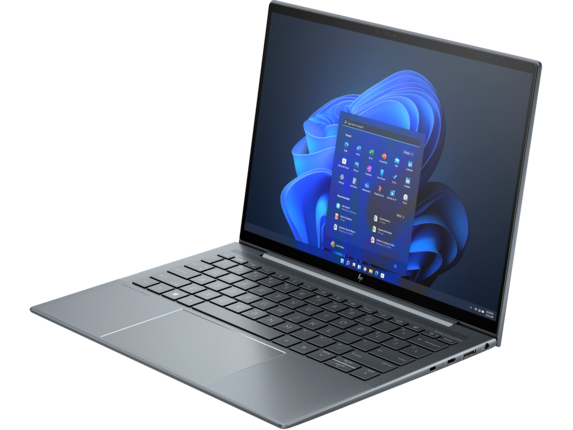
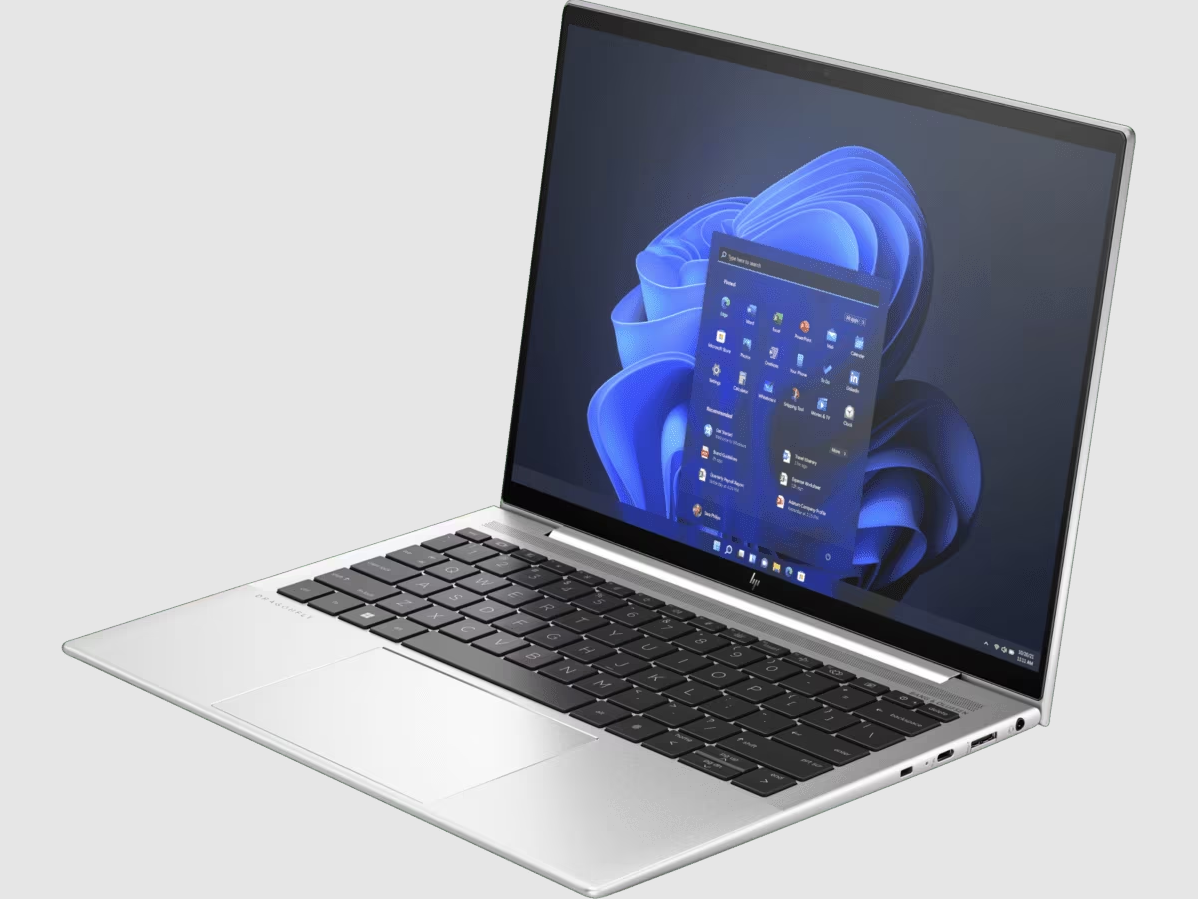
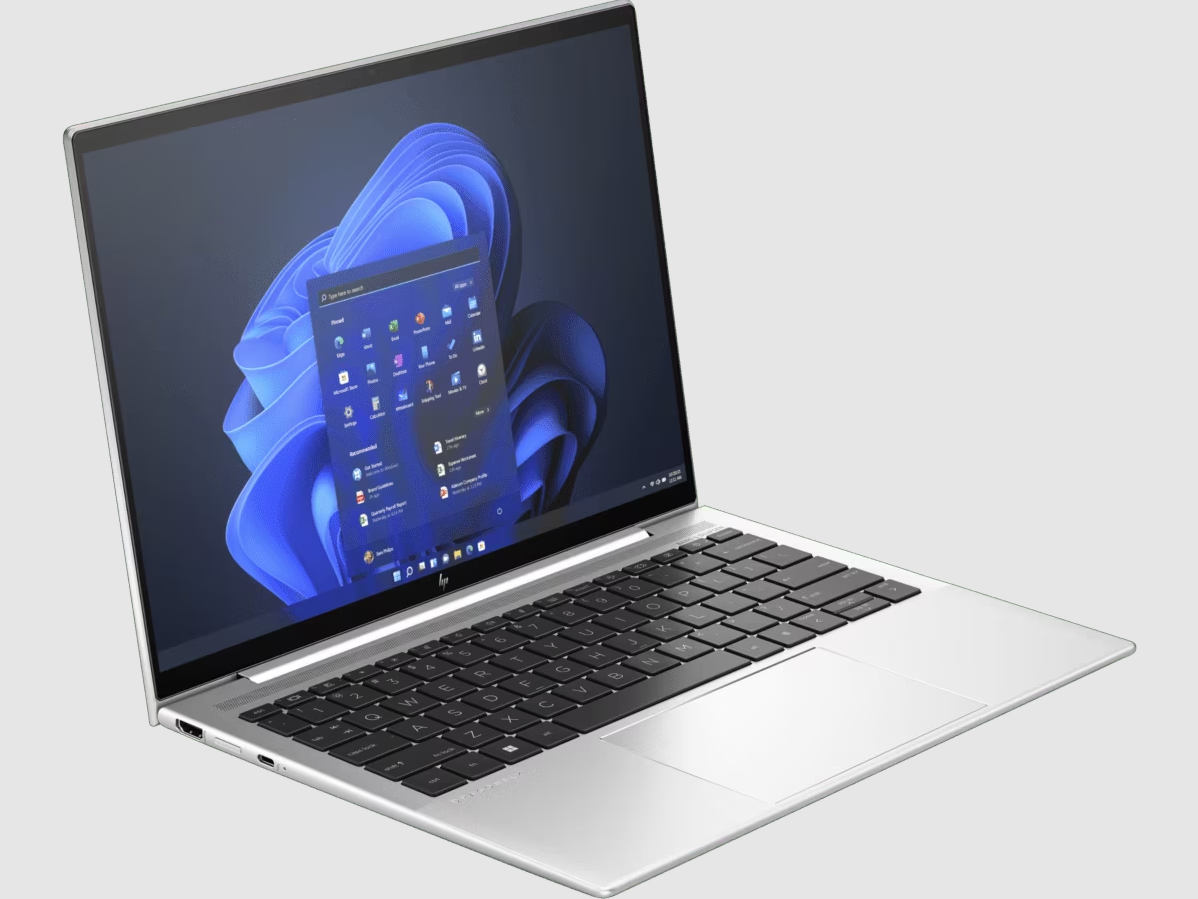
HP has introduced the HP DragonFly G4, an ultra-thin and lightweight laptop in India. This premium device weighs only 1 kg, making it an ideal choice for individuals who require a versatile device for a hybrid working environment.
HP DragonFly G4 laptop specs
The HP DragonFly G4 boasts an impressive 13.5-inch OLED panel with a WUXGA+ screen resolution and a remarkable 90% screen-to-body ratio, ensuring a captivating visual experience. Its design incorporates a 180-degree opening clamshell design, allowing for flexible usage, and it is incredibly lightweight, tipping the scales at just 1kg. The laptop’s dimensions are 297.4 x 220.4 x 16.4mm, making it highly portable and easy to carry around.
The HP DragonFly G4 features an eco-friendly construction with a 90% recycled magnesium chassis, 50% recycled DVD plastic keycaps, and 5% recycled ocean-bound plastic speakers. Under the hood, it houses the latest 13th-generation Intel Core processor and Intel-integrated graphics. It is offered with up to 32GB LPDDR5 RAM and up to 2TB M.2 PCIe/NVMe Gen 4 SSD storage.
Running on Microsoft Windows 11 Pro, it supports HP Fast Charge for quick battery charging. The laptop includes Multi-camera tech, Auto Camera Select, HP Keystone Correction, HP Presence, HP Natural Tone, and HP Wolf Security suite. Connectivity options include Wi-Fi 6E, Bluetooth 5.3, optional 4G or 5G cellular connectivity with a nano SIM, two Thunderbolt USB4 Type-C ports, one USB Type-A port, HDMI 2.1, and a 3.5mm audio jack.
Pricing & availability
In India, the HP Dragonfly G4 series begins at Rs 2,20,000 for the base non-touchscreen variant, while the price for the touchscreen variant is yet to be announced by the brand. Interested buyers can find the laptop at the HP Online store and select HP World stores in the country.
The OnePlus Ace 2 Pro is confirmed to go official in August. However, the brand is yet to reveal the exact launch date. But we already know almost everything about this upcoming smartphone from various sources.
Today, a well-renowned leaker has disclosed the design of this phone by sharing its render on Weibo. The person also claims that he has experienced the handset himself.
Let’s go through the new details. Also, let’s have a look at the known details.
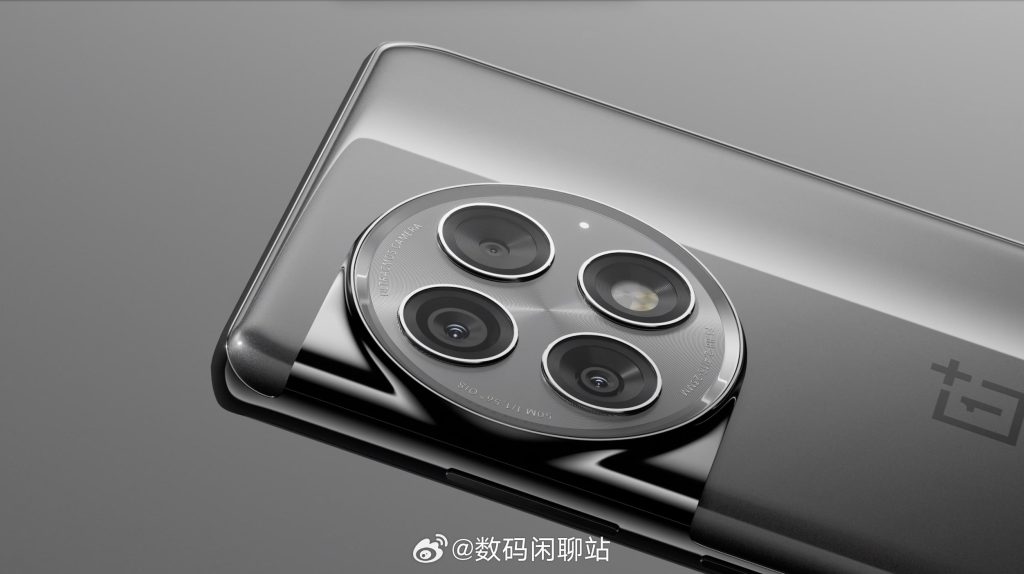
The render of the upcoming OnePlus Ace 2 Pro comes from Digital Chat Station. As per his Weibo post, he has experienced the device at the factory.
The image showcases the phone in a titanium gray color. The tipster says that the handset in this color looks like a sports car. He also claims that the texture and details are much better in real life than in images.
The Ace 2 Pro will look like any other recent OnePlus high-end smartphone. It will sport a giant circular camera module with a base extending to the frame.
According to previous reports, the device will be powered by a Qualcomm Snapdragon 8 Gen 2 chipset paired with an industry-first aerospace-grade 3D cooling system, LPDDR5x RAM, and UFS 4.0 storage. It will be offered with up to 24GB RAM and 1TB storage.
The product will be built around a 6.7-inch 1.5K 120Hz OLED display. It will be equipped with a 50MP primary camera, a 48MP ultra-wide unit, a 32MP telephoto shooter, and a 32MP selfie camera.
The phone will boot Android 13-based ColorOS 13.1 and will arrive with dual stereo speakers, an in-screen fingerprint sensor, an alert slider, and an IR blaster. Last but not least, it will be backed by a 5,500mAh battery with support for 150W fast charging.
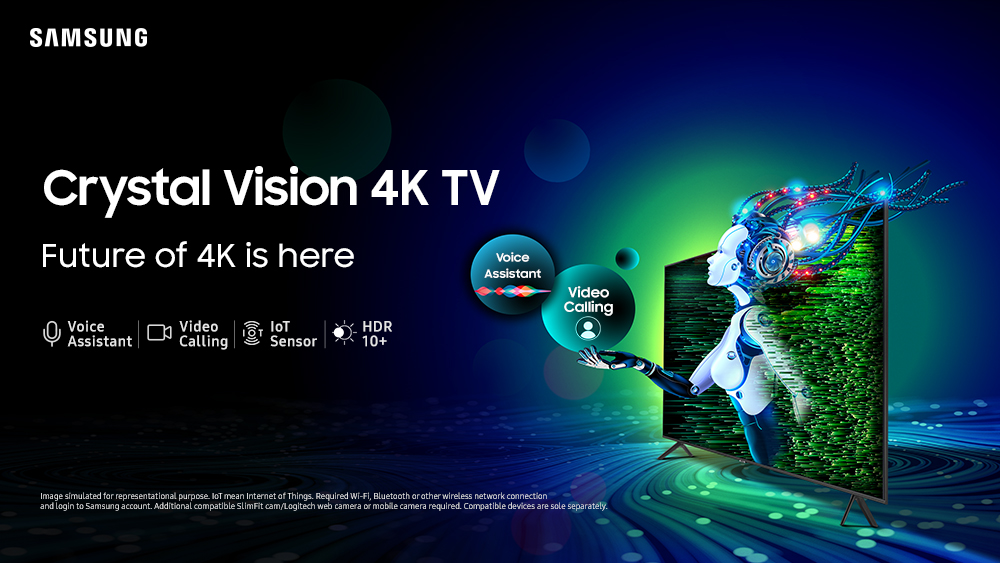
Yesterday Samsung launched the Micro LED television for a luxurious viewing experience at a gigantic price tag. Today, the South Korean brand announced the Crystal Vision 4K TV range in the country. The televisions are offered in three sizes with each packing a host of similar specifications. Notably, they have IoT sensors for a connected living experience. Let’s take a look at below.
Samsung Crystal Vision 4K TVs specifications and features
The Samsung Crystal Vision 4K television range is offered in 43, 55, and 65-inch screen sizes. All three models have narrow bezels on three sides, a 4K resolution, HDR10+ support, and PurColor technology. There is a light sensor that is capable of adjusting brightness depending on the viewing environment.
On the audio front, the Samsung Crystal Vision 4K TVs come with Dolby Digital Plus and OTS Lite. The latter offers 3D surround sound with two virtual speakers The televisions also feature Adaptive Sound mode that tweaks the audio based on the type of content that is being watched.
The Samsung Crystal Vision 4K are equipped with a Crystal Processor 4K. It allows users to upscale low-resolution content to 4K resolution for an enjoyable viewing experience. There is support for auto-low latency mode (ALLM) and Motion Xcelerator for smooth and blur-free gaming. The televisions run on Tizen OS with access to Samsung TV Plus. They support Bixby and Alexa voice assistant. There is IoT Hub with Calm Boarding for pairing all smart devices with the TV. The television is also compatible with a SlimFit Cam that allows users to conduct calls on the TV. The Samsung Crystal Vision 4K TVs come with a bundled SolarCell Remote that is claimed to charge via the room’s lights.
The Samsung Crystal Vision 4K TV range starts at Rs 33,990 and will be available for purchase from Flipkart and the brand’s website starting tomorrow. Customers can avail up to Rs 3,000 cashback on the purchase of the TVs.
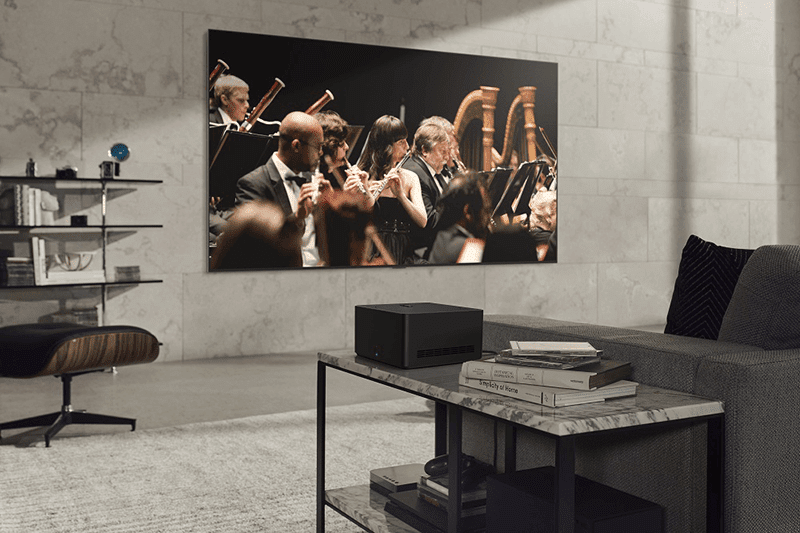
Following its introduction at CES 2023 in January, LG officially launched the Signature OLED TV M3 97-inch wireless TV in Korea last month. After much anticipation, the TV is now available on the market shelves in the country.
LG Signature OLED TV M3 TV specs
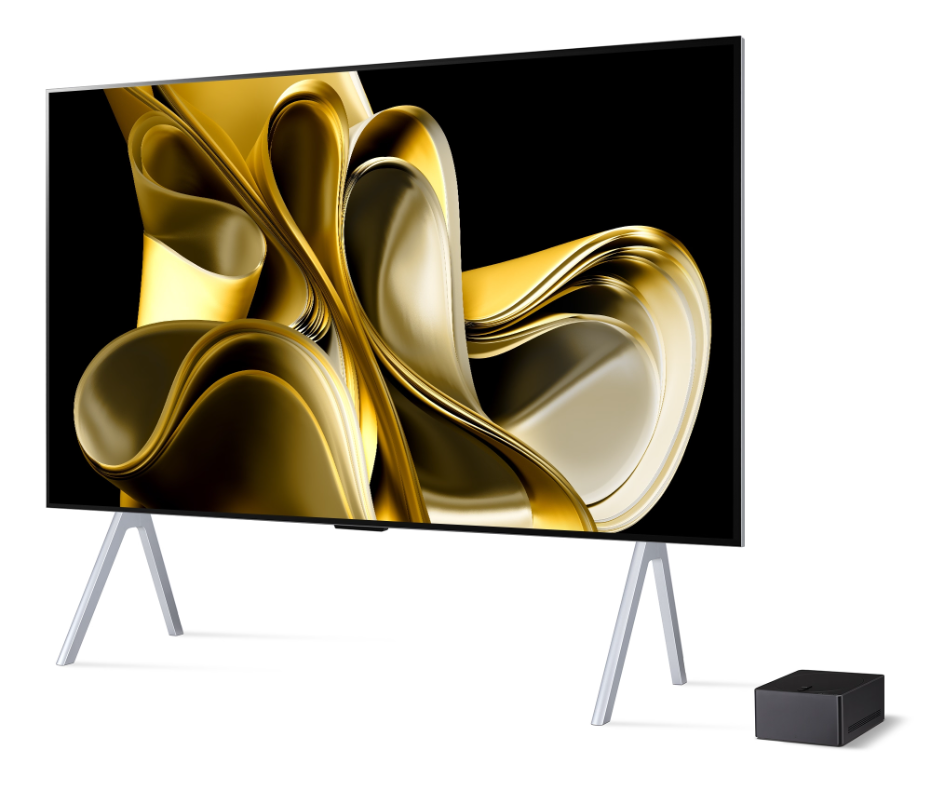
The Signature OLED TV M3 boasts an enormous 97-inch display, setting the stage for an immersive viewing experience. A standout feature of this smart TV is LG’s cutting-edge Zero Connect technology, enabling seamless wireless transmission of video and audio signals in real-time with 4K resolution and a buttery-smooth 120Hz refresh rate.
The TV’s modular design showcases ingenuity, with the Zero Connect box thoughtfully separated from the main screen. This brilliant setup not only eradicates unsightly cable clutter but also ensures that the display remains flawlessly flat despite its substantial size. Acting as a versatile hub, the Zero Connect box effortlessly connects a variety of devices like gaming consoles, cable/satellite set-top boxes, and gaming systems. Multiple HDMI connections facilitate straightforward device integration. Furthermore, the TV supports wireless connectivity, offering a hassle-free way to link up with compatible soundbars for elevated audio performance, making every movie, show, or game truly captivating.
Specifically speaking, the TV is equipped with HDMI 2.1, USB, RF, LAN, and Bluetooth 5.0 options. With Wi-Fi 6E, the TV takes advantage of the latest wireless connectivity standard, enabling data transmission speeds up to three times faster than the previous Wi-Fi 6 standard. HDR support includes Dolby Vision, HDR10, and HLG, ensuring that you can enjoy content with the highest quality standards. The TV is powered by a 6th generation AI Alpha 9 4K processor, optimizing performance and delivering smooth, seamless visuals.
The audio quality is equally impressive, with a 60W Speaker Output and 4.2 channel configuration, providing clear and immersive sound. The TV’s dimensions, including the stand, measure 2155 x 1628 x 580 mm, and it weighs 64.5 kg.
Pricing & availability
The LG SIGNATURE OLED M (97M3) comes with a price tag of KRW 45,800,000 ($35,186). Currently, it is available in South Korea, and LG has exciting plans for a worldwide launch in key markets, including North America and Europe, later this year.
ByteDance, the parent company behind the popular TikTok app, was recently hit with a lawsuit that claimed that it is non-consensually collecting users’ biometric data. The lawsuit alleged that the illegal data privacy breach was from the company’s CapCut app.
Yet another data privacy breach from ByteDance
For those unaware, CapCut is a video editing application that has over 200 million active users. But apparently, this platform is collecting their sensitive private information without their consent. The lawsuit was filed in Illinois and claims that CapCut is violating the state’s Biometric Information Act. This breach is from collecting data like face scans and voice prints without informing the users.
Apart from biometrics, the app was reportedly collecting other private information like user location, gender, date of birth, and even gaining access to photos and videos. The primary focus of this invasive data collection is likely in regard to targeted ads. The lawsuit adds that the app is capable of even gaining access to the MAC address and SIM serial number as well. Apparently, CapCut’s privacy policy was intentionally designed to make it harder for users to understand.
In other words, the CapCut users aren’t giving their consent in a proper manner. ByteDance is also behind TikTok, which has faced various accusations over data privacy. Some reports have claimed that it is even harvesting user data in the US, in service of the Chinese government.
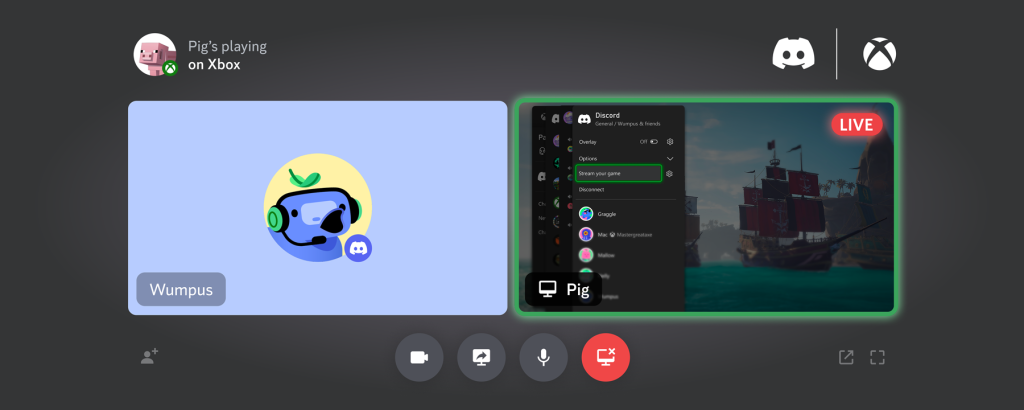
Xbox users rejoice as streaming your game on Discord is finally possible. The popular voice chat platform has announced that it will soon support game streaming on Microsoft’s popular gaming consoles.
Why is this a big deal?
At the moment, Discord on Xbox only enables voice chats and the screen-sharing feature that is enjoyed on PCs was not available. This feature has been highly requested by Discord users on consoles. Since the features first dropped, it allowed users to share their screens and games on Discord servers with friends. And now, the streaming feature is finally making its way to Xbox Series X, Xbox Series S, and Xbox One.
How to stream Xbox Games on Discord
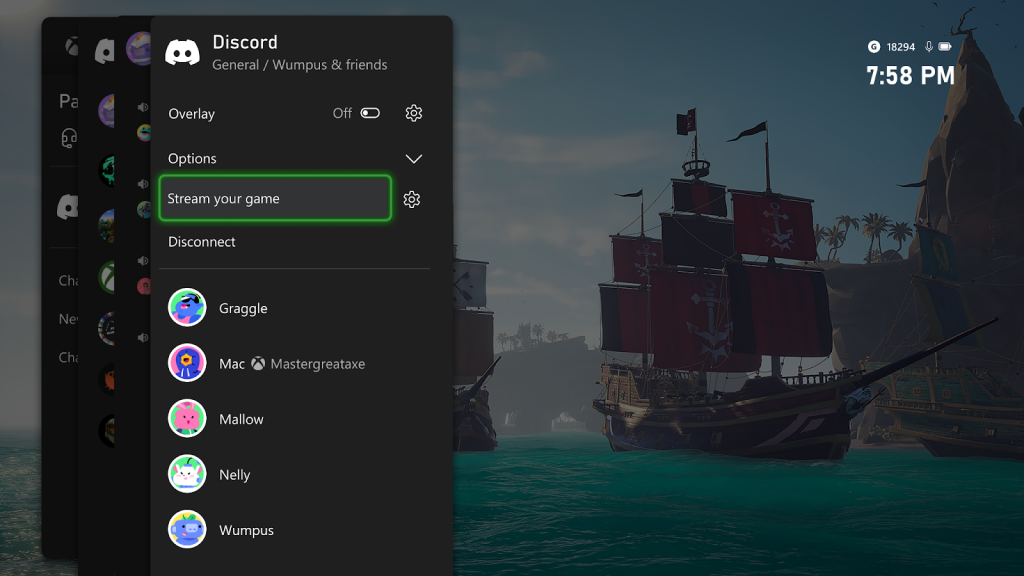
As per the official blog, the Xbox users will first need to link their Xbox and Discord accounts via Discord on a smartphone or desktop. Head to ‘Settings’ and then ‘Connections, where you’ll find the option to connect the Xbox and Discord accounts. Following this process, return to Discord on Xbox and look for the option to “Stream your game” when sitting in a Discord Server or DM.
Notably, the Nitro members of Discord can also avail special benefits on the console as well. This includes 60fps streaming on 1080p resolution. Meanwhile, free members only get access to 720p resolution at 30fps. Keep in mind that streaming also takes resources, which can either impact gaming performance depending on the title you’re playing. In these situations, the resolution of the stream and its frame rate will likely drop. A good and stable internet connection is also required to get the full benefits.
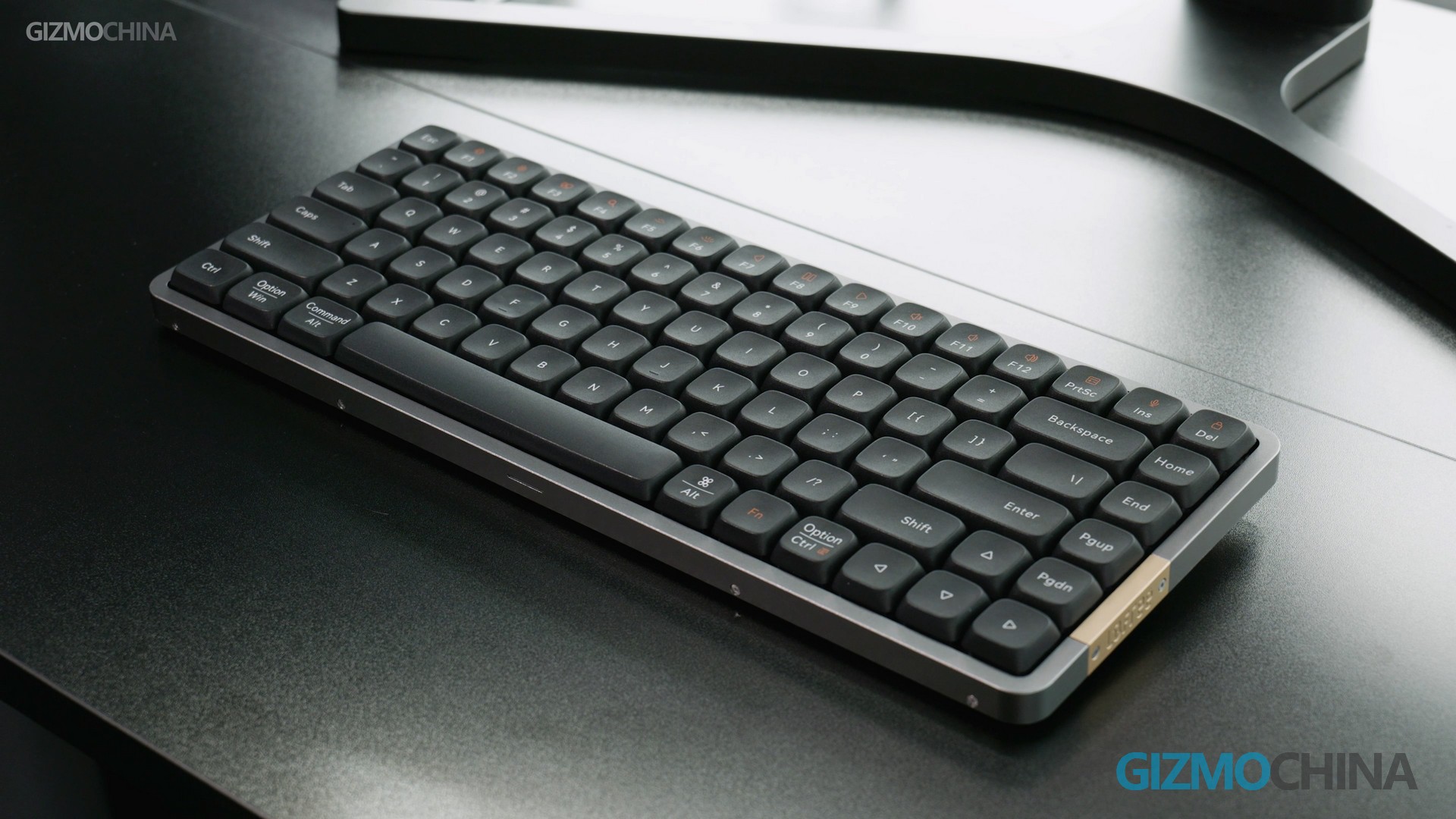
I’ve been using this keyboard for a week now, If you’ve been looking for a new keyboard recently, this is the one you should definitely check out. So this is the Lofree Flow, it’s a very impressive low-profile mechanical keyboard. It should be of interest to anyone who has a need for both typing comfort and portability.
They’ve been crowdfunding on Kickstarter and IndieGoGo for a while now, if you are interested, you can check them out after reading this article.
Design (Keycaps)
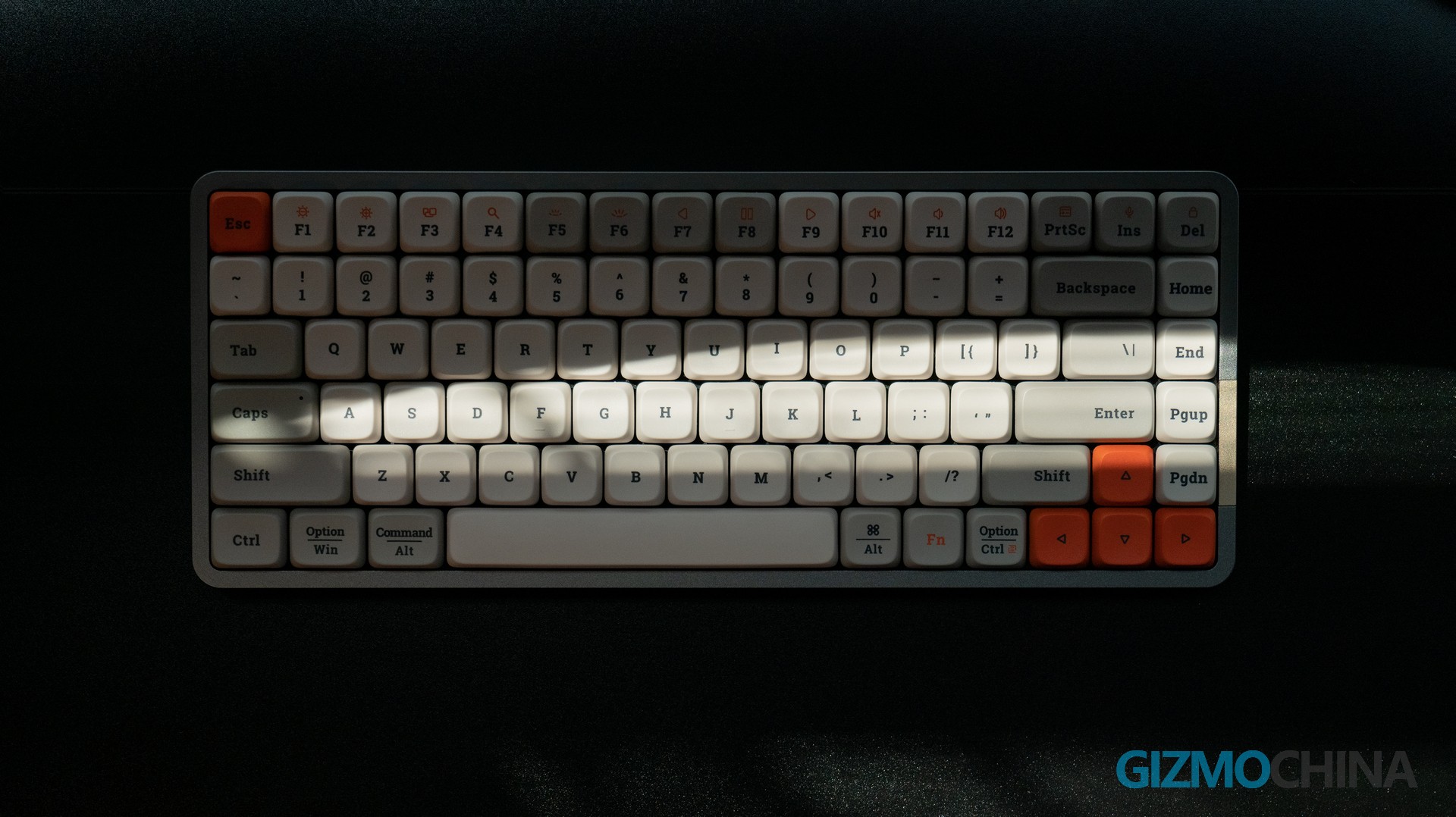
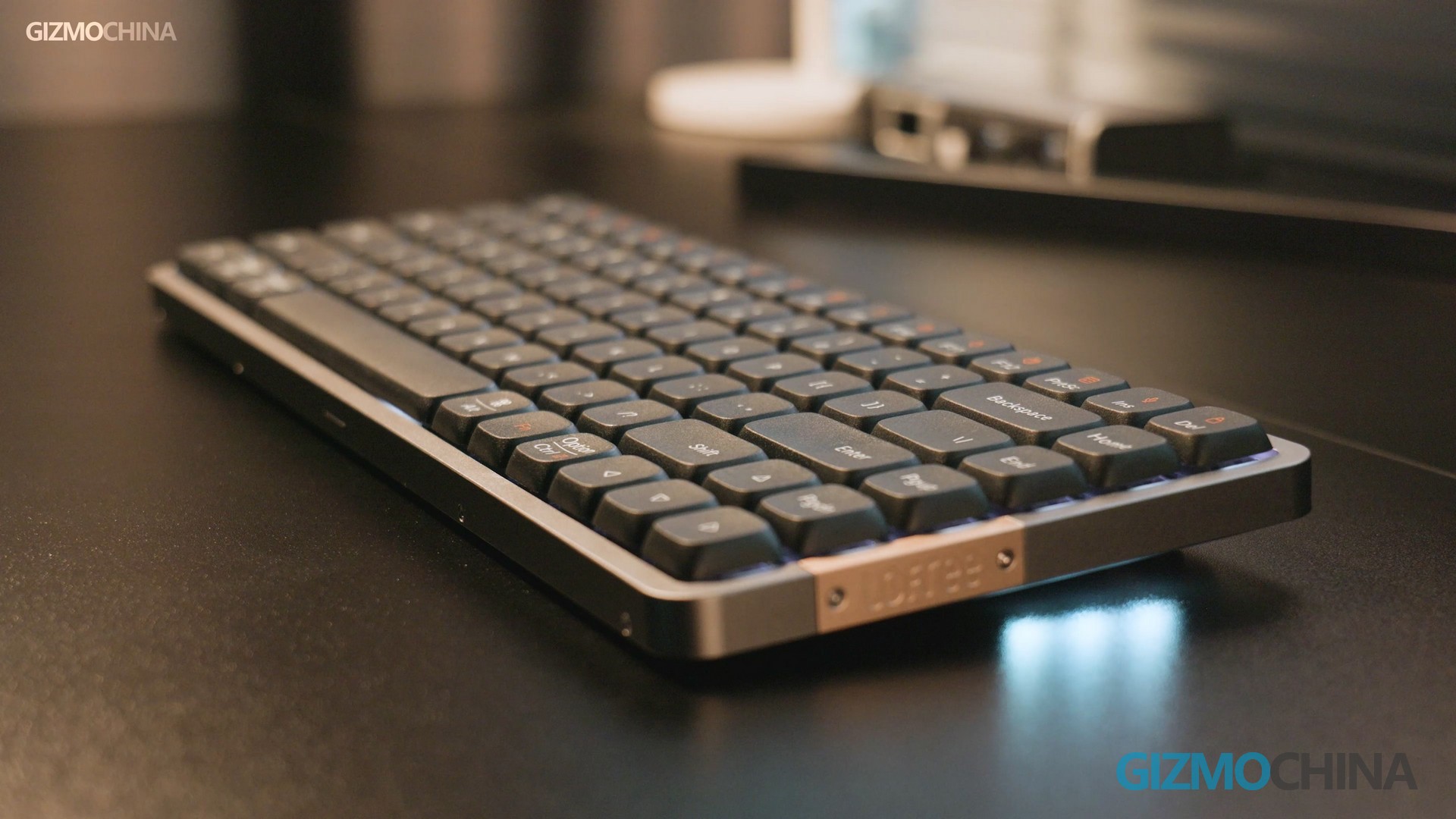
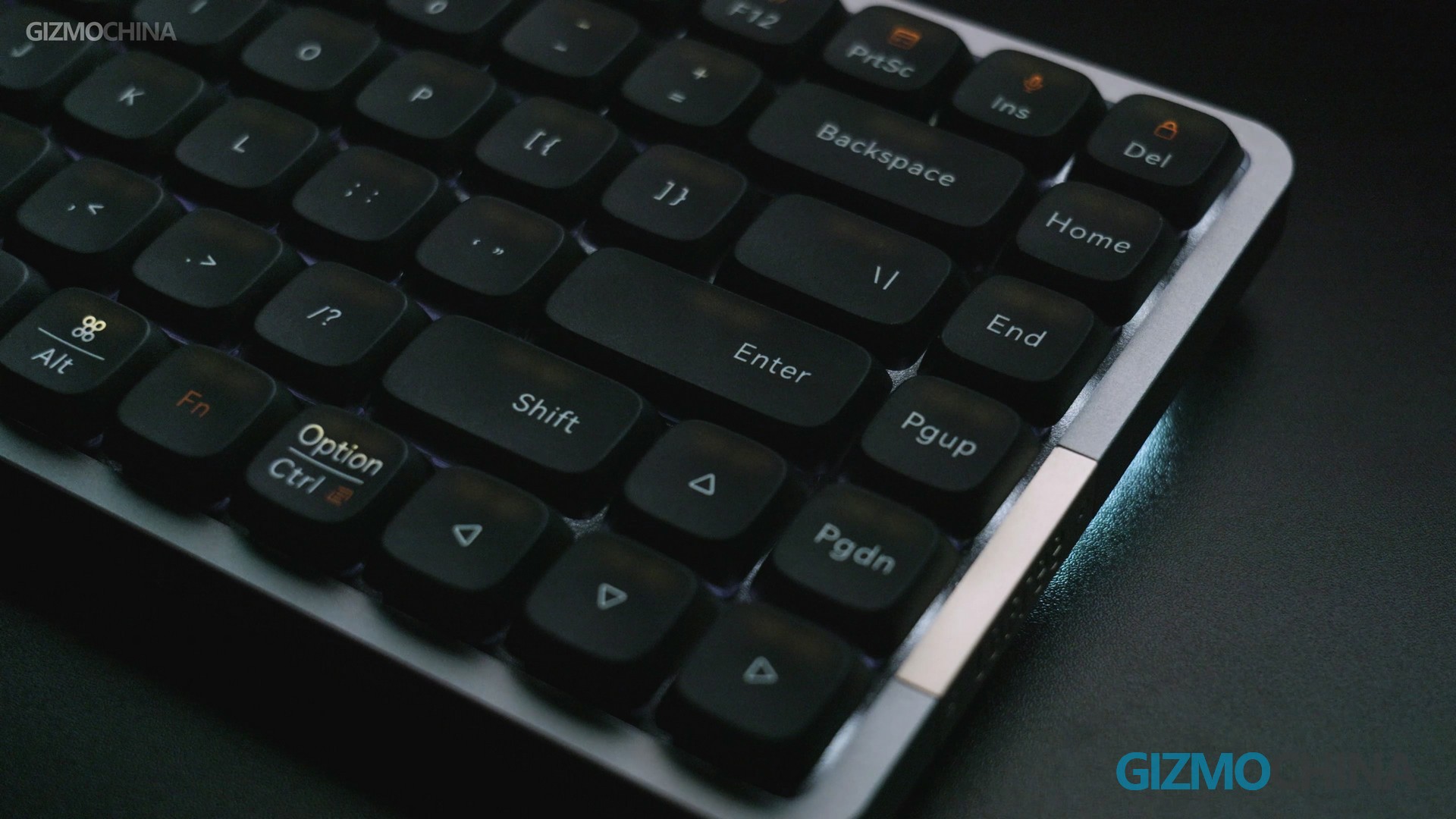
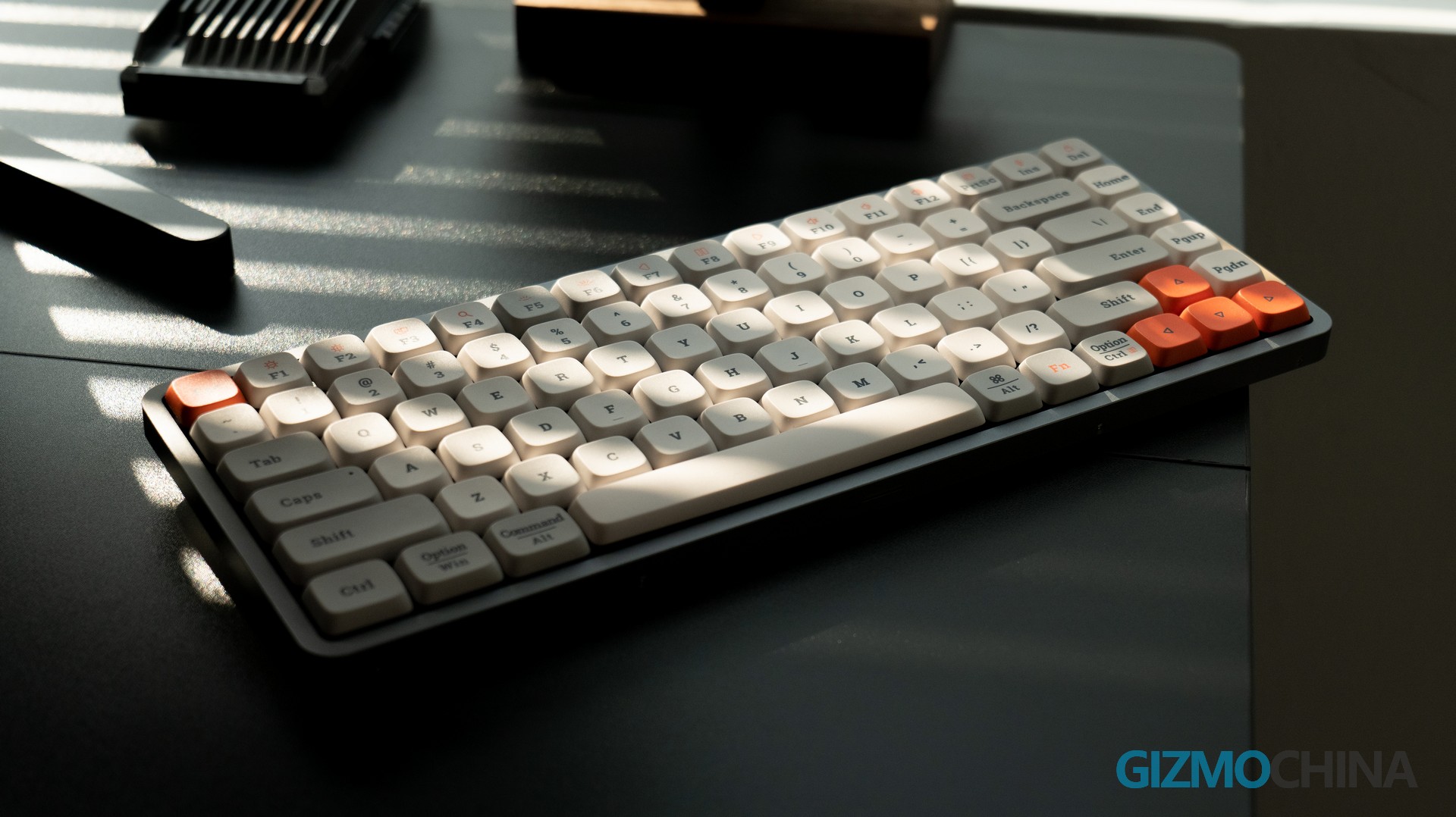
A lot of people like low-profile keyboards because they are compact and good-looking. And Lofree is a brand that pays a lot of attention to keyboard design, so this Flow of course doesn’t disappoint us. The bezel is equal in width, also it is quite thin and light, so the simplicity of a low-profile keyboard is kept pretty well in this keyboard.
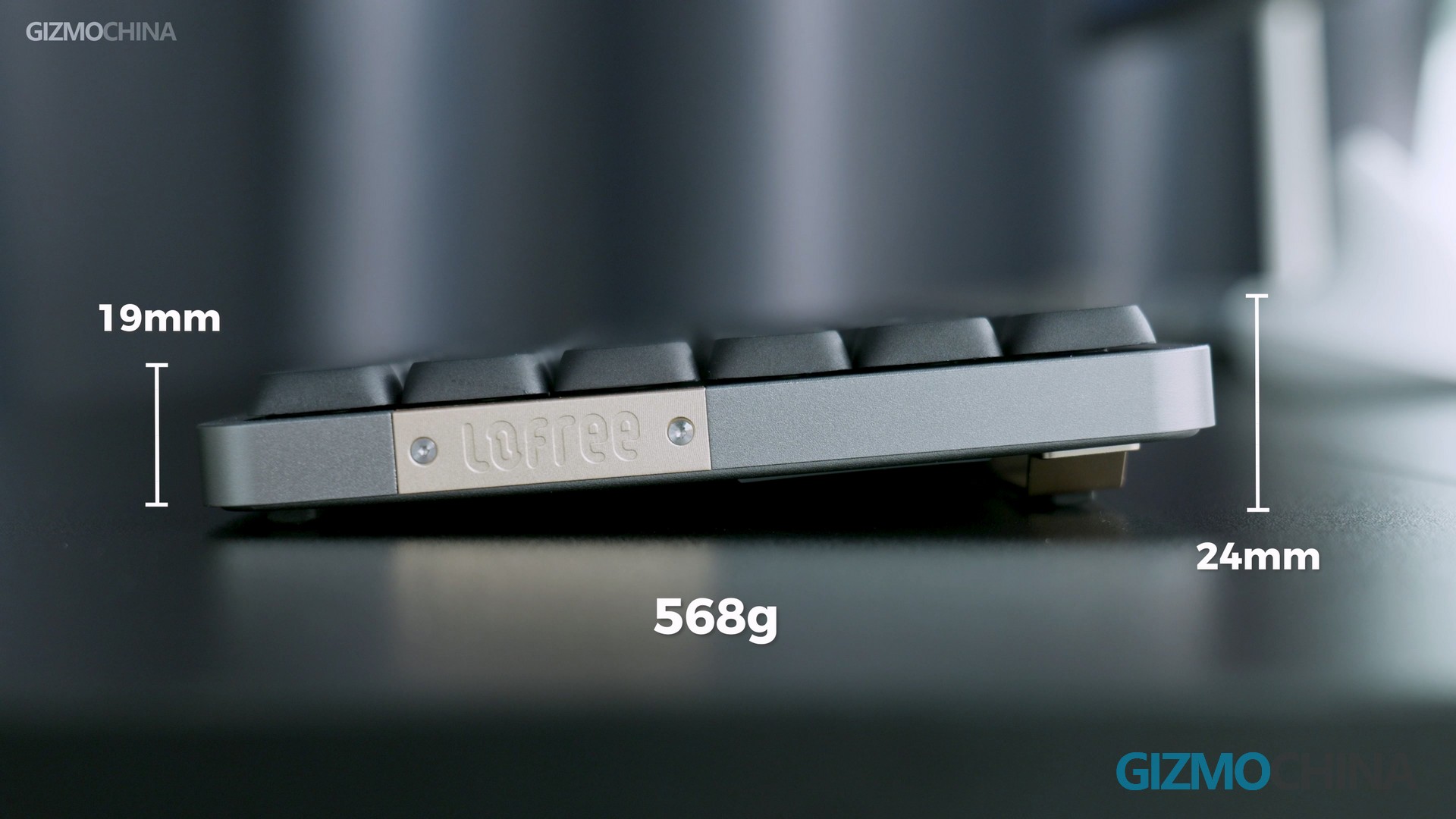
Some Lofree exclusive design elements, such as the rose gold Lofree logo and keyboard feet, make this keyboard very elegant. There’s a power indicator on the front, and the RGB side-lit on both sides of the bottom, with two modes to choose from in 8 colors. However, there is only one single color for the backlit and the light is always on only, and the keycaps are slightly translucent under high brightness backlit.
Other than that this is a nice set of keycaps, the five-sided DYB-sublimation PBT keycaps are excellent in terms of the look, build quality, and overall feel. The font is also very neat and the stability is fantastic. As I just said, you never have to worry about the design from Lofree.
Weight & Battery Life
When you get a low-profile keyboard, you have a good reason to take it somewhere else to use it frequently, right? Although the Lofree Flow is built with an aluminum case, it still maintains an excellent level of thickness and weight. It’s easy to type without a wrist rest, and it’s just so easy to put it into your backpack or suitcase, and it won’t add too much weight to your everyday carry.
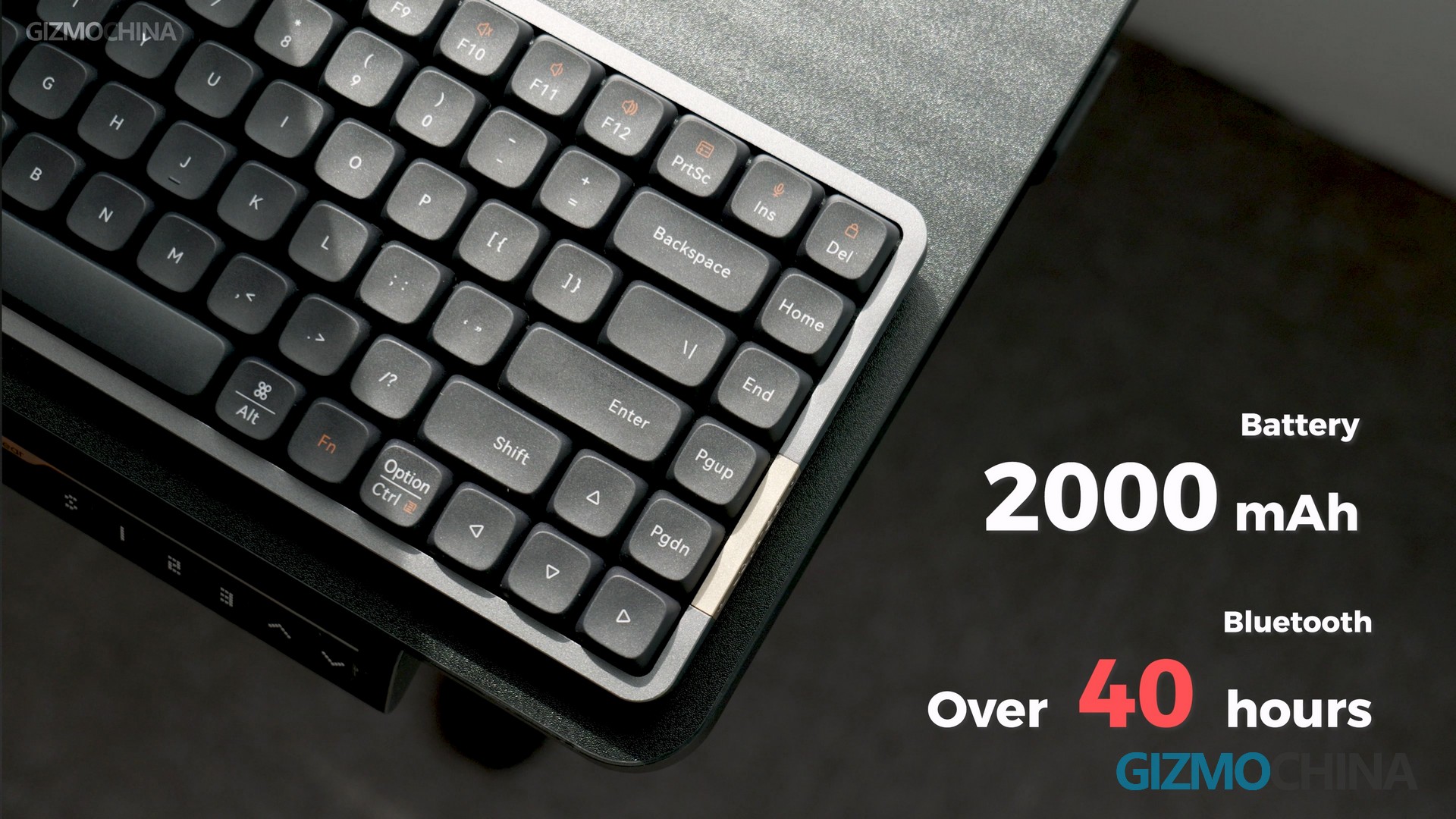
It has two connection options: wired or Bluetooth. I must say that the Bluetooth connection is very power-saving, because I turned off all backlit and used it for 8 hours a day, and it was still working after a week. It only takes 3 hours to charge the 2000mAh battery fully. With the ability to connect three devices as well, it should still be pretty handy to take out on business trips. But if you want to play games on this keyboard, I would recommend that you just plug the cable in.
Switches
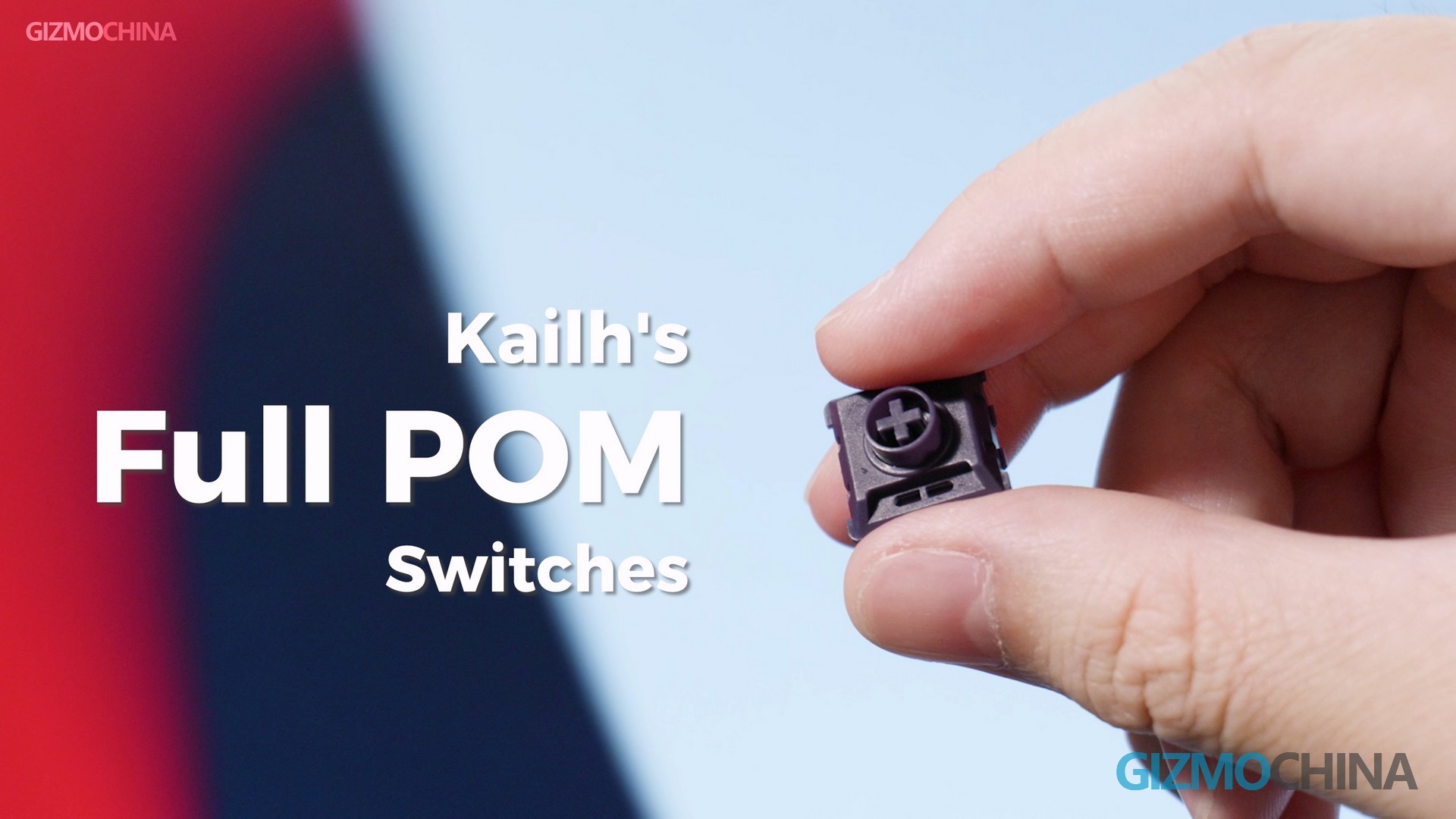
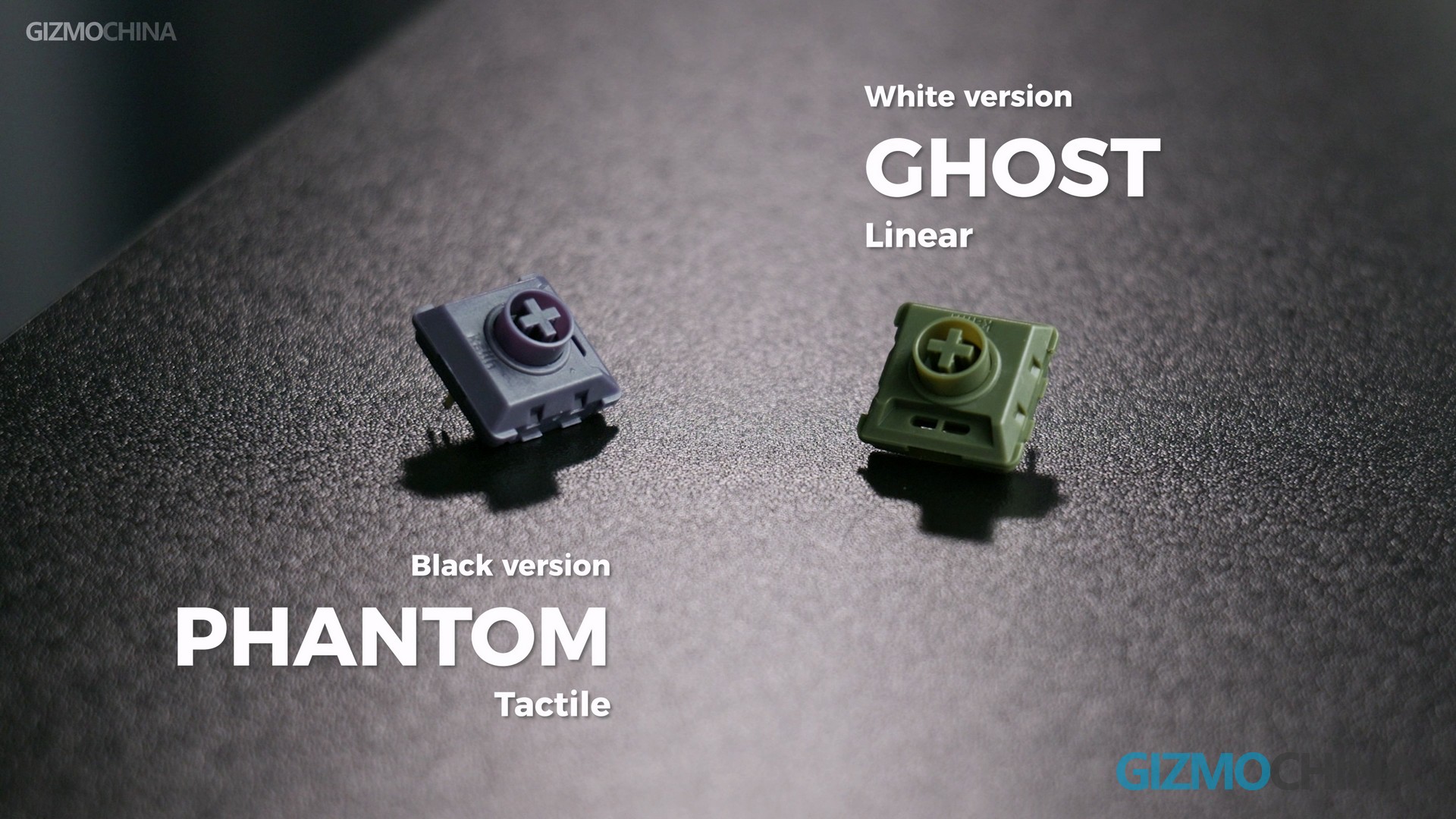
As a mechanical keyboard, its typing experience should be much better than those of membrane keyboards. For the switches, Lofree Flow chose Kailh’s Full POM Switches, which have the advantage of being self-lubricating and hard-wearing, and the longer you use it, the smoother it will be.
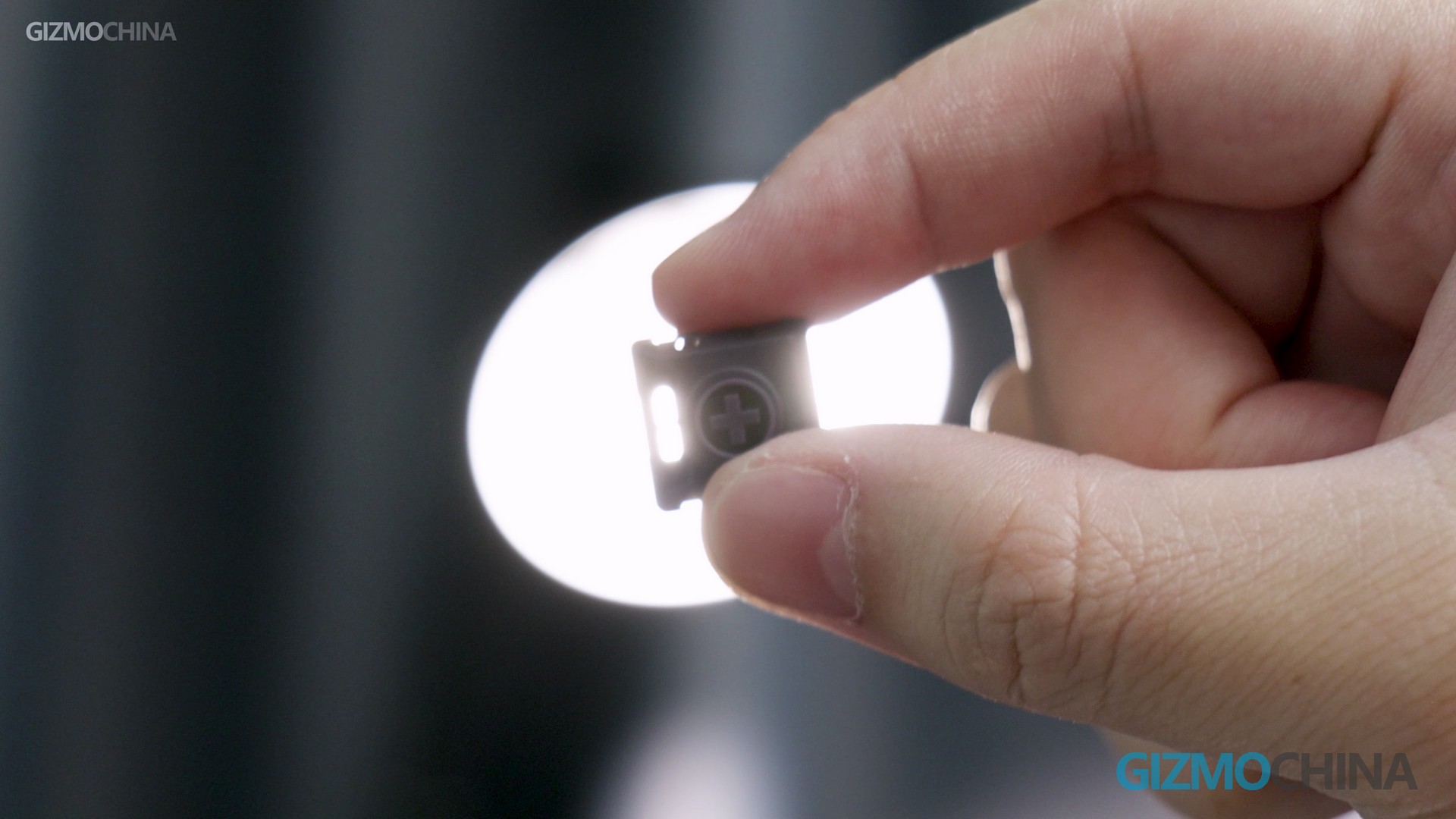
If you choose the white variant of this keyboard, then the switch is linear. and the black version comes with a tactile, I tried both switches right after I received them, and they are both very smooth. These two switches are the quieter type and perfectly fine in use in the office or even the library. They make holes above the switch’s upper housing so that the LED beads don’t attenuate the brightness by covering them up. The stabilizers are also very reliable and stable, as the four corners don’t get stuck when pressed down.
If you don’t have a favorite color, I recommend you buy the linear switch version, which is the white variant, this is because the linear switch can better show the smoothness of the POM material. By the way, this keyboard is hot-swappable, so you can also swap two different switches and keycaps on the same keyboard as I did.
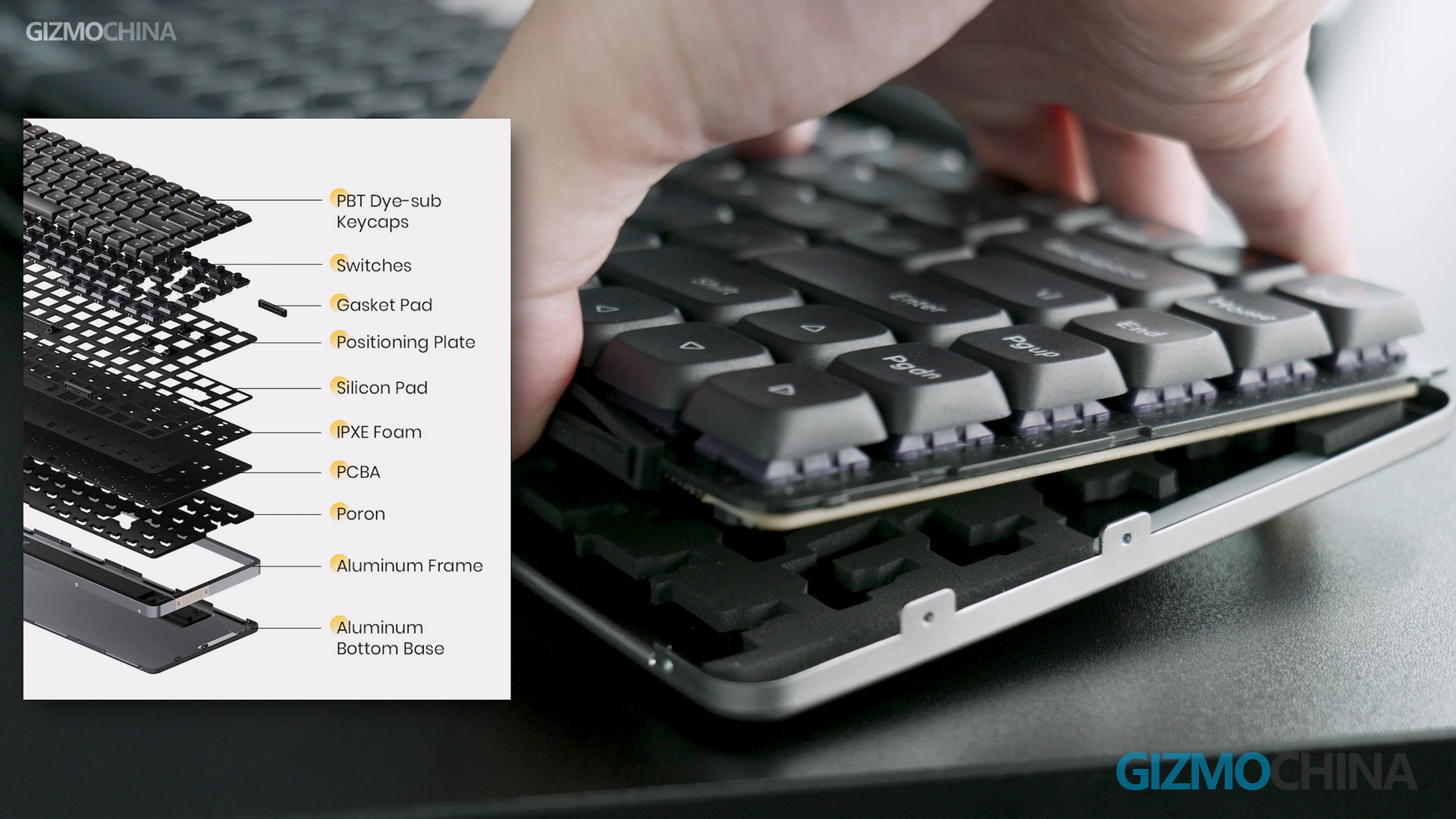
In addition to POM switches, there’s another thing to enhance the typing experience: the Gasket mount, can you imagine that on a low-profile keyboard? By disassembling it, we can also tell that it’s filled with all kinds of sound-absorbing materials. So as you can also hear, the typing sound is just barely like cavity tone, the thock of this keyboard is something I didn’t expect.
But also because it’s stuffed and has little room inside, it doesn’t feel as soft as you’d expect. the PCB isn’t slotted either, so it has a hard typing feel which makes it on the hard side of the type in a gasket mount.
Conclusion
I’m honestly impressed with the Lofree Flow. I’ve never seen a low-profile keyboard doing such a great job on the overall experience. With a minimalist design, a great typing feel, and sound in such limited space. This keyboard makes typing enjoyable no matter where you are, something that no other low-profile keyboard can do. So I do like this keyboard very much, and I hope Lofree will keep up the good work and make more unique keyboards for all types of needs.
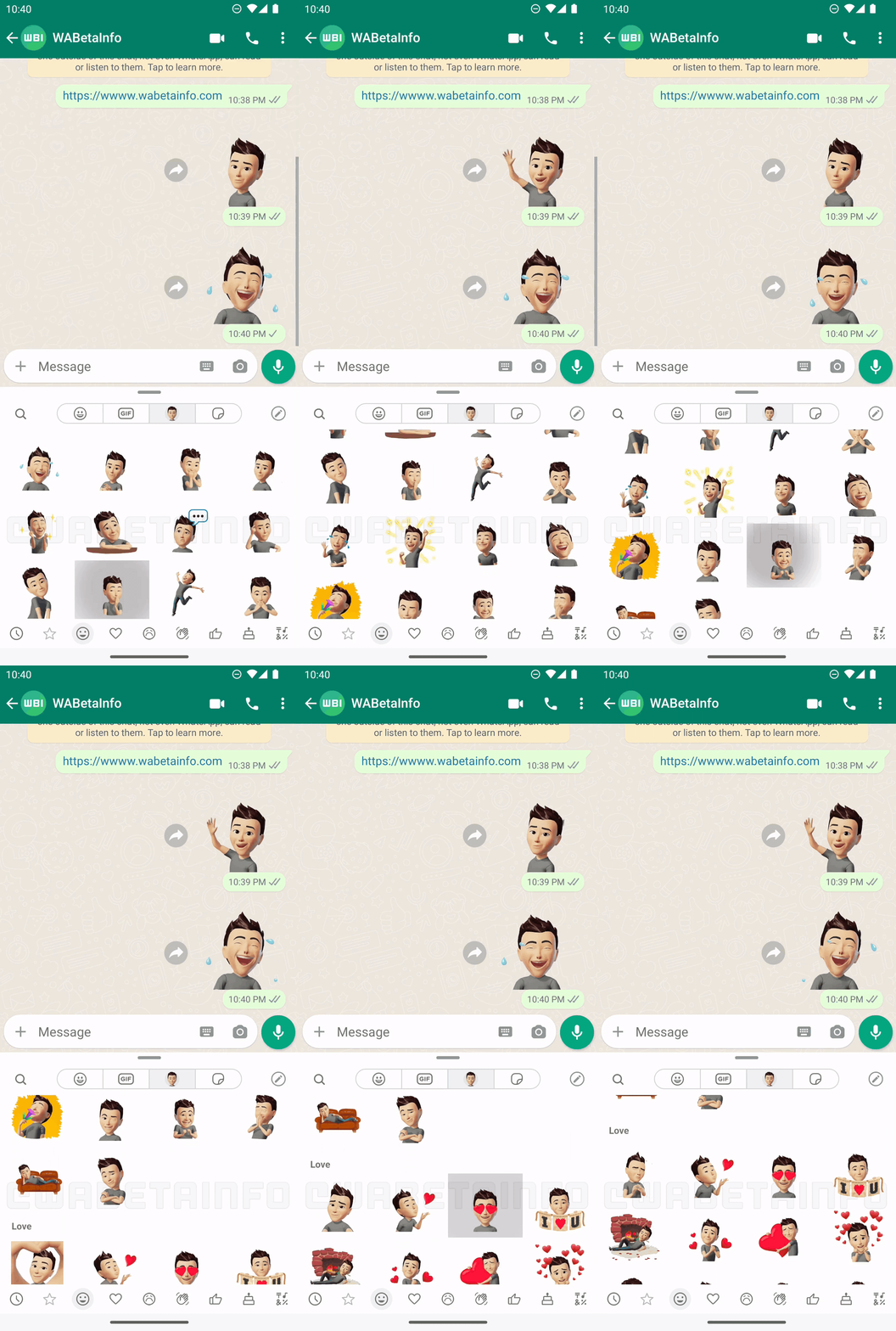
WhatsApp, the popular messaging app from Meta, is introducing an exciting new update through the Google Play Beta Program, taking the version to 2.23.16.12. According to WABetaInfo, the latest WhatsApp update introduces the highly anticipated animated avatars feature, which was previously in development. It is now available to select beta testers for experimentation.
Express Yourself Better with WhatsApp’s New Animated Avatars
The animated avatar feature enhances the existing avatar pack by providing users with animated versions of their current avatars. This brings a dynamic element to avatars and improves the expressive communication experience for users who regularly use this feature.
To check if the feature is enabled for your WhatsApp account, simply open the avatar tab in a conversation. If there is an animation for some avatars, it means you can now share animated avatars. The best part is that recipients don’t need to have the feature enabled to see the animated avatars they receive in a conversation. This means you can share your animated avatars with non-beta testers as well.
Currently, animated avatars are available to some beta testers who have installed the latest WhatsApp beta for Android from the Google Play Store. The rollout will continue over the coming weeks, reaching even more users.
Last month, the Honor Watch 4 made its debut in China with a whole host of impressive features like a large AMOLED display and an aluminum body. The smartwatch has now arrived in Europe, however, it is missing a key feature that makes it special.
Honor Watch 4 specs
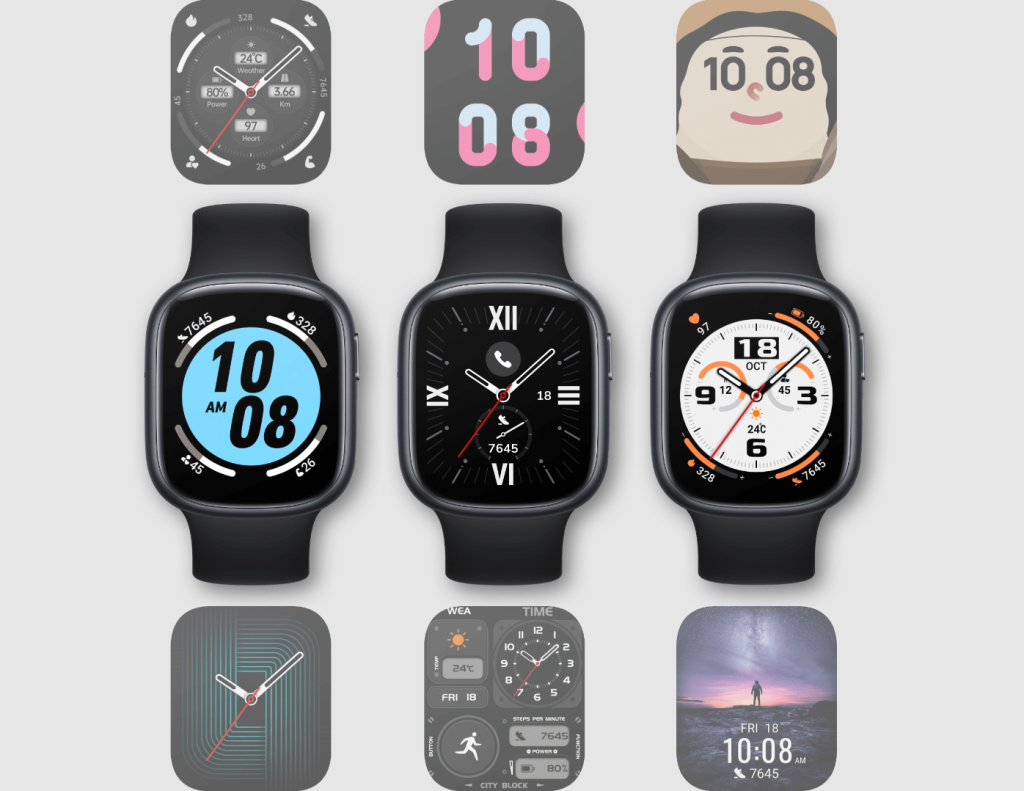
The Honor Watch 4 features an aluminum frame and a large 1.75-inch AMOLED display with a 450x390px resolution. It also has a 340 PPI pixel density and a 60 Hz refresh rate.
The Chinese version of the smartwatch offers eSIM support, providing independent cellular connectivity without needing to pair with a smartphone. This means users can make calls, send messages, and receive app notifications directly on the smartwatch. However, the European variant lacks eSIM support, resulting in the absence of these features for users in that region.
Additionally, the smartwatch lacks WiFi connectivity, requiring users in the EU to rely on Bluetooth 5.2 to connect their watches to smartphones for features like calling, messaging, and receiving notifications.
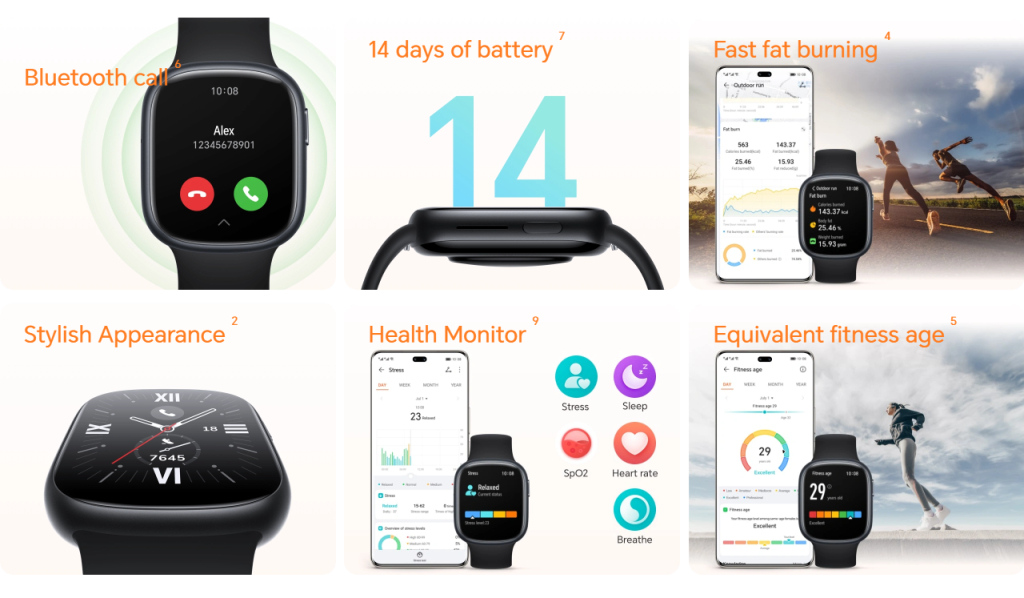
The smartwatch also has 5ATM waterproofing, meaning that you can wear the smartwatch while swimming. It comes with the usual health monitoring features like heart rate monitoring, blood-oxygen monitoring, sleep monitoring etc.
The Watch 4 comes with GPS support and a sizeable 451 mAh battery, capable of lasting up to 14 days with typical usage. Honor defines typical usage as continuous heart rate monitoring (smart mode) and sleep tracking, 30 minutes of Bluetooth calls weekly, 30 minutes of music playback weekly, 90 minutes of training with GPS activated per week, receiving 50 messages, 6 incoming calls, and 3 alarm clock alerts daily, and turning on the screen 200 times a day.
Pricing & availability
The Honor Watch 4 is available on the French website for €149.90, including taxes. In Europe, it is only offered in the black color option.
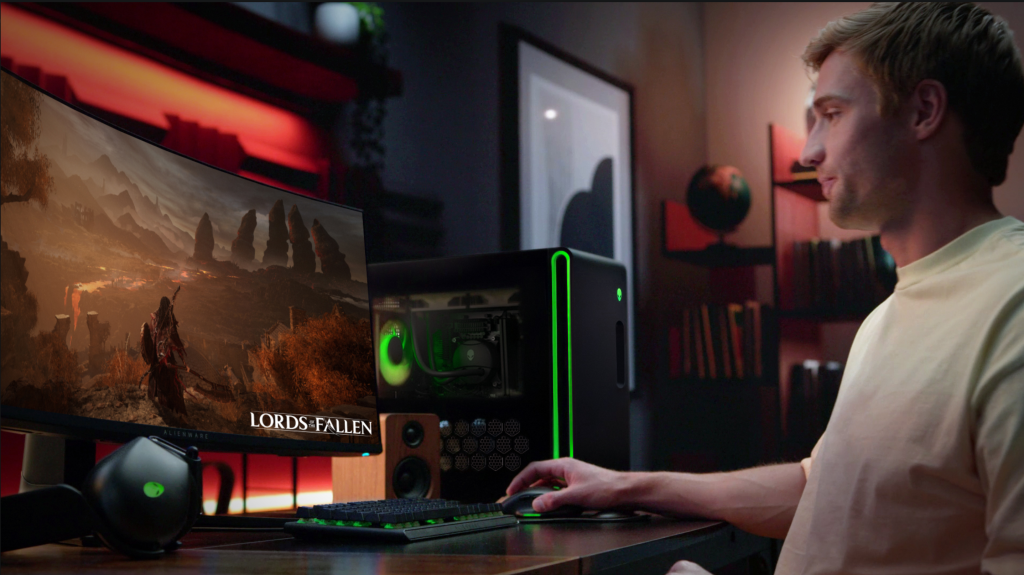
Alienware has just announced the successor to the Aurora R15 desktop gaming PC. The new model is the Aurora R16, which features a design overhaul over its predecessor. So here are all the details.
Alienware Aurora R16 Design & Specs
The new Aurora R16 is an updated version of its flagship gaming rig. It arrives with a refreshed design that skips the triangular shape of the Aurora R15 in favor of the rectangular design of the Legend 3 gaming laptop that was launched earlier this year. A major change is the slimming down of its design profile, with the Aurora R16 being around 40 percent smaller than its predecessor. Despite this, it retains the same internal volume and still offers upgradability as well.
Furthermore, the Aurora R16 model debuts the Alienware Command Center for its desktop PC lineup. Apart from its smaller form, the latest PC brings 20 percent lower acoustics along with 7 percent lower temperatures and up to 10 percent lower CPU temps when compared to the R15. As per official claims, the PC has a larger air intake and exhaust, with a 54.5 percent larger open ratio.
Under the hood, the R16 is currently offered with an Nvidia RTX 4070 and RTX 4070 Ti in the US and Canda. On the other hand, the European and Asian markets can expect to find RTX 3050 and RTX 4080 GPUs. This includes two M.2 PCIe SSD slots, up to 8TB of internal storage, and supports Wi-Fi 6E for up to 2.5Gbps speeds. Alienware’s new R16 desktop is available for a price tag of 1,750 US Dollars.
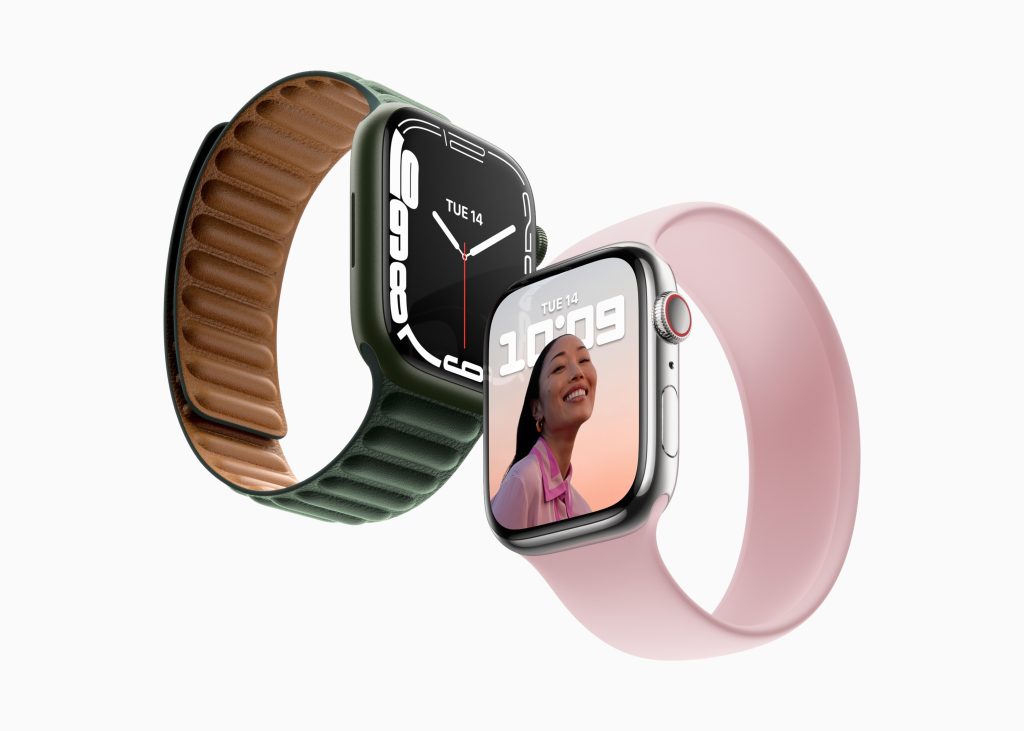
The Apple Watch Series 9 is expected to launch along with the latest generation of iPhones next month. But prior to the launch, details regarding the company’s next-gen smartwatch have been leaked and it hints at a possible Barbie-inspired color.
Apple Watch Series 9 joins the Barbie hype train?
The news arrives from known tipster ShrimpApplePro, who shared the information on Twitter. In the tweet, he hints that there are no major design changes in the upcoming Apple Watch Series 9. There are apparently no real changes on the outside. So, it is unlikely that the new Watch Series 9 will receive the programmable Action Button that was found on last year’s Apple Watch Ultra.
The Cupertino based giant is retaining the sizes from last year as well, with the lineup arriving in either 41mm or 45mm cases. According to the tipster, the Aluminum variant of the Series 9 will include multiple color options that include red, silver, and pink. Meanwhile, the Steel version will launch in a gold, graphite, and silver option. While it’s not directly implied, this could be a special collaboration with the recent blockbuster hit, Barbie.
Although, this is still just speculation so take this with a pinch of salt. ShrimpApplePro also revealed some interesting details regarding the upcoming Apple Watch Ultra 2 as well. The successor to the original Watch Ultra will feature a new Dark Gray/Titanium Black color option. Reportedly, a new Apple iPad Mini 7 is also in the works.
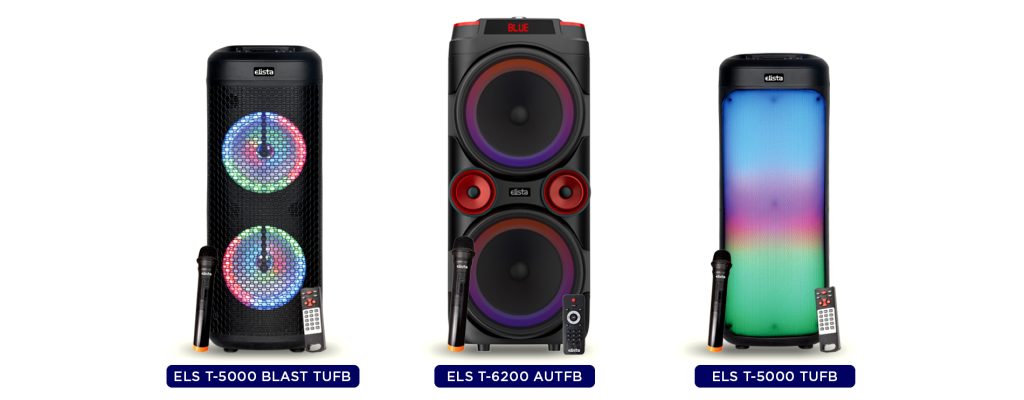
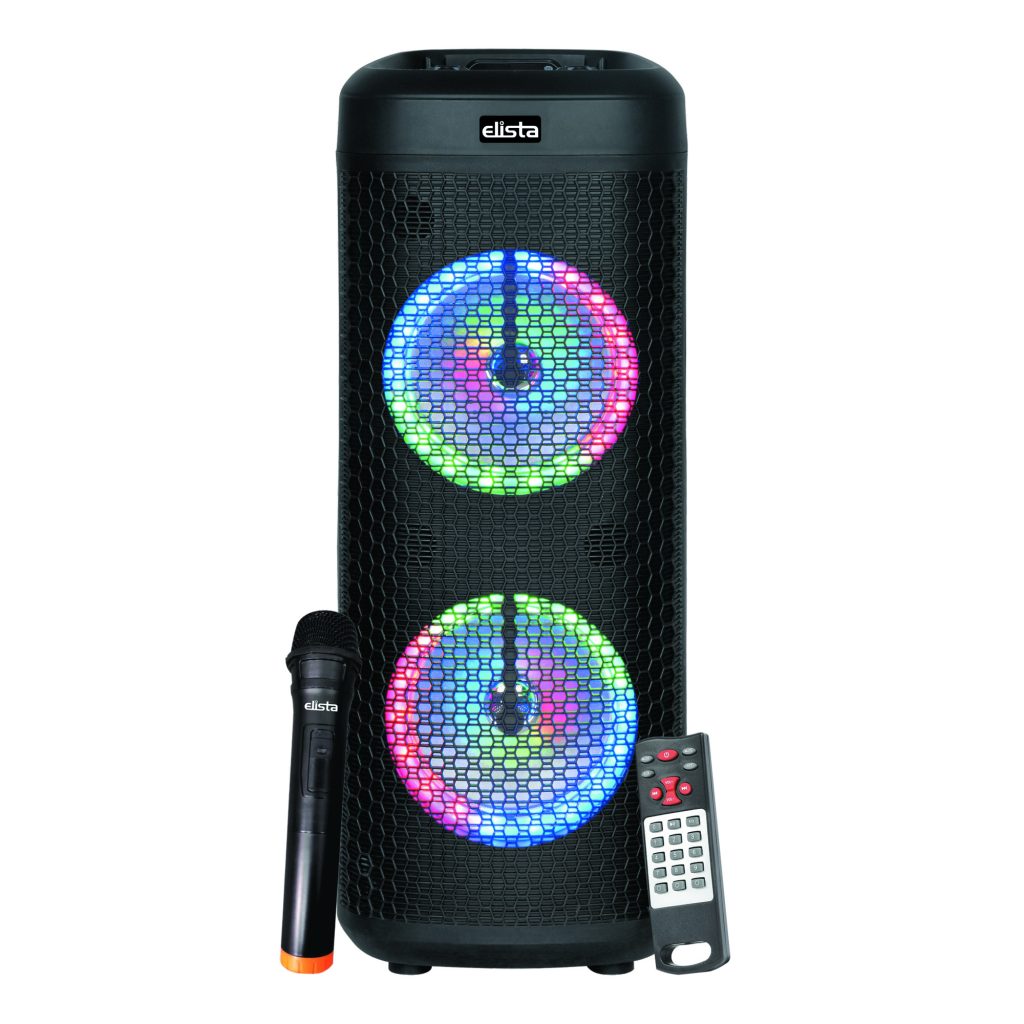
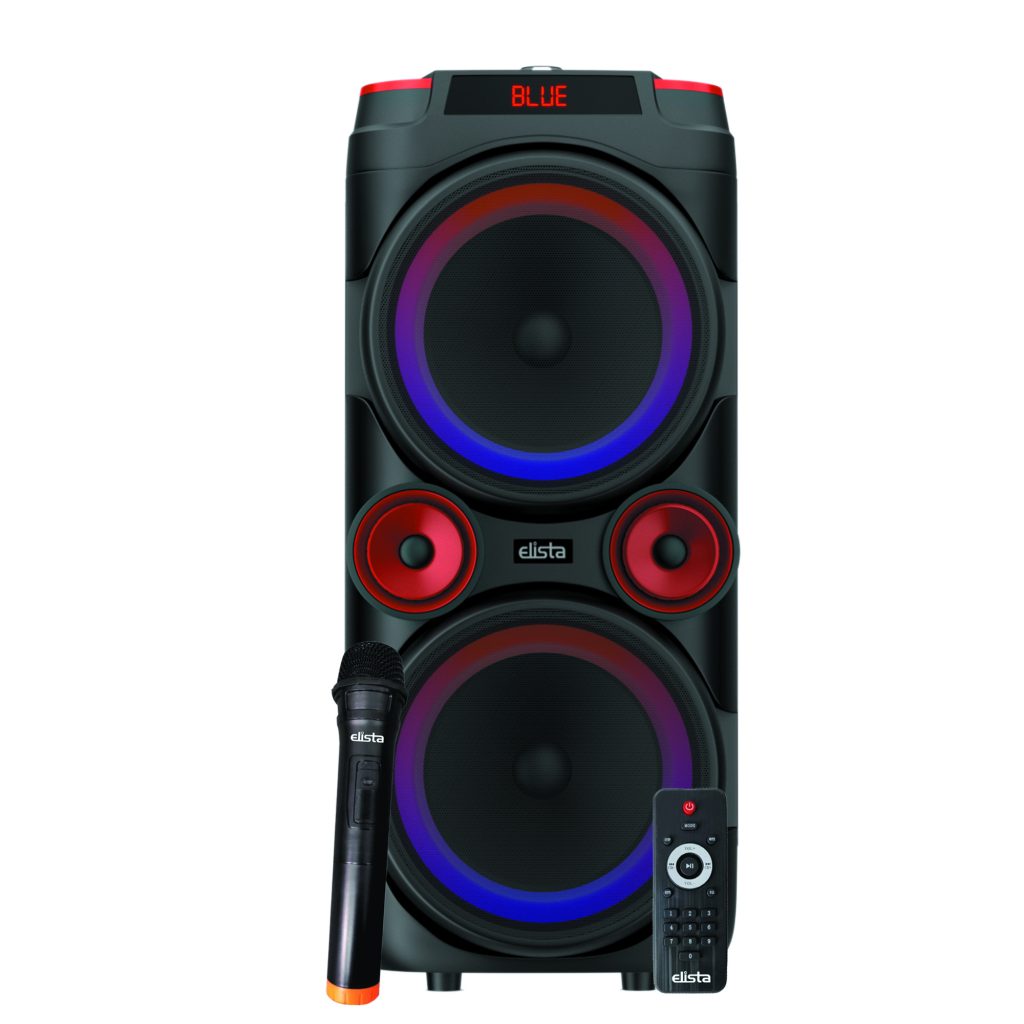
Elista has just announced three new portable tower speakers in India. The speakers are built with a bright LED design and promise to offer a great audio experience. These were also ‘Made in India’, so let’s have a look.
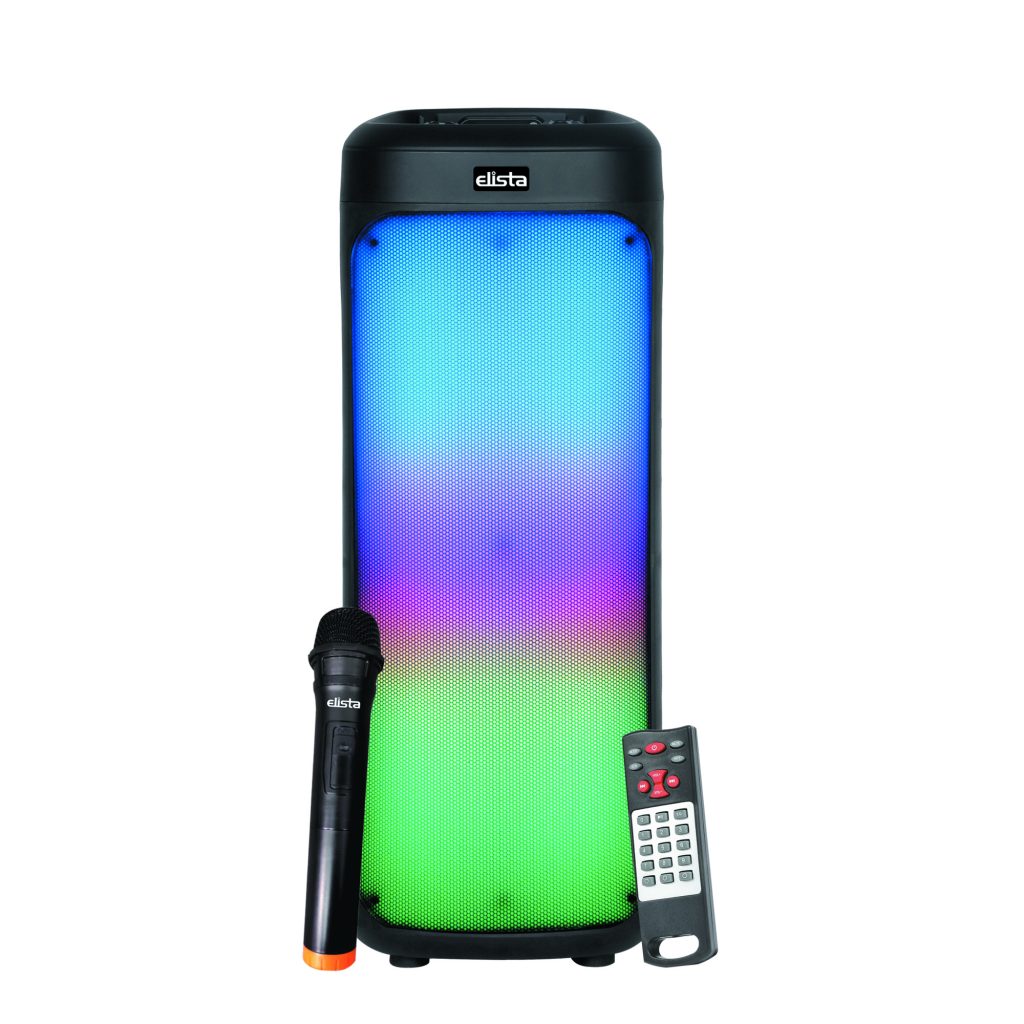
ELS T-5000 TUFB
Starting off with entry level model, the ELS T-5000 TUFB Single Trolley Computer Speaker boasts a power output of up to 30W from its twin 15W speakers. This is further amplified with two 8-inch dynamic subwoofer and a tweeter. It supports Bluetooth 5.0 technology for seamless wireless connection with a range of up to 10 meters. A large 5,200mAh battery pack powers this model, offering up to 3 hours of audio playback on at 75 percent volume.
For karaoke lovers, this speaker also comes with a wireless mic that features Mic Volume & Echo Level Control for a more entertaining experience. The ELS T-5000 TUFB sports a 7 Segment LED display, a full function remote handset, and a smartphone holder as well. It is the most affordable out of the 3 models and has a 9,999 INR price tag.
ELS T-5000 Blast TUFB
Moving forward, we have the ELS T-5000 Blast TUFB, which is apparently a ‘portable powerhouse of immersive music’. Thanks to its total power output of 40W (20W + 20W), two 8-inch subwoofers, and a single tweeter, it is clear that will offer a loud and powerful sound. This model also supports Bluetooth 5.0 which has a 10-meter range.
Similar to the base variant, a 5,200mAh battery pack powers this speaker, which can run uninterrupted for up to 3 hours at 75 percent volume. Other notable features include a smartphone holder, full function remote handset, rotary volume controls, the 7 Segment LED display, and the Wireless MIC with MIC Volume & Echo Level Control for karaoke enthusiasts. This model carries a higher 11,999 INR price tag.
ELS T-6200 AUTFB
The ELS T-6200 AUTFB is the top end model from the lineup and represents the company’s ‘pinnacle of audio experience’. This model is capable of outputting 60W power (30W x 2) through its twin 10-inch subwoofers that are paired with a single tweeter. To ensure that users get a premium listening experience, the audio is turned to deliver punchy bass, clear treble, and improved clarity with various audio input support. The ELS T-6200 AUTFB features Bluetooth 5.0 and UHF enabled display.
However, it offers a higher wireless range of 35 meters. It is housed by a 4,400mAh battery pack, which can provide an extended playtime of up to 3 hours at 75 percent volume. This model features analog controls, which lets you manually tweak the volume, bass, and treble. Just like the other two portable tower speakers, it comes with 7 Segment LED display as well as a wireless mic with MIC Volume & Echo Level Control for karaoke performances during house and outdoor parties. This model costs 16,999 INR in India.
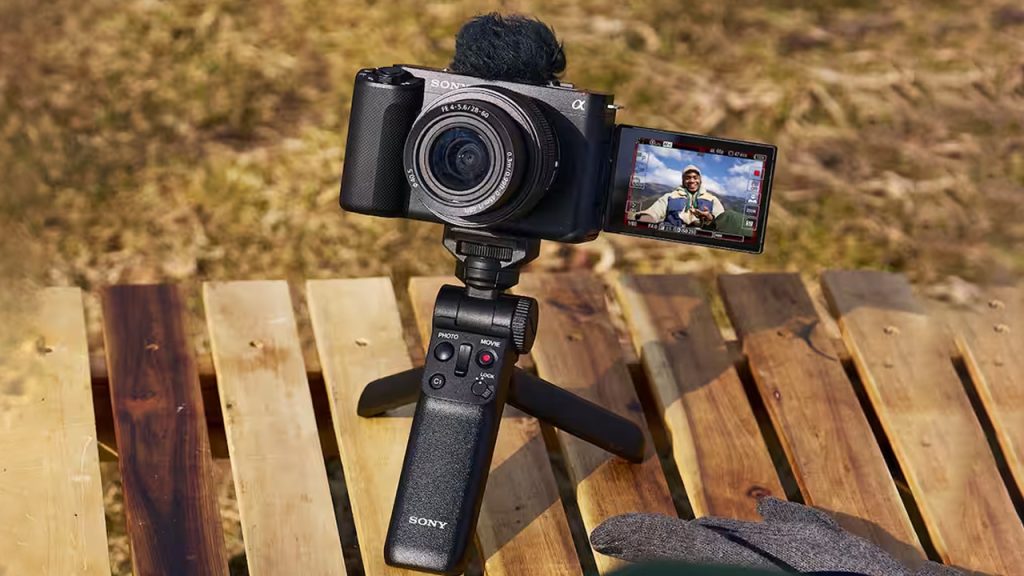
Sony continues to expand its product line. The company, which operates in a broad range from televisions to wireless headphones, especially stands out with its success in camera technology. In fact, many smartphone manufacturers today use cameras and lensesdeveloped by Sony in their devices. Now, Sony has unveiled the ZV-E1, a new vlog camera with interchangeable lenses. Here are the details…
Sony ZV-E1: The Smallest and Lightest Full-Frame Vlogging Camera
SonyIndia unveiled the ZV-E1, a new vlog camera with changeable lenses. This camera has a powerful full-frame image sensor. It’s made for people who love creating content. The camera is small, light, and packed with high-tech features. It also has high-quality image performance with less noise and a great sensitivity to light.
Moreover, Sony India is offering a special deal. If you buy the ZV-E1, you will also get other useful tools worth Rs. 19,170. This offer will only last while stocks last.
Shooting grip with wireless remote commander (GP-VPT2BT)
Rs. 10,590/-
Battery charger (BC-QZ1)
Rs. 6,790/-
Soft carrying case (MII-SC5)
Rs. 1,790/-
Should You Buy the ZV-E1?
The ZV-E1 is the smallest, lightest camera with a full-frame sensor that made especially for vlogging. It uses a special 35mm sensor called Exmor R that is very good at collecting light. This sensor has about 12.1 effective megapixels, allowing it to produce clear images even in low light and create beautiful background blur (bokeh).
The camera has an image processor called BIONZ XR, which is up to 8 times stronger than the older versions. This makes the camera better at handling high-sensitivity photos, improving colors, reducing noise, and more. All the information collected by the sensor can be processed instantly, even when shooting high-quality 4K videos at a fast rate of 120 frames per second. The BIONZ XR processor also makes the camera focus faster and more accurately.
High-quality 4K (QFHD) video can be recorded with full-frame readout at 10-bit 4:2:2, without the need for pixel binning. This makes the expressive advantages of the full-frame format available for video recording whilst delivering high-resolution 4K footage without moiré or jaggies.
Yes, the Sony ZV-E1 can shoot 4K 60p video, and you can upgrade it to 4K 120p through the Creators’ Cloud. You can also shoot slow-motion video at up to 10x speed with Full HD resolution. The camera has a wide range of ISO settings, from 80 to 102400 for stills and movies, and it can even be expanded to 40 to 409600 for stills and 80 to 409600 for movies.
This means that you can take photos and videos in a variety of lighting conditions without losing detail. The camera also has a 15+ stop latitude, which means that it can capture a wide range of tones, from shadows to highlights. This means that you can get natural-looking photos and videos even in difficult lighting conditions.
The ZV-E1 also has a picture profile with assignable LUTs, which means that you can create specific looks for your photos and videos. This is a great feature for vloggers and other content creators who want to give their videos a unique look.
The Sony ZV-E1 also has a special setting called Cinematic Vlog Setting that makes it easy to create videos that look like they were shot for a movie. You can choose from different Looks and Moods to create the perfect look for your video. The Looks are presets that change the overall look of the video, such as the color tone and contrast. The Moods are presets that emphasize specific colors, such as making the sky look bluer or the grass look greener.
You can also adjust the AF transition speed, which determines how quickly the camera will focus from one subject to another. The Cinematic Vlog Setting also uses a 24 fps frame rate and the widescreen Cinemascope aspect ratio (2.35:1) to give your videos a more cinematic look. For a truly cinematic look, the ZV-E1 also features S-Cinetone. This is a color profile that is designed to give skin tones a natural and healthy look.
In addition to the Cinematic Vlog Setting, the ZV-E1 also has a selection of Creative Looks that you can use to create different looks for your photos and videos. These presets can be used as they are or customized to your liking. Finally, the ZV-E1 also has a new My Image Style feature that lets you save your own custom settings. This is a great way to create a look that is unique to you.
The ZV-E1 is perfect for shooting product reviews. It can smoothly switch focus from the presenter’s face to the product and back again. It also has creative features such as zoom control and Time-lapse creation. The camera has high-performance audio features. It has a three-capsule microphone that can pick up clear sound even in noisy outdoor conditions.
It also supports advanced video recording modes. The ZV-E1 records data that can help you stabilise footage when editing. It has an LCD screen that can be easily adjusted, and its design and grip are optimised for vlogging. The camera has a great connection to smartphones and features the all-new Creator’s Cloud. This allows for smooth connection and easy sharing of content. Finally, the ZV-E1 supports high-quality live streaming.
Pricing and Availability
The ZV-E1 vlog camera will be available in India starting August 3. You can buy it from Sony Centers, Alpha Flagship stores, Sony authorized dealers, Amazon, Flipkart, and major electronic stores.
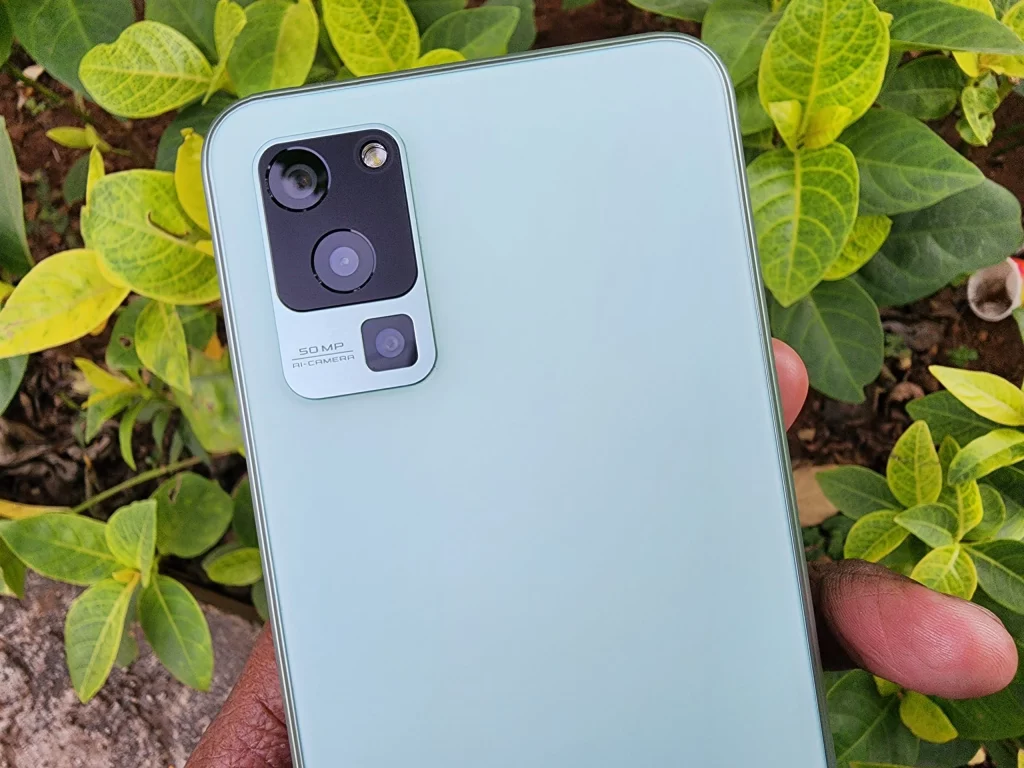
Back in October, Lava launched the Blaze 5G smartphone (review) in India. Later in February, the device got a 6GB RAM variant. Now, the brand has launched an 8GB RAM option for the Lava Blaze 5G which can now be bought in India.
Lava Blaze 5G 8GB RAM variant price & offers
In India, the Lava Blaze 5G with 8GB RAM is priced at Rs 12,999 and is available to buy via Amazon. However, there’s a special offer allowing customers to purchase it for just Rs 12,499 for a limited time. Moreover, buyers can avail an extra discount of up to Rs 1,000 when using SBI credit cards or opting for EMI transactions, bringing the effective price down to as low as Rs 11,499.
Lava Blaze 5G specs
The Lava Blaze 5G comes with a 6.5-inch LCD display that has an HD+ resolution and a smooth 90Hz refresh rate. It features a small waterdrop notch at the top. The power button on the side also acts as a fingerprint scanner for added security.
On the back, you’ll find a rectangular camera module with a 50MP main sensor, a depth lens, and a macro unit for versatile photography. For selfies, there’s an 8MP front-facing camera.
Under the hood, the Lava Blaze 5G is powered by a Dimensity 700 processor, which supports eight 5G bands for faster connectivity. In addition to the 8GB RAM model, the phone is also available in 4GB and 6GB RAM options, and it also has 3GB of virtual RAM to enhance performance. The phone offers 128GB of internal storage with the option to expand it further using a dedicated microSD card slot. It comes with Android 12 OS pre-installed.
To keep you going all day, the phone is equipped with a long-lasting 5,000mAh battery. For connectivity, the Lava Blaze 5G supports dual SIM cards, Wi-Fi 6, Bluetooth 5.1, GPS, a USB Type-C port, and a 3.5mm audio jack for your convenience.
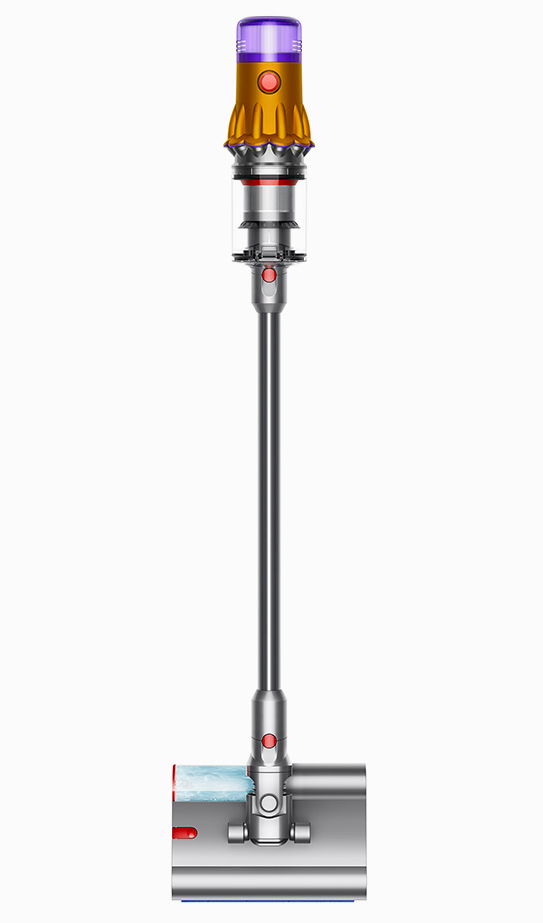
Dyson V12s Detect Slim Submarine, an all-in-one wet-and-dry cordless vacuum cleaner, has been launched in India Addressing the limitations of conventional wet-and-dry formats, the Dyson V12s integrates advanced dry vacuum technologies with a groundbreaking solution for wet floor cleaning, offering users a comprehensive cleaning solution for diverse needs. I had the opportunity to personally try out the V12s and have included two video clips showcasing my firsthand experience.
Dyson V12s Detect Slim Submarine features
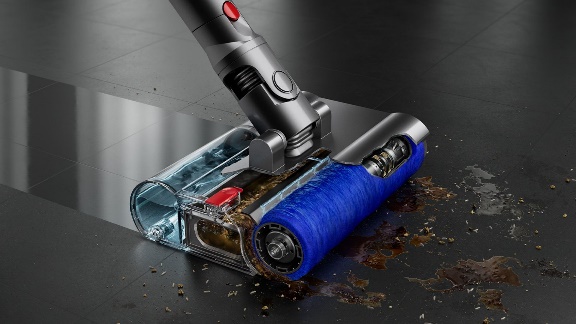
At the heart of this innovation lies the Dyson V12s Submarine wet roller head, engineered to effectively tackle spills, stubborn stains, and small dry debris such as food crumbs. This cutting-edge technology combines hydration, absorption, and extraction methods to deliver an enhanced level of cleanliness to hard floors.
The roller boasts an innovative eight-point hydration system, evenly distributing water across its width through pressurized chambers and eight strategically positioned water jets. This ensures consistent water release of 18ml per minute, preventing excessive wetness.
Powered by a motor-driven microfiber roller, the Dyson V12s Submarine effectively handles spills and debris. A robust plate then extracts contaminated water, funnelling it into a separate waste-water tray for effortless disposal. With a capacious 300ml clean water tank and a slightly larger 360ml dirty water tank, the vacuum covers substantial flooring areas without compromising on performance.
The Dyson V12s Detect Slim Submarine is designed for seamless manoeuvrability beneath furniture and offers edge-to-edge cleaning capabilities. In addition, Dyson’s pioneering dust illumination technology reveals hidden dust particles by projecting light onto floors. A Hair Screw Tool is also included, adept at handling long and pet hair.
Dyson V12s Detect Slim Submarine price in India, availability
The Dyson V12s Detect Slim Submarine cordless vacuum cleaner is priced at Rs 62,900. It is available for purchase at Dyson.in and Dyson Demo stores across the country.
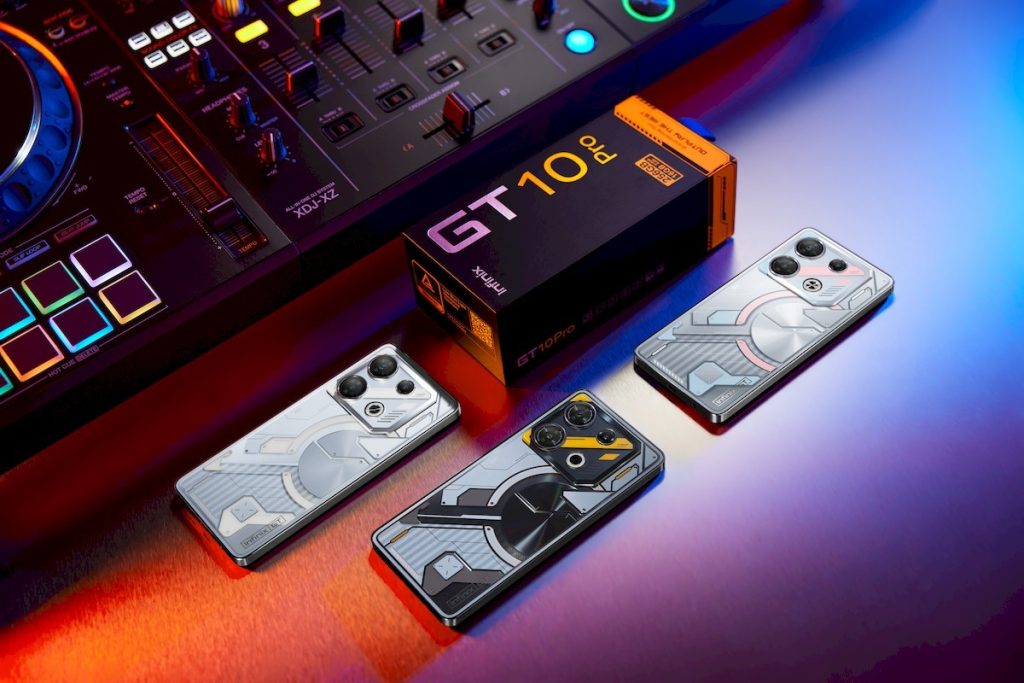
The Infinix GT 10 Pro has launched in India. The company’s first GT-series phone is designed for budget-conscious young gamers across the world. It comes with an attractive design, a 120Hz AMOLED display, a bloatware-free experience, a Dimensity 8-series chipset, 108-megapixel triple rear cameras, and a big battery with fast charging support. Here is all the information on the specifications, features, and price of the GT 10 Pro.
Infinix GT 10 Pro design
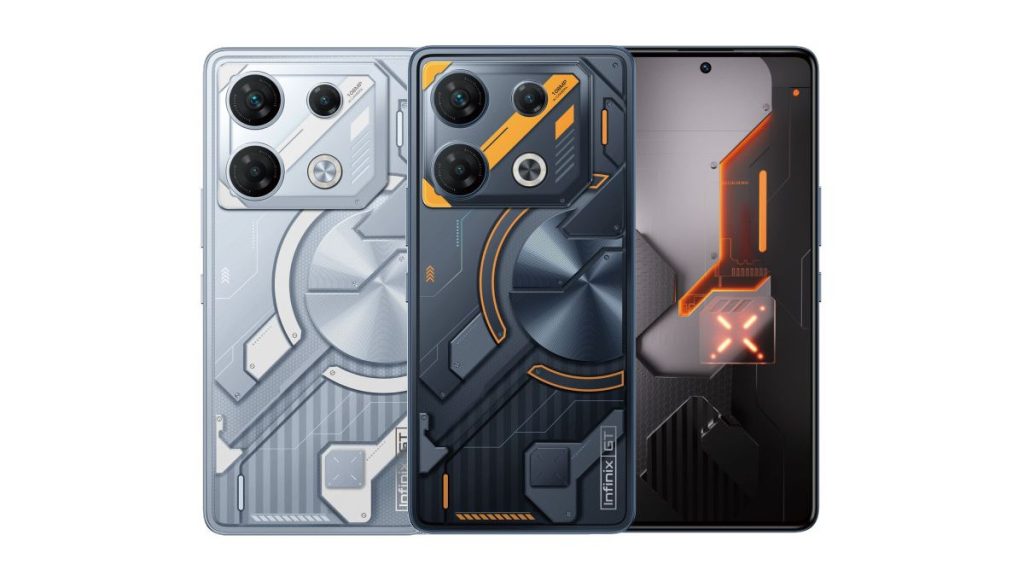
The Infinix GT 10 Pro has a visually striking design as it comes equipped with a Cyberpunk-styled rear shell. It features a customizable mini-LED indicator, which can glow for notifications, charging, and gaming. Available in Cyber Black and Mirage Silver color variants, the silver edition showcases portions that can transform under UV light.
Infinix GT 10 Pro specifications and features
Infnix GT 10 Pro
The Infinix GT 10 Pro is equipped with a 6.67-inch AMOLED display with a centrally positioned punch-hole. It offers a Full HD+ resolution, a 120Hz refresh rate, a 360Hz touch sampling rate, up to 900 nits of brightness, and a 100 percent DCI-P3 wide color gamut. According to the brand, the phone offers a screen-to-body ratio of 93 percent. For security, it has an under-display fingerprint scanner.
At the core of the Infinix GT 10 Pro is the Dimensity 8050 5G processor, which clocks at up to 3.0GHz. The device comes with 8 GB of LPDDR4x RAM and 256 GB of UFS 3.1 storage. For more storage, the device also features a microSD card slot.
Coming to the software side, the Infinix GT 10 Pro comes preloaded with Android 13 OS, which is overlaid with XOS 13 for GT and offers a bloatware-free experience. In addition, the device has very few preinstalled apps. The phone is confirmed to receive the Android 14 upgrade and two years of security updates.
Infnix GT 10 Pro
For photography, the Infinix GT 10 Pro features a 108-megapixel Samsung HM6 primary camera, a 2-megapixel depth sensor, a 2-megapixel macro camera, and a quad-LED flash. On the front, the device features a 32-megapixel selfie camera with dual-LED flash.
For effective heat dissipation, the Infinix GT 10 Pro has a VC liquid cooling unit with a surface area of 4319 mm2. For an enhanced gaming experience, the device features a z-axis linear motor. The device packs a 5,000mAh battery that supports 45W fast charging via the USB-C port. It supports Bypass charging features that reduce overheating during intense gaming sessions. The other features available on the device include dual SIM, 5G, Wi-Fi 802.11ax, Bluetooth 5.2, GPS, NFC, dual speakers, and a 3.5mm audio jack.
Furthermore, the Infinix GT 10 Pro comes in a special package in India. The retail package of the device can double up as a music amplifier and charging holder. The package also includes a Pro Gaming Kit, which is only available to the first 5,000 lucky buyers. It includes a pair of finger gloves, a pair of shoulder triggers, and a carbon box.
Infinix GT 10 Pro price in India
The Infinix GT 10 Pro is priced at Rs 19,999 (~$242) in India. With the ICICI and Kotak Bank card discount of Rs 2,000, the device can be purchased for as low as Rs 17,999. Alternatively, customers can also take advantage of the Rs 2,000 exchange bonus instead of the bank offer. The device comes in two shades, such as Cyber Black and Mirage Silver. The first sale date of the device is yet to be revealed. At present, buyers can pre-oder the device through Flipkart.
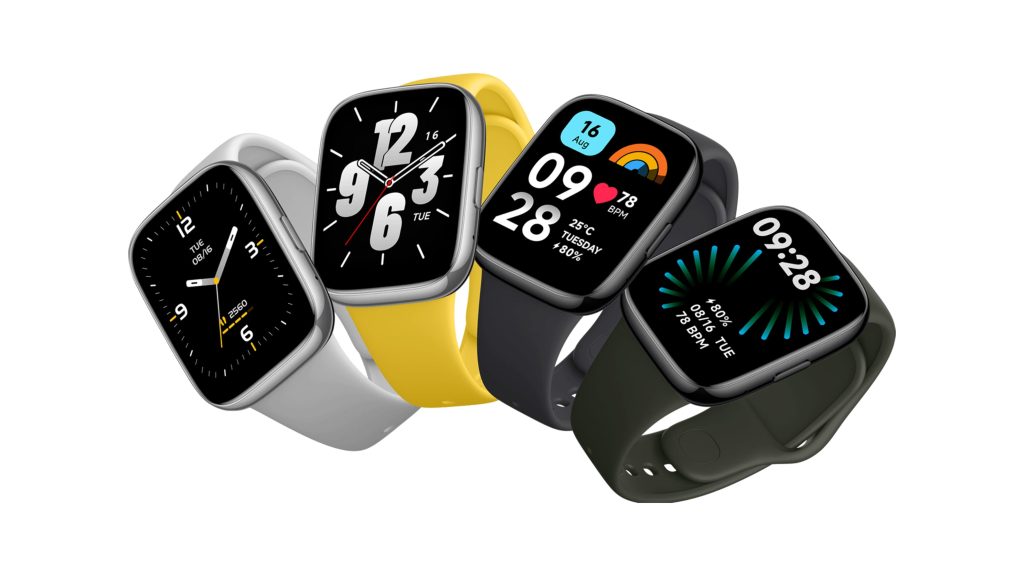
A couple of days ago, the Realme Watch 3 Active made its Indian debut along with devices like the Redmi 12 5G, and the Redmi Sonicbass 2 neckband. Now, the smartwatch is finally going on sale in India.
Redmi Watch 3 Active pricing & offers
During the introductory period, the Redmi Watch 3 Active is available at a price of Rs 2,999. After this period, there is a possibility of a price increase for the wearable. As a special launch offer, customers have the opportunity to get an additional strap in olive green color, originally priced at Rs 499, for just Rs 99. The smartwatch will be available to purchase via mi.com starting today (August 3) at 12:00 PM.
Redmi Watch 3 Active specs
The Redmi Watch 3 Active features a 1.83-inch LCD display, offering a resolution of 240 x 280 pixels and a brightness level of up to 450 nits. With a wide array of over 200 watch faces to choose from, users can personalize the appearance to suit their style.
The wearable exudes a premium look and feel, thanks to its metal middle frame. Moreover, it is water-resistant up to 5 ATM, making it a good swimming companion.
For health and fitness tracking, the Redmi Watch 3 Active is equipped with an optical heart rate sensor and a SpO2 sensor, enabling users to monitor their heart rate and blood oxygen levels. It also supports various health functions, including sleep monitoring and menstrual cycle tracking.
With a range of more than 100 fitness modes, users can choose the ideal activity setting that suits their exercise routine and preferences. Additionally, the watch comes with a built-in speaker and microphone, allowing users to make and receive calls directly from their wrist.
The device pairs seamlessly with smartphones via Bluetooth 5.3 and is compatible with both Android and iOS. To top it all off, the Redmi Watch 3 Active boasts impressive battery life, offering up to 12 days of usage on light usage and up to 8 days on heavy usage.
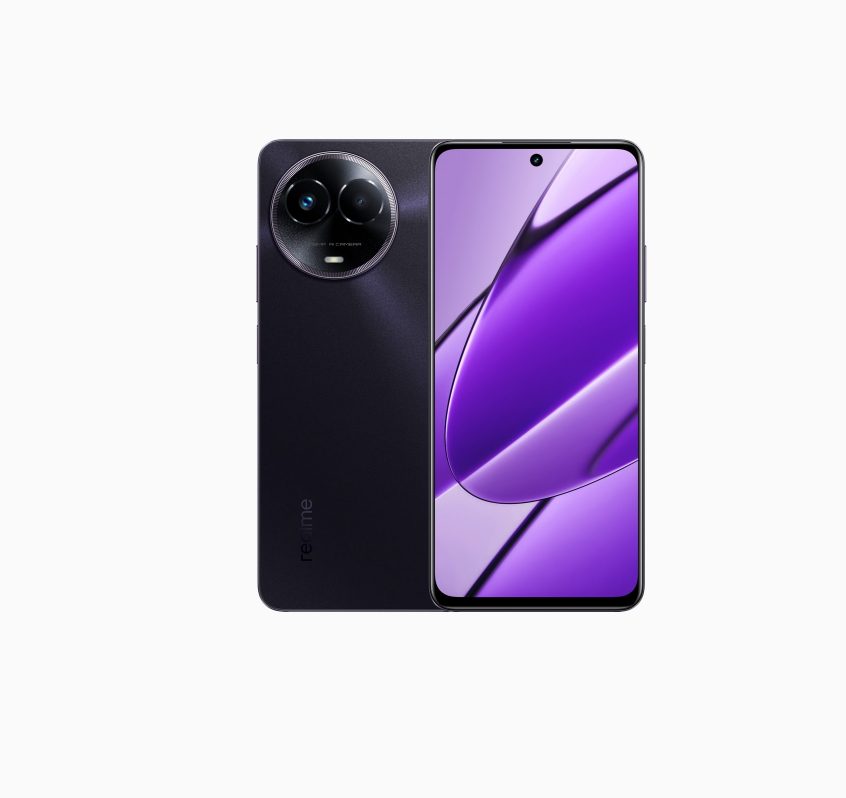
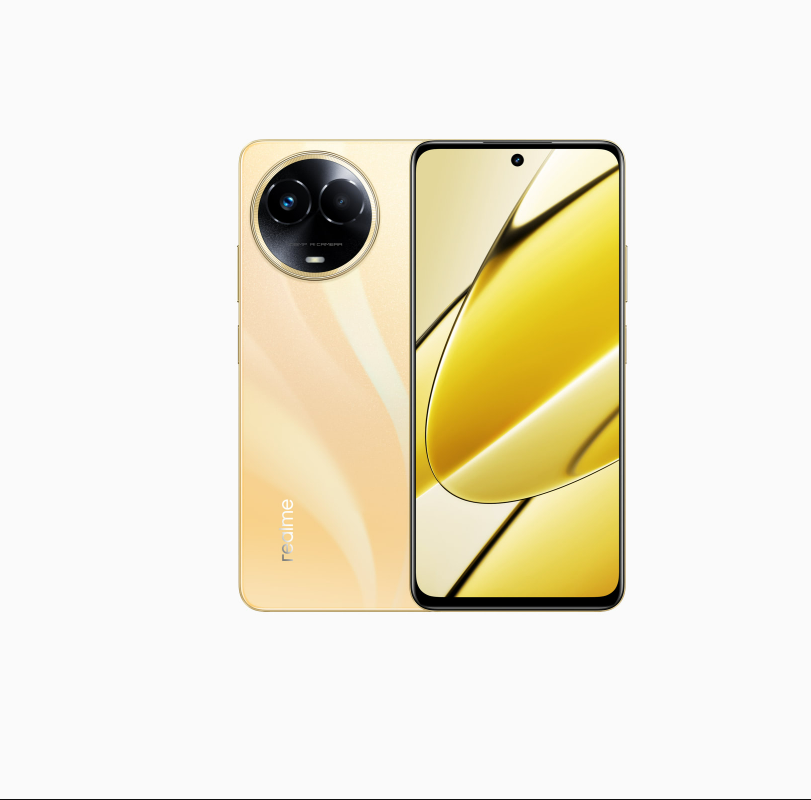
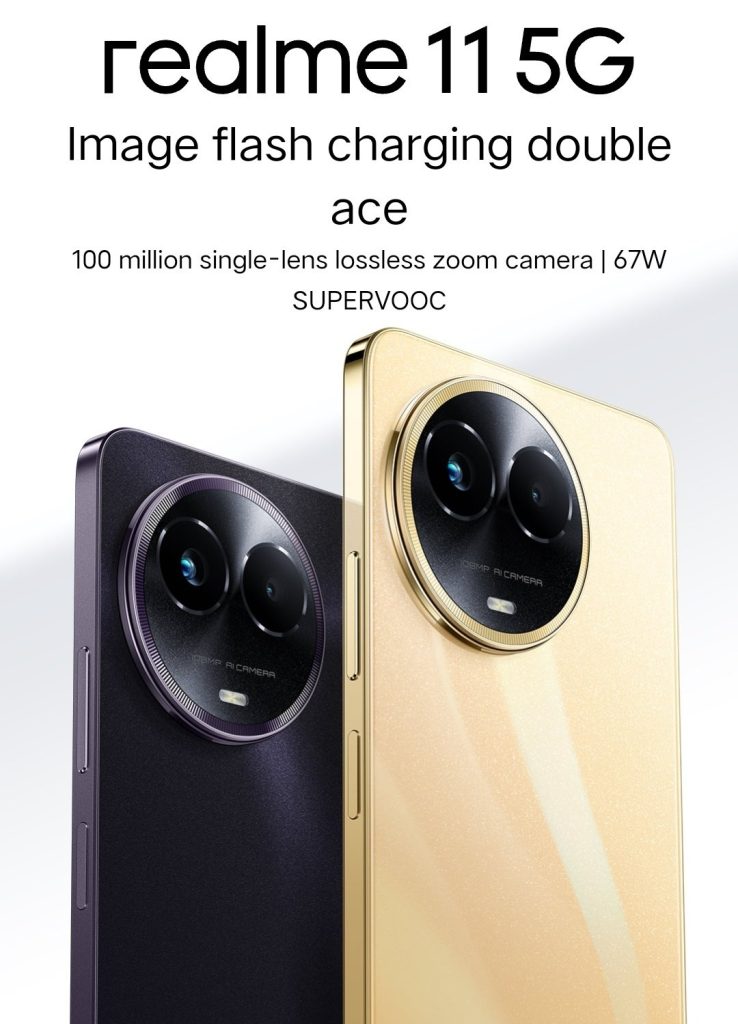
The Realme 11 5G smartphone, which was initially launched in Taiwan, is now set to make its way to the Indian markets. According to tipster Abhishek Yadav, the launch timeline for the device in India has been revealed.
According to a recent tweet by Abhishek, the Realme 11 5G is all set to be launched in India within the next 10 days, possibly debuting by August 12. Since the device has already been unveiled in Taiwan, all the specifications are already known to us.
Realme 11 5G specs
The Realme 11 5G boasts a large 6.72-inch FHD+ IPS LCD display with a peak brightness of 680 nits. The display also features a smooth 120Hz refresh rate, providing a fluid user experience. Powering the device is the MediaTek Dimensity 6100+ SoC, built using the advanced TSMC 4nm process. It has 2X Arm Cortex-A76 cores with a max clock speed of 2.2GHz and 6X Arm Cortex-A55 with a max clock speed of 2.0GHz.
The device comes with 8GB of RAM and 128GB of internal storage, paired with Android 13-based Realme UI 4.0. It also has Bluetooth 5.2 and WiFi 5 for connectivity.
On the camera front, the Realme 11 5G features a powerful 108MP Samsung HM6 primary camera and a 2MP secondary sensor on the rear. For selfies and video calls, it sports a 16MP front-facing camera.
The phone is equipped with a substantial 5000mAh battery that offers extended usage time and supports fast 67W charging. It also has a side-mounted fingerprint scanner for security.
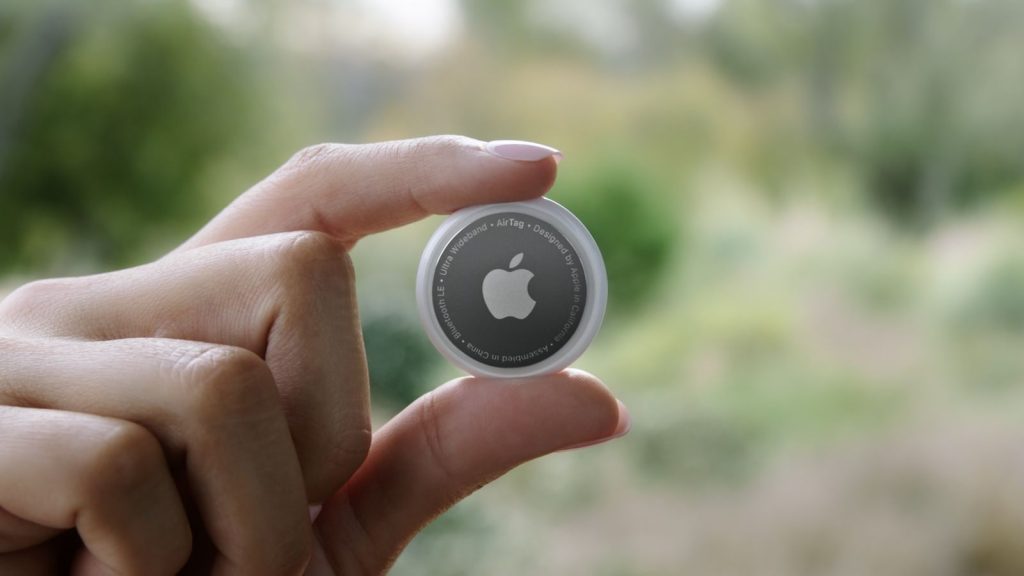
Despite being overshadowed by security concerns and privacy issues since its debut two years ago, Apple‘s AirTag tracking device remains a topic of interest among tech enthusiasts. A major talking point is the potential development of its sequel, the AirTag 2, rumored for release as early as the end of 2024. However, this information is far from official and is largely based on the speculation of revered analyst, Ming-Chi Kuo.
The new Airtag 2 is expected to be designed around Apple’s newer products, like the Vision Pro
Kuo’s vague prediction of the AirTag 2’s production commencing in the fourth quarter of 2024 suggests uncertainty. Though his inside sources often provide reliable insights, the current information seems speculative, primarily hinging on the commercial success of the original AirTag, whose sales figures are not publicly disclosed.
Nevertheless, it’s apparent that Kuo sees the AirTag’s sales performance as robust enough to justify the production of a second-generation device. It’s difficult, however, to predict the exact capabilities, features, and upgrades the AirTag 2 might bring to the table due to the distant prospective release window. Whether it will hit the shelves during the last quarter of next year or in the first few months of 2025 remains a mystery.
Intriguingly, Kuo envisions a larger role for the AirTag 2, which he believes will be central to Apple’s spatial computing ecosystem. This setup is expected to revolve around the Vision Pro headset, another product under Apple’s umbrella. Although the specifics of this integration remain unclear, it hints at a potential shift in Apple’s product dynamics. It holds the promise of not only addressing the shortcomings of its predecessor but also laying down new paths in Apple’s future ecosystem.
We use cookies on our website to give you the most relevant experience by remembering your preferences and repeat visits. By clicking “Accept”, you consent to the use of ALL the cookies.
This website uses cookies to improve your experience while you navigate through the website. Out of these, the cookies that are categorized as necessary are stored on your browser as they are essential for the working of basic functionalities of the website. We also use third-party cookies that help us analyze and understand how you use this website. These cookies will be stored in your browser only with your consent. You also have the option to opt-out of these cookies. But opting out of some of these cookies may affect your browsing experience.
Necessary cookies are absolutely essential for the website to function properly. This category only includes cookies that ensures basic functionalities and security features of the website. These cookies do not store any personal information.
Any cookies that may not be particularly necessary for the website to function and is used specifically to collect user personal data via analytics, ads, other embedded contents are termed as non-necessary cookies. It is mandatory to procure user consent prior to running these cookies on your website.