Advertisement

iQOO Neo 7 Pro Indian launch teased, could be a Neo 7 Racing Edition rebrand

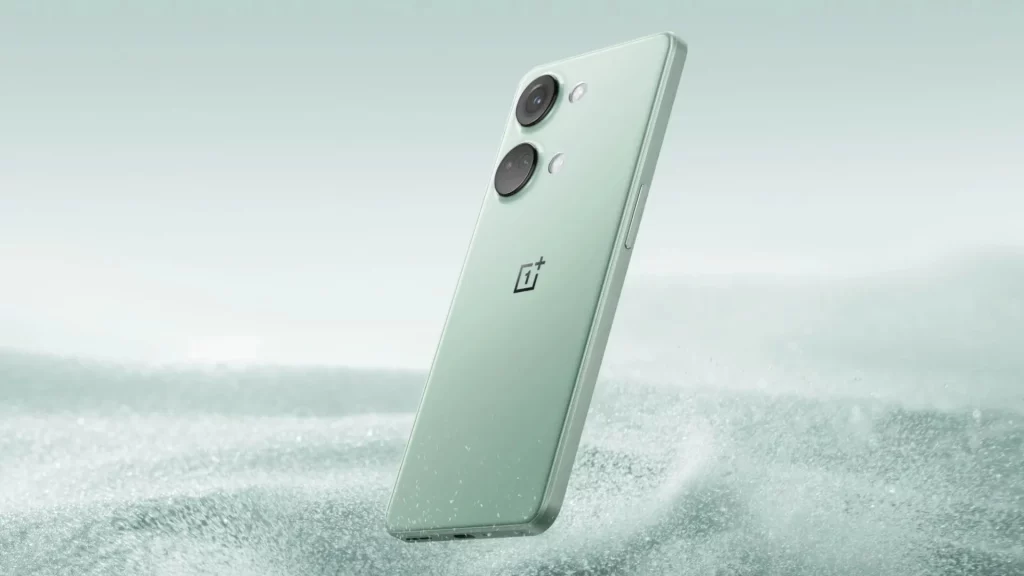
After many leaks and rumors, iQOO has now confirmed that the Neo 7 Pro smartphone will soon launch in India. The confirmation comes via a tweet from iQOO India’s CEO Nipun Marya, who shared the silhouette of the upcoming device in an image while also revealing that it will have an orange color option.

iQOO

Initially, it was believed that the iQOO Neo 7 Pro would essentially be a rebadged version of the recently launched iQOO Neo 8 in China. However, upon closer inspection of the teaser image, doubts have arisen. The noticeable disparity lies in the camera bump design. The camera bump showcased in the teaser aligns with the iQOO Neo 7 series devices rather than the Neo 8, suggesting the possibility of a rebranded Neo 7 series device, potentially the iQOO Neo 7 Racing Edition.

iQOO Neo 7 Racing Edition

The Neo 7 Racing Edition was unveiled exclusively in China back in December 2022. As the name suggests, the device is performance-focused, however, it also boasts a premium primary camera sensor used in the iQOO 9 Pro. Check the details below.

iQOO Neo 7 Racing Edition specs

The iQOO Neo 7 Racing Edition features a 6.78-inch E5 AMOLED display, offering FHD+ resolution and a centered punch-hole cutout. With a high 120Hz refresh rate, HDR10+ support, and a peak brightness of 1,500 nits, the display provides an immersive visual experience. It also incorporates an in-screen fingerprint scanner for convenient unlocking. The Pro+ display chip enhances the display capabilities with features such as frame rate interpolation and image rendering.

The back panel of the iQOO Neo 7 Racing Edition showcases a square-shaped camera module. It houses a 50MP Samsung GN5 main sensor with OIS support, an 8MP ultra-wide-angle lens, and a 2MP third camera. For selfies, there is a 16MP front-facing camera.

Under the hood, the smartphone is powered by the Snapdragon 8+ Gen 1 processor. It offers up to 16GB LPDDR5 RAM and 512GB UFS 3.1 storage, ensuring smooth performance and ample storage space for users. The device incorporates a large vapor chamber cooling system to effectively dissipate heat, enhancing overall performance. The iQOO Neo 7 Racing Edition is equipped with a 5,000mAh battery that supports 120W fast charging, allowing for quick and convenient recharging. The smartphone runs on OriginOS 3, based on the Android 13 operating system.

RELATED:

(Source)

Vivo X100 series to feature Dimensity 9300, Snapdragon 8 Gen 3

Last year, Vivo launched the Vivo X80 series in the first half of the year and the Vivo X90 lineup in the second half. Report have claimed that the company will only release the X100 lineup at the end of this year. Last week, tipster Digital Chat Station revealed the names of the chipsets that will power the Vivo X100, X100 Pro, and X100 Pro+

Vivo X100, X100 Pro chipsets revealed

According to DCS, the Vivo X100 and X100 Pro will come equipped with the Dimensity 9300 chipset. Some reports have claimed that the X100 duo will be the first phone in the world to feature the said chipset. To recall, the X90 and X90 Pro debuted as the first Dimensity 9200 phones in November 2022.

He further revealed that the Snapdragon 8 Gen 3 will power the Vivo X100 Pro+. For those who don’t know, Qualcomm recently confirmed that its 2023 Tech Summit will be held between Oct. 24 and Oct. 26. It is speculated that the SD8G3 chip will be announced at the said event.

Reports have claimed that the Vivo X100 Pro+ will continue to feature a 1-inch Sony IMX989 primary camera, which was made available on the Vivo X90 Pro+. A fresh Weibo post released by DCS today has revealed a few additional details about what appears to be the Vivo X90 Pro handset.

Vivo X100 Pro key specs (rumored)

It appears, as per the leak, that the Vivo X100 Pro will also feature a 1-inch primary camera, which will be accompanied by a periscope telephoto camera for a higher optical zoom. DCS further revealed that the device will come with 100W charging and a glass back.

RELATED:

Redmi K60 512GB on sale for only $315 in China

The Redmi K60 was announced in late December in China. The phone was recently released in global markets as Poco F5 Pro.

The 12GB + 512GB variant of the handset was introduced at ¥3,299. A little over a month after its release, the brand permanently dropped the price of this version to ¥2,999.

Now, four months later, the smartphone can be had at an even cheaper price. Let’s check out this deal.

Redmi K60

Poco F5 Pro for almost half the price

Chinese online retailer JD is offering a crazy discount on the Redmi K60 (12GB + 512GB). Customers can purchase the phone for as low as ¥2,249 (~$315).

The lowest price possible is only applicable to the black color version. Whereas, white, blue, and green color options are available at ¥2,409 (~$340).

Thus, customers in China can get the 12GB + 512GB variant of the Poco F5 Pro at a cheaper price than the starting price (~$365) of Poco F5. Globally, this version of F5 Pro retails at $549.

This deal makes the Poco F5 Pro approximately $235 cheaper in China for a limited time. In other words, the device is available at almost half the price compared to the global variant.

Some of the key features of the handset include a Qualcomm Snapdragon 8 Plus Gen 1 chipset, a QHD+ 120Hz OLED display, a 64MP main camera, a 5,500mAh battery, 67W wired charging, and 30W wireless charging.

RELATED:

Motorola Razr 40 Ultra: 10,000+ units sold in first sale

Today, Motorola successfully released the Razr 40 Ultra in China, marking the first sale of their flagship flip phone. The announcement of this device, along with the Razr 40 powered by Snapdragon 7 Gen 1, was made in the domestic market last week. While the Razr 40 is planned to be available for purchase later in the month, the Razr 40 Ultra’s initial sale took place today. Motorola shared a poster through its Weibo account, disclosing that they managed to sell over 10,000 units of the Razr 40 Ultra in this first sale.

Motorola Razr 40 Ultra first

Motorola Razr 40 Ultra first sale

During the first sale, the Razr 40 Ultra was made available through multiple online retailer platforms, including Motorola’s online store, Jingdong Mall, Tmall, and Lenovo Lebei. In China, the Razr 40 Ultra is available in two options: 8 GB RAM + 256 GB storage for Rs 5,699 (~$800) and 12 GB RAM + 256 GB storage for 6,399 Yuan (~900). Buyers can choose from color vairants, such as Infinity Black, Glacier Blue, and Viva Magenta.

Motorola Razr 40 Ultra specifications

Motorola Razr 40 Ultra

The Razr 40 Ultra encompasses a 6.9-inch pOLED foldable screen, supporting Full HD+ resolution and a 165Hz refresh rate. The device also incorporates a 3.6-inch pOLED cover display on the back, featuring a resolution of 1056 x 1066 pixels and a 144Hz refresh rate. Both displays are protected by Gorilla Glass Victus, and the device comes with IP68-rated dust and water resistance.

When it comes to capturing memories, the Razr 40 Ultra offers a dual-camera system featuring a 12-megapixel main camera with OIS support and a 13-megapixel ultra-wide lens, which doubles up as a macro camera. For selfie enthusiasts, the device features a 32-megapixel front-facing camera.

Under the hood, the Razr 40 Ultra runs on the powerful Snapdragon 8 Plus Gen 1 chipset, accompanied by LPDDR5 RAM and UFS 3.1 storage. It comes preinstalled with the MyUX-based Android 13 OS and packs a 3,800mAh battery that supports 30W wired charging and 5W wireless charging.

RELATED:

Xiaomi Pad 6 India launch date officially revealed

Xiaomi has just officially revealed that it will be launching its new Pad 6 tablet model in the Indian market soon. The company has announced that it will be launching the large screen device later this month, so here are all the details.

Xiaomi Pad 6 to launch with Snapdragon 870 & 11 inch display

The Chinese tech giant had first launched its latest premium grade tablets back in April. The initial release was in its home market of China, with the tablet soon being announced for the European market as well last month. Now, the brand officially revealed that it will be unveiling the Xiaomi Pad 6 model in India on 13th June 2023. It shared the launch teaser on Twitter and even shared a teaser image.

Xiaomi

The Pad 6 model from the company sports an 11 inch LCD panel that has a 2880 x 1800 pixel resolution. This display also offers an impressive 144Hz refresh rate, 10 bit color depth, HDR10, P3 color gamut, and Dolby Vision as well. The screen is certified by TUV Rheinland for low blue light level for a more comfortable viewing experience. The tablet weighs 490 grams but measures an ultra slim 6.51mm in thickness.

Under the hood, the Xiaomi Pad 6 is equipped with the Qualcomm Snapdragon 870 SoC that is paired with up to 8GB of RAM and 256GB of internal storage. The rear features a 13 megapixel camera, while the front houses an 8 megapixel selfie camera. A large 8,840mAh battery pack powers the device, which supports 33W wired fast charging. Unfortunately, the Indian pricing for the Pad 6 is still at large, so stick round for more updates.

RELATED:

Zebronics ZEB-PixaPlay 22 1080p projector launched in India with Built-in Speaker & Dual Band WiFi connectivity

Zebronics, a known electronics brand in India has debuted a new projector in India called the ZEB-PixaPlay 22. This device is the successor of the ZEB-Pixaplay 18 projector that launched earlier this year.

Zebronics

One of the standout features of the ZEB-PixaPlay 22 is its electronic focus, ensuring sharp and precise image projection. Powered by a quad-core processor, this smart projector offers seamless performance and rapid processing capabilities. It also supports dual-band connectivity, enabling users to enjoy high-speed internet access for streaming content. With mirroring support, users can wirelessly cast and mirror their favorite movies, games, and multimedia directly onto the projector, enhancing the overall entertainment experience.

The ZEB-PixaPlay 22 boasts exceptional picture quality, thanks to its 3200 lumens brightness, which ensures vibrant colors, clear contrast, and intricate details. With FHD 1080P support, it delivers a satisfying large-screen theater experience. Additionally, the projector is equipped with built-in powerful speakers, providing immersive sound. For users seeking an enhanced audio experience, the ZEB-PixaPlay 22 can be paired with various Soundbars.

This versatile device offers multiple connectivity options, including HDMI input and USB ports with pen drive support. It also features an aux out for audio connectivity. The projector is designed for convenience, allowing for easy ceiling mounting, and comes with a remote control featuring an electronic focus for effortless operation. To ensure protection during transport, a protective sleeve and carry loop are included.

Durability is a key feature of the ZEB-PixaPlay 22, as it comes with a long-lasting LED lamp that has a lifespan of 30,000 hours, ensuring uninterrupted visual enjoyment for an extended period. With a maximum screen size of 406 centimeters, users can indulge in an immersive viewing experience, bringing the theater experience into their own homes.

The ZEB-PixaPlay 22 also offers additional features such as Miracast, iOS screen mirroring, and app support, expanding its compatibility with various devices and platforms. Zebronics provides a 1-year warranty, ensuring customer satisfaction and support.

RELATED:

JBL Tune Buds & Tune Beam earbuds with ANC coming soon to India, price point revealed

Earlier this year, JBL introduced two new TWS earbuds for the global market called the JBL Tune Buds and JBL Tune Beam. These audio devices were later released in Canada. Now, the brand has announced that they will soon be arriving in India as well.

JBL

The announcement comes via a landing page on the company’s official Indian website. It reveals that the earbuds will have a starting price of above Rs. 5,000. These earbuds feature Active noise cancellation, long battery life, and Bluetooth 5.3. Let’s explore all of the details.

JBL Tune Buds & Tune Beam specs

Starting with the Tune Buds, these earbuds have a pill-shaped, stemless design with oval tubes that easily tucks into the ear. It has a 10mm driver with JBL Pure Bass Sound. On the other hand, the Tune Beam comes with a steam design, also featuring oval tubes for a snug fit in the ears. Other specifications of both the earphones are quite similar.

Both the JBL Tune Buds and JBL Beam earbuds offer a stable and reliable connection with Bluetooth 5.3 and LE audio support, resulting in reduced latency and improved sound quality. The active noise canceling (ANC) feature effectively blocks out unwanted external noise, creating an immersive music experience without distractions. Additionally, smart ambient technology allows you to stay aware of your surroundings without needing to remove the earbuds.

JBL

Both earbud models are equipped with 4-Mic technology, ensuring clear and crisp call quality even in noisy environments. Background noise interference is minimized, providing confidence during phone conversations. These earbuds boast an impressive battery life of up to 8 hours on a single charge, with the included charging case extending playback time by an additional 40 hours.

Designed to withstand various conditions, both the Tune Buds and Beam earbuds have an IPX5 water and dust resistance rating, making them suitable for workouts and use in inclement weather. The ergonomic design ensures a comfortable and secure fit, enabling extended periods of wear without discomfort.

For further customization, the JBL Headphones App allows users to personalize their listening experience. Equalizer settings can be fine-tuned, ANC levels adjusted, and Ambient mode controlled, giving users the flexibility to tailor the audio settings to their preferences.

RELATED:

(source)

Motorola Razr 40 Ultra foldable smartphone now available for purchase in China

Earlier this month, Motorola took the wraps off its latest foldable smartphone in the Chinese market, dubbed Motorola Razr 40 Ultra.

Today, the Motorola Razr 40 Ultra foldable smartphone is available for purchase in China with a starting price of 5,699 yuan which roughly converts to $802.

motorola razr 40 ultra

The base model with 8GB of RAM and 256GB of internal storage costs 5,699 yuan (~$802), while the 12GB RAM and 512GB storage model is priced at 6,399 yuan (~$900). The smartphone is available in three colors — Viva Magenta, Glacier Blue, and Infinite Black.

Coming to the specifications, the Motorola Razr 40 Ultra features a 6.79-inch pOLED display that offers a Full HD+ screen resolution, a 165Hz refresh rate, 1,400 nits peak brightness, and support for HDR10+. It also has a large secondary screen on the back panel which measures 3.6-inch and features a pOLED panel with a 144Hz refresh rate.

Under the hood, the device is powered by the Qualcomm Snapdragon 8+ Gen 1 SoC, coupled with up to 12GB RAM and 512GB onboard storage. It has a side-mounted fingerprint scanner which is embedded in the power button and the phone has IP52 splash-resistance rating.

In the camera department, the smartphone features a dual-camera setup on the back, consisting of a 12MP OIS-enabled main sensor paired with a 13MP ultra-wide and macro lens. On the front side, the phone has a 32MP snapper for taking selfies and video calling.

The Motorola Razr 40 Ultra, which runs the Android 13 operating system out-of-the-box, is powered by a 3,300mAh battery that comes with support for 33W fast charging.

RELATED:

Realme 11 Pro series global pricing & configs leak ahead of launch

The highly anticipated global release of the Realme 11 Pro series is just days away, featuring the Realme 11 Pro 5G and Realme 11 Pro+ 5G smartphones. Scheduled for launch in India on June 8, these devices are expected to become available in other regions shortly afterward. Excitingly, leaked information has now revealed the global pricing for the Realme 11 Pro series.

Realme

Tipster Sudhanshu Ambhore has shared details about the pricing and configurations of the global models of both the 11 Pro and 11 Pro+ models. According to the tipster, the Realme 11 Pro will debut globally with 8GB RAM + 128GB storage and 8GB RAM + 256GB storage models. These models will carry a price tag of US$289 and US$309, respectively.

On the other hand, the Realme 11 Pro+ will debut with 8GB + 256GB and 12GB + 512GB variants, priced at US$329 and US$369. It is worth noting that although the leaker has revealed this pricing in US Dollars, the devices will not launch officially in the US. However, Amazon and other retailers will likely provide global models for interested customers within the states.

Realme 11 Pro series specs

The specifications of the Realme 11 Pro and Realme 11 Pro+ have been unveiled following their launch in China. These smartphones feature a 6.7-inch AMOLED display with FHD+ resolution and a 120Hz refresh rate. Powering them is the Dimensity 7050 chipset.

In the Indian market, the Realme 11 Pro is expected to be available in various configurations such as 8GB RAM + 128GB storage, 8GB RAM + 256GB storage, and 12GB RAM + 256GB storage. The Realme 11 Pro+, on the other hand, is speculated to come in variants including 8GB RAM + 256GB storage and 12GB RAM + 256GB storage. Both devices will run on the Android 13 operating system with Realme UI 4.0.

The Realme 11 Pro features a 100-megapixel primary camera and a 2-megapixel macro lens, accompanied by a 16-megapixel front-facing camera. In contrast, the Realme 11 Pro+ is equipped with a 200-megapixel main camera with OIS, an 8-megapixel ultra-wide lens, and a 2-megapixel macro camera. It boasts a 32-megapixel front camera for selfies and video calls.

The Realme 11 Pro and Realme 11 Pro+ smartphones are both equipped with a 5,000mAh battery capacity. The Pro variant supports 67W fast charging, allowing for efficient recharging times. On the other hand, the Pro+ model offers even faster charging capabilities with its 100W charging support. Additionally, both devices feature an in-display fingerprint sensor.

RELATED:

(Source)

BYD Raises Maintenance Fees, Sparking Dissatisfaction Among Car Owners

Recent reports indicate that BYD, a prominent Chinese automaker, has raised the maintenance fees for several of its models, leading to a surge in dissatisfaction among car owners. The increase in maintenance costs, which reportedly amounts to around 50% for certain models, has been observed in various cities across China. This article delves into the specifics of the maintenance fee hike, highlighting the affected models, varying price adjustments, and the concerns raised by car owners.

Pure Electric Vehicles see smaller Price Hikes than Hybrid Models

According to feedback from car owners nationwide, the models subjected to the maintenance fee increase include BYD’s popular Song, Qin, and Han series hybrid models, as well as some pure electric models. The extent of the fee adjustment varies based on the city and model. Hybrid models witness a larger upward adjustment compared to pure electric ones. For instance, in major cities such as Beijing, Shanghai, Shenzhen, Guangzhou, Hangzhou, and new first-tier cities, maintenance prices have significantly risen. The minimum maintenance price for Song and Qin hybrid models has surged from 325 yuan to 485 yuan, indicating a notable 49.2% increase.

BYD

An influential blogger, @向北继续电子, who maintains a close relationship with BYD, shed light on the matter. They mentioned that BYD’s pricing system had remained unchanged for five years and has now undergone a readjustment. The core focus of the adjustment lies in the “working hour fee,” leading to higher price increases in first-tier cities, followed by second-tier and third-tier cities. Pure electric models witness relatively smaller price hikes, while plug-in hybrid models experience larger adjustments, along with the inclusion of additional vehicle inspection items. However, the blogger emphasized that their remarks were based on personal knowledge and not an official statement from BYD.

BYD offers the Sanden Lifetime Warranty for its models, but this warranty is contingent upon fulfilling certain conditions, including official vehicle maintenance and service. Consequently, most car owners choose to have their maintenance performed at BYD’s authorized service centers. BYD’s recent success in the EV sector is threatening many companies worldwide, including Tesla, which was thwarted by BYD in Indonesia. The recent increase in maintenance fees has raised concerns and dissatisfaction among car owners who rely on the official maintenance channels.

RELATED:

(Via)
Alleged Realme GT Neo 5 Pro certified in China, Q3 launch expected

In the upcoming third quarter of this year, there will be fierce competition among brands like iQOO, OnePlus, Redmi, and Realme as they all plan to launch their new flagship phones. According to a recent post on Weibo by tipster Digital Chat Station, the next Realme flagship phone has been named the Realme GT Neo 5 Pro. Two new Realme phones have been approved by China’s MIIT authority. It is speculated that it could be the GT Neo 5 Pro.

The screenshots below show the upcoming Realme phones with model numbers RMX3820 and RMX3823 that have received certification from the MIIT authority. It remains unclear whether these model numbers represent distinct phones or variations of the same phone designed for different networks in China. Hence, it is likely that the RMX3820/3 could be the upcoming Realme GT Neo 5 Pro.

Except for Realme, all the mainstream Android smartphone brands have launched  Snapdragon 8 Gen 2-powered flagship phones. Recent reports have revealed that Qualcomm may announce the Snapdragon 8+ Gen 2 chip in July as an overclocked version of the SD8G2. It is speculated that the Realme GT Neo 5 Pro will come equipped with the Snapdragon 8 Plus Gen 2 SoC.

Realme GT Neo 5 Pro specifications (rumored)

As per reports, the Realme GT Neo 5 Pro will have a flat 6.74-inch OLED panel that offers a 1.5K resolution, a 144Hz refresh rate, 2160Hz PWM dimming, and an under-display fingerprint scanner. It will run on the Android 13 OS with the Realme UI 4.0 skin on top.

The Snapdragon 8 Plus Gen 2-powered phone is likely to feature 16 GB of LPDDR5x RAM and up to 512 GB of UFS 4.0 storage. It will have a large battery with 100W charging support. For photography, it may feature a 50-megapixel main camera with OIS support. It is also tipped to sport a new rear design, which could be similar to the Realme 11 Pro series.

RELATED:

MediaTek Emerges as Market Leader in Smartphone Processor Sector, Qualcomm is a Close Second

The latest report from Counterpoint Research unveils insightful data on the smartphone application processor (AP) market, covering the period from Q4 2021 to Q1 2023. The data reveals interesting trends and shifts among the key players in the industry. In the first quarter of 2023, MediaTek emerged as the dominant force in the smartphone processor market, although it experienced a decline compared to the previous quarter. This article delves into the details of the report, shedding light on the performances of MediaTek, Qualcomm, Apple, UNISOC, Samsung, and Huawei Hisilicon, while also discussing the potential implications for the industry.

OPPO’s decision to abandon Chips will be beneficial to both Qualcomm & MediaTek

MediaTek secured a 31% market share in the smartphone AP market during Q1 2023. However, the company witnessed a decline in both quantities and market share compared to the previous quarter. The decline can be attributed to inventory adjustments and weak demand, resulting in a projected decline of over 5% in LTE SoC shipments and less than 5% growth in 5G SoC shipments for Q2 2023. Analysts anticipate a rebound for MediaTek in the second half of the year as inventory levels stabilize.

Counterpoint

Qualcomm, a prominent player in the AP market, captured a 28% market share in Q1 2023. Its shipments are expected to remain flat in Q2 2023 due to inventory reductions, which are anticipated to normalize in the coming quarters.

Apple, renowned for its proprietary chipsets, held a 26% market share. However, chipsets are predicted to decline in Q2 2023 due to seasonality. Despite this, iOS outperformed the Android market and demonstrated resilience against weak demand.

Samsung experienced a slight increase in shipments during Q1 2023, thanks to the launch of Exynos 1330 and 1380 chipsets. These offerings catered to both high-end and low-end market segments, leading to improved sales.

UNISOC, specializing in the low-end segment, witnessed a marginal increase in shipments during Q2 2023, fueled by the growing demand for its LTE portfolio in devices priced below $99.

Huawei Hisilicon, currently with less than 1% market share, may make a comeback with a new mobile phone chip expected to launch in the near future. Counterpoint analysts project shipment volumes of around 2-4 million units for Huawei HiSilicon in 2023, primarily targeting the mid-range segment.

Counterpoint analysts also highlighted the positive implications of OPPO‘s decision to abandon its chip development plans for both MediaTek and Qualcomm, since that means one less competitor to worry about. The anticipated rebound of MediaTek, the potential market entry of new players, and the collaborative possibilities underscore the evolving nature of the smartphone AP market, promising exciting advancements in the near future.

RELATED:

(Via)
Apple Investors would prefer AI Announcement to Mixed Reality Headset at WWDC 2023

The tech industry is buzzing with excitement, with the WWDC 2023 right around the corner. There are strong chances that Apple will unveil its highly anticipated virtual reality (VR) and augmented reality (AR) headsets at the upcoming WWDC conference. The Mixed Reality headsets have been talk of the town for quite some time now. However, according to renowned analyst Ming-Chi Kuo, investors are showing a far greater interest in Apple’s artificial intelligence (AI) technology, and how it goes up against ChatGPT and other AI-based language models.

Kuo stated that AI Business presents a more promising outlook in the near future

Ming-Chi Kuo took to Twitter on Sunday to share insights from his recent discussions with investors. He revealed that many investors were eagerly awaiting news about Apple’s potential launch of a service similar to ChatGPT. Recognizing the long-term importance of AI integration, Kuo believes that the success of Apple’s AR/MR headset hinges on its ability to seamlessly incorporate AI technology. Just as ChatGPT has revolutionized AI, the impact of Apple’s headset could reshape 3D interactive design and computer graphics.

Apple

Kuo also emphasized the potential benefits for Apple’s stock price and major suppliers if the headset exceeds market expectations. While the contribution of headsets to suppliers’ revenue and profits may be limited in the next two years, the AI business presents a more promising outlook. Kuo pointed to Nvidia‘s remarkable second-quarter performance, which surpassed market expectations, as evidence of investors’ increasing focus on AI.

Furthermore, Kuo highlighted the potential impact of an AI or AI graphics card (AIGC) service announcement at WWDC. Such an announcement would likely sustain the current enthusiasm surrounding AI investment. Additionally, if Apple introduces higher hardware specification requirements for AIGC, it could lead to a surge in demand for hardware replacement.

Excitement is building as Apple’s WWDC23 keynote speech approaches, scheduled for tomorrow. The tech giant’s foray into VR and AR, coupled with the growing anticipation around AI, demonstrates Apple’s commitment to innovation and its determination to shape the future of technology.

RELATED:

(Via)
Unveiling NGC 5068, JWST’s Journey through Star Formation

The James Webb Space Telescope (JWST) has captured a mesmerizing composite image that showcases the beauty of the barred spiral galaxy NGC 5068. Located approximately 20 million light-years away in the Virgo constellation, NGC 5068 is a stellar system filled with celestial wonders. NASA Administrator Bill Nelson unveiled a captivating image during an event with students at the Copernicus Science Centre in Warsaw, Poland.

The JWST benefits from being able to see through gas and space dust that blocks light

The image is part of JWST’s ambitious campaign to study star formation in nearby galaxies and create a valuable repository of observations. By focusing on NGC 5068’s central regions, where stars are born in abundance, astronomers hope to make significant scientific advancements with the help of JWST’s initial data.

JWST

JWST’s observations complement previous studies conducted by other telescopes, including the Hubble Space Telescope, the Very Large Telescope (VLT), and the Atacama Large Millimeter/submillimeter Array (ALMA). By combining JWST’s images of 19 nearby star-forming galaxies with data from these telescopes, astronomers gain a comprehensive understanding of the processes involved in star formation.

One of JWST’s key advantages is its ability to see through the gas and dust that obscures visible light. With its Mid-Infrared Instrument (MIRI) and Near-Infrared Camera (NIRCam), JWST can penetrate the dusty environment of NGC 5068, providing a unique perspective on the star formation process. The composite image presented combines the capabilities of these two instruments, offering a rare glimpse into the composition of NGC 5068.

The image reveals NGC 5068’s intricate spiral structure adorned with glowing bubbles of gas and newly formed star clusters. Additionally, three asteroid trails are visible as tiny dots, a result of their closer proximity to the telescope compared to the distant galaxy. The trails appear slightly different in each frame due to JWST’s multiple exposures, highlighting their transient nature.

In another image taken with JWST’s NIRCam instrument, NGC 5068 showcases a wealth of stars concentrated along its central bar. The image also captures the red glow of gas clouds illuminated by young stars. NIRCam’s near-infrared vision allows astronomers to penetrate the galaxy’s dusty environment and study its massive population. Notably, dense and luminous dust clouds known as H II regions are seen along the spiral arms, where new stars are born. The energetic young stars within these regions ionize the surrounding hydrogen, creating a striking red glow.

Scientists believe that NGC 5068 holds the key to understanding the processes of cosmic creation. JWST’s remarkable capabilities continue to amaze us, providing invaluable insights into the birth of stars. Quite recently, the JWST helped us gaze through Fomalhaut, a whole star system full of new surprises. As the telescope continues its mission, we eagerly anticipate a lot more key discoveries in the near future.

RELATED:

(Source)

A Significant Shift in Loyalty: Americans Now Prefer Samsung to Apple

Apple and Samsung are locked in a fierce battle for smartphone supremacy. The two companies compete in markets all over the world, each vying to sell more phones and attract more users. However, a recent study seems to put Apple in an embarrassing position. According to the latest reports, Americans prefer Samsung over Apple. Here are the details…

Apple No Longer the Most Popular Brand in America, New Survey Reveals Samsung is Top Choice

A new survey by Axios Harris Poll has found that Samsung has surpassed Apple as the most popular brand among Americans. The survey, which was conducted in May 2023, asked Americans to rate their favorite brands across a variety of factors, including quality, value, and customer service. Samsung received an overall score of 84.6, while Apple received an overall score of 83.0.

For the first time, Samsung has outranked Apple in polls. In 2022, Apple was the leading brand, with Samsung in second place. However, it’s important to note that this doesn’t necessarily mean that Americans prefer Samsung Galaxy phones to iPhones. Samsung offers a wider range of products than Apple.

The company makes everything from smartphones to TVs to smart home appliances, while Apple primarily focuses on smartphones and computers. This gives Samsung a broader appeal to consumers. For example, someone who is already happy with their Samsung TV may be more likely to choose a Samsung smartphone when they’re ready for an upgrade.

Of course, smartphones are still a major part of Samsung’s business. The company’s Galaxy line of phones is one of the most popular in the world. But it’s worth keeping in mind that Samsung’s overall popularity may be due to its wider range of products. In addition to Samsung and Apple, the top 10 brands in the Axios Harris Poll were:

  • Patagonia
  • Costco
  • Amazon
  • Disney
  • Netflix
  • Toyota
  • Samsung
  • Sony
  • Honda
  • Subaru

The survey also found that Americans are increasingly turning to foreign brands. For example, seven of the top 10 brands in the survey were foreign-owned. Click here to complete list of most popular brands in America.

RELATED:

(via)
Apple to Drop “Hey Siri” Trigger Phrase at WWDC 2023

Apple’s WWDC 2023 event is tomorrow, and there have been many leaks about what the company might announce. One of the most interesting rumors is that Apple may be discontinuing the “Hey Siri” trigger phrase. Currently, we can activate Siri by holding down the power button or saying “Hey Siri.” However, the new rumor suggests that Apple may be changing this. Here are the details…

Apple Improves Siri’s Accuracy and Responsiveness with New Trigger Phrase Instead of “Hey Siri”

When it comes to technology, leaks are inevitable. Someone always reveals something during the development or production stages, which is enough to keep technology enthusiasts busy until the products we are waiting for are announced. When it about Apple products, these leaks are usually the responsibility of Mark Gurman. As the Gizmochina team, we also closely follow this journalist, who is famous for frequently revealing the secrets of Apple. According to his most recent claim, the “Hey Siri” command may be phased out.

Apple hey siri

Apple is reportedly planning to drop the “Hey Siri” trigger phrase. The change would allow users to invoke Siri hands-free by simply saying “Siri,” without the need to say the wake word first. The change is reportedly part of a larger effort by Apple to improve Siri’s accuracy and responsiveness. The company has been working on ways to make Siri more natural and user-friendly, and this change would be a significant step in that direction.

Gurman said in his post that he revealed the situation:

“The company is working on an initiative to drop the “Hey in the trigger phrase so that a user only needs to say “Siri”—along with a command. While that might seem like a small change, making the switch is a technical challenge that requires a significant amount of AI training and underlying engineering work. The complexity involves Siri being able to understand the singular phrase “Siri” in multiple different accents and dialects. Having two words — “Hey Siri” — increases the likelihood of the system properly picking up the signal.”

RELATED:

(via)

Google Tensor G3 Will Make Pixel 8 Series as Powerful as “Laptops”

Google is expanding its Pixel family, the company recently introduced the Pixel 7a at its I/O event. The company is now preparing to release the Pixel 8 series. The new phones are eagerly awaited by Android enthusiasts, and they are expected to have a number of unique features, including the Tensor G3 processor. Recently, some details about the Pixel 8’s processor have been leaked. Here are the details…

Google Tensor G3: Everything You Need to Know

The upcoming Tensor G3 has a major upgrade in its CPU block. It is completely redesigned and uses the latest 2022 ARMv9 cores. Google is moving away from the previous generation’s 4+2+2 core setup and adopting a unique nine-core configuration for the G3. This setup consists of four Cortex-A510s, four Cortex-A715s, and a single Cortex-X3. This is designed to provide a significant performance boost.

The chip also includes ARM’s advanced Memory Tagging Extensions, which are designed to help protect devices from memory-based attacks. Additionally, the Pixel 8 will only run 64-bit apps. Of course, Google’s surprises are not limited to these. The Tensor G3 in the Pixel 8 has a new graphics processor, the Arm Mali-G715. This is a 10-core processor, which is an improvement over previous models. The Pixel 8 could also be one of the first phones to offer ray-tracing capabilities. Google is clearly aiming for gaming and other graphics-intensive applications.

Artificial intelligence is a very popular topic these days, and it has found its way into the G3 processor. The Tensor Processing Unit is one of the defining features of Google’s custom chips, and the G3 has an enhanced version of it. This new TPU, codenamed “Rio,” is expected to deliver a major performance boost. This is a clear sign that Google is committed to AI and machine learning capabilities in its phones.

One of the most significant changes is the addition of a new digital signal processor (DSP). The DSP is responsible for handling common operations such as image and audio processing, and the new version is said to be more efficient, making the Pixel 8 faster and more power-efficient. Another major change is the addition of a new UFS controller. UFS stands for Universal Flash Storage, and it is the type of storage used in most smartphones.

The new UFS controller supports UFS 4.0 storage, which is the latest and fastest version of UFS. This means that the Pixel 8 will be able to read and write data to storage much faster than previous Pixel models. In addition to the new DSP and UFS controller, the Tensor G3 also includes a number of other improvements. These include a rearchitected CPU, advanced security features, and groundbreaking graphics capabilities.

RELATED:

(via)
OnePlus Pad gets a good durability rating after JerryRigEverything’s test

The OnePlus Pad has gone through the paces of JerryRigEverything’s durability test. The first-ever OnePlus tablet passed all the critical aspects of the rigorous grilling durability test.

OnePlus Pad

The OnePlus Pad comes as one of the best Android tablets in the market. Durability is an integral part that must be factored into devices. The OnePus Pad and its accompanying Stylo accessory were put through the paces of JerryRigEverything’s test recently. The result of the durability test is refreshingly pleasant for this premium OnePlus Android tablet. The result also underscores a shifting focus by the OnePlus brand to build more durable devices across its lineup of offerings.

The OnePlus Pad has a similar design in some respect to the Apple iPad. As per the durability test, the OnePlus Pad’s screen had a score of six on the Mohs hardness scale for screen scratching. It also showed deeper groves at level seven, the same as the Apple iPad.

The OnePlus Pad’s display survived exposure to a naked flame for 10 seconds before the pixes began to decline. The damage on the 11.4-inch 144Hz display was not permanent, as the pixels were restored after some time. This is the expected behavior of an IPS LCD panel. The pad’s frame architecture is also sufficiently durable with metal finishing around the device. A small plastic section for wireless charging of the Stylo is present but this did not affect the device’s structural integrity.

During the bend test, the OnePlus Pad was sturdy enough and only deformed slightly. The frame was bent permanently when force was applied to the back. However, the display remained intact and did not pop out. The display popped out slightly when bent from the side but was still fully functional. This aspect of its durability performance is important to note, as many iPad versions have failed this test.

The OnePlus Stylo did not withstand the bend test as it snapped in the middle. The inside of the stylus revealed an 82mAh battery and an arrangement of copper pads for pressure sensing. There is also magnetic material on the Stylo that allows it to attach to the tablet’s body. The tips of the stylus pen can also be replaced by twisting and then pulling.

Overall, the OnePlus Pad had a decent JerryRigEverything’s test on several of the test parameters. The device squares up nicely against the Apple iPad but its stylus is lacking in durability.

RELATED:

Infinix Note 30 to launch with a ChatGPT-powered voice assistant

OpenAI has made generative AI more popular than ever with its chatbot, ChatGPT. Although it’s fresh in the market, the company has continued to develop and enhance its capabilities, making it more reliable. As a result, ChatGPT has been integrated into various tools to improve the user experience. There are even rumors suggesting that it may soon be integrated into Infinix’s Note 30 series. The AI chatbot will apparently be integrated into Infinix’s voice assistant Folax.

ChatGPT will make Infinix’s voice assistant intuitive

According to Twitter tipster Ice Universe, Infinix will be the first smartphone brand to integrate ChatGPT into its devices. The tipster stated, “While the OpenAI’s ChatGPT app has already been launched, embedding ChatGPT into a phone is groundbreaking. When combined with the voice assistant Folax, ChatGPT will give Siri a run for its money.”

Infinix Note 30

The integration is definitely interesting and could improve the voice assistant’s capabilities. However, we would not go so far as to call it “groundbreaking.” Instead, it appears to be a shortcut the company is taking, rather than going through the trouble of training its own AI model but that’s not a bad thing.

Infinix’s ChatGPT voice assistant was shown in a screen recording posted by Ice Universe. The voice assistant has its own avatar and can be activated by pressing and holding the microphone button. In the demo video, a user asked Folax for gift ideas for her daughter. Folax responded with a generative response, similar to the ChatGPT-powered Bing search.

The company is expected to introduce its ChatGPT-powered voice assistant with the upcoming Note 30 series, set to launch on June 14. Most of the details regarding the new lineup have already been revealed, and we have even posted hands-on images of the smartphones. You can check them out here.

RELATED:

(Source)