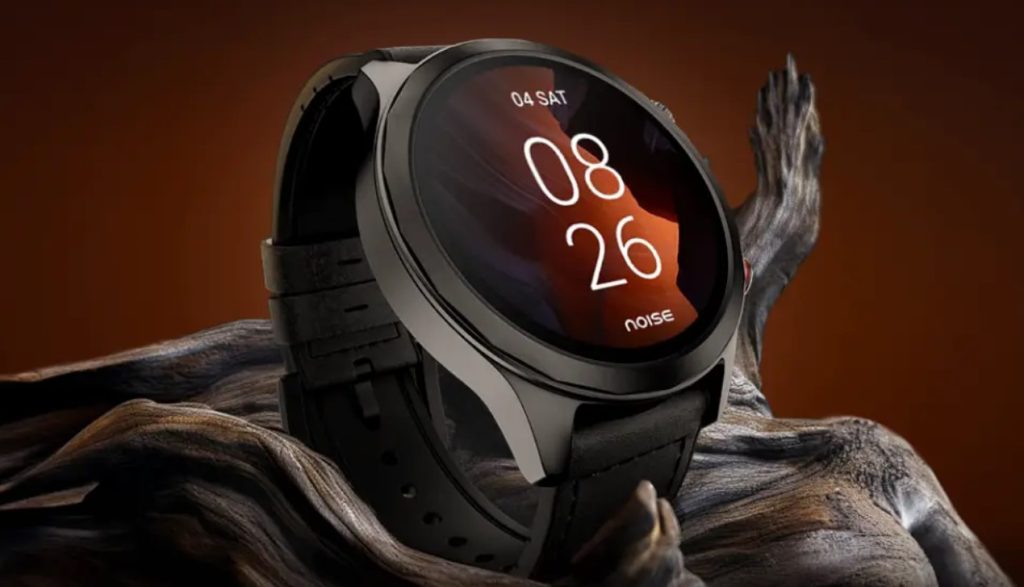
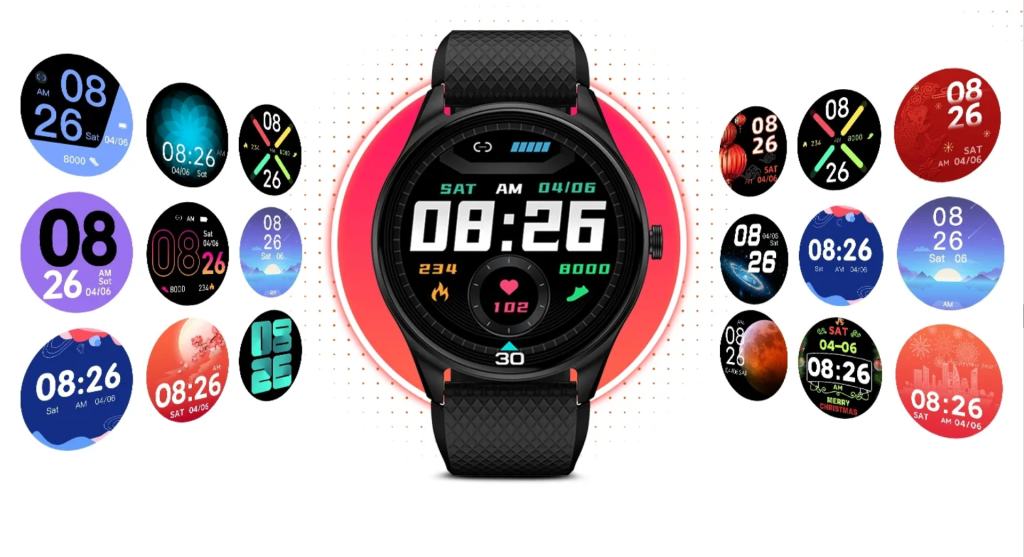
Noise launched the NoiseFit Twist earlier in January this year. Now, the homegrown brand has announced an upgraded variant of the same smartwatch. It is dubbed the NoiseFit Twist Pro. Read on to know what it offers out of the box.
NoiseFit Twist Pro specifications and features
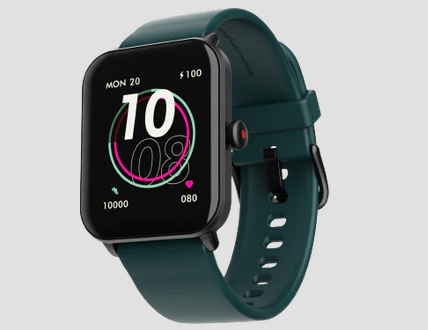
The NoiseFit Twist Pro has a circular dial with a rotating crown and a second button on the right side. It is IP68-certified dust and water-resistant. The smartwatch has an AMOLED display measuring 1.4 inches and bearing a resolution of 240 x 240 pixels.
On the health-centric front, the NoiseFit Twist Pro is equipped with a 24×7 heart-rate monitor, SpO2 sensor, sleep tracker, and female cycle monitor. It is also capable of measuring stress levels and offering breathing sessions. The wearable device packs support for more than 120 sports modes along with support for auto-detection for certain activities.
The NoiseFit Twist Pro features a built-in speaker and mic for Bluetooth calling. It has a single-chip technology that offers a stable connection, hassle-free pairing, and low power consumption. The smartwatch packs convenient features like a notification display, weather and stock updates, camera and music control, quick reply, calculator, and more. The device is backed by a 300mAh battery cell that is claimed to offer 7 days of usage.
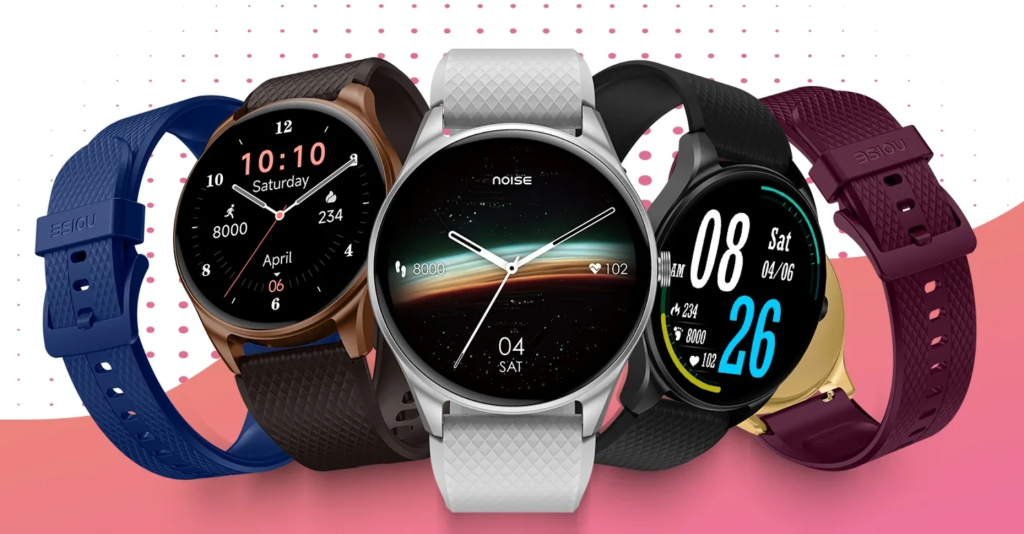
The NoiseFit Twist Pro is offered in Jet Black, Silver Grey, Vintage Brown, Deep Wine, and Cobalt Blue color options. It carries a price tag of Rs 2,199 and will be available for purchase starting tomorrow from the brand’s official website and Amazon.
Twitter has been plagued with issues ever since Elon Musk took over. The microblogging platform has also introduced a host of changes since then. Yesterday Mark Zuckerberg-led Meta officially released a new social media platform called Threads. It is the talk of the town right now and recorded a whopping 48 million sign-ups in a single day. Now, Twitter has notified Meta of the potential lawsuit action over Threads.
Twitter threatens Meta with a legal action
Threads is somewhat similar to Twitter. It is positioned toward users looking for a Twitter alternative. Threads is essentially a text-based conversation app that is linked to Instagram.
With Meta’s Threads and Twitter being pretty much the same, the latter has issued a legal letter addressed to Mark Zuckerberg about their intent to take legal action. The move comes after Threads is said to have garnered 48 million users within the first day. Meta CEO Zuckerberg has been accused of “unlawful misappropriation of Twitter’s trade secrets and intellectual property”. The letter reveals that Meta intentionally hired dozens of former Twitter employees who had access to the company’s confidential information. Meta used this to their advantage in developing the Threads app.
The letter also bluntly described Threads as a Twitter ‘copy-cat app’. Leveraging trade secrets and intellectual property are deemed as violation of state and federal laws. The letter also mentions that Meta is not allowed to crawl or scrape Twitter’s data.
Meta’s Communication Director refuted Twitter’s claims and stated that no person on Thread’s engineering team has worked with Twitter before.
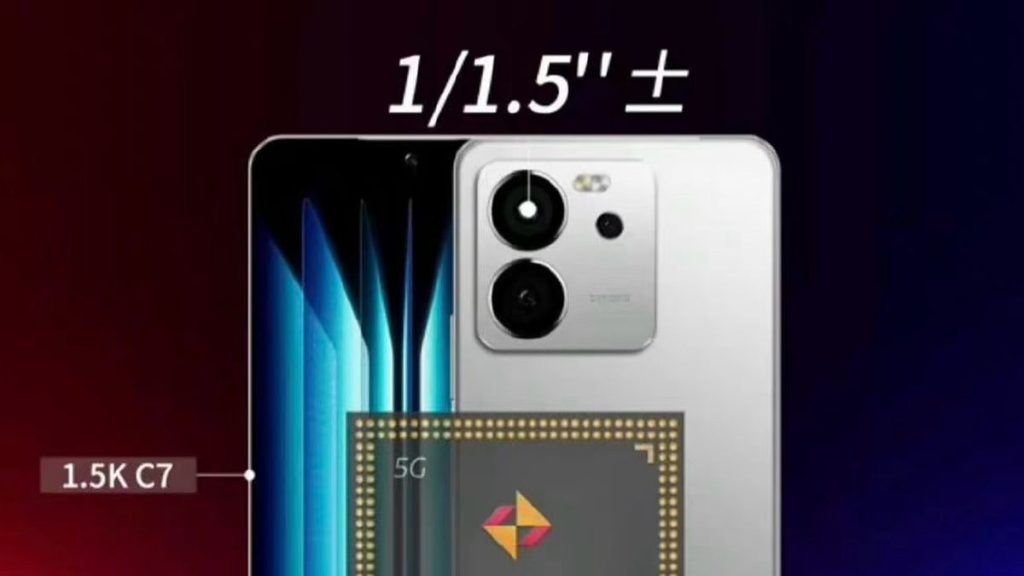
Last month, the Redmi K60 Ultra, an affordable flagship phone, was spotted with model number 23078RKD5C in the database of China’s 3C certification platform. It is speculated that the device will launch along with other products, such as the Xiaomi MIX Fold 3, the Xiaomi Pad 6 Max, and the Redmi Pad 2, in August in China. A new leak has revealed the variants and color options of the K60 Ultra.
A Chinese tipster has revealed that the Redmi K60 Ultra will come in two variants, such as 12 GB RAM + 512 GB storage and 16 GB RAM + 1 TB of storage. It will come in two shades, such as Black and Cyan.
Redmi K60 Ultra design-
The tipster claimed that the K60 Ultra will be an ideal choice for those buyers in China who are looking for an affordable flagship phone with an attractive design. As it is known, the device is expected to come equipped with the Dimensity 9200 Plus chipset.
For those seeking a performance-driven flagship phone, they can opt for the Redmi K60 Pro, which features the Snapdragon 8 Gen 2 and is available at lowered price of 2,599 Yuan (~$359). At launch, the device was priced at 3,299 Yuan (~$456).
The rumor mill has been revealing the specifications of the Redmi K60 Ultra in bits and pieces. Speculations are rife that the device will feature a 6.7-inch OLED display that offers a 1.5K resolution and a 144Hz refresh rate. it may run on the Android 13 OS and MIUI 14. For security, it may feature a side-facing fingerprint scanner.
Under the hood, the device will be equipped with the Dimensity 9200 Plus chipset, 12 GB / 16 GB of LPDDR5x RAM, and 512 GB / 1 TB of UFS 4.0 storage. It may house a 5,000mAh or 5,500mAh battery along with 120W fast charging.
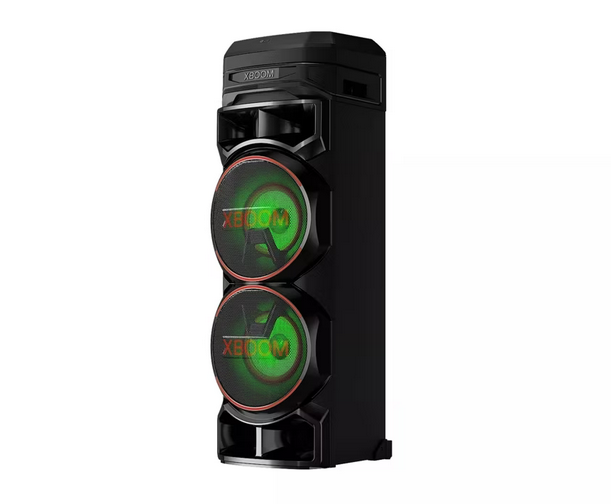
LG Electronics has unveiled brand new hearable products in the Indian market. During the announcement, the company released three new party speakers from its XBOOM series, which includes the new RNC9, RNC7, and RNC5 models.
LG XBOOM Party Speakers specifications
The South Korean tech giant unveiled the new speakers earlier this week and they arrive with various notable specs and features. Talking about the top end model first, the RNC9 is housed with a Double Super Bass Boost, Bass Blast, and X-Shiny Woofer, which the company claims to offer rich bass and power sounds without any distortion. For connectivity, the party speakers is equipped with 2 USB ports, Bluetooth, and FM Radio as well.
Notably, all three speakers offer party strobe lighting and multi color lighting effects as well. Being a party speakers, the company’s new series of XBOOM party speakers arrives with support for various DJ features that includes a DJ Pad, Scratch Tablet, and DJ Loop that can be accessed via the iOS or Android application. The high end RNC9 model also supports karaoke functionalities with input for a microphone, guitar, vocal effects, voice canceller, and much more.
The RNC7 and RNC6 models also offer Super Bass Boost, Bass Blast, and X-Shiny Woofer and will come with similar connectivity options as well. All three LG XBOOM party speakers will be available for purchase sometime in August 2023 and will have a starting price tag of 22,000 INR.
After launching the NoiseFit Fuse smartwatch last month, the brand has now launched the NoiseFit Fuse Plus smartwatch in the Indian market. Compared to the vanilla model, the Plus model comes with a higher resolution AMOLED display. Let’s take a look at its detailed spec sheet.
NoiseFit Fuse Plus specs
This smartwatch features a round dial with a metallic frame, a functional crown, and a choice of silicone straps for customization. The smartwatch features a 1.43-inch AMOLED round screen with a resolution of 466 x 466 pixels and a peak brightness of 550 nits.
The Fuse Plus supports over 100 watch faces, allowing users to personalize their experience. Bluetooth calling is made possible through the Noise Tru Sync technology, enabling quick pairing and low power consumption.
Similar to other Noise smartwatches, the NoiseFit Fuse Plus includes the Noise Health Suite, offering features such as 24×7 heart rate monitoring, SpO2 measurement, sleep tracking, stress management, and a female cycle tracker.
It supports Bluetooth 5.3 and is compatible with iOS 11.0+ and Android 9.0+ devices. Other features include a notification display, weather and stock updates, camera control, music control, quick reply, smart DND, reminders, and a calculator. The smartwatch is equipped with a 300mAh battery, providing up to 7 days of battery life. It also meets IP68 water and dust resistance standards.
Price & availability
The NoiseFit Fuse Plus is priced at Rs. 2,199. It comes in Cobalt Blue, Silver Grey, Deep Wine, Vintage Brown, and Jet Black. As a special introductory promotion, the first 200 customers who purchase the smartwatch will receive an additional discount of Rs. 200.
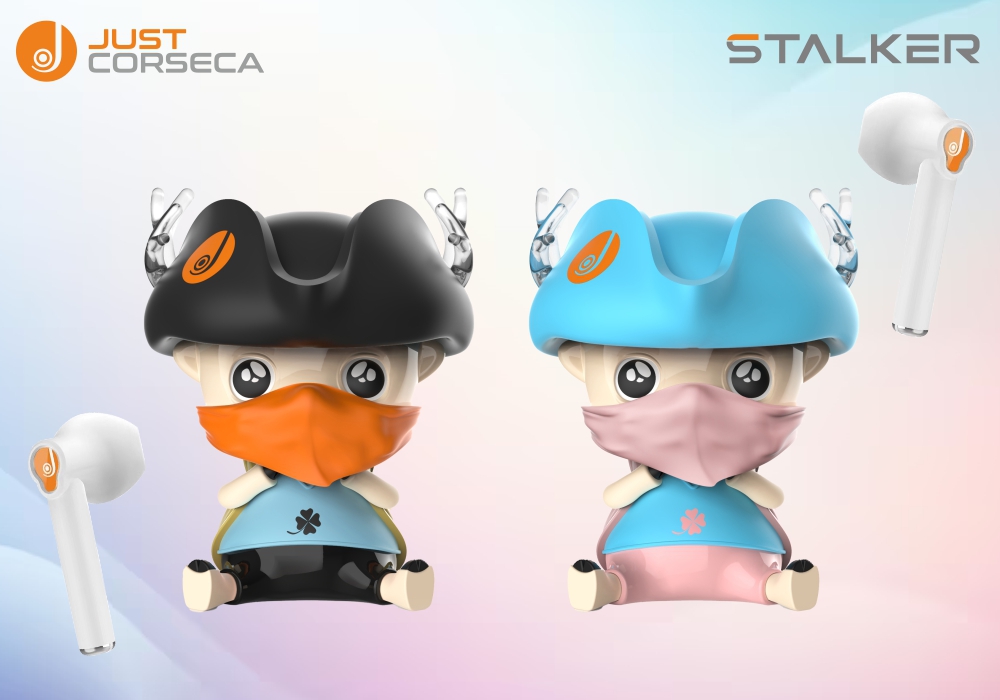
Just Corseca has announced a new pair of truly wireless earbuds, which features an interesting design new design for its charging case. The cover basically shakes up the conventional charging case design with a collectible figurine-like effigy. So here are all the details.
Just Corseca Stalker TWS earbuds comes with a cute pirate effigy case
The company’s new Stalker TWS earbuds has been announced in the Indian market. It features a unique design to double as a perfect accessory for its users. It arrives with Bluetooth 5.1 support that enables it to offer a 10 meter long connectivity range. The earbuds have a slim and lightweight design, which can be placed in its charging pod, which fits into the little pirate kid effigy charging case. This model also supports fast pairing as well.
The earbuds will offer up to 3 hours of talk time and take around 2 hours to fully charge. The earbuds’ unique selling point is its <60dB sound output, which makes it suitable for children as well. Just Corseca has released the new Stalker TWS earbuds in multiple color options as well, which includes black, blue, and pink variants.
The Stalker TWS will be available for purchase in the region for a price tag of 6,999 INR. Furthermore, the brand offers with a 12 month warranty period. The device can be purchased from major e-retailers like Amazon, Flipkart, and Myntra, and will also be sold through the company’s official website. Notably, the brand will be offering a flat 50 percent discount to its first 50 customers that use the coupon code FIRST50.
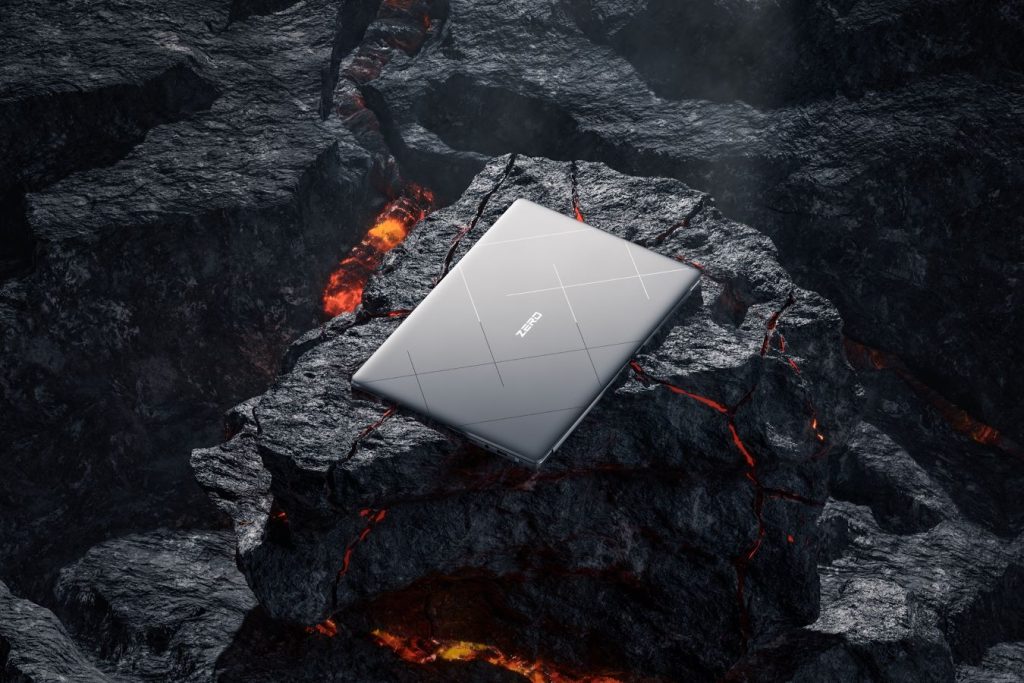
Infinix has expanded its range of laptops in India. The latest offering from the brand is the Infinix ZEROBOOK 13. The device is offered in four different configurations. It is said to be the brand’s most powerful and flagship laptop till date. Read on to know what it offers out of the box.
Infinix ZEROBOOK 13 specifications and features
The Infinix ZEROBOOK 13 sports a metal chassis with a Meteoric Phase design and a rear red hinge light. It has a backlit keyboard and a fingerprint scanner embedded in the power button. On the audio front, the device is equipped with two high-frequency speakers producing 2W sound and two low-frequency speakers with 1W sound output.
In terms of display, the Infinix ZEROBOOK 13 features a 15.6-inch display bearing an FHD+ resolution and 400 nits peak brightness. There is an FHD webcam and two digital microphones for AI noise cancellation on calls.
Under the hood, the Infinix ZEROBOOK 13 is equipped with up to a 13th-generation Intel Core i9 processor. It is coupled with a 96EU Iris Xe graphics card. The laptop packs up to 32GB RAM and 1TB of storage. There is also an over boost mechanical switch that includes eco, balanced, and over-boost modes depending on the usage. The machine is equipped with ICE STORM 2.0 advanced cooling system that comprises two 65mm fans and shark fin blades for heat dissipation.
The Infinix ZEROBOOK 13 runs on Windows 11 Home OS. It is backed by a 70Wh battery that is claimed to offer 10 hours of usage and support 100W charging speed. Connectivity options on the device include WIFi-6E, Bluetooth 5.3, USB 3.0, an SDcard slot, and a 3.5mm jack.
The Infinix ZEROBOOK 13 starts at Rs 51,990 for the base variant with Core i5, 16GB RAM, and 512GB storage. The Core i7 with 16GB + 512GB RAM and storage costs Rs 64,990 whereas the same processor with bumped-up 32GB RAM and 1TB configuration is priced at Rs 69,990. The top-end Core i9 option with 32GB RAM and 1TB storage carries a price tag of Rs 81,990. The laptop will be available for purchase starting July 11.
Yesterday, Samsung confirmed the launch date of the Galaxy Unpacked event. The South Korean brand is set to conduct the upcoming event on July 26 which is earlier than the usual August timeline. The company is confirmed to launch the fifth-generation Galaxy Z foldables along with the expected Galaxy Watch 6 series, and Galaxy Tab S9 lineup.
Samsung Galaxy Z Flip 5 teased
Samsung has shared a teaser campaign for its upcoming foldable flip phone on the company’s official YouTube channel. The video is titled ‘Join the flip side’ representing ‘Season 2’. The first season was released last September advertising the Galaxy Z Fold 4.
The video shared by Samsung does not reveal any details about the Galaxy Z Flip 5 until the end. More than a product teaser, it’s a short and funny horror commercial. It mentions that the Z Flip possesses power on anyone who looks at it. The commercial still features the last year’s outgoing Galaxy Z Flip 4 highlighting various features like Flex mode. At the end of the video, we get a glimpse of what appears to be the upcoming Galaxy Z Flip 5’s large secondary display. Regardless, the latest video is quite fun.
We can expect Samsung to share more teasers about its upcoming devices in the days leading up to the launch event. The Unpacked event announcement teaser revealed power and volume keys on the right side of the clamshell foldable phone. The former is also expected to double up as a fingerprint scanner. There are antenna lines on the frame suggesting the use of metal chassis.
As per leaks and rumors, the Galaxy Z Flip 5 is expected to feature a 3.4-inch 720p secondary display with a folder-like cutout design. It is tipped to have a 6.7-inch AMOLED display with a 120Hz refresh rate. The clamshell foldable phone will reportedly be powered by a Snapdragon 8 Gen 2 processor and be backed by a 3,700mAh battery unit with support for 25W fast charging.
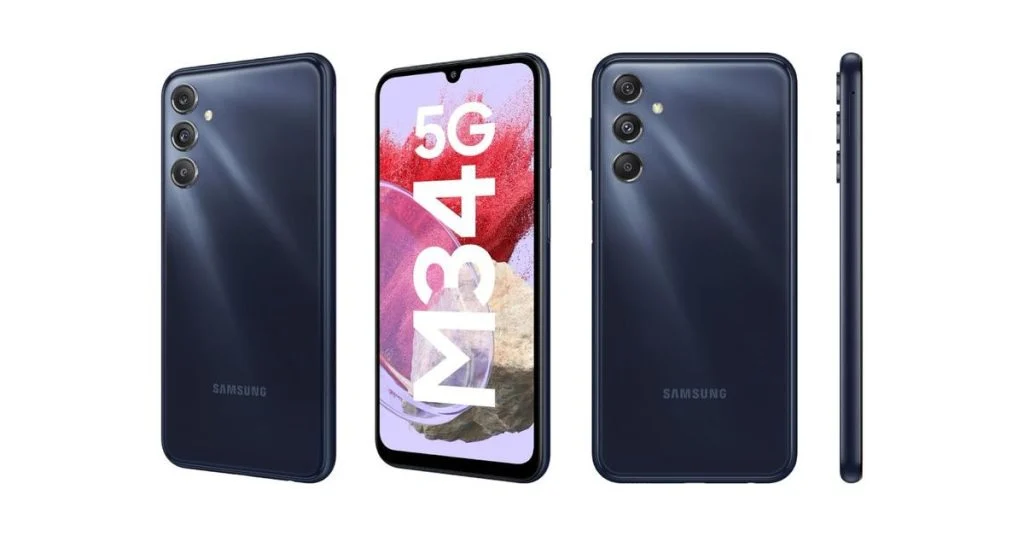
As scheduled, Samsung has just launched the Galaxy M34 5G lower-mid-range smartphone in India. The drive comes with many exciting upgrades over its predecessor, the Galaxy M33 5G. Let’s take a detailed look at its specifications and features.
Samsung Galaxy M34 5G specs
The Samsung Galaxy M34 5G features a 6.5-inch AMOLED display with a Full HD+ resolution and a 120Hz refresh rate. It incorporates Corning Gorilla Glass 5 protection on the front and the display has a waterdrop notch.
Moving on to its performance, the Galaxy M34 5G is equipped with the Exynos 1280 SoC, the same chip found in the Galaxy M33 5G. It comes in two variants: one with 6GB RAM and 128GB storage, and another with 8GB RAM and 128GB internal storage. The phone runs on Android 13 out of the box, featuring the OneUI custom skin. Similar to other recent mid-range Samsung phones, the Galaxy M34 5G ensures four years of OS updates and five years of security updates. It is powered by a 6000mAh battery and supports 25W fast charging.
Regarding the camera specifications, the Galaxy M34 5G boasts a triple rear camera system comprising a 50-megapixel image sensor with OIS support. It also includes an 8-megapixel ultrawide camera and a 2-megapixel depth or macro sensor. For selfies and video calls, there’s a 12-megapixel front-facing camera. Samsung has introduced Monster Shot 2.0 on this smartphone and has also added Fun mode and Nightography.
Pricing & availability
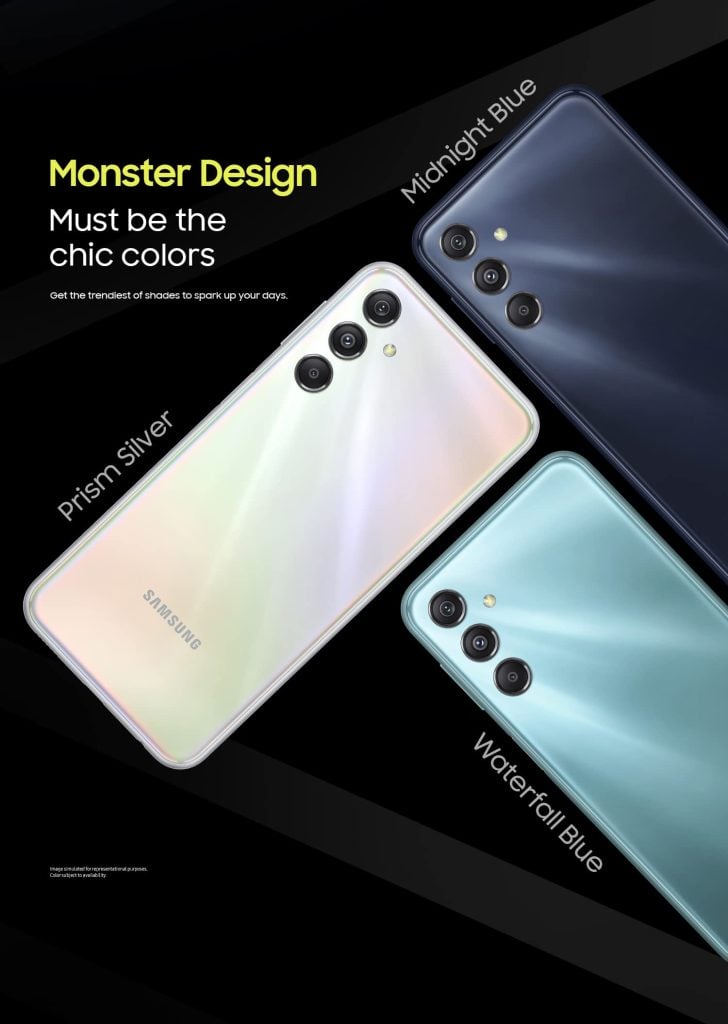
In India, the Samsung Galaxy M34 5G is priced at Rs 18,999 for the 6GB RAM + 128GB storage option and Rs 20,999 for the 8GB RAM + 128GB storage option. It is available in Prism Silver, Midnight Blue, and Waterfall Blue colors.
Pre-booking for the device starts today, July 7, and the sale will commence during the Prime Day event starting on July 15. The smartphone can be purchased from both Amazon.in and Samsung’s official channels. The introductory prices for the Galaxy M34 5G are Rs 16,999 for the 6GB RAM variant and Rs 18,999 for the 8GB RAM variant.
Samsung has apparently launched the Snapdragon 888 variant of the Galaxy S21 FE model in the Indian market. This model was recently confirmed in the region but has silently gone on sale in offline stores. So here are all the details.
Samsung Galaxy S21 FE with Snapdragon 888 launched for Rs 49,999 in India
The South Korean tech giant’s Galaxy S21 FE model was officially teased with the Snapdragon 888 chipset. Now, it appears that the device has been silently released in the country, with sales already kicking off in offline stores. Furthermore, the Galaxy S21 FE has gone on sale in the region for a 49,999 INR price tag. Although, it is also being offered for an introductory price tag of 44,999 INR.
Apart from the inclusion of the Qualcomm chip, which replaces the Exynos processor, the other specifications are basically identical. The S21 FE still sports a 6.4 inch AMOLED display that has a Full HD+ resolution, 120Hz refresh rate, Gorilla Glass Victus protection, and more. Under the hood, a 4,500mAh battery pack powers the device, which supports 25W fast charging. It measures just 7.9mm in thickness and weighs 1777 grams.
On the rear, it features a 12 megapixel primary sensor that is paired with a 12 megapixel ultra wide angle lens and an 8 megapixel telephoto camera. Meanwhile, the front houses a 32 megapixel selfie camera. Other notable features include, Bluetooth 5.0, NFC, IP68 water and dust resistance, wireless and reverse charging support, and more.
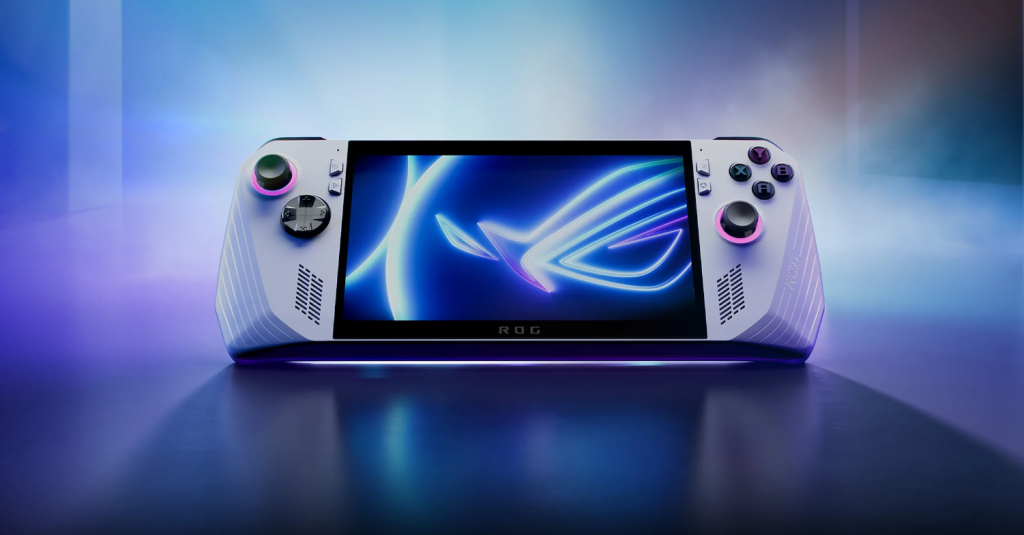
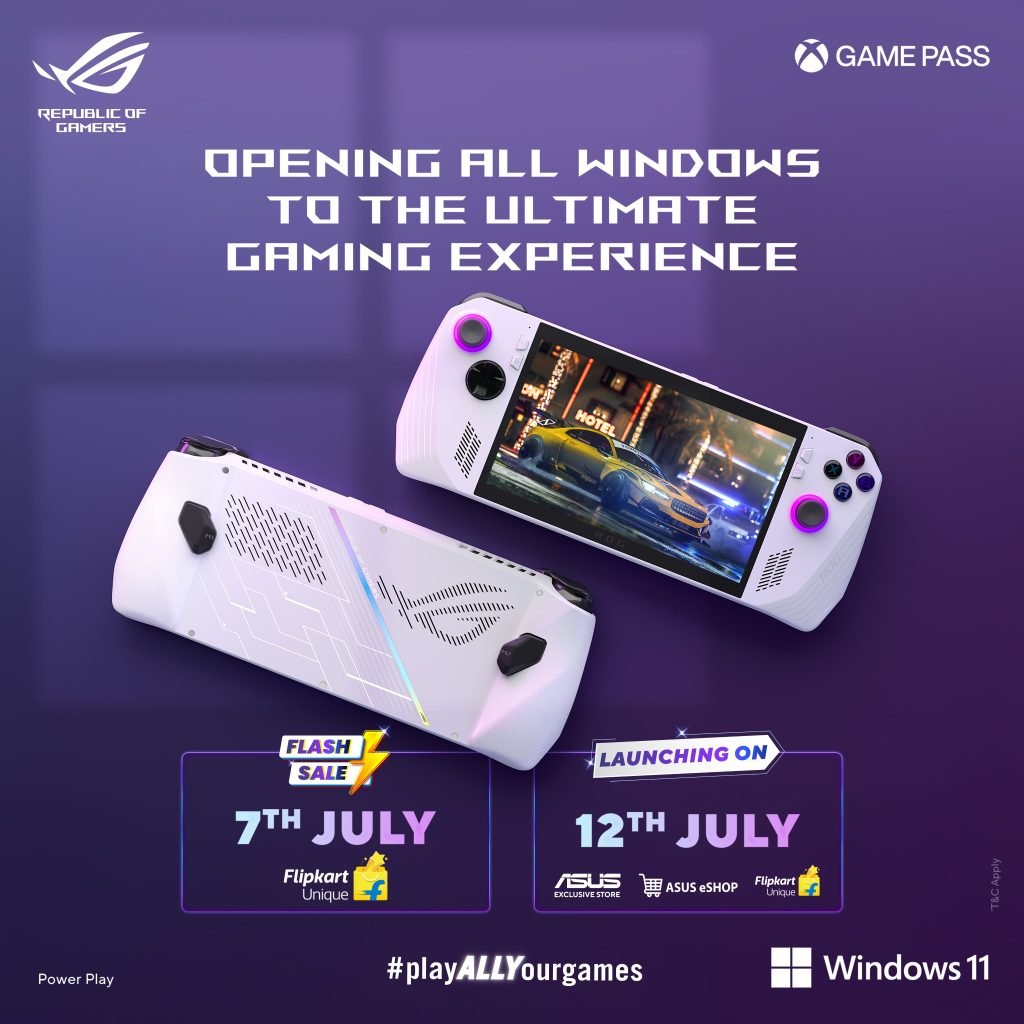
After its recent launch in India, Asus has finally made the ROG Ally handheld gaming console available for purchase in the country through Flipkart. Currently, only the Z1 Extreme variant, which boasts 16GB RAM and 512GB storage, is available in the Indian market. Now, let’s delve into the specifics of its price and availability.
Asus ROG Ally Indian pricing & availability
The Asus ROG Ally Z1 Extreme version is available to buy on Flipkart for Rs 69,990. Customers can take advantage of attractive offers when purchasing the ROG Ally handheld gaming console. HDFC Bank Credit Card EMI transactions come with a flat Rs 1,250 discount while using an HDFC Credit Card or Debit Card for full payment grants an additional Rs 4,000 off. Owning a Flipkart Axis Bank Card allows for a 5% discount on the console. Additionally, an installment option is available where customers can pay only Rs 5,833 per month.
Asus ROG Ally specs
Featuring a 7-inch IPS display, the Asus ROG Ally handheld gaming console offers a Full HD resolution of 1920 x 1080 pixels and a 16:9 aspect ratio. The screen delivers smooth visuals with its 120Hz refresh rate, 500 nits peak brightness, and Corning Gorilla Glass Victus protection, ensuring durability.
Under the hood, the console is equipped with the AMD Ryzen Z1 Extreme processor, based on the Zen 4 architecture. The console has AMD Radeon Navi3 Graphics on board, along with 16GB of LPDDR5 RAM, and a 512GB PCIe 4.0 NVMe M.2 SSD.
With its Windows 11 operating system, the Asus ROG Ally handheld gaming console opens up a vast library of games from platforms like Steam, EA apps, Epic Games, and Xbox Game Pass. As an added bonus, it includes a three-month subscription to Xbox Game Pass Ultimate, offering gamers access to a wide variety of titles. To enhance the gaming experience, the console features a dual speaker setup with Asus’ Smart Amplifier Technology, ensuring improved audio quality.
In terms of connectivity options, the console offers a range of features. These include a 3.5mm headphone jack, a USB 3.2 Gen2 Type C port combo for the ROG XG Mobile Interface, and support for a UHS-II microSD card reader, providing flexibility for storage expansion. The console is equipped with a 40WHr battery that supports 65W fast charging, allowing for quicker recharging times and extended gaming sessions.
boAt has just launched a brand new smartwatch in India. The new model is a part of its Wave series and is dubbed the Wave Fury. The company recently announced the new Lunar Connect Ace smartwatch in the Indian market, so let’s have a look at the new wearable model.
boAt Wave Fury features a design reminiscent to the Apple Watch
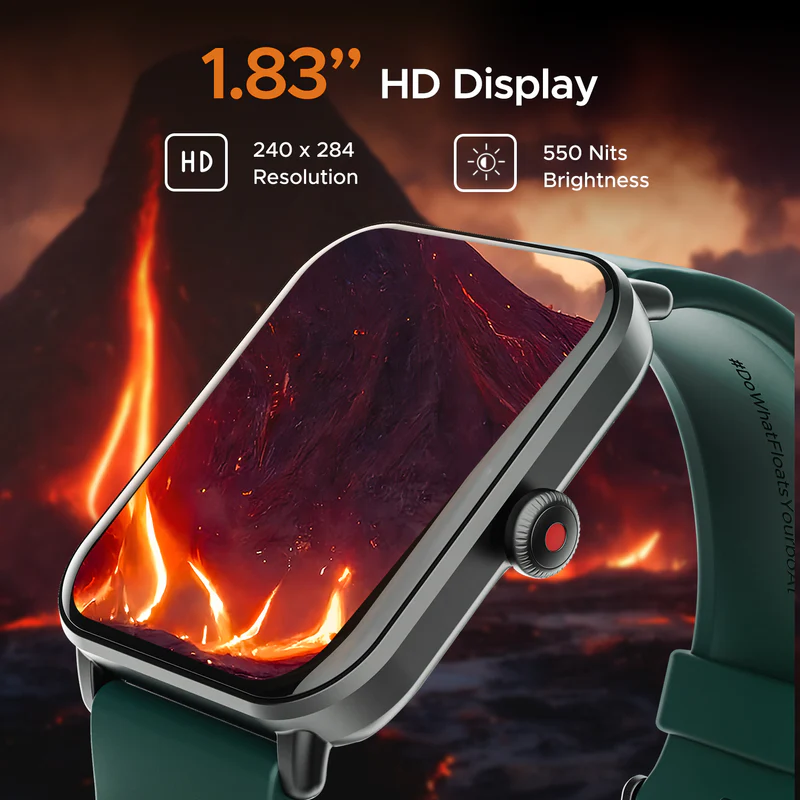
The company unveiled the Wave Fury, which features a squarish display that makes it appear quite similar to the Apple Watch. It sports a tall 1.83 inch HD screen that has a 240 x 284 pix resolution and 550 nits of peak brightness. The new smartwatch comes with support for more than 50 sports modes and multiple health related sensors like heart rate tracking, SpO2 blood oxygen mapping, and more.
The device also supports Bluetooth calling feature that is enabled thanks to its high quality microphone, a Dial Pad, and even allows you to save up to 10 contacts. Other notable features include IP67 water and dust resistance, up to 5 days of battery life, music control and camera control.
The boAt Wave Fury smartwatch arrives in multiple color options from its silicone strap variant, namely Active black, Cyan blue, Cherry Blossom, and Teal green. On the other hand, there is even a metallic strap variant, which adds to its Apple Watch-like aesthetic. The smartwatch is going on sale on Flipkart and the brand’s official website for an introductory price tag of 1,299 INR. This model will go on sale starting from July 9.
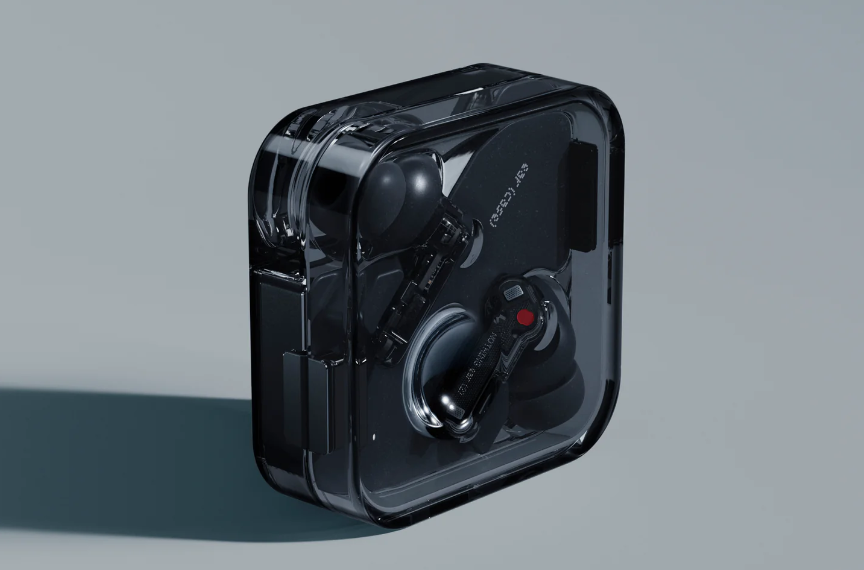
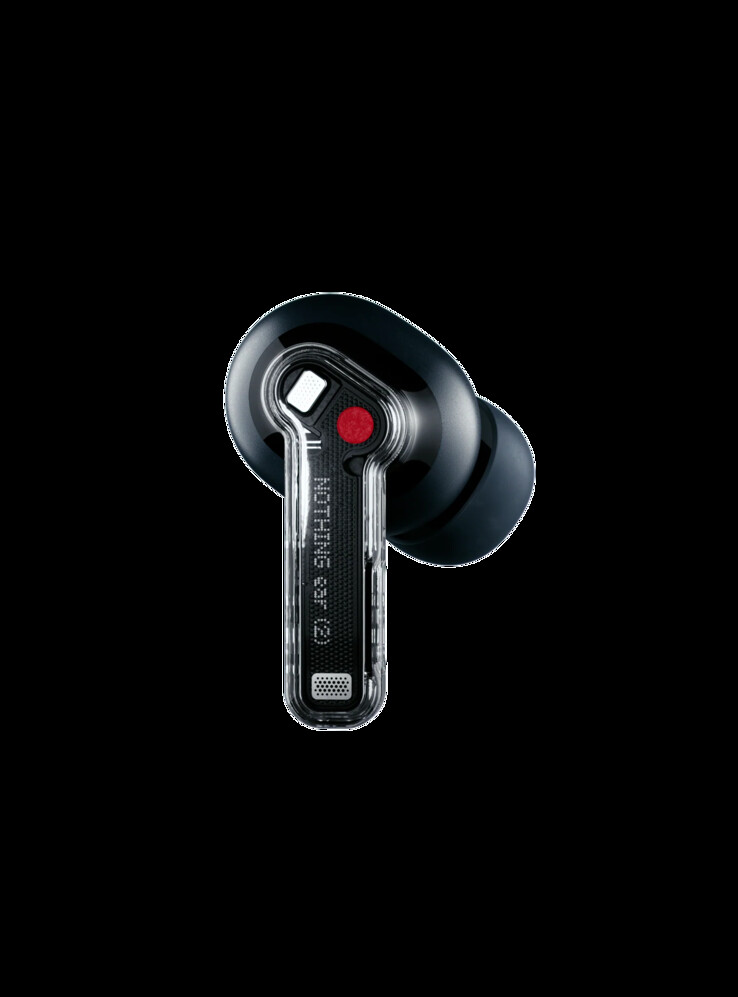
Carl Pei’s Nothing has announced an exciting update to their highly acclaimed earbuds, the Nothing Ear (2). Adding a touch of elegance and sophistication, the new variant of the Ear (2) now sports sleek black accents, including the main accents and ear-tips, as well as a black case insert visible through its clear lid. The launch is coming not too long after press renders of the new black edition appeared online.
Nothing Ear (2) Black Edition Features and Price
The Nothing Ear (2) in its original white variant has already won the hearts of tech enthusiasts and audiophiles with its exceptional sound quality and minimalist design. The new black variant takes the earbuds to a whole new level of style and versatility.
Even more interesting is the fact that the update didn’t just stop at the aesthetics. Nothing has also introduced the latest software out of the box for the new Ear (2) variant. Users will benefit from an upgraded first-party EQ (Equalizer) that now includes advanced features such as Q Factor and frequency control, augmenting the bass/treble/mid graphics and allowing for a personalized audio experience.
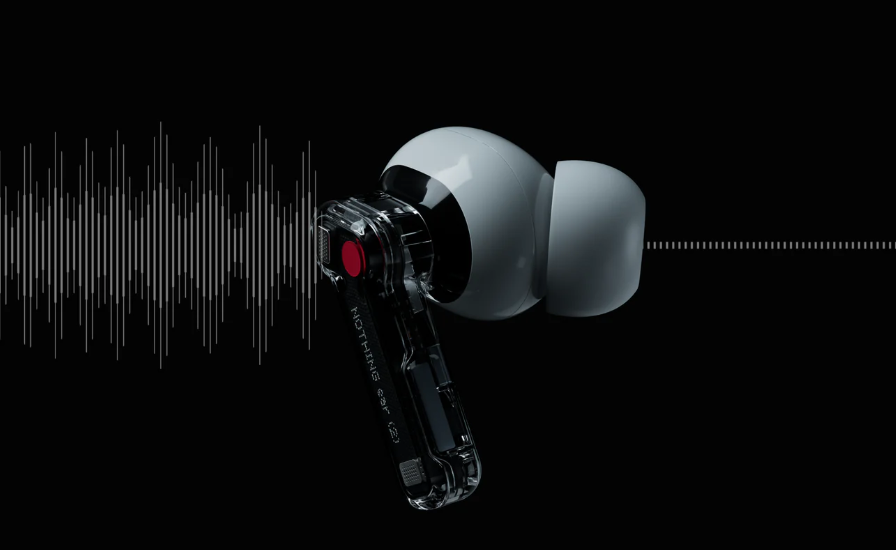
Additionally, the software upgrade addresses the Bluetooth connectivity of the Ear (2), enhancing the wireless experience for seamless audio streaming. Battery drain concerns have also been tackled, specifically when utilizing the LHDC 5 and Personal Sound Profile features simultaneously.
In a surprise move, Nothing has simultaneously released the v1.0.1.85 update for their budget-friendly TWS buds, the Ear (stick). This update brings noise reduction capabilities to the Ear (stick) for the first time, allowing users to enjoy a more immersive and focused audio experience. The Ear (stick) also benefits from the Advanced EQ feature present in the Ear (2).
To celebrate the launch of the Nothing Ear (2) Black variant, Nothing has made a limited drop batch available on their official website at the price of US$149/€149 which is the same price as the white variant. The device is available at the price tag while stocks last.
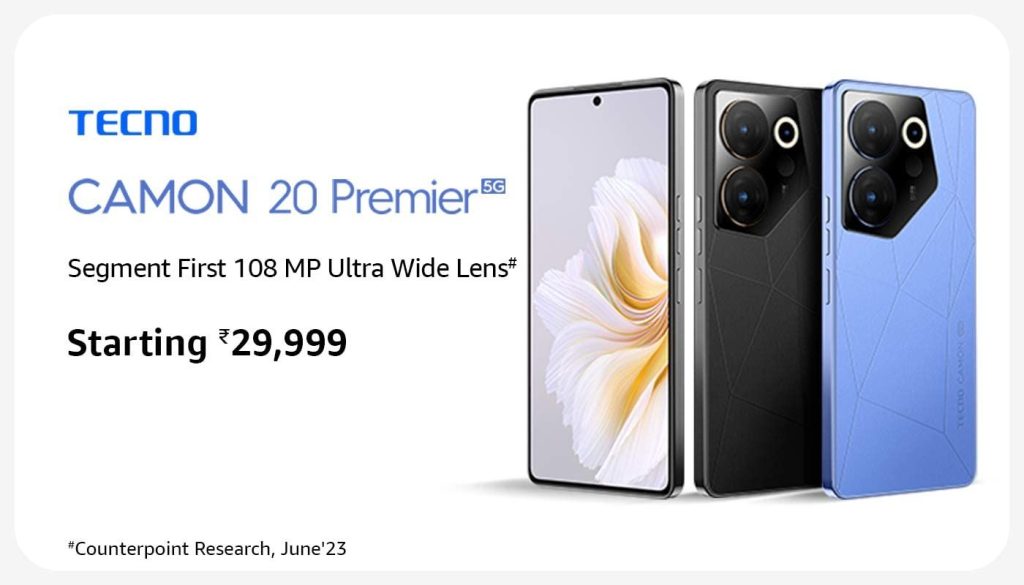
The Tecno Camon 20 Premier 5G has gone official in India. It is positioned above the Camon 20 Pro 5G, which has a starting price of Rs 19,999 (~$242). The Camon 20 Premier is the most advanced model in the series, featuring a new Dimensity chip. In addition, it is India’s first phone to come equipped with a sensor-shift OIS. Here is all the information on the price and specifications of the device.
Tecno Camon 20 Premier 5G price in India
Tecno Camon 20 Premier 5G price
The Camon 20 Premier 5G is listed for Rs 29,999 (~$363) in India. It comes with 8 GB of RAM and 512 GB of internal storage. The phone will come in color options, such as black and blue. At present, there is no word on the availability of the device. In all likelihood, it will be available for purchase during the upcoming Prime Day sale on Amazon, which starts on July 15.
Tecno Camon 20 Premier 5G specifications
The Camon 20 Premier 5G houses a 6.67-inch AMOLED display that produces an FHD+ resolution and a 20:9 aspect ratio. It features a dual-LED flash enabled 32-megapixel front-facing camera.
The back panel of the device has a 50-megapixel main camera with sensor-shift OIS and laser autofocus. It is paired with a 108-megapixel ultra-wide lens, a 2-megapixel depth sensor, and a ring LED flash.
Under the hood, the Camon 20 Premier 5G is equipped with the Dimensity 8050 chipset and 8 GB of RAM. The phone comes with 512 GB of storage and runs on HiOS 13-based Android 13. It houses a 5,000mAh battery with 45W fast charging. It comes with other features, such as dual speakers, dual SIM, 5G, Wi-Fi 6, Bluetooth 5.2, GPS, NFC, a USB-C port, and an under-display fingerprint sensor. It lacks a 3.5mm audio jack.
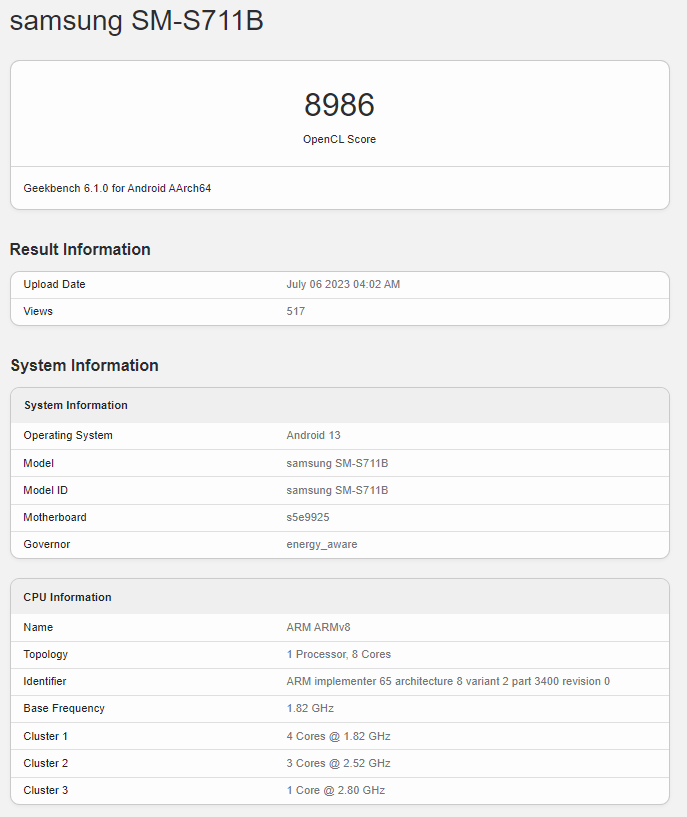
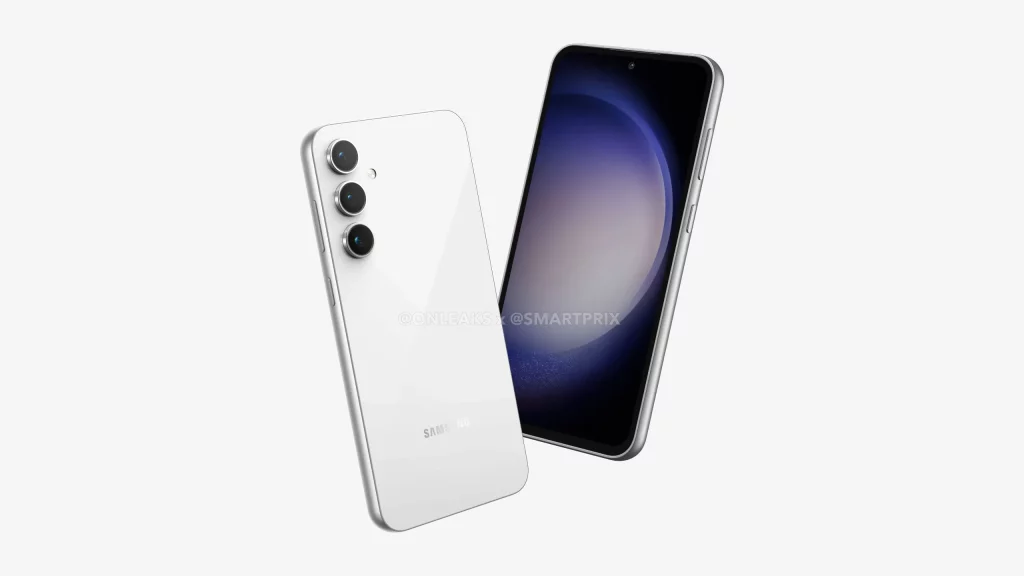
According to recent reports, Samsung is set to release the Galaxy S23 FE in the last quarter of 2023, following a break from launching a Fan Edition phone last year. Despite early leaks and certifications indicating a highly anticipated device, there has been speculation surrounding the controversial Exynos 2200 SoC potentially powering the smartphone. Unfortunately for eager fans awaiting the Galaxy S23 FE, these fears have been confirmed with a recent Geekbench listing.
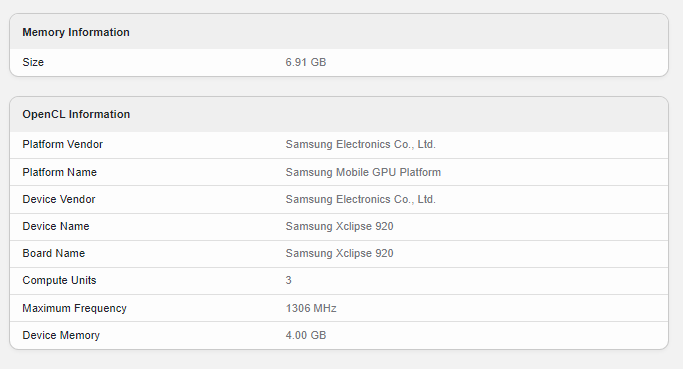
The Samsung Galaxy S23 FE with model number SM-711B has appeared on the Geekbench 6 compute test revealing many key details. It has 8GB RAM onboard along with Android 13 and an octa-core processor with a base clock of 1.82 GHz and a boost clock of 2.80 GHz. The s5e9925 motherboard and the Samsung Xclipse 920 GPU undoubtedly confirm that this is indeed the Exynos 2200 chipset.
Although the Exynos 2200 was initially unveiled alongside the Galaxy S22 series, it fell short of the high expectations as a rival to the Snapdragon 8 Gen 1 chipset. Its performance improvements are modest, with only a marginal 5% boost in CPU performance compared to its predecessor, the Exynos 2100 found in the Galaxy S21 FE. On the other hand, the Exynos 2200 does offer around 15% better GPU performance. Therefore, if you’re considering upgrading from the Galaxy S21 FE, the performance gains you can expect with the Exynos 2200 might not be significant.
Samsung Galaxy S23 FE specs (rumored)
Rumored specifications for the Galaxy S23 FE suggest it will feature a 6.4-inch FHD+ AMOLED display with a smooth 120Hz refresh rate. It is expected to offer users a choice between different storage configurations, including options for 6GB or 8GB of RAM and 128GB or 256GB of storage. Reports also indicate that the device will be equipped with a 4,500mAh battery and support 25W fast charging. Notably, there are speculations of a significant camera improvement on the Galaxy S23 FE, potentially featuring a 50MP camera compared to the 12MP camera on its predecessor, the Galaxy S21 FE.
Exciting news has emerged from Intel, as reports indicate that the tech giant is gearing up to release the highly anticipated Granite Rapids-D peripheral chip in 2024. According to foreign technology media Computer Base, the chip will utilize the cutting-edge Intel Process 3, promising a significant leap in performance and capabilities.
The Granite Rapids-D Chip may be delayed until 2025
Leaked PPT slides of the Granite Rapids-D peripheral chip have provided a sneak peek into what we can expect. These slides reveal that the new chip will serve as the successor to the Xeon D-1700 and D-2700 (Ice Lake-D) models. Leveraging the power of the Intel 3 process, the Granite Rapids-D chip boasts a higher core density compared to its predecessors, promising enhanced processing capabilities and improved efficiency.
While specifics regarding the release date of the new Xeon-D chip (Granite Rapids-D) remain uncertain, reports suggest that Intel plans to launch the Granite Rapids-AP and Granite Rapids-SP server processors by the end of 2024. This leads to speculation that the release of the Granite Rapids-D chip may potentially be delayed until 2025. However, Intel’s commitment to delivering cutting-edge technology ensures that enthusiasts and professionals alike can expect an exceptional product whenever it becomes available.
The Granite Rapids-D chip holds immense promise for a range of applications, from high-performance computing to enterprise-level data centers. With its advanced architecture and increased core density, this chip is poised to revolutionize the computing landscape, delivering faster processing speeds, improved multitasking capabilities, and heightened energy efficiency.
Intel’s continuous innovation and dedication to pushing the boundaries of technology have solidified its position as a leader in the industry. The upcoming Granite Rapids-D chip serves as a testament to Intel’s commitment to delivering groundbreaking solutions that meet the ever-evolving demands of the market.
In a major AI-related development, OpenAI has announced that all paying API customers now have access to the highly praised (and awaited) GPT-4 model. Building upon the success of the ChatGPT API launched in March, OpenAI has been working tirelessly to enhance the chat-based models and expand their capabilities. The goal is to create a future where chat-based models can cater to a wide array of use cases, revolutionizing the way we interact with artificial intelligence.
The company also believes that the GPT-3.5 Turbo and Dall.E are production-scale ready
GPT-4, touted as OpenAI’s most advanced model to date, has generated tremendous excitement among developers. Since its initial introduction, millions of developers have eagerly requested access to the GPT-4 API, leading to a surge of innovative products that leverage its powerful capabilities. Starting today, existing API developers with a history of successful payments can access the GPT-4 API with an impressive 8K context. OpenAI plans to gradually open up access to new developers by the end of the month and subsequently increase rate-limits based on compute availability.
As part of their ongoing efforts to improve their offerings, OpenAI has also made the GPT-3.5 Turbo, DALL·E, and Whisper APIs generally available. These models have undergone extensive testing and are now deemed stable and ready for production-scale use. OpenAI is currently working on enabling fine-tuning for GPT-4 and GPT-3.5 Turbo, with plans to make this feature available later in the year.
A significant shift in OpenAI’s approach is the transition from text completions to chat completions. The introduction of the Chat Completions API in March has proved to be a game-changer, accounting for a staggering 97% of API GPT usage. OpenAI has learned that structured prompts often yield better results than freeform text prompts. The chat-based paradigm not only handles a wide range of previous use cases but also accommodates new conversational needs, offering developers enhanced flexibility and specificity. With its structured interface and multi-turn conversation capabilities, the Chat Completions API enables developers to create immersive conversational experiences and tackle various completion tasks, including text summarization, code completion, and few-shot learning. Additionally, it mitigates the risk of prompt injection attacks by separating user-provided content from instructions.
OpenAI is committed to investing heavily in the development of chat completions, recognizing its potential to provide developers with an increasingly capable and user-friendly experience. The team is actively working on addressing any remaining gaps in the Chat Completions API, such as log probabilities for completion tokens and reduced “chattiness” of responses. These improvements will further refine the user experience and solidify OpenAI’s position as a leader in AI-powered conversations.
When it comes to tech design, most brands used to focus purely on the devices, ignoring accessories like charging cables. But some like OnePlus changed this trend with their bright red colored charging cables. Taking inspiration from Carl Pei’s old company, Nothing too is looking to innovate accessory design. It recently revealed a transparent USB Type-C cable designed for the upcoming Nothing Phone (2).
Let’s take a closer look at this “see-through” cable design and explore what makes it so intriguing.
What does Nothing’s Transparent Cable look like?
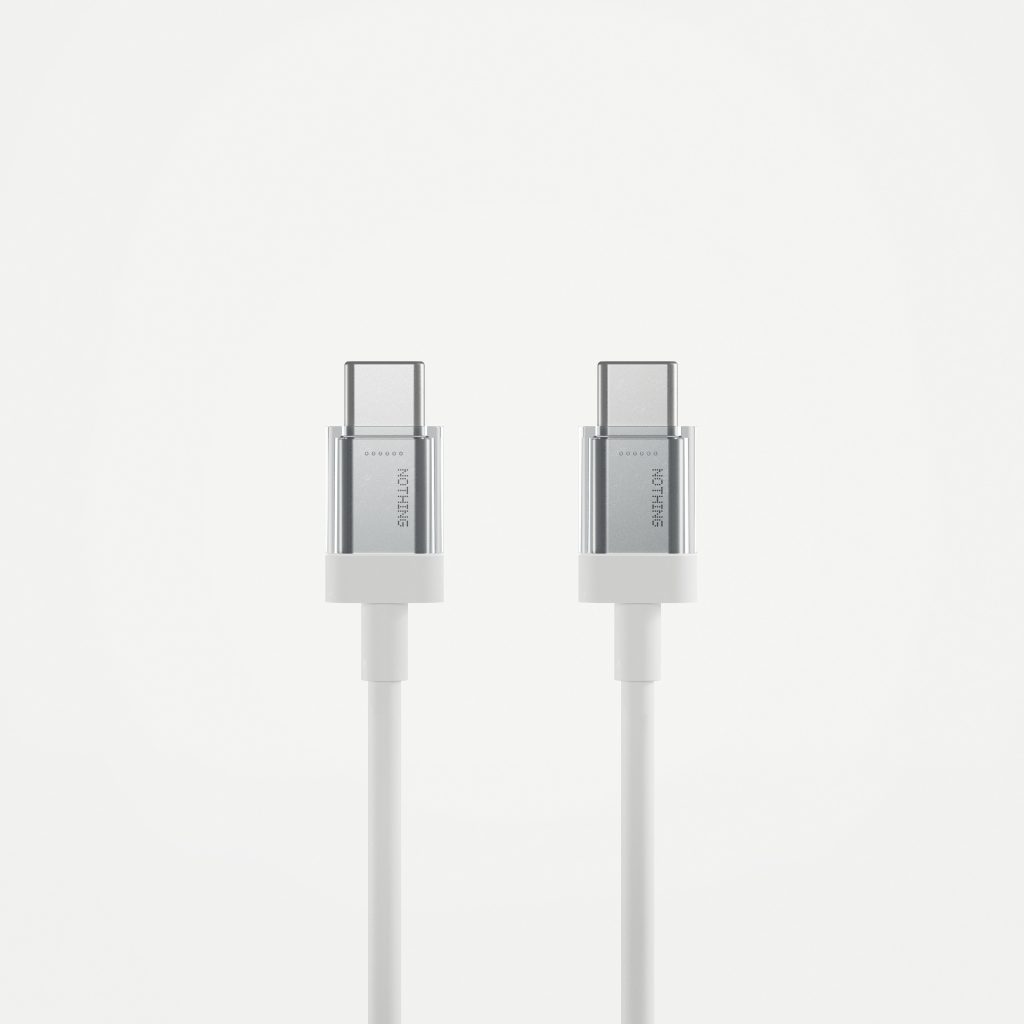
Imagine holding a cable with transparent shells, housing the Type-C connectors at both ends. Yes, you heard it right – this cable provides a captivating glimpse into the inner workings of the connector.
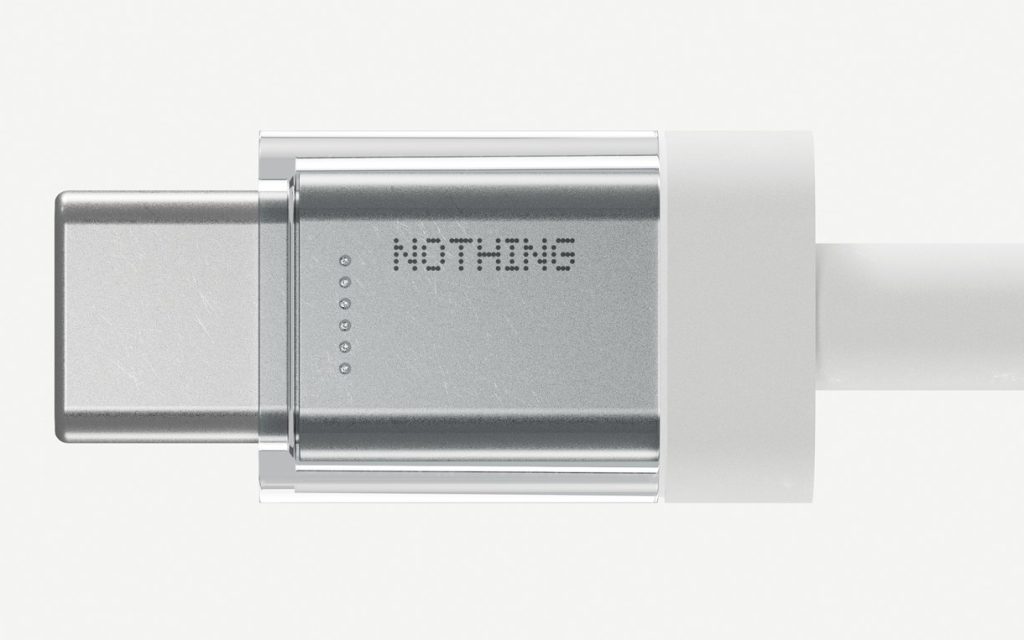
The Nothing transparent cable showcases a sleek and sophisticated design. While the exact details are yet to be confirmed, it appears that only the outer shell of the cable, housing the Type-C connectors, is transparent. The transparent shell, made of hardened transparent polycarbonate or clear rubber, offers a visually appealing aesthetic. The Nothing branding is etched on the connector. The rest of the cable is opaque white, which complements the transparent portion.
Nothing says it took 2 years to perfect this Design
The transparent shell has reportedly undergone a unique moulding process, resulting in a seamless iron shell, free from lines and surface defects. This shell is then subjected to sandblasting, pre-plating, and electroless plating to make it resistant to scratches.
Nothing says that it has tested this cable to make sure it is durable. It has been put through more than 25 rigorous tests, including stringent plugging and unplugging, salt spray, and current resistance tests. The cable’s endurance is impressive, withstanding bending and passing over 16,000 times, a robust 60% beyond industry standards.
The brand further revealed that the cable’s journey from concept to reality spanned over two years, with over 20 design concepts initially in play. Many were discarded as they were deemed too challenging to manufacture.
From the picture shared on social media, it does look like the cable offers a good balance between avant-garde design and practical manufacturability.
Transparent Cables are not really unique
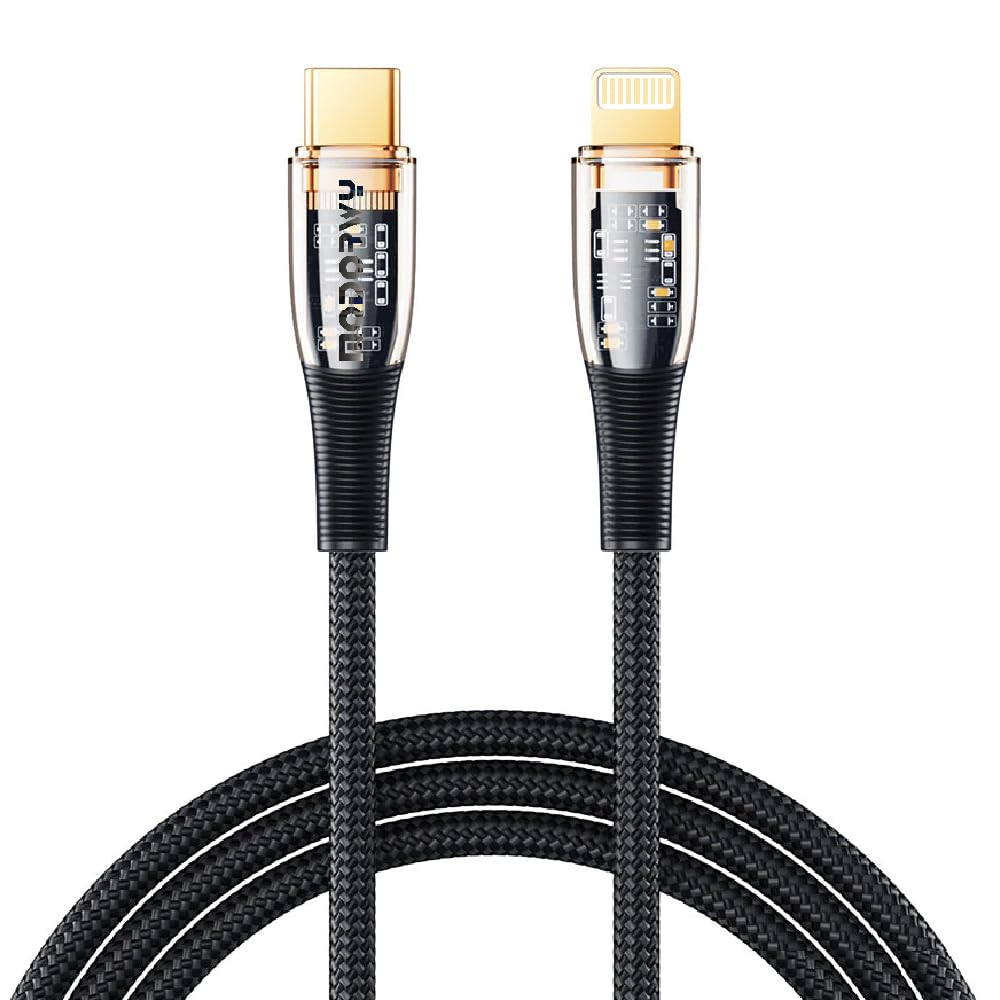
Transparent cables are not entirely new; indeed, a quick Google search reveals numerous examples from various manufacturers that are available on Amazon. However, it’s not just about being transparent. It’s about how this transparency is employed and executed.
Many existing transparent cables on the market can seem a bit over the top with their design approach, often featuring vibrant lights and bold colors. While these designs may catch your eye initially, they can also come across as gimmicky, especially when the novelty wears off. The aesthetic may not always blend well with the premium and minimalist design language that many tech devices follow these days.
This is where we feel Nothing’s transparent cable stands out. The cable doesn’t incorporate flashy lights or extravagant design elements. Instead, it focuses on simplicity, cleanliness, and a premium feel. This minimalist, clean aesthetic is what sets it apart from the crowd, and Nothing seems to have made a good design choice.
Coming to the Real Question: Will the Novelty Wear Off?
Transparent accessories have made sporadic appearances in the tech world, often as limited-edition novelties, while mass-market versions tend to feature solid or gradient colors. This is true both for the devices and accessories.
So Nothing’s transparent cable might look cool at first glance, but is there a chance the novelty will wear off?
Well, hard to say that right now. Nothing is clearly invested in the transparent design philosophy and many consumers seem to resonate with this approach, as evidenced by the relative success of their first-generation phone and earbuds. Even if this transparent cable might not appeal to the mass market, there seems to be a section of the population who value the opportunity to use something that stands out.
Final Verdict: Cool or Not?
Undeniably, the Nothing Transparent cable has a unique elegance in its design. From my perspective, the cable has its charm and I am attracted to its uniqueness. It would certainly make for an interesting conversation piece.
But is it truly a game-changing invention? I’m not so sure.
Its standout feature – transparent ends – might not suffice to distinguish it from the crowd. The majority of the cable remains opaque and a rather plain white, diminishing the impact of the transparency.
Ultimately, design preference remains a matter of personal taste. The charm of the cable hinges on whether the novelty of partial transparency appeals to you. There are certainly those who will continue to gravitate towards the predictability of standard, solid-colored cables.
So, the ball is in your court. What do you think of this transparent cable? Does it catch your fancy?
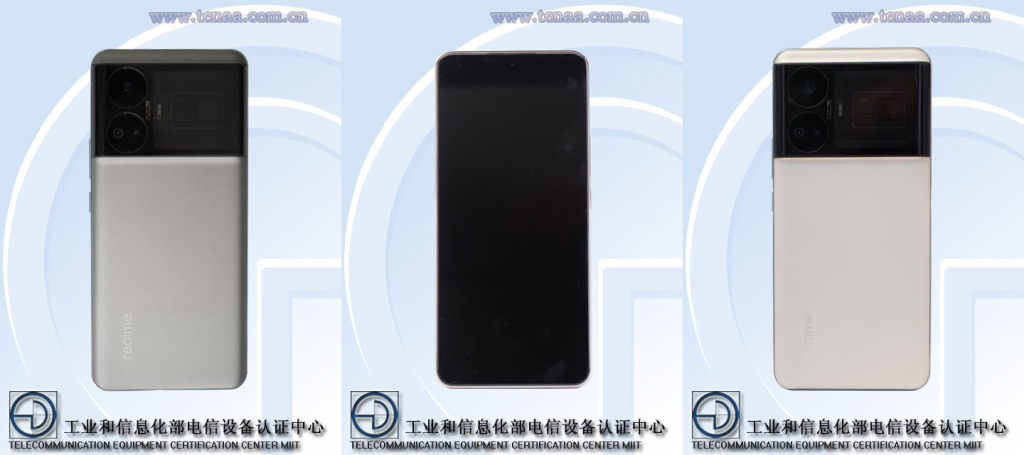
Realme is reportedly planning to launch the Realme GT Neo 6 series of flagship phones later this month or August of this year. Recent reports have revealed that the Realme phones with RMX3820 and RMX3820 are the two variants of the Realme GT Neo 6. The RMX3820 could be called the Realme GT Neo 6 240W or the Realme GT Neo 6 Pro, whereas the RMX3823 could be the standard version with the Realme GT Neo 6 name. The two variants have now appeared on TENAA with all the important specifications. Continue reading ahead to learn what to expect from the GT Neo 6 series.
As per the TENAA listing of the Realme GT Neo 6 with model number RMX3820, it will come with a 6.74-inch OLED screen that offers a 1.5K resolution of 2772 x 1240 pixels. It is expected to support a 144Hz refresh rate. The device is expected to arrive with the Android 13 OS and Realme UI 4.0. The RMX3820 edition seems to pack a 5,200mAh dual-cell battery, which may support 100W or 150W charging. However, the TENAA listing mentions the size of a single cell as 2,540mAh.
The RMX3820 variant is powered by a 3.2GHz octa-core process, which appears to be the Snapdragon 8 Gen 2 chipset. It will arrive with 8 GB / 12 GB / 16 GB of RAM and 128 GB / 256 GB / 512 GB / 1 TB of storage. It will feature a 16-megapixel front-facing camera and a 50-megapixel + 8-megapixel + 2-megapixel triple camera setup. As per reports, it is equipped with a 50-megapixel Sony IMX890 primary camera with OIS support. The device is equipped with other features, such as an IR blaster and an in-screen fingerprint sensor.
Realme GT Neo 6 240W specifications (rumored)
The Realme GT Neo 6 240W has the specifications as the standard variant but seems to pack a different-sized battery. TENAA lists the size of one of its battery cells as 2,225mAh, which suggests that it may pack a 4,600mAh battery and support 240W charging like the Realme GT Neo 5 240W.
Volkswagen Group China CEO Ralf Brandstaetter has expressed concerns about the electric car market, warning that it is showing signs of “overheating.” Speaking at the 2023 China Automobile Forum in Shanghai, Brandstaetter highlighted the high capital investment and intense competition in the sector as potential threats to the interests of consumers.
Around 150 new Electric Vehicles will be Launched this year which may saturate the market
Brandstaetter drew attention to the increasing number of players in the market, with over 120 car makers currently operating in the electric vehicle (EV) segment. He also noted that approximately 150 new EV models are expected to be launched in 2023 alone. Such intense competition, coupled with high battery prices, creates significant economic pressures and necessitates substantial capital investment for short-term sales success.
The CEO pointed out that many EV startups are struggling financially, leading some to exit the market or seek new capital investment urgently. In light of these challenges, Brandstaetter emphasized the need for consolidation within the industry.
Brandstaetter specifically criticized the discounting strategies employed by EV manufacturers in China, citing potential harm to consumer interests. He cautioned against deep price cuts and highlighted the potential consequences, such as reduced support and services for retired brands or diminished resale value for consumers.
In contrast to some competitors, Brandstaetter asserted that Volkswagen Group would prioritize profitability over pursuing sales and growth at any cost. He vowed that the company would not engage in unhealthy market competition, taking a subtle dig at Tesla, which has resorted to frequent price reductions to drive sales.
Despite acknowledging the slowdown in sales of internal combustion engine (ICE) vehicles, Brandstaetter confirmed that Volkswagen Group remained committed to the Chinese market. The company plans to introduce 17 new ICE models in China by 2030, while also promoting the development of hybrid technology and gradually transitioning petrol models into plug-in hybrids. As the industry evolves, consolidation and well-laid-out market strategies will be essential to ensure the long-term success of the electric car market.
We use cookies on our website to give you the most relevant experience by remembering your preferences and repeat visits. By clicking “Accept”, you consent to the use of ALL the cookies.
This website uses cookies to improve your experience while you navigate through the website. Out of these, the cookies that are categorized as necessary are stored on your browser as they are essential for the working of basic functionalities of the website. We also use third-party cookies that help us analyze and understand how you use this website. These cookies will be stored in your browser only with your consent. You also have the option to opt-out of these cookies. But opting out of some of these cookies may affect your browsing experience.
Necessary cookies are absolutely essential for the website to function properly. This category only includes cookies that ensures basic functionalities and security features of the website. These cookies do not store any personal information.
Any cookies that may not be particularly necessary for the website to function and is used specifically to collect user personal data via analytics, ads, other embedded contents are termed as non-necessary cookies. It is mandatory to procure user consent prior to running these cookies on your website.