Advertisement

3 Technologies that Will Make Smartphones Thinner in the Next 5 Years

Smartphones have become an essential part of our lives, but they are also getting bigger and heavier as they pack more features and functions. Nowadays, you can really feel the heavy weight of the latest glass sandwich in the pocket of your pants. 

Oppo Find N2 Flip in a pocket, Source: Oppo

However, some technologies are emerging that could make smartphones thinner and lighter in the coming future. Here are the 3 technologies you might not know that will make smartphones thinner in the next 5 years.

  1. Graphene Batteries

Graphene is a material made of a single layer of carbon atoms arranged in a hexagonal lattice. It has many remarkable properties, such as high strength, flexibility, conductivity and transparency. Graphene batteries are expected to offer higher energy density, faster charging and a longer lifespan than conventional lithium-ion batteries. And smartphone manufacturers such as Xiaomi, Oppo and Samsung are researching new battery tech such as graphene could enable high-capacity batteries in a smaller form factor. In turn, it translates to thinner and lighter smartphones with longer battery life.

  1. Rollable Displays

Rollable displays are flexible screens that can be rolled up or folded when not in use. They can offer larger display sizes without increasing the device’s footprint or weight. Rollable displays are based on organic light-emitting diode (OLED) technology, which produces bright and vivid colours with low power consumption. Some smartphone makers, such as Motorola and Samsung, have already showcased their prototypes of rollable smartphones that can expand or retract their screens with a simple button. 
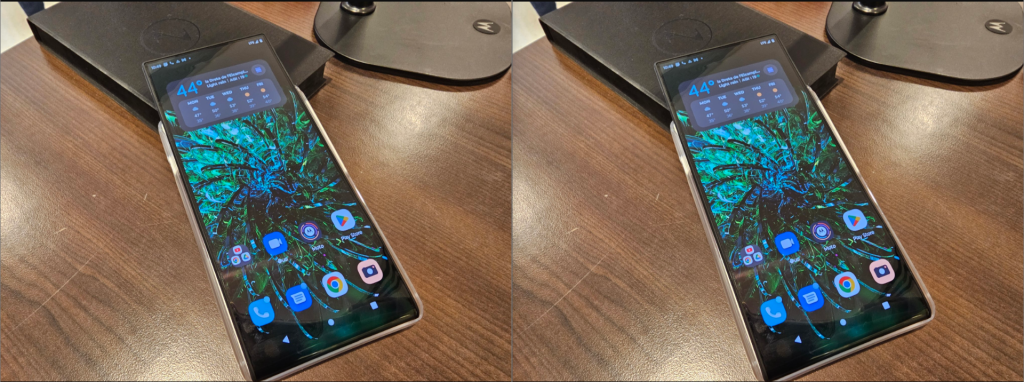
Motorola Rizr Concept at MWC 2023, Source: Ben Wood (Twitter)

For example, Motorola showcased the Motorola Rizr rollable at MWC Barcelona 2023, where the device is housed within a small 5-inch form factor but can transform into a 6.5-inch screen when fully rolled out. And in turn, you can still have the big screen in a small and thinner package.

  1. Under-Display Cameras

Last on the list is under-display cameras. Under-display cameras are cameras that are hidden under the screen of a smartphone, eliminating the need for a notch or a hole-punch cutout. This can create a more immersive and seamless viewing experience for the user, and then the phones need not carve more screen space. Thus, no notch translates to less distraction, less extra screen space needed, and more importantly, a thinner and smaller smartphone overall.

Under-display cameras (UDC) use transparent OLED pixels that can switch between displaying content and letting light pass through to the camera sensor. Some smartphone makers, such as ZTE and Xiaomi, have already launched smartphones with under-display cameras. The technology is still in its early stages and it is expected that UDC image quality and performance will improve rapidly in the next 5 years with proper development with support from the industry.
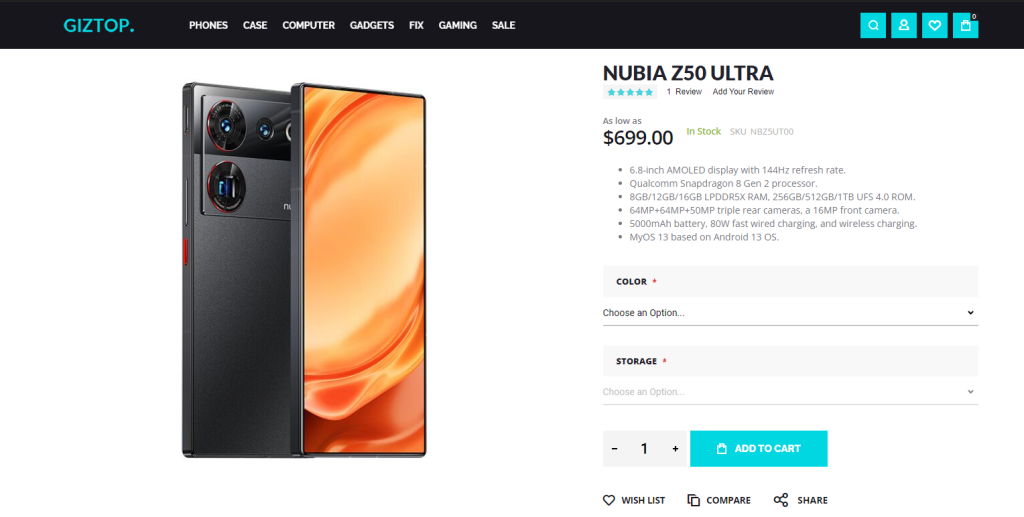
Nubia Z50 Ultra with Under Display Camera on Giztop

On the topic of under-display cameras, the latest flagship from ZTE – the Nubia Z50 Ultra features a notch-less 120Hz AMOLED display, the latest and fastest Snapdragon 8 Gen 2 SoC from Qualcomm and more importantly a next-generation under-display camera.

To learn more about the Nubia Z50 Ultra, you can learn more about the smartphone from our review here. The Nubia Z50 Ultra is available on Giztop starting from 699 USD.

RELATED:

Upcoming Smartphones in April 2023: Xiaomi, Vivo, Asus, Osom, and more

The month of March was full of smartphone launches. We witnessed the release of many most-anticipated handsets like the Oppo Find X6 series, Huawei P60 series, Redmi Note Turbo, and more.

April won’t be different either. Multiple big-name brands have already confirmed to debut several high-profile devices.

For example, Vivo will be launching its new-gen foldables, including its first clamshell foldable. Also, Xiaomi will release its new Ultra smartphone, while Asus will debut its latest ROG gaming smartphone.

Apart from the aforementioned premium handsets, we are also looking forward to mid-rangers and budget models, like the much-awaited flagship-killer Poco F5. All in all, there will be new phone releases this month spread across different price segments.

With that out of the way, let’s have a look at these handsets one by one.

Upcoming Smartphones in April 2023

1. Vivo T2 Series

Vivo T2 series

The Vivo T2 series is set to launch in India on April 11 at 12 PM IST. The lineup will include two devices, namely Vivo T2 and Vivo T2x.

The T2 will be powered by a Qualcomm Snapdragon 695 SoC, while the T2x will house a MedaiTek Dimensity 700 chipset. However, both will boot Android 13.

They will arrive with AMOLED displays featuring a dewdrop notch, a 1,300 nits peak brightness level, and up to a 350Hz touch sampling rate. Lastly, they will reportedly cost below ₹20,000 in the country.

2. Realme Narzo N55

Realme Narzo N55

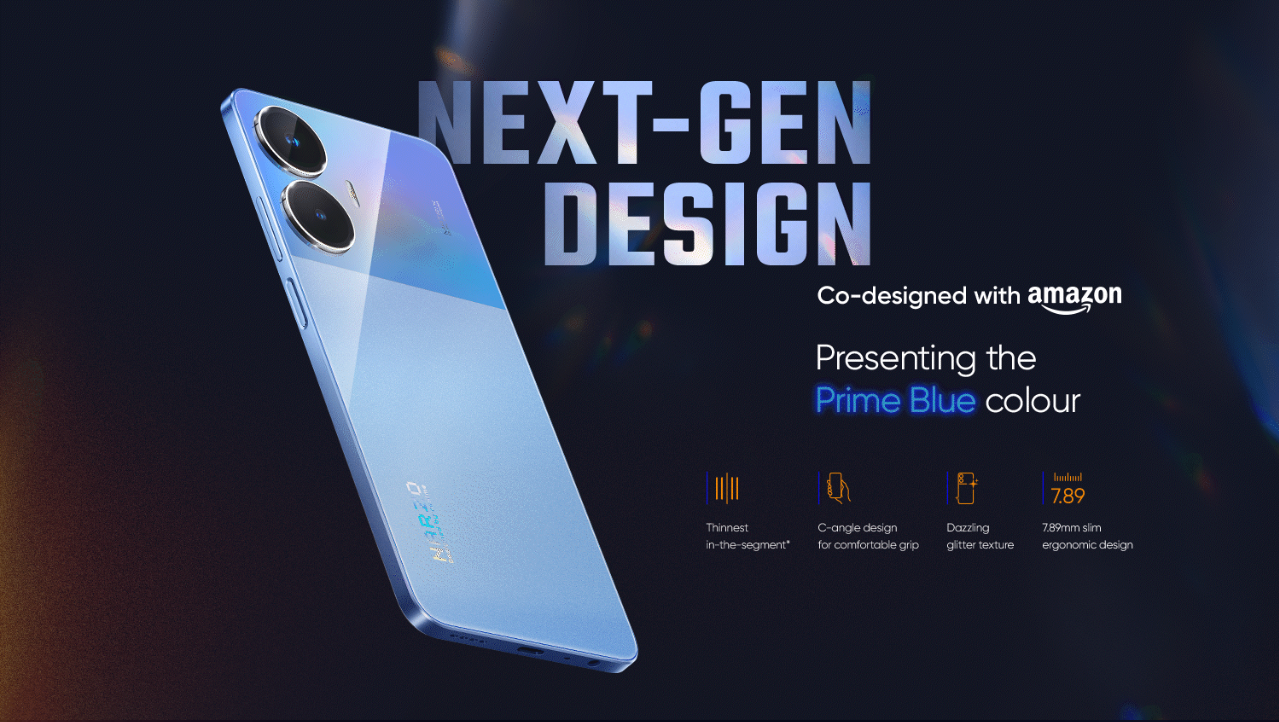
The Realme Narzo N55 is scheduled to launch in India on April 12 at 12 PM IST.  As per teasers and leaks, the phone will be a rebranded Realme C55 and will be sold via Amazon instead of Flipkart.

It will come with a 6.72-inch 90Hz centered punch-hole FHD+ display (LCD), a MediaTek Helio G88 chip, a 64MP main camera, an 8MP front-facing camera, a side-mounted fingerprint sensor, Android 13, a 5,000mAh battery, and 33W fast charging support.

Being a budget smartphone, the handset will offer a dedicated MicroSD card slot and a 3.5mm headphone jack. Finally, it will be available in blue and black color options.

3. Asus ROG Phone 7 Series

ASUS

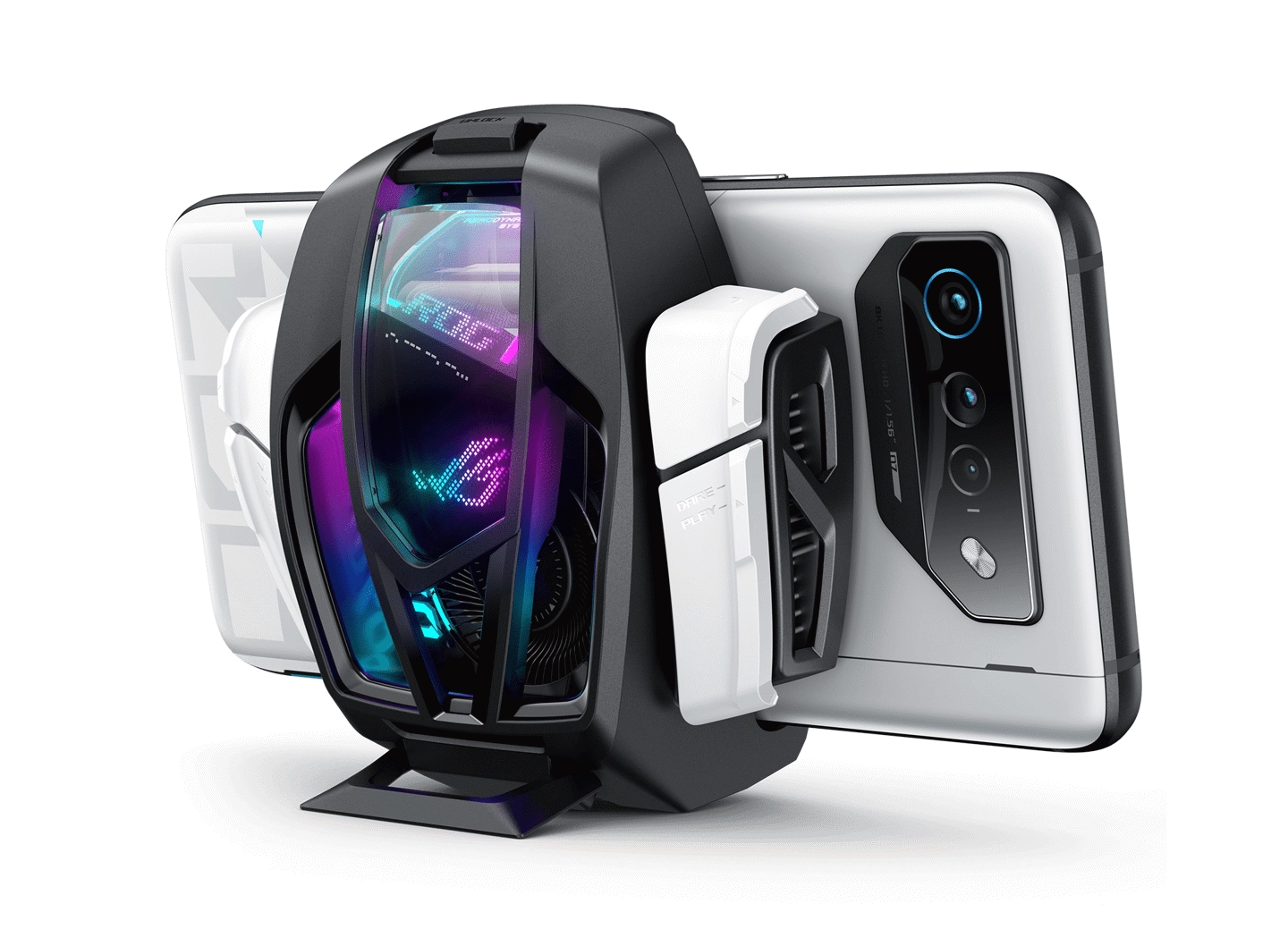
The ROG Phone 7 series by Asus will be unveiled on April 13 at 8 PM GMT+8. The lineup will include at least three devices, namely ROG Phone 7, ROG Phone 7 Pro, and ROG Phone 7D.

All three models are expected to be powered by a Qualcomm Snapdragon 8 Gen 2 chipset paired with LPDDR5x RAM and UFS 4.0 storage. They will boot Android 13 and will sport a 6.78-inch FHD+ 165Hz AMOLED display.

The handsets will look similar to their predecessors. They will most likely cost about the same as well.

4. Osom Solana Saga

OSOM Solana Saga

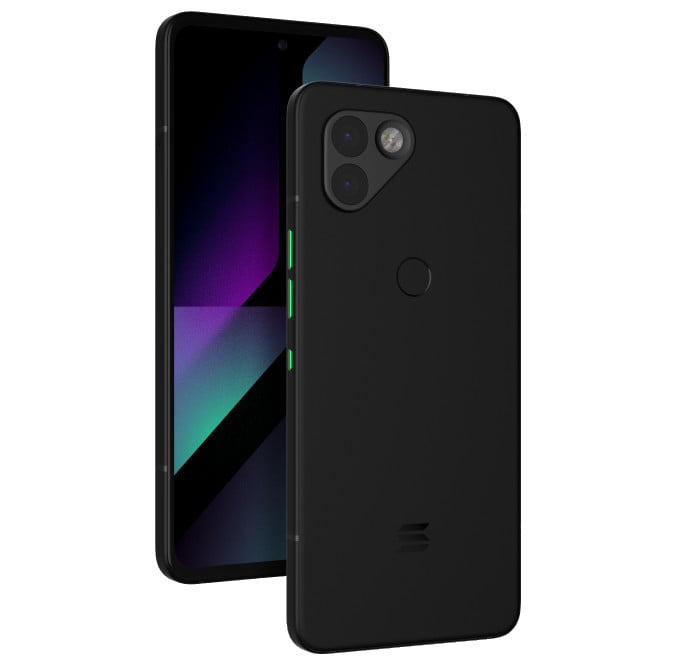
The Osom Solana Saga is finally launching on April 13 at 10 AM Pacific Time. This device was initially announced almost a year ago in June 2022 as a Web3 smartphone.

Apart from the key features of the handset, the company also disclosed the hardware specs of this phone. Thus, we know that it will arrive with a Qualcomm Snapdragon 8 Plus Gen 1 SoC, LPDDR5 RAM, UFS 3.1 storage, and a 6.67-inch FHD+ 120Hz AMOLED display.

The product will offer a 50MP Sony IMX766 primary camera, a 12MP Sony IMX373 ultra-wide unit, a 16MP front-facing camera, a 4,110mAh battery, and an IP68 rating for dust as well as water resistance.

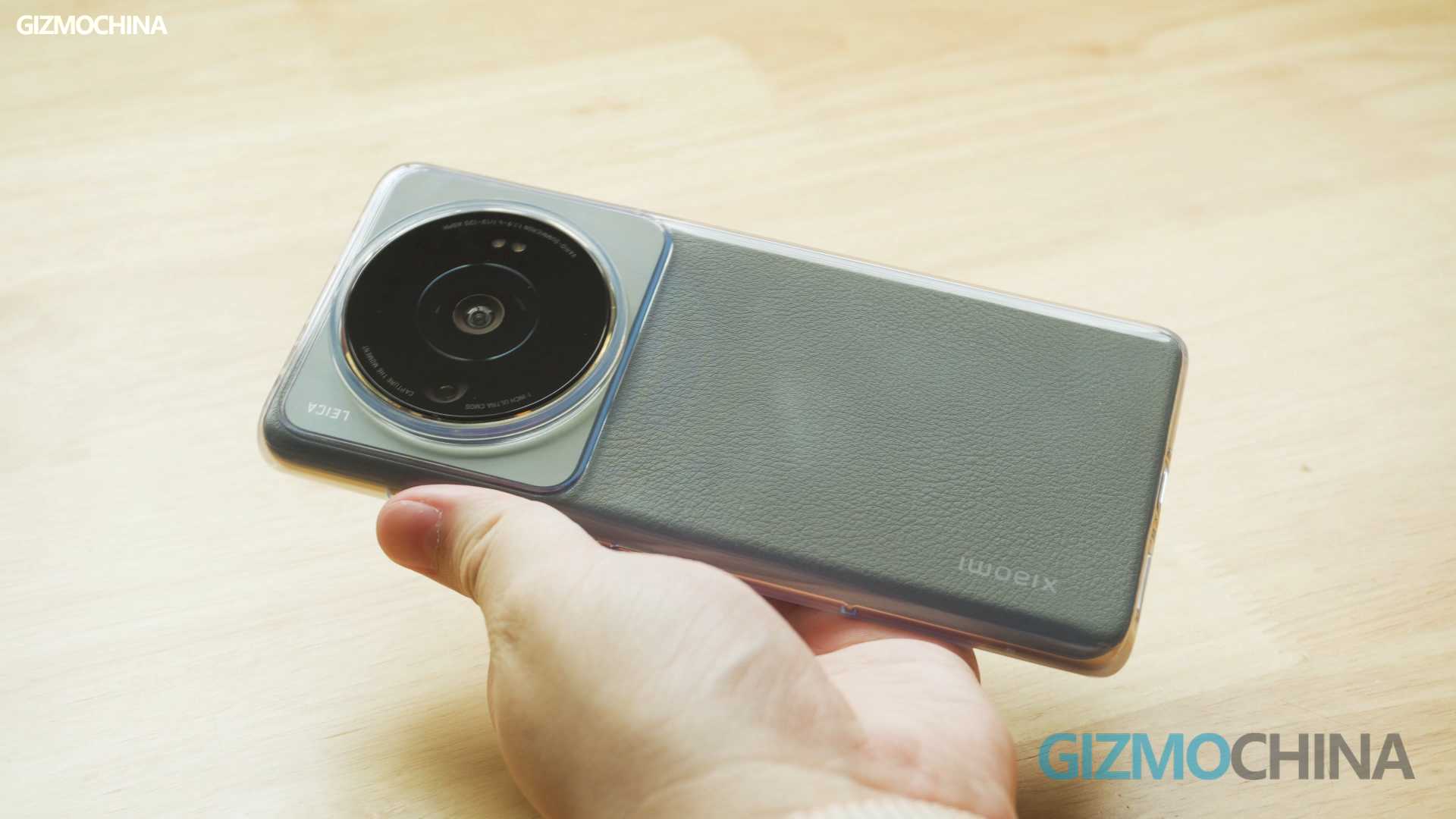
5. Xiaomi 13 Ultra

The Xiaomi 13 Ultra has been confirmed to launch in China in April. The company is yet to officially reveal the date but we know a few things about the device already.

The device will be powered by a Qualcomm Snapdragon 8 Plus Gen 2 chipset. It will house an improved Leica-powered quad-camera system. The setup will include a 1-inch 50MP Sony IMX989 primary sensor and three 50MP Sony IMX858 sensors for ultra-wide, telephoto, and periscope.

It will come with LPDDR5X RAM and UFS 4.0 storage. Finally, it will boot MIUI 14 based on Android 13 and will carry support for 90W wired charging and 50W wireless charging.

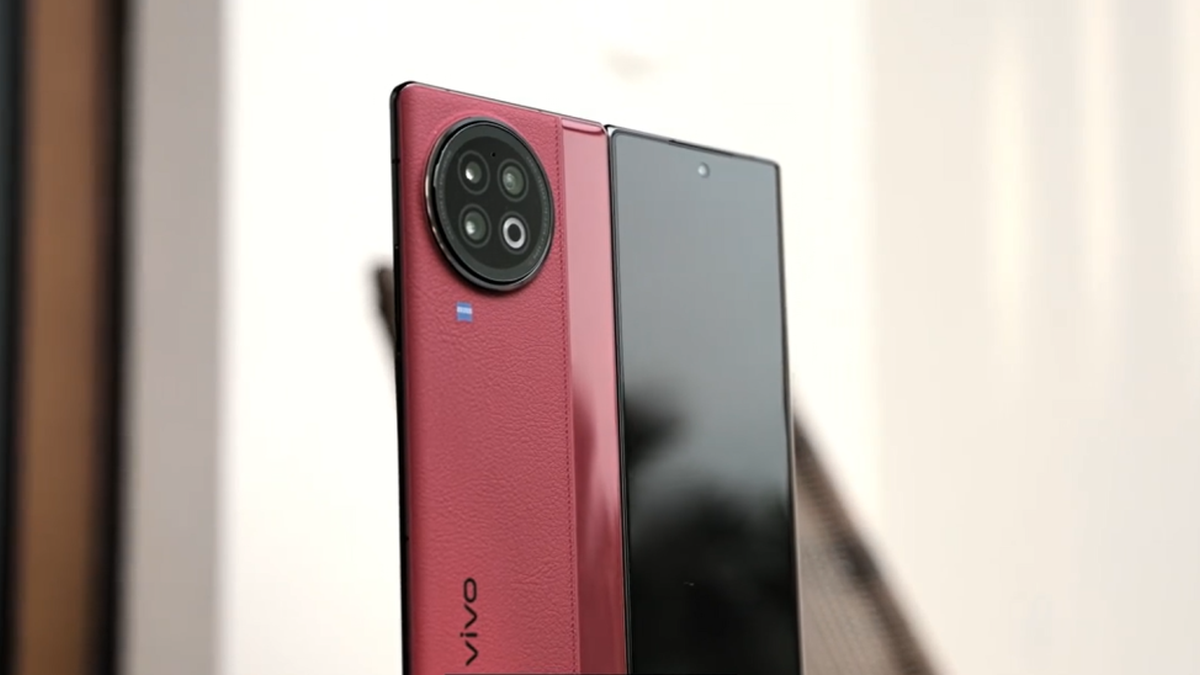
6. Vivo X Fold 2 and Vivo X Flip

Vivo X Fold 2

The Vivo X Fold 2 and Vivo X Flip are expected to launch this month. The former will go official as the world’s first Snapdragon 8 Gen 2 foldable, while the latter is the company’s first clamshell foldable.

The X Fold 2 is said to come with an 8.03-inch 120Hz main display and a 6.03-inch 120Hz secondary screen. It will sport a Zeiss-powered triple camera setup head by a 50MP Sony IMX866 sensor. These cameras will use Vivo V2 ISP for image processing.

On the other hand, the X Flip will feature a large cover display on its back. But the screen appears to be inconvenient. This device is expected to be powered by a Snapdragon 8 Plus Gen 1 chip instead.

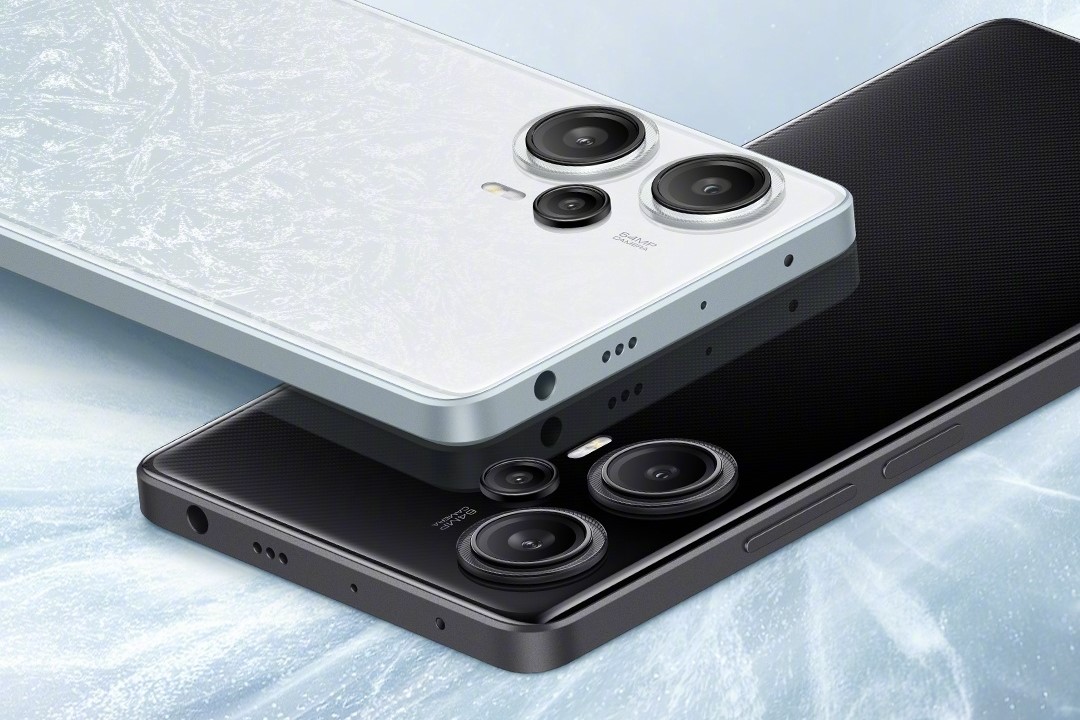
7. Poco F5 Series

Redmi Note 12 Turbo

The Poco F5 and Poco F5 Pro might release by the end of April. These handsets will go official as rebranded Redmi Note 12 Turbo and Redmi K60.

Therefore, the vanilla model will house the new Snapdragon 7 Plus Gen 2 chipset, whereas the pro variant will be powered by a Snapdragon 8 Plus Gen 1 chipset. But both will arrive with an OIS-assisted 64MP main camera, MIUI 14 based on Android 13, and 67W wired charging support.

Since both are rebadged versions of different phone lineups, their design will differ. Thus, the regular variant will sport a 3.5mm headphone jack, unlike the pro.

8. Oppo A1 and Oppo A98

Oppo A1

After Oppo A1 Pro and Oppo A1x, the brand is now expected to release Oppo A1 in China this month. This device was recently listed on China Telecom’s website.

As per the listing, it will come with a 6.72-inch FHD+ 90Hz display (LCD), a Qualcomm Snapdragon 695 SoC, Android 13-based ColorOS 13, a 50MP primary camera, a side-mounted fingerprint sensor, and a 5,000mAh battery.

On the other hand, the Oppo A98 is expected to be launched in the Southeast Asian markets by the end of April. Not much is known about this phone, except that it will support 67W fast wired charging.

9. Vivo Y100A

Vivo Y100A

The Vivo Y100A will be released in India very soon.  The smartphone will be available in a single 8GB + 256GB memory configuration.

As far as specs are concerned, it will arrive with a 6.38-inch FHD+ AMOLED display, a MediaTek Dimensity 920 chip, a 64MP main camera, Android 13, a 4,500mAh battery, and 44W fast charging support.

The product is said to retail at ₹26,999. The brand will be offering ₹2,000 cashback on transactions via cards issued by select financial institutions.

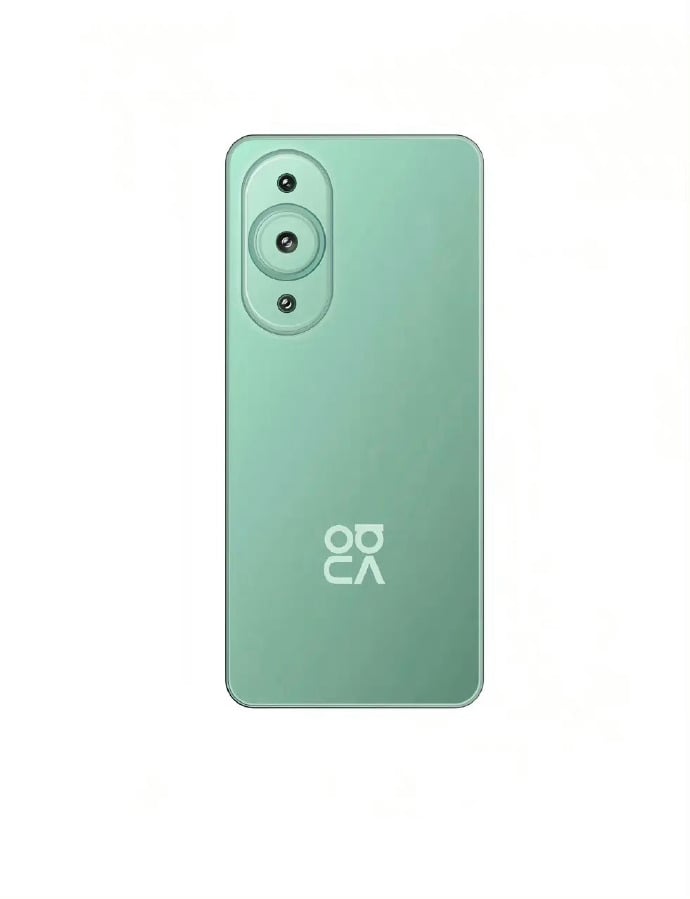
10. Huawei Nova 11 Series

The Huawei Nova 11 series is rumored to go official on April 17. The lineup will bring a new design and it is tipped to offer satellite communication functionality.

Pro and non-pro models are anticipated. The former will sport a 50MP camera, while the latter will feature a 108MP camera. The pro variant is tipped to house a Qualcomm Snapdragon 8 Gen 1 SoC and support 100W fast wired charging.

Unfortunately, that’s all the information we have on the upcoming Huawei Nova 11 series.

11. Infinix Note 30

The Infinix Note 30 family might debut in April. The lineup is said to include three devices, such as Infinix Note 30, Infinix Note 30 Pro, and Infinix Note 30 VIP.

The vanilla Note 30 is expected to arrive in a purple color variant. It will come with a MediaTek Helio G99 chip, Android 13, an FHD+ display, a 64MP rear camera, a 16MP front-facing camera, and a 5,000mAh battery.

RELATED:

ASYNC A1 all-terrain electric bicycle with a 150-mile range launched

ASYNC has launched the A1 e-bike under crowdfunding on Indiegogo. The ASYNC A1 is an all-terrain electric bicycle that promises power, speed, and range. Its 1200 W motor can propel the bike to a top speed of 35 mph (~22 kph), which should be plenty for most urban and off-road adventures. The Pro version of the bike comes with a large 1920 Wh battery, while the standard version has a 960 Wh battery, both of which offer impressive ranges of up to 150 miles (~93 km) and 75 miles (~47 km) per charge, respectively.

ASYNC A1 all-terrain electric bicycle

The ASYNC A1 features a carbon belt drive which is more durable and requires less maintenance than a traditional chain drive. The belt drive also offers a smoother and quieter ride, which should be appreciated by anyone who has had to deal with a noisy, greasy chain. The bike’s four-piston hydraulic brakes should provide reliable stopping power in all conditions, and the 20 x 4-in fat tires should improve handling and stability on rough terrain.

To absorb shocks and vibrations from the road, the ASYNC A1 features a front suspension fork and a mono-shock rear suspension, which should help to make the ride more comfortable and less fatiguing. The bike’s height range of 5 ft 5-in to 6 ft 4-in (~165 to 195 cm) and weight capacity of 150 kg (~330 lbs) make it suitable for a wide range of riders.

ASYNC A1 all-terrain electric bicycle

Furthermore, the bike has LED headlights with 300 lumens brightness and a brake light, which should help to make the rider more visible to other road users. There is also a full-color IPS dashboard onboard which displays speed and battery charge level. Users can track their journey and remotely lock the bike for added security via the ASYNC app. The bike’s customizable design also allows you to choose a design that suits your style.

The ASYNC A1 is currently only available for shipping in the US, and starts at $1899 for the standard model whille the A1 Pro is priced at $2399.

RELATED:

(source)

Two New Samsung Galaxy Tab S9 Models Appear On Geekbench, Could Be FE and Lite Variants

Samsung’s Galaxy Tab S9 series has been a lot in the news lately. The standard and ultra variants of the Tab S9 were spotted on Geekebench yesterday whereas the CAD-based renders of the S9+ surfaced last week. Now, there are expected to be two more tablets in the S9 lineup as they have appeared on the benchmarking platform. These could be the Tab S9 FE and S9 Lite. 

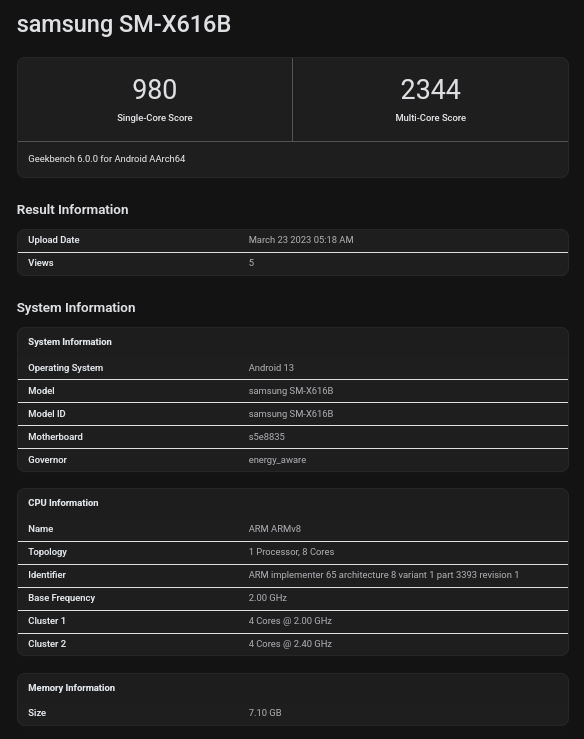
SM-X616B could be Tab S9 FE

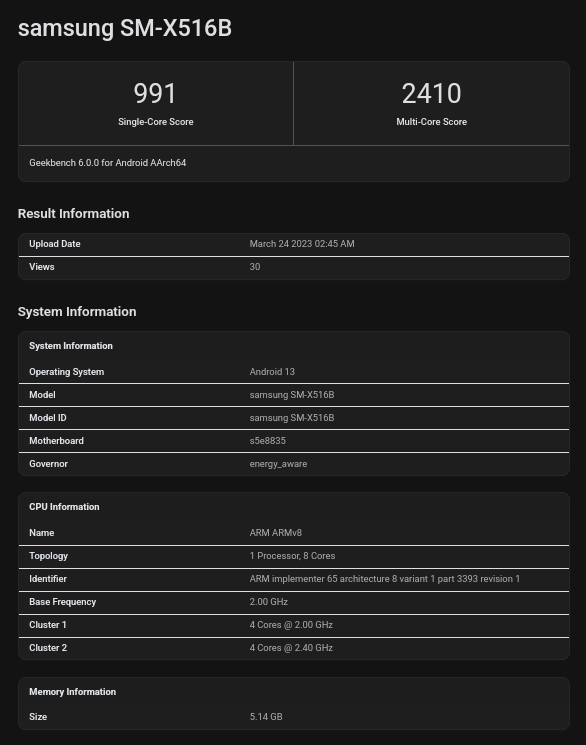
The high-end Galaxy Tab S9, S9+, and S9 Ultra have model numbers SM-X716, SM-X816, and SM-X916 respectively. Considering that, the two new Samsung devices on Geekbench with model numbers SM-X516B and SM-X616B are also assumed to belong to the Galaxy Tab S9 lineup. Additionally, they are expected to be less powerful variants of the Tab S9 trio. 

The benchmark database listings of the SM-X616B and SM-X516B reveal that both have a motherboard codenamed ‘s5e8835’ and ‘energy_ware’ governor. This corresponds to the Exynos 1380 processor that also powers the Samsung Galaxy A54 5G. It has four cores at 2GHz and another four cores at 2.4GHz. The SM-X616BG is listed with 8GB RAM whereas the SM-X516B has 6GB RAM onboard. Both models will run on Android 13 OS. 

SM-X516B could be S9 Lite

In the Geekbench’s single-core and multi-core tests, the SM-X616B scores 980 and 2,344 points respectivelty whereas the SM-X516B is listed with 991 and 2,410 points. 

The naming scheme of the two tablets that have been spotted on Geekbench remains a mystery. It’s likely that the SM-X616B could be called the Tab S9 FE and the SM-X516B dubbed as S9 Lite. It’s worth noting that Samsung didn’t announce FE and Lite variants of the Tab S8 last year. The last FE and Lite models were of the Tab S7 and Tab S6 respectively. 

Related:

Via

Xiaomi 13 Ultra Launch Date Tipped Via Online Retailer In China

Xiaomi already confirmed that it will launch the Xiaomi 13 Ultra later this month. It will be the top-of-the-line flagship in the Xiaomi 13 series that includes the standard, pro, and lite models. The brand is yet to announce the launch date of the upcoming ultra variant. However, an online retailer store app in China has put up a section revealing a new event in the home country. 

The section on the online retailer store App in China says (translated) ‘Xiaomi New Product Launch’ on April 18th at 19:00 pm local time. It does not explicitly mention Xiaomi 13 Ultra. This is slightly in line with last month’s report where an alleged poster emerged on the internet revealing April 17th as the launch date. We can expect Xiaomi to officially announce the Xiaomi 13 Ultra’s date in the coming days. 

Similar to the Xiaomi 13 series, the brand is partnering with Leica for the upcoming Xiaomi 13 Ultra. This means that the upcoming flagship will feature the legendary camera maker’s technology for photography capabilities. The smartphone is also confirmed to debut in the global markets.

As per a recent leak, the Xiaomi 13 Ultra is expected to come with a USB 3.x connectivity port. If it turns out true, it will be the first Xiaomi smartphone to switch from the outdated USB 2.0 standard on its smartphones. The upcoming flagship is rumored to be powered by Snapdragon 8 Gen 2 SoC coupled with LPDDR5x RAM and UFS 4.1 storage. It will reportedly support 90W wired and 50W wireless charging. 

Related:

AOKZOE A2 design revealed in new leak, to come with Radion 780M APU based on RDNA 3

AOKZOE recently teased the upcoming launch of its A1 Pro and A2 handheld gaming consoles. The A1 Pro’s design has been unveiled by AOKZOE, but the same cannot be said for the A2. Nonetheless, it has been made known that the A2 shall boast a magnificent 7-inch display alongside a top-of-the-line AMD Ryzen 7000 series APU. Now, a new leak has revealed the A2’s design along with some new specs.

AOKZOE

New information regarding the AOKZOE A2 has emerged from Nittrx, a YouTube channel. The channel has provided the design of the A2, which will be available in at least two colors and will resemble the ONEXFLY that was announced by One-netbook last year. AOKZOE, closely associated with One-netbook and the ONEXPLAYER brand, has codenamed the gaming device “Unbounded.”

AOKZOE

The AOKZOE A2 will come with 800p and 1200p display options, which will provide 100% and 128% sRGB colour space coverages, respectively. Furthermore, the AOKZOE A2 will feature the Radeon 780M, an RDNA 3-architecture iGPU that is based on a 4 nm process and has 12 Compute Units (CUs) and a 3 GHz boost clock speed. This means that the AOKZOE A2 should also be equipped with a Zen 4-based APU, such as the Ryzen 7 7840U.

Unfortunately, there is no information on the release date, pricing, or availability of the AOKZOE A2 at the moment.

RELATED:

(Source, via)

Xiaomi 13T Pro to Launch in Global Markets Soon

Xiaomi is presently preparing to launch its high-end Xiaomi 13 Ultra smartphone, which is poised to raise the bar in the realm of smartphone photography. The company’s CEO, Mr Lei, has recently confirmed the imminent global release of this Xiaomi 13 Ultra, sparking a fresh wave of enthusiasm among its fans. In addition to the Xiaomi 13 Ultra, the brand appears to be making efforts to release another smartphone, namely the Xiaomi 13T Pro.

Xiaomiui, a reputable publication, has reported that two distinct yet similar Xiaomi smartphones have been spotted in development. Both devices share a model number of 23078PND5G and 23078PND5C, with the letter “G” indicating a global variant and the letter “C” denoting a Chinese variant. The publication has revealed that these smartphones are set to be launched as the Xiaomi 13T Pro and Redmi K60 Ultra in the market.

Redmi K60 Ultra

According to the report, the Redmi K60 Ultra will initially debut in China, followed by a global release under the name Xiaomi 13T Pro. The model number of 23078PND5G and 23078PND5C may also suggest a potential launch date of July 2023, though this is speculative and not officially confirmed. It should be noted that there is no guarantee that the devices will be available in the Indian market.

Furthermore, the report suggests that both devices will be equipped with the flagship MediaTek Dimensity 9200 chipset, marking the first time that a Xiaomi smartphone will feature this processor. The Dimensity 9200 chipset is widely regarded as a powerful and efficient chipset, and it will be intriguing to see how Xiaomi prices these devices.

Given that the upcoming Xiaomi 13T Pro and Redmi K60 Ultra are intended to cater to performance users who may be on a budget, it is reasonable to expect that Xiaomi will aim for a competitive price point. It will be interesting to see how Xiaomi manages to balance the devices’ powerful features and specifications with affordability. What are your expectations with the upcoming device? Do let us know by dropping a comment in your w words down below.

RELATED

Microsoft accidentally confirms upcoming Windows 11 22H2 Moment 3 Update

Microsoft has inadvertently confirmed the release of a significant Windows 11 update, dubbed “Moment 3”, which is expected to launch in May or June of this year. The announcement was made in a leaked support page for the upcoming version 22H2 “Moment 2” update, which also revealed that the support for seconds in the taskbar clock, initially intended for Moment 2, has been postponed until Moment 3.

Windows-11-Moment-3-leak

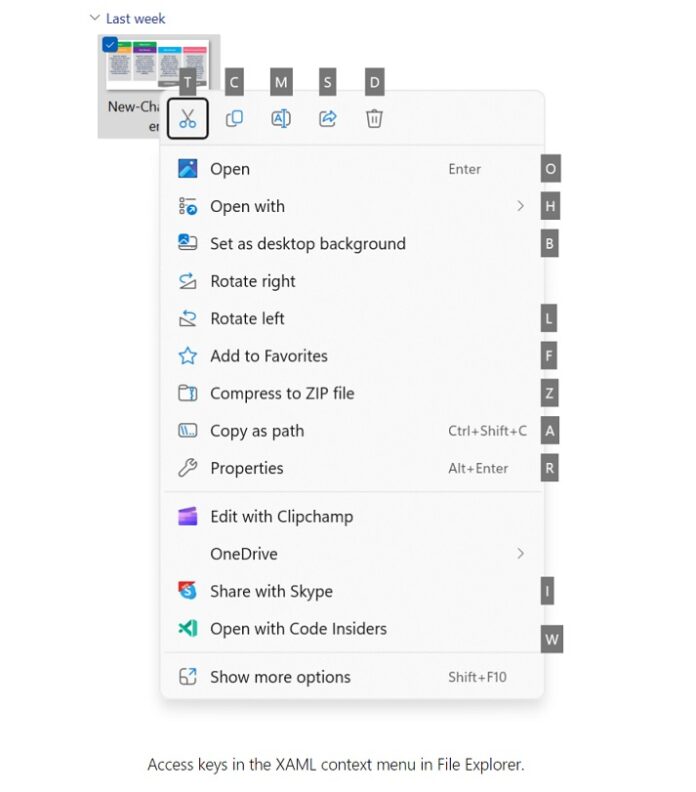
Other exciting features expected to arrive with Moment 3 include the “Access Keys” function in File Explorer, which will enable users to trigger keyboard shortcuts easily.

Windows-11-Moment-3-feature

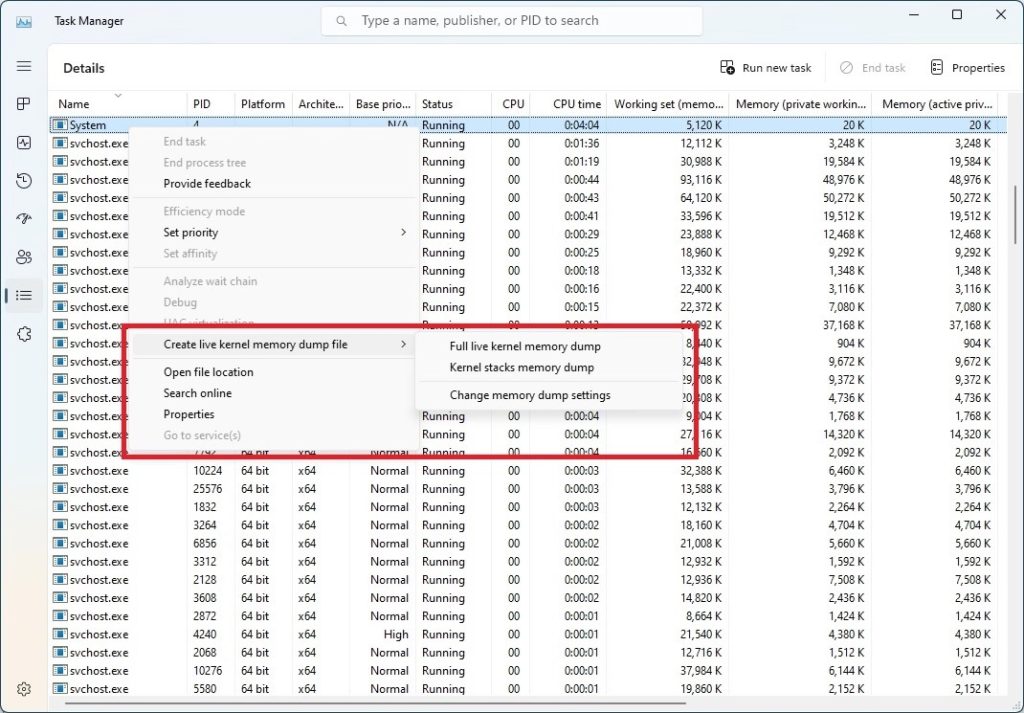
Additionally, the live kernel dump feature in Task Manager will allow developers and users alike to diagnose problems more efficiently. The start menu has also undergone a slight rebranding, with “Recommended” being renamed to “For You.”

One of the most significant additions is the ability to copy 2FA codes from notifications and paste them directly into apps or web browsers, which is similar to Android’s notification feature. The live captions feature will also see improvements, and voice access will now support more languages, be faster, and work better.

Although Moment 3 is still under development, these exciting features provide a glimpse of what users can expect from the upcoming update. Microsoft’s decision to transition to more frequent updates in Windows 11 demonstrates its commitment to improving the operating system continuously. As more changes appear in preview builds, users can look forward to an even better Windows 11 experience.

RELATED:

(Via)

ZTE to Soon Launch Yuanhang 41 Smartphone in China

Known Chinese smartphone manufacturer ZTE is all set to launch the ZTE Yuanhang 41 smartphone in China on April 10. We are very close to the official launch. Anyway, ahead of the official launch, the forthcoming smartphone has been listed on the official ZTE Mall e-commerce platform. The listing reveals the specifications and design of the device.

The smartphone has a big screen that measures 6.52 inches and has a better pixel resolution. The actual type and specifications of the display component are unknown. It would be driven internally by a Unisoc T760 chipset. Additionally, it would be coupled with ZTE’s in-house created AI memory fusion efficiency technology, which would ensure a seamless user interface. As for the user interface, it would boot up on the latest MyOS 13 based on Android.

ZTE Yuanhang 41

The gadget will have rapid charging and a 5000mAh battery. The manufacturer states that the gadget has a standby time of up to 356 hours. It would have a single 13-megapixel back camera. The device would also include a single rear-firing speaker and a Type-C connection for charging and data transfer, according to the photos.

The description also states that there will be three colour options for the device: Moon Shadow Gray, Glacier Blue, and Star Purple. Four alternative configurations—4GB+64GB, 6GB+64GB, 6GB+128GB, and 8GB+128GB—would be offered. It would cost CNY 999, CNY 1199, CNY 1499, and CNY 1999, in that order.

ZTE Corporation has long been a significant player in the telecommunications sector and has kept up with innovation with its most recent products. The company wants to further establish itself as the industry leader in smartphones with the release of the ZTE Yuanhang 41.

As the official launch has not happened yet, we don’t have many details about its technical specifications. Further, the launch price of the gadget might be on the lower side. We may also get some extra introductory price offers and deals as well. So that was it for the post. What do you think about it? Do let us know by dropping a comment in your words down below.

RELATED

Tecno Camon 20 Premier 5G design, Indian launch timeline & price point leaked

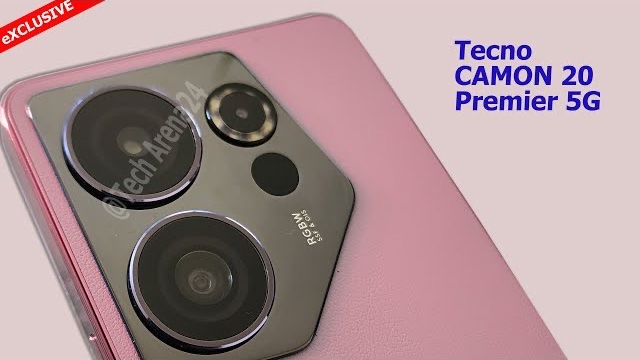
A couple of weeks back, we found out that Tecno is working on a new 5G smartphone called the Tecno Camon 20 Premier. Key specifications and a live image of the device also surfaced online revealing its design. Now, we have another leak on our hand revealing the entire back panel, a new color option, and the launch timeline of the Tecno Camon 20 Premier 5G.

Tecno

The leak comes from tipster Paras Guglani stating that the device’s Indian launch will happen in May of 2023. The tipster has shared an image of the device in light blue color. It reveals that the device has a flat frame and flat back, while the camera module features a pentagonal shape.

Additionally, the tipster also reveals that the phone will be powered by a Dimensity 1200 chipset, will feature a 120Hz AMOLED display, and will also have a 108MP primary camera with OIS. The phone is said to debut in the 25K segment. Previous leaks have mentioned similar details.

Tecno Camon 20 Premier 5G specs (rumored)

According to previous reports, the Tecno Camon 20 Premier 5G will have an AMOLED display with FHD+ resolution and a 120Hz refresh rate. The screen is expected to be around 6 inches and will have a fingerprint scanner. The smartphone will feature a triple camera setup with a 108MP main sensor with sensor-shift OIS, a 13MP ultra-wide lens, and a macro unit.

Under the hood, the Tecno Camon 20 Premier 5G will come equipped with a MediaTek Dimensity 1200 processor, up to 8GB RAM, 8GB virtual memory, and up to 512GB internal storage. It will run on HiOS 13, based on Android 13.

The Tecno Camon 20 Premier 5G will be available in Black and Pink/Burgundy colors.

RELATED:

(source)

MediaTek powers majority of India’s smart TVs in 2022

India’s smart TV market saw significant growth in 2022, despite macroeconomic headwinds such as persistent inflation. According to the latest market tracker from Counterpoint, smart TV shipments in India grew by 28% YoY in 2022, with MediaTek chips powering three-fifths of the smart TVs shipped in the country. Additionally, smart TVs accounted for 90% of total TV shipments in India, marking a record high.

Xiaomi continued to lead the market, with a 10.5% share, followed closely by Samsung Electronics. OnePlus, Vu, and TCL were among the fastest-growing brands in the smart TV segment, with OnePlus-branded smart TV shipments growing 80% annually.

Smart TVs MediaTek

According to Counterpoint Research analyst Akash Jatwala, Indian consumers prefer smart TVs with bigger screens and Dolby integration, and many brands are launching smart TVs with Google TV OS in the mid-segment (INR 30,000-50,000). Additionally, global, Chinese, and Indian brands accounted for 40%, 36%, and 24% of shares, respectively.

Market leader Xiaomi, which just celebrated its fifth anniversary in the Indian smart TV market, announced that all of its smart TVs sold in India are 100% made locally. The Bureau of Indian Standards reports that Xiaomi’s smart TVs sold in the country are made by TTE Electronics, Dixon, and Radiant.

The growth of the smart TV market in India is expected to continue, with affordable choices and more product launches. This growth is driven by the increasing availability of smart TVs with popular features like Dolby integration and Google TV OS. As more brands enter the market and competition intensifies, it will be interesting to see how market shares shift and what new innovations are being brought to the Indian smart TV market.

RELATED:

(Via)

Galaxy Note 20 and Note 20 Ultra receive April 2023 security update in the US

Samsung Galaxy Note 20 and Note 20 Ultra users in the US can now enjoy enhanced security features with the latest April 2023 security patch update. The firmware version N98xU1UES4HWC9 brings more than 60 security fixes that address potential vulnerabilities in the phones, making them more secure against potential cyber-attacks.

While carrier-locked units are yet to receive the update, unlocked versions of both the Note 20 and Note 20 Ultra can now access the new update. Users can navigate to Settings » Software update to download and install the latest update, which is also available in Samsung’s firmware database for manual flashing.

The new update does not bring any new features, but it may include stability improvements and other minor bug fixes. Samsung released the One UI 5.1 update a few months ago, which also included some new features and enhancements.

The Galaxy Note 20 series was launched with Android 10 onboard, and users have received subsequent Android OS updates, including Android 11, 12, and 13 in late 2020, 2021, and 2022, respectively. This latest security patch highlights Samsung’s commitment to ensuring its devices are up to date with the latest security protocols, providing users with a safe and secure mobile experience.

RELATED:

Infinix Note 30 Appears In Leaked Live Image Along With Additional Specifications

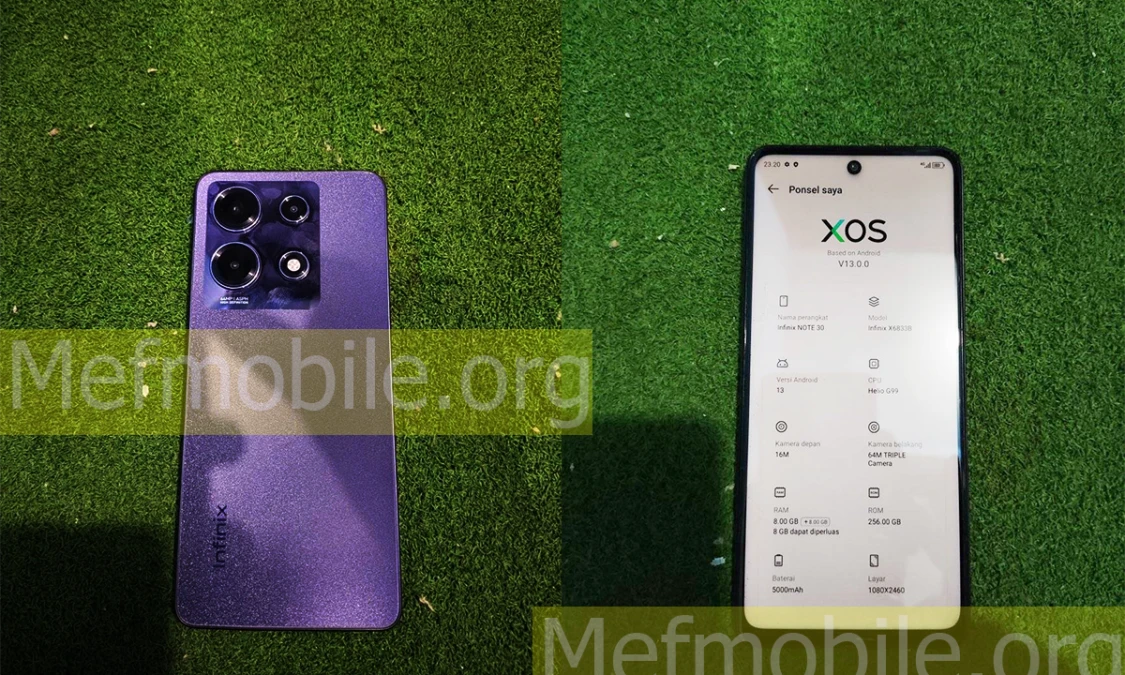
The Infinix Note 30 was spotted on Google Play Console listing with key specifications recently. Now the device has been spotted in a leaked live image along with additional specifications. The latest development gives us a good look at the smartphone. The Infinix Note 30 is expected to arrive as the successor to the last year’s Note 20. 

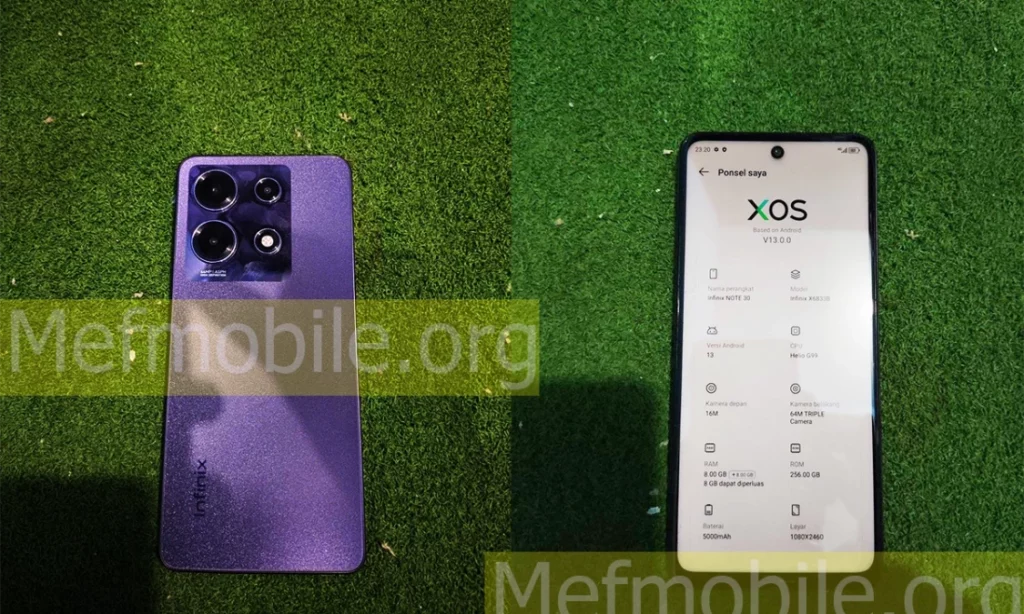
The Infinix Note 30 is seen in a Purple colour variant. The back panel has three camera sensors along with an LED flash unit. There is no protruding camera module, however, the area underneath the sensors has a glossy finish. On the front, the smartphone has a center-aligned punch-hole cutout and bezels on all sides of the display. 

The leaked live image of the Infinix Note 30 reveals the ‘About’ section of the phone. It mentions key specifications of the upcoming offering. This includes a 64MP triple rear camera and a 16MP selfie snapper,  256GB internal storage, and a 5,000mAh battery unit. It will bear a resolution of 1,080 x 2,040 pixels. The smartphone will have 8GB virtual RAM technology. 

Additionally, the About section in the live image also confirms that the Infinix Note 30 will be powered by an Helio G99 SoC coupled with 8GB RAM and run on XOS-based Android 13 out of the box. It carries a model number X6833B. This is the same as the Google Play Console listing. 

The report also states that the Infinix Note 30 series may include the Note 30 Pro and Note 30 VIP Edition variants. 

Related:

Via

Microsoft Edge Brings DALL-E-Powered AI Image Creator to Your Desktop

Microsoft previously introduced the AI-powered Bing Image Creator to its search engine, Bing, and Microsoft Edge . This new tool uses an advanced version of the DALL∙E model from OpenAI, allowing users to create an image by describing it in their own words. The feature is now available in Edge’s sidebar, making it more convenient to use. Users can download their desired images for use in social media posts, presentations, or documents.

Microsoft Edge

To access the feature, users need to manually add it to their sidebar. According to Microsoft, there are currently no limits on the number of images users can create per day. However, the company is experimenting with usage patterns to optimize the customer experience for the Image Creator feature. In addition to the Image Creator, Microsoft is introducing several other features to Edge, including the Drop tool, a personal notebook that syncs across devices, and “Browser essentials,” which scans for malware. “Browser essentials” is currently only available on early-access builds.

Various ways exist to generate images, including Microsoft’s Bing image creator site, OpenAI’s DALL-E, and Bing Chat’s built-in image generator. Midjourney is another great way to do so. However, integrating the feature into Edge’s sidebar makes it more convenient to use. The Image Creator feature has been advertised as a way to create specific visuals for social media posts, slideshows, and documents. The feature’s integration into Edge’s sidebar makes it more accessible to users. The company is experimenting to improve the feature’s performance and ensure an optimal customer experience.

RELATED:

(Via)

OPPO Find X6 Pro gets ColorOS 13.1 update

OPPO has released an exciting update for Find X6 Pro users, as the ColorOS 13.1 is now available for download in China. The update, which is currently being rolled out in China, comes with a version number of PGEM10_13.1.0.122 (CN01) and has a download size of 185.45MB.

ColorOS 13.1 update brings the optimization and upgrading of the system, communication, and camera. It is designed to address the feedback of users and enhance the functionality of the device.

To start, the system stability has been improved, making it smoother and more efficient. The startup speed of ProXDR display communication has been optimized, providing faster loading times for applications.

The communication features have also been enhanced. The update has improved mobile network compatibility, Bluetooth connection stability, and WLAN connection stability. Users can now enjoy seamless connections and better performance.

On the camera side, the ColorOS 13.1 update brings various optimizations, including the sharpness effect of mid-to-long focal length, which enables users to take sharper and clearer photos. The preview experience when taking night scene photos has been improved, resulting in better-quality photos in low-light conditions.

Moreover, the update has resolved the issue of synthesizing some scenes with a billion colors and color jumping in some scenes when switching cameras. Additionally, it has fixed the abnormal display of Hasselblad customized watermarks in some modes.

OPPO Find X6 Pro ColorOS 13.1 changelogs:

System:

  • Improve system stability;
  • Optimize the ColorOS ubiquitous service experience;
  • Optimize the startup speed of ProXDR display communication.

Communication:

  • Improve mobile network compatibility;
  • Improve Bluetooth connection stability and compatibility;
  • Improve WLAN connection stability and compatibility;
  • Fix the problem that some Bluetooth car keys cannot open the door.

Camera:

  • Optimize the sharpness effect of mid-to-long focal length;
  • Optimize the preview experience when taking night scene photos;
  • Fix the problem of synthesizing some scenes with a billion colors;
  • Fix the problem of color jumping in some scenes when switching cameras;
  • Fix the problem of abnormal display of Hasselblad customized watermarks in some modes.

Overall, the ColorOS 13.1 update is a significant improvement for the Find X6 Pro, bringing several enhancements and upgrades to the system, communication, and camera.

RELATED:

Pixel Users are Reportedly Receiving Money from Google via Google Pay

Google is known for its innovative technology and services, but what if they suddenly started giving away money? It’s an intriguing thought, but not a realistic business strategy. However, some Pixel users on the r/GooglePixel subreddit have reported receiving unexpected payments from Google, ranging from a few dollars to over $1,000. The notifications claimed the payments were rewards for “dogfooding” the Google Pay Remittance experience, meaning testing new features or services from the company.

Google
Google Logo

While it might sound too good to be true, some lucky Pixel users have discovered the cash in their Google Pay accounts. Tech journalist Mishaal Rahman was one of the accidental recipients, tweeting, “Uhhh, Google Pay seems to just be randomly giving users free money right now. I just opened Google Pay and saw that I have $46 in ‘rewards’ that I got ‘for dogfooding the Google Pay Remittance experience.'” The unexpected cash deposits have left users wondering how much Google paid out and how many were chosen at random.

Although the idea of Google giving away money seems unlikely, the company appears to have made no effort to retrieve the accidental payments. In an email to recipients, Google apologized for the unintended credit but stated, “If we were not able to reverse the credit, the money is yours to keep. No further action is necessary.” It’s unclear how long the payments will continue or how many users will receive them, but for now, some Pixel owners are enjoying an unexpected windfall.

RELATED:

(Via)

Huawei Nova 11 series tipped to launch on April 17

Chinese tech giant Huawei is gearing up to release its new mid-range smartphone series, the Huawei Nova 11. A recent leak by Weibo tipster Classmateguan suggested that the launch date for the Nova 11 series is set for April 17, 2023. This is a notable development, coming just two weeks after the launch of Huawei’s P60 series.

Huawei Nova 11 launch timeline

According to the leak, Huawei Nova 11 series will be available in two new colors – Frosted Purple and Frosted Green. The back of the phone will feature an oval camera shape with three lenses aligned vertically, and a large ring in the middle. The middle camera will have a round cavity, marking a new design for Huawei.

The Nova 11 will have a flat panel with thin bezels, resulting in a high screen-to-body ratio. The screen will have a center top punch-hole for the selfie camera. The volume and power buttons will be located on the right side of the phone, while the bottom of the phone will contain a primary stereo speaker, USB type-c port, microphone, and SIM card tray. The top side will have a secondary mic and a second stereo speaker.

Huawei Nova 11 render

According to a past leak, Huawei Nova 11 will have a matte rear panel and a cylindrical camera bump housing a powerful 108MP (Pro model) or 50MP (standard model) camera system. It may also be the first mid-range smartphone to feature satellite communication technology, allowing users to send SMS messages without network coverage.

While Huawei has not yet confirmed the official launch date for the Nova 11 series, we can expect to hear more soon. The launch of the new series so soon after the P60 series demonstrates Huawei’s strong push into the smartphone market. With the release of the Nova 11 series, Huawei is expected to launch a new promotion campaign to showcase its latest offering.

RELATED:

(Source, Via)

New Apple Patent Reveals Dynamic Environment Adaptation for AirPods

The audio quality of Apple AirPods is widely regarded as good, with rich bass and clear treble. The earbuds use a custom-designed chip, which enhances the sound quality and provides a seamless connection with Apple devices. Additionally, the earbuds feature beamforming microphones that reduce background noise and enhance voice clarity during phone calls and voice commands. AirPods also have an adaptive equalizer that automatically tunes the music to the shape of the wearer’s ear for optimal sound quality. The company has now begun the process of working on new upgrades for future AirPods, and the latest patent reveals the company’s plans for doing so.

AirPods

Apple has secured a technical patent from the United States Trademark and Patent Office (USPTO) for “Measurement of Virtual Listening Environment”, according to IT Home on April 8. The patent aims to improve the listening experience for users by dynamically adjusting the acoustics of earphones based on different environments. The patent description outlines scenarios where users may listen to audio or video content in various settings, such as in a car, on the grass, in the classroom, on a train, or in the living room.

Apple hopes to achieve better binaural audio processing using digital signal processing technologies, microphones, and spatial audio functions to simulate real-life soundscapes at the listener’s eardrums. The result would be an “immersive” audio experience for the user. Immersive audio creates a sense of space and depth, making the audio content feel more three-dimensional and engaging. Apple seems to be constantly striving towards improving its consumer experience, which seems to contribute towards customer satisfaction in the long run.

RELATED:

(Via)

SwiftKey Gets Smarter with Microsoft’s Bing Chat AI Integration for Android

SwiftKey is a popular keyboard application that uses artificial intelligence to predict the next word a user is going to type. It is available on both Android and iOS platforms and offers a range of features, including swipe-to-type, voice typing, emoji prediction, and multilingual support. SwiftKey uses machine learning to learn a user’s typing style and personalize the predictions accordingly, which leads to faster and more accurate typing. It also offers themes and customization options to make the keyboard more visually appealing. The company was acquired by Microsoft in 2016. The acquisition reportedly cost Microsoft around $250 million. After the acquisition, SwiftKey continued to operate as a standalone app and maintained its brand name. However, Microsoft has integrated some of SwiftKey’s technology into its own products, and now, Microsoft is integrating Bing’s AI chatbot with the application.

Bing Chat

According to The Verge, users of SwiftKey Beta app on Android can now access the chatbot by tapping on a button above the keys. This integration not only provides one-tap access to the AI chatbot but also enables users to improve their text messages by having the AI feature rewrite them using different tones. With this new feature, SwiftKey for Android users can now enjoy the same functionality as Bing and Edge users in creating documents and emails. While this integration is slowly rolling out for Android users, Microsoft may feel the pressure to quickly integrate the AI chat feature with the iOS version of SwiftKey given the competition from other iOS third-party QWERTY keyboard apps with AI functionality.

Microsoft’s latest integration of the Bing Chat AI with SwiftKey for Android is yet another example of how the tech giant is leveraging its investment in OpenAI to bring conversational AI chatbot ChatGPT to every aspect of its ecosystem. As AI technology advances, keyboard apps will likely become even more personalized and adaptive. Additionally, AI-powered keyboards could have a significant impact on accessibility, enabling users with physical disabilities to type more easily and efficiently.

RELATED:

(Via)

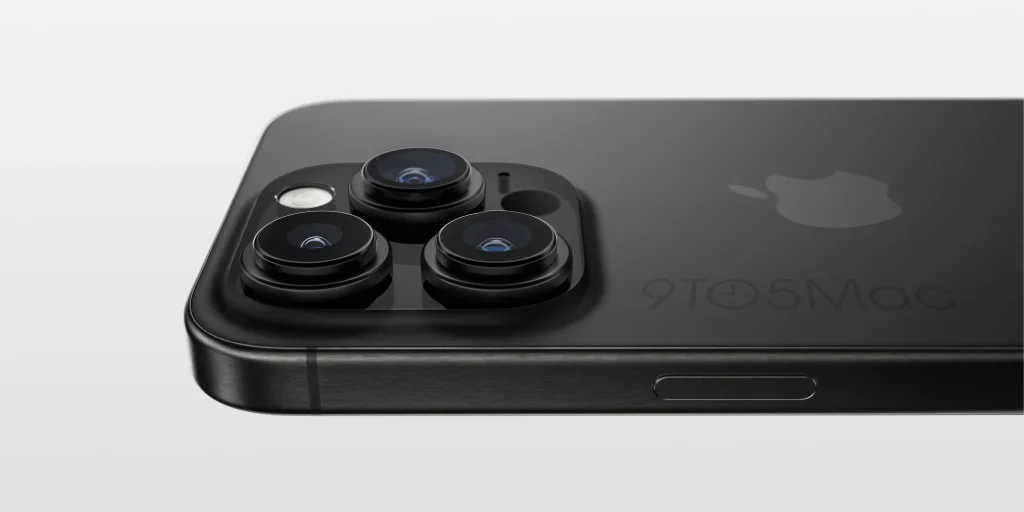
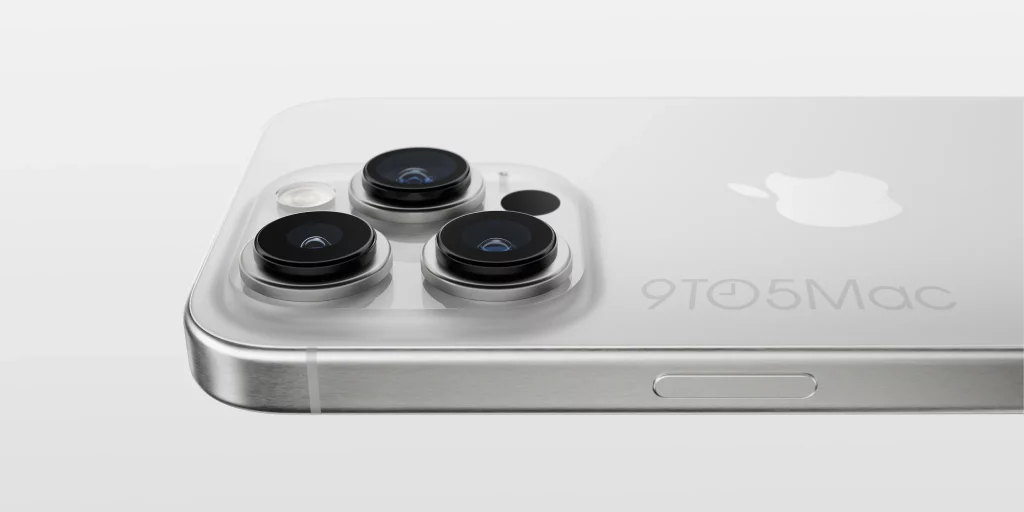
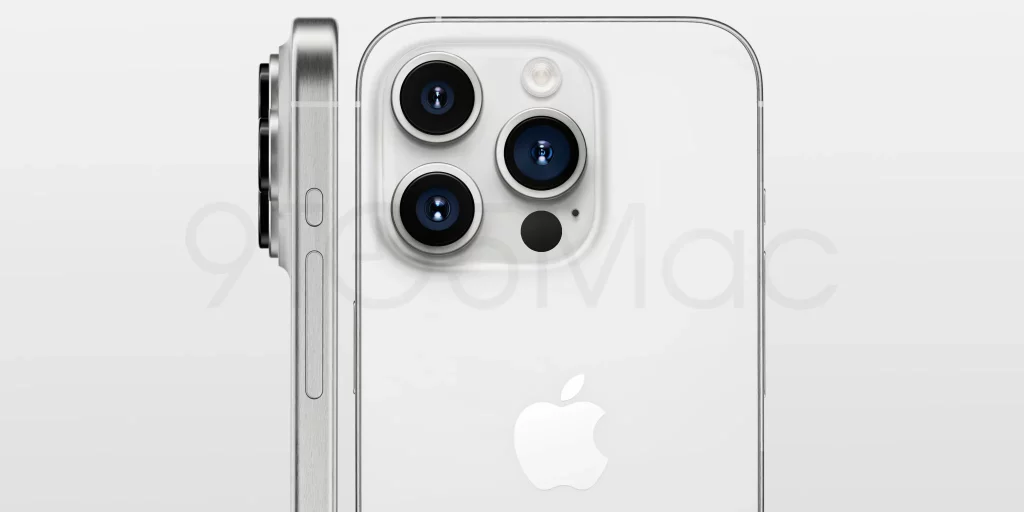
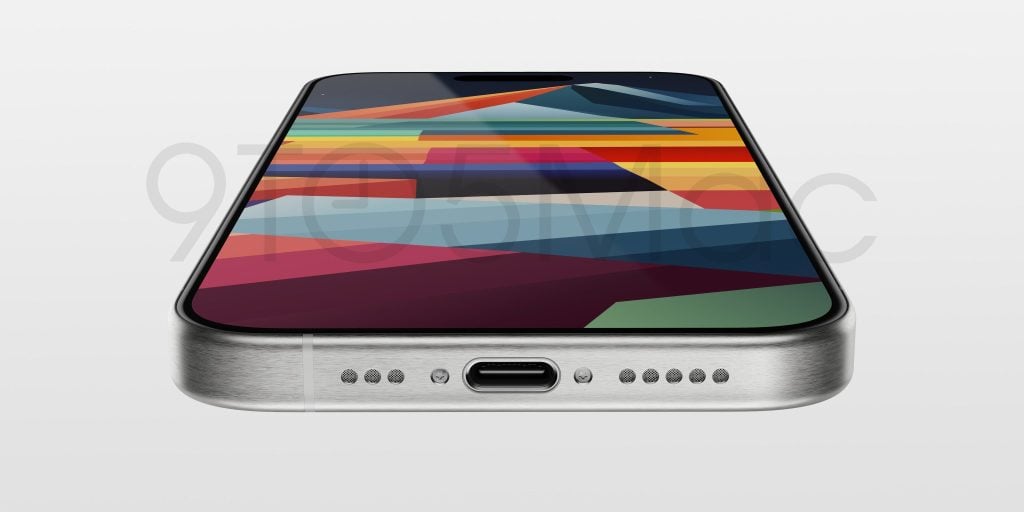
Get a closer look at iPhone 15 Pro with newly leaked high-quality renders

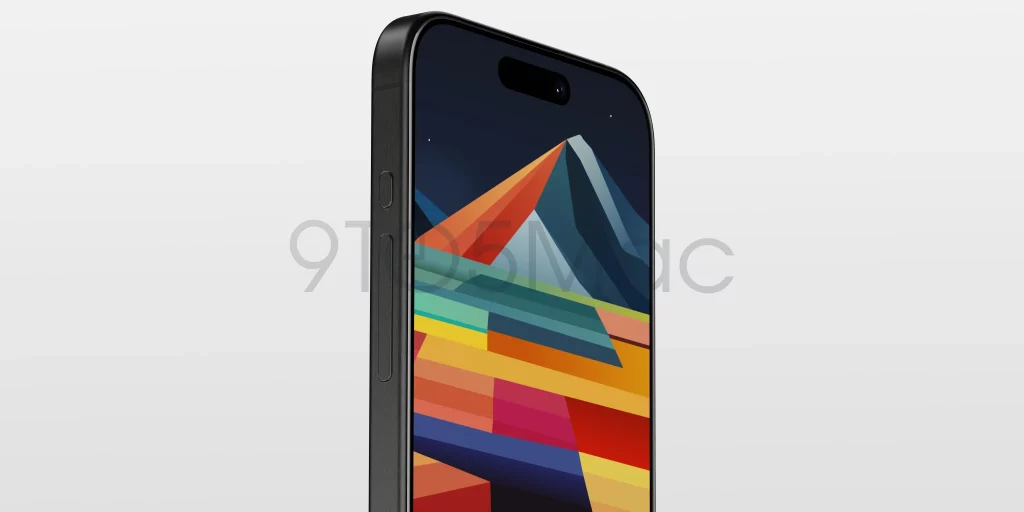
A new set of high-quality renders of the upcoming iPhone 15 Pro has been leaked, giving us a closer look at Apple’s next high-end smartphone. The renders reveal that the iPhone 15 Pro will come with a titanium frame and a rounder-edged design, which should put to rest users’ concerns regarding the sharp edges of the current models.

iPhone 15 Pro render

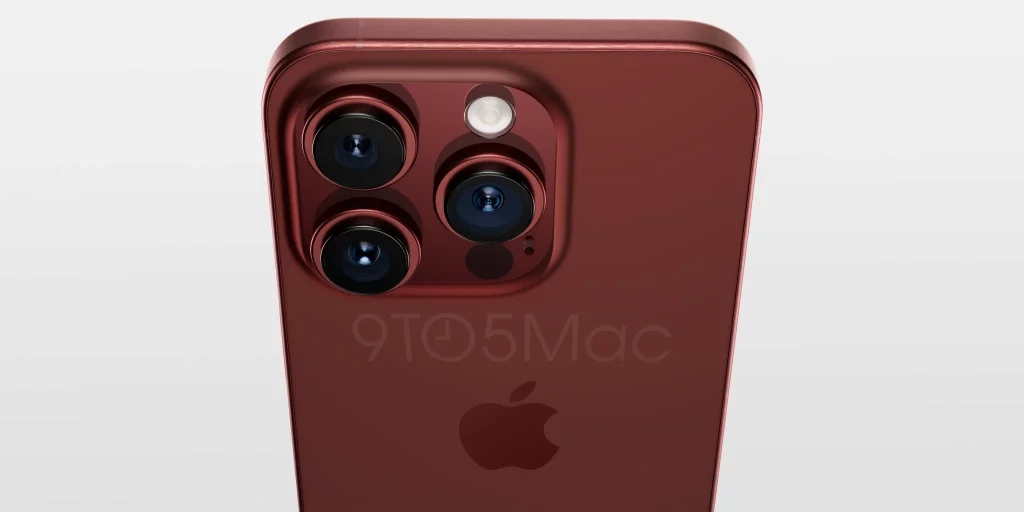
The camera bump on the iPhone 15 Pro will be thicker, with the individual camera protrusions growing larger than before. Interestingly, the Pro Max model will have a smaller camera protrusion, which has been rumored to house a periscope zoom lens. According to past rumors, the cameras in the iPhone 15 Pro will feature “an all-new sensor technology that will capture more light and reduce overexposure or underexposure in certain settings”.

One of the major changes in the iPhone 15 Pro is the switch to USB-C ports, which is expected to make charging faster and more efficient. However, the fastest charging will be limited to USB-C cables certified by Apple.

iPhone 15 Pro render

Another interesting feature is the haptic volume and mute buttons, which will simulate the feel of pressing a real button. The mute toggle will also be a haptic button, replacing the sliding switch that we’ve seen on previous models.

iPhone 15 Pro render

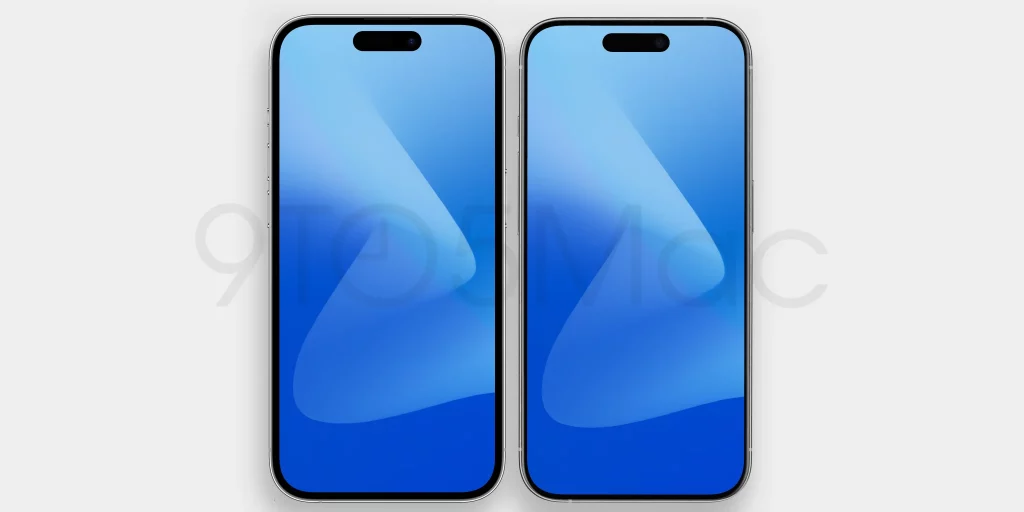
The iPhone 15 Pro’s bezels will be thinner, measuring just 1.55mm on all sides, and the screen glass will have a subtle curvature, transitioning seamlessly into the titanium frame. This will make the iPhone 15 Pro slightly narrower than its predecessor, measuring 146.47 x 70.46 x 8.24 mm, compared to 147.46 x 71.45 x 7.84 mm for the iPhone 14 Pro.

iPhone 15 Pro render

The new leaked renders also show that the iPhone 15 Pro will be available in several colors, including the previously rumored Deep Red, as well as White, Space Black, and Gold.
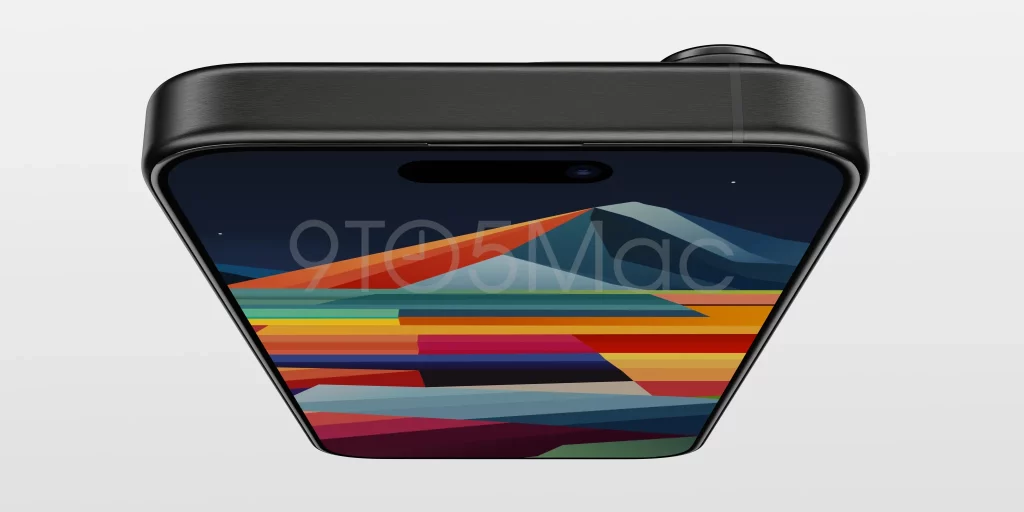
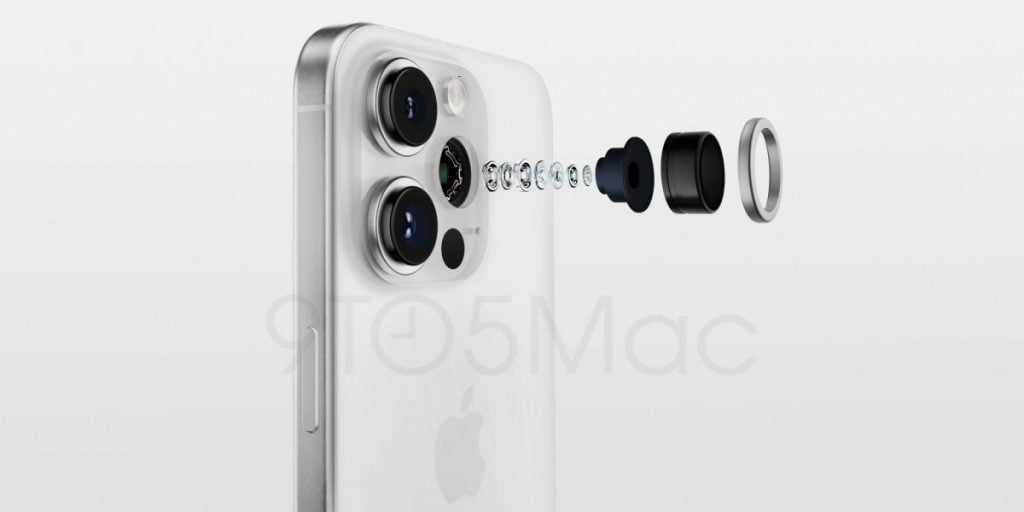
iPhone 15 Pro render

As always, Apple fans and tech enthusiasts are eagerly anticipating the release of the iPhone 15 Pro, which is expected to launch in September of this year. The leaked renders have only added to the excitement, and we can’t wait to see what other surprises Apple has in store for us.

RELATED:

(Source)