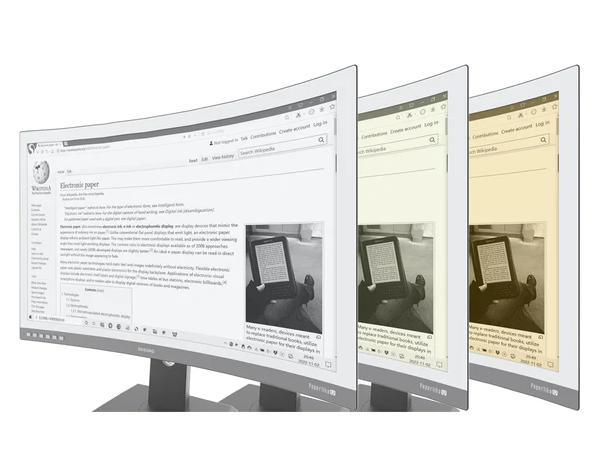
Aside from the odd appearance in various gadgets, E Ink displays have long been relegated to electronic readers and signage. A new product from Dasung pushes display technology into a new market segment: computer monitors.
Dasung Paperlike 253 U E-Ink Monitor specs & features
The Dasung Paperlike 253 U E-Ink Monitor is a new type of monitor that uses E-Ink technology. E Ink is the same technology that is used in e-readers, and it has a number of advantages over traditional LCD and OLED monitors. One of the biggest advantages of E Ink is that it is much easier on the eyes. E Ink displays do not emit any light, so they do not cause eye strain or headaches. This makes them ideal for people who spend long periods of time working on a computer.
Another advantage of E Ink is that it is very energy efficient. E Ink displays do not require a backlight, so they can run for weeks on a single charge. This makes them a great option for people who want to save energy.
The Dasung Paperlike 253 U E-Ink Monitor has a number of other features that make it a great choice for people who want a more comfortable and efficient computing experience. It has a high resolution of 3200×1800, and it supports multiple connectivity options, including HDMI, DisplayPort, and USB-C. It also has built-in speakers and a front light.
The Dasung Paperlike 253 U E-Ink Monitor is a unique and innovative product, but it is also quite expensive. The base model starts at US$1,798.00, and there are a number of add-on options that can increase the price even further. For example, a front light that illuminates the screen costs an additional US$100, and a wireless version that supports Miracast and AirPlay costs an additional US$150.
Get ready to set sail into the future as BMW and TYDE join forces to create an exciting electric boat. While electric cars have become popular, the world of boating is now catching up. This unique collaboration brings together BMW’s expertise in yacht racing and TYDE’s craftsmanship to craft a sleek and eco-friendly vessel. Let’s dive in (pun intended) and explore the features of this electrifying boat that combines luxury, innovation, and sustainability.
The Yacht has a top speed of 34 miles per hour (30 knots)
Picture yourself on board this remarkable boat as it gracefully glides through the water. With a top speed of 30 knots (around 34 miles per hour), it should offer an exhilarating ride. While it may not break speed records like traditional gas-powered boats, the thrill of cruising emission-free is truly captivating.
One can now be serenaded as they sail the seas, thanks to the onboard soundtrack composed by the renowned Hans Zimmer. Known for creating music for movies like Interstellar, The Lion King, The Dark Knight and Pirates of the Caribbean, Zimmer’s tunes will transport passengers to new horizons. With a top-notch sound system that supports Dolby Atmos, passengers can enjoy an immersive audio experience that enhances their experience.
Beyond the excitement and the melodies, this collaboration carries a significant message—sustainability. By embracing electric power, BMW and TYDE are contributing to the global movement for greener transportation. This means leaving behind harmful emissions and cruising the waterways in an eco-conscious manner. While the broader impact on the boating industry remains to be seen, this project highlights the potential for more environmentally friendly alternatives in maritime travel. BMW is already making waves with its electric Series-5 lineup dropping in October.
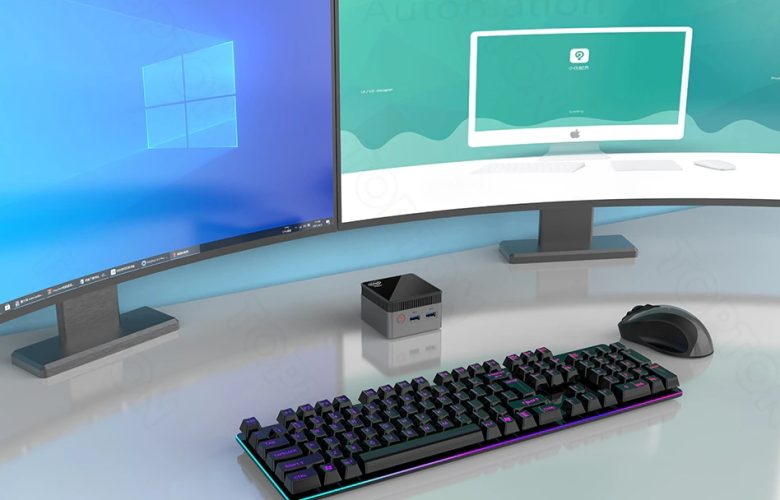
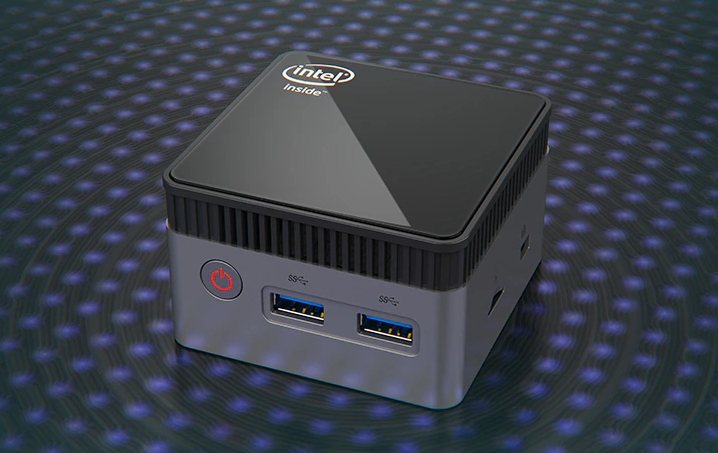
In a world of ever-shrinking technology, the Topton M6S emerges as a remarkable palm-sized PC that defies its diminutive dimensions. Measuring a mere 72 x 72 x 45mm (2.8″ x 2.8″ x 1.8″), this cutting-edge mini-PC packs a punch with its Intel Alder Lake-N processor, setting it apart from its predecessors.
One of the standout features of the Topton M6S is its ability to run desktop operating systems like Windows 11 or various GNU/Linux distributions. Despite its compact size, it brings the full power of the Intel Alder Lake-N100 processor, offering users a seamless and versatile computing experience.
The Topton M6S is available in various configurations to suit different needs. Customers can choose from a barebones model starting at $169, which comes with an Intel Processor N100 chip and 12GB of LPDDR5 RAM but lacks storage or an operating system. For those seeking a complete package, models ranging from 128GB to 2TB of solid-state storage are available at prices ranging from approximately $175 to $277.
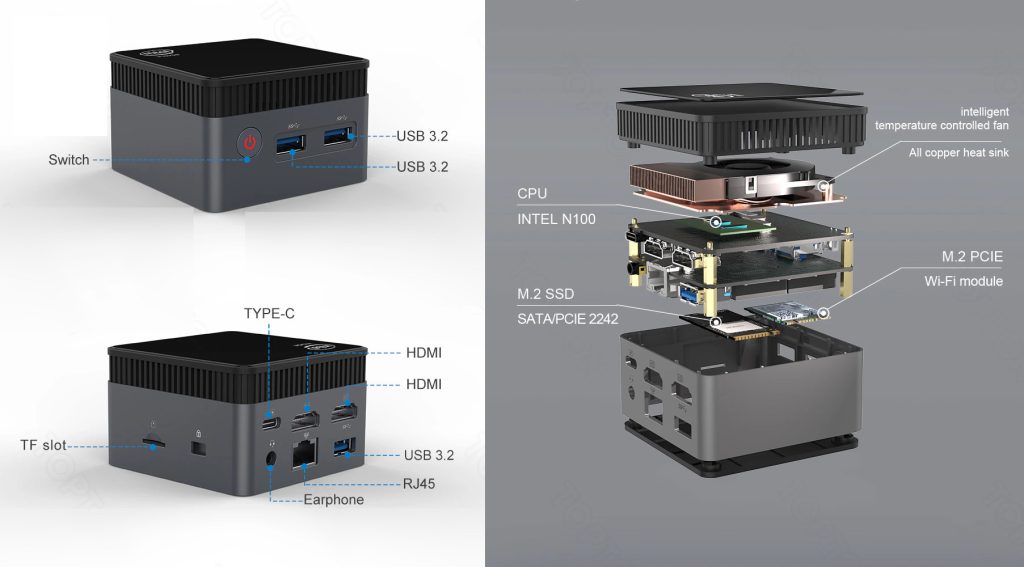
Under the hood, each mini PC model is powered by a 4-core, 4-thread processor, supporting speeds up to 3.4 GHz. The integrated Intel UHD GPU with 24 execution units ensures smooth graphics performance, making it suitable for a range of applications. Intel’s Alder Lake-N architecture incorporates Efficiency cores, optimizing performance per watt and surpassing the capabilities of previous mini-PCs that featured Intel Jasper Lake chips.
The Topton M6S comes equipped with LPDDR5-4800 memory, a notable upgrade over the previous generation’s LPDDR4-2666 RAM. This improvement amplifies multitasking capabilities and overall system responsiveness, taking the user experience to new heights. Other features include an M.2 2242 slot for SATA or PCIe 3.0 x2 NVMe storage, active cooling with a dedicated fan, Intel Wireless-AC 7265 wireless card for WiFi 5 and BT 4.2 connectivity, HDMI 2.0 ports for dual display support, Gigabit Ethernet, USB 3.2 Type-A ports, a microSD card reader, a 3.5mm audio jack, and a USB Type-C port for the included 12V/3A charger.
While Topton takes the lead as the pioneer of a 2.8-inch mini PC featuring an Intel Processor N100 chip, it’s foreseeable that other companies will follow suit. The convenience and portability offered by the Topton M6S make it an appealing choice for various applications such as a portable workstation or a home entertainment center.
In a move that highlights the ongoing debate surrounding TikTok‘s presence in the United States, Montana recently became the first state to officially ban the popular social media app. Governor Greg Gianforte signed a bill into law, effectively prohibiting TikTok from operating within the state starting in 2024. However, this decision is likely to face legal challenges that could potentially delay its implementation. Montana’s ban serves as a preview of the complex landscape that future attempts to restrict or ban TikTok may encounter across the country.
The Ban will likely be enforced starting 2024
Under the new law, TikTok will be barred from operating in Montana, and app stores will be required to block users in the state from downloading the app. While individual users are not directly targeted by the ban, both TikTok and app stores face daily fines of $10,000 for non-compliance. This legislative move puts a spotlight on the potential clash between state regulations and the protection of First Amendment rights. The trial was ongoing for quite some time now. Check out our previous coverage of the same here.
TikTok swiftly condemned the Montana law, claiming that it infringes upon the First Amendment rights of its users. A spokesperson for TikTok emphasized the platform’s positive impact, empowering hundreds of thousands of people across Montana. They reassured Montanans that they can continue to express themselves, earn a living, and find community on TikTok. This statement highlights TikTok’s commitment to defending its users’ rights both within and beyond the state of Montana.
Montana lawmakers, like officials in other parts of the country, expressed concerns about TikTok’s ties to ByteDance, a Chinese company. They argue that the app’s Chinese ownership poses risks to the personal data of American users. TikTok has consistently denied any intent to share user data with the Chinese government and has made significant investments in addressing data security concerns. Despite these efforts, lawmakers believe more stringent measures are necessary. The US government has even attempted to force ByteDance to sell TikTok to an American company to mitigate these concerns.
Montana’s TikTok ban offers a glimpse into what the future might hold for the app in the United States. If TikTok fails to comply with US government demands to sever ties with its Chinese parent company, it could face a nationwide ban, likely leading to yet another protracted legal battle. As the national debate surrounding TikTok’s presence and data security concerns continues, the outcome of these legal challenges will significantly shape the future landscape of app restrictions and the protection of user rights.
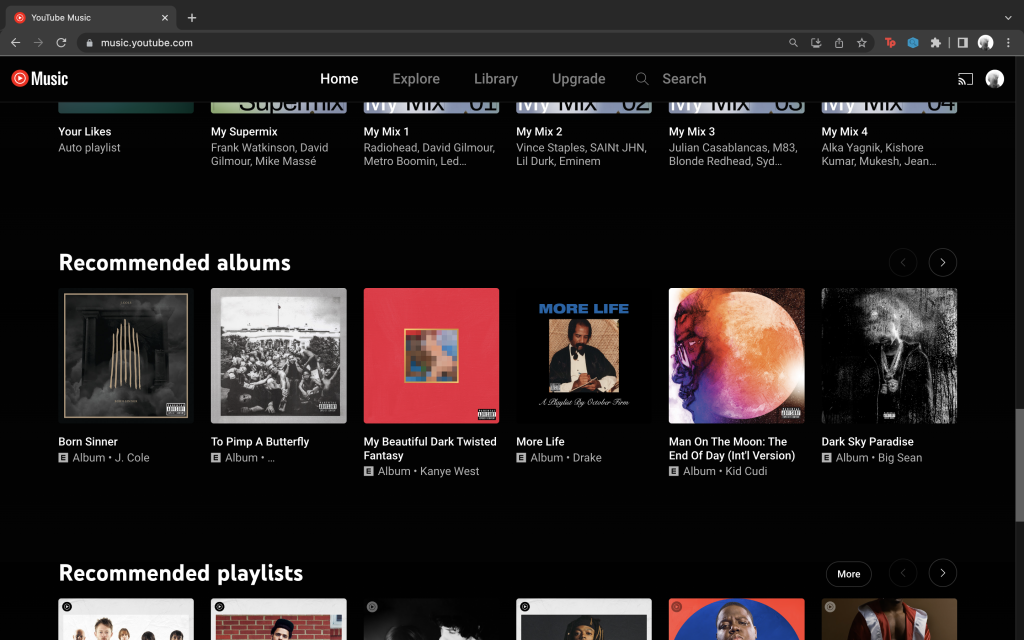
YouTube Music faces stiff competition in the music streaming industry, primarily from Spotify and Apple Music. Spotify, known for its extensive music library and personalized recommendations, has gained a massive user base globally. Apple Music, on the other hand, benefits from its integration with Apple’s ecosystem, making it a preferred choice for Apple device users. Additionally, Apple Music also boasts lossless music, other than exclusive releases, and its own radio station. To stand out and attract users, YouTube Music needs to leverage its unique selling points, such as its extensive music video collection and integration with the YouTube platform. It seems like the app is now offering album recommendations to its users, in an attempt to keep up with the competition.
YouTube Music is trying to compete with Apple Music & Spotify
Users will now find a horizontally scrolling carousel of recommended albums under the “Recommended albums” header on the YouTube Music home page. This update has been quietly rolled out to most subscribers, providing users with album suggestions nestled between new song recommendations and personalized playlists. While initial feedback suggests that some users received album suggestions they were already familiar with, the effectiveness of these recommendations may vary.
YouTube Music’s efforts to catch up with competitors are evident in the recent updates it has received. The addition of swipe gestures on the mini-player, a sleep timer feature, and podcast support demonstrates the platform’s commitment to enhancing the user experience. These improvements align YouTube Music closer to the offerings of Spotify and Apple Music, making it a more robust and versatile streaming service.
YouTube Music appears to have more exciting developments on the horizon. An intriguing feature hidden in the settings is the ability to enable public stats, allowing others to view the specific content users have been listening to. This feature suggests that YouTube Music may be working on a personalized year-end roundup, similar to Spotify Wrapped, providing users with insights into their listening habits and music preferences.
By offering personalized album suggestions and exploring possibilities such as public stats, YouTube Music clearly aims to create a more engaging and tailored music streaming environment. As the platform continues to evolve and refine its features, music enthusiasts can look forward to an even more enriching and immersive environment on YouTube Music. The platform also recently introduced Podcasts, which aims to diversify the user experience even further.
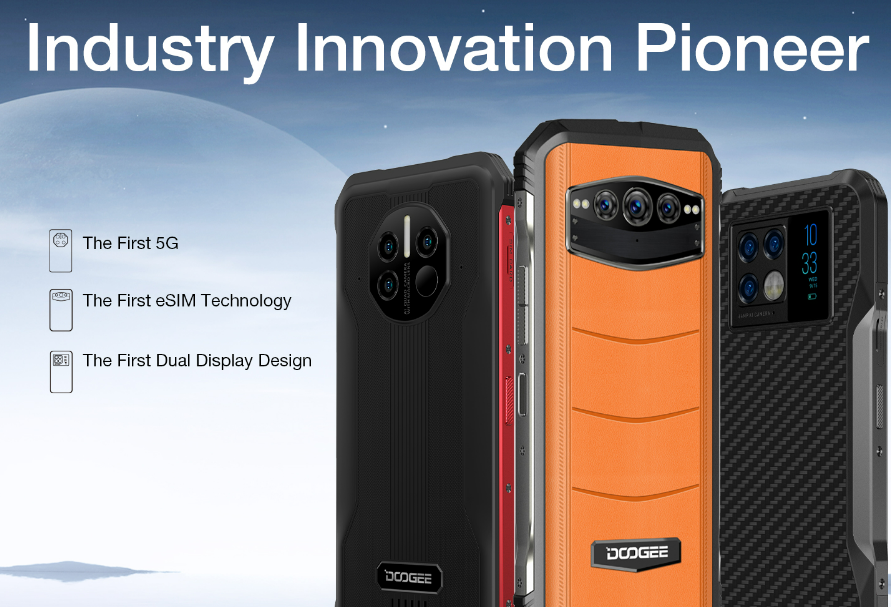
Doogee’s V-series has become synonymous with cutting-edge rugged phone technology, and their unwavering commitment to pushing boundaries continues to reinforce their position as industry leaders. Each V-series phone introduces pioneering features that set it apart from the crowd, elevating the user experience and capturing attention.
The V-series rugged phones are in a league of their own, surpassing all other rugged phone options currently available in the market. Undoubtedly, the V-series represents the flagship branch of Doogee’s phone lineup, starting with the V10 and expanding to include the V20, V30, V Max, and V30T over the years.
All the phones in the Doogee V-series are designed as rugged devices, ensuring they meet IP ratings for water and dust resistance, as well as comply with the rigorous MIL-STD-810H military standard.
Doogee V10
Doogee V10 marked the debut of Doogee’s prestigious flagship rugged phone series, setting a new standard in the industry. It distinguished itself as the manufacturer’s first 5G-enabled phone, supporting the fastest dual 5G network available at the time. Notably, it was also the pioneering rugged phone to incorporate an integrated infrared thermometer—an invaluable feature, especially during the challenging times of the pandemic.
Doogee V20
The introduction of the Doogee V20 brought a remarkable breakthrough to the rugged phone market. It became the first to feature an AMOLED display, delivering stunning visuals with vibrant colors and exceptional clarity. Adding to its innovative design, the Doogee V20 implemented a flawlessly integrated second smaller display on the back, offering users a unique and convenient way to access information at a glance. This dual-display design left a lasting impact on the industry and inspired other rugged phone manufacturers to follow suit.
Doogee made a significant impact on the rugged phone market with the introduction of the V30. This model brought the eESIM feature to the rugged phone world, revolutionizing connectivity options for users. However, Doogee didn’t stop there—the V30 went above and beyond by incorporating the latest WiFi 6 technology, ensuring faster and more stable wireless connectivity. The device also boasted an impressive camera setup, featuring a powerful combination of 108MP, 20MP, 16MP, and 32MP lenses, capturing stunning images.
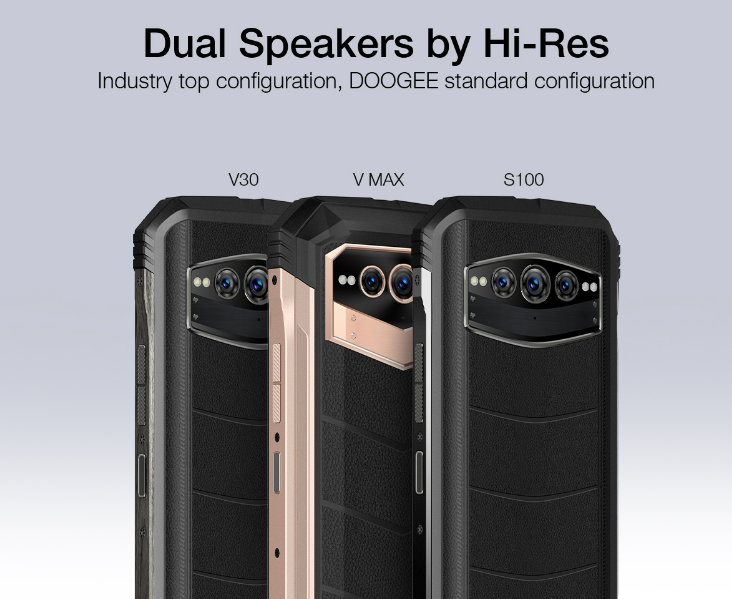
Moreover, Doogee paid attention to the aesthetics of the V30, taking inspiration from the luxurious interiors of high-end cars to create a premium finish for the device. Alongside its impressive specifications, the V30 offered additional features such as dual stereo speakers tuned by Hi-Res, a custom button for personalized shortcuts, and support for the L1 + L5 dual-band GPS system, providing accurate and reliable navigation. The Doogee V30 truly set a new standard in the rugged phone market with its cutting-edge features and attention to detail.
With a massive 22000mAh battery, Doogee VMax holds the title for the largest commercially available battery in the market today. With its exceptional specifications and feature set, the Doogee VMax redefines the boundaries of what a rugged phone can achieve. Powering this device is the Dimensity 1080 chipset, which ensures exceptional performance. Accompanied by a 20GB RAM and 256GB storage setup, the VMax delivers remarkable speed and storage capabilities.
The camera capabilities of the VMax are equally impressive, featuring a powerful combination of 108MP, 20MP, 16MP, and 32MP lenses, capturing stunning and detailed shots. This device also encompasses a range of advanced features including support for WiFi 6, L1 + L5 dual-band GPS system for precise navigation, NFC for convenient wireless connectivity, and loud stereo dual speakers for immersive audio experiences. Additionally, the VMax boasts a 120Hz FHD+ display, delivering smooth and vibrant visuals.
Although not part of the esteemed V-series lineup, the Doogee S100 excels in its own right, offering an array of impressive features that make it an excellent choice for those who don’t prioritize 5G connectivity. The standout feature of the S100 lies in its unrivaled 4G processor, the Helio G99. Accompanied by a massive 10800mAh battery, the S100 ensures long-lasting power for extended usage.
Photography enthusiasts will appreciate the S100’s powerful camera setup, comprising a remarkable combination of 108MP, 20MP, 16MP, and 32MP lenses, capturing stunning images with exceptional clarity. Additionally, the phone boasts a 120Hz adaptive refresh display, providing a smooth and immersive visual experience.
Overall, the Doogee S100 presents a well-rounded option, combining its powerful processor, substantial battery capacity, impressive camera capabilities, and a high-refresh-rate display. It caters to users who prioritize performance and versatility, making it a compelling choice in the rugged phone market.
Availability:
In response to the overwhelming demand for the various models in the series, Doogee is delighted to announce a special promotion exclusively for its loyal fan base.
To take advantage of this limited-time offer, interested customers are encouraged to visit the official Doogee store on popular e-commerce platforms such as AliExpress and Amazon. Alternatively, they can visit Doogee’s official shopping platform, Doogeemall, for pricing details and product availability. With stock availability subject to change, it is advisable to act swiftly and seize the opportunity while supplies last.
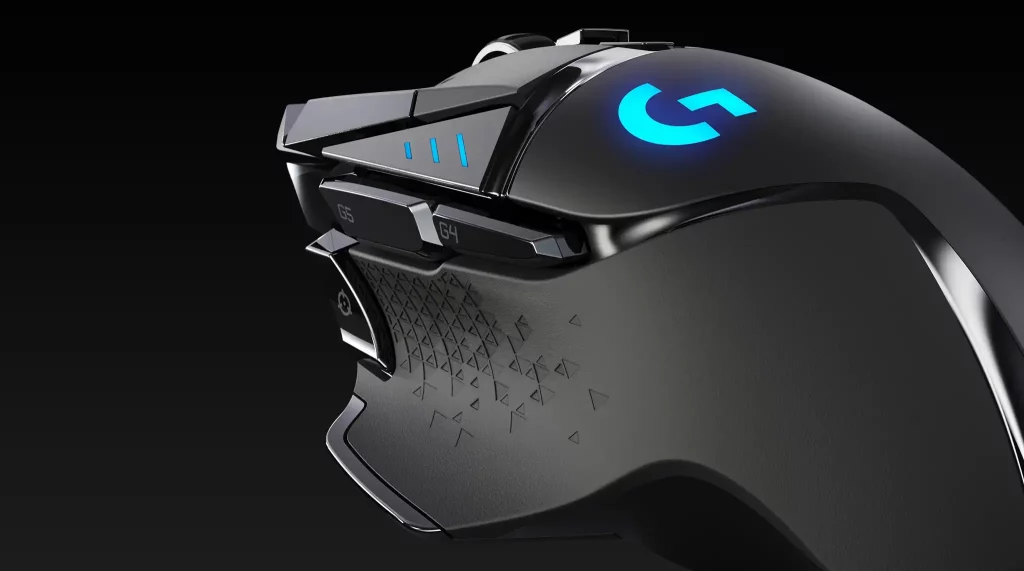
Technology is becoming more and more expensive. The more features you want, the more you have to pay. That’s why flagship phones, premium mouse, and high-end graphics cards are so expensive. And with the global economic crisis and increasing costs, prices are only going to go up. Logitech is aware of this situation, and they’re trying to do something about it. They’re partnering with iFixit to advance circularity goals, which will allow users to pay less for their technology. Here are the details…
Logitech Partners with iFixit to Advance Circularity Goals
Logitech and iFixit, a leading provider of repair tools and guides, have announced a new partnership to make it easier and more sustainable to repair Logitech products. The partnership will allow customers to repair their own Logitech products, rather than having to send them back to Logitech for repair or replacement.
This will help to reduce the amount of electronic waste that is generated each year. The partnership is part of Logitech’s commitment to sustainability. The company has set a goal of reducing its environmental impact by 50% by 2030. Making repairs easier and more accessible is one way that Logitech is working to achieve this goal.
As part of the partnership, Logitech will make genuine replacement parts and repair guides available for select products through iFixit’s online repair marketplace. This will empower customers to repair their own devices and keep them in use for longer. The partnership between Logitech and iFixit is a significant step forward in the effort to make electronics more sustainable. By making repairs easier and more accessible, the partnership will help to reduce the amount of electronic waste that is generated each year.
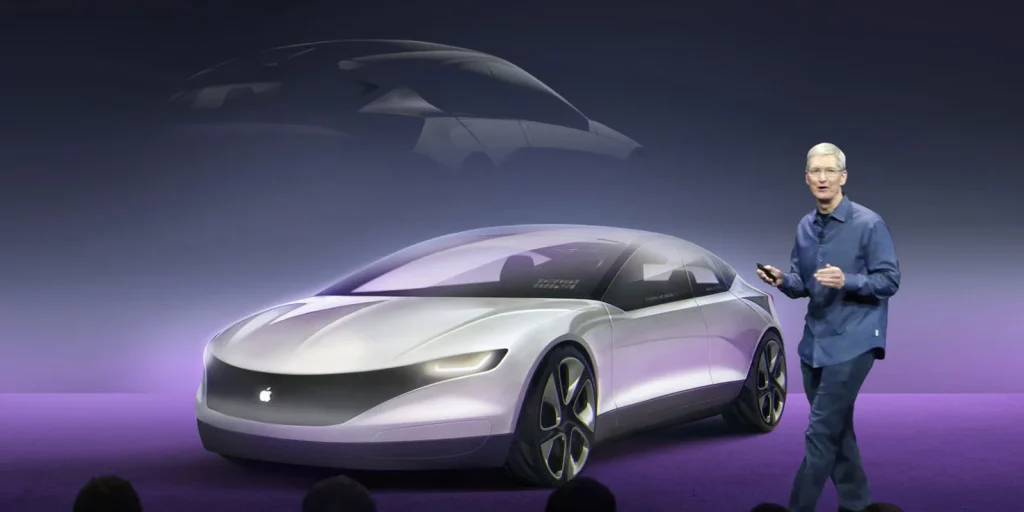
Corporate espionage is currently one of the biggest issues in the technology sector. Many companies are ready to pay millions of dollars to thieves in order to acquire the technologies developed by their rivals. So what happens when tensions between two countries are added to this already dire situation? Exactly this has happened to Apple. The company, which has not been on good terms with its former employees for some time, faced a situation where a former engineer was charged with the theft of autonomous technology and then fled to China. Here are the details…
Former Apple Engineer Charged with Stealing Autonomous Vehicle Technology
A former Apple engineer has been charged with stealing proprietary autonomous vehicle technology from Apple and fleeing to China. Weibao Wang, 35, joined Apple in 2016 and worked on the company’s self-driving car project. In 2017, he accepted a position at a Chinese company that also develops autonomous vehicles. However, he concealed this change of employment from Apple for four months.
After Wang left Apple, the company conducted an internal investigation and found that he had accessed proprietary data in the days leading up to his departure. In June 2018, federal agents raided Wang’s home and found “large quantities” of Apple’s data. Wang fled to China shortly after the raid.
The U.S. Department of Justice has charged Wang with two counts: theft of trade secrets and interstate transportation of stolen property. If convicted, he could face up to 10 years in prison for each charge. “We stand vigilant in enforcing U.S. laws to stop the flow of sensitive technologies to our foreign adversaries,” said Matt Olsen, chief of the DOJ’s National Security Division. “We are committed to doing all we can to prevent these advanced tools from falling into the hands of foreign adversaries.”
The charges against Wang are part of a broader campaign by the U.S. government to curb economic espionage and technology theft. In recent years, a number of individuals and companies have been charged with stealing trade secrets from American companies. This case underscores the importance of protecting sensitive technology from foreign threats.
Companies that develop or use such technology should prioritize safeguarding their intellectual property, which includes implementing stringent security measures and educating employees about the risks of Corporate espionage. The DOJ’s charges against Wang send a strong message that the U.S. government is serious about combating espionage. This case should serve as a deterrent to individuals and companies who are considering stealing American technology.
Oppo Reno 9 series phones were unveiled towards the end of last year but were limited to China and did not make it to the international market. Now, Oppo is preparing to introduce its latest lineup of lifestyle smartphones. The Reno 10 series will be officially launched in the Chinese market on May 24. It will include the Reno 10, Reno 10 Pro, and Reno 10 Pro+. Unlike last year, the new phones will also be available in India, according to a tipster.
Reno 10 Series is coming to India
According to tipster Mukul Sharma, the Reno 10 series will also be sold in the Indian market. All three phones, namely the Reno 10, Reno 10 Pro, and Reno 10 Pro+, are expected to be launched in the country by the end of June or early July. However, Sharma mentions that certain color variants of the smartphones may not be available in India. Reno 10 and 10 Pro phones will be offered in their home country in various color options, including Brilliant Gold, Colorful Blue, and Moon Sea Black.
According to the previous reports, the vanilla Oppo Reno 10 will feature a 6.74-inch OLED curved-edge screen with a Full HD+ screen resolution of 2412 x 1080 pixels and a 120Hz refresh rate. The Pro models should get a slightly shorter 6.73-inch AMOLED display with a resolution of 1220 x 2712 pixels and a 120Hz refresh rate.
The standard model is said to be powered by the Qualcomm Snapdragon 778G processor paired with 12GB of RAM. It packs a 4,600mAh battery with support for 80W fast charging. There will be a 64MP OmniVision OV64B primary camera, an 8MP IMX355 ultra-wide camera, and a 32MP Sony IMX709 telephoto camera with 2x zoom. The Reno 10 Pro could be powered by the MediaTek Dimensity 8200 SoC with 12GB or 16GB of RAM. It may pack a 4,600mAh battery with 100W fast charging support.
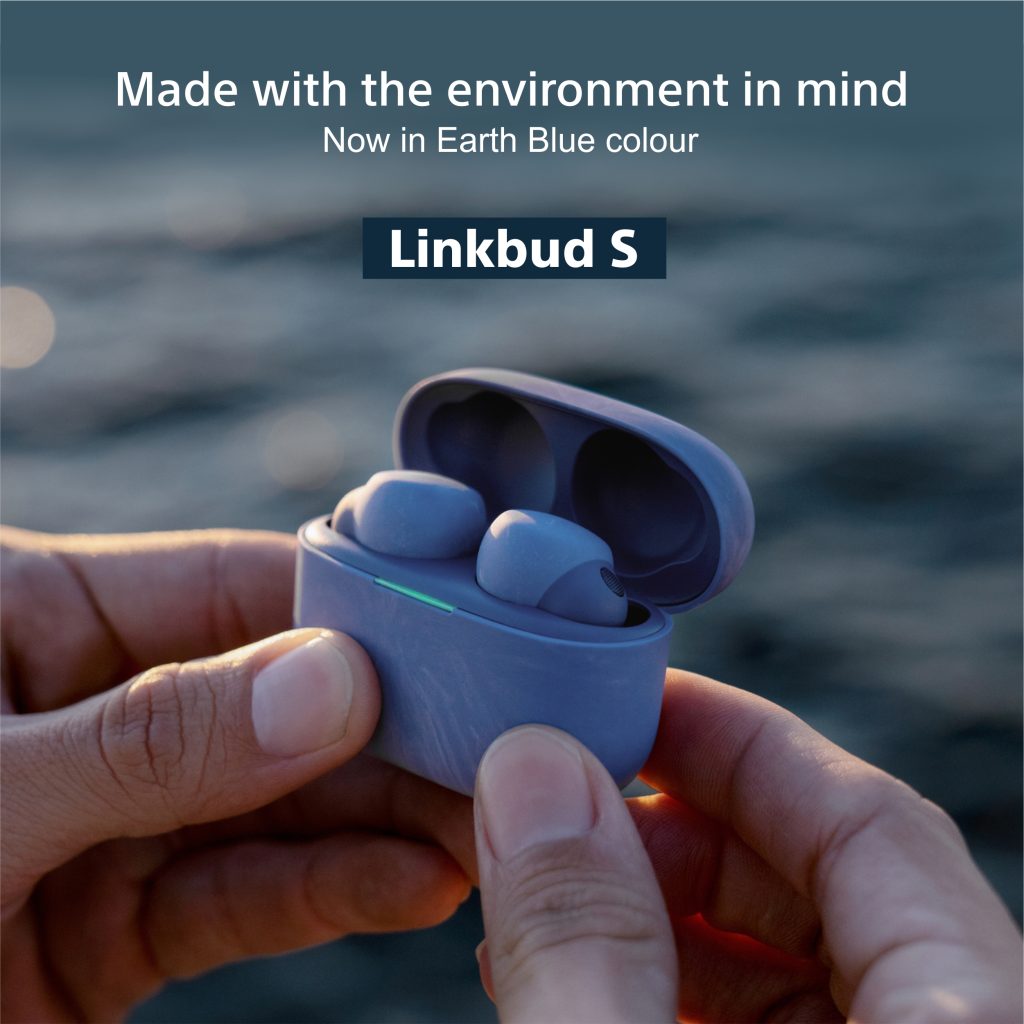
Sony India has released the WF-LS900N truly wireless earbuds in a new color option. Indian consumers can now get Earth Blue WF-LS900N earbuds with the same features as the original color options. The original models were in black and white colorways and they have been on sale since November 2022.
The Sony WF-LS900N TWS earbuds are made from recycled resin materials from used plastic bottles. The new color variant has a bluish color and sports a unique marble pattern. The pattern was designed based on a special technique by Sony. This gives each product a distinct design pattern.
Sony India says the packaging of the earbuds is plastic-free with a direct impact on Sony’s environmental footprint. The company continues to pursue the development of products with carbon-neutral potential.
The development of a growing array of environmentally friendly Sony products is based on its Road to Zero strategy. The Road to Zero initiative is a long-term plan through which Sony hopes to a carbon-neutral footprint by 2050. The plan is segmented into short-term goals with timelines. The current period from 2021 to 2025 has several goals including using more recycled plastics, saving more energy, and plastic-free packaging.
The Sony LS5900N will subsequently get multipoint connectivity via a software update. This feature will allow the earbuds to be connected to two devices simultaneously. This will allow for a seamless transition between devices without the stress of manually switching the connections.
The earbuds have an in-ear design and support active noise cancellation. The earbuds are IPX4-rated and support Dolby Atmos + 360º spatial sound. The Sony LS5900N is compatible with voice assistants like Google Assistant, Alexa, and Siri. Four ear tip sizes are included in the package and the earbuds have 6 hours of battery life, further extended by 20 hours using the charging case.
Sony WF-LS900N TWS earbuds Earth Blue color variant price & availability
The Earth Blue Sony LS5900N TWS earbuds are exclusively available from Amazon India. The model is priced at Rs. 16,859 (~$205) and it is unclear whether it will be available in other markets.
Microsoft CEO Satya Nadella and Elon Musk, who co-founded OpenAI, have different views on the company’s governance. Musk has said that Microsoft has a lot of control over OpenAI, while Nadella has said that Microsoft does not have any control. Nadella has said that OpenAI is a non-profit company that is governed by a board of directors. He has said that Microsoft is a minority shareholder in OpenAI and that it does not have any veto power over the company’s decisions. Here are the details…
OpenAI’s Future in Question as Co-Founders Disagree on Governance
In April, Elon Musk claimed that Microsoft had a “very strong say in OpenAI’s decision-making. He has said that he is concerned that Microsoft could use its influence to steer OpenAI in a direction that he does not agree with. Nadella countered Musk’s statement by explaining that OpenAI is grounded in its mission of being overseen by a nonprofit board, and Microsoft’s interest in the company is non-controlling.
It is unclear who is correct about the extent of Microsoft‘s control over OpenAI. However, the disagreement between Nadella and Musk highlights the importance of transparency and accountability in the development of artificial intelligence. It is important for the public to understand how AI companies are governed and to have a say in the development of this technology.
AI has the potential to be a powerful force for good, but it also has the potential to be used for harmful purposes. It is essential to ensure that AI is developed and used responsibly. Nadella and Musk have different views on how to ensure that AI is used responsibly. Nadella believes that Microsoft is committed to developing AI responsibly and that OpenAI is a good example of this.
Musk, on the other hand, is more skeptical of Microsoft’s intentions and believes that more needs to be done to ensure that AI is used for good. The debate between Nadella and Musk is likely to continue as AI technology continues to develop. It is important to have a thoughtful and informed discussion about the potential risks and benefits of AI. Only by working together can we ensure that AI is used for the benefit of humanity.
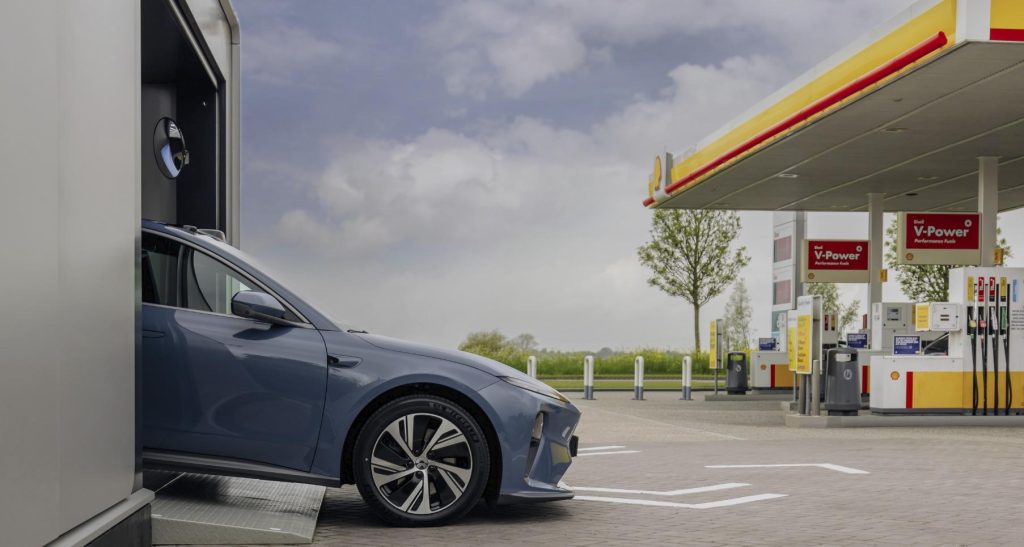
Fast-rising EV powerhouse NIO and energy giant Shell have partnered to develop the first EV battery swap station in Europe. The alliance between NIO and Shell is viewed in some quarters as an uncommon alliance because Shell is known for petroleum-based energy solutions while NIO continues to churn sustainability-oriented vehicles. However, the dutch giant has in recent times shown interest in renewable energy which saw it launched a couple of products, including an e-scooter, last year.
The EV battery swap station is located in the Netherlands and it can perform 312 swaps per day. The new NIO-Shell battery swap station provides added capabilities to motorists who will access its services. When put in perspective, the new swap station is far more effective than a similarly-sized Tesla SuperCharger platform that supports only about 40 cars per day. NIO announced its partnership with Shell back in 2021 and it already has a number of swap stations in China. The charge station will be able to charge 13 batteries at a time at a rate of 20-80kW per hour.
Energy giant Shell seems to be preparing for life after Fossil fuel with latest EV investment
The Shell-NIO charge station will witness fewer queues due to its speed at charging. It is not NIO’s first charging station in Europe but the first it is partnering with Shell. The choice of the Netherlands to kickstart the program could also be symbolic. There are already more than 16 NIO swap stations across Europe in addition to a sprinkling of charging stations.
— NIO Shareholders Netherlands (@NetherlandsNio) May 15, 2023
The Shell-NIO collaboration will deliver up to 100 battery swap stations in China by 2025. NIO also expects to see a rise in its battery swap stations both in the Netherlands and Europe in the next couple of years.
Software and hardware are the two essential parts of modern technology. It is difficult to produce a successful product without seamlessly integrating these two components. Mastering both is difficult and only a handful of companies can achieve it. Therefore, many manufacturers seek support from other companies for either hardware or software. This is also true in the automobile industry. Infect, according to latest reports, Volkswagen has held talks with Huawei about using the Chinese tech giant’s software in its cars in China. Here are the details…
The Potential Benefits of a Volkswagen-Huawei Partnership
Volkswagen is a major player in the global automobile industry. They manufacture both traditional and electric vehicles and hold a leading position in some markets, including Europe. However, they are currently facing challenges with electric vehicles (EVs) and new automotive technologies, particularly in software development.
Recent reports indicate that Volkswagen’s software division, Cariad, has experienced delays and cost overruns. As a result, the launch of several new EV models, such as the Audi Q6 e-tron and the Porsche Macan, has been postponed. This situation not only poses difficulties for the German auto giant but also jeopardizes its future operations. Fortunately, Volkswagen has found a solution by partnering with Huawei.
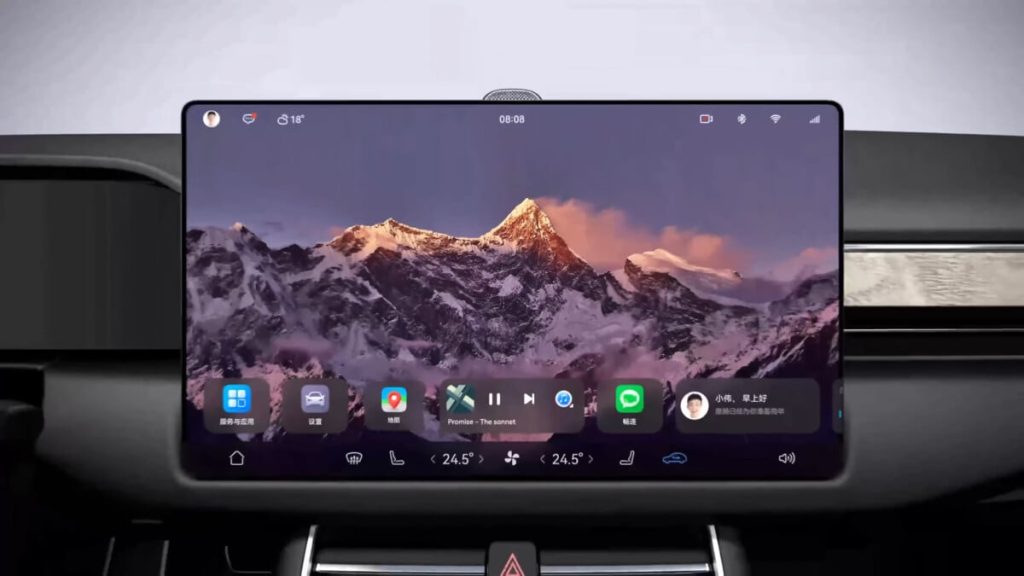
As you may know, Huawei has been going through a challenging period in the smartphone market for some time now. Due to the US embargo, the company lost access to Google services and is currently striving to regain its former strength through HarmonyOS. In the meantime, the Chinese tech giant is not standing idle; it’s actively working to expand HarmonyOS not just in smartphones, but also in different sectors. One of these is the automotive industry. Huawei has been a leader in the development of automotive software, and its own operating system has already been licensed to several Chinese automakers.
The talks between Volkswagen and Huawei are still in their early stages, and it is unclear whether the two companies will be able to reach an agreement. However, the fact that they are even talking is a sign of the growing importance of software in the automotive industry.
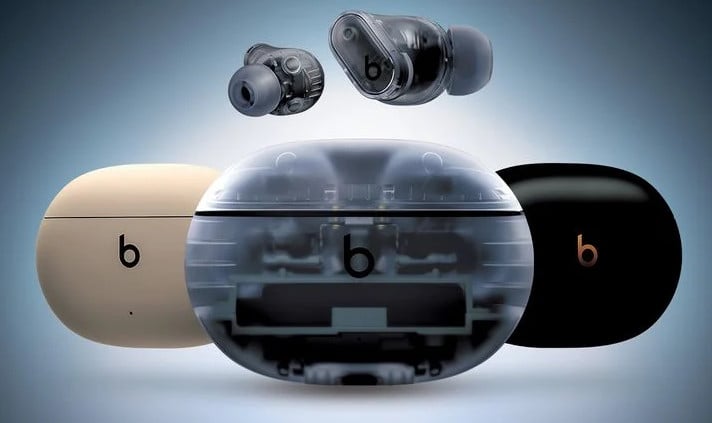
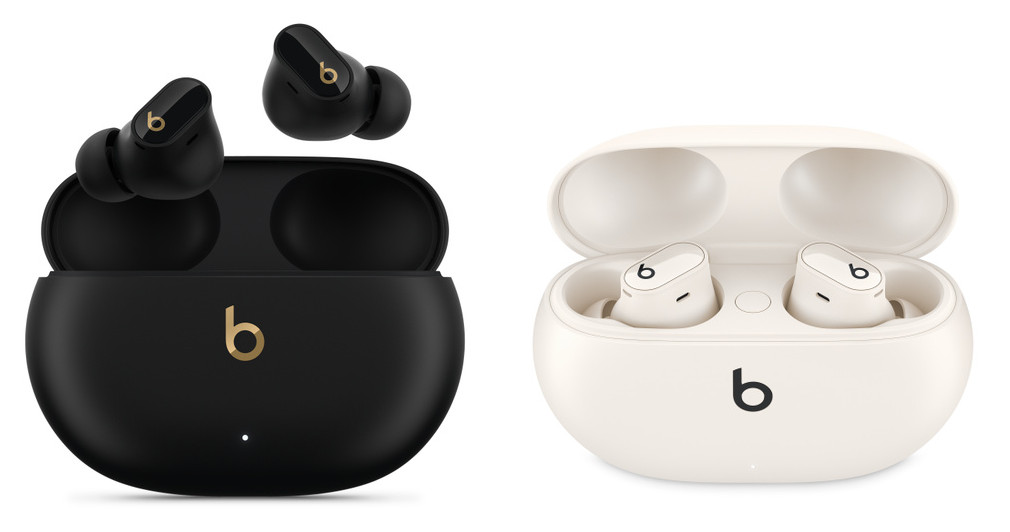
Apple has recently unveiled the Beats Studio Buds+, the successor to the Beats Studio Buds, as the company’s latest true wireless earbuds. This new offering comes with various improvements, such as an improved fit, enhanced Active Noise Cancellation (ANC), Transparency mode, better microphones, extended battery life, and more.
Beats Studio Buds+ specifications
One notable feature of the Beats Studio Buds+ is its transparent design, although it differs from Nothing’s Ear series buds, which sport a clear design. The earbuds also come with an additional extra-small eartip option to provide a better fit.
Apple claims that approximately 95% of the internal components of the Beats Studio Buds+ are brand-new. These include upgraded voice-targeting microphones, which are three times larger than their predecessors, resulting in improved call quality. The earbuds also retain their IPX4 sweat and water-resistant ratings.
Users can easily switch between Active Noise Cancellation (ANC) and Transparency mode with the push of a button. The ANC on the Beats Studio Buds+ is said to be 1.6 times better, while the Transparency mode is 2 times better compared to the Studio Buds. These improvements are attributed to enhanced ANC processing and a revised vent design. Additionally, the Buds+ supports Spatial Audio for Dolby Atmos on Apple Music but lacks the head-tracking feature found in the Beats Fit Pro and certain AirPods models.
The Beats Studio Buds+ utilizes the “Beats Proprietary Platform” for features like “Hey Siri” and Find My. They also offer compatibility with Google Fast Pair and Audio Switch, enabling users to seamlessly switch between Android, Chromebook, and other compatible devices. Furthermore, they support Google Find My Device.
With ANC turned off, the Buds+ provides up to 36 hours of total battery life (9 hours for the earbuds themselves and an additional 27 hours with the charging case), surpassing the 24-hour total battery life of the Studio Buds. The earbuds also offer fast charging, providing 1 hour of battery life with just 5 minutes of charging. However, they do not support wireless charging.
Beats Studio Buds+ pricing and colors
Apple Beats Studio Buds+ is available in Black/Gold and Ivory color options, along with the Transparent model. They are priced at $169.99 and are already available for purchase in the United States.
Earlier today, the Truke BTG Storm TWS earbuds launched in India. The audio accessory is priced at only ₹1,099. For a limited time (till May 18), it will be sold at an even more affordable price tag of ₹899.
Ahead of its release, the brand sent me a unit to try out. This is my second experience with a Truke product after BTG X1 from January.
For the unaware, BTG stands for ‘Born to Game.’ The wireless earphones under this lineup are targeted at gamers.
So what makes these earbuds so special for gamers? Feature-wise, there’s nothing unique about it. The buds arrive with ubiquitous low latency mode that can reduce latency by up to 40ms.
However, look-wise, the BTG Storm is definitely a head-turner. It retains the RGB LEDs from BTG X1. These lights are placed on the sides of the charging case. They can be also found on the buds themselves.
Unfortunately, the lights are not customizable. They light up automatically when the case is opened or closed. Talking about opening, it is difficult to open the lid with one hand, courtesy of the case’s peculiar shape,
The case resembles a shield. It is black in color with a carbon fiber pattern on the lid. The USB Type-C port for charging can be found on the bottom side.
As for buds themselves, they are in-ear type. So they come with silicone ear tips. The medium-size tips are pre-installed and you can switch between small and large sizes included in the box. The package also contains a USB Type-A to Type-C charging cable.
The earbuds house 13mm drivers and connect with devices via Bluetooth 5.3. Just like the X1, connectivity on the Storm is solid. I did not face a connection drop at all. They also offer support for touch controls and this feature cannot be disabled.
[envira-gallery id=’537723′]
But I didn’t enjoy the fit in my ears. The X1 with an open-ear design was much better in this regard as it did not feel like wearing earbuds. Those buds were more comfortable. Anyways, your experience may vary as all ears are not the same.
As far as audio output is concerned, the Truke BTG Storm is better suited for listening to music falling under mid-range frequencies. The highs and lows are too sharp and can make you feel discomfort.
Each bud has a microphone that you can use to make calls and voice chat in games. The quality is average, which is what you get from almost all the cheap wireless earbuds. There’s support for ENC (Environmental Noise Cancellation) but it is not much effective, which is again common across most of the affordable TWS earbuds.
Finally, the buds are rated to last for 8-10 hours. With the charging case, they are said to offer an endurance of up to 50 hours. You can easily watch two movies back to back without needing to put the buds in the case. I had a similar experience with the X1 as well.
[envira-gallery id=’537724′]
All in all, the Truke BTG Storm shares most of its characteristics with the BTG X1. They even cost the same as the X1’s price has now dropped to ₹1,099 from ₹1,499.
I believe you will get a similar experience with the two. You just have to select whether you want an in-ear type or an open-ear.
Last but not least, in addition to a 1-year warranty, Truke also guarantees strong after-sales support through its network of over 250 service centers across India.
The US trade ban has had a significant impact on Huawei, making its phones devoid of 5G capabilities and Google services. The ban has also imposed restrictions on Huawei’s in-house Kirin SoC development. Apart from the mid-range Kirin 710A, no major Kirin chips are currently available in the market. However, that situation may change soon, as Huawei is reportedly planning to launch the Kirin A2 chipset for wearables by the end of this year.
Huawei Kirin Chips may return in 2023, but they won’t power the smartphones
Huawei is preparing to launch the new Kirin A2 chip by the end of 2023, reports Huawei Central. The company has apparently finished testing the chipset and is now ready to move to the production stage. If things remain on track, Huawei could unveil the chipset in Q3 or Q4.
As per the report, the Kirin A2 chipset is ready to enter the trial stage and has the capacity for mass production. However, it has been suggested that Huawei might change its plans for the final production stage, which could lead to a change in the launch timeline. Currently, specific details about the upcoming chipset have not been disclosed, but it is expected to power Huawei’s upcoming line of wearables.
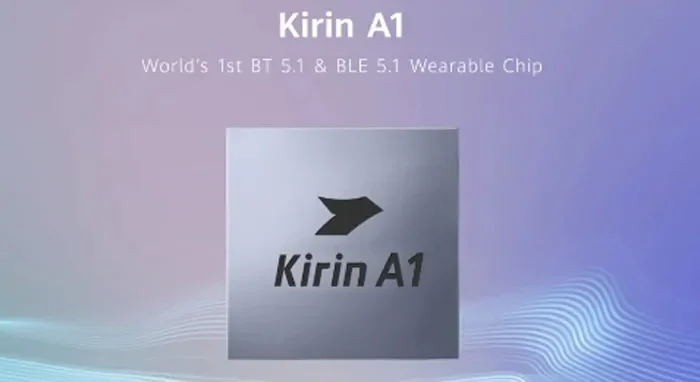
Just to remind you, the Kirin A-series was officially announced for wearable devices, including earphones, smartwatches, and other similar devices. The latest release in this lineup was the Kirin A1, which made its debut as the world’s first Bluetooth 5.1 and Bluetooth Low Energy 5.1 wearable chip. It was developed by HiSilicon and manufactured by Taiwan’s TSMC. Since these chips do not require advanced process technology, Huawei was able to continue their development even after the trade ban was imposed.
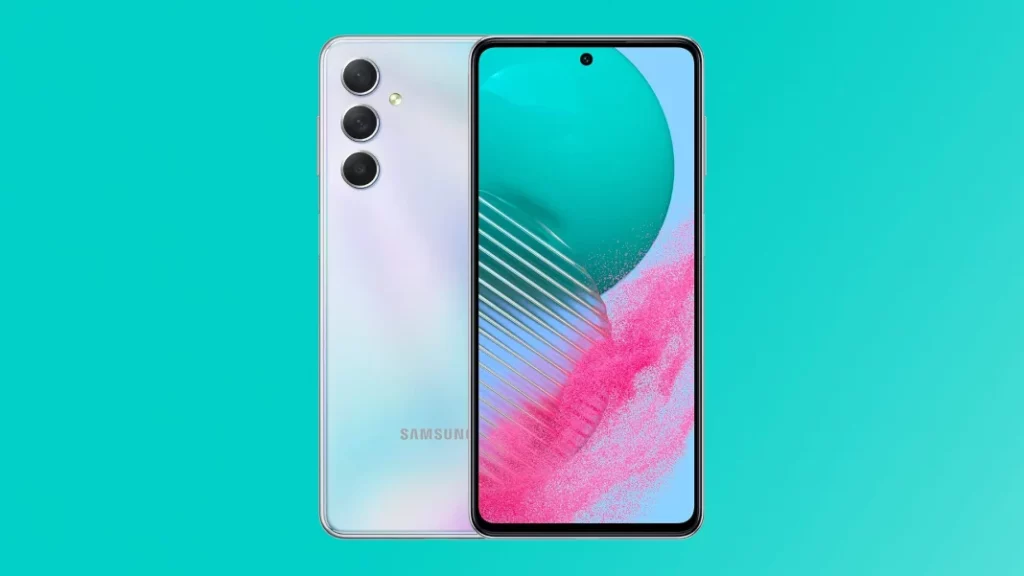
Samsung’s mid-range lineup has not been very impressive this year. Although the latest Galaxy A54 does bring some notable upgrades, such as a new primary camera, it does not manage to compete with other options in the same price range. Now, the Galaxy F54 is due for launch, and from what we hear, it could be the priciest F-series smartphone so far, with leaks suggesting a price tag above Rs. 35,000 in India. Here are the details.
Galaxy F54 could be the priciest F-series phone to date
The Galaxy F series includes affordable smartphones that come with decent specifications. The latest phone to join the lineup will be the Galaxy F54 and previous rumors hinted the device could cost somewhere around Rs. 25,000, likely for the base 8GB RAM and 128GB storage version. However, now Yogesh Brar claims on Twitter that the Samsung Galaxy F54 box price in India would be around Rs. 35,999 for the 8GB + 256GB storage version. The base model should cost less.
Samsung may introduce some bank and exchange offers to make the price look better, but from what we can see for now, the Galaxy F54 could be the priciest model in the lineup. However, we would recommend taking the leak with a grain of salt until there’s an official confirmation.
The Samsung Galaxy F54 5G is rumored to arrive with a 6.7-inch 120Hz AMOLED display featuring a Full HD+ resolution. It is reported to be powered by an octa-core Exynos 1380 processor, the same SoC found in the Galaxy A54 5G. The device could feature a triple rear camera setup, including a 108MP primary shooter with OIS support, accompanied by an 8MP ultra-wide-angle lens and a 2MP auxiliary sensor. With a 6000mAh battery unit, the device is expected to support 25W charging.
It is not uncommon for smartphone brands to partner with companies in movies and media to launch special edition smartphones. Xiaomi is probably at the forefront of this trend as it often launches phones inspired by pop culture or in partnerships with other brands. The latest example of this is the Redmi Note 12 Turbo Harry Potter edition. Now, the company has announced it will team up with Disney to bring a co-branded CIVI smartphone, which will be inspired by one of the mass media company’s characters.
Xiaomi CIVI 3 could be inspired by a Disney Character
Xiaomi made an official announcement today, revealing its partnership with Disney to introduce the Xiaomi Civi Disney 100th anniversary special edition. This marks the first collaborative product between Xiaomi and Disney, with a selected Disney character IP for the joint venture. However, the exact release date has not yet been disclosed.
While the company did not reveal any details, it is possible that the first smartphone to be launched under this partnership would be the Xiaomi CIVI 3. The handset will likely feature a design inspired by a Disney character and may even include custom accessories and packaging. The possibility of a custom user interface cannot be ruled out either.
Rumor has it that the Xiaomi CIVI 3 will be equipped with a Dimensity 8200 processor and will feature a front-facing dual-camera setup, with both sensors being 32MP Samsung S5KGD2 sensors. On the rear, it is rumored that the handset will utilize a Sony IMX800 as its main camera. The display of the device is said to support a refresh rate of 120Hz and will likely be supported by a built-in 4500mAh battery with 67W fast charging support.
Lenovo have for long dominated the global PC market for a long while now. The Chinese tech giant hasn’t enjoyed the same bit of luck in the smartphone market. At a point, Lenovo had to entirely stop producing mobile phones under its brand name. The company instead focused on the Motorola brand which it acquired in October 2014. Turns out that investment has started paying off and the brand is starting to make waves in some markets.
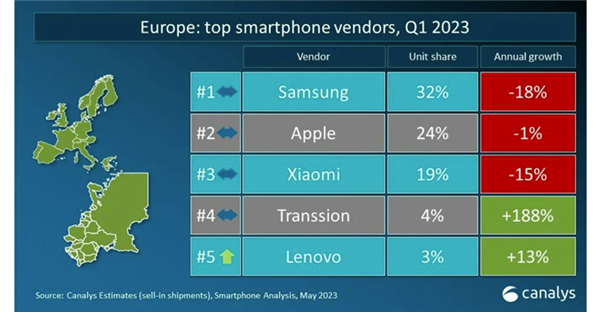
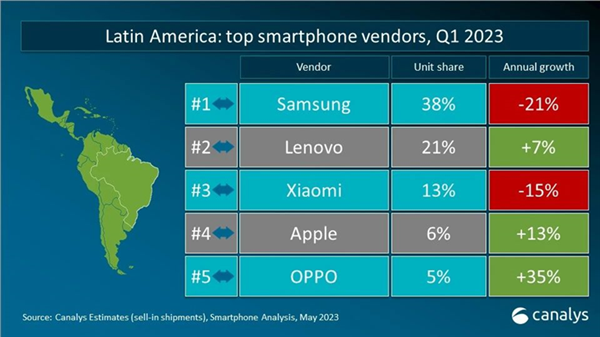
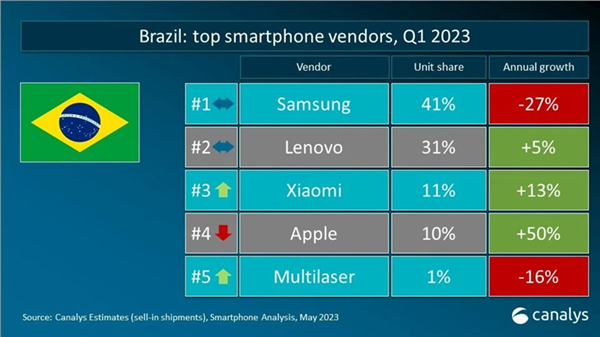
A report released by market research firm Canalys shows that the Lenovo smartphone brand, in the first quarter of 2023, achieved growth against the trend in key regions such as Europe and Latin America. The company recorded its biggest growth in Latin America in Brazil, one of the five largest markets in the world. In Brazil, Lenovo smartphones entered the top 5 best selling models for the first time in the last six years.
In Europe, Lenovo’s mobile phone shipments in the first quarter increased by 13% year-on-year, and its market share ranked fifth, which is the best result since the third quarter of 2017. Specific to European countries, Lenovo’s mobile phone growth in Poland is close to double digits. The comapny also recorded a mobile phone growth rate of 10% in Romania, Bulgaria, and Italy in Eastern Europe.
In the entire Latin America region, Lenovo’s mobile phone shipments increased by 7% with the brand’s market share peaking at 21%. Tehe company is ranked as the second top-selling brand in the region. Lenovo saw a 5% year-on-year growth in Brazil with a 31% market share. The company also ranks second in Brazil after Samsung.
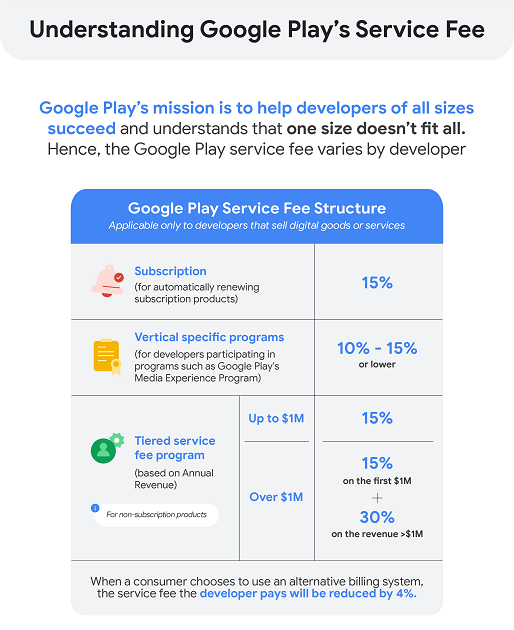
After an investigation by the Competition Commission of India (CCI) into allegations made by Indian startups regarding Google’s in-app billing system, Google has announced that it will take measures to ensure the fair application of its Google Play payments policy in India. The company stated that it is fully compliant with the CCI’s October 2022 order and will expand its user choice billing to all developers in the country.
Google India Notifies Developers to Choose from 3 In-App User Choice Billing Options
In response to the allegations, Google emphasized that its payments policy adheres to the CCI’s order. The company also defended the fees it charges developers, stating in a blog post that the rates are 15% or lower, which are the lowest rates among major app stores. Furthermore, Google highlighted that the fee is reduced by an additional 4% if users opt for alternative billing systems, acknowledging that Google Play’s billing system was not utilized.
Developers in India now have three billing options available: using Google Play’s billing system, offering an alternative billing system alongside Google Play’s, or providing access to paid content through external means without any service fee.
Google noted that the majority of developers worldwide have already chosen one of these options. In India, the company will take steps to ensure that developers who have not implemented one of these choices comply with the policy, as the deadline for implementation has passed.
Previously, the CCI had fined Google Rs. 1337.76 crores for abusing its dominant position in the Android ecosystem. The order also required Google to enable users to uninstall first-party apps from their Android devices and cease imposing exclusivity clauses on device manufacturers.
We use cookies on our website to give you the most relevant experience by remembering your preferences and repeat visits. By clicking “Accept”, you consent to the use of ALL the cookies.
This website uses cookies to improve your experience while you navigate through the website. Out of these, the cookies that are categorized as necessary are stored on your browser as they are essential for the working of basic functionalities of the website. We also use third-party cookies that help us analyze and understand how you use this website. These cookies will be stored in your browser only with your consent. You also have the option to opt-out of these cookies. But opting out of some of these cookies may affect your browsing experience.
Necessary cookies are absolutely essential for the website to function properly. This category only includes cookies that ensures basic functionalities and security features of the website. These cookies do not store any personal information.
Any cookies that may not be particularly necessary for the website to function and is used specifically to collect user personal data via analytics, ads, other embedded contents are termed as non-necessary cookies. It is mandatory to procure user consent prior to running these cookies on your website.