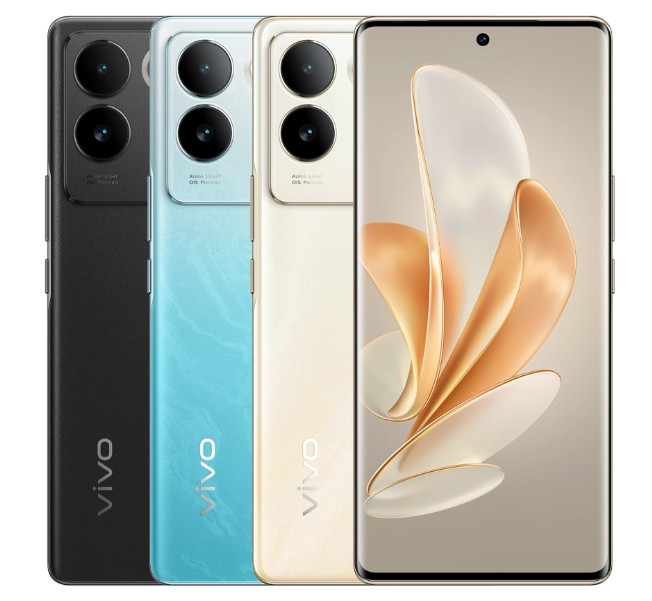
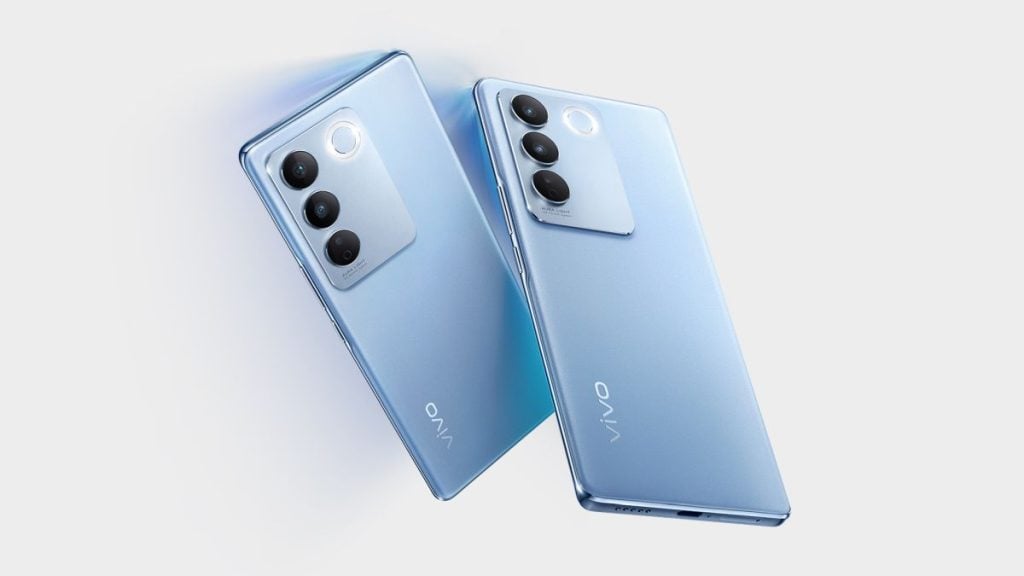
Vivo has announced the release dates for the remaining two smartphones in the Vivo S17 series, namely the Vivo S17, and Vivo S17 Pro. Following the recent launch of the Vivo S17e, the brand has confirmed that the Vivo S17 and Vivo S17 Pro will be unveiled in China on May 31.
According to the latest information from Digital Chat Station, the upcoming Vivo S17 series smartphones will come with notable specifications. The Vivo S17 is said to be powered by the Snapdragon 782 processor, while the Vivo S17 Pro is expected to feature the Dimensity 8200 processor. A recent leak also indicates that both devices will boast a 50MP front-facing camera. Further details about these smartphones are yet to be revealed.
Vivo S17, S17 Pro specs & features (expected)
According to recent speculations and leaks, the upcoming Vivo S17 and Vivo S17 Pro are anticipated to offer impressive specifications and features. Both devices are rumored to sport a 6.78-inch AMOLED display with curved edges, providing a Full HD+ resolution and a high refresh rate of up to 120Hz. In terms of security, an under-display fingerprint sensor is expected to be included in both handsets.
Vivo S17e
The Vivo S17 is speculated to be equipped with a Snapdragon 782 processor, while the S17 Pro variant may feature a Dimensity 8200 chipset. The vanilla S17 model could come with options of 8GB or 12GB of RAM and 128GB or 256GB of internal storage. In contrast, the S17 Pro might offer 16GB of RAM and 512GB of internal storage, catering to users’ diverse storage needs.
Regarding camera capabilities, the Vivo S17 is rumored to house a 64MP primary camera on the rear, featuring optical image stabilization (OIS). On the other hand, the S17 Pro is said to boast a 50MP camera with OIS support. For capturing stunning selfies and engaging in video calls, both devices are expected to sport a 50MP front-facing camera, providing high-resolution self-portraits.
In terms of battery capacity, the Vivo S17 is speculated to pack a 4,500mAh battery, complemented by 66W fast charging support, ensuring efficient power replenishment. On the other hand, the S17 Pro might feature a slightly larger 4,600mAh battery and offer faster 80W fast charging capabilities, allowing for quicker charging times.
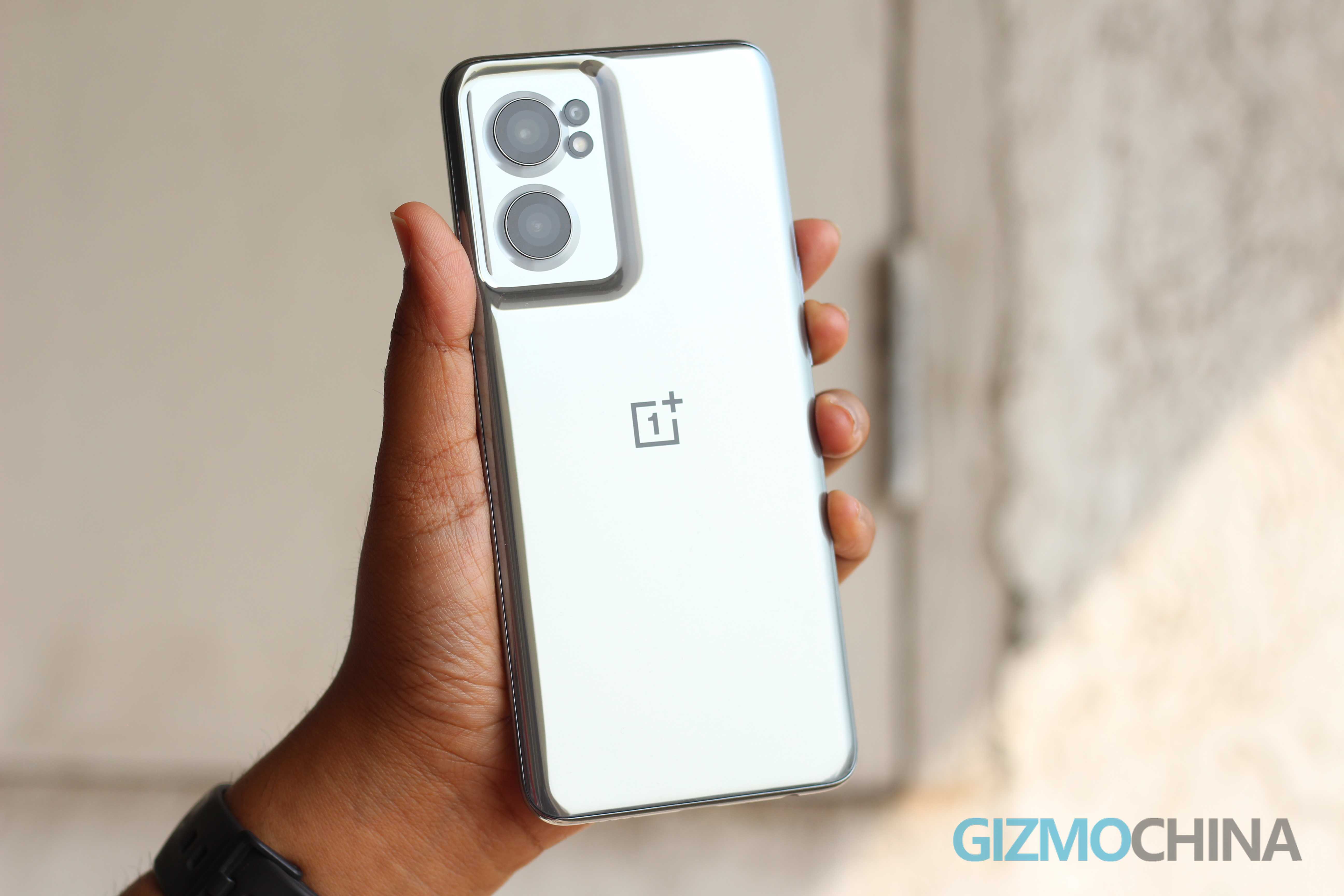
OnePlus 11 5G (review) is set to get a new variant in India. The brand has announced that it will be a limited edition offering called Marble Odyssey. However, the exact launch date of the upcoming offering has not been revealed yet. In China, this special edition variant of the OnePlus 11 5G is called Jupiter Rock, and as the name suggests the phone’s design is inspired by Jupiter planet.
It's time to embark on a new odyssey. Congratulations to all the shortlisted community members, share your unique stories with OnePlus 11 5G Marble Odyssey pic.twitter.com/zkQKid70ua
The OnePlus 11 5G Marble Odyssey limited edition has the same look as the Jupiter Rock edition in China. The color of the back panel has shades of White and Brown. The upcoming offering is also different from standard options. The Marble Odyssey limited edition is the first smartphone to feature a natural texture that is built using volumetric microcrystalline rock material. Each piece of this material has a similar texture similar to the surface of Jupiter. The smartphone’s back panel is also water-resistant and antibacterial.
Apart from the design, the core specifications of the OnePlus 11 5G Marble Odyssey limited edition will remain unchanged. The smartphone features a 6.7-inch QHD+ curved AMOLED display with a 120Hz refresh rate and 1,300 nits peak brightness. It has Hasselblad-tuned triple rear camera setup of a 50MP main sensor, a 48MP ultra-wide-angle lens, and a 32MP telephoto unit. The OnePlus 11 5G is powered by a Snapdragon 8 Gen 2 SoC paired with up to 16GB RAM and 256GB storage. It is backed by a 5,00maAh battery unit with support for 100W fast charging.
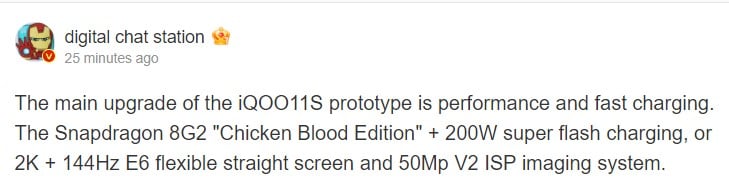
iQOO is expected to launch a new device in the iQOO 11 series. It will likely be dubbed iQOO 11S. The upcoming offering will be the third variant after the regular and pro models in the iQOO 11 lineup. Now, reliable tipster Digital Chat Station has shared the key specifications of the iQOO 11S on the microblogging platform Weibo.
iQOO 11S leaked specifications
As per DCS, the iQOO 11S will be positioned as a high-performance and fast-charging flagship. It is tipped to be powered by an over-clocked version of the Snapdragon 8 Gen 2 processor based on 4nm process and higher-core frequency. Previously, the device was said to come with a Dimensity 9200+ SoC. The battery capacity of the upcoming offering remains unknown but it will reportedly come with support for 200W fast charging.
The iQOO 11S is said to retain the same E6 AMOLED display bearing a 2K resolution and a 144Hz refresh rate. It is also tipped to pack the same 50MP primary rear camera with a V2 ISP imaging system.
DCS says that the iQOO 11S will have a model number V2304A and it may launch in the third quarter of this year i.e. between June and August. The tipster does not reveal any further information about the upcoming offering.
In other news, iQOO launched a host of devices yesterday at an event in China. The Vivo sub-brand announced the iQOO Neo 8, Neo 8 Pro smartphones, iQOO Pad, and iQOO TWS Air Pro.
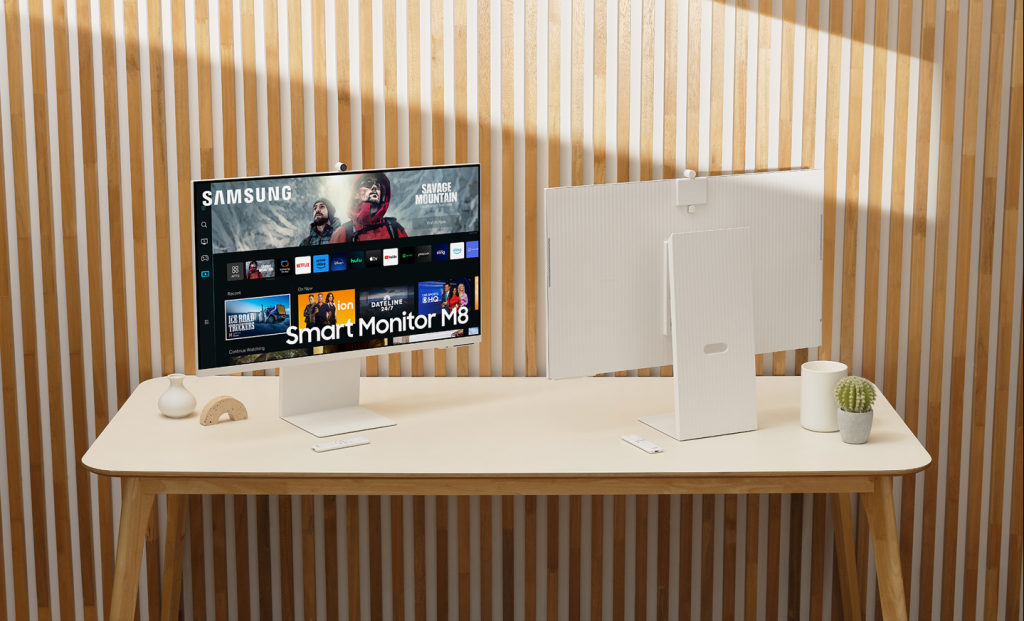
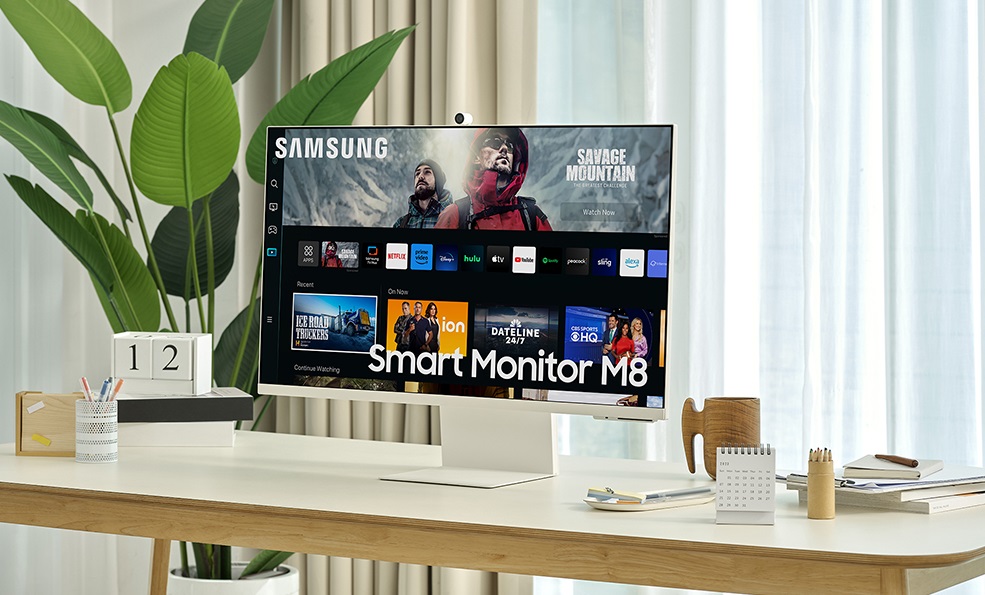
Samsung Electronics has announced the global launch of its complete 2023 Smart Monitor lineup, including the M8, M7, and M5 models (known as M80C, M70C, and M50C). These Smart Monitors offer users the ability to customize their viewing experience for various activities like watching, gaming, and working.
Samsung 2023 Smart Monitors features & specifications
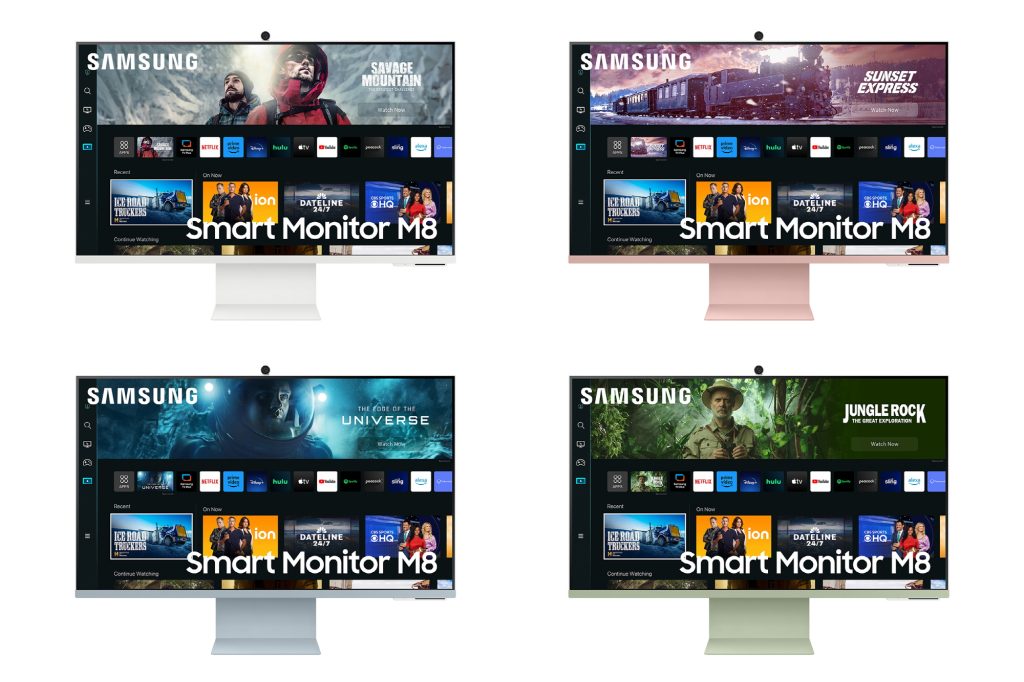
The lineup consists of nine versatile monitors catering to a wide range of users’ needs and styles. The M8 and M7 models are available in 32-inch sizes, while the M5 model is offered in both 32-inch and 27-inch options. The M8, featuring UHD resolution and 400nit brightness, comes in attractive color choices such as Warm White, Daylight Blue, Sunset Pink, and Spring Green. The M7, with UHD resolution and 300nit brightness, is available in Warm White, while the M5, offering Full HD resolution, comes in sleek Black or White.
Samsung has introduced an Iconic Slim Design for the M8 and M7 models, boasting a remarkably slim profile of 11.39mm at the thinnest point. The monitors also showcase an organic herringbone pattern on the back, enhancing both the monitor’s appearance and overall room aesthetics. The M8 features a height-adjustable stand with tilt support, allowing users to customize the angle and create a clutter-free workspace. Additionally, the screen can pivot 90 degrees, reducing scrolling fatigue when dealing with lengthy files.
The 2023 Smart Monitor M8 has undergone significant upgrades, providing an enhanced smart entertainment experience. With its 4K resolution, HDR 10+, and 400nit brightness, the M8 delivers stunning and vibrant visuals. Users can conveniently access the Samsung Gaming Hub, a comprehensive streaming platform, and services like Prime Video, Netflix, and YouTube through the Smart Hub. Both the M8 and M7 models support color coverage of up to 99% sRGB, ensuring content comes to life with brilliant colors, making them ideal for designers and creators.
The 2023 lineup has been further improved to facilitate seamless and efficient remote work. The monitors enable PC-less workspace through wireless connection and mirroring with PCs. The M8 incorporates a magnetic and removable camera, enabling wireless connectivity without the need for additional purchases. Its SlimFit camera supports FHD resolution and video conferencing capabilities. The monitors also offer upgraded Multi View functionality, allowing full-screen usage of Microsoft 365 and the Browser app, reducing the need to switch between applications.
To enhance the user interface, mouse and keyboard control have been added to several apps, including SmartThings and Smart Hub. Users can now enjoy full control while exploring their favorite content without relying on a remote.
The new Smart Monitors come with personalized features, including a built-in IoT Hub supporting Zigbee and Thread protocols, allowing users to control their in-home IoT devices from a single monitor. The M8 and M7 models include built-in voice assistants such as Bixby and Amazon Alexa, enabling users to control the monitor using voice commands. Far-field voice recognition is supported, thanks to the built-in microphone in the M8 and M7 models, allowing users to communicate directly with the monitor.
Another new feature, My Contents, is available across the entire 2023 Smart Monitor lineup. When the monitor is in standby mode and detects a registered smartphone via Bluetooth Low Energy (BLE), it displays the user’s photos, weather updates, and other useful information.
Pricing & availability
In terms of pricing and availability, the Samsung Smart Monitor M8 (M80C) is priced at US$699.99 (approximately Rs. 57,980) for the 32″ variant and US$649.99 (approximately Rs. 53,840) for the 27″ variant. The Smart Monitor M7 (M70C) is priced at US$599.99 (approximately Rs. 49,695) for the 32″ model and US$549.99 (approximately Rs. 45,555) for the 27″ model. The Smart Monitor M5 (M50C) is priced at US$299.99 (approximately Rs. 24,845) for the 32″ variant and US$279.99 (approximately Rs. 23,190) for the 27″ variant. These monitors are set to be released in June and will be available for purchase on Samsung.com and select retailers worldwide.
Tech companies may lay off employees for various reasons, including business restructuring, cost-cutting measures, automation and technological advancements, economic downturns, strategic shifts, and performance issues. These layoffs are often driven by the need to adapt to changing market conditions, improve profitability, optimize operations, or align resources with new priorities. While disruptive for affected employees, they are part of the dynamic nature of the tech industry and may not necessarily indicate its overall health. However, in light of the ongoing recession in some countries, we are getting to see a lot of layoffs, especially at the hands of big tech organizations, raising questions about the ‘health’ of the industry. Soundcloud, the popular music provider, is the latest company to announce another layoff.
The company laid off 20 percent of its workforce in 2022
Just last year, the company faced the harsh reality of a challenging economic climate, resulting in a 20 percent reduction in its workforce. Following the footsteps of tech giants such as Google, Meta (formerly Facebook), and Amazon, SoundCloud justified these layoffs as a strategic move aimed at restructuring and cutting costs. Now, the company is poised to let go of an additional 8 percent of its employees, characterizing this decision as both daunting and crucial to ensure SoundCloud’s financial well-being and achieve profitability within the current year.
In 2022, the company depicted these staff cuts as a means of charting a course toward sustainable profitability. This latest “headcount reduction” appears to be a progression in that strategy, with insider sources revealing SoundCloud’s ambitious target of achieving profitability by the fourth quarter. Furthermore, reports indicate that SoundCloud’s leadership is actively engaging in discussions with potential new investors, seeking additional support for their future goals.
Although SoundCloud’s decision to downsize its workforce falls in line with a general trend observed across numerous tech brands, it is worth noting that the company has been gradually reducing staff for some time. In 2017, SoundCloud implemented a drastic workforce reduction, resulting in a staggering 40 percent decrease in its employee count in one go.
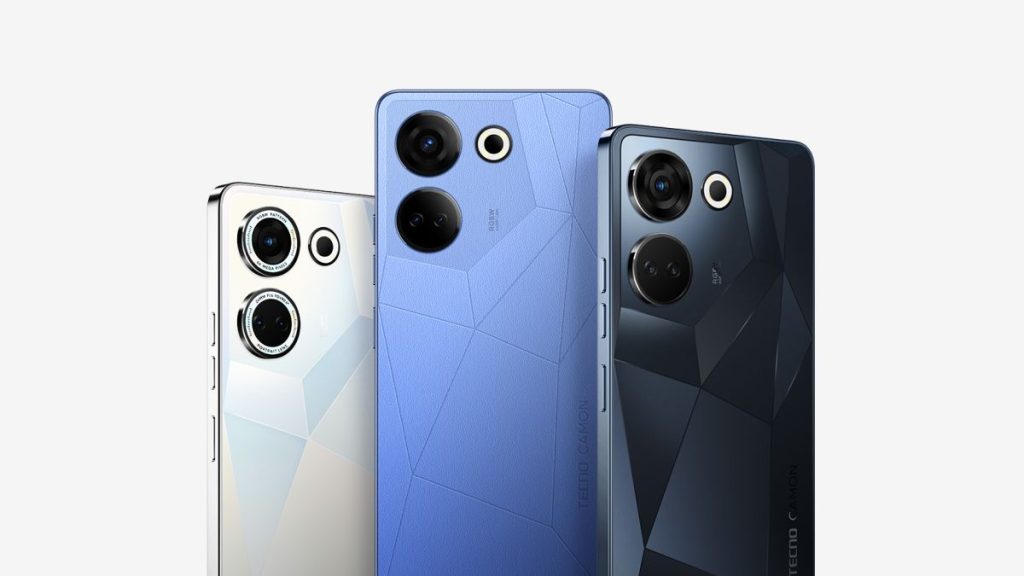
Tecno Camon 20 series of smartphones is all set to go official on May 27. The company has recently launched the Camon 20, Camon 20 Pro, Camon 20 Pro 5G, and Camon 20 Premier 5G in the global market. It appears some of these or all four phones will be heading to the Indian market. Ahead of the official announcement, the Camon 20 and Camon 20 Pro 5G are now listed on Tecno India’s website. The listings have also revealed the price of both smartphones.
Tecno Camon 20, Camon 20 Pro 5G specifications
Tecno Camon 20
The Tecno Camon 20 features a 6.67-inch FHD+ AMOLED screen with an in-screen fingerprint scanner. It is powered by the MediaTek Helio G85 chipset, 8 GB of RAM, and a 5,000mAh battery with 33W fast charging. The device offers 8 GB of virtual RAM and 256 GB of storage.
The Camon 20 has a 32-megapixel selfie camera with a dual-LED flash. Its rear panel has a 64-megapixel RGBW primary camera, a 2-megapixel depth sensor, a QVGA camera, and a ring LED flash. The Camon 20 is a slim phone measuring 7.8mm in thickness. It is a stylish glass and leather finish.
Tecno Camon 20 Pro 5G
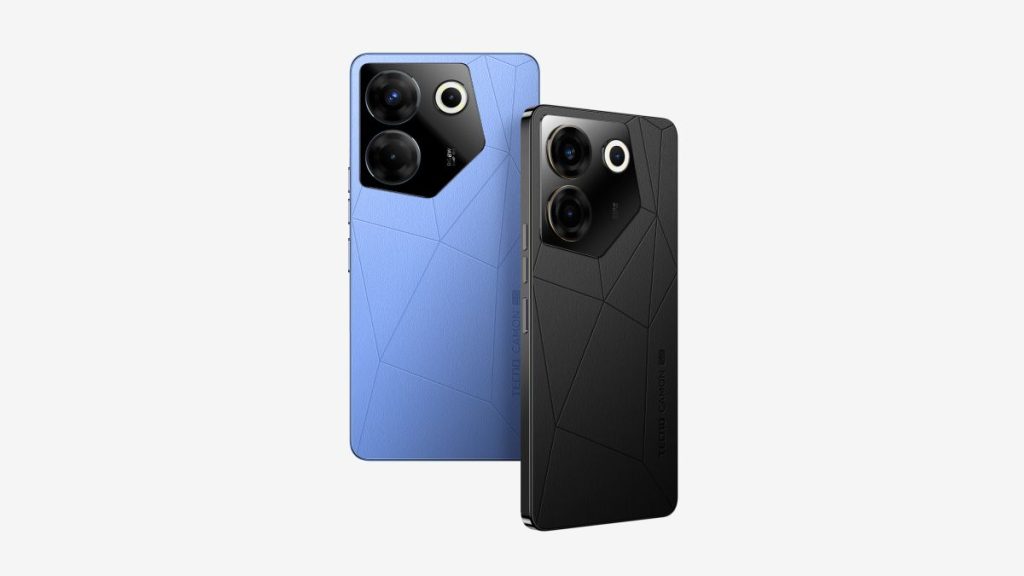
The Tecno Camon 20 Pro 5G has a 6.67-inch AMOLED FHD+ display that offers a 120Hz refresh rate and an under-display fingerprint sensor. Under the hood, the device has the Dimensity 8050 chipset and a 5,000mAh battery with 33W charging. It also ships with 8 GB of RAM, 8 GB of virtual RAM, and 256 GB of storage.
The Camon 20 Pro 5G also has a dual-LED flash enabled 32-megapixel front camera and a 64-megapixel (RGBW main sensor) + 2-megapixel (depth) + 2-megapixel (macro) triple camera unit with a ring-LED flash. As far as design is concerned, the Camon 20 Pro has textured leather and a 2.5D wear-resistant ceramic panel on the back.
Artificial Intelligence (AI) holds immense potential for various sectors, however, there are legitimate concerns about its potential harms to a nation like the United States. One of the primary risks lies in the displacement of jobs, as AI and automation technologies can replace human labor in various industries. Additionally, AI-powered cyberattacks pose a significant threat to national security, with potential consequences ranging from data breaches to the disruption of critical infrastructure. There are also ethical concerns surrounding AI, including the potential for biased decision-making algorithms that perpetuate discrimination and exacerbate social divisions. Safeguarding against these risks requires careful regulation, ethical guidelines, and proactive measures to ensure the responsible development and deployment of AI technologies.
Google CEO Sundar Pichai & Microsoft CEO Satya Nadella were also present
During a meeting held at the White House, prominent tech executives were called upon to take responsibility for safeguarding the public from the potential risks associated with Artificial Intelligence (AI). The gathering included Sundar Pichai from Google, Satya Nadella representing Microsoft, and Sam Altman, the CEO of OpenAI. They were reminded of their “moral” duty to protect society and were warned that the government might consider implementing further regulations in the AI sector.
The recent introduction of cutting-edge AI products like ChatGPT and Bard has created turmoil in the tech space, since everyone can leverage the technology to make their lives easier. These advanced systems possess the remarkable ability to rapidly summarize information from diverse sources, debug computer code, and even generate presentations and poetry that convincingly mimic human creation. The rollout of these products has reignited debates surrounding the societal implications of AI, effectively illustrating both the potential rewards and risks associated with this emerging technology.
While gathered at the White House, technology executives were strongly urged to prioritize the safety and security of their AI offerings. The government emphasized its openness to exploring new regulatory measures and legislation pertaining to artificial intelligence. Notably, Sam Altman of OpenAI expressed surprise at the degree of consensus among executives regarding the necessary steps for effective regulation.
In a subsequent statement, Vice President Kamala Harris acknowledged the transformative potential of AI to enhance lives but also expressed concerns about the safety, privacy, and civil rights risks it poses. Harris emphasized that the private sector has an ethical, moral, and legal responsibility to ensure the safety and security of their AI products.
The White House further announced a substantial $140 million investment from the National Science Foundation, intended to establish seven new AI research institutes and foster advancements in the field.
The calls for increased regulation within the rapidly evolving AI landscape have been amplified by influential figures, including Geoffrey Hinton, often regarded as the “godfather” of AI. Recent voices such as Elon Musk and Steve Wozniak have advocated for temporary pauses in AI development, while Lina Khan, the head of the Federal Trade Commission (FTC), has been vocal about the necessity of comprehensive AI regulation.
Concerns regarding AI technology encompass potential job displacement, the dissemination of misinformation resulting from inaccuracies in chatbot responses, issues related to copyright infringement arising from generative AI, as well as the amplified risk of fraud facilitated by voice cloning and AI-generated videos. Striking the right balance between innovation and regulation will be crucial as policymakers, industry leaders, and society at large navigate the complex landscape of AI’s future.
Recently, Sony launched the WH-CH520 headphones in multiple markets across the world. It is currently the most affordable wireless headphones from the Japanese company.
The WH-CH520 is the successor of the WH-CH510 from 2019. In other words, the brand took 4 years to introduce a newer model, which is uncommon in today’s fast-paced consumer electronics market.
The latest budget wireless headphones from Sony come with multiple upgrades over its predecessor. At the same time, it costs a bit more.
In India, the older CH510 was introduced at 3,990, whereas the newer CH520 retails at ₹4,490 on retailers like Amazon. So are these sub-₹5,000 Sony headphones worth buying? Let’s find out in our review.
Disclosure: This review is based on the author’s first-hand experience with a unit provided by Sony India. The brand had no early look or editorial input.
Functional Design
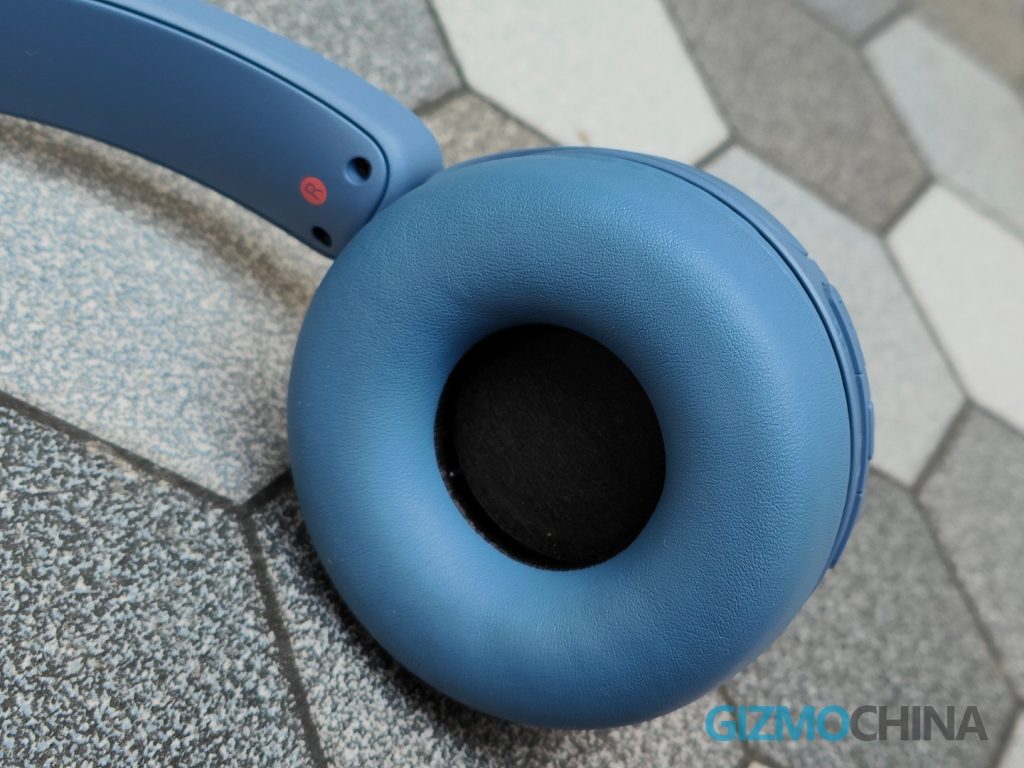
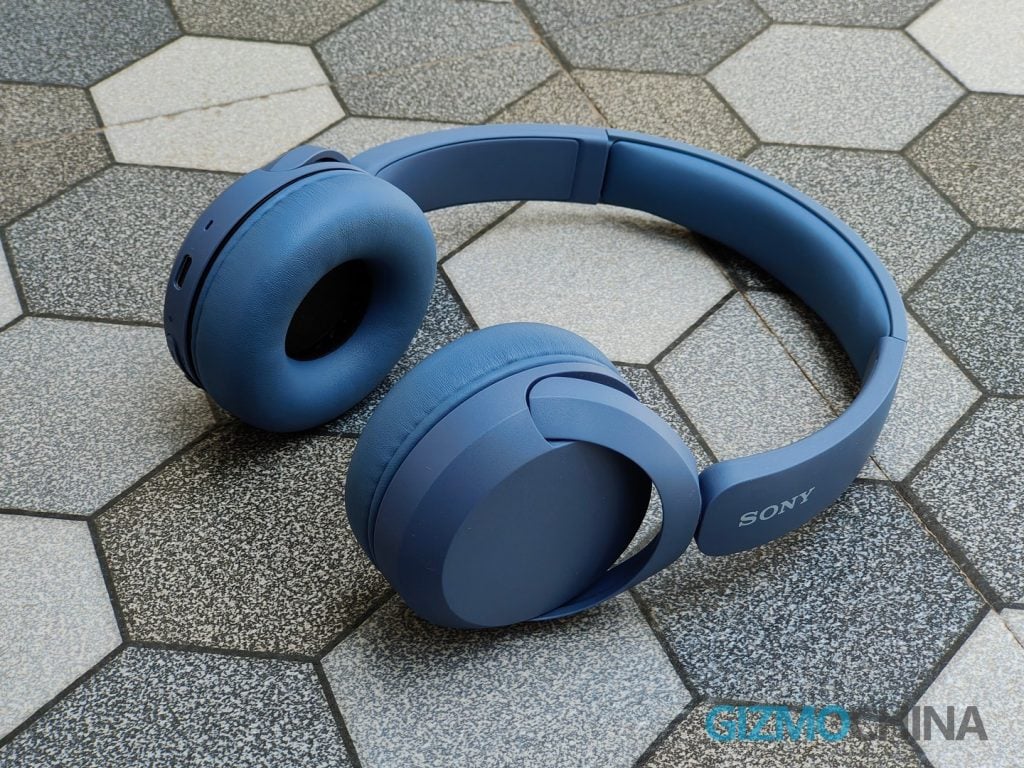
The Sony WH-CH520 wireless headphones are on-ear type. The device’s body is entirely made of good-quality plastic with limited stretchability.
The headband is adjustable but it cannot be folded for better portability. However, the cans be turned.
The foam used on the cans is also present on the headband. So you don’t feel the pressure on the top of your head.
[envira-gallery id=’539033′]
Unfortunately, the earlobes could be hurting for some after wearing the headphones for a while. This depends on the shape of your ear, and therefore, I cannot call the product universally comfortable.
Further, the control buttons are located below the right can. The multifunction button is slightly raised to differentiate itself from the volume keys on either side.
Holding the multi-function button will turn on or off the device. Whereas, the volume keys can be held to skip forward or backward.
[envira-gallery id=’539037′]
The right can also includes a USB Type-C port for charging and a microphone hole. The product does not ship with a case. You only get a USB Type-A to Type-C cable.
The headphones come in four color options, namely Blue, Beige, White, and Black.
Ton of Features
The Sony WH-CH520 headphones connect wirelessly to devices via Bluetooth 5.2. It offers multipoint connection feature, and therefore, it can be connected to two devices at a time.
The headphones also support Google Fast Pair and Microsoft Swift Pair. So it’s very easy to pair with Android and Windows devices.
It automatically switches to the device playing media or receiving a call. You can also track the headphones through Google’s Find My Device service.
I did not face any connectivity issues. The connection was solid on all devices I used the headphones with. I used the product with multiple smartphones, tablets, a laptop, and a TV.
But I wish it had a 3.5mm jack for an optional wired connection. This would have allowed me to connect it to my gaming console through the controller. Instead, I had to rely on the TV connection with noticeable latency.
[envira-gallery id=’539032′]
Further, you can manage the product with Sony Headphones app, which is available on Google Play Store and Apple App Store. The application lets you play with equalizer, manually switch between connected devices, update firmware, and more
Interestingly, the headphones offer support for Sony 360 Reality Audio. Unfortunately, I do not use any of the supported streaming services. So I couldn’t try it out.
Nevertheless, you could use the DSEE (Digital Sound Enhancement Engine) feature on all streaming apps. This option enhances the compressed audio to some extent.
As for endurance, Sony advertises up to 50 hours of battery life. The headphones live up to the claim. You will find it hard to drain the battery as it can even last more than the claimed number with lower volume levels.
On the other hand, it takes up to 3 hours to charge fully. Anyway, that’s fine as you get a lot more playback time in return.
Good Sound for Price
The Sony WH-CH520 house 30mm drivers. It only supports basic SBC and AAC audio codecs. Being an entry-level model, it is targeted at the general public who mostly listen to compressed music offered by Spotify and other streaming platforms.
Regardless, it would have been nice if the headphones offered a better soundstage. The audio output is crowded and isn’t that immersive.
On the plus side, the mid-range frequency output from the headphones is really good for its asking price. Thus, the instruments and vocals sound detailed and clear. The headphones are well-suited to binge-watch TV series and movies.
Similarly, the bass is well-controlled. So the headphones are great to listen to rock tracks, especially songs like ‘Another One Bites the Dust’ by Queen. But treble could have been better. Instruments like cymbal sound unnatural.
Though the headphones have a single microphone, the call quality is good. Ambient noise is suppressed to a certain level to provide clear audio to the people on the receiving end.
Finally, since the product is on-ear type, there’s a noticeable sound leakage at higher volume levels. It could be disturbing to the people around you, especially in a quiet room.
Conclusion
As an entry point to Sony’s wireless headphones family, the WH-CH520 is a good product overall. It is feature-packed, unlike most products in the price segment.
It is not only long-lasting but also provides a sound signature the masses would love. Even the mic quality is good for calls.
Though it may not be comfortable for everyone, it can be availed in four stunning colors, which is something that most brands don’t offer. This is very crucial for some as headphones are a fashion statement and so is the brand ‘Sony.’
The Sony WH-CH520 wireless headphones are more expensive than a plethora of cheaper offerings on the market. But you may not get a package like this.
OnePlus has recently rolled out a new update for the Nord CE 2 smartphone, which includes OxygenOS 13 based on Android 13. The device has been receiving regular updates throughout the year to enhance the user experience. The latest update brings the May 2023 Android security patch, along with various system improvements and bug fixes.
Users of the OnePlus Nord CE 2 smartphone in India are now being provided with the OxygenOS 13 F.48 update, which introduces firmware version IV2201_11.F.48. This update incorporates the May 2023 Android Security Patch, enhancing the device’s overall system security. Furthermore, system stability will be improved, and issues related to the background display effect of Quick Settings and brightness control will be resolved. Check out the official changelog below.
OxygenOS 13 F.48 Update Changelog
System
• Integrates the May 2023 Android security patch to enhance system security. • Improves system stability. • Improves the background display effect of Quick Settings. • Fixes an issue that affects the screen brightness control in Quick Settings.
Similar to previous updates, the rollout of this OTA (Over-The-Air) update will be incremental. Initially, a small percentage of OnePlus Nord CE 2 users will receive the update today, while a wider rollout will commence in a few days.
Apple is known for being the perfectionist of the tech world, but sometimes, things don’t always go according to plan. Recently, Apple’s latest updates to iOS and iPadOS resulted in lightning-to-USB adapters ceasing to work for Apple users, creating widespread frustration among its consumers. While it seemed that Apple is working on a solution for the same, another bug has popped up – this time with some iterations of the company’s best-selling product, the Apple Watch. Although the company has yet to acknowledge the problem officially, it is only a matter of time before a resolution is provided.
Surprisingly, Apple Watch Ultra units remain unaffected by this bug
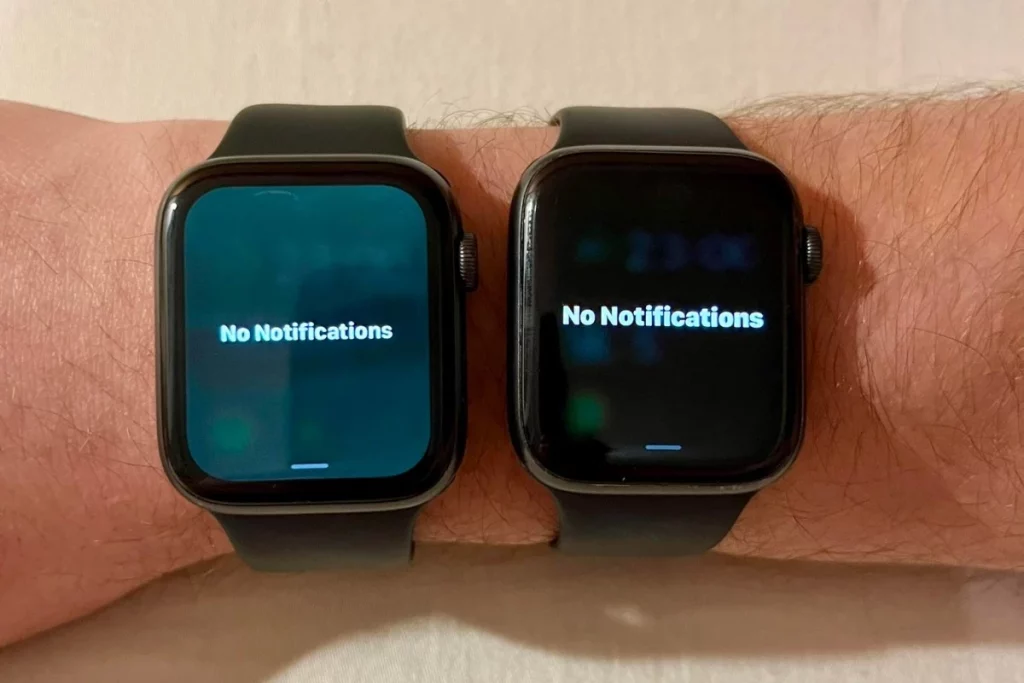
Apple Watch Series 8 owners and users of older models have reported a peculiar discoloration on their device displays after updating to watchOS 9.5. This issue has gained attention on various online platforms, including Reddit, where affected individuals have shared their observations. The most common complaint is the appearance of a green tint in areas such as the notification center, control center, and lock screen. However, some unfortunate users have experienced color changes in other menus, UI elements, and applications.
Interestingly, the bug is more noticeable on certain devices compared to others. Additionally, many users who have updated to watchOS 9.5 have not encountered any problems. Some individuals have even reported their screens displaying shades of grey instead of green. Notably, there have been no reports of this discoloration occurring on Apple Watch Ultra units. Surprisingly, the Apple Watch SE and SE 2 models appear to be largely unaffected by the green or grey tint bug. Nevertheless, regardless of the Apple watch model you own, it may be a good idea to delay the watchOS 9.5 update if you have not already installed it.
Based on past experiences, it is likely that Apple will release a patch in the near future, possibly as part of the upcoming watchOS 9.6 software rollout. This update should address the green tint issue and provide relief to those who have been experiencing this unexpected problem.
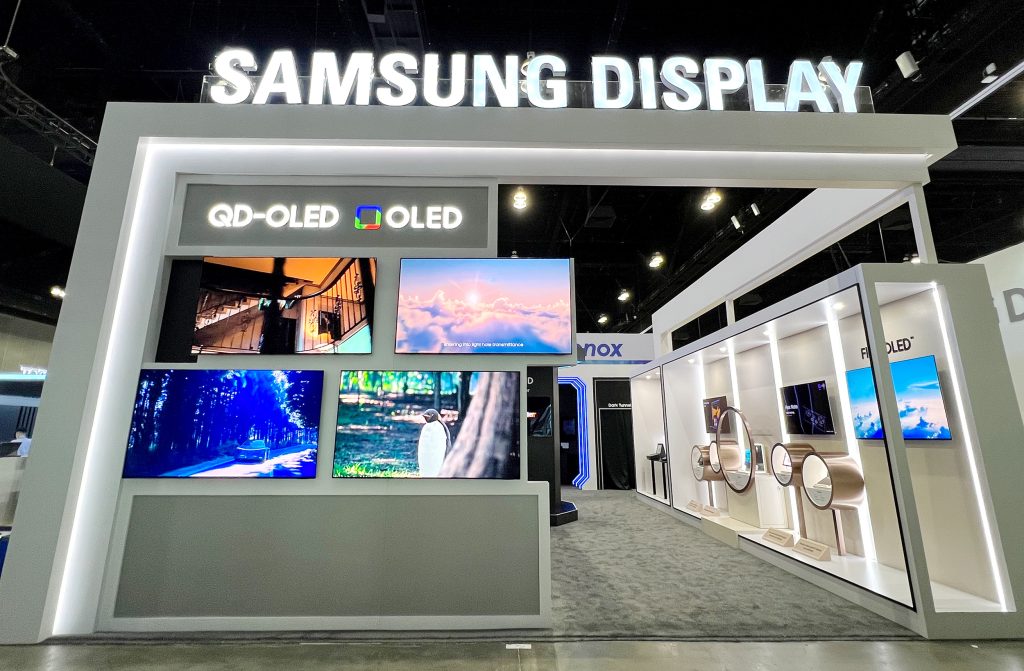
Samsung Display is set to showcase its cutting-edge OLED technologies at the 60th SID Display Week in Los Angeles. The event, organized by the Society for Information Display, is renowned as North America’s largest professional display event.
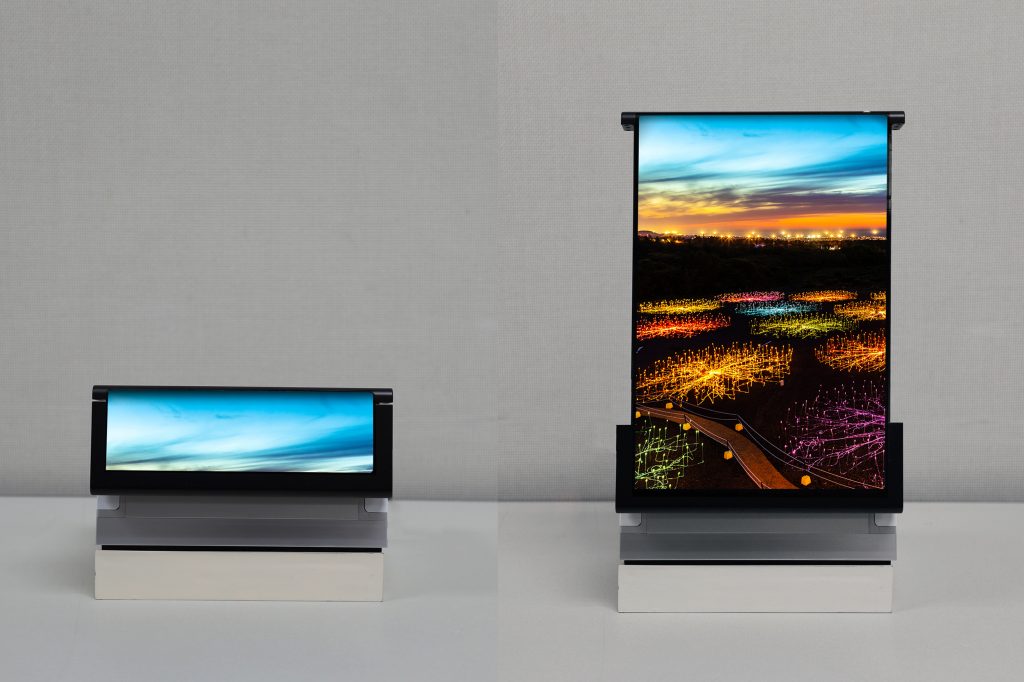
Samsung Introduced Rollable Flex, a screen that can expand 5x its original length
One of the highlights is the Rollable Flex, a groundbreaking display technology that revolutionizes the portability of tablet PCs and laptops. Unlike traditional foldable or slidable displays, the Rollable Flex can expand over five times its original length, offering unprecedented scalability. Users can roll and unroll the display on an O-shaped axis, making it easily portable.
The Sensor OLED display is another innovative product to be unveiled. It integrates fingerprint and blood pressure sensors directly into the panel, eliminating the need for separate modules. This unique feature enables seamless fingerprint recognition and cardiovascular health monitoring.
Flex In & Out introduces a new concept of foldable phones that can be folded both inward and outward, providing a full 360-degree folding capability. This design eliminates the need for an external panel, resulting in lighter and thinner devices.
Samsung Display will also showcase Flex Hybrid, combining foldable and slidable technologies, and Slidable Flex Solo, expanding from a 13-inch tablet to a 17-inch screen, offering versatile form factors.
QD-OLED, recognized for its exceptional colour accuracy and image quality, will be featured as well. This technology utilizes quantum dots to produce precise colours, setting new standards in display performance.
To enhance its presence in the small and medium-sized display market, Samsung Display is highlighting OLED Finder, a search site that allows users to find smartphones featuring Samsung OLED technology. It provides comprehensive information on OLED features and recommends the latest models.
Samsung Display’s participation in the SID/DSCC Business Conference will showcase the advancements of QD-OLED 2023, featuring IntelliSense AI technology and optimized algorithms, delivering increased brightness and energy efficiency.
By unveiling these groundbreaking technologies at SID Display Week 2023, Samsung Display is trying to reinforce its commitment to driving innovation in the OLED industry and shaping the future of display technology. The company has been a market leader in displays for a long time now, and it doesn’t seem like they are looking to give away that crown anytime soon, even after last week’s news where it was stated that TCL and Hisense are prevailing over Samsung in the LCD TV sector.
The media streaming giant is now requiring users to pay an additional $8 per month for each user who doesn’t live in the same household as the primary account holder.
As a part of this new policy, the account holder will now have to pay an additional $8 per user who accesses the platform outside of the primary household. Currently, only Standard Plan and Premium Plan support adding additional members, and the Basic Plan, as well as Standard Plan with Ads, don’t support extra members.
Similarly, users in the UK will also need to pay £4.99 more each month for extra members added to the account. This is a significant cost increase on top of the normal plan subscription. It remains to be seen how users in the United States will receive this new policy from Netflix, as it’s a major increase in cost and will have an impact in the longer run.
While the company says that it is seeing an increase in revenue after the implementation of this new policy, there are several users who plan to cancel the subscription altogether. The company estimates that over 100 million households account for password-sharing, and the crackdown on this could generate significantly more revenue.
Before implementing this policy in the United States, the company had been testing it in a number of countries, including Chile, Costa Rica, Peru, and Guatemala. The company says that the test was successful and it has resulted in a decrease in password sharing.
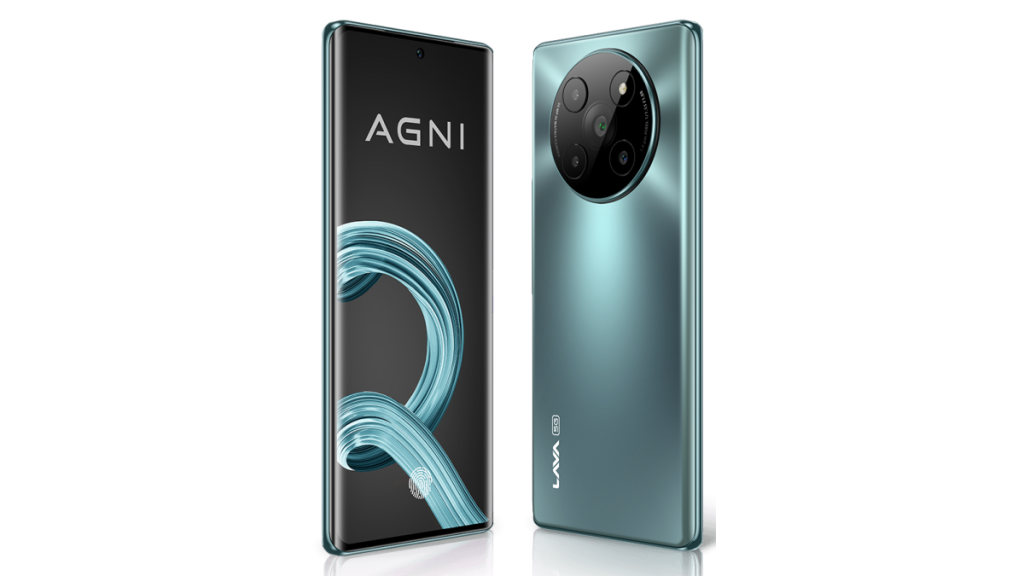
Today (May 24), the highly anticipated release of the Lava Agni 2 in India is scheduled, marking its first availability for purchase. Amazon will be the exclusive platform for selling the device, commencing sales at 10am. Below, we provide an overview of the Agni 2’s specifications and pricing, along with the attractive offers that await prospective buyers.
Lava Agni 2 price, offers
Priced at Rs 21,999 (~$265), the Lava Agni 2 can be obtained by customers at a reduced price of Rs 19,999 (~$241) by making use of major credit / debit cards and EMI transactions, resulting in a discount of Rs 2,000 (~$24). The handset will be exclusively available through Amazon. The Agni 2 comes in a single color named Glass Viridian.
Lava Agni 2 specifications
Lava Agni 2
The Lava Agni 2 houses a 6.78-inch AMOLED display that offers a Full HD+ resolution of 2220 x 1080 pixels, a 120Hz refresh rate, and an under-display fingerprint sensor. The device comes with support for HDR, HDR10, and HDR10+. The chin of the device is only 2.3 mm, and it sports a glass back with a matte finish. The screen is shielded by Schott Xensation glass.
The Agni 2 is the first phone to arrive in India with the Dimensity 7050 chip onboard. It is equipped with 8 GB of RAM, 8 GB of virtual RAM, 256 GB of storage, microSD card support (via hybrid SIM slot), and a 4,700mAh battery with 66W fast charging. It has a 16-megapixel front camera, and a 50-megapixel (main) + 8-megapixel (ultra-wide) + 2-megapixel (macro) + 2-megapixel (depth) quad-camera system on the back.
Lava will provide Android 14 and Android 15 OS updates to Agni 2 users. In addition, it will receive three years of security updates. In case, the device develops any hardware issues, the company will replace it at home for free. This is applicable only within the warranty period. Lava has also confirmed that an Agni 2 customer will be assigned a dedicated service manager dubbed Agni Mitra.
“Artificial intelligence will take our jobs.” I’m sure many of you have heard this sentence before. For years, this phrase that sounded like a joke has unfortunately become a potential reality for me. Moreover, this is not my own claim. According to Bill Gates, AI could eliminate Google Search and Amazon as we know them. Here are the details…
Bill Gates Explained That How AI Personal Assistants Could Change the Way We Use the Internet
In a recent interview, Microsoft co-founder Bill Gates said that artificial intelligence will have a profound impact on the future of work. He predicts that AI will automate many jobs that are currently performed by humans, but he also believes that it will create new jobs that require different skills and knowledge.
Gates also believes that AI assistants will eventually become so sophisticated that they will be able to do everything that Google Search and Amazon can do, and more. Artificial intelligence will be able to understand our needs and habits, and they will be able to help us with everything from finding information to making purchases.
Gates is not the only one who believes that AI will have a major impact on the workforce. A recent study by the McKinsey Global Institute found that up to 800 million jobs could be lost to automation by 2030. However, the study also found that up to 950 million new jobs could be created in the same time period, many of which will require higher skills and education.
Upskilling and reskilling: Individuals should focus on developing new skills that are in demand in the AI economy. This could include learning to code, data science, or artificial intelligence.
Becoming adaptable: Individuals should be willing to learn new skills and adapt to new ways of working. This will be essential in order to stay relevant in the workforce.
Networking: Building relationships with people in the AI industry can help individuals stay up-to-date on the latest trends and opportunities.
It means that individuals will need to be adaptable and willing to learn new skills in order to stay relevant in the workforce. They will also need to be able to work with AI-powered tools and technologies.
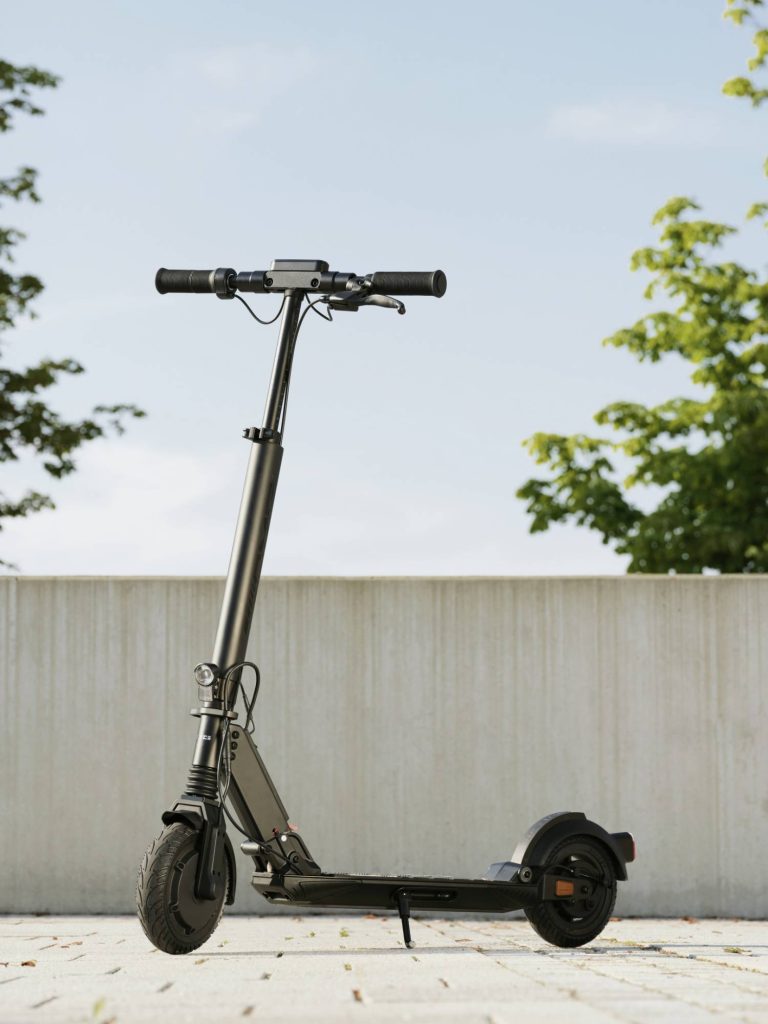
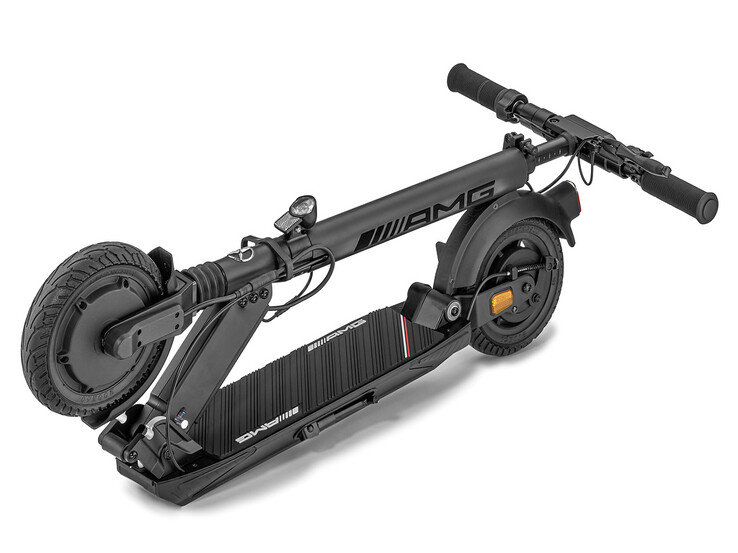
The Mercedes-AMG electric scooter has been unveiled. The e-scooter has a range of 40km, features regenerative braking, and is powered by a 500W motor. The AMG is a standing e-scooter that is designed for inner-city transit. Mercedes-Benz says the new e-scooter is stylish and safe, with an excellent range for last-mile trips.
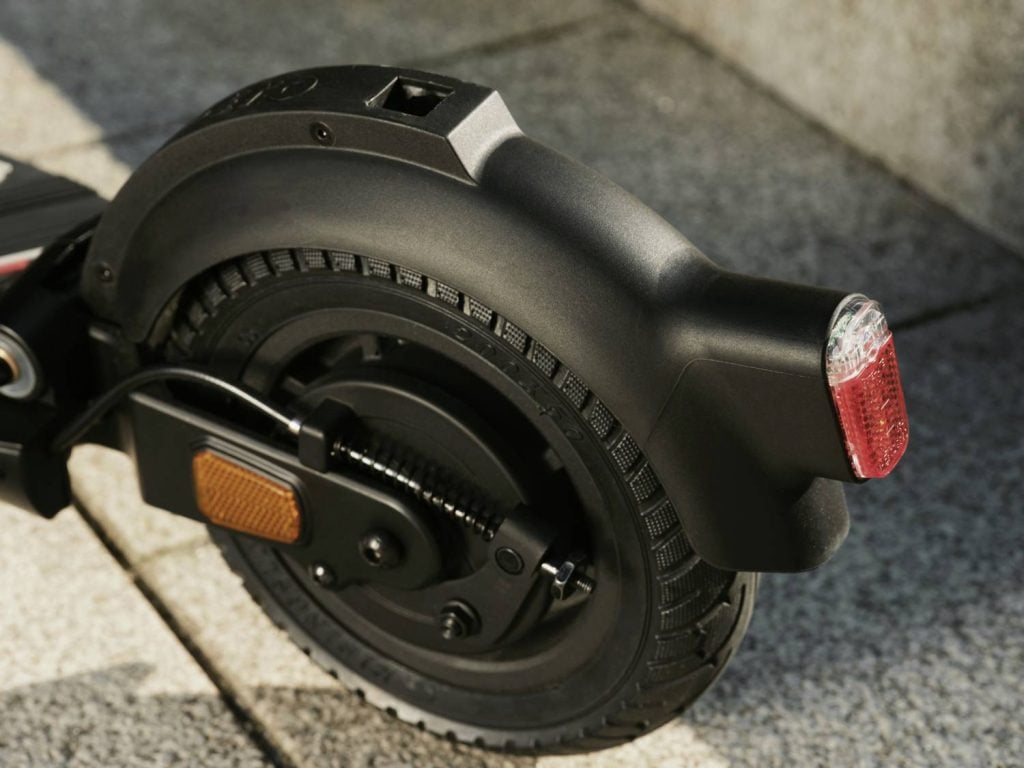
The Mercedes-AMG E-Scooter was designed in conjunction with Micro Mobility Systems and is a refreshed and updated version of the current Mercedes-Benz E-Scooter. The low-level electric motor in the Mercedes-AMG E-Scooter means that it doesn’t require any regulatory approval to ride on urban roads. It seems that the new model is based on an aesthetic rebranding of the existing Mercedes-Benz E-Scooter. One of the major highlights of the new e-scooter is the redesigned base, as well as AMG branding on the handlebar. The scooter has 200mm wheels and weighs 14.7kg.
Two riding modes are available for the Mercedes-AMG e-scooter – Eco and Sport. The Sport mode delivers a riding range of about 25km while the much slower Eco mode gives up to 40km. The e-scooter has a mounted display on the handlebar via which you can view ride information. You can also use the companion mobile phone app to access the e-scooter via Bluetooth connection. Although the e-scooter weighs about 15kg, it can be easily carried in a car or public transport. It is a foldable e-scooter and this enhances its versatility and mobility.
The Mercedes-AMG E-Scooter is priced at €1,399.90 (~$1,509) which is slightly more expensive than its predecessor. The original Mercedes-Benz E-Scooter retails at €1,199.90 (~$1,293), thus buyers will have to part with an extra €200 (~$216) for the E-Scooter.
Technology is constantly changing our habits and making our lives easier. Moreover, this process never stops. For instance, 206 years after the invention of the first bicycle in Germany, we are now using e-bike technology, which has become increasingly popular in recent years. Just last week, Yamaha introduced the Booster Easy and Booster S-pedelec models, and now Veloretti has launched two new electric bicycles, the Electric Ace Two and Electric Ivy Two. Here are the details…
Take a Look at the New Veloretti Electric Ace and Ivy Two E-Bikes
Amsterdam-based bicycle manufacturer Veloretti has added two new e-bikes to their lineup: the Electric Ace Two and Electric Ivy Two. The Electric Ace Two is a step-over model, while the Electric Ivy Two is a step-thru version. Both bikes are powered by a 250W Bafang mid-motor and a detachable 540 Wh battery, which can provide up to 120 kilometers (or approximately 75 miles) of range on a single charge.
The Veloretti Electric Ivy Two.The Veloretti Electric Ace Two.
The Electric Ace Two and Electric Ivy Two are equipped with Enviolo automated gears and Shimano hydraulic disc brakes. They also have a built-in display that shows riders their speed, battery level, and other trip details. Veloretti has also introduced a safety tracking feature that allows riders to share their real-time location with loved ones. Some of the key features of the Electric Ace Two and Electric Ivy Two:
Enviolo automated gears: These gears automatically adjust to the terrain, providing a smooth and efficient ride.
Shimano hydraulic disc brakes: These brakes provide powerful stopping power in all weather conditions.
Built-in display: This display shows riders their speed, battery level, and other trip details.
Safety tracking feature: This feature allows riders to share their real-time location with loved ones.
The Electric Ace Two and Electric Ivy Two are available in five stunning color options: Matte Black, Graphite, Dune (a unique beige), and Coral (a vibrant pink). The bikes have a competitive price tag of €3,299 (equivalent to approximately US$3,568).
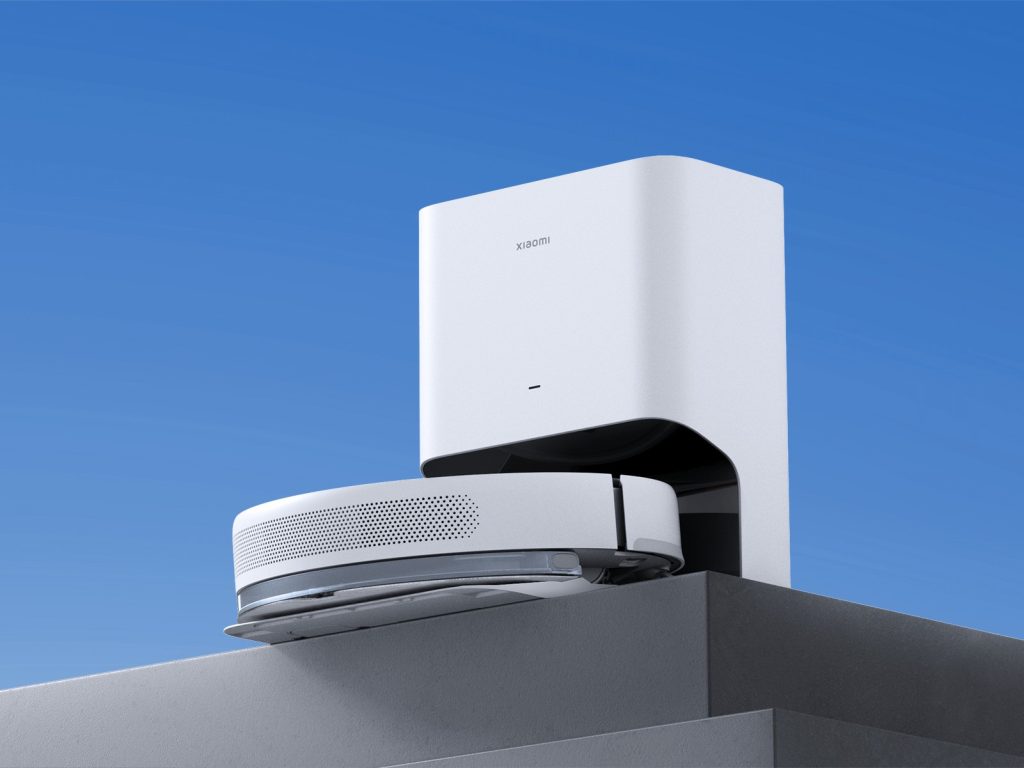
Xiaomi has introduced the Robot Vacuum X10 in some countries in the EU including France, Spain, and Italy. The Robot Vacuum X10 has a 4,000 Pa suction power and can run for up to 3 hours on a single charge. The vacuum has three water levels and a 200ml and a 200ml onboard tank. The Xiaomi X10 is being touted as the most efficient and affordable flagship robot vacuum on the market.
The Xiaomi Robot Vacuum X10 was released in China earlier this year. It has also made its way into markets in Southeast Asia before now. It has a self-emptying docking station with a 2.5L dustbin. It uses a 17,000 Pa suction to empty the bin which allows for smart cleaning up to 60 times without human interference. The robot uses LDS laser technology to expertly navigate across the room, avoiding obstacles and barriers on its path. The X10 can also work seamlessly at night and can overcome obstacles up to 20mm. The Xiaomi Home app is the companion app for the X10, via which you can adjust the robot’s settings. It also supports Google Assistant voice commands and Amazon Alexa.
Xiaomi Robot Vacuum X10 price
The Xiaomi robot vacuum X10 is offered at a discounted price of €449 (~$484) in the EU. The original price of the robot is €499 (~$537). The gadget offers an affordable option for buyers, as other robot vacuum cleaners are priced far higher than the X10.
Ugreen is giving huge discounts on a range of its products. Take advantage of this opportunity to discover some of the best deals currently available. Whether you’re in need of a reliable power station or a convenient phone stand, UGREEN has you covered. Don’t miss out on these incredible offers and find the perfect accessories to enhance your digital lifestyle at discounted prices.
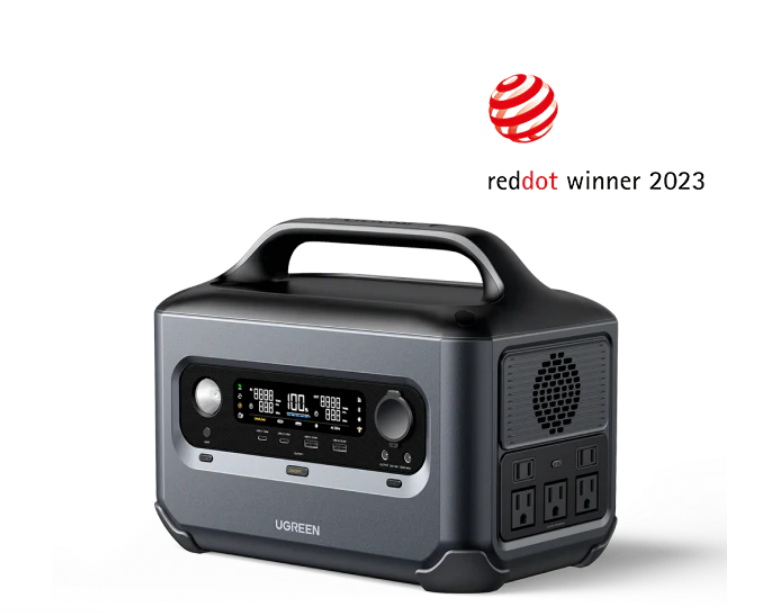
Ugreen 600W Portable Power Station is a versatile and reliable power solution for your on-the-go needs. This high-capacity power station provides you with a robust power supply, allowing you to stay connected and powered up wherever you are.
The Ugreen 600W Portable Power Station offers a compact and lightweight design, making it easy to carry and transport. Whether you’re camping, traveling, or facing a power outage, this power station ensures that you have a reliable source of electricity.
With its impressive 680Wh capacity, this power station can provide ample power to charge your devices multiple times. It features a 600W AC outlet, allowing you to run small appliances, charge laptops, or power other electronic devices. Additionally, it offers multiple USB ports and DC outputs, ensuring compatibility with a wide range of devices.
The power station comes with advanced PowerZip technology. This innovative feature allows the power station to rapidly charge from 0 to 80% in a mere 50 minutes when using an AC input, and it reaches full charge in just 1.5 hours. Additionally, you can harness the power of solar energy to completely charge the device in as little as 4 hours, using a 200W solar panel.
The device boasts an extraordinary 10-year battery life, made possible by its advanced LiFePO4 EV class batteries. These batteries set a new standard in longevity, delivering a lifespan that is six times longer than conventional lithium-ion batteries.
You can enhance your control and convenience by downloading the Ugreen app, which grants you access and management from anywhere. It comes with practical features like quiet mode, power-saving mode, and child lock, among others.
With 2 AC ports (600W), 2 USB-C ports (100W), 2 USB-A ports (22.5W), 1 car socket, and 2 DC ports, the power station meets various charging needs. Ideal for outdoor camping and home backup, the UGREEN power station supports devices up to 1500W with its exclusive U-turbo technology.
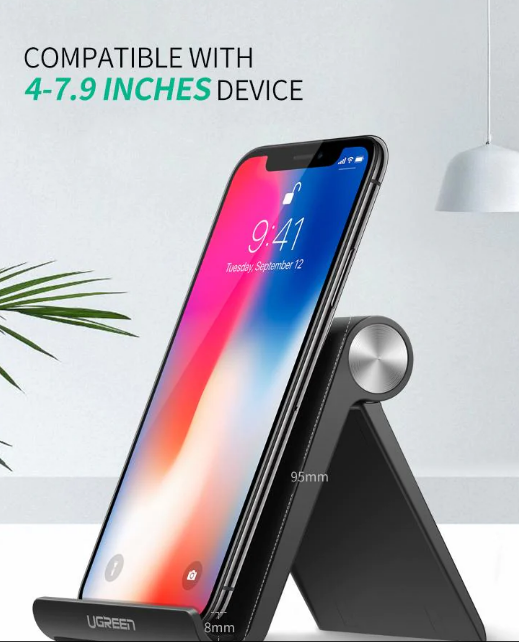
The portable stand is a versatile cell phone stand, that offers secure positioning for your phone in either portrait or landscape mode. Designed with travel and storage convenience in mind, this stand can be folded flat, allowing for easy transport and storage in backpacks or everyday totes. With its adjustable hinge, providing a 100-degree rotation, you have the flexibility to achieve the perfect viewing angle. It is ideal for on-the-go and hands-free viewing.
The stand not only provides secure and stable support for your phone but also safeguards it from potential water splashes when working near sinks or water sources. With the desk phone stand, you can enhance your productivity and entertainment while keeping your phone protected and within reach.
The stand is highly durable, thanks to its robust hinge mechanism, which assures a longer lifespan, and the silicone pads on the phone stand, effectively prevent scratches and protect your phone’s surface.
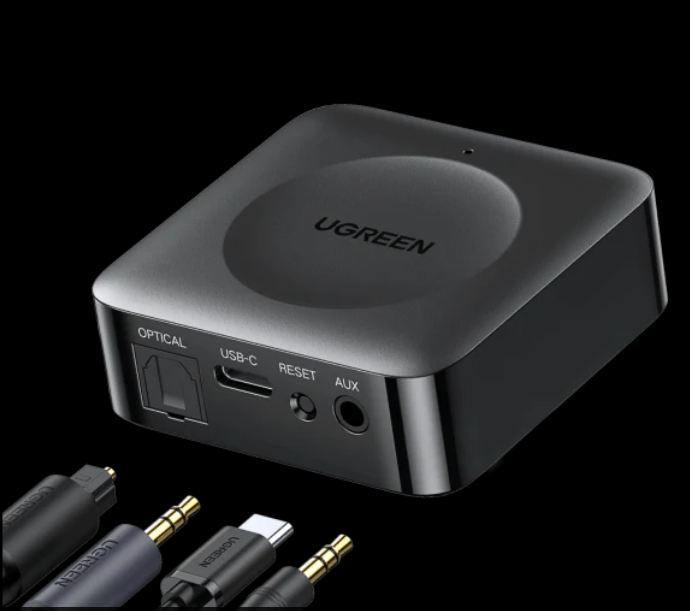
The UGREEN Airplay 2 Receiver, is designed specifically for older audio equipment. The device comes with high-definition sound quality with its 2.4GHz/5GHz WiFi signal, ensuring a seamless wireless audio streaming experience. With the ability to control multiple audio devices simultaneously from your iPhone or iPad, you can effortlessly manage your audio setup.
AirPlay 2 receiver features a transmission distance of up to 40m, allowing you the freedom to move around while staying connected. Its functionality enables you to make calls or play games while enjoying your favorite music. Additionally, the receiver offers versatility with its 3.5mm and optical dual audio ports, accommodating a wide range of audio systems.
Designed for multiroom setups, these receivers can be effortlessly controlled simultaneously by a single iPhone or iPad, allowing you to create surround music that resonates throughout your entire home.
The AirPlay 2 Receivers offer wide compatibility, allowing you to connect various devices such as iPhones, iPod Touch, Mac, Apple TVs, and iPads. You can elevate your home audio system with these receivers and revel in the pleasure of synchronized, high-quality sound throughout your entire house.
The device provides exclusive control with the dedicated “ApexSound” app. Simply search and download the app to address any latency concerns that may arise when multiple products are paired with a single Apple device.
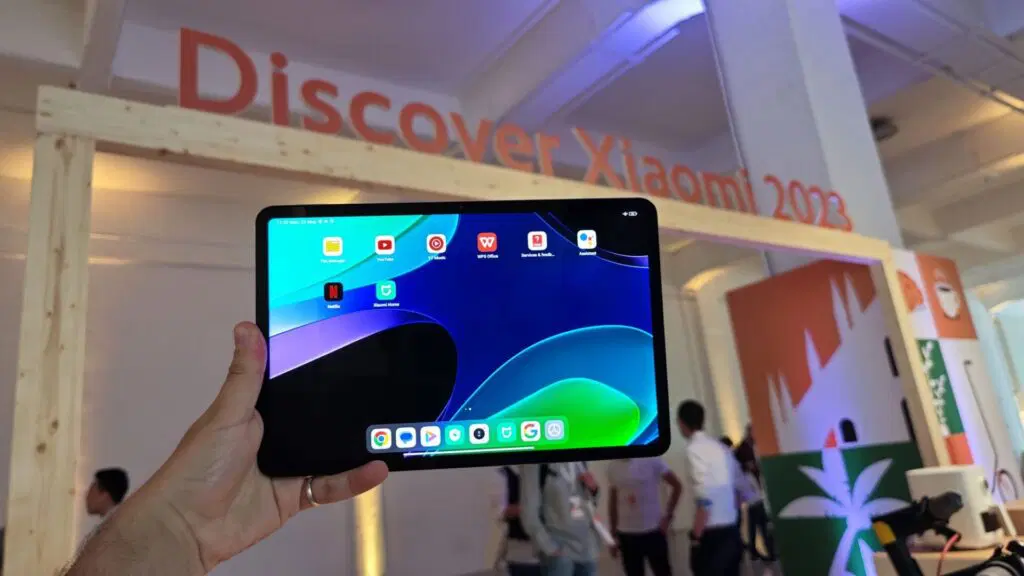
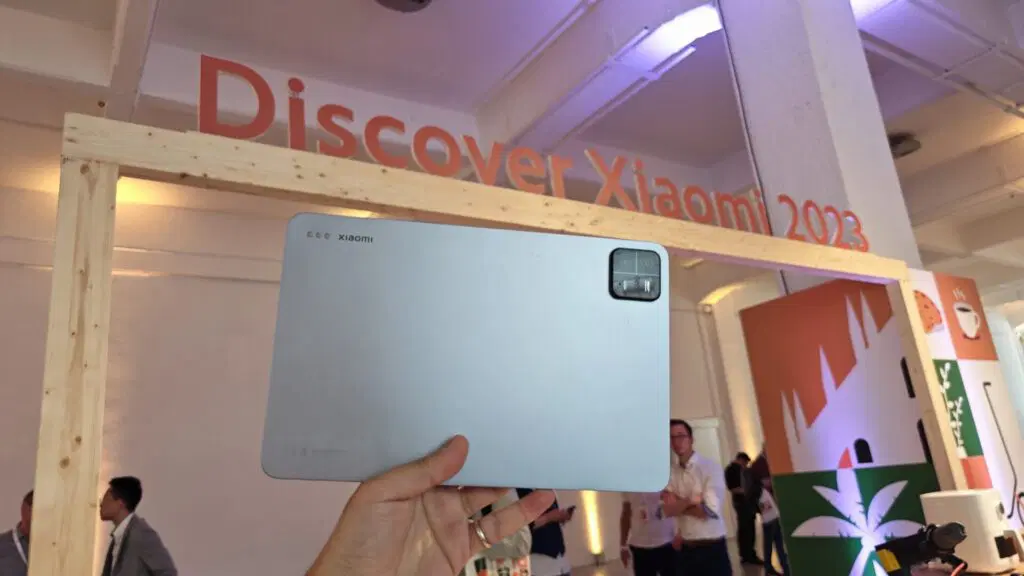
A month after its unveiling in China, the Xiaomi Pad 6 has been launched in Europe. The Xiaomi Pad 6 is a premium and high-performance tablet that could now be available in the global market. An event in Spain today is being used to highlight the properties of the Pad 6.
The new Xiaomi tablet is powered by the Qualcomm Snapdragon 870 chipset and it comes with a better performance rating than its predecessor. The tablet has an 11-inch 1800 x 2880 pixels LCD screen with 144Hz refresh rate. The Xiaomi Pad 6 runs on Android 13 atop MIUI 14. It has a 13MP main camera and an 8MP selfie camera.
The Xiaomi Pad 6 is available in 6GB and 8GB RAM options. The Xiaomi Pad 6 has an 8,840mAh non-removable LiPo battery and supports 33W wired charging, PD3.0, and QC4. The tablet weighs 490g and has dimensions of 254 x 165.2 x 6.5mm.
The Pad 6 does not come with a SIM module but supports a magnetic stylus. The screen is covered by Gorilla Glass 3 and an aluminum frame and back. The Pad 6 has peak brightness of 550 nits and a screen-to-body ratio of 86%. The internal storage options for the tablet are 128GB and 256GB.
The Xiaomi Pad 6 had been much anticipated before its recent unveiling. The Europe version of the model will be available in three color options namely gravity gray, fog blue, and champagne. Apart from Spain where the Xiaomi Pad 6 was officially announced, countries like Turkey, Russia, and Indonesia will also get the device.
Xiaomi did not release the pricing information of the Pad 6 and concrete availability details. These details are however expected soon.
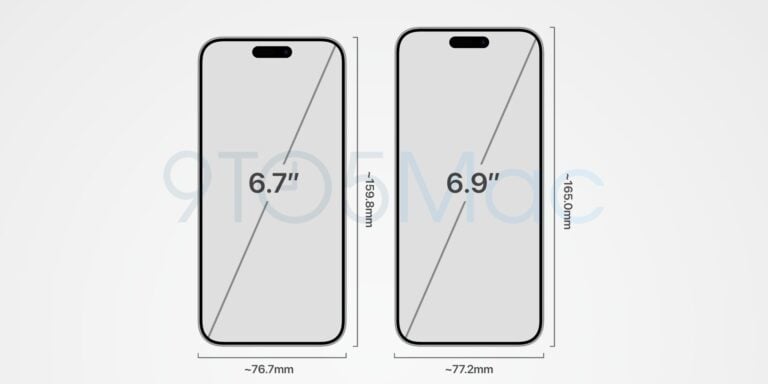
Even though the iPhone 16 series is scheduled for release in 2024, early CAD renders have illuminated the Apple flagship. The iPhone 16 Pro Max will likely have a larger display than its predecessor.
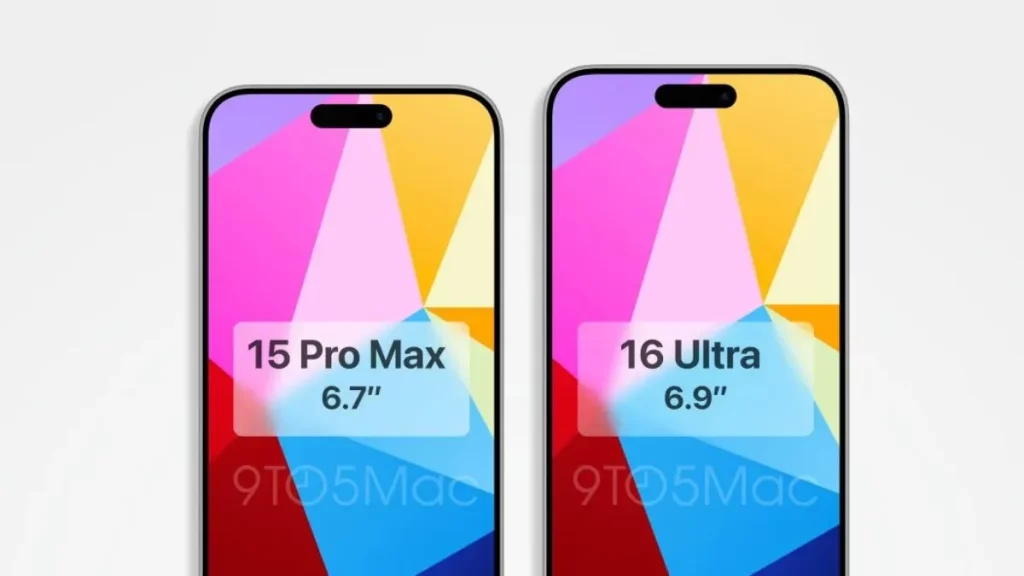
The upcoming iPhone 16 Pro Max/ Ultra could be as tall as 165mm and have a width of 77.2mm. Although the iPhone 15 series is scheduled to be released during Apple’s traditional launch event in August, details about the next models have surfaced. It is also reported that Apple will omit the Ultra version from the iPhone 15 series. Therefore, the flagship model in the series will be the iPhone 15 Pro Max.
Apple’ is akin to the template Apple used for the Apple Watch Ultra. The new computer-aided design (CAD) renders point to a larger display for the iPhone 16 Pro Max/ Ultra. The iPhone 16 Ultra will reportedly get a 6.9-inch long screen to go with its larger body size. The designs show that Apple will maintain the general form factor of the iPhone 16 Pro Max as much as possible.
Previously, there had been a report that the iPhone 16 Pro will have a 6.3-inch display while the Pro Max version will have a screen size of 6.9 inches. The upcoming iPhone 15 series include the iPhone 15, iPhone 15 Plus, iPhone 15 Pro, and the signature iPhone 15 Pro Max. A prominent addition to the iPhone 15 series is a bigger image sensor together with a telephoto camera on the back.
We use cookies on our website to give you the most relevant experience by remembering your preferences and repeat visits. By clicking “Accept”, you consent to the use of ALL the cookies.
This website uses cookies to improve your experience while you navigate through the website. Out of these, the cookies that are categorized as necessary are stored on your browser as they are essential for the working of basic functionalities of the website. We also use third-party cookies that help us analyze and understand how you use this website. These cookies will be stored in your browser only with your consent. You also have the option to opt-out of these cookies. But opting out of some of these cookies may affect your browsing experience.
Necessary cookies are absolutely essential for the website to function properly. This category only includes cookies that ensures basic functionalities and security features of the website. These cookies do not store any personal information.
Any cookies that may not be particularly necessary for the website to function and is used specifically to collect user personal data via analytics, ads, other embedded contents are termed as non-necessary cookies. It is mandatory to procure user consent prior to running these cookies on your website.