Advertisement

Twitter CEO Elon Musk Says He’s Open To Buying Silicon Valley Bank

Silicon Valley Bank (SVB), one of the largest banks in the US, has been shut down by regulators, and its assets were seized by the Federal Deposit Insurance Corporation (FDIC). The bank primarily serviced customers in the technology industry, including tech workers, startups, and venture capital-backed companies. Its closure marks the largest US bank failure since the 2008 global financial crisis.

Elon Musk

The FDIC has created the Deposit Insurance National Bank of Santa Clara to hold the insured deposits from SVB, which will continue to clear checks. The main office and all branches of SVB will reopen on March 13, and insured depositors will have full access to their deposits no later than Monday morning. However, it is unclear how larger accounts or credit lines for companies will be impacted by the closure as FDIC’s standard insurance covers up to $250,000 per depositor.

Amidst the turmoil, Razer CEO Min-Liang Tan suggested that Twitter should consider buying SVB and turning it into a digital bank. This suggestion caught the attention of Twitter chief Elon Musk, who responded positively, saying that he is open to the idea.

This potential acquisition could mark Twitter’s entry into the fintech space, as the company has been exploring ways to expand its business. By acquiring SVB, Twitter could leverage its large user base and strong brand to establish itself as a major player in the digital banking industry. As of writing this story, there’s no official confirmation or further information regarding this comment from the billionaire.

SVB specialized in financing start-ups and had become the 16th largest US bank by assets, with $209 billion in assets and approximately $175.4 billion in deposits. The bank’s problems were sparked by customer withdrawals that led the company to liquidate securities positions whose values had plummeted due to the Federal Reserve’s interest rate hikes. Its rapid collapse has left markets rattled, and the FDIC will seek to liquidate its assets while insured depositors will receive an advanced dividend and potential additional dividend payments as the regulator gradually sell SVB’s assets.
RELATED:

Alleged Coolpad Cool 30 Spotted on TENAA with LCD Water Drop Notch Display

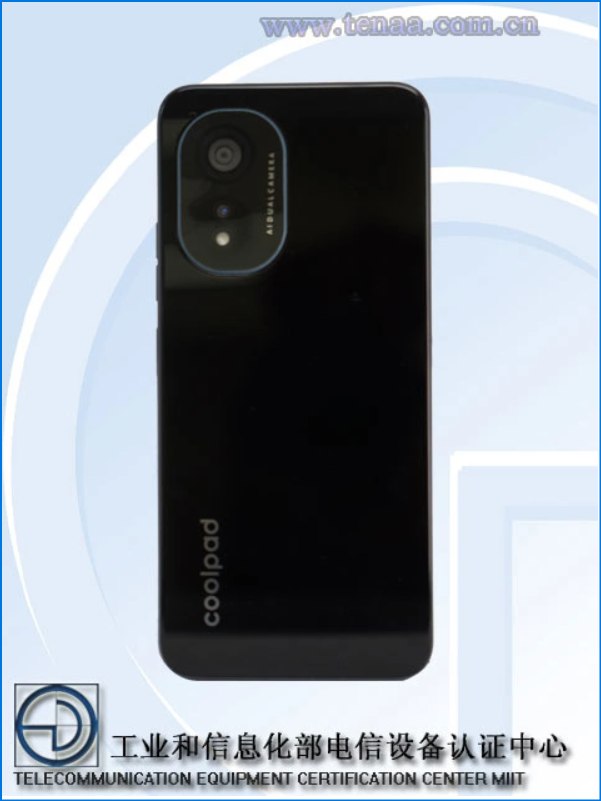
Coolpad, a known Chinese smartphone manufacturer, is reportedly working on the upcoming Coolpad Cool 30 smartphone. The Cool 30 is going to be a budget-oriented device offering a decent set of specifications. It has been now listed on the TENAA authority ahead of the official launch. The listing also gives us a quick glimpse of the key specifications of the smartphone.

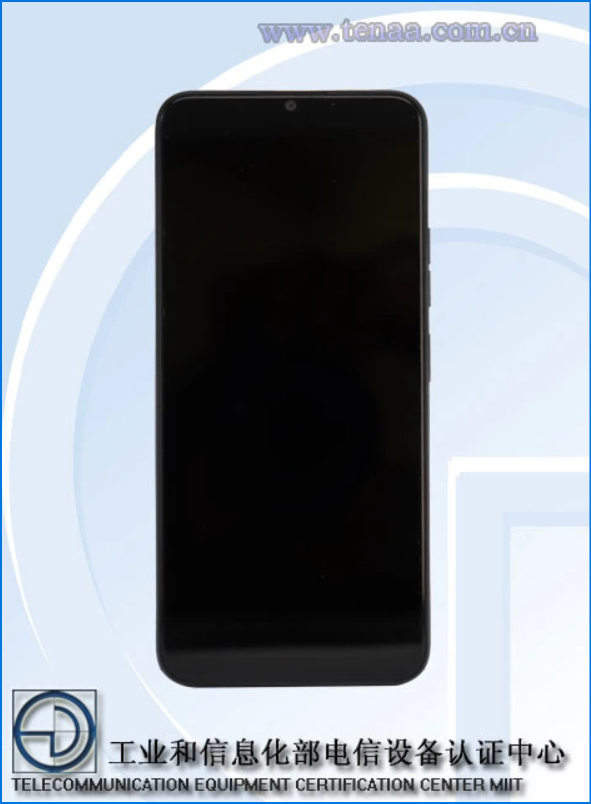
The Coolpad Cool 30 with the model number CP16t has been listed on TENAA. The website also reveals the complete look and design of the smartphone. The device can be seen in the Black colour variant with an appearance similar to the Coolpad Cool 30 Pro. However, there are some changes in the camera alignment inside the camera bump. Dual camera lenses along with an LED light are housed inside the camera bump in a vertical position.

Coolpad Cool 30

Further, the listing reveals that the gadget will pack a 4400mAh battery. It would have an LCD panel on the front with a classic waterdrop notch cutout for the selfie camera. So that was all we had to cover up regarding the TENAA listing of the device. The key specifications reveal that it is going to be launched as a very basic entry-level smartphone.

Coolpad Cool 30

It is worth mentioning that the Pro variant of the smartphone was also spotted on TENAA long ago. The 6.7-inch TFT LCD screen on the Pro model has a resolution of 2388 x 1080 pixels. The phone will have an unidentified chipset with an octa-core CPU running at 2.4GHz inside. This processor will include 6GB or 8GB of RAM and 128GB or 256GB of storage. The smartphone will also include a triple camera setup on the back. A 64MP sensor, an 8MP sensor, and a 2MP sensor will be part of this arrangement. It will have a 16MP front-facing camera for selfies and video calls.

So that’s it for the post. Do you think Coolpad Cool 30 will be able to compete with other devices in the market? Do let us know by dropping a comment down below.

RELATED

Mysterious Lenovo Tablet Spotted on FCC Revealing Some Key Specifications

Lenovo, the Chinese electronics behemoth, is said to be working on a tablet. Lenovo tablets are usually good and come with some unique specifications and features. Yet, a mysterious Lenovo tablet has been discovered in the FCC database before its official release. There have been rumours that Lenovo is working on a tablet, which has now been confirmed by the FCC listing.

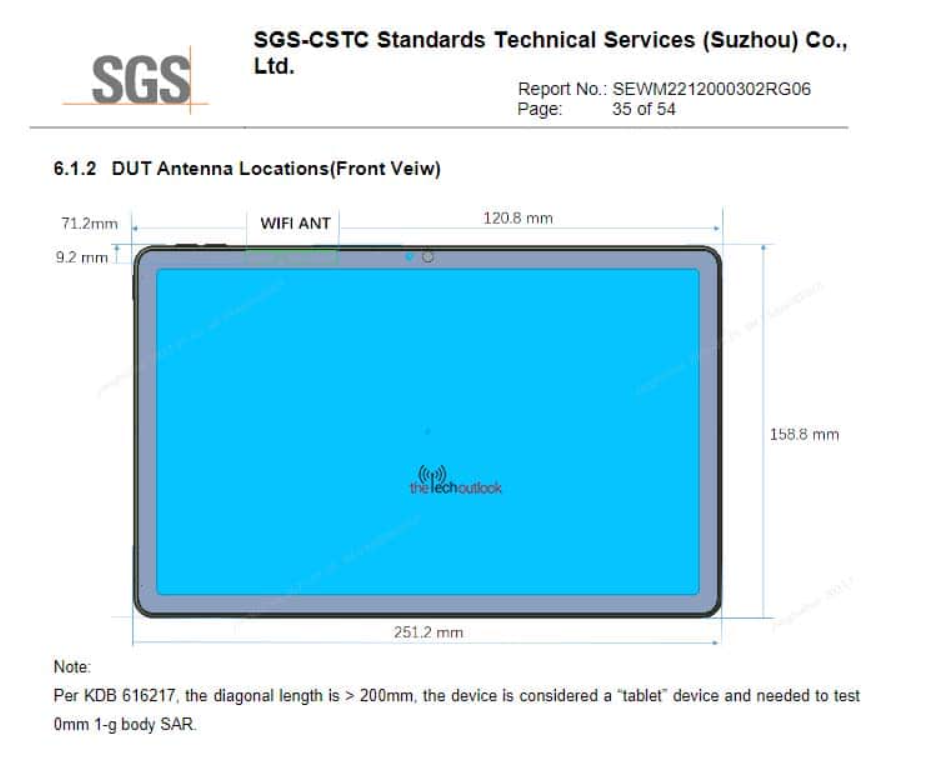
A new Lenovo tablet with the model number TB-X6E6F has been spotted on the FCC certification page.   A few specifications of this future product have also been revealed, according to the listing. This device is confirmed to support a 5G Wi-Fi network, and the bands that this tablet supports are also revealed on the website.

Lenovo

The radio spectrum of the Lenovo TB-X6E6F ranges from 30Hz to 300Hz. The gadget most likely follows the rule of lower frequency and longer range, however, if the frequency is lower, it will support a lower data rate. As a result, choosing a radio spectrum requires balancing range and data rate. The certification website also revealed the dimensions and front design of this future tablet, showing that its diagonal length will be greater than 200 mm. Wi-Fi Ant is positioned 71.2mm from the left and has dimensions of 158.8mmX251.2mmX9.2mm, according to the listing.

Lenovo tablet

The 2.4 GHz ISM radio band (2400 to 2483.5 MHz) is used by Bluetooth technology in this upcoming tablet, which undoubtedly offers a decent balance between range and connectivity. A true standard for low-power wireless communication, the 2.4 GHz band is also accessible everywhere.

So that was all about the upcoming Lenovo tablet and its FCC listing details. What are your thoughts on this? Do let us know by dropping a comment in your words down below.

RELATED

Huawei Expected to Rollout HarmonyOS 3.1 Publicly in April

Huawei is preparing to release its highly anticipated HarmonyOS 3.1 software update, following a successful developer beta test in the P50 and Mate 50 series. Reports suggest that the progress of HarmonyOS 3.1 development has been rapid, and the company is on track to launch the software as early as April.

HarmonyOS 3.1 is set to bring major improvements to the overall fluency of the software, with new animations and fluid movements in the control panel and notification panel. Additionally, Huawei has added new options for media management and has enhanced the shape selection of its widgets.

HarmonyOS

The software promises to deliver faster task execution and application launches, thanks in part to the inclusion of a new design framework called HarmonyOS Design. This framework enables developers to build better animations based on gravity-based physics systems.

HarmonyOS 3.1 features the ArkTS development language, which is based on TypeScript (TS) and matches the ArkUI framework. This framework is used for building distributed app interfaces that can be adapted to different platforms and devices. Furthermore, the Ark compiler has been improved to enable faster and more efficient app development.

Huawei is expected to launch the P60 series as the first recipient of the HarmonyOS 3.1 software, with a flagship launch later this month. This will be followed by the public release of the software for older devices, starting with the Mate 50 and P50 series, before rolling out to other models.

Overall, HarmonyOS 3.1 is expected to be a significant upgrade over its predecessor, promising faster and more fluid performance, better app development tools, and an improved user experience. Huawei’s continued investment in software development is likely to further cement its position as a major player in the smartphone market.

RELATED:

(Via)

iQOO Z7x Spotted on Geekbench With Snapdragon 695 & 6GB RAM

iQOO has declared the launch of its latest smartphone, the iQOO Z7, in the Indian market. The much-awaited device is scheduled to hit the Indian shores on March 21 and equipped with a MediaTek Dimensity 920 5G processor. The Chinese smartphone manufacturer is also gearing up to unveil the iQOO Z7 series in China, comprising the iQOO Z7x and iQOO Z7 models. Notably, the Chinese iQOO Z7 is anticipated to differ from the Indian variant.

iQOO

Ahead of the launch, the iQOO Z7x has appeared on Geekbench revealing its performance along with some key specifications. Let’s take a look at the listing in detail.

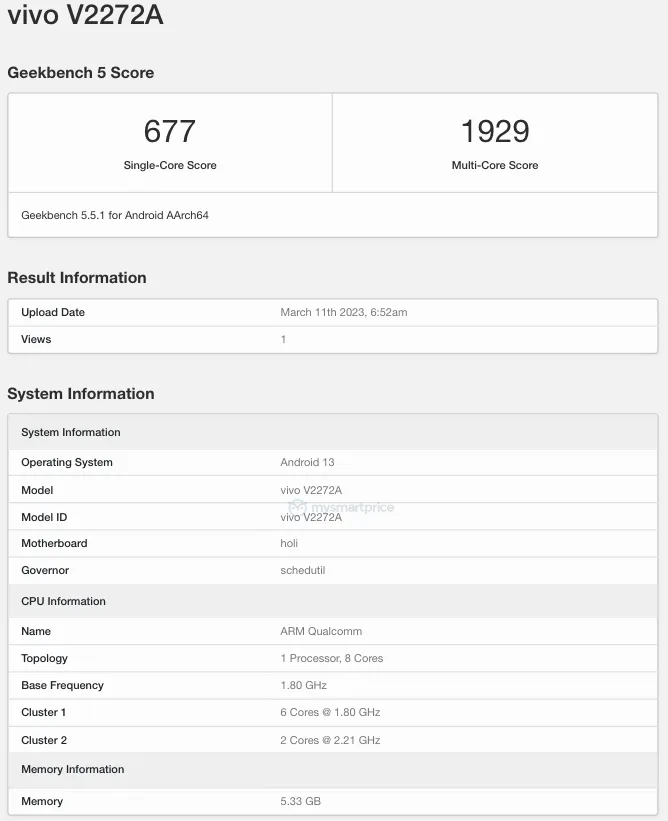
The iQOO Z7x appeared on the Geekbench 5 benchmark database, with model number V2272A. It achieved a single-core score of 677 points and a multi-core score of 1929 points. The listing also revealed that the device will come pre-installed with Android 13.

According to the Geekbench listing, the iQOO Z7x will be powered by an octa-core Qualcomm Snapdragon processor codenamed “Holi”. Two of the processing unit’s cores will be clocked at 2.21GHz each, while the remaining six will be clocked at 1.80GHz. The device will also feature an Adreno 619 GPU. These specifications suggest that the iQOO Z7x will run on an octa-core Qualcomm Snapdragon 695 processor.

The listing indicated that the iQOO Z7x will be available in a 6GB memory configuration. It will probably launch with other RAM configurations as well. The Geekbench listing does not reveal any other details, however, the smartphone has already appeared on 3C listing with up to 80W fast charging. The battery is said to have 6,000mAh capacity.

RELATED:

(via)

OPPO Find X6 Listed Up on GeekBench; Dimensity 9200 Spotted

We are soon going to witness the launch of the flagship OPPO Find X6 series of smartphones. The lineup will most probably include the OPPO Find X6 and OPPO Find X6 Pro devices. Both devices are expected to offer top-notch specifications such as Qualcomm Snapdragon 8 Gen2 chipset, curved AMOLED display with up to 120Hz refresh rate and much more. Anyway, the vanilla OPPO Find X6 device has now been listed on the GeekBench.

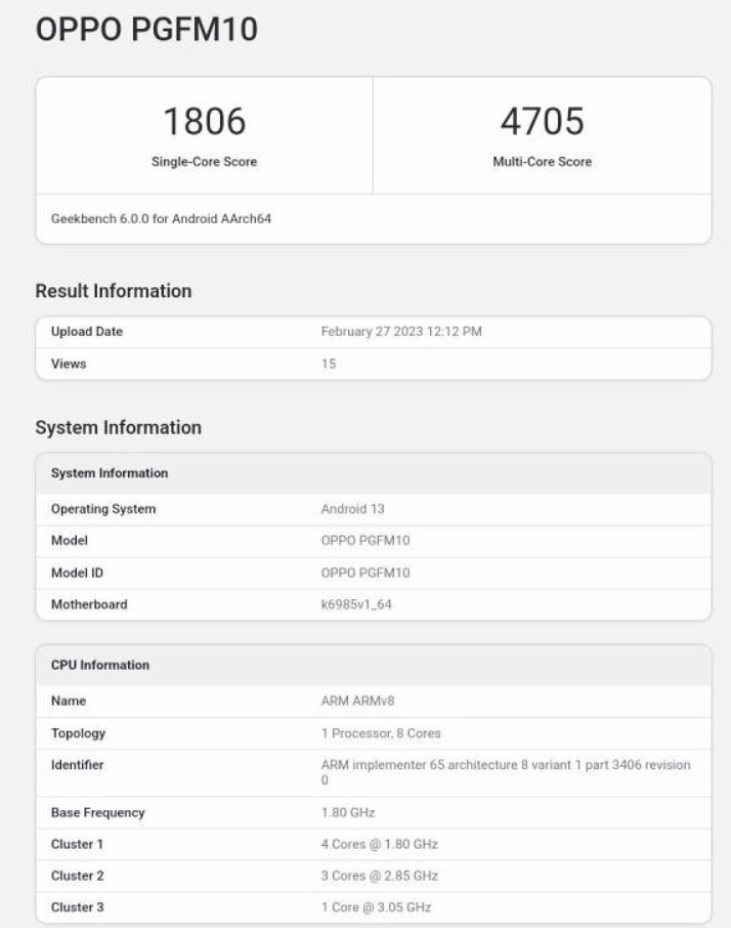
An OPPO smartphone with model number OPPO PGFM10 has been listed on GeekBench. It is none other than the upcoming OPPO Find X6 device. It has achieved a single-core score of 1806 and a multi-core score of 4705. Further, the listing confirms that the device would be powered by the MediaTek Dimensity 9200 5G chipset. The website confirms that it’s an octa-core chipset with a primary core clocked at 3.05Ghz, 3X performance core clocked at 2.85Ghz and 4X power saving core clocked at 1.80Ghz.

OPPO Find X6 series

GeekBench also mentions that the device will boot up on the Android 13 operating system right out of the box. Further, a 12GB RAM variant has been confirmed. However, there would be other RAM variants as well. Apart from this, GeekBench does not reveal much information about the device.

There are strong rumours of the device that are already making rounds on the internet. The Find X6 is said to feature a triple rear camera setup with a 50-megapixel Sony IMX890 camera, a 50-megapixel Samsung JN1 secondary ultrawide and a 50-megapixels Sony IMX890 telephoto lens. As for the Find X6 Pro, it would feature the same camera system but with the Sony IMX989 primary lens, a Sony IMX890 ultrawide and an IMX890 telephoto at last.

As for the battery, the vanilla variant would offer a 4800mAh battery with the support of 80W fast wired charging and the Pro variant would pack a 5000mAh battery with the support of 100W fast wired charging. They are supposed to come with the support of faster wireless charging as well. So that was it for the post. Are you excited about the upcoming Find X6 series of smartphones? Do let us know by dropping a comment in your words down below.

RELATED

Oppo Find X6 Pro Spotted With “Oreo” Shaped Camera Module

OPPO is set to launch its highly anticipated Find X6 series on March 21st. The Find X6 Pro is expected to be the main attraction of the event, with leaked images showcasing a striking camera module design that is highly recognizable.

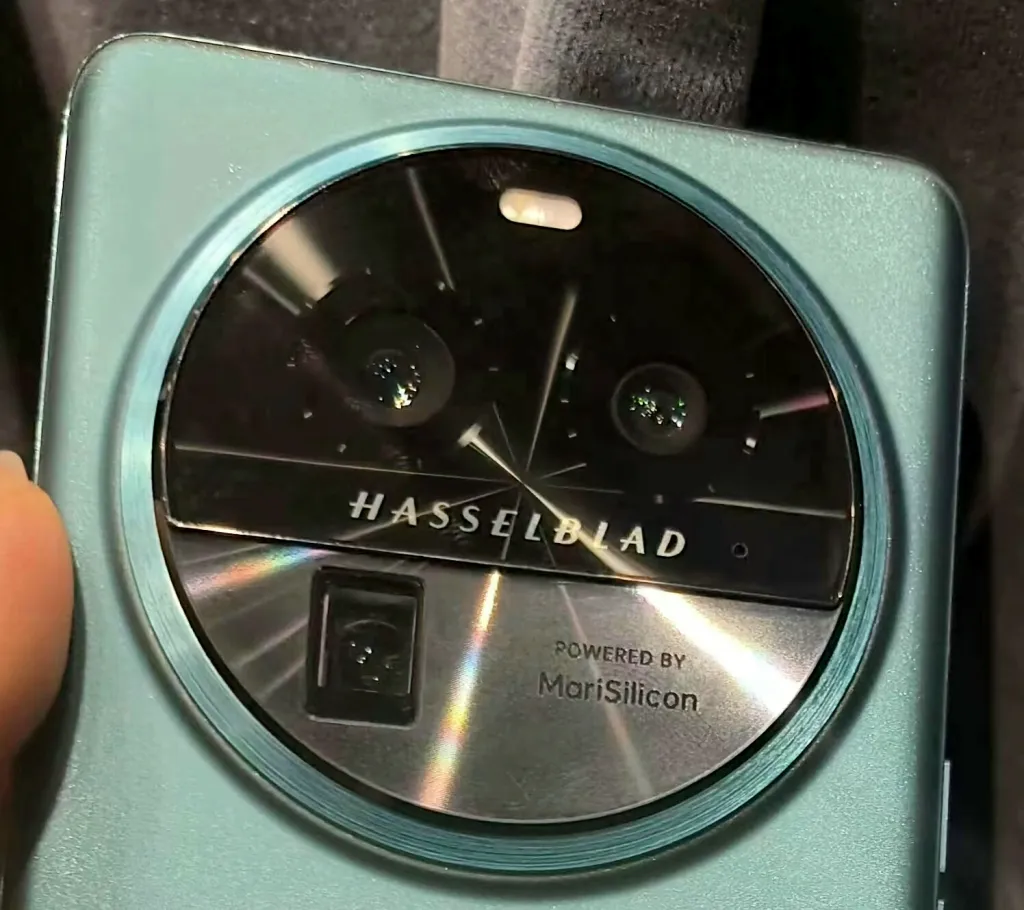
The Find X6 Pro camera module features an “Oreo” shape design with three cameras and an LED flash. The upper part of the housing is made of glass with a glossy finish, while the lower part is made of bare metal with a matte finish. This design choice is likely to improve recognition and distinguish the OPPO Find X6 Pro from other smartphones in the market.

OPPO Find X6 Pro Real-Life Photo Exposure

The partnership between OPPO and Hasselblad, the Swedish camera manufacturer, is evident in the engraved logo in the middle of the camera module. The OPPO Find X6 Pro will also be powered by the MariSilicon X chip, further enhancing the camera performance of the device.

As reported by the blogger “Digital Chat Station,” the Find X6 Pro will house Sony IMX989 + IMX890 + IMX890 triple camera unit on the back. All these sensors have a megapixel count of 50. On the front, Find X6 Pro will feature a 32-megapixel Sony IMX709.

The OPPO Find X6 Pro will also feature a Snapdragon 8 Gen2 processor, and AnTuTu’s running score is expected to exceed 1.20 million points, making it a high-performing device. Under the hood, the device is expected to house a 5,000mAh battery with 100W wired and 50W wireless fast-charging support.

In addition to the Find X6 Pro, OPPO will also launch the Find X6 and the OPPO Pad 2, which will be powered by the latest MediaTek Dimensity 9200 chipset, and the OPPO Enco Free3 wireless headphones.

RELATED:

(Source)

Black Shark 6 Prototype Surfaces Online With a Price Tag of 3900 Yuan ($564)

Chinese gaming smartphone manufacturer, Black Shark, has had a turbulent past few months with reports of operating problems and the cancellation of their flagship Black Shark 6/Pro series. However, a recent listing on the e-commerce platform, Youxianyu, suggests that the company may be gearing up for a comeback with the release of its latest product, the Black Shark 6.

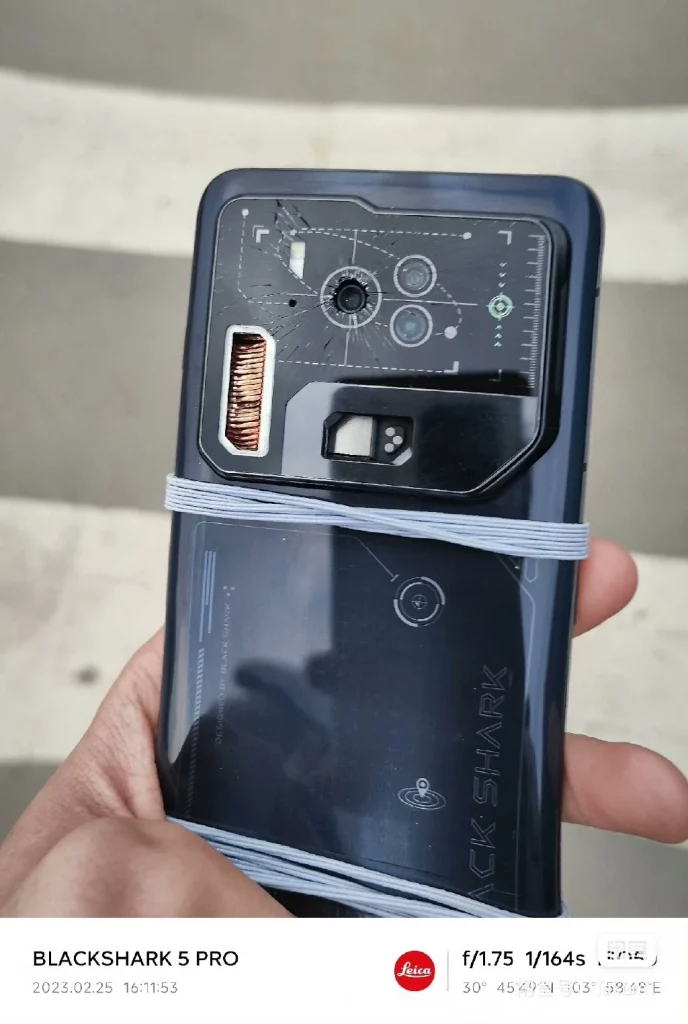
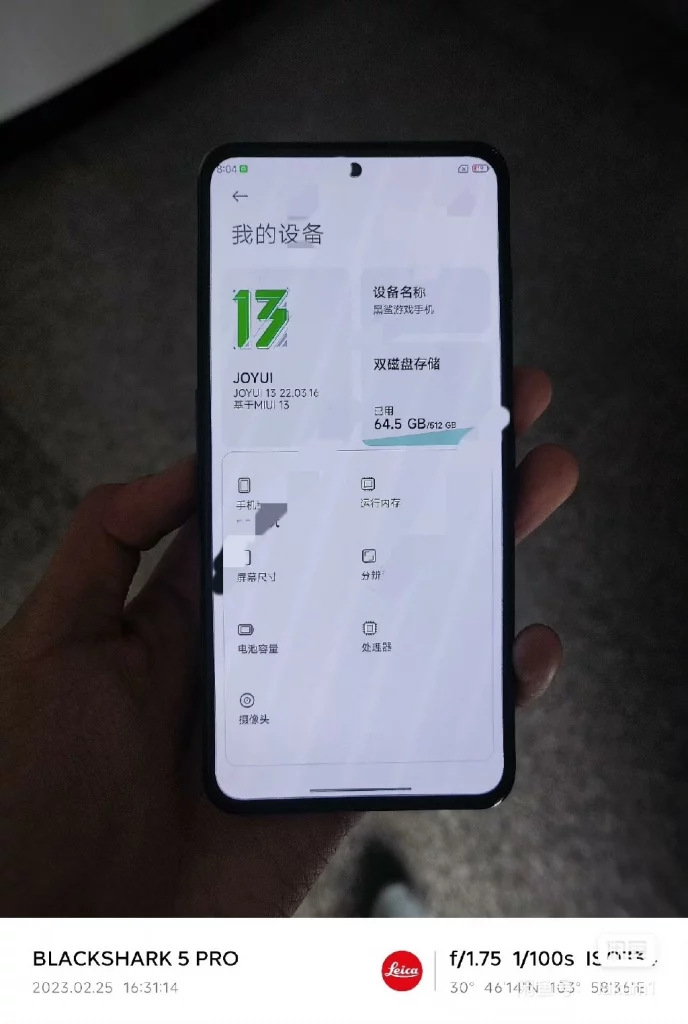
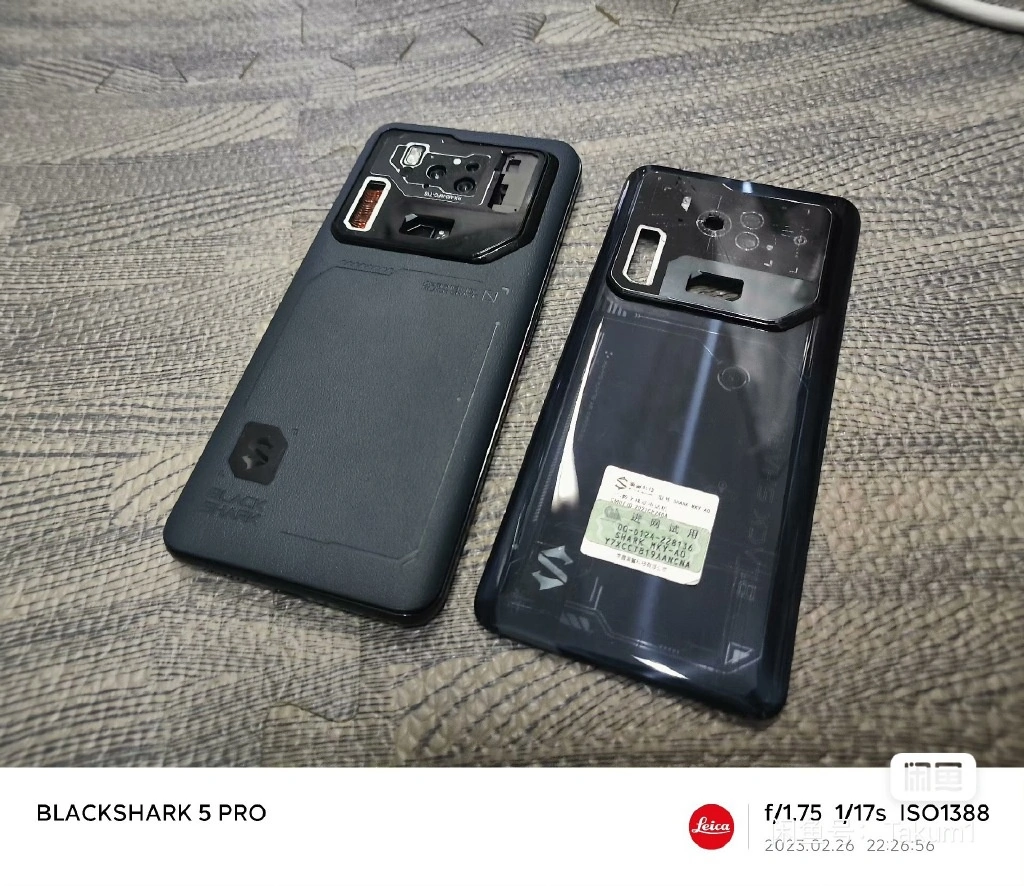
The Black Shark 6 is priced at 3900 Yuan ($564) and boasts impressive specs, including 12GB RAM, 512GB internal storage, a Sony IMX686 main camera, and support for 120W fast charging. However, the product listed on Youxianyu is clearly an engineering prototype, with various interface openings for testing on the back, a huge rear lens module marked with fancy line patterns, and two back cover materials of glass and suspected plain leather. The phone runs on JOYUI 13-based MIUI 13.

Black Shark 6 Prototype

Reports suggest that the Black Shark 6 series will feature a 2K punch-hole display, a Snapdragon 8 Gen 2 chip, and a built-in 5000mAh battery. The phone will also support a super-large symmetrical dual speaker, active cooling and heat dissipation, and a ceramic body, among other features.

The release of the Black Shark 6 comes on the heels of reports that Black Shark has been facing significant operating problems, including employee compensation arrears and a significant reduction in the number of jobs. However, with the release of the Black Shark 6, the company may be looking to regain its footing in the competitive gaming smartphone market. It remains to be seen if Black Shark can overcome their recent setbacks and successfully come back with the Black Shark 6.

RELATED:

(Via)

Xiaomi 13 Pro Ranks 16th Position Overall in DXOMark Camera Test

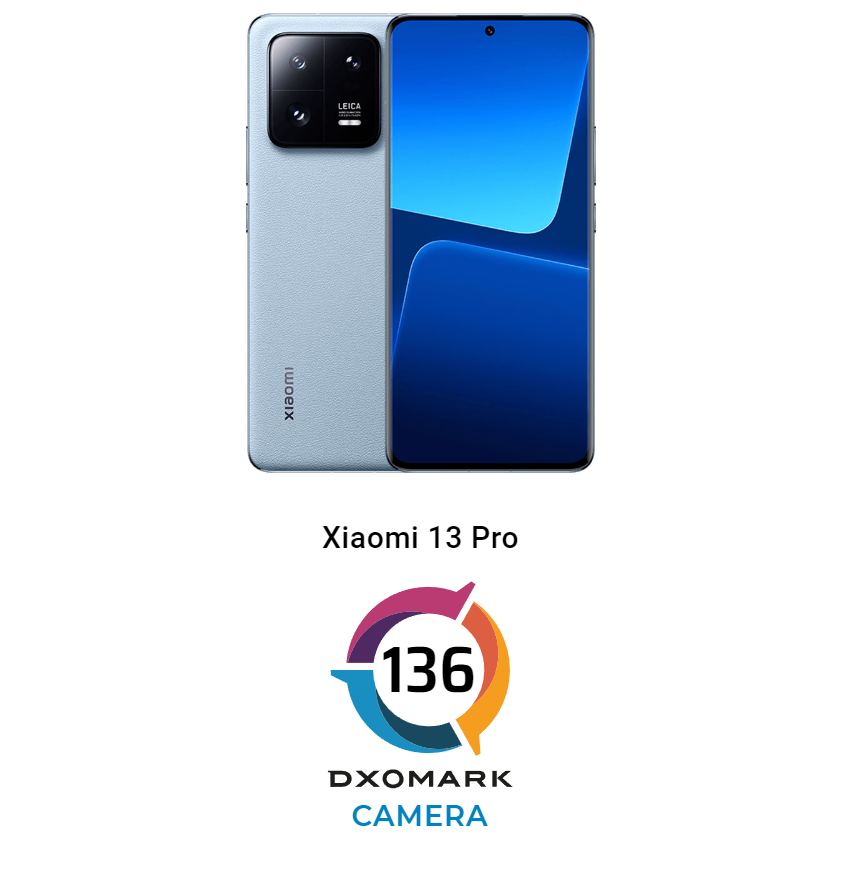
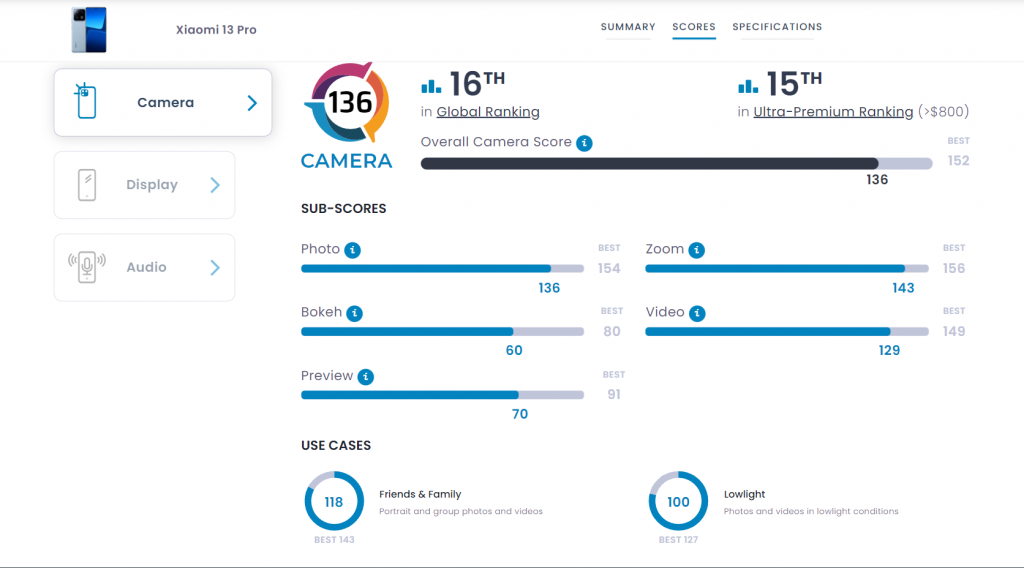
We’ve all heard about DXOMark. They are camera study analyzes that thoroughly evaluate and assesses the camera capabilities of smartphones. Huawei and Honor’s smartphones are generally at the top of their lists. In any case, the DXOMark test results for the photography expert Xiaomi 13 Pro are now out. According to the DXOMark test, the devices were ranked 16th overall and 15th in the ultra-premium category.

XIAOMI 13 PRO DXOMARK

Furthermore, the Xiaomi 13 Pro is ranked 17th in terms of display benchmark and 15th in terms of speaker performance. Nonetheless, the main topic we’ll be discussing is the device’s camera performance. It received 132 points out of a possible 152. DXOMark awarded 118 points for family portraits and group shots and 100 points for low-light performances.

Xiaomi 13 Pro

According to DXOMark, the smartphone’s overall camera performance is extremely good. It has a good level of detail, good saturation control, and is fairly good in terms of zoom. The device’s audio-recording skills are also extremely good. Although the results also state that it struggles to capture the moment in difficult settings such as backlit scenes or low light, fails to correctly expose the image in high-contrast scenarios, and is not appropriate for recording loud voices such as concerts. They also remark that the device’s display readability is poor in direct sunlight.

According to DXOMark, the Honor Magic5 Pro is currently the best-performing smartphone in terms of camera, followed by the Huawei Mate 50 Pro. The Google Pixel 7 Pro is ranked third, followed by the Apple iPhone 14 Pro Max. Also, according to their website, the Xiaomi 12S Ultra and Xiaomi 13 Pro perform nearly identically, with the same score of 136 points and ranked 16th. That concludes this post. Do you believe DXOMark ratings? Please let us know by leaving a comment below.

RELATED

Source

You Can Now Pre-order iPhone 14 and 14 Plus in Yellow

Earlier this week, Apple announced a new yellow color option for the iPhone 14 and ‌iPhone 14‌ Plus. The new shade looks interesting and it reminds us of the OG Lumia 1020, which carried yellow like no other. Both iPhone models are now available for pre-order, with availability starting on Tuesday, March 14. Here are the details.

Starting today, the yellow iPhone 14 and iPhone 14 Plus can be pre-ordered in more than 60 countries, including the U.S., Australia, Canada, China, France, Germany, India, Japan, South Korea, and the U.K. The phones will be available in stores on March 14. In case you’re wondering – there are no new color options for the iPhone 14 Pro and ‌iPhone 14 Pro‌ Max.

iPhone 14 Plus

The yellow iPhone 14 starts at $799 and the iPhone 14 Plus starts at $899, and each device comes with the same set of specifications you get from the original phones. The new Yellow shade joins the iPhone models’ existing Midnight, Starlight, (PRODUCT)RED, Blue, and Purple color options.

The design of the iPhones remains the same. There’s the iconic camera island and Apple logo on the back. On the front, we see Apple’s signature notch and a flat display. The yellow shade looks quite…uhh yellow and appears fun and energetic.

iPhone 14 Plus

It is worth noting that Apple typically introduces new color options for the iPhone midway through the device’s product cycle, often in the spring season, to give a boost to sales. For instance, last year in March, Apple released new Green color options for the iPhone 13 and iPhone 13 mini, and new Alpine Green color options for the iPhone 13 Pro models. And in April 2021, the company added Purple to the iPhone 12 and iPhone 12 mini color choices.

Related:

Apple Music is Going Classical

Apple Music is a popular music streaming service that was launched in 2015 by Apple Inc. It provides users with access to millions of songs, playlists, and music videos, all available on demand. Users can also listen to live radio stations, curated playlists, and exclusive content from their favourite artists. The service is available on various devices, including iPhone, iPad, Mac, Apple Watch, and Apple TV, and it requires a monthly subscription fee. The company’s latest addition to the Apple Music family is definitely interesting, with the service entering the realm of classical music. 

Apple Music

While it shares many similarities with Apple’s existing service, such as high-quality streaming up to 192 kHz/24 bit lossless formats, exclusive content, comprehensive search options, and the signature Apple UI layout, it’s dedicated to music styles like those of Johann Sebastian Bach and Johannes Brahms. The app is set to launch later this month and will be free to download, but requires an Apple Music subscription (except for the Voice Plan) to use. It will be exclusively available on iOS (15.4 or newer). An Android version will be available soon enough.

It’s worth noting that Apple’s move to launch Music Classical may be a strategic response to Spotify’s recent introduction of its major UI overhaul. The new Home feed and “experience,” unveiled at the Stream On conference, features an increased number of previews, shortcuts, and discovery-friendly feed items, along with recommendations, all in portrait mode. While Spotify has yet to confirm when this new user interface will be rolled out to Premium and Free users worldwide, it’s expected to be released soon as well. The company also recently rolled out its plus button update that replaces the heart button originally present in the old Spotify version.

RELATED:

(Via)

Upcoming Realme GT Neo5 SE Spotted on GeekBench

Realme recently launched its GT Neo5 smartphone in the global market. The device bought the 150W charging technology to the market. And now, they are preparing for the launch of another upcoming gadget i.e., Realme GT Neo5 SE. It may launch as Realme GT Neo5 Lite as well. There are no official comments on the marketing name of the device yet, but it would be either Neo5 SE or Neo5 Lite, most probably. The gadget has now been listed on the Geekbench ahead of its official launch.

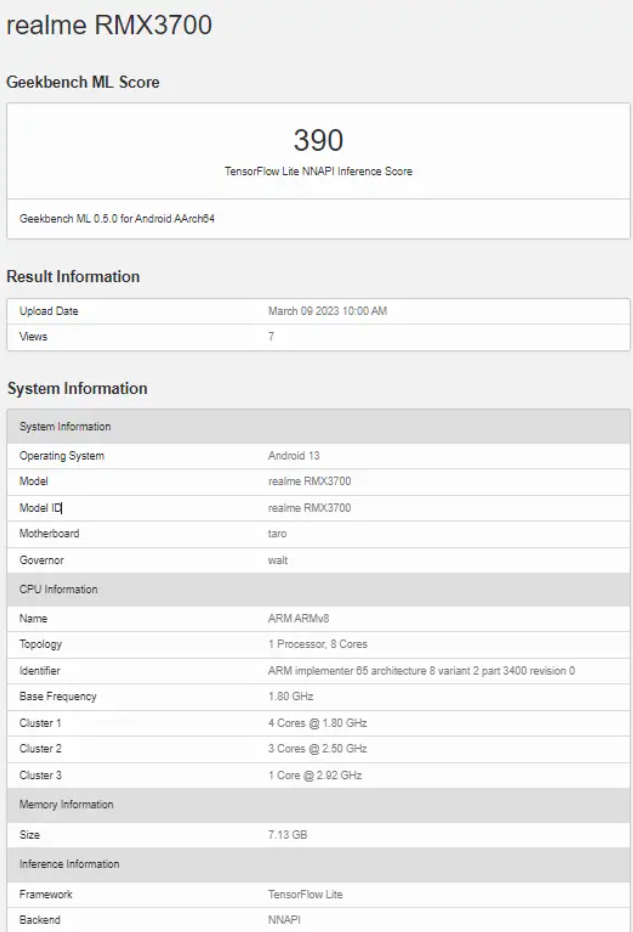
An upcoming Realme smartphone with the model number Realme RMX3700 has been posted on the GeekBench. The device is nothing but the upcoming Realme GT Neo5 SE (or Neo5 Lite). The listing confirms that the device will boot up on the Android 13 operating system right out of the box. As for the CPU, the listing mentions that the chipset would have a total of 8 cores with 1 primary core clocked at 2.92 Ghz, 3 secondary cores clocked at 2.50 Ghz and four power-saving cores clocked at 1.80 Ghz.

REALME GT NEO5 LITE

Even though the website does not reveal which exact chipset is this. There are strong rumours that it is nothing but the upcoming Qualcomm Snapdragon 7+ Gen1 chipset. The 8GB RAM variant of the device is also confirmed via GeekBench. The device has a TensorFlow Lite NNAPI interface score of 390.

According to previous reports, the Realme GT Neo 5 Lite would include a 6.74-inch AMOLED display with a 144Hz refresh rate and a 1.5K resolution. On the back, there will be an Omnivision 64MP primary camera, an 8MP ultrawide sensor, and a macro or depth camera.  The smartphone will, nonetheless, have a 16MP selfie camera. The Realme GT Neo5  Lite model is expected to have 100W charging technology for its 5500 mAh battery.

RELATED

(Via)

Samsung Might Price the Galaxy A34 and Galaxy A54 a Lot Cheaper in Selected Markets

Samsung is currently preparing for the official launch of the upcoming Galaxy A34 and Galaxy A54 5G smartphones. The Indian division had recently confirmed that Samsung Galaxy A54 5G will launch in the country on March 16th, 2023. There are multiple rumours and renders of the devices are already leaked and are making the rounds of the internet. The expected price of the device is also tipped to be somewhere around $430 which is quite on the higher side.

The latest piece of information, however, states that even though the Galaxy A34 and Galaxy A54 will be priced higher than average, they will be introduced in specific niche regions with much lower price tags. The pricing of these devices for the Indonesian market is revealed in the report.

Samsung Galaxy A54

The former is rumoured to cost Rp 4,999,000 ($323) for the 8GB+128GB variant, while the latter may cost Rp 5,999,000 ($388) for the same variant. Furthermore, the 256GB variants of these handsets are claimed to cost Rp 5,999,000 ($388) and Rp 6,499,000 ($420), respectively.

The pricing of the same devices in Europe is slightly higher. The Galaxy A34’s base variant is expected to cost around $430, while the Galaxy A54 will cost around $520. There is a clear difference in price between the European and Indonesian versions. Also, the pricing of Indian variants is claimed to be 15% higher.

That being said, this report tells us that the costs of the next Galaxy A34 and Galaxy A54 will be highly influenced by the region. Nonetheless, smartphones should not be expected to be priced lower, as the majority of the market will witness a price increase. What are your thoughts on the matter? Please let us know by leaving a remark in your own words down below. Thank you for sticking with me until the end.

RELATED

Via

Google is Changing the Way Pixel Users Exit the Android Beta Program

Pixel fans are always Google has announced that it will launch the beta program for the June Feature Drop on March 13th, 2023. Pixel users who are on the QPR2 Beta will automatically receive Android 13 QPR3 Beta 1 next week if they don’t exit the program by March 13th. However, the big news is that Google is changing the way to exit the Beta program without wiping the phone.

Google Pixel 7

Previously, if users were going to exit the Android 13 QPR2 Beta program, they had to install the stable version of QPR2 before opting out of the Beta program. But now, if they want the stable version of QPR2, they will need to exit the Beta program first. To do this, before March 13th, users will need to go to www.google.com/android/beta and click on the rectangle that says “View your eligible devices.” They will then be taken to an image of their Pixel device with the words “Opt out” underneath. Once they tap on the button, that’s pretty much it. As long as users ignore all the other downgrade buttons, opting out will not force them to wipe their phones. However, users will still have to wait for the stable version of the QPR2 update (the March Feature Drop) to be released later this month.

If users refuse to opt out, they won’t receive the stable version of QPR2. If they can’t wait to return to the latest public version, they can simply tap on “downgrade OTA update,” but be warned that doing this will force users to wipe their phones. If they do nothing, users will receive the QPR3 Beta 1 update on Monday and they will be forced to stick with the Beta program until June 5th when the June Feature Drop should be released by Google, unless users want to wipe their phones clean. This is a significant change, and Google wants to make sure that users don’t accidentally wipe their data, so they are taking all the steps to cover their bases.

RELATED:

(Via)

New Google Pixel 7 Bug Doesn’t Let Users Save Zoomed-in Pictures

Since the launch of the Google Pixel 7, the phone has received rave reviews from critics with regard to its camera setup. The device constantly grabs headlines in the tech space whenever the topic of the best smartphone cameras comes up. However, Pixel devices are also infamous for being home to various bugs occasionally. In the past, users have faced bugs such as the camera app freezing, and another bug causing auto-rotate and tap-to-wake to stop working. As per reports, the latest bug doesn’t let users save images that they capture while they are zoomed in on the camera app.

Google Pixel 7

Pixel smartphones have encountered a bug that prevents users from saving photos taken while using periscope zoom, with reports coming in from various users of the Pixel 7 and 7 Pro phones. When users take a photo using periscope zoom and try to save it, the camera app hesitates for a while, but ultimately nothing happens. It has been found that the issue occurs with phones that have version 8.7.250.494820638.44 of the Google Camera app, and is likely due to HDR functionality. 

However, there is no real danger, and users need not worry about anything serious, such as their phones freezing or spontaneously combusting. Google has not yet commented on the issue, but a fix is expected to be available soon. The company might even ship the fix with the new QPR2 update (or the feature drop) coming later this month,  While Pixel phones have had a few bugs in the past, their ever-growing list of features continues to make them some of the best Android phones available.

RELATED:

(Via)

Microsoft is Investing in Algae To Reduce Carbon Footprint

The big tech industry has seen massive growth in recent years, with companies like Google, Amazon, and Microsoft leading the way. However, this growth has come at a cost to the environment, as the carbon footprint of these companies continues to increase. The energy required to power the massive data centers that support their services, as well as the energy consumed by their employees and customers, are major contributors to their carbon emissions. Despite efforts to transition to renewable energy sources and improve energy efficiency, the scale and speed of their operations make it difficult to fully mitigate their impact on the environment. As a result, it is important for big tech companies to prioritize sustainability and reduce their carbon footprint in order to mitigate the negative effects of their operations on the planet. Microsoft is one of those companies.

Microsoft

As one of the tech industry giants, Microsoft faces an alarming carbon pollution problem, which is only escalating despite its commitment to becoming carbon negative by 2030. In response, the company has sought out Running Tide, an organization that specializes in mitigating the environmental impact of large-scale corporations. Running Tide, which has previously worked with Stripe and Shopify, intends to tackle Microsoft’s carbon emissions by utilizing the ocean as a carbon sink.

The plan is to grow kelp, or algae, on biodegradable buoys, which will absorb carbon dioxide before sinking to the ocean floor. Although this is a relatively new process, Running Tide has stated that it has removed less than 1,000 tons of carbon in research and test deployments, with the goal of removing up to 12,000 tons over two years for Microsoft alone. While the carbon removal industry is still in its early stages, the innovative approach taken by Running Tide has the potential to significantly reduce Microsoft’s carbon footprint, despite concerns from some scientists about the potential impact on ocean ecosystems.

RELATED:

(Via)

RoboUP No Perimeter Wire Robotic Lawn Mower: Maintain your Lawn using AI Robot

RoboUP has launched a Kickstarter campaign for its innovative No Perimeter Wire Robotic Lawn Mower. This interesting device helps you to maintain and manage your lawn easily, without any hassle. You can get the RoboUP T2000P Robotic lawn mower for $1699 under the Super Early Bird Offer. Apart from this, the campaign also offers various pledge options like early bird VIP specials and bundle deals that allow backers to choose the package that best suits their needs.

RoboUP Lawn Mower is the world’s first Robot Lawn Mower that uses RTK, robot vision, and AI technology to give you perfectly mowed and leveled lawns. Lawn care or lawn management is an important part of your housekeeping as a perfectly mowed lawn not only is aesthetically pleasing but also helps to keep your environment healthy and clean. Proper lawn care ensures that your lawn can withstand threats from lawn-damaging weeds and insects. It also ensures that your flowers, grass, and shrubs can fight off diseases. 

However, lawn management can be a tiring and time-consuming job. To keep your lawn healthy, attractive, and manageable you need to mow it every 6 to 7 days. With busy schedules, it often becomes difficult to find time to mow your lawn regularly and consistently. But you can choose the RoboUP lawn Mower to do this job for you and forget about your lawn maintenance forever.  

RoboUP gives you a perfectly mowed lawn for all types of yards, without the need for perimeter wiring. The robot comes with a proprietary Dynamic Exact Positioning System (DEPS) that helps it to mow efficiently in parallel lines and trim along edges with precision. Dual AI cameras, help it to avoid objects and living things and give you a safe and hazard-free mowing experience.

RoboUP No Perimeter Wire Lawn Mower features RTK GPS, Robot Vision, and AI that help it to navigate the yard without any need for perimeter wiring and also avoid obstacles and hurdles. The device can mow up to half an acre area on a single charge and can work on 45-degree slopes. 

Powered by the AI boundary real-time recognition and accompanying smart app you can go for multi-zone management and control the device remotely. RoboUP comes with an automatic charging function. This means once the device is out of charge it will automatically go to the charging station to juice up and resume its interrupted mowing session. 

RoboUP lawn mower comes with an anti-theft device and is easy to operate and maintain. It is a super silent lawn mower with less than 56dBA noise level and is IPX6 certified waterproof. Other interesting features include a built-in rain sensor, voice assistant support, patent floating front wheel design, etc. 

For more information on such exciting deals and offers check out our deals hub.

Upcoming Smartphones in March 2023: Redmi, Poco, Oppo, Huawei, and More

The Mobile World Congress 2023 ended a few days back. But brands are still expected to release new smartphones throughout March.

These handsets range from budget to flagship segments. Around 11 brands are said to debut new phones in the coming days.

A few of these devices have already gone official. However, they will be making their way to more markets this month.

But most of these handsets are brand-new. Some of them are even the most-anticipated releases, such as the Oppo Find X6 series and Redmi Note 12 Turbo.

With that out of the way, let’s take a look at these phones one by one.

Upcoming Smartphones in March 2023

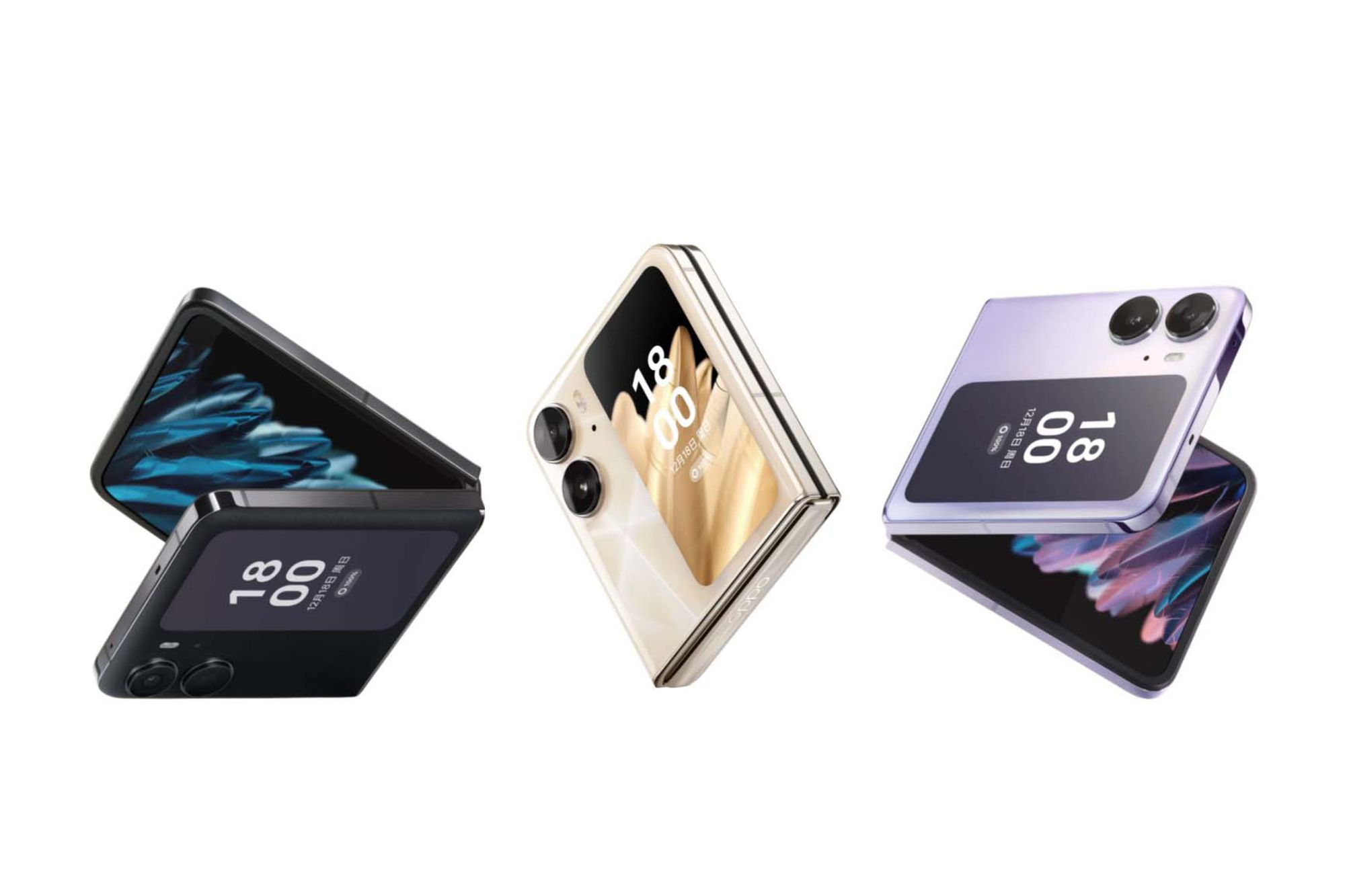
1. Oppo Find N2 Flip

OPPO-Find-N2-Flip-
Oppo Find N2 Flip

The Oppo Find N2 Flip was initially announced in China in December. It made its global debut in February. Now, the device is scheduled to release in India.

Oppo has confirmed that it will reveal the pricing and availability of its first clamshell foldable smartphone for India on March 13. It is not known if the product will be available for pre-order on the same day.

Some of the features of this phone include a 6.8-inch 120Hz LTPO foldable display, a 3.26-inch cover display, a MediaTek Dimensity 9000 Plus chipset, a 50MP Sony IMX890 primary camera, a 4,300mAh battery, and 44W fast wired charging support.

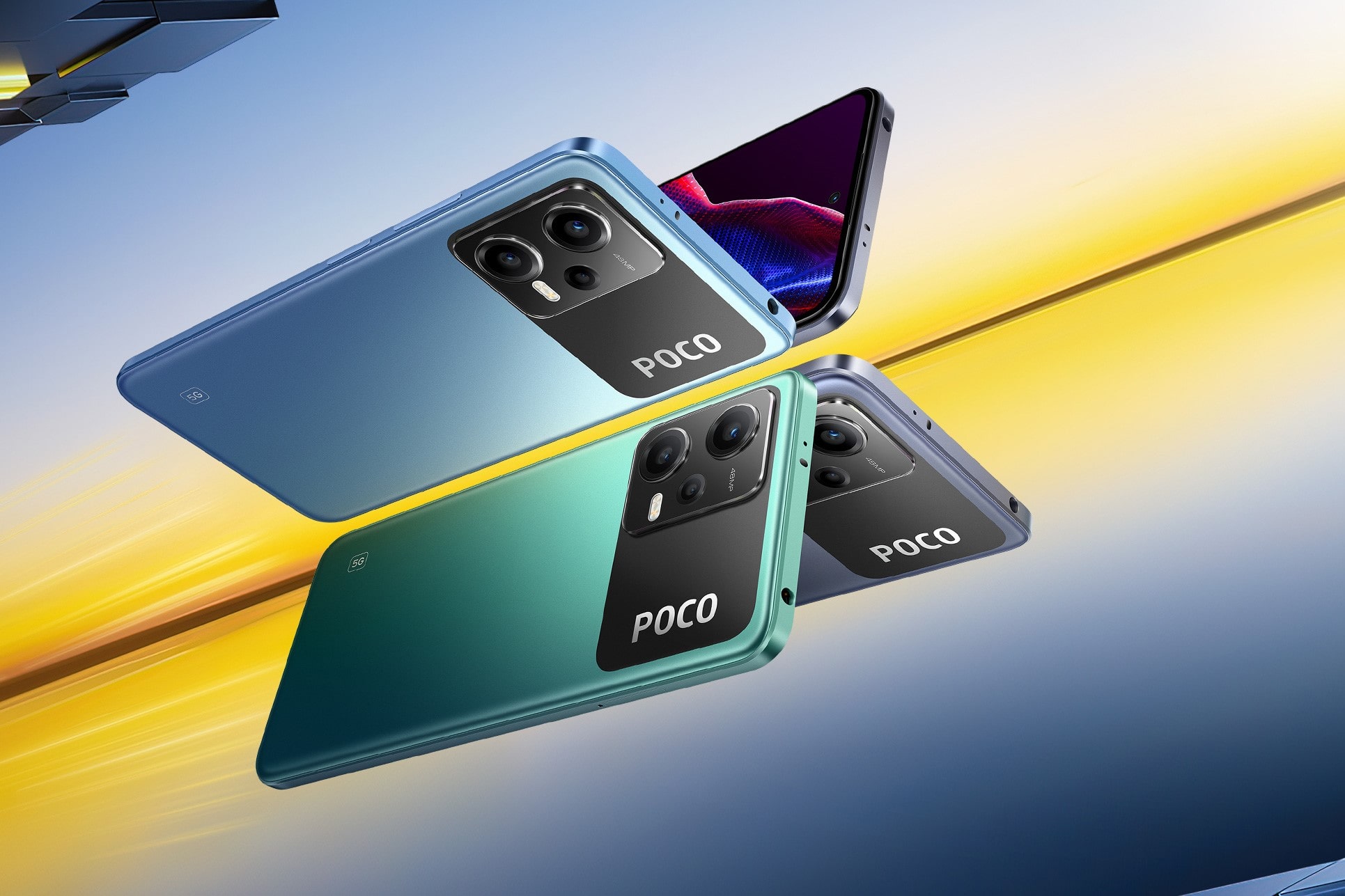
2. Poco X5

Poco X5
Poco X5

The Poco X5 was announced alongside the Poco X5 Pro for Europe in February. A month later, the device is now set to launch in India on March 14.

The vanilla X5 is the same as the Redmi Note 12 but features a Snapdragon 695 SoC instead of a Snapdragon 4 Gen 1 chip. Thus, it arrives with a 6.67-inch 120Hz AMOLED display, a 48MP main camera, a side-mounted fingerprint sensor, a 5,000mAh battery, and 33W fast charging support.

3. Samsung Galaxy A54 and Galaxy A34

Samsung Galaxy A54 and Galaxy A34

Samsung is tipped to unveil the Galaxy A54 and Galaxy A34 on March 15. However, in India, these handsets have been officially confirmed to break cover on March 16.

Just like all Samsung smartphones, almost everything about this duo is also known ahead of their official debut. We have been hearing about them for months. Both of them will look similar to the Galaxy S23 series but will offer a different set of specs. 

The A34 will come with a 6.6-inch dewdrop-notched display, a MediaTek Dimensity 1080 chip, and a 48MP primary camera. Whereas, the A54 will arrive with a smaller 6.4-inch centered punch-hole display, an Exynos 1380 SoC, and a 50MP main camera.

4. iQOO Z7 Series

iQOO Z7

The iQOO Z7 is planned to launch in India on March 21. The brand has already confirmed all the key details of the device.

The Z7 will come with a Dimensity 920 chipset, an AMOLED display, an OIS-assisted 64MP primary camera, Funtouch OS 13 based on Android 13, and 44W fast charging support.

The handset is designed exclusively for India and it is tipped to cost ₹17,999 for 6GB RAM and 128GB RAM. It is also said to come in an 8GB + 128GB memory configuration and two colors (Pacific Night and Norway Blue).

The Chinese version of iQOO Z7 is also expected this month. It will be a different product altogether powered by a Snapdragon 782G chipset. It will be accompanied by iQOO Zx featuring a Snapdragon 695 SoC.

5. Vivo Y11 (2023)

Vivo
Vivo Y11 (2019)

The Vivo Y11 (2023) is tipped to launch in China by the end of March. The smartphone is also said to debut in global markets in April.

The phone is expected to arrive with a 6.5-inch FHD+ display (LCD), a MediaTek chipset, 4GB RAM, 128GB storage, a MicroSD card slot, a 3.5mm headphone jack, a 5,000mAh battery, and 18W charging support.

6. Redmi Note 12 Turbo and Redmi Note 12 4G

Redmi Note 12 4G

The Redmi Note 12 Turbo is expected to house the yet-be-announced Snapdragon 7 Plus Gen 1 chipset, which is said to be an underclocked version of the Snapdragon 8 Plus Gen 1. This phone may release by the end of March in China and later in other markets as Poco F5.

It is tipped to come with a 6.67-inch 120Hz OLED display, an in-screen fingerprint sensor, a 50MP + 8MP + 2MP triple camera system, a 5,000mAh battery, 67W charging support, and MIUI 14 based on Android 13.

On the other hand, the Redmi Note 12 4G will be identical to the 5G variant, except for the chipset, It will be powered by an overclocked Snapdragon 680 SoC instead of a Snapdragon 4 Gen 1 chip. This phone could go official this month or next.

7. Redmi A2 and Redmi A2 Plus

Redmi
Redmi A2

Xiaomi might launch Redmi A2 and Redmi A2 Plus by the end of March. The successors of Redmi A1 and Redmi A1 Plus are tipped to come with the almost same set of features.

The major difference is the newer models will house a MediaTek Helio G36 SoC instead of an Helio A22 SoC. They are expected to offer a 6.52-inch HD+ display, an 8MP rear camera, a 5MP front-facing camera, Android 13 Go Edition, a 5,000mAh battery, and 10W charging support.

The Redmi A2 Plus will house a rear-mounted fingerprint sensor, while the vanilla Redmi A2 won’t.

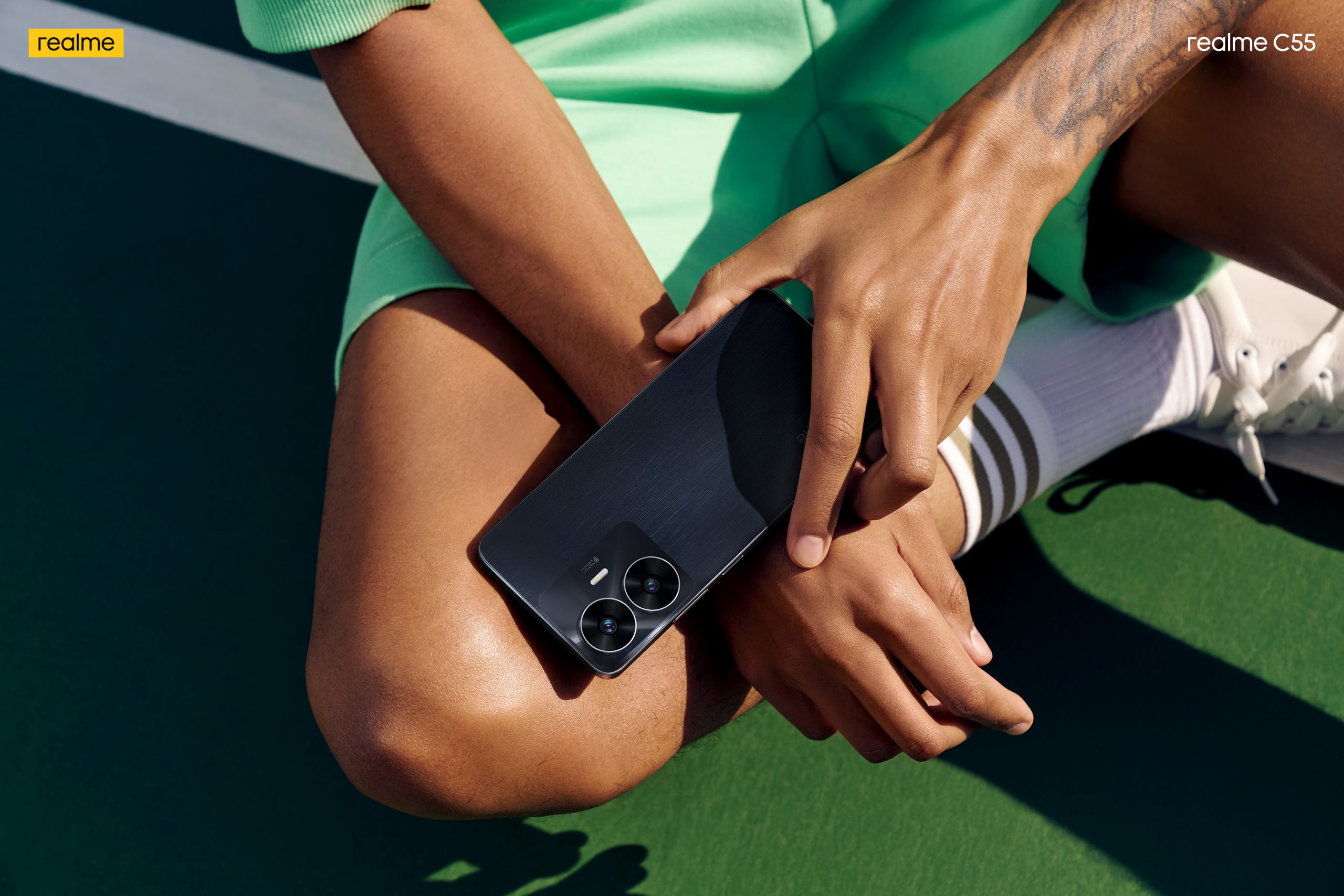
8. Realme GT Neo 5 SE and Realme C55

Realme C55
Realme C55

The Realme GT Neo 5 SE is the second smartphone on the list powered by a Qualcomm Snapdragon 7 Plus Gen 1 chipset. It is expected to go official by the end of March.

It is said to arrive with a 6.74-inch 2K 144Hz OLED display, a 64MP (wide) + 8MP (ultra-wide) + 2MP (macro) triple camera system, a 16MP front-facing camera, Android 13-based ColorOS 13, a 5,500mAh battery, and 100W fast charging support.

Whereas, the Realme C55 was just recently released in Indonesia. It is anticipated to debut in other markets in the next few weeks. Its primary features include a MediaTek Helio G88 chip, a 6.72-inch 90Hz display (LCD), iPhone 14 Pro-like dynamic island functionality, a 64MP main camera, and 33W fast charging support.

9. Infinix Hot 30 Series

Infinix Hot 30i
Infinix Hot 30i

The Infinix Hot 30 lineup may debut before March ends. The series is said to include handsets, such as Infinix Hot 30, Infinix Hot 30i, and Infinix Hot 30 Play.

The Hot 30 and Hot 30i are expected to look identical. Thanks to a leak, we even know some specs of the latter device,

The Hot 30i is tipped to arrive with a 6.6-inch HD+ display, a MediaTek Helio G37 chip, a 50MP main camera, Android 12, a 5,000mAh battery, and 18W charging support.

10. Oppo Find X6 Series

Oppo Find X6 Pro mockup
Oppo Find X6 Pro

The Oppo Find X6 series is anticipated to launch later this month. It is rumored to go official on March 21. As usual, the lineup is said to include two models, namely Oppo Find X6 and Oppo Find X6 Pro.

The vanilla and Pro variants are tipped to house a MediaTek Dimensity 9200 SoC and a Qualcomm Snapdragon 8 Gen 2 SoC, respectively. Both phones are said to come with triple 50MP cameras and a 32MP selfie camera. The main sensor on the Pro version will measure 1 inch in size.

The duo is rumored to be backed by a 5,000mAh battery. The Pro version will carry support for 100W wired charging and 50W wireless charging, whereas the vanilla model will be limited to 80W wired charging.

11. Huawei P60 Series

Huawei P60
Huawei P60 Pro

The Huawei P60 family of premium smartphones may break cover by the end of March. It is expected to go official on March 23.

The lineup is tipped to include three handsets, such as Huawei P60, Huawei P60 Pro, and Huawei P60 Ultra. They are said to feature cameras powered by the company’s in-house XMAGE imaging technology.

Unfortunately, they will be limited to 4G connectivity despite housing the latest Qualcomm Snapdragon 8 Gen 2 chipset due to the US ban.

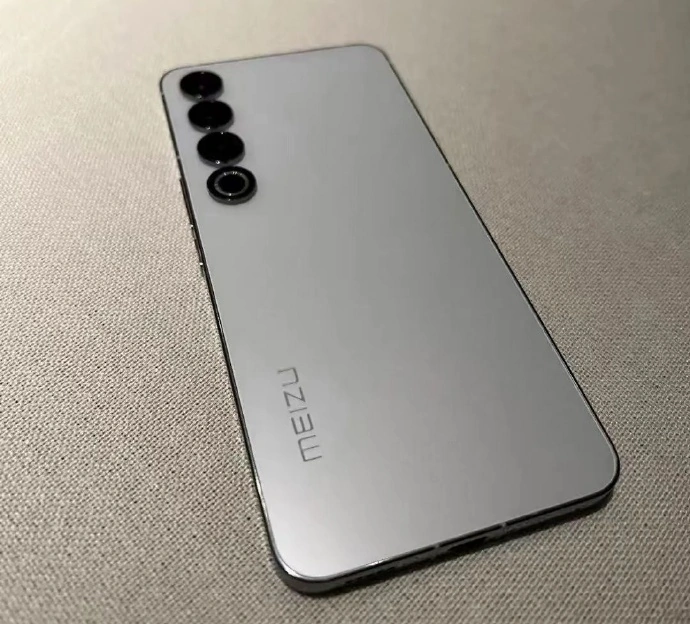
12. Meizu 20 Series

Meizu 20 Pro
Meizu 20 Pro

The Meizu 20 series may also go official before March ends. The lineup is anticipated to include two phones, such as Meizu 20 and Meizu 20 Pro. Their design will be inspired by the Galaxy S23 series.

The Pro variant is said to offer a QHD+ 120Hz LTPO AMOLED display, a Qualcomm Snapdragon 8 Gen 2 chip, LPDDR5x RAM, UFS 4.0 storage, a 50MP primary camera, a 5,000mAh battery, and 80W wired/50W wireless charging support.

RELATED:

Zero Showcases the SR-X Electric Motorcycle With a Stunning Design

Zero has provided some impressive footage of the Zero SR-X electric motorcycle. The new concept e-bike has a design based on the Zero SRS motorcycle. It has an impressive design that holds promise for sustainability-focused fans of the Zero brand.

The Zero SR-X concept e-bike is an all-electric two-wheeler that comes in a design that is bound to resonate with consumers. The new electric motorcycle concept is expected to replace the Zero SRS flagship in the future. The Zero SR-X has a futuristic concept design and a sporty look to go with it. It was developed as a collaboration between Zero and Huge-Design. Zero claims that the SR-X will offer a glimpse into the near future of electric motorcycles. The designers of the bike prioritized clean lines and high performance, while also ensuring aesthetic appeal.

The Zero SR-X is based on the SRS and comes with the same chassis allegedly. It is equipped with the ZF75-10 drivetrain that delivers a peak output of 110Hp and 190 Nm of torque. It has a lithium-ion battery with a 17.3kWh capacity. There are several key details still lacking for the SR-X. Performance metrics like the acceleration, top speed, range, and charging time for the model are not yet known. It is unclear when the Zero SR-X will transit into a production model. Whenever that happens, we expect the Zero SR-X electric motorcycle to hit the market with a bang.

RELATED:

Lenovo ThinkStation P5, P7, and PX With Intel Sapphire Rapids Xeon Scalable CPUs Unveiled

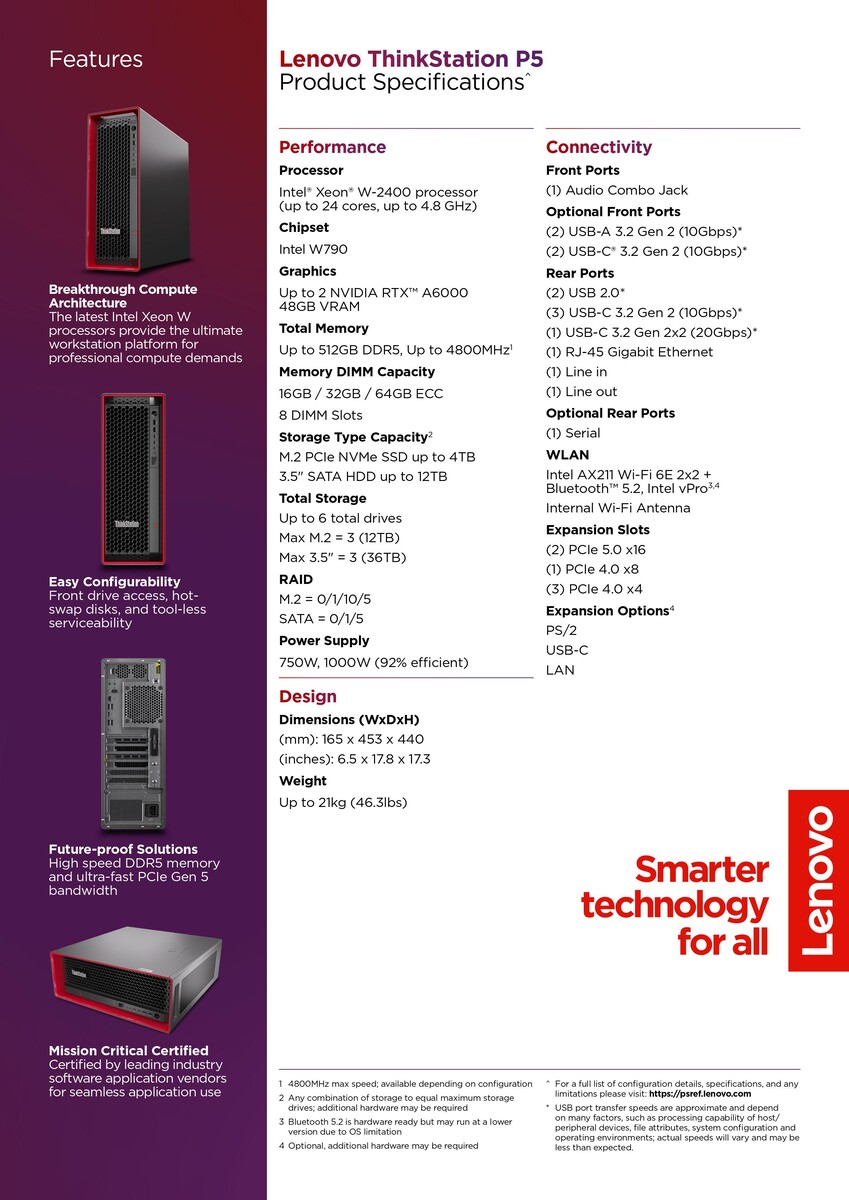
Lenovo has unveiled the ThinkStation P5, P7, and dual-socket PX workstations. The new Lenovo PCs have the legendary Aston Martin design chassis and feature the Intel Sapphire Rapids Xeon CPU. The scalable CPU architecture means that some of the models have up to 120 cores. The new workstations also come with the Nvidia RTX 6000 Ada GPUs.

Lenovo ThinkStation P5

The Lenovo ThinkStation P5 comes with the Nvidia RTX A6000 based on Ampere while the P7 and PX feature Nvidia RTX 6000 Ada GPUs. The parameters of the three new Lenovo workstations make them the most powerful series released by the OEM. The new models combine performance with aesthetics. The collaboration with Aston Martin will see the chassis of the ThinkStation P5, P7, and PX adorning the Aston Martin looks. The 3D grill chassis of the models are based on the Aston Martin DBS. They also feature redesigned air baffles, 3D hexagonal vents, and Lenovo’s three-channel cooling system.

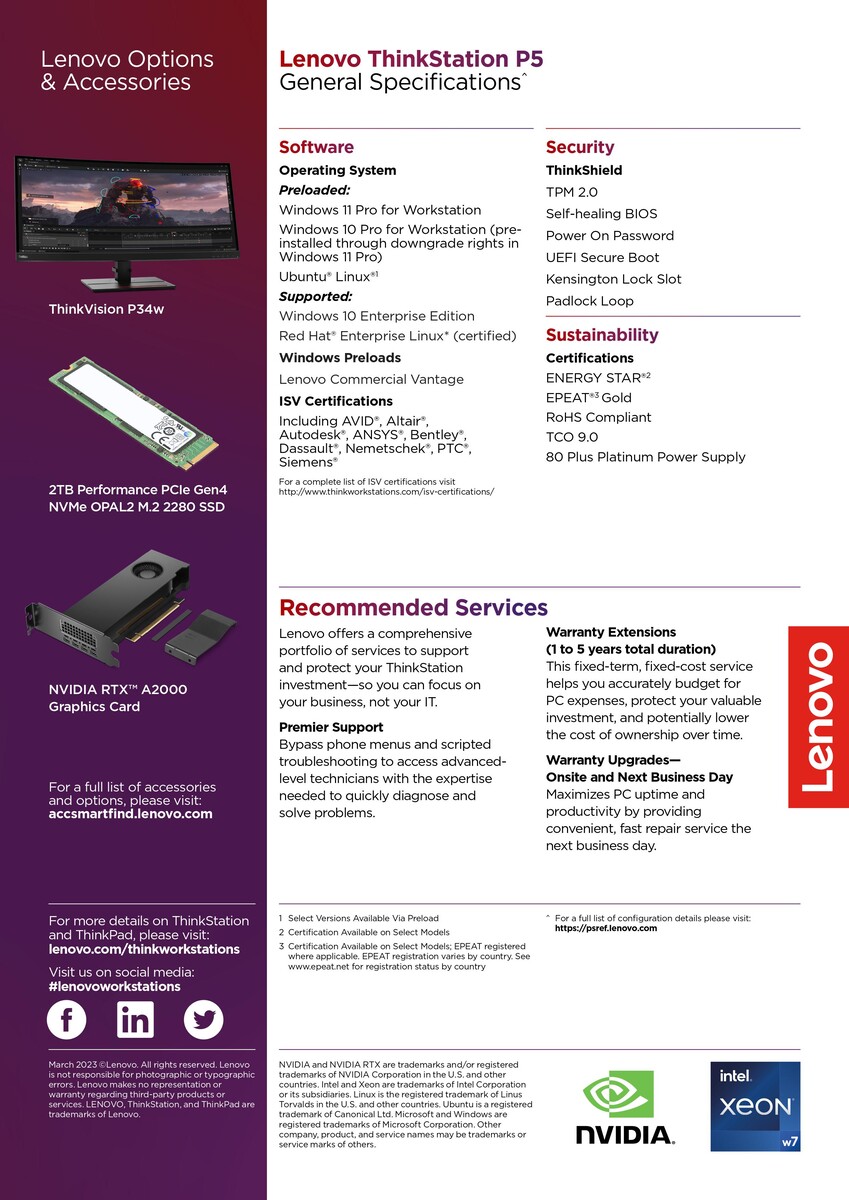
The Lenovo ThinkStation P5 has an Intel Xeon W-2400 processor with up to 24 cores. The processor supports 64 PCIe Gen 5 and the ECC memory is expandable to 512GB while storage can reach 3×4 TB NVMe and/or 3×12 TB SATA. The ThinkStation P7 CPU has up to 56 cores and offers the best performance of a single-socket configuration. The Lenovo ThinkStation PX is the premium offering among the lot. It has a dual-socket configuration while the processor can reach up to 120 cores. It also features significant memory and storage improvement over the P5 and P7. The ThinkStation PX has an additional 10GbE LAN which is absent in the other models.

As part of the Lenovo-Aston Martin collaboration, the carmaker will use the workstations for automotive design and development. All three workstations feature Intel Wi-Fi 6E AX211 vPro with Bluetooth 5.2 connectivity. They are preloaded with Windows 11 Pro for Workstation and Ubuntu. The systems also support Windows 10 Enterprise and Red Hat Enterprise Linux.

The three new Lenovo workstations are expected to berth in the market by the end of May 2023. Lenovo has not provided any pricing details for the models yet.

RELATED: