Advertisement

Huami Launches Amazfit Falcon Premium Rugged Smartwatch with Dual-Frequency GPS in China

In December 2022, the Amazfit Falcon smartwatch was made official in India with a hefty price of Rs 44,999 (~$544). The premium rugged smartwatch has now launched in China. Priced at 3,999 Yuan (~$48) in the home market, it is now available for purchase in the home market.  Here is a look at all the specifications and features of the device.

Amazfit Falcon specifications and features

The Amazfit Falcon features a 1.28-inch AMOLED display, which offers a resolution of 416 x 416 pixels and 326 ppi pixel density. The round screen is protected by a layer of sapphire crystal glass that has a hardness rating of 9/10 on the Mohs scale.

Regarding the build of the device, the Falcon has a unibody design made from aircraft-grade TC4 titanium. It is the company’s first smartwatch to offer up to 200 meters of water resistance (20ATM). The device is also MIL-STD 810G certified, which means it can work in harsh weather conditions.
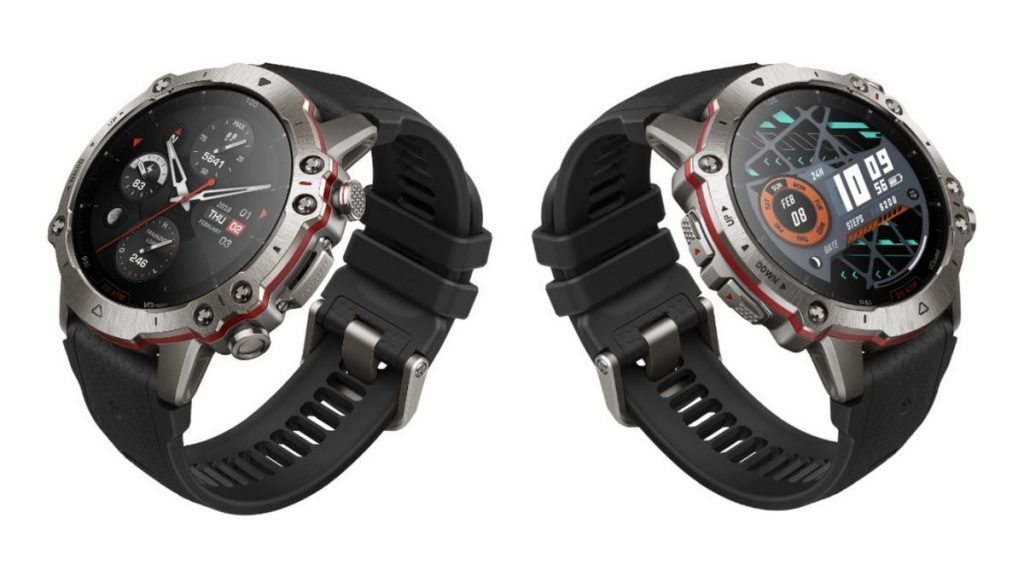
Amazfit Falcon
Amazfit Falcon

When it comes to health tracking, the Amazfit Falcon offers several health tracking features, like a sleep tracker, heart rate monitor, and SpO2 tracker. For accurate location tracking, the Falcon comes equipped with dual-band GPS and supports as many as six satellite positioning systems.

To keep the lights on, the Amazfit Falcon features a 500mAh battery. With normal usage, the smartwatch can last for up to 15 days. The device runs on Zepp OS and is compatible with devices running Android 7.0 or iOS 12.0.

Before announcing the Amazfit Falcon in India, Huami globally unveiled it in October 2022. Hence, apart from China and India, the device is also available for purchase in markets like the US, France, Germany, Italy, Spain, Brazil, Mexico, and more through Amazfit Stores, Amazon, and AliExpress.

RELATED:

A New Honor Smartphone Gets 3C Certified With 22.5W Charging

While the upcoming global launch of the Magic 5 series may be Honor’s current focus, the company will release several other smartphones phones in the year. A recent leak revealed the brand has a new mid-ranger with Snapdragon 6 Gen 1 SoC in the works. And today, another Honor smartphone, probably a budget model, has bagged China’s 3C certification with 22.5W charging. Let’s look at the details.

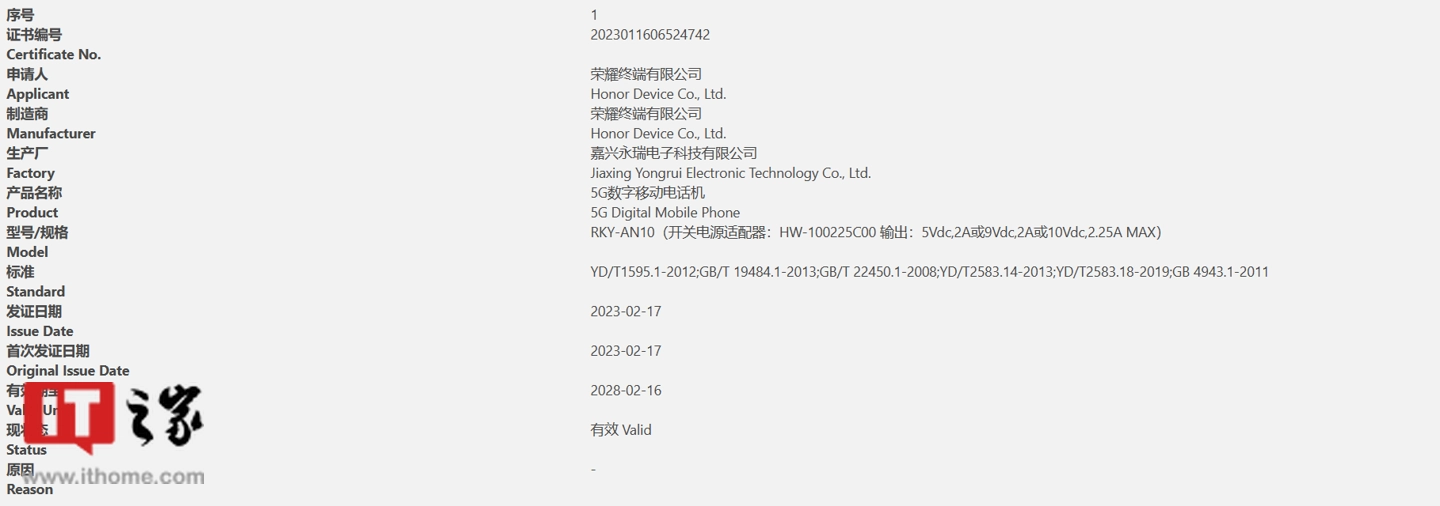
An unknown Honor smartphone with model number RKY-AN10 has bagged China’s compulsory 3C certification. While the handset’s marketing name is yet to be known, the listing shows it will be equipped with an HW-100225C00 charger that supports 22.5W fast charging. This is a familiar charger that is used by many Honor and Huawei smartphones.

Honor smartphone 3C

The charger is equipped with Huawei’s fast charging protocol and is compatible with Qualcomm’s QC2.0 fast charging chip. It is capable of charging at 9V/2A and 5V/2A, and comes with a Type-C data cable that supports a current of 3A. Previously, it was reported that Honor has a smartphone with a 6,000mAh battery in the works. Could it be the same device? We’ll learn that in near future.

The same handset was also rumored to pack a Snapdragon 6 Gen 1 chipset paired with up to 12GB RAM and 256GB storage. To remind you, the Snapdragon 6 Gen 1 was announced recently as a new mid-range SoC from Qualcomm. Manufactured on the latest 4nm process node, the processor uses Cortex-A78 CPU as its main core. The primary core can go up to 2.2 GHz. According to claims, the SoC provides a 35% boost in graphics performance and a 40% increase in computational performance.

Related:

(Via)

Xiaomi Will Launch the 13T Series Later This Year, Skipping the 13S Lineup: Tipster

Xiaomi is ready to launch the flagship Xiaomi 13 series in the global market on February 26 during the MWC Barcelona. While we wait, a leakster has revealed the company’s plans for its future flagship phones. Apparently, the company will be skipping the Xiaomi 13S lineup this year but launch Xiaomi 13T series sometime in Q4. Here are the details.

You might remember that last year Xiaomi followed up the Xiaomi 12 series with an improved 12S lineup. The latter was equipped with a more efficient Snapdragon 8+ Gen 1 processor. The lineup also included the Xiaomi 12S Ultra, which was believed to be the pinnacle of smartphone imaging. However, leakster Digital Chat Station claims this year we won’t get a Xiaomi 13S series.

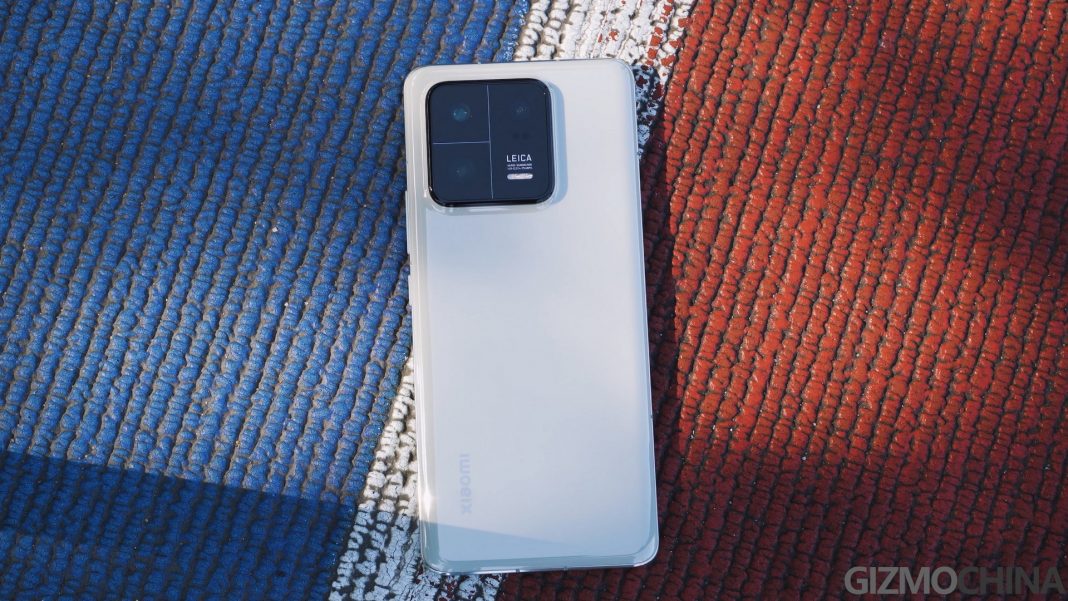
Xiaomi 13 Pro featured

The current Xiaomi 13 devices are equipped with the impressive Snapdragon 8 Gen 2 processor, a significant upgrade from last year’s Snapdragon 8 Gen 1. This suggests that Qualcomm is unlikely to release a new Snapdragon 8+ Gen 2 SoC, leaving Xiaomi with little room for improvement. Therefore, it makes sense for the brand to not introduce a new 13S series as the current 13 lineup already boasts impressive hardware.

However, as per the leakster, the company will release the more affordable Xiaomi 13T series later this year. In addition, it has been reported that one of the phones in the upcoming series will be a rebranded version of the Redmi K60 Extreme Edition, which hasn’t been released yet. This move follows a similar strategy employed by the company last year when they rebadged the Redmi K50 Extreme Edition as the Xiaomi 12T Pro. However, the 12T Pro received an upgrade to a 200 MP camera, replacing the 108 MP camera of the former.

RELATED

(Source) (Via)

Zapp i300 Performance Urban Electric Bike With An Innovative Design Showcased

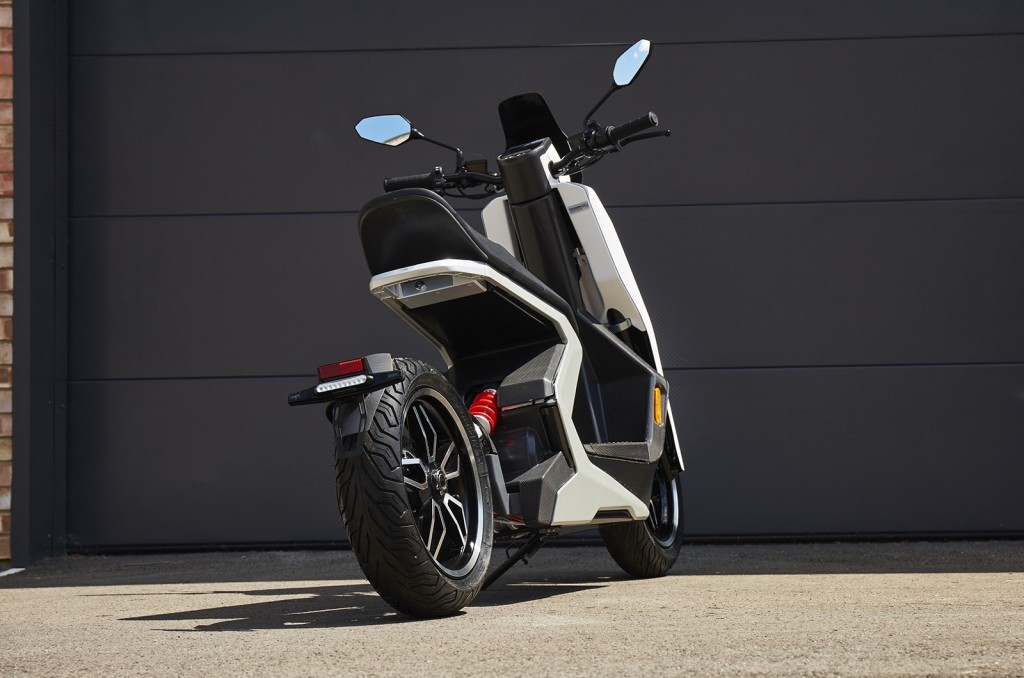
The Zapp EV i300 bike has an innovative design atop some advanced two-wheeler EV technology. It is a sleek city bike that combines scooter and superbike functionalities. It is being propped as an easy-to-ride electric bike that could be accessible to a wider demographic. Zapp says the i300 was inspired by motorsports both in design, technology, and materials used.

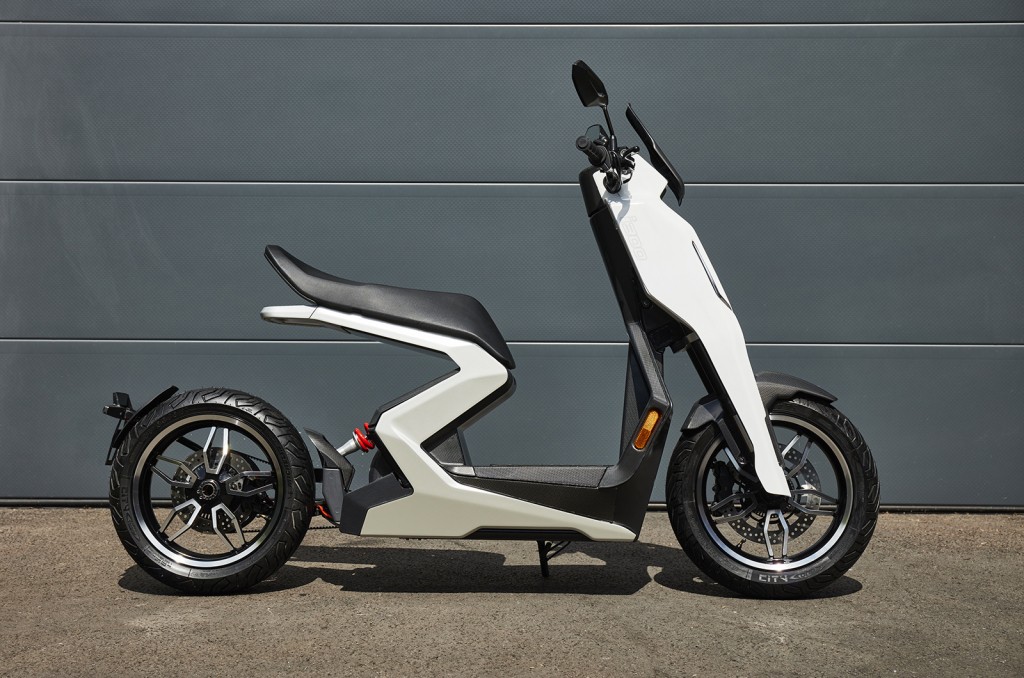
Zapp i300 Performance Urban Electric Bike

The Zapp i300 was launched in 2018 as the only 300cc class electric step-through bike. It is one of the earliest offerings by Zapp Electric Vehicles Ltd, the manufacturer. The London, UK-based firm was formed in 2017 and underscored its goals with the innovative design of the i300. The bike is built around a Z-shaped exoskeleton frame with a step-through design like a scooter.

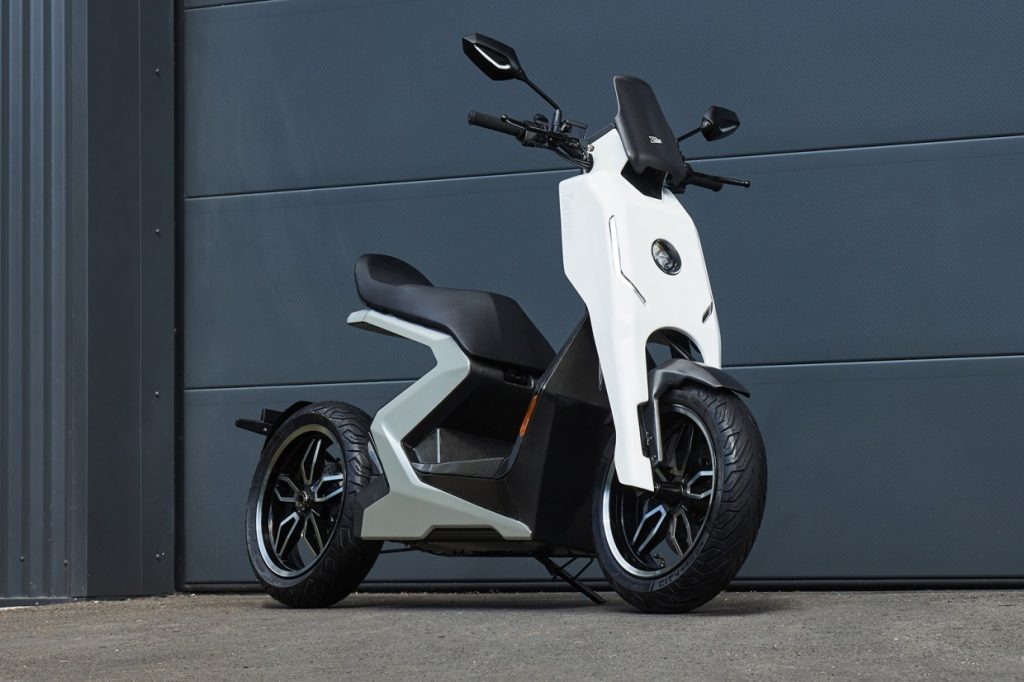
Zapp i300 Performance Urban Electric Bike

The i300 is capable of motorcycle-level acceleration and riding dynamics, thanks mainly to its design technology. Zapp stated that being a budding startup, it had to design the i300 from scratch, and is unlike any model currently on the market. It weighs about 92kg without the batteries. The outlook of the bike is due to its use of lightweight alloy and composite bodywork. It offers a perfect mix of performance and accessibility. It has inverted front forks, an interchangeable front fender, and an adjustable pushrod rear suspension. It has a load capacity of 150kg and cast-aluminum 14” wheels.

The innovative Zapp two-wheeler EV draws power from an IPM electric motor that outputs 14kW of power and 587Nm of torque. It uses a carbon fiber belt drive and can reach 30mph in 2.2 seconds. The Zapp i300 has a top speed of 60mph which is achieved in less than 5 seconds. The standard battery setup of the bike includes two removable 72V Lithium-ion batteries with 720Wh capacity. You can charge the gadget from 0 to 80% in 40 minutes.

Zapp i300 Performance Urban Electric Bike

The Zapp i300 is currently available on reserve. Recall that it was released last year. There are several personalization options available as well as different color options. The entry-level model in the Zapp i300 lineup is priced at around $7,400. A limited Launch Edition model is also available at about $10,140. Only 1,000 units of the Launch Edition Zapp EV i300 will be manufactured. The e-bike can be ordered directly from Zapp’s website and can be delivered to any part of the world.

RELATED:

Samsung Galaxy S23 Ultra Users Reported Camera Stabilization Bug

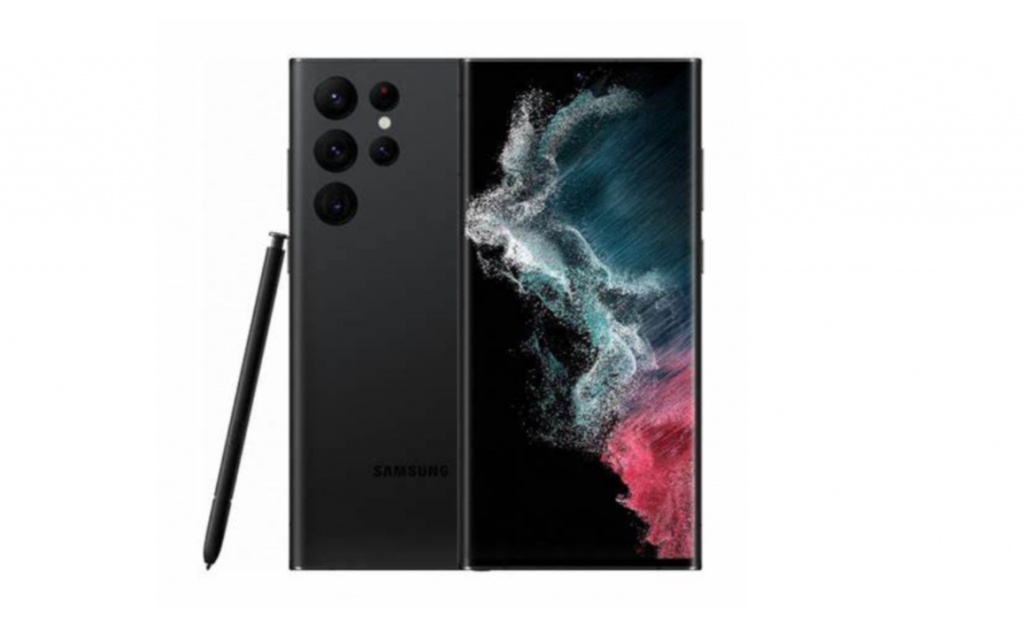
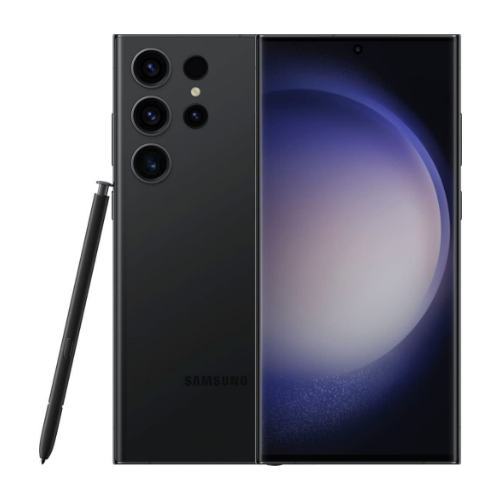
The Samsung Galaxy S23 Ultra, the company’s newest flagship model, had recently been released. It has a big 6.8-inch display, an impressive 12GB of RAM, and a Snapdragon 8 Gen2 for Galaxy processor, making it one of the most powerful smartphones on the market. It’s the brand’s top-tier flagship, thus the user should have a positive overall experience. However, it appears that this gadget has a strange photo stabilisation bug that may be interfering with users’ experiences with their phone cameras.

The Galaxy S23 Ultra has a really great set of cameras. The reviews also clear out that the brand has deeply worked into the camera algorithms to provide users with impressive results. The OIS (Optical Image Stabilization) has been improved by a huge margin when compared with its predecessor. The upgraded OIS technology means better and clearer images. However, a new bug has been spotted by some of the Galaxy S23 users which stop the technology to function as it was intended to. Due to the bug, the videos come out shaky as a result of poor stabilization.

Samsung Galaxy S23 Ultra

The effect is also noticeable when taking a photo, though it is less apparent in portrait mode. Sometimes it’s completely contrary, and the stabilisation appears to be good in video mode but not in photo mode. Resetting camera settings appears to help, however as you close and reopen the camera app, the problem reappears. This problem appears to be most prevalent when taking photos in low light or at night when OIS should ordinarily help minimise blurriness and noise levels but isn’t operating properly for some reason.

This issue can be quite annoying for folks who are impacted because it means they may not receive the highest quality photographs out of their device’s camera, even if they are attempting to use advanced features like OIS, which was built particularly to increase image quality under these conditions. In addition, people have experienced strange heating up of the device while utilising the cameras.

In conclusion then while we wait patiently for Samsung’s next software patch containing fixes related to this weird camera stabilization bug – let us hope that no more users will suffer any further issues due to lack thereof! What are your thoughts on this? Do let us know by dropping a comment in your words down below. Thanks a lot for reading till the end.

RELATED

Source/Via

Infinix Inbook Y1 Plus Laptop Launching in India on Feb 20, Full Specs Confirmed

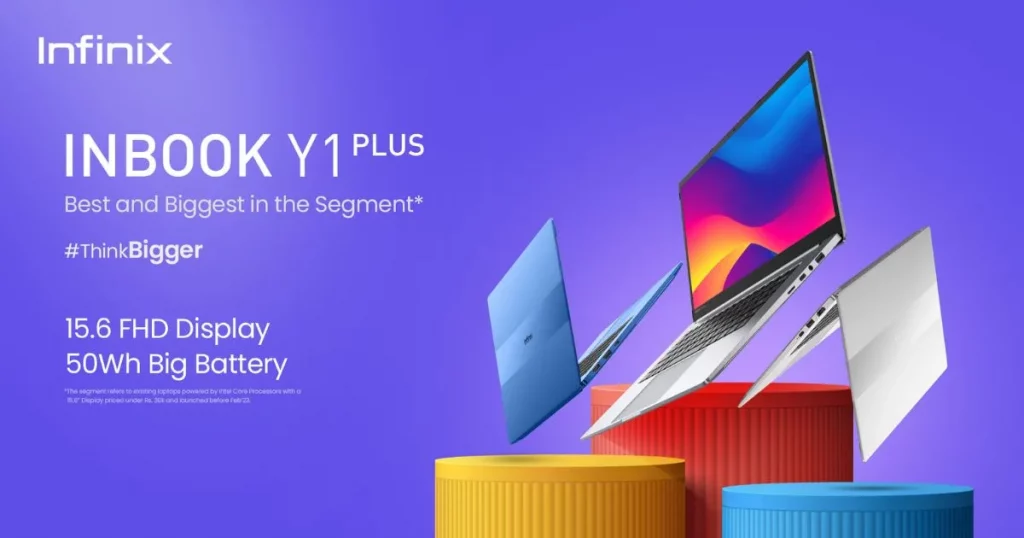
You might know Infinix for its affordable smartphones but the company also makes laptops and they are in fact pretty decent. The company’s recent offerings have been quite popular due to their affordability and it is now ready to bring a new laptop to India. The device in question is called the Infinix Inbook Y1 Plus and it will be debuting in the country on February 20. Ahead of the release, Flipkart has revealed the laptop’s complete specifications and pricing. Let’s look at the details.

Infinix-InBook-Y1-Plus

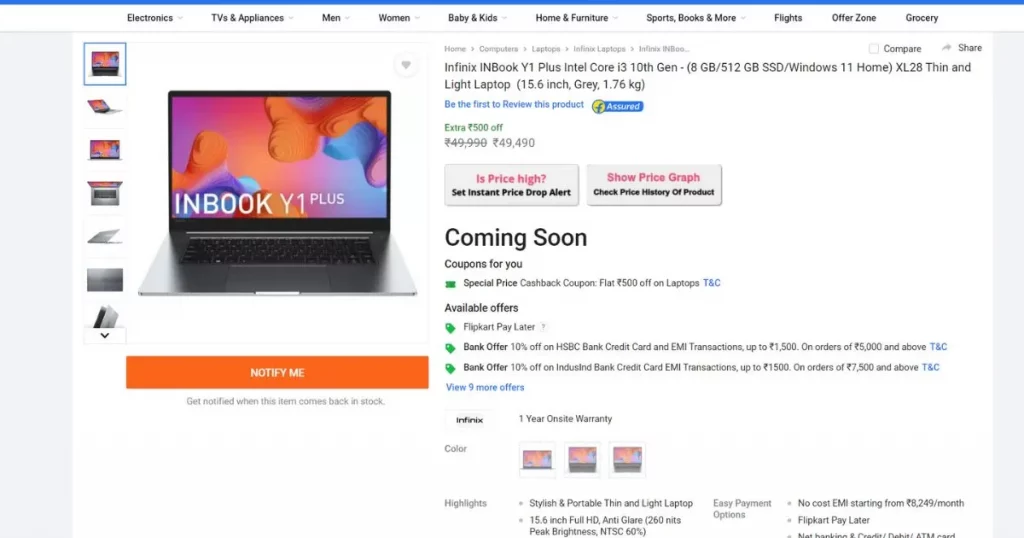
E-commerce giant Flipkart has gone ahead and listed the upcoming Infinix Y1 Plus laptop on its platform. The listing reveals the laptop will flaunt a 15.6-inch Full HD screen that will offer 250 nits peak brightness, and 86% sRGB color space. The device can be seen with a sleek design and thin bezels all around. Powered by the Intel Core i3 10th gen processor, the laptop could pack 8GB of RAM and 256GB/512GB NVMe PCle 3.0 SSD storage.

Infinix Inbook Y1 Plus will be backed by a 50Whr battery which should last up to 10 hours on a single charge. It will come with a 45W Type-C charger capable of charging the laptop up to 75% in about an hour. The device will have two USB 3.0, one HDMI, and a Type-C port. The laptop will run Windows 11 operating system out of the box and feature a backlit keyboard, a 2MP webcam with dual LED lights, a dual mic, and an AI noise reduction feature.

Infinix-InBook-Y1-Plus-Flipkart

The 256GB variant of the InBook Y1 Plus is listed on Flipkart with a price tag of Rs 44,490, while the 512GB version is priced at Rs 49,490. However, Infinix has previously confirmed that the device would cost less than Rs. 30,000. So, the Flipkart prices will likely be updated after the launch. We’ll keep you posted.

Related:

(Via)

Unlocked Samsung Galaxy S22 Series Phones Getting One UI 5.1 Update in the US

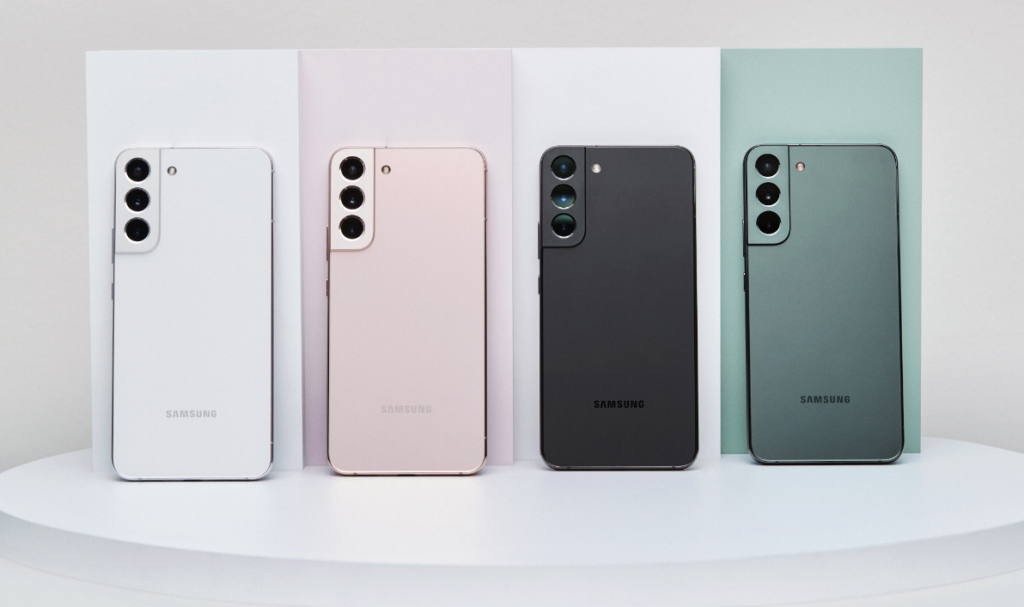
With the Galaxy S23 Series, Samsung introduced the new One UI 5.1, an iterative update after One UI 5.0. The new firmware brings a number of features and improvements over the standard version of One UI. Samsung recently announced that the latest software will also make its way to older Galaxy smartphones. In that light, the unlocked Galaxy S22 series models in the US have started to receive the One UI 5.1 update. Here are the details.

Samsung Galaxy S22, Galaxy S22+, and Galaxy S22 Ultra are getting the One UI 5.1 update with firmware version S90xU1UEU2CWAI. Currently, only the devices on Metro PCS, US Cellular, and T-Mobile’s networks are getting the update. Other carriers should also get it in a few days. The update brings all the new changes introduced with the One UI 5.1 goodies and also upgrades the Android security patch level to February 2023. If you haven’t received it yet, you might want to check manually by going to your phone’s Settings > Software update menu.

Galaxy S22 One UI 5.1

As mentioned, One UI 5.1 brings several new features. This includes an Expert RAW app, enhanced Photo Remaster, Multi Control, independent wallpapers for Modes and Routines, and new lock screen customization options. The Gallery app has been upgraded with advanced search functionalities that enable users to locate individuals by simply tapping on their faces. Moreover, the Smart Suggestions widget has been enhanced to suggest Spotify tracks and playlists to users.

However, it is worth noting that One UI 5.1 is also causing certain issues. For instance, users report that after installing the update, their devices are lagging and battery drainage has also increased. Some claim that they are not able to use several features after installation of the software. You may check more details here.

RELATED:

(Via)

Redmi 12C Real-Life Images Leaked Ahead of the Official Launch

Xiaomi is preparing to debut the Redmi 12C smartphone in the market. The Redmi A1/A1+ smartphone was released a few months ago, and it was a good value for money. The Redmi 12C is supposedly in the pipeline, and we may soon hear official information about its arrival. However, real-world images of the upcoming smartphone appear to have been leaked before the official launch. The leaked photos reveal every aspect of the device’s design and form factors.

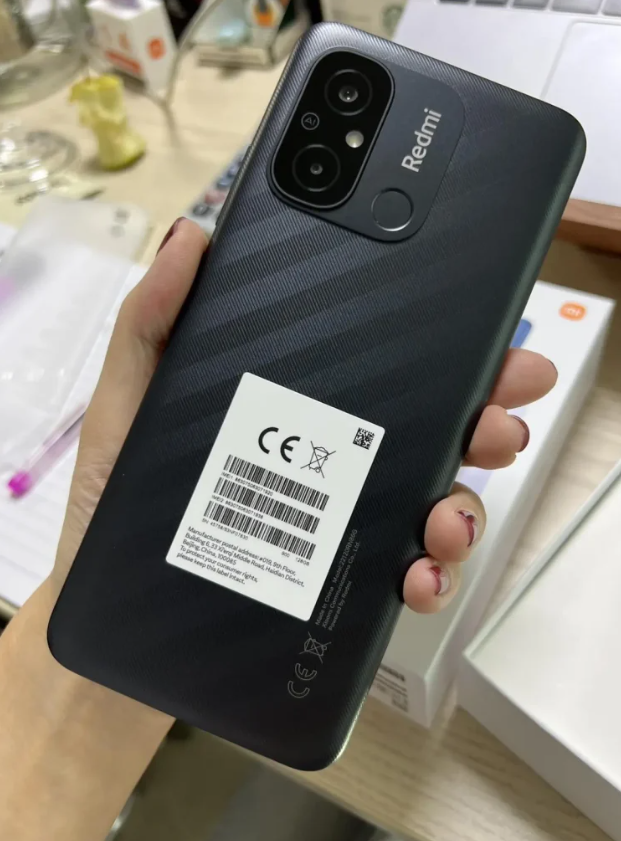
It is worth noting that the smartphone has already been released in the Chinese market, and the global release is only around the corner. The upcoming device’s form factor, design, and packaging box have been revealed in leaked photographs. The smartphone’s packaging box is identical to that of previous Xiaomi smartphones, with no further changes. The gadget features a camera bump that is remarkably similar to the Redmi Note 10 device.

Redmi 12C

The brand has enlarged the first layer of the bump and merged it with the fingerprint sensor. The Redmi brand is housed in the same accentuated area around the camera bump. The leaked image shows the gadget with a zig-zag pattern on the back panel. The location of buttons is identical to that of any other Xiaomi smartphone, with power and volume controls located on the device’s right-hand side frame. The device’s appearance is quite appealing, but it all comes down to personal preferences.

Redmi 12C

We do not currently have much information about the device’s specifications and general features. So that’s all we have to say about the leaked photos of the Xiaomi Redmi 12C gadget. What are your thoughts on the images? Do you find the design appealing or not? Please let us know by leaving a remark in your own words down below. Thank you for sticking with me until the end.

RELATED

Source/Via

Samsung One UI 5.1 is Reportedly Damaging Battery Life of Galaxy Devices

Samsung recently unveiled One UI 5.1, which is based on Android 13. It was released alongside the Galaxy S23 smartphone series. The S23 series was the first device to ship with One UI 5.1. Soon after, the company began rapidly rolling out the update to millions of handsets. However, not everything goes smoothly when updates are provided very frequently, and One UI 5.1 is no exception. Following the new One UI 5.1 upgrade, some Galaxy handsets are apparently experiencing battery health issues.

The latest One UI 5.1 update has some major battery-related issues. Some users on the brand’s official forum have stated that after updating to One UI 5.1, their devices’ battery life has declined significantly. Multiple individuals on various social media platforms have also noticed the same problem. Following the newest update, some users observed odd heating on their smartphones. And it came as a major surprise to us when we discovered that these issues are more widespread among users of the Samsung Galaxy S21 and S22 series. The SamMobile states that their readers reported the same problem to them.

Samsung Galaxy S23 Ultra

There have been no clear reports of what is causing the device to heat up and consume the battery. However, it is apparent that the recent One UI 5.1 version has certain flaws because no battery-related concerns were reported by consumers before the update. According to a Reddit user, official Samsung apps such as the Samsung keyboard use batteries at an alarming pace. The problem has been reported to the company numerous times, but no clear troubleshooting or appropriate answer has been offered by the brand as of yet. This is a significant letdown for the brand’s flagship smartphone owners.

Samsung has yet to officially address this issue, although it is possible that it is related to hardware compatibility difficulties, with some components within these devices not working well together while operating on One UI 5.1 software updates. Unfortunately, we won’t know what caused this drop in battery performance until Samsung issues an official comment. So that was all we had to cover up regarding the issues reported by One UI 5.1 users. If you’re a One UI 5.1 user, then kindly let us know if the issue is present on your device as well or not. Thanks a lot for reading the post.

RELATED

Android Games Now Playable on Windows 10 and 11: Here’s How

After announcing the closed beta back in 2022, Google has now officially released the open beta of its “Google Play Games for PC” desktop application for Windows 10 and Windows 11, promising “bigger, bolder experiences of mobile games on Google’s gaming platform for PC”.

According to the service’s official landing page, “Google Play Games” is a PC application that lets you browse, download, and play select popular mobile games on a Windows desktop or laptop. Besides enjoying your favourite Android games on a PC, you’ll have keyboard and mouse access, seamless sync across devices, and integration with Google Play Points.

Besides the original 3 regions listed in the limited beta (Hong Kong, South Korea, Taiwan), Google Play Games beta has officially been rolled out to more countries and regions worldwide. The open beta has been expanded to 10 more countries, which are respectively Australia, Brazil, Canada, Indonesia, Malaysia, Mexico, the Philippines, Singapore, Thailand, and the United States. Anyone in these regions with an eligible account can download the beta directly from the Google Play Games for PC page. 

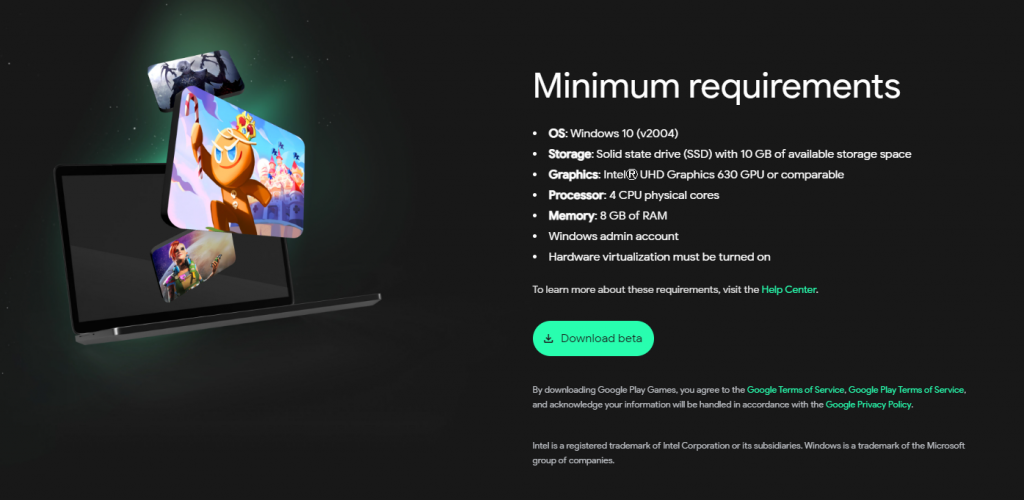
Google has outlined several minimum requirements to download Google Play Games on PC, and they are as follows:

  • OS: Windows 10 (v2004)
  • Storage: Solid state drive (SSD) with 10 GB of available storage space
  • Graphics: IntelⓇ UHD Graphics 630 GPU or comparable
  • Processor: 4 CPU physical cores
  • Memory: 8 GB of RAM
  • Windows admin account
  • Hardware virtualization must be turned on
Source: Google

Google clarifies that currently, over 100 games are available across the beta regions. The company is adding games to the service on a regular basis, so it encourages users to check back often to see what’s new.

In addition to the gaming hub service, Google Play Games also offers users to earn rewards as they play. As stated, with Google Play Points, you’ll earn points on everything you buy with Google Play Games, including in-app items and subscriptions. You can rack up and redeem Play Points on your PC through the same process you use on your mobile device.

As for an official release, Google has stated that the official release date of the service will vary according to the region, and the company is looking to expand the service to more regions later this year. And for availability on macOS, Google commented that Google Play Games is not yet available for Mac.

RELATED:

(Source)

WEVC eCV1 Electric Truck is a Tesla Semi Lookalike Out of the UK

The eCV1 electric truck has been announced. It is a commercial electric vehicle with a range of up to 290 miles (around 467 km) developed by WEVC. The WEVC eCV1 is a lightweight and efficient chassis-cab product with commercial implications.

WEVC eCV1 Electric Truck

Watt Electric Vehicle Company (WEVC) is a UK-based manufacturer and the eCV1 bears a striking semblance of the Tesla Semi. It has a similar front bumper, greenhouse, and black lower section. The eCV1 has vertical headlights, as well as a similar side accent as the Tesla Semi. The model also sports wing-like side camera mirrors that are similar to the original model. The camera mirrors on the eCV1 however are in a more forward position.

The WEVC eCV1 has a central driver’s seat and can be configured to have up to three seats overall. The truck has full-standing height headroom for easy ingress and egress. It also has a walk-through cabin, which is well-suited for urban delivery vehicles.

WEVC eCV1 Electric Truck

According to the company, the eCV1 uses the PACES architecture. The PACES architecture supports the three different drive configurations (front-, rear- and all-wheel). The cell-to-chassis system on the eCV1 implies that the batteries are integrated into the structure. The system provides an optimized stiffness, minimized weight, and maximizes payload.

WEVC eCV1 Electric Truck

The WEVC eCV1 is equipped with a 110kWh battery pack that delivers a range of 290 miles (467km) on a full charge. There are differences in the range based on the configurations. WEVC hopes to manufacture up to 5,000 vehicles annually but pricing and release details for the eCV1 are lacking.

RELATED:

Razer BlackWidow V4 Pro Gaming Keyboard With a Wide Board Design Unveiled

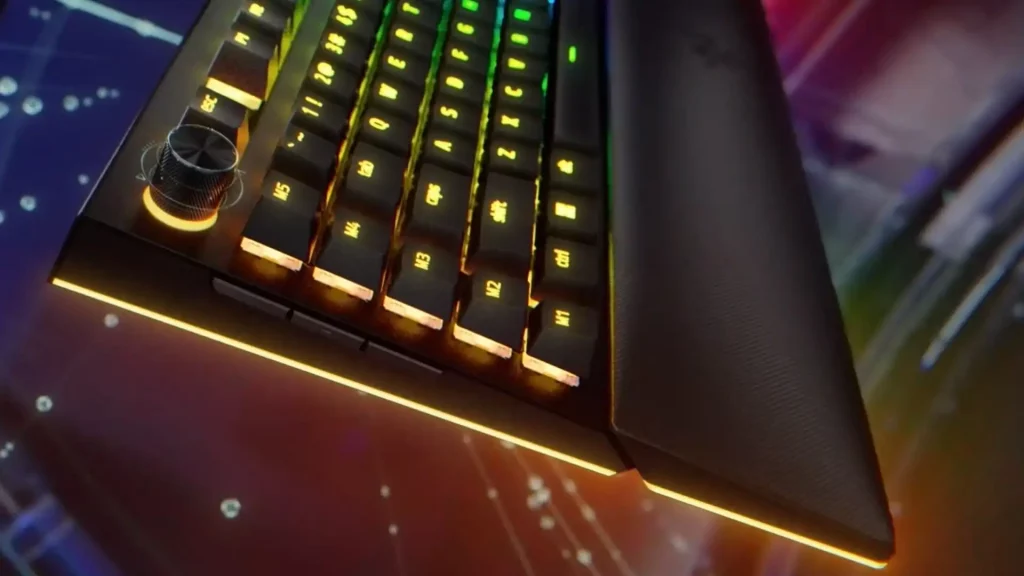
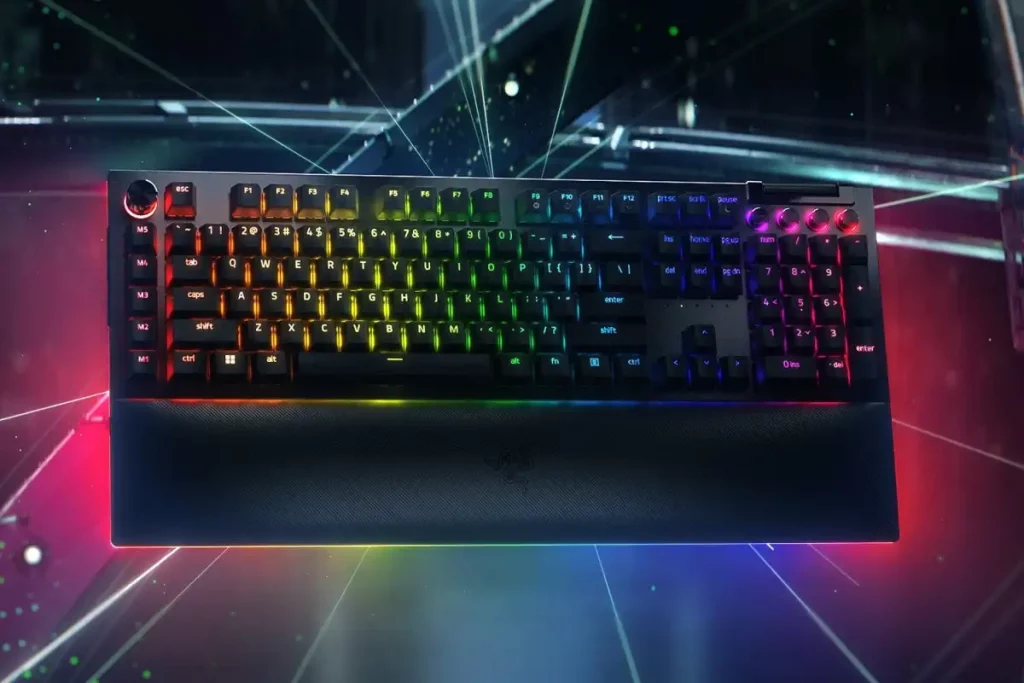
Razer has unveiled the BlackWidow V4 Pro keyboard with two programmable dials. The BlackWidow V4 Pro retains a big board design and is a departure from current compact models. The keyboard omits wireless connectivity but has five macro keys, four media keys, and three profile keys.

Razer BlackWidow V4 Pro Gaming KeyboardRazer BlackWidow V4 Pro Gaming Keyboard

The norm currently is to deliver trendy and compact keyboards. Some models are reduced by up to 40% but the BlackWidow V4 Pro goes in the opposite direction. The keyboard combines the features of decades-old designs with mechanical innovations. It offers premium Razer components and a full aluminum deck. In addition, the mechanical keyboard has magnetic wrist rests, Chroma lighting on each key, and underglow strips around the board and wrist rest. It has a dedicated USB-C cable and a pass-through USB port, which is something new with gaming keyboards. The device has a polling rate of 800Hz which can accommodate the twitchiest eSports applications.

Razer BlackWidow V4 Pro Gaming Keyboard

The BlackWidow V4 Pro comes with some advanced mechanical features. The custom hall-effect switches have different tactile levels but lack hot-swapping. The stabilizers are pre-lubricated while the keyboard’s case has sound-absorbing foam. The board’s memory is capable of remembering five different memory profiles. The Doubleshot keycaps are made of ABS plastic, but the Razer PBT caps are more exquisite and sold separately.

The Razer BlackWidow V4 Pro is priced at $230 and is already on sale. The product can be purchased directly from the Razer online store. The earliest deliveries of the product will be in one week.

RELATED:

Meizu 20 Series Will Arrive With an IR Blaster, a First for the Brand

Meizu 20 series will be arriving pretty soon as the latest flagship smartphone lineup from the brand. Recently, Meizu has started teasing the new smartphones on social media, revealing information in bits and pieces. So far, it has been confirmed that upcoming flagships will be powered by the Snapdragon 8 Gen 2 processor under the hood. In the latest development, the OEM has confirmed the Meizu 20 series handsets will be equipped with an IR Blaster. Here are the details.

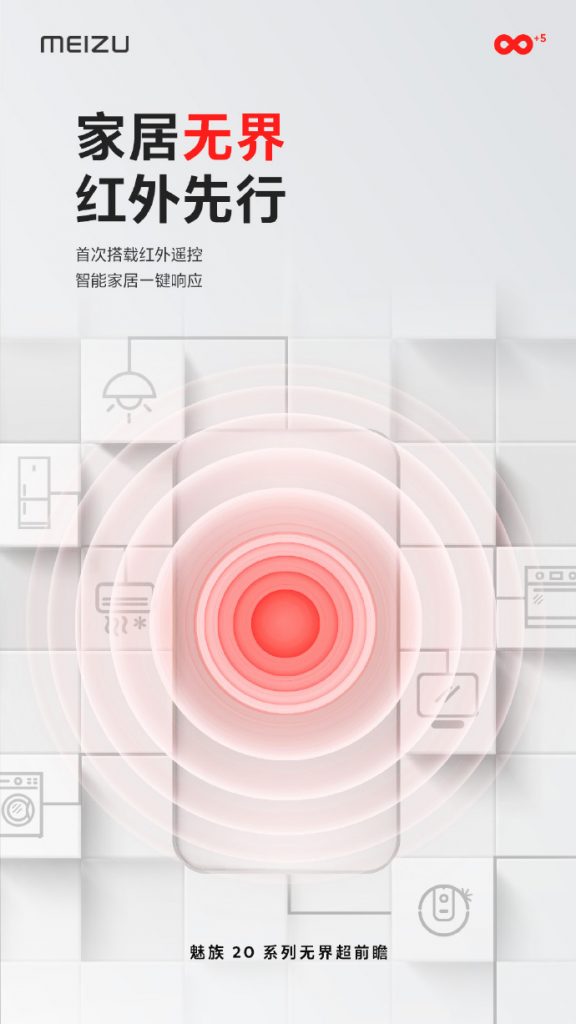
According to the latest teaser posted by the brand, the Meizu 20 series, which should include Meizu 20 and Meizu 20 Pro, will come with an IR Blaster. For the unaware, an IR blaster (Infrared Blaster) allows a smartphone to function as a remote control for various electronic devices, such as televisions, air conditioners, and set-top boxes. It lets users control these devices using their phones instead of a separate remote control.

Meizu 20 IR blaster

This is the first time Meizu will be using this technology on its smartphones. As you may be aware, Xiaomi smartphones are often equipped with an IR blaster. In the past, Samsung also used to include this convenient sensor in their phones. However, this is no longer the case.

Reports have revealed that Meizu 20 series will run a new Flyme 10 OS and pack a Snapdragon 8 Gen 2 chip. It is reported to adopt a variable flat display (likely a 2K) with a new ultrasonic fingerprint 2.0 that supports 0.075 seconds of fast wet hand unlocking. Further, the lineup is said to be equipped with LPDDR5X RAM and UFS 4.0 storage. The launch date of the new series is still anyone’s guess. We’ll keep you posted.

RELATED

(Via)

Fire Boltt Blizzard With 120 Sports Modes, Bluetooth Calling Launched In India

Fire Boltt has announced a second smartwatch under its Luxe collection. Recently, the brand had launched the Fire Boltt Quantum. The latest offering is called the Fire Boltt Blizzard. It is similar to the Fire Boltt Quantum. Read on to know what it offers out of the box. 

The Fire Boltt Blizzard is a traditional-looking watch with smart features. It is equipped with anti-corrosion properties and dual shades made of high-tech ceramic. There is a rotating crown, a home button, and a back button. It is IP67-certified water-resistant. The smartwatch comes with a circular dial featuring a 1.28-inch display bearing an HD resolution. 

In terms of health, the Fire Boltt Blizzard is equipped with a heart-rate monitor, SpO2 sensor, sleep tracker, and women’s menstrual cycle monitor. It packs support for 120 sports modes. 

The Fire Boltt Blizzard features a built-in speaker and a dial pad for Bluetooth calling directly from the device. There is support for voice assistant and the wearable device offers convenient features like smart notifications, camera control, weather updates, and more. The smartwatch also packs in-built games. The Fire Boltt Blizzard is powered by a 220mAh battery unit that is claimed to deliver up to 7 days of usage.

The Fire Boltt Blizzard is offered in Silver, Silver and Black, Silver and Gold colour options. It carries a price tag of Rs 3,499 and can be purchased from February 23rd from Flipkart and the brand’s official website. 

Related:

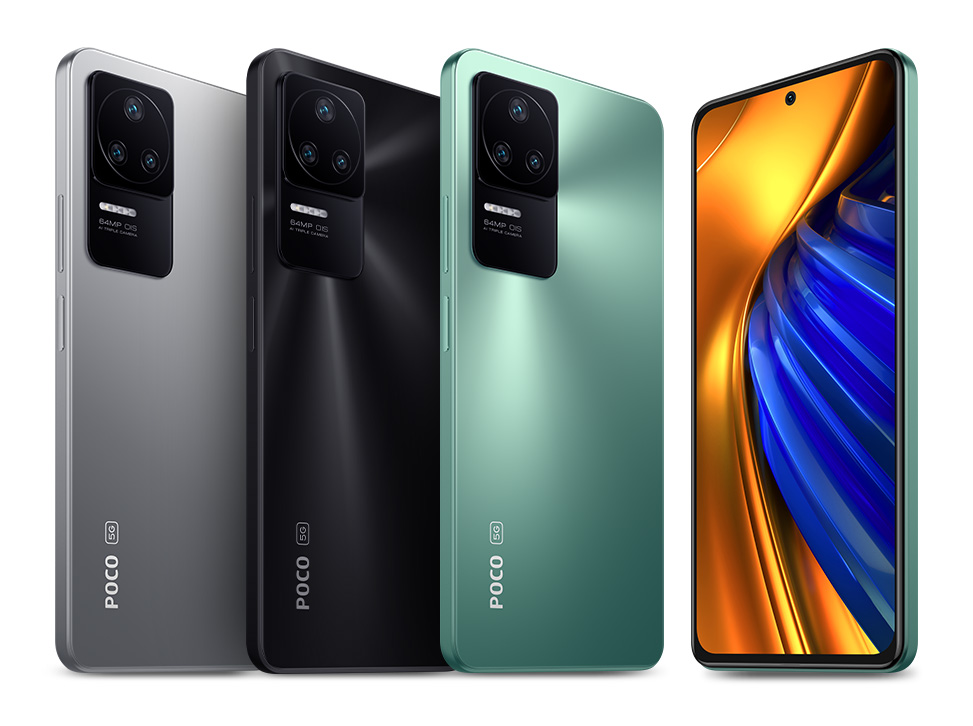
Poco F4 Finally Gets the Long-due Android 13 Update With Jio 5G Support in India

Xiaomi and its sub-brands (Poco and Redmi) manufacture some of the best budget and mid-range smartphones that offer a great bounce for the ounce. However, the company falls behind when it comes to providing timely software updates. The brand has started to pick up with its MIUI 14 rollout program and released stable builds of the software to several devices in the global market. The latest smartphone to get the MIUI 14 update is the Poco F4. The handset is receiving the update in India with Jio 5G support.

Poco F4 Android 13 Update

As announced by Poco’s India head Himanshu Tandon, Poco F4 has finally started receiving the Android 13-based MIUI 14 update in the country. The software is rolling out with the firmware version V14.0.2.0.TLMINXM and brings support for Jio 5G. As usual, the update is being released in a staged fashion and will be rolled to every user in some time. This is to ensure that the software remains stable and does not cause any issues. Currently, the MIUI 14 update is being seeded to the Poco F4 devices enrolled in the beta program.

Some beta users have mentioned that the latest update is around 3.5GB in size. So, it’s a good idea to take a backup of your data before installing it, better safe than sorry, right? Also, to avoid any interruption, it’s recommended to have a stable Wi-Fi connection and make sure your F4 5G has more than 50 percent battery life. The new update will bring all the new features introduced with Android 13 and also some Xiaomi-exclusive goodies. Head over here, if you want to learn more about the MIUI 14 update.

RELATED:

(Via)

Samsung Galaxy M14’s Launch Could Be Near as It Gets TKDN & NBTC Certified

Samsung is expected to launch several mid-range smartphones next month. One of these devices could be the long-rumored Galaxy M14. The handset has been making rounds on various certification platforms recently and is expected to pack an Exynos 1330 chipset under the hood. In the latest development, Galaxy M14 has received TKDN and NBTC certifications, hinting at an imminent launch. Here are the details.

Galaxy M14 has received Thailand’s NBTC and Indonesia’s TKDN certificate with model number SM-M146B. For the unaware, these certifications indicate compliance with regulatory safety and quality standards and are mandatory in some cases. While we don’t get any specifications of the device from these listings, they hint at an imminent launch.

Galaxy-M14-5G

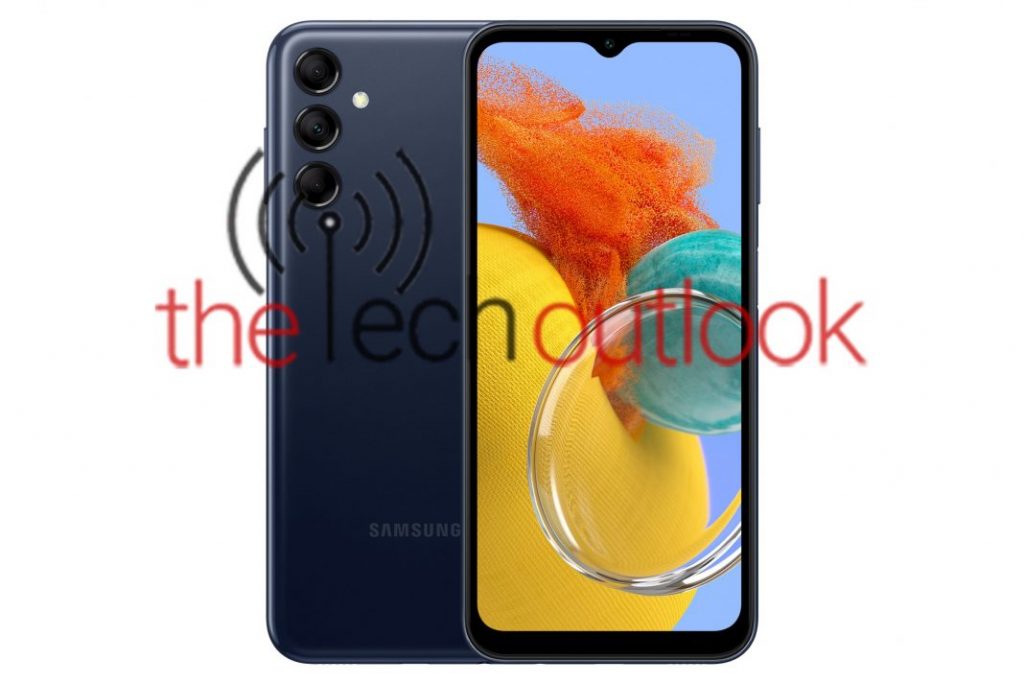
Last month, a report shared the detailed renders of the upcoming Galaxy M14. The handset is expected to arrive in dark blue, blue, and silver color options. It could have a familiar design with a waterdrop notch display and thick bezels on the front. The back of the device may feature a triple camera unit with an LED flash.

Further, the smartphone’s Geekbench listing suggests it will pack Samsung’s in-house Exynos 1330 chipset and 4 GB of RAM. It should arrive with Android 13 OS and One UI 5.0 preinstalled. In addition, FCC reveals the Galaxy M14 will support 25W charging. The handset may pack a 5,000mAh battery unit.

It is expected that the Galaxy M14 will be a rebranded or slightly modified version of the Galaxy A14. The latter features a 6.6-inch PLS LCD screen with a Full HD+ resolution and a 90Hz refresh rate. A14 has a 50MP main camera, 2MP macro shooter, and a 2MP depth sensor on the back.

RELATED:

(Via 1,2)

Nubia’s First AR Smart Glasses Officially Confirmed to Arrive at MWC 2023

Just recently, ZTE announced that it would be launching the Nubia Pad 3D at MWC 2023 in Barcelona, specifically on February 28th. The company has now teased another innovative product also launching at MWC 2023. The product is the brand’s first AR smart glasses that would be called Nubia Neovision Glass.

Nubia NeoVision Glass

The details of the AR glasses are not yet revealed but the teasers suggest the pair of glasses will realize the full integration of life, office, sports, and entertainment, in order to open up a new century of laying and playing for users.

The design of the Neovision Glass was also shown in the teasers. The Neovision is similar to most of the AR glasses currently in the market like the TCL NxtWear Air glasses announced at CES 2022. It integrates the display screen through multi-layer lenses making it possible to display content without blocking the line of sight.

Nubia NeoVision Glass

The teaser image does not reveal any connection cable meaning that the AR glasses may likely function without connection to another device. It is also possible that the device will adopt wireless connectivity and may even support wired connectivity.

According to the poster, the launch event will hold at 3 pm on February 28th at 3F30, Hall 3, Fira Gran Via, Barcelona. We also expect to see more innovative ZTE products, including smartphones on the launch day.

RELATED:

(via)

Twitter to Charge Its Users for SMS Two-Factor Authentication

Twitter’s latest announcement has caused quite a stir among its users. It appears that the social media giant will no longer support SMS-based two-factor authentication (2FA) after March 20th, 2023. If users don’t upgrade to Twitter Blue, which costs $8 a month on Android and $11 a month on iOS, or switch to a more secure 2FA method, they will lose access to this feature altogether.

Elon Musk Twitter

Nowadays, SIM swap attacks are increasingly common, and anyone who has fallen victim to one knows how devastating they can be. Even Twitter’s old CEO, Jack Dorsey, fell prey to this technique four years ago. It’s easy to see how someone could gain access to your accounts simply by stealing a phone number, and that’s a risk that’s not worthwhile for a lot of users.

While Twitter’s official reason for this change is to improve security, there may be a more straightforward explanation. Sending SMS messages costs money, and Twitter is not exactly swimming in cash these days. Even before Elon Musk became involved, the company had been phasing out SMS-based 2FA.

So, what should one do if they don’t want to lose the added protection of 2FA? There are other, more secure ways to protect your Twitter account. One option is to sign up for Twitter Blue, which offers additional features in addition to a more secure 2FA. Another option is to use a physical security key, which is a small device that you plug into your computer or phone to authenticate your login attempts. Finally, you can use an authenticator app, which generates a unique code that you enter along with your password to log in.

In conclusion, while Twitter’s decision to discontinue SMS-based 2FA may cause some inconvenience, it’s ultimately a good move for users. By eliminating this less secure option, Twitter is forcing its users to adopt more robust security measures. Whether you choose to upgrade to Twitter Blue or use another form of 2FA, it’s essential to take online security seriously and do what you can to protect your accounts.

RELATED:

(Via)

Japan’s First Manned Flying Car Test Flight Shows Promise for the Future

Flying cars have been touted as the ultimate mode of transportation for the future. They present an innovative solution to address issues of traffic, congestion, pollution, and other problems that plague urban transportation. With their ability to cover shorter distances in a shorter amount of time, flying cars hold the promise of freeing up the roads for pedestrians, cyclists, and long-distance travelers. One of the significant benefits of flying cars is that they require minimal infrastructure and maintenance compared to ground vehicles, making them an attractive proposition.

Japan Flying Car

On Friday, the idea of flying cars came one step closer to reality when a manned test flight was conducted in Oita Prefecture, southwestern Japan. Masc, a research group based in Okayama, carried out the trial using a two-seater flying car built in China based on drone technology. The vehicle flew a pre-programmed route without a pilot at the controls, rising vertically to a height of 30 meters and then circling over the sea at a speed of 36 kilometers per hour for about three and a half minutes. 

Masc’s chairman, Kirino Hiroshi, stated that they aim to turn flying cars into a commercial proposition, and the Transport Ministry noted that this was the first test flight of a manned flying car in an open space in Japan that it is aware of. The future of flying cars is indeed promising, and the successful test flight in Japan is a significant step towards realizing this futuristic vision.

Flying car companies require more time and expertise before they can mass-produce flying vehicles. Design and engineering challenges are not the only problems that the manufacturers of flying cars need to solve. Environmental, regulatory, and safety clearances are also essential factors that need to be taken into account. Issues such as noise pollution, take-off and landing infrastructure, limited carrying capacity, training for new pilots, and high costs present significant obstacles to the widespread adoption of flying cars.

Furthermore, as laws governing flying cars are still in their early stages, they must be developed to accommodate flying traffic. Regulators are currently working to develop laws related to autonomous flying cars and personal air vehicles, which would ensure their safety and regulate their use.

RELATED:

(Via)

Microsoft Limits Bing Chat to 5 Replies, 50 Questions Per Day to Avoid Inappropriate Interactions

In response to recent user reports of inappropriate and concerning behavior from Bing’s chatbot, Microsoft has announced new conversation limits for the AI. The search engine’s chat feature will now restrict users to 50 questions per day and five per session to prevent the bot from potentially insulting or manipulating users. Microsoft’s Bing team explained in a blog post that this move was based on data showing that the vast majority of users only require five turns to find their answers, and only 1% of conversations go beyond 50 messages. If users reach the five-per-session limit, Bing will suggest starting a new topic to avoid excessive and unhelpful back-and-forth sessions.

microsoft bing

Previously, some users reported instances of truly bizarre responses from the AI on the Bing subreddit, which were as hilarious as they were creepy. Microsoft has recently acknowledged that long chat sessions, with over 15 questions, could cause Bing to become repetitive or provide unhelpful responses that don’t match the intended tone. By limiting each session to just five questions, Microsoft hopes to prevent confusion and keep the chatbot’s performance consistent. While Microsoft is continuing to refine Bing’s tone and functionality, it is unclear how long these chat limits will remain in place. The company has suggested that it may explore expanding the caps on chat sessions in the future, depending on user feedback.

Despite the recent reports of Bing’s “unhinged” conversations, Microsoft is continuing to work on improvements for the chat feature. The company has been addressing technical issues and regularly providing fixes to improve search results and answers. However, Microsoft has also noted that it did not anticipate people using Bing’s chat interface for social entertainment or general discovery purposes. Objectively, this seems like a bad excuse for compromising the safety of its users. As such, the company is taking steps to ensure that the chatbot remains useful and safe for all users.

RELATED:

(Via)