Advertisement

Apple’s Latest Press Event Showcases Upcoming Games for iPhone, iPad, Apple TV, and Mac

Recently, Apple hosted a private event exclusively for the press and influencers, to provide an in-depth preview of the games slated for release on iPhone, iPad, Apple TV, and Mac later this year. According to a report by Tom’s Guide, the showcase event exhibited an array of games, from the expansive lineup of Apple Arcade on Apple TV to innovative fitness games by the Apple Entrepreneur Camp and The Medium running natively on M1 and M2-based Macs.

Apple

Apple wanted to provide a more personal and hands-on experience for the press and influencers to explore new products. The event was held at a dedicated venue in New York City where the company occasionally organizes private briefings with members of the press to offer demonstrations and presentations of new products. However, the focus of this event was entirely gaming, with various game developers presenting their product roadmaps for Apple platforms in 2023.

Some of the games showcased at Apple’s event include Call of Duty: Warzone Mobile, Honkai: Star Rail, Lego Star Wars Castaways, Run Legends, and The Medium. Mike Andronico, a writer for CNN, remarked that “2023 is looking like a great time to be an Apple gamer.” He was impressed by Call of Duty: Warzone, which is set to release on iPhone later this year. He shared that “Activision’s latest bite-sized Call of Duty game looked great and ran at a fluid 120 frames per second on an iPhone 14 Pro Max.” The iPhone 14 Pro Max is the company’s flagship smartphone, which features the A16 bionic chip. Mike did however point out that the device became a little warm during his playtime. Also, the game crashed towards the end of his gaming session. In response, Activision stated that all of it was pre-release software, so hopefully, these bugs will be fixed in the not-so-distant future to avoid any hiccups.

Apple also showcased The Medium running on a new M2 Mac mini, which impressed Mike, who stated that the game looked as good as if it was running on a specced-out gaming PC with an RTX 3080 graphics card. He also added that the game ran at an immersive 4K resolution and at least 60 frames per second, apart from some occasional stuttering during intense gameplay sequences. The company highlighted that the game has been tested on both M1 and M2-powered Macs, and should run well on even the basic 2020 MacBook Air

It’s interesting to note that Apple has been leaning more and more towards gaming since the company transitioned to Apple Silicon. Apple has begun advertising the Mac as a gaming platform, alongside its continued focus on games for the iPhone and iPad. All that remains now is to see what Apple’s plans for gaming look like down the road.

RELATED:

(Via)

Trek Announces Fetch Plus 2 and Fetch Plus 4 Electric Cargo Bikes for Families

The Wisconsin-based company, Trek has announced the Fetch Plus 2 and Fetch Plus 4 electric cargo bikes that are well-suited for the family. The Fetch Plus 2 is a long-tail cargo bike while the Fetch Plus 4 looks like a bakfiets box bike. They can serve the purposes of families who want to transit to sustainability vehicles.

Trek Fetch 2

The Fetch 2 Plus has a long tail and also has an extended rear rack that can be used to carry cargo or children. On the other hand, the Fetch Plus 4 has a long wheelbase and a front cargo area. The two new cargo e-bikes with secure cargo compartments that can accommodate kids.

The two Fetch offerings are quite distinct from each other and offer opposite positions for the cargo compartment. The Fetch Plus 4 is a box bike while the Fetch Plus 2 has an extended rear compartment to carry the kids. They enter a market that is yearning for cargo e-bike solutions that trump the continued use of an ICE vehicle. Cargo bikes are increasingly getting popular due to their versatility. They have the unique ability to meet a wide range of customers. Trek says it hopes to attract more customers with the design.

https://youtu.be/Oo9UOGc-14Y

The models use the Bosch BES3 smart powertrain system with a 250W motor that delivers 80Nm of torque. The cargo e-bikes can reach a top speed of 25km/h and are strong enough to transport loads between destinations. The Fetch Plus 2 has a 500Wh battery while the Fetch Plus 4 is equipped with a 750Wh pack. The removable integrated batteries fit inside the bike’s downtube but are more visible on the Fetch Plus 4. The lower model has a load-carrying capacity of 200kg while the Fetch Plus 4 can carry up to 70kg or 60 gallons.

The Trek Fetch Plus 2 will retail at $5,999 while the Fetch Plus 4 comes at $8,499. The pricing of the two bikes is on the higher end when compared with current models. However, cargo bikes are quite expensive due to their versatility and power. The models will go on sale in April.

RELATED:

Lenovo Tab Extreme to Launch as Legion Y900 Tablet in China, Official Teaser Reveals

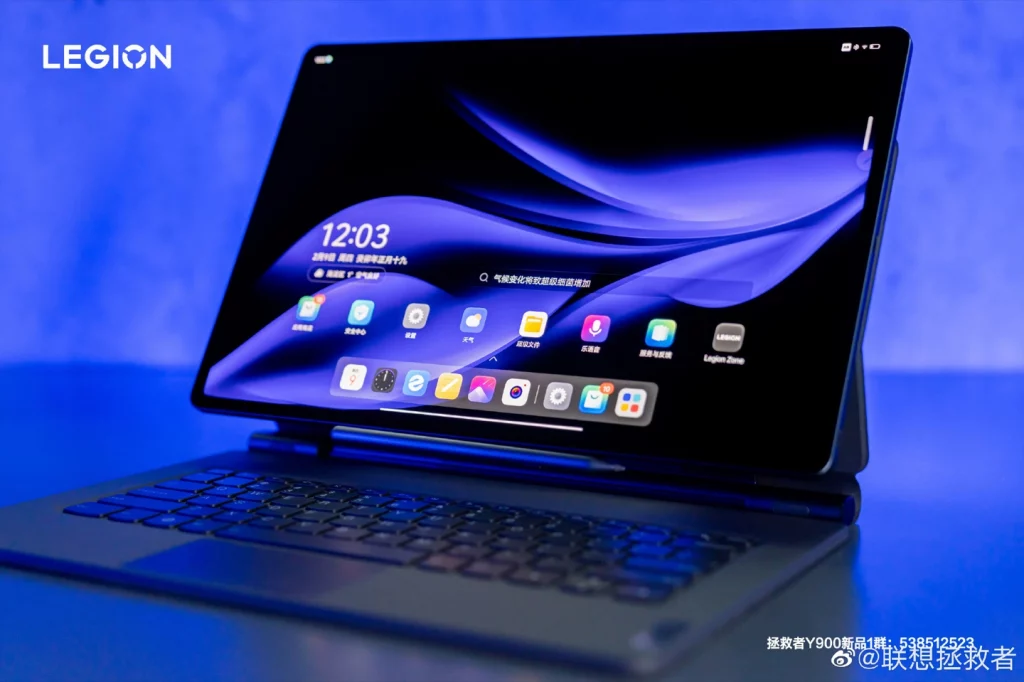
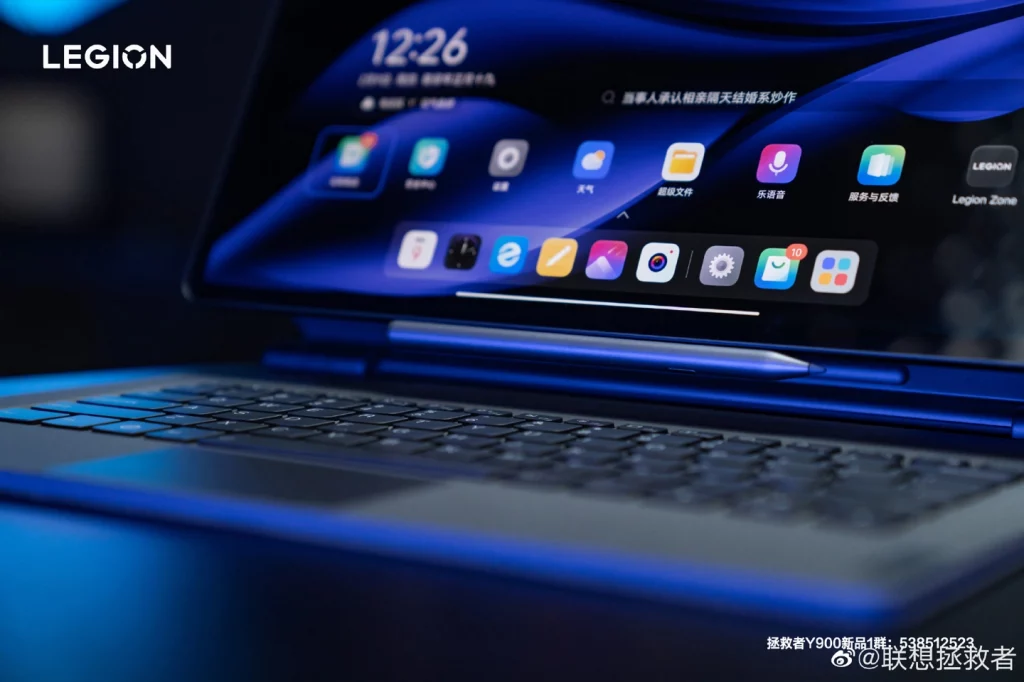
Chinese PC giant Lenovo first launched the Legion Y900 tablet in February 2022 in China. Recently, there were signs that the company was planning to launch the slate for the global market. While the date for the global launch is still unknown, a fresh set of teasers out of China may have confirmed that the PC giant is planning to release a new, bigger Legion Y900 flagship tablet. Spoiler alert: The tablet is the same as the Lenovo Tab Extreme announced at CES 2023 for the global market.

Lenovo Legion Y900 Tablet

Real-life images of the tablet appeared online recently, showing what the tablet looks like. The Y900 indeed adopts a premium design just like the Tab Extreme. The slate features a 14.5-inch OLED screen with an ultra-high resolution of 3000 x 1876 pixels. The display utilizes a 16:10 aspect ratio and supports 1920Hz high-frequency PWM dimming. It also features support for a 120Hz refresh rate.

Lenovo Legion Y900

The Lenovo Legion Y900 is powered by a MediaTek Dimensity 9000 flagship chip with the option of 12GB LPDDR5X memory and 256GB UFS 3.1 storage. The slate crams a mammoth 12300mAh battery under the hood. It is also equipped with two USB-C ports, which are full-featured USB-C 3.2 Gen 1 and USB-C 2.0, the former supports DP output, and the latter supports DP input.

Lenovo Legion Y900

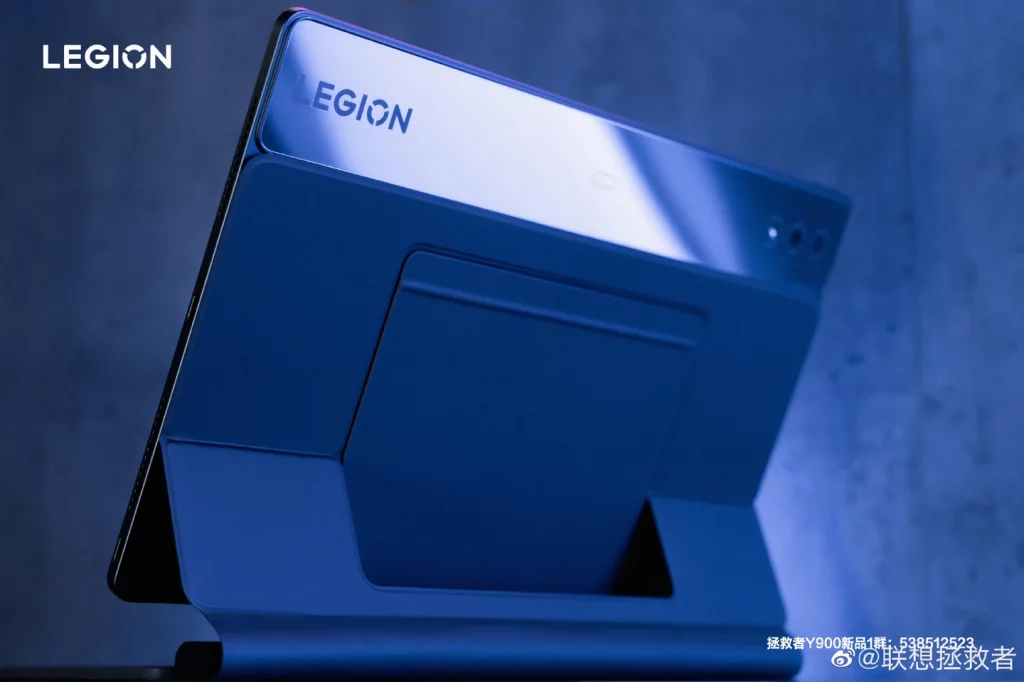
In other respects, the Legion Y900 weighs 740 grams and has a thickness of 5.85 mm. It is equipped with eight JBL speakers, supports Dolby Atmos (Dolby Atmos), and has four microphones. For optics, there is a front 13MP lens, and at the rear, a dual camera setup made up of a 13MP and a 5MP sensor. The tablet runs on Android 13 ut-of-the-box.

Lenovo is yet to reveal when the tablet will be launched in China.

RELATED

Next PlayStation 5 Indian restock on Feb 22

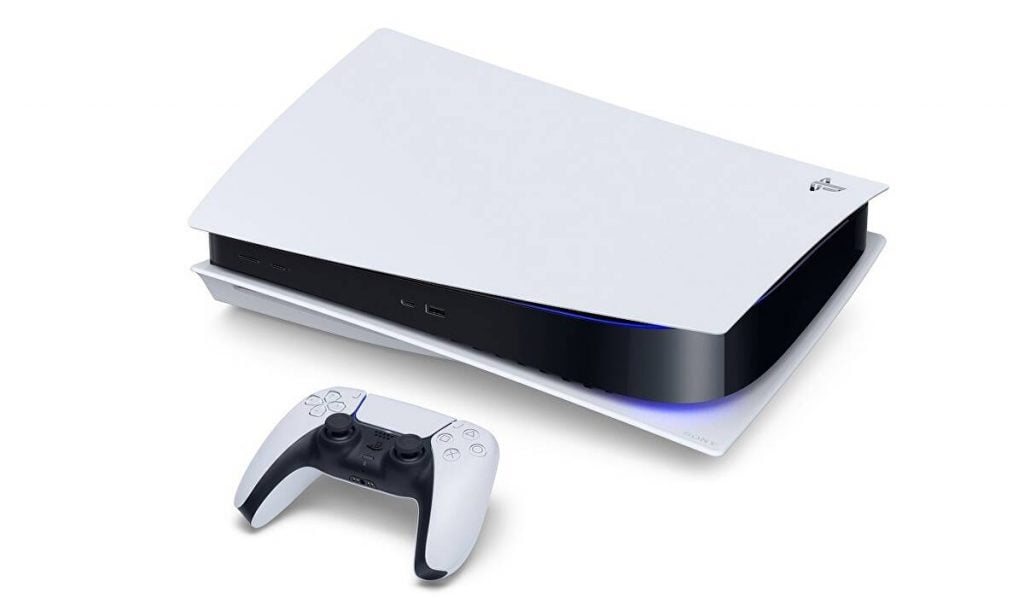
Sony India has announced that the PlayStation 5 will be restocked on 22 February 2023, marking the second restock this month. The console will be available through various online and offline channels, following reports that Sony imported the largest number of console units to India for the first restock earlier this month.

Sony

Fans of the PS5 can pre-order the console from ShopAtSC, Amazon, Games The Shop, Vijay Sales, Flipkart, Croma, and Reliance Digital starting at 12 PM on 22 Feb. To increase the chances of a successful purchase, it is recommended to log in a few minutes before the restock time.

It is unclear what package will be available during the upcoming restock, although gaming expert Rishi Alwani has suggested that only the standard version will be offered. The standard version costs Rs 54,990 in India, while the previous restock on 7 Feb included the option to purchase the PS5 disc version separately or as part of a God of War Ragnarök bundle for Rs. 59,390.

The PS5 has been in limited supply since its release, which has driven up demand for the gaming device. As a result, obtaining the console during online sales may be difficult. One option for securing the console is to pre-book with a local Sony Center.

RELATED:

Hisense Patents Unique Smartphone Design with a Surround Screen

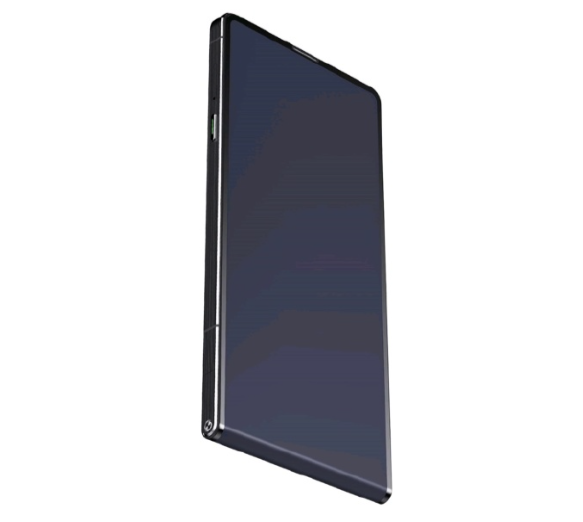
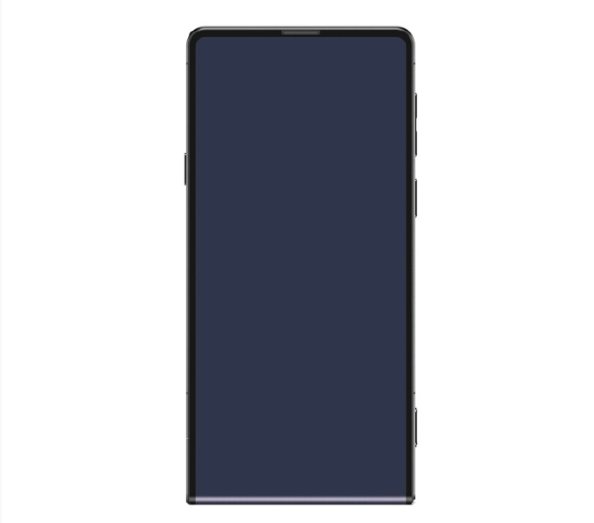
On February 17, 2023, Hisense announced a new smartphone patent with a unique design that has caused a buzz in the tech community. The new smartphone design is relatively square, with a straight screen design on the front, very slim borders on three sides, and no holes, providing a clean and minimalistic look. The phone is expected to use an under-screen camera or a pop-up camera design, combined with a right-angle middle frame, giving people a simple and tough look.

Hisense Introduces Square-Shaped Smartphone with Surround Screen

One of the most striking features of the new Hisense smartphone is its surround screen. The screen extends from the bottom to the back of the fuselage, creating a stunning and stylish look, similar to Xiaomi’s surround screen smartphone MIX Alpha, except that the MIX Alpha uses a horizontal surround. The new smartphone is also equipped with a rear four-camera design, with three cameras arranged vertically and a suspected periscope telephoto lens on the side. There seems to be an independent camera on the side of the fuselage, adding to the phone’s overall unique design.

At present, Hisense mainly sells reading smartphone, all of which use custom-made eye-protecting ink screens. The screen of the new patented smartphone is expected to use flexible OLED materials, combined with a surround screen. However, the possibility of actual mass production is unlikely due to the technical challenges involved. It is worth noting that the Xiaomi MIX Alpha launched in 2019 was abandoned due to the difficulty of production, and the price was close to 20,000 yuan. Therefore, the new Hisense smartphone is expected to have a high price tag if it is ever released.

The new Hisense smartphone patent announcement is an exciting development in the smartphone industry, with its unique and stylish design, the surround screen, and the camera module. While it may not be feasible for mass production, it certainly pushes the boundaries of smartphone design and innovation, and piques our interest in what the future of phones could look like.

RELATED:

(source)

Hiace electric SUV showcases BYD family design language and CTB integration technology

BYD Ocean Network, a subsidiary of Chinese electric vehicle manufacturer BYD, is set to launch its first medium-sized electric SUV, the Hiace. Recently, a group of suspected BYD Sea Lion road test spy photos were leaked online, providing a glimpse into what we can expect from the new vehicle. According to reports, the Hiace is expected to be released in the first half of 2023. Here are the details…

Hiace electric SUV to be released in the first half of 2023

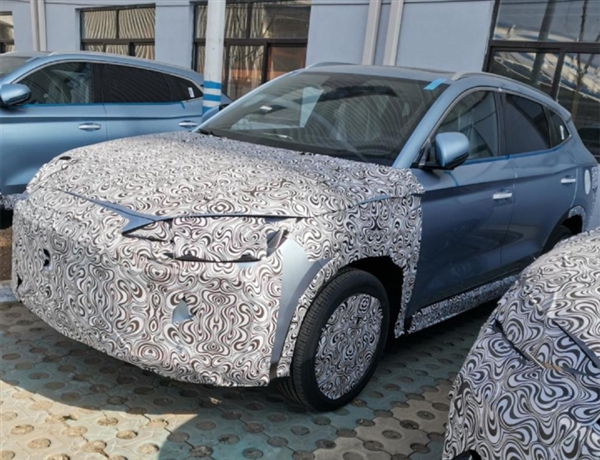
From the leaked photos, it’s evident that the Hiace is expected to feature some design elements from the BYD Sea Lion, the company’s first all-electric SUV. The front face of the Hiace is expected to maintain the family design features of the Sea Lion, with angled headlights similar to those of the Sea Lion. The side of the body has a traditional SUV style with a round charging cover, which makes the overall feeling of the vehicle closer to that of a fuel vehicle. With an expected length of around 4770mm and a wheelbase of around 2900mm, the Sea Lion will be positioned as a medium-sized SUV.

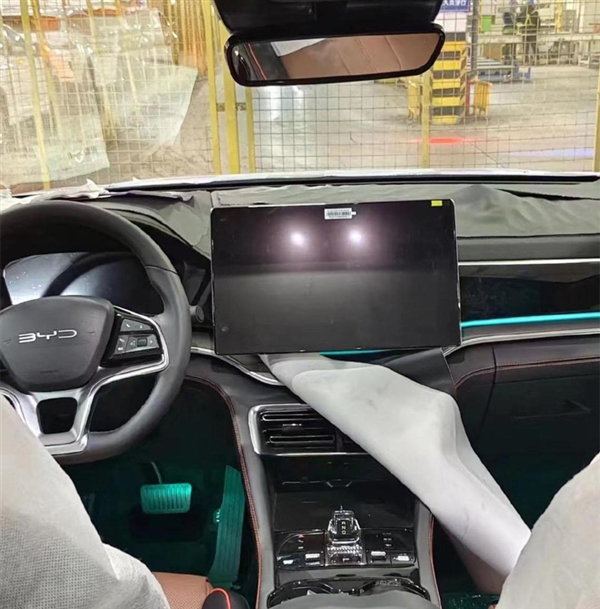
Inside the Hiace, the vehicle’s design language continues to follow the BYD family style. The three-spoke multi-function steering wheel and large-size rotatable central control LCD screen all appear on the car. The shift lever is also expected to feature the same crystal style as the BYD Sea Lion, with sufficient details and texture.

According to reports, the Hiace is built on BYD’s e-platform 3.0 and will continue the highlights of the Hiace model. The Hiace will feature an over 700km battery life, which is a significant improvement from the current average battery life of most electric vehicles. Additionally, the Hiace will be equipped with BYD’s innovative CTB body integration technology, which uses a new type of battery cell that is more compact and lighter than traditional battery cells. This technology enables the Hiace to have a lower center of gravity and a more stable driving experience.

The Hiace is an exciting addition to the BYD Ocean Network’s marine life series, and the leaked spy photos suggest that it will feature a sleek and modern design with a spacious and comfortable interior. With its impressive battery life and CTB body integration technology, the Hiace could be a game-changer for the electric SUV market. We look forward to seeing the official release of the Hiace in the coming months and seeing how it performs on the road.

RELATED:

(source)

Xiaomi MIJIA Smart Dehumidifier 50L Goes Official in China

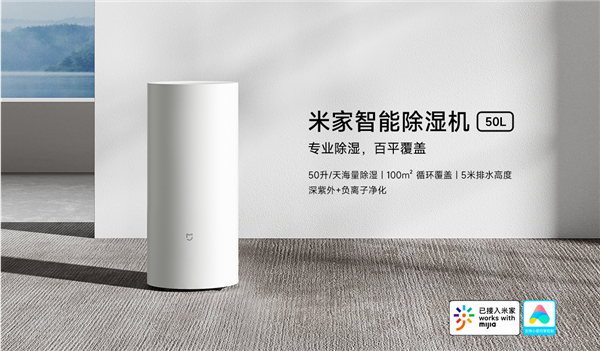
In addition to the MIJIA Three-door Refrigerator 213L, Xiaomi has now launched the MIJIA Smart Dehumidifier 50L. The new 50L smart humidifier comes with 2.27 times more dehumidification power than the MIJIA Smart Dehumidifier 22L that was launched in March last year. The new MIJIA Smart Dehumidifier has a daily dehumidification capacity of 50L, and the amount of water sucked out of the air every day is equivalent to 100 bottles of 50ml mineral water. It has a coverage area of 100 square meters.

MIJIA Smart Dehumidifier 50L

The device adopts a three-dimensional air supply design at the top which should be able to penetrate a multi-storey duplex. The air which can circulate an area of 100 square meters, can quickly dry clothes, walls, furniture, etc. It is suitable for villa duplexes, newly renovated rooms, underground wine cellars, warehouses, and shops.

In addition, the dehumidifier utilizes cross-layer drainage through a high-pressure pump, with a lift height of 5 meters, which solves the problem of no floor drain. It has a built-in 7L large water tank and water flow stops automatically when it is filled with water. The bottom of the dehumidifier is equipped with four sets of universal wheels, making it easy and convenient to move around the home.

MIJIA Smart Dehumidifier 50L

In addition to the dehumidification function, it also has a built-in deep ultraviolet UV-C emission capability, which can kill bacteria in real-time and reduce the growth of bacteria, releasing millions of negative ions.

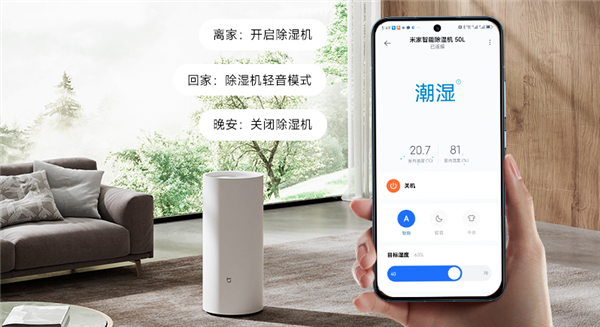
The MIJIA Smart Dehumidifier 50L can be adjusted via the MIJIA app to maintain the humidity at 40%-70%RH. Users can also customize the exclusive storage environment. At the same time, it can also be linked with purifiers, smart door locks, electric heaters, and other equipment.

MIJIA Smart Dehumidifier 50L

With the support of six noise reduction designs including a brushless DC motor, self-developed mixed-flow fan blades, and a high-efficiency compressor, the running sound of the machine is as low as 41.7dB (A).

Furthermore, the Mijia Smart Dehumidifier 50L has 12 safety protections such as full water shutdown, overload power failure, fire retardant, drainage failure alarm, and dump shutdown.

The MIJIA Smart Dehumidifier 50L is priced at 1999 Yuan ($291) and is presently on pre-sale at Jingdong (JD.com) in China.

RELATED:

Reports Suggest iPhone 15 will Use USB-C, but Compatibility with Android Remains Unclear

The countdown has begun for an iPhone with a USB-C port. The internet has already begun to celebrate this necessary change, thanks to leaked images. The use of USB-C in iPhones and AirPods means a single cable can be used for all devices. Although it is a nice improvement that no more Lightning cables will be needed, iPhone 15 may not be compatible with Android. Here are the details…

The new iPhone is sure to use USB-C, but it may not be compatible with Android

The iPhone 15 Pro is rumored to use the USB-C, marking a significant shift for Apple as it moves closer to Android phones. While this may come as good news for users who have long been clamoring for a universal charging standard, it may not necessarily mean that the iPhone 15 will be compatible with Android devices.

iPhone 15 Pro USB C

According to a recent report from Mobile China News, Apple‘s decision to switch to the USB-C interface may be driven by the pressure from the European Union. The European Council has mandated that all electronic devices sold in the EU must use the Type-C charging interface from 2024. If Apple does not comply, it may not be able to sell the new iPhone in the European market.

This move to USB-C is a departure from Apple’s longstanding use of the proprietary Lightning port, which has been a point of contention for users who have to carry multiple cables or adapters for their devices. USB-C is a popular standard for charging and data transfer, and it is used by most Android devices.

While the move to USB-C is a step in the right direction for Apple, there is still a concern that the new iPhone may not be compatible with Android devices. This may be due to Apple’s desire to keep its data confidential and secure, which has been a key selling point for the company. If the iPhone 15 uses a USB-C interface that is not compatible with Android, it may create a data barrier for users who switch between devices.

From a user’s perspective, the lack of universal compatibility could also be a concern in terms of environmental impact. With the proliferation of electronic devices, there is a growing need to reduce e-waste by using more sustainable charging standards. The use of proprietary charging ports has been criticized for contributing to electronic waste and making it harder to recycle devices.

It remains to be seen how Apple will address these concerns. While the move to USB-C is a positive development, it would be even better if the new iPhone could be universally compatible with Android devices. This would not only make it easier for users to switch between devices but also help reduce e-waste and promote more sustainable practices in the tech industry.

RELATED:

(source)

Budget Redmi 12C Could Launch Globally on February 26, Specs & Pricing Revealed

Redmi 12C debuted as a super-affordable smartphone in China on New Year’s Eve. The handset arrives with impressive specs for the price. For instance, it packs a large display, a massive battery, and a capable chipset. Redmi 12C is also expected to launch in the global market but there’s no official confirmation as of yet. However, a reputed tipster says the handset could debut outside China as early as Next week. The phone’s pricing and specs have also been revealed. Here are the details.

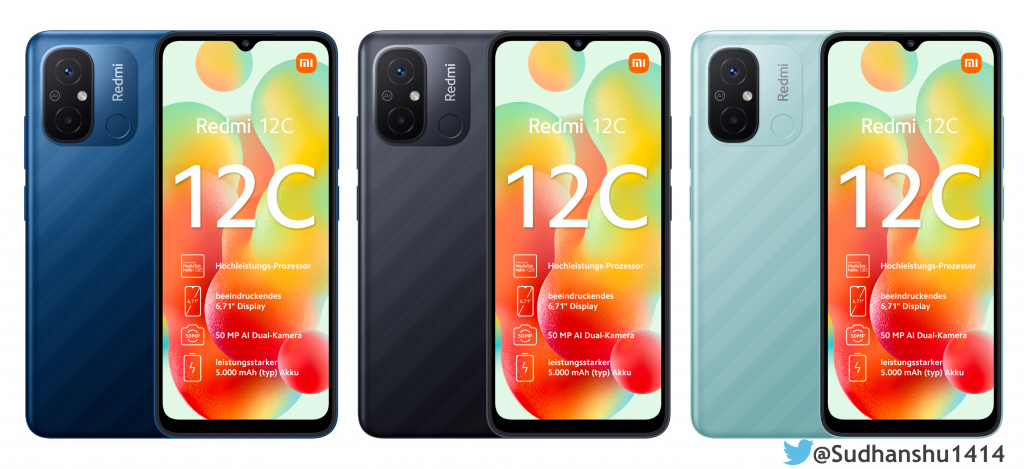
Reliable tipster Paras Guglani claims the Redmi 12C would make its global debut on February 26. You might be aware that Xiaomi 13 series is also launching on the same date. The tipster says the Redmi smartphone will be offered in three colors— Ocean Blue, Mint Green, and Graphite Gray. In addition, the device is tipped to be available in two storage versions. The base model could have 3GB RAM and 64GB storage, while the top-end version could offer 4GB RAM and 128GB storage.

Redmi 12C global

Separately, an Appauls report reveals the base model of the Redmi 12C will be priced at EUR 170, whereas the higher-end variant could cost EUR 200. These prices are for the old continent and may vary depending on the country and applicable taxes. Further, the report also claims that the Redmi 12C arriving in the global market will have the same specs as its Chinese counterpart.

This means the handset could have a 6.71-inch IPS LCD display with an HD+ (720 x 1650 pixels) resolution, 500 nits brightness, and a 20.6:9 Aspect ratio. It may pack a MediaTek Helio G85 processor, paired with LPDDR4X RAM and eMMC 5.1 ROM. There could be a 50MP camera on the rear and a 5MP shooter on the front. It is expected to be backed by a 5,000mAh battery with support for 10W charging.


RELATED:

(Source 1,2)

LUCIIDA Motorized Wheel E-bike Conversion Kit Launched on Kickstarter

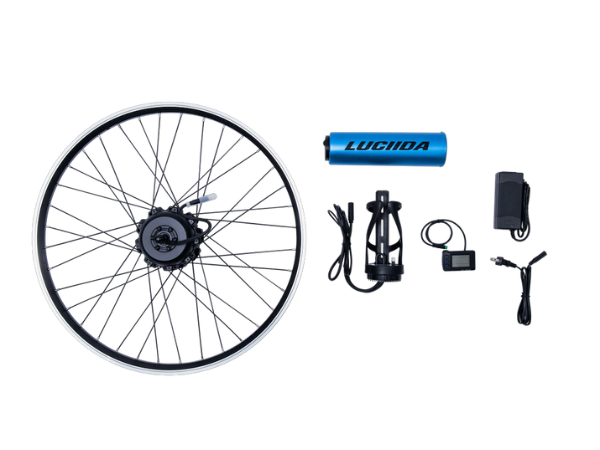
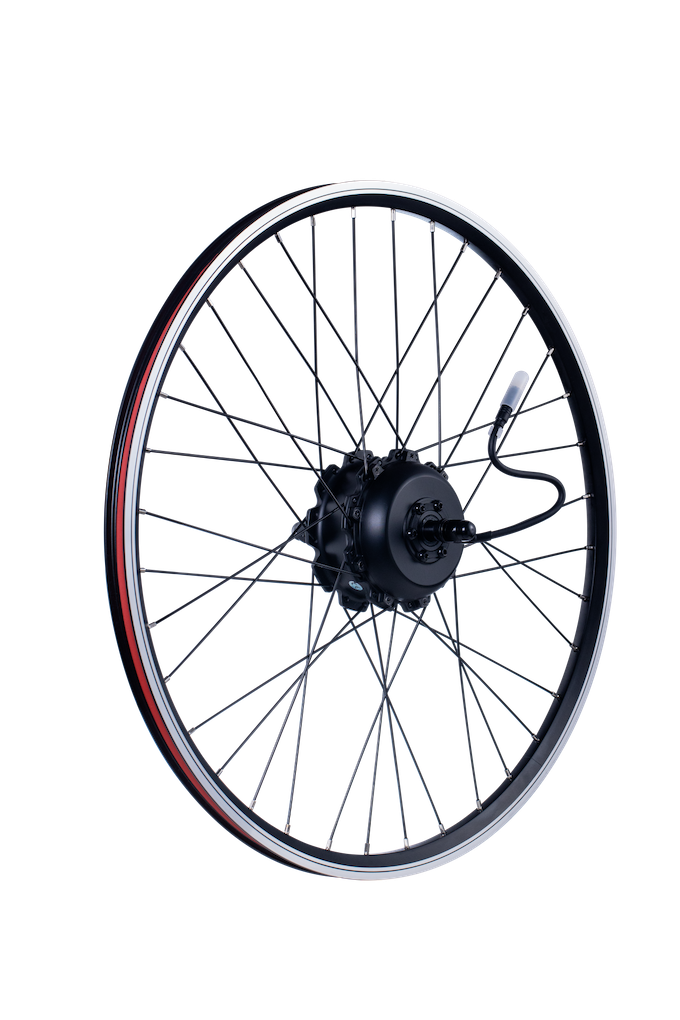
LUCIIDA has unveiled a new e-bike conversion kit that it says is easy to install. The LUCIIDA Motorized Wheel e-bike Conversion Kit allows users to convert their existing bike into an electric bike.

One of the key features of the LUCIIDA kit is the five modes of power assistance. These range from leisure to climbing, allowing users to adjust the level of assistance based on the terrain and their desired level of effort. The kit also includes the ability to shift between 0%, 50%, and 80% assistance, allowing users to adjust the force required from their pedaling.

The gadget uses a patented 250 W 38 Nm brushless motor that can assist riders at speeds up to 32 kph (~20 mph). The motor weighs just 1.9 kg. The e-bike kit also packs an integrated sensor that helps to provide a more natural feeling ride.

The kit includes an LCD monitor that can be mounted on the handlebars to display information such as speed, distance traveled, and remaining battery. This feature allows users to easily track their cycling data and plan their rides accordingly.

LUCIIDA Motorized Wheel E-bike Conversion Kit

In terms of battery life, the kit comes with a 10.5 Ah 18650 lithium-ion battery that can deliver up to 130 km (~81 miles) assistance range on a single charge. The battery can be fully recharged in just 3.5 hours. In addition, the device has an IP65 waterproof rating making it capable of withstanding different weather conditions.

The LUCIIDA motorized wheel e-bike conversion kit is presently available for backing on Kickstarter and is priced at US$499.

RELATED

Xiaomi MIJIA Three-door Refrigerator 213L Launched for 1099 Yuan ($160)

Chinese tech giant Xiaomi has launched a new refrigerator in China. The product is dubbed MIJIA Three-door Refrigerator 213L and it adopts a pre-sale price of 1099 yuan ($160). The gadget is expected to officially go on sale on February 28.

MIJIA Three-door Refrigerator 213L

The MIJIA Three-door Refrigerator 213L is mainly aimed at single or two-person families considering the capacity. The 213L capacity is enough to store food for a week. Specifically, the refrigerated area of ​​the refrigerator is 125L while there is a 30L middle door soft freezing area and a 58L freezer compartment at the top. Thus, you get three doors and three temperature zones, which should be enough to meet the needs of daily fresh food, short-term refrigeration, and long-term freezing.

MIJIA Three-door Refrigerator 213L

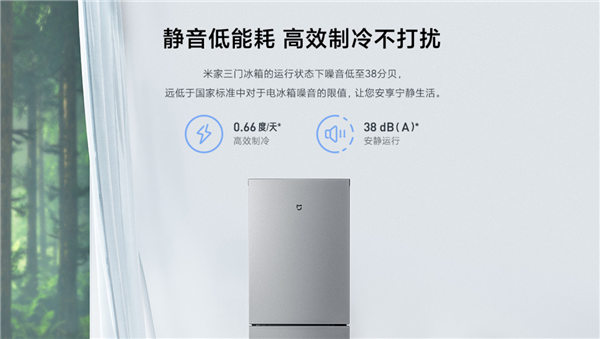
The refrigerated area of ​​MIJIA Three-door Refrigerator 213L can be adjusted from 0 to 7 levels, which is suitable for storing daily ingredients such as beverages, fruits, vegetables, or cooked eggs. Xiaomi says the refrigerator consumes about 0.66 degrees of electricity per day, and the operating noise is as low as 38 decibels, which is lower than the national standard for the noise limit of refrigerators.

MIJIA Three-door Refrigerator 213L

In terms of design, the MIJIA Three-door Refrigerator 213L is 52.4cm wide, 58.2cm deep, and 180.8cm high, covering an area of ​​about 0.31m². The refrigerator adopts steel door hinges, which are durable and noiseless. There is an LED cold light source on the top of the interior, which makes it easy to take things from the compartment at night. In addition, the door seals are removable and washable making daily cleaning and maintenance more convenient.

RELATED:

Leaked Image Shows iPhone 15 Pro With a USB-C Port

Earlier today, some detailed CAD renders of the iPhone 15 Pro surfaced online, showing significant changes to the design and features of Apple’s next flagship smartphone. Now, a newly leaked image is here to give us a look at the iPhone 15 Pro’s USB-C port and the new Titanium design.

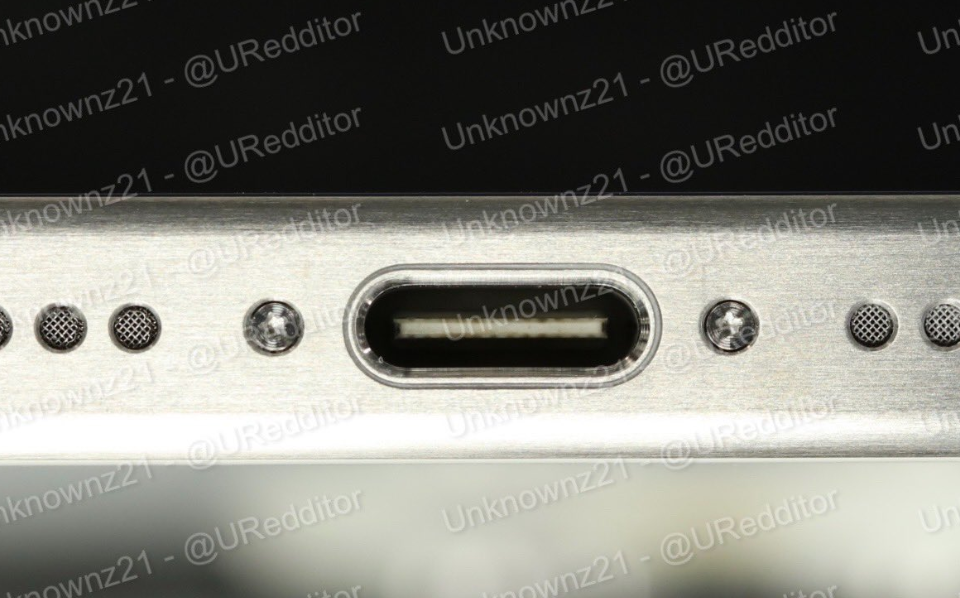
You might already know that in order to comply with regulatory changes introduced in Europe, Apple is planning to switch from its traditional Lightning port to the more common USB-C for its upcoming smartphones. Rumors suggest the iPhone 15 series phones will be the first to arrive with the new charging port. Today, the leaked image has corroborated these rumors as it offers us a first look at the iPhone 15 Pro chassis with included USB-C port.

iPhone 15 Pro USB C

The image was shared on Twitter by one Unknownz21. Focused on the bottom of the device, the image shows the iPhone with a USB-C port alongside two exposed screws and the speaker holes. The layout, sans the new port, appears to be the same as the existing iPhone 14 Pro. With the transition to USB-C, Apple wants to replace the E75 Lightning Controller with an E85 Port Controller, says the source.

This picture not only shows the USB-C port of the upcoming iPhone 15 Pro but could also be giving us a sneak peek of the phone’s new titanium design. According to several sources, Apple is planning to switch from using stainless steel to titanium for the iPhone 15 Pro series this year. Meaning the iPhone 15 Pro could have a similar matte finish to the Apple Watch Ultra, instead of the current glossy stainless-steel look.

RELATED:

(Source) (Via)

Tile’s New Anti-Theft Mode Comes with a $1 Million Fine for Stalkers

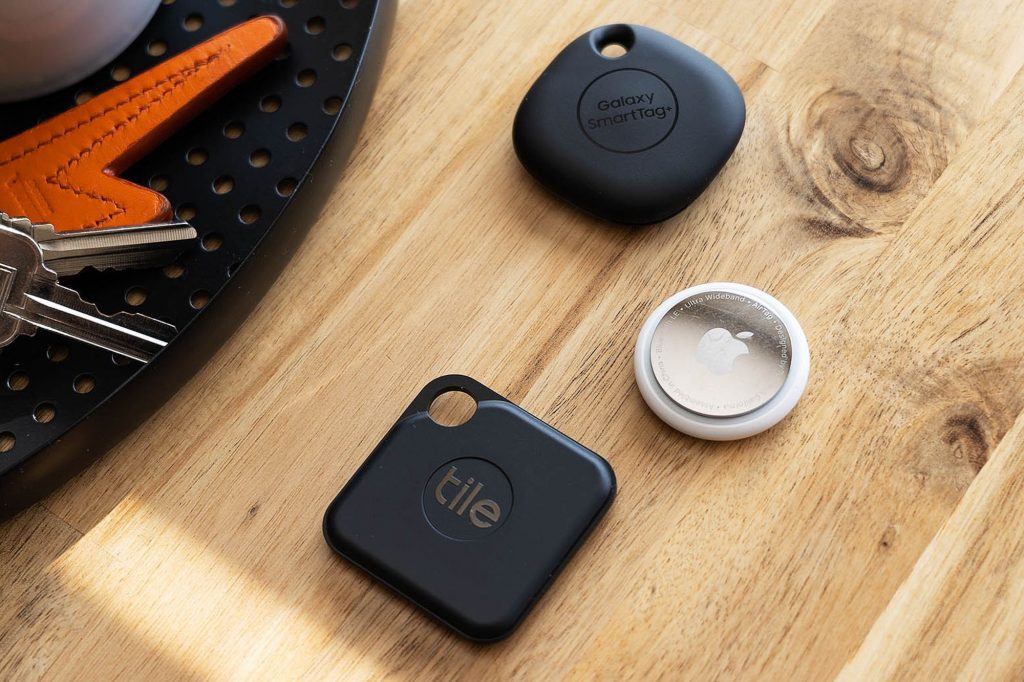
If there’s one thing Apple does very well, it’s making products that are already on the market popular. For example, many companies have been producing and selling various tracking devices for years. However, after the introduction of AirTag, the popularity of trackers increased tremendously. However, the increase in usage has also led to increased security concerns. In response, Apple and other manufacturers have added anti-stalking features to AirTag. However, when this feature was exploited, Tile decided to follow a completely different path. Here are the details…

Tile Adds Undetectable Anti-Theft Mode to Tracking Devices, With $1 Million Fine If Used for Stalking

It seems that there is no right or wrong solution when it comes to tracking devices. For example, it was understood that AirTag was being used for stalking shortly after it was released. Taking immediate action, Apple developed a solution, but this also led to other problems. This time, thieves started to discover tracking devices and steal things more easily using these methods. Tile, a company that produces tracking devices, has announced the addition of an Anti-Theft Mode to its devices.

Tile Tracker

The Anti-Theft Mode is designed to make Tile accessories undetectable by the anti-stalking Scan and Secure feature, which was previously implemented by Tile to prevent stalking. Scan and Secure was introduced to allow iPhone and Android users to scan for and detect nearby Tile devices to prevent them from being used for stalking purposes. Unfortunately, the feature undermined the anti-theft capabilities of Tile as a stolen device’s Tile could be located and removed. Similarly, AirTags, a competitor product, also had a similar security feature, which could locate and remove stolen AirTags.

The Anti-Theft Mode introduced by Tile disables the Scan and Secure feature so that a Tile device cannot be located by someone who doesn’t own the tracker. However, to prevent stalking, Tile has stringent usage terms, including registering using multi-factor identification, and agreeing to the usage terms, which include a $1 million fine if the device is used to track a person without their consent. The Anti-Theft Mode option is intended to make it easier to locate stolen items by preventing thieves from knowing that an item is being tracked.

Unlike other Bluetooth trackers on the market, Tile does not notify nearby smartphone users when an unknown Bluetooth tracker is traveling with them. This feature makes Tile devices more useful for tracking stolen items than AirTags. Apple has added alerts for nearby AirTags to prevent them from being used for tracking people.

Tile Tracker

However, the proactive notifications found in the Bluetooth tracker industry were designed to prevent stalking. These anti-stalking measures have been criticized for being insufficient for victim protection, as they can make Bluetooth trackers easily identifiable by thieves. To enable Anti-Theft Mode, users must link a government-issued ID card to their Tile account and undergo an advanced ID verification process that uses a biometric scan to detect fake IDs. This measure is meant to deter people from using Tile trackers for stalking or other nefarious purposes. Tile states that any individual convicted of using Tile devices to illegally track another individual without their consent will be fined $1 million, which is in the Tile terms of service.

Tile is also taking a “highly collaborative stance” with law enforcement, and users who turn on Anti-Theft Mode acknowledge that their personal information “can and will” be shared with law enforcement officials in cases of suspected stalking. Tile claims that these usage terms are “progressive safety measures” that will protect people from being stalked with Tile devices.

RELATED:

(via)

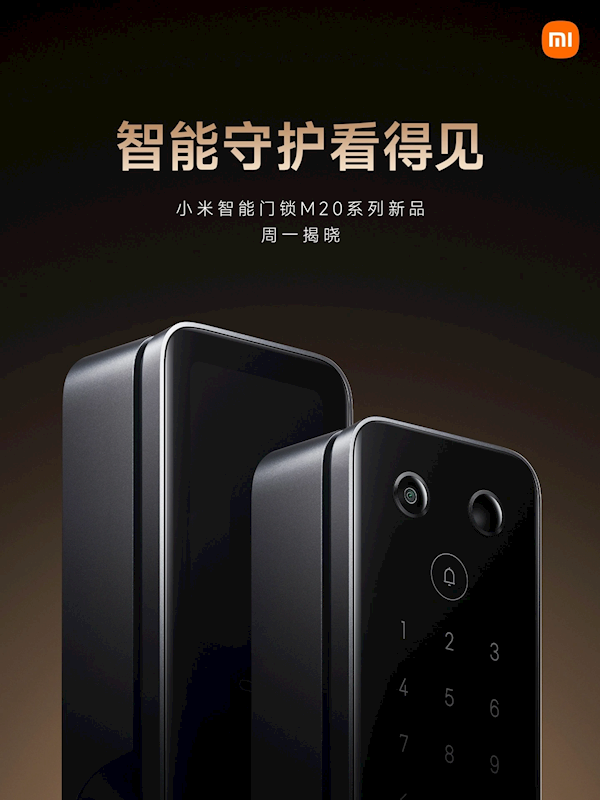
Xiaomi Launches New Smart Door Lock with Integrated Camera and Screen

Xiaomi continues to expand its product range. Not content with just smartphones, the company operates in many different sectors, from toothbrushes to electric vehicles. One of them is smart home technologies. Now, Xiaomi is getting ready to introduce the new flagship smart door lock. Here are the details…

The Xiaomi Smart Door Lock M20 Series: Everything You Need to Know

February 20, 2023, Xiaomi will be launching its latest addition to the smart home product line; the Xiaomi Smart Door Lock M20 series. This new model, named the “Smart Guardian Can See,” is equipped with an integrated peephole camera and a display screen, providing users with a comprehensive view of the front door in real-time.

 Xiaomi smart door lock M20

With its thick outer door lock design, the Smart Guardian Can See is a noticeable upgrade from the previous Xiaomi Smart Door Lock M20 released in 2022. The all-in-one design of the new model simplifies the installation process, making it an easy and straightforward addition to any home. Apart from the camera and screen, the Smart Guardian Can See also incorporates a doorbell function, adding to the convenience of the user. With a price point of around 2,000 yuan, the Smart Guardian Can See is expected to be a direct competitor to high-end smart door locks on the market.

Looking at the previous model, the Xiaomi Smart Door Lock M20, it has been highly praised for its durability and safety features. The high-strength alloy middle frame and integrated IML technology provide a sturdy and secure door lock. Moreover, the original anti-pinch design ensures user safety by customizing the direction of the handle based on the opening and closing orientation of the door.

The Xiaomi Smart Door Lock M20 also boasts various unlocking methods, including fingerprint, password, periodic/one-time password, NFC password, mobile phone Bluetooth unlocking, and Homekit. Private data storage such as fingerprints and passwords are stored locally in encrypted storage, ensuring maximum protection against hacking and data breaches.

The door lock also has the added feature of remote monitoring of the lock status through an app when used in conjunction with a device that has Bluetooth gateway function. This enables users to receive alerts for door not closed alarms, multiple trial and error alarms, and the outer door lock panel being pried alarm, among others. The Xiaomi Smart Door Lock M20’s battery life is impressive, lasting up to 10 months on eight AA batteries. In case of an emergency, the Type-C port of the outer door lock can serve as an emergency power supply, allowing the door lock to be unlocked even without battery power.

RELATED:

(source)

Xiaomi 13 5G Price In Europe Leaked Ahead Of MWC Launch

Xiaomi unveiled the Xiaomi 13 series comprising of regular (review) and Pro (review) variants in December last year. The smartphones are confirmed to debut at the upcoming Mobile World Congress in Barcelona on February 26th. Now, ahead of the launch, the standard model’s price has been leaked by tipster Roland Quandt for the European market. 

As per Quandt, the Xiaomi 13’s 8GB + 256GB RAM and storage configuration will cost EUR 999 (~$1,061). The same variant is priced at RMB 4,299 (~EUR 588 ) in China. The leaked pricing indicates that the upcoming offering will be twice as expensive in Europe. The tipster doesn’t reveal any additional information about the Xiaomi 13. We can expect it to be available in more RAM and storage options. 

In addition to the Xiaomi 13 and 13 Pro, the brand is also expected to announce the Xiaomi 13 Lite. Leaks and rumours confirm that it is a rebranded version of the Xiaomi Civi 2 in China. Quandt also revealed that the Xiaomi 13 Lite will cost EUR 499 for the 8GB + 128GB option. This is again expensive compared to the Civi 2’s pricing in China. 

As for the Xiaomi 13’s core specifications, it comes with a 6.36-inch FHD+ AMOLED display with a 1,900 nits peak brightness, 120Hz refresh rate, integrated fingerprint scanner, and support for HDR10+ and Dolby Vision. The device is IP68 certified and has a boxy form factor. The smartphone features Leica-branded triple rear camera setup of a 50MP OIS-enabled main sensor, a 12MP ultra-wide-angle lens, and a 10MP telephoto unit. 

Under the hood, the Xiaomi 13 houses Qualcomm’s flagship Snapdragon 8 Gen 2 processor paired with up to 12GB LPDDR5 RAM and 256GB UFS 4.0 storage technology. There is also a liquid cooling heat dissipation system onboard. The Xiaomi 13 is backed by 4,500mAh with support for 67W wired, 50W wireless and 10W reverse wireless charging.

Related:

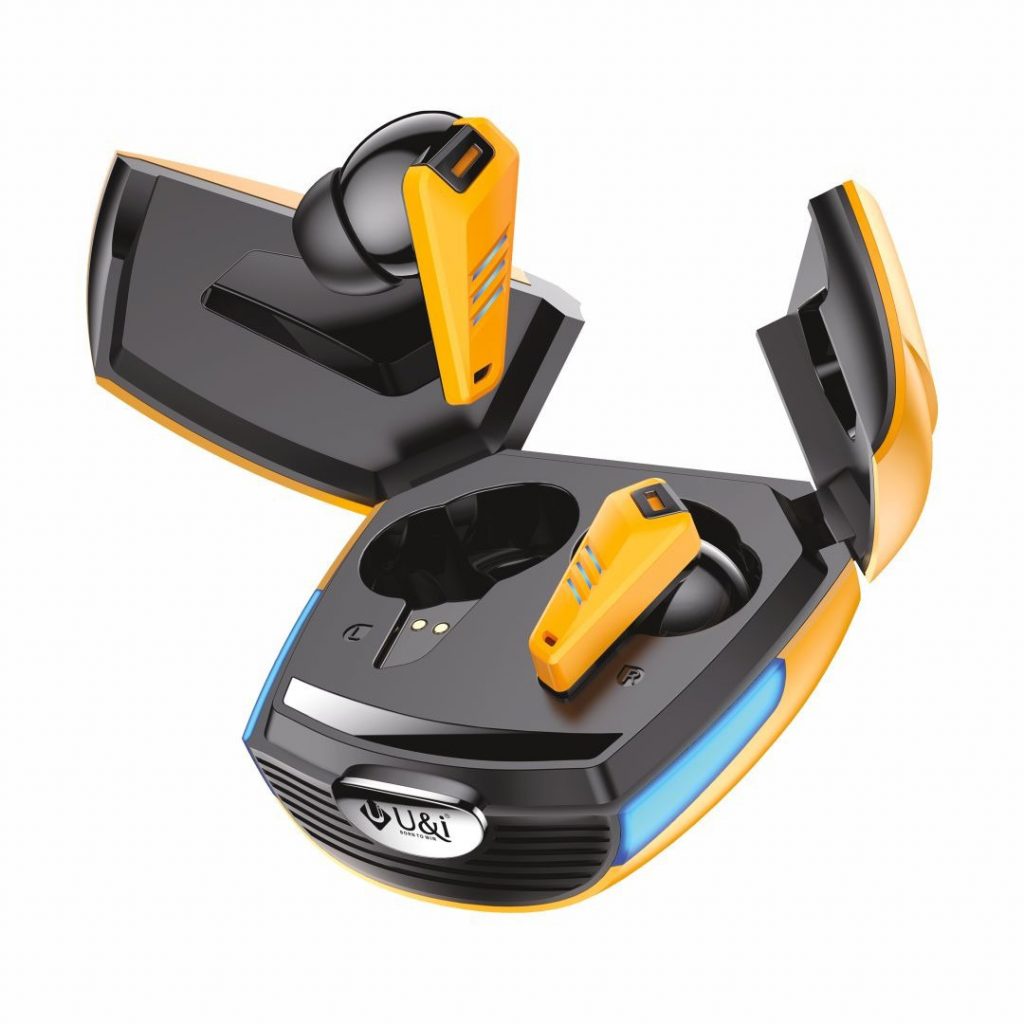
U&i F1 Series, House Series TWS Earphones Launched In India

U&i has launched two new audio devices in India. Both are TWS earphones called the F1 series and House series. The former is aimed at gamers with a unique design whereas the other is a mainstream offering. Read on to know what both devices offer out of the box. 

Beginning with the U&i F1 series, the earphones feature a dual-tone design with the stem in Yellow paint job and earbuds in Black colour. They are also offered in Grey and Black combination. The audio device also comes in a unique storage case where the lid opens upwards like the doors of a sports car. It also features LED lights. On the other hand, the U&i House series has a mainstream in-ear design with a stem that is similar to other TWS earphones in the market. 

In terms of sound performance, the U&i F1 series offer passive noise cancellation for a disturbance-free experience. They are claimed to offer punchy bass and low latency for gaming purposes. Meanwhile, the U&i House series ensures that calls and music are uninterrupted and stutter-free. 

The U&i F1 series earbuds are claimed to offer 5 hours of usage and a total of 40 hours of battery life with the 500mAh cell. The House series is capable of delivering 6 hours of playtime and with the case, it extends to 30 hours. Both TWS earphone models support Bluetooth 5.1 connectivity.

The U&i F1 series costs Rs 3,499 whereas the House series is priced at Rs 2,199. Both devices can be purchased from retail outlets across the country. 

Related:

Arm China Lays off Almost 100 Employees After 96% Drop in Profit

ARM China fired almost 100 employees mostly engineers after reporting a record 96% drop in its Net Profit in 2022. The majority of fired employees were from the high-performance computing (HPC) and system-on-a-chip (SoC) designs team. The company has assured that all the outgoing employees will be adequately compensated according to their tenure. 

Arm China recorded a massive drop in its profit, even after achieving an increase in its annual revenue. In 2022, the company recorded a profit of $3.2 million as compared to $79.2 million in 2021. In the same period, the revenue grew from $665 million in 2021 to $890 million in 2022. According to Reuters, the company reported a $37 million loss in foreign exchange in 2022, compared with a gain of $9 million the previous year. 

The company had a turbulent 2022, with its now-ousted CEO refusing to leave the company even after the majority voted against him. Moreover, with the ongoing US-China tech war and unfavorable political and economic conditions, the company had to go for mass layoffs to compensate for the downward trend in its profits. The mass layoffs don’t come as a surprise, as in the last few months, many American and Chinese tech companies have laid off their employees for the same reasons. 

Arm China and its management struggles

Established in 2018, Arm China is a joint venture between the British semiconductor and software design company Arm and a group of Chinese investors. The parent company Arm primarily deals with designing ARM processors that are found in almost all smartphones and software development tools. Arm plays a vital role in the world’s largest computing ecosystem and works with partners like AWS, Google, MediaTek, Qualcomm, and more that use their technology across markets and applications.

Arm sells its products and services in China through Arm China. While Arm China is the only authorized platform that can sell Arm’s products, the company is allowed to sell its own independent designs and products apart from Arm, in the Chinese market.

source: arm

The Japanese conglomerate SoftBank Group which owns ARM also has a minority stake in Arm China. In 2018, SoftBank Group sold the majority stake in Arm China to a group of investors who have ties with the Chinese government. This led to management and control issues as Arm China’s Ex-Chairman and CEO Allen Wu declared that Arm China was independent of its parent company. He said that Arm China was a stand-alone entity and would soon go for an independent public offering. 

Even after the majority of directors voted against him, CEO Wu refused to hand over control of the company. Finally, the Shenzen government, the home government of the company had to intervene to remove Wu from his position.

Wu still holds a 16% stake in the company and said that his removal should be seen as the parent company Softbank’s strategy to regain control of Arm China. He further added that if Softbank regains control over Arm China, then the sovereignty, technological self-sufficiency and supply chain security of China would be under threat. Arm refuted this claim by stating that the company’s intellectual property rights had nothing to do with internal management changes. 

Arm’s vice president of external communications Phil Hughes said that Arm China was performing well and the company was expected to grow in the coming years.  He further added that the new management team had quickly restored confidence in the China ecosystem, and the company had put the previous management issues behind it. Now Arm is only focused on expanding its technology into the Chinese market.

(via)

pTron Bassbuds Zen With ENC, 3D Spatial Sound Launched In India

pTron has launched a new audio device in India. The brand has expanded its range of TWS earphones with the new offering called pTron Bassbuds Zen. pTron had announced the Basspods Flare last week. The Bassbuds Zen are affordable TWS earphones aimed at budget customers. The compete against other TWS earphones offered by brands like Noise, Boult Audio, boAt, and more in the market. Read on to know what they offer out of the box. 

The pTron Bassbuds Zen feature an in-ear design with a stem and silicone ear tips. There is a small Blue-colour LED light at the top of the stem. Users can control various actions with touch controls. The earphones are IPX4-rated water-resistant. 

In terms of audio, the pTron Bassbuds Zen is equipped with a 10mm dynamic driver. It features quad mics and environmental noise cancellation up to 30 dB. The audio device comes with a TruTalk feature for clear quality on calls. There is also cinematic 3D spatial sound. The TWS earphones support Bluetooth 5.3 connectivity with SBC and AAC audio codecs. They also support voice assistants. 

The pTron Bassbuds Zen is powered by a 400mAh battery unit that is claimed to offer 50 hours of playtime with the case. There is a USB-C port that is said to offer 4 hours of usage with 10 minutes of charging. 

The pTron Bassbuds Zen carries an introductory price tag of Rs 999 for a limited time after which it will be available for Rs 1,199. It is offered in Napoli Black and Cobalt Blue colours. The TWS earphones can be purchased from Amazon.  

Related:

Vivo V27 Series Global Launch Date Revealed, Key Specs Teased

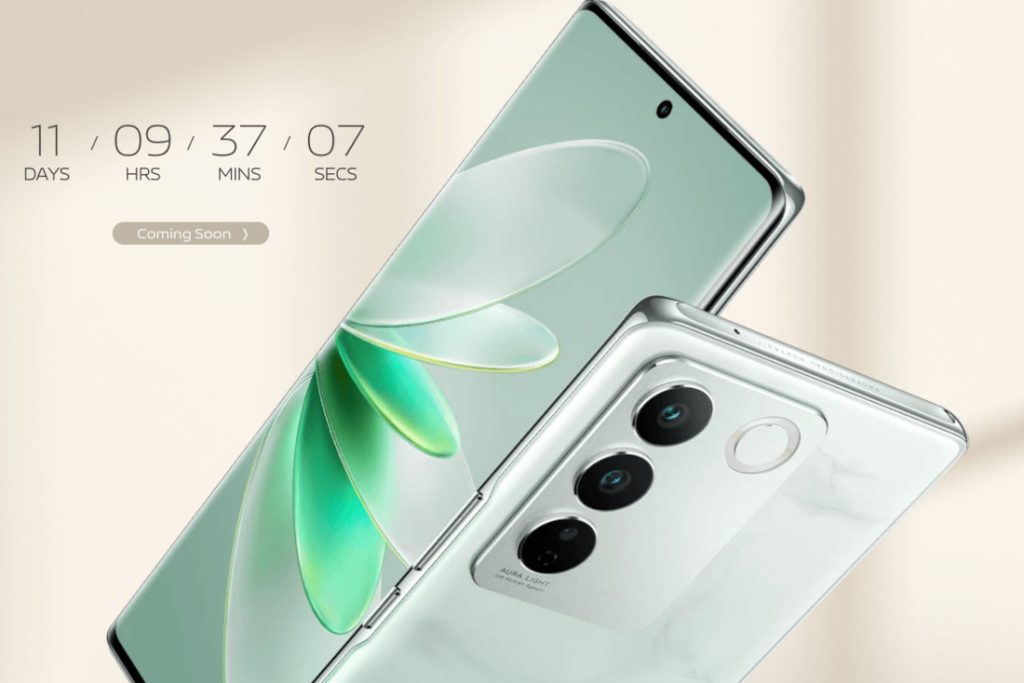
Vivo V27 series global launch date has been revealed. The brand has put up a microsite of the upcoming offering on its official global website. It shows the countdown to the launch event in 11 days from now. This means that the smartphones will debut on March 1st or on February 28th. The Vivo V27 series is also confirmed to launch in India but the event date remains a mystery for now. 

The Vivo V27 series is expected to include the V27, V27 Pro, and V27e. We can also expect at least two devices at the upcoming event. The microsite reveals key specifications ahead of the launch. The Vivo V27 series is confirmed to sport a 120Hz display with a centre-aligned punch-hole cutout. It will feature a 3D curved screen with a 60-degree screen curvature offering an ergonomic grip. 

The Vivo V27 series will come with a large rectangular camera module housing three sensors, an LED flash, and an LED ring light. The upcoming offering is confirmed to feature a 1/1.56” Sony IMX766V sensor with support for OIS. The smartphone will retain the colour-changing back panel from its predecessor i.e. the Vivo V25 series. 

In the global markets, the Vivo V27 series will come in Emerald Green, Magic Blue, Noble Black, and Flowing Gold colours. The upcoming offerings are expected to debut as the rebranded Vivo S16 lineup which was announced in China last month.

We will learn more details about the Vivo V27 series in the coming days as we get closer to the launch event. 

Related:

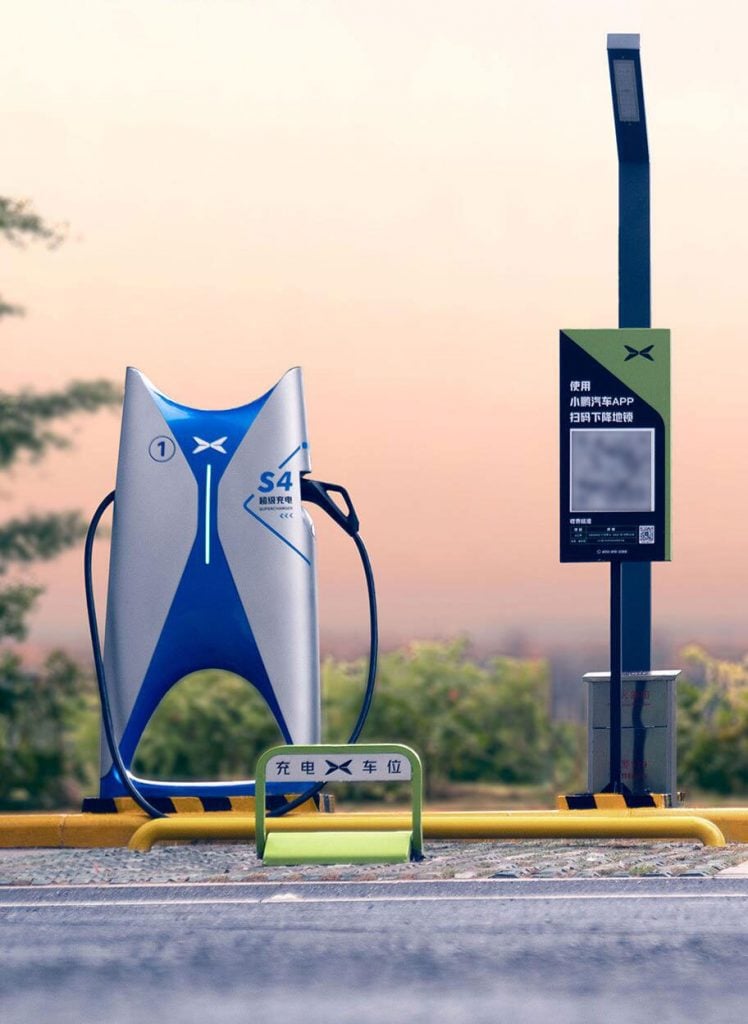
XPeng Launches New S4 Fast Charging Stations for EVs in Shenzhen and Guangzhou, China

XPeng has just announced that it is launching its first batch of S4 super fast charging stations for electric vehicles in China. Earlier today (17th February 2023), the company rolled out these new EV charging stations in two major cities.

XPeng

The Chinese smart electric vehicle maker had first introduced their S4 super fast charging stations for EVs back in 2022. And now, the company is finally releasing the first batch of these EV charging stations in the city of Shenzhen and Guangzhou. This wasn’t the only milestone since the brand also announced that it has managed to launch more than a 1,000 self operated charging stations that cover all prefecture level administrative regions and municipalities across the region.

As of right now, XPeng Motors has 58 charging stations in Shenzhen, out of which 5 are the new S4 super fast charging stations, 22 of these are its self operated charging stations (including its S4), and a total of 36 for its third party charging stations. On the other hand, it has a total of 79 charging stations in Guangzhou, out of these 6 are S4 super fast charging stations, 52 self operated XPend charging stations (includes S4 models as well), and 27 from third party charging stations.

Xpeng

In other words, the electric vehicle manufacturer is clearly focusing on expanding its network, which would help EV owners and prospective buyers in the future. With such a robust network in China, XPeng car owners can rest easy with the vast number of charging stations during trips between these cities as well.

RELATED: