For context, ChatGPT runs on OpenAI’s GPT 3.5 model, which itself is a refresh of OpenAI’s GPT 3 learning model. And the APIs (application programming interfaces) that OpenAI released for the public today is based on the company’s GPT 3.5 Turbo model, which is the same as the current ChatGPT model.
For illustration purposes
OpenAI announced in the blog post that through a series of system-wide optimizations, the organisation managed to achieve a 90% cost reduction for ChatGPT since December and that it is now passing through those savings to API users and developers in the public.
The newer March 1st GPT 3.5 Turbo model is now priced at $0.002 per 1k tokens, which is 10x cheaper than OpenAI’s existing GPT-3.5 models. OpenAI also claims that GPT 3.5 Turbo is the company’s best model for many non-chat use cases as the company has seen early clients migrate from GPT 3 (text-davinci-003) to GPT 3.5 Turbo (gpt-3.5-turbo) with only a small amount of adjustment needed to their prompts.
Besides releasing its latest chat-based large language model, OpenAI also announced its latest Whisper AI model as well, which brings better speech-to-text capabilities to its newest API. Whisper, the speech-to-text model OpenAI open-sourced back in September 2022, has been upgraded to a larger version 2 model, which is now available through OpenAI’s APIs.
Whisper API is available through the organisation’s transcriptions (transcribes in source language) or translations (transcribes into English) endpoints, and accepts a variety of formats (m4a, mp3, mp4, mpeg, mpga, wav, webm). OpenAI has set the price at $0.006 per minute.
The launch today also revealed OpenAI has already made its latest March 1st API available to early clients such as Snapchat with its new ChatGPT AI-powered chatbot. Concluding the announcement, OpenAI hopes its new AI models made public to developers today will lead to numerous applications that everyone can benefit from.
After many leaks and rumours of the Realme C55, Realme has finally announced today that the brand will be holding a launch event in Indonesia on March 7 (Tuesday) at 1 pm Jakarta Time (GMT+7) to unveil the Realme C55. Realme Indonesia will subsequently hold a flash sale for the Realme C55 the next day on March 8 at 12 pm Jakarta Time in the country as well.
Realme C55 Launch Event in Indonesia
In the announcement, Realme shared that the Realme C55 will be available in two colour options that the brand calls: Sunshower or Rainy Night. The device will feature either 6GB of LPDDR4X RAM paired with 128GB of eMMC storage or 8GB of LPDDR4X RAM and 256GB of eMMC storage. The pricing of the Realme C55 in Indonesia will be revealed at the launch event.
Realme has also shared some highlighting features to look forward to in the Realme C55, which includes a dual camera setup with a 64 MP main sensor, a large 5000 mAh battery with support for 33W SuperVOOC fast charging, a sleek design that is as thin as 7.89mm, and support for NFC.
Source: Realme
As for the build, the device will feature a polycarbonate back with flat sides, a side-mounted fingerprint scanner, and a 90Hz FHD+ LCD display with a centre punch-hole cutout at the front, as revealed earlier in a leaked unboxing video. The Realme C55 will run a MediaTek Helio G88 SoC under the hood and there is a USB-C port for charging and support for USB 2.0 data transfer at the bottom with a 3.5mm audio jack and speaker grille.
On the front, there will be an 8MP camera for selfies and video calls. It is expected that the smartphone will run on Realme’s latest Realme UI 4.0 based on Android 13.
If you missed the news last month, the Realme C55’s design recently went viral on social media, due to the Android device sharing a glaring resemblance to the Apple iPhone 14 Pro’s Dynamic Island feature baked into its software despite sporting a punch-hole cutout in the centre.
Tencent has unveiled its plan to develop a ChatGPT-like bot called ‘HunyuanAide’. The chatbot will use the Tencent Hunyuan AI model which has the capacity for natural language processing, multimodal content understanding, computer vision, content creation, and more.
Hunyuan AI model recently won the top position in the CLUE (Chinese Language Understanding Evaluation) classification list which makes it one of the most advanced AI in terms of human language understanding. Hunyuan AI gives Tencent an edge over its competitors in the Chinese market as it is the best AI model available for the Chinese language.
Tencent has roped in some of the best scientists to develop its own advanced AI chatbot similar to ChatGPT. Zhang Zhengyou, head of Tencent AI Lab and Robotics X Lab will also head this inter-departmental project. The team will have members from multiple departments like data processing, video games, strategy and planning, Tencent cloud, and more.
ChatGPT which was launched in November 2022 has started an unprecedented AI race across the world. The Chatbot which is the fastest-growing app in human history has already shaken up stock markets across the globe including China.
ChatGPT in China:
ChatGPT is officially banned in China. The government has banned ChatGPT and related services stating national security concerns but has promised to support indigenous apps similar to ChatGPT.Tech giants like Alibaba and Baidu have promised to launch their own version of the Chatbot in the country and Tencent is the latest company to join this Artificial Intelligence race.
Alibaba announced that its research institute Damo academy is already testing its own version of a ChatGPT-like service. Baidu is all set to launch Ernie Bot this month, which will compete with ChatGPT. Last week Fudan university launched its own version of a ChatGPT-style bot named MOSS for public testing. Chinese internet technology company NetEase Inc and the e-commerce platform JD.com have also announced their plans to create ChatGPT rivals.
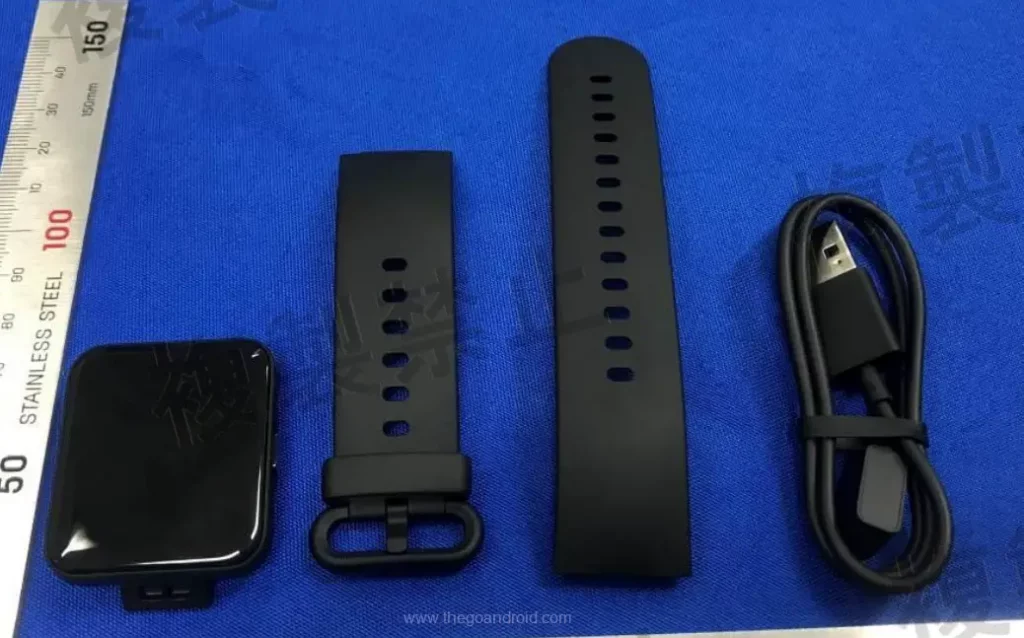
Back in December last year, Redmi unveiled the Watch 3 in the Chinese market alongside half a dozen other gadgets. While there’s no news about the wearable’s global launch, a new smartwatch from the Xiaomi co-brand has been spotted on South Korea’s NRRA certification website. The listing gives us a good look at the watch’s design and also hints at a few specifications. Let’s look at the details.
As spotted by GoAndroid, a mysterious Redmi watch has appeared on National Radio Research Agency (NRRA) South Korea website with model number M2247W1. The same watch was previously spotted on EEC last month. The listing shows the wearable with a rectangular dial and silicon straps. It apparently has a 2.87V Polymer Li-ion built-in battery along with support for Bluetooth v5.
The images shared by the agency suggest the rectangular dial of the unknown Redmi watch will be retractable, meaning it can be detached from the straps. The company may even provide multiple straps for you to change the look. We can see a single button on the side of the dial. On the bottom, there is a heart rate sensor and a charging point. There seems to be no microphone on the wearable, suggesting it won’t come with a Bluetooth calling feature.
While we are not sure about the wearable’s official moniker, we can confidently say it’s not the Redmi Watch 3. The unknown smartwatch could arrive as a budget offering and we won’t be surprised if it will be priced under $50. Other details about the watch are pretty scarce at the moment. We should be learning more details about it in the near future. Stay tuned for the updates.
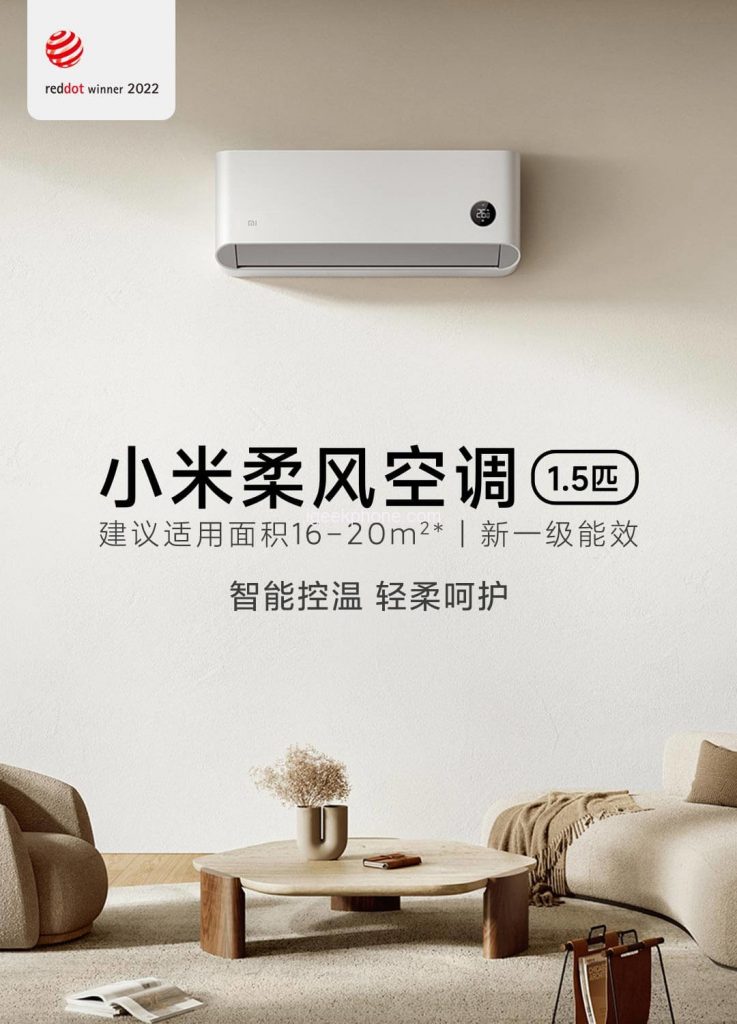
Xiaomi has recently launched its new 1.5-inch soft air conditioner, named the Roufeng Air Conditioner. It has just started crowdfunding at a price of 2,299 yuan, which is significantly cheaper than the suggested retail price of 2,699 yuan. The machine is designed to be energy-efficient, with an APF of up to 5.27, and can save up to 323 degrees of electricity per year. It uses a full DC frequency compressor and an innovative self-developed new air channel, making it suitable for rooms between 16-20 square meters.
This air conditioner features 14 sweeping blades and 602 circular micro-holes, which helps to soften the airflow and solve the problem of cold air blowing directly on people, especially young children, mothers, and elderly people who may be more susceptible to catching cold. This unique feature makes it a great option for families that want to keep their loved ones healthy and comfortable.
The Roufeng Air Conditioner also has a large 106mm super diameter cross-flow fan, which can achieve a circulating air volume of up to 680m3/h. It supports upward blowing, downward blowing, and circulating air. The machine also features temperature and humidity dual control, making it ideal for creating a comfortable environment that is tailored to your needs. Additionally, the air conditioner has a self-cleaning feature for both the internal and external units, making maintenance a breeze.
The minimalist design of the Roufeng Air Conditioner is consistent with Xiaomi’s other air conditioners. It features an LED digital screen with a built-in light-sensitive sensor, which can adjust the brightness automatically to make it more comfortable for users. Moreover, this air conditioner supports Xiaomi smart home interconnection, which allows users to remotely switch it on and off and even use voice control by Xiao AI. It also supports custom sleep curves, allowing users to create a comfortable sleep environment based on their preferences. Overall, the Roufeng Air Conditioner is an excellent choice for those looking for a high-quality and energy-efficient air conditioning solution that is suitable for families.
Lenovo, the laptop manufacturer most famously for its ThinkPad series in the business space and its Legion series in the gaming community, has announced today that its next-generation affordable Legion gaming laptops powered by Nvidia’s latest RTX 40 series GPUs are coming soon to the Chinese market.
Lenovo Legion GeekPro G5000, Source: Lenovo China
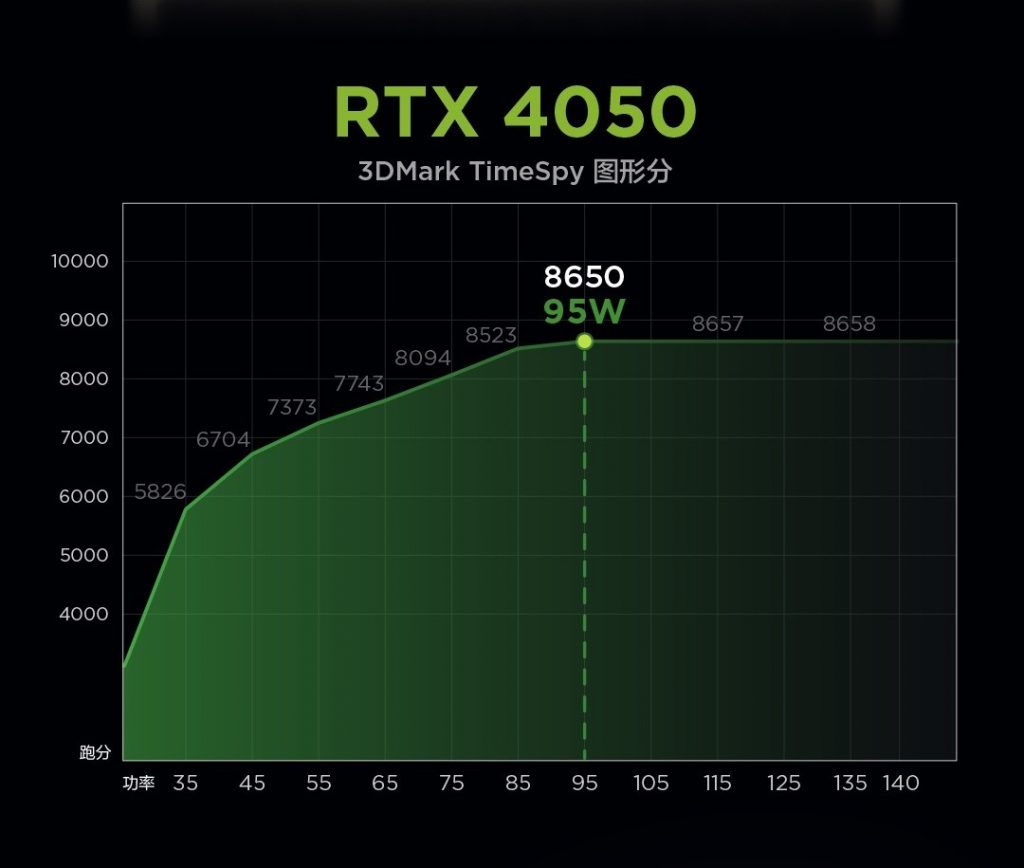
Published on the company’s official Weibo account, Lenovo Legion China, the brand shared that the upcoming Legion gaming laptop that will be launched in the country is the Lenovo Legion Geek Pro G5000. The aforementioned laptop will be powered by Nvidia’s GeForce RTX 4050 GPU for laptops, with a max TDP of 95W.
Lenovo also shared some performance benchmarks, namely 3DMark Time Spy Benchmarks, of the RTX 4050 running on the Legion, and it can be seen that even with less than the max power draw of the GPU at 45W, the GPU still pumps out more than 50% of the max performance of the RTX 4050 designed for the device, showcasing incredible power efficiency.
Advertised RTX 4050 Performance, Source: Lenovo China
Alongside improved GPU power efficiency, the laptop powered by the RTX 4050 also brings support for the AV1 video-encoding codec, Nvidia’s DLSS 3.0 graphics technology, and 6GB of GDDR6 VRAM to boot.
Besides its GPU performance, the Lenovo Legion Geek Pro G5000 has looks to serve as well. As shared by the Chinese news site, ITHome, the gaming laptop comes in a fingerprint-resistant matte black unibody and is equipped with a slew of ports such as USB-A 3.1, USB-C Thunderbolt, a 3.5mm headphone jack and an HDMI port as well.
Backside of GeekPro G5000, via ITHome
To catch up with the latest tech news from China, stay tuned to our coverage here at Gizmochina.
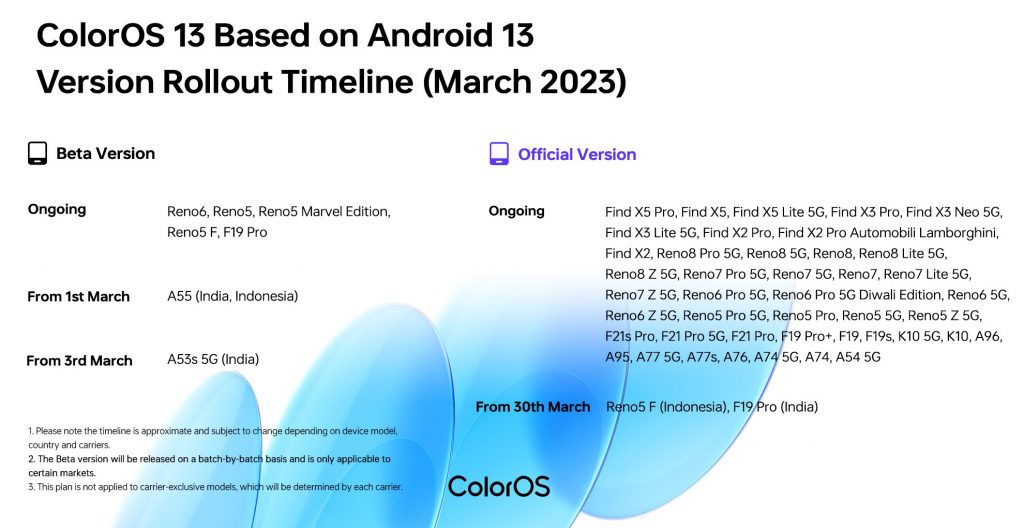
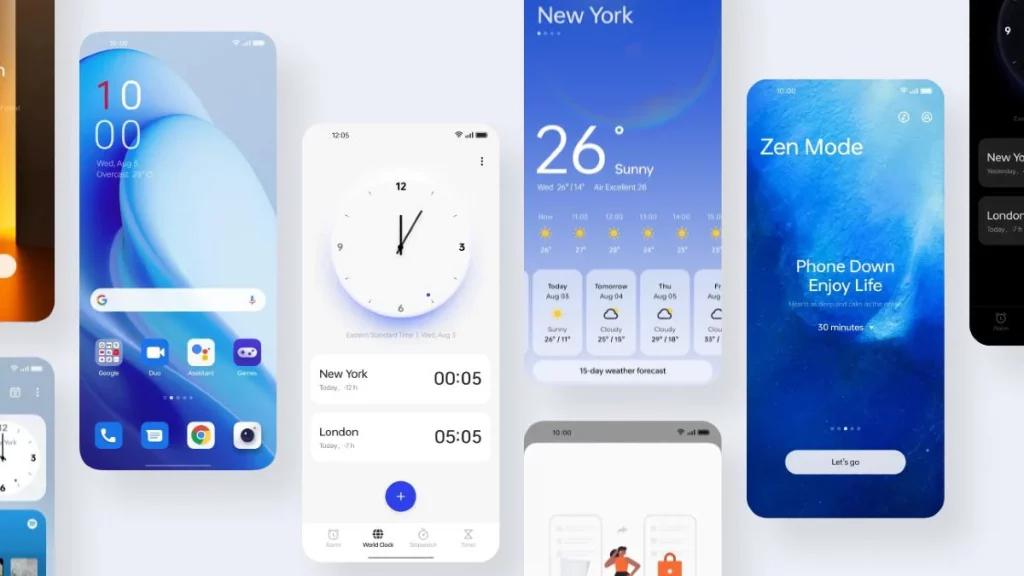
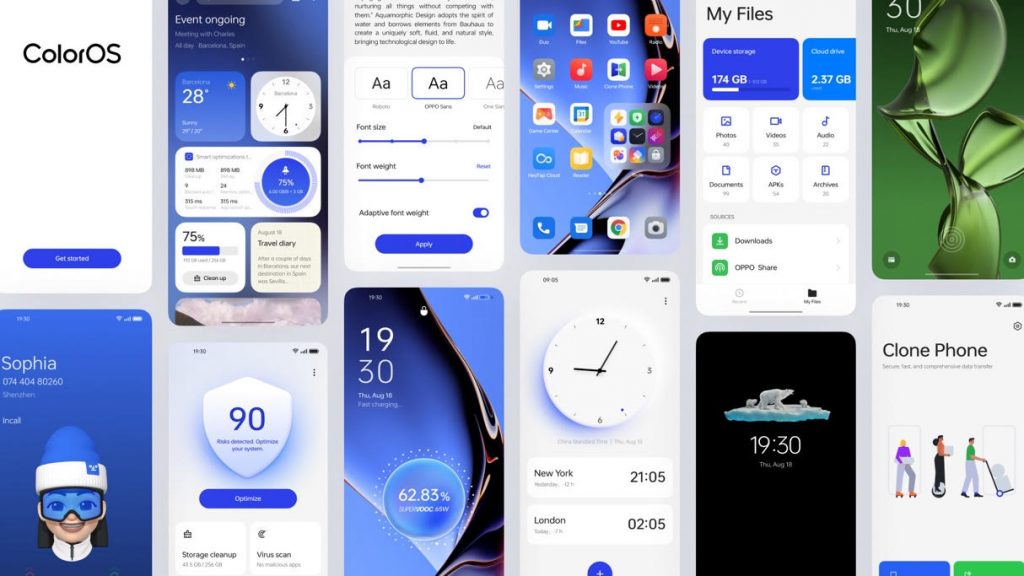
March is here and so is Oppo’s ColorOS 13 update timeline for the month. The brand plans to bring the stable and beta builds of its latest software to a handful of devices this month. This includes the Oppo A55 series, A33s, and more. Most of the Oppo handsets have already received a stable Android 13 update in the form of ColorOS 13 and the remaining ones will get it in the coming months.
The ColorOS 13 Update March update timeline has been released for the global market. It reveals that many smartphones including the Oppo Reno 6, Reno 5, Reno 5 Marvel edition, and F19 Pro are already receiving the beta build of the update in several regions. Additionally, the brand plans to add new devices to the roster. Below is the list of the latest devices getting updated this month:
Beta version
From March 1
Oppo A55 (India, Indonesia)
From March 3
Oppo A53s 5G
Stable version
From March 30
Oppo Reno 5 F (Indonesia)
Oppo F19 Pro (India)
Oppo notes that the timeline is approximate and is subject to change depending on the device, country, and carriers. In addition, the company says the beta version of the software will be released to the eligible smartphone on a batch-by-batch basis and will be limited to certain markets.
The timeline confirms not many phones will be updated this month. This is because a majority of Oppo devices have already received the stable ColorOS 13 update. Oppo will be releasing stable and beta builds of the update mainly in India and Indonesia. If you own the above-mentioned smartphones, keep an eye out for an OTA notification. Also, check out our ColorOS 13 review for all the information about the latest software.
Apple is continuing its journey in the smartphone market at full speed with the iPhone 14 series while also preparing for the iPhone 15. Some important changes are expected in the new series, which is expected to take the stage in the last quarter of this year. According to recent reports, the iPhone 15 series will switch to the USB-C connection port, which is a requirement for products sold in the European Union by the end of 2024. However, according to the latest reports, the company will only support some USB-C accessories. Here are the details…
Apple Rumored to Require MFi Certification for iPhone 15 Accessories
Rumors are circulating that the upcoming iPhone 15 will feature a USB-C port, marking a significant departure from the traditional Lightning port that Apple has used since 2012. However, it seems that even with the switch to USB-C, manufacturers of accessories will still need to obtain MFi certification from Apple to ensure full compatibility with the new iPhone.
MFi, which stands for “Made For iPhone,” is a certification program that manufacturers must go through to ensure that their accessories work seamlessly with Apple devices. This program has been in place for years and has helped to ensure that users have a wide range of high-quality accessories to choose from.
According to recent reports, only MFi-certified accessories will have full access to the USB-C port on the iPhone 15. This means that accessories that have not gone through the certification process will be limited in terms of data transfer and charging speeds. While this may be a disappointment for some users, it is important to note that the certification process is designed to ensure the safety and reliability of third-party accessories.
It is worth noting that the cost of MFi certification will likely be passed on to the end user, meaning that certified accessories may be more expensive than non-certified alternatives. However, it is also rumored that some MFi-certified accessories may still cost less than Apple’s own branded accessories.
From an environmental perspective, the need for MFi certification could be seen as a negative development, as it may discourage users from reusing or repurposing older accessories. However, it is important to remember that the certification process helps to ensure that accessories meet Apple’s high standards for safety and performance, which is crucial for protecting the longevity of the iPhone.
Aside from the potential switch to USB-C and the MFi certification requirements, the iPhone 15 is rumored to feature a range of other new features and improvements. These include the Dynamic Island and solid-state buttons on all four models, as well as new A17 chips on the two Pro models. As with all rumors, it is important to take these reports with a grain of salt until official announcements are made. However, if the reports about the iPhone 15 are true, it could mark a significant step forward for Apple’s flagship device, bringing new levels of compatibility and functionality to users.
Spring is the perfect time for being outdoors, enjoying the vibrant sunshine and blooming flowers, taking unplanned trips, and riding through highways and open fields. And what better way to commute in summer than using an E-Bike.
An electric bike is a powerful, fast, and flexible vehicle that not only helps you to travel short distances but also improves your health. Using an E-Bike instead of a gas-powered vehicle not only saves our environment from greenhouse gases but also helps to improve our personal fitness. E-bikes are easy to operate, environment-friendly, perfect for urban traffic, and also light on your pocket.
There are many E-bike manufacturers in the world who supply high-quality electric bikes for premium cost. However, if you are looking for a high-quality, portable, and premium E-bike at a budget cost then check out the E-bikes from DYU.
DYU is an intelligent sports technology company based in Shenzen China. The company makes E-bikes and has set up R&D and operation centers in US and Europe. The brand’s design concept is very simple, “Intelligence is standard and Design comes First”. With more than 100 patents to its name, DYU has emerged as one of the top E-bike exporters in China and has sold its products to more than 60 countries.
Now under its Global Launch Sale, DYU is offering a massive discount of up to $700 on a range of its E-Bikes. This is a limited-time offer. So let’s check out some of the best deals under this sale.
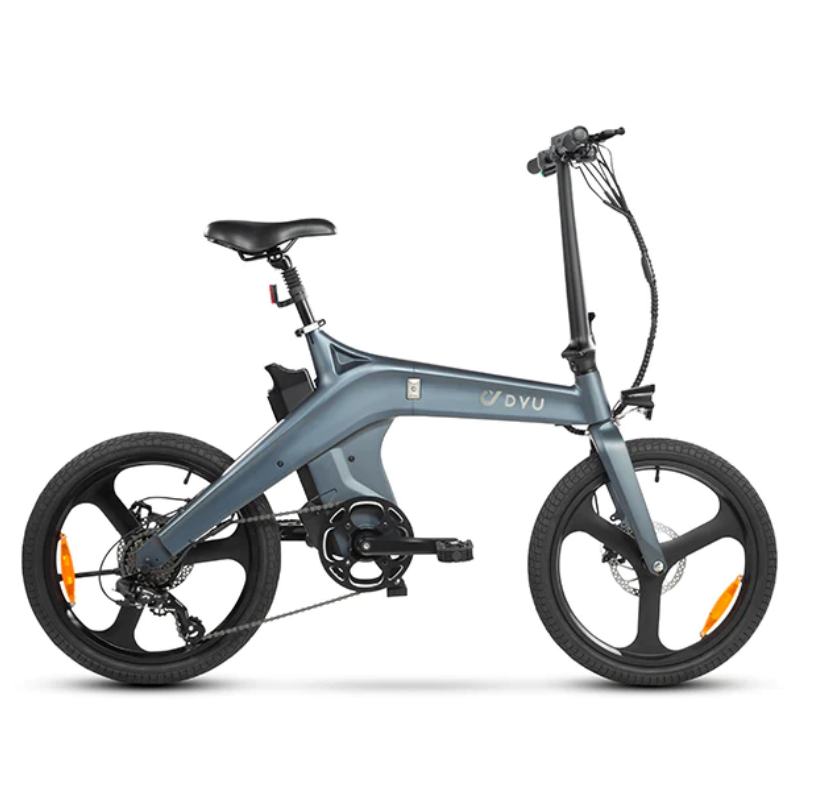
The DYU T1 is a pedal assist E-Bike that comes with smart Torque sensor technology that can accurately measure your pedal torque, cadence, and speed and accordingly alter the output power. With the torque assist function you get more power, save more battery and get an intuitive motor that changes according to the terrain and drive.
DYU T1 comes with a dynamic and futuristic design and is made with magnesium alloy which is lighter and stronger than the traditional aluminum frame. The E-bike is designed to give you the best shock absorption and make your ride comfortable and safe.
The E-Bike comes with a 10Ah battery that can be easily removed to charge. Moreover, the battery is fitted with an anti-theft device that will alert you as soon as someone tries to steal your device. The bike features a foldable design which makes it easy to carry and store. Fitted with front and rear mechanical disc brakes, the E-bike can be used on both urban roads and hilly terrain.
DYU T1 is available in Grey and Green color options. For a limited period, under the global launch offer, you can buy this E-Bike for $899 only. This is an impressive offer for an E-Bike with so many features.
DYU V8 E-Bike is specially designed for the urban commute. The E-bike comes with a powerful 750W brushless gear motor and SHIMANO 7 speed. It can quickly and efficiently take you through complex twists, turns, and intersections generally found on urban roads.
The E-bike comes with a dual suspension system with shock absorption for both front and back. This means you don’t have to worry about sudden speed breakers, pebbles, gravel, etc as the bike will perform efficiently around small obstacles.
DYU V8 is made with aluminum alloy and weighs around 40 kg. The E-Bike comes with a foldable design which makes it easy to store and transport. The bike features three pure electric modes and three assist modes. It comes with a 15.5Ah lithium-ion battery that can be charged within 7 to 8 hours.
DYU V8 is IP54 water resistant and comes with advanced hydraulic disc brakes that ensure maximum safety. Generally retailing for $2099, you can now buy the urban E-Bike for a heavily discounted price of $1499 only.
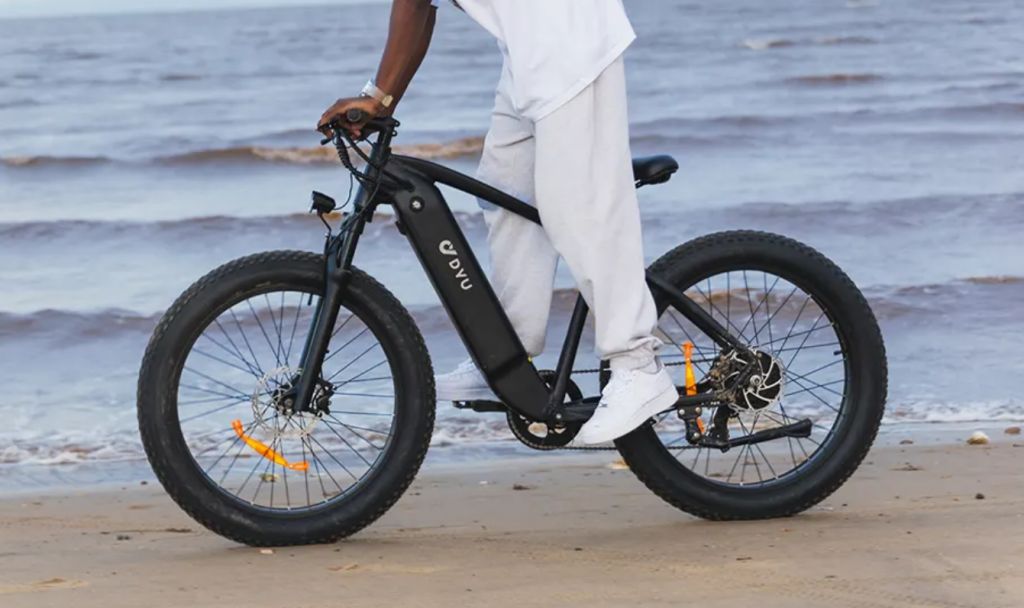
DYU King 750 is a specially designed fat tire E-bike that is great for both city and country rides. The 4” wide fat tires are easier to balance, giving you a stable ride even in treacherous terrain. The fat tires provide more surface contact area which gives you strong ground friction and better braking. This ultimately makes your drive stable and safe as compared to regular tires.
The E-Bike comes with a 48V 20AH LG battery that is powerful and durable and features an efficient Battery Management System that ensures maximum safety during your ride. Fitted with multiple shock absorbers, this E-Bike can be used on different surfaces including urban highways, mountainous terrain, snow-clad roads, and even the desert.
DYU King 750 is fitted with a powerful 750W motor which makes climbing easier. It comes with SHIMANO front and rear hydraulic disc brakes that provide the perfect braking system. Other interesting features include an LCD display, half twist throttle, searchlight, and ergonomic seat cushion with shock absorber.
The E-Bike which is IP54 water resistant is made with aluminum alloy and comes with an anti-theft system. Generally retailing for $2199, you can now buy DYU King 750 for a discounted price of $1599 only.
DYU FF500 Fat Tire E-Bike is another cheaper option for a stable and strong E-bike. It is perfect for those who ride on treacherous and undefined terrain like mountain roads or countryside as the fat tires provide better stability, balance, and endurance to the E-Bike.
The E-Bike comes with a 14Ah lithium-ion battery and features an advanced Battery Management System, that provides efficient energy and power consumption. It comes with a front shock absorber that provides better control and stability in different terrains and features SHIMANO 7 speed. Fitted with a multi-functional LED display, you can easily get all types of riding data like power, speed, mileage, gear, and more.
DYU FF500 is made with aluminum alloy and is IP54 water-resistant. Generally retailing for $1899, you can now buy DYU FF500 Fat Tire E-Bike for a discounted price of $1299 only.
For more information on such exciting deals and offers check out our deals hub.
OPPO launched the Enco Buds 2 (review) in August last year. The audio device was available in only Black colour. Now the TWS earphone has been announced in a new colour variant. The newest paint job is called Lime Green. Apart from a new hue, the design, specifications, as well as, pricing of the Enco Buds 2 remain the same.
#OPPOEncoBuds2 ensures the ultimate listening experience so you can discover what best-in-class sound feels like.
The OPPO Enco Buds 2 Lime Green variant’s case and earphones have a lighter shade of Green colour. Meanwhile, the interior of the case has a slightly darker Green hue. The earphones come with two sizes of silicone ear tips. The audio device costs Rs 1,799 and can be purchased from Flipkart and the brand’s official website.
The OPPO Enco Buds 2 feature an in-ear design with a stem and silicone ear tips. The stem supports various touch control functions with users even able to control the camera shutter release. The earphones are IPX4 water-resistant.
Audio-wise, the OPPO Enco Buds 2 is equipped with a 10mm titanized driver for powerful and rich bass. There is AI noise cancellation for clear quality on calls. The TWS earphones feature Enco Live Stereo sound effects with three sound modes. The audio device comes with a low latency mode for gaming via Bluetooth 5.2. It also packs instant auto connection to a smartphone when the case is opened up. The OPPO Enco Buds 2 is claimed to deliver a total of 28 hours of usage with the storage and charging case.
Oppo is now rolling out the Android 13-based ColorOS 13 update for much older and less expensive smartphones worldwide. The Oppo A55 5G and Oppo A55s 5G are the latest such devices to get access to the new software.
Currently, the update is available in the beta form for these handsets. Also, it is limited to China.
Oppo A55
Users of Oppo A55 5G and A55s 5G in China can head over to Settings to enroll themselves for the ColorOS 13 beta program. Selected applicants will receive the beta build via OTA.
Usually, Oppo takes about a month or more to deliver the stable build. Therefore, the final release for the general public should happen around April.
Both these phones were released with ColorOS 11 based on Android 11 though the s variant debuted more than a year after the regular model. Thus, ColorOS 13 is their second major software update as they got the Android 12-based ColorOS 12 update last year.
Since A55 and A55s are inexpensive smartphones, they will not receive any major software updates. However, they may continue receiving necessary security updates and bug fixes for a while.
The key spec highlights of these devices include a 6.5-inch HD+ display, a MediaTek Dimensity 700 chipset, a 13MP rear camera, an 8MP front-facing camera, a side-mounted fingerprint sensor, a 5,000mAh battery, and 10W charging support.
ChatGPT is the most popular application of recent times. Developed by OpenAI, this artificial intelligence chatbot has become well-known for its ability to answer questions, express opinions, write books, and even give medical advice. It seems like there’s almost nothing that ChatGPT can’t do. Of course, as with any popular application or platform, there are always competitors trying to catch up. This is no different for ChatGPT, as both large and small startups as well as technology giants are making their own versions of this chatbot. Even Elon Musk is involved in this field. Here are the details…
Elon Musk Assembling Team to Develop ChatGPT Rival
Elon Musk is no stranger to the world of artificial intelligence (AI). The Tesla and SpaceX CEO has been actively involved in the development of AI for years, even he is one of the founders of OpenAI. However, recent reports suggest that Musk is now looking to develop an alternative to OpenAI’s ChatGPT.
According to the latest reports, Musk has been approaching AI researchers in recent weeks to developing an alternative to ChatGPT. He already has recruited Igor Babuschkin, a researcher who recently left Alphabet’s DeepMind AI unit, to join the project. The move comes after ChatGPT gained significant attention in Silicon Valley and the world.
Actually Elon Musk, who had co-founded OpenAI along with Silicon Valley investor Sam Altman, had left its board in 2018 but had praised the chatbot’s capabilities, calling it “scary good.” Musk and Babuschkin have reportedly discussed assembling a team to pursue AI research, although the project is still in its early stages, and there are no concrete plans to develop specific products. Babuschkin has also not officially signed onto the Musk initiative, according to The Information.
Moreover, the famous billionaire is not the only one to accelerate his work in the field of artificial intelligence. Chinese tech giant Baidu has invested heavily in AI in recent years and is considered as at the forefront of efforts to create a Chinese rival to the AI platform developed by OpenAI. Google also recently announced its AI chatbot called Bart. It seems that the competition in the field of artificial intelligence will heat up in the future. who will be the winner
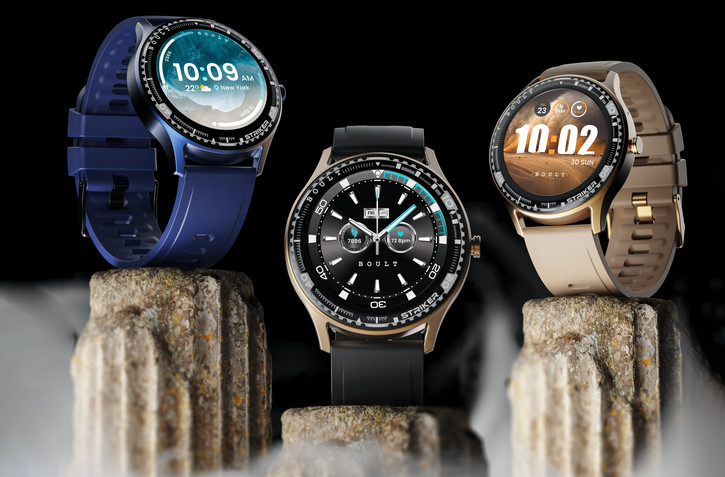
Boult Audio has recently unveiled its newest addition to the Indian market, the Striker smartwatch. This feature-packed timepiece comes with an affordable price tag of under Rs 2,000, offering users a range of functionalities.
Boult Striker smartwatch specs
Equipped with a circular 1.3-inch HD display and over 150 customizable watch face options, the Striker is a stylish device that can also make Bluetooth calls through its built-in microphone and speaker. Users can access recent call logs, save contacts, and manage incoming calls on their wrist, thanks to Bluetooth 5.1 technology.
In terms of health and fitness tracking, the Striker doesn’t disappoint, with a range of sensors including a 24/7 heart rate monitor, blood pressure sensor, SpO2 sensor, sleep monitor, and period tracker. It also offers water drinking and sedentary reminders, alongside tracking of calories burned, steps taken, and distance covered. With over 100 sports modes, the BoultFit app can track your progress and provide valuable insights.
Boasting an impressive battery life of up to 7 days on a single charge, the Boult Audio Striker is a good option for those looking for a feature-rich smartwatch without breaking the bank.
Price & availability
The Boult Striker is currently available on Flipkart and Boult’s website in Cream, Blue, and Black color options. As an introductory offer, it is priced at Rs 1499.
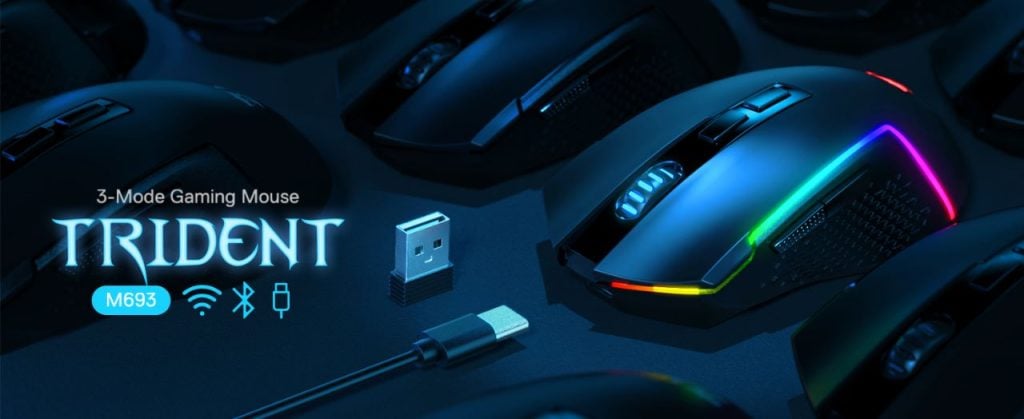
Redragon recently launched a wireless RGB gaming keyboard in India. Now, the PC peripherals brand has expanded its range of mice. The latest offering from the brand is called Redragon Trident Pro M693. It is a wireless mouse and aimed at gaming enthusiasts. Read on to know what it offers out of the box.
The Redragon Trident Pro M693 has an ergonomic design. It features seven programmable buttons with two macro side buttons for a better gaming and work experience. The PC accessory has an adjustable RGB LED light that adds to the gaming ambience. Users can also customise the lighting styles such as dynamic streaming, breathing, waving, and more with the Redragon Pro driver. The gaming mouse is claimed to be tested to last up to 20 million clicks.
The Redragon Trident Pro M693 is equipped with an optical sensor for optimal performance. It has sensitivity settings ranging from 1,000 to 8,000 dpi offering precise movement. For extra advantage, these levels can be programmed with software. The gaming mouse features a 1,000Hz polling rate for a 1ms response time.
The Redgraon Trident Pro M693 offers tri-mode connectivity including Bluetooth, wired USB, and 2.4GHz RF. The PC peripheral is powered by a 700mAh rechargeable battery that is said to offer 35 hours of non-stop usage.
The Redragon Trident Pro M6933 gaming mouse carries a price tag of Rs 2,290. It is available for purchase from the brand’s official website and Amazon.
Dell has launched brand new models from its popular XPS series of premium laptops. The XP3 15 9530 is the latest entry in the 9500 series and arrives as a refreshed model that comes with minor upgrades over the previous generation. So let’s have a look.
The company’s latest notebook features latest generation of Intel CPU and Nvidia GPU. Sticking to its iconic build aesthetic, the new XPS 15 9530 retains its CNC machined aluminum and even users a carbon fiber composite for the palm rest. Buyers can even opt for up to a 15.6 inch InfinityEdge display with a 3.5K resolution on an OLED panel that supports touch panel. this screen will also offer 400 nits of brightness, DisplayHDR 500 certifications, and 100 percent DCI P3 color gamut.
Apart from this, one can even choose a 15.6 inch FHD+ panel that has a Full HD+ resolution IPS display that doesn’t support touch but offers 100 percent sRGB color gamut. Under the hood, the XPS 15 9530 can be equipped with either a Core i5-13500H, Core i7-13700H, or the Core i9-13900H. These processor can be paired with up to 64 GB of dual channel DDR5 4800MHz RAM and up to a whopping 8TB of internal storage. For graphics, one can choose the Intel Arc A370M option alongside the 40W variants of the Nvidia GeForce RTX 4050, RTX 4060, and RTX 4070.
Connectivity options include, two Thunderbolt 4 ports, a USB 3.2 Gen2 Type-C port, and DisplayPort. Dell even ships a USB Type-C to 3.0 Type-A and HDMI 2.0 adapter in the box. It also features a full size SD card 6.0 reader and a 3.5mm headphone jack as well as WiFi 6 and Bluetooth 5.2. The company is selling the XPS 15 9530 starting from a hefty price tag of 2,949 US Dollars.
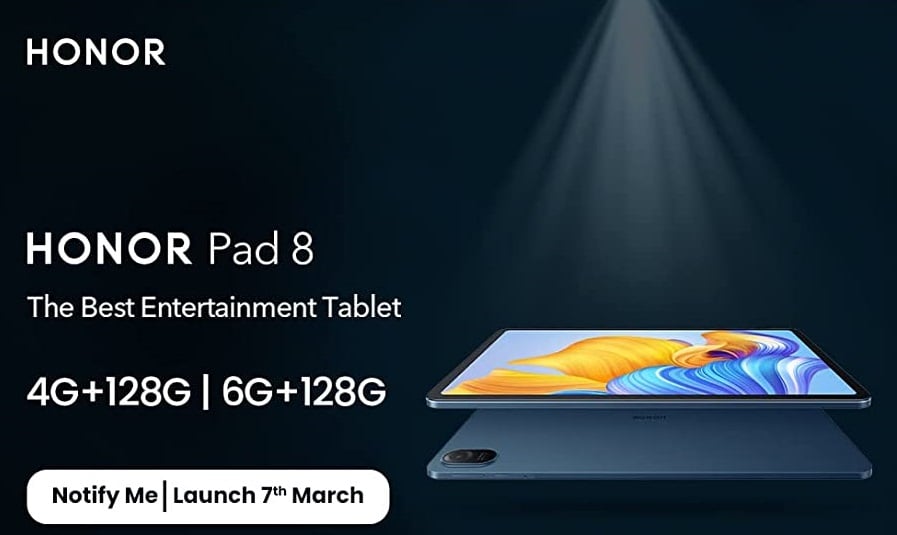
Honor debuted the Pad 8 tablet in India in September last year. Now the brand is teasing the same device on Amazon India. The e-commerce platform has put up a microsite of the tablet revealing its key specifications and release date. It seems that the Honor Pad 8 is the same device as last year. The only difference is that the tablet will be available for purchase from Amazon.
As for the core specifications, the Amazon microsite reveals that the Honor Pad 8 sports a 12-inch screen bearing a 2K resolution and an 87 percent screen-to-body ratio. The screen is TUV Rheinland low blue light certified. The tablet features a metal unibody. Audio-wise, the Honor Pad 8 is equipped with an 8-speaker system tuned by DTS:X Ultrasound and the brand’s self-developed audio algorithm. The Honor Pad 8 has a pill-shaped camera module on the back.
Under the hood, the Honor Pad 8 is confirmed to be backed by a 7,250mAh battery life. It will ship with Android 12-based MagicUI 6.1 out of the box. The tablet will pack features like smart multi-window and multi-screen collaboration. The Honor Pad 8 is confirmed to be available in 4GB and 6GB RAM options with both packing 128GB onboard storage.
The Amazon microsite does not reveal other details of the Honor Pad 8. But we expect it to be powered by a Qualcomm Snapdragon 680 processor based on a 6nm process paired with Adreno 610 GPU onboard. It will come with support for 22.5W fast charging.
In the fast-paced world of technology, staying up-to-date is essential for both consumers and brands. Keeping this in mind, many brands are now focusing on providing longer updates for their Android devices. This move not only benefits consumers but also helps brands improve their reputation and customer satisfaction. Recently, Google has praised a number of companies that include Samsung, OnePlus, Xiaomi and OPPO for their commitment to longer Android updates, highlighting the importance of this trend.
List of Smartphone Brands with Longest Android Support
Samsung – Smartphone Update Policy
Samsung has been at the forefront of the push toward extended software support for Android devices. Samsung has committed to providing four major Android upgrades and five years of security updates for flagship phones. The move was started from the Galaxy S21 series, but now the company is also offering the same support to Galaxy A phones like the Galaxy A53, A73, and successors.
The Galaxy S23 series will receive security updates until 2027.
Google – Smartphone Update Policy
The Google Pixel 7 series is a shining example of the brand’s commitment to providing top-of-the-line software support to its users. With a promise of five years of software support, the Pixel 7 and Pixel 7 Pro offer an exceptional level of longevity and reliability that is hard to find in other smartphone brands. While the phones may not receive five major Android OS updates, users can still expect three generations of OS updates and five years of monthly security updates, ensuring that their devices stay secure and up to date for years to come. With the Pixel 7 series shipping with Android 13 out of the box, it should get OS updates until Android 16.
OnePlus – Smartphone Update Policy
OnePlus has also been vocal about its commitment to providing longer software support for its devices. The company has committed to providing four major Android OS updates and five years of security updates for the flagship devices, starting from the OnePlus 11. While the OnePlus 11R will receive 3 major Android updates and 4 years of security updates. This means that many OnePlus users can expect to receive the latest Android updates for several years after purchasing their devices.
OPPO – Smartphone Update Policy
OPPO has also joined Samsung and OnePlus in offering longer software support for its devices. The company has committed to providing four major Color OS updates and five years of security patches for its flagship phones. This move is expected to benefit many Oppo users who want to keep their devices up-to-date with the latest Android features and security patches.
The company recently launched Find N2 Flip and Find N2 which will likely receive these major updates. The company is also set to introduce its flagship smartphone series, the Find X6 in March.
Xiaomi – Smartphone Update Policy
Xiaomi recently made a promising announcement regarding their flagship devices – the Xiaomi 13 Pro and the Xiaomi 13. The company is committing to providing its customers three generations of Android updates and five years of security patches. This move brings Xiaomi on par with Google’s Pixel promise.
It’s worth noting that this commitment is a significant improvement from Xiaomi’s previous track record. Just a year ago, the company fell short by one year with the Xiaomi 12 and 12 Pro, which were only supposed to receive four years of security patches.
Honor – Smartphone Update Policy
HONOR has recently made an exciting announcement regarding their flagship device, the Magic 5 Pro. The company is committing to providing its customers with three years of OS upgrades and five years of security patches, which is a notable improvement from its previous track record. While Samsung and OPPO/OnePlus offer four years of OS upgrades, HONOR’s commitment still ensures that the Magic 5 Pro will remain up to date with the latest Android features until 2026 and receive security patches until 2028.
Realme – Smartphone Update Policy
Realme last year made a significant commitment to software support, with a focus on top-of-the-range smartphones. They announced a plan to provide up to 4 years of support for some of their flagship devices, starting with the Realme GT 2 and GT 2 Pro.
During their flagship launch event, Realme unveiled the Realme GT 2 and GT 2 Pro and announced that they would receive three major Android OS updates along with 4 years of security patches.
The devices set to benefit from this extended support include the Realme GT 2, GT 2 Pro, GT 2 Master Edition, GT Neo 2, GT Neo 3, and GT Neo 3T. These phones are expected to receive three major Android updates, starting from the version they launch with and continuing through several iterations.
The recently launched Realme 11 Pro and Realme 11 Pro Plus users can expect to receive Android 14 and Android 15 updates in the coming years. Additionally, these smartphones will benefit from three years of security patches, ensuring continued software support and security for their devices.
Motorola – Smartphone Update Policy
Motorola traditionally offers two years of support for their phones. However, for premium models like the Motorola Edge 30 series, the company has extended support to 3 years, ensuring updates from Android 12 to Android 15, anticipated in 2024.
Motorola expanded the Android 13 update list by including some older devices, doubling the initially confirmed list. After promising 2 upgrades and 3 years of security patches for the Motorola Edge 30 series in 2022, Motorola further improved its commitment in 2023. For the Motorola Edge Plus (2023), they have pledged three upgrades and 4 years of patch support.
iQOO – Smartphone Update Policy
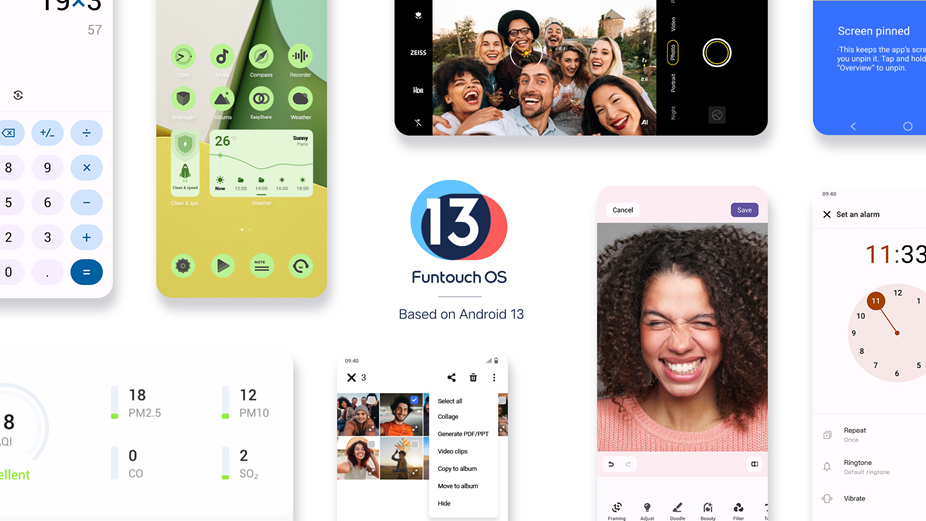
iQOO is committing to extended software support for its recent flagship devices, promising 3 years of Android OS updates and 4 years of security patches. The brand’s newer Neo and Z series models are set to get 2 major Android updates and 3 years of monthly security patches.
The iQOO 11 5G, launched earlier this year with Android 13-based Funtouch 13, will also benefit from this policy, receiving up to 3 years of Android updates and 4 years of security patches.
In conclusion, the trend towards longer software support for Android devices is gaining momentum, with major smartphone brands like Samsung, OnePlus, Oppo, and Xiaomi leading the charge. These brands have pledged to provide several years of major Android OS updates and security patches for many of their devices, starting from their recent models.
This commitment to longer software support is good news for users who want to keep their devices up-to-date with the latest features and security patches. It also reduces e-waste by extending the life of the devices and contributing to a more sustainable environment.
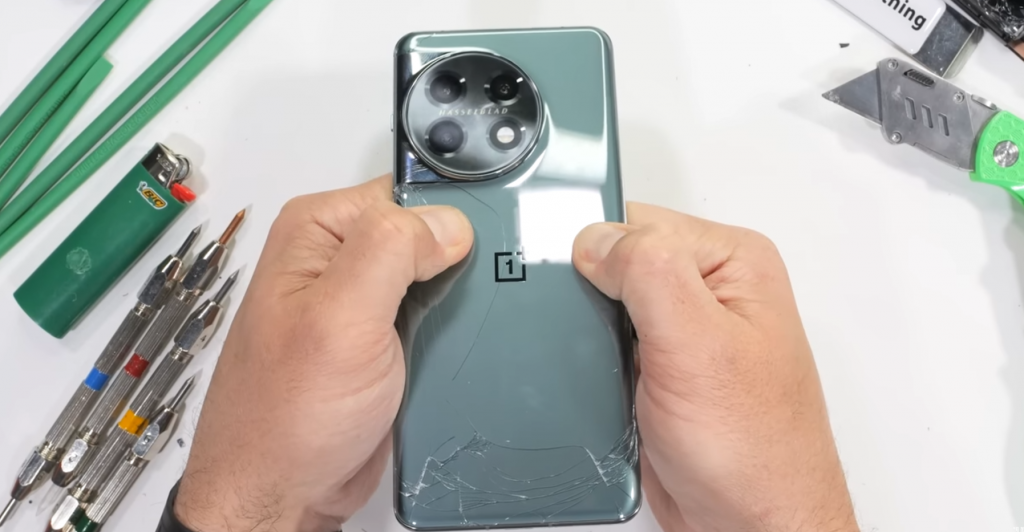
The latest video from Zack Nelson, the popular tech YouTuber behind the JerryRigEverything channel has been highly anticipated. Since the YouTuber is finally testing the OnePlus 11 to see if the company’s latest flagship phone snaps for the third time.
For those unaware, the OnePlus 10 Pro and the 10T model that launched back in 2022 both failed the bend test of Zack’s bend test in the durability video. Both devices snapped in two and the new change in camera design was found to be the primary cause behind this structural issue. However, it appears that the Chinese smartphone maker managed to break this curse, with its latest premium grade handset barely surviving the test.
Looking at the video, we can see the OnePlus 11 being put through the usual scratch, burn, and bend tests that we know JerryRigEverything channel to showcase. The device expected as one would expect for all the tests except the bend one. This was the “moment of truth” part of the video as we can see the device clearly flexing to the point that its rear panel starts cracking up. However, unlike the two models that launched before it, the OnePlus 11 held onto its structural integrity.
Although there were some key points to note in the video. First of all, the scratch test on the display area right above the under screen fingerprint scanner usually doesn’t affect the functionality. But the scratches on the 11 model caused the sensor to be unable to rear Zack’s finger entirely. Notably, the OnePlus 11 showed the most sign of distress in the area right below the camera module. In other words, this region is still prone to cracks and bending related issues than other parts. Despite all this, it is still great news that the brand did not strike out on the third flagship phone in a row.
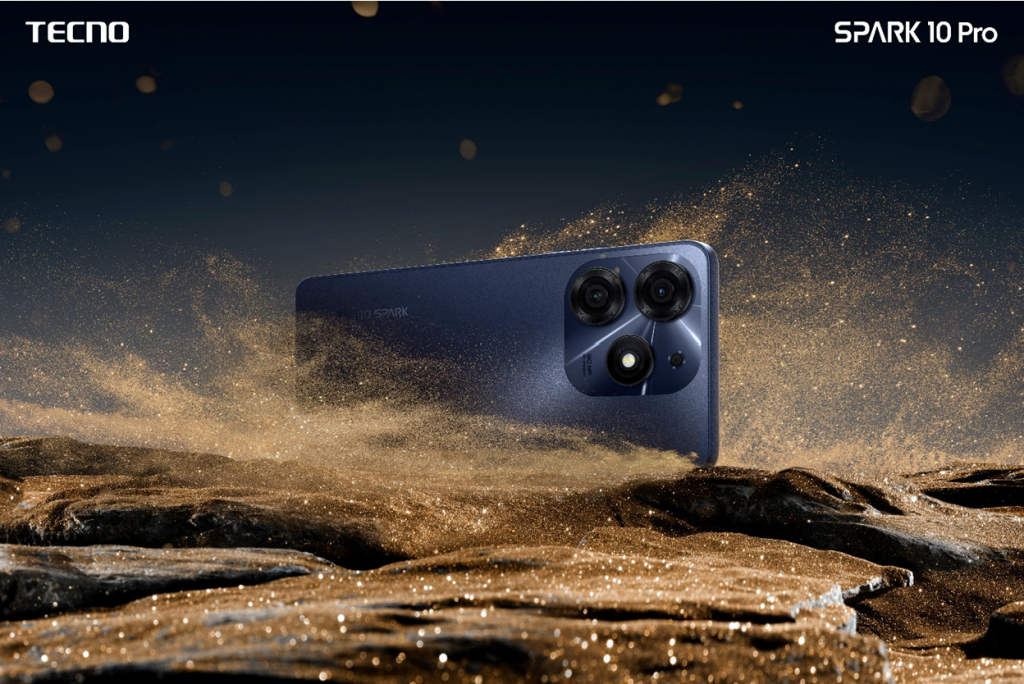
Tecno recently showcased the upcoming Spark 10 Pro budget-range smartphone at the ongoing Mobile World Congress 2023 event. It is expected to soon launch in multiple regions including India. Now, a leak has emerged revealing a detailed spec sheet of the Tecno Spark 10 Pro alongside its price range.
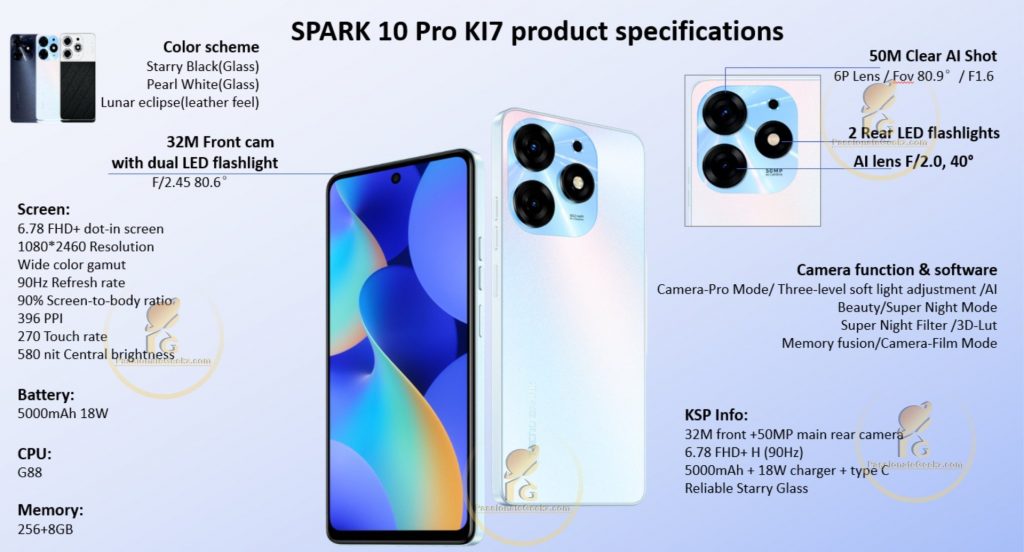
Tipster Paras Guglani has shared a marketing image of the Tecno Spark 10 Pro that has all of the key details about the device. The Spark 10 Pro (K17 model) is expected to feature a large 6.78-inch LCD screen with a high resolution of 1080 x 2460 pixels, 20.5:9 aspect ratio, 90Hz refresh rate, 270Hz touch sampling rate, 396 ppi pixel density, and 580 nits of brightness, with a punch-hole design and 90 percent screen-to-body ratio.
Under the hood, the device will be powered by the Helio G88 chipset and a 5,000mAh battery that supports 18W charging via USB-C. It will come with 8GB of RAM and 256GB of internal storage.
The front camera will be a 32-megapixel shooter, while the rear camera will have a 50-megapixel main camera, an AI lens, and a dual-LED flash unit, with features like Pro Mode, AI Beauty, Super Night Mode, Super Night Filter, and more for photography enthusiasts.
The upcoming Spark 10 Pro smartphone is anticipated to launch in India by mid-March, with an estimated price range of Rs 10,000 to Rs 12,000. Three color choices will be offered for the device, with the Starry Black and Pearl White models sporting glass backs and the Lunar Eclipse variant featuring a textured leather finish.
Vivo has just launched the V27 series of smartphones in the Indian market. However, the V27e model that was expected to be unveiled alongside the V27 and V27 Pro wasn’t announced during the launch livestream. But, this model was just released in Malaysia, so let’s have a look.
The Chinese smartphone maker has placed an emphasis on the design of this mid range smartphone. It features a rear panel that appears to have a unique design engraved onto the surface. While it isn’t a color shifting panel, the three color options with the feathery desogm are still quite attractive. The back also houses the Aura Light, which offers LED lighting as well. Meanwhile, the front sport a 6.62 inch AMOLED display that has a Full HD+ resolution and 120Hz refresh rate.
Under the hood, the device is equipped with a MediaTek Helio G99 SoC that is paired with up to 12GB of RAM and up to 256GB of internal storage. On the rear, it features a triple camera setup that consists of a 64 megapixel primary sensor that supports OIS, 2 megapixel macro camera and another 2 megapixel depth sensor. The front houses a 32 megapixel selfie shooter. The V27e is powered by a 4,600mAh battery pack that supports 66W fast charging.
Other notable features include, Android 13 OS based FuntouchOS 13, hybrid dual SIM tray, IP54 dust and splash resistance, and stereo speakers. The Vivo V27e is available in multiple color variants, namely Lavender Purple, Glory black and Lively Green options. The pricing for the 8GB + 256GFB configuration is 1,299 RM (roughly 290 US Dollars). The device is currently available for order in Malaysia with free gifts as well.
We use cookies on our website to give you the most relevant experience by remembering your preferences and repeat visits. By clicking “Accept”, you consent to the use of ALL the cookies.
This website uses cookies to improve your experience while you navigate through the website. Out of these, the cookies that are categorized as necessary are stored on your browser as they are essential for the working of basic functionalities of the website. We also use third-party cookies that help us analyze and understand how you use this website. These cookies will be stored in your browser only with your consent. You also have the option to opt-out of these cookies. But opting out of some of these cookies may affect your browsing experience.
Necessary cookies are absolutely essential for the website to function properly. This category only includes cookies that ensures basic functionalities and security features of the website. These cookies do not store any personal information.
Any cookies that may not be particularly necessary for the website to function and is used specifically to collect user personal data via analytics, ads, other embedded contents are termed as non-necessary cookies. It is mandatory to procure user consent prior to running these cookies on your website.