Advertisement

Redmi Pad vs Samsung Galaxy Tab A8: Specs Comparison

Redmi finally launched its first tablet and it is definitely an amazing device. It debuted in the Asian market under the Redmi Pad moniker and it is bundled with midrange-class specifications. Despite being the first tablet from this brand, it is perfectly able to compete with the best concurrence in its segment. But there are several old tablet manufacturers to beat in order to conquer a good amount of users. One of the most experienced tablet manufacturers is Samsung and it produces several tablets in the affordable segment. One of the latest affordable tablets by the Korean giant is the Samsung Galaxy Tab A8 10.5, available in India and worldwide at very interesting prices. Here is a comparison between the main specifications of the Redmi Pad and the Samsung Galaxy Tab A8.
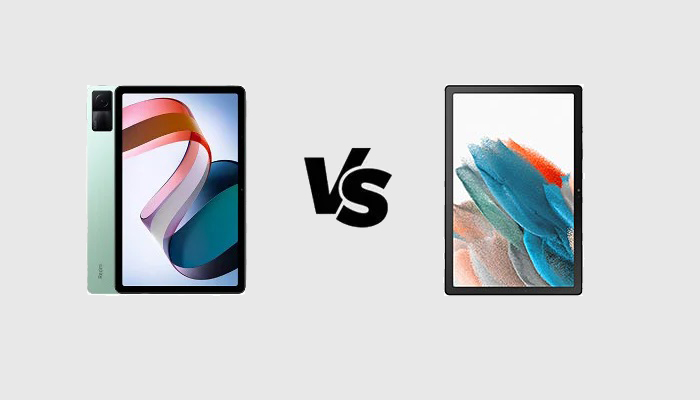
Xiaomi Redmi Pad vs Samsung Galaxy Tab A8 10.5

Xiaomi Redmi Pad Samsung Galaxy Tab A8 10.5
DIMENSIONS AND WEIGHT 250.5 x 158.1 x 7.1 mm, 465 grams 246.8 x 161.9 x 6.9 mm, 508 g
DISPLAY  10.61 inches, 1200 x 2000p (Full HD+), IPS LCD 10.5 inches, 1200 x 1920p (Full HD+), TFT LCD
PROCESSOR MediaTek Helio G99, octa-core 2.2 GHz Unisoc Tiger T618, octa-core 2 GHz
MEMORY 3 GB RAM, 64 GB – 4 GB RAM, 128 GB – 6 GB RAM, 128 GB – micro SD slot 2 GB RAM, 32 GB – 3 GB RAM, 32 GB –  4 GB RAM, 64 GB – 3 GB RAM, 128 GB – 4 GB RAM, 128 GB – micro SD dedicated  slot
SOFTWARE  Android 12, MIUI Android 11, One UI
CONNECTIVITY Wi-Fi 802.11 a/b/g/n/ac, Bluetooth 5.2, GPS  Wi-Fi 802.11 a/b/g/n/ac, Bluetooth 5.0, GPS
CAMERA Single 8 MP f/2.0
8 MP f/2.3 front camera
Single 8 MP
5 MP front camera
BATTERY 8000 mAh, fast charging 18W 7040 mAh, fast charging 15W
ADDITIONAL FEATURES Ultrawide front camera Optional LTE connectivity

Design

I love the design of the Samsung Galaxy Tab A8 10.5 because it has a very minimal look. On the rear side, there is no camera module, but just a single sensor placed directly on the rear cover. The tablet is very thin, just 6.9 mm, and it has a very high screen to body ratio thanks to narrow bezels around the display. Despite being very thin, this tablet is equipped with four stereo speakers and it is more compact than the Redmi Pad. Speaking of the Redmi Pad, it has an even higher screen to body ratio thanks to narrower bezels around the screen, but it is equipped with a big camera module ruining the rear design a bit. The presence of an aluminum frame is very interesting because it accounts for better build quality and a sturdier design. Even this model is equipped with four stereo speakers like its rival. It is slightly thicker and bigger, but on the other hand, it is more lightweight.

Display

Do you need one of the best displays in the affordable segment? If so, then you should go for the Redmi Pad. It has an IPS LCD panel able to show up to one billion colors with a diagonal of 10.61 inches, a Full HD Plus resolution of 1200 x 2000 pixels, a 90 Hz refresh rate, and a typical brightness of 400 nits. It offers great color reproduction, even though it is far from OLED panels found on midrange phones. And it is also very smooth thanks to its high refresh rate. The Samsung Galaxy Tab A8 has no way to compete with the Redmi Pad because its display is significatively inferior. It is a TFT LCD panel with a diagonal of 10.5 inches and a Full HD Plus resolution of 1200 x 1920 pixels, it does not have a high refresh rate, and it is able to show a lower amount of colors if compared to the Xiaomi tablet. Both have four stereo speakers as already mentioned above, but the Samsung Galaxy Tab A8 is the only one with a 3.5 mm audio jack allowing you to use wired earphones or headphones.

Specs & Software

The most powerful hardware belongs to the Redmi Pad and it is definitely much better than the hardware department of the Samsung Galaxy Tab A8. The Redmi Pad is powered by the Helio G99 mobile platform: one of the latest midrange chipsets by MediaTek. It is a processor built with a 6 nm production process and sporting an octa-core architecture composed of two Cortex A76 CPUs running at a max frequency of 2.2 GHz, six Cortex A55 CPUs running at a max frequency of 2 GHz, and a Mali G57 MC2 GPU. The chipset is paired with up to 6 GB of RAM and up to 128 GB of fast UFS 2.2 native storage. On the Samsung Galaxy Tab A8, you can find an entry-level chipset: the Unisoc Tiger T618 built with a 12 nm production process and sporting an octa-core architecture composed of two Cortex A75 CPUs running at 2 GHz, six Cortex A55 CPUs running at 2 GHz, and a Mali G52 MP2 GPU. Alongside the processor, there are up to 4 GB of RAM and up to 128 GB of native storage, furtherly expandable with a micro SD. Note that Redmi Pad runs Android 12, while the Samsung Galaxy Tab A8 ships with Android 11.

Camera

The rear cameras of these two tablets are more or less at the same level: the real difference is in the front camera, where the Redmi Pad wins thanks to a great 8 MP sensor with an ultrawide field of view.

Battery

Last but not least, the Redmi Pad has a bigger battery and it guarantees longer battery life not only thanks to its bigger capacity but also because of its 6 nm chipset consuming less energy.

Price

You need at least €250/$250 to purchase the Redmi Pad, while the Samsung Galaxy Tab A8 is available for less than €185/$185. The Redmi wins this comparison.

Xiaomi Redmi Pad vs Samsung Galaxy Tab A8: PRO and CONS

Xiaomi Redmi Pad

PRO

  • Bigger battery
  • Wider display
  • Better front camera
  • Better chipset

CONS

  • Limited availability

Samsung Galaxy Tab A8 10.5

PRO

  • Worldwide availability
  • More affordable
  • Optional LTE connectivity
  • More memory configurations
  • 3.5 mm audio jack

CONS

  • Inferior chipset
  • Smaller battery

RELATED

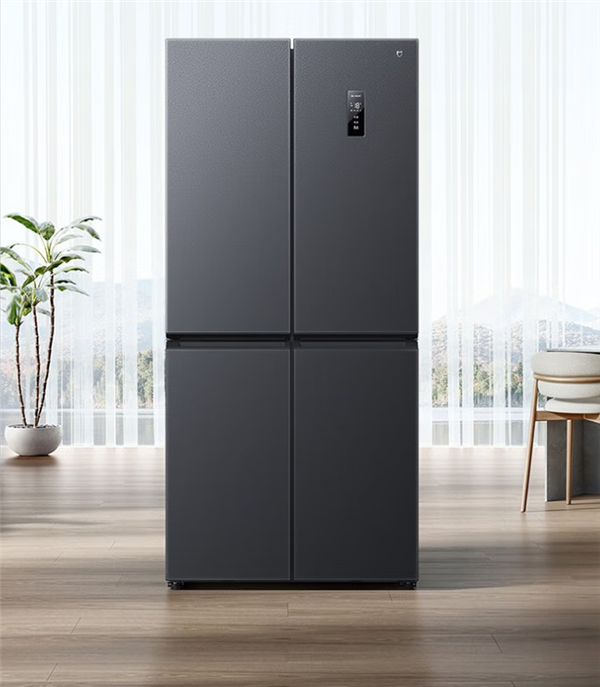
MIJIA Cross-door Refrigerator 520L with up to 18 compartments launched

Chinese tech giant Xiaomi recently launched a raft of products under the MIJIA brand. One of the products is a new smart refrigerator, the MIJIA Cross-door Refrigerator 520L. The new refrigerator is now open for pre-sale, with an initial price of 2499 yuan ($345).

MIJIA Refrigerator Cross-door 520L
MIJIA Cross-door Refrigerator 520L

The new MIJIA Refrigerator Cross door 520L utilize a design whose inspiration is said to have been derived from olivine meteorite. Not only is it delicate to the touch, but it is also more natural and soft in terms of overall gloss.

Just as the name implies, the MIJIA refrigerator has a large storage space of 520L. This consists of a 352L storage compartment and a 168L freezer compartment. The storage compartment is equipped with dual independent fruit and vegetable refrigerator drawers where fruits and vegetables can be placed separately to ensure the freshness of foods.

At the same time, the 168L freezing space is divided into sections for freezing treatment with a freezing force of 6.0kg/12h that can quickly freeze the stored food to maintain their original taste.

In addition, the product adopts air-cooled frost-free technology and intelligent automatic frosting. This eliminates the problem of frost forming and subsequently removing the need to manually defrost the freezer compartment.

The MIJIA Cross-door Refrigerator 520L is also equipped with a silver ion antibacterial and deodorant module, that can effectively absorb odor molecules in the refrigerator.

MIJIA Refrigerator Cross-door 520L

The refrigerator has 3 different operating modes to choose from, namely Smart Mode, Super Cool Mode, and Super Freeze Mode. As a MIJIA smart ecological product, the cross-door 520L refrigerator can be connected to the MIJIA app. From the app, user can select any of the modes and adjust temperature of the refrigerator remotely.

RELATED:

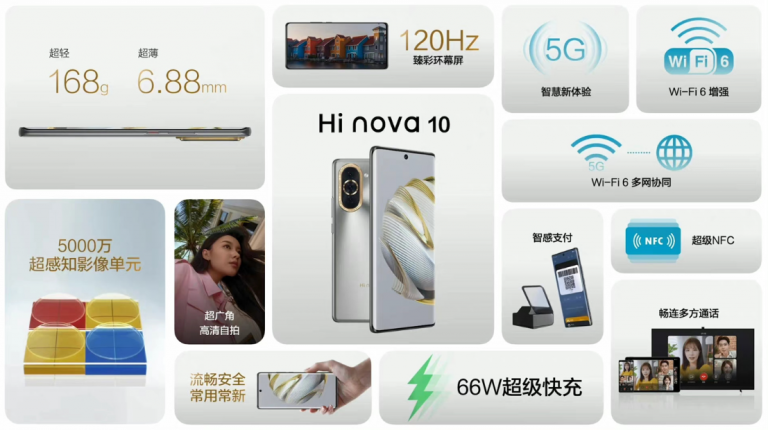
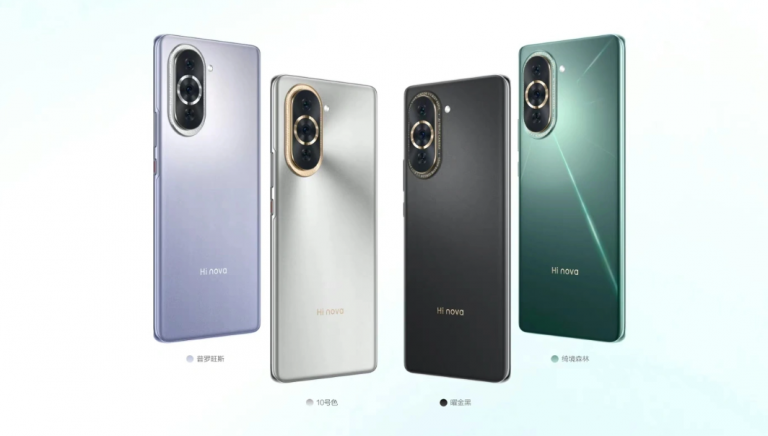
Hi Nova 10 5G series launched, with Snapdragon 778G & 120Hz OLED display

Earlier this week, it was announced that the Hi Nova 10 5G series will be announced in China on October 20. Now, the day is finally here and the company has launched two new smartphones in the lineup. So let’s have a look.

Hi Nova 10 Pro

To make a correction on our previous report, these smartphones are not from Huawei. Rather, the new Nova 10 series are being released by China Post. Thus, the smartphone features 5G connectivity. This means that the smartphones are basically the Huawei Nova 10 series in many ways, but with 5G support and different software. Thus, the Hi Nova 10 Pro sports a 6.78 inch OLED display that has a 120Hz refresh rate. Meanwhile, the rear has an oval ring shaped camera module.

The front also houses a pill shaped cutout for a dual selfie camera configuration. This includes a 60 megapixel ultra wide angle that offers a 100° field of view and is paired with an 8 megapixel wide sensor. On the rear, the device features a triple camera module, with a 50 megapixel primary sensor, 8 megapixel ultra wide angle lens, and a 2 megapixel depth shooter. Under the hood, the new smartphone is equipped with the Qualcomm Snapdragon 778G SoC, which is a 5G enabled chipset. It is powered by a 4,500mAh battery pack that supports 100W fast charging.

Hi Nova 10

The base smartphone model from the series is nearly identical to the Pro variant with specifications and outer appearance. Although, there are subtle differences. It sports a slightly smaller 6.67 inch display, but it still offers an OLED panel with a 120Hz refresh rate. However, unlike the higher end version, it only offers a lone selfie camera on the front, which is a 60 megapixel ultra wide angle lens. However, the rear offers the same 50 megapixel triple camera setup as the Pro model.

Under the hood, the device is also equipped with the same Snapdragon 778G SoC. But unlike its more expensive sibling, this model is powered by a smaller 4,000mAh battery pack that supports just 66W fast charging. Notably, both the base and Pro variant of the Hi Nova 10 5G series also offers dual stereo speakers, under display fingerprint scanner, and reverse charging as well.

Pricing & Availabiity

Both of the new smartphones were launched in two different storage configurations, so here’s a list of their variants and prices:

  • Nova 10 5G (8GB + 256GB) 2,899 Yuan
  • Nova 10 5G (8GB + 256GB) – 3,199 Yuan
  • Nova 10 Pro 5G (8GB + 128GB) – 3,699 Yuan
  • Nova 10 Pro 5G (8GB + 256GB) – 3,999 Yuan

The Hi Nova 10 and 10 Pro wil go on sale in China on 29th October 2022, across all channels. But unfortunately, the availability of these devices outside of the region is still unknown.

RELATED:

Samsung may finally bring Seamless Updates to its phones with One UI 6.0 Update

Samsung held its annual developer’s conference on October 12, where it announced plenty of new features related to One UI 5 and also revealed that the Galaxy S22 series will be receiving the stable version of the Android-13-based software by the end of October. After the event, a Samsung executive reportedly confirmed that the company is working on seamless updates, which may be introduced with One UI 6. The executive also revealed information about the rollout plans for One UI 5. Let’s look at the details.

During an Interview with Android Authority, Hyesoon (Sally) Jeong, VP at Samsung Electronics and the in-charge of One UI development, revealed that the South Korean company is planning to roll out the stable One UI 5.0 update to almost all of its compatible flagships (including the foldables and the Galaxy S21 series) before the end of this year.

Further, Sally confirmed that the One UI team is currently working on offering seamless updates, and it may roll out with One UI 6 next year. As of right now, none of the Galaxy smartphones have Android’s Seamless Updates feature, meaning the phones reboot into maintenance mode for the update installation, making you wait for 10 to 20 minutes before using the device. With the introduction of this feature, Samsung phones will receive and install updates in the background and reboot after the installation has finished.

Additionally, the executive denied rumors that One UI would be coming to Chromebooks and TVs. She said “there are no plans for One UI to come to other products, such as TVs, Chromebooks, etc”.

Samsung has been testing the One UI 5 for months now. As mentioned, the company will roll out the stable firmware update to the Galaxy S22 series by the end of October.

Related:

Amazon hints the Google Pixel 7a ‘family’ may launch very soon

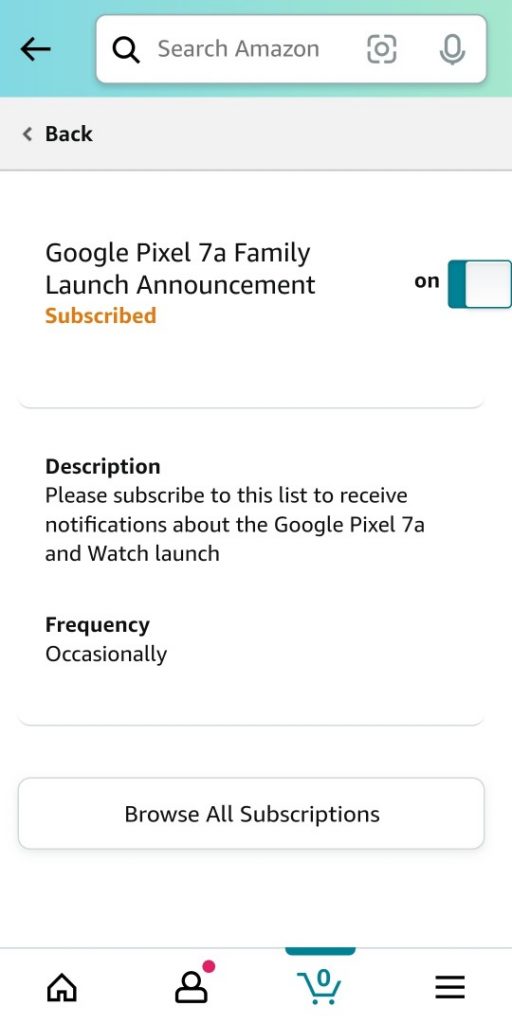
Google unveiled the Pixel 6a earlier this year with the same custom Tensor chipset and exclusive software features as the more expensive Pixels. The phone became quite popular among consumers due to its affordable price tag. Now, Amazon suggests the search giant might be gearing up to unveil the Pixel 7a soon. The e-commerce company is reportedly allowing users to subscribe for the upcoming announcement of the smartphone. Here are the details.

According to GSMArena, Amazon is letting users subscribe for the “Google Pixel 7a family launch announcement.” No details are provided on when the Pixel 7a will be revealed, but since the e-commerce giant is already handing out invitations, it shouldn’t take long.

However, we find it hard to believe that Google will unveil the 7a this early. The current Pixel 6a is only six months old, and if you recall, the company took months to introduce the device. Also, a recent report revealed that Google has ordered 4 million units of the “a” phone for launch early next year.

It’s worth noting that the event is for the “Google Pixel 7a Family,”  meaning there are multiple variants of the smartphone. We don’t expect separate 5G/4G models because the Pixel 5a and 6a already have 5G. Chances are the company may bring the rumored Pixel 7 mini.

Amazon’s listing also mentioned a watch, but Google already launched its first smartwatch, Pixel Watch, earlier this month. This suggests the whole subscription thing could very well be a typo. In any case, we have subscribed to the list and will let you know if Amazon sends an update.

RELATED:

MIJIA Graphene Baseboard Heater with 3 seconds quick heating launched

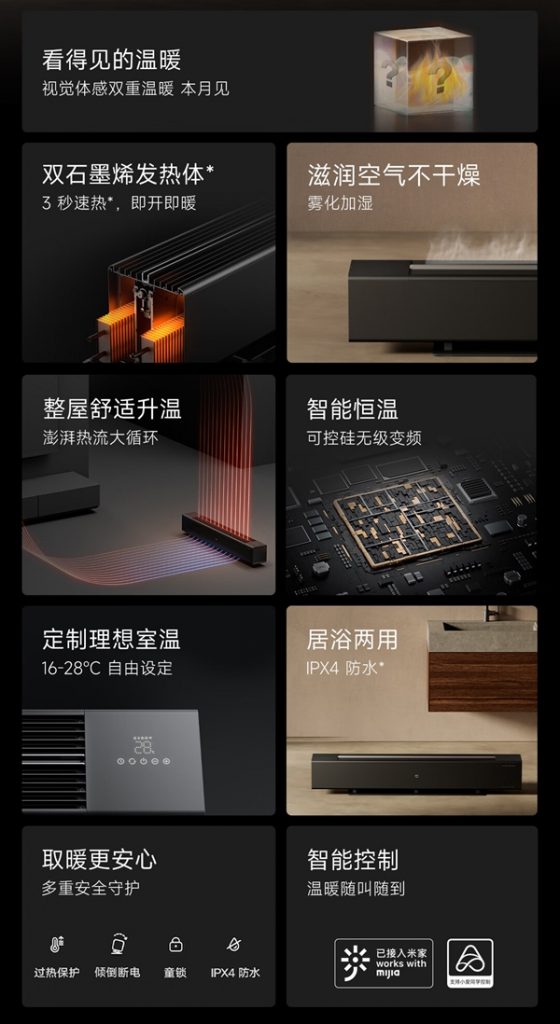
Xiaomi has quietly launched the MIJIA Graphene Baseboard Electric Heater. The home heater uses double graphene heating elements, which can achieve 3-second rapid heating, thanks to a 2200W power. This makes it possible to quickly heat up the room in a short time.

MIJIA Graphene Baseboard Electric Heater

At the same time, the MIJIA Graphene Baseboard Heater supports atomization and humidification to avoid air drying. The device comes with It also supports the heat flow circulation of the entire house, as well as intelligent constant temperature step-less frequency conversion. The ideal room temperature of 16~28℃ can easily be customized. The most outstanding feature is the IPX4 waterproof protection it comes with, making it suitable for use in the bathroom without fear of electrocution.

MIJIA Graphene Baseboard Electric Heater

Other safety features onboard include overheating protection, dump power elimination, child lock, etc. The product can be connected to the MIJIA app for remote control using the app. It also supports XiaoAI voice control.

As for the pricing, the MIJIA Graphene Baseboard Heater is priced at 859 yuan ($118).

Related:

Xiaomi launches the corded MIJIA Vacuum Cleaner 2 with a 16KPa suction power for 199 yuan ($27)

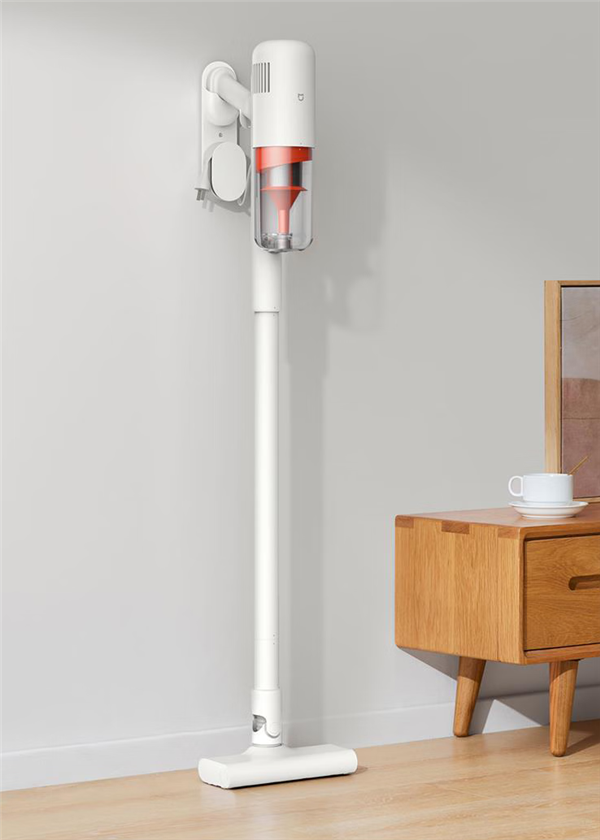
Xiaomi launched its first corded vacuum cleaner aptly named the MIJIA Vacuum cleaner in November 2020. The product arrived with a decent 199 yuan price tag. Almost two years after, the Chinese tech giant has now launched a replacement model known as MIJIA Vacuum Cleaner 2. The new model retains the 199 yuan ($27) price tag of its predecessor while coming with a number of new features.

MIJIA Vacuum CLeaner 2

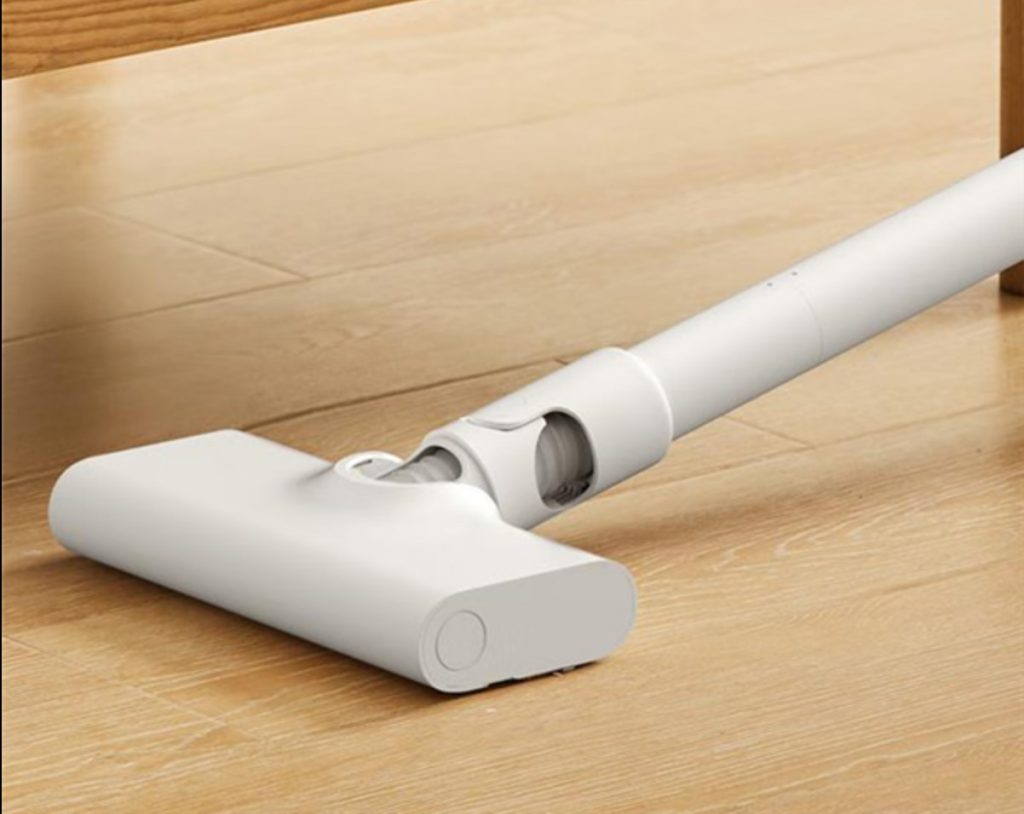
Just like the previous model, the new vacuum cleaner comes with a has 16kPa high suction power. The Vacuum Cleaner 2, however, comes with an upgraded gun-like appearance. It is equipped with a visual dust cup, and an upgraded cyclone air duct. Instead of three filters on the previous model, this new model has been upgraded to a five-fold filter.

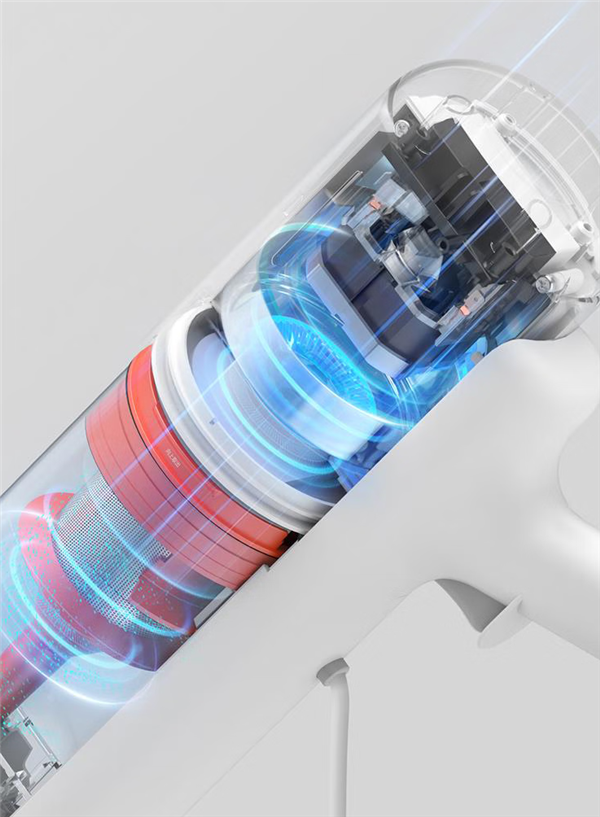
The MIJIA Vacuum Cleaner 2 also comes with an upgraded cyclone suction duct equipped with a 600W high-performance motor. It adopts a new structure that optimizes the suction duct as well as the dust-removing cyclone tower to achieve a hurricane suction of up to 16kPa.

MIJIA Vacuum Cleaner 2

The new product is also upgraded with 5 layers of depth filtration. The cyclone airflow generates a strong centrifugal force. Thus, dust and air are separated instantly. Then, the dust and harmful substances are filtered through the pinhole steel mesh, filter cotton, and filter element layer by layer, and the air is cleaned and exhausted. This design effectively prevents backflow and secondary pollution.

In addition, the MIJIA Vacuum Cleaner 2 comes upgrades the previous-generation arc horizontal bar handle to a new gun-style, labor-saving new shape, reducing the weight on the hand during use.

MIJIA Vacuum Cleaner 2

The device uses a thin 4cm floor brush that can penetrate dust-stricken areas under furniture, eliminating the need to move furniture. 240mm straight into the large suction port, covering a large area of ​​​​the cleaning area, easily solving the problem of cleaning low spaces.

Related:

Samsung W23 5G, W23 Flip with up to 16GB RAM and 512GB storage launched

Samsung W23 5G and W23 Flip have debuted in China today. Both the latest offerings are luxury custom variants of the Galaxy Z Fold 4 and Galaxy Z Flip 4 respectively. The Galaxy W23 5G also arrives as the successor to the last year’s W22 5G. The South Korean brand says that it has launched a new W-series device every year since 2008. 

Samsung w23 flip
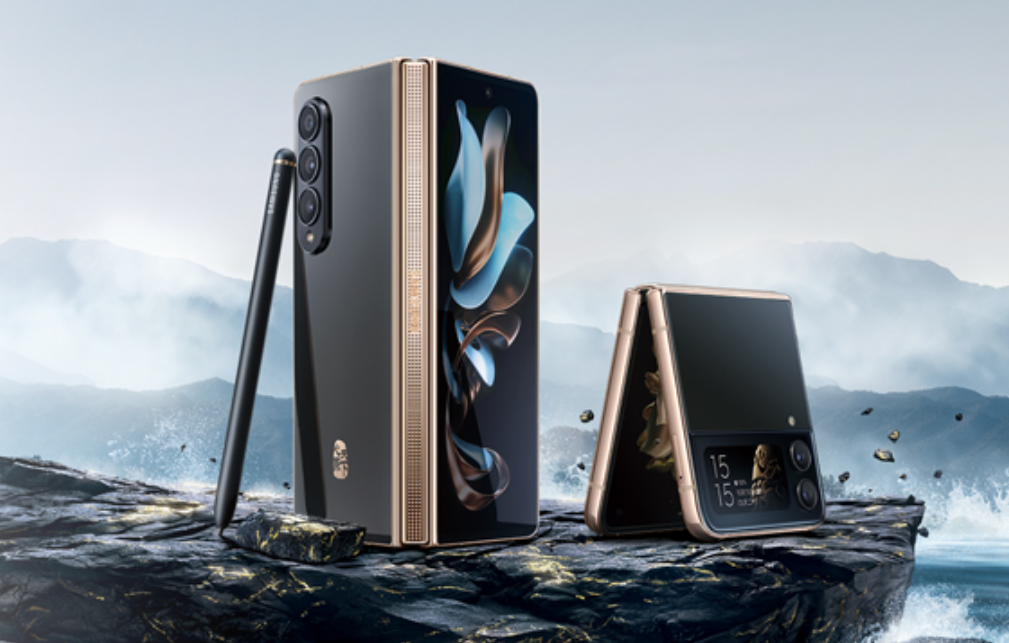
Samsung w23 5G and Samsung w23 flip

The biggest difference between the Samsung W23 duo and the fourth-generation Galaxy Z Foldables is in terms of design. Both the W23 and W23 Flip feature gold-plated edges and hinges. The brand says that the W23 duo’s hinge shell adopts a high-end watch metal precision cutting process and is carved by nano-level polishing. The new hinge structure is also said to be thinner and more flexible. The hinge shell also has an embossed metal pattern that looks dazzling. Both the W23 and W23 Flip come with the logo in the centre that reads ‘Heart to the world’. The colour scheme on the latest offerings is also the same as the W22 5G with a Black colour back panel. 

Apart from design changes, the core specifications of the Samsung W23 5G and W23 Flip remain the same as the fourth-generation Galaxy Z foldables. However, the brand has bumped up the RAM and internal storage. The W23 has an internal screen of 7.6-inches and a triple rear camera setup of a 50MP main sensor, 12MP ultra-wide-angle lens, and 12MP telephoto unit. There is also a 4MP UDC snapper along with a 10MP shooter. The Samsung W23 and W23 Flip both come with a 6.7-inch main AMOLED display with a 120Hz refresh rate. 

The Samsung W23 5G and W23 Flip are equipped with Snapdragon 8+ Gen 1 processors. The former is paired with 16GB RAM whereas the latter maxes out at 12GB. Both pack 512GB of internal storage. The W23 5G and W23 Flip are backed by 4,400mAh and 3,700mAh battery units respectively. 

The Samsung W23 5G is priced at RMB 15,999 (~$ 2,207) for the 16GB + 512GB option. The W23 Flip costs RMB 9,999 (~$ 1,379) for the 12GB + 512GB variant. Both devices are up for pre-orders from Samsung’s official website with shipments commencing from October 28th.

Related:

Samsung Galaxy S23 Ultra with Snapdragon 8 Gen 2 SoC appears on Geekbench

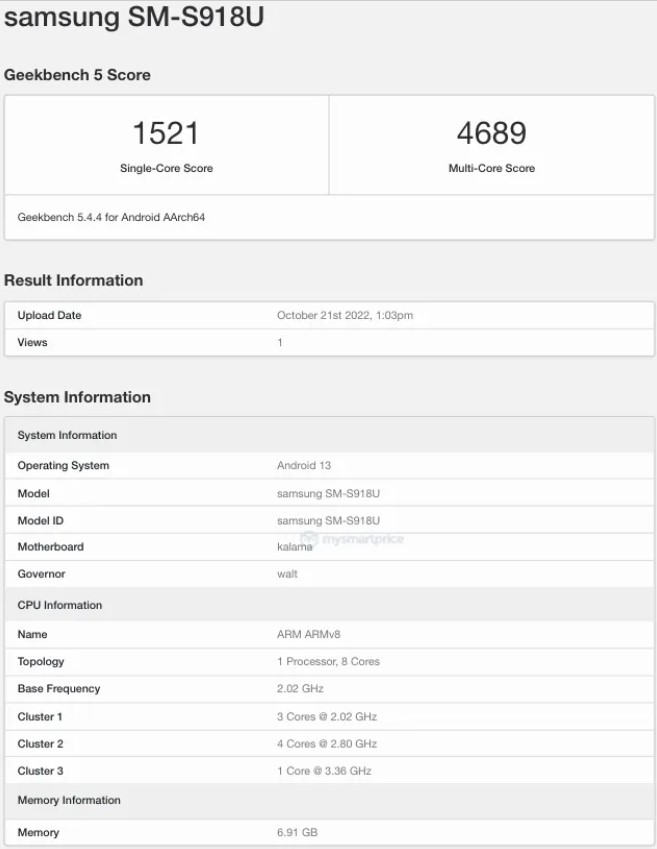
Earlier this week, the Samsung Galaxy S23 US variant was spotted on Geekbench. Now the Ultra variant from the next-generation S23 lineup has appeared on the benchmarking platform. It is listed with model number SM-S918U, where ‘U’ seems to be the US version. The listing has been spotted by publication MySmartPrice and it also reveals key specifications of the device. The Samsung Galaxy S23 series is expected to debut in January or February 2023, however, the devices have started doing the rounds on the web. 

The Galaxy S23 Ultra is the second device from the S23 family to appear on the Geekbench database. The motherboard is codenamed ‘Kalama’ which is the same as the regular variant. It refers to the upcoming Qualcomm’s upcoming Snapdragon 8 Gen 2 SoC. The SoC has one prime core ticking at 3.36GHz, four mid-cores at 2.80GHz, and three energy-efficient cores clocked at 2.02GHz. There is said to be an Adreno 740 GPU onboard. The listing also reveals that the S23 Ultra will pack 8GB RAM  but we can expect more at launch. The device will run Android 13 OS out of the box. 

In benchmark tests, the S23 Ultra scores 1,521 and 4,689 points in single-core and multi-core results. In comparison, the regular S23 scored 1,524 and 4,597 points respectively. Apart from the aforementioned information, the Geekbench listing does not reveal any additional details. 

Last month, the Galaxy S23 Ultra was spotted on China’s 3C certification website with 25W fast charging support which seems to be a downgrade from its predecessor. Apart from an upgraded camera and processor, the S23 Ultra is not tipped to pack any other upgrades. The S23 Ultra is reportedly confirmed to feature a 200MP main camera sensor. Meanwhile, the CAD-based renders also don’t reveal any major design changes on the next-generation Ultra model. 

Related:

Via

Upcoming Smartphones: OnePlus Ace Pro Genshin Impact Limited Edition & More

There weren’t any scheduled smartphone launches this past week. However, there were multiple silent releases.

On the other hand, two brands have confirmed to debut new phones next week. They will be unveiling a single handset each.

Both of these products will be announced in China. Most likely, these devices will remain exclusive to the region.

With that out of the way, let’s take a look at these forthcoming phones one by one.

Upcoming Smartphones Next Week

1. OnePlus Ace Pro Genshin Impact Limited Edition

OnePlus is set to launch the OnePlus Ace Pro Genshin Impact Limited Edition in China on October 24. The conference for the device announcement will begin at 7 PM GMT+8. It will be live-streamed on Weibo and other leading Chinese video streaming platforms.

As the name suggests, the forthcoming smartphone from the brand will be themed after the popular RPG game. Interestingly, the brand hasn’t disclosed the design yet.

As far as specs are concerned, the special edition phone should be identical to the regular Ace Pro. For the unaware, the Ace Pro is nothing but the OnePlus 10T for the Chinese market.

Hence, the key spec highlights of the handset will be Qualcomm Snapdragon 8 Plus Gen 1 SoC, 16GB RAM, and 150W fast-wired charging support.


2. ZTE Yuanhang 40 Pro Plus

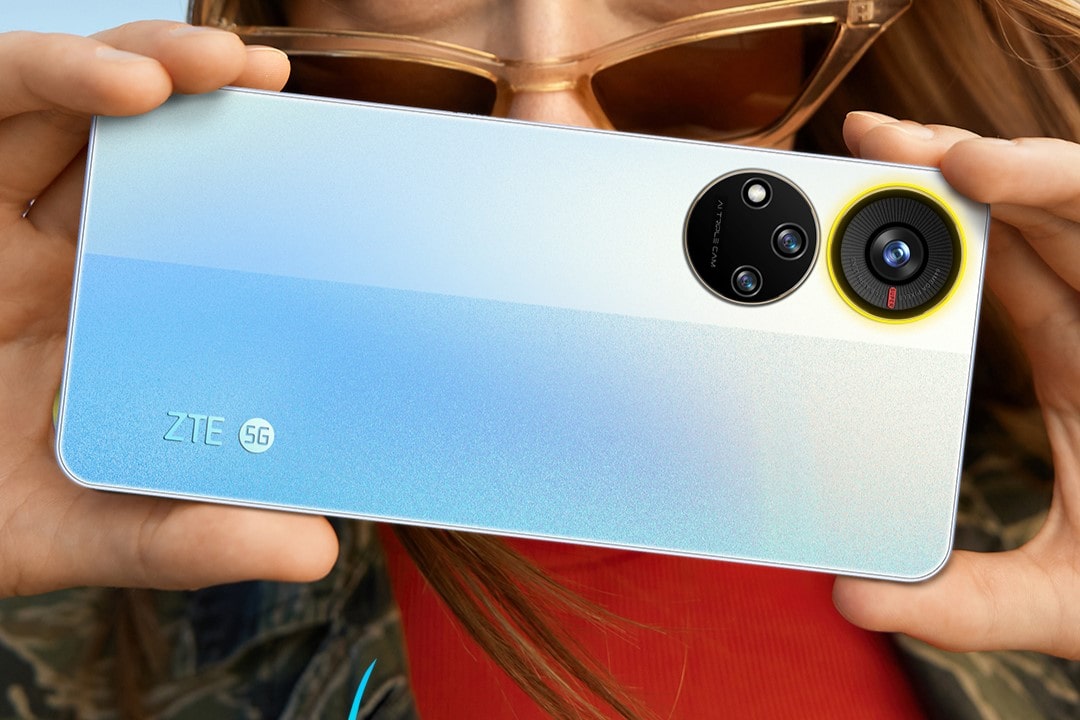
The ZTE Yuanhang 40 Pro Plus is planned to go official in China on October 26. The phone will be available for purchase on the same day. It is already up for pre-order in the country.

According to teasers and leaks, the device will be built around a 6.67-inch FHD+ OLED display. It will be run by a MediaTek Dimensity 810 SoC and will draw power from a 4,510mAh battery with support for 66W fast wired charging.

It will house a triple camera system on the rear comprising a 64MP primary shooter, a 5MP macro snapper, and a 2MP depth sensor. Finally, the handset will also sport an RGB LED ring light around one of the cameras.

The smartphone is expected to retail around ¥2,200 (~$300) for 8GB + 256GB memory configuration.

RELATED:

Honor 80, Honor 80 Pro key specifications tipped

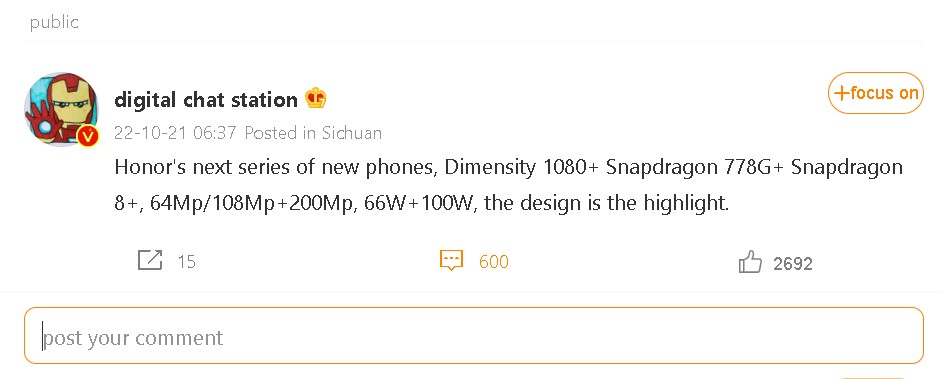
Last week, Digital Chat Station had leaked key specifications of the Honor 80 Pro+ variant. Now the same tipster has shared information about the regular and Pro models of the Honor 80. The Honor 80 series smartphones will arrive as the successor to the Honor 70 series that went official in May this year. Going by the latest development, rumours about the Honor 80 series are already doing the rounds on the web. 

As per DCS, the Honor 80 is said to be equipped with MediaTek’s Dimensity 1080 processor. It will come with a 64MP main camera and support 66W fast charging. On the other hand, the Honor 80 Pro will reportedly be powered by a Qualcomm Snapdragon 778G SoC. it will feature a 108MP primary camera. Meanwhile, the Honor 80 Pro+ is expected to be the most premium device in the lineup with flagship specifications. The device was previously tipped to come with Snapdragon 8+ Gen 1 SoC under the hood. It will also pack a 200MP camera sensor and 100W fast charging support. The Pro+ is expected to come with a curved flexible AMOLED display bearing a 1.5K resolution. 

Lastly, Digital Chat Station says that the design will be the key highlight on the Honor 80 series. The upcoming smartphones will likely come with up to 12GB RAM and 256GB storage. The rest of the details like display, battery size, and camera configuration of the Honor 80 series remain a mystery as of now. The smartphones may debut by the end of this year. We expect more information to crop up about the Honor 80 series smartphones in the coming weeks.

Related:

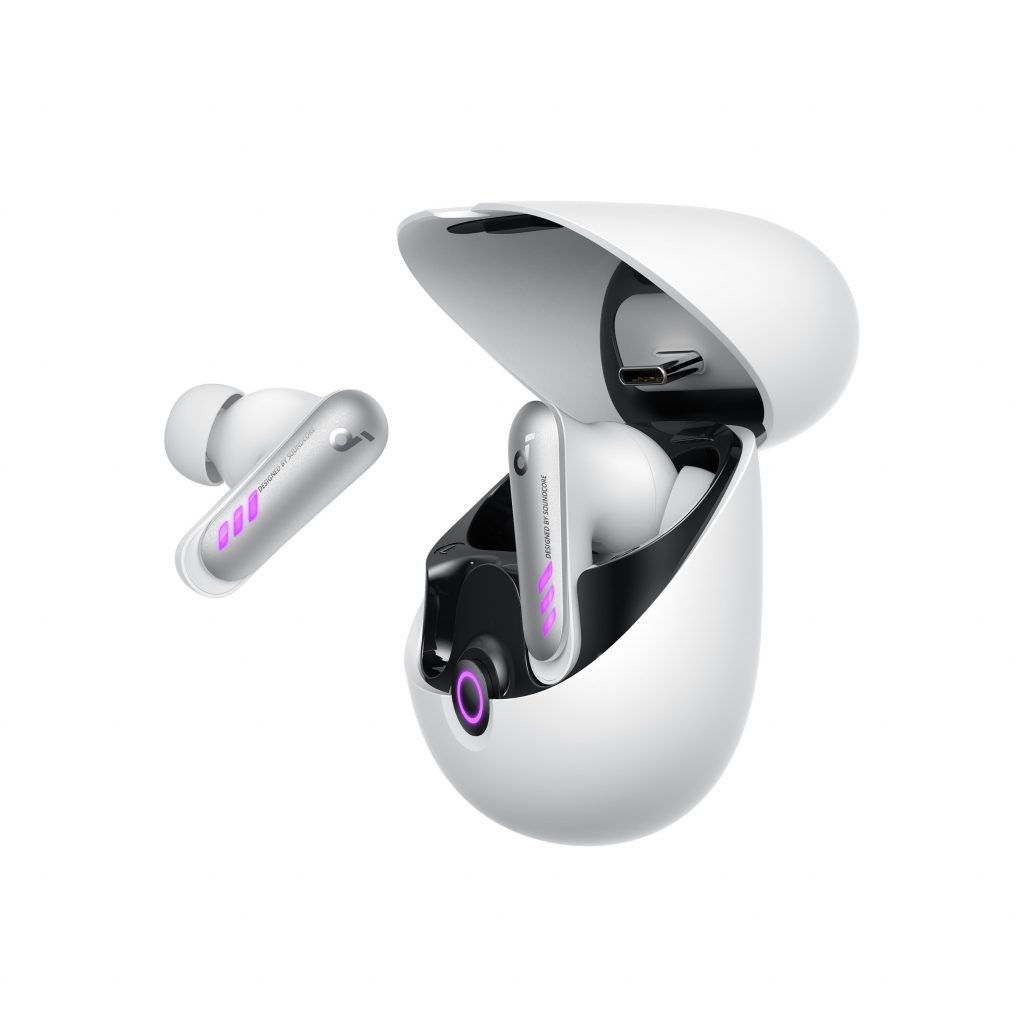
Anker’s Soundcore VR P10 TWS Gaming earbuds designed for Meta Quest 2 launched

Anker‘s premium audio brand Soundcore has released yet another innovative audio product. The Soundcore VR P10 is an earbud with a truly wireless design curated for gamers. Specifically, the earbuds are crafted to meet the needs of Meta Quest 2 users and there are several features onboard to justify this claim which is said to have the backing of Meta. It should be noted, though, that the earbuds are not optimized for the latest Meta Quest Pro VR headset.

Soundcore VR P10 TWS Gaming earbuds

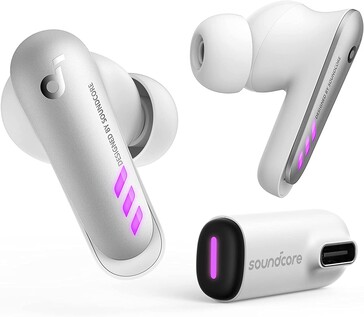
The dongle that docks into the VR P10s’ case alongside them, according to Soundcore, makes them a competitive alternative to headphones when gaming on a headset like Quest 2.

As a result, it can use the LS3 codec and in-house LightningSync wireless technology to deliver wireless audio with a sync latency of as little as 30 milliseconds (ms) when plugged into the side of the headset. Even better, the Quest 2 can be powered through it normally if necessary thanks to a second external type-C input for pass-through charging.

Soundcore VR P10 TWS Gaming earbuds

With the P10s’ multi-device connectivity, a user could purchase up to three additional dongles for the seamless transfer of pairing between all of their devices, according to Soundcore, who also notes that the additional piece of equipment can be used with a variety of consoles or PCs as well.

Soundcore VR P10 TWS Gaming earbuds

The VR P10s can also function as “normal” TWS earbuds thanks to their Bluetooth 5.2 support, 11mm drivers, and 4-mic beamforming feature for crystal-clear calls. They are designed to last 6 hours on their own or up to 24 hours when supported by their case.

The Soundcore VR P10 Gaming earbuds are presently on sale at Amazon for $100. They will also be available to Quest 2 users from Meta’s website.

RELATED:

Samsung Display to push QD-OLED forward with higher production

Samsung Display is apparently planning to raise the production of its QD-OLED display panel technology. The rise in production hints at the company’s plans to push this technology forward for its upcoming products.

According to a BusinessKorea report, the South Korean tech giant’s display unit is planning on raising the production of its quantum dot organic light emitting diode panels from 30,000 sheets per month to 40,000 sheets per month. As per Jung Yun-seong, managing director of Omdia, “the company’s production yield of QD-OLED display panels increased to 85% in the first half of this year, showing its strong technical competence.”

Thus, the increase in production would allow Samsung Display to roll out 49 inch and 77 inch QD-OLED displays that will add to its product portfolio. Jung has projected that the company’s QD-OLED display panels will reach 600,000 to 800,000 units next uear for monitors and 1.4 million to 1.6 million units for TVs. In other words, this brings the total panel production to around 2.4 million units in 2023.

At the moment, Samsung Display is an industry veteran and one of the most profitable display companies in the world. Its profitability has already beaten the likes of BOE and CSOT and it even achieved a record high profit margin in the second quarter of this year with a 14 percent margin. So, it arrives as no surprise that the company is also pushing forward its cutting edge display technologies in the market.

RELATED:

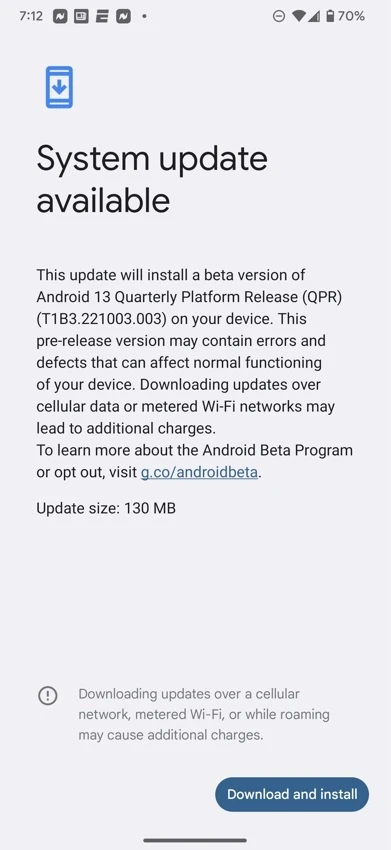
Google rolls out Android 13 QPR1 Beta 3 update for Pixel 4a to Pixel 7 series

Google has been on a roll with the number of software updates it has been pumping out, especially in the beta program. Now, the company has just started rolling out the new Android 13 QPR1 beta 3 updates, which is being rolled for models starting from the latest Pixel 7 series, all the way down to the Pixel 4a.

For those unaware, the Search Engine giant had recently launched the QPR1 beta 2, which is basically the beta version of the upcoming December Pixel Quarterly Feature Drop that might be released on December 5. So, the third beta wasn’t expected to release till next month. However, the company started rolling out the QPR1 beta 3 update for the Pixel 4a and any other model launched after it. So, the Pixel 7 and Pixel 7 Pro have also received the new beta upgrade. To get this update, go to Settings > System > System update and follow the instructions. The latest build is version T1B3.221003.003 and is around 130MB in size.

As of right now, Google has yet to release a list of new features that are a part of the update. Although, it did offer a list of all the bugs that have been dealt with in the Android 13 QPR1 Beta 3 (Via PhoneArena). So let’s have a look:

  • Fixed an issue for some devices where the screen unlocks UI was displayed over notifications and other lock-screen content. 
  • Fixed an issue that prevented the “Flip camera for selfie” gesture from working on some devices.
  • Fixed an issue that sometimes caused the screen to go blank while attempting to unlock a device.
  • Fixed an issue that sometimes prevented a device from being unlocked using either Face Unlock or Fingerprint Unlock when the device had been idle for multiple hours.
  • Fixed an issue that sometimes caused fullscreen video playback to flicker after enabling always on display features and locking the screen.

For those interested, you can click on this link here to join the Android 13 QPR1 beta 3 program. Following this, check if your device is eligible for the update and then select the Pixel model that you own. Click on the Opt in button below the image and then you can check if you received the update by going to Settings > System > System update.

RELATED:

Vivo X90 series launch date could be revealed at October 24th V2 ISP chip unveiling

Vivo has officially announced that it will hold its Imaging Strategy Conference, which will likely see the unveiling of the Vivo V2 image signal processor chip on October 24th. The V2 ISP is rumored to be included in the upcoming Vivo X90 lineup of smartphones which are rumored to arrive in December.

It is highly likely that Vivo might officially announce or hint at the launch date of the X90 series at this event. The upcoming lineup is expected to carry three devices – Vivo X90, Vivo X90 Pro, and Vivo X90 Pro plus. These devices will succeed the highly acclaimed Vivo X80 series which is widely praised for its excellent camera performance, partly made possible by the Vivo V1+ ISP chip. After the Chinese launch, the X90 series is also expected to arrive in the global markets to butt heads against flagships like the iPhone 14 series, the Pixel 7 series, the upcoming Xiaomi 13 series, and the Oppo Find X6 series.

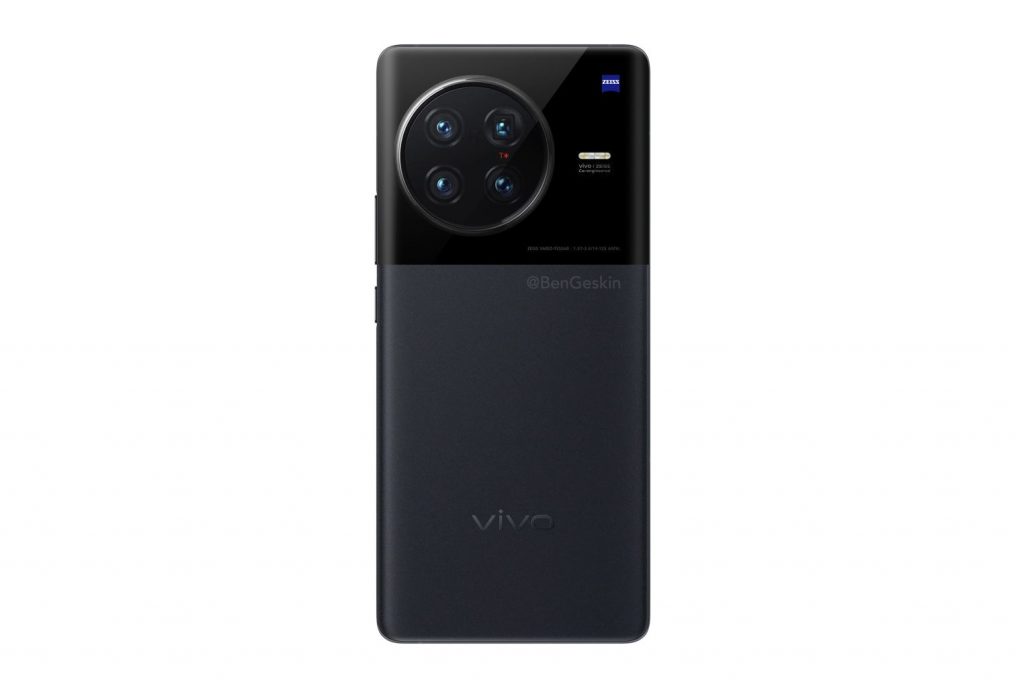
Vivo X90 Pro Plus render created by Ben Geskin

Currently, not much is known about the Vivo X90 series, however, it is almost certain that the devices in the lineup will run the latest Snapdragon/ Dimensity flagship chipsets. These will be the upcoming Snapdragon 8 Gen 2 chip and the Dimensity 9200 SoC.

The top-of-the-line Vivo X90 Pro Plus is rumored to feature the Dimensity 9200 chipset and a 1-inch camera sensor, in conjunction with an ultra-wide lens, and a 64-megapixel telephoto camera with 5x optical zoom and the V2 ISP chip. Earlier rumors have also stated that we might see a curved AMOLED LTPO display with a Quad HD+ resolution and a refresh rate of up to 120Hz on the X90 Pro Plus. A 5000mAh battery unit with 100W fast charging is also expected to be on board with the device.

RELATED:

Google fined Rs. 1337 crore ($162 million) for anticompetitive activities in India by CCI

Google has been fined $161.95 million (Rs. 1337 crores) by the competition commission of India (CCI) on Thursday for harming the competition with its present Android market strategy in India. The Commission also instructed Google to alter its behavior within a certain time frame.

The CCI said that “Google used its dominance in markets like online search and Android app stores to safeguard its programs like Chrome and YouTube in mobile Web browsers and online video hosting.”

The Commission examined Google’s licensing practices for Android and its own mobile apps in this case (like Play Store, Google Search, Google Chrome, YouTube, etc.) and prohibited Google from entering into revenue-sharing agreements with smartphone manufacturers since they aided in Google’s monopolization of the search service to the complete exclusion of competitors.

In 2019, an Android-related complaint was made by two young Indian antitrust research associates and a law student. The Indian action is comparable to the $5 billion fines Google paid to European regulators for pressuring manufacturers to pre-install their apps on android smartphones.

Google has faced similar lawsuits in the past where CCI had penalized Google Rs. 135.86 crores in 2018 for search bias. In addition, the Indian tech market is becoming more competitive, and the American company is being sued for antitrust violations. The competition watchdog is looking into Google’s in-app payments and smart TV business.

The Commission opined that the markets should be allowed to compete on merits and the onus is on the dominant players (in the present case, Google) that its conduct does not impinge this competition on merits. By virtue of the agreements discussed above, Google ensured that users continue to use its search services on mobile devices which facilitated un-interrupted growth of advertisement revenue for Google.

The Commission assessed Google a provisional fine of Rs. 1337.76 crores as a result of its violation of Section 4 of the Act. Google has 30 days to submit the necessary financial data and any supporting documentation.

RELATED:

(<a href=”http://<!– wp:paragraph –> <p>(<a href=”https://www.reuters.com/world/india/india-competition-regulator-fines-google-16195-mln-anti-competitive-practices-2022-10-20/”>)</a><a href=”https://www.reuters.com/world/india/india-competition-regulator-fines-google-16195-mln-anti-competitive-practices-2022-10-20/”></a></p> Via)

Oppo Find N2 to feature Snapdragon 8+ Gen 1 & 120Hz LTPO AMOLED display: Tipster

Oppo had launched its Find N, which was its first ever foldable smartphone last year. Now, a new rumor has revealed some key specifications regarding the Find N’s possible successor. So let’s have a look.

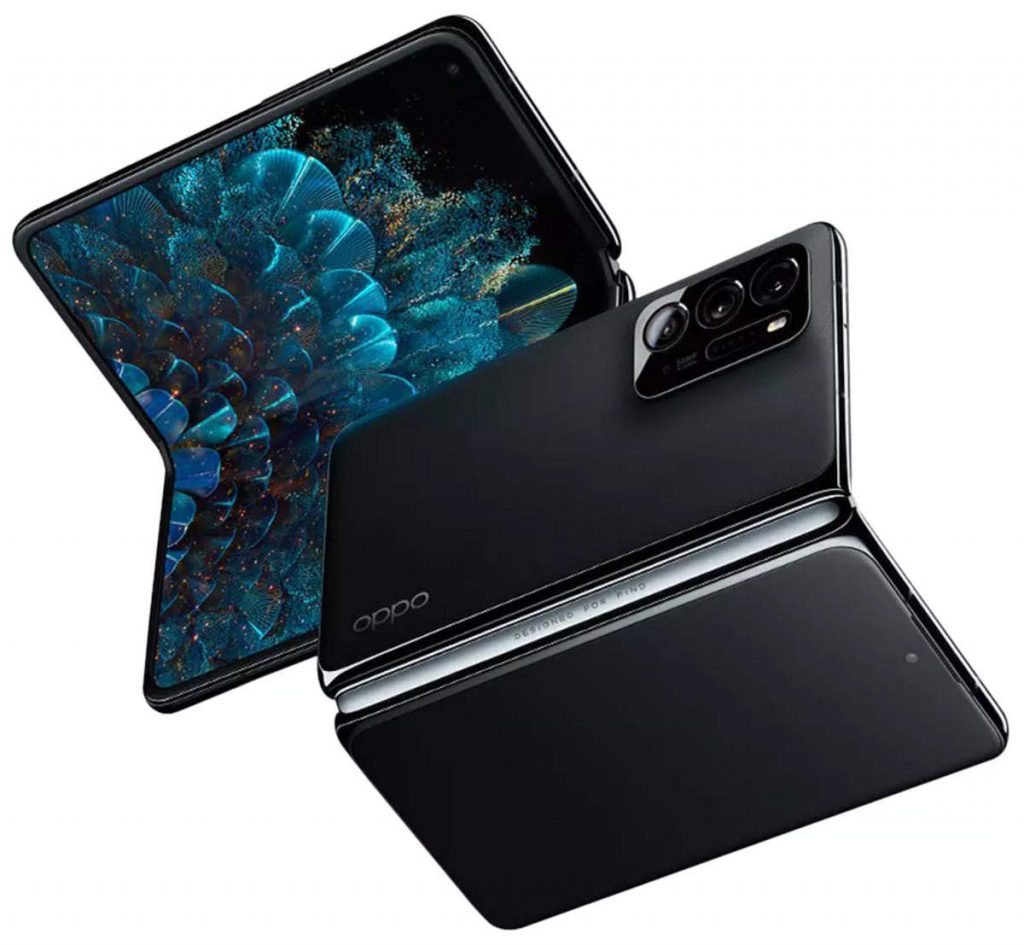
Earlier this week, we had reported on a Digital Chat Station leak, which revealed some interesting details regarding the Chinese smartphone maker’s new foldable smartphone. The device in question is reportedly the Find N Flip which has a clamshell foldable display. Now, the same tipster has revealed details regarding the direct successor to the original Find N. The information was shared on Weibo (a Chinese microblogging website). Reportedly, the next gen Find N2 foldable phone will be equipped with Qualcomm’s latest and greatest Snapdragon 8+ Gen 1 SoC.

Furthermore, it will apparently also sport a 7.1 inch LTPO AMOLED display that offers a 120Hz high refresh rate for the foldable panel. The tipster also went on to share some design details as well. Oppo could be planning on launching the device with a faux leather back. Additionally, it is rumored to be powered by a 4,520mAh battery pack and will run on Android 13 OS based ColorOS 13 out of the box.

The Find N2 is believed to retain the same side mounted fingerprint scanner, which would be integrated to the power button like the previous generation. This model will reportedly be available in multiple color options, including black, white, and green colors. However, the tipster did not share any details regarding its availability outside of China or its possbile launch timeframe. So stick around for more updates regarding this foldable phone.

RELATED:

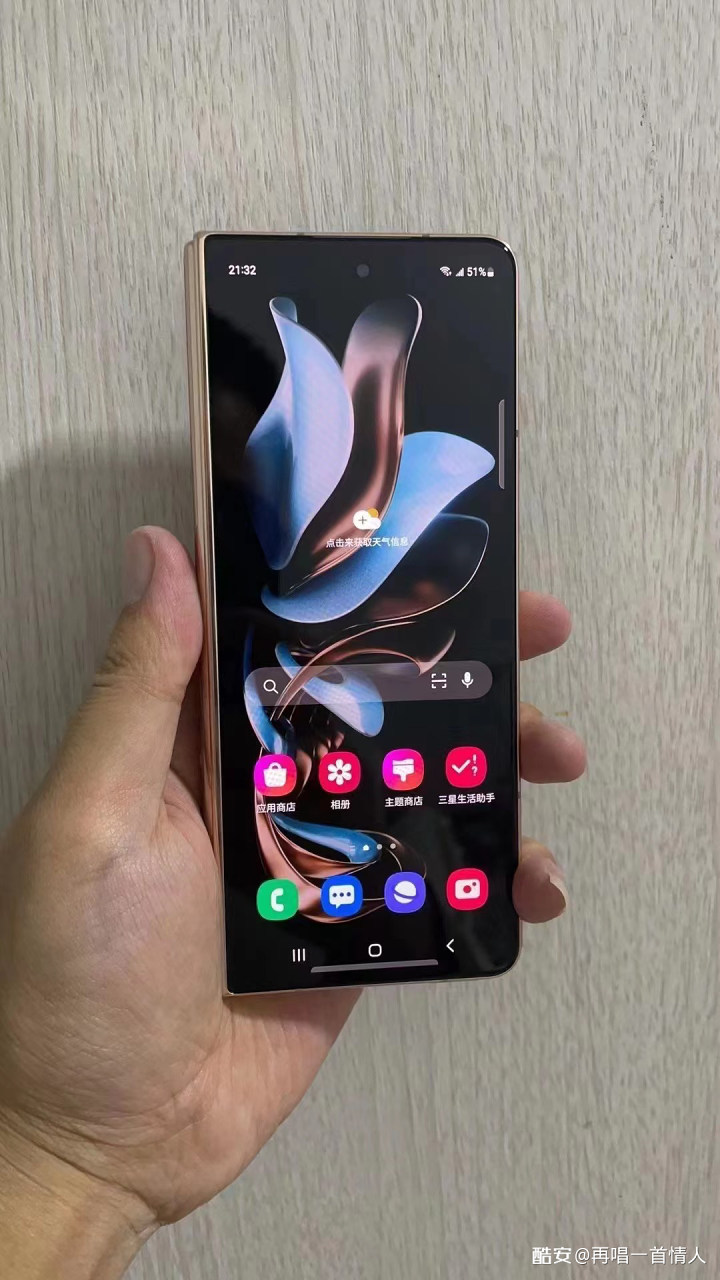
Samsung W23 foldable live images emerge ahead of launch

Today, Samsung will debut the Galaxy W23 foldable smartphones at 7 PM local time in China. Like the W22 from last year, the W23 5G is also expected to be a luxurious custom variant of the Galaxy Z Flip 4. This time around, the Galaxy Z Flip 4 will also join the lineup as the W23 Flip.

Confirming this speculation, a new leak has emerged revealing live images of the Galaxy W23 ahead of launch.

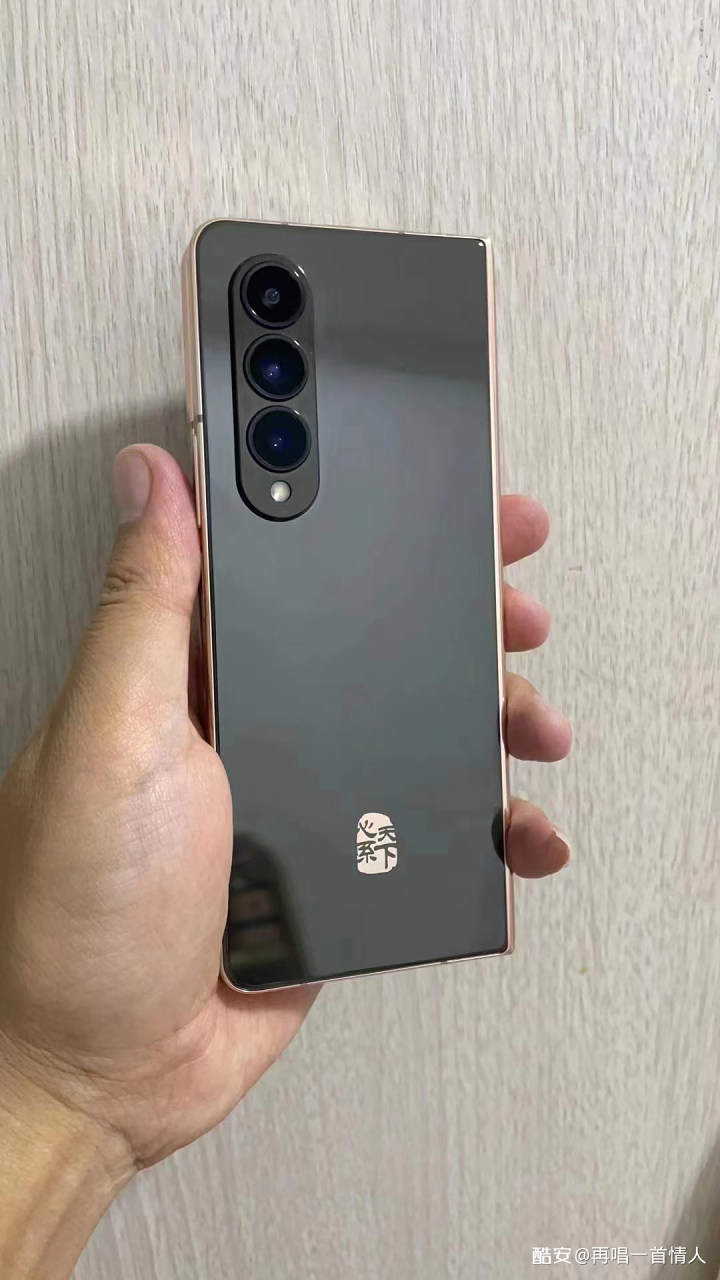
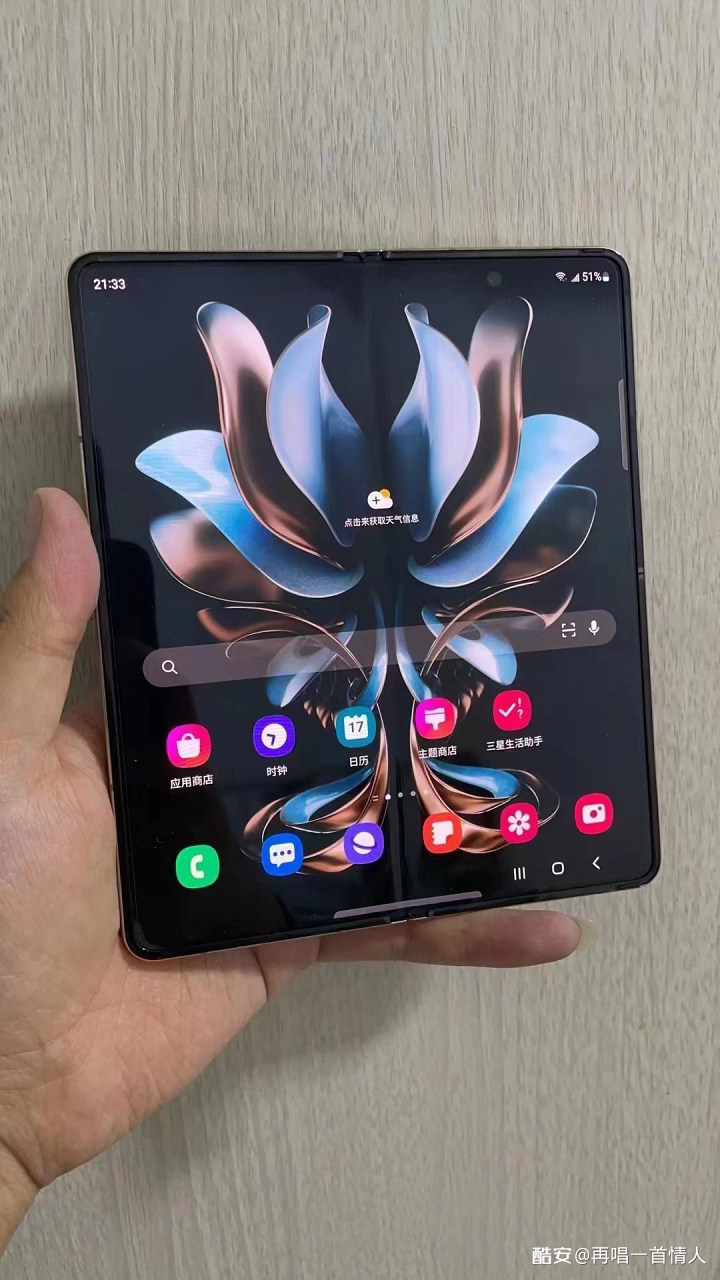
The images reveal that there are no changes to the base design of the Galaxy Z Fold 4. The color scheme is also the same as last year’s Samsung W22 with a polished grey back, a logo in the center that states “Heart to the world,” and gold-plated edges and hinge. One of the images shows a gold-plated back, which could be a variant of the W23.

Similar to the W-series phones from the past, the W23, and W23 Flip will be sold to raise money for charitable causes. Last year, the Samsung W22 5G was launched with a 16,999 Yuan ($2,372) price tag.

Specs-wise, no changes are expected to be made to the devices compared to the Galaxy Z Fold 4 and Flip 4. So we will likely have the Snapdragon 8 Plus Gen 1 chipset powering the W23 and W23 Flip. While the W23 Flip will be a clamshell device with a 6.7-inch foldable screen, the W23 will be a foldable phone with a 7.6-inch folded display.

With a 50-megapixel primary camera, a 12-megapixel ultra-wide lens, and a 12-megapixel telephoto camera with 3x optical zoom, the W23 5G is anticipated to include a triple camera arrangement on the rear. There will be a 4-megapixel under-display camera and a 10-megapixel camera on the front.

The Samsung W23 Flip is anticipated to bring a 12-megapixel primary camera and a 12-megapixel ultra-wide camera.

RELATED:

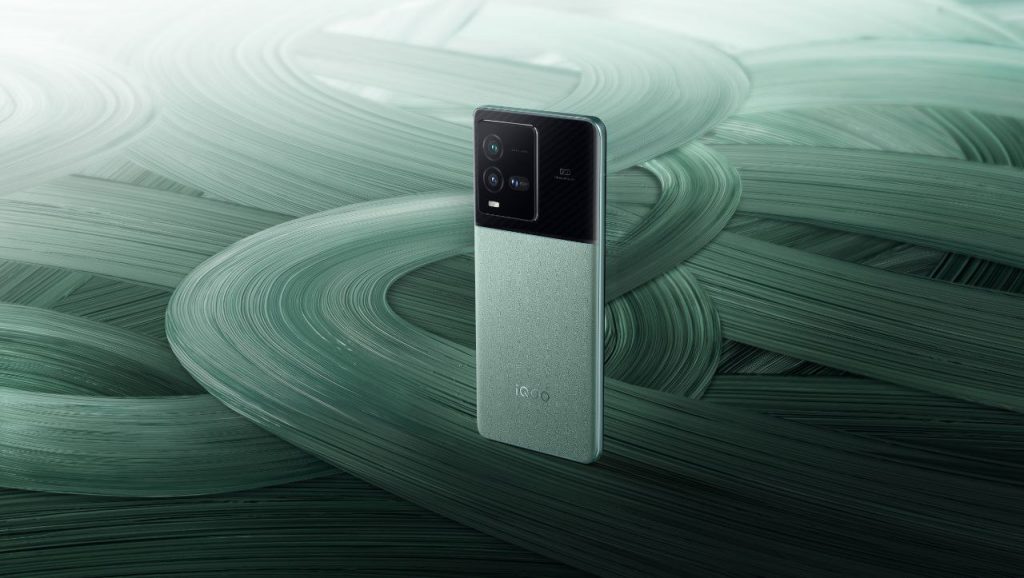
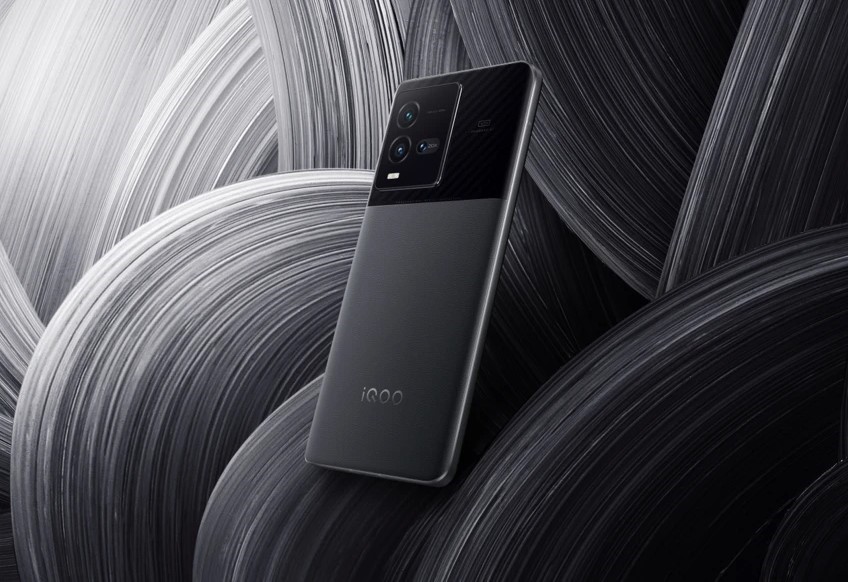
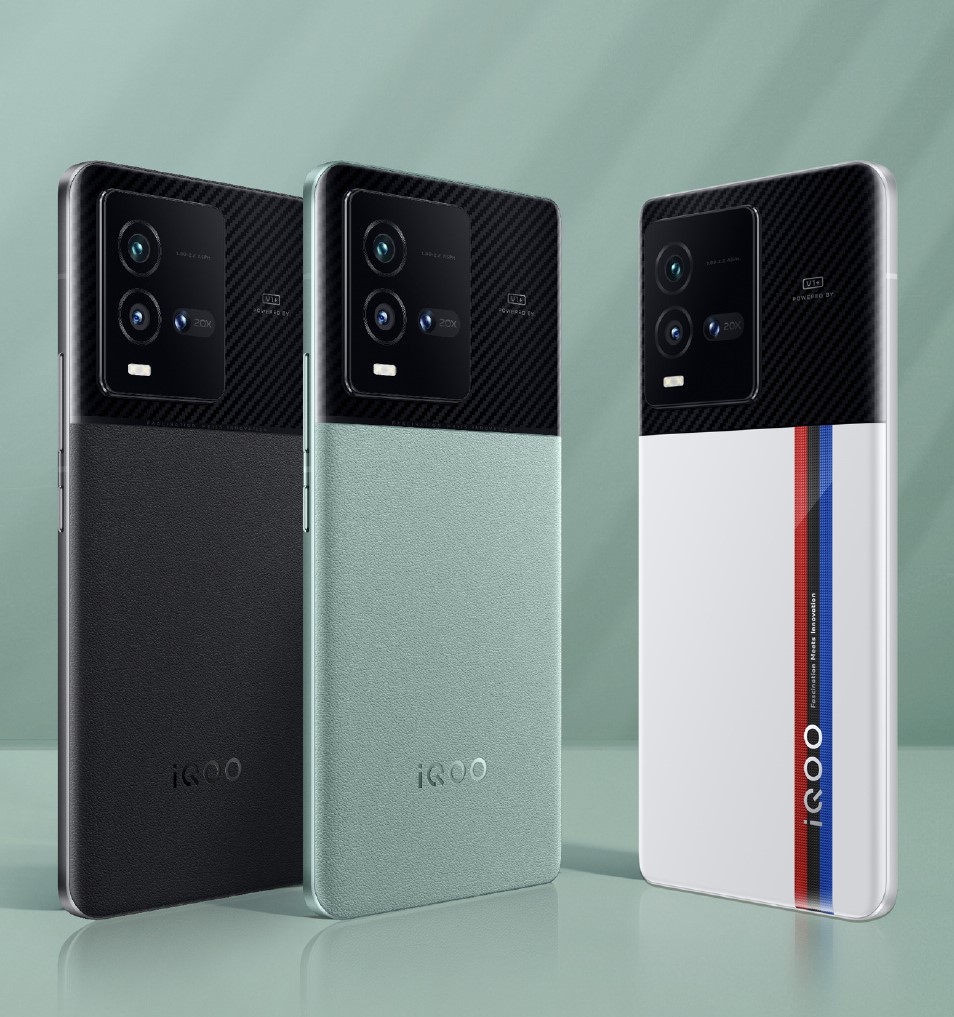
iQOO 10 Isle of Man & Track special editions launched

Yesterday, iQOO launched a couple of new devices in China. There are the iQOO Neo 7 smartphone and the iQOO TWS Air gaming earbuds. Along with these new products, the brand also brought new special edition color options for its flagship iQOO 10. So, let’s take at the details.

iQOO 10 new colors

There are two new color options available for the 10 in China. These are called the “Isle of Man” (green) and the “Track” special editions. These special edition colors have a silicone leather back which is environmentally friendly, stain-resistant, durable, skin-friendly, and elegant in texture.

iQOO 10 Isle of Man & Track pricing & availability

Both the new color options for the iQOO 10 are available in multiple configurations.

RAM and Storage optionPricePre-order Price
8GB + 256GB3,999 Yuan ($552)3,599 Yuan ($497)
12GB + 256GB4,299 Yuan ($593)3,799 Yuan ($524)
16GB + 256GB4,699 Yuan ($648)4,199 Yuan ($579)
12GB + 512GB4,699 Yuan ($648)4,099 Yuan ($566)

The devices are available for pre-order and will go on open sale starting October 31.

iQOO 10 specs & features

iQOO 10

The iQOO 10 features a 6.78-inch center-aligned AMOLED screen with FHD+ resolution, 120Hz refresh rate, and support for HDR10+. Under the hood, the handset is powered by a Snapdragon 8+ Gen 1 SoC paired with LPDDR5 RAM and UFS 3.1 onboard storage. It runs Android 12 with OriginOS Ocean skin out of the box. It has a 4,700mAh battery with support for 120W wired charging.

For photography, the iQOO 10 features a 50MP Samsung GN5 primary sensor, a 13MP ultra-wide angle lens, and a 12MP telephoto unit. On the front, the device has a 16MP selfie snapper. The cameras are enhanced with Vivo’s V1+ image signal processing chip.

RELATED:

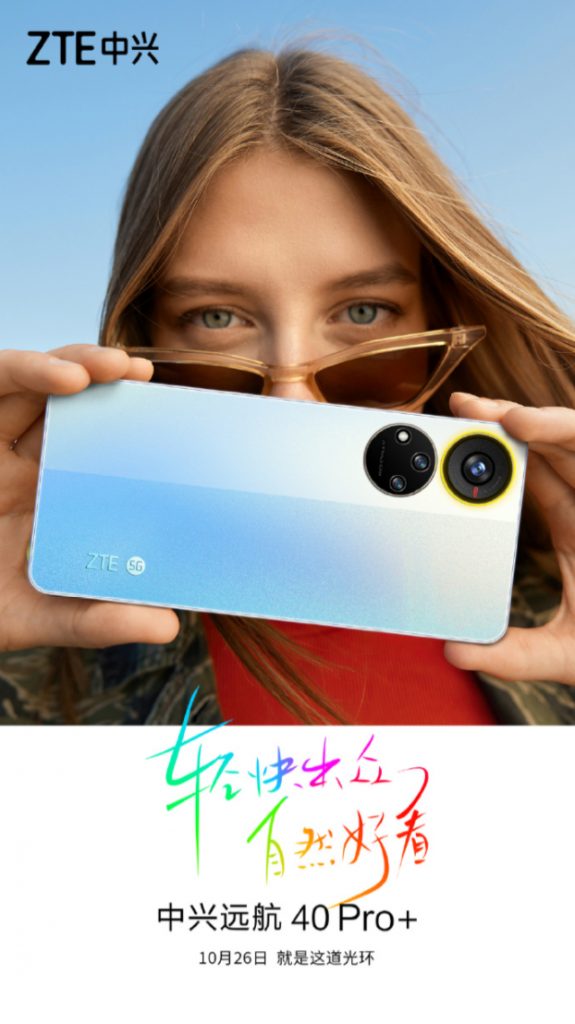
ZTE Yuanhang 40 Pro+ smartphone to go official on October 26; now up for pre-order in China

ZTE recently launched the Axon 40 SE smartphone in its home country China, and now the company is gearing up to launch a new smartphone in the Chinese market, dubbed ZTE Yuanhang 40 Pro+.

A teaser poster for the upcoming smartphone confirms that the ZTE Yuanhang 40 Pro+ will be officially launched on 26th October. Ahead of the official launch, the device is up for pre-sale in the Chinese market.

The 8GB RAM and 256GB internal storage model of the upcoming smartphone has been priced at 2,198 yuan, which roughly converts to $303. The device is expected to start shipping from the day it gets launched, i.e., on 26th October.

While not much has been officially revealed about this new smartphone, ZTE says that the phone is equipped with a breathing light indication for incoming calls, a 64-megapixel triple-camera setup, and a 7.6mm thin body design.

As per the leaks and reports, the ZTE Yuanhang 40 Pro+ features a 6.67-inch Full HD+ OLED display and will come powered by the MediaTek Dimensity 810 processor. The camera department will consist of a 64-megapixel primary sensor, a 5-megapixel macro lens, and a 2-megapixel depth-of-field sensor.

There will be a ring light for the incoming call notification. The device, running on the Android operating system with the company’s own custom user interface, will come powered by a 4,510mAh battery with support for 66W fast charging. The phone is expected to be offered in two color options — Azure Blue and Twilight Gray.

RELATED: