Motorola is all set to announce the Moto G72 in India on Oct. 3. Once announced, it will be available for purchase through Flipkart. Some of the key features of the G72 include a 120Hz AMOLED display, 108-megapixel triple rear cameras, and the latest Helio G-series chipset. In a new leak, 91mobiles and the well-known tipster Evan Blass worked together to reveal the Moto G72’s full specs and new renders before its official announcement.
Moto G72
In June, Blass released a roadmap of upcoming Motorola phones. The upcoming Moto G72 4G was mentioned with its “Victoria” codename in the roadmap. Continue reading to know all that is known about the G72.
Moto G72 specifications (rumored)
The Moto G72 will arrive with a 6.6-inch P-OLED punch-hole display that offers a Full HD+ resolution of 1080 x 2400 pixels, a 120Hz refresh rate, and HDR10+ support. It will come equipped with an under-display fingerprint scanner.
Recently, the device was seen with the Helio G99 chipset on the Geekbench benchmarking platform. Blass’ leak also claims that the G72 will feature the Helio G99. The phone will run on the Android 12 OS and My UI.
The device will come with 6 GB / 8 GB of LPDDR4x RAM and 128 GB of built-in storage. It will pack a 5,000mAh battery that supports 30W charging. On the front, it will sport a 16-megapixel camera, and its back panel will comprise a 108-megapixel main camera, an 8-megapixel ultra-wide lens, and a 2-megapixel macro camera. The G72 will also offer other features such as Dolby Atmos and an IP52-rated water-repellent chassis.
The unannounced G72 was recently spotted on a Polish retailer site with a PLN 1,499 (~$302; ~Rs 24,713) price. It appears that the phone will be available in at least white and black color options.
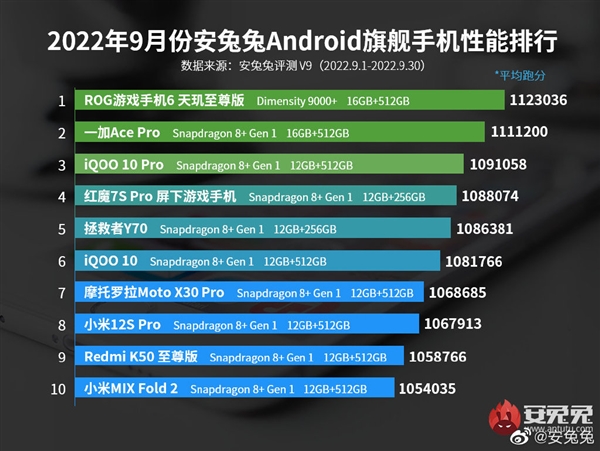
AnTuTu, the popular benchmarking platform, has released the list of the top 10 best-performing flagship phones for the month of September in China. The list is populated by phones powered by Qualcomm’s Snapdragon 8+ Gen 1 chipset. Surprisingly, MediaTek’s Dimensity 9000+ powered ASUS ROG Phone 6 has managed to beat the SD8+G1 to take the number one spot.
As seen in the image below, the ASUS ROG Phone 6D, which features the Dimensity 9000 Plus chipset, is leading the list of the top 10 best-performing smartphones. The variant with 12 GB of RAM and 256 GB of storage recorded an impressive benchmarking score of 1,123,036 on AnTuTu. The rest of the phones on the list are powered by the Snapdragon 8+ Gen 1.
The OnePlus Ace Pro is placed second in the list with 16 GB RAM and 256 GB storage. The handset scored 1,111,200 on AnTuTu. In third place is the iQOO 10 Pro’s 12 GB RAM + 512 GB storage edition. It recorded a score of 1,111,200.
The Black Shark 7S Pro, Lenovo Legion Y70, and iQOO 10 have ranked fourth, fifth, and sixth in AnTuTu’s list of best-performing Android flagship phones in September. These devices scored 1,088,074, 1,086,381, and 1,081,766 points, respectively. The Moto X30 Pro, Xiaomi 12S Pro, Redmi K50 Ultra, and Xiaomi MIX Fold 2 sum up the list with 1,068,685, 1,067,913, 1,068,766, and 1,054,035 points, respectively.
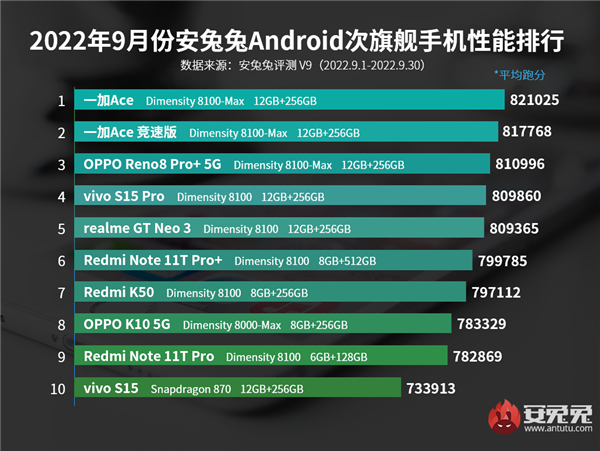
MediaTek is dominating the list of best performing sub-flagship phones for September. The Dimensity 8100 Max powered OnePlus Ace, OnePlus Ace Racing edition, and OPPO Reno 8 Pro+ 5G can be seen in the top 3 positions. The Vivo S15 Pro, Realme GT Neo 3, Redmi Note 11T Pro+, Redmi K50, OPPO K10 5G, and Redmi Note 11T Pro all featuring the Dimensity 8100 are ranked fourth to ninth. The last place on the list goes to the Snapdragon 870-powered Vivo S15.
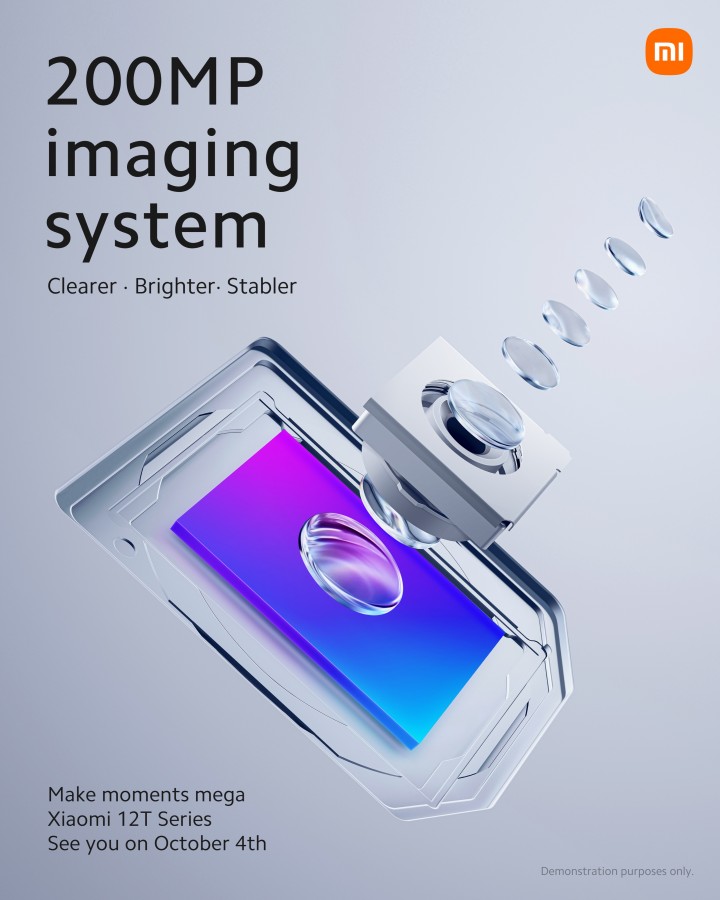
Xiaomi’s 12T lineup is just around the corner, but the leaks and rumors have pretty much revealed it all ahead of the launch event next week (October 4). The upcoming series should include two smartphones—the Xiaomi 12T and the 12T Pro. The company has already confirmed the new 200MP imaging technology for its phones, among other things. Here’s a look at everything we’ve gathered so far regarding the forthcoming Xiaomi 12T and 12T Pro.
Design
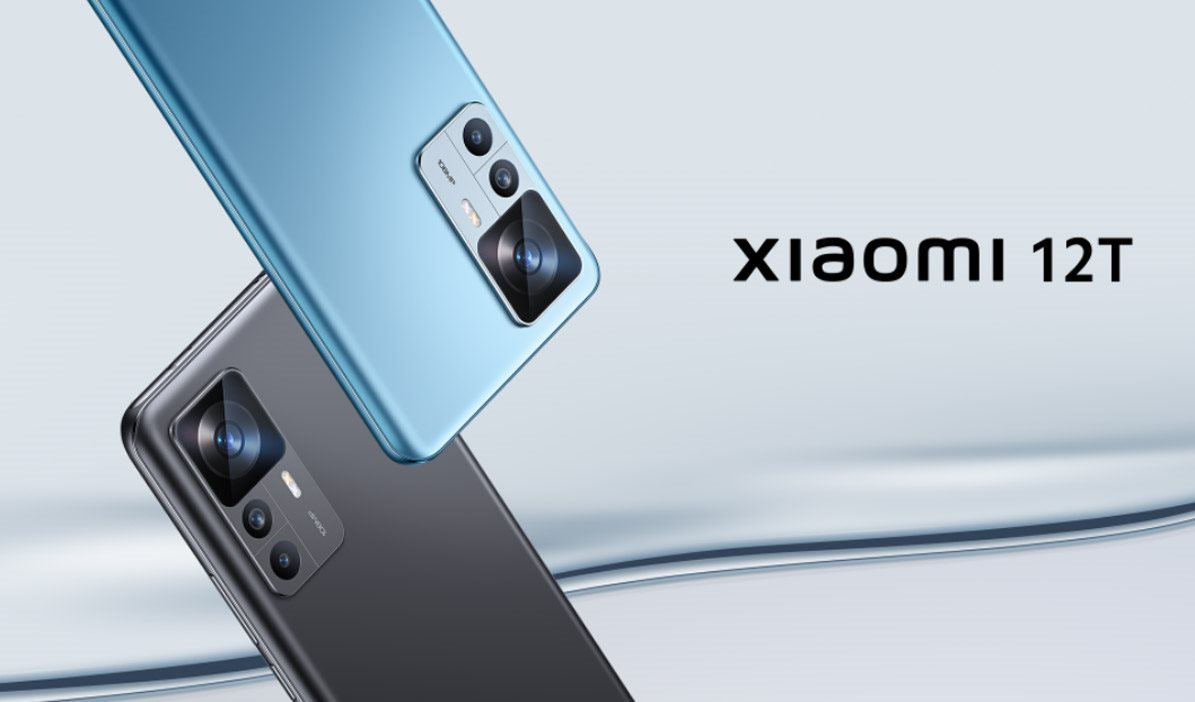
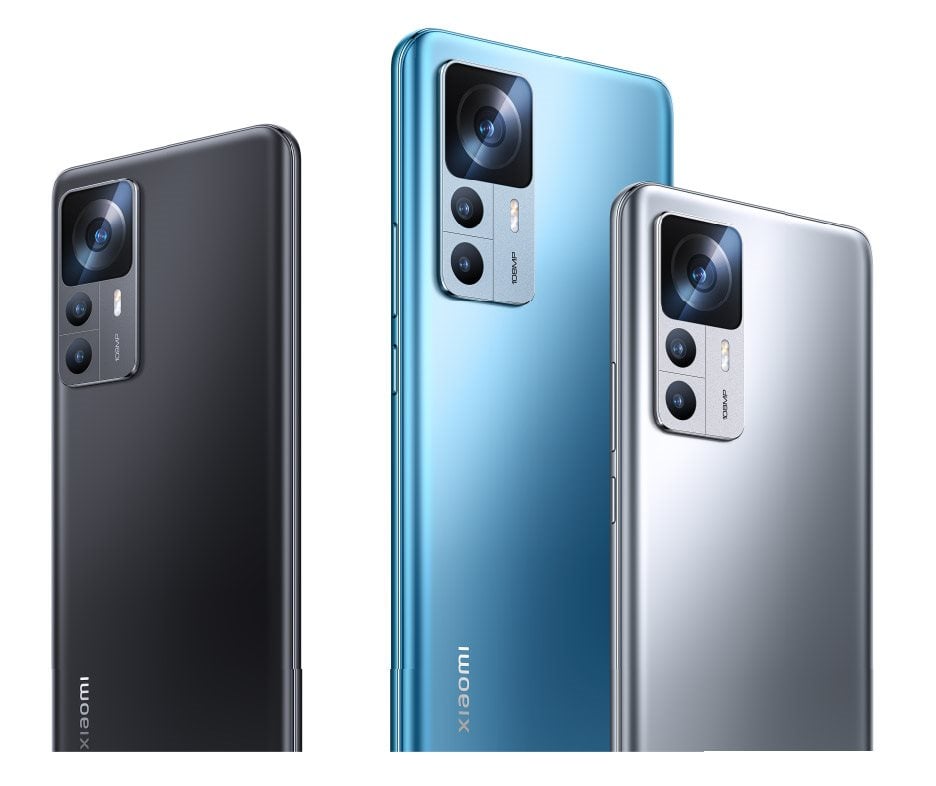
Xiaomi 12T and 12T Pro will debut in the market as premium smartphones from the brand. As per various leaked renders, both handsets will have similar designs, matching the Xiaomi 12S series to some extent. On the front, the handsets will have a center-aligned punch-hole selfie camera. They both have flat displays and flaunt thin bezels. The right side will feature the power button and the volume rocker, while the left side will remain empty.
On the back, they feature a rectangular camera island with one huge compartment on top housing the main camera and two small cameras on the bottom. It’s hard not to argue that Xiaomi’s most recent flagship phones have one of the most beautiful camera modules we’ve seen in the past few years.
Now, if we talk about the material and build quality, both Xiaomi 12T and 12T Pro could come with a traditional glass sandwich design, with tiny metal frames on the sides that grows larger at the top and bottom.
Display and Specifications
The vanilla Xiaomi 12T sports a 6.67-inch OLED screen that offers a 120Hz refresh rate. On the other hand, the Xiaomi 12T Pro features a 6.7-inch AMOLED panel with a 120Hz refresh rate.
Under the hood, the base model is said to be equipped with MediaTek’s Dimensity 8100 ultra chipset, which is an upper mid-range smartphone SoC with four fast ARM Cortex-A78 cores with up to 2.85 GHz and four efficient Cortex-A55 cores with up to 2 GHz. The processor will be paired with 8 GB of LPDDR5 RAM and 128 GB / 256 GB of UFS 3.1 storage.
On the contrary, Xiaomi 12T Pro could be powered by Qualcomm’s latest and greatest Snapdragon 8+ Gen 1 SoC. It will have 12GB of LPDDR5 RAM and 256 GB of UFS 3.1 storage. Some countries could also get an 8 GB RAM variant of the device.
Both handsets will pack a 5,000mAh battery with support for 120W fast charging. On the software front, they will run on the Android 12 OS with the MIUI 13 skin on top. Other features include dual speakers with Harman Kardon tuning, an IR blaster, a USB-C port, and a robust cooling system.
Cameras
Cameras are going to be the major highlight of the upcoming Xiaomi 12T series. The Chinese company has confirmed that the lineup will include 200MP camera technology. However, it may only be available in the Pro model.
According to reports, the Xiaomi 12T Pro will have a 200MP camera with a 1/1.22-inch sensor, along with OIS, an 8P lens, and 16-into-1 pixel binning. It will also feature an 8MP ultra-wide-angle lens and a 2MP macro unit. While on the front, it could have a 20MP selfie camera.
The vanilla variant could have a 108MP primary sensor that may be paired with an 8MP ultra-wide lens and a 2MP macro lens. For the selfie shooter, the Xiaomi 12T will also house a 20MP front-facing sensor.
Expected Pricing
The pricing details of the upcoming smartphones are still under wraps, but thanks to tipsters, we have a good idea of how much they may cost. A recent leak by a popular tipster suggests the 8/128GB model of the Xiaomi 12T would cost around €580 ($568/ Rs. 46,412) in Europe. While the 8/256GB model will allegedly go for €630 ($617/ Rs. 50,413).
The higher-end Xiaomi 12T Pro will be available at a starting price of €770 ($754/Rs. 61,616) in its 8/256GB variant. While the 12/256GB model will go for €800 (roughly $784/Rs. 64000). Do note that the above-mentioned pricing is for the European countries. The price may be lower in the Indian and other Asian markets.
5G services have finally started in India. Yesterday (Oct. 1), the Prime Minister of India, Narendra Modi, was at the India Mobile Congress (IMC) to launch commercial 5G services in the country. Airtel 5G, Reliance Jio, and Vi are the first telecom operators in the country to confirm when their 5G services will be available.
5G will be made available in a phased manner across India. The first batch of cities where the 5G network will be available include Ahmedabad, Bengaluru, Chandigarh, Chennai, Delhi, Gandhinagar, Gurugram, Hyderabad, Jamnagar, Kolkata, Lucknow, Mumbai, Pune, Siliguri, and Varanasi.
Airtel 5G
Airtel’s 5G networks are now available in eight cities, such as Bangalore, Chennai, Delhi, Hyderabad, Mumbai, Nagpur, Siliguri, and Varanasi. The telecom operator will add more cities by March 2023, and its 5G services will be available across India by March 2024.
Reliance Jio 5G
Reliance Jio’s 5G services are set to begin by Diwali (Oct. 24) this year. It will arrive first in Delhi, Kolkata, Mumbai, and Chennai. By December 2023, its 5G services will be made available across the country.
Vi and BSNL
Vi is yet to confirm the 5G rollout timeline. Hopefully, the telecom operator will reveal more details about its 5G plans soon. BSNL confirmed that its 5G services will be available from Aug. 15, 2023, onwards.
None of the above-mentioned telecom operators have announced their 5G tariffs and pricing. However, Jio has claimed that its 5G plans will be affordable. As it is known, Reliance Jio is a planned to launch an ultra-affordable 5G phone in the country. A recent report revealed the key specifications of the alleged Jio Phone 5G.
It goes without saying that users need to have a 5G phone to get connected to a 5G network. Airtel has said that the existing Airtel SIM is 5G-ready. So, there is no need to replace the existing 4G SIM. As far as pricing is concerned, Airtel confirmed that, at present, its 5G services will be available at the existing 4G rates. The company will confirm new 5G tariffs at some point later.
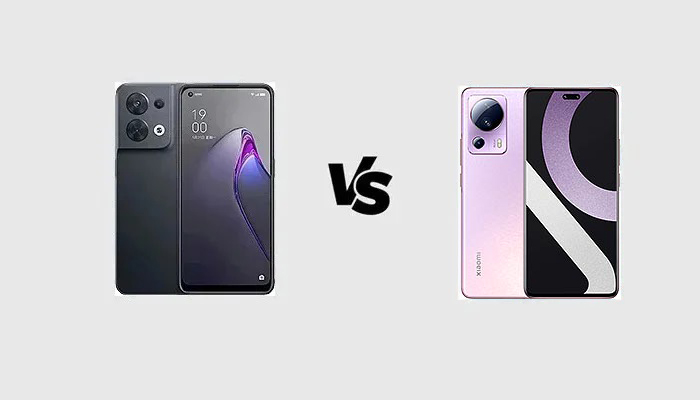
In order to attract a lot of customers, especially the ones who purchase offline, a phone must not only be powerful but also beautiful. The more beautiful it is, the more people will choose it. That is why companies like OPPO and Xiaomi focused a lot on design. Last year, Xiaomi launched a new series of phones mainly focused on the design and the selfie camera. This year, the series reached the second generation with the new Xiaomi Civi 2. It is a very beautiful phone, but it has some important rivals which may cannibalize its sales. One of them is the OPPO Reno8 5G, launched with a new design compared to the previous generation. If you are unsure about which one to choose (given that they are in the same price range), this is a comparison between the specifications of the OPPO Reno8 5G and the Xiaomi Civi 2.
OPPO Reno8 vs Xiaomi Civi 2
OPPO Reno8 5G
Xiaomi Civi 2
DIMENSIONS AND WEIGHT
160.6 x 73.4 x 7.7 mm,
179 g
159.2 x 72.7 x 7.2 mm,
172 g
DISPLAY
6.43 inches, 1080 x 2400 pixels (Full HD+), AMOLED
6.55 inches, 1080 x 2400 pixels (Full HD+), AMOLED
Triple 50 + 2 + 2 MP, f/1.8 + f/2.4 + f/2.4
32 MP f/2.4 front camera
Triple 50 + 20 + 2 MP, f/1.8 + f/2.2 + f/2.4
Dual 32 + 32 MP f/2.0 front camera
BATTERY
4500 mAh, fast charging 80W
4500 mAh, Fast Charging 67W
ADDITIONAL FEATURES
5G, dual SIM
5G, dual SIM
Design
The Xiaomi Civi 2 is one of the best devices of 2022 in terms of design. It is even more beautiful than the most advanced Xiaomi flagships released this year. It is obviously built with premium materials, including a glass back and an aluminum frame. With just 7.2 mm of thickness, it is one of the thinnest phones on the market, and with its weight of 171 grams even one of the most lightweight. Last but not least, it is the first Android phone with something similar to the new Apple’s Dynamic Island: it has a pill shaped punch hole placed centrally on the upper part of the display. The OPPO Reno8 comes with a very original design, including a camera module that protrudes gradually from the rear side of the phone. But it is built with a plastic frame and it is not as thin and lightweight as the Xiaomi, even though it remains a very thin phone.
Display
On the paper, the Xiaomi Civi 2 has a better display: not only it is wider with its diagonal of 6.55 inches, but it even comes with better specifications. It is an AMOLED panel able to show up to one billion colors with a Full HD+ resolution of 1080 x 2400 pixels, Dolby Vision support, the HDR10+ certification, a 120 Hz refresh rate, a peak brightness of 1,000 nits, and an in-display fingerprint reader. The OPPO Reno8 5G has an AMOLED display with a diagonal of 6.43 inches, a Full HD+ resolution of 1080 x 2400 pixels, a 90 Hz refresh rate, a peak brightness of 800 nits, and an in-display fingerprint scanner; it is not able to show up to one billion colors but it stops at 16 million colors. Unfortunately, none of these phones has stereo speakers and they do not even sport a 3.5 mm audio jack, so they are not the best for audio lovers.
Specs & Software
These two handsets are equipped with different processors, but they belong to the same range. The Xiaomi Civi 2 has the Snapdragon 7 Gen 1 mobile platform by Qualcomm: an octa-core chipset built with a 4 nm production process and running at a max frequency of 2.4 GHz. It is currently better than the chipset found on the OPPO Reno8 5G: the Dimensity 1300 by Mediatek, built with a 6 nm production process and sporting an octa-core architecture composed of a Cortex A78 CPU running at 3 GHz, three Cortex A78 CPUs running at 2.6 GHz, four Cortex A55 CPUs running at 2 GHz, and a Mali G77 MC9 GPU. The global version of the Reno8 has just 8 GB of RAM, while the Xiaomi Civi 2 reaches 12 GB of RAM in the Chinese version, just like the Chinese version of the OPPO. These phones run Android 12 out of the box, customized by MIUI 13 and ColorOS 12.1, respectively.
Camera
If you are looking for the most advanced camera department, go for the Xiaomi Civi 2 without thinking twice. It has a triple camera setup on the rear side composed of a 50 MP main sensor, a 20 MP ultrawide camera, and a 2 MP macro lens. Further, it has a better front camera department composed of two 32 MP shooters, including an ultrawide one and a front-facing LED flash. The OPPO Reno8 5G has a triple rear camera composed of a 50 MP main sensor and a pair of 2 MP sensors for macros and depth calculation, as well as a 32 MP selfie shooter.
The battery capacities of these two phones are exactly the same: 4500 mAh, but the charging technologies are different. The Xiaomi Civi 2 supports 67W fast charging, while the OPPO Reno8 5G supports 80W fast charging, as well as reverse charging.
Price
The Xiaomi Civi 2 and the OPPO Reno8 5G carry a starting price tag which roughly translates into €350/$343 at the actual change in the Chinese market. The Xiaomi mid-ranger is not available in the global market, while OPPO Reno 8 is, with a price tag of €599/$589 in Europe. With the actual price, the Civi 2 wins the comparison due to its more advanced specifications.
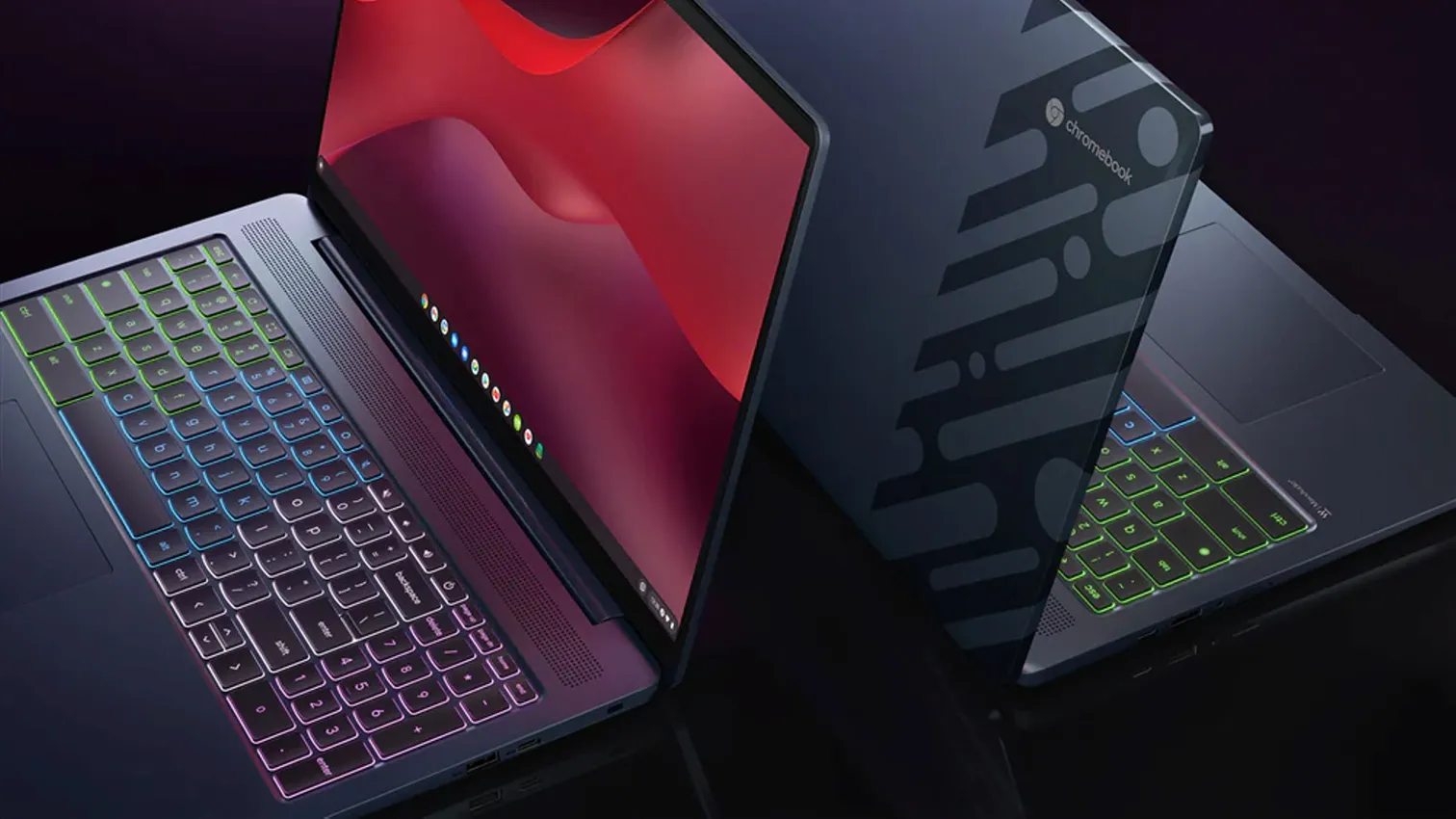
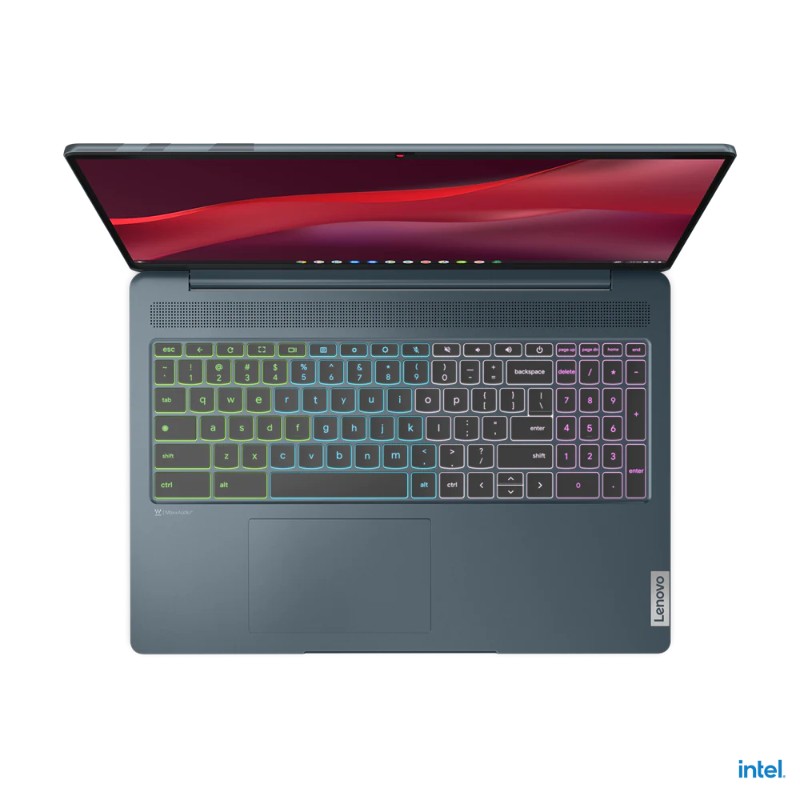
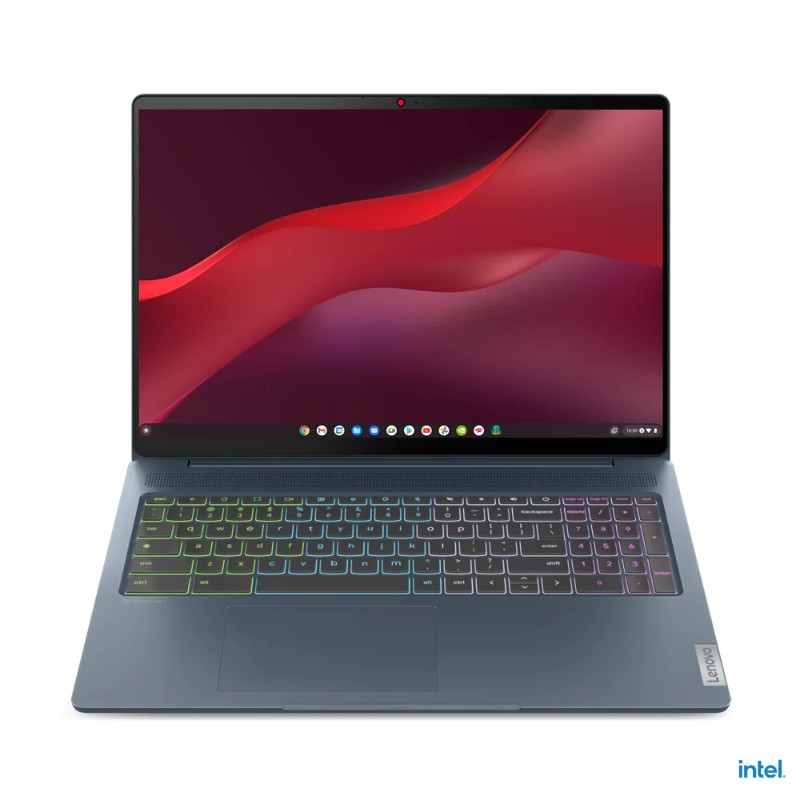
An unreleased IdeaPad 5 Gaming Chromebook from Lenovo was recently identified on the company’s product specification reference site by Chrome Unboxed, so it appears that Lenovo is going to deliver gamer-focused Chromebooks shortly.
According to the specifications, this model is comparable to the IdeaPad 5i Chromebook that was unveiled in August, but it has a few more capabilities that should interest gamers.
Lenovo IdeaPad 5 Gaming Chromebook
1 of 3
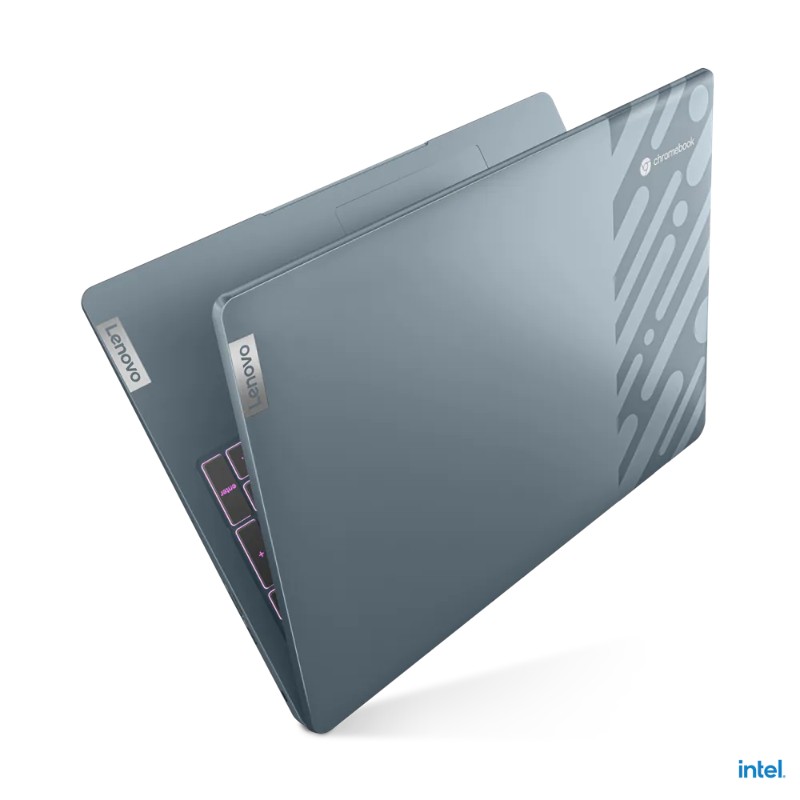
The chassis is taken from the Ideapad 5i model, as well as the 16-inch QHD display with 120 Hz refresh rate and 100% sRGB color gamut, Wi-Fi 6 / Bluetooth 5.1 connectivity, and the port selection, which includes 2x USB-C connectors, 2x USB-A ports, an audio jack, and a microSD card reader. There are, nevertheless, several glaring distinctions. The full-size keyboard has RGB backlighting, while the audio system has four 2W speakers, and the right side of the metal screen cover now has a “tribal” pattern.
The IdeaPad 5i’s Core i3-1215U processor and a more potent i5-1235U version with an Iris Xe GPU are both available as processor options. The options are still limited to 8 GB of RAM and a 512 GB NVMe SSD for storage. Since there are no dedicated GPU options listed, it is likely that these models are designed for game streaming through services like Amazon Luna, Nvidia GeForce Now, and Xbox Cloud Gaming.
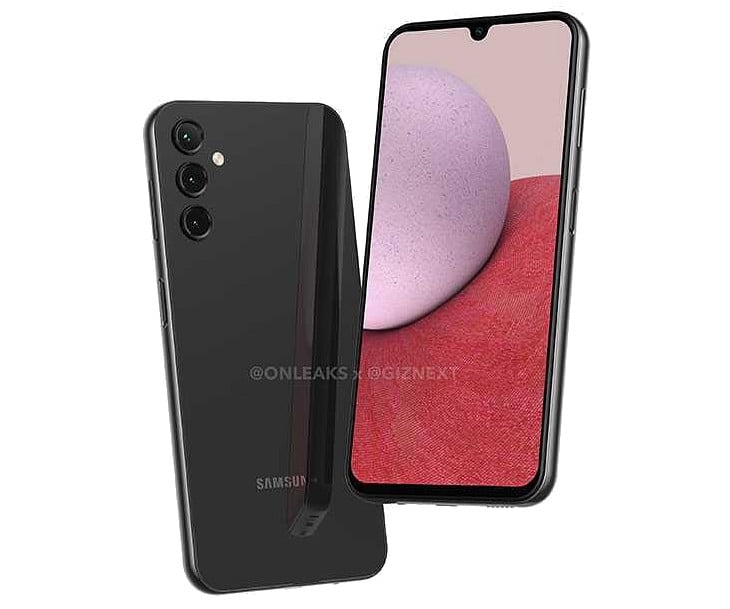
Samsung Galaxy A14 has been spotted in leaked renders. The images have been shared by reliable tipster Onleaks aka Steve Hemmerstoffer in collaboration with Giznext. The renders reveal the smartphone’s design as well as a few key specifications. The upcoming Galaxy A-series offering will arrive as the successor to the Galaxy A13.
As seen in the renders, the Galaxy A14 has a U-shaped notch and a slightly thick chin. The volume rocker and power button are located on the right side with the latter also doubling up as a fingerprint scanner. The back panel has vertically stacked three camera sensors without any module. The USB-C port, 3.5mm headphone jack, and a speaker grille are located at the bottom of the device.
The report adds that the Galaxy A14 will feature a large 6.8-inch LCD display bearing an FHD+ resolution. The upcoming smartphone is seen in Black colour but we can expect more options at launch.
Other key specifications like processor, camera configuration, RAM, storage, and battery capacity of the Samsung Galaxy A14 remain a mystery. It also remains unclear whether the South Korean brand will announce the upcoming smartphone in 4G and 5G versions as it did with the Galaxy A13. However, leaks from Europe suggest that the Galaxy A14 may only be available in the 5G variant and will be the company’s cheapest 5G phone in 2023.
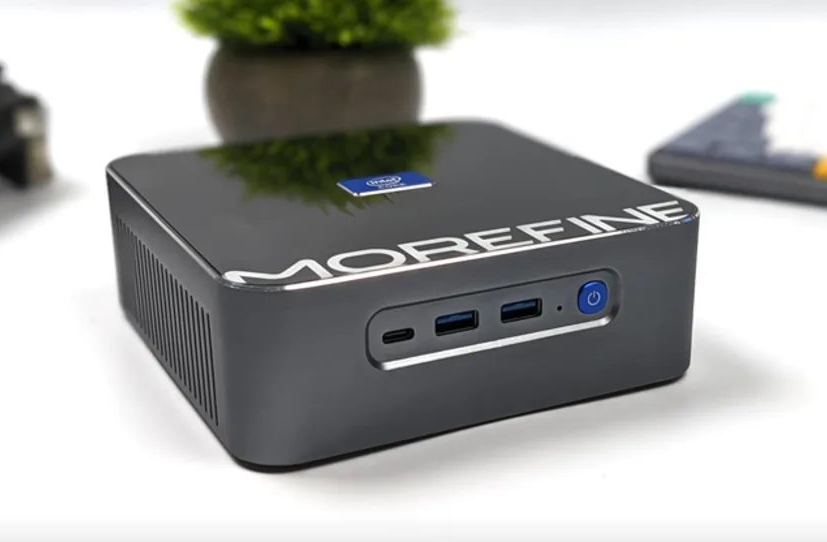
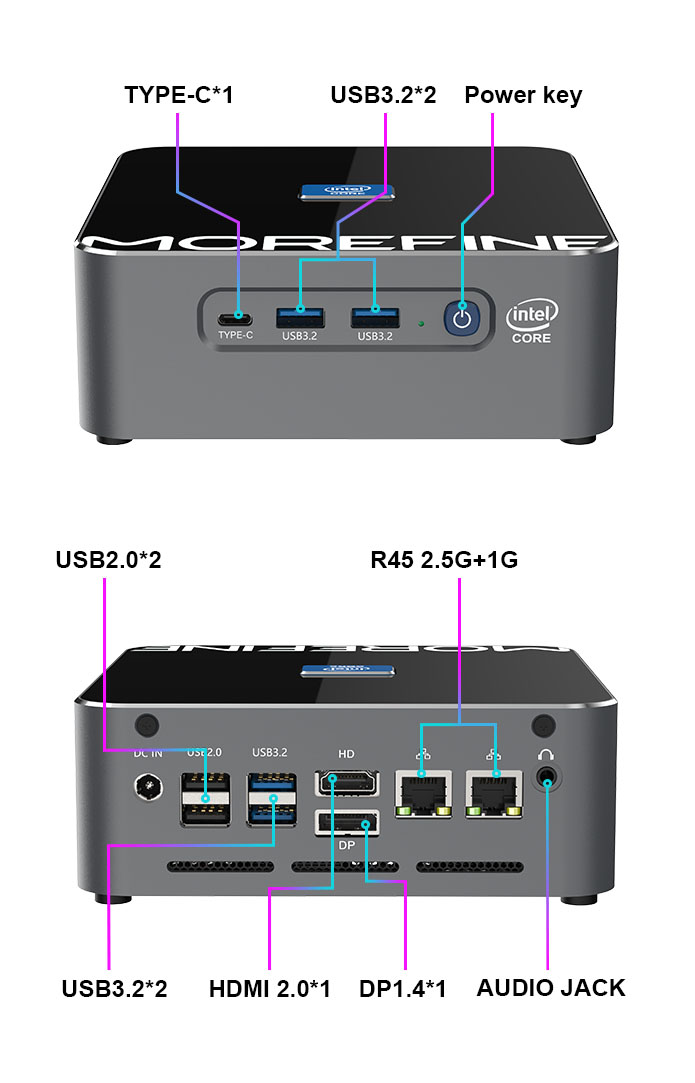
The tech startup Morefine has launched a new mini-PC on Indiegogo called the Morefine S600. This mini-PC packs 12th Gen Intel i9 processors with 14-cores and 20 threads.
The device comes in two options, the Core i9-12900H and Core i9-12900HK. These processors have 14-cores, 20 threads, and a maximum TDP of 45W. For graphics, the PC has an Intel Iris Xe Graphics G7 iGPU. The only difference between the two cores is that the 12900HK has an unlocked multiplier.
The Core i9-12900H and Intel Wi-Fi 6E AX211 modem-equipped Morefine S600 start at US$669 but lacks RAM and storage. Please be aware that this is “Super Early Bird” pricing; the final retail price for this setup will be US$999. On the other hand, the Core i9-12900H and Intel Wi-Fi 6E AX211 with 32 GB of RAM and a 500 GB SSD are available from Morefine for US$869, again as “Super Early Bird” pricing. A 64 GB device with 1 TB of storage costs US$1,079, while a 1 TB model costs US$949 as an alternative.
A Core i9-12900HK variant with the same modem but no storage or RAM starts at US$999. Additionally, a setup with 64 GB of RAM, a 1 TB SSD, and an Intel Wi-Fi 6E AX211 costs $1,399 USD. Morefine reportedly plans to start shipping S600 orders in November 2022. By the way, the Indiegogo campaign has already surpassed its target funding amount. The Morefine S600 crowdsourcing effort will continue for a further 21 days as of right now.
You guys might find it hard to argue with the fact that the Apple Watch is the most powerful smartwatch ever made. But this may require a prerequisite that you are using an iPhone. Obviously, Apple is not bothering to make an effort to win over Android phone users. So do Android users have a similar option to the Apple Watch?
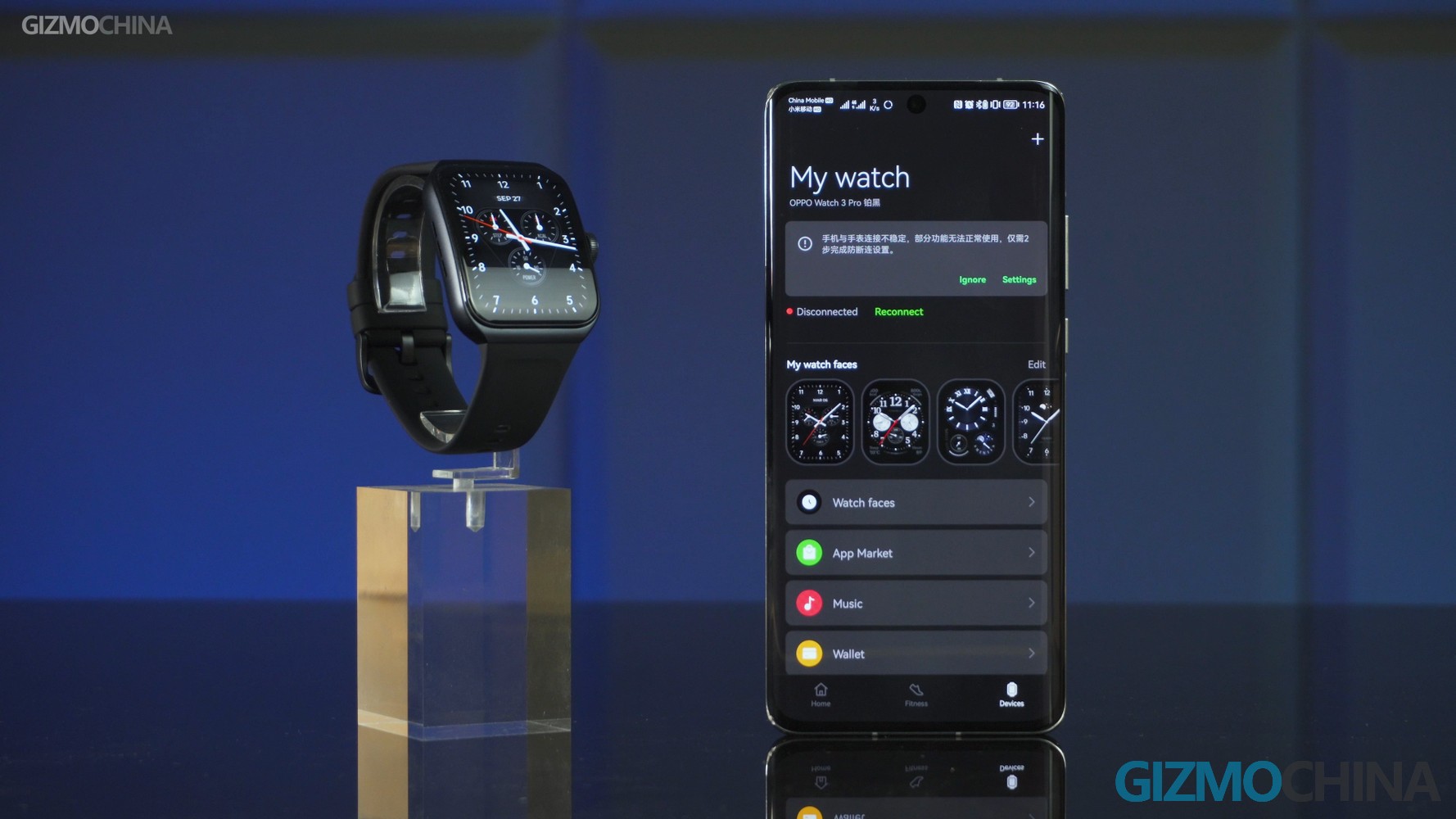
We’ve reviewed quite a lot of Smartwatches that support Android well, such as the Amazfit series and the Huawei Watch series. The Huawei Watch is especially impressive and we also believe that the latest HUAWEI Watches is probably the best choice for Android users. But when the OPPO Watch 3 series got released, we wondered if things had changed.
So today, let’s check whether the OPPO Watch 3 Pro is the most powerful smartwatch to go with an Android phone.
Design
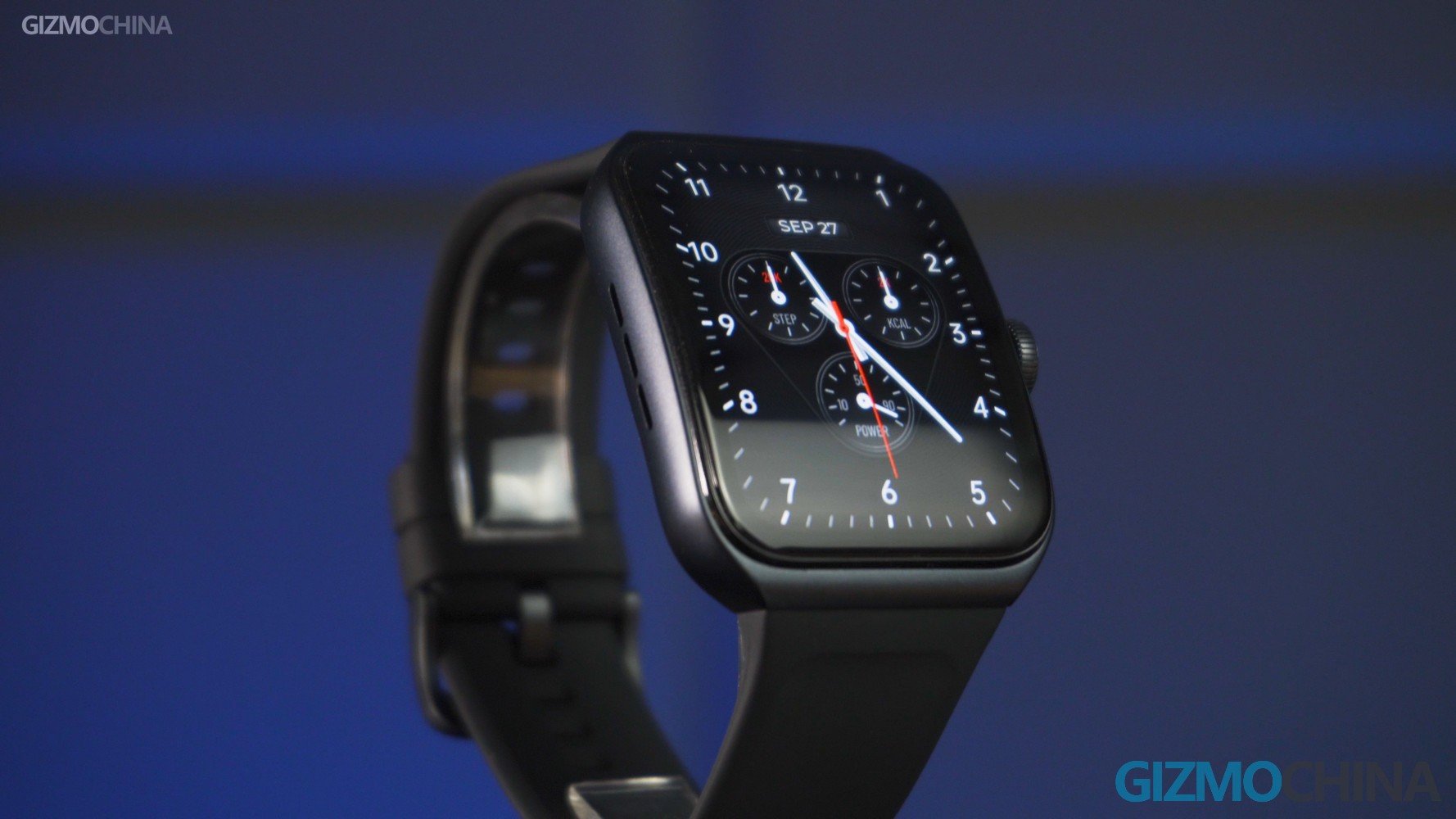
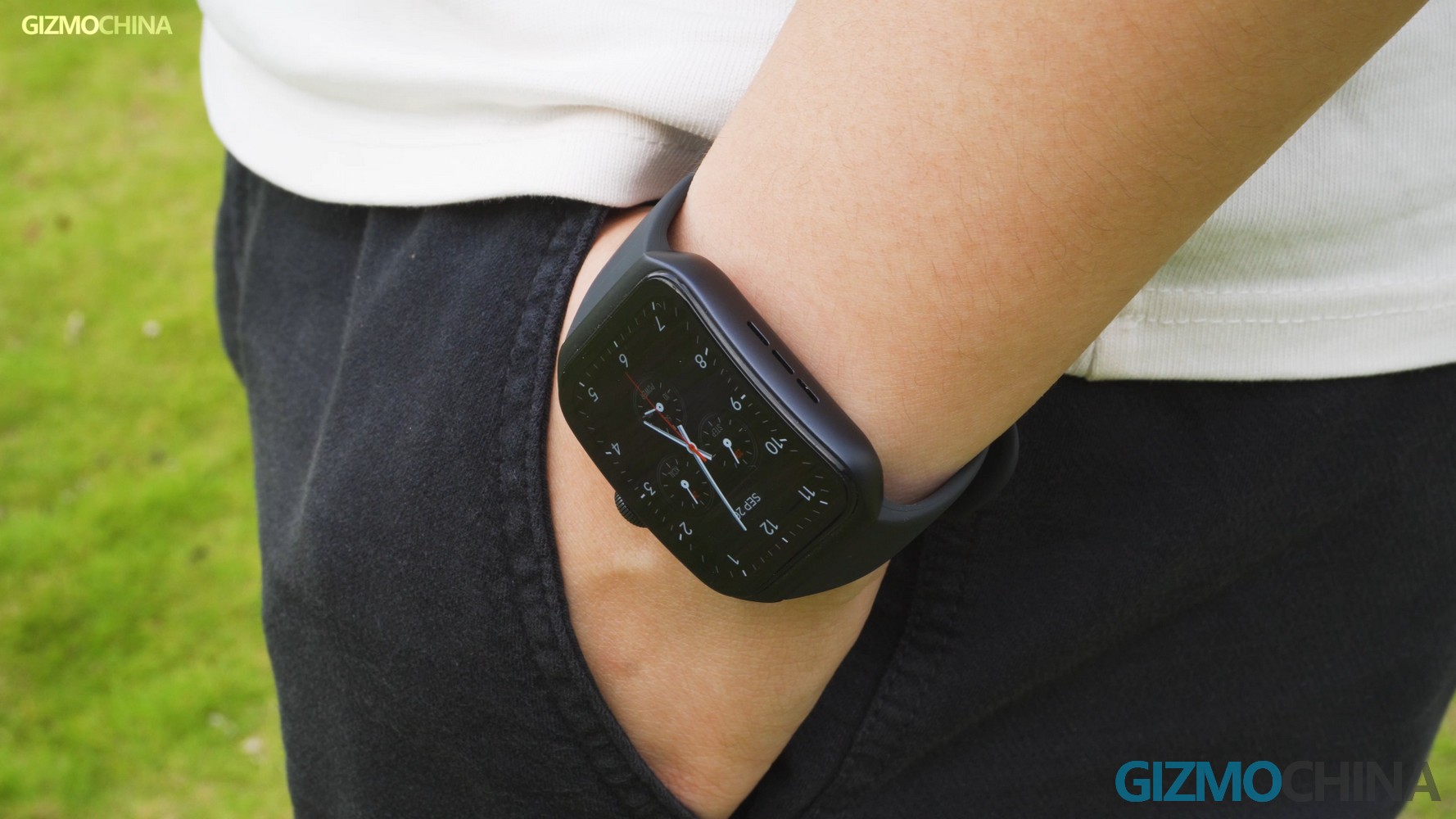
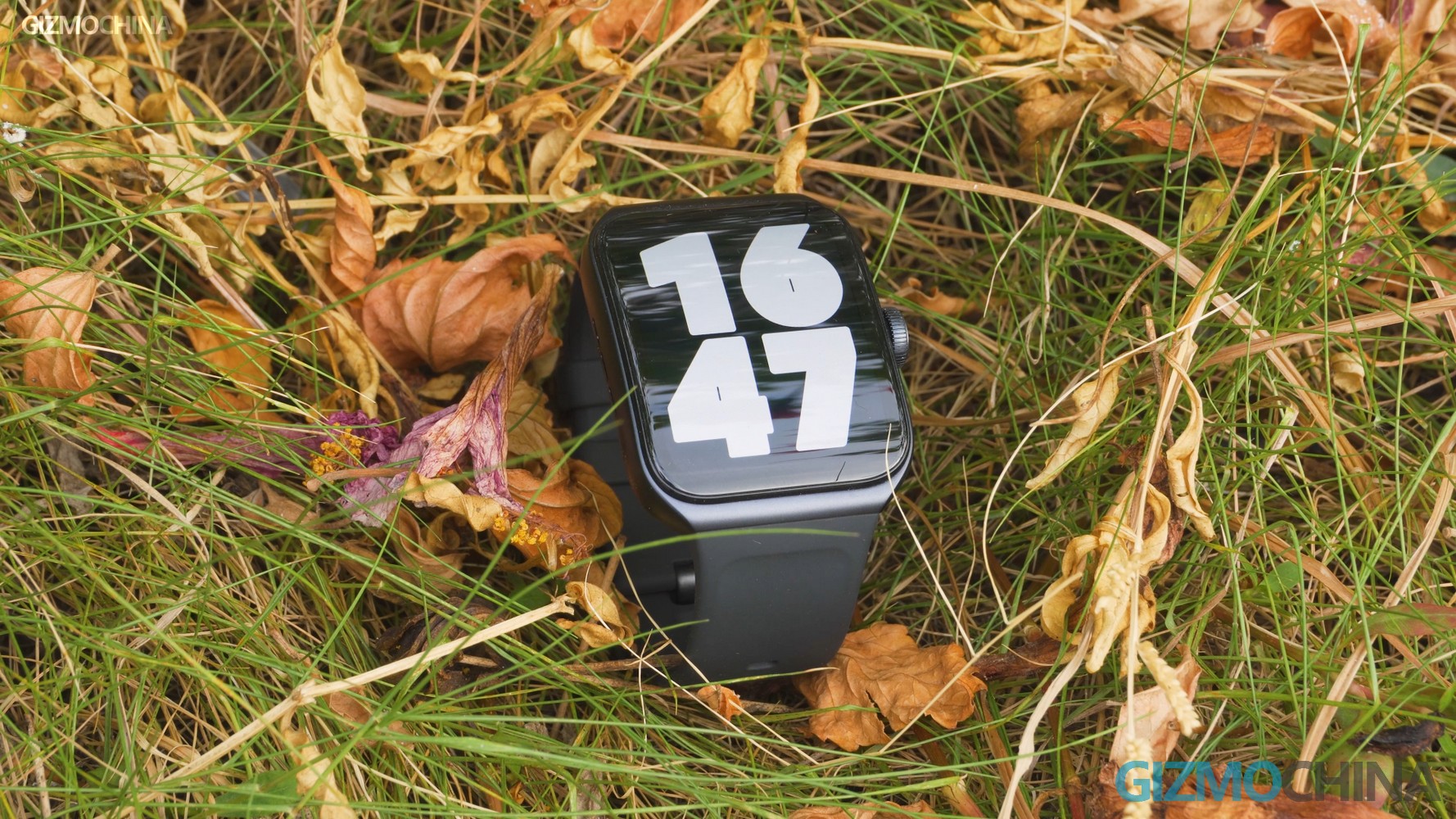
The OPPO Watch 3 Pro has undergone a significant change in its appearance. Most notably, the Watch has a curved-top design that visually fits the curvature of the human wrist. But if you look closer, you will also notice that the bottom in contact with the skin doesn’t have a similar curved design.
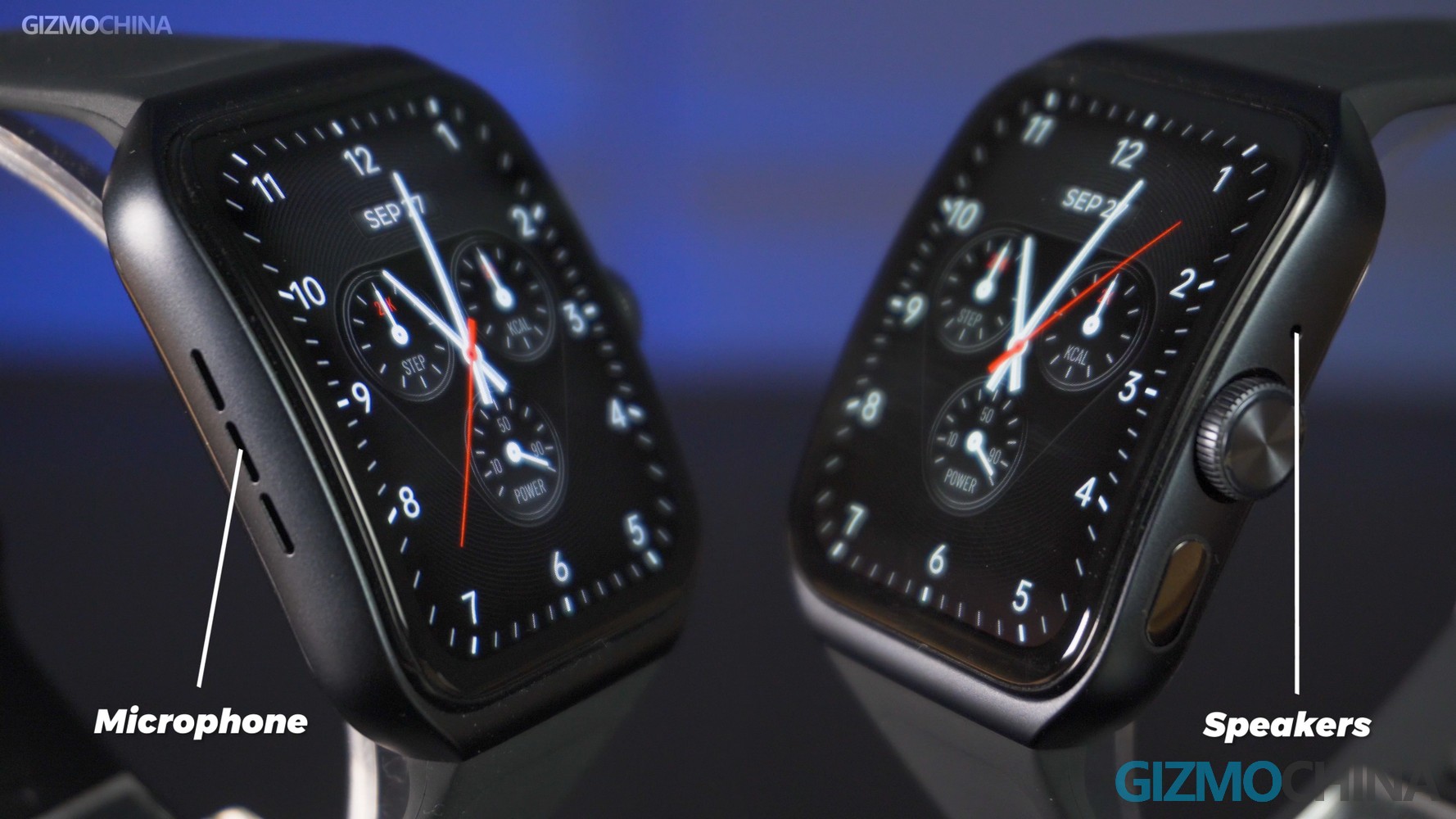
Combined with the curved design of the top, the whole watch looks a bit bulky from the side. But from the front when we use it normally, it looks pretty refined and smooth. At the same time, the curved design also makes the watch look sportier and more stylish. On both sides of the dial, the watch comes with a speaker and a microphone for voice commands, playing music, and making phone calls.
The rectangular display is bright and legible, which gives the watch an advantage over round dials in showing text content. In addition to touch input, the smooth-scrolling digital crown allows users to zoom in and out, and scroll content with good precision.
Display
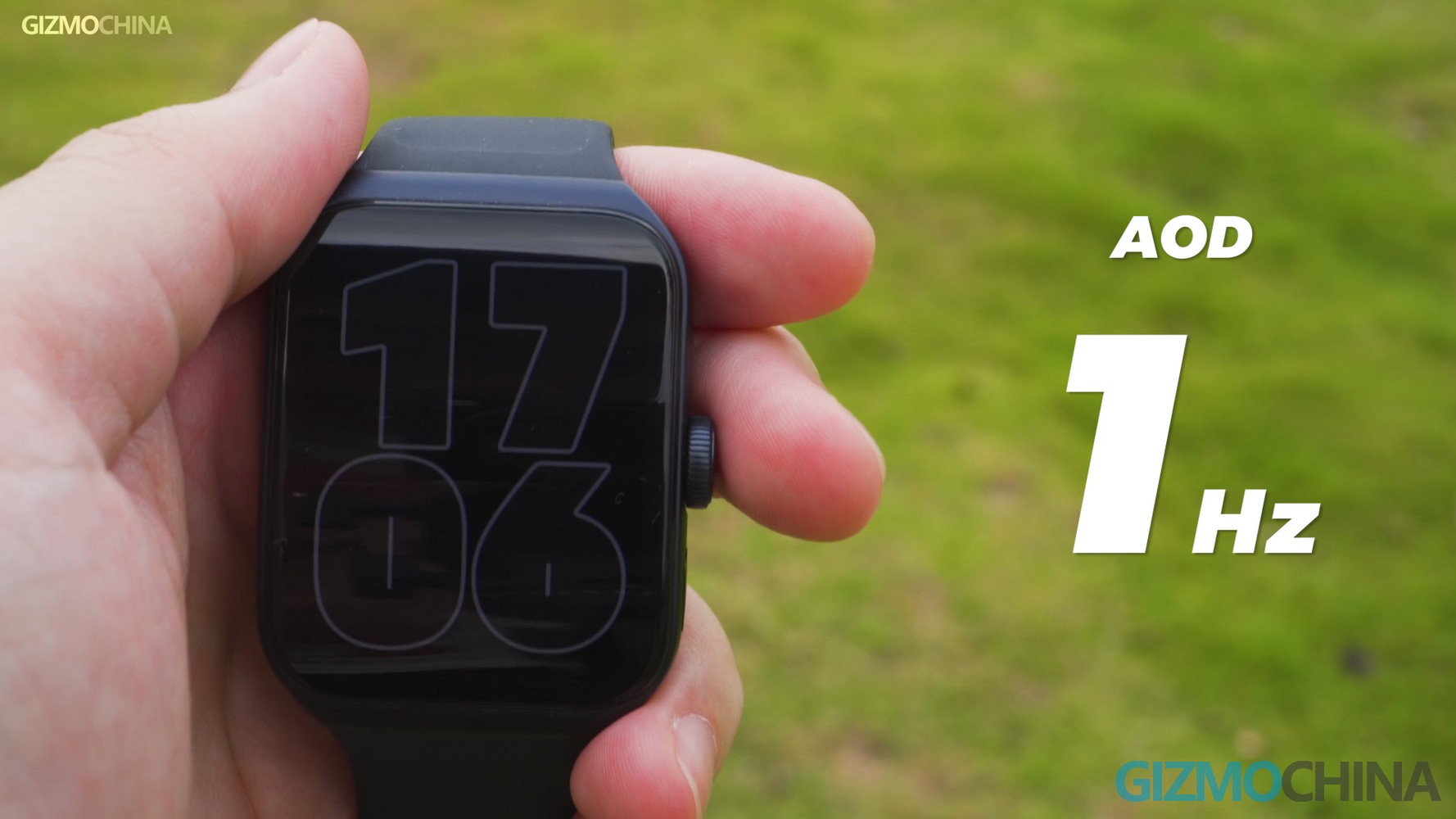
The curved LTPO display supports adaptive refresh rates, which can reach a minimum refresh rate of 1Hz. It’s a great feature for smartwatches but unfortunately, most new smartwatches do not yet support this feature. It can significantly extend the watch’s battery life with less power consumption for daily use. This is especially true for sports tracking. Thanks to the low-power LTPO display, the Watch also allows users to work out with the Always-on feature. And the 1.91-inch AMOLED display has a peak brightness of 1000 nits. So even under the bright sun, the display content can still be seen clearly.
Snapdragon W5 & Apollo 4 Plus
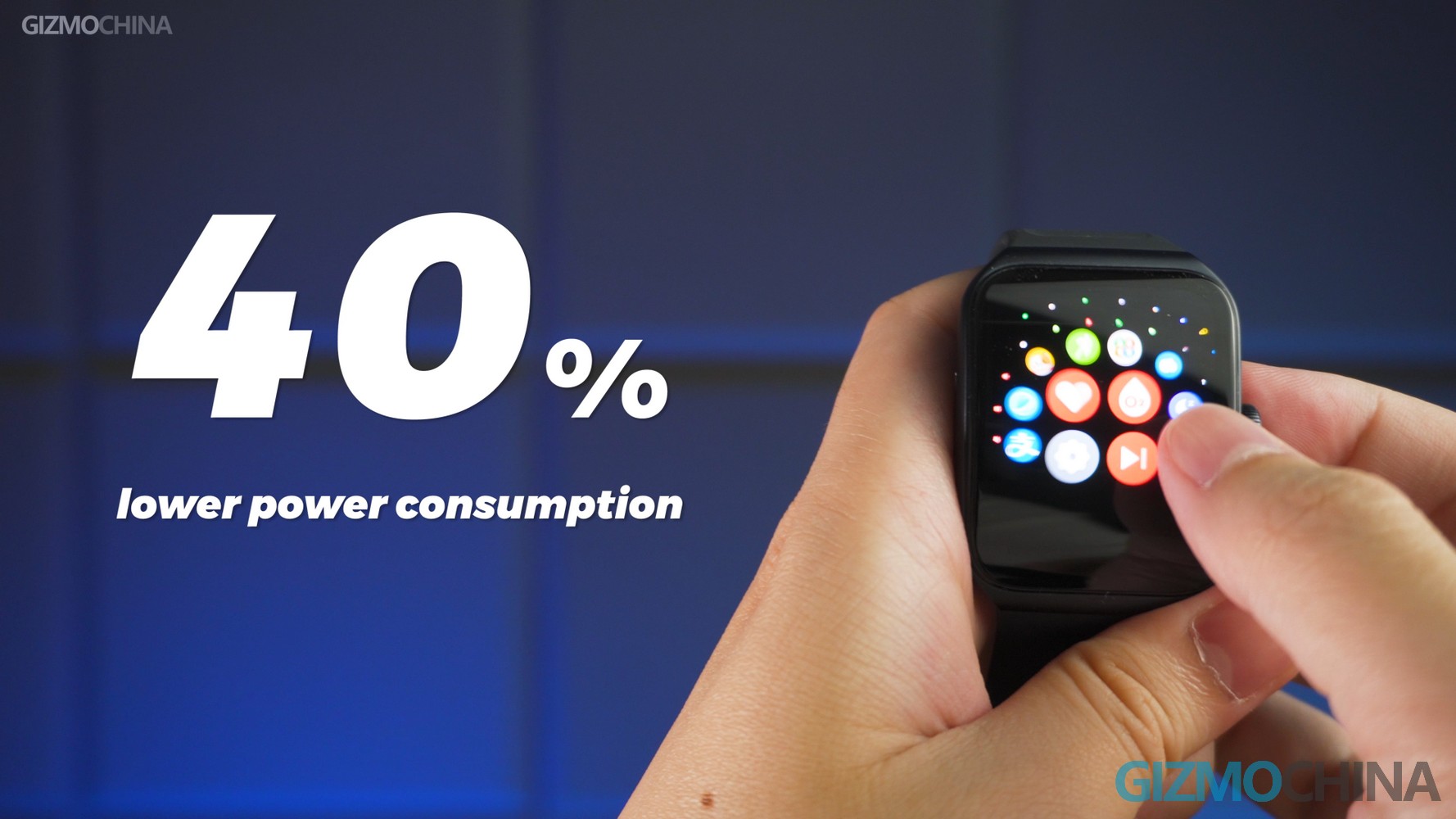
Battery life is probably the biggest headache for a full-function smartwatch. Well, the OPPO Watch 3 Pro offers pretty good solutions to this issue in both software and hardware departments, at least on paper. The watch adopts a dual-chip design for hardware, one of which is the latest 4nm Qualcomm wearable chip, the Snapdragon W5. It is ideal for high-load smart scenarios and brings a much smoother software experience than its predecessor, along with 40% lower power consumption as claimed. In addition, it also features another small core chip called Apollo 4 Plus to achieve low-power consumption for all-day standby.
Software
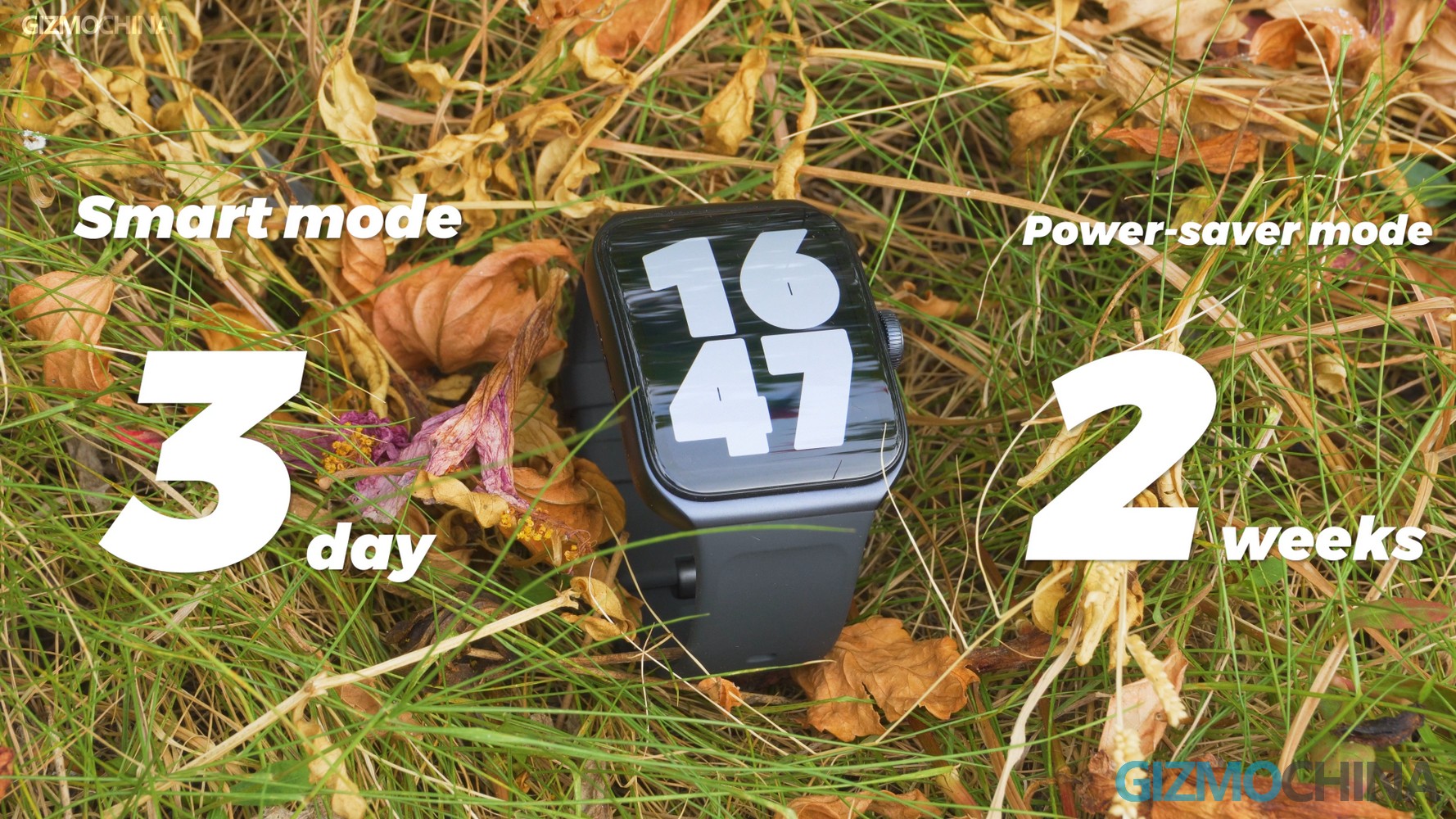
For software, there’s a Power-saver mode that can be fast activated by long-pressing the crown. In this mode, you will not be able to install and use third-party apps, and only limited features are available here. For example, there are only several sports tracking modes available in this mode with no AOD. The function menu can only be listed without any animation. And the experience will not be as smooth as in the Smart mode. However, you will significantly extend the battery life from 3 or 4 days to about 2 weeks. So under the Power-saver mode, it works almost the same as a smart band product.
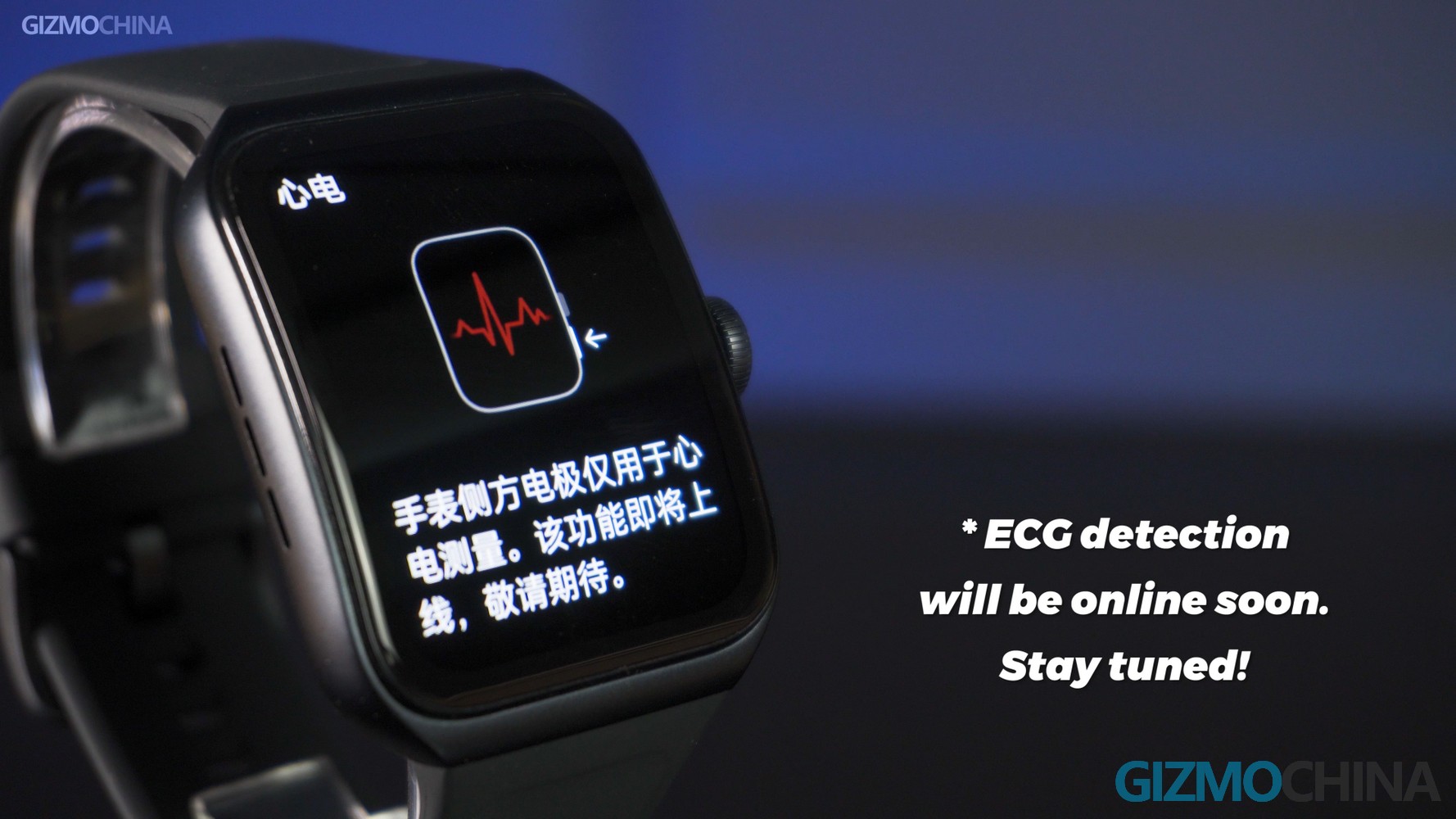
Like the HUAWEI Watch we reviewed before, the OPPO Watch 3 Pro also supports multiple health tracking features, such as Blood oxygen, stress, heart rate, sleep, and step monitor. You can see the ECG app here and probably you’ve also noticed that we didn’t tell you anything about the touch button down below the crown on the side, which actually is an electrode for ECG detection. However, by far the ECG feature is not available yet, so there is nothing you can do with the ECG app, and for now, the electrode doesn’t have any other functions. (P.S. It seems that OPPO has recently pushed the ECG feature, but we’re not sure if it will work in non-Chinese regions.)
It’s almost the same experience as other smartwatches when it comes to these health tracking. But compared to the latest HUAWEI Watches, there’s no skin temperature detection.
As for sports tracking, there are over 100 tracking modes for options. On the OPPO Watch 3 Pro, it’s great to find my favorite basketball and soccer modes, which are still not available on HUAWEI watches. Apart from a few exercises like running and walking, it can only record limited data like exercise time, heart rate, and calories burned.
The companion app of the watch is called HeyTap Health, which is available for all Android phones. The app looks good but I still prefer the Huawei health app, which has a better breakdown and summary of data, and you can also get more life and exercise tips in the app and more training courses with Huawei’s wearables.
The OPPO Watch 3 Pro is undoubtedly the most versatile Android smartwatch on paper. It supports NFC, third-party app installation, voice assistant, and E-sim functions for independent calls. But some of these features only work well in China. For example, some third-party apps are only available in Chinese; the voice assistant couldn’t recognize languages other than Chinese, and the e-sim features only support Chinese carriers.
So if you are concerned about these features, I suggest you wait until the watch gets released in your region or globally. Then I believe OPPO will fix all these regional adaptation issues.
Or you can check out the latest Huawei watches we’ve reviewed. All of them actually got released globally, and they’ve done a better job of customizing features to different regions.
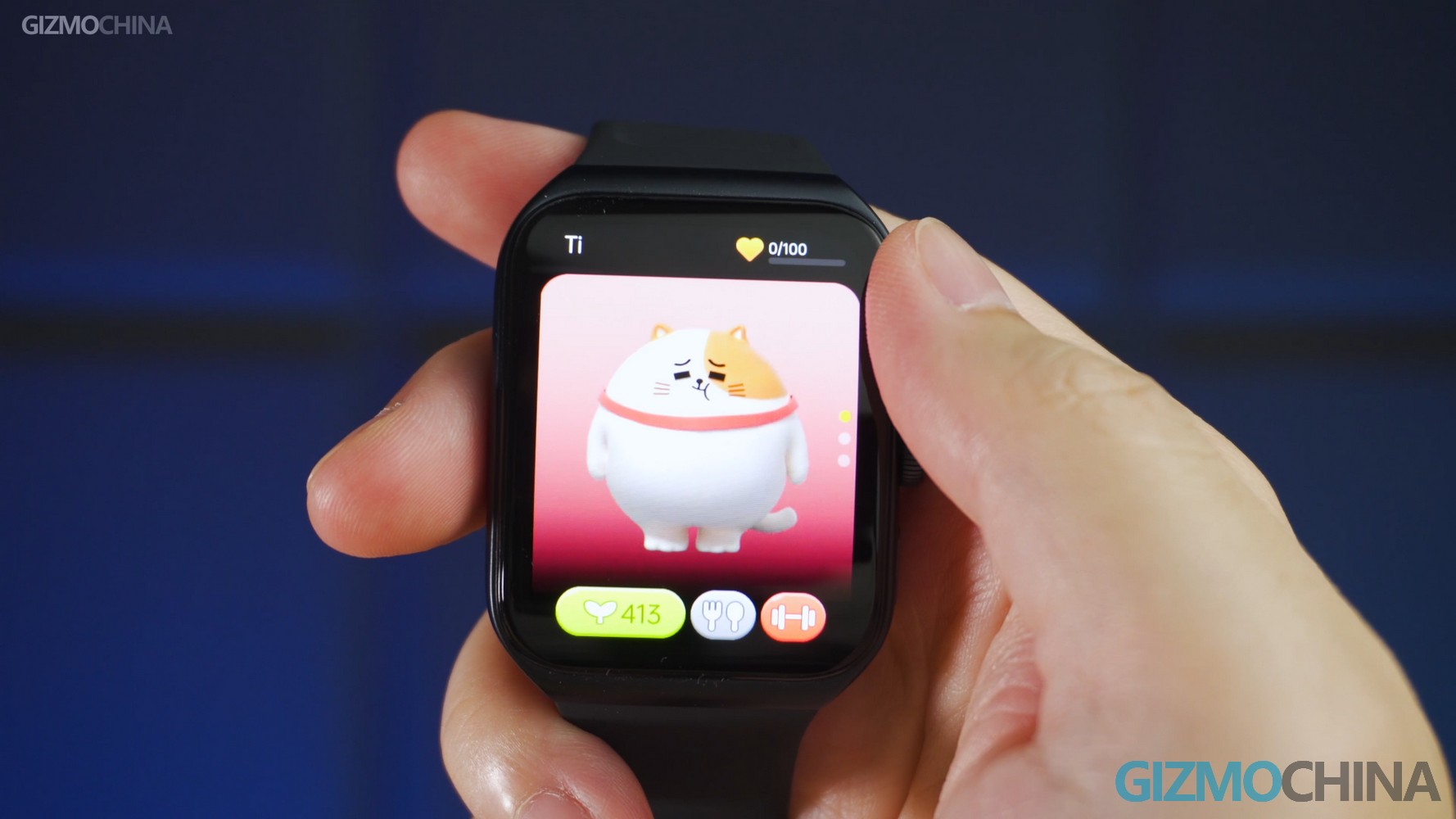
However, I still want to share with you the points that this watch does well in software. For example, It has the best AOD feature that I’ve ever experienced on an Android smartwatch. The system feels really smooth and the experience is close to Apple Watches. Especially for the main menu, instead of simply zooming the app bubbles in and out, it gets a more regular arrangement when zoomed in or out. And it also shows the apps’ names if the bubbles become big enough. Even though the experience of these third-party apps is not perfect, we could still find apps to have fun with, such as the FitBuddy app. I believe you would enjoy having a kitten on your watch.
Under the smart mode, the watch lasted for over 3 days as we turned almost all the features on. But when you switch to the Power-saver mode, the watch can work like a sports smart band with standby for around 2 weeks.
I’m happy to see that the watch gives the choice to the user… But wait, in that case, why don’t I buy a cheaper smart band instead of the bulky watch which claims to be all-powerful, right?
So that’s all the facts that we believe are important about the OPPO Watch 3 Pro. To be honest, we are a bit disappointed, but it’s not exactly the product problem. For those users who live in China, it certainly deserves the title of one of the best smartwatches. However, if not, I do not really recommend you guys to get it from an overseas retailer as you may have trouble with the language.
So what are your thoughts on the OPPO Watch 3 Pro? Let us know in the comments section down below.
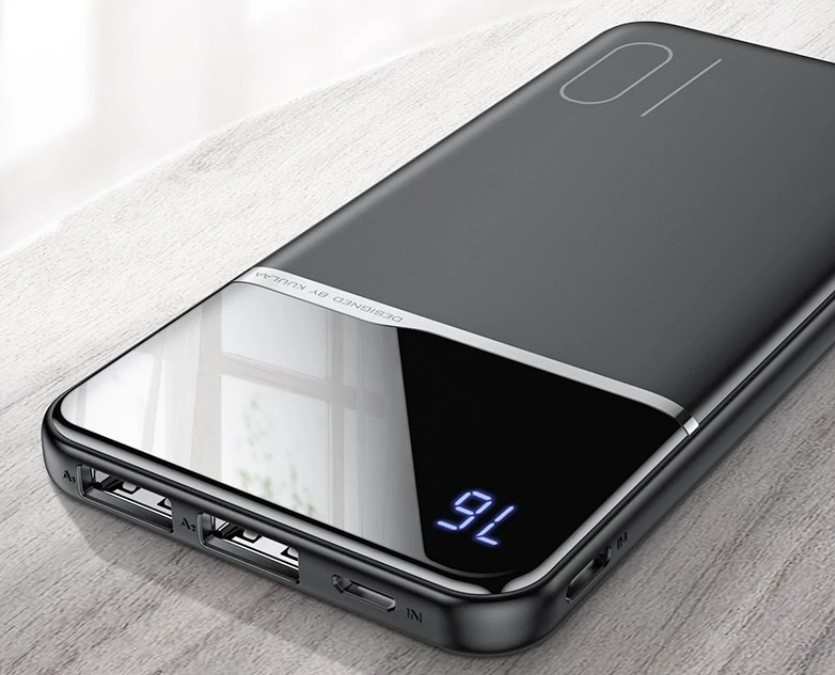
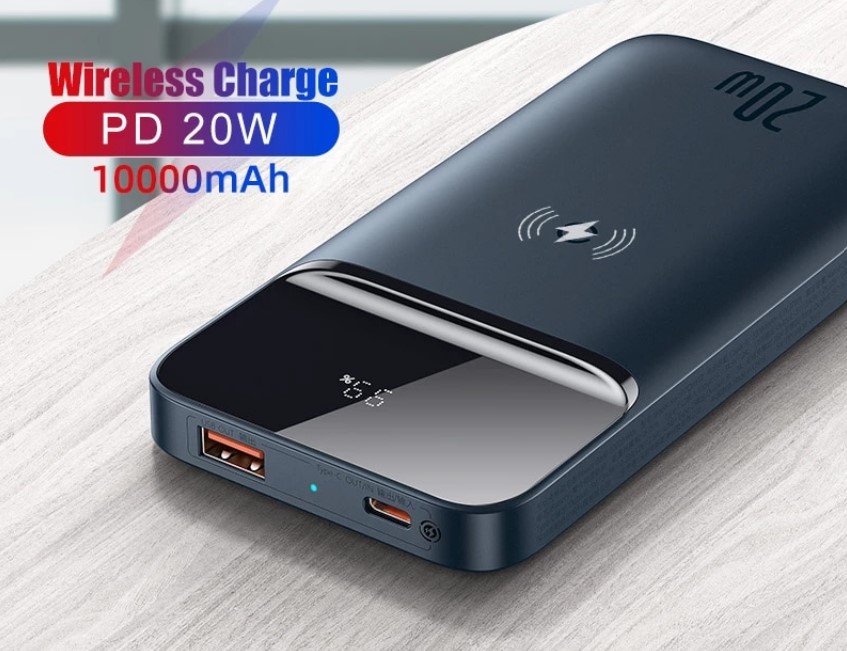
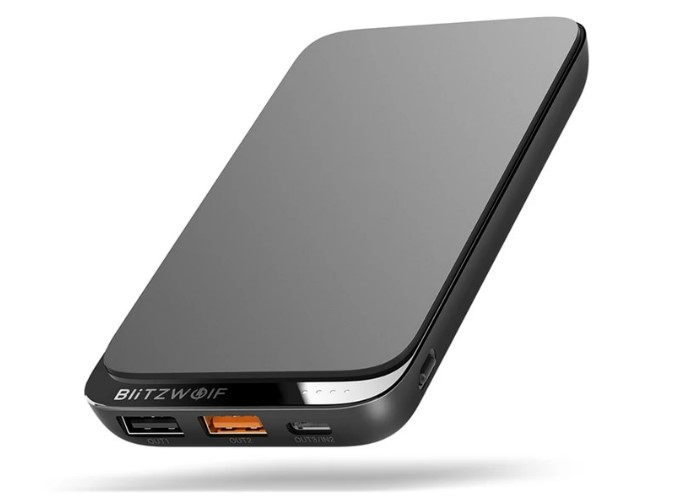
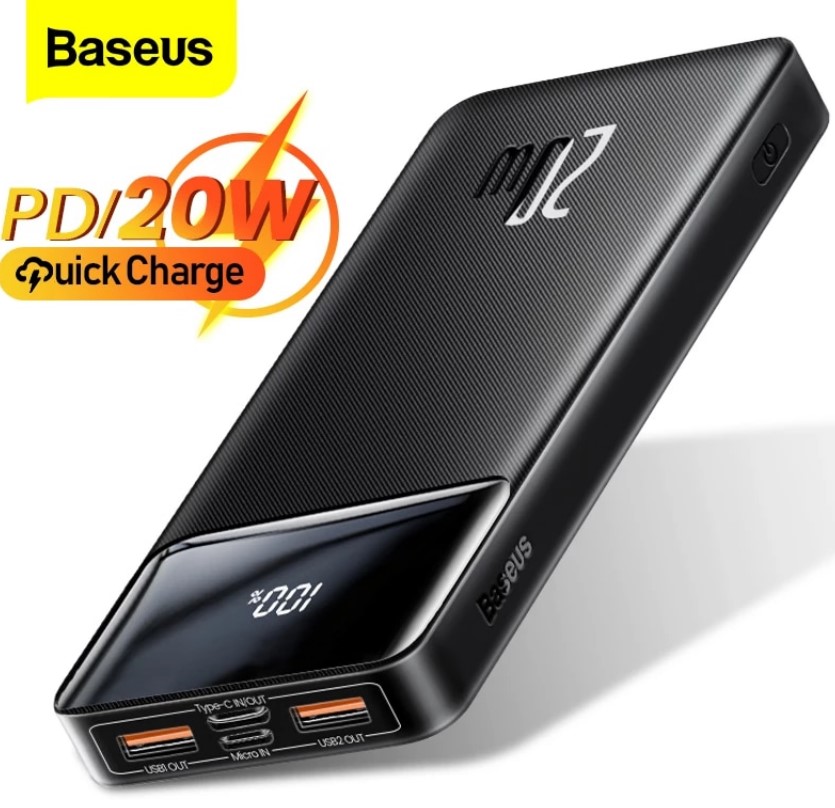
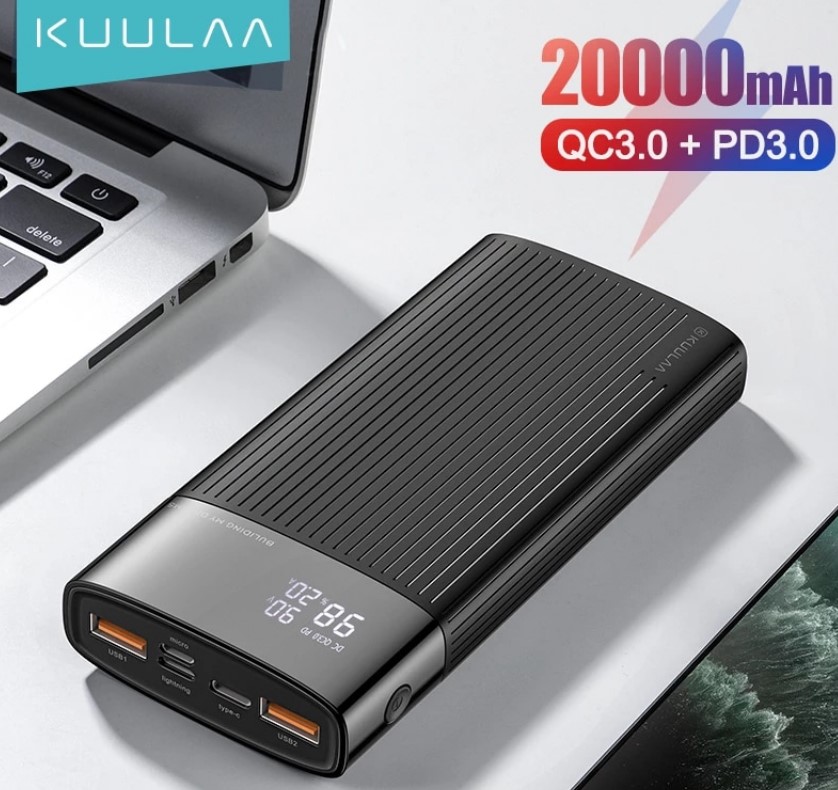
If you use battery-powered gadgets then you know the importance of a Power Bank. They provide the most convenient and easy way to charge your devices on the go. Perfect for daily use and short/long-term travel, the device is designed to be lightweight, portable, and easy to carry. Power banks essentially work like an external battery and are perfect for people who travel daily or for days together and have difficulty finding a charging point. Depending on the battery power and brand, you can use a power bank to charge smartphones, earbuds, laptops, tablets, and many more devices.
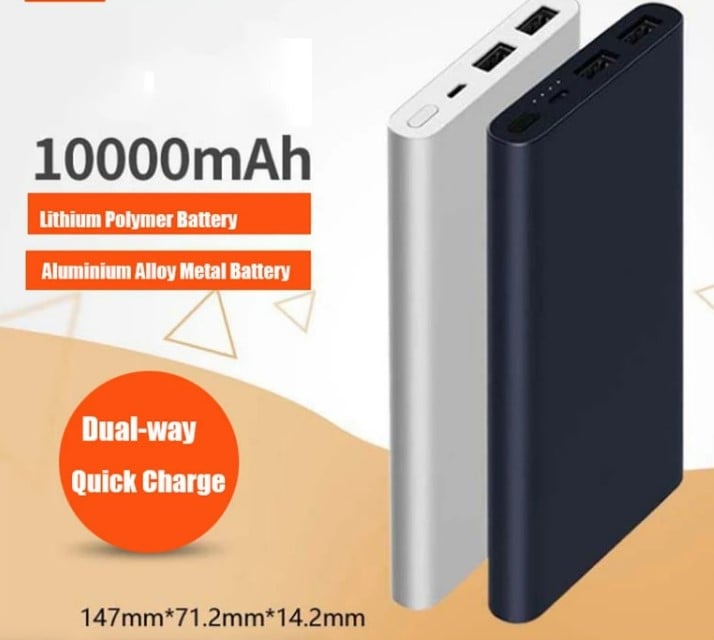
10000mAh Fast Charging Power Banks
Recommended for daily use and weekend travelers who usually charge a single device. Not recommended for hardcore travelers, globe trotters, or people who spend their maximum time off-grid.
4 Outputs: 2 x USB, 1 X Type -C, Wireless charging
Simultaneously charge 4 devices
Dual input: 1 x Type C, 1 x Micro
Fast Charging PD18W, QC3.0, QC2.0,for Samsung, AFC, FCP,DCP,for Apple 2.4A
Protection from overcharge, temperature, over-discharge, over-voltage, short circuit, etc
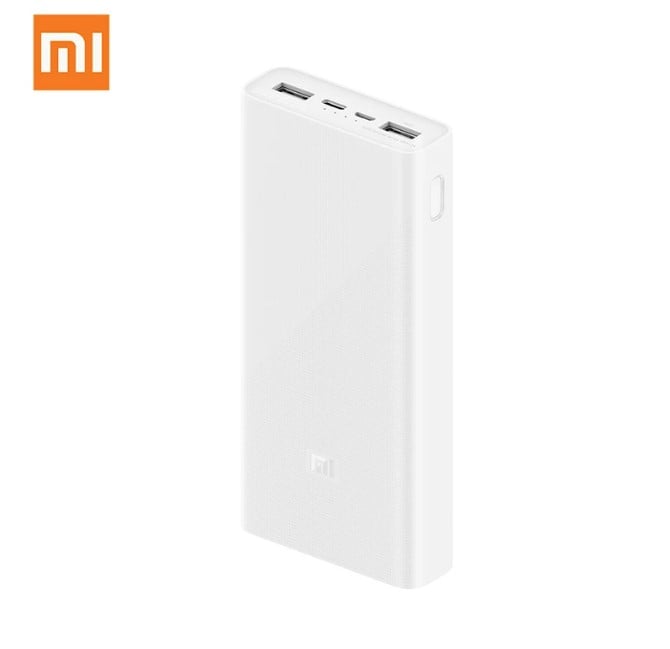
20000mAh Fast Charging Power Banks
Recommended for people who want to charge multiple devices on the go. Daily office workers and people who use their gadgets continuously will need a 20000mAh battery power bank. Can be useful to travelers and globe trotters, or people who spend some time off-grid.
Protection from overcharge, temperature, over-discharge, over-voltage, short circuit, etc
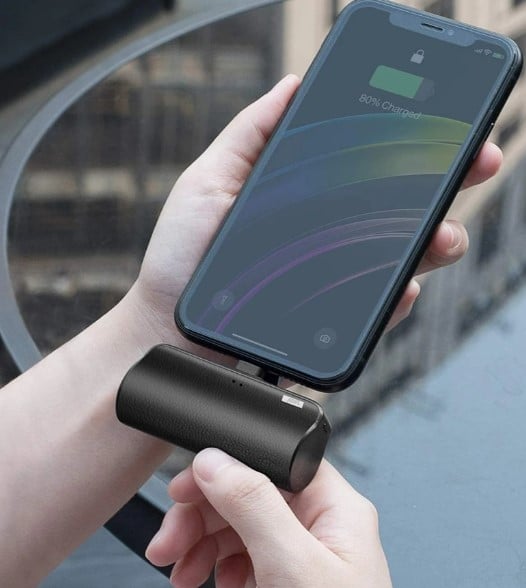
5000mAh Mini Power Bank
You can keep this as a backup for emergencies. It is a short-term solution and recommended for people who can easily find a charging point and don’t use their phones or laptops for a long period.
Compatible with cellphones, earphones, and laptops
Protection from overcharge, temperature, over-discharge, over-voltage, short circuit, etc
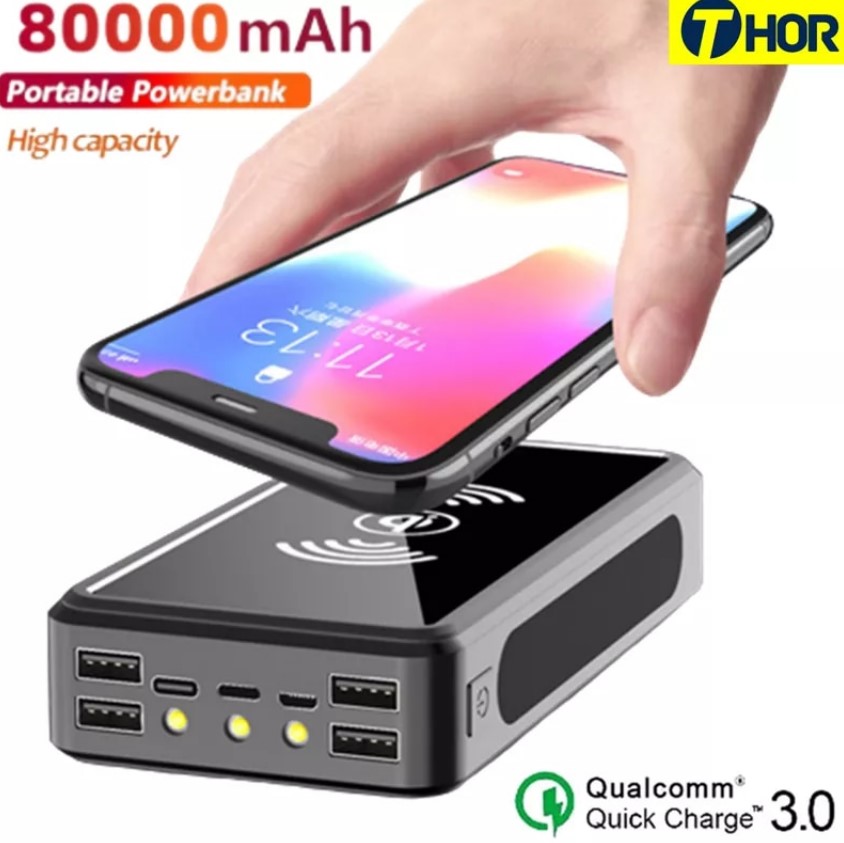
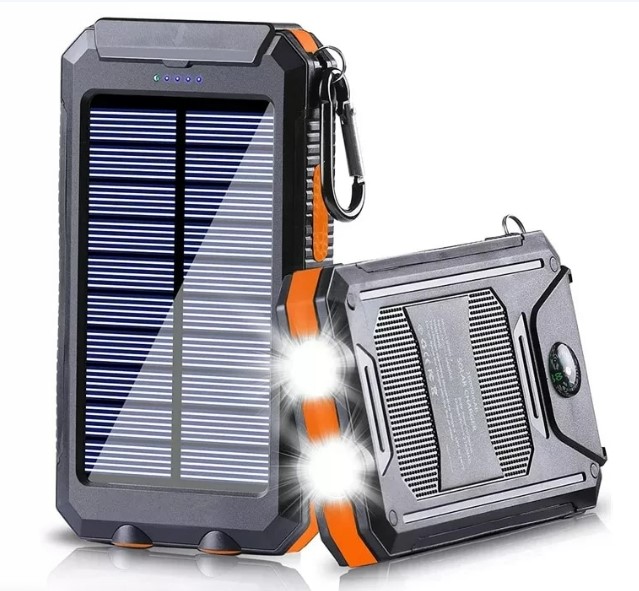
80000mAh Extra Large Solar Power Bank
Recommended for people who spend a lot of time outdoors and off-grid. If you are a regular traveler, adventure enthusiast, wanderer, or outdoor worker, then you need a massive 80000mAh battery power bank to simultaneously charge many devices. Also having the solar power option helps you to charge your power bank even when you can’t find an external charging point.
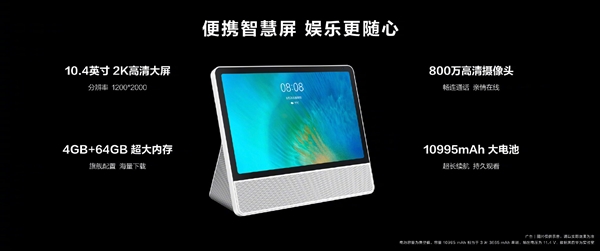
Huawei has announced the portable version of its Vision Smart Screen series. It is the Huawei Smart Screen Portable Version with a 10.4-inch 4K display and a humongous 10,995mAh battery. The other models announced include the Vision Smart Screen and the Vision Smart Screen Z65 Gaming Edition. Huawei will open pre-sales for the new portable smart screen on October 20 but the official launch is slated for October 31.
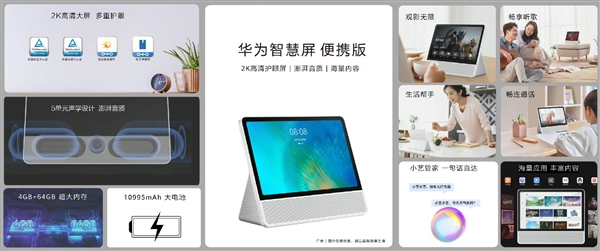
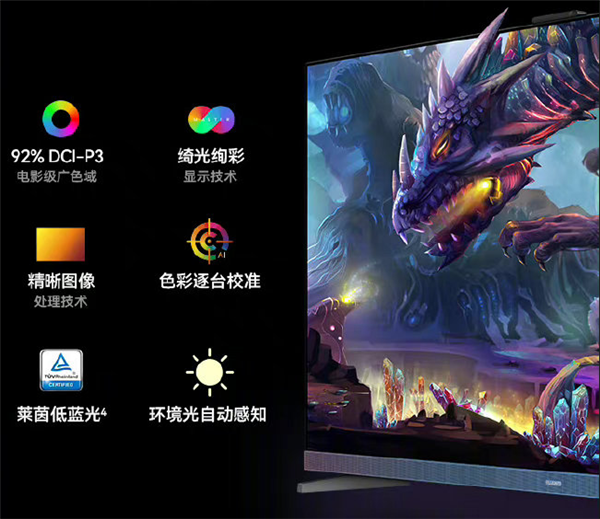
The Huawei Smart Screen Portable Version sports a handy 10.4-inch screen and looks like a large-screen speaker. A large speaker sits at the bottom of the screen with the screen having an inclined angle with the speaker. The base of the portable smart screen has a triangular design while the 10,995mAh battery means the gadget can be used for an extended period. The screen has high-definition resolution and eye protection. The Smart Screen Portable Version has the TUV Rheinland low blue light certification. The screen can automatically adjust the brightness to suit the ambient setting and an 8MP camera sits at the upper right corner of the screen.
The portable Smart Screen’s camera is a high-definition camera and can be used for video calls. The portable smart screen is equipped with a 5-unit sound system to deliver an enjoyable movie experience to the user. The memory/ storage configuration of the portable smart screen is 4GB/ 64GB and the device integrates with Xiaoyi Butler for an array of intelligent services.
While Huawei had provided pricing details for the other models in the Vision Smart Screen series, such detail is lacking for the Smart Screen Portable Version. We expect the pricing details to trickle in for the product before its pre-sale on October 20. Global availability details for the smart screen portable version could also surface before its official launch in China.
Huawei has launched a raft of smart screens under the Vision Smart Screen brand. One of the models in the lineup is the base model called the Huawei Vision Smart Screen. The other models are the Vision Smart Screen Z65 Gaming Edition and the Vision Smart Screen Portable Version. The Huawei Vision Smart Screen comes with a high display refresh rate of 120Hz and its biggest option is the 86-inch model.
Two sizes are available for the Huawei Vision Smart Screen – the 75” and 86” models. Huawei is commencing pre-sales of the Vision Smart Screen on September 30 but the official launch is October 14. The smart screen supports P3 movie-level wide color gamut, Honghu picture quality, and overall clarity and smoothness in the picture.
The Vision Smart Screen runs on the Harmony OS with applications for smart home integration, super desktop support, mobile phone integration, screencasting, and app support. The smart screen provides a seamless transition, lots of accompaniments, and lower microphone delay in music or karaoke settings. The Vision Smart Screen comes with several impressive games, video resources, and lots more.
The Huawei Vision Smart Screen is priced at 5,999 yuan (~$843) and 9,499 yuan (~$1,335) for the 75-inch and 86-inch models respectively. There is no information yet on whether the product will be subsequently available outside China.
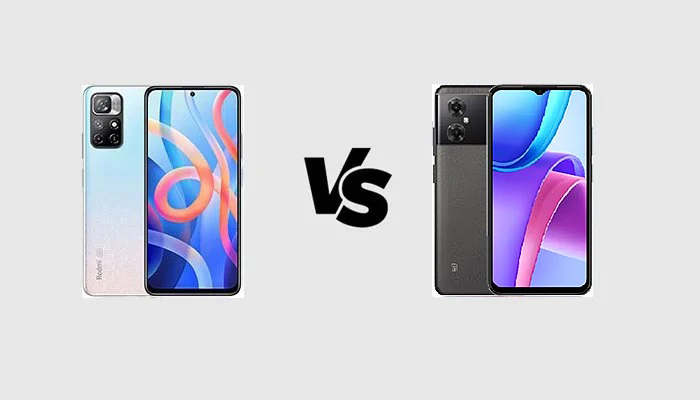
Xiaomi just launched another of its devices with incredibly affordable prices: the Redmi Note 11R. It is something very interesting not only because of the price but also because it is one of the most affordable phones out there. Another device with an amazingly good quality price ratio is the vanilla Redmi Note 11. It has been available for a long time and it reached awesome street prices. After the release of the new model, we think several people probably want to know which one is the best for their actual needs, given that these two handsets are in the same price range. We decided to answer this question through a comparison between the main specifications of the Redmi Note 11 and the Redmi Note 11R.
Dual 13 + 2 MP, f/2.2 + f/2.4
5 MP f/2.2 front camera
BATTERY
5000 mAh, fast charging 33W
5000 mAh, fast charging
ADDITIONAL FEATURES
Dual SIM slot, IP53 certification
Dual SIM slot, 5G
Design
Despite the Redmi Note 11R being a newer model with a more original design, the winner of the design comparison is the older Redmi Note 11. Unlike the new variant, the older one comes with a punch hole placed centrally, instead of an ugly waterdrop notch. Further, the screen to body ratio is higher, thanks to the presence of narrower bezels around the display. The rear side has a more minimalistic look, with more impressive color options such as the gradient blue one. Last but not least, the vanilla Redmi Note 11 has a more compact body (it is even thinner) and comes with the IP53 certification making it dust resistant and splash resistant. Unfortunately, these devices are not built with premium materials, and they are made of plastic for both the rear cover and the frame.
Display
The winner of the display comparison is again the Redmi Note 11. Unlike its internal rival, it is equipped with a great AMOLED display showing brighter colors and deeper black. The panel has a diagonal of 6.43 inches, a Full HD+ resolution of 1080 x 2400 pixels, a 90 Hz refresh rate, and a peak brightness of 1,000 nits. On the Redmi Note 11R, you can find an IPS LCD display with a diagonal of 6.58 inches, a Full HD+ resolution of 1080 x 2408 pixels, and a 90 Hz refresh rate. Besides offering a higher image quality, the vanilla version comes with stereo speakers. Both devices sport side-mounted fingerprint readers, placed on the power keys, and they include an infrared port allowing to use of the phone as a TV remote.
Hardware/Software
As you read until now, the Redmi Note 11 is definitely more interesting when it comes to the design and the display. But the Redmi Note 11R packs a better hardware department. First of all, it has a better processor: the Dimensity 700 chipset by Mediatek, built with a 7 nm production process and sporting an octa-core architecture composed of two Cortex A76 CPUs running at a max frequency of 2.2 GHz, six Cortex A55 CPUs running at 2 GHz, and a Mali G57 MC2. The chipset is even paired with a higher amount of RAM if we consider the most expensive configuration of the phone: up to 8 GB of RAM, as well as 128 GB of native storage in all the configurations, furtherly expandable through a micro SD slot. Last but not least, it supports 5G. The Redmi Note 11 does not support 5G and it is powered by the Snapdragon 680 chipset with lower energy consumption but lower performance too. The chip is built with a 6 nm production process and sports an octa-core architecture composed of four Kryo 265 Gold CPUs running at 2.4 GHz, four Kryo 265 Silver CPUs running at 1.9 GHz, and an Adreno 610 GPU. The chipset is paired with up to 6 GB of RAM and up to 128 GB of native storage.
Camera
The cameras of the Redmi Note 11 are way better than the ones found on the Redmi Note 11R. It has a quad camera setup with a 50 MP main sensor, an 8 MP ultrawide lens, and a pair of 2 MP cameras for macros and depth calculation. The 11R has a disappointing dual camera with a 13 MP main lens and a 2 MP depth sensor.
Battery
The batteries of these two phones come with the same capacity: 5000 mAh. But the Redmi Note 11 will last longer on a single charge in a lot of scenarios because it has a more energy-efficient display. Further, it charges quicker thanks to 33W fast charging.
Xiaomi Redmi Note 11 vs Xiaomi Redmi Note 11R: Price
It is easy to find the Redmi Note 11 for less than €200 in the global market, while the Redmi Note 11R begins at $154 in China and it is not available in other markets. The 11R is better only when it comes to the hardware department, but for the rest, the vanilla version is superior.
Xiaomi has added another product to its home electronics ecosystem. It is the MIJIA Freezer 203L which offers up to 203 liters of storage and four temperature modes. The new freezer has temperature options for micro-freezing, freezing, quick-freezing, and refrigeration. This means that the freezer is able to meet a variety of freezing needs for different foods/ ingredients.
The Xiaomi MIJIA Freezer 203L adopts a three-dimensional surround refrigeration design for efficient freezing of ingredients. It has a freezing rate of 0.75kg/h which means that it can freeze up to 18kg of meat in just 24 hours. The refrigeration temperature can decline to -30ºC. The Freezer’s stepped design can accommodate up to 203 liters of storage space and it comes with an independent food basket. The Freezer has a removable door seal while dual mobile casters provide mobility for the device.
The Xiaomi MIJIA Freezer 203L is offered at an introductory price of 899 yuan (~$126) and can be purchased from JD.com. There are no available details for the product’s release in the overseas market at this time. The affordability and multiple temperature modes available for the MIJIA Freezer 203L could give it a decent reception in the Chinese market.
The all-new Pixel 7 and Pixel 7 Pro are scheduled to debut in the global market next week. This year, the Pixel series will also debut in the Indian market. Google has not confirmed the exact Indian launch date yet. However, the company just announced that pre-orders for the Pixel 7 and 7 Pro will begin in the country on October 6.
Google recently shared a tweet revealing the India pre-order date for the upcoming Pixel 7 series. As per the company, interested buyers will be able to book the Pixel 7 and 7 Pro in India from October 6 at 9:30 pm via Flipkart. The official pricing of the Pixel smartphones is yet to be known.
Google Pixel 7, 7 Pro Specifications (Expected)
Reports suggest the Pixel 7 series will not have too many changes as compared to the Pixel 6 series. The Pixel 7 will come with a 6.3-inch FHD+ OLED 90Hz display, while the Pixel 7 Pro will sport a 6.7-inch QHD+ OLED 120Hz screen. Both handsets will have an in-display fingerprint scanner for security. The forthcoming Pixel devices will be powered by Google’s home-brewed Tensor G2 chip and come preloaded with the Android 13 OS.
As far as the cameras are concerned, the Pixel 7 Pro will have a 50-megapixel main camera, a 12-megapixel ultra-wide lens, and a 48-megapixel telephoto snapper on the rear. The Pixel 7, on the other hand, will feature the same main camera and an ultra-wide on its back.
The Pixel 7 series packs up to 12 GB of RAM and up to 256 GB of storage. The vanilla model will have a 4,700mAh battery, whereas the higher-end Pro model will have a 5,000mAh battery. Both smartphones will support 33W fast charging and wireless charging.
Samsung’s Expert RAW app has been available for the Galaxy S22 series and a few other Galaxy smartphones for quite some time. Now, the South Korean company is releasing a new update for Expert RAW which will extend its compatibility to three of its older flagships—the Galaxy Note 20 Ultra, S20 Ultra, and Z Fold2. Here are the details.
As per a community post, Samsung has rolled out an update to the Expert RAW app which enables support for the Galaxy S20 Ulta, Note 20 Ultra, and Fold 2 smartphones (Via GoAndroid). However, Samsung warns that the quality and processing times will vary in the smartphones due to their age and inability to match the processing power of current flagship devices.
Some explanations might be in order if you’re not familiar with Samsung’s Expert RAW. People with experience in photography can use this app to capture images with a wider dynamic range than the standard camera app. It also offers a huge range of manual shooting controls. Furthermore, you can take pictures in RAW, so you can edit them in apps such as Adobe Lightroom afterward.
Samsung is working to bring more features to the app. However, don’t expect all of them to be available on older devices. Some features will only be available on the latest flagships since they have the required hardware to support them. Samsung is reported to be testing the ability to set custom shutter speed, ISO, and preferences in the Hyperlapse video recording mode.
If you own the above-mentioned Samsung smartphones and want to try your hands on the Expert RAW app, you can download it from the Galaxy App Store.
Realme 9 was launched earlier this year, and now reports suggest the company is working on its successor—Realme 10. The handset was recently spotted on multiple certification sites, including the Bureau of Indian Standards (BIS), IECEE, Indonesia Telecom, and NBTC. Now, in the latest development, the Realme 10 has gained FCC approval. The smartphone is listed to sport a 5,000 mAh battery with 33W fast charging support. Here are all the details.
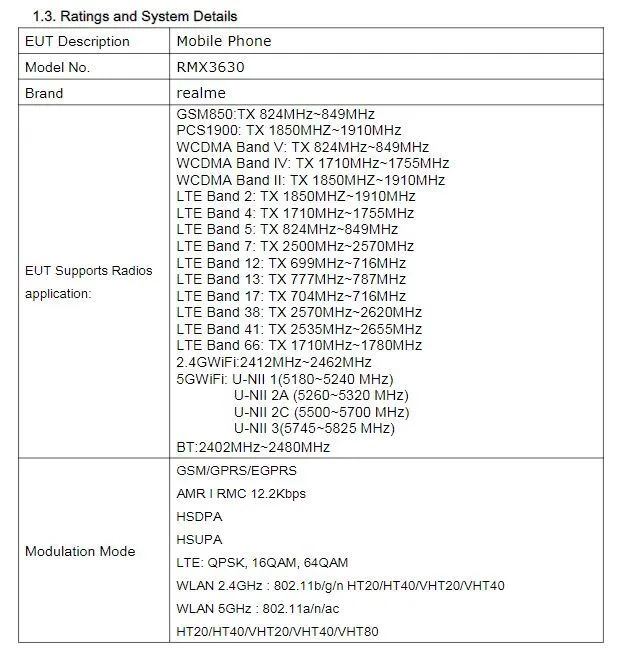
A Realme smartphone with model number RMX3630 has received Federal Communications Commission (FCC) approval. As per previous reports, this model number is associated with the rumored Realme 10. The listing confirms the device will pack a 5,000mAh battery and offer 2.4GHz and 5GHz dual-band Wi-Fi support along with 4G LTE connectivity.
1 of 2
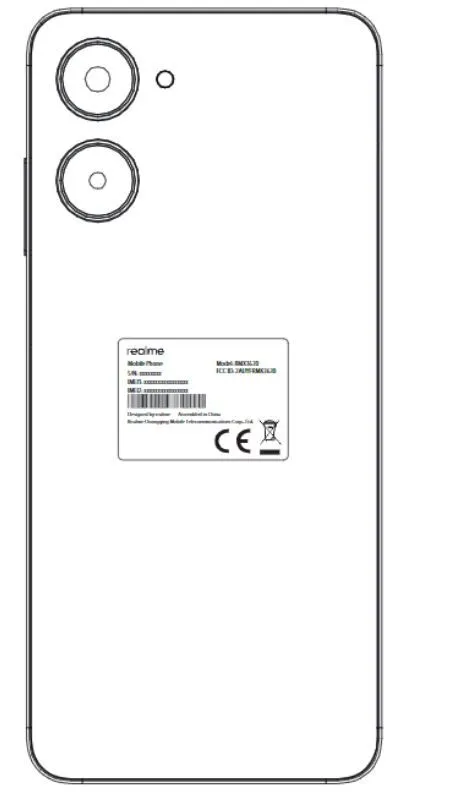
Further, the handset’s charging adapter with model number VCB3HDUH has been spotted on the FCC website. It suggests that the Realme 10 will support 33W fast charging. The smartphone runs on Android-based Realme UI 3.0. The listing also reveals the design of the smartphone. It can be seen to feature a dual camera setup with an LED flash on the back.
A recent Geekbench listing revealed that the Realme 10 will be powered by a MediaTek Helio G99 processor and a Mali G57 GPU. It may come in an 8GB memory variant. However, the company will likely launch the device in multiple storage configurations.
The available details about the device suggest it will be launched as a mid-range smartphone. The pricing of the device is yet to be known, but we can expect it to cost around $200. Details about the Realme 10 are still pretty short and the company is yet to make an official announcement. We hope to learn more in the coming days.
Huawei has released the Vision Smart Screen Z65 Gaming Edition monitor. The new smart screen is specifically optimized for in-depth gaming scenarios with its flagship processor and storage configuration of 8GB+64GB. It can achieve a maximum 4K refresh rate of 120Hz for excellent video output.
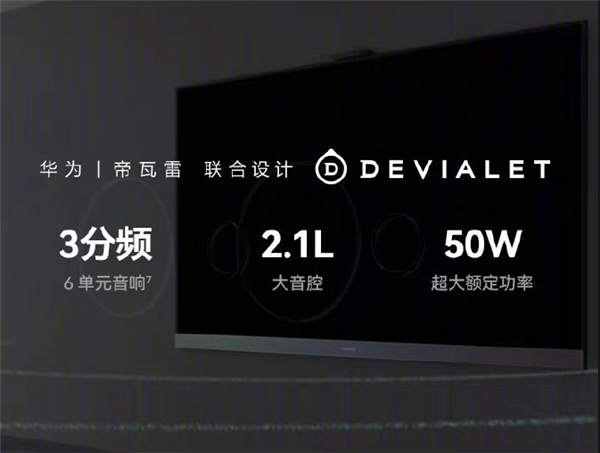
The Vision Smart Screen Z65 is an e-sports version of the smart screen. Its screen has 1.07 billion colors and a DCI-P3 wide color gamut. Its computing image quality is suited for gaming situations. The smart screen can automatically identify console games and optimize the screen resolution. It also supports user-defined screen color temperature and 50W ultra-high audio. The Vision Smart Screen Z65 Gaming Edition’s audio architecture is based on Devialet. It is equipped with Huawei Sound computing audio with capabilities for sound animation.
The Vision Smart Screen Z65 has an assortment of impressive games and supports cloud gaming. It also supports AI multi-body sensing and somatosensory gaming. It supports the super desktop and super entertainment center of the smart screen, as well as operates as smart TV.
The Huawei Vision Smart Screen Z65 Gaming Edition comes in a 65-inch or 75-inch variant. It was launched at Huawei Mall but is also available on major retail platforms like JD.com. The prices of the Huawei Vision Smart Screen Z65 Gaming Edition are 7,999 yuan (~$1,124) and 12,999 yuan (~$1,827) respectively. Huawei has not divulged any information about the global availability of the TV.
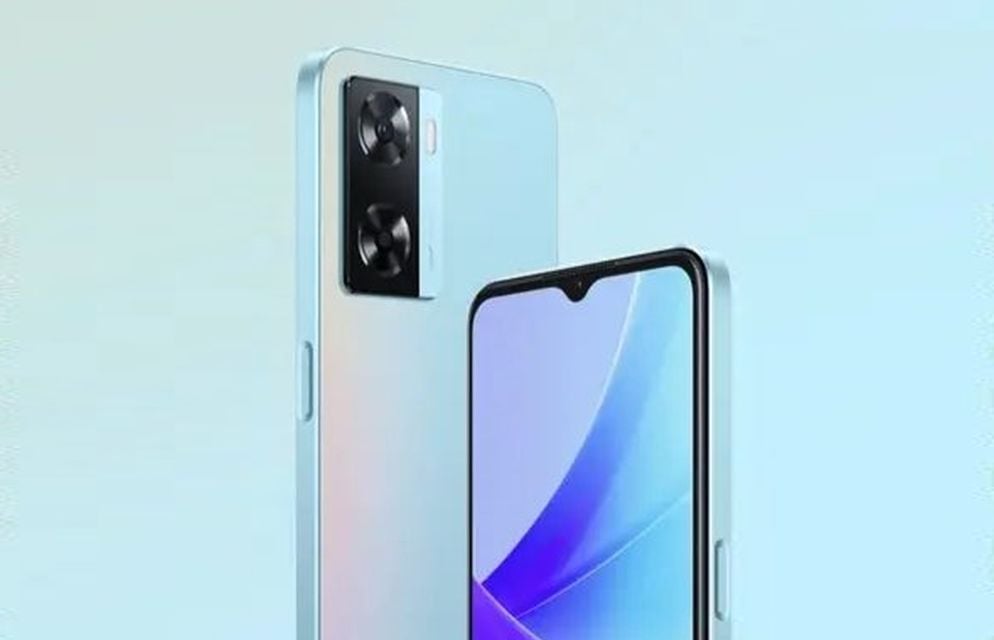
OPPO is reportedly gearing up to launch a new A series smartphone dubbed, OPPO A77s. Ahead of its formal debut, the handset has been spotted on the Geekbench benchmarking site with a Snapdragon 680 SoC and 8GB RAM. Earlier, it was reported that the handset would come equipped with a 5000mAh battery, a 50-megapixel camera setup, 33W fast charging, and more.
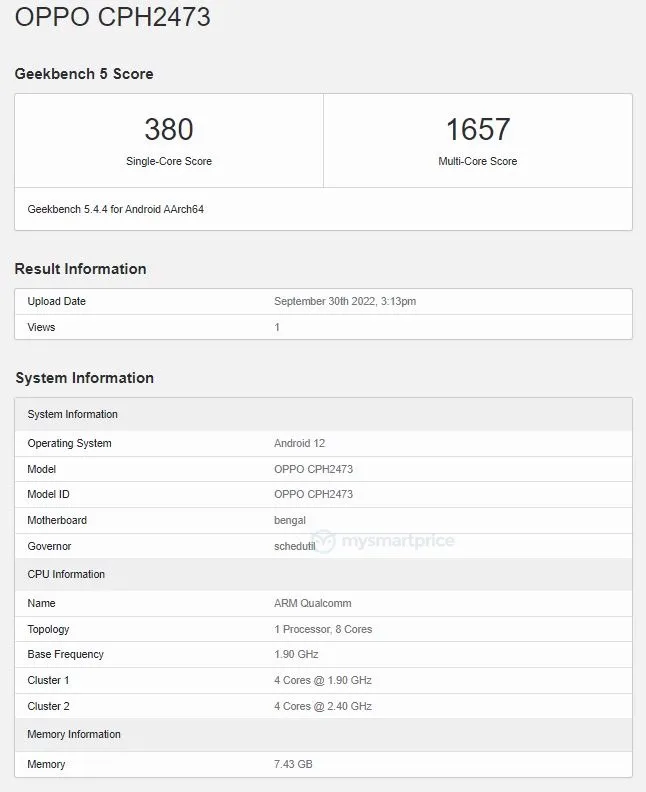
OPPO A77s has visited the Geekbench website with model number CPH2473 (Via). It is listed to feature an octa-core Qualcomm Snapdragon 680 SoC, paired with an Adreno 610 GPU. The handset also packs 8GB of RAM and runs Android 12.
As per the Geekbench listing, the OPPO A77s has received a single-core performance score of 483 points and a multi-core performance score of 1,668 points. This is all the information we could get from the listing. A recent leak revealed the complete specifications of the upcoming OPPO A77s. Let’s have a look.
OPPO A77s Specifications (Expected)
the OPPO A77s will come with a 6.56-inch IPS LCD display offering an HD+ resolution, a refresh rate of 90Hz, and a color gamut of 100 percent DCI-P3. The handset will be 7.99mm thick and weigh 187 grams.
OPPO A77s
The A77s will pack a 5,000mAh battery and support 33W SuperVOOC charging. For photography, it will feature a dual rear camera setup consisting of a 50-megapixel main snapper and a 2-megapixel depth sensor. While on the front, it will have an 8-megapixel shooter for selfies and video calls.
On the software, it will run Android 12 OS with ColorOS 12.1 on top. It also features an ultra-linear stereo speaker. It is claimed to come in 6GB+128GB and 8GB+128GB configurations. The handset will be offered in two colorways—Starry Black and Sky Blue. The OPPO A77s is expected to launch in India this week.
Lenovo has released the ThinkRealitty VRX headset essentially designed for the industrial metaverse. The Lenovo ThinkReality VRX is equipped with the Snapdragon XR platform and has a small form factor. It also features pancake-style optics and mixed reality full functionality. The new VR headset is a high-quality, secure enterprise metaverse channel with multiple functions. The headset provides a full complement of end-to-end enterprise services to users.
The Lenovo ThinkReality VRX can be used as a stand-alone gadget or it could be plugged into a PC/workstation. It supports cloud-based rendering solutions including NVIDIA CloudXR. The headset can deliver premium GPU-based performance with a great user experience. The VR headset has four front-facing cameras that provide up to six degrees of freedom for viewing content. Lenovo is collaborating with enterprise software vendors to have a presence in the Metaverse to showcase its lineup of products and solutions. It also provides a platform for partnership and collaboration with its customers. The suite includes consulting, cloud deployment, content creation, and customer support.
The Lenovo ThinkReality VRX headset is expected to be available early next year. However, the device will be available for early access to a selection of Lenovo’s partners later this year. There are still a few key details lacking for the ThinkReality VRX headset. Pricing and global availability details have not been released yet.
We use cookies on our website to give you the most relevant experience by remembering your preferences and repeat visits. By clicking “Accept”, you consent to the use of ALL the cookies.
This website uses cookies to improve your experience while you navigate through the website. Out of these, the cookies that are categorized as necessary are stored on your browser as they are essential for the working of basic functionalities of the website. We also use third-party cookies that help us analyze and understand how you use this website. These cookies will be stored in your browser only with your consent. You also have the option to opt-out of these cookies. But opting out of some of these cookies may affect your browsing experience.
Necessary cookies are absolutely essential for the website to function properly. This category only includes cookies that ensures basic functionalities and security features of the website. These cookies do not store any personal information.
Any cookies that may not be particularly necessary for the website to function and is used specifically to collect user personal data via analytics, ads, other embedded contents are termed as non-necessary cookies. It is mandatory to procure user consent prior to running these cookies on your website.


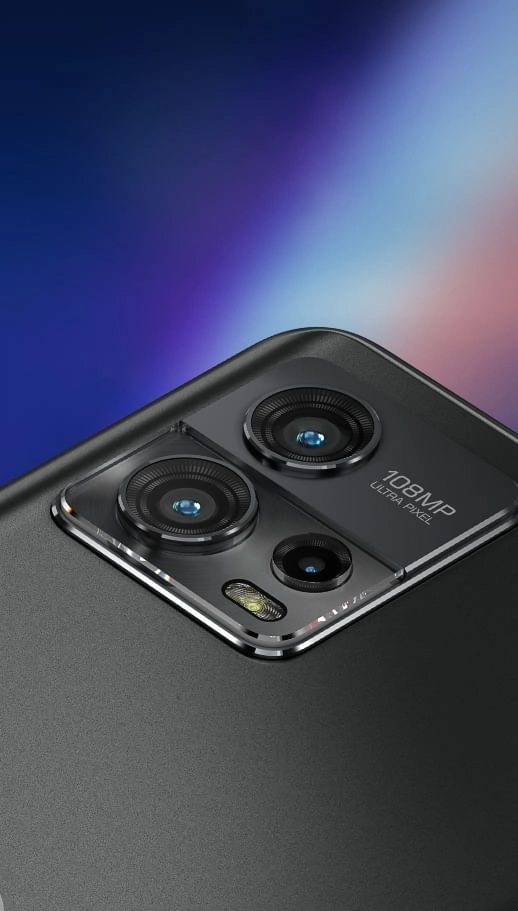
 On the back, they feature a rectangular camera island with one huge compartment on top housing the main camera and two small cameras on the bottom. It’s hard not to argue that Xiaomi’s most recent flagship phones have one of the most beautiful camera modules we’ve seen in the past few years.