OPPO has been launching a lot of mobile accessories along with mid-range and premium smartphones in the market. Now, the company is set to introduce new color options for two of its already-launched accessories.
The company has announced that the OPPO Enco X2 Golden Years and OPPO Watch 3 Series Glacier Gray will be launched in the Chinese market on 15th December, i.e., tomorrow.
The launch of this new version of devices will take place at the OPPO Future Technology Conference 2022, aka OPPO Inno Day 2022, which kicks off today, i.e., on 14th December, and ends tomorrow, on 15th December.
Not just these two new models, the company is also all set to launch its flagship OPPO Find N2 foldable smartphone on 15th December as a successor to the OPPO Find N that was launched earlier this year.
OPPO Enco X2 features a dual driver setup with an 11mm dynamic driver paired with a 6 mm planar diaphragm driver and supports a coding rate of up to 900kbps thanks to Bluetooth 5.2 and the LHDC 4.0 transmission protocol. It features a 38 dB/Pa microphone setup and multiple noise cancellation levels. The TWS earbuds use three microphones with Bone Voiceprint AI to reduce noise during calls and are capable of offering up to 9.5 hours of music playback on a single charge.
On the other hand, the OPPO Watch 3 features a 1.75-inch AMOLED display with a screen resolution of 430 x 372 pixels. It is powered by the new Qualcomm Snapdragon W5 chipset and the company’s own Apollo 4 Plus chip, coupled with 1GB RAM and 32GB of internal storage. The device runs the ColorOS Watch 5.0 out-of-the-box and is powered by a 400mAh battery, offering four days of battery life.
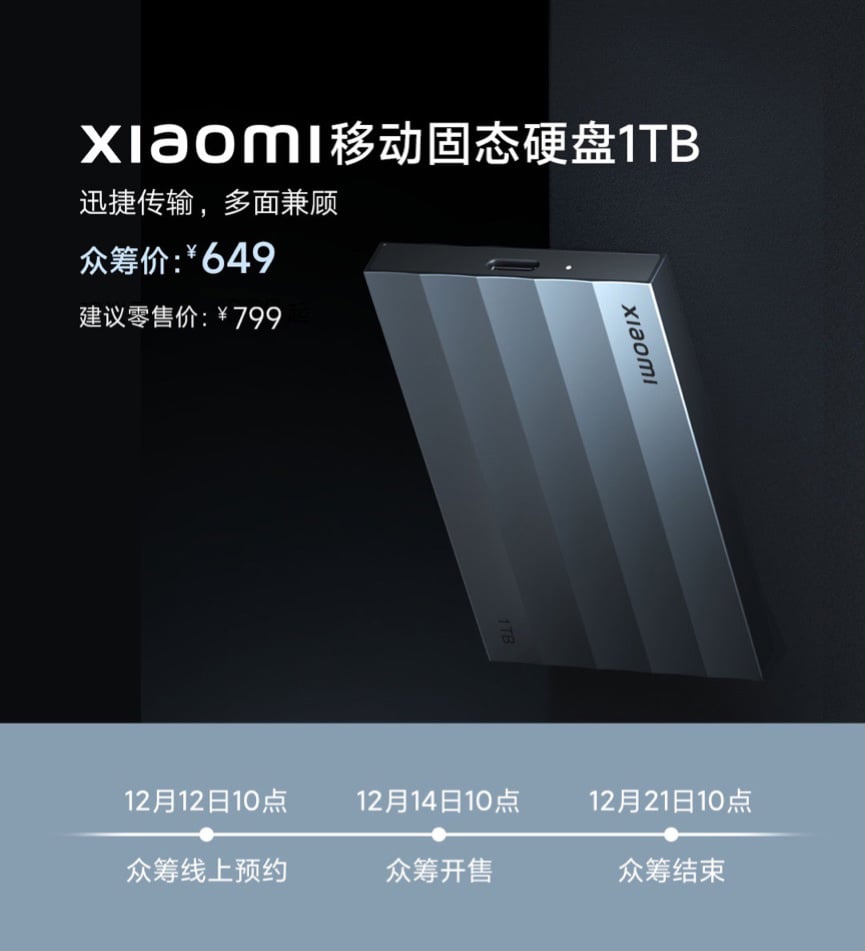
Xiaomi, although well-known for its smartphones, has a whole lineup of accessories and other products in different categories of technology. Continuing the trend, the company has launched its first hard drive, called Xiaomi Mobile SSD 1TB.
As the name itself indicates, the newly announced hard drive from the brand has 1TB of capacity and is a Solid State Drive (SSD) which is about 10 times faster than the traditional hard drive.
For the Xiaomi Mobile SSD 1TB, the company is launching the product through Crowdfunding which will start on 14th December. Those who back the crowdfunding campaign will get the product for 649 yuan (~$93), and the company suggested retail price is 799 yuan (~$114).
It comes with an exquisite design in a metal body having a light-colored aluminum shell that has been processed with fine sandblasting and anodizing. As for the performance, the sequential read/write rate can reach up to 200 MB/s, and a 4K high-definition movie can be uploaded or copied within a minute.
The company has also revealed that the Xiaomi Mobile SSD 1TB is compatible with several different types of devices, including those running Windows 7 or later, macOS X 10.6 or later, Android 9 or later, Linux, and more.
Motorola will launch its upcoming flagship smartphone, called the Moto X40, on December 15 in China. The device is also expected to soon launch in the global market with Moto Edge 40 Pro moniker. Ahead of the launch, almost all of the key specifications, along with some renders, have been leaked.
Now, tipster Sudhanshu Ambhore has spotted the smartphone on the HDR+ database, confirming that the display panel of the smartphone will be quite capable. For those unaware, HDR10+ is quite akin to HDR10, as it is capable of producing around 1 billion different colors. The main difference between the two is that HDR10+ panels use dynamic metadata to accurately depict bright and dark parts during a scene. This makes HDR video content more immersive than when viewing it on standard HDR panels.
Other than that, the previous leaks mention that this OLED display will measure 6.67 inches and will offer FHD+ resolution with either 144Hz or even 165Hz refresh rate. The device as a whole will measure 161.3 x 73.9 x 8.5 mm and weigh around 196 grams.
Under the hood, we will find a Snapdragon 8 Gen 2 chipset paired with LPDDR5X RAM and UFS 3.1 storage. The gadget will be powered by the MyUI 5.0 custom skin on Android 13 OS. Other features include NFC, dual-band 5G, Bluetooth 5.3, USB Type C, dual speakers, Bluetooth 5.3, and IP68 water and dust resistance rating. The device was previously spotted on 3C and TENAA certification sites with 4,600mAh and a 5,000mAh battery pack. These options support 125W and 68W fast charging, respectively.
For optics, the smartphone is said to feature a 50-megapixel primary sensor, paired with a 50-megapixel ultra-wide lens and a 12-megapixel telephoto lens with 2x optical zoom.
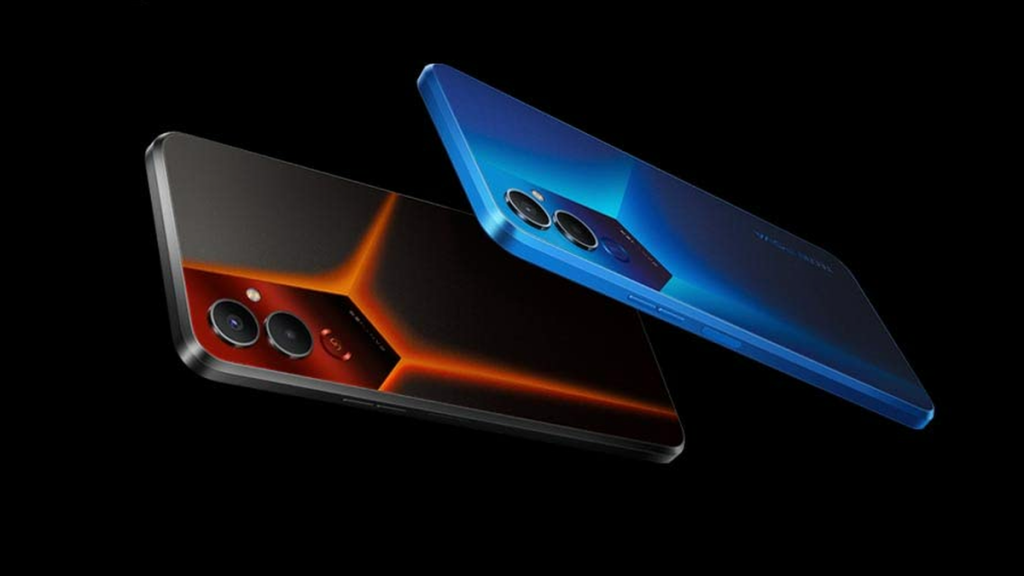
Tecno Pova 4 went official last week in India. Starting today (Dec. 13), the smartphone is available for purchase through Amazon India and JioMart. Continue reading to learn more about the price and specifications of the Pova 4.
Tecno Pova 4 price and offers
The Tecno Pova 4 is listed at Rs 11,999 (~Rs 145) in India. It comes in two colors: Cyrolite Blue, Uranolith Black, and Magma Orange. Buyers with an HDFC Bank card can avail an instant discount of 10 percent, which will allow buyers to get the Pova 4 for Rs 10,999 (~$133).
Tecno Pova 4 specifications and features
Tecno Pova 4
The Pova 4 has a 6.82-inch IPS LCD screen with a punch-hole design. It offers an HD+ resolution, a 20.5:9 aspect ratio, and a 90Hz refresh rate. The device runs on Android 12 OS, which is overlaid with HiOS 12.0. It can run HD content over OTT platforms since it comes with Widevine L1 support.
The Helio G99 is powered by the Tecno Pova 4 chipset. The device offers 8 GB of LPDDR4x RAM and 128 GB of UFS 2.2 storage. It has a microSD card slot for additional storage. The 6,000mAh battery of the device supports 18W charging and 10W reverse wireless charging.
On the front, it has an 8-megapixel selfie camera with an LED flash. On the back, it has a 50-megapixel primary camera, an AI lens, and a dual-LED flash. It offers other features like a side-facing fingerprint scanner, dual stereo speakers, a 3.5mm audio jack, dual-band Wi-Fi, Bluetooth 5.0, GPS, NFC, and dual 4G VoLTE.
In other news, Tecno unveiled the Phantom X2 and Phantom X2 Pro at a massive launch event in Dubai recently. While both models feature the Dimensity 9000 chipset, the X2 Pro is the world’s first phone to feature a retractable camera.
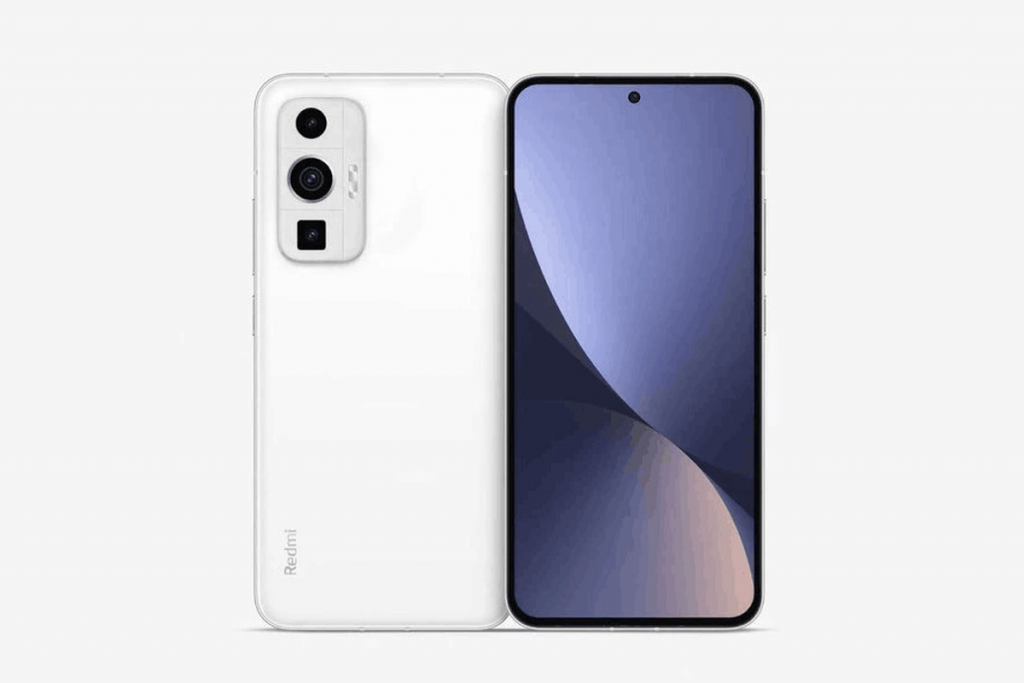
Redmi is reportedly working on the Redmi K60 series for the Chinese market. Reports have suggested that the lineup will have three devices, such as the Redmi K60, the K60 Pro, and the Redmi K60E. According to a recent report, the company is unlikely to launch a gaming-focused model called the Redmi K60 Gaming. The K60E is already confirmed to feature the Dimensity 8200 chip. The leaked specs of the K60 and K60 Pro that have surfaced so far are quite confusing. What’s known is that both models are likely to be powered by the Snapdragon 8 Plus Gen 1 chip. It appears that the flagship model in the Redmi K60 family will be packed with top-of-the-line specs.
The Redmi K60 is likely to feature the Snapdragon 8 Plus Gen 1 chipset, whereas the Redmi K60 Pro could be equipped with the Snapdragon 8 Gen 2 mobile platform. In a recent Weibo post, tipster Digital Chat Station can be seen saying that the main flagship series of all the sub-systems (machine-translation) will have 16 GB of RAM and 512 GB of storage.
Redmi K60 render
It appears that the tipster could be talking about the Redmi K60 and K60 Pro. The Weibo post suggests that both models will have LPDDR5x RAM and UFS 4.0 storage, which are also available on recently released flagships like the Xiaomi 13 series, iQOO 11 series, and Vivo X90 series.
It is likely that the Redmi K60 and K60 Pro will come equipped with a 120Hz AMOLED display. Both devices may support 67W fast charging. These devices are likely to run on the Android 13 OS with the MIUI 14 skin on top. The Dimensity 8200-powered K60E is likely to support 120W fast charging.
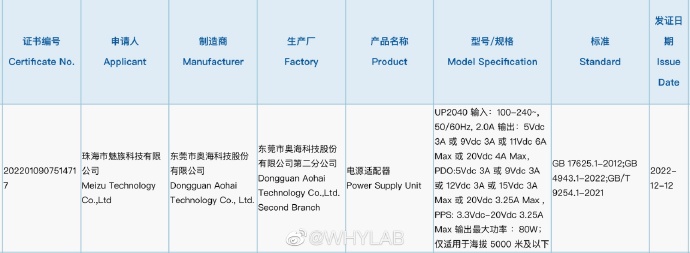
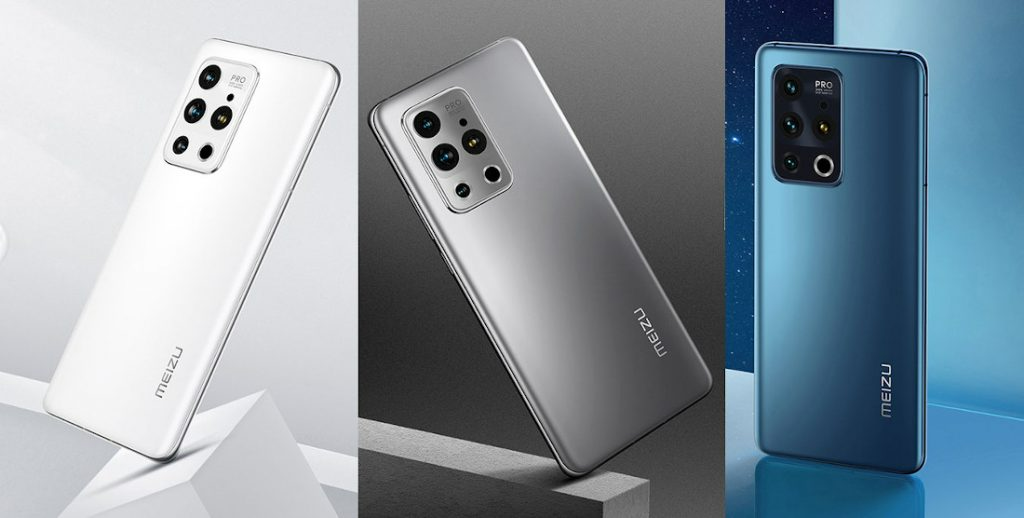
Meizu is reportedly working on the Meizu 20 and Meizu 20 Pro smartphones. Recently, the Meizu 20 was spotted on the Geekbench benchmarking platform with the new Snapdragon 8-series chipset. Now, a new Meizu charger that is supposedly designed for the upcoming Meizu 20 lineup has received certification from the 3C authority of China.
As can be seen in the screenshot, the new charger that is likely to accompany the Meizu 20 series has a UP2040 model number. The charger supports up to 80W fast charging. He added, “There is also a new protocol for wireless charging (machine translation).” To recall, the Meizu 18 Pro, which debuted in 2021, supported 40W wireless charging. Hence, there is a possibility that the Meizu 20 Pro may arrive with support for faster 50W wireless charging.
Meizu 18 Pro
Previous reports have claimed that the Meizu 20 Pro will be equipped with the Snapdragon 8 Gen 2 chipset. It may arrive in two configurations: 8 GB RAM + 256 GB storage and 12 GB RAM + 512 GB storage. It is expected to come in three color variants. The Meizu 20 is also said to be equipped with the Snapdragon 8 Gen 2 chipset. However, there is no information on the other specs of the device.
There is some confusion with the model numbers of the Meizu 20 series. As per a recent report, the Meizu 20 has the M381Q model number, while the Pro variant has the M391Q model number. However, an upcoming flagship Meizu phone with the m2392 model number was recently found listed on Geekbench.
The confusion around the model numbers of the Meizu 20 will clear up when both models surface on Chinese certification platforms like 3C and TENAA. Speculations are rife that the Meizu 20 and 20 Pro will be official in Q1 2023.
iQOO has recently launched the iQOO 11, iQOO 11 Pro, and iQOO Neo 7 SE smartphones in China, whereas its parent brand unveiled the Vivo X90 series of smartphones last month in the home market. As per a Weibo post by tipster Digital Chat Station (via. TechGoing) Vivo may soon unveil the Vivo S16 series of smartphones. The tipster also claimed that the iQOO Neo 7 Racing Edition is also in the works. It seems that the S16 lineup and the Neo 7 Racing Edition may debut as early as this month in China.
Apart from saying that the Vivo S16 and S16 Pro will have curved-edge displays, the tipster did not say anything about either smartphone. He revealed that the iQOO Neo 7 Racing Edition will have a flat display. Under the hood, it will feature the Snapdragon 8 Plus Gen 1 chipset, 16 GB of RAM, and 512 GB of internal storage.
Alleged iQOO Neo 7 Racing Edition
Before the iQOO Neo 7 SE was unveiled, there were some rumors about a device named the iQOO Neo 7s, which was expected to feature the Snapdragon 8 Plus Gen 1 chipset. It appears that the same device could be dubbed the iQOO Neo 7 Racing Edition in China.
The iQOO Neo 7 Racing Edition is likely to be the Vivo V2232A device that was certified by China’s 3C authority in November. Hence, it appears that the Racing Edition device may debut in December in China.
Shown above is the live image of the purported Neo 7 Racing Edition, which surfaced last month. The image mentions the model number and some of its key specs, such as the SD8+G1 chip, 16 GB of RAM, 8 GB of extended RAM, and 512 GB of storage.
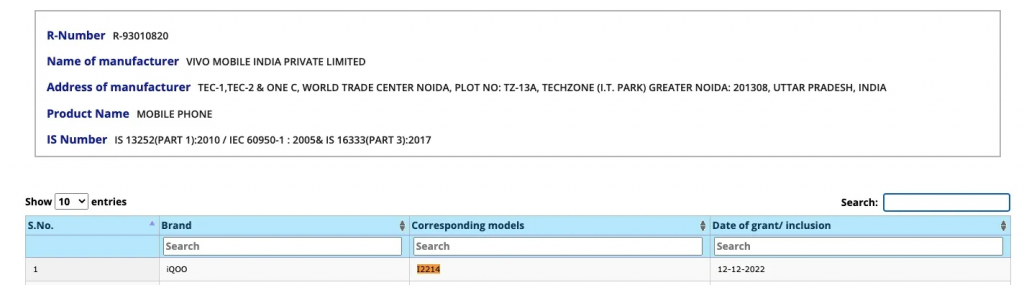
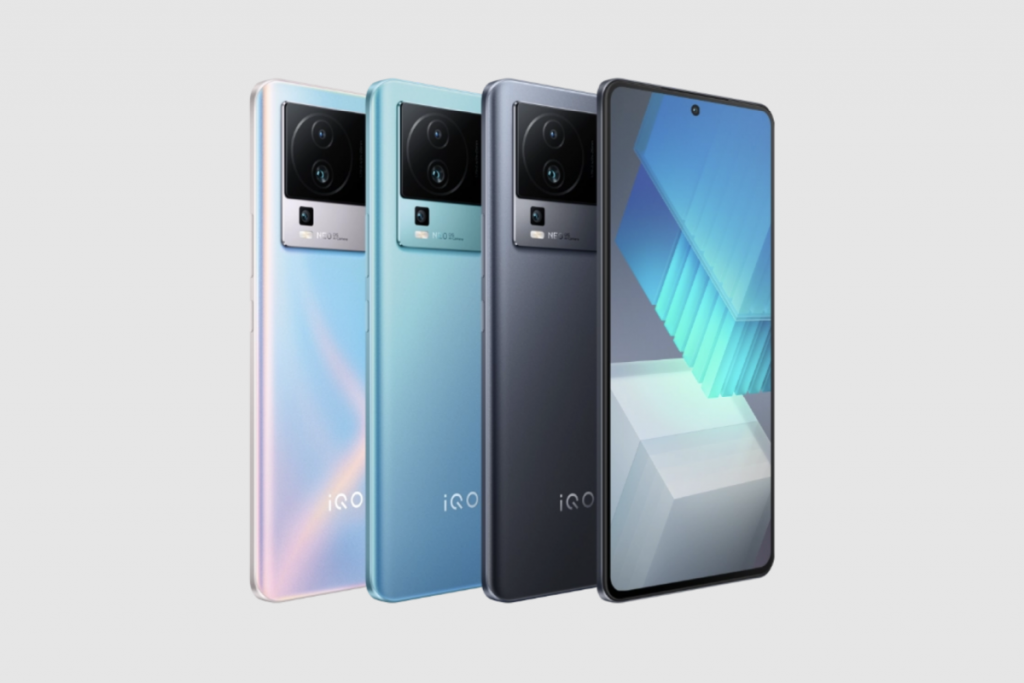
An iQOO phone with model number I2214 has been certified by the Bureau of Indian Standards (BIS). The listing does not state the specifications of the device. However, Pricebaba claims that it could be the iQOO Neo 7 5G smartphone.
In December 2021, iQOO unveiled the iQOO Neo 6 and Neo 6 SE in China. These phones feature the Snapdragon 8 Gen 1 and Snapdragon 870 chipsets, respectively. Among these, only the Neo 6 SE was released in India. The device was rebranded as the iQOO Neo 6 in the country.
Hence, it appears that the iQOO Neo 7 5G heading to India could be a rebranded version of the iQOO Neo 7 SE, which recently debuted in China as the first-ever Dimensity 8200-powered device. Here is what to expect on the specifications of the Neo 7 5G.
iQOO Neo 7 5G specifications (expected)
The iQOO Neo 7 5G may arrive with a 6.78-inch AMOLED display that produces a Full HD+ resolution of 1080 x 2400 pixels and a 120Hz refresh rate. It may arrive with an under-display fingerprint scanner.
iQOO Neo 7 SE
For selfies, it may feature a 16-megapixel selfie camera. On the back, it may house a 64-megapixel primary camera. The main snapper could be accompanied by a pair of 2-megapixel cameras for depth and macro shots,
The iQOO Neo 7 5G may feature the Android 13 with the FunTouch OS UI on top. The Dimensity 8200 chip may power the device with 8 GB or 12 GB of RAM. It may arrive with 128 GB or 256 GB of storage. The handset is likely to house a 5,000mAh battery with 120W fast charging.
IKEA and Sonos have launched the SYMFONISK floor lamp speaker. This is coming three years after the launch of the innovative concept of the SYMFONISK lamp speaker. The concept of the IKEA/ Sonos SYMFONISK floor lamp speaker is to furnish with sound.
The SYMFONISK floor lamp speaker comes with a thoughtful design combined with high-quality sound output. It blends into the home to help accentuate the beauty of the space while offering sound as well. IKEA says it has learned a great deal about how people seek to furnish their living spaces with light and sound. The floor lamp speaker thus serves dual purposes of lighting and sound. The challenge of having enough space to place a table lamp is a motivation for the floor lamp.
Both companies recognize the importance of sound in the ambiance and dynamics of a home. The central theme of the SYMFONISK range of products is to create a great atmosphere through light and sound. They allow the integration of great sound into functional furniture and help to optimize the space available by combining a speaker with a lamp.
The floor lamp speaker is emblematic of simplicity, elevated sound, and a gentle light source. It comes in a shade of bamboo with personalized options available separately. The speaker can serve as part of a home theater system when paired with other speakers.
The floor lamp is yet another SYMFONISK addition to the Sonos ecosystem. This means that the connection to music and audio content is seamless. The DIRIGERA is IKEA’s hub for smart products and it is enabled in the floor lamp. It can be linked to the IKEA Home smart app for integration into the smart home system.
The SYMFONISK floor lamp speaker is expected to enter IKEA’s global market chain by January 2023. There are no pricing details yet for the product at this time.
The latest MATE electric bicycle has been unveiled and it’s a three-wheeler with a 250W motor and 90Nm torque. The MATE SUV e-bike can deliver an assisted speed of 25km/h in a range of 100km. The three wheels of the e-bicycle enable it to carry more loads in a balanced manner.
The load capacity of the MATE SUV e-bike can support an adult and up to two children, according to the company. MATE Bikes is a Danish company with a growing collection of electric bike offerings. In terms of space, the payload capacity of the three-wheeler is 210L.
The bike is equipped with several modular accessories for comfortable and efficient operation. These include seats, and storage boxes, while options are available for the frame colors and off-road tires.
The bike’s frame is made from 90% recycled aluminum materials which is a plus in its sustainability rating. The bike is suitable for both short and tall riders, which is impressive. It is also open to both sexes.
Unlike a traditional three-wheeler, the MATE SUV has two of its wheels on the front and a single rear wheel. It is equipped with Enviolo internal gears and hydraulic disc brakes. You can track the bicycle’s location via 4G connectivity while the companion app allows you to control the settings.
The MATE SUV e-bike can now be reserved with a €49 (~$52) deposit. Up to 20% in discounts could be gotten when purchases are made before December 31. The original price the €6,499 (~$6,850) and it will be available in Europe and the US by September 2023.
It is unclear whether reservations will also be open at the original price after December 31. There are also no indications whether the bike will subsequently make its way to other markets outside the EU, UK, and the US.
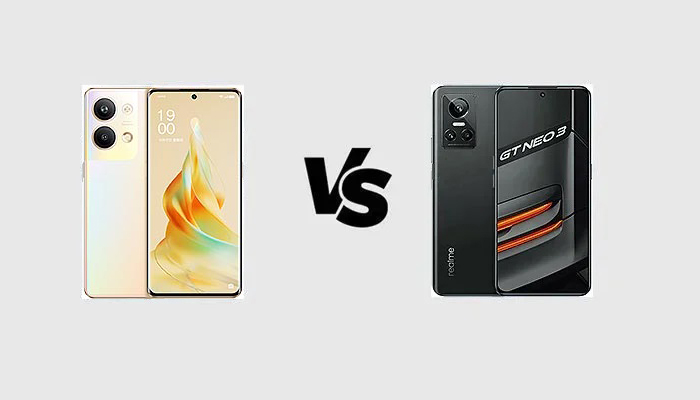
The OPPO Reno9 Pro is a very good high-end in terms of value for money. It brings to the shelves a level of performance comparable to top-tier flagship phones, but its price is not excessive. A perfect competitor of Realme’s high-end devices, such as the Realme GT Neo 3. If you are a smart buyer and you need to get a great high-end device at the right price, you should definitely consider purchasing one of them. But which one to choose? This comparison between the main specifications of the OPPO Reno9 Pro and the Realme GT Neo3 will help you to make the best choice if you are actually considering them.
Dual 50 + 8 MP, f/1.8 + f/2.2
32 MP f/2.4 front camera
Triple 50 + 8 + 2 MP, f/1.9 + f/2.3 + f/2.4
16 MP f/2.5 front camera
BATTERY
4500 mAh, fast charging 67W
4500 mAh, Fast Charging 150W or 5000 mAh with 80W fast charging
ADDITIONAL FEATURES
5G, dual SIM, reverse charging
5G, dual SIM
Design
If your goal is to get a beautiful and elegant design, then there is no doubt: you should go for the OPPO Reno9 Pro. It is a lot more elegant with its refined finish on the rear side and very narrow bezels around the display. Further, it is one of the thinnest and most lightweight phones available in the whole smartphone market. Indeed, it is just 7.2 mm thin and weighs just 174 grams. The Realme GT Neo 3 is more interesting if you are looking for a more sportive phone: its glass back has a painting with two vertical stripes like sports cars. But it is thicker, lighter, and less elegant than its opponent, and it could be better only for gamers.
Display
It looks like the OPPO Reno9 Pro and the Realme GT Neo 3 are equipped with the same display panel because the specifications on the paper are exactly the same. We are referring to an AMOLED panel able to show up to one billion colors. It has a Full HD+ resolution of 1080 x 2412 pixels, a 120 Hz refresh rate, HDR10+ certification, a peak brightness of 950 nits, and an in-display fingerprint reader. The phones come with different protections for the displays: Asahi Glass AGC DT-Star 2 and Gorilla Glass 5, respectively. Note that the Realme GT Neo 3 is the only one with stereo speakers, so it offers an improved audio experience. On the other hand, the OPPO Reno 9 Pro sports an infrared sensor allowing you to use the phone as a remote control for your TV.
Specs & Software
Besides having the same displays, the OPPO Reno9 and the Realme GT Neo 3 also share the same processor. It is a Dimensity 8100 Max mobile platform: one of the best processors by Mediatek. The chipset is built with a 5 nm production process and sports an octa-core architecture including two Cortex A78 performance cores running at a max frequency of 2.85 GHz, four Cortex A55 CPUs running at 2 GHz, and a Mali G610 MC6 GPU. The OPPO Reno9 Pro wins the hardware comparison because it sports a higher quantity of RAM: 16 GB instead of just 12 GB, with up to 512 GB of native storage. Further, it is the only one shipping with Android 13 out of the box, even though the Realme GT Neo 3 already received Android 13 through a software update.
Camera
The OPPO Reno9 Pro has a better main camera sensor on the rear side, but unfortunately, it lacks optical stabilization. The Realme GT Neo 3 has a slightly inferior main camera, but it has optical stabilization allowing it to capture better shots in adverse conditions. The Reno9 Pro wins the selfie comparison because it sports a better 32 MP front shooter instead of just 16 MP found on the front side of the GT Neo 3.
The Realme GT Neo3 comes in two variants: one with a 4500 mAh battery and 150W fast charging and one with a 5000 mAh battery and 80W fast charging. The OPPO Reno9 Pro sports a 4500 mAh battery and it supports 67W fast charging. Both the variants of the GT Neo3 charge quicker than the OPPO Reno 9 Pro, while the 5000 mAh variant has a bigger battery and a longer battery life as well.
Price
The starting price of the Realme GT Neo3 roughly translates to $350 or €332 at the actual change (8/128 GB), while you need at least $495 or €470 in order to grab a unit of the OPPO Reno9 Pro (16/256 GB). The Reno 9 Pro is a superior phone, but with a higher price.
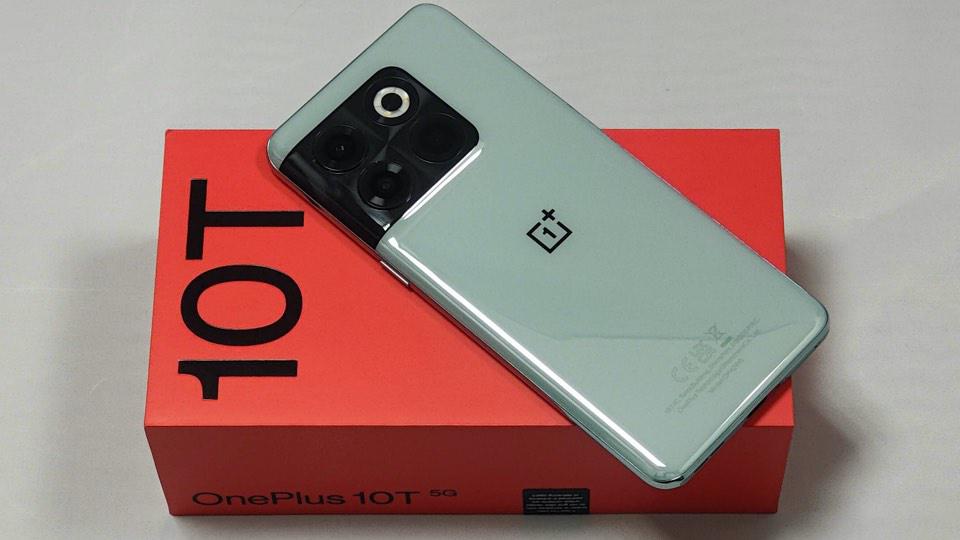
OnePlus has already rolled out stable OxygenOS 13 update to the majority of its flagship devices. However, the OnePlus 10T was left out for some reason. That’s changing now as the brand is releasing a stable build of the OxygenOS 13 based on Android 13 to the handset. The update is currently rolling out to those who participated in the open beta program. Here are all the details.
As per the community post, the OnePlus 10T is receiving the latest Android 13 update with firmware version C.12 (for the Indian variant) and C.22 (for the European, North American, and global variants). The update comes with a size of 5GB and brings new features, improvements as well as the November security patch. The software is currently being rolled out to beta participants only. It should extend to other users soon.
Users will be getting an OTA notification for the update. They can go to Settings > System > System Updates to manually check whether the update is available for their device.
To recall, the OxygenOS 13 was introduced back in August with an updated design, which the company calls “Aquamorphic Design.” Its very similar to Oppo’s ColorOS 13 and adds water-inspired theme colors for an enhanced visual experience.
OnePlus also packed some additional features to the software to improve multitasking effectiveness. The UI comes with spatial audio, Dolby Atmos support for selected devices, and improved app streaming.
Changelog
Aquamorphic Design
• Adds Aquamorphic Design theme colors for enhanced visual comfort.
• Applies the Aquamorphic Design philosophy to animations to make them natural and vivid.
• Adds Shadow-Reflective Clock, with shadow simulating the orientation of the sun and moon.
• Adds a Home screen world clock widget to show the time in different time zones.
• Upgrades to Quantum Animation Engine 4.0, with a new behavior recognition feature, which recognizes complex gestures and provides optimized interactions.
• Optimizes UI layers for a clearer and neater visual experience.
• Applies real-world physical motions to animations to make them look more natural and intuitive.
• Adapts responsive layouts to accommodate different screen sizes to improve readability.
• Optimizes the widget design to make information easier and quicker to find.
• Optimizes fonts for better readability.
• Optimizes system icons by using the latest color scheme to make the icons easier to recognize.
• Enriches and optimizes illustrations for features by incorporating multicultural and inclusive elements.
Efficiency
• Adds Meeting Assistant to enhance the meeting connecting and note-taking experience and introduces an option to make notifications more subtle and less distracting.
• Adds large folders to the Home screen. You can now open an app in an enlarged folder with just one tap and turn pages in the folder with a swipe.
• Adds a new type of Always-On Display that shows live information about music, ride-hailing, and food delivery. (Supports only some apps)
• Adds media playback control, and optimizes the Quick Settings experience.
• Adds more markup tools for screenshot editing.
• Adds support for adding widgets to the Home screen, making information display more personalized.
• Adds Sidebar Toolbox. You can open a floating window inside apps for smooth operation.
• Optimizes Shelf. Swiping down on the Home screen will bring up Shelf by default. You can search content online and on your device.
Seamless interconnection
• Optimizes Screencast, with cast content automatically adapting to the target screen.
• Optimizes earphone connectivity to deliver a more seamless experience.
Personalization
• Optimizes Bitmoji to offer more Always-On Display animations.
• Optimizes Insight Always-On Display, with more personalized Always-On Display settings available.
• Optimizes Portrait Silhouette Always-On Display, with more drawing tools and line colors available.
Security & privacy
• Adds an automatic pixelation feature for chat screenshots. The system can identify and automatically pixelate profile pictures and display names in a chat screenshot to protect your privacy.
• Optimizes Private Safe. The Advanced Encryption Standard (AES) is used to encrypt all files for enhanced security of private files.
Health & Digital wellbeing
• Adds Eye comfort in Kid Space to protect children’s vision.
Gaming experience
• Upgrades to HyperBoost GPA 4.0 to stabilize the frame rate and balance the performance and power consumption in key scenarios.
Xiaomi recently announced that MIUI’s global monthly active user base has reached 564 million as of December 11, 2022. MIUI was first introduced in 2010 and has grown in popularity ever since. As the years passed, Xiaomi’s custom Android skin gained more users, and the new numbers prove it is one of the most popular Android-based software out there.
The announcement came during the MIUI 14 launch event. Xiaomi says in the past 12 years, MIUI has continued to promote the progress of the industry. It aims to further deepen the collaboration between software and hardware.
MIUI hit the 100 million mark back on August 19, 2015. Three years later, the brand quickly reached 200 million monthly active users globally. The number of MIUI global monthly active users surpassed 300 million a year later, on October 28, 2019. In early 2020, the active user count stood at 400 million. Last year, the MIUI active users crossed the 500 million mark.
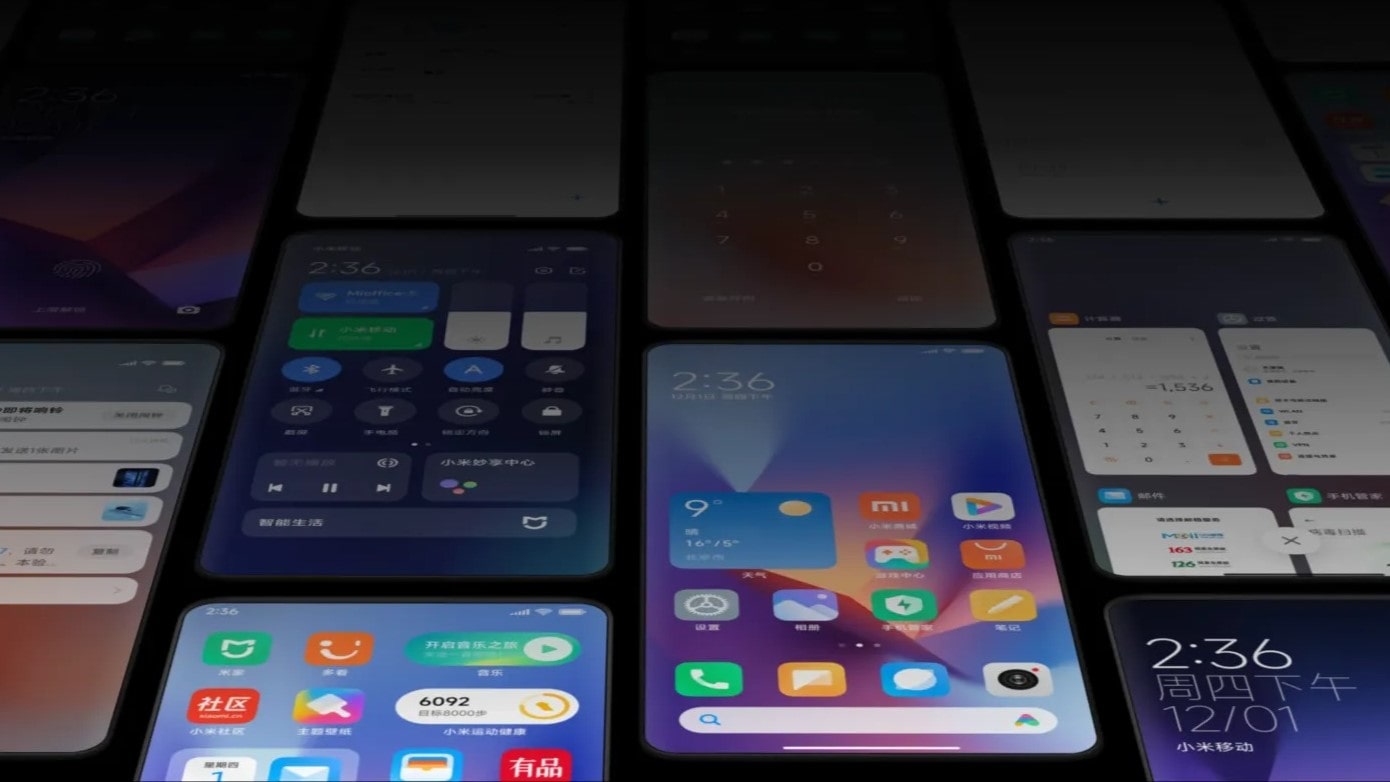
The brand recently launched the latest version of MIUI— MIUI 14. The software debuts as the most optimized and streamlined version of MIUI to date and features an updated system architecture. Xiaomi says MIUI 14 runs 60% smoother compared to its predecessor.
The software comes with customizable folders with large icons and new widget options with various shapes and sizes. The company also introduced new home screen pets, which are basically animated characters that live on the home screen.
Privacy is also improved with no user data being stored in the cloud. All actions are performed locally on the device. The UI can now extract text from images and can also translate the text in the gallery images.
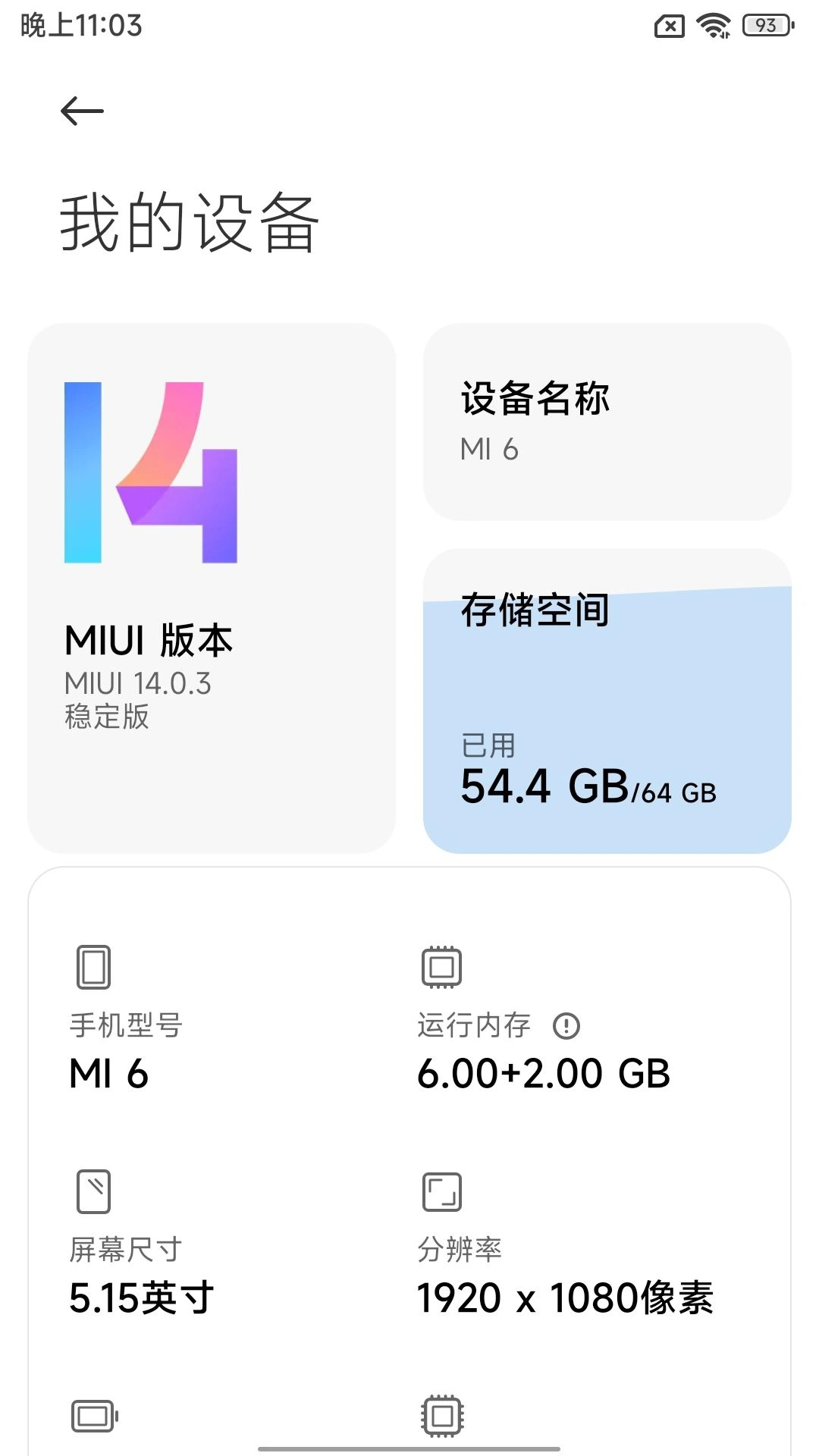
It was only yesterday that Xiaomi unveiled the latest version of MIUI and folks have already started to create ports of the new software. A Chinese user has reportedly ported the MIUI 14 to the aging Xiaomi Mi 6. The build is based on Android 11 and brings some of the new features that were introduced with MIUI 14. Here are the details.
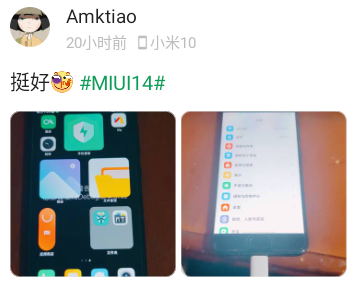
Chinese dev Amktiao has managed to port the recently launched MIUI 14 to the Xiaomi MI 6, which was released back in 2017. The ported software is in a trial phase and is based on Android 11 OS.
The port brings a number of MIUI 14 features to MI 6. For instance, it includes the newly launched large folder/icon customization, home screen pets, and the photon engine. It also brings new privacy features and limits uninstallable apps to 5 (phone, SMS, camera, settings, app store).
To recall, MIUI 14 was unveiled yesterday at the Xiaomi 13 series event. The update brings a number of features and improvements and will start rolling out to the first batch of eligible devices in February.
The software comes with a small size and an improved system architecture. It has fewer pre-installed apps, which should translate to better performance. MIUI 14 features a visual overhaul and offers more personalization options with a new widget format, home screen folders, and Super icons.
The privacy of user data has also been improved with all actions performed locally on the device and no data is stored in the cloud. Mi AI voice assistant has been upgraded and it can now perform document scanning, translations, and filter spam calls.
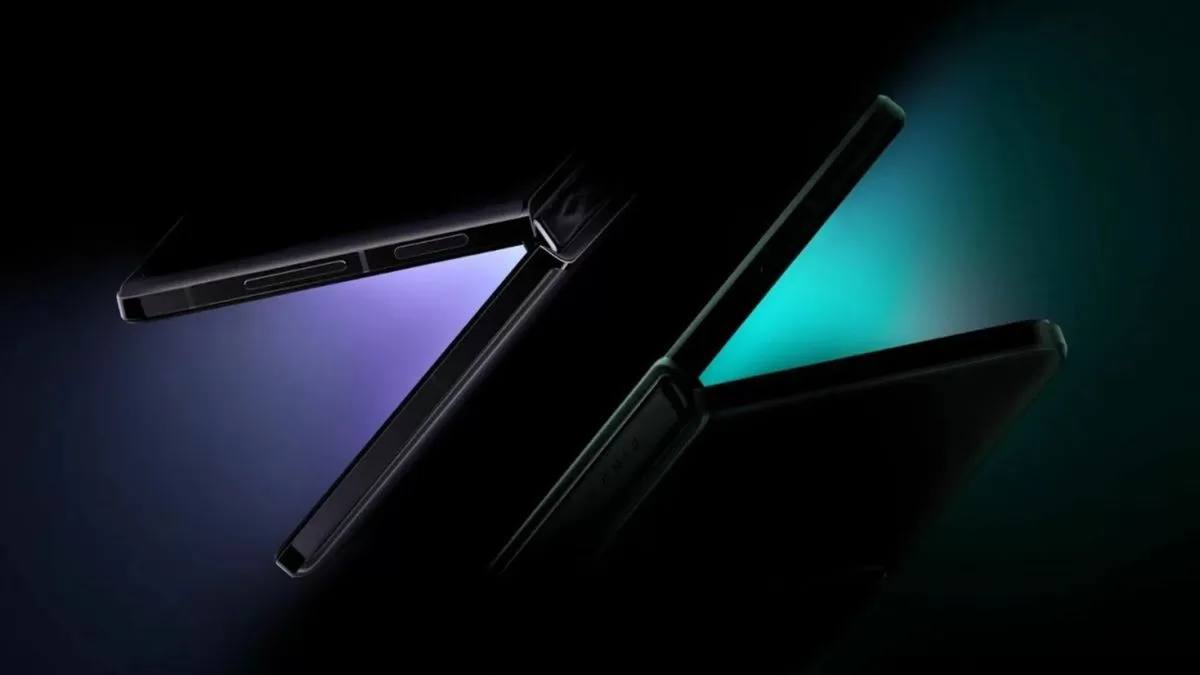
Oppo Find N debuted last year and is still one of the best foldable in the market with a premium build, zero-gap folding, and a spot-on size. The Chinese firm is now gearing up to bring its next premium foldable device— Oppo Find N2— and there’s no doubt it will have some big shoes to fill in.
The upcoming device will have an upgraded hinge mechanism and a new vegan leather finish on the back. It is expected to become one of the lightest horizontal folding phones with a weight of under 240 grams. Oppo Find N2 will debut soon in China. Before its official announcement, let’s take a look at everything we know about it so far.
Oppo Find N2 Launch Date
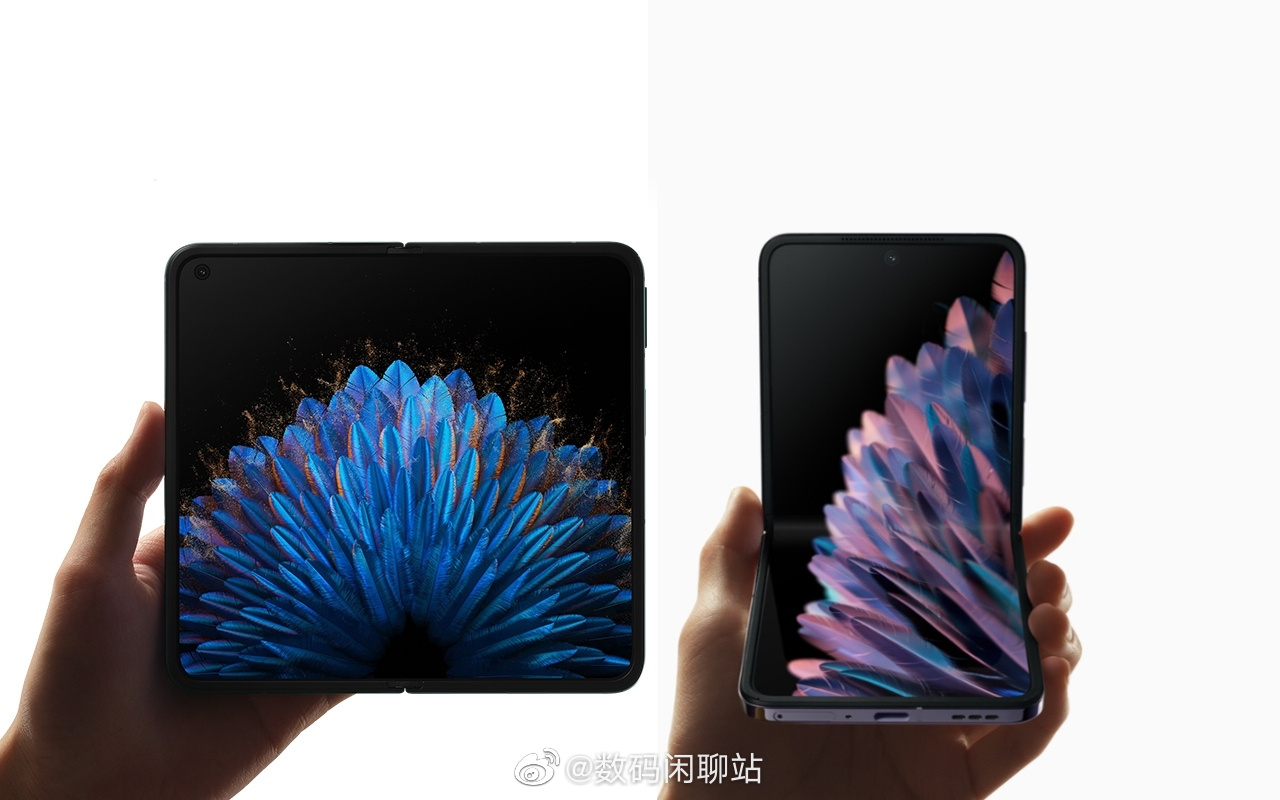
Oppo has confirmed the Find N2 will launch in China on December 15 (Thursday). This smartphone will debut with the Oppo Find N2 Flip on the second day of Oppo Inno Day 2022.
The event is scheduled to begin at 4 PM GMT+8. It will be live-streamed on Weibo and leading Chinese video streaming platforms, so interested folks can tune in. Unlike Find N, the new foldable is expected to arrive in the global markets as well.
Oppo Find N2 Design
Last year’s Oppo Find N came with a unique design and dimensions. Although it is a horizontally folding smartphone, it takes a different approach than the Galaxy Z Fold 4. When folded, it has a squarer shape than the Fold, which has a very narrow body. This makes the phone easier to use when folded.
The Oppo Find N2 will also follow a similar approach. The company recently posted a teaser video that revealed the design of the foldable. Its inner display will have a punch-hole at the top-left corner and feature very slim bezels around the display. The device appears to have a side-mounted fingerprint sensor.
The smartphone is expected to feature a triple camera setup on the back, just like its processor. It could have a new vegan leather finish on the back.
Oppo Find N2 Specifications
Oppo hasn’t confirmed many specifications of the upcoming foldable yet. We can still draw a good picture of its specifications thanks to leaks and rumors. The Geekbench listing of the handset suggests it will be powered by a Snapdragon 8+ Gen 1 processor, despite the advent of its successor, the Snapdragon 8 Gen 2.
The Find N2 will have a 7.1-inch E6 AMOLED internal display that produces a 120Hz refresh rate. This is the same as the Oppo Find N. However, the device will have a smaller 5.54-inch E6 AMOLED cover display with a 120Hz refresh rate. For reference, its predecessor has a 5.9-inch cover display.
The Oppo foldable will have a pair of 32MP selfies on each screen. On the back, there will be a triple camera setup with a 50MP Sony IMX800 (1/1.56″) main camera. It will also have a 48MP IMX581 114-degree ultrawide sensor, and a 32MP 2x telephoto unit. The device will come with the custom MariSilicon X imaging chip and Hasselblad tuning for better AI features and processing.
For security, the smartphone will have a fingerprint sensor on the side-mounted button. It will pack a 4520mAh battery with 67W rapid charging support. Rumors suggest Oppo may equip the back of the foldable with faux-leather covering. There could also be a glass-back variant.
Oppo Find 2 is said to arrive with a lightweight build. The handset could weigh less than 240 grams. On the software front, the handset will likely run ColorOS 13 based on Android 13.
Oppo Find N2 Expected Price
The pricing of the Oppo Find N2 is still a mystery. We can expect it to be priced similarly to its predecessor. For reference, the Find N debuted with a price tag of ¥7,699 ($1,104).
In any case, we are bound to learn all details about Oppo’s upcoming foldable on December 15. Stick around for the updates.
Xiaomi has launched the MIJIA Smart Kitchen Treasure 7L S1 in China. The new MIJIA product delivers up to 2000W fast heating and supports silver ion antibacterial functionality. It can continuously the household’s hot water requirements.
Also called the Water Storage Electric Water Heater, the MIJIA Kitchen Treasure offers up to 6 times more improvement in capacity than its predecessor. The MIJIA Smart Kitchen 7L S1 will deliver all the hot water needs of the family at any time. It has a built-in seamless liner that prevents water leakage, as well as a dense polyurethane insulation layer. It provides 24-hour heat preservation.
The silver ion antibacterial activity prevents the growth of bacteria on the water inlet, outlet, and water by about 99.9%. The energy efficiency of the water heater translates to about 100kWh savings in power in a year.
You can connect the MIJIA Smart Kitchen Treasure 7L S1 to the MIJIA app for off/on and periodic operations management. It also supports voice controls via XiaoAI speakers. It can also be linked to MIJIA smart door locks, temperature, and humidity meters, and several other devices in the MIJIA smart home ecosystem.
The device is a safe device with several safety features in place to prevent electric shock and water leakage. If there is any leakage from the power line, the device instantaneously cuts off power to avoid electric shock. The device supports three-stage temperature adjustment (low, medium, and high).
The MIJIA Smart Kitchen Treasure 7L is retailed in China for 499 yuan (~$72). Xiaomi is yet to provide global availability information for the product.
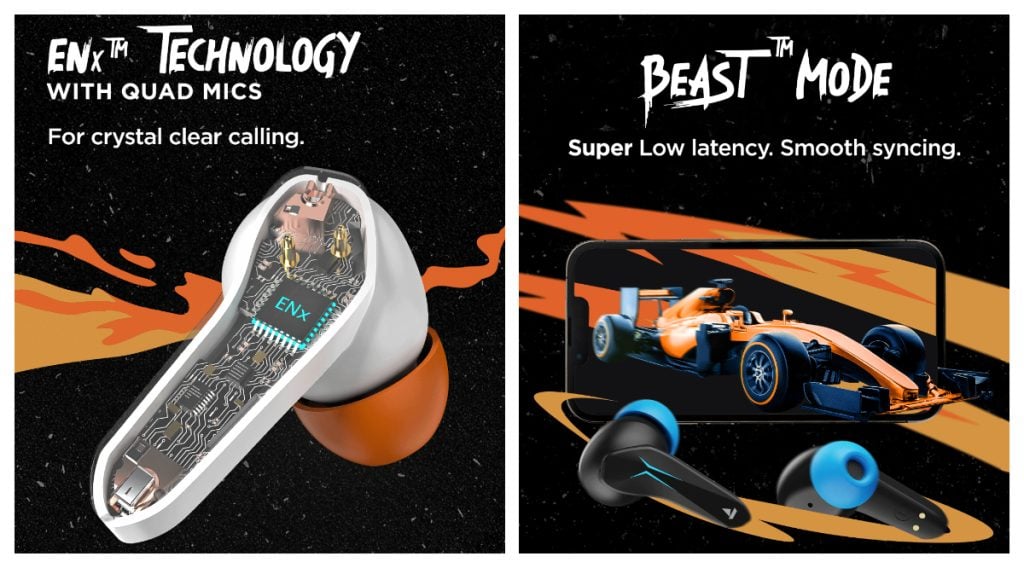
The boAt Immortal 121 TWS has been unveiled to the Indian Market. The new TWS earbuds come with up to 40 hours of playback and are the company’s first gaming TWS.
boAt also organized a gaming event in Mumbai on December 12 to introduce the earbuds. The Immortal 121 TWS supports fast charging. It also features Bluetooth 5.3 connectivity, 40ms super-low latency, and offers a seamless synced audio experience for its users. The launch of the Immortal 121 TWS is coming on the heels of the earlier launch of the boAt Airdopes 100 in India.
The new boAt earbuds offer the most advanced Bluetooth chip, and together with the BEAST mode, deliver lag-free audio whether in gaming or streaming applications. The earbuds are equipped with professionally tuned 10mm dynamic drivers which produce a balanced bass with sharper treble when paired with other boAt devices. The Immortal 121 also features embedded RGB LEDs to illuminate your gaming setup.
The Immortal 121’s case uses the Insta Wake n’ Pair technology to connect or disconnect quickly. The user can connect by just opening the lid and disconnect by detach easily. The charging case of the boAt Immortal 121 uses an integrated USB-C interface for high-speed charging of the device.
The overall 40 hours of playback available for the earbuds make it possible to use them for extended periods. As per charging, a 10-minute charge delivers up to 3 hours of playback with the earbuds. Overall, the earbuds can be fully charged in 2 hours.
The Immortal 121 is rated IPX4 which protects it from water splashes and sweat. The ENx technology is implemented for the boAt Immortal 12 and this delivers crystal-clear audio always. The device also implements noise-canceling algorithms to efficiently mask environmental noise. The operation of the Immortal 121 TWS earbuds is further accentuated by its touch controls.
The Immortal 121 TWS is available in two color variants – Black Sabre and White Sabre. As per pricing, the boAt Immortal 121 is offered at an introductory price of Rs. 1,499 (~$18). It will be available in the subcontinent via e-commerce channels like Amazon India and Flipkart from December 13. There are no global availability details for the product yet.
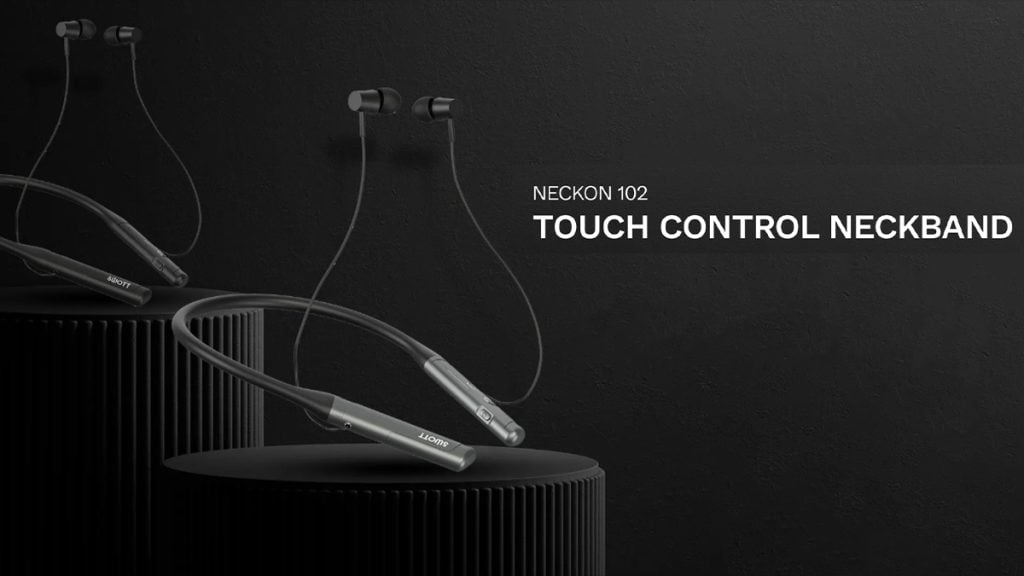
SWOTT has launched new neckband-styled wireless earphones in India. The latest offering is dubbed Neckon 102. The wearables accessories maker launched the Neckon 101 last month. The Neckon 102 comes with upgraded specifications and features compared to the Neckon 101. The earphones compete against the likes of Wings Phantom 210, Portronics Harmonics Z5, Lava Probuds N11, and more in the market. Read on to know what the audio device offers out of the box.
The SWOTT Neckon 102 features a silicon neckband and earbuds with silicon ear tips. The latter can be attached magnetically when not in use. The Neckon 102 is the first neckband-style earphone in the market to feature touch sensor controls. There are no physical keys for controlling music playback. The sensor buttons have LED lights that vibrate when touched. The earphones are said to offer a comfortable wearing experience.
The SWOTT Neckon 102 is equipped with a 10mm driver for high bass and HD stereo sound. There is environmental noise cancellation (ENC) for clear quality on calls. It offers a 45ms low latency mode for improving the gaming experience. The earphones support Google Assistant and Siri.
The SWOTT Neckon 102 features Bluetooth 5.0 and can be connected to two devices simultaneously. The audio device is claimed to deliver 30 hours of usage and an 8-minute charge is said to offer 8 hours of playtime.
The SWOTT Neckon 102 is priced at Rs 899 and offered in Black and Grey colours. It is available for purchase from Amazon and the brand’s official website.
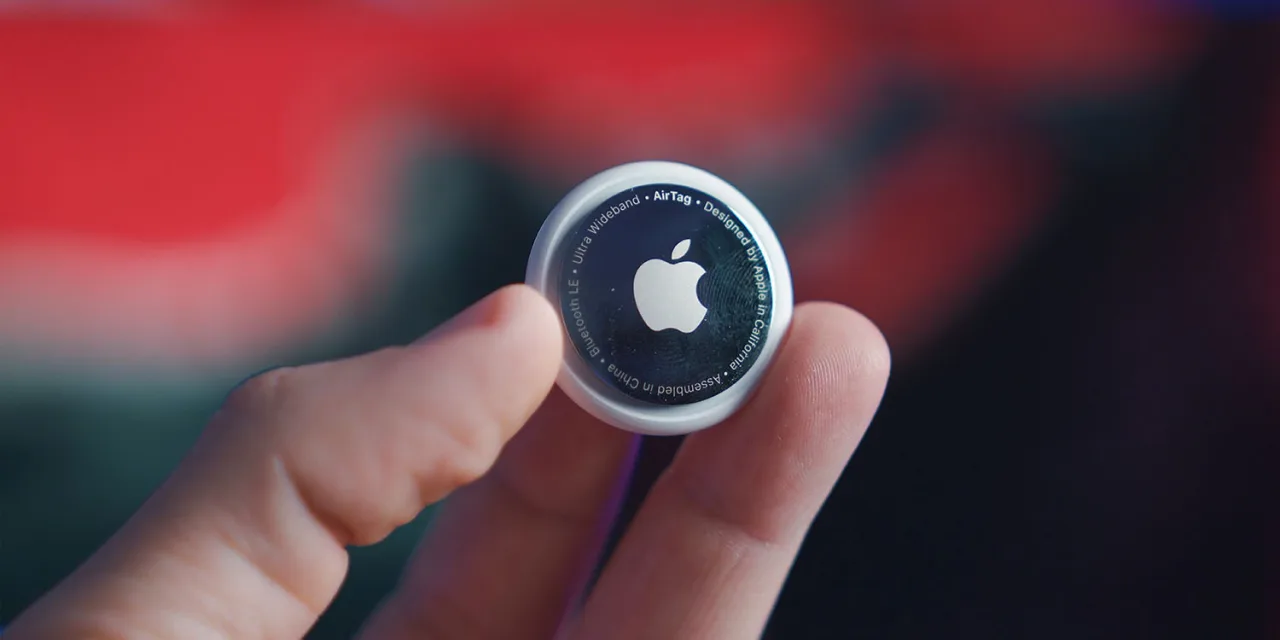
Apple’s AirTag is a useful tool for tracking lost items, but it also has the potential to be used for stalking. The device allows users to track the location of their belongings, but it could be misused by individuals to track the movements of others without their knowledge or consent. Fortunately, Apple has included safety features in AirTag to prevent its use for stalking. In one instance, these safety features successfully protected a woman from being stalked.
Apple AirTag safety features foil Iowa man’s repeated stalking attempts
Apple’s AirTag item tracker continues to effectively thwart stalking attempts, as demonstrated by a recent incident in Iowa. A man was arrested after attempting to stalk a person he claimed to be married to, despite the victim telling investigators that the two had never had a relationship and the man had been blocked from contacting them.
Carl Steven Shawver, 63, placed an AirTag on the victim’s car in an effort to track their movements. However, the victim was alerted to the AirTag thanks to Apple’s built-in safety measures, which notified them of the device’s presence. Shawver then showed up at the local police department, where the victim had gone to report the stalking, and claimed that the victim was having an affair at the station.
Despite no arrest being made at this point, the victim was alerted to two further AirTags tracking their movements. West Des Moines Police officers located the second AirTag “placed in a wallet and inside a plastic sandwich bag sitting on top of the spare tire.” The third AirTag was eventually found on the car’s subframe near the front passenger tire, wrapped in plastic and in a case.
All three AirTags were then placed into evidence at the police department, and Shawver was arrested after being found in the station’s parking lot. He is currently being held on a $3,000 bond, with a preliminary hearing set for December 19. This case highlights the effectiveness of Apple’s AirTag safety measures, which have been designed to protect users from stalking attempts.
Earlier this month, Infinix unveiled the Infinix Hot 20 5G as one of the cheapest 5G phones in India. The handset is also available in Southeast Asian and African markets. It is the only Dimensity 810-powered phone to launch in India, with a price tag of Rs 11,999 (~$145). Here’s a look at the Infinix Hot 20 5G’s strengths and weaknesses.
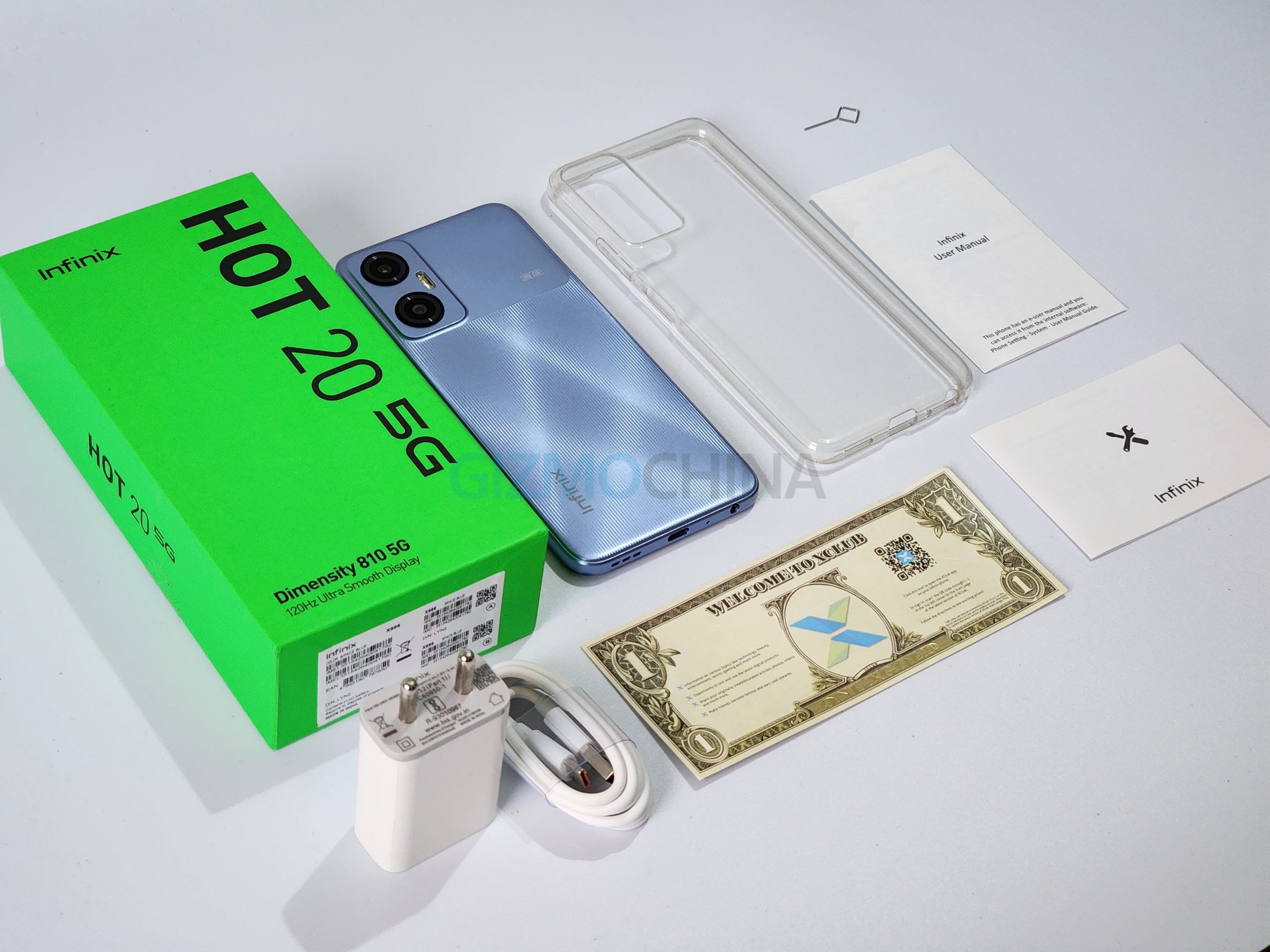
Infinix Hot 20 5G – What’s in the box
Infinix Hot 20 5G
Here are the contents of the Infinix Hot 20 5G’s retail package
Infinix Hot 20 5G handset
Silicone case
SIM ejector tool
18W charger
USB-C to USB-A cable
User manual
Warranty card
XClub document
Design and Display
Dimensions
Display
Size – 166.25 x 76.45 x 8.93mm
6.6-inch IPS display
Weight – 204 grams
1080 x 2408 pixels (Ful HD+)
20:5.9 aspect ratio
Up to 120Hz refresh rate
Up to 180Hz touch sampling rate
99% sRGB color gamut
Color variants
500 nits brightness
Racing Black
Widevine L1 support
Blaster Green
1500:1 contrast ratio
Space Blue
Panda Glass protection
[envira-gallery id=’501735′]
The Infinix Hot 20 5G has a polycarbonate back with a dual-tone finish. The portion below the camera module has a texture finished with a wavy pattern, while the area above it is plain. The slightly protruding camera module available on the phone’s back houses two large camera units and a dual-LED flash. In terms of looks, it can be said that the company has tried to offer something different instead of offering a boring design. The right edge features a volume rocker and a power key, whereas the opposite edge has a SIM slot. On the bottom, it has a 3.5mm audio jack, a microphone, a USB-C port, and a speaker grille.
On the front, it has a 6.6-inch IPS FHD+ display with a waterdrop notch and a noticeable chin at the bottom. Above the notch is the other speaker, which works with the bottom speaker for stereo output. The top bezel also houses an LED flash for the front camera. The display is quite bright, and visibility is manageable under sunlight. However, there is a slight blue tint on the screen. Unfortunately, there is no option for a color profile available in Settings.
[envira-gallery id=’501737′]
The 120Hz refresh rate option mostly works fine, and with Widevine L1 support, users can enjoy HD content on OTT platforms. However, there is no support for HDR on YouTube. In Settings, users can find display-related options like a dark theme, adaptive brightness, and eye care.
Performance and Battery Life
– Dimensity 810
– 4 GB of LPDDR4x RAM
– 64 GB of storage
– 5,000mAh battery with 18W charging
– Android 12 OS with XOS V10.6.0
The Infinix Hot 20 5G features a Dimensity 810, a 6nm chip that is built to offer smooth performance with gaming capabilities on mid-range phones. The Hot 20 comes with 4 GB of RAM, 3 GB of extended RAM, and 64 GB of storage. However, I feel that there should have been a higher variant offering with more RAM and storage. There is a dedicated microSD card slot onboard.
The D810 chip performs well while gaming. I tried Garena Free Fire at max graphics and high resolution. While the device became a bit warm after playing for around an hour, there were no frame drops. The device comes with a Phase Change Cooling System for heat dissipation. Here are the Hot 20 5G’s benchmark results from AnTuTu, Geekbench, 3D Mark, and CPU Throttle.
[envira-gallery id=’501748′]
The Infinix Hot 20 5G runs on Android 12 OS and XOS V10.6.0. The XOS UI brings a lot of features, which appear a bit cluttered. XOS has so many features, which you may come to know only after using it for several days. For instance, the torch functionality allows users to turn on the front LED and the rear LED flash simultaneously. While I did not feel any lag while using the device, the brand needs to streamline the OS experience. There are plenty of preloaded apps on the device. Some of them can be uninstalled, while others, like Palm Store, can’t be uninstalled.
[envira-gallery id=’501766′]
The Hot 20 5G’s package includes an 18W charger. It took me around 2 hours and 30 minutes to fully charge the phone. Once charged, it can last for up to 2 days, depending on the usage.
Photography and Other Features
Rear Camera
Other Features
50MP + 2MP, quad-LED flash
Dual speakers
Up to 2K video recording
Face unlock
Side-facing fingerprint scanner
5G connectivity (12 bands)
Front Camera
Dual-band Wi-Fi
8MP Camera with LED flash
Bluetooth 5.1
Up to 2K video recording
The Infinix Hot 20 5G has a 50-megapixel primary camera that comes with an f/1.6 aperture. It is assisted by an AI lens and a quad-LED flash unit. In daylight, the Hot 20 5G captures decent photos, and the eye autofocus feature works fine. The Super Night mode manages to enhance the low-light photos well. It can shoot up to 2K videos, but there is no video stabilization available. While it can shoot videos at 30fps, I could not find an option to change the frame rate.
[envira-gallery id=’501739′]
The 8-megapixel selfie camera can shoot selfies with a background blur effect. As can be seen in the selfie share, the edge detection is passable, but sometimes users may have to take a couple of shots to get the edge detection right. The photography modes available on the device include Google Lens, Short Video, Video, AI Cam, Portrait, Super Night, AR Shot, Panorama, Documents, Slow-Motion (up to 240fps), and Time Lapse.
The Hot 20 supports 12 5G bands: n1, n2, n3, n5, n7, n8, n20, n28, 38, n40, n41, n66, n71, n77, n78, and n79. Having a greater number of 5G bands will ensure the phone connects to 5G in a high, mid-range, or low-frequency network. At home, I was able to reach 960 Mbps download speeds using Jio SIM on the Hot 20 5G, and the speed touched 1.9 Gbps outside. As far as security on the Hot 20 5G is concerned, there was no issue unlocking the device using the side-facing fingerprint and face recognition.
Verdict
The Hot 20 5G delivers performance and 5G capabilities at a price that no other brand has been able to match. At present, both the POCO M4 Pro 5G and Realme 9i 5G offers the same configuration (D810 + 4GB RAM + 64GB storage) and are priced at Rs 14,999 (~$181) on Flipkart. The Hot 20 5G’s display offers the added advantage of a 120Hz refresh rate. The battery life and camera performance are also good. It appears that the company hasn’t offered an ultrawide or macro camera on the device, probably to keep the price low.
Overall, the Hot 20 5G is a good deal for buyers looking for a 5G phone with good performance at a low price. While it has some shortcomings, the brand has completely nailed it with a price of Rs 11,999 (~$145).
Disclaimer: The opinions expressed in this Infinix Hot 20 5G review are solely mine based on my experience, and there has been no editorial input from Infinix.
We use cookies on our website to give you the most relevant experience by remembering your preferences and repeat visits. By clicking “Accept”, you consent to the use of ALL the cookies.
This website uses cookies to improve your experience while you navigate through the website. Out of these, the cookies that are categorized as necessary are stored on your browser as they are essential for the working of basic functionalities of the website. We also use third-party cookies that help us analyze and understand how you use this website. These cookies will be stored in your browser only with your consent. You also have the option to opt-out of these cookies. But opting out of some of these cookies may affect your browsing experience.
Necessary cookies are absolutely essential for the website to function properly. This category only includes cookies that ensures basic functionalities and security features of the website. These cookies do not store any personal information.
Any cookies that may not be particularly necessary for the website to function and is used specifically to collect user personal data via analytics, ads, other embedded contents are termed as non-necessary cookies. It is mandatory to procure user consent prior to running these cookies on your website.