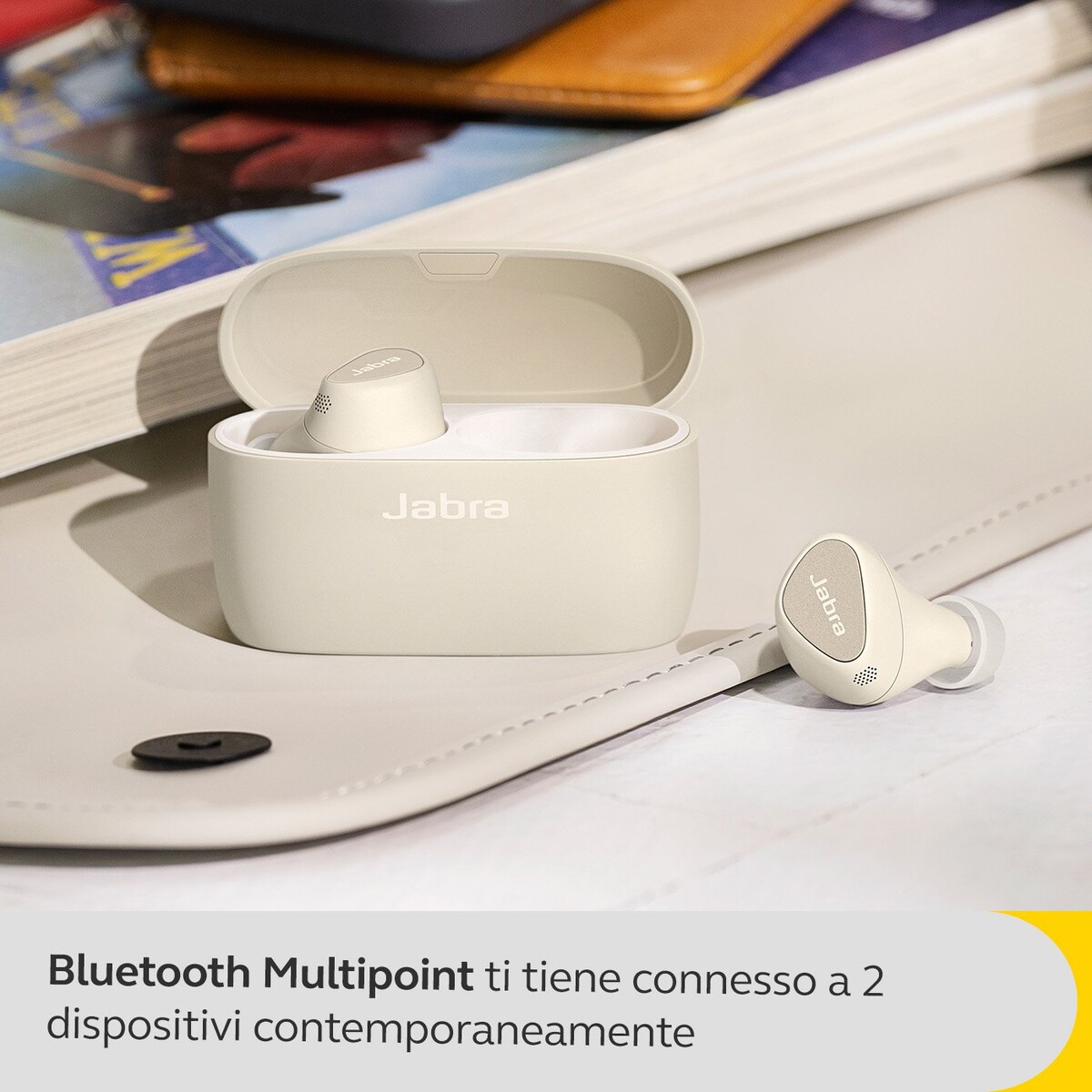
New details of the upcoming Jabra Elite 5 earbuds have leaked ahead of its launch. The specifications, design, and color options of the new Jabra earbuds were revealed by tipster Roland Quandt. The Elite 5 features improvements from its previous iteration, the Elite 3 and Elite 4 Active. It has 6mm drivers, active noise cancellation, and Bluetooth multipoint connectivity.
The leaked specs show that many of the features of the Elite 7 Active and Elite 7 Pro are also replicated in the mid-range Elite 5. The Elite 5 has six microphones to support active noise cancellation (ANC) and up to 28 hours of playback when used together with its charging case. Without the charging case, the Elite 5 will deliver 7 hours of playtime on a full charge.
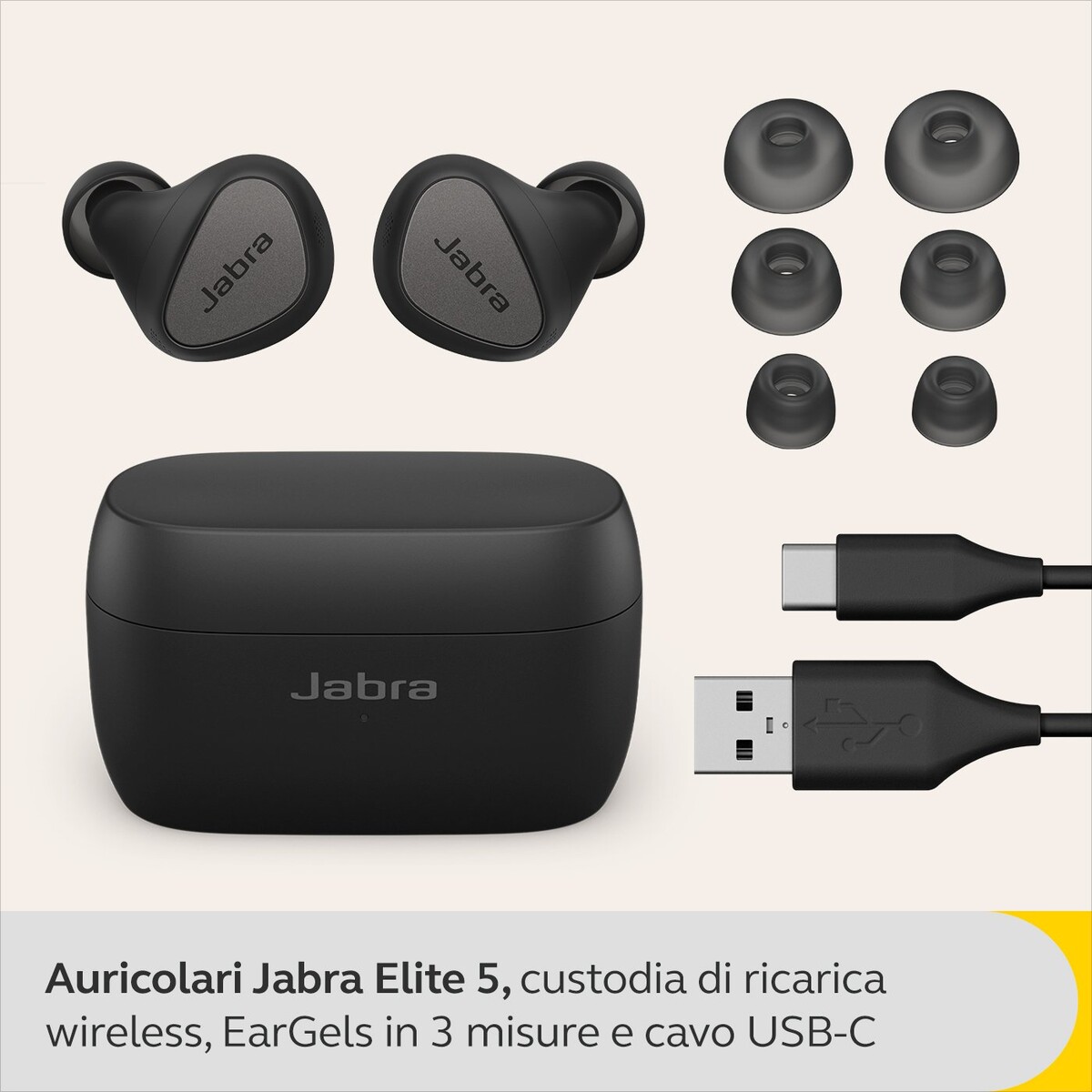
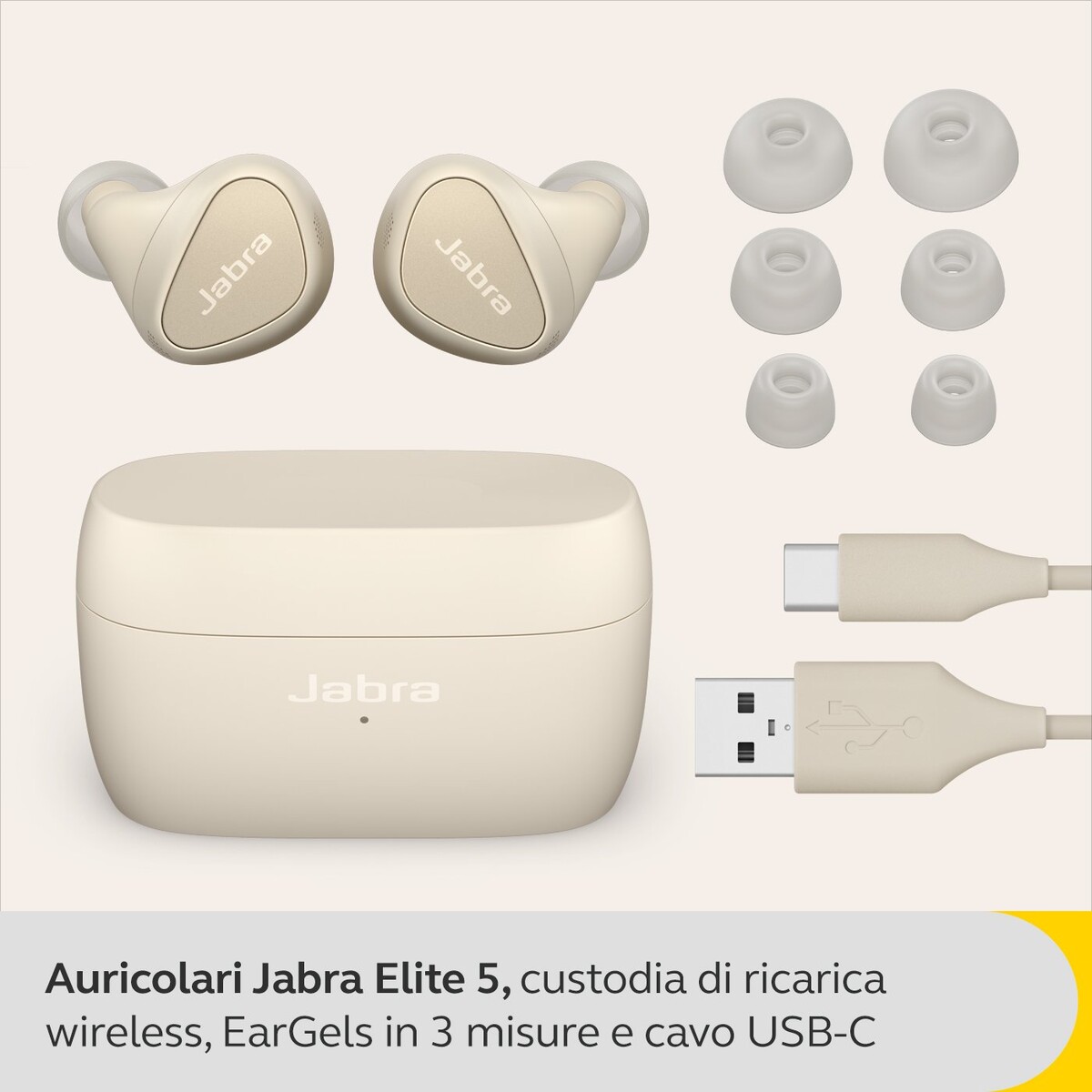
The upcoming mid-range earbuds support Bluetooth 5.2 connectivity as well as IP55 certification. The six-microphone ANC setup for the Elite 5 is an improvement from its predecessors. It aligns with the Elite 7 series, in addition to supporting Alexa and Google Assistant. There are touch controls on each earbud and two-color options were seen from the renders. There are multiple ear tips of different sizes and a USB-C cable as part of the package.
1 of 6
Jabra Elite 5
The release date for the Jabra Elite 5 is not known at this time but we could expect an imminent launch. Pricing information was also lacking from the Quandt leak although the Elite 4 Active currently retails at $89.99.
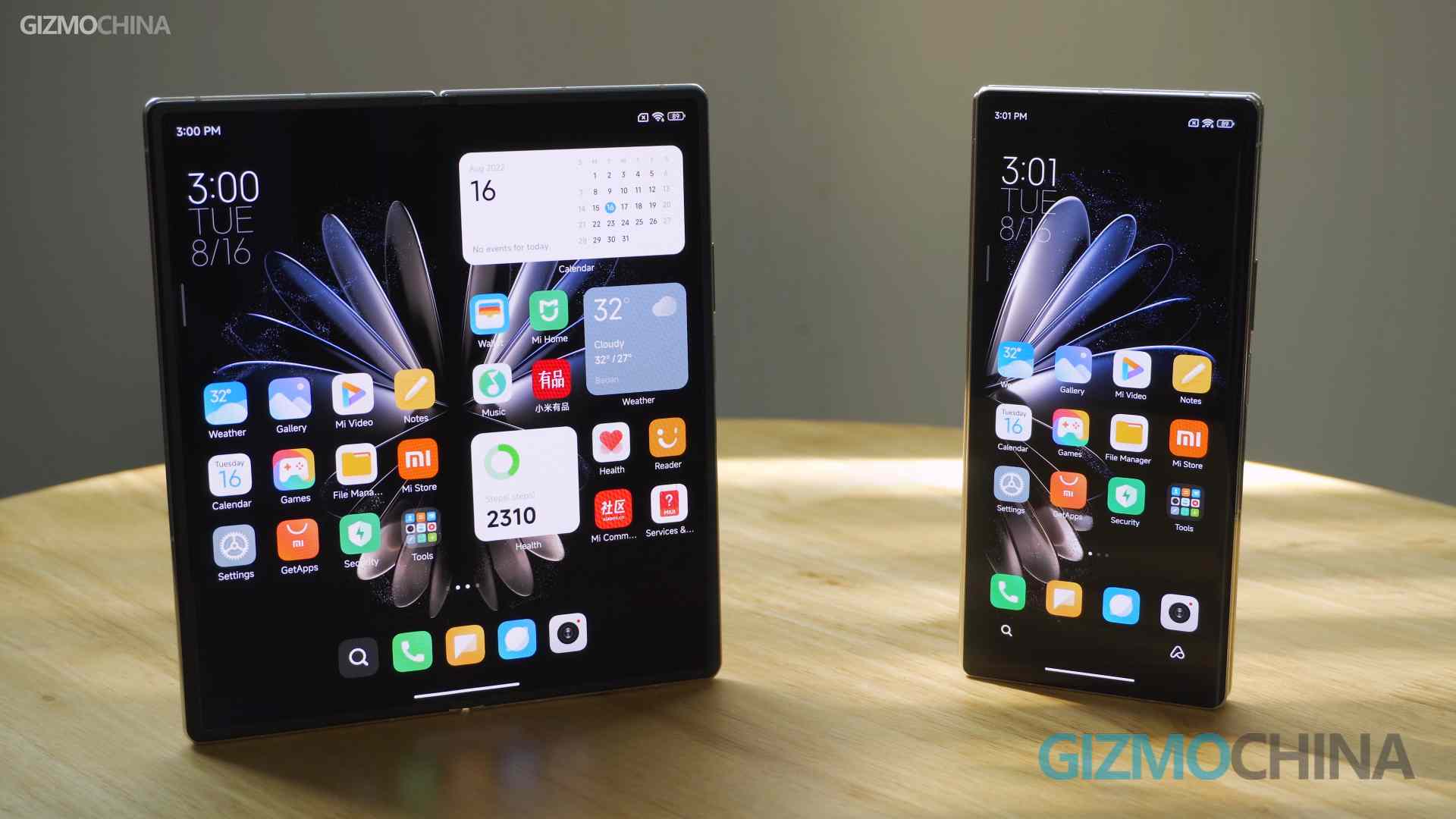
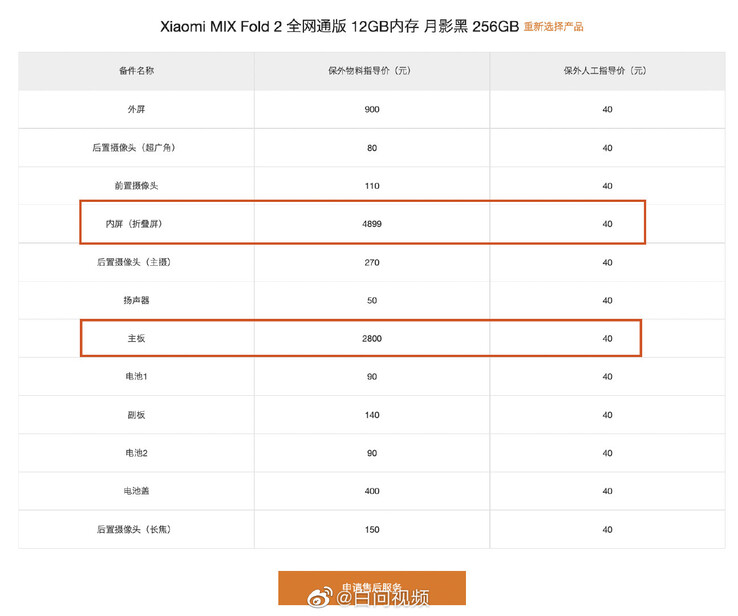
The Xiaomi Mix Fold 2 comes with an advanced flexible display which now looks like a sticking tooth for the model in terms of repairability. The Mix Fold 2 has a 120Hz Samsung AMOLED screen whose replacement may cost up to half of the price of the smartphone itself.
The Mix Fold 2 comes with a slimmer design than its predecessor, the Mix Fold. It is Xiaomi’s latest foldable flagship with lots of improved features. It has a main 8.02-inch 2K display whose repair can be very expensive, with no warranty provided by the company. The new flagship has 12GB RAM and 256GB of internal storage.
Xiaomi has released a schedule of service costs for the flagship smartphone, with component replacement costs going as high as 4,899 yuan ($713). The replacement of the LTPO 2.0 Eco2 AMOLED screen costs around 4,899 yuan ($713), while the motherboard replacement is about 8,999 yuan ($408). The Mix Fold’s motherboard replacement was about $742, so there is a slight improvement in the new device’s repairability.
To put the repair costs in perspective, the Mix Fold 2 is retailed at $1,310. This means that the replacement of two components of the new Xiaomi foldable exceeds $1,100. Therefore, it may not make any economic sense to repair a Mix Fold 2 model with a faulty screen.
Hopefully, the new Xiaomi foldable flagship comes well-padded in terms of durability. So, you may not need to undertake major and extensive repairs for a while. That won’t be a problem for fans outside China as Xiaomi doesn’t plan to launch the Mix Fold 2 for the global market.
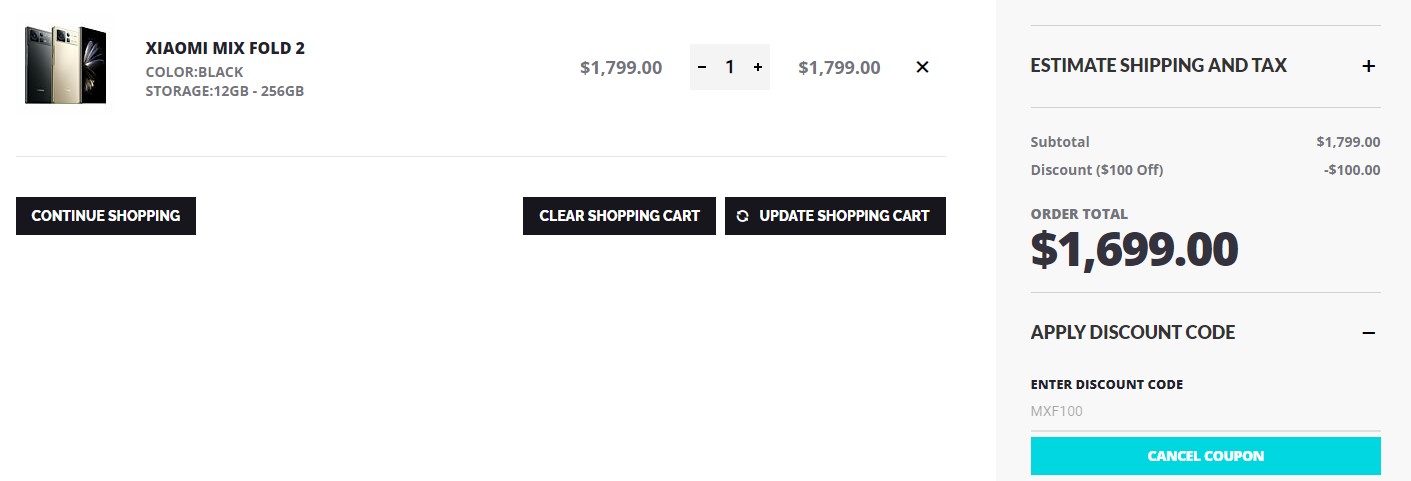
Giztop is giving one of the best deals on Xiaomi Mix Fold 2. You can now get a $100 discount on this foldable smartphone. The phone which generally retails for $1799 is now available at a discounted price of $1699 by using the coupon code: MXF100. Please note that this coupon expires on September 5, 2022.
Xiaomi Mix Fold 2 features an 8-inch WQHD+ AMOLED Inner display with LTPO technology and a 6.5-inch AMOLED E5 external screen. It is powered by the Qualcomm Snapdragon 8+ Gen1 5G processor and comes with Adreno 730 GPU. The smartphone comes in multiple memory variants viz. 12GB LPDDR5 RAM and 256GB / 512GB/ 1TB ROM.
Xiaomi Mix Fold 2 has a triple rear camera setup with a 50MP Sony IMX766 primary sensor, 13MP OmniVision OV13B ultra-wide snapper, and an 8MP telephoto camera with 2x optical zoom. On the cover display, you can find a 20MP selfie camera. This powerful foldable smartphone is fueled by a 5020mAh battery and supports 67W fast wired charging. It also supports QC 4+ and PD3.0.
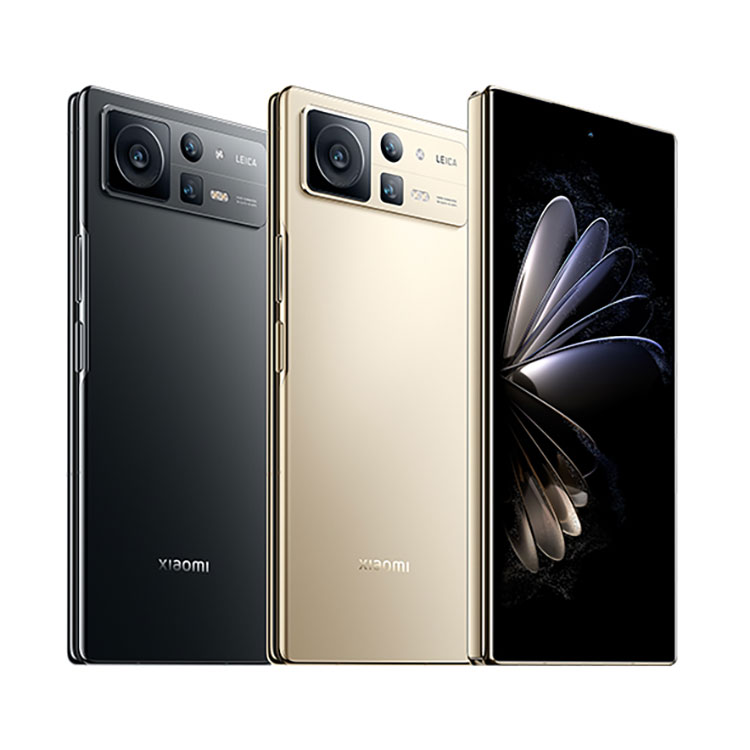
Available in Black and Gold color variants, you can now buy Xiaomi Mix Fold 2 at a discounted price of $1699 at Giztop. Please note that this price is applicable to the base variant only.
For more information on such exciting deals and offers check out our deals hub.
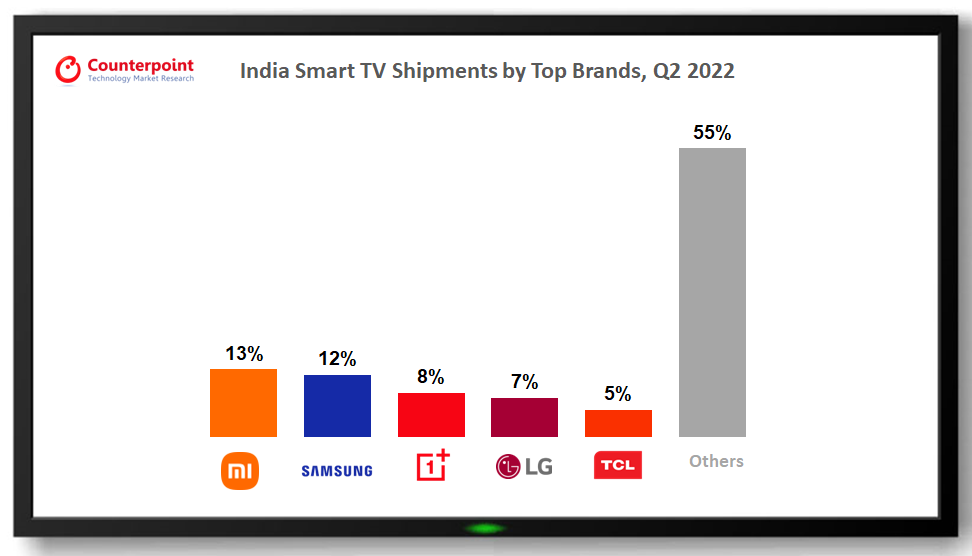
Smart television shipments in India grew 74 percent year-on-year basis in the second quarter of this year i.e. the period between April to June. According to Counterpoint Research’s IoT data, the growth is said to be attributed to increasing customer preference, small-size smart TVs, rising OTT consumption, and increasing promotions by retailers and brands.
During the second quarter of the year, Xiaomi continued to led India’s television market with a 13 percent share. The brand’s Mi 4A, 5A series, and Redmi Smart TV series contributed majorly to its market share. South Korean brand Samsung came in the second spot with a 12 percent share, thanks to the T4000 and T5000 series models. OnePlus bagged the third position for the first time with an 8 percent share. The company’s volume driver is attributed to the Y1S, Y1S Pro, and Y1S Edge televisions. Counterpoint adds that OnePlus registered an impressive 123 percent year-on-year growth in the first half of 2022. The fourth and fifth spots are occupied by LG and TCL with 7 and 5 percent market shares respectively.
Online channels contributed to 31 percent of the total shipments during the quarter. Leading platforms like Flipkart, Amazon, and Croma had various promotions such as discounts, no-cost EMIs leading to an increase in their share.
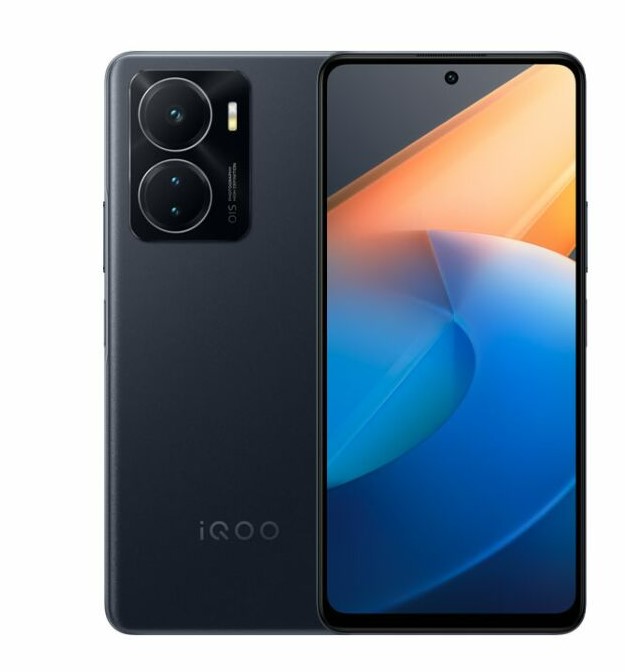
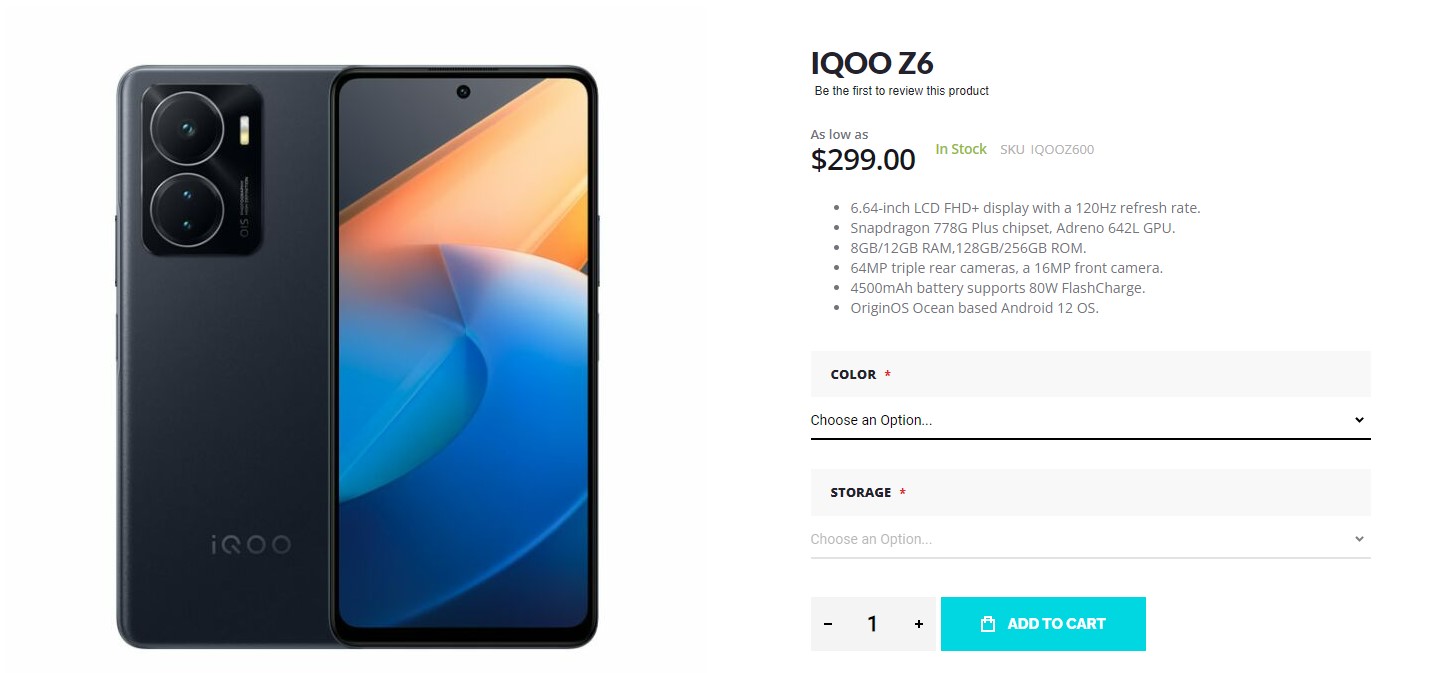
IQOO Z6 5G features a 6.64-inch LCD FHD+ display and supports a 120Hz refresh rate. The smartphone is powered by the Snapdragon 778G + chipset and comes with Adreno 642L GPU. The phone comes with multiple memory options viz. 8GB / 12GB RAM and 128GB / 256GB internal storage.
IQOO Z6 comes with a triple rear camera setup with a 64MP OIS Supported main camera, 2MP macro camera, and 2MP depth sensor. For selfies, you have a 16MP sensor in the front. It comes with a flagship-level VC liquid-cooling system that offers an efficient cooling and heat dissipation system.
Fueled with a 4500mAh battery, the smartphone supports 80W flash fast charging and runs on Android 12 based ORIGIN OS Ocean. Other interesting features include Bluetooth 5.2, GPS, USB-C, side-mounted fingerprint sensor, face unlock, 3.5mm audio jack, etc.
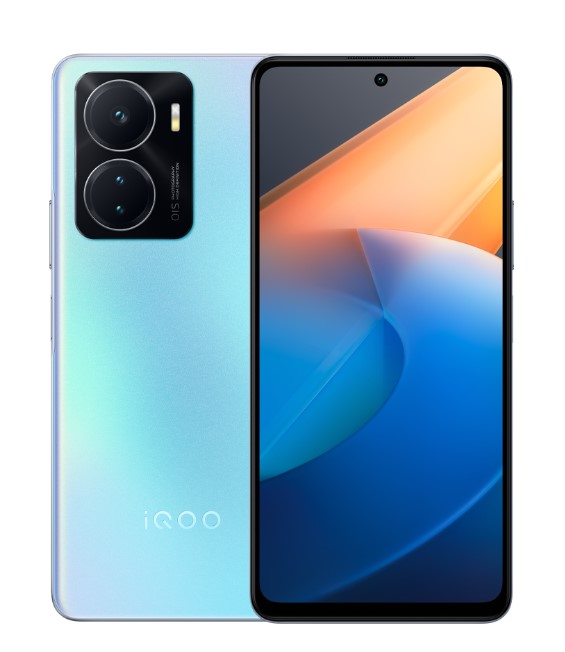
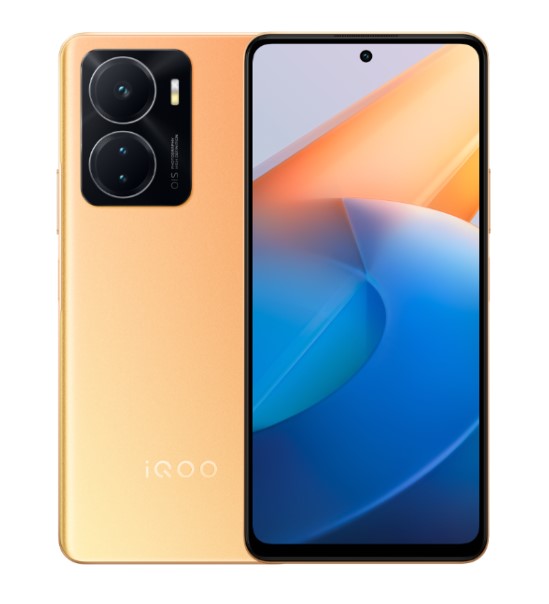
You can now buy IQOO Z6 5G phone at a starting price of $299 only on Giztop. The phone comes in Black, Orange, and Blue color variants.
For more information on such exciting deals and offers check out our deals hub.
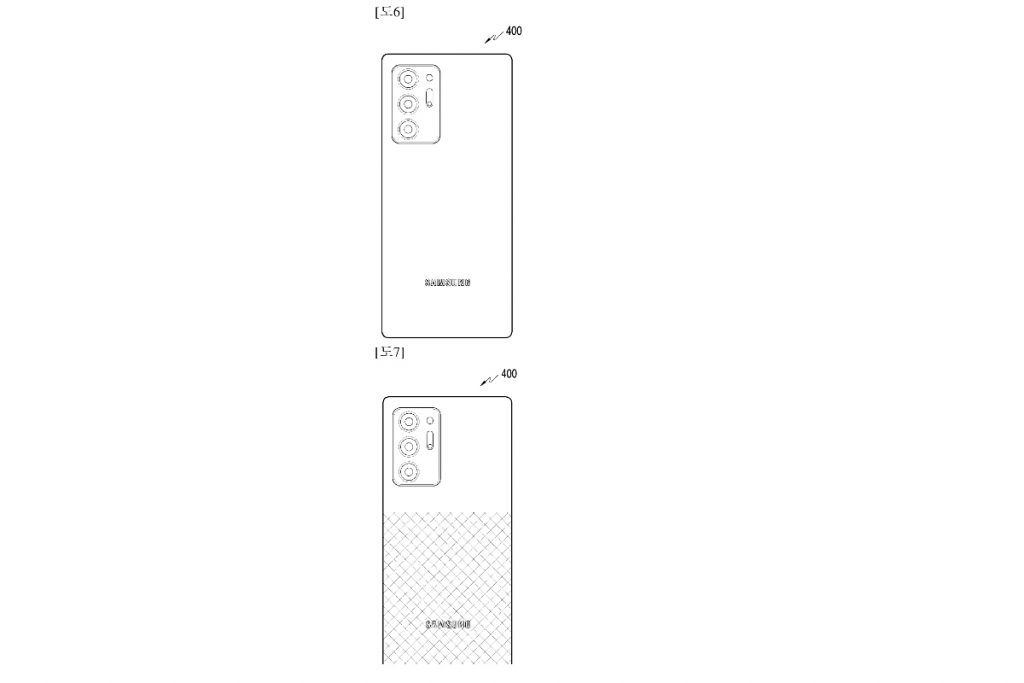
Samsung is reportedly working on a dual-screen smartphone with a rear-facing transparent display. The South Korean brand filed a patent application at World Intellectual Property Office (WIPO) in January this year and was published last week. The patent application reveals some unique design information that Samsung is said to be working on.
Smartphones usually have a flat surface back panel housing a camera module and the brand’s logo. Now as per the patent application, Samsung might be considering taking its smartphones to a new level with an innovative design. The brand is considering developing a transparent display at the back. According to the application the second display blends in with the rest of the phone’s back panel when not in use. It could turn on fully or partially similar to an Always-on display. A second rear-facing screen could be used to showcase designs, and information at glance, and also take selfies using the rear camera.
Samsung’s dual-screen patent application looks similar to the ZTE Nubia X that debuted back in 2020. However, it employed a glass rear panel with a higher opacity to hide a regular screen when it is turned off. On the other hand, Samsung’s patent indicates that the phone will have a real display at the back.
Although the patent application is real, there is a possibility that Samsung’s plans of launching a dual-screen phone may never materialise.
ASUS ROG Phone 6D Ultimate global launch date has been announced. It will debut on September 19th. It will be the third variant in the ROG Phone 6 series that consists of a regular and Pro models. The Taiwanese brand has also confirmed the chipset on the upcoming offering.
The ROG Phone 6 is entering its ULTIMATE form! Powered by MediaTek's latest Dimensity 9000+ CPU for peak performance 💪
The ASUS ROG Phone 6D Ultimate will be the first gaming phone to be powered by MediaTek’s flagship Dimensity 9000+ processor. Most gaming phones in the market are equipped with Snapdragon chipsets. The upcoming device was also spotted on AnTuTu benchmarking website. It scored 11,46,594 points which is said to be 2-3 percent more compared to the Pro variant that is equipped with Snapdragon 8+ Gen 1. Out of the 11,46,594 points, 2,91,317 points are for the CPU while the rest are for GPU, MEM, and UX testing. The ROG Phone 6D’s 3C certification website listing reveals that it will come with support for 65W fast charging.
Apart from a different processor, the ROG Phone 6D is expected to retain other specifications from its Snapdragon counterparts. This includes a 6.78-inch FHD+ 165Hz AMOLED display, 50MP Sony IMX766 camera, and a 6,000mAh battery unit.
We will learn more details about the ROG Phone 6D’s pricing and availability when it goes official next month.
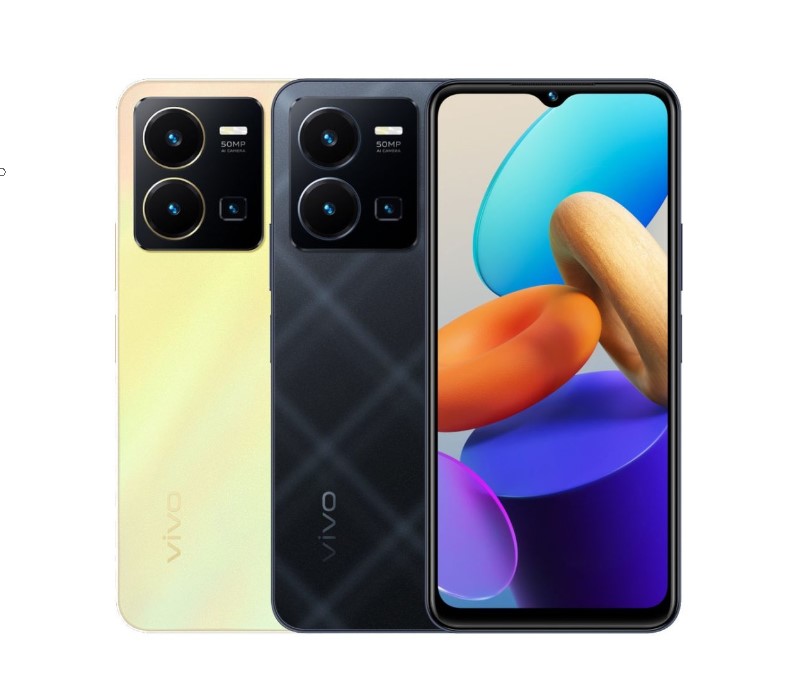
Vivo Y35 has launched in India today. It debuted in the global markets earlier this month. The Indian variant comes with the same specifications. The latest Y-series device from Vivo falls under the sub-Rs 20,000 price segment. Read on to know what it offers out of the box.
The Vivo Y35 features a 6.58-inch IPS LCD display bearing an FHD+ resolution and a 90Hz refresh rate. The back panel has a gradient design and there is a side-mounted fingerprint scanner.
On the imaging front, the Vivo Y35 has squarish camera module. It accommodates a 50MP main snapper paired with a 2MP macro and 2MP depth sensor. There is an 8MP front-facing selfie camera.
Internally, the Vivo Y35 is powered by a Snapdragon 680 processor. It is paired with 8GB RAM that can be further extended up to 8GB via virtual RAM technology. The device packs 256GB onboard storage with support for a microSD card slot. The smartphone is backed by a 5,000mAh battery unit with support for 44W fast charging. Software-wise, the Vivo Y35 runs on Funtouch OS 12 based on Android 12 out of the box.
The Vivo Y35 carries a price tag of Rs 18,499 and is offered in Agate Black and Dawn Gold colours. It can be purchased from Vivo.com and offline stores across the country. ICICI and SBI credit cardholders purchasing the smartphone online can avail Rs 1,000 cashback whereas HDFC cardholders are eligible for Rs 750 off via offline channels.
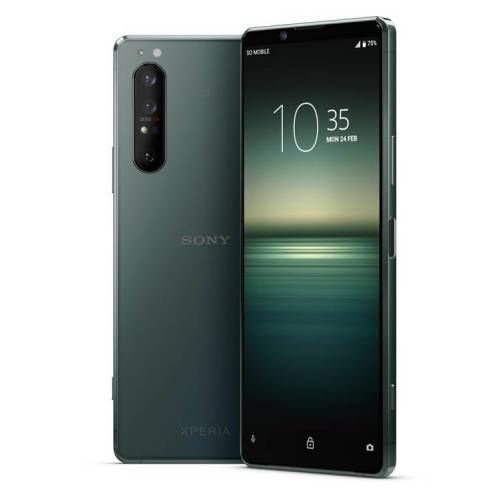
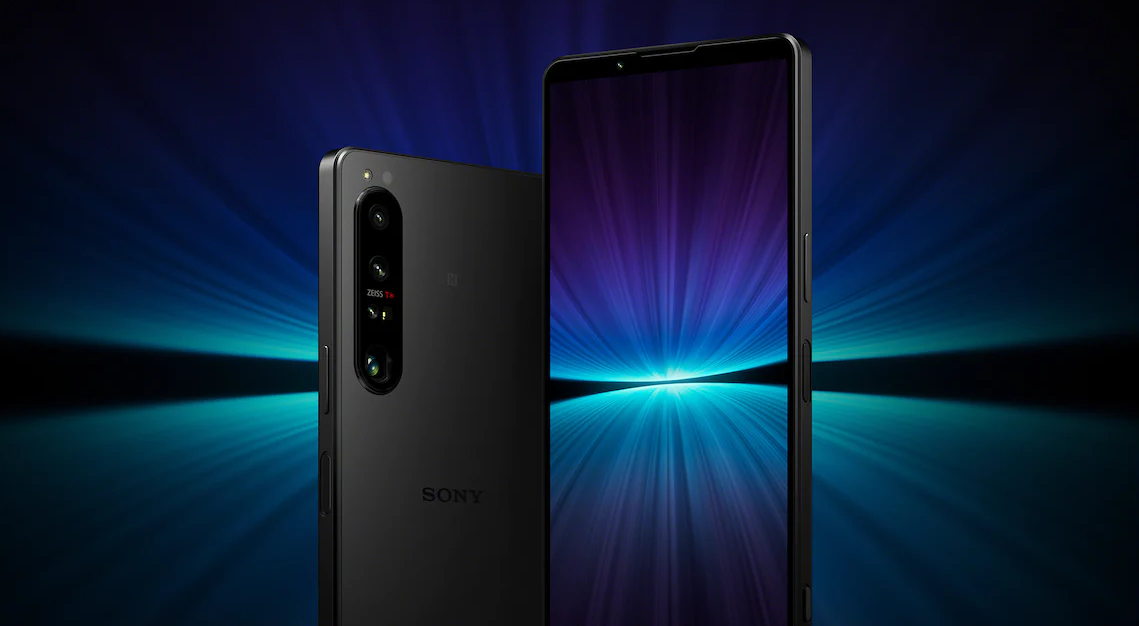
Sony was initially expected to launch the Xperia 5 IV with the Xperia 1 IV earlier this year, but that was not the case. However, the company had just recently teased the launch of its upcoming compact flagship grade smartphone, so let’s have a look at its possible specs, pricing, and more.
Design and Display
Based on what we know so far, the Japanese tech giant’s Xperia 5 IV will be a premium compact handset. Not much is known about its design, but the compact nature will likely imply a smaller chassis and display overall. Although, we can expect its design to be similar to its larger sibling the Xperia 1 IV. So, it will likely have a matte finish with a flat rear panel surrounded by metallic frame on the sides. This is also in line with the brand’s teaser that said “Be Creative. Go Compact.”
Xperia 1 IV
However, unlike the Xperia 1 IV’s 6.5 inch display panel, the Xperia 5 IV will have a smaller screen that will reportedly measure around 153.5mm diagonally, which is roughly about 6 inch. Since its a flagship model, the display is likely an OLED panel that offers 120Hz high refresh rate as well. Other design features may include a 3.5mm headphone jack and a USB Type C port for charging and data transfer.
Specifications
As of right now, not a lot of information is available regarding the finer details of Sony Xperia 5 IV’s internal hardware. But based on previous reports, the flagship model will most likely be equipped with Qualcomm’s latest and greatest, Snapdragon 8+ Gen 1 SoC. But, there is still a chance that the brand decides to ship the upcoming model with the older Snapdragon 8 Gen 1 processor as well.
This will probably be coupled with up to 12GB of RAM and 512GB of internal storage like the Xperia 1 IV. Other features include, a triple camera setup, a dual stereo speaker, IP68 water and dust resistance, wireless charging support, and more.
Camera
Similar to the specifications, the cameras on the Xperia 5 IV is still shrouded in mystery. The recent teaser only shared that one can “shoot breathtaking portraits.” The Xperia 1 IV also housed a triple camera module on the rear, which consisted of three 12 megapixel sensors. This included the 24mm f/1.7 primary camera with a 1/1.7 inch sensor, a 16mm f/2.2 ultra wide angle lens, and an 85 to 125mm f/2.3 to f/2.8 telephoto zoom lens. Meanwhile, the front housed a 12 megapixel selfie camera. So, there’s a chance that Sony ships the new smartphone with the same if not similar camera specs as well.
Samsung was supposed to announce the Galaxy Tab Active 4 Pro alongside the Galaxy XCover 6 Pro in July. However, that never happened due to unknown reasons. For the past few days, the tablet is making its appearances on various certification websites, suggesting its imminent announcement. It has been now spotted on FCC.
Samsung Galaxy Tab Active 3
The FCC listing reveals that Samsung will offer the Galaxy Tab Active 4 Pro in WiFi-only and cellular variants. The latter model will carry support for 5G.
Further, the listing confirms support for 25W fast wired charging. It also reveals that the tablet will have a MicroSD card slot and will even come with NFC.
Unfortunately, that’s all the information FCC has to offer. But we have a few more details via other certifications from earlier.
As per previous findings, the upcoming Galaxy Tab Active 4 Pro will be powered by a Qualcomm Snapdragon 778G SoC. On the software front, it will boot Android 12L.
According to the official teaser poster, the tablet will have support for stylus input, like most tablets from Samsung. Similar to previous rugged tablets from the company, this one may also arrive with customizable physical keys.
It is not known when exactly this product will now go official after the delay. Since it is being certified by multiple bureaus, it may be announced sooner than later.
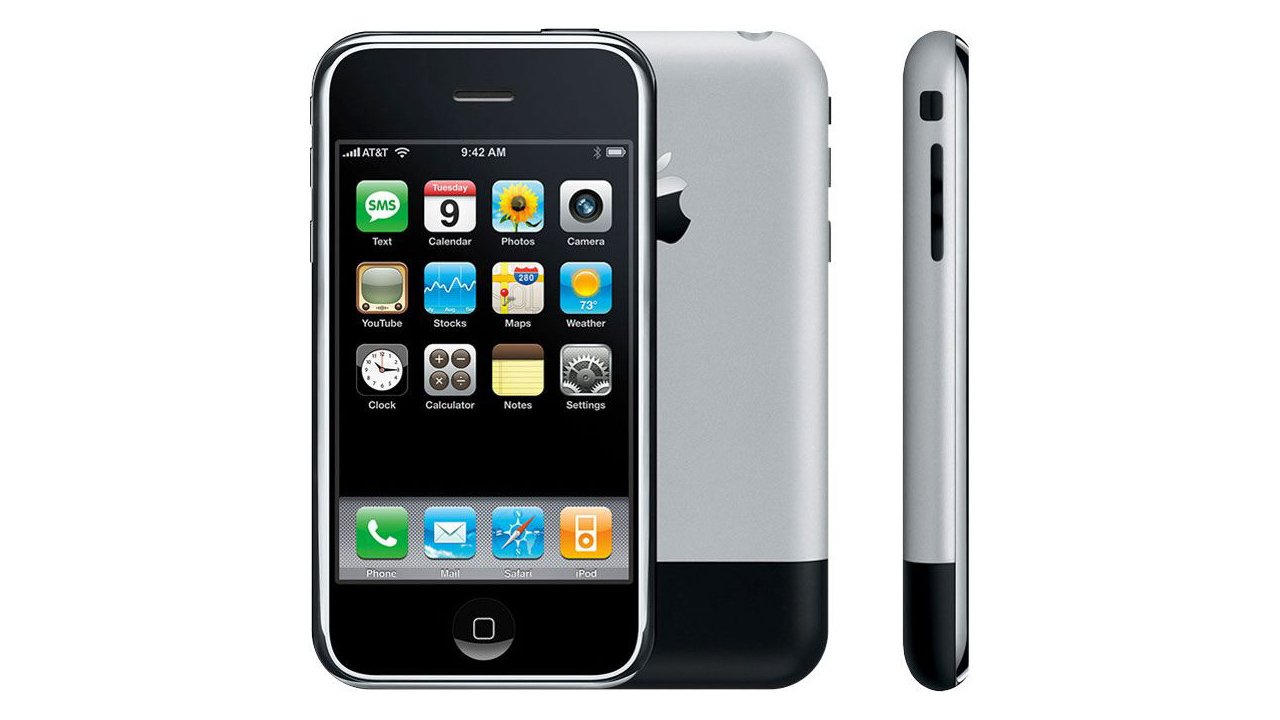
An auction has just sold one unopened first generation Apple iPhone model in the US for a whopping price tag of over 35,000 US Dollars. Alongside the smartphone, the auction also sold a first ever iPod model as well for an eye watering price tag too.
The unopened first ever iPhone was sold for a price tag of 35,414 US Dollars, while the first generation iPod was sold for 25,000 US Dollars in the auction. For those unaware, the first gen iPod was released back in 2001 and the first iPhone was announced back in 2007. The iPhone was sold by RR Auction and marks a new milestone for rare gadgets being auctioned around the world.
Price for antique technology have already gone up to millions of dollars. The latest auction of the unopened iPhone was actually unique since it included an original circuit board of the Apple I computer, which was also hand soldered by Apple co founder, Stephen Wozniak and was sold for 677,196 US Dollars. For its time, the iPhone was quite an advanced mobile phone that came with a 2 megapixel camera, voice mail support, and much more.
As stated above, the sale of this iPhone also marks a major milestone for the history of personal technology. Apart from its premium price tag, the original iPhone was also a game changer back when it first launched since it came with an all touchscreen functionality, which all smartphone brands followed soon after.
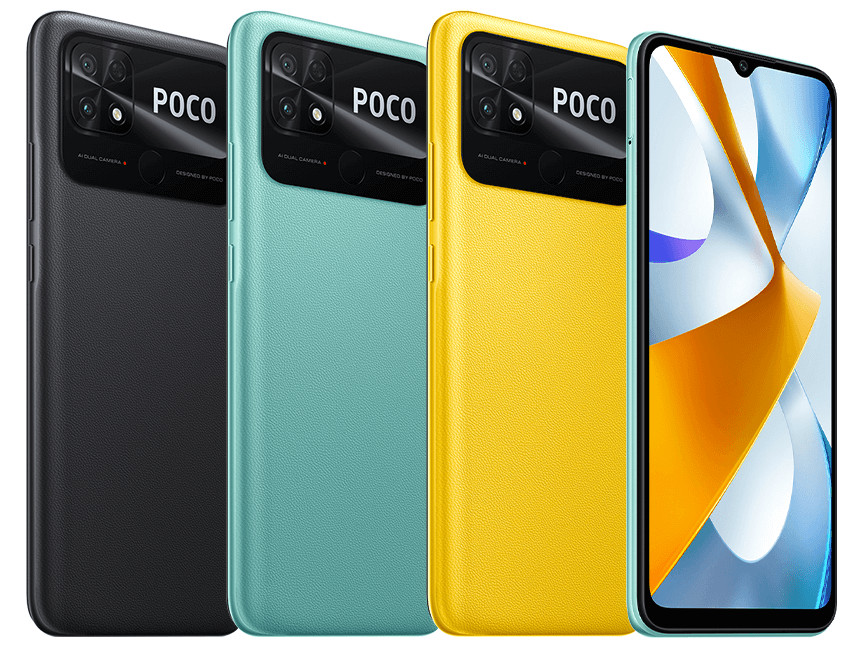
Last month, POCO launched the C40 smartphone in the global market, making it the first smartphone with a JLQ processor. However, the device never made it to India. Now, a device with the POCO C50 moniker has appeared on the IMEI database, hinting at an imminent Indian launch.
POCO C50 IMEI
Spotted by Xiaomiui, the smartphone has the model number 220733SPI. This model number has previously appeared on BIS certification and is likely a rebranded Redmi A1. Previous reports have mentioned that the Redmi A1 will launch under both Redmi and POCO brandings in India.
Representative image
Additionally, the POCO India head Himanshu Tandon has recently revealed that the POCO C40 won’t be released in the Indian market. Himanshu responded to a user’s inquiry by saying, “We have transitioned 5 series. So no C40“. Let’s take a look at all the information available on the Redmi A1 to get an idea of what to expect from the POCO C50.
According to a recent Geekbench listing, the Redmi A1 will come with a quad-core MediaTek Helio A22 chipset. It will have 3GB of RAM and an Android 12-based operating system. Other than that, the FCC listing reveals that the device measures 164.67mm in length and 76.56mm in width. The device will support 2.4GHz WiFi and Bluetooth connectivity. Other specifications of the device are still under wraps.
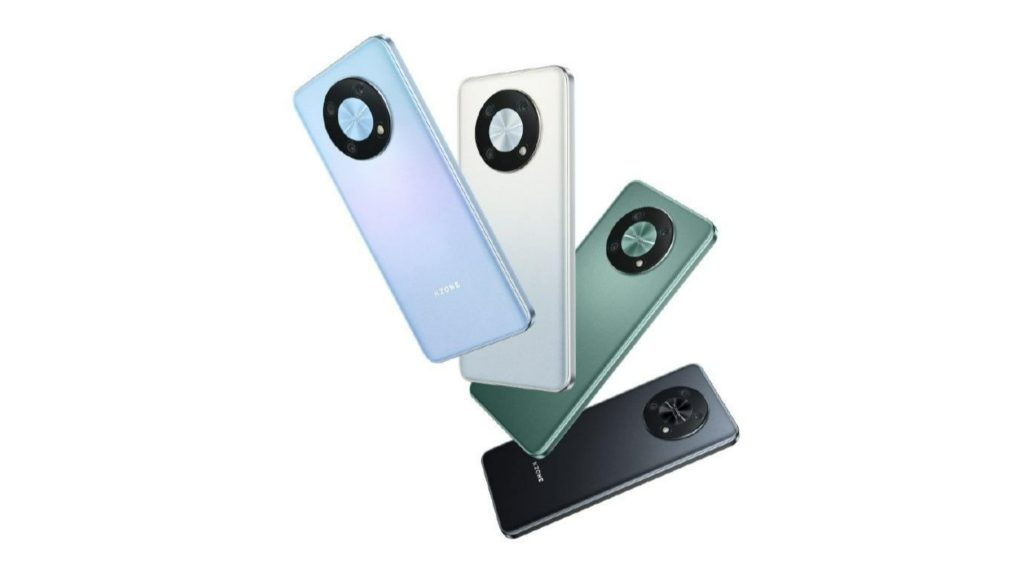
As scheduled, China Mobile launched the Nzone 50 Pro in China today. The latest smartphone from the country’s largest carrier is nothing but a tweaked Huawei Enjoy 50 Pro.
For the uninitiated, Huawei has been developing phones for multiple telecom companies in its home country for years. But these devices no longer bear Huawei branding. Also, they offer 5G connectivity, unlike Huawei’s self-branded products.
The Nzone 50 Pro is almost the same as the Huawei Enjoy 50 Pro. Primarily, the two handsets only differ in terms of chipset and connectivity.
The original model houses an 8MP selfie camera and Qualcomm Snapdragon 680 chipset with 4G-only support. On the other hand, the new Nzone-branded variant is powered by a MediaTek Dimnensity 700 SoC and arrives with 5G support, NFC, and a 16MP front-facing camera.
Apart from the aforementioned dissimilarities and customized software, the two smartphones are one and the same.
Therefore, the Nzone 50 Pro comes with a 6.7-inch FHD+ (2388 x 1080 pixels) 90Hz centered punch-hole display (LCD), 50MP (wide) + 2MP (macro) + 2MP (depth) triple camera system, side-mounted fingerprint sensor, 3.5mm headphone jack, 5,000mAh battery, 40W wired fast charging support, 8.4mm thickness, and 195g weight.
The Nzone 50 Pro is priced at ¥1,799 ($260) and ¥1,999 ($289) for 8GB + 128GB and 8GB + 256GB memory configurations, respectively. It is already up for pre-order and will be available for purchase starting at 10:08 AM on September 2.
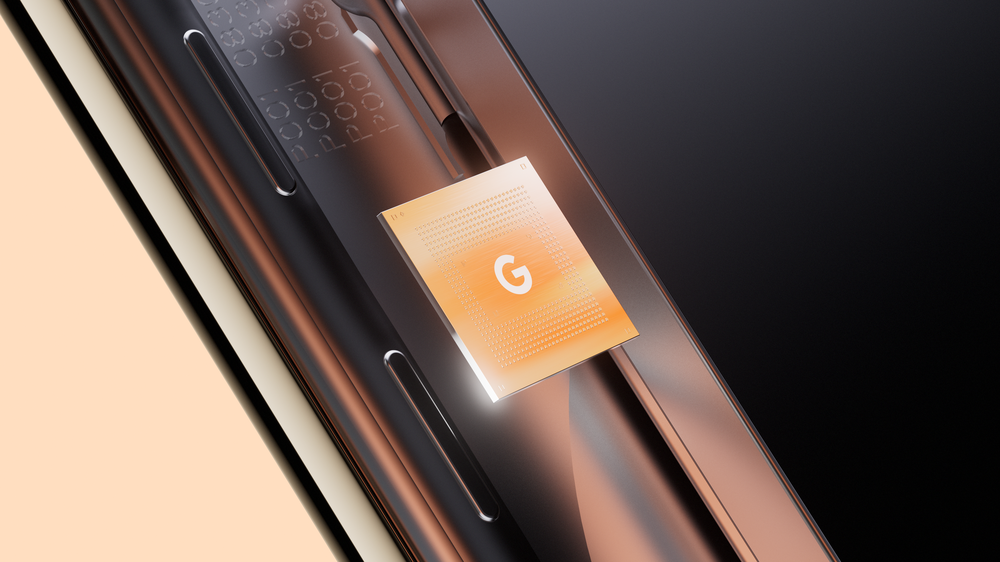
With the launch of the Google Pixel 7 series being just around the corner, we expect to see more rumors and leaks to surface as we get closer to the official release. However, a new report has revealed that the company might already have began work for the chipset that will be featured on the Pixel 8 series next year.
According to a GalaxyClubreport, Google and Samsung have been working on an upgraded Tensor chipset. In other words, it might be the successor model that could be called Tensor 3. This third generation Tensor chipset carried the model number S5P9865 and is being tested on a developer board that is codenamed Ripcurrent. For those unaware, the Tensor 2 chipset for the upcoming Pixel 7 series is believed to have a model number S5P9855 and is being tested on a board codenamed Cloudripper.
The new report did not reveal any finer details regarding the Tensor 3 chipset. Although, its safe to assume that it will be more powerful than its predecessors. Furthermore, the partnership with the South Korean tech giant also implies that Google is looking to improve artificial intelligence processing and performance capabilities of the next gen Tensor chip overall.
At the moment, the Tensor chip arrives with some pretty neat features, but they do not rival Qualcomm’s flagship Snapdragon 8 Gen 1 chipset in terms of raw performance. But, the Tensor chips might soon catch up over the next couple of years. Regardless, having their very own chipset that is designed solely for their Pixel series of smartphones let’s Google customize and specialize the chipset for their own smartphones alone.
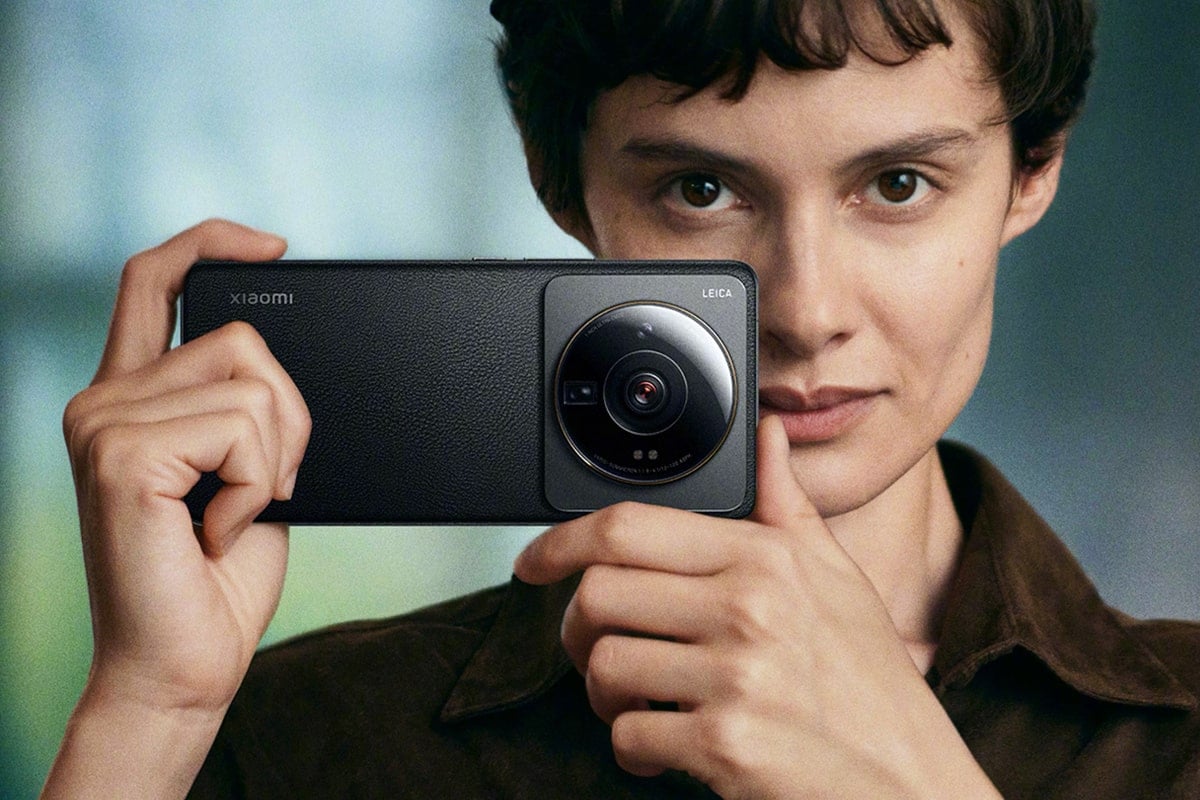
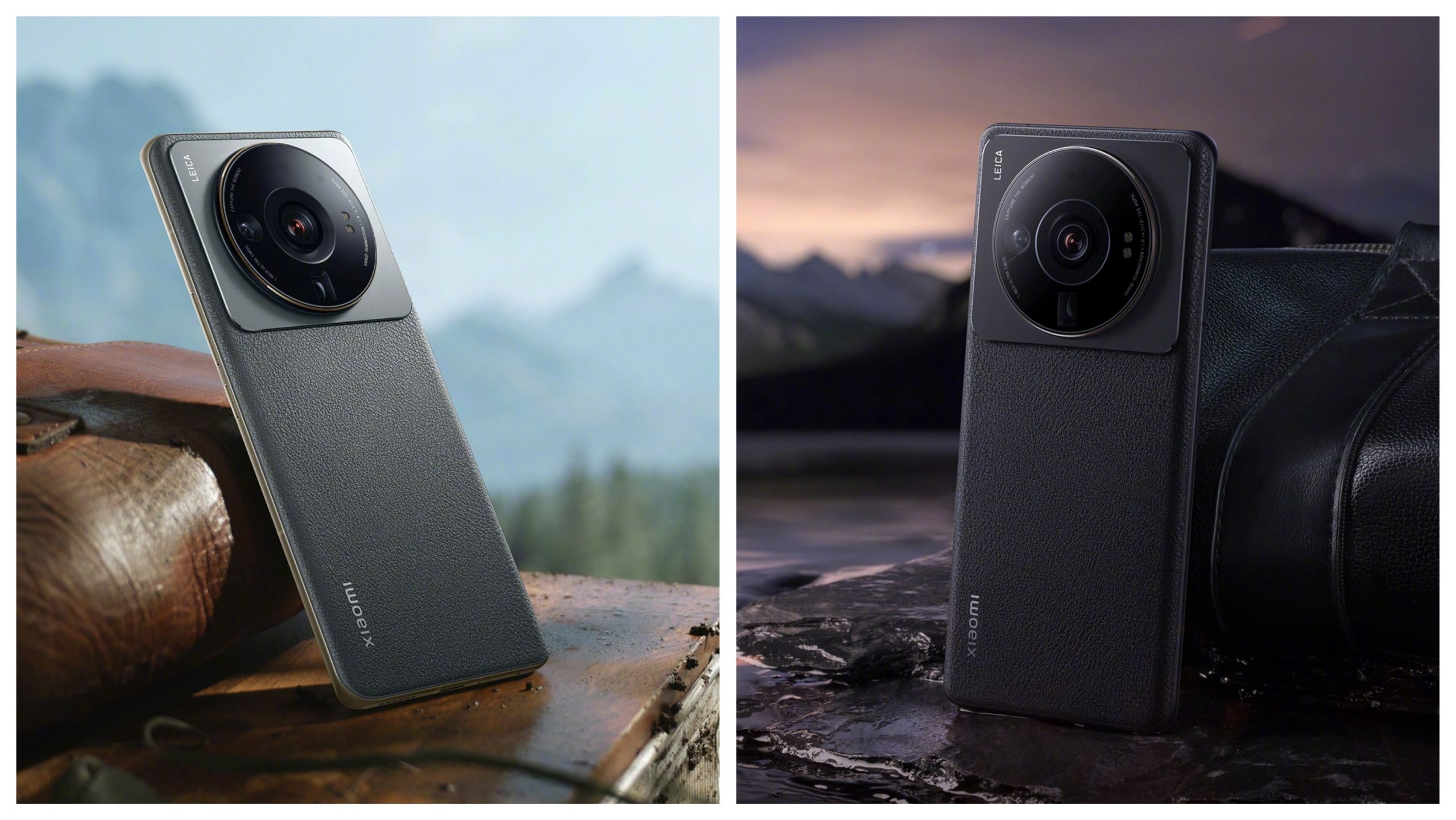
Last month, Xiaomi launched the 12S series of smartphones in China. The company also introduced the long-rumored Xiaomi 12 Ultra at this launch event under the Xiaomi 12S Ultra moniker. However, global customers won’t be able to get their hands on this device as it is a China-exclusive launch.
Now, Xiaomi CEO Lei Jun has reassured global customers that the next iteration of the Ultra smartphone will be available globally.
The next iteration of Ultra will be available in our global markets! https://t.co/TgdDWq8724
It isn’t clear whether Lei Jun was talking about a potential successor to the Xiaomi 12S Ultra or a version of the same phone. It is possible that we might soon get a Xiaomi 13 Ultra smartphone as the Xiaomi 13 series is rumored to launch around the end of Q4 2022.
Xiaomi 12S Ultra specifications
The 12S Ultra has a 6.73-inch LTPO 2.0 AMOLED display with a 2K resolution, 120Hz refresh rate, 1500 nits of maximum brightness, and 521ppi pixel density.
Under the hood, it features the Snapdragon 8+ Gen 1 SoC complemented by up to 12GB of LPDDR5 RAM and up to 512GB of UFS 3.1 internal storage. It draws power from a large 4,860mAh battery pack that supports 67W fast wired charging. Although, it also supports 50W wireless fast charging and even 10W reverse charging as well.
The device has an impressive triple camera configuration with the Sony IMX989 sensor serving as the primary camera. This sensor has a massive 1-inch sensor size and a 50-megapixel resolution. It also has HyperOIS and able to record 8K footage is the primary shooter. Accompanying the primary camera is a 48-megapixel ultra-wide angle lens with a 128-degree field of view and a 48-megapixel telephoto lens with a 120x magnification and OIS.
Other features include WiFi 6E, Bluetooth 5.2, IR Blaster, Surge G1 power management chipset, and Android 12 OS-based MIUI 13 custom skin out of the box.
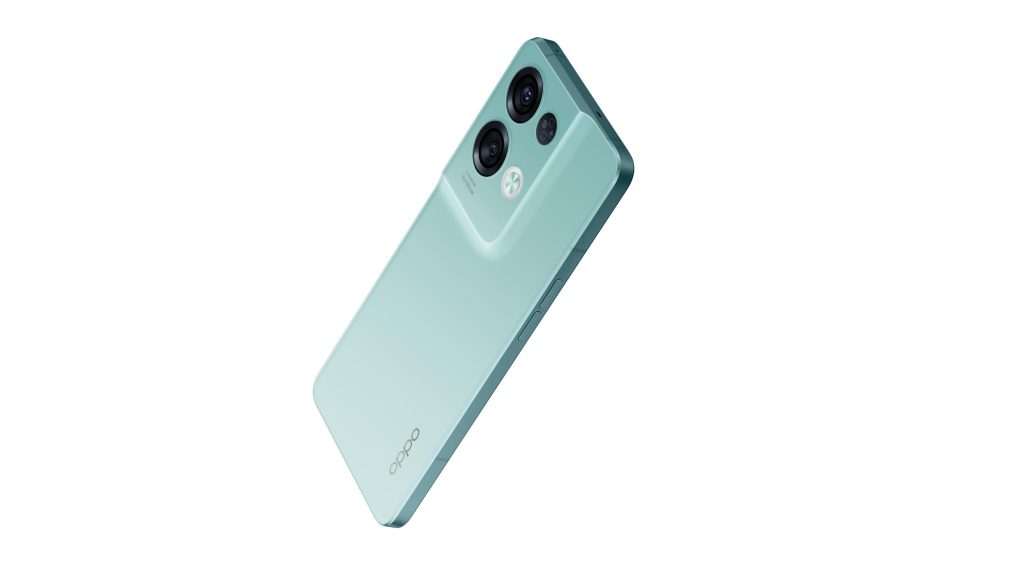
A few days back, Oppo unveiled ColorOS 13 for the global markets. We even went hands-on with the software. Now, ahead of the software’s China debut tomorrow (August 30), the company is recruiting alpha testers for the Oppo Reno 8 Pro 5G.
Initially, ColorOS 13 was available in alpha/beta form for only four devices: Oppo Find X5, Oppo Find X5 Pro, Oppo Find N, and OnePlus 10 Pro.
The alpha testing recruitment for the smartphone began on August 24 in China and already ended the very next day for the first batch. However, for the global markets, the registrations were opened on August 26 and it is scheduled to end only by September 2.
But out of all international markets, the alpha program is limited to India. On top of that, the firm has only allocated 100 seats.
Therefore, if you are really interested in trying the new software before most users, then enroll yourself in the initiative as soon as possible. All you have to do is head over to Settings > About device and tap on the ColorOS logo, followed by the three-dot menu, Trial versions, and Alpha. Finally, follow the on-screen instructions and submit.
Selected applicants will receive the ColorOS 13 alpha build via OTA. It is not known whether this program for the Oppo Reno 8 Pro 5G will be extended to more regions.
But what’s confirmed is that the handset will receive beta builds in India in September, which will be likely followed by the stable release as early as October.
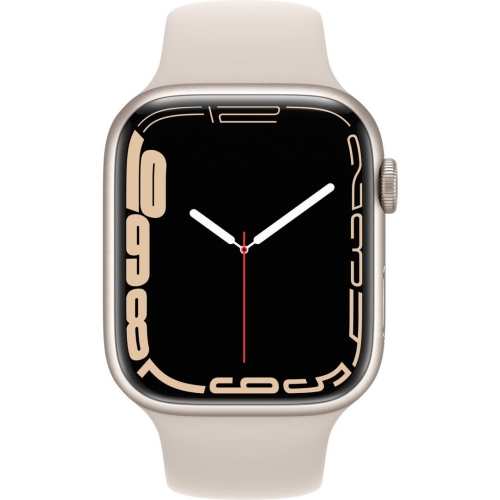
Apple has long been rumored to be working on a new Watch Pro model for its smartwatch series. Now, the latest report has claimed that the upcoming wearable will feature a larger chassis and a flat display.
According to a Mac Otakara report, the Apple Watch Pro will feature a larger 47mm case size, which is the bigger than its existing 41mm and 45mm case sizes that is available on the existing Watch Series 7. The report added that the information is from “reliable sources” who claimed that the Watch Pro will feature a completely flat display. This is unlike the Watch models that are currently being sold, which have curved edges around the display.
With the flat panel, the Watch Pro might be more durable than the regular versions, which is also in line with a previous report that suggested that that Watch Pro is a “rugged” model that is designed for extreme sports and other adventure sports kind of activities. Now, the latest report reveals that the new case size is a 47mm chassis that will likely arrive with other expected features like titanium casing, longer battery life, an expanded Low Power Mode, an S8 chip, and more.
As of right now, the Cupertino based giant is expected to announce the new Apple Watch Pro during its September 7 announcement event alongside its two standard Watch Series 8 models. This event will also include the launch of the highly anticipated iPhone 14 series as well. The pricing for the Watch Pro is still at large, but it will likely cost somewhere around 799 to 999 US Dollars.
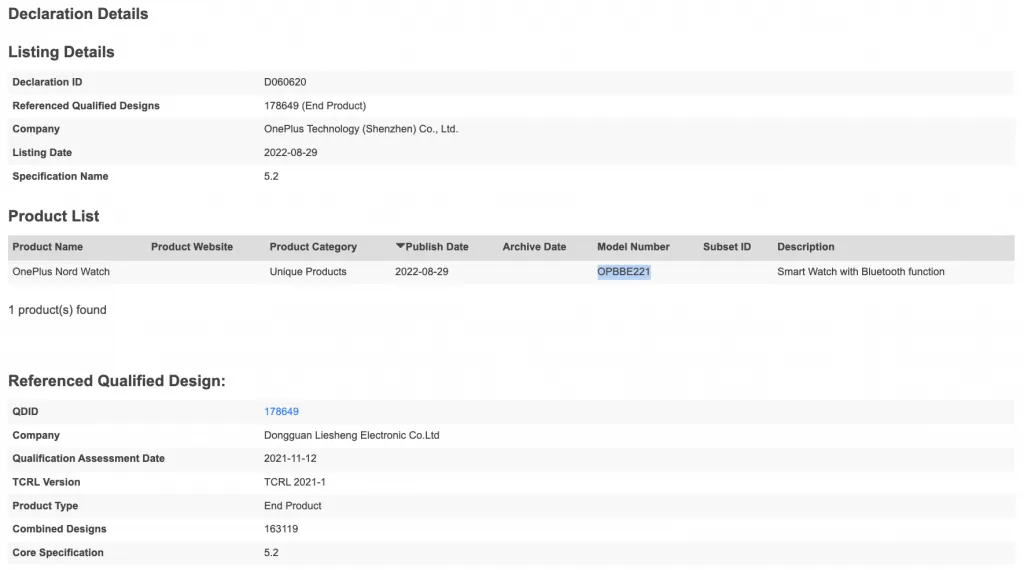
Previous leaks have revealed the design and features of the upcoming OnePlus Nord Watch. And now, the smartwatch has been spotted on the Bluetooth Special Interest Group (SIG) certification website.
According to the listing, the device has the model number OPBBE221. It will rely on Bluetooth 5.2 to connect with the user’s smartphone. We already know that the Nord Watch will get a new companion app called the OnePlus N Health app. The appearance of the smartwatch on Bluetooth SIG indicates that it will launch soon in the market.
OnePlus Nord Watch specs & features
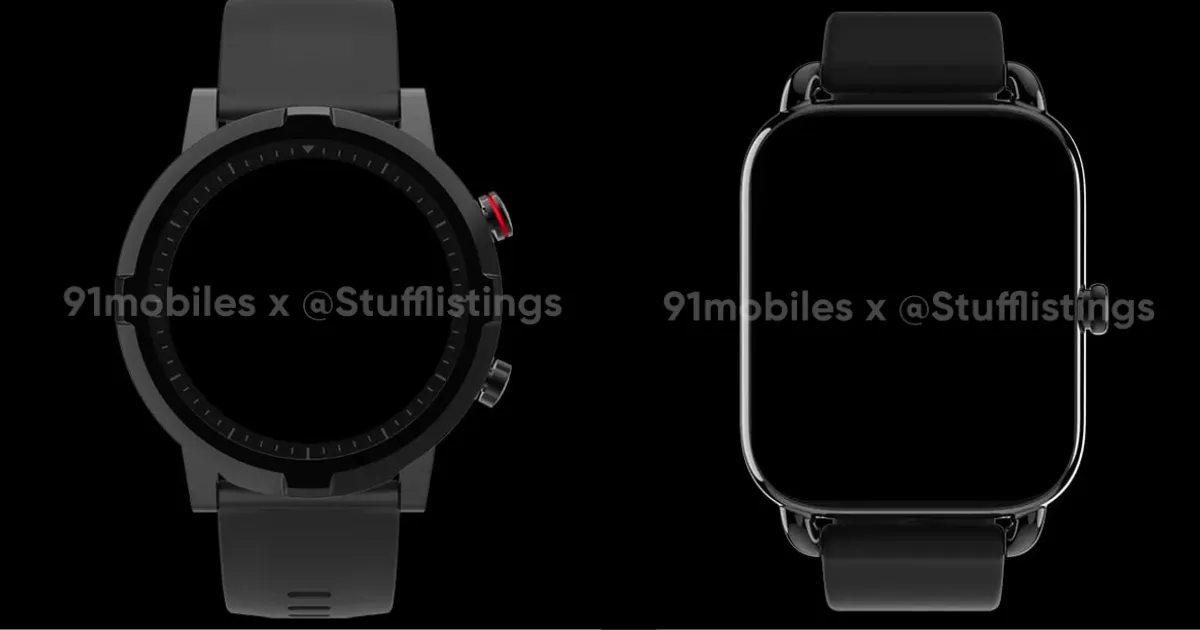
Leaked renders have revealed that the OnePlus Nord Watch will come in a total of five different variants with two distinct design profiles. Three of the models will have a circular dial while the other two will feature rectangular dials.
OnePlus Nord Watch models with rectangular dials will have 240×280 and 368×448 pixel resolution. Whereas the circular variant will offer 240×240 and 390×390 pixel resolutions.
The Nord Watch is rumored to have all the monitoring features like a SpO2 sensor, heart rate monitoring, and sleep tracking. It is said to come in two color options – Black and White. Last but not the least, the smartwatch is rumored to be priced between Rs. 5,000 to Rs. 8,000.
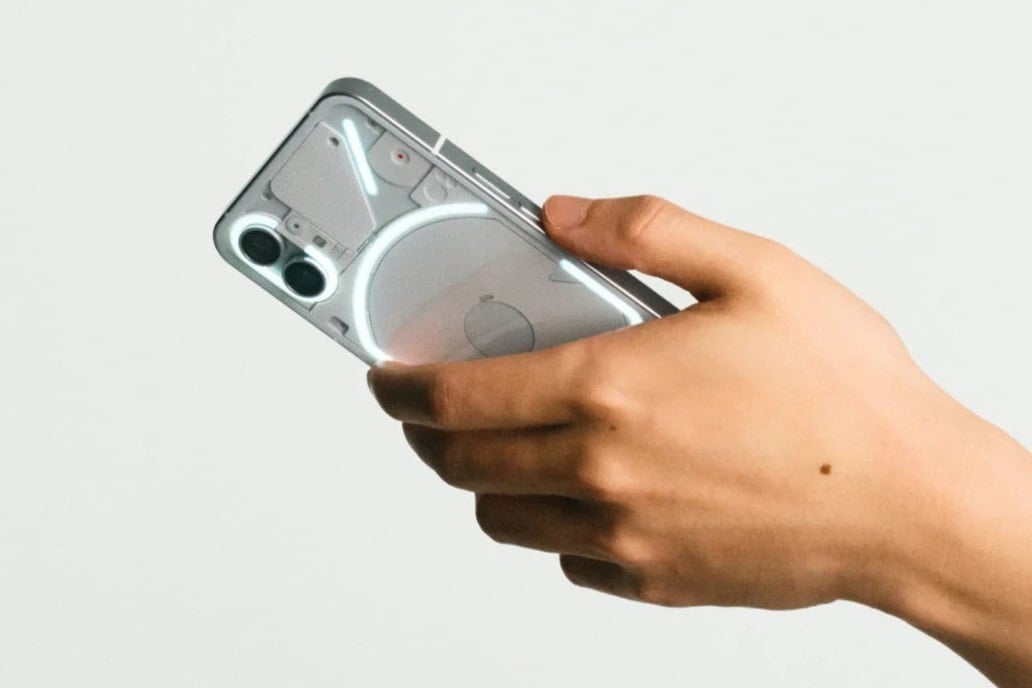
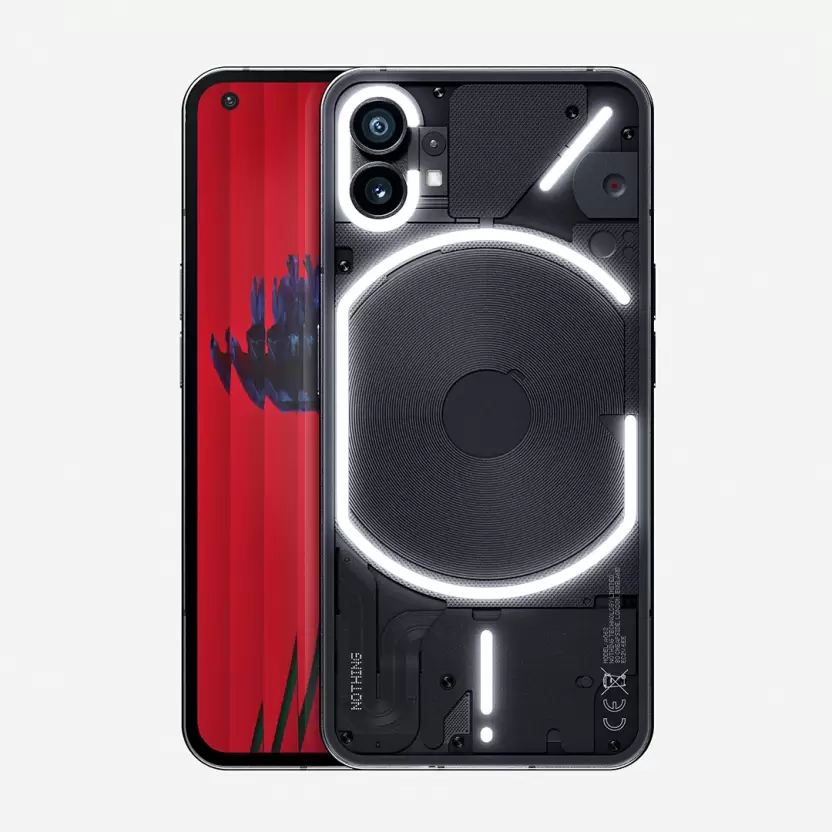
The Nothing Phone (1) was a highly anticipated smartphone leading up to its launch. Since its official release, the smartphone has seen robust sales in various regions, including India. Now, the device is back in stock in India, so let’s have a look at its pricing and offers.
For those unaware, the company had just recently hiked the pricing for the Phone (1) across different configurations. So now, the handset costed around 1,000 INR more than its original price tag. In other words, the base 8GB + 128GB model now costs 33,999 INR, the 8GB + 256GB variant costs 36,999 INR, while the top end 12GB + 256GB version has a price tag of 39,999 INR.
As of right now, the Nothing Phone (1) is currently available for purchase from Flipkart, a popular e-retailer in India. It arrives in two color variants, namely black and white options. Although, the white model is only available for the higher end 8GB + 256GB and 12GB + 256GB variant since the brand only sells the base 8GB + 128GB configuration with the Black model.
But HDFC bank card holders can avail a discount of 1,000 INR on non EMI transactions and around 1,500 INR off for EMI transactions as well. Similarly, Flipkart Axis Bank Card can get a 5 percent cashback on purchasing the Nothing Phone (1). You can even get a Google Nest Hub for just 4,999 INR and a Google Nest mini for just 1,999 INR when you buy this smartphone.
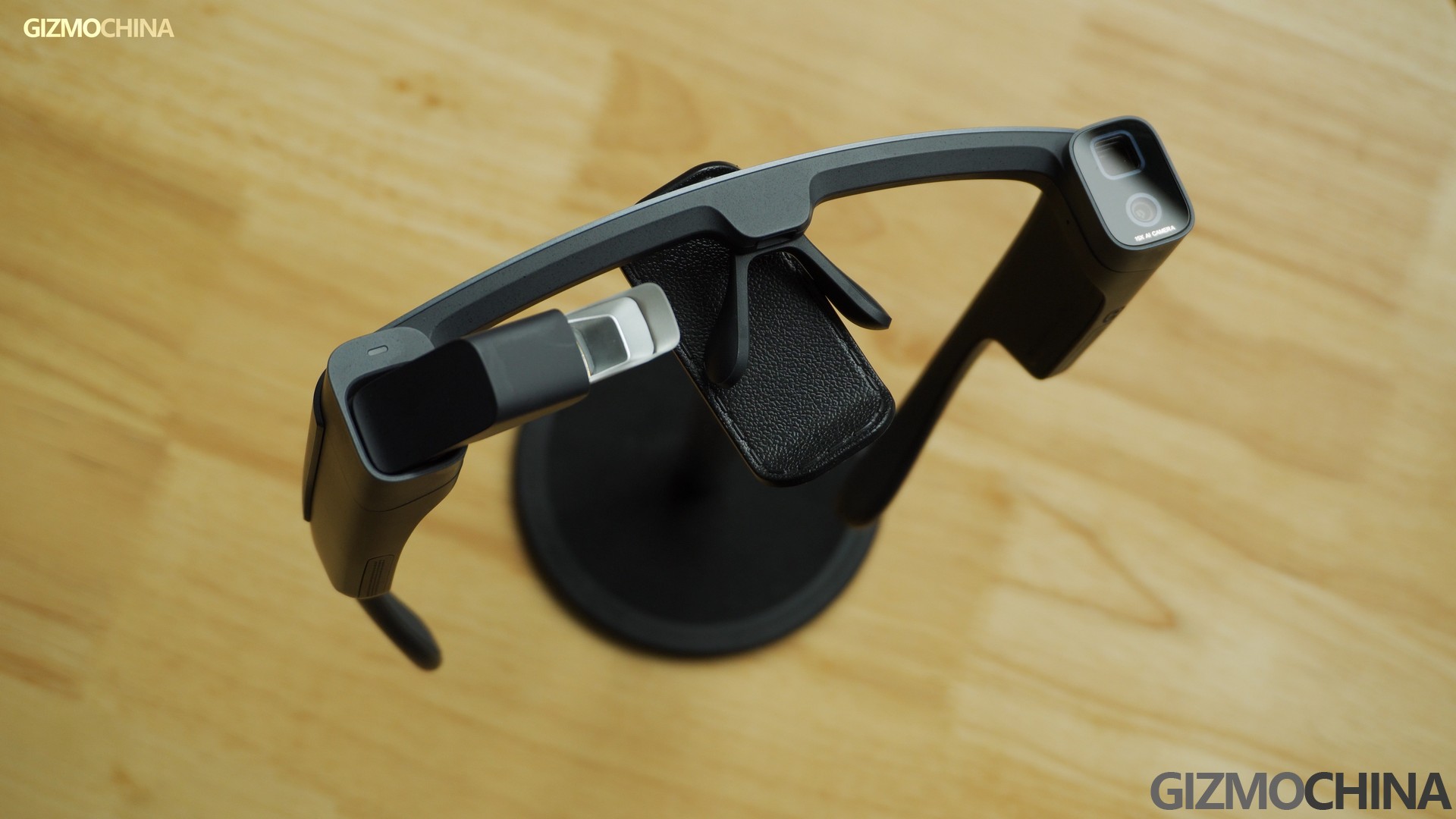
A fortnight ago, Xiaomi quietly launched a crowdfunding campaign for their first smart glasses product, the Mijia Glasses Camera. As you can see, it’s neither called the Xiaomi Glasses Camera nor the Xiaomi Smart glasses. So it’s clear that the Mijia Glasses Camera is more like a product developed by Xiaomi eco-chain manufacturers, which doesn’t focus on smartness or features like other smart glasses.
The title has already told us that it focuses on one thing — camera shooting. We were pretty curious whether it’s as useless as the other smart glasses on the market today, so we ordered one on the Mijia platform in the first instance, and experienced it for a few days.
Unboxing
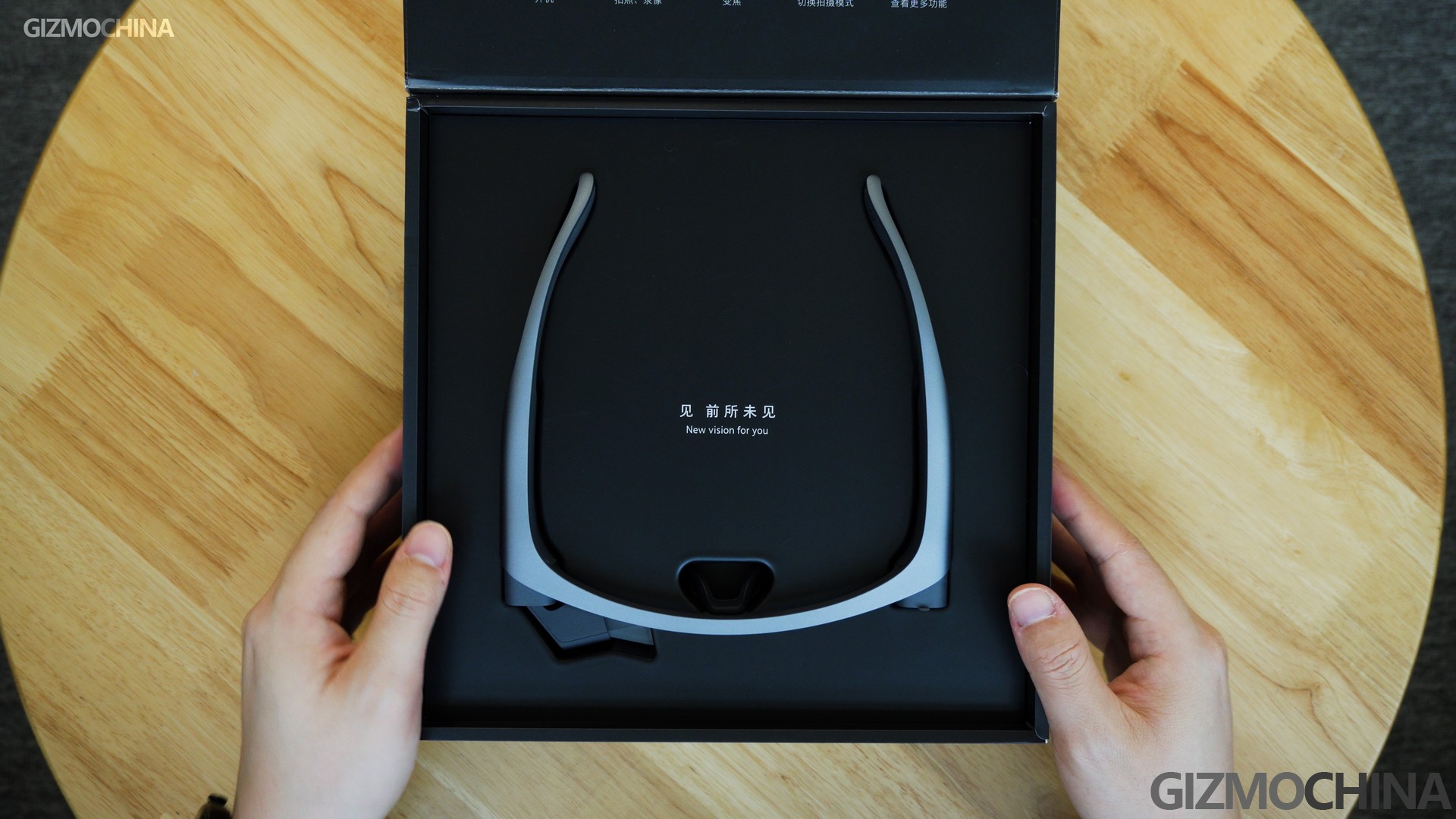
Before we get started, I’d like to show you what’s inside the big package of the Mijia Camera Glasses. Flip the cover and the glasses appear. Well, it’s not small in size with a pretty decent build. The legs cannot be folded down and the whole frame looks very much like a stiff headband. But actually, the frame is still flexible enough to be worn by users with different head sizes. There’s the user manual and a glasses-cleaning cloth, which feels good.
And here’s a box for storing the glasses, which is quite a big one. Open it up and the other accessories are found inside, including a charging cable, a USB-A to C port adaptor, and a hanging frame with regular lenses for the nearsighted. You will need to fit your own lenses, if necessary. Since the camera glasses without the lens frame is not so light, I still recommend contacts instead of heavy lenses for those people.
Glasses Design
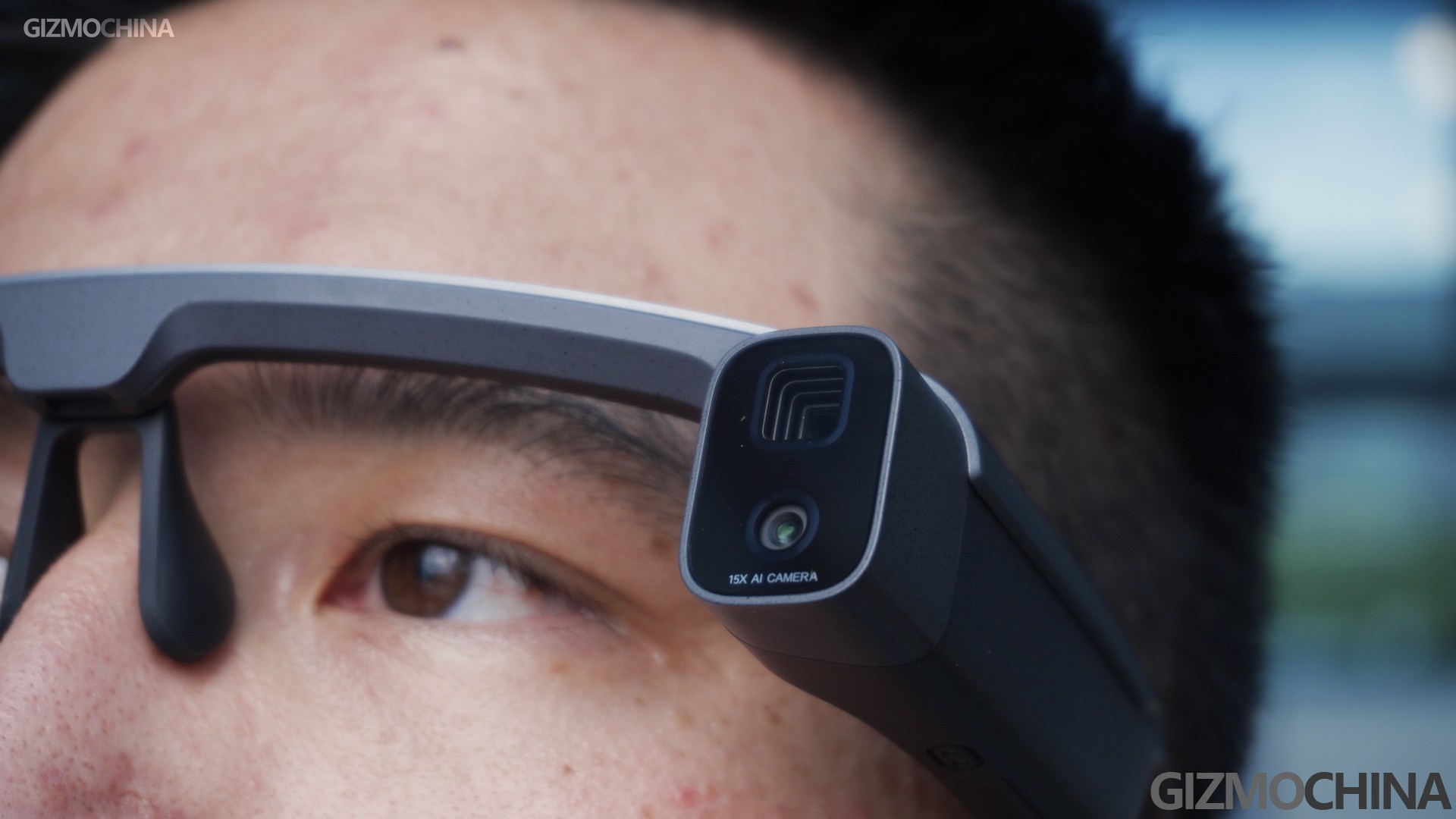
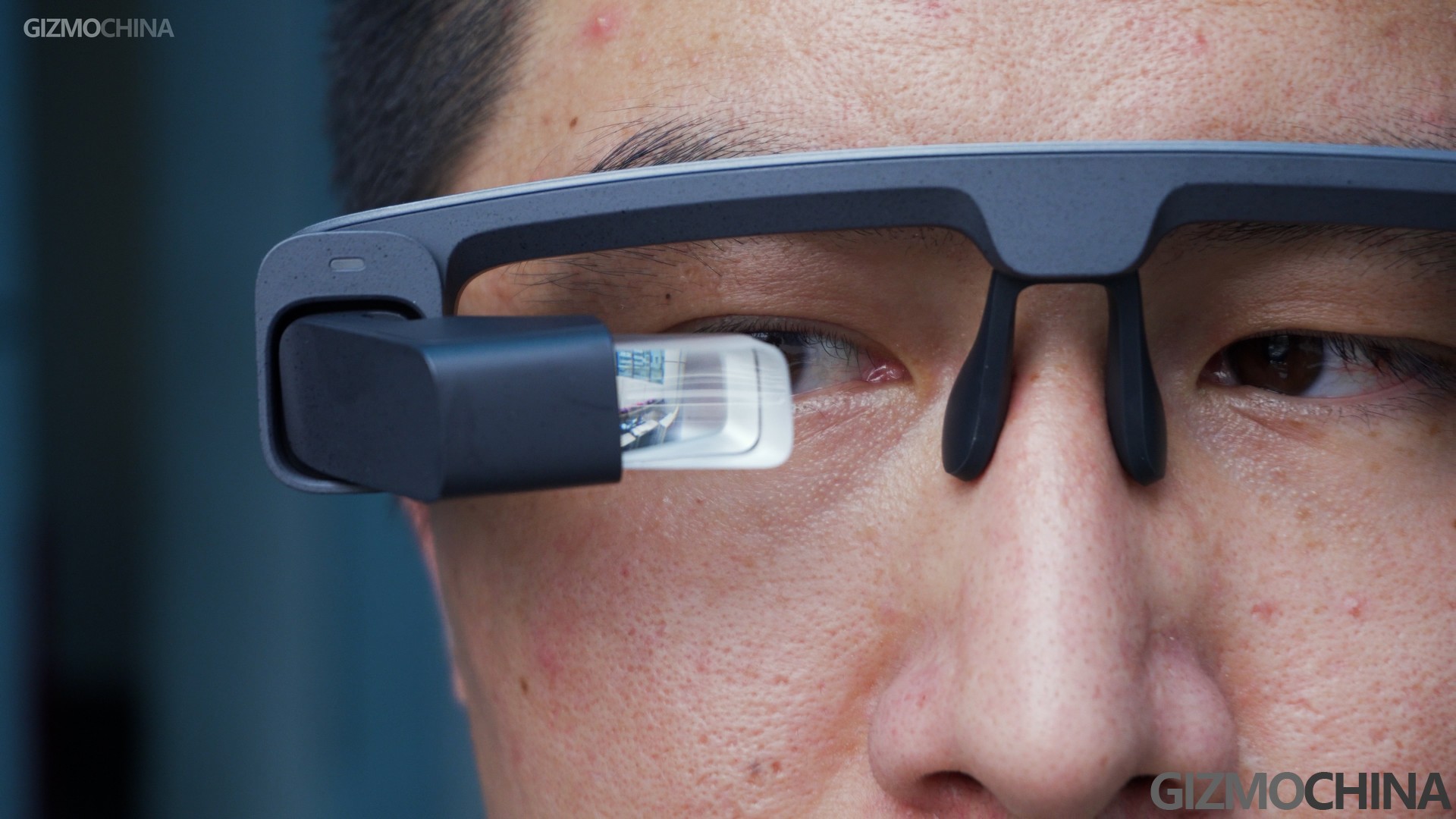
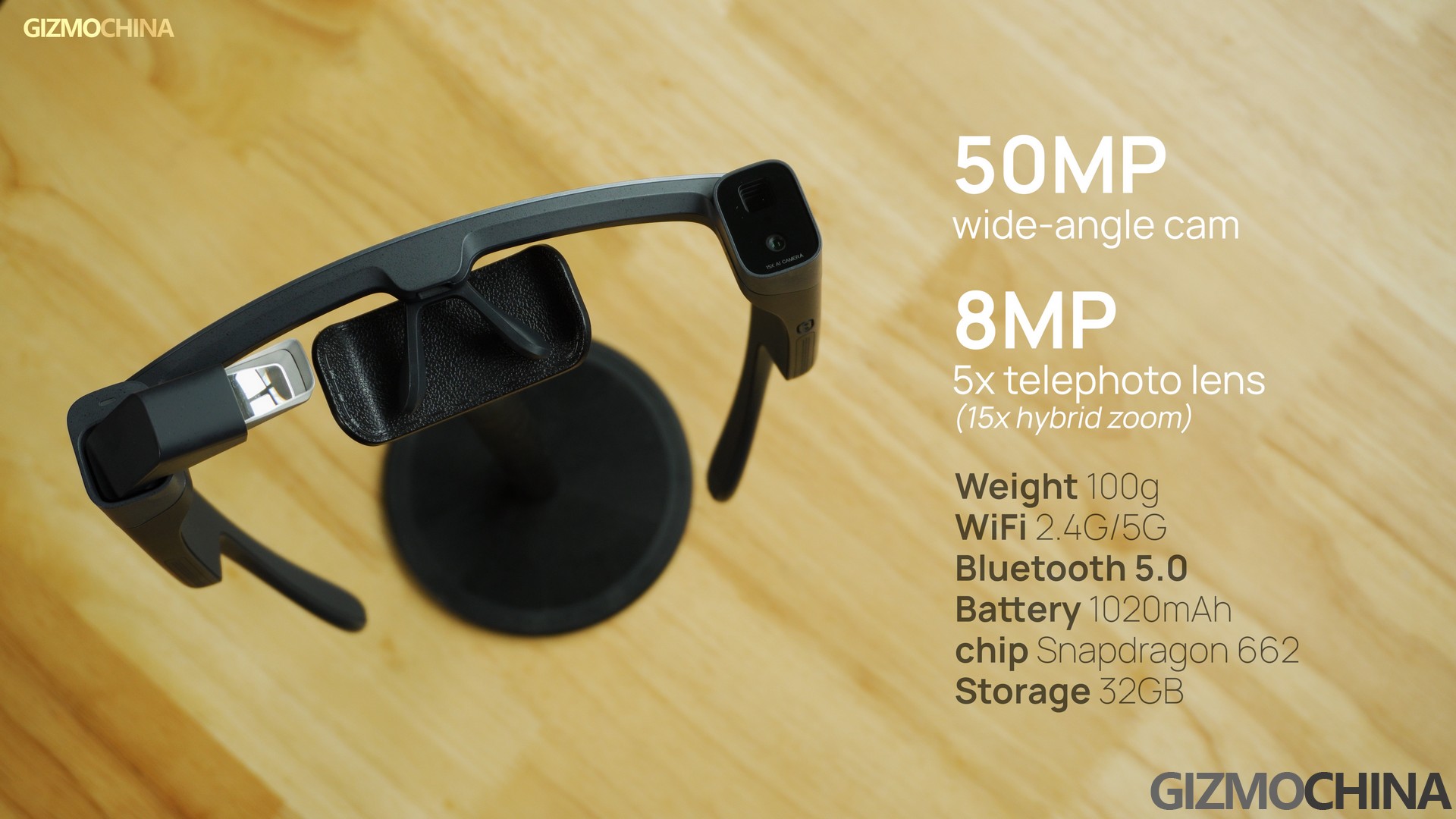
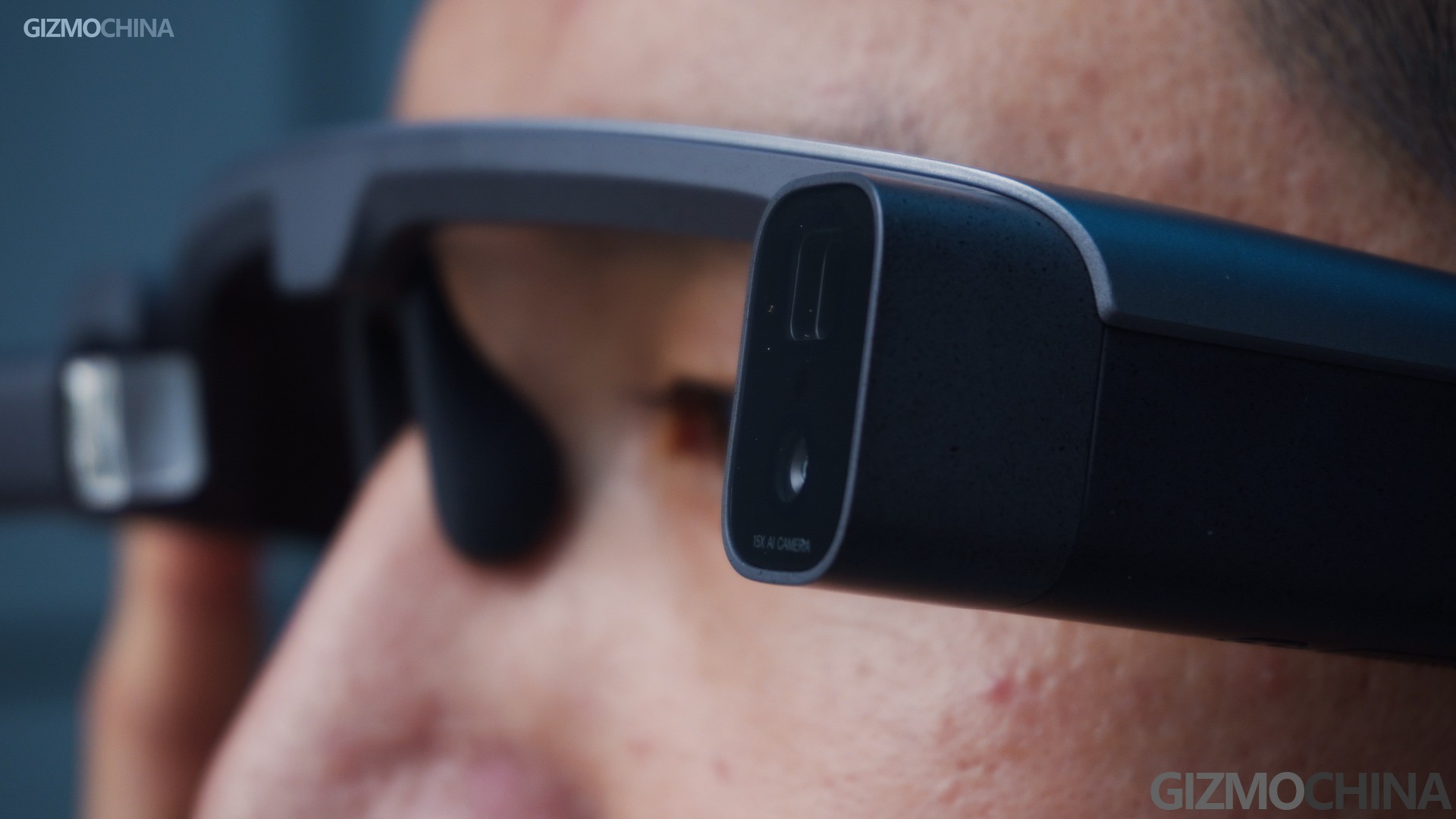
Coming back to the glasses. The most attractive part of this Google-glasses style device is the camera module on the side, including a 50MP wide-angle camera and another 5x optical periscope lens, which supports up to 15x hybrid zoom for long shots. So with these glasses, you are going to have a hybrid zoom range from 1x to 15x, which is a very unique feature for a glasses product.
On the other side, there’s a Sony Micro OLED display with up to 3000nits of peak brightness. Basically, it works as a viewfinder when the wearer is taking photos or recording videos. Apart from it, there’re not much it can do at the moment. The promotional posters claim it has more AR smart features, but in fact, at this moment there’s only a real-time translator supported here but no other AR features.
Experience: Wearing & Use
It’s ridiculous that Xiaomi brought AR user guidance to the glasses. It’s the most useless feature on the device. This feature was clearly not designed from a user’s point of view, but only to show that it can be AR-enabled, and unfortunately, the guidance feels terrible. After all, no one will learn how to wear and use the glasses through the tiny display.
And to be honest, I can’t wear it for more than 30 minutes, since you can obviously feel the weight and the wearing experience is not really comfortable. And once you put them on, unavoidably, your view is noticeably blocked partially by this prismatic display component, which can be frustrating for those who want to wear it for a long time. It’s also something you have to compromise on if you’re going to use the camera. But the good thing is that it exists as a viewfinder rather than being completely useless, and this discomfort becomes acceptable while shooting.
Camera Performance
Now let’s check out the performance of the cameras. You can slide back and forth on the leg to zoom from 1x to 15x, but when you start shooting, the activated lens cannot be switched, which means you can only zoom from 1 to 5x or above 5x.
No matter the photos or the videos shot on the glasses, they look much better than what I expected. It looks better with good detail and colors than the previous smart glasses products. But that doesn’t mean it has matched the image quality of some action cameras. The image shot on the glass looks no different from what we see on a regular phone camera. And it can only shoot 1080p-resolution video.
1 of 7
wide angle
wide angle
wide angle
wide angle
wide angle
wide angle
wide angle
Meanwhile, it’s not a good experience to shoot on glasses. The shutter is actuated by a single touch on the leg surface, which easily leads to a mis-touch when you accidentally touch the leg. And sometimes we found the videos shot on the glasses might not be so smooth, with a slight lag.
There’s also the issue of its shutter delay. Its focus speed is a bit disappointing, which leads to the fact that sometimes when you press the shutter, it takes time to adjust the focus to finish the shot. And then it would produce an incorrect photo when you think it has finished shooting and move your head away.
1 of 7
5x
5x
5x
5x
5x
5x
5x
The 5X lens works well with OIS, which has pretty decent detail. But it’s still not easy to have precise control of the camera direction using your head.
Software & experience
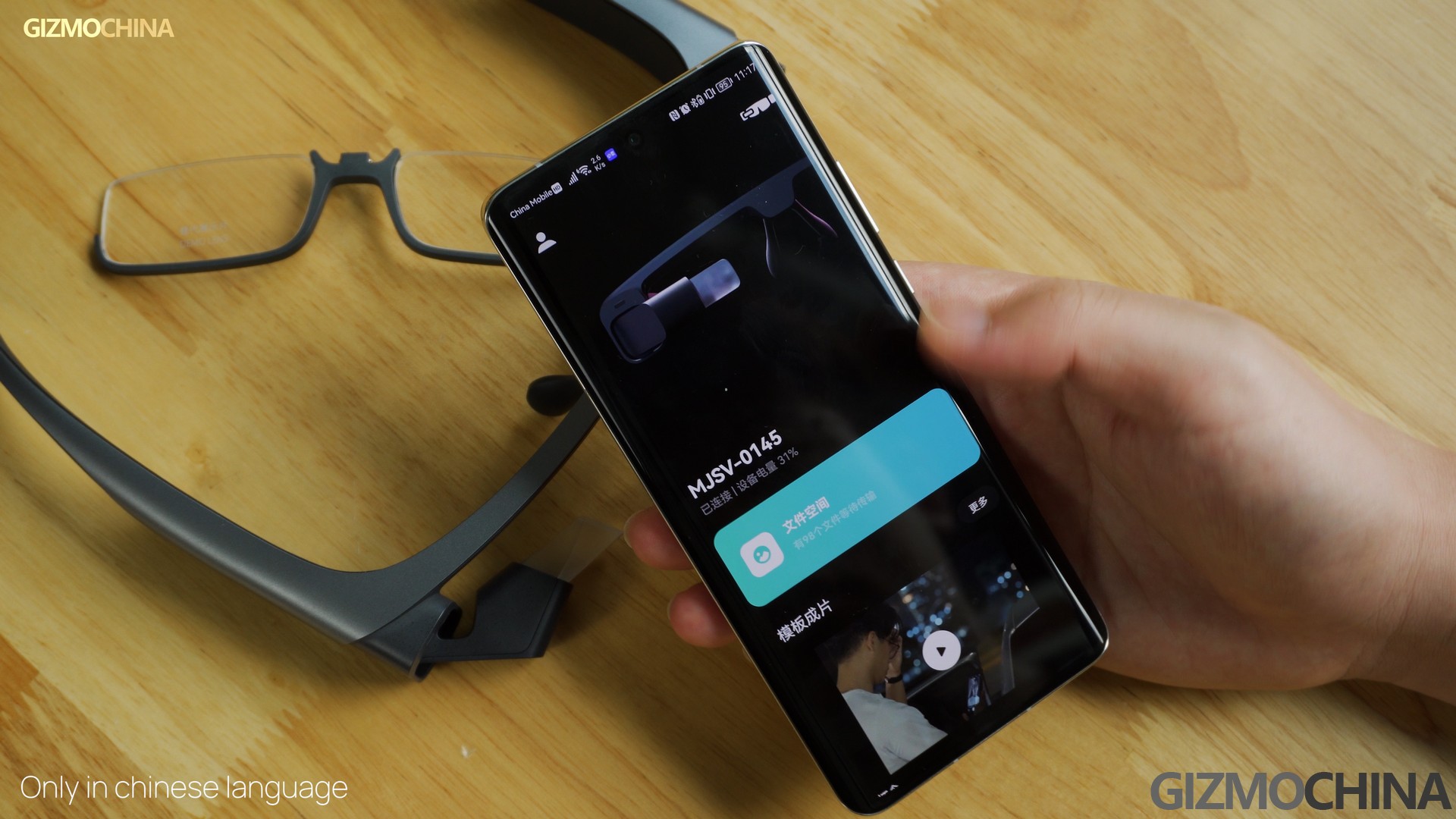
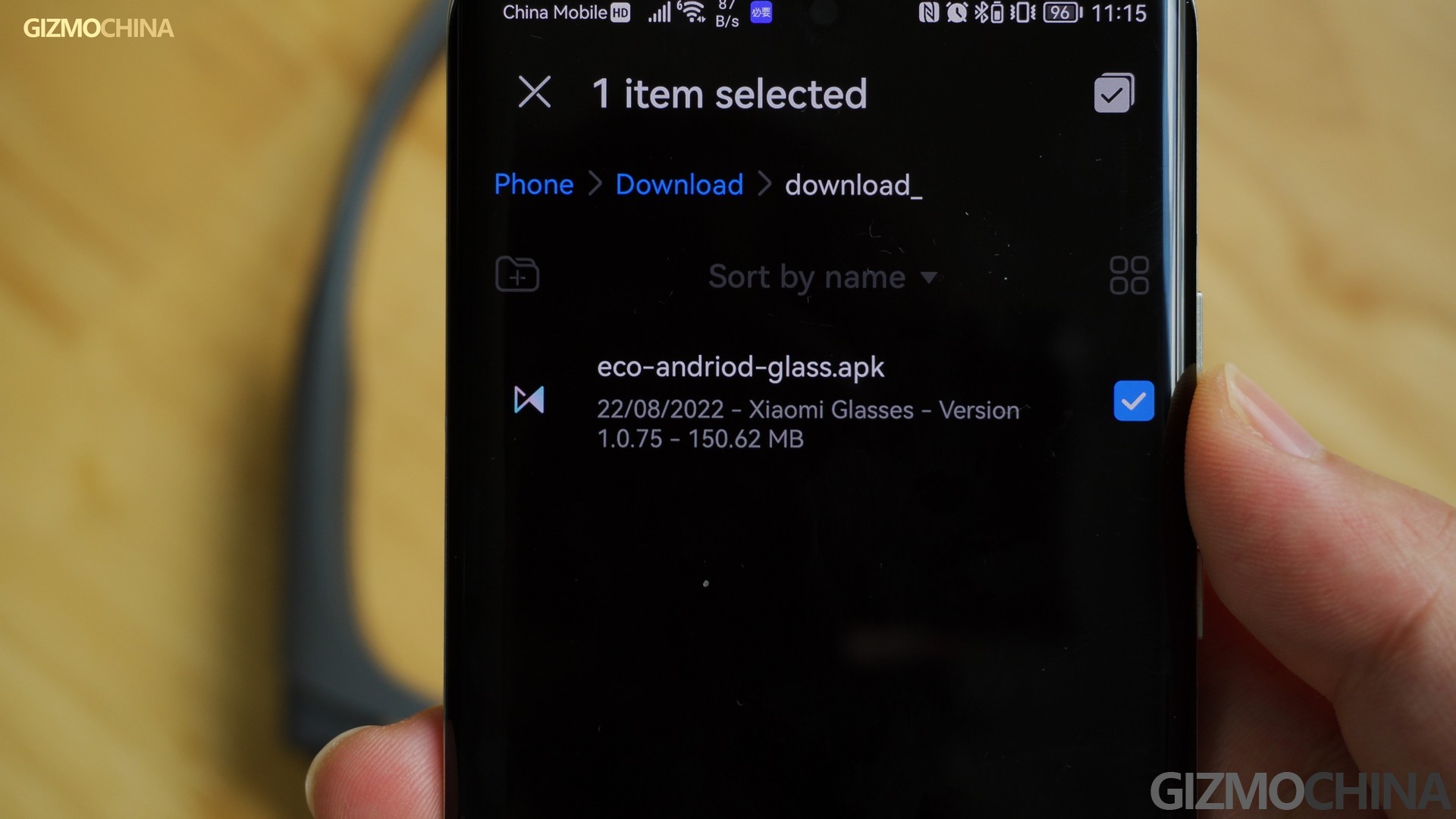
The software of the glasses is much simpler than I expected and by far it only supports the Chinese language. So does the companion app. And I couldn’t really understand why the simplest app’s installation apk file needs to be so large. Apart from pairing the phone, and setting up the WiFi connection, there are a few other simple settings like activating EIS for the wide-angle camera and boosting noise reduction with the built-in dual microphone for video filming.
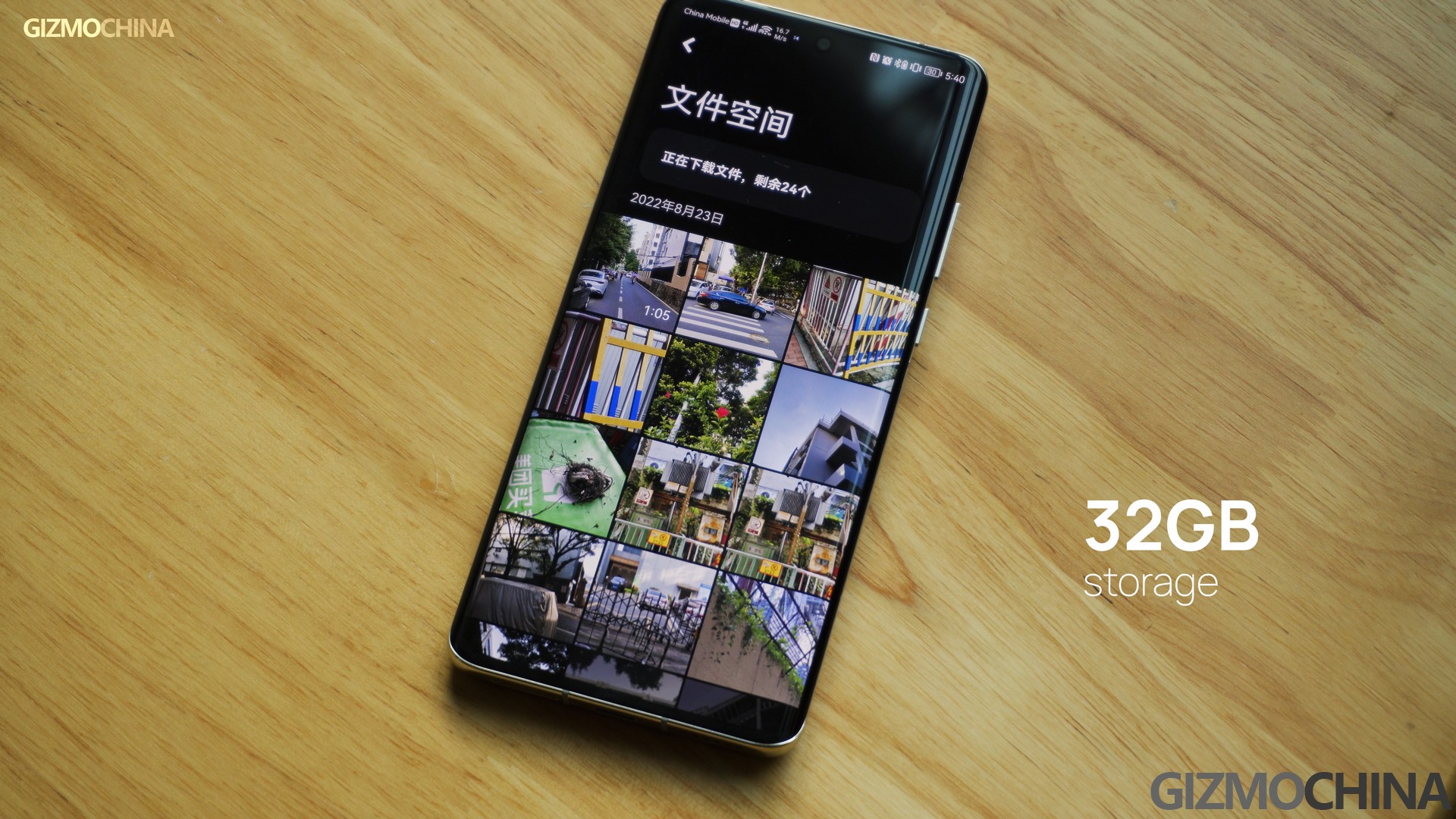
But a good experience here is that you can easily transfer the photos and videos shot on the glasses to the phone storage, which is what most camera manufacturers fail to do. And you don’t have to worry about the camera storage. The built-in 32GB storage is quite enough for daily use.
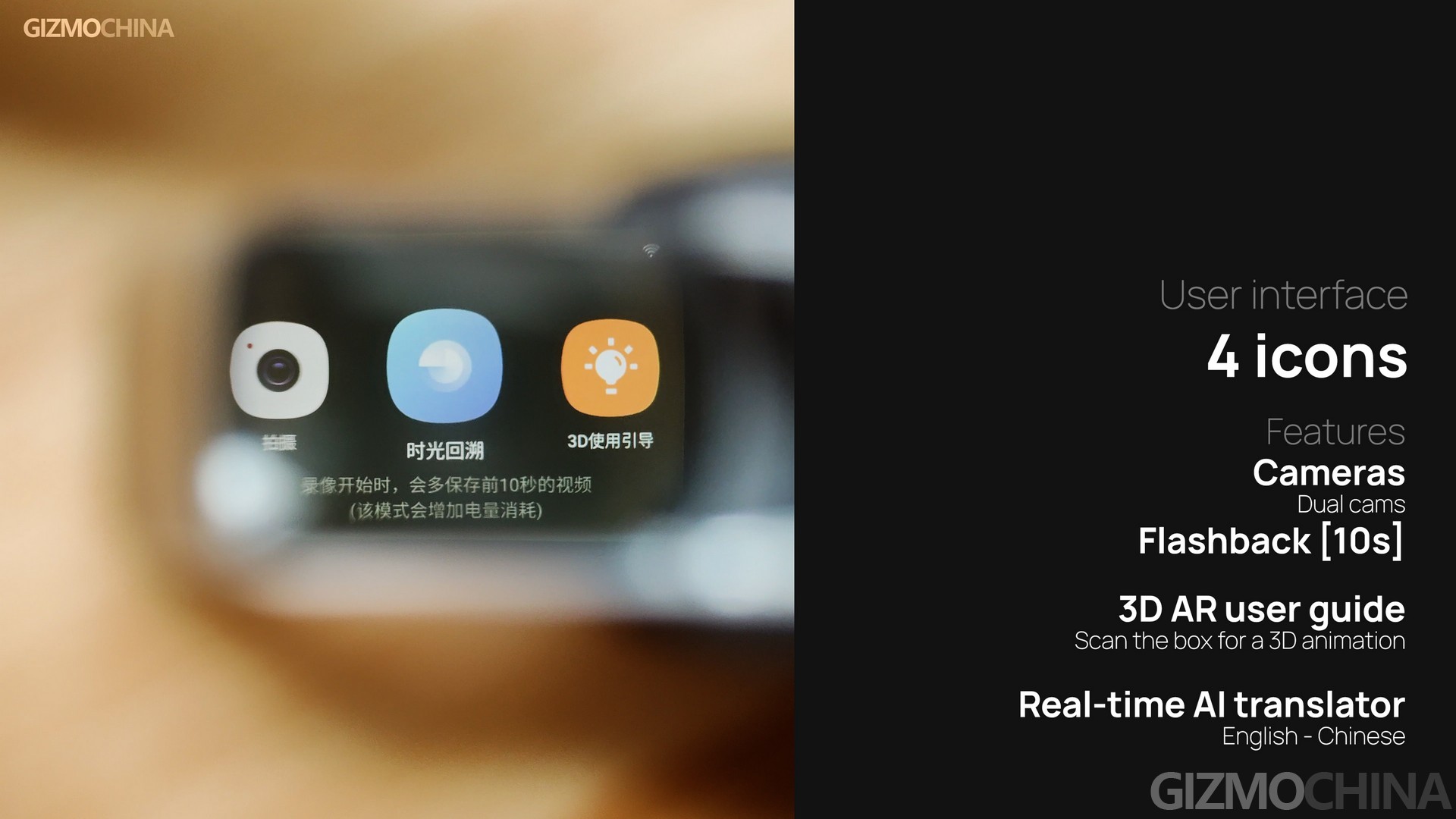
For the glasses, there’s no home screen to display notifications or other information like a smartphone. Instead, for function selection, you only got 4 icons for options, including a Camera, a flashback feature, an AR user guide, and an AI translator.
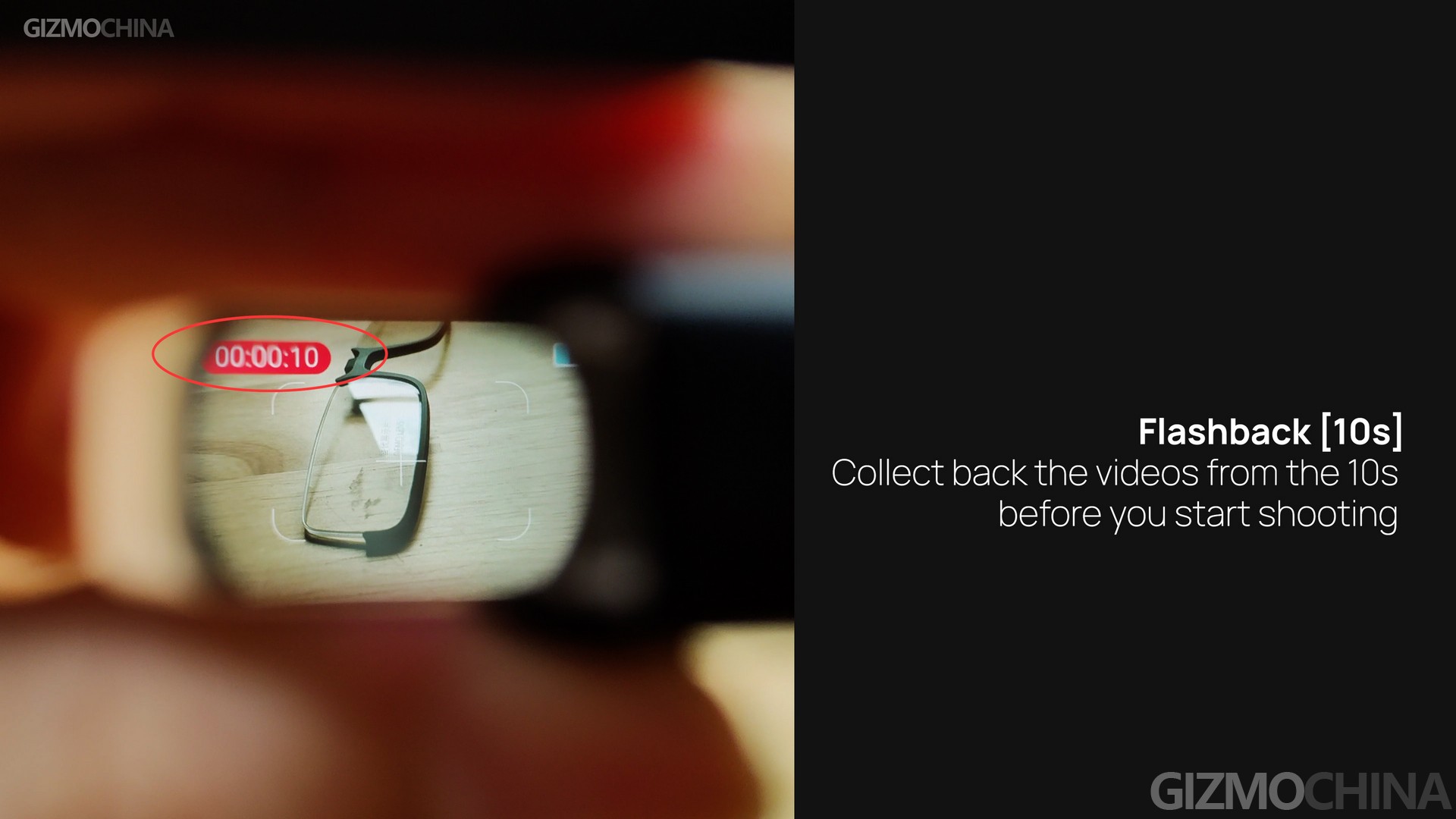
I like the idea of the flashback feature, where you can collect back the videos from the ten seconds before you start shooting. It’s perfect for when you suddenly find an interesting fleeting moment but don’t have time to press the shutter to film it. You still have ten seconds to save the moment.
There’s no built-in speaker and no music playback supported. Apart from the tiny display, the only way to be alerted to information is by vibration.
Battery life & heating
Another problem is that it has an extremely limited battery life, which actually is shorter than what Xiaomi claims. The full battery only can support around 70-minutes of shooting time and stand by for around 2 hours. Also, as the chip and motherboard are inside the non-operating legs, it’s pretty easy to get heated up. But if you don’t deliberately touch it, actually you wouldn’t feel the heat.
Conclusion & suggestion
So if you don’t have specific camera needs but just want to try out the glasses, please do not buy them as we did. Because you would lose interest in it after a single afternoon and be afraid of using it for the next few days. If you need a POV camera for professional filming, it’s not for your either, as you cannot adjust any of the camera parameters except that you can choose between 4:3 and 16:9 picture ratios.
And if you want a camera that can record life through your eyes all the time and also free up your hands, I just want to remind you of a few things about the camera glasses. First, its actual battery life for shooting is only about 1 hour; then wearing and using it for over 30mins might make you feel tired; and, last but not the least, it officially sells for 370 US dollars.
We use cookies on our website to give you the most relevant experience by remembering your preferences and repeat visits. By clicking “Accept”, you consent to the use of ALL the cookies.
This website uses cookies to improve your experience while you navigate through the website. Out of these, the cookies that are categorized as necessary are stored on your browser as they are essential for the working of basic functionalities of the website. We also use third-party cookies that help us analyze and understand how you use this website. These cookies will be stored in your browser only with your consent. You also have the option to opt-out of these cookies. But opting out of some of these cookies may affect your browsing experience.
Necessary cookies are absolutely essential for the website to function properly. This category only includes cookies that ensures basic functionalities and security features of the website. These cookies do not store any personal information.
Any cookies that may not be particularly necessary for the website to function and is used specifically to collect user personal data via analytics, ads, other embedded contents are termed as non-necessary cookies. It is mandatory to procure user consent prior to running these cookies on your website.




 Xiaomi Mix Fold 2 has a triple rear camera setup with a 50MP Sony IMX766 primary sensor, 13MP OmniVision OV13B ultra-wide snapper, and an 8MP telephoto camera with 2x optical zoom. On the cover display, you can find a 20MP selfie camera. This powerful foldable smartphone is fueled by a 5020mAh battery and supports 67W fast wired charging. It also supports QC 4+ and PD3.0.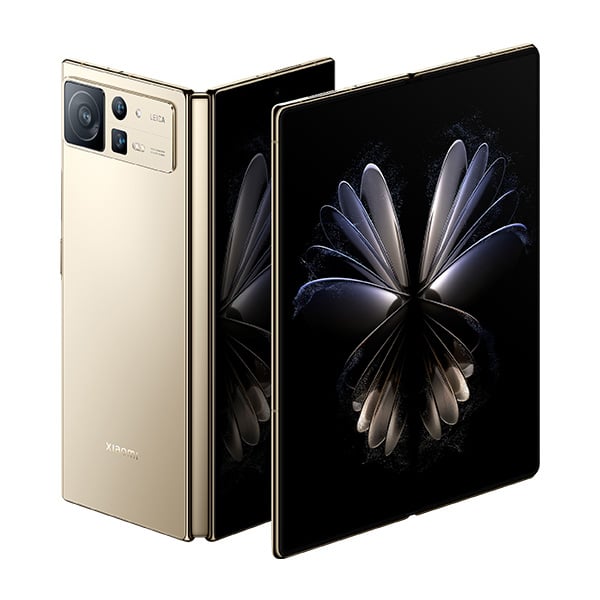
 Fueled with a 4500mAh battery, the smartphone supports 80W flash fast charging and runs on Android 12 based ORIGIN OS Ocean. Other interesting features include Bluetooth 5.2, GPS, USB-C, side-mounted fingerprint sensor, face unlock, 3.5mm audio jack, etc.