Advertisement

Lenovo Xiaoxin Pad Pro 2022 Review: Two steps forward, one step back

If someone asked you which was the most worthy Android tablet last year, then the Lenovo Xiaoxin Pad Pro 2021 must be the only answer in many people’s minds. Even today, except for the Xiaoxin Pad Pro 2021, you certainly can’t buy a Snapdragon 870, all-metal body 90Hz OLED tablet for just $320. As the title says, we’ve got its next generation: the Xiaoxin Pad Pro 2022, and will it once again be the best Android tablet to buy this year?

Let’s find out.

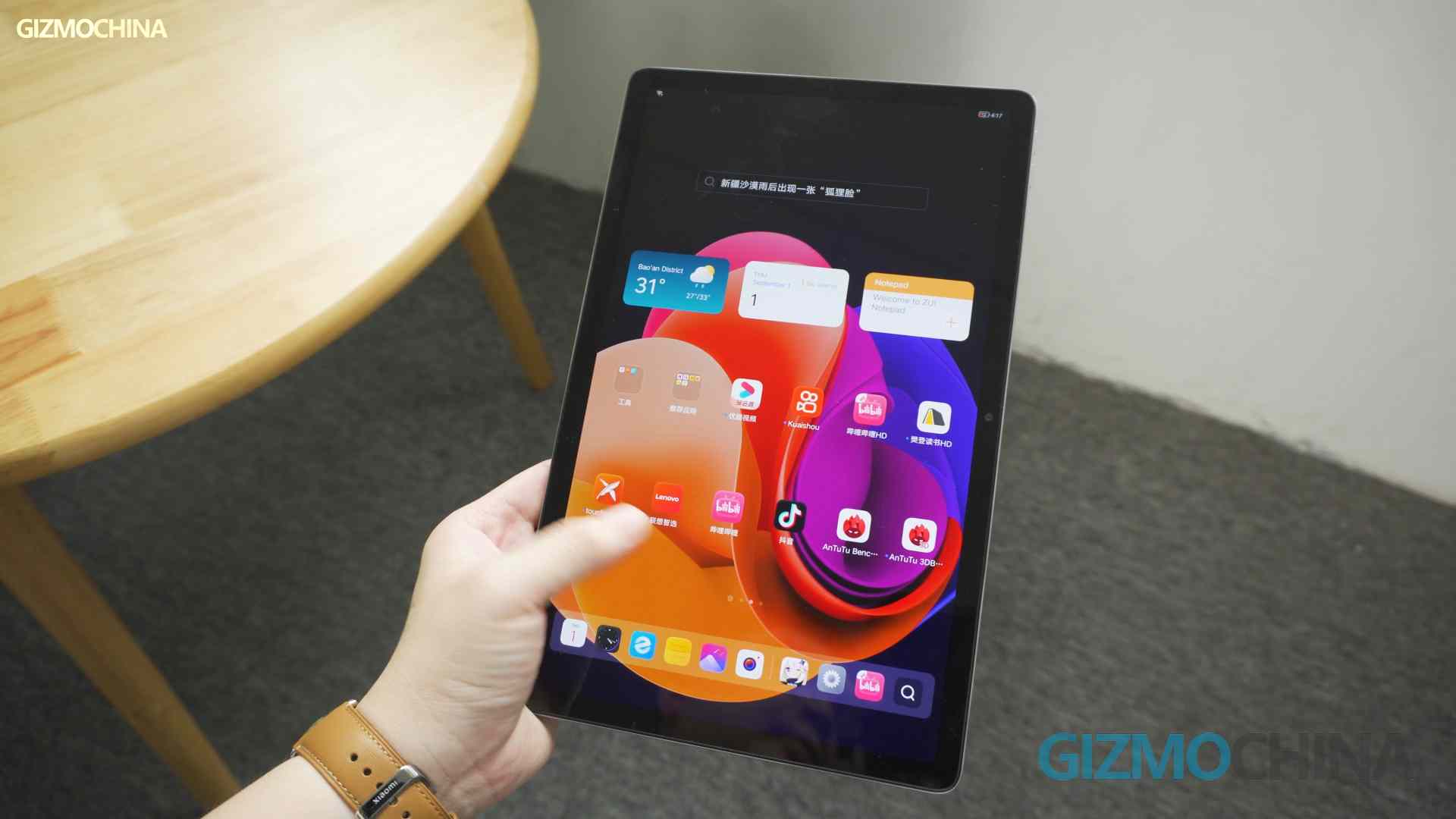
Let’s talk about the advantages of its appearance. Compared to the Xiaoxin Pad Pro 2021, the design of the 2022 model has changed quite a bit. The first time I saw it, I noticed that it was smaller and easier to control.
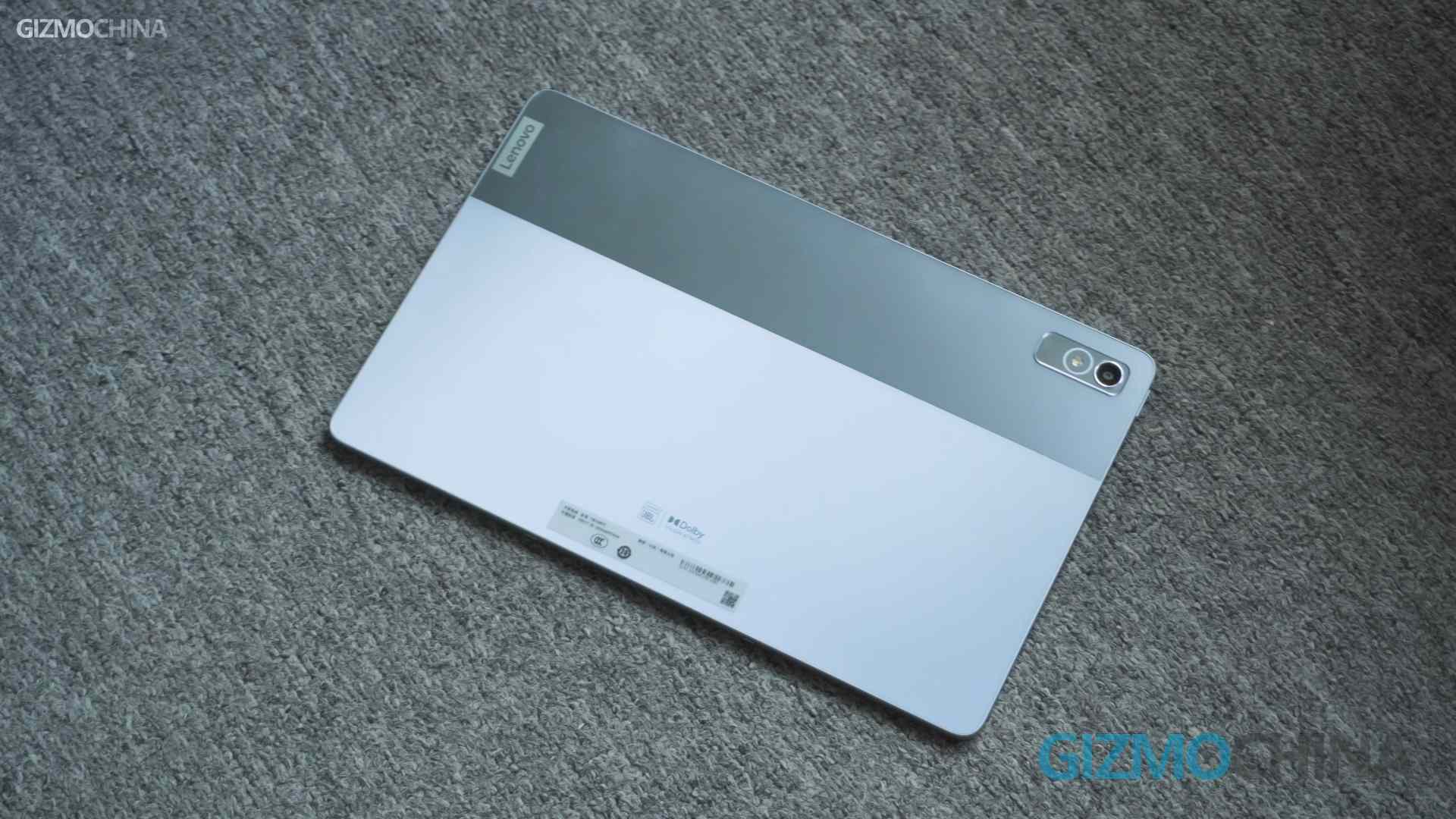
Xiaoxin pad pro 2022 review 22 In some scenarios where you can only use it with one hand, you can grip it more firmly. Another benefit is that it’s much easier to operate in the game mode. The 2022 model still retains the micro-SD card expansion feature, and the fingerprint recognition area has been changed from a recessed to a raised one, more like a normal power button.
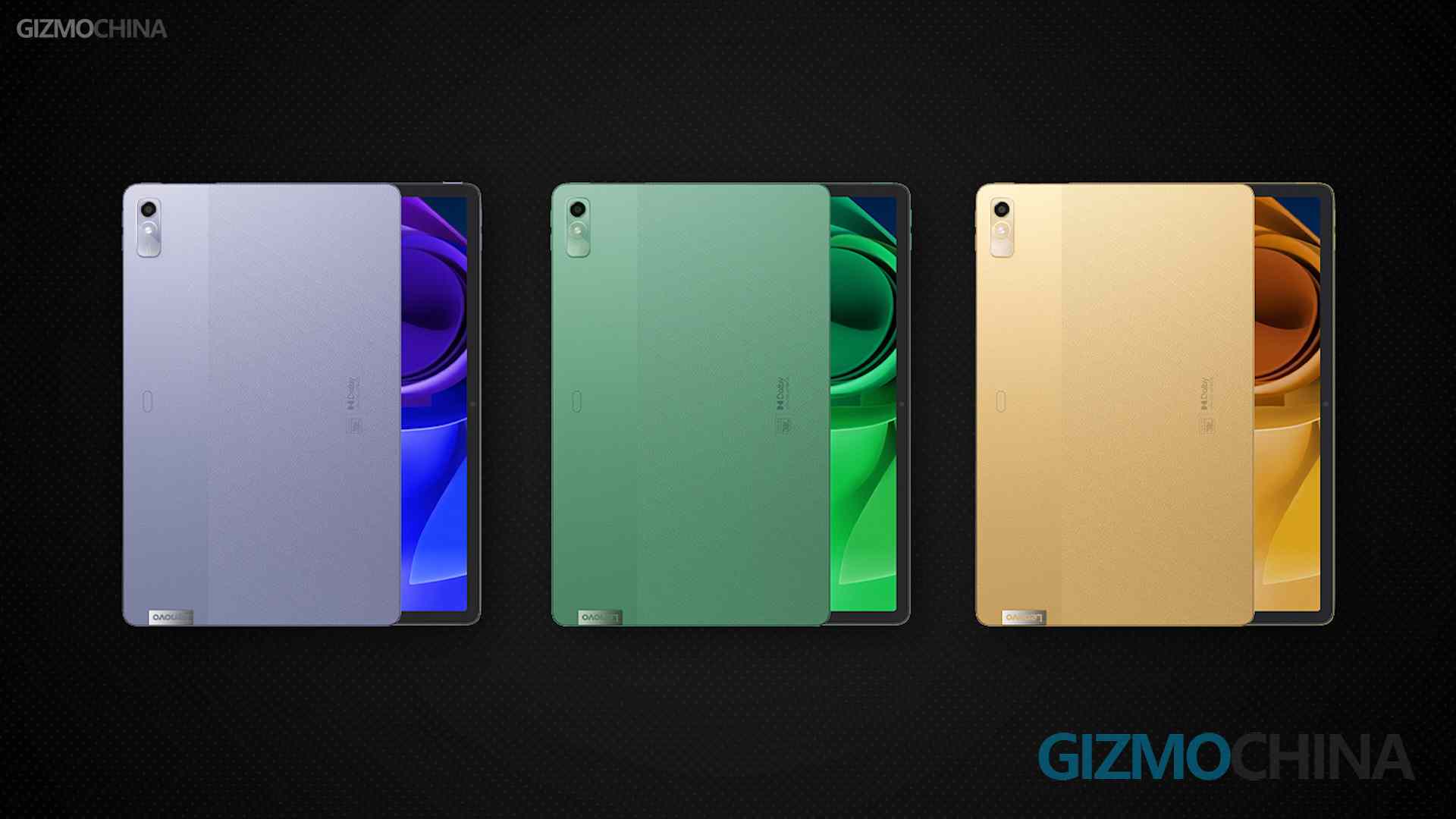
Xiaoxin pad pro 2022 review 20That’s all there is to say about the advantages of the design, and then I’m going to complain about its disadvantages. What is gone is the all-metal unibody from 2021, the 2022’s back panel and frame are a Macromolecule material, in other words: plastic all over. The silver back panel model we bought is a fingerprint magnet, and with this cheap-looking lens module, you can’t imagine this is Lenovo’s flagship tablet in 2022. So I would recommend the vegan leather one in those colorways.
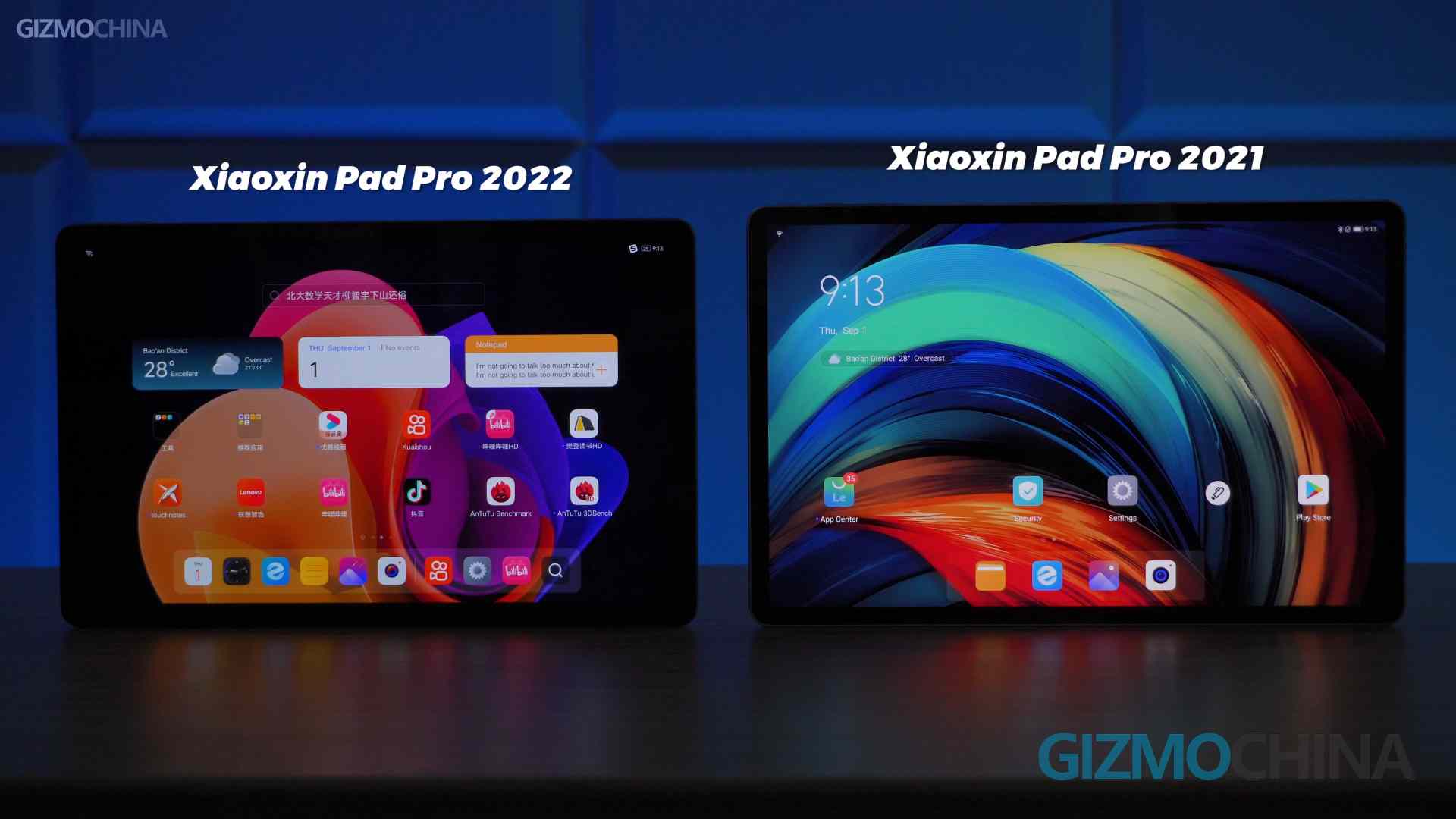
Xiaoxin pad pro 2022 review 15 Maybe you’re thinking that a smaller body with a plastic back panel would make it thinner and lighter. No! It’s only 5g lighter and 1mm thicker than the 2021 model, and the battery is a bit smaller, so the Xiaoxin Pad Pro 2022 is definitely a step backward in design.
Xiaoxin pad pro 2022 review 21

So where does Lenovo spend the money it saves on the design department? You click on the screen to know the answer. Last year’s Xiaoxin Pad 2021 screen was already very good in the same price range, but the new Xiaoxin Pad’s screen is a step up. It’s still an OLED panel, and the refresh rate has been increased to 120Hz. Old problems from the previous generation have also been improved, such as the blurring of font edges, which is still there but has improved. Dolby Vision is supported, Widevine is at L1 level, and DC dimming is available. All in all, it’s one of the best tablets with the best screen you can buy at the moment. However, the 2022 model adds a screen plastic protective stand, making it look cheaper, and there is still no screen film, so there are some points I don’t like.

Xiaoxin pad pro 2022 display 13

I’m not going to talk too much about the camera part, the chance of using the rear camera of the tablet to take pictures is limited. But the front camera is used by many people, after all, they buy tablets for online meetings or classes. To be honest, it’s not much different from other tablets.

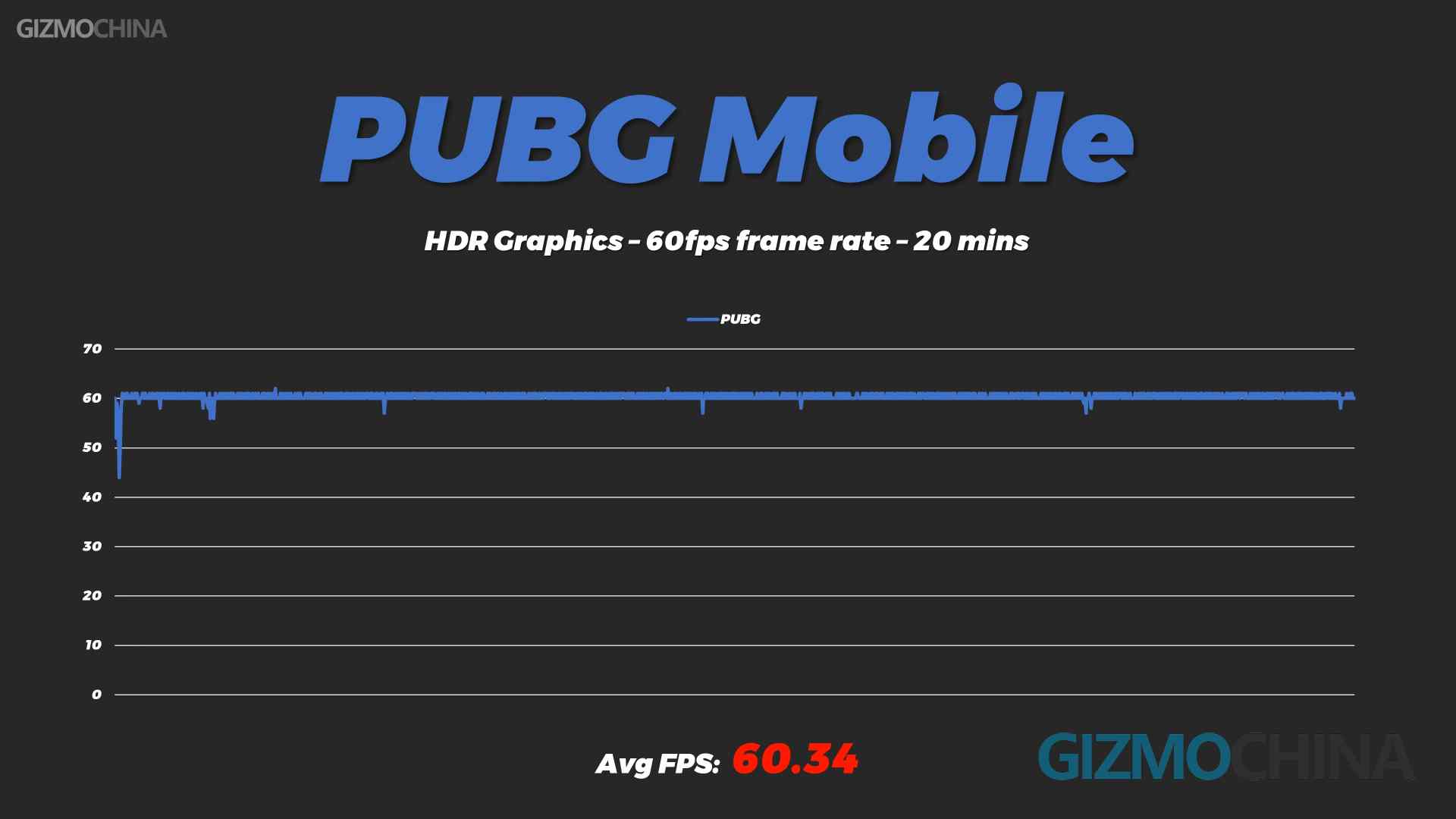
What may disappoint many people is the gaming part of Xiaoxin Pad Pro 2022. The Pad 2022 still uses the Snapdragon 870, which is certainly not a problem for the very well-optimized PUBG. But for not so well-optimized Genshin, it’s a disaster.
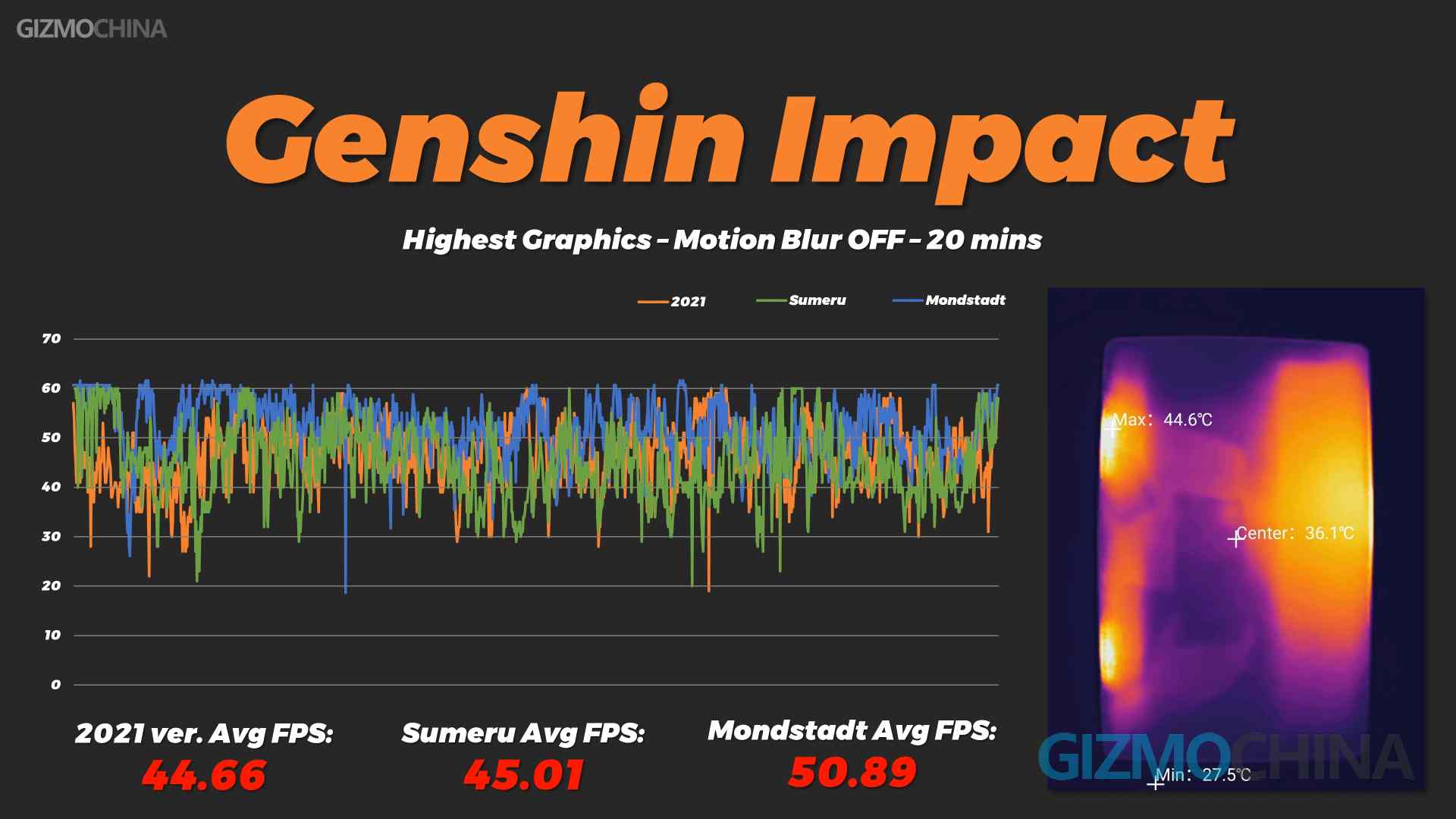
Especially in the Sumeru area, look at the line graph. Look at the temperature. It’s not really pleasant to play. I was also thinking that maybe the game was just too poorly optimized for the Sumeru region, and then I went to Mondstadt and shopped around again, and realized that it was actually the Snapdragon 870 that really couldn’t support the game’s Highest Graphics smoothly, and that lower Graphics was your only choice. But I really don’t recommend you play Genshin on a tablet either, because the game can’t even adjust the position and size of the buttons, and it’s too difficult to operate on a large screen. Of course, you can connect a mouse and a keyboard to play the game, but sometimes the keys will not work, so the experience is not very good.
Xiaoxin pad pro 2022 review 05

The most annoying thing about big-screen devices is the app adaptation. Unsurprisingly, like basically every tablet we’ve tested, most apps display content in the same way as a large-screen phone. All the ways to use multiple windows are written in One Vision Setting. Most of them are just like any other tablet, so we won’t show too much. If you use split screen plus floating windows, you can display seven applications at the same time. No one would do this on a tablet, but once you connect it to a monitor, it’s usual to have ten windows open at the same time. This PC mode is not much different from the previous generation, only the operation logic is changed to a PC-like way, and the content display is still the same as the tablet mode.

The 2022 model still has four JBL speakers, compared to the previous generation, but is it a progress or regression? You can check out our review video to make that judgment.
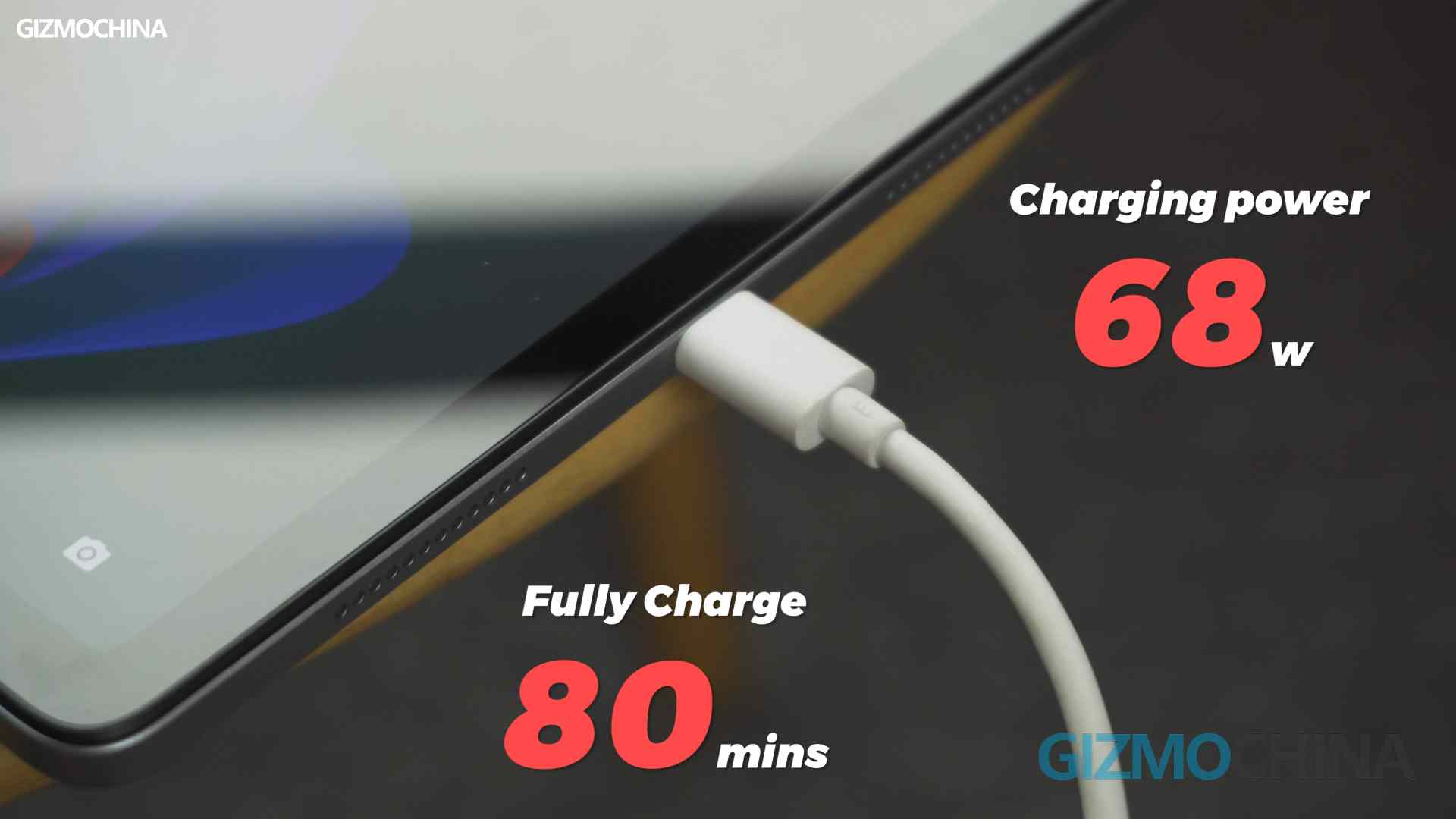
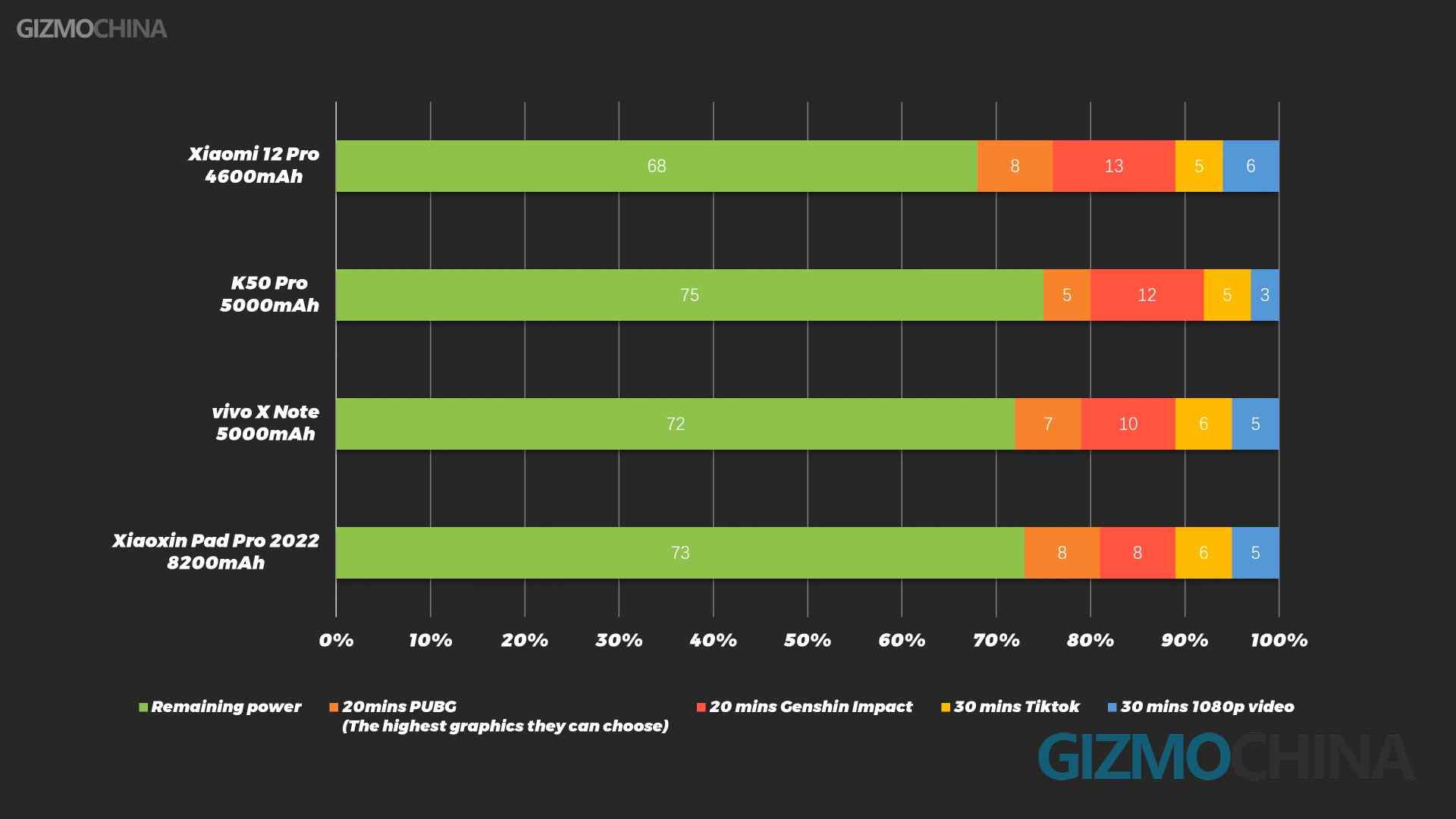
It is not the case that it can last for a long time on a single charge with such a large battery. Since screen has also become larger, so the power consumption is also bigger. You can check the chart here, the battery life performance is similar to a cell phone. But the good thing is that the tablet is at your home most of the time, so it can be charged at any time. This time, the charging power is increased to 68w, and it takes 80 minutes to fully charge. The speed is very fast among all tablets.
Xiaoxin pad pro 2022 review 02

In fact, the difference between the Xiaoxin Pad Pro 2022 and 2021 models is not much, it’s the money saved on the design for a better screen and faster charging. If you can accept this trade-off, then it’s worth buying. If you think design is more important, then the cheaper 2021 model might be better for you.

 

WHERE TO BUY

Buy Xiaoxin Pad Pro 2021 @ Giztop

Buy Xiaoxin Pad Pro 2022 @ Giztop

Saregama Carvaan keypad phone with pre-loaded 1,500 Hindi songs launched in India starting at Rs 1,990

Saregama Carvaan keypad phone has been launched in India. It is an affordable feature phone under the Rs 2,500 price bracket. The device is aimed at music lovers as it comes with pre-loaded songs that is not found on other feature phones. Read on to know what the Saregama Carvaan mobile offers out of the box. 
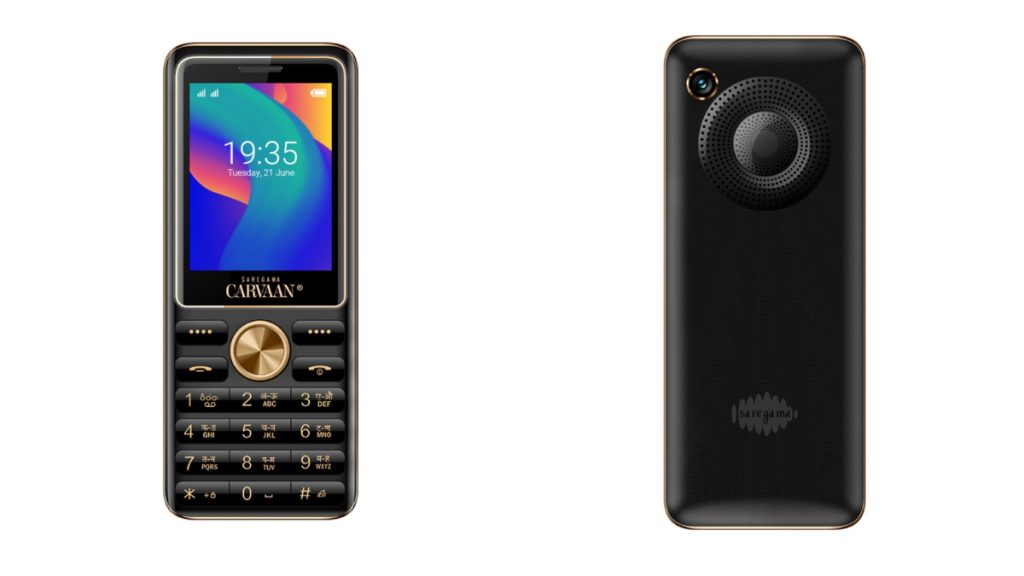
The Saregama Carvaan Mobile comes in 2.4-inch and 1.8-inch screen sizes. It offers a display resolution of 240 x 320 pixels. The device has a 0.3MP rear camera and a LED torch. The keypad feature phone is equipped with a MediaTek processor paired with 2GB RAM and 32MB storage. It is powered by a 2,500mAh battery unit. 

The Carvaan Mobile comes with 1,500 pre-loaded Hindi songs composed by artists like Lata Mangeshkar, Asha Bhosle, Kishore Kumar, M.Rafi, and other legends. Notably, the tracks can be played without an internet connection and commercial breaks. The phone also comes with an 8GB memory card with 2GB free space for any personal music collection, videos, images, and more. 

Other features on the Carvaan Mobile includes a 3.5mm headphone jack, FM Radio, multi-language support, Aux out, and Bluetooth. 

The Saregama Carvaan Mobile is offered in Classic Black, Royal Blue, and Emerald Green colours. The 2.4-inch and 1.8-inch variants are priced at Rs 2,490 and Rs 1,990 respectively. The device can be purchased from Amazon, Flipkart, and Saregama.com.

Related:

Realme Narzo 50i Prime to launch in India soon, Amazon availability confirmed

Realme Narzo 50i Prime debuted in the global markets in June this year. Now the smartphone is teased to launch in India soon. E-commerce platform Amazon has put up a microsite of the device with a ‘Coming Soon’ tag. The upcoming offering will arrive as a toned-down version of the Narzo 50i that was announced last year.

Narzo 50i Prime

The exact launch date of the Realme Narzo 50i Prime has not been announced yet. However, we can expect it to debut in the country in the coming weeks. The Amazon listing also gives us a look at the upcoming smartphone. It is expected to come in Dark Blue and Mint Green colour options. The device has a compact form factor and a side-mounted fingerprint scanner. The display is surrounded by thin bezels and a waterdrop notch on the top. 

Design-wise, the Narzo 50i Prime has a glossy horizontal rectangular camera island housing a single sensor paired with an LED flash unit. The smartphone has vertical stripes and an X-shaped textured pattern on the back panel. Apart from this, the core specifications of the Narzo 50i Prime remain a mystery. 

The global variant of the Narzo 50i Prime comes with a 6.5-inch display and is powered by an octa-core Unisoc processor. It packs up to 4GB RAM and 64GB onboard storage expandable via a dedicated microSD card slot. The device features 8MP rear and 5MP selfie cameras. The smartphone is backed by a 5,000mAh battery unit with support for 10W charging. 

Related:

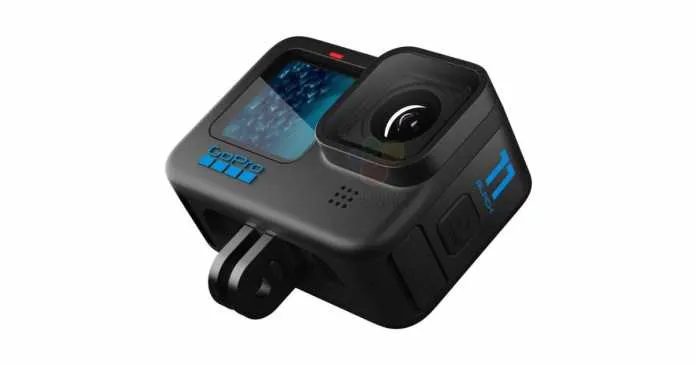
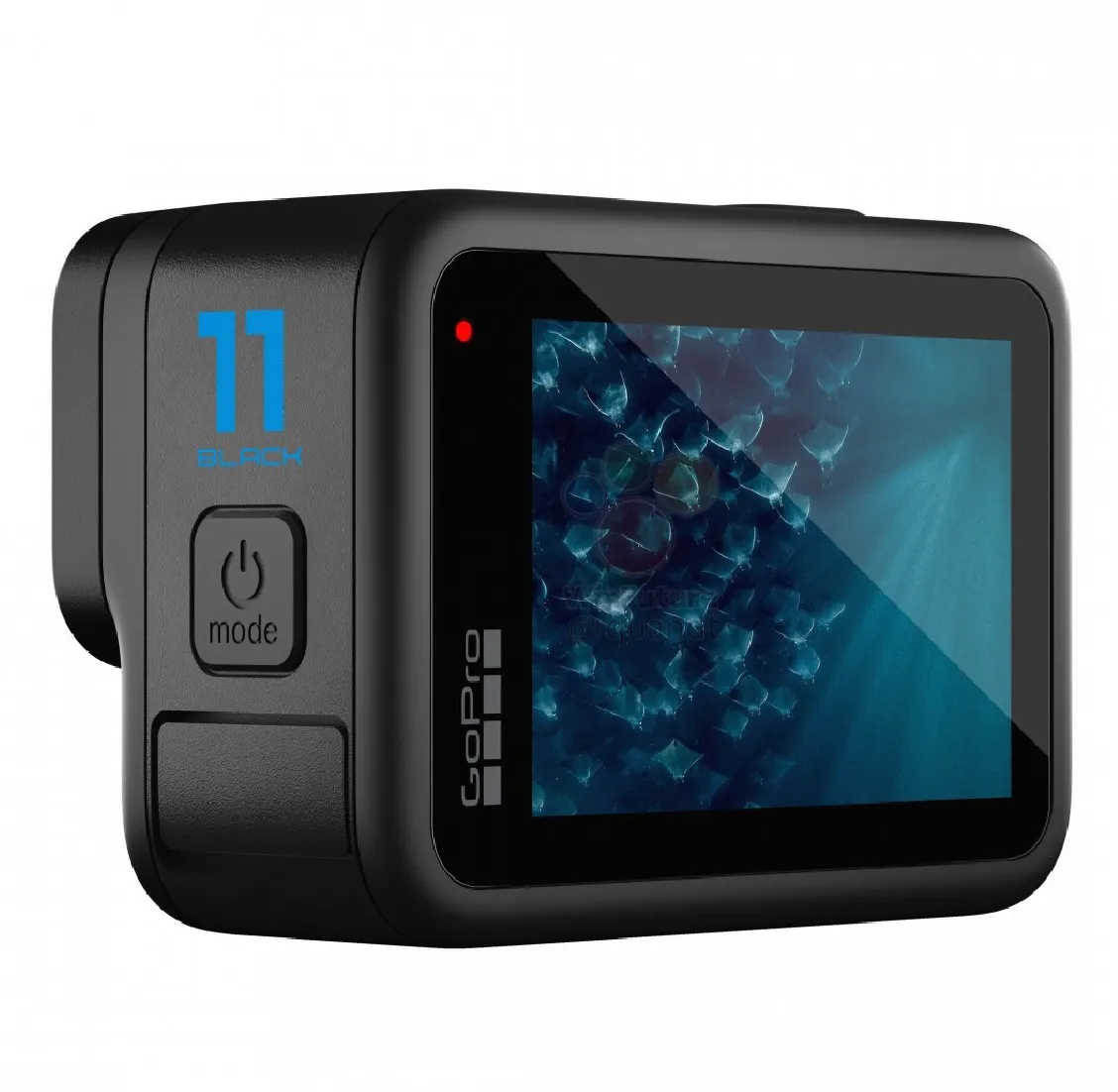
GoPro Hero11 Black key specs leaked, features 27MP camera

We have already reported on GoPro planning to launch the new Hero11 Black action camera. Now, a new report has revealed its launch timeline as well as some of its key specifications.

GoPro

Just a couple of days prior, we had reported on the American camera maker’s next gen flagship Hero11 Black action camera’s design being leaked. Now, a new report has revealed that the GoPro Hero11 Black will feature a new CMOS sensor, which will also offer a wider Field of View (FOV) compared to its predecessor. This new image sensor on the upcoming action camera has a resolution of 27 megapixel, which is an upgrade from the 23.6 megapixel sensor on the last gen Hero10.

Furthermore, the new camera will also let you reportedly capture 24.7 megapixel screen grabs, which is another improvement over the 19 megapixel stills on the Hero10. For video recording, the report claims that the Hero11 Black will be capable of shooting at 5.3K resolution at 60 fps. It will apparently also be capable of recording 4K videos at 120fps as well. Notably, the new action camera will also come with an improved HyperSmooth 5.0 image stabilization.

GoPro

On the front, the device will feature a 1.4 inch display similar to the last gen, while the rear sports a 2.27 inch touchscreen display. The GoPro Hero11 Black is rumored to be powered by the same 1,720mAh battery pack and will also feature the same waterproof design that can withstand up to 10 meters of submersion. The Hero11 Black model is expected to have the same GP2 processor, although, there are some improvements expected to make their way on the software side.

RELATED:


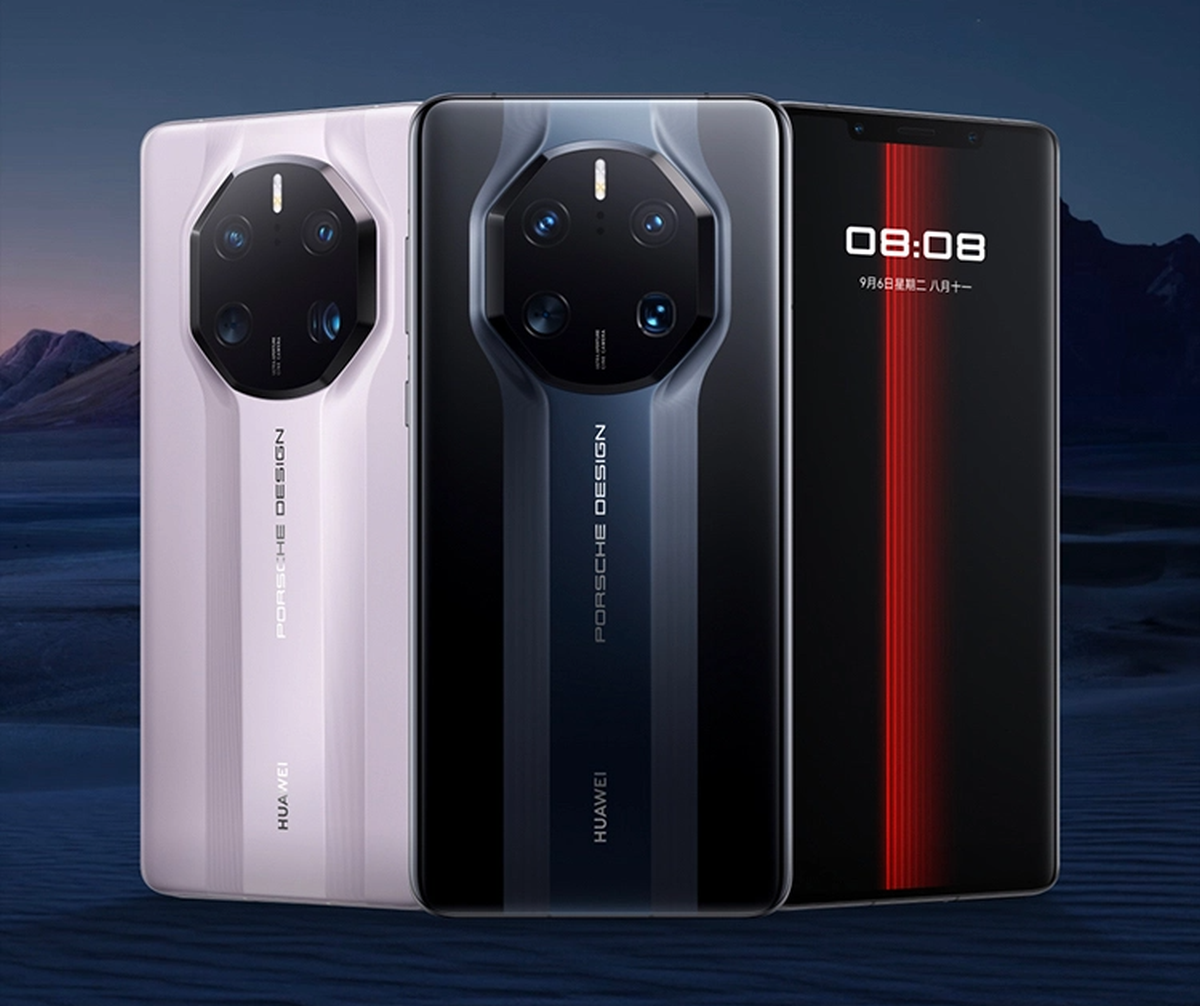
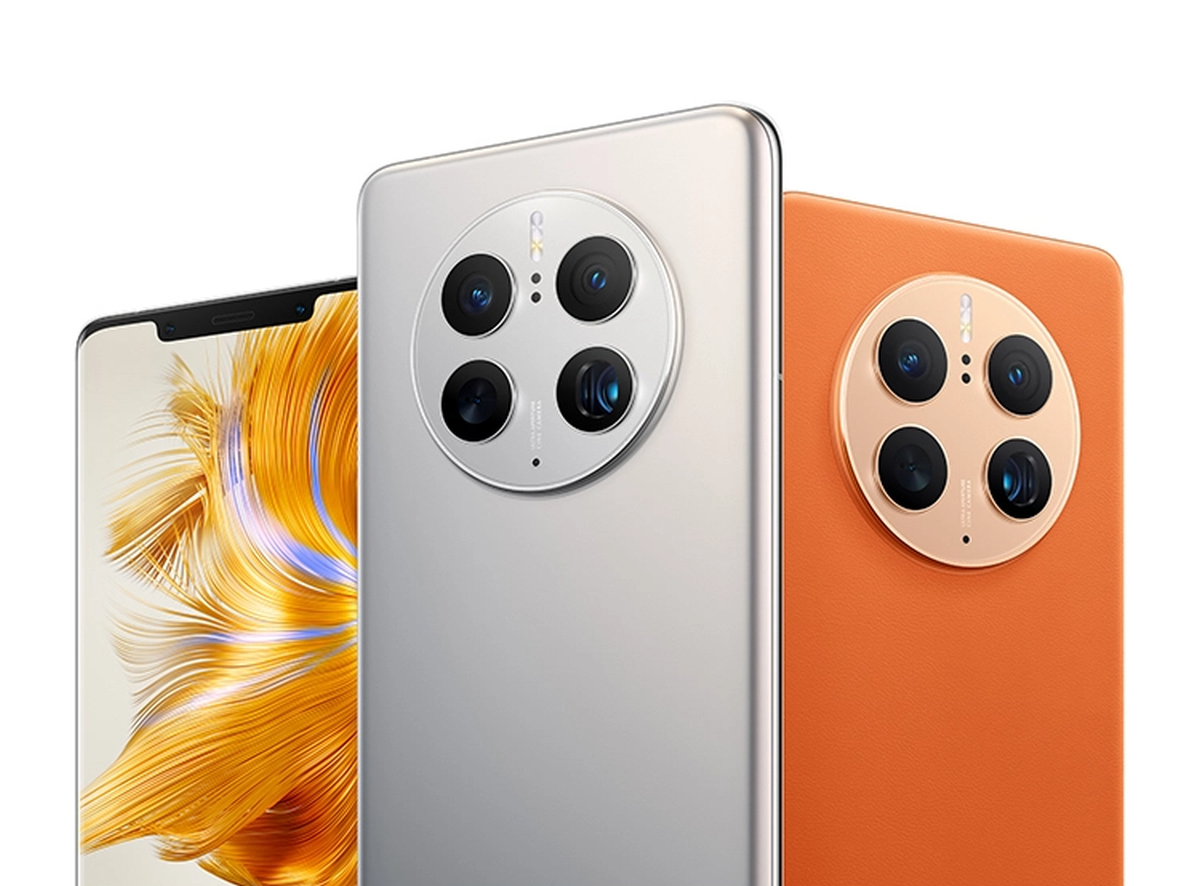
Huawei Mate 50 Pro, Mate 50 RS Porsche Design launched with Snapdragon 8+ Gen 1 4G; checkout specifications, price

The much-awaited Huawei Mate 50 series of flagship smartphones has gone official in China. The lineup includes three models, the Mate 50, Mate 50 Pro, and Mate 50 RS Porsche Design. The lineup also includes an upper mid-range phone called the Mate 50e, which features the Snapdragon 778G 4G chipset.

Without further ado, let us have a look at the specifications, features, and price of the Mate 50 Pro and Mate 50 RS Porsche Design. These smartphones are packed with identical specifications, but the Porsche Design sports a premium design, more RAM, and different cameras. Readers can visit the dedicated launch post here to find out about the standard Mate 50.

Design and Display

The Mate 50 Pro and Mate 50 RS Porsche Design have nearly identical front designs. Both phones have a notched display on the front. The back panel of the Pro variant has a round-shaped module, which houses a triple camera setup along with an LED flash and other sensors. On the other hand, the Mate 50 RS Porsche Design has an octagon-shaped module slapped on a ceramic back, which is inspired by supercars.

Huawei Mate 50 RS Porsche Design

The Mate 50 Pro and Mate 50 RS Porsche Design have a 6.74-inch OLED display that supports an FHD+ resolution of 2612 x 1212 pixels, up to 120Hz refresh rate, 300Hz touch sampling rate, and 1440Hz high-frequency PWM dimming. The display notch houses the complex sensors for 3D face recognition. In addition, these phones are also equipped with an in-display fingerprint scanner.

Specifications

The Snapdragon 8 Plus Gen 1 4G chipset is present under the hood of the Mate 50 Pro and Mate 50 RS Porsche Design. The Pro model comes with 8 GB of LPDDR5 RAM and 256 GB / 512 GB UFS 3.1 storage, whereas the RS Porsche Design offers 12 GB of LPDDR5 RAM and 512 GB of UFS 3.1 storage. For more storage, both devices come with support for up to 256 GB of NM memory card. Both models come preinstalled with Harmony OS 3.0.

Both smartphones have a 4,700mAh battery with 66W fast charging, 50W wireless charging, and reverse wireless charging. On the connectivity front, both devices are equipped with dual SIM, satellite communication, 5G, Wi-Fi 802.11ax, Bluetooth 5.2, dual-frequency GPS, NFC, and a USB-C port.

Cameras

The display notch of both smartphones houses a 13-megapixel selfie snapper along with a 3D depth sensor. The Mate 50 Pro’s back has a 50-megapixel Sony IMX766 main camera with OIS, a 13-megapixel ultra-wide lens, and an OIS-supported 64-megapixel periscope telephoto camera.

Huawei Mate 50 Pro
Huawei Mate 50 Pro

On the Mate 50 RS Porsche Design, Huawei has swapped the periscope camera with an OIS-ready 48-megapixel 35x tele macro camera. Both smartphones support f/1.4 to f/4.0 variable aperture, flicker sensor, laser autofocus, and offer up to 200x super zoom. Both phones have Huawei’s XMAGE image processing technology, which makes them better for taking photos.

Pricing and availability

The Huawei Mate 50 Pro comes in configurations like 8 GB RAM + 256 GB storage, or 8 GB RAM + 512 GB storage. These variants are priced at 6,799 Yuan (~$977) and 7,799 Yuan (~$1,121), respectively.   It can be purchased in colors like Obsidian Black, Frost Silver, Streamer Purple, Daybreak Kunlun, and Kunlun Xiaguang. The Kunlun editions are priced a 6,999 Yuan (~$1,006) and 7,999 Yuan (~$1,149), respectively.

The Mate 50 RS Porsche Design model comes in 12 GB RAM + 512 GB storage variant only. It carries a hefty price tag of 12,999 Yuan (~$1,868). It can be bought in colors like Dark Blue Porcelain and Carmine Porcelain. It will be available for purchase starting Sept. 21, while the Mate 50 Pro will go on sale by Sept. 28 in China. Both devices are now available for pre-sale in the home market. There is no word on the global launch of the Mate 50 series.

RELATED:

FAANG Now Irrelevant, MATANA is the New Face Of Big Tech – Report

If you are a citizen of the 21st century, you have probably heard of FAANG, the world’s 5 biggest companies that are running our modern-day tech industry, or as folks call it – Big Tech. FAANG is an abbreviation for Facebook (now rebranded as Meta), Apple, Amazon, Netflix, and Google.

However, a recent report this week seems to indicate that FAANG is no longer relevant in today’s market and that today, Big Tech is now spearheaded by 6 new leading tech giants that make up MATANA, and they are Microsoft, Amazon, Tesla, Apple, Nvidia, and Alphabet (the parent company of Google).

MATANA Stocks.jpg
The 6 MATANA Tech Companies

In a recent video interview with Yahoo Finance Live, Constellation Research Principal Analyst & Founder Ray Wang states that the FAANG abbreviation should be reassessed as it no longer reflects the current market trends. 

In the interview, Wang debates that MATANA is an upgrade from FAANG as the new abbreviation added Microsoft, Tesla, and Nvidia into the Big Tech lineup whilst dropping Facebook and Netflix from the list altogether. 

The main reason behind the current market trend is because of both Facebook and Netflix are facing fierce competition from their industry rivals, whilst facing backlash from their audiences as well as regulations from governing bodies worldwide.

On the topic of Meta, Yahoo Finance quotes Wang, “Facebook has got to do something besides ads.” “Once again, they’re taking a beating for it. So, is it going to be the glasses? Is it going to be the metaverse? We’re not there yet and that’s really kind of what the challenge is.”

As for Netflix, Wang comments, “The reason they’re out is because, how many more subscribers? How many more subscriptions are you going to handle?” “Product placement should be where they are, plus the ability to do IP licensing. Look at how Disney makes its money.”

Thus, it seems as if the days of Meta and Netflix as market leaders in the industry are numbered, and unless both companies provide new and innovative products in the markets fast, they may end up the likes of Nokia, Blackberry, and other once globally dominant technology brands.

Blackberry Logo Blurry
Blackberry Fading Away (Colourised)

Coming to Microsoft and Nvidia, the analyst had several insights to share about them. To quote Wang via Yahoo Finance:

Microsoft has more than just business-to-business and consumer – they’ve been able to manage both,” he said. “They’re positioned well for the metaverse. They’re positioned well for the cloud and, of course, they’ve got their gaming business.”

Nvidia is a lot more than just the chips that we look at and more than the data center or gaming,” Wang said. “They’re sitting at the edge between AI, the metaverse, the future of computing, and the way they do their partnerships, they’re set up in a way that’s going to be dominant for quite some time.”

NVIDIA Logo Featured

As for Tesla, people had already heard the story of Elon Musk many times, and that he is now the world’s wealthiest man on Earth. And despite the current negative press on Tesla cars, the company sales are still growing and projected to grow further as the world switches away from petrol and gas vehicles to the more environmentally friendly electrical vehicle alternative.


RELATED:

(Source)

Motorola Moto G Go spotted on GeekBench with Helio G25 & 2GB RAM

Motorola is currently preparing to launch a couple of new smartphones soon, which includes the Moto Edge 30 Ultra, Edge 30 Fusion, and Edge 30 Neo. However, a new benchmark listing has revealed that the company is also working on a new Moto G Go model as well.

Motorola
Moto G Go

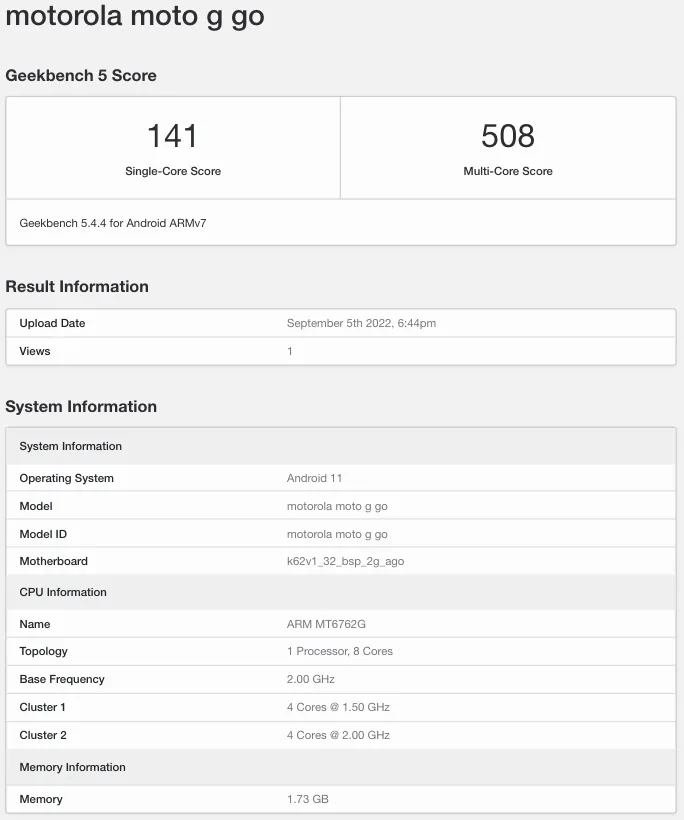
The upcoming smartphone was just recently spotted on GeekBench, which is a popular benchmarking platform. Looking at this listing, it appears that the company is planning on launching a new lineup of affordable smartphones under the G series branding, with the first model being the Moto G Go. The GeekBench database reveals that the new handset will run on Android 11 OS out of the box.

Although, the name of the device also hints at it possibly running on the Android Go edition of the operating system. For those unaware, the Android Go version is basically Android for smartphones with low RAM and storage. The benchmarking listing showcases the Moto G Go with 2GB of RAM, but there may also be a 3GB RAM variant as well. Its storage options are not listed, however, it can likely be either 32GB or 64GB.

Motorola

Another notable specification revealed on the platfrom was the model number for Moto G Go’s processor. It is the “MT6762G”, which is basically the MediaTek Helio G25 SoC, which also arrives with an IMG PowerVR GE8320 GPU. Unfortunately, finer details regarding this device is still at large, but we can expect more details to surface soon. So stick around for more updates regarding this smartphone.

RELATED:


Realme Buds Air 3S with wing-tip design, Bluetooth 5.3 & Up to 30 Hours Battery Life launched in India

Earlier today, Realme launched the Realme C33 smartphone and the Realme Watch 3 Pro in the Indian market. Along with these two devices, the brand has also debuted the Realme Buds Air 3S TWS earphones in India.

realme Buds Air 3S Black

Realme Buds Air 3S specs & features

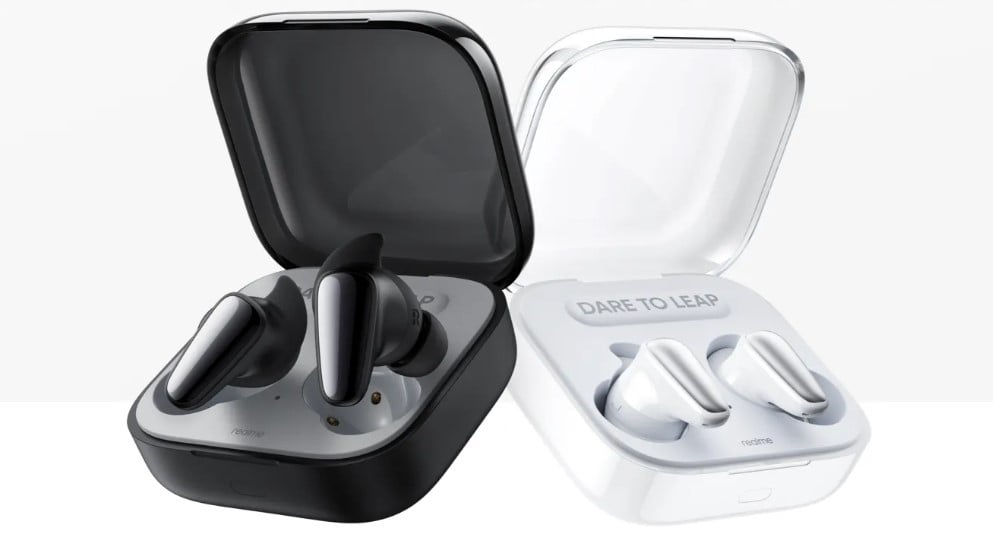
Design-wise, the Buds Air 3S comes with silicone ear wing tips that help provide a secure fit for workouts and sports activities. The case on the other hand draws inspiration from a music box and has a transparent lid. The buds are available in Bass Black and Bass White color options.

realme Buds Air 3S Black

The earbuds feature an 11mm triple titanium bass driver and four microphones with an AI ENCE noise reduction technology. The earbuds also offer Dolby Atmos stereo surround sound on supported devices. The TWS comes with four different sound modes: bass boost, clear bass, natural balance, and clear vocals.

realme Buds Air 3S Black

The Buds Air 3S has a battery life of up to 30 hours when used with the charging case. A simple 10-minute charge provides 5 hours of battery life. A 69ms low-latency mode, 4 mics with AI noise suppression for calls, dual connectivity, Google Fast Pair, full touch control, IPX5 water resistance rating and Realme Link app support are all included.

Realme Buds Air 3S price & availability

The Realme Buds Air 3S costs Rs 2,499, and the TWS will be available on Amazon, Realme.com, and Realme stores across India beginning September 14th.


RELATED:


ColorOS 13 Stable Update Rollout to Begin on September 16

Oppo has been running ColorOS 13 Alpha and Closed/Open Beta programs for multiple smartphones for the last few weeks. The company has now announced when it will start delivering the stable update. At the same time, it has also disclosed the list of devices that will be added to the Open Beta initiative this month.

Oppo ColorOS 13 Running on Oppo Find X5 Pro

Oppo is known for revealing its software rollout plan at the beginning of each month. Hence, the company has announced its update plan for September 2022 covering both Chinese and international markets.

The firm says that it will begin the stable rollout of ColorOS 13 based on Android 13 on September 16. Interestingly, it will start first in global markets, followed by in China on September 23.

Unsurprisingly, Oppo Find X5 Pro and Oppo Find X5 will be the first phones to receive the ColorOS 13 stable update, followed by OnePlus 10 Pro.

Further, talking about ColorOS 13 Open Beta program, 9 more devices will be added to the initiative throughout this month.  Six of them will be joining on the same day as the commencement of the stable rollout.

Here’s the official update timeline shared by Oppo for September 2022.


Oppo ColorOS 13 Update Plan Sepetember 2022


Stable Rollout

From September 16

  • Oppo Find X5 Pro
    • Australia
    • France
    • Indonesia
    • Malaysia
    • Thailand
    • Vietnam
  • Oppo Find X5
    • UAE
    • France

From September 23

  • Oppo Find X5 Pro
    • China
  • Oppo Find X5
    • China
  • OnePlus 10 Pro
    • China


Open Beta

From September 16

  • Oppo Find X3 Pro Photographer Edition
    • China
  • Oppo Find X3 Pro Mars Exploration Edition
    • China
  • Oppo Find X3 Pro
    • China
  • Oppo Find X3
    • China
  • OnePlus 9 Pro
    • China
  • OnePlus 9
    • China

From September 20

  • Oppo Find X3 Pro
    • Indonesia
    • Malaysia
    • Thailand

From September 23

  • Oppo Reno 8 Pro (aka Oppo Reno 8 Pro+)
    • China
    • India

From September 28

  • Oppo Find X5 Pro Dimensity Edition
    • China
  • OnePlus Ace
    • China

None of the other Android OEMs (other than Google) are yet to announce the Android 13 stable update rollout date for their devices. Hence, if the competitors don’t release the update by September 16, then Oppo could become the first non-Google company to deliver Android 13 to its users.


RELATED:


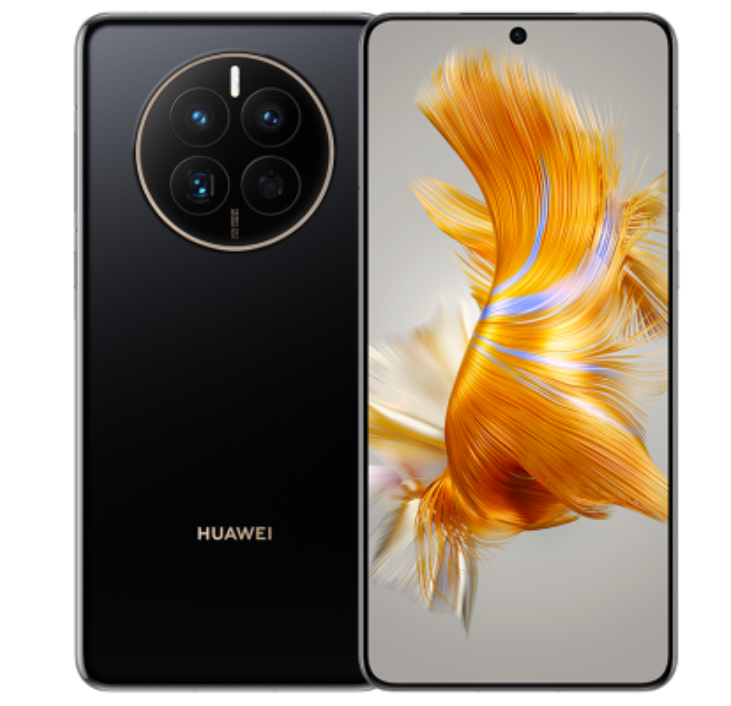
Huawei Mate 50 launched in China, with 4G Snapdragon 8+ Gen 1 & 50MP triple cameras

Huawei has just officially unveiled its latest Mate series of flagship smartphones after almost two years. Back in November 2020, the Mate 40 series was announced, and now the company has finally launched the next gen Mate 50 series. So let’s take a look at the base variant of the premium lineup.

Design & Display

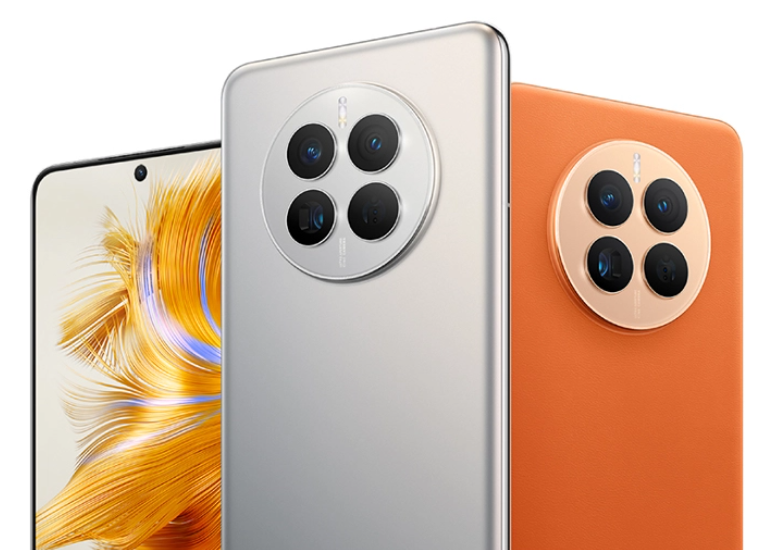
Looking at the latest flagship smartphone, the Mate 50 features a design that is quite similar to the original Mate 40. It features a curved back panel and curved edges. The rear also houses a large circular camera module like the one found on the Mate 50, albeit, there are changes in its design with the circular module being a single large camera module this time over the previous gen’s donut like design.

Huawei

On the front, the Chinese tech giant’s Mate 50 sports a 6.7 inch OLED display that has a FHD+ (2700 x 1224 pixels) resolution, with a center aligned punch hole cut out and a 90Hz refresh rate and 300Hz touch sampling rate. This panel also supports HDR, P3 color gamut and can output 1.07 billion colors. The screen also houses an in display fingerprint scanner for security.

Specifications

Under the hood, the new Mate 50 is equipped with a Qualcomm Snapdragon 8+ Gen 1 SoC that is paired with at least 8GB of RAM. It was initially believed to feature the older Snapdragon 8 Gen 1 chipset, but this was a welcomed surprise. However, this processor only supports 4G networking. This is primarily due to the sanctions it faces from the US. Furthermore, the premium grade handset will be powered by a 4,460mAh battery pack that supports 66W fast charging and up to 50W wireless fast charging as well.

Huawei

Paired with the 4G only Snapdragon 8+ Gen 1 processor, this might translate to a slightly better power efficiency than the regular model. Notably, the company has also boasted of an industry breaking battery life, with users even having the option to make calls when the battery is dead thanks to an battery emergency mode. Apart from this, the brand is also offering satellite communication technology that allows for cellular calls and messages in very remote areas where there is no cellular 3G, 4G or 5G coverage. Other features include, stereo speakers, anti fingerprint film, splash, water and dust resistant (although, this wasn’t professionally rated as per the official website).

Camera

The base Huawei Mate 50 smartphone model is equipped with a triple camera setup on the rear. Its primary image sensor is a 50 megapixel flagship Sony IMX766 sensor, which is paired with another 13 megapixel Sony IMX688 ultra wide angle lens. The last camera is the 12 megapixel telephoto zoom lens that offers up to 5x optical zoom capabilities and OIS support. The device also supports the first ever XMAGE imaging technology that will help improve the photography experience. Meanwhile, the front houses a 13 megapixel selfie shooter.

Huawei Mate 50

Pricing & Availability

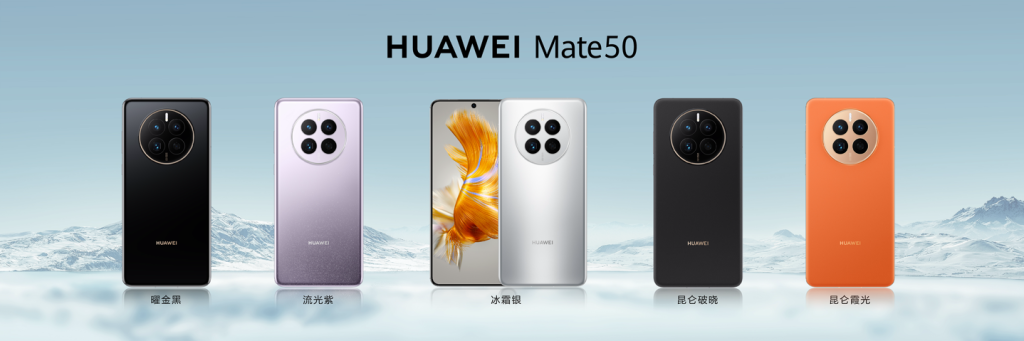
The Huawei Mate 50 is available in multiple color options as well as three different storage configurations. It is offered in five color options, while the storage options include a 128GB, 256GB, and a 512GB top end model. The 128GB model costs 4,999 Yuan (roughly 720 US Dollars), while the 256GB variant has a price tag of 5,499 Yuan (roughly 791 US Dollars) and the 512GB model costs 6,499 Yuan (roughly 935 US Dollars).

RELATED:


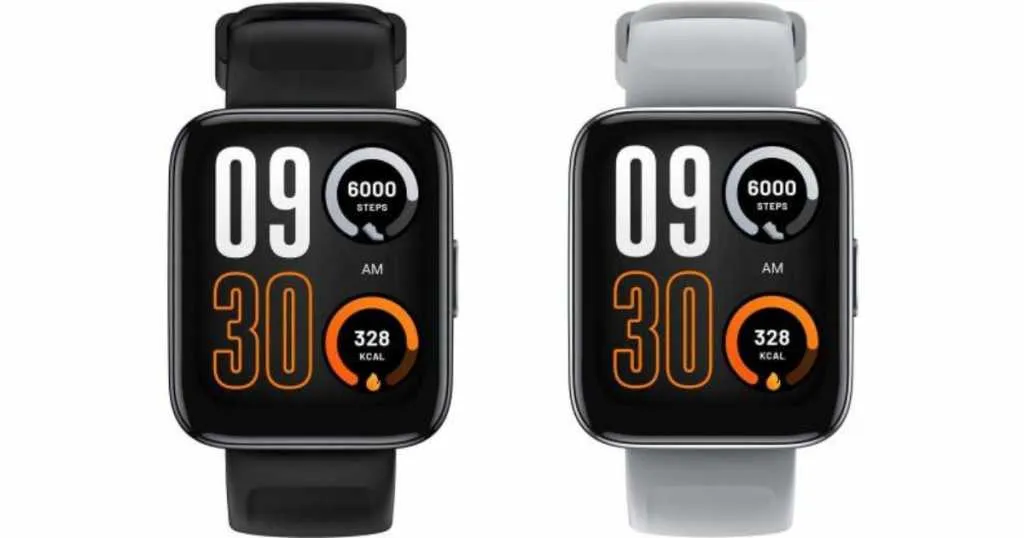
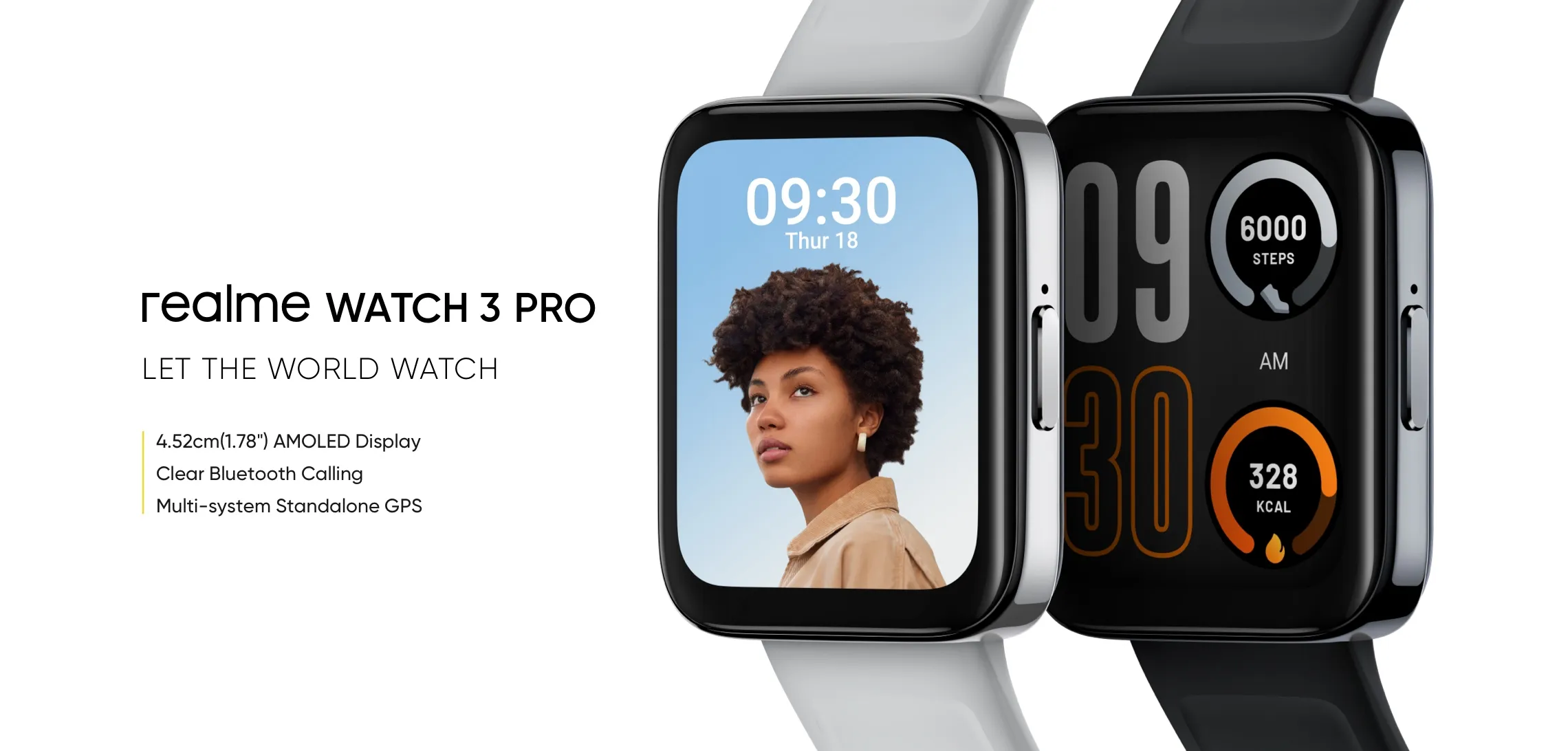
Realme Watch 3 Pro with AMOLED screen, Built-in GPS and Bluetooth Calling launched in India

Realme has finally launched the Realme Watch 3 Pro, which is a successor to its popular Watch 2 Pro which debuted back in May 2021. The smartwatch has many many exciting features like a large AMOLED display, and long battery life, so let’s check them out in more detail.

Realme Watch 3 Pro Specifications

The Watch 3 Pro features a clean rectangular design with curved edges and has a side button for turning on the display and navigating the UI. It has a 1.78-inch AMOLED display that offers a 368 x 448-pixel resolution and 60Hz refresh rate. It is capable of up to 500nits of brightness and comes with the Always-on display feature.

Realme Watch 3 Pro launched

The Watch 3 Pro comes with the popular Bluetooth calling feature that the brand claims provides a crystal clear calling experience. It also has a built-in GPS which is claimed to accurately track your movements.

Health features include heart rate and blood oxygen sensors that offer all-day heart rate and blood oxygen monitoring as well as sleep and stress monitoring. It features female physiological cycle tracking as well.

The watch includes 110+ sports modes, with 5 major sports states like walking, running, cycling, elliptical, and rowing. These modes are tracked using Cywee’s professional sports algorithms, giving users more accurate and helpful data to make their training sessions more efficient and effective.

Realme claims that the Watch 3 Pro can achieve up to 10 days of battery life with standard GPS and Bluetooth calling, thanks to the 325mAh battery. Other features include – Find My Phone, camera control, alarm, event reminder, flashlight, timer, message notification, music control, stop-watch, hydration reminder, and many other features.

Pricing & availability

The smartwatch has a price tag of ₹ 4,999, however, customers will be able to buy it at ₹ 4,499 as part of the introductory offer. The first sale is scheduled for 9th Sep at 12:00 PM. The watch comes in Black & Grey colors.


RELATED:


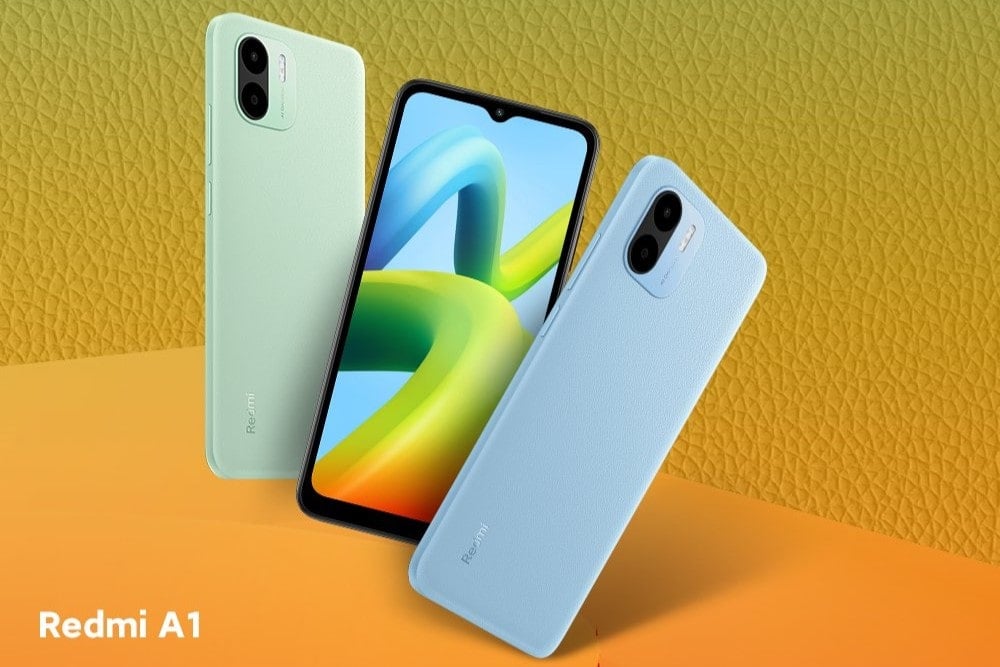
Redmi A1 Launched: HD+ Display, Android 12 Go Edition, & More

Alongside Redmi 11 Prime and Redmi 11 Prime 5G, Xiaomi also launched the Redmi A1 in India. It is the first phone in the company’s new Redmi A series of entry-level smartphones. It was announced as part of the firm’s Special Diwali With Mi Launches. Let’s check out what it has to offer.

Redmi A1


Redmi A1 Specifications

The Redmi A1 is built around a 6.52-inch display (LCD) with a resolution of 1600 x 720 pixels (HD+) and a dewdrop notch. It comes powered by a MediaTek Helio A22 chipset paired with LPDDR4x RAM and eMMC 5.1 storage.

Due to its low-level hardware, the handset boots Android 12 Go Edition without MIUI skin. As a result, it should offer a better experience than previous entry-level smartphones from Xiaomi.

Further, it features a dual-camera system on the rear comprising an 8MP primary sensor and a 2MP sensor. On the front, it has a 5MP shooter for selfies and video calls.

Redmi A1

Other features include dual-SIM 4G support, single-band WiFi, Bluetooth 5.0, GNSS, a 3.5mm headphone jack, and a dedicated MicroSD card slot. Finally, it is backed by a 5,000mAh battery with support for 10W charging (charger included in the retail box).


Redmi A1 Price and Availability

The Redmi A1 will be available in a single 2GB + 32GB memory configuration priced at ₹6,499 ($81). It can be availed in either Light Blue, Classic Black, or Light Green color options.

The handset will go on sale from 4 PM on September 9. It will be sold via Mi.com, Amazon India, Mi Home stores, and retail stores.


RELATED:


Redmi 11 Prime Series Launched: 90Hz Display, 50MP Camera, 5G Support, & More

After teasing for days, Xiaomi has officially launched the Redmi 11 Prime and Redmi 11 Prime 5G in India. The two smartphones were announced alongside the Redmi A1. These three handsets are part of Xiaomi’s Special Diwali With Mi Launches. Let’s take a look at the former two phones in this article. To learn about the latter device, check out our coverage on the same.

Redmi 11 Prime
Redmi 11 Prime

Redmi 11 Prime Series Specifications

The Redmi 11 Prime series consists of two models, namely Redmi 11 Prime and Redmi 11 Prime 5G. As the names suggest, the first one is limited to 4G, whereas the second one offers support for 5G.

The Redmi 11 Prime is the same as the recently launched Poco M5 with a different rear design. On the other hand, the Redmi 11 Prime 5G is a rebranded Redmi Note 11E from China, which also goes by Redmi 10 5G in Southeast Asia.

Talking about specifications, both smartphones flaunt a 6.58-inch LCD screen with a resolution of 2408 x 1080 pixels (FHD+), a 90Hz refresh rate, and a dewdrop notch.  They also boot the same MIUI 13 software based on Android 12.

Further, they sport a 50MP main camera, a 2MP depth sensor, and a 5MP selfie camera. The 4G model has an additional 2MP macro snapper.

The major difference between the two is their chipsets. The 4G variant is powered by a MediaTek Helio G99 SoC with Bluetooth 5.3, while the 5G version houses a MediaTek Dimensity 700 chip with Bluetooth 5.1. Either way, they come with LPDDR4x RAM, UFS 2.2 storage, and a dedicated MicroSD card slot.

Redmi 11 Prime 5G
Redmi 11 Prime 5G

Their remaining features include dual-band WiFi, GNSS, a side-mounted fingerprint sensor, an IR blaster, a 3.5mm headphone jack, a 5,000mAh battery, and 18W fast charging support (ships with a 22.5W fast charger).

Both of them measure 164 x 76.1 x 8.9 mm in dimensions. However, the 4G model is slightly heavier at 201g compared to the 5G variant’s 200g weight.


Redmi 11 Prime Series Price and Availability

The Redmi 11 Prime series will retail at the following price tags in India.

Redmi 11 Prime

  • Variants and Price
    • 4GB + 64GB – ₹12,999 ($163)
    • 6GB + 128GB – ₹14,999 ($188)
  • Colors
    • Thunder Black
    • Chrome Silver
    • Meadow Green

Redmi 11 Prime 5G

  • Variants and Price
    • 4GB + 64GB – ₹13,999 ($175)
    • 6GB + 128GB – ₹15,999 ($200)
  • Colors
    • Peppy Purple
    • Flashy Black
    • Playful Green

The Redmi 11 Prime 5G will go on sale from 12 PM on September 9. It can be purchased from either Mi.com, Amazon India, Mi Home stores, or retail stores. Customers can avail of a ₹1,000 discount on ICICI Bank credit card and credit/debit card EMI transactions.

The availability of Redmi 11 Prime will be announced on social media in the coming days.


RELATED:


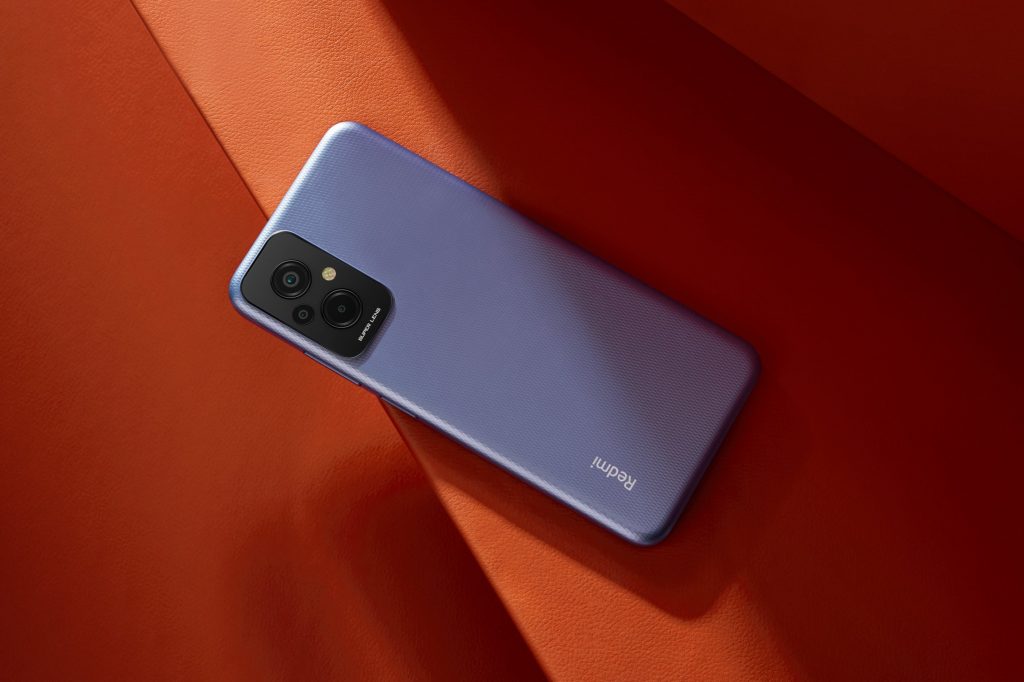
Realme C33 launched in India with Unisoc T612, 50MP dual cameras

The Realme C33 has gone official in India. In terms of design, the C33 sports a boxy form factor and two traditional camera rings on the back panel that flaunts a gradient pattern. There is a fingerprint scanner embedded in the power button. On the front, it features a teardrop notch display. It has a thickness of 8.3mm and weighs around 187 grams.

Realme C33 specifications and features

The Realme C33 comes with a 6.5-inch IPS LCD display bearing an HD+ resolution and a 20:9 aspect ratio. On the imaging front, the C33 features dual rear cameras comprising a 50MP main sensor paired with a 2-megapixel macro lens. There is a 5-megapixel front-facing selfie snapper.

Realme C33
Realme C33

Under the hood, the Realme C33 is equipped with a Unisoc T612 chipset. It is paired with up to 4 GB RAM and up to 64 GB onboard storage expandable via a microSD card slot.

The smartphone draws its power from a 5,000mAh battery unit with support for 10W fast charging. According to Realme, the handset offers up to 37 days of standby time. It offers connectivity features such as dual 4G VoLTE, Wi-Fi 802.11ac, Bluetooth 5.0, GPS, a USB-C port, and a 3.5mm headphone jack.

Realme C33 price and availability

The Realme C33 has arrived in India in two options: 3 GB RAM + 32 GB storage and 4 GB RAM + 64 GB storage. These variants are priced at Rs 8,999 (~$138) and Rs 9,999 (~$150), respectively. The C33 can be purchased in three colors, such as Aqua Blue, Night Sea, and Sandy Gold. It will go on sale from at 12 pm on Sept. 12 through Flipkart and Realme India’s website.

RELATED:

Huawei Nova 10z with FHD+ display, 64MP triple camera launched

Huawei is gearing up to unveil the Mate 50 series of smartphones later today. Ahead of the launch event, TechGoing has spotted the official listing of the Nova 10z for the Chinese market. The launch comes days after the Nova 10 and Nova 10 made their international debut.

Huawei Nova 10z

Huawei Nova 10z specs

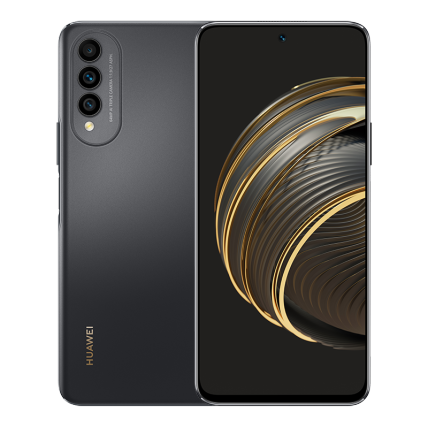
The Huawei Nova 10z has a 6.6-inch LCD display with a punch-hole in the center. It has a Full HD+ resolution (1080 x 2400 pixels) and a pixel density of 399 PPI. The power button on the right edge has an integrated fingerprint scanner.

Huawei Nova 10z
Huawei Nova 10z

The device is powered by an octa-core processor with 8 GB of RAM. It has storage capacities of 128 GB and 256 GB. External storage is not supported by the device. It has a 4,000mAh battery and supports 40W rapid charging. As for software, HarmonyOS 2.0 powers the device.

For optics, the device has a 64MP main camera with an f/1.9 aperture, an 8MP ultra-wide lens, and a 2MP macro camera.  On the front, It sports a 16MP front camera for selfies.

Other features include dual SIM, Wi-Fi 5, Bluetooth 5.1, a USB-C connector, and a 3.5mm audio jack. lastly, it comes with an IP52 certification making the device splash-resistant.

Price and availability

The Nova 10z is available in two variants: 8GB RAM + 128GB storage for 1,699 Yuan ($245) and 8GB RAM + 256GB storage for 1,899 Yuan ($280). Both versions will be available for the first time with a 100 Yuan discount.

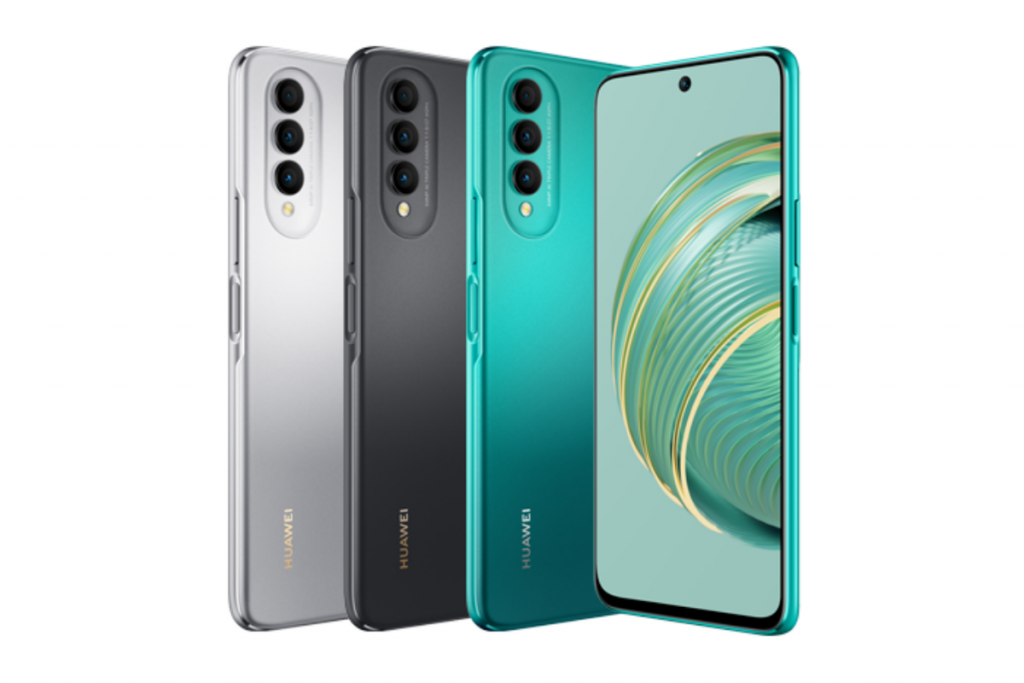
The device is currently available for pre-order, with shipments planned to begin on September 26. The Nova 10z is available in Magic Night Black, Frost Silver, and Emerald Green.


RELATED:


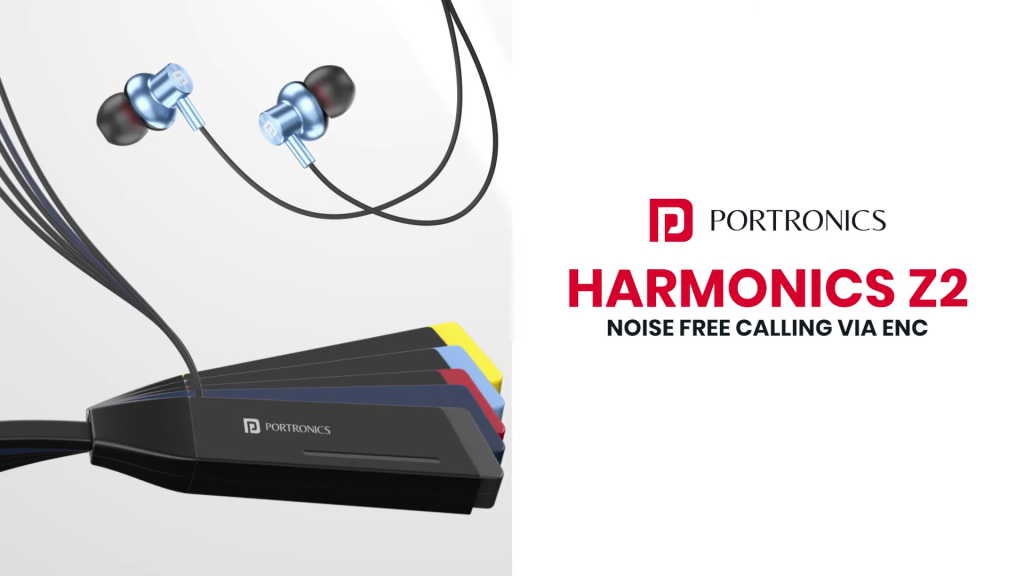
Portronics Harmonics Z2 neckband earphones launched in India with 30hr battery life

Portronics has just launched another audio based product in the Indian market. The company had recently released the Muffs A wireless headphones in the region and has now announced the new Harmonics Z2 neckband earphones.

Portronics

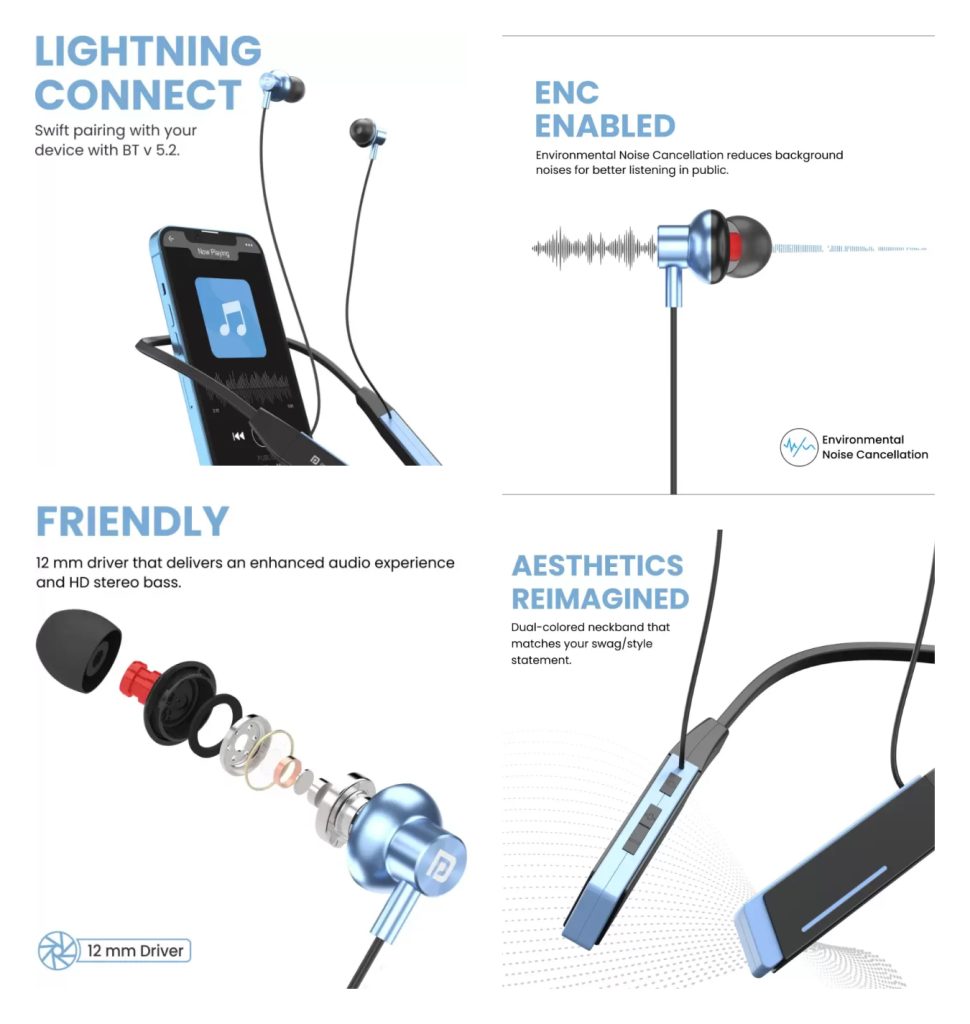
As stated above, the new hearables feature a neckband design with wireless connectivity. Furthermore, the new wireless earphones also houses 12mm audio drivers and comes with Auto ENC support (Environmental Noise Cancelling), which helps in offering a disturbance free calling in busy areas. Furthermore, it also packs a 250mAh battery pack that promises to offer up to 30 hours of audio playback. The Harmonics Z2 can be charged through a USB Type C port that supports rapid charging as well.

Just 10 minutes of charging can offer around 3 hours of additional playback time. The Harmonics Z2 is built with soft tensile strengthened silicone for daily usage, and the metal earbuds have a personalized fit, which is paired with skin friendly ear tips for better user comfort. Another notable design aspect is the the magnetic lock on the earbuds, which helps keep them from tangling into a bunch as well as ensuring that neckband doesn’t fall off while not in use.

Portronics

Other features include Lightning Connect that allows is basically like fast pairing, Bluetooth 5.2, basic voice controls through Siri and Google voice assistants. As of right now, the Portronics Harmonics Z2 is available for purchase for an introductory price tag of 799 INR. Meanwhile, its actual retail price will later be 1,999 INR. The earphones are currently listed on the company’s official website, Amazon India, and even Flipkart and other leading online and offline stores.

RELATED:


Samsung brings new features to old Foldables with One UI 4.1.1 update

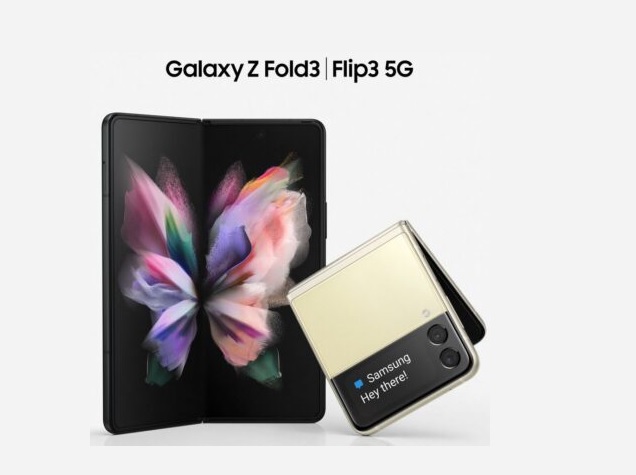
Samsung recently launched its new foldable devices in the market dubbed the Galaxy Z Fold 4 and the Galaxy Z Flip 4. These devices came with multiple hardware upgrades, but the main attraction was the improvements made on the software front.

Galaxy Z Fold3 and Galaxy Z Flip3

Now, these new features are also coming to the previous gen Galaxy foldable like the Z Fold 3, Z Fold 2, and Z Fold as well as the Z Flip 3, Z Flip 2, and the Z Flip via the OneUI 4.1.1 update based on Android 12L.

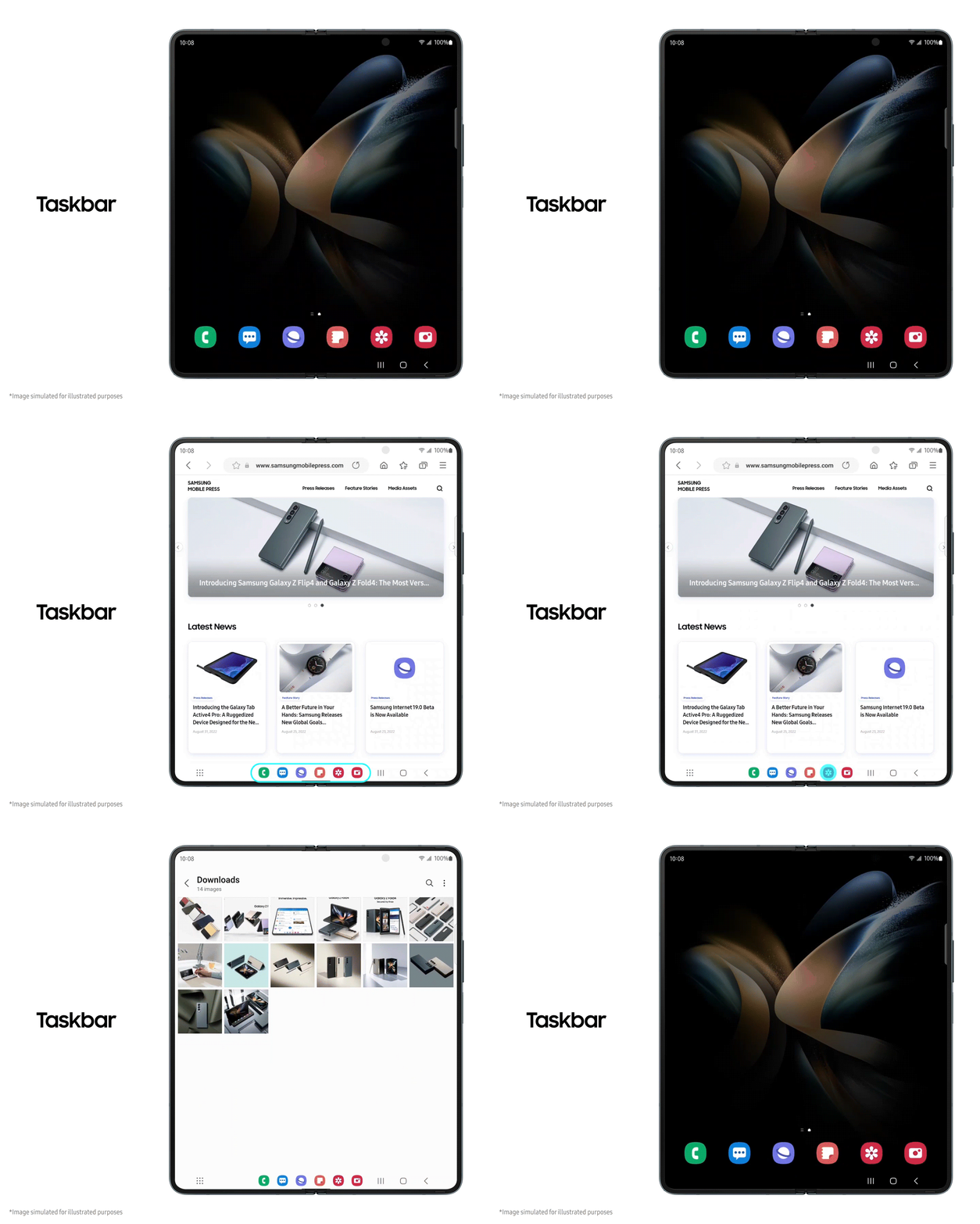
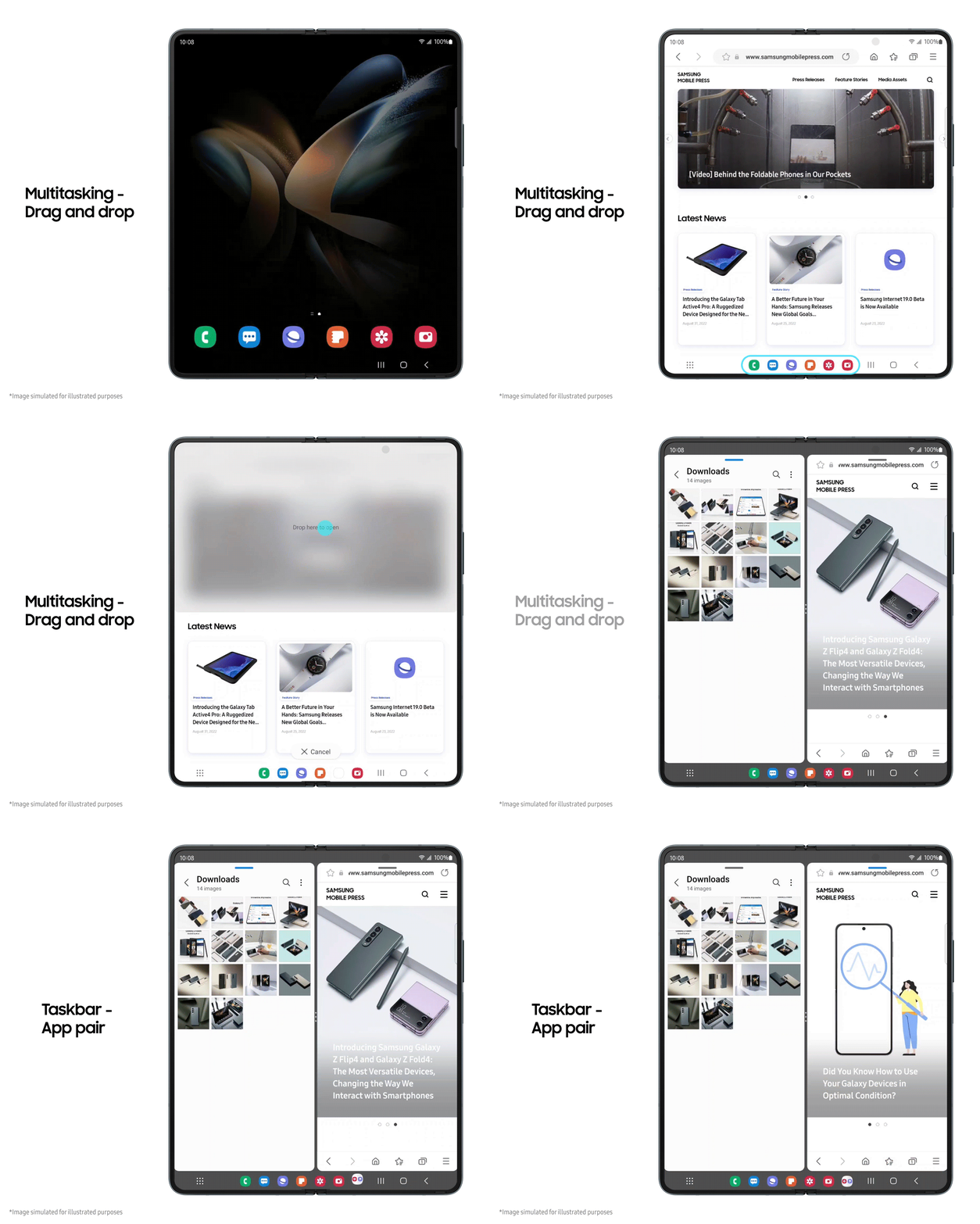
The update brings the convenient Taskbar feature to all the large screen foldable. It is basically a PC-like taskbar at the bottom center of the display that everything you need within easy reach.

You can also drag and drop any app you want to open from the Taskbar on top of an already open app, which will result in the app opening in a split view. The update also includes Dual Preview, which lets the subject see the shot simultaneously on the cover screen.


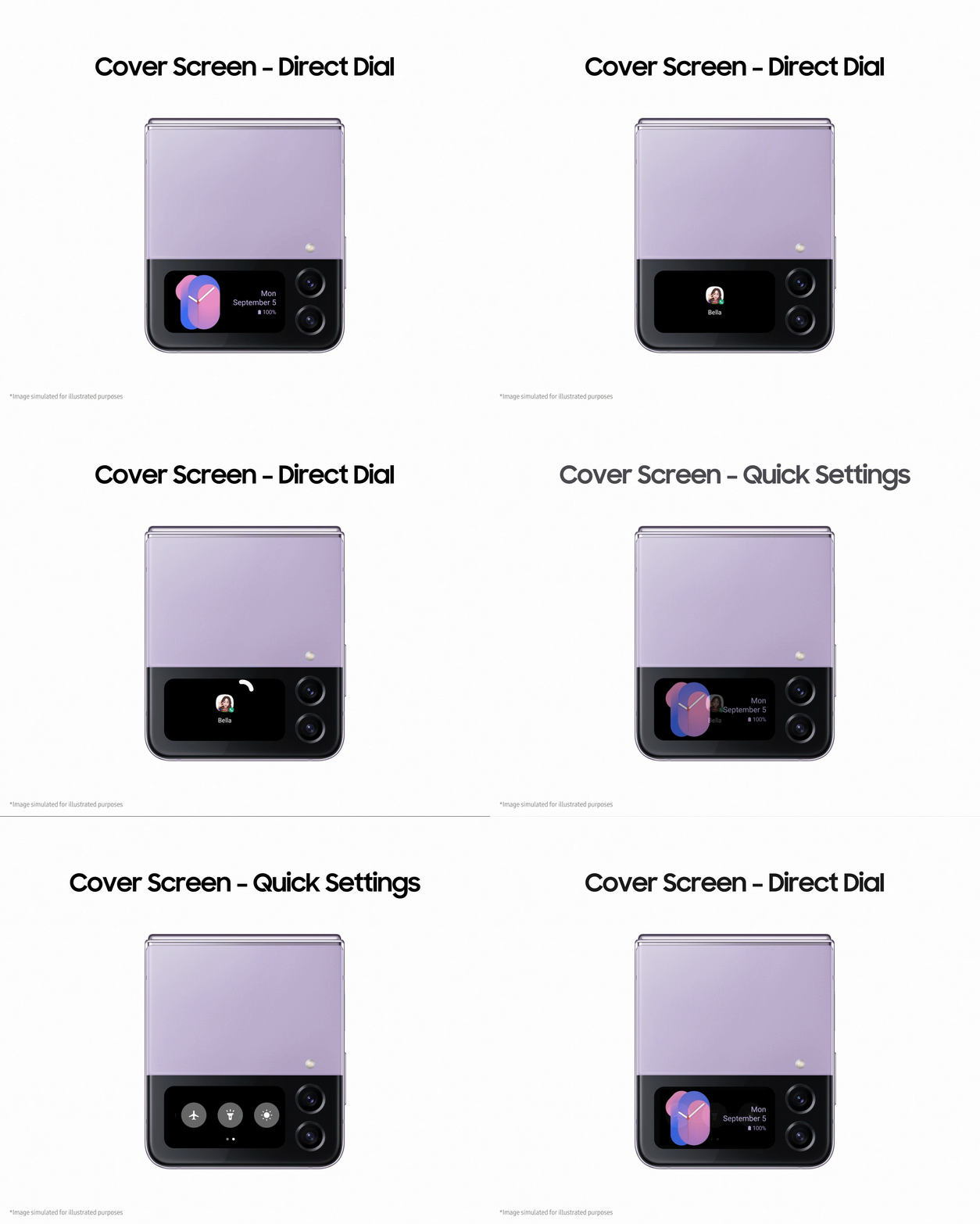
On the Galaxy Z Flip series, Quick Shot allows you to see the preview and capture images in their true ratio on the cover screen. The Galaxy Z Flip series gets new Cover Screen features with One UI 4.1.1, allowing you to accomplish more without unlocking your phone. Call a friend, return missed calls, and respond to texts using voice-to-text and emoticons from the Cover Screen. Among the new Quick Setting, options are Wi-Fi, Bluetooth, airplane mode, and a flashlight.

The update also includes the August 1 security patch. The update has started rolling out as of yesterday for all the users across the world. It is expected to arrive on all Samsung foldables in the coming days.


RELATED:


Flagship Snapdragon 8 Gen 2 and Dimensity 9100 SoCs Manufactured by TSMC, Alongside Snapdragon 7 Gen 2 and Dimensity 8200 as well – Report

After switching over from Samsung’s 4nm foundry to TSMC’s 4nm semiconductor production foundry, the latest Qualcomm Snapdragon 8+ Gen 1 SoC manufactured on TSMC’s 4nm advanced node process showed significantly better CPU performance, better GPU performance alongside much-improved power efficiency, and thermals compared its peers, the Snapdragon 8 Gen 1, Snapdragon 888+ and Snapdragon 888 SoCs that were manufactured on Samsung’s 4nm and 5nm node process.

Thus, after getting flak and bad press coverage of the overheating and quality control issues for its previous flagship SoCs, Qualcomm did announce that it will be ditching Samsung and moving forward with TSMC only for its flagship SoCs, specifically the Snapdragon 8 series of SoCs. 

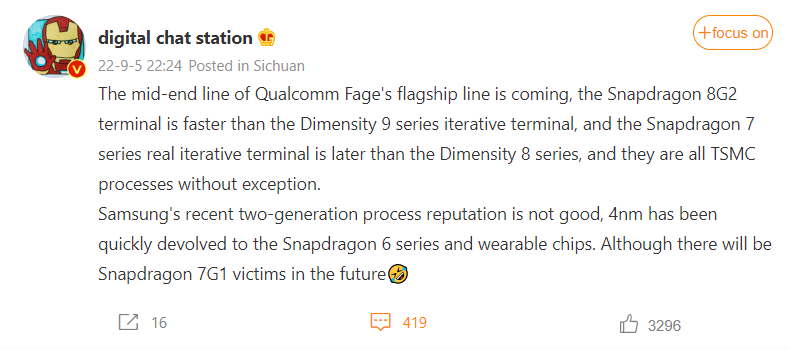
And in a recent report by Chinese technology leakster, Digital Chat Station on Weibo, they shared the news that Qualcomm and MediaTek’s upcoming next-generation smartphone SoCs will be manufactured via TSMC’s foundry.

DCS Weibo Snapdragon 8 Gen 2, Dimensity 9100 TSMC
Source: Weibo

The Weibo post states that there will be 4 upcoming smartphone SoCs that will be manufactured by TSMC, which are respectively the Qualcomm Snapdragon 8 Gen 2, MediaTek Dimensity 9100, the Qualcomm Snapdragon 7 Gen 2, and the MediaTek Dimensity 8200.

Dimensity-Snapdragon-logo

According to industry insiders, the development of the Qualcomm Snapdragon 8 Gen 2 is faster than the MediaTek Dimensity 9100 within TSMC, whilst the development of the Qualcomm Snapdragon 7 Gen 2 is faster than the MediaTek Dimensity 8200 within TSMC.

Both the Snapdragon 8 Gen 2 and Dimensity 9100 SoC are said to present in many Android flagships that are to be announced in 2023, while the Snapdragon 7 Gen 2 and MediaTek Dimensity 8200 SoCs will be catered to the mid-range Android market.

The report also states that the Snapdragon 7 Gen 2 is to be an iterative upgrade over the Snapdragon 7 Gen 1, with little to no changes to the core layout nor ISPs, and the major difference would be the switch from Samsung’s 4nm process on the 7 Gen 1, to TSMC’s 4nm process on the 7 Gen 2. And due to the fact that the next-generation Snapdragon 7 is an iterative upgrade, it could be instead called the Snapdragon 7+ Gen 1 instead of the Snapdragon 7 Gen 2.

As for the popularity of the Snapdragon 7 Gen 1, it is only featured on one smartphone in the market, which is the Oppo Reno 8 Pro mid-range smartphone that is exclusive to China. Presumably because of the bad reputation of Qualcomm’s SoCs that are manufactured by Samsung, the Snapdragon 7 Gen 1 isn’t garnering a lot of customers among Android smartphone manufacturers, whilst the Snapdragon 778G and 778G+ which are under TSMC’s 6nm foundry seem to be the more prevalent choice for Android smartphone makers instead.

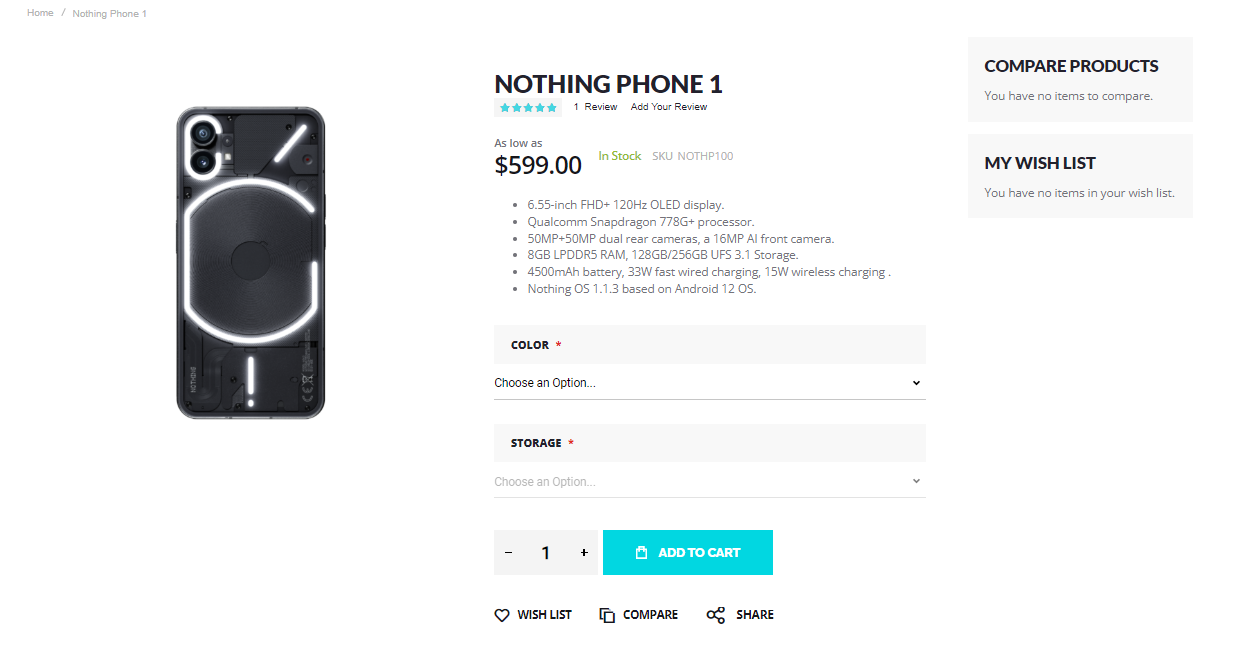
If you fancy picking up a power-efficient Snapdragon 778G+ smartphone yourself, there are 3 options you should consider: the Honor 70 which was launched in IFA Berlin 2022 last week, the Nothing Phone (1) announced by OnePlus founder Carl Pei, and the Motorola Edge 30 which has stock Android software with minimal bloatware for users.

Nothing Phone 1 Giztop
Source: GizTop

The Nothing Phone (1) is on sale today starting from only US$499 on Giztop.


RELATED:

(Source)

Huawei Matebook E Go 2-in-1 Laptop appears on TENAA ahead of launch

Later today, Huawei will host a launch event at which the brand is expected to debut the Mate 50 series smartphones along with other devices. One such device is the Huawei MateBook E Go. Ahead of the launch, the slate has been spotted on the TENAA listing revealing some key specs.

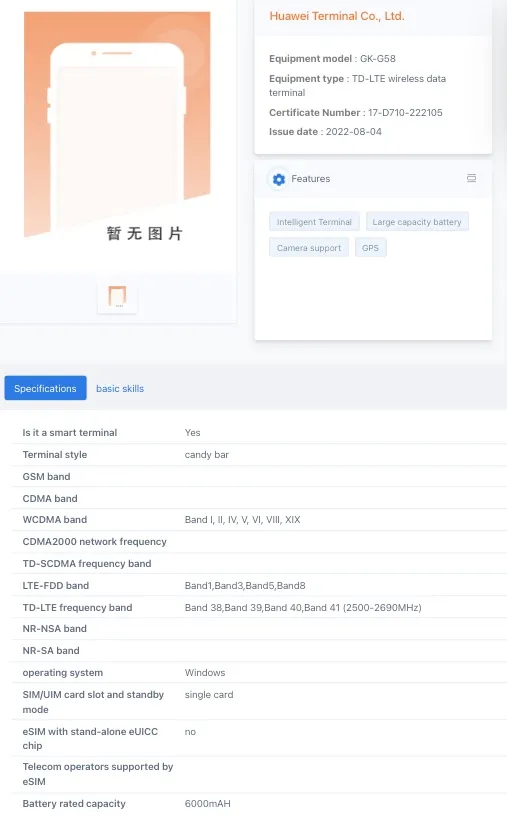
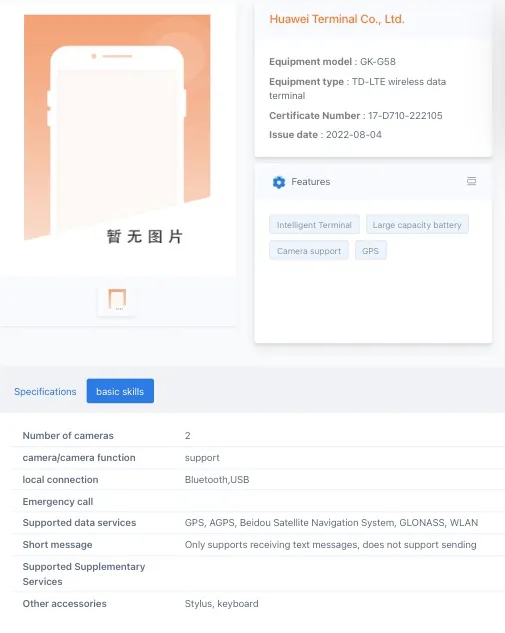
According to the listing, the device has model number GK-G58, and it carries support for LTE connectivity. It operates on the Windows platform and has a 6,000mAh battery and two cameras. The listing does not mention any further details, so let’s take a look at the information available on the device so far.

Huawei Matebook E Go Specify
Huawei Matebook E Go

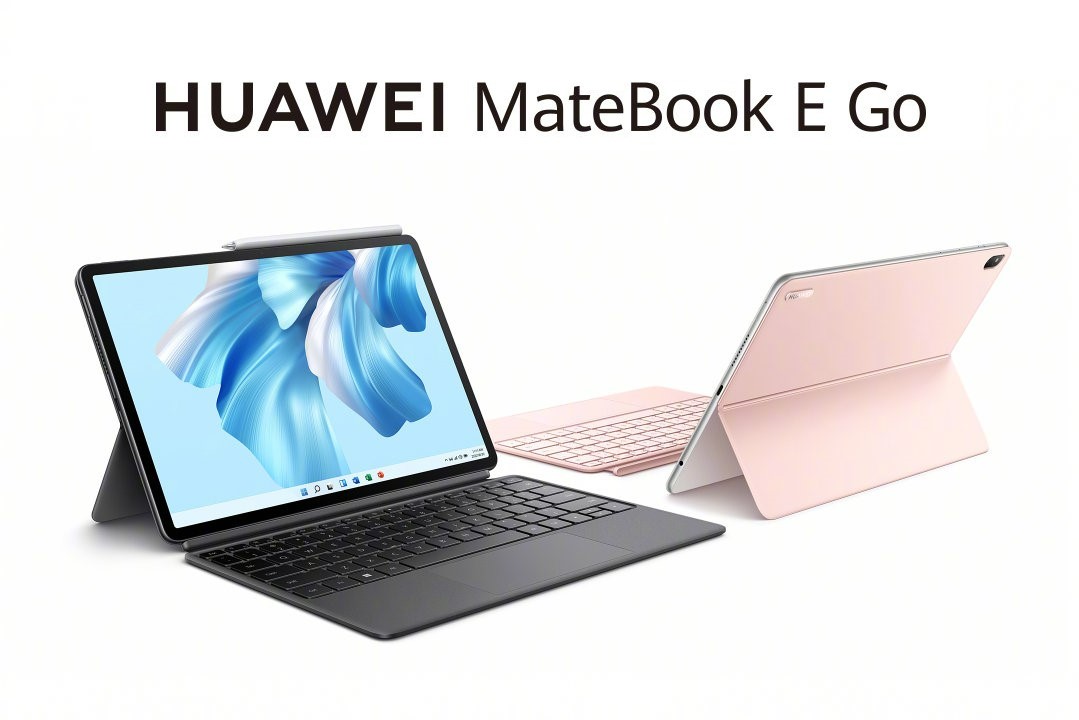
The Huawei Matebook E Go (2022) is a detachable 2-in-1 tablet notebook laptop. It will come with a color-matching folio keyboard cover featuring a trackpad, along with a stylus that magnetically attaches to the side of the laptop.

The teaser has revealed that the device runs on Windows 11. Additionally, a USB Type-C, a 3.5mm headphone jack, a front-facing webcam, and a rear camera are all visible in the teaser images.

Other than that, reports have revealed that the Matebook E Go (2022) will feature the Qualcomm Snapdragon 8cx Gen 3 mobile platform. This is a new platform developed on TSMC’s cutting-edge 5nm node for low-power laptops. Furthermore, the notebook supports 65W fast wired charging through USB-C Power Delivery. More details about the machine will be revealed at the launch event later today, so stay tuned.


RELATED:


Xiaomi Pad 5 Pro 12.4’s new 8GB+128GB variant launched in China

Last month, Xiaomi unveiled the Xiaomi Pad 5 Pro 12.4 in China. Since launch, it has been available in 6 GB, 8 GB, and 12 GB RAM variants. Now, the company has announced anew 8 GB RAM variant for people in the home market who are looking forward to purchasing the Pad 5 Pro 12.4.

The Pad 5 Pro has been available in variants like 6 GB RAM + 128 GB storage, 8 GB RAM + 256 GB storage, and 12 GB RAM + 256 GB storage in China. These models are priced at 2,799 Yuan (~$403), 3,299 Yuan (~$476), and 3,999 Yuan (~$576), respectively. The tablet comes in three colors, such as black, silver, and green.

Xiaomi is yet to confirm the price and availability of the new variant that offers 8 GB RAM + 128 GB storage. It is likely that the new model could be priced at 2,999 Yuan (~$433) in the home market.

Xiaomi Pad 5 Pro 12.5 8GB+128GB

Xiaomi Pad 5 Pro 12.4 specifications

The Xiaomi Pad 5 Pro 12.4 has a 12.4-inch IPS LCD display that offers a resolution of 1600 x 2560 pixels, an aspect ratio of 16:10, a refresh rate of 120Hz, and 500 nits of brightness. It carries support for Dolby Vision and comes with Gorilla Glass 3 protection for the screen.

Under the hood, the Xiaomi Pad 5 Pro 12.4 features the Snapdragon 870 chipset. It is coupled with up to 12 GB of LPDDR4x RAM and up to 256 GB of native storage. There is no microSD card slot on the device. It runs on the Android 12 OS with MIUI Pad 13 custom skin on top.

On the front, it has a 20-megapixel camera, and its back panel has a 50-megapixel main camera, a 2-megapixel depth sensor, and an LED flash. It houses a 10,000mAh battery that carries support for 67W fast charging. The device is fitted with quad speakers and carries support for stylus.

RELATED: