A couple of months ago, LeTV launched its entry-level smartphone named LeTV Y1 Pro in the Chinese market and now the company has announced its successor in China, dubbed as LeTV Y2 Pro.
The newly announced LeTV Y2 Pro smartphone has a starting price of 599 yuan and will be available for pre-order in the coming weeks.
The smartphone is an upgrade over its predecessor and comes with a design that looks exactly the same as the Apple iPhone 13 Pro. The company has revealed that the phone comes with a fingerprint sensor and face unlock for unlocking the device.
The LeTV Y2 Pro features a 6.5-inch display and supports split-screen operations. Under the hood, the phone is powered by an octa-core Unisoc processor. In the memory department, it comes packed with up to 6GB RAM and 256GB of internal storage.
There’s a triple-camera setup on the back that includes a 13-megapixel primary camera sensor. The device runs the Android 11 operating system and has Huawei HMS service instead of Google’s GMS and the phone is powered by a 4,000mAh battery.
The LeTV Y2 Pro is offered in three color options — Magic Night Black, Electric Blue, and Summer Orange. The 4GB RAM + 32GB storage model costs 599 yuan (~$89) while the 4GB RAM and 128GB storage model is priced at 799 yuan (~$119). There’s also a 6GB RAM and 256GB storage model costing 999 yuan (~$148).
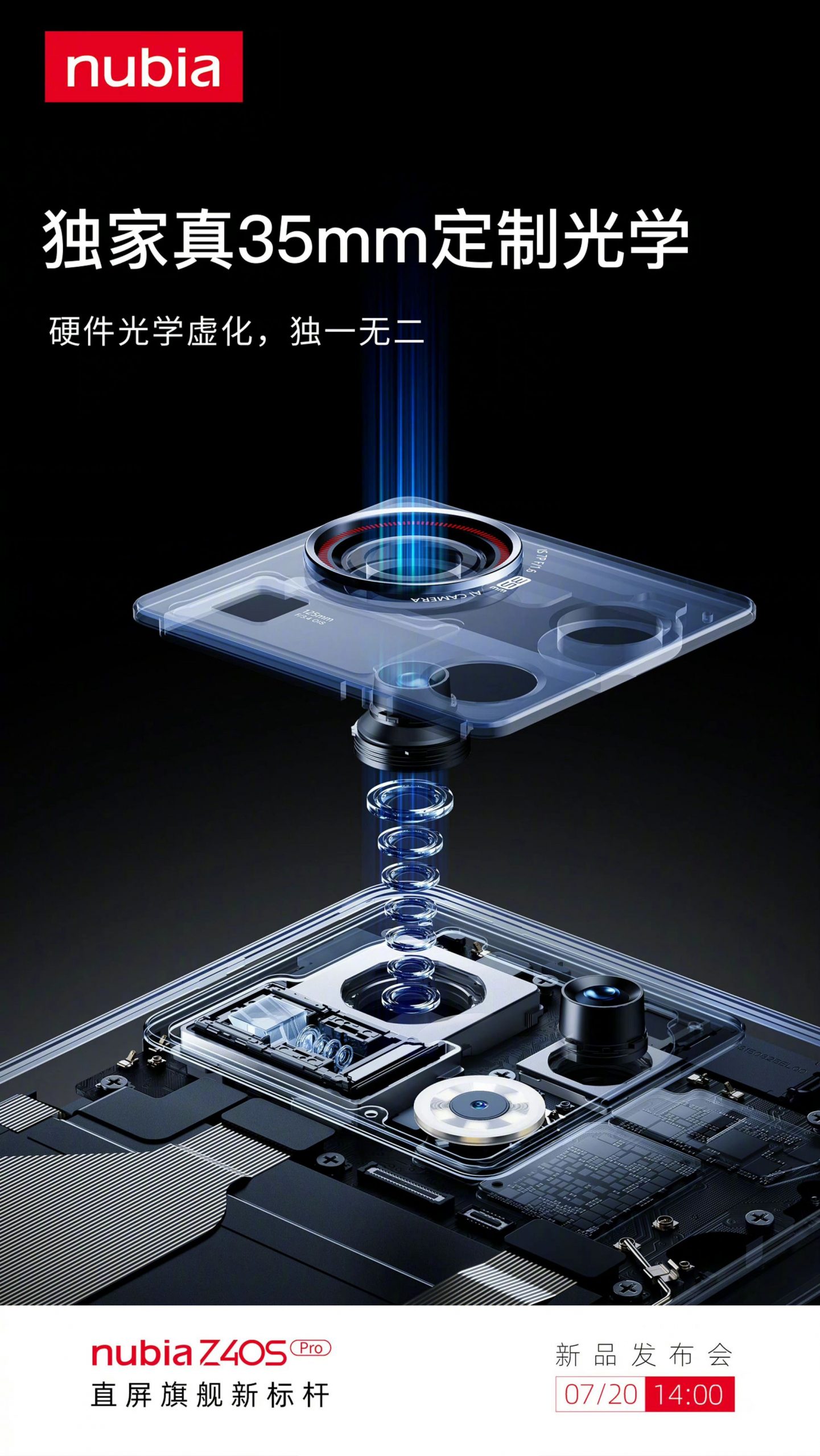
Nubia is all set to launch a new flagship phone called the Nubia Z40S Pro in China. The company revealed that it would be announced at 2 PM (local time) on July 20.
The Nubia Z40S Pro moniker indicates that it may be an incremental upgrade over the Nubia Z40 Pro, which was unveiled earlier this month. While the Z40 Pro featured the Snapdragon 8 Gen 1 chipset, the Z40S Pro is likely to arrive with the enhanced Snapdragon 8+ Gen 1 SoC.
1 of 2
Nubia Z40 Pro launch date
Some posters released by the brand reveal that the Z40S Pro will have a 35mm custom-made main camera, which will support hardware-level optical blur. It will be assisted by a 50mm ultra-wide camera, and as shown in the image, there will also be a periscope telephoto snapper.
Shown below is a leaked image of the alleged Z40S Pro. It reveals that it will be equipped with a flat display with almost symmetrical ultra-thin bezels on all sides. It appears that the Z40S Pro may borrow some of its specs from the Z40 Pro. Nubia is rumored to release an anime-based special-edition version of the Z40S Pro.
Nubia Z40S pro leaked shot
Nubia Z40 Pro specifications
The Nubia Z40 Pro features a 6.67-inch AMOLED display that offers a Full HD+ resolution and a 144Hz refresh rate. The Snapdragon 8 Gen 1 powers the Z40 Pro. It is equipped with 16 GB of LPDDR5 RAM and 1 TB of UFS 3.1 storage. The device boots to the Android 12 OS with MyOS 12 on top.
The Z40 Pro has a 16-megapixel front-facing camera. Its back panel has a 64-megapixel primary camera, a 50-megapixel ultra-wide lens, and an 8-megapixel periscope telephoto camera. The smartphone packs a 5,000mAh battery with 66W fast charging support.
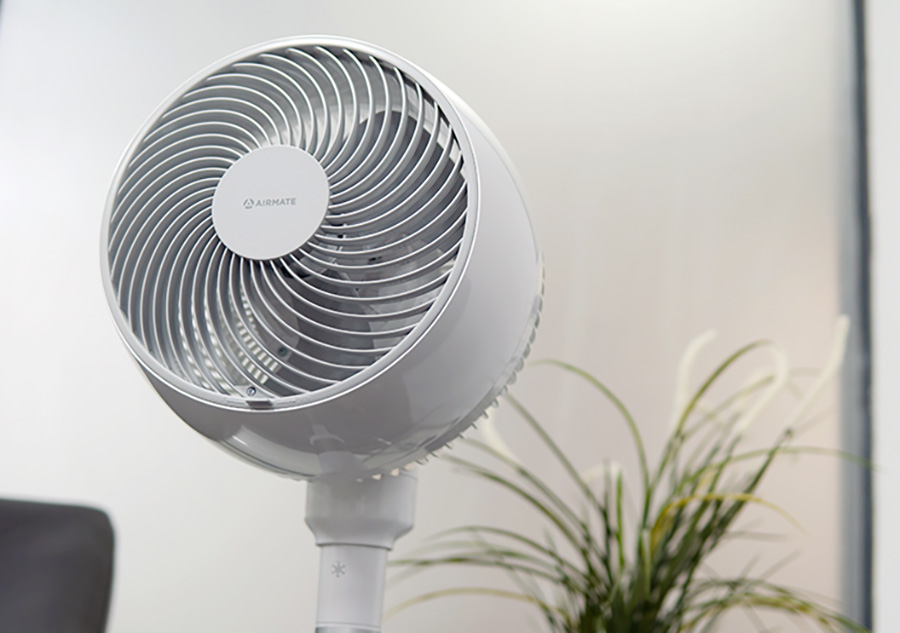
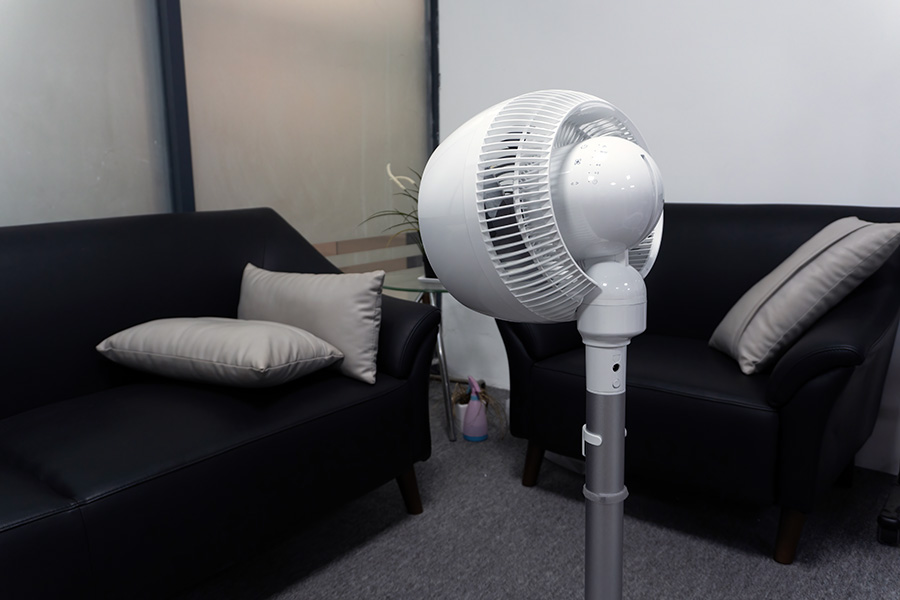
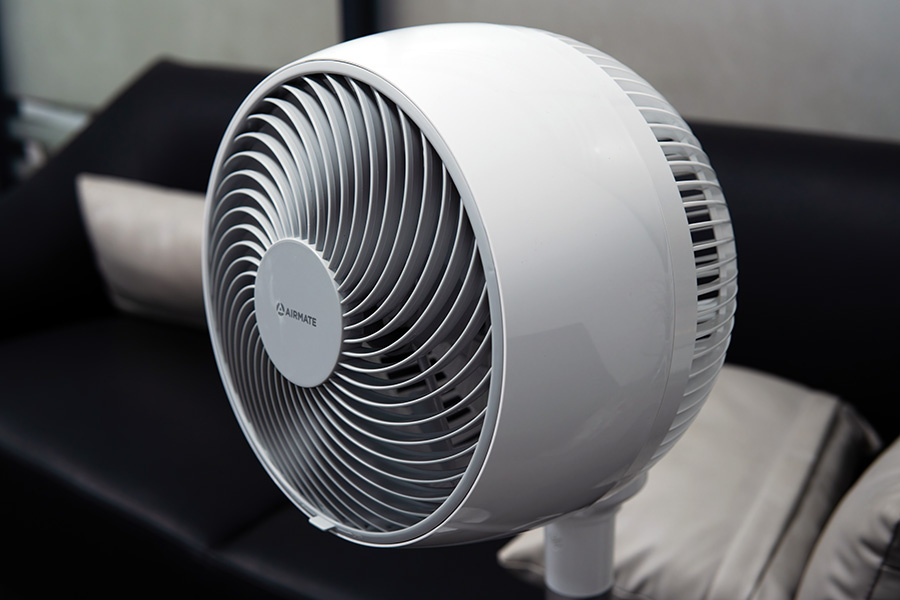
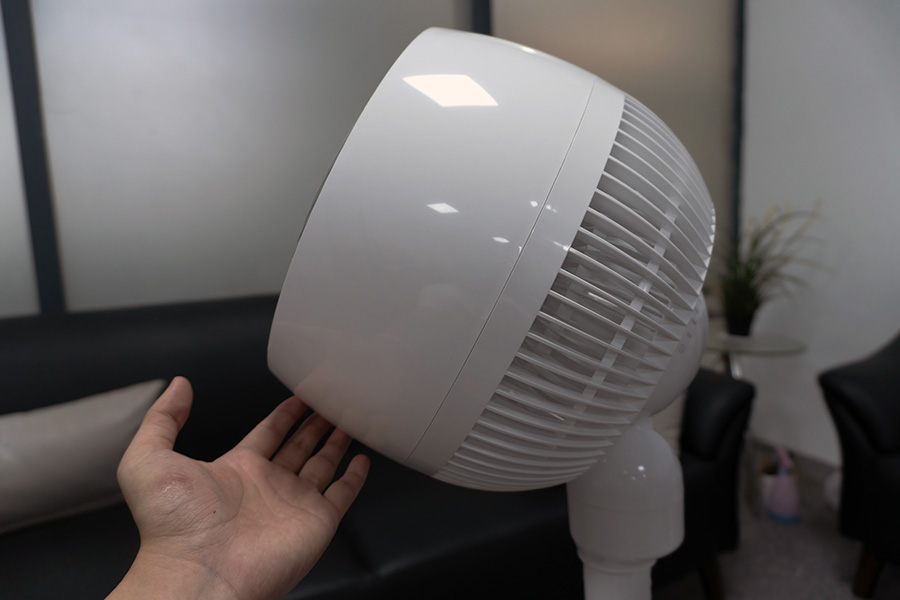
Airmate Air Circulator Standing Floor Fan which generally retails for $149 is now available at a discounted price of $119.99 only on Amazon US. Please note that the discount is available as a 20% page clip-on coupon. So be sure to use the coupon before checking out to avail the discount.
Airmate Air Circulator Standing Floor Fan drives airflow to speed up air circulation and pass on a gentle breeze to the whole room. It operates at low noise levels but still generates strong wind flow that cools your room quickly and efficiently The fan comes with 80° horizontal and 90° tilt oscillation angles that can change the angle of the fan head and direct the airflow anywhere between the floor and the ceiling. The wide-angle oscillation can accelerate air circulation and quickly cool the room.
The fan features 12-speed settings with 4 different wind modes. You can select and control the wind speed or change the modes either directly by using the touch screen or by the remote control. The pedestal fan also comes with a 12-hour timer with auto shut-off that helps you to schedule and control the usage time.
Airmate Air Circulator Standing Floor Fan comes with uniquely designed blades that give you powerful wind flow without creating a lot of noise. The ultra-silent motor produces wind at a noise level as low as 33dB. This means, unlike generic pedestal fans, with Airmate Air Circulator you get a powerful and cooling breeze without the usual annoying loud noise.
For limited-period Airmate is giving a discount on the Airmate Air Circulator Standing Floor Fan. The pedestal fan which retails for $149 can be now bought for a discounted price of $119.99 only.
Please note that the final price may vary according to your shipping region, warehouse, and regional taxes.
The Indian electronics manufacturer Portronics recently launched an entry-level gaming headset called the Portronics Genesis. Now, the brand has unveiled new headphones geared more toward media consumption dubbed the Portronics Muffs A.
Portronics Muffs A specs and features
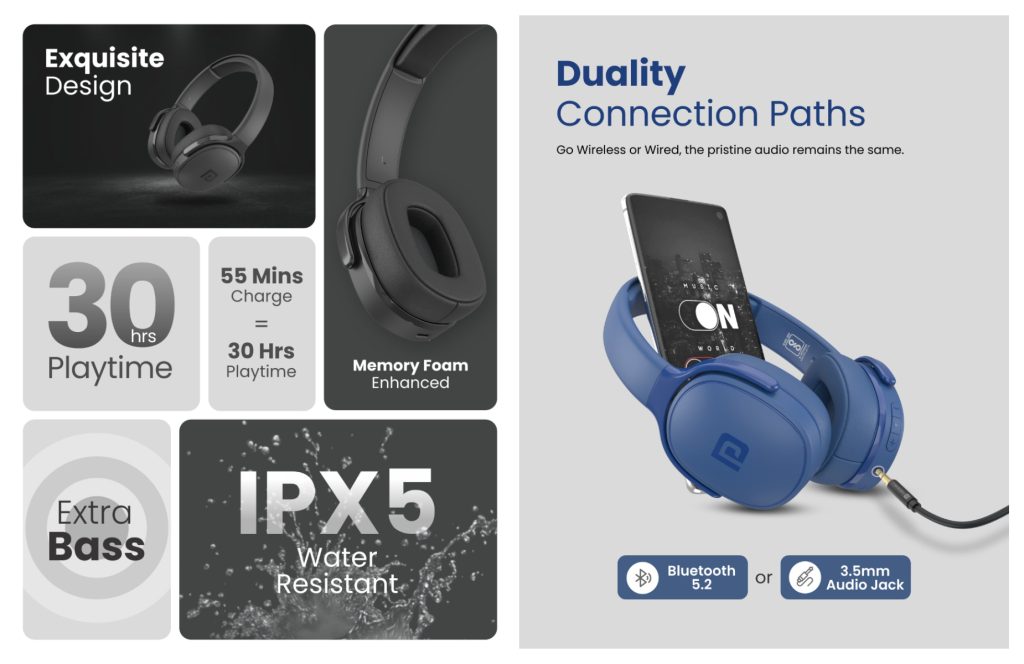
The Muffs A is a pair of wireless headphones with a trendy-looking design. It comes with memory foam for the headband and earcups providing maximum comfort. They are also designed in such a way that they are easier to use and more comfortable to use for extended periods of time.
The headphones are equipped with large 40mm drivers, which are said to provide powerful and punchy bass. Usually, bass-heavy headphones struggle to provide clear highs and lows, however, Portronics claims that these headphones will give you a clear and distortion-free listening experience.
For connectivity, the Muffs A uses Bluetooth 5.2 which gives it a maximum range of 10 meters. Being budget-oriented, the Muffs A doesn’t feature fancy technologies like active noise cancellation. However, the headphones offer pretty decent sound isolation, cutting off the ambient background noise.
Coming to the battery, the company claims that the headphones can provide up to 30 hours of audio playback on a single charge. The battery is of 520mAh capacity and takes around 55 minutes to fully charge. Other than that the headphones have physical buttons to control media playback, volume levels, answering or rejecting calls, etc. It also has a convenient USB Type-C port for charging.
Pricing & availability
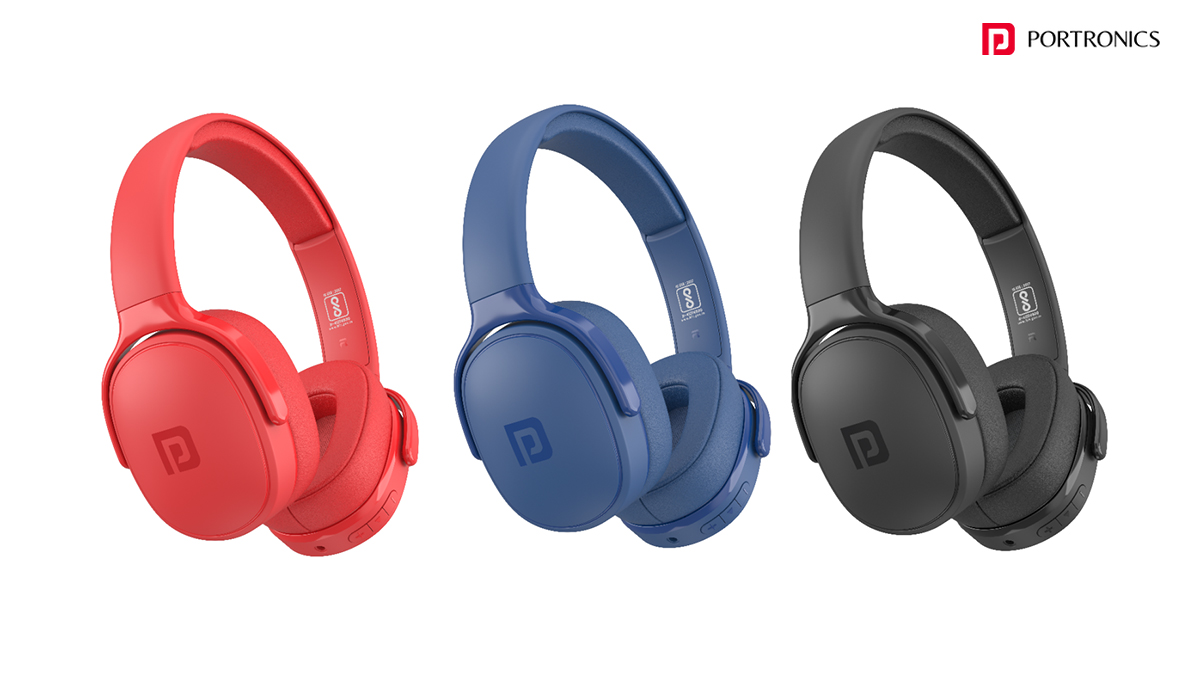
The Portronics Muffs A wireless headphones have a price tag of ₹1,999 ($25). It is available in three color options – Red, Blue, and Black. The Muffs A comes with a 12-month warranty and can be purchased from the Portornics website, major e-commerce websites, and via brick-and-mortar stores.
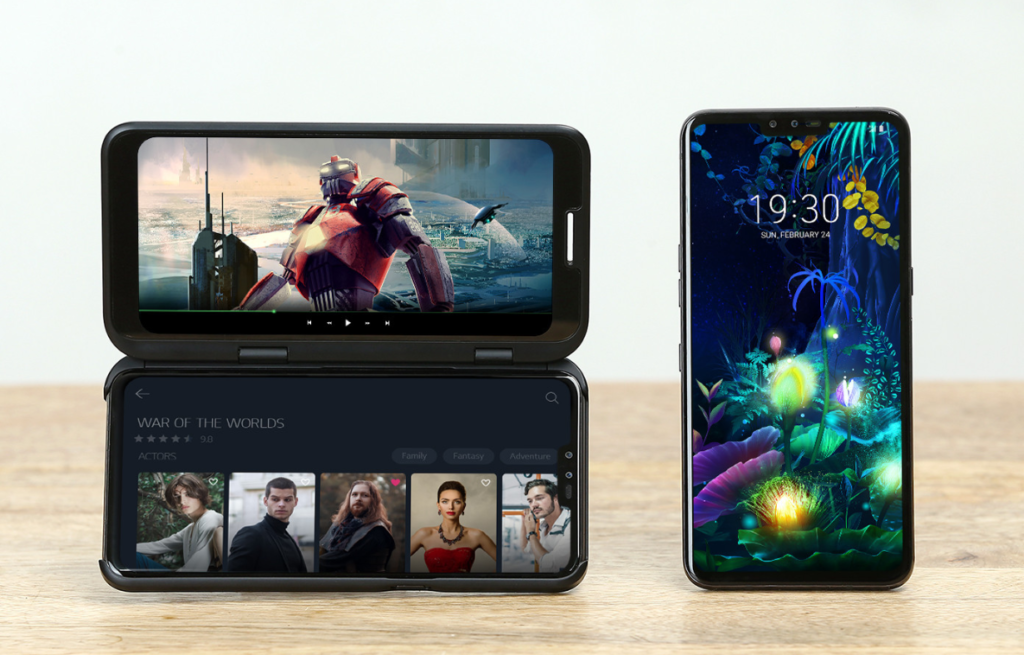
What could be the final update for the LG V50 ThinQ smartphone is now rolling out. The toned-down Android 12 update is already available in the United States for the Verizon-branded version of the smartphone. This is coming more than a year after LG exited the smartphone market. The V50 ThinQ will still retain its Android 11 look, with some Android 12 features present.
LG V50 ThinQ 5G
Despite LG’s exit from the smartphone market, it has continued to provide software support to some of its existing smartphones. The latest OS update for the V50 ThinQ will likely be the last in the lifetime of the device. The Android 12 update is coming from wireless carrier Verizon and will cover important privacy features. There will be no changes, however, to the display architecture of the device. It will stick with the Android 11 user interface, according to sources.
While the update began with Verizon-branded models of the LG V50 ThinQ, other users in the US are expected to subsequently access the new update. It is unclear whether the update will also arrive in other locations where the smartphone is still active. This may also be the final chapter of support for the device. At the end of software support, users will no longer get security and OS updates on their devices even though they are functional. Such devices are vulnerable to security and privacy issues. Earlier this year, Verizon also provided support for the LG Wing that enabled it to function on the carrier’s C-Band 5G network.
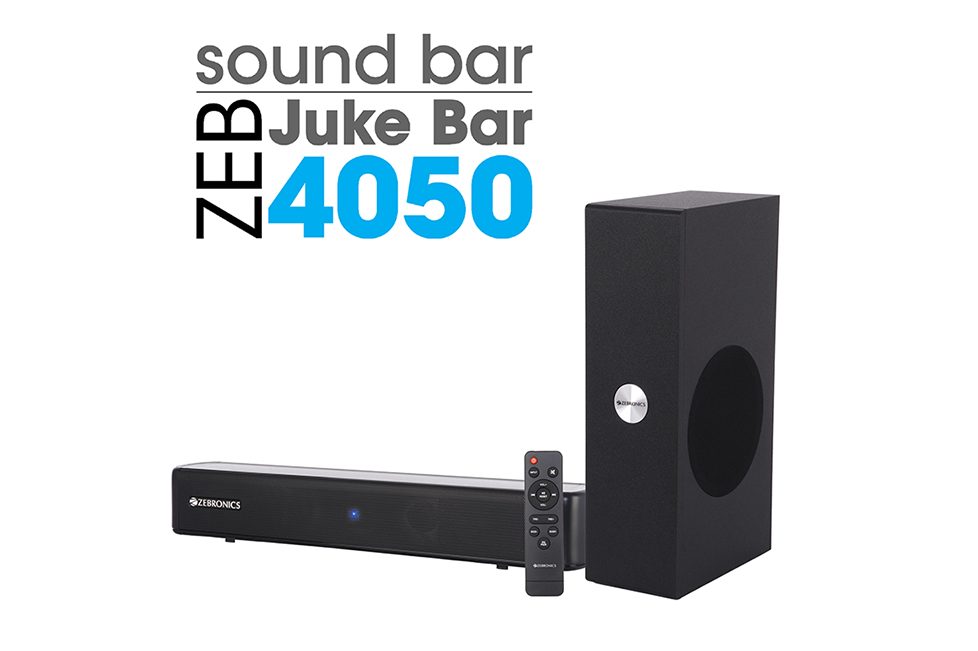
Audio accessories manufacturer Zebronics has released a new 75W soundbar in India. The ZEB-Juke Bar 4050 comes with some impressive features and an affordable introductory price of Rs. 4,499 (~$57). The soundbar is a decent addition to the home as it can connect to a variety of devices.
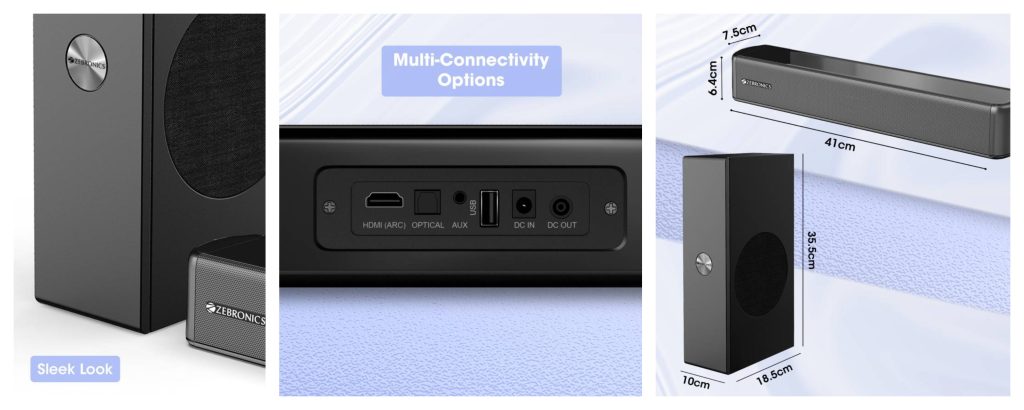
The new Zebronics soundbar 4050 outputs 75W audio and delivers an immersive audio experience. It is yet another product from the Zebronics stable with a strong focus on quality sound output. The affordable price of the ZEB-Juke Bar 4050 together with its premium features are some of the key design goals of Zebronics. A 10.16cm subwoofer, a dual driver setup, and 3D audio equalization are some of the key specs of the soundbar.
Multiple modes are available in the ZEB-Juke Bar for a customizable listening experience. Connectivity options are wired and wireless. These include Bluetooth 5.0, HDMI (ARC), and Optical/ Aux input. The devices can connect to a TV, DVD Player, laptop, and others. It, however, lacks FM radio connectivity. Only a black color variant is available for the model currently, while a remote-control unit is included in the package.
Zebronics is offering a 1-year warranty on the product and a huge discount of 55%. Its original price is Rs. 9,999 (~$126). Interested customers in the subcontinent can get the new soundbar from Flipkart.
I’ve been using the Xiaomi 12S Ultra for a while now, and think I’ve gotten to know it deeply. The thing that impressed me the most compared to my last phone was its camera system. In this review, I test out the Xiaomi 12S Ultra in detail. So, let’s get on with this review!
Xiaomi 12S Ultra – Cameras
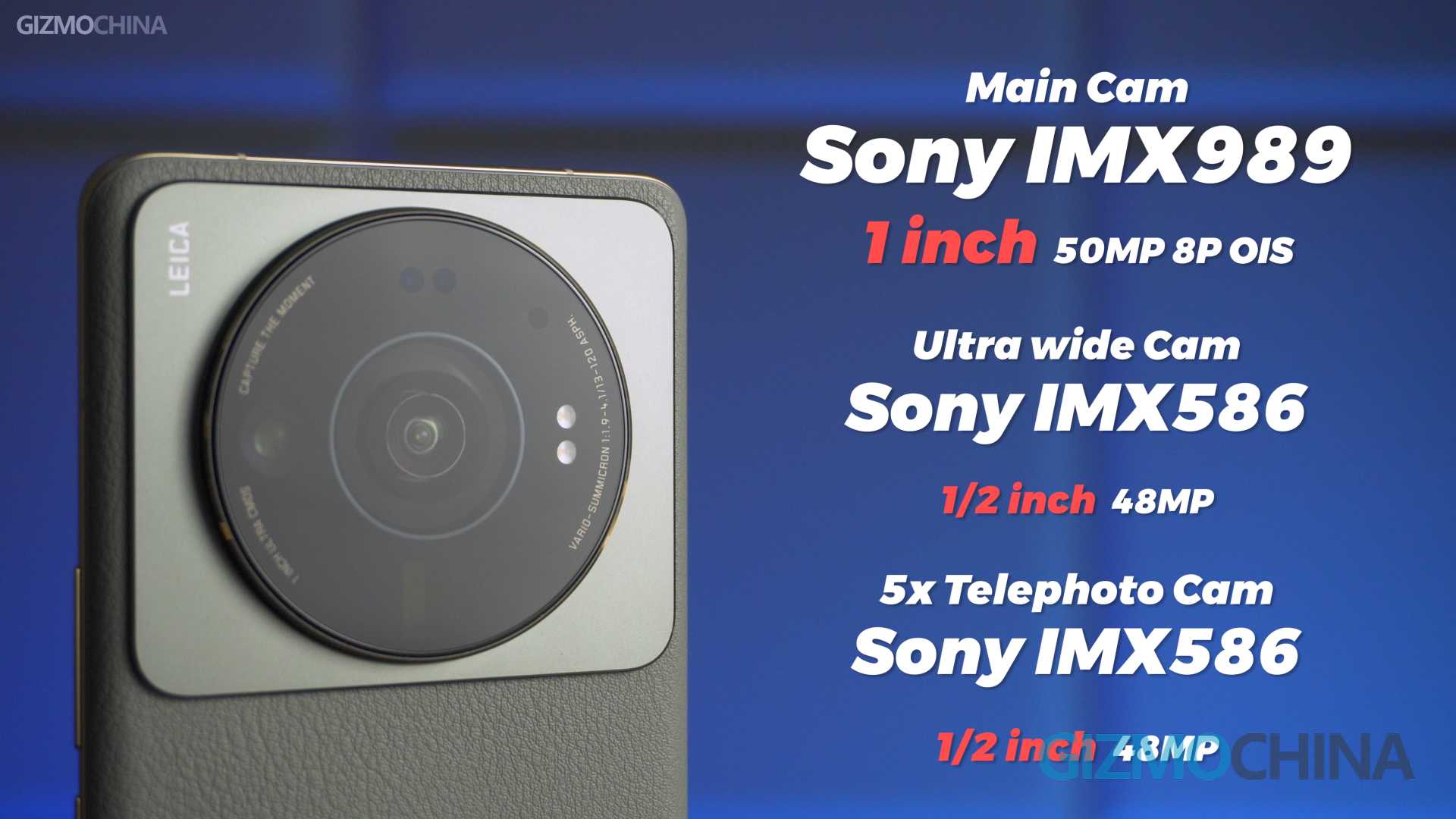
The camera is the biggest selling point of the Xiaomi 12S Ultra, so let’s talk about the camera first. If we just look at the sensor, the Xiaomi 12S Ultra is not that much improved compared to its predecessor. The sensor of the ultra-wide camera and telephoto camera remain the same, only the main camera is replaced by Sony IMX989 with a larger sensor area, and the lens is upgraded to 8P with coating.
The 12S Ultra comes with two built-in Leica color modes, LEICA Vibrant and LEICA Authentic. Simply put, the LEICA Vibrant mode is Xiaomi’s original color mixing style with a little Leica style. On the other hand, the LEICA Authentic mode is to restore the color science on Leica cameras as much as possible. To visually show the power of this new 1-inch sensor, we turned off AI and selected LEICA Vibrant mode for shooting.
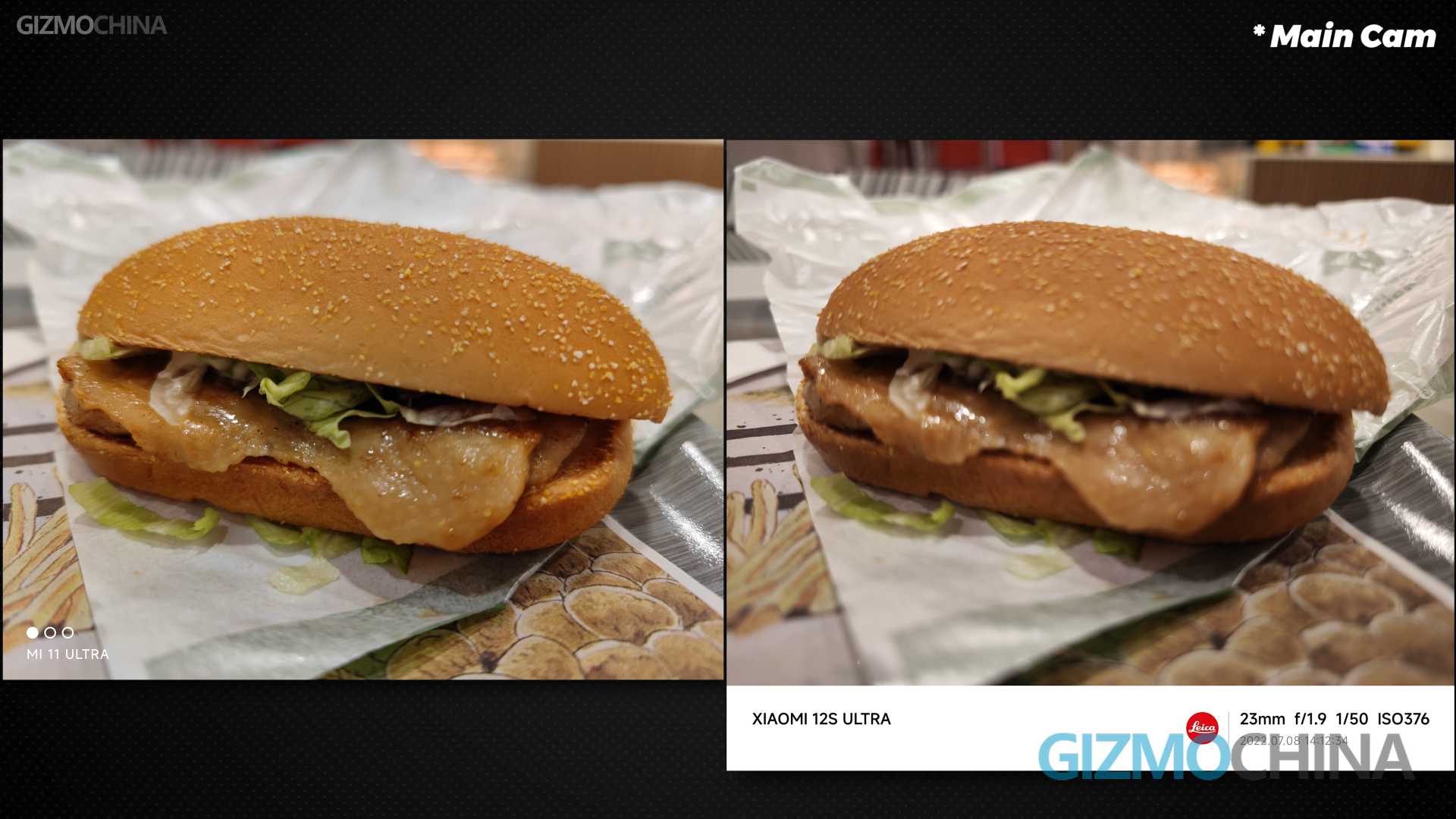
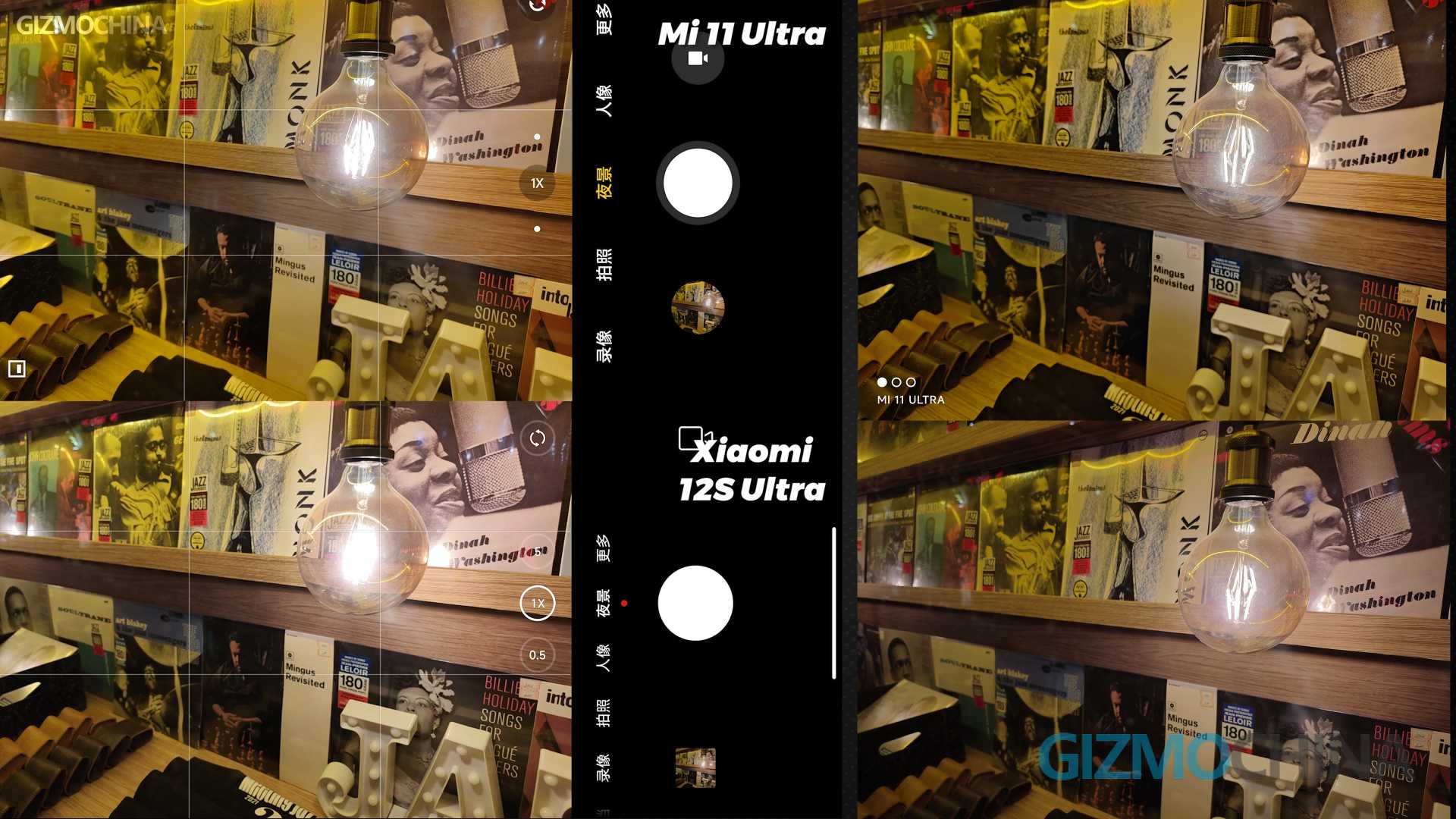
Compared to the 11 Ultra, the difference is not particularly huge in most of the daytime samples. We can clearly notice that the color brightness is lower and contrast is higher, so the colors are purer. The white balance will be more accurate and closer to the color temperature as seen by the human eye. The background bokeh, distortion control, edge and center image quality are all almost identical to the previous generation. It seems that in the daytime the new sensor and Leica do not bring much improvement in this mode. Instead, the new coating reduces more flare for the 12S Ultra. This does make a noticeable difference in photos. When it comes to night scenes, the new sensor and new algorithms make a significant difference, with a further improvement in dynamic range. Based on the shooting test we did, there is no overexposed areas in the extreme bright photos. But sometimes it’s not a good thing to have strong HDR effect, such as in these pictures, obviously the 11 Ultra is better.
You can check out all of the original camera samples from this link.
One of the biggest advantages of smartphone photography is that you can get a nice photo by pressing the shutter, and you don’t need to retouch it yourself. But most phone AI-processed photos are too …… Eye-catching. Most of the photos are good at first glance, but your eyes will get tired of the exaggerated colors in the long term. The 12S Ultra’s LEICA Authentic mode is different from them all. In the past, controlling highlights and raising exposure in dark areas was the way to take good photos, but it doesn’t do that this time. It makes the bright areas brighter where they should be, and doesn’t raise its brightness in the areas where our eyes can’t even see. There is no sharpening, and almost no noise reduction and even Vignetting is added around the photo. Saturation is intentionally reduced, and then with the exclusive watermark, there is really a Leica camera feel now.
If you use this mode to take pictures, you should never care about dynamic range or noise or any other thing, just focus on the scene in front of you, and leave the rest to the 12S Ultra, then you can get a different kind of photo. There is no need to compare it with other phones in this mode, because technically it doesn’t perform that well. But for normal people, we do not buy Leica cameras to shoot photos with the real colors, sometimes it’s just for taking pictures at that moment. However, you can’t trust this mode blindly, sometimes the photos don’t look as good as LEICA Vibrant mode. My advice is to use LEICA Vibrant mode when you need to capture your life and LEICA Authentic mode when you need to create your own photography.
The sensors in ultra-wide and telephoto are the same as the 11 Ultra, so there is basically no difference except that the color science is the same as the main camera.
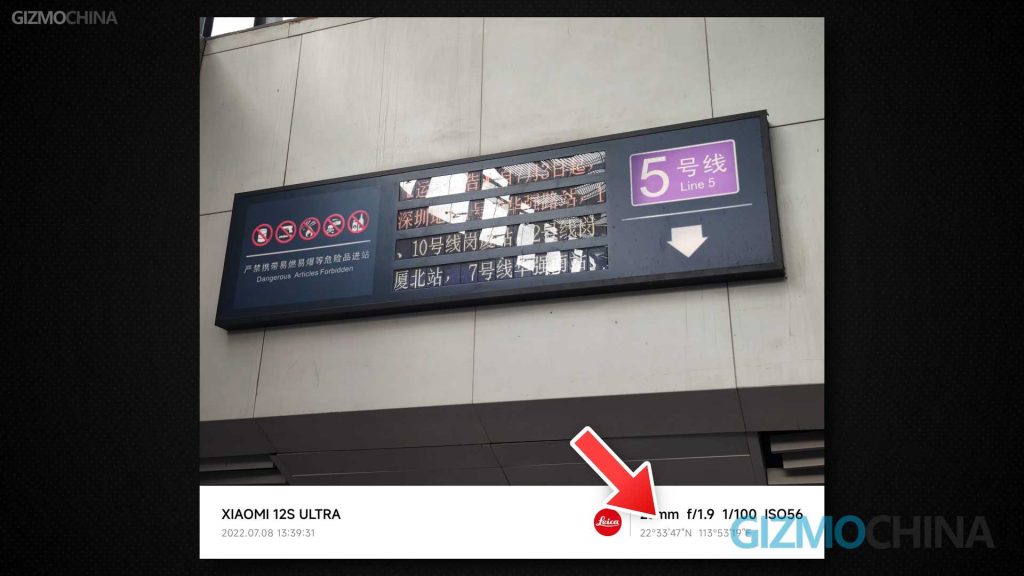
About the 12S series exclusive Leica watermark, it can really make your photos more high-class. But there are more limits, first it can’t be used in night mode, the second is that it doesn’t support HEIF and RAW formats, and the third is that it can’t be added in albums. And you need to be careful to turn off the location information, or you may thus reveal your location. I am sure you have heard that other Xiaomi phones can also use this Leica watermark and filter, and we have tried it. But it seems that Xiaomi blocked the installation of this APK file, so Xiaomi users don’t have to look for ways to use Leica Watermark.
The photo experience is also a huge improvement over the 11 Ultra. the Mi 11 Ultra’s photo experience was really bad, and the shutter speed is much improved on the 12S Ultra. the 12s Ultra’s focus is also very fast, and even with these two TIMONs running around, the focus is still firmly locked on them. Of course, there are some parts of the experience that have regressed, such as the closest focusing distance is not as good as before, trying to get closer to an object to shoot has become impossible. Another example is that the dynamic range of the viewfinder has become narrower. The previews and actual photos on 11 Ultra are basically the same, but there is a big difference in those on 12S Ultra. And then there’s the Xiaomi tradition, which is inexplicable bugs every now and then, hope they can fix it in next system update.
In the video mode, there is actually nothing about Leica modes and filters. So the video recording style is basically the same as the 11 Ultra, and these three lenses all support video recording at up to 8K 24fps, and it supports Dolby Vision video recording, which is the first Android phone that can do this. While we couldn’t manage to show how powerful Dolby Vision is in the SDR video, there is no doubt that the 12S Ultra rear camera has great video recording capabilities. Unfortunately, the front camera is downgraded and it does not have 4K resolution, it doesn’t even have 60fps, it’s not as good as the 12S at this part.
Xiaomi 12S Ultra – Performance & Gaming
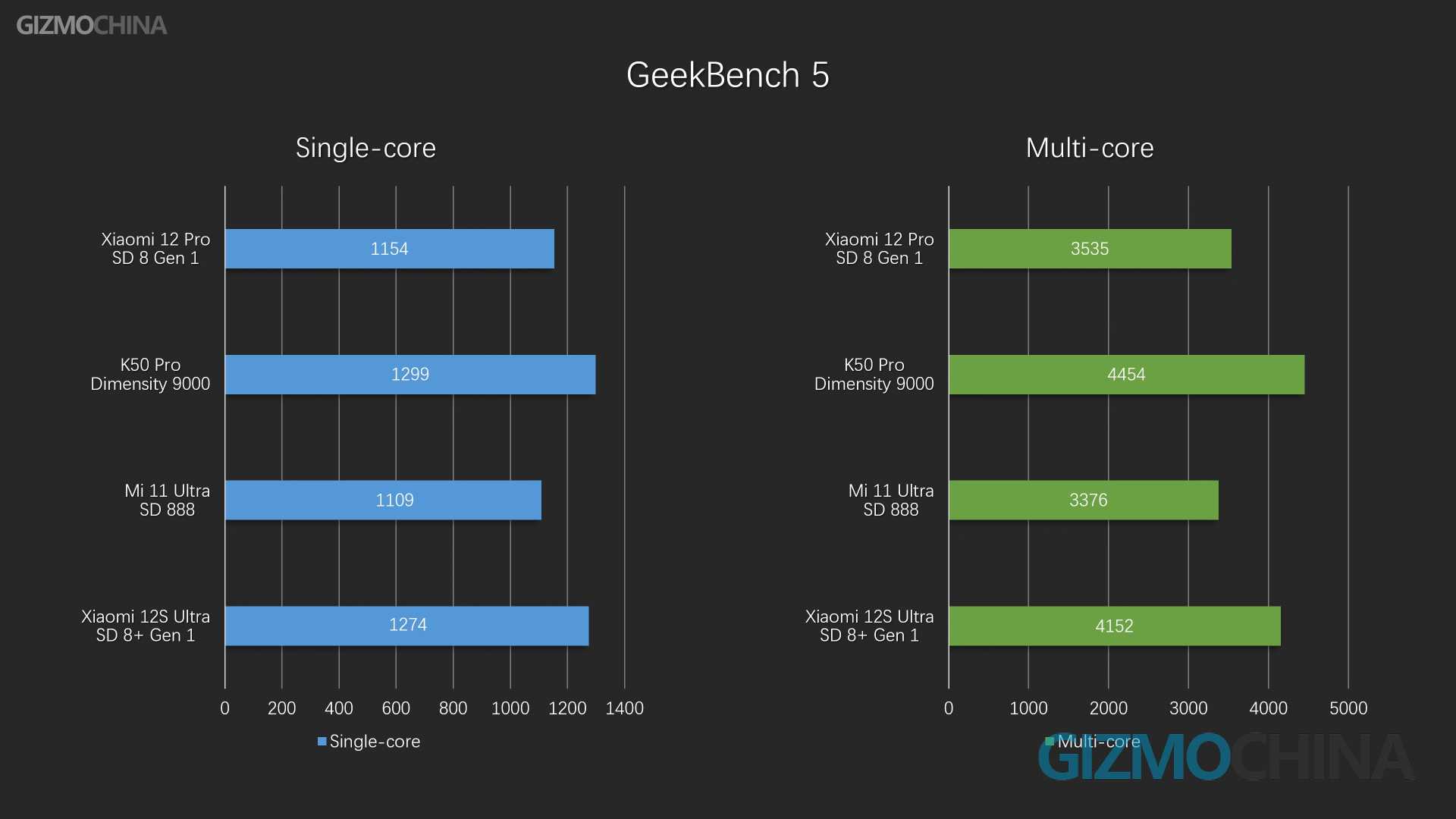
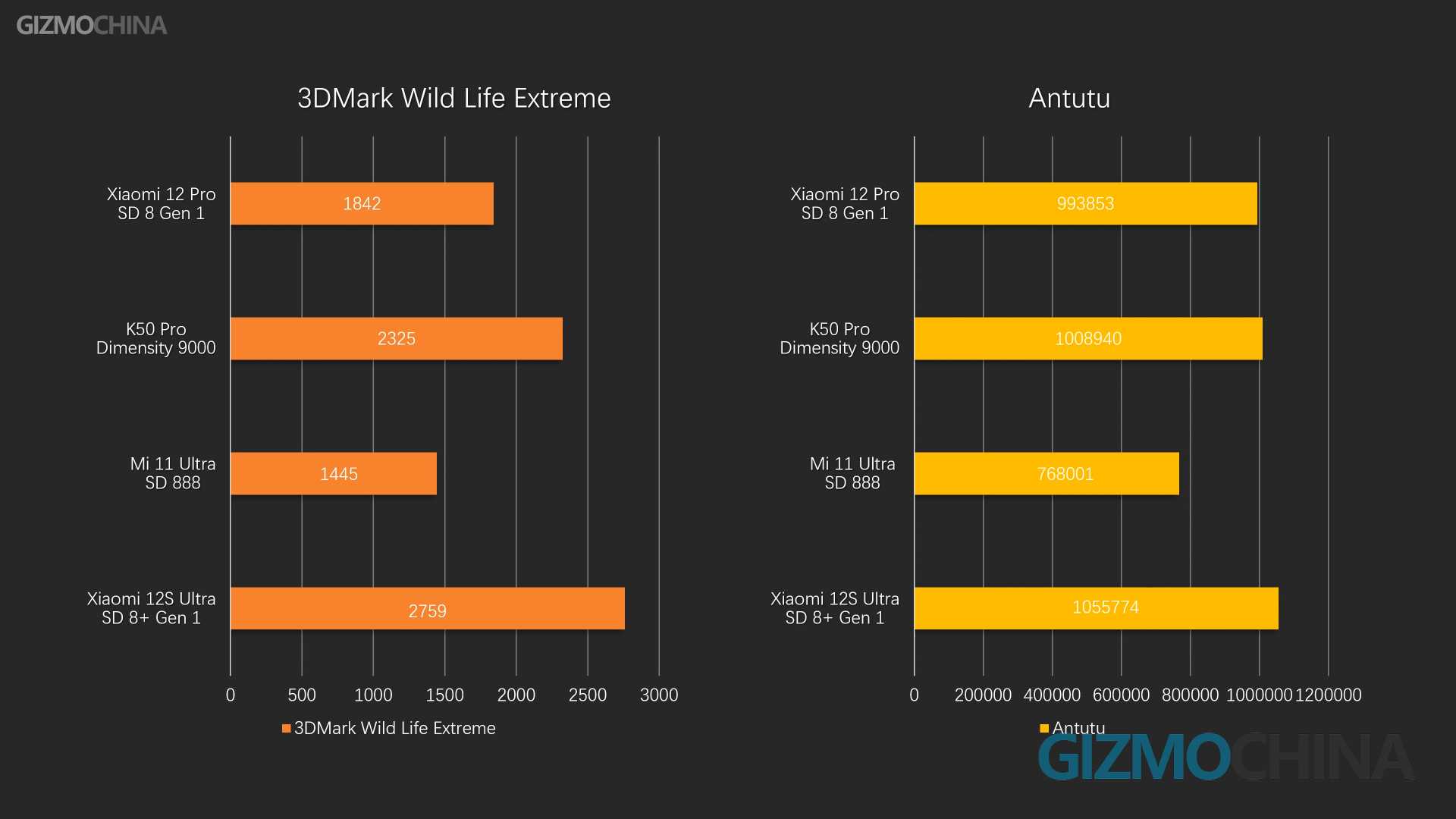
We could have seen the Xiaomi 12 Ultra in March, perhaps Lei Jun also felt that the Snapdragon 8 Gen 1 wasn’t good, so they decided to release the 12S Ultra with Snapdragon 8+ Gen 1. There is no doubt that its performance is definitely stronger than the Snapdragon 888 in the 11 Ultra, so we are comparing it with another extremely powerfulAndroid chips: the Dimensity 9000. 8+ Gen 1 finally said goodbye to Samsung, and is made with the same TSMC 4nm process as Dimensity 9000, the frequency has increased.
1 of 2
In Geekbench 5, which focuses on CPU performance, you can see that the K50 Pro with Dimensity 9000 and the 12S Ultra have similar Benchmark scores. The 12S Ultra scored much higher than the K50 Pro in 3DMark, which focuses on GPU performance. 20 minutes of CPU Throttling Test also performed well, and it seems that the cooling system did a good job this time.
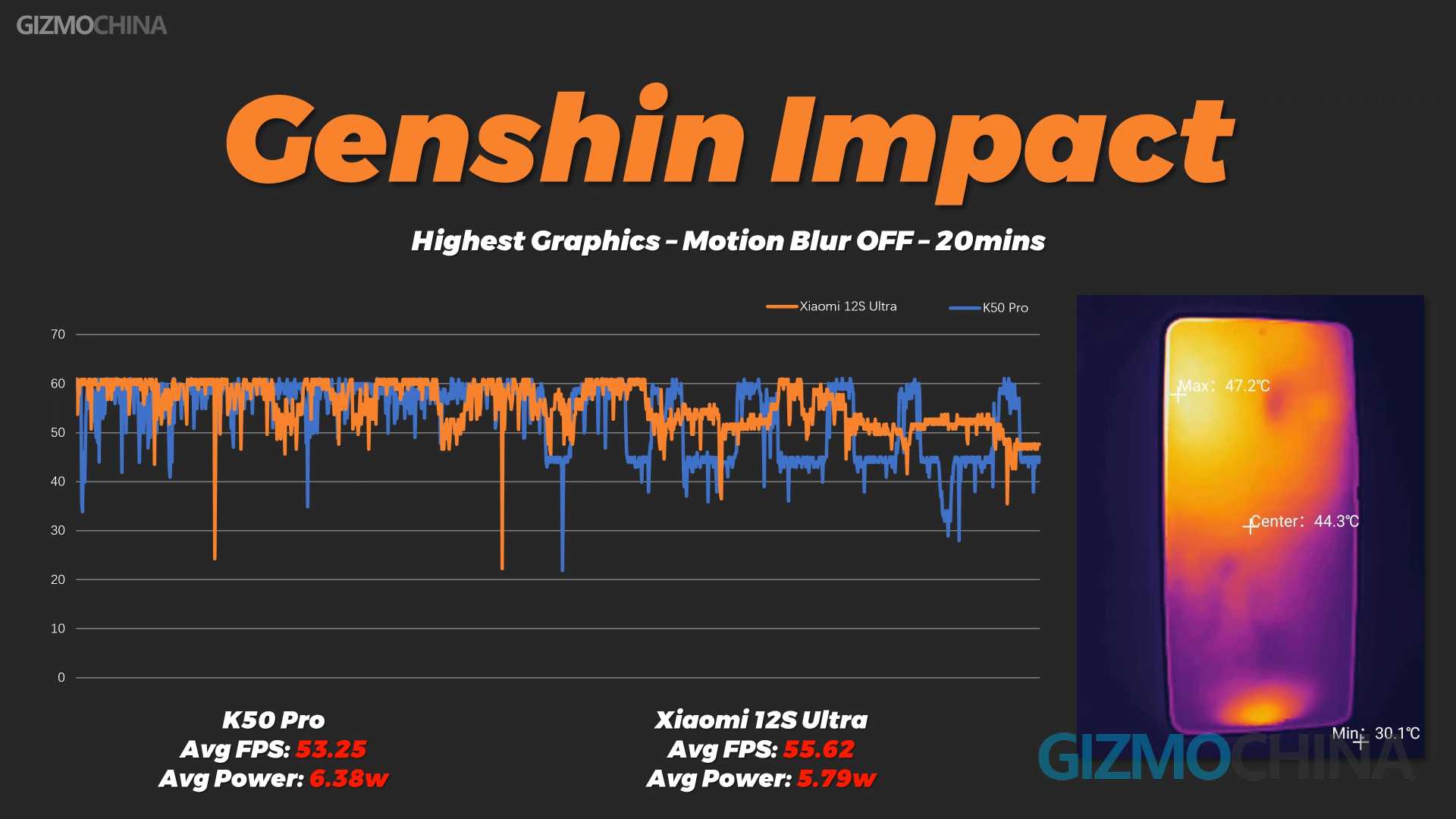
Genshin has always been a nightmare for Android phones, can the 12S Ultra run Genshin smoothly this time? Let’s review the K50 Pro’s performance first. The K50 Pro gaming experience after the update was good in the first half of the game. Unfortunately, it didn’t hold up, and the fps dropped a lot in the second half. But the 12S Ultra did not disappoint us this time and performed very well. Although it is not running at full 60fps all the time, several times the frame rate drops only down to 55fps or 50fps, which just has very little impact on the gaming experience. This result is almost the same as the previous K50 standard version, which is among the two best Android phones in Genshin Impact. We have waited for so long this year, to have a phone that can take good pictures and play games smoothly.
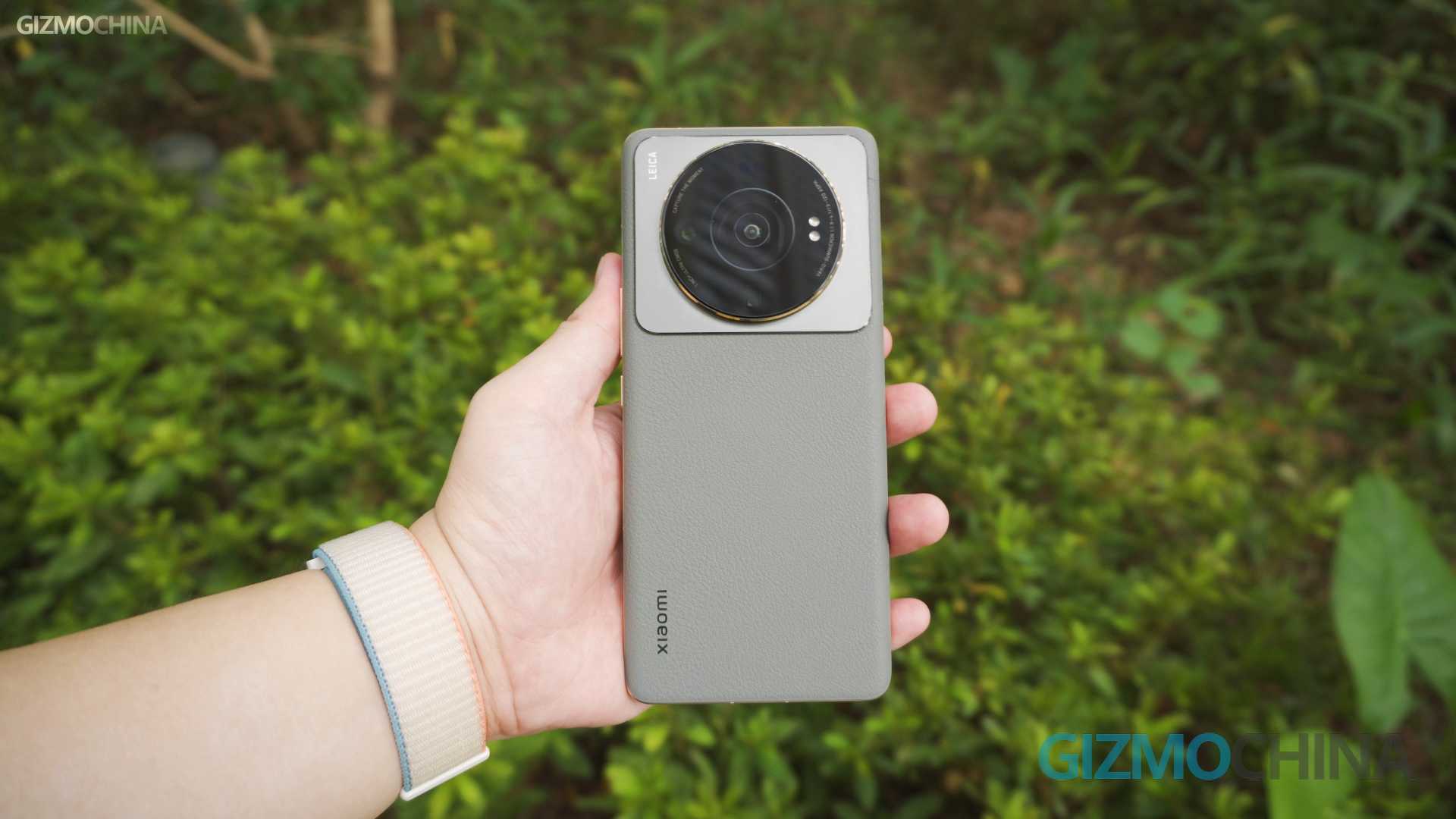
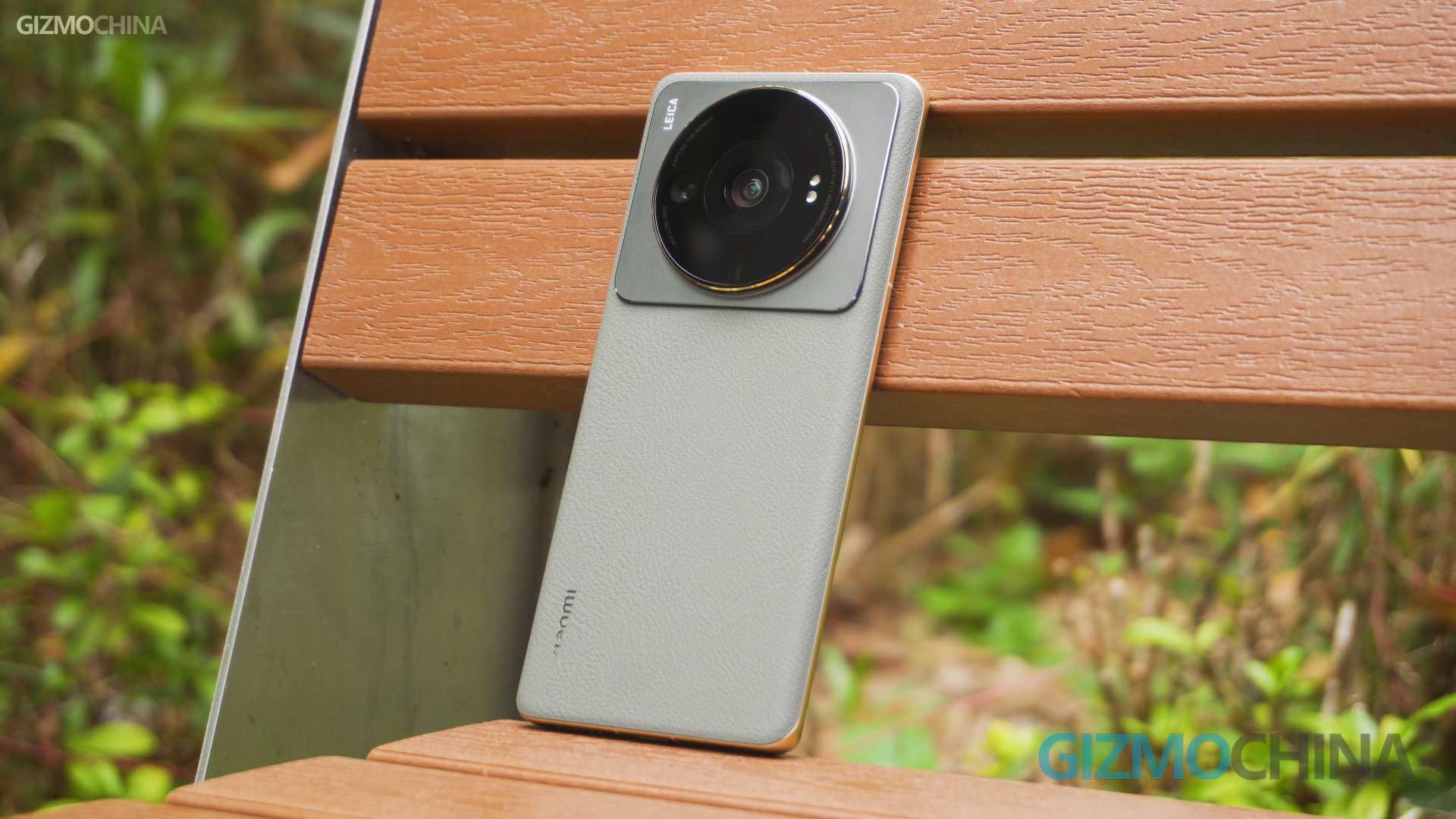
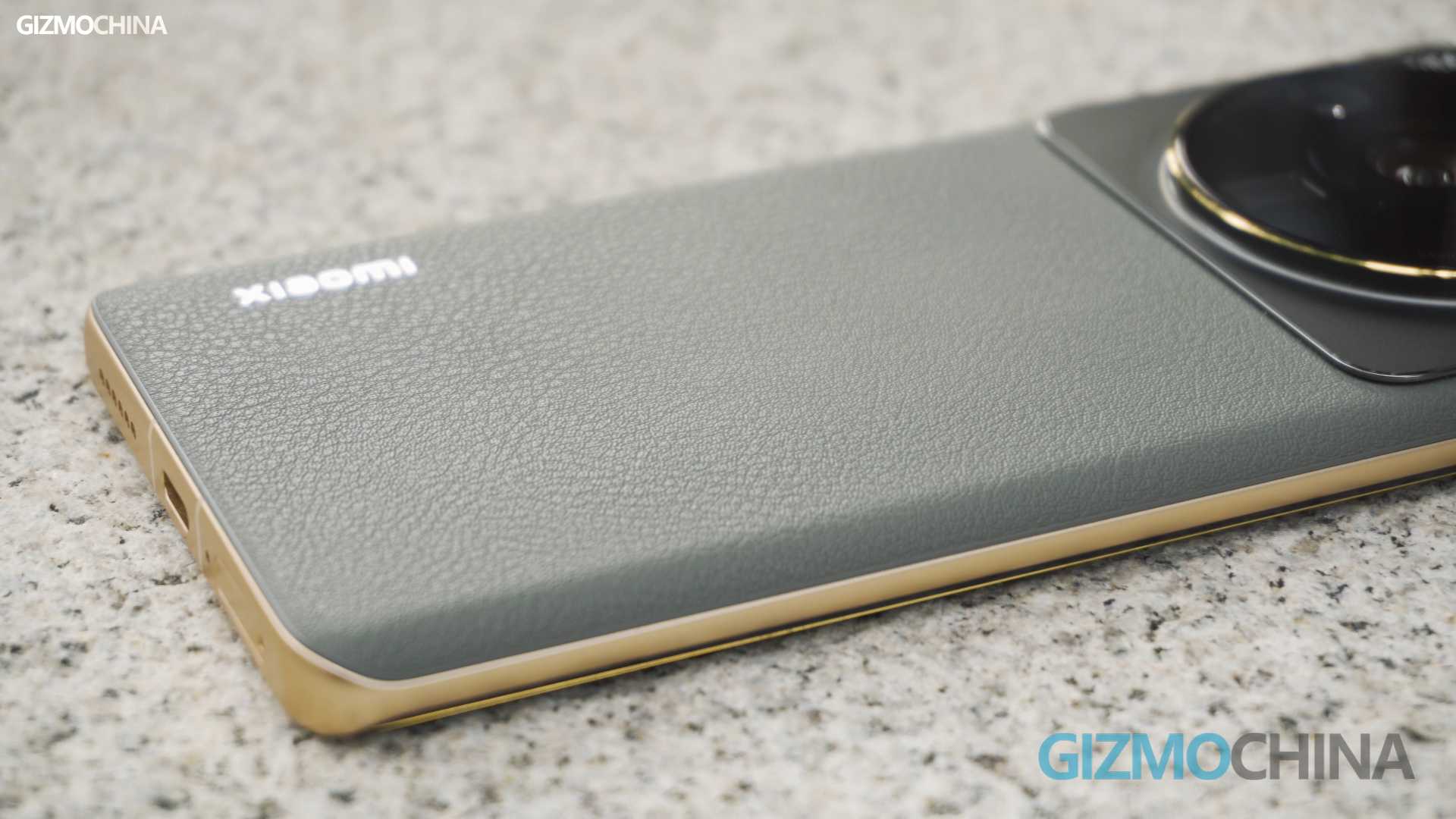
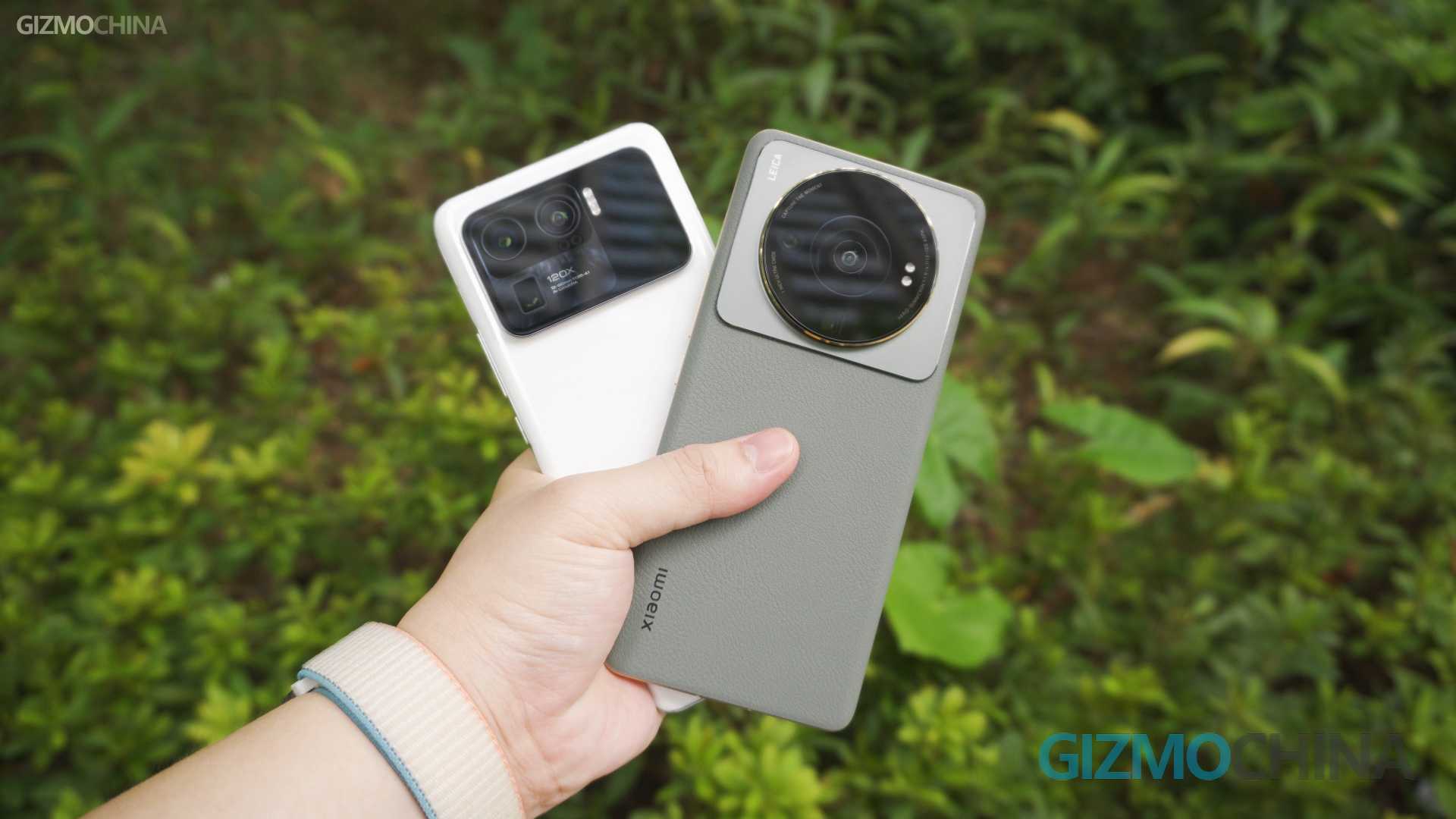
The one we got is the green vegan leather version. Note that there is a color difference between the official renders and the actual phone, and the real color of the phone is lighter than it’s in the official picture . This phone is a little lighter and smaller than the 11 Ultra, but it’s definitely a big one. The good news is that the frame has become more rounded, but the bad news is that the camera module is bulging more. When I heard that the 12S Ultra only had a vegan leather back cover I couldn’t understand it, but when I got the phone, I understood why Xiaomi dared to do it. The new vegan leather material feels a bit like rubber and is a bit harder than normal vegan leather. It does feel more durable than the previous vegan leather, but I will still keep my opinion that if you’re going to use this phone for a long time, you have to wear a case. After all, any leather is not as hard as glass and ceramic. The sim card slot can hold dual Nano SIM cards, NFC. IP68 waterproof and IR emitter are also there, but there is no USB 3.0. You can’t believe a phone that sells for $900 is still using USB 2.0. Let’s hope we see Xiaomi using USB 3.0 before I die.
Xiaomi 12S Ultra – Display
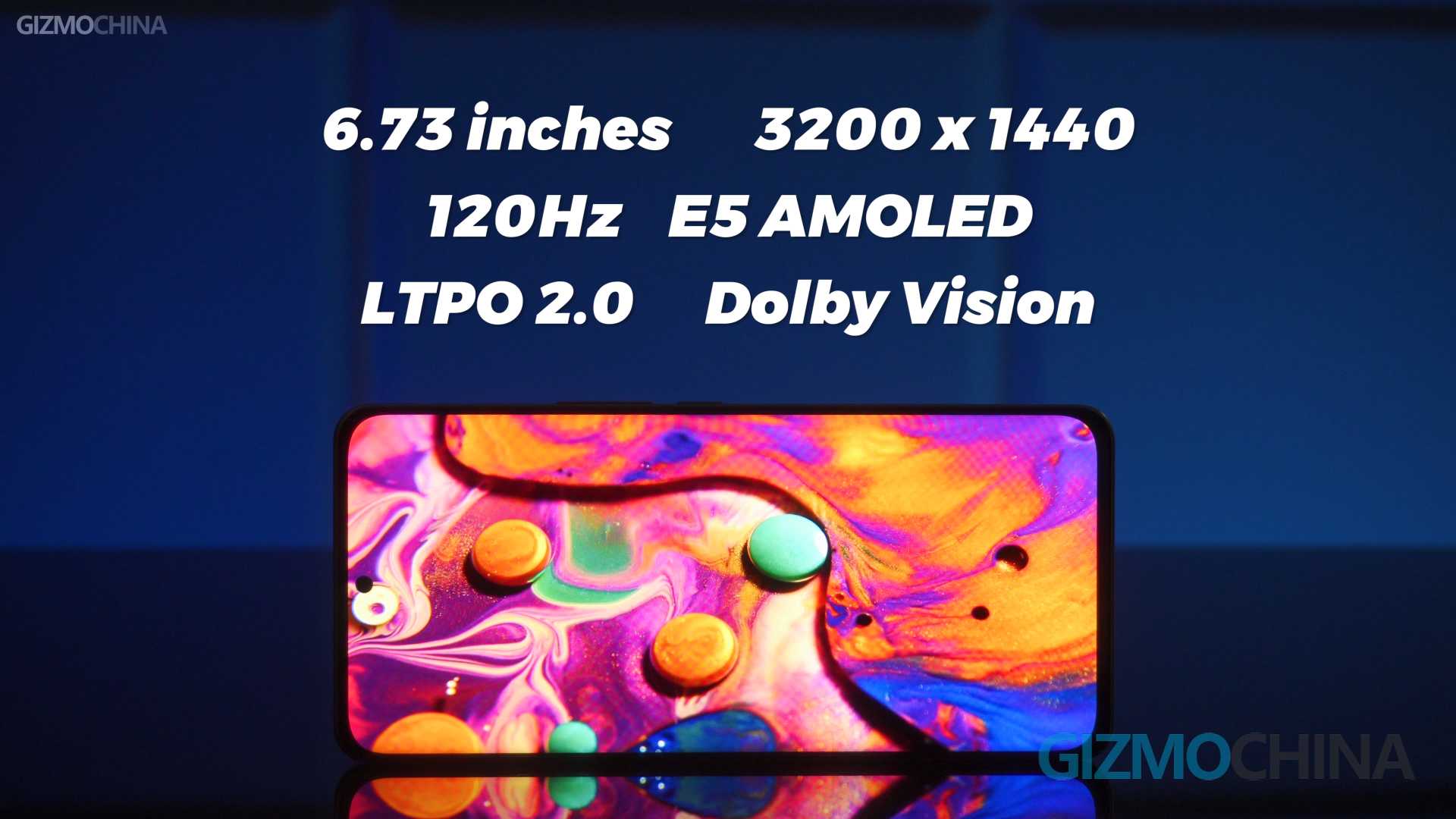
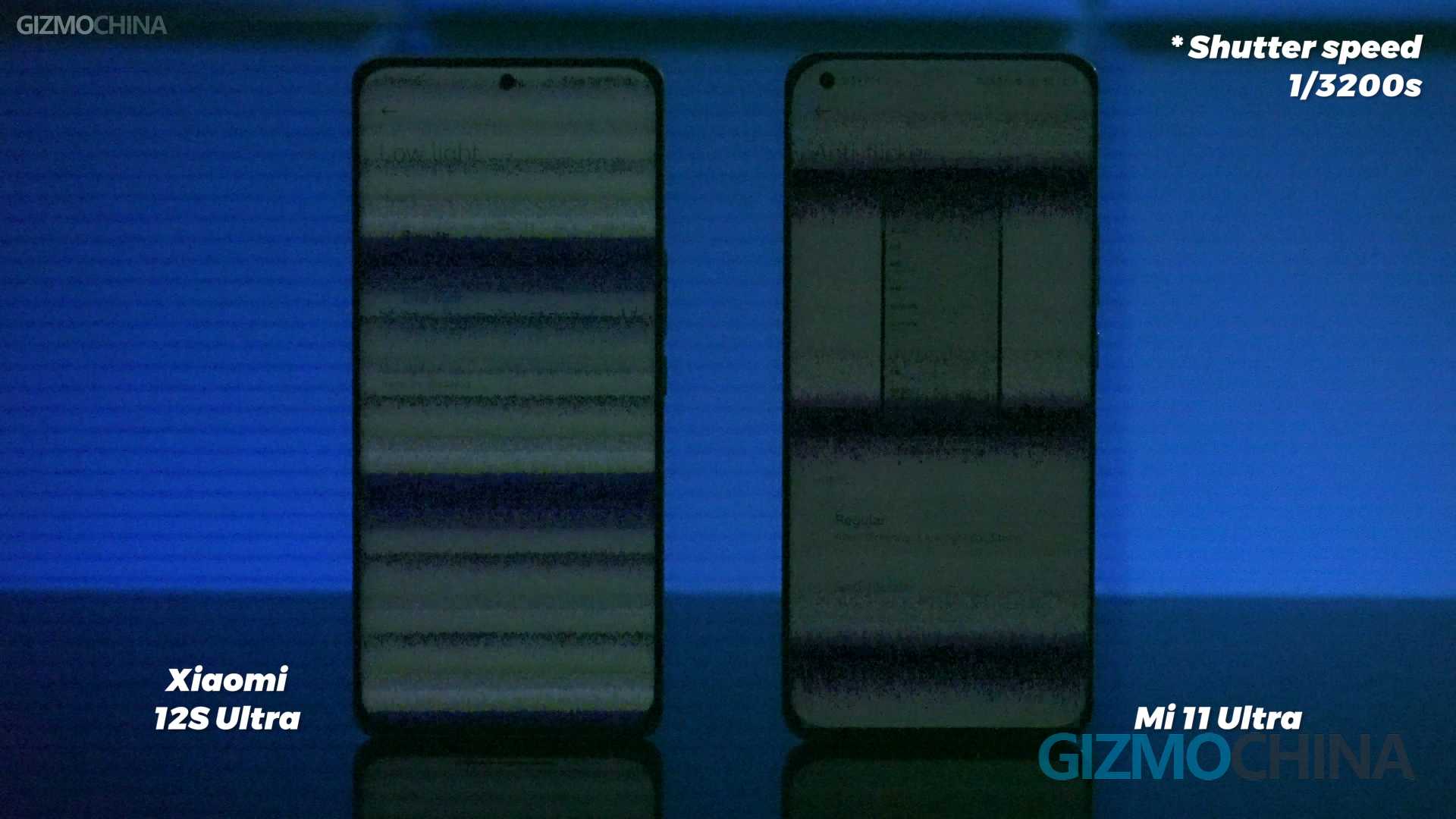
The most boring part of the 12S Ultra is the screen. It uses the same screen as the Xiaomi 12 Pro and 12S Pro, so we won’t go into that again. Xiaomi said at the launch event that this is the best screen they’ve ever used. Well, I don’t agree with that. First of all, the color shift problem, the 11 Ultra’s E4 does not have that problem. Secondly, DC dimming, the 12S Ultra does have Anti-flicker mode in the developer mode, but the effect is really weak compared to the 11 Ultra.
This also explains why Xiaomi has hidden this mode in the Developer option instead of the Display option. The most proud part of E5 panel is high brightness and LTPO, but I was really not feeling much of it. When I use both phones outdoors, I can see the screen with no noticeable difference. After six months, we all know that LTPO actually does not do much to save power. So I personally think that the screen of Mi 11 series is the best screen Xiaomi has ever used.
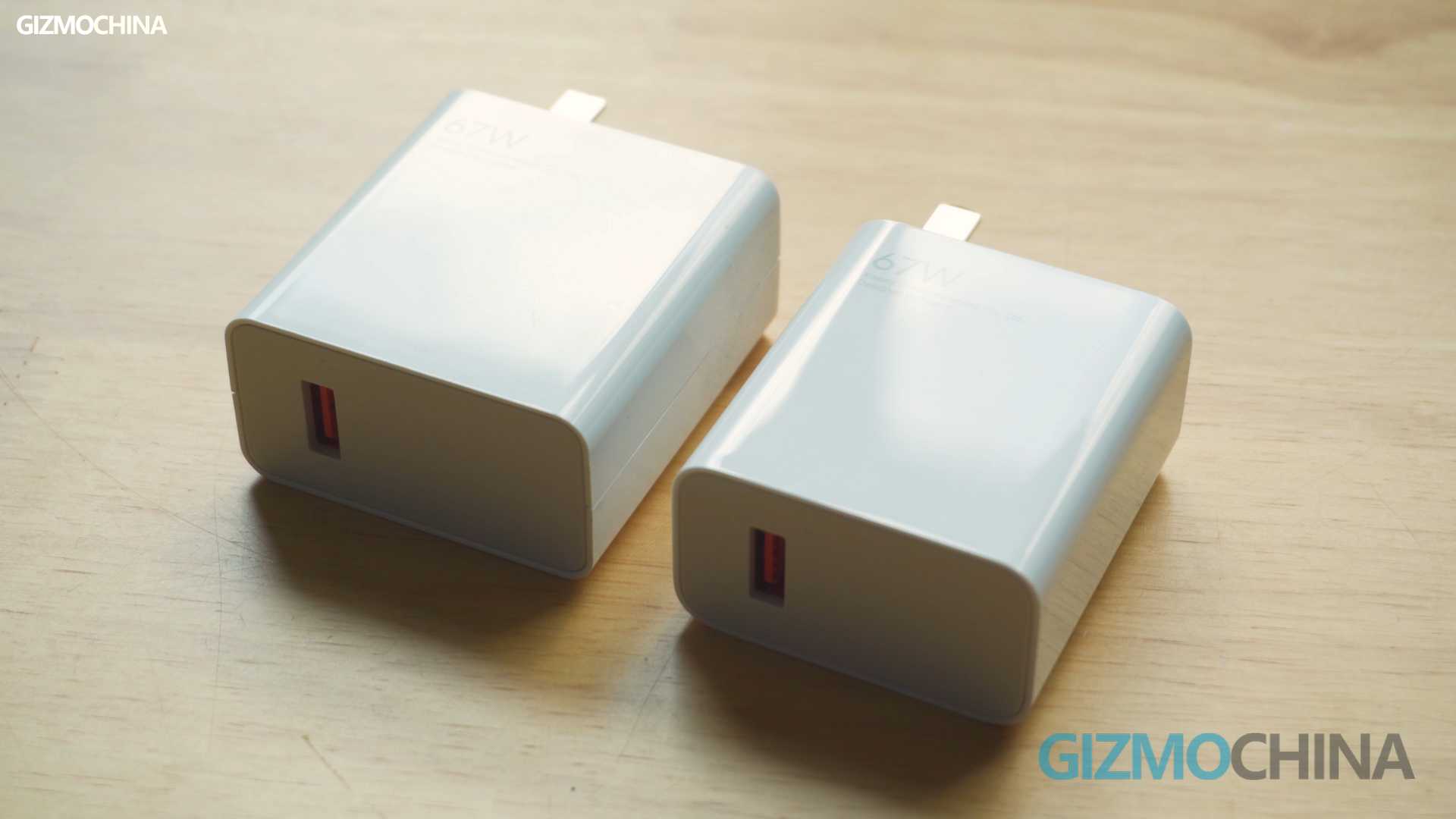
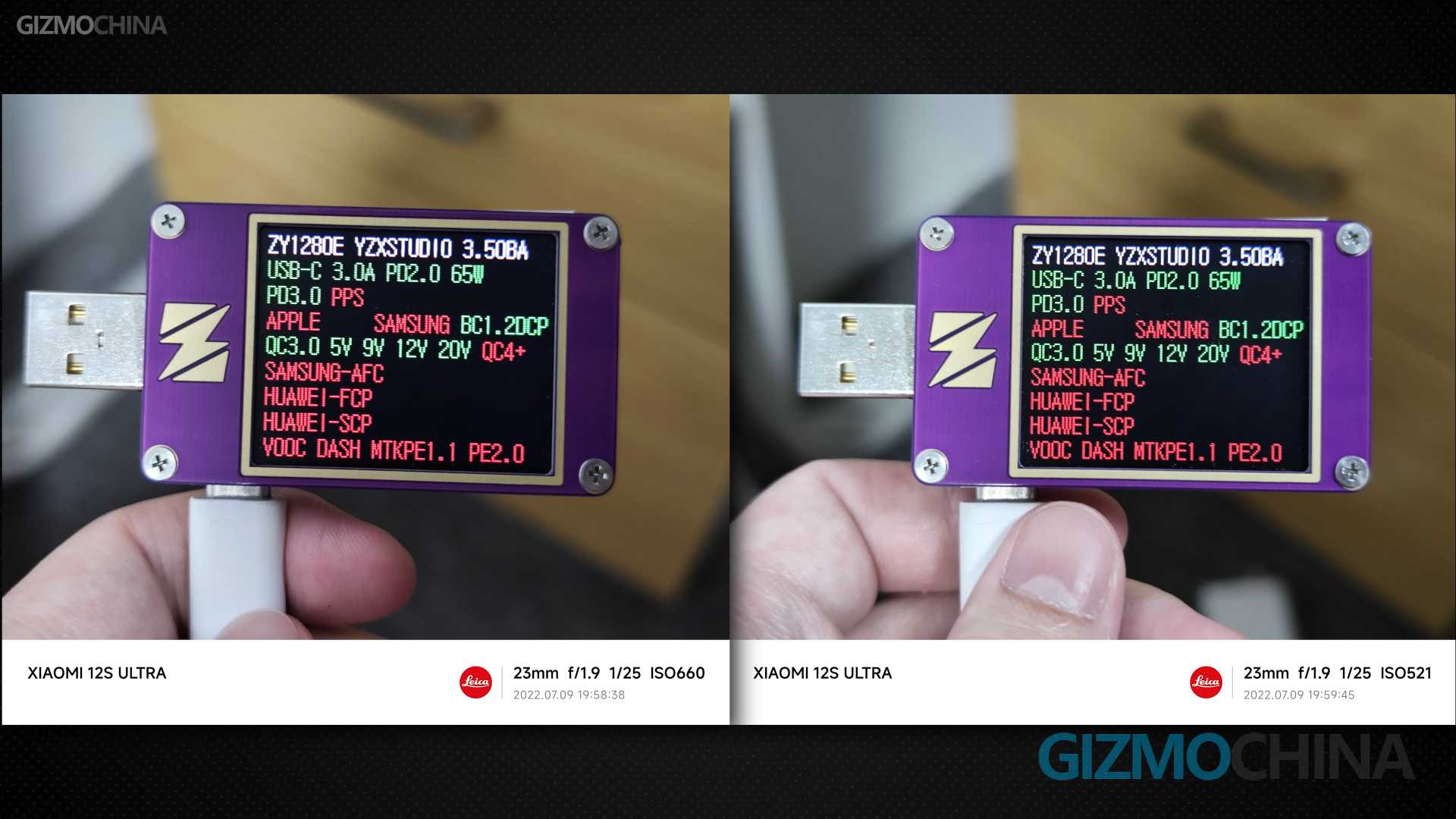
A year ago, Xiaomi said that for the environment, the Mi 11 series would not sell with chargers. But now, a year later, they are selling with a charger. This 67W charger is slightly smaller than the previous generation, and the charging compatibility has been tested to be exactly the same as the previous generation. For certain policy reason, the 12S Ultra’s wireless charging power is reduced to 50w.
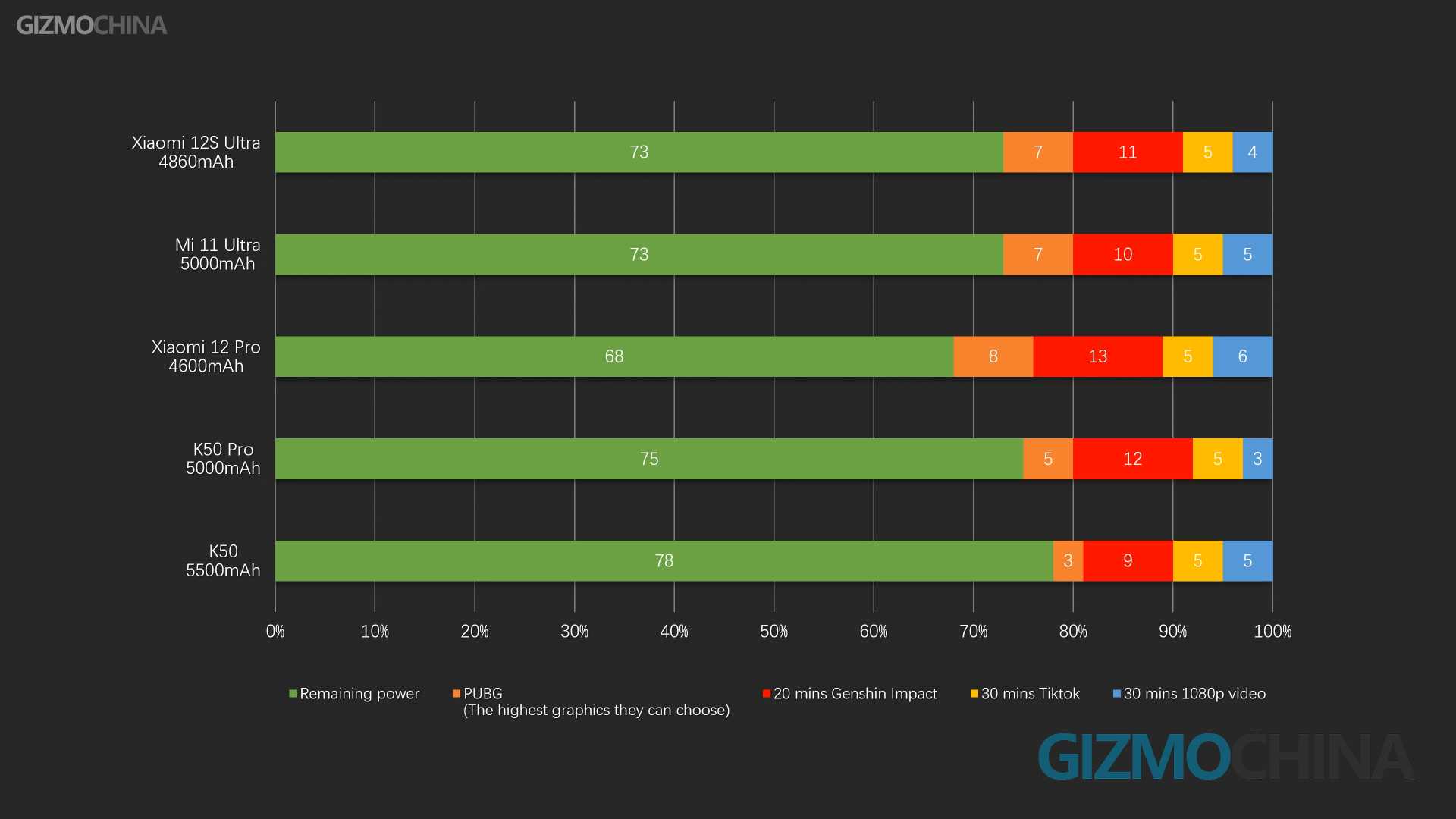
The location of the wireless charging coil seems to have changed, as it did with the Mi 10 Ultra, and may not apply to previous Xiaomi wireless charging docks. For example, this Xiaomi 30w charging dock in my house will not charge the 12S Ultra. 67w wired charging is not upgraded. What’s worse is that the battery has also gotten smaller. The good thing is that the new Snapdragon chip is more power efficient, and considering that the battery performance in gaming is actually good, so overall we can’t complain about it.
I turned on 5G and used it outdoors for about 8 hours with 12% remaining at last. Perhaps taking pictures is really too power draining, the result is only among the average. Anyway, for better charging and battery life are not the reasons why you should give up on your Mi 11 Ultra.
I know the review is a bit long, but I just wanted to share all I know about the Xiaomi 12S Ultra. I will continue to use this phone for the next few months. Because I bought the Mi 11 Ultra for its powerful camera in the first place, and since the 12S Ultra has a more powerful camera, I’ll be using it after all. But if you don’t care about Leica color science and don’t use your phone to play games, then all you Mi 11 Ultra owners can keep using it, it’s not worth the extra hundred dollars.
For everyone else, the Xiaomi 12S Ultra is a rare all-around flagship phone. It’s a little less amazing than last year, but as long as you can afford it, you can’t go wrong with it. If you have any questions about the 12S Ultra, you can leave them in the comments section.
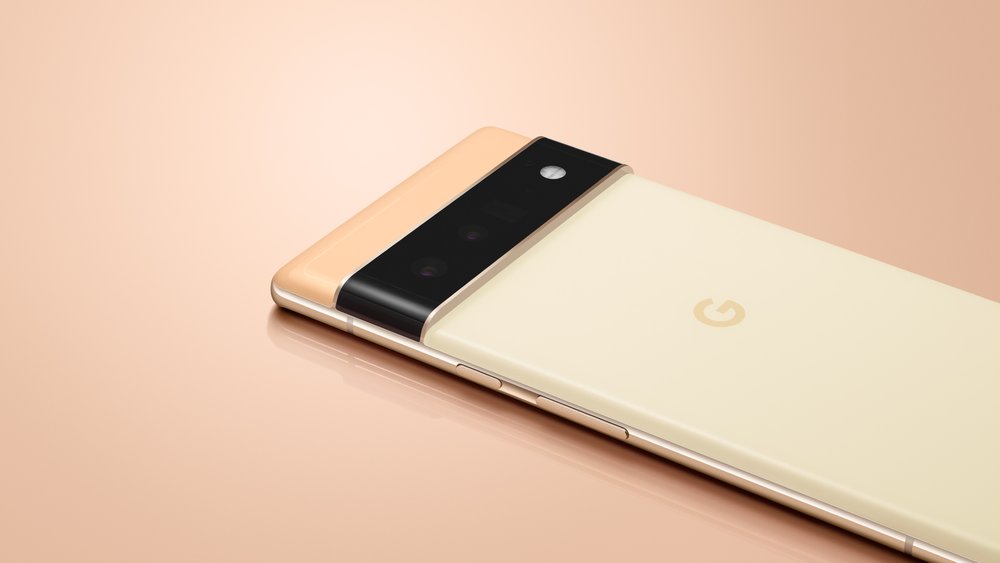
Google‘s latest flagship, the Pixel 6 and Pixel 6 Pro are the most successful smartphones manufactured by the search giant yet. However, they are also known as the most bug-ridden Pixels to date.
We recently covered a report by TradingPlatform’s Edith Reads that stated that Google might be losing its loyal userbase due to the constant buds of the Pixel 6 series. Just a few days after that report, the device now has a new problem which is making the display pixels turn black.
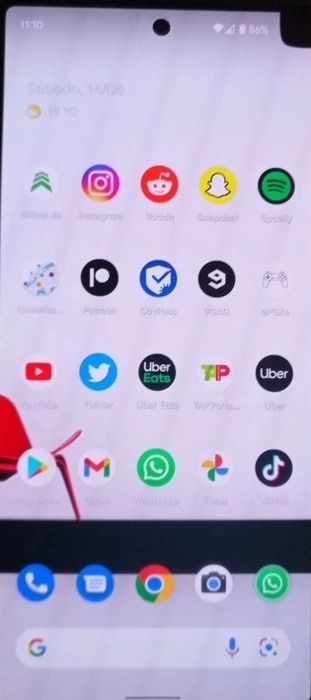
Pixel 6 series users have taken to Google’s support page, Twitter and Reddit to complain about black spots on their phones’ screens. A Pixel 6 Pro user wrote to Google support saying “The screen has developed a black dot that appears to be growing. The phone has not been dropped and has been updated.” The user also adds that Google support (chat/call) isn’t helping either.
Some Pixel 6 series users have noticed a black dot around the front camera, while others have noticed a black dot forming in the upper right corner of the phone. Users believe the dots to be dead pixels on the screen. It’s unclear whether this problem is caused by faulty hardware or by software. There is a widespread belief that this is a hardware issue, which means customers must contact Google to get their devices replaced/fixed.
Currently, it is unclear how widespread this issue is, and Google is yet to release a public statement on the matter. However, with the launch of the Pixel 7 series getting closer, this latest incident is sure to put some doubts in the minds of customers eagerly waiting for the device.
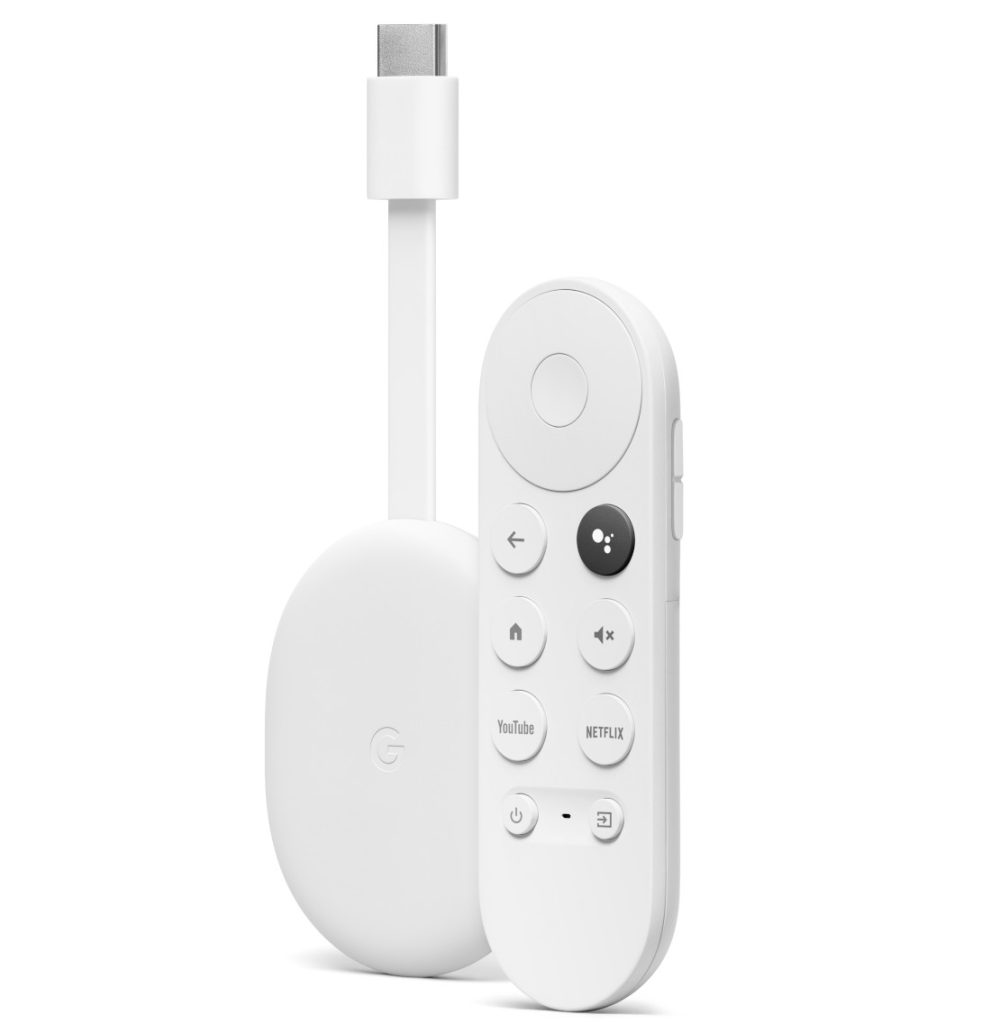
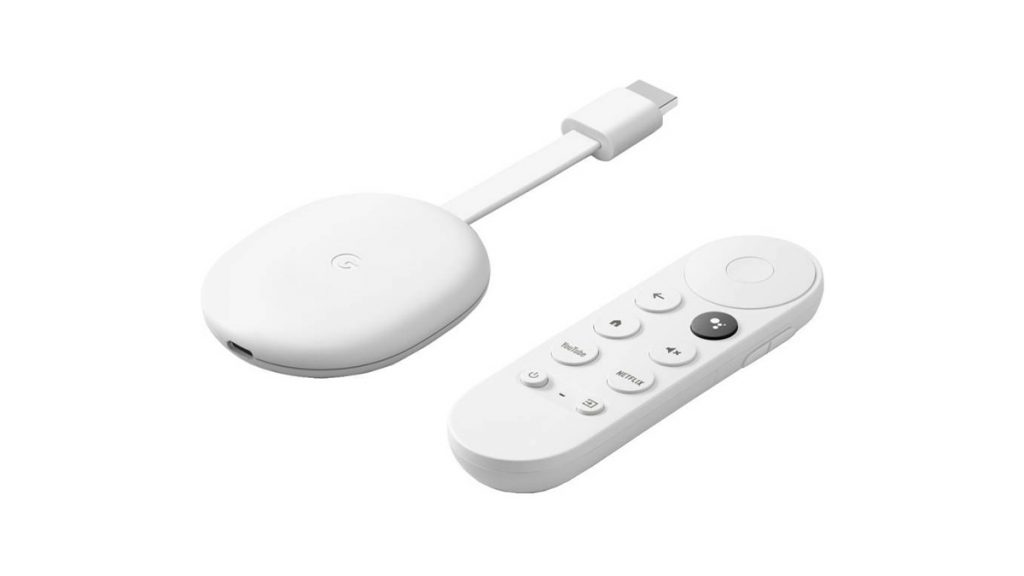
A new Google Chromecast with Google TV has been launched in India. The device is very compact, thin, and versatile. It can easily connect via HDMI to your TV and delivers 4K HDR output. It offers a frame rate of 60fps. The new Chromecast is priced at Rs. 6,399 (~$81) and can be purchased from Flipkart. It comes with a YouTube Premium package for up to three months.
The Google Chromecast with Google TV supports Dolby Vision, HDR10, and HDR 10+ streaming. It also features Dolby Digital, Dolby Digital Plus, and Dolby Atmos pass-through audio. The Chromecast has HDMI and USB ports for easy connection to the TV, while Wi-Fi and Bluetooth connectivity are also available. It runs on Android TV OS and weighs about 118g.
Other features available in the Chromecast include a Bluetooth voice remote with infra-red to control the TV. The soundbar comes with a receiver, an integrated microphone, and an Accelerator.
Google Chromecast with Google TV has a dedicated Google Assistant button, as well as YouTube and Netflix buttons. It has Google programmable TV controls for easier operation. Only the snow color variant is available for the device currently. Users can get personalized suggestions from their subscription and a Watchlist. You can add to your Watchlist from several devices including your smartphone or laptop.
Apart from the Chromecast, the package also includes a power adaptor, a power cable, a voice remote, and two AAA batteries.
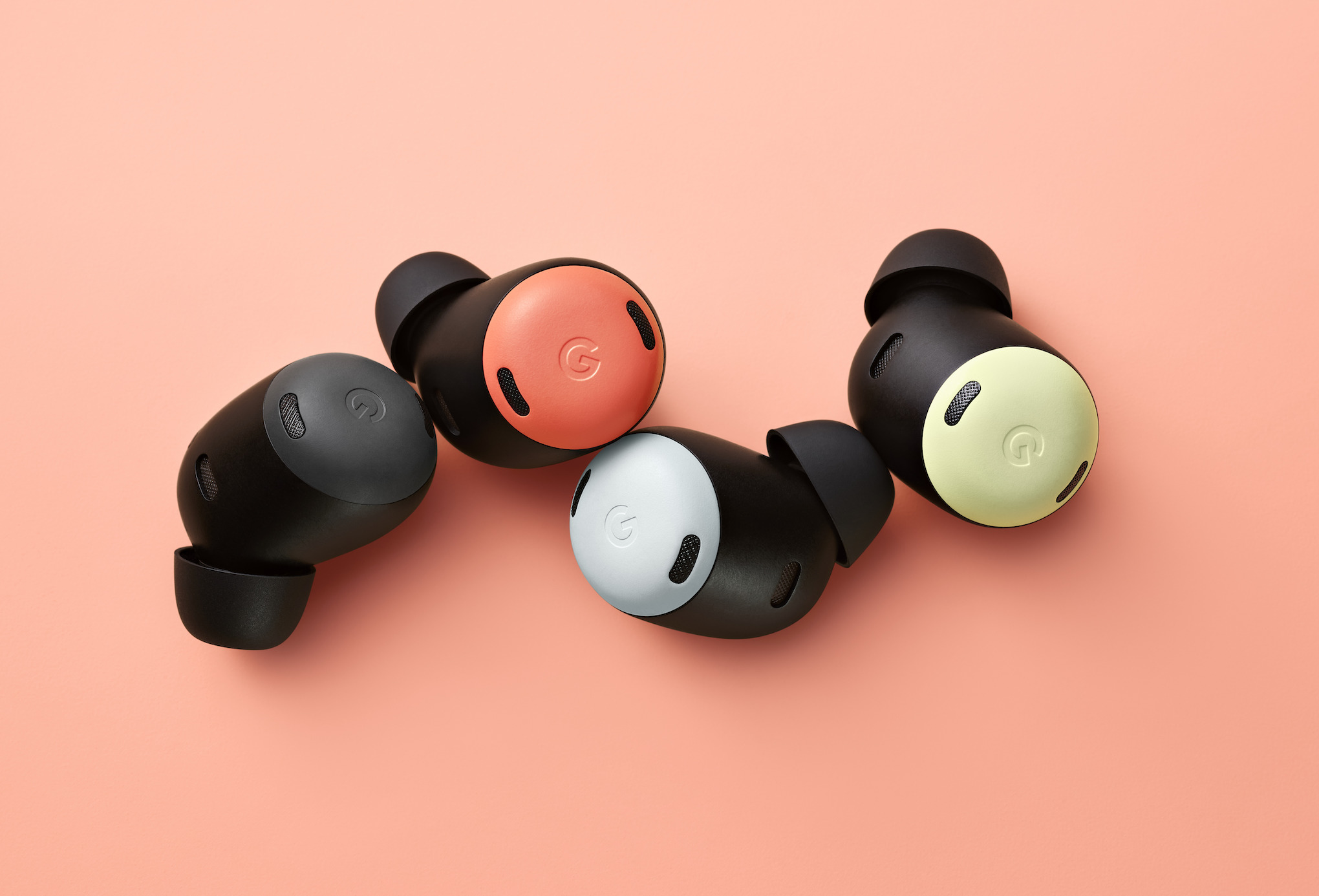
Earlier this year, Google introduced the Google Pixel Buds Pro TWS earphones. It is the Pro variant of the Pixel Buds and will likely go up against segment leaders like the Apple AirPods Pro and Samsung Galaxy Buds Pro.
Now, an Instagram post from the brand has revealed the launch date of the Pixel Buds Pro in India. On a promo post for the Pixel Buds Pro, an Instagram user asked whether he can buy this product in India. To this query, the official @madebygoogle replied confirming that the Pixel Buds Pro will be available on July 28, 2022, across 13 countries including India. The reply also revealed that the Buds Pro will be available for pre-order starting July 21 on the Google store.
Google Pixel Buds Pro specifications and features
The Pixel Buds Pro features a custom-made six-core audio processor that works with Google algorithms to produce sound through the custom audio drivers.
The main improvement over the Pixel Buds is that the Pro model features active noise cancellation (ANC). It is equipped with dedicated sensors that “measure the pressure in your ear canal so the earbuds can actively relieve it and stay comfortable.” The retail package of Buds Pro includes ear tips of three different sizes. It offers a feature called “Silent Seal” for optimal ANC experience.
The Pixel Buds Pro offers seamless switching between commonly used Android devices without the need to access the Bluetooth menu. The buds can also be connected to two audio sources at once. Other features include Google Assistant support, spatial audio, fast pair, transparency mode, beamforming microphones, a voice accelerometer, wind-blocking mesh covers, and Volume EQ, which changes the loudness of the earbuds based on the surroundings.
The Buds Pro offers 7 hours of playback with ANC active, and with the feature turned off, users can enjoy playback of up to 11 hours without the need to put it in the charging case. The earbuds offer wireless and quick charging and can last for up to one hour by charging only for 5 minutes. Lastly, the earbuds have an IPX4 splash-resistant rating while the case is rated for IPX2 water resistance.
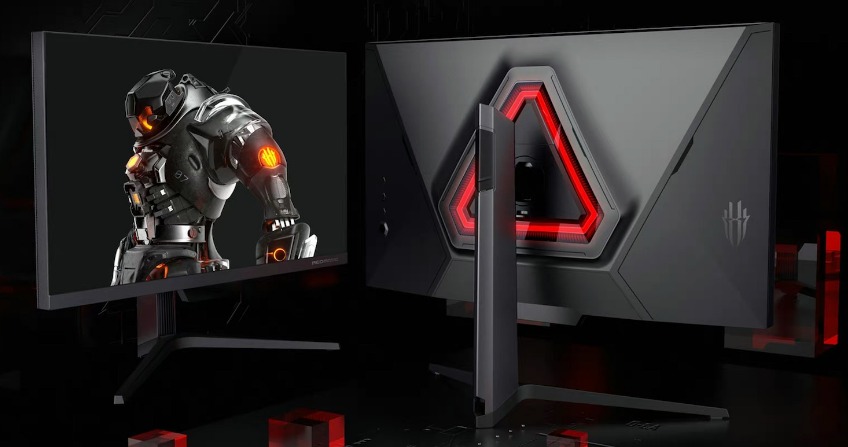
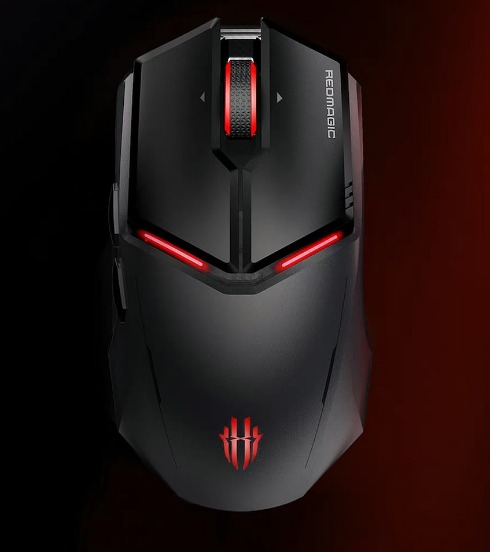
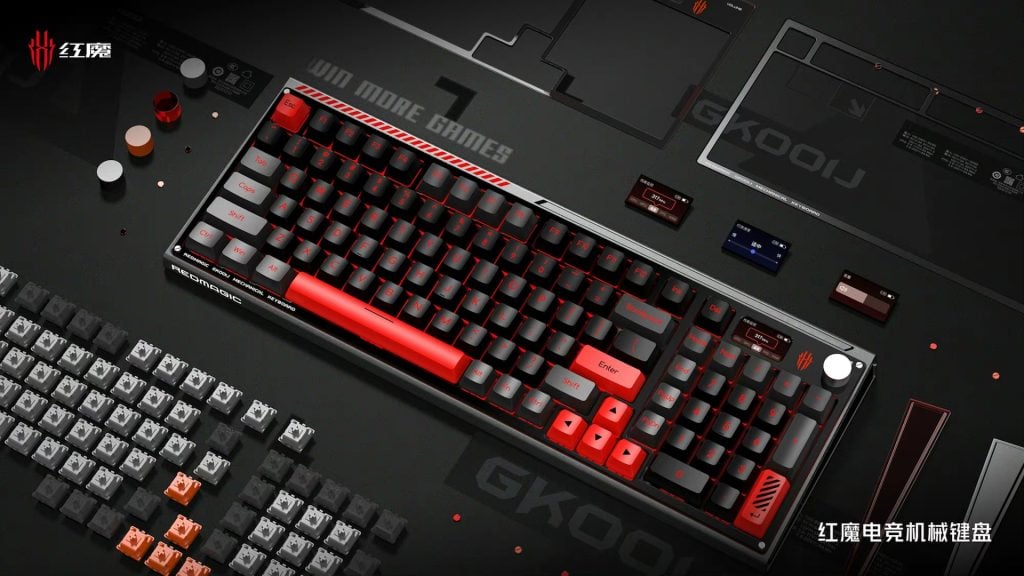
Earlier today, Red Magic unveiled its latest flagship gaming smartphones dubbed the Red Magic 7S and the Red Magic 7S Pro. At this launch event, the brand also debuted its first gaming monitor dubbed the Red Magic Gaming Monitor, along with a gaming mouse and a mechanical keyboard. So, let’s take a look at these new products.
Red Magic Gaming Monitor specs features
Starting off with the monitor, it has a 27-inch Mini LED panel with a 4K resolution (3840 x 2160 pixels). It offers a large viewing angle of 178° and has the millimeter-wave wireless screen projection feature. This feature helps in projecting 4K video wirelessly on the monitor without any loss in quality and with ultra-low latency.
The monitor offers HDR 1000, an ΔE<1 color accuracy, AMD Freesync Premium Pro, ultra-high frequency PWM dimming support, and comes certified by TÜV Rheinland for Low Blue Light emission.
Red Magic Mouse
The Red Magic mouse is a 2.4GHz wireless gaming mouse with a DPI range of 50 to 26000. It uses Pixart’s PAW3395 sensor and a Kaihua GM 8.0 Black Mamba micro switch that offers a massive lifespan of 80 million clicks and has a short travel distance of just 0.3mm
Red Magic Keyboard
The Red Magic Keyboard is highly customizable as it uses TTC’s esports-grade mechanical switches that are easily swappable to suit the user’s needs. The keyboard also features a screen interactive system with intelligent controls.
Pricing and Availability
Pricing and availability of these products are yet to be announced, however, Nubia has said that customers will be able to purchase the monitor and the peripherals from September in China.
Oppo has revealed some additional details about its flagship Find X5 Pro’s display that stands out. The Smartphone comes with a top-notch 120Hz OLED panel having a resolution of 1440 x 3216 pixels. Both the refresh rate and resolution of the screen are quite remarkable. However, there are still some great details about the screen which raise the bar for the product.
The Pro version of the Find X5 is capable of showing natural colors with the highest clarity expected. Its color temperature, intensity, and ambient lighting are responsive to the minutest of changes. The display also adapts to the array of colors that are used to match the content being displayed. The smartphone’s panel can display the full gamut of the DCI-P3 color space better than previous models. It has multi-point color calibration for optimal performance at each brightness level.
Calibration and real-life testing of the Find X5 Pro seem to confirm its impressive credentials. A peak brightness of 1,300 nits means that the device is ahead of its competitors. This allows its screen to be visible in sunny weather. The smartphone is also well-primed for operations in a dark environment. It can go as dim as possible, up to 20 nits of brightness. The impact of optimized brightness on eye care is significant. It has a blue light filter as part of the safe and optimized viewing. The panel operates like the human eyes in adapting to different lighting situations, with 12 levels present.
The Oppo Find X5 Pro is not a power guzzler even with an impressive screen. The refresh rate switching is done in the background. The smartphone comes bundled with a 5,000mAh battery. The screen supports HDR10+ while HDR upscaling provides the balance for non-HDR content. The screen is protected by Gorilla Glass Victus which is as rugged as you can get. The Find X5 Pro flagship is bound to catch the fancy of a chunk of the market.
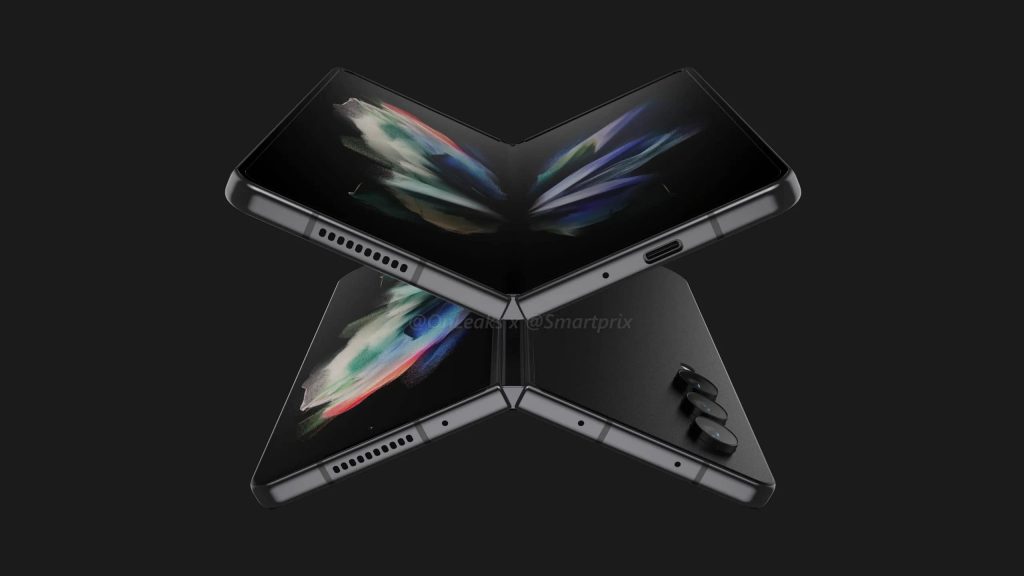
Samsung‘s upcoming foldable smartphone, the Galaxy Z Fold 4 has just been certified by the US Federal Communications Commission (FCC). The smartphone bears the model number SM-F936U and is listed to feature Qualcomm’s Smart Transmit feature for improved uplink.
Samsung Galaxy Z Fold 4 render by OnLeaks / Smartprix
While the FCC listing doesn’t reveal much about the device, it shows that the smartphone will come with support for all sorts of networks, ranging from 2G to mmWave 5G. The Wi-Fi model will also get an upgrade bringing ax support. The FCC listing equally reveals the device will come with support for S Pen just like the Galaxy Z Fold 3.
Samsung is expected to unveil the Galaxy Z Fold 4 alongside the Galaxy Z Flip 4 on August 4 but there is no official confirmation to that effect. If the space of certification, rumors, and leaks are anything to go by, there is no doubt that the launch is imminent. Aside from the FCC certification, the Z Fold 4 was recently spotted on GeekBench. Mock-up cases for both the Galaxy Z Fold 4 and Z Flip 4 were put up for pre-orders recently, further confirming that the launch is close by.
The Samsung Galaxy Z Fold 4 is expected to be powered by a Qualcomm Snapdragon 8+ Gen 1 chipset paired with 12GB of RAM. The phone will also come with up to 1TB of storage while it will cram a 4,400mAh battery under the hood.
Earlier on, there were rumors that the Fold 4 will have a less-prominent crease than the fold 3 as well as a better camera setup. We expect the company to reveal the launch details soon.
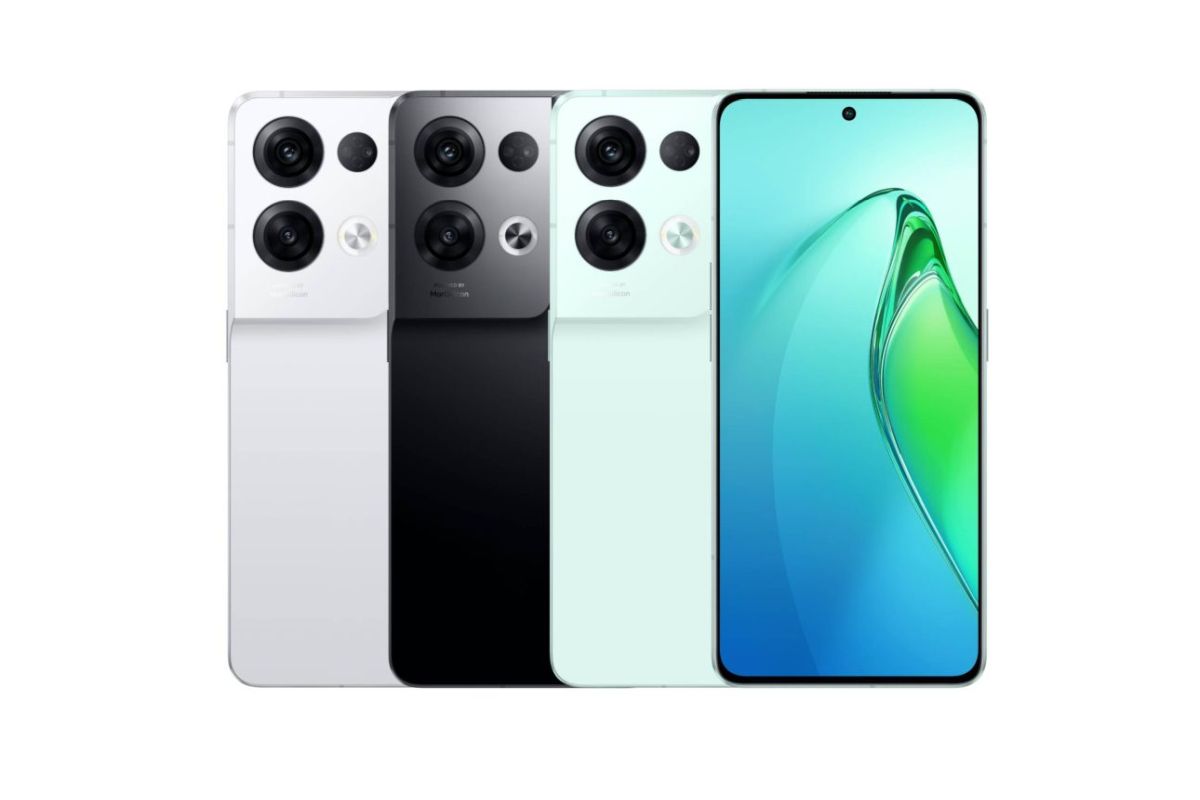
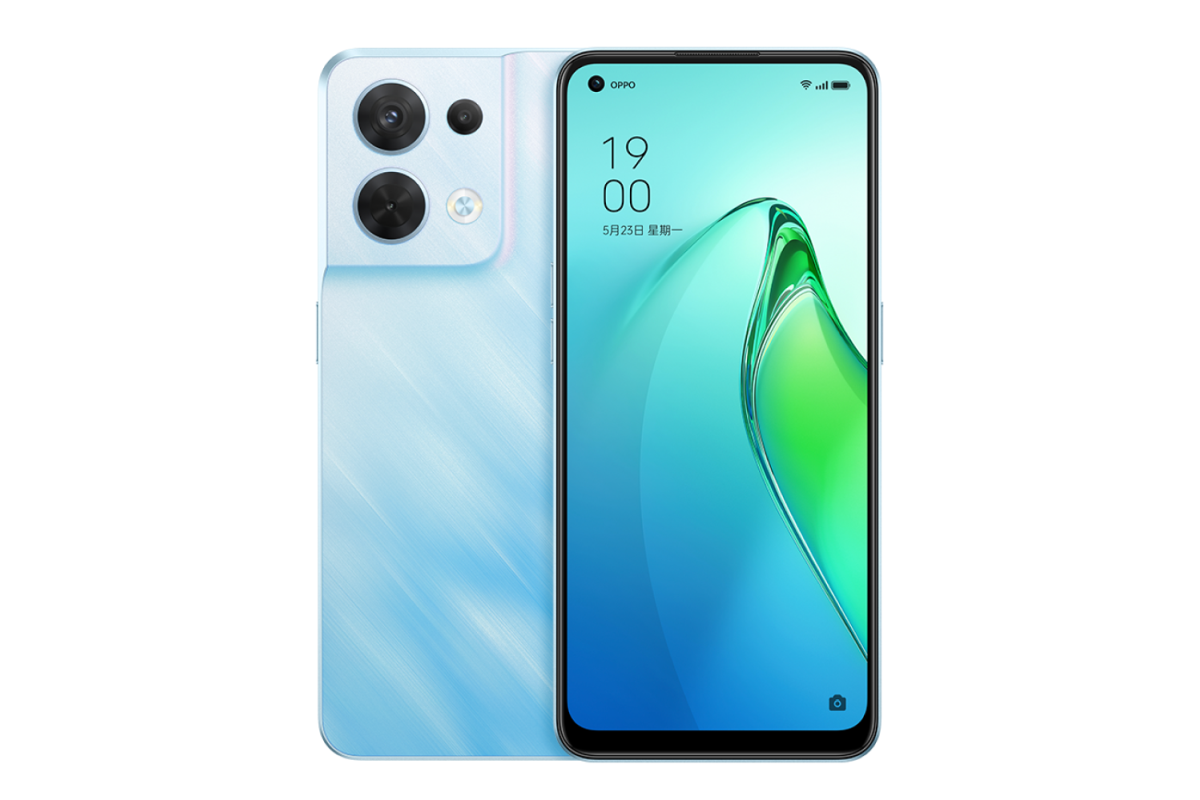
Back in May, Oppo launched the Reno 8 series in China. The devices are now set to launch in the Indian market next week (July 18). Like the global variants, the Indian variants will also consist of two models – the Oppo Reno 8 and the Oppo Reno 8 Pro. Ahead of the launch, Oppo has officially teased the specifications of both the Reno 8 and the Reno 8 Pro. So, let’s take a look.
Starting off with the Pro model, Oppo has confirmed that it’ll have a 6.7-inch AMOLED display with 120Hz refresh rate. It will have a streamlined unibody design that is just 7.34mm thick excluding the camera bump.
Under the hood, the smartphone will house the MediaTek 8100-Max chipset that will offer up to a 12 percent increase in performance and 50 percent improvement in power efficiency over the last year’s Reno 7 Pro Dimensity 1200-Max SoC. Other than that, the device will have the MariSilicon X NPU, 4K Night video capability, and a cooling system with graphite sheets.
The vanilla Reno 8 model on the other hand is confirmed to house a Dimensity 1300 chipset. This SoC offers up to 40 percent better performance and 20 percent better power efficiency than the Dimensity 900 featured in last year’s Reno 7. Other than that, the device will have a VC liquid cooling system, will offer two flagship Sony camera sensors, and will have a slim body like the Pro model.
A Twitter teaser also reveals that the Reno 8 series will feature a 4500mAh battery paired with 80W SUPERVOOC fast charging.
Earlier reports have hinted that the Reno 8 will debut in India with a starting price of ₹29,999. The Pro model on the other hand will be priced between ₹42,000 and ₹46,000.
Redmi K50i is confirmed to be powered by MediaTek’s Dimensity 8100 processor under the hood. The chipset was launched in March this year. It also outscored Qualcomm’s Snapdragon 8 Gen 1 on Geekbench. The Dimensity 8100 has four Cortex-A78 performance cores clocking at 2.85GHz and four Cortex-A55 efficiency cores.
⚠️ Special announcement for those who like to live life F̷A̷S̷T̷ 𝙀𝙓𝙏𝙍𝙀𝙈𝙀!#RedmiK50i will come equipped with @MediaTekIndia Dimensity 8100.
— Redmi India | Redmi K50i (@RedmiIndia) July 11, 2022
As for the Redmi K50i, the smartphone is set to debut in India on July 20th. Recently, Xiaomi shared the AnTuTu score of the phone. It recorded 8,22,274 points and the score is higher than Snapdragon 888 and the A15 Bionic chipset. This suggests that the upcoming offering could be more powerful than the iPhone 13 and Snapdragon 888-powered phones. We can expect Xiaomi and Amazon to drop more teasers about the Redmi K50i in the days leading up to the launch event.
The Redmi K50i is expected to be rebranded version of the Redmi Note 11T Pro. It is expected to feature a 6.6-inch FHD+ LCD display with a 144Hz refresh rate. The device will have a side-mounted fingerprint scanner. The smartphone is tipped to feature a triple rear camera setup of a 64MP main sensor, an 8MP ultra-wide lens, and a 2MP macro unit. Internally, the Redmi K50i tipped to come in 6GB + 128GB and 8GB + 256GB RAM and storage configurations. Lastly, the smartphone is said to be offered in Phantom Blue, Stealth Black, and Quick Silver colours.
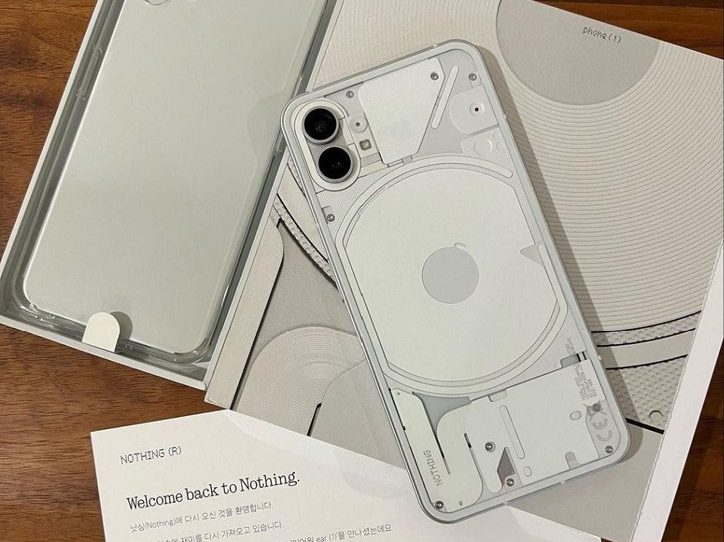
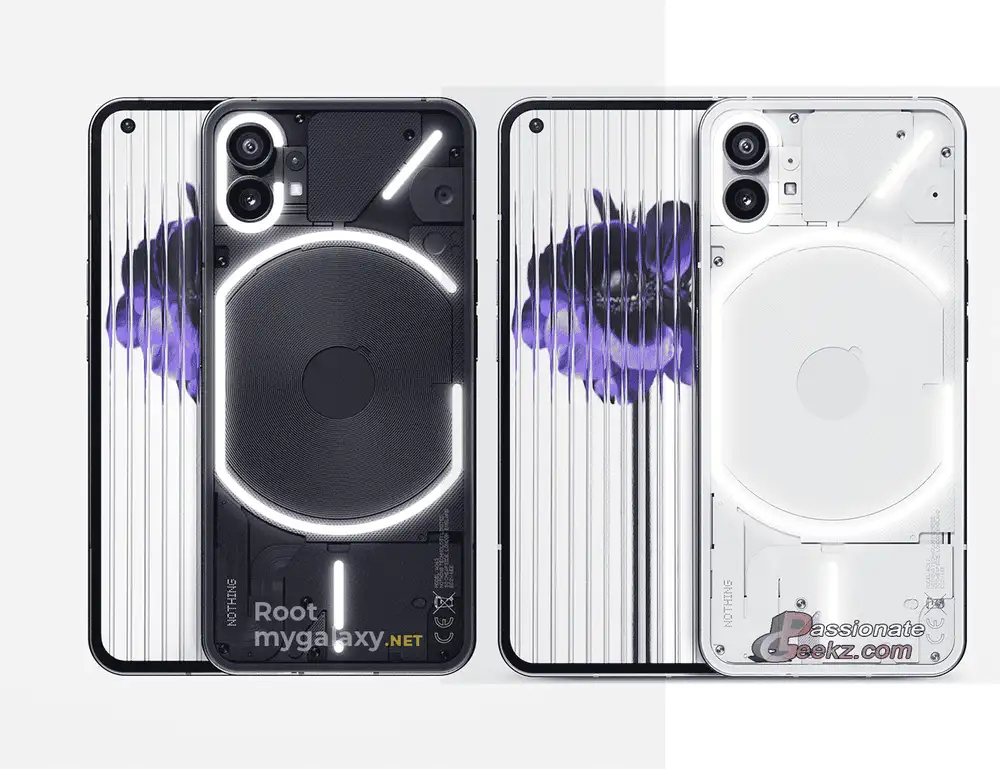
Nothing is set to launch its highly anticipated Nothing Phone (1) tomorrow (12th July 2022). The company has been actively teasing the specifications of the device, however, its pricing is still a mystery.
Now, ahead of the official launch, the Indian pricing of the smartphone has been allegedly revealed. Twitter user @rahulsh66489640 posted an image of the Nothing Phone (1) listed on the Indian e-commerce website Flipkart with a ₹34,999 price tag for the 8GB RAM + 128GB storage model.
Details about the Indian pricing of the upcoming device have previously leaked. The earlier report states that the device will have a starting price of around INR 31,000 in India, and will go as high as INR 36,000 for the 12GB + 256GB. Previous reports have also confirmed that Nothing is producing the Phone (1) locally in India to keep the pricing disruptive and competitive in the Indian market.
Considering all this, it seems that the image might be fake and we’ll have to wait for the real pricing to be revealed tomorrow at 8:30 PM IST. Till then, check out all we know so far about the upcoming smartphone.
Nothing Phone (1) specs
Most of the specifications of the Nothing Phone 1 have either been teased or have leaked at this point. Starting with the screen, the Phone (1) is said to come with a 6.55-inch OLED display with support for 120Hz adaptive refresh rate. The display has a punch-hole located at the top left for the front camera and is said to have Corning Gorilla Glass protection and an ultrasonic in-display fingerprint sensor for security.
Under the hood, it is confirmed to house Qualcomm’s Snapdragon 778+ processor. It is rumored to come in three configurations – 8GB + 128GB, 8GB + 256GB and 12GB + 256GB. The battery of the device is expected to offer a 4500mAh capacity and is confirmed to feature 33W fast charging. The power adapter, however, will not be shipped with the smartphone.
For optics, the Nothing Phone (1) is confirmed to bring a dual camera on the back consisting of a 50-megapixel Sony IMX766 sensor with f/1.8 aperture and a 1/1.56 inch sensor size. It will have support for both OIS and EIS for stabilization. An ultra-wide camera will accompany the primary shooter. This camera is expected to have a 16-megapixel resolution and 114 degrees field of view. Up front, the Phone (1) is expected to come with a 16-megapixel selfie snapper.
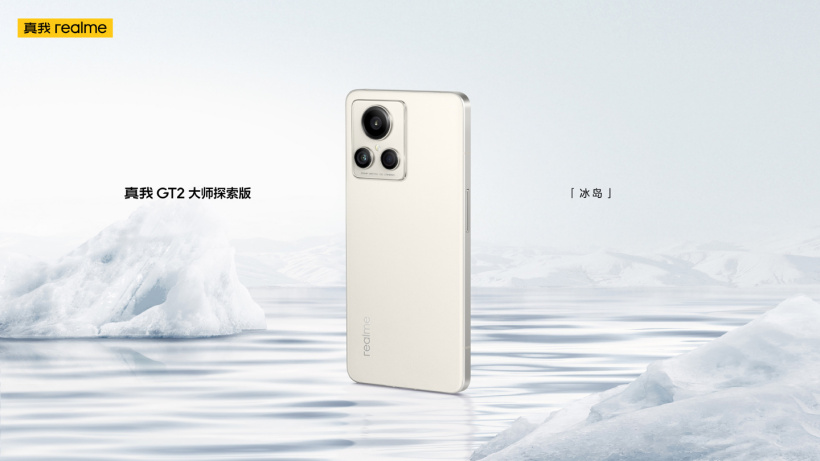
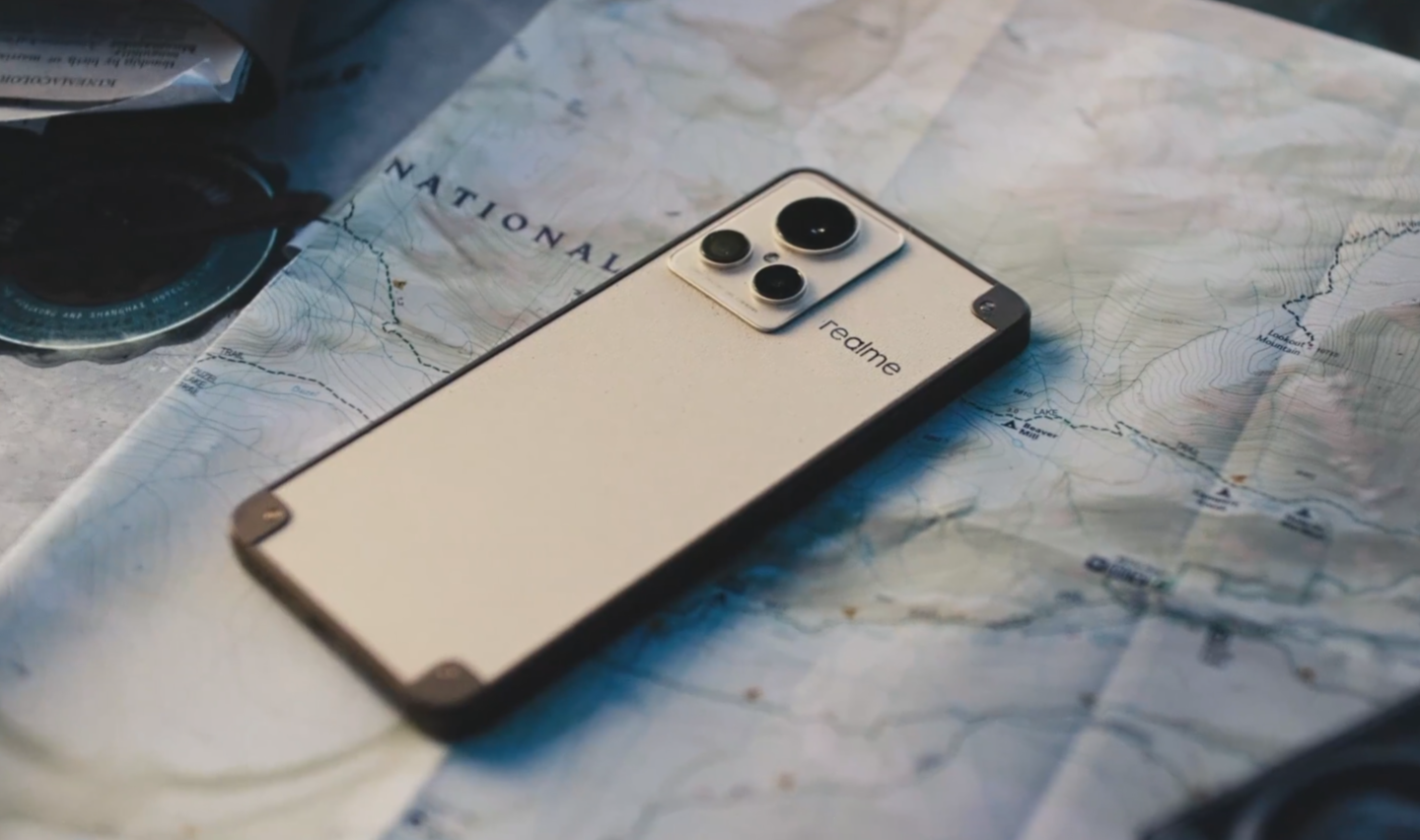
Realme launched the Realme GT2 Master Explorer Edition at a launch conference that was held earlier today. Xu Qi, Realme Vice President, President of China, and President of Global Marketing announced a new white color variant of the flagship device. The color variant has been officially named Realme GT2 Master Explorer Edition – Iceland. “Realme will make a claim for the best white smartphone texture,” he added.
Notably, this device will be the brand’s first smartphone featuring the Qualcomm Snapdragon 8+ Gen 1 SoC and LPDDR5x RAM to hit the market. Also, the latest reports revealed that the device will feature the new-generation Pixelworks X7 independent graphics chip.
The device also includes a 100W GaN charging head, which is renowned to be small and better at conducting heat. It includes a 5000mAh built-in battery and enables 100W fast charging. Notably, the smartphone can charge from 0% to 100% in 25 minutes.
The Realme GT2 Master Explorer Edition-Iceland features a 6.7-inch 2412x1080p 120Hz AMOLED display, 100W fast charging, a front 16MP lens, and a 50MP + 50MP + 2MP lens on the back.
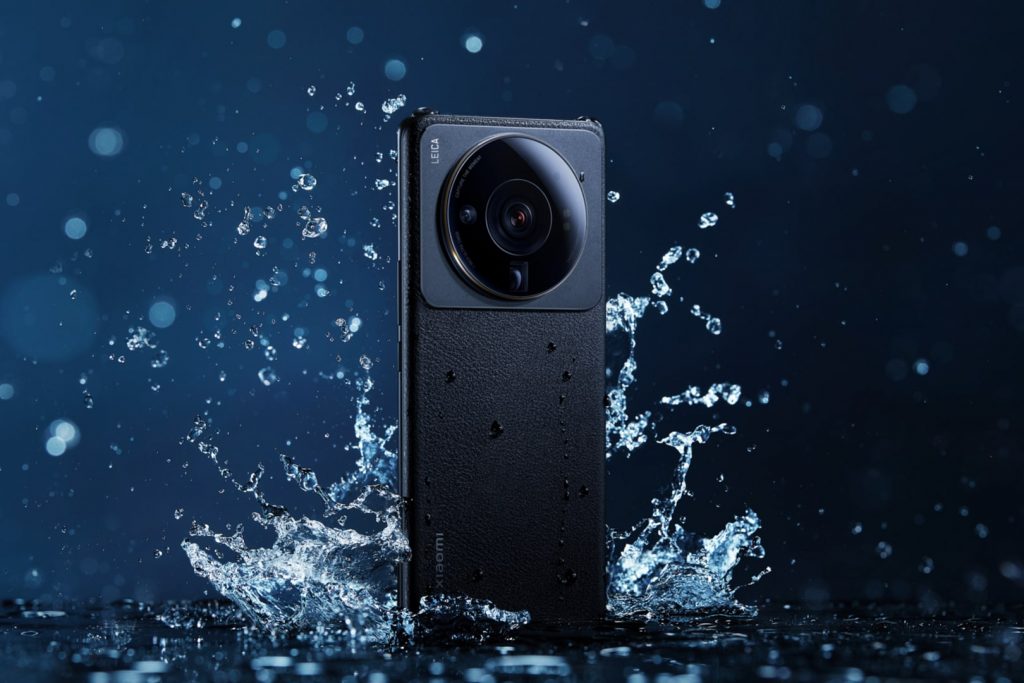
Last week, Xiaomi launched its most-waited premium smartphone: Xiaomi 12S Ultra. The main highlight of this device is its Leica-powered camera system comprising a 1-inch sensor.
The phone arrives with a revamped design sporting a faux leather finish. It brings almost all the features that one expects from a flagship Android smartphone.
We are deliberately hinting at the feature-set incomplete because Xiaomi has cut some corners despite charging a premium. Also, there are other things that can be only known after experiencing the handset.
Let’s check out these little-known facts about the Xiaomi 12S Ultra, which were originally featured in our review video attached below.
Xiaomi 12S Ultra: Little-known facts
Still no USB 3.0
It is 2022 and Xiaomi still uses a USB 2.0 on it its most-expensive slab smartphone: Xiaomi 12S Ultra.
Back in May, a report hinted that the company may finally shift to USB 3.0. Hence, the successor of the Mi 11 Ultra was expected to carry this port but unfortunately, that did not happen.
Due to the older USB standard, the latest premium Xiaomi handset offers a slower data transmission rate. It also lacks video output support as there’s no DP Alt (DisplayPort Alternate) mode over USB Type-C.
Device color
The actual color of the Xiaomi 12S Ultra is different from the official renders used by Xiaomi in promotional materials.
The green color version we have looks paler than in renders. Anyway, it is worth noting that product color disparity is a common issue in the industry, and almost every product is a victim of it.
Hence, if you are planning to import this phone, then make sure to go through as many real-life pictures and videos to get a better idea.
Display with low PWM frequency
The Xiaomi 12S Ultra’s display has a low PWM (Pulse Width Modulation) frequency. Hence, looking at the phone’s screen with low brightness levels could be uncomfortable for some users due to flickering.
DC dimming is a solution to mitigate the flickering caused by low PWM frequency levels. However, it does not make any difference on Xiaomi 12S Ultra, and therefore, the company has even hidden this feature under developer options.
You can learn more about PWM and DC dimming from our explainer.
In-box charger
The Xiaomi 12S Ultra ships with a 67W fast charger, unlike the Mi 11 Ultra.
Last year, Xiaomi decided to sell flagship smartphones in China without a charger in the box. However, interested customers were able to opt for the charger free of cost, albeit for a limited time.
The company reversed its decision with the launch of the Xiaomi 12 series. Therefore, a 67W charger is included in the box of Xiaomi 12S Ultra, and interestingly, it is slightly smaller than that of the older 67W charger.
Realme is gearing up to launch a bunch of new products in its home market of China. In the new launch event, a new laptop and TWS earbuds will be announced, but the main highlight of the live conference will undoubtedly be the Realme GT 2 Master Explorer Edition smartphone. So here’s how you can watch this live stream.
Since it is a Chinese launch, the new smartphone’s announcement will not be officially streamed on YouTube. Rather, the Chinese smartphone maker is set to host an online live stream that will be broadcasted through its official website in China. During this event, the GT 2 Master Explorer Edition handset will be announced along with the new Realme Buds Air 3 Neo and the Notebook Air laptop model as well. The live stream will begin on July 12 at 2 pm Beijing Time (GMT +8) / 11:30 am Indian Time (GMT +5:30) / 7 am London Time (GMT +1).
Talking about the smartphone itself, it will be the first device from the brand to feature Qualcomm’s latest and greatest Snapdragon 8+ Gen 1 SoC. This chipset will be paired with up to 12GB of RAM and up to 512GB of internal storage. On the front, the smartphone is expected to sport a 6.7 inch AMOLED display that has a FHD+ resolution, 120Hz refresh rate, in display fingerprint scanner, and a center aligned punch hole selfei camera.
Meanwhile, the back is expected to feature a triple camera setup that includes a 50 megapixel Sony IMX766 primary sensor, paired with a 50 megapixel ultra wide angle lens, and a 2 megapixel macro shooter. The device will run on Android 12 OS based Realme UI 3.0 out of the box and will be powered by a 5,000mAh battery pack that supports 100W fast charging. So stay tuned for more, as we will be covering the launch event tomorrow.
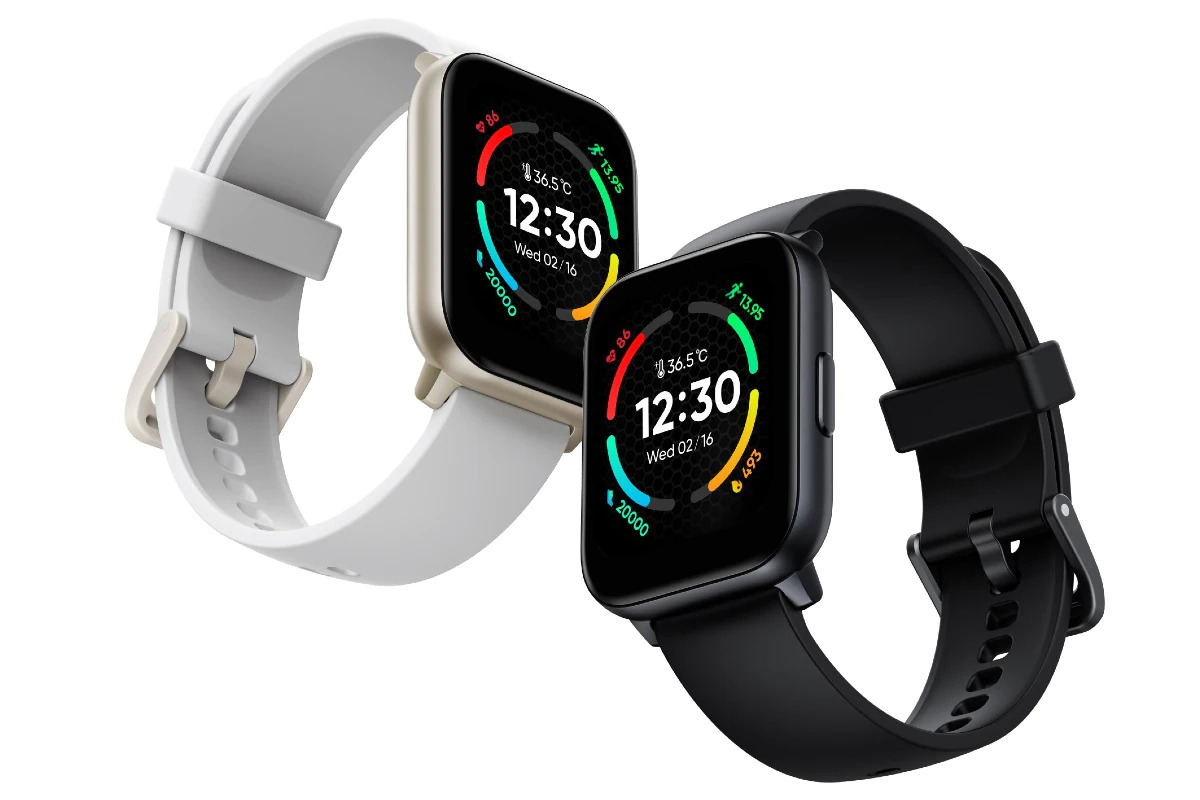
Realme Watch 3 has surfaced on the Bluetooth SIG certification site with the model number RMW2108. As usual, the listing does not offer any details regarding this handset, however, it is expected to be an upgrade over last year’s Realme Watch 2. Moreover, the watch is also tipped to have cleared the approval process of BIS India. Previously, the Realme Watch has been spotted on multiple certification sites including FCC and IMDA. The new wearable is expected to launch very soon in India and other markets.
As initially spotted by tipster Mukul Sharma, Realme Watch 3 has appeared on the Bluetooth SIG website carrying model number RMW2108. The listing does not reveal any specifications of the smartwatch. However, it hints that the wearable may soon make its debut. In addition, Mukul Sharma has shared in a tweet that Realme Watch 3 has completed the BIS India approval process, which means the watch’s India launch is also near.
Realme Techlife Watch S100
As mentioned, Realme Watch 3 has also been spotted on the FCC certification website which revealed the battery capacity of the watch. As per the listing, the wearable will pack a 340mAh battery. This is slightly bigger than the 310mAh battery of its predecessor. The watch is expected to offer up to 12 days of battery life. Moreover, the watch has also been spotted on the IMDA and SIRIM Malaysia certification websites in the past.
There has been no official announcement regarding the Watch from the company. We expect Realme to make the watch official in a few weeks. We’ll be updating you as soon as more information surfaces online.
We use cookies on our website to give you the most relevant experience by remembering your preferences and repeat visits. By clicking “Accept”, you consent to the use of ALL the cookies.
This website uses cookies to improve your experience while you navigate through the website. Out of these, the cookies that are categorized as necessary are stored on your browser as they are essential for the working of basic functionalities of the website. We also use third-party cookies that help us analyze and understand how you use this website. These cookies will be stored in your browser only with your consent. You also have the option to opt-out of these cookies. But opting out of some of these cookies may affect your browsing experience.
Necessary cookies are absolutely essential for the website to function properly. This category only includes cookies that ensures basic functionalities and security features of the website. These cookies do not store any personal information.
Any cookies that may not be particularly necessary for the website to function and is used specifically to collect user personal data via analytics, ads, other embedded contents are termed as non-necessary cookies. It is mandatory to procure user consent prior to running these cookies on your website.