Google Chrome is currently the most popular web browser in the world by a mile. The Google browser’s support for different extensions that help increase productivity and user experience is one of the reasons for its popularity.
Now, a new report from McAfee states that four Google Chrome extensions were stealing users’ browsing data. Over 1.4 million people have downloaded these five extensions. These extensions include Netflix Party, Netflix Party 2, Full Page Screenshot Capture – Screenshotting, and AutoBuy Flash Sales.
Among these, Netflix Party and Netflix Party 2 were the most downloaded of the five extensions. These extensions enable users to watch shows or movies on Netflix together even when they are in different locations by syncing the videos. Netflix Party has over 800,000 downloads, whereas Netflix Party 2 Chrome Extension has over 300,000 downloads.
According to the report, these extensions loaded a multipurpose script that transfers browsing data to an attacker-controlled domain. Every time a user visits a new URL, their browsing data is transferred to this domain. The data includes the user ID, device location, nationality, zip code, and an encoded referral URL. They use this in order to insert code into eCommerce websites that are being visited. This operation alters the site’s cookies so that the extension creators receive affiliate payment for any products purchased.
The Chrome Web Store has removed Netflix Play, Netflix Play 2, and AutoBuy Flash Sales extensions. The other extensions, on the other hand, are still available for download.
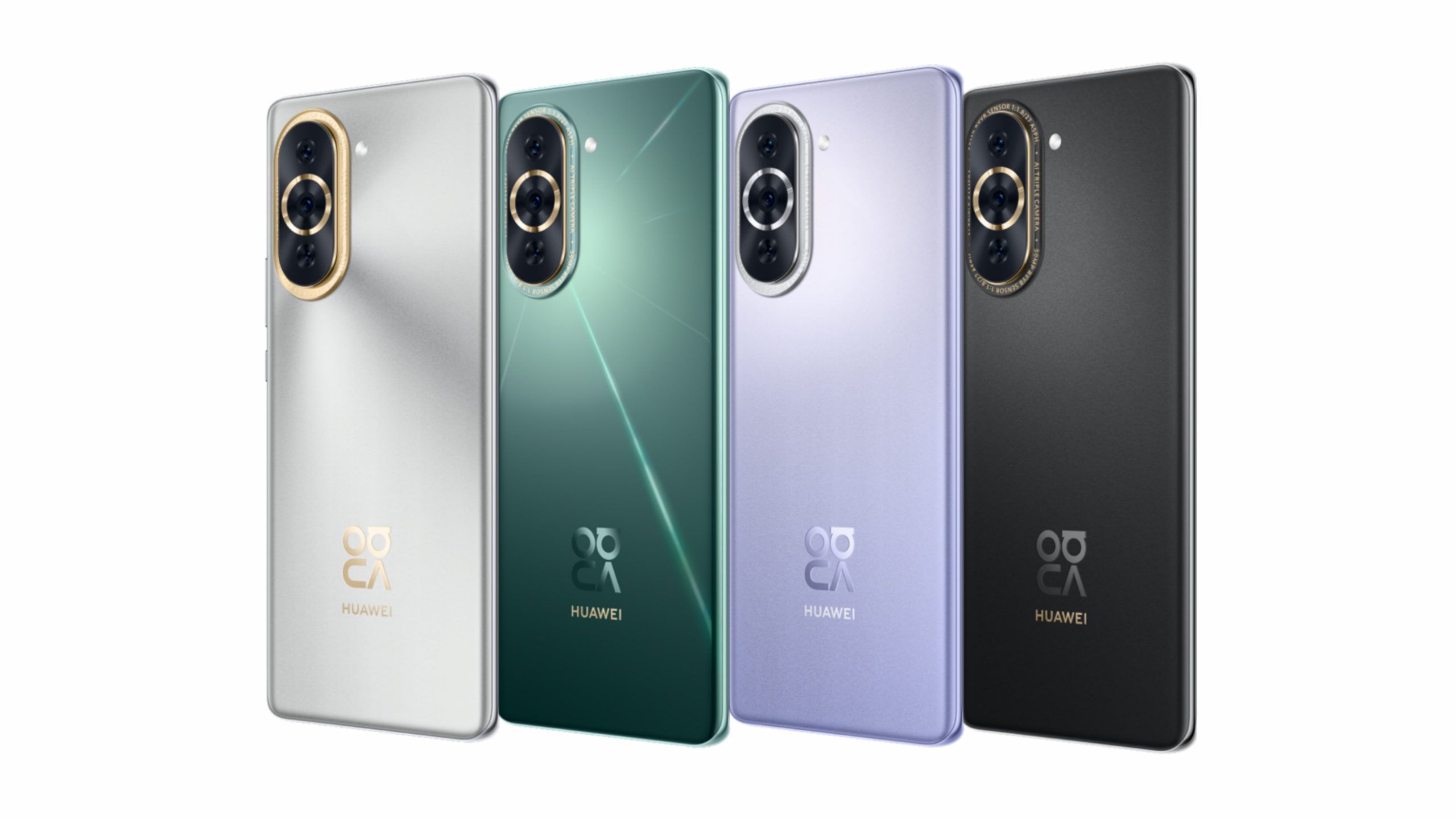
A couple of months ago, Huawei launched its new Nova-series smartphones in the form of Huawei Nova 10 and Nova 10 Pro in the Chinese market as a successor to the company’s Nova 9 series smartphones.
Now, the company is bringing the Huawei Nova 10 and Huawei Nova 10 Pro to the international markets as the phones are set to launch soon in select European countries.
Coming to the specifications, the Nova 10 features a 6.7-inch Full HD+ OLED display. On the other hand, the Pro model features a 6.78-inch Full HD+ OLED display with 2652 × 1200 pixels resolution, and both phones offer a 120Hz refresh rate and 20:9 aspect ratio.
Both smartphones come with an in-display fingerprint sensor for added security. The devices are powered by the Qualcomm Snapdragon 778 4G processor and pack 8GB of RAM and 256GB of internal storage.
In the camera department, there’s a 50-megapixel primary camera sensor coupled with an 8-megapixel ultra-wide lens and a 2-megapixel macro sensor. On the front side, there’s a 60-megapixel snapper for taking selfies and video calling.
The smartphones run the company’s own HarmonyOS 2.0 operating system. As for the battery, the Nova 10 is powered by a 4,000mAh battery with 66W fast charging, and the Pro model is powered by a 4,500mAh battery with 100W fast charging.
As for the pricing, the company has not yet revealed pricing details, and it will be different based on the country the phones get launched in, but the standard model should cost around €390 while the Pro model should be priced at around €530.
Last month, Samsung had unveiled the Samsung Galaxy A53 5G smartphone as a successor to the Galaxy A22 5G. It is also a 5G variant of a 4G phone that was launched earlier this year.
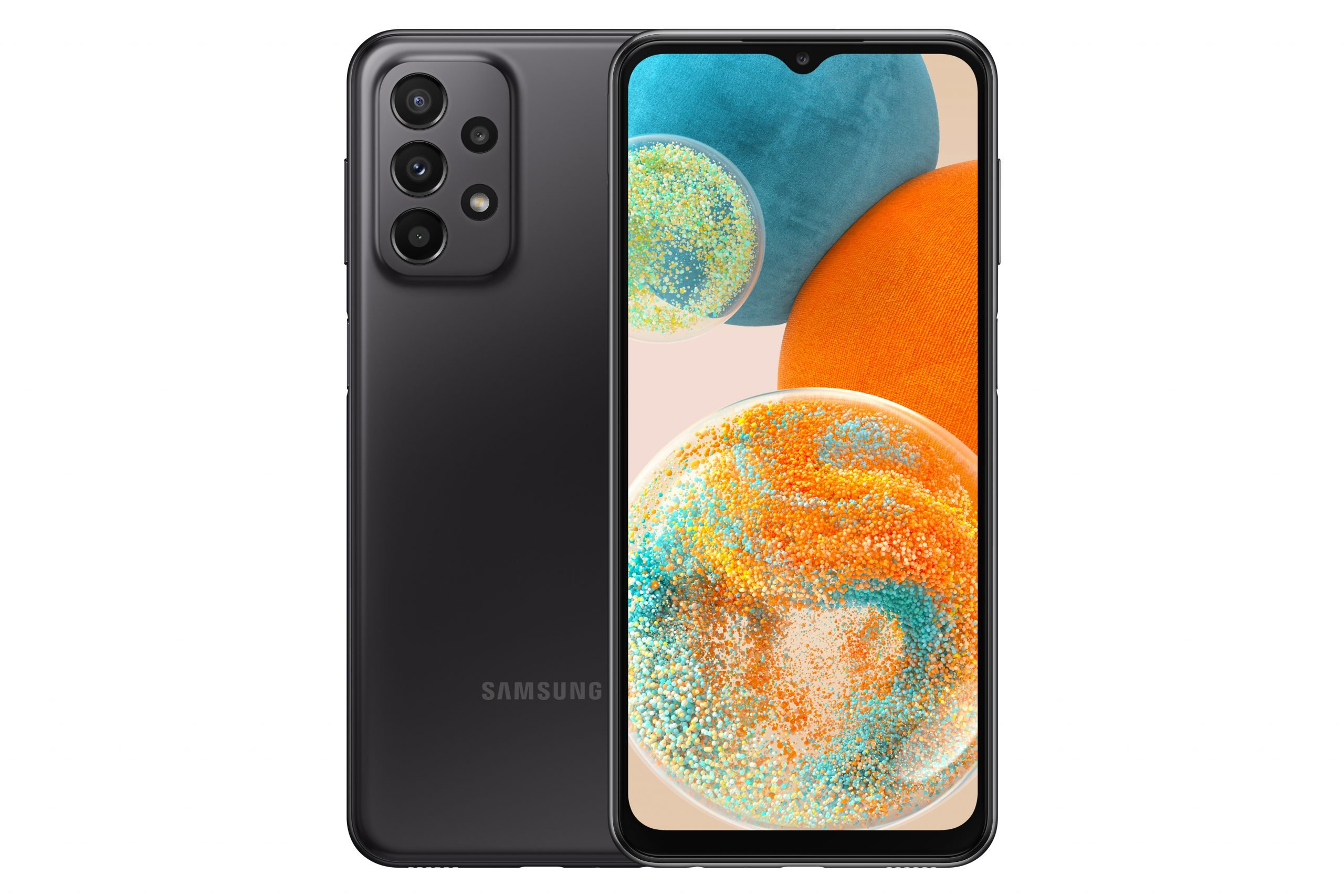
Now, the budget smartphone Samsung Galaxy A23 5G is available for purchase in the United States, and the company has set the recommended price at $299.99.
Coming to the specifications, the Galaxy A23 5G features a 6.6-inch Full HD+ display with an Infinity-V notch, 2400 x 1080 pixels screen resolution, and a 120Hz refresh rate.
Under the hood, the device is powered by the Qualcomm Snapdragon 695 processor, coupled with up to 8GB of RAM and 128GB of internal storage. It also has a side-mounted fingerprint sensor for added security.
In the camera department, there’s a quad-camera setup on the back that includes a 50MP primary camera sensor with OIS support, a 5MP ultra-wide-angle lens, a 2MP depth sensor, and a 2MP macro lens. On the front side, the phone comes with an 8MP snapper for taking selfies and video calling.
The smartphone runs the Android 12 operating system out-of-the-box with the company’s own One UI 4.1 custom interface on top. The device is powered by a 5,000mAh battery and supports 25W fast charging.
The Samsung Galaxy A23 5G is now available for purchase through AT&T and T-Mobile for the price of $299.99 and $312, respectively.
With the launch of Android 13 by Google last month, it is no surprise that other competing Android smartphone manufacturers have to update their smartphones to Android 13 to obtain the latest customization and privacy feature updates from Google as well.
After Oppo launched its latest ColorOS 13 based on Android 13 in China, its sister brand Realme has also announced today that Realme will be launching its Realme UI 4.0 operating system based on the latest Android 13 update next week.
Source: Realme China
According to Realme China Chief Software Engineer, Rain Chen on Weibo, the company is planning to launch Realme UI 4.0 next week in mid-September. The launch will be revealing what Realme devices will be eligible for the Realme UI 4.0 major OS update, as well as the brand’s Realme UI 4.0 update roadmap for 2022 and 2023 for its current existing devices running on Realme UI 3.0 based on Android 12.
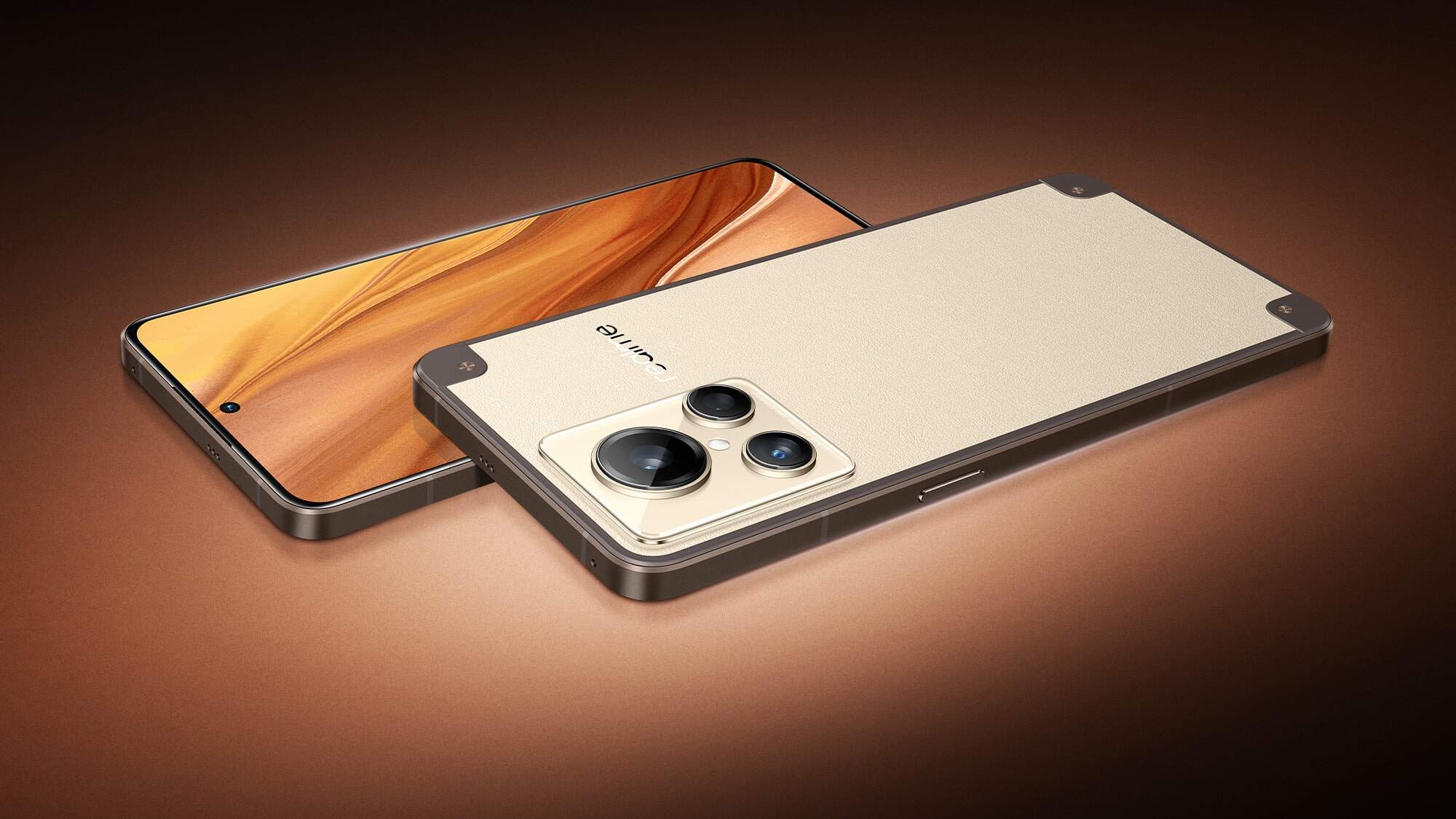
Besides sporting speedy software, the Realme GT 2 Master Explorer also features Qualcomm’s latest Snapdragon 8+ Gen 1 SoC. The new SoC is built on TSMC’s industry-leading 4nm process that promises 30% better power efficiency and battery endurance over its previous generation whilst promising 30% better GPU performance as well.
The device is also equipped with an enormous 5,000 mAh battery equipped with 100W fast wired charging support that can fill the battery of the phone to 100 percent from scratch in just 25 minutes. And the best part is that Realme has managed to keep the smartphone in a slim and lightweight profile at only 8.2mm in thickness and 195 grams.
Last month, Nubia launched the Red Magic 7S Pro Bumblebee Special Edition smartphone in China. Now, the company has launched another special edition of the gaming phone, this time for the global market.
The brand has partnered with the China-based IGG to introduce the Red Magic 7S Pro Supernova Lords Mobile Edition. As the name suggests, the device features a design inspired by the highly popular Lords Mobile game. The brand has manufactured only 200 of these special edition devices, and considering the fact that Lords Mobile has crossed 200 million players, buying one of these devices will quite literally make you a one-in-a-million fan. Let’s have a closer look at what you will get with this edition.
The Lords Mobile Red Magic 7S Pro will be packaged in a custom Lords Mobile case that includes the standard equipment (65W USB-PD 3.0 charger, USB cable, and a silicone protective cover), as well as a Lords Mobile Gift Card that can be redeemed for between $50 and $500 in-game credits. You can also obtain another $50 gift card from the Red Magic XP Store.
The first 50 buyers will also get a more advanced protective case by Red Magic. This case is not styled in the Lords Mobile theme, however, it has an aluminum plate on the back that works with the Red Magic Turbo Cooler.
Spec-wise, the gaming smartphone is equipped with a Snapdragon 8+ Gen 1 SoC, 18GB of RAM, and 512GB of internal storage. The device boasts a 6.8-inch AMOLED display with FHD+ resolution and a refresh rate of 120Hz. It has a 64-megapixel triple camera system on the back. The device is powered by a massive 5,000mAh battery pack that also enables 135W fast charging.
The Red Magic 7S Pro Supernova Lords Mobile Edition is only available in 18/512GB option. You can get one for €950/$900 from the official Red Magic store. It is available in Europe, the United States, and Canada, and it also ships worldwide to various regions of Asia Pacific the Middle East, and Latin America.
Twitter, the popular social media platform has made a major announcement for its users. After much rallying and requests from its users, the American tech giant announced on September 1st that an “edit tweet” feature will soon be introduced to its social media platform for users this year.
Illustration purposes only
From the company’s official blog post, “Edit Tweet” is a feature that lets users make changes to their Tweet after it’s been published. The feature can be useful for situations like fixing typos and adding missed hashtags without having to delete the entire Tweet or Twitter thread.
Currently, the “Edit Tweet” is in an internal testing phase on the Twitter platform, whereby only a selected group of Twitter users will enjoy the feature. Twitter states that internal testing helps the development team to incorporate feedback while identifying and resolving potential issues. This includes how people might misuse the “Edit Tweet” feature.
However, Twitter did announce that the company has plans to bring “Edit Tweet” to all of its paying Twitter Blue subscribers by the end of this month. As part of their subscription, they receive early access to features and help Twitter to test them before the features arrive on the social media platform.
Example of an edited Tweet. Source: Twitter Official Blog
As for how Edit Tweet will work, Twitter states the feature mechanics as follows:
“Tweets will be able to be edited a few times in the 30 minutes following their publication. Edited Tweets will appear with an icon, timestamp, and label so it’s clear to readers that the original Tweet has been modified. Tapping the label will take viewers to the Tweet’s Edit History, which includes past versions of the Tweet.”
Twitter is hoping that, with the availability of Edit Tweet, Tweeting will feel more approachable and less stressful for its users. The company also states that they will also be paying close attention to how the feature impacts the way people read, write, and engage with Tweets.
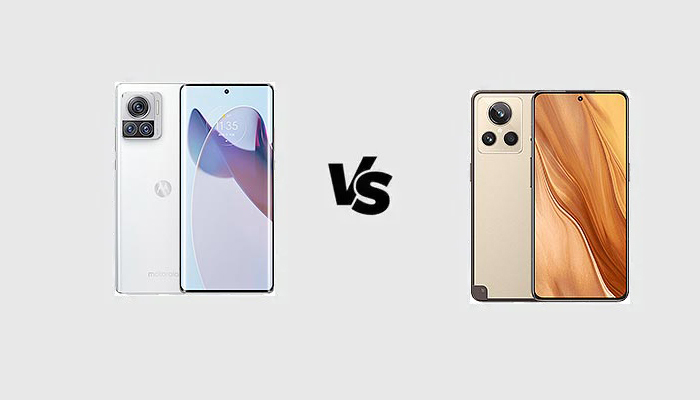
Alongside the new foldable Razr 2022, Motorola came up with a new amazing flagship: the Motorola X30 Pro. Despite being a top-tier flagship, this device does not come with an excessive price tag. Yet it sports specifications that you can usually find only on the most premium phones such as the best Samsung, OPPO, and Xiaomi devices. Another awesome handset released in this period with stunning specifications and a good price tag is the Realme GT 2 Master Explorer Edition. It has the best Qualcomm chipset and even one of the fastest charging technologies out there, but its price tag is very affordable compared to other phones with similar specifications. This is a comparison between the specifications of the Motorola X30 Pro and the Realme GT 2 Master Explorer Edition which will highlight the main differences between these two flagship killers.
Motorola X30 Pro vs Realme GT 2 Master Explorer Edition
Triple 200 + 50 + 12 MP, f/2.0 + f/2.2 + f/1.6
60 MP f/2.2 front camera
Triple 50 + 50 + 3 MP, f/1.9 + f/2.2 + f/3.3
16 MP f/2.5 front camera
BATTERY
4610 mAh, fast charging 125W
5000 mAh, Fast Charging 100W
ADDITIONAL FEATURES
5G, dual SIM, splash and dust resistant
5G, dual SIM
Design
The Realme GT 2 Master Explorer Edition is stunning not only because of its specifications but even thanks of its design. It comes in a very original color option with a design inspired by a travel trunk, including a leather back and an aluminum frame. There is also a variant of this phone with a rear side made of ceramic. Further, this phone has one of the highest screen to body ratios in the whole market as the display takes up more than 90 percent of the front panel. On the other hand, the Motorola X30 Pro is a very attractive phone thanks to its curved display at the edges sporting an incredibly high screen to body ratio of 91 percent. It has a classic glass back protected by Gorilla Glass 5 instead of a leather or ceramic back, but it is dust and splash resistant, even though it does not have an IP certification.
Display
The Realme GT 2 Master Explorer Edition and the Motorola X30 Pro are very close when it comes to display quality, but the Motorola X30 Pro is the winner, even though the margin is strict. It has an OLED panel able to show up to one billion colors with a diagonal of 6.7 inches, a Full HD+ resolution of 1080 x 2400 pixels, a 144 Hz refresh rate, the HDR10+ certification, and a peak brightness of up to 1,250 nits, as well as an in-display fingerprint scanner. The Realme GT 2 Master Explorer Edition has a 6.7-inch panel showing up to one billion colors with a Full HD+ resolution, a 120 Hz refresh rate, and the HDR10+ certification, and it sports an in-display fingerprint reader as well: it has a lower refresh rate and a lower brightness. Both phones are equipped with stereo speakers, but they lack a 3.5 mm audio jack.
Specs & Software
The differences between these two phones are just marginal if we talk about the hardware departments. They are powered by the same processor: the Snapdragon 8+ Gen 1 mobile platform by Qualcomm. It is a chipset built with a 4 nm production process sporting an octa-core architecture composed of a Cortex X2 CPU running at a max frequency of 3.19 GHz, three Cortex A710 CPUs running at a frequency of 2.75 GHz, four Cortex A510 CPUs running at 1.8 GHz, and an Adreno 730 GPU. The chipset is paired with up to 12 GB of LPDDR5 RAM, but the internal storage of these two phones is different if we only consider the most expensive variant. The Realme GT 2 Master Explorer Edition goes up to 256 GB, while the Motorola X30 Pro reaches 512 GB of UFS 3.1 storage. Both the phones run Android 12 out of the box, but with different user interfaces on top.
Camera
You should have no doubts if you need the best camera phone between these two: the Motorola X30 Pro is the most advanced one. It is the world’s first phone with a 200 MP camera: the main sensor supports OIS and is paired with a 50 MP ultrawide lens and a 12 MP telephoto camera with 2x optical zoom. On the front side, you can find an amazing 60 MP selfie shooter. The Realme GT 2 Master Explorer Edition is inferior, but it is not a bad camera phone: it has a triple rear camera including a 50 MP Sony IMX766 main sensor with OIS, a 50 MP ultrawide lens, and a 3 MP microscope camera with 40x magnification. The selfie snapper is a 32 MP sensor.
The Realme GT 2 Master Explorer Edition is able to provide longer battery life for a simple reason: it has a bigger battery with a capacity of 5000 mAh. On the other hand, the Motorola X30 Pro charges quicker thanks to 125W fast charging and it is the only one to support wireless charging.
Price
You need at least $448/€448 to purchase the Realme GT 2 Master Explorer Edition, while the Motorola X30 Pro starts from €550/$550. Which one would you pick?
Motorola X30 Pro vs Realme GT 2 Master Explorer Edition: PRO and CONS
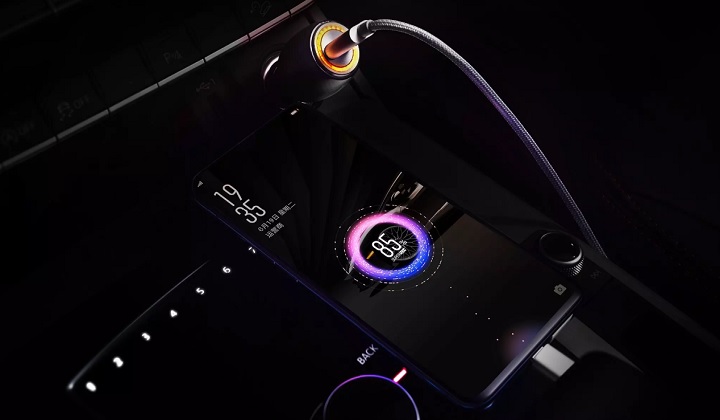
Nowadays, chargers are a rare sight inside smartphone boxes. Apple started this trend and other manufacturers quickly followed the lead. OPPO was keeping the tradition alive by including a charger with all of its smartphones. However, now it seems the company will also join its fellow manufacturers in the “No charger club”.
During the European launch event for the Oppo Reno8 series Billy Zhang, Oppo’s VP of overseas sales and services, said that OPPO will “take the charger out of the box in the next year for several products”. However, he didn’t delineate which devices will lose the charger.
“It’s not that easy for consumers to get access to [SuperVOOC chargers], so we have to keep it in the box. However, as we are expanding our business operations, we are looking to taking chargers out of the box and put them in the store so that our users are able to buy the chargers and continue using them even when they upgrade their devices,” Zhang added.
As the executive mentioned, the chargers will be removed from only some of the devices and the majority of the OPPO products may still retain a charger. In addition, the company will make the chargers available in stores, so that the customers can purchase them easily.
This move shouldn’t come as a surprise since major OEMs like Apple and Samsung have been shipping their phones without chargers for years. By dropping chargers, companies aim to reduce their carbon footprint and save the environment through the reduction of plastic waste.
More details about this are expected to emerge soon. We’ll keep you posted!
The GameSir X2 Pro mobile gaming controller for Android smartphones has been announced. It is an Xbox-licensed mobile gaming controller that can be used for cloud gaming on Android smartphones.
GameSir has gradually grown in the gaming peripheral market since it was formed in 2010. It has an array of products already released and the X2 Pro seems to be a strong statement by the brand. It is fully compatible with Android smartphones with version 8.0 Oreo and higher. It requires smartphones with a USB-C port and measuring between 110mm and 179mm in length. The X2 Pro has LB/RB buttons with Kailh micro switches with a life cycle beyond 3 million clicks.
The GameSir X2 Pro has LT/RT Hall Effect analog triggers which come with improved precision, and are accurate up to 0.1mm. It supports multiple gaming platforms including Xbox Cloud Gaming, Xbox Game Pass Ultimate, NVIDIA GeForce NOW, Amazon Stadia, and Google Stadia. It also comes with a pair of customizable buttons at its back, as well as detachable magnetic ABXY buttons. In addition, the X2 Pro package includes two sets of joystick caps (convex and concave), as well as black and white color options.
The GameSir X2 Pro retails at $79.99 and is available directly from the GameSir website or Amazon. GameSir has a wide array of products including gamepads, keyboards, keypads, and mice. The X2 Pro mobile gaming controller transforms a smartphone into a gaming handheld device. However, the overall gaming experience will be impacted by the capabilities of the Android smartphone itself.
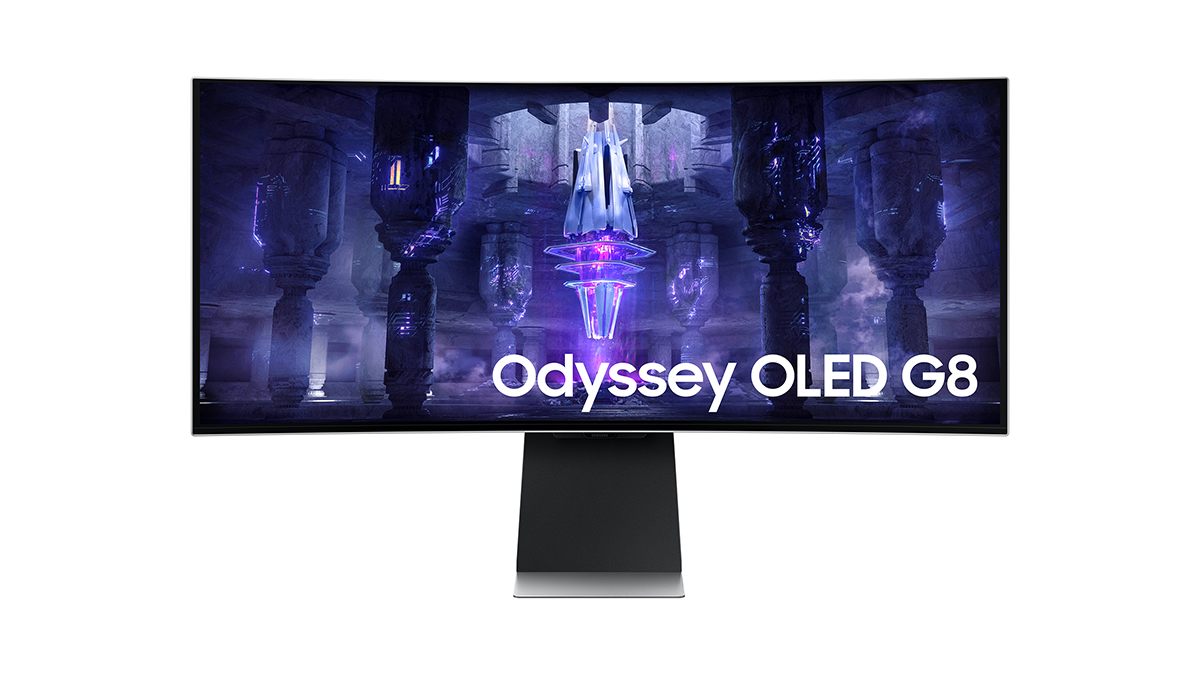
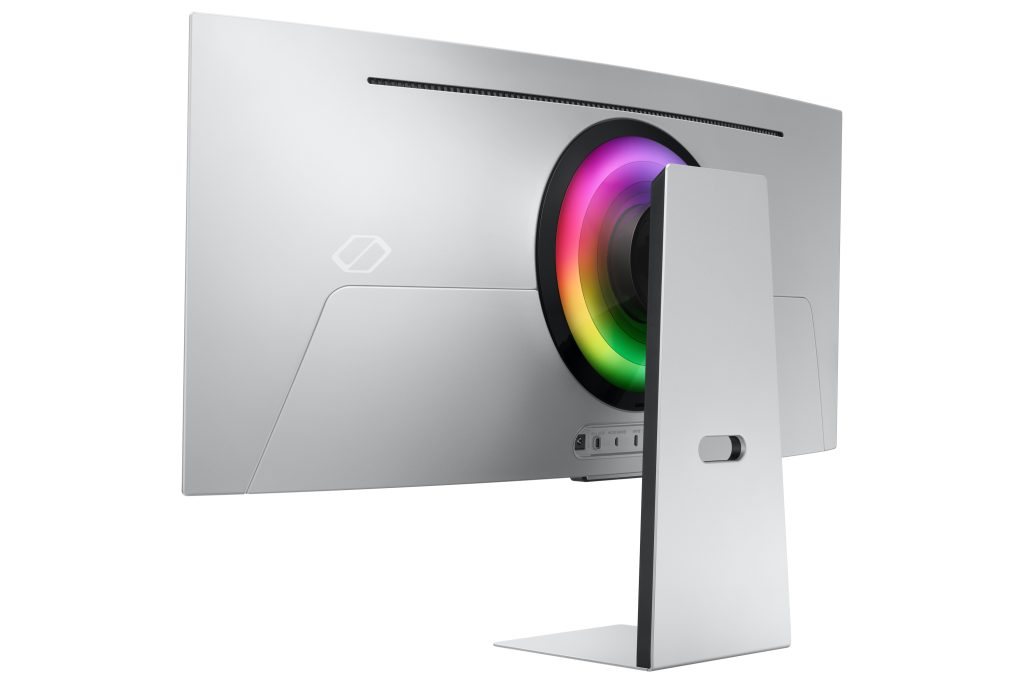
Samsung has announced the Odyssey OLED G84SB premium QHD curved monitor with a 175Hz refresh rate. The new Samsung monitor has a screen size of 34 inches and is Samsung’s first OLED gaming monitor. The announcement was made during the IFA 2022 in Berlin, Germany.
The Samsung Odyssey OLED G8 is a slim model which features Quantum Dot Technology for excellent brightness. Its high refresh rate of 175Hz and a response time of 0.1ms means that the monitor is well primed for gaming. The monitor has an aluminum frame and features VESA DisplayHDR 400 True Black. It also comes with AMD FreeSync Premium for seamless performance. The lighting is controlled by pixels and a solid contrast ratio.
Odyssey OLED G8 has an ultra-wide QHD with a resolution of 3,440 x 1,440 pixels, 100% colour volume, and a 21:9 aspect ratio. The gaming monitor has RGB and true black optimal colour accuracy support and a 99.3% DCI colour gamut. The gaming monitor is powered by Samsung’s Smart Hub featuring entertainment and lifestyle options. The Samsung Gaming Hub is also part of the features that guarantee variety and an immersive gaming experience. There are several gaming options including Xbox, NVIDIA GeForce NOW, and Google Stadia. Amazon Lula support is available also exclusively in the US market.
The Samsung Odyssey OLED G8 gaming monitor is versatile and can be used in different orientations. It has a Height Adjustable Stand (HAS) and tilt for utmost ergonomic comfort for any gamer. The Odyssey OLED G8 could arrive on the global market by Q4 2022 but Samsung has not released its pricing details yet.
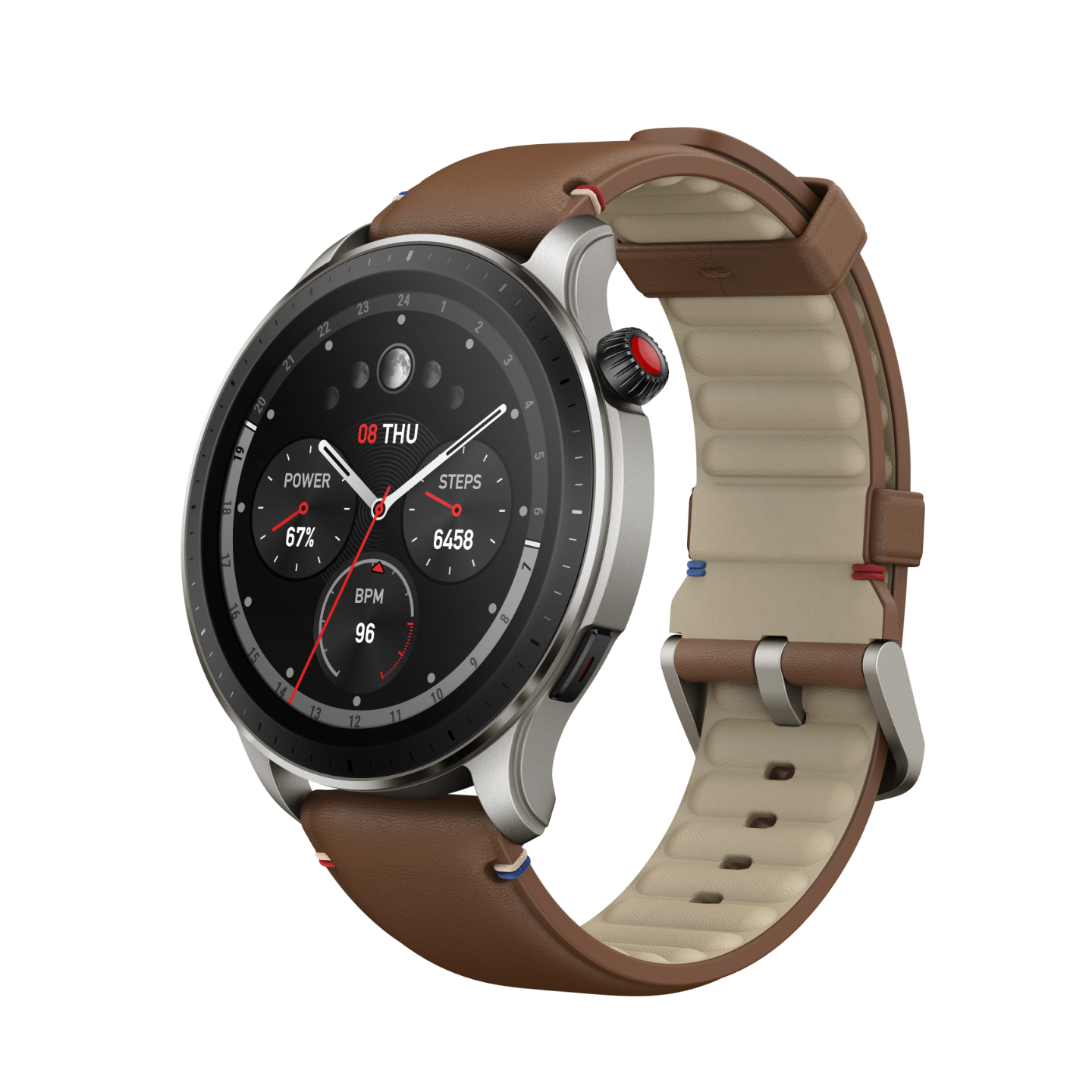
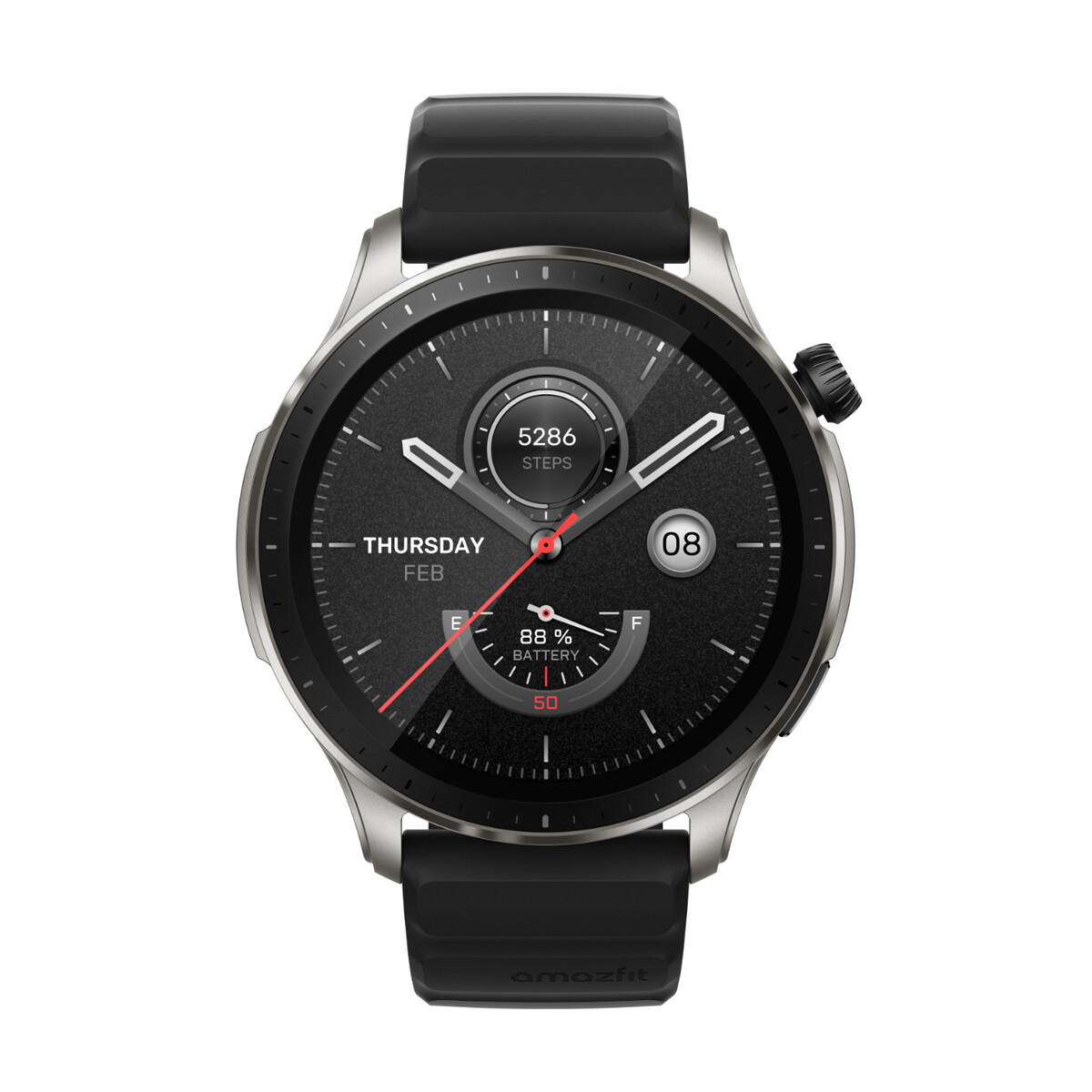
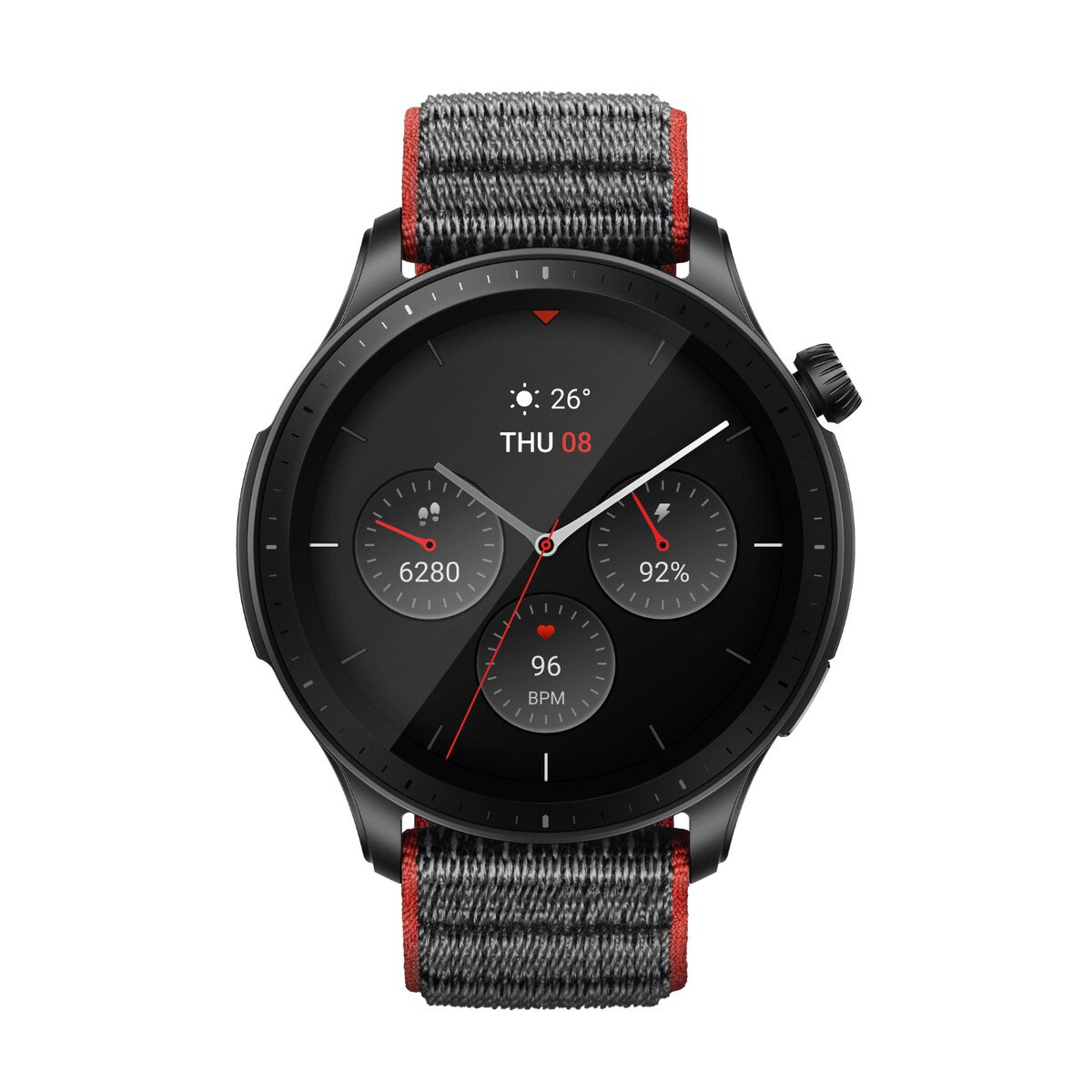
The IFA 2022 kicks off this weekend and it has already seen a raft of product releases on the eve of the event. This year’s leading consumer electronics showcase event holds in Berlin Germany. On the sidelines of the IFA 2022, Amazfit has unveiled the Amazfit GTR 4 with a new BioTracker 4.0 PPG optical sensor and enhanced GPS with access to five satellite systems.
The Amazfit GTR 4 smartwatch has up to 10 sports modes, advanced fitness features, and additional functionality via the Zepp app. The GTR 4 has an advanced Track-Run mode, a new Golf Swing mode (for golfing enthusiasts), and compatibility with Adidas Running. Amazfit plans to also incorporate support for Strava via an update. It will also be possible soon to import route parameters from Zepp into the GTR 4 and navigate the route in real-time.
The Amazfit GTR 4 is also a health-focused smart wearable. It features Amazfit’s Bio Tracker 4.0 PPG sensor which could be significantly more accurate than its previous iteration. The smartwatch has a 1.43” AMOLED and up to 14 days of battery life with typical usage. It supports voice commands via the built-in Alexa Voice Assistant and is available in grey, black and brown leather color options.
The Amazfit GTR 4 is priced at €199.99 ($200) in Europe. There are no full global rollout details but pre-sales commence in the Eurozone on September 2 while general availability is slated for September 12. Germany, Poland, France, Italy, the UK, and Spain will receive the GTR 4 in the process up to October.
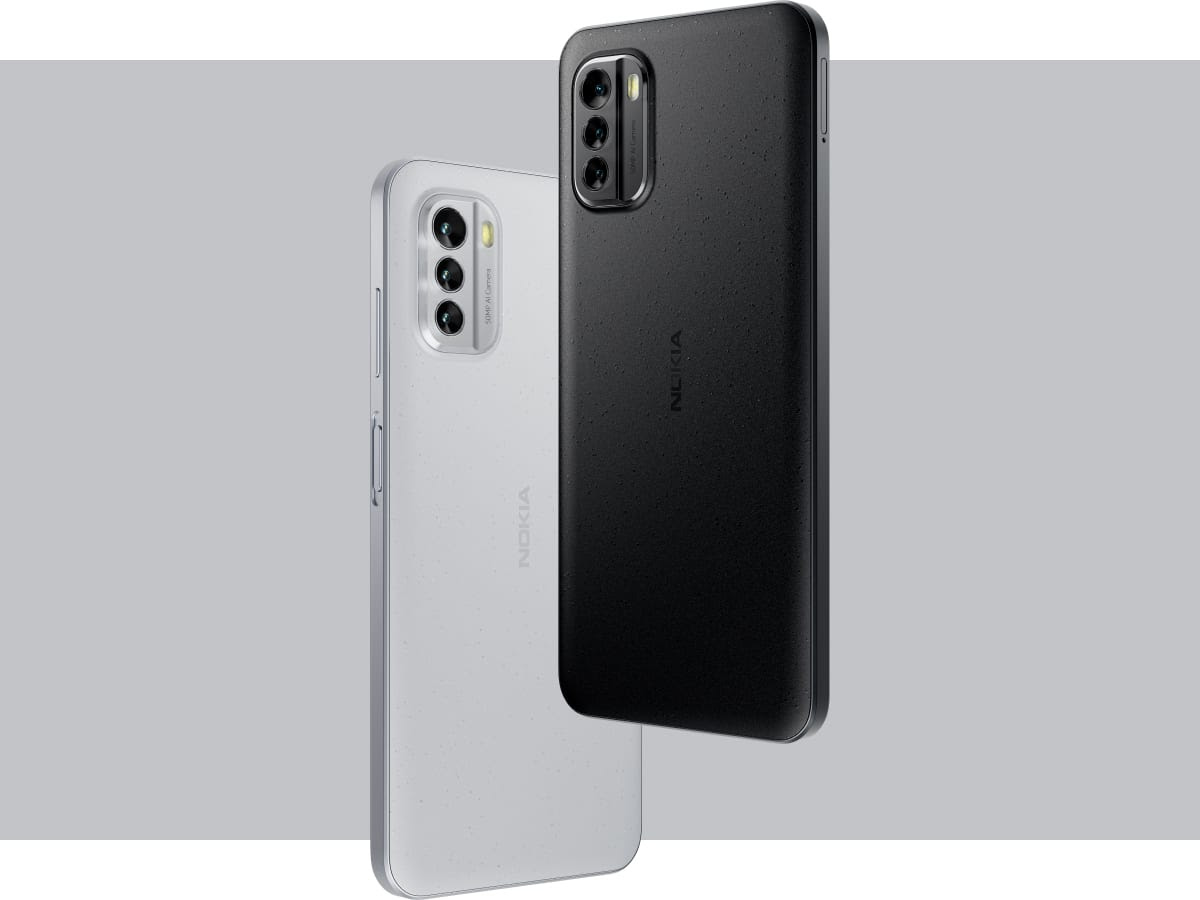
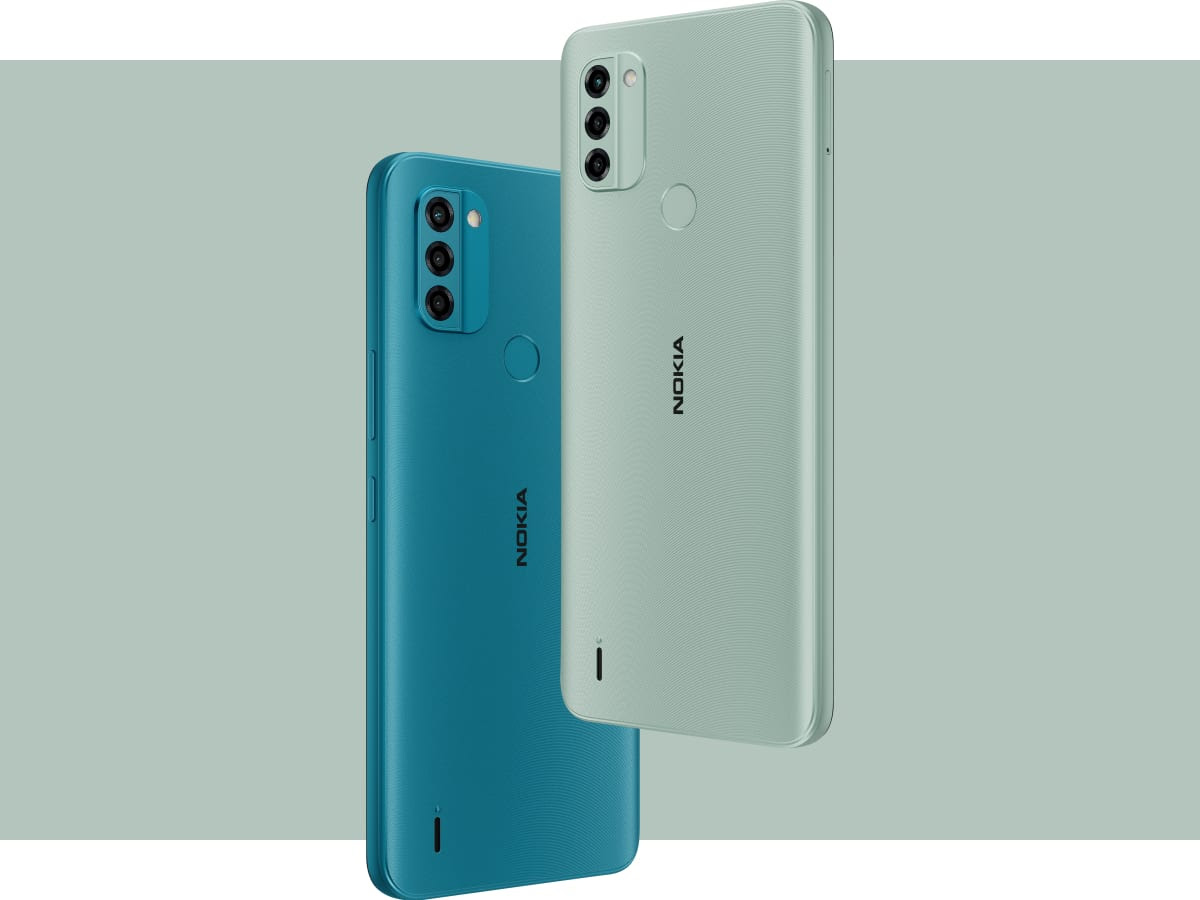
A smartphone made from 100% recycled aluminum and 65% recycled plastic is among three devices announced by HMD Global. The three Nokia phones are the Nokia X30 5G, G60 5G, and C31 smartphones. HMD Global says the X30 5G is the most environmentally friendly smartphone yet. The three Nokia smartphones were part of the lineup of products unveiled by the company during its IFA event.
All three models run on Android 12 out of the box, while the X30 5G and G60 5G will enjoy three years each of Android upgrades and monthly security updates. The package also includes an extended three-year warranty for the 5G models while the C31 gets two years of monthly security updates.
The Nokia X30 5G has a 6.43-inch 1080p FHD+ AMOLED display with a 90Hz refresh rate and 700 nits of peak brightness. It comes with Corning Gorilla Glass Victus protection and is powered by the Snapdragon 695 chip. The RAM/ storage configurations of the X30 5G are 6GB/128GB and 8GB/256GB. The camera setup of the X30 5G includes a 50MP primary camera, a 13MP ultra-wide, and a 16MP front-facing camera. It has a 4,200mAh battery with 33W fast charging, as well as IP67 protection.
The Nokia G60 5G has a 6.58-inch 1080p FHD+ LCD screen with a refresh rate. The V-notch display can reach a peak brightness of 500 nits and is protected by Corning Gorilla Glass 5. It is powered by the Snapdragon 695 chipset with RAM/ storage configurations up to 6GB/128GB. The storage is expandable via microSD to 1TB. The G60 5G has a 50MP rear camera, a 5MP ultra-wide, and an 8MP front-facing camera. It has a 4,500mAh battery which supports 20W fast charging.
The Nokia C31 has a 6.7-inch 1600 x 720 pixels HD+ V-notch LCD protected by 2.5D toughened cover glass. It is powered by the UNISOC SC9863A1 chipset with up to 4GB/128GB of RAM/ storage. It has a triple rear camera setup consisting of a 13MP primary camera, a 2MP depth, and a 2MP macro, in addition to a 5MP front camera. The C31 has a 5,050mAh battery with 10W charging.
In terms of pricing, the Nokia X30 5G will retail for equivalently $529, while the G60 5G costs around $319. The Nokia C31 comes at the rear at a price of $129. The three phones come in a couple of color combinations and will also enjoy the Nokia Circular subscription service from Q4, 2022.
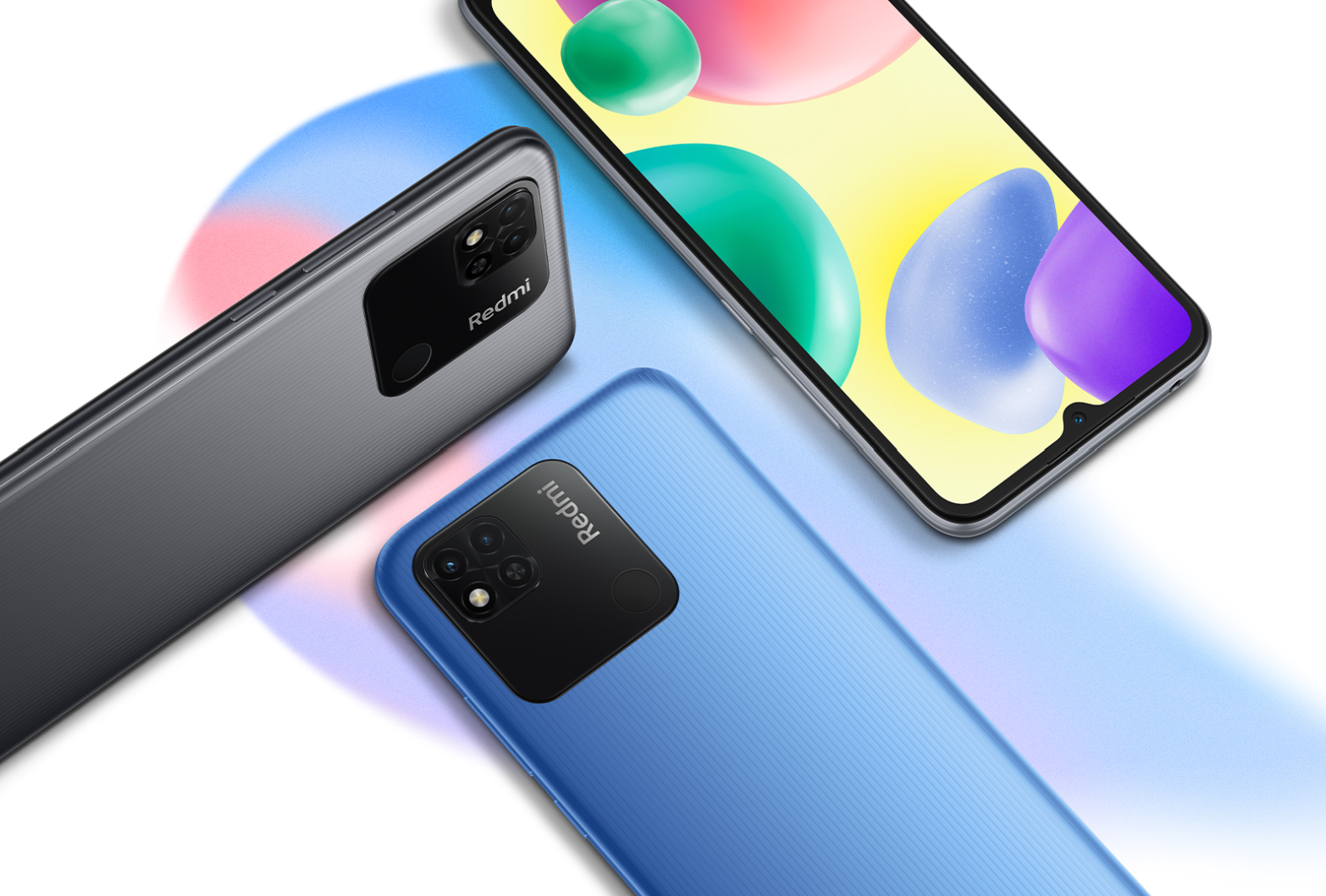
Redmi is working on a bunch of A-series smartphones. The company recently teased the launch of the Redmi A1. And today a new smartphone, dubbed Redmi A1+ has been spotted on TDRA UAE’s website, hinting at an imminent launch. It is expected to be an entry-level smartphone and may debut alongside the Redmi A1.
According to tipster Mukul Sharma, a Redmi smartphone with the moniker Redmi A1+ has been spotted on the TRDA certification database with the model number 220733SFG. The listing did not provide the specifications of the smartphone. However, it has confirmed the moniker and has signaled an imminent launch. Recently, a device with the same model number also appeared on the IMEI database.
Details about the Redmi A1+ are still pretty short. Its moniker suggests it may be launched as a budget smartphone with decent specs. More details will likely emerge soon. Meanwhile, let’s check out the rumored specifications of the recently teased Redmi A1 to get a better idea about the upcoming device.
Redmi A1 Specifications (Expected)
Redmi A1 is expected to be an entry-level smartphone. It will be equipped with a MediaTek Helio A22 chipset, which is a pretty old quad-core processor with all four cores clocked at 2GHz.The chipset will be paired with 3GB of RAM. As for the operating system, the device will run Android 12 out of the box.
Apart from this, the Redmi A1 will feature connectivity options like LTE, 2.4GHz WiFi, and Bluetooth 5.0. The device will measure 164.67mm in length and will be 76.56mm wide. Redmi A1’s teaser post suggests the device may launch during Diwali (an Indian festival), which is on October 24. Redmi A1+ may also launch alongside it.
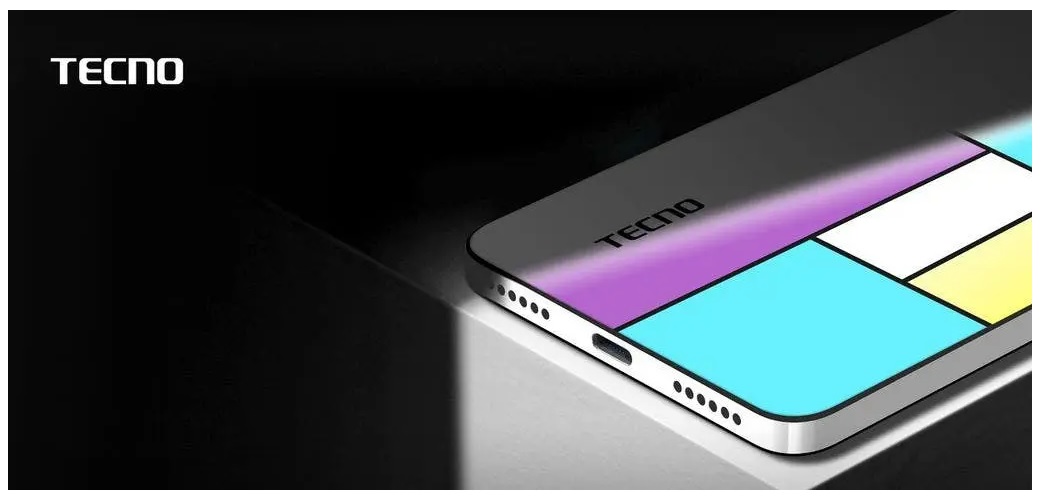
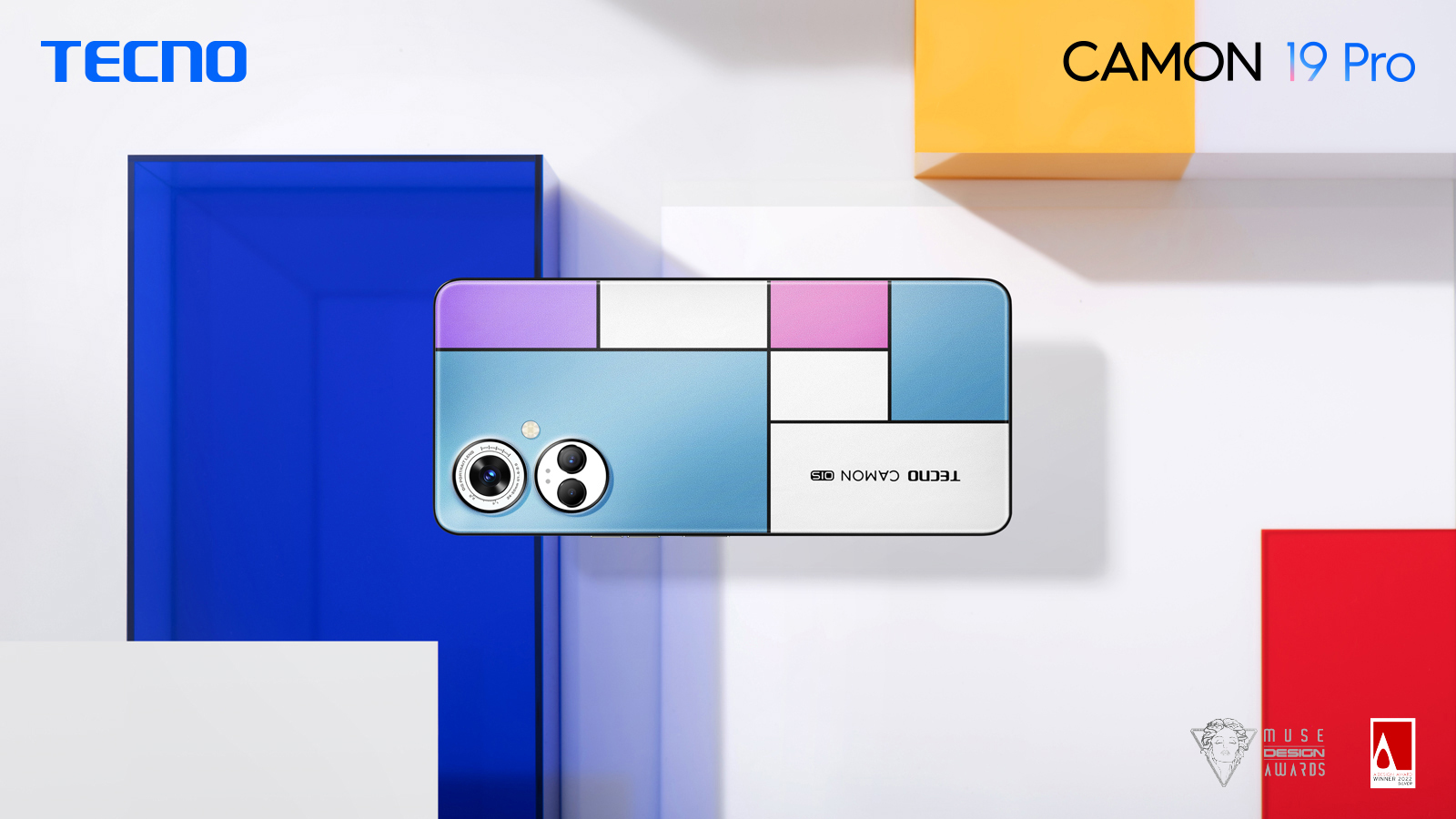
Smartphone designs haven’t evolved a lot over the past few years, but we have seen brands like vivo and Nothing that have tried to differentiate their phone’s design with unique rear panels. We have seen phones from OPPO and vivo change their colors when you expose them to sunlight or more specifically UV rays. Now TECNO joins this club with the debut of its CAMON 19 Pro Mondrian edition which features a unique technology that can change its color to multiple shades from plain white. TECNO describes it as a “light chasing” experience.
From the official renders, we can see multiple rectangular blocks on the back. Under normal conditions, the back features a plain white color, however, when exposed to sunlight, the different blocks change from white to different colors. To recall, phones like the Vivo V25 Pro can only change its color from one shade to the other. This makes the Camon 19 Pro Mondrian edition’s design one of a kind in this industry. Clearly, this color-changing design is going to be one of the biggest selling points of the device at launch.
Phones from brands like OPPO and Vivo that feature similar color-changing technologies rely on Fluorite AG glass. But in the case of the Camon 19 Pro Mondrian edition, it features a unique Polychromatic photoisomer technology. The phone relies on the recovery and breakage effect of the chain of photosynthesis molecular bonds under ultraviolet light, making the colorless molecular groups chromogenic and reverting to being colorless. To achieve this result, the phone has to go through 22 steps with the final product having the ability to change its color into multiple shades and also reverting back to being colorless. TECNO adds that the phone underwent 500 iterations until the resulting design was finalized.
TECNO also revealed a teaser video of the Camon 19 Pro Mondrian edition’s color-changing technology a few months ago. You can check it out down below.
In case you are wondering, the Camon 19 Pro Mondrian edition gets its name from the revered Dutch artist Piet Mondrian, a painter and art theoretician who is regarded as one of the greatest artists of the 20th century. Mondrian is known for his work on abstract art and intruding figurative paintings.
The CAMON 19 Pro Mondrian edition has also bagged multiple awards like the USA Muse design award and the A’ Design Award from Italy, an award that recognizes the best design concepts and products.
The phone is confirmed to launch in India later this month but an exact date hasn’t been revealed yet. It is said that the device will have identical specs to the standard CAMON 19 Pro model, but with this unique color-changing back panel.
Tecno Camon 19 Pro Mondrian Edition Specifications
Like the regular CAMON 19 Pro, the Mondrian edition is also expected to feature a 6.8-inch tall IPS LCD display with FHD+ resolution and 120Hz refresh rate. A mid-range MediaTek Helio G96 chip is expected to power this device with up to 8GB of RAM and 256GB of ROM.
As for the camera specs, the phone will likely come with a triple camera setup consisting of a 64MP primary camera with OIS, a 50MP portrait shooter, and a 2MP macro camera. On the front, a large 32MP is expected to take care of the user’s selfie needs. Finally, for battery, the phone should feature a 5000mAh battery like the regular edition with 33W fast charging support.
Vivo X Fold S was recently spotted on China’s 3C certification site, which confirmed the device will support up to 80W fast charging. Today, the device has visited Geekbench benchmarking site, hinting at a few key specs. The listing reveals the foldable will be equipped with Qualcomm’s flagship Snapdragon 8+ Gen 1 SoC. Moreover, it is rumored to feature up to 12GB of RAM, an improved battery, a 50-megapixel telephoto camera, and a high-resolution display with a 120Hz refresh rate.
Vivo X Fold
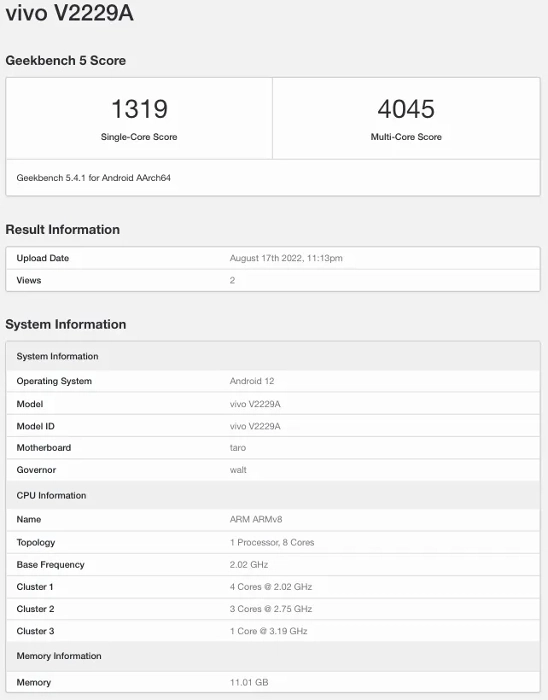
Tipster Mukul Sharma has spotted the Vivo X Fold S on the Geekbench website with model number V2229A. The device’s motherboard is having codename ‘taro’, which is associated with Qualcomm’s latest Snapdragon 8+ Gen1 chipset. The chipset is having four cores running at 2.02GHz, three at 2.75GHz, and one prime core with a 3.19GHz clock speed.
The processor is paired with Adreno 730 GPU. The listing shows the phone would offer 11.01GB of RAM. This translates to 12GB RAM on paper. The phone could also come with other storage variants. The foldable is listed to run Android 12 OS out of the box. It may also have a customized UI on top.
The Vivo X Fold S smartphone has scored 1,319 points in the single-core round and 4,045 points in the multi-core tests.
Previous reports suggest the device will come with a 4,700mAh battery and support up to 80W wired and 50W wireless charging. It is said to have a 50-megapixel telephoto camera and significantly improved hinge and build quality. Further, the device is tipped to have a leather finish and an in-screen ultrasonic fingerprint sensor.
The Vivo X Fold S is rumored to debut this month (September). We are still waiting for an official word from the company. More details are expected to emerge soon. We’ll keep you posted.
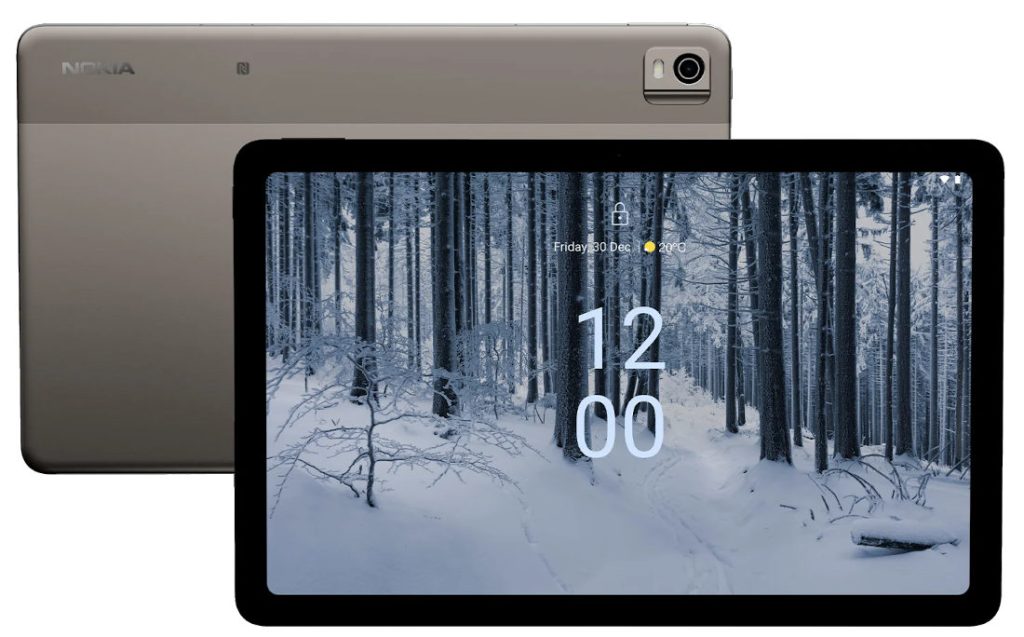
HMD Global has officially unveiled a new Nokia tablet dubbed Nokia T21. The new tablet is a slight bump from the T20 that was launched last year. The tablet packs a decent specs lineup as well as a cool design.
In terms of specifications, the Nokia T21 utilizes a tough aluminum body that has a 60% recycled plastic cover for the antenna. The slate packs a 10.36-inch IPS LCD display with a resolution of 2000 x 1200 pixels, and 400 nits brightness. The display is covered by toughened glass for protection.
The T21 is powered by a UNISOC T612 Octa-core processor with Mali-G57 GPU. The processor is paired with 4GB LPDDR4 RAM while there are 64GB and 128GB storage options. The storage can be expanded up to 512GB via microSD.
The tablet runs on the Android 12 operating system and the company is promising to deliver two years of Android upgrades and up to three years of monthly security updates. Other features onboard include NFC support, stereo speakers, and a 3.5mm audio jack.
In terms of the camera, the tablet packs an 8MP autofocus rear camera with LED flash. For selfies, the device comes with an 8MP front-facing camera. The device also comes with IP52 dust and splash resistance. The slate gets its juice from an 8200mAh battery with support for 18W fast charging.
The Nokia T21 tablet is available in Wi-Fi and 4G/LTE options. It comes in a single Charcoal Grey colour option. As for the price, it starts at 239 EUR (US$ 239). The slate will be available to buy in only select markets globally.
Vivo Y02s and Y02 Jio launch timeline in India has been tipped. Tipster Paras Guglani (aka PassionateGeekz) revealed that the brand will reportedly launch both smartphones in the country in mid-September. Vivo is also said to partner with telecom major Reliance Jio for the launch of the Y02 smartphone. Both the Y02s and Y02 will be entry-level smartphones from Vivo. However, the brand is yet to officially announce anything about the two devices.
In Collaboration with Jio, Vivo Y02 launching soon in India, mid-september
The Vivo Y02s are Y02 Jio are expected to arrive as the successors to the Vivo Y1s and Y01 respectively.
The Vivo Y02s recently debuted in the Philippines market. The Indian variant is expected to come with the same specifications. The smartphone features a 6.51-inch LCD display bearing an HD+ resolution and a waterdrop notch. It comes with an 8MP rear and 5MP front-facing selfie camera. Internally, the device is powered by a MediaTek Helio P35 processor paired with 3GB RAM and 32GB internal storage expandable via a microSD card slot. The Vivo Y02s is backed by a 5,000mAh battery unit with support for 10W charging.
Lenovo ThinkBook 16p Gen 3 laptop has been launched at the ongoing IFA 2022. The brand has also announced a slew of other devices at the event. The laptop packs powerful specifications and is aimed at content creators and power-hungry users. The machine is available in two display configurations. Read on to know what the ThinkBook 16p Gen 3 offers out of the box.
The Lenovo ThinkBook 16p Gen 3 boasts a 16-inch IPS display bearing a resolution of 2.5K pixels. The screen is surrounded by thin bezels on all four sides. The laptop is offered in a 60Hz panel with 400 nits brightness and a 165Hz VESA Certified HDR400 panel with 500 nits peak brightness. Both variants are X-Rite Pantone certified and support Dolby Vision content.
The Lenovo ThinkBook 16p Gen 3 comes with a full-sized backlit keyboard along with a dedicated number pad. On the audio front, the laptop is equipped with Harman Kardon-powered speakers tuned by Dolby Atmos and dual-array microphones. The ThinkBook 16p Gen 3 can also be availed in either the FHD RGB webcam or the FHD + IR webcam option.
Under the hood, the Lenovo ThinkBook 16p Gen 3 houses up to AMD Ryzen 9 6000 H-Series processors coupled with NVIDIA GeForce RTX 3060 GPU onboard. It packs up to 32GB LPDDR5 RAM and 2TB SSD storage. The machine draws its power from a 71Whr battery unit.
The Lenovo TinkBook 16p Gen 3 features a fingerprint scanner embedded in the power button, a camera privacy shutter, and firmware TPM. Connectivity options on the laptop include an HDMI port, USB-C, USB 4, USB-A, 3.5mm headphone jack, WiFi-6, and Bluetooth 5.2.
The Lenovo ThinkBook 16p Gen 3 carries a starting price tag of EUR 1,999. It is now available for purchase in the select markets.
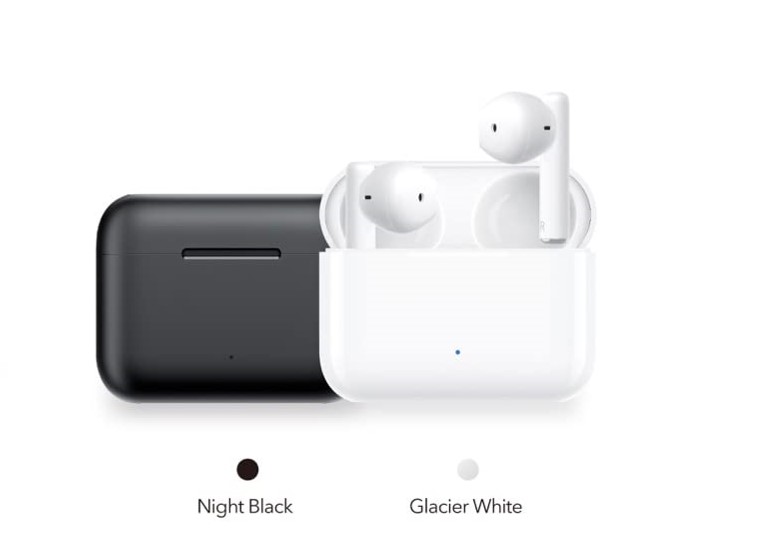
Honor Choice Earbuds X have launched in India today. They had debuted globally earlier. The TWS earphones pack a host of features and are available at an aggressive price tag. The Honor Choice Earbuds X compete against the likes of the OnePlus Nord Buds, Bullets Wireless Z2, Realme Buds Air Neo, Redmi Earbuds 3 Pro, and more in the market. Read on to know what the audio device offers out of the box.
The Honor Choice Earbuds X come with a semi-in-ear design and lacks silicone ear tips. They look similar to Apple’s AirPods. Users can perform various actions by tapping on the stem of the earbuds. The audio device is IPX4 certified water-resistant.
On the audio front, the Honor Choice Earbuds X are equipped with a 12mm bio-diaphragm driver that provides deep bass. The earbuds feature transparency mode and dual-mic noise reduction for a clear quality on calls. The TWS earphones come with a 125ms low latency mode for gaming. There is a wake-up AI voice assistant feature.
The Honor Choice Earbuds X are powered by a 500mAh battery unit with a charging case whereas each earbud is backed by a 40mAh cell. The TWS earphones are claimed to deliver 28 hours of battery life on a single charge.
The Honor Choice Earbuds X are available in Glacier White and Night Black colours. The device carries a price tag of Rs 2,499 and is available for purchase from Amazon.
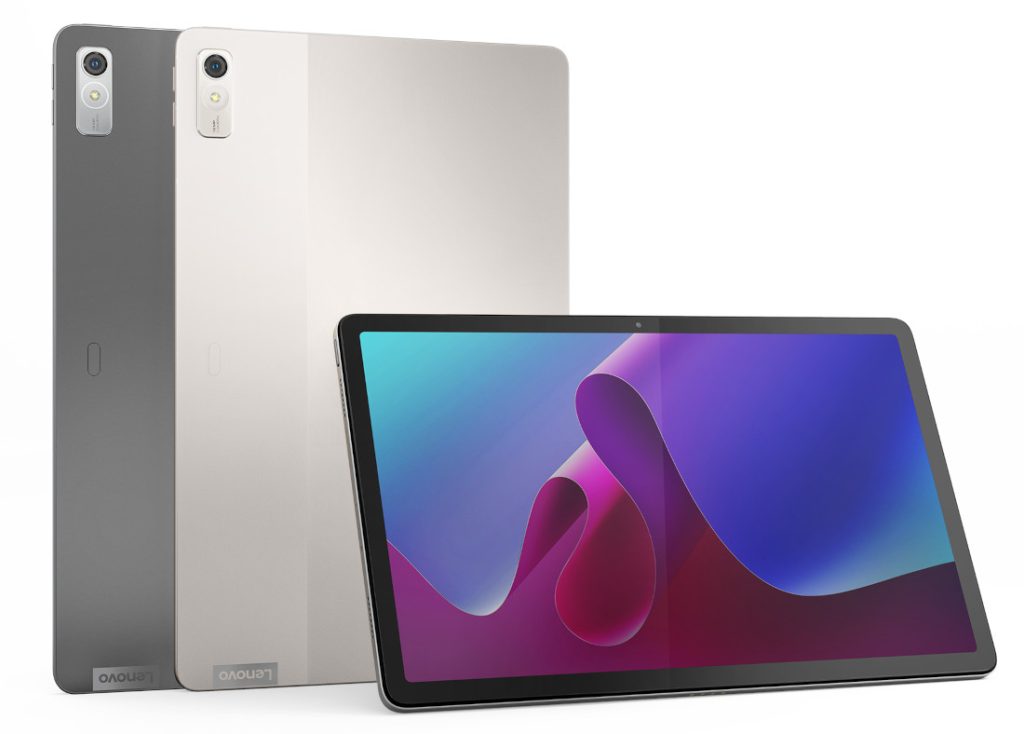
The IFA 2022 tech show has started, and companies have started to talk about their new products. Apart from unveiling the Glass T1, IdeaPad 5i Chromebook and ThinkPad X1 Fold, Lenovo has also launched second-generation editions of the Tab P11 and Tab P11 Pro tablets. Here is all the information on the specifications, features, and prices of these devices.
Lenovo Tab P11 Pro (2nd Gen) specifications, price
The Lenovo Tab P11 Pro features an 11.2-inch OLED display with a 2.5K resolution of 2560 x 1536 pixels, up to 120Hz refresh rate, a DCI-P3 colour gamut of 100 percent, and a brightness of up to 600 nits. The device supports Dolby Vision and HDR10+. It comes preinstalled with Android 12 but is promised to get the Android 14 update. It features a 13-megapixel rear camera and an 8-megapixel front camera.
Lenovo Tab P11 Pro (2nd Gen)
The Tab P11 Pro is powered by the MediaTek Kompanio 1300T chipset. It will be available for purchase in configurations such as 4 GB RAM + 128 GB of storage; 6 GB RAM + 128 GB of storage; and 8 GB RAM + 256 GB of storage. It packs an 8,200 mAh battery. It also has Wi-Fi 6, Bluetooth 5.1, a USB-C 3.0 port with DP-out, quad JBL speakers that support Dolby Atmos, two microphones, and a microSD card.
Buyers of the Tab P11 Pro can also add accessories such as a full-sized keyboard with a built-in trackpad, a Lenovo Precision Pen 3, and a folio case. It has a starting price of 499 euros and comes in two colours: Storm Grey and Oat.
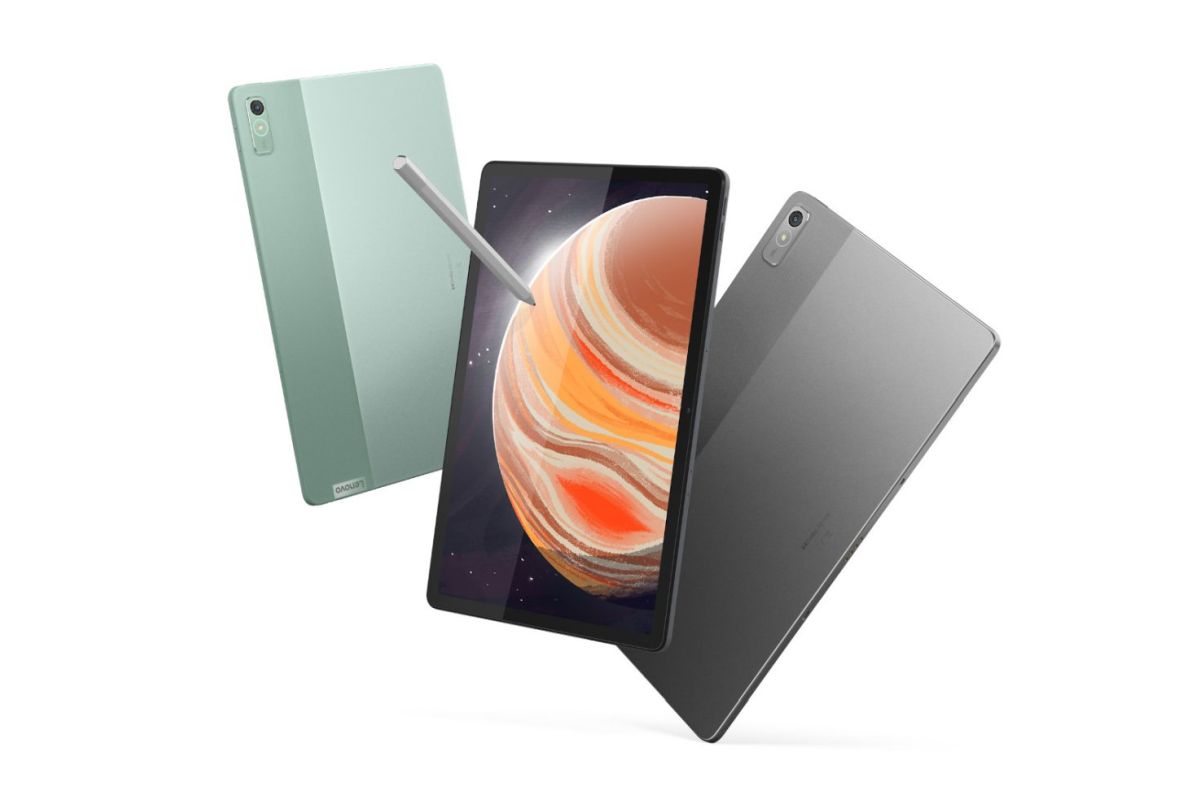
Lenovo Tab P11 (2nd Gen) specifications, price
The 11.5-inch LCD display on the Lenovo Tab P11 has a 2K resolution of 2000 x 1200 pixels, a refresh rate of 120Hz, a DCI-P3 colour gamut, and a brightness of up to 400 nits. The device boots to Android 12L and is confirmed to get the Android 14 upgrade. On the back of the device is a 13-megapixel camera, while the front has an 8-megapixel camera.
Lenovo Tab P11 (2nd Gen)
The Tab P11 is the first-ever tablet to feature the MediaTek Helio G99v chipset. It will be available in three variants: 4 GB RAM + 64 GB of storage; 4 GB RAM + 128 GB of storage; and 6 GB RAM + 128 GB of storage. To keep the lights on, it has a 7,700 mAh battery. It also has LTE, up to Wi-Fi 6E, a USB-C port, Dolby Atmos tuned quad speakers, dual microphones, a 3.5mm audio jack, and a microSD card slot.
The Lenovo Tab P11 starts at 299 euros. It can be purchased in Storm Grey and Sage colours. Its optional accessories include the Lenovo Precision Pen 2, a keyboard pack, and a folio case.
We use cookies on our website to give you the most relevant experience by remembering your preferences and repeat visits. By clicking “Accept”, you consent to the use of ALL the cookies.
This website uses cookies to improve your experience while you navigate through the website. Out of these, the cookies that are categorized as necessary are stored on your browser as they are essential for the working of basic functionalities of the website. We also use third-party cookies that help us analyze and understand how you use this website. These cookies will be stored in your browser only with your consent. You also have the option to opt-out of these cookies. But opting out of some of these cookies may affect your browsing experience.
Necessary cookies are absolutely essential for the website to function properly. This category only includes cookies that ensures basic functionalities and security features of the website. These cookies do not store any personal information.
Any cookies that may not be particularly necessary for the website to function and is used specifically to collect user personal data via analytics, ads, other embedded contents are termed as non-necessary cookies. It is mandatory to procure user consent prior to running these cookies on your website.