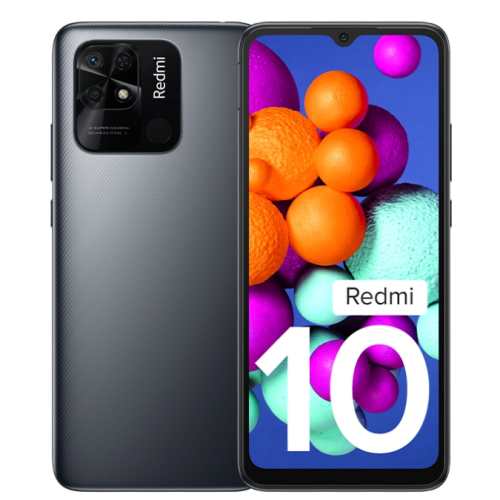
Redmi‘s numbered series is among the most successful smartphones in the Indian budget segment. And now, the brand is reportedly planning to debut the Redmi 11 5G in India as an entry-level 5G smartphone.
Redmi 10 (India variant)
According to a 91mobiles report, Xiaomi plans to launch the Redmi 11 5G in Q2. This means that the smartphone will likely launch sometime next month. The report also mentions the specs that the device will come with, so let’s check it out.
Redmi 11 5G specifications (rumored)
The Redmi 11 5G will come with a 6.58-inch LCD display featuring an FHD+ resolution and support for a 90Hz refresh rate.
Under the hood, the device will come with the Dimensity 700 chipset paired with up to 4GB of RAM and 64GB of storage. Users will have a choice to expand their memory using a microSD card. It will be powered by a 5,000mAh battery with support for 18W fast charging.
For optics, the smartphone will sport a dual camera on the back including a 50-megapixel primary shooter coupled with a 2-megapixel secondary camera. On the front, the device is said to bring a 5-megapixel snapper for selfies and video calls.
Other than that, the smartphone will come with a side-mounted fingerprint scanner and will be 9mm in thickness. Lastly, the device is expected to launch with a Rs 13,999 price tag in India.
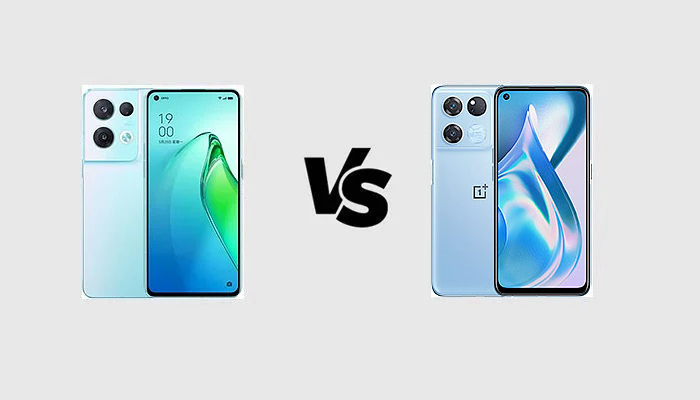
The OPPO Reno8 debuted in the Chinese market and it will soon debut in India and in Europe too with the launch of the Reno8 Lite. Meanwhile, even OPPO’s sub-brand OnePlus released a new midrange phone. The OnePlus Ace Racing Edition has a similar design to the new OPPO Reno8, but it comes with different specifications: while the former is more interesting for casual users, the latter is better for gaming. But which one is the best for your actual needs? This is a comparison between the specifications of the vanilla OPPO Reno8 and the OnePlus Ace Racing Edition which will clear your ideas in regards.
OPPO Reno8 Pro vs OnePlus Ace Racing Edition
OPPO Reno8
OnePlus Ace Racing Edition
DIMENSIONS AND WEIGHT
160.6 x 73.4 x 7.7 mm,
179 g
164.3 x 75.8 x 8.7 mm,
205 g
DISPLAY
6.43 inches, 1080 x 2400 pixels (Full HD+), AMOLED
6.59 inches, 1080 x 2412 pixels (Full HD+), IPS LCD
Triple 50 + 2 + 2 MP, f/1.8 + f/2.4 + f/2.4
32 MP f/2.4 front camera
Triple 64 + 8 + 2 MP, f/1.7 + f/2.2 + f/2.4
16 MP f/2.1 front camera
BATTERY
4500 mAh, fast charging 80W
5000 mAh, Fast Charging 67W
ADDITIONAL FEATURES
5G, dual SIM
5G, dual SIM
Design
As already mentioned above, the OPPO Reno8 and the OnePlus Ace Racing Edition come with a similar design including a camera module merged with the rear side and with the same color as the rest of the body. But the OPPO Reno8 is the winner of the design comparison because it is more compact, thinner, and lighter than its rival. Further, it has a cleaner camera module and includes an in-display fingerprint reader, while the OnePlus flagship killer has a side-mounted sensor. These two phones are not built with premium materials as they come with plastic bodies, but they still have a good build quality.
Display
Are you looking for the best image quality? If so, you should opt for the OPPO Reno8. Unlike its internal rival, it has an AMOLED panel showing brighter colors and deeper blacks. The panel sports a Full HD+ resolution of 1080 x 2400 pixels, a 90 Hz refresh rate, a peak brightness of up to 800 nits, and an in-display fingerprint reader, as well as the Gorilla Glass 5 protection. OnePlus Ace Racing Edition is not the best display out there in terms of image quality because it has an IPS panel, but it is a better screen for gaming because it sports a 120 Hz refresh rate and it has a wider 6.59-inch diagonal. Further, the OnePlus device comes with stereo speakers providing a better audio experience, as well as a 3.5 mm audio jack.
Specs & Software
If your goal is to get the most advanced performance, then the best choice for you is the OnePlus Ace Racing Edition. It is powered by the MediaTek Dimensity 8100 Max mobile platform built with a 5 nm production process and running at a max frequency of 2.85 GHz: it is an upgrade of the Dimensity 8100 coming with better AI performance and it is a high-end SoC. The OPPO Reno8 sports a lower-end Mediatek Dimensity 1300 chipset running at a max frequency of 3 GHz, but it is still a good midrange SoC. Both the handsets offer up to 12 GB of RAM and up to 256 GB of UFS 3.1 native storage, as well as the 5G connectivity and Android 12 out of the box, customized by ColorOS 12.1.
Camera
Despite being a phone made for gamers and power users available at a pretty affordable price, the OnePlus Ace Racing Edition has a more interesting rear camera than OPPO Reno8: it includes a 64 MP main camera, an 8 MP ultrawide sensor, and a 2 MP macro lens. The OPPO mid-ranger lacks an ultrawide camera and it replaced the 64 MP main sensor with a 50 MP camera. On the other hand, it sports a superior selfie camera with a resolution of 32 MP.
The battery of the OnePlus Ace Racing Edition is 500 mAh bigger with a capacity of 5000 mAh and the phone comes with a processor built with a better production process, so it lasts more on a single charge in several scenarios. On the other hand, the OPPO Reno8 offers faster charging speeds thanks to 80W fast charging.
Price
The starting price of the OnePlus Ace Racing Edition in China roughly translates into €280/$300 at the actual change, for the configuration with 8 GB of RAM and 128 GB of internal storage. The same memory configuration of the OPPO Reno8 carries a listing price that roughly translates into €350/$375 in China. Both these phones are currently available only in the Chinese market and their launch date for the global market is still unknown. We do not even know if the OnePlus handset will ever hit the global shelves. So which phone is the best to choose? If you are a gamer or a power user and you are looking for better performance, as well as a more versatile camera and a bigger battery, then you would better go for the OnePlus Ace Racing Edition. But this device has a disappointing IPS panel and a thicker design, so if the display is a more important priority, the OPPO Reno8 is actually a better choice. Overall, I would go for the OnePlus flagship killer. Which one would you pick?
OPPO Reno8 vs OnePlus Ace Racing Edition: PRO and CONS
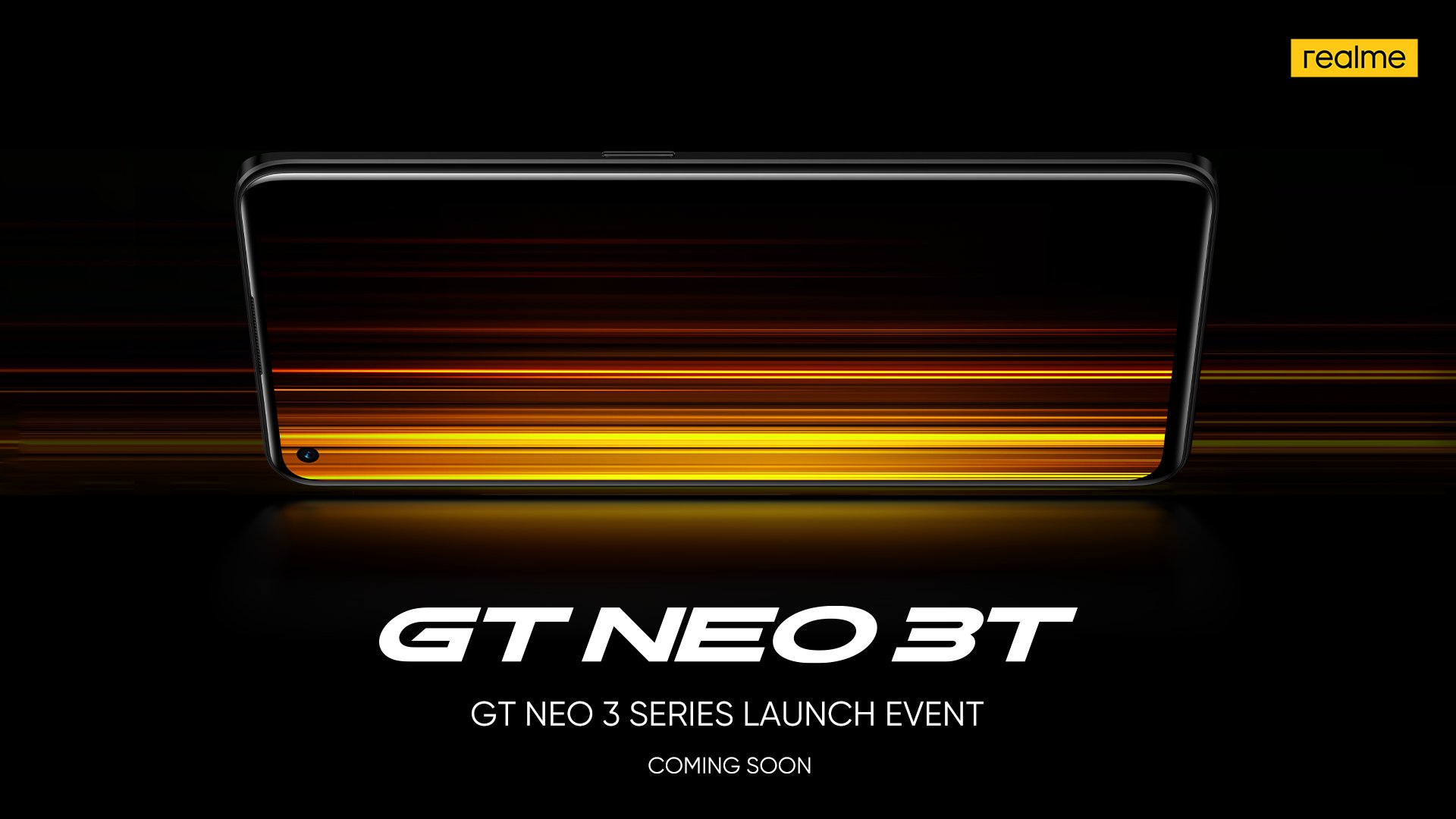
Last week, tipster Abhishek Yadav leaked that the Realme GT Neo 3T will be launching next month in the Indian market. Now, as we approach the end of May, the company has officially teased the upcoming global launch of the GT Neo 3T in a Twitter post.
Going by this teaser, we can expect the drive to debut globally in the coming weeks. So far, the company has kept the specs of the device under wraps. However, leaks have already revealed all of the key details, so let’s take a look.
Realme GT Neo 3T specs (rumored)
Going by the leaks, the GT Neo 3T is essentially a rebranded Realme Q5 Pro. The smartphone will come with a 6.62-inch E4 AMOLED display with a 120Hz refresh rate and Full-HD+ resolution. The panel will likely have 1,300 nits of peak brightness and 100 percent DCI-P3 color gamut coverage.
A recent Geekbench listing has revealed that the device will feature the Snapdragon 870 chipset paired with 8GB of RAM. However, it is also expected to come with 12GB RAM and up to 256GB of storage. The device will also come with a 5,000mAh battery and 80W fast charging. Though it remains to be seen if the smartphone will also be offered with 150W fast charging like the Realme GT Neo 3.
For optics, the smartphone will carry a triple camera setup featuring a 64-megapixel main sensor, an 8-megapixel ultrawide sensor, and a 2-megapixel macro camera. On the front, the device will likely get a 16-megapixel camera for snapping selfies and video calling.
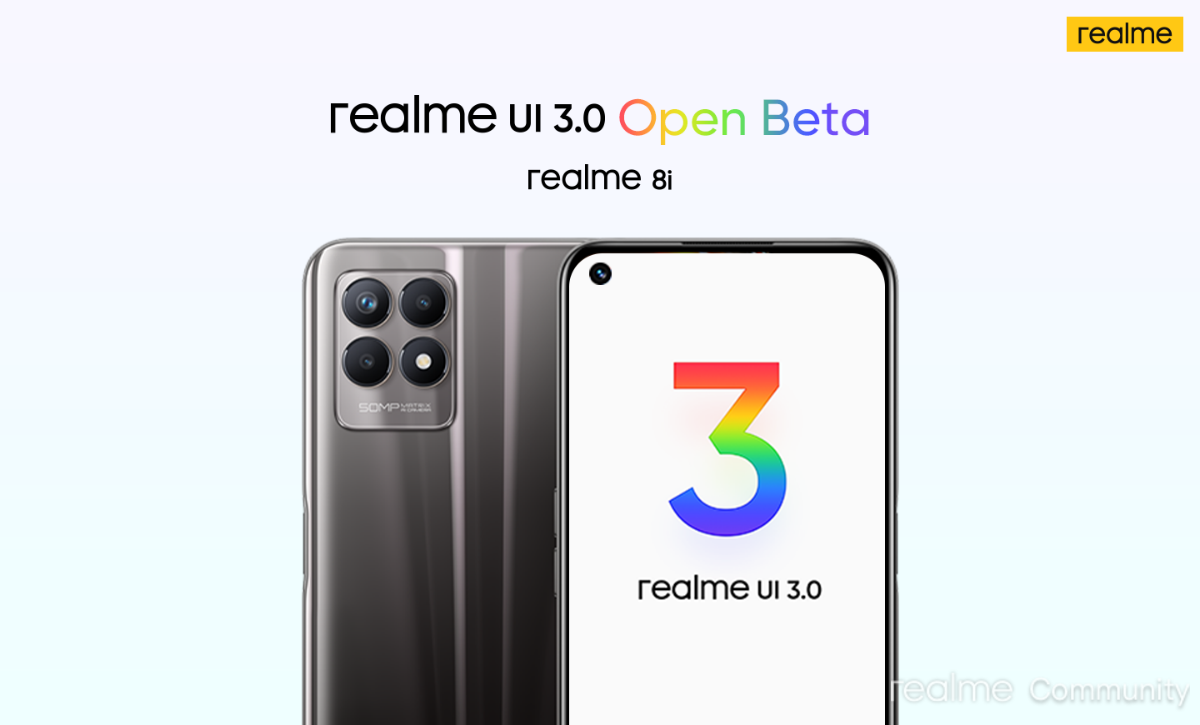
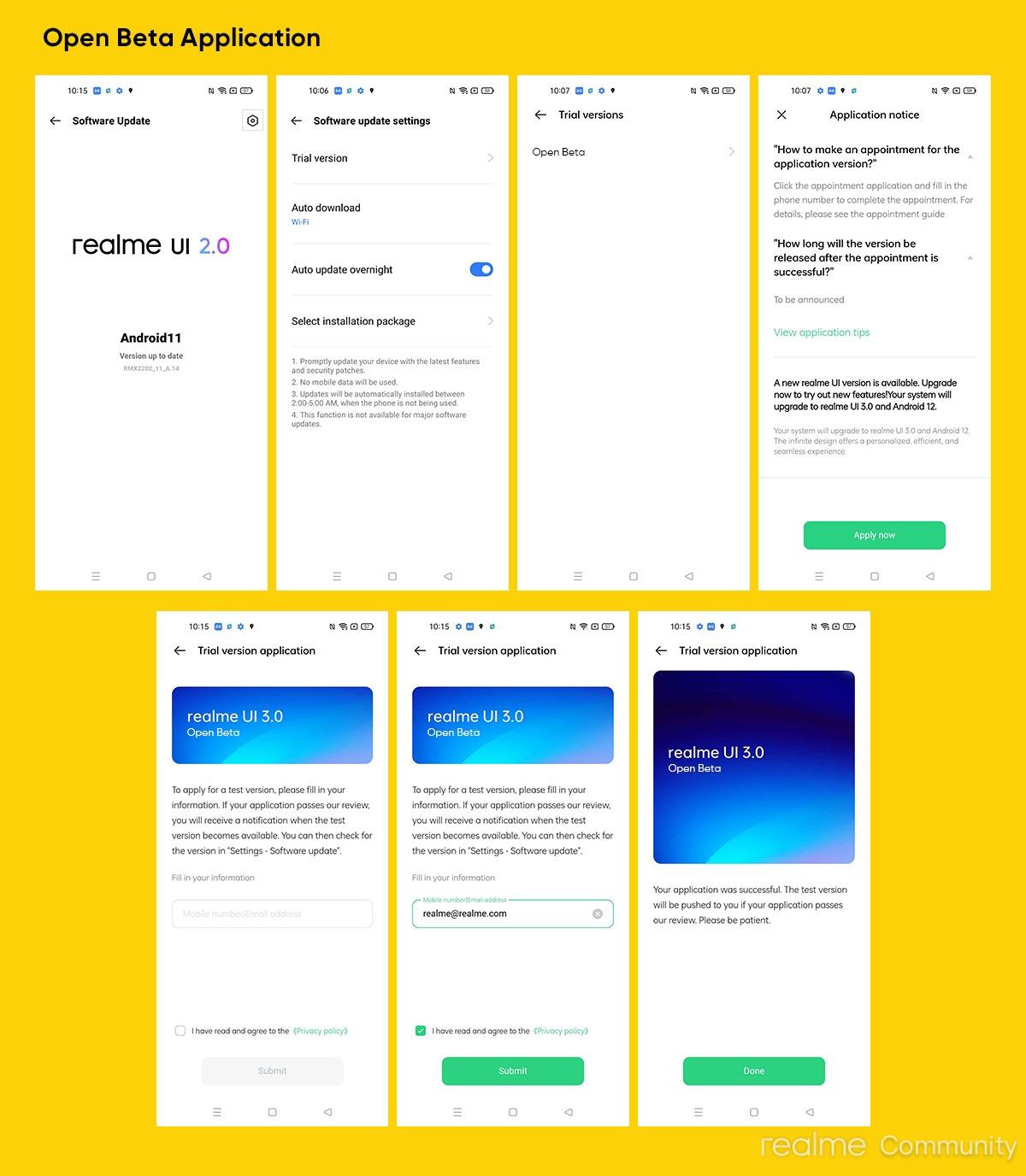
Unlike the Early Access programme, the Open Beta has no 1000 user limit, meaning that there is no limit to how many Realme 8i users can apply for the Realme UI 3.0 x Android 12 Open Beta. Also, Realme has noted that the latest Open Beta version will be chosen as the stable version and rolled out to all users (after the Open Beta programme ends). There is no difference if you have already joined the Open Beta program.
If you are a Realme 8i user yourself and are interested to join the programme, follow the steps as follows:
Make sure you are updated to the required version: RMX3151_11.A.41
Apply for the Open Beta via the Software Update Application channel: (Settings > Software Update > Tap on the settings icon in the top right corner > Trial Version > Submit your details > Apply Now).
You will receive the latest update if the application passes the review.
Realme 8i Open Beta Application Procedure
Realme notes several common issues it received from users after the Android 12 upgrade:
It may take a longer time to boot for the first time, especially if there are many third-party applications on your phone.
In order to improve the system operation efficiency and eliminate potential safety risks, the system will perform a series of actions such as application adaptation, background optimization and security scanning which may cause slight hanging and faster power consumption.
Realme also recommends open beta applicants to backup their personal data before proceeding with the programme to prevent any unnecessary data loss should any unfortunate bugs or glitches happen during the open beta programme.
The Realme 8i was launched back in September 2021 with a MediaTek Helio G96 chipset. The device was launched initially with Realme UI 2.0 based on Android 11.
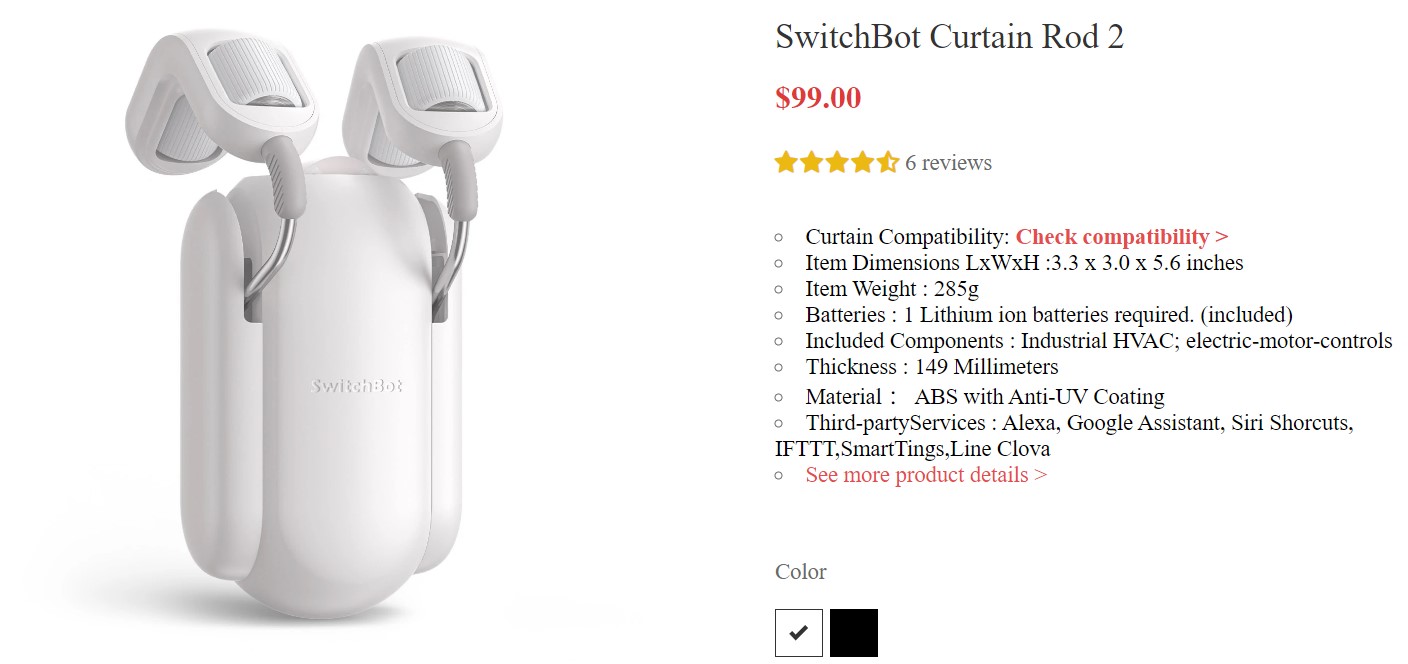
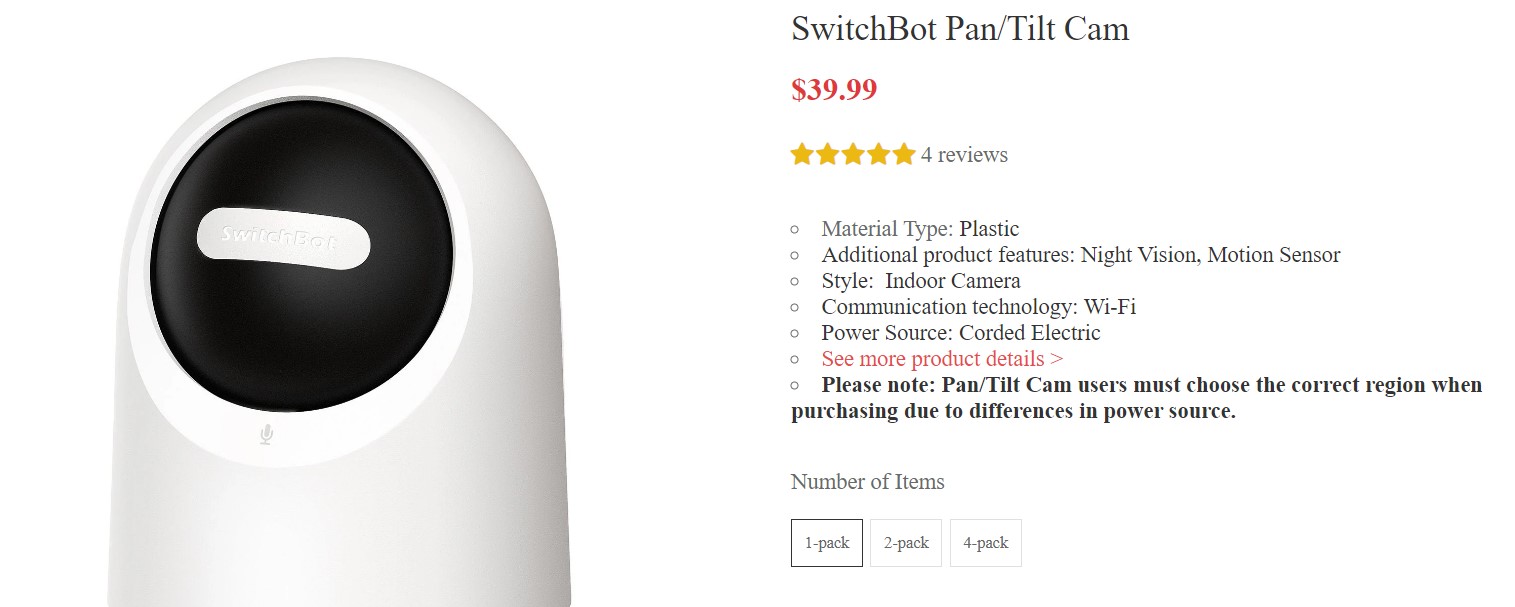
SwitchBot launches two new smart home products: The Curtain Rod 2 and Pan/Tilt Cam. The curtain rod 2 is a retrofitted device that can easily convert any regular curtain into a smart one without changing the original structure. It comes with upgraded features and functions and is available for $99 only at SwitchBot.com The company has also launched the Pan / Tilt Cam with a highly requested Privacy mask mode. The 360° Pan Tilt 1080P Camera comes with 10m Night Vision, two-way audio, smart tracking, and privacy mode, and costs $39.99 only. So let’s check out both the products in detail.
This is a lightweight, portable, and easy-to-install device that can convert any regular curtain into a smart home product. Winner of the 2022 Reddot Design award, the device is fitted with large rugged wheels inspired by off-road vehicles that help it to move smoothly across the curtain rod. It features a Dynamic Clamp design that can be installed in just 30 sec and can push up to 8 Kg (17 pounds) of the heavy curtain. The smart device automatically clamps onto your curtain rod and requires no manual adjustments.
Once installed you can use the SwitchBot App to control your curtains from the tip of your fingers. Compatible with both iOS and Android devices, the app helps you to open and close your curtains instantly, set time schedules for opening and closing the curtain, and supports voice assistants like Amazon Alexa, Google Assistant, Siri, IFTTT, etc. The device also supports touch and go function wherein a simple tug and pull will open your curtains. SwitchBot Curtain rod 2 comes with 8-month battery life which can be increased further by using a solar panel.
The SwitchBot Pan/ Tilt cam is a 360-degree camera that allows users to see their room from all directions in1080p HD video quality. The camera comes with advanced features like two-way audio, motion detection, night vision, voice control, instant notifications, video and image storage, etc.
The highlight feature of the camera is its Privacy mask mode wherein the camera lens automatically retreats inside the device once the users return home. With the privacy mask, the lens is completely covered giving you true privacy while you are in the house. The mask mode can also be used vice versa, to activate when someone enters your house.
For more information on such exciting deals and offers check out our deals hub.
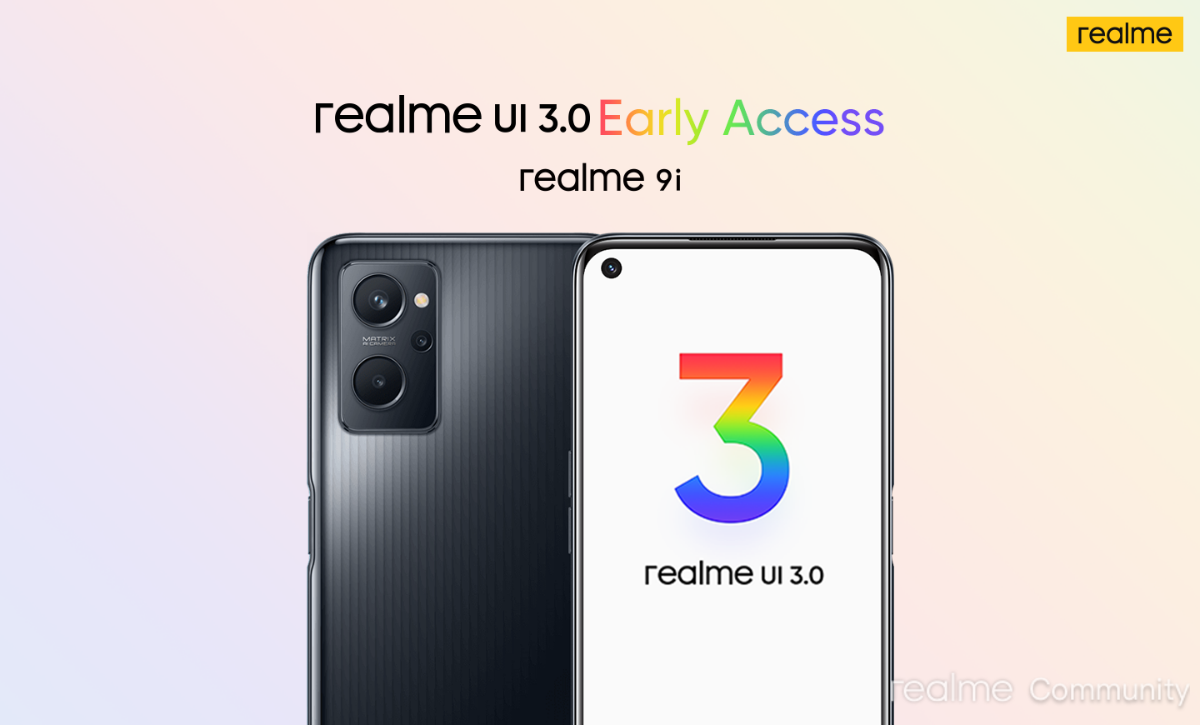
Realme has finally rolled out realme UI 3.0 based on Android 12 for the brand’s Realme 9i smartphone.
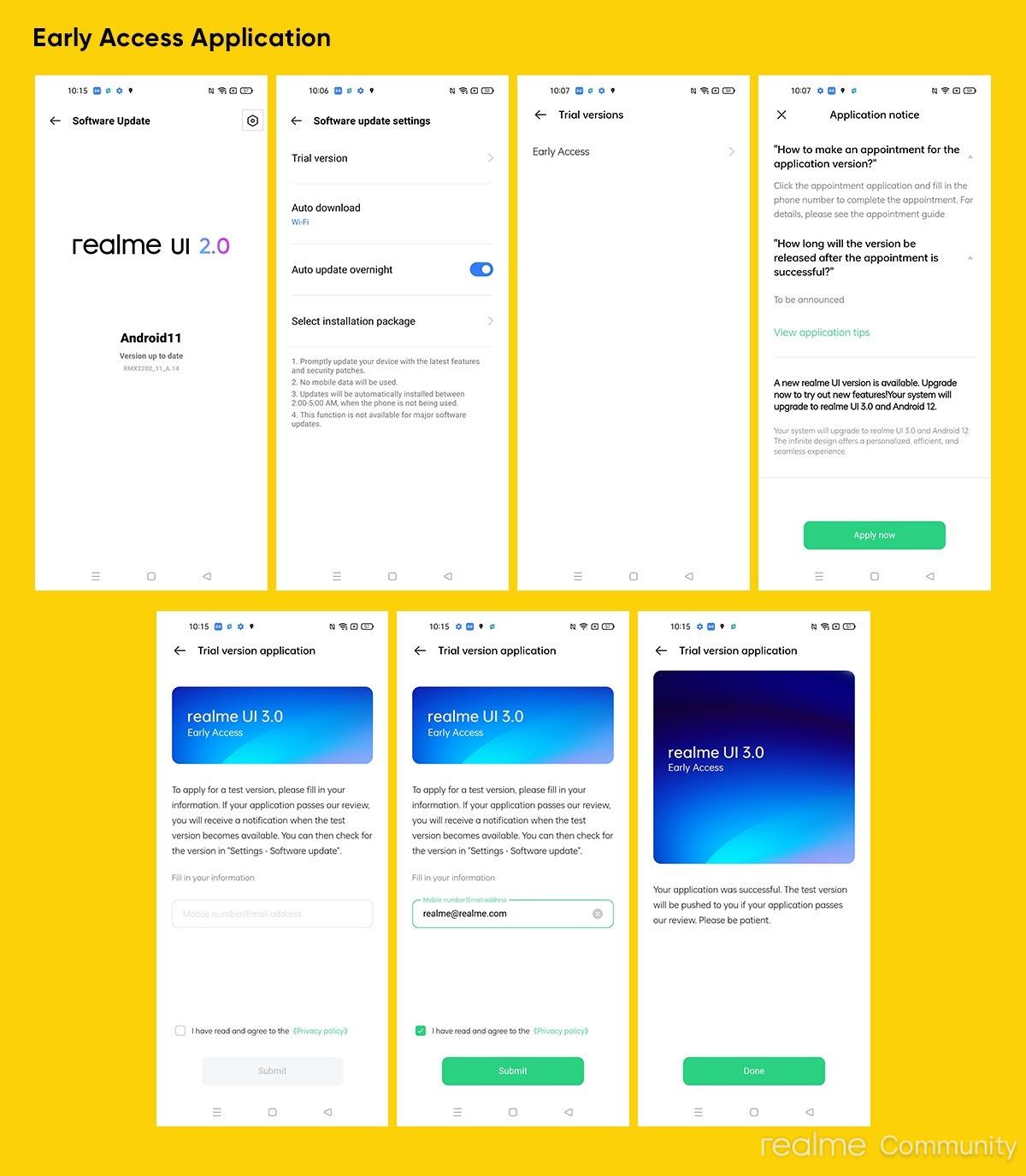
Today, on the Realme community forum, Realme announced a realme UI 3.0 early access programme for the device starting from 27th May whereby the first 1000 Realme 9i users who apply for the early access programme will be the lucky firsts to experience Android 12 on their devices.
If you are a Realme 9i user yourself and are interested to join the programme, follow the steps as follows:
Update your device to the required UI version → RMX3491_11.A.13 / RMX3491_11.A.14
Apply for the Early Access via the Software Update Application channel: (Settings → Software Update → Tap on the settings icon in the top right corner → Trial Version → Apply Now → Submit your details and finish the quiz).
Realme UI 3.0 Early Access Application Procedure
The early access programme is somewhat of a closed alpha version of Realme UI 3.0 before the brand rolls out its Open Beta programme, which then allows the brand to roll out a stable version of the Android OS upgrade to all users.
Realme wants users to keep in mind that being an early software programme, there might be bugs and some apps might not work properly. It might not be recommended to install the Early Access software on your primary phone.
Realme also recommends early access applicants to backup their personal data before proceeding with the programme to prevent any unnecessary data loss should any unfortunate bugs or glitches happen during the early access programme.
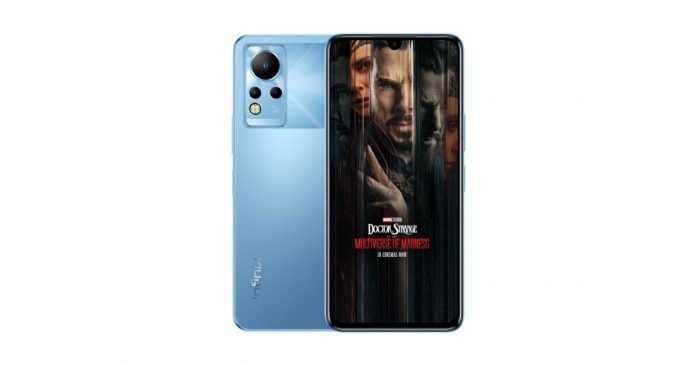
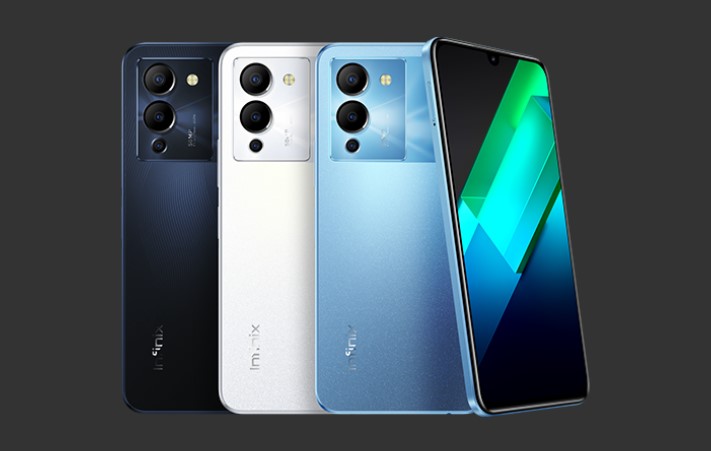
Last week, Infinix launched the Note 12 series in India consisting of the vanilla Note 12 and the Note 12 Turbo. The Turbo variant went on its first sale yesterday, and now, the vanilla variant is also available for purchase. So let’s take a look at its pricing, offers, and specs.
Infinix Note 12 price & offers
The Note 12 comes in two configurations – 4GB + 64GB priced at Rs.11,999 and 6GB + 128GB priced at Rs 12,999. It is available to purchase exclusively on Flipkart.
As a launch offer, Infinix is offering a discount of Rs.1,000 when purchasing the device using an Axis bank card. Other than that, Flipkart is also bundling a Back Cover + Screen Guard for just Rs.1.
Infinix Note 12 Specifications
The Note 12 has a 6.7-inch Full HD+ 60Hz AMOLED panel offering a 1080 x 2400 resolution. It has 1000 nits peak brightness, 180Hz touch sampling rate, and covers 100% DCI-PC color gamut.
For optics, the device comes with a 50-megapixel primary sensor, a 2MP depth sensor, and an AI lens. There is a 16MP selfie snapper on the front.
Under the hood, the smartphone houses a Mediatek Helio G88 processor with two fast ARM Cortex-A75 cores with up to 2 GHz and six efficient ARM Cortex-A55 with up to 1.8 GHz. The smartphone comes with up to 6GB RAM and 128GB storage. It has a 5,000mAh battery with support for 33W fast charging and operates on Android 11.
Other features include a MicroSD card slot, a fingerprint scanner, dual speakers with DTS, a 6-layer graphene cooling system, and a 3.5mm audio jack. The phone is 7.90mm thick and weighs 184.5g.
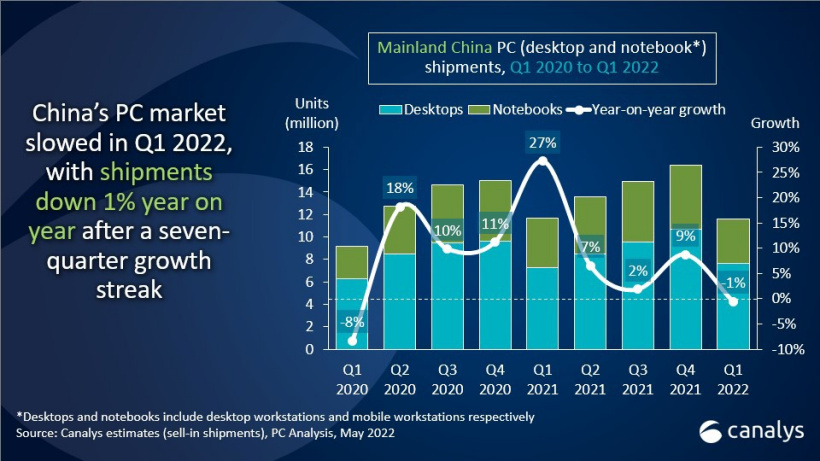
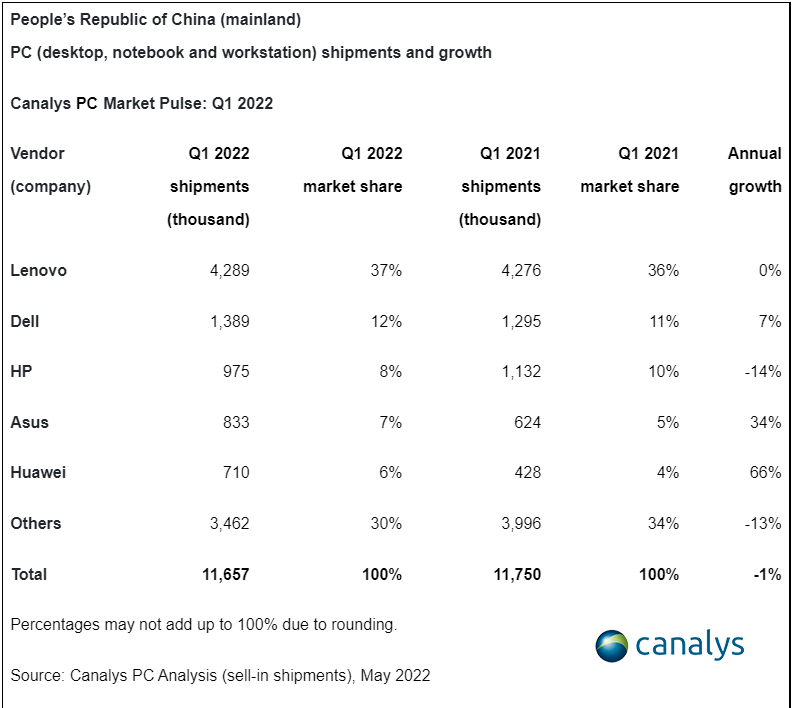
After a seven-quarter streak of net positive growth for the PC Market in Mainland China, Q1 2022 finally marks an end to the PC market growth in the region.
In Q1 2022, PC shipments in the country fell by 1% QoQ to 11.7 million units. Among these units, desktop PC shipments fell by 11% to 3.9 million units, while notebook laptop shipments continue to rise by 6% to 7.7 million units.
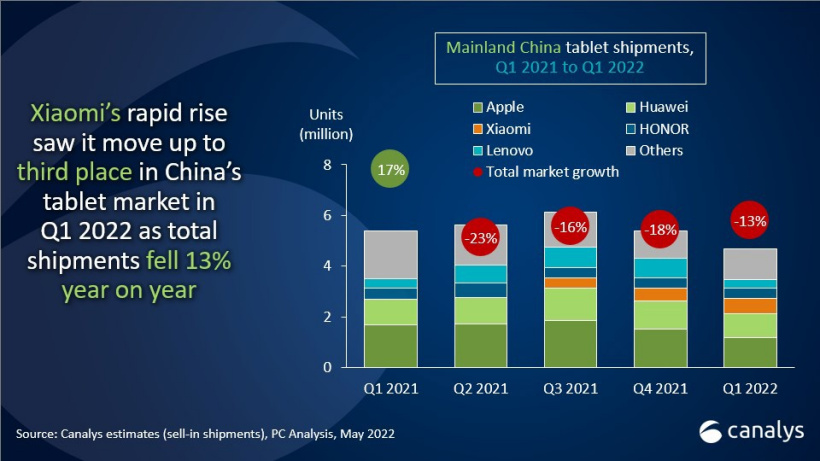
As for the tablet shipments in the region, shipments have continued to trend downward by 11%, to a new low of 4.7 million units. The main reason for this downward trajectory is the demand for tablets in both the general and enterprise markets.
Coming to market share, the PC Market in China for Q1 2022 was led by Lenovo with over 37% market share at 4.289 million units, then Dell in second with 12% market share. Coming in at third and fourth are HP and Asus respectively, while Huawei rounds out the Top 5 with 0.71 million PC shipments.
Huawei saw the biggest sales growth YoY with 66% positive net growth. The brand’s presence had grown from 428 thousand shipments in Q1 2021 to 710 thousand shipments in the region.
On the Chinese tablet market front, Apple is on the top with 1.2 million shipments amounting to 26% of the region’s market share, but Huawei comes in at a close second with 20% market share. Rounding out the top 5 are Xiaomi with 13% in third place, HONOR with 9% in fourth, and Lenovo with 7% in fifth.
In the report, Emma Xu, an analyst at Canalys, said: “While the first quarter of 2022 remained relatively strong, China’s PC industry faces further challenges on both the supply and demand sides as the impact of the country’s COVID-19 lockdown intensifies.”
“The supply shortage of key components such as SoCs has persisted. By the first quarter, production and logistics conditions deteriorated mainly due to the lockdown of key cities such as Shanghai and Kunshan. At the same time, business and consumer activities were restricted amid a deteriorating economy, threatening domestic demand for PCs, weakening consumer spending and constraining business demand, especially from SMEs. This will challenge China’s PC makers for the rest of 2022. Public sector procurement will also be curtailed as the government plans to tighten budgets this year.”
Emma had also remarked: “But the education sector in China will likely remain a bright spot, as the goal of closing socioeconomic disparities and improving vocational education programs will drive investment that favours the technology market. Finally, the competitive landscape for Chinese PC sellers will be more favourable for local brands. The government currently has security concerns over the use of hardware and software developed by foreign entities. Suppliers such as Huawei and Tongfang will see unprecedented opportunities as core players in China’s ‘start-up’ industry, which is focused on developing domestic IT Innovation.”
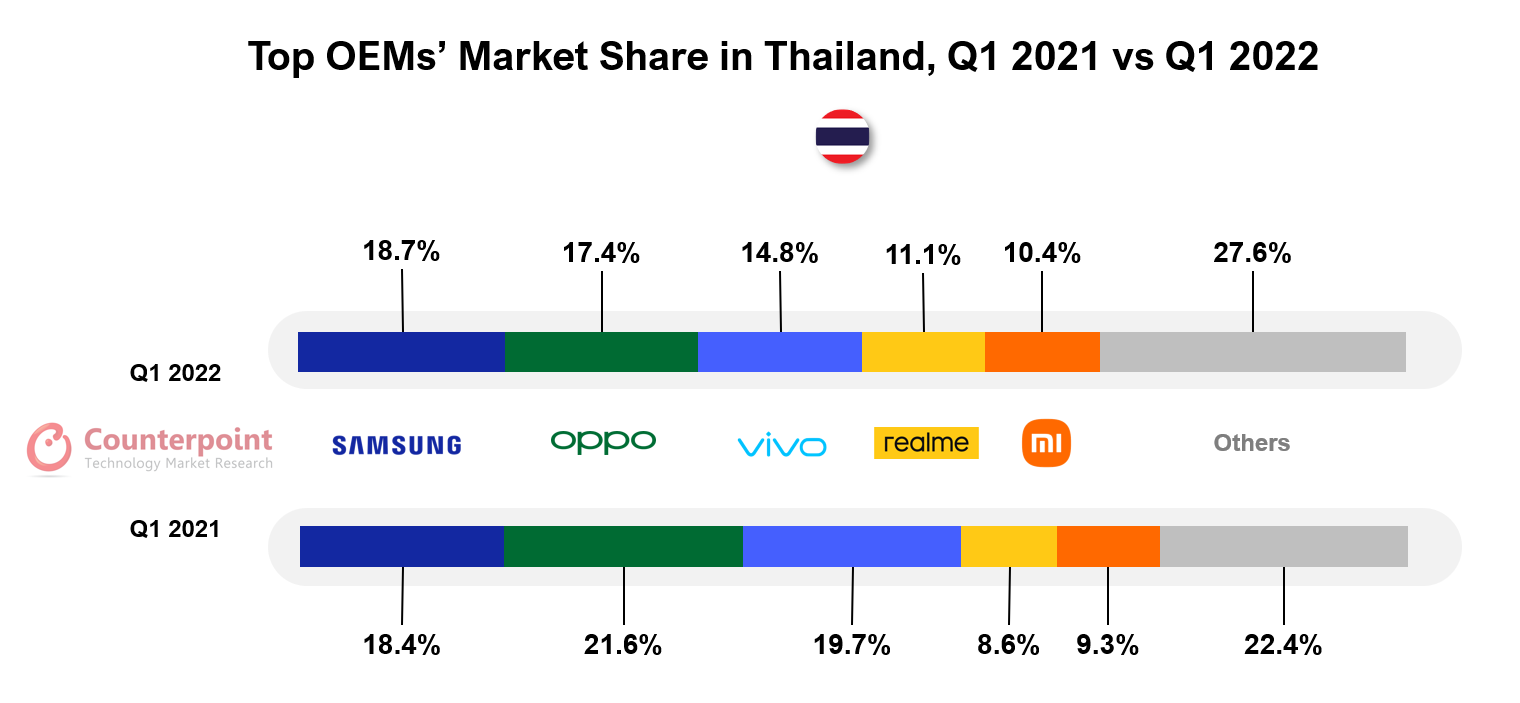
Thailand’s smartphone shipments witnessed a drop of 10% year-on-year in the first quarter of 2022, according to a report. Samsung maintained its leadership in the market. OPPO managed to take the second position, while Vivo remained in the third spot. Key reasons for the dip are believed to be the close-fisted consumers, supply constraints, especially for the low-end price segments, and rising inflation that is increasing the cost of ownership of phones across various price segments.
According to a report by Counterpoint Research, Smartphone shipments in Thailand have declined by 10% in the first quarter of 2022.
Samsung continued to lead the market and also succeeded in slightly improving its market share. Per Counterpoint, the company secured 18.7% of the total market share. Samsung retained its lead with the help of its well-planned distribution.
After Samsung, Oppo continued to be in the second position with a 17.4% market share. However, the company saw a decline of 4.2% year-on-year in the first quarter.
Vivo took the third spot in terms of smartphone shipments in Thailand with a 14.8% market share. Realme, one of the newest brands by BBK Electronics, ended up in the fourth position with an 11.1% market share followed by Xiaomi (10.4% market share).
“New models launched in Q1 2022 pushed volumes in the Thai market but the demand in the low-to-mid-level segments saw a slowdown. Tourism was supposed to pick up in Q1 but instead, the government was only able to loosen the restriction on international travel in Q2,” said Glen Cardoza, Senior Analyst with Counterpoint. “While the industry initiatives continue, consumers are reeling under rising inflation levels and a large number of them are holding on to their wallets,” Cardoza added.
The 5G percentage of smartphone shipments in Thailand reached 48 percent in Q1 2022 and is expected to rise further in the next months. The development of 5G industrial test cases and applications is being pushed in order to improve domestic efficiencies and export levels, as per the report.
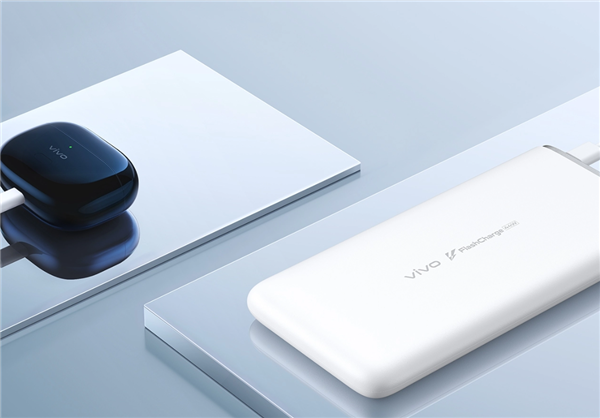
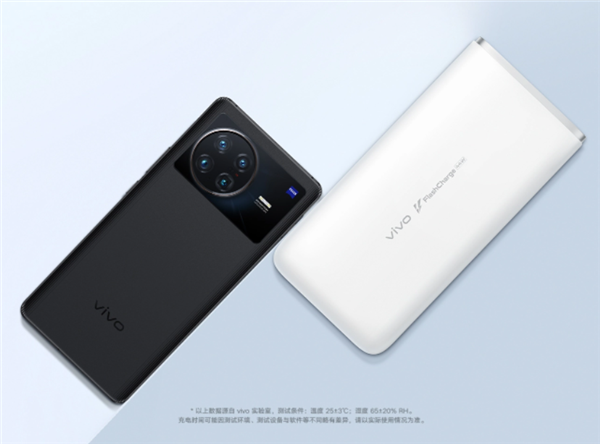
Chinese tech giant and BBK subsidiary Vivo has launched a mobile phone accessory in its home market of China. The product is a 44W flash charging power bank with the power supplied by a 10,000mAh battery. It comes in at a decent 229 yuan (~$34) price tag.
In terms of design, the 44W Vivo power bank features a streamlined body design tat looks cool wondering it is not too bulky. The well-chamfered edges also added to the sleek look of the product. The casing has a UV feel coating, which is more comfortable to hold. The power bank is available in two colors – Black and White.
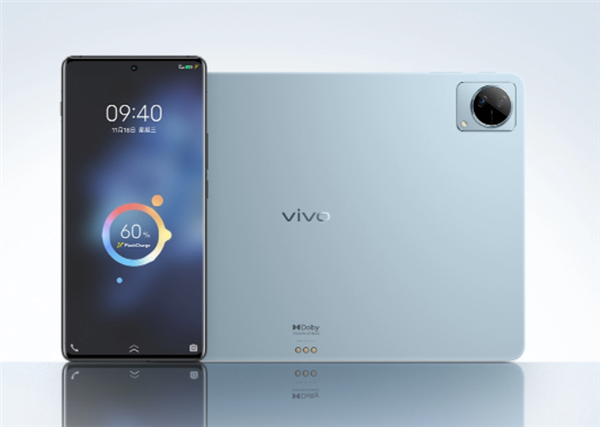
The Vivo 44W Flash charge power bank provides support for 44W flash charging output while it is recharged via a 33W flash charging input, meaning it supports two-way fast charging. The power bank can charge the Vivo X Note tablet up to 50% in just 19 minutes. The power bank itself can be fully charged in two hours.
In addition, it also supports 45W PD fast charging and QC fast charging and is compatible with a variety of handhelds, thin and light notebooks, tablets, and mainstream Android models.
The power bank also supports low current mode, suitable for charging smartwatches, fitness bands, headphones, and other products. The charging brick is equipped with two USB-A and two USB-C ports, which can be used at the same time and the power is adjusted intelligently.
The power bank can charge the Vivo X Note tablet up to 50% in just 19 minutes
In addition, the vivo 44W flash charging mobile power supply is equipped with a 10000mAh high-quality battery cell. The battery has up to 13 safety protections and can be carried on an airplane.
Vivo 44W Flash Charge Power Bank 10000mAh is presently available on Vivo’s China website for 229 yuan (~$34).
While the 5G network is yet to be available worldwide, the next-gen 6G network has already started generating headlines in the technology space. Qualcomm, Apple, Google, and LG are among some companies that have committed to the development of this technology. However, now it appears that Nokia is also joining the party. Nokia CEO Pekka Lundmark, while speaking at World Economic Forum in Davos, claimed that the 6G mobile network will be operational by the end of this decade.
Speaking on a panel at the World Economic Forum in Davos Tuesday, Nokia CEO Pekka Lundmark stated that 6G mobile networks will be commercially available by 2030. This timeline closely corresponds to when Huawei anticipates the technology to be available on the market. Lundmark, however, doesn’t believe that smartphones will be the most “common interface”.
Huawei is currently the top 5G equipment manufacturer in the world
“By then, definitely the smartphone as we know it today will not anymore be the most common interface,” Lundmark said. “Many of these things will be built directly into our bodies.” He didn’t go into much detail about exactly how or what this will seem like but he went on to say that by 2030, there will be a “digital twin of everything,” which will necessitate “huge computational resources.”
Companies have already started investing greatly in 6G. Some of the world’s biggest tech giants are seen to participate and even collaborate on this next-generation technology. One such example is Qualcomm, Apple, Google, and LG who are among the members of one 6G working group. Meanwhile, a great number of users have still not transitioned from 4G to 5G. Especially in some parts of India, where people are yet to experience the true speed of the 4G network.
As of now, we don’t know how fast 6G is going to be, the speed will be defined by International Telecommunication Union (ITU) in the near future. However, it is estimated to be around 100 times faster than 5G.
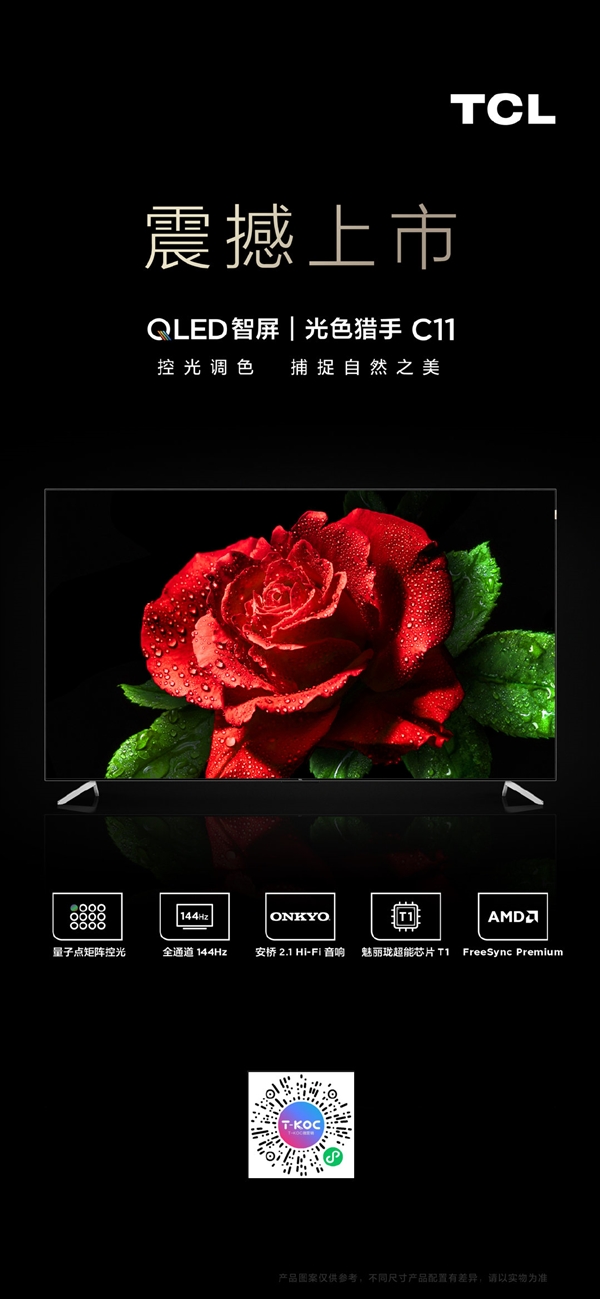
TCL has unveiled its latest smart screen lineup in China with a starting price of 10,999 yuan ($1,642). The TCL C11 screens are available in three sizes – 65”, 75”, and 85”. The three smart TVs come with a 144Hz refresh rate and global availability could follow subsequently.
The new C11 smart TV uses a combination of cutting-edge technologies to deliver high-quality video content. Precise light control is achieved via the quantum dot-matrix light control in an ultra-high color gamut. The TCL C11 also delivers a 144Hz high refresh rate for enhanced picture output. The TV also features nano-scale bionic technology for clarity in the picture in ambient conditions. The C11 sports a frameless panoramic QLED screen and it is equipped with Onkyo 2.1 Hi-Fi audio.
The TCL C11 smart TV supports smart control gestures, four-way projection, and NFC touch projection. It has the Miliro T1 chip which helps to accurately identify and optimize picture content across several aspects. Problems like color layering, image noise, and edge jaggedness are controlled by the super chip T1.
The TCL C11 TV is capable of picking reflected sound, identifying the structure of a room, and thereby optimizing its audio output. It also features ambient light sensing capabilities.
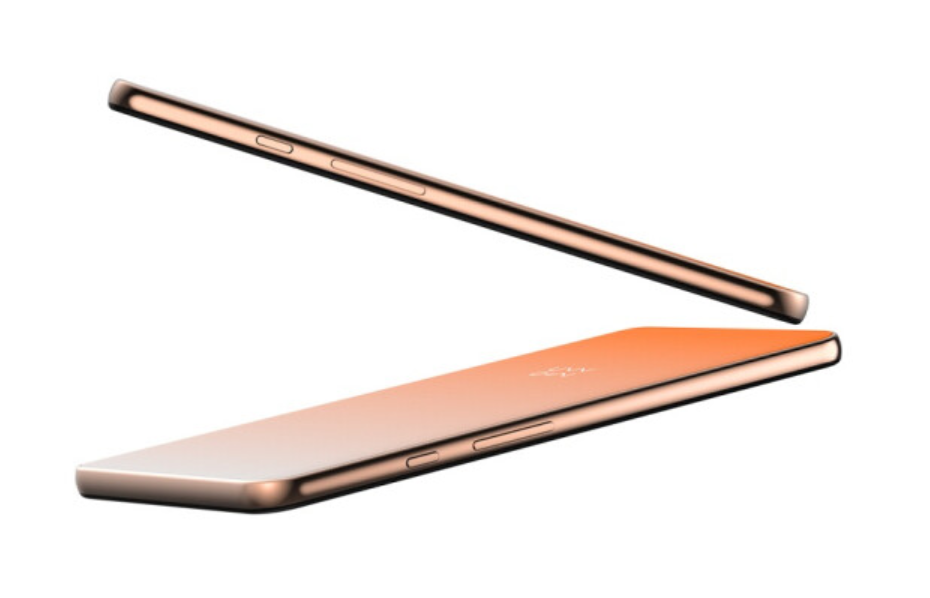
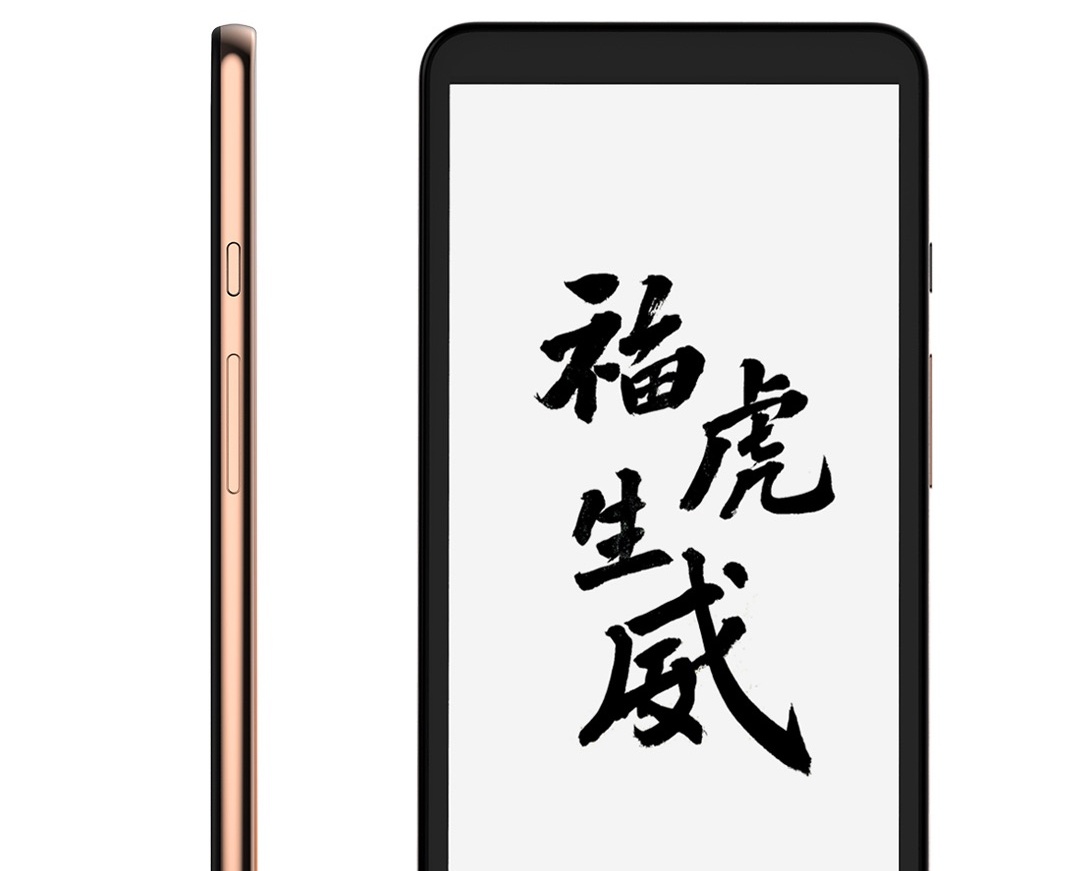
Xiaomi‘s eco-chain enterprise Moaan has released the InkPalm Plus eBook reader which is an upgrade of last year’s InkPalm 5. It comes with a 5.84-inch screen and is powered by the Rockchip RK3566 processor. The new eBook reader has a 2:1 aspect ratio and a front-lit E-ink display for optimal reading. The Moaan InkPalm Plus is now available for pre-order in China via Jingdong (JD.com) for 1,099 yuan ($164).
The 5.84-inch front-lit display of the InkPalm Plus has 24 levels of brightness. It also supports color temperature adjustments. It uses an Android 11-based operating system and provides a variety of formats compatible with the device. The InkPalm Plus also supports many third-party Android apps including eReader applications. The Xiaomi InkPalm Plus eReader offers up to 30 days of battery life from its 2,200mAh battery. The battery is charged to 100% within 2.5 hours using a 5V charger.
The Rockchip RK3566 processor of the InkPalm Plus offers 2GB of RAM and 64GB of internal storage. While the InkPalm Plus reflects a significant improvement from its predecessor, it is still lacking in terms of its speed and storage capacity. There are lots of smaller eReaders but the InkPalm Plus could still appeal to a segment of the market. It is thinner, lighter, and a bit handier than some entry-level models from Amazon Kindle. The InkPalm Plus supports Bluetooth 5.0 and Wi-Fi 5 connectivity and weighs just 0.14kg.
The Xiaomi InkPalm Plus is only available for pre-order in China at this time. Global availability may follow subsequently. It should however be noted that it may possibly ship with the Chinese version Android 11 interface which can be easily configured to English. This was the case with the InkPalm 5, although Xiaomi could provide a direct English version this time.
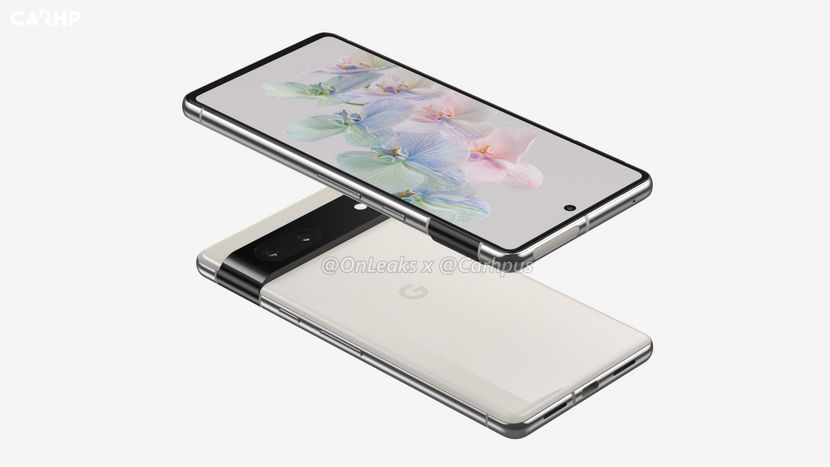
Earlier this month, Google introduced the new Pixel 7 and Pixel 7 Pro alongside the upcoming Pixel 6a, Pixel Watch, and Pixel Buds Pro. This was just a teaser for the upcoming flagship Android phones and we’re still about five months off the launch of the Pixel 7 series. However, a new report is here to reveal some interesting details about the display and other major specs of the smartphone duo. Let’s take a look at it.
According to a report by 9to5Google, the Pixel 7 and Pixel 7 Pro will feature the exact same display as their predecessor Pixel 6 and 6 Pro. The publication uncovered this from the Android Open-Source Project, where Google created two new display drivers, one tagged C10 and the other P10. The tags appear to be the abbreviated version of “Cheetah” and “Panther”, the codenames of Pixel 7 and 7 Pro.
Further digging into the code disclosed that both the devices will sport the same Samsung-made display panels as the Pixel 6 duo, with model numbers S6E3FC3 and S6E3HC3, respectively.
This means that the Pixel 7 will feature a 1080 x 2400 display that is capable of running at up to 90Hz, whereas the Pixel 7 Pro will have a 1440 x 3120 display that can support up to 120Hz refresh rate. If you recall, these are the same specs as the 2021 Pixels.
However, the Pixel 7 is said to be a bit smaller than last year’s Pixel 6, the handset’s display will be 1mm narrower and 2mm shorter. On the contrary, the Pixel 7 Pro’s display is the same as the Pixel 6 Pro but it will have a native 1080p mode, which is likely to improve battery saving in Low Power Mode.
Judging from leaks and rumors, the Pixel 7 series only seems to carry minor upgrades and nothing out of the ordinary. However, there are still 5 months to the launch and Google may surprise us.
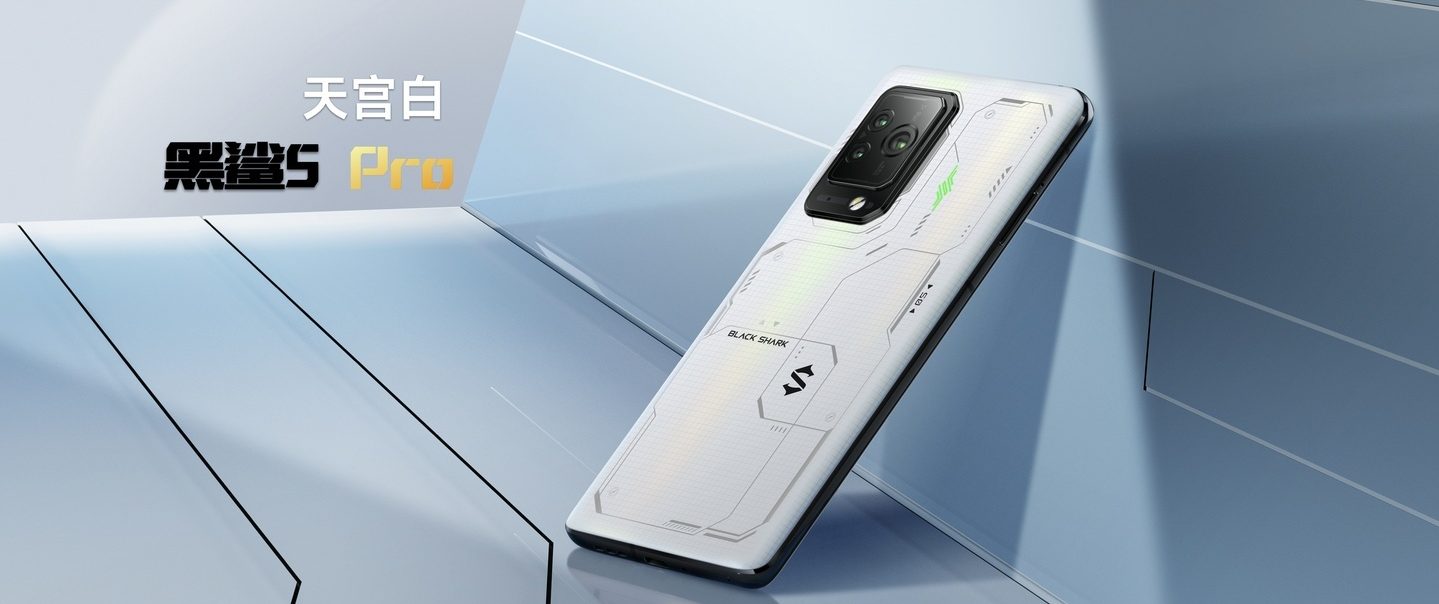
Besides POCO, Civi and Redmi, the Xiaomi company also has another sub-brand called Black Shark, which sells powerful smartphones with bold designs aimed at the avid gaming smartphone market.
After launching the Black Shark 5 series back in China two months ago, the brand is finally bringing the Black Shark 5 and 5 Pro to its first global market – Malaysia. The new devices will be launched officially on June 8th (Wednesday) in the country at 7 pm Malaysia Time (UTC +8) / 4:30 pm Indian Time (UTC +5:30).
Source: Black Shark Malaysia
Black Shark is expected to announce the pricing and pre-order promotions for the Black Shark 5 series on the day. The launch event will be officially livestreamed via Black Shark Malaysia official social media channels which are on Facebook and TikTok.
In China, the Black Shark 5 and 5 Pro both come with a 6.67-inch FHD+ (2400 x 1080 pixels) AMOLED display with variable refresh rates of up to 144Hz. The display is a Samsung E4 AMOLED panel with 1300 nits of max brightness, DC dimming, HDR10+ support, and 100% coverage of the P3 colour gamut. The devices also have a 720Hz touch sampling rate and a dual-zone pressure-sensitive screen that can improve the gaming experience on your smartphone.
Performance-wise, the Black Shark 5 Pro is powered by the Qualcomm Snapdragon 8 Gen 1 SoC paired with up to 16GB of LPDDR5 RAM and 512GB UFS 3.1 + SSD storage. This UFS + SSD combination of storage is what Xiaomi calls – Disk Array 2.0 technology, and thanks to it, the read and write speeds for the 5 Pro have increased by 55% and 69% respectively.
Meanwhile, the standard Black Shark 5 has the Snapdragon 870 SoC paired with up to 12GB of LPDDR5 RAM and 256GB of UFS 3.1 storage.
Both gaming devices pack a 4,650mAh battery with support for 120W fast charging technology, and the company claims that the phones can be fully charged in just 15 minutes. The charger comes included in the box, and the device arrives out of the box with Black Shark’s JoyUI 13 based on Android 12.
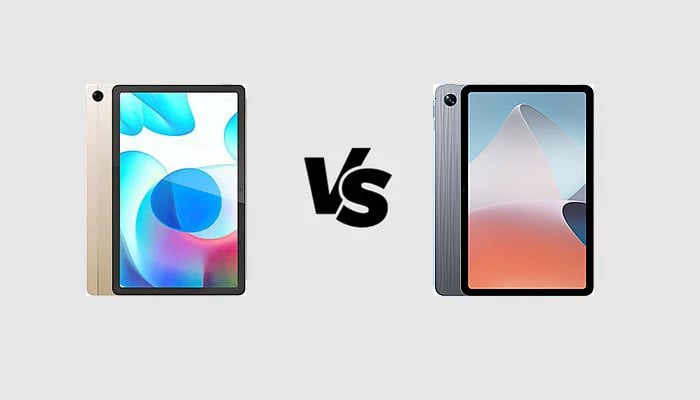
Realme debuted in the tablet market last year with an affordable model called simply Realme Pad. This year OPPO debuted in the tablet market as well with the OPPO Pad, but it decided to start with a high-end tablet. Now, the OPPO Pad Air went official and it came to the shelves as an affordable model just like the Realme Pad. These two tablets are actually very similar and it may be hard for non-expert people to understand which one is the best. This is a comparison between the OPPO Pad Air and the Realme Pad which will help you to understand the differences between these two tablets and which one you should choose for your actual needs.
Despite being a very affordable tablet, the Realme Pad has a very good build quality. If we exclude the upper and the lower part made of polycarbonate in order to let the antenna signal penetrate in the LTE variant, the rest of the rear body and the frame are made of aluminum. Further, the device comes with very narrow bezels around the display giving the tablet a very elegant look. It is an affordable tablet, but it looks like a high-end device and it is hard to distinguish it from iPads and other expensive tablets. On the other hand, the OPPO Pad Air has a more original rear design thanks to a vertical stripe on the rear side with rainbow colors. Further, its display bezels are even narrower. Unfortunately, these devices do not have a fingerprint reader, nor a 3D facial recognition system.
Display
At first glance, these tablets seem to have the same display, but it is not the truth. They both come with IPS panels, so do not expect the best image quality you can get on a mobile device. But the OPPO Pad Air not only wins this comparison but also provides great image quality as its display is able to show up to one billion colors. If we exclude the color accuracy, these two displays are more or less the same. The diagonals are very similar: 10.36 inches and 10.4 inches, and they both come with a Full HD+ resolution of 1200 x 2000 pixels. They also come with four stereo speakers for a good audio experience, but they lack a 3.5 mm audio jack. Unfortunately, the refresh rate is standard: just 60 Hz.
Specs & Software
There is an important difference between the hardware departments of these two tablets: the processor. The Snapdragon 680 mobile platform found on the OPPO Pad Air is way better than the MediaTek Helio G80 found on the Realme Pad. First of all, it provides better CPU performance. Further, it is built with a 6 nm production process (instead of 12 nm) and this means that it has lower energy consumption. Last but not least, the OPPO tablet comes with a UFS 2.2 internal storage which is actually faster than the eMMC internal storage found on the Realme one. The OPPO Pad Air wins even when it comes to the software: it runs Android 12 out of the box customized by ColorOS 12, while the Realme Pad is still based on Android 11 and it will probably get only one single major update to Android 12.
Camera
If we talk about the rear cameras, there is not any difference between these two tablets: they are equipped with a single 8 MP rear camera that records 1080p videos at 30 fps. The Realme Pad is superior when it comes to the front camera, thanks to an 8 MP ultrawide selfie snapper. Thanks to this superiority, the Realme tablet is a better device for video calls and conferences.
Realme Pad and OPPO Pad Air come with the same battery capacity of 7100 mAh. Their batteries support 18W fast charging and reverse charging, so you can use them as a power bank. The OPPO Pad Air is able to provide a longer battery life because it has a more efficient processor built with a 6 nm production process, as well as a better software optimization thanks to Android 12 and ColorOS 12.
Price
The starting listing price of the Realme Pad roughly translates into €160/$171 at the actual change, while you need at least €180/$193 to grab a unit of the OPPO Pad Air. So which one is the best? Overall, the OPPO Pad Air offers something more: it has a better display, as well as a better processor, a UFS 2.2 internal storage, and a more recent operating system with more additional features. The Realme Pad has a better selfie camera and an aluminum unibody design, but these elements are not enough to compete with the OPPO Pad Air. On the other hand, it has a wider availability and it is available at lower street prices. Would you save money and opt for the Realme tablet or would you spend more to get a superior OPPO device?
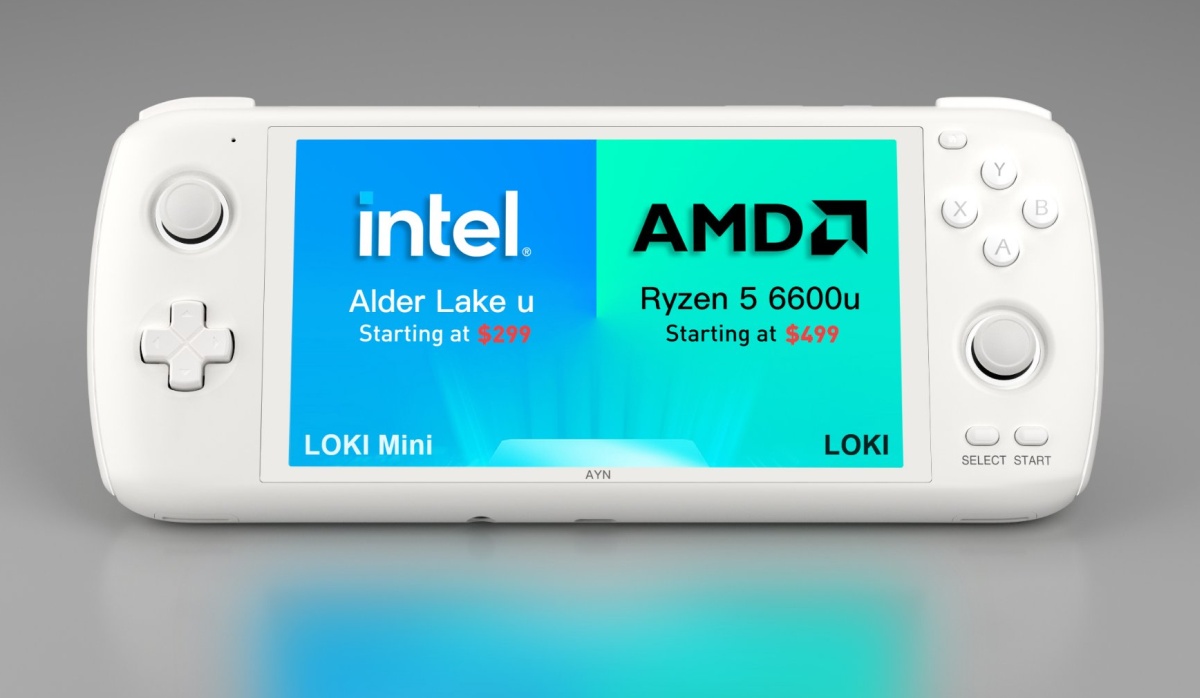
AYN is teasing the Loki Mini model powered by an Intel Alder Lake processor as the most affordable Windows handheld device so far. The Loki Mini Windows handheld bears a close semblance with the recently unveiled AYANEO Air Windows handheld console. Processor specs and pricing details have been leaked for the device via a tweet by Cary Golomb.
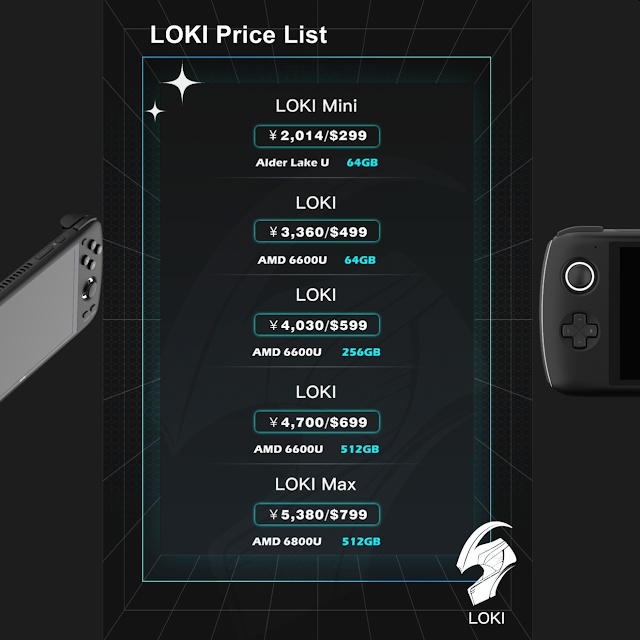
As per the tweet, the Loki Mini has a storage capacity of 64GB with a rumored price tag of $299. There are four more models in the Loki lineup which are pricier than the Mini. They all feature AMD APUs and RDNA2 iGPU. They also offer an expanded storage capacity and some additional features.
The teaser shows that the new Loki Mini sports a similar design to previous Odin models. Hong Kong-based AYN is a handheld console manufacturer and released the Odin model last year. The ARM-based model which runs on Android was launched via a crowdfunding campaign last year. Full specs of the Loki models are still in bits at this time. The tipsters are however hinting that AYN could refresh the processors that will be present in the new model. The new AMD Mendocino processors will likely replace the current Qualcomm or MediaTek SoCs in previous models.
Up to 8GB of RAM could be available in the new Loki models with up to 128GB of storage. Connectivity will likely be through Bluetooth 5.2, Wi-Fi 6, USB-C 3.1, and an audio jack. The device could also come with an HDMI port and a MicroSD slot for expandable storage. The Odin model had a 5,000mAh battery, but it remains to be seen whether this could be increased in the Loki lineup. We also expect some improvements from the screen set up in terms of resolution, while the screen size may be maintained.
As with the Odin models, AYN could introduce a crowdfunding campaign for the Loki devices. Pricing will also be made to be competitive with the previous Odin offerings. We could thus see more teasers ahead of a potential launch of the Loki handhelds.
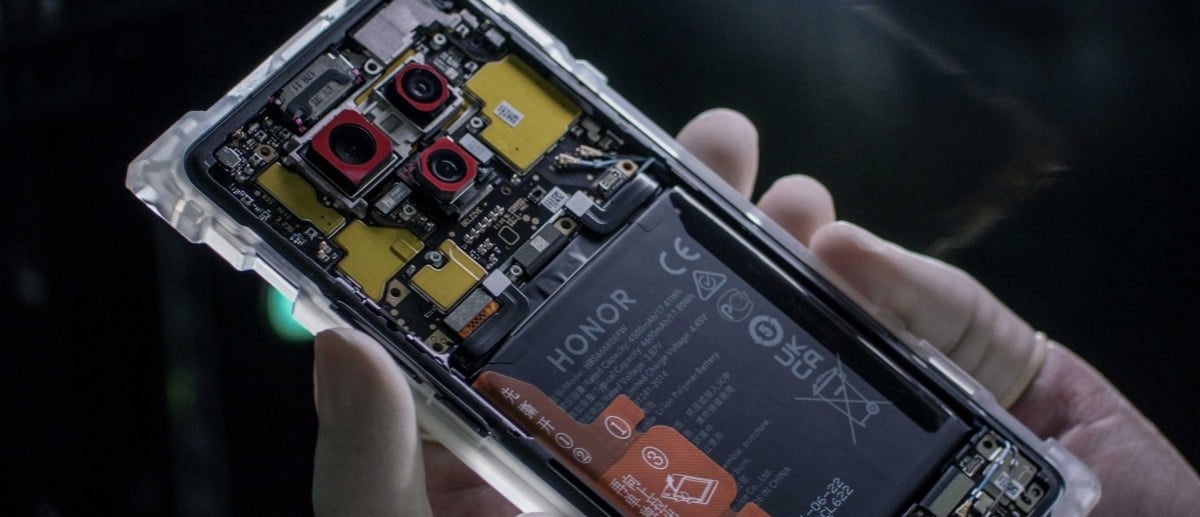
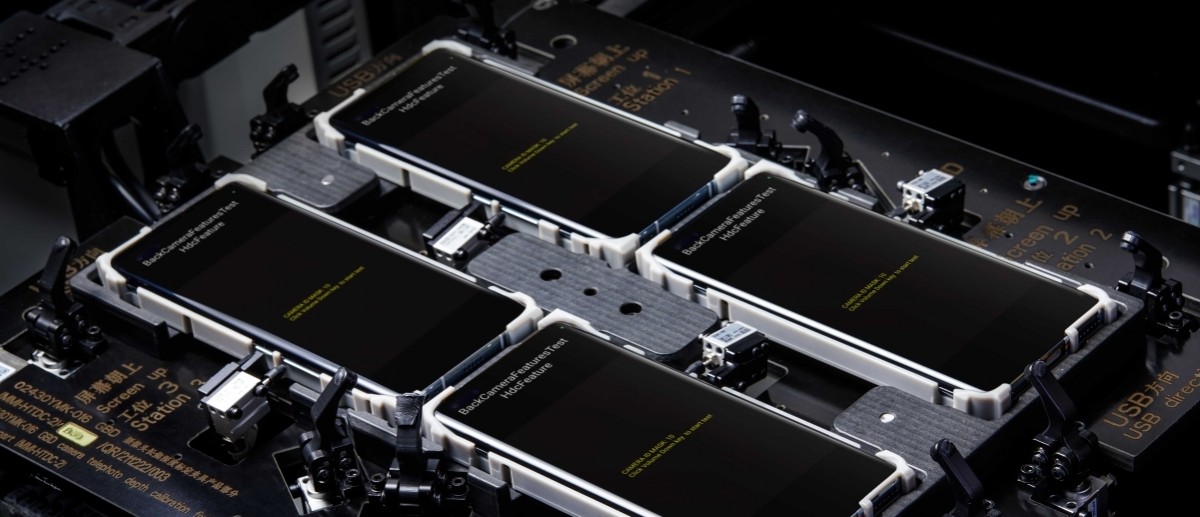
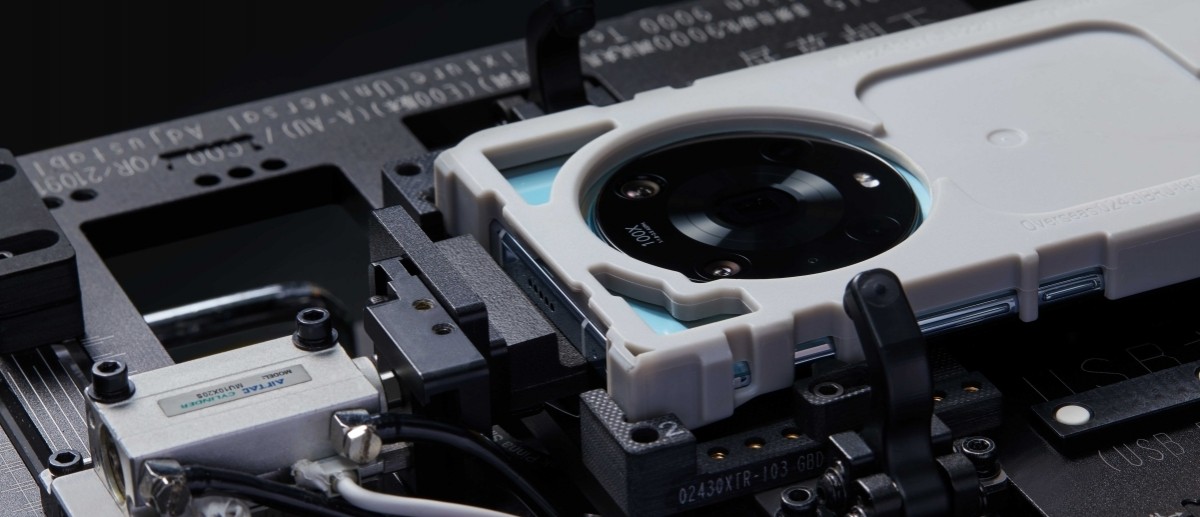
Huawei’s offshoot Honor has shared details of the research and development process of the Magic4 Pro. The Honor Magic4 Pro is Honor’s latest flagship offering that is now available globally. Honor provided details of its R&D process to coincide with its global release.
Honor shared details about its new Manufacturing Industrial Park while homing on the company’s R&D department’s efforts. As per the details, Honor said that more than 200 reliability tests were carried out. These tests included button durability tests, drop tests, and extreme weather simulations. The plant is highly automated, thereby substantially minimizing human errors. The alert accuracy ratings of most of the processes are about 95%, which is very robust.
The Honor Magic4 Pro has a dual-sound emitting unit that delivered great results during sound tests. At the heart of the unit is a piezoelectric ceramics core that enables directional sound on display. The Magic4 Pro also features the implementation of Fusional Computational Photography, using the multi-camera fusion. The camera fusion test across the full focal range was done also at Honor’s Park.
The Honor Magic4 Pro seems to have gone through a rigorous process throughout its development trajectory. The Honor Magic4 Pro is priced at £949 ($1,197) in the United Kingdom. Availability in other markets will follow subsequently.
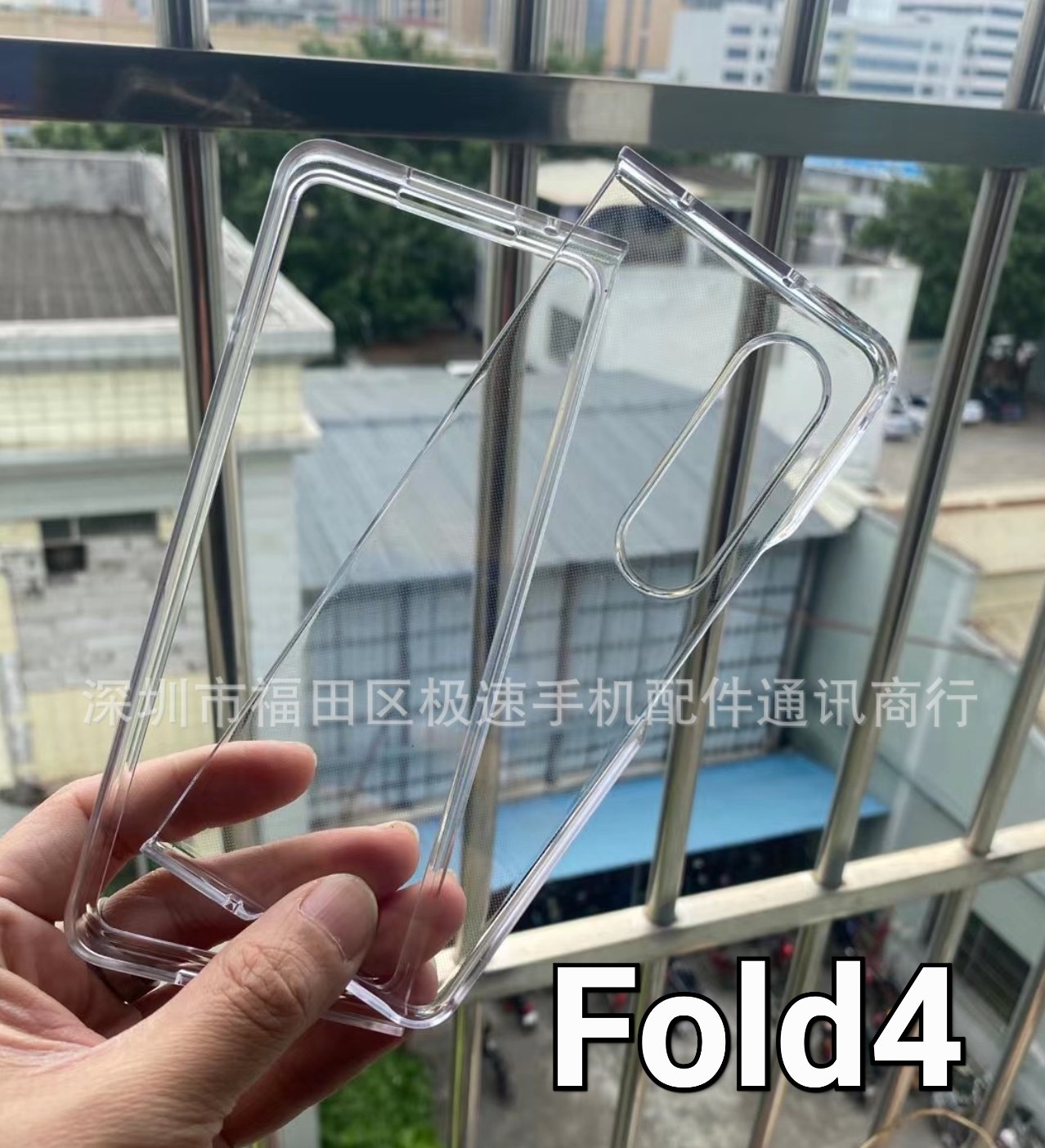
Images of the protective case of the next Samsung foldable, the Galaxy Z Fold 4 have surfaced. The photos seem to have confirmed rumors that the Galaxy Z Fold 4 will come with improved aspect ratios for an improved user experience. The pictures indicate slight but telling improvements to the size of the new device.
The Samsung Galaxy Z Fold 4 is the much-awaited Samsung foldable flagship for 2022. As we move closer to its unveiling, more details have continued to surface about the device. It has earlier been speculated that there had been adjustments to the crease of the Z Fold 4. The new details are related to the aspect ratios for both the inner and outer displays. There are no specifics on the confirmed aspect ratios, but we expect to see improvements in both directions. The new leak also points to a slightly thinner Galaxy Z Fold 4 compared to its predecessor.
The foldable display technology in the Galaxy Z Fold 4 is meant to optimize the use of the device as both a smartphone and tablet. Samsung is making improvements in having a more nuanced tablet experience with the rumored aspect ratio tweaks. It remains to be seen how significant these tweaks are.
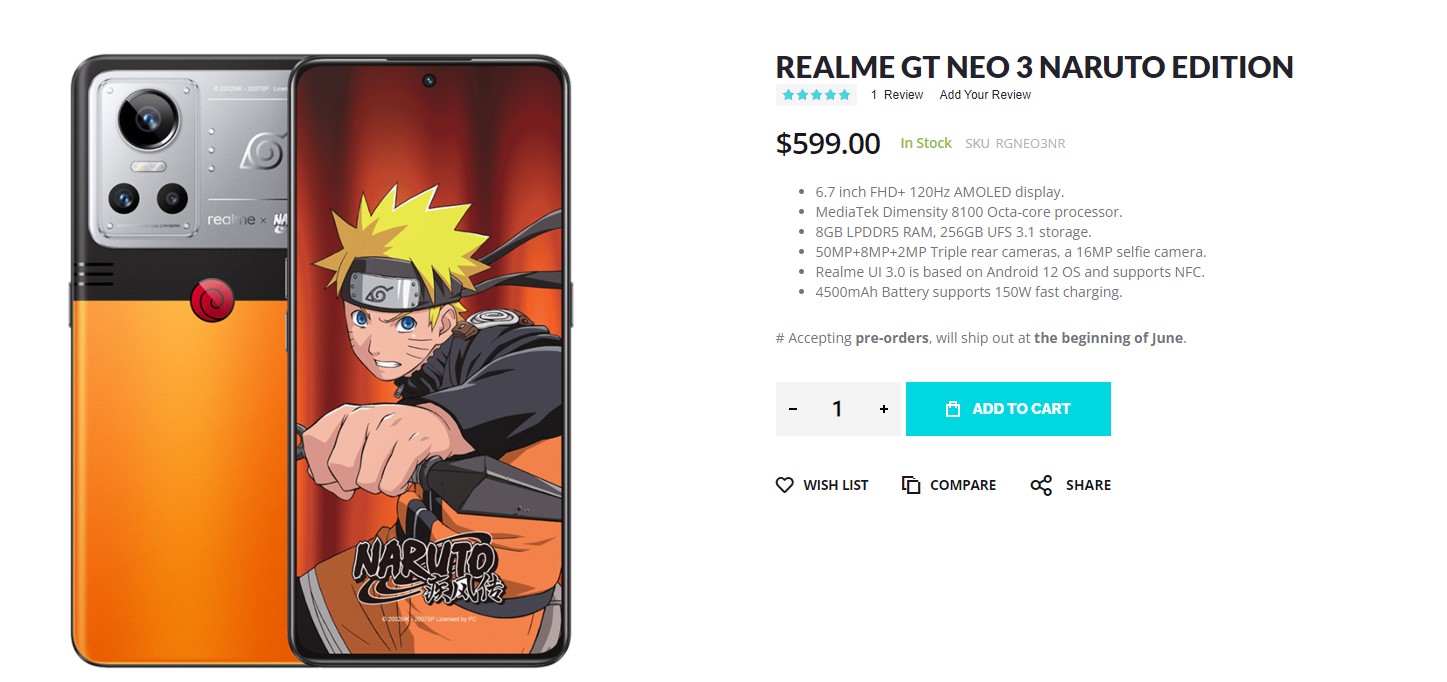
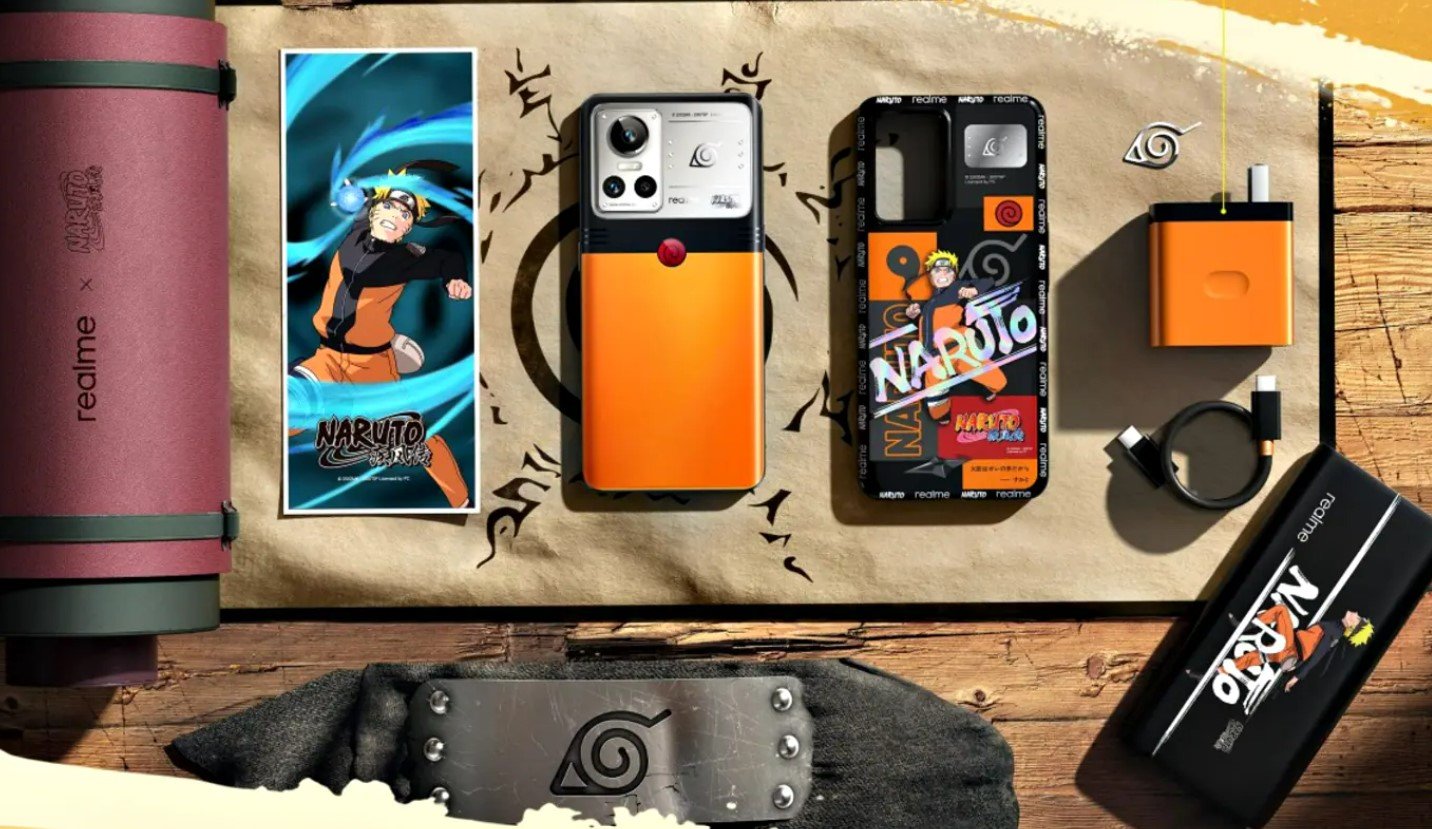
Great news for anime lovers. Realme GT Neo 3 Naruto Edition is now available for pre-order for $599 only at Giztop. Please note that this is a limited special edition. Giztop has started accepting pre-orders for the same and the actual shipment will begin in early June.
Realme GT Neo 3 Naruto Edition features a 6.7” FHD+ AMOLED display and supports a 120Hz refresh rate. The smartphone is powered by MediaTek Dimensity 8100 Octa-core processor and comes with 8GB LPDDR5 RAM and 256GB internal storage.
The phone comes with a triple rear camera setup with a 50MP main sensor and 8MP + 2MP secondary sensors. For your selfies, you have a 16MP sensor in the front. Running on Android 12 OS-based Realme UI 3.0, the phone supports features like NFC, an under-display optical Fingerprint sensor, 5 Navigation systems, and more.
Fueled with a 4500mAh battery, it supports 65W fast charging and comes with a dedicated GT 3.0 mode that offers leapfrog performance while gaming with enhanced image quality. You can now pre-order Realme GT Neo 3 Naruto edition for $599 only at Giztop.
For more information on such exciting deals and offers check out our deals hub.
We use cookies on our website to give you the most relevant experience by remembering your preferences and repeat visits. By clicking “Accept”, you consent to the use of ALL the cookies.
This website uses cookies to improve your experience while you navigate through the website. Out of these, the cookies that are categorized as necessary are stored on your browser as they are essential for the working of basic functionalities of the website. We also use third-party cookies that help us analyze and understand how you use this website. These cookies will be stored in your browser only with your consent. You also have the option to opt-out of these cookies. But opting out of some of these cookies may affect your browsing experience.
Necessary cookies are absolutely essential for the website to function properly. This category only includes cookies that ensures basic functionalities and security features of the website. These cookies do not store any personal information.
Any cookies that may not be particularly necessary for the website to function and is used specifically to collect user personal data via analytics, ads, other embedded contents are termed as non-necessary cookies. It is mandatory to procure user consent prior to running these cookies on your website.