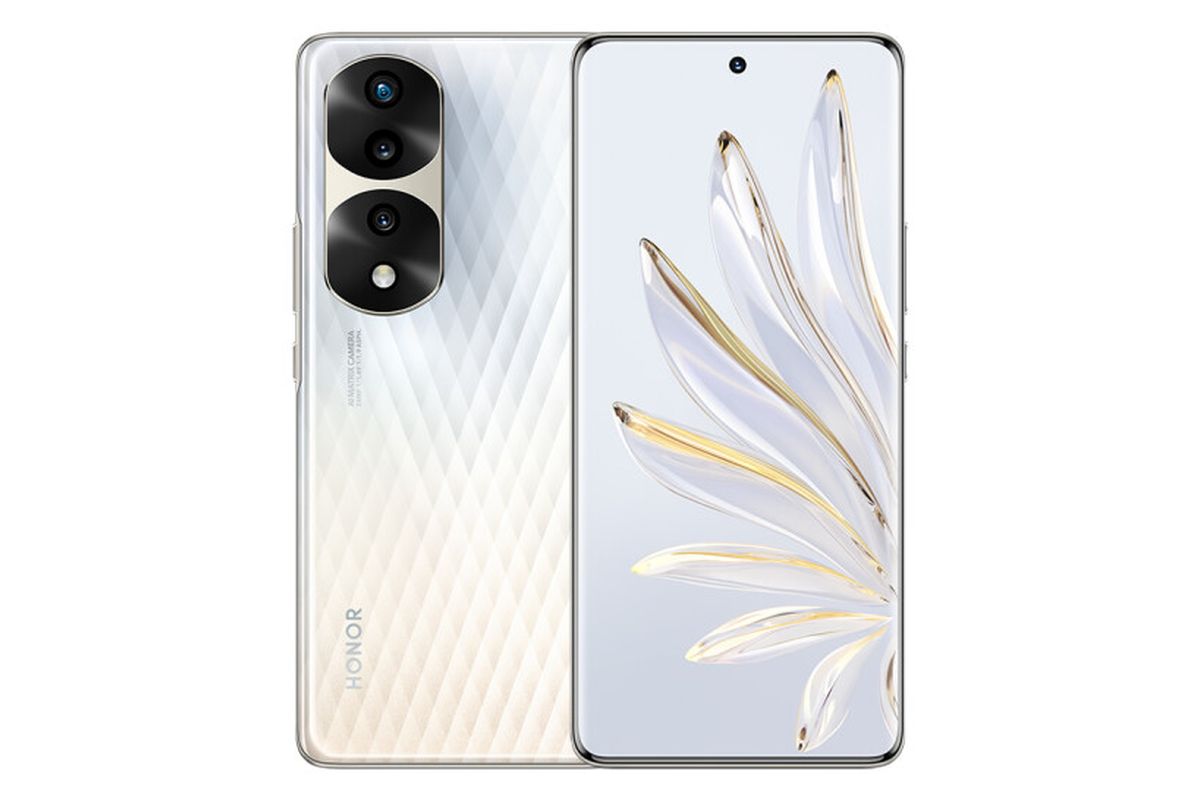
Honor will be announcing the Honor 70 series of smartphones on May 30 in China. The official renders of the Honor 70 surfaced last week. Now, the renders of the Honor 70 Pro have appeared on the Chinese retailer site JD.com.
Honor 70 Pro renders
The Honor 70 images revealed that it features a flat display. However, the Honor 70 Pro renders show that it is fitted with a quad-curved screen. Instead of the round-shaped camera rings available on the vanilla model, the Pro model features a pair of hexagonal units. The Honor 70 Pro is equipped with triple rear cameras and an LED flash.
Speaking of cameras, the Honor 70 Pro is expected to feature a 54-megapixel Sony IMX800 primary camera. While the exact screen size of the device is not known, it is expected to carry support for an FHD+ resolution and a 120Hz refresh rate.
Honor 70 Pro
The smartphone will be powered by the Dimensity 8000 chipset. It is expected to arrive with support for 100W fast charging. The details about its other cameras and battery size are yet to be revealed.
Honor 70 likely to come with Snapdragon 778G Plus
The OPPO Reno 8 Pro went official yesterday as the world’s first smartphone powered by the Snapdragon 7 Gen 1 chipset. Several reports have claimed that the same chip will power the Honor 70. However, reliable source Teme claims that it will be equipped with the Snapdragon 778G Plus chipset. To recall, the Honor 60 and Honor 60 Pro were launched with Snapdragon 778G and 778G+ chipsets, respectively, in China last year.
As far as the Honor 70 Pro+ is concerned, it is expected to feature the Dimensity 9000 chipset. The appearance of the 70 Pro+ could be identical to that of the Honor 70 Pro.
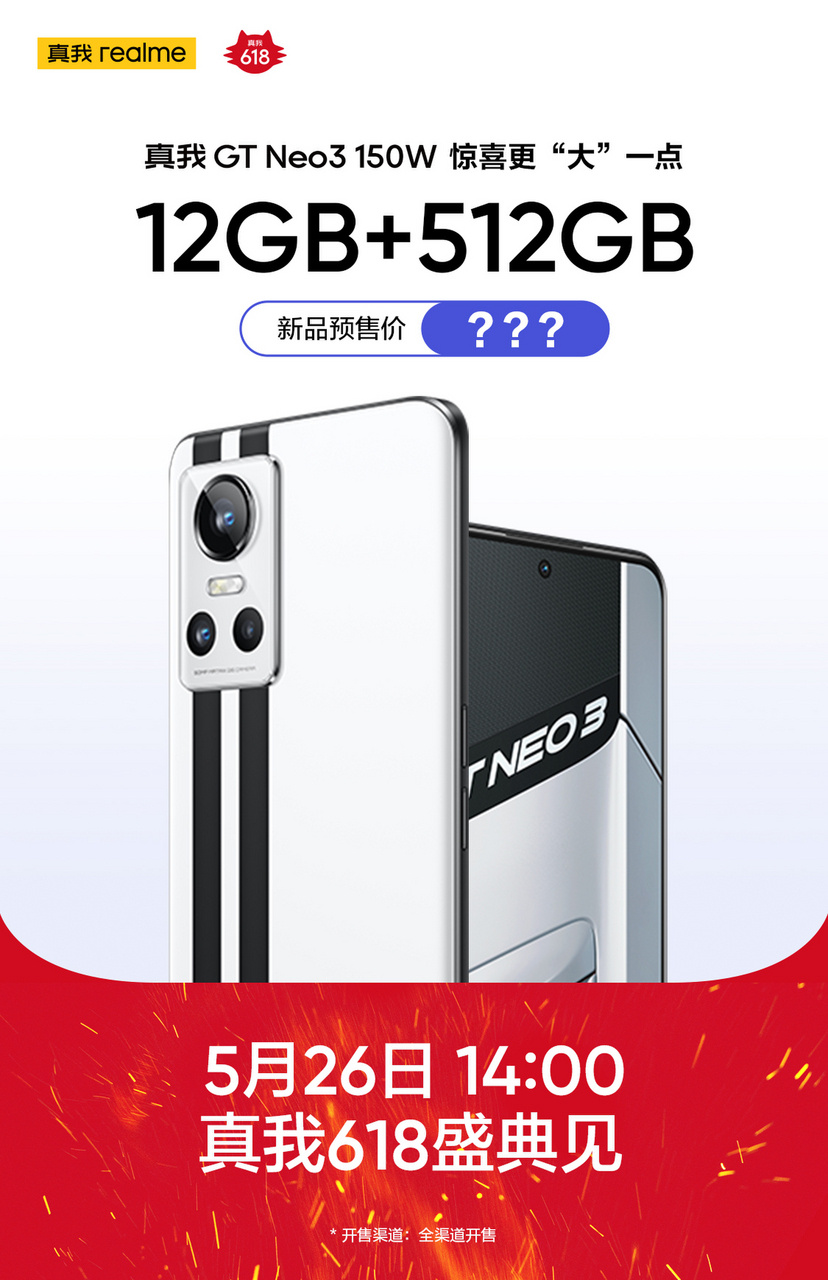
In March, Realme unveiled the Realme GT Neo 3 in 80W and 150W charging variants in China. The Chinese manufacturer made the Realme GT Neo 3 150W in two configurations. Realme will be holding a launch event on May 26 in China. The event will also see the arrival of the Realme Pad X 5G and Power Bank 3 Pro Naruto Edition. It appears that the same event will see the arrival of the GT Neo 3’s 512 GB storage edition.
Today, the company confirmed that the 12 GB RAM + 512 GB storage variant of the Realme GT Neo 3 will be announced on May 26. The price of the new variant will be confirmed at the launch event.
Currently, the GT Neo 3 150W is available in two configurations: 8 GB RAM + 256 GB storage and 12 GB RAM + 256 GB storage. These models are priced at 2,599 Yuan (~$390) and 2,799 Yuan (~$420), respectively. The upcoming 12+256GB model could cost as much as $2,999 Yuan ($450). It appears that the new variant will be aimed towards the upcoming 618 (June 18) shopping festival in China. The GT Neo 3 150W comes in Le Mans, Hurricane Black, and Silverstone.
Redmi will be launching the Note 11T series of smartphones in China today. The Note 11T Pro+ will be arriving as the company’s first Note branded smartphone with 512 GB of storage. The device is also equipped with key features such as Dimensity 8100 and 120W fast charging. Hence, it appears that the 512 GB variant of the GT Neo 3 will rival the Note 11T Pro+.
The GT Neo 3 offers key features such as a 6.7-inch 120Hz AMOLED display, LPDDR5 RAM, UFS 3.1 storage, and a 4,500mAh battery. It has 50-megapixel triple rear cameras and a 16-megapixel front camera.
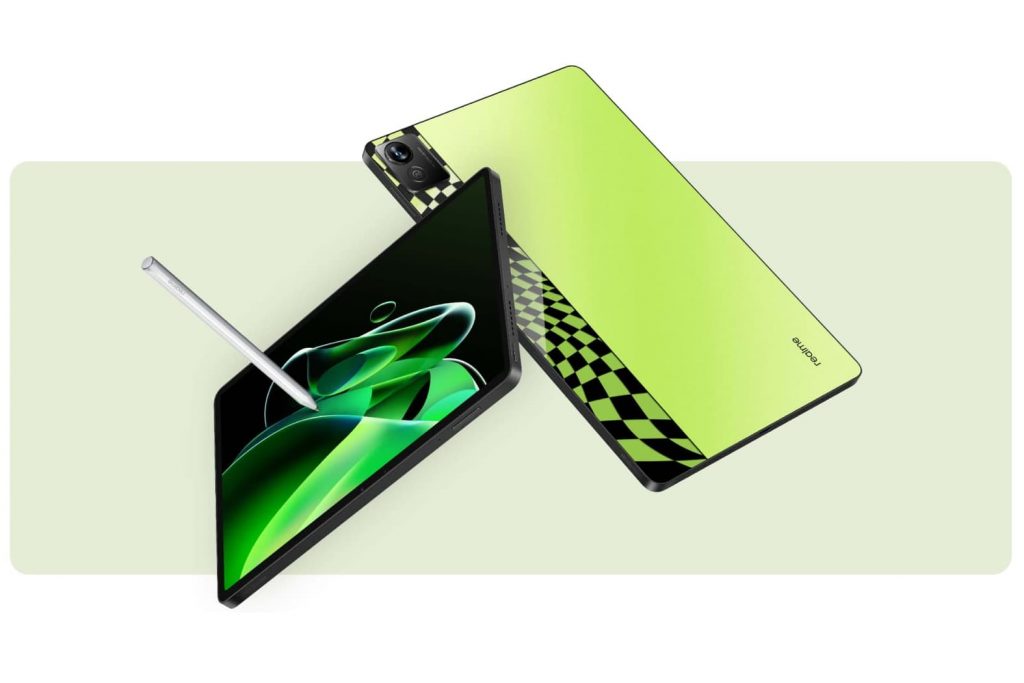
Realme has confirmed to launch the Realme Pad X in China on May 26. It will be the brand’s first tablet in its home country. Last week, the company officially disclosed the design of the product. At the same time, it has been also teasing some of the features for the past few days. The latest teasers reveal the specs of the display, battery, and more.
According to Relame’s Xu Chi Chase, the Realme Pad X will house an 8,340mAh battery. The device will carry support for 33W fast charging.
The executive also claims that one can use the tablet without charging for a week. We all know that it’s not possible to get that good endurance unless the usage is very minimal.
Further, another teaser discloses that the front camera on the Realme Pad X will have Apple’s Center Stage-like feature. For the unaware, this feature keeps the subject in the center during video calls.
The exec says that Realme’s implementation will be comparable to the Center Stage found on Apple iPads. It is worth noting that Realme is not the first Android OEM to introduce this feature as Samsung had already debuted it on the Galaxy Tab S8 series earlier this year.
Coming to the most important part, the Realme Pad will flaunt an 11-inch display with a 2K resolution. The LCD panel will have a sunlight mode and a TÜV Rheinland-certified hardware-level blue light filter.
Last but not least, the device will arrive with Dolby Atmos-supported quad speakers and a MicroSD card slot.
Realme is yet to reveal the chipset powering the tablet. Maybe, it will announce the chip tomorrow.
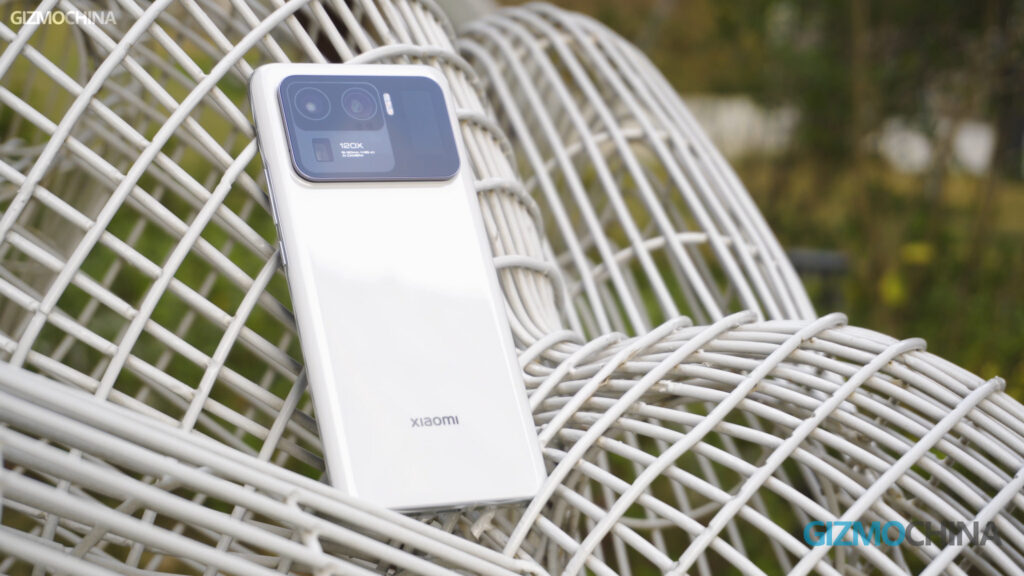
Xiaomi debuted the Mi 11 Ultra at the end of March 2021. It has been over a year but the company is yet to release its successor. Anyway, the firm has confirmed to launch a flagship smartphone sporting a camera system powered by Leica in July. This device is rumored to go official as Xiaomi 12 Ultra.
Ahead of this phone’s launch, the year-old Xiaomi Mi 11 Ultra is being offered by China’s JD (Jingdong) at an insanely low price tag. The retailer is providing a whopping 42% discount on the 12GB + 256GB variant.
The Mi 11 Ultra with 12GB RAM and 256GB storage was introduced at ¥6,499 ($975). But now, for a limited time, it can be purchased at only ¥3,799 ($570) in China. The promotion is part of JD’s 618 sale.
It is worth noting that customers cannot buy the phone right away. They have to pre-order it before May 31 to get the offer.
During the 618 sale, the price of the Xiaomi Mi 11 Ultra (12GB + 256GB) will drop to ¥4,099. On top of that, JD Plus members who had pre-ordered the handset will receive a ¥300 discount coupon. Hence, for those customers, the smartphone’s effect price will come down to ¥3,799.
Additionally, while pre-ordering the device, customers can deposit ¥100 yuan to get the original 67W charger. They can even deposit another ¥99 for the original wireless charging stand which costs ¥499.
This is probably the best deal on Xiaomi Mi 11 Ultra so far. The last best deal was offered directly by Xiaomi in late March 2022.
Back in early April, Oppo started the Android 12-based ColorOS 12 beta testing for Oppo F19, F19s, A74, and A95. Almost two months later, these smartphones are now being blessed with the stable update.
Following the schedule shared for May, Oppo has begun to push ColorOS 12 stable update for the aforementioned handsets. In fact, the devices got access to the update a day earlier.
The phones were supposed to receive the Android 12 stable update on May 24 (today). However, Oppo had begun seeding the OTA software update yesterday (May 23) itself.
For the unaware, the Oppo F19 and Oppo F19s were released exclusively in India. The same smartphones go by the name of Oppo A74 and Oppo A95 in Indonesia.
Hence, the latter two phones are also receiving the update together since they are basically the same devices. According to the officialannouncementposts on the Oppo community, the update arrives with firmware version C.09 for all four handsets.
Users need to navigate to Settings > Software Updates to download and install the update. The OTA software builds for these smartphones are being pushed in batches. Therefore, some users may get them earlier, while others may have to wait.
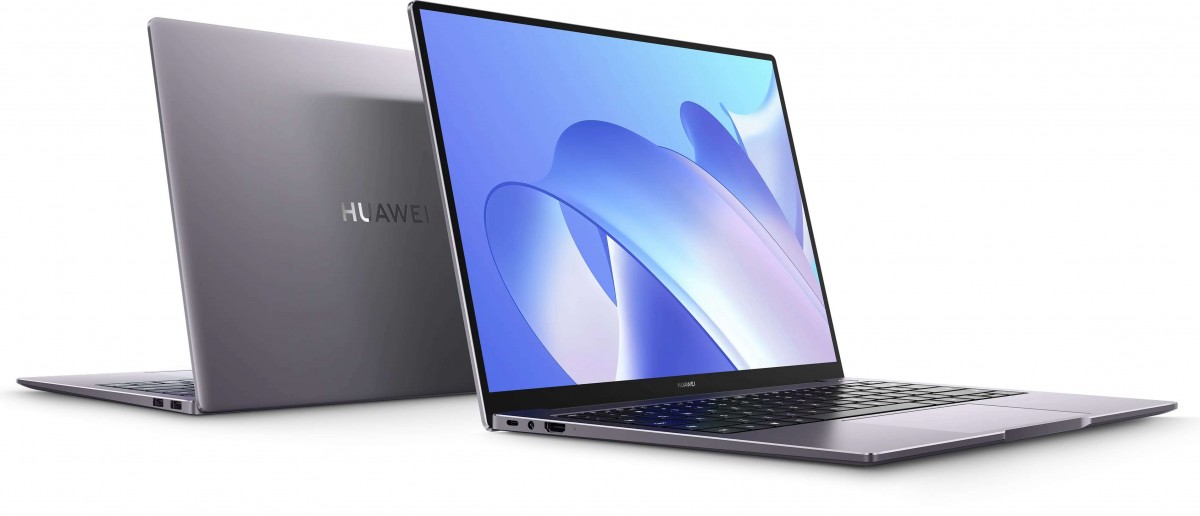
Along with the Huawei MateBook 16s and MateBook D16 laptops and the new MateBook SE monitor, the Chinese company also launched two other laptop models in its home country — Huawei MateBook 14 2022 and Huawei MateBook D14 2022.
Coming to the specifications, as the name indicates, the Huawei MateBook 14 2022 comes with a 14-inch touchscreen display that offers a screen resolution of 2160 x 1440 pixels along with a 3:2 aspect ratio, 300 nits brightness, and 1500:1 contrast ratio.
Under the hood, the device is powered by the Intel 12th generation Core i7-1260P processor or the Intel Core i5-1240P. Like the 16-inch models, this one also features an Intel Iris Xe graphics processor and is not a dedicated one.
As for the memory department, the laptop packs 16GB of LPDDR4x RAM and 512GB of NVMe storage. The device is powered by a 56Wh battery and supports 65W charging.
The Huawei MateBook 14 2022 is priced at 6,099 yuan for the Core i5-powered model, while the Core i7-powered model costs 6,999 yuan.
On the other hand, the Huawei MateBook D14 2022 features a 14-inch display with a 1920 x 1080 pixels Full HD display with a 16:9 aspect ratio, 300 nits brightness, and a 1000:1 contrast ratio, along with 100% sRGB coverage.
Apart from the display, everything else remains the same as the MateBook 14, including the choice of processors, RAM, storage, battery, and the in-box charger.
The Huawei MateBook D14 is priced at 5,299 yuan (~$795) for the Intel Core i5-1240P processor, while the Intel Core i7-1260P processor model costs 5,999 yuan (~$900).
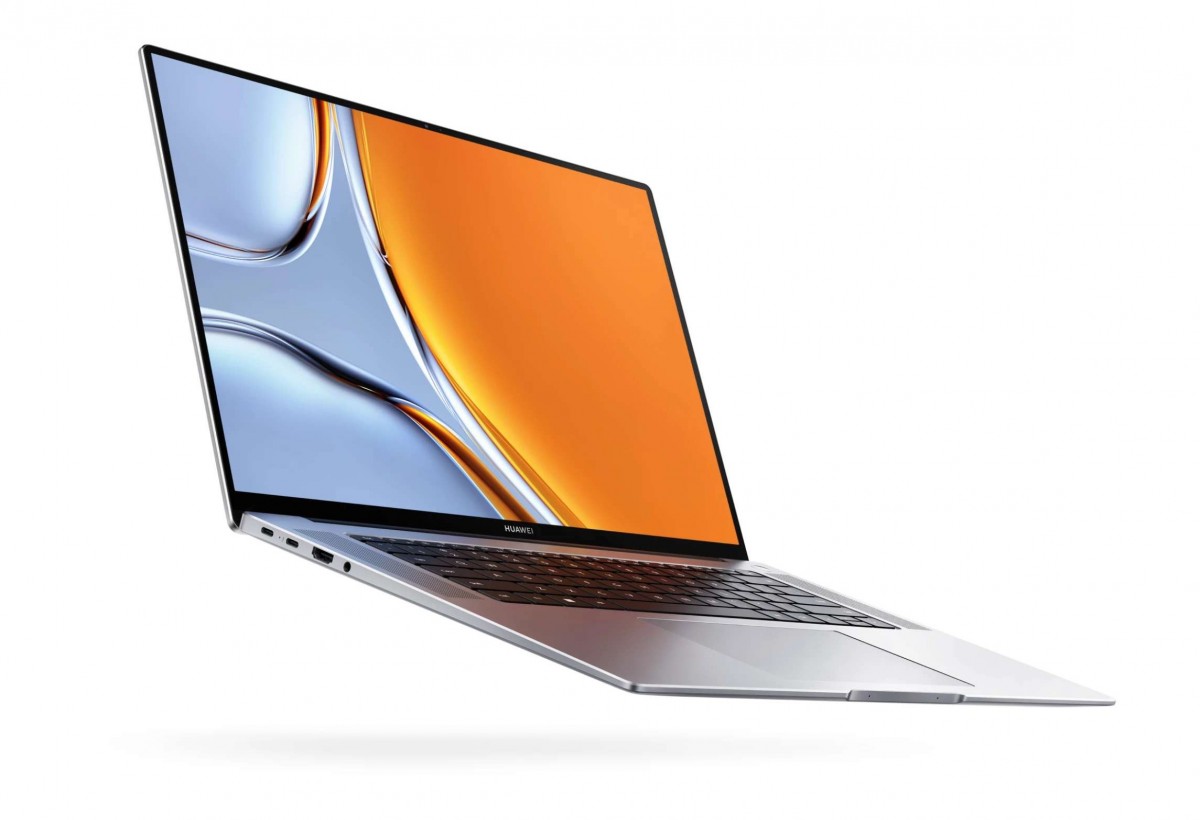
Huawei has launched a few new laptops in the Chinese market in two different screen sizes of 16-inch and 14-inch. The company has launched two laptops each for both these screen sizes in China.
As the name indicates, the laptop comes with a 16-inch touchscreen IPS LCD display that offers a 2520 x 1680 pixels screen resolution, a 3:2 aspect, 300 nits of brightness, and 1500:1 contrast along with support for 100% sRGB color gamut.
Under the hood, the device is powered by the 12th generation Intel Core H series processors, ranging from Core i5-12500H to Core i9-12900H. There’s no dedicated GPU, but the graphics are handled by the Intel Iris Xe graphics processor.
Coming to the memory, the laptop model packs 16GB of LPDDR4x RAM and offers two options in terms of internal memory — 512GB or 1TB NVMe PCI. It is powered by an 84Wh battery and comes with a 135W charging in the box.
The Huawei MateBook 16s is priced at 6,999 yuan (~$1,050) for the Core i5-powered model, while the Core i7-powered model costs 7,999 yuan (~$1,200). The top-end model powered by the Core i9 processor is priced at 9,999 yuan (~$1,500).
On the other hand, the Huawei MateBook D16 features a 16-inch display but offers a 1920 x 1200 pixels screen resolution, 300 nits maximum brightness, 100% sRGB coverage, and a contrast ratio of 1200:1.
The device is powered by the Intel Core i5-12500H or the Intel Core i7-12700H processors, along with the Intel Iris Xe graphics. As for the memory, there’s 16GB of LPDDR4x RAM and 512GB of NVMe PCIe storage. It is powered by a 60Wh battery and comes with a 65W charger in the retail box.
The Huawei MateBook D16 is priced at 5,699 (~$855) for the Core i5 model and while the Core i7 model costs 6,699 yuan (~$1,005). This model is now available for pre-order in the Chinese market and will go on sale from 6th June.
Redmi will be announcing the Redmi Note 11T series of smartphones today. The topmost variant in the lineup is called the Redmi Note 11T Pro+. The TENAA listing of the device revealed that it will be arriving with the largest built-in storage ever seen on a Redmi Note series phone. Today, the company confirmed that it will be arriving with a native storage of 512 GB.
The Redmi Note series of smartphones has been available with 256 GB of storage. However, the Note 11T Pro+ will be the company’s first smartphone to offer 512 GB of internal storage. The TENAA certification of the device revealed that it will be available in two options, such as 8 GB RAM + 128 GB storage and 8 GB RAM + 512 GB storage.
Past reports have revealed that the device will be equipped with a 6.6-inch LCD LTPS panel that offers a Full HD+ resolution and a 144Hz refresh rate. It will be powered by the Dimensity 8100 chipset.
The Note 11T Pro+ is expected to pack a 5,000mAh battery. Redmi has already confirmed that it will carry support for a 120W fast charger. It will be equipped with a Surge P1 chip for power management. For photography, it will be equipped with a 64-megapixel main camera.
The Note 11T Pro+ will offer other features such as JBL dual stereo speakers, Bluetooth 5.3 connectivity, an IR blaster, NFC, a 3.5mm audio jack, and a side-facing fingerprint scanner. The device will come preinstalled with the Android 12 OS and MIUI 13.
The Redmi Note 11T Pro is also expected to arrive with the Dimensity 8100 chipset. It may only differ in departments like battery size, fast charging speeds, and cameras as compared to the Pro+. The Note 11T is likely to feature the Dimensity 1300 chip.
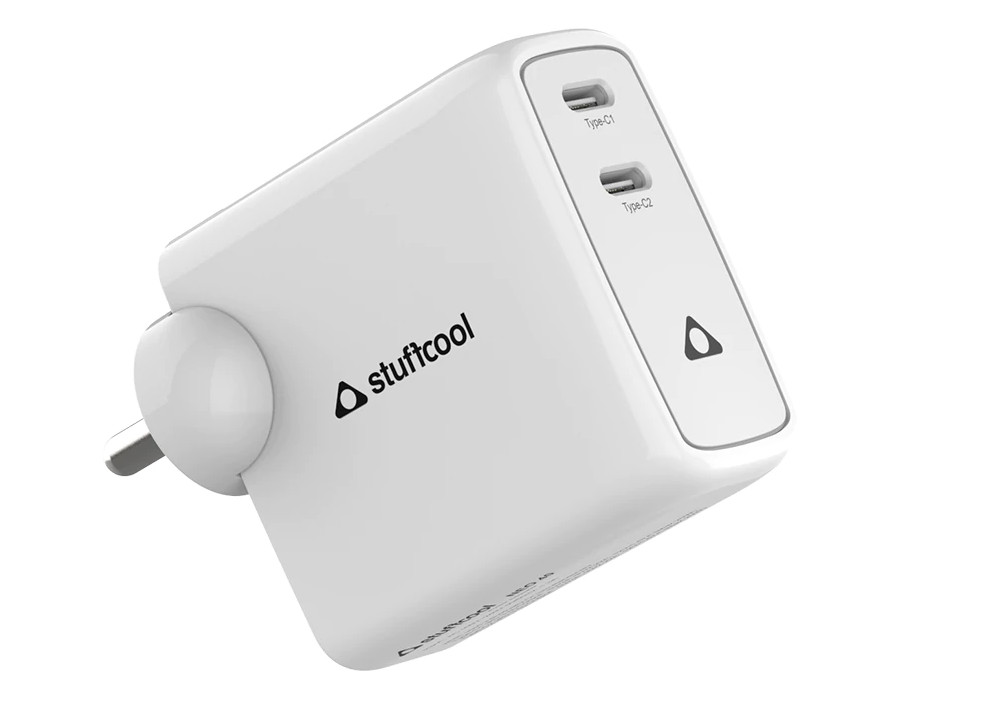
Stuffcool has released its latest accessory to the Indian market. It is the Stuffcool Neo 45W dual USB-C port charger that supports PD and PPS charging. The Stuffcool Neo offers a total output of 45W and is a great choice to charge two smartphones simultaneously. The Stuffcool Neo 45 is available from Stuffcool’s website and retail outlets in India for an introductory price of Rs. 2,499 (~$32). The price of the Neo 45 will revert to Rs. 3,299 (~$43) after the offer period.
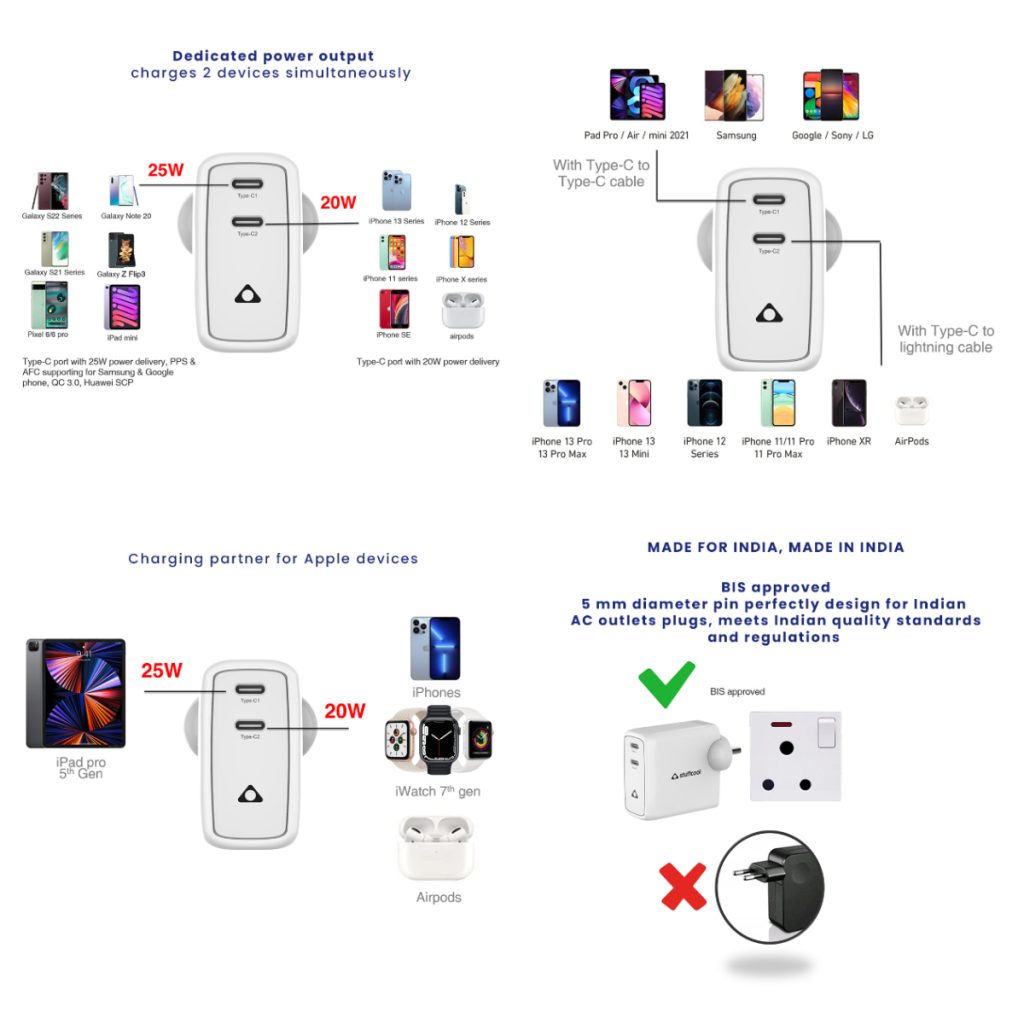
The Stuffcool Neo 45 unveiling in India comes on the heels of the Ultimus 115W 3-port charger by Stuffcool. The Ultimus 115W supports QC, PD, and PPS charging. The Stuffcool Neo 45 charger offers up to 25W PPS charging for its top USB-C port. The top port’s charging speed is enough to quickly charge the latest flagship devices from Samsung to Google. The bottom USB-C port can deliver 20W PD charging in combination with the top port. It can charge most devices to full capacity within half an hour.
The Stuffcool Neo 45 comes with an Auto Detect IC for optimal power delivery to the device being charged. It is BIS approved and will be compatible with the conventional and prevalent wall sockets in the subcontinent. Safety-wise, the Neo 45 has five layers of sophisticated safety protocol to guarantee the security of the connected device. The dual-port charger comes in white color and a 6-month warranty is available at purchase.
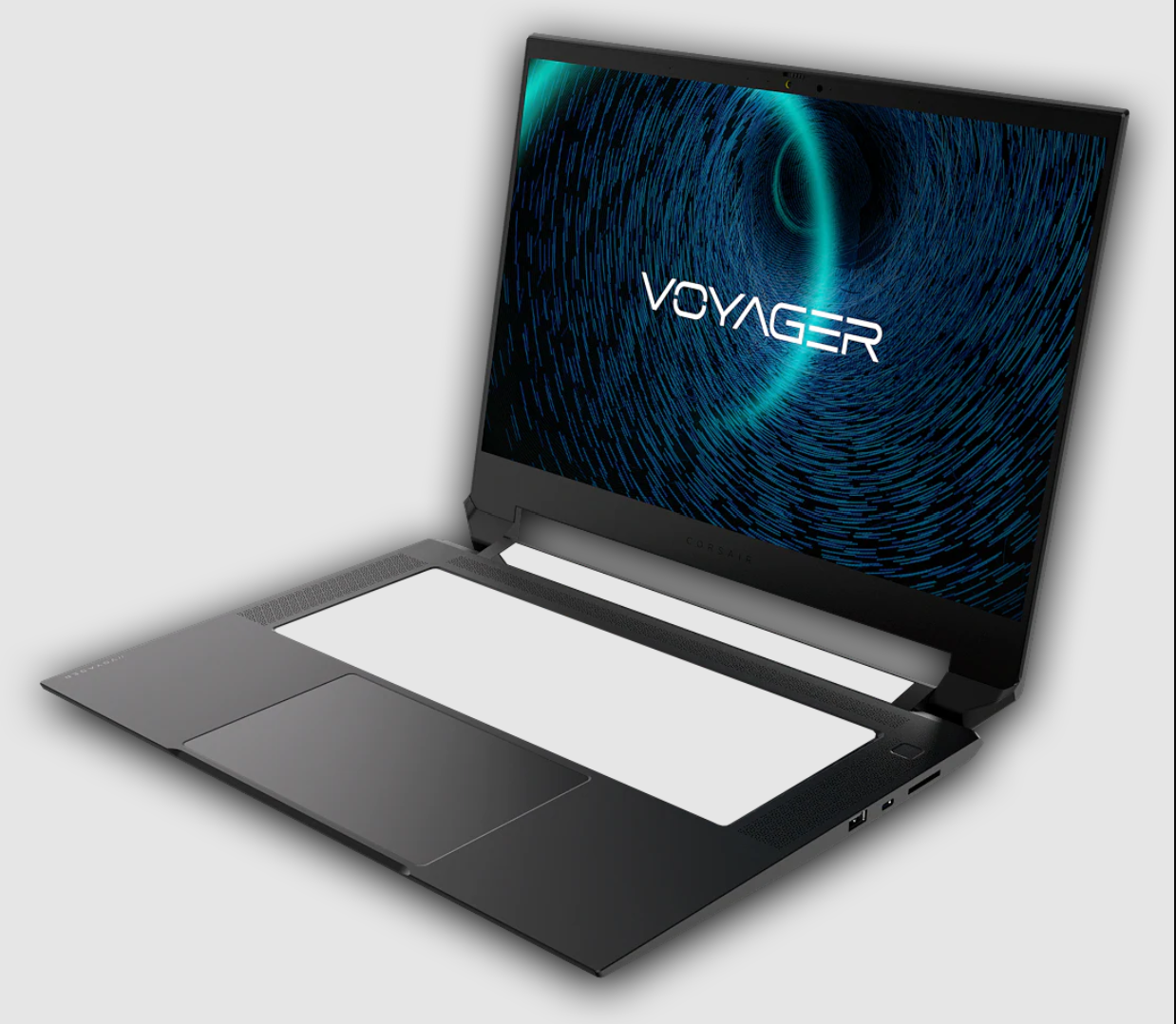
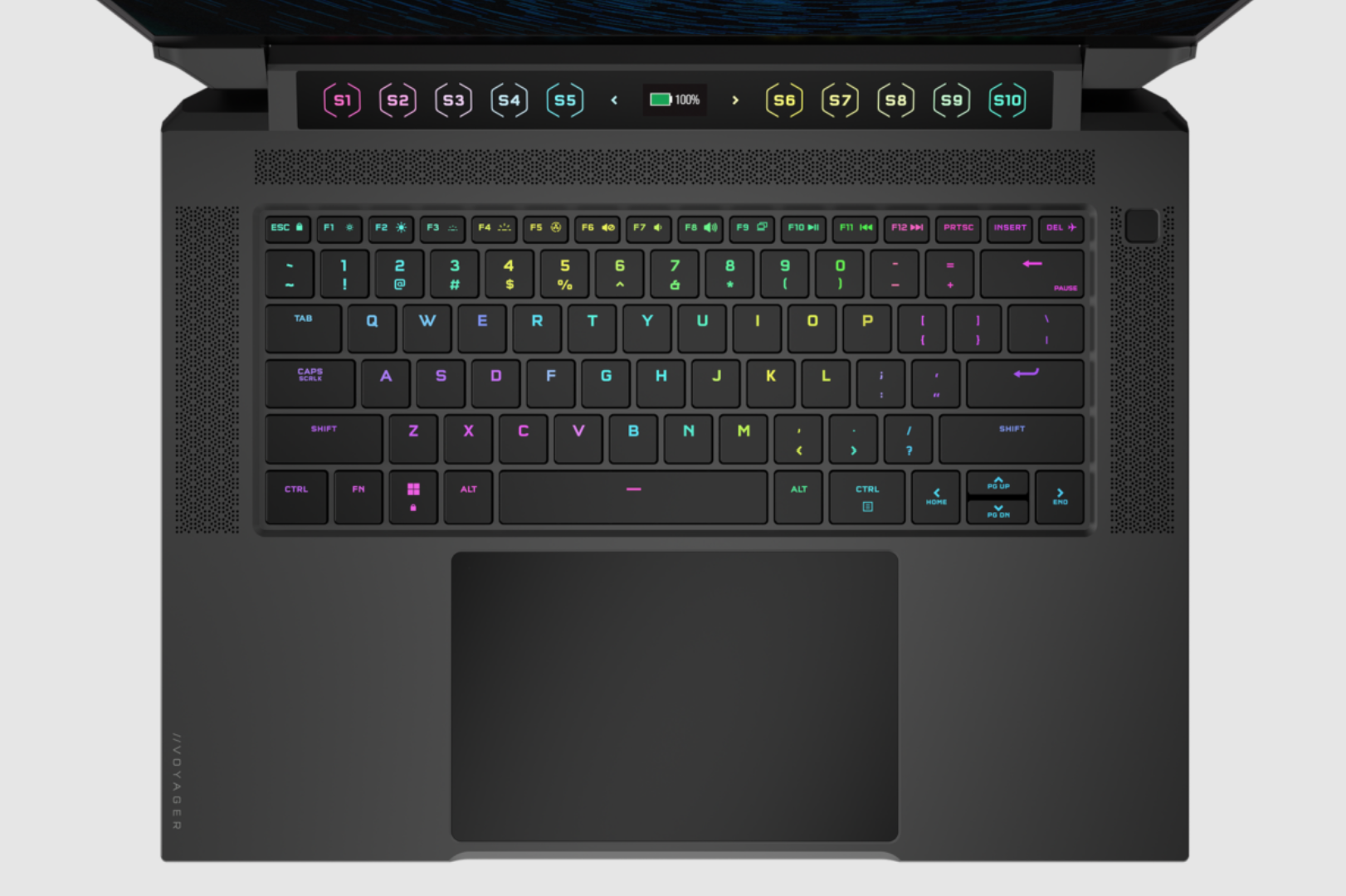
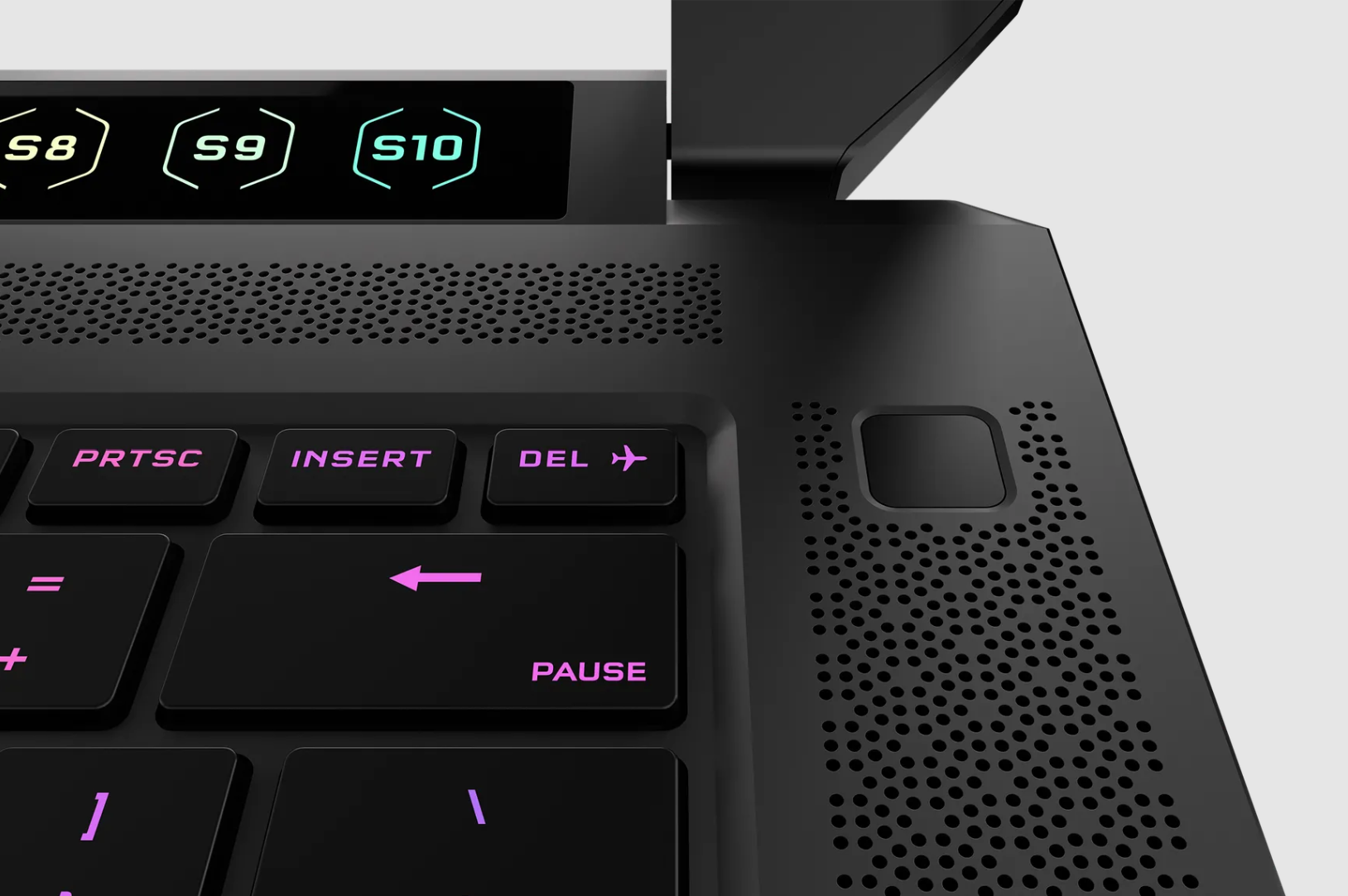
Corsair has launched its first-ever gaming laptop, the Voyager AMD Advantage Edition. The new laptop features a 10-key LCD macro powered by Elgato Stream Deck technology. The Corsair Voyager AMD Advantage Edition is a pure gaming and streaming laptop. It is bound to catch the fancy of the gaming PC market.
Corsair acquired gaming PC manufacturer Origin in 2019. The new gaming laptop is the first offering after the acquisition. The Corsair Voyager AMD Advantage Edition has AMD 6000-series CPU and AMD Radeon RX 6800M GPU. The laptop sports a clamshell design that allows the gamer to access the macro bar even when the 16-inch screen is closed.
The function keys have also been retained in the Voyager, unlike the MacBook Pro. Users can customize the keys to different live streaming options to suit the user. The keys can also be used with Zoom and other video conferencing apps.
The Corsair Voyager AMD Advantage Edition’s display offers a 16:10 aspect ratio, excellent resolution, and speed. There are Cherry MX ultra-low-profile mechanical switches on the keyboard. There is also a 1080p30 webcam with a physical privacy shutter in the Voyager.
Two options of the CPU are available to pair with the Radeon GPU. They are the Ryzen 7 6800HS and Ryzen 9 6900HS CPUs. The models offer a RAM of 32GB and 64GB respectively, while their internal storage capacities are 1TB and 2TB respectively. The two models are priced at $2,700 and $3,000 respectively.
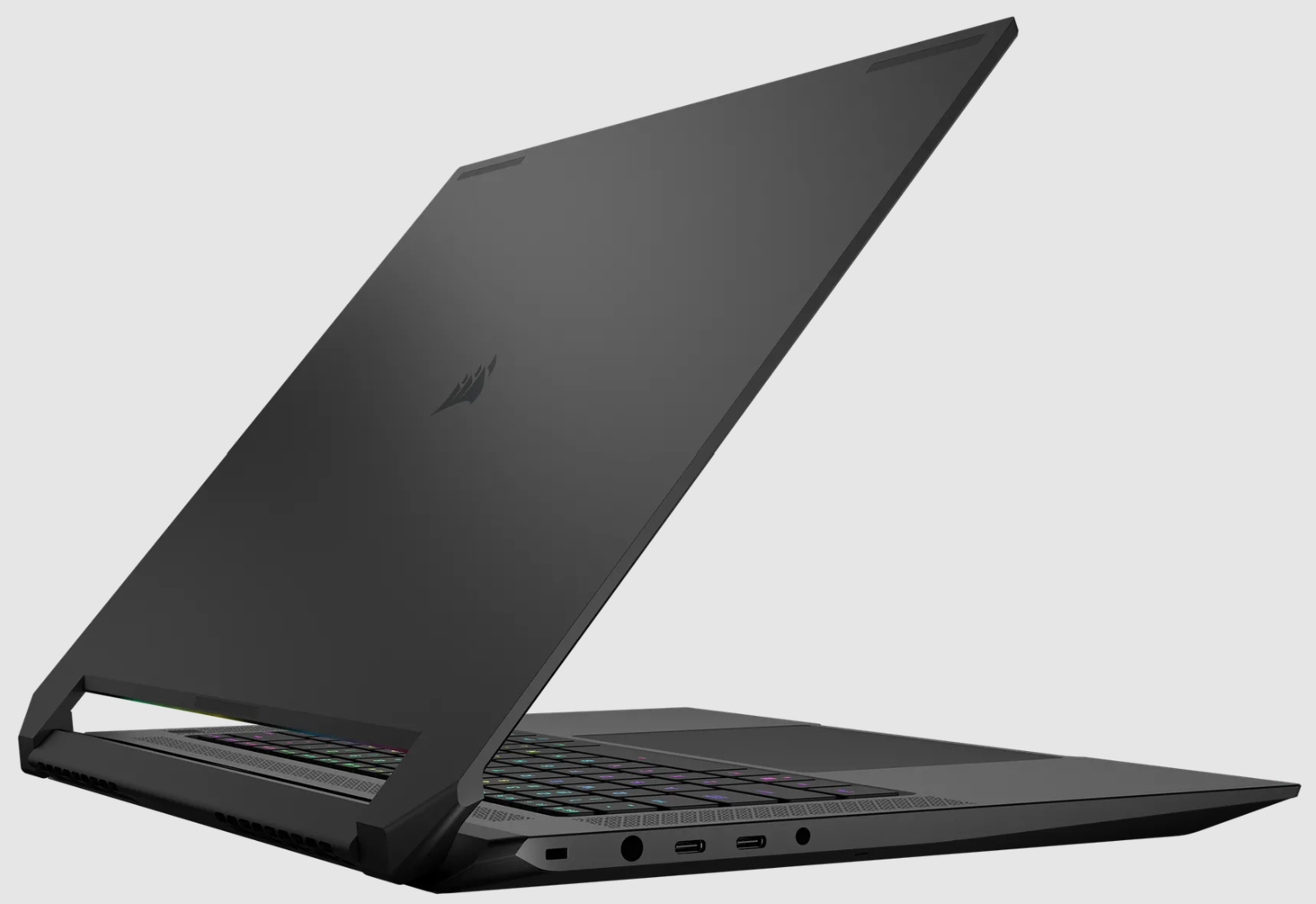
The Corsair Voyager AMD Advantage Edition models have dual Thunderbolt-3 USB 4.0 ports, and a USB 3.2 Gen 1 Type-A port. The two models also support Bluetooth 5.2 connectivity and Wi-Fi 6E. Corsair’s is yet to announce the release date for the Voyager AMD Advantage Edition.
Huawei is mostly known in the Android flagship smartphone space for its cameras, especially for its Leica-branded camera setups.
But yesterday, Xiaomi officially confirmed that the company will be in close collaboration with Leica, the Germany-based camera company, to bring Leica’s imagery technology to its upcoming flagship smartphone cameras. So will the new Xiaomi-Leica partnership affect the previous Huawei-Leica partnership?
As reported by Android Authority, their team had officially reached out to Huawei via email, to which Huawei formally replied: “We can confirm that the cooperation between our two companies (Huawei and Leica) ended on 31 March.”
What this means is that, as of May 2022, Huawei is no longer in partnership with Leica, spelling an end for Leica-branded Huawei smartphones.
For context, the last Leica-branded Huawei smartphones were the Huawei P50 and Huawei P50 Pro which were released last year with a Qualcomm Snapdragon 888 4G chipset.
Huawei P30 Series Promo
The announcement of the partnership ending truly marks an end of a smartphone era where Huawei was truly considered the best smartphone camera out there that money could buy. Leica-branded flagships like the Huawei P20 Pro, and the Huawei P30 Pro brought the smartphone market with exceptional smartphone camera innovations like the world’s first-ever triple camera setup and 5x optical zoom in a smartphone.
However, this marks a new chapter for smartphone photography as well. Considering the official announcement of Xiaomi partnering with Leica for its camera optimisations, it seems that even after the official breakup with Huawei, the Leica brand is still interested to remain in the smartphone market with a new partner.
Source: Xiaomi
Xiaomi has officially announced that the Xiaomi-Leica partnership will officially bear fruit in the company’s upcoming flagship smartphone slated for launch in July 2022.
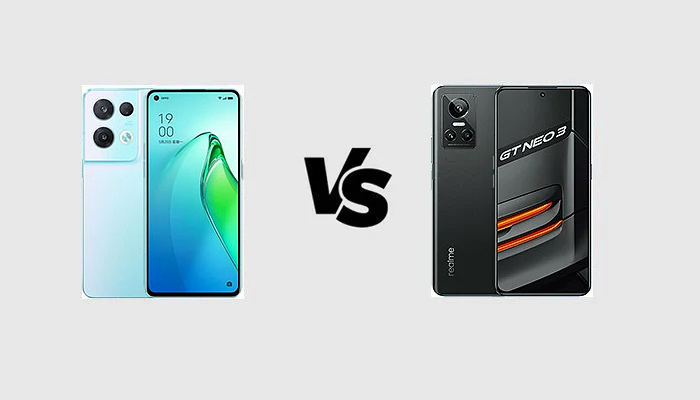
OPPO just launched the Reno8 Series. It is composed of three variants ranging from the midrange to the high-end segment, but all with very strong chipsets. The OPPO Reno8 Pro is the world’s first phone with the Snapdragon 7 Gen 1 mobile platform and it has a midrange SoC, but it is a great alternative to flagship killers because its remaining specifications are very interesting, including the camera department. This and the listing price are the reasons why we decided to compare it to a flagship killer like the Realme GT Neo3: is it better to have a better chipset or other better specifications? Read this comparison and you will find the differences between OPPO Reno8 Pro and Realme GT Neo3.
OPPO Reno8 Pro vs Realme GT Neo3
OPPO Reno8 Pro
Realme GT Neo3
DIMENSIONS AND WEIGHT
161 x 74.2 x 7.6 mm,
188 g
163.3 x 75.6 x 8.2 mm,
188 g
DISPLAY
6.62 inches, 1080 x 2400 pixels (Full HD+), AMOLED
Triple 50 + 8 + 2 MP, f/1.8 + f/2.2 + f/3.0
32 MP f/2.4 front camera
Triple 50 + 8 + 2 MP, f/1.9 + f/2.3 + f/2.4
16 MP f/2.5 front camera
BATTERY
4500 mAh, fast charging 80W
4500 mAh, Fast Charging 150W or 5000 mAh with 80W fast charging
ADDITIONAL FEATURES
5G, dual SIM
5G, dual SIM
Design
The OPPO Reno8 Pro has a very beautiful design and it is definitely more attractive than the Realme GT Neo3. First of all, it is a thinner phone with a thickness of just 7.6 mm, and it is even more compact thanks to a smaller display and very narrow bezels around it. Its amazing camera module with the same color as the remaining rear cover creates a sense of harmony and its display is protected by Gorilla Glass 5. The Realme GT Neo3 has the Gorilla Glass 5 protection as well, but it is thicker because it packs a bigger battery. Further, unlike its rival, it lacks an aluminum frame and it is made of polycarbonate.
Display
There are only marginal differences between the displays of the OPPO Reno8 Pro and the Realme GT Neo3. They both come with AMOLED panels sporting a Full HD+ resolution of 1080p, the HDR10+ certification, a 120 Hz refresh rate, and an in-display fingerprint reader. So the color reproduction is similar, the level of detail is the same, and even the dimensions of the panels are almost the same. If you are choosing between these two devices, then you should focus on the remaining specifications of their specs sheet instead of looking at their displays because they are both great panels.
Specs & Software
If you are looking for the most advanced hardware setup, then you should go for the Realme GT Neo3. First of all, its processor is better: it is a MediaTek Dimensity 8100 built at 5 nm and running at a max frequency of 2.85 GHz. It is a more powerful SoC than the Snapdragon 7 Gen 1 found on the OPPO Reno8 Pro, even though the latter is built with a 4 nm production process because CPU and GPU performances are higher. Further, the Realme GT Neo3 has LPDDR5 RAM and UFS 3.1 internal storage, while the Reno 8 Pro has LPDDR4x RAM and UFS 2.2 internal storage. Both the phones run Android 12 customized by similar user interfaces: ColorOS 12.1 and Realme UI 3.0.
Camera
The rear camera departments of these two phones are the same: you get a 50 MP Sony IMX766 main sensor with OIS, an 8 MP ultrawide camera, and a 2 MP macro lens. But the OPPO Reno8 Pro adds the MariSilicon X proprietary NPU which is able to improve photography at night thanks to an AI performance of 18 TOPS. Last but not least, the OPPO Reno8 Pro has a better selfie camera with a 32 MP resolution.
The Realme GT Neo3 is equipped with a bigger battery: the capacity is 5000 mAh, and it is able to provide longer battery life than OPPO Reno8 Pro. But note that the Realme flagship killer also comes in a variant with a 4500 mAh and 150W fast charging instead of 80W fast charging.
Price
The starting price of the OPPO Reno8 Pro for the Chinese market roughly translates into €420/$449 at the actual change, while you need at least €328/$350 to purchase the Realme GT Neo3. While the former offers better design and superior camera performance, the latter has a bigger battery and a better chipset. Which one would you pick?
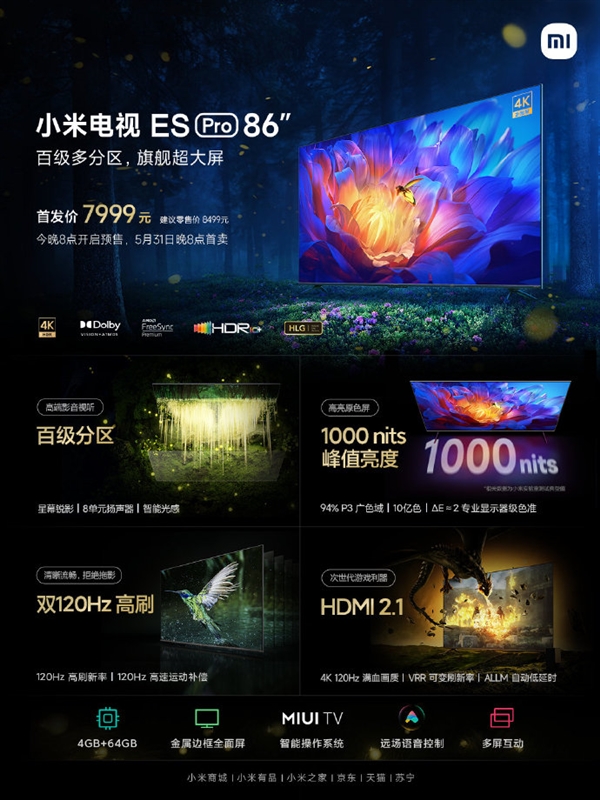
Xiaomi has for a couple of years maintained its position as China’s number 1 smart TV brand, thanks to its wide array of smart TVs that cater to different segments of the domestic market. The Chinese brand has now expanded its product catalog with the launch of the Xiaomi TV ES Pro 86-inch model.
You guessed right, the Xiaomi TV ES Pro 86-inch packs a mammoth 86-inch display with a resolution of 3840 x 2160 pixels and DCI-P3 94% wide color gamut. The display also has a 94.3% screen-to-body ratio, 100-level partition backlight, 4096-level precision dimming, and 1000nits peak brightness. The smart TV is also equipped with a light sensor that automatically senses ambient light and adjusts the screen brightness accordingly.
In addition, the Mi TV ES Pro also supports a 120Hz refresh rate, 120Hz MEMC motion compensation, 1 billion original color display, and ΔE≈2 which achieves the color accuracy of professional monitors.
In terms of gaming experience, Xiaomi TV ES Pro 86-inch is equipped with HDMI 2.1 interface, supports VRR variable refresh rate, ALLM automatic low latency, and has passed AMD FreeSync Premium certification, bringing 4ms ultra-low latency.
In order to make the game and movie viewing experience even better, Xiaomi TV ES Pro 86-inch crams two built-in 15W high-power speakers with 8 units of independent dual-frequency, and supports Dolby sound.
The smart TV is powered by a quad-core A73 flagship processor paired with 4GB RAM while there is 64GB storage onboard. It runs the MIUI TV operating system and supports Xiao Ai’s intelligent far-field voice control, covers mainstream screen projection protocols, and supports Android, iOS, Windows, Mac, and Mi TV Assistant screencasting.
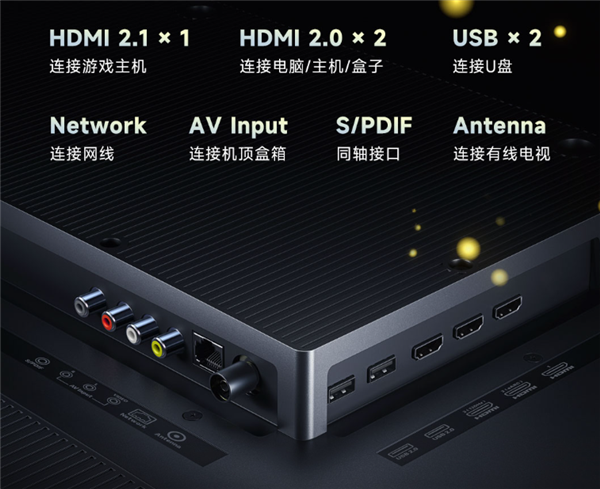
In terms of interfaces, Xiaomi TV ES Pro 86-inch comes with an HDMI 2.1 port, two HDMI 2.0 ports, two USB ports, AV Input, S/PDIF, Antenna, and network cable interfaces.
The Xiaomi TV ES Pro 86″ is priced at 8,499 yuan (~$1278) and will go on sale in China from May 31.
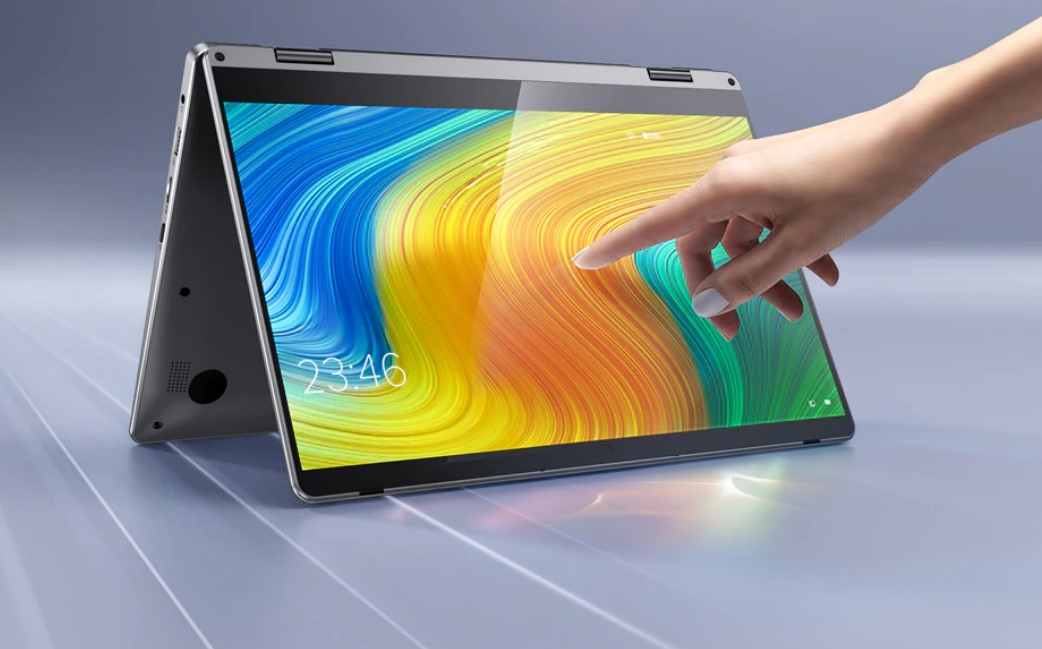
DERE VBook V10 Laptop which generally retails for $300 is now available for as low as $196.65 only at the world premiere sale at AliExpress. The sale starts on 23 May and ends on 27 May 2022, 11:59 PM PT.
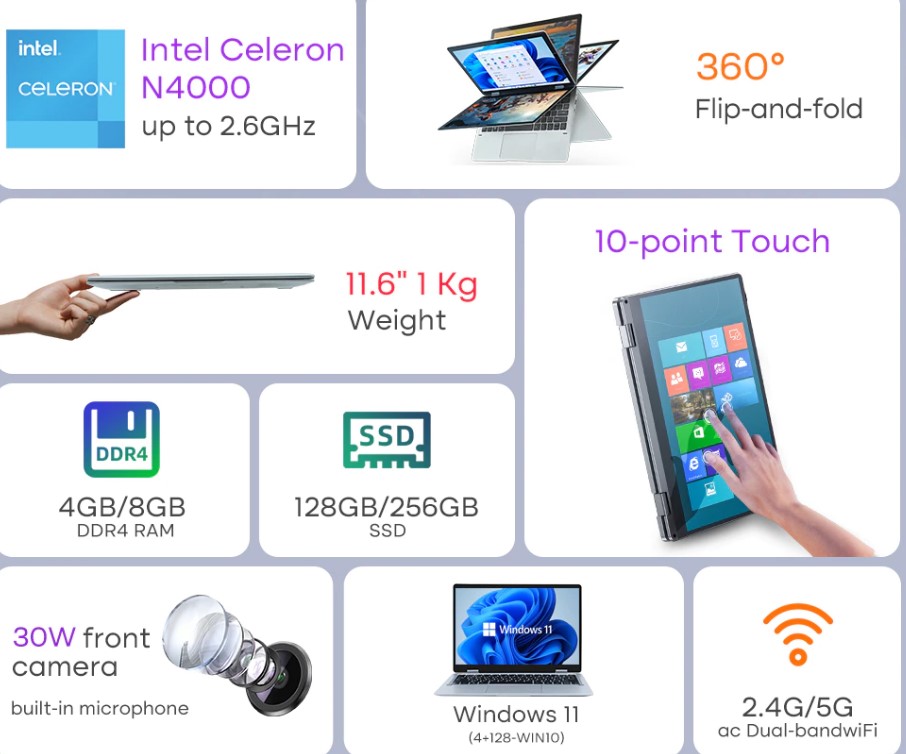
DERE VBook V10 is a 360-degree convertible laptop that comes with a flip and fold design which makes it perfect for multiple usage scenarios like work, studies, and entertainment. You can use the device as a tablet, computer, or a normal laptop as per your requirement.
The lightweight and compact V10 weighs just 1.09 kg and comes with an 11.6-inch display with a 90% screen-to-body ratio and a 5mm narrow bezel. It features a 10-point touch screen and is powered by Intel Celeron N4000 With up to 2.60 GHz CPU performance. You have multiple memory options viz. 4GB / 8GB DDR4 RAM and 128GB / 256GB internal storage.
For your video calls, chats, and zoom meetings, you have a camera in the front and high-quality stereo speakers. The laptop supports dual-band Wi-Fi and Bluetooth v4.2. Fueled with a 4800mAh battery, it can give you 4 to 8 hours of run time depending on your usage. Other interesting features include a lock key, 3.5mm headphone jack, HDMI, USB 3, SD card reader, etc.
Generally retailing for $300 you can now buy the DERE VBook V10 Laptop at a discounted price of $196.65 only at AliExpress.
Please note that the above price is region-specific and the final price may vary according to your shipping region, warehouse, and regional taxes.
For more information on such exciting deals and offers check out our deals hub.
Computex Taipei 2022 has officially kicked off today, from May 23rd to May 27th at the Taipei Nangang Exhibition Center in Taiwan. And the first official event of the week-long programme is headed by semiconductor giant, AMD with its 2022 AMD Keynote Conference for the audience.
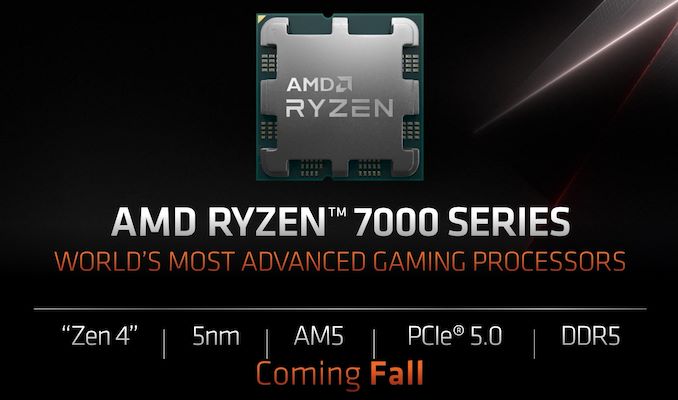
At the Computex 2022 Keynote event today, AMD had finally pulled the sheets of its latest breakthrough products to the technology industry – its Ryzen 7000 desktop series processors and the company’s long-awaited AM5 socket motherboards.
Ryzen 7000 Desktop Processors
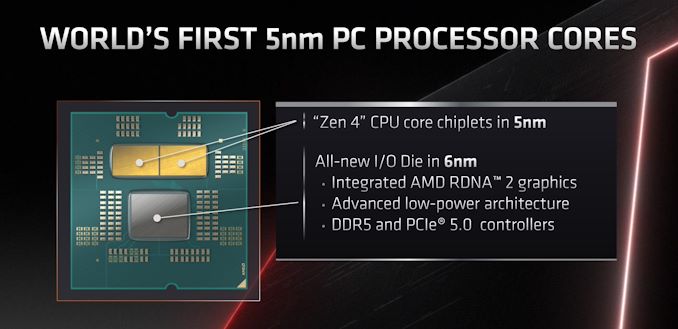
The Ryzen 7000 Series Desktop Processors are the successors to last year’s Ryzen 5000 series desktop processors. They are built on AMD’s latest Zen 4 architecture fabbed on TSMC’s industry-leading advanced 5nm node manufacturing process. For context, TSMC 5nm was found earliest on ARM-based devices like Apple’s iPhone 12 series, but for x86-based systems, AMD is the world’s first chip supplier to bring TSMC 5nm technology to the desktop PC scene.
Source: AMD
As for the specifics, the AMD Ryzen 7000 series processors based on Zen 4 architecture are built just like Zen 3, in a chiplet-based design, but this time with the two Core Complex Dies manufactured on TSMC’s 5nm node.
In addition, AMD is also introducing a new 6 nm I/O die (IOD) for Ryzen 7000 series desktop processors. Unlike the 14 nm Global Foundries IOD used in previous Zen 3 designs, AMD has now gone to TSMC for its 6nm manufacturing process for its IOD in Ryzen 7000 series desktop processors.
With the manufacturing partner change, AMD is also incorporating an integrated GPU, to what is supposed to be just the Ryzen 7000 series desktop CPUs. And the GPU is not the Vega-based GPUs you would find in entry-level AMD models, this GPU will be built on AMD‘s RDNA2 architecture, the same architecture for the company’s dedicated graphic cards.
Thus, all of AMD‘s Ryzen 7000 series CPUs will technically be APUs as well, as graphics are now woven into the CPU’s construction. As Anandtech reports, “What this means for the future of AMD‘s monolithic desktop APUs is uncertain, but at a minimum, it means that all (or virtually all) of AMD‘s CPUs will be suitable for use in systems without discrete graphics, which although not a huge deal for consumer systems, is very much a big deal for corporate/commercial systems”.
AMD also showed off an unannounced 16-core Ryzen 7000 CPU at the keynote today running on the PC game Ghostwire: Tokyo, and the performance numbers have been shocking as the event showed off the unannounced Ryzen 7000 CPU running at over 5.5GHz, which is higher than not only AMD’s own top-end Ryzen 5000 processors from last year but also higher than Intel’s current 12th Gen Core i9 Processors.
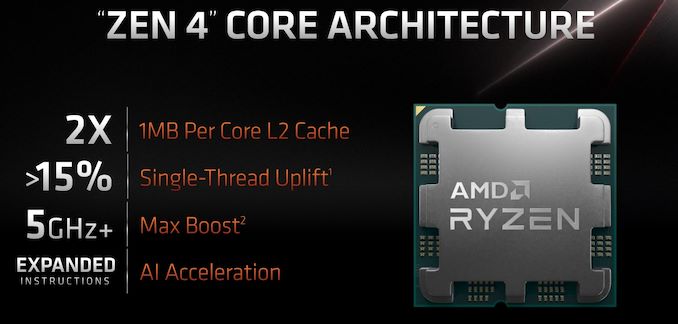
Last, AMD disclosed that Zen 4 will come with 1MB of L2 cache per CPU core, which is twice the amount of L2 cache as found on Zen 3 (and Zen 2) CPU cores, and together with the company’s claims of 15% IPC uplift in single-core performance, the Ryzen 7000 series will be leading the competition.
No specific models of Ryzen 3, 5 or 7 models of Ryzen 7000 series desktop series processors were announced in today’s event, but AMD CEO, Dr Lisa Su confirms that the company will be holding a launch event for its Ryzen 7000 series desktop processors coming this fall in the upcoming months.
AM5 Socket Motherboards
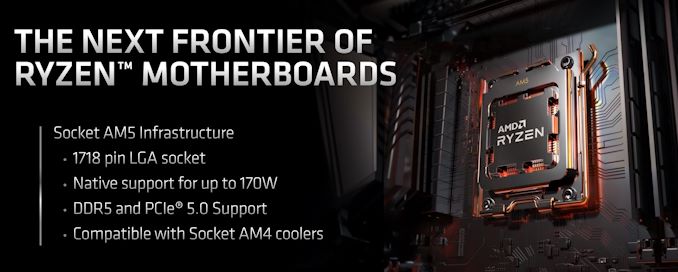
Coming to AM5 Socket Motherboards, the new AM5 motherboards have an LGA-type socket with 1718 pins, and introduces DDR5 and PCIe 5.0 support, as well as higher processor TDPs to the Ryzen 7000 family. The Ryzen 7000 desktop series processors will be the company’s first-ever Ryzen processors to run on AM5, which also means that AMD is officially retiring its 5-year-old AM4 motherboard technology.
Source: AMD
The new AM5 socket motherboards come with native support for up to 170W of TDP, DDR5 and PCIe Gen 5.0 support, and are surprisingly compatible with AM4 motherboard coolers as well.
Source: AMD
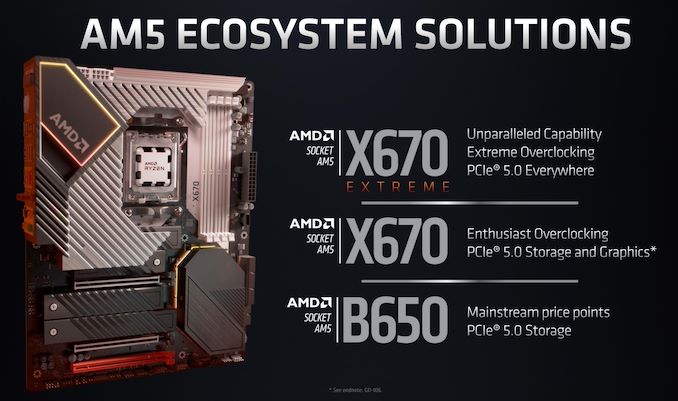
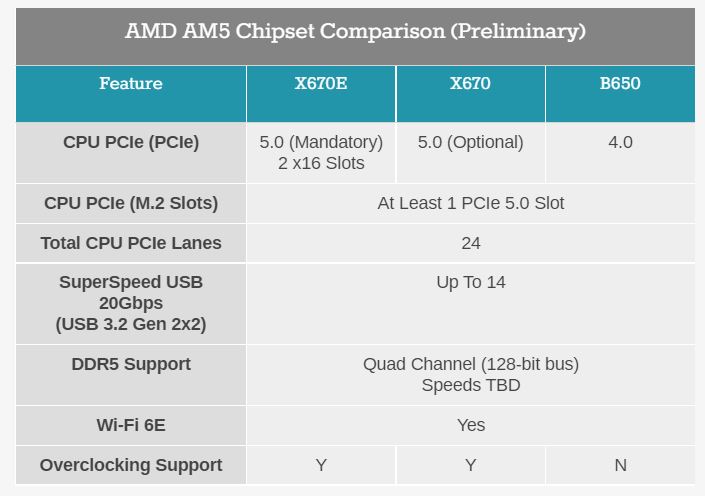
AMD unveiled the 3 new AM5 motherboard chipsets at the Computex 2022 today – the X670E, X670, and B650. All three models support the latest PCIE Gen 5 standard but for a more detailed look on how PCIE Gen 5 works on all 3 motherboards, you can refer to the table below.
AM5 Motherboard Comparison. Source: AMD
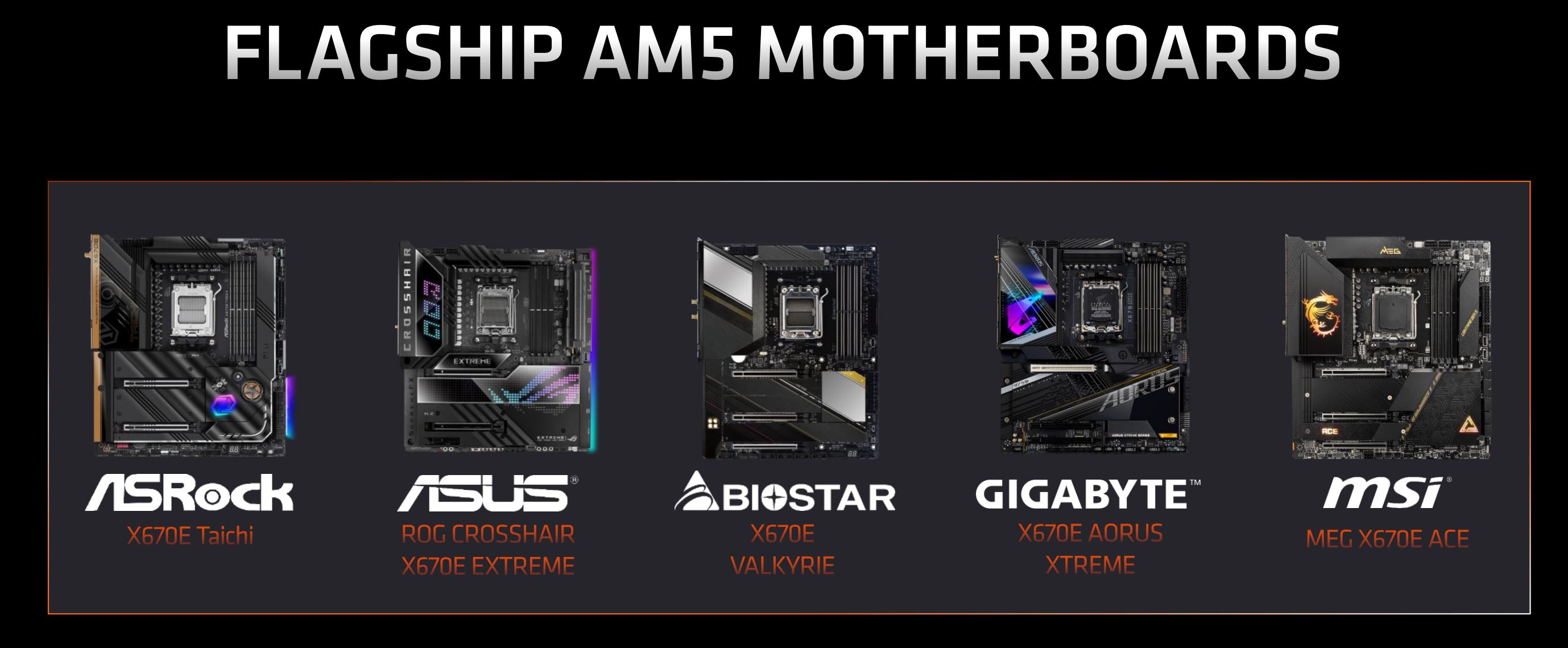
AMD have revealed that with the collaboration with its motherboard partners, the company is ready to provide AM5 motherboards to the general public which include the ASRock X670E Taichi, the ASUS ROG Crosshair X670E Extreme, the Biostar X670E Valkyrie, the GIGABYTE X670 Aorus Xtreme, and the MSI MEG X670E Ace motherboards.
AM5 Partner Motherboards
The AM5 motherboards are also coming this fall together with AMD’s Ryzen 7000 series desktop processors.
Apple is considering to slowly diversify its manufacturing for export to countries like India and South Asia. The company, which has been increasingly dependent on Chinese facilities such as Foxconn, Pegatron, etc., for manufacturing its diverse portfolio, has decided to make this slow shift in the post-pandemic period.
Apple has instructed its manufacturing partners to perform more NPI (New Product Introduction), which is a preliminary stage of mass production work in which contractors translate a brand’s product blueprints and prototypes into a precise manufacturing plan outside of China, according to a Wall Street Journal report.
The company was thinking of making this geographic change for some time now but the pandemic had posed a hurdle. The recent developments in Shanghai which have led to further strict lockdowns have intensified the resolve to diversify. Another reason for this move is the increasing tensions between U.S and China relations and the travel restrictions between the two countries.
India and Vietnam are being considered as major alternatives to China. The countries already account for a small portion of Apple’s global manufacturing. Foxconn, Apple’s manufacturing partner has already set up facilities in India to help make iPhones for the Indian market. Apple is now talking with its various suppliers to set up manufacturing hubs in India for export.
However, China will still be the most prominent manufacturing hub for Apple due to various factors such as a well-trained workforce, low costs relative to the U.S., and a deep network of parts suppliers that are hard to recreate elsewhere without years of effort.
The shift to alternate manufacturing hubs will be slow and they will serve as a manufacturing hub for new product categories such as AR headsets, etc., predominantly. The upcoming months will shed more light on how Apple will lead this diversification.
Xiaomi will unveil several new products during its scheduled May 24 event in China. The Redmi Buds 4 Pro will be launched alongside the Redmi Note 11T series and the Xiaomi Band 7. The Redmi Buds 4 Pro are TWS earbuds that offer premium wireless connectivity via Bluetooth version 5.3.
The Redmi Buds 4 Pro has surfaced in several teasers and it seems well-kitted for an impressive audio experience for its users. The Buds 4 Pro offers Redmi’s strongest noise reduction so far. We expect the Buds 4 Pro to outperform the 35dB deep noise cancellation offered by the Buds 3 Pro. And that is what is offered exactly as the Buds 4 Pro delivers 43dB deep noise cancellation. It also offers intelligent wind noise reduction and 3kHz broadband noise reduction.
The Bluetooth 5.3 support for the Redmi Buds 4 Pro is another flagship-grade feature of the earbuds. Most of the current models in the market come with Bluetooth 5.2 or less. Therefore, the Redmi Buds 4 Pro seems to be a great device and affordable. Pricing and availability details, as well as full specs of the Redmi Buds 4 Pro, will be known at launch.
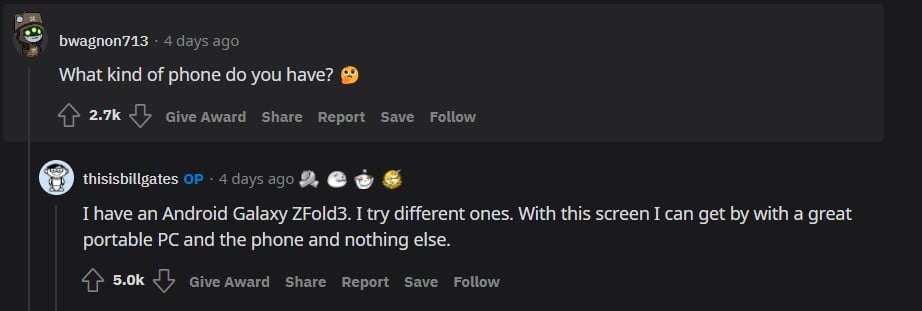
During a Reddit AMA this week, Microsoft’s co-founder Bill Gates finally revealed which smartphone he uses. You’ll be surprised to know that it’s neither the iPhone nor the Microsoft Surface Duo but a Samsung phone. Gates uses the Samsung Galaxy Z Fold 3, launched back in 2021.
Bill Gates conducted an AMA (Ask me anything) session on Reddit last week. During the AMA a user asked, “What kind of phone do you have?”, to which Gates replied “I have an Android Galaxy Z Fold 3. I try different ones. With this screen, I can get by with a great portable PC and the phone and nothing else.”
It should come as no surprise that Gates uses an Android phone because he has stated the same several times in the past. But again, why is he not using Microsoft surface Duo if an Android experience is what he wants? Probably because the Surface Duo lacks a foldable display and it cannot match Samsung’s Z Fold 3 in terms of the hinge and technology.
Samsung phones are the best alternative for those using Windows OS. Galaxy devices have features to link to Windows and allow PC users to use Android apps on their computers, check Gallery contents, and much more. Gates even acknowledged in the past that Android is more flexible compared to iOS and Android Phone makers pre-install Microsoft software (Which he likes).
To recall, Samsung Galaxy Z Fold 3 comes with a massive screen size, upon unfolding, the device provides a 7.6-inch display. Users can also connect the smartphone to a compatible display to operate in Samsung Dex mode, which gives a desktop-like user experience. It comes with a Qualcomm Snapdragon 888 5G processor and a 4400mAh battery.
With brands launching new smartphones every week, it becomes hard to keep track of your available options when looking to buy a new model. So here’s a list of our pick of the best smartphones under 20,000 INR (roughly 258 US Dollars).
Redmi Note 10 Pro
The first entry in our list is the Redmi Note 10 Pro. This model from the Chinese brand is packed with some notable specifications, which includes a Snapdragon 732G SoC, a 6.67 inch FHD+ AMOLED panel that supports 120Hz refresh rate and HDR10, and even a 64 megapixel quad camera setup. It also has a 5020mAh battery pack that supports 33W fast charging. For enthusiasts, the device supports bootloader unlocking and is backed by a very large 3rd party development community.
While the device had seen a price hike in the past, it is now available for just 15,999 INR (roughly 206 US Dollars) in India on Amazon for its 6GB RAM + 128GB configuration. With these specs, its clear that this model is a great buy for people looking to buy a phone under 20K INR. Although its unfortunate that it does not support 5G networking, it still has a great price to spec ratio and is definitely a worthwhile consideration.
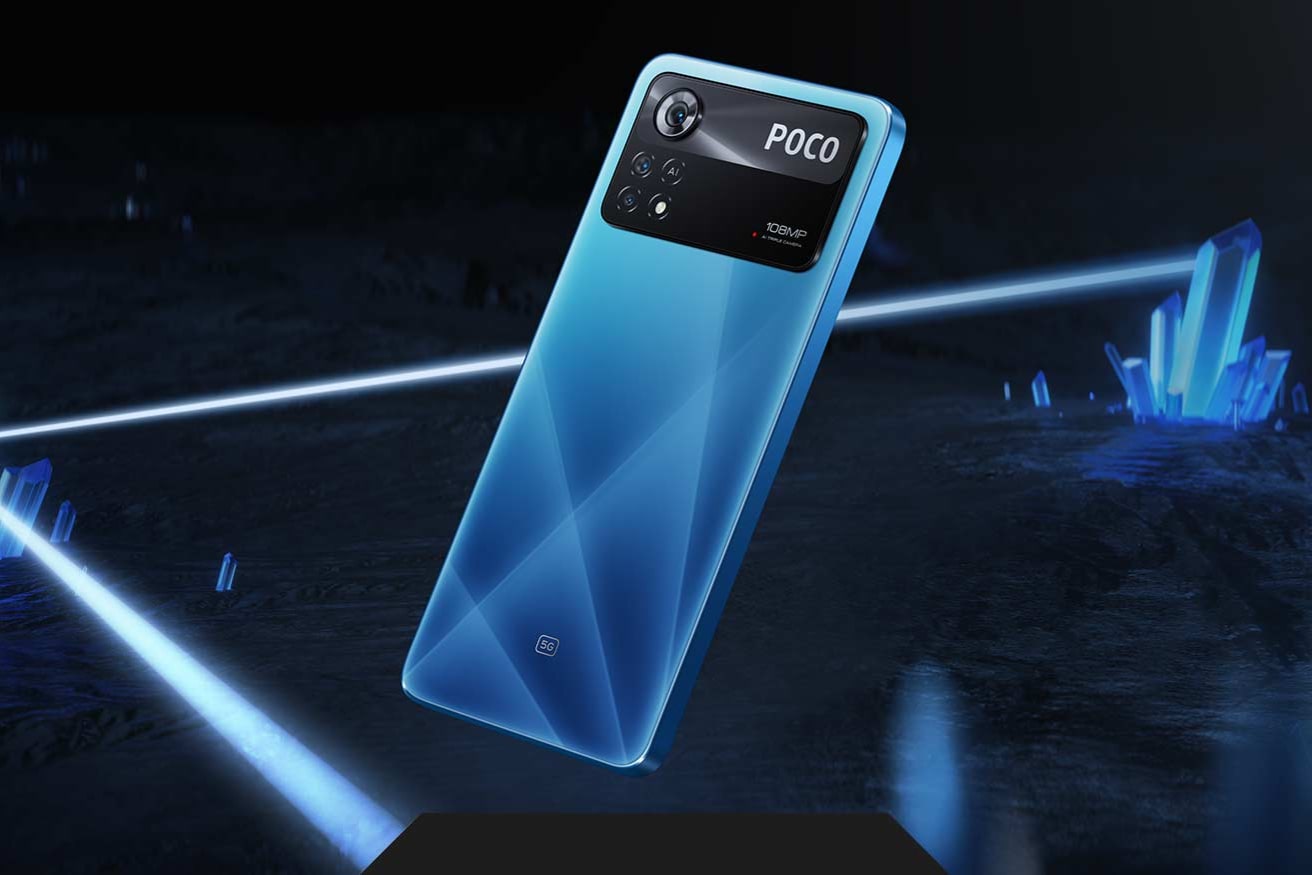
POCO X4 Pro 5G
Under this price bracket, we can expect to see Chinese handsets dominating the segment, with the POCO X4 Pro 5G being one of them. Talking about its specs first, it sports a 6.67 inch FHD+ AMOLED panel that supports 120Hz refresh rate on the front, while the rear features a 64 megapixel quad camera setup on a large module. Under the hood, it houses a Snapdragon 695 SoC and is powered by a large 5,000mAh battery pack that supports 67W fast charging as well.
Notably, the X4 Pro model is basically a rebranded Redmi Note 11 Pro 5G, with a fresh coat of paint a slightly different rear design. Since it is based on the MIUI platform, it even supports bootloader unlocking, which lets enthusiasts customize their device to a greater degree thanks to custom ROMs. The company has always placed a focus on the aesthetics of their phones and the X4 Pro is undoubtedly one of the more attractive looking models on this list. The smartphone is listed on Flipkart right now and has a price tag of 18,999 INR for its 6GB + 64GB variant and you can even opt for 8GB RAM and 128GB storage options as well.
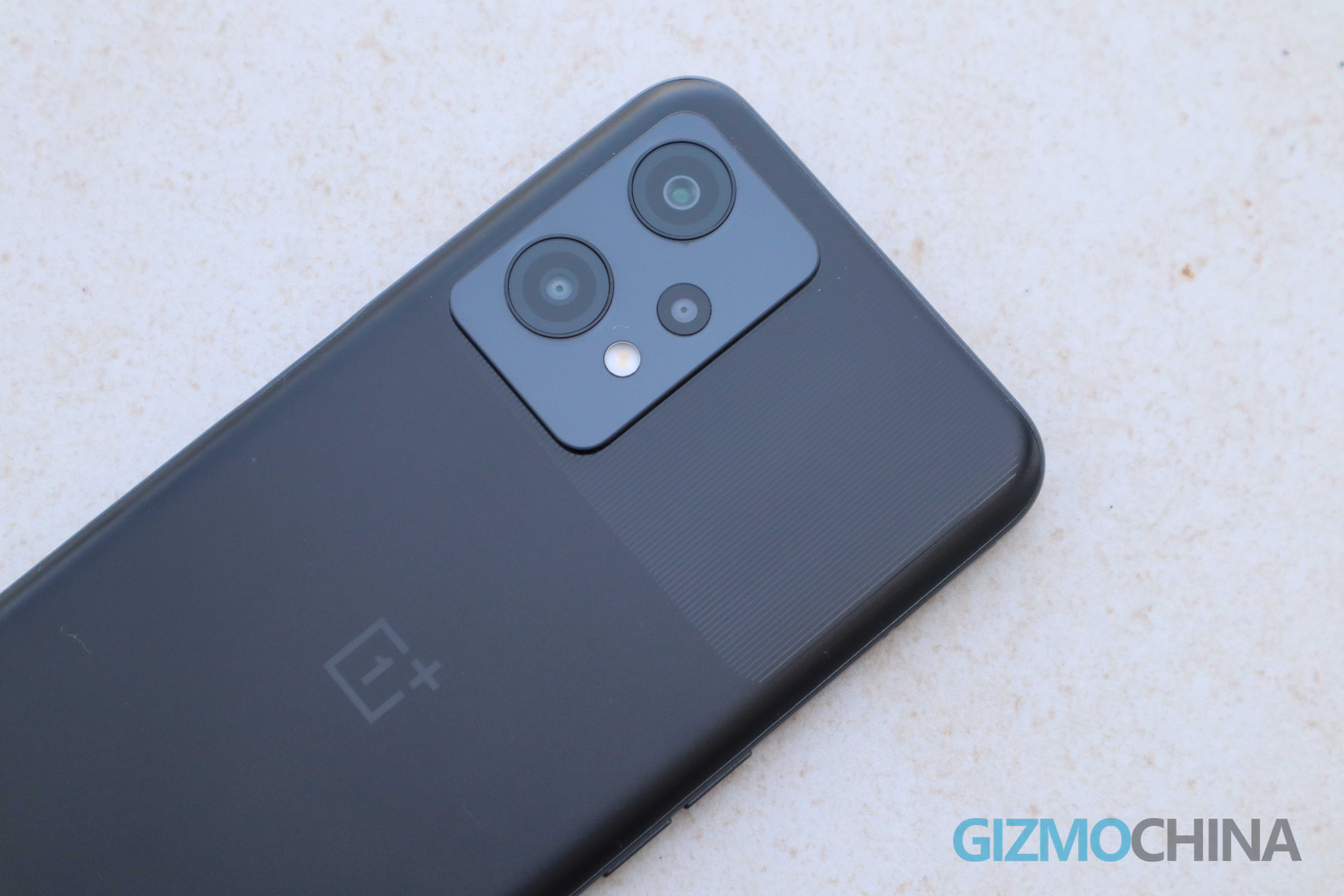
OnePlus Nord CE 2 Lite 5G
Over the last couple of years, OnePlus has started launching mid range offerings from its Nord series. One of the newer additions in the Nord family is the Nord CE 2 Lite 5G. Under the hood, the device houses the Snapdragon 695 SoC and a 5,000mAh battery pack that supports 33W fast charging. On the rear, it features a 64 megapixel triple camera setup while the front sports a 6.59 inch LCD panel with a FHD+ resolution and 120Hz refresh rate.
This model is also a rebranded Realme 9 Pro that is just available in different color options. So, you can also check out that model as well, which is slightly cheaper. The Nord CE 2 Lite is priced at 19,999 INR and is listed on Amazon for its 6GB + 128GB model. Despite being a mid range handset, OnePlus still seeks to deliver a premium experience on their Nord phones too. At this price point, the device offers great value for its price. So those looking to buy a OnePlus phone at a budget, you can look out for this one. Similar to the Xiaomi models, this handset also supports bootloader unlocking for enthusiasts that plan on using custom ROMs.
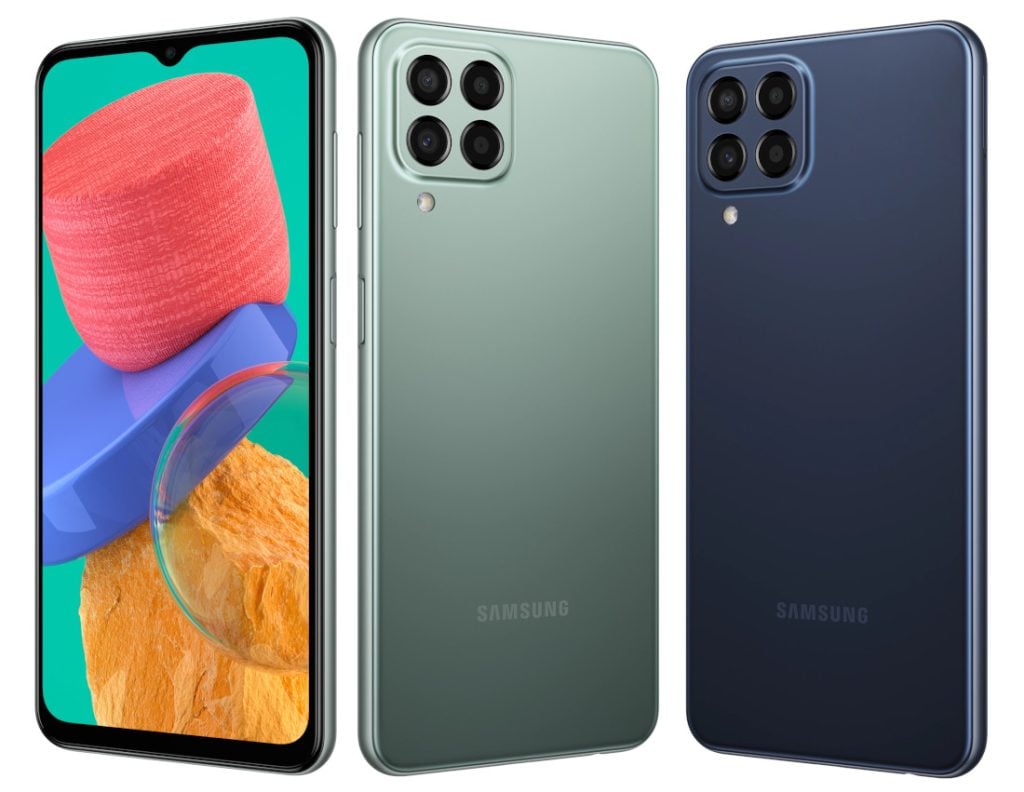
Samsung Galaxy M33 5G
While Chinese brands do have a strong hold in the segment, Samsung also has a diverse portfolio of mid range handsets from its Galaxy M series. The Galaxy M33 5G arrives with the company’s proprietary Exynos 1280 SoC and is powered by a massive 6,000mAh battery pack that supports 25W fast charging. Samsung has promised two major Android updates and up to four years of security updates. So, its a great option for those that do not upgrade their phones in just a few years.
The front sports a 6.6 inch FHD+ LCD panel that has 120Hz refresh rate, while the rear houses a 50 megapixel quad camera setup. Battery life is definitely a strong suit of this model, with the phone also being one of the more affordable phones on this list. It is currently priced at 17,999 INR on Amazon for the 6GB + 128GB model. It can also be purchased with 8GB of RAM.
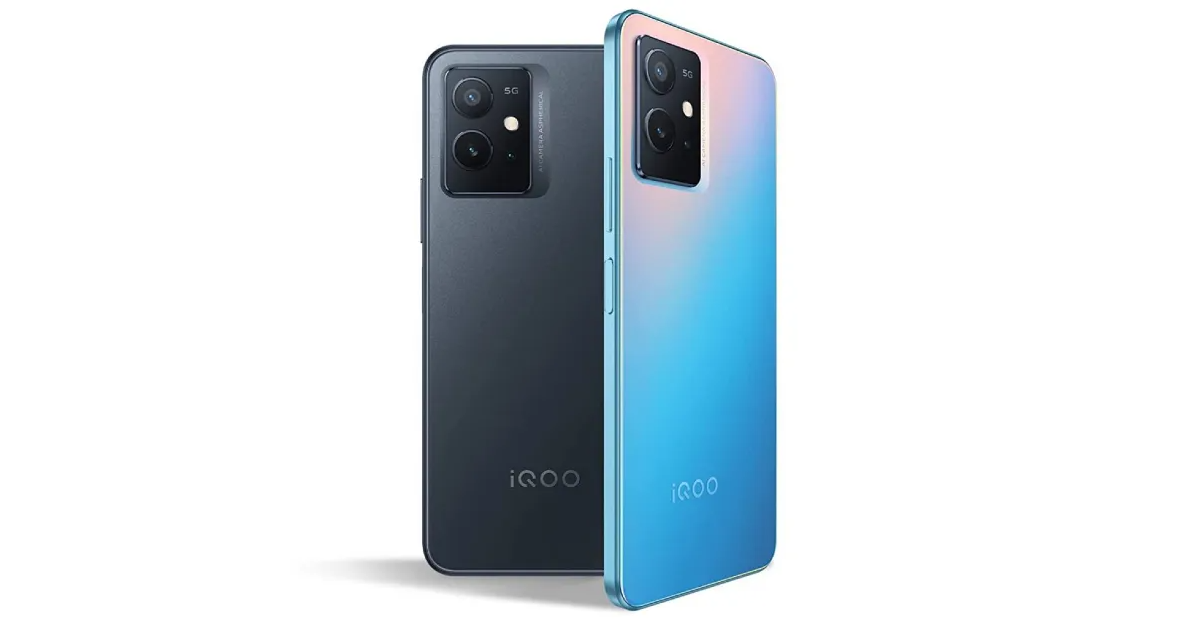
iQOO Z6 5G
In this price range, the Snapdragon 695 SoC is a popular chipset with brands. The iQOO Z6 5G is also one such models that features this processor. It packs a 5,000mAh battery pack that supports 18W fast charging. The device sports a 6.58 inch LCD panel that has a 120Hz refresh rate and FHD+ resolution like the other models in this list. Interestingly, it is by far one of the cheapest entries as well with its price starting from 15,499 INR on Amazon for its 4GB + 128GB option.
The 8GB RAM variant goes up to about 17,999 INR, but that is still quite the value for a mid range handset. Other features include, a 50 megapixel triple camera setup on the rear, Android 12 OS, 5 layer liquid cooling for improved thermal management, which helps makes the mobile gaming experience better. Notably, the iQOO Z6 is also a rebranded Vivo T1 that has a similar price tag, so you can also check out the other model as well if you prefer FunTouch OS.
Moto G71 5G
Despite having an unsteady footing over the last couple of years, Motorola has managed to carve its own space in the smartphone market again. Its mid range handset portfolio has seen success in certain regions including India, with the Moto G series still being a popular choice for users looking for a new stock Android experience. Under the hood, the Moto G71 is equipped with a Snapdragon 695 SoC and is powered by a 5,000mAh battery pack that supports 33W fast charging.
On the front, it sports a 6.4 inch display that has a FHD+ AMOLED panel, but unfortunately, it only supports standard 60Hz refresh rate. So, this model isn’t as great for gaming, but it still offers a solid Android experience. Other features include a 50 megapixel triple camera setup, support for 13 5G bands, Dolby Atmos audio, and more.
Earlier this year, Realme launched the Realme C31 budget-friendly smartphone in India. The device came with a large 6.5-inch HD+ display, a triple camera setup, and a 5,000mAh battery.
Realme C31
Now, a MySmartPrice report has revealed that the brand plans to debut another affordable smartphone in India that might be cheaper than the current offering.
According to the report, the upcoming device will come with the Realme C30 moniker and will debut in the Indian market in the month of June. Other than that, industry sources have revealed that the smartphone will come in two variants. The lower offering will have 2GB RAM and 32GB storage while the top-spec model will combine 3GB of RAM with 32GB of storage. Considering the device will have a 2GB RAM variant, it will likely operate on Android GO-based Realme UI.
The device will reportedly be offered in three color variants namely Denim Black, Lake Blue, and Bamboo Green. Finer details of the device are still under wraps, but looking at the C31, we can expect the Realme C30 to come with an HD+ LCD display panel, a 5000mAh battery, and a UNISOC chipset.
As the device is rumored to debut in June, we expect more specifications to emerge soon, so stay tuned for more.
We use cookies on our website to give you the most relevant experience by remembering your preferences and repeat visits. By clicking “Accept”, you consent to the use of ALL the cookies.
This website uses cookies to improve your experience while you navigate through the website. Out of these, the cookies that are categorized as necessary are stored on your browser as they are essential for the working of basic functionalities of the website. We also use third-party cookies that help us analyze and understand how you use this website. These cookies will be stored in your browser only with your consent. You also have the option to opt-out of these cookies. But opting out of some of these cookies may affect your browsing experience.
Necessary cookies are absolutely essential for the website to function properly. This category only includes cookies that ensures basic functionalities and security features of the website. These cookies do not store any personal information.
Any cookies that may not be particularly necessary for the website to function and is used specifically to collect user personal data via analytics, ads, other embedded contents are termed as non-necessary cookies. It is mandatory to procure user consent prior to running these cookies on your website.