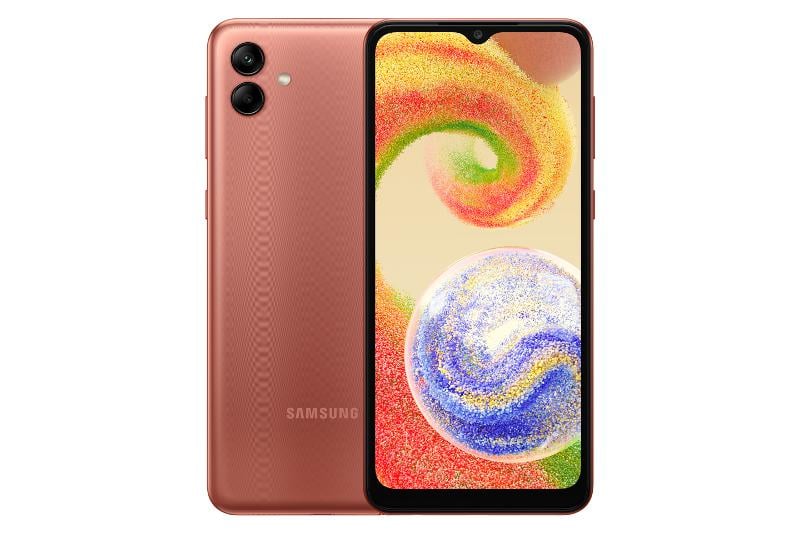
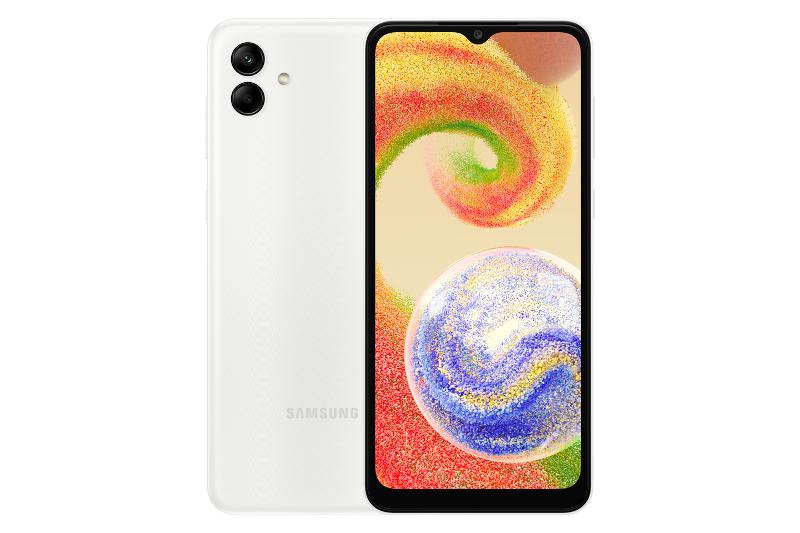
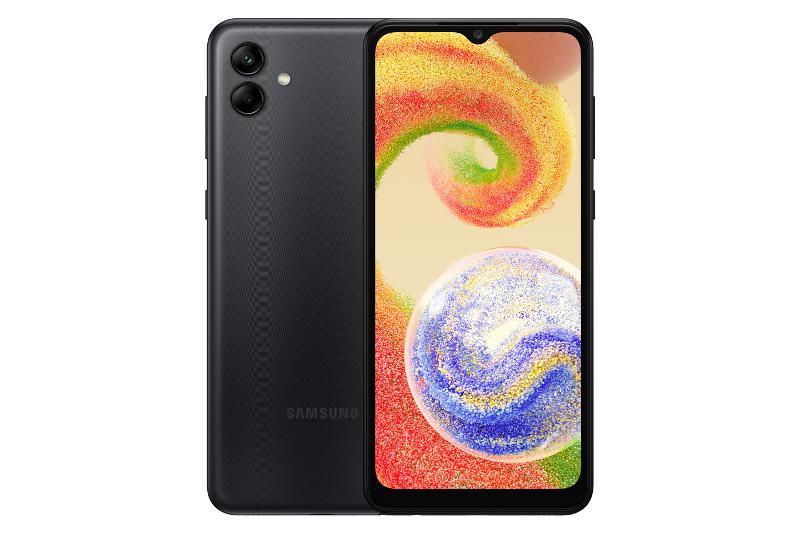
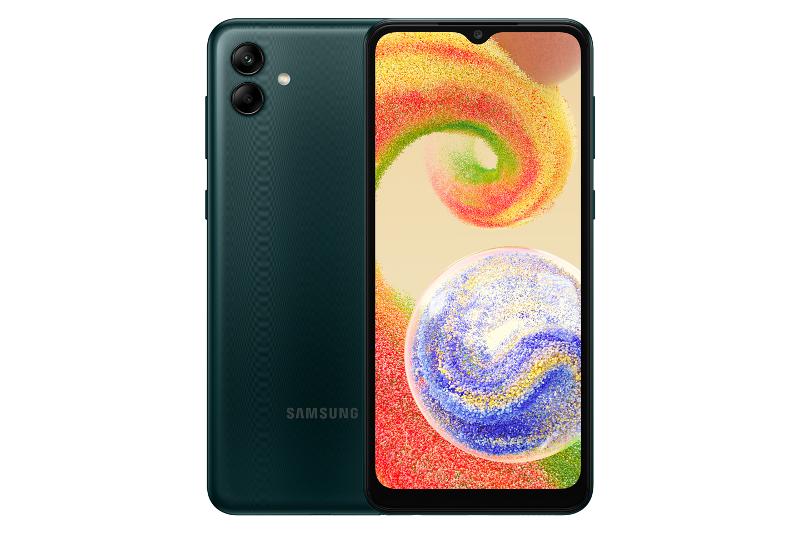
Samsung has silently unveiled the Galaxy A04 as the successor to the Galaxy A03, which went official in November 2021. It is an entry-level phone from the brand that packs key features such as an HD+ display, 50-megapixel dual rear cameras, and a 5,000mAh battery.
Samsung Galaxy A04 specifications
The Samsung Galaxy A04 measures 164.4 x 76.3 x 9.1mm and weighs around 192 grams. The device has a 6.5-inch LCD panel with an Infinity-V notch. The screen carries support for HD+ resolution. On the front, it has a 5-megapixel selfie camera.
There is a dual-camera system with an LED flash on the back. It has a 50-megapixel main camera with an f/1.8 aperture and a 2-megapixel depth sensor. The handset runs on Android 12 OS, which is overlaid with One UI Core 4.1.
1 of 4
Samsung_galaxy_a04
Samsung Galaxy A04
Samsung Galaxy A04
Samsung Galaxy A04
The device is powered by an octa-core processor, which seems to be the Exynos 850. The device offers 4 GB / 6 GB / 8 GB of RAM and 32 GB / 64 GB / 128 GB of storage. For more storage, the device is equipped with a microSD card slot.
The device draws power from a 5,000mAh battery. It includes the usual connectivity features, such as dual-SIM support, 4G VoLTE, Wi-Fi 802.11ac, Bluetooth 5.0, GPS, a USB-C port, and a 3.5mm headphone jack.
Samsung Galaxy A04 price and availability
While Samsung has announced the Galaxy A04, it has not revealed its price and availability. However, a recent report claimed that the A04 will be priced at 169 euros. It comes in four colors, such as black, white, green, and copper.
Samsung recently unveiled the Galaxy A23 5G for the global market. The device is set to debut in Taiwan on September 16, but availability for other regions is still under wraps. Now, reliable tipster Sudhanshu Ambhore has leaked the European pricing of the Samsung Galaxy A23 5G ahead of the official reveal.
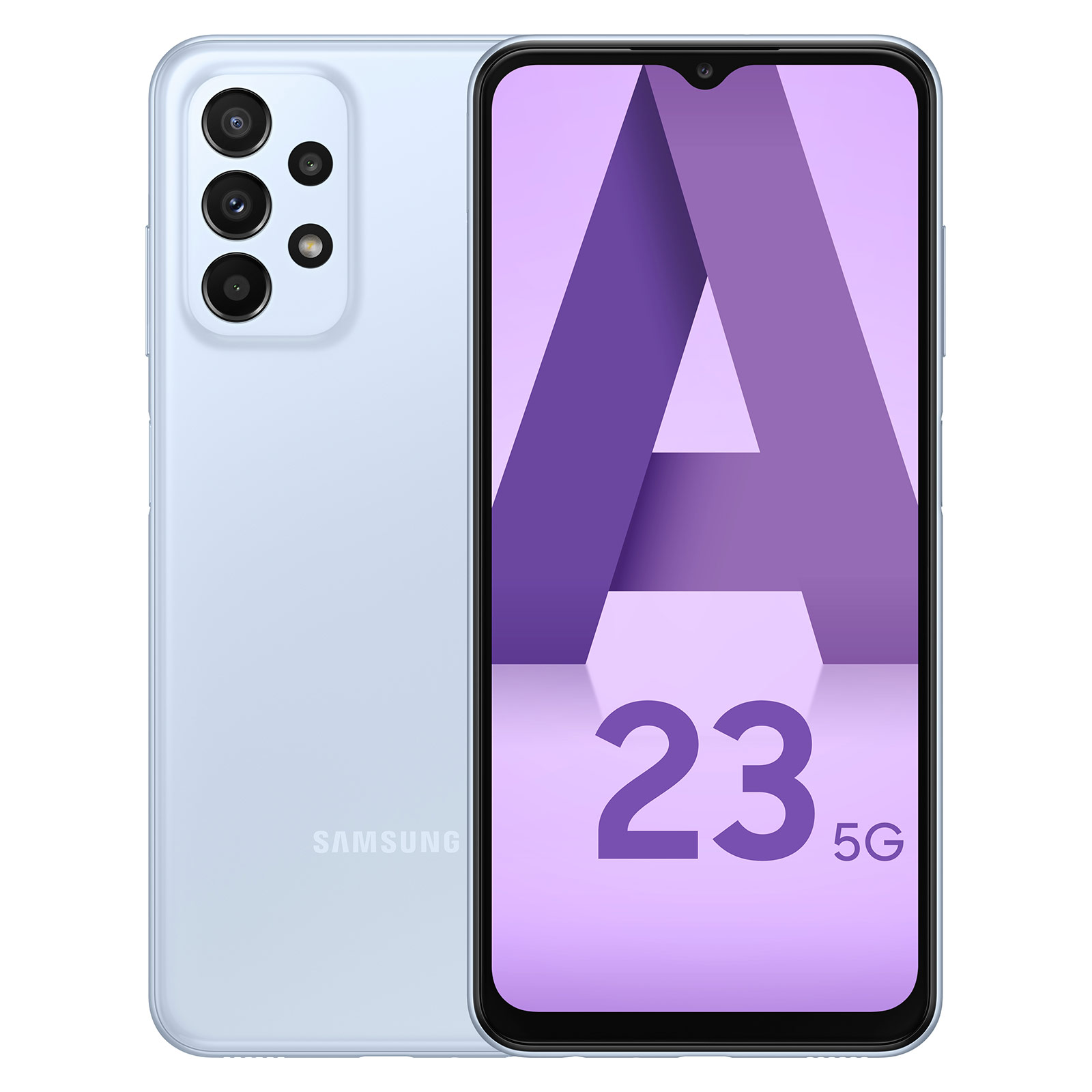
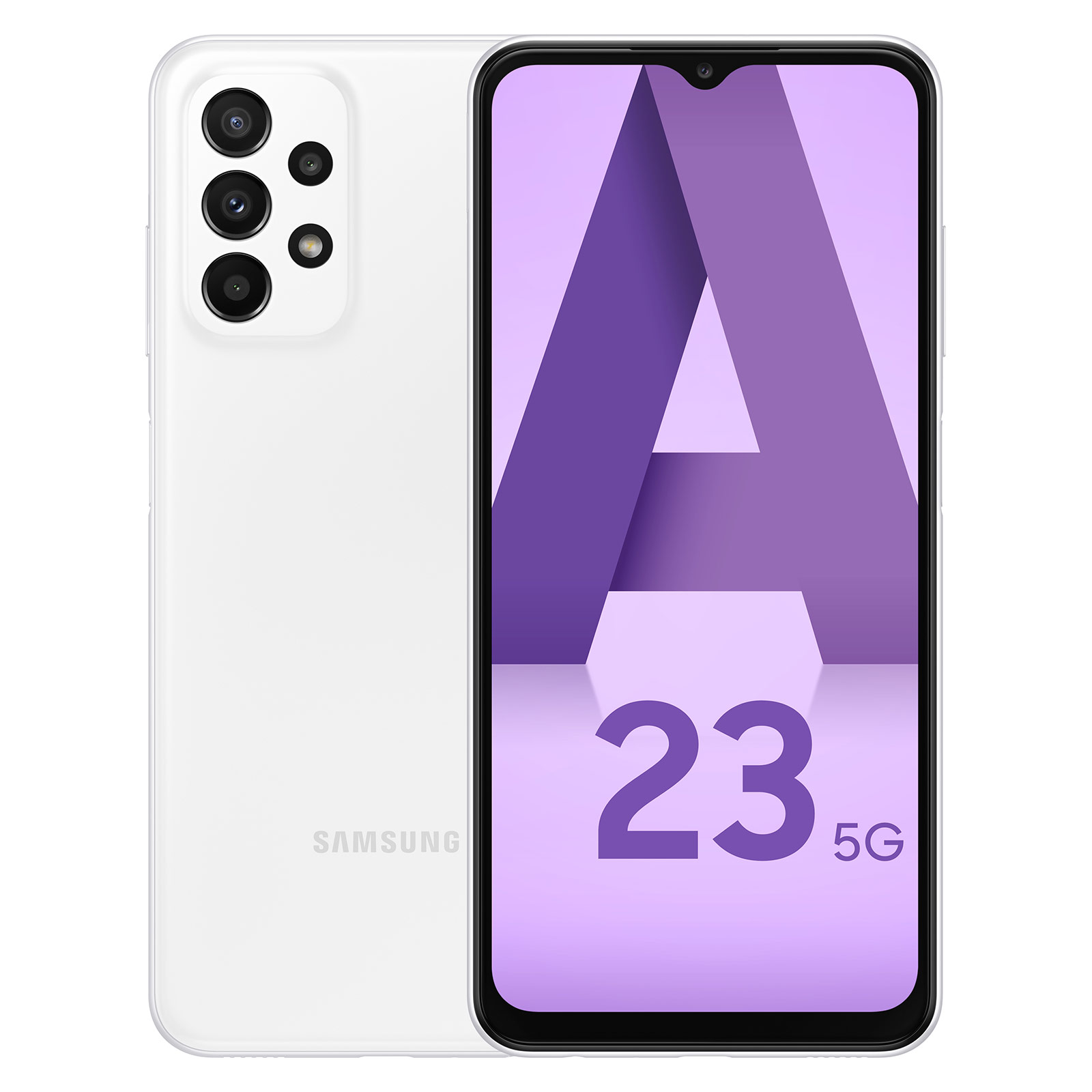
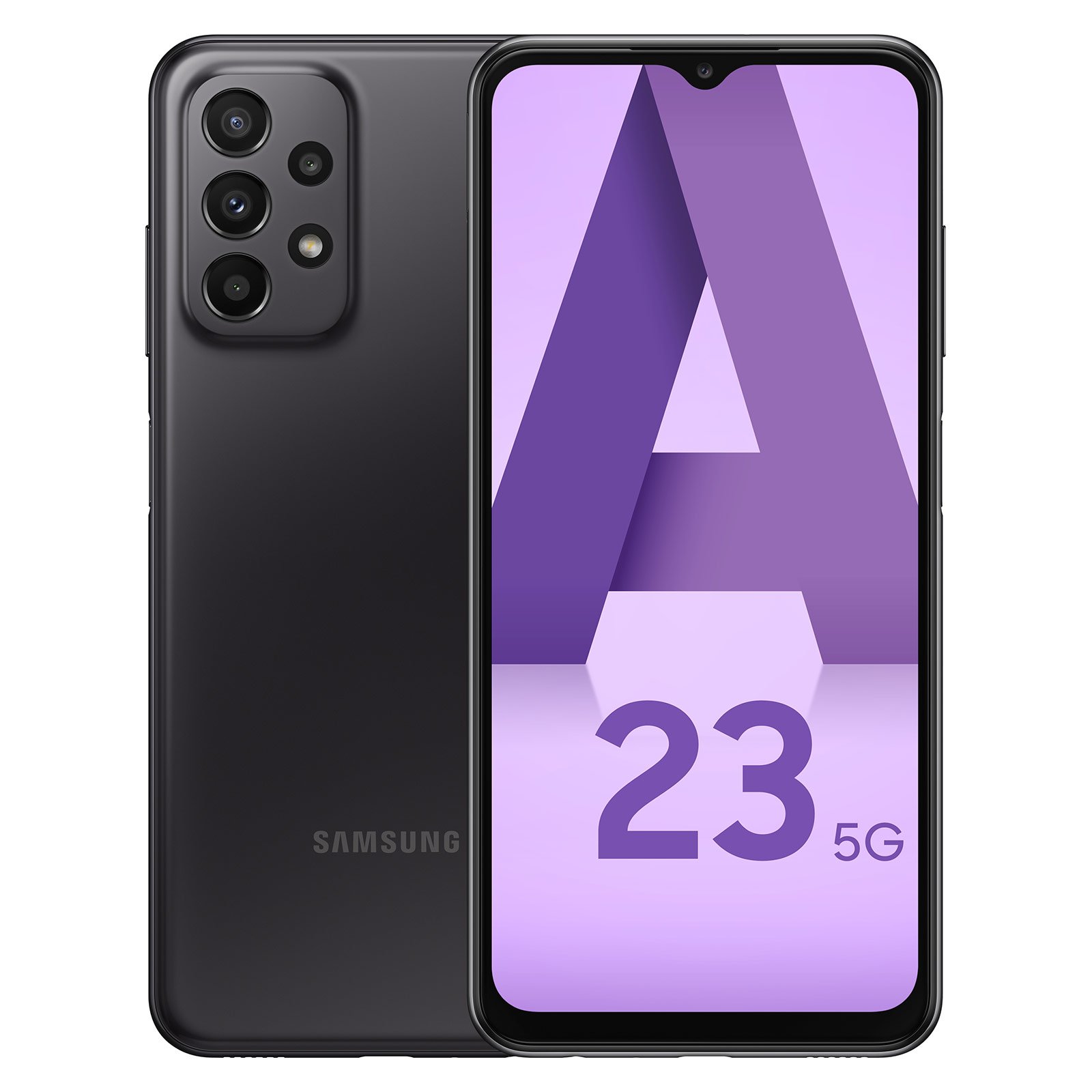
According to the tipster, the Galaxy A23 5G will have a starting price of EUR 299. This will be for the 4GB RAM + 64GB storage model. On the other hand, the 4GB RAM + 128GB storage model will cost EUR 329. Other than the pricing, the tipster has also shared renders of the device, according to which, we can expect the Galaxy A23 5G to come in Blue, Black, and White color options in Europe.
Samsung Galaxy A23 5G renders
1 of 3
Samsung Galaxy A23 5G specifications
The Samsung Galaxy A23 5G has a 6.6-inch LCD display Infinity-V notch and an FHD resolution. It also supports a 120Hz refresh rate and offers a side-mounted fingerprint sensor integrated into the power button.
Qualcomm’s Snapdragon 695 chipset powers the device. This chipset is complemented by 4GB of RAM and up to 128GB of storage. The device offers a virtual RAM feature and comes with microSD card support. A sizable 5,000mAh battery can be found on the device supporting 25W fast charging. It runs on OneUI 4.1 based on Android 12 OS.
The Galaxy A23 5G has quad-rear cameras comprising of a 50MP F1.8 primary sensor with OIS capability, a 5MP ultra-wide-angle sensor, a 2MP depth sensor, and a 2MP macro lens. A front-facing 8MP selfie camera is also present.
Connectivity options on the Samsung Galaxy A23 5G include WiFi, Bluetooth 5.1, USB-C port, 3.5mm jack, 5G, and 4G VoLTE.
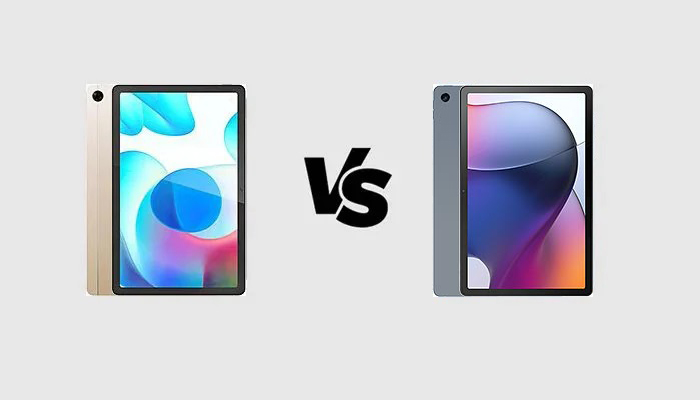
Are you ready for a new tablet comparison? They are always very appreciated on Gizmochina because it is often not easy to choose a new Android tablet, even though most of them are very affordable. A few days ago, Motorola launched the new Moto Tab G62 with an amazing price tag. It has a wide display and a big battery, yet the price is very interesting. Another awesome brand of affordable tablets is definitely Realme and the best rival for Motorola is definitely its first tablet: the original Realme Pad. The specifications are not so different and even the price range is the same, that is why we decided to put them together in this article. This is a comparison between the specifications of the Realme Pad and the Motorola Moto Tab G62 which will help you to understand which one is the best.
At first glance, it is very hard to distinguish the Realme Pad from the Motorola Moto Tab G62 because their designs are very similar and even their dimensions. But if you dig deeper, you will find out that the Realme Pad is actually thinner and lighter, as well as slightly more compact. Both the tablets are built with an aluminum unibody design composed of aluminum back and an aluminum frame, but the Motorola is the only one with a water repellent body. Not that it matters so much on a tablet, but it might turn out to be useful in a few scenarios. These tablets come with a single camera on the rear side and very narrow bezels around the display, even though they are very affordable. The Realme Pad wins the design comparison just because it is thinner and lighter.
Display
You should not expect great image quality from the displays of these tablets. They come with an average IPS panel, nothing special, they do not even have a high refresh rate. The image quality is more or less at the same level, with a Full HD+ resolution of 1200 x 2000 pixels. The most important difference is the diagonal: the Motorola Moto Tab G62 has a bigger 10.6-inch display, while the Realme Pad stops at 10.4 inches. Do you prefer a more compact tablet or a bigger display? It is up to you. Unfortunately, there is no fingerprint reader on these devices and you can only unlock them through a code or something similar. But they feature four great stereo speakers, so the audio experience is not bad, and they also sport a 3.5 mm audio jack.
Specs & Software
If you are looking for the most advanced chipset, you should go for the Motorola Moto Tab G62 without thinking twice. It has a way better processor, not only due to its performance but especially thanks to its energy consumption. The Snapdragon 680 by Qualcomm found on this tablet is built with a 6 nm production process and it comes with an octa-core architecture composed of four Kryo 265 Gold custom cores running at a max frequency of 2.4 GHz, and four Kryo 265 Silver custom cores running at 1.9 GHz, as well as an Adreno 610 GPU. The Realme Pad has an inferior Helio G80 chipset by MediaTek built with a 12 nm production process and with an octa-core architecture composed of two Cortex A75 CPUs running at a max frequency of 2 GHz, six Cortex A55 CPUs running at 1.8 GHz, and a Mali G52 MC2 GPU. However, you can get a better memory configuration with the Realme Pad: up to 6 GB of RAM and up to 128 GB of internal storage, while the Motorola Moto Tab G62 gets just 4 GB of RAM and 64 GB of native storage. So plot twist: the Realme tablet is more interesting in terms of hardware. But there is another plot twist: the Motorola Moto Tab G62 runs Android 12 out of the box, while the Realme Pad ships with Android 11.
Camera
The Realme Pad and the Motorola Moto Tab G62 are very similar when it comes to camera performance. If you want to make a choice, you need to ask yourself whether you want an ultrawide rear camera or an ultrawide front camera. If your answer is the first, then you should go for the Motorola Moto Tab G62, otherwise, the Realme Pad fits your needs the most. I would personally prefer an ultrawide front camera because on a tablet the front camera is usually more useful than the rear one.
The Motorola Moto Tab G62 is able to provide a longer battery life simply because it has a bigger battery, with a capacity of 7700 mAh. On the other hand, the Realme Pad features reverse charging allowing you to use it as a power bank to charge other devices.
Price
You need about €160/$160 to purchase the Realme Pad in the base 3/32 GB configuration, while the Motorola Moto Tab G62 costs €200 /$200 in the 4/64 GB configuration. The Motorola wins the comparison due to its better chipset and bigger battery unless you choose the 6/128 GB configuration of the Realme.
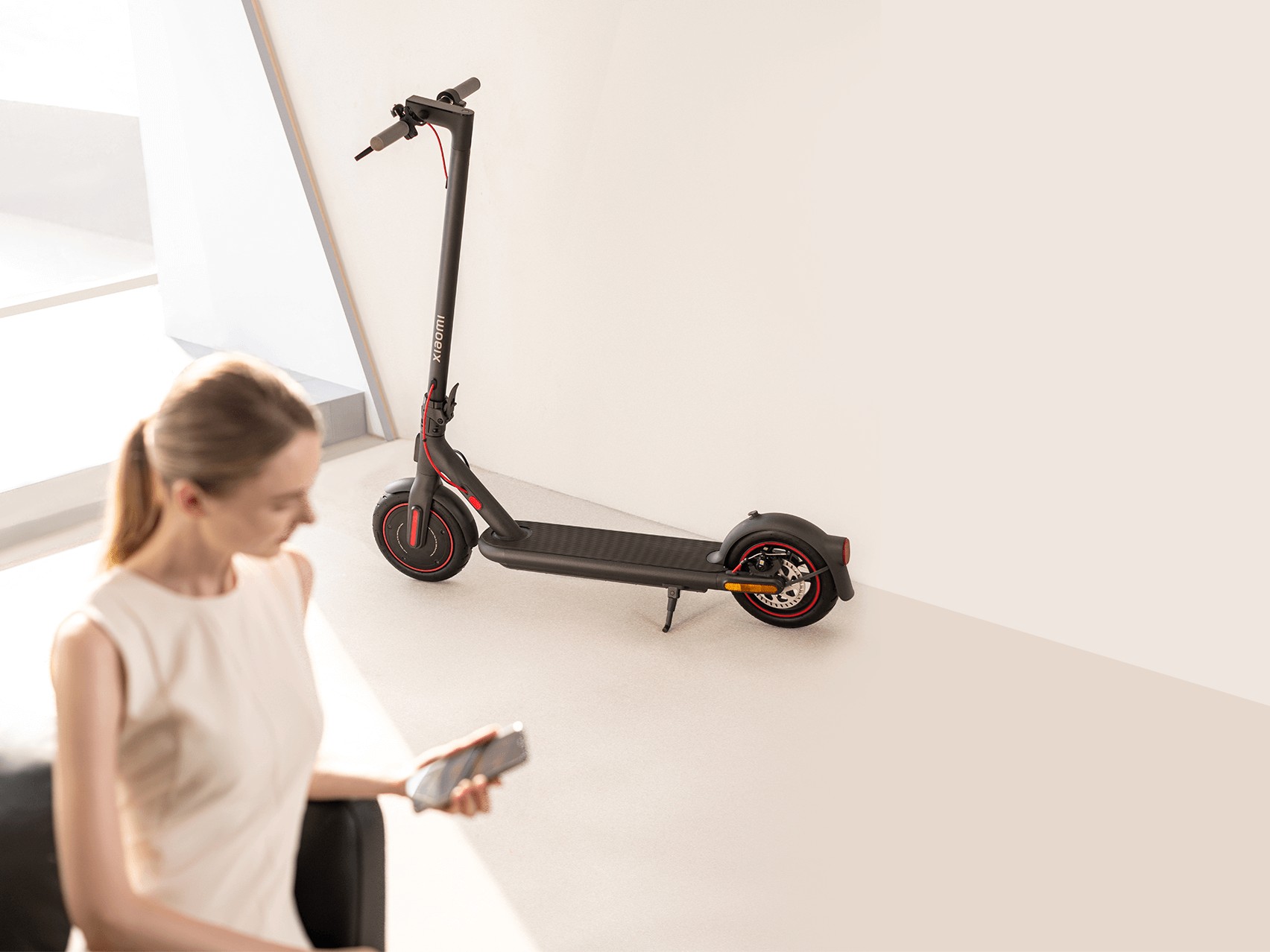
Xiaomi first launched the Electric Scooter 4 Pro in Europe and the e-scooter is already available in several European countries, including the Netherlands, France, and Spain. The company has now announced an increase in the range of the e-scooter from 45km to 55 km (~34 miles). The increase will be pushed via an OTA update that will roll out to the scooters in August.
The Xiaomi Electric Scooter 4 Pro has an identical appearance to its forerunners. It has a top speed of 25 km/h and a charging range of roughly 45 kilometers (upgraded to 55 km). With a 12,400mAh battery, the Electric Scooter 4 Pro can produce up to 700W of electricity. It has a weight capacity of 120 kg and weighs roughly 16.5 kg. In addition to better overall control effectiveness, the standing e-scooter has 10-inch self-sealing tires, a double-action disc brake, and other features. It sports a kinetic energy recovery system and an E-ABS system on its front wheel (KERS). The foldable scooter fully charges in around nine hours.
The Navee-manufactured Xiaomi Electric Scooter 3 Lite has been significantly outperformed by the new Xiaomi e-scooter. It will work well for quick commutes and has a reasonable load-carrying capacity. The e-scooter is 1.2 meters in length and 1.24 meters in height. Although it might not be completely foldable, the Xiaomi Electric Scooter 4 Pro is simple to transport in a vehicle as the handle can collapse for ease of carriage.
Smartphone demands are shrinking and even the world’s most resilient market is seeing the effects. As per a report, the North American smartphone market has witnessed a 6% decrease in shipments in the second quarter of 2022. Overall shipments fell to 35.4 million units in Q2 2022. However, Samsung and Apple still managed to attain decent growth and further increased their market share.
A report from Canalys says that North American smartphone shipments reached 35.4 million units in the second quarter of 2022, marking a 6% year-on-year (YoY) decline. Reasons behind the decline are said to be economic challenges, high inflation, and poor seasonal demand.
Apple was the largest contributor to smartphone shipments and grew by 3%. The company has commanded more than half of the North American region for three consecutive quarters, owing to strong iPhone 13 demand paired with the performance of its entry-level model, the iPhone SE, throughout the entire quarter (3rd Gen). Samsung also witnessed a 4% increase in its shipments thanks to the increasing demand for the S series and low-end A series smartphones.
“Following a rapidly recovered performance in 2021, the tide has turned in the North American smartphone market,” said Canalys Research Analyst Runar Bjørhovde. “A combination of high inflation, decreasing consumer confidence, and an economic slowdown is shrinking demand in North America, which was previously the world’s most resilient market. Vendors are responding quickly to falling demand and are focused on reducing the risk of oversupply as they prepare for new launches in the second half of 2022. Most top vendors matched their shipments from Q2 2021, and the volume decrease was caused by the gap LG left remaining partly unfulfilled.”
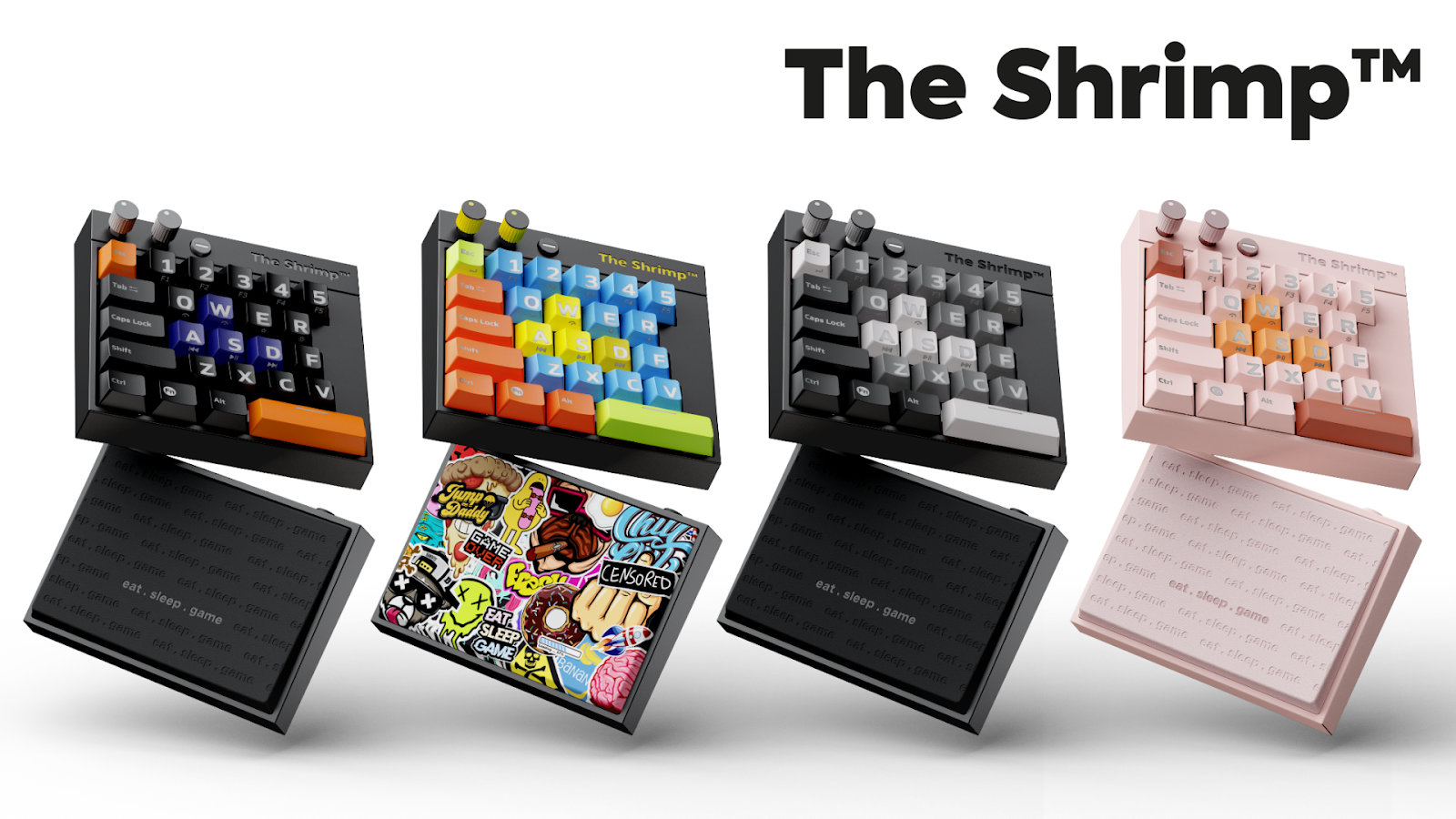
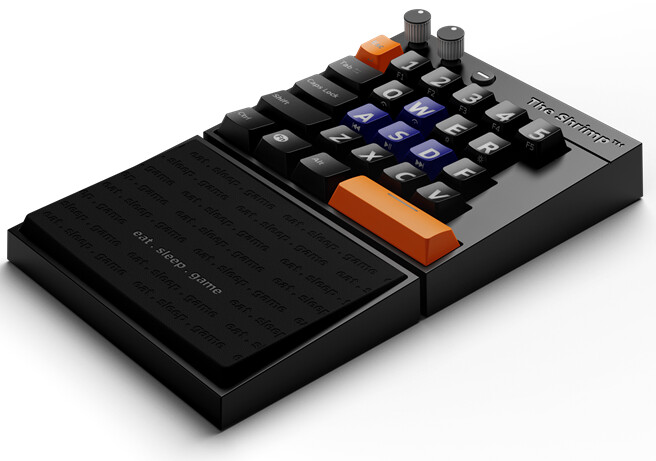
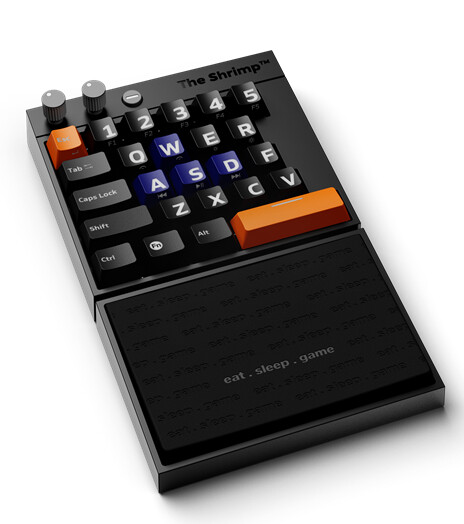
Nordic Game Supply (NGS) has introduced a new compact mechanical keyboard that can be used together with a gaming laptop especially when on the go. The Shrimp is an ultra-compact mechanical gaming keyboard and is an alternative to a big keyboard. The Shrimp was driven by a desire to offer departures from the traditional standard-looking keyboards, according to NGS.
The Shrimp gaming keyboard has a standard layout which maintains the layout and keys as a traditional keyboard. The 25-key keyboard can be used as-is or modified during gaming. The Shrimp does not require any software for its operation or any difficult installation procedures. It has the Gateron G Pro switches and an elegant Nordic design body. There are sound dampening features built-in on the keyboard. There is also a detachable, magnetically connectable wrist rest for greater comfort. The wrist rest has soft padding and a textured surface.
The Shrimp’s keycaps have large letters with lighter and more improved RGB illumination. The keyboard has a classic Cherry profile (height and shaping) and is better shaped than most industry keyboards. The Shrimp has a USB-C connector with compatibility for Desktop PCs, gaming laptops, and standard HID-compliant USB devices or games consoles.
The Shrimp’s vendor, NGS, says the keyboard will be available in markets once its development has reached the highest level. The company did not put any specific date on this milestone. Pricing and other availability are also lacking at this time. Nordic Game Supply is an independent vendor of video and computer games, as well as related peripherals.
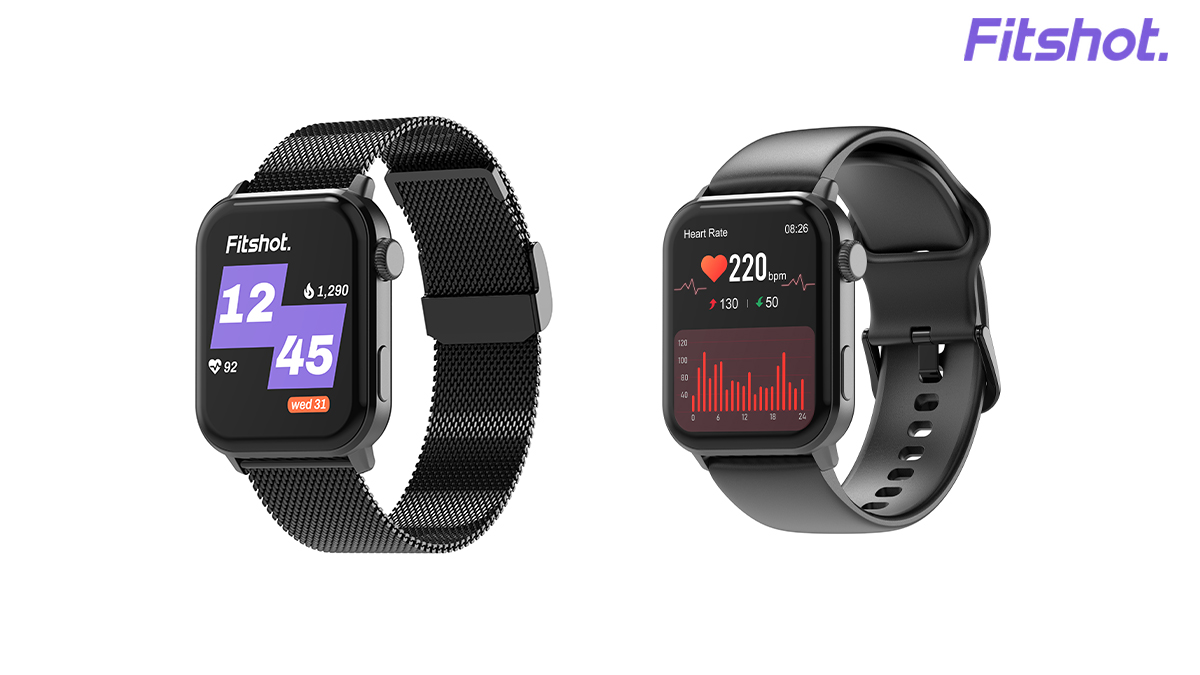
Ambrane has launched a new FitShot smartwatch in India. The wearable in question is known as FitShot Crystal and it comes with several interesting features including Bluetooth calling, a 1.8-inch AMOLED display, and an inbuilt voice assistant. The smartwatch also supports over 100 sports modes and has multiple health tracking features including heart rate tracking, SpO2 monitoring, and sleep monitoring, and more. Let’s take a detailed look at the specifications and pricing of this newly launched smartwatch.
FitShot Crystal smartwatch Specifications
The FitShot Crystal has a 1.8-inch AMOLED display with 368 x 448 pixels resolution and a 60Hz refresh rate. It comes with over 100 watch faces and features Bluetooth calling with support for Bluetooth v5.0.
The wearable features a large square dial and a side rotary button. It comes with an inbuilt mic and a speaker and carries support for voice assistants like Google and Alexa. Further, the FitShot smartwatch supports over 100 sports modes including cooking, skating, meditating, playing instruments, and gardening among others. As mentioned, the smartwatch has various health tracking features including a built-in 24-Hour Heart Rate Sensor, SPO2 Monitor, Sleep Tracker, and Step-Counter.
The wearable also sports smart features like a remote Camera shutter, stopwatch, alarm Clock, remote music player control, timer, flashlight, find phone, sedentary reminder, weather forecast, and more.
It comes with a 330mAh battery that is claimed to last up to 7-days. The smartwatch also comes with IP68 dust and water-resistant rating and a 1-year warranty.
FitShot Crystal Pricing and availability
The FitShot Crystal price in India is set at Rs. 2999 and it will be offered in Grey, Black, and Green color options. The smartwatch will be sold exclusively through Flipkart from August 28 at 12 pm.
Xiaomi relies heavily on sub-brands like Redmi and Poco to cater to diverse audiences. And as per a new report, the company might be gearing up to introduce an entirely new series of devices or a sub-brand aimed primarily at tech enthusiasts. The new sub-brand or series is said to include smartphones that will run near-stock Android out of the box.
The Mobile Indian, citing sources, claims that Xiaomi is planning to introduce new sub-brands or maybe a new series into the wild. The publication did not reveal the name of the upcoming sub-brand or series but suggested that it would be geared toward the tech enthusiast community.
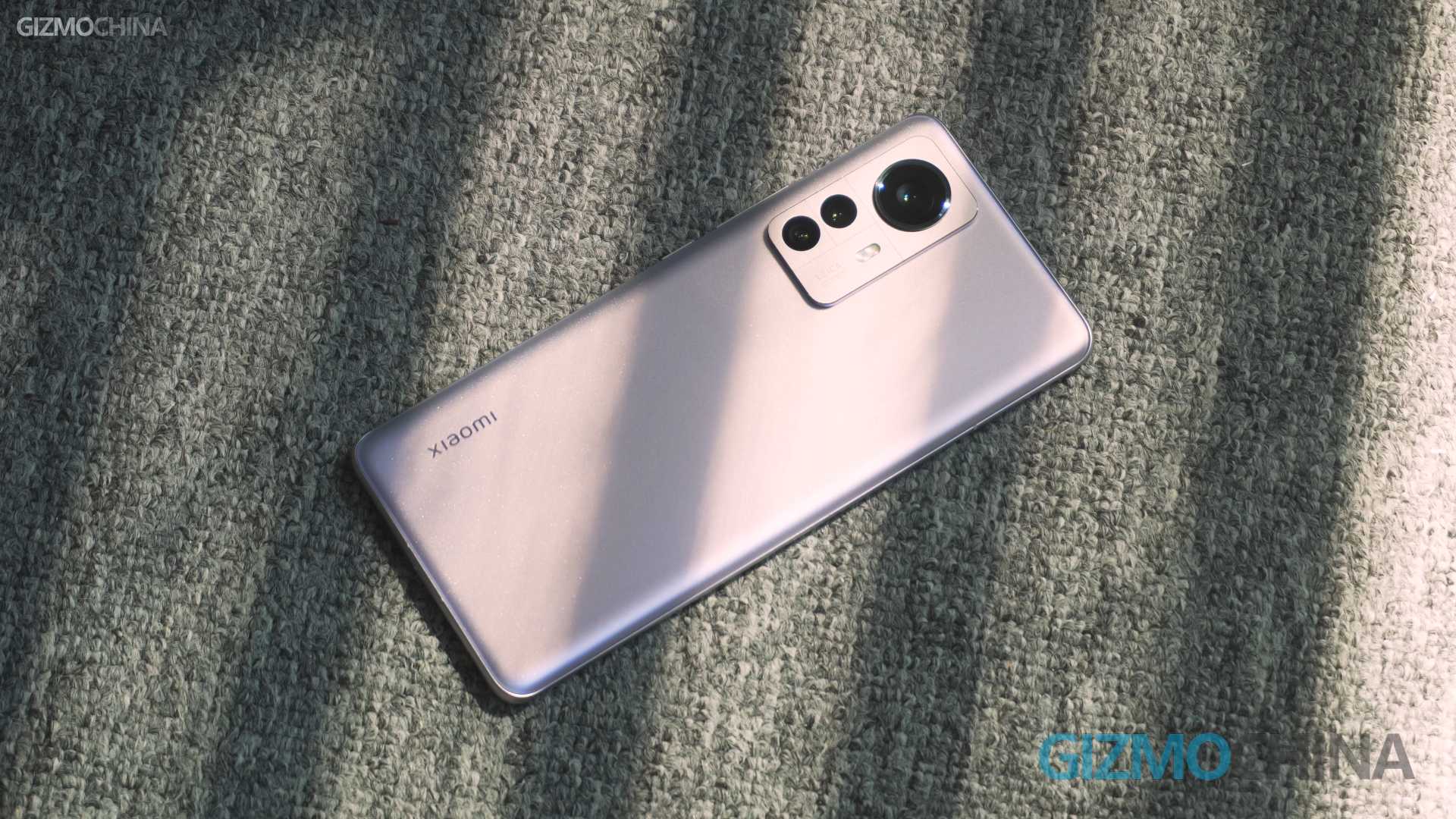
Xiaomi 12S Pro
Smartphones launching under this alleged sub-brand or series will be powered by the Qualcomm 700 series processors and will run clean android with minimal customizations, says the report. In addition, the phones will reportedly be assured of three major updates and four years of timely security patches.
Speaking of the price, the handsets are said to be priced between Rs 15,000 – Rs 25,000 ($188-$313). Interestingly, the majority of Redmi and Poco phones also lie in the same range. Furthermore, the devices launching under this new sub-brand or series will reportedly be manufactured in India.
The publication claims that the budget smartphones under the new sub-brand or series will be equipped with the Snapdragon 765 chipset, whereas the more premium ones will be powered by the Snapdragon 778 Soc.
Xiaomi is interested in the enthusiast smartphone segment because it believes the generic transition of OnePlus and the declining popularity of Pixel devices in India has created a void that can be filled in with a new series of devices or sub-brand, says the report citing sources.
Xiaomi has not confirmed any of the claims made by the publication so we suggest you digest the above information with a pinch of salt.
Fast-rising Chinese tech brand OPPO has unveiled its Structured Local Radiance Fields for Human Avatar Modeling. This marks a breakthrough in OPPO AI technology. It is an AI-driven technology that can create animated digital avatars using a few phones. The new OPPO AI technology is adept at loose clothes appearance learning and skeleton motion modeling. The new OPPO technology aims to give people a digital life with unlimited possibilities.
The new OPPO AI model can automatically generate 3D animated digital avatars by analyzing RGB data. The dynamic, advanced avatars from OPPO’s proprietary AI model is fast, simple, and accessible. The work was driven by the OPPO Digital Avatar Lab using mainly the Find 5 Pro to collect data on the human body. Thereafter AI automatically generates the 3D human model by analyzing RGB videos. This approach eliminates reconstruction errors from traditional methods.
The predefined nodes of the process are a professional dancer’s skeleton used to construct a set of structured radiance fields. This creates a more realistic virtual effect and life-like avatars. The avatar is capable of learning different dance moves and will also integrate more interactive experiences in the future. The technology uses neural networks to create a new and dynamic character within a few hours.
OPPO says the new Human Avatar Modeling is the future of the digital world, removing restrictions and allowing people to express themselves. The implications of the new OPPO proprietary AI technology are varied. It includes applications in game development and AR/VR fields.
OPPO says it aims to inspire the world through technology by utilizing AI to unlock unprecedented experiences and creations. Its technologies span applications in fashion, entertainment, and communication.
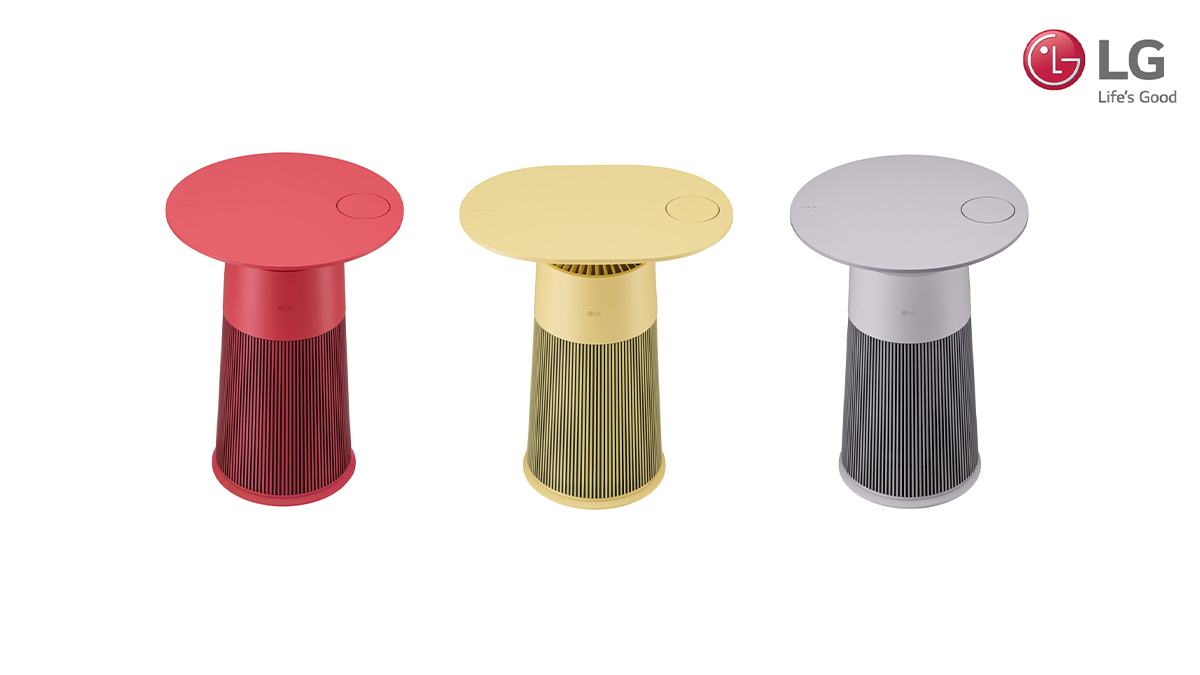
LG will be releasing its latest table-type air purifier during the IFA 2022. The LG Puricare Objet Collection Aero Furniture sports an elegant design in addition to its cutting-edge air purification capabilities. The new Puricare air purifier can be customized to suit personal preferences, has user-friendly features, and achieves 360-degree air purification.
Earlier this year, LG Electronics announced the air purifier during CES 2022. It is an elegant and compact air purifier that can be used in various scenarios. Users can choose from rose, yellow, and grey colors for the base while the table-top can be round or track. It is a mix of a piece of home furniture and an air purifier. The LG Aero Furniture can be used for storing or displaying items. It also has mood lighting settings, as well as on/off or airflow mode. There are a few lights at the edge of the table to show various notifications like air quality, air flow strength, and Wi-Fi status.
The new LG air purifier is made with plastic from old appliances and is reusable. It offers home comfort with its filter, dust collector, and deodorization processes. These contribute to improving ambient air quality and LG’s UVnano technology provides 99.99% protection against bacteria and viruses. The new product will be officially showcased during the IFA 2022 holding from September 2 – 6 in Berlin, Germany. There will be other limited-edition air purifiers that will be part of the mix as well. There are no price details yet for the new revolutionary LG air purifiers.
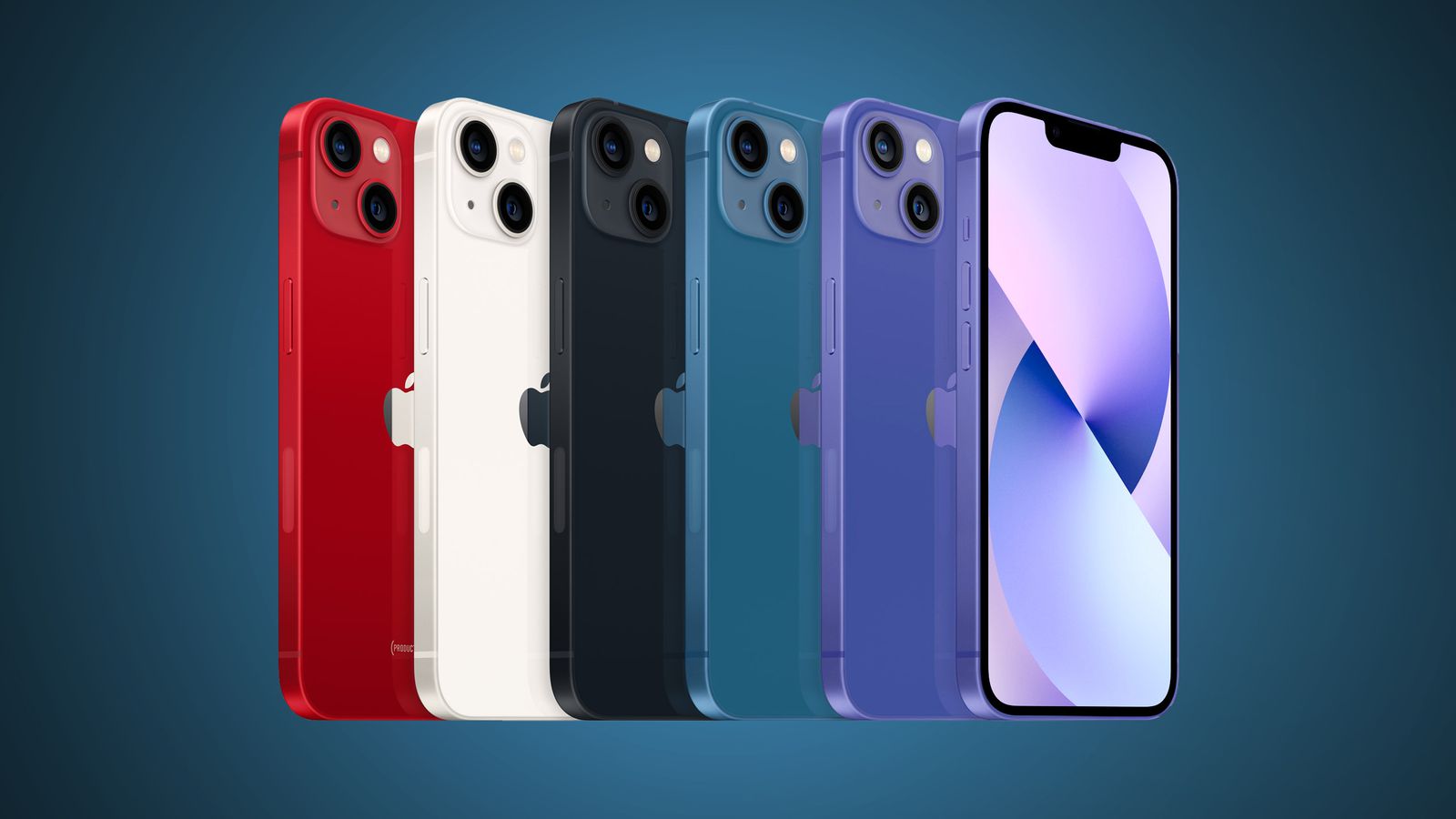
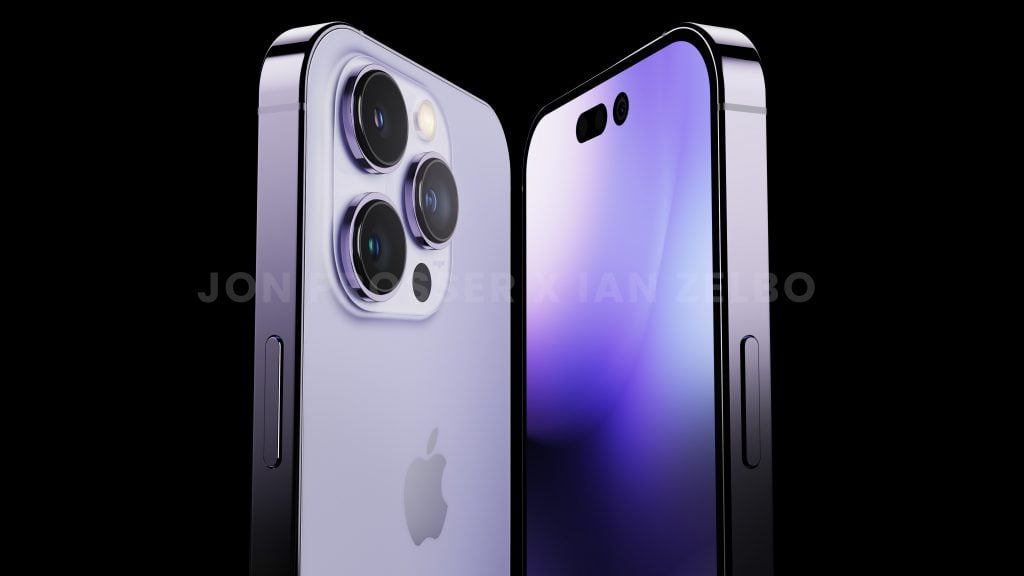
The most-awaited iPhone 14 series is just around the corner. Reports suggest Apple may unveil its latest iPhones on September 7. Ahead of the imminent launch, the vanilla iPhone 14 has reportedly been spotted on the BIS India website. The standard iPhone 14 is likely to be similar to the iPhone 13, but it may carry some improved features and specs over the current devices.
As per a report by MySmartPrice, possible iPhone 14 has surfaced on the Bureau of Indian Standards (BIS) India website bearing the model number A2882. As usual, the listing does not reveal any specifications of this device. However, it confirms that the iPhone 14 will be making its way to India very soon, probably on September 7.
Representative Image
In related news, a recent Bloomberg report suggested that Apple may manufacture the forthcoming iPhone 14 series in India two months after the initial launch. The tech giant is expected to start the production of the iPhone 14 models with Foxconn at its assembly plant near Chennai.
As mentioned, the iPhone 14 will likely be similar to its predecessor with just a few upgrades here and there. It is expected to flaunt a 6.1-inch OLED display with the same standard 60Hz refresh rate and a wide notch at the top featuring a selfie camera and Face ID sensors.
In terms of optics, it is expected to have a 12MP selfies camera and a 12MP dual-camera setup on the rear. The smartphone will be powered by the same A15 Bionic chip that was used in the last year’s iPhone 13.
Apple is also said to continue packing last year’s A15 Bionic chip in the upcoming models. Whereas the iPhone 14 Pro and Pro Max models will flaunt the latest A16 Bionic chip. The iPhone model may come with a larger battery and faster-charging support.
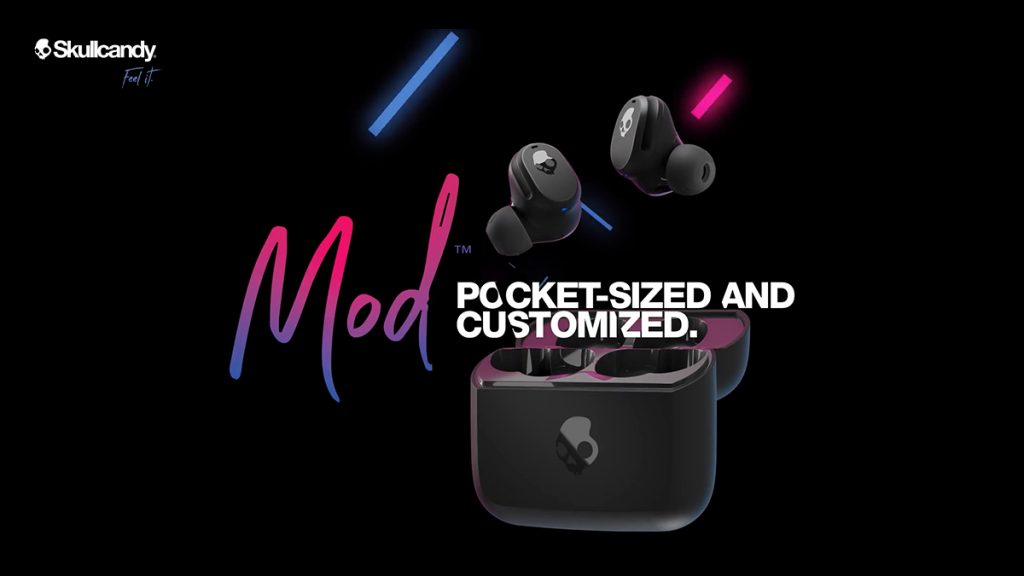
Skullcandy Mod TWS earbuds have launched in India today. The brand has expanded its range of truly wireless earbuds with the latest offering. The Skullcandy Mod TWS earbuds compete against the likes of the OnePlus Buds Pro, OPPO Enco X2, and more in the market. Read on to know what the audio device offers out of the box.
The Skullcandy Mod TWS earbuds feature an in-ear design. They are IP55-rated sweat and water-resistant. Users can perform various functions by tapping on the earbuds. The TWS earbuds feature a built-in Tile Finding Technology that makes it easier for users find lost earbud by just ‘ringing’ it from the Tile app.
For audiophiles, the Skullcandy Mod is equipped with a 6mm driver. Each earbud has a smart mic that uses artificial intelligence to isolate the speaker’s voice and reduce background noise. Users can customise the equalizer with the Skullcandy app. The TWS earbuds feature Bluetooth 5.2 connectivity and can be paired with two devices simultaneously.
The Skullcandy Mod TWS earphones are powered by 34 hours of battery life with the case. Each earbud is claimed to offer 7 hours of usage on a single charge. The audio device also offers fast charging via a USB-C port.
The Skullcandy Mod TWS earbuds are priced at Rs 5,999 and are offered in True Black, Light Grey, Light Blue colour options. They are available for purchase from the brand’s official website, Amazon, and retail stores.
There’s a lot of news surrounding the iPhone 14 series lately as we get closer to the launch event that Apple traditionally conducts in the first or second week of September. Leaks and rumours about the next-generation flagship iPhone 14 have left nothing to the imagination. As per past reports, Apple’s upcoming event is tipped to take place on September 7th.
In the latest development, Bloomberg reports that Apple could manufacture the upcoming iPhone 14 series in India much sooner this year. According to the people familiar with the matter, the Cupertino-based tech giant will ramp up the production of the iPhone 14 models with Foxconn at its assembly plant near Chennai. However, the company’s manufacturing partner will not be able to start immediate production in the country along with China as it would lead to supply-chain challenges. Thus, the iPhone 14 manufacturing will begin in India two months after the initial production starts in China and is released. This also means that the first batch of iPhone 14 Made in India will likely be ready around the end of October or early November. The company could reportedly aim for the Diwali festival starting October 24th.
Bloomberg reports that Apple wants to diversify its production from China due to successive lockdown in the country and problems with the US government. Apple and Foxconn are also working on cutting down the manufacturing lead times from nine to six months.
Apple started producing its iPhones in India in 2017. However, the production cycle of the phones were delayed by a quarter or two after launching. The iPhone 14 could mark the first time the latest flagship could be manufactured sooner in the country.
Xiaomi is set to unveil the NoteBook Pro 120G and Smart TV X series in India on August 30th. The brand has put up dedicated microsites for both devices revealing their key specifications slowly leading up to the launch event. It teased key features and first look of its upcoming laptop earlier today. Xiaomi has also shared important information about the Smart TV X series.
As per the microsite, the Xiaomi Smart TV X series will come in three screen sizes i.e. 43, 50, and 55-inch. All three variants are confirmed to come with 4K video resolution. The upcoming televisions are surrounded by thin bezels on all three sides of the display. Xiaomi has also teased a ‘Zoom In’ feature on the Smart TV X series. Apart from this, the microsite does not mention any additional details about the Xiaomi Smart TV X series. We can expect the brand to tease more features in the coming days.
The Xiaomi Smart TV X Series is expected to arrive as the successor to the Mi TV 5X series that debuted in August last year. Notably, the latter offered 4K resolution and support for Dolby Vision and HDR10+. They are equipped with 40W sound output. The Mi TV 5X series is powered by a 64-bit quad-core processor coupled with 2GB RAM and 16GB storage.
The Mi TV 5X series started at Rs 31,999 for the base variant. We can expect the upcoming Xiaomi Smart TV X Series to come with upgrades over its predecessor. Similarly, we can also expect them to carry a slightly higher starting price tag.
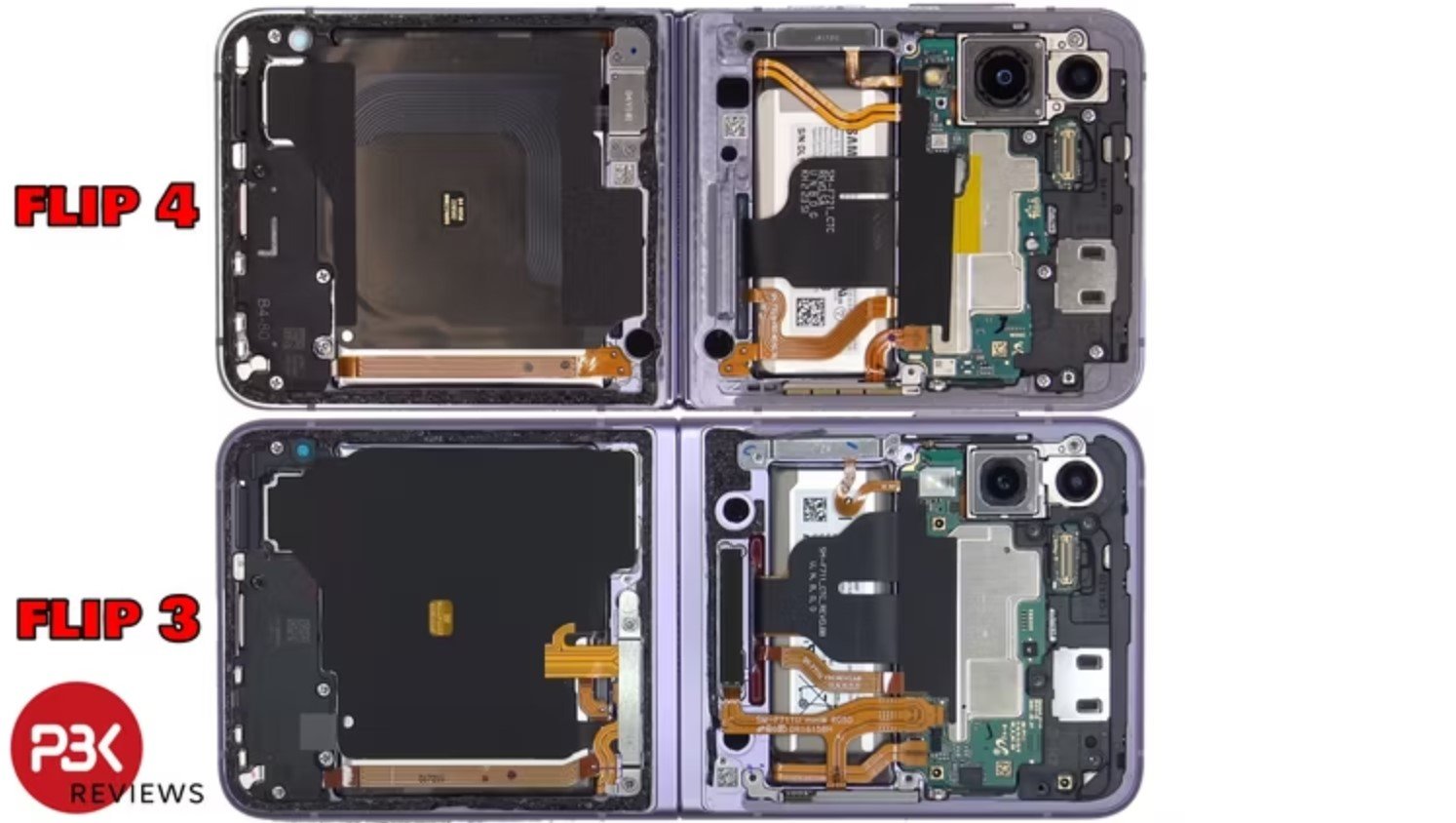
A PBK Reviews’ teardown video of the just-released Samsung Galaxy Z Flip 4 has surfaced. The detailed video showed strong similarities between the new clamshell and its predecessor, even on the repairability scale.
The Galaxy Z Flip 4 comes with much hype and expected significant improvements from its predecessor. The new teardown video provided the repairability particulars of the Galaxy Z Flip 4.
The PBK Reviews repairability video shows that the Z Flip 4 can be easily disassembled and fixed, similar to the Galaxy Z Flip 3. The device does not have major design changes from its predecessor both within and on the exterior. The battery of the Galaxy Z Flip 4 is split into two sections and their removal requires some care and the use of isopropyl alcohol. The larger part of the battery sits underneath several other components so it takes much effort to reach it.
The teardown video also showed how delicate the display of the Z Flip 4 is. Its internal screen should be handled with care, similar to the Z Flip 3. There are only minor differences between the internal architecture of both the Z Flip 3 and the Z Flip 4. One such difference is that the connectors were switched to opposite sides and the battery in the new model is linked to the motherboard under the cameras.
The mmWave 5G antenna of the new model was reduced from two to one, while the space for the second was left unused. Apart from these differences, the hardware of both devices remained similar and they both have the same repairability rating.
Just a couple of days ago, Infinix had announced the new Hot 12 smartphone in India, which also went on first sale in the region today (23rd August 2022). But it appears that the company is planning on launching a new Zero 20 model soon since it was spotted on another certification website.
The news arrives from a known tipster Mukul Sharma that shared tweeted regarding the Infinix Zero 20 surfacing on the TDRA certification database. Looking at this official listing, we can see that the Zero 20 smartphone carried the model number X6821. But unfortunately, the listing does not reveal any finer details regarding this handset like its features or internal hardware. Notably, the smartphone was also recently spotted on the Indonesia Telecom database as well.
Infinix Zero 5G
In other words, the company will likely announce this smartphone soon. Based on our previous report, the device will launch in the mid range segment. However, we still do not have a lot of details regarding this handset. Interestingly, the company is also planning on launching a Zero Ultra 5G model soon as well, which is a higher end model that features the 200 megapixel camera, 180W fast charging, 6.7 inch curved AMOLED panel, and more. So stick around for more, as we will be providing updates when additional details is available regarding this new smartphone.
Multiple countries around the world have had 5G networks for a while now. But India, the world’s second-largest smartphone market, is yet to witness the deployment of the next-gen mobile networks. Though it is supposed to happen by the end of this month, it is also being rumored to be delayed by a few weeks.
Ahead of the 5G rollout in the region, Xiaomi, the largest smartphone brand in the country, makes an announcement. The company says that it has shipped over 7 million 5G smartphones in India from May 2020 to June 2022. The firm cites data from IDC.
Xiaomi’s first 5G smartphone in India was the Mi 10 5G. The handset was unaffordable for most Indians as it was introduced at ₹44,999. It was later followed by Mi 10T 5G and Mi 10T Pro 5G. These phones were only slightly cheaper than the former model.
Then, in January 2021, Xiaomi kicked off the year with its most affordable 5G smartphone in the region to date: Mi 10i 5G. This handset started at ₹20,999. It was one of the best-selling 5G phones during its time in the market.
The starting price of 5G smartphones was further lowered by Xiaomi in July 2021, with the introduction of the Redmi Note 10T 5G at ₹13,999. Over a year later, the Poco M4 5G is currently the cheapest 5G smartphone by Xiaomi in India at only ₹10,999.
Having said that, the initial 5G smartphones from Xiaomi and even by other brands only offered limited band support. Hence, some of them may not be able to provide a good 5G experience when the networks go live. But thankfully, the recent models have almost all the required bands.
POCO is gearing up to launch two new smartphones from its POCO M5 series. This includes the new M5 model as well as the M5s variant. We already covered a report regarding the M5 4G model earlier today (23rd August 2022), now we have more details regarding the M5s model.
According to known tipster Mukul Sharma, the POCO M5s smartphone was spotted on the TDRA certification website. This basically hints that the device’s launch is not too far away. Notably, the M5s model was just recently spotted on another certification listing as well, namely the NBTC website, which suggested that the smartphone will be launched as a rebranded version of the Redmi Note 10S.
Looking at the TDRA certification listing, we can see that the device was listed with the model number 2207117BPG. But unfortunately, the listing did not reveal any finer details regarding the POCO M5s smartphone like its specifications or features. However, the NBTC listing also implies that the upcoming device will be launching in Thailand soon. Since the M5s is believed to be a rebadged version of the Redmi Note 10S, we do have some specifications based on the previously launched model.
Redmi Note 10S
The Redmi Note 10S launched in three storage configurations and housed a MediaTek Helio G95 SoC. On the front, the device sported a 6.43 inch AMOLED display that has a Full HD+ resolution. Meanwhile, the rear packs a 64 megapixel quad camera setup and the front has as 13 megapixel selfie shooter. The Note 10S is powered by a large 5,000mAh battery pack that also supports 33W fast charging.
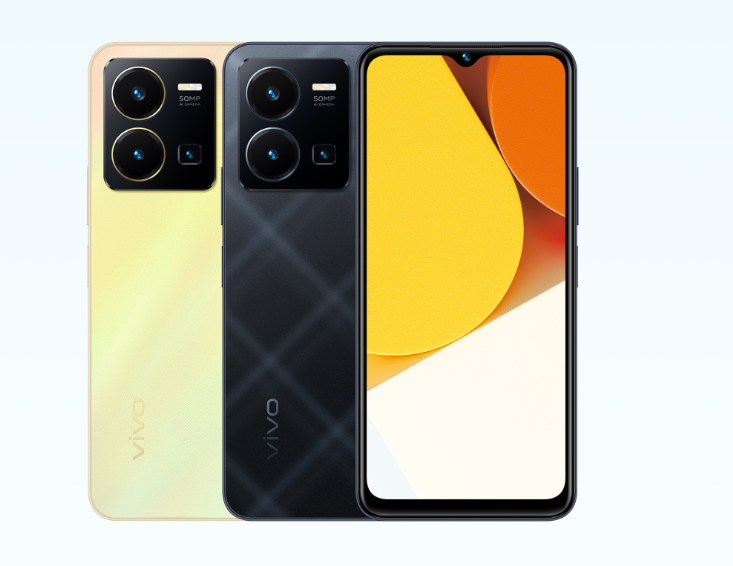
Last week, Vivo launched the Y35 4G smartphone in Indonesia. Now, the company is gearing up to launch the device very soon in India. The official launch date of the device is still under wraps, however, an official poster leaked by Mahesh Telecoms indicates that the launch will happen sooner rather than later.
The poster confirms that the device will come in Gold and Black color options. Additionally, the poster also confirms that it will have a 50MP camera and 44W fast charging. The Y35 is expected to launch in India for around Rs 15,000.
Vivo Y35 4G Specifications
A 6.58-inch IPS LCD screen with a Full HD+ resolution is included with the Vivo Y35 4G. A water-drop notch is present in the upper center of the panel, which has a conventional 90Hz refresh rate.
It has a Snapdragon 680 SoC under the hood, 8GB of RAM, and up to 256GB of storage (Up to 1TB of External Memory). It’s noteworthy that the smartphone also supports 8GB of virtual memory expansion.
The Vivo Y35 4G boasts three rear camera sensors on its back, including a 50-megapixel primary camera sensor, a 2-megapixel macro sensor, and a 2-megapixel bokeh sensor. The smartphone has an 8-megapixel front camera for taking selfies and making video calls.
Other than that, the device has a sizable 5,000mAh battery with support for 44W fast charging. Its operating system is Funtouch OS 12 on top of Android 12. It is 8.28mm thick and roughly 188 grams thick.
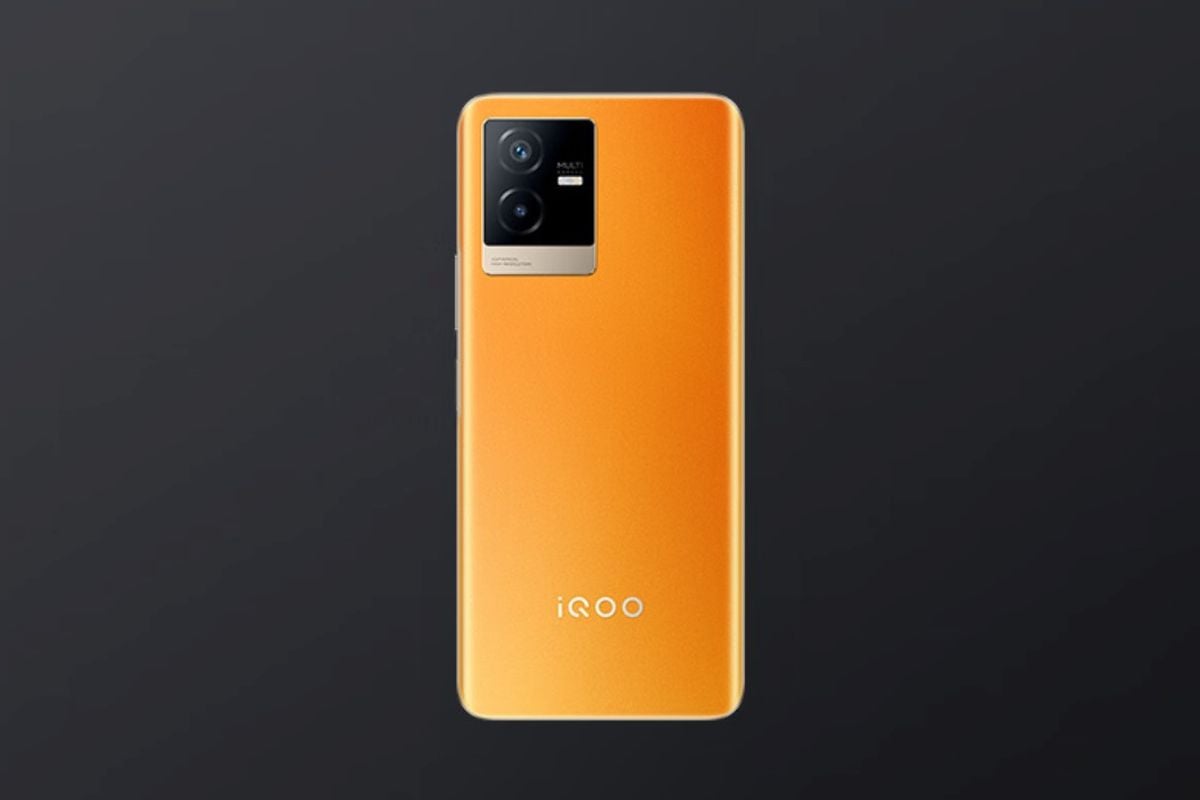
iQOO is apparently gearing up to launch another Z6 series smartphone model in India soon. The new model in question is the Z6 Lite 5G, with its launch being just around the corner as the device was recently spotted on an Indian certification.
According to a MySmartPricereport, the upcoming smartphone from the Chinese brand was spotted on BIS (Bureau of Indian Standards) certification database. The Z6 Lite 5G carried the model number I2208 and was listed on the website. Unfortunately, the listing did not reveal any finer details regarding the device like its specifications or other features. Although, this listing does hint that the launch of the new handset is just around the corner.
Interesting, the BIS database also revealed that the Z6 Pro SE model also being in the listing with the model number I2205. As of right now, the exact specifications the device is still unclear. However, a previous rumor had hinted that the Z6 Lite model could be a rebranded Vivo T1X model. But, the latter is a 4G only handset with Qualcomm Snapdragon 680 processor.
iQOO Z6x
So, we can expect the iQOO Z6 Lite model to house a different chipset while borrowing some of the other hardware features or design from the T1X smartphone model. Keep in mind that this is still just speculation at the moment so take this report with a pinch of salt for now and stay tuned for more updates.
We use cookies on our website to give you the most relevant experience by remembering your preferences and repeat visits. By clicking “Accept”, you consent to the use of ALL the cookies.
This website uses cookies to improve your experience while you navigate through the website. Out of these, the cookies that are categorized as necessary are stored on your browser as they are essential for the working of basic functionalities of the website. We also use third-party cookies that help us analyze and understand how you use this website. These cookies will be stored in your browser only with your consent. You also have the option to opt-out of these cookies. But opting out of some of these cookies may affect your browsing experience.
Necessary cookies are absolutely essential for the website to function properly. This category only includes cookies that ensures basic functionalities and security features of the website. These cookies do not store any personal information.
Any cookies that may not be particularly necessary for the website to function and is used specifically to collect user personal data via analytics, ads, other embedded contents are termed as non-necessary cookies. It is mandatory to procure user consent prior to running these cookies on your website.