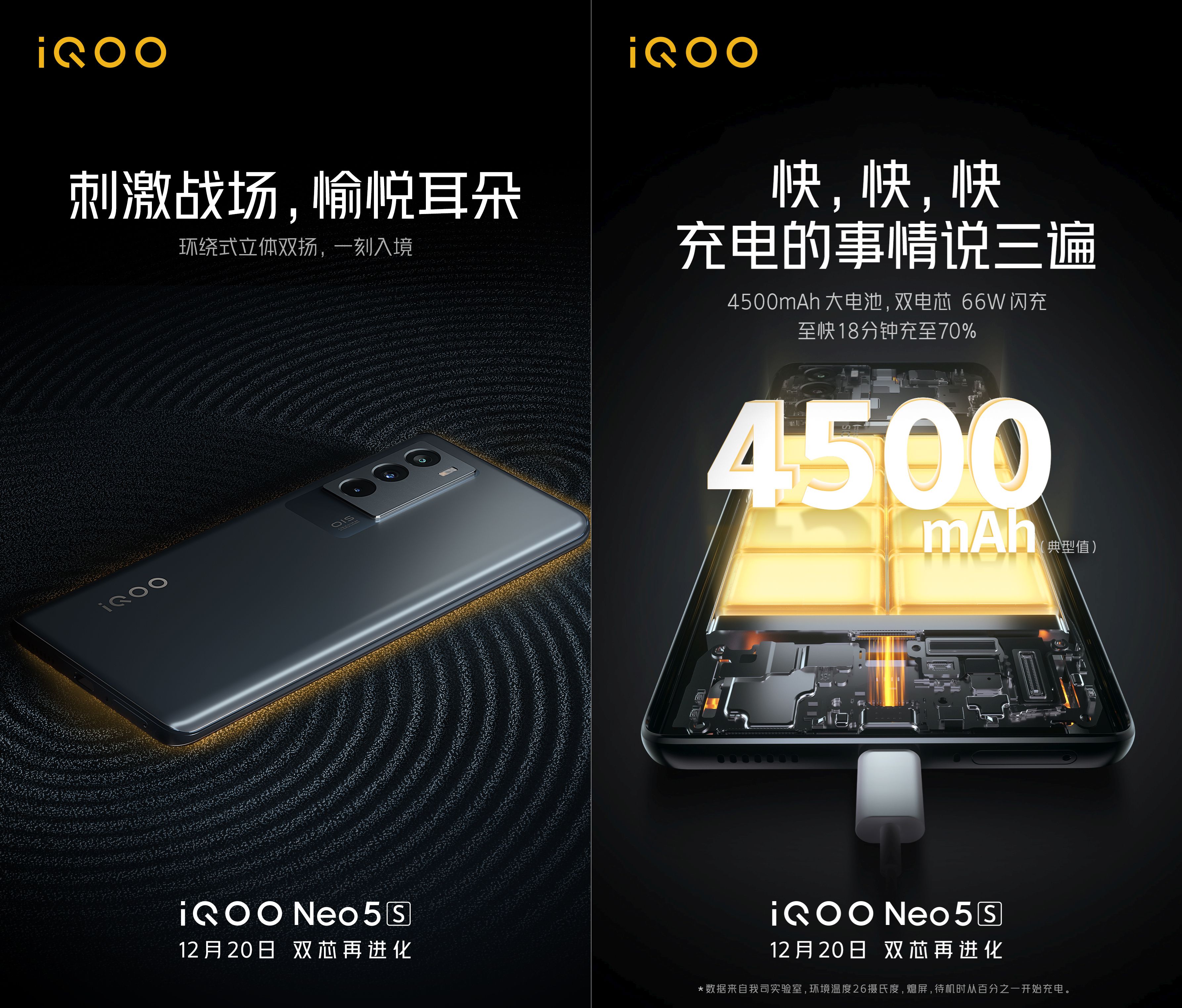
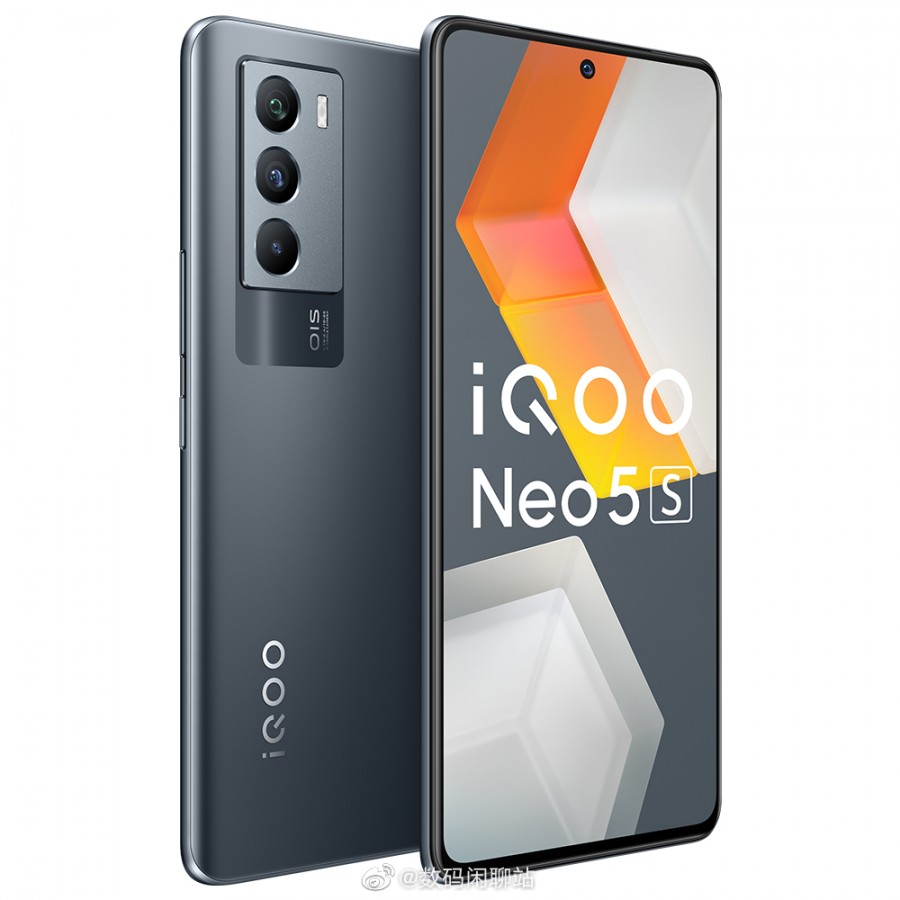
Today at 19:30 PM (local time) in China, iQOO will be unleashing two phones namely, the iQOO Neo5S and iQOO Neo5 SE. Before the launch, iQOO has released new posters details like such as battery size, charging speeds, and audio capabilities of the Neo5S.
The first poster reveals that the iQOO Neo5S will be equipped with stereo speakers for surround sound and immersive gaming experience. The official renders of the device have revealed that it will lack a 3.5mm audio jack. The Chinese manufacturer has released another poster to confirm that the Neo 5S will be packed with a 4,500mAh battery.
The Neo5S will carry support for dual-cell 66W fast charging technology. The company claims that it takes only 18 minutes for the smartphone to reach from 1 percent to 70 percent. iQOO has also confirmed that the Neo5S will come preinstalled with the all-new OriginOS Ocean UI, which could be overlaid on the Android 11 OS.
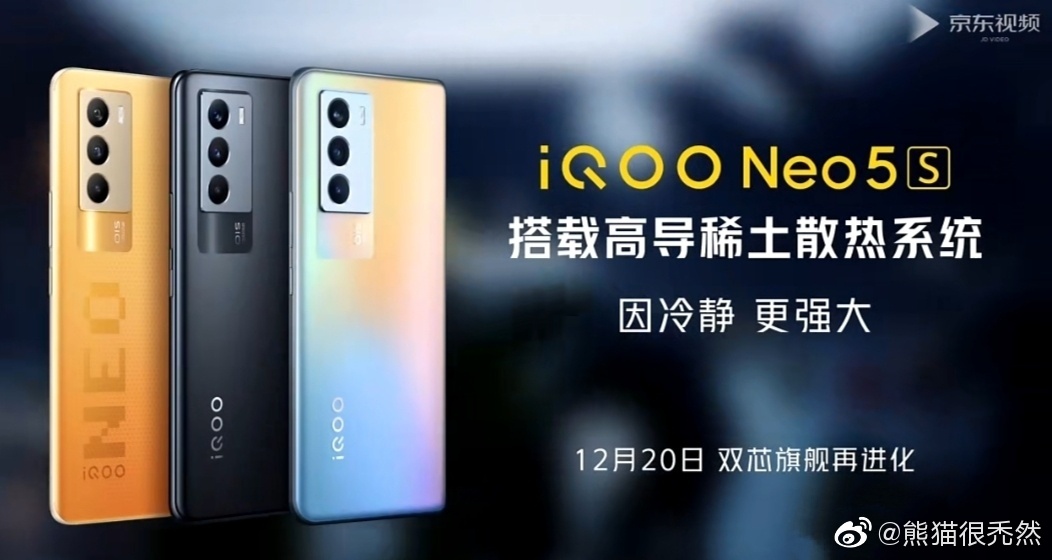
For heat dissipation, the Neo5S will be equipped with rare earth elements. Its screen will carry support for an FHD+ resolution, a 120Hz refresh rate, 16,000 levels of dimming. The screen will also come with an independent display chip for an enhanced visual experience. The rear camera setup of the Neo5S will feature an OIS-assisted 48-megapixel primary camera.
iQOO Neo5s
The Snapdragon 888 mobile platform will be present under the hood of the iQOO Neo5S. The device is expected to ship with up 12 GB of LPDDR5 RAM and up to 256 GB of UFS 3.1 storage. Shown-above are the three color variants of the Neo5S.
The Philips PH2 smartphone was announced last week at a low price of 799 Yuan (~$125). Now, the company has unveiled another model called the Philips PH1 in China. It features a waterdrop notch display, a Unisoc processor, and a large battery. Here is all the information on the specs, features, and pricing of the Philips PH1.
Philips PH1 specifications and features
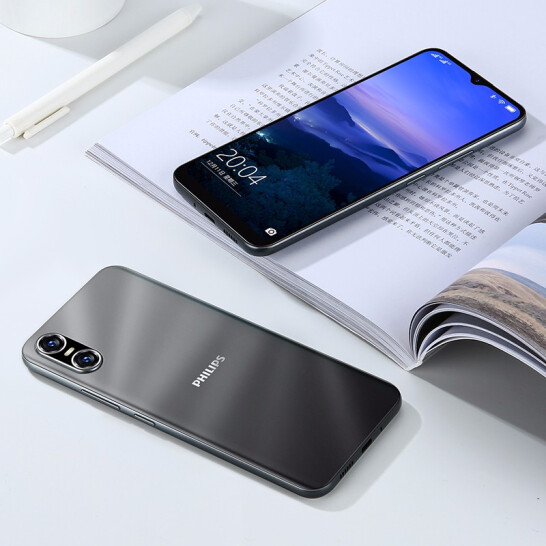
The Philips PH1 has a 6.517-inch LCD panel that offers an HD+ resolution of 720 x 1600 pixels. The waterdrop notch available on the PH1’s screen houses a 5-megapixel front-facing camera.
The back panel of the PH1 has a 13-megapixel primary camera and a 3-megapixel secondary snapper. The device runs on Android, but the exact version is not known yet. The device lacks a fingerprint scanner, and it only features face unlock for security.
Philips PH1
The Unisoc T310 chip, which fuels the PH2 handset is available inside the PH1. It comes with 4 GB of RAM and 32 GB / 64 GB of storage. The device is packed with a 4,700mAh that lacks support for rapid charging. Its other features include dual SIM support, Wi-Fi 802.11 b/g/n, Bluetooth, GPS, a USB-C port, and a 3.5mm audio jack. The handset measures 165.5 x 76.5 x 9.5mm and weighs 194 grams.
Philips PH1 pricing and availability
The Phillips PH1 has landed in China in two options such as 4 GB RAM + 32 GB storage, 4 GB RAM + 64 GB storage, and 4 GB RAM + 128 GB storage. They are priced at 499 Yuan (~$78), 569 Yuan (~$89(, and 769 Yuan (~$121). It comes in three colors such as blue, black, and red.
The Samsung Galaxy S21 FE 5G is expected to get showcased at the Consumer Electronics Show (CES) 2022 tech expo, which is scheduled to take place in the first week of January 2022. Tipster Snoopy has come across the official listing of the Galaxy S21 FE on Samsung Ireland’s website.
The official listing shows that the Galaxy S21 FE 5G will be in Ireland in two variants such as 6 GB RAM + 128 GB storage and 8 GB RAM + 256 GB storage. They are listed for €769 and €839, respectively. The S21 FE is listed in two colors such as Olive and White. Reports have revealed that the device will be available in two more colors such as Graphite and Lavender.
Readers are advised to digest the pricing details with a grain of salt since the S21 FE is yet to go official. A recent report by Winfuture.de had revealed that the two variants will be priced at €749 and €819, respectively, in Germany.
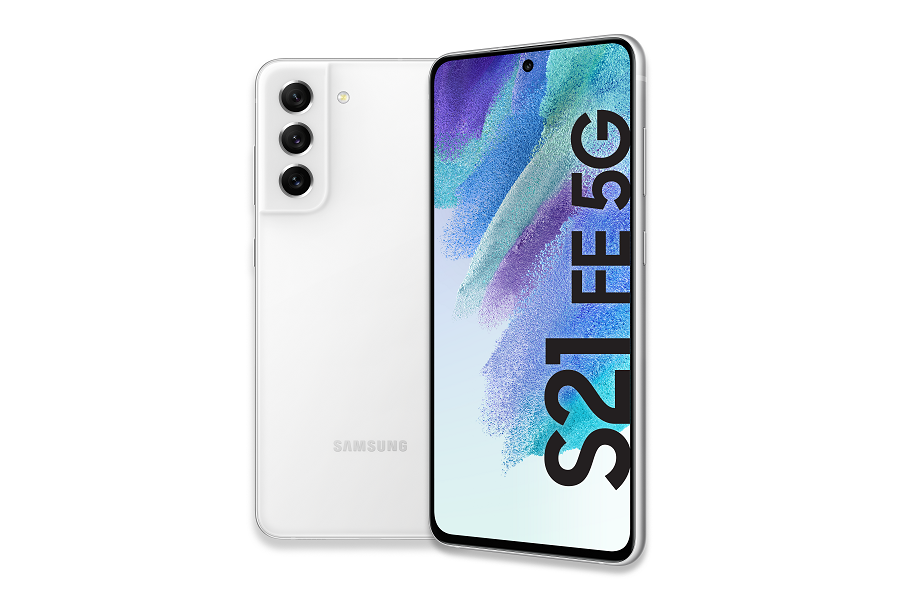
Samsung Galaxy S21 FE 5G renders white
Samsung Galaxy S21 FE 5G specifications (Rumored)
The Galaxy S21 FE 5G has a 6.4-inch AMOLED FHD+ display that offers a 120Hz refresh rate and an in-screen fingerprint scanner. It has a 32-megapixel front-facing camera, and it has a 12-megapixel (main) + 12-megapixel (ultrawide) + 8-megapixel (telephoto) triple camera unit.
The S21 FE is driven by the Snapdragon 888 / Exynos 2100 depending on the market. It is likely to ship with LPDDR5 RAM and UFS 3.1 storage. The device has a 4,500mAh battery that supports 25W fast charging, wireless charging, and reverse wireless charging. It is expected to come with an IP68 rated chassis.
Apple is usually among the leading companies in whatever category the company launches its products but the Cupertino-based technology giant has a minimal market share when it comes to smart speakers.
In an effort to tilt the market to its advantage, it is reported that Apple could be working on a 15-inch iPad. The large-screened iPad could be positioned in such a way that it will support smart speakers from the brand.
One of the biggest advantages that Apple has when it comes to smart devices is its App Store and with the new 15-inch iPad as a smart display solution in support for speakers, the App Store can be leveraged to gain more users.
The report indicates that the upcoming large-screened iPad could come packed with a powerful chipset and include a top-of-the-line camera in landscape orientation. It is expected to have support for the wall mount and have a power plug at the back.
It is speculated to be a two-in-one device that can be used as a smart display for home or double up as a tablet. The device is expected to go official in a couple of years but whenever it launches, the pricing will be crucial in its success.
Currently, Amazon and Google are dominating the smart speaker market with 69 percent and 25 percent of the market share. One factor that is helping them is their smart voice assistant — Alexa and Google Assistant, which are considered to be much better than Siri when it comes to virtual assistance.
In related news, the report also confirms that Apple will launch its new iPad Pro in 11-inch and 12.9-inch models next year. Both of them will come with a mini-LED display and have support for Mag-Safe wireless charging as well as reverse wireless charging.
The upcoming Realme 9 series reportedly includes four models such as Realme 9i, Realme 9, Realme 9 Pro, and Realme 9 Pro+ smartphones. It is speculated that the Realme 9i may debut first in Q1 2022. Recent reports have spilt the entire specs of the Realme 9i. Now, tipster and 91mobileshave teamed up to claim that the Realme 9i could be rebranded as Realme Narzo 9i. The new leak has also revealed the RAM, storage and color variants of the Narzo 9i.
Tipster and 91mobiles have collaborated to reveal that the Narzo 9i will come in two models such as 4 GB / 6 GB of RAM and 64 GB /128 GB of storage. The handset is expected to arrive in two colors such as Prism Black and Prism Blue. The report has also claimed that there is a possibility that the Narzo 9i and Realme 9i could be different devices.
Realme 9i
Realme Narzo 9i specifications (Rumored)
The Realme 9i (or Narzo 9i) may come with a 6.6-inch LCD panel with a punch-hole design. It may carry support a Full HD+ resolution and a 90Hz refresh rate. For selfies, it may feature a 16-megapixel camera and its rear camera setup may include a 50-megapixel primary camera, an 8-megapixel ultrawide lens, and a 2-megapixel camera.
The 9i handset may debut as India’s first phone powered by the Snapdragon 680 chipset. It may come with a 5,000mAh battery that supports 33W rapid charging. For security, it may feature a side-facing fingerprint scanner. At present, there is no information available on the pricing of the Realme 9i (or Narzo 9i).
Xiaomi is expected to launch its next-generation custom Android-based operating system for its smartphones — MIUI 13. Ahead of the official announcement, some details about the new update have leaked online.
Now, in the latest development, the first batch of smartphones from Xiaomi that will be receiving the new MIUI 13 update has been leaked. The list includes devices from both Xiaomi as well as Redmi.
According to a new leak, the Xiaomi 11 Ultra and the Xiaomi 11 flagship smartphones will be the first phones to get the latest MIUI update along with the Redmi K40 Pro and the Redmi K40 Pro+ smartphones.
Interestingly, the Xiaomi 11 Youth Edition, which isn’t a premium smartphone from the brand but is a mid-range offering, is also on the list of the first batch of devices set to receive the MIUI 13 update.
We expect a few more smartphones to be on the list of phones getting the latest update but to know for sure which devices are included, we will have to wait for the official announcement from the company.
Initially, the update will be released in the Chinese market only, and later on, it will be rolled out to other regions. The MIUI 13 is said to have a revamped design, new features, and will get rid of some of the existing features. It is expected to go official later this month but the China-based smartphone manufacturer has not yet confirmed this.
Logistics giant FedEx has taken delivery of the first batch of General Motors’ BrightDrop electric delivery vans. This marks a milestone as the company continues to transit its operations into sustainable carbon-neutral ideals. Earlier this year when BrightDrop, the logistics and electric delivery arm of GM, was launched, FedEx placed an order of 500 electric delivery vans.
The collaboration between FedEx and BrightDrop has now culminated in the delivery of the first set of electric Light Commercial Vehicles (eLCVs), named the EV600. FedEx has now confirmed taking delivery of the first five units of the EV600. Some images of the new EV600 electric delivery vans were also shared by FedEx.
The EV600 is powered by GM’s Ultium platform and the van has an estimated range of up to 250 miles (402.3km) on a full charge. The EV600 offers more than 600 cubic feet (17 cubic meters) of cargo space.
FedEx had put 2040 as its target for its global pickup and delivery (PUD) fleet to go all-electric.The EV600 delivery vans are to be deployed at FedEx’s Express facility in Inglewood, California. According to Mitch Jackson, Chief Sustainability Officer of FedEx, the addition of the BrightDrop EV600 EVs into its fleet is a historic moment for both companies. The milestone keys into FedEx’s strategic plans to transform its pickup and delivery fleet to electric vehicles. The move also keys squarely into the ambitious sustainability goals already outlined by FedEx.
Travis Katz, President, and CEO of BrightDrop, also weighed in on the momentous occasion, coming barely a year after the formation of BrightDrop. For Katz, as eCommerce continues to blossom, the company’s mission is to dramatically reduce vehicle emissions from delivery vans. He also stated that FedEx has ambitious sustainability goals and the collaboration with FedEx shows how the private sector can innovate and help bring solutions to climate and emissions-related challenges.
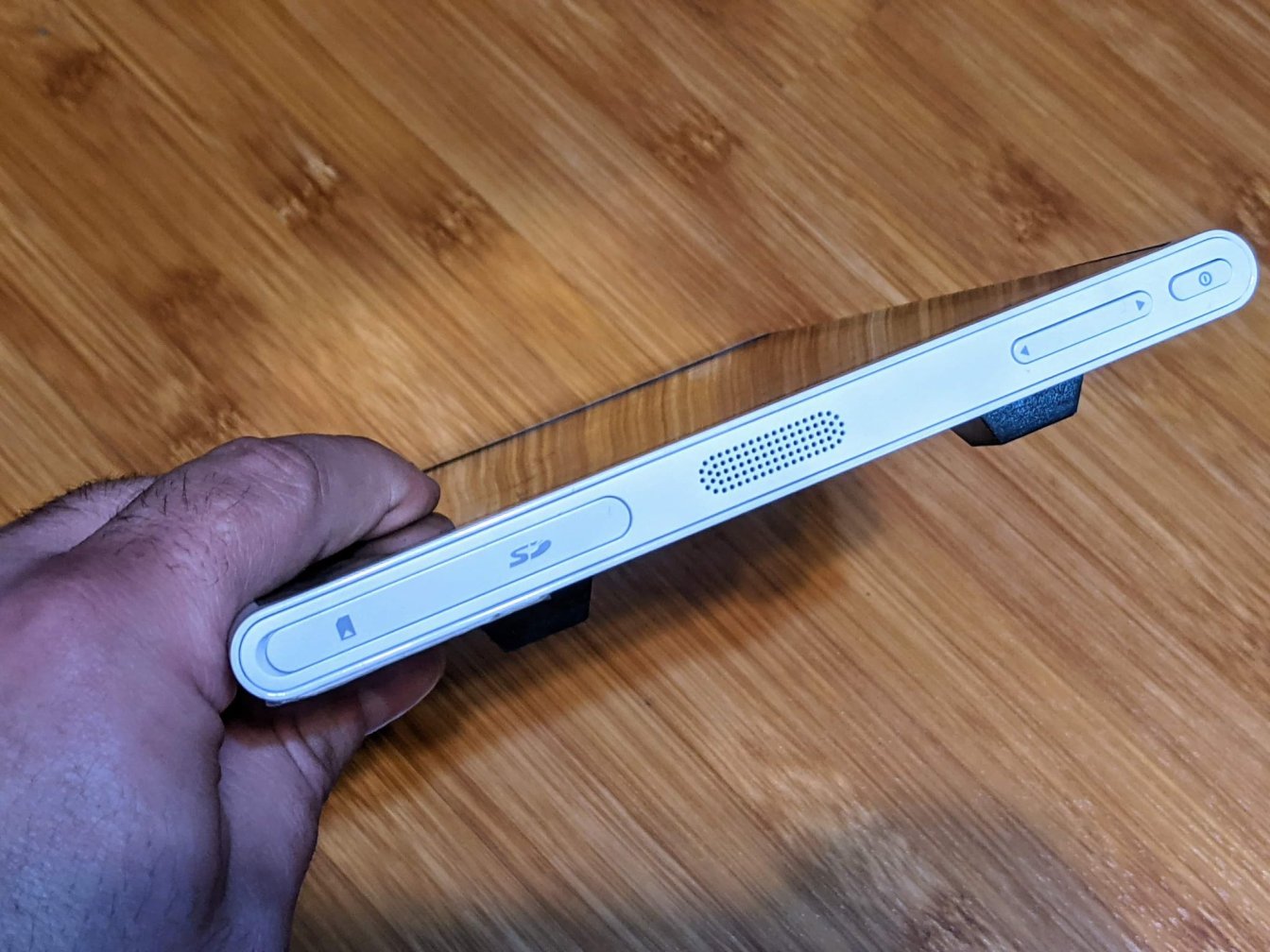
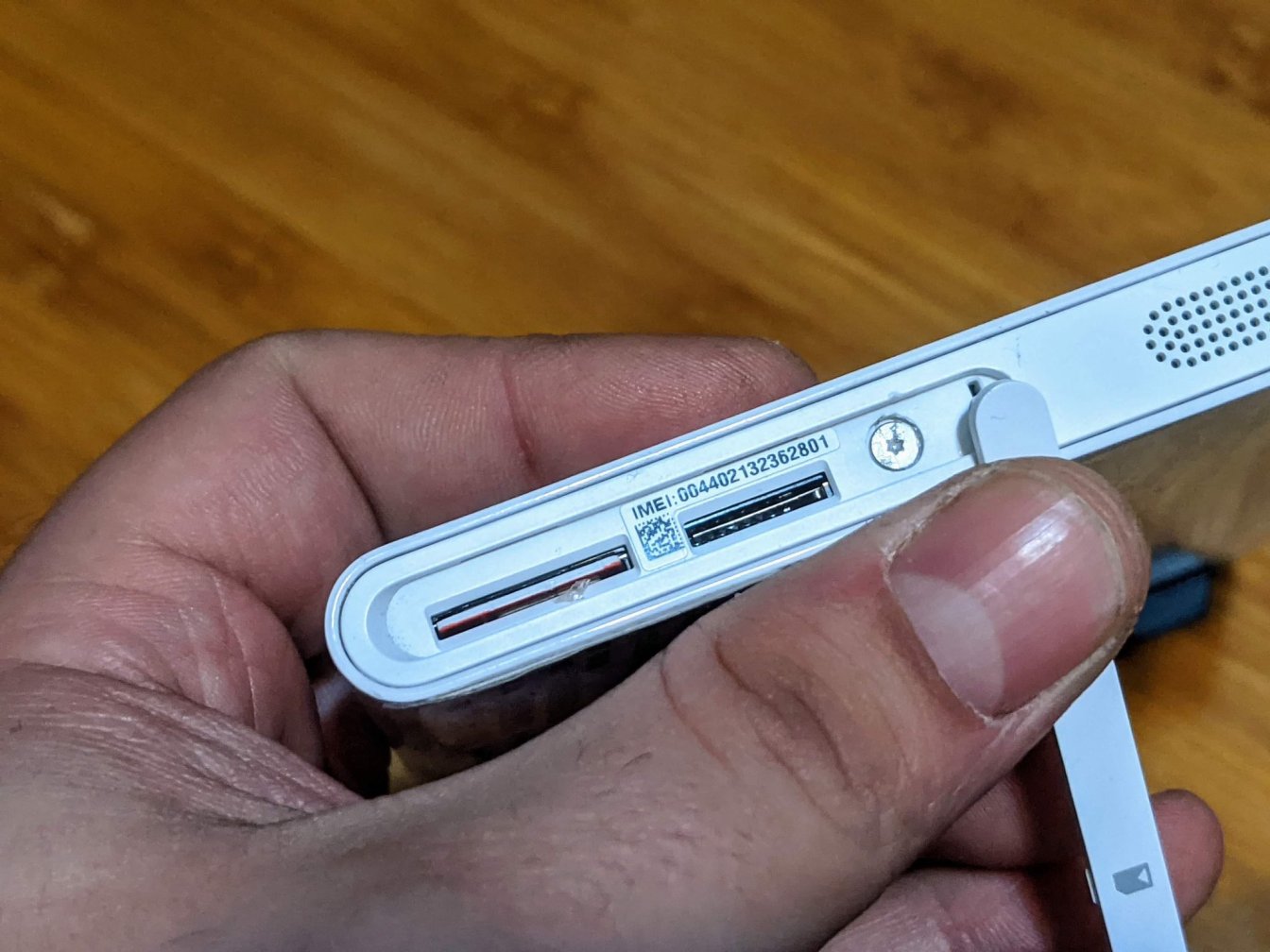
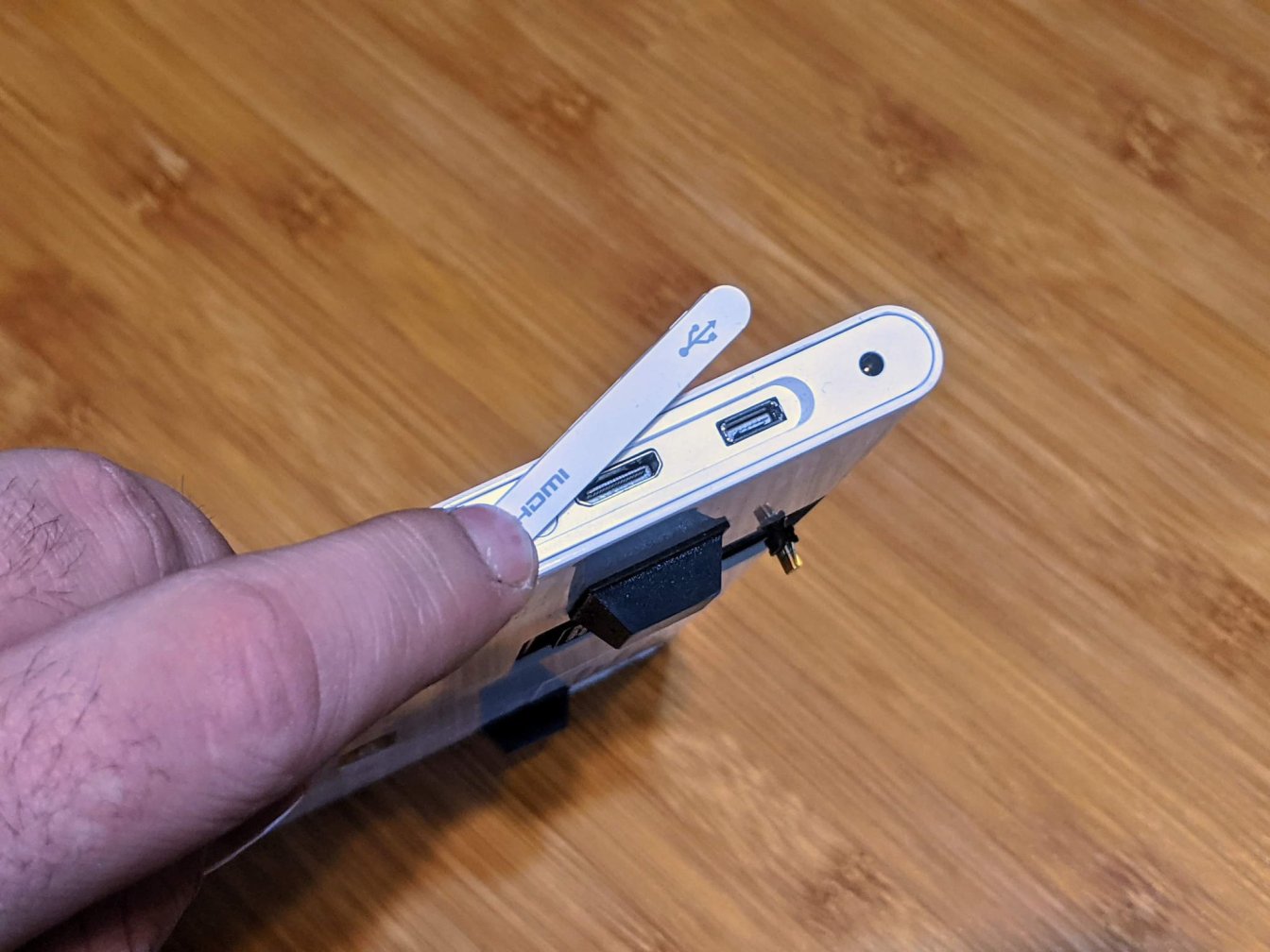
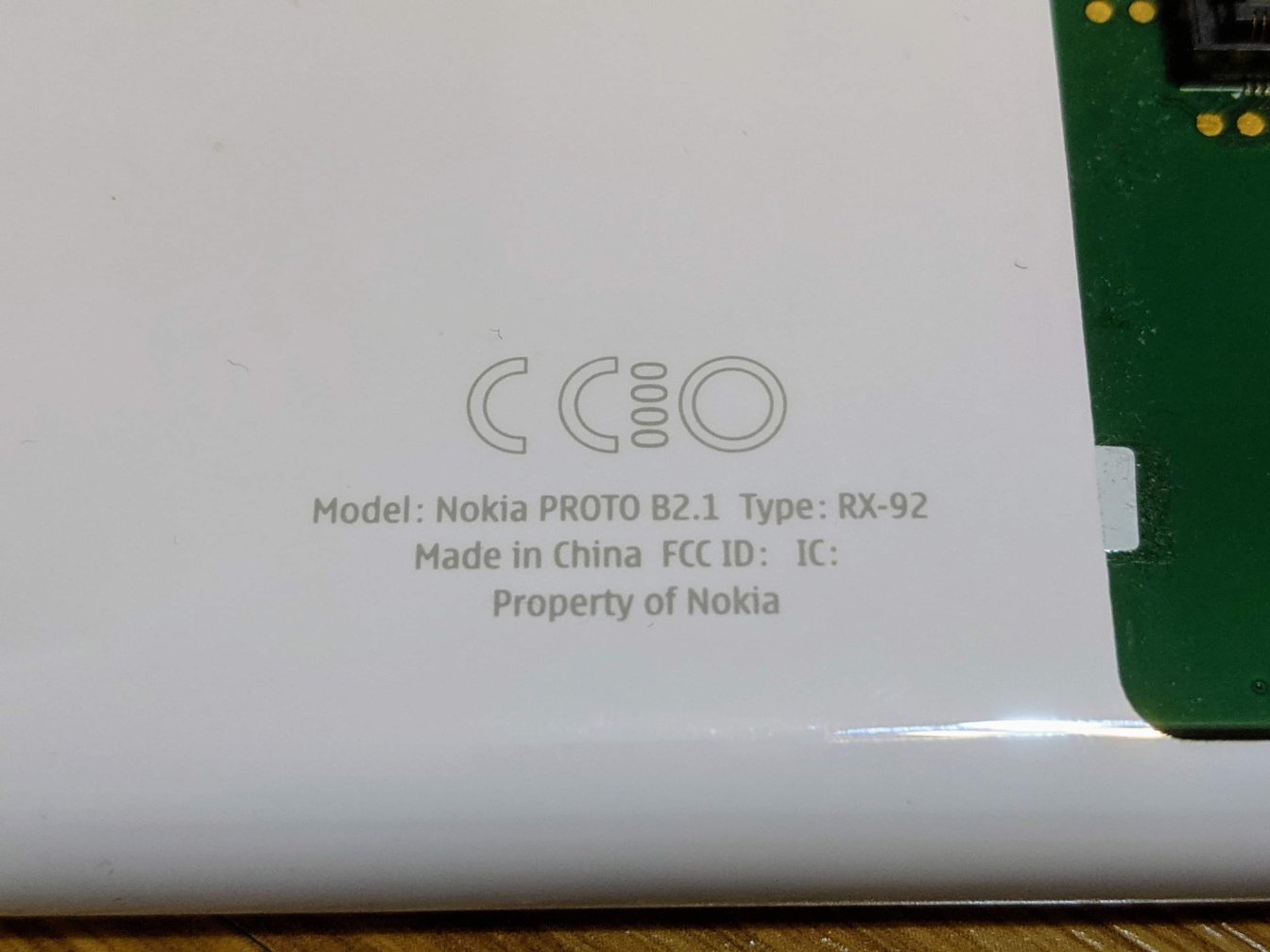
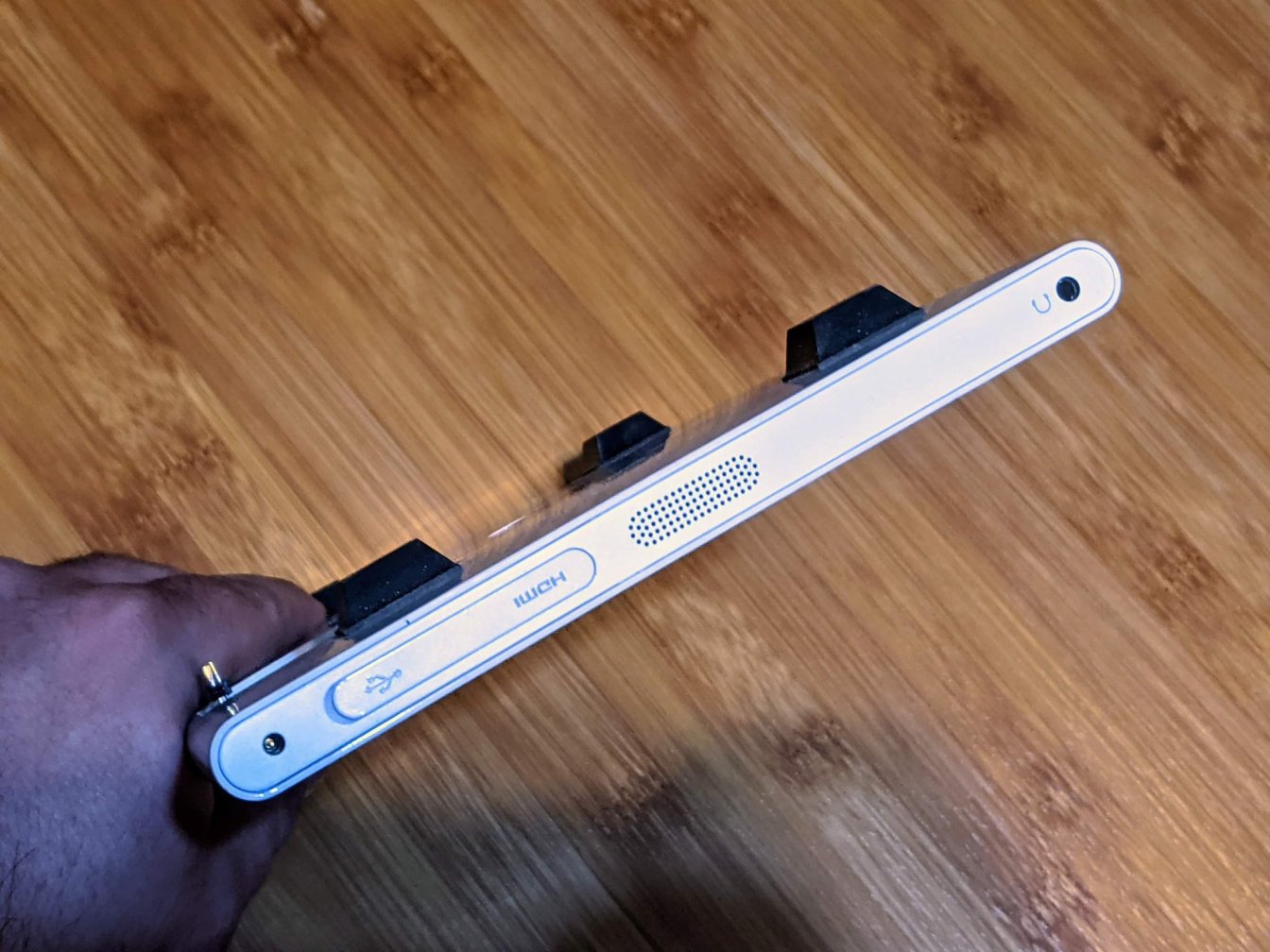
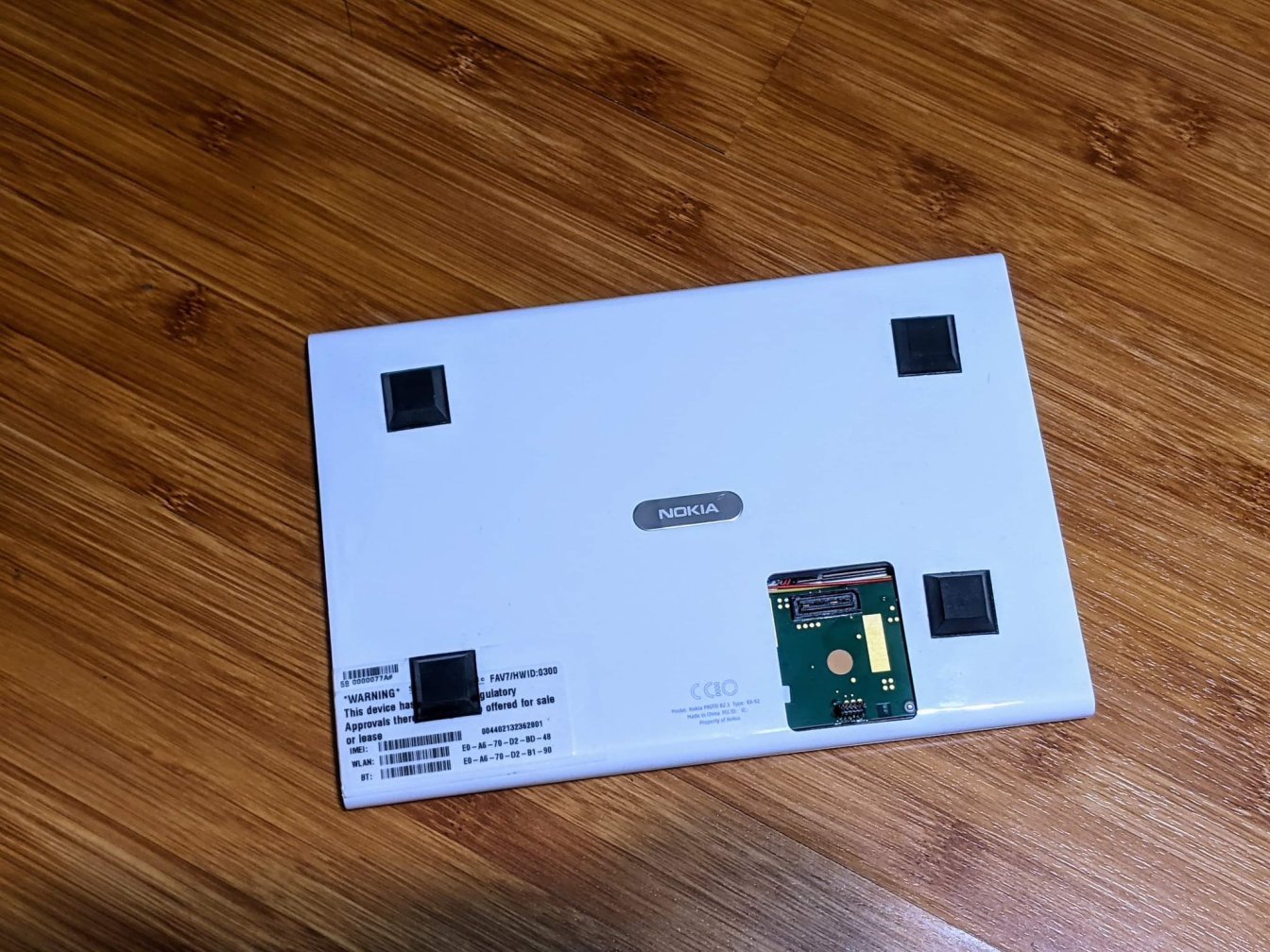
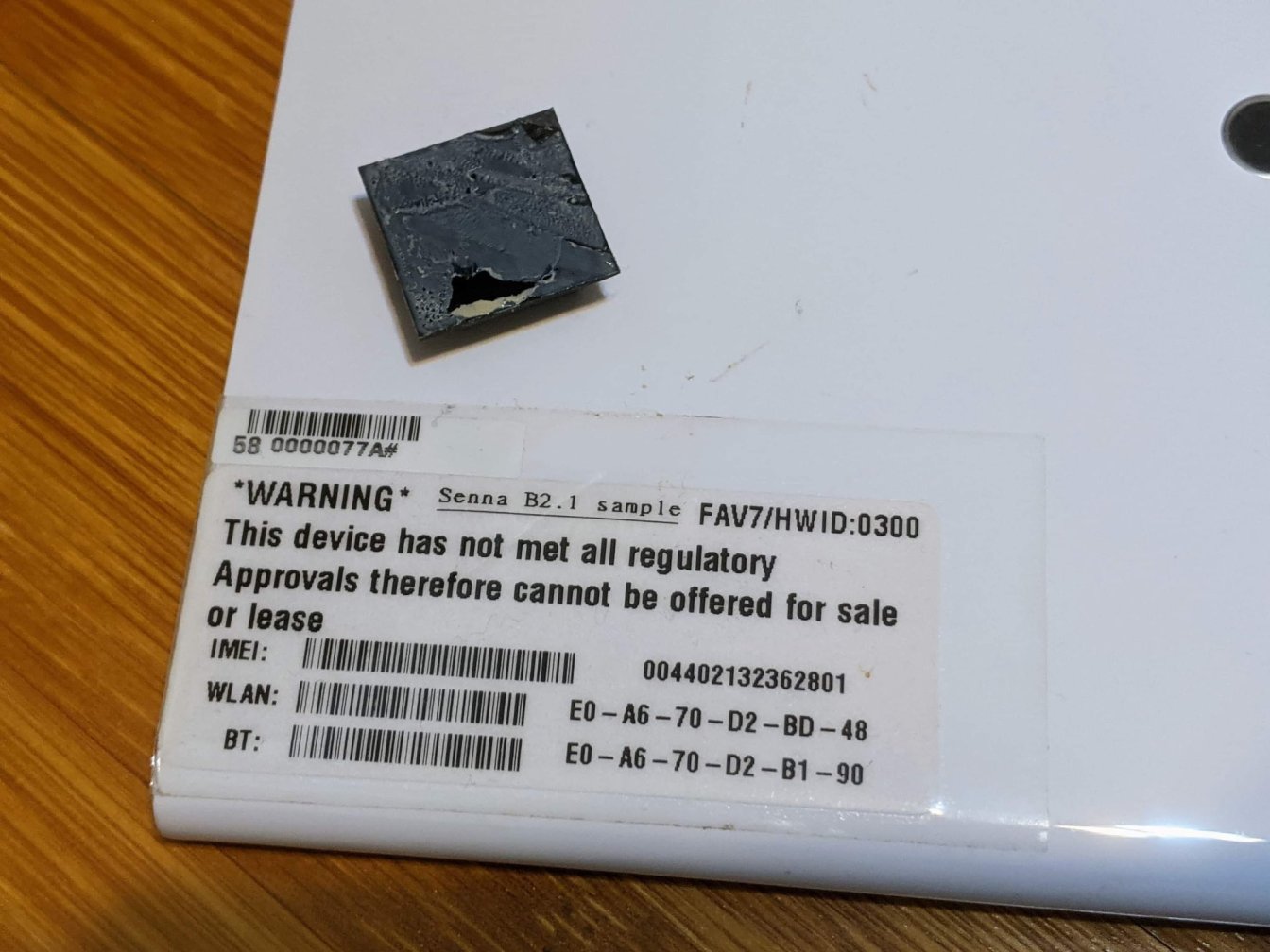
In the past few weeks, Nokia expert and tipster, Dimitros Vlachos had provided some inside details of a few Nokia phones that did not scale the hurdle of production. This week, Vlachos has added the Nokia Senna to this list, providing some details about the device which was canceled possibly after its development in 2011. Nokia had planned to replace its Symbian OS architecture with the MeeGo OS, and the Nokia Senna was also in development at the time.
The Senna was designed as a compact tablet based on the Nokia N9 design. However, the MeeGo ecosystem was abruptly discontinued as it was lacking in design and functionality behind the Android OS. A similar scenario led to the cancellation of the Senna production. The design concept of Senna was later to be deployed to the design of the WP8 tablet, although the Nokia 2520 that was released was also a great device.
Dimitros Vlachos has now provided some stunning live feeds of the canceled Senna tablet. Earlier in 2013, some images of the Senna surfaced online. Dimitros says the device was based on Sony-Ericsson’s Nova Thor chipset and it runs on vanilla MeetGo. As seen in the details provided by Dimitous, the Nokia Senna has similar UI and apps as found in the N9. The camera of the Nokia Senna is capable of recording 1080p videos, which is a great feat at the time of its development.
Nokia tablet
1 of 7
We could expect that Dimitros Vlachos may still have a few more unreleased/canceled Nokia models from the last decade. This is however not unconnected with the dynamics of the company at the time and its subsequent acquisition by Microsoft.
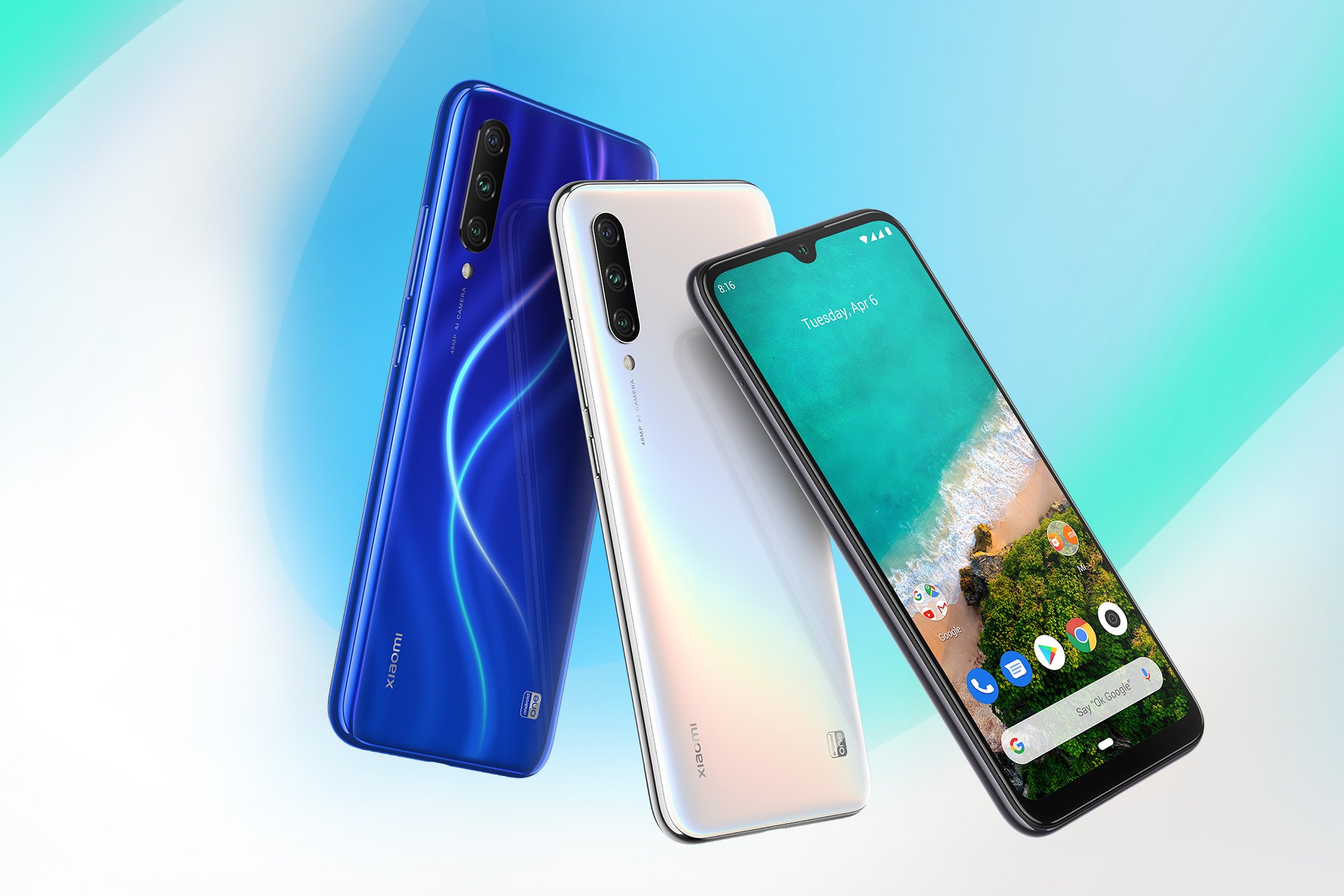
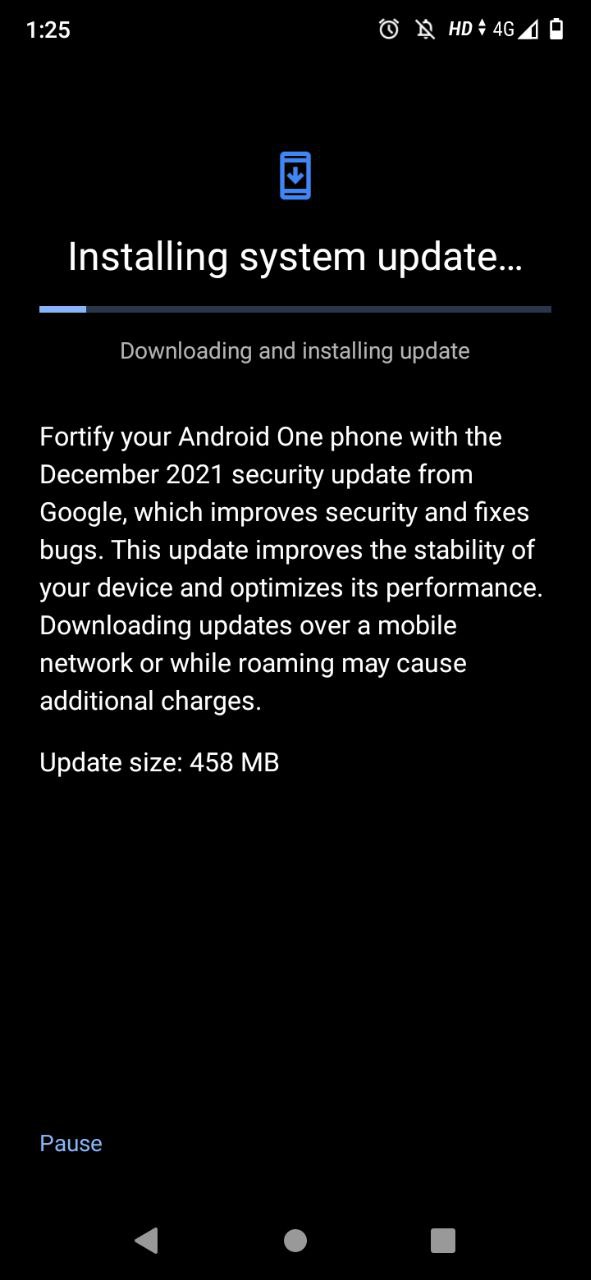
Xiaomi has rolled out a huge update of the Mi A3, which is the Chinese company’s last Android One smartphone. Xiaomi has continued to provide much important software support for the users of the Mi A3 even though the phone is gradually moving towards its end of days, as it were. In the aftermath of the late release of the November 2021 update, the December update for the device has now rolled out at a massive 458MB.
The Xiaomi Mi A3 will not be provided software support from July 2022, but Xiaomi is still sustaining the device for its global audience with these latest updates. Xiaomi had continued to provide timely and steady updates for the Mi A3 on a global scale. The Android 11-based update is codenamed V12.0.17.0 RFQMIXM. At a hefty 458MB, it is unclear yet what are the components of the December updates released. The Mi A3 has already received its two OS updates and will not be able to get the latest Android 12 OS officially.
The December 2021 security update from Google is meant to improve security and fix bugs on the Mi A3. It will enhance the stability of the device and optimize the overall performance of the Mi A3.
It’s only been a few months since OnePlus launched its first OnePlus Nord CE back in June 2021, and a new certification from BIS India indicates that OnePlus is bringing in the OnePlus Nord 2 CE soon to India.
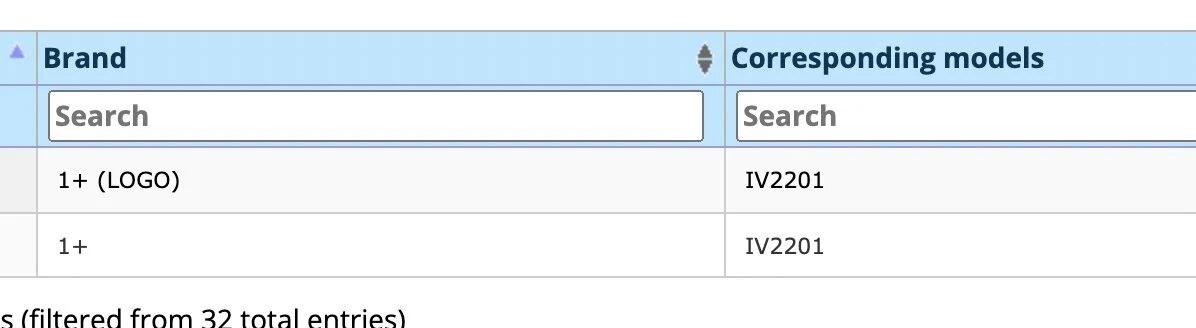
The news comes from a well-known Indian tipster, Mukul Sharma. He had shared with Twitter that he had found a new listing on India’s BIS database which had shown that OnePlus certified a new model with the model number IV2201, which was revealed earlier to be the model number for the OnePlus Nord 2 CE.
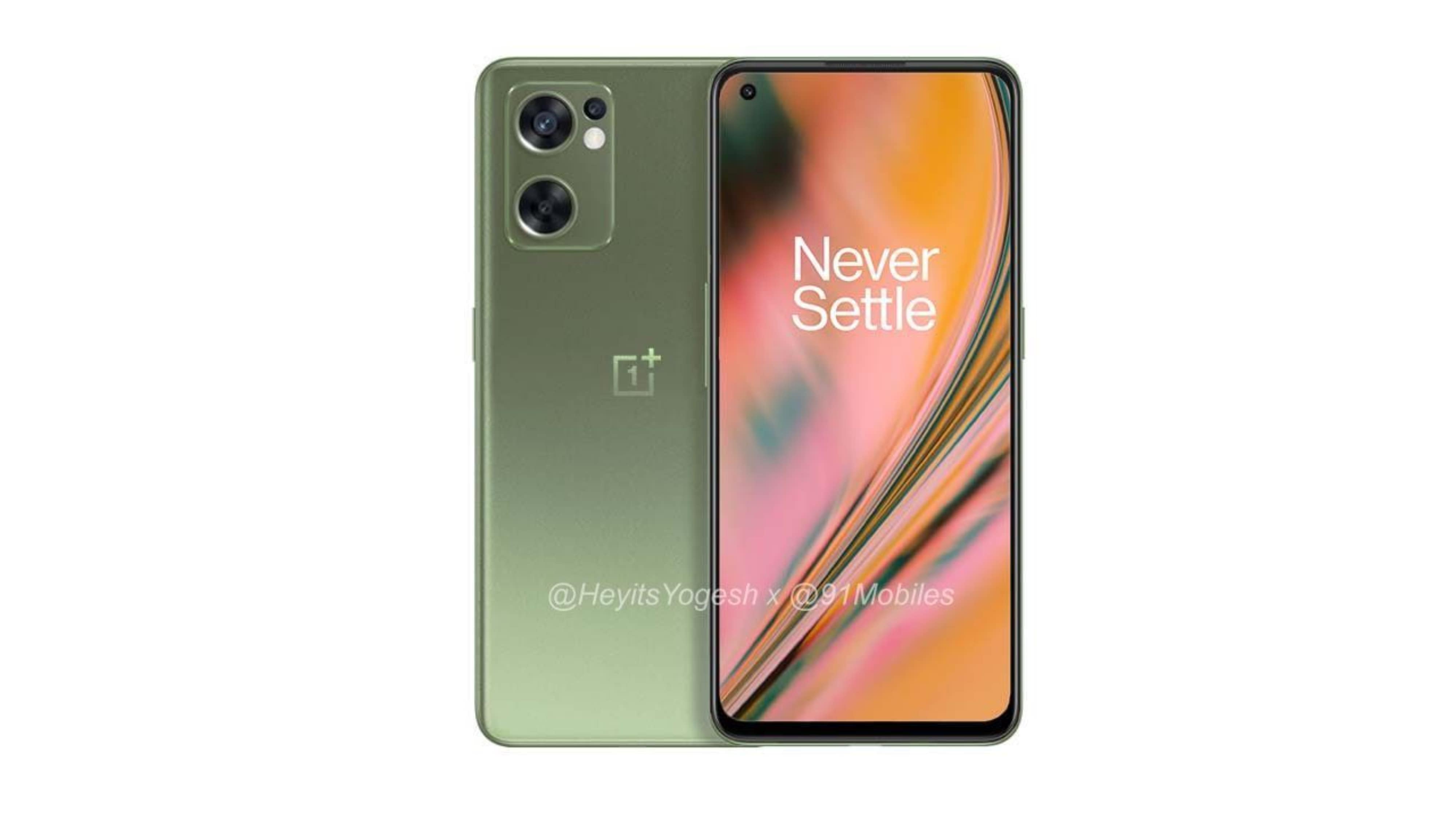
The database listing does not reveal much about the memory configurations, colour options or specs of the phone. However, fortunately, we have received many leaks from the past week on the features specs, and even supposedly leaked renders of the OnePlus Nord 2 CE. The renders show that the OnePlus Nord 2 CE is coming in two color options: Black and Green.
Previous leaks reveal that the OnePlus Nord 2 CE could come with a 6.4-inch 90Hz AMOLED display. Under the hood, the phone will be powered by the MediaTek Dimensity 900 5G processor with anywhere between 6GB to 12GB of RAM.
As for the internal storage capacity, there will be two options — 128GB and 256GB. It will have a triple-camera setup on the back, consisting of a 64-megapixel primary OmniVision lens, an 8-megapixel ultra-wide lens, and a 2-megapixel macro lens. On the front side, the device will have a 16-megapixel snapper for taking selfies and video calling.
The phone will come pre-installed with the latest Android 12 operating system with the company’s own OxygenOS 12 on top which is a unified OS from OnePlus and OPPO. It should pack a 4,500mAh battery with support for 65W fast charging.
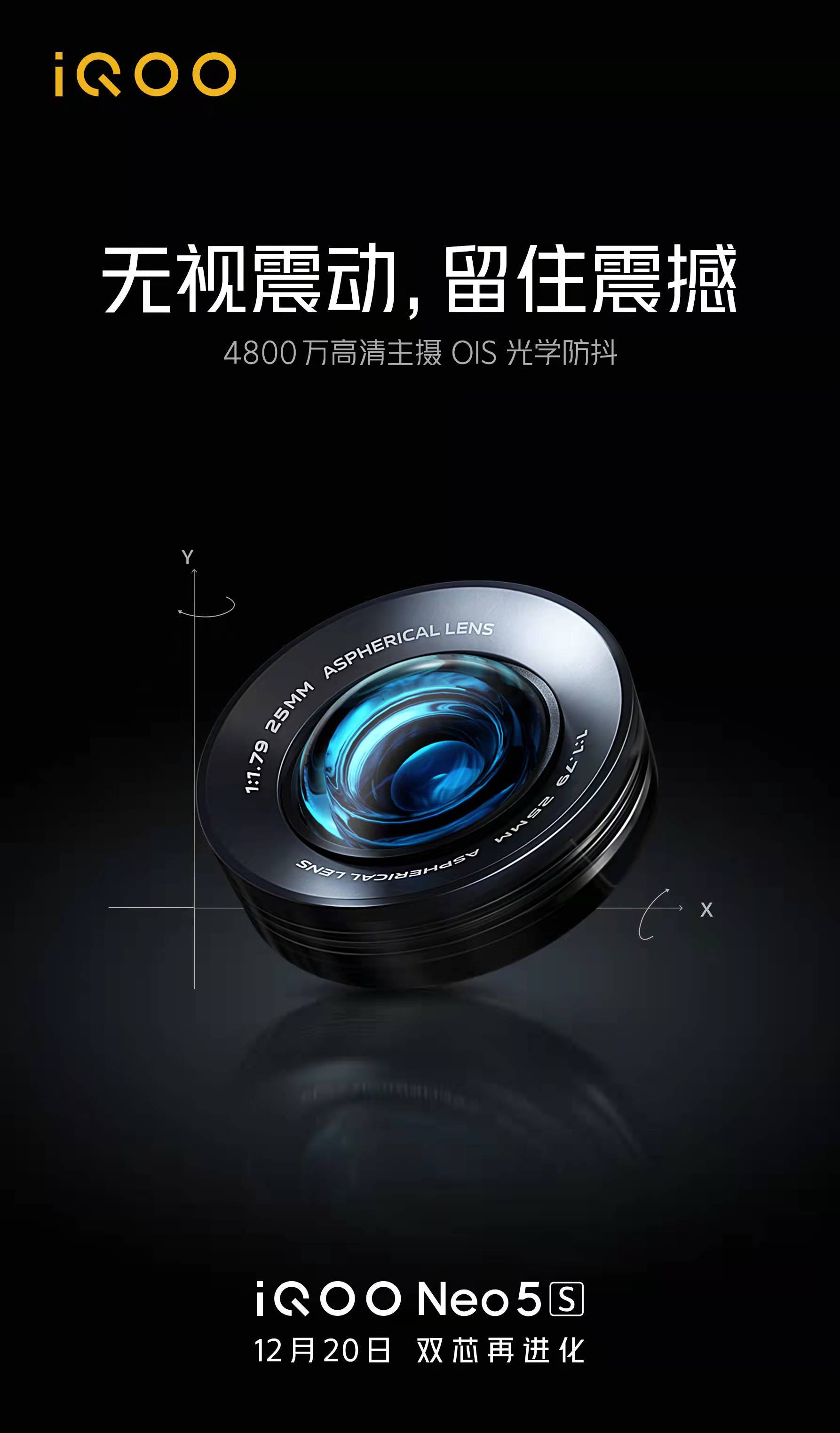
iQOO Neo5S and Neo5 SE are scheduled to go official on Dec. 20 in China. The latter will come with Snapdragon 870 chipset and a 50-megapixel triple camera unit. The official renders of the Neo5S have revealed it will come with an OIS-enabled triple camera unit. Today, the Chinese manufacturer confirmed that it will be equipped with a 48-megapixel primary snapper. It has also released a camera sample of the Neo5S.
The camera sample of the Neo5S shows that its dynamic range is excellent and offers realistic color reproduction. The main camera offers an f/1.79 aperture with a focal length of around 25mm and OIS support. The company is yet to share the details of the other cameras of the Neo5S.
Reports have revealed that the iQOO Neo5S has a Sony IMX598 lens as the primary snapper. For selfies, it will feature a 16-megapixel front-facing camera. Along with the Neo5 SE, it will be one of the first phones to come preinstalled with OriginOS Ocean UI based Android 11.
iQOO Neo5S camera sample
The iQOO Neo5S will be equipped with a 6.56-inch OLED panel that offers a Full HD+ resolution and a 120Hz refresh rate. The handset will be fueled by the Snapdragon 888 mobile platform. It may come with other specs such as up to 12 GB of LPDDR5 RAM, up to 256 GB of UFS 3.1 storage, and 66W fast charging. There is no information on the pricing of the Neo5S.
As far as Neo5 SE is concerned, it is expected to come with a 144Hz LCD panel, Snapdragon 870, 50-megapixel triple cameras, and 55W fast charging. The device is likely to be in the price range of 2,000 Yuan (~$314).
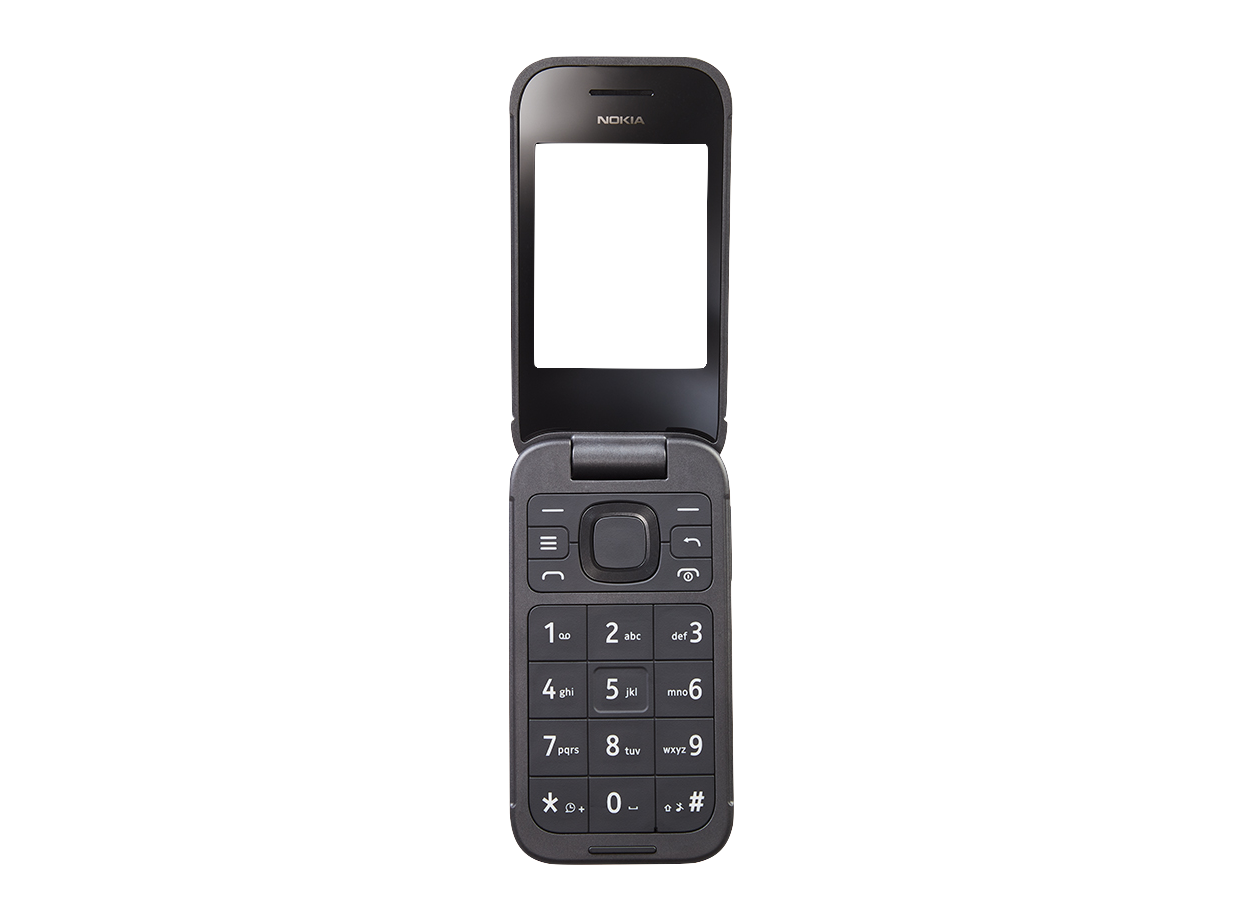
A recent report by the Nokia Power User claimed that a Nokia N139DL flip phone with model number TA-1398 at the FCC (Federal Communications Commission) platform. Now, the same publication has come across a product listing to reveal its design and specifications. It is speculated that the device may launch with the Nokia 2760 Flip 4G moniker, and it will run on KaiOS.
According to the publication, the details of the Nokia 2760 Flip 4G has appeared through the official listing at Tracfone. Here is all the information on the specs and design of the company’s next flip phone.
Nokia 2760 Flip 4G specifications
The Nokia 2760 Flip 4G measures 4.33 x 2.28 x 0.76 inches and weighs 4.8 ounces. The screen of the flip phone supports 240 x 320 pixels resolution. It has a 1,450mAh battery that offers a talk time of up to 6.8 hours and a standby time of up to 13.7 hours.
Nokia 2760 Flip 4G
The Nokia 2760 Flip 4G has a 5-megapixel rear-facing camera. There is no information on the internal storage of the device. For additional storage, it will come equipped with a microSD card slot.
The other features of the flip phone include 4G, Wi-Fi, Bluetooth, GPS, multimedia messaging, handsfree speaker, color display, mp3 player, and T4/M4 Hearing Air Compatible (HAC) rating. After Nokia 6300, Nokia 2720 Flip, Nokia 800 Tough, Nokia 8000, and Nokia 8110, the 2760 Flip will be the company’s sixth phone to come with KaiOS.
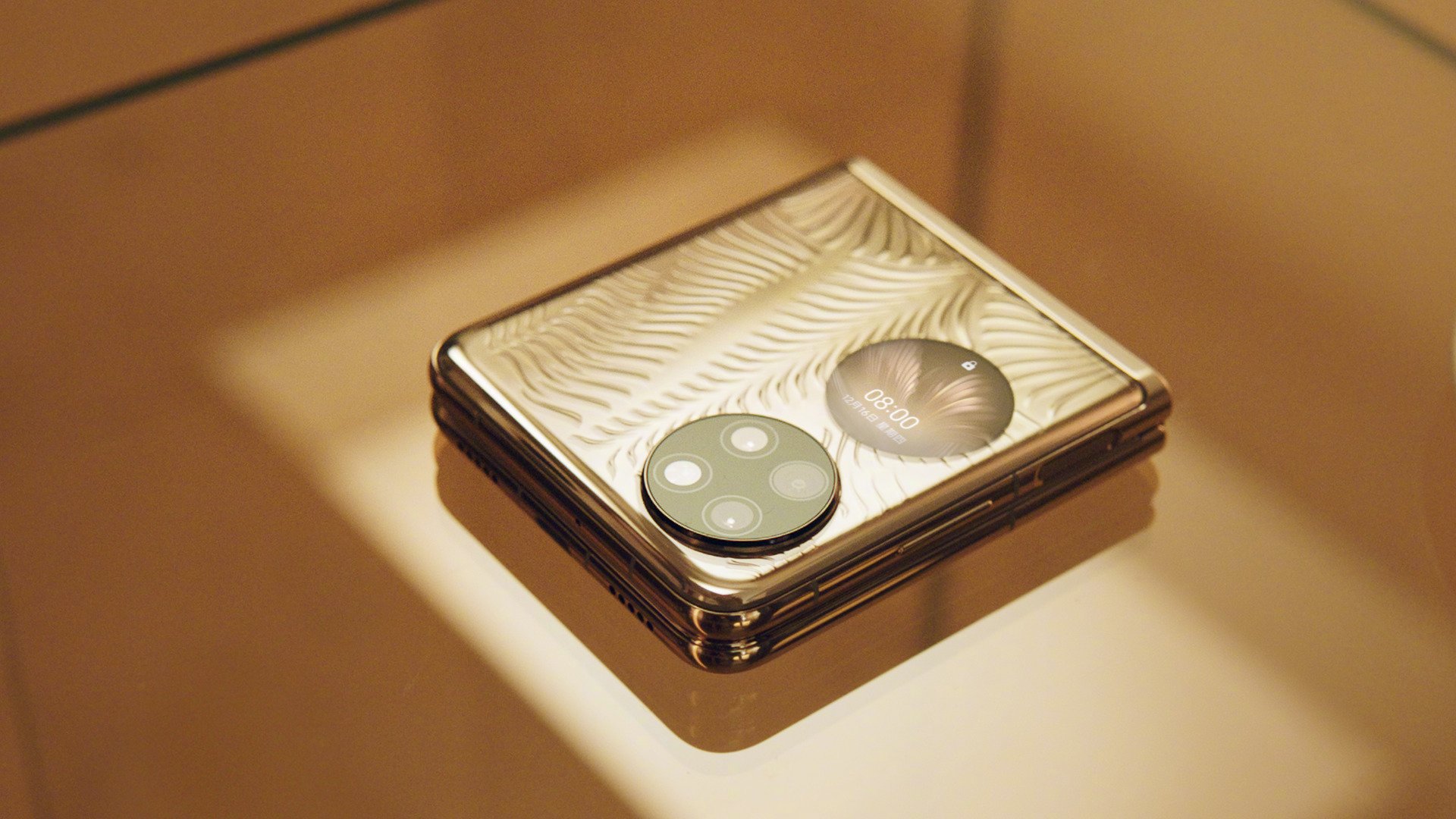
The P50 Pocket will be debuting as Huawei’s first flip phone with a foldable screen on Dec. 23. A fresh report by MyDrivers has revealed the key specifications of the P50 Pocket. The leak reveals that It will not be a 5G device.
Huawei P50 Pocket specifications (Rumored)
The report reveals that the Huawei P50 Pocket will feature a 6.8-inch inner foldable display and a 1-inch circular secondary display. There is no information available on the design of the P50 Pocket’s internal display. The clamshell device is powered by the Kirin 9000 chipset, which will lack support for 5G connectivity.
The rear camera setup of the Huawei P50 Pocket has a Sony IMX766 50-megapixel primary camera. It will be coupled with a 13-megapixel ultrawide lens and an 8-megapixel telephoto camera with 3x optical zoom. The megapixel count of its front camera is yet to be revealed.
Huawei P50 Pocket
The P50 Pocket will be backed by a 4,100mAh battery, which will seemingly offer a long battery life. The device will carry support for 66W fast charging.
As far as pricing is concerned, the Huawei P50 Pocket is likely to be priced lower than the Galaxy Z Flip 3, which debuted with a price tag of $999. Readers are advised to digest the Huawei P50 Pocket specs leak with a grain of salt. The Dec. 23 event will also see the launch of other products such as the Watch D smartwatch, smart glasses, notebooks, and more.
It has not been even one week since the announcement of Dimensity 9000 from MediaTek on their 16th December event, yet rumors are already spilling out for MediaTek’s next addition to the Dimensity family, the Dimensity 8000!
No news of specs or benchmarks of the Dimensity 8000 were leaked, however, an insider in China posted on Weibo that allegedly in 2022, Redmi will be releasing its Redmi K50 with the MediaTek Dimensity 8000 processor whereas Realme will be releasing its Realme GT Neo3 with the Dimensity 8000 under its hood too.
If the leaks are to be believed, the Redmi flagship K series will be fully transitioning from Qualcomm Snapdragon chips to MediaTek Dimensity processors next year. They are respectively, Dimensity 9000 for the Redmi K50 Pro and Dimensity 8000 for the regular Redmi K50.
This comes as a surprise as throughout the flagship Redmi K series, Redmi has never used MediaTek for its flagships prior to 2021. Redmi only used a MediaTek processor once for its flagships, which was the Redmi K40 Gaming Edition. For reference, the Redmi K40 series debuted in early 2021 with the flagship Snapdragon 888 for the Redmi K40 Pro & Redmi K40 Pro Plus, and the Snapdragon 870 for the regular Redmi K40.
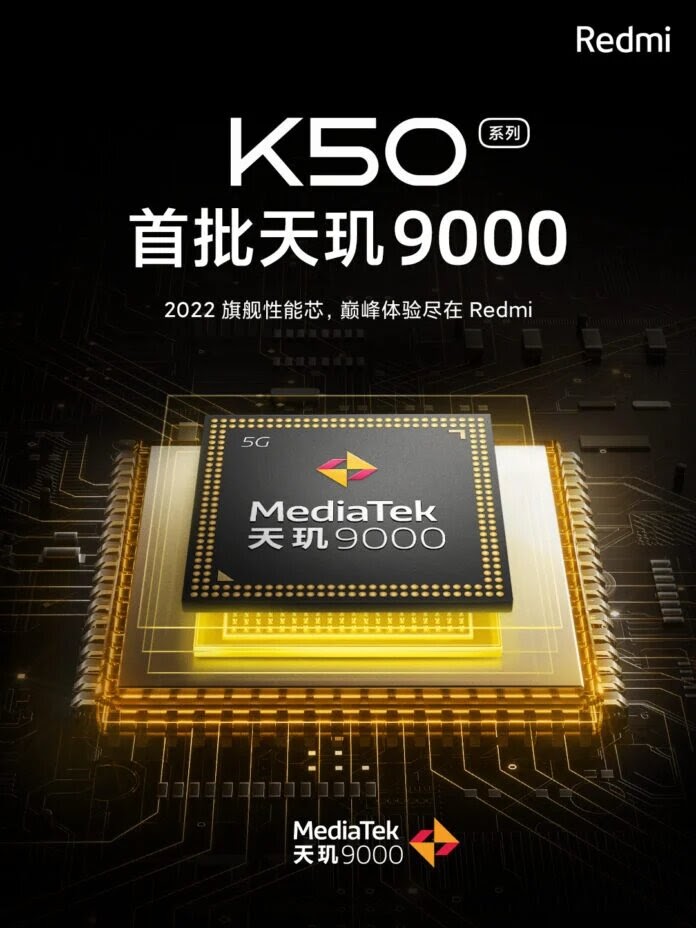
2022 seems like the year where MediaTek could finally stand against its rival Qualcomm as both Oppo and Redmi had confirmed that they will be using their flagship processor, the Dimensity 9000 chipset in both their upcoming flagships. Henry Duan, Vice President at Oppo, revealed the next Find X flagship, presumably, the regular Find X4, will be its first device to be launched with the MediaTek Dimensity 9000. As for Redmi, General Manager of Redmi & Vice President of Xiaomi, Lu Weibing announced that Redmi will be using the Dimensity 9000 as well in their Redmi K50 series.
A clever way by phone manufacturers to overcome the disappearing 3.5mm headphone jack trend on smartphones was to release their own first-party TWS earbuds for consumers to buy with their smartphones. However, the prices of these first-party earbuds were normally not quite the price-to-performance that you were getting on their smartphones because of the higher pricing. The solution? 3rd party high price-to-performance TWS earbuds from tech startups! A new yet familiar name to the TWS earbuds scene is Noise with its latest addition the affordable Noise Beads TWS earbuds for only Rs. 1499 (~$20).
The disappearing 3.5mm headphone jack trend in flagships has been ongoing for many years, ever since Apple released the iPhone 7 in 2016. And lately, it has also crept into the budget and mid-range segment with Xiaomi removing it from the Poco X3 GT, the Poco F3 series, the Mi 11X series, and Realme removing it from its Realme GT Neo2 and Realme X7 Pro.
The Noise Beads TWS earbuds have silently debuted via a listing on Amazon India with an introductory price of Rs. 1499, and going on sale in India starting 12 pm noon on December 24. The listing also suggests that after the sale, the earbuds are going to retail for Rs. 3,499 after the sale.
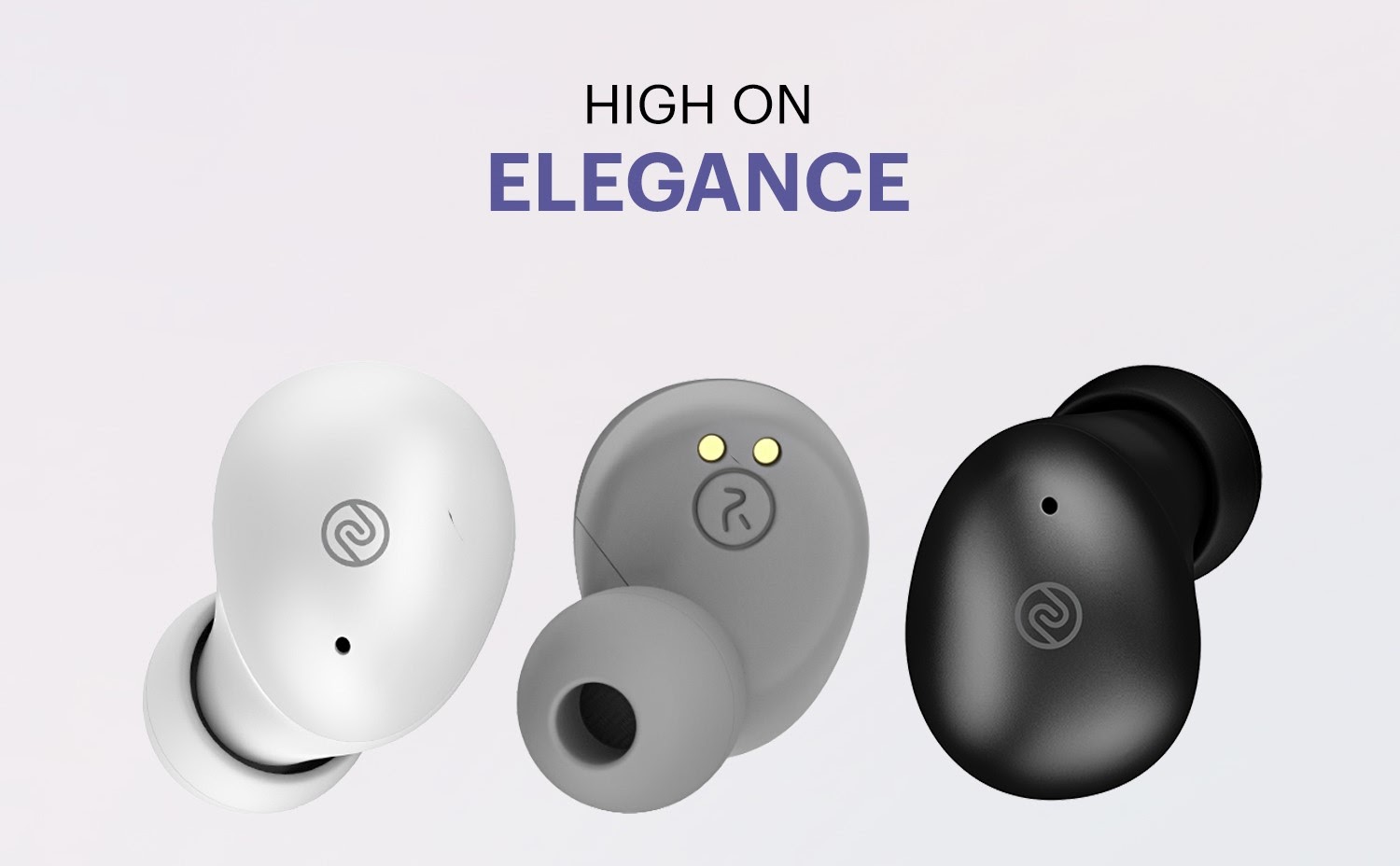
As for the build, the Noise Beads TWS earbuds come in a metallic finish as well as an ergonomic design with silicone tips for a convenient fit. The earbuds are rated for IPX5 sweat and splash resistance, convenient for joggers who always sweat on the move. The earbuds are lightweight too, as each Noise Beads earbud weighs 4.5 grams. The earbuds feature a beads-like design and come in a compact charging case. Users also have three different color options to choose from: white, gray and black.
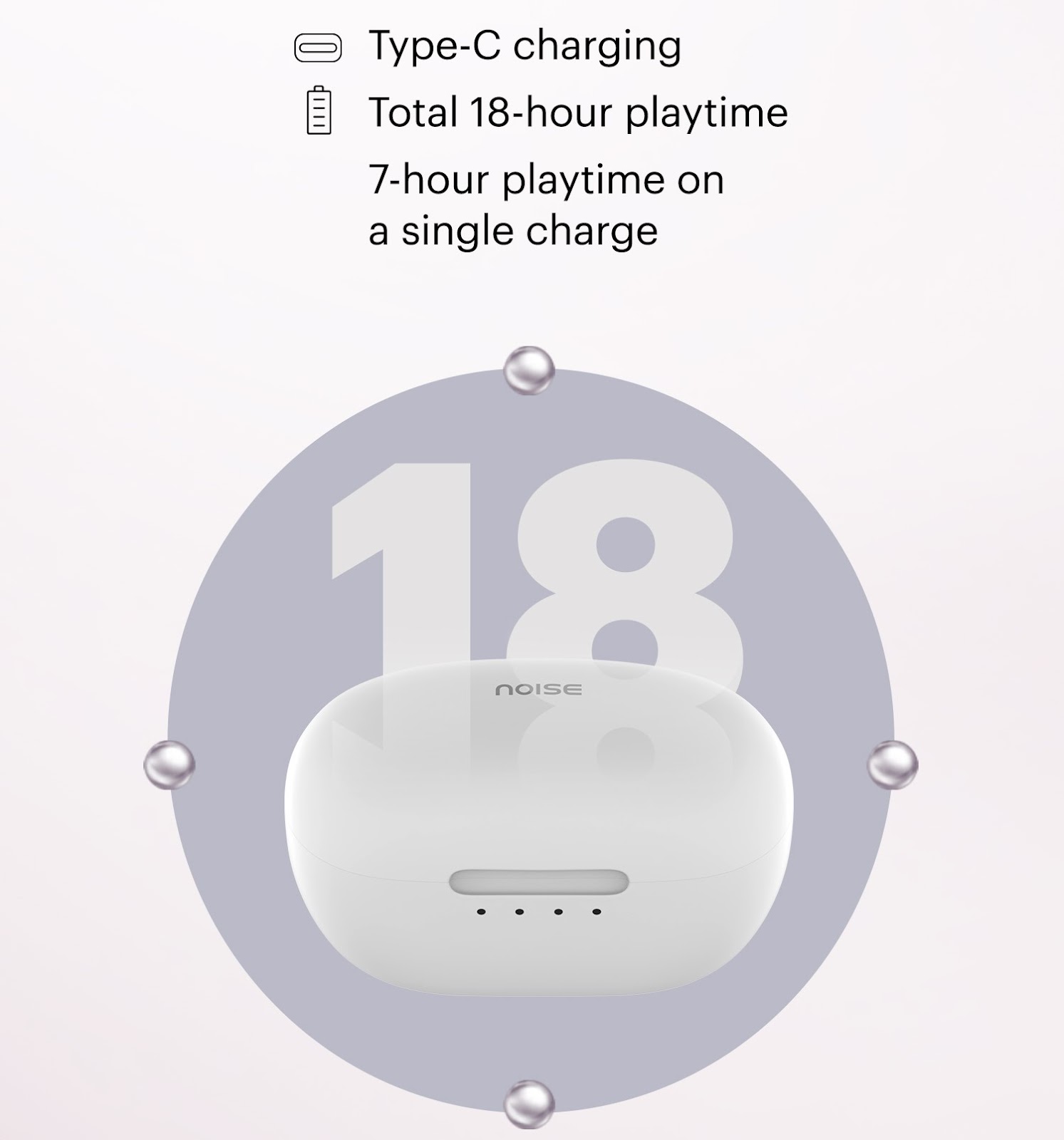
For endurance, Noise claims that the Beads can deliver up to 18 hours of listening time on a single charge. The description specifies that each earbud has a dedicated battery that is rated to offer seven hours of playtime on a single charge. For charging, the Noise Beads comes in a charging case with a USB Type-C port for convenient charging.
Other features of the Noise Beads include Bluetooth v5.1 connectivity that is paired with a proprietary Hyper Sync technology, touch controls and support for voice assistants. The Noise Beads come equipped with Siri and Google Assistant, allowing the earbuds to be easily paired and used with either an iPhone or an Android phone.
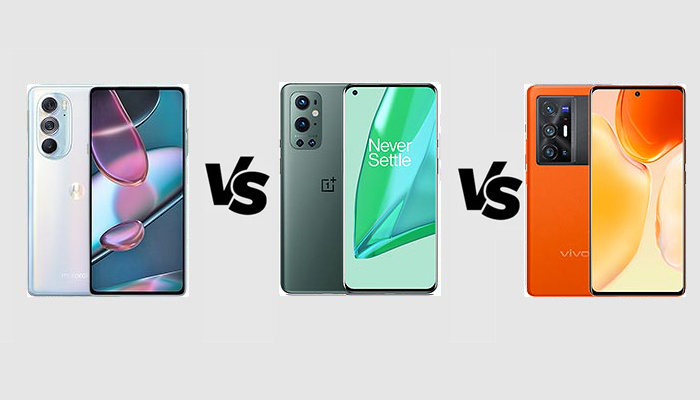
Motorola released the world’s first flagship with the Snapdragon 8 Gen 1 three days ago and it is already a huge success. During the first sales, 10.000 units have been sold in less than three minutes. But the Motorola Edge X30 is not the only amazing flagship available in its price range. Despite it coming with the Snapdragon 8 Gen 1, the Motorola Edge X30 is not a top-tier flagship. That is why a lot of people are wondering whether they should opt for the new flagship due to the Snapdragon 8 Gen 1 processor or they should consider an older top-tier flagship but with an inferior chipset. This comparison between Motorola Edge X30, OnePlus 9 Pro, and Vivo X70 Pro+ tries to answer this question.
Motorola Edge X30 vs OnePlus 9 Pro vs Vivo X70 Pro+
Motorola Edge X30
OnePlus 9 Pro
Vivo X70 Pro+
DIMENSIONS AND WEIGHT
163.6 x 75.6 x 8.5 mm,
194 g
163.2 x 73.6 x 8.7 mm,
197 g
164.5 x 75.2 x 8.9 mm,
209 g
DISPLAY
6.7 inches, 1080 x 2460 pixels (Full HD+), OLED
6.7 inches, 1440 x 3216 pixels (Quad HD+), Fluid2 AMOLED
6.78 inches, 1440 x 3200 pixels (Quad HD+), AMOLED
If we exclude the amazing leather variant of the Vivo X70 Pro Plus, I personally prefer the design of the OnePlus 9 Pro. First of all, it is the most compact phone. Further, it has a curved screen at the edges and a minimalistic camera module on the back. The rear is made of glass and the profile is made of aluminum. OnePlus 9 Pro is waterproof with the IP68 certification, just like the Vivo X70 Pro+, while the Motorola Edge X30 is just water repellent. The Motorola Edge X30 takes the last place, it does not have a curved screen and it is built with fewer premium materials.
Display
Despite the Motorola Edge X30 featuring the highest refresh rate with 144 Hz, it does not offer the best display. The OnePlus 9 Pro and the Vivo X70 Pro+ have better panels with a higher Quad HD+ resolution of 1440 x 3200 pixels and 1440 x 3216 pixels, respectively. They show up to one billion colors with the HDR10+ certification and diagonals of 6.7 and 6.78 inches, respectively. Unlike the Motorola Edge X30 coming with a side-mounted fingerprint reader, the OnePlus 9 Pro and the Vivo X70 Pro Plus have in-display fingerprint readers.
Specs & Software
The most advanced hardware department is guaranteed by the Motorola Edge X30 as it features the best Snapdragon 8 Gen 1 mobile platform. Currently, the Motorola Edge X30 is the most powerful out there and it will be soon joined by Realme GT 2 Pro and Xiaomi 12. Alongside the Snapdragon 8 Gen 1 processor, there are up to 12 GB of RAM and up to 256 GB of UFS 3.1 native storage. The silver medal goes to the Vivo X70 Pro+ fueled by a Snapdragon 888+ mobile platform, but the OnePlus 9 Pro is closer with its Snapdragon 888.
Camera
If you are looking for the best and most versatile camera setup, then you should go for the Vivo X70 Pro+ without thinking twice. It has a 50 MP main sensor with OIS and laser autofocus, an 8 MP periscope sensor with 5x optical zoom, a 48 MP ultrawide camera with gimbal OIS, and a 12 MP telephoto lens with 2x optical zoom. The Motorola Edge X30 wins the front camera comparison with a 60 MP snapper supporting 4K video recording.
The Motorola Edge X30 is the king of battery life because it features a bigger 5000 mAh battery. But unlike the Vivo X70 Pro+ and the OnePlus 9 Pro, it lacks wireless charging.
Price
Motorola Edge X30 starts from €420/$472 in China, just a half of the prices of the Vivo X70 Pro+ and the OnePlus 9 Pro. The Edge X30 is definitely inferior overall because its rivals offer better displays and cameras, but it provides higher performance and longer battery life, which is the reason why its value for money is very high.
Motorola Edge X30 vs OnePlus 9 Pro vs Vivo X70 Pro+: PRO and CONS
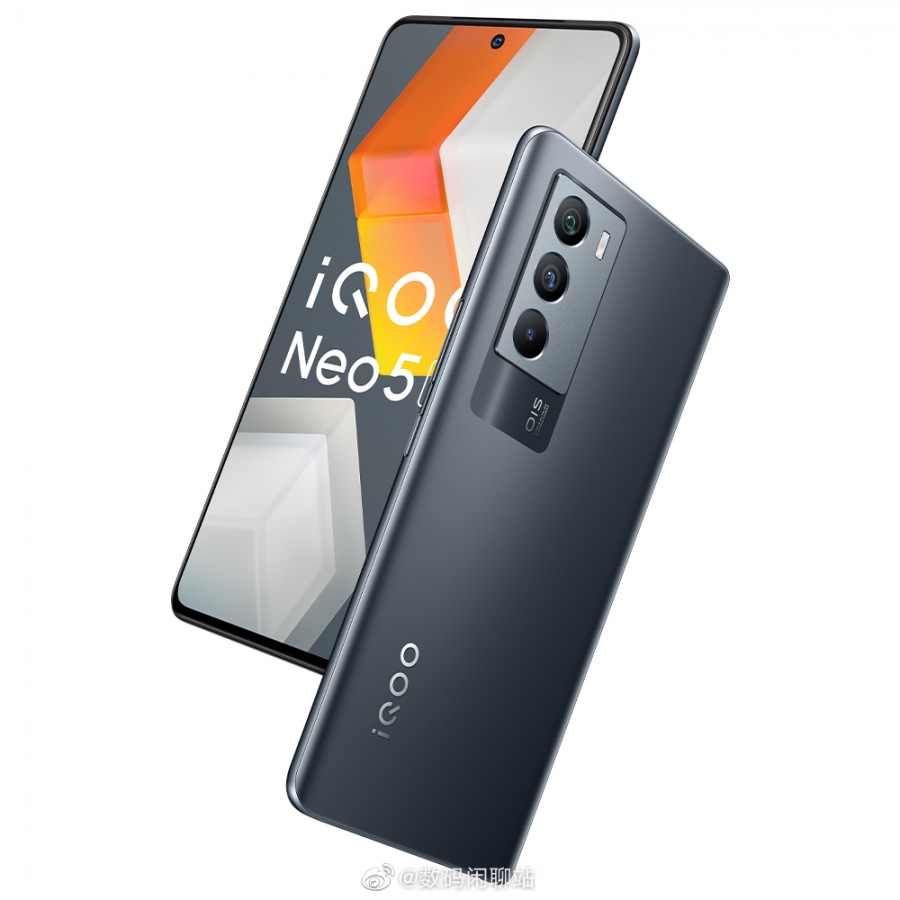
iQOO has scheduled to launch the Neo5s smartphone on December 20 in China. Ahead of its release, the key specs of the phone were revealed. Now, the phone’s high resolution renders have been surfaced giving us a closer look at its design.
According to the renders, the iQOO Neo 5s has a flat-screen display with a thin-bezel design. It is a punch-hole panel that is touted to be a 6.56-inch OLED screen. It has a 120Hz refresh rate and a Full-HD+ resolution.
1 of 2
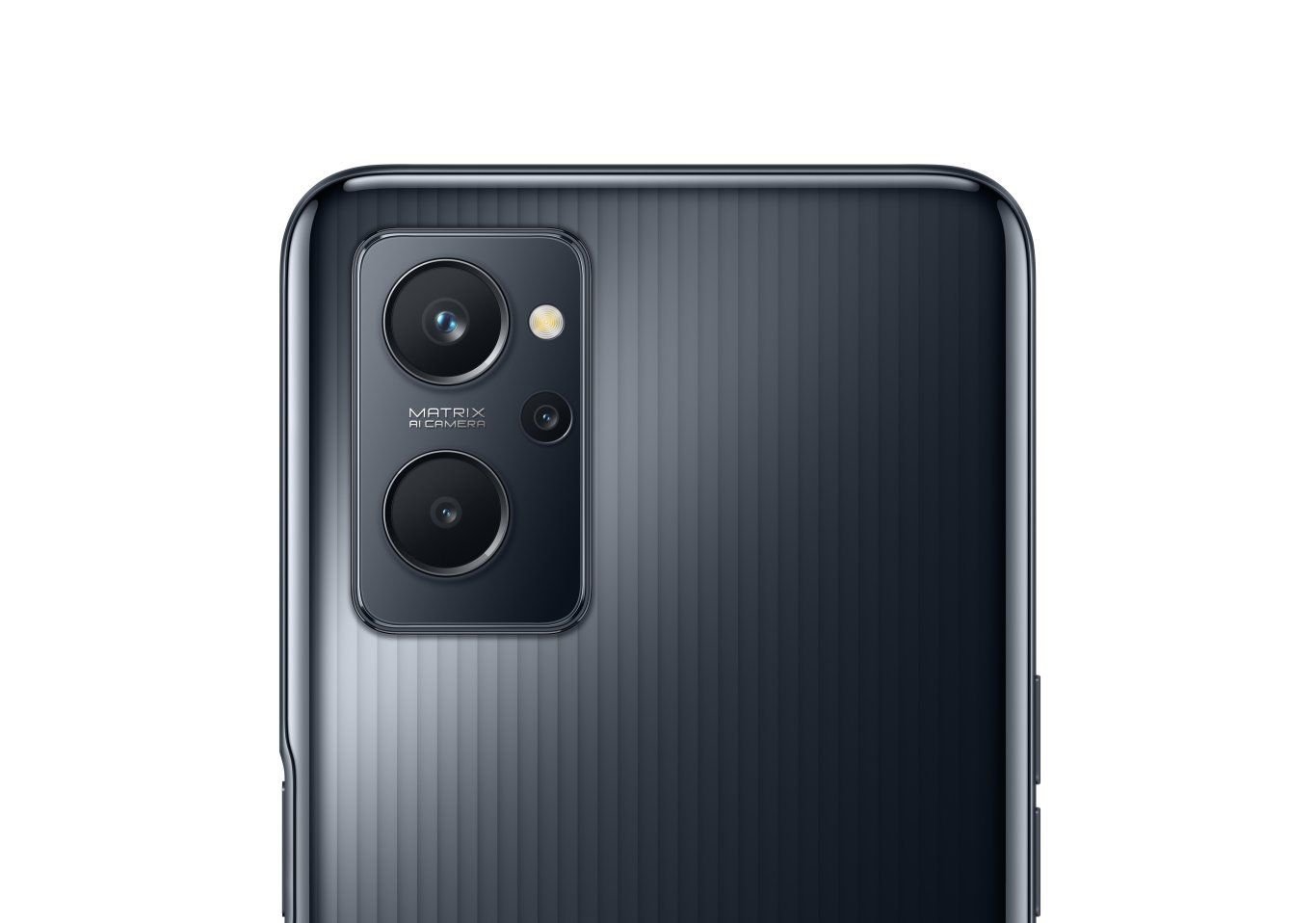
Moving to the rear, the smartphone has a triple camera system placed vertically. It has a 48MP Sony IMX598 primary lens with OIS(Optical Image Stabilization) support. The details of the other lens are yet to be known but we expect the secondary lens to be an ultra-wide sensor. Besides the camera lenses, there’s an LED flash. The device also has an iQOO branding at the bottom left-side.
Apart from this, the other specs of the phone have been teased previously. Under the hood, the device is expected to come powered by the Qualcomm Snapdragon 888 SoC. It will also have an independent display chip that will offer improved gaming performance.
It may house a big battery and will have 66W fast charging support. The device will run on Android 12 out of the box with OriginOS on top of it. Reportedly, the iQOO Neo5s will also come with a heat dissipation system that will be equipped with rare earth elements. It will make sure that the device doesn’t get heated up while playing intense games.
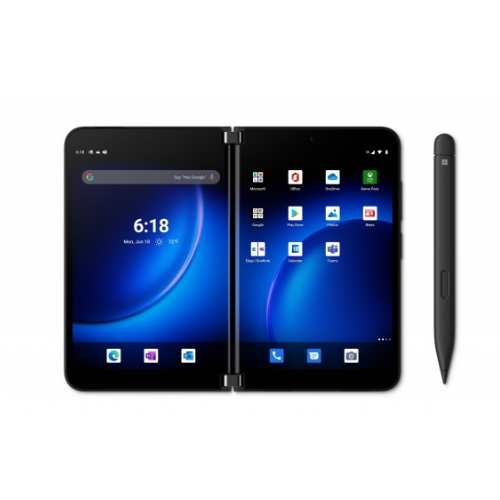
Microsoft launched the Surface Duo 2 phone back in September, with the device arriving with several improvements over the predecessor. However, the first-gen Surface Duo owners have been stranded on an Android 10 based operating system for a while. Now, reports have emerged that the Surface Duo is having some basic functionality issues on its software side. According to a report by MSPoweruser, after the December 2021 update, the Surface Duo has started to glitch when it comes to the copy and paste feature. Reddit user Chris St Aubyn took to the r/surfaceduo subreddit to post about his issue. Aubyn said the copy/paste feature is now broken on his Surface Duo device. But apparently, his device is not the only one that has developed this issue.
One Duo owner wrote that the new patch is “ruining my whole multitasking experience.” While another one complained: “I’m having a problem where text that is copied from one screen doesn’t paste on the other. Which for me destroys almost the whole point of dual screens.”
One Duo owner wrote that the new patch is “ruining my whole multitasking experience.” While another one complained: “I’m having a problem where text that is copied from one screen doesn’t paste on the other. Which for me destroys almost the whole point of dual screens.”
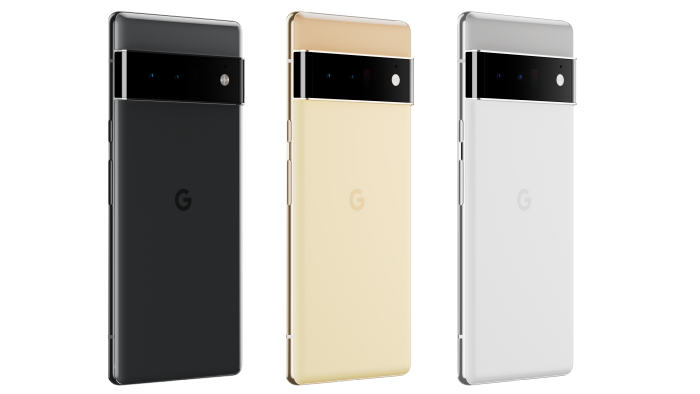
Around October end, Google launched its latest Pixel 6 lineup of devices with the all-new Tensor chipset and a whole host of new features. However, it has been unclear how well these new devices are doing in their domestic U.S market. Now, a new report has emerged that sheds light on this question.
Google Pixel 6 Pro
According to a 9to5Google, Wave7 Research has published a new report that breaks down brick-and-mortar carrier sales based on a sample size of multiple stores around the United States. In Wave7’s October report, Google Pixels averaged around a mere 1-2% sales with major carriers, namely Verizon, AT&T, and T-Mobile. However, this data represented the previous generation Pixel Phone sales, namely the Pixel 5 and Pixel 5a, as the latest devices were released too late in the month to affect the sales figures.
In the November report, we observe Google’s Pixel sales have increased to anywhere between 3-5%. The flagship duo seems to be most popular at Verizon, where it managed to capture 5% of store sales in November compared to 3% back in October. Sales remained constant at AT&T, which saw 3% during both months, while T-Mobile saw a slight increase of 1%, bringing the sales share from 2% in October to 3% in November.
Samsung and Apple remain dominant in the North American market with Google now coming in at a distant 3rd.
The sales gains might not appear huge, but it is a significant increase that has not been observed throughout 2021. It signifies the increased interest of customers in the new Pixel 6 and Pixel 6 Pro, which could be credited to Google’s aggressive ad campaign, especially the heavy TV advertising.
When asked directly about the sales performance of the Pixel 6 series phones, one carrier store said that the Pixel 6 series was a cause of frustration due to a lack of inventory. Multiple Verizon employees gave similar feedback stating that inventory was “too thin” to meet the demand for the new Pixel smartphones.
However, this comes as no surprise Google has had trouble keeping the Pixel 6 series in stock since launch day due to the ongoing global chip shortage.
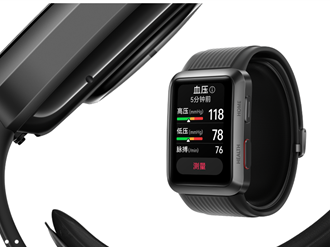
Huawei‘s upcoming Watch D has been a hot topic as of late due to its blood pressure tracking capabilities, but people have been curious as to how the device will achieve this feat. Now, new leaks have surfaced featuring a video guide on how to use Watch D’s blood pressure monitoring features.
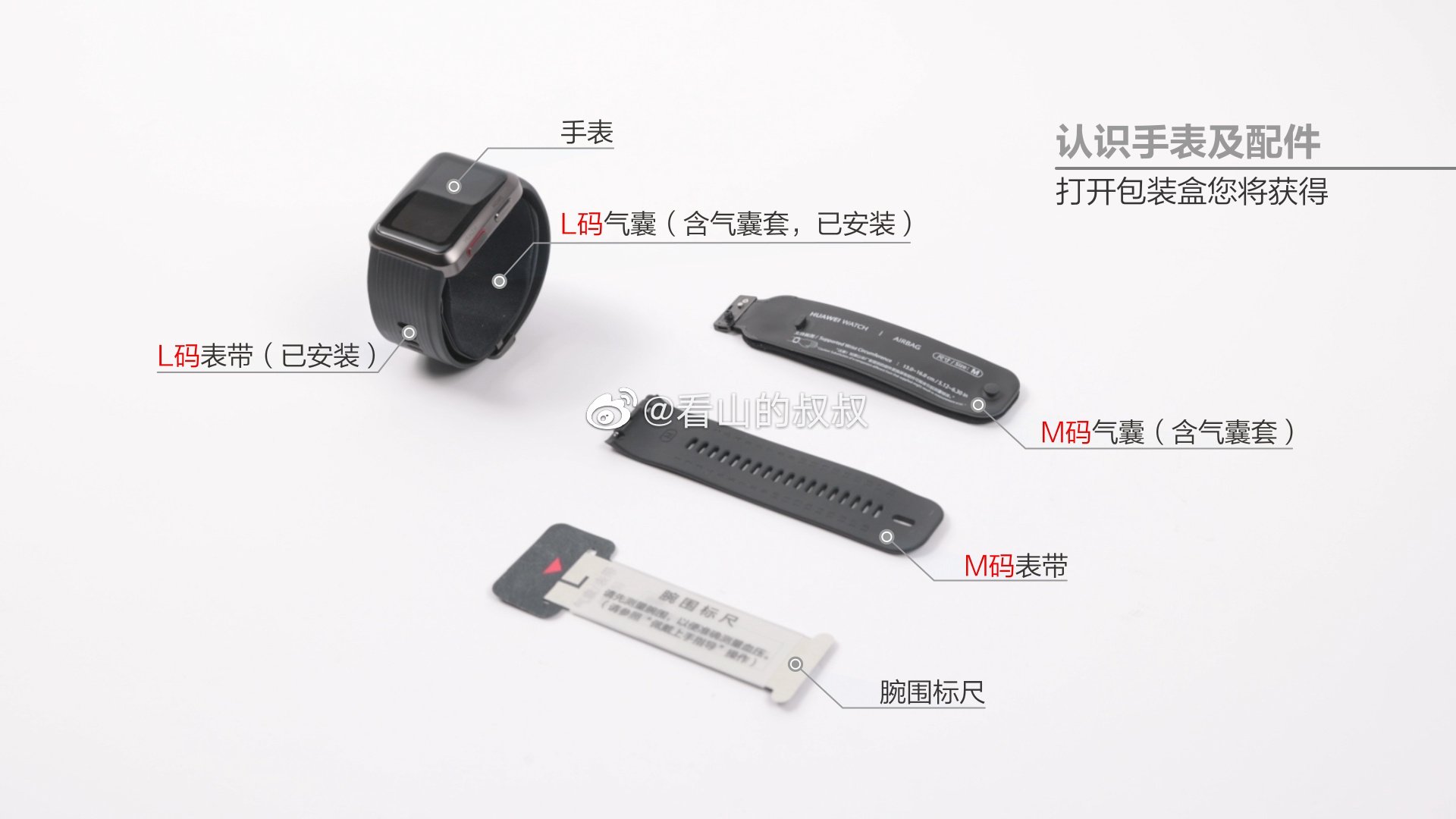
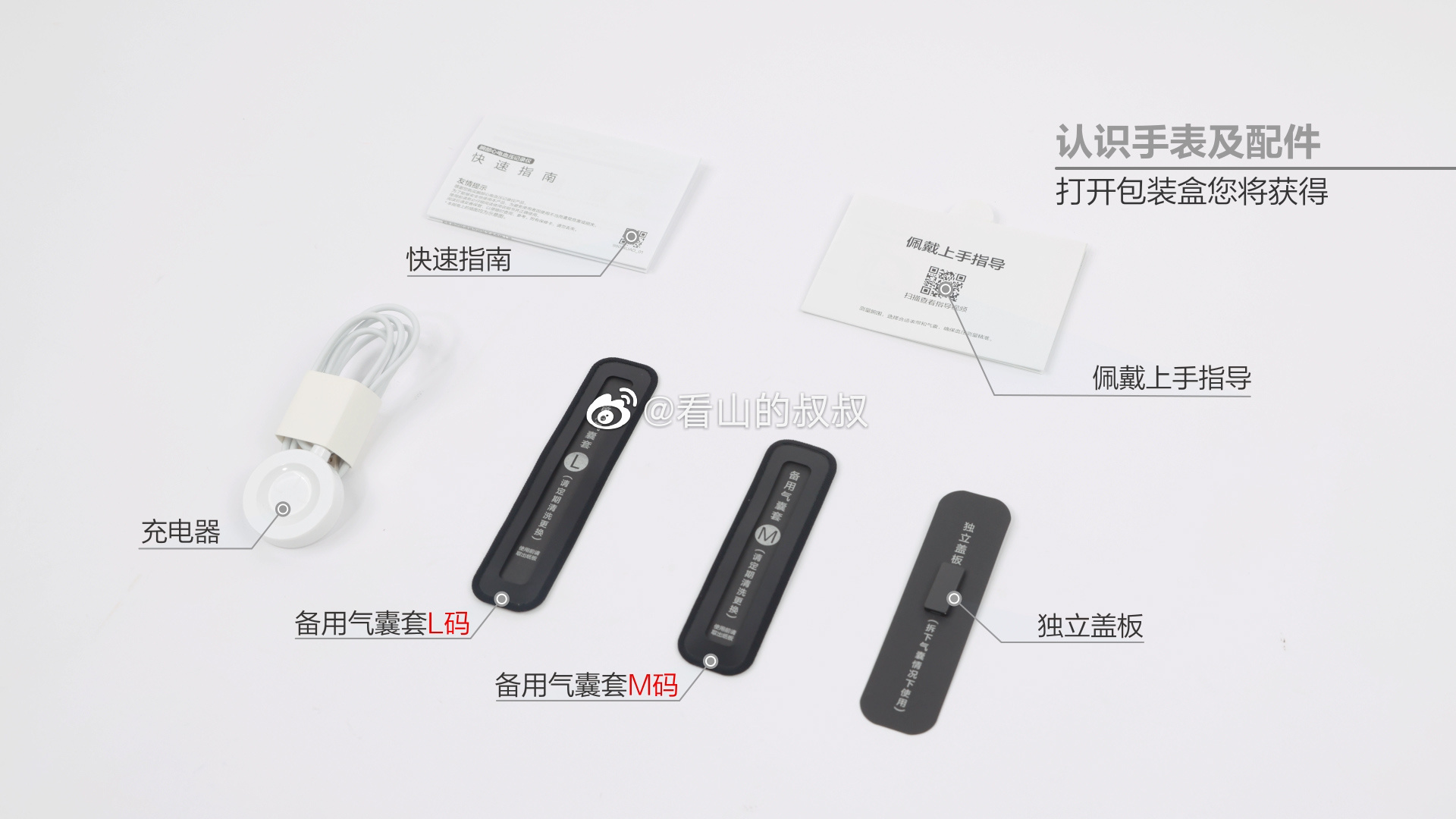
The known tipster 看山的叔叔 took to Weibo (a Chinese microblogging site) and leaked a whole host of information about the upcoming Watch D, including accessories, memory and RAM configurations, a silver color variant as well as a video guide on how to use Watch D’s blood pressure monitoring features (via).
Huawei Watch D accessories
1 of 2
From the pictures, it is apparent that the Huawei WATCH D will come with multiple accessories, including the body of the watch, different sizes of straps, different sizes of airbags, as well as the ruler for measuring your wrist’s circumference, a charger, user guide, etc.
According to the Huawei Watch D user guide video, It appears that the Watch D will come equipped with an airbag to measure the user’s blood pressure. The airbag appears to be removable and has to be attached under the watch strap and connected with the watch D via a small pin to enable the blood pressure monitoring capabilities.
The WATCH D user will need to measure wrist circumference to match the size of the strap and the airbag. After the measurement, you can adjust the strap according to the scale, and you can also change different sizes of straps and airbags.
When measuring blood pressure, the user can initiate the measurement by double-clicking a physical button on the smartwatch. A timer will pop up indicating that the blood pressure check is about to start. It is necessary to stay in a relaxed position, keep the wrist (with the device on) at the heart level with your palms on the shoulder, and support the elbow with your other hand.
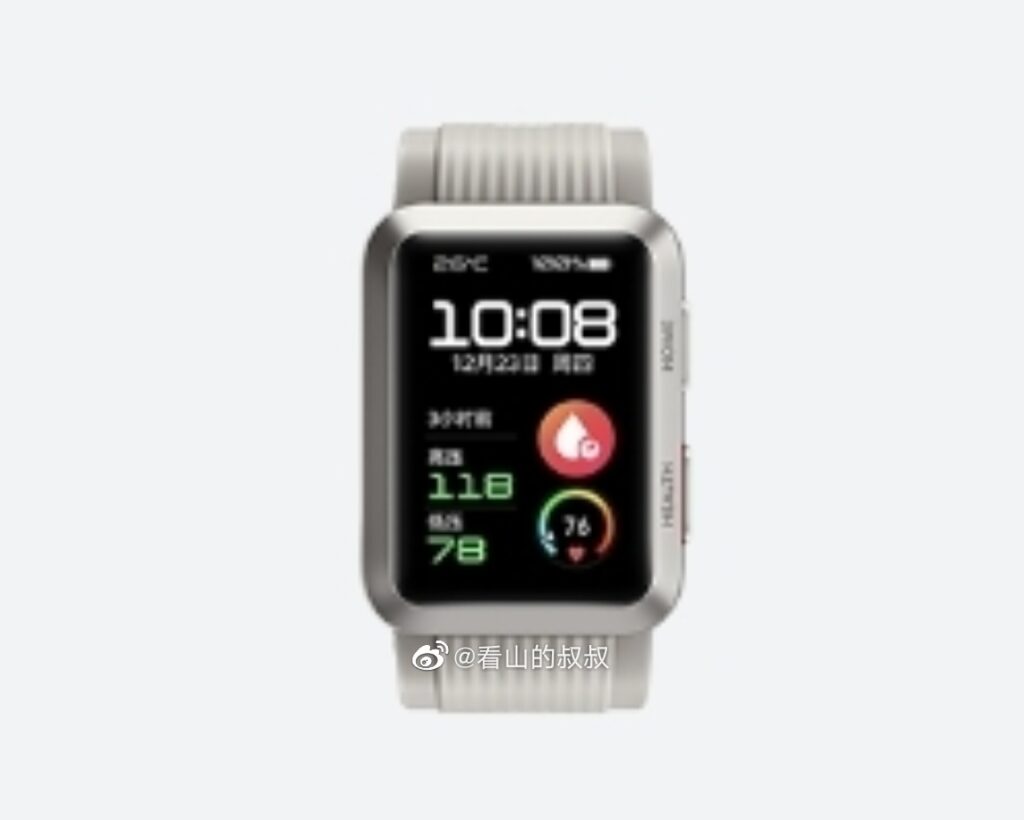
The tipster revealed that the Huawei Watch D will feature 32 MB of RAM and 4 GB internal storage, akin to the Huawei Watch GT 3, and can be connected to Bluetooth headphones. Additionally, a silver color variant of the Watch D was revealed via these leaks alongside its expected price of 2998 Yuan ($470).
The watch D, which is currently available for registration, is expected to launch on December 23rd at Huawei’s winter product launch conference.
We use cookies on our website to give you the most relevant experience by remembering your preferences and repeat visits. By clicking “Accept”, you consent to the use of ALL the cookies.
This website uses cookies to improve your experience while you navigate through the website. Out of these, the cookies that are categorized as necessary are stored on your browser as they are essential for the working of basic functionalities of the website. We also use third-party cookies that help us analyze and understand how you use this website. These cookies will be stored in your browser only with your consent. You also have the option to opt-out of these cookies. But opting out of some of these cookies may affect your browsing experience.
Necessary cookies are absolutely essential for the website to function properly. This category only includes cookies that ensures basic functionalities and security features of the website. These cookies do not store any personal information.
Any cookies that may not be particularly necessary for the website to function and is used specifically to collect user personal data via analytics, ads, other embedded contents are termed as non-necessary cookies. It is mandatory to procure user consent prior to running these cookies on your website.