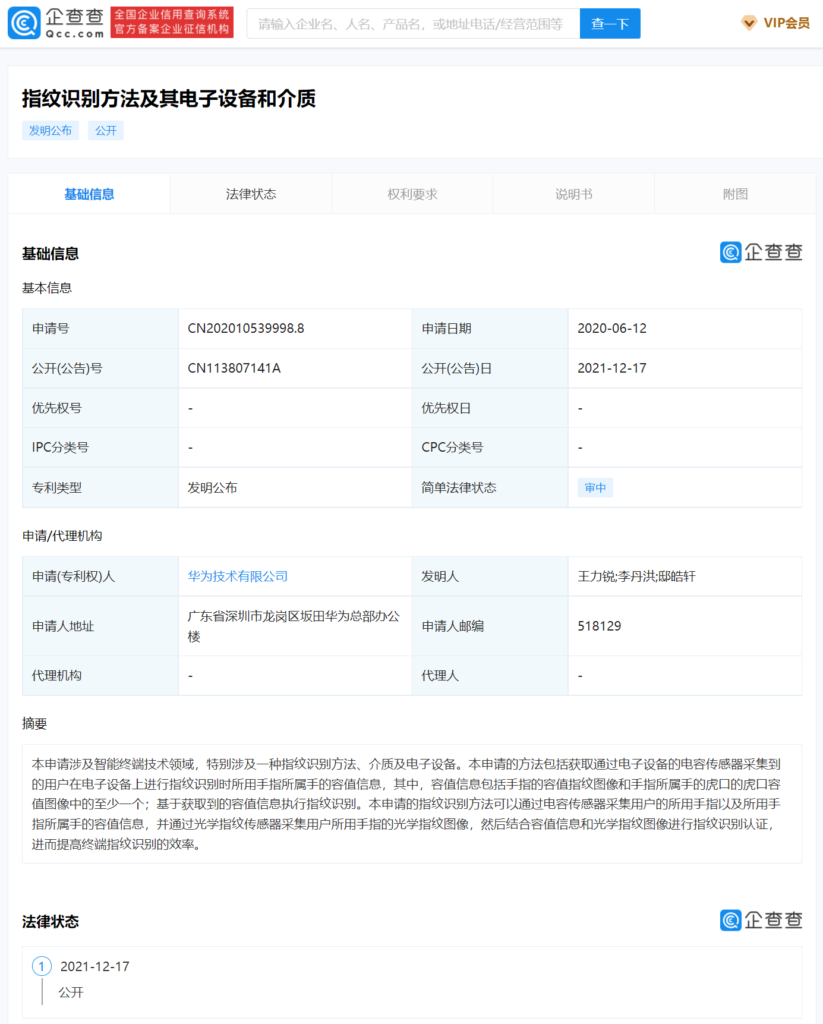
Huawei yesterday published a patent for “fingerprint identification method and its electronic equipment and media” with publication number CN113807141A detailing an innovative piece of tech that will improve fingerprint identification.
In it, an optical fingerprint sensor will be used in combination with a capacitive sensor (via IT Home). While the former will be used to acquire a virtual image of the finger, the latter will help grab data on what hand the finger belongs to. These two bits of data will then be fused together to greatly improve the efficiency of terminal fingerprint identification. It isn’t clear if the ‘improved efficiency’ bit mentioned within the patent relates to advancement in security or a speedier scanning process but our guess is it’s for both.
The Huawei patent application further mentions that the new fingerprint tech will be used for the “field of smart terminals.” What that stands for is again unclear but it’s safe to assume that smartphones may also be benefitting from the tech, particularly those with optical under-display fingerprint sensors.
The cool piece of tech currently seems to be limited to the document but it’s not unsafe to say that Huawei must already be working on developing it. Digging through the document will reveal that the patent was first filed back in June 2020 and it has already been over a year since, after all.
That said, for those unfamiliar with optical fingerprint sensors, the tech is used in under-display fingerprint sensor hardware and works by reflecting light off of your finger. While they are a cheaper alternative to superior ultrasonic fingerprint sensors, they are slower and not as accurate. Hopefully, Huawei’s patent means that these shortcomings will be eventually addressed.
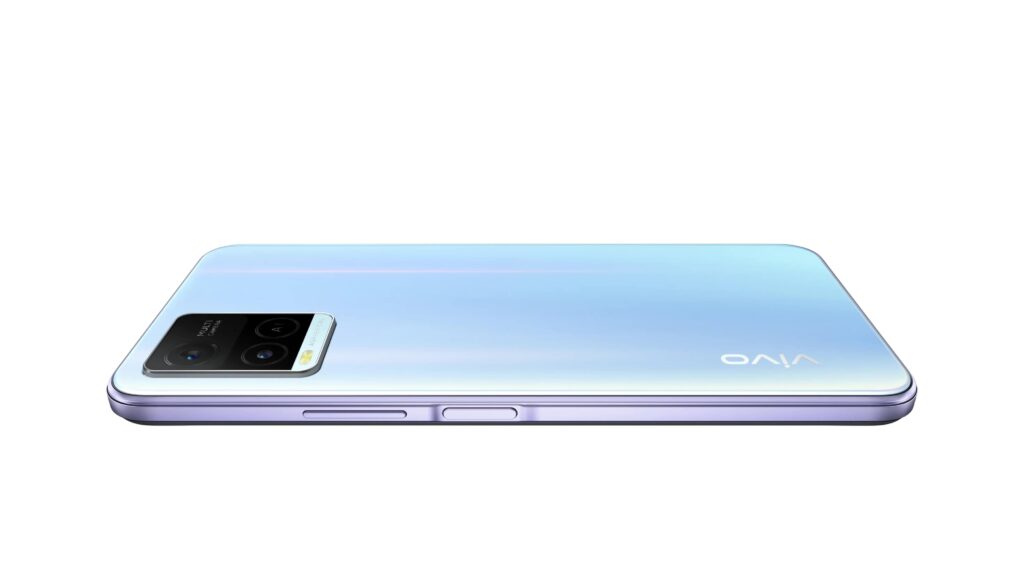
The vivo Y32 first emerged on TENAA at the end of November. The phone’s listing on TENAA was later updated with its entire specs in early December. A couple of weeks from that, the handset is now finally official in China.
vivo Y32 Specifications and Features
The newly launched vivo Y32 looks like a premium smartphone, however, it features a glossy plastic finish. It measures 164.26 x 76.08 x 8mm in dimensions, weighs 182g, and arrives in two color options (Harumi Blue, Foggy Night).
The main highlight of this device is the presence of a Qualcomm Snapdragon 680 SoC. In fact, it is the world’s first smartphone with the aforementioned chipset.
This silicon is paired with 8GB LPDDR4x RAM and 128GB UFS 2.1 storage. If needed, the storage can be further expanded up to 1TB via a MicroSD card slot.
Further, the phone flaunts a 6.51-inch LCD panel with a resolution of 1600 x 720 pixels (HD+), 16.9 million colors, and a 60Hz refresh rate. The display has a 1500:1 contrast ratio, an 89% screen-to-body ratio, a 20:9 aspect ratio, and a dewdrop notch.
As far are cameras are concerned, the handset houses a 13MP (wide) + 2MP (macro) dual-camera setup on the rear. Whereas, an 8MP snapper is present inside the notch on the front.
As for connectivity, the device comes with dual-SIM, 4G, dual-band WiFi, Bluetooth 5.0, GNSS (GPS, BeiDou, GLONASS, GALILEO, QZSS), a USB Type-C port, and a 3.5mm headphone jack. It has all the essential sensors like an accelerometer, ambient light sensor, compass, proximity sensor, and a side-mounted fingerprint sensor.
Last but not least, the vivo Y32 runs OriginOS based on Android 11 and draws energy from a 5,000mAh battery with support for 18W fast charging.
vivo Y32 Price and Availability
The vivo Y32 is priced at ¥1,399 ($219) in China. The company is yet to reveal its availability.
As of now, we are not sure if and when the smartphone will make its way to the international markets.
According to the Android 12-based realme UI 3.0 update timeline shared by realme, a total of four devices are supposed to receive ‘Early Access’ builds in December 2021. As three of them have got the update in the past few days, the fourth and the last one, realme 8 Pro, also gets it now.
The realme 8 Pro is the first budget smartphone from realme to join the realme UI 3.0 Early Access program. According to the official announcement post on realme Community, the registrations for the initiative kickstarted on December 17.
In order to enroll in the program, users should be on firmware version RMX3081_11.C.09. If they are, then they need to go through Settings > Software Update > Gear Icon > Trial Version > Apply Now > Submit Details.
Selected applicants will receive the realme UI 3.0 (Android 12) Early Access build via OTA. If participants don’t get selected, then they can try their luck in the next round of recruitment.
Users have an option to roll back to the realme UI 2.0 (Android 11) stable channel if they are not satisfied with the new software. However, this process will erase the phone’s internal storage.
At present, it’s not known when realme 8 Pro will get access to the realme 3.0 stable update based on Android 12.
Last week, OnePlus rolled out the Android 12-based OxygenOS 12 stable update for the OnePlus 9 and the OnePlus 9 Pro. Unfortunately, despite being called stable, the software was plagued with bugs. Hence, the brand had to halt the rollout. A few days later, the Chinese smartphone maker has now re-released the update with fixes for some of the most reported issues.
OnePlus 9
According to the official announcement post on OnePlus Community, the OxygenOS 12 stable re-release for the OnePlus 9 and the OnePlus 9 Pro is currently being rolled out in India and North America with the following build numbers.
OnePlus 9
IN: LE2111_11_C.39
NA: LE2115_11_C.39
OnePlus 9 Pro
IN: LE2121_11_C.39
NA: LE2125_11_C.39
OnePlus says that the new software builds for the handsets arrive with fixes for mobile data connection failure, blank notification bar, screen tearing while switching to home screen from some games, certain display problems, freeze issues, and more.
The company assures that its aware of the auto-fill issue in Chrome and lack of access to 48MP mode and auxiliary cameras in GCam mods as well as other third-party camera apps. These and other prevailing bugs will be fixed via subsequent software updates.
Having said that, the fresh system update for the OnePlus 9 series is currently being rolled out in batches. It will soon make its way to Europe and other regions as well.
OnePlus 9, 9 Pro OxygenOS 12 Stable Re-release Official Changelog
System
Improved the smoothness of fingerprint unlocking
Optimized system power consumption to extend the battery life
Fixed the issue of screen tearing when back to the home screen in some games
Fixed the issue that the notification bar showed a blank bar
Updated Android Security Patch to 2021.12
Camera
Improved the startup speed of the application
Improved the image effect of the rear camera
Network
Fixed the issue that failed to connect to the mobile data in certain scenarios
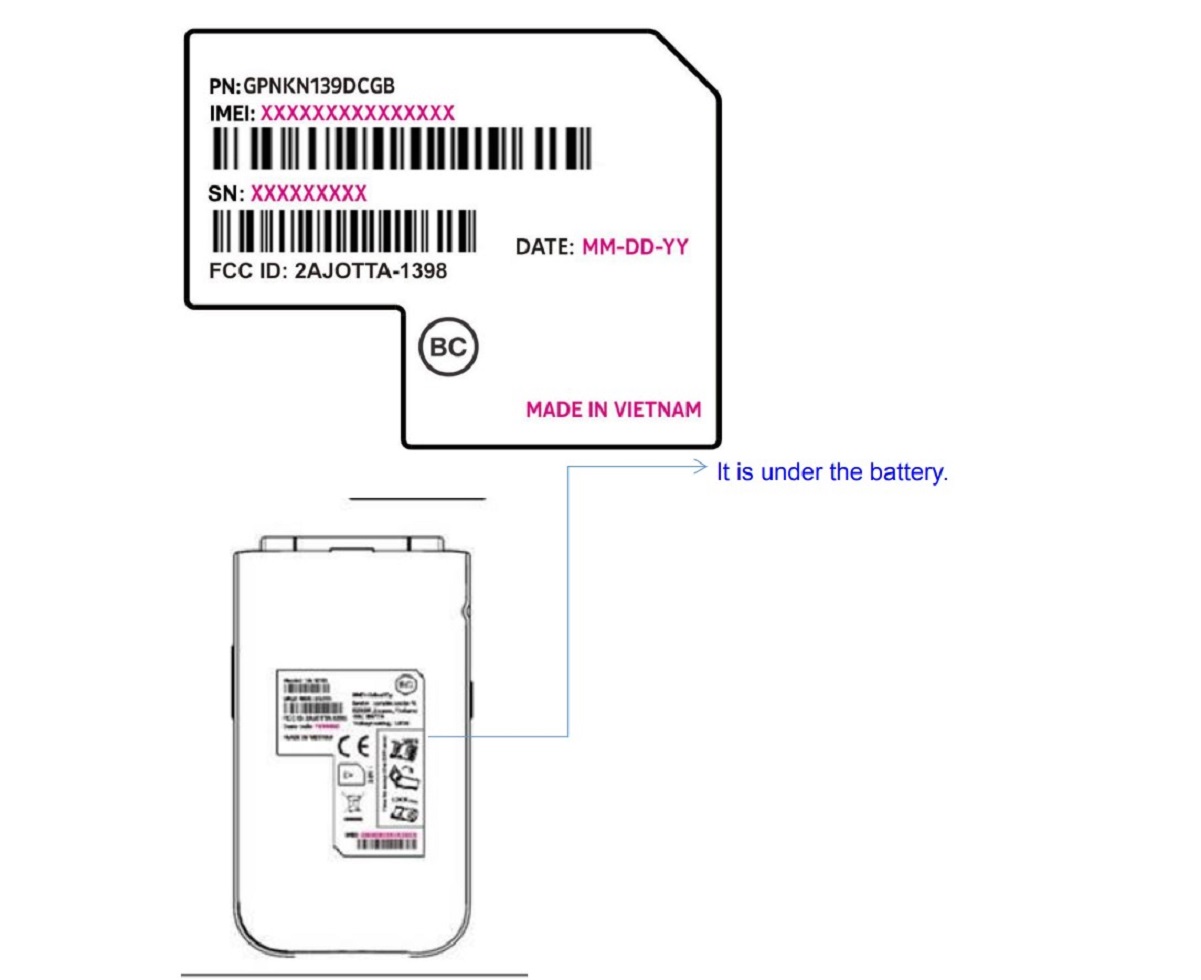
HMD Global may have just yet another entry-level Nokia “smart” feature phone in the works if the latest FCC listing is anything to go by. The most interesting aspect of this listing is that the device will come with a flip design. The Nokia N139DL is listed with the model number TA-1398 and may be launched in no distant time.
The Nokia N139DL is potentially the second flip design-packing feature phone HMD Global will be unveiling in recent times. Recall that the Nokia 2720 4G was launched in May this year as the first KaiOS-powered Flip phone.
FCC documents show that the Nokia N139DL design won’t be too different from the Nokia 2720 4G. This model will pack a 1450mAh battery that is almost similar to the 1,500mAh cell on the 2720 4G. The listing also shows the device will come with support for Wi-Fi and 4G connectivity. The device had earlier received certification from the WiFi Alliance showing it will be powered by KaiOS 3.0. We also expect it to come with support for Google Assistant for voice commands just like its predecessor.
We expect the Nokia N139DL to carry a decent price like the Nokia 2720 4G which is priced at $80. There is no indication when the device will be launched but we expect that to happen soon. We’ll keep you updated when new details emerge about the upcoming Nokia flip phone.
Apple and Google are global tech giants that have both come under scrutiny by regulators and anti-trust watchdogs in different countries. Due to their expansive influence on the smartphone market, both companies have been accused in several quarters of monopolistic practices. There is yet another report that a United Kingdom regulator has released a report which accused Apple and Google of having a “vise-like grip” on the smartphone market.
Apple and Google are the leading providers of technology and software on which smartphones run via the iOS and Android operating systems, respectively. Although the UK regulator’s report is non-binding, it could add to the growing calls for some anti-trust regulation to safeguard the market in the UK and Europe. The report also does not have any proposed legislative changes needed to tackle the issue. The regulator however says it is assessing whether to try to loosen the control of the two companies within the smartphone market, and more importantly, smartphone ecosystems.
There had been a lot of non-binding research ongoing on competition within the tech firmament across the UK and Europe. The current report is in its preliminary stage and it is a part of a push by Britain’s Competition and Markets Authority (CMA) for regulatory action in the smartphone market. The CMA report is a 445-page document that says Apple and Google, via their respective app stores, exercise a very strong dominance on the market. The power these companies exercise on their app stores makes it difficult for users to find alternatives in several instances, thus limiting their choices. This control could be inimical to innovation, according to the report.
The CMA says that the implication of the dominance of the two tech powerhouses on the UK market is leading to the loss of potentially millions of persons across the UK. Both Apple and Google, in their separate responses to the report, affirmed their commitment to continue to work with regulators to sustain best and competitive practices in the market.
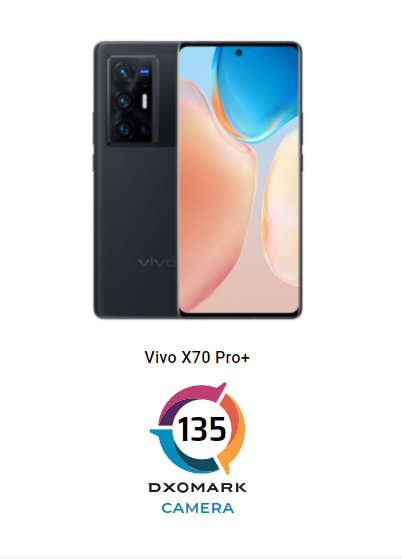
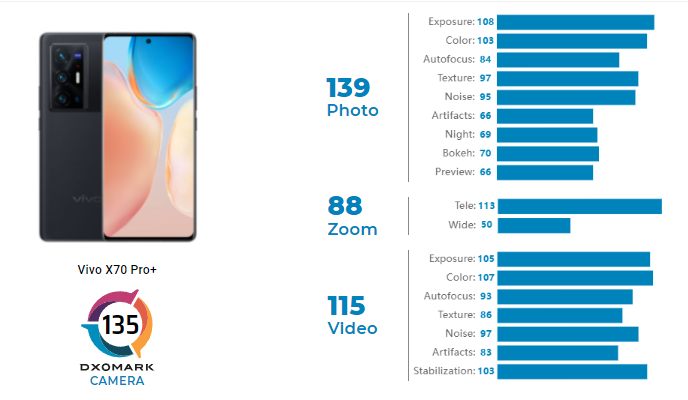
Back in September, vivo launched its latest flagship, the X70 Pro+, with all the latest and greatest specs one would expect out of a premium smartphone but with a special on cameras and imaging technology. Now, the X70 Pro+ has just passed through the DxOMark camera test and has scored 135 points, cracking the top 10 rankings for the best smartphone camera.
In the DxOMark camera test, the vivo flagship achieved a notable score of 135 points. Its camera scored 139 points, while its zoom and video scores reached 88 and 115 points, respectively. Through these scores, the X70 Pro+ secured the 7th position in DxOMark’s top smartphone camera list.
Looking at the tests, the device showed great performance when it came to exposure of the shots and the wide dynamic range related to the main and ultra-wide-angle sensor. The vivo x70 Pro+ has good management of digital noise in low light conditions and delivers accurate color rendering. The device provides a natural blur gradient and good subject isolation in bokeh mode.
While shooting videos, the X70 Pro+ provides good exposure, nice color, and accurate white balance in bright light and indoor and also has effective video stabilization.
However, the tests also found that the vivo X70 Pro+ suffers from autofocus issues, which is a little slow in reacting to scene changes. Fusion artifacts are quite intrusive while in low light and varying levels of noise reduction through consecutive shots. Another setback is observed while noise filming indoors or in low light.
Despite these flaws, the vivo X70 Pro+ has managed a significant score of 135 points thanks to several improvements in various areas over its predecessor. The device beat Asus’s Smartphone for Snapdragon Insiders with its score but still lost to the Huawei Mate 40 Pro. As for now, the Huawei P50 Pro still tops the chart while the Xiaomi Mi 11 Ultra arrives second.
Two months ago Vivo launched a new series of phones for the midrange segment identified by the letter T. The first handsets from the series are Vivo T1 and Vivo T1x: both mid-rangers, both with a great quality price ratio. Despite they are two variants from the same lineup, there are plenty of differences between the Vivo T1 and the Vivo T1x. This is the reason why we decided to put them together in a comparison between the main specifications. If you were looking at these two devices but you were a bit confused about which one to go for, go ahead with this comparison and you will learn the main differences between Vivo T1 and Vivo T1x.
Vivo T1 vs Vivo T1x
Vivo T1
Vivo T1x
DIMENSIONS AND WEIGHT
164.7 x 76.7 x 8.5 mm,
193 g
164 x 75.3 x 8.5 mm,
189 g
DISPLAY
6.67 inches, 1080 x 2400 pixels (Full HD+), IPS LCD
6.58 inches, 1080 x 2408 pixels (Full HD+), IPS LCD
Triple 64 + 8 + 2 MP, f/1.8 + f/2.2 + f/2.4
16 MP f/2.5 front camera
Dual 64 + 2 MP, f/1.8 + f/2.4
8 MP f/2.0 front camera
BATTERY
5000 mAh, fast charging 44W
5000 mAh, fast charging 44W
ADDITIONAL FEATURES
5G, dual SIM
5G, dual SIM
Design
The aesthetics of the Vivo T1 and the Vivo T1x are very different. First of all, the former has a punch-hole display with a hole placed in the middle of the panel, while the latter has a waterdrop notch. The rear side of the Vivo T1x reminds of the Vivo Y72 5G with a smaller and vertical camera module including two sensors and a LED flash, while the VIvo T1 has a larger and more traditional camera module. Both the phones are made of polycarbonate, but, even though the vanilla version has a higher screen to body ratio, the Vivo T1x is way more compact because it sports a smaller display.
Display
The Vivo T1 and the Vivo T1x are equipped with IPS LCD displays sporting a Full HD+ resolution and a 120 Hz refresh rate. Not amazing panels in terms of color reproduction, but good enough for every kind of user. The Vivo T1 has a wider diagonal: 6.67 inches against just 6.58 inches. Further, it comes with the HDR10 certification which improves the image quality. For the rest, these displays are similar. On the audio side, the handsets are equipped with mono speakers and a 3.5 mm audio jack. The fingerprint reader is placed at the side, on the power key.
Specs & Software
If you want higher performance and a better device for multi-tasking, choose the Vivo T1. It is powered by the Snapdragon 778G mobile platform, an octa-core chipset running at a max frequency of 2.4 GHz and including an Adreno 642L GPU. The chip is paired with up to 12 GB of RAM and up to 256 GB of UFS 3.1 internal storage, a memory configuration which you can usually find on flagship phones. It is an upper-midrange handset great for gaming and productivity. The Vivo T1x still comes with a midrange chip, but it is an inferior Mediatek Dimensity 900 paired with up to 8 GB of RAM and up to 256 GB of storage. Vivo T1 and Vivo T1x run Android 11 out of the box, customized by OriginOS.
Camera
The rear camera setup of the Vivo T1 includes a 64 MP main camera, an 8 MP ultrawide sensor and a 2 MP macro camera. It is a midrange camera phone, nothing special but it guarantees a good photo quality and 4K video recording. The Vivo T1x lacks the 8 MP ultrawide sensor but the remaining ones are the same. The front camera of the vanilla version is a better 16 MP snapper, while the T1x sports a disappointing 8 MP sensor.
Despite the Vivo T1 has bigger dimensions, these two devices pack the same battery: a 5000 mAh unit that supports 44W fast charging which brings it from 0 to 70 percent in just 38 minutes. The Vivo T1x should guarantee a slightly longer battery life because it has a smaller and more efficient display, but the difference should be just marginal.
Price
The starting price of the Vivo T1 roughly translates into €300/$368, while the Vivo T1x is priced at €230/$259 in its base variant. If you can renounce to the ultrawide sensor and a Dimensity 900 is powerful enough for your needs, then choose the T1x and you will even get a more compact phone. But if you need high performance and good ultrawide shots, then go for the vanilla version.
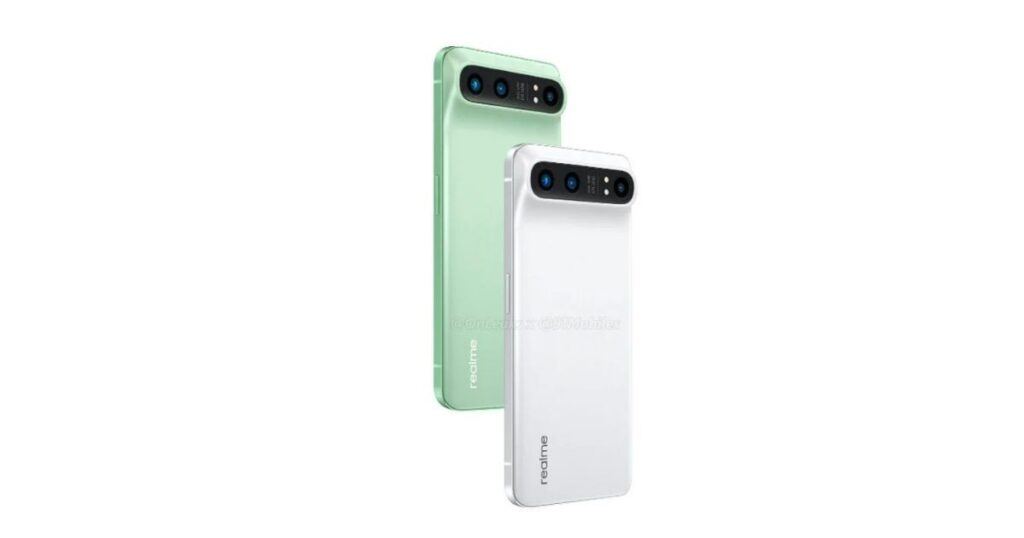
Realme is all set to launch the Realme GT 2 Pro on December 20 in China. The company is also expected to launch the device in India at a similar timeframe. But, the launch date was yet to be confirmed. Now, ahead of any announcements, the vanilla Realme GT 2 was found listed on the company’s official portal.
According to the brand’s website, the Realme GT 2’s landing page seems to be in the works. The screenshot for the same can be seen above. It confirms that the smartphone will indeed debut in India and it could arrive alongside the GT 2 Pro. Unfortunately, the specs of the GT 2 are unknown, but what we can say is that it could launch either this month or in early January in India.
Coming to the series, the duo is expected to be the company’s first truly premium series in the market. The Realme GT 2 Pro is expected to come with a 6.8-inch WQHD+ display with a 120Hz refresh rate. It may come with a dew-drop or a punch-hole screen with thin bezels.
As per the renders, the phone boasts a triple camera setup placed horizontally. It will have a 50MP main sensor, a 50MP secondary lens, and lastly an 8MP tertiary lens. Upfront, it will feature a 32MP selfie shooter.
Under the hood, it will come powered by the latest Qualcomm Snapdragon 8 Gen 1 5G processor. It will pack a 5,000mAh battery with support for 65W fast charging. The smartphone will boot on Android12 out of the box with Realme UI 3.0 on top of it.
Acer, the Taiwanese multinational hardware and electronics corporation best known for its laptop has launched the new ConceptD 3 Ezel Designer Book, a convertible laptop in China with a price tag of 10,999 yuan (approximately US$1700). The device arrives with the same moniker as the previous generation launched back in July 2020 but with a few upgrades.
According to a report by ITHome, the convertible ConceptD 3 Ezel notebook was launched earlier today by Acer. The notebook features a minimalist look with a 360-degree Ezel hinge design. The notebook is aimed at graphic designers and artists and therefore features a dockable stylus pen with AES and ERM technology.
Coming to its specifications, the ConceptD 3 Ezel offers a 14-inch 1080p IPS display with 100% Adobe RGB coverage Pantone certification, and touch support. Additionally, the display has is protected by Corning Gorilla Glass. Under the hood, the ConceptD 3 has an Intel Tiger Lake Core i7-11800H processor coupled with an Nvidia GeForce RTX 3050Ti graphics card. The notebook is offered with up to 16GB DDR4 SDRAM and up to 1TB of PCIe solid-state drive.
Additionally, the device offers an HD webcam, two USB 3.2 Type-A slots, SD 7.0 Card reader, Audio Combo Jack, HDMI 2.0 support, Thunderbolt 4, and a Mini DisplayPort 1.4.
For now, the Acer ConceptD 3 Ezel carrying the i7-11800H processor and the RTX 3050Ti have only launched in China, and no word has come from Acer regarding its release in other regions. The ConceptD 3 Ezel Designer Book comes with a white color theme and is available in China for 10,999 yuan (approximately US$1700).
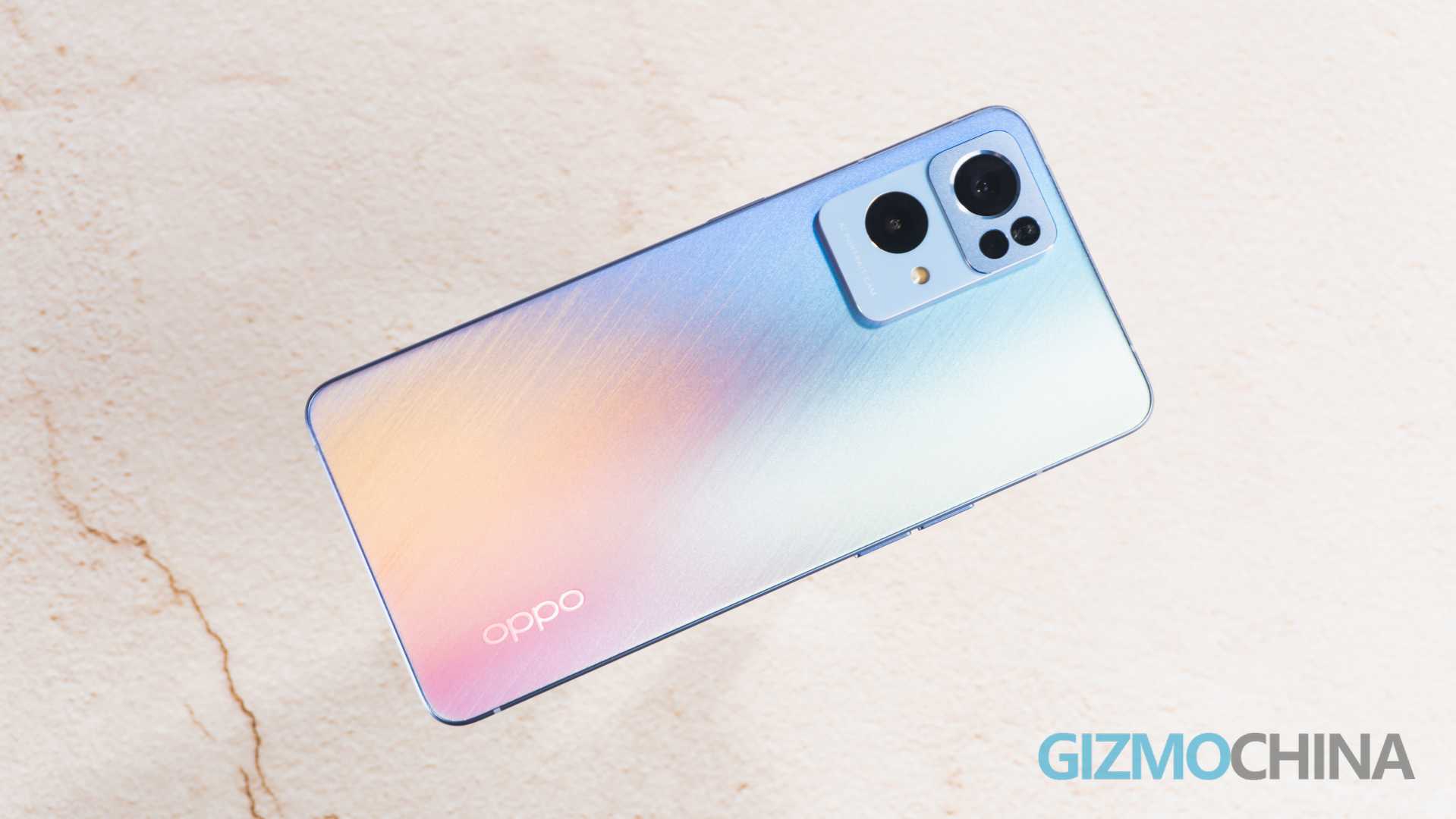
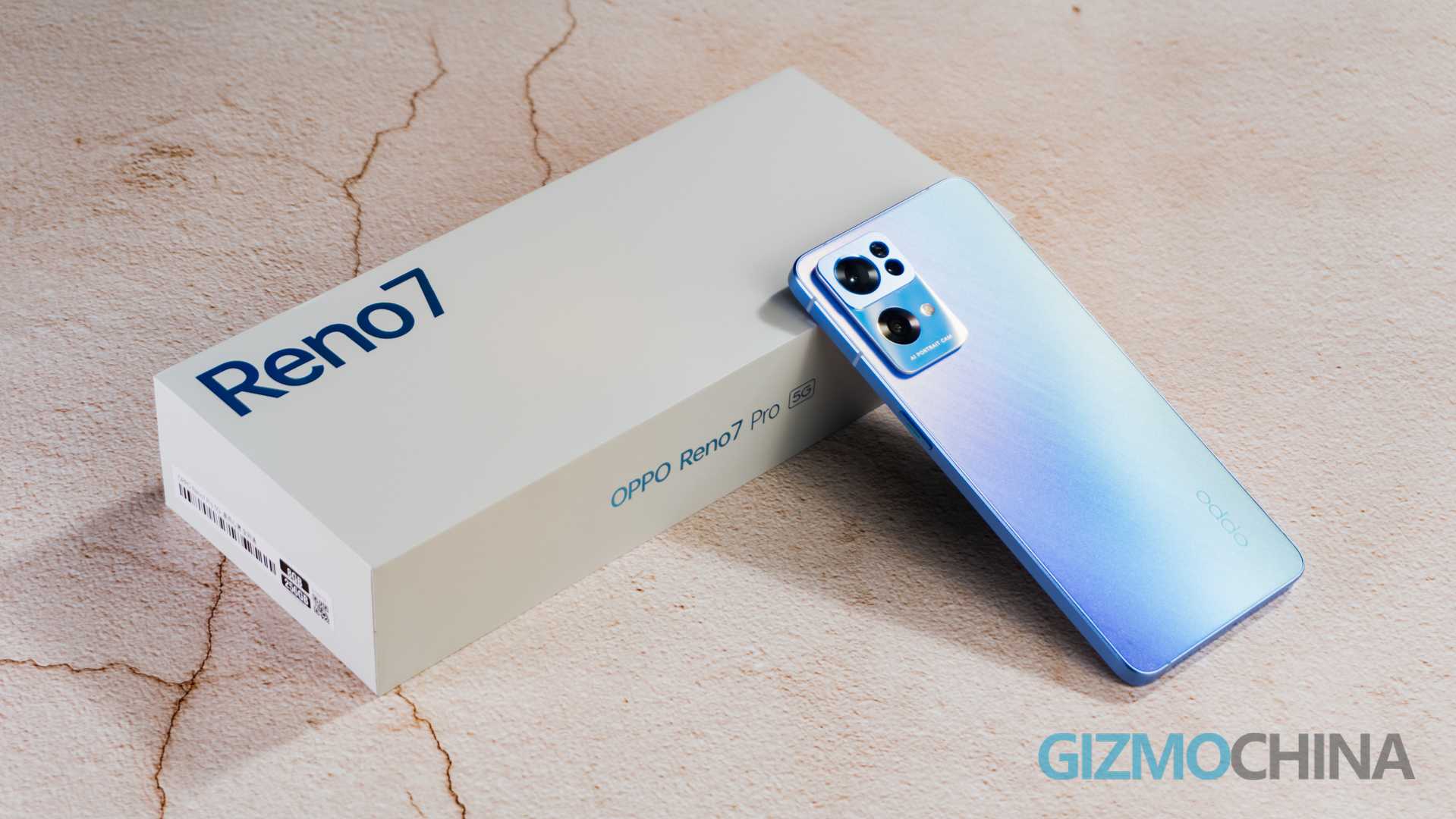
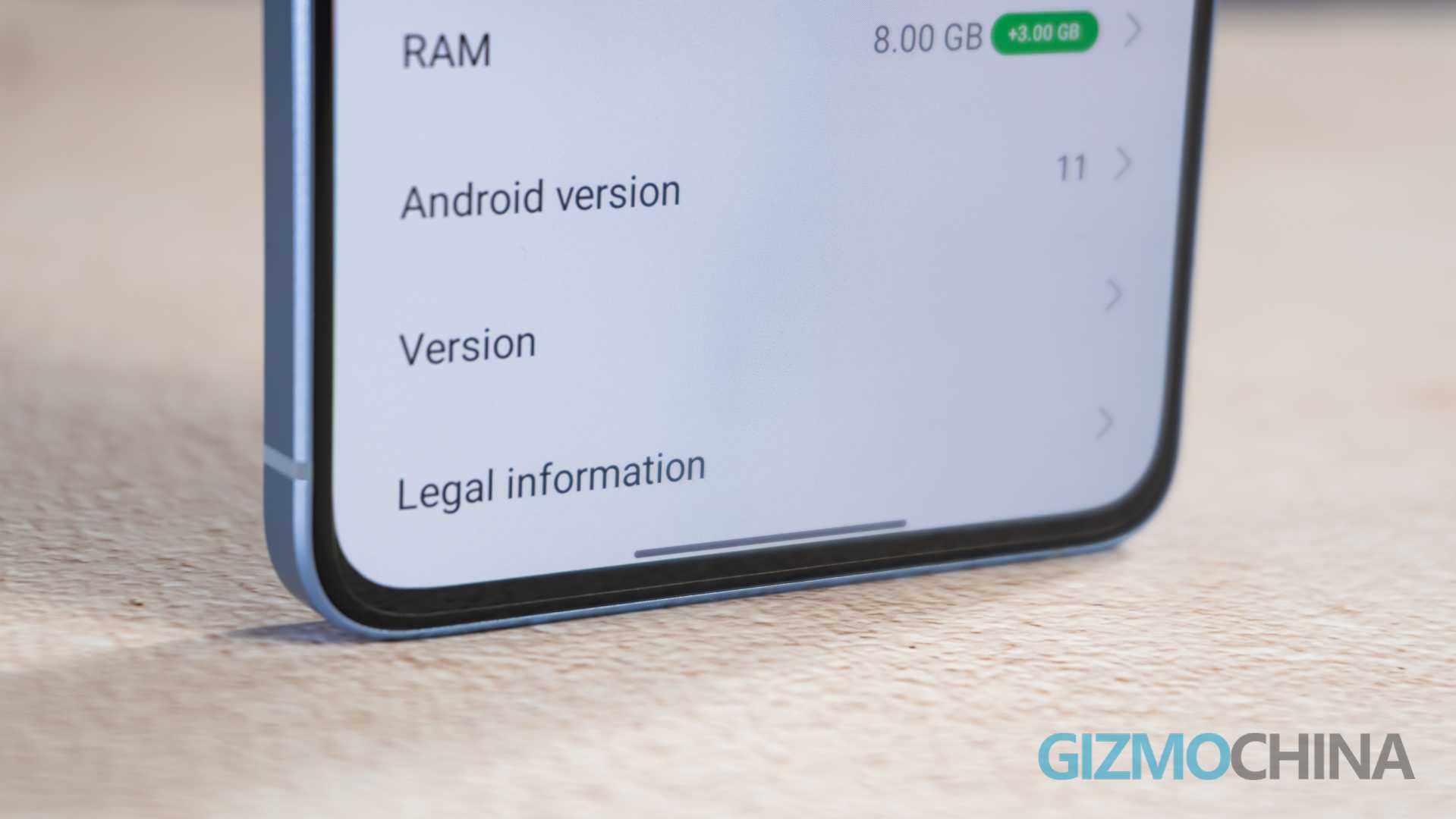
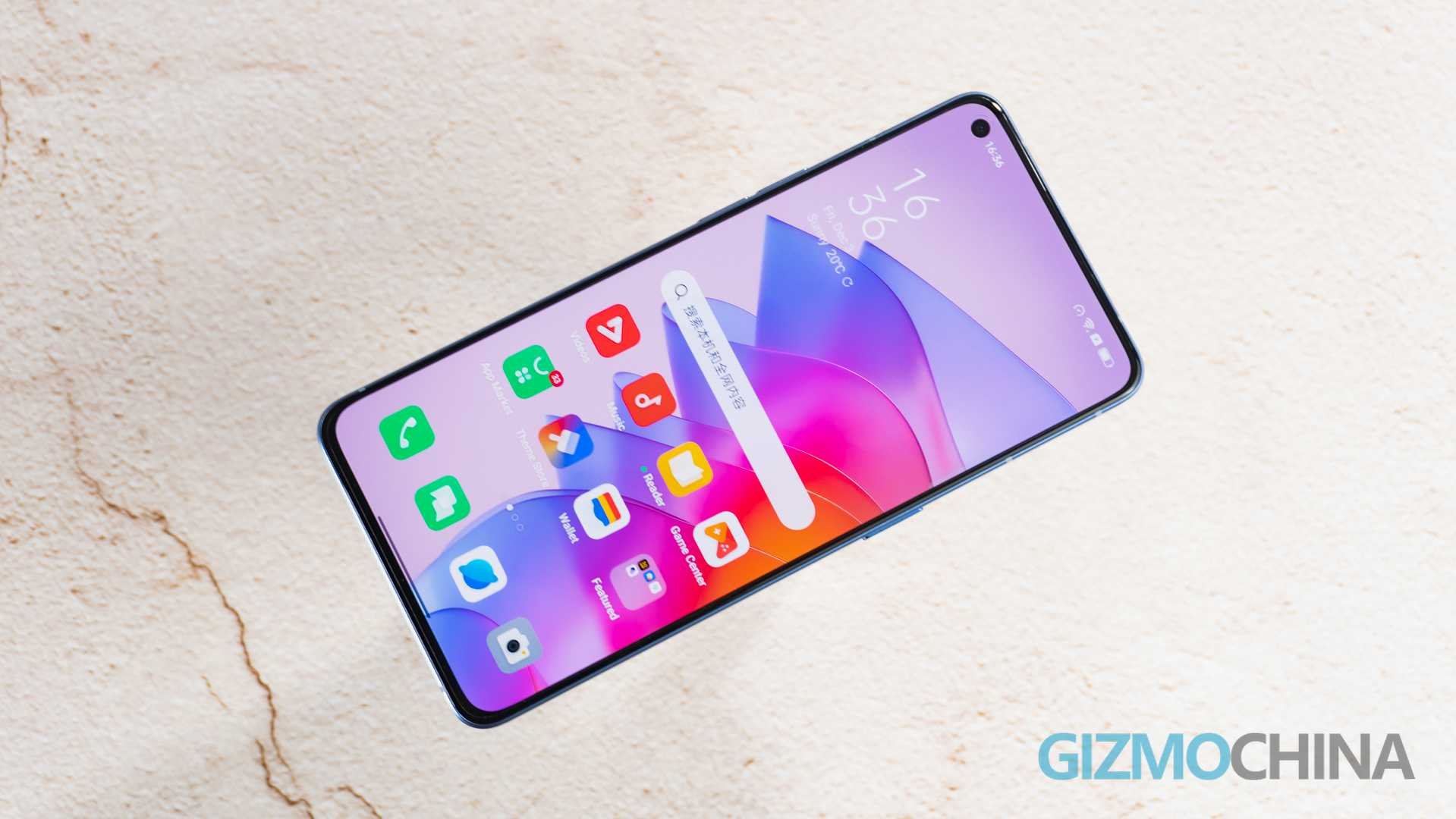
Speaking of the OPPO Reno series, it’s pretty easy to associate it with words like ‘fashion, young and camera experience’. A few days ago, the latest model of the lineup, the Reno 7 series, was officially released with significant upgrades in terms of appearance and imaging capability. Today, we are going to go deeper into the OPPO Reno 7 Pro and show you what real upgrades it gets.
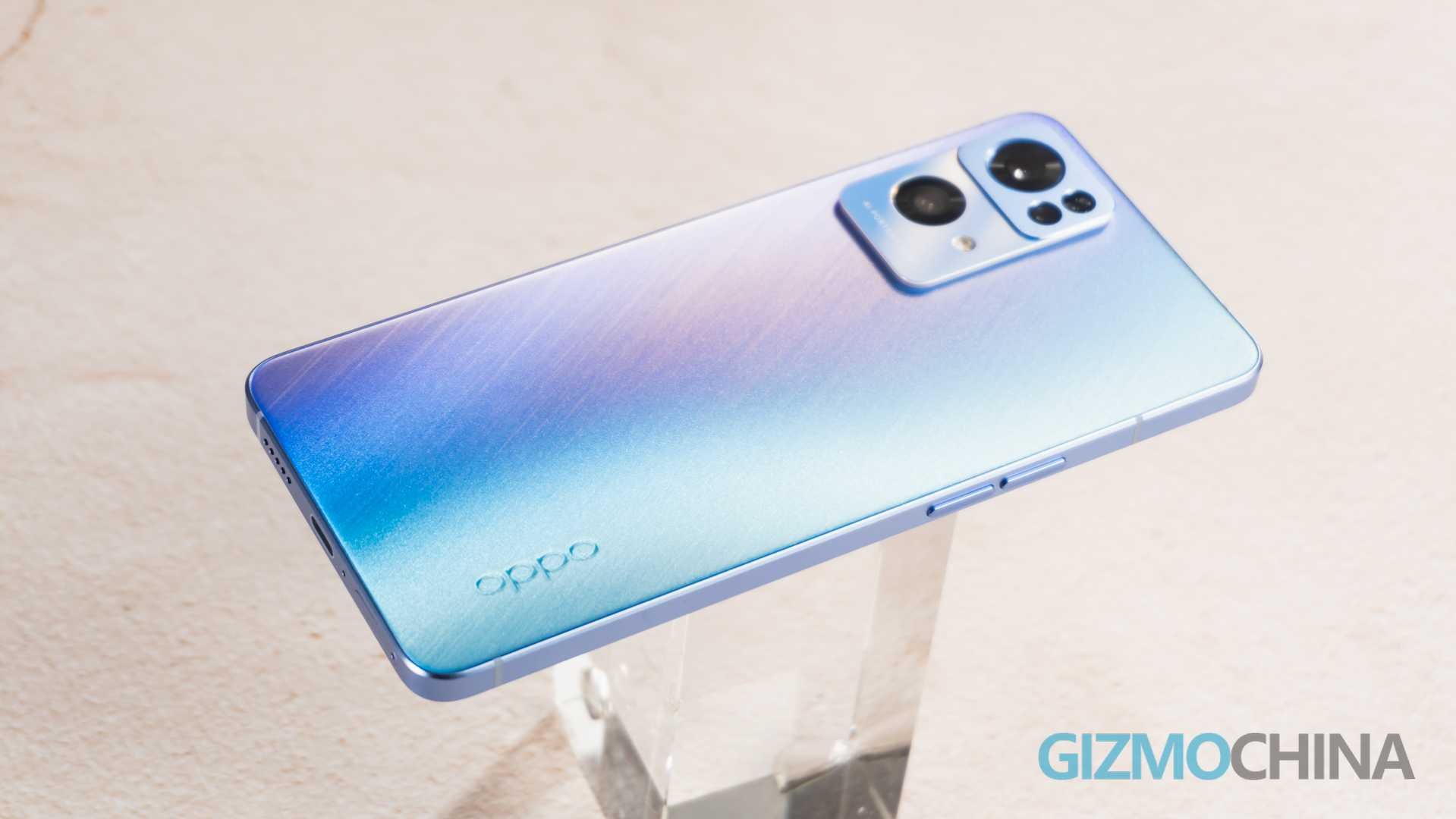
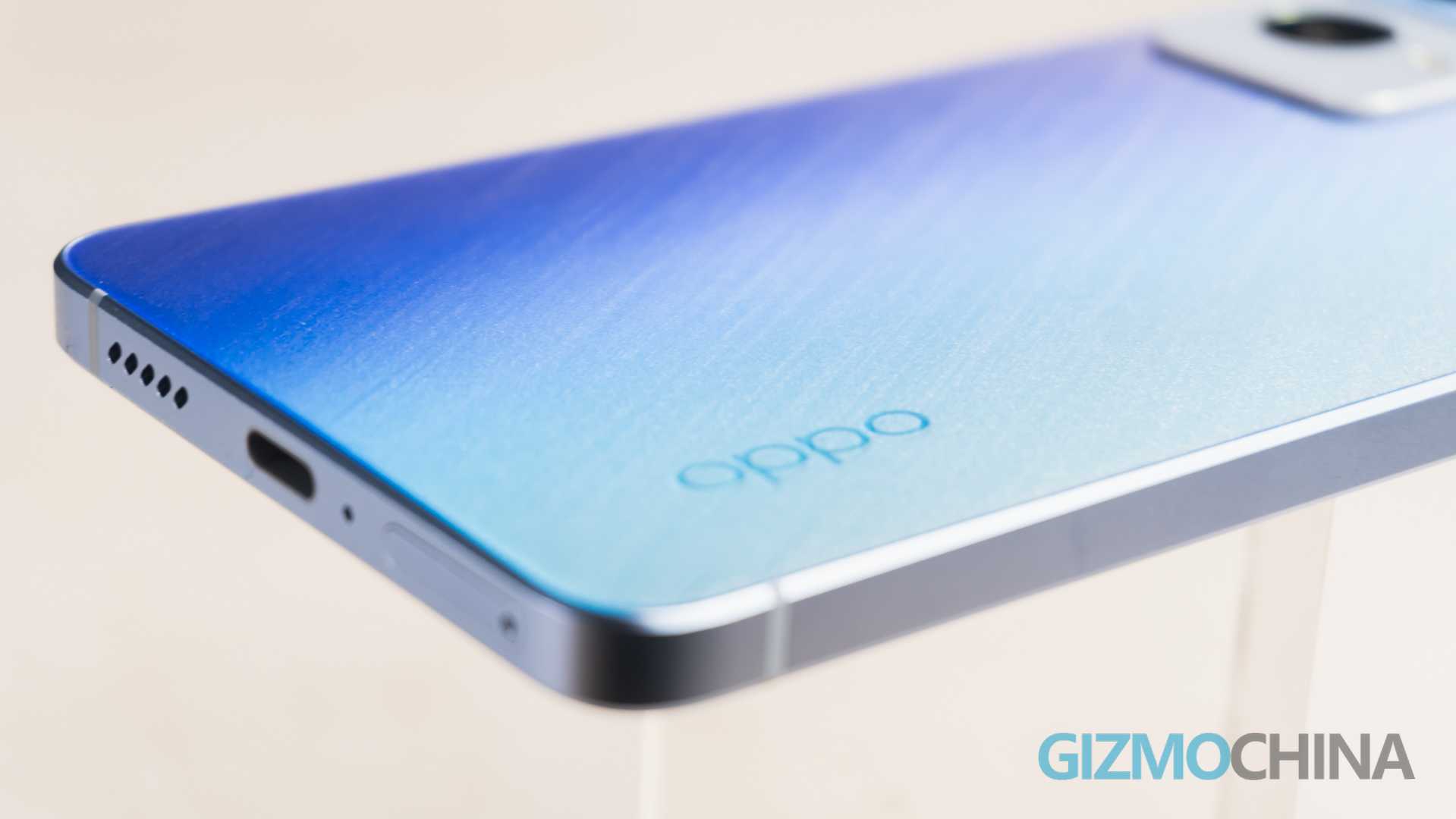
The Reno 7 Pro is really impressive with a whole new look featuring a flat and sharp design. Inspired by the recent Apple design, there are not a lot of curved details on the Reno 7 Series. And meanwhile, it’s especially slim and lightweight, although it comes with a polished metal frame.
The Pro model has a thickness of 7.45mm and a weight of 180g, which is quite a surprise considering that the iPhone 13 Pro features a smaller display but weighs more. On the other hand, due to the bigger 6.55-inch display, the Reno Pro brings a quite different hands-on feeling than most models did before. Probably for those who are used to curved backs, it could be a bit uncomfortable when holding it for a while.
1 of 2
There are three colors for options, Morning Gold, Starry-night black, and Star Rain Wish. Well, the color names sound a bit strange. But indeed, they are named so for a reason. Let’s look at the Star-rain variant in our hands.
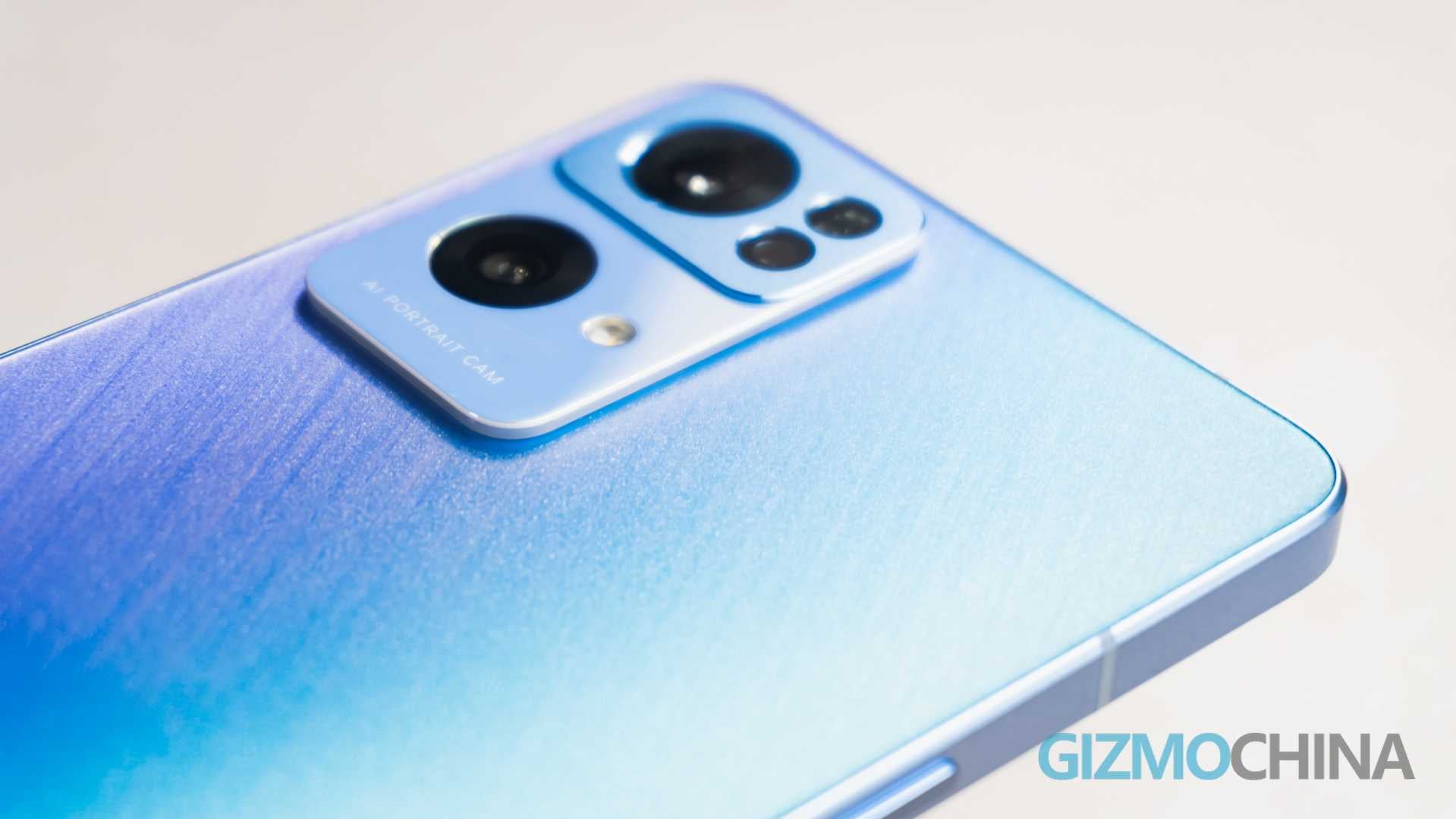
On the back, the model applies a new process to simulate a new gradient texture of star rain. The brand claims that they leave 1.2million fine traces on the back cover and make it like a meteor shower across the night sky. Meanwhile, the new process also brings much better scratch and fingerprint resistance. But as this process is too delicate, the back feels a bit slippery.
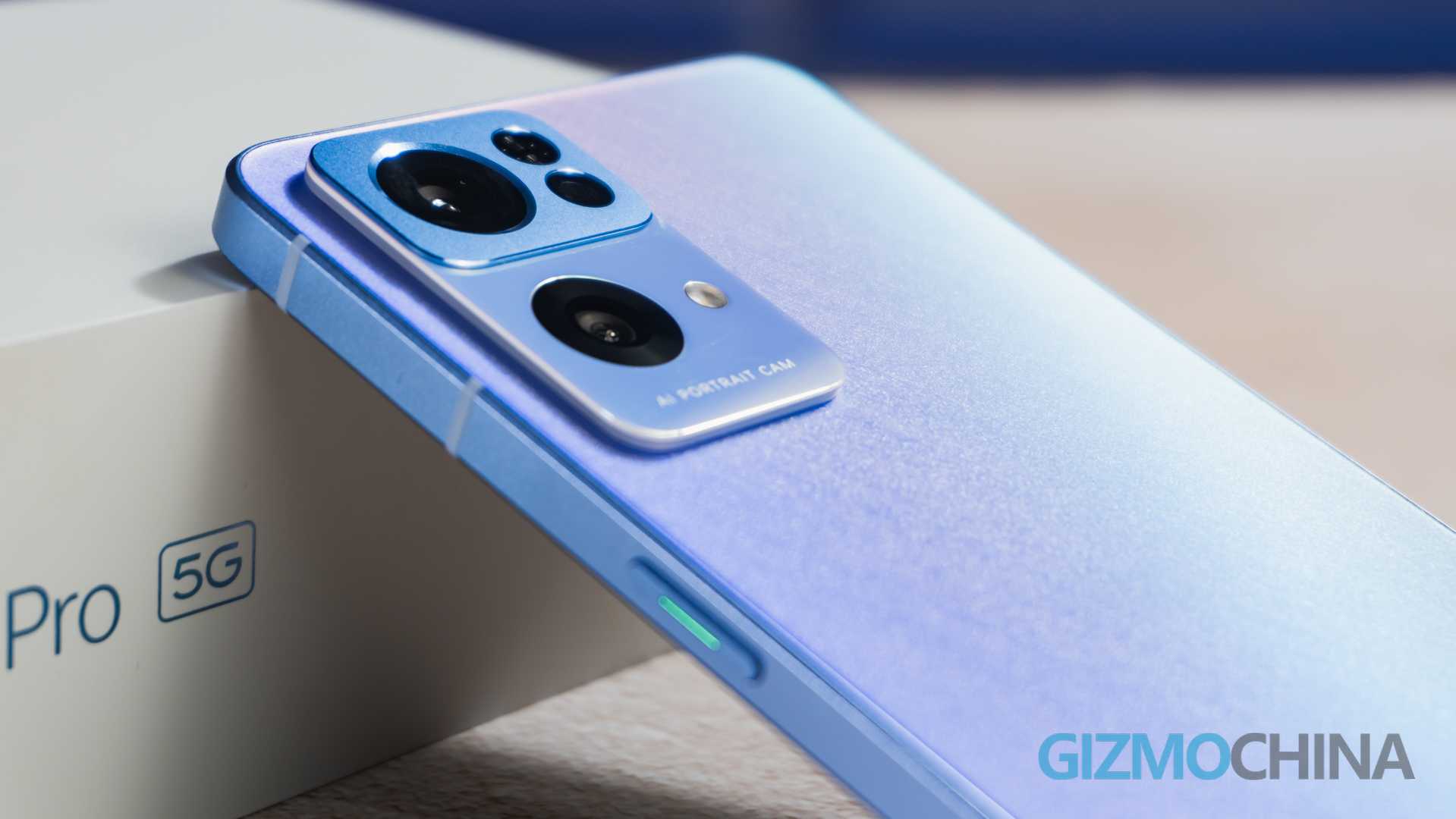
The new design also includes a new triple-camera setup, adopting a module that is divided between a glossy part and a slightly raised knurled part for the primary sensor. The other two sensors are an 8MP ultra-wide one and another 2MP macro sensor. And surrounding the camera module, you would find an interesting detail: the protrusion under the rear camera is used to include a notification LED ring light.
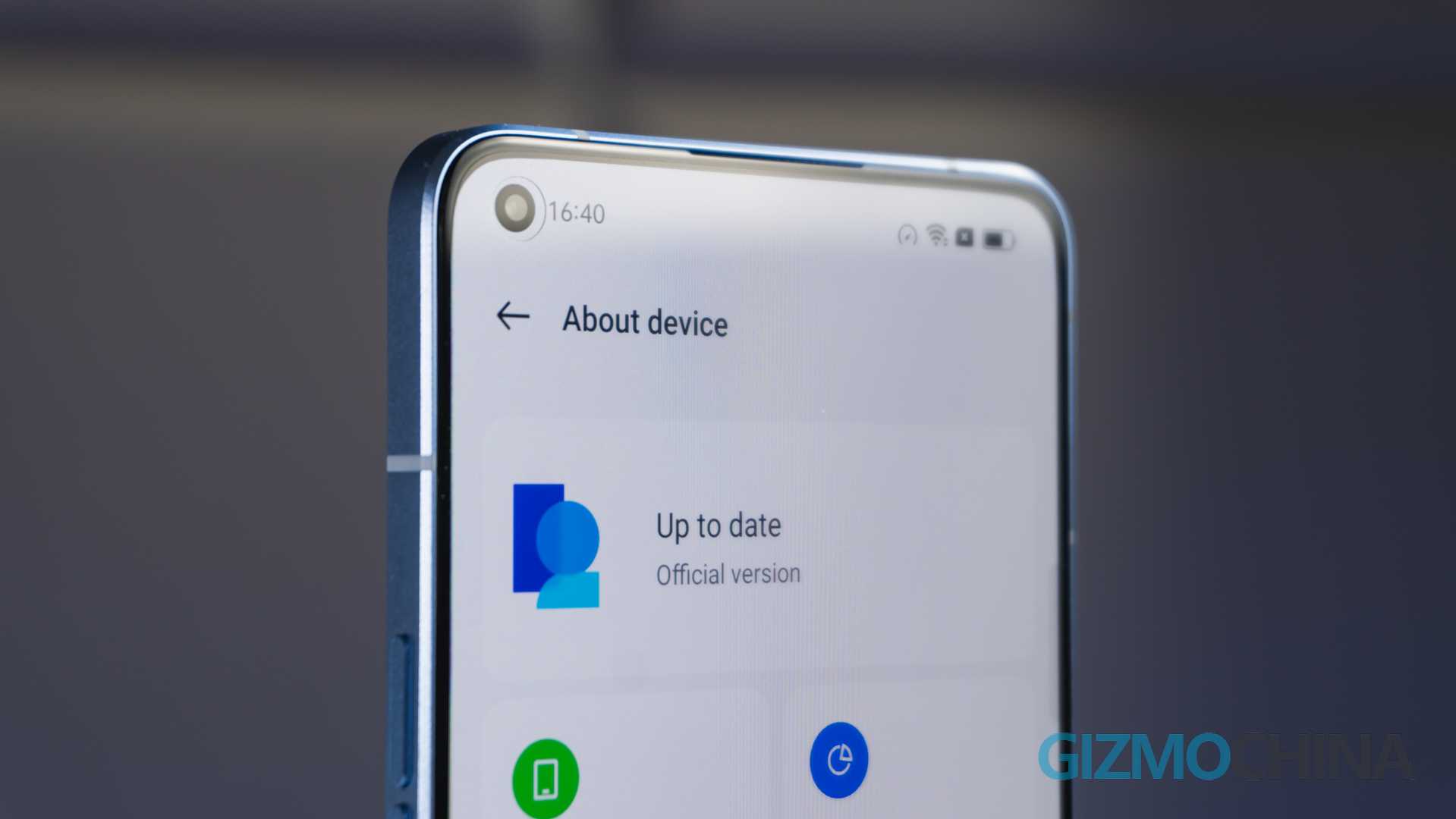
Let’s move to the front face. The optimized narrow bezel on the phone is a pleasant surprise, with a fantastic screen-to-body ratio of 92.8%, which brings an even more stunning visual experience when looking at the display. The AMOLED 90Hz hole-punched display has the touch sampling at 180Hz with Gorilla Glass 5 protection. For display quality, it’s not exactly a top option at the price range, but thanks to the super-narrow bezels, it still has a pretty good visual experience and good support for HDR content.
Reno7 Pro Review: Performance & Gaming
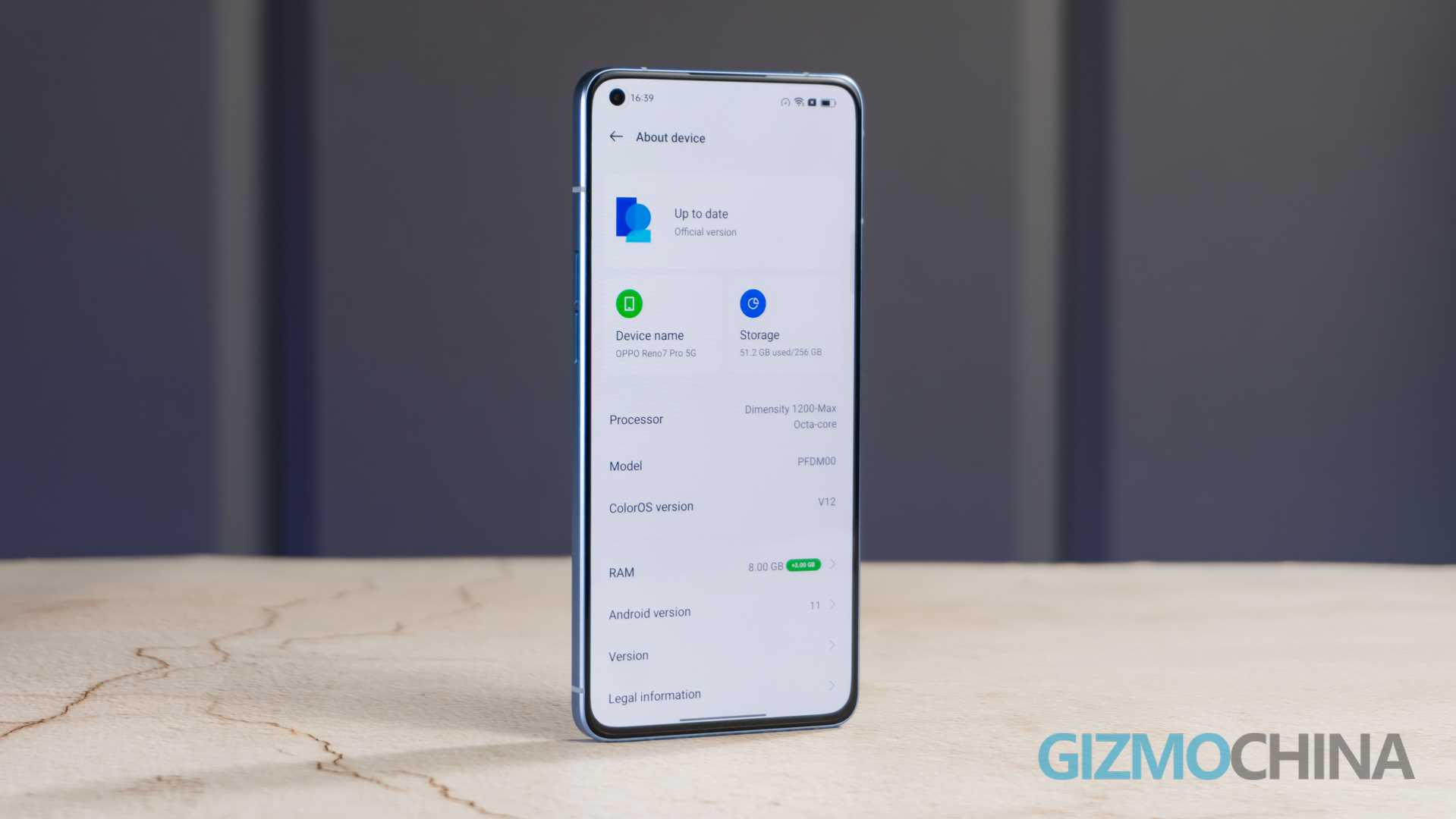
The Reno 7 Pro is powered by the MTK Dimensity 1200-Max, which varies from the standard model, featuring the Snapdragon 778G. According to the results we got from the benchmarks, it’s obvious that the MTK chipset can deliver performance that almost equals to Snapdragon 870.
Compared to the standard Reno 7, the Pro boasts upgraded 256GB of UFS 3.1 storage, stereo speakers, and an X-Axis vibration motor. And all these upgraded features greatly improve its gaming performance and experience. Another surprise for gamers is the pre-installed gaming assistant software. With the software, actions like keeping games running in the background and turning on Pro Gamer mode for best performance now are available on the Reno 7 Pro, even though it’s not designed as a gaming phone.
In the actual gaming test, the game PUBG mobile didn’t put any pressure on it, and the frame rate was stably kept at 60fps; while in another game, Genshin Impact, the phone seems to apply a more conservative strategy to maintain a stable running state but relatively lock it under 50fps. But eventually, the average frame rate of 50.1fps is not so bad.
In another game, the Nimian Legends, the game’s running experienced much more fluctuations and the frame rate eventually reached 41.7fps.
OPPO Reno7 Pro Review: Cameras
Main
1 of 16
night-2
1x
2x
2x(2)
high resolution
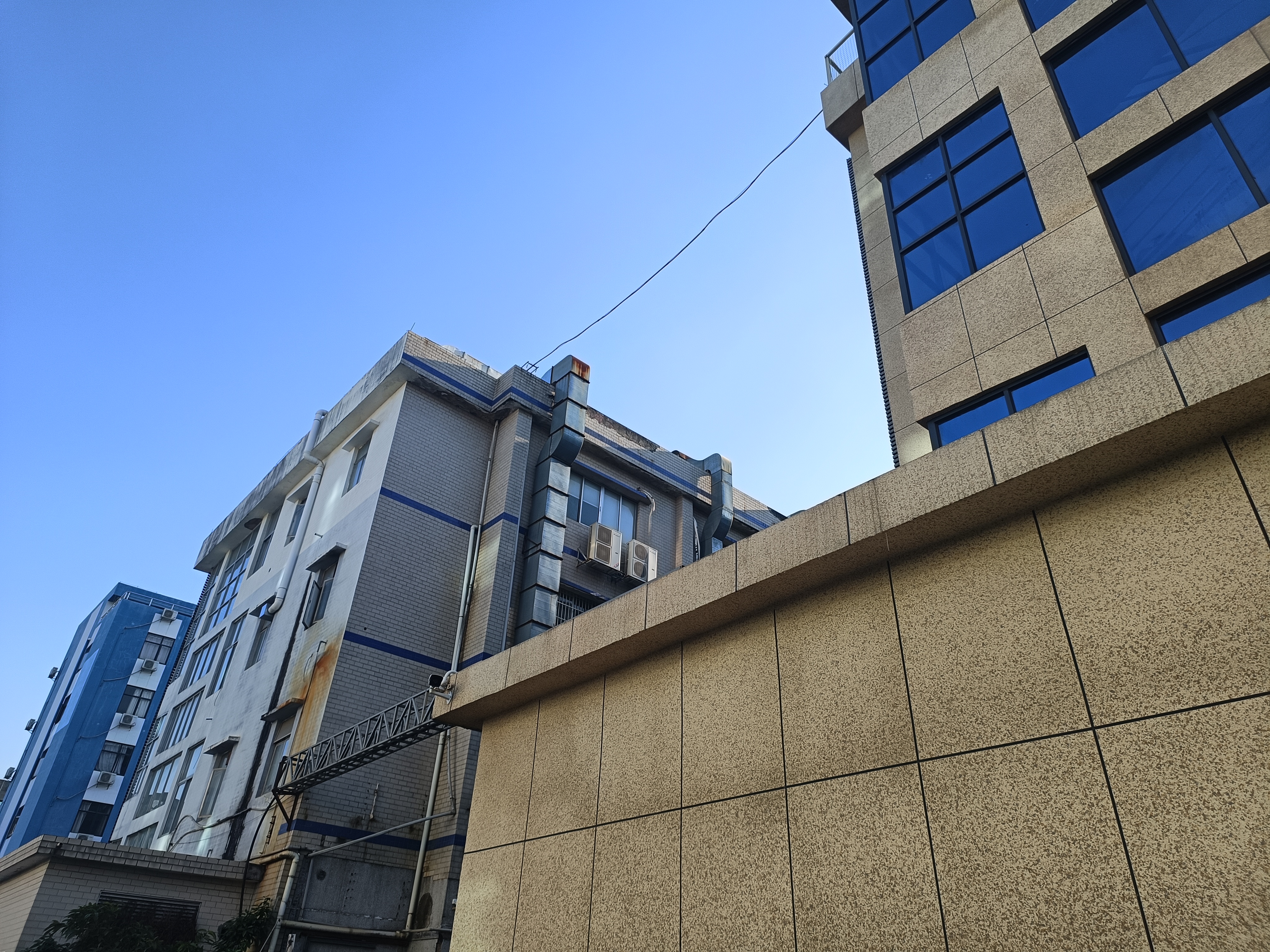
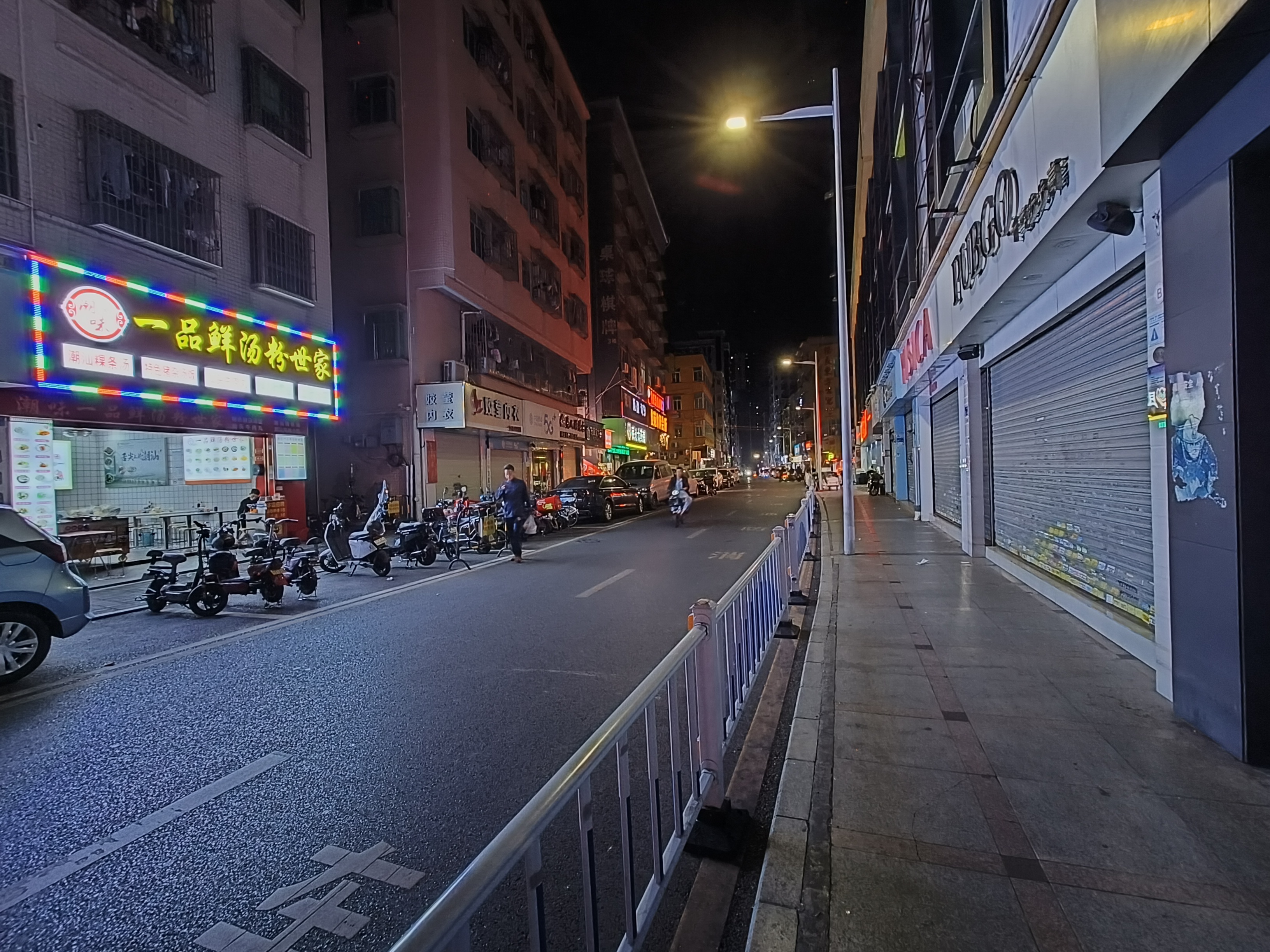
The triple-camera module is another big selling point for the Reno 7 series. Let’s check some samples shot on the Reno 7 Pro. The images shot on the 50MP Sony IMX766 are pretty decent with great dynamic range. Even when taking pictures facing the sun, the exposure was still excellent with great shadow detail. The colors are pretty close to what we actually saw in real life. And it also does a great job of solving the purple fringing issue.
portrait mode-natural bokeh
And under portrait mode, the images shot on the main camera also present a wonderful bokeh effect, naturally simulating the light spots with different apertures.
Ultra Wide
1 of 4
As for the wide-angle camera, the images are not as surprising as what we got on the main camera. Due to the limit of 8MP resolution, the samples do not look very sharp. And the dynamic range is not as impressive as the main camera offers. Sometimes it might lose control over the exposure for brightness.
Night
1 of 8
normal-2
night-2
night mode-1
night mode-1
UW normal
UW night
UW normal-2
UW night-2
As we move to night shooting, we found that the night mode on the Reno 7 Pro works pretty well. No matter for the main camera or the wide-angle sensor, it greatly improved the overall brightness and reserved much more detail for night shooting.
Especially for the main camera, the restoration of the night scenes looks pretty natural with better pureness. As for the wide-angle sensor, no doubt the improvement is more visible and effective.
Speaking of the front camera, the AI algorithm tends to offer beauty effects for portrait shooting even when there’s no retouch being activated. In addition, it also has wide options of Makeup and filters for users. Well, it’s probably more attractive and useful for female users.
Macro
Reno7 Pro Macro -1206155928
Reno7 Pro Macro -1206161427
The third sensor is a macro sensor for extremely close shooting. But we didn’t really find anything special from other macro sensors. So just check the samples here for yourself.
OPPO Reno7 Pro Review: Battery
The combination of a 4500mAh battery and 65W fast charge also provided great power support for the Reno 7 Pro. With the included 65W charger, it could charge back to 50% of power within just 15 mins and be fully charged in just 35 mins. And here’s a simple battery life test we did on the Reno 7 Pro. At least from the results, it performed pretty well.
And by the way, the color 12 OS run on the Reno 7 Pro looks pretty nice. And during our time with the device, it offered a pretty smooth experience with the 90Hz display, though we still want to complain about the lack of a 120Hz option.
So that’s it. It’s hard to define the Reno 7 Pro as a flagship model or a flagship killer. To some extent, it did create a category for those who focus more on good design, premium built, and a delightful camera experience. But on the other hand, you’ll also find obvious drawbacks of this phone, such as the not very premium display and the relatively high pricing.
So we wonder whether the 7 Pro will continue the success of the series in the market?
Garmin released its battery champions the Venu 2 and Venu 2S GPS earlier in April this year, touting 10-11 days of smartwatch battery life for the duo. However, as we inch towards the end of 2021, leaks of its stronger sibling, the Venu 2 Plus, have emerged from popular leakster, Evleaks.
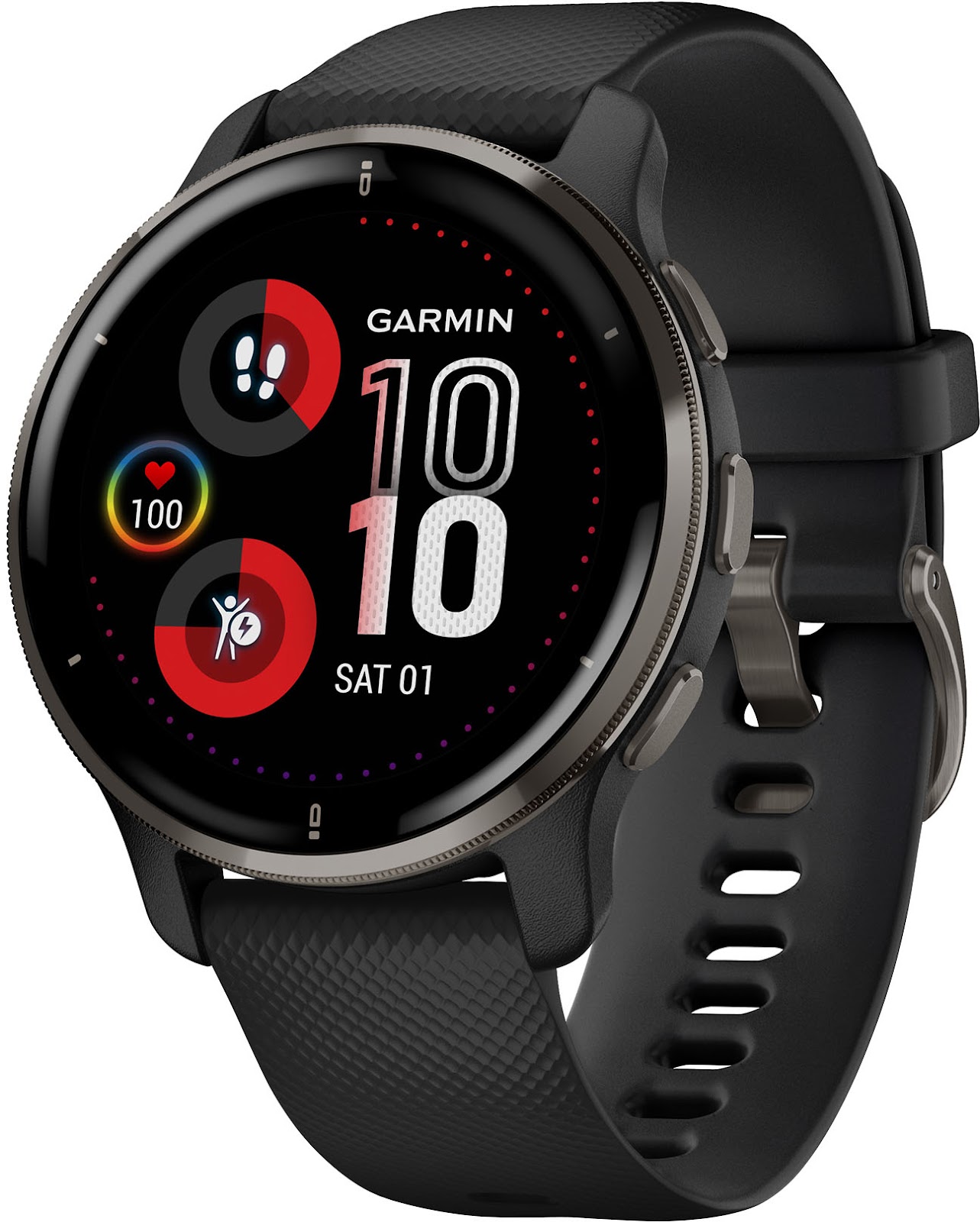
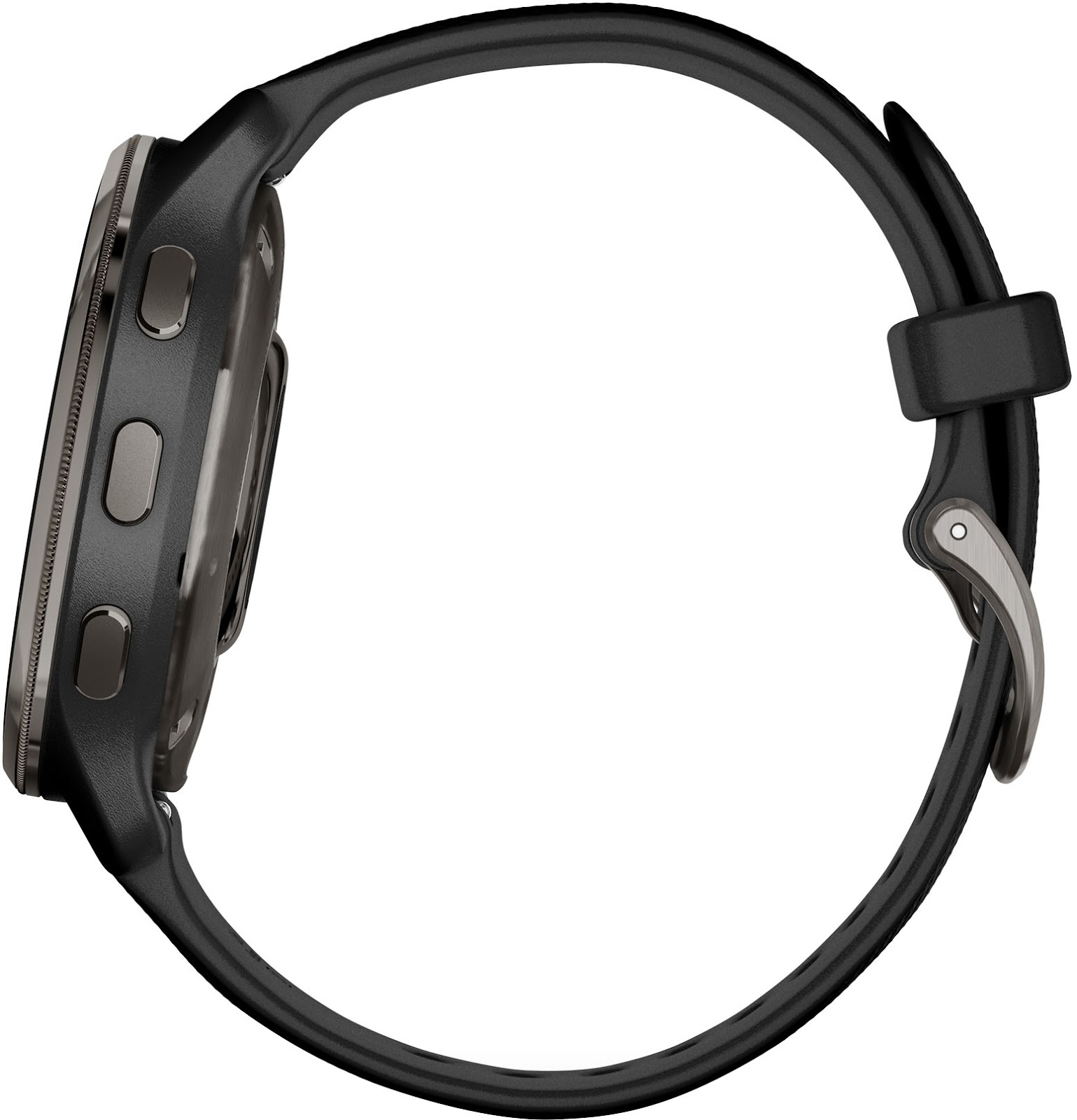
From the leaks, we can see that Garmin went for a circular watch face design, with 3 buttons on the side, instead of the usual 2 buttons or a rotating crown like the Apple Watch Series 7. The extra button may be used as an extra function key, as most smartwatches only have 2 basic controls, the home buttons, and the back button.
1 of 2
It also borrows a design cue, a ragged bezel for extra grip, from its competitor, the Samsung Galaxy Watch4 Classic. It is not yet known whether the bezel is rotatable or not, so we have to wait for the official release of the Venu 2 Plus.
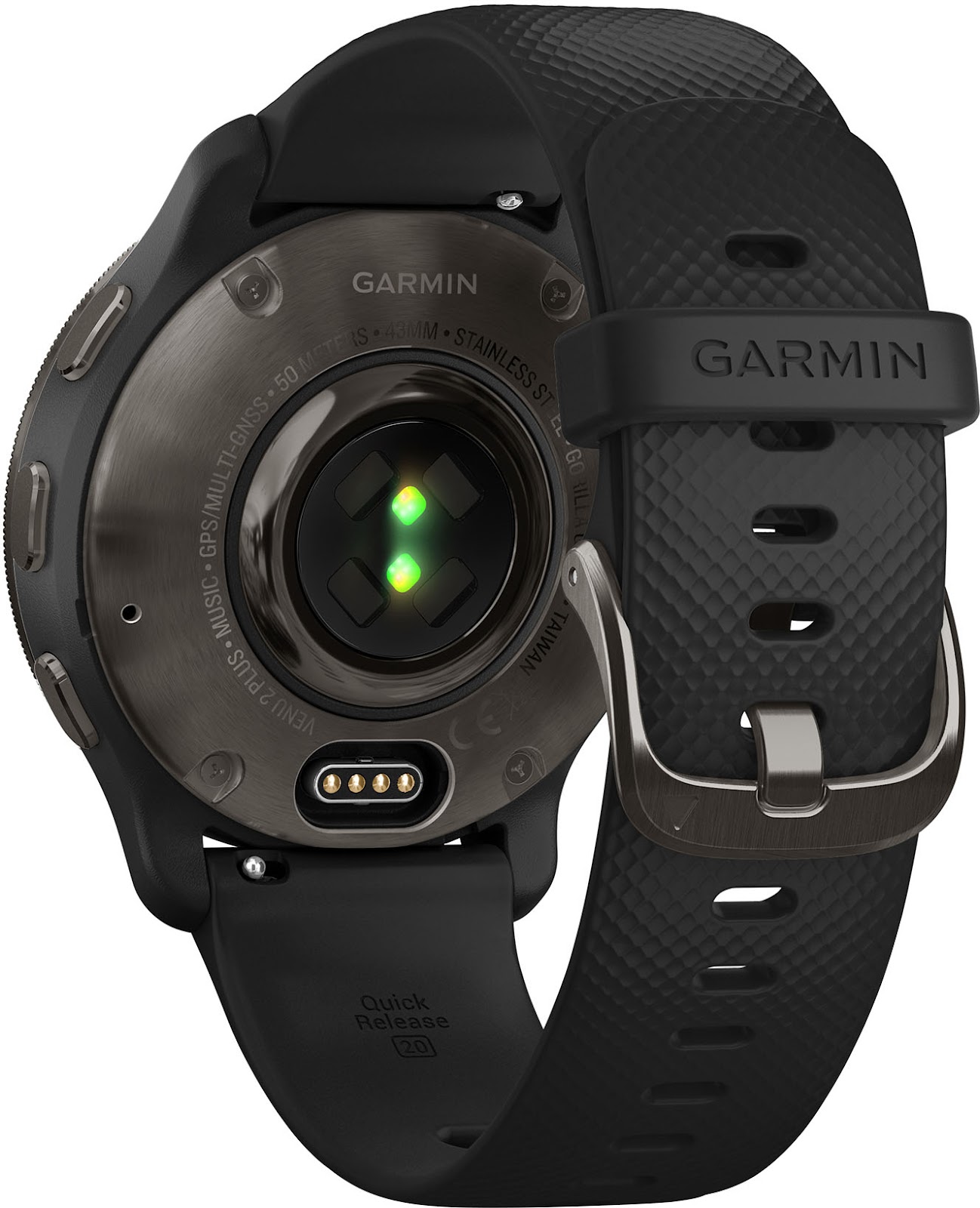
The leaks also show that the Garmin Venu 2 Plus is using a 43mm stainless steel construction for its body, unspecified Gorilla Glass for strong and resistant display protection, as well as 50M water resistance. The Venu 2 Plus supports 20mm swappable watch bands, like its competitor, the Galaxy Watch 4 Classic.
Another highlight of the Garmin Venu 2 Plus is its support for “music”. The back cover of the Venu 2 Plus surprisingly has “music” ingrained as a highlighting feature, which may signify better speakers on the Venu 2 Plus compared to its peers in the smartwatch industry. It can save the hassle of using 2 devices for athletes who enjoy listening to music when working out, as you now only need one smartwatch to satisfy your needs.
Another useful feature of the Venu 2 Plus is the inclusion of GPS and multi-GNSS technology for accurate step-tracking as well as navigation for users, which is great for those who are into jogging or biking.
Garmin has not revealed any information of when it will release the Venu 2 Plus yet but speculations reveal that it may be released in Q1 2022.
The upcoming Samsung Galaxy S-series flagships, which are expected to launch in February next year, have been plagued with leaks and rumors, whether it be specification leaks or its sightings on Samsung’s official website. Now, new leaks have surfaced of its top-end model, the Galaxy S22 Ultra, showcasing its rear styling and design profile.
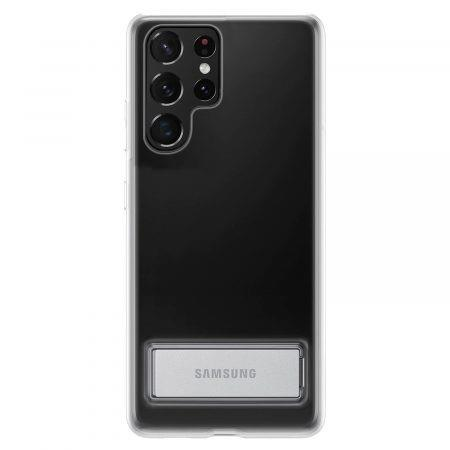
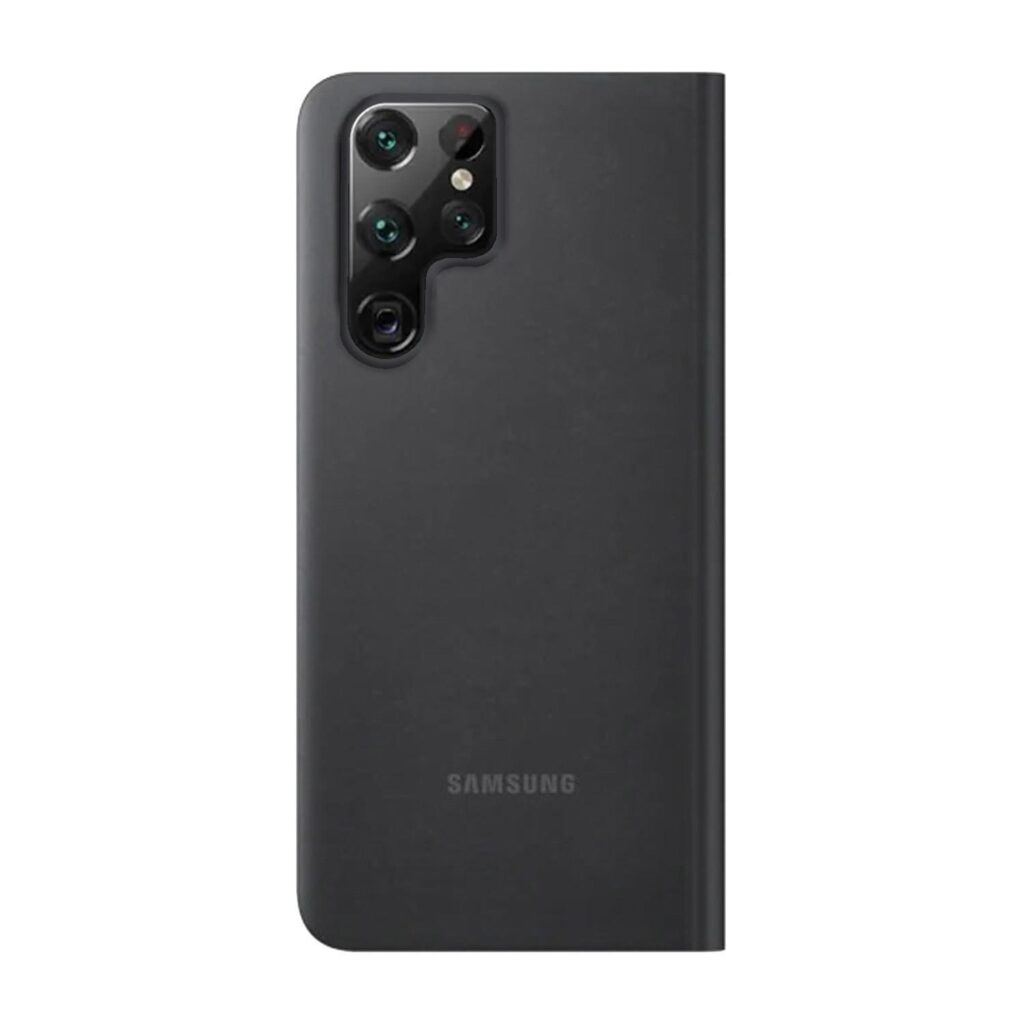
The know tipster Roland Quandt took to Twitter to share his latest findings which feature standing pictures of the Galaxy S22 Ultra with a clear back cover on. The leak has been claimed to come from the UK retail chain.
The renders showcase a rectangular design with slightly curved edges which goes along with the earlier render leaks of the device. However, one difference can be observed in the camera module of the Galaxy S22 Ultra, which was previously shown to have an almost non-existent camera bump with the lenses protruding from its body. Now, going by the new reveals, it appears that the phone will indeed feature a camera bump which can be observed by the camera module cut out of the clear view cover. The render also reveals that the phone will house a quad-camera setup along with a laser autofocus sensor and an LED flash.
The tipster also revealed the design of the upcoming stylus for the Galaxy S22 Ultra which appears to be quite similar to the current-gen stylus on the Galaxy S21 Ultra.
Previous leaks have suggested that the Samsung Galaxy S22 Ultra is set to launch in February 2022 and features a 6.8-inch screen with a quad 108MP + 10MP + 10MP + 12MP rear camera setup. The device will have the latest Snapdragon 8 Gen 1 SoC under its hood but might even come with Samsung’s own Exynos 2200 SoC. The phone is rumored to come with two RAM configurations of 12GB paired with 128/256GB storage and 16GB paired with 512GB.
The device is said to come in Dark Red, Black, and White color options, but some reports have also pointed to a new Green color option. As for the pricing, if the reports are to be believed, the Galaxy S22 series could have a starting price of $799.
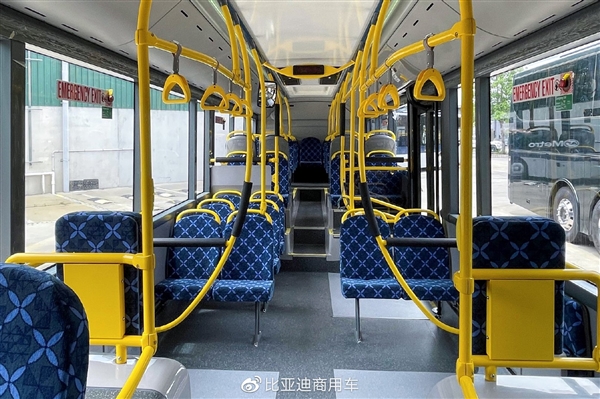
Chinese automobile giant BYD recently teamed up with British bus manufacturer Alexander Dennis (ADL) to commence the production of electric buses. The joint venture company has now announced that the first batch of the buses known as BYD ADL Enviro200EV XLB ultra-long pure electric buses have been fully assembled locally in New Zealand. The buses are billed to be handed over to New Zealand bus operator Howick & Eastern Transdev for operation in no distant time
The BYD ADL Enviro200EV XLB ultra-long pure electric bus combines BYD lithium iron phosphate battery technology, power chassis technology, as well as ADL and Kiwi Bus Builders professional passenger car customization technology. Apart from the chassis, all other components fitted on the bus are said to have been supplied by BYD.
The electric bus has a length of 12.6 meters, enough to accommodate up to 75 passengers. It equally comes with a full battery cruising range of 300 kilometers, which can meet the needs of daily operations.
Kiwi Bus Builders’ general manager expressed the firm’s admiration at being able to complete the electric vehicle assembly. He noted that the manufacturing process had provided his company with a clear understanding of how to manufacture electric buses in batches to achieve the government’s zero-emissions goal.
At present, BYD has got customers in many countries including Japan, South Korea, Singapore, Australia, India, etc. in the Asia-Pacific region. Globally, BYD’s business has spread to more than 300 cities in more than 50 countries and regions.
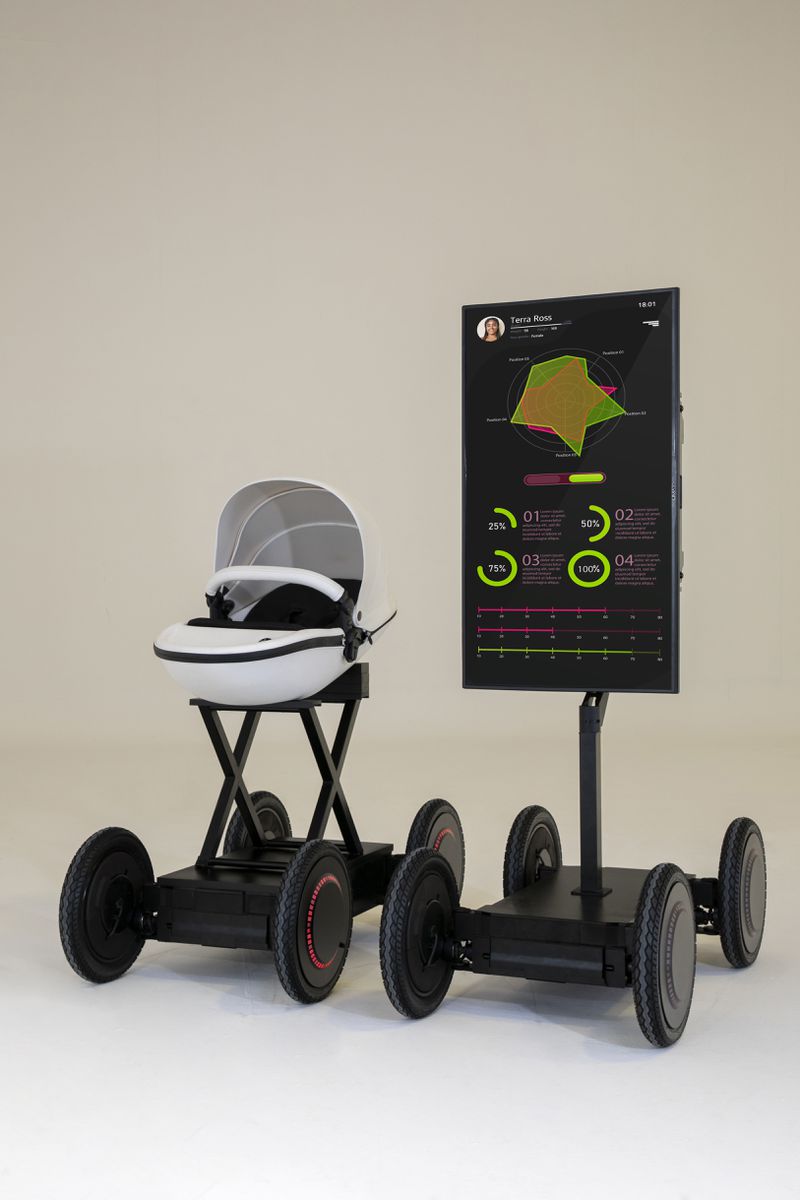
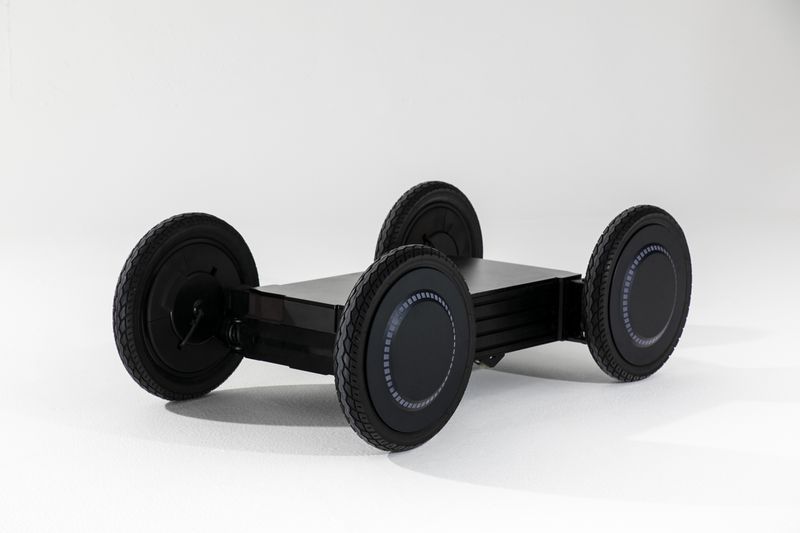
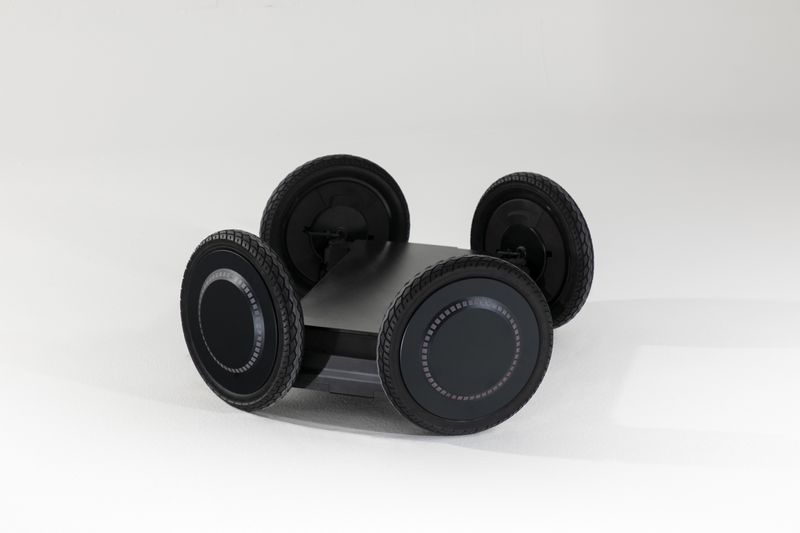
Hyundai is making progress in its choice of new mobility products encapsulated by the MobED mobility platform. The MobED is a four-wheeled robot that is designed to carry everyday loads and it has a top speed of 30km/h. The Hyundai MobED concept was first announced during CES in January this year and the company has now released a press statement outlining some details of the new four-wheeled robot. The MobED is designed to carry everyday parcels and also it can carry humans.
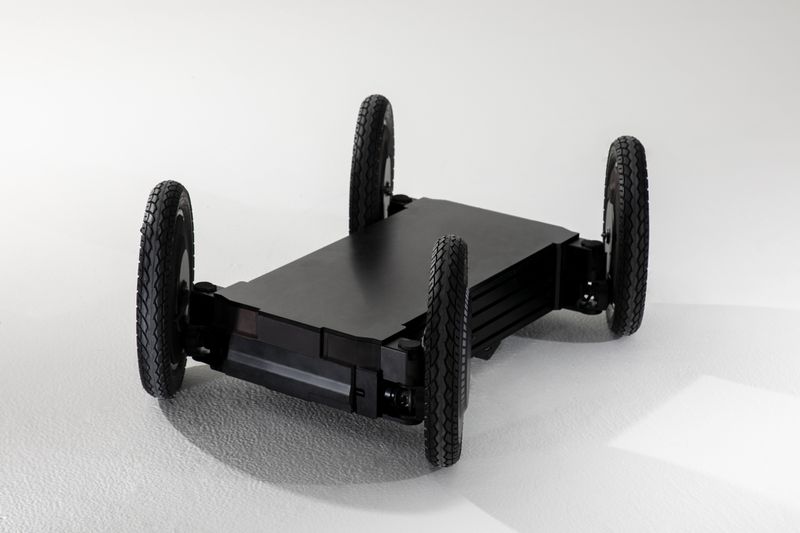
The MobED has a dimension of 67x60cm, with four independently controlled 12-inch pneumatic tires and a solid suspension system. The suspension system of the MobED accommodates the tilting of the central platform in any direction. This helps the MobED to keep goods level while navigating through angular surfaces like a ramp or slope. Hyundai is conceptualizing some innovative applications of the MobED vehicle.
Hyundai MobED four-wheeled robot
1 of 3
The South Korean automaker hints that the robot could be used as a personal caddy and several industrial applications. Indeed, Hyundai plans to sell the MobED to industrial partners who may then adapt it to their specific mobility needs. It can also be scaled up for use as a mobility device for the elderly or physically challenged, as well as a stroller or leisure vehicle.
The MobED has a battery life of 4 hours although several important details about the actual mobility mechanism deployed in the robot are still lacking. The pricing and release date for the MobED is yet to be released by Hyundai.
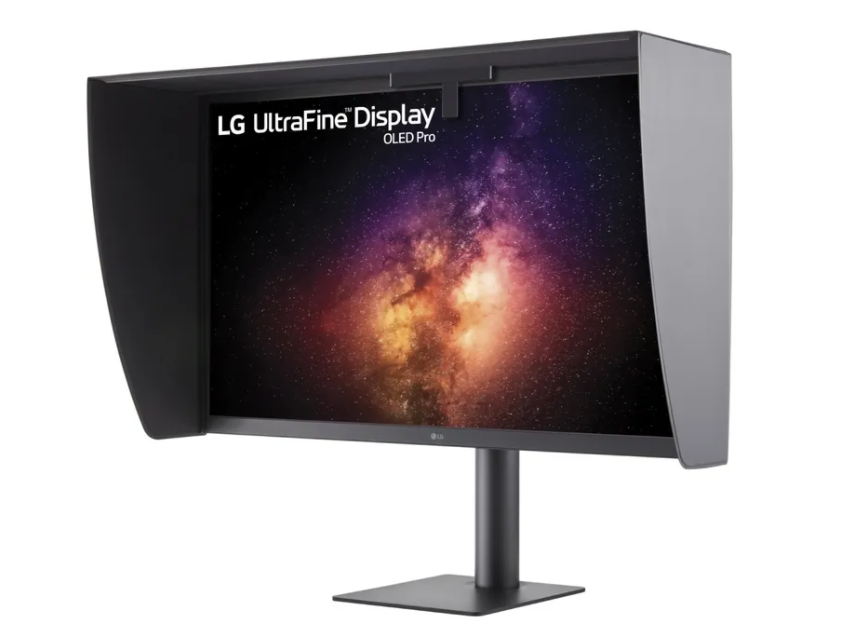
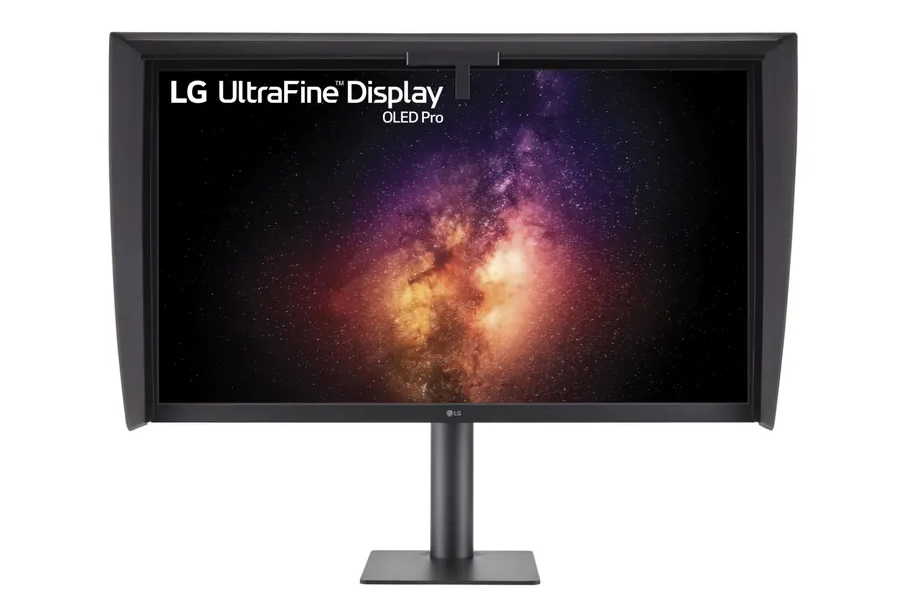
LG has unveiled the UltraFine OLED Pro 4K monitors for 2022 and it will include a 27-inch monitor in addition to the 31.5-inch model. The 2021 model which is available in a sole 31.5-inch model is priced at $3,999. Although there’s no word yet on the pricing of the two new monitors, they are expected to start shipping from January 2022. It is speculated that the 27-inch model could be priced below $4,000 which is bound to be attractable to a segment of the market.
The LG Pro 4K OLED monitors are not primed for gaming applications due to their lower display refresh rates of 60Hz, although not explicitly stated yet. If the 60Hz display refresh rate is retained, it will also be a bit tasking to use these screens for watching movies or TV. The LG Pro OLED monitors are not designed for use in daytime lit environments or content that involves fast-moving screen activity.
One of the key talking points of the LG Pro OLED monitors is that they retain the original looks while editing videos or photos. They also have detachable self-calibration sensors and monitor hoods. The LG Calibration Studio software can be used to adjust the settings of the monitor. These models are coming just a few months after the first shipments of the 2021 model in September 2021.
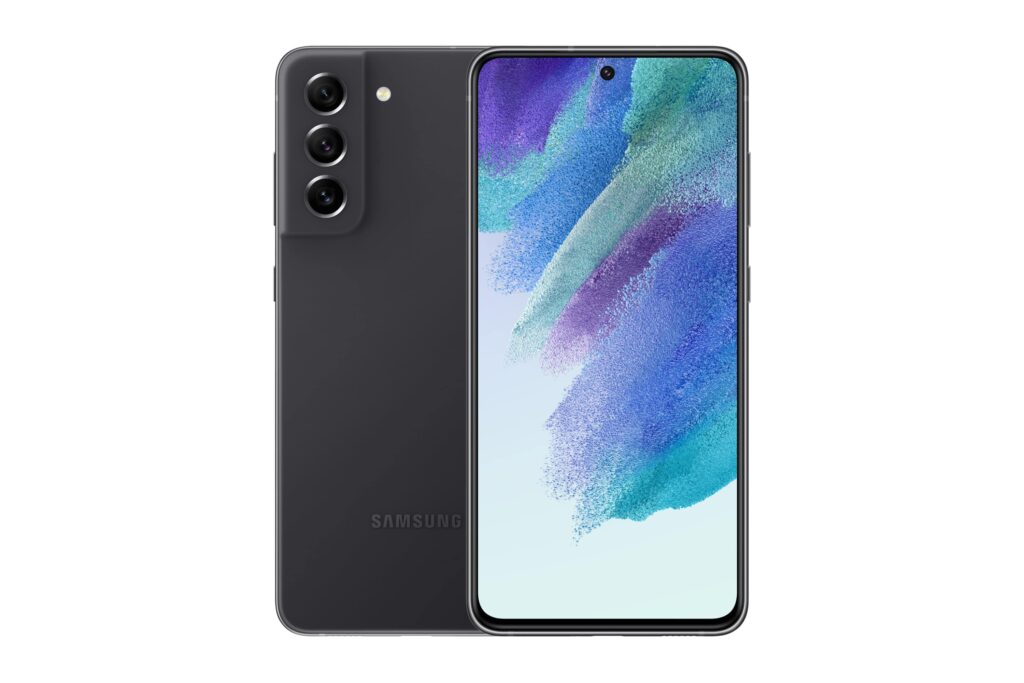
Following news of delays and even cancellation, the Samsung Galaxy S21 FE is now finally almost upon us, with rumors setting a January 5 release date. Fans waiting to purchase the device for months will be happy to know that the phone will likely be shipping with Android 12 – something that wouldn’t have been possible had supply constraints not delayed its release.
The phone has been extensively leaked over the past couple of months, leaving almost nothing unknown about it anymore. But the final blow for leaks was delivered by another one from yesterday that revealed not only its complete specifications down to the minutest detail but also the pricing of all of the variants.
Now the pricing of the Galaxy S21 FE has been doing rounds for a while now, although it did seem a bit far-fetched considering the base variant had been priced at EUR 920, which puts it in the top-of-the-line flagship league.
The updated pricing, on the other hand, that comes from WinFuture.de (via PhoneArena) lists the price of the base variant as a more reasonable $749. Mind you, this is still higher than the Galaxy S20 FE’s price of $699 but it could be possible that Samsung will revise it at launch.
Samsung Galaxy S21 FE pricing:
749 USD/EUR for the 6GB/128GB version
819 USD/EUR for the 8GB/256GB version
The leak also confirms the 6.4-inch screen size of the phone and sets its dimensions at 155.7 x 74.5 x 7.9mm, which should feel noticeably more comfy in hand when compared to the Galaxy S20 FE’s 159.8 x 74.5 x 8.4mm dimensions. Apart from this, the S21 FE has also been unofficially confirmed to feature much slimmer bezels than its predecessor – yet another contributing factor for its more compact design.
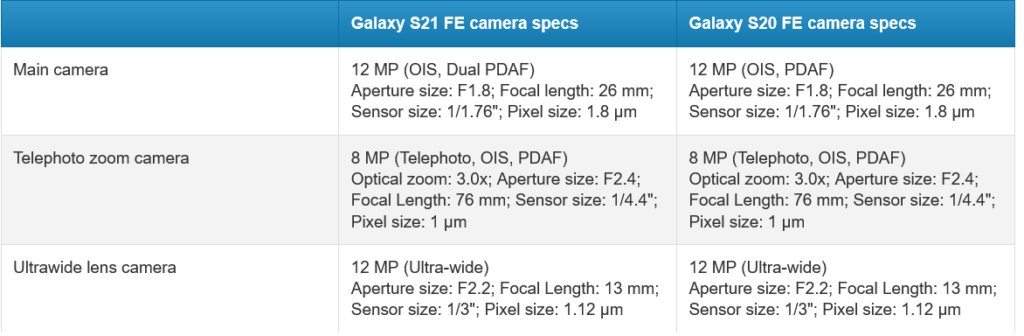
Last but not the least, the complete camera specifications of the Galaxy S21 FE have been revealed and they have been given in a neat little table below:
Source: PhoneArena
For remaining specifications, head over to our past coverage.
Huawei is seeking a level playing field to be a part of the Digital India initiative and is urging the local government for an open policy, which would also allow it to enter India’s 5G networking infrastructure.
According to an Economic Times report, the Chinese tech giant’s India CEO, David Li, has asked the Indian government to have an “open policy” to welcome global telecom based firms. The executive stated that “I believe India should have a more open policy and should also welcome all the global players to contribute in this journey. This global collaboration will not only give a faster 5G deployment, more cost effective, faster roll-out and higher efficiency, and also will bring more user cases and good experience to make this 5G journey more proactive.”
As of right now, the telecom equipment maker has already setup 4G networks for Bharti Airtel and Vodafone Idea, two telecom service providers that operate in India. But despite its presence in the region, the company’s equipment is being slowly replaced by other rival vendors as the country moves towards 5G networking standards. But while 5G trials are already under way, Huawei and ZTE have been left out.
Thus, the Huawei India CEO said that “We also have a very huge incumbent network. Network is more like an asset to society as well as the responsibility and also moving forward I believe, we have a deep understanding of Indians towards challenges in terms of digitization and digital transformation. So, we definitely can play a very important role and we can contribute a lot to India. In this regard, we are seeking a level playing field for the Indian market.”
For those unaware, telecom operators like Reliance Jio, Bharti Airtel, and Vodafone Idea are currently testing 5G trials in India with their equipment suppliers like Nokia and Ericsson. The government is seeking to begin commercial 5G roll out by the second quarter of next year.
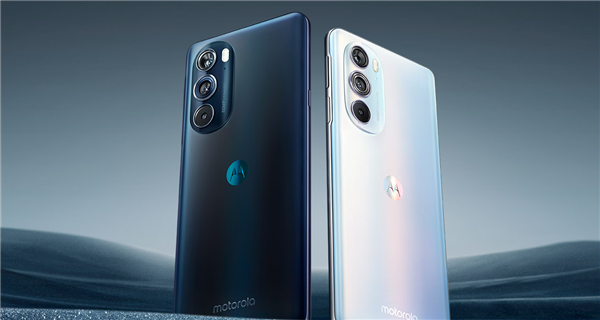
After its release earlier this month, Motorola’s Edge X30 became the first smartphone to arrive carrying Qualcomm’s latest and greatest Snapdragon 8 Gen 1 Soc. Now, the device receives its first system update which brings along multiple bug fixes, software updates, and optimizations.
According to an ITHome report, the update has the version number SOSC32.16-29-12 and carries the latest December Android security patch. The update also brings newer versions of multiple software, including Mobile Manager, Moto App, Moto Display, Moto Wallet, Moto Personalization, Dolby Atmos, Device Help, Clock, Health Check, Real-time Subtitles, Voice Recorder, Phone, Message, Moto Game, Moto Camera, Moto Gallery. In addition to that, the update also brings optimization changes and multiple bug fixes, which are mentioned below.
Moto Edge X30 optimization changes and bug fixes
Optimized the touch experience
Optimized fingerprint experience
Optimized screen recording experience
Optimized charging performance
Optimized Bluetooth performance
Fixed some detailed problems and optimized system stability
Updated baseband
Optimized 5G network performance
Fixed some details and optimized network communication experience
Updated the application drawer to support full-screen viewing
Updated the display mode to bring a new interface
Optimized automatic recognition of external screens and increased resolution support
Fixed some details and optimized the connection experience
Optimized camera performance
Optimized the wide-angle night scene effect
Optimized the night scene effect of the main camera
Optimized the front automatic night scene effect
Optimized low light effect in auto mode
Fixed some detailed problems and optimized the camera imaging effect
Integrated Qualcomm optimization patches
Optimized gaming performance experience
Fixed some details and optimized the gaming experience
This software update with version number SOSC32.16-29-12 was released earlier today and will be available for Moto Edge X30 owners via OTA update.
If you are curious about the new Motorola flagship’s performance then stay tuned for an upcoming in-depth review of the Edge X30.
During the OPPO INNO Day 2021, the company had revealed a number of new technologies it had been working on. This includes its first commercial foldable smartphone, the Find N, its Air Glass, and even its first NPU imaging chip as well. Now, a new patent has revealed that the company might be working on a new futuristic device as well that features an interesting design.
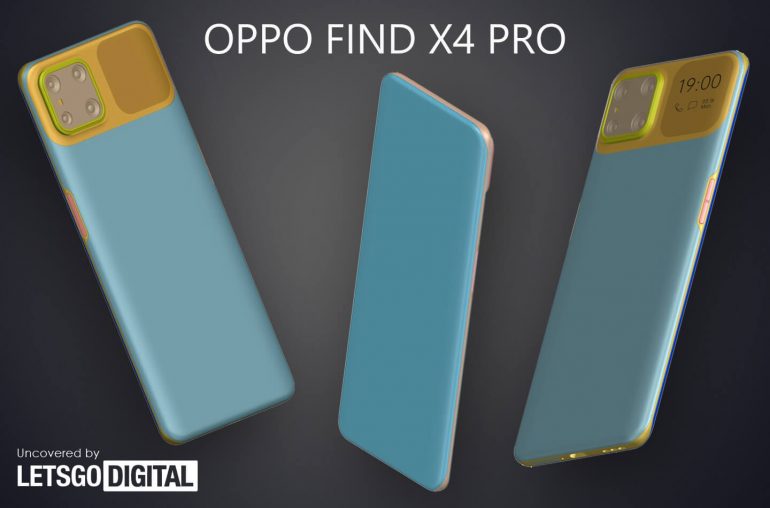
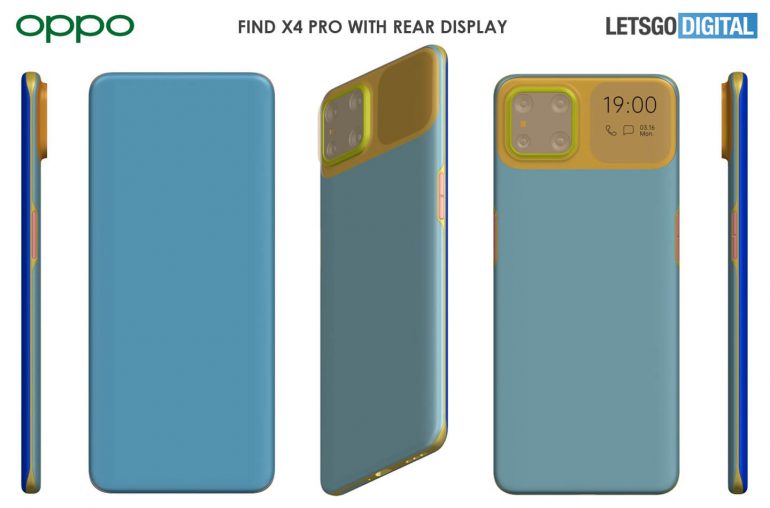
According to a LetsGoDigitalreport, the Chinese smartphone maker had filed a patent with the CNIPA (China National International Property Administration), which got published earlier this week and was also spotted in the WIPO (World Intellectual Property Office) database as well. This patent arrived with a description for the handset and dozens of design sketches as well. Looking at these images, we can see that the smartphone has quite a unique design and could possibly be an upcoming Find X4 series model.
It features dual displays, with a primary screen on the front and a smaller secondary panel on the rear. This smaller display features a squarish design and is situated next to the rear quad camera module, which also has a square shape. On the other hand, the front display is notable as well, since it offers a panel that is curved on all four edges. In other words, no bezel appears to be visible when looking at the device from the front.
Another notable aspect of the front display is the inclusion of an under display camera. Meaning, Oppo might debut the latest under screen camera technology with the Find X4 series. With the display also being rounded on all four sides, the edges will have quite a thin frame, which will also house the usual volume rockers and power button. Keep in mind that this is still just a patent and we have no confirmation that this actually is a Find X4 series model. So take this report with a pinch of salt.
We use cookies on our website to give you the most relevant experience by remembering your preferences and repeat visits. By clicking “Accept”, you consent to the use of ALL the cookies.
This website uses cookies to improve your experience while you navigate through the website. Out of these, the cookies that are categorized as necessary are stored on your browser as they are essential for the working of basic functionalities of the website. We also use third-party cookies that help us analyze and understand how you use this website. These cookies will be stored in your browser only with your consent. You also have the option to opt-out of these cookies. But opting out of some of these cookies may affect your browsing experience.
Necessary cookies are absolutely essential for the website to function properly. This category only includes cookies that ensures basic functionalities and security features of the website. These cookies do not store any personal information.
Any cookies that may not be particularly necessary for the website to function and is used specifically to collect user personal data via analytics, ads, other embedded contents are termed as non-necessary cookies. It is mandatory to procure user consent prior to running these cookies on your website.