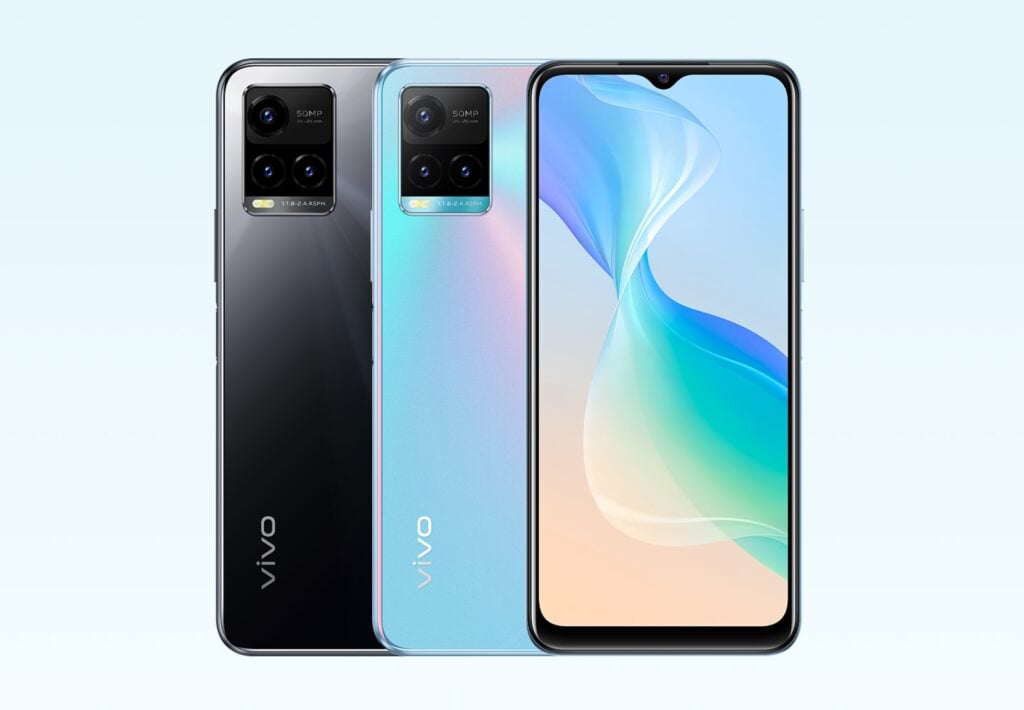
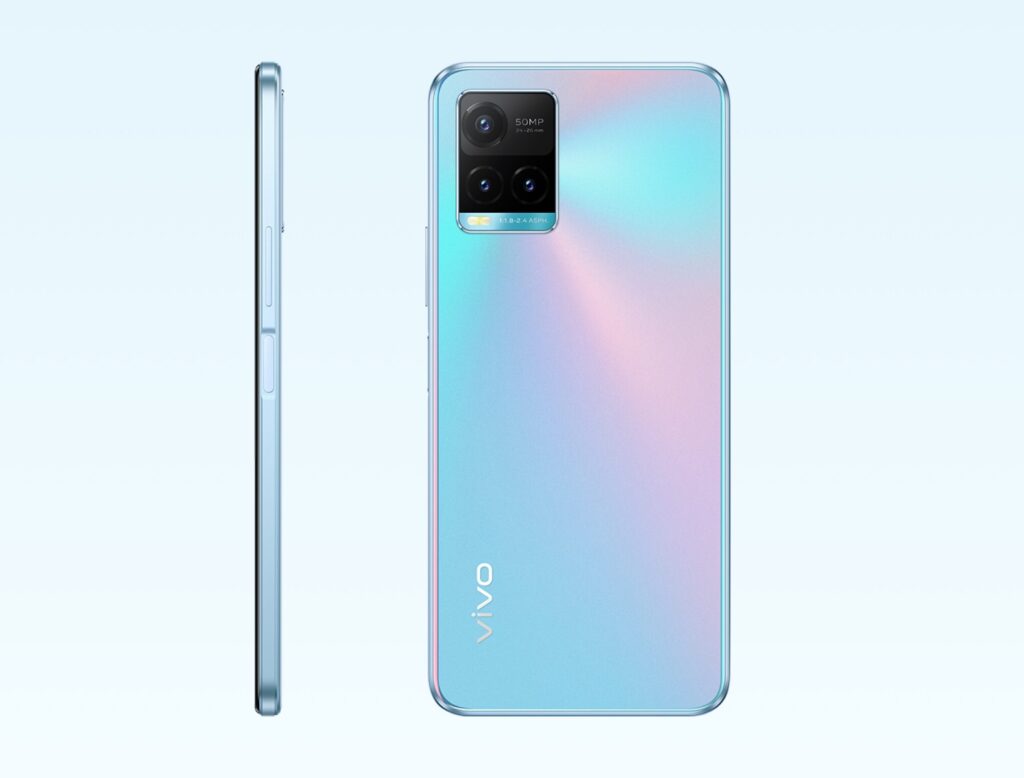
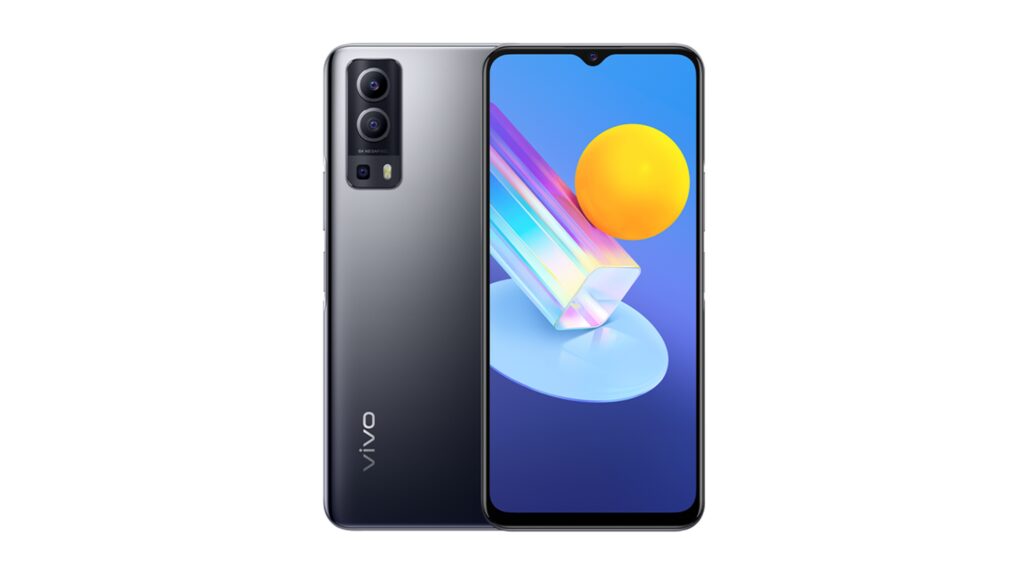
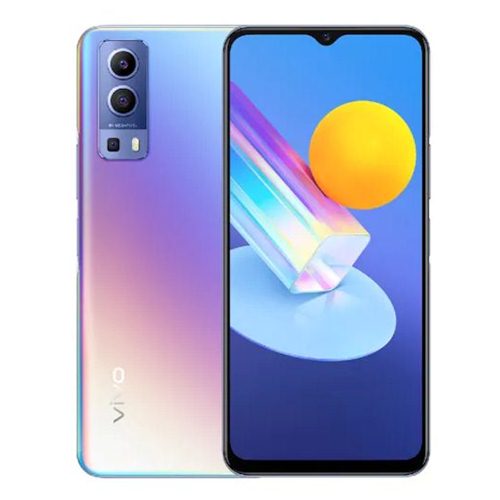
Vivo launched the Vivo Y72 5G back in July 2022, which was the company’s first 5G handset under the Y-series in India. The smartphone was released in only one memory configuration being 8GB + 128GB at a price of Rs. 20,999 (~$283). Now, the device has received a permanent price cut of Rs. 1000 (~$13).
According to Mahesh Telecom, the Vivo Y72 5G with Snapdragon 480 SoC coupled with 8GB RAM and 128 GB storage will now cost Rs. 19,999 (~$270) in India.
Vivo Y72 5G specifications and features
The Vivo Y72 5G houses a 6.58-inch IPS LCD display with a teardrop notch that delivers a screen space of 90.6 percent. The screen offers an FHD+ resolution, a 20:9 aspect ratio, and a 90Hz refresh rate. The right side of the device has a volume rocker and a power key, which is embedded with a fingerprint sensor.
For shooting selfies and video calls, the Vivo Y72 5G has an 8-megapixel front camera with an f/1.8 aperture. The squarish camera module available on the rear shell of the device has a 48-megapixel primary camera with f/1.8 aperture, a 2-megapixel bokeh camera, and an LED flash.
Under the hood, the device houses a Snapdragon 480 chipset with 8 GB of RAM. It offers 4 GB of virtual RAM and internal storage of 128 GB. It runs on Android 11 OS and FunTouch OS 11. On the connectivity front, the Y72 5G offers dual SIM, 5G, Wi-Fi 802.11ac, Bluetooth 5.1, GPS, USB-C, and a 3.5mm headphone slot. The device measures 164.15 x 75.35 x 8.4mm and weighs 188 grams. The handset is available in colors like Prism Magic (blue) and Slate Grey.
Xiaomi runs a crowdfunding website called Youpin in China. The company sells products from its sub-brands and some third-party companies on this platform. Recently, the brand announced a new gaming mouse, which will start crowdfunding on January 12.
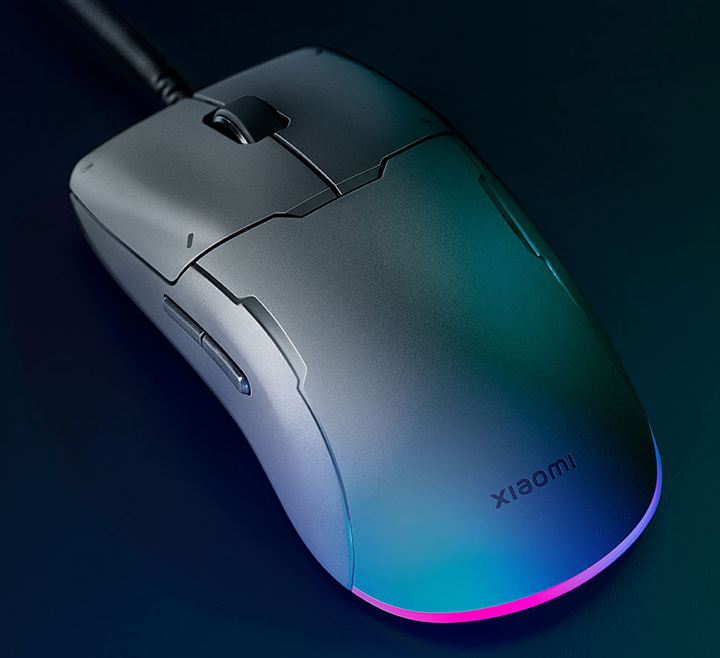
According to an ITHome report, the Chinese tech giant has unveiled the Xiaomi Gaming Mouse Lite for crowdfunding. The product will have a crowdfunding price of 99 yuan ($15) and will retail in the market for 129 yuan ($20).
Xiaomi has unveiled that the mouse will weigh only 72g, however, it will retain its structural integrity. The Gaming Mouse Lite uses TTC dust-proof gold micro-motion switches which come with a lifespan of 80 million clicks. Additionally, it features an IP54 rating which protects against dust deposit buildup, avoiding double click issues.
The Xiaomi Gaming Mouse Lite features the Pixart 3327 optical sensor with up to 6200DPI. The mouse offers a variety of DPI adjustments including 400, 800, 1600, 300, and 6200 DPI. Additionally, the mouse has a maximum moving speed of 220 inches per second.
The wired mouse offers sub 1ms response time thanks to its NXP 32-bit ARM architecture MCU. Being a gaming mouse, it also consists of an RGB light strip which can easily be changed and adjusted with a combination of keys on the mouse, eliminating the need for discrete software.
The crowdfunding for the Xiaomi Gaming Mouse Lite mouse will begin at 10 am on January 12 and end at 10 am on January 19.
Back in October, iQOO released the Android 12 update plan for its iQOO phones. The iQOO Z5 was scheduled to get the update in December 2021, but it didn’t happen. Now, iQOO has officially pushed the Android 12-based Funtouch 12 beta update to Z5 handsets.
Do note that this is the public beta for the iQOO Z5 and not the stable version. The firmware version of the update is PD2148F_EX_36.9.2 and has a 5.08GB size. The update brings Android 12 and Funtouch OS features for a test. Soon, we expect to see the stable update getting rolled to devices across the world.
iQOO Z5 Twilight Dawn
Previously, the iQOO Z3 launched last year received the Android 12-based Funtouch 12 update in December. It was sized at 4GB and brought improvements and changes to the widgets, stickers, and small window functionality.
Next up, as per the schedule, the iQOO 3 should be getting the update, but it is scheduled for late March this year.
iQOO Z5 Specifications
The iQOO Z5 comes with a 6.67-inch IPS LCD display with an FHD+ resolution. It has a triple camera system with a 64MP main, an 8MP ultra-wide, and a 2MP macro sensor. The device has a 16MP selfie snapper. It is powered by the Snapdragon 778G SoC paired with up to 12GB of RAM and 256GB of internal storage. The phone packs a 5,000mAh battery and has 44W fast charging support.
Last week was quite busy. It was not only the first week of 2022 but also the week of CES 2022. For the unaware, CES (Consumer Electronics Show) is probably the biggest tech event of the year. Hence, we witnessed multiple announcements from a wide variety of companies from around the world. At the same time, several Chinese OEMs unveiled a bunch of new smartphones, in addition to handsets from HMD Global and Samsung.
As there were many interesting announcements at CES, we have categorized them separately from the smartphone launches. That said, we have only selected a few stories, which we deem to be more important than others. Your opinions may vary, and therefore, we would like to hear them in the comment section below.
Top Stories from Last Week
CES (Consumer Electronics Show) 2022
Televisions
Unsurprisingly, the 2022 edition of CES was a conference of TVs, just like every year. Some companies even debuted next-gen technologies.
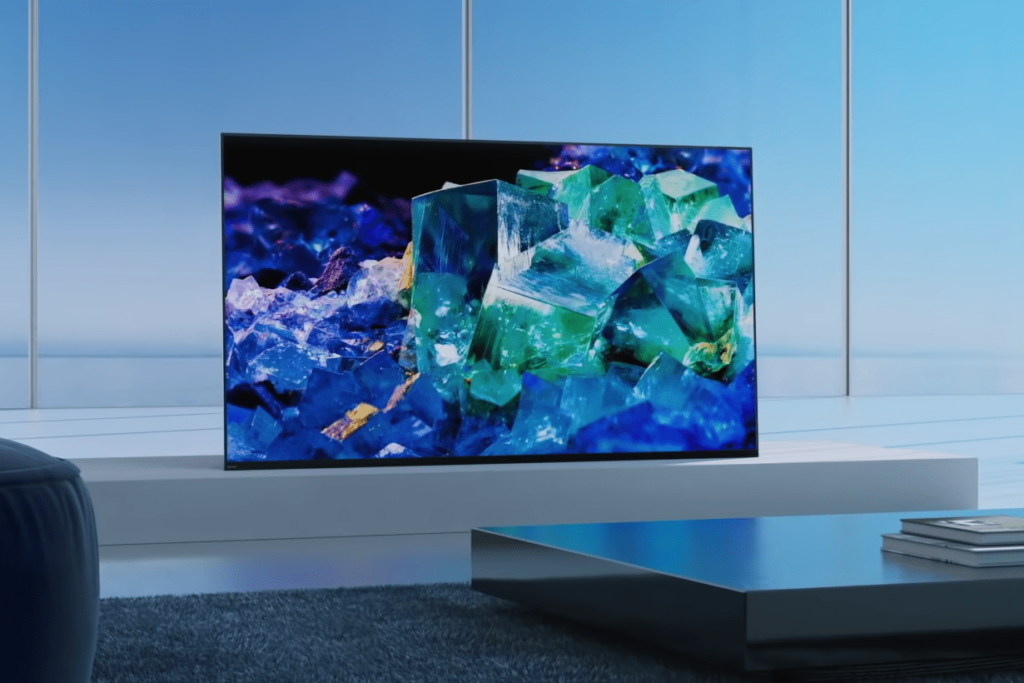
For instance, Sony announced the world’s first QD-OLED TV called Sony Bravia XR A95K. This new TV uses Quantum Dot OLED panels from Samsung Display, which offer improvements in brightness and color reproduction than the regular OLED panels from LG Display.
Sony Bravia XR A95K
For the unaware, it was actually Samsung that was rumored to unveil QD-OLED TVs. However, the company merely updated its existing Neo and The Frame Lineup of televisions with improved specs and for some reason, NFTs. The Samsung SolarCell Remote also got an updated model with support for radio wave charging.
LG, on the other hand, announced its largest and smallest OLED TVs to date. The latter is well-suited for gaming. Then, there’s Hisense, which not only updated its existing lineup with new models but also switched to Google TV.
Monitors
Just like televisions, there were multiple monitors from different companies. However, we found only three of them to be interesting as they are the first of their kind.
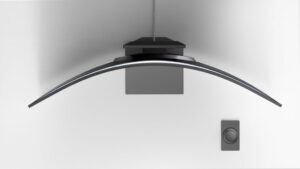
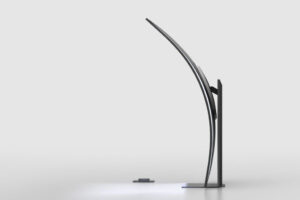
The first two monitors are none other than Samsung Odyssey Ark and Samsung Odyssey Neo 8. The former is a crescent-shaped monitor, while the latter is a 4K mini LED monitor with a 240Hz refresh rate and a 1000R curvature.
The third model is MSI MEG 271Q Mini LED. It is the world’s first 27-inch IPS mini LED monitor with a 300Hz refresh rate.
Laptops
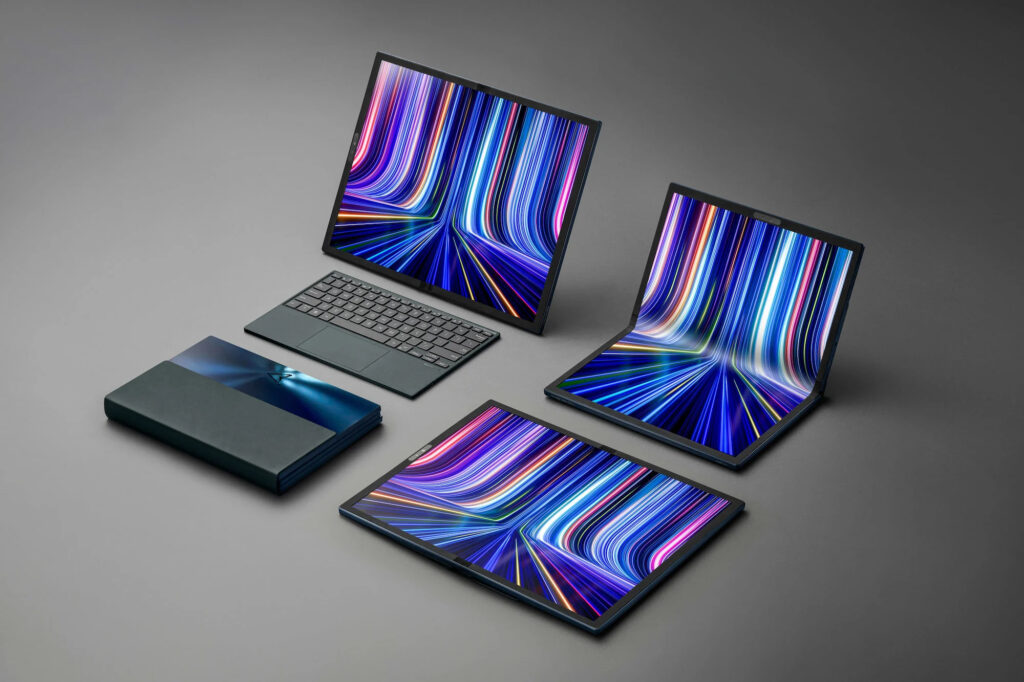
As usual, there were many laptops but only a few were compelling. The first and foremost is ASUS Zenbook 17 Fold. This foldable computer can be used as a laptop, tablet, or even a desktop. On paper, it seems to be a better option than Lenovo ThinkBook X1 Fold, which is yet to get a successor. AUSU also updated its Zephyrus G14 and Zephyrus G15 family of gaming laptops.
Further, Dell announced a bizarre minimalist laptop called Dell XPS 13 Plus. It features a spaceless keyboard, an invisible haptic touchpad, and a capacitive function key row. It is bold of Dell to introduce such a radical design on its flagship lineup.
ASUS Zenbook 17 Fold
Lenovo announced ThinkBook Plus Gen3 with a 17-inch main display and an 8-inch secondary display on the deck. The latter is basically a tablet on a laptop. The company also introduced ThinkPad Z13 and ThinkPad Z16 with a reverse notch.
Lastly, TCL entered the laptop market with the announcement of TCL Book Go. It is a budget ARM laptop with a Snapdragon 7c chipset and Windows 11.
Processors and GPUs
Both Intel and AMD announced their new generation of processors, namely the Intel 12th Gen Alder Lake and AMD Ryzen 6000 series.
NVIDIA also unveiled three new GPUs, such as RTX 3050, RTX 3070 Ti, and RTX 3080 Ti. You will most likely not be able to grab the former graphic card or laptops housing the latter two GPUs when they go on sale.
Miscellaneous
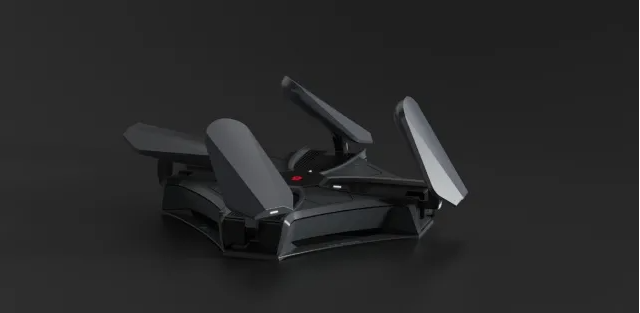
Out of nowhere, ASUS debuted the world’s most powerful gaming tablet called ASUS ROG Flow Z13. Whereas, TP-Link announced a prototype router dubbed Archer AXE200 Omni, which can adjust its antennas by itself to provide a better WiFi signal.
Archer AXE200 Omni
BMW demonstrated a color-changing electric car called BMW iX Flow utilizing E Ink technology. Lastly, Samsung Display showcased many foldable concepts like Flex S, Flex G, Flex Note, and Flex Slidable.
Smartphones from Chinese OEMs
Vivo
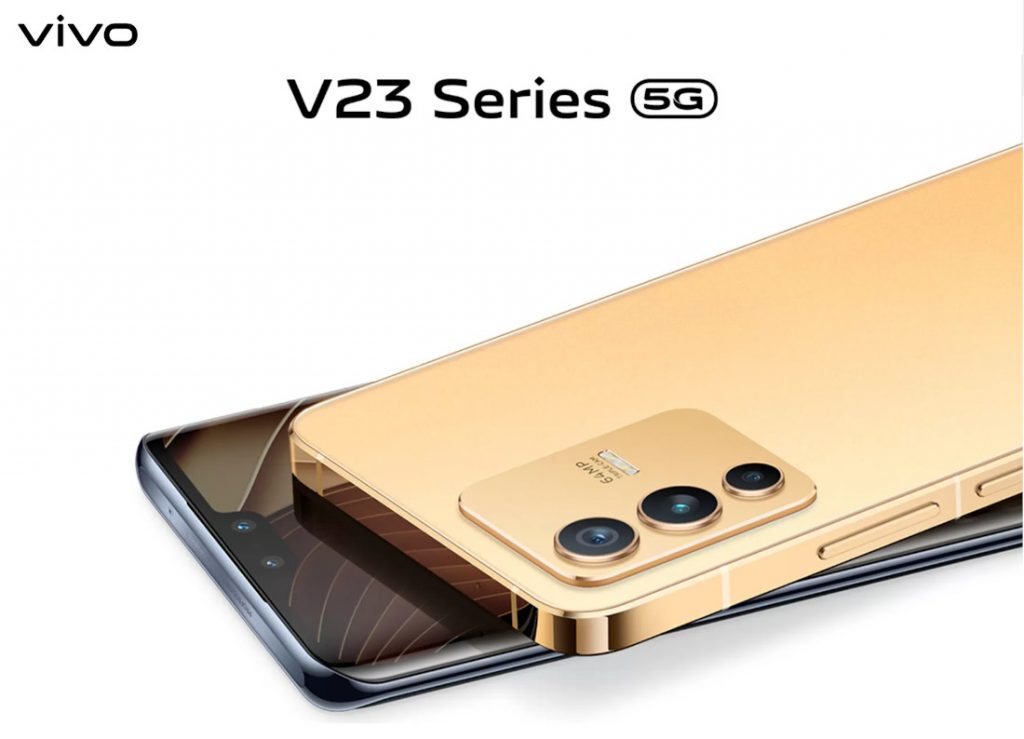
Vivo launched around three smartphones last week. The Vivo V23 series comprising of Vivo V23 and Vivo V23 Pro finally went official in India after numerous leaks. The main highlights of these lifestyle smartphones are their dual selfie cameras with dual LED flashlights and the color-changing rear panel on the Pro model.
Apart from the aforementioned premium mid-rangers, Vivo also debuted a different Vivo Y21T in India than the one released in Indonesia. Both these phones are based on yet another device called Vivo Y32, which is sold in China.
iQOO
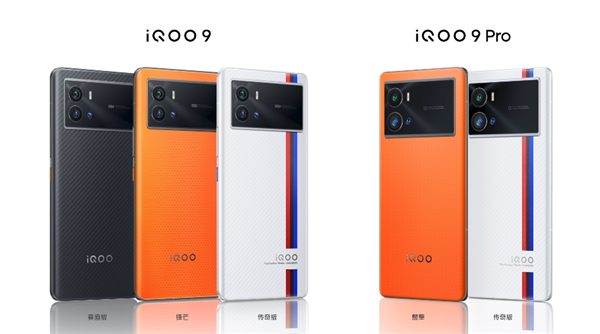
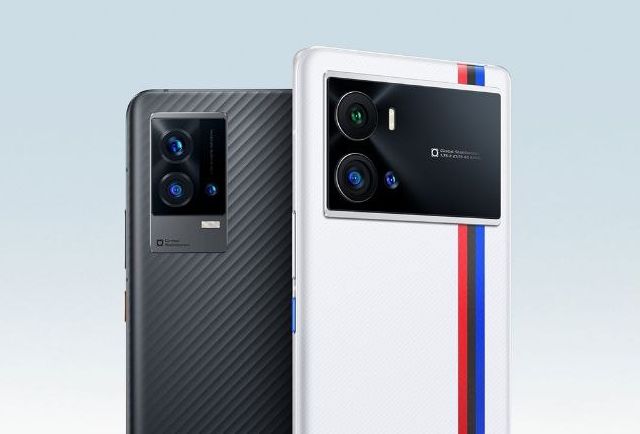
iQOO unveiled its flagship iQOO 9 series in China. The lineup includes three models, namely iQOO 9, iQOO 9 Pro, and iQOO 9 Pro BMW M Motorsport Edition. All of them are powered by the new Snapdragon 8 Gen 1 chipset and have support for 120W fast charging.
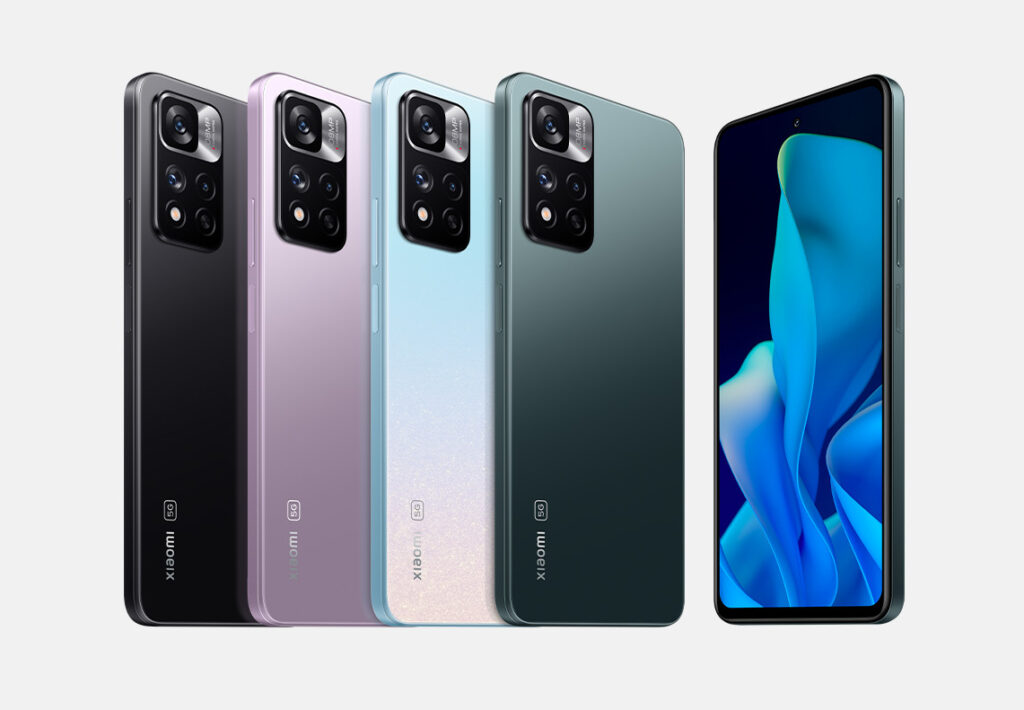
Xiaomi introduced the Redmi Note 11 Pro and Redmi Note 11 Pro+ outside mainland China as Xiaomi 11i and Xiaomi 11i HyperCharge respectively in India. The latter became the fastest charging smartphone (120W charging) in India with its announcement in the country.
Xiaomi 11i Series
The company also teased yet another 120W fast-charging smartphone dubbed as ‘The HyperPhone’. Earlier today, we learned that it is nothing but the Xiaomi 11T Pro and it will be launched in the country on January 19.
OPPO
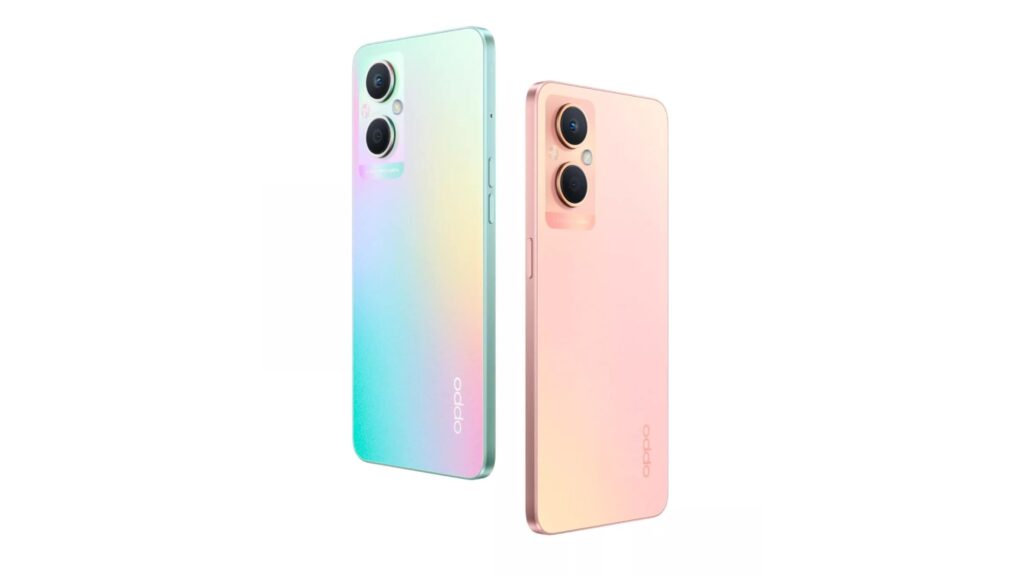
OPPO unveiled an intriguing budget 5G smartphone called OPPO A96 5G in China. It features design elements like camera LED rings from the latest OPPO Reno7 series.
OPPO A96 5G
Powered by a Qualcomm Snapdragon 695 SoC, it offers an OLED display, a dual-camera setup, and more for under ¥2,000 (~$315).
Other Smartphones
Samsung
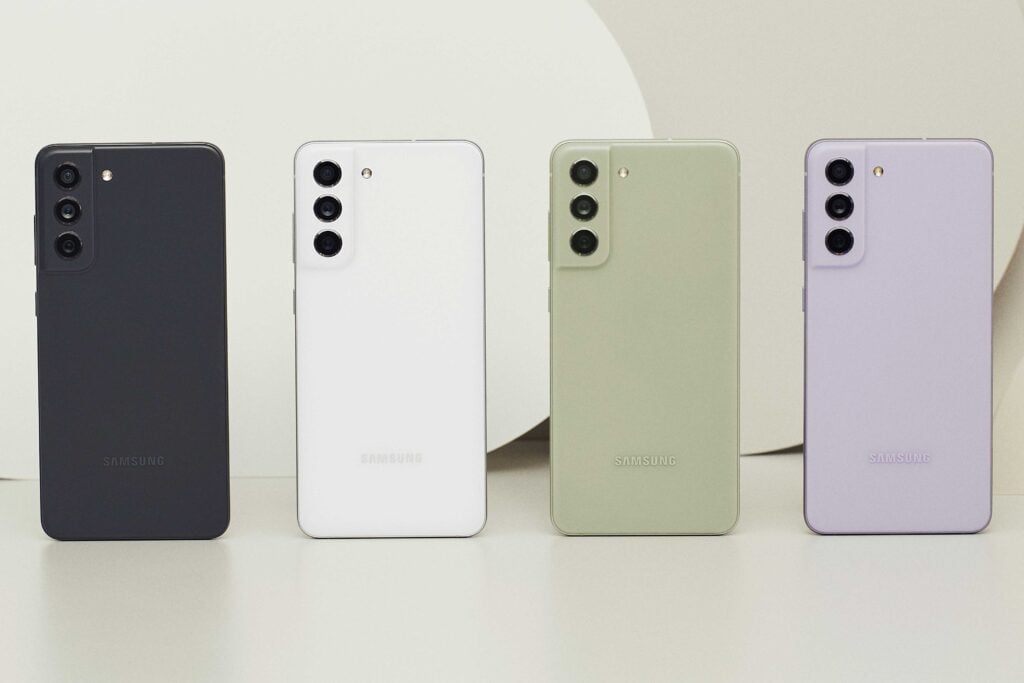
Samsung finally debuted the long-awaited Galaxy S21 FE at CES 2022. Unlike its predecessor, it comes in a single 5G variant but features two different chipsets (Snapdragon 888 and Exynos 2100) depending on the region.
Samsung Galaxy S21 FE
Though Galaxy S22 is expected to go official next, this one starts at $699 when the vanilla Galaxy S21 from last year is available at this very same price in most markets.
HMD Global
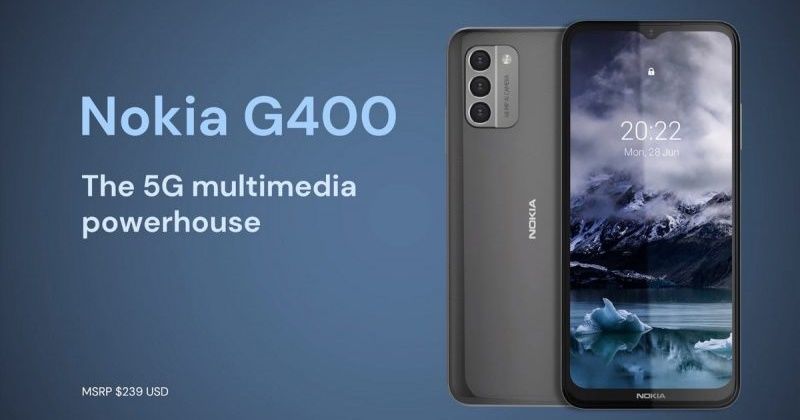
HMD Global, the licensee of Nokia-branded smartphones announced a total of four unimpressive handsets. These devices are officially called Nokia C100, Nokia C200, Nokia G100, and Noia G400.
Nokia G400
Despite featuring double zeros in the name, they don’t bring anything new to call them updated devices. In fact, they are powered by years-old chipsets from Qualcomm and MediaTek.
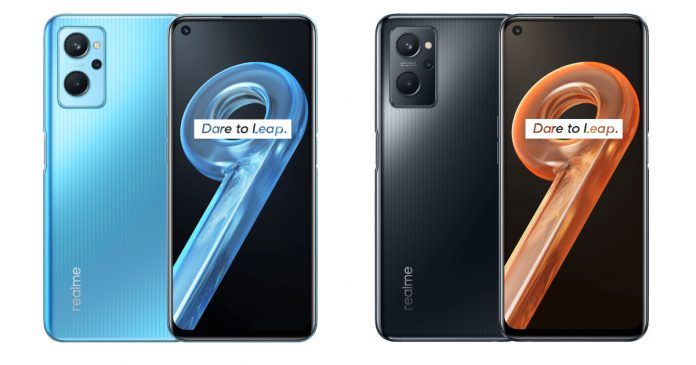
Realme on Monday has officially launched the Realme 9i in Vietnam. The smartphone comes with a new design as compared to its predecessor and has the 6nm-based Snapdragon 680 SoC, at the helm.
The Realme 9i is priced at VND 6,490,000 (~$290) for the 6GB RAM and 128GB storage variant. It comes in two colors like Black and Blue. It will be available for purchase from al the authorized stores across the region.
Realme 9i Specifications
The smartphone comes with a new design as compared to the old Realme 8i. It has a different camera layout and features a vertical stripe pattern at the back. The phone sports a 6.6-inch punch-hole display with an FHD+ resolution.
It is an IPS LCD screen with an adjustable refresh rate that can go from 30Hz to 90Hz. Realme has not revealed more details about this feature but it is touted to have 48Hz, 50Hz, and 60Hz options as well, but again, we aren’t sure if is adjustable from settings or it’s automated.
The phone has a triple camera system at the rear with a 50MP main lens, a 2MP macro lens, and a 2MP B&W sensor. There’s also an LED flash beside the camera sensors. It has a 16MP selfie sensor. At the helm, it is powered by the new 6nm Qualcomm Snapdragon 680 octa-core SoC.
It is paired with 6GB of RAM and 128GB of onboard storage. Interestingly, apart from having the microSD card slot for storage expandability, the device also has the option of having an additional 5GB of RAM from the internal storage. It houses a 5,000mAh battery and has a 33W fast charging support. The 4G phone has a side-facing fingerprint scanner for security and runs on Realme UI 2.0 based on Android 11 out of the box.
In August 2021, the Vivo Y33s 4G was announced in India with specs Helio G80 and 50MP triple cameras. And now, the company has unveiled an updated version of the phone in India with the Vivo Y33T moniker.
Vivo Y33T specifications
Coming to the specifications of the new device, it features a 6.58-inch LCD panel with a resolution of 2408×1080 pixels (FHD+) with a 90Hz refresh rate and a dewdrop notch, which houses a 16MP selfie snapper. The display has a 90.6% screen-to-body ratio and covers 96% of the NTSC color gamut. It weighs 182 grams and has a thickness of 8mm.
The Vivo Y33T is powered by the 4G enabled Qualcomm Snapdragon 680 SoC paired with 8GB RAM and 128GB storage that is further expandable via a microSD card. It is powered by a 5,000mAh battery which comes with 18W fast charging support. The Y33T runs Android 12-based Funtouch OS custom skin out of the box.
For photography, the Y33T features a triple camera setup with a 50MP primary sensor, a 2MP depth sensor, and a 2MP macro unit. It comes with features like super night mode, Super HDR, and personalized portrait mode. Connectivity features included in the device are 4G, dual-band Wi-Fi, Bluetooth 5.2, GPS, BEIDOU, GLONASS, GALILEO, QZSS, and USB Type-C port.
Vivo Y33T Indian price and availability
Vivo has launched the Y33T at a price of Rs 18,999 (~$256) for the 8GB+128GB model in India. The device will be available in two color options namely Mirror Black and Midday Dream and will be available across all major retailers like Vivo India E-store, Amazon, Flipkart, Paytm, Tatacliq, Bajaj Finserv EMI Store starting January 10th, 2022.
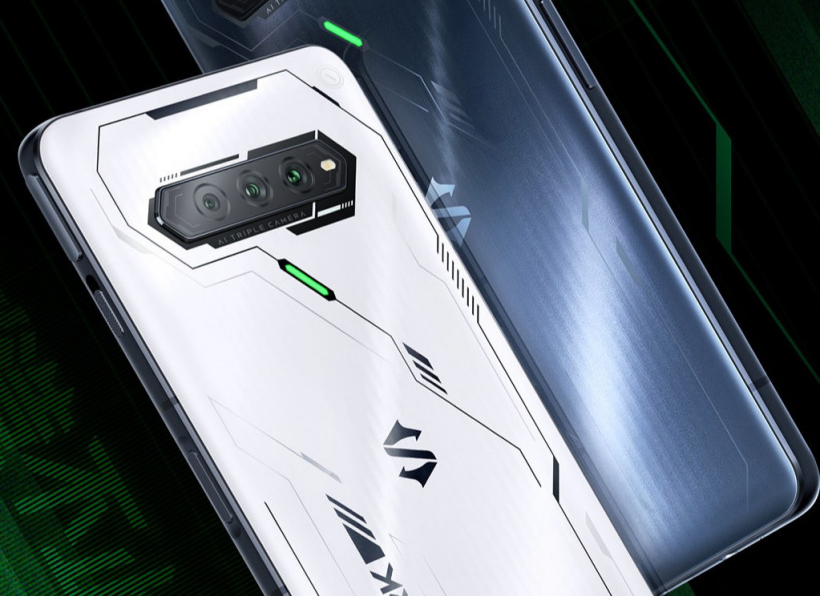
As per the tipster, the company has the Black Shark 5 series in the pipeline. It will have two phones codenamed the Katyusha and Patriot. The former device with model number KTUS-A0 has already been filed with China’s MIIT confirming its existence.
The tipster further revealed that the series will bring significant upgrades over the predecessor like a new chipset, big battery, and the latest OS. The Black Shark 5 will come with the latest Snapdragon 8 Gen 1 SoC and run on Android 12-based JOYUI. The phone will have a 4,600mAh dual-cell battery and support 100W fast charging support.
Moreover, another tipster called Bald Pandarevealed that the Black Shark 5 Pro will pack a 5,000mAH battery, have a 120W fast charging support, and will be powered by the Snapdragon 8 Gen 1 SoC. He also revealed that the device may feature a 6.8-inch AMOLED screen with a 144Hz refresh rate and 2k resolution.
To recall, the predecessor Black Shark 4S and 4S Pro had a smaller 4,500mAh battery and was powered by Snapdragon 870/888 SoC.
As of now, Black Shark is yet to officially tease the series, but we expect the company to announce it soon as we get to see more such leaks in the future.
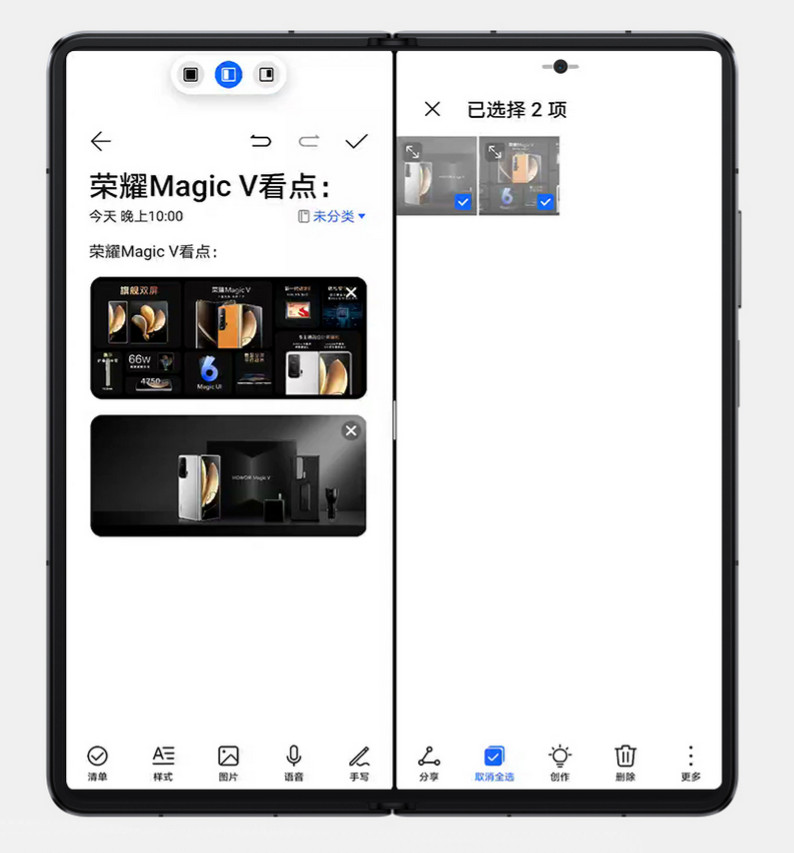
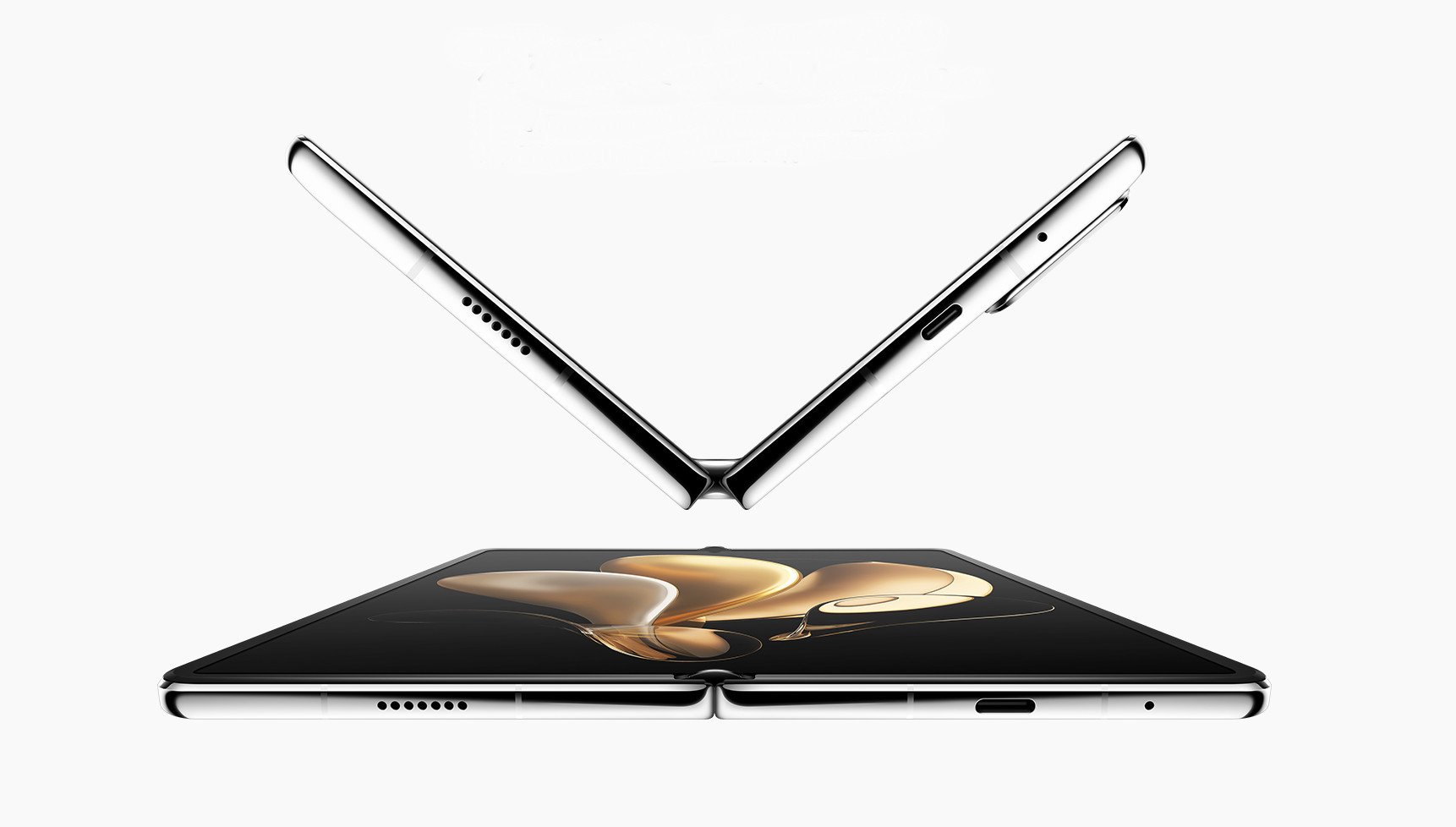
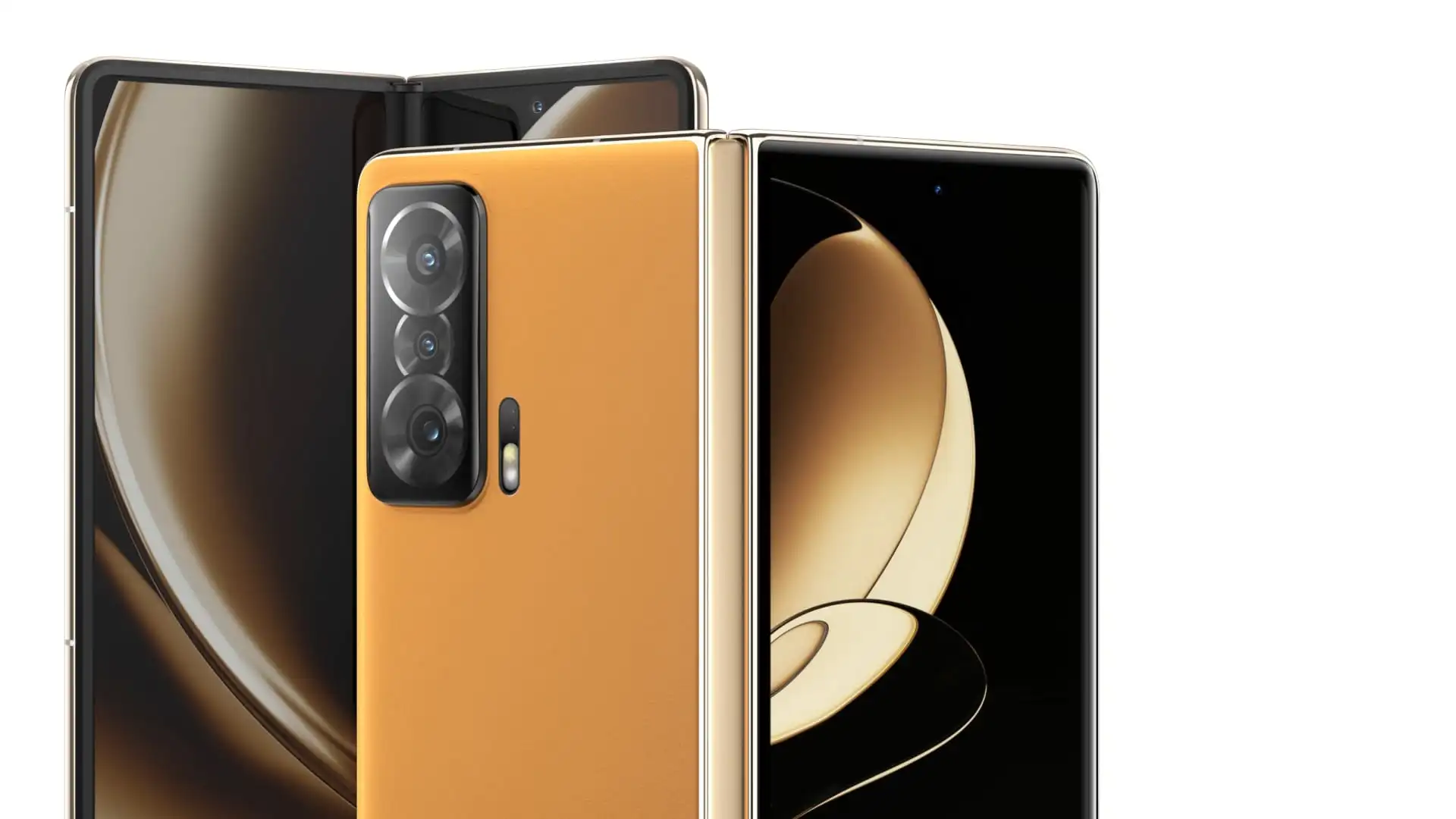
HONOR through a launch event that also saw the curtains lift on Magic UI 6 and HONOR Watch GS 3, today launched the HONOR Magic V foldable smartphone. Its main focus is on providing the perfect combination of a regular smartphone when folded and a large screen when unfolded.
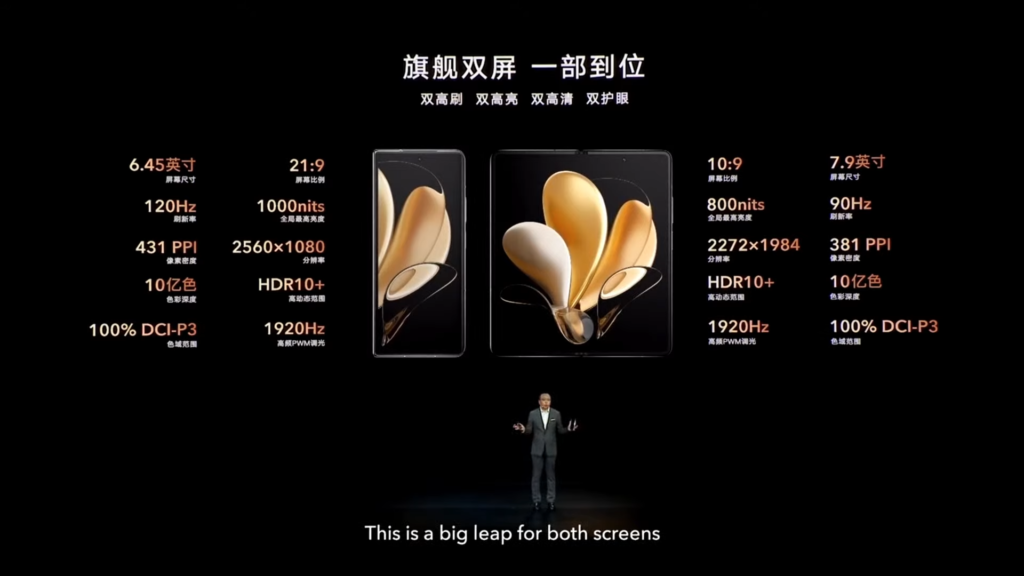
To fulfill that, the outer display keeps a 21:9 aspect ratio with extremely slim bezels, because of which the Magic V looks and feels like any other smartphone when folded. This 120Hz panel is sized 6.45-inches and has a peak brightness of 1000nits.
The inner display, on the other hand, comes with a near-square 10:9 aspect ratio and has a 90Hz refresh rate.
Toughness has also been given special attention, with curved nanocrystal glass used for the outer display, which helps the device achieve 5 times better anti-drop performance. To prove the resilience, the HONOR executive hosting the launch even dropped the Magic V a couple of times.
The hinge is another highlight of the phone and HONOR says it’s made of aerospace-grade materials. When folded, there’s barely any gap between the frame, which has helped the HONOR Magic V achieve the title of being the slimmest foldable smartphone available as of now, with a folded thickness of 14.3mm and unfolded thickness of 6.7mm. The hinge also folds the display in a water drop shape, making the crease nearly invisible, and is rated to survive 10 years of usage if folded and unfolded 50 times a day.
Under the hood, you get the latest and greatest from Qualcomm — the 4nm Snapdragon 8 Gen 1 5G SoC. Its AI performance has been claimed to be increased by 300%, which helps Magic UI adapt to a user’s usage scenarios through Magic Live AI Engine.
The battery of the device is sized 4750mAh that has been packed in an innovative dual battery layout to balance charging and heat dissipation. Its 66W wired SuperCharge means that it can fill up to 50% in just 15 minutes.
Also featured on the phone are dual speakers certified by IMAX ENHANCED for an extremely immersive video and audio experience.
For photography, you get a triple snapper setup at the rear, comprised of 50MP primary (f/1.9 aperture), 50MP spectrally enhanced (f/2.0), and 50MP ultrawide (f/2.2 aperture) cameras. The “spectrally enhanced” lens helps capture detailed images even in foggy conditions. For selfies, you get dual 42MP cameras, one in the outer and one in the inner display.
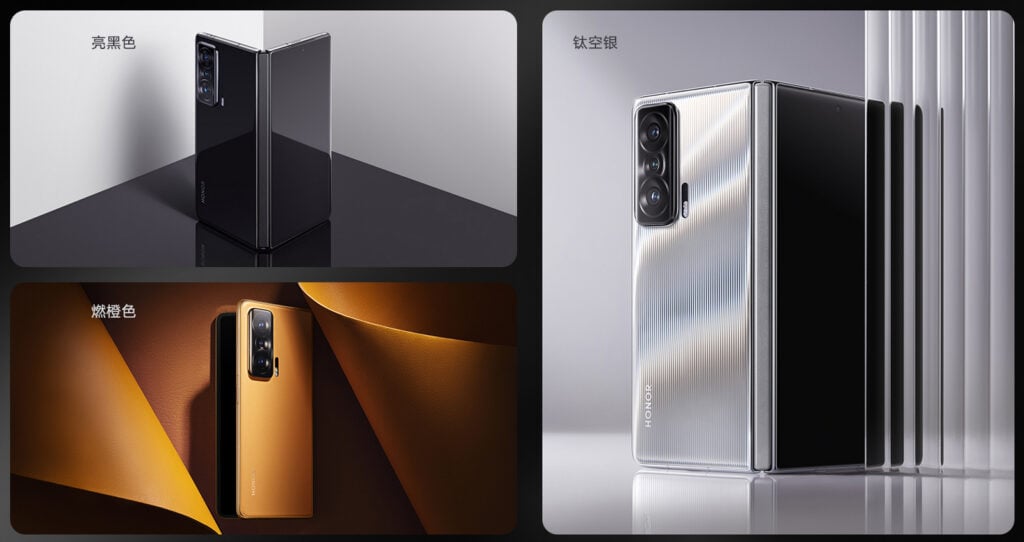
The HONOR Magic V boots into Magic UI 6 out of the box with a bunch of features dedicated to making multitasking and split-screen usage easier. It is available in Space Silver, Black, and Burnt Orange color options. In-box you get a 66W HONOR SuperCharge brick, 66W car charger, and fiber phone case.
The phone is available in 12GB+256GB and 12GB+512GB variants and sells for a starting price of 9,999 Yuan ($1,568).
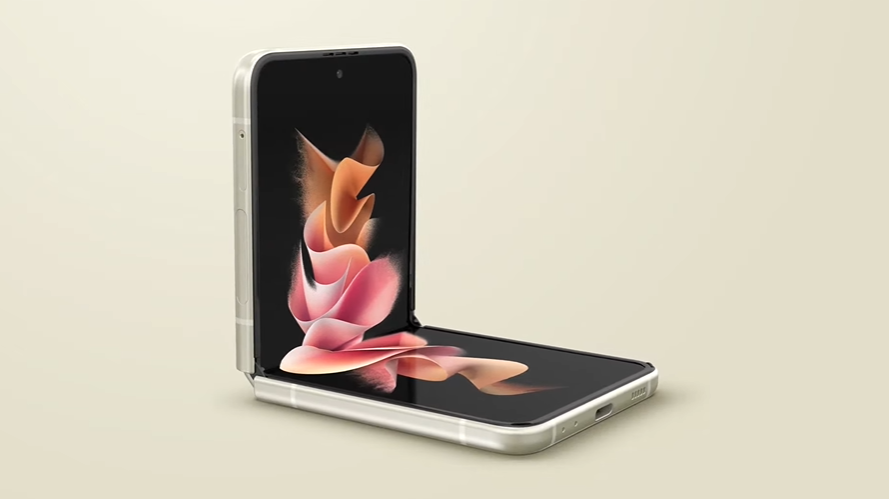
Earlier, Samsung pushed the Android 12-based One UI 4 update for many devices across the world, and the Samsung W33 5G a.k.a the Galaxy Z Fold 3 for China also received the update. Later, the Z Flip also started receiving the update, but it was limited to the European markets. Now, users in the US have started getting the new update.
Samsung Galaxy Z Flip 3 devices on the Sprint network are receiving the notification for the new Android 12-based One UI 4 update. However, if you didn’t get any such notification, then do visit the software update tab in the settings and check for the update.
The new One UI 4 update for the US is for the Z Flip 3 versions with model number SM-F707U. It has the firmware version F700USQS4FUL9. It brings December 2021 security patch and also has all the Android 12 features.
As said earlier, the update is currently available for devices on the Sprint network. But, we expect Samsung to release the update for devices on other carriers soon.
In related news, Samsung recently launched a special edition of the Z Flip 3 in China. The phone is called the Samsung Galaxy Z Flip 3 Olympic Games Edition and it comes with the Olympic logo embossed at the back. It has the Snapdragon 888 SoC under the hood and it costs a hefty ¥7,999 ($1,259) in China.
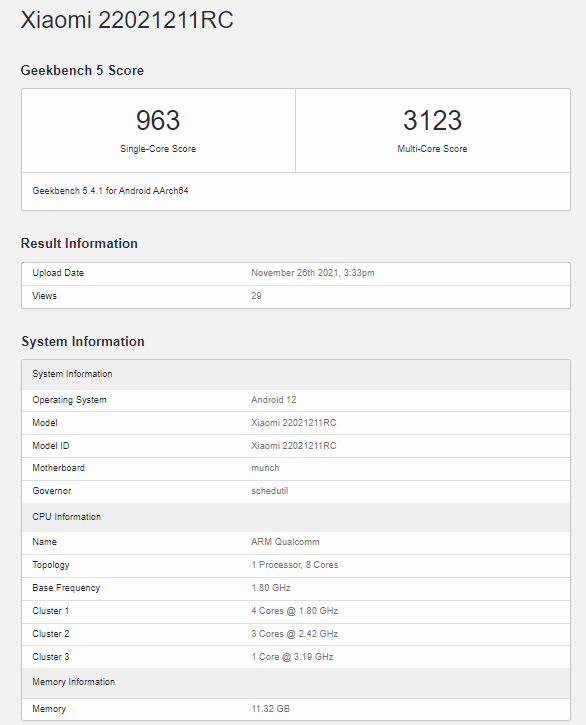
Xiaomi’s Redmi is expected to launch the all-new Redmi K50 series soon as a few of the models from the series have passed several certifications. Earlier, a K50 device with model number 21121210C passed the Geekbench certification and now, another K50 phone carrying the model number 22021211RC has appeared on Geekbench.
As per the listing, the Xiaomi 22021211RC scored 963 single-core points and 3123 multi-core points on the Geekbench v5. These scores are possible due to the Qualcomm Snapdragon 870 SoC under the hood. It runs on Android 12 out of the box and has 12GB of RAM. Netizens believe that this could be the vanilla Redmi K50 phone.
Apart from this, there are no other details about the 22021211RC or the purported Redmi K50. But, Previously, a device with model number 21121210C passed the same certification with the more powerful Snapdragon 8 Gen 1 SoC. It scored 1240 single-core points and 2645 multi-core points. This particular variant is touted to be the Redmi K50 Gaming Edition.
The same device also passed China’s 3C certification confirming a whopping 120W fast charging support. Moreover, Redmi itself teased that the phone will pack a 4,700mAh battery and will have a Double VC Cooling system.
Furthermore, the Chinese tipster Digital Chat Station revealed that this device may run on MIUI 13 based on Android 12 out of the box. It could feature a display with 120Hz or a 144Hz OLED screen and have 108MP or 64MP quadruple cameras.
A new breakthrough has given us a glimpse of the future of repairs. This new tech would even allow you to replace your broken display by making an OLED screen yourself.
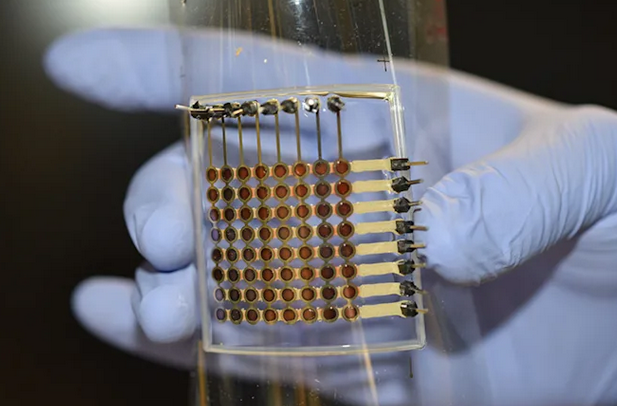
According to an Engadgetreport, the University of Minnesota Twin Cities researchers have developed what they believe is the first fully 3D printed flexible OLED display. In other words, you might not have to rely on major display makers like BOE or Samsung to manufacture a replacement panel to fix your electronic devices. Talking about the process, the breakthrough involves the combination of two methods of 3D printing to print the six layers needed for a functional display.
The University team used extrusion printing to make the electrodes, encapsulation, insulation and interconnects, with active layers being spray painted at room temperature. Notably, previous attempts from others had ran into issues with light uniformity (consistency across the whole panel) or relied on techniques beyond 3D printing to assemble the components. But, the researchers at Minnesota Twin Cities managed to build a prototype, which is just 1.5 inch wide and uses 64 pixels.
Meaning, this technology is still quite far from being viable since any practical use would require a much higher pixel count. The people behind this technology are also working on making the display brighter while also adapting the technology for use at homes. Unfortunately, the brand used a custom 3D printer that costs as much as a Tesla Model S. So, we don’t expect this breakthrough to make it to your homes within the next couple of years.
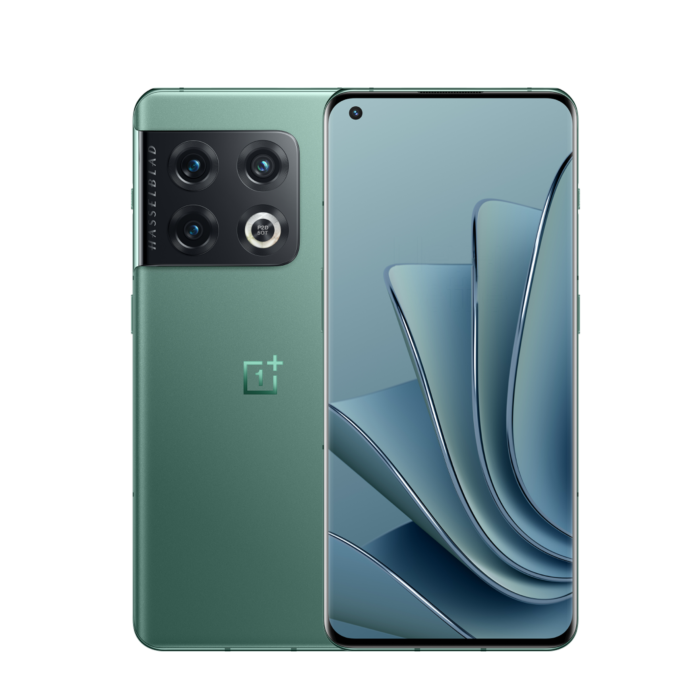
With OnePlus gearing up to launch the OnePlus 10 Pro tomorrow (January 11th) in China, the brand has proactively teased a bunch of its features. Earlier today, the company teased that the OnePlus 10 Pro will have a 2K AMOLED LTPO 2.0 120Hz display supporting a 1Hz Always-on Display feature.
Now, OnePlus has dropped another teaser featuring a new vibration motor. According to a Weibo post by OnePlus (via ITHome), the upcoming flagship smartphone will carry a custom X-axis linear vibration motor which is said to be the most advanced in any Android smartphone yet.
The new motor has increased vibration strength, offers a more sensitive vibration response, and has more than 170 different vibration effects making for a rich user experience.
The custom X-axis linear vibration motor is around 47% larger than the previous generation. According to Zhou Bingxun, the product manager of OnePlus, the size of this motor is about 90% of the “huge” motor on the iPhone 12 Pro Max.
To showcase the capabilities of this new vibration motor, OnePlus has adapted it to the vibration scenarios of the popular game “Peacekeeper Elite,” like footsteps, broken glass, gunshots, and vehicle vibration.
In a recent teaser, the brand had revealed the front design of the upcoming smartphone, showcasing that it features minimal bezels, rounded corners, and a single punch-hole cutout in the top-left corner of the screen. The device has also been confirmed to be the first to come pre-installed with OPPO’s latest ColorOS 12.1 in the Chinese market. It will be powered by the Qualcomm Snapdragon 8 Gen 1 chipset and packs a 5,000mAh battery that supports 80W SuperVOOC wired charging 50W AirVOOC wireless charging as well as reverse wireless charging.
The OnePlus 10 Pro will have a second-generation Hasselblad camera module on the back panel, consisting of a 48-megapixel primary lens, a 50-megapixel ultra-wide sensor, and an 8-megapixel sensor for the triple-camera setup. On the front side, it will be equipped with a 32-megapixel selfie snapper.
The device is set to debut in China on January 11th at 14:00 CST where OnePlus will reveal all the specs and features along with the Chinese price of the OnePlus 10 Pro, so stay tuned for more.
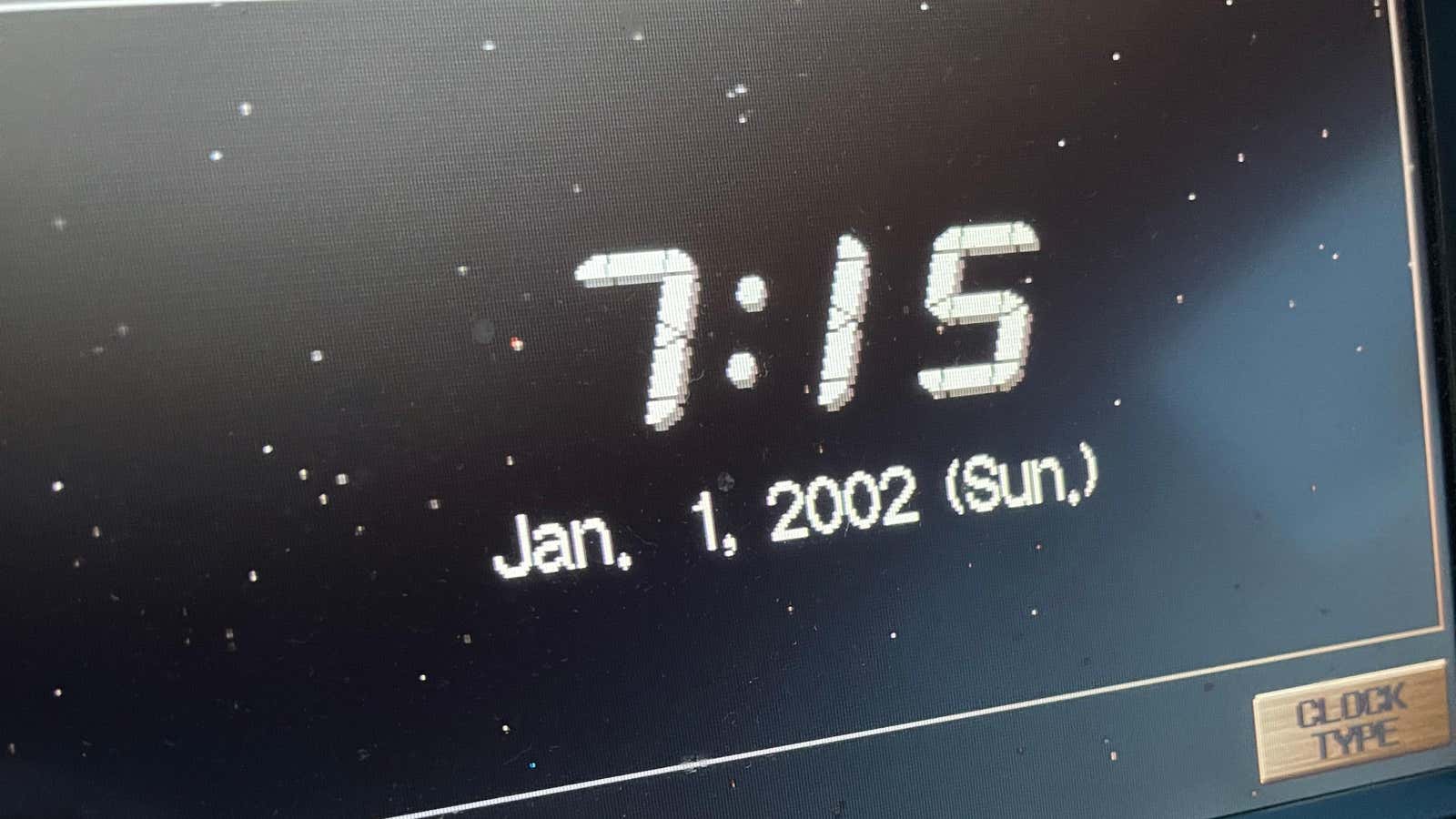
A widespread glitch has been reported by several Honda car owners relating to the clocks and calendar of their cars being stuck in 2002. These complaints have flooded some of the carmaker’s platforms. Several persons have complained that the clocks and calendars in their vehicles are stuck in the year 2002. These complaints are coming from persons in the US, Canada, and the UK.
The issue seems connected with Honda and Acura models with GPS navigation systems manufactured between 2004 and 2012. There seems to be no solution to the issue for now, as the clock automatically resets to January 1, 2002, each time the car starts, even after correcting it manually previously. This is an issue that has been there since manufacture but is now coming to the fore. The two years, 2002 and 2022 look similar, and the glitch could be connected to shoddy coding.
An official from Honda indicates that the company is aware of the issue and is investigating it to determine possible countermeasures to resolve the problem.
This is the third time Honda car owners have run into the clock resetting issue. In 2017, Honda and Acura models from 1999 to 2004 with navigation systems had their clocks reset to 1998. The issue resurfaced again in 2021. In both instances, the clocks went back exactly 1,024 weeks.
A proximate cause of the malfunction is loose coding around the rollover of the GPS clock system in the Honda and Acura models that were affected. A single GPS epoch has 1023 weeks (just under 20 years), with the system rolling over on week 1,024.
The first GPS systems started counting time in 1980, and they have rolled over twice – in 1999 and 2019. Thy system must therefore take care of rollovers to prevent the looping issue.
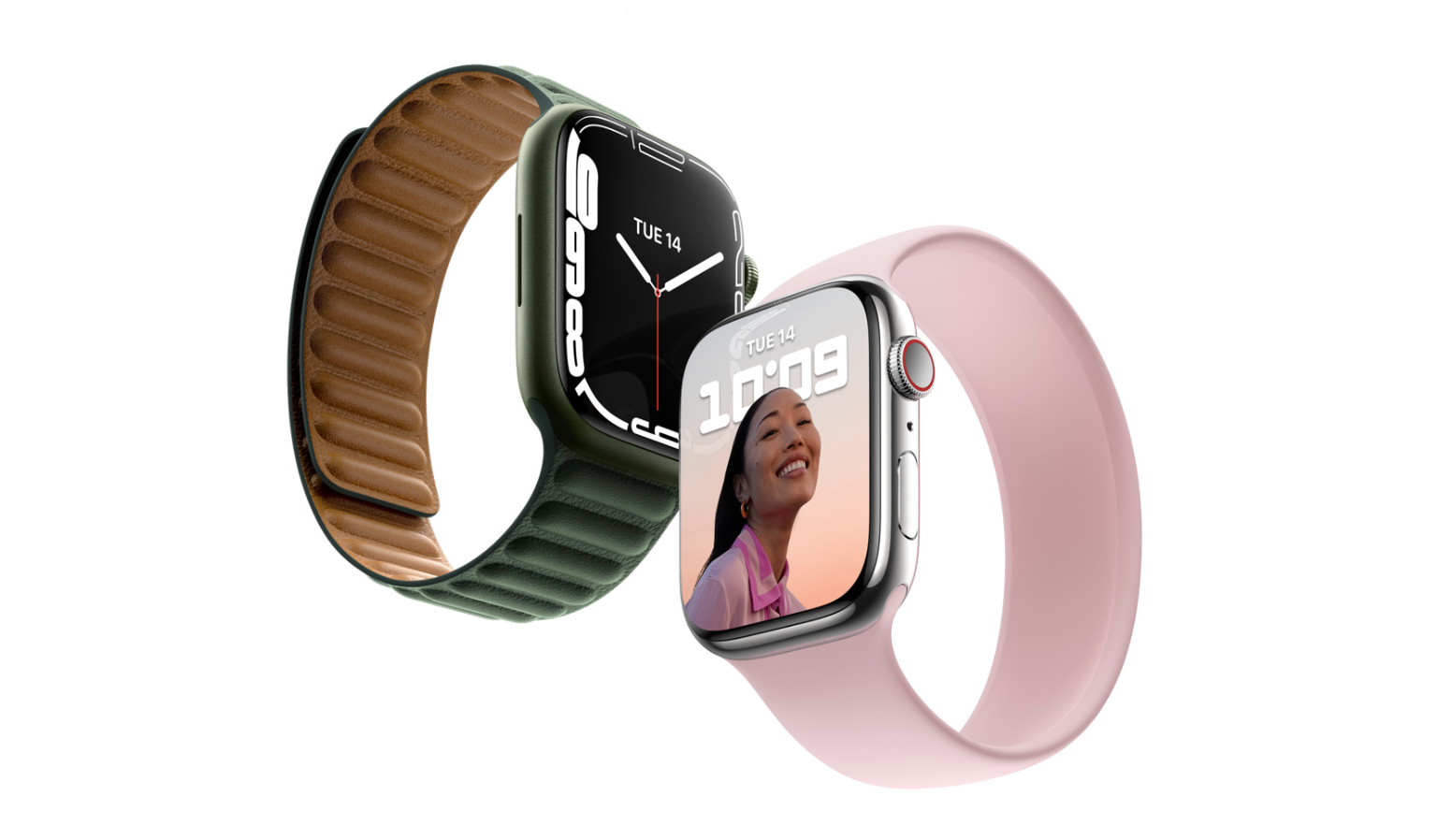
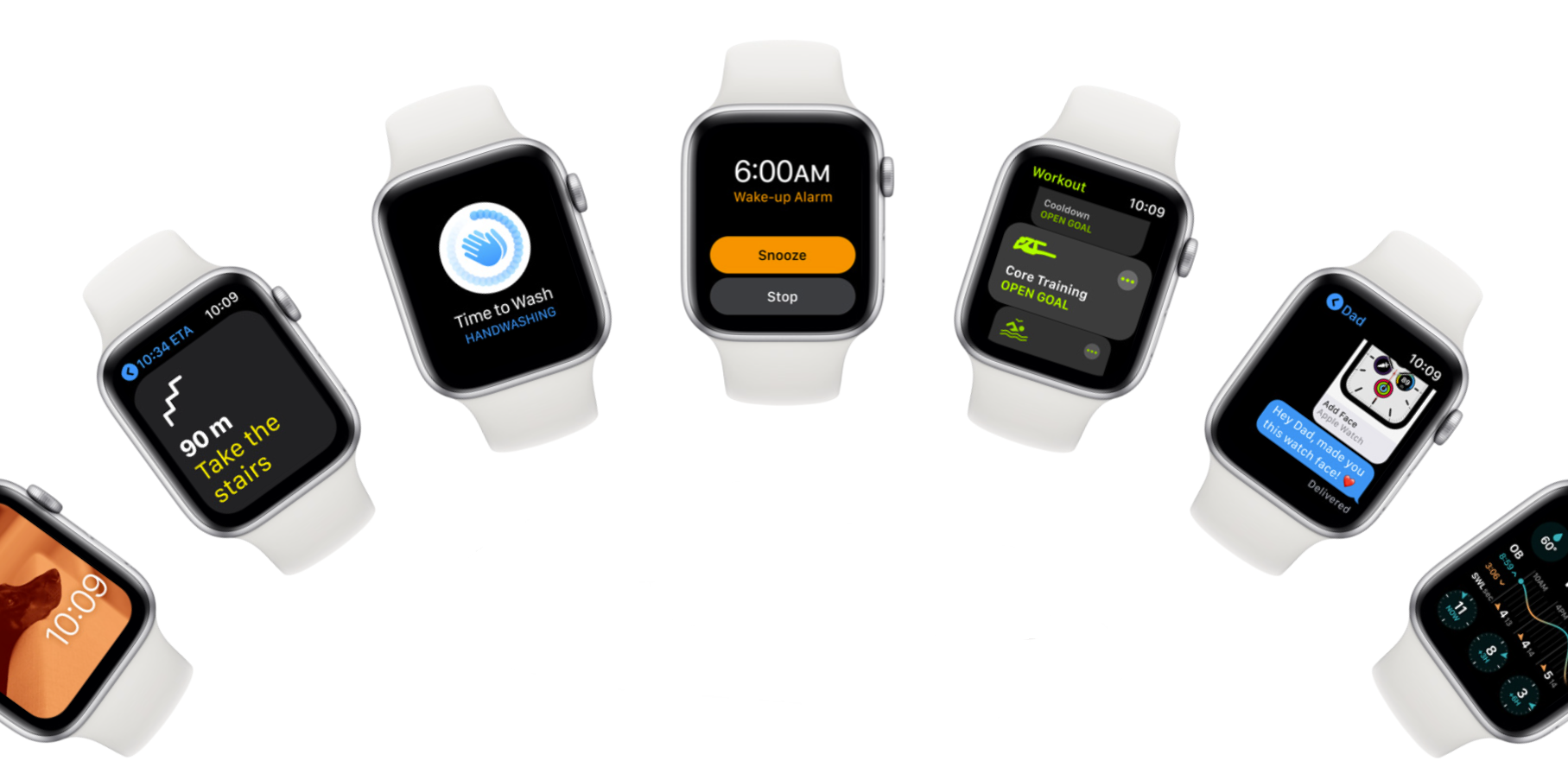
With the launch of the Apple Watch Series 7, many were left disappointed that the new smartwatch from the company lacked a some of the latest sensors that are offered by some of its rival brands in the wearable market. Now, a new report has shared more details regarding this and, unfortunately, there are some bad news.
Watch Series 7
The news arrives from the latest Power On newsletter from Bloomberg’s Mark Gurman (Via 9To5Mac), in which he talked about the new sensors that Apple is currently working on and when we might possibly we see it on the commercial build of its smartwatch. Gurman stated that the three major health tracking sensors that are currently available in the market will not be available on the Apple Watch anytime soon.
The features in question include the glucose/blood sugar monitoring, blood pressure mapping, and measuring body temperature. So while the Cupertino based giant is supposedly working on these sensors, Gurman believes that these features are still several years away. In other words, the next gen Watch Series 8’s latest health tracking feature might be the advanced sleep pattern monitoring system that can even detect sleep apnea.
Keep in mind that the launch of the new Apple Watch is still many months away. So, it is still too early to confirm any finer details regarding the upcoming smartwatch at the moment. On the other hand, the iPhone maker is rumored to launch an updated SE version of its Watch, alongside a new rugged sports variant, and the flagship Watch Series 8. So, stick around for more updates, as we will be covering any notable leaks or rumors regarding this matter.
Recently, iQOO teased its iQOO 9 flagship series’ India launch by creating a micro-site for the phones on its official website. However, it was learned that the iQOO 9 for the Indian market will be slightly tweaked, wherein the vanilla iQOO 9 for India will be the iQOO 8(Chinese model), while the iQOO 9 Pro India model could originally be the iQOO 9(Chinese model). Now, the tipster Yogesh Brar has revealed that despite the series being rebadged, these devices won’t have the same specs as that of the Chinese models.
Brar reaffirms that the iQOO 9 series will be a mix of iQOO 8 and iQOO 9 models. He reveals that the iQOO 9 India will be powered by the Snapdragon 888 SoC, while the Pro will have Snapdragon 8 Gen 1 SoC. He further reveals that the company will eliminate some features and hardware from the phones to keep the cost down.
iQOO 9 series for India gets a mix between iQOO 8 and 9.
SD888 on the vanilla model SD8 Gen 1 on the Pro model
These won't be the exact same ones launched in China, some features/hardware will be removed to keep the cost down.
This could be a legit move since a number of Snapdragon 888 phones are scheduled to launch in India. The upcoming OnePlus 9RT, the vanilla Realme GT 2, and Xiaomi 11T Pro are riffed to come powered by the Snapdragon 888 SoC. That said, tweaking the series as per the Indian market competition does make sense for the company.
Regarding the other specs, the iQOO 9 for India, may have the iQOO 8(China model) specs. But these will be slightly tweaked. The iQOO 8 has a 6.56-inch AMOLED display with a 120Hz refresh rate and FHD+ resolution. It has a 48MP + 13MP + 12MP triple rear camera system and a 16MP selfie snapper. The phone packs a 4,350mAh battery and has support for 120W fast charging.
On the other hand, the iQOO 9 Pro, the rumored iQOO 9 Chinese model, may come with a 6.78-inch curved LTPO AMOLED display with 120Hz refresh and a QHD+ resolution. The iQOO 9 Chinese model has a 50MP + 50MP + 16MP triple camera system and a 16MP selfie lens. It houses a 4,700mAh battery and 120W fast charging support.
ASUS on Monday announced its revenue figures for December 2021 and its complete financial report for the year 2021. The Taiwanese company reported total revenue of NT$535 billion (~$19.3 billion), which is an annual increase of about 20%. Most of the growth can be owed to the surge in laptop shipments last year and the price rise of graphics cards.
Similarly, ASUS Group’s revenue for the month of December 2021 stood at NT$51.5 billion (~$1.8 billion), which again is an annual increase of 20%. And as for the fourth quarter of last year, the group’s revenue totaled NT$151.6 billion (~$5.5 billion) — an annual increase of 24%.
The ASUS brand alone generated annual revenue of (~$18.7 billion), which is an impressive increase of 32% when compared to 2020.
ASUS stated that the industry witnessed quite a change last year and the company’s team worked hard with upstream and downstream partners to adapt to them, promoting strong growth in operations.
Take the company’s Open Platform Business Group and System Business Group, for example, which reported annual revenue growth of 30%. The brand value and NPS (Net Promoter Score — a metric used in customer experience programs) of motherboards, computers, and gaming computers also rose once again, raising the brand value to USD 1.87 billion.
But it’s not just PC and PC hardware that has contributed to the company’s success as ASUS e-sports and commercial product lines have grown at an outstanding rate as well, far exceeding the industry average.
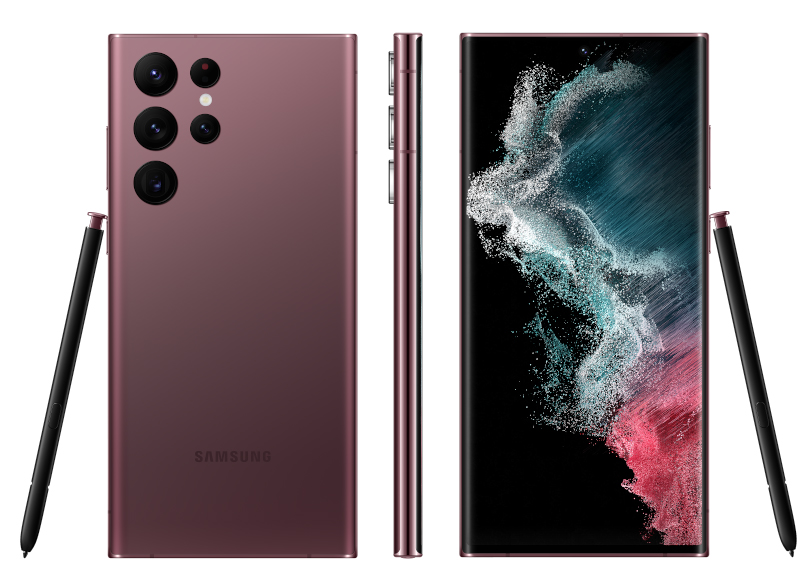
A new video has just revealed some interesting details regarding the upcoming Samsung Galaxy S22 Ultra and its S Pen. Apparently, this new variant of the stylus is about three times faster than the one paired with the Galaxy Note20 Ultra.
Galaxy S22 Ultra Render Leak via Evan Blass
The information arrives from a YouTube video from XEETECHCARE. While we have already covered a number of reports and rumors related to the Galaxy S22 Ultra’s specifications, the new video offers us more details about its S Pen. With the South Korean tech giant being intent on continuing the Note series with its annual flagship’s Ultra models, the new information might be welcomed by Galaxy Note fans. Reportedly, the brand has improved upon the stylus, which will now be three times faster than the Galaxy Note20 Ultra.
Looking at the video, the company has worked on the S Pen to reduce the input delay or latency for the S Pen to just 2.8 ms when paired with the Galaxy S22 Ultra. This is more than three times faster than the 9 ms input lag of the S Pen on the Galaxy Note20 Ultra. Through this improvement, the YouTuber claims that Samsung is aiming on offering users a handwriting experience that is close to the real deal. He even called it as “the fastest, most realistic S Pen with 3x improved pen latency.”
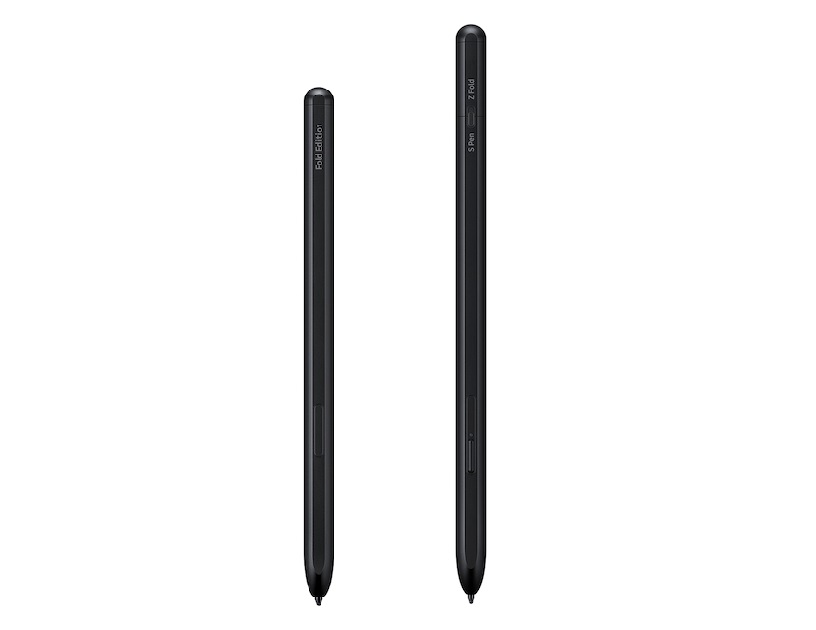
S Pen Fold Edition & S Pen Pro
Apart from this, the Tech YouTuber also shared that the upcoming top end model of the flagship series will be the first to support the 12 bit HDR standard. Unfortunately, this is still an unconfirmed report, so take it with a pinch of salt for now. The Galaxy S22 series is expected to launch sometime in February 2022, so stick around for more updates.
BlackBerry recently confirmed that it will be ending support for all its classic smartphones. It said that it will not be offering support for devices that run on BlackBerry 10 OS or later. In August 2020, Onward Mobility, the company that is licensed to launch BlackBerry-branded phones, revealed that it will be launching new and innovative BlackBerry 5G phones in 2021, but it did not come true. The American company released a new update to confirm that it will be launching a 5G-ready BlackBerry phone even though its arrival has been delayed.
When BlackBerry released an official confirmation that it will stop providing support for BlackBerry phones running BB10 OS, people assumed that the BlackBerry brand is dead. In a blog post, Onward Mobility said that the year 2021 was so challenging for the company that it could not launch a new phone.
It encountered various delays, which prevent it from launching the first BlackBerry phone with 5G support in 2021. It further said that it will release timely updates on the “ultra-secure 5G enterprise smartphone” starting from this month. It will come equipped with a keyboard for a better productivity experience. However, there is no information available on the moniker and specifications of the device.
BlackBerry phones that were launched under the TCL brand between 2016 and 2018 came with Android OS. To those who are unaware, the licensing agreement came to an end in 2020. It appears that the upcoming 5G BlackBerry phone may run on Android 12 OS. Hopefully, the company will release some interesting information about the much-awaited BlackBerry 5G phone later this month. It is expected to release in multiple markets like North America, Europe, and Asia. The company is said to be working with Foxconn’s FIH Mobile to develop the first BlackBerry phone with 5G support.
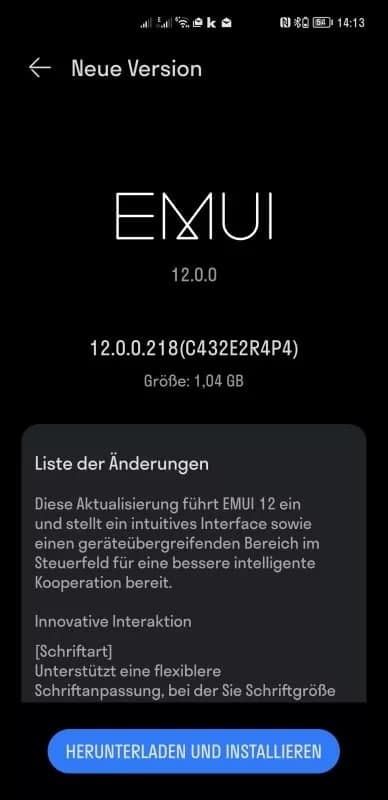
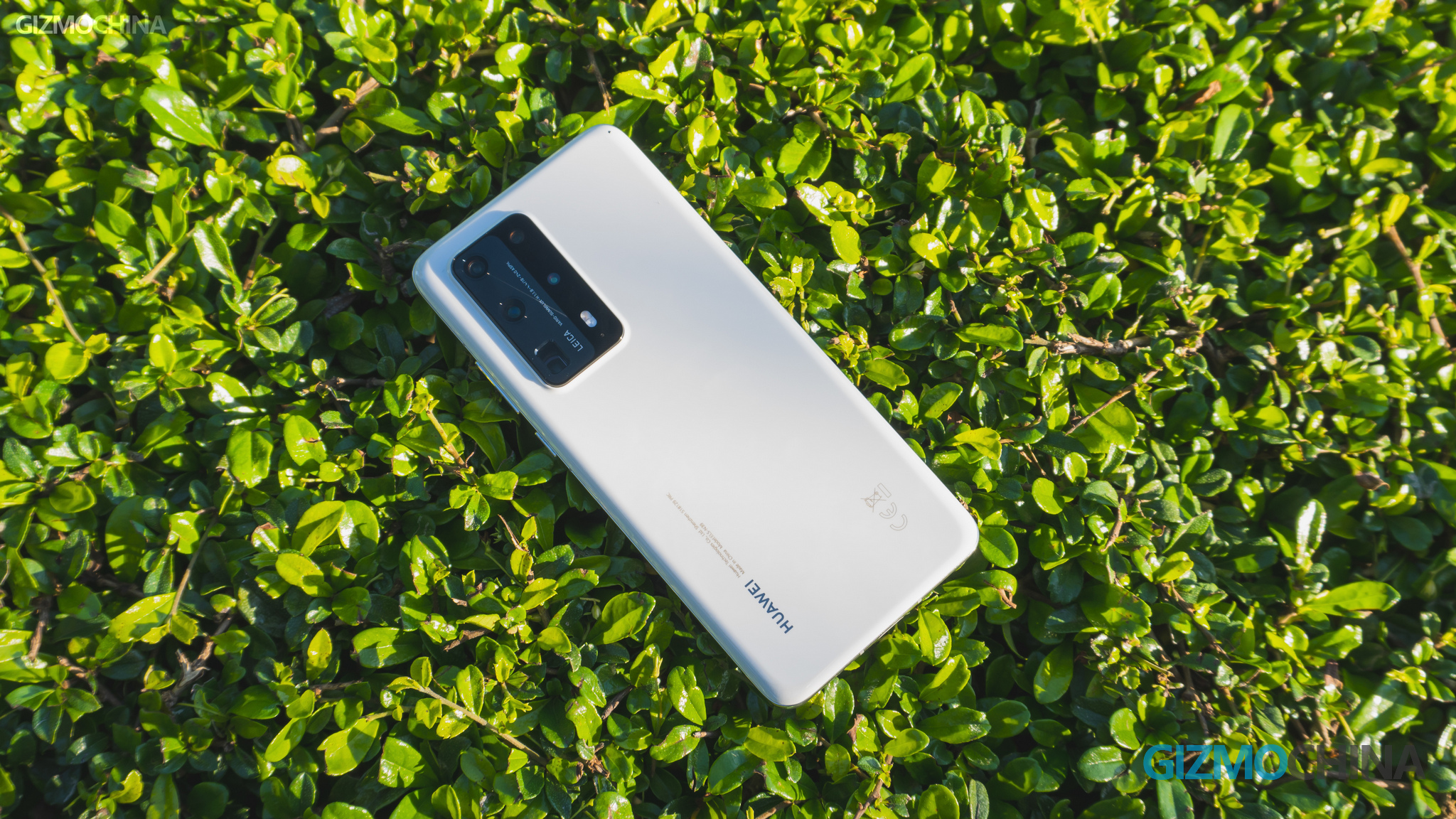
Huawei has released the EMUI 12 update for some of its flagship-level offerings, namely the Huawei P40, P40 Pro, Mate 40 Pro, and Mate 30 Pro with a number of new features.
The update for all of the devices carries version number 12.0.0.218 and comes with a package size of 1.04GB.
According to Huaweiblog (via Huawei Central), users currently on EMUI 11 can update to stable EMUI 12 easily through the said OTA update. EMUI 12 beta testers, on the other hand, will receive another EMUI 12 stable build sometime later.
EMUI 12 brings along a number of goodies such as granular adjustment for font, updated system UI, smart folders, cooperative authentication function between cellphones and laptops, and multi-device file management. The complete changelog has been given below.
Font:
Supports more flexible font adjustment, in which you can adjust the font size and width with a slider.
Neuromorphic Design:
Applies the concept of neuromorphic to UI elements. Simple colors, tones, shadows, and highlights are used to achieve a more realistic effect.
Smart Folders:
Supports pressing and holding app folders on the home screen to enlarge them and make the apps within them easier to access.
Notification Panel and Control Panel:
Allows you to swipe down from the top left of the screen to access the Notifications panel to view notifications, and swipe down from the top right of the screen to access the control panel for shortcuts.
Adds an audio control area to the control panel to make it easy to switch between different audio devices and apps. Allows you to quickly activate cross-screen cooperation by tapping symbols for Huawei laptops and tablets in the “Device +” area of the control panel.
Cooperative Security:
Adds a cooperative authentication function between cellphones and laptops, which allows you to unlock your phone by entering the screen unlock password for the phone on Huawei laptop when the phone and laptop are connected through cross-screen cooperation are.
Multi-device file management:
Supports access to documents or pictures on the phone via a laptop without connecting the two devices with a data cable.
Huawei Share:
Improves the transfer speed of Huawei Share for faster file sharing between Huawei phones, tablets, and laptops
All in all, the OS is now nearly identical to the China-specific HarmonyOS 2. Huawei hasn’t said anything on what Android version EMUI 12 is based on but it’s likely Android 10 or Android 11.
It is mention-worthy here that the EMUI 12 update rollout for the Huawei P40, P40 Pro, Mate 40 Pro, and Mate 30 Pro is still in its initial stages, so it may take a while to reach your unit.
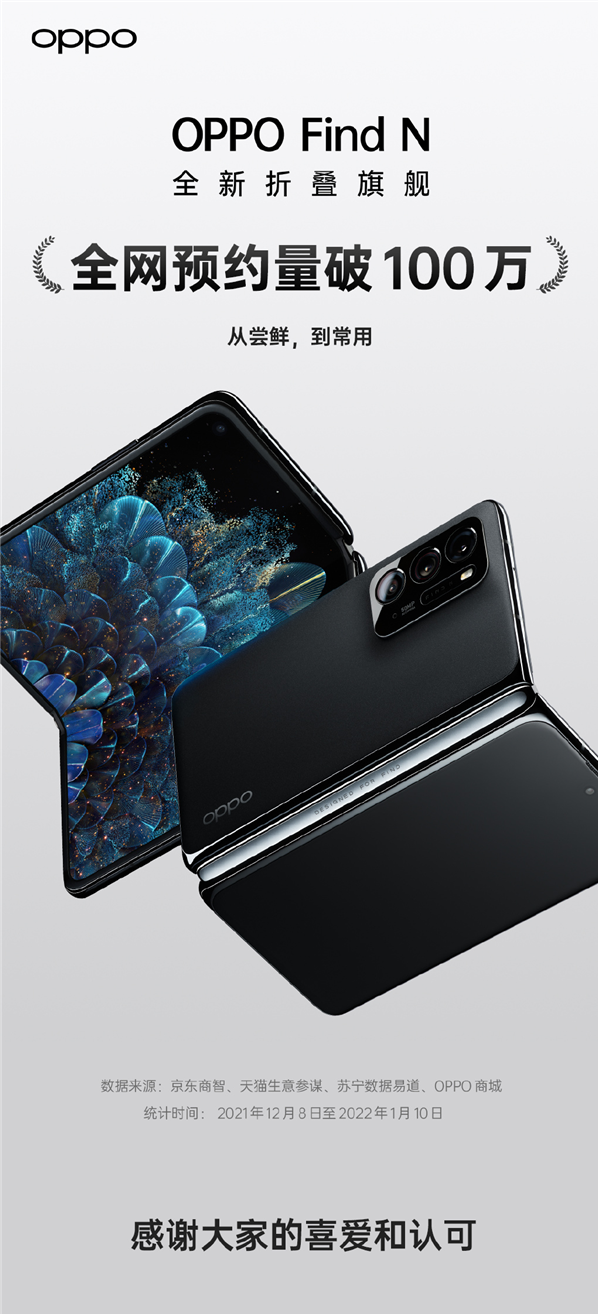
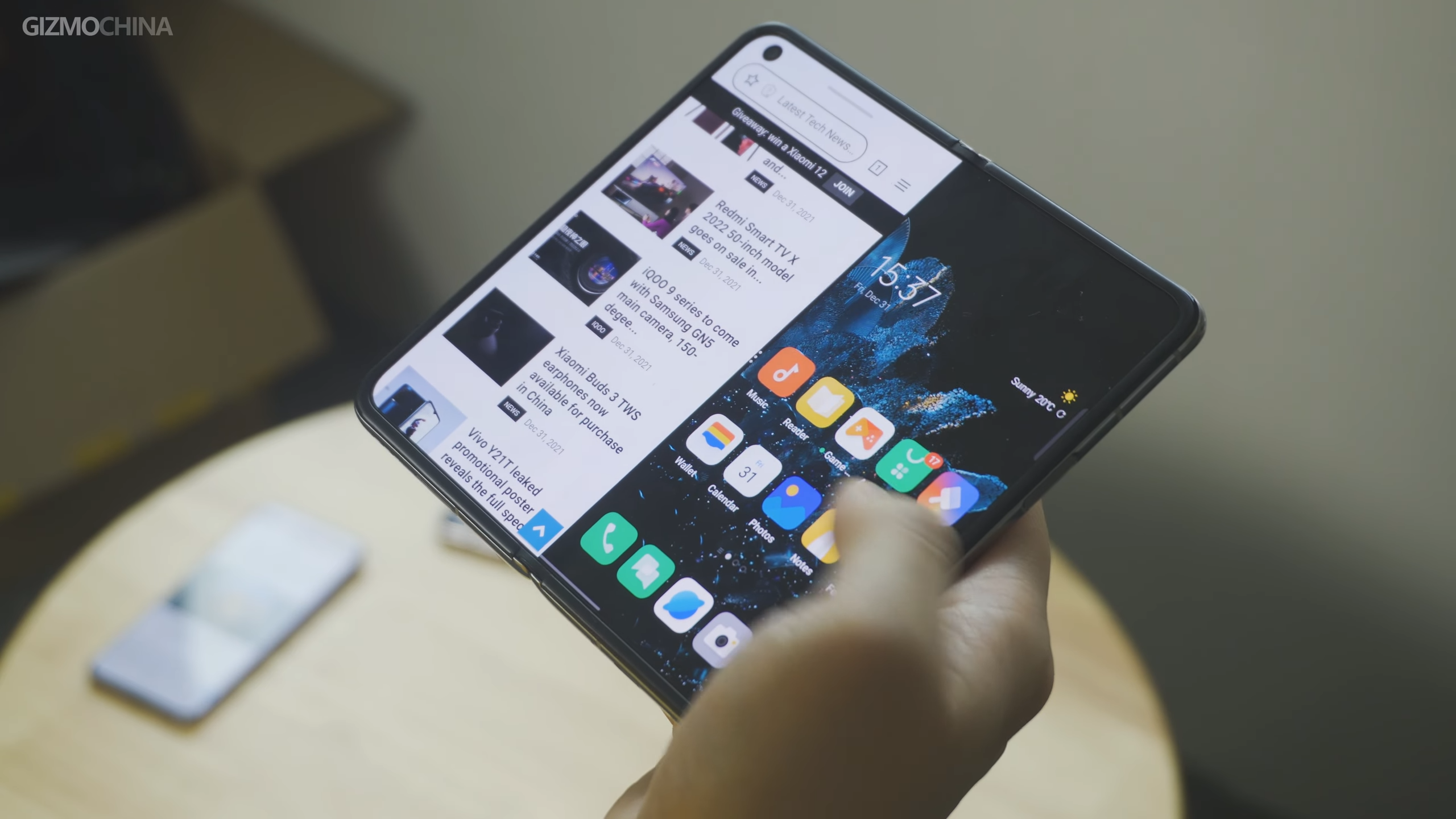
Earlier today (10th January 2022), Oppo shared an image poster on Weibo (a Chinese microblogging website) to show off the popularity of its newly announced Find N foldable smartphone in China, as early buyers shower the device with praises.
For those unaware, the Find N is the Chinese smartphone maker’s first commercial foldable handset and features some notable specifications as well. But since it is a device with a flexible display, it targets the ultra premium segment with its starting price of 7,699 Yuan (roughly 1,200 US Dollars). However, despite its expensive price tag, the device is still seeing a robust demand as reservations for the model has crossed 1 million.
According to Liu Bo, President of Oppo China, the first sale of the Find N was a success, with a umber of users praising its performance, attractive design, and crease less display as well. Talking about the smartphone itself, it sports a 5.49 inch AMOLED outer display and a 7.1 inch E5 AMOLED primary screen. Under the hood, a large 4,500mAh battery pack powers the device with 33W fast charging.
Furthermore, it packs the Qualcomm Snapdragon 888 SoC, which is paired with either 8GB or 12GB of RAM and either 256GB or 512GB of UFS 3.1 storage. On the rear, the Find N features a 50 megapixel triple camera setup, while the front has a 32 megapixel selfie shooter on the primary and secondary display. With reservations piling up, its evident that the company has yet to prepare sufficient inventory so far. Even the initial sales were an explosive hit, with the device selling out in mere minutes.
We use cookies on our website to give you the most relevant experience by remembering your preferences and repeat visits. By clicking “Accept”, you consent to the use of ALL the cookies.
This website uses cookies to improve your experience while you navigate through the website. Out of these, the cookies that are categorized as necessary are stored on your browser as they are essential for the working of basic functionalities of the website. We also use third-party cookies that help us analyze and understand how you use this website. These cookies will be stored in your browser only with your consent. You also have the option to opt-out of these cookies. But opting out of some of these cookies may affect your browsing experience.
Necessary cookies are absolutely essential for the website to function properly. This category only includes cookies that ensures basic functionalities and security features of the website. These cookies do not store any personal information.
Any cookies that may not be particularly necessary for the website to function and is used specifically to collect user personal data via analytics, ads, other embedded contents are termed as non-necessary cookies. It is mandatory to procure user consent prior to running these cookies on your website.

 According to an ITHome report, the Chinese tech giant has unveiled the Xiaomi Gaming Mouse Lite for crowdfunding. The product will have a crowdfunding price of 99 yuan ($15) and will retail in the market for 129 yuan ($20).
 The Xiaomi Gaming Mouse Lite features the Pixart 3327 optical sensor with up to 6200DPI. The mouse offers a variety of DPI adjustments including 400, 800, 1600, 300, and 6200 DPI. Additionally, the mouse has a maximum moving speed of 220 inches per second.