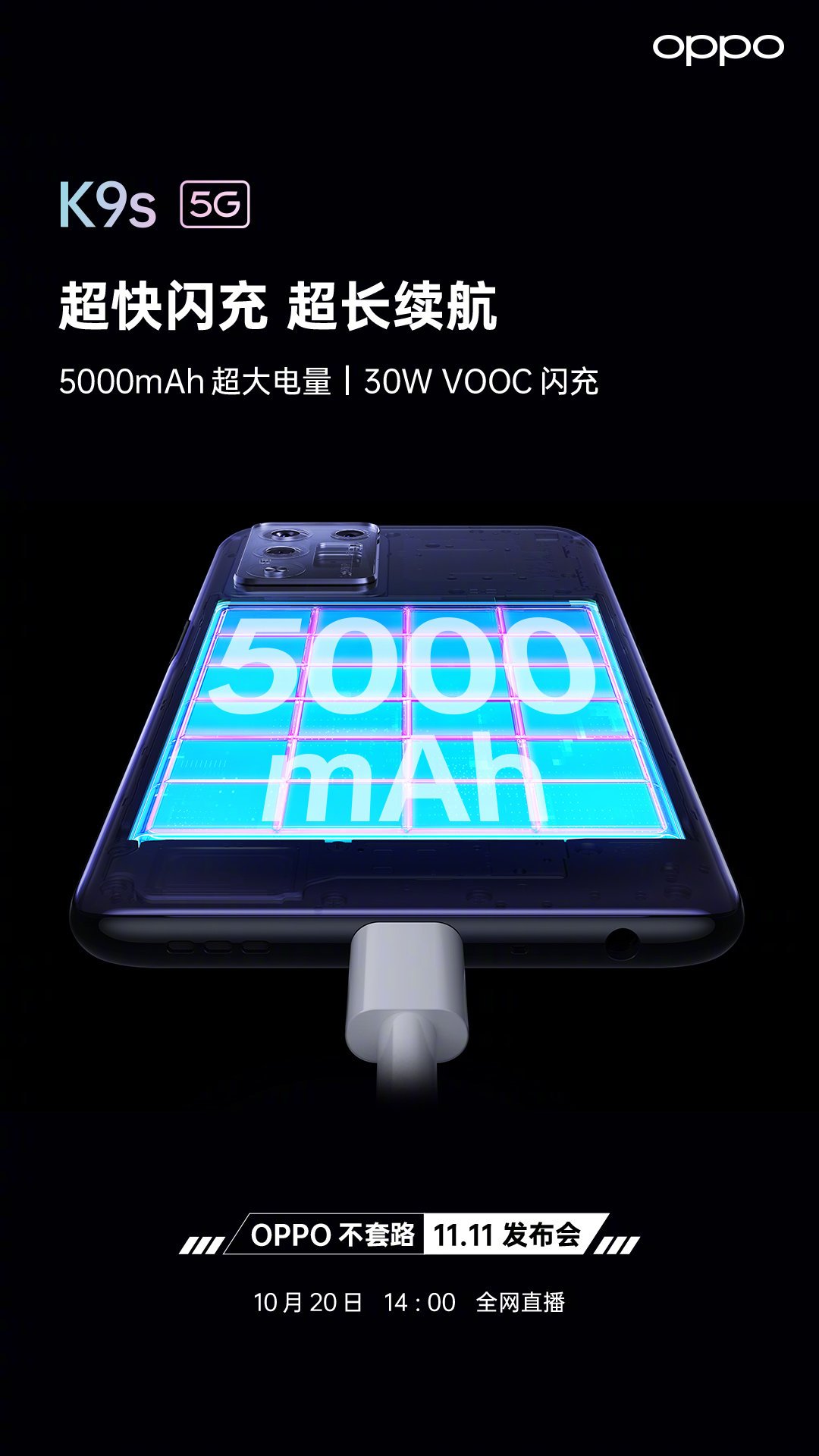
On Wednesday (Oct. 20), OPPO will be unleashing the OPPO K9s smartphone in China. Ahead of the launching, the company has been gradually some of the key features of the smartphone. OPPO has now confirmed the battery capacity and the fast charging capabilities of the K9s smartphone.
Last week, OPPO confirmed that OPPO K9s will come equipped with key specs like a 120Hz refresh rate display, Snapdragon 778G chipset, and an X-axis linear motor. The rear side of the phone was found to be equipped with a 64-megapixel triple camera unit.
The new poster released by the company reveals that it will be backed by a 5,000mAh battery. It also confirms that it will be equipped with support for 30W VOOC rapid charging. The above poster also confirms that the bottom edge of the phone has a 3.5mm audio jack, a USB-C port, a microphone, and a speaker grille.
OPPO K9s specifications (expected)
OPPO K9s
An OPPO smartphone with PERM10 was approved by Chinese authorities like TENAA and 3C earlier this month. This handset is likely to debut with the OPPO K9s moniker in China. It features a 6.59-inch LTPS FHD+ display, Snapdragon 778G chipset, 8GB / 12 GB of RAM, 128 GB / 256 GB of storage, a 16-megapixel front camera, a 64-megapixel + 8-megapixel + 2-megapixel triple camera unit, a 5,000mAh battery, and a side-facing fingerprint scanner. It will be available in three colors like Magic Purple Quicksand, Neon Silver Sea, and Obsidian Warrior.
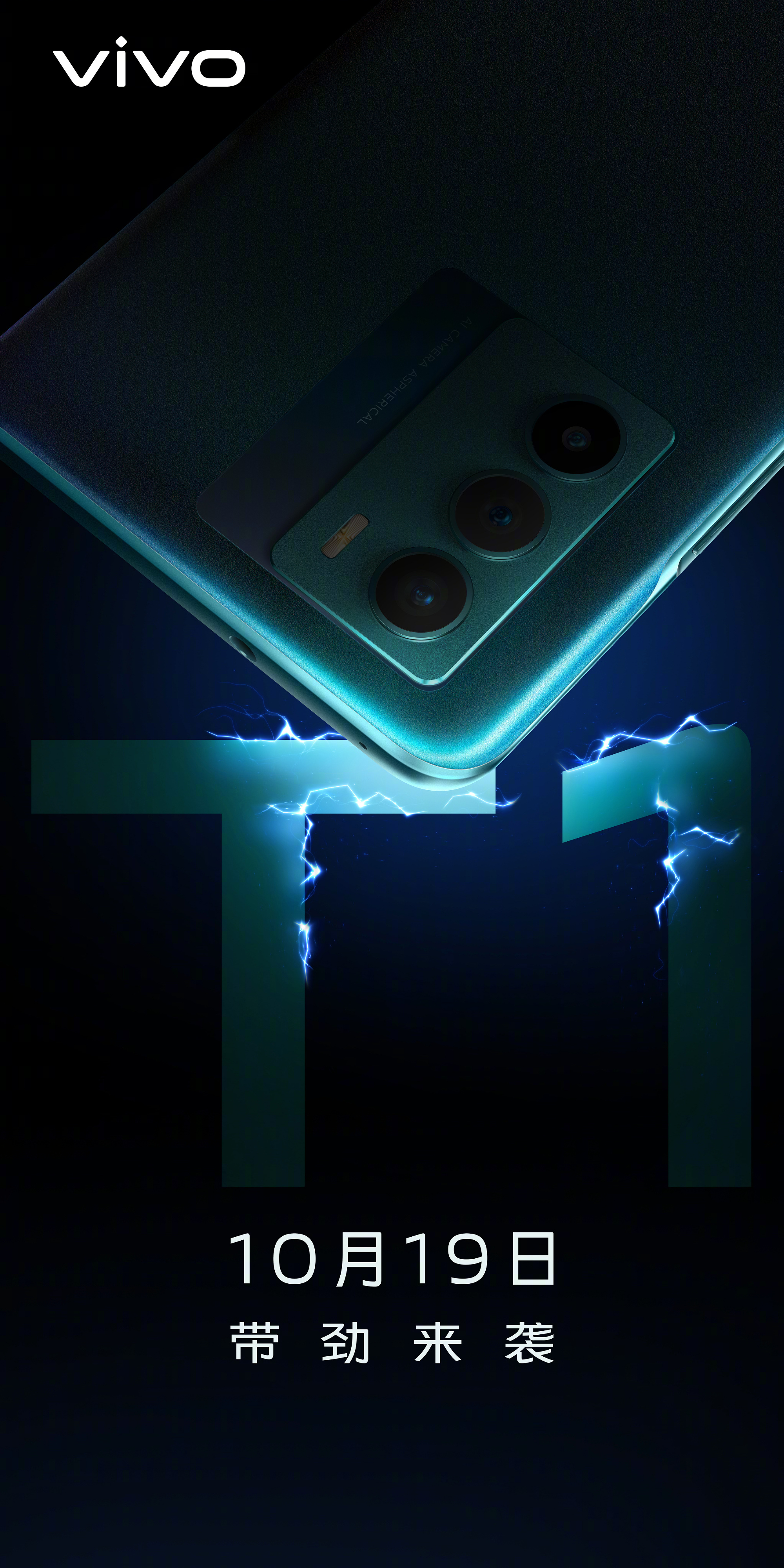
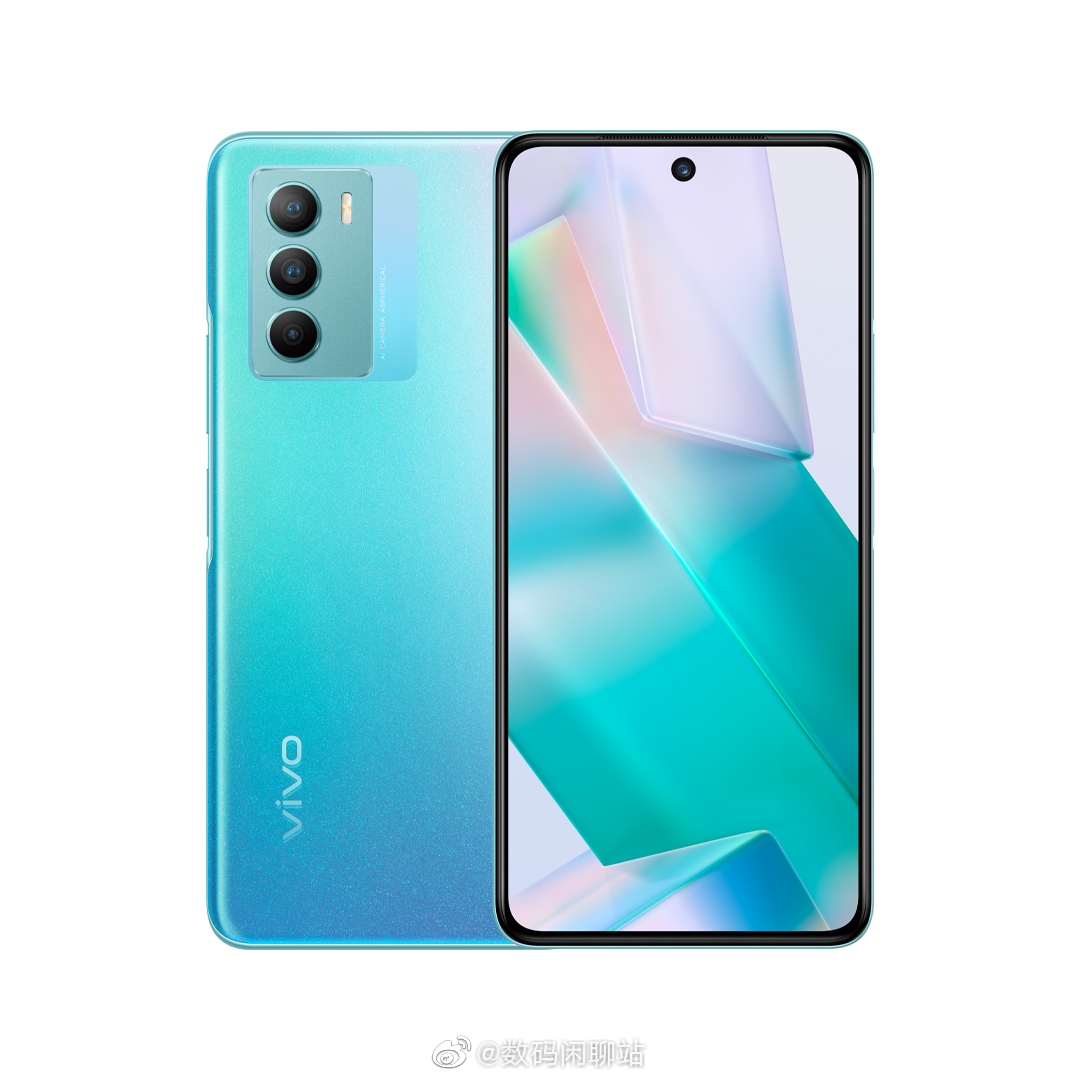
Vivo has announced that it will be announcing the new T1 series of smartphones on Oct. 19 in China. Ahead of the launch, tipster Digital Chat Station has shared the key specifications and renders of the upcoming Vivo T1 and T1x smartphones.
Vivo T1 series launch date
The launch poster released by the brand showcases the rear design of the phone. The official renders shared by the tipster shows two smartphones. One features a waterdrop notch screen and a rear-facing dual-camera system, whereas the other handset is fitted punch-hole display and a triple camera setup on the back.
These two devices are likely to release in the market as the Vivo T1 and Vivo T1x. The tipster further claimed that these smartphones are equipped with specs like a high refresh rate LCD display, Snapdragon 778G / Dimensity 900 chipset, a 5,000mAh battery, and a 64-megapixel main camera.
1 of 3
Vivo T1
Vivo T1
Vivo T1
Vivo T1
Vivo T1
Vivo T1
Earlier this month, a couple of Vivo smartphones have received certification from the TENAA and 3C authorities of China. It seems that the Vivo phone with the V2009A model number may debut as the Vivo T1 in the Chinese market. It was found to be equipped with specs like a 6.58-inch FHD+ display, an 8-megapixel front camera, a 50-megapixel + 2-megapixel dual rear cameras, 8 GB / 12 GB of RAM, 128 GB / 256 GB of storage, and a 4,005mAh rated battery. It appears to be powered by the Dimensity 900 chip.
1 of 2
Vivo T1x
Vivo T1x
Vivo T1x
Vivo T1x
The V2115A Vivo phone is likely to break cover as the Vivo T1x. It has a 6.67-inch FHD+ display, a 16-megapixel selfie camera, a 64-megapixel + 8-megapixel + 2-megapixel triple camera unit, 8 GB / 12 GB of RAM, 128 GB / 256 GB of storage, and a 4,900mAh rated battery with 44W fast charging support. This phone is likely to feature the Snapdragon 778G.
The T1 and T1x are expected to arrive as a rebranded version of the iQOO Z5x and iQOO Z5.
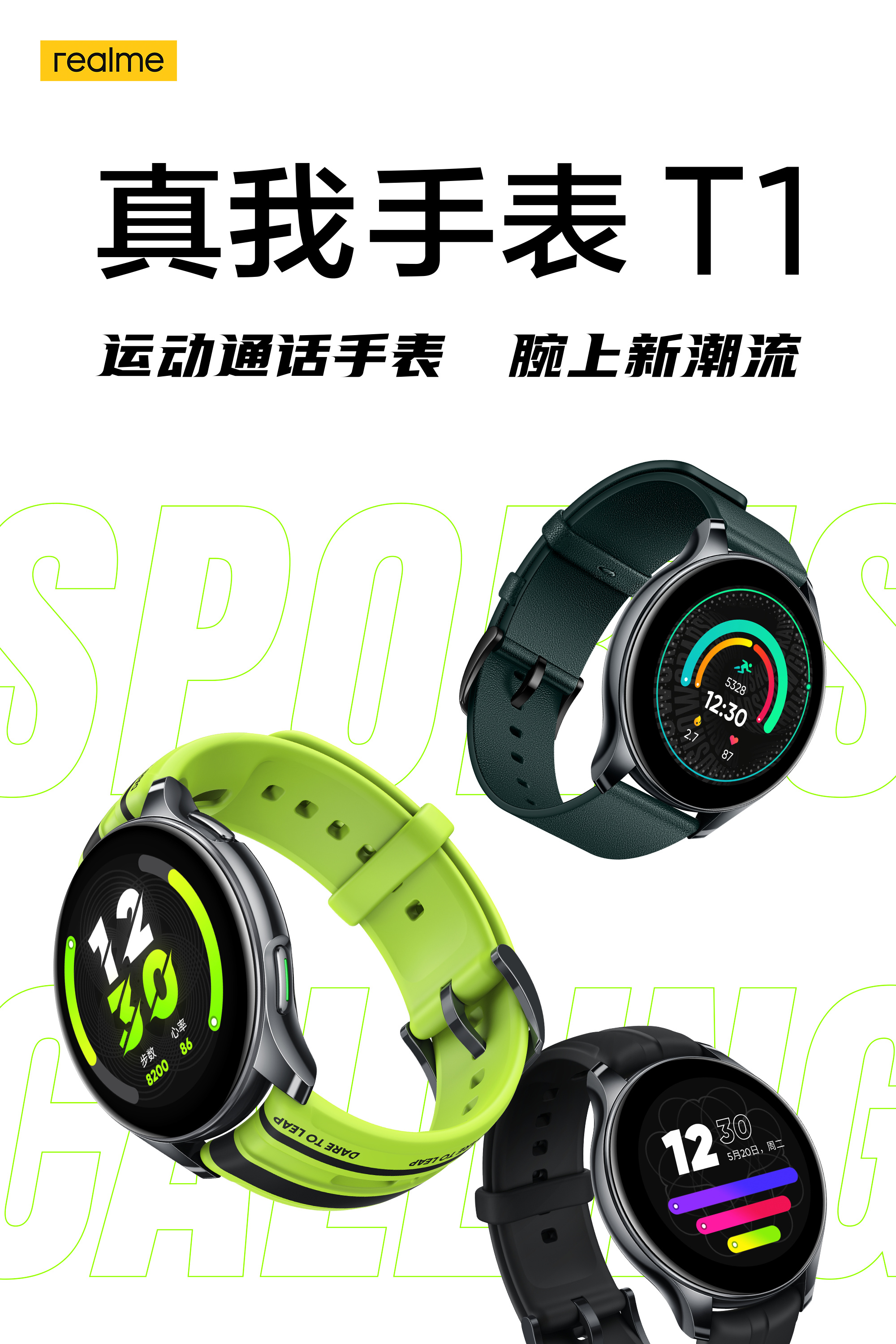
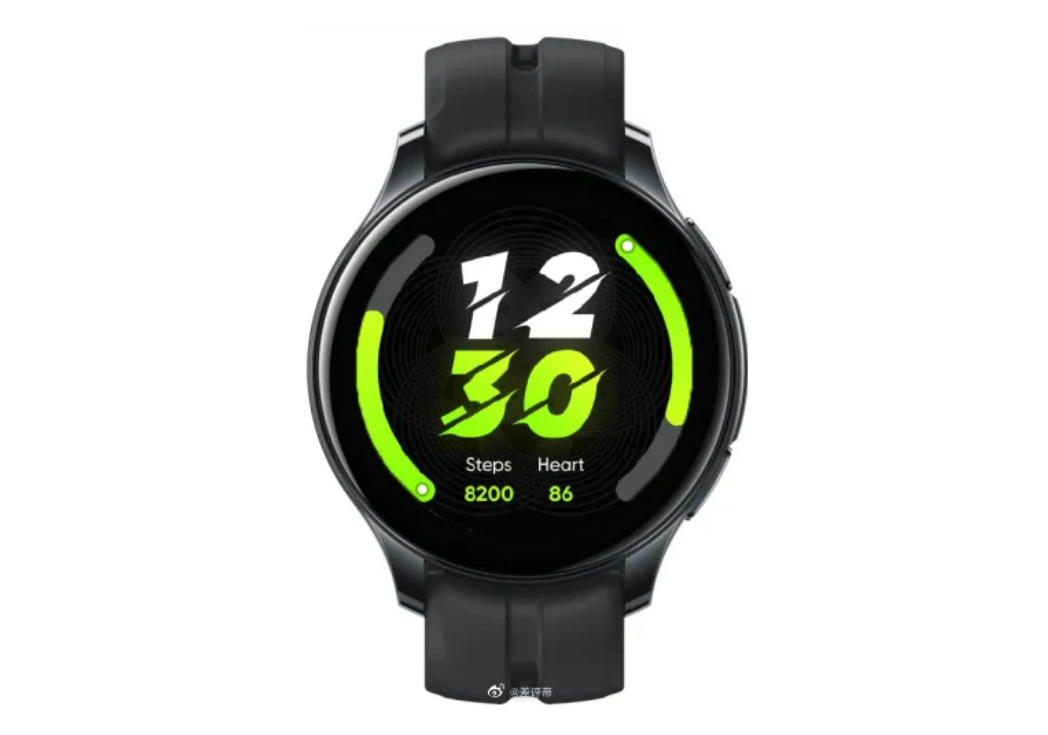
Recent reports have claimed that Realme will be launching a new smartphone on Oct. 19 in China. Today, the company took to its Weibo handle to confirm that it will be announcing the all-new Realme Watch T1 smartwatch tomorrow alongside the Realme Q3s and Realme GT Neo2T smartphones.
The poster released by the brand shows that the Realme Watch T1 will be flaunting a sport design. It features a round-shaped dial and seems to be equipped with a rubber strap. It will be available in green and black colored strap options.
Rumors surrounding the Realme Watch T1 has revealed that it will be equipped with a stainless-steel frame, and it supports a high refresh rate. It is said to be packed with three chips, probably, for tracking health. It is also expected to carry support for voice calls through Bluetooth. The technical details of the smartwatch are under wraps.
As mentioned above, the Realme Q3s and Realme GT Neo2T will be the other major attractions of the Realme event, which will be held tomorrow. The Realme Q3s will offer specs like a 6.59-inch LTPS FHD+ 144Hz display, Snapdragon 778G, 16-megapixel front camera, 48-megapixel triple rear cameras, and a 5,000mAh battery with 30W fast charging support.
On the other hand, the GT Neo2T will come with a 6.43-inch AMOLED FHD+ 120Hz display, Dimensity 1200 chipset, a 16-megapixel selfie camera, 64-megapixel triple rear shooters, and a 4,500mAh battery with 65W fast charging. At present, there is no information available on the pricing of the Watch T1, Q3s, and GT Neo2T.
Earlier this year, the OnePlus Watch was made official in the Indian market in two color options — Midnight Black and Midnight Silver. There was a Cobalt Edition as well, featuring a golden-colored dial with a green-colored strap.
Now, the Chinese company is gearing up to launch a new variant of its smartwatch in the Indian market, dubbed the OnePlus Watch Harry Potter Edition. It was originally teased at the launch of the smartwatch a few months ago but hasn’t been made official yet.
OnePlus Watch Harry Potter Limited Edition Teaser
With the recent teaser of the OnePlus Watch Harry Potter Edition shared by the company, its launch is imminent. Now, ahead of that, details about the wearable device have leaked online, including its pricing.
A tip on Twitter from Yogesh Brar claims that the OnePlus Watch Harry Potter Edition has a box price of ₹19,999. Since this is the Maximum Retail Price (MRP), the actual selling price for the smartwatch is expected to be lower, likely around ₹16,999.
While the upcoming smartwatch variant may have customized casing and straps to match the theme, the internals is expected to be the same as the standard model. It comes with a 46mm round watch dial with two buttons on the sides.
The smartwatch features a 1.39-inch AMOLED display with a screen resolution of 454 × 454 pixels. This display has a 2.5D curved glass, offers an HD resolution, and also has a 326PPI pixel density and support for more than 50 watch faces.
It is powered by an STM32 chipset, which is paired with 1GB RAM and 4GB internal storage. It has a range of sensors, including an Accelerometer, Gyroscope, Geomagnetic sensor, Barometer, Blood Oxygen sensor, Optical heart rate sensor, Ambient light sensors.
The device can track stress levels, heart rate, sleep, and Blood Oxygen levels, with support for more than 110 workout modes. It can show notifications from smartphones, control media, answer calls), and check messages, and more.
It comes with an IP68 rating for water and dust resistance and a linear vibration motor for haptics. The product is powered by a 402mAh battery with Pogo pin charger support and is claimed to offer 14 days of battery life on a typical usage with a single charge.
It’s been a couple of years since chipset manufacturers started making flagship chips using a 5nm process. With rapid development in technology, the change happens pretty soon and the same is true for the manufacturing process as well.
Chipset makers like TSMC and Samsung have already confirmed that they are working on the next-generation 3nm and 2nm processes for manufacturing chipsets. TSMC, which is the world’s largest contract manufacturer for chips, is set to being the production of chips based on a 3nm process next year.
Now, a report from DigiTimes (via ITHome) claims that Taiwan Semiconductor Manufacturing Company isn’t just planning for 3nm chips but will also have an enhanced version of the same in the form of N3E, which will go into production in 2023.
Currently, TSMC uses the N5P process, which is an enhanced version of the N5 or 5nm process and the technology is being used for manufacturing the Apple A15 Bionic chipset. It is claimed to be more energy-efficient compared to the standard N5 process.
Previous reports have claimed that Taiwan Semiconductor Manufacturing Company will start mass production of 3nm chipsets in the second half of 2022, with a capacity to process 30,000 wafers. It will then expand the monthly production capacity to 55,000 units in 2022 and within a year after that, it plans to expand to 105,000 units a month.
Compared to the current 5nm process, the new 3nm process reduces power consumption by 30 percent and increases performance by 15 percent. Even with orders for 3nm chips, the company will continue to focus on 5nm chips as well.
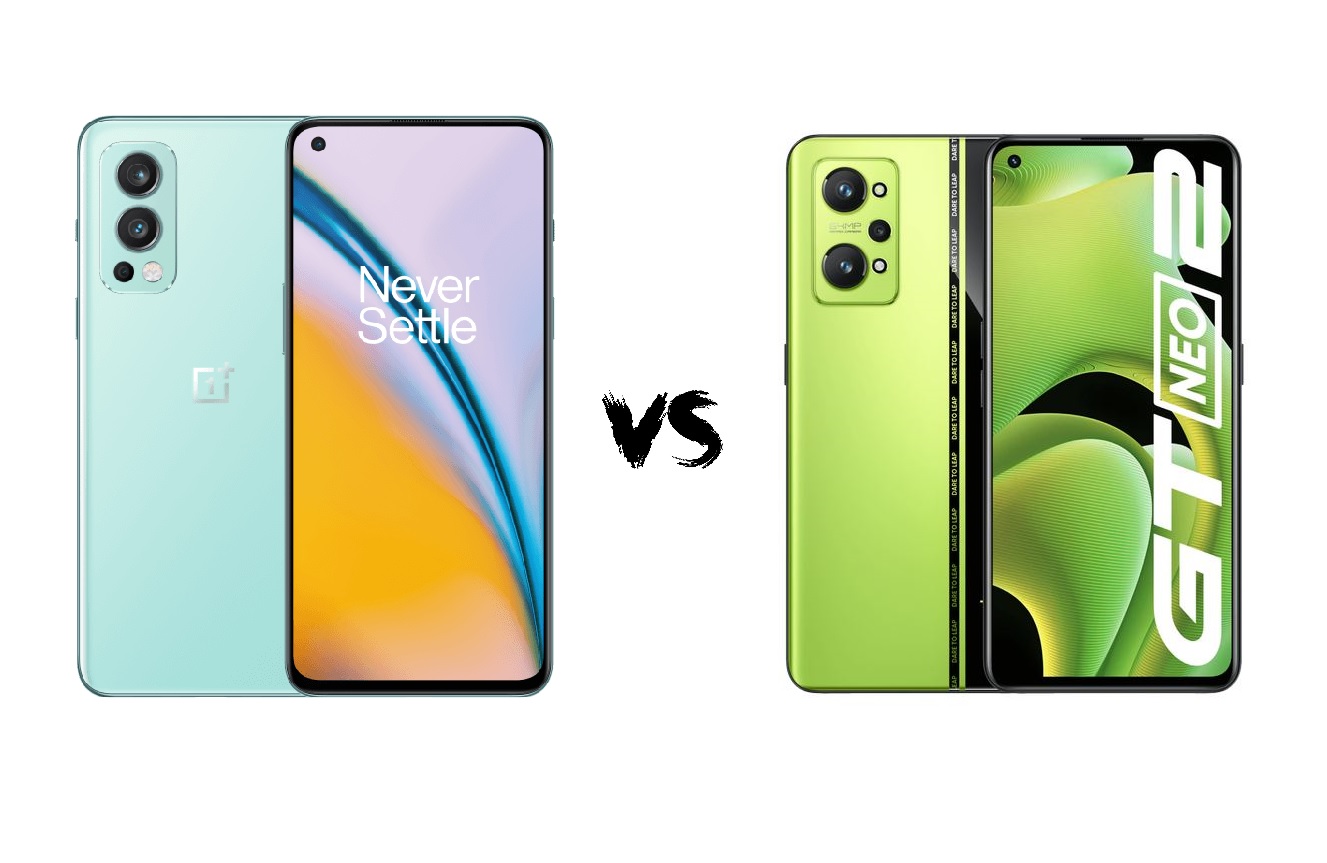
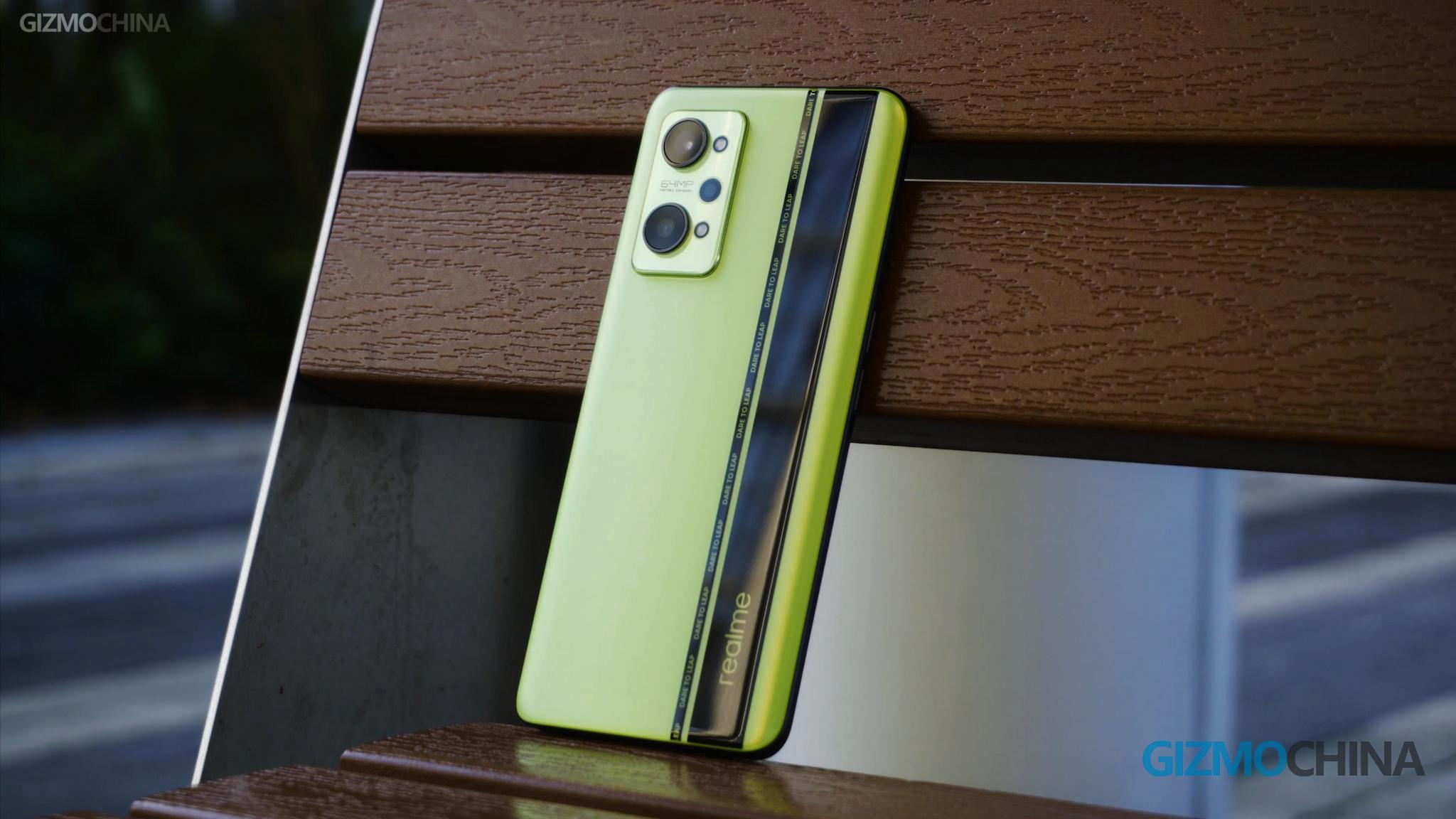
The Realme GT Neo 2 launched in India last week after first making its debut in China last month. The phone packs pretty impressive features and a design that is eye-catching.
The Indian smartphone market isn’t short of phones to choose from and the launch of the Realme GT Neo2 increases the choices buyers have. However, it may not be an easy choice for buyers considering there are other competing devices such as the OnePlus Nord 2. Both phones are similar in a lot of ways including some parts of their design.
So, for this week’s poll, we want to know which phone our readers prefer. Is it the OnePlus Nord 2 with its Dimensity 1200 processor or the Snapdragon 870-powered Realme GT Neo2? Please take the poll and also let us know in the comment box why you prefer one over the other.
It appears Honor has plans to expand its product offering with new mid-range phones very soon. A leaker has revealed the names of three new phones including the Honor X30 Max and another model in the Honor Play5 series.
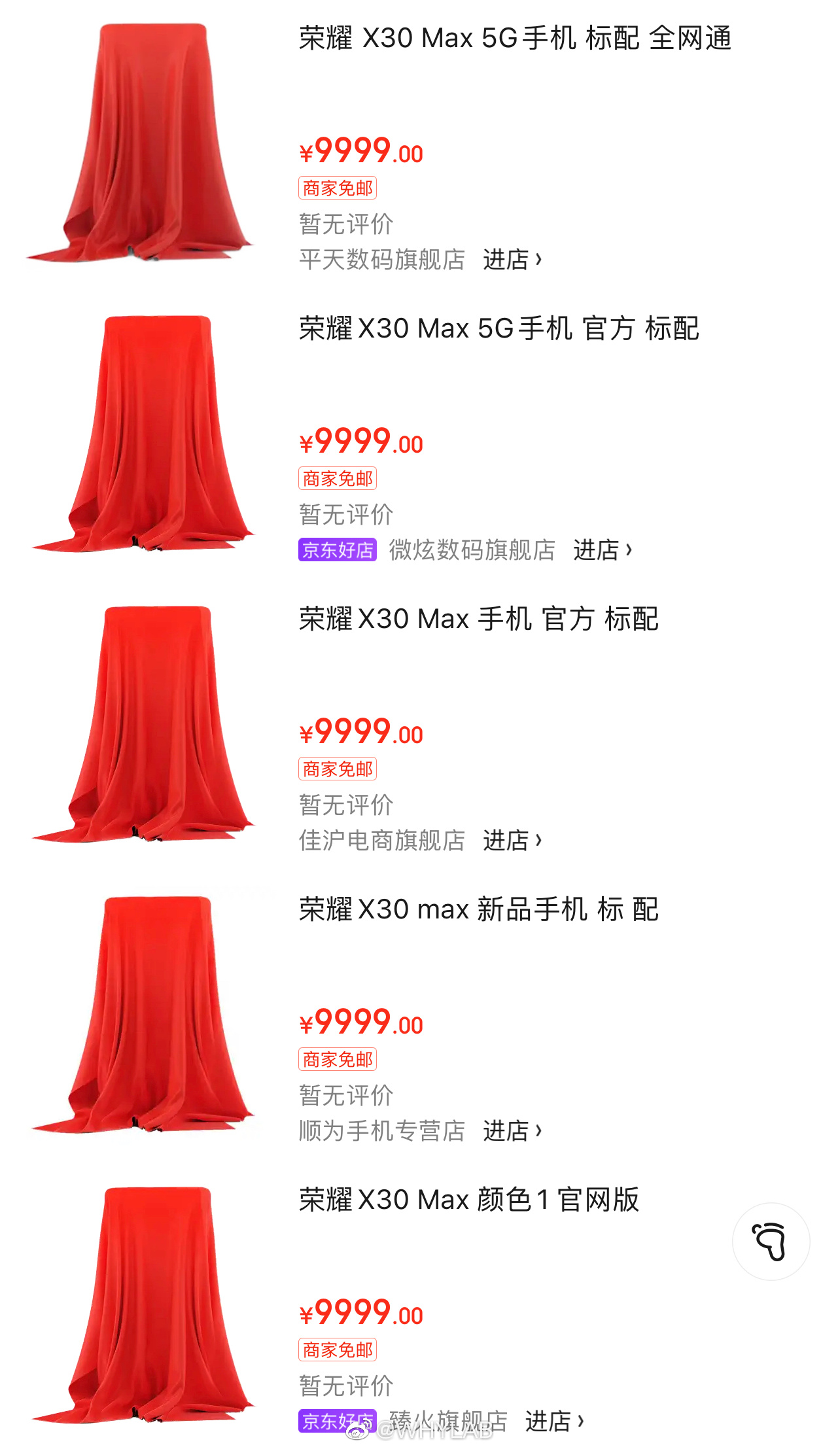
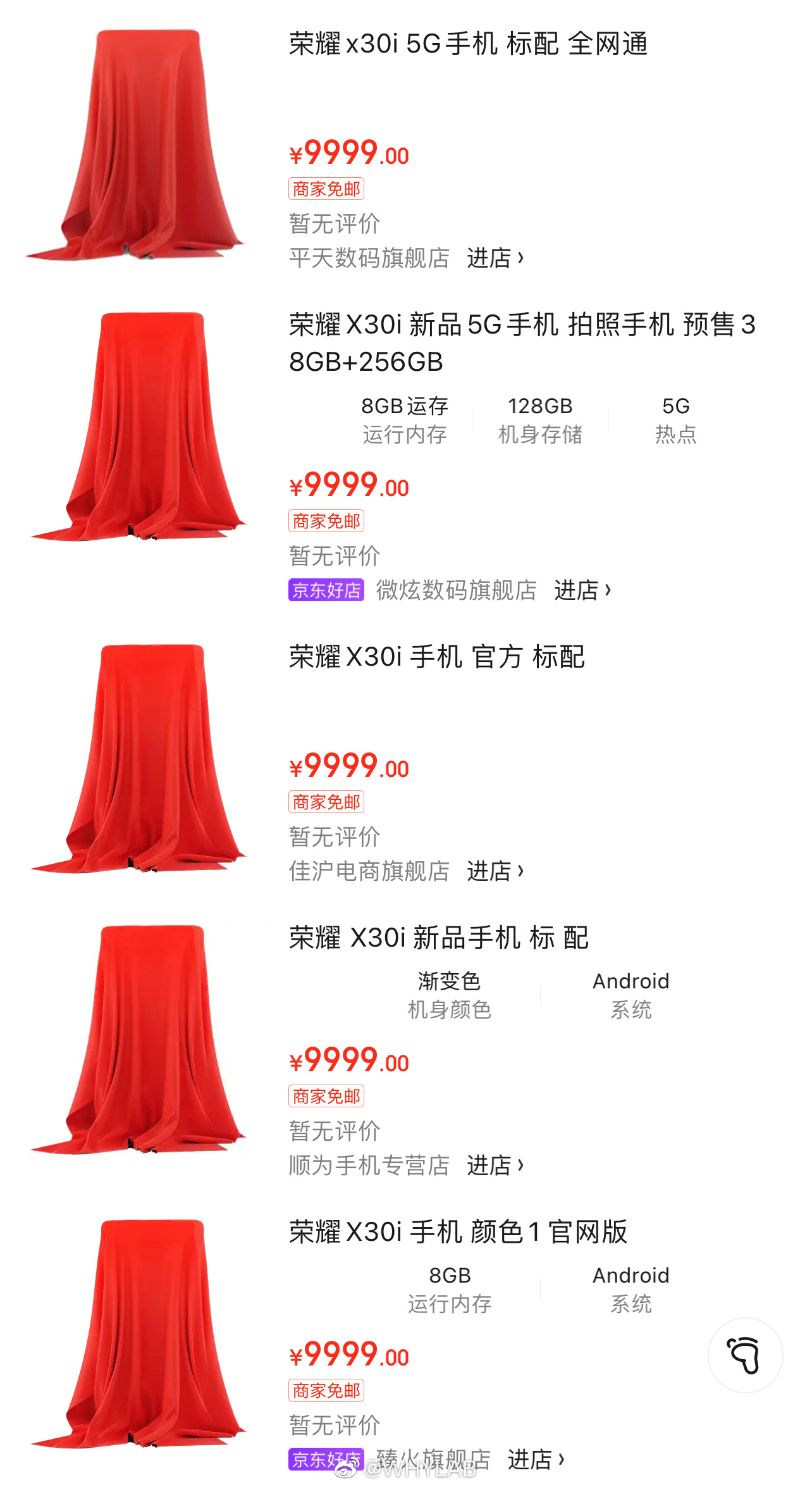
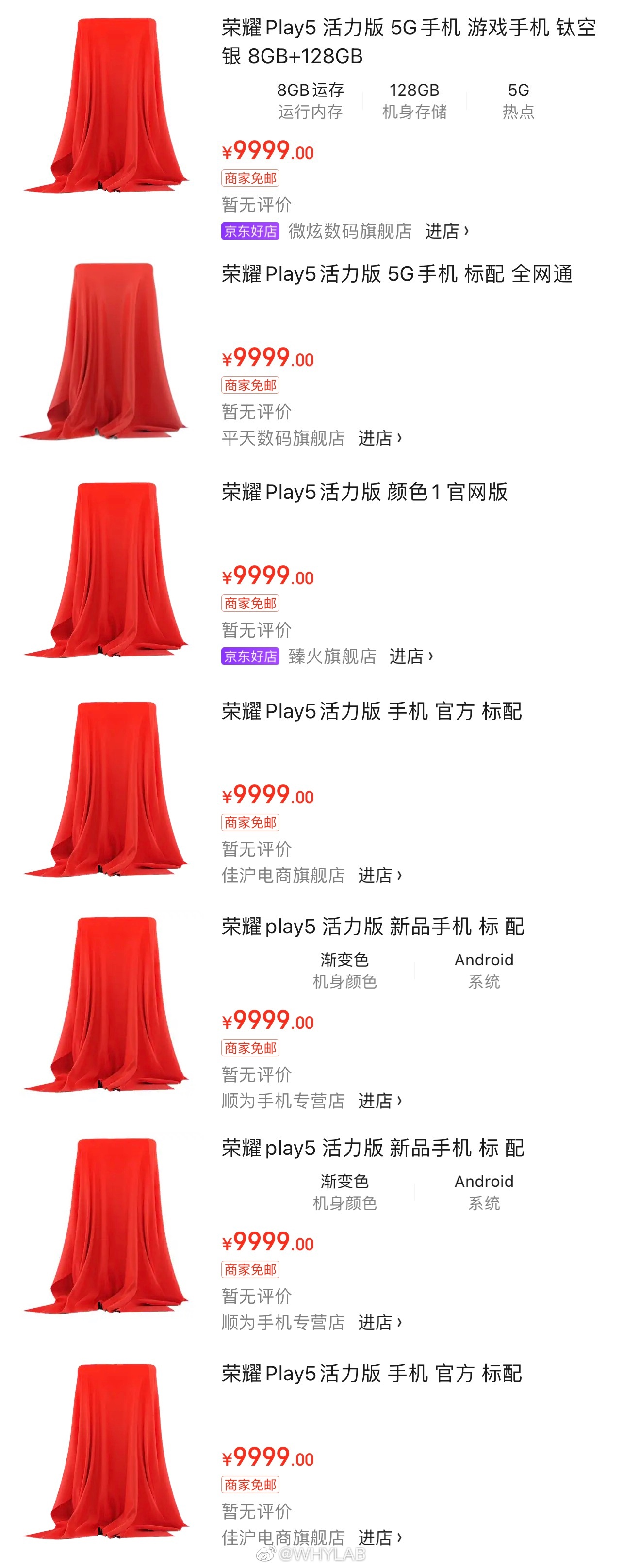
According to the Chinese Weibo user @WHYLAB, there are three new Honor smartphones coming soon. In a post made earlier today, the leaker revealed the names of the phones as well as early listings from a retailer’s website. The phones are the Honor X30 Max, Honor X30i, and the Honor Play5 Vitality Edition a.k.a. Honor Play5 Lite.
The Honor X30 Max first appeared in the news last week. It has been reported that the phone will be a replacement for the canceled Honor X20 Max and will have a 7-inch display, support for 22.5W fast charging, a Dimensity 1100 processor, and a 6000mAh battery. Unfortunately, the retailer’s listing doesn’t reveal new details.
1 of 3
Honor X30 Max
Honor X30i
Honor Play5 Vitality Edition
The Honor X30i and Honor Play5 Vitality Edition will also be 5G phones. The former will be available with 8GB of RAM and 128GB or 256GB of storage while the latter will have 8GB of RAM and 128GB of storage.
We expect more details to surface as the launch dates for these devices draw closer.
The Pixel 6 series will be launched on Tuesday, October 19. Google’s new phones will be available in two models – a standard model called the Pixel 6 and a more feature-packed version called the Pixel 6 Pro. Ahead of the launch, two listings of the Pixel 6 Pro have appeared on Amazon UK and they reveal some details of the phone.
The listings were discovered by Roland Quandt (@rquandt) and while they don’t contain the full details of the phone, the leaker has provided some more info.
The Pixel 6 Pro will have a 6.71-inch AMOLED display with a 120Hz refresh rate, 3120 x 1440 resolution, and HDR10+. We already know it has a centered punch hole for the front-facing camera and the listing says it is a 12MP sensor.
Powering it is the 5nm Google Tensor processor and it will be available in two configurations in the UK. Both will have 12GB of RAM but 128GB or 256GB of non-expandable storage.
There are three rear cameras on the Pixel 6 Pro – a 50MP wide main sensor with PDAF and OIS; a 48MP telephoto camera with 4x optical zoom, PDAF, and OIS; and a 12MP ultrawide angle camera. Camera features listed are Pixel Shift, Auto HDR, 4K video recording at 30/60fps, and panorama.
The listing doesn’t reveal the battery capacity nor charging details but it confirms that the phone has an under-display optical fingerprint scanner. The Pixel 6 Pro will be available in Sunny (Light Yellow) and Stormy Black and according to Roland Quandt, the 128GB version will sell for £849 while the 256GB version will be sold for £949. He also adds that the phone will begin shipping from November 1 according to Amazon UK.
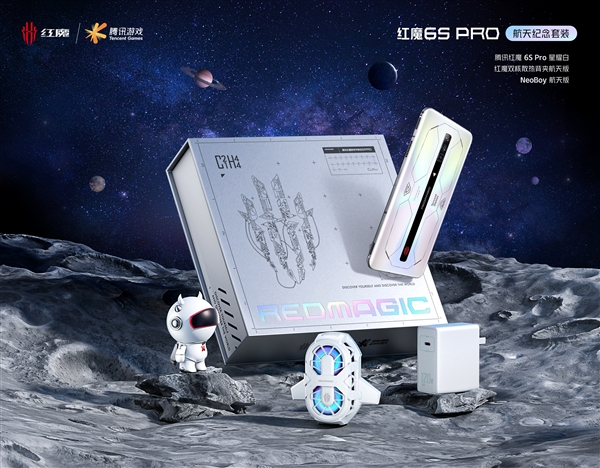
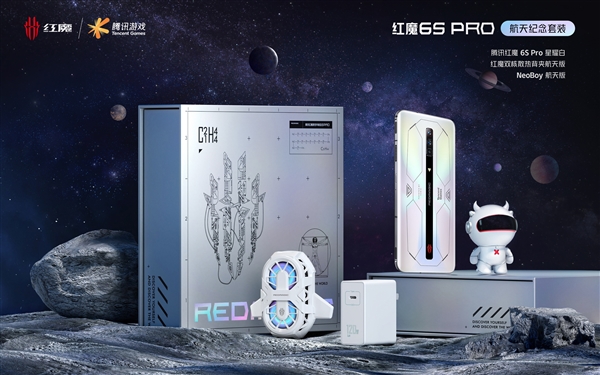
China, a few days back, launched its longest space mission yet when a three-man crew aboard the Shenzhou-13 spaceship successfully docked with the radial port of the space station core module Tianhe at 6:56 Beijing Time (6:56 p.m. ET/22:56 GMT) on Saturday, according to the China Manned Space Agency. The team will live and work at the station for 183 days, or just about six months. To mark this historic moment, Red Magic has launched an Aerospace commemorative set of the Red Magic 6S Pro.
The Red Magic 6S Pro Aerospace Commemorative set is designed in silver and white, with the Red Magic Logo and “REDMAGIC” laser engraved on the front. The edition consists of the Red Magic 6S Pro smartphone in a white paint job as well as the Red Magic dual-core cooling back clip aerospace version, and the NeoBoy figurine aerospace version. There is also a white version of the brand’s 120W GaN charger inside the box.
The Red Magic 6S Pro Aerospace Commemorative smartphone isn’t different in design from the normal version. It uses a 6.8-inch 165Hz ultra-competitive screen, and the multi-finger touch sampling rate is upgraded to 720Hz, and the silky control is easy to handle.
However, the device is equipped with Magic GPU 1.0 for the first time. It has been tested by the Red Magic Lab to bring up to 60% improvement in the frame rate stability. The device also features the 7th-gen under-screen fingerprint sensor with a faster response speed. There is also support for heart rate detection is supported.
In terms of processor, the RedMagic 6S is powered by a Qualcomm Snapdragon 888 Plus flagship processor. It also comes with the newly upgraded ICE 7.0 nine-layer multi-dimensional cooling system, built-in fan speed up to 20,000 rpm, and adopts aerospace-grade phase change The heat-dissipating material n-21 oxane (C21H44) can control the temperature rise steadily, and bid farewell to the down-frequency stuttering.
It also has a built-in battery capacity of 4500mAh, supports 120W fast charge, and can charge to 100% in 17 minutes. At the same time, it adopts an all-pole-ear battery cell design and charging separation technology, which can effectively control the temperature rise, and it is not hot to play while charging.
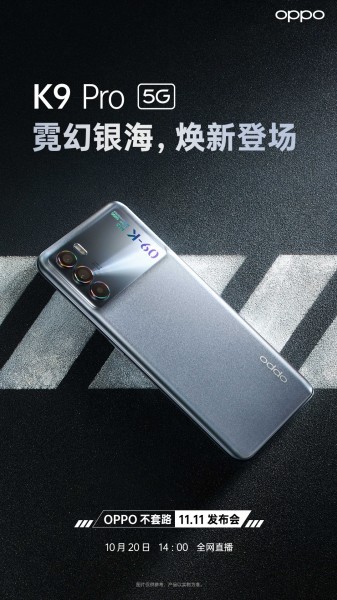
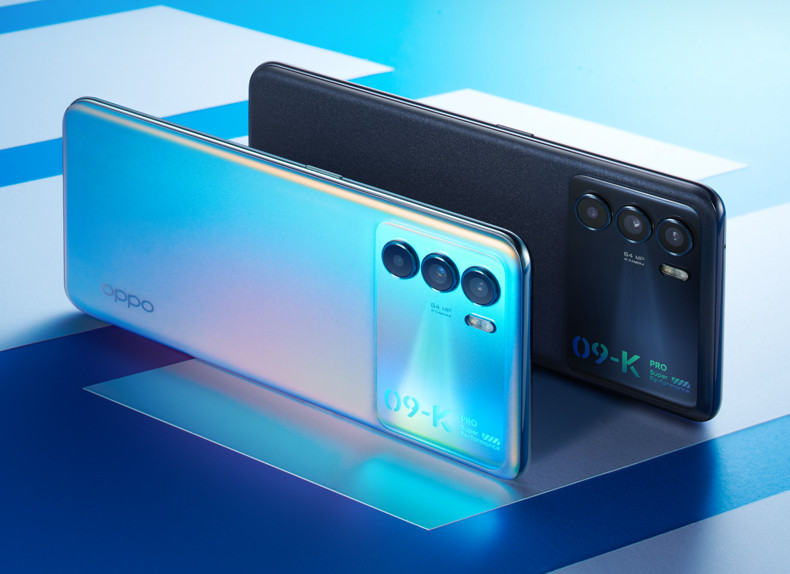
The Oppo K9 Pro was unveiled recently with only two color variants. The smartphone debuted in China last month with Obsidian Black and Glacier Blue colors and will now include a Neon Silver model according to Oppo. The new variant will be unveiled on October 20.
The new color variant of the Oppo K9 Pro will reflect an alloy texture with the camera rings also reflecting a rainbow color overlay. It is not clear whether the rings are painted in the specified colors or due to light reflection. The text on the right side of the camera system also has a similar effect, as seen from the official image released by Oppo.
The Oppo K9 Pro Neon Silver variant is not expected to differ internally from the earlier color variants of the smartphone. As a reminder, the K9 Pro features a 6.43-inch Full HD+ AMOLED display with a 120Hz refresh rate, a 180Hz touch sampling rate, HDR10, a DCI-P3 wide color gamut, and a screen-to-body ratio of 91.7 percent.
The device is powered by the MediaTek Dimensity 1200 processor, coupled with up to 12GB of RAM and up to 256GB internal storage. Notably, there’s no support for storage expansion with a microSD card slot.
For photography, there’s a triple-camera setup that consists of a 64MP f/1.7 primary sensor with a 6P lens, an 8MP f/2.2 super wide-angle camera with a 119º field of view and a 5P lens, and a 2MP f/2.4 macro camera with a 3P lens that can shoot 4 CM macro photos. On the front, there’s a 16MP snapper for taking selfies and video calling.
OPPO K9 Pro
Other features on the OPPO K9 Pro smartphone include an in-display fingerprint scanner, Face Unlock, NFC, dual SIM dual 5G connectivity, dual-band Wi-Fi, Bluetooth 5.2, a 3.5mm audio jack, and a USB-C port.
The phone runs the Android 11 operating system out-of-the-box with the company’s own ColorOS 11 on top. It is powered by a 4,500mAh battery with 60W Super Flash Charge technology that can charge the battery from 0% to 50% in just 16 minutes.
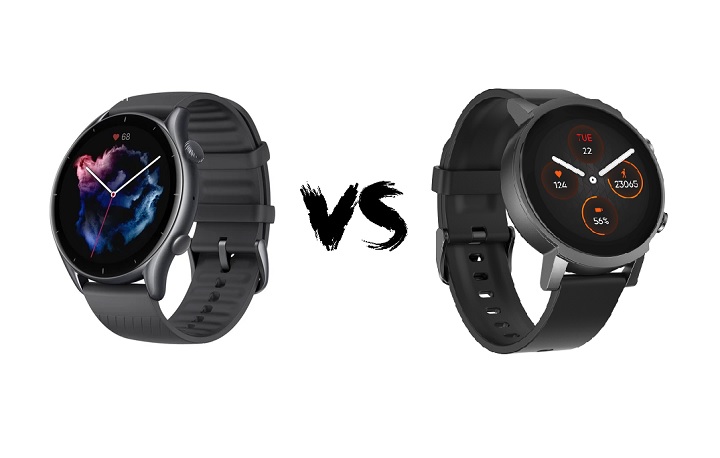
The new Amazfit GTR 3 smartwatch brings a lot of new features and also tries to keep the price tag affordable but it has got serious competition in form of the TicWatch E3, Mobvoi’s affordable Wear OS watch announced a few months ago.
Both Zepp Health and Mobvoi are Chinese manufacturers but they have strong roots outside their home country, thanks to their wide range of wearables that are also competitively priced and available in major markets across the globe.
This post will compare both smartwatches and also suggest which one is best suited for a user. First, let’s look at a spec-by-spec comparison of the two wearables:
Amazfit GTR 3
TicWatch E3
Display and resolution
1.39-inch AMOLED display
454 x 454
1.3-inch High Density display
360 x 360
Processor
Not stated
Snapdragon Wear 4100 and Mobvoi dual processor system
Both smartwatches have a round dial but their designs are different. The TicWatch E3 has a smaller display attached to 20mm silicone straps but the watch is thicker than the Amazfit which uses 22mm silicone straps. The former’s case is also made from polycarbonate and glass fiber while the latter has an aluminum alloy case. There are two buttons on the TicWatch E3 while the Amazfit GTR 3 has a digital crown that can be rotated to navigate the watch alongside a secondary button.
Processor, RAM, and Storage
Zepp Health doesn’t say what processor powers the Amazfit GTR 3 neither is there a mention of the RAM. However, owners get 2.3GB of storage to store MP3 files. For the TicWatch E3, it has Qualcomm’s Snapdragon Wear 4100 and Mobvoi’s dual processor system along with 1GB of RAM and 8GB of storage for apps, podcasts, and songs.
Software
This is a major difference between both smartwatches. The Amazfit GTR 3 runs Zepp OS which is a new operating system that is designed by Zepp Health for its smartwatches. It is a lightweight OS that has better power efficiency than the old Amazfit OS. It also brings new features such as support for mini apps. There is an app store inside the companion app where users can download more apps. However, the type and number of apps are limited when compared to what you get from the TicWatch E3 which runs the more powerful Wear OS and has an extensive library of apps.
This is also the right time to mention that both smartwatches have a smart assistant. The Amazfit GTR 3 has Amazon’s Alexa while the TicWatch E3 comes with the Google Assistant.
Sports and Health Tracking
If you are picking up a smartwatch, you are most likely doing so to stay fit and healthy, hence why the sports and health tracking features of a watch are important.
The Amazfit GTR 3 has support for over 150 sports modes. That is an enormous amount even if the average user may only use a fraction. Of these 150+ sports modes, it can automatically detect 8. It also has sleep tracking, sleep breathing quality tracking, all-day heart rate and blood oxygen level measurement, stress level monitoring, breathing rate, and female cycle tracking.
For the TicWatch 3, there is support for 20+ professional workout modes including high-intensity interval training, and has support for automatic detection via TicMotion. It also has 24/7 heart rate measurement and blood oxygen saturation detection, sleep tracking, stress monitoring, TicZen for relaxing, and TicHear to alert you of unsafe sound levels.
Connectivity and Sensors
The Amazfit GTR 3 has Bluetooth 5.1 LE, a compass, a barometer, an ambient light sensor, and support for five satellite navigation systems, but doesn’t have NFC and Wi-Fi. The TicWatch E3 has Bluetooth 5.0, 2.4GHz WLAN, NFC with Google Pay support, an off-body sensor, and support for three satellite navigation systems but doesn’t have a compass and barometer.
Battery life
There is a bigger battery inside the Amazfit GTR 3 and combined with its more power-efficient operating system, its battery life goes up to 21 days which is miles ahead of the 3-day battery life the TicWatch E3 boasts. Surprisingly, the TicWatch E3 lasts 10 days longer in its Essential Mode which is similar to the battery saver mode of the Amazfit GTR 3.
Other features
The TicWatch E3 has a microphone and a speaker, so you can not only take calls on the watch but can also ask the Google Assistant questions and get an audio response. There is only a microphone available on the Amazfit GTR 3, so you can’t receive calls on the watch.
Both smartwatches are compatible with Android and iOS devices, have replaceable straps albeit of different sizes, and are water-resistant.
Price
The Amazfit GTR 3 is priced at $179.99 and available in two colors while the TicWatch E3 is $199.99 and can be purchased in only black.
Conclusion
The two watches have their own strengths and weaknesses. Those who want a smartwatch with amazing battery life, are tied to the Amazon ecosystem, and need a watch that has a compass and barometer are better off purchasing the Amazfit GTR 3 as it ticks all of these boxes. It also costs less.
The TicWatch E3, which is pricier but regularly goes on sale and is even $169.99 on the official website as at the time of writing, has a more feature-rich operating system with support for full-fledged apps. It is also more powerful thanks to its Snapdragon Wear 4100 processor and packs more storage. Another merit is support for NFC and Google Pay so users can use their watch to make payments. Those who are tied to the Google ecosystem will also prefer it as they can control compatible devices from their smartwatch.
Which of the two smartwatches do you prefer? Do let us know in the comment box.
Next week is pretty much the most interesting one of this year’s Techtober. Tech giants Apple, Google, and Samsung all have events lined up for fans and some of these announcements have been long expected. Here is a roundup of what’s coming next week:
Apple Unleashed Event – October 18
Apple kicks off the week-long string of events with its Unleashed event on Monday, October 18. The event is believed to be for the launch of new MacBook Pro laptops that will be powered by a more powerful version of the Apple M1 chip. Expected to be called the Apple M1X, the chipset is also reported to power a new Mac Mini.
Pixel Fall Event – October 19
The much-awaited Pixel 6 and Pixel 6 Pro will be announced on Tuesday, October 19. The Pixel Fall event is for the new Pixel 6 phones but there is a high chance we will see Google announce other products.
Realme Watch T1
Realme China launch event – October 19
Realme will be holding an event in China on October 19. The launch event is for the Realme Q3s but it is also expected to launch the Realme T1, its first smartwatch for the Chinese market.
Galaxy Unpacked Part 2 – October 20
Samsung hit us with a surprise a few days ago when it announced that it has a launch event scheduled for Wednesday, October 20. The major announcement is expected to be for One UI 4 but a teaser posted by Samsung on YouTube yesterday points at a foldable-related device announcement too.
Redmi Smart TV X 2022 – October 20
Redmi has a new smart TV launching on Wednesday, October 20. The Smart TV X 2022 is a successor to its 2019 Redmi Smart TV X affordable premium TV. We expect the new model will have premium features but a modest price tag.
Huawei Nova 9 – October 21
Huawei is bringing the Nova 9 series to Europe on October 21. The Nova 9 series was launched in China in September powered by the Snapdragon 778G processor. When they launch next week in Europe, they also won’t have 5G support.
Realme GT Neo2 was launched a few days back in India and it brought flagship-grade specs to the table. The smartphone features a 120Hz display, 64MP triple cameras, and Snapdragon 870. Starting today, the smartphone will go on sale in India.
The Realme GT Neo2 is priced at ₹31,999(~$425) for the 8GB RAM + 128GB storage variant and ₹35,999(~$478) for the 2GB RAM + 256GB storage variant. But, in the first sale, the phone will be available starting at ₹24,999(~$385) and ₹28,999(~$332). The sale starts at 12 PM IST on Flipkart.
Realme GT Neo2 Specifications
The Realme GT Neo2 comes with a 6.62-inch Samsung E4 AMOLED display. It has a Full-HD+ resolution and a 120Hz screen refresh rate. The screen has 1300 nits of brightness and a 100 % DCI-P3 colour gamut. Upfront, it has a 16MP selfie camera and features a triple camera system at the rear.
It has a 64MP main lens with an f/1.8 aperture, an 8MP ultra-wide lens, and lastly a 2MP macro camera. At the helm, it is powered by the Qualcomm Snapdragon 870 SoC paired with up to 12GB of RAM and 256GB of onboard storage.
It also has an in-display fingerprint scanner and facial unlock support. It packs a 5,000mAh battery with support for 65W fast charging technology. Realme claims that it can go from 0% to 100% in just 36 minutes.
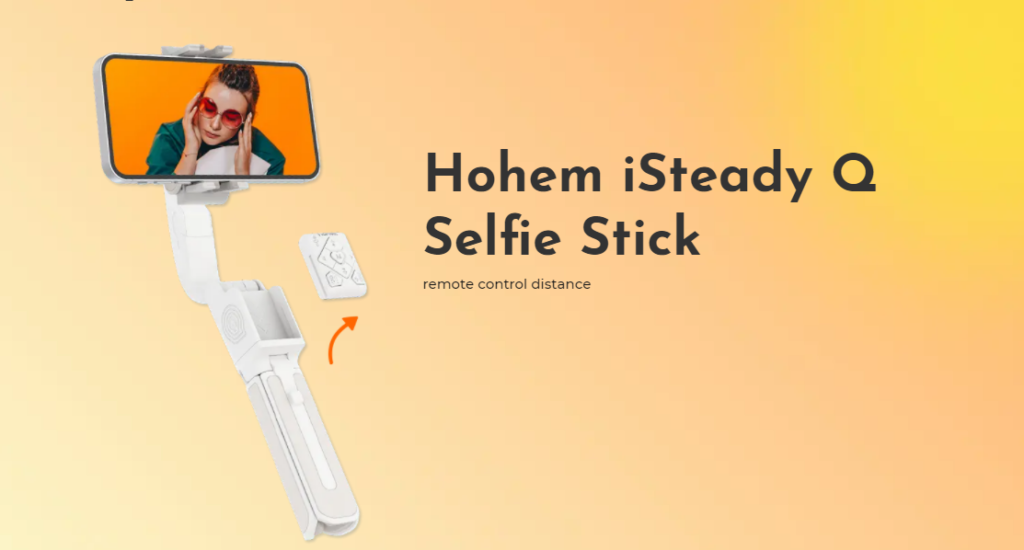
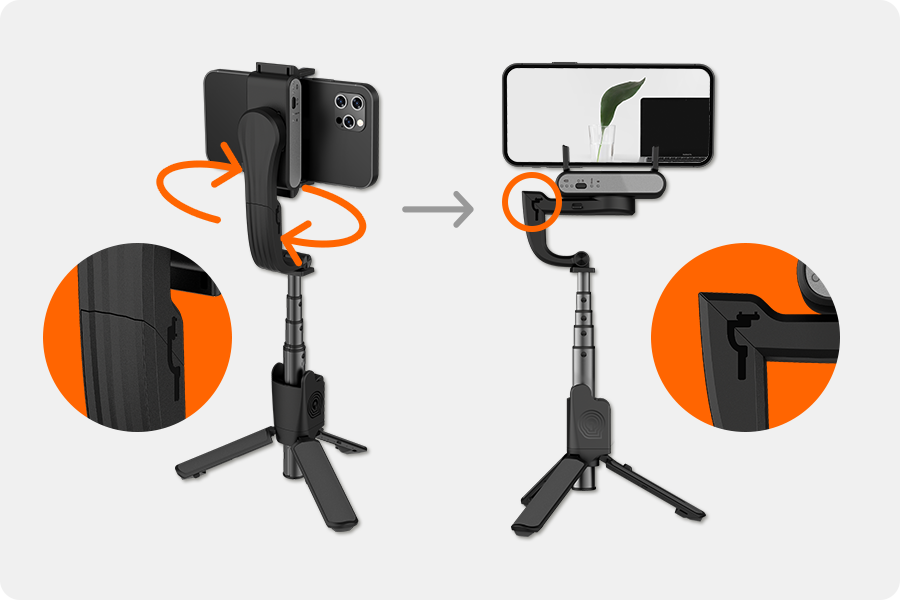
Hohem introduced it’s maiden stabilizing selfie stick – iSteady Q Stick coupling four different modes. The new selfie stick offers some outstanding features such as 360-degree tracking, iSteady stabilization technology, and the ability to use in four different modes – Handheld Use, Selfie Stick, Portrait Desktop, and Landscape 360-degree Face tracking.
iSteady Q Selfie Stick enables the users to capture the best moments while expressing themselves. Packed with the tools to bring forth creativity, the iSteady Q Stick would be a boon for photography and videography enthusiasts. Multifunction support allows using the Stick as a selfie stick, tripod, gimbal, or live stream equipment.
Uses of iSteady Q Stick
Selfie Stick: The presence of detachable remote control enables the users to take a selfie with ease. iSteady Q stick also accompanies specific functions to record videos remotely, change camera direction, flip between different video effects and modes. The rotatable arm further enhances the usability of the selfie stick.
Tripod: Stability is the primary concern for videographers and even astronomical photographers. The iSteady Q Stick integrates a Tripod with three arms to stabilize it on the ground or on any other plain surface. However, the smart stabilization further reduces the shake while capturing moments in the low-light environment either via a video or a photograph.
Gimbal: iSteady Q Stick offers maximum stabilization, and cinematic templates to record a professional video. Several other software features such as Moment Mode, Dolly Zoom, Fantastic Rotation, Motion Time-Lapse are some reasons behind its use as a gimbal. However, the Rotatable Arm is fully used in Gimbal Mode to offer scenic frames.
Live Streaming: It acts as a live streaming apparatus due to the presence of features such as smart stabilization, 360-degree face tracking, and moment mode. High portability and integrated tripod allow its use as a live streaming apparatus.
The Hohem iSteady Stick supports the Hohem Joy app which you can use to enjoy its extensive features. However, the app is available for both Android and iOS devices.
iSteady Q Stick is the best tool for beginners which may even perform better than some professional tools. Hohem iSteady Q is on sale at an affordable price of $39.99. However, you can get a free ring light, if you grab the Hohem iSteady Q Selfie stick now only from the official Hohem store.
The Moto G60 is one of the smartphones released by Motorola this year, however, unlike the Moto G50 and Moto G50 5G, it is a 4G phone. A successor is on the way and it will have 5G support and it will launch as the Moto G71 and not the Moto G70.
The Moto G71 has been spotted on the FCC database and the documents reveal some of its specs. We know the device which has the model number “XT2169-1” is the Moto G71 5G thanks to an earlier leak that also revealed the device is codenamed “Corfu“.
— Simranpal Singh (ਸਿਮਰਨਪਾਲ ਸਿੰਘ) (@simransingh931) October 16, 2021
The documents show that the Moto G71 has 5G, dual-band Wi-Fi support, NFC, and dual-SIM support. It has also been reported that the phone will have a 5000mAh battery under its hood.
There are a lot of unknown details about the Moto G71 but there is a chance it will launch this year and be available in Europe and the United States. When it arrives, it will most likely run Motorola’s My UX based on Android 11 out of the box but get an update to Android 12.
If you can’t wait until then, there are several 5G phones from the manufacturer you can buy now depending on the region you are in. The Moto G50 5G has a Dimensity 700 processor while the Moto G50 has a Snapdragon 480 5G chipset. If you want a 5G phone with a stylus, there is the Moto G Stylus 5G. For those who want a more powerful phone, the Moto G 5G is there with a Snapdragon 750G processor or you can pick up the Moto G 5G Plus which has a Snapdragon 765G processor and six cameras. All of these phones have a 5000mAh battery which should easily last a day.
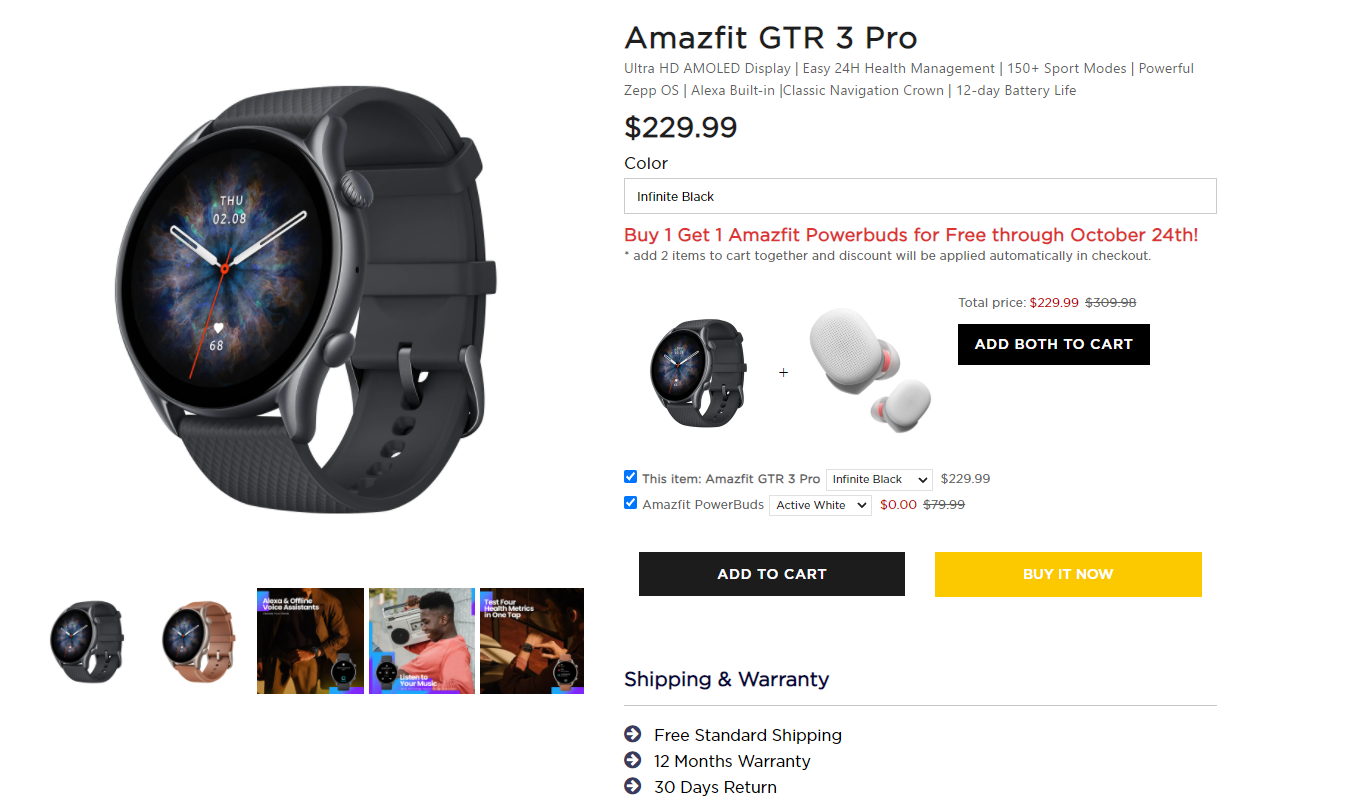
The Amazfit GTR 3 and the Amazfit GTR 3 Pro are priced at $179.99 and $229.99 respectively but if you are picking one up between now and October 24, you get a free pair of the Amazfit Powerbuds which is priced at $79.99 on its own.
The Powerbuds are not just regular earbuds. Alongside features such as a sports sound system, electronic noise cancellation for calls, and an IP55 water and dust resistance rating, they can also measure your heart rate as they have a PPG heart rate sensor. You will even get a voice notification when your heart rate crosses the pre-set warning value. The earbuds have an 8-hour battery life that goes up to 24 hours with the case. It also supports fast charging as a 15-minute charge will provide up to 3 hours of listening time as long as heart rate monitoring is turned off.
The Amazfit GTR 3 and Amazfit GTR 3 Pro have a 1.39-inch and 1.45-inch AMOLED display respectively. They both run the new Zepp operating system out of the box, have a 5 ATM water-resistance rating, support for over 150 sports modes, and Alexa built-in. The GTR 3 has support for 100+ watch faces, a microphone, and a 21-day battery life while the GTR 3 Pro has support for 150+ watch faces, a microphone and speaker, built-in storage, and a 12-day battery life.
You can pick up either of the smartwatches on the Amazfit US website. All you have to do is add both the smartwatch and the powerbuds to your cart and the the discount will be applied automatically at checkout. Don’t forget the deal expires on October 24.
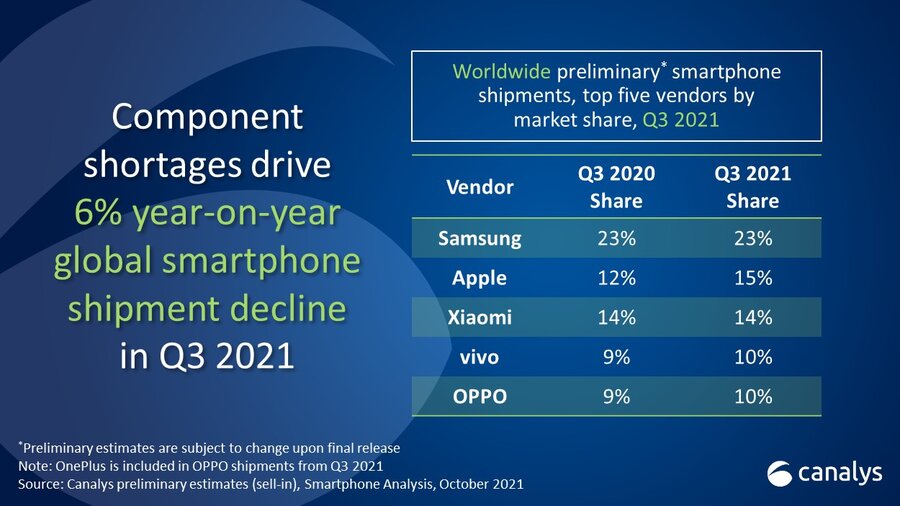
The global smartphone market is reeling under the weight of the semiconductor shortage as vendors struggle to meet demand. Samsung was the leading vendor with a 23% share. Xiaomi lost the 2nd place it had gained earlier this year after Apple grabbed it thanks to strong demand for the iPhone 13.
As a result, the Chinese smartphone giant currently stands at 3rd with a market share of 14%. The 4th and 5th rankings are currently held by vivo and OPPO currently, both with a 10% share each (via: Canalys).
Ben Stanton, Canalys Principal Analyst remarks that the chipset famine has truly arrived: “The smartphone industry is striving to maximize production of devices as best it can. On the supply side, chipset manufacturers are increasing prices to disincentivize over-ordering, in an attempt to close the gap between demand and supply.”
However, the chip shortage will likely be continuing well into 2022 despite the measures. This, combined with high global freight costs, will be pushing the device retail pricing even higher.
Along with this, the chip shortage is also prompting last-minute changes with regard to device specification and order quantities from the smartphone vendor end. This is critical for them since they have to select from the existing pool of available components.
Unfortunately though, it leads to confusion and inefficiency when communicating with retail and distributor channels, continued Stanton. Many channels are nervous heading into important sales holidays, such as Singles’ Day in China, and Black Friday in the west.
Smartphone channel supplies are already low, and as more customers anticipate similar sales cycles, the oncoming surge of demand will be impossible to meet. Customers might expect less aggressive smartphone discounts this year. Smartphone firms with tight margins, on the other hand, should consider bundling other devices, such as wearables and IoT, to provide strong incentives for customers.
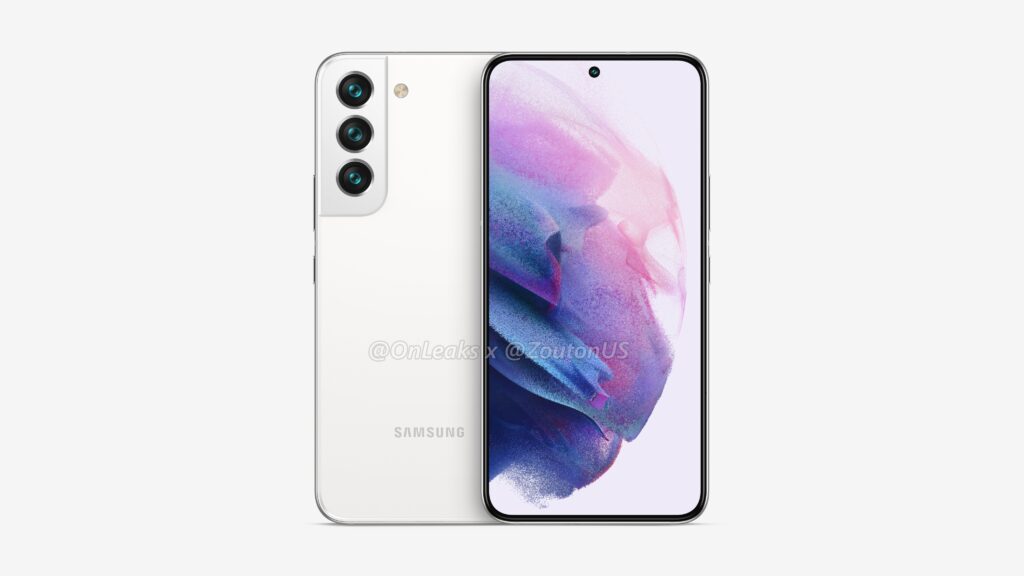
As per recent reports, the latest and greatest from Qualcomm – the Snapdragon 898 – will be making its debut around mid-December. The Xiaomi 12 is expected to be one of the first models to be powered by it, if not the first, but the Samsung Galaxy S22 is still expected to be among the first batches.
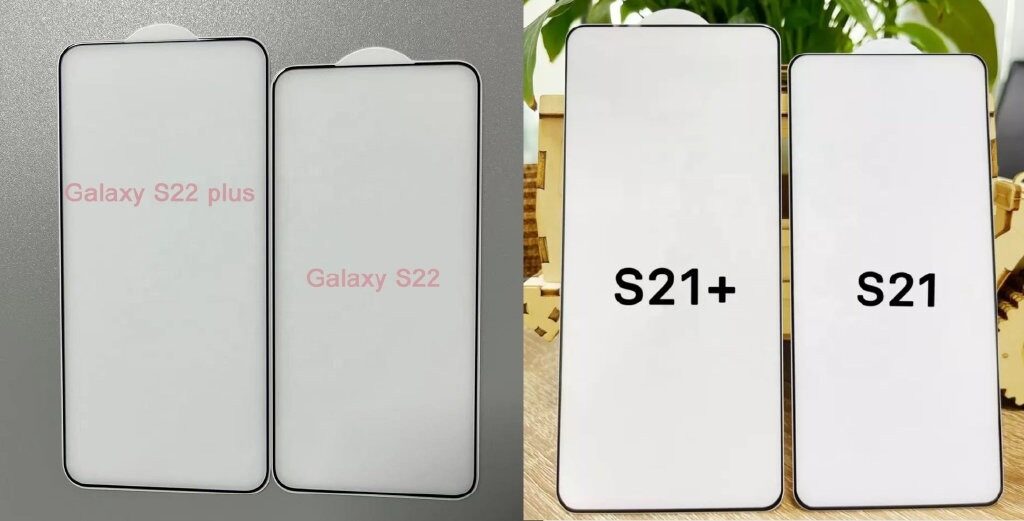
And now, a reliable tipster (via: IT Home) has given us a first look at what to expect from the front of the Samsung Galaxy S22 and Galaxy S22+. The image shared by them is of tempered glasses for the two models, prepped in advance by an accessory manufacturer. It also shows similar tempered glasses for the S21 models, for comparison’s sake.
As apparent from the shared photo, the Samsung Galaxy S22 and S22+ are expected to have rounder corners than last year’s models. But what’s cooler to see is that the phones have achieved equal bezels all around. This is something that Apple has maintained on their notched iPhone models since the very beginning. But Android flagships have preferred to keep slimmer bezels on three sides paired with a chin at the bottom.
However, if what the tempered glass is implying indeed turns out true, the S22 models will sport equal bezels all around with them also being extremely narrow.
The Samsung Galaxy S22 series is expected to go live early next year and has already obtained 3C certification in China. It shows that the models will be equipped with 25W fast charging technology.
Samsung Galaxy S22 render
Along with the performance, design, and display improvements, the Samsung Galaxy S22 series will be coming with upgraded cameras, just like every other iteration. The Samsung Galaxy S22 and S22+ will be equipped with a 50-megapixel primary shooter that will support four-in-one pixel binning technology.
The Samsung Galaxy S22 Ultra was similarly leaked as well. But unlike the other S22 models, it will be coming with a rectangular, boxy design reminiscent of the Galaxy Note series. It will also be having stylus support.
Chinese tech brand realme sells a number of smartwatches in international markets. However, the company will be releasing its first smartwatch in its home country only next week. Ahead of that, the firm has created an official Weibo account dedicated to smartwatches.
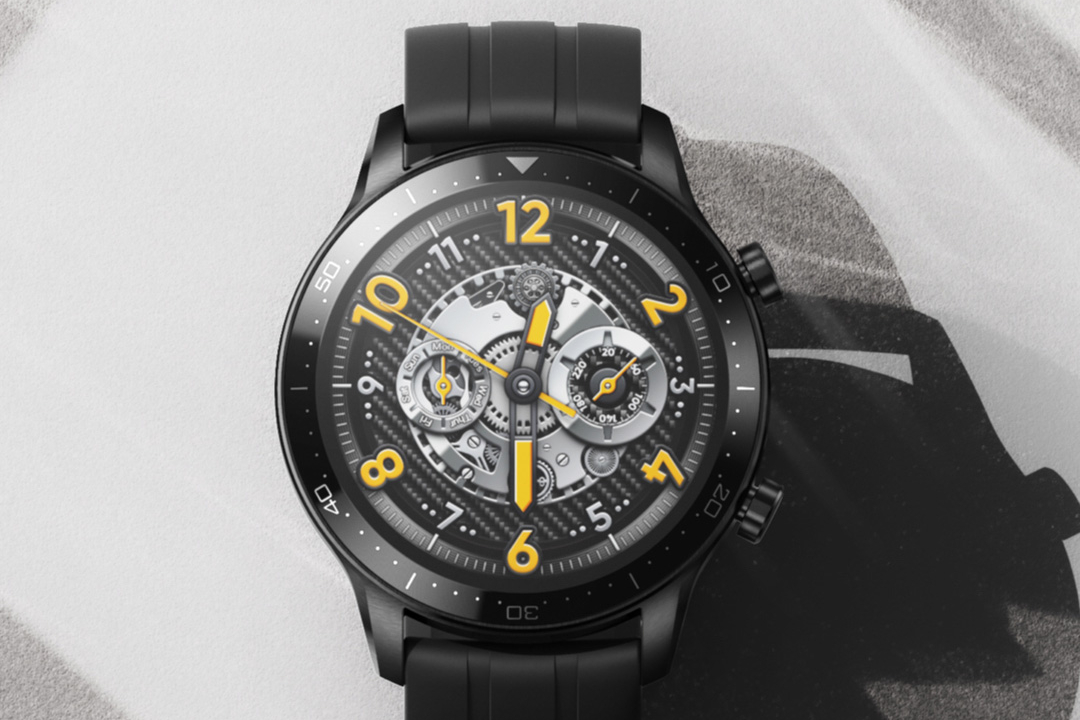
realme Watch S Pro
Earlier today, the official Weibo account of realme Watch went live. The handle has published a single post so far and it does not say anything about the upcoming wearable. However, we expect to learn more about the product via this new account in the form of teasers in the coming days.
On the other hand, the tipster Digital Chat Station has revealed some details about realme’s first smartwatch for its home market. According to the leaker, this wearable will go official as realme Watch T1.
He says that the product will feature a round dial with a high refresh rate screen and a stainless steel frame. Further, it will come with two chipsets and will offer Bluetooth calling function.
Unfortunately, he doesn’t say anything about the wearable’s software. But we think it will most likely run a customized RTOS like other smartwatches sold by realme outside mainland China.
What are your expectations of the upcoming realme Watch T1? Do you think it might run Android like the ColorOS Watch-powered OPPO Watch models? Drop your thoughts in the comment section below.
Apple’s first 2021 event had its crosshairs set on the new iPhone and Apple Watch mostly, but there’s now a second one incoming. Enter the Apple ‘Unleashed’ event that’s to be held on Monday, October 18. This one will be Mac-centric and the company is expected to announce at least the MacBook Pro 14 and MacBook Pro 16.
Image: Apple Unleashed
Sure, we are just a couple of days away from the event, but new leaks and renders are always welcome. Apple Tomorrow (via: Notebookcheck) has published just those on Twitter and they perhaps provide the clearest look we have had on the new MacBooks to date. The renders are based on the most recent leaks, including that Apple has switched to taller, 14:9 displays.
While the design of the new laptops is undeniably still very MacBook-ish, there have been a couple of meaningful upgrades. Firstly, the new 14:9 ratios should provide a better web scrolling experience thanks to a taller viewing area. And second, the bezels have been reduced significantly, so much so, that there’s no place to fit in the familiar ‘MacBook Pro’ labeling, although we definitely won’t be missing that.
However, not everything is a gain. Leaked schematics had suggested that this year’s models would be losing the Touch Bar that was introduced in 2016 with fourth-generation MacBook Pros, and the renders reflect on this.
1 of 3
But the same schematics had also shown that the new MacBook Pros would be getting more ports than the current models. As visible in the renders, the 2021 MacBook Pro 14 and MacBook Pro 16 should launch with at least a full-sized HDMI port, two USB Type-C ports, and MagSafe charging.
Other than this, there has been much hype on the second iteration of Apple’s own ARM-based chip. It’s dubbed M1X and will be powering the two MacBooks. Both models are also expected to come with mini LED displays with support for 120Hz refresh rates.
We use cookies on our website to give you the most relevant experience by remembering your preferences and repeat visits. By clicking “Accept”, you consent to the use of ALL the cookies.
This website uses cookies to improve your experience while you navigate through the website. Out of these, the cookies that are categorized as necessary are stored on your browser as they are essential for the working of basic functionalities of the website. We also use third-party cookies that help us analyze and understand how you use this website. These cookies will be stored in your browser only with your consent. You also have the option to opt-out of these cookies. But opting out of some of these cookies may affect your browsing experience.
Necessary cookies are absolutely essential for the website to function properly. This category only includes cookies that ensures basic functionalities and security features of the website. These cookies do not store any personal information.
Any cookies that may not be particularly necessary for the website to function and is used specifically to collect user personal data via analytics, ads, other embedded contents are termed as non-necessary cookies. It is mandatory to procure user consent prior to running these cookies on your website.