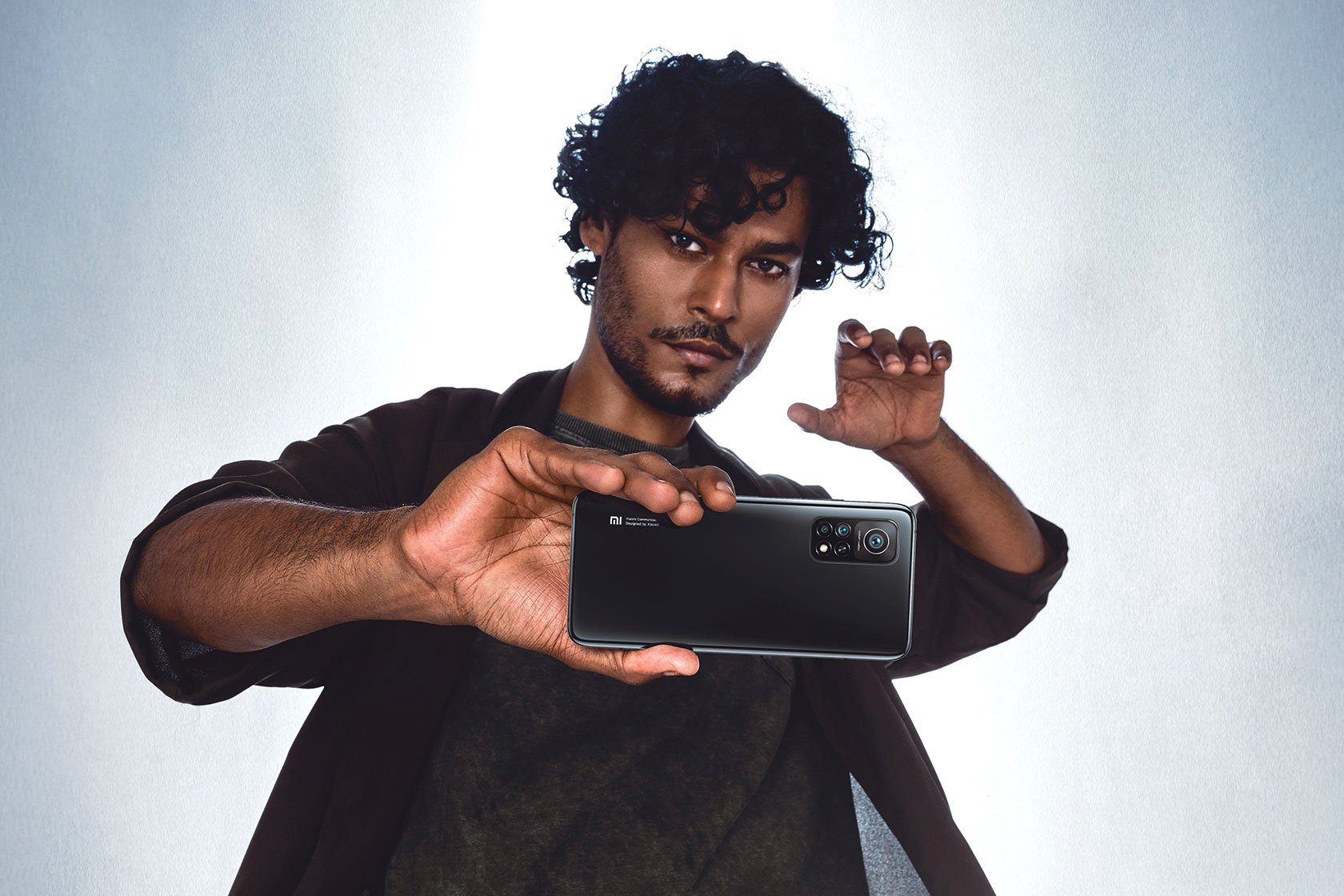
Samsung Electronics has just announced that it is partnering up with film directors to showcase the capabilities of its flagship Galaxy S21 Ultra, with entire films being shot on the smartphone.
The South Korean tech giant will be partnering with British film director Joe Wright, wjo is best known for his work on Pride and Prejudice and Atonement. The company will start the campaign with the Princess & Peppernose, which will be directed by Joe Wright. This project is a musical film that uses both live action choreography and puppetry. But all of these shots are captured on the company’s Galaxy S21 Ultra.
Furthermore, Samsung is also working on another firm that will be shot “#withGalaxy,” which features Chinese director Sha Mo, who is known for Love Will Tear Us Apart and My Huckleberry Friends. As per official notes, “Sha Mo used the Galaxy S21 Ultra 5G to capture footage for his new film Kids of Paradise, a poetic look at conflicts between children in a small school by the countryside. To capture the story, Sha Mo relied on Director’s Mode of the Galaxy S21 Ultra to record three different shots at once for an intuitive, almost professional-like filming experience.”
With this campaign, the company aims on continuing its partnership with more film directors from across the globe to highlight the camera’s of its flagship Samsung smartphones. Notably, both of these new films will be featured at the Busan International Film Festival in South Korea, which is set for later this month.
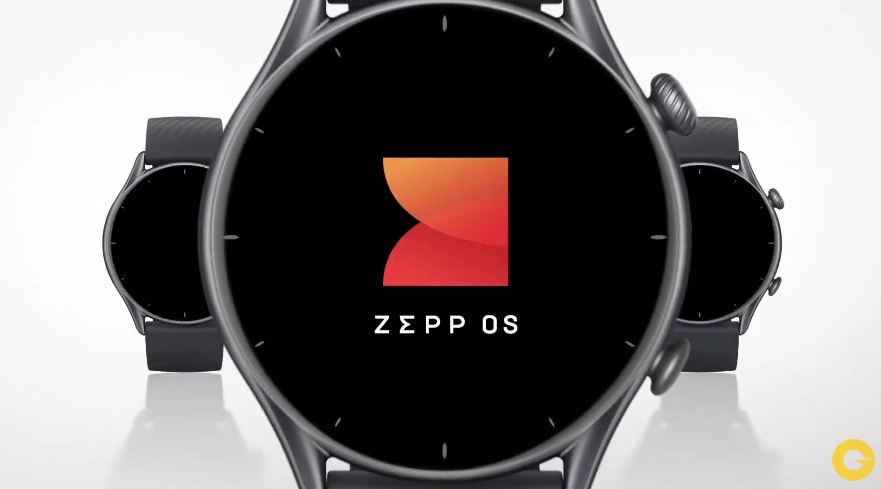
When Zepp OS was announced in July, one of the new features the manufacturer revealed the new operating system would bring is an improvement in power consumption. With the launch of the new Amazfit GTR 3 and Amazfit GTS 3, that claim is indeed true as both watches do have better battery life, at least on paper, than their predecessors.
The Amazfit GTR 2 and Amazfit GTS 2 launched with a battery capacity of 471mAh and 246mAh respectively. Surprisingly, the new Amazfit GTR 3 has a smaller 450mAh battery compared to its predecessor while the new Amazfit GTS 3 has a 250mAh battery which is a tad bigger than that of its predecessor. Nevertheless, the Amazfit GTS 3 with its smaller battery capacity, but the same 1.39-inch display size as the Amazfit GTR 2, has better battery life. The Amazfit GTR 3 which has a slightly bigger battery but also a larger 1.75-inch screen compared to its predecessor, the Amazfit GTS 2 whose screen is 1.65 inches, also has better battery life.
The table below shows how the new smartwatches compare to the old ones with respect to battery life:
Amazfit GTR 3
Amazfit GTR 2
Amazfit GTS 3
Amazfit GTS 2
Display size and resolution
1.39 inches AMOLED
454 x 454
1.39 inches AMOLED
454 x 454
1.75 inches AMOLED
390 x 450
1.65 inches AMOLED
348 x 442
Battery capacity
450mAh
471mAh
250mAh
246mAh
Typical Usage
Up to 21 days
Up to 14 days
Up to 12 days
Up to 7 days
Heavy Usage
Up to 10 days
Up to 6.5 days
Up to 6 days
Up to 3.5 days
Battery Saver Mode
35 days
Up to 38 days
Up to 20 days
Up to 20 days
Amazfit GTR 3 vs Amazfit GTR 2
As shown in the table above, the Amazfit GTR 3, even with its smaller battery capacity has an additional 7 days of battery life when compared to its predecessor for typical usage. For heavy usage, it also gets an extra 3.5 days of battery life which is quite impressive. Surprisingly, in battery saver mode, its battery life is 3 days fewer.
Amazfit GTS 3 vs Amazfit GTS 2
The Amazfit GTS 3 has a bigger display than its predecessor and a slightly bigger battery. It is understandable that it has a bigger battery since the larger display means the overall watch is bigger and there should be more space to squeeze in a bigger battery. However, since the screen is bigger and the difference in battery capacity is very small, one wouldn’t expect a significant difference in battery life, right?
Turns out the Amazfit GTS 3 is as impressive in terms of battery life just like its circular sibling. In typical usage mode, its battery life is 5 days more than that of the Amazfit GTS 2. It also lasts for an additional 2.5 days in heavy usage mode when compared to its predecessor. In battery saver mode, both smartwatches have the same battery life.
Zepp OS – A promise delivered
It is pretty nice to see that the promise of better power consumption with the arrival of Zepp OS is not false. Although the details above were pulled from their product pages, we don’t expect a significant deviation, if at all, when the watches are reviewed.
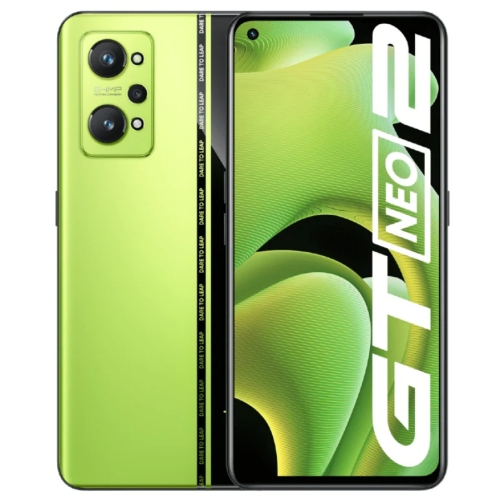
The Realme GT Neo2 has been extremely successful in China owing to its amazing specs and attractive, premium design offered at quite a wallet-friendly price. Ahead of its global debut on October 13, here’s all you need to know before you make up your mind about grabbing one off the shelf.
Design & Display
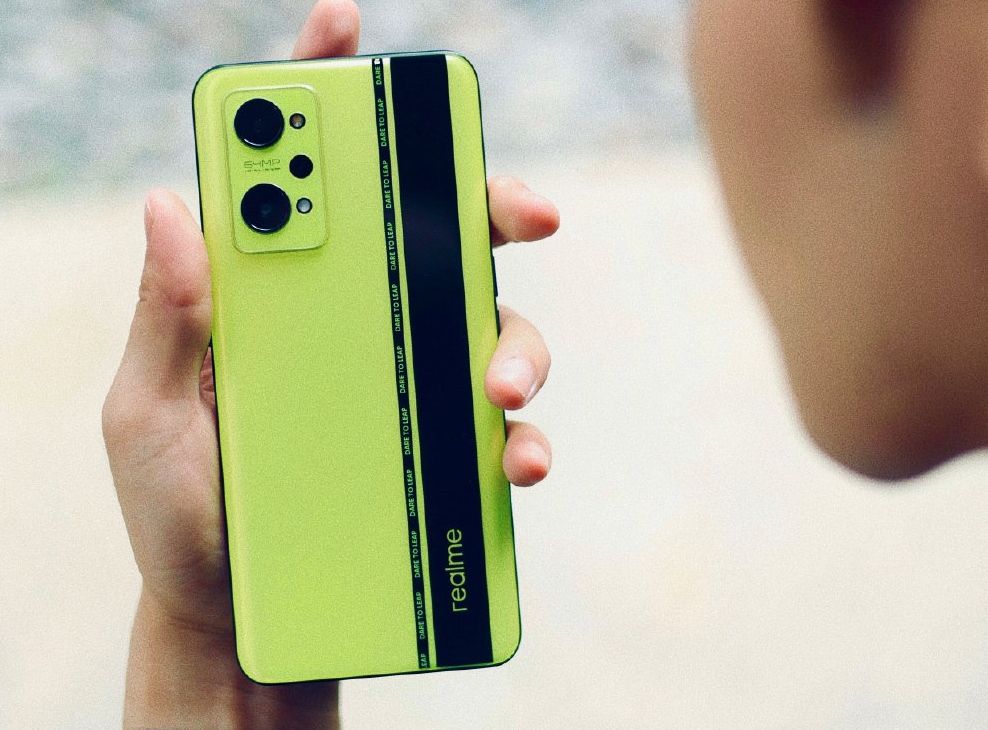
The Realme GT Neo2 sports a design that’s not too different from the latest offerings by OnePlus. Take the OnePlus 9R, for example, which has a camera module with a design quite comparable to the one found on the GT Neo2. Both also come with punch-hole front cameras aligned to the left. The parallels between the design language between the duo shouldn’t come as a surprise though considering their common parent company.
As for the display on the Realme GT Neo2, it is a high-end 120Hz AMOLED panel with HDR10+ supported, capable of lighting all the way up to 1300 nits (claimed). The size stands at 6.62-inches.
Cameras on the Realme GT Neo2
The camera module on the rear is a particularly good-looking one but it’s what it packs that is the main highlight. The triple camera array is comprised of a 64MP primary shooter with an f/1.8 aperture, a 8MP ultrawide sensor, and finally a 2MP macro. The primary is capable of shooting crisp 4K videos at 60fps.
Coming to the front, the selfie camera is housed within a relatively small punch-hole and sports a 16MP sensor. This one’s capable of recording up to 1080p/30fps.
Other Specifications
The main highlight of the phone is the processor it is powered with – the Qualcomm Snapdragon 870. Being flagship-level, the chip is one of the most powerful in the Android world as of now.
But with great power also comes the great responsibility of keeping the phone’s temperature under control, and that’s something Realme has nailed thanks to the implementation of a diamond ice core cooling system that covers 17932mm² in terms of surface area with aerospace-grade cooling gel.
The processor is fed by a 5000mAh battery capable of filling up at 65W. Additionally, the device has dual stereo speakers, a 600Hz touch sampling rate, and Dolby Atmos Games support. All of the phone’s components are protected by Gorilla Glass 5 from the outside.
Software
The phone will be booting into Realme UI 2.0 based on Android 11 despite Android 12 hitting stable. This shouldn’t be a problem though considering that Android 12-based Realme UI 3.0 development is currently in full swing.
Colors, Price, & Release
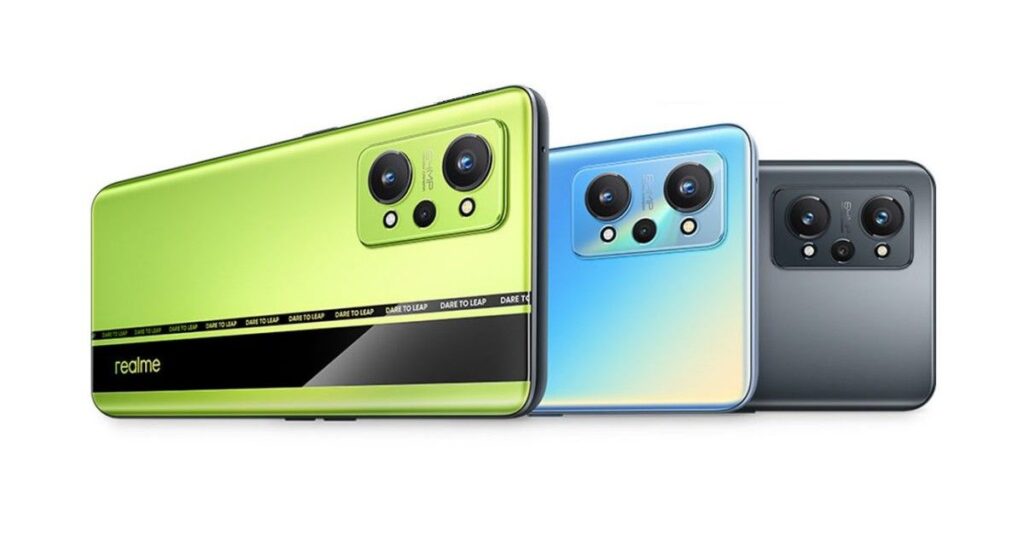
Colors are perhaps the most interesting bit of the phone and have been heavily marketed as well. The smartphone will come in three color options in India, including Neo Black, Neo Green, and Neo Blue. There are talks about a special Mercedes-AMG special edition as well, although it’s unclear if it will be making its way to India.
The phone will be launched in Europe as well, with the base variant with 8GB+128GB config costing EUR 369 and a 12GB+256GB config priced at EUR 459.
In India, it will be launched on October 13 with the Realme October product launch event, likely at a price between Rs. 25,000 and Rs. 30,000. The variants will be the same as the ones to be sold in Europe.
Other Products Expected at Event
The Indian October Realme launch event will also be unveiling Realme Buds Air 2 (Closer Green), Realme 4K Google TV Stick, and Realme Brick Bluetooth Speaker. Along with this, multiple gaming accessories namely Realme Cooling Back Clip Neo, Type-C SuperDart Game Cable, and Mobile Game Triggers will be released. Head here to know more about it all.
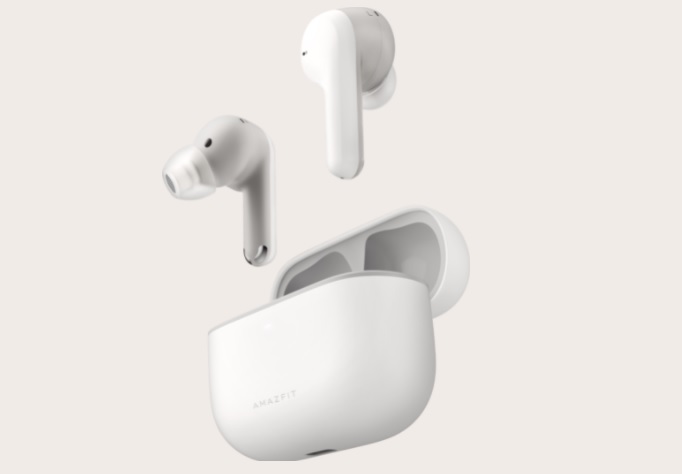
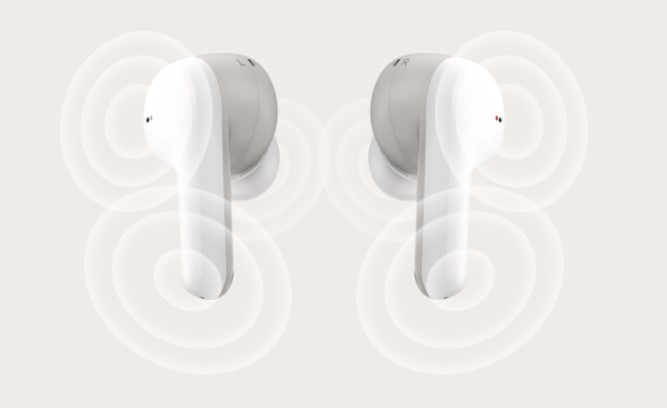
The Powerbuds Pro is the latest hearables launched by the Chinese company in its home country. Although, these true wireless earphones had initially launched outside of China back in July 2021. Huami has offered the new TWS earbuds with a stem design along with dual tone white and gray color design. Each earbud weighs 6.7 grams and has IP55 dust and water resistance rating as well. Notably, despite being an audio based product, the earphones offer various useful health related features as well.
This includes calories burned, heart rate, step, and even posture monitoring system. In other words, users can receive real time voice notifications about their distance, heart rate, and more with every kilometer or mile when running, walking, or cycling. The earbuds can even detect and show in the app the sitting angle of your cervical spine. In terms of audio, a major upgrade over its predecessor is the inclusion of active noise cancellation (ANC), which the company claims can reduce noise by up to 40dB.
The charging case can be charged via a USB Type C port that is said to offer up to 30 hours of battery life. Its earbuds house a 68mAh battery while the charging case stores a 510Mah battery pack. Similar to the smartwatches, the new Powerbuds Pro will also go on sale later today, with its introductory price being 899 Yuan (roughly 139 US Dollars), which is 10 US Dollars cheaper than its original global launch price tag.
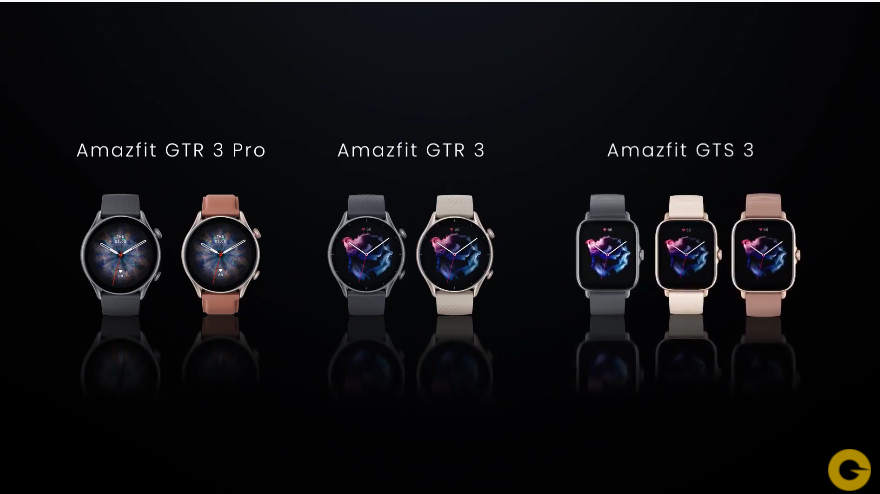
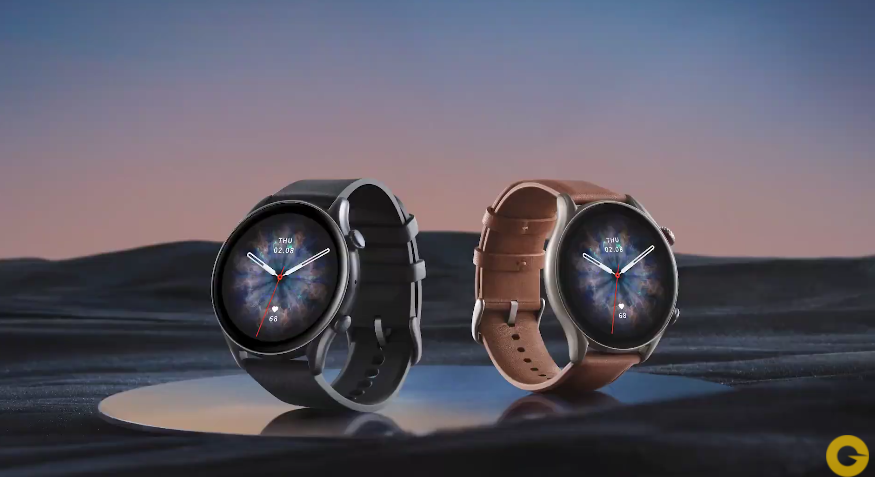
Talking about the new smart wearables, the GTR 3 features a 1.39 inch AMOLED display while the GTR 3 Pro sports a 1.45 inch AMOLED panel, while the GTS 3 arrives with an even larger 1.75 inch AMOLED panel. Each of the three smartwatches arrives with the new BioTracker PPG 3.0 biometric sensor, with the new sensor adding the ability to measure multiple health metrics at the same time. Its One tap Measuring even allows one to measure their heart rate, blood oxygen level, stress level, and breathing rate and get all four results in 45 seconds.
While the global pricing and availability had been announced yesterday, we finally have information for the Chinese market. The new GTR 3 and GTS 3 are priced at 899 Yuan (roughly 139 US Dollars), which is cheaper than the 179 US Dollar price tag for the global variant. On the other hand, the Amazfit GTR 3 Pro is pricing starts from 1,099 Yuan (roughly 170 US Dollars). This is again cheaper than the 229 US Dollar price tag of the global version.
The three new smartwatches will go on sale across multiple channels in China later today (12th October 2021), with the first sale of the smartwatches even offering users special benefits and discounted prices as well. The online listing for the new wearables can be found in popular e retailers website, including sites like JD.com.
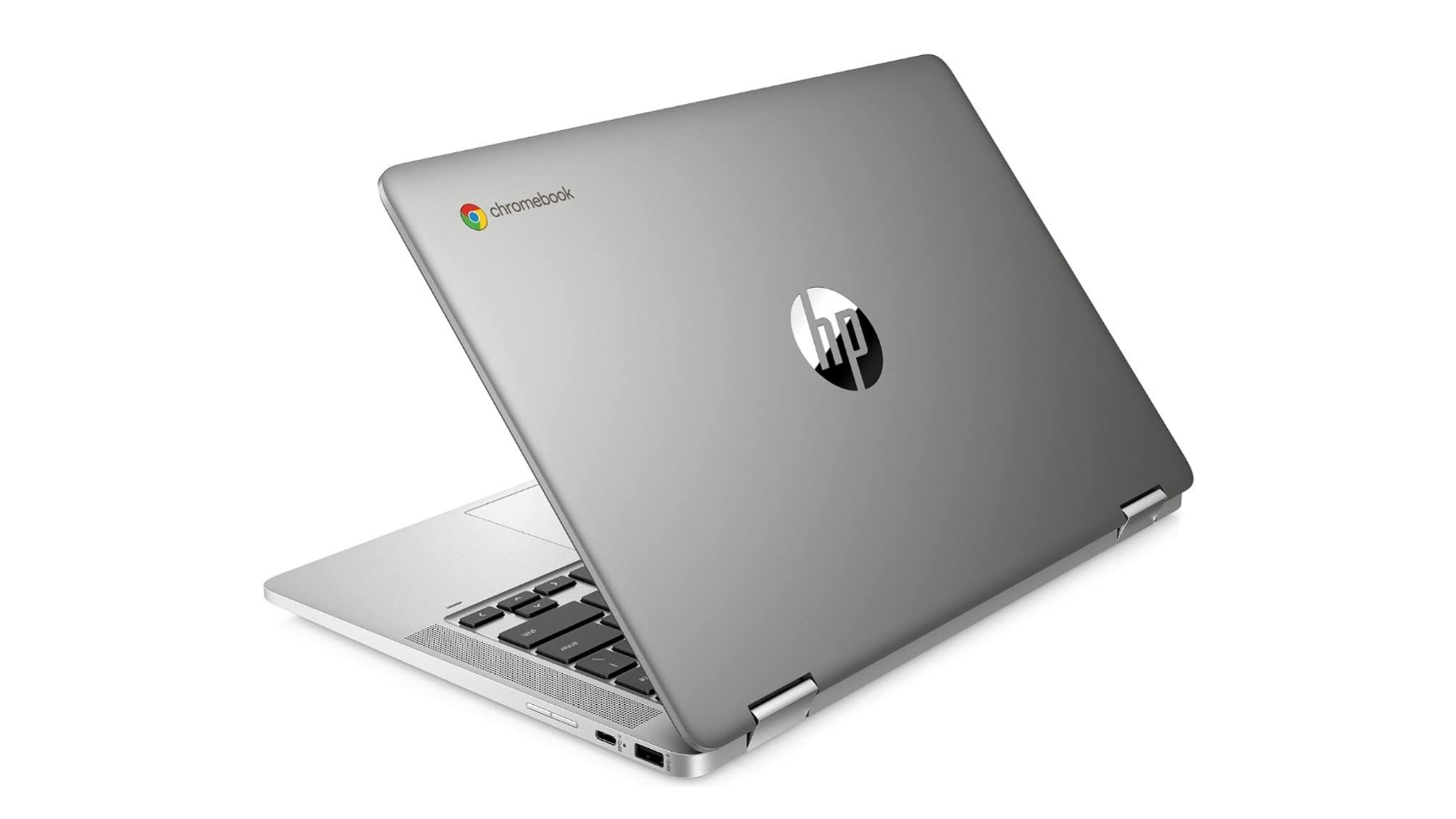
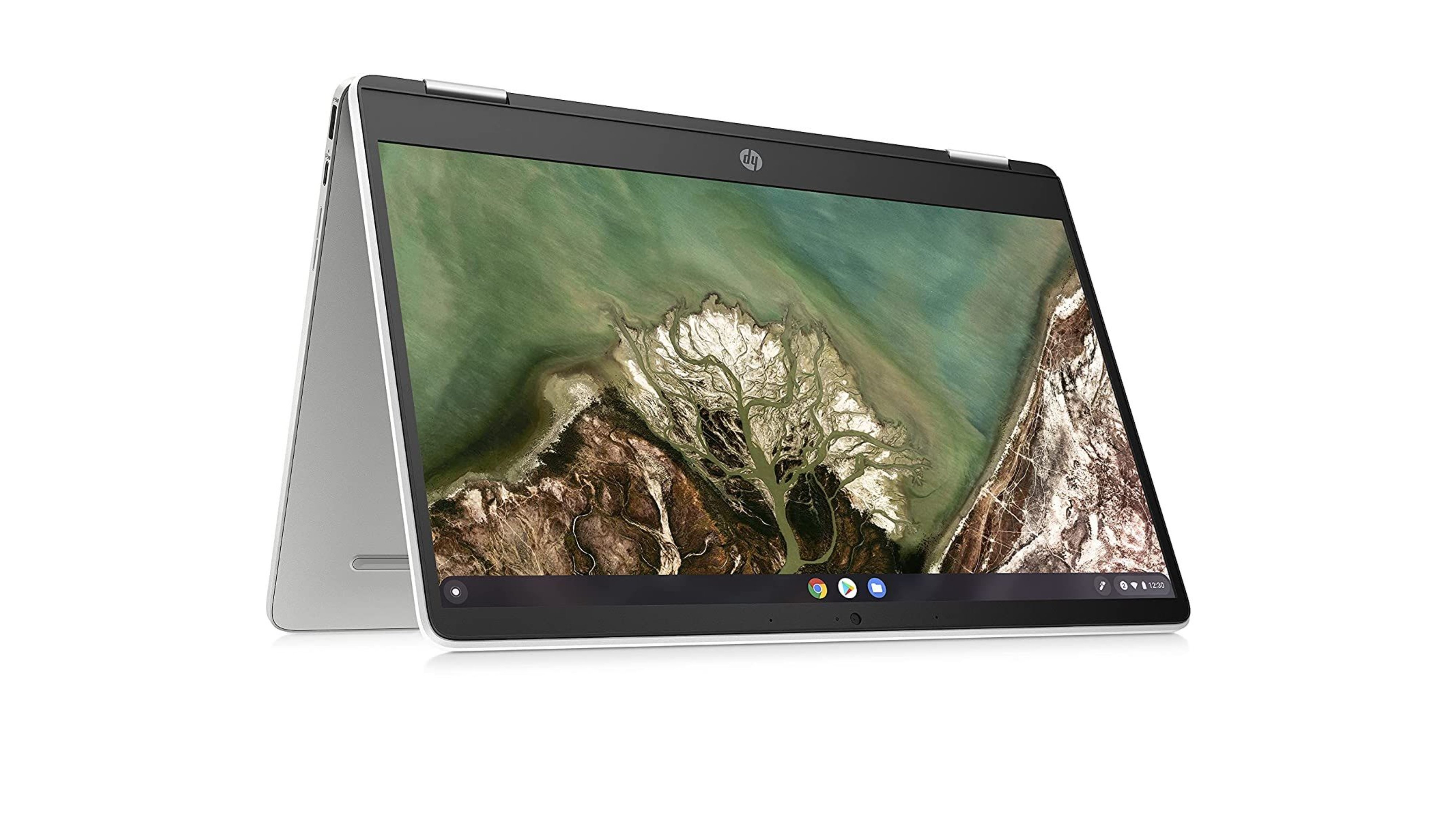
HP’s first Chromebook powered by an AMD processor has been launched in India. This laptop called HP Chromebook x360 14a is priced at ₹32,999. It is already up for sale on Amazon at ₹31,490. It can be availed in either Ceramic White, Forest Teal, or Mineral Silver color option.
As the name suggests, the HP Chromebook x360 14a is a convertible laptop. It sports a 14-inch LCD touchscreen with a resolution of 1366 x 769 pixels (HD+), 45% NTSC color gamut, and 250 nits peak brightness.
The notebook is powered by an AMD 3015Ce processor paired with 4GB RAM and 64GB eMMC storage. It has a MicroSD card slot, and therefore, the storage can be further expanded up to 256GB. Buyers also get 100GB of free Google cloud storage for a year.
On the connectivity front, the computer support dual-band WiFi, Bluetooth 5, 2 x USB Typ-C, 1 x USB Type-A, and a 3.5mm headphone jack. Other features include a full-size keyboard, 720p webcam, dual microphones, and dual speakers.
As far as software is concerned, the device runs Chrome OS with support for Android applications via Google Play Store, Linux applications, and Google Assistant. Like all the recently launched Chromebooks in India, this one is also being targeted at students.
Talking about endurance, HP claims up to 12.5 hours of battery life from the notebook’s 47Wh battery that supports 45W fast charging via USB Type-C port. Last but not least, the HP Chromebook x360 14a measures 326 x 220 x 18mm in dimensions and weighs 1.49kg.
The OnePlus 9RT launch is just around the corner, with the smartphone being set to launch on 13th October 2021. But just prior to its launch, the company has teased the device again.
Earlier today (12th October 2021), the Chinese smartphone maker shared a new teaser video, which showcased the connectivity aspect of the upcoming handset. Looking at this teaser, the company’s 9RT will support a 3 WiFi antenna system that is designed for mobile gaming. According to official notes, the average latency while playing games is reduced by up to 38 percent. This, in turn, means that the device will offer a better online gaming experience, especially for shooter titles like PUBG.
The brand further added that the OnePlus 9RT has a dedicated antenna for gaming alone, alongside the original two antennas. This dedicated gaming antenna is housed on the top part of the smartphone. With the upcoming device, it is clear that the company is placing an emphasis on gaming as well. It even features improved cooling system, a 600Hz ultra sensitive touch, and an extremely low screen latency. Other features include, Qualcomm Snapdragon 888 processor with up to 12GB of LPDDR5 RAM that can be expanded by 7GB thanks to virtual RAM support, and 256GB UFS 3.1 storage.
Xiaomi has recently teased the launch of a new TV series from its Redmi sub brand. While the company had been promoting its new Mi TV Master series, it has now showcased its Redmi Smart TV X 2022.
The Chinese tech giant has yet to announce the regional availability of the new Redmi Smart TV X 2022 series, but current models are only available in China and India. For those unaware, the previous generation, Redmi Smart TV X 2020, was launched in a 50 inch, 55 inch, and 65 inch display sizes. So we can expect the upcoming models with the same display sizes or even more options. The predecessor also offered features like, DTS Virtual X, Dolby Audio, Dolby Vision, and MEMC.
In other words, most of these features if not all would likely make an appearance in the upcoming 2022 series as well. Other features could also includes 4K display panels with HDR10+ support among other aspects. As of right now, the smartphone maker has only shared two image posters so far, although, these images have revealed that the brand is aiming on launching the new Redmi Smart TV X 2022 on 20th of October 2021. So stick around as we will be covering the launch.
Not all superheroes wear capes, some wear cases. This is exactly what a local Moto G5 turned hero has proven after saving the life of a person who was shot during an armed robbery in Brazil. Funnily, the phone’s case had a picture of Marvel’s bulletproof hero The Incredible Hulk on it, establishing that it had definitely lived up to the character’s spirit.
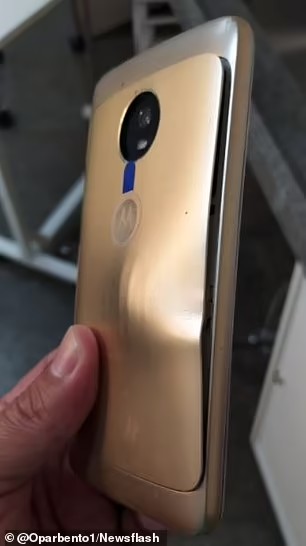
Image: Daily Mail
The incident took place last Thursday when the victim was shot during an attempted robbery in a rural area of the municipality of Petrolina – a region in the northeast of the country (via: Daily Mail). The victim was rushed to the University Hospital right after, with the doctors preparing for the worst.
However, they were surprised to find that the bullet did not even penetrate his skin, thanks to the Moto G5 – a new contender to the invincible Nokia bar phone. The bullet had grazed the victim’s hip, and although he was shaken, he suffered only a small bruise, as per Dr. Pedro Carvalho.
At the time of reporting, the suspects were not identified. They had fled by the time the police arrived.
Dr. Carvalho subsequently posted photos of the damaged mobile phone on Twitter where the images were widely shared.
As for the Moto G5, it just couldn’t make it and died a noble death with its screen completely shattered and internal components taking damage as well from the bullet impact. A huge bulge can also be seen on the phone’s rear, demonstrating the sturdiness of the metal back the hard way.
That said, it is worth mentioning here that this isn’t exactly a novel incident. Perfectly positioned phones have been the difference between life and death several times before. Who knew that a smartphone could be much more than an infotainment and communication device?
HUAWEI unveiled the FreeBuds 4i in China in February. This pair of truly wireless earphones made its way to the UK and the markets in the following weeks. Now, almost eight months after its initial debut, this product is being tipped to launch in India.
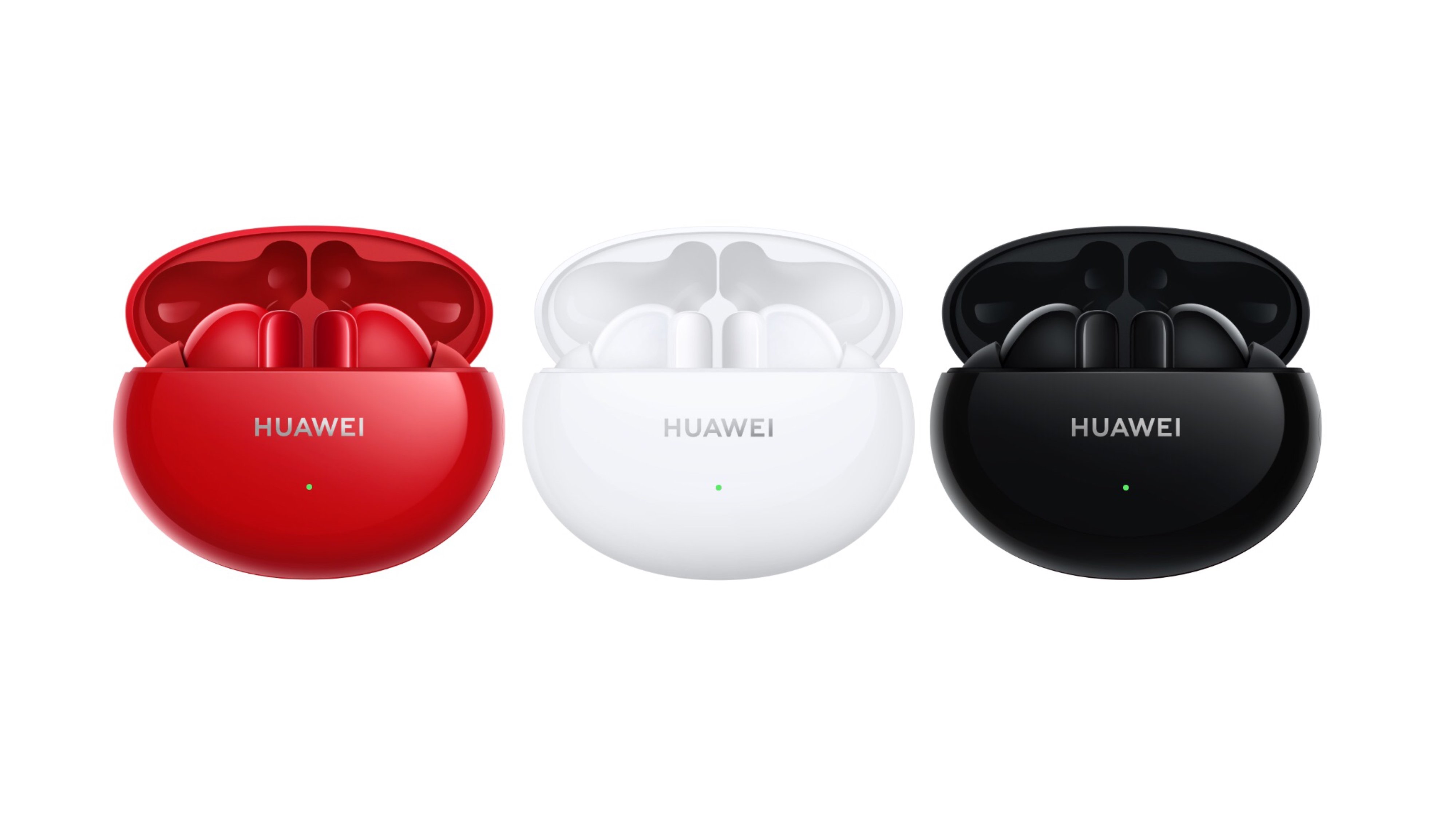
HUAWEI FreeBuds 4i | Honey Red, Ceramic White, and Carbon Crystal Black
According to an IANS report (via), the HUAWEI FreeBuds 4i will be launching in India ahead of Diwali (first week of November). The TWS earphones will be priced around ₹8,000-₹9,000 in the country. As per tipster Debayan Roy (@Gadgetsdata), the earbuds will release in October itself.
The HUAWEI FreeBuds 4i are a mid-range truly wireless earphones offering by the Chinese tech giant. The main highlight of these buds is their battery life. They are rated to last for 10 hours without ANC and 7.5 hours with ANC. With the charging case, they are said to offer music playback of 22 hours with ANC disabled.
These buds feature 10mm dynamic drivers and look like an AirPods clone. They arrive in three colors, namely Honey Red, Ceramic White, and Carbon Crystal Black. But unfortunately, it’s not known whether India will be getting all the colors.
Other features of these wireless earbuds include Bluetooth 5.2 connectivity, touch gesture controls, wear detection, Awareness Mode (transparency mode), quick pairing with Huawei devices, and HUAWEI AI Life app compatibility, and USB Type-C charging.
Xiaomi recently launched the Xiaomi 11T series. These devices are yet to receive the MIUI 12.5 Enhanced Edition. However, the older Mi 10T and Mi 10T Pro have now begun to get the latest version of MIUI in India.
Xiaomi Mi 10T Pro
The Xiaomi Mi 10T and the Mi 10T Pro feature near-identical hardware. The only major difference between the two is their camera setup. As a result, the devices run a common MIUI build.
Therefore, they receive new system updates together. The MIUI 12.5 Enhanced Edition for them in Indi arrives with build number V12.5.3.0.RJDINXM.
The above-mentioned software build is currently in the Stable Beta phase. In simpler words, it is being seeded out in batches. This means it will take some time to reach every user in the country.
This update is also live for the ‘Globa’ and ‘Indonesia’ variants of the Mi 10T and the Mi 10T Pro. It is also available for the Chinese version of these phones called Redmi K30S Ultra. However, multiple regional versions like ‘EEA’, ‘Russia’, ‘Turkey’, and ‘Taiwn’ are yet to get access to the update.
MIUI 12.5 Enhanced Edition was unveiled at the Xiaomi MIX 4 launch event. It brings improvements to devices running MIUI 12.5. Xiaomi has been rolling it out to eligible products since August.
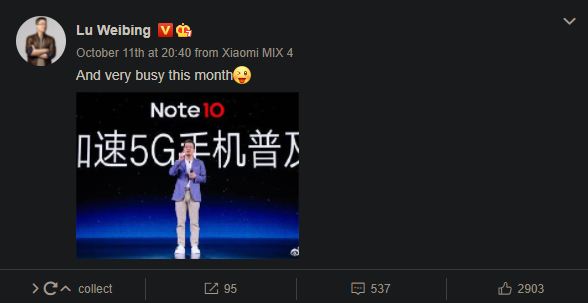
The Xiaomi Vice President and Redmi General Manager, Lu Weibing, has just teased the arrival of a new smartphone series. The official took to Weibo, a Chinese microblogging platform to hint at the launch of the Note 11 series.
In the social media post, the executive stated that this month will be “very busy,” which suggests that the Chinese tech giant is aiming on hosting a new product launch conference. Furthermore, Lu Weibing also shared an image of himself back during the Note 10 series launch conference. In other words, the executive is hinting that the Note 11 series might be announced later this month. Earlier this month, a known tipster @数码闲聊站 had also shared information regarding the upcoming Note series of smartphones.
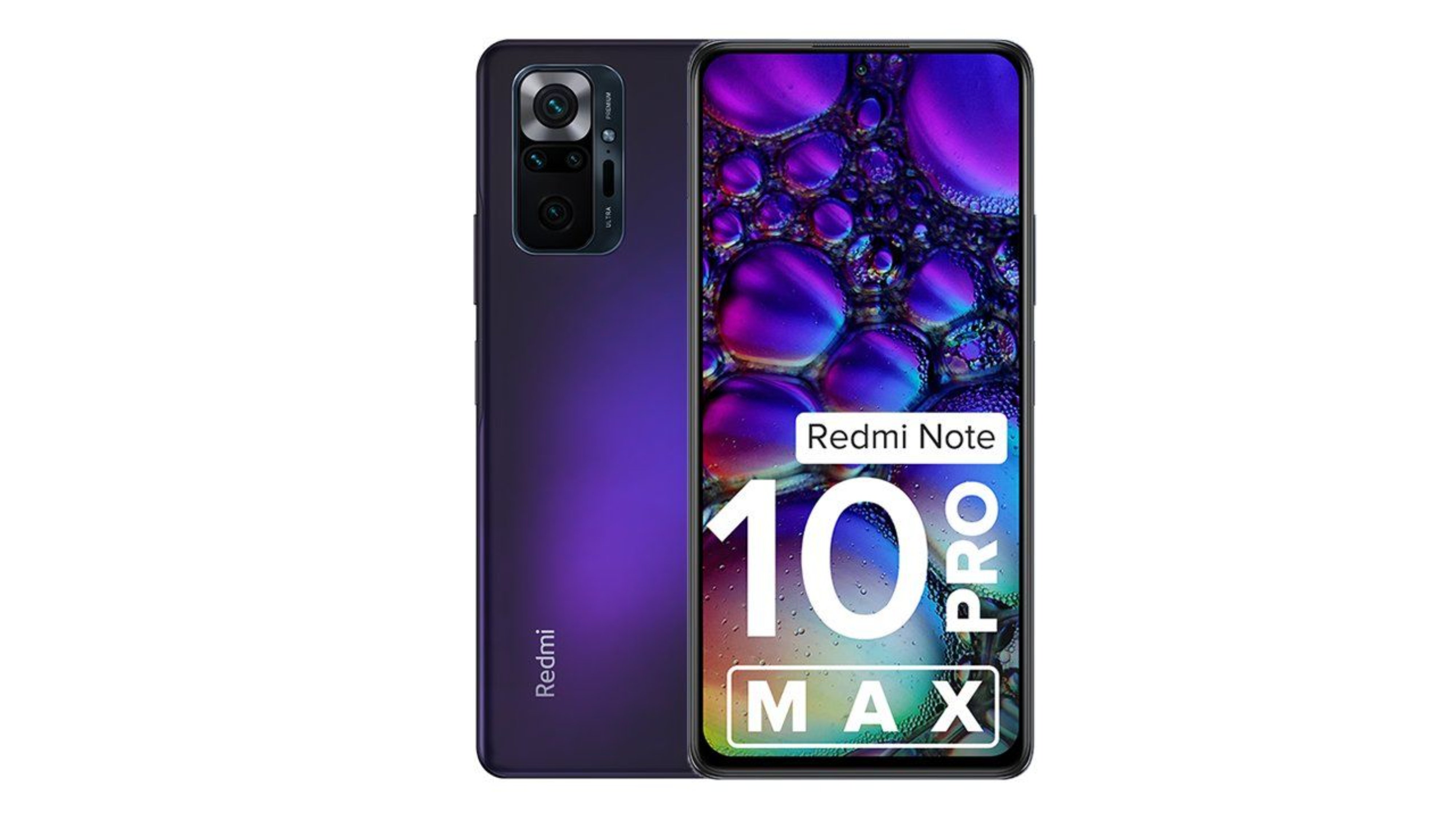
Note 10 Pro Max
Apparently, the top end model of the lineup will arrive with support for 120W fast charging, which is on par with the Xiaomi Mi MIX 4. Notably, the Note 10 Pro only supported 67W fast charging, which means the next generation nearly doubles its charging rate capabilities. This would also have the Note 11 be the fastest charging Note smartphone from the brand. Although, this would likely affect the pricing of the device as well. So stay tuned for more, as we will be providing updates when additional information is available.
The Honor 50 series has been doing rounds on the internet for months due to one reason – Honor had confirmed that the smartphones will be the first in quite some time to ship with Google’s apps and services, in accordance with Google’s licensing and governance models. Until now, both Huawei and Honor have been dependent on HMS (Huawei Mobile Services) following the Huawei ban, which is in no way a substitute for Google services outside of China.
And now, the Shenzhen-based company took to Twitter to announce that they have succeeded in confirming cooperation with a number of supplier partners in the early stage, thus hinting at its imminent launch.
HONOR has succeeded in confirming cooperation with a number of supplier partners in the early stage. #HONOR50 series will be equipped with Google Mobile Services, which will provide a more comprehensive application environment and extraordinary mobile experience to our customers. pic.twitter.com/rAhByQVAlx
Further, the tweet emphasized that the Honor 50 series will be equipped with Google Mobile Services (GMS), which will “provide a more comprehensive application environment and extraordinary mobile experience to our customers.”
Of course, most of the apps that are used outside of China still continue to depend on GMS for plenty of their functionality. Take WhatsApp for example which uploads backups to Google Drive. Consumers know of how essential the services are and have thus been hesitant from purchasing Honor devices, despite them being quite compelling in every other way.
But with Honor 50 now coming with the Google Play Store and every other essential Google service once again, it’s clear that they’re set to make a comeback.
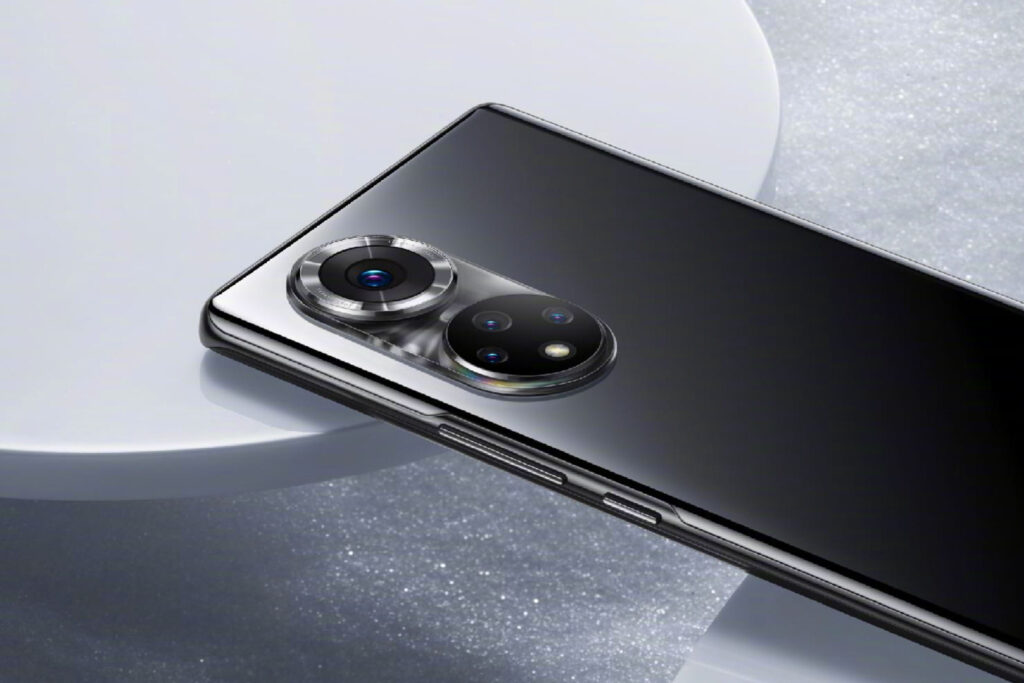
Turning to the devices themselves, the Honor 50 and 50 Pro both have an especially eye-catching camera module with two distinct circles, both housing their own set of cameras. Both have four cameras at the rear including a 100-megapixel main camera, an 8-megapixel wide-angle, a 2-megapixel macro, and a 2-megapixel depth camera. On the front, the Honor 50 Pro has a pair of selfie cameras, combining a 32-megapixel camera with a 12-megapixel ultrawide. The non-Pro variant has a single 32-megapixel camera.
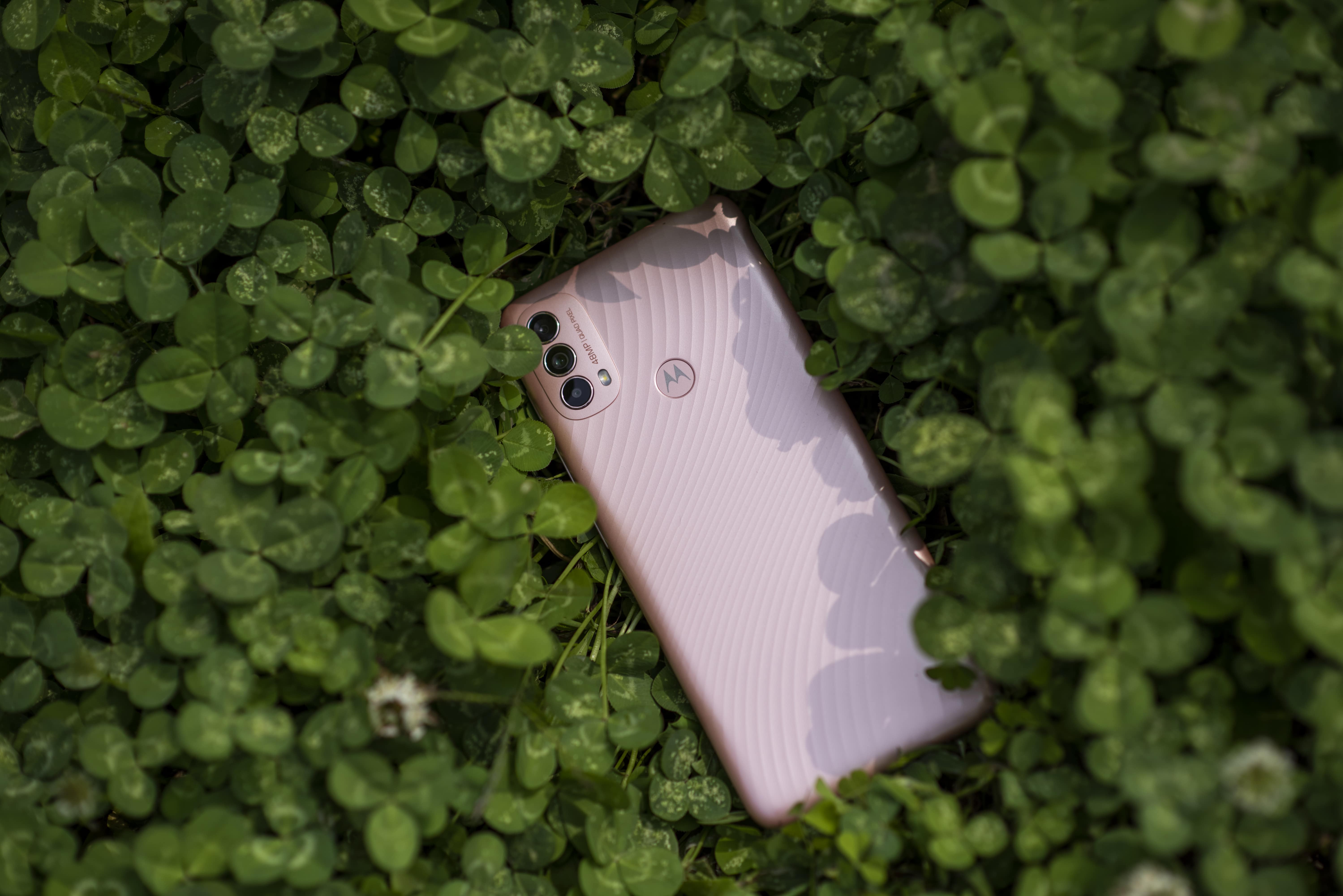
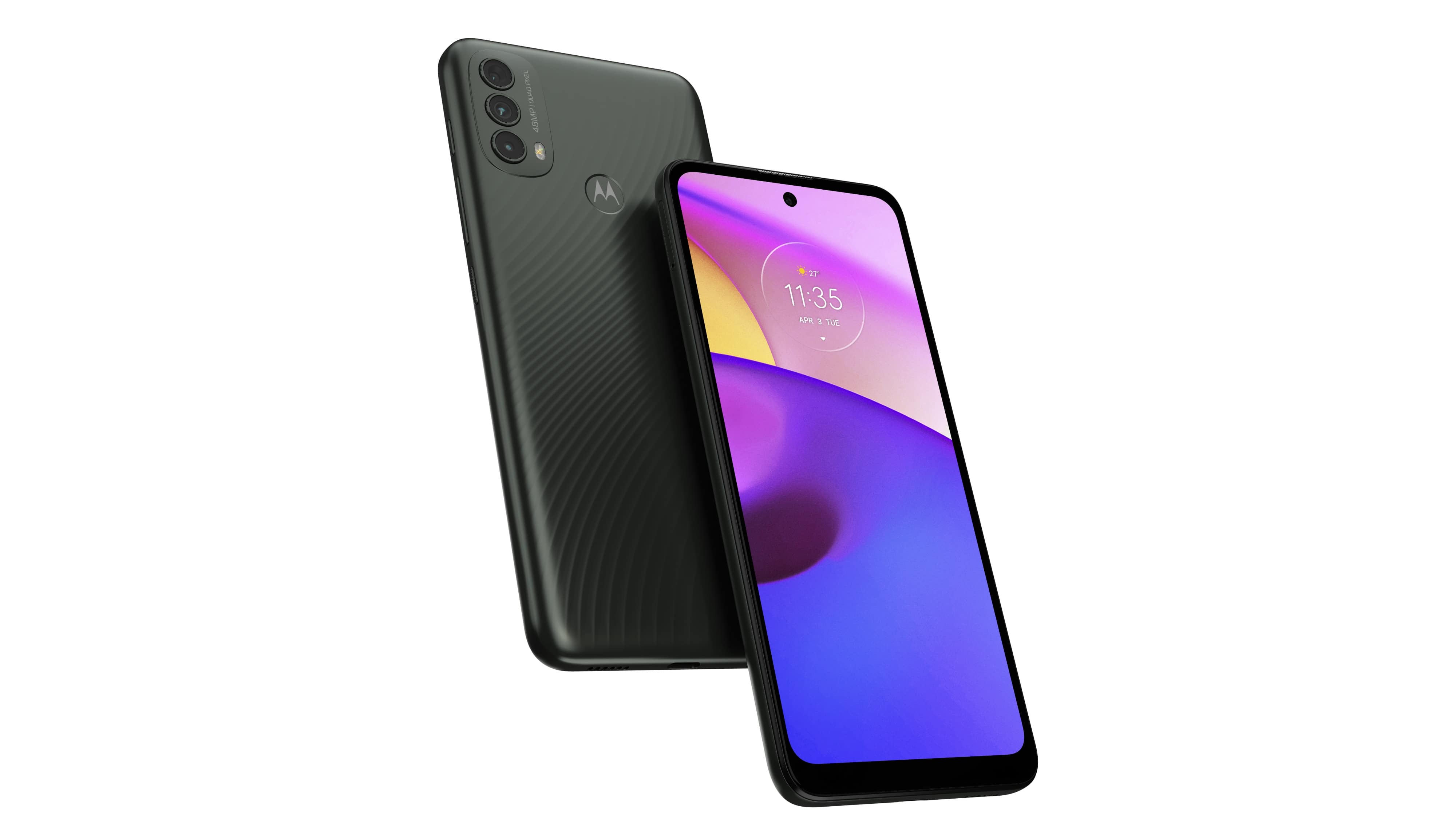
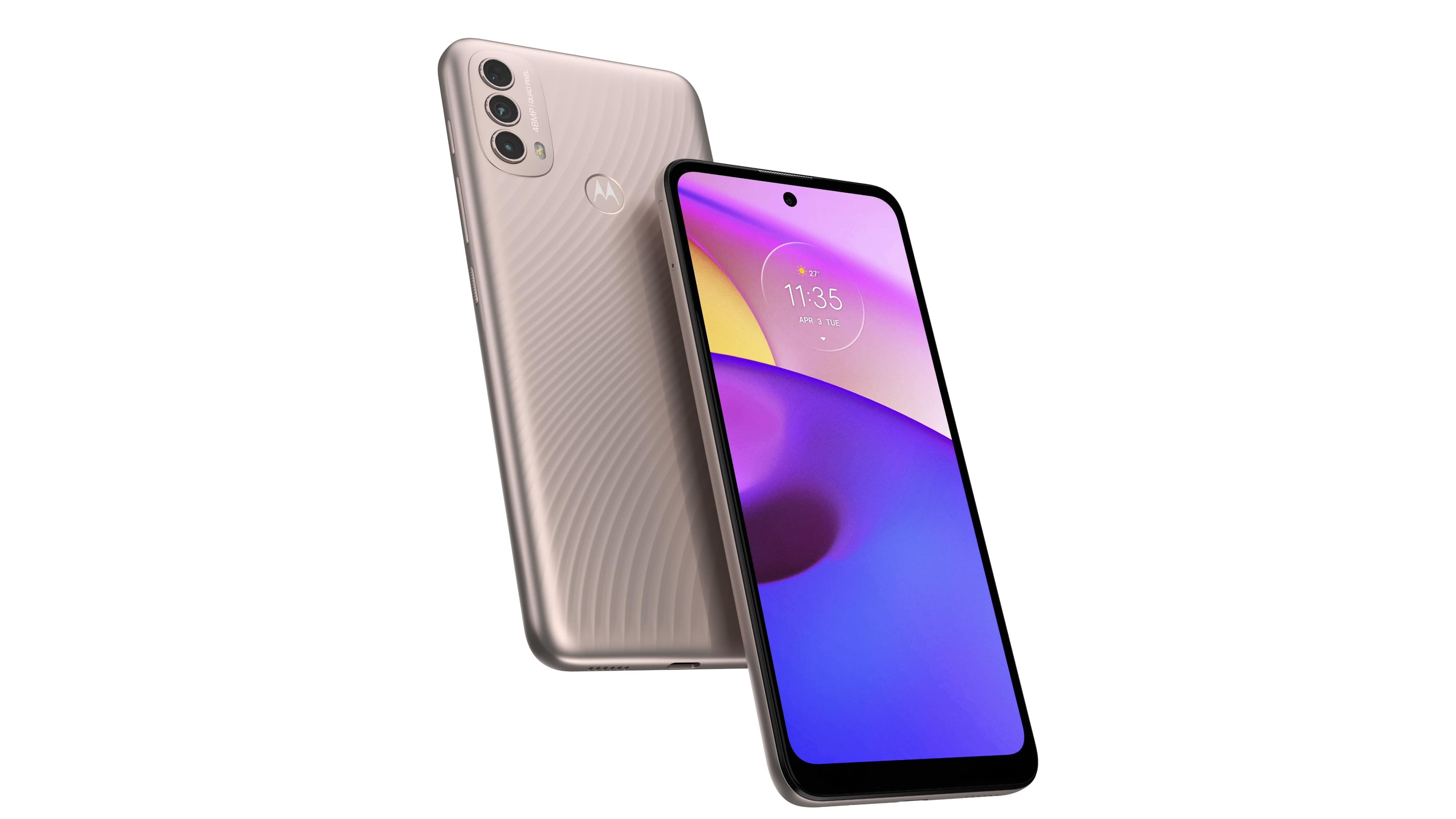
Last week, Motorola announced a bunch of budget smartphones. One of them was Moto E40. This device has now made its way to India. Let’s take a look at what this handset offers and how much it costs.
Motorola Moto E40 Specifications and Features
The Motorola Moto E40 features a plastic build with IP52 certification for splash resistance. The phone sports a 6.5-inch IPS LCD panel with a resolution of 720 x 1600 pixels (HD+), a 90Hz refresh rate, a punch-hole, and a 20:9 aspect ratio.
Like any other budget smartphone, it arrives with a 3.5mm headphone jack, a MicroSD card slot, and a USB Type-C port. Additionally, it also has a rear-mounted fingerprint sensor and a dedicated Google Assistant key.
Further, the handset is powered by a UNISOC T700 SoC coupled with 4GB RAM and 64GB storage. It runs Android 11 with Motorola’s My UX UI on top of it.
Talking about optics, it houses a triple camera on the rear consisting of a 48MP primary sensor, a 2MP macro snapper, and a 2MP depth sensor. Then, there’s an 8MP front-facing camera inside the punch-hole.
1 of 2
As far as connectivity is concerned, the device supports dual-SIM, 4G, WiFi, Bluetooth, and GNSS. Last but not least, it comes in two colors (Carbon Gray, Pink Clay) backed by a 5,000mAh battery with support for 10W charging.
Motorola Moto E40 Price and Availability in India
The Motorola Moto E40 is priced at ₹9,499 in India. Its first sale is scheduled for October 17 at 12 PM on Flipkart.
Apple has slowly started migrating towards using USB Type-C port on its devices, with iPad Mini being the latest device coming with a USB-C port. However, the company’s smartphones, the iPhone series models, still feature its proprietary Lightning port.
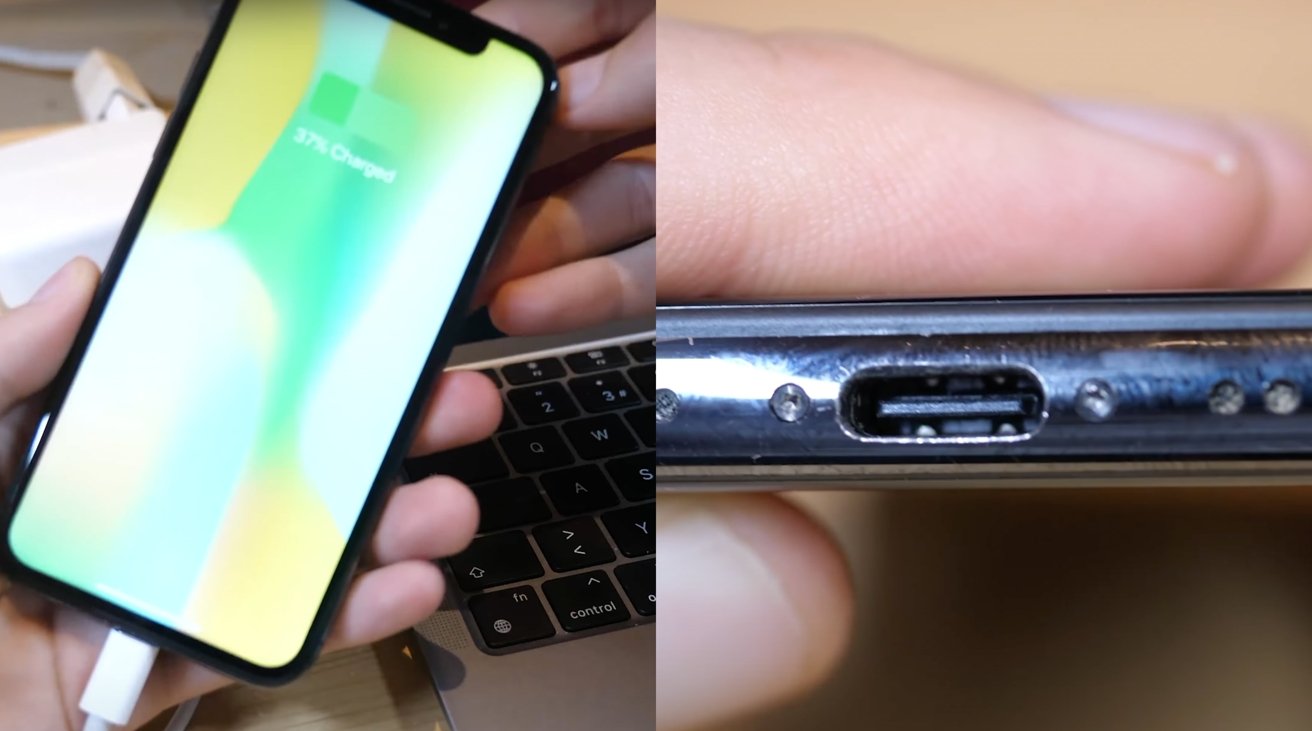
While Apple is yet to make the changes to the iPhones, a YouTube video claims that a user of the iPhone named Ken Pillonel has installed the USB-C component into the iPhone X, replacing the Lightning port in the process.
Ken Pillonel has a background in electronics and has studied for a Master’s degree in robotics at the Swiss Federal Institute of Technology, EPFL, says a report from AppleInsider. It means that not everyone can make this change on their device.
In the video, it is claimed that after making the change, the phone is able to receive power via the connection, as well as being able to handle data transfers over a USB-C cable.
Ken Pillonel reverse-engineered Apple’s C94 connector to make a PCB with a female USB-C port. After the schematics were set in place, he started working to shrink it down and install it into the iPhone.
He had been working on this for a few months now, detailing the process on his own personal blog. He got a flexible PCB last month and says that a future video is in production which explains how the board was made and squeezed into the iPhone itself.
It’s noteworthy that according to Apple’s Repair Terms and Conditions, unauthorized modification deems the device as “Out-of-Warranty” when in need of repair if it prevents Apple from addressing the reported issue with the device.
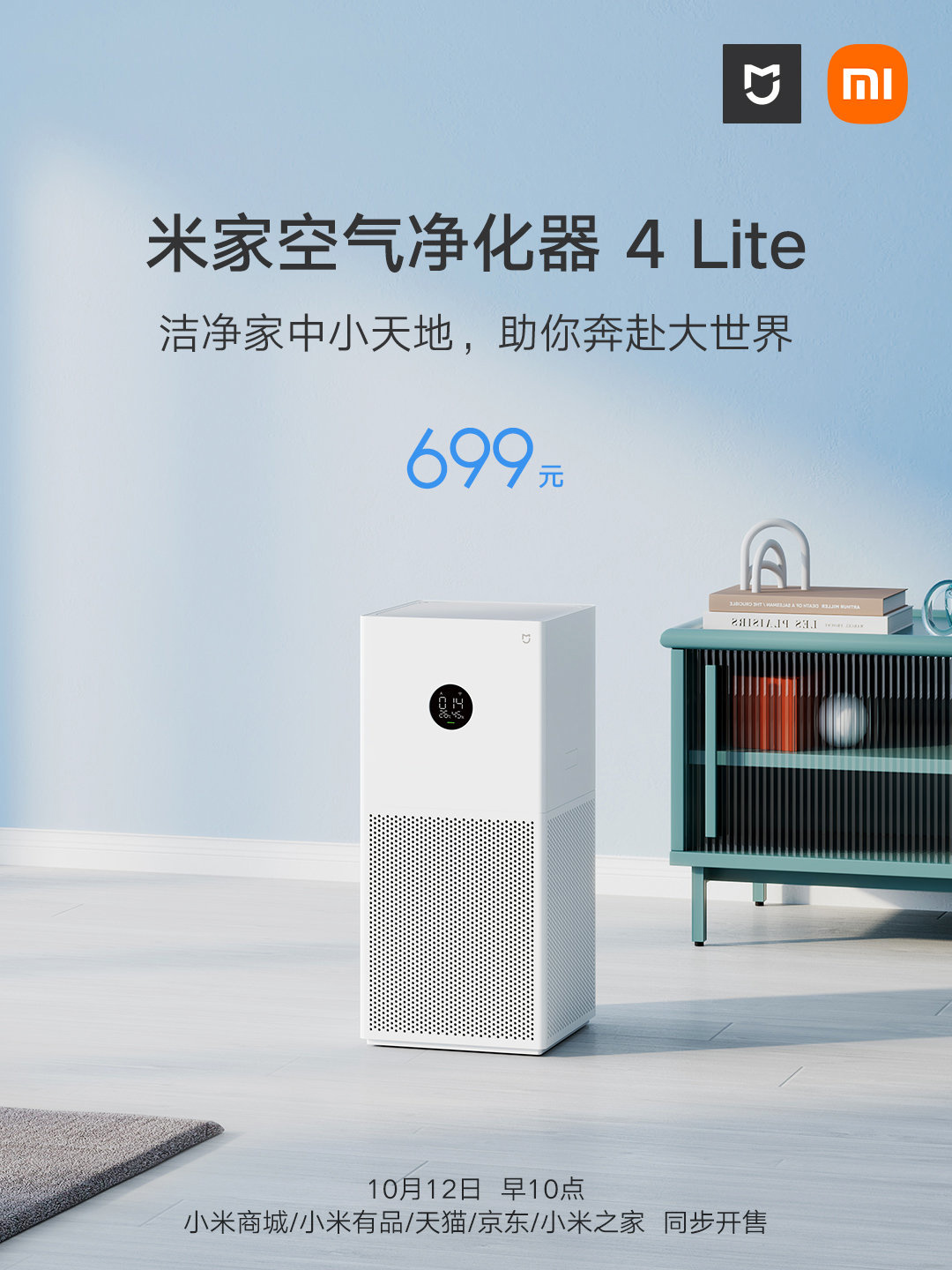
Last month, Xiaomi had launched the Mijia Air Purifier 4 Pro in its home country and now the company has launched a mini version of the same in China — Xiaomi Mijia Air Purifier 4 Lite for the price of 6,99 yuan which is approximately $108. However, for the first sale, which begins from today, the device will cost 599 yuan, which is around $93.
The Xiaomi Mijia Air Purifier 4 Lite has a rectangular design and takes up a small space of A4-sized paper when placed inside a room. The company says that the product is suitable for a space of 26-45m2 and generates noise as low as 35.8db.
The device is also equipped with an LED display that shows some important information on the screen, including indoor PM2.5 numerical values in real-time.
One of the highlighting features is that it can deliver 6330 liters of fresh air per minute at a super-powerful speed. It is also 99.99% antibacterial and can effectively intercept inactivated bacteria for ensuring the user’s health.
The customers usually face issues in upgrading or replacing certain parts of the air purifier but not in this one as the company claims that it has been designed to make upgrading the filter and removing aldehydes effortless.
Similar to most other home products coming from Xiaomi, this one too has support for Mijia App for controlling the air purifier using a smartphone. Additionally, it also comes with support for XiaoAI smart voice assistant for controlling it thorugh voice commands.
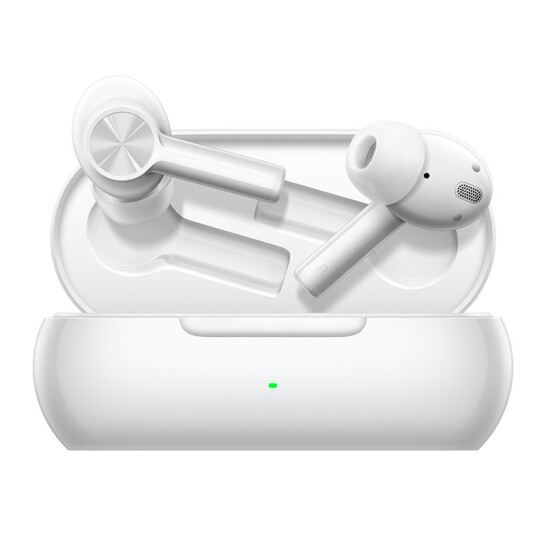
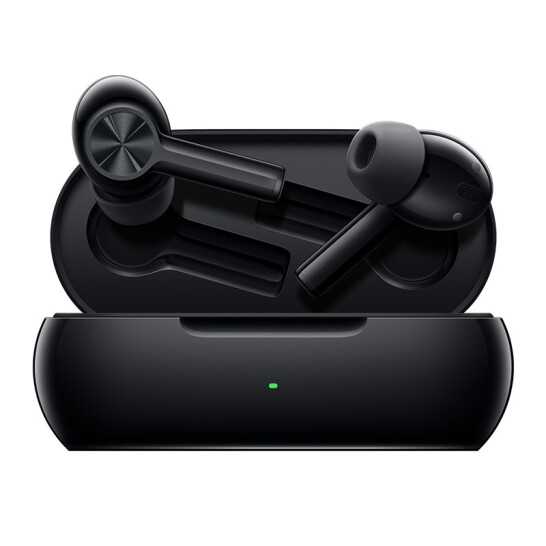
Tomorrow, OnePlus will be announcing the OnePlus 9RT flagship phone in China. Alongside it, the company will be taking off covers from the OnePlus Buds Z2 TWS earbuds. Ahead of the launch, the company has confirmed the key specifications of the Buds Z2. It has also made the earbuds available for pre-orders on retailer sites like JD.com, Tmall, and Suning in the home market.
The below-shown poster confirms that the Buds Z2 will come with 3 microphones and offer 40db active noise reduction. It will be equipped with 11mm audio drivers and carry support fro Bluetooth 5.2 connectivity.
The Buds Z2 will offer 94ms low-latency while gaming. In addition, it will offer up to 38 hours of battery life. It will also come equipped with a transparency mode. As it is known, the Buds Z2 will be replacing the Buds Z TWS earbuds that debuted last year. It lacked support for noise cancellation.
The official renders of the Buds Z2 TWS earbuds are now available on the retailer listings in China. The listings reveal that it will be available in Day Black and Day White colors.
1 of 2
OnePlus Buds Z2 white
OnePlus Buds Z2 Black
Other reports have revealed that each earbuds will house a 40mAh battery, whereas its charging case will be packed with a 520mAh battery. It is expected to achieve a full charge in around 90 minutes. The new earbud are said to be equipped with IP55 rating for sweat and water resistance. At present, there is no word on the pricing of the Buds Z2 for China.
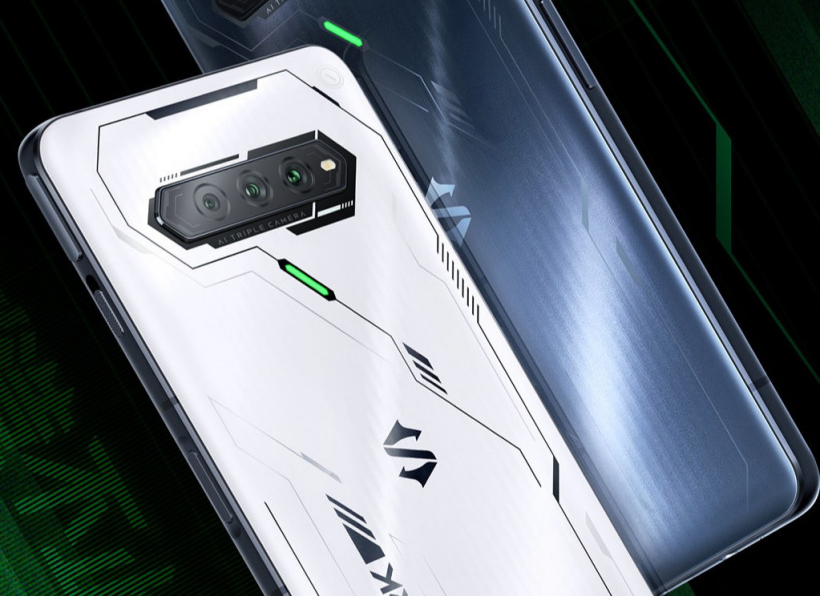
Xiaomi’s gamer-centric sub-brand Black Shark is scheduled to launch the Black Shark 4S smartphone series on October 13 in the Chinese market. The series is expected to have two phones – the Black Shark 4S and Black Shark 4S Pro. Thanks to various certifications, details for both phones are partially available. Today, we’ll do a rumour roundup of all the details learned so far, giving us an idea of what to expect from the upcoming Shark 4S series launch event.
Black Shark 4S Rumor Roundup: What to Expect?
Design and Display
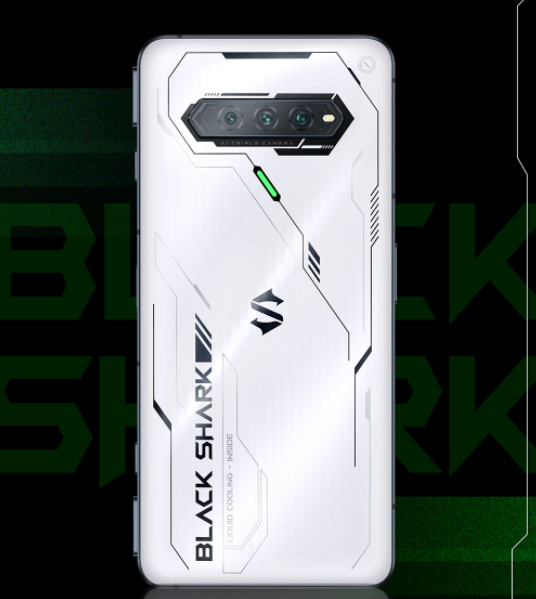
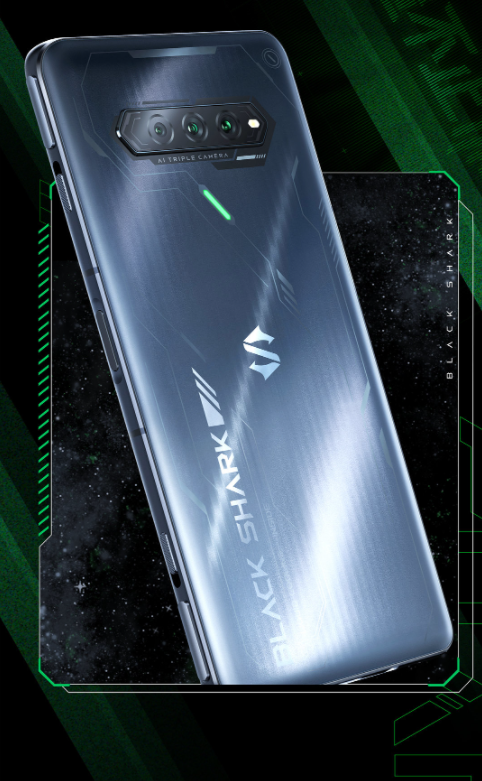
Only recently, the rumours for the Black Shark 4S series surfaced on the internet confirming the monikers. Recent posters revealed that the 4S series will bring a similar design as the predecessors with slightly different graphics at the back.
The duo is touted to come with a 6.67-inch AMOLED display with a Full-HD+ resolution. The series will feature a 144Hz refresh rate and a touch sampling rate of a whopping 720Hz. This time around, the screen will be a punch-hole panel with thin bezels. Reportedly, it is said to be a Samsung E4 panel.
The series will feature a pressure-sensitive screen offering dual-zone pressure sensitivity. These pressure-sensitive zones will serve as in-game controls.
Cameras on the Black Shark 4S
The Black Shark 4S series is expected to come with a triple camera system at the rear and a single selfie camera. While the details for the vanilla model are yet to be known, rumours reveal that the 4S Pro will have a 64MP main sensor, an 8MP ultra-wide lens, and a 5MP macro camera. Upfront, it will feature a 20MP selfie snapper.
For those who are unaware, this is the same camera setup seen in the predecessor Black Shark 4 Pro. That said, the vanilla model is also expected to come with a similar camera system but, it may replace the 64MP lens with some other sensor.
Hardware and Software
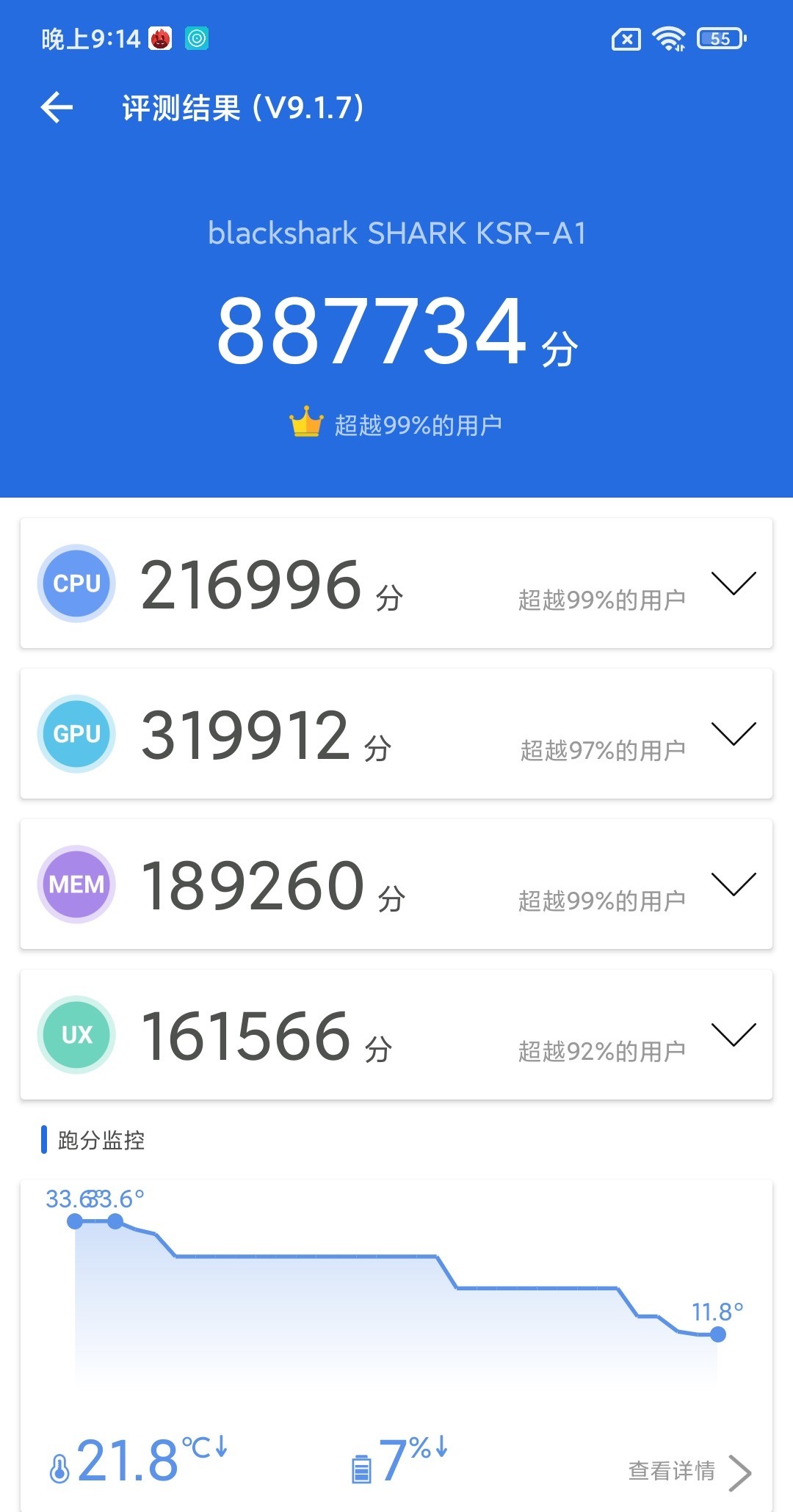
A popular tipster Bald Pandarevealed that the Pro model will come powered by the Qualcomm Snapdragon 888+ SoC. Recently, an AnTuTu listing confirmed that the device is indeed powering the Snapdragon 888+.
To recall, the predecessor powered the non-plus variant of the Snapdragon 888. Hence, there will be a slight improvement in the performance. The AnTuTu sheet showed a score of 887734.
1 of 2
Black Shark 4S Pro AnTuTu
Black Shark 4S Pro AnTuTu
Talking about the vanilla model, reports claim that the 4S will also have Snapdragon 888+ chipset. The duo will have up to 16GB of RAM and 512GB of UFS 3.1 built-in storage. Reportedly, the Pro model will have an SSD disk array system which allows the storage to offer faster read and write speeds.
As for the battery, the Black Shark 4S series is expected to have fast charging support. However, only the Pro model’s exact details are available. The Shark 4S Pro will pack a 4,500mAh battery with support for 120W fast charging support. We can expect a similar battery capacity in the vanilla model. The series will run on Android 11 out of the box with Joy UI on top of it.
Pricing, Color variants, and Availability
Unfortunately, the pricing of the series has not been leaked. But, what we know are the colour variants. Considering it will be a gamer-centric smartphone series, the phones won’t have any fancy colours. Instead, there will be only two finishes – White and Blue. Both colours will have heavy graphics at the back with a Black Shark branding.
The series will launch on October 13 in China and is expected to go on sale soon after its launch. As of now, there’s no intimation of its global release but we expect the phones to land in other markets in the coming months.
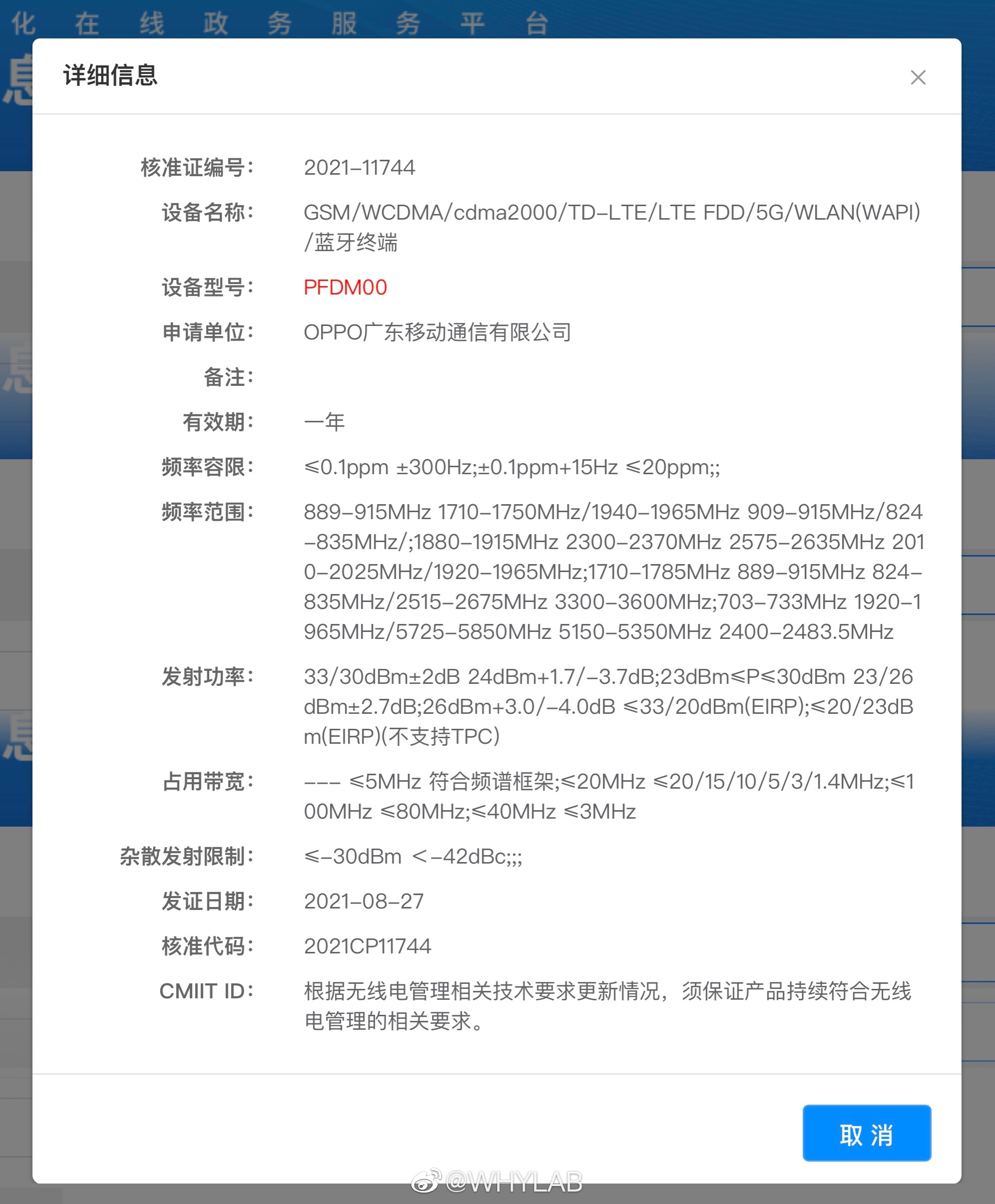
OPPO is reportedly working on the OPPO Reno7 series of smartphones. Fresh information reveals that the vanilla Reno7 with model number PFDM00 has been approved by China’s Ministry of Industry and Information Technology (CMIIT). The certification suggests that it launch may not be far away.
According to WHY LAB, the Reno7 will be sporting a flat display and its back panel will be equipped with a triple camera unit setup led by a 50-megapixel Sony IMX766 lens.
Leaked information that surfaced yesterday revealed that it is a 1/1.56” sensor with 1.0micron native pixels. The camera sensor carries support for DOL-HDR and All-Pixel autofocus. The tipster who shared the screenshot of Reno7’s CMIIT certification claims that it may break cover in November.
The Reno6 was fueled by the Dimensity 900 chipset. There is a possibility the Reno7 could be driven by the Dimensity 920, which was announced by MediaTek in August. None of the smartphone OEMs have launched a Dimensity 920 powered phone. At present, there is no other information on the specs of the Reno7.
OPPO Reno6 5G color variants
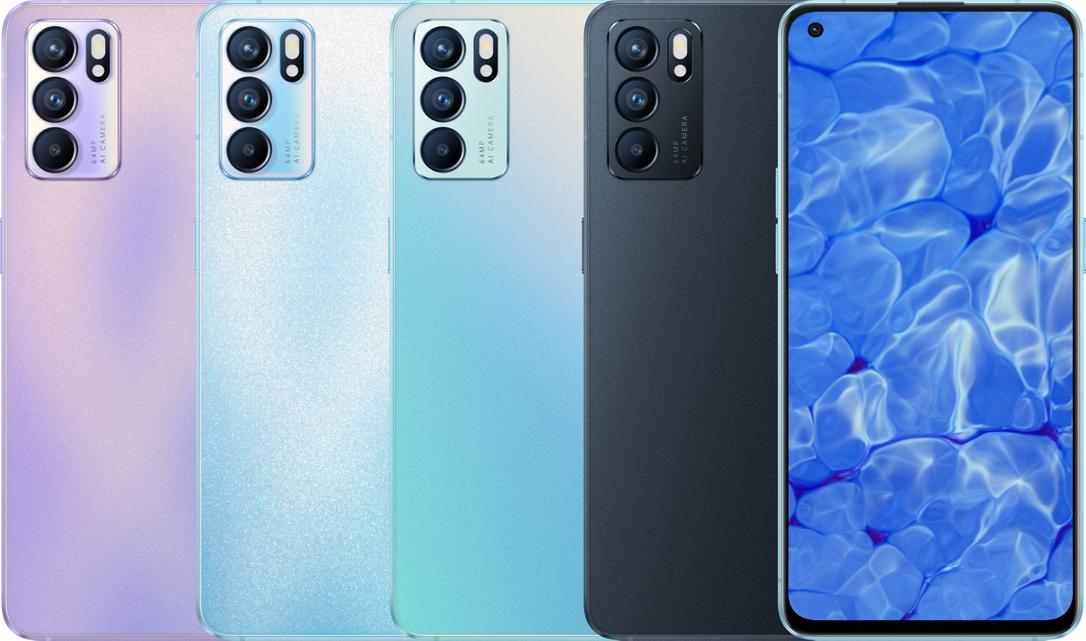
The Reno7 will be succeeding the Reno6, which came with a 6.43-inch AMOLED FHD+ 90Hz display with an in-screen fingerprint scanner, ColorOS 11.3 based Android 11 OS, a 32-megapixel front-facing camera, and a 64-megapixel + 8-megapixel + 2-megapixel triple camera unit. The Dimensity 900 powered phone offered 8 GB / 12 GB of RAM, 128 GB / 256 GB of storage, and a 4,300mAh battery with 65W fast charging support.
Black Shark will be announcing the Black Shark 4S gaming flagship phone tomorrow in China. Speculations are rife that the company may also unveil the Black Shark 4S Pro alongside it. Ahead of the launch, AnTuTu shared a screenshot of an upcoming Black Shark phone with a KSR-A1 model number. The benchmarking platform speculated that this device could be the Black Shark 4S Pro.
According to AnTuTu, the Black Shark KSR-A1 smartphone is powered by the Snapdragon 888 Plus. The SoC is coupled with 16 GB of RAM and 512 GB of built-in storage.
Black Shark 4S Pro AnTuTu
As can be seen in the screenshot, the handset scored 216996 in the CPU test, 319,912 points in the GPU test, 189,260 in the memory test, and 161,566 in the UX test. These scores have allowed the KSR-A1 to record a very impressive score of 887,734 on AnTuTu.
AnTuTu claims that the Black Shark 4S Pro will come equipped with an enhanced UFS 3.1 + SSD disk array system, which will allow it to offer better read and write speeds than the traditional UFS 3.1. Black Shark recently confirmed that the Black Shark 4S series will feature the same display as its predecessor. Hence, it is likely that the 4S Pro may sport a 6.67-inch AMOLED FHD+ display that offers a 144Hz refresh rate.
The Black Shark 4S Pro is likely to come with support for 120W fast charging. However, it is unclear whether Smartbox will retain the 4,500mAh battery, which was made available on its predecessor. For photography, the 4S Pro may feature a 20-megapixel front-facing camera, and a 64-megapixel (main) + 8-megapixel (ultrawide) + 5-megapixel (macro) triple camera unit.
We use cookies on our website to give you the most relevant experience by remembering your preferences and repeat visits. By clicking “Accept”, you consent to the use of ALL the cookies.
This website uses cookies to improve your experience while you navigate through the website. Out of these, the cookies that are categorized as necessary are stored on your browser as they are essential for the working of basic functionalities of the website. We also use third-party cookies that help us analyze and understand how you use this website. These cookies will be stored in your browser only with your consent. You also have the option to opt-out of these cookies. But opting out of some of these cookies may affect your browsing experience.
Necessary cookies are absolutely essential for the website to function properly. This category only includes cookies that ensures basic functionalities and security features of the website. These cookies do not store any personal information.
Any cookies that may not be particularly necessary for the website to function and is used specifically to collect user personal data via analytics, ads, other embedded contents are termed as non-necessary cookies. It is mandatory to procure user consent prior to running these cookies on your website.