Advertisement

Indian 5G spectrum auctions most likely to be held in February 2022, no 5G launch this year

Telecom Minister Ashwini Vaishnaw on a briefing on Wednesday said that Indian 5G spectrum auctions will “most probably” be held sometime in February 2022 and that the government may even try for a January timeline.

Jio had announced a 5G launch by late 2021 back in December 2020. However, postponements in the Indian 5G spectrum auctions and a few other factors have now pushed the date to sometime in 2022.

Speaking to PTI, the minister also said that the Indian telecom reforms package cleared by the Cabinet is sufficient for the survival of players in the industry and that it will ensure healthy competition. He also implied that more players may come in thanks to more reforms and structural changes.

The briefing was held as part of an approval for a blockbuster relief package for the stressed telecom sector in India. The package includes permission to share scarce airwaves, a four-year break for companies from paying statutory dues, a change in the definition of revenue on which levies are paid, and 100 percent foreign investment through the automatic route.

iphone-inline

The appointed date for reforms including the moratorium period has been set as October 1. It was also stated that a company has the option to pay the interest amount by way of equity if they’re unable to pay during the moratorium period.

Vaishnaw further added that he had spoken to all key players after Wednesday’s briefing and that companies are happy with the announced set of measures. “All the three big players feel that this was absolutely what was needed,” he said.

On concerns regarding high spectrum prices, the minister said that TRAI is currently consulting and that it is advisable to wait for their final report.

Lastly, he said that detailed circulars on each of the decisions taken as part of the telecom package will be released by the government soon. The fine print of AGR redefinition that seeks to exclude non-telecom items is expected in 2-3 weeks.

“The thought process behind this reform package is looking at next 25 years timeframe…what are the corrections we need to do, what are the reforms we need to do, structural changes we need to make. All that should lead to benefits for the weakest sections of society, and better facilities for those marginalized and living in far-flung areas,” the minister said.


RELATED:

Samsung Galaxy S22 and S22 Plus may skip brand’s best 50MP Camera: Report

While the Samsung Galaxy S22 series is still a couple of months away. But prior the upcoming flagship lineup’s launch, interesting information regarding the base Galaxy S22 and Galaxy S22+ has just surfaced.

According to known tipster Ice Universe, the two smartphone models will use the recently launched ISOCELL GN5 camera sensor from Samsung. For those unaware, it is the latest sensor from the South Korean tech giant, which features a 1/1.57 inch sensor with a native 50 megapixel resolution and 1μm pixel size. This sensor is capable of capturing 12.5 megapixel shots in the quad pixel binning mode and up to100 megapixel images using a remosaic algorithm.

In other words, the new ISOCELL GN5 sensor is a step above the 12MP 1/1.76 inch sensor found in the Galaxy S21 and the Galaxy S21+. However, this sensor is still not the best 50 megapixel sensor under Samsung’s arsenal (Via SamMobile). Rather, the brand could’ve shipped the new premium grade handsets with its ISOCELL GN1 sensors or even the ISOCELL GN2 sensors, both of which feature sensors larger than the ISOCELL GN5 and are capable of capturing better images due to larger native pixels.

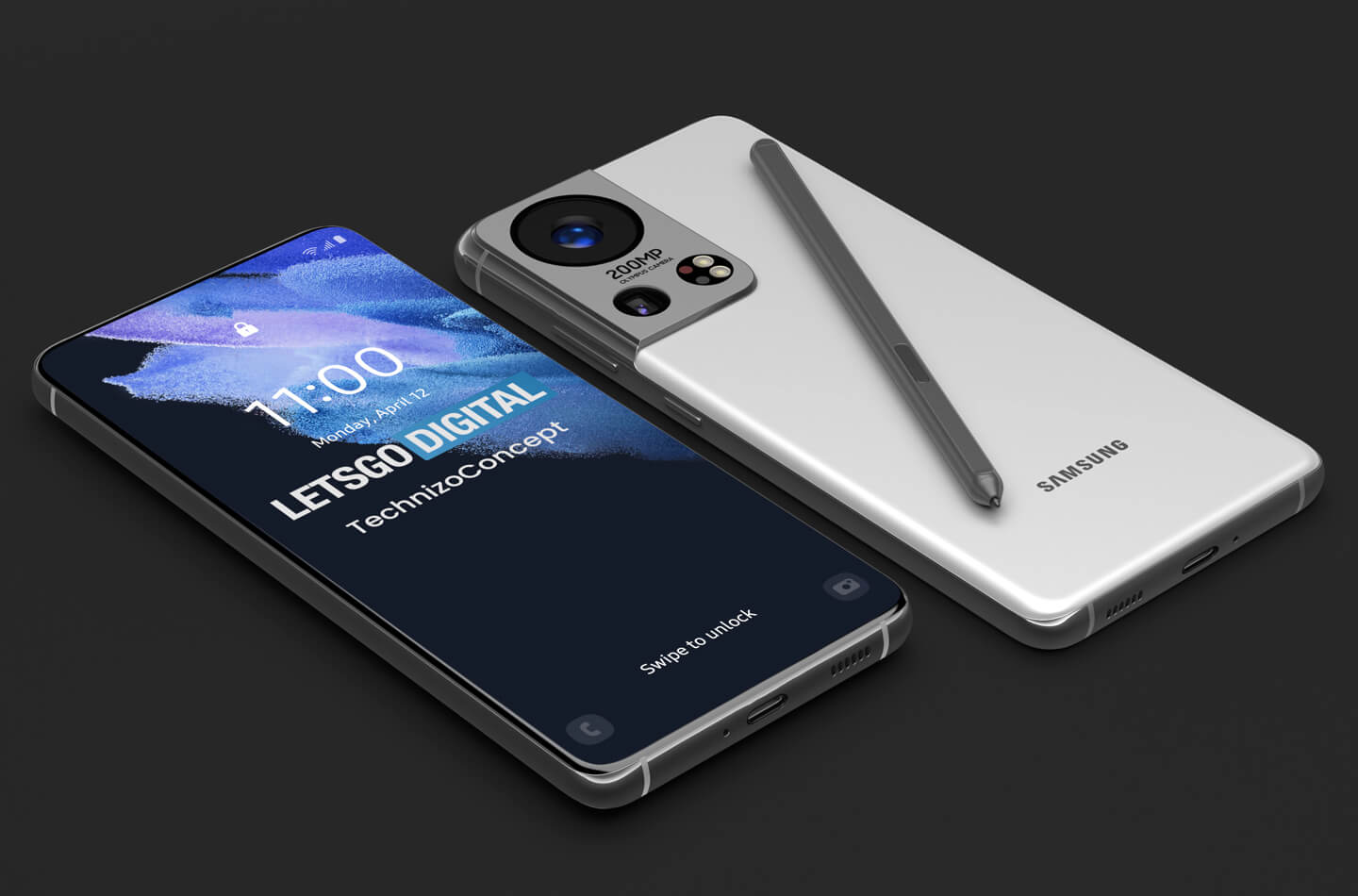
Samsung Galaxy S22 Concept Render
Galaxy S22 Concept Render

Furthermore, we had previously reported on a rumor that stated that the Galaxy S22 and Galaxy S22+ will feature a triple camera setup on the rear. This would consist of a 50 megapixel primary shooter, 12 megapixel ultra wide angle lens, and a 10 megapixel telephoto sensor that offers 3x optical zoom. So, we can expect the S22 duo to offer better magnification over the S21 and S21+ that only offered digital zoom.

RELATED:


OnePlus gears up for a new reveal scheduled for tomorrow

Oppo is gearing up for its autumn product launch event later today (16th September 2021), in which it will be unveiling ColorOS 12. The new update will also be arriving in OnePlus devices in China, however, an official has revealed that the company is also planning on announcing something new as well, which is scheduled to be revealed tomorrow.

The news arrives from @刘丰硕 who shared the news on his Weibo account, a Chinese microblogging website. For those unaware, 刘丰硕 (Liu Fengshuo) is the Chief Operating Officer of OnePlus. Previously, the senior official stated that its relation with Hasselblad is an in depth collaboration and not that of an ODM deal. Furthermore, he had also stated back then that the company is gearing up for something to look forward to, which would arrive later this month.

OnePlus

When another blogger (@科技九洲君) pointed out that half of September has already and there has been no news regarding when the company will finally make the announcement, the COO replied that the reveal will be tomorrow, which is September 17. Unfortunately, we have no information as to what the announcement is for as of right now. But it could be something new related to the Chinese smartphone maker’s partnership with the known camera lens maker.

RELATED:


realme narzo 50 series India launch timeline tipped

Chinse tech brand realme just launched a couple of smartphones and its first tablet last week in India. Despite releasing three mobile devices,  the brand is still not done for September. According to new information, the company will be debuting the realme narzo 50 series by the end of this month.

realme narzo 50A Render Leak Featured
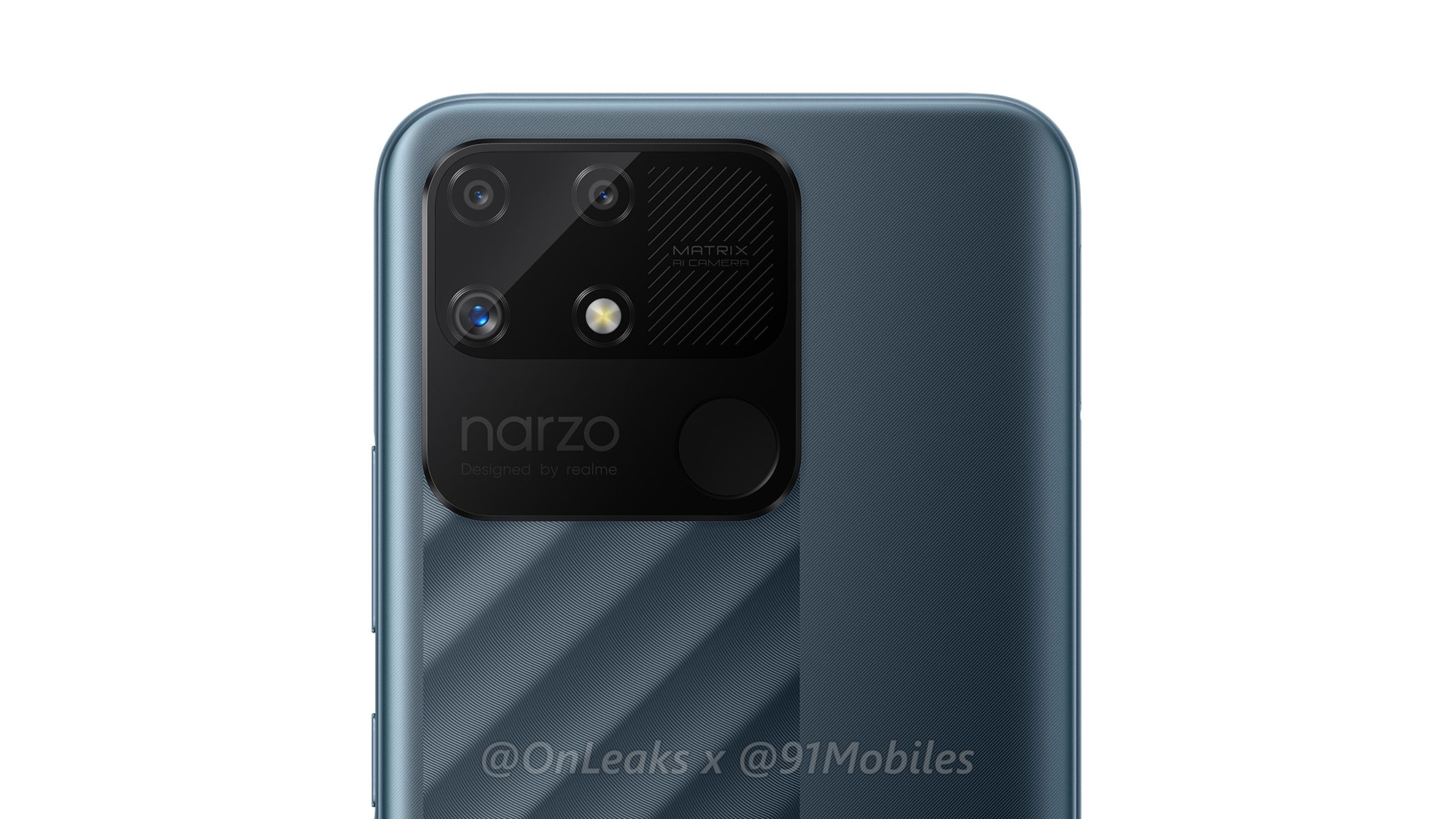
realme narzo 50A | Source: @OnLeaks x 91Mobiles

As per a report by Moneycontrol, realme is expected to launch the realme narzo 50 series in India between September 20 and 24. The realme narzo 30 series successor will make its global debut in the country.

The sources of the publication do not mention the number of devices in the lineup. But we can expect at least four models, namely realme narzo 50, realme narzo 50 Pro, realme narzo 50A, and realme narzo 50i.

However, they do confirm the one device launching next week and that is realme narzo 50A. In fact, one of the brand’s executives recently corroborated the same on Twitter. There’s a chance that realme narzo 50i might tag along

On the other hand, we don’t see any possible launch of realme narzo 50 and realme narzo 50 Pro in India at the moment. But they are said to come in both 4G and 5G variants like their predecessors.

Lastly, two AIoT products such as realme Band 2 and realme TechLife Robot Vacuum could be announced alongside the realme narzo 50 series next week.


RELATED:


Xiaomi officially reveals launch date of Mi 11 Lite 5G NE in India

Xiaomi has just launched the Mi 11 Lite 5G NE during its product launch event yesterday. Now, the company has officially revealed the launch date of this device for its key market, India.


Xiaomi 11 Lite 5G NE

The Chinese tech giant shared the news earlier today (16th September 2021) revealing the September 29 launch date for the new smartphone. The company stated that is gearing up for the launch of its “Slimmest and Lightest phone packed with global 5G bands.” Furthermore, Manu Kuman Jain, Global VP and MD of Xiaomi, also shared the news on his official Twitter handle as well. This marks the device’s launch in India mere two weeks after its global announcement.

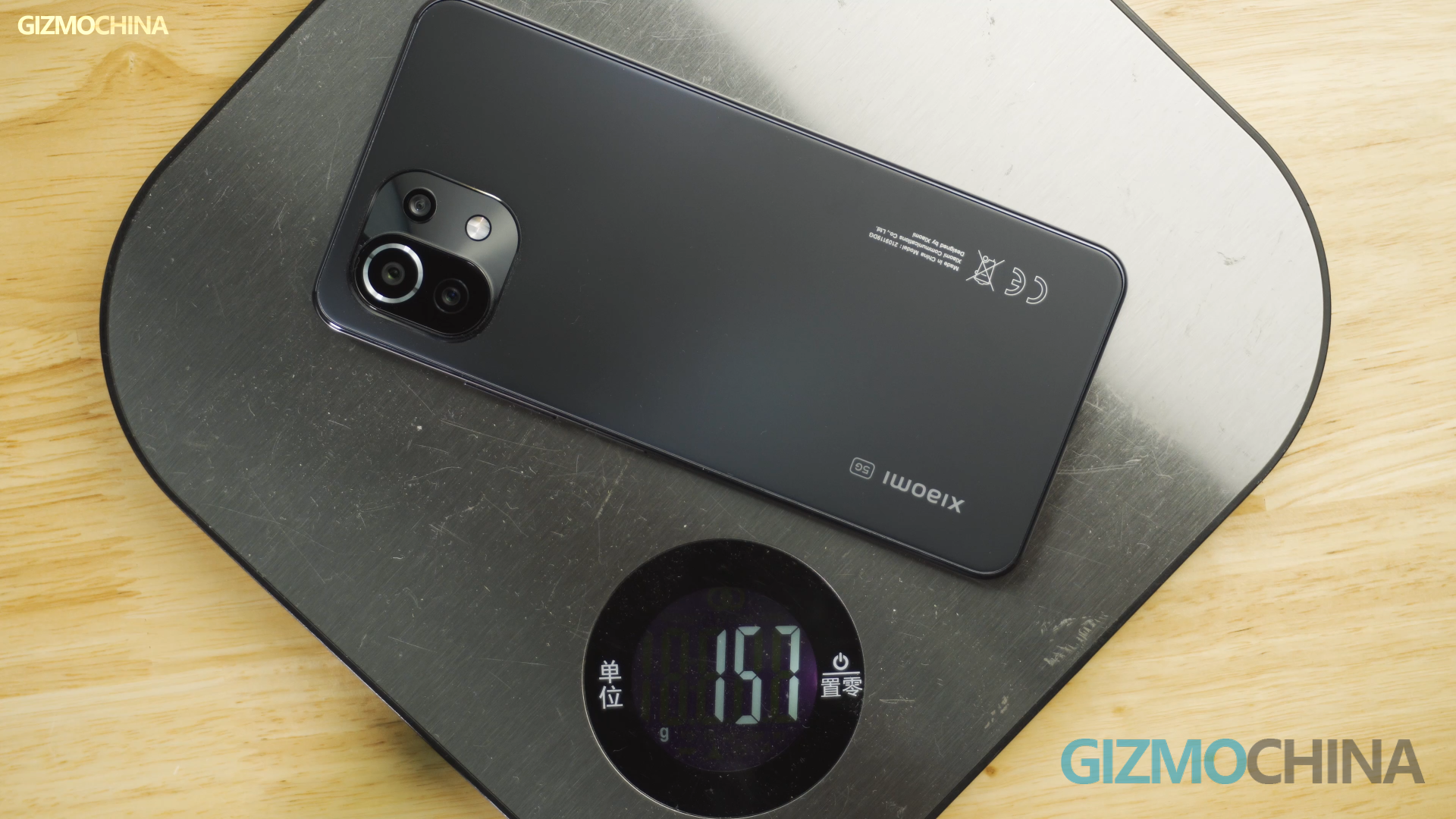
For those unaware, the Mi 11 Lite 5G NE is slim and light handset that weighs 158 grams and measures 6.81 millimeters in thickness. It sports a 6.55-inch FHD+ 90Hz AMOLED display with a 1080p resolution, HDR10+, and Dolby Vision. The front also houses a 20 megapixel punch hole selfie camera. Under the hood, a Qualcomm Snapdragon 778G powers the device along with 6GB or 8GB of RAM and 128GB or 256GB of storage.

Xiaomi 11 Lite NE 5G Review Super LightThe device runs on a 4250mAh battery with support for 33W fast charging. Other features include NFC, stereo speakers, a Z axis linear motor, an IR blaster, Dual SIM support, WiFi 6, a side mounted fingerprint scanner, and Bluetooth 5.2. Unfortunately, pricing of the device has yet to be revealed in India, although, its global pricing starts from 369 Euros, which translates to about 435 US Dollars or nearly 32,000 INR. So we can expect the Indian pricing around the 30K range.

RELATED:


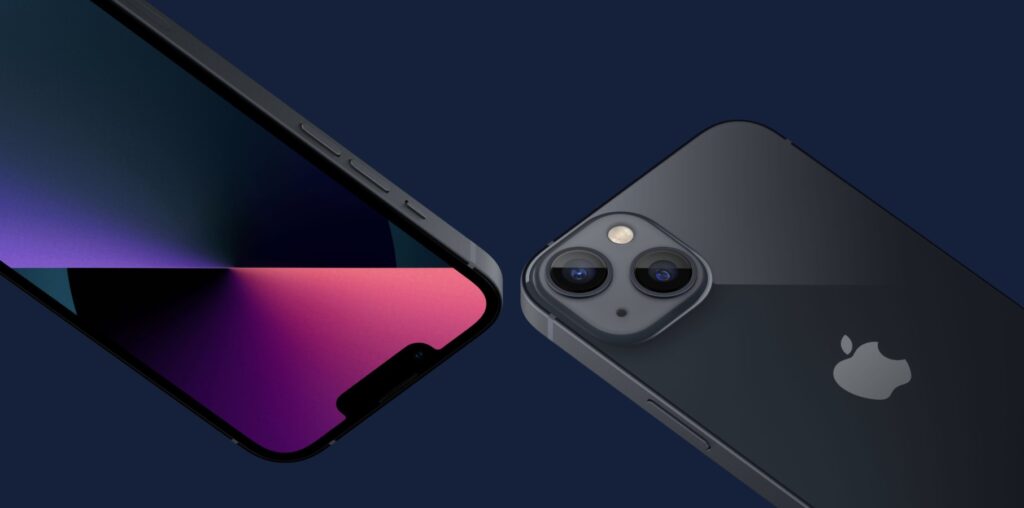
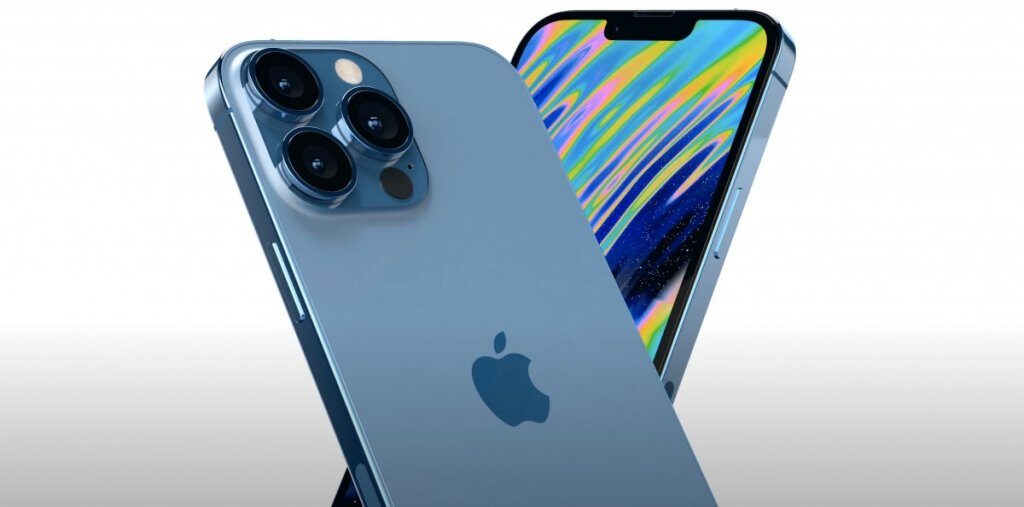
iPhone 13 in Brazil & Turkey most expensive in the world, costs almost twice compared to US

If the only thing on your mind is grabbing the freshly released Apple iPhone 13, then consider yourself really unlucky if you have to purchase one from Brazil. As it stands, the cost of the iPhone 13 in the South American country is the highest in the world.

A report by Nukeni (via: 9to5Mac) shows the sale prices of the unlocked iPhone 13 on the Apple Website of each country, including taxes of course. Other models are listed as well, but picking on the iPhone 13 alone would be a good enough indicator for the prices.

There are exceptions, however, depending on the model or the storage variant. For example, the 128GB storage variant of the iPhone 13 mini is actually the most expensive in Turkey at a hefty $1,301.56. Brazil fares slightly better with this particular variant, with a price tag of $1,256.21. There are a few other models and variants as well where Brazil outdoes Turkey, but a majority of them are still the priciest in Brazil.

With that in mind, feel free to have a look at the top 3 best and worst places to grab a 128GB iPhone 13 series model from:

iPhone 13 mini (128GB)

Most expensive:

  • Turkey: $1,301.56
  • Brazil: $1,256.21
  • Sweden: $998.42

Cheapest:

  • United States: $729
  • Hong Kong: $771.27
  • Canada: $785.28

iPhone 13 (128GB)

Most expensive:

  • Brazil: $1,446.57
  • Turkey: $1,419.90
  • Sweden: $1,137.82

Cheapest:

  • United States: $829
  • Hong Kong: $874.13
  • Japan: $900.95

iPhone 13 Pro (128GB)

Most expensive:

  • Turkey: $1,893.24
  • Brazil: $1,808.26
  • India: $1,627.88

Cheapest:

  • United States: $999.00
  • Hong Kong: $1,092.69
  • United States: $1,113.89

Apple iPhone 13 to bring Potrait Mode and ProRes for videos

iPhone 13 Pro Max (128GB)

Most expensive:

  • Turkey: $2,129.91
  • Brazil: $1,998.63
  • India: $1,763.65

Cheapest:

  • United States: $1,099.00
  • Hong Kong: $1,208.41
  • United States: $1,225.39

It is worth noting here that some US states like Delaware do not charge any taxes, and this might be one of the main reasons why the US is the cheapest option. Nukeni knows of this and has thus listed two prices for regions like the US and Canada – one from the most expensive state/province and another from the least.

Thus, it is observed that when the cheapest iPhone offering in the US is kicked from the equation, regions like Hong Kong and Japan emerge as the true cheapest options.

In conclusion, an iPhone 13 purchase from countries like the United States, Hong Kong, Japan, and Canada is the least likely to blow a hole in your wallet. Weaker currencies or high taxes, on the other hand, have a major role in making Brazil, Turkey, Sweden, Hungary, and Italy the most expensive places to grab an iPhone 13 series model from in the world.


RELATED:

Ulefone Armor 12 5G outstands competition in the benchmark test

Ulefone’s recent offering – Armor 12 G has already undergone rigorous testing and now the benchmark test proves its mettle against the competition. In a bid to evaluate the performance, the company did several benchmark tests on popular benchmark engines. The device scored exceptional scores on each benchmark test and confirms itself as a high-end rugged smartphone. You can see below the video showcasing the benchmark tests:

Must See: Ulefone Armor 12 5G production video is a feast to watch

Ulefone Armor 12 5G smartphone is tested across 9 different benchmarking applications. Starting with the AnTuTu benchmark, the smartphone scored 350008 points, while on the AiTuTu benchmark it excelled with 66241 points. Similarly, it gained a 25.8K AI score on the AI benchmark and 10691 on PCMark. The onboard storage offered 963Mbps read speed and 228Mbps write speed on Androbench. Overall, it also performed really well on the remaining benchmark websites such as Geekbench 5, CPU-Z, AIDA64 and 3DMark.

Ulefone Armor 12 5G Specifications

The rugged smartphone comes with a 6.52-inch IPS LCD display having 720 x 1560 pixels resolution. The 5G smartphone is powered with MediaTek Dimensity 700 SoC coupling an octa-core processor and Mali-G72 MC2 GPU. It runs on Android 11.

There’s a quad-rear camera featuring a 48-megapixel primary sensor, an 8-megapixel ultrawide sensor, a 2-megapixel macro sensor and a 2-megapixel depth sensor. On the front, there’s a 16-megapixel sensor fr video calling and selfies. Being a rugged smartphone, it is IP68 dust/water-resistant and is also compliant with the MIL-STD-810G rating. A 5180 mAh battery is present inside with 18W fast charging.

These scores verify Ulefone’s claim of a high-end rugged smartphone that offers exceptional performance. You can know more about the Ulefone Armor 12 smartphone by heading to the official website.

Related: Ulefone Armor 12 5G excels with dual HiFi speaker and headset-free FM Radio

Geekbench confirms GPU performance gap between iPhone 13 & iPhone 13 Pro

On Tuesday, Apple announced the iPhone 13 series at its ‘California Streaming’ event. Just like the iPhone 12 lineup, there are four models, namely iPhone 13, iPhone 13 Mini, iPhone 13 Pro, and iPhone 13 Pro Max. The pre-orders for these smartphones are yet o go live, but we already have their benchmark scores.

Apple iPhone 13 Pro iPhone 13 Pro Max Featured
Apple iPhone 13 Pro and iPhone 13 Pro Max

A report by MacRumors compares the Gekbench scores of the iPhone 13 series with the iPhone 12 series. The new iPhones are not only powerful than their predecessors but their performance also differs among fellow current-gen models.

All four iPhone 13 variants are powered by A15 Bionic SoC. However, the less expensive iPhone 13 and iPhone 13 mini come with a 4-core GPU instead of 5 cores like on the iPhone 13 Pro and iPhone 13 Pro Max. In fact, even the new iPad Mini 6th Generation features a 5-core GPU.

Due to the above-mentioned difference in GPU architecture, there’s a graphics performance gap between the latest iPhones. For example, the iPhone 13 scores around 10,608 on Geekbench Metal, while the iPhone 13 Pro bags around 14216 points. Anyway, the GPU in the standard iPhone 13 performs about 15% better than the GPU inside the iPhone 12.

Apple iPhone 13 iPhone 13 Mini Featured
Apple iPhone 13 and iPhone 13 Mini

Having said that, as all four new iPhones arrive with a 6-core CPU, there’s no major disparity in CPU performance. Hence, if you want the best graphics on an iPhone or any other smartphone for that matter, it is recommended to invest in an iPhone 13 Pro or an iPhone 13 Pro Max.

The Apple iPhone 13 series will be available for pre-orders starting September 17 in key markets. It will be up for sale from September 24.


RELATED:


Deal: Redmi Buds 3 truly wireless earbuds now on sale from Giztop

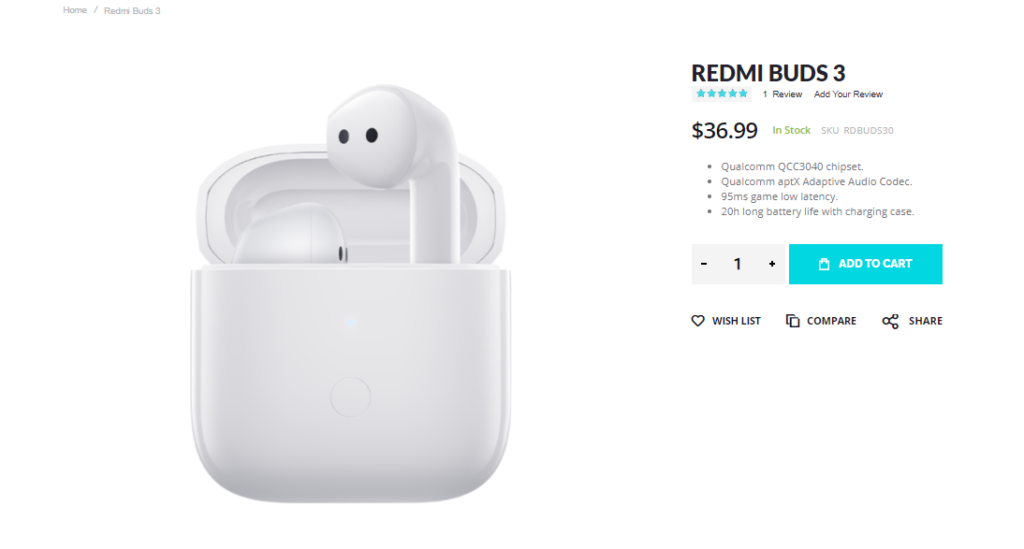
Recently unveiled Redmi Buds 3 is now retailing via Giztop with support for international shipping. The truly wireless earbuds with the semi-in-ear design were earlier available via crowdfunding websites like Xiaomi Youpin. The new TWS earbuds are still limited to few countries, and Redmi fans across the globe are still waiting for the official launch. Amazingly, the Redmi Buds 3 are now shipping globally via Giztop at the price of $36.

redmi buds 3 sale

Must See: Redmi Buds 3 launched as Redmi’s first TWS earbuds with a semi-in-ear design

It is an interesting deal for the fans residing in North America, Europe and other areas where the Redmi Buds 3 are not available yet. Giztop is bringing all the new devices to your doorstep without any additional cost.

Buy Now

Redmi Buds 3 Specifications

Xiaomi’s subsidiary – Redmi unveiled the truly-wireless in-ear earbuds a few weeks ago sporting some highly competitive specifications. Redmi Buds 3 comes with a 12mm composite diaphragm which enhances the sound quality. Active Noise Cancellation feature effectively works with highly sensitive dual-microphones and the Qualcomm CVC noise cancellation technology.

It offers a 95ms low-latency to cater excellent gaming experience. Multi-function touch controls are present to easily switch music tracks and to reject/accept calls. Redmi Buds 3 offers up to 20 hours of battery life along with a charging case and 5 hours with Earbuds inbuilt battery.

The new earbuds are IP54 waterproof and dustproof which increases usability. It is built with ABS material and carries Bluetooth 5.2 connectivity support.

Redmi Buds 3 are now available from Giztop for $36.99.

Related: Redmi G 2021 teasers reveal Ryzen 7 5800H processor and RTX 3060 GPU

Fujifilm patents foldable phone that resembles Samsung Galaxy Fold

Fujifilm is apparently working on its own smartphone, which features a foldable display. This arrives as a surprise considering the Japanese company is known for making digital cameras and certain other products like printers.

Fujifilm

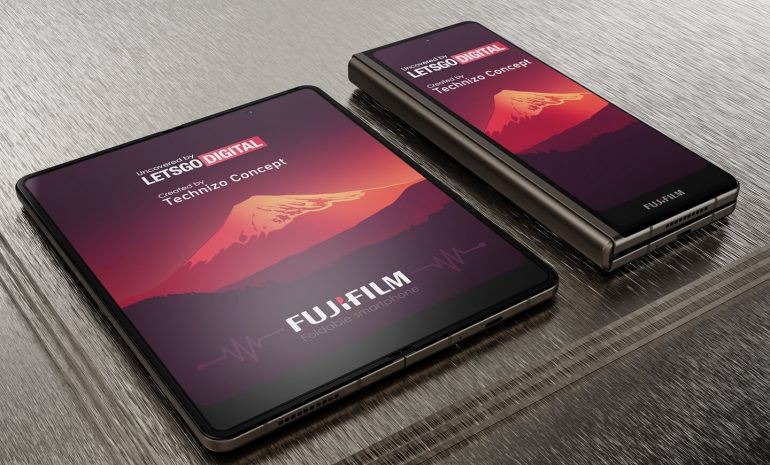
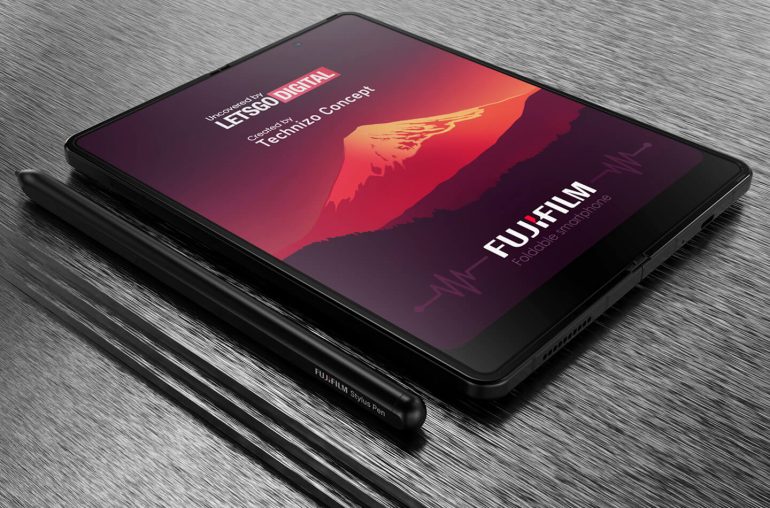
According to a LetsGoDigital report, the company filed a new patent with the USPTO (United States Patent and Trademark Office) that was titled ‘Electronic device and non-transitory computer readable medium.’ The patent featured a number of images as well, which showcases a smartphone with a large primary display that is inward folding along with a smaller external display. In other words, it has a design that is quite similar to the Samsung Galaxy Z Fold series of foldable handsets.

Furthermore, the company is clearly inspired by the South Korean tech giant’s newly launched Galaxy Z Fold3 as it also features support for a stylus pen, apart from just a similar design. Graphic Designed Technizo Concept created some clear product renders based on the Fujiilm patent, which offers us a better look at what the device might look like. Notably, the bottom chin of this device is quite prominent while the bezels on the other three sides are very thin.

Fujifilm

Unfortunately, the patent does not show the back of the device so we have no information regarding the number of camera modules on the rear or its orientation. On the other hand, the front panel might sport an under display camera, although, the focus of the patent were likely the display and design so take it with a pinch of salt for now. At the moment, it is unclear if the company is actually working on such a phone or is simply covering all bases. So stay tuned for more updates.

RELATED:


Europe attempts to workaround Semiconductor shortage by boosting production themselves

The European Commission is pushing for self-sufficiency after the global semiconductor shortage has proven unreliability in sourcing material from Asian and U.S. suppliers. This was highlighted in plans that were announced on Wednesday for a new chipmaking “ecosystem”.

Commission President Ursula von der Leyen feels that ‘digital is the make-or-break issue’ and announced in a policy speech at the Parliament in Strasbourg on Wednesday that a new Chips Act for Europe will be presented. Its aim will be to jointly create a state-of-the-art European chip ecosystem, including production.

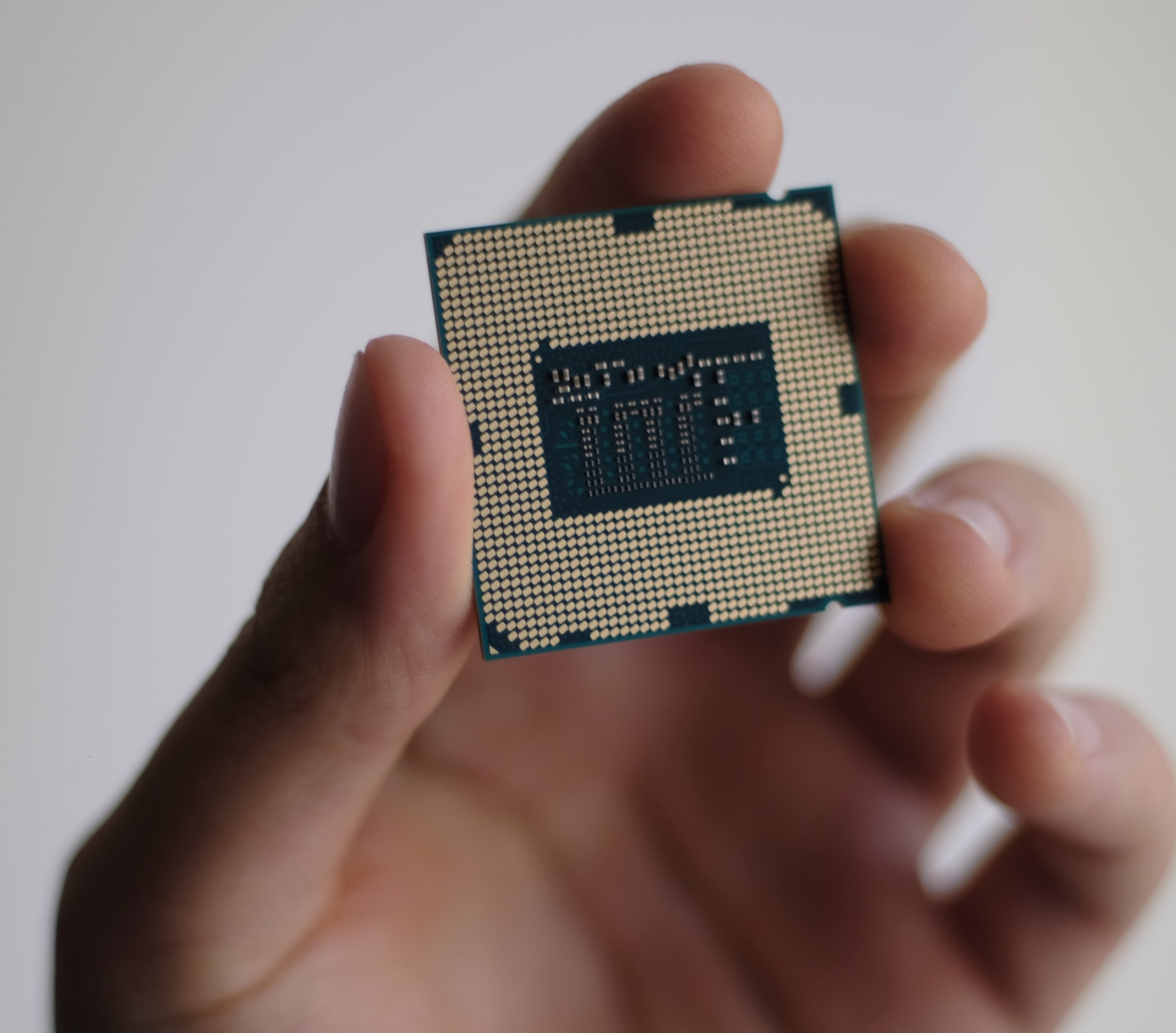
CHIPSET Featured Processor

The source of the EU legislators’ concerns was cited as the global shortage of semiconductors that has led to production slowdowns and delays for a variety of products that rely on chips for data processing – from cars and trains to smartphones and other consumer electronics.

The Europe Chips Act will also aim to link together the European Union’s semiconductor research, design, and testing capacities. This will help boost the bloc’s self-sufficiency and will develop new markets for ground-breaking European tech.

The Act will be made up of three elements: Firstly, a semiconductor research strategy that will amplify work being done by institutions such as LETI/CEA in France, IMEC in Belgium, and Fraunhofer in Germany.

The second component will be a coordinated plan to increase chipmaking capacity in Europe. And the final part will establish a framework for international partnership and cooperation.

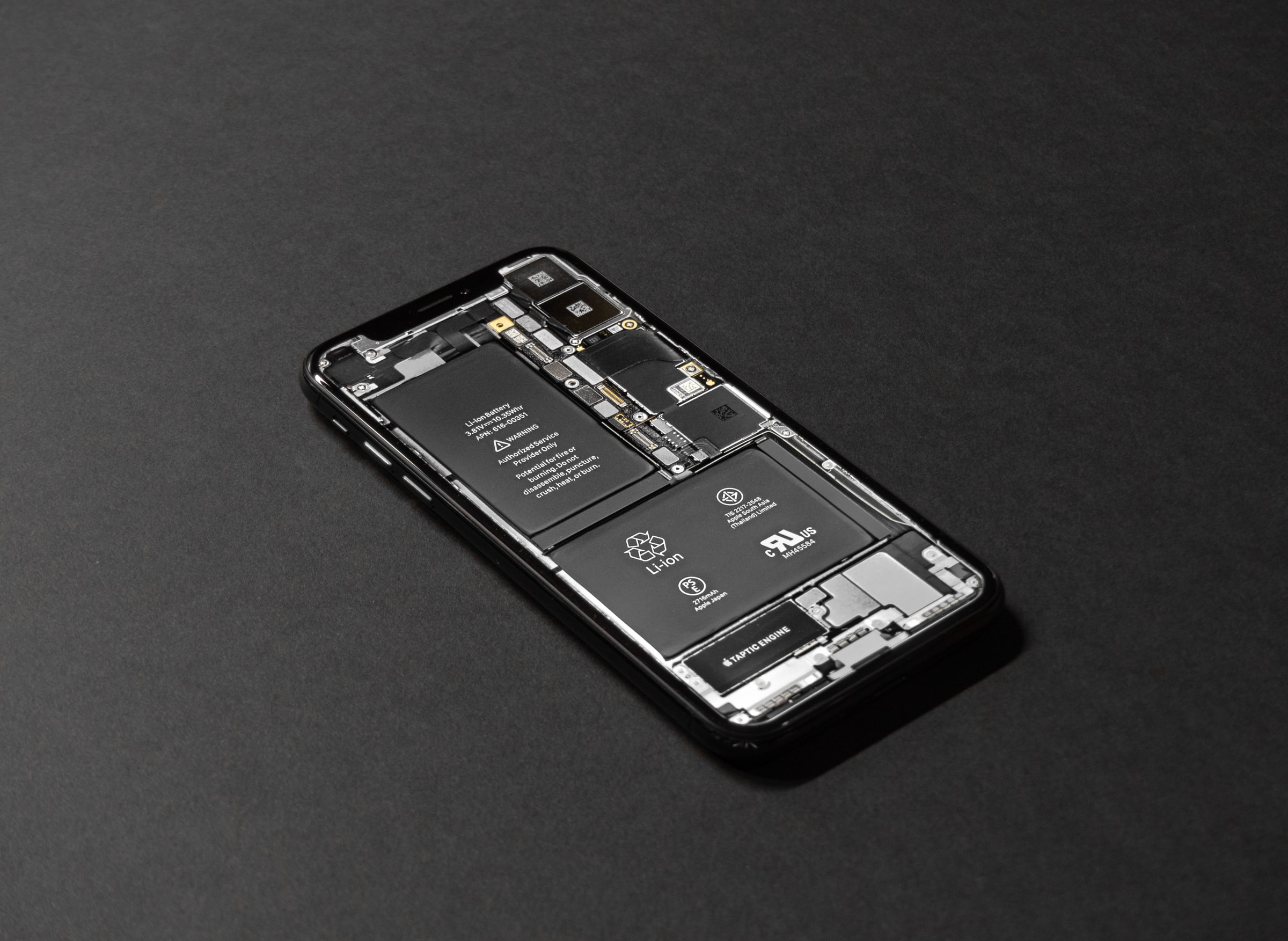
iPhone teardown
Each smartphone has multiple chips inside

“There is no digital without chips,” said von der Leyen. “While we speak, whole production lines are already working at reduced speed despite growing demand, because of a shortage of semiconductors.

She also emphasized that while global demand has exploded, Europe’s share across the semiconductor value chain has shrunk. The matter was declared as something not just about competitiveness, but about tech sovereignty.

Lastly, in additional documents released today, the EU said that the Chips Act will bolster existing initiatives such as the Digital Markets Act and Digital Services Act that aims to contain the power of internet giants, Artificial Intelligence Act for the regulation of applications of AI, and a beefed-up code of practice that tackles online disinformation. This will be combined with a boost to the investment in regional digital infrastructure and skills.

In other related news, Qualcomm’s CEO has confirmed plans to work with European foundries to boost chip production.


RELATED:

WhatsApp starts testing in-app Business Directory feature in Brazil

Facebook-owned WhatsApp instant messaging platform has been focusing a lot on the business-related features on the application as the company is exploring various ways of monetizing billions of users on the platform.

In the latest update, the company has now started testing a new in-app business directory feature. As the name indicates, it’s basically a business directory that will allow users to find shops and services through the app.

WhatsApp In-App Business Directory

Currently, the feature is undergoing the testing phase in São Paulo, Brazil. The test would include thousands of businesses in categories like food, retail, and local services across certain São Paulo neighborhoods. The company is looking to soon expand the feature to users in India and Indonesia.

Users can tap on ‘Businesses Nearby’ in the WhatsApp contact listing, which will then show a listing of active local business profiles. From there, users will be able to tap through and view the business’ full profile, along with products and other contact information.

This feature is yet another one from Facebook to make the e-commerce system on WhatsApp stronger as the social media giant is working hard to convert the messaging platform into an e-commerce juggernaut. WhatsApp has already launched shopping tools like product catalogs and shopping carts.

Facebook acquired WhatsApp in 2014 in a deal worth $19 billion but the platform didn’t have a model to monetize its millions of daily active users. The company is now looking at different ways to generate revenue but hasn’t ruled out in-app advertisements.

RELATED: 

Honor Smart Life product launch event scheduled for September 26

Honor has just announced that it will be hosting its Smart Life product launch conference on September 26. During this event, the company will announce various new smart devices and products.

The Chinese smartphone maker made the announcement earlier today (16th September 2021), with its official event slogan being “Pursue the Beauty with Wisdom, Connect Life with Technology.” Notably, the news of the September 26 Smart Life event also arrives after the previously announced Imaging Technology conference on September 22, which hints at possible upgrades for the Magic3 series’ camera system. Looking at the image poster shared by the company, we can see various smart products like laptops, TVs, tablets, and more.

Honor

In other words, we can expect to see the brand announce certain new products within those segment in the upcoming event later this month. Furthermore, while the company had announced the Honor Watch GS 3 in a launch event back in August, the smart wearable has yet to be officially released. So, we could also see the official launch of this smartwatch as well, which features 8 channel PPG sensor that uses an AI algorithm and AI Engine to accurately measure heart rate.

RELATED:


Realme GT Neo2 revealed to feature diamond ice core cooling system

After confirming the device’s existence earlier this month, Realme recently confirmed that its upcoming smartphone, dubbed Realme GT Neo2 will be officially launched in the Chinese market on 22nd September.

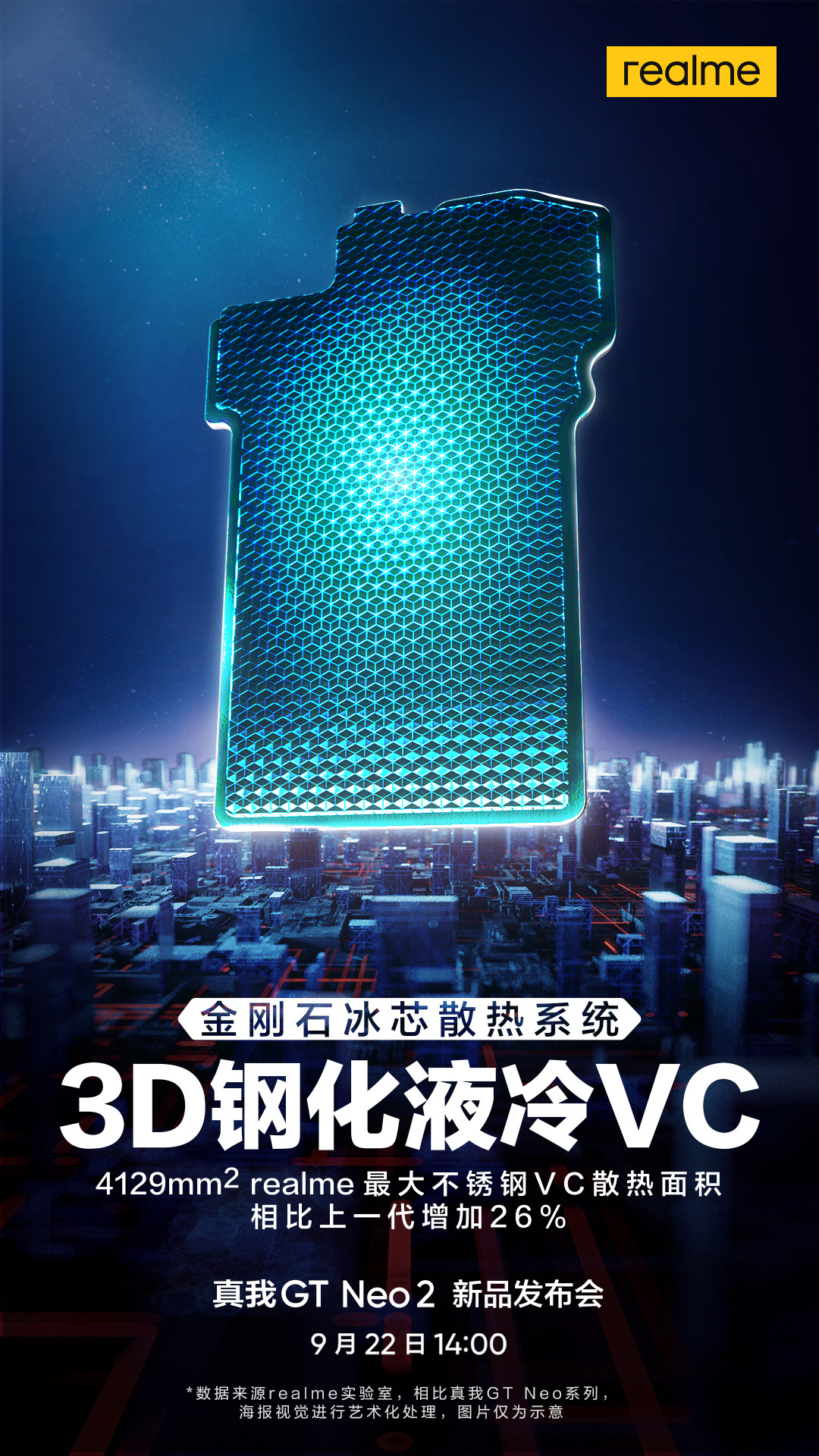
Now, in the latest teaser poster shared by Realme to highlight features of the upcoming smartphone, the company has confirmed that the GT Neo2 will be featuring a diamond ice core cooling system to control the device’s temperature.

If the reports are to be believed, then the diamond condensate heat dissipation performance is 50 percent higher than conventional gel. It packs three-dimensional graphene, customized concave and convex surface covering the heating source.

There’s also stainless steel VC heat dissipation surface of 4129mm², which indicates an increase of 26 percent in the area when compared with the previous generation; a screen warehouse graphite sheet; and a screen IC graphite copper foil conforms to the material.

Realme has already confirmed that the GT Neo2 smartphone will come powered by the Qualcomm Snapdragon 870 processor. It will pack a 5,000mAh battery with support for 65W fast charging technology.

The smartphone is expected to be available in two memory configurations — 8GB RAM with 128GB of internal storage and 12GB RAM along with 256GB of internal storage. The phone is said to come in Neo Blue and Neo Green colors. It has also been leaked that the 8GB RAM model could cost $499 while the 12GB RAM will be priced at $599.

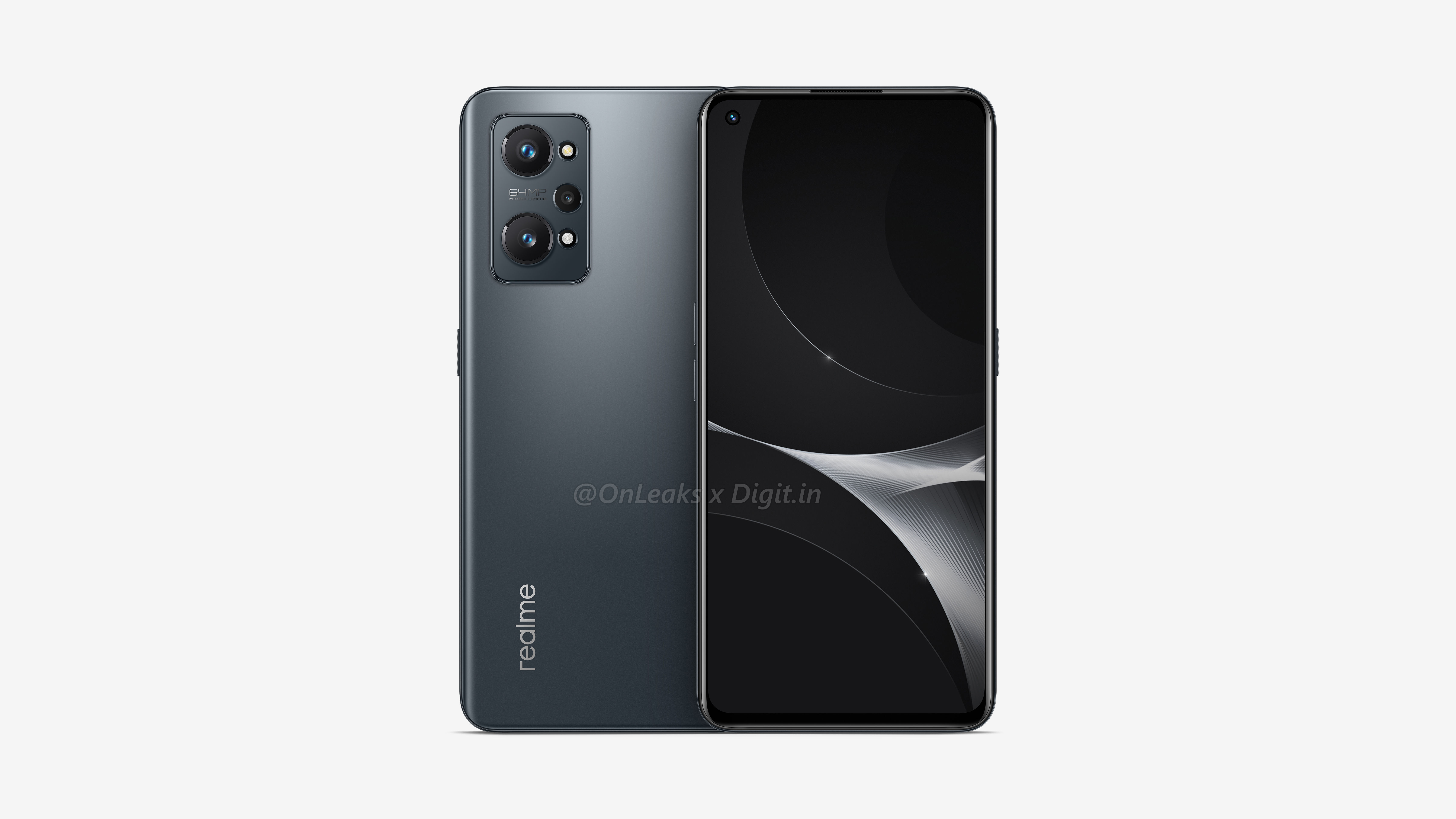
Realme GT Neo2
Realme GT Neo2 Render | Source: Digit x OnLeaks

It is said to feature a 6.62-inch screen that delivers a Full HD+ screen resolution and a 120Hz refresh rate. The AMOLED panel will come integrated with a fingerprint scanner. The phone may pack a 64-megapixel + 8-megapixel + 2-megapixel triple camera system. It will be running the Realme UI with the Android 11 operating system.

As per the leak, there will be a Dimensity 1200-AI chipset variant of the GT Neo2. It will continue with the “Neo generation position” like the predecessor model. It will be a thin and lightweight daily driver device, which will be priced around 2,000 Yuan (~$311).

RELATED: 

Redmi Note series to get MIUI 12.5 Enhanced Edition update in October

Xiaomi unveiled MIUI 12.5 Enhanced Edition at the Xiaomi MIX 4 launch event. Within one and a half months, the company has finished the rollout of this software to the first batch of eligible devices in China. Hence, it has now announced its plans for the second batch.

MIUI 12.5 Enhanced Edition Logo Featured

According to the official announcement post on Xiaomi Community China, a total of 7 smartphones are part of the second batch to receive the MIUI 12.5 Enhanced Edition update. Almost all of these handsets are Redmi Note models, except for one.

MIUI 12.5 Enhanced Edition Second Batch Devices

  • Redmi Note 8
  • Redmi Note 9 4G
  • Redmi Note 9 5G
  • Redmi Note 10 5G
  • Xiaomi Mi 10 Youth Edition
  • Redmi Note 9 Pro 5G
  • Redmi Note 10 Pro 5G

The above-listed phones are scheduled to start receiving ‘Stable Beta’ builds from October 8. If it all goes well, the rollout for all users could happen by the end of next month itself.

Having said that, the firm does say that the update rollout plan may change due to various factors. But at the end of the day, the handsets mentioned above should get the latest version of MIUI sooner or later.

On the other hand, all other smartphone brands are set to release a new version of their mobile software based on Android 12. However, Xiaomi is yet to announce anything regarding it.


RELATED:


Purported OnePlus 9 RT 3C certified, October launch expected

OnePlus is reportedly working on the OnePlus 9 RT smartphone, which is said to be an enhanced version of the OnePlus 9R that debuted earlier this year. The handset is expected to arrive in markets like India and China in October. Last month, the alleged Indian variant of the OnePlus 9 RT with MT2111 was spotted in the database of the Bureau of Indian Standards (BIS). Now, a OnePlus phone with a similar model number has bagged 3C certification in China.

The 3C certification of the OnePlus MT2110 reveals that it is a 5G phone, which may ship with a 65W fast charger. The original leak of the OnePlus 9 RT by Android Central had claimed that it will support 65W charging like the OnePlus 9R.

Alleged OnePlus 9 RT 3C certified

OnePlus 9 RT specifications

The OnePlus 9 RT leaks have revealed that it will be sporting a 6.55-inch Fluid AMOLED display that offers a 120Hz refresh rate and an in-screen fingerprint sensor. It will possess a front-facing camera of 16-megapixel.

The handset may feature a 50-megapixel (Sony IMX766) quad-camera unit. It may draw power from a 4,500mAh battery. It is expected to debut as the company’s first phone with OxygenOS 12 based Android OS. It will be fuelled by the Snapdragon 870 mobile platform.

The OnePlus 9 RT may offer users up to 12 GB of LPDDR4x RAM and up to 256 GB of UFS 3.1 storage. It is speculated that the OnePlus 9 RT will be announced on Oct. 15. At present, there is no information available on the pricing of the device. OnePlus is expected to announce the OnePlus Buds Z2 TWS earbuds alongside the OnePlus 9 RT in October.

RELATED:

Redmi G 2021 teasers reveal Ryzen 7 5800H processor and RTX 3060 GPU

Xiaomi-backed Redmi has announced that the brand’s Redmi G 2021 gaming laptop will be officially launched on 22nd September. Ahead of the launch, the Chinese company has shared a teaser poster on social media.

The latest teasers for the Redmi G 2021 gamebook shared by the company reveals that the device will come powered by the AMD Ryzen 7 5800H processor and RTX 3060 dedicated graphics processor, justifying the tag of a gaming laptop.

The company also reveals that the RTX 3060 GPU-equipped laptop can achieve 130W full power consumption, and adds that the actual performance is worth looking forward to.

The AMD Ryzen 7 5800H processor is manufactured based on the Zen3 architecture. The upcoming Redmi G 2021 is said to have support for ray tracking feature which uses the software and hardware algorithms of the graphics card to improve the scattering effect and opacity of objects, thereby bringing more realistic visual effects.

When announcing the launch date for the upcoming laptop, the company had said that its mission is to “popularize high-end products” and added that the forthcoming gaming laptop will offer “invincible high-performance” for better gameplay.

The lineup of this gaming laptop started last year with the Redmi G. It comes in three variants where the base and mid variants are powered by 10th Gen Intel Core i5 H-series processors, while the top model features an i7 chip. Further, the base model has an NVIDIA GTX 1650 GPU, whereas the latter comes packed with GTX 1650 Ti.

As the official launch date is still about a week away, we expect the company to keep sharing more information about the Redmi G 2021 with teaser posters.

RELATED: 

Apple AirPods 3 already in production; expected to go official in October

It’s been some time since reports about the launch of AirPods 3 true wireless earphones started surfacing online. After several Apple events announcing new products, the AirPods 3 still remains unannounced.

In the latest development, it is claimed that the Apple AirPods 3 have already entered production and the suppliers have also started shipping the product to Apple. It adds that the initial shipments were low.

Apple AirPods 3 Design Leak
Apple AirPods 3 Render

The low initial shipments of the third-generation of Apple AirPods TWS earbuds explain why the product wasn’t made official at the iPhone 13 series launch event. Given that Apple has now enough shipments, the company is now expected to officially launch the AirPods 3 earphones by the end of this year.

In that case, we expect the next-generation AirPods to get announced at the launch event next month. While Apple has not yet confirmed this, but the technology giant is speculated to host a new launch event next month which will be focusing on new Mac devices powered by the M1X chipset. We expect the second-generation of AirPods Pro to also get launched along with the third-generation of AirPods.

An image of the upcoming AirPods 3 has already leaked online, revealing the earphones’ design. The earbuds will come with a short stem and a sensor, as well as a microphone on the front. The image showcases the earbuds in the standard White color shade.

It is also expected to come powered by a new chipset and is said to support Apple Music Lossless Audio. Additionally, the earbuds are expected to come with good battery life performance compared to the AirPods 2.

RELATED: 

Redmi 10 now available through official websites in Europe

In August, Xiaomi held a global launch event in Europe. Since then, it has been available through Chinese retailer sites like AliExpress. Now, the smartphone is finally available for purchase through regional sites of Mi.com in Europe.

Redmi 10 price in Europe

The Redmi 10 has arrived in Europe in two options such as 4 GB RAM + 64 GB storage and 6 GB RAM and 4 GB RAM + 128 GB storage. In Italy, both variants are priced at €199.90 (~$236) and €299.90 (~$353), respectively. In Spain and Germany, both models cost €179.90 (~$212) and €199.90 (~$236), respectively.

It comes in colors like Carbon Grey, Pebble White, and Sea Blue. The sales of the Redmi 10 will commence on Sept. 16 in Europe.

Redmi10 Hands on 11

Redmi 10 specifications

The Redmi 10 has a 6.5-inch LCD panel that offers a Full HD resolution and a 90Hz refresh rate. The Helio G88 chipset powers the device with LPDDR4x RAM and eMMC 5.1 storage. It has a dedicated microSD card slot. The handset runs on MIUI 12.5 based Android 11 OS.

It has a front camera of 8-megapixel, and its rear camera setup has a 50-megapixel main camera, an 8-megapixel ultrawide lens, a 2-megapixel depth sensor, and a 2-megapixel macro camera. It has a 5,000mAh battery that supports 10W charging.

The Redmi 10 is slightly different from the Redmi 10 Prime, which debuted in India recently. The only major difference between the two devices is that the Prime model has a larger 6,000mAh battery.

RELATED:

Huawei still one of the Top 3 Premium Brands in Q2 2021, despite losing market share to Apple, Xiaomi

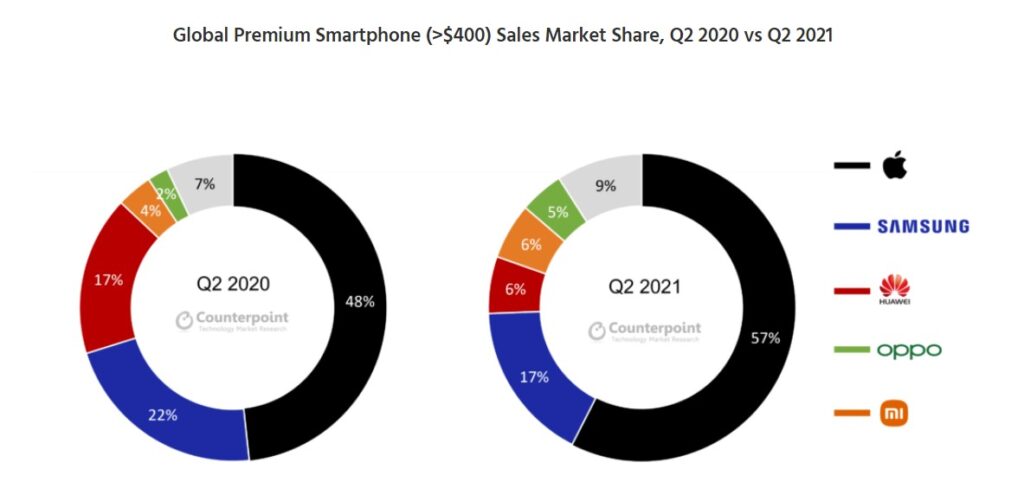
According to the latest report from Counterpoint Research’s Market Pulse service, Apple continues to rule the premium segment with over 50% market share in all major smartphone markets in Q2 2021. Brands like OnePlus, Xiaomi, and Oppo have captured a big share of the market too but behind all this, there’s a big contribution of Huawei‘s controversy that eventually led to its decline.

global-premium-segment-market-share
Source: Counterpoint Research Monthly Market Pulse

What used to be a 17% market share in Q2 2020 is now at 6% globally for Huawei. This decline gave enough room for Apple and Samsung to expand in the segment. While Apple managed to be resilient in component procurement and do well, Samsung was terribly hit by production disruption in Vietnam due to the Covid crisis. However, aggressively priced Samsung Galaxy Z Flip3 and Z Fold3 are helping Samsung take back what they lost in the last couple of months at a quick pace.

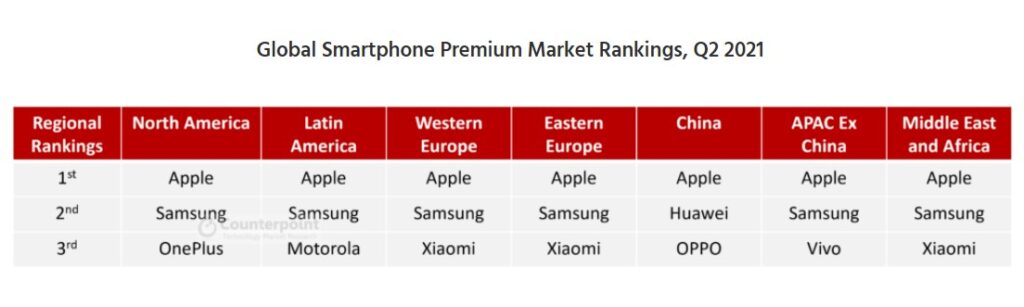
Counterpoint Research Monthly Market Pulse
Source: Counterpoint Research Monthly Market Pulse

Well, Apple wasn’t the only brand to benefit from the gap that Huawei left in the premium segment, brands like Xiaomi and OPPO have had their fair share of gains too. Both the brands are investing and marketing heavily in the premium segment in Europe and China. Oppo with its Reno and Find series and Xiaomi driving the sales with the Mi 11 series. In fact, Xiaomi has managed to occupy the third spot in multiple markets, with a major chunk in Europe. As for OnePlus, it got a big room after LG‘s exit from the smartphone market and has clinched the third spot in North America.

Honor alongside other Chinese brands will join the segment with its Magic series in China and outside to gain some share in the premium segment, which may further reduce Huawei’s market share.

Huawei Nova 9 launch date September 23-

Despite this decline, Huawei continues to have a presence in the top 3 brands in Q2 2021 in the premium segment globally. With the increasing penetration rate of 5G devices, Huawei will have more chances of growing further, but the downside is the limited outreach the company has.

The premium segment has been opened up and a lot of new entrants are competing against some big names. After the global chipset shortage is resolved, we may see brands ramping up their sales numbers.

Related:

[embedyt] https://www.youtube.com/watch?v=FfiWNCuvFys[/embedyt]