A lot of manufacturers have adopted a 6-month refresh cycle for several of their mid-range phones. The reduced period between devices sometimes results in these phones sharing similar specs. An example is the upcoming Narzo 50A smartphone whose chipset was revealed by a company executive today.
Realme Narzo 50A
We already know the Narzo 50A is on the way seeing as it has received certifications at different agencies in the last few weeks. We also know what it will look like thanks to a press render leak in late August. Now, Realme is taking control of the narrative and has disclosed the chipset that will power the new smartphone.
The name of the processor was revealed in a tweet by Francis Wong, the CMO of Realme India & Europe. According to him, the Narzo 50A will be powered by the MediaTek Helio G85 processor, the same chipset that is inside the Narzo 30A.
We choose MediaTek Helio G85 processor with 1GHz GPU & HyperEngine enhancements for all young players with our upcoming #realmeNarzo50A. Being an optimized & reliable processor I'm sure it will offer the young players the best experience. #narzo50series incoming!
The Helio G85 was announced in April 2020 and the 12nm octa-core processor has two Cortex-A75 cores clocked at 2.0GHz and six Cortex-A55 cores clocked at 1.8GHz. It also has a Mali G52 MC2 GPU clocked at 1GHz. The processor is a favorite of many manufacturers and can be found in mid-range phones from Redmi, Tecno, Infinix, Samsung, and Micromax.
For those disappointed in the news that the Narzo 50A will retain the same sensor, there are other differences expected. For example, the leaked render already revealed that the phone will have three rear cameras and will have a redesigned back panel. There most likely will be other differences which we may find out before the launch event.
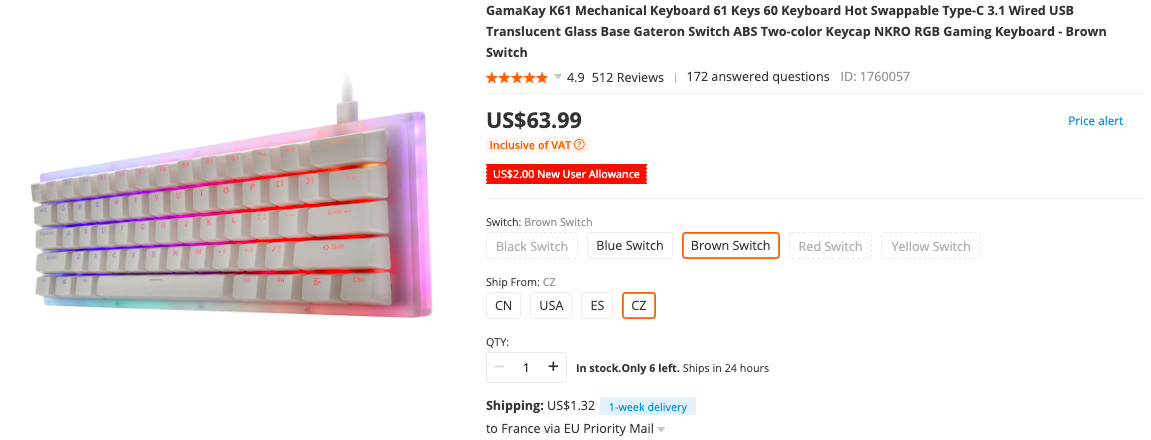
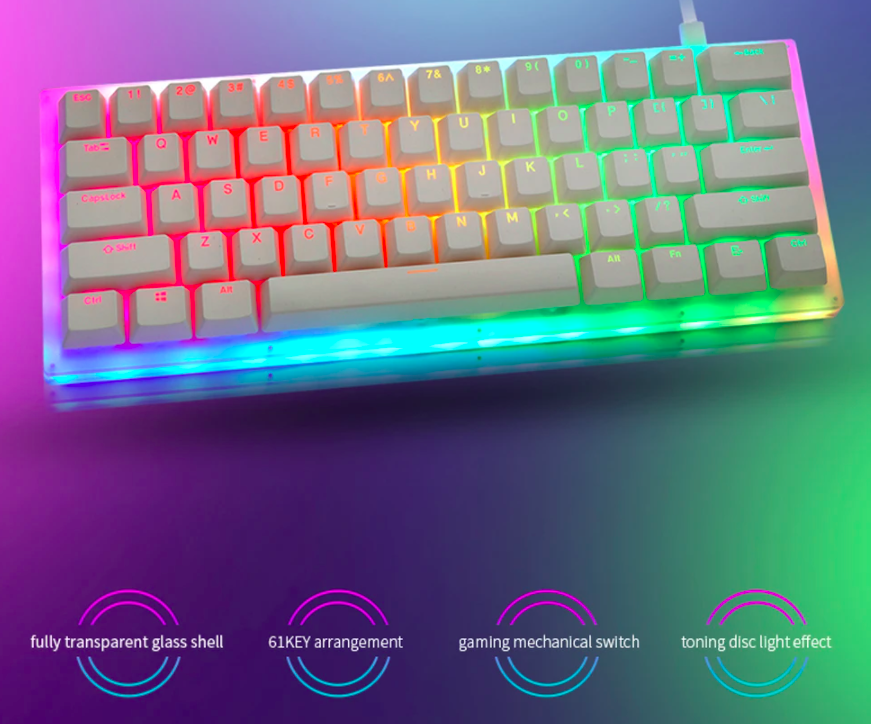
GamaKay K61 mechanical keyboard comes with a fully transparent glass shell made with PMMA plexiglass that gives you a fantasy light effect and enhances your gameplay. It features a fine CNC cutting panel with small and exquisite 61 key arrangements. To top it off you get a toning disc light effect and gaming mechanical switch with this keyboard.
A 32K ROM, increases your program storage space as compared to other keyboards and the fully pluggable switches help you to customize the keys as per your requirement. GamaKay K61uses a Type -C USB 3.1 interface and a driver-free design that makes it super easy to plug and start playing with your keyboard.
Available in multiple switch colors, you can now buy GamaKay K61 mechanical keyboard for $63.99 only at Banggood. This deal is applicable only on orders made from CZ and ES warehouses. So grab your keyboard asap.
For more information on such exciting deals and offers check out ourdeals hub.
* Please Note: When you buy something using the links in our articles, we may earn a small commission at no cost to you.
Xiaomi launched the Mi Mix 4 smartphone in August for a starting price of CNY 4,999(~$777). The smartphone is powered by the Snapdragon 888+ chipset and has a 108MP triple camera system. Starting from tomorrow, the smartphone will go on sale again across China in the Ceramic White color variant.
In case you weren’t aware, the Xiaomi Mi Mix 4 broke records in its first sale by exceeding 300 million sales in just 1 minute. The smartphone had a great second sale later in August and this time around, the device is expected to receive a similar response in terms of sales.
The Mi Mix 4 comes in multiple variants and, here’s the pricing for all the variants.
Mi Mix 4 8GB + 128GB – CNY 4,999(~$777)
Mi Mix 4 8GB + 256GB – CNY 5,299(~$824)
Mi Mix 4 12GB + 256GB – CNY 5,799(~$902)
Mi Mix 4 12GB + 512GB – CNY 6,299(~$979)
Xiaomi is also offering a phone case worth CNY 149(~$23) for free for those who purchase it tomorrow. The device will be available starting tomorrow (September 16) at 10 AM China Time.
Xiaomi Mi Mix 4 Specifications
The Xiaomi Mi Mix 4 comes with a 6.67-inch curved AMOLED display with a 10-bit color depth. It comes with Gorilla Glass Victus protection and also doubles up as an under-display fingerprint scanner for security. The screen also has a 20MP selfie camera under the screen that comes with a 4-in-1 Superpixel imaging sensor.
It has a triple camera system at the rear with a 108MP HMX main lens, an 8MP periscope sensor, and a 13MP ultra-wide-angle lens. It is powered by the Snapdragon 888+ chipset and has a 4,500mAh battery. It supports a 120W wired fast charging support and a 50W wireless fast charging technology. It has up to 12GB RAM, 512GB internal storage, and it boots on Android 11 OS.
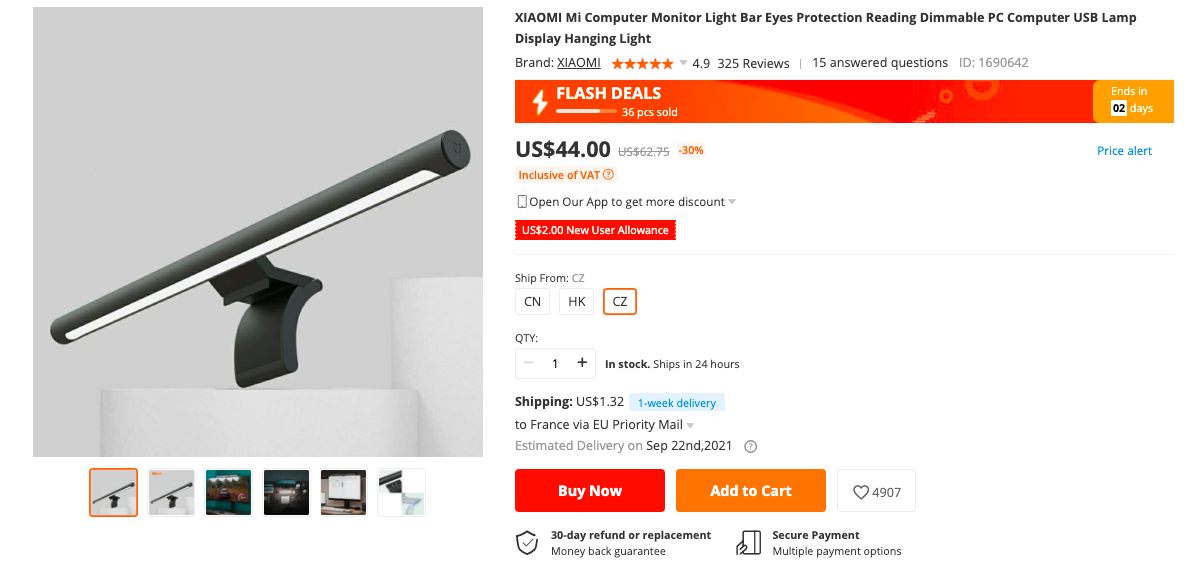
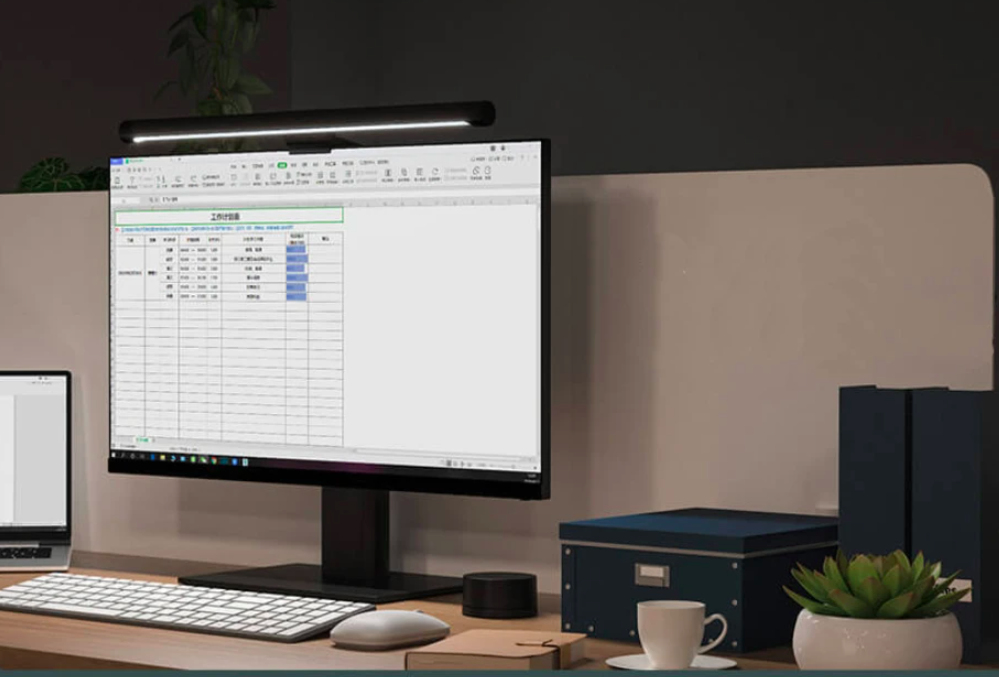
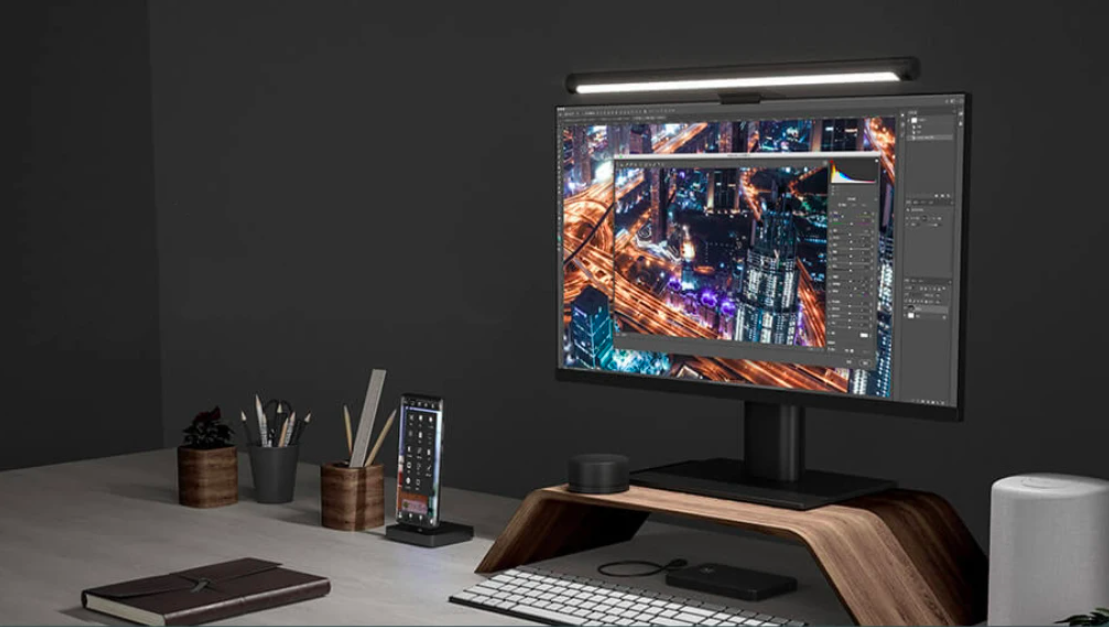
Xiaomi Mijia Monitor Hanging Light which generally retails for $50 is now available at a discounted price of $44 onlyat Banggood. This deal ends in two days.
Generally retailing for $50, you can now buy Xiaomi Mijia Monitor Hanging Light at a discounted price of $44 only at Banggood. Please note that this price is applicable only on orders made from the CZ warehouse. This deal ends in two days. So place your order asap.
For more information on such exciting deals and offers check out ourdeals hub.
* Please Note: When you buy something using the links in our articles, we may earn a small commission at no cost to you.
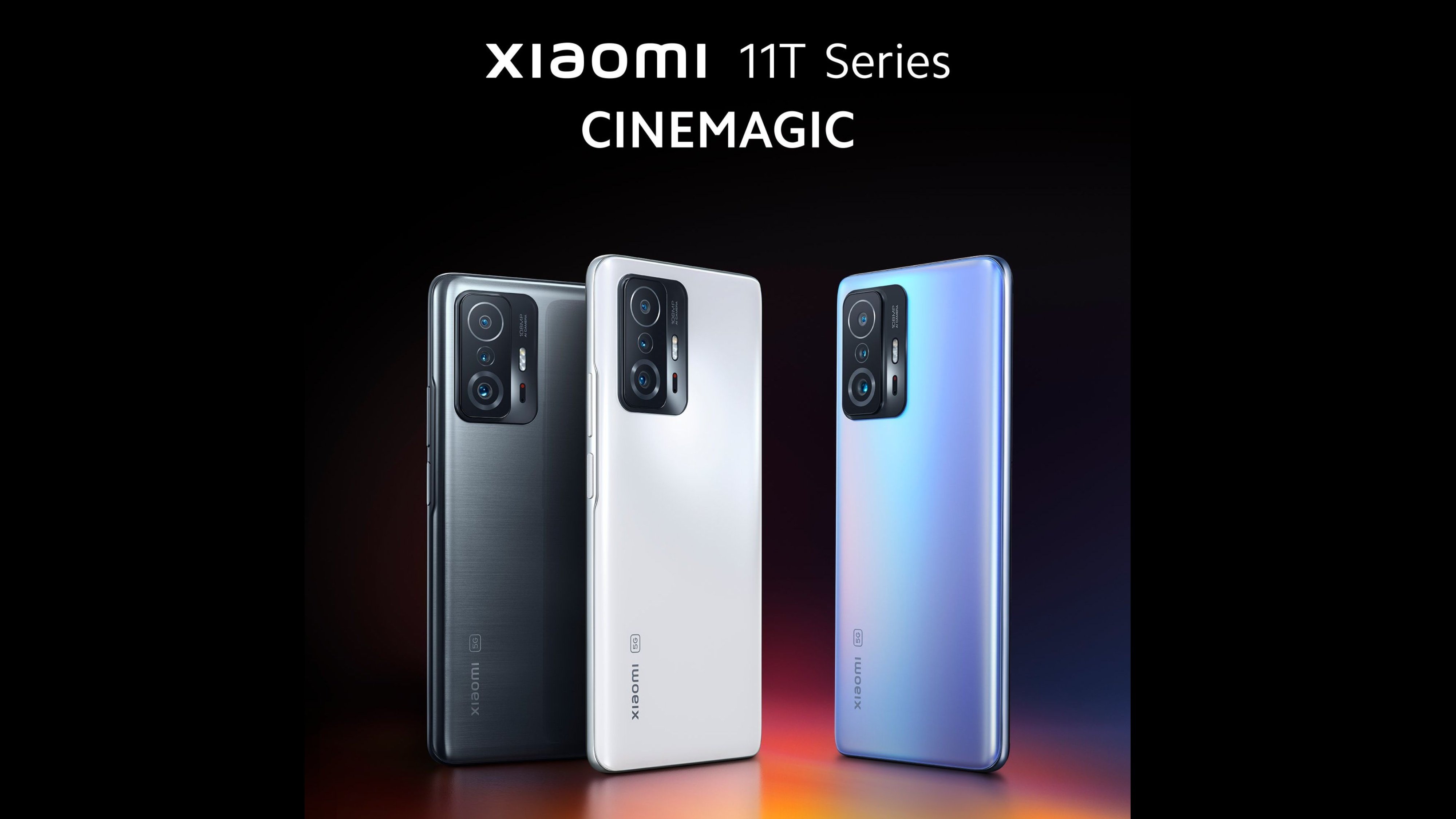
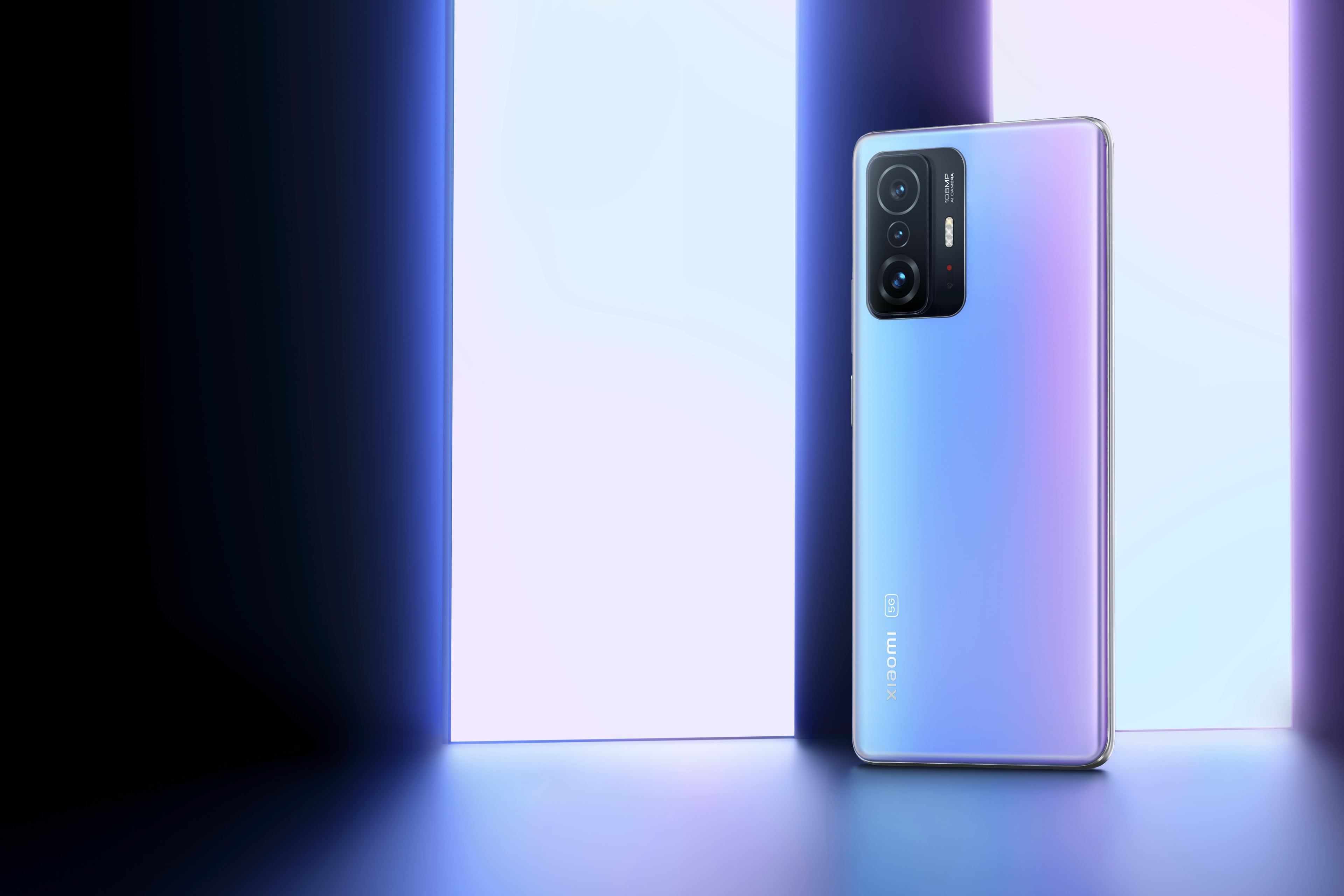
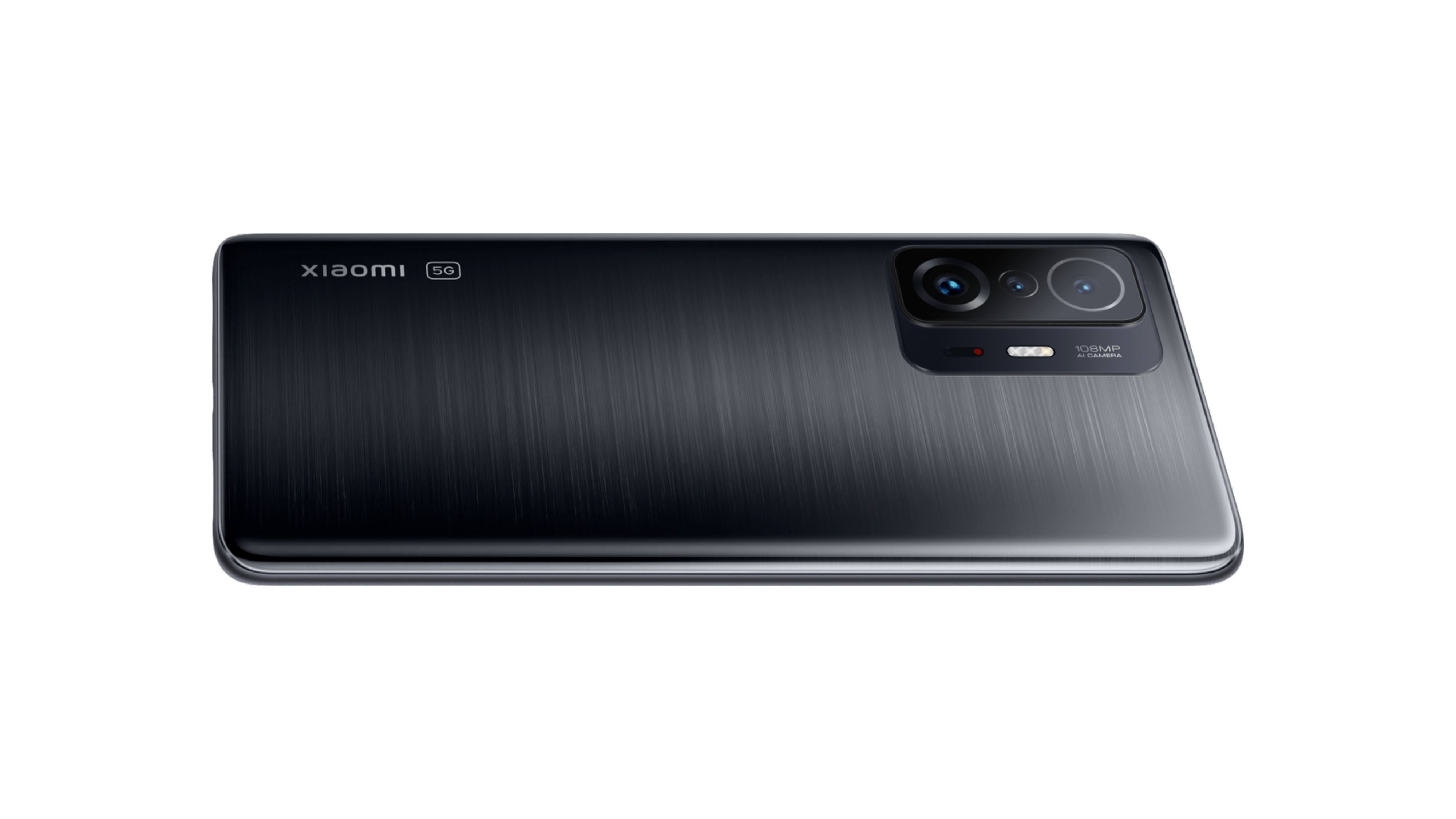
After teasing for days, Xiaomi has finally unveiled the Xiaomi 11T series today. The lineup includes two models, namely Xiaomi 11T and Xiaomi 11T Pro. The two phones are almost identical with a few differences between them. These handsets succeed the Mi 10T and the Mi 10T Pro from last year.
Xiaomi 11T / 11T Pro Design
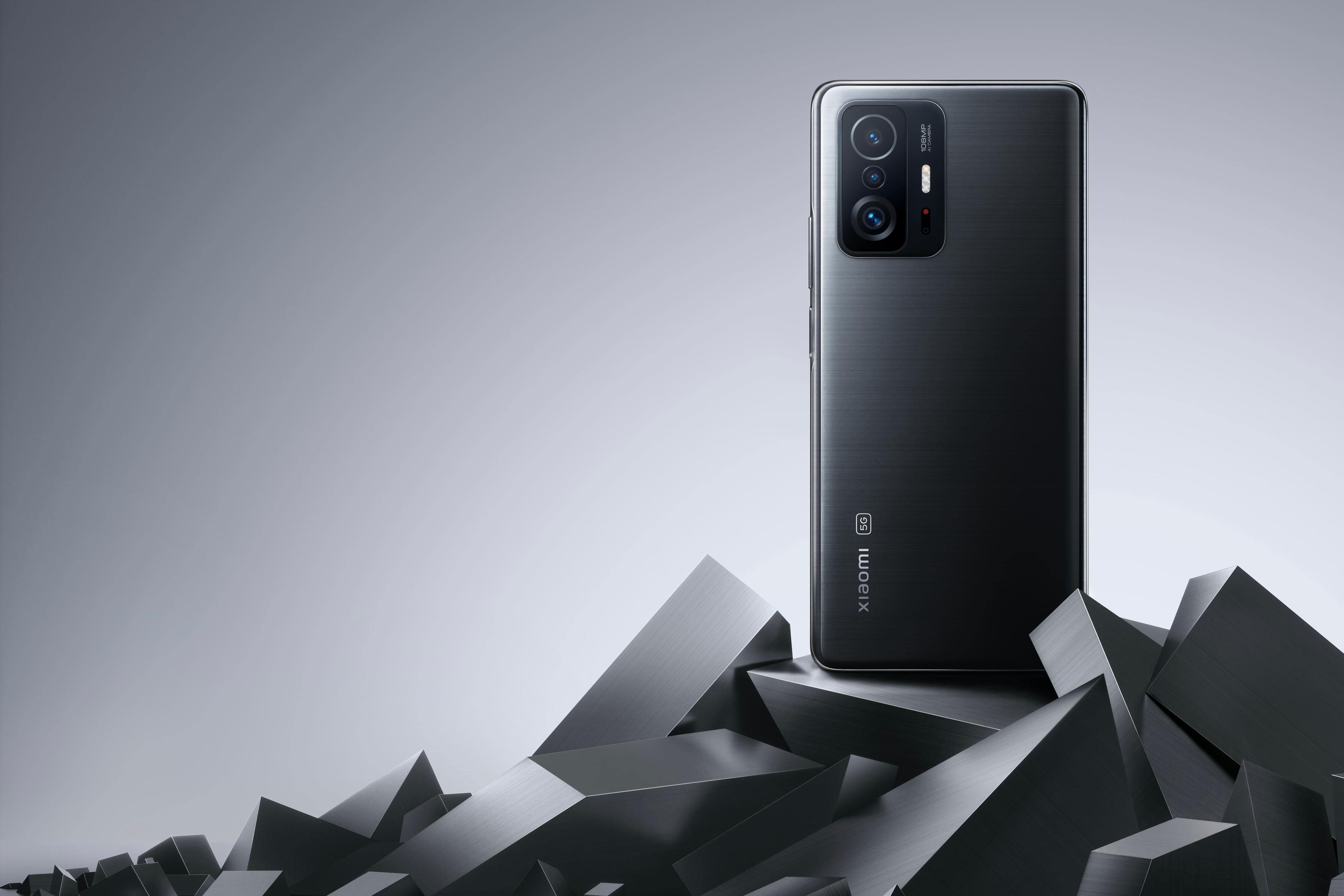
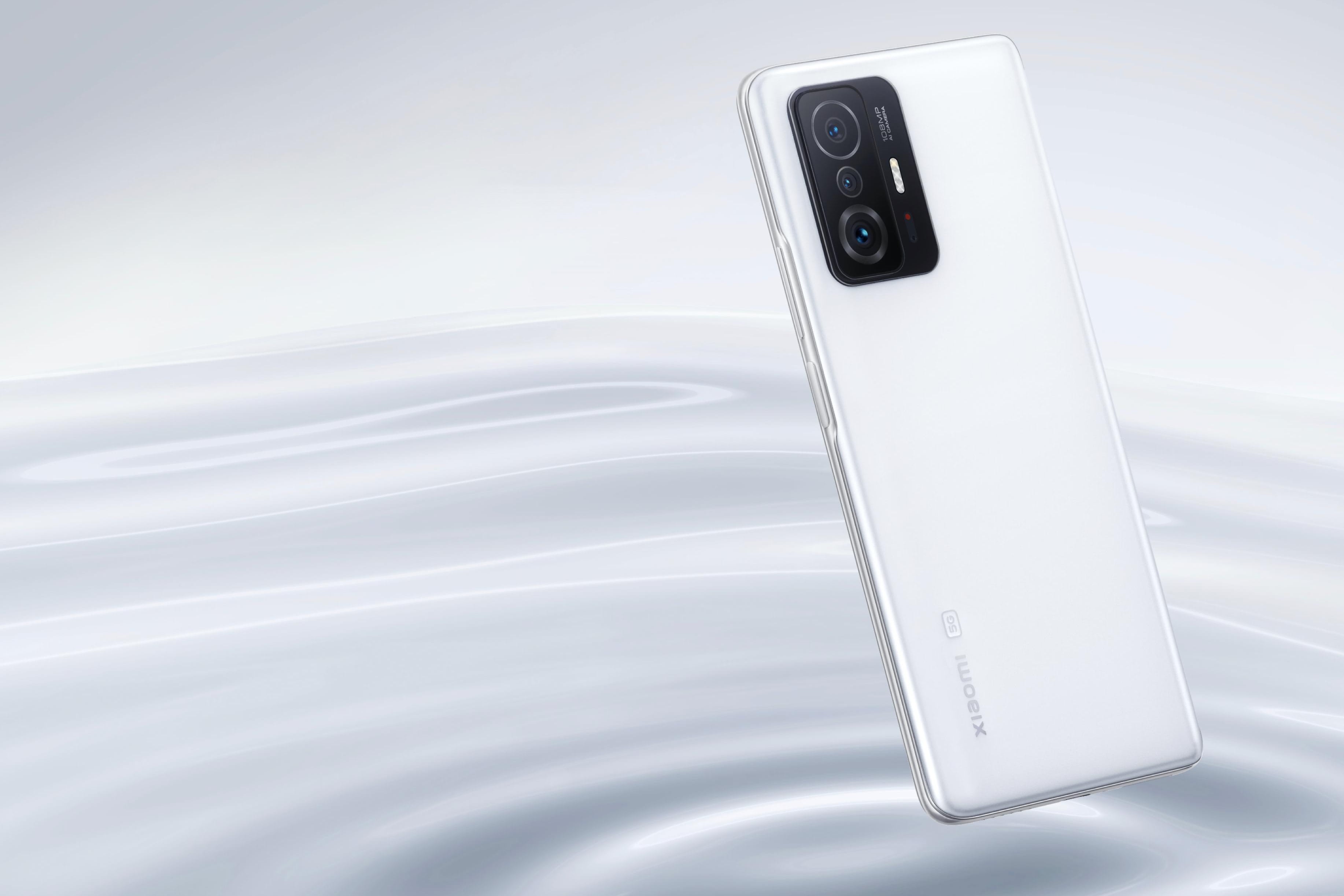
The design of the Xiaomi 11T series is inspired by vintage film camcorders. This can be seen from the placement of the triple rear camera array on the back.
The phones feature a plastic frame and a glass back with an anti-glare finish. They also have tapered edges and quad curves on the rear for a better in-hand experience. On the front, they sport a punch-hole display with Corning Gorilla Glass Victus protection.
Talking about placements, the volume rockers and power key with embedded fingerprint sensor reside on the right side, while the left side has nothing. Further, the bottom houses a USB Type-C port, a primary microphone, a speaker grille, and a SIM card slot. Lastly, the top side includes an IR blaster, another speaker grille, and a secondary microphone.
1 of 3
These IP53-rated smartphones measure 164.1mm x 76.9mm x 8.8mm in dimensions and their weight differs by a single gram. The vanilla model and Pro models weigh 203g and 204g respectively.
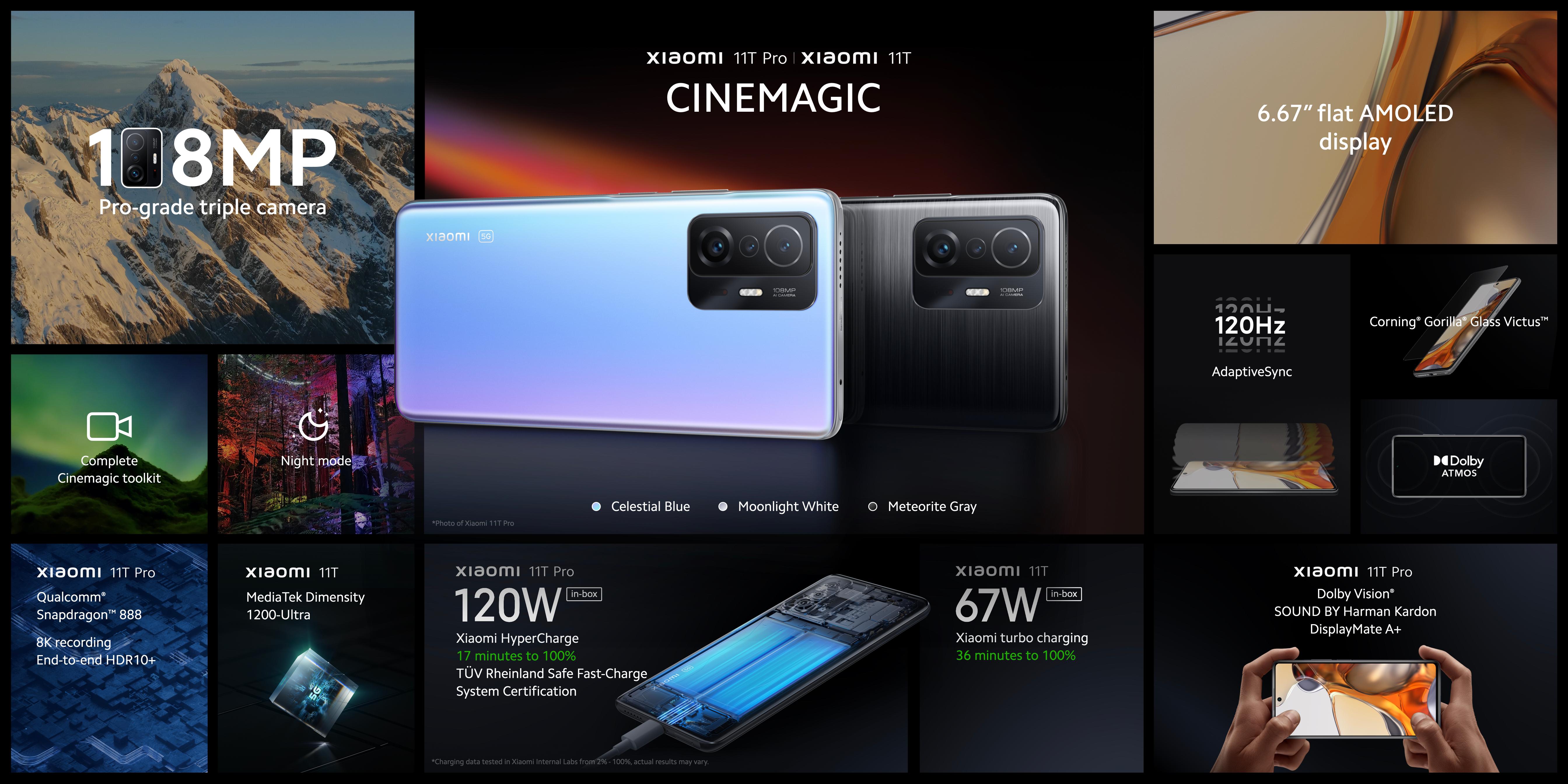
The Xiaomi 11T series comes in three colors, such as Meteorite Gray, Moonlight White, and Celestial Blue
Xiaomi 11T / 11T Pro Specifications and Features
Display
The Xiaomi 11T series flaunts a 6.67-inch flat AMOLED display with a resolution of 2400 x 1080 pixels (FHD+), over 1 billion colors, 120Hz AdaptiveSync refresh rate, and 480Hz touch sampling.
This DisplayMate A+ rated panel has a centered punch-hole, 20:9 aspect ratio, 5,000,000:1 contrast ratio, and 1000 nits peak brightness. The screen supports HDR10+, Dolby Vision (only Pro), TrueColor, Sunlight Mode 3.0, and Reading Mode 3.0.
Performance
Under the hood, the Xiaomi 11T nests a MediaTek Dimensity 1200-Ultra SoC paired with up to 8GB LPDDR4x RAM and 256GB UFS 3.1 storage. On the other hand, the Xiaomi 11T Pro is powered by a Qualcomm Snapdragon 888 chipset coupled with up to 12GB LPDDR5 RAM and 256GB UFS 3.1 storage. The thermals on the duo are controlled by a liquid cooling system.
Camera
Both smartphones come with a triple camera setup on the rear consisting of a 108MP primary sensor, an 8MP ultra-wide unit (120° FOV), and a 5MP telemacro shooter with autofocus. Whereas for selfies and video calls, they use a 16MP snapper.
In addition to regular MIUI camera features, the handsets also sport new camera features like Audio Zoom, One-Click AI Cinema, Time Freeze, and Magic Zoom. The pro model also supports video recording in 8K 30 fps, 4K 60fps, and HDR10+.
Unfortunately, the vanilla model maxes out at 4K 30fps. Even the front camera on the standard version is limited to 1080p 30fps, while Pro can record up to 1080p 60fps.
Miscellaneous
On the connectivity front, the duo supports 5G, dual SIM, dual-band WiFi 6, Bluetooth 5.2, GNSS (GPS, A-GPS, GALILEO, GLONASS, BeiDou), NFC, and USB Type-C. They have all the essential sensors like an accelerometer, proximity sensor, 360° ambient light sensor, gyroscope, compass, and IR blaster. The Pro version also has a barometer and a color temperature sensor.
The phones arrive with an X-axis linear vibration motor, Hi-Res Audio certification, and dedicated dual stereo speakers with support for Dolby Atmos. Additionally, the speakers on the Pro variant are tuned by Harmon Kardon.
The smartphones run MIUI 12.5 based on Android 11. They are guaranteed to receive three Android updates and four years of security patches.
Battery and Charging
The Xiaomi 11T series is backed by a 5,000mAh battery. The Pro version supports 120W Xiaomi HyperCharge technology, while the vanilla variant is limited to 67W charging.
The 120W charging tech on the Xiaomi 11T Pro is capable of charging the handset from 2% to 100% in just 17 minutes. This charging solution has TÜV Rheinland Safe Fast-Charge System Certification, thanks to 34 battery/charging features, real-time temperature monitoring, and other measures. Whereas, the Xiaomi 11T takes 36 minutes to charge from 1% to 100%.
Whatever the handset you buy, both will ship with their respective 67W and 120W chargers. These power adapters can be also used to charge other products.
Xiaomi 11T / 11T Pro Price and Availability
The Xiaomi 11T series will retail for the following price tags (ASP – Average Selling Price).
Xiaomi 11T
8GB + 128GB – €499
8GB + 256GB – €549
Xiaomi 11T Pro
8GB + 128GB – €649
8GB + 256GB – €699
12GB + 256GB – €749
The availability of these smartphones will vary from country to country. In some regions, they will be also getting ‘Early Bird’ discount offers.
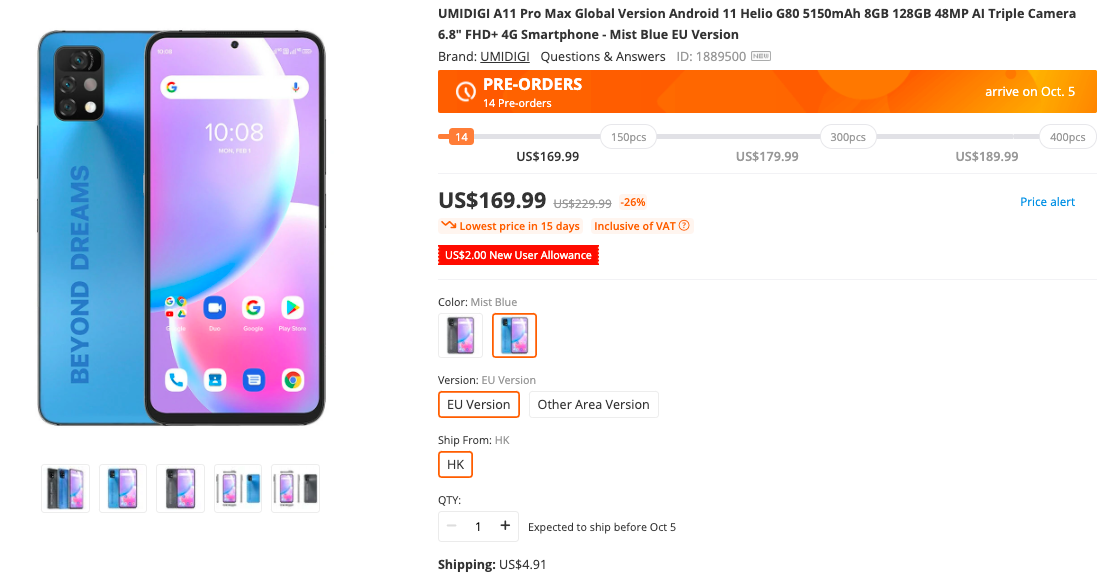
UMIDIGI A11 Pro Max is now available for pre-order at a discounted price of $169.99 only at Banggood. This super deal is applicable only on the first 150 pre-orders.
You can now pre-order UMIDIGI A11 Pro Max at a discounted price of $169.99 only at Banggood. This deal is applicable only on the first 150 pieces. So place your order asap.
For more information on such exciting deals and offers check out ourdeals hub.
* Please Note: When you buy something using the links in our articles, we may earn a small commission at no cost to you.
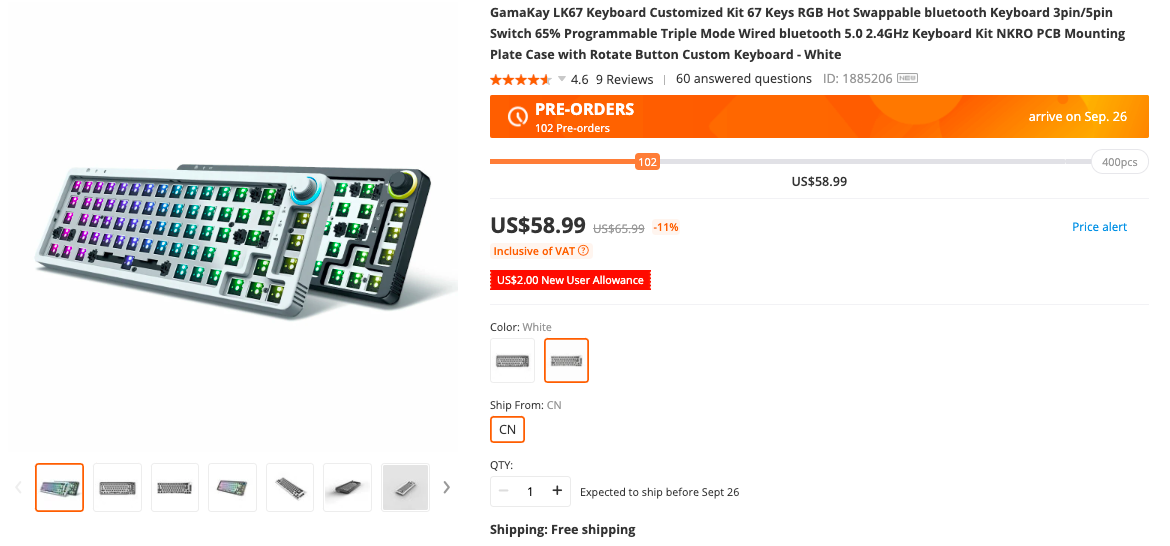
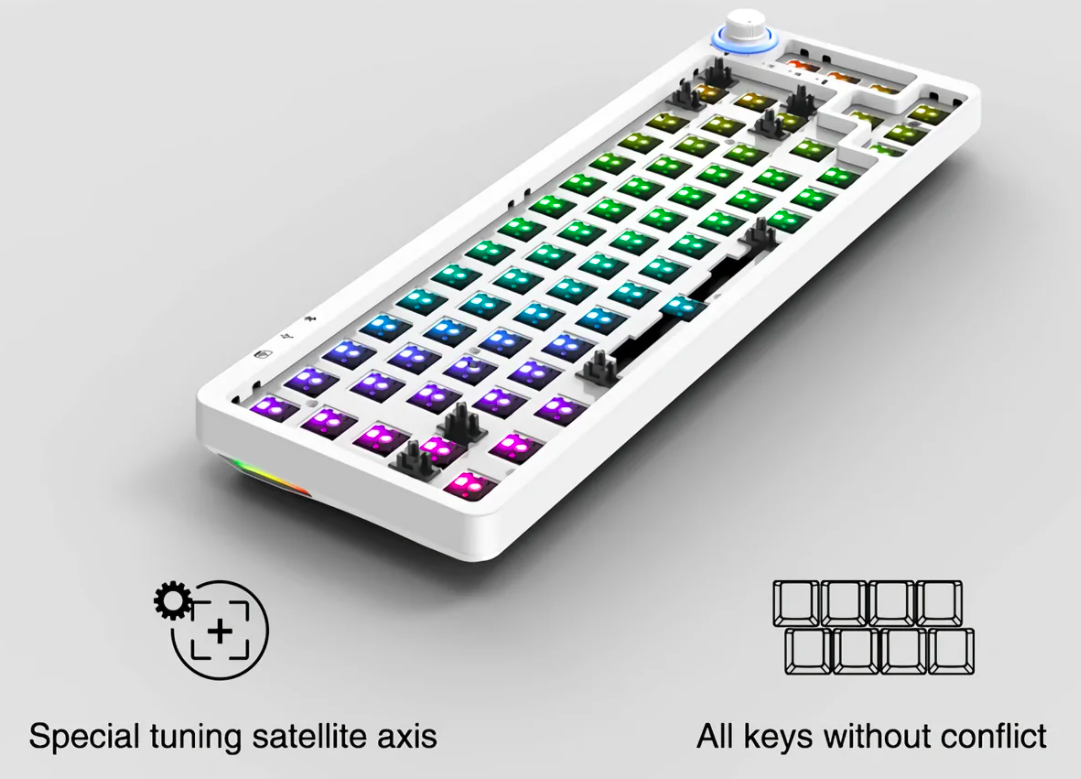
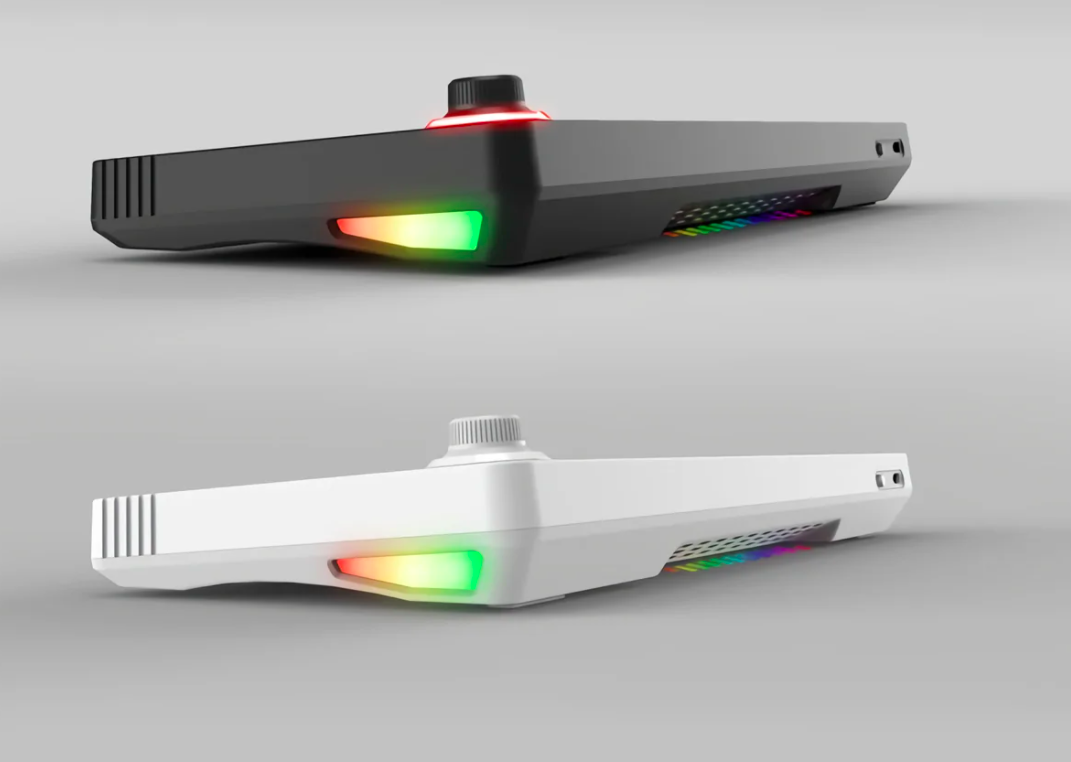
GamaKay LK67 Customizable Keyboard which retails for $66 is now available at a discounted price of $58.99 only for Pre-order at Banggood. Please note that this special price is applicable only on the first 400 pre-orders.
Hot-swappable terminals, you could install the MX switches directly without soldering, easily build up your own mechanical keyboard
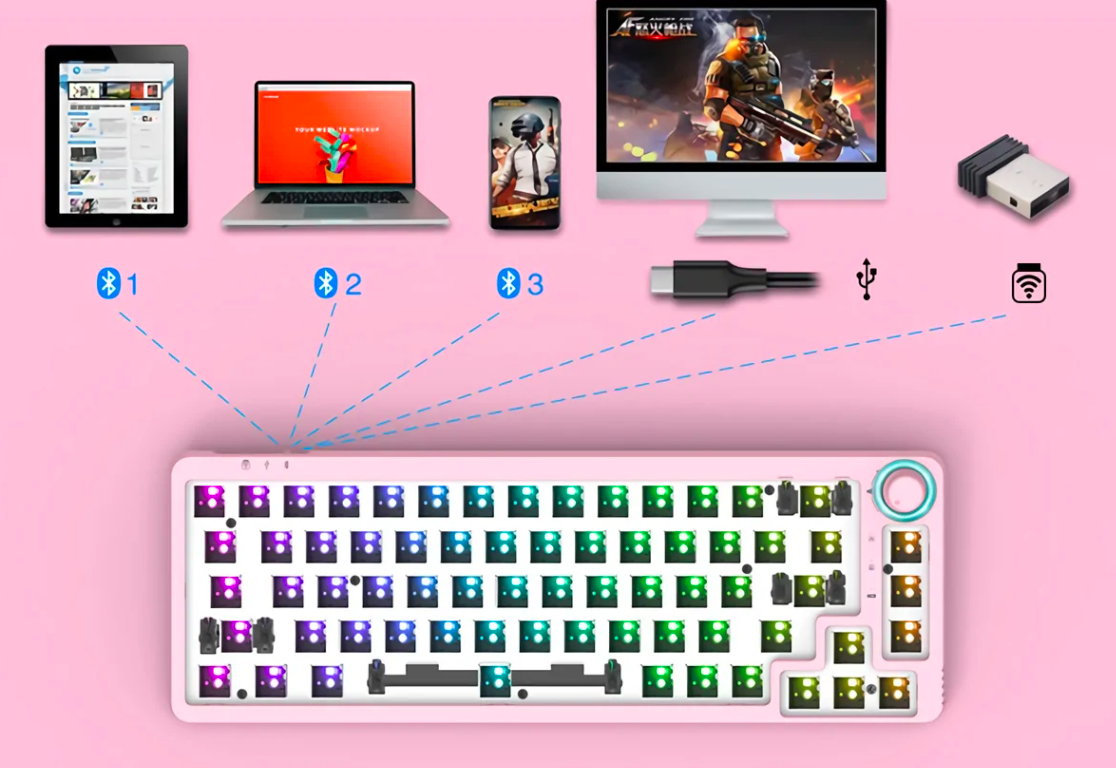
Detachable USB type-c cable and a 2.4GHz receiver
Keycaps and Switches are not included, you need to buy them separately
Supports both 3 pin or 5 pin switch
Retailing at $66, you can now buy GamaKay LK67 Customizable Keyboard at a discounted price of $58.99 only on Pre-orders at Banggood. Please note that the product will be available from September 26. This is a limited-time offer. So place your order asap.
For more information on such exciting deals and offers check out ourdeals hub.
* Please Note: When you buy something using the links in our articles, we may earn a small commission at no cost to you.
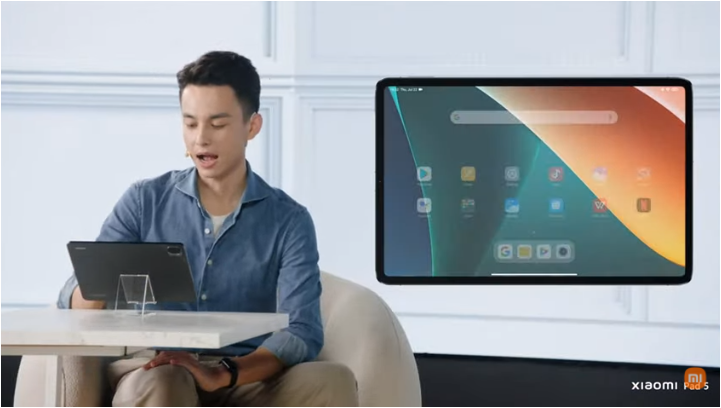
Xiaomi has finally launched its latest tablet for the global market. The tablet is dubbed Xiaomi Pad 5 which is in line with the company’s recent decision to drop the Mi brand for “Xiaomi”. The Pad 5 is no different from the China variant but apparently, Xiaomi isn’t bringing the Pad 5 Pro to the global market.
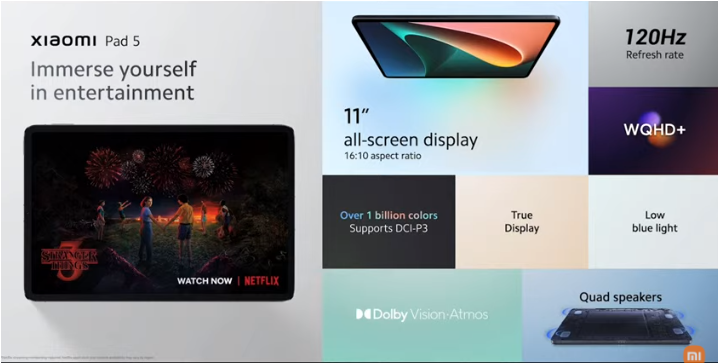
In terms of specifications, Xiaomi Pad 5 is equipped with a large 11-inch LCD screen with a resolution of 2560 x 1600 pixels, a high refresh rate of 120Hz, a PPI of up to 275, and a contrast ratio of 1500:1. The slate is also said to support hardware anti-blue light and true color display functions.
In order to deliver a premium audio experience and video experience, the Pad 5 supports Dolby Atmos. It also features four built-in speakers.
Xiaomi Pad 5 is powered by the Snapdragon 860 processor paired with 6GB RAM. The slate comes in two storage options – 128GB and 256GB.
The Pad 5 also excels in the camera department, packing a single 13MP camera with LED flash at the rear. For selfies, there is a single 8MP camera at the front which also supports Face unlock.
In terms of battery life, the Pad 5 packs an 8720mAh battery with 33W fast charging support. It runs on the new MIUI For Pad operating system. The MIUI For Pad brings features such as custom input methods, split screens, small windows, parallel windows, and other functions.
Xiaomi also introduced the Xiaomi Smart Pen, a stylus pen featuring a two-button design of which the main button supports quick notes and switching brushes while the secondary button supports long-pressing to take screenshots and switching colors. At the same time, it supports PPT page turning operation. The Smart Pen will be sold separately. Xiaomi didn’t mention the keyboard-style double-sided protective case but we expect that to also make an appearance in the future.
Xiaomi Mi Pad 5 Pricing & Availability
As for the pricing, the Xiaomi Pad 5 starts at €349 for the 6GB + 128GB variant while the 6GB + 256GB variant is priced at €399. The tablet is available in two colors: Cosmic Gray and Pearl White.
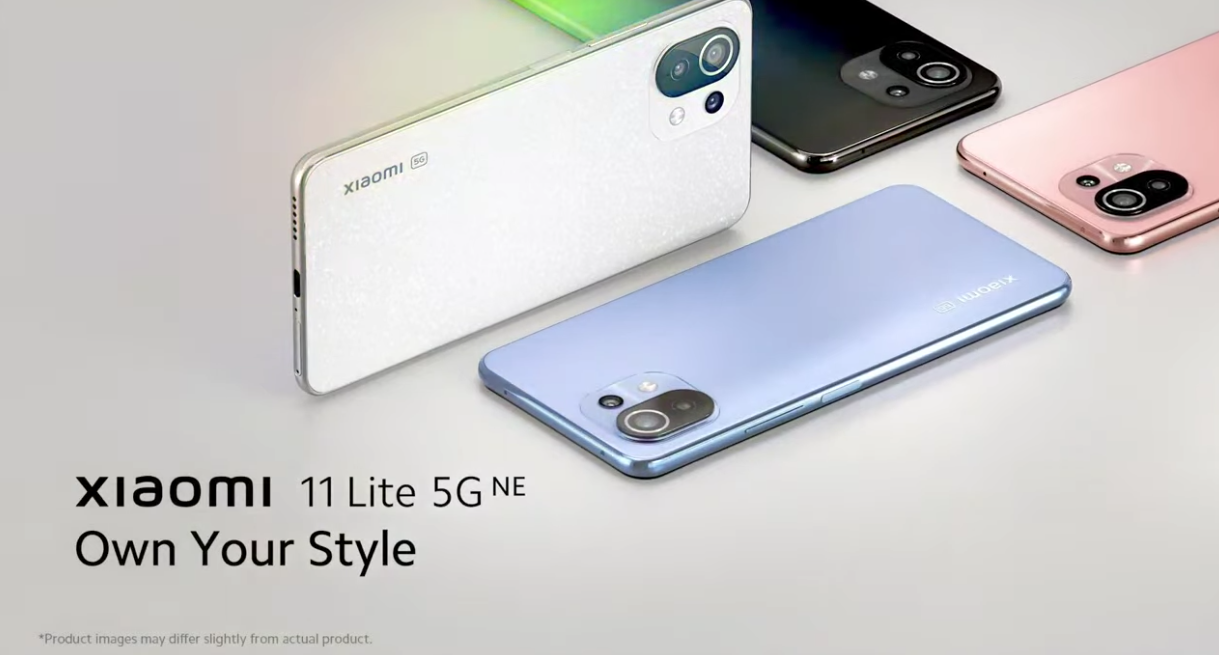
The Xiaomi 11 Lite 5G NE (New Edition) is one of three phones Xiaomi announced at its global launch event today. The phone joins the already announced Mi 11 Lite 5G and Mi 11 Lite 4G as the third mid-range phone in the Xiaomi 11 series.
Xiaomi 11 Lite 5G NE Design
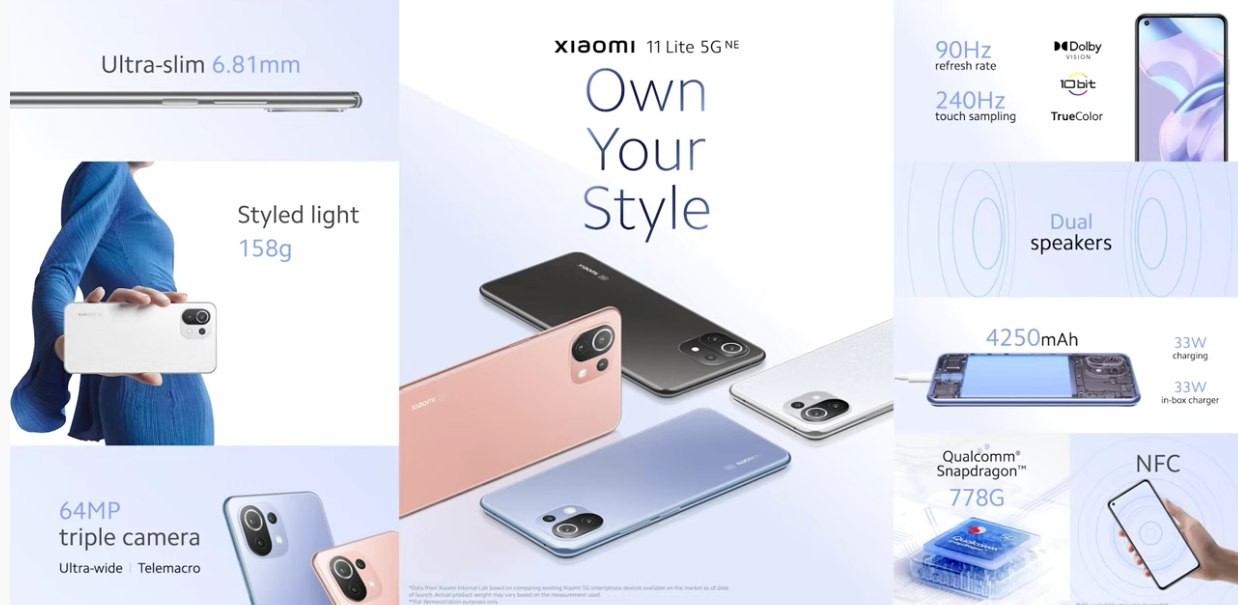
Xiaomi 11 Lite 5G NE keeps the design of the other 11 Lite phones. It is light and pretty slim, weighing 158 grams and measuring 6.81 millimeters in thickness. Xiaomi also states that the top and side bezels are razor-thin at just 1.8 millimeters.
Unlike the Mi 11 Lite 5G that is available in only three colors, the Xiaomi 11 Lite 5G NE comes in four. In addition to Truffle Black, Bubblegum Blue, and Peach Pink, Xiaomi has added Snowflake White which has a matte and frosted finish.
Xiaomi 11 Lite 5G NE Specifications
The phone shares most of its specs with the Mi 11 Lite 5G save for the processor. So you get a 6.55-inch FHD+ 90Hz AMOLED display with a 1080p resolution, HDR10+, and Dolby Vision. There is a centered punch hole that houses a 20MP camera and it also has a 360º ambient light sensor.
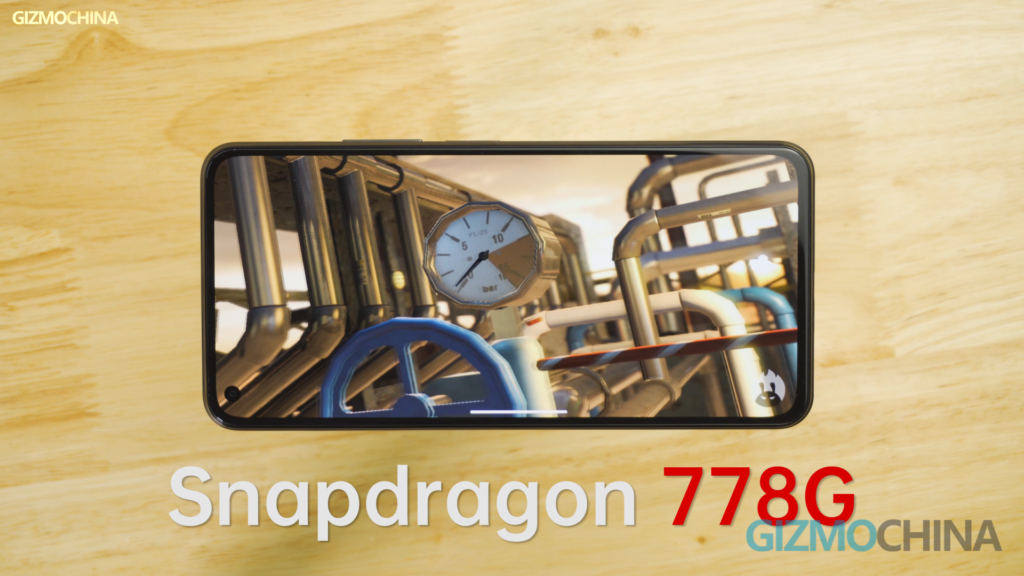
Xiaomi has replaced the Snapdragon 780G processor with a Snapdragon 778G and it comes with 6GB or 8GB of RAM and 128GB or 256GB of storage. For the cameras, you still get a 64MP primary rear sensor, an 8MP ultrawide angle camera, and a 5MP telemacro camera.
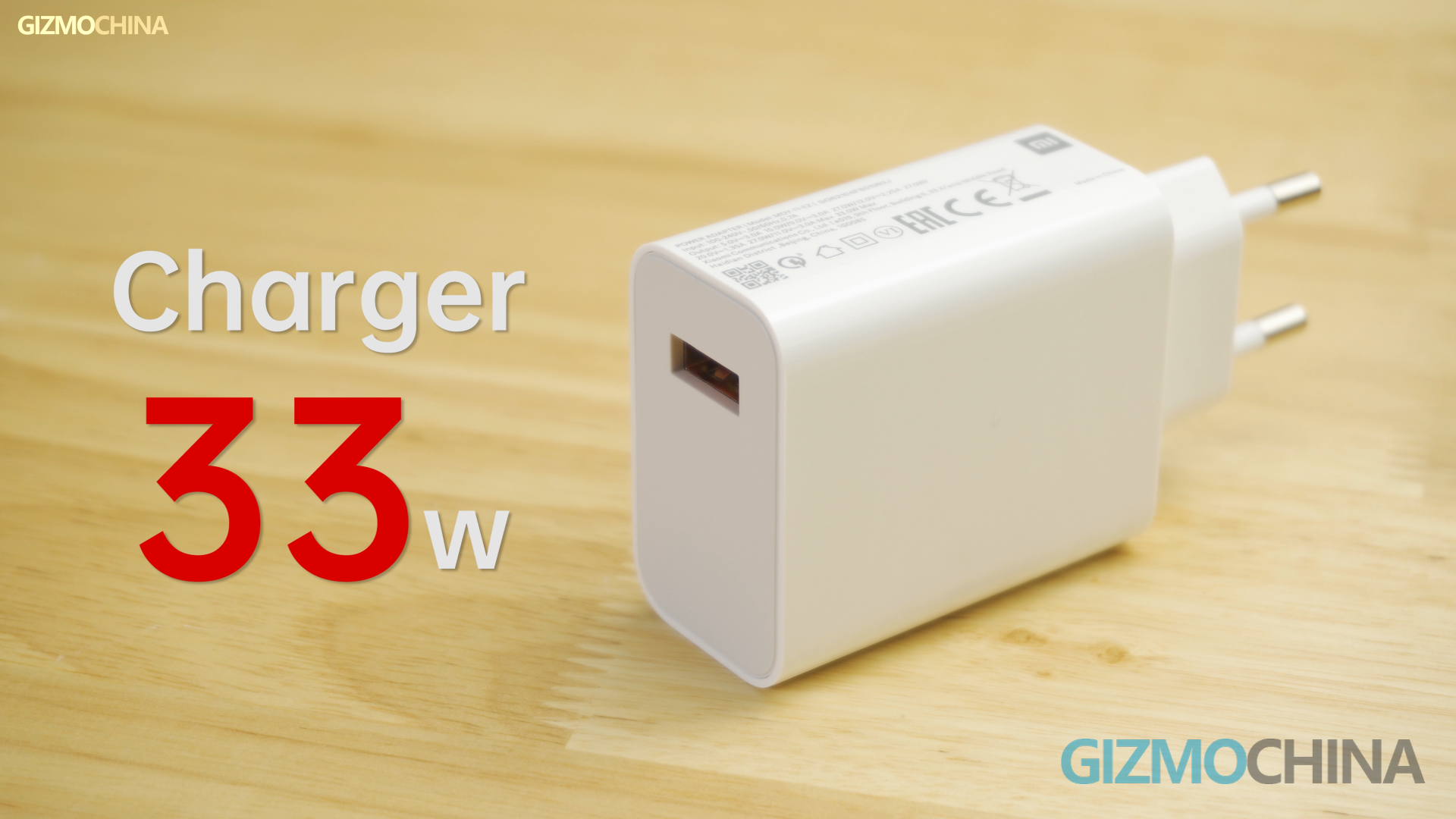
Under the hood is a 4250mAh battery with support for 33W fast charging. Xiaomi says it will ship the phone with a 33W power brick. The phone also has NFC, stereo speakers, a Z-axis linear motor, an IR blaster, Dual SIM support, WiFi 6, a side-mounted fingerprint scanner, and Bluetooth 5.2. It will run MIUI 12.5 based on Android 11 out of the box.
Price and Availability
The Xiaomi 11 Lite 5G NE is priced at €369 for the 6+128GB version and €399 for the 8+12GB version. There is an 8GB RAM version with 256GB of storage but its price wasn’t revealed.
Samsung’s upcoming chipset, the Exynos 2200, has been doing the rounds of GeekBench for quite some time now. It also appeared on the GFXBench. We have some idea of how it performs, but now we’ve got a new scoop of information revealing the core configuration of the South Korean giant’s upcoming flagship chipset.
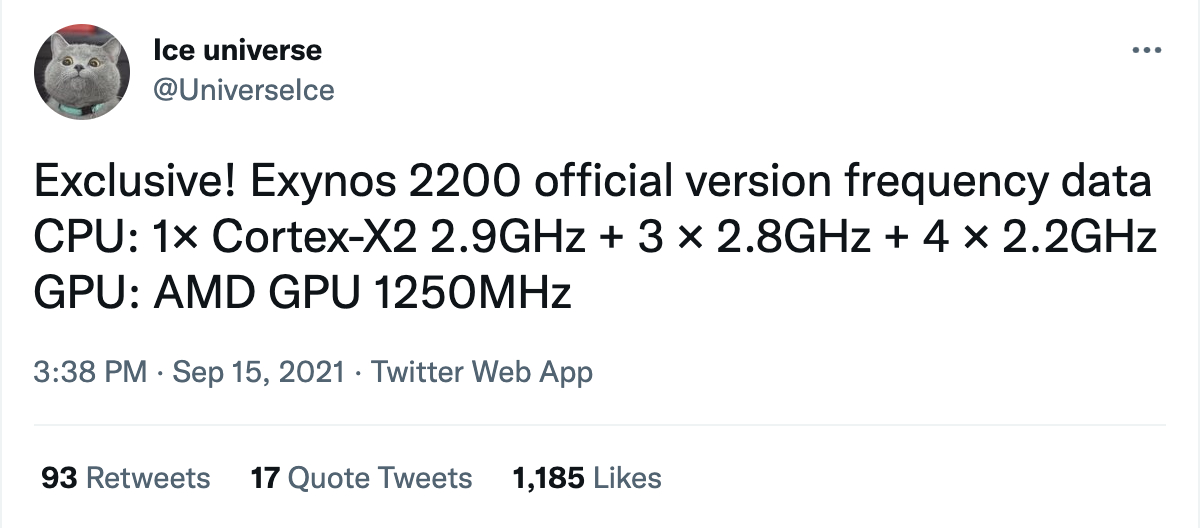
The leaker IceUniverse on Twitter revealed the CPU configuration of the upcoming Exynos chipset. According to the tipster, the Exynos 2200 will have three CPU clusters with a 1+3+4 configuration. The prime core will be the Cortex-X2 core clocked at 2.9 GHz with three cores clocked at 2.8GHz and four cores operating at 2.2GHz. There’s no word on the cores used in the second and third clusters, but we can expect Samsung to go with ARM’s new Cortex-A710 and Cortex-A510 cores. Moving to the graphics, the Exynos 2200 will come with the AMD GPU clocked at 1250MHz. Further, this configuration will be exclusive to the Galaxy S22 Ultra. The Galaxy S22 and Galaxy S22+ are expected to get different CPU and GPU configurations.
Last month, a tipster known as Tron revealed the benchmark results of Exynos 2200 with AMD mRDNA GPU. The chipset scored 170.7 fps in Manhattan, 121.4 fps and 51.5 fps in Aztec normal and high. The Samsung chip reportedly recorded a major increase over the Apple A14 Bionic chipset. These results were registered back in June with the Exynos chip running on AMD’s development beta drivers.
The Exynos 2200 chipset AMD GPU recently appeared on GeekBench, giving us a sneak peek of its capabilities. The Exynos 2200 managed to score 1073 points in single-core performance tests while it registered a multi-core score of 3389 points. The Exynos 2200’s performance was in line with Qualcomm’s Snapdragon 888 chipset.
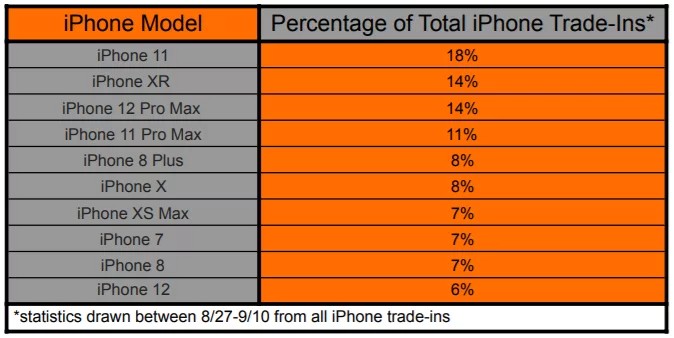
Recent research suggests that iPhone 11 owners top the list of those trading in their device in order to buy the latest model from the iPhone 13 series. The analysis was performed by gathering and studying data on tens of thousands of iPhone trade-ins within the past couple of weeks.
The company behind the research called SellCell (via 9to5Mac) offers a pre-launch price lock-in that allows one to get a trade-in price that’s immune to the slashing of prices as a result of the release of a newer model. The old phone can then be sent to SellCell after customers get their new phone.
As we can see from the above chart, the iPhone 11 tops the table with 18% of the total amount of trade-ins done in the last two weeks (27th August to 10th September). The reason for this is that the iPhone 11 has now been available for two years. This means that 24-month cellphone contracts, which are quite common nowadays, are ending, thus causing the spike in iPhone 11 trade-ins.
The iPhone XR isn’t too far behind with a figure of 14%. With smartphones being upgraded every three to four years on an average presently, this doesn’t come as a surprise. After all, the XR was launched back in 2018.
What does come as a surprise though is that the iPhone 12 Pro Max is being traded in almost as much as the iPhone XR. It ranks number three in the table with a trade-in percentage of 14%. SellCell thinks this is because the iPhone 12 Pro Max has momentarily recovered some of its lost resale value. The implication of this is that iPhone 12 Pro Max owners are getting rid of their devices because of the unnaturally high resale value, which will be dipping once again post Apple iPhone 13 series launch.
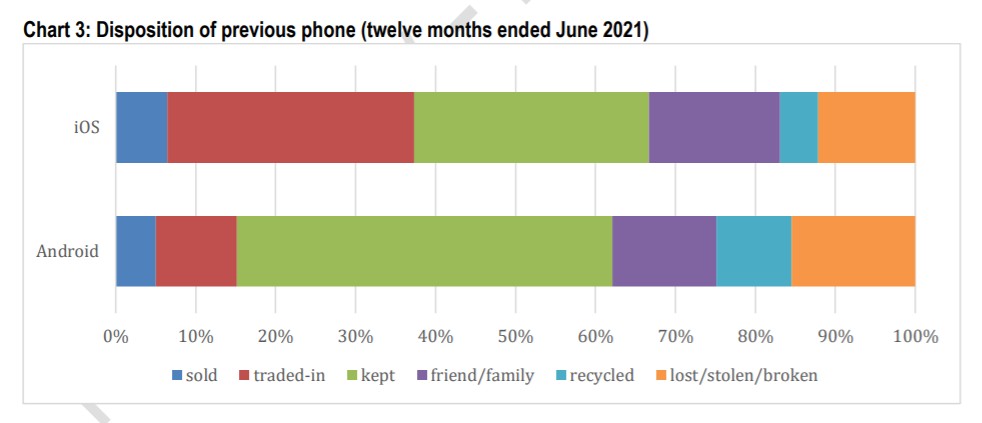
In a separate study, CIRP surveyed 2,000 smartphone owners in the United States to find out what they do with their old phones. Due to higher average resale values, iPhone owners were more likely to sell or trade their devices in, whereas Android owners were more likely to keep their devices as secondary ones. iPhone users were also found to be more likely to give their old phone to a family member or friend than Android users.
Huawei will be launching a Digital Finance and Security Innovation Lab (Fin²Sec) this month. A product of a unique collaboration between Huawei’s regional Ecosystem Development business and its R&D centre in Finland, the lab aims to address the requirement for banking, finance and, payment services in Europe to go digital.
The inauguration ceremony for the lab will be held in Helsinki, Finland on September 28, and delegates will be invited to attend morning presentations. Later in the day, they will also have the opportunity to visit the Innovation Lab.
This will be done by focusing on supporting and facilitating the financial services sector through innovative technology solutions that improve customer experience. Huawei aims to make improvements to payment processes across all mediums – personal, home, and organization – in order to encourage a healthy and accessible financial life.
Huawei is working closely with Aalto University for this and has invited the involvement of pan-European banks, FinTechs, and industry associations.
This isn’t the first time Huawei is making such a move as similar projects previously launched by Huawei have sparkled quite an innovation. A well-known example of this is Huawei’s Digital Car Key feature that is based on an NFC-based app. It allows drivers to lock or unlock their car and start it using their smartphone.
Adam Rybusiewicz, Director of Financial Vertical Eco-Development and Partnerships for CEE, Nordics and Turkey at Huawei Consumer Business Group says that we will continue to struggle at making digital services and products mainstream unless we work together to strengthen the financial ecosystem. “The purpose of the Lab is to generate not just new concepts, but to share experiences and challenges, and foster successful initiatives or business models that can be emulated across the finance, banking and payments sector,” he says.
The new Huawei Innovation Lab for Digital Finance and Security in Helsinki is just another addition to the Chinese company’s existing fourteen R&D centers set up in Germany, Sweden, Russia, India, and China. Huawei’s products and services are available in more than 170 countries and are used by a third of the world’s population.
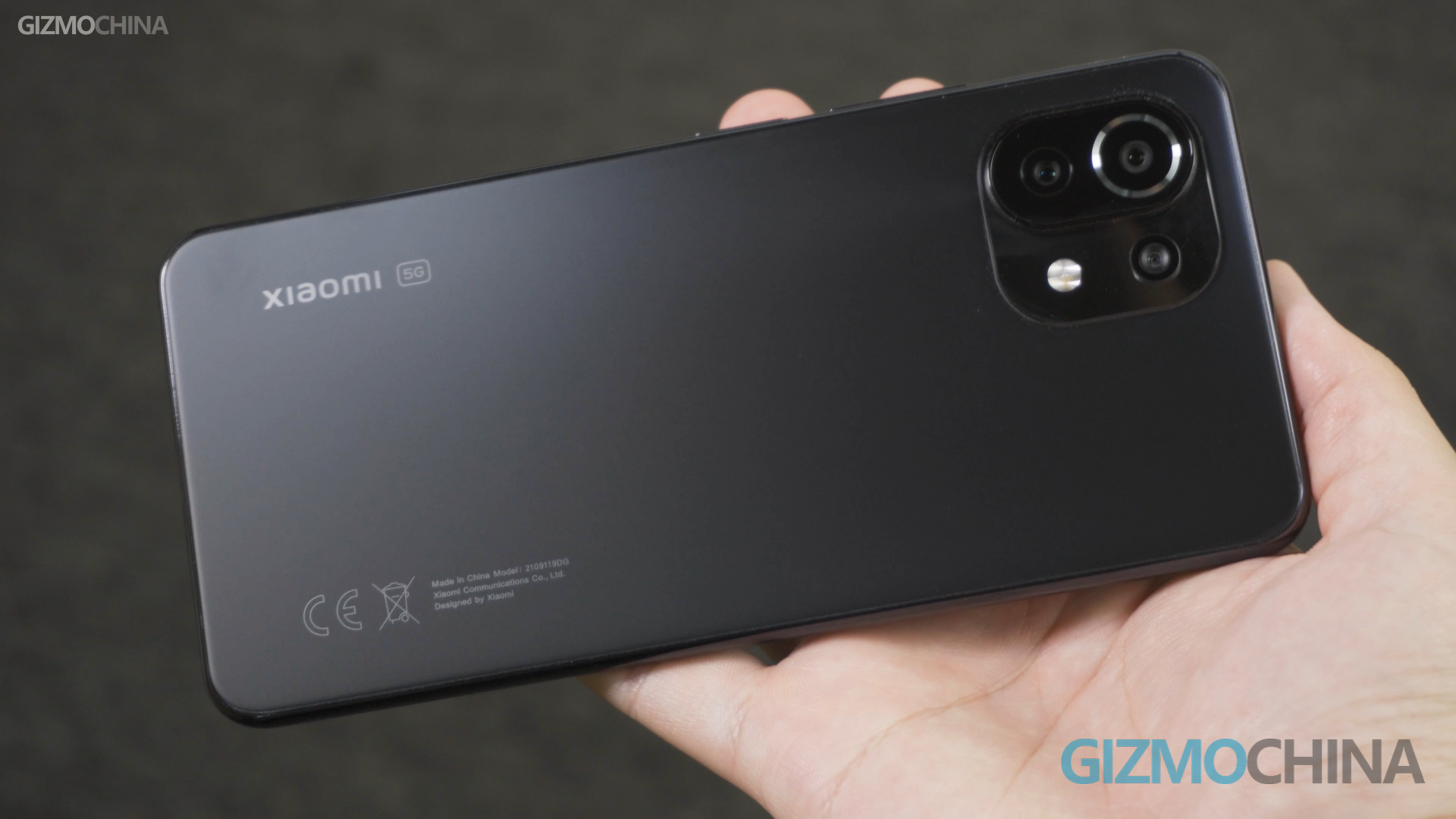
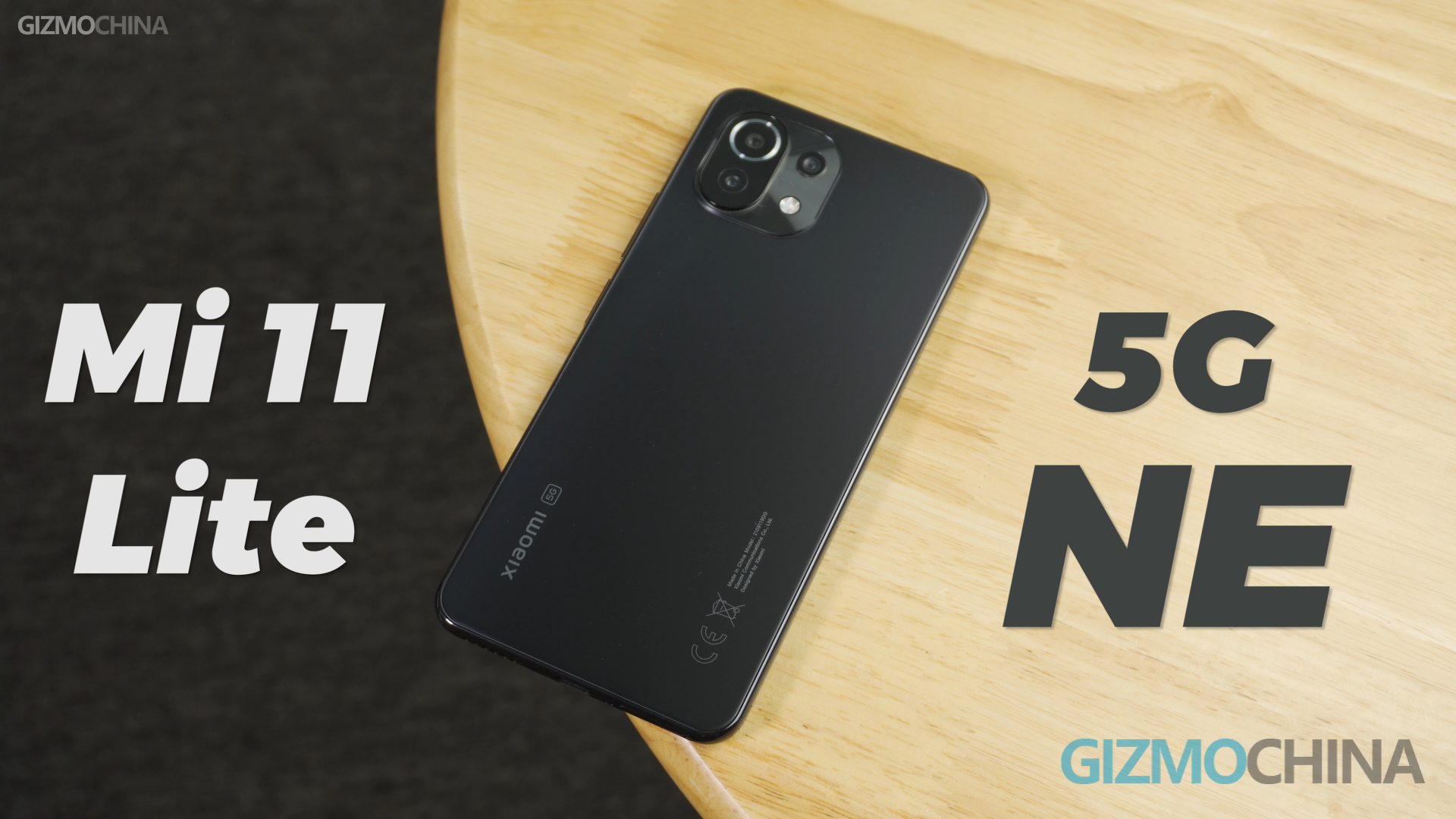
Do you remember the Xiaomi Mi 11 Lite 5G that we reviewed earlier? This super light 5G phone is back in a new version, the Xiaomi 11 Lite 5G NE.
So what’s the difference between the Xiaomi (Mi) 11 Lite 5G NE and the Mi 11 Lite, and what exactly has been upgraded in the new model?
Let me take you through a quick overview of these changes.
Mi 11 Lite 5G NE looks identical to the Mi 11 Lite 5G model
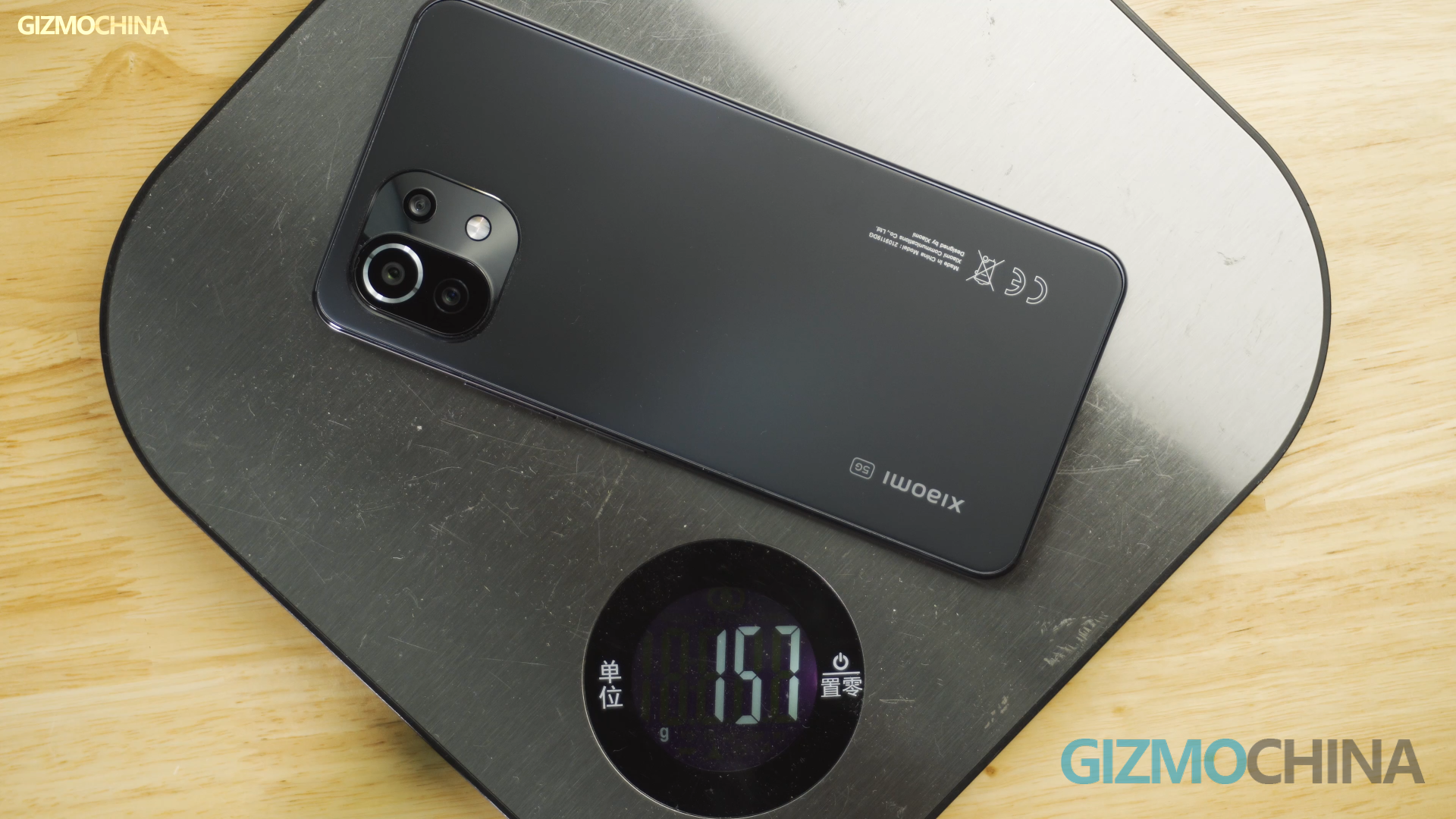
The Xiaomi 11 Lite 5G NE looks almost identical to the Mi 11 Lite. The 157g body (6.8mm thin) is also almost the same weight as the Lite 5G version. I don’t think having the same design and weight is a bad thing, as I always thought the Mi 11 Lite 5G looked elegant and felt great in my hands.
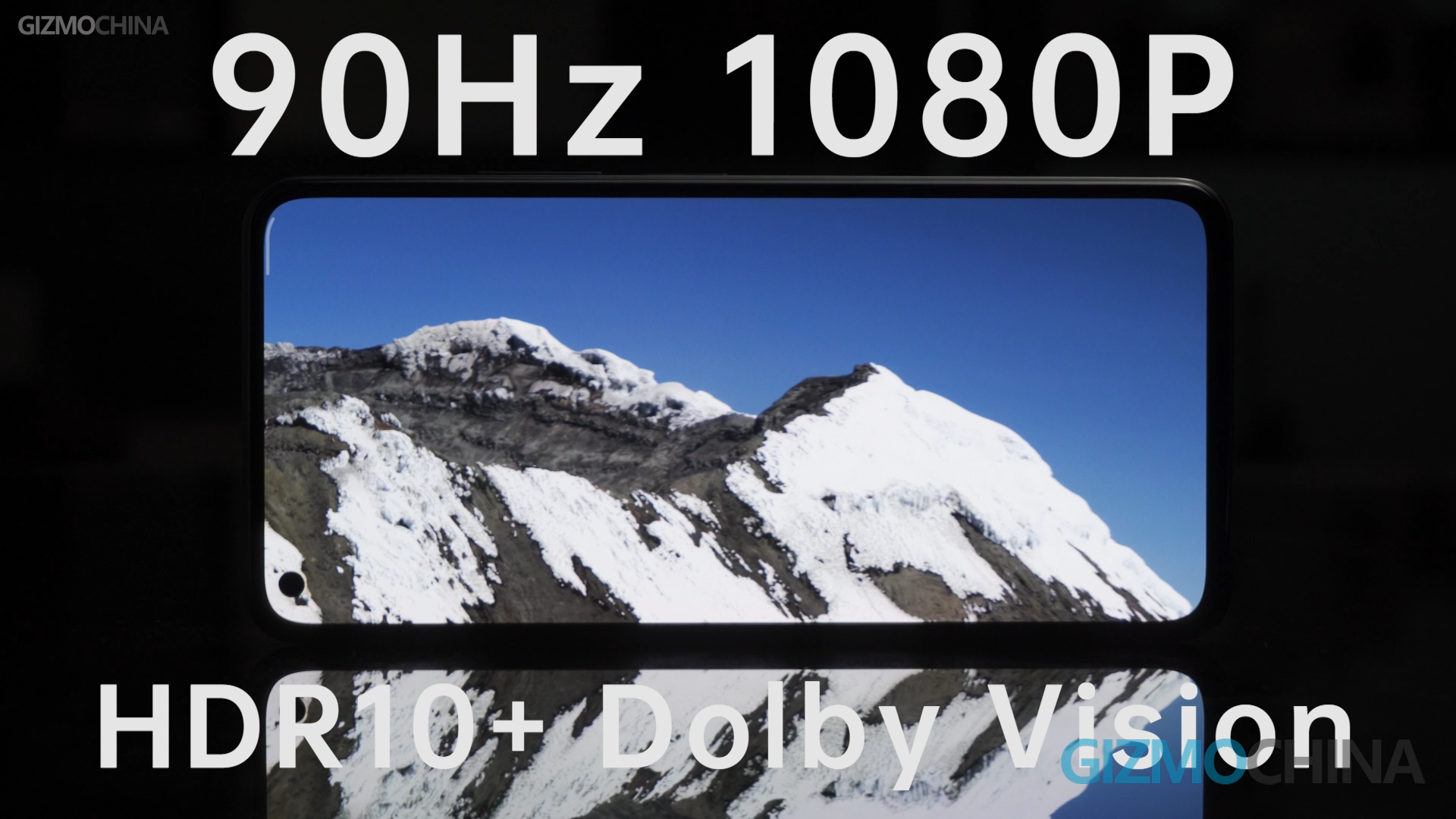
So let’s turn our attention to the front of the phone. The Lite NE still has the same FHD+, 90Hz OLED screen as the older model. But it now comes with Dolby Vision support.
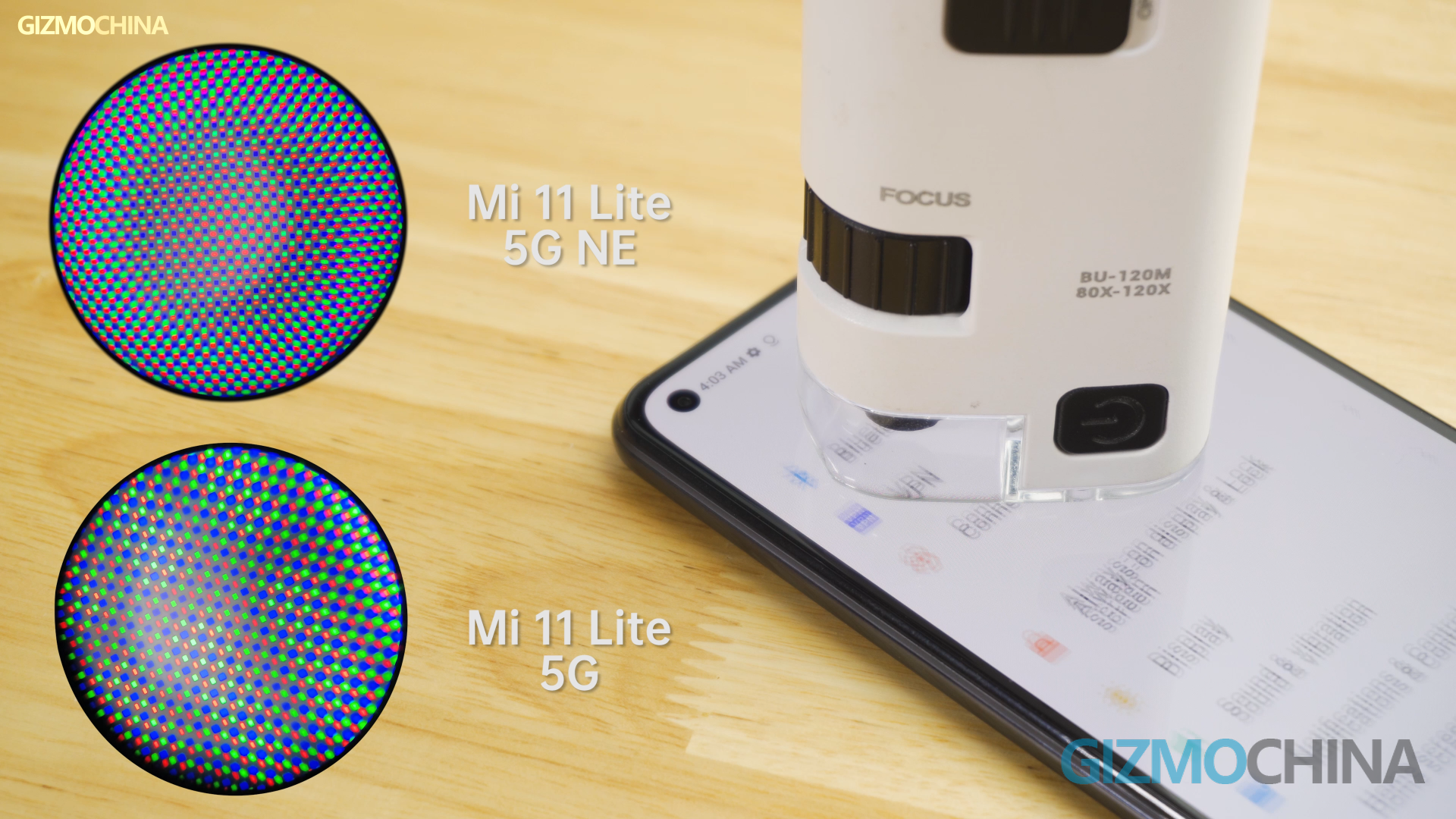
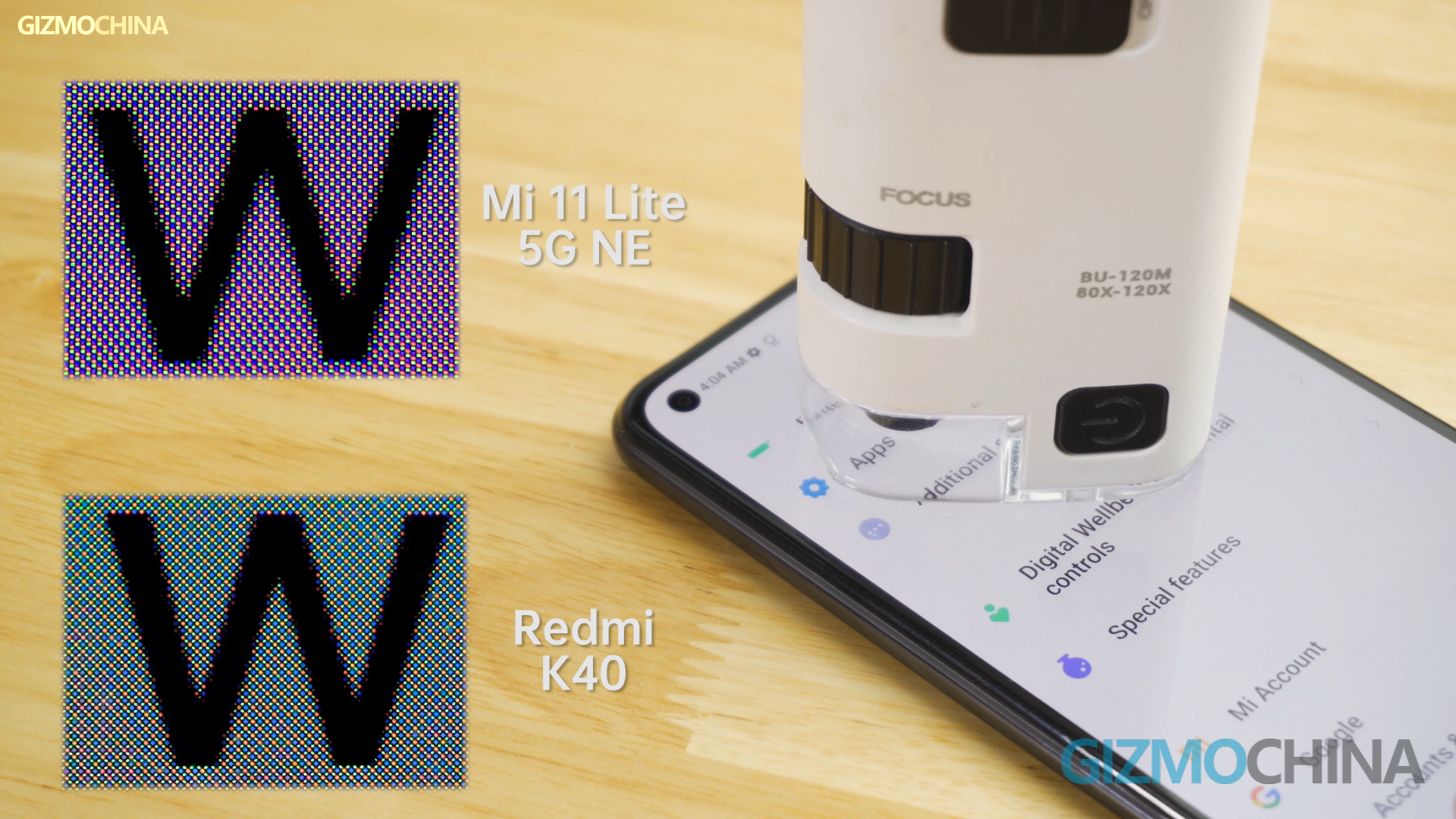
Do you remember the peculiarity of the screen of the Xiaomi 11 lite 5G? Well, the Xiaomi 11 Lite NE still uses RGB Delta pixels without any changes, so the shortcomings of Lite 5G are still present on the Lite NE model. If you’re a person who is very conscious of how the screen looks, you have to be aware of this particular factor.
Xiaomi 11 Lite NE 5G gets a new chip
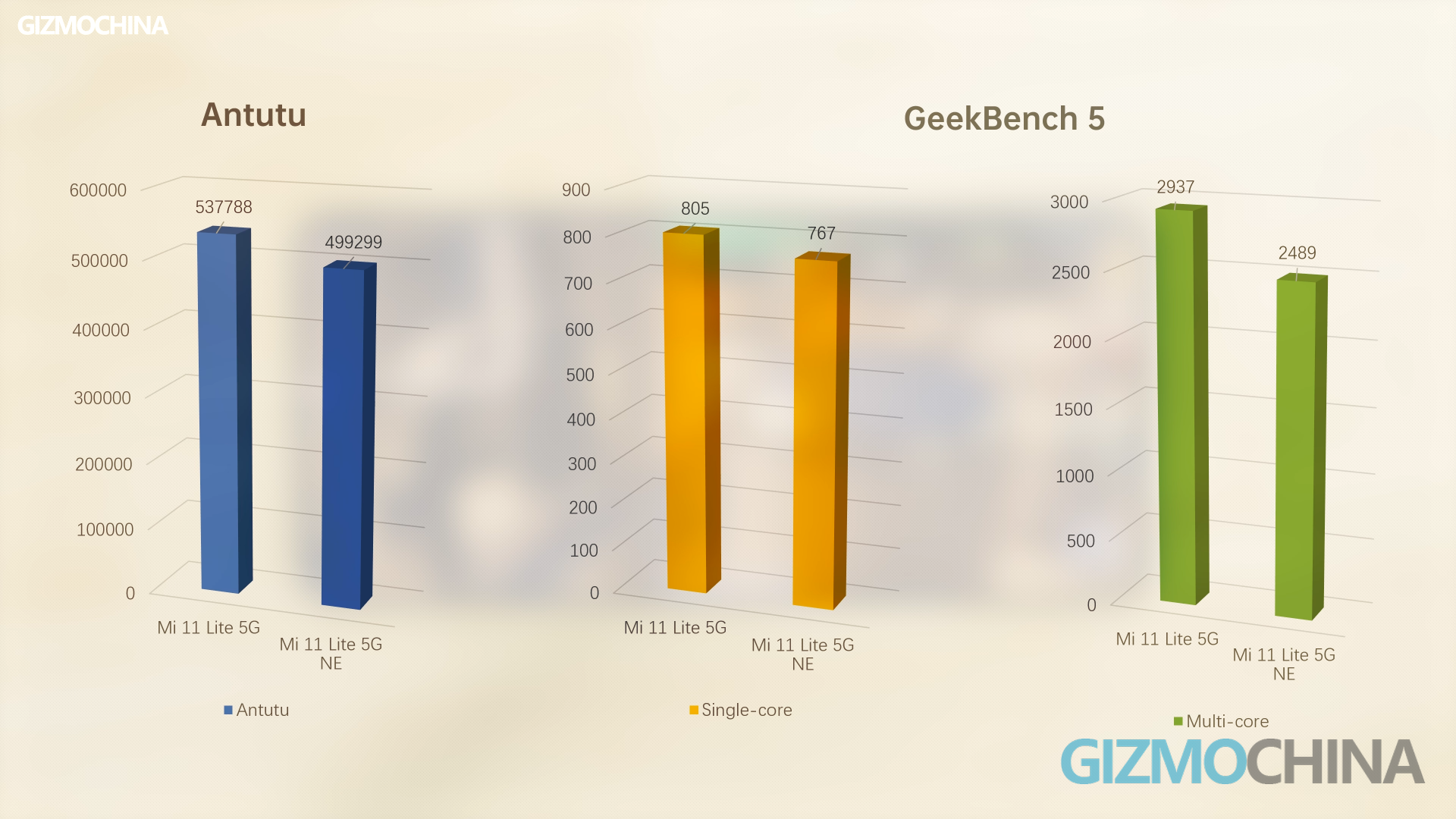
Although there is no change in appearance, the chip has been changed from Snapdragon 780G to Snapdragon 778G. In the Antutu benchmark, the phone gets a score of 499299, while in Geekbench 5 it gets a single-core score of 767, and a multicore score of 2489.
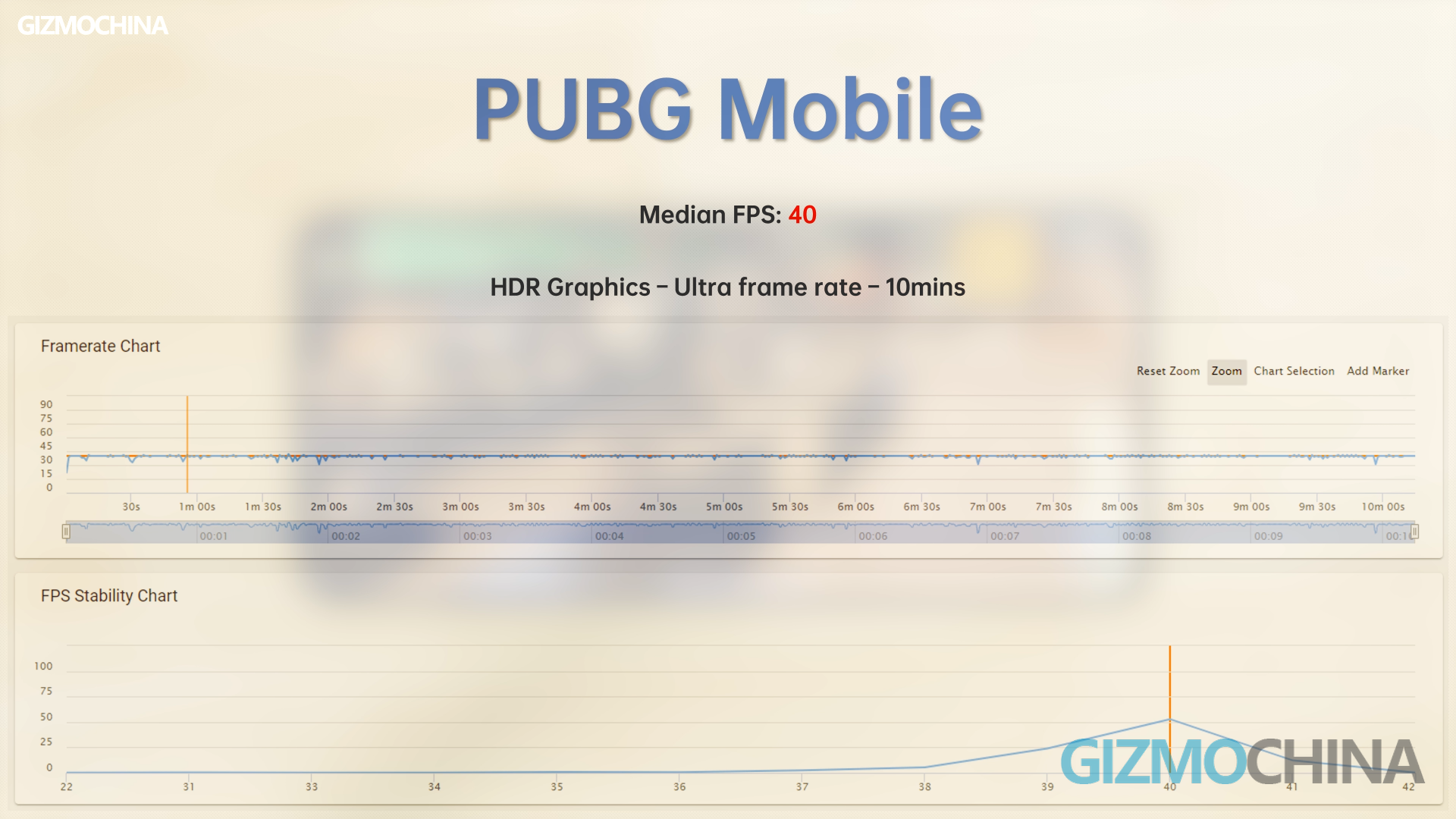
Scores have actually dropped compared to the 780G. The Mi 11 Lite can run at an Extreme frame rate with PUBG HDR Graphics, while the Lite NE cannot.
When running Genshin Impact too, the gameplay is not as good as the Snapdragon 780G-powered Mi 11 Lite and has more lag. So the NE is a step-down in terms of gaming performance. And when running large games like Genshin Impact, because our Xiaomi 11 Lite NE unit has only 6GB RAM, MIUI’s control of background apps is too strict, causing most apps in the background to be killed. So if you want to play large games, it is recommended to buy a version with 8GB RAM or more.
Xiaomi 11 Lite 5G NE has the same camera as the Mi 11 Lite 5G
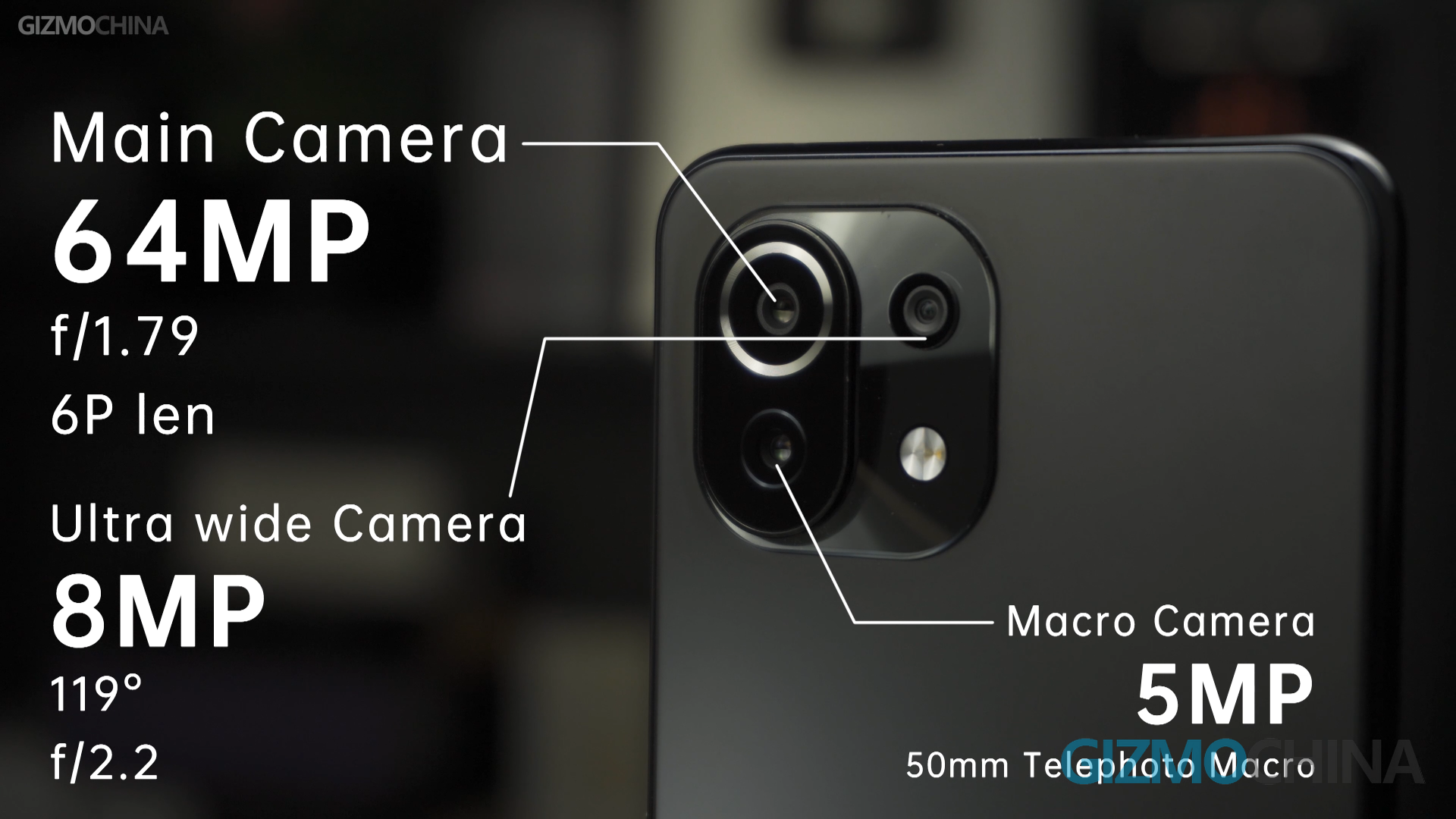
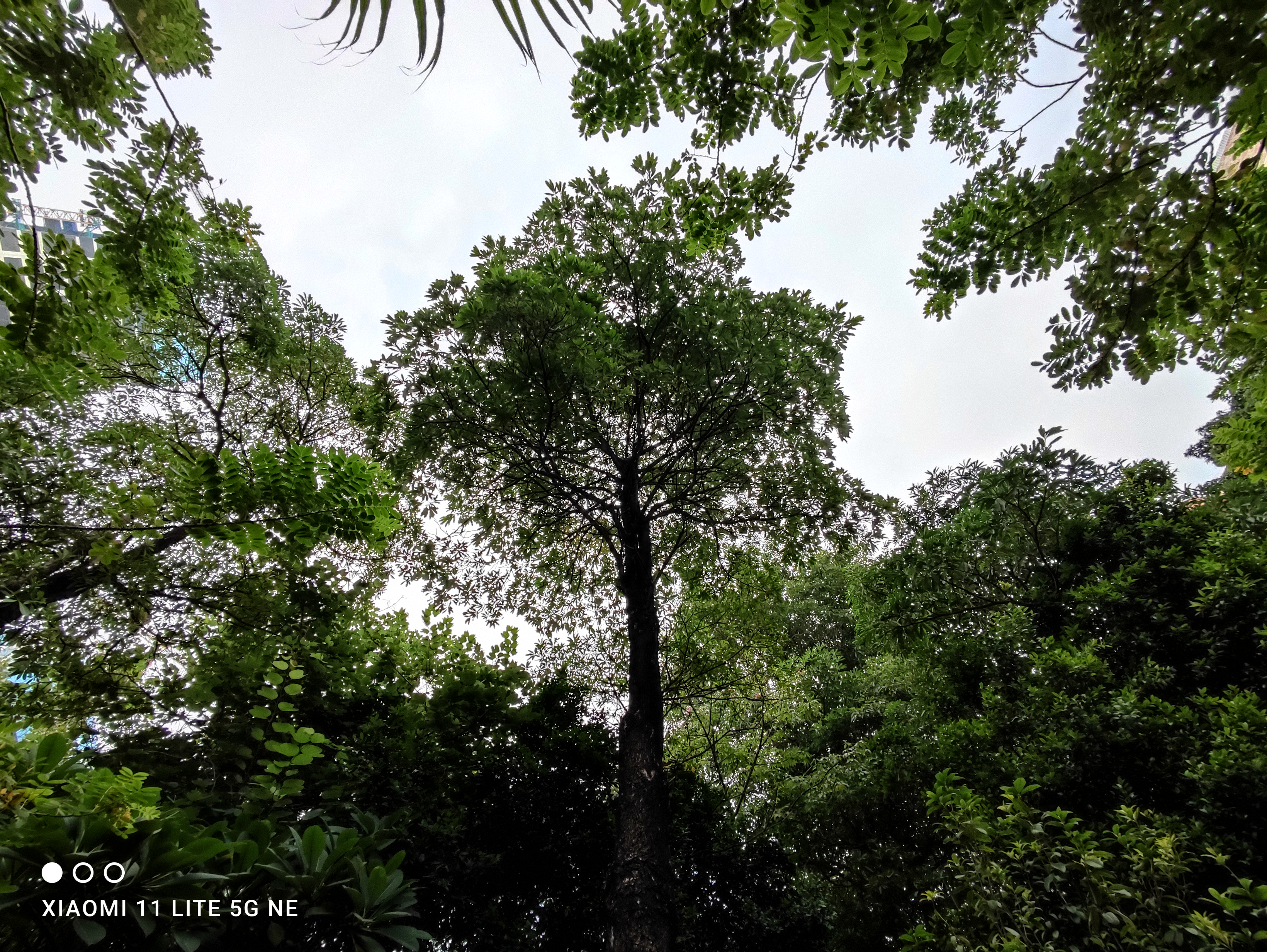
The Xiaomi 11 Lite 5G NE’s camera setup is also the same as the Mi 11 Lite 5G, featuring a 64MP main camera, an 8MP ultra-wide-angle lens, and a 5MP telephoto macro lens. The performance of these three lenses is almost identical to what we saw on the Mi 11 Lite 5G as well.
Main Camera
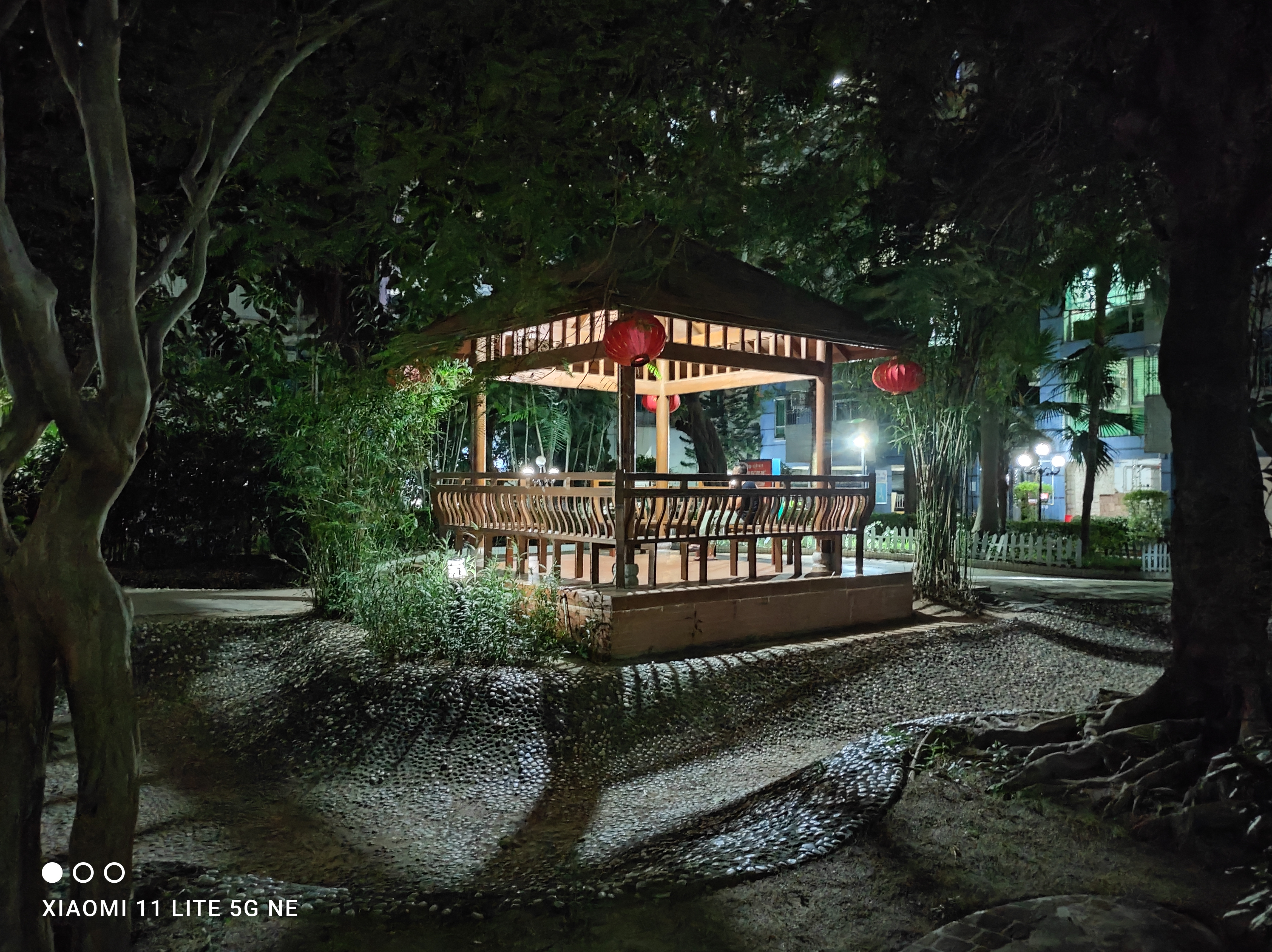
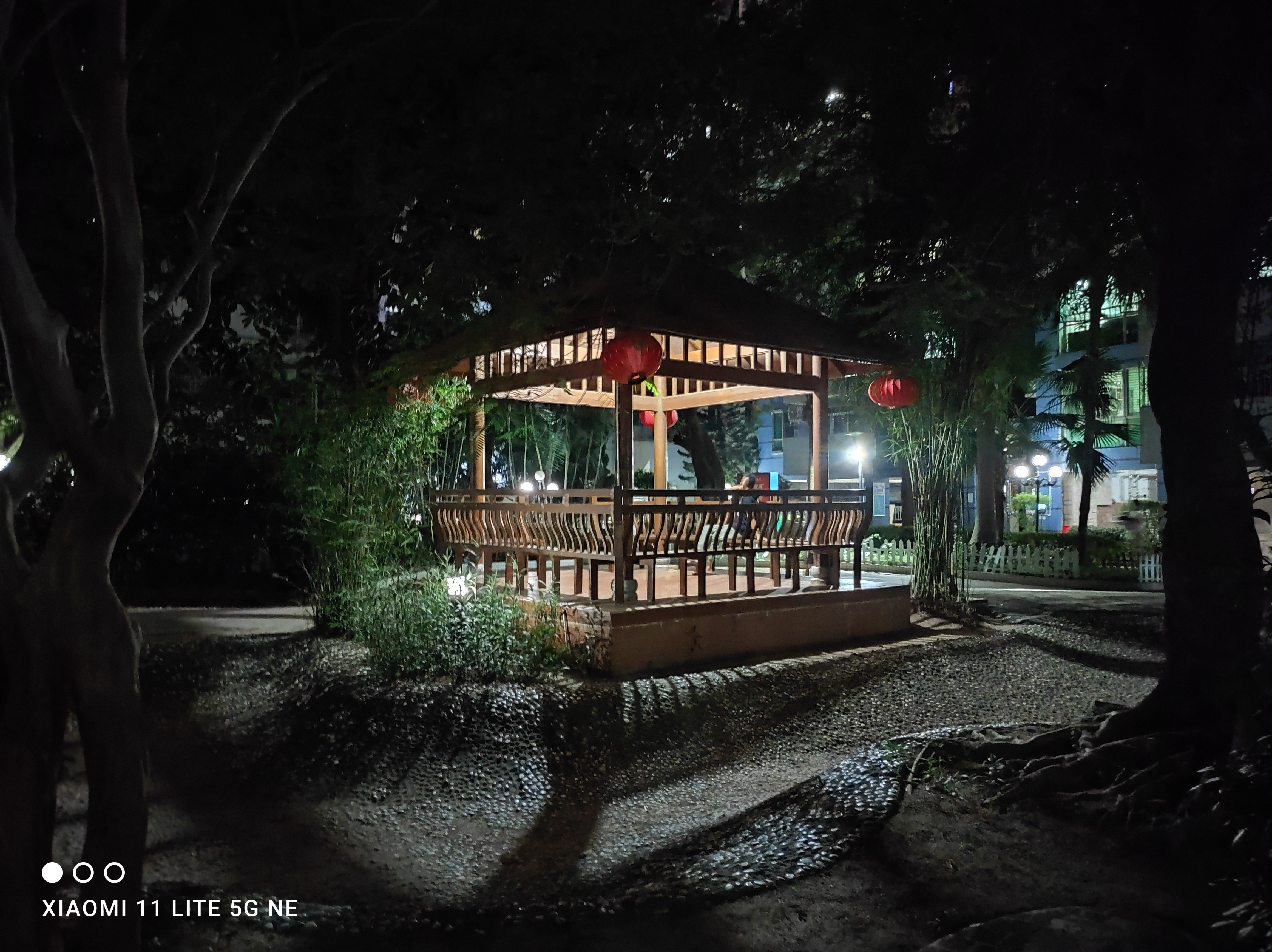
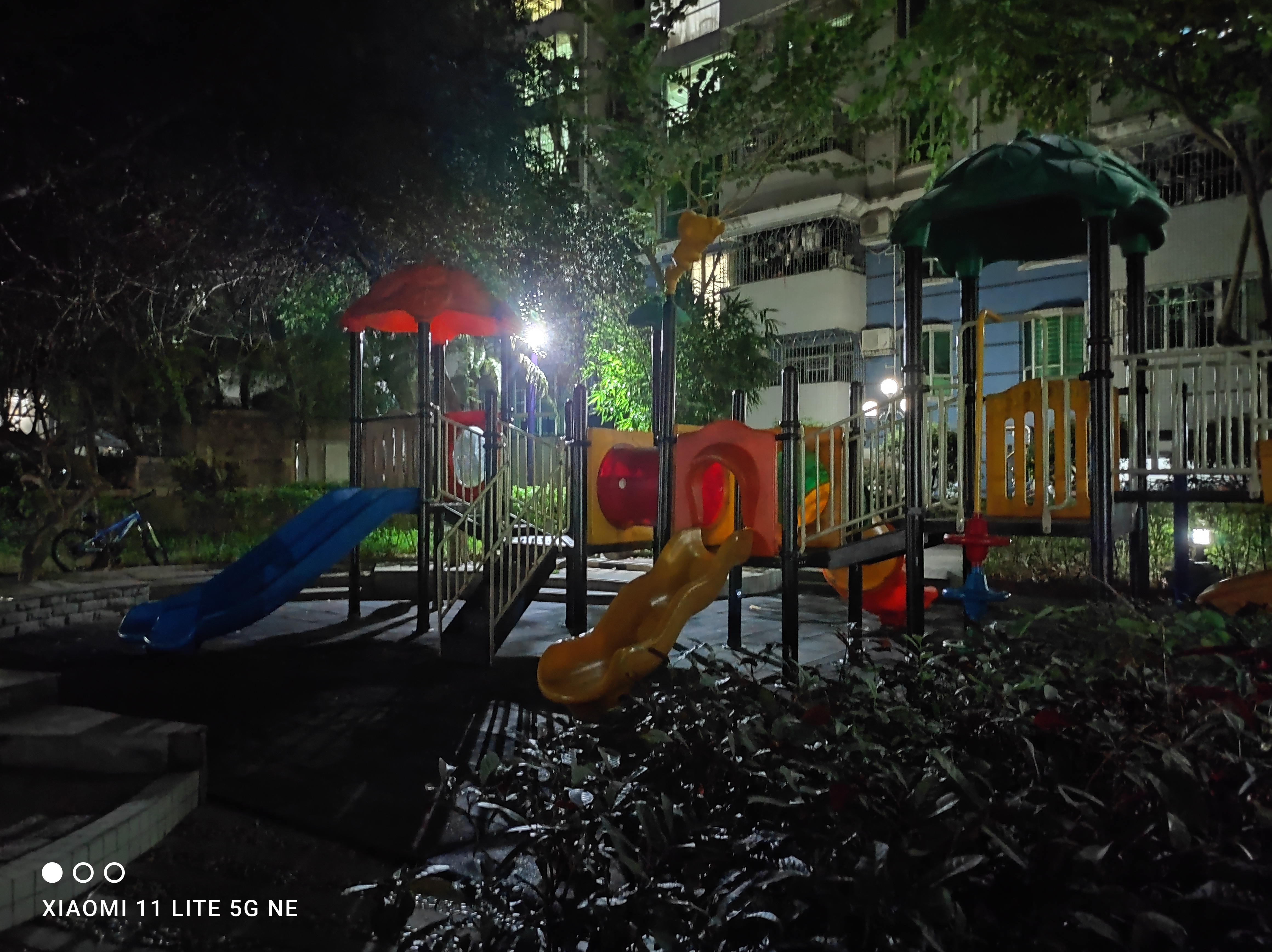
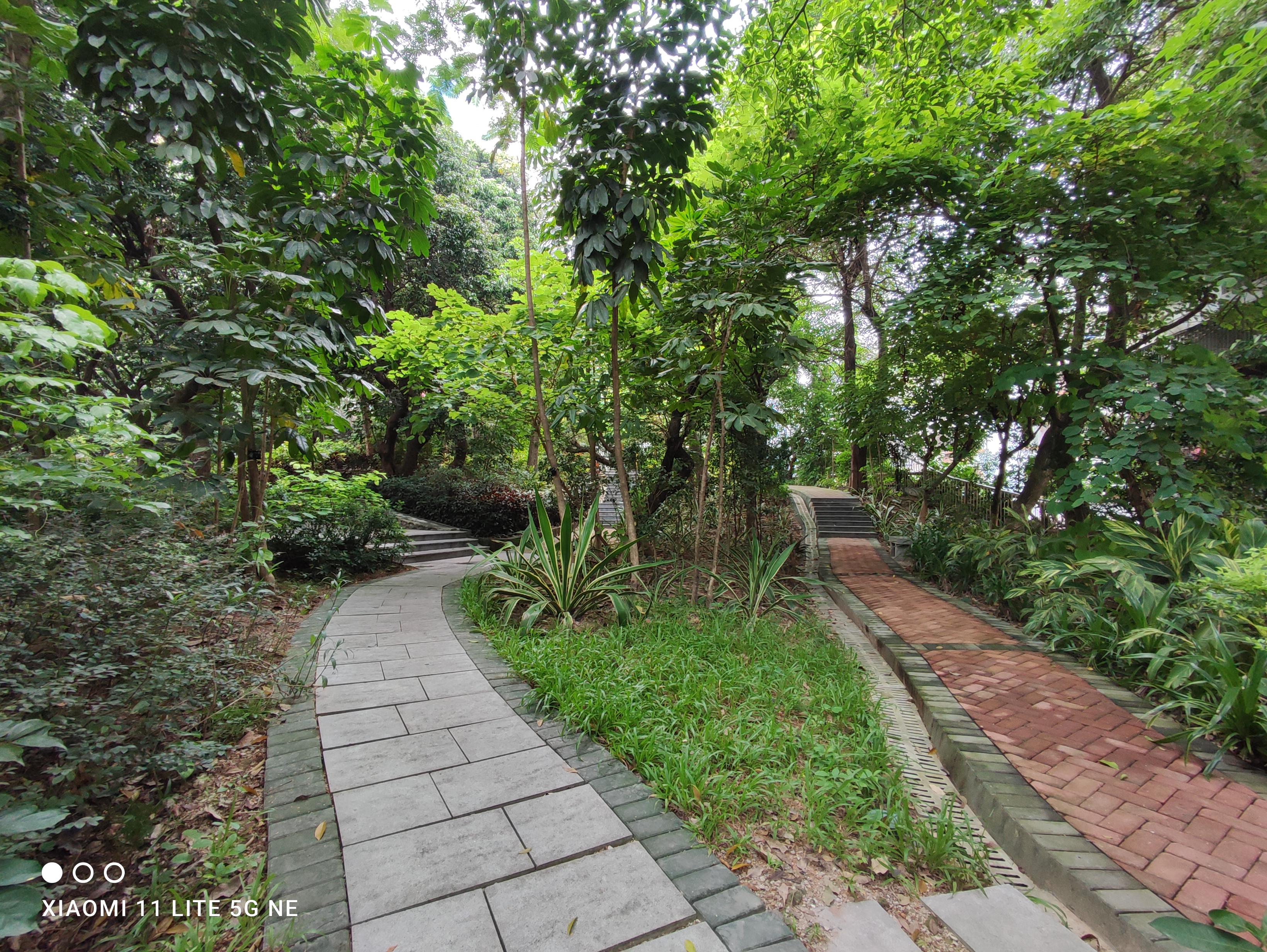
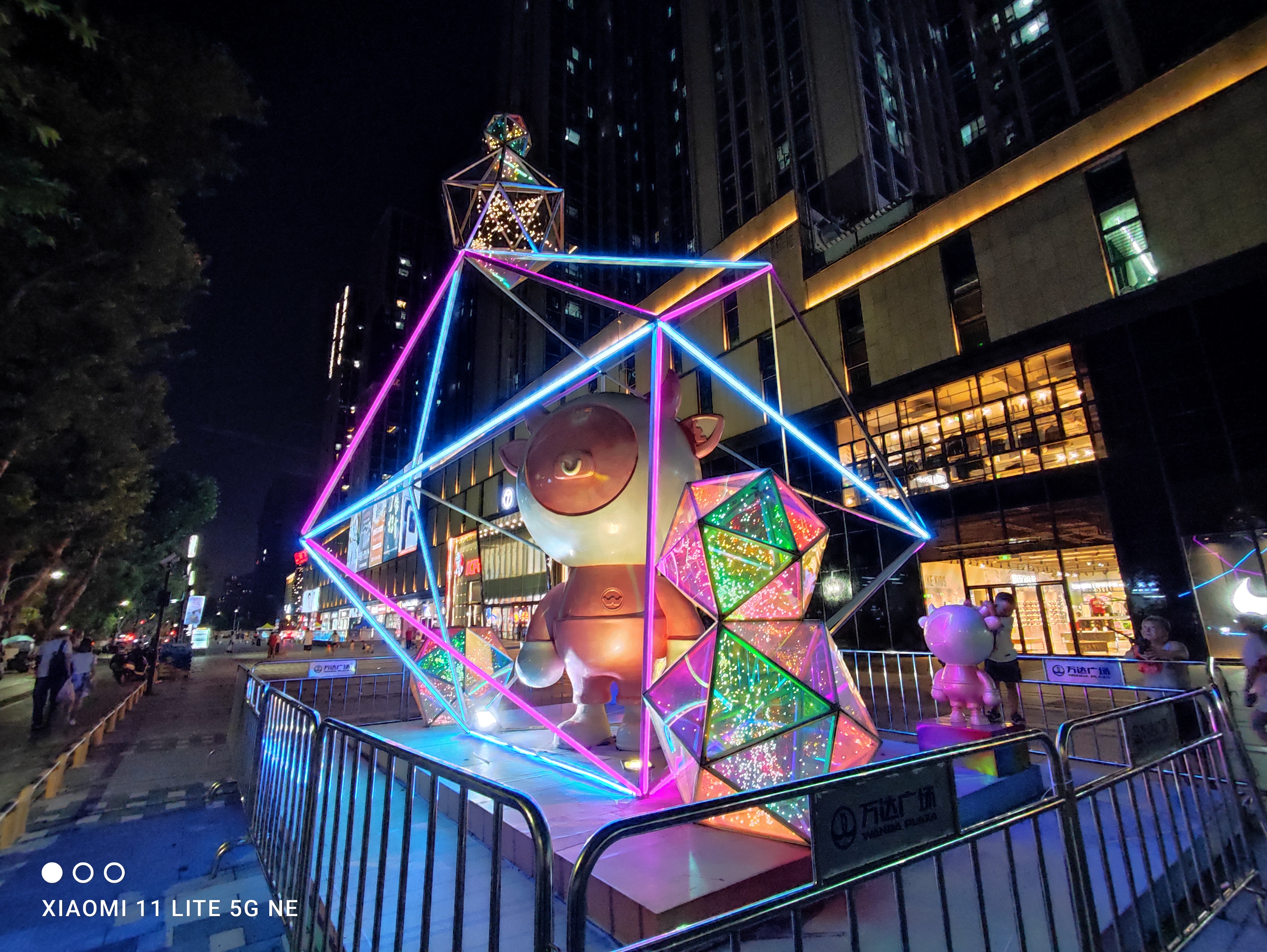
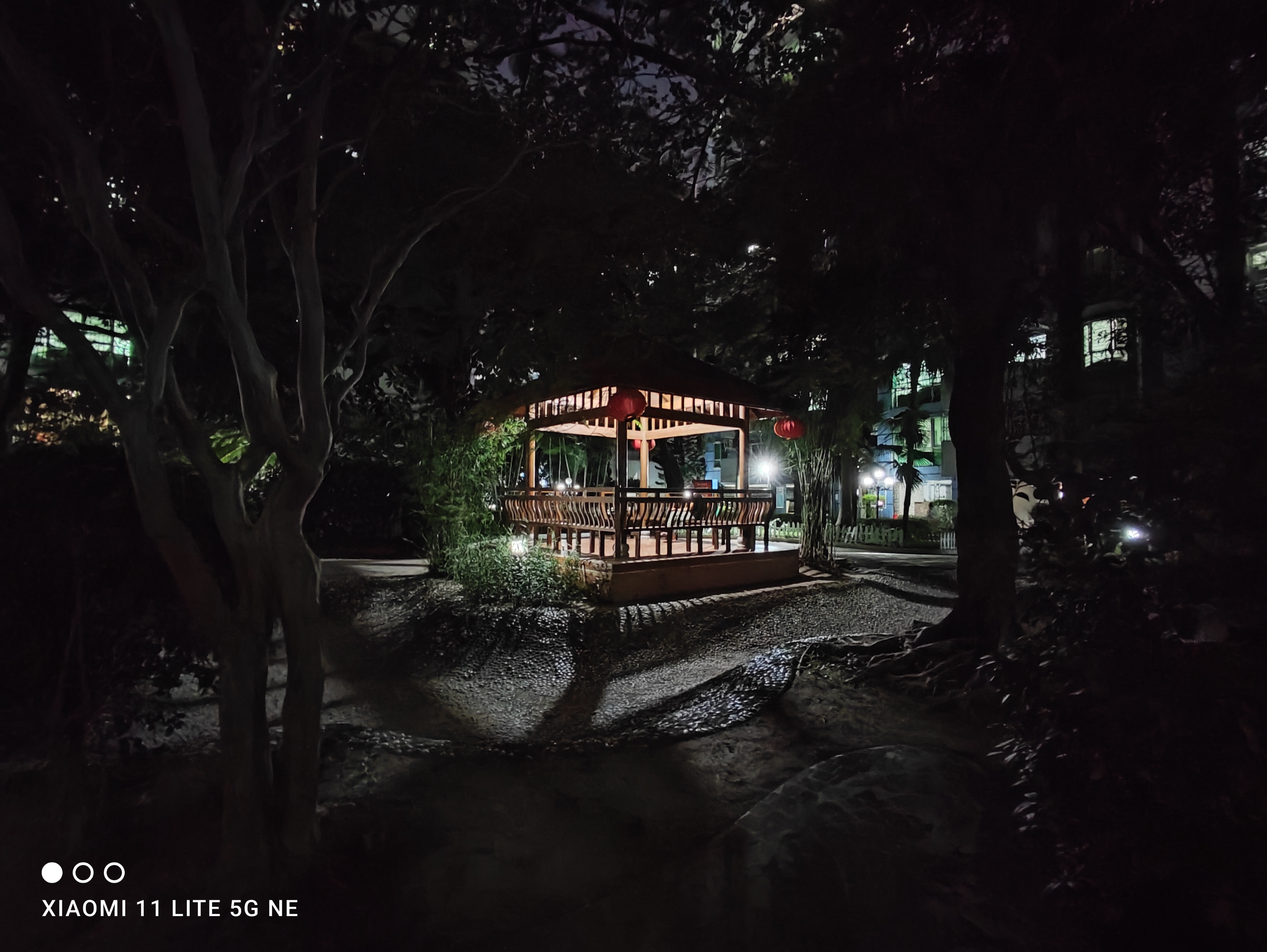
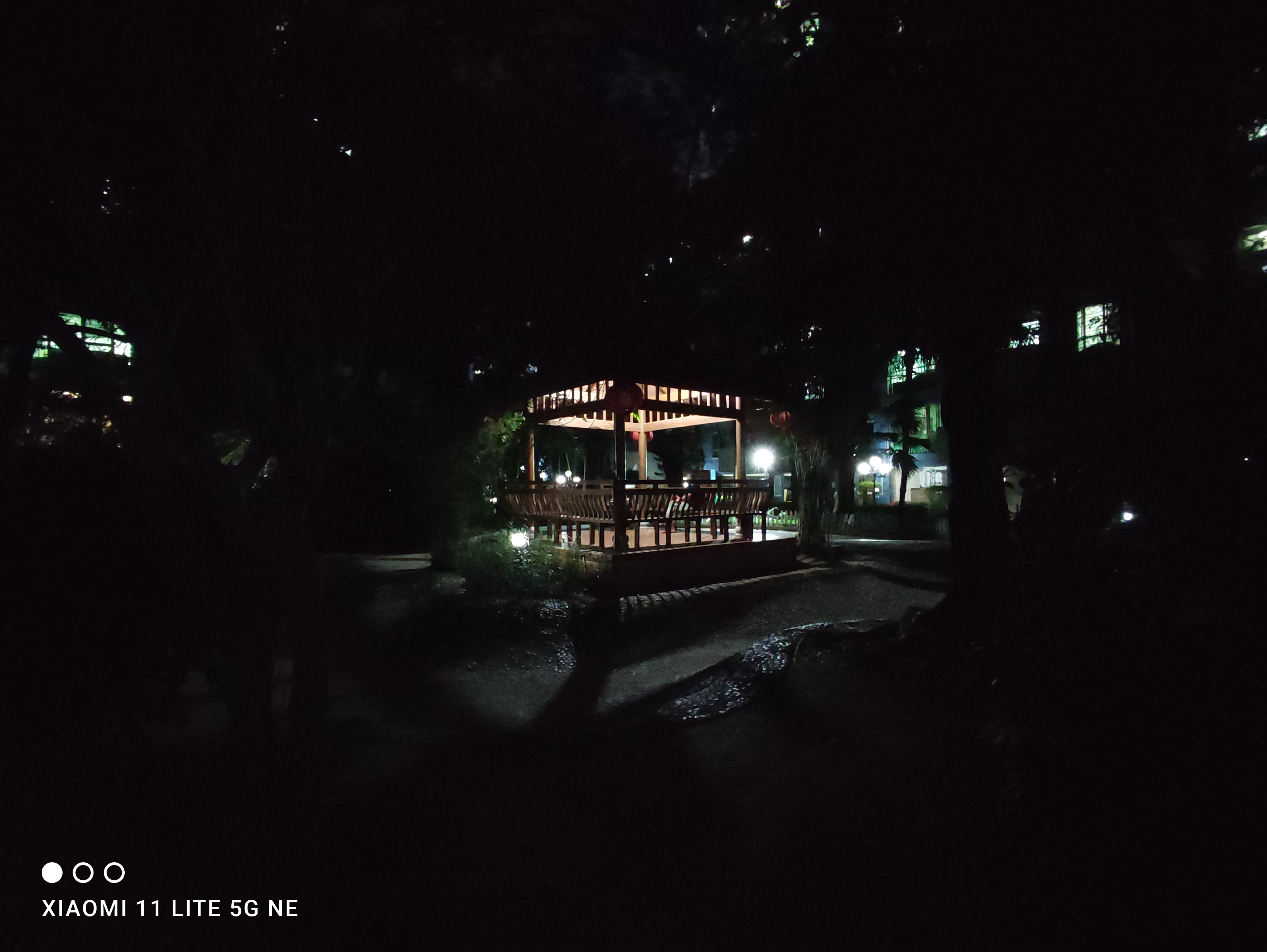
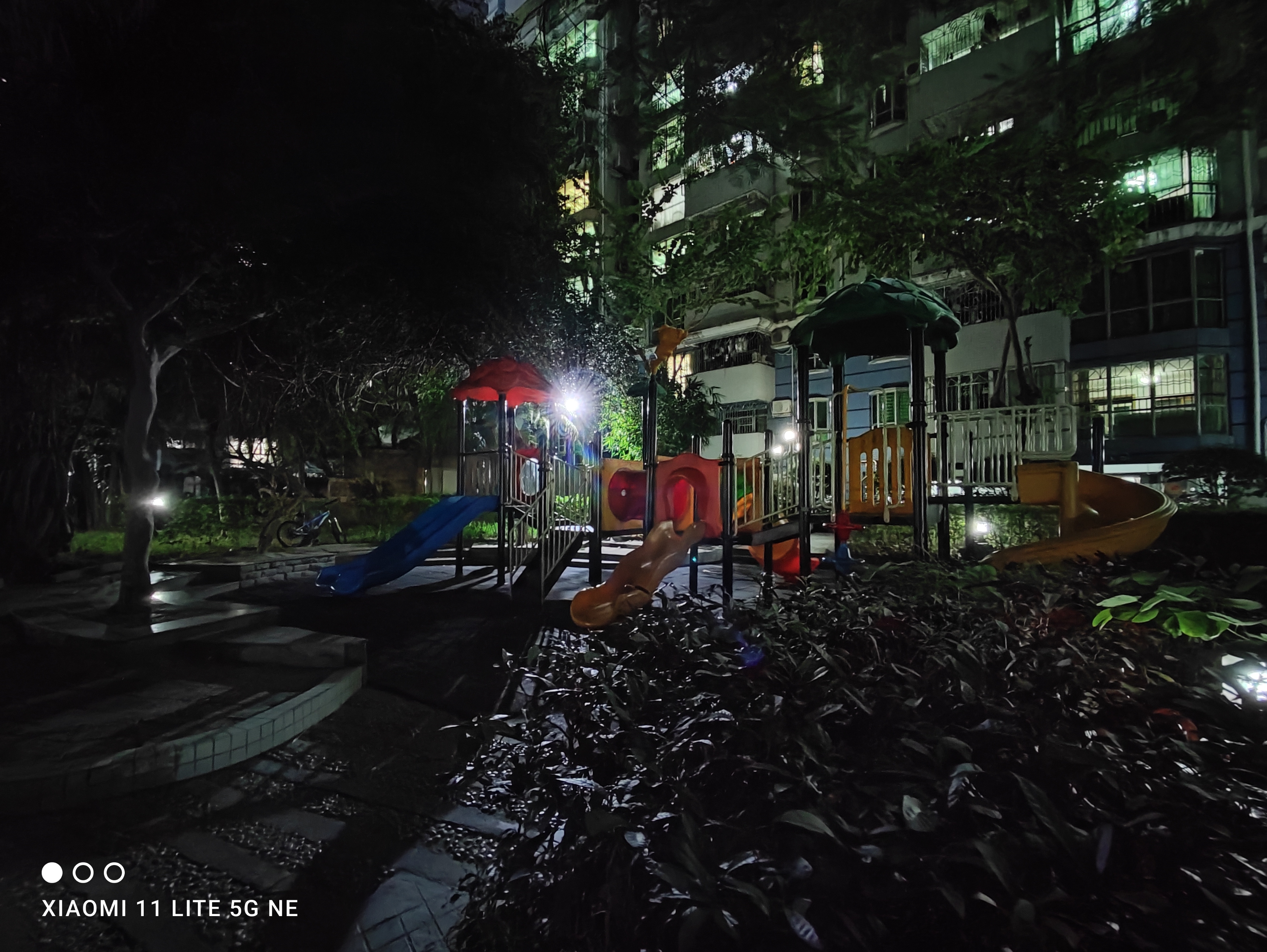
The performance is average, mainly because the HDR is weak and prone to localized overexposure and underexposure. The issue of jagged lines in the 2x zoom mentioned in the Mi 11 Lite 5G is still present on the NE model too. The performance at night is the same as most Budget phones, with only the main camera performing better and the ultra-wide lens requiring night mode to be turned on for a better view.
1 of 15
Night
Night
Night
Night
Night
Ultra-Wide Camera
1 of 12
Night
Night
Night
Night Mode
Macro Camera
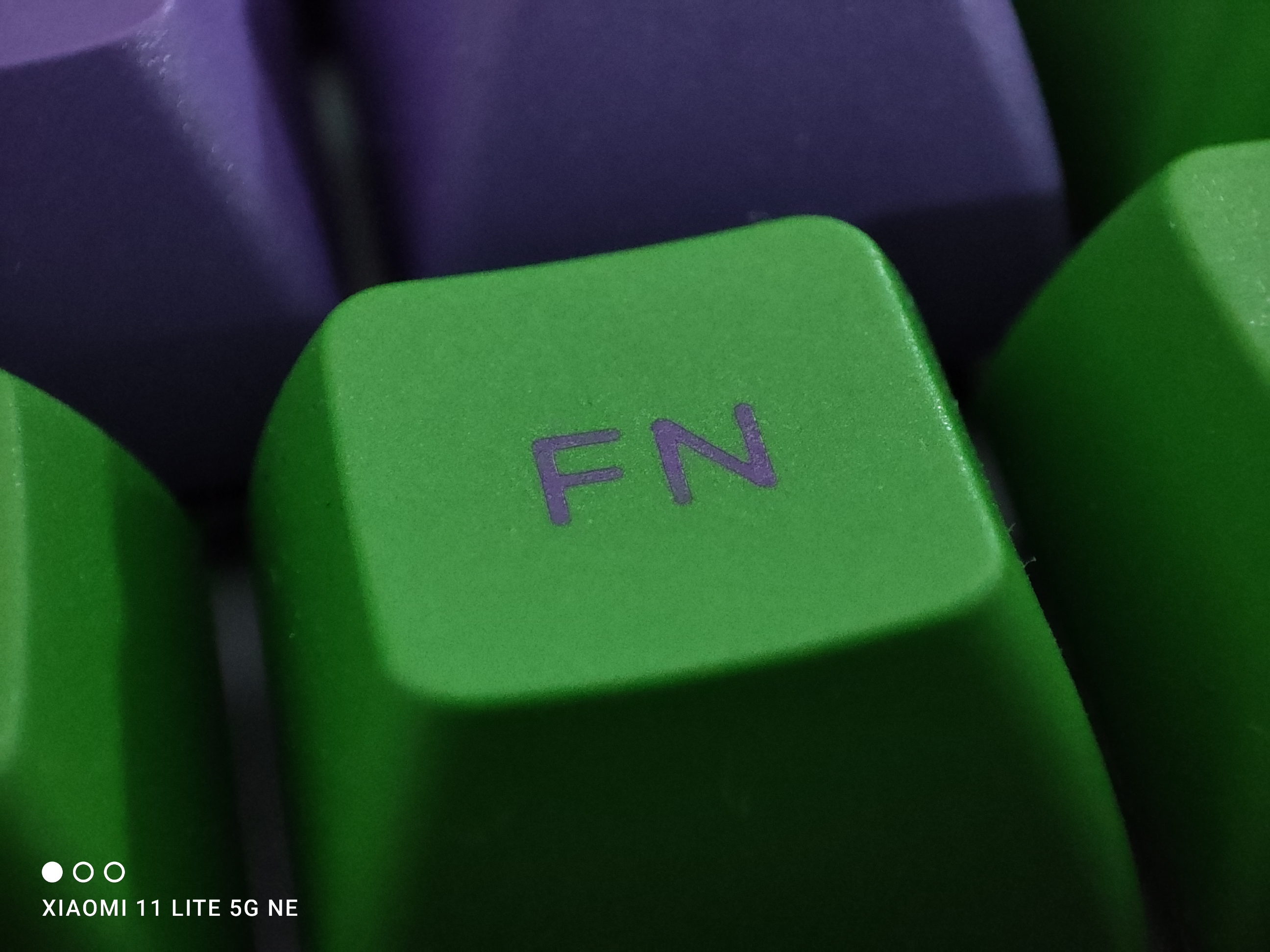
The telephoto macro lens is also an old friend of us, and as always is better than most macro lenses out there. Its autofocus and the ability to focus on objects at a very close distance allow for some very good macro shots. Overall, the Xiaomi 11 Lite 5G NE’s photography is at the average level for its price range, with no improvement over the Mi 11 Lite 5G.
1 of 4
The main camera video supports up to 4K 30FPS and the ultra-wide lens supports up to 1080P 30FPS. 60 fps mode still has Image stabilization to give good video shots, but the downside is still a relatively small dynamic range.
Mi 11 Lite NE 5G has better battery life
Charger is in the box
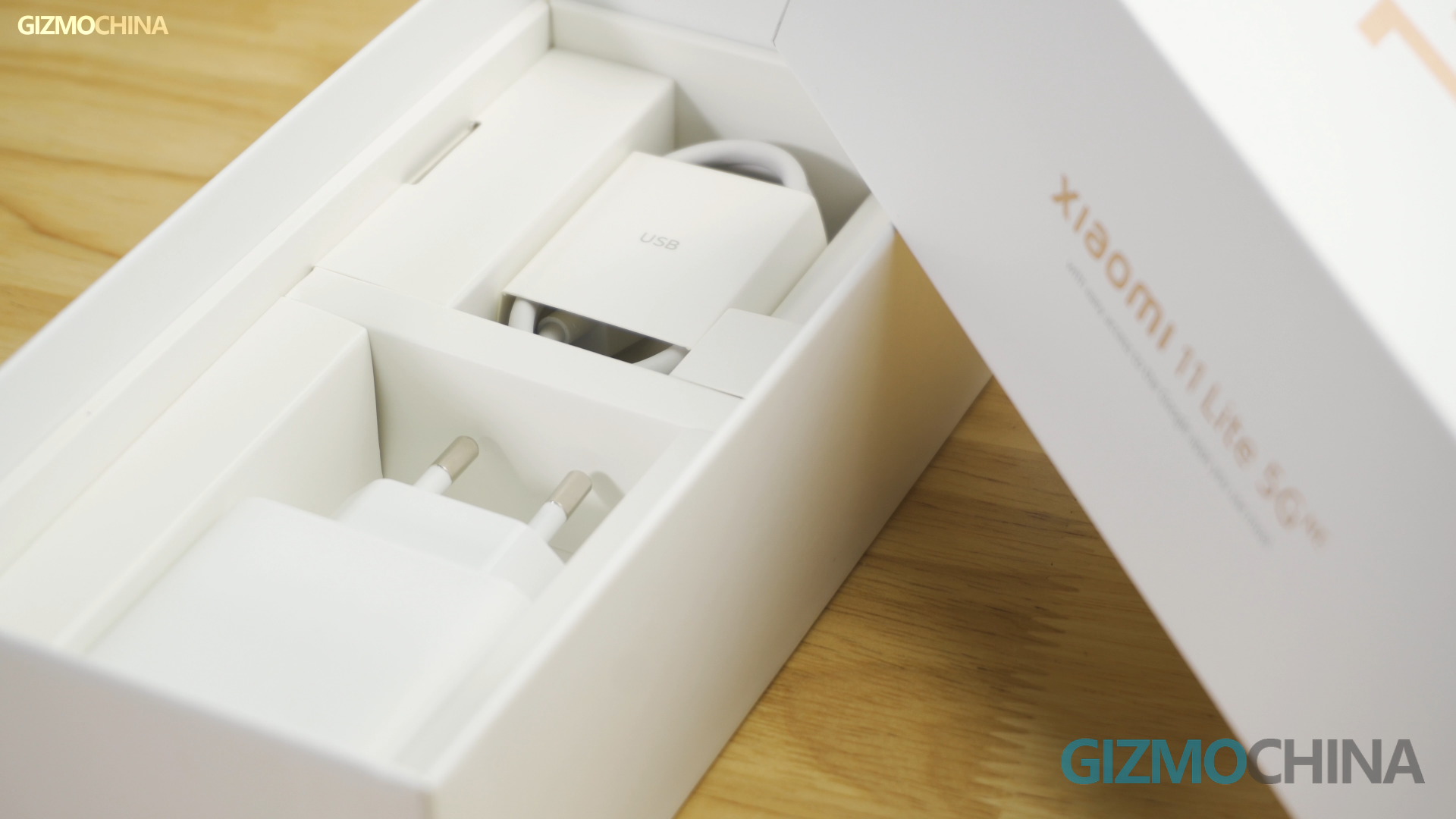
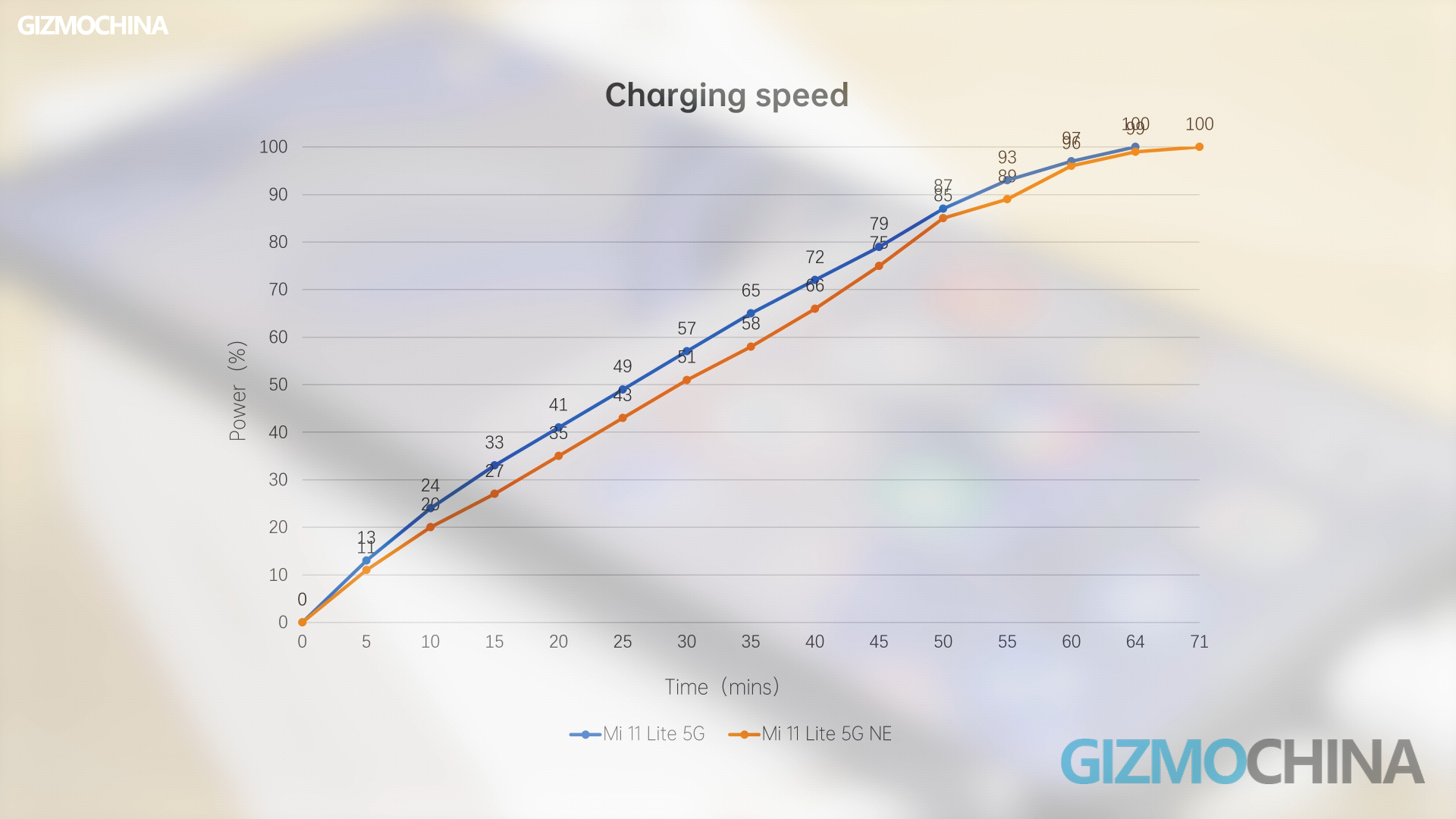
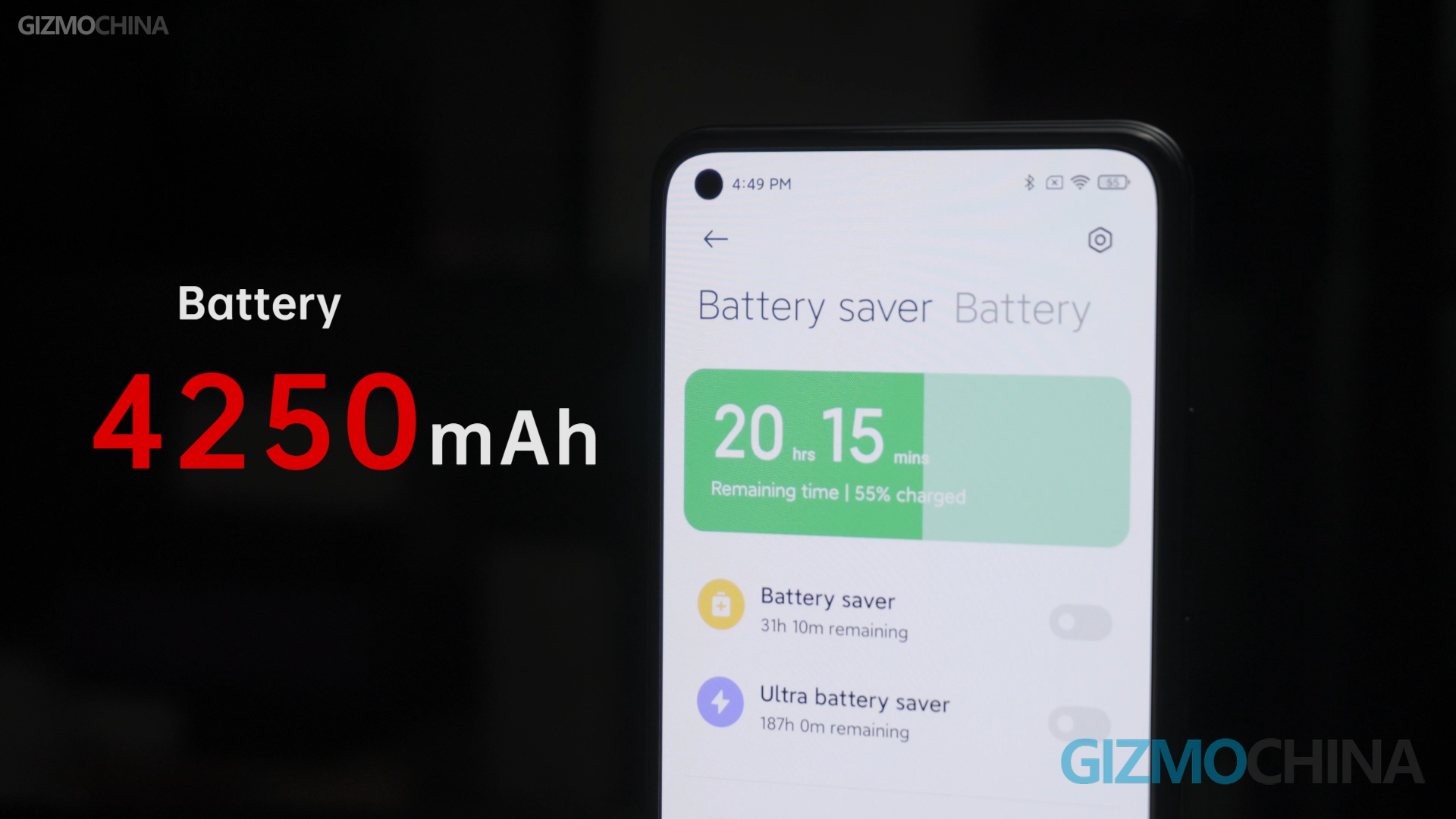
Unlike the Mi 11 Lite 5G, the Xiaomi 11 Lite 5G NE comes with a charger and cable in the box. The charging power is still 33W, but it seems that the temperature control has become more stringent. It takes ten minutes to charge to 20%, half an hour to charge to 51%, and 71 minutes for a full charge. The battery is still 4250mAh.
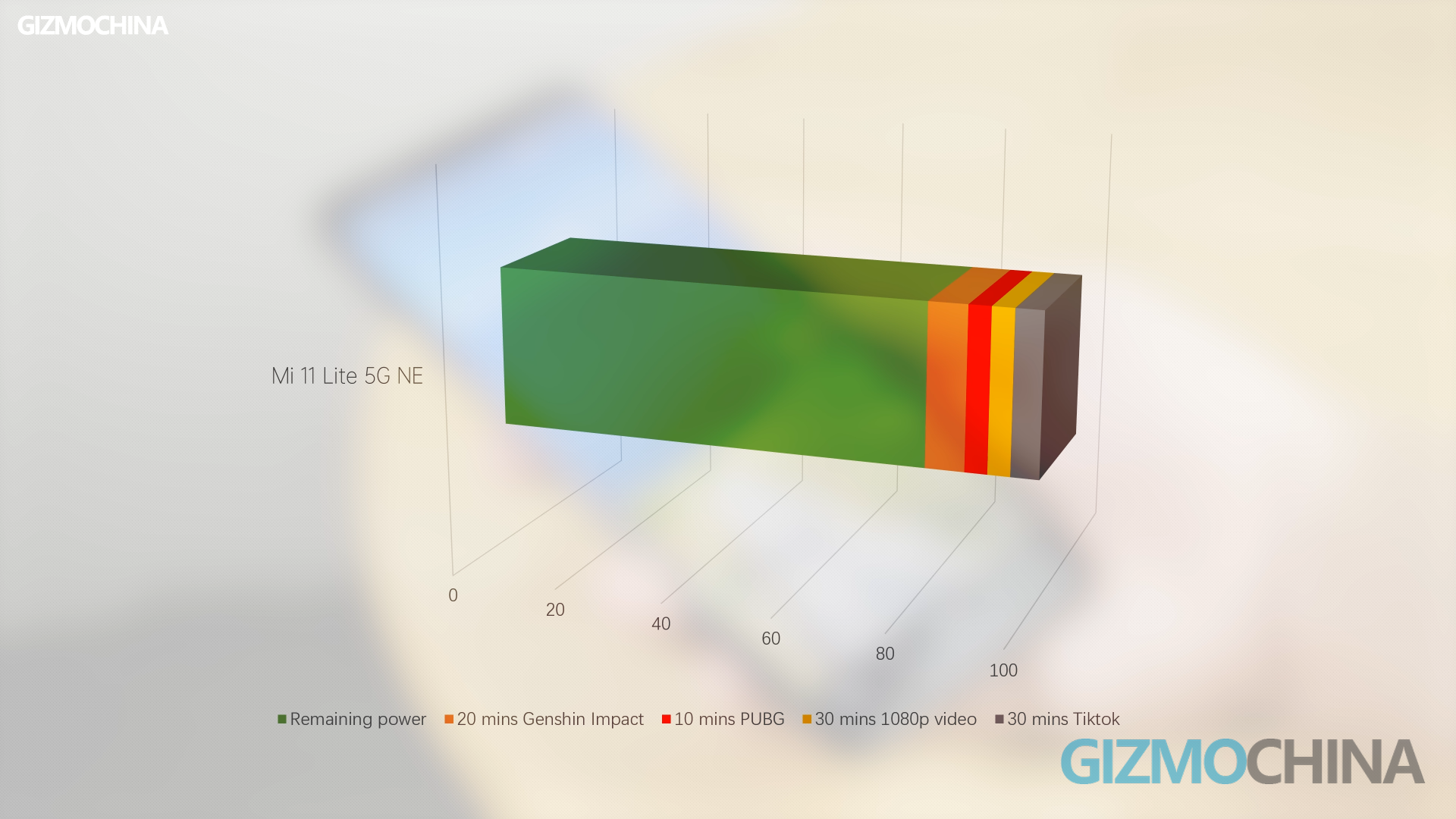
Although it is remarkable that more than 4000mAh battery is stuffed inside a 157g body, it is still a little disappointing that NE wasn’t upgraded to a 4500mAh battery. Half an hour of Tiktok consumed 5%, 1080P online video consumed 4%, ten minutes of PUBG took the charge further down by 4%, while thirty minutes of Genshin Impact dropped the battery further by 7%. It seems that this less powerful chip provides a better battery life.
The difference between Xiaomi 11 Lite 5G NE and Mi 11 Lite 5G is actually only in the chip department, everything else is basically the same. There’s really only one reason for you to choose Xiaomi 11 Lite 5G NE – it is the lightest 5G phone you can buy at the moment and with a battery larger than 4000mAh. This alone makes it attractive enough for people to buy it.
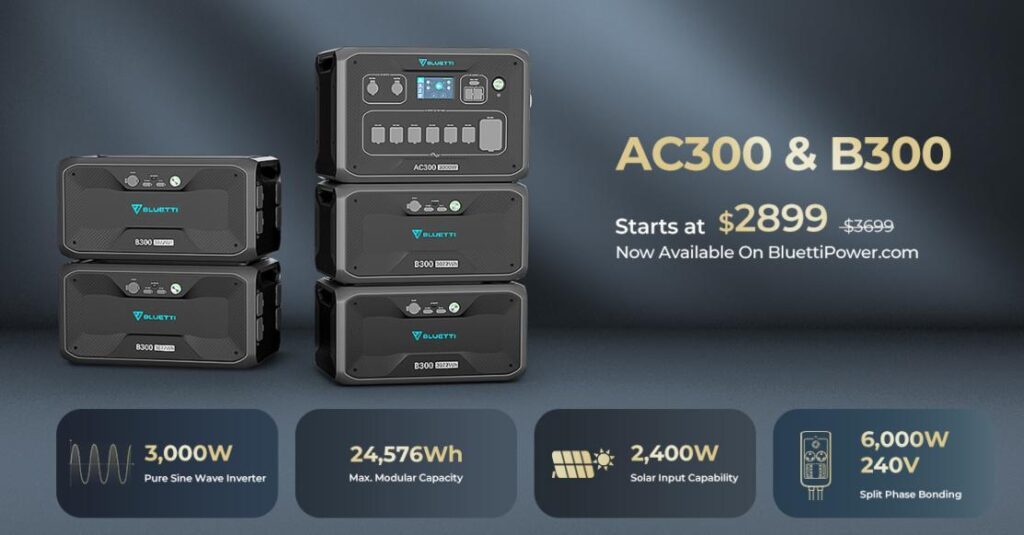
There’s no stopping for the Bluetti as they are frequently launching power stations with advanced features. After, AC200 and EB70, the company introduced a 6000W AC300 solar power station for home as well as commercial users. It is quite a useful accessory for users residing in developed nations. Due to the availability of a 24×7 power supply, there are hardly any power backup alternates especially for home users. It becomes quite difficult if a power outage occurs due to some technical glitch or natural disaster.
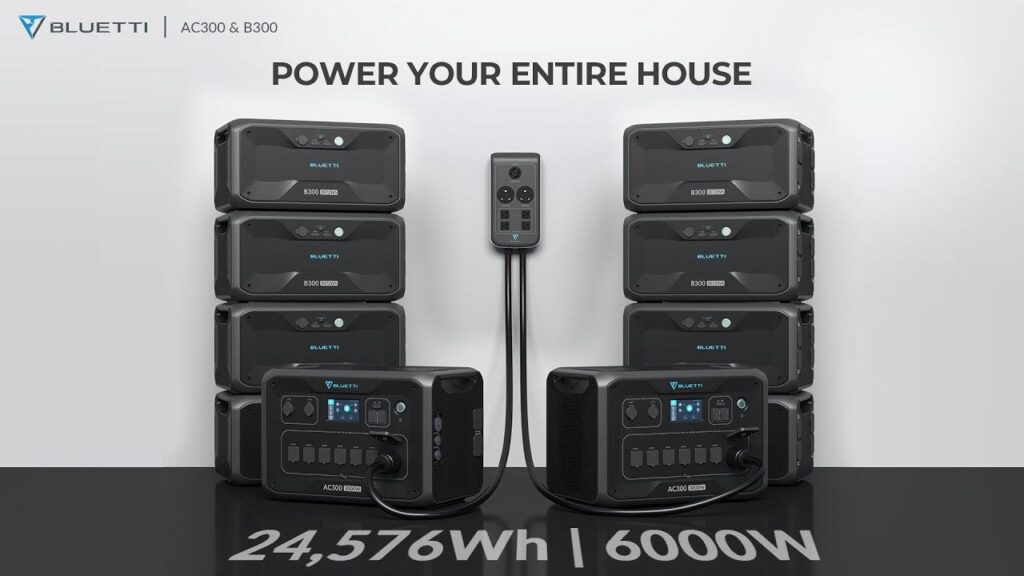
Bluetti AC300 solar power station is the best alternative to bring power to your house in case of a power emergency. Already, its predecessors and other power stations are quite popular in the United States, particularly, in California, Texas, Florida, and New York states. The new solar power station accompanies a B300 (2072Wh) LFP battery to keep providing a regular power supply. It is finally available after a couple of months wait.
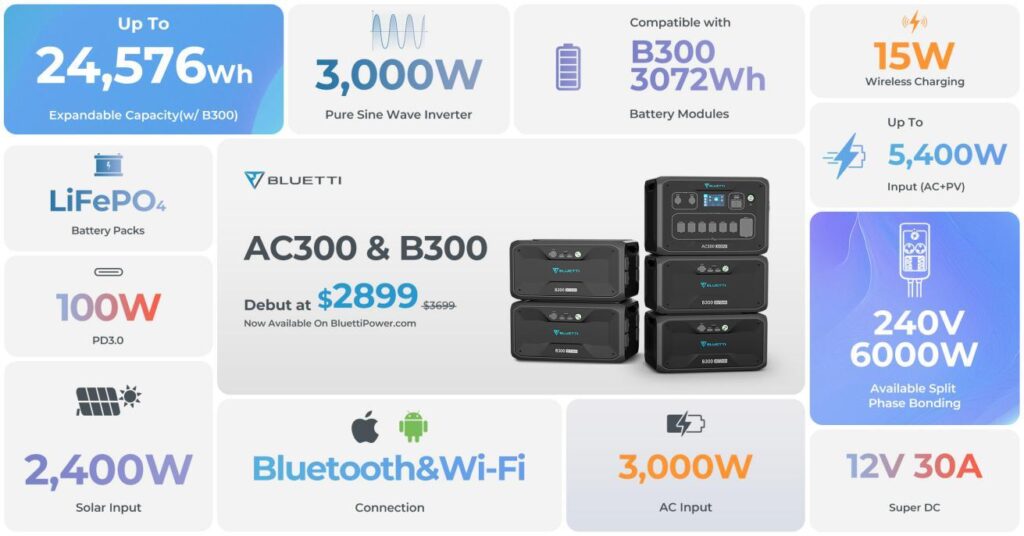
Bluetti AC300 Features
Modularity – Bluetti AC300 can handle a battery capacity of up to 12288Wh with four B300 battery modules.
Portability – Bluetti AC300 can be easily transported or taken in modules as per need.
High-capacity Battery – Bluetti AC300 battery offers 3500+ life cycles which roughly translates to 10 years even if we utilise each cycle a day.
Solar Charging – The Power station can handle 2400 watts MPPT solar charging input at a time.
Parallel Charging – The power station can be charged via both the solar and AC simultaneously.
Double the PVC – Bluetti Fusion Box can double the voltage, power and capacity up to 240v, 24.576Wh and 6000W, respectively.
Wireless Control – Whole system is easily controlled via a smartphone app over WiFi or using Bluetooth connectivity.
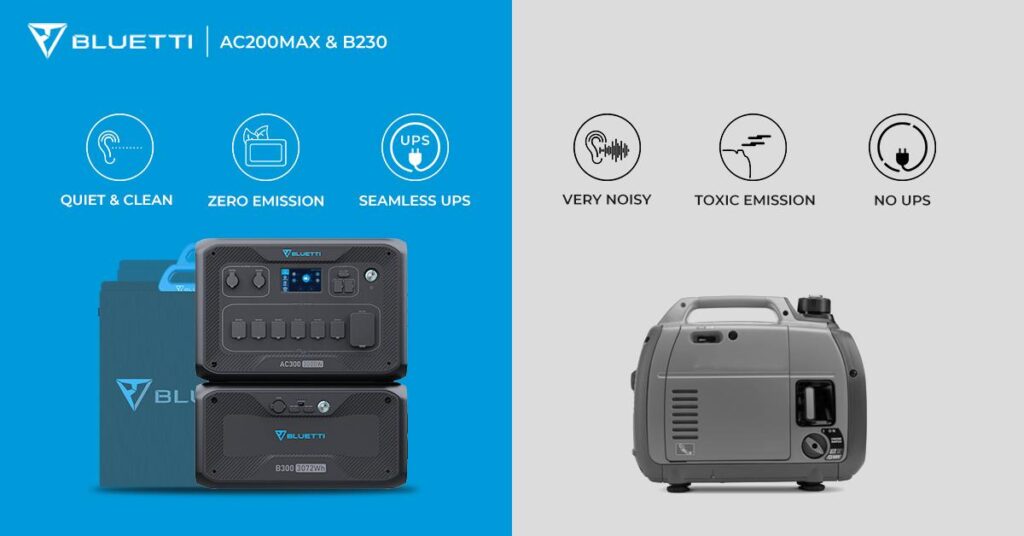
Solar vs Gas generators
Well, before the commercialisation of solar technology, Gas generators were the only option for most of the users. Well, with the increased development of solar panels across the globe, these have become a cheaper and productive source of electricity generation. There are several advantages of Solar generators ranging from eco friendly, to low maintenance.
Solar
Gas/Propane Generator
Quiet/Low Noise Operation - 35db
Noisy Operation > 70db
Free, Clean, renewable power source
Causes deadly emissions
Hardly have any Carbon Footprint
Higher Carbon Footprint
Low Maintenance
Monthly cost fuels
Solar power stations are the future and provide cheap energy without costing your pocket and environment. With a life span of 25-30 years, the Solar Panels becomes free considering the overall profit. There are hardly any moving parts such as liquid fuel which further reduces the carbon footprint. Overall, there are minor repairs over the period of several years, if we compare it with gas generators.
Noise pollution and air pollution apart are major concerns while using Gas-powered generators. Moreover, these weigh quite a lot if we compare it with Bluetti AC300 which weighs 44 pounds and the B300 battery having a 74lbs weight.
Availability and Delivery Process
Bluetti AC300 along with a single B300 battery is available at a reduced price of $2899 which is an $800 discount over its actual price of $3699. However, the AC300 power station with dual B300 batteries costs around $3648 which is an $850 discount over the original price of $4498. However, the buyer can save $1000 if they buy one of many AC300 solar bundles. Bluetti products are available via its official website with a shipping time of around 2-5 weeks.
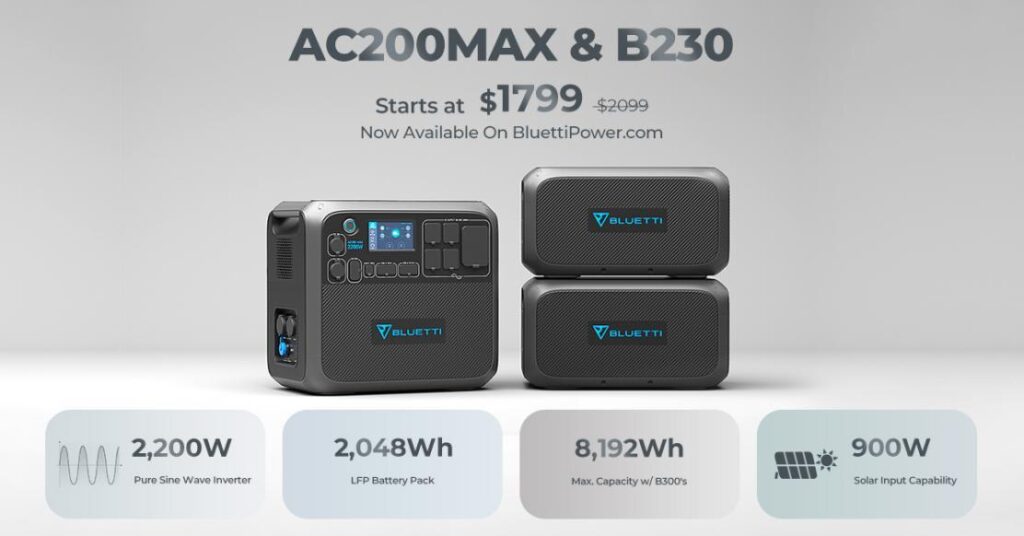
Apart from the Bluetti Ac300 launch, the stock for AC200 Max is now available. It is also on sale via the official website. However, the AC200 Max offers a built-in 2048Wh LFP battery pack and carries all-around capabilities. Moreover, it can be connected with B230 or B300 battery modules. However, you can get the Bluetti AC200 Max at the price of $1799.
Know more about the Bluettui products by heading to the official website.
Huawei Technologies is apparently seeking to lead the next generation of telecommunications technology. The company aims on becoming a pioneer in 6G networking as the US and Japan also invest heavily towards the next networking standards.
According to a NikkeiAsiareport, the Chinese tech giant’s plans to develop 6G also arrives as US and Japan also push ahead with the next gen telecom tech. Furthermore, the company’s CEO and Founder, Ren Zhengfei has asked his employees to “break limits in the sky” and set global standards in the industry. The statement was made when he was speaking to a gathering of the company’s scientists, researchers, and interns last month. As per an internal company document, the senior official said that the brand will continue to develop 5G and AI (Artificial Intelligence) businesses while also moving forward in next generation technology.
Although, the biggest hurdle to its plans is likely the US, which has imposed various sanctions in the past that had essentially crippled its once notable smartphone business. The founder acknowledged the effects of these US trade restrictions but added that “Our research into 6G is preparation against a rainy day, and we aim to seize the ground of 6G patents. We must not wait until 6G becomes viable, as waiting would impose constraints on us due to a lack of patents.”
Zhengfei Ren, founder and CEO
As of right now, Huawei already holds the largest number of standard essential patents for 5G technology. And now, China is also moving towards 6G technologies, which is one of its key research areas. Meanwhile, the US and Japan are also racing to develop 6G network to better compete against China. At the moment, 6G is still in its very early phases but promises a sizeable number of applications in the future, including opportunities in space research and earth sciences.

Chinese tech brand vivo is rumored to launch two new products in India. One of them will be a smartphone and the second one will be an audio accessory. They are expected to release in the country in the coming weeks.
Vivo Y20A
According to 91Mobiles, vivo will be soon launching vivo Y21A smartphone and vivo Wireless Sport Lite neckband-style wireless earphones in India. The information regarding the handset comes from the publication’s unknown industry sources. Whereas, the details about the earphones are from tipster Yogesh Brar.
the upcoming vivo Y21A will be the successor of vivo Y20A. Unfortunately, the sources have not shared the specs of this phone. However, they have revealed that this device will launch in October. We can expect it to be similar to its predecessor.
On the other hand, the vivo Wireless Sport Lite earphones are already available in multiple markets. This product is said to debut in India in the coming weeks. Hence, it could launch as early as by the end of September and may retail for around ₹2,000.
vivo Wireless Sport Lite
This new pair of neckband-style wireless earphones from vivo for India will arrive with features like 11.2mm drivers, Bluetooth 5.0, 80ms low-latency mode, quick pairing with devices running Funtouch OS, quick switch, IPX4 rating, USB Type-C charging, 129mAh battery, and 18-hour battery life and 23.9g weight.
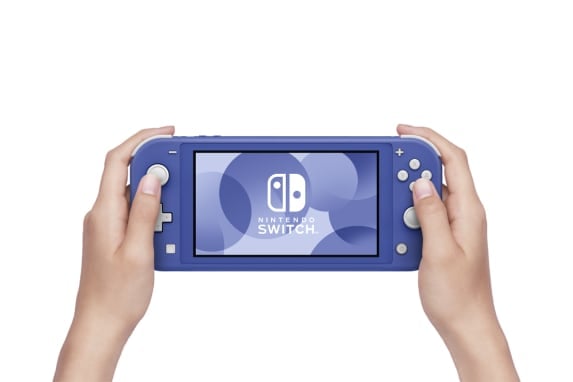
As an owner of a Nintendo Switch Lite, it came as a surprise to find out that it was impossible to connect a Bluetooth audio device to the handheld console. However, it was possible to connect compatible controllers via Bluetooth. So, it has Bluetooth but you just can’t use it for audio. While an audio jack is present on the console, it would be nice to be able to connect wireless headphones instead.
There is actually a solution – a Bluetooth dongle that connects into the headphone jack or the USB-C port which you can then pair your wireless audio devices to. Never came around to buying one, probably because I was still angry at Nintendo for its silly decision not to have added Bluetooth audio support out of the box.
If you didn’t buy one too, then you are in luck as Nintendo has released an update that activates Bluetooth audio across its Switch lineup. Yes, you can now connect your favorite Bluetooth headphones to your Switch and enjoy your favorite games without disturbing others.
The update is already rolling out to the Nintendo Switch and Nintendo Switch Lite. However, we do not know if the Nintendo Switch (OLED Model) will have the feature activated right out of the box when it becomes available for purchase on October 8 or users will have to update it too.
While it is disappointing that it took Nintendo 4 years (2 for the Lite model) before it activated a feature that should have been available out of the box, we are glad it is now available. Do you own a Switch and have you updated it to try out the feature? Do let us know in the comment box below. Here is hoping that Nintendo’s next move is to permanently discount its first-party games that are more than 2 years old. Breath of The Wild for $29.99, anyone?
Huawei has just announced the return of the world’s largest smartphone photography competition. The NEXT IMAGE Awards for 2021 has just been announced, with the theme of this year being “Better Together.”
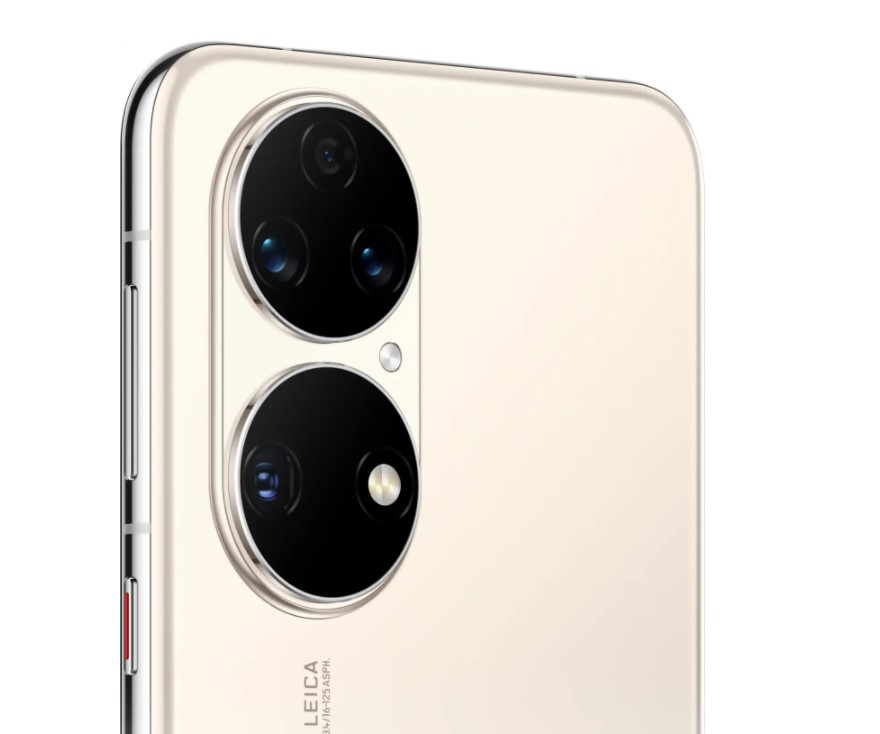
Starting from today (15th September 2021), Huawei users from across the globe are eligible to submit photos and videos and have a chance in winning one of 70 amazing prizes. The prizes include the recently launched Huawei P50 and cash prices up to $10,000. The Chinese tech giant will be accepting submissions till 30th of November 2021. For those unaware, the NEXT IMAGE Awards began back in 2017 and have been the world’s largest smartphone photography competition. To enter, one can visit this link to submit their images directly on the homepage.
Since its inception about four years ago, the brand has seen over 2 million entries due to the easy entry system and attractive prizes, which encourage even amateur smartphone photographers from all over the world to take part in the competition. The 2021 Awards would mark the fifth iteration, with judges being a team of photography experts from a diverse range of backgrounds and countries around the world. This includes notable names like Canadian extreme sports photographer Reuben Krabbe, renowned art critic Karen Smith from the UK, and French radio and TV producer Olivier Chiabodo.
Notably, the competition does not have a single overall winner, rather, the company encourages entries in multiple formats that aim on covering diverse settings. This includes Portrait, Monochrome, Color, Snapshot, Night, Telephoto, Super Wide Angle, Super Macro, Story Creator, and Storyteller as well. Meanwhile, the prizes include $10,000 for three winners of the ‘Photographer of the Year’ award, $1,000 for 27 Category winners, 30 Winners can receive the Huawei Watch 3, while Student Focus Awards will have 10 winners receive a brand new Huawei P50 along with $1,000 in NEXT IMAGE Creation Fund.
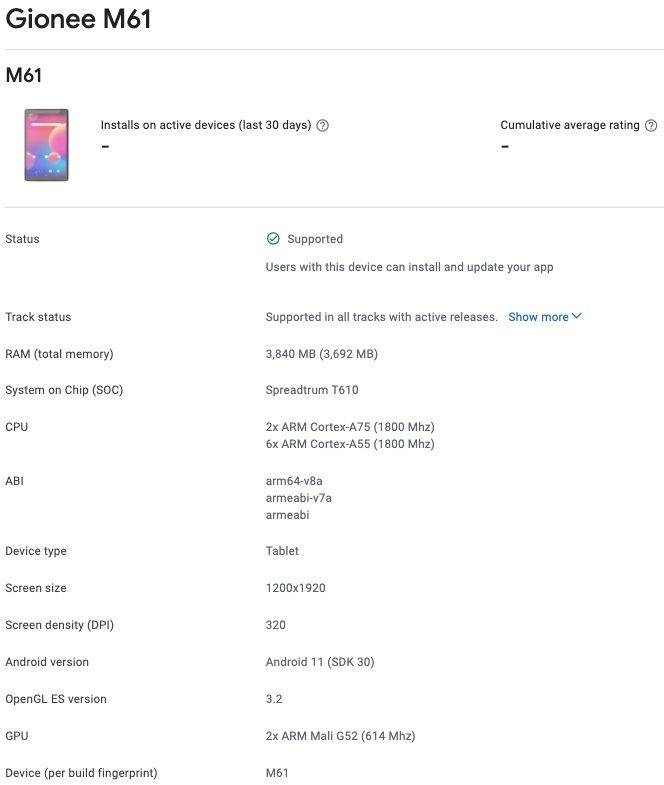
A Google Play Console listing has revealed that Shenzhen-based Gionee is currently gearing up to launch a new Android tablet named Gionee M61 pretty soon. It has entry-level specifications and will hence likely carry a cheap price tag. The listing also contains a render of the tablet.
Key specifications include a Spreadtrum T610 processor that will feature two ARM Cortex-A77 cores and six ARM Cortex-A55 cores, all clocked at 1800Mhz. The processor is based on the 12nm architecture and will be paired with a Mali-G52 GPU clocked at 614Mhz. There appears to be only a single 4GB RAM variant, which is decent enough even by today’s standards.
The display has a Full-HD+ resolution of 1200 x 1920 pixels and a screen density of 320 DPI. While a screen size wasn’t specified, it is estimated to be around 7 to 8-inches, judging from its resolution to DPI ratio. Further, the Google Play Console listing specifies that the Gionee M61 tablet runs on the Android 11 operating system, which still happens to be the latest Android version at the moment, considering that Android 12 is still under development.
In terms of design, the tablet does look kind of dated on the front thanks to chunky bezels at the top and bottom. But there are no intrusive punch holes or notches of any kind because the front camera has been housed within the top bezel itself. No details about the camera configuration are available currently. The volume controls are located at the right of the tab while the power button has been positioned at the top.
Intricacies such as the battery capacity, fast charging support, storage, and variants are also not present on the listing, meaning that we may have to wait a while to see those. Further, it is unknown where and when the Gionee M61 tablet will be released.
For those unaware, Gionee used to be quite a popular Chinese smartphone brand that was also one of the first to invest in India. But it failed to compete with other innovative OEMs like Xiaomi and Huawei, thus losing its foothold in the few countries they were popular in. However, with products like the Gionee M61, which also happens to be the company’s first tablet offering in years, they sure are trying to make a comeback. The company is also working on a Redmi Note 10-like phone.
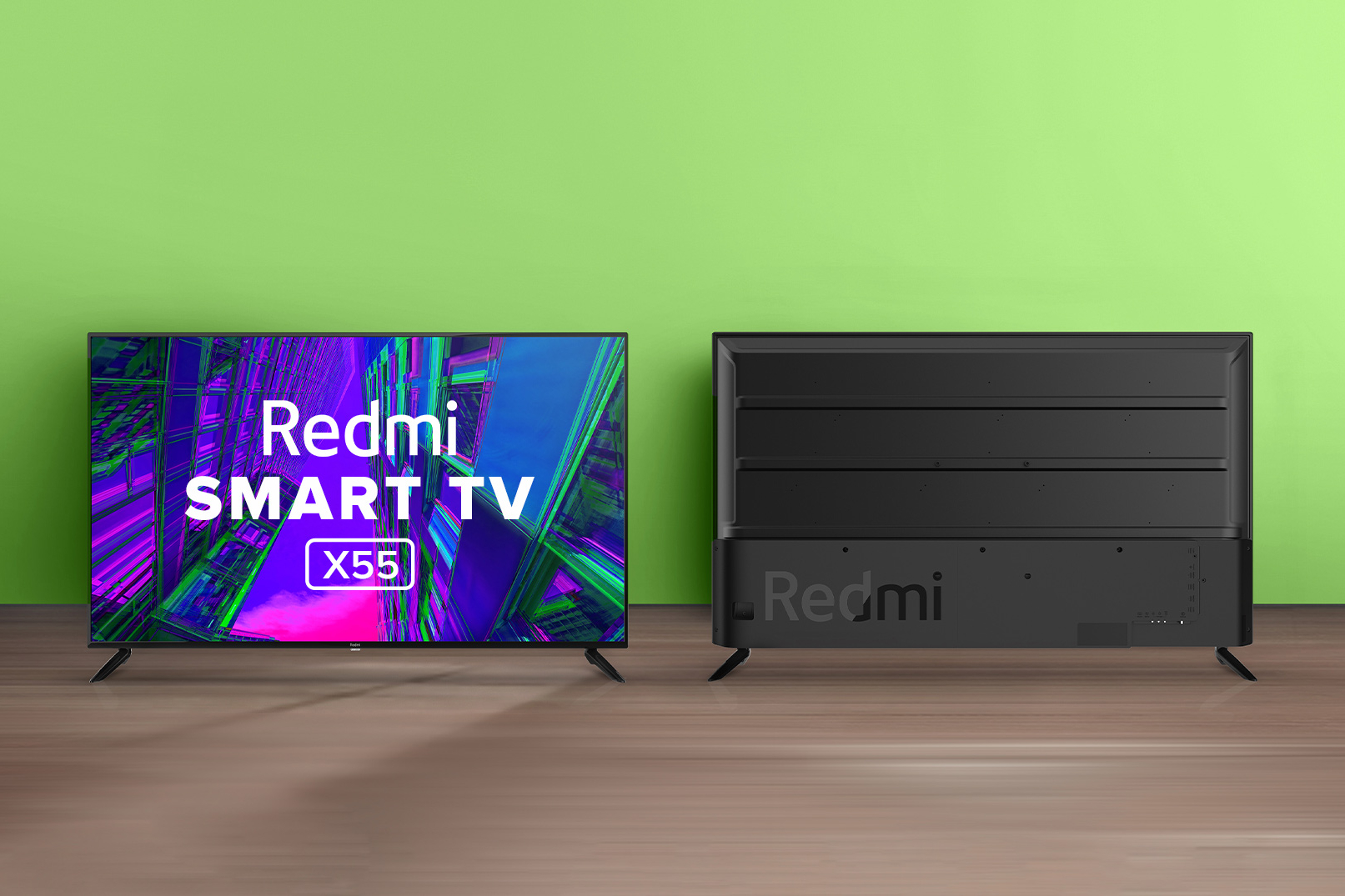
Xiaomi is gearing up for the launch of its latest lineup of smart TVs from its sub brand Redmi in India. The latter has launched smart TVs in the region back in the past, and now, it seeks diversify its offerings with the announcement set for September 22.
The Chinese tech giant has just shared the news and even put up a new page on its official website in India. In this page, a countdown to September 22 can be seen along with the title Redmi Smart TV series, which is an ‘All Round Smart Entertainment’ system. Notably, the online announcement states that the launch will begin at noon 12 pm and even revealed the sizes of the upcoming TVs. Redmi will launch the Smart TV series in a 32 inch and 43 inch form factor.
Back in May, we had reported on the company’s Redmi Smart TV being spotted on the Google Play Console listing, which revealed certain details regarding the new product. This included its codename ‘Tarzen’ and its model number MiTV-MOOQ3. As per this listing, the Smart TV series will offer Full HD resolution and will be powered by a MediaTek T31 chipset with 2GB of RAM. It will also run on the Android 10 operating system, which is the latest for TVs.
Redmi Smart TV X55
Since Redmi is known to be Xiaomi’s budget subsidiary, these specs and sizes indicate that it might be launched at a competitive price point. This is further backed by the Redmi Smart TV X series, which was launched in three different sizes namely, 50 inch, 55 inch, and 65 inch that started from 32,999 INR (roughly 455 US Dollars). In other words, the new lineup might be more affordable than the X lineup. Keep in mind that this is still speculation at the moment, so take it with a pinch of salt and stay tuned as we will be covering the launch event later this month.
We use cookies on our website to give you the most relevant experience by remembering your preferences and repeat visits. By clicking “Accept”, you consent to the use of ALL the cookies.
This website uses cookies to improve your experience while you navigate through the website. Out of these, the cookies that are categorized as necessary are stored on your browser as they are essential for the working of basic functionalities of the website. We also use third-party cookies that help us analyze and understand how you use this website. These cookies will be stored in your browser only with your consent. You also have the option to opt-out of these cookies. But opting out of some of these cookies may affect your browsing experience.
Necessary cookies are absolutely essential for the website to function properly. This category only includes cookies that ensures basic functionalities and security features of the website. These cookies do not store any personal information.
Any cookies that may not be particularly necessary for the website to function and is used specifically to collect user personal data via analytics, ads, other embedded contents are termed as non-necessary cookies. It is mandatory to procure user consent prior to running these cookies on your website.