Advertisement

OPPO A5 2020, OPPO A9 2020 ColorOS 11 (Android 11) Beta registrations go live

After announcing the ColorOS 11 April update plan, OPPO has started recruiting beta testers for the listed phones. The latest devices to join the program as per the schedule are OPPO A5 2020 and OPPO A9 2020 respectively.
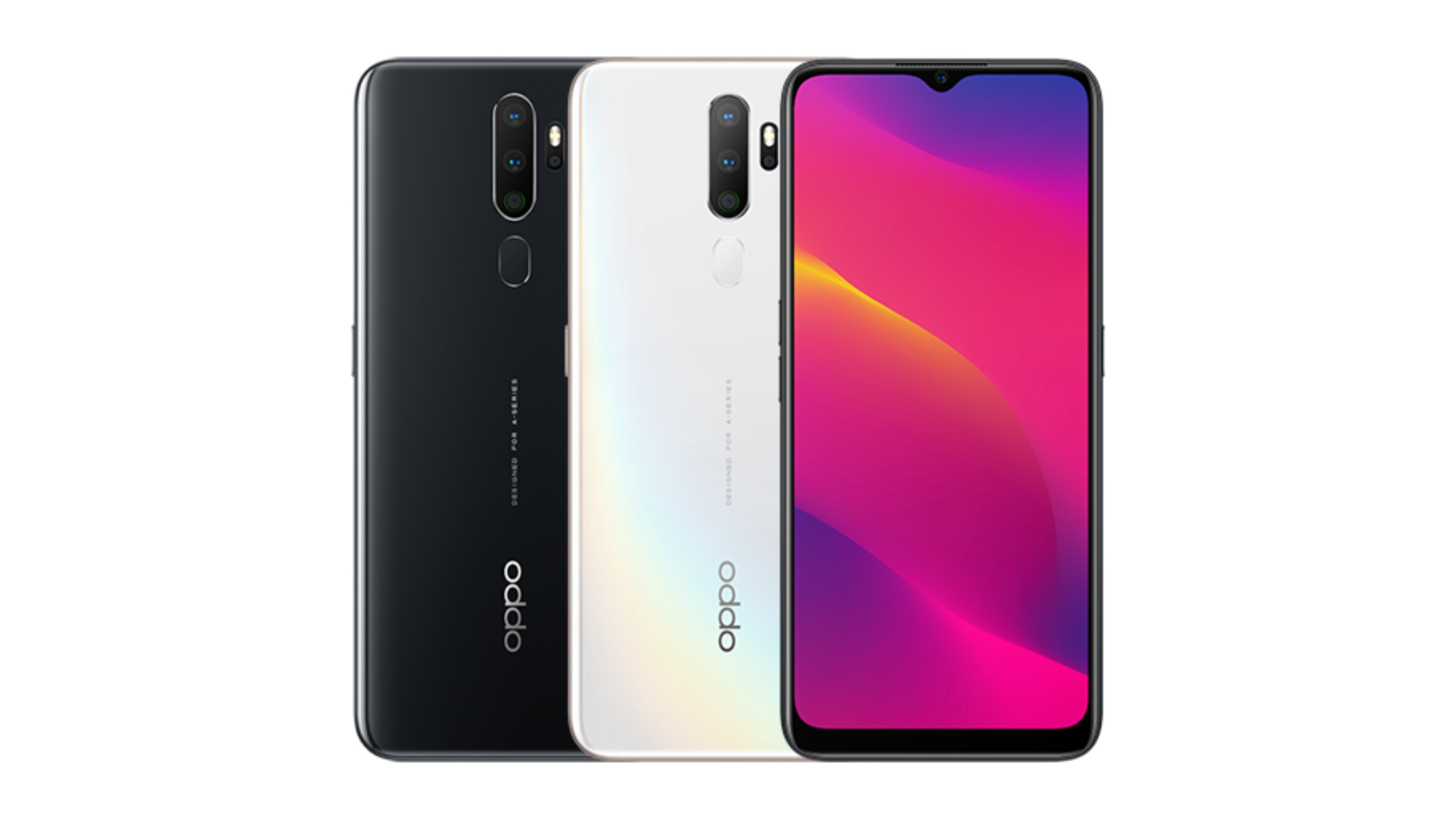
OPPO A5 2020 Featured
OPPO A5 2020

A few hours ago, we reported that OPPO had opened ColorOS 11 Beta registrations for the OPPO Reno Z and the OPPO A73 5G ahead of schedule. But that’s not the case with OPPO A5 2020 and OPPO A9 2020. The registrations for these two smartphones have begun right on time.

According to the official announcement posts on ColorOS Community, users should be on firmware version C.74/C.75 to enroll in the program. Also, the initiative is limited to India and Indonesia only.

In order to register, interested users need to navigate to Settings > Software Update > Gear Icon > Apply for Beta Version > Update Beta Version and follow on-screen instructions. The ColorOS 11 Beta registrations for these handsets will remain open till April 21 for the first batch.
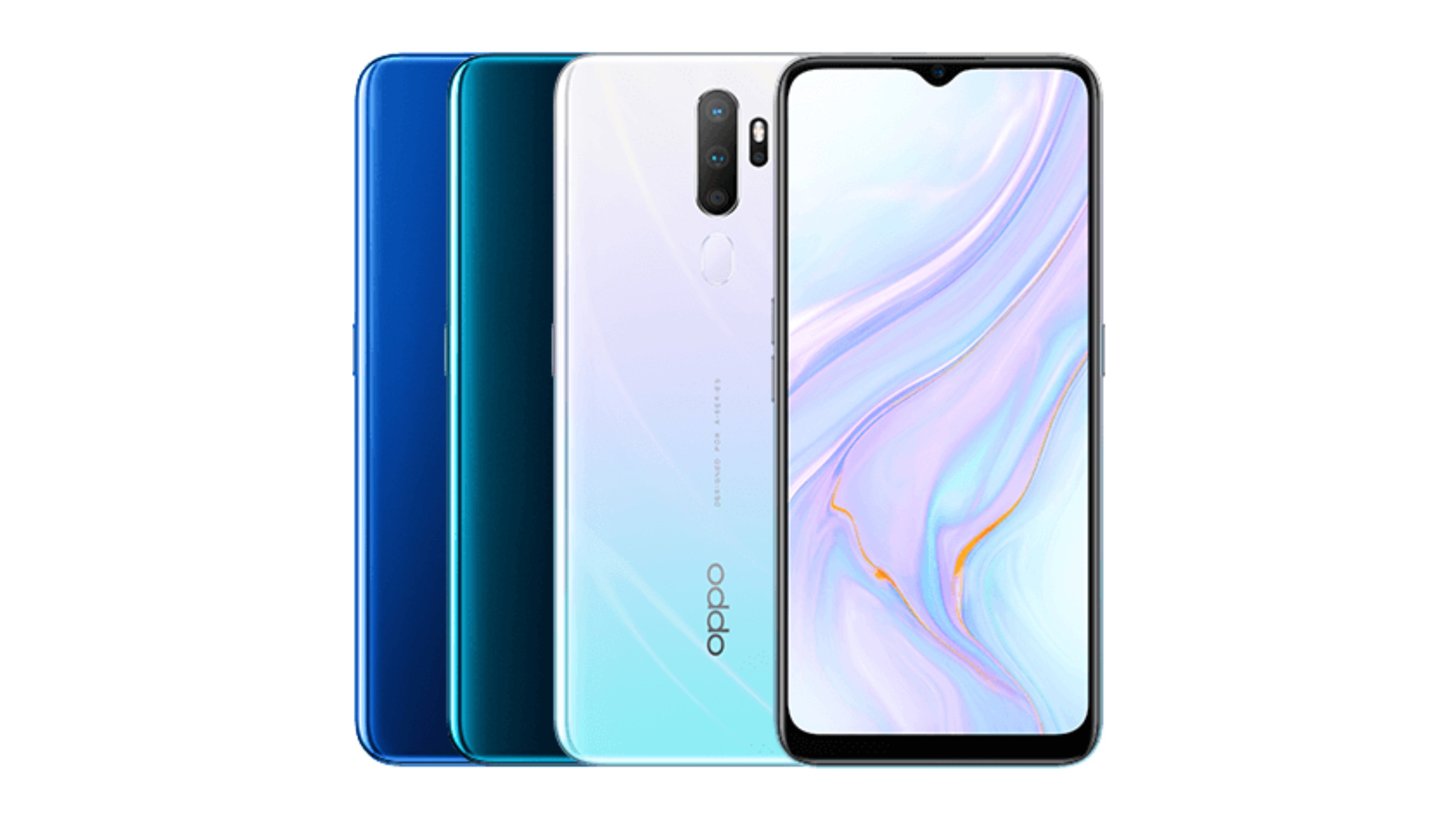
OPPO A9 2020 Featured
OPPO A9 2020

Both the OPPO A5 2020 and the OPPO A9 2020 launched with ColorOS 6.1 based on Android 9.0 Pie. The devices were updated to Android 10-based ColorOS 7.x last year.

Hence, ColorOS 11 (Android 11) should be the last major system update for these smartphones, as per OPPO’s update track record.


RELATED:

Apple 2023 iPhone to feature Under Display Face ID: Kuo

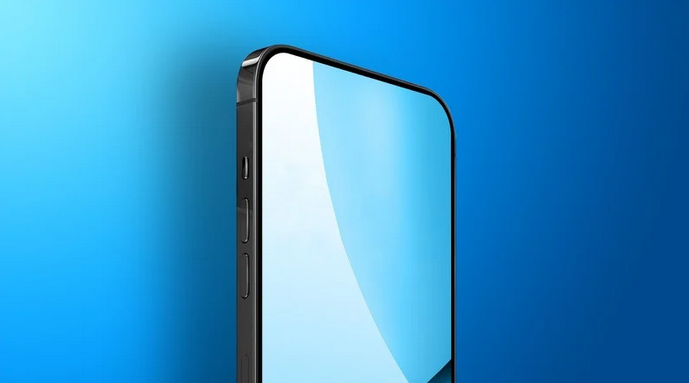
Apple is apparently planning on adopting new display technology for its 2023 iPhone lineup. As per a new report, the company will be including Under Display Face ID systems starting from its future iPhone lineup.

Apple
Image Via MacRumors

According to a MacRumors report, known Apple analyst Ming-Chi Kuo revealed that the upcoming iPhone 2023 lineup will feature the new technology, which will remove the need for the notch on the company’s smartphones. Kuo states that the new under display Face ID systems will debut along with a new periscopic telephoto lens in 2023. The analyst believes that the Cupertino based giant will abandon the notch design for a punch hold design for at least some of its 2022 iPhone lineup.

The Face ID first made an appearance with the iPhone X, with the notch primarily serving its purpose to house the TrueDepth camera system. Notably, we had reported on the company also launching its iPhone 14 with a 48 megapixel camera sensor. Now, Kuo states that the at least one of the high end iPhone model in 2023 will house an under display fingerprint sensor with no notch and a full front screen body. However, the analyst did not mention whether or not both an under display Face ID and Touch ID will be offered in a single device, or if the features will be exclusive to the higher end models.

Apple

For those unaware, the company has been rumored to adopt the under display fingerprint scanner for a while now. Although, this might be one of the first mentions of the iPhone maker offering an under display facial recognition system. From a technological standpoint, it would require more advanced systems to make the an under display Face ID, considering TrueDepth camera system must be able to read and recognize faces through pixels on the display without any distortion.

RELATED:


Vivo overtakes OPPO to become largest Smartphone brand in China for the first time

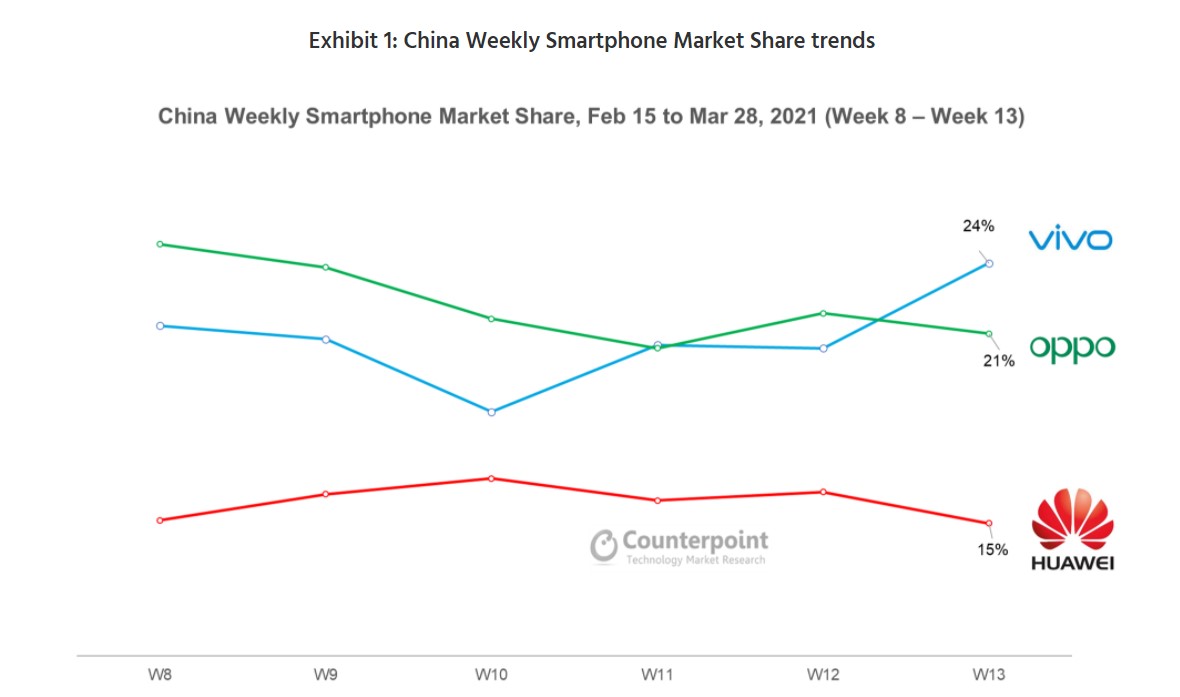
After recovering from the COVID-19 dip, the China Smartphone market is on the rise. The latest report by Counterpoint shows that Vivo has overhauled OPPO to become the largest smartphone brand in China.

smartphones
Representative image: Pile of Smartphones

Earlier in March, a similar report showed that OPPO became the No.1 Smartphone brand for the first time in January 2021. Now, Vivo has taken its turn to jump ahead of OPPO thanks to budget Vivo Y and S models.

That is, as of March 28, 2021(Week 13), Vivo holds the top spot with a market share of 24% as opposed to OPPO‘s 21% and Huawei‘s 15%. Comparing with the last report, we can see that Vivo has nearly grown its market share by 4% since January.

Do note that here Vivo also includes its sub-brand iQOO while OPPO’s share doesn’t include realme and OnePlus. Similarly, the share of Huawei, which led the smartphone market in 2021, doesn’t include its ex-sister HONOR.

Credit: Counterpoint Research

Huawei’s rivals have been seeking to steal the legend’s lost market share for a while and it is clearly evident in the latest report. Anyway, the report says that 76% of Vivo’s sales in February 2021 accounts 5G portfolio.

This is a significant bump up from 0.5% in 2019 when it started churning out 5G devices like Vivo Nex 3. Also, Vivo is said to be positioning its product lineup very well with NEX, X, S, Y series. The first two are flagship with camera upgrades(like ZEISS tie-up) while the latter two are more affordable devices.

Not to mention the iQOO has been on a ride with more focus on the online market. OPPO, on the other hand, has flagship Reno and mid-range A devices. Let’s wait and see if Vivo is able to hold the spot with more to come in the next Quarter.

RELATED:

TCL OLED TVs might finally make the technology be more affordable

TCL has recently announced that it will officially start making OLED TVs. These TVs will be launched sometime in 2023 and would mark the company’s arrival in the premium segment of TVs. But, this might be good news as it could also have the technology finally becoming affordable.

TCL P725 Series 4K HDR smart TV FeaturedTCL P725 Series 4K HDR smart TV Featured

For those unaware, OLED is a rather expensive when compared to traditional LCD televisions. This is the case despite production for the screen type ramping up in recent years, with more and more manufacturers adopting the technology. Generally, when production picks up and adoption rates rise, the prices gradually drop but that did not affect the prices of OLEDs by a large margin, but now, TCL’s method of making the OLED panels might be significantly cheaper, as per a TechRadar report.

Furthermore, these savings would lead to overall lower RRPs when these TVs eventually launch. This alternative method of OLED production is by using inkjet printed panels (IJP), this effectively ‘prints’ OLED panels between panes of glass, instead of traditional ‘white OLED’ (WOLED) panels found in today’s OLED televisions, which require a more intensive production process that leads to a higher cost.

TCL Class 4-Series 4K Android TV Featured

It was previously estimated that the move to inkjet printing could see the production cost of OLED to fall by about 15 to 25 percent. This, in turn, implies that the launch price of OLED TV prices to drop from around 1,200 US Dollars to about 1,000 US Dollars. Additionally, the shift could also lead to more competition in the market, with more rivals for the current market leader LG Display.

RELATED:


iQOO 7 gets an 8GB + 256GB variant in China ahead of India launch

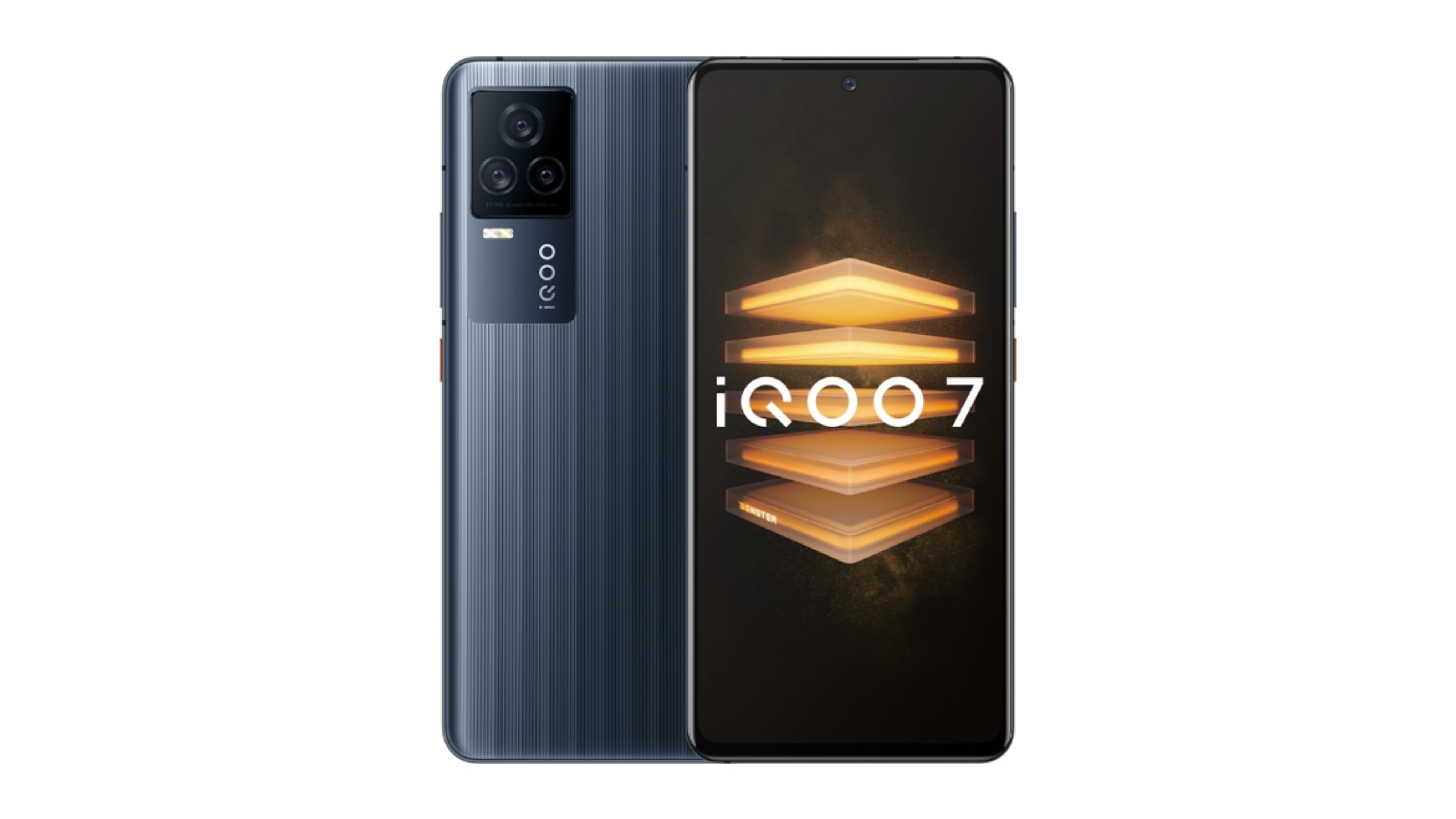
Back in January, iQOO launched the iQOO 7 in China. At that time, the company only debuted two storage variants. Now, three months after the phone’s announcement, the brand has introduced a third storage configuration, which sits between the first two.

iQOO 7 Blackland Featured
iQOO 7

Chinese smartphone maker iQOO has launched a new 8GB + 256GB variant of iQOO 7 in its home country. The new version of the handset is priced at ¥3,898 ($597) and is already up for pre-order. Customers who pre-order this variant will get a pair of vivo XE710 earphones for free.

Unfortunately, this storage configuration only comes in standard Latent Blue and Blackland color options like the base 8GB + 128GB valiant that costs ¥3,798 ($581). Anyway, just spending ¥100 more, customers can now get double the storage.

On the other hand, customers interested in the iQOO 7 Legend BMW M Motorsport Edition will have to spend ¥4,198 ($643). Because it only comes in 12GB + 256GB storage configuration.

The new variant of iQOO7 gets released in China before the smartphone’s India launch. It is worth noting that the Indian version of this phone is being teased to cheaper than in China. But it will only support 66W fast charging instead of 120W.


RELATED:


ZTE Axon 30 Ultra full specifications revealed before launch

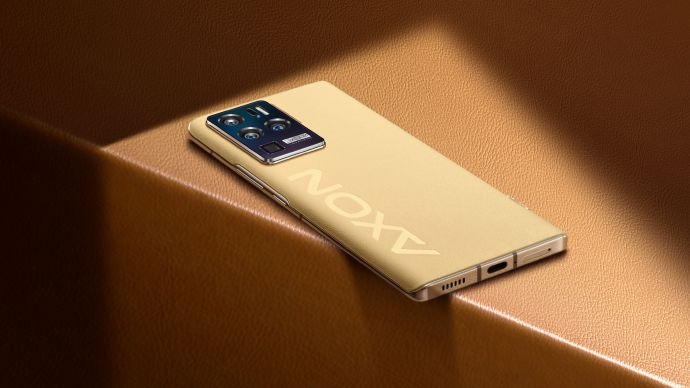
The ZTE Axon 30 Ultra will be made official tomorrow in China along with the Axon 30 and Axon 30 Pro smartphones. Ahead of the launch, the Chinese brand has confirmed the entire specs of the Axon 30 Ultra.

ZTE Axon 30 Ultra specifications and features

The Axon 30 Ultra has a 6.67-inch AMOLED screen that produces a 144Hz refresh rate. The official renders of the phone have revealed that it will be sporting a punch-hole display. For security, it features an in-screen fingerprint treader.

The handset will come preloaded with MyOS 11 based Android 11 OS. The Snapdragon 888 mobile platform will be fuelling the device with LPDDR5 RAM and UFS 3.1 storage. Past reports have suggested that it could be available with up to 12 GB of RAM and 512 GB of storage.

Axon 30 Ultra
Axon 30 Ultra

The Axon 30 Ultra is packed with a 4,600mAh battery that supports 66W rapid charging. According to ZTE, it takes only 15 minutes for the smartphone to gain 50 precent battery power from the scratch. For heat dissipation, the smartphone features triple ice-sealed vapor chamber liquid cooling. On the connectivity front, the Axon 30 Ultra offers users options like dual-band GPS, NFC, Wi-Fi 6E, and triple microphones.

The rear-mounted camera system of the Axon 30 Ultra has a 64-megapixel main camera, a 64-megapixel superwide lens, a 64-megapixel portrait sensor, and an 8-megapixel periscope telephoto shooter. The company recently confirmed that the smartphone will offer a photography feature called the ‘Super Moon Ultra’ for capturing shots of stars and the moon. The device has a thickness of only 8.1mm and weighs 180 grams. At present, there is no word on the pricing of the device.

RELATED:

Huawei to invest $1 billion to develop EV and Self-Driving technology

Huawei is going through very rough times as the United States has imposed several sanctions on the company, restricting the Chinese giant in various businesses. It shut down its high-end chip production and is also losing marketing share in the smartphone business.

While its telecom and mobile business is suffering, the company is moving ahead to establish itself in the next major thing — Electric Vehicles and Self-Driving Technology. In line with this, Huawei will invest about $1 billion for the development of such technologies under its brand, reports Bloomberg.

Huawei Logo MWC 2019

Huawei is now aiming to take on the likes of Tesla and Xiaomi, among others with its own self-driving car technology. The company has already clarified that it has no plans to make its own car but will supply its tech to carmakers.

It has already partnered with three automakers — BAIC Group, Chongqing Changan Automobile Co, and Guangzhou Automobile Group Co. Eric Xu, the rotating chairman of Huawei also revealed that the cars launched will carry the Huawei name as a sub-brand.

Huawei’s autonomous-driving technology has already surpassed Tesla’s in some aspects of technology. For instance, the company’s cars have cruised for more than 1,000 kilometers (621 miles) without human intervention.

Commenting on this, Eric Xu said: “The smart car business unit receives one of the heaviest investments from Huawei. We will invest more than $1 billion in car component development this year. China adds 30 million cars each year and the number is growing. Even if we don’t tap the market outside of China, if we can earn an average of 10,000 yuan from each car sold in China, that’s already a very big business for Huawei.”

Huawei has already launched smart car connectivity products and the company’s info and entertainment technology can already be found in Mercedes-Benz sedans. It has also teamed up with companies like BAIC BluePark New Energy Technology Co. to develop smart car systems and the first model under the partnership — the Arcfox αS HBT will be unveiled at Auto Shanghai in April.

Apart from Huawei, other tech giants like Apple and Xiaomi are also targeting the automobile industry as companies race to make vehicles more environment-friendly, autonomous, and connected goes on. According to the report from Canalys, EV sales in China may climb more than 50 percent this year alone.

RELATED: 

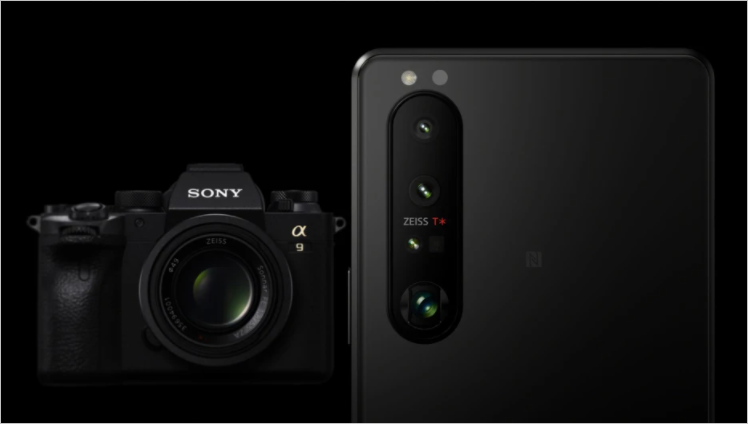
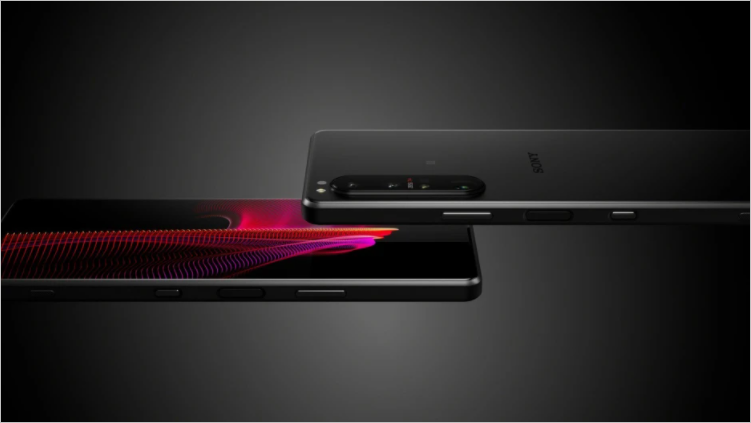
Sony Xperia 1 III and Xperia 5 III with variable telephoto lenses Official!

Japanese electronics giant Sony has released two premium offerings in the smartphone market, with the launch of the Sony Xperia 1 III and Xperia 5 III smartphones, expected to begin shipping to US customers in the summer of 2021. The two smartphones are powered by the Snapdragon 888 5G chipset and offer loads of innovative and exciting features from their predecessors, the Xperia 1 II and Xperia 5 II, respectively.Sony-Xperia-1-III-and-Xperia-5-III

Sony Xperia 1 III and Xperia 5 III Specs & Features

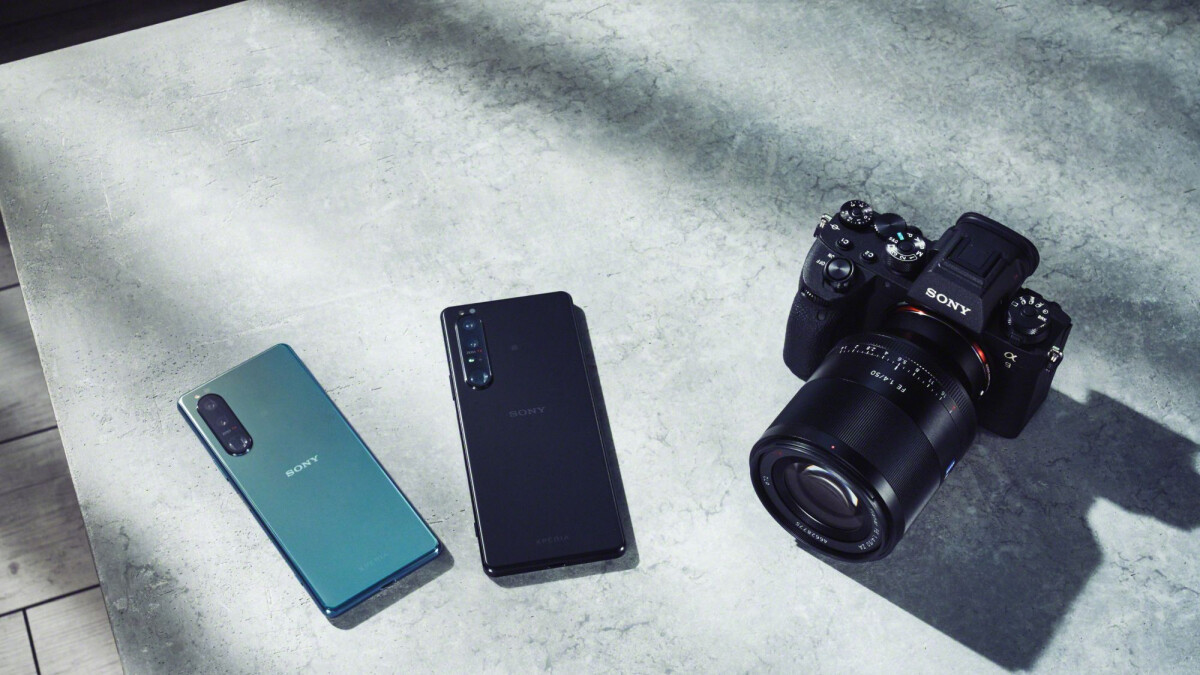
The two latest Sony smartphones will run on Android 11 and come in two color variants: frosted black and frosted purple for the Xperia 1 III, black and green for the Xperia 5 III. Both models reflect Sony’s great design philosophy that always puts its products up at the top in quality, innovation, and durability. The smartphones feature a 21:9 screen, uniform bezels, exquisite metal frames, and glass backs.Sony Xperia 1 III and Xperia 5 III

Sony has drawn from its rich repertoire of technologies available in its wide array of products from TVs, professional cameras, and audio devices to incorporate such into the two high-end smartphones available to the US market in the summer of 2021.Sony Xperia 1 II

A two-step physical shutter button, available in both models, will be attractive to photography fans who will have a feel of using a conventional Sony professional camera. The picture and video quality of the two smartphones are top-notch, and the attached variable telephoto lens allows users to provide automatic focus in up to four focal lengths.

Both the Xperia 1 III and Xperia 5 III have a fast display refresh rate of 120Hz. Both adorn innovative audio and video features that provide high definition quality from the HDR OLED display greater color accuracy.Sony Xperia 1 III

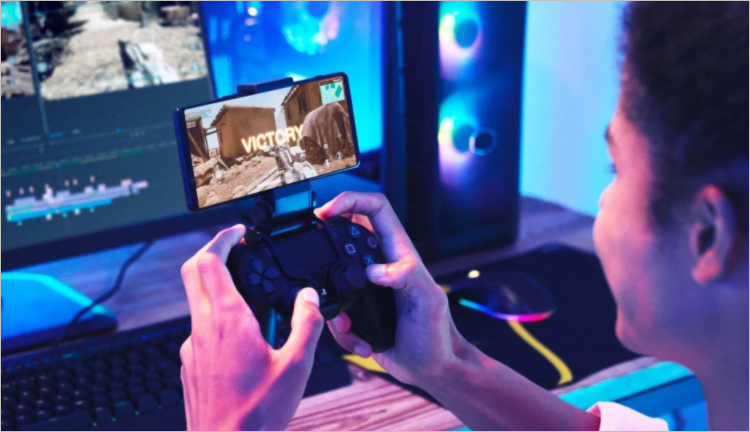
The two products are also well-suited as a gaming phone, with a 240Hz touch sampling rate, motion blur reduction, heat suppression technology, and an ability to bypass the battery when playing games and charging the phone.Sony Xperia 1 III

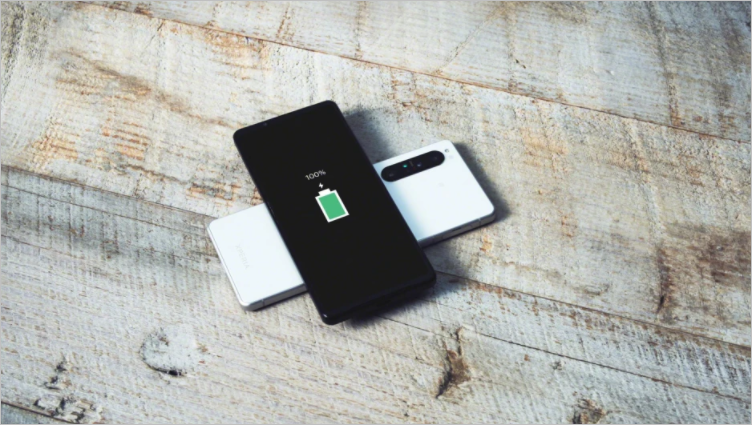
The Xperia 1 III has 12GB RAM with 256GB internal memory, while the Xperia 5 III comes in an 8GB RAM together with either 128GB or 256GB internal memory. They both have a 4500mAh battery with a 30W fast charger as an accessory.Sony-Xperia-1-III-and-Xperia-5-III

Sony Xperia 1 III and Xperia 5 III Pricing and Availability

The prices of both the Sony Xperia 1 III and Xperia 5 III were yet to be released, and we would expect that the prices would be on the high end of the spectrum.

RELATED;


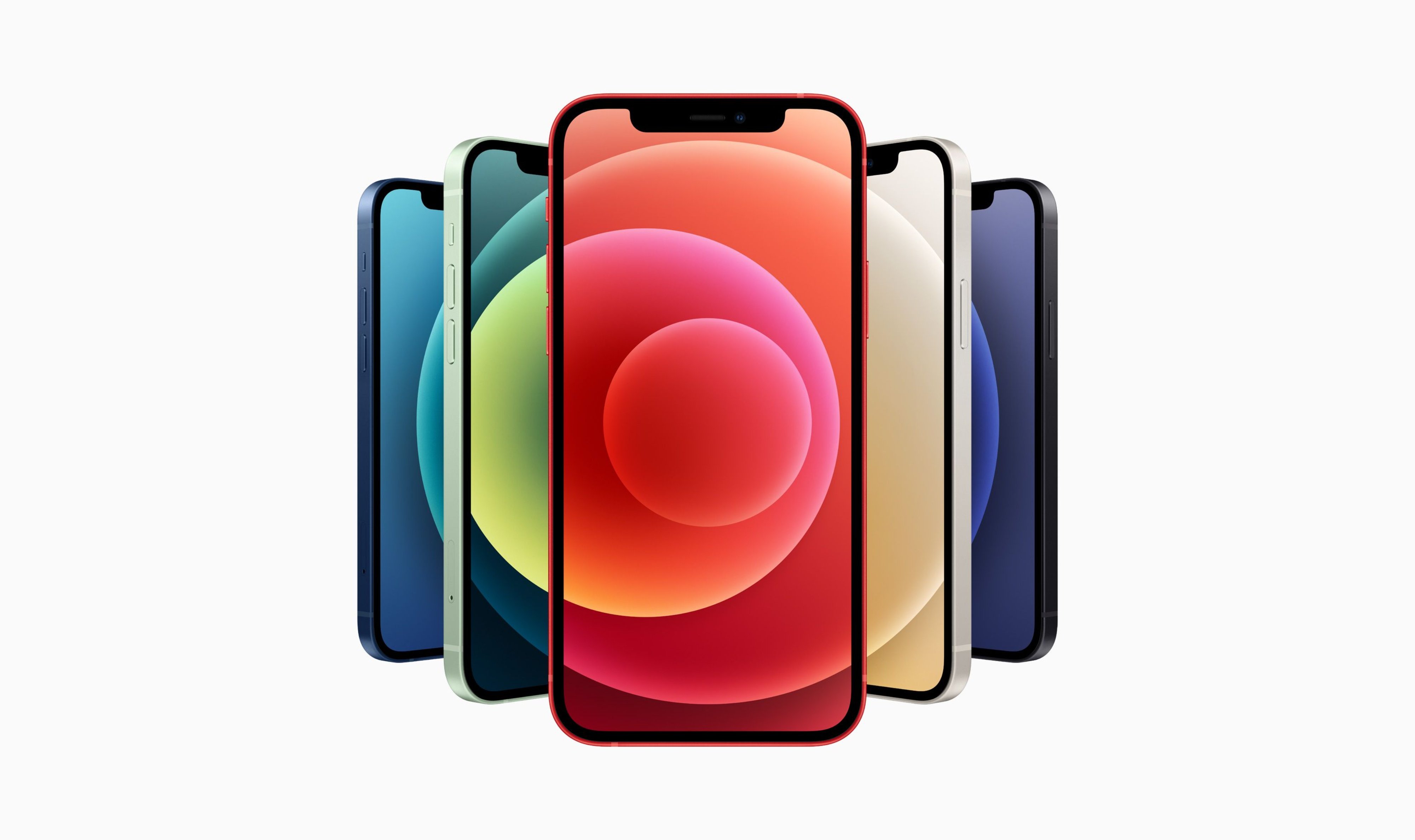
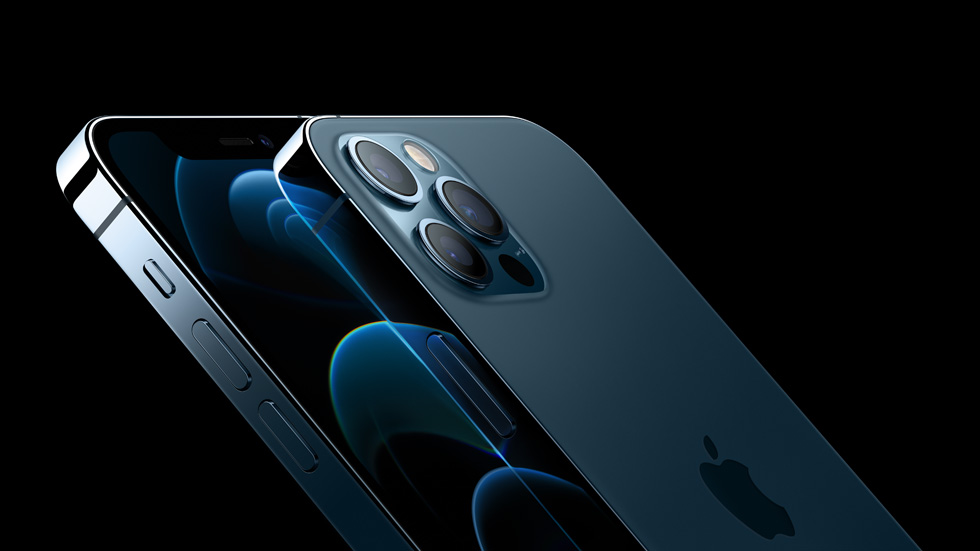
Apple iPhone 14 to feature 48MP camera, iPhone mini series to be discontinued: Kuo

A new report has just surfaced that has revealed interesting details regarding the 2022 Apple iPhone lineup. Reportedly, the iPhone 14 will arrive with a 48 megapixel image sensor, while the mini series from the company will be discontinued.

Apple iPhone 12 All Colors Featured

According to an AppleInsider report, known Apple analyst Ming-Chi Kuo has just predicted that the next gen high end iPhone 14 models from the company will apparently arrive with a 1/1.3 inch 48MP CMOS image sensor for the wide angle camera module. Since this is a 48 megapixel sensor, the Cupertino based giant could also have the device support hybrid operating modes and even pixel binning to maximize pixel size and improve the the sensors’ light gathering capabilities.

Kuo noted that “We believe that the new 2H22 iPhone may support direct 48MP output and 12MP (four cells merge output mode) output simultaneously. With 12MP output, the CIS pixel size of the new 2H22 iPhone increases to about 2.5um, which is significantly larger than the iPhone 12 and iPhone 13, and larger than existing Android phones, and close to the DSC level.” Furthermore, the Pixel size is a native 48 megapixel resolutions and is around 1.25um.

Apple iPhone 12

In comparison, the iPhone 12’s pixel is 1.7um, while the iPhone 13’s pixel is rumored to be around a 2um. Owing to the high resolution, Kuo notes that we might soon see smartphones capable of recording 8K videos soon. This will mark a significant shift from 4K recordings from current gen. Although, the frame rates for the capture were not mentioned in the report, so stay tuned for more updates. Lastly, the analyst also added that the company will discontinue the iPhone mini lineup in 2022, and offer only 6.1 inch and 6.7 inch base and Pro variants.

RELATED:


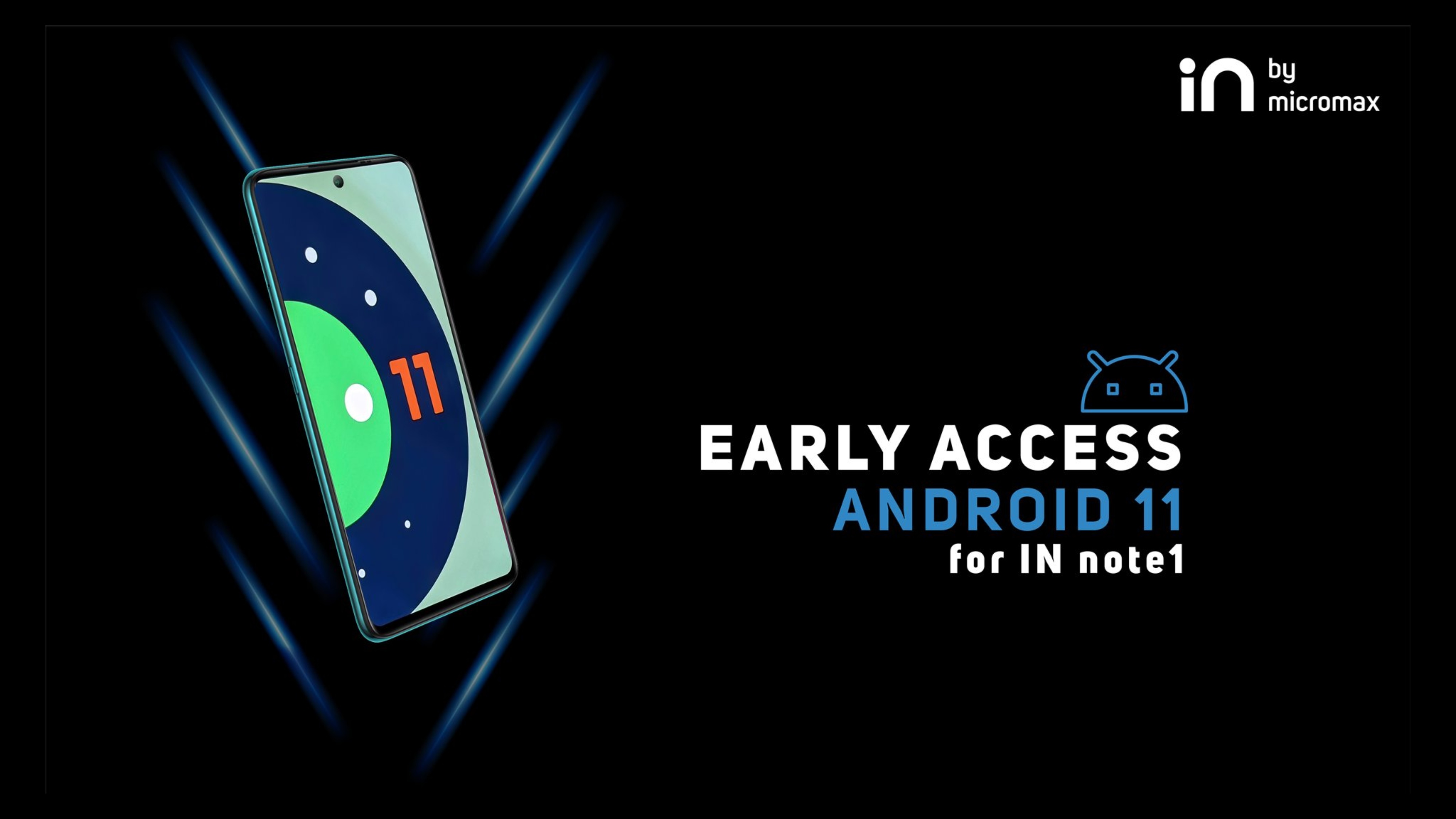
Micromax IN Note 1 Android 11 Early Access program announced

Micromax launched the IN Note 1 in November as one of the first two phones under its new IN series. Despite releasing in late 2020, the handset debuted with Android 10 out of the box. A few months later, the company revealed that it will be delivering the Android 11 update in April. As promised, the firm has now announced the Android 11 Early Access program for Micromax IN Note 1.

Micromax IN Note 1 Android 11 Early Access

Whenever an OEM opens registrations for beta programs, they ask users to register via forms. However, Micromax is not following the industry standard.

In an official announcement post on Micromax forums, the company vaguely requests interested users to share their unit’s IMEI numbers (both SIM 1 and SIM 2) and software version via private message.

We are not sure where Micromax is asking to share the sensitive data. Maybe this information needs to be shared via the company’s official social handles.

Anyway, if you are a Micromax IN Note 1 user and want to try Android 11 before most users, then send the requested details to the company by April 18.

That said, we expect the Android 11 stable update to arrive at least a month after the release of the Early Access build.


RELATED:


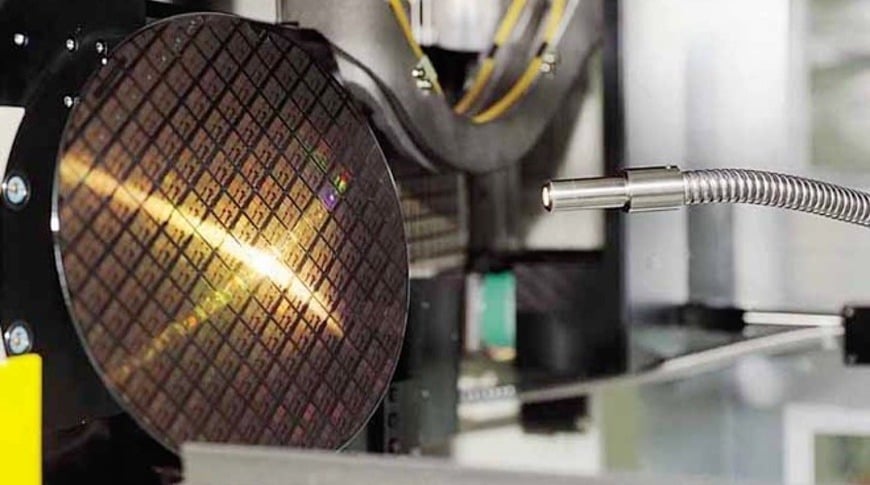
Taiwan says Chip firms will comply with new US rules that blacklists Chinese companies

Earlier today (14th April 2021), Taiwan said that its chip based firms will comply with the new US regulations, which had Washington add seven Chinese companies into its economic blacklist.

Taiwan

According to a Reuters report, these companies include China based supercomputing firms, which the US Commerce Department said were “involved with building supercomputers used by China’s military actors, its destabilizing military modernization efforts, and/or weapons of mass destruction programs.” For those unaware, blacklisted companies or other firms on the list are required to apply for licenses from the Commerce Department and face strict scrutiny when they seek permissions to receive items from suppliers based in the US.

At the moment, Taiwan is a major supplier of semiconductors for various industries across the globe. Now, Taiwanese Economy Minister Wang Mei-hua stated that the local chip firms will follow US rules and regulations, saying that “Our companies, whether producers or exporters, must accord with our country’s rules. Of course the United States has new rules, and our companies will pay attention and accord with the key criteria of the U.S. rules.”

Taiwan

Notably, the addition of the seven new firms into the blacklist arrives amid rising frictions between China over Taiwan. Furthermore, the tensions are also high amid the global shortage of semiconductors that has affected various industries around the world and disrupted supply chains globally. So stay tuned for more, as we will be providing updates when additional information is available regarding this matter or any other important developments.

RELATED:


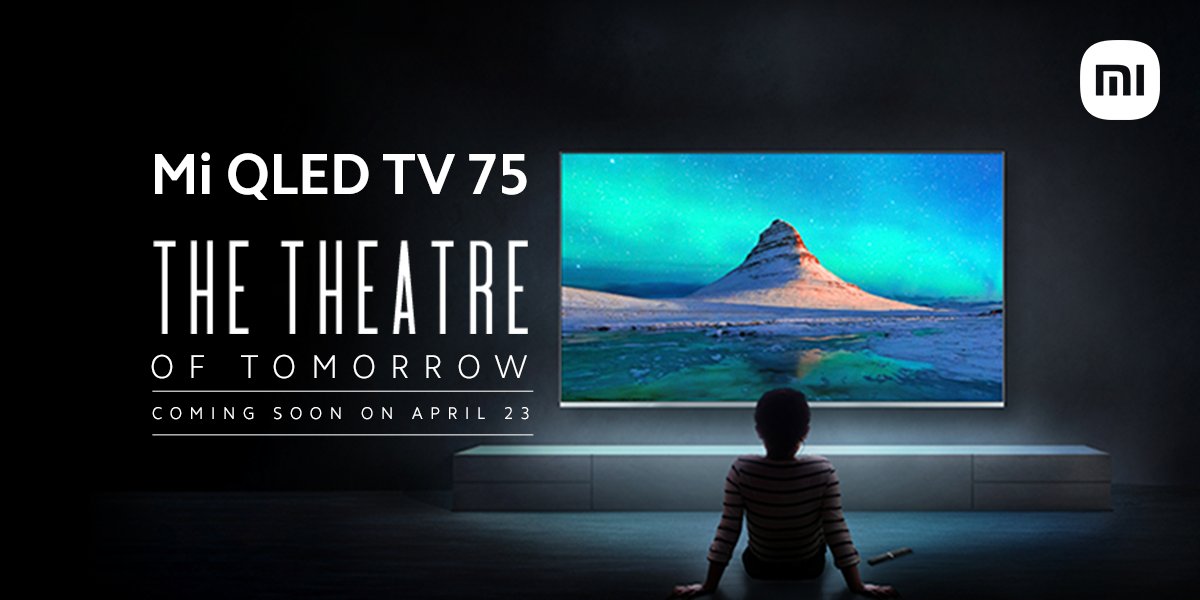
Xiaomi Mi QLED TV 75-inch confirmed to launch in India on April 23

Yesterday, Xiaomi teased a new Mi TV in India and we speculated that it could be the Mi TV Q1 75-inch from Europe. Today, the company has confirmed that the Mi QLED TV 75-inch is launching in India on April 23.

Xiaomi made the Mi QLED TV 75-inch launch announcement via a Twitter post. A microsite page has also gone live on the Xiaomi India website and the teaser images further show that it’s the MI TV Q1 from Europe.

That said, this TV would be the second QLED TV for Xiaomi in India. In December 2020, Xiaomi officially brought its first QLED TV to the country but the variant had a 55-inch display size.

Anyway, Xiaomi isn’t limiting the launch of the Mi QLED TV 75-inch on April 23. We already know that the company is bringing its top-of-the-line premium Mi 11 Ultra flagship, and the Mi 11X series as well. Looks like the event will be one of the biggest ever for Xiaomi India.

Mi QLED TV 75-inch Specifications (Expected)

Mi TV Q1 75-inch Europe

If Xiaomi doesn’t make any India-specific changes, the Mi QLED TV 75-inch should have a 75-inch QLED 4K display panel that covers 100% NTSC color gamut, has up to 1.07 billion colors and 1,024 different color shades.

The display will likely have 178° viewing angle, 10,000:1 contrast ratio, 120Hz refresh rate with MEMC, HDR10+ certification and comes with support for Dolby Vision®️.

We can expect other features like HDMI 2.1 ports, ALLM, 360-degree Bluetooth remote, 30W speakers with Dolby AudioTM and DTS-HD,  Android 10 TV OS, Google Assistant/Alexa voice assistant support, and has pre-installed Popular apps including Netflix, Amazon Prime Video, and YouTube.

RELATED:

Tesla locally stores data collected from cars in China: Executive

The data collected in China from electric cars made by Tesla are stored within the country, as per a company executive. This statement arrives after the Chinese military banned the company’s cars from entering its facilities.

Tesla Logo

According to a Reuters report, the vice president of the company issued the statement after it faced a ban from the Chinese military. For those unaware, the known electric vehicle maker is facing scrutiny in the region in terms of security and data collection. Previously, we had reported that the cars made by the company do not have cameras enabled by default outside of North America. This statement was made due to the brand being accused of being a security risk in the country.

Now, Tao Lin stated that “Tesla as a company with operations in China must abide China’s laws and regulations. Our data is very well protected. Chinese data is stored in China.” The senior official further added that the company would even share its understanding of data protection with the Chinese government. This even prompted the Tesla Chief Executive Elon Musk to say that his company would be shut down if the cars were to spy.

Tesla Model S

At the moment, Tesla is building its electric Model 3 sedans and Model Y sport utility vehicles in Shanghai. Meanwhile, China is the largest electric vehicle market in the world. Thus, it would make sense that the company would likely comply with the strict regulations that are imposed in the region. So stay tuned for more, as we will be providing updates when additional information is available.

RELATED:


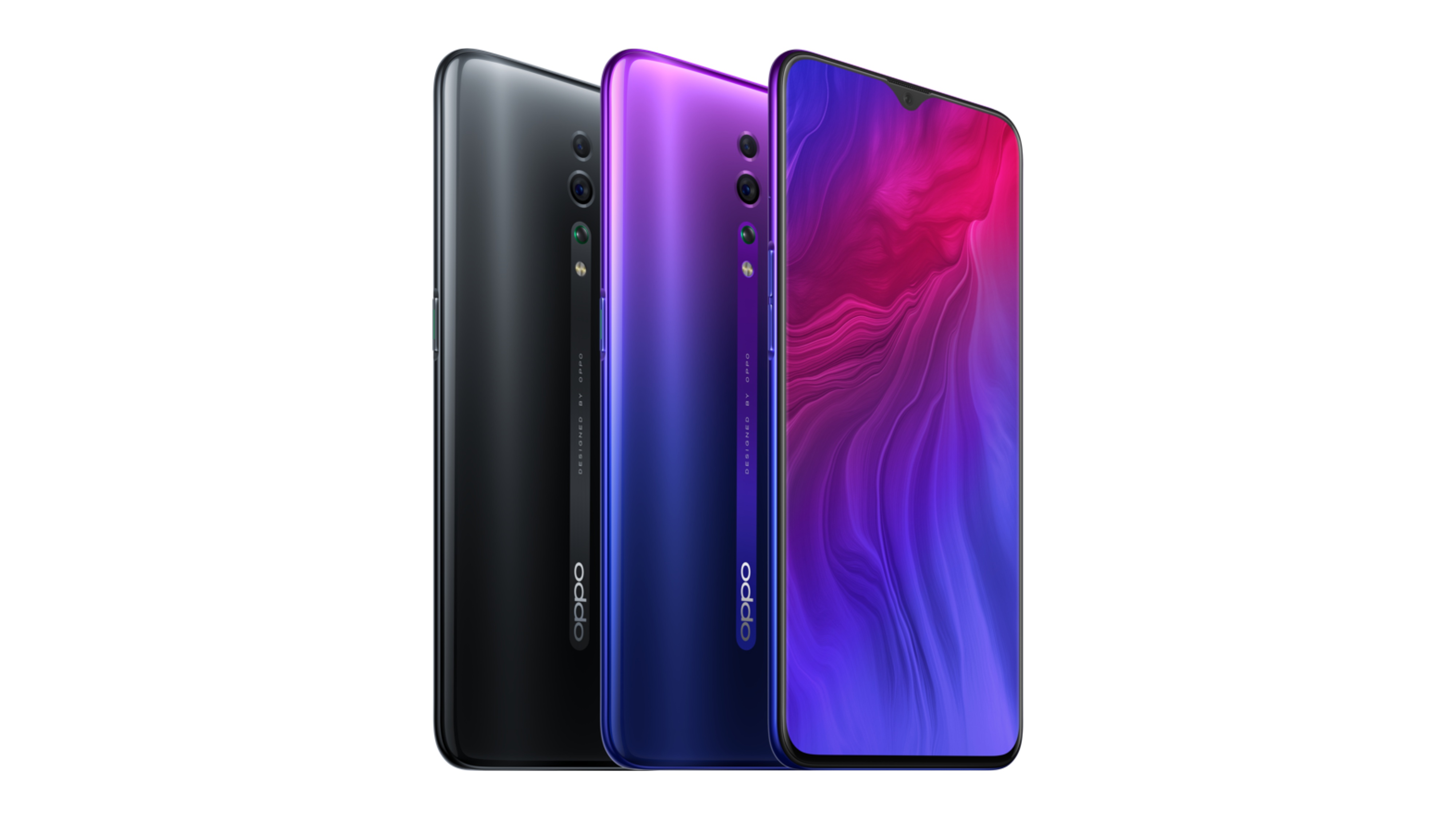
OPPO Reno Z and OPPO A73 5G get ColorOS 11 (Android 11) Beta update

OPPO has been rolling out Android 11-based ColorOS 11 update to eligible devices since September. The latest smartphones to get beta builds are OPPO Reno Z and OPPO A73 5G. interested users of these handsets can enroll themselves for the beta program to experience the new version of OPPO’s mobile operating system.

OPPO Reno Z Featured
OPPO Reno Z

A few days back. OPPO announced the ColorOS 11 update rollout plan for April 2021. According to the timeline, the OPPO Reno Z and the OPPO A73 5G were supposed to get ColorOS 11 Beta on April 13 and April 14 respectively.

However, the company had started recruiting testers ahead of the schedule on April 12. As per the official announcement posts on ColorOS Community, the registrations for the first batch will remain open till April 19.

As far as eligibility is concerned, interested users need to be running firmware version C.35 on OPPO Reno Z and A.13/A.15 on OPPO A73 5G. Also, the beta program is only live in Saudi Arabia and UAE for the former phone. Whereas, the initiative is also available in Australia for the latter handset, in addition to Saudi Arabia and UAE.

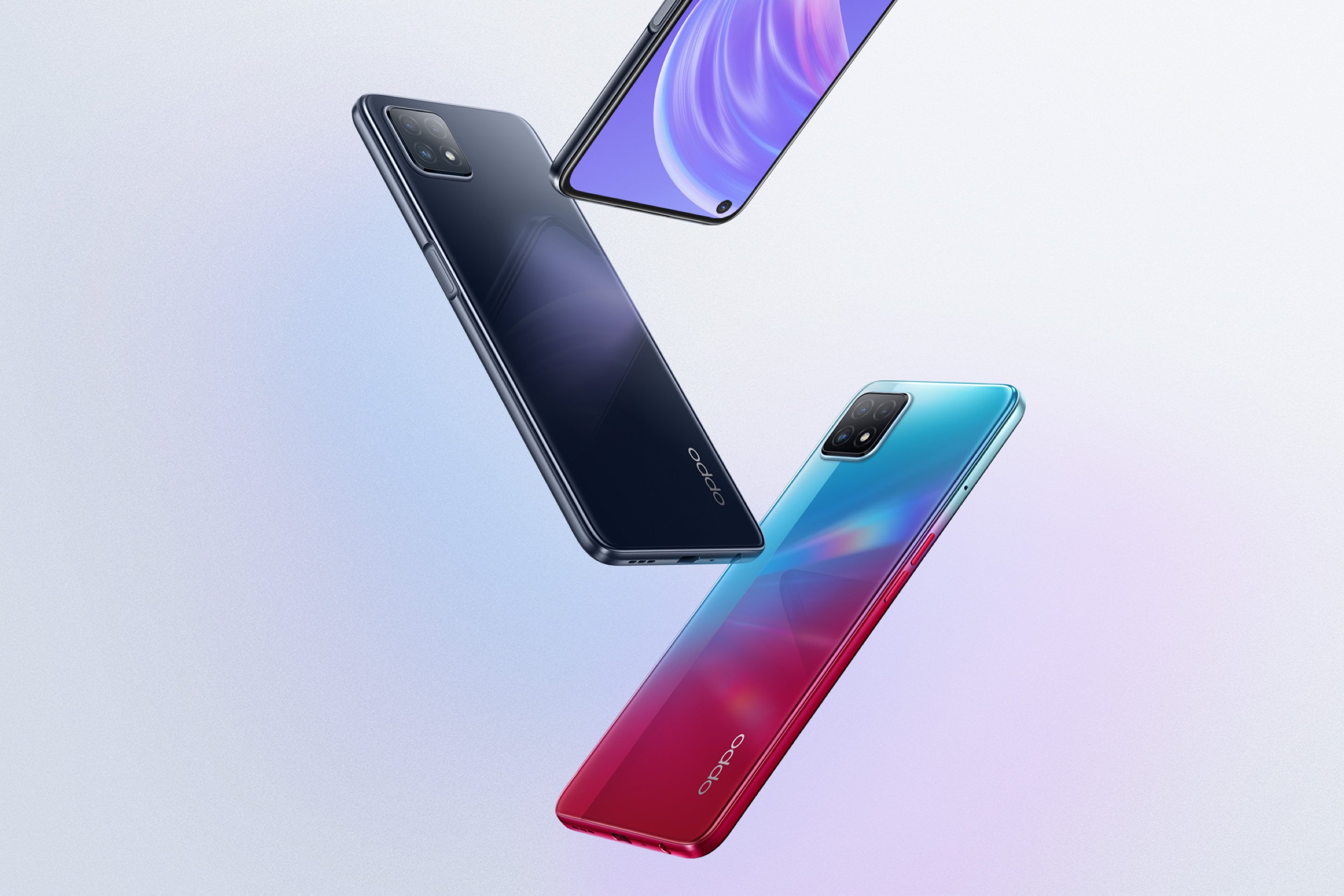
OPPO A73 5G Featured
OPPO A73 5G

That said, in order to register, users will have to navigate to Settings > Software Update > Gear Icon > Apply for Beta Version > Update Beta Version and follow the on-screen instructions.

The OPPO Reno Z debuted with ColorOS 6.x based on Android 9.0 Pie. It was later updated to Android 10 (ColorOS 7.x) last year. Hence, ColorOS 11 (Android 11) should be the last major update for this phone.

On the other hand, the OPO A73 5G launched with Android 10-based ColorOS 7.2. The latest ColorOS 11 is its first major update. Therefore, it may receive ColorOS 12 (Android 12), as per OPPO’s update track record.


RELATED:


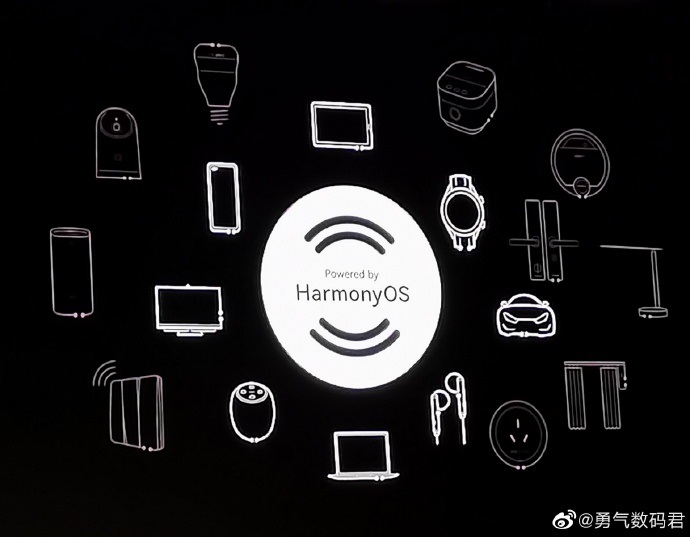
Huawei seeks to bring HarmonyOS to 300 million devices in this year

HarmonyOS is the proprietary operating system from Huawei, which the company has heavily invested into for its development. Now, the brand is aiming on bringing its in house OS to about 300 million devices within this year.

Huawei

According to a CNTechPost report, the Chinese tech giant is currently working on improving its hardware and software capabilities, and is seeking to bring HarmonyOS to 100 million additional devices within this year, as per Xu Zhijun, vice chairman of Huawei. Previously, another executive had revealed that the consumer electronics maker had partnered with 20 hardware vendors and 280 application software developing companies that would use its new operating system.

Now, Wang Chenglu, president of Huawei’s consumer business software division, has announced that the company’s conservative target for the number of HarmonyOS equipped devices this year is 300 million units. Some of its partners that will help it reach this goal include brands like Midea and Joyoung. Out of the 300 million units, 100 million devices would arrive with the new OS out of the box. Meaning, the company would be launching various new products that will ship the OS rather than later being upgraded to it.

Huawei

For those unaware, HarmonyOS is a software built with cross platform integration in mind. In other words, the software is built to unify different devices and is not limited to just smartphones and TVs. The company aims to have it be universal for its product. Unfortunately, the vendor has yet to officially reveal a detailed release roadmap, although, the company has launched Beta versions of the OS for certain smartphone models.

RELATED:


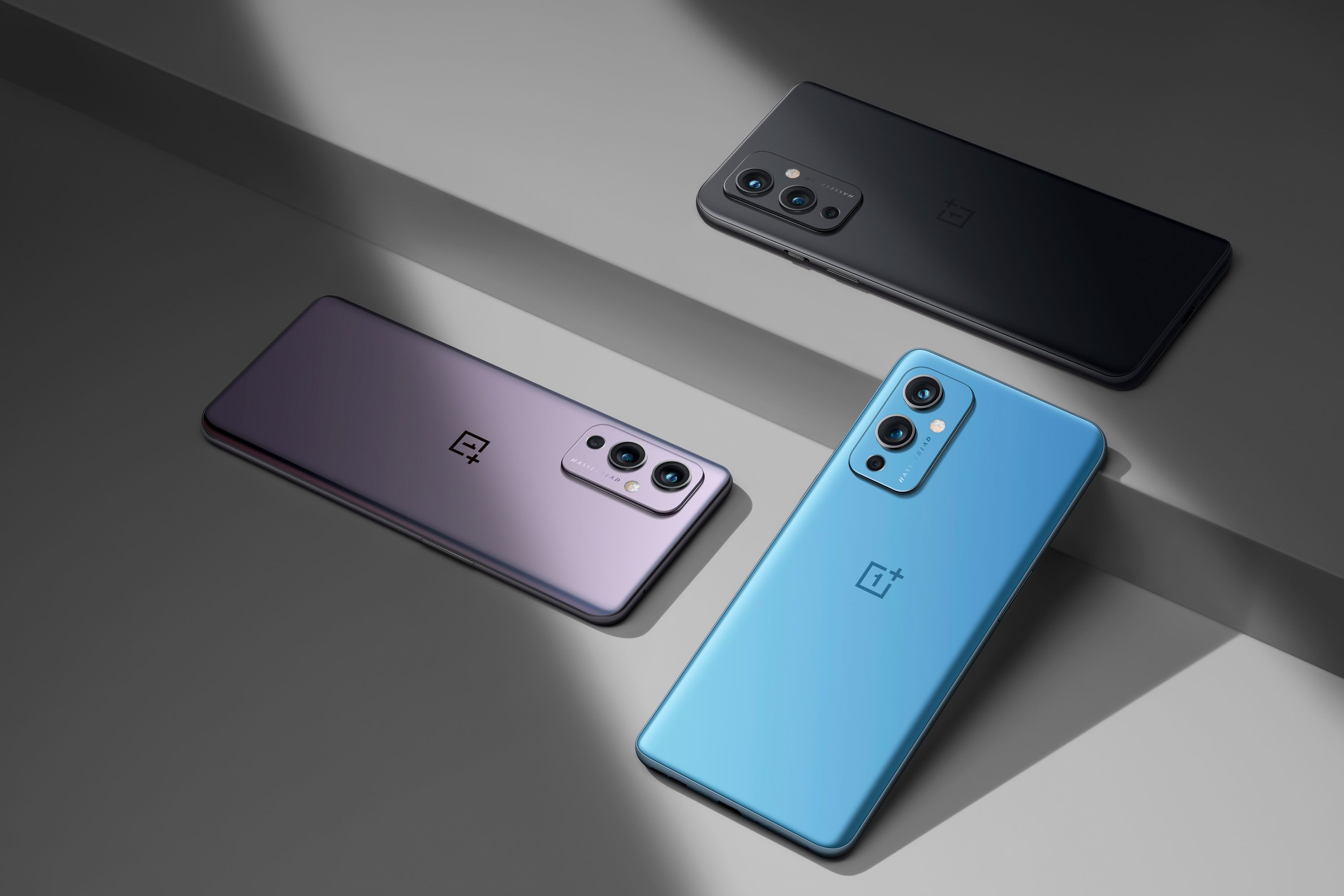
OnePlus 9 and 9R now available for purchase in India via Amazon

The entire OnePlus 9 series is finally available in India as of today (14th April 2021). The company has just launched the base flagship model along with the slightly cheaper 9R variant as well, which will be available for purchase on Amazon.

OnePlus

Back in March 23, the Chinese tech giant had first launched the higher end Pro variant, which went on sale in the region from March 31. The other two variants arrives soon after and are now finally going on sale in India through Amazon, but will only be available for Prime users as a form of an early access sale. The official open sale for all customers will begin tomorrow (15th April 2021). The devices are also arriving with bank offers for SBI card users that offers some additional discount.

The OnePlus 9 starts from 49,999 INR (roughly 665 US Dollars) for the 8GB + 128GB variant, and goes up to 54,999 INR (roughly 731 US Dollars) for the 12GB + 256GB variant. It is available in multiple color variants, including Winter Mist, Arctic Sky and Astral Black. For those unaware, the device is the company’s latest flagship and arrives with top notch specs like the Snapdragon 888 SoC, paired with LPDDR5 RAM and UFS 3.1 storage as well. It is powered by a large 4,500mAh battery pack and supports 65W fast charging.

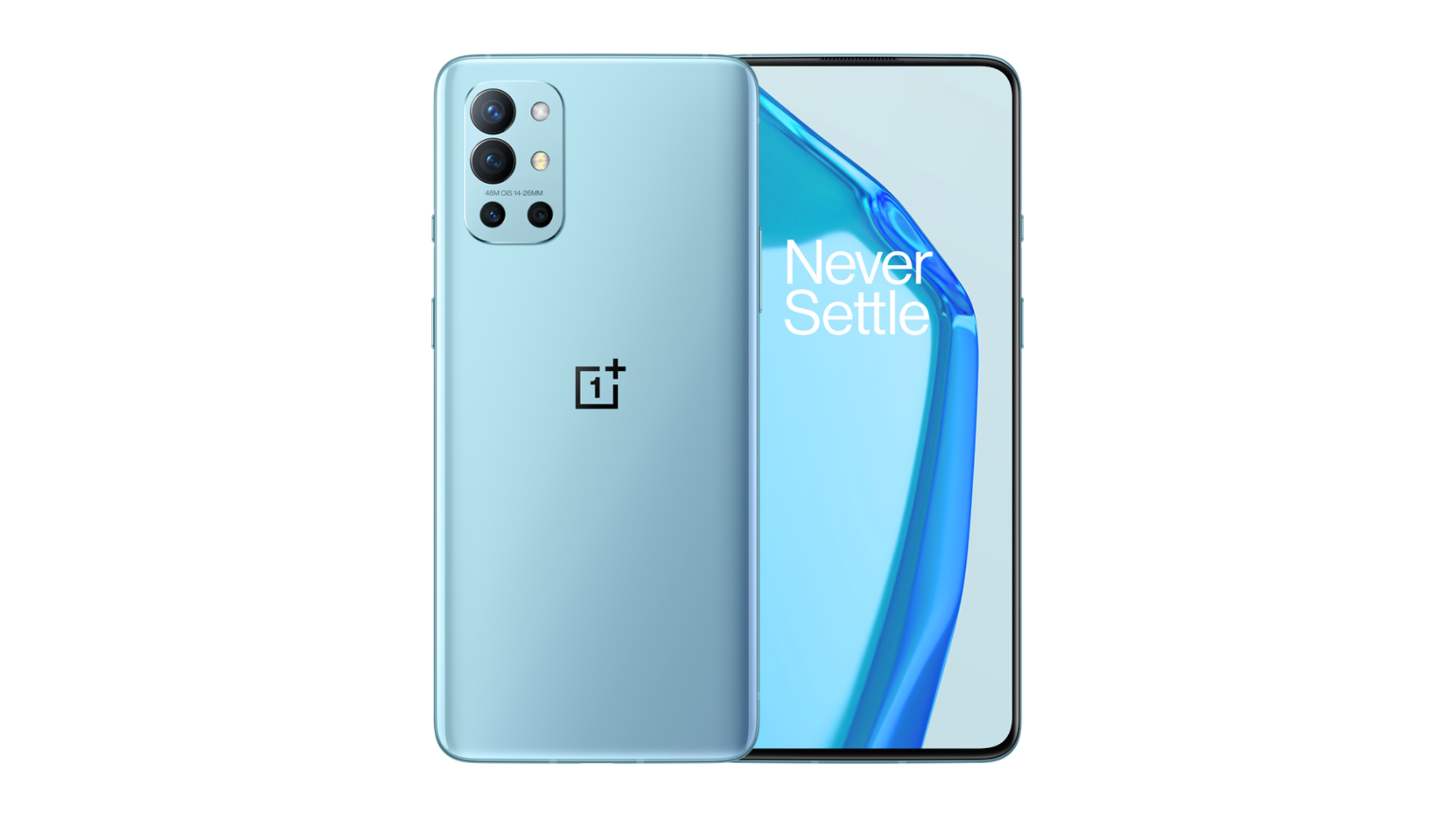
OnePlus 9R Lake Blue Featured

Arriving at the OnePlus 9R, the device starts in India for a price of 39,999 INR (roughly 532 US Dollars) for the 8GB + 128GB version, and 43,999 INR (roughly 585 US Dollars) for the 12GB + 256GB variant. The smartphone is available in a Carbon Black and Lake Blue colour options. Unlike the base and Pro variant, the 9R sports a Snapdragon 870 SoC and aims to be a relatively affordable gaming flagship handset. Although, it still houses LPDDR5 RAM and UFS 3.1 storage.

RELATED:


OnePlus Nord N10 5G gets March 2021 security patches via OxygenOS 10.5.11/10.5.12 update

The OnePlus Nord N10 5G is the brand’s most affordable 5G smartphone to date. The device debuted with OxygenOS 10.5 based on Android 10 and it is yet to receive OxygenOS 11 (Android 11). However, the company has been delivering maintenance updates to this phone since its launch. It has now started receiving March 2021 security update.

OnePlus Nord N10 5G Featrued 02

OnePlus is rolling out a new system update for the OnePlus Nord N10 5G. This update comes almost two months after the last update that brought Ferbruary 2021 security patches.

The latest build comes with the following build numbers for different regions.

  • EU: 10.5.11.BE89BA
  • GLO: 10.5.12.BE86AA​

According to the official changelog, the update brings March 2021 security patches and certain improvements as well as fixes. This release is said to bring improvements for system power consumption, WiFi performance, and 5G network stability. Lastly, it also fixes some known issues and improves system stability.

OnePlus Nord N10 5G OxygenOS 10.5.11 / 10.5.12 Official Changelog

  • System
    • Improved power consumption of the system
    • Fixed known issues and improved system stability
    • Updated Android security patch to 2021.03
  • Network
    • Improved the performance and stability of Wi-Fi transfer
    • Improved the stability of communication and 5G network

The new OxygenOS stable update for the OnePlus Nord N10 5G is being seeded out in batches. Therefore, the build may take some time to reach every unit out there.


RELATED:


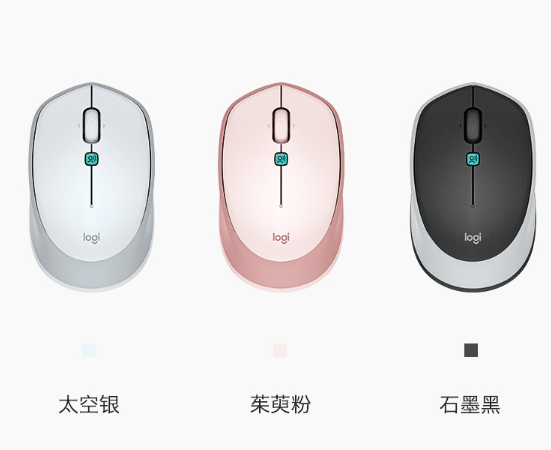
Logitech VOICE M380 wireless mouse with voice input support launched in China

Voice input has become a commonly used feature for an increasing number of mobile phone users, thanks to the rapid development of voice recognition technology. The reduction of the voice recognition error rate has brought powerful assistance for users to free their hands. The voice input method isn’t as sophisticated on PCs compared to mobile phones. However, Chinese accessories maker Logitech has launched its first wireless mouse with voice input capability dubbed Logitech VOICE M380 wireless mouse. Logitech

The VOICE M380 looks just like the ordinary wireless mouse but there is a dedicated button that prompts the voice input. The M380 adopts a soft curve shape that provides support for the user’s hand, ensuring that the user doesn’t feel fatigued easily even after working for a long time. It also supports multi-language translation.

The VOICE M380 wireless mouse combines Baidu’s voice input technology and only needs to click the mouse button to complete input and translation in multiple languages. The mouse currently supports seven languages ​​including Chinese, English, Japanese, Korean, French, Spanish, and Thai.

In addition, the mouse dictates about 400 words per minute, with an accuracy rate of about 98%. It supports Chinese, English, and Japanese dictation to help users complete tasks efficiently.

For seamless connectivity, the Logitech VOICE M380 supports online and offline connectivity. In the online mode, the voice can be recognized more accurately, and when the network is unstable, it can also be switched to the offline convergence mode.

The mouse uses Logitech’s advanced optical tracking technology to enable it to move accurately on most surfaces. At the same time, it is equipped with Logitech’s unique Unifying wireless connection technology, so that it can be connected stably within 10 meters. The mouse is powered by a single AA battery and Logitech touts it to last for 18 months. When not in use, it automatically enters the dormant state.

Logitech M380 wireless mouse is available in three colors: Graphite Black, Space Silver, and Pink. The mouse also carries an affordable price tag of 199 yuan (~$30).

RELATED;


(via)


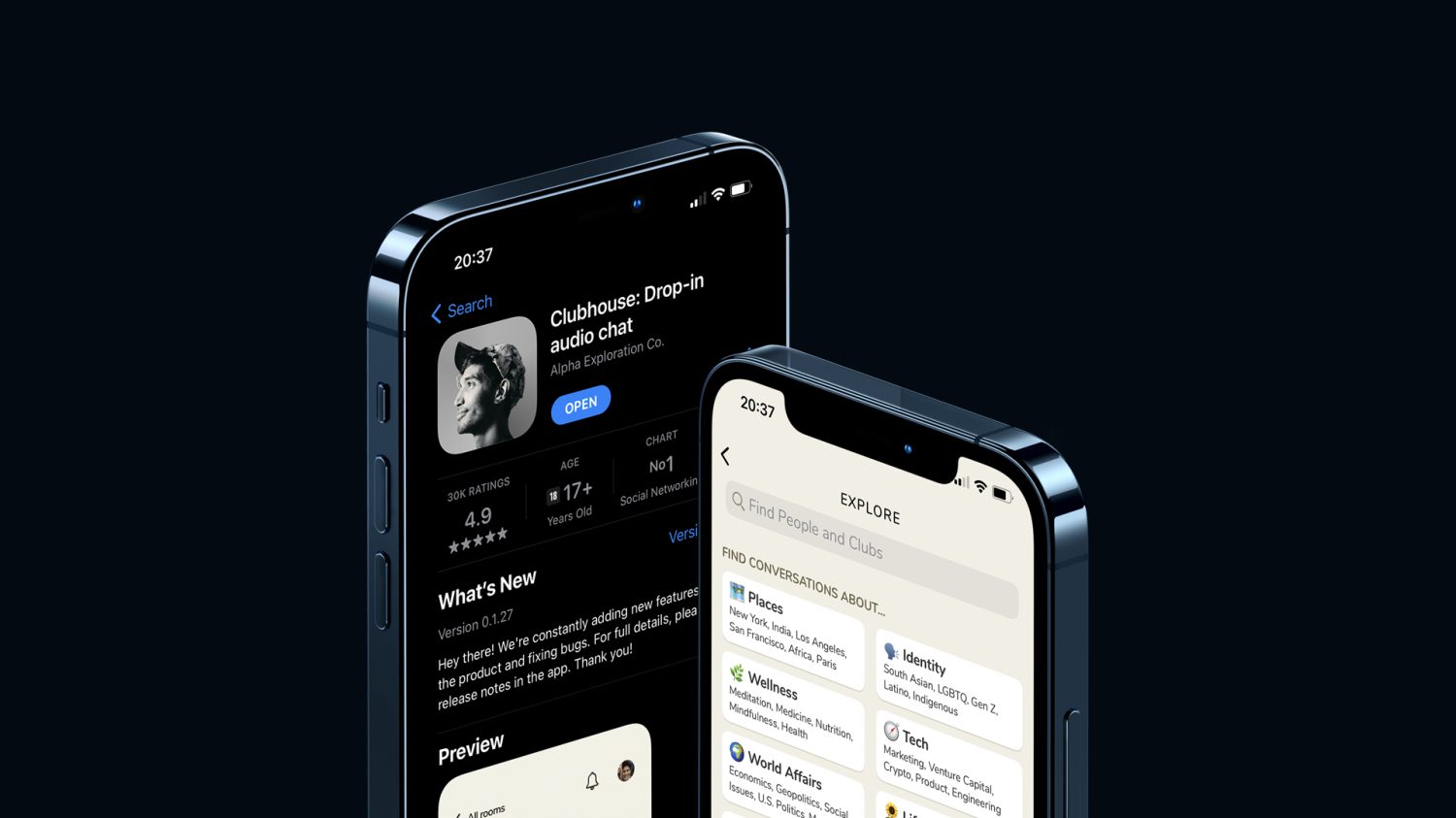
Clubhouse Android version may be released by May, co-founder hints

There are strong indications that the audio chat app Clubhouse could soon unveil its Android version, thus opening access to millions of potential app users. Currently, the top-rated audio app is only available for iOS. ClubhouseClubhouse co-founder Paul Davidson had hinted in February that the company was in an advanced state of development. This has been further confirmed today with an interview conducted by CNBC and New York Times. Davidson and his co-interviewee, Microsoft’s Bill Gates discussed a raft of issues that veered into an ongoing Android version development of the Clubhouse app.

Further indication that the Android version of the fast-rising app is really on the track came from a couple of tweets from an app developer at Clubhouse, Mopewa Ogundipe, who gave a teaser on the incoming Android version, and Morgan Evetts, who projects that the actual launch of the Android app could be as early as May 2021.

Clubhouse app has had a massive hit since its release on iOS. Davidson has hinted that the Android version’s development is a top priority, as the company pursues a scaling of its growth numbers and ultimately revenue through app expansion. Indeed, the growth of Clubhouse globally has been phenomenal. Several brands within and outside China launch their alternative versions of the audio chat platform, including Twitter and ByteDance, owner of popular video-sharing social networking site TikTok.

It is not known why Clubhouse had delayed this long before making plans to launch an Android version of the app since its iOS unveiling. Twitter is developing a similar app called spaces, compatible with both iOS devices and Android.

RELATED;


Samsung announces Galaxy Unpacked event for April 28 to launch “the most powerful Galaxy” device

Samsung, the world’s leading smartphone maker, has announced a new “Galaxy Unpacked” event for 28th April. Teasing the device, the company reveals that it is the “most powerful Galaxy” but the actual device remains unknown.

The event will be live-streamed on the official Samsung website at 10:00 AM EST which is around 7:30 PM IST. This will be the company’s third ‘Unpacked’ event this year after it hosted one in January for the Galaxy S21 lineup and another in March for the launch of Galaxy A-series smartphones.

Samsung Galaxy Unpacked April 28, 2021

The company has already launched the Galaxy S-series flagship lineup and the Galaxy Note series usually launches in the month of August. Thus, the device getting launched at this event could be a laptop.

Previous reports indicate that the South Korean giant has plans of launching a new Galaxy laptop, including Chromebooks. So, the upcoming event could be related to that. Going by the tagline of the event, the launch of mid-range smartphones seems unlikely.

Samsung is also expected to launch new foldable smartphones but reports indicate that the devices could launch in the summer. The company’s rumored new laptops — possibly the Galaxy Book Pro and Galaxy Book Pro 360 — could come with 5G connectivity, OLED screens, S-Pen support, and other high-end specifications.

On the other hand, Apple is also holding a launch event on 20th April, titled “Spring Loaded” where the company is expected to launch its new iPad Pro models. The company could also tease some of its Mac devices that are slated to launch later this year.

RELATED: