Google or rather the official Android Twitter account tweeted that it will begin charging Chinese manufacturers such as Huawei, Xiaomi and ZTE and several others starting Q3 2019. Moments later, the tweet was deleted. Confused? Don’t be.
First, some backstory. Last year, the European Commission fined Google €4.34 billion for breaching EU antitrust rules. The European Commission said Google had imposed illegal restrictions on Android device manufacturers and mobile network operators to cement its dominant position in general internet search. Google is said to have done this in three ways:
requiring manufacturers to pre-install the Google search app and Chrome browser as a condition for Google Play store licensing
paid certain large manufacturers and mobile network operators to exclusively pre-install the Google search app on their devices
prevented manufacturers wishing to pre-install Google apps from selling their mobile devices with forked versions of Android that were not approved by Google
The commission says these are all illegal under EU antitrust rules.
Google had to update its regional compatibility agreement in October 2018 to allow manufacturers to unbundle key services from the Android OS. However, if you wanted to unbundle some of these services e.g. Play Store, you had to pay a licensing fee. Manufacturers that want to include Google Search and the Chrome browser would not be charged. Apparently, the licensing fee for those who don’t want search and chrome is sort of payment for the development and free distribution of Android. These new rules apply only to devices shipped into the European Economic Area.
Huawei deviated from the norm when it released the P20 Pro with three rear camera sensor early last year. The P20 Pros camera setup stood tall on DXOMark benchmark as the best phone camera setup, with the Galaxy Note 9, iPhone Xs and others failing to topple it. The feat was repeated on the Mate 20 Pro which also packs three camera sensors at the back. Now, it seems the company is about taking things to a higher level. The hint about this comes in form of a Huawei patent application for a smartphone case filed to the China National Intellectual Property Administration.
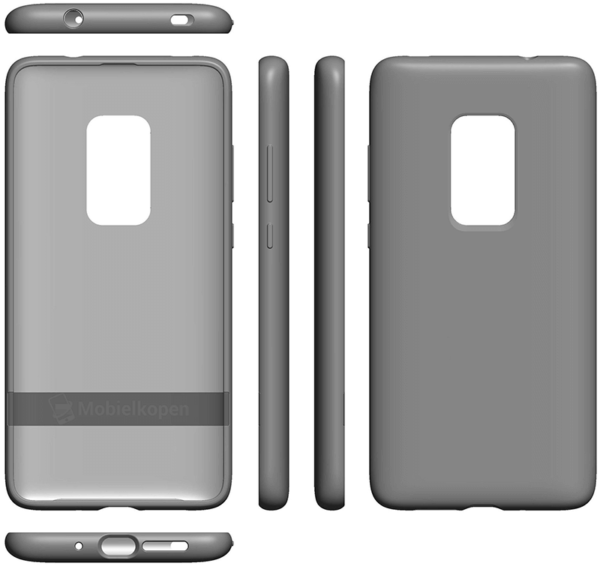
The smartphone case suggests that the Huawei Mate 30 Pro will have a penta-camera setup. The case bears a larger cutout at the upper half of the case which is markedly larger than that of the Mate 20 Pro. Recall that the Mate 20 Pro packs three rear cameras and an LED flash. The larger cutout of the smartphone case only suggests that the Mate 30 Pro will have 5 sensors at the rear with an LED flash. However, we are not certain if the patented case is for the Mate 30 Pro but it is definitely for one of Huawei’s 2019 flagship. Perhaps, we could see it as early as on the P30 Pro.
Other details of the upcoming device that can be scooped from the Smartphone case patent include the absence of a rear fingerprint sensor. This suggests the device will likely feature an under-display fingerprint sensor. The device also has the power button and volume rockers located on the right side. At the bottom of the handset is the USB Type-C port, as well as the grills for the bottom-firing loudspeaker. If this turns out to be true, the Mate 30 Pro will join the Nokia 9 which also expected to feature a penta-camera setup.
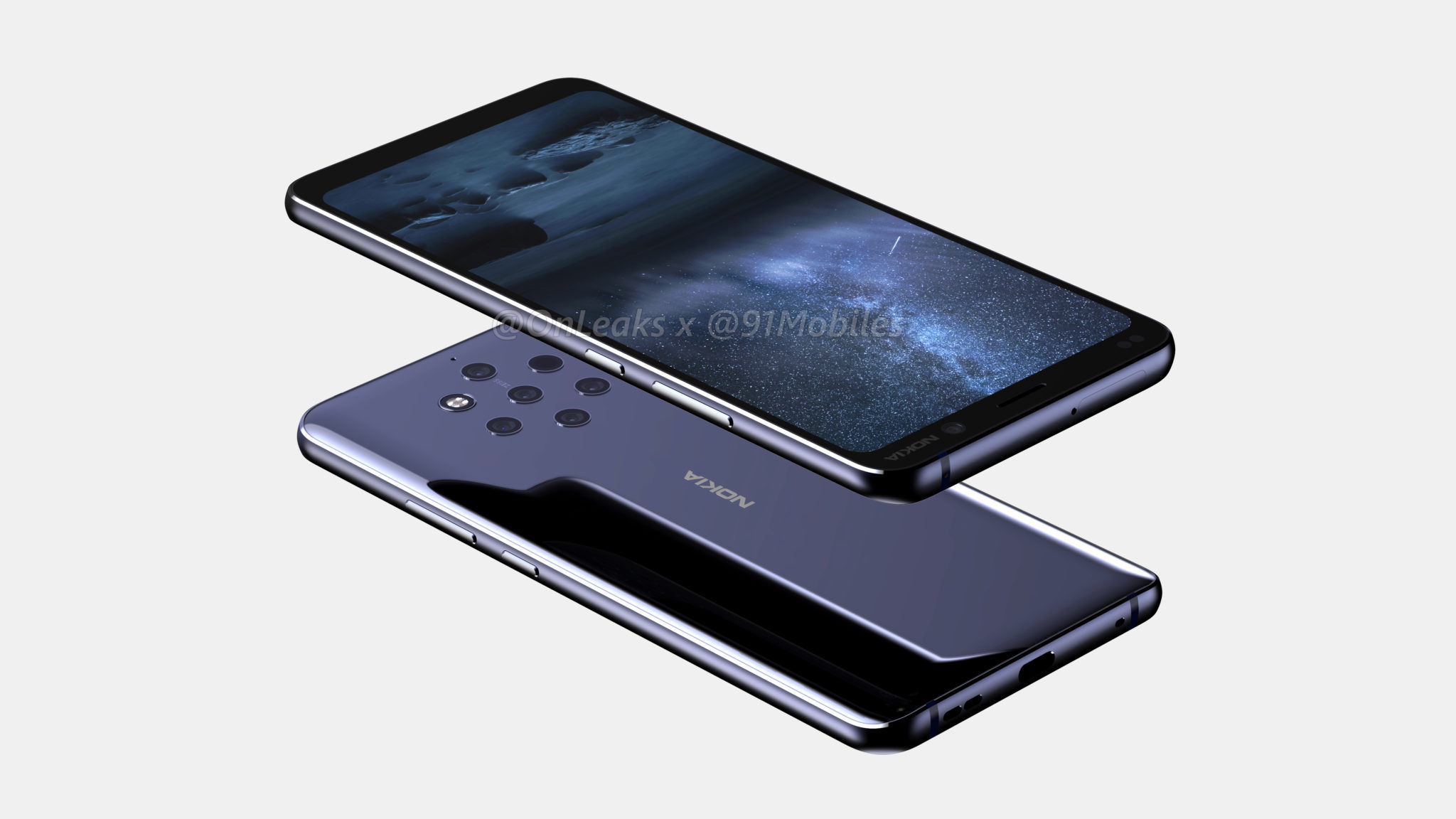
HMG Global‘s upcoming flagship smartphone — Nokia 9 PureView is one of the most anticipated smartphones. It will be the world’s first smartphone to feature five camera sensors on the back panel.
The Nokia 9 PureView has been leaked several times, revealing the phone’s design, features, and specifications. However, the phone’s launch and availability, as well as pricing information, was unknown, until now.
According to the new reports, the Nokia 9 PureView will be launch in late January, ahead of MWC 2019. This is in line with our previous report that indicated that the launch could take place in the last week of January. The Mobile World Congress (MWC 2019) is scheduled to take place in late February in Spain, Barcelona.
Another report suggests that Nokia‘s upcoming flagship smartphone will be first launched in the European market. It also adds that the phone will be priced at 749 Euros (approximately $851) and 799 Euros (approximately $908) depending upon the market.
While the Penta-camera setup on the back panel of the phone makes it interesting, the phone’s specifications aren’t exciting as it feels like a 2018 flagship phone rather than a 2019 one. It is said to be powered by Snapdragon 845 chipset, coupled with up to 6GB or 8GB RAM.
It is expected to feature an 18:9 aspect ratio screen and may carry support for Quad HD+ resolution. It could also be the first Nokia smartphone to feature an in-display fingerprint scanner. The phone is also expected to be powered by a 4,150mAh battery that may carry support for wireless charging.
We’ll get to know more about the Nokia 9 PureView as the launch nears. To know for sure about the phone’s pricing and availability, we’ll have to wait for the official launch event.
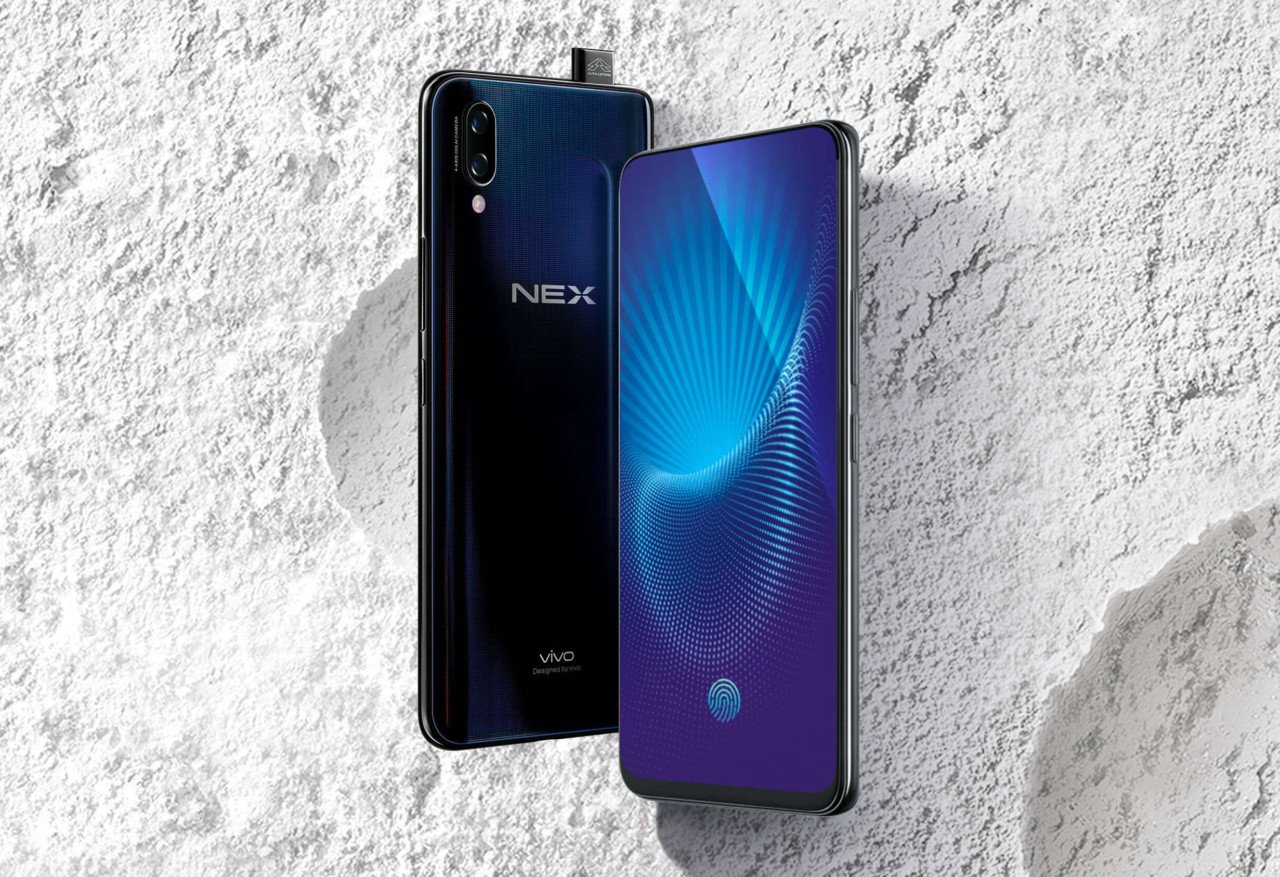
Vivo NEX, introduced last year, was among the uniquely designed smartphone which aimed to offer higher screen-to-body ratio without a notched display. The phone was launched in India in July last year for Rs. 44,990.
Now, the Vivo NEX has received Rs. 5,000 (approximately $71) price cut in India, bringing down the phone’s effective pricing to Rs. 39,990, roughly $569. It is available for purchase through Amazon.in as well as offline retailers.
In India, the Vivo NEX comes in Star Diamond Black color that uses holographic technology and a metal frame. It features a 6.59-inch Super AMOLED Ultra FullView “Zero Screen” Display with a screen-to-body ratio of 91.24 percent and 2316 x 1080 pixels screen resolution. All the sensors on the device are hidden under the display and instead of an earpiece, the phone comes with a Screen SoundCasting Technology.
Under the hood, the device is powered by Qualcomm‘s Snapdragon 845 processor clocked at 2.8GHz, along with Adreno 630 graphics processor. It packs 8GB RAM and comes with 128GB of internal storage. There’s a dual camera setup on the back, consisting of a 12MP primary Sony IMX363 sensor with 1.4μm pixels, f/1.8 aperture, and four-axis optical image stabilization and a 5MP secondary sensor with f/2.4 aperture.
On the front side, there’s an 8MP snapper that comes with an elevating mechanism. The front-facing snapper automatically rises and hides on opening and closing the camera app, and also makes a sound to notify the user. This is done using micro-stepping motors with independent drive ICs and precision control algorithms.
The device comes with a third-generation in-display fingerprint scanning technology that improves the screen unlock time by 10 percent and increases the overall experience of phone unlocking. Connectivity options on the devices include Dual 4G VoLTE, Wi-Fi 802.11 ac (2.4GHz / 5GHz) 2×2 MIMO, Bluetooth 5 LE, GPS + GLONASS, and USB Type-C.
The Vivo NEX runs on Android 8.1 Oreo operating system out-of-the-box with Vivo’s custom user interface FunTouch 4.0. The device draws power from a 4,000mAh battery which comes with 22.5W fast charging support.
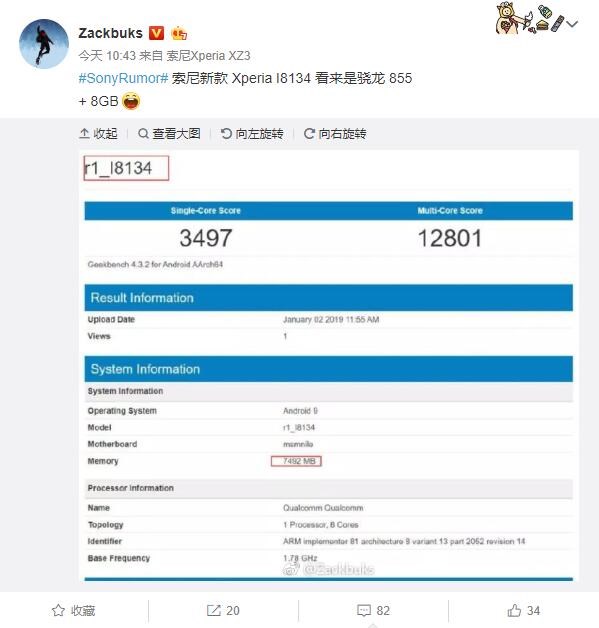
Sony is gearing up to launch its upcoming flagship smartphone — Sony Xperia XZ4, which is said to be powered by Snapdragon 855 chipset. Recently, the phone’s AnTuTu score surfaced online and now Geekbench listing shows the phone’s benchmarks.
According to the Geekbench benchmark score of Xperia XZ4 posted by ‘Zackbuks’ on Weibo, the smartphone scored 3,497 points in single-core test and 12,801 points in multi-core test. The listing reaffirms that the device powered by SD855 SoC will pack 8GB RAM and will run Android 9 Pie operating system out-of-the-box.
The Qualcomm Snapdragon 855, manufactured using 7nm process, is an octa-core processor that features four power-saving cores clocked at 1.78GHz, three performance cores clocked at 2.42GHz and another special “gold” core for performance boost which is clocked at 2.84GHz. It is coupled with Adreno 640 graphics processor, which is expected to bring performance improvement.
A previous reported related to the device indicated that the phone will come with an unusually tall display having a 21:9 aspect ratio. The phone also said to have a 3.5mm audio jack and support for 46.5W fast charging.
Recently, CAD renders of the Xperia XZ4 surfaced online, showing the smartphone with an extremely thin bezel, without a notch, and cut out for the earpiece, including proximity sensor. There’s a tiny hole in the left end of the screen, presumably for the LED notification light.
On the back side, the phone features a triple camera setup with sensors placed vertically in the top-center position. On the right side of the device, there’s a volume rocker key, a fingerprint scanner and the power button alongside the camera shutter. On the bottom side, there’s a speaker and a USB Type-C port.
Known for offering the best bang for your buck, Banggood is now giving brand conscious buyers a lot to cheer about in the form of the ‘Big Brand Week’ promotion.
As part of the new promo, the Chinese online store will be giving its users an opportunity to save up to a whopping 80 percent, and grab $8-$20 off coupons that will be valid for products from Xiaomi, CHUWI and a slew of other globally recognized brands. But that’s not all by any stretch of the imagination.
Starting Sunday, January 6th, users will get an unmissable chance to get try their luck at Banggood ‘Wheel of Fortune.’ Lucky winners will be eligible to get a myriad of special goodies. There will 8%, 12% and 20% off coupons up for grabs.
Aside from that, Banggood users can get their hands on the coveted Xiaomi Mi 8 Lite smartphone and the CHUWI Hi9 Plus 4G tablet for considerably lowered prices. On top of that, they can use specific coupons associated with the aforesaid products to get additional discounts. For instance, the Xiaomi Mi 8 smartphone usually carries a $319.99 price tag, but thanks to a 17 percent discount Banggood is offering on the handset, you can now buy it for just $269.99. Moreover, you can use coupon code 12M8L4G3 in order to reduce the device’s already lowered retail price.
The rest of the products have been split into four categories including Special Offer for New Arrive, Top Recommendation, Pick your Favorite, and Super Brand. Each section features a slew of heavily discounted electronic items that usually carry steep price tags.
For example, the XANES K8 smart bracelet that would normally set you back a pretty penny can now be yours if you are will to shell out just $12.99. This is a noteworthy 61 percent discount that Banggood is offering the fitness bracelet’s original asking price for a limited period of time.
Likewise, the next section dubbed ‘Top 9 Recommendations’ feature steeply priced products that you can now buy without burning a hole in your pocket. The ‘Pick Your Favorite’ and ‘Super Brands’ categories are where you can get big discounts on a slew of popular brands like Bakeey, Astrolux, CHUWI, DIGOO and lots more.
You can click here to visit the promotion page and check out the rest of the products and take full advantage of the discounts before the Big Brand Week promo comes to an end.
Expanding its product portfolio in the Indian market, Xiaomi has today announced the launch of yet another product that helps fight against air pollution. After launching Mi Air Purifiers, the company has today launched Mi AirPOP PM2.5 Anti-Pollution mask in India.
The Mi AirPOP Anti-Pollution mask will go on sale in India for the first time today at 12:00 PM, exclusively through the company’s official online store Mi.com. It is priced at just Rs. 249, which roughly converts to $4 and comes in Black color.
The mask seems compact and comfortable and wraps the face to provide protection. It also has an enlarged-diameter vortex breather valve. The company says that it is specifically customized for day-to-day usage in India conditions.
It comes with double particle protection and four layers of filtration, which includes a primary layer, support mesh, electrostatic micro-filtration layer, and water-permeable layer. The high-tech filters can combat air pollutants such as seasonal haze, dust storms, cold and flu pathogens, allergenic pollen, grease, smoke, exhaust, and contaminants.
The inner filter element of the mask adopts a 360-degree seal to form three-dimensional fully enclosed air bubble. The breather valve quickly discharges warm air and vapor while blocking out pollutants and also reduces eyeglass fogging.
Amazon India has recently started a dedicated landing page for the Huawei Y9 2019 smartphone. The web page only contains information on the salient features of the smartphone. New information reveals that the company will be launching the smartphone on Jan. 7 in India.
The below poster reveals that Huawei will be holding a dedicated launch event for the smartphone in New Delhi, India on Jan. 7. The event will begin at 11:00 AM IST. The Chinese manufacturer has sent out invites for the launch event to the media.
The Huawei Y9 2019 was announced in October last year and it has been available in some markets. It features a massive IPS LCD display of 6.5 inches. The waterdrop enabled display delivers full HD+ resolution of 1080 x 2340 pixels and a tall aspect ratio of 19.5:9.
The Kirin 710 that was designed to power upper mid-range phones is present under the hood of the Huawei Y9 2019. During its October launch, the company had announced that it would be available in two models such as 64 GB storage + 4 GB RAM and 128 GB storage + 6 GB RAM. However, most of the countries have received only the 64 GB edition of the phone. Hence, the Huawei Y9 2019 coming to India may only come in single storage version of 64 GB.
The rear side of the Huawei Y9 2019 features 13-megapixel + 2-megapixel dual camera. At the frontside of the phone is a 16-megapixel + 2-megapixel dual selfie shooter. The back panel of the phone also features a fingerprint sensor. The handset is packed with a 4,000mAh battery. However, there is no support for fast charging for the big battery of the Huawei Y9 2019.
In terms of specs, the Huawei Y9 2019 seems to be a good rival for the Redmi Note 6 Pro. The 64 GB storage + 4 GB RAM edition of the Redmi Note 6 Pro is selling in India for Rs. 13,999 (~$199). Probably, Huawei could be selling the Y9 2019 with a similar price tag. The handset will be exclusively available for purchase through Amazon India.
The ‘DJI Winter Sale’ has launched on GeekBuying. As part of this promotion, the Chinese technology company that’s known for manufacturing top-notch unmanned aerial vehicles is giving buyers an opportunity to get up to 40 percent off on a wide selection of drones and a slew of other equally exciting products. These DJI-branded products have been split into multiple categories including Big Discounts, EU Stock, Accessories and More Deals in order to expedite the search process. We will take a gander at the DJI Mavic Air and the DJI Osmo Mobile 2 3-axis brushless handheld gimbal stabilizer that usually carry price tags, but have now gone up for sale carrying lowered prices on GeekBuying.
DJI Mavic Air Foldable RC Drone RTF
The DJI Mavic Air strikes a perfect balance between top-notch engineering and a breathtaking design. Retaining everything the well-received Mavic series has to offer, the Mavic Air is an ultraportable and foldable drone that warrants an unmatched flight performance, coupled with awe-inspiring functionality for unbounded exploration of uncharted areas.
The feature-rich DJI Mavic Air would normally set you back a pretty penny on both online and offline stores, but you can now buy it for just $729 on GeekBuying. This is a significant 19 percent drop in the drone’s original asking price of $899.99.
Regrettably, the promo was on the verge of wrapping up at the time of writing. In order to take advantage of the aforesaid discount before the promo ends, all you need to do is to follow this link without wasting time.
DJI Osmo Mobile 2 Handheld Gimbal Stabilizer for Smartphones
Whether you are a frequent traveler or an adventure junky who loves capturing memorable moments on the go, the DJI Osmo Mobile 2 handheld smartphone gimbal is a great choice. DJI resorts to using a compact design for the Osmo Mobile 2, which is loaded with useful functions and backed by a long-lasting battery. This highly efficient gimbal stabilizer for smartphones usually sells for $218.99 but much to the delight of cost-conscious buyers, DJI is now offering it for a dropped price of just $129 on GeekBuying. This is a 41 percent reduction in the device’s original selling price.
On the downside, the aforesaid discount will only be valid for a short period since the promo is slated to end today. You can visit this link to avail the discount and get your hands on the DJI Osmo Mobile 2 without emptying your pocket.
Xiaomi’s Poco F1 (aka Pocophone F1) has been a prime target for modder because of its high value-for-money deal. This is evident with the number of custom ROMs available for the smartphone.
While the unofficial TWRP build for the Poco F1 were available for quite some time now, the smartphone has now finally got the official TWRP support. It can be downloaded from the official TWRP website and you can find it by going through the source link.
The TWRP recovery can be installed over USB, but if your device is already rooted, you can use the TWRP app from the Play Store. The developer has warned that the “build of TWRP will (probably) only work with devices using Full Disk Encryption (FDE)” and may not work with devices that have been converted to File-Based Encryption (FBE). It further adds that the FBE support may be added at a later date.
Xiaomi has promised to limit the bootloader unlock wait time for the Pocophone series to “only” 3 days, which is good compared to the company’s other phones but it’s still longer than devices from OnePlus and Google.
To remind you of the Poco F1’s specifications, the phone features a 6.18-inch Full HD+ IPS LCD display and is powered by Qualcomm‘s Snapdragon 845 flagship processor along with LiquidCool technology. The phone comes in three variants — 6GB/8GB RAM with 64GB/128GB/256 internal storage.
It comes equipped with a 12-megapixel Sony IMX363 primary sensor, coupled with a 5-megapixel secondary sensor on the back panel. On the front side, there’s a 20-megapixel selfie camera powered with artificial intelligence.
The smartphone runs on the company’s MIUI with Poco Launcher, based on Android 8.1 Oreo operating system and has started receiving Android Pie update. The device is fuelled by a 4,000mAh battery that supports Quick Charge 4.0 fast charging technology.
Earlier today, we reported that Xiaomi has announced to make ‘Redmi’ an independent brand. The new brand has already scheduled a launch event on 10th January in China where it will launch its first smartphone with a 48-megapixel camera sensor.
While the company announced that the Redmi brand will go independent, it did not reveal the reason behind taking such a step. Why did Xiaomi decide to make Redmi an independent brand when it was the most popular smartphone series of the company? Well, we now have answers. Xiaomi’s CEO Lei Jun has explained this in response to a user on Weibo.
Lei Jun explains that the primary reason behind separating both Mi and Redmi brands is the focus. While the Redmi brand focuses on value-for-money budget smartphones, the Mi brand is focused on high-end devices. Also, the Redmi devices are primarily sold through e-commerce platforms while Mi devices are not e-commerce focused.
Additionally, the separation of the Redmi brand will also be beneficial to Mi brand given that the company will be able to focus more on it. With this, the company now has three smartphone brands, each catering to a particular segment — Mi for premium phones, Redmi for budget phones, and Poco for ‘affordable premium’ phones.
The strategy being adopted by Xiaomi is similar to the one adopted by Huawei. While Huawei is focusing on high-end phones, its sub-brand Honor is focused on making budget phones. Oppo also started a new brand Realme last year, but within a couple of months, the brand split from its parent company to operate independently.
As said, Xiaomi is holding a launch event in Beijing, China on 10th January at 2:00 PM (local time) to launch the first under the newly independent brand. While the teaser image suggests a 48MP primary camera sensor, no more details about the upcoming smartphone are known yet.
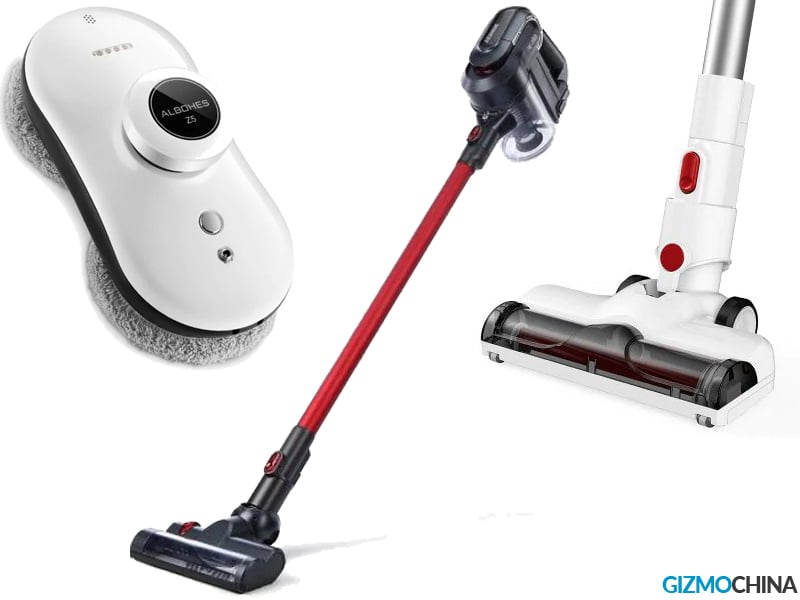
Uber hygienic people who prefer keeping their surrounding clean and tidy all the time usually end up spending a lot of money of appliances that claim to keep their homes free from dust and other impurities. However, if you are in the market for a highly effective vacuum cleaner that doesn’t cost a bomb, we got good news for you. Deemed as one of China’s best online electronics stores, GearBest is now doling out noteworthy discounts on select vacuum cleaners that usually carry steep price tags.
Alfawise HC – 1D03 Rechargeable Cordless Handheld Vacuum Cleaner
This cordless ultralight vacuum cleaner from Alfawise is designed to facilitate quick and effortless tidying ups for your home. The device effectively cleans hard-to-reach areas like wall edges, under the bed etc. It is capable of meeting various needs thanks to the large 0.65L capacity dust bucket it features and different accessories that it includes.
While the market is brimming with steeply priced handheld vacuum cleaners that might not even meet your expectations, the feature-laden Alfawise HC – 1D03 can now be yours for a dropped price of just $79.99 on GearBest. This is a significant 36 percent drop in the device’s retail price of $124.65.
In order to grab this discount which will be valid for the chili pepper color version of the vacuum cleaner, all you need to do is to follow this link. With only 95 pieces of left, this promo is slated to end in five days.
Still cleaning windows using your hands and a sponge? You might want to take a gander at the ALBOHES Z5 robotic window cleaner. The device adopts AI technology and uses a built-in smart window cleaning system to detect obstructions and identify windows.
This highly useful Z5 window cleaner is backed by a non-removable 600mAh 14.8V battery and it features two wheels that enable free movement on the window or wall surface. The market is brimming with similar devices, but they don’t come cheap.
The Z5, on the other hand, has now gone up for sale bearing an unbeatable price tag of $125.99. This is a 22 percent drop in the device’s original asking price of $161.15. Note that this discount will specifically be valid for the remaining 100 white-tinted pieces of the robotic window cleaner. You can visit this link to grab the discount before the promo comes to an end in twelve days.
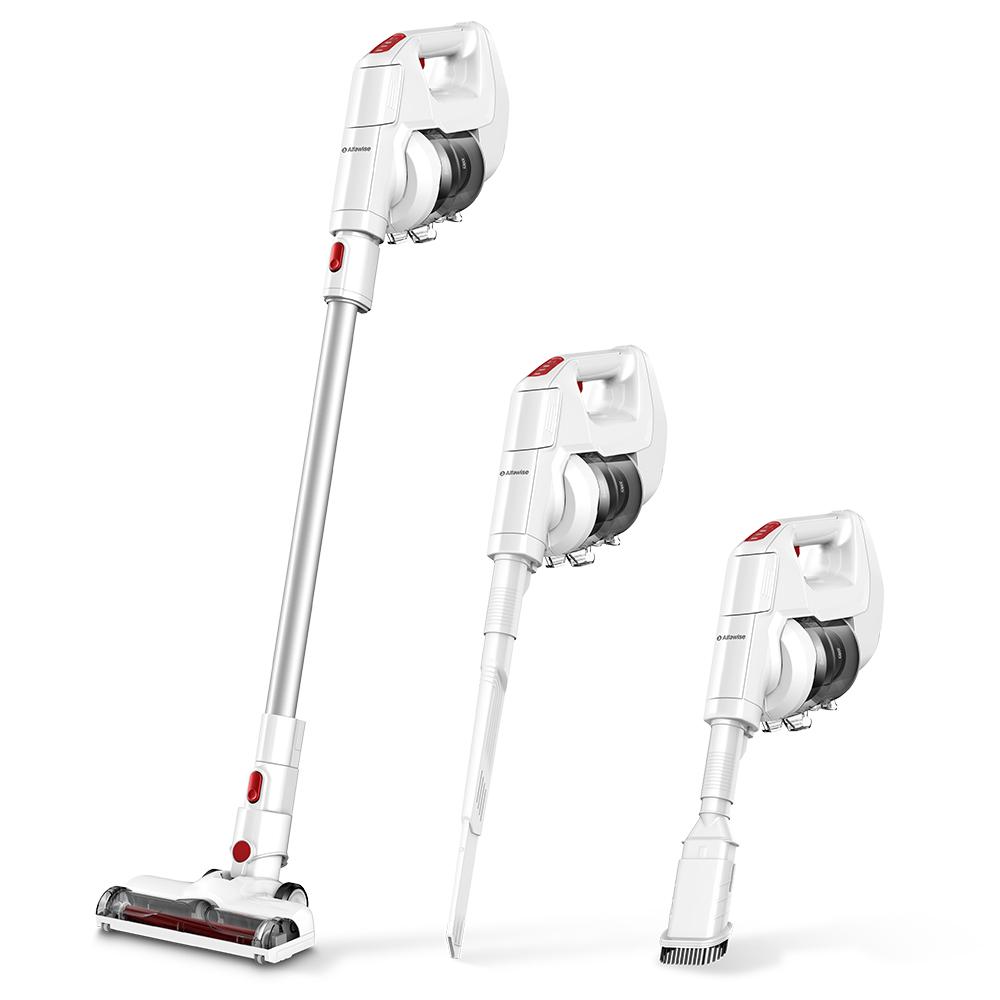
The FJ166A is an elegantly designed cordless handheld stick vacuum cleaner that lets you clean every corner of your house without the inconvenience of tangling cords. Moreover, it comes with accessories that come in handy for specific cleaning tasks.
For the sake of an instance, it features a 2-in-1 wide brush which is ideal for curtain, furniture and sofa and a 2-in-1 crevice tube that is perfect for car, corners and other hard-to-reach places. The FJ166A would normally set you back $129.99, but Alfawise teamed up with GearBest to offer the handheld vacuum cleaner for a dropped price of just $109.99. On the downside, this promo offering a 15 percent discount on the white color version of the vacuum cleaner is slated to end in twelve days. It is also worth noting that there were only 87 pieces remaining for this promo at the time of writing. You can visit this link to avail the discount before the promotion sale ends.
At a time when most countries are concerned about security aspect related to Huawei’s products, the company’s founder Ren Zhengfei has sent a letter to all its employees talking about security and credibility and focusing on cyber-security and privacy protection.
The letter is titled “To Improve Software Engineering Capabilities and Practices, and Create Credible High-Quality Products.” In the letter, he says that the company is at a new starting point when it comes to cloud computing, AI, Software definition and other development trends.
He says that the company’s credibility will be an important factor for customers when they decide to buy and accept Huawei products and trust the brand. He added that credibility is not only a high-quality result of the external performance of the product but also a high-quality process inherent in the product.
Apart from that, he also talks about improving software engineering capabilities and practices in order to create credible and high-quality products. For this, Ren Zhengfei says that the company’s board has decided carried out the improvements in a revolutionary manner.
Huawei’s chairman Xu Zhijun has promised an initial investment of around $2 billion, which the company will be using over the course of five years in the field of ICT Infrastructure. As it is clear, the company is aiming to build credible and high-quality products. It says that Huawei’s mission is to bring the digital world to everyone, every family and every organization. To read the full letter, go to the source link.
In the year 2018, Huawei has seen both — growth as well as resistance. While the company surpassed $100 billion in revenue for the first time and crossed its goal of 200 million smartphone shipments, it is also facing strong criticism and legal hurdles in the west.
Last week, it was reported that the USA is considering to ban American wireless carriers from procuring equipment from the Chinese companies, a big blow to both Huawei and ZTE, which are the two largest producers of Telecom equipment. Huawei is also among the leading players when it comes to 5G technology.
JD.com, a China-based online retailer, has released the data related to the New Year’s Day sale. It reveals that during the sale period, Huawei and Honor emerged as the leading smartphone brands.
While Huawei and Honor got the first and second place respectively in terms of smartphone sales, Apple comes at the third position. However, Apple stands first when it comes to the average selling price of the smartphones.
In terms of smartphone sales, Xiaomi, Vivo, and Meizu grabbed the fourth, fifth, and sixth position respectively. Following them is Oppo, Philips, Samsung, and Yijia. Philips is in the list mainly due to two products — E108 and E171L.
Comparing the average highest selling price, after Apple, the second and third position were given to Honor and Huawei. Xiaomi and Vivo have also made it into the top five list in terms of average selling price.
Coming to the smartphones, Honor 9i was the bestselling model, followed by Honor 7A, Huawei Mate 20 Pro, Apple iPhone XR, and Honor 8A. While Meizu Note 8 also made it to the top ten list, Xiaomi was surprisingly absent from the list.
While the Huawei Mate 20 Pro was the leading smartphone when it comes to devices priced over 4,000 Yuan ($582), the Huawei P20 was leading in devices priced between 3,000 Yuan to 3,999 Yuan ($436-$582). In the price range of 2,000 Yuan ($291) to 2,999 Yuan ($436), Honor V10 was the leading device while Vivo Z3 grabbed the top spot in 1,500 Yuan ($218) to 1,999 Yuan ($291) range.
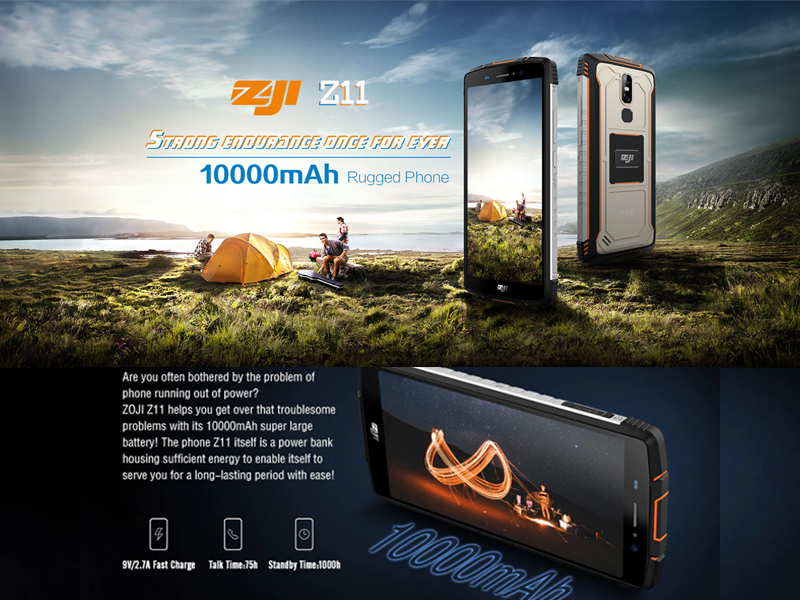
HOMTOM fans have been waiting with bated breath to get their hands on the long-awaited architects Z11 mobile phone.
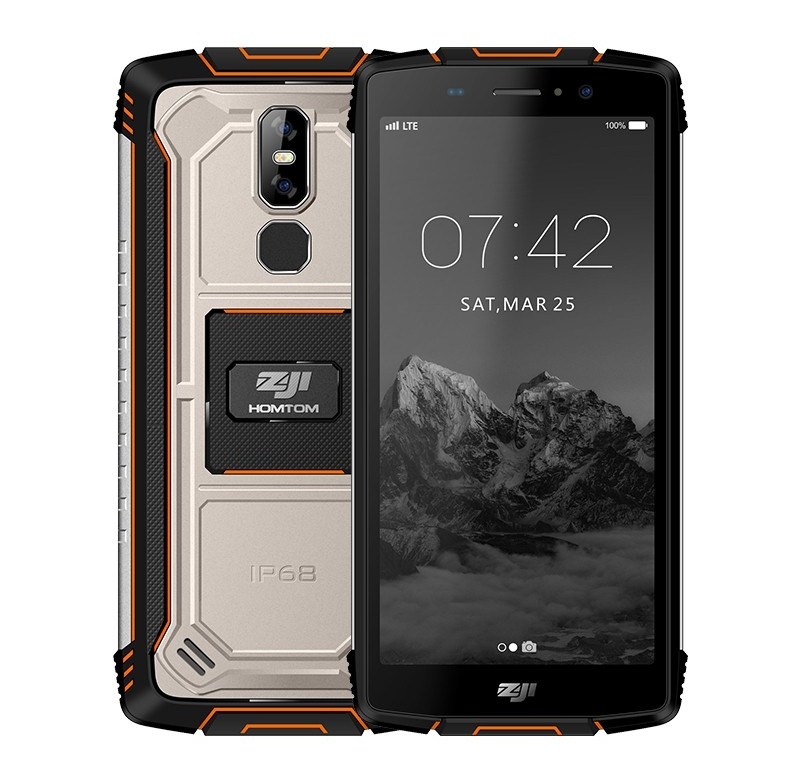
This rugged handset boasts an impressive array of features that make it simply irresistible, especially to adventure junkies who fancy staying in touch with friends and family during their adventurous outdoor activities. The device sports an appealing 5.99-inch in-cell display with 1440×720 pixels resolution.
Under the hood, it packs a powerful MTK6750T Octa-core 1.5GHZ processor along with an ARM Mali T860 MP2@650MHz GPU for an immersive overall experience. The phone ships with 4GB of RAM and offers 64GB of built-in storage capacity, giving you ample space for saving your favorite multimedia content.
On the optics front, the ZOJI Z11 houses a 16MP+2MP dual-camera setup on the back and a 13MP front shooter for selfies and video chatting. The phone boasts an international standard rating of IP68, which makes it resistant to dust, dirt and sand, and even capable of withstanding submersion up to a maximum depth of 1.5m underwater for a duration of up to thirty minutes. Furthermore, the ZOJI Z11 Android 8.1 Oreo OS and draws its juices from a robust 10000mAh battery that supports 9V/2.7A Quick Charge. Aside from a fingerprint sensor, the device features a slew of other useful sensors including compass, gyro, G-sensor, L-sensor, P-sensor, acceleration sensor, and a magnetic sensor.
While you’d expect a top-branded smartphone offering comparable features to carry a steep price tag, the HOMTOM architects Z11 can now be yours if you are willing to shell out only $169.99 on AliExpress. This is a noteworthy 32 percent reduction in the device’s original asking price of $249.99.
If you are interested in checking out more details about the ZOJI Z11 mobile phone and getting this $30 off on the phone’s retail price, all you need to do is to follow this link without wasting time. It is worth noting that the promo that features the green, as well as orange color versions of the handset is slated to end on January 10th.
Xiaomi’s Redmi series of mid-range phones are quite famous in India. However, its flagship phones haven’t generated good revenue for the company in the country. This could be the probable reason behind launching the Poco sub-brand and releasing the Poco F1 as the cheapest Snapdragon 845 chipset powered smartphone. The Poco F1 has received good reception from critics and users since it offers flagship specs with pricing as low as Rs. 19,999 (~$285). The smartphone was made official in August and now the rumor mill has already started speculating on the Poco F2 successor. Popular tipster and design, Benjamin Geskin has sharedv a concept render of the Poco F2. The handset can be seen sporting a waterdrop notch enabled display like the Xiaomi Mi Play.
The Xiaomi Mi Play handset that had debuted before the end of 2018 is the first smartphone from the company to feature a waterdrop notch screen. A Russian YouTuber had recently leaked that the upcoming Redmi 7 Prow will be also sporting a waterdrop notch display. hence, it appears that Xiaomi will release more phones with such a display design this year. One of the phones that is speculated to feature it is the Poco F2.
The Xiaomi Poco F1 features a wide notch which houses the 20-megapixel selfie camera, IR sensor and some other sensors. The concept render of the Poco F2 will be sporting a reduced notch which indicates that it will be offering a higher screen space than the predecessor model. The notch houses the front-facing camera
The Poco F1 has the vertical dual camera at the center of the upper half of its rear shell whereas the Poco F2 concept model has the dual rear cameras placed at the top-left corner. Like the predecessor model, the Poco F2 also features a rear-mounted fingerprint reader.
Recently, a listing of the Poco F2 had surfaced on Geekbench benchmarking platform with specs like Snapdragon 845, 6 GB of RAM and Android 9 Pie OS. It was later found that it was actually a listing of Poco F1 Geekbench with modified name. There is no official confirmation on the existence of the Poco F2.
Since the Poco F1 went official as the most affordable Snapdragon 845 mobile platform driven smartphone, it is likely the Poco F2 could be the cheapest Snapdragon 855 fueled phone. However, the first Snapdragon 855 powered phones are yet to go official. Probably, the Poco F2 phone with SD855 onboard may get announced by August this year.
Honor is all set to launch its first smartphone of the year — Honor 8A, which is the successor of Honor 7A launched in April last year. The company has announced through microblogging platform Weibo that the phone launch will take place on 8th January.
While the company has not revealed any information related to the smartphone, the phone’s teaser poster shared by the company hints at what to expect from the Honor 8A.
The smartphone will come with a 6.09-inch display having a waterdrop notch, ensuring higher screen-to-body ratio. It is said to come with an octa-core processor, which is likely going to be the company’s own Kirin 710 chipset.
It will pack 64GB of internal storage and the poster also hints that the phone will come with dual speakers for an immersive sound experience.
The Honor 8A was recently spotted on TENAA, which revealed some of the phone’s specifications. The smartphone will come with 6.09-inch HD+ display with 1560 x 720 pixels screen resolution and will be powered by an octa-core processor clocked at 2.3GHz.
The phone will pack 3GB of RAM and will be available in two internal storage options — 32GB and 64GB. Both models will come with a microSD card slot, allowing users to further expand the storage capacity. As for the camera, it will feature a 13-megapixel camera on the back and an 8-megapixel front-facing snapper.
It is expected to be running Android 9 Pie operating system out-of-the-box with the company’s EMUI 9 custom interface on top. The phone will be powered by a 2,920mAh battery. As per the reports, it will be available in Black, Blue, Gold, and Red colors.
At the end of 2018, Vivo had released Android 9 Pie closed beta for few of it smartphones such as Vivo NEX S, NEX A, X21 UD and X21 in China. Since it was a closed beta update, it was made available for limited number of 5,000 users in the home market. With the beginning of year 2019, the Chinese manufacturer has now proclaimed the arrival of open beta update for aforementioned smartphones in the home country.
In order to receive the Android 9 Pie open beta, one needs to enroll for it. Users in China are required to download the official recruitment app from the company and install the latest edition of the FunTouch OS. Owners of Vivo NEX S, NEX A, X21 UD and X21 in China can enroll until Jan. 6. There is no limit on the number of recruits since it is an open beta update. The update will be pushed to the user from Jan. 8.
The size of the Android 9 Pie beta is 2.71 GB. It not only includes the latest version of Android, but also other goodies such as Jovi Smart Scene, Jovi Smart Voice Assistant, Jovi Wisdom Map, improved UI, game box, camera optimizations, and more. Apart from the ones mentioned above, Vivo is yet to confirm on the names of the other phones that will be treated with Android 9.0 Pie update.
Vivo had released around 30 smartphones in 2018. Among them, there are many low-budget phones. The Chinese manufacturer is likely to prioritize on the releasing the Android 9 Pie update first for its high-end phones from 2018. The Vivo NEX Dual Display smartphone that was unveiled in December 2018 is the first phone from the company to come preloaded with Android 9 Pie. In India, the Vivo V11 Pro has been one of the most search smartphones in 2018. Hopefully, the Android 9 Pie will be also available for it later this year.
GeekBuying has welcomed the New Year with a bang! The Chinese online store that’s known for offering China’s best electronic items recently kicked off its latest promo dubbed ‘2019 New Year Sale.’
As part of its latest promotion, GeekBuying is giving its users an opportunity to get up to a whopping 60 percent off on a wide selection of items, but that’s not all. Users can avail an extra $5 by applying site-wide coupon code 2019NEW5 if their order value exceeds $100.
Those who end up spending more than $50 can use coupon code 2019NEW3 and get an extra $3 during the checkout process. Likewise, if your grand total is more than $10, you can use coupon code 2019NEW1 and get an extra $1 off. It is worth noting that the aforesaid coupons will be valid for select products and are slated to expire on January 14th.
Let us take a gander at the smartphones and other electronic items that have gone up for sale carrying lowered price tags on GeekBuying. Aside from shedding light on the discounts, we will show how you can save a considerable amount of extra money during the checkout process.
Nubia X Smartphone (6GB RAM+64GB ROM)
The irresistible Nubia X smartphone does not come cheap. In fact, the phone would normally set you back $$ 765.99 on both online and offline stores. Much to the delight of cost-conscious buyers, the steeply priced Nubia X is now up for grabs for a lowered price of just $536.99 on GeekBuying.
But if this 30 percent discount doesn’t impress you much, you can use coupon code GIZ_EVCHLUPN and get an extra $136 off during the checkout process. In other words, you can bring the phone’s already reduced selling price further down to just $529.99 with the help of the aforesaid coupon. You can follow this link without wasting time to avail the discount. Note that the promo was on the verge of wrapping up at the time of writing. There’s a 31% off on the slightly larger variant of the smartphone that offers 8GB of RAM and 128GB of internal storage capacity.
DOOGEE S70 Smartphone (6GB RAM+64GB ROM)
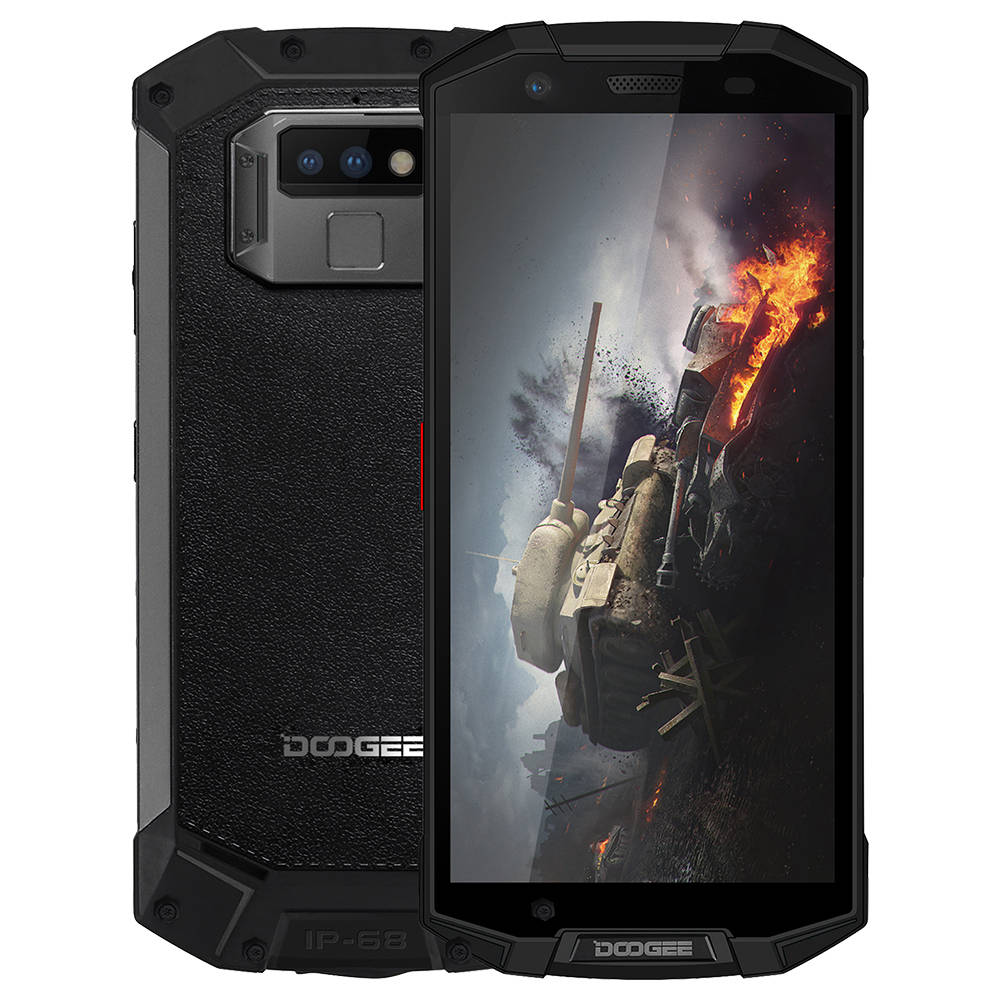
Designed keeping mobile gamers who like playing popular games during their adventurous outdoor activities in mind, the DOOGEE S70 usually sells for $388.99. In a bid to make the phone available to cost-conscious buyers, DOOGEE is now offering the S70 for a reduced price of just $336.99 on GeekBuying.
You can extend this 13 percent discount with the help of coupon code GIZ_EPNKOTYH. The coupon reduces the device’s already slashed selling price to only $269.99. In other words, you can get an extra $67 off simply by applying the aforesaid coupon before proceeding to checkout. You can visit this link to avail the discount, which will be valid for the black color version of the DOOGEE S70 smartphone for a limited period of time.
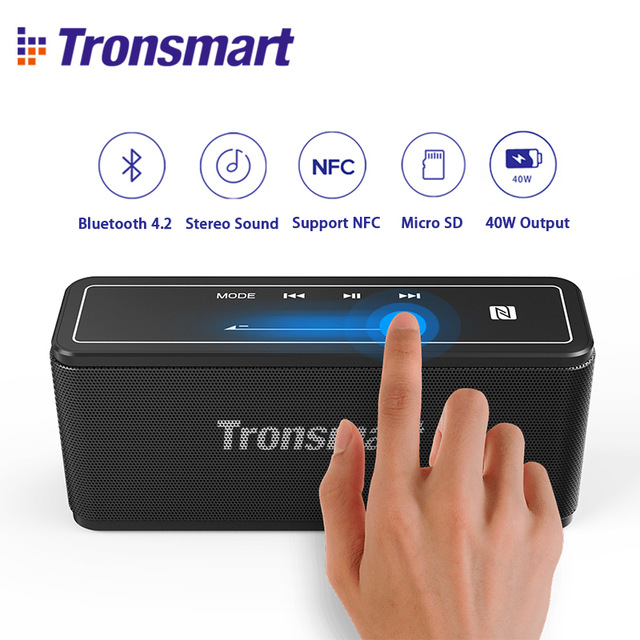
Tronsmart Element Mega 40W Bluetooth Speaker
The Element Mega is quite popular among music lovers that fancy listening to their music outdoors. The 40W Bluetooth speaker usually carries a price tag of $75.99, but you can now buy it for just $43.99 on GeekBuying. This is a significant 42 percent reduction in the device’s original asking price. On top of that, you can use coupon code GIZ_FSRVODVH during the checkout process and save $12 more without breaking a sweat. The discount will be valid for the gray color version of the speaker. You can visit this link to grab the discount before the promo comes to an end in 1 day.
Waveshare 7 Inch HDMI LCD Waveshare 7 Inch HDMI LCD (H) 1024×600 IPS Screen
Sporting an eye-catching 7-inch IPS screen with a hardware resolution of 1024 x 600 pixels, the device is configurable by software up to 1920 x 1080 pixels. It uses a toughened glass capacitive touch panel with 6H hardness to ensure durability.
The device is not only compatible with a wide range of mini PCs including Banana Pi, BB Black, Raspberry Pi but it also works with standard desktop computers. While this Waveshare-branded HDMI LCD IPS screen usually sells for $72.99, you can now get it for only $66.99 on GeekBuying. This is an 8 percent reduction in the device’s original asking price, but if that doesn’t impress you much you can use coupon code GIZ_VSDVVOST to get an extra $7 off. After applying the aforesaid coupon, the device’s retail price drops further down to only $59.99.
You can follow this link if you are interested in grabbing this discount before the promo wraps up!
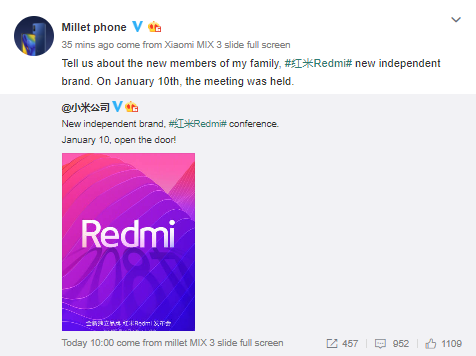
In December 2018, Xiaomi President Lin Bin had confirmed that the company will be releasing a new smartphone with 48-megapixel camera in January 2019. The rumor mill has been speculating that it won’t be a Mi-series phone, but a new flagship phone under the Redmi brand name. Yesterday, through the Xiaomi Company Weibo account, the Chinese manufacturer confirmed that it will be announcing something new today. Today at 10 AM, the company confirmed that it will be holding a media event on Jan. 10 to announce a new Redmi phone. Also, with the launch of the new phone, Redmi will become an independent brand.
The shadow below the large-sized Redmi word clearly hints that the company will be unleashing a 48-megapixel camera enabled Redmi smartphone on Jan. 10. The event will be held at 2 PM (local time) on the said date in Beijing, China. The teaser image has no other details on the specifications of the upcoming 48-megapixel Redmi camera phone.
One important thing that can be deduced from the launch poster is the “new independent brand” text which suggests that Xiaomi is splitting the Redmi brand to make it independent like Huawei’s Honor and OPPO’s Realme. The following Weibo post also confirms that Xiaomi is indeed going to establish it as a separate brand.
Could it be the Redmi 7 Pro or Redmi Pro 2 handset?
In the previous month, a Russian YouTuber had released a video to reveal the alleged Redmi 7 Pro in real. The video did not show the rear side of the phone, but the frontal view revealed that it will be arriving with a waterdrop notch screen. Unfortunately, no details are available on the specifications of the smartphone.
Xiaomi Redmi Pro from 2016 is the first Redmi phone to come with dual rear cameras. It was a better specced phone compared to the other Redmi phones that were released in the same year. Speculations are rife that the Redmi phone that is scheduled to go official on Jan. 10 could be the Redmi Pro 2 smartphone. The rumored handset is expected to succeed the original Redmi Pro phone. Leaked posters that have surfaced in the recent past have suggested that the Redmi Pro 2 smartphone will be fueled by 11nm Snapdragon 675 chipset.
Last month, the 3C authority of China had approved three Xiaomi smartphone units with model numbers M1901F7E, M1901F7T and M1901F7C. These could be the different variants of the forthcoming Redmi phone with 48-megapixel camera. With a week remaining for the Jan. 10 launch event, Xiaomi is very likely to release more teasers to reveal its other features.
We use cookies on our website to give you the most relevant experience by remembering your preferences and repeat visits. By clicking “Accept”, you consent to the use of ALL the cookies.
This website uses cookies to improve your experience while you navigate through the website. Out of these, the cookies that are categorized as necessary are stored on your browser as they are essential for the working of basic functionalities of the website. We also use third-party cookies that help us analyze and understand how you use this website. These cookies will be stored in your browser only with your consent. You also have the option to opt-out of these cookies. But opting out of some of these cookies may affect your browsing experience.
Necessary cookies are absolutely essential for the website to function properly. This category only includes cookies that ensures basic functionalities and security features of the website. These cookies do not store any personal information.
Any cookies that may not be particularly necessary for the website to function and is used specifically to collect user personal data via analytics, ads, other embedded contents are termed as non-necessary cookies. It is mandatory to procure user consent prior to running these cookies on your website.



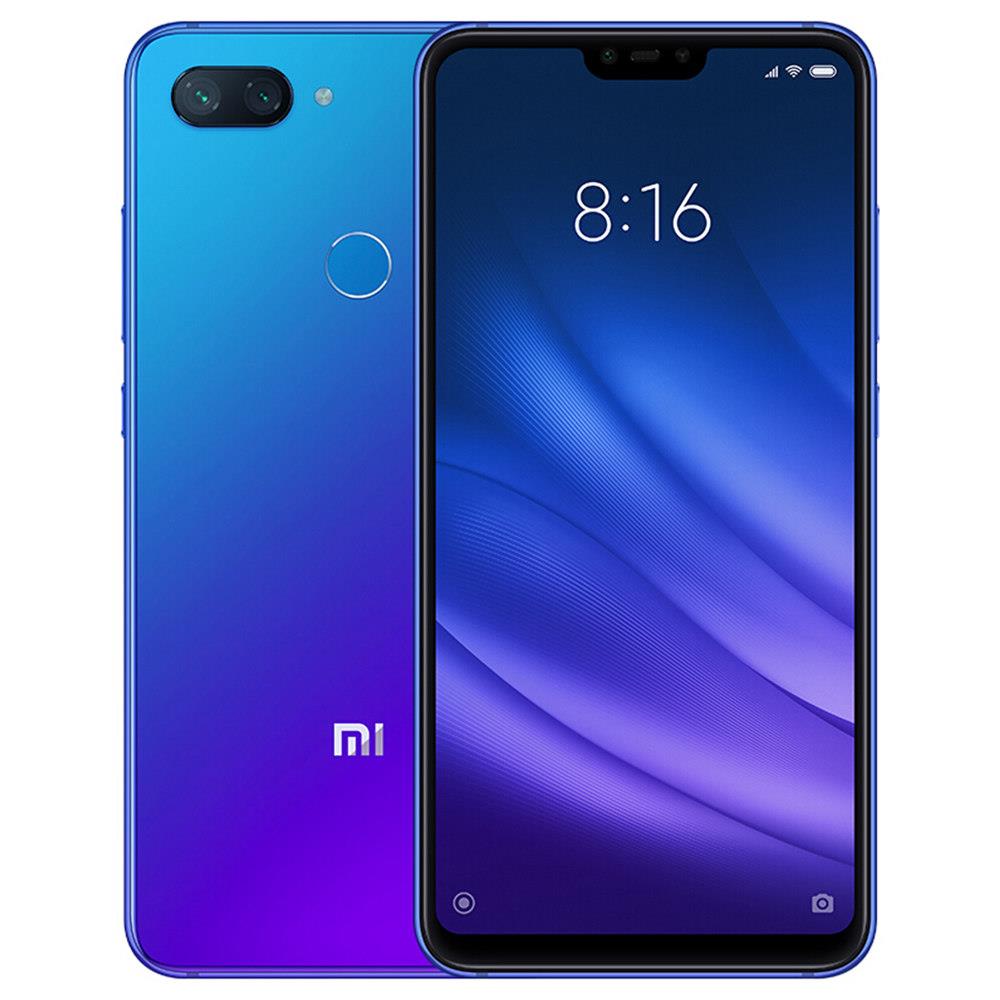 For instance, the Xiaomi Mi 8 smartphone usually carries a $319.99 price tag, but thanks to a 17 percent discount Banggood is offering on the handset, you can now buy it for just $269.99. Moreover, you can use coupon code 12M8L4G3 in order to reduce the device’s already lowered retail price.

 These DJI-branded products have been split into multiple categories including Big Discounts, EU Stock, Accessories and More Deals in order to expedite the search process. We will take a gander at the DJI Mavic Air and the DJI Osmo Mobile 2 3-axis brushless handheld gimbal stabilizer that usually carry price tags, but have now gone up for sale carrying lowered prices on GeekBuying.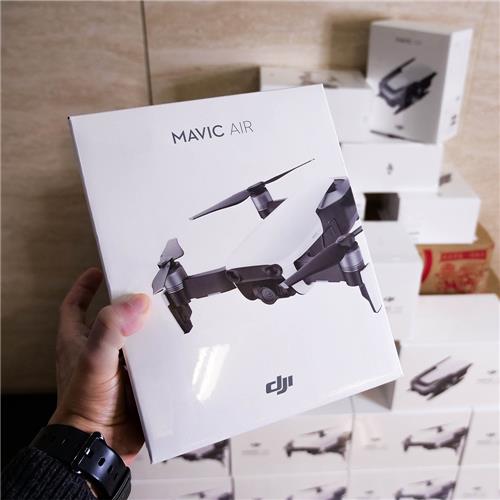
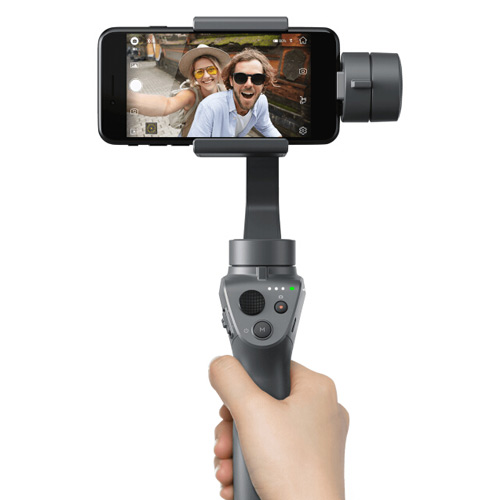 This highly efficient gimbal stabilizer for smartphones usually sells for $218.99 but much to the delight of cost-conscious buyers, DJI is now offering it for a dropped price of just $129 on GeekBuying. This is a 41 percent reduction in the device’s original selling price.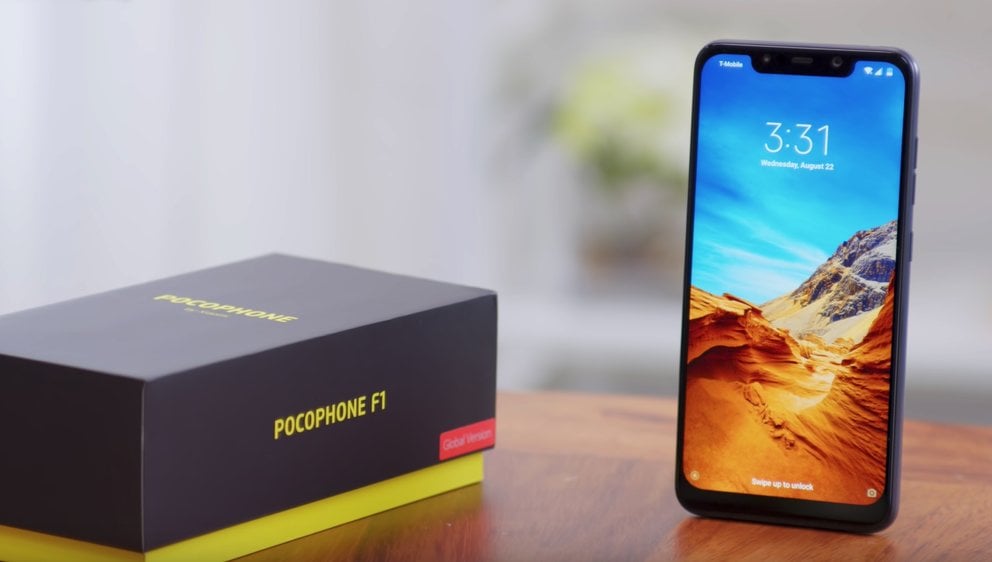

 However, if you are in the market for a highly effective vacuum cleaner that doesn’t cost a bomb, we got good news for you. Deemed as one of China’s best online electronics stores, GearBest is now doling out noteworthy discounts on select vacuum cleaners that usually carry steep price tags.
 On the downside, this promo offering a 15 percent discount on the white color version of the vacuum cleaner is slated to end in twelve days. It is also worth noting that there were only 87 pieces remaining for this promo at the time of writing. You can visit
 Furthermore, the ZOJI Z11 Android 8.1 Oreo OS and draws its juices from a robust 10000mAh battery that supports 9V/2.7A Quick Charge. Aside from a fingerprint sensor, the device features a slew of other useful sensors including compass, gyro, G-sensor, L-sensor, P-sensor, acceleration sensor, and a magnetic sensor.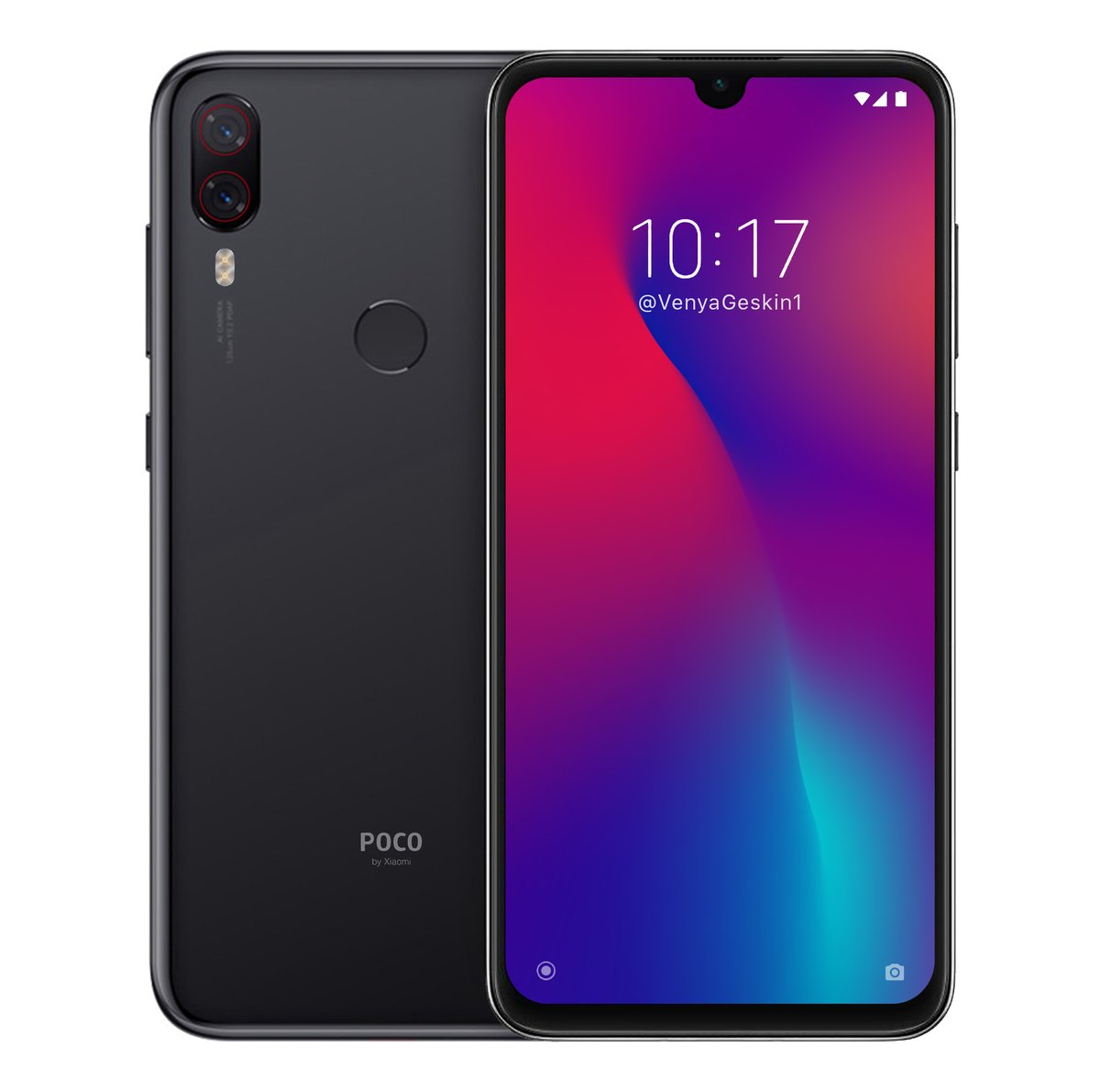



 You can follow
  You can visit
  This is a significant 42 percent reduction in the device’s original asking price. On top of that, you can use coupon code GIZ_FSRVODVH during the checkout process and save $12 more without breaking a sweat. The discount will be valid for the gray color version of the speaker. You can visit
  This is an 8 percent reduction in the device’s original asking price, but if that doesn’t impress you much you can use coupon code GIZ_VSDVVOST to get an extra $7 off. After applying the aforesaid coupon, the device’s retail price drops further down to only $59.99.