Looking for a cost-effective, yet powerful ebook e-reader that reads like paper without generating blinding light? You might want to take a gander at the Likebook Mars T80D. The Likebook Mars T80D e-reader adopts a special anti-glare process to reduce glare and deliver an unmatched reading experience. It sports an extra large 7.8 inch E-ink touchscreen display with a high resolution of 300 PPI (pixels per inch).
Moreover, it supports 16-level grayscale that reduces the glare and keeps your eyes safe from any sort of damage. It is powered by an octa-core 1.5G processor so that you can run your favorite apps without interruption while consuming relatively less power.
The device is housed in a super slim 9.3mm titanium magnesium alloy body that makes it an easy-to-carry e-reader. The lightweight and compact Likebook Mars T80D sports a graceful polish back shell.
The Likebook Mars T80D e-reader can be used to read at any time of the day thanks to its built-in front-light, which comes with warm and cold light switching feature. Aside from that, the device lets you adjust grey-scale for a convenient PDF reading experience.
This feature-laden e-reader runs Android 6.0 Marshmallow OS and draws its juices from a robust 3100mAh battery that enables offline reading for twelve days on a single charge. Furthermore, it offers a hearty 16GB of onboard storage capacity (expandable up to 128GB) that lets you save over 2000 books.
While you’d normally end up spending a lot of money on an e-reader that boasts similar features, the Likebook Mars T80D can now be yours for a lowered price of just $215 on GearBest. This is a noteworthy 21% drop in the device’s original asking price of $271.79.
You can head straight to this link to grab the discount, which is currently valid for the remaining 318 pieces of the black color version of Likebook Mars T80D e-reader. Note that the promo is slated to end in 7 days.
Even a few months after hitting the store shelves, the OnePlus 6 continues to garner popularity among smartphone lovers.
In a bid to make the coveted phone available to the cost-conscious buyers, the Chinese smartphone manufacturer is now offering the OnePlus 6 for a heavily discounted price on Banggood. Moreover, we will show how you can save extra money at checkout without breaking a sweat.
The feature-laden OnePlus 6 would normally set you back a pretty penny, but you can now buy it for just $504.48 on Banggood. This is a noteworthy 26% reduction in the original asking price of the device’s mirror black and black color versions.
In addition to taking advantage of this discount, you can use coupon code 12bgop68 and get an extra $78.49 off at the time of checking out. In other words, you can use the aforesaid coupon to bring your already lowered grand total further down to just $425.99. An absolute bargain at this price, the OnePlus 6 sports an extra large 6.28 inches optic AMOLED capacitive touchscreen display with 1080 x 2280 pixels resolution and Corning Gorilla Glass 5 on top for added protection. The phone is powered by Qualcomm Snapdragon 845 processor and it uses a competent Adreno 630 GPU, under the hood.
The OnePlus 6 comes with 8GB of RAM and offers 128GB of non-expandable onboard storage capacity for you to save your favorite content. On the photography front, it houses a 16.0MP+20.0MP dual-camera setup on the back and a 16.0MP front shooter for selfies and video chatting.
The phone runs H2OS based on Android 8.1 Oreo OS and is backed by a non-removable 3300mAh battery. Aside from a rear-mounted fingerprint sensor, the OnePlus 6 features a slew of other useful sensors like accelerometer, gyro, proximity, and compass.
You can head straight to this link to check out the full specification and avail the discount which will be valid only for a limited period of time.
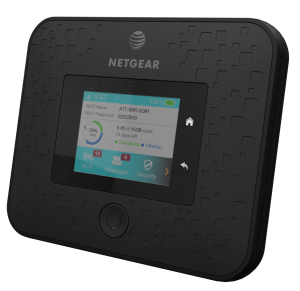
US telecoms giant AT&T has announced that it will hold an event on December 21 where it will officially launch the Netgear Nighthawk 5G Mobile Hotspot. This will make AT&T be the first company in the US to present “a mobile 5G device over a commercial, standards-based mobile 5G network.”
The Netgear Nighthawk 5G Mobile Hotspot has earlier been unveiled. The modem uses the carrier’s advanced LTE and 5G Millimeter wave signals from AT&T’s 5G+ network. It is powered by the Qualcomm Snapdragon X50 5G modem. The Nighthawk 5G Mobile Hotspot will transmit a 5G signal over Wi-Fi to connected mobile devices. Presently, AT&T will provide its 5G service in Atlanta, Charlotte, N.C., Dallas, Houston, Indianapolis, Louisville, Ky., Oklahoma City, Jacksonville, Florida, New Orleans, Raleigh, San Antonio and Waco, Texas.
In a few days, AT&T will begin to offer certain consumers and businesses a free trial of both the Nighthawk 5G Mobile Hotspot and its 5G+ service at a space of 90 days. In the first six months of 2019, the services will be extended to Las Vegas, Nashville, Orlando, Los Angeles, San Diego, San Francisco and San Jose, California. The 5G Mobile Hotspot will be sold for $499 by the carrier in the spring and also, 15GB of 5G data would be given for $70 per month with no contract.
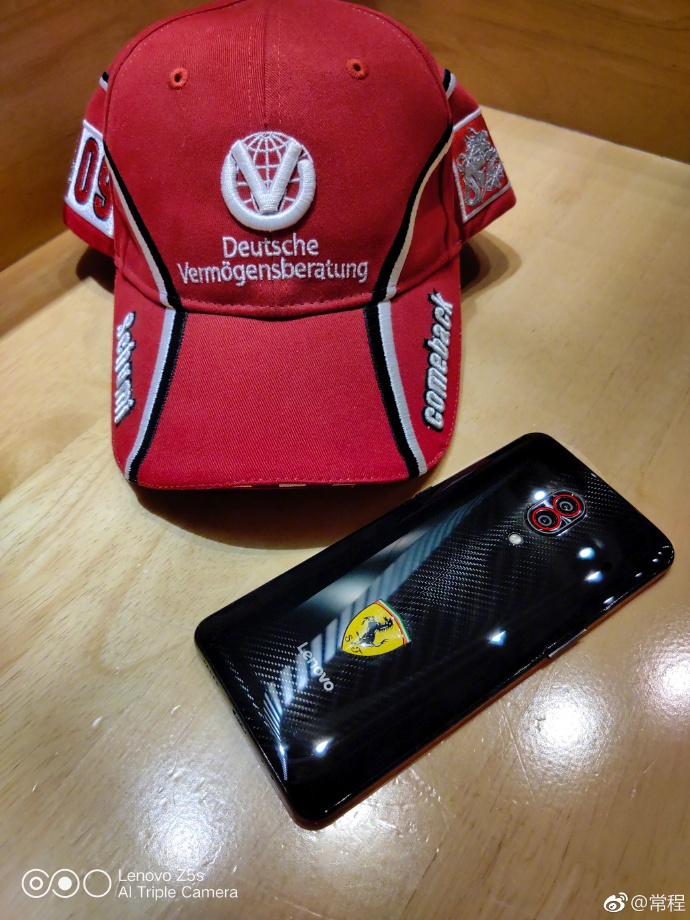
There were rumors Lenovo would announce a Ferrari edition of the Lenovo Z5s yesterday but it didn’t. It did surprise us with a GT version of the Z5 Pro which has 12GB of RAM and a Snapdragon 855 processor. Although it was missing a Ferrari logo, the Z5 Pro GT did have a sporty appearance. An image shared by Lenovo’s own CEO has revealed there is actually a Ferrari edition of the phone.
The CEO took to Weibo to share a photo of a Lenovo Z5 Pro GT with a Ferrari logo on the back. The back is covered in glass and the phone’s dual cameras have a red accent. Unlike the regular Z5 Pro GT, this version doesn’t have the carbon fiber design covering the whole of the rear. The carbon-fiber design only runs through the middle of the phone. At the bottom is Ferrari’s logo and Lenovo’s logo.
Based on the caption of the Weibo post, this version of the Lenovo Z5 Pro GT will also arrive next year.
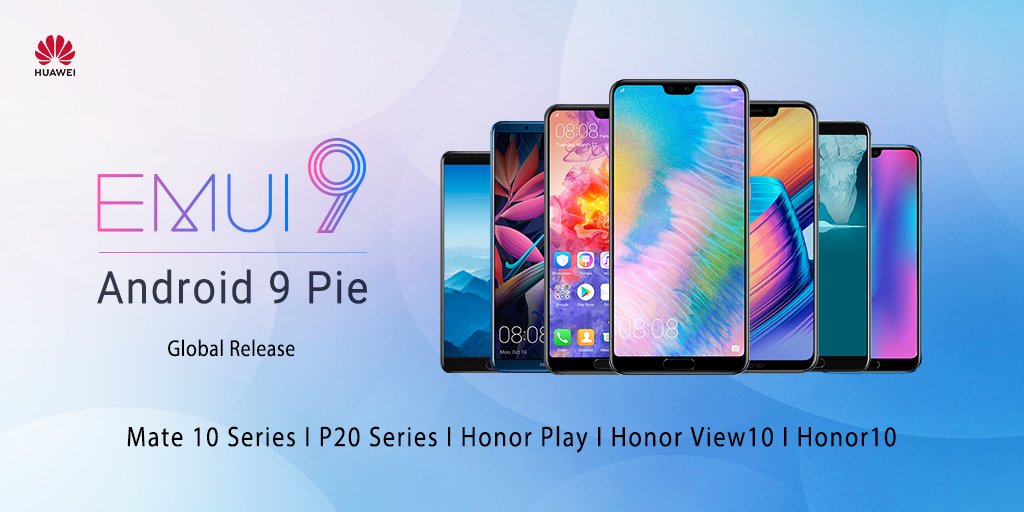
Huawei’s EMUI 9 based on Android Pie has been available as a beta for a while. Now a stable update has begun rolling out to some devices.
If you own the Huawei Mate 10, Mate 10 Pro, P20, or P20 Pro and reside in Europe, you should check your phone as the update is already being pushed to these devices. The update is also rolling out to the Honor View 10, Honor 10, and Honor Play. There is even a report that the Honor View 10 is receiving the update in India.
EMUI 9.0 not only brings Android 9 Pie but also brings some new features. There is a new gesture navigation and also HiVision which is just like Google Lens but with some neat tricks of its own such as calorie identification in foods. The overall UI has also changed, system response speed is said to have increased by 25.8%, and there is now support for multiple back ups to various storage devices.
U.S chipmaker Qualcomm says it believes that Apple remains in infringement of a Chinese court’s orders to stop sales of iPhones in spite of a software update that Apple released on Monday. Qualcomm on December 10 reported that it had won a preceding court order in China banning Apple from sales of some older iPhone models that the court has found violating two Qualcomm software patents. Apple reported the same day, that all of its phones remained on sale in China.
On December 14, Apple gave a report that it would push a software update to its iPhones this week. The California-based company, Cupertino said it believed it was in agreement with the court’s rule, but that it would update its software “to address any possible concern about our compliance with the order.” The update seemed to have been pushed to iPhones on Monday, based on user reports on Twitter, although Apple would not affirm to Reuters that it had been pushed.
“Despite Apple’s efforts to downplay the significance of the order and its claims of various ways it will address the infringement, Apple apparently continues to flout the legal system by violating the injunctions,” Don Rosenberg, Qualcomm’s General counsel, informed Reuters in a statement on Monday. Apple never openly commented last week on reasons it believed its current iPhones for sale in China complied with the court’s proclamation, which relates to patents on software features for swapping between apps on a smartphone and resizing photos before using them as a wallpaper on the phone.
Several media outlets, including CNBC, stated that Apple believed the court’s orders only apply to iPhones running older versions of its iOS operating system. But the court’s orders, a copy of which Qualcomm provided to Reuters, had no reference to operating systems but only centered on software features.
“Apple’s statements following the issuance of the preliminary injunction have been deliberate attempts to obfuscate and misdirect,” Qualcomm’s Rosenberg reported in a statement on Monday. However, Qualcomm believes Apple is still in violation of the court’s orders because Apple continues sales of phones and has not received any definite order from the Chinese court giving it the opportunity to do so.
“They are legally obligated to immediately cease sales, offers for sale and importation of the devices identified in the orders and to prove compliance in court,” Rosenberg reported in a statement to Reuters in December. When asked by Reuters about Qualcomm’s statements, Apple restated its earlier statements that it believes it is in accordance with the court order.
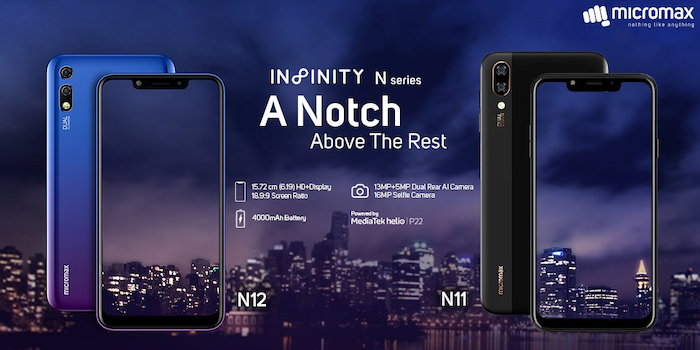
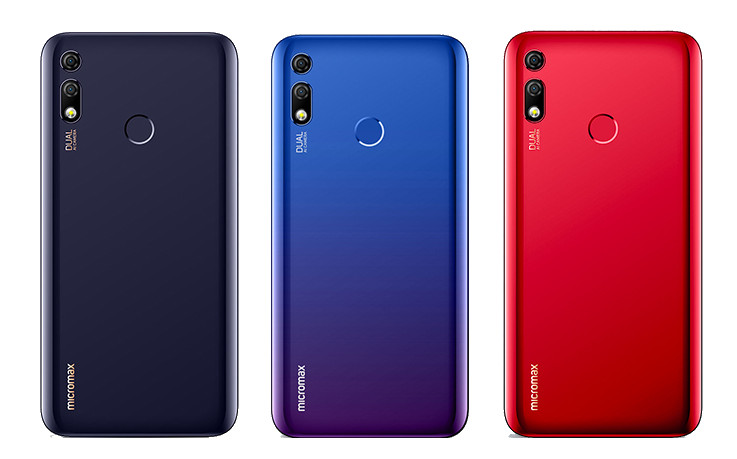
As promised, Micromax has today launched its new Infinity N-series smartphones — Infinity N11 and Infinity N12, which comes with a notched display, making it the first smartphones from the company to feature a notch.
The Micromax Infinity N11 and N12 both feature a 6.19-inch HD+ display with 1500 x 720 pixels screen resolution, 18:9 aspect ratio and a 2.5D curved glass. Under the hood, both the devices are powered by MediaTek‘s MT6762 Helio P22 octa-core 12nm processor clocked at 2GHz, along with 650MHz IMG PowerVR GE8320 GPU.
As for the memory configuration, the N11 packs 2GB RAM while the N12 comes with 3GB RAM. Both the devices feature 32GB of internal storage with support for expandable memory of up to 128GB using a microSD card.
Coming to the camera department, both the smartphones sport same camera configuration on the back side — dual camera setup consisting of a 130megapixel primary sensor with an LED flash and a 5-megapixel secondary sensor.
On the front side, the Infinity N11 features an 8-megapixel snapper while the Infinity N12 comes with a 16-megapixel front-facing camera, along with an LED flash. Both the devices also support Face Unlock feature and come with a rear-mounted fingerprint sensor.
Connectivity options on the phones include Dual 4G VoLTE, WiFi 802.11 a/b/g/n (2.4GHz + 5GHz), Bluetooth v5, and GPS + GLONASS. There’s also a 3.5mm headphone jack and support for FM radio. Both phones run Android 8.1 Oreo operating system out-of-the-box and are powered by a 4,000mAh battery.
The Micromax Infinity N11 and N12 come in three different color options — Viola, Blue Lagoon and Velvet Red. While the N11 is priced at Rs. 8,999 (approximately $128), the N12 is priced at Rs. 9,999 which roughly converts to $142. Both the phones will be available through online stores as well as offline stores across the nation.
This year, HTC released only bone flagship phone and that is the HTC U12+. The same phone launched as the HTC Exodus 1, the manufacturer’s first blockchain phone. Next year will be different according to HTC Taiwan’s President.
In an interview with Taiwan’s Economic Daily, HTC Darren Chen said the company will be focusing on high-end smartphones in the first half of 2019. These phones will challenge Apple’s iPhones which have the largest market share in Taiwan.
Mr. Bozhen also said that they plan to release more U12+ models next year in order to extend its lifecycle. he says the flagship which was released back in June is one of the best dual-camera phones and its less powerful sibling, the U12 Life which got a 128GB version last month is also selling fast.
After a year of affordable devices, Lenovo surprised everyone by launching Z5 Pro GT, the most powerful phone in the whole Android world. Is it able to beat the hottest Chinese devices of the moment even when it comes to value for money and other specifications besides having perfect performances? This is the question we will try to answer with this in-depth specs comparison between Lenovo Z5 Pro GT, Xiaomi Mi Mix 3 (10 GB version) and Huawei Mate 20 Pro.
Lenovo Z5 Pro GT vs Xiaomi Mi Mix 3 10 GB vs Huawei Mate 20 Pro
Lenovo Z5 Pro GT
Xiaomi Mi Mix 3
Huawei Mate 20 Pro
DIMENSIONS AND WEIGHT
155.1 x 73 x 9.3 mm, 210 g
157.9 x 74.7 x 8.5 mm, 218 g
157.8 x 72.3 x 8.6 mm, 189 g
DISPLAY
6.39 inches, 1080 x 2340p (Full HD+), Super AMOLED
6.39 inches, 1080 x 2340p (Full HD+), Super AMOLED
Dual 16 + 24 MP, f/1.8
Dual 16 + 8 MP f/2.2 front camera
Dual 12 + 12 MP, f/1.8 OIS
Dual 24 + 2 MP front camera
Triple 40 + 20 + 8 MP, f/1.8 + f/2.2 + f/2.4, OIS, Laser AF
24 MP f/2.0 front camera
BATTERY
3350 mAh, fast charging
3200 mAh, fast charging with Quick Charge 4.0+, wireless charging
4200 mAh, fast charging 40W, wireless charging 15W
ADDITIONAL FEATURES
Dual SIM slot, slider design
Dual SIM slot, pop up cameras
Dual SIM slot, waterproof (IP68)
Design
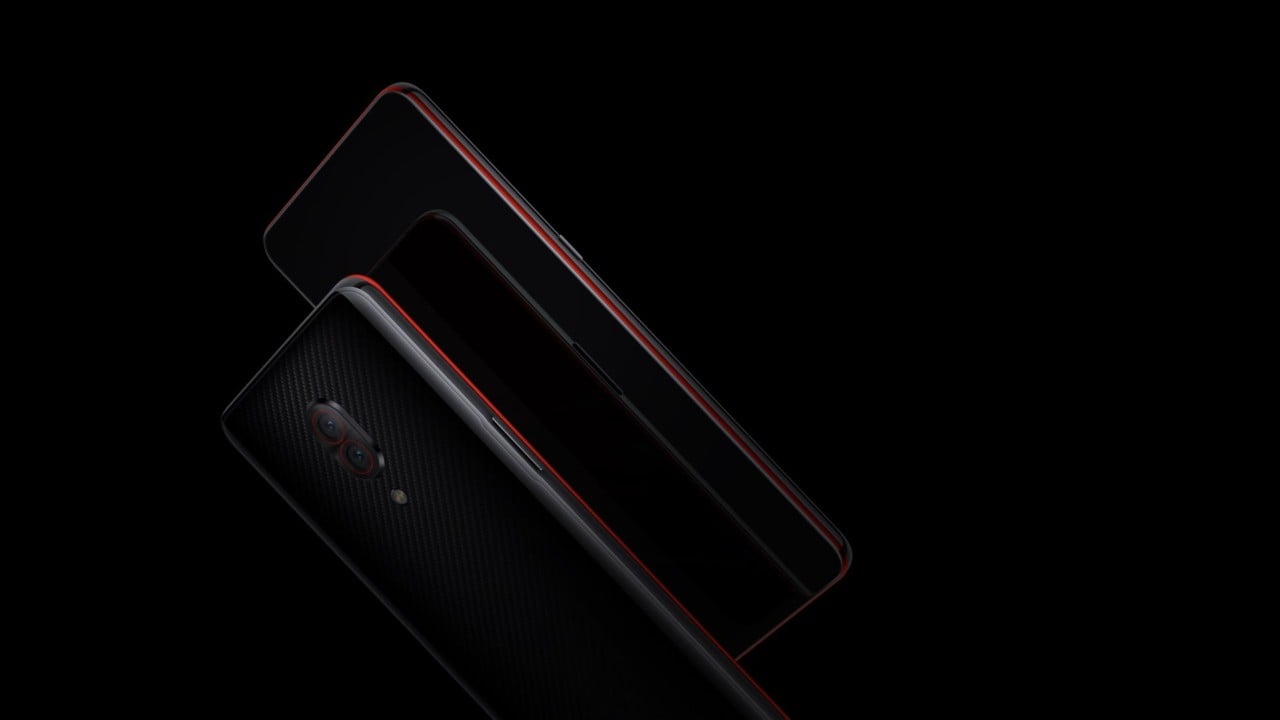
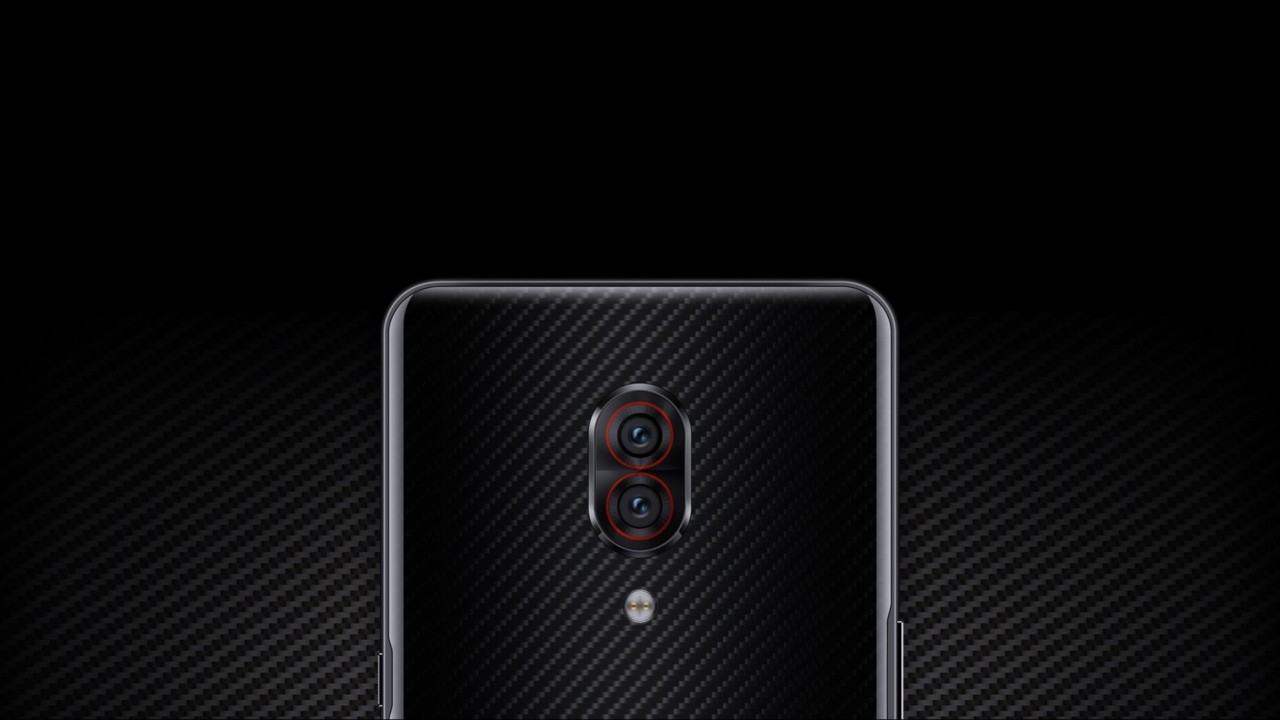
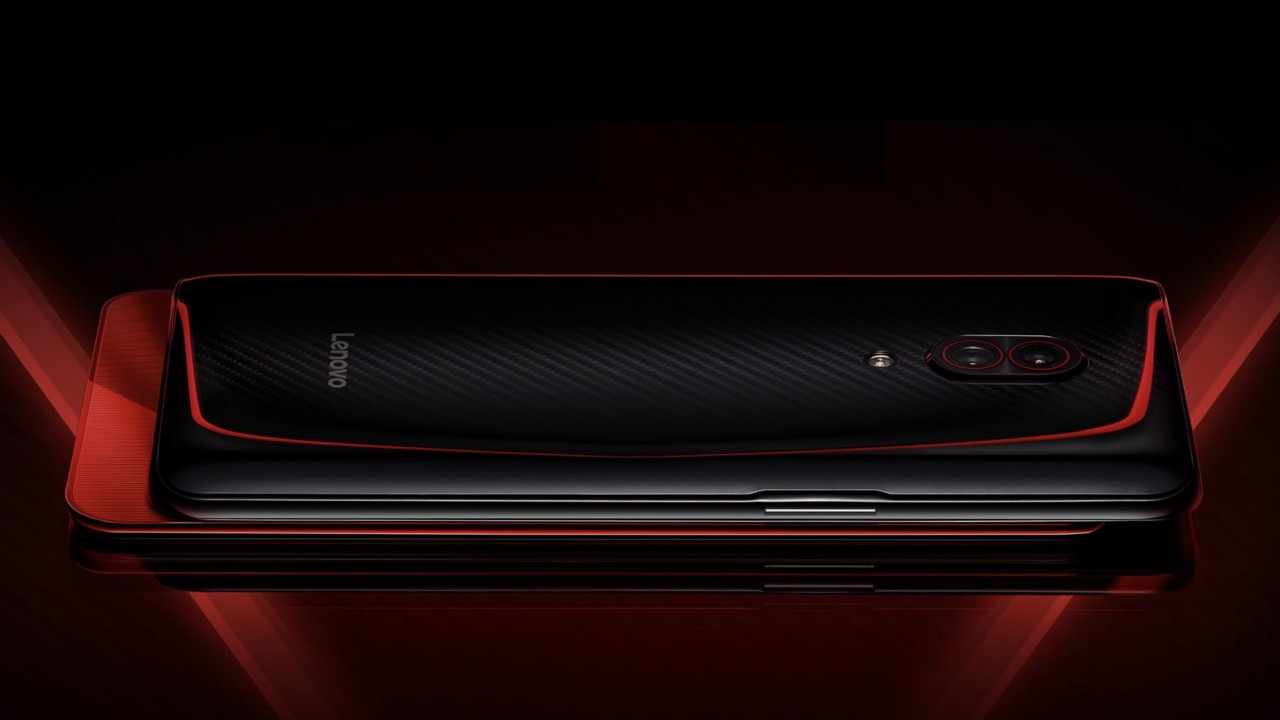
Lenovo Z5 Pro GT seems to be the smartphone with the narrowest bezels ever released. Thanks to its slider design with a pop-up slider housing the front cameras, its display reaches a screen-to-body ratio superior to 95 percent, according to the company. Further, it has a unique design composed of a rear side with a carbon fiber texture and a red frame. On the other hand, if you need a more elegant design, you might prefer the Xiaomi Mi Mix 3 which has a slider design as well but a soberer ceramic back, with an aluminum 7000-series frame. The only advantage of Huawei Mate 20 Pro is the IP68 certification making it waterproof, but it is uglier with its big notch.
Display
Huawei Mate 20 Pro has the best display for both definition and color reproduction. First of all, it features a higher resolution, so more detail. Secondly, it is HDR10 compliant and it even provides DCI-P3 coverage. The second place goes to Xiaomi Mi Mix 3 as it is HDR compliant as well, but it has a lower resolution and a lower quality. Lenovo Z5 Pro GT and Huawei Mate 20 Pro have both an in-display fingerprint reader and 3D facial recognition, while Xiaomi Mi Mix 3 does not.
Hardware/Software
Lenovo Z5 Pro GT is the world’s first smartphone to come with the new Snapdragon 855 chipset by Qualcomm which provides a solid increase in performances compared with last year’s Snapdragon 845. Further, it is the first phone to come with 12 GB of RAM. According to the first benchmarks by AnTuTu, it is the most powerful phone ever, and it should provide better performance than any mobile phone released until now. Huawei Mate 20 Pro comes right after with its new Kirin 980, and it is also the only one of the trio to feature expandable storage.
Camera
If you grab a unit of the Huawei Mate 20 Pro, you will get the best triple camera setup ever found on a smartphone in commerce. It has three sensors with a 48 MP resolution, an ultrawide secondary lens and a telephoto lens. Xiaomi Mi Mix 3 is a more interesting camera phone only when it comes to front cameras, while cameras are not the strongest points of the Lenovo Z5 Pro GT, even though it remains a pretty nice camera phone as well.
Battery
With a capacity of 4200 mAh, Huawei Mate 20 Pro is the king of flagships if we talk about battery life. It is able to last a full day on a single charge even with a stressed use. Further, it supports wireless charging and reverse wireless charging to fuel other devices. You should not go for the Lenovo Z5 Pro GT and Xiaomi Mi Mix 3 if you need a long battery life as they only feature average units.
Price
Besides the hardware side, the most important quality of Lenovo Z5 Pro GT is the price: it will start from just $390/€343 in China ($638/€561 in the 12 GB RAM version), while Xiaomi Mi Mix 3 10 GB carries a price tag of $719/€632 in the 10 GB RAM version, and I consider it an inferior device. While Lenovo Z5 Pro GT has the highest value for money, Huawei Mate 20 Pro is the best device even though its SoC is not at the same level as the Snapdragon 855, but it costs almost $1000 or €850 (street prices).
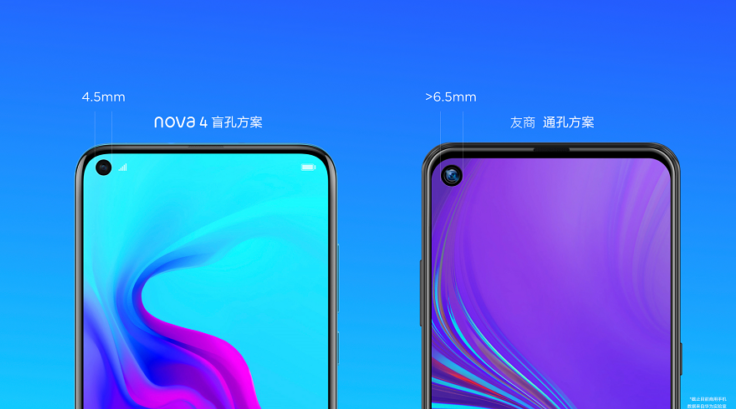
Yesterday was one of the high points of the year for Huawei as the company announced its first in-screen camera smartphone – the Huawei Nova 4 with a 25 MP selfie camera. The launching was supported with some neat slides, showing that over 65 million people bought devices from the Nova series since it was first unveiled.
The Nova 4 was first unveiled in October 2016 meaning the series is just two years ago. The Nova series is a mid-range lineup for Huawei which is highly traded in China and other Asia-Pacific markets. It has always relied on being elegant, beginning from the 2016 Huawei Nova with a design inspired by the Nexus 6P. Later, Huawei Nova 2 and Nova 2 Plus came in stylish colors like the flagship Huawei P10 – Grass Green, Streamer Gold, Aurora Blue, and so on.
The Nova 2s tested the Mate 10’s technique with a fingerprint scanner and a big screen of about only 4.5mm in diameter on the front while running the flagship Kirin 960 chipset. However, Huawei Nova 3 kept the custom, but the Nova 3+ arrived in Europe as Huawei P Smart and with the lower-powered Kirin 710 chipset.
The latest model is the Nova which is the Chinese giant’s first official device featuring a punch hole for the selfie camera. We’ll have to wait and see the performance of this phone in addition to the 65 million tally. The Nova is well-studded in the design and hardware aspects so, we don’t expect a disappointing performance.
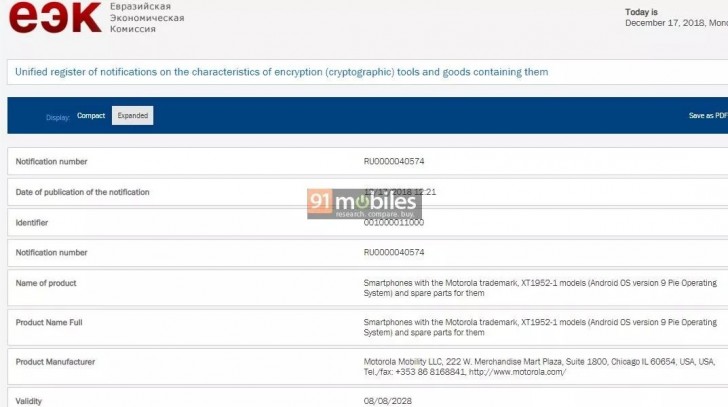
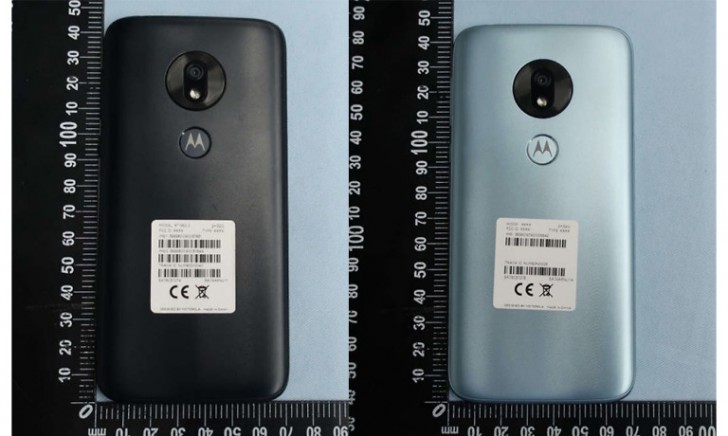
Motorola is all set to release its new Moto G7 series model anytime shortly, if we can trust numerous certification listings, including US FCC. There will be at least three phones, with another rumor and leaks suggesting even four – Moto G7, Moto G7 Power, Moto G7 Plus, and Moto G7 Play. The last one will be inexpensive and the least powerful which was just certified with the Eurasian Economic Commission (EEC).
The Moto G7 Play with a model number Moto XT1952-1 will have the latest Android 9 Pie update, and this is all the certification listing gives us. We already saw the images of the device in real photos at the FCC – which have USB-C, microSD slot audio jack, a hybrid dual SIM slot, a fingerprint reader on the back along with the Moto dimple, the battery is revealed to be an unimpressive 2,820mAh and a single rare camera on both sides.
If you worry more about internals, one of the photos from the FCC listing shows a Snapdragon 632 SoC on board which would be a welcome bump over the Snapdragon 430 in the current Moto G6 Play, coupled with Adreno 506 GPU. However, according to some renders, the G7 series will feature the waterdrop notch design on the front, but from the FCC photos, the G7 Play is likely staying with a quality rectangular screen without any cutouts for cameras and sensors whatsoever.
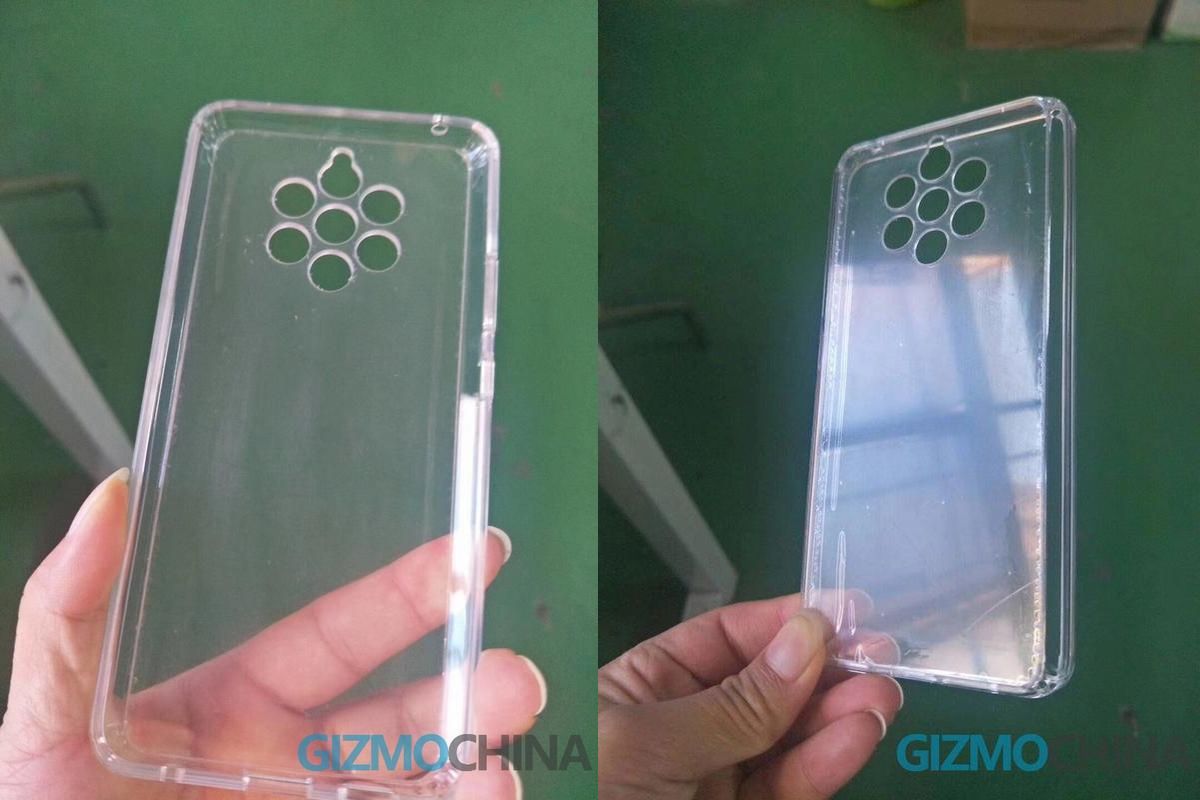
Samsung Galaxy A9 (2018) is the first smartphone with rear-mounted quad cameras. The Huawei P30 Pro flagship phone arriving in Q1 2019 could be the second phone to feature quad cameras. While other companies are expected to catch on with the trend of launching smartphones with four rear-facing cameras, HMD Global is reportedly prepping up Nokia 9 PureView flagship phone with five rear cameras. Well, the penta-lens camera design of the rumored Nokia 9 PureView is not a secret since multiple leaks have revealed it. GizmoChina brings to you some new shots of Nokia 9 PureView case to reveal its design.
The Nokia 9 PureView case images matches with the CAD renders of its case that had surfaced in the previous month. It also resembles with the Nokia 9 case that is currently listed on Amazon UK. The newly leaked TPU case of the upcoming Nokia flagship phone has seven cutouts. Rumors suggest that five of them will belong to various kinds of sensors such as RGB, depth sensor, wide-angle lens, telephoto lens and monochrome sensor. The other cutouts could belong to dual-tone LED flash and a sensor for proximity detection.
Rumors have it that just as the Nokia 8 Sirocco phone lacked a 3.5mm audio jack, the Nokia 9 PureView will be also lacking it. The small round-shaped cutouts at the top and bottom edges of the TPU case of the smartphone could be for the two microphones. The bottom edge of the smartphone may also feature a USB-C port and an external speaker. The left side of the phone appears to be barren whereas the right side of the phone seems to feature volume rocker and power button. The SIM tray could be placed on the left side of the smartphone. There is no cutout for the rear-mounted fingerprint scanner which indicates that the Nokia 9 PureView could be the first Nokia phone with in-screen fingerprint scanner.
Previous leaks have revealed that the Nokia 9 PureView will be featuring 5.99-inch OLED screen with QHD+ resolution. The Snapdragon 845 chipset, 8 GB of RAM and 4,150mAh battery could be powering the smartphone. It will come preinstalled with Android 9 Pie OS. the handset is also expected to support wireless charging.
Rumors surrounding the Nokia 9 PureView smartphone claim that its arrival has been delayed, but it is still expected to go official as early as January 2019. Probably, the smartphone may go official after the Consumer Electronics Show (CES) 2019 in January and before the Mobile World Congress (MWC) tech expo in February.
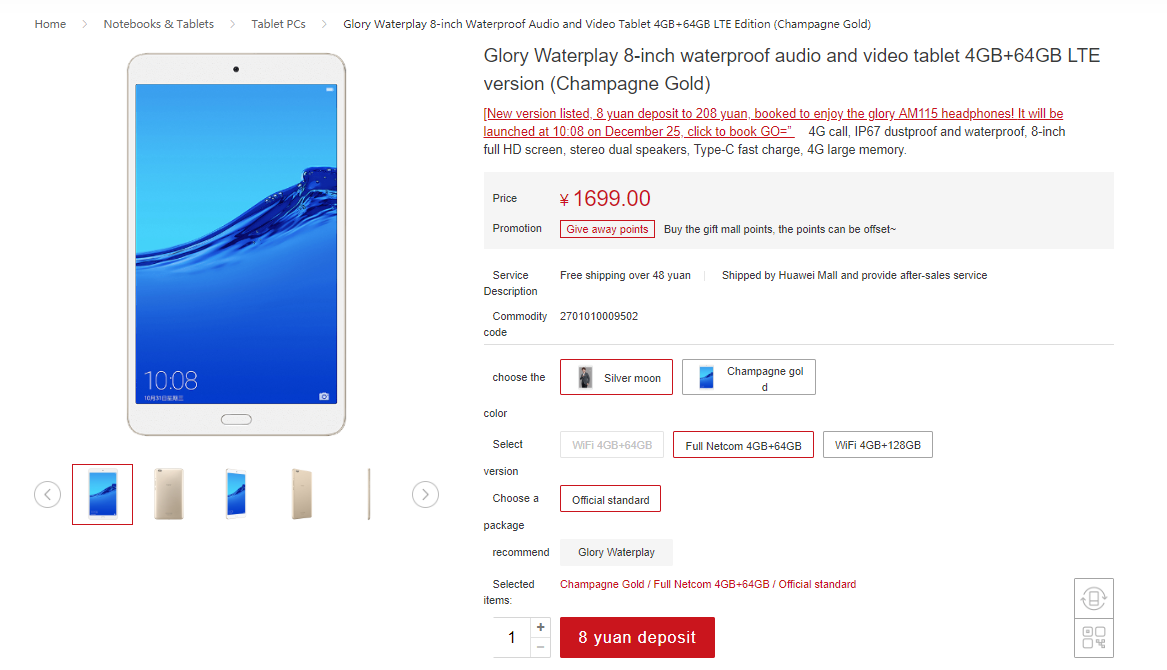
The Honor Waterplay 8 is a smaller version of the 2017 Waterplay tablet with a 10.1-inch screen. Just like the name says, the tablet has an 8-inch screen. When it launched back in October, it was available as a Wi-Fi only tablet. Today, Honor has announced an LTE version just in time for the holidays.
The LTE version comes in only one configuration – 4GB RAM + 64GB unlike the Wi-Fi only version that is available in 4GB RAM + 64GB RAM and 4GB RAM + 128GB variants. The price for the LTE version is ¥1699 (~$246), same price as the 128GB version of the tablet. The rest of the specs are the same.
The Honor Waterplay 8 has an 8-inch LCD IPS display with a 1920 x 1200 resolution. It is powered by a Kirin 659 processor and also has GPU Turbo technology. Irrespective of the variant you choose, you will be able to expand the storage via a MicroSD card slot (256GB max.).
The Honor Waterplay 8 has a 13MP + 5MP dual camera combo on the rear and an 8MP f/2.0 front-facing camera. Just like the 10.1-inch version, the Honor Waterplay 8 is waterproof and dustproof as it has an IP67-rating. It also has a front-mounted fingerprint scanner, Harman Kardon dual speakers and a type-C port. It packs a 5,100mAh battery with support for 18W fast-charging.
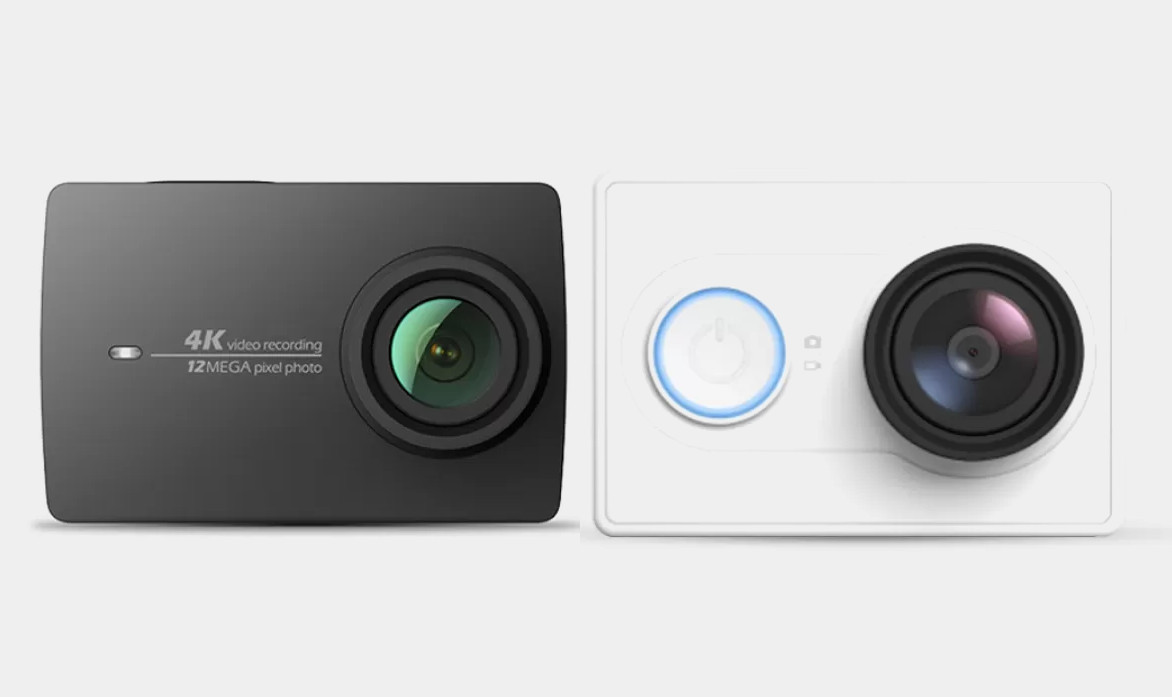
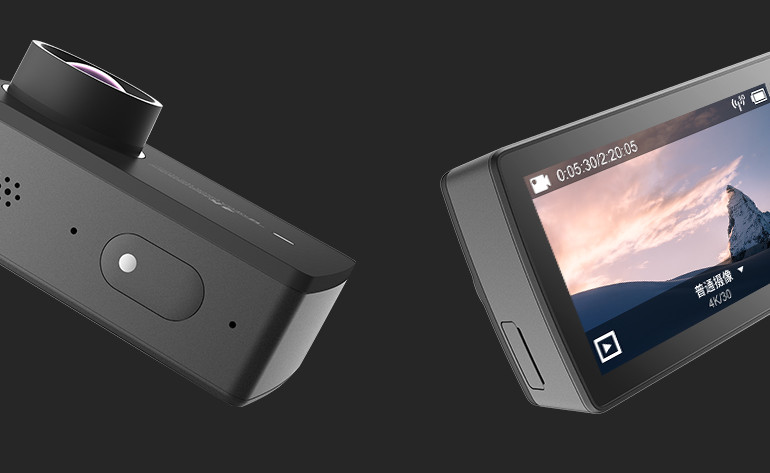
Last year, YI started selling its action cameras unofficially through Amazon last year. Now, YI Action Camera and YI 4K Action Camera are now available for purchase in India exclusively on Flipkart starting on December 17th.
The YI Action Camera comes with a 16-megapixel Sony IMX206 lens with a 1/2.3″ sensor, f/2.8 aperture, and 155-degree wide viewing angle. It supports Full HD recording at 60 frames per seconds and 720p recording at 120fps.
It is powered by Ambarella A9SE SoC with support for H.264 codec. There’s also a built-in microphone Dual-channel, 96KHz sampling, and 92dBA SNR. For storing data, there’s a microSD card slot and connectivity options on the device include Wi-Fi 802.11 b/g/n (2.4GHz + 5GHz) and Bluetooth v4. As for the battery, it supports a battery life of 95 minutes.
The YI 4K Action Camera features a 12-megapixel Sony IMX377 lens with a 1/2.3″ sensor, 7P lens, f/2.8 aperture, and 155-degree wide viewing angle. Unlike the Action Camera, the 4K Action camera comes with a 2.19-inch display with 160-degree wide-angle viewing, 16:9 aspect ratio, and 330PPI pixel density.
Under the hood, the device is powered by Ambarella A9SE chipset with support for H.264 codec. It also supports 4K video recording at 30fps, 1080p recording at 120fps and 720p recording at 240 fps. It has BCM4330 for Wi-Fi 802.11 b/g/n (2.4GHz + 5GHz) and Bluetooth 4.0.
It also comes with dual microphones and 6-axis gyroscope for EIS. As for the battery, it has 1,400mAh battery which provides up to 2 hours of recording.
As for the pricing, in India, the YI Action Camera and YI 4K Action Camera are priced at Rs. 4999 (approximately $71) and Rs. 9999 (approximately $141) respectively.
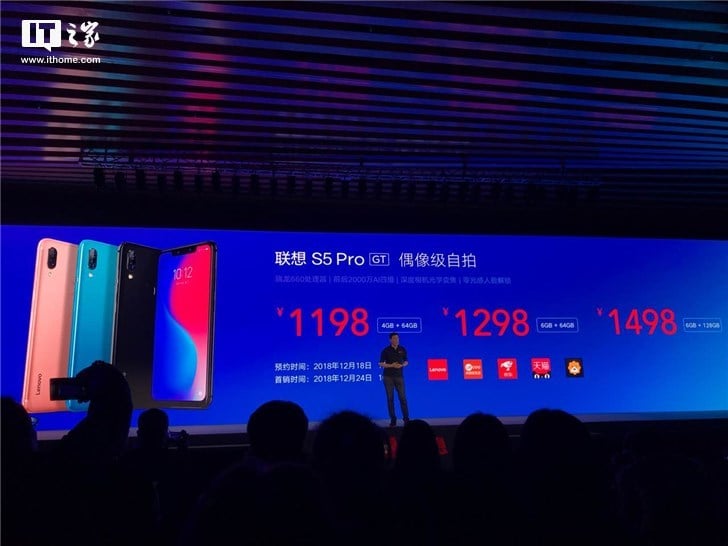
At its launch event today, Lenovo announced a new version of the S5 Pro. Called the Lenovo S5 Pro GT, it comes with a more powerful processor and retains the rest of the specs of the regular variant.
The Lenovo S5 Pro GT’s only change is the switch from a Snapdragon 636 processor to a Snapdragon 660 chipset. It has a 6.2-inch 1080 x 2246 display with an 18.7:9 aspect ratio. The S5 Pro Gt comes in three variants – 4GB + 64GB, 6GB + 64GB, and 6GB + 128GB.
The rear cameras remain the same as the Snapdragon 636 version – a 12MP f/1.8 primary sensor and a 20MP f/2.6 secondary camera. The notch in front is home to a 20MP + 8MP dual camera combo. The Lenovo S5 Pro GT has a rear-mounted fingerprint scanner and also has IR Face Unlock.
It still runs Android 8.1 Oreo with ZUI 5.0 out of the box and packs a 3,500mAh battery with support for 18W fast-charging. There is a USB-C port and a 3.5mm audio jack at the bottom, Bluetooth 5.0, Dirac audio, dual-SIM support and even has a gaming mode.
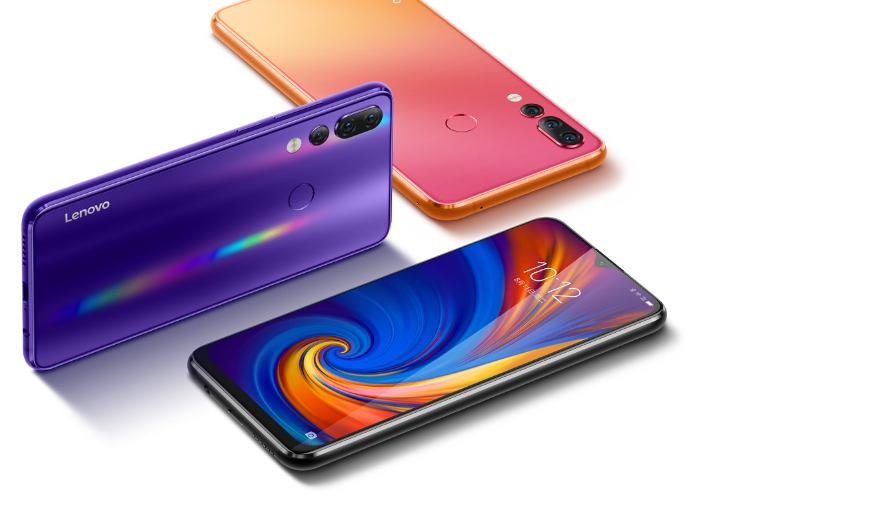
After weeks of leaks that surfaced through multiple sources, Lenovo has finally announced the Lenovo Z5s smartphone. The handset comes with waterdrop notch screen, powerful chipset and triple rear cameras. Moreover, the handset has been introduced with an enticing starting price of 1,398 Yuan (~$202). At the unveil event of the smartphone, the Lenovo also announced the Lenovo Z5 Pro Snapdragon 855 edition as the first smartphone ever to feature Qualcomm’s 7nm chipset for mobile devices. The Lenovo Z5 Pro is also the world’s first smartphone to feature 12 GB of RAM.
Lenovo Z5s Specifications and Features
The Lenovo Z5s features a 6000-series aluminum frame and Corning Gorilla glass rear shell. It measures 156.7 x 74.5 x 7.85mm and weighs 172 grams. The rear design of the phone that features a triple camera unit resembles with Huawei P20 Pro. The back panel of the phone also houses a fingerprint scanner. The handset comes with P2i splash-resistant coating.
A 6.3-inch waterdrop notch screen sits on the frontside of the Lenovo Z5s. It supports full HD+ resolution of 2340 x 1080 pixels and 19.5:9 aspect ratio. The marvelous display of the Lenovo Z5s offers a screen-to-body ratio of 92.6 percent.
The Snapdragon 710 chipset powers the smartphone along with 4 GB / 6 GB of RAM. The handset can be availed in storage choices of 64 GB and 128 GB. There is a microSD card slot on the device for additional storage. The smartphone is packed with a 3,300mAh battery that is enabled with support for 15W charging through USB-C port.
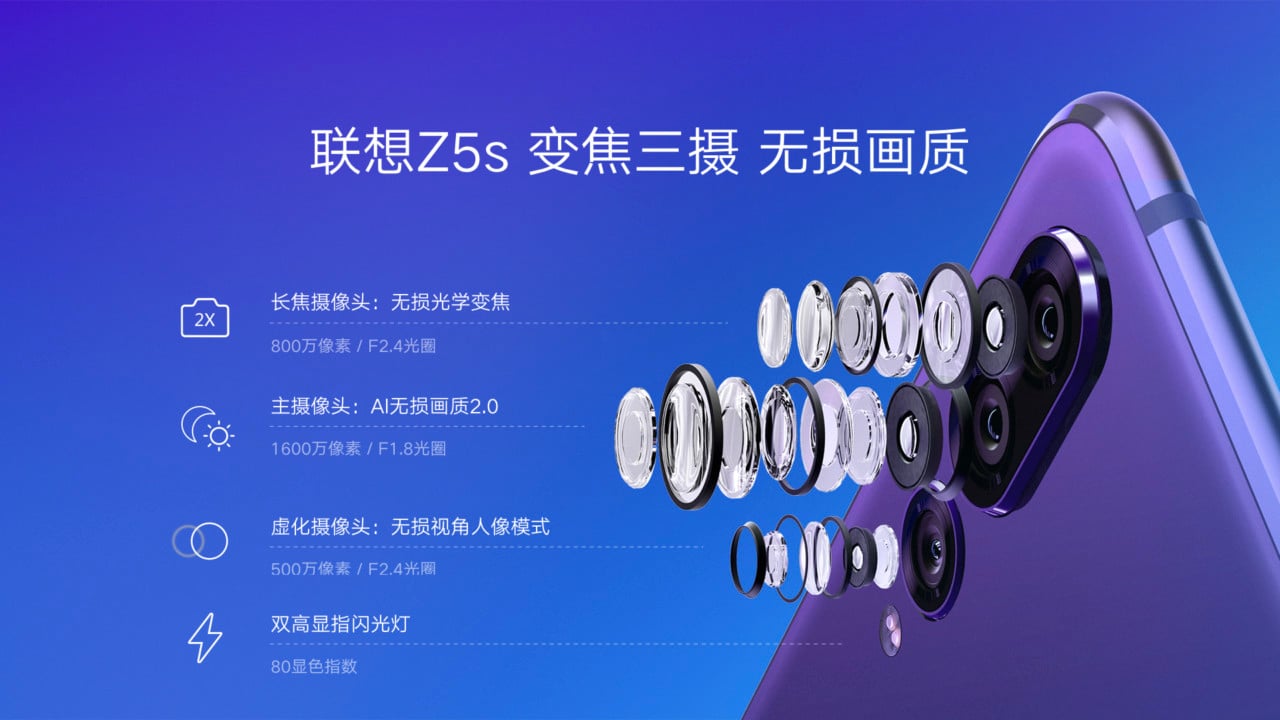
The Android 9 Pie OS that is overlaid with ZUI 10 UI comes preloaded on the Lenovo Z5s. The rear side of the smartphone features autofocus enabled 16-megapixel (f/1.8 aperture) + autofocus enabled 8-megapixel (f/2.4 aperture) + fixed focus 5-megapixel (f/2.4 aperture) triple camera setup. The triple cameras are equipped with features like dual-LED flash, 2x optical zoom, PDAF and 4K video shooting. For capturing selfies, the Lenovo Z5s offers its used with 16-megapixel selfie camera with f/2.0 aperture. For brighter selfies, the front camera can combine four pixels into one large-sized pixel. The frontal shooter also doubles up as face recognition feature.
The other features of the Lenovo Z5s include dual SIM support, 4G VoLTE, Wi-Fi 802.11ac, Bluetooth 5.0, stereo speakers with dual amplifier, and 3.5mm audio jack.
Here is the different variants and pricing of the Lenovo Z5s:
4 GB RAM + 64 GB storage – 1,398 Yuan (~$202)
6 GB RAM + 64 GB storage – 1,598 Yuan (~$232)
6 GB RAM + 128 GB storage – 1,898 Yuan (~$275)
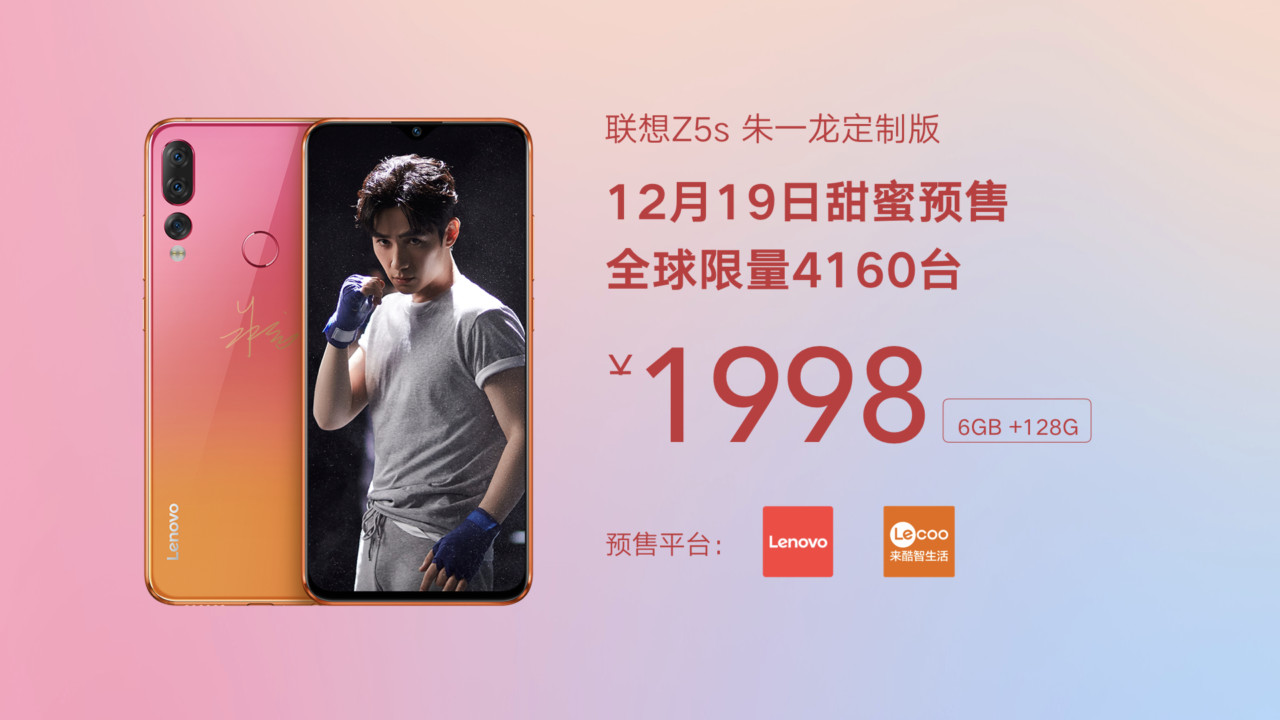
The Lenovo Z5s can be bought in colors like Starry Night Black, Love Orange and Titanium Blue. The latter two are gradient color variants. There is a customized version called Lenovo Z5s Zhu Yilong Custom Edition that includes 6 GB of RAM and 128 GB of storage. It is a limited-edition version with 4,160 units available for purchase. Its pre-orders will begin tomorrow in China. The handset carries a price tag of 1,998 Yuan (~$290).
Multiple Chinese retailers have started the reservations for the Lenovo Z5s from today. The official sales of the smartphone will begin on 10 AM on Dec. 24.
Lenovo has launched the Lenovo Z5s smartphone today in China. At the launch event, the Chinese manufacturer also intoduced Snapdragon 855 edition of the Lenovo Z5 Pro (also known as Lenvo Z5 Pro GT). It is essentially the same Snapdragon 710 chipset driven Lenovo z5 Pro that was announced in November that has arrived with an improved chipset, bigger RAM and behemoth storage. The company also confirmed on its other specs, features, pricing and release date of the Lenovo Z5 Pro Snapdragon 855 edition.
Lenovo Z5 Pro GT Snapdragon 855 Edition Specifications and Features
At the Lenovo Z5s launch event, the Chinese manufacturer revealed that that the SD855 powered Lenovo Z5 Pro is leading the AnTuTu benchmarks chart with a marvelous average benchmarking score of 368,480. As the below screenshot shows, the Lenovo Z5 Pro GT is placed at the top of the AnTuTu benchmarks list which mainly features Apple A12 driven iPhones, Snapdragon 845 chipset fueled Android phones and Huawei smartphones with Kirin 980 chipset.
One of the reasons why the Lenovo Z5 Pro Snapdragon 855 edition is at the top position of the AnTuTu benchmarks list is that it includes 12 GB of LPDDR4X RAM. The Lenovo Z5 Pro Snapdragon 855 edition that promises monstrous performance is packed with up to 512 GB of native storage.
Dubbed as super flagship phone, the Snapdragon 855 powered Lenovo Z5 Pro will also feature Sony IMX576 24-megapixel + Sony IMX519 16-megapixel dual camera setup. The handset will be sporting superstar car like appeal with red colored frame and black carbon fiber textured rear.
Like the Snapdragon 710 chipset version of the Lenovo Z5 Pro, its newly announced Lenovo Z5 Pro GT sports slider design and 6.39-inch AMOLED FHD+ resolution. The handset is loaded with Android 9 Pie OS with ZUI 10 UI. It is packed with 3,350mAh battery with fast charging support. For capturing selfies, the Z5 Pro Snapdragon 855 model has 16-megapixel + 8-megapixel dual selfie camera module.
Lenovo Z5 Pro Snapdragon 855 Edition Price and Release Date
The Lenovo Z5 Pro GT variants have been listed below along with their pricing:
6 GB RAM + 128 GB storage – 2,698 Yuan (~$391)
8 GB RAM + 128 GB storage – 2,998 Yuan (~$435)
8 GB RAM + 256 GB storage – 3998 Yuan (~$579)
12 GB RAM + 512 GB storage – 4398 Yuan (~$638)
The pre-sales of the Lenovo Z5 Pro GT will begin at 10 AM on Jan. 1, 2019 with official sales scheduled to start on Jan. 24.
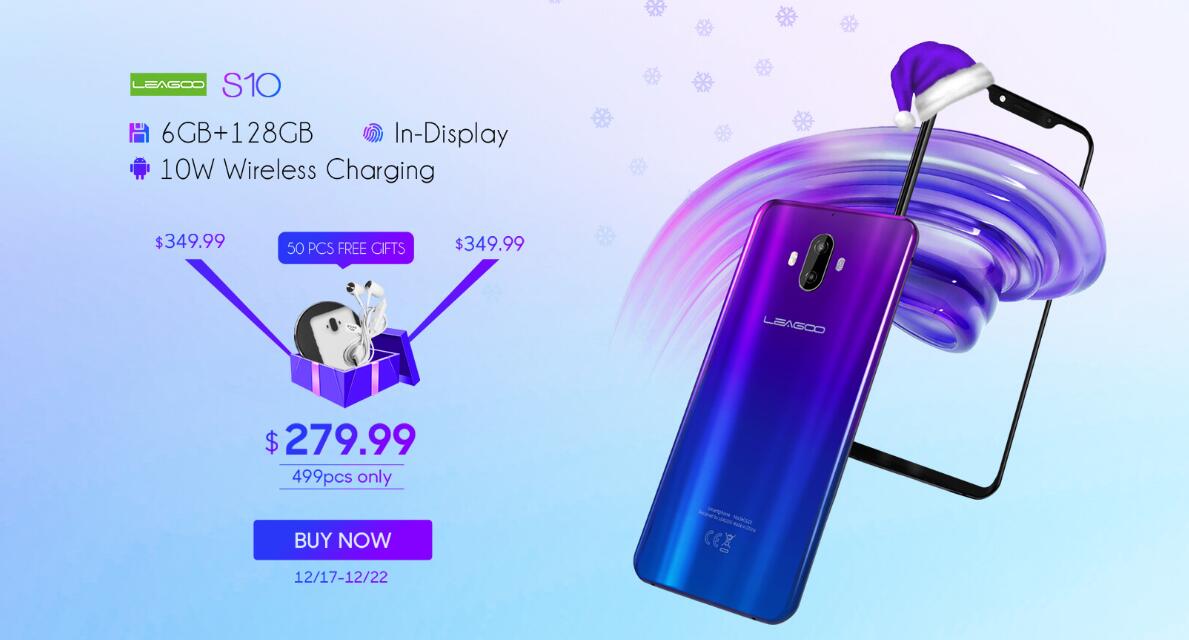
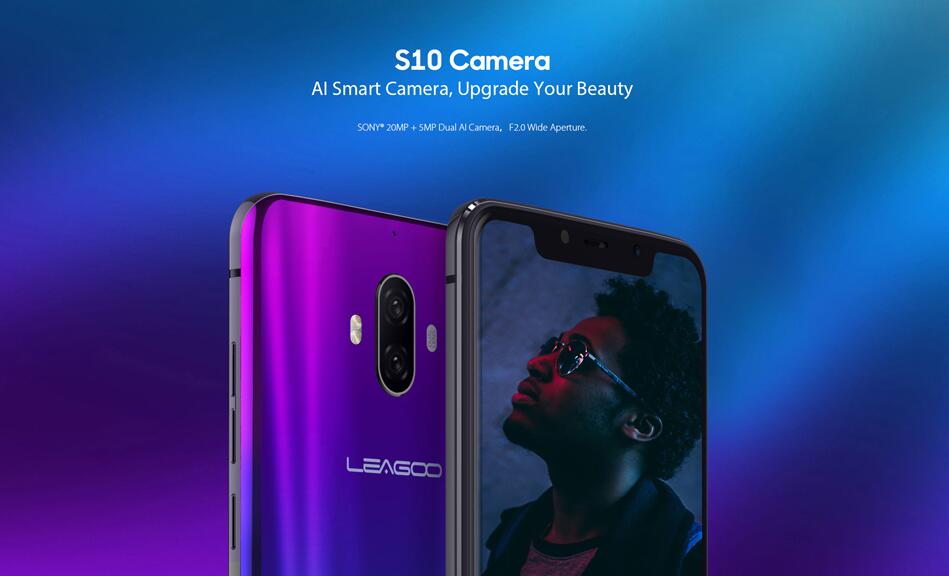
Gizmochina along with Banggood is conducting 1 unit Leagoo S10 Smartphone as giveaway gift to a lucky reader. Like always, you just have to follow the steps mentioned on the Gleam widget to get a chance to win this amazing gift.
Leagoo S10 comes with 6.21-inch FHD AMOLED display having the resolution of 1080 x 2248 pixels. It hosts 19:9 aspect ratio and 401.6ppi. Leagoo S10 ships with Helio P60 processor and runs on Android 8.1, so the running speed of this handset is so fast and smooth. It has 6GB of RAM and 128GB of internal storage. What’s more, the handset support external microSD card up to 128GB. The capacity of battery is 4050mAh with 9V2A quick charge, which is larger than lots of flagship smartphone this year. In camera department, there are 20MP +5MP sensors with f/2.0 wide aperture on the rear panel. In the front panel, there is a 13MP facing camera with AI Beauty which can take beautiful and natural selfies.
You can click here to get more information about the Leagoo S10 Smartphone.
Share this giveaway contest on Facebook, Twitter and Reddit;
Terms & Conditions:
1. The giveaway is an international giveaway. 2. We are not responsible for lost shipments. 3. We are not responsible for any duties, import taxes that you may incur. 4. We reserve all rights to make any changes to this giveaway. 5. The prize will be shipped in a month when the giveaway end.
Just follow the steps mentioned in the Gleam widget to participate in the giveaway.
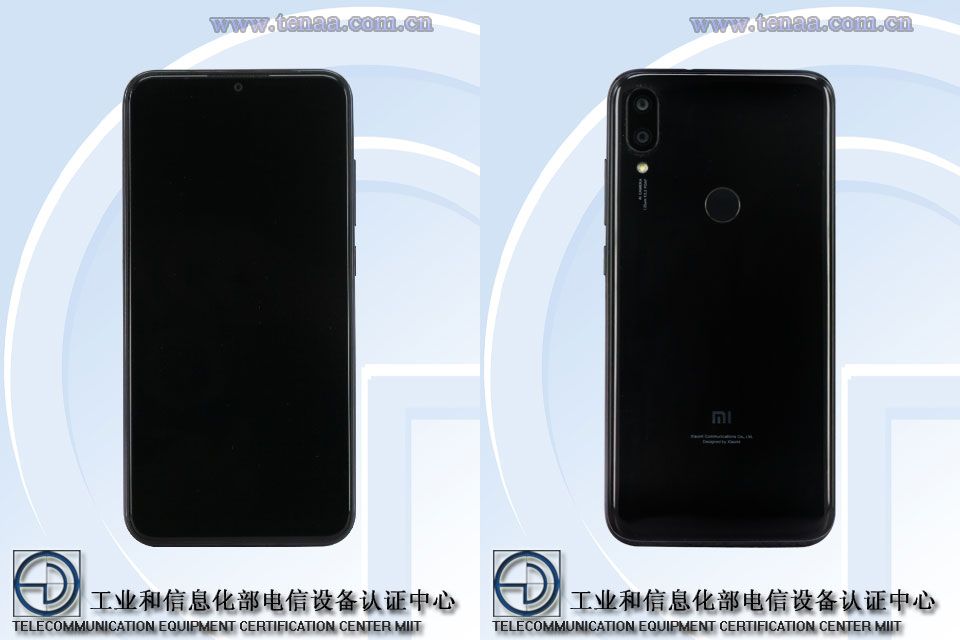
Few hours ago, Xiaomi had confirmed that it will be debuting the Xiaomi Play smartphone on Dec. 24. Rumors surrounding it claim that the Poco F1 smartphone could be debuting as Xiaomi Play in China. However, now that a new Xiaomi smartphone with model variants such as M1901F9T and M1901F9E have been spotted on TENAA, it appears that this phone could be the Xiaomi Play phone that will go official in the coming week.
The alleged Xiaomi Play has 147.76 x 71.89 x 7.8mm dimensions and it weighs 150 grams. The smartphone is expected to arrive in multiple color choices such as black, rose gold, gold, white, blue, red, pink, gray, silver and green. Xiaomi may not make these color variants available at the same time at the launch of the smartphone.
Seated on the front is a waterdrop notch screen of 5.84 inches. It produces full HD+ resolution of 2280 x 1080 pixels. The smartphone is packed with 2,900mAh battery.
The Xiaomi M1901F9T / M1901F9E smartphone is fueled by 2.3 GHz octa-core processor. It is likely to arrive in variants such as 32 GB storage + 3 GB RAM, 4 GB RAM + 64 GB storage and 6 GB RAM + 128 GB storage. There is a microSD card slot for additional storage.
The handset is running on Android 8.1 Oreo OS. The backside of the phone features dual camera setup which 12-megapixel main sensor. The waterdrop notch of the smartphone is the home for 8-megapixel front camera. The back panel of the phone features a fingerprint scanner.
As of this writing, there is no information available on the pricing of the Xiaomi Play. More leaks on the smartphone are expected to surface before the official launch of the smartphone.
While China-based Huawei is going through a rough patch in the western world, the company has been given the approval to start 5G trial in India, thanks to the atmosphere of political goodwill between the two neighboring countries.
However, it wasn’t easy for the company to enter the Indian 5G market. When the government initially sent out invites to global 5G majors, Chinese firms, including Huawei and ZTE were not invited. It took a protest by Huawei for the government to relent. While Huawei has been invited, ZTE still has not received an invitation.
The telecom secretary has asked Huawei to participate in the trials and has even complimented the company for developing the telecom sector in India. Others companies invited for 5G trials include Nokia, Ericsson, Cisco, NEC, and Samsung.
In a statement regarding this development, Huawei said:
As a leading global supplier of telecoms equipment, we remain committed to developing trusted and secure solutions for our customers. We continue to receive full support from the Government and industry partners alike. Having a proven track record of doing business in the country, we continue to work closely with the Government of India and other industry stakeholders.
While India has not articulated its security concerns yet, but sources say that there’s an unwritten rule against Chinese investments in sectors which could soon be labeled as ‘critical infrastructure’. The government has set up a high-level 5G forum, which includes secretaries from telecom, science & technology, electronics & IT besides few experts.
The development comes at a time when the United States has asked its treaty allies and other close partners to refrain from using Huawei in their systems. The ‘Five Eyes’ – US, UK, Canada, Australia, and New Zealand – joined in to restrict Huawei’s presence in their 5G systems. While Germany and other European powers have issued their own restrictions on Chinese technology investments, Japan, which is a close ally to the US, is likely to follow suit.
Meanwhile, Meng Wanzhou, Huawei’s chief financial officer and daughter of the company’s founder, is awaiting extradition to the US by Canada on US fraud charges related to sanctions-breaking business dealings with Iran.
We use cookies on our website to give you the most relevant experience by remembering your preferences and repeat visits. By clicking “Accept”, you consent to the use of ALL the cookies.
This website uses cookies to improve your experience while you navigate through the website. Out of these, the cookies that are categorized as necessary are stored on your browser as they are essential for the working of basic functionalities of the website. We also use third-party cookies that help us analyze and understand how you use this website. These cookies will be stored in your browser only with your consent. You also have the option to opt-out of these cookies. But opting out of some of these cookies may affect your browsing experience.
Necessary cookies are absolutely essential for the website to function properly. This category only includes cookies that ensures basic functionalities and security features of the website. These cookies do not store any personal information.
Any cookies that may not be particularly necessary for the website to function and is used specifically to collect user personal data via analytics, ads, other embedded contents are termed as non-necessary cookies. It is mandatory to procure user consent prior to running these cookies on your website.

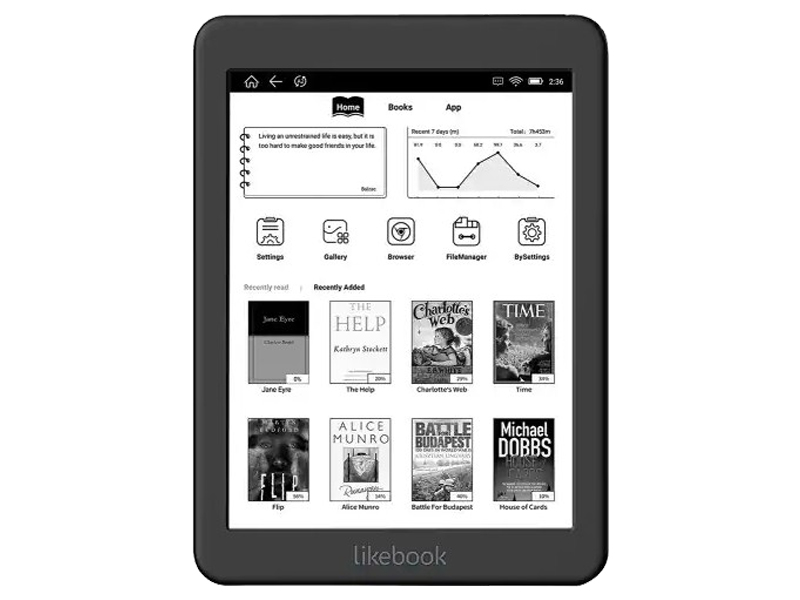 The Likebook Mars T80D e-reader adopts a special anti-glare process to reduce glare and deliver an unmatched reading experience. It sports an extra large 7.8 inch E-ink touchscreen display with a high resolution of 300 PPI (pixels per inch).
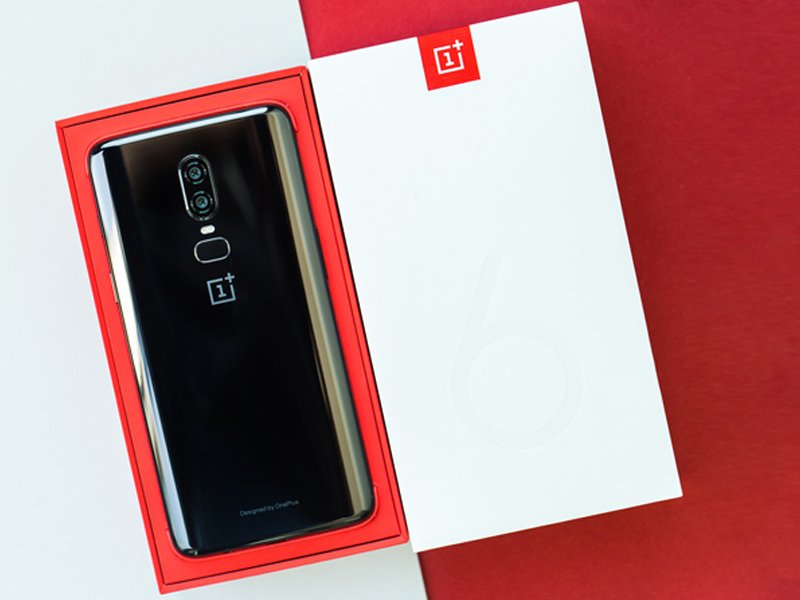
 An absolute bargain at this price, the OnePlus 6 sports an extra large 6.28 inches optic AMOLED capacitive touchscreen display with 1080 x 2280 pixels resolution and Corning Gorilla Glass 5 on top for added protection. The phone is powered by Qualcomm Snapdragon 845 processor and it uses a competent Adreno 630 GPU, under the hood.