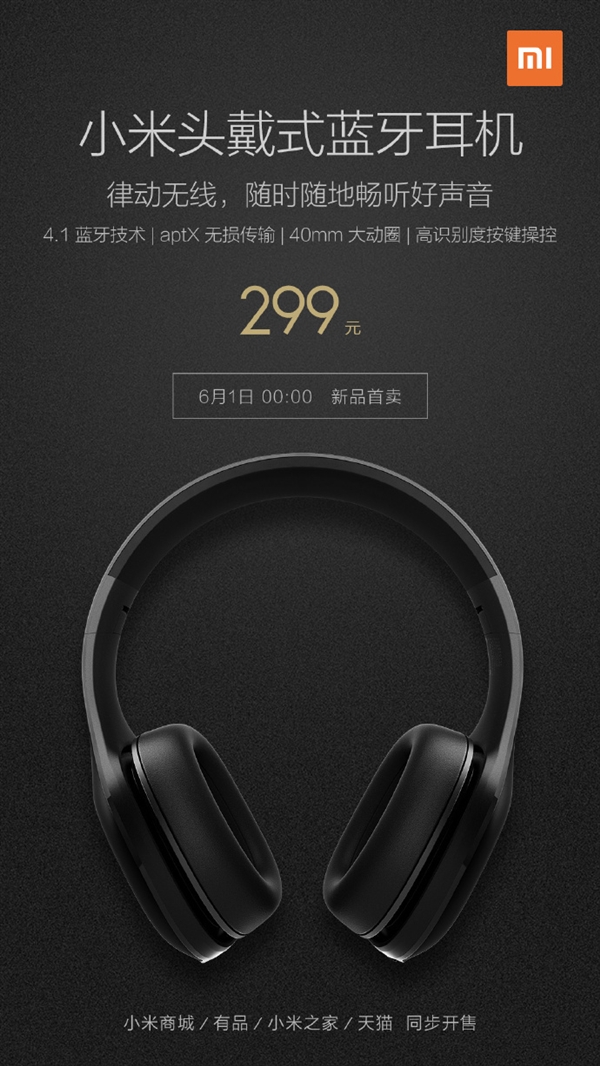
Xiaomi has got a wide selection of headsets and that list continues to grow with the latest addition of the Mi Bluetooth Headset and the Mi Piston Wired headset. Both products were launched at a go and will both go on sale at 0.00 on June 1. They are now open for reservation in China via Mi Mall.
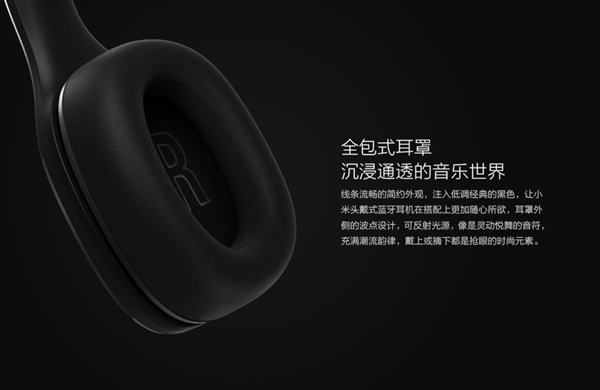
The Xiaomi Bluetooth Headset comes with a simple and smooth design. The gadget is only available in Black colour. The design of the earmuffs is reflective when light strikes it and thus as an eye-catching and fashionable look. The ear cover is made of PU material, soft, soft, skin-friendly, and filled with internal sponge. While the headband made of silicone material, smooth and delicate. The device weighs just 235g and is suitable for use during all weather conditions.
The internal components include a 40mm large dynamic ring and a closed sound cavity design, which has a low frequency, a clear sense of depth, full frequency and is capable of achieving powerful and clear sound output. There are control buttons at the side which can be used to control music playback, answer incoming calls, and activate voice assistant. At the bottom, there is a button to increase or decrease the volume and switch songs. In addition, the headset is equipped with Bluetooth 4.1 technology, aptX wireless transmission, dual Mic call noise reduction, 10 hours of music life courtesy of its 400mAh battery and other features.
The Mi Bluetooth Headset is priced at 299 yuan ($46) and is presently available for reservation on Mi Mall for Chinese buyers. The device will go on sale on June 1.
Meizu may not be one of the top-selling smartphone manufacturers in the world but it will be naive not to admit that their products keep other manufacturers on their toes.
Today, the Chinese-based company released a new device – the Meizu M6T, bringing the total number of its phones to 22 (under Blue Charm) since it began making phones. At the event which took place in Beijing, Meizu’s VP Li Nan announced that the Blue Charm division has sold over 50 million phones to date.
That is no doubt a small figure beside that of rival Xiaomi’s Redmi. The low figure is partly attributed to Meizu’s refusal to expand to other markets. However, things may change soon as the company restructured its leadership on May 15.
Li Nan is now a senior vice-president and the chief strategy officer while Yang Hao heads the marketing department and takes on the title of CMO. Both of them will report to CEO and Chairman Huang Zhang.
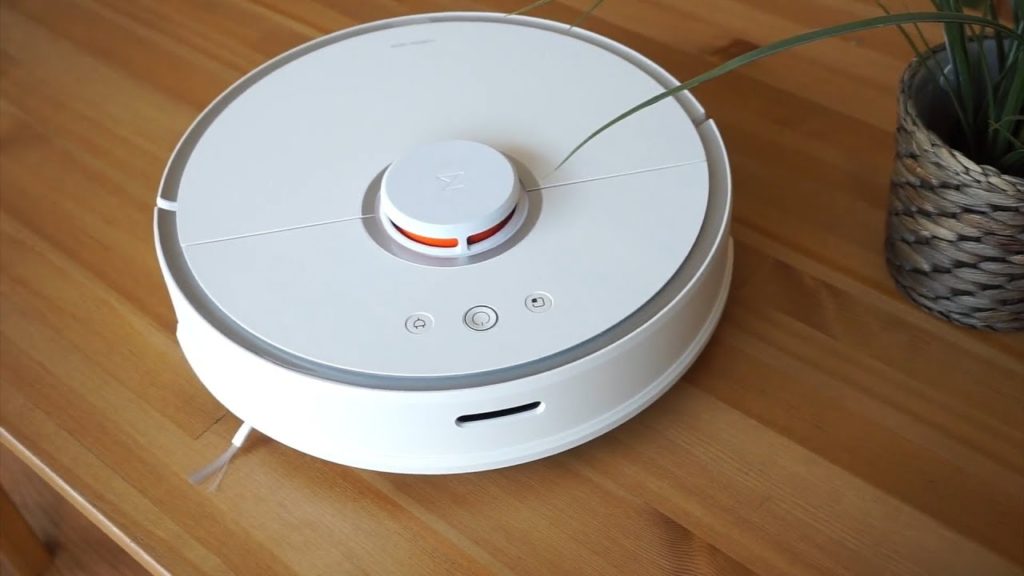
While there’s no dearth of house cleaning appliances in the market, these devices are usually inefficient despite bearing steep price tags. But much to the relief of cost-conscious buyers who are looking to keep their house clean and tidy without emptying their pocket, GeekBuying is offering a big discount on the Xiaomi Mijia Roborock Vacuum Cleaner 2.
Equipped with sweeping and mopping function, the Mi robot vacuum cleaner 2 employs the plant bionics system to absorb water automatically while preserving ample water content. The device comes with a mop cloth that’s as wide as the main brush. Mop and water tank are designed to fit perfectly.
GeekBuying is doling out a noteworthy 40% off the highly useful Mi robot vacuum cleaner 2. The device would normally set you back $788.33 but thanks to the aforesaid reduction in its retail price, the coveted vacuum cleaner can now be yours if you’re willing to shell out just $469.99. But if you’re on a tight budget and aren’t ready to spend that kind of money on a vacuum cleaner, you can apply discount coupon ‘UCQUDEKC’ to save an additional $24 at the time of checking out. In addition to getting the discount, you can save a considerable amount of extra money simply by using the aforesaid coupon code and lower your grand total to just $445.99.
On the downside, the GearBest promo is slated to come to an end in 1 day. Moreover, the discount coupon is likely to expire soon as well. You can follow this link in order to grab the deal before it ends.
Meizu has announced its latest release for the budget segment, the Meizu M6T powered by a Mediatek chipset and dual cameras at the back. The phone is meant to take on the super cheap smartphones that retail for less than 1000 Yuan (~$150) which means the 6T will compete with a couple of popular Xiaomi phones in this segment. Despite its sub-1000 Yuan placement, the phone isn’t all about budget hardware. There are a few features that makes it stand apart from the competition and let’s take a look at them in detail down below.
Meizu M6T
The Meizu M6T is powered by the MediaTek MT6750 chipset. Personally, I would have preferred something like the SD450 on board, similar to the Xiaomi Redmi 5 but it should still be good enough for powering a budget device. There are three storage variants available: 3+32GB, 4+32GB, and 4+64GB. Further, the back is polycarbonate and looks pretty premium for a low-end device. The dual cameras are arranged vertically at the center with the flash above and the fingerprint sensor below. I believe this is the first time Meizu has decided to go with a rear placed fingerprint sensor. Overall, the M6T is a good looking budget phone and personally, I would prefer it over Redmi 5’s back design. You get three color options, black, champagne gold, and a red one too!
[envira-gallery id=”193543″]
The display is pretty big at 5.7-inches and there’s a decent HD+ 1440 x 720p resolution too, so it conforms to the recent 18:9 display trend. But what makes the Meizu M6T really special among its peers is the presence of a dual camera setup at the back. The setup is just basic with a 13MP + 2MP IMX278 RGBW setup, said to be good for bokeh portraits. The front features an 8MP f/2.0 shooter with ArcSoft beauty algorithms. Overall, the M6T boasts a better camera setup than the Redmi 5.
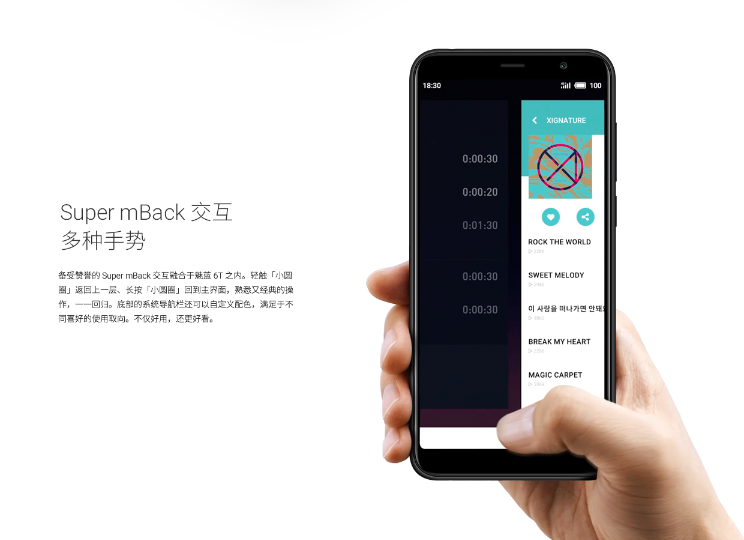
Another highlight of the Meizu M6T is the presence of the Super mBack button. Its not really a physical button, but this one button can take care of all of your navigation needs. First seen on the Meizu M6S, now it’s present on almost all of the company’s recent phones. Inside, the phone has a 3300mAh battery with 5V 1.5A charging, which isn’t exactly fast charge, but decent enough for a budget device. Other features include infrared sensor, Bluetooth 4.1, Wi-Fi n, and support for TDD-LTE B34/B38/B39/B40/B41, and FDD-LTE B1/B3/B8.
For a starting price of 799 Yuan ($125), the Meizu M6T looks like a winner. If you want better variants, you’ll have to shell out 999 Yuan ($155) for 4GB + 32GB and 1099 Yuan ($171) for 4GB + 64GB variants respectively. Note that the storages are expandable up to 128GB via MicroSD.
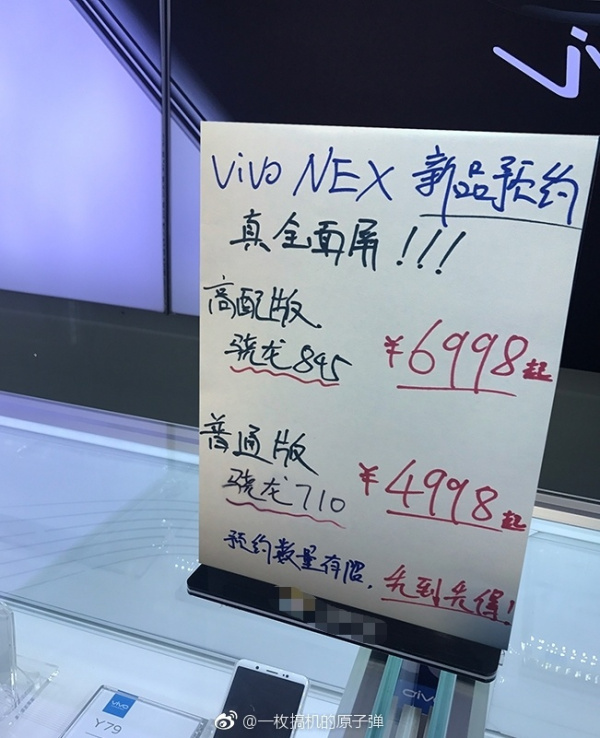
When Vivo had unveiled the Vivo APEX phone in China in the month of March, it had claimed that the mass production of the phone would be begin by mid-2018. In the previous week, it was revealed that the retail launch of the phone will start in Shanghai on June 12. It is now speculated that the Vivo APEX concept phone could be arriving with a commercial name of Vivo NEX. However, there is still no official confirmation on whether the Vivo APEX and NEX are separate or same smartphones. A leaked photo that has surfaced on Weibo reveals that the Vivo X21 will be arriving in two CPU editions. It can be known through the image that the starting variant will be fueled by the all new Snapdragon 710 chipset. If this information is true, the Vivo NEX will become the first phone to feature the Snapdragon 710. The highest configuration model of the Vivo NEX has Snapdragon 845 onboard. The leaked image has also revealed the pricing of both variants.
The above image is a said to be a snapshot of an offline pre-sale of the Vivo NEX phone. It reveals that the Snapdragon 845 edition has a price tag of 6,998 Yuan (~$1,090) and the one that features Snapdragon 710 SoC is priced at 4,998 Yuan (~$778).
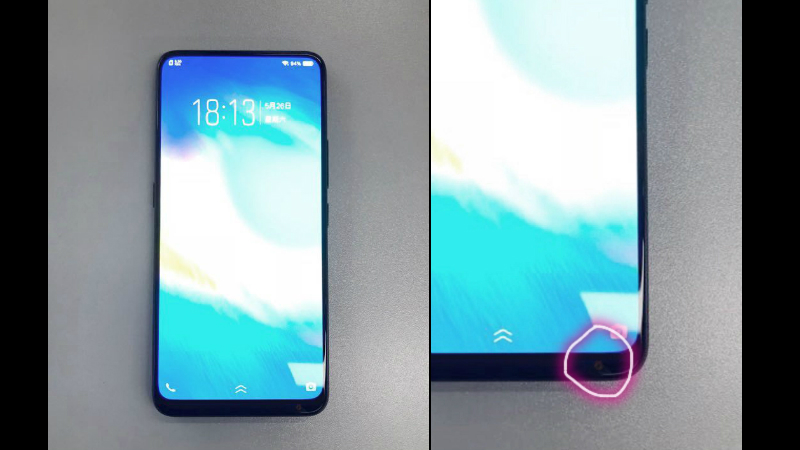
It is speculated that the premium model having Snapdragon 845 chipset will be coming with pop-up selfie snapper. This variant may also feature 8 GB of RAM and a native storage of 256 GB. The Snapdragon 710 chipset model may feature a selfie camera at the bottom right corner of the lower bezel like the Xiaomi Mi MIX. This model may feature 6 GB of RAM and 128 GB of storage.
The Vivo NEX smartphone is expected to arrive with half-screen fingerprint scanner with support for multi-fingerprint recognition. For Hi-Fi audio, the handset may feature System-in-Package (SIP) technology, three amplifiers and DAC.
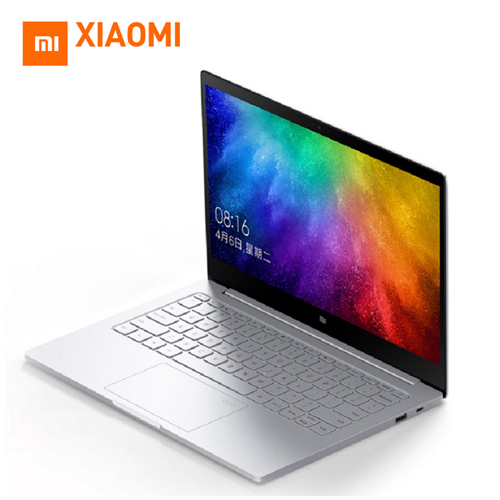
If you’ve been looking for a high-end yet cost-effective notebook that’s crammed with a broad range of awe-inspiring specs and features, look no further. We’ll tell you exactly how you can save a considerable amount of money on the Xiaomi Mi Notebook Air on GearBest.
The Mi Notebook Air is equipped with fingerprint recognition feature and sports a 13.3-inch FHD IPS display with a screen resolution of 1920 x 1080 pixels that breathes new life into your photos and videos. Moreover, the device packs a powerful Intel Core i5-7200U processor and uses an Intel HD Graphics 620 GPU, under the hood.
While the power-packed Mi Notebook Air would normally set you back $946.36 on GearBest, the site is giving first 100 buyers an opportunity to save $247.36. In order to take advantage of the discount all, you need to do use discount coupon ‘GBXM13GW4’ while checking out. In other words, you can bring your grand total down to just $699 simply by applying the aforesaid coupon code. Note that the Mi Notebook Air will go back to its retail price as soon as the coupon code expires.
The Mi Notebook Air is quite a bargain at $699, given that it offers 8GB of DDR4 RAM and a hearty 256GB of onboard storage. The device comes with a 1.0-megapixel front-mounted camera that facilitates face-to-face chat.
Furthermore, the Xiaomi-branded notebook runs Microsoft Windows 10 operating system that retains the well-received Start Menu from Windows 7 while bringing a slew of other features such as the Edge Web browser to the table.
You can follow this link to check out the full specification and apply the discount coupon which is likely to lapse shortly.
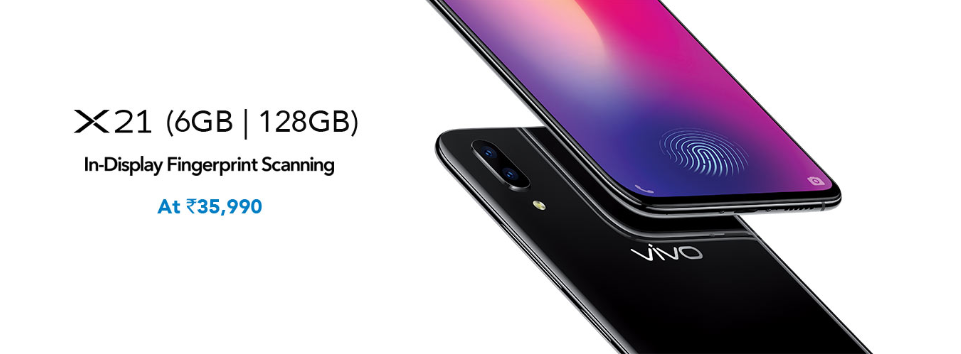
Today, Vivo has launched Vivo X21 smartphone as India’s first under display fingerprint scanner enabled smartphone through a launch event in New Delhi. In the month of March, the Chinese manufacturer had launched the Vivo X21 and Vivo X21 UD featuring an under-display fingerprint scanner in China. For India, the company has decided to launch the Vivo X21 UD smartphone as Vivo X21. Apart from in-screen fingerprint reader, the Vivo X21 has some exciting features such as notched display that offers high screen-to-body ratio and AI powered dual rear cameras.
Design, Display and In-Screen Fingerprint Scanner
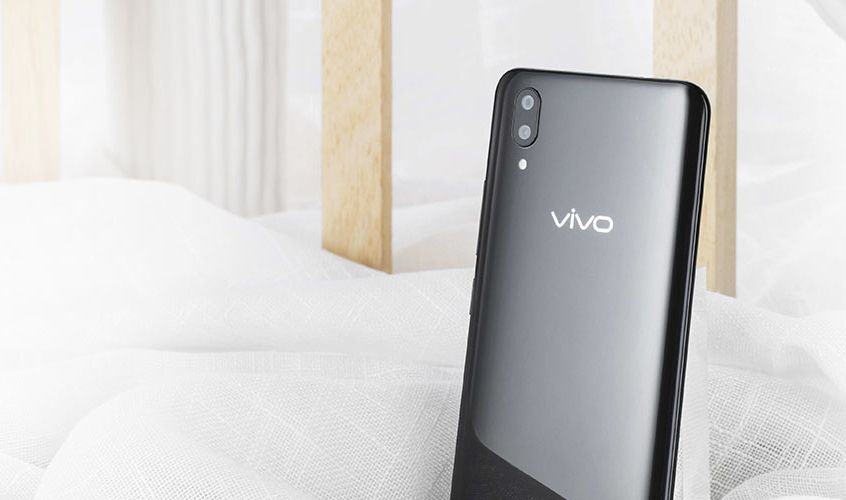
The Vivo X21 that measures 154.5 x 74.8 x 7.4 mm is flanked with 3D glass on its rear and it features a metallic frame in between. The device weighs 156.2 grams.
The Vivo X21 houses a 6.28-inch Super AMOLED FullView display that produces FHD+ resolution of 2280 x 1080 pixels and an aspect ratio of 19:9. The company has claimed that the handset offers a screen-to-body ratio of 90.3 percent. The display support sRGB and DCI-P3 color gamut. The X21 is also equipped with Always-On Display feature that shows notifications and time on the screen without turning on the display. The notch present at the top portion of the screen houses a selfie snapper, an earpiece and some sensors.
It goes without saying that the fingerprint sensor is the USP of Vivo X21 that is located at the lower half of the display. The company did not confirm how quickly the in-screen fingerprint scanner can unlock the phone. The device comes with a customized screen protector that shields the in-screen fingerprint scanner enabled screen of the phone.
Performance and Variants
The Snapdragon 660 that features 2.2 GHz octa-core processor powers the Vivo X21 along with 6 GB of RAM. It features a native storage of 128 GB. For additional storage, users can up to 256 GB of microSD card on its memory card slot. The X21 receives power from 3,200mAh battery that is coupled fast charging technology.
The handset runs on Android 8.0 Oreo which is customized company’s FunTouch OS 4.0 skin. The Vivo X21 is among the selected few phones that are eligible to receive the second Developer Preview of Android P beta that was announced earlier this month through the Google I/O 2018 event.
Camera and Other Features
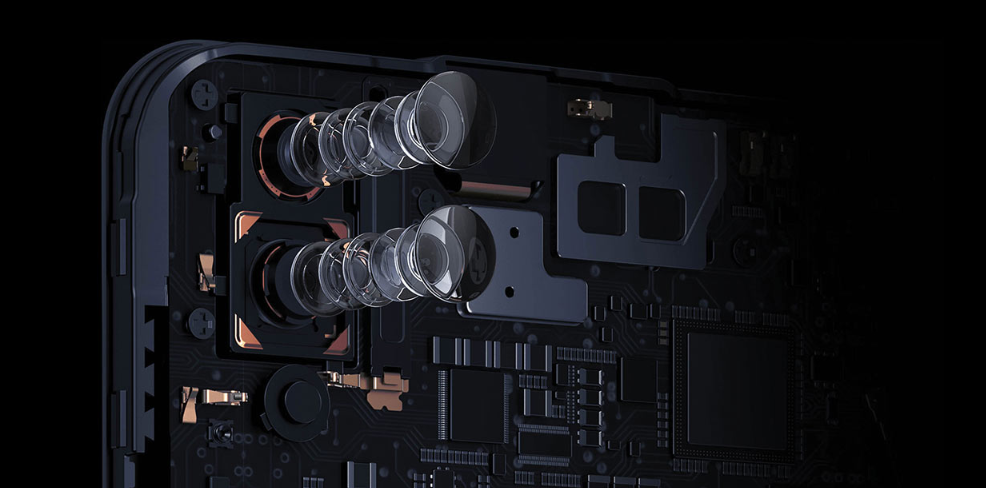
The LED flash enabled dual camera setup lying on the posterior of the Vivo X21 includes an f/1.8 aperture 12-megapixel primary sensor and a secondary sensor of 5-megapixel for depth sensing. With AI onboard and dual pixel technology, the Vivo X21 can and amazing photos in low-light conditions through its front and rear cameras.
The AI HDR feature allows the cameras to capture images with natural colors. The other AI photography features available on the Vivo X21 include AI Face Beauty, Shot Re-Focus, Potrati Bokeh, AR stickers. The dual cameras of the X1 also supports 4K UHD video recording and slow-motion video shooting.
The IR sensor present available on the X21 brings 3D facial recognition feature for unlocking the phone. For enhanced audio experience, the company has included AK4376A Hi-Fi in the X21. The connectivity features available on the Vivo X21 includes 4G VoLTE, dual-SIM support, Wi-Fi 802.11ac, dual-band Wi-Fi (2×2 MIMO), 5.0 Bluetooth, microUSB 2.0 and 3.5mm audio jack.
Vivo X21 Pricing and Launch Offers
In order to build hype around the Vivo X21, the company began with the pre-booking a week ahead of its launch in India. However, its pricing wasn’t revealed. Through todays unveil event, Vivo has confirmed that the X21 will be available with a price tag of Rs. 35,990 (~$530) exclusively through Flipkart and Vivo’s online shop starting from today. The handset will be available only in black color and its box package will include the new Vivo XE710 hi-fi earphones.
The launch offers for the Vivo X21 include gift voucher worth Rs. 1,000 from fernspetals, 5 percent cashback on SBI cards, no cost EMI up to 12 months and one-year device security from Vodafone along with 280 GB of additional data.
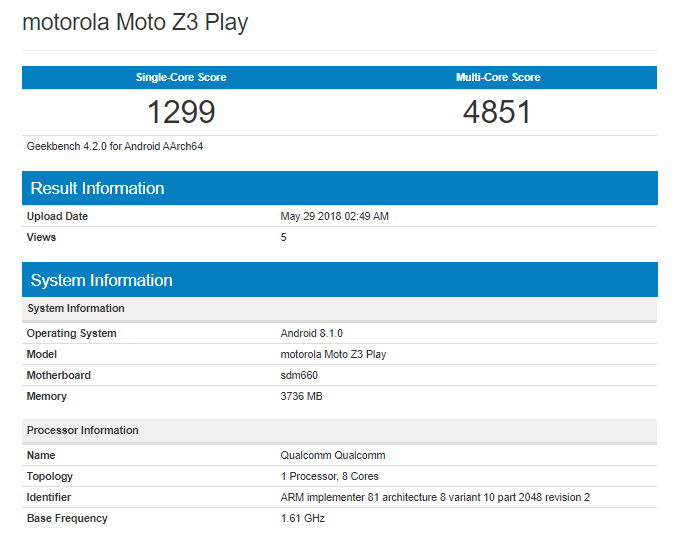
In the previous week, a Brazilian site ToduCellular had revealed that Motorola will be holding a launch event on June 6 in Brazil. It is highly speculated that Lenovo-owned company would be announcing the Moto Z3 Play smartphone at the upcoming launch event in the coming month. In the previous week, XDA Developers had shared leaked information on the Moto Z3 Play phone through an internal Lenovo document. It had revealed that the Moto Z3 Play would be arriving with Snapdragon 636. Even the FCC listing of the phone has revealed the presence of the same SoC. A Geekbench listing of the Moto Z3 Play which shows that instead of the SD636 chipset, it features Snapdragon 660.
As it can be seen below, the Moto Z3 Play’s Geekbench listing reveals the presence of Snapdragon 660 SoC. Its clocking speed is mentioned as 1.6 GHz.
The Geekbench listing further reveals that the SD660 chipset is coupled with 4 GB of RAM and the handset is running on Android 8.1 Oreo. In the single-core and multi-core tests, the Moto Z3 Play has respectively scored 1299 and 4851 points.
These scores are on lower side compared to other phones that have surfaced with the same chipset on Geekbench. Also, the processing speed of the SD660 that is mentioned as 1.6 GHz is lower than its usual clocking speed of 2.2 GHz. Multiple evidences like Lenovo’s internal document, FCC listing and leaked information shared by reliable industry insider Roland Quandt have all revealed stated that the SD636 is present under the hood of the Moto Z3 Play.
So, there is a possibility that there could be a Snapdragon 660 variant for specific region or there is a possibility that the Geekbench listing could be incorrectly showing the Snapdragon 636 as Snapdragon 660.
Previous leaks have revealed that the Moto Z3 Play will be available in 32 GB or 64 GB storage models in different regions. It is likely to feature 6-inch MaxVision AMOLED screen and is expected to house a 3,000mAh battery. The dual camera setup of the Z3 Play may feature a pair of 12-megpixel cameras and a front-facing camera of 8-megapixel. The leaked renders of the phone have revealed that it will be featuring a side-mounted fingerprint scanner. Like the predecessor model, it will be come equipped 16-pin connector on its rear for connecting Moto Mods accessories. A recent leak has suggested that there will be a 5G Moto Mod for the smartphone.
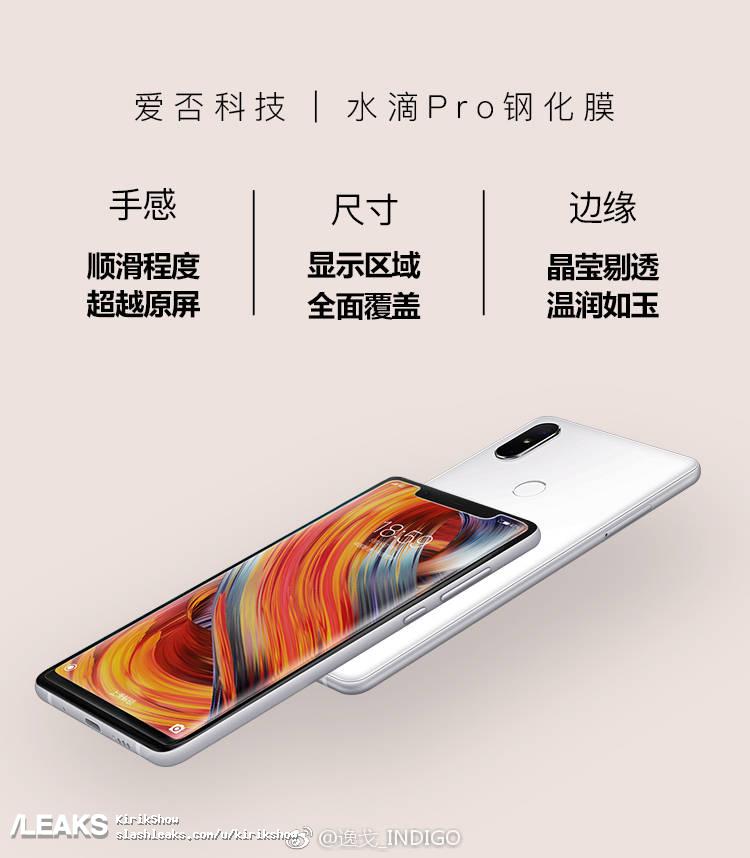
Even though the rumor mill has revealed the upcoming Xiaomi Mi 8 smartphone through grainy leaked shots and videos, we are yet to see a clear press render that shows off the appearance of the highly anticipated flagship phone. Fresh posters of the black and white color variants of the Mi 8 fitted with a tempered glass have surfaced on SlashLeaks. The new images reveal the front and rear design of the alleged Xiaomi Mi 8 phone.
In the new images, the Xiaomi Mi 8 can be seen sporting black front for both black and white variants. The handset can be seen sporting a wider notch that is speculated to house the complex 3D facial recognition feature.
The chin of the device appears to be a bit thick compared to thin bezels available on the sides of the display. The backside of the phone features a vertical dual camera setup and a fingerprint scanner. The bottom edge of the phone seems to feature a USB-C port and a speaker grille.
There is no confirmation on the authenticity of the above images. The image showing the black Mi 8 appears like a photoshopped version of the iPhone X. Hence, it is advisable to digest the report with a grain of salt.
Through recent leaks it has been revealed that the Mi 8 could be sporting an OLED panel and it will be fueled by Snapdragon 845. It may feature up to 6 GB of RAM and up to 256 GB of native storage. For photography, it may feature 20-megapixel f/1.7 aperture + 16-megapixel f/2.0 aperture dual camera setup and f/2.0 aperture 16-megapixel front-facing camera.
It is being speculated that the Mi 8 would be a regular flagship phone with 3D facial scanner and rear-mounted fingerprint reader. Rumors have it that the special edition of Mi 8 SE could be an advanced phone feature 3D facial scanner as well as under display fingerprint reader. The Mi 8 SE is also expected to house a larger display than the Mi 8.
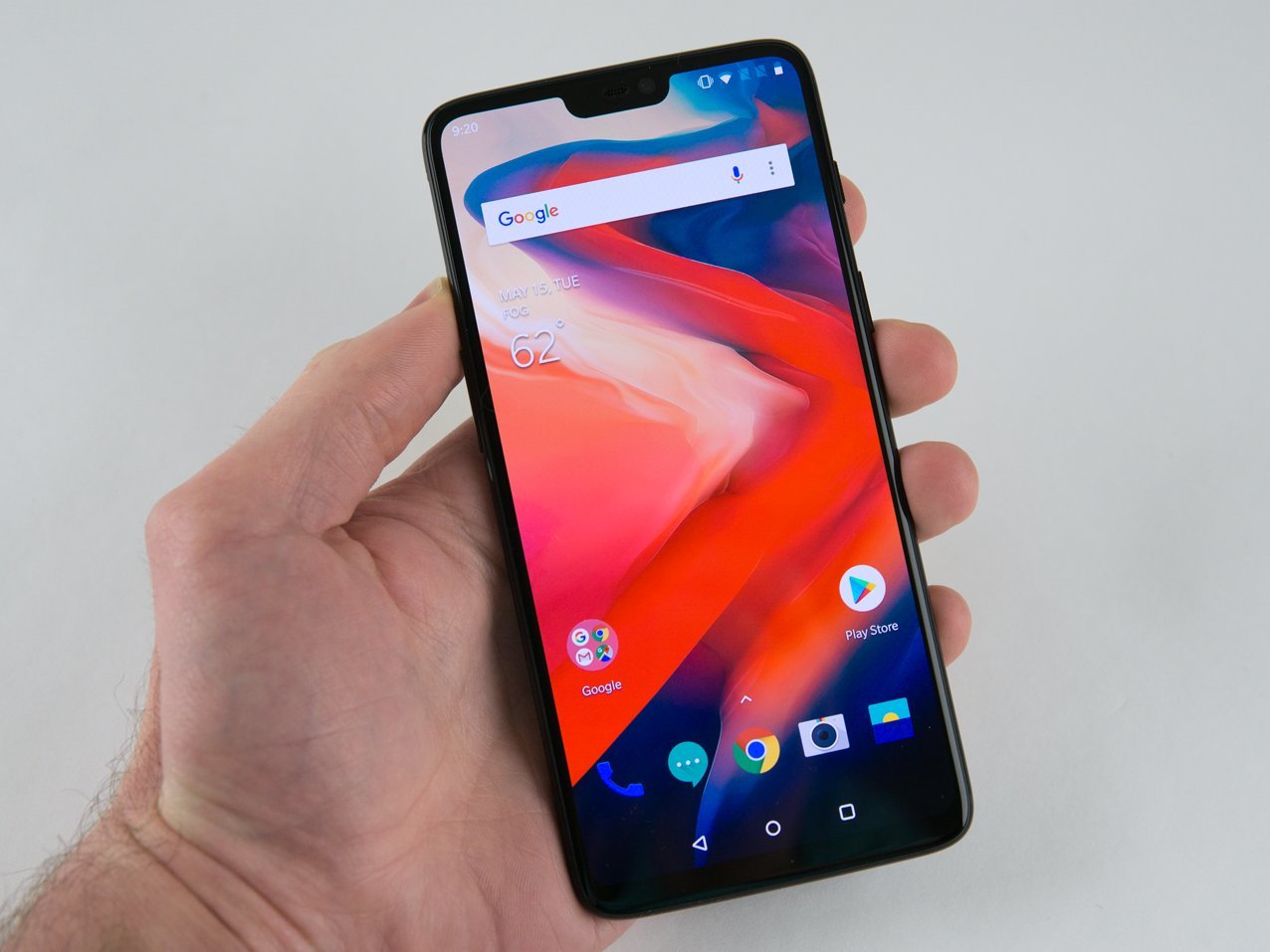
Earlier this month, OnePlus launched its flagship smartphone — OnePlus 6 and also announced OnePlus 6 Marvel Avengers Limited Edition smartphone in India. Now, the limited edition variant will be available for purchase today in India through online stores.
It will go on sale through Amazon as well as OnePlus’ official online store in India, OnePlus.in. The company has said that the phone will be available in limited quantities only. The smartphone will also be available offline from OnePlus Experience Store in Bengaluru, authorized stores, or Croma retail stores starting June 3.
The OnePlus 6 Marvel Avengers Limited Edition is priced at Rs. 44,999 (approximately $664), making it the most expensive smartphone from OnePlus thus far. All the standard launch offers apply to this model also. Users will get no-cost EMIs up to 3 months, a 12-month accidental damage insurance from Servify, and Celartrip benefits worth up to Rs. 25,000 on flight and hotel bookings, among others.
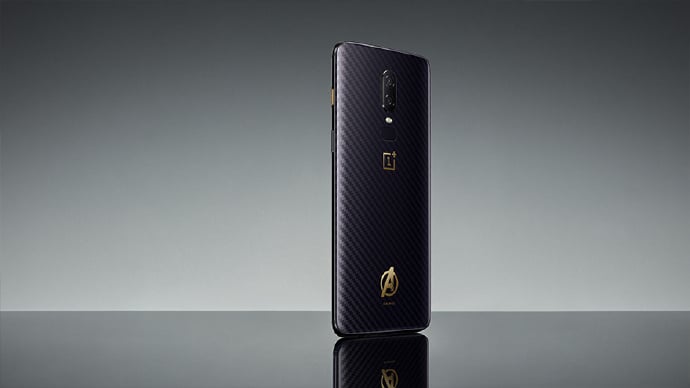
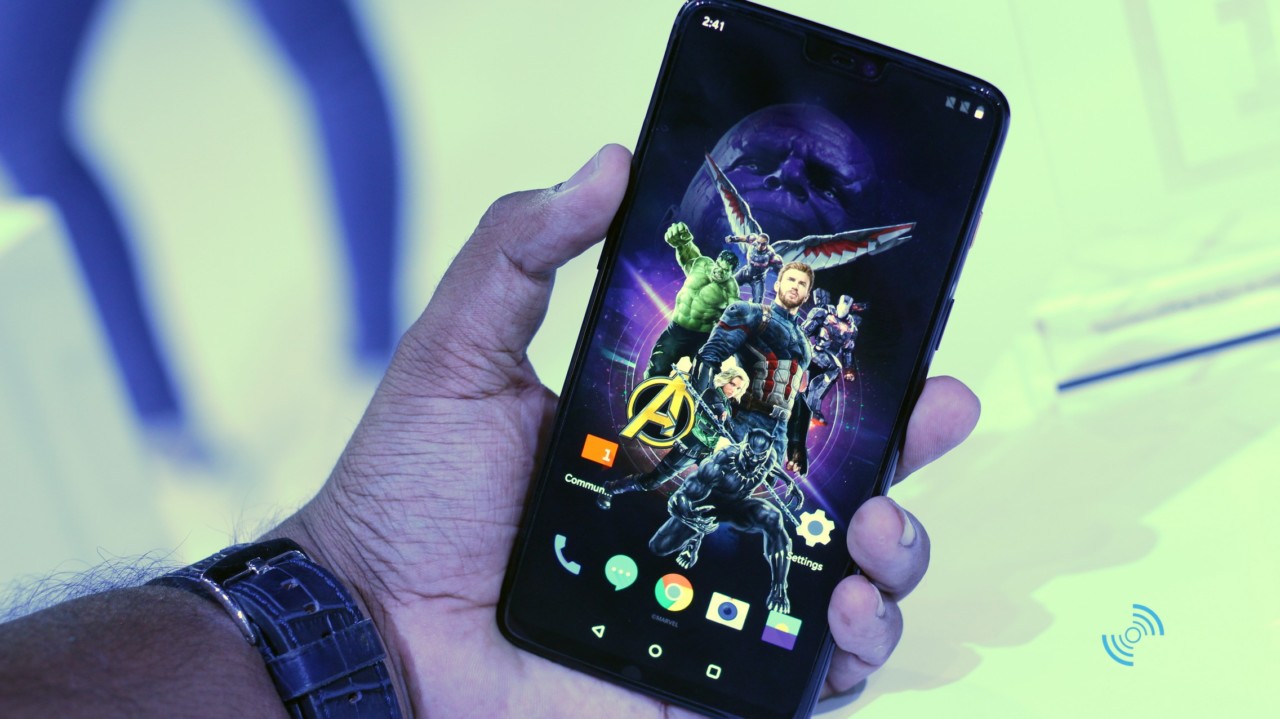
The OnePlus 6 Marvel Avengers Limited Edition smartphone comes with the Avengers’ insignia on the back, a carbon fiber texture on the back panel, and golden-colored accents. The Alert Slider is in golden color as well as the OnePlus logo on the back.
Further, the smartphone comes with five customized Avengers wallpapers while the box has also been custom designed to reflect the OnePlus 6 Marvel Avengers Limited Edition model’s superhero heritage. The smartphone also comes bundled with Iron Man-themed back cover and one of the six pieces of Infinity Medal.
The phone’s specifications are almost same as the standard model. It comes with a 6.28-inch notched AMOLED display with screen resolution of 2280 x 1080 pixels and 19:9 aspect ratio. Under the hood, the phone is powered by Qualcomm‘s Snapdragon 845 octa-core processor.
The regular model of OnePlus 6 comes in different memory configuration — 6GB and 8GB RAM along with 64GB, 128GB and 256GB internal storage option. However, this Avengers Limited Edition smartphone comes with 8GB RAM and 256GB internal storage.
On the back side, there’s a dual camera setup, sporting a 16MP primary Sony IMX519 sensor with f/1.7 aperture, 1.22um pixels, and OIS, and a 20MP Sony IMX376K secondary camera sensor, mainly for depth information. On the front side, there’s a 16MP snapper for taking selfies and video calling.
The device is running the company’s own OxygenOS, which is based on Android 8.1 Oreo operating system out of the box. However, the OnePlus is already a part of Android P Beta program and thus, users can also try out the upcoming Android P. The phone is powered by a 3,300mAh battery, with support for company’s fast charging technology — Dash Charge.
Yesterday, Xiaomi confirmed that it will be debuting the highly anticipated Mi Band 3 fitness tracker on May 31 through its annual product launch event in Shenzhen, China. A screenshot of the Mi Band 3’s official listing has surfaced today. The listing is no longer accessible, but the screenshot reveals that the Mi Band 3 has a price tag of 169 Yuan (~$26).
The first-generation Mi Band lacked a display and users had also complained that it came with a mediocre quality strap. Also, there was a risk of losing the capsule-like device since it was easily detachable while engaging in sports activity. Xiaomi concentrated on significantly improving the design on the second-generation model as it came with an OLED display for easily checking health data. The improved design on Mi Band 2 also ensured that there is miniscule risk of losing the capsule device.
On Weibo, Xiaomi CEO Lei Jun has confirmed to netizens who are worried about the design of the Mi Band 3 that it will be arriving with a very firm wristband which effectively reduces the risk of losing the device. Recent reports have revealed that the Mi Band 3 will look like the predecessor. However, it is expected to arrive with a touchscreen OLED display that will support gesture-based actions like swiping up and down to switch functions and sliding left and right to browse items.
It has been already revealed through Bluetooth certification that the Mi Band 3 is a Bluetooth 4.2 enabled device. It is likely to arrive with usual health-centric features such as heart rate sensor, step counter, calorie calculator and sleep tracker. Like the predecessor, it may sport IP67 certified splash-resistant body. The Mi Band 3 is also expected to come with support for NFC connectivity.
It has been already revealed that Xiaomi will be launching MIUI 10 and Xiaomi Mi 8 smartphone at the May 31 Shenzhen event. Rumors have it that the Chinese manufacturer will also launch an advanced smartphone called Xiaomi Mi 8 SE. Some rumors have also claimed that the new Surge S2 chipset be also announced at the same event. However, the company is yet confirm on it.
OnePlus recently launched its flagship smartphone OnePlus 6. Just after the smartphone went on sale, the company quietly removed the much requested always-on display feature through a new software update.
The China-based company is usually responsive to user’s feedback to improve its products. While the always-on feature has been one of the most requested features, the company has removed it from the OnePlus 6 due to battery concerns.
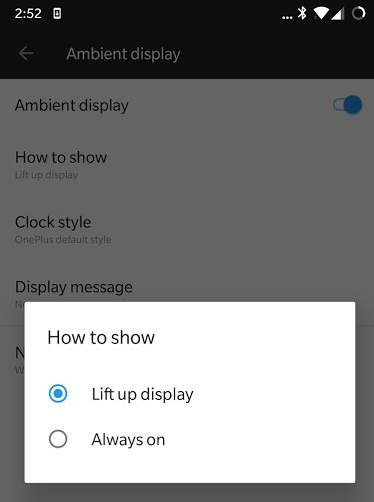
A Reddit user posted a screenshot showing that the option to enable “Always-On” display was there before the update, but was disabled later. In a statement, OnePlus said, “We have an official update from our Technical Team confirming that always on display on OnePlus 6 was removed due to battery saving concern.”
It’s unclear if OnePlus didn’t want something that would take up extra battery life or if the feature caused a battery draining bug. There’s a possibility that the company has discovered that enabling the always-on feature could be causing unusual battery drain. So, till the company doesn’t figure out the problem and come out with a fix, it has disabled the feature. Currently, there is no information when the feature will come back, or if it will ever come back.
While not the always-on feature, OnePlus 6 users can still take advantage of Android’s native “Ambient Display” which appears when lifting the phone or receiving notifications.
The update also enables slow-mo video recording and compatibility mode for hiding the notch. The OnePlus 6 can now record slow-motion 720p and 1080p videos at 480fps and 240fps respectively. The May security patch has also been rolled out with the update. OnePlus has also updated the phone’s camera to quickly capture images in portrait mode.
The OnePlus features a 6.28-inch Full HD+ display with a screen aspect ratio of 19:9. It is powered by the Snapdragon 845 SoC and comes in three variants — 6GB RAM + 64GB storage, 8GB RAM + 128GB storage and 8GB RAM + 256GB storage.
On the rear side, there’s a 16MP + 20MP dual camera setup, while at the front it features a 16MP snapper for taking selfies. The phone runs on OxygenOS 5.1, which is based on Android 8.1 Oreo and customers can also experience the latest Android P beta on it. The phone is fuelled by a 3,300mAh battery with support for Dash Charging.
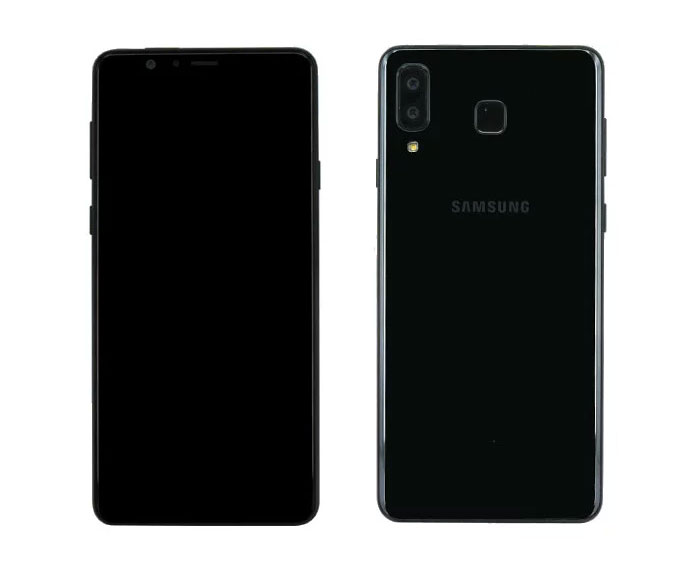
Samsung Galaxy S9 Mini has been in the news for quite a while now. The device carrying the model number SM-G8850 was last month certified by China’s telecom regulatory agency, TENAA. If you’re familiar with TENAA listing, you’ll agree it comes with the photos of the device. In this case, the Galaxy S9 Mini was shown to pack a dual camera setup at the rear stacked vertically at the top left corner. This is reminiscent of the rear camera design on the iPhone X, Mi Mix 2S and a couple of other recent flagship models.
That design has now been re-echoed in a leaked video of the Galaxy S9 Mini. The video which appeared on Slashleaks recently shows the device captured from the front and the rear aspect. The Galaxy S9 Mini is supposed to be a trimmed down variant of the flagship S9 and so it features the same full-screen design as its flagship counterpart. The good thing is, despite adopting a rear camera design similar to the iPhone X’s, the S9 Mini doesn’t feature a notch design like the X.
The video also shows the device packs a rear-mounted fingerprint sensor located in the middle. The vertical placement of the rear camera may be useful for capturing shots but it also creates enough room for users to access the fingerprint sensor without smudging the lenses.
Spes wise, the Samsung Galaxy S9 Mini is expected to sport a 5.8-inch display with a QHD+ resolution of 1440 x 2960 pixels. The device will be powered by a Snapdragon 660 chipset which will be paired with 4GB RAM and 6GB RAM as the case may be. There is a speculation that the phone’s actual name will be the Samsung Dream-Lite but we don’t know about that. As interesting as the design looks, it is noteworthy that the last Galaxy S Mini released by Samsung was the Galaxy S5 Mini, launched on July 1, 2014. There is no word at the moment yet on when this model will be launched.
The 360 N7 was announced in two variants – Graphite Black and Moonlight White. However, only the former has been available for purchase since the phone went on sale.
If you have been holding off purchasing a unit just because the white variant is unavailable, then there is good news for you. 360 Mobiles has announced that the Moonlight White variant with the red power button will be available as from June 3. Pre-orders are already live for early birds.
The phone will only be available in the 6GB RAM + 128GB configuration and will sell for ¥1999 (~$312) instead of ¥1899 (~$297) like the Graphite Black variant.
The 360 N7 packs impressive specs that put it in the upper mid/ mid-range category. It has a 5.99-inch FHD+ screen, a Snapdragon 660 processor, and a more than sufficient 5,030mAh battery. There is a 16MP + 2MP dual camera combo on the rear and an 8MP camera up in front.
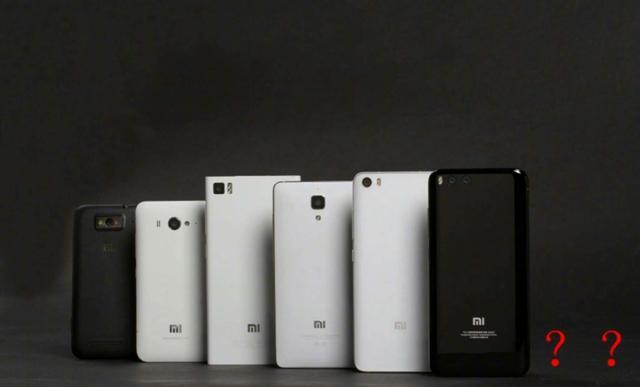
The Mi 7 was hitherto resonating in leaks and rumours right from last year until Xiaomi effectively killed it by revealing it is opting for Mi 8, skipping the number 7. The story got further complicated with talks of a Mi 8 SE variant which is expected to launch alongside the Mi 8. That rumour just got a boost with the spotting of the name on Xiaomi’s official mall (Mi Mall).
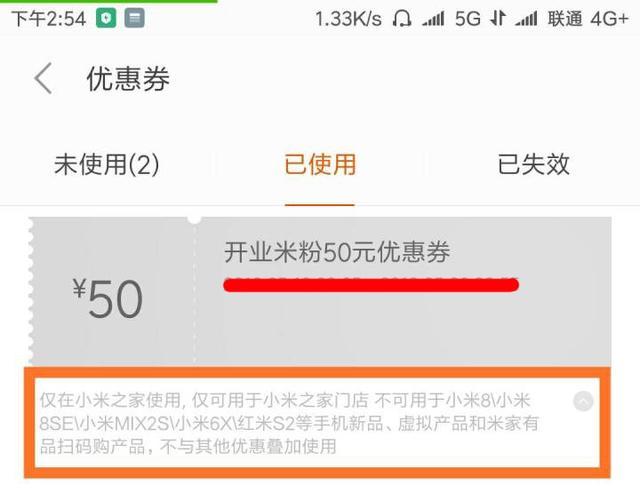
Xiaomi is expected to release the Mi 8 alongside the Mi Band 3 on May 31. The Mi 8E may also join the fray as it was recently listed on Mi Mall. The Mi 8SE was listed among models with 50 yuan discount coupon on Xiaomi’s official mall. It is listed along with the Mi 8 and both models are likely going to share more than just similar designs. In fact, we think the SE means Special Edition. If we are going to borrow a leaf from Apple, the Mi 8SE may likely come with a smaller display size while retaining the design of the Mi 8. Xiaomi has many of its products tailored to Apple products, including some of the features on the Mi 8. So, it won’t be much of a surprise if it pans out that way. The prospect looks good, especially if it will get slammed with a far cheaper price tag. After all, the iPhone SE is Apple’s cheapest iPhone model.
We don’t know if the hardware will be similar as well but there will likely be a few differences even if the device utilises a Snapdragon 845 chipset just like the Mi 8. May 31 is just a couple of days ahead. So, we won’t keep speculating for long.
Now, Xiaomi’s official account on Chinese microblogging platform Weibo has teased a new feature of the fitness tracker. In the post on Weibo, the Chinese firm wrote that the fitness tracker will come with a “new touchable ___”.
While the company has not revealed what the feature is, it seems that the company is hinting at touchscreen OLED display. There’s a possibility that in its efforts to upgrade the fitness tracker, Xiaomi has opted to adopt a new OLED panel with a touchscreen display on the Mi Band 3.
It is known that the Mi Band 3’s wristband has been redesigned to ensure that the tracker doesn’t fall off from the strap, which a lot of users complained about for its predecessor. However, the appearance of the device seems to be similar to the Mi Band 2.
It seems that the screen size of this upcoming fitness tracker is bigger than its predecessor and the recently shared image of the Mi Band 3 by Xiaomi indicates that the screen will be more convex than the screen on Mi Band 2.
We are expecting the fitness tracker to come with improved tracking for sports activities as well as sleep, heart rate, and other health-related information. Further, it is also expected to provide notifications and other functions once the device is connected to a smartphone.
Previous reports have claimed that the Mi Band 3 will come equipped with a touchscreen display and it will carry for gesture-based actions like long-press and swiping up and down for performing various tasks. There is no confirmation on whether it will be coming with a color display.
Further, reports have revealed that the fitness tracker will come equipped with an IP67 certified chassis and removable strap. The Mi Band 3 is likely to carry support for Bluetooth 4.2 and NFC.
We’ll have to wait for the official launch event to know for sure what the company has to offer in terms of features for the Mi Band 3. As of the pricing, it has already been leaked that the Mi Band 3 will be priced at 169 Yuan, which roughly converts to $26.
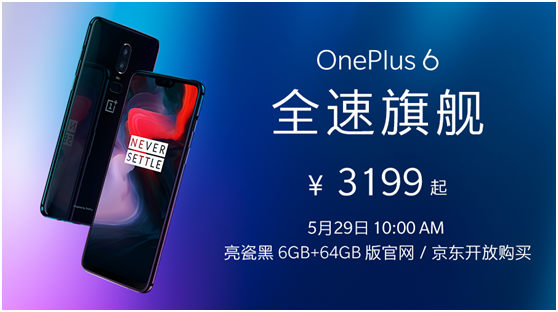
After 12 days from the official announcement, OnePlus 6 is officially available to purchase and the stock is larger than ever. The new wonderful flagship has been launched on both the official OP store and on Jingdong Mall with a price tag of 3199 Yuan in China, which roughly translates into $500. The CEO has already stated that the phone will not go out of stock and the company has already managed to make a million units available. Unfortunately, at least for now, there is only one variant of the handset available.
We are talking about the base variant of OnePlus 6: the one with 6 GB of RAM and 64 GB of internal storage. This variant is currently available in the Mirror Black finish only. While you can decide if you want to get this handset or not, we will remind you the main specs of the flagship below.
OnePlus 6 comes with a glass back and an aluminum frame. Despite the glass back, it does not come with a wireless charging technology, nor an IP certification, but the company has defined the device as a “splashproof” phone which can survive to the rain. OP6 is the first OnePlus smartphone with a notch. It sports a 6.28-inch display with a 19:9 aspect ratio, the Optic AMOLED technology and a Full HD+ resolution of 1080 x 2280 pixels.
Under the hood, it boasts an octa-core Snapdragon 845 chipset by Qualcomm, up to 8 GB RAM and up to 256 GB UFS 2.1 storage (note that only the 6/64 GB is available in China as said above). The backplate houses a dual camera setup with resolutions of 20 and 16 MP with OIS and depth calculation, while the front camera has a resolution of 16 MP and it supports artificial intelligence. The battery has a capacity of 3300 mAh, while the operating system installed is Android 8.1 Oreo with OxygenOS to customize it.
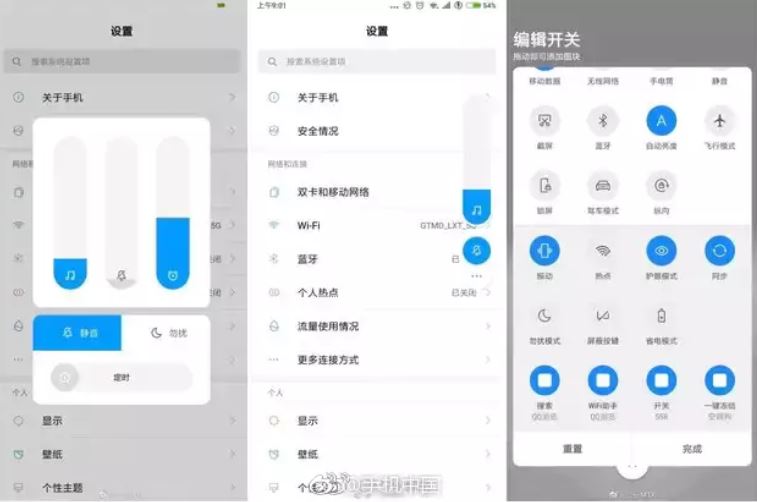
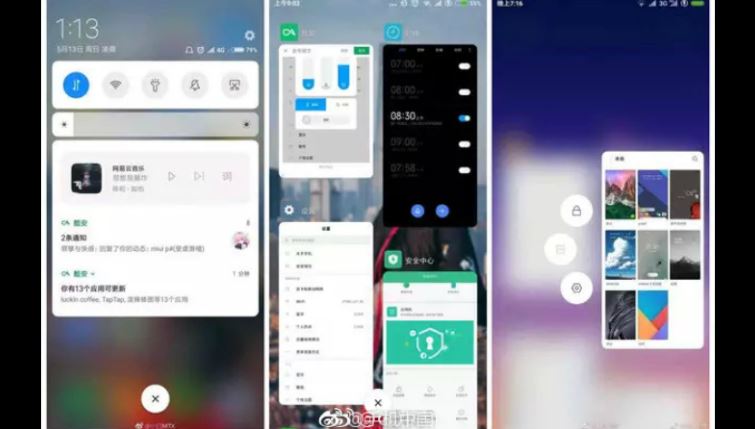
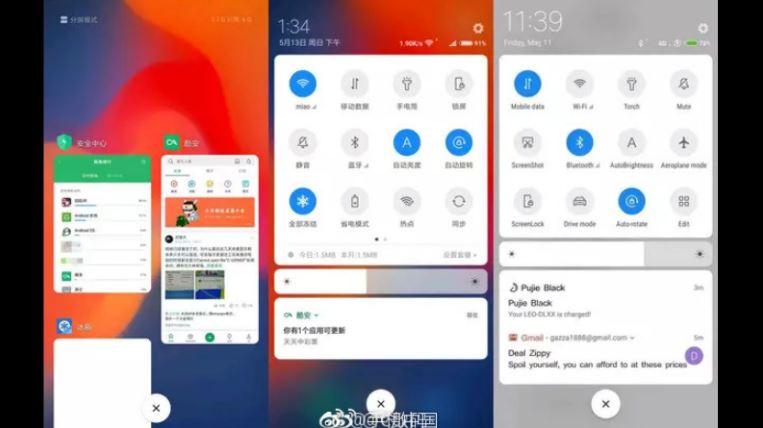
Besides the Xiaomi Mi 8 series and the Mi Band 3, Xiaomi will also unveil the MIUI 10 on May 31 alongside its new improvements. Just to remind you, the company has just confirmed the launch of the Mi Band 3 with an official poster shared by Xiaomi’s VP Wang Xiang. Three days before the launch, some screenshots leaked online are showing us the Settings menu as well as the quick toggles section, the notifications menu and the multi-tasking section of the upcoming user interface. The screenshots have been published by TechnoCodex and, besides a graphic renewal, they also show new interesting features.
The similarity of the MIUI 10 with Android P is evident. It comes with a white and blue design just like the latest Android iteration and it has a shortcut option which shows a preview of the most used apps in order to make the user experience more comfortable. Further, a screenshot shows a preview of the Gallery app which is even able to show miniatures of the most recent images. Another feature in common with Android P will be the full touch gesture controls. Not only the standard user interface has been renewed, but also the control center, the lock screen, and the weather widget.
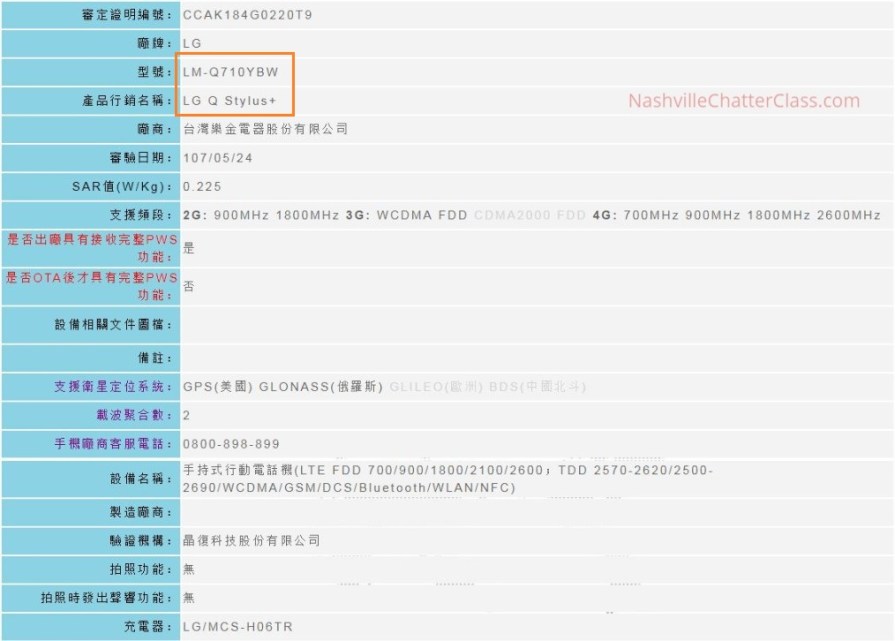
When the LG Q7 series was announced last week, there was a model missing – the LG Q7 Stylus. The device has not been canceled yet, it just will be arriving in a different country later.
The device with model number LM-Q710 has been seen on the website of Taiwan’s equivalent of the FCC. According to the document, the device will launch as LG Q Stylus+.
The document also mentions it has NFC, Bluetooth, Wi-Fi, GPS, and LTE. There are reports that the rest of the specs will be the same as that of the Q7 with the addition of a stylus.
Samsung last week held its annual Foundry Forum in the U.S where the company among other things, unveiled its roadmap that takes its chip manufacturing process technology to 7nm Low Power Plus, 5nm Low Power Early and 3nm Gate-All-Around Early/Plus.
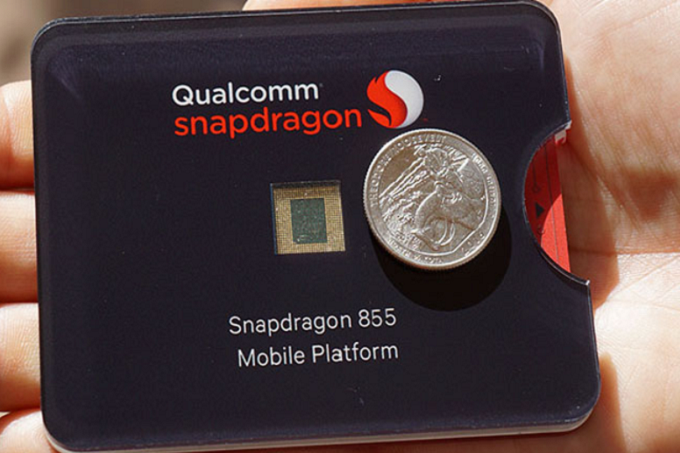
According to the details revealed, Samsung will first use an EUV lithography solution on the 7nm LPP process and that should be ready for production during the second half of this year. However, mass production of parts using the new process will start in the first half of 2019. This is the same timeline for Samsung’s rival TSMC to start mass production of parts using its 7nm+ node which will also use the EUV lithography. TSMC will also start risk production of its 5nm node in the first half of 2019. Samsung is expected to produce the next-gen Qualcomm Snapdragon 855 mobile platform which will be powering next year’s Samsung Galaxy S10 using the 7nm process.
Samsung will also commence production of chips based on its 5nm LPE that will provide ultra-low power consumption in 2019. In addition, the 4nm chips will join the fray in 2020. This will be the last of the chips to employ FinFET process and it will be produced using the 4nm Low Power Early/Plus process. Chips built with this process technology will feature improved performance and a smaller cell size.
The 3nm node will herald an entirely new manufacturing process technology. Samsung will use its own next-generation GAA (Gate all-around) architecture MBCFET (multi-bridge-channel FET). 3nm production is not expected to begin until 2022. Keep in mind that the smaller the node size, chips that are produced using the process are more powerful and energy efficient.
(source)
We use cookies on our website to give you the most relevant experience by remembering your preferences and repeat visits. By clicking “Accept”, you consent to the use of ALL the cookies.
This website uses cookies to improve your experience while you navigate through the website. Out of these, the cookies that are categorized as necessary are stored on your browser as they are essential for the working of basic functionalities of the website. We also use third-party cookies that help us analyze and understand how you use this website. These cookies will be stored in your browser only with your consent. You also have the option to opt-out of these cookies. But opting out of some of these cookies may affect your browsing experience.
Necessary cookies are absolutely essential for the website to function properly. This category only includes cookies that ensures basic functionalities and security features of the website. These cookies do not store any personal information.
Any cookies that may not be particularly necessary for the website to function and is used specifically to collect user personal data via analytics, ads, other embedded contents are termed as non-necessary cookies. It is mandatory to procure user consent prior to running these cookies on your website.



 But if you’re on a tight budget and aren’t ready to spend that kind of money on a vacuum cleaner, you can apply discount coupon ‘UCQUDEKC’ to save an additional $24 at the time of checking out. In addition to getting the discount, you can save a considerable amount of extra money simply by using the aforesaid coupon code and lower your grand total to just $445.99.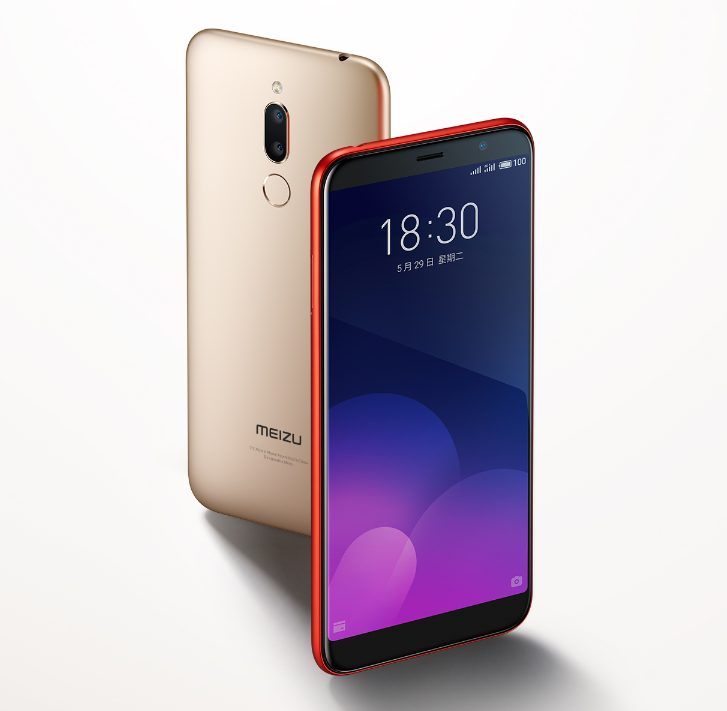


 In other words, you can bring your grand total down to just $699 simply by applying the aforesaid coupon code. Note that the Mi Notebook Air will go back to its retail price as soon as the coupon code expires.