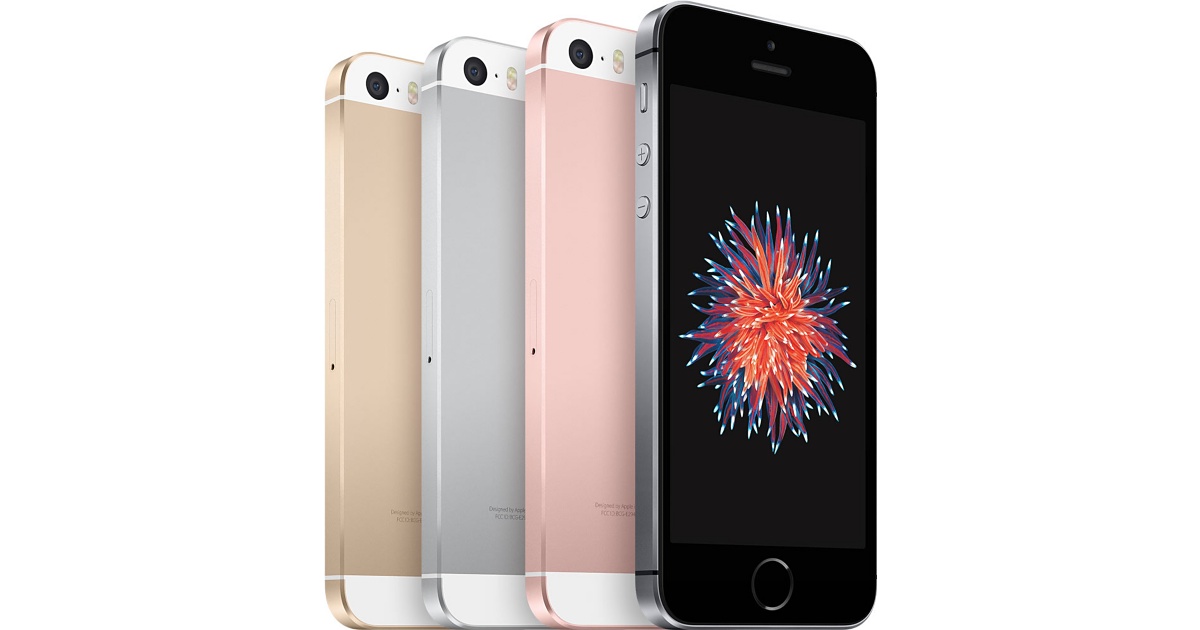
Apple is rumored to be working on a successor of the iPhone SE, which could be named iPhone SE 2. Over the last few months, various leaks rumors surfaced online related to the smartphone.
Now, a new report suggests that the iPhone SE 2 could get launched somewhere around May this year. However, there’s a possibility that the Cupertino giant could come up with a different name for this device.
The new report comes from a Japanese website Macotakara which cites a case maker as its source. The report says that the next-generation iPhone SE will get launched in May. Earlier this month, Eurasian regulatory filings also suggested that the smartphone launch is just a few weeks away.
The design of the upcoming smartphone is expected to be very similar to the iPhone SE. While the iPhone is powered by Apple A9 chipset, the upcoming smartphone is said to come with Apple A10 Fusion chipset, which was released during the Apple iPhone 7-series launch. Furthermore, the report adds that the company will get rid of the 3.5mm audio jack.
The report further suggests that the Touch ID will stay in place and there won’t be the new Face ID feature. There’s also a possibility that the smartphone will come with support for wireless charging but it is not yet known if Apple opts for a glass body for this device.
Earlier, a Chinese publication reported that the iPhone SE 2 may sport a larger 4.2-inch display and added that the processor will be coupled with 2GB RAM along with 32GB and 128GB storage options. Last month, a new rumour surfaced online which suggested that the phone could be launched as an India-exclusive device.
However, Apple has not yet confirmed anything related to the next-generation iPhone SE smartphone. While Apple iPhone SE 2 is expected to get announced in May, Apple could also wait a bit longer and launch the smartphone at its Apple WWDC, which is scheduled to start from 4th June.
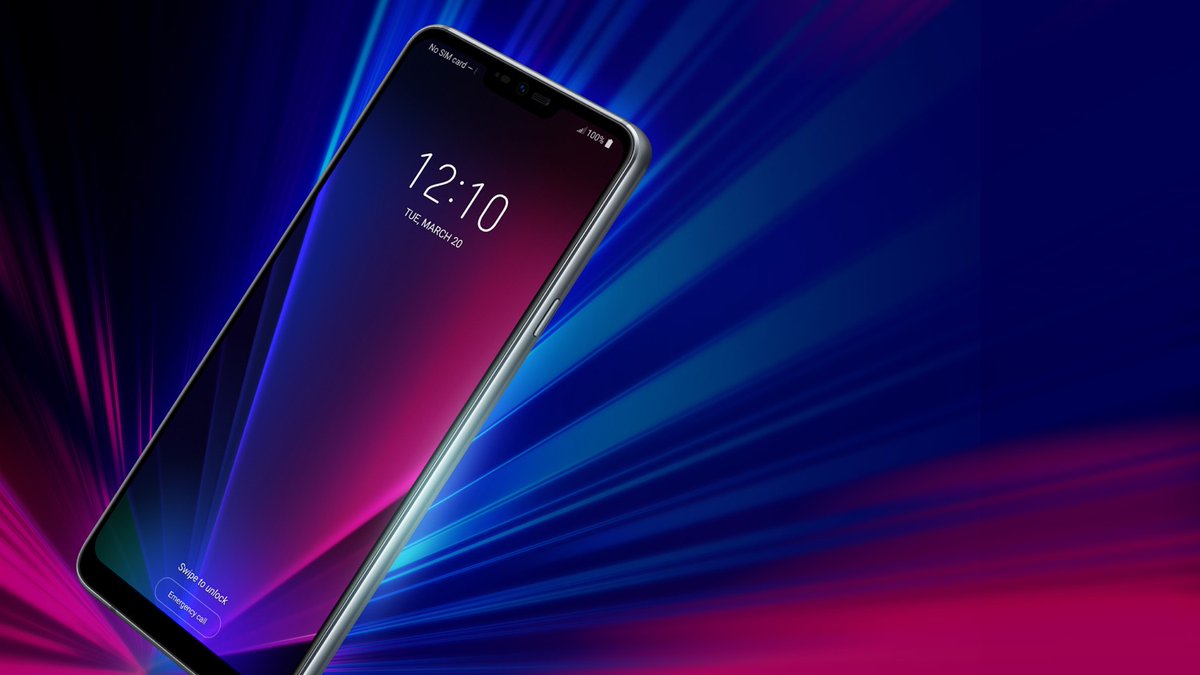
A recently-surfaced promotional render of the LG G7 ThinQ has shown us that the phone will have a power key located on the right side. But it will be the only physical key on the right. A new report has revealed the reason: on the left side, there will be another physical key. According to the report, this key will be used to start Google Assistant, and this highlights, even more, the focus of this handset on artificial intelligence in all its iterations.
Even though there will be a dedicated key for the virtual assistant, LG did not develop its own virtual assistant like Samsung did with its Bixby. Given that the power key will be placed on the right side, it seems that LG G7 ThinQ will not adopt a power key embedded into the fingerprint reader on the rear. But note that the fingerprint reader is still located at the back. What we hope is to see a programmable button embedded in the fingerprint reader, given that, according to reports, it will not be possible to assign other action to the physical button dedicated to Google Assistant.
Besides focusing on Google Assistant, LG G7 ThinQ will also provide smart features for the cameras, such as scene recognition. We already had a taste of them with the LG V30S and the recent update rolled out on the standard V30. According to the latest leak, LG G7 will come with a 6.1-inch display with a 19:9 aspect ratio and the MLCD+ technology. On the hardware side, we expect to see an octa-core Qualcomm Snapdragon 845 processor running at 2.9 GHz and paired with at least 4 GB of RAM and 64 GB of internal storage expandable via micro SD.
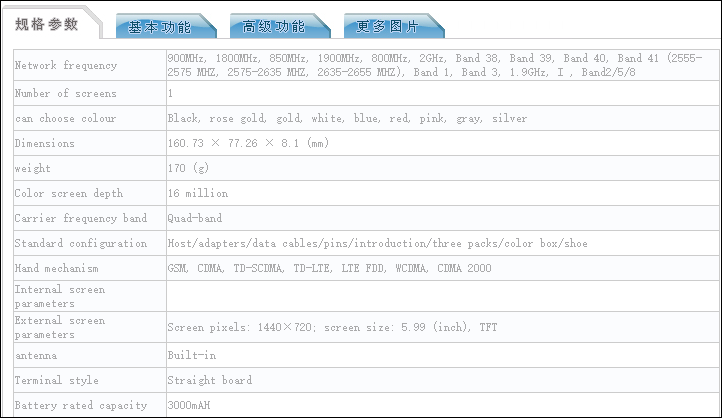
UPDATED: This is the Mi 6X but the Redmi S2 which is expected to pack a Snapdragon 625 chipset hence the 2.0GHz CPU frequency.
Xiaomi Mi 6X is just four days away from launch and more details continue to surface regarding the premium mid-ranger. A couple of new Mi 6X models have now been certified by China’s Telecoms regulatory agency TENAA with a specs configuration slightly different from the ones first spotted on TENAA last month.
The previous TENAA-listed Mi 6X models have a 4GB+ 64GB and 6GB + 128GB storage combinations but this new model seems to bring fluidity to the Mi 6X memory variants. According to TENAA, the new model which bears the same design as the Mi 6X is listed with the model number M1803E6E. It features a dual rear camera setup aligned vertically at the top left corner. The device also has a rear-mounted fingerprint sensor and the U-shaped antenna band design at the top and bottom edges.
The real surprise lies in the configuration as the device is equipped with a 2.0GHz Octa-core processor which definitely isn’t the Snapdragon 660. This springs up the possibility of the Mi 6X having a variant with a Snapdragon 625 chipset. The device also comes with a slightly bigger 3000mAh battery and an HD+ resolution of 1440 x 720 pixels. The new model also has a 2GB RAM, 3GB RAM and 4GB RAM variants as well as 16GB, 32GB and 64GB storage options.
The stark difference in the specification props up the likelihood that this device being an entirely different smartphone from the Mi 6X but the design makes it all confusing. Perhaps, Xiaomi wants to make the options fans have to choose from wider with the addition of these models. There is no doubt that the Mi 6X will hit the international market in due course and a wide range of options and varying prices will improve the sales prospects. We’ll find out more details when the device is launched.
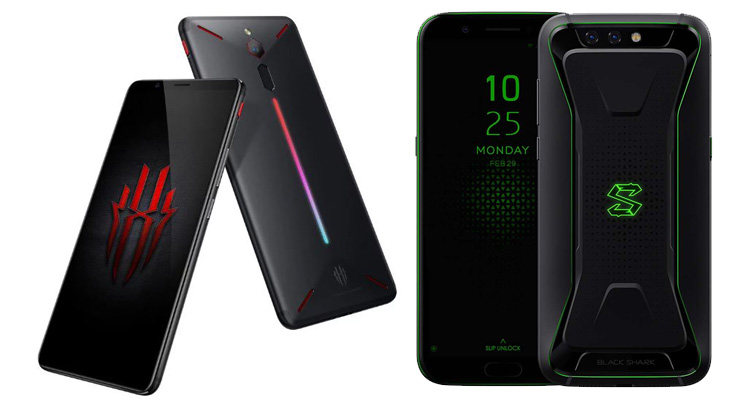
The gaming phones market is growing pretty quickly. After Razer Phone, the new Nubia Red Magic and the Xiaomi Black Shark are the two new gaming smartphones to hit the shelves, and they will probably be followed by more handsets focused on this niche market. But in the meantime, let’s discover the main differences among the two. If you are a gamer and you like to play on your mobile phone, this Nubia Red Magic vs Xiaomi Black Shark specs comparison will tell you which phone is most suitable for you.
Dual 12 + 20 MP f/1.8 + f/1.8
20 MP f/2.2 front camera
BATTERY
3800 mAh
Fast charging
4000 mAh
Fast Charging 9V / 2A (Quick Charge 3.0)
ADDITIONAL FEATURES
Hybrid Dual SIM slot, Air cooling system
Hybrid Dual SIM slot, Liquid cooling system
With its elaborate metal backplate, we believe the Nubia Red Devil has a more ergonomic design, providing a comfortable grip even after long sessions of gaming. But the Xiaomi Black Shark should be a better phone in terms of performance, as it features the most recent Qualcomm’s processor: the powerful octa-core Snapdragon 845 running at a max frequency of 2.8 GHz. Nubia Red Magic left many disappointed when it was revealed that it is powered by the older Snapdragon 835 which is Qualcomm’s flagship SoC for 2017. Still, there shouldn’t be a huge difference in term of performance.
Both the devices boast a cooling system, but they are different. According to Xiaomi, the air cooling system of Black Shark is able to reduce the temperature by 8° C, while Nubia Red Magic features a different type of air cooling system. Xiaomi Black Shark seems to have a slightly better camera department with a 12 + 20 MP dual camera on its back and a 20 MP selfie camera. The battery is slightly bigger on Xiaomi Black Shark and it features Quick Charge 3.0 as fast charging technology.
Keeping the specs on paper in mind, the Xiaomi Black Shark looks like a slightly better handset, but Nubia Red Magic will probably have a more affordable price if we refer to the global market. Black Shark has a launch price of about $477/€385 in China, while Nubia Red Magic will initially cost $399/€324 worldwide (it will be launched on April 26 through the crowdfunding platform Indiegogo).
ZTE Nubia Red Magic vs Xiaomi Black Shark: PROS and CONS
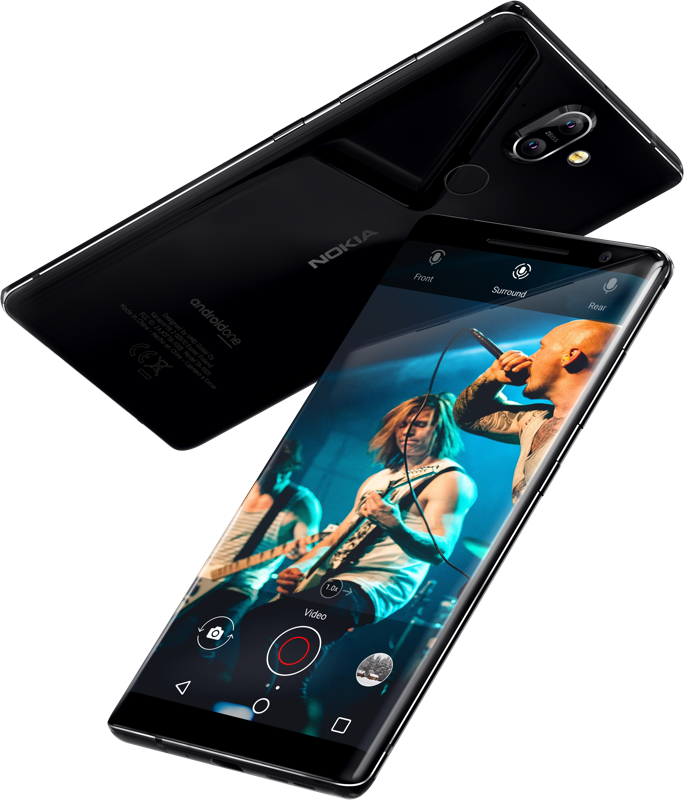
HMD Global had already confirmed the launch of its best 2018 phones in India a few days ago, and now the moment has come. Nokia 8 Sirocco and Nokia 7 Plus are officially up for pre-orders in the Indian peninsula. There are three sites where Indian customers can purchase the two handsets: Nokia 7 Plus is available on Amazon India, Nokia 8 Sirocco can be purchased on Flipkart, and both the handsets are available on the official store which can be reached by heading to Nokia.com. The 7 Plus has a listing price of INR 26,000 on Nokia’s official online store and Amazon India, which roughly translates into $393. Nokia 8 Sirocco costs INR 50,000 on the official store and Flipkart, that is equivalent to about $757.
Announced at the MWC 2018 in Barcelona, Nokia 8 Sirocco and Nokia 7 Plus are currently the most powerful HMD phones of 2018, even though the 7 Plus is less powerful than the standard Nokia 8 launched 2017. The first is its most important flagship and it features a 5.5-inch display with narrow bezels and a Quad HD resolution of 1440 x 2560 pixels. It boasts an octa-core Snapdragon 835 chipset from Qualcomm, 6 GB of RAM and 128 GB of internal storage. It also has dual cameras with a 12 MP resolution, OIS, and Carl Zeiss lenses. Instead, Nokia 7 Plus is an upper-midrange with a 6000-series aluminium body.
It is the first 18:9 handset by HMD Global and its display has a size of 6 inches and a Full HD+ resolution of 1080 x 2160 pixels. Under the hood, it has an octa-core Qualcomm Snapdragon 660 chipset paired with 4 GB of RAM and 64 GB of internal storage. Even this device features a 12 MP dual camera with Carl Zeiss optics, but it lacks OIS. Both the devices come with Android 8.1 Oreo installed out of the box and a stock UI experience. They have also been launched in the European market with a price tag of about €750 and €399, respectively.
According to the Turkish Samsung website, the former flagships, Samsung Galaxy S7 and S7 Edge will officially be updated to Android 8.0 Oreo soon. The update will start rolling out on May 18; however, the company had already confirmed the arrival of the update in the past but it wasn’t released as promised, so we can’t be sure of a final date. Recently, even a Support page from Verizon’s official website confirmed that Android Oreo would have been rolled out soon, but users haven’t got an update yet.
Further, even Samsung Turkey had confirmed the arrival of the update in the past: the official website mentioned April 13 as the rollout date, but today is 21st April and both Samsung Galaxy S7 and S7 Edge are still running Android Nougat. We hope that May 18 will be the right day. According to Samsung Turkey, besides Samsung Galaxy S7 and S7 Edge, even the Samsung Galaxy A-series (2017 models) will get updated to Android Oreo soon.
The website lists the 1st June as the rollout date of the update on Samsung Galaxy A3, A5, and A7 (2017). Previously, the trio was tipped to get the update on May 25, but according to the new info it has been delayed by six days. Android Oreo for each of the above-mentioned handsets will be customized by Samsung Experience 9.0 UI which will include several new features and improvements.
Xiaomi continues to tease the Mi 6X which is expected to drop on April 25 at a ceremony holding at Lei Jun’s Almer mater, Wuhan University. The main specifications of the device and its design are almost fully known, save for one or two. The Chinese giant has now revealed yet another feature of the mi 6X in a new teaser. The detail is the presence of a 6GB RAM and 128GB ROM variant.
This revelaton wouldn’t have been a surprise but for the fact that this would be the most generous memory combination we’ll be seeing in a mid-range device released by Xiaomi. The only mid-range model that had this is the Mi Note 3.
The 6GB RAM and 128GB storage coupled with a Snapdragon 660 chip would make this version an interesting option. It isn’t likely going to be more popular than the 6GB RAM + 64GB storage but it gives a better option to those who prefer more storage space. We also expect a similar configration on the global version which may be marketed as Mi A2.
The OnePlus 6 teasers are still pouring in and the latest one has to do with the design. After using metal for its last three phones, OnePlus is switching to new materials for the OnePlus 6.
A new teaser posted on the official Twitter page shows the bottom part of the OnePlus 6 and from the appearance, it seems to be covered in glass. There is also the text “Designed by OnePlus” inscribed on it.
OnePlus is one of the few manufacturers that has stuck to metal when others switched to glass. Before the OnePlus 3, its first two phones had plastic back plates. Actually, the OnePlus 6 won’t be its first phone covered in glass on both sides. That title goes to the OnePlus X.
OnePlus also wants us to know that this design is original and not a rip-off of the OPPO R15 hence the inscription at the bottom. Even with the change in materials, OnePlus assures us of the craftsmanship of the OnePlus 6.
In the tweet, OnePlus says “…new materials” not material. Our guess is that the phone may come in more than one design and glass is one of them. If you still remember, when the leaks just began pouring in, a photo of an alleged OnePlus 6 with a wood-grain back surfaced online. This may be one of the new materials. There is also a chance that there is just one and we our guess is wrong.
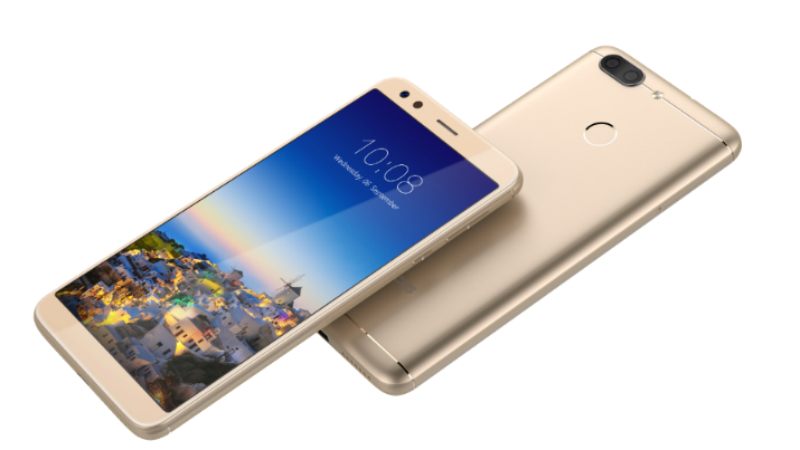
InFocus has launched a new smartphone in the Indian market — InFocus Vision 3 Pro, which is the successor of the Vivion 3 launched last year. The phone has been priced at Rs. 10,999 and comes in three color options — Black and Gold.
The device will be available for purchase in India exclusively through online retailer Amazon India. Key highlights of the device are that it comes with a full-screen display and a dual-camera setup at the back.
The smartphone features a 5.7-inch HD+ IPS display with screen resolution of 1440 x 720 pixels with 18:9 aspect ratio. It comes powered by MediaTek MT6750 octa-core processor coupled with 4GB RAM.
The device bears a dual rear camera setup at the back, consisting of a 13-megapixel primary sensor and an 8-megapixel secondary sensor. It comes with 120-degree wide-angle lens, f/2.0 aperture, phase detection auto-focus (PDAF), and LED flash. On the front side, there’s a 13-megapixel fixed-focus sensor with f/2.2 aperture.
It offers a ‘dualfie’ feature, which is similar to the Nokia’s Bothie feature that lets users take pictures with the front and rear cameras simultaneously. The device also enables users to further expand the phone’s storage up to 64GB using a microSD card. Connectivity options include 4G VoLTE, Wi-Fi 802.11 b/g/n, Bluetooth, FM radio, and GPS.
Sensors onboard the handset include an accelerometer, ambient light sensor, face unlock feature, fingerprint sensor, and proximity sensor. The phone runs on Android 7.0 Nougat operating system out-of-the-box and is powered by a 4,000mAh battery.
At this price point, the InFocus Vision 3 Pro competes against numerous budget smartphones such as Xiaomi‘s Redmi 5 and Redmi Note 5, and Huawei‘s Honor 9 Lite, among others.
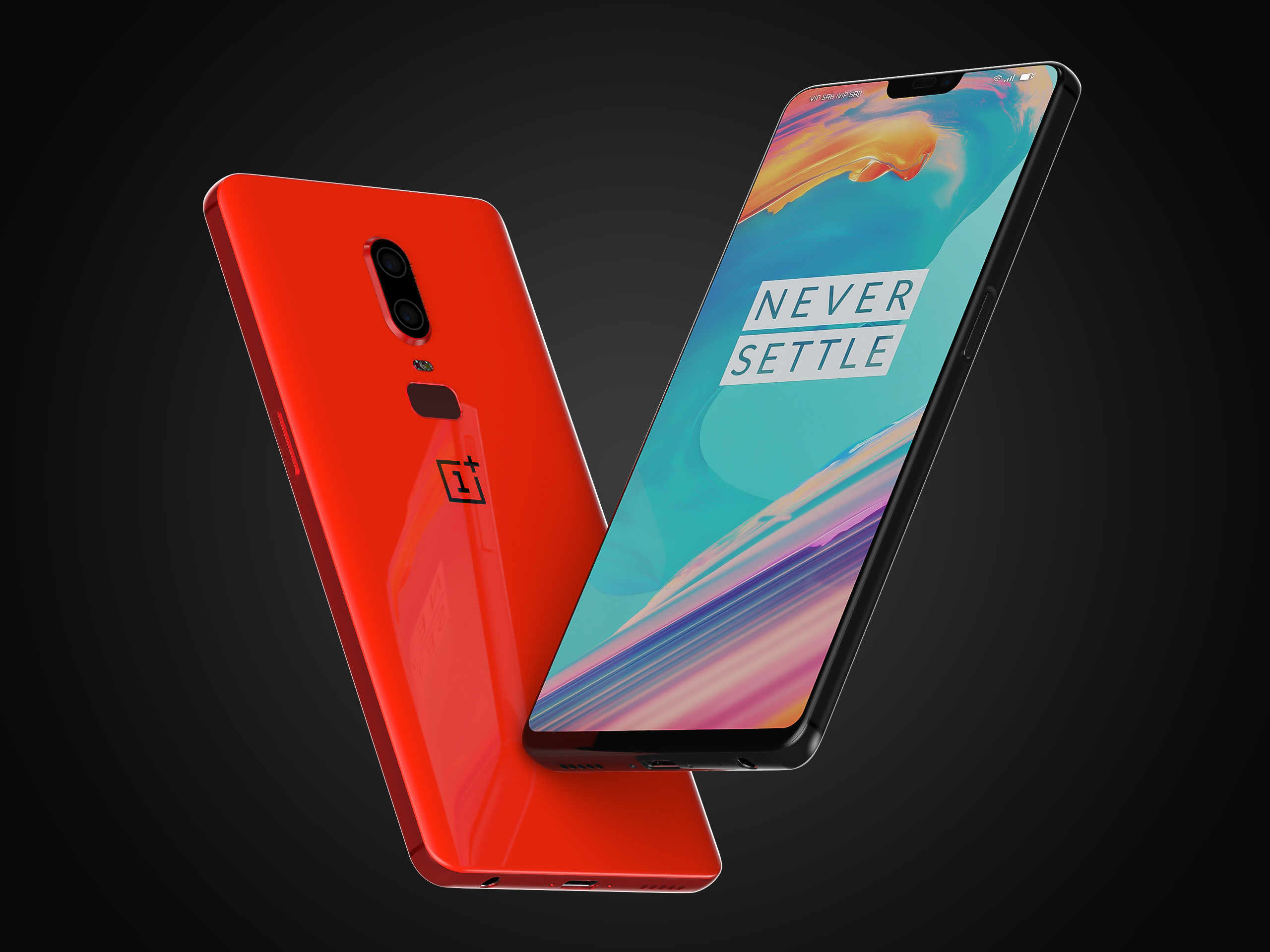
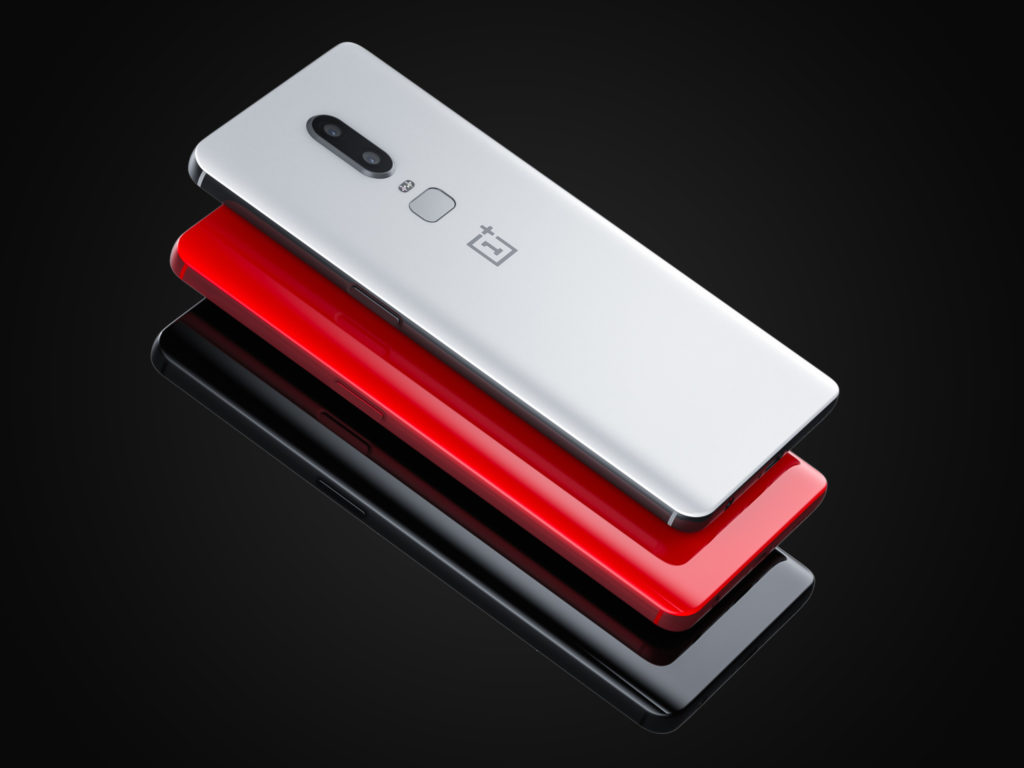
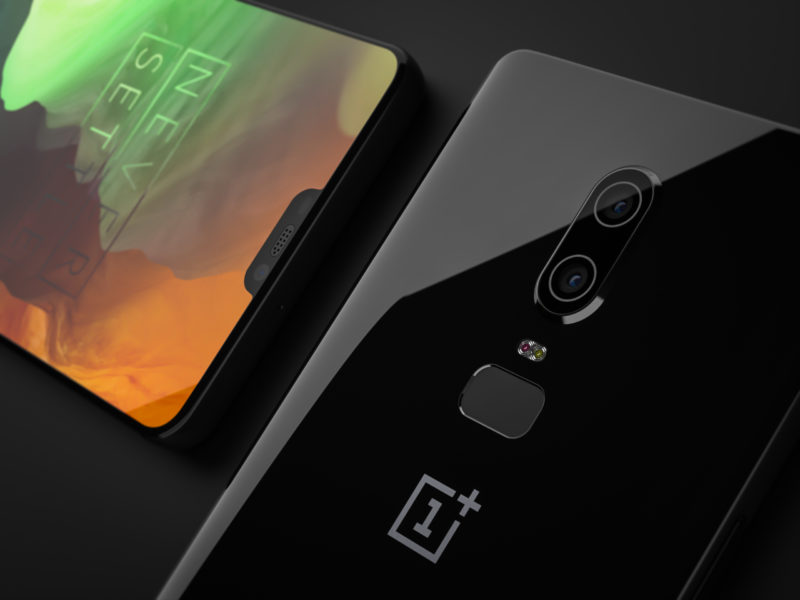
We have a plethora of leaked details of OnePlus’ upcoming mobile phone – OnePlus 6. Thus, it is no wonder that there is a video render created by which gives us an idea of the design the device will adopt. The video was created by the guys at the YouTube channel, Phone Industry.
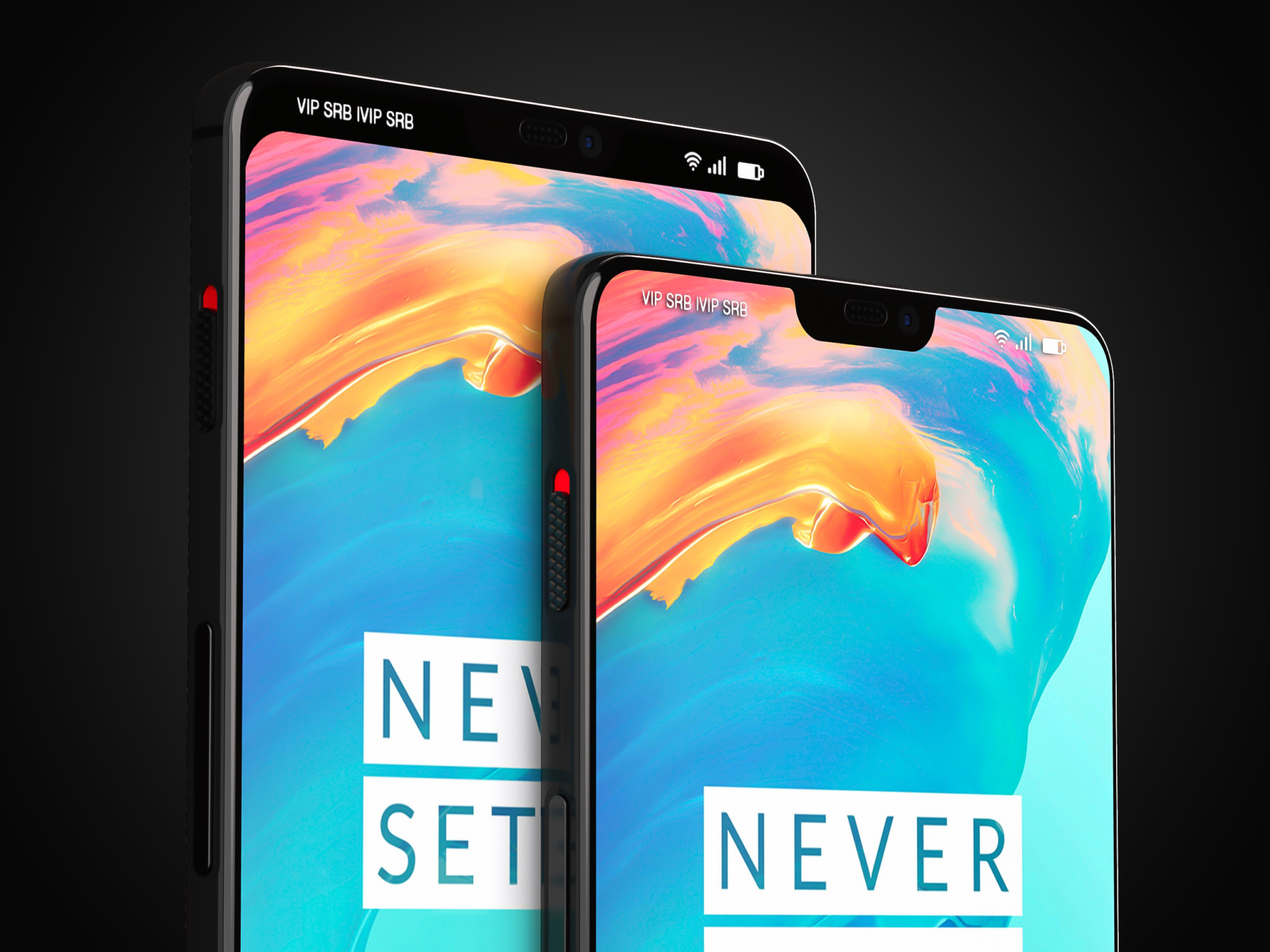
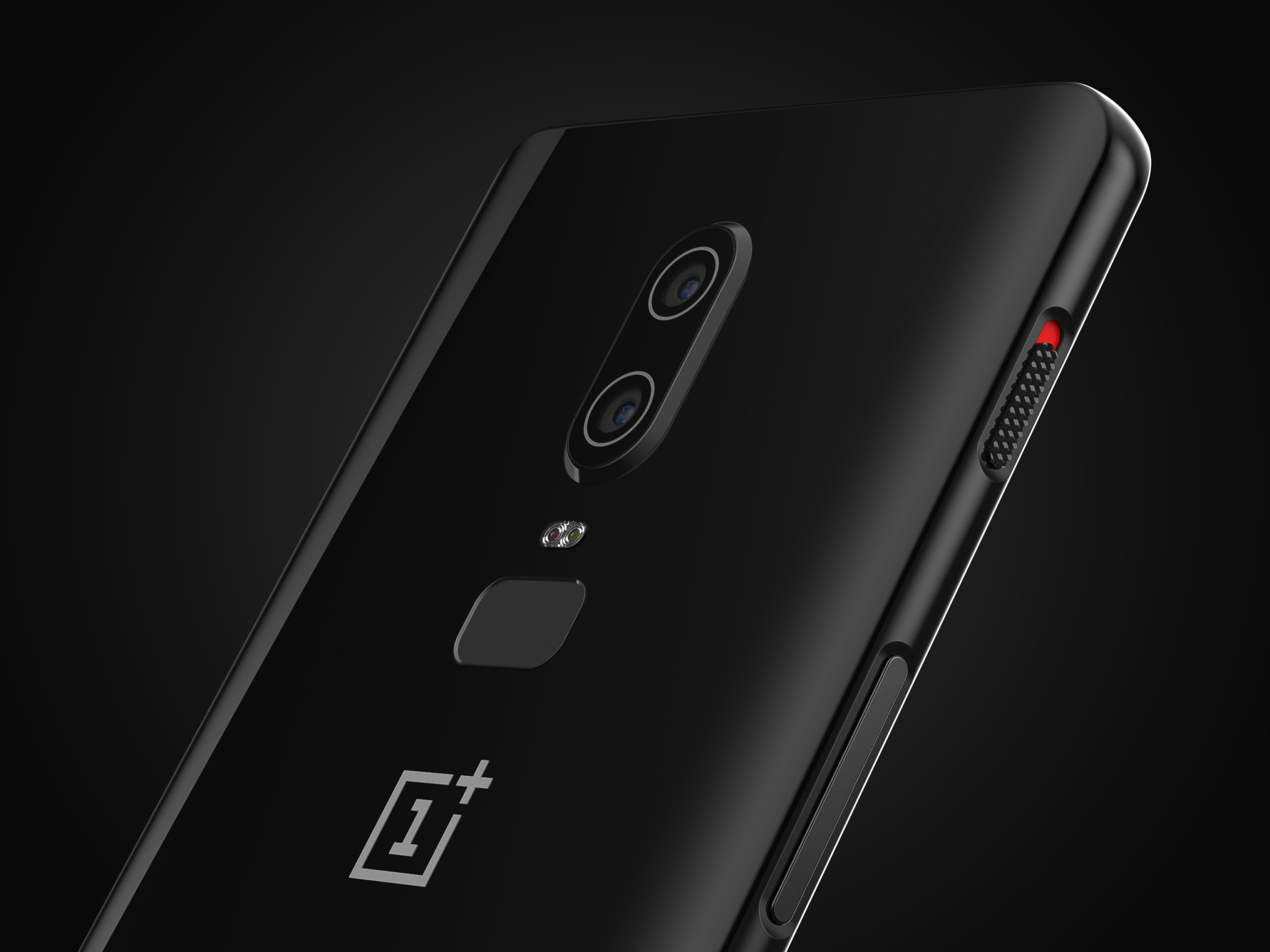
OnePlus 6 has already been confirmed as coming with a notch design on the display which is one of the features of this rendered design. The design also includes a dual camera setup at the rear located in the middle and aligned vertically. The is a dual-tone LED flash under the rear cameras as well as a rear-fingerprint sensor just after the LED flash. The device is also shown to have two modes, one which hides the display notch and a second one where the notch is visible. If you want to find out how that works, check out the video for yourself. We are not so sure about the entire design of the renders, though. OnePlus 6 may likely not look exactly like the device. However, it won’t be markedly different from what is captured in this video.
Other features of the design on these renders includes a USB Type-C port. The device may likely retain the 3.5mm audio jack if these renders are anything to go by. The power button and volume rockers are all located on the left side. The power button is accented with lava red.
According to earlier leaked details, the OP6 is expected to feature a 6.28-inch display with a cut-out (notch ) on top of the display similar to the iPhone X. The device will also have a resolution of 2280 x 1080p and adopt a 19:9 aspect ratio. The flagship model will pack a Snapdragon 845 chipset paired with 6GB RAM and 128GB storage. It was recently confirmed officially that there is also going to be a version with 8GB RAM and 256GB storage. There will also be a 3450mAh battery onboard. On the camera aspect, the OnePlus 6 is said to feature a 20MP camera at the front while at the rear, there will be a 20MP + 16MP dual camera setup. Here’s the video below.
For a couple of weeks now, there have been reports of new Galaxy A series smartphones. Called the Galaxy A6 and Galaxy A6+, both phones are expected to be released globally.
More details of the Galaxy A6 have surfaced online and they include specifications and new info with respect to the launch and availability.
The Galaxy A6 is said to have a 5.6” HD display, 4GB of RAM, and 32GB of built-in storage which should be expandable. It will have a single 16MP rear camera with a fingerprint scanner right below it.
In front, the Galaxy A6 will pack dual cameras and one is reported to be another 16MP sensor. The source says the phone will be powered by an unnamed octa-core Exynos processor but Geekbench already revealed it is the Exynos 7870. The phone will run Android 8.0 Oreo out of the box.
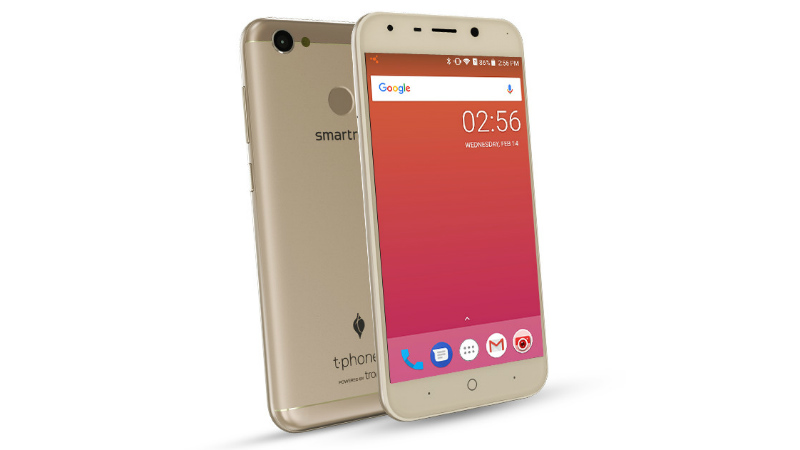
Smartron, an Indian smartphone manufacturer has launched a new variant of its Smartrton t.phone P which was initially launched earlier this year in January. As the name suggests, the new model — Smartron t.phone P Gold Edition comes in Gold color. It has been priced at Rs. 7,999 (approximately $121) and will be available for purchase exclusively through Flipkart from 22nd April.
The smartphone comes with a 5.2-inch IPS HD display with screen resolution of 1,280 x 720 pixels and 2.5D curved glass protection on top. Under the hood, the device is powered by a Qualcomm Snapdragon 435 processor which is coupled with 3GB RAM and 32GB internal storage. Smartron is also offering 1000GB of free cloud storage via its t.cloud service.
The phone’s storage capacity can further be expanded up to 128GB using a microSD card. Coming to the camera department, the device features a 13-megapixel primary camera with LED flash and f/2.2 aperture. There’s also a 5-megapixel front-facing selfie shooter with f/2.2 aperture.
Connectivity options on the t.phone P include a hybrid Nano-SIM slot, 4G VoLTE, Bluetooth, WiFi, GPS, dual-SIM and micro USB port with OTG support. There’s a fingerprint sensor placed on the back of the device for added security.
The device runs on Android Nougat operating system out-of-the-box and we are not sure if the phone will ever receive Android version update. The biggest USP of the device is its battery capacity. The device comes with a massive 5,000mAh which according to the company can provide up to two days of usage on a single charge.
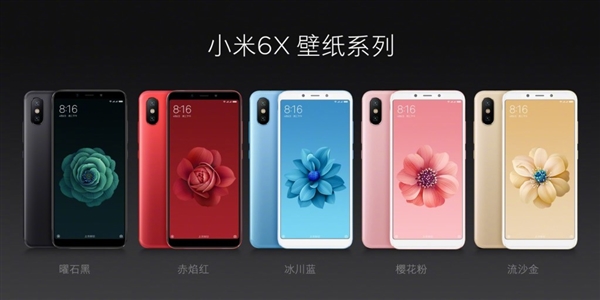
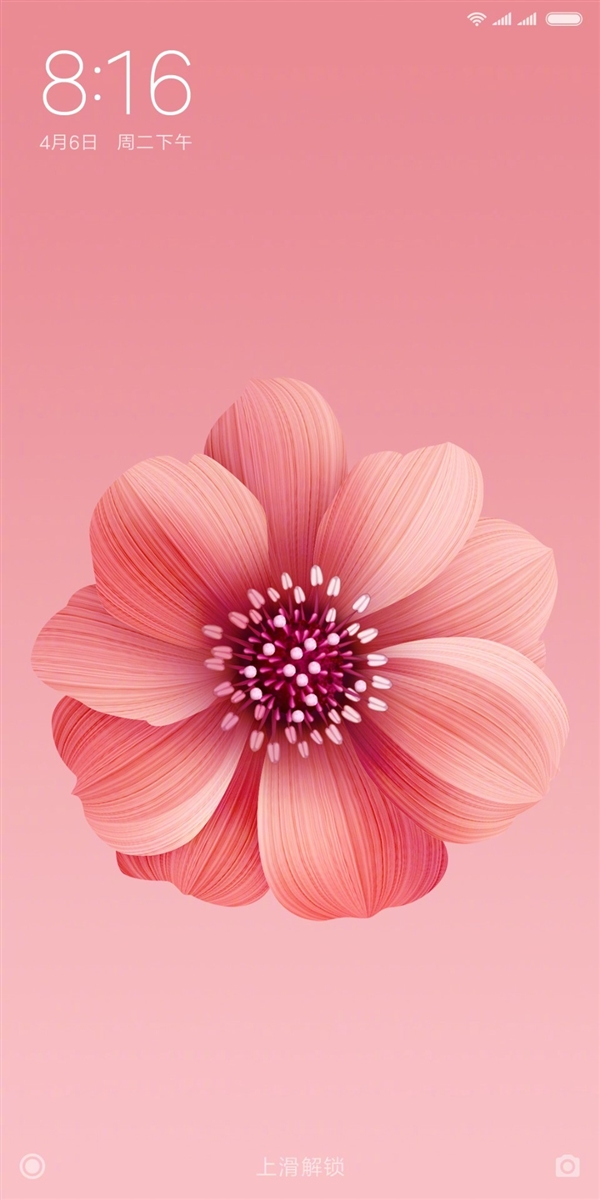
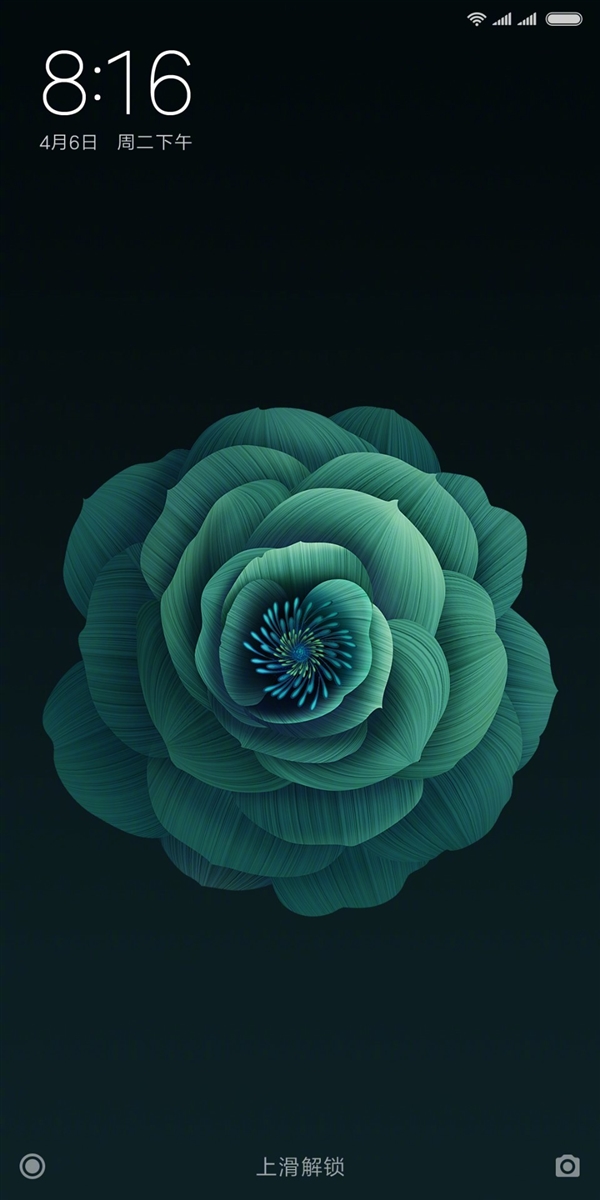
Xiaomi has been pretty generous with leaks surrounding the Mi 6X which would be released on April 25. We have already seen the real design of the device as well as the camera samples from its selfie camera. The key specifications of the Mi 5X successor are also in the open already. The latest we are seeing concerning the Mi 6X are five colourful wallpapers meant for the device.
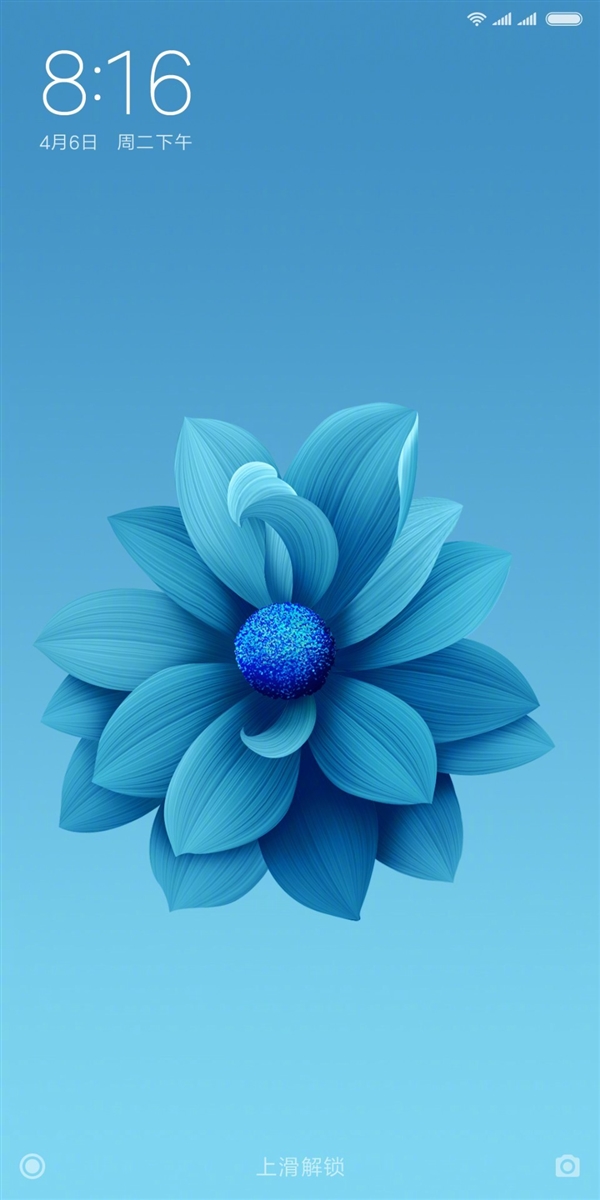
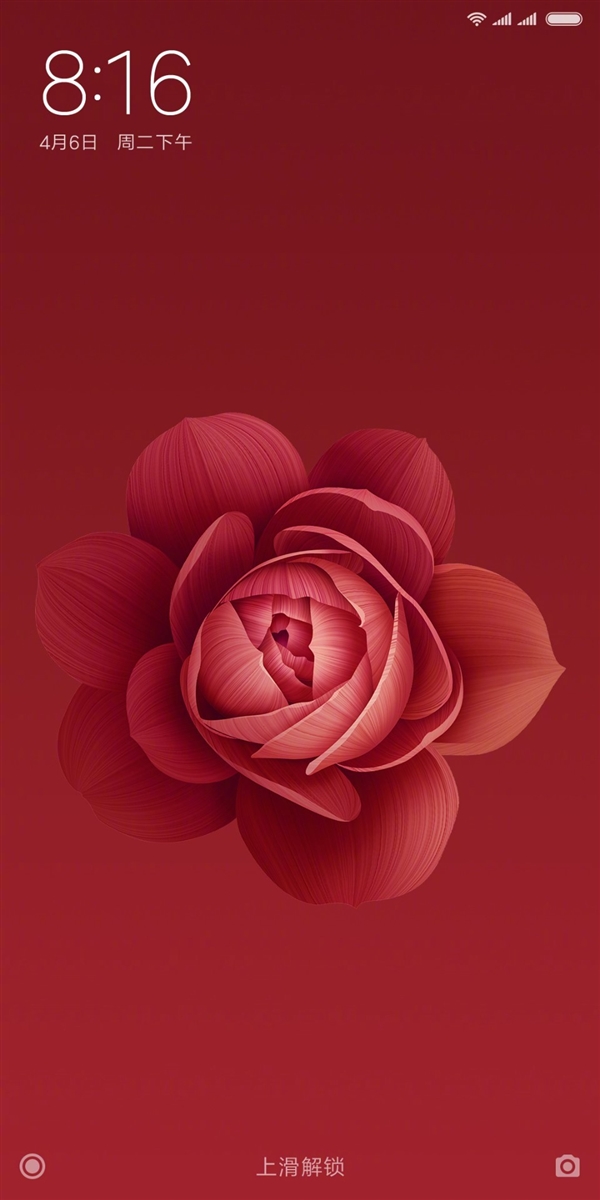
The wallpapers were shared by Xiaomi’s President Lin Bin and it should be noted that the five colours correspond to the five different colours the device will be available in. The wallpapers are all images of different species of flowers having the five different colour shades the Mi 6X is expected to be available in. As a reminder, the Mi 6X will come in Cherry Blossom Powder (Pink), Flame Red, Sand Gold, Glacier Blue and Stone Black. If you are interested in downloading or checking out the wallpapers, do find them from under the post below.
Xiaomi Mi 6X is expected to come with a beautifully designed metal body crafted using the nano-injection process. The design of the back is similar to that of the Redmi Note 5, especially the vertically-aligned dual rear cameras. The device sports a 5.99-inch display and is powered by a Snapdragon 660 chipset paired with 4GB and 6GB of RAM respectively. The device also comes with a 2910mAh battery onboard. On the camera aspect, there is a 12MP+20MP dual rear camera setup with support for AI photography while the front has a 20MP camera also with AI Beauty support.
LG, the South Korea-based electronics manufacturer is all set to launch its flagship smartphone under its G-series lineup, which is said to be called LG G7 ThinQ. Now, it appears that along with the flagship smartphone, the company is also gearing up to launch a mid-range Q-series smartphone — LG Q7.
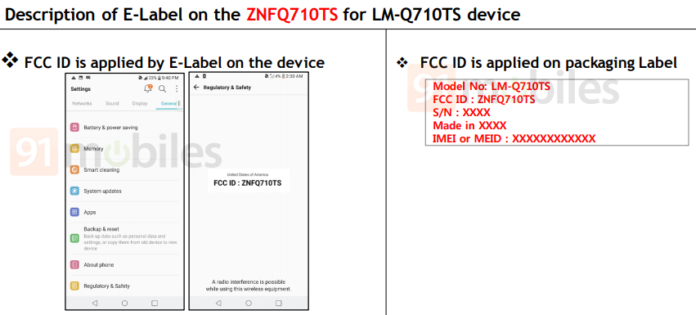
Ahead of the official announcement from the company, the LG Q7 smartphone has been spotted on the Federal Communications Commission (FCC) website. The listing reveals that the smartphone carries model number LG LM-Q710TS.
However, the FCC listing of the smartphone has not revealed anything about the specifications and features. Recently, LG applied for a certificate with Russia-based EEC for both the upcoming devices from LG — G7 ThinQ and Q7 and the company has reportedly received the certification, hinting that the phone is close to launching.
While specs and features related to the flagship smartphone LG G7 ThinQ has already been leaked, nothing much is known about the upcoming LG Q7 apart from its name. Based on the last year’s LG Q6, we are expecting the Q7 to be the mid-range smartphone and a watered-down variant of the flagship G7 ThinQ.
The South Korean company’s upcoming flagship smartphone LG G7 ThinQ is expected to come with a notched M+ LCD display with a panel said to be “twice as bright as the G6 and significantly more colorful.” It will be powered by Qualcomm Snapdragon 845 chipset and have up to 6GB of RAM. The phone is believed to feature an extra physical button to trigger an AI-enabled voice assistant.
The smartphone is expected to come with a dual rear camera setup with two 16-megapixel sensors, which will be a step up from the 16-megapixel + 13-megapixel combo setup on the LG V30. Based on the previous reports, the phone will also come with recording and playback support for HDR 10.
The South Korean company has already scheduled a launch event for LG G7 ThinQ on 2nd May in New York, followed by a domestic launch in Seoul on 3rd March. At the same launch event, the company is also expected to unveil LG Q7.
Hey, its Adam again, Asian tech editor at Gizmochina and photographer with Kung Fu Imaging, here to introduce you to a new flagship phone from Xiaomi. Has Xiaomi made an iPhone/Samsung Galaxy killer with it’s “S” version of the popular Xiaomi Mix 2, the newly released Xiaomi Mix 2S? Or is the hardware/software package not quite up to those lofty heights? When introduced March 2018 in Shanghai, Xiaomi made sure to showcase the capabilities of the Xiaomi Mix 2S compared with the top-tier flagships from the big boys, however, we are going to look more closely, and rate the Mix 2S on it’s merit alone.
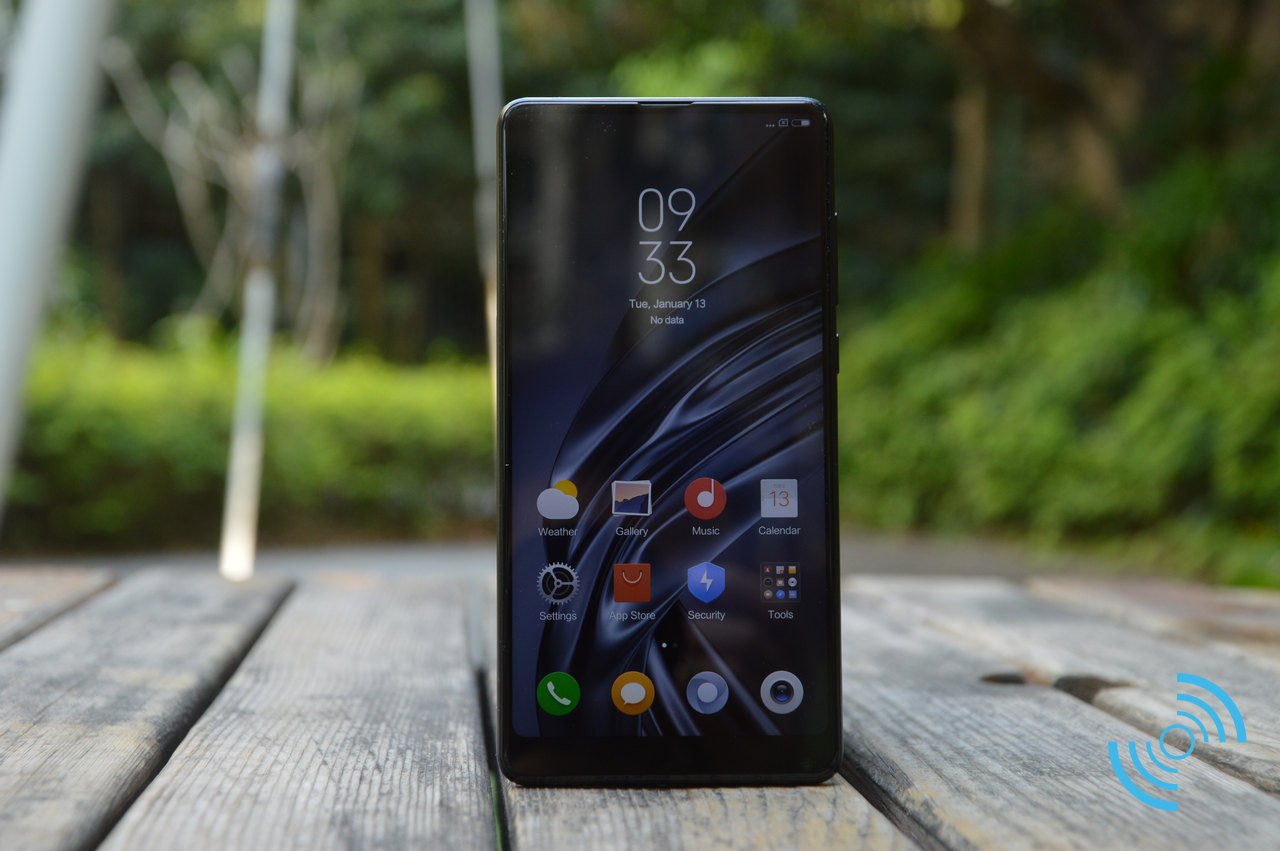
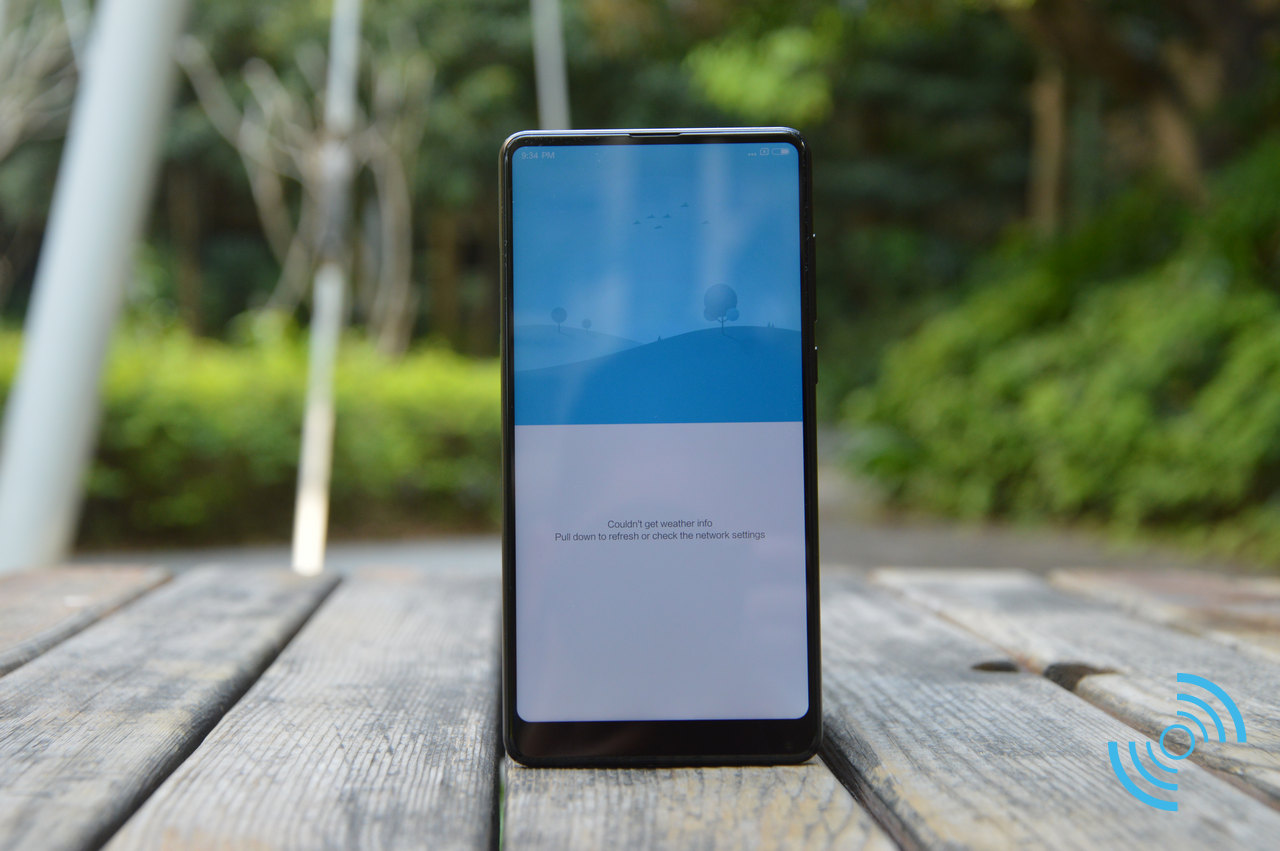
One thing I feel stands out at the beginning is the incredible, near bezel less screen design and ceramic construction. Although, the general design of the phone hasn’t changed much since last years Xiaomi Mix 2, the Gold edged Dual Camera is all new and worth taking a good look at.
What you get in the Box
The presentation is well laid out and, even a bit fancy with matte black box with shimmery lettering. Open up and you see a welcome message, open up past that and you see the phone on the left, with the included quick charger and USB to USB-C charging cable on the right side. Open up further and you’ll find some paperwork, and… Yup, a USB-C to 3.5mm dongle as the Mix 2 series devices ditched the 3.5mm audio jack. It’s a bit of an annoyance as the phone has NO weather or waterproof rating, so there’s little reason for removing the audio port other than following trends. We will all be wireless soon enough, however, so this is really just a minor adjustment.
Appearance
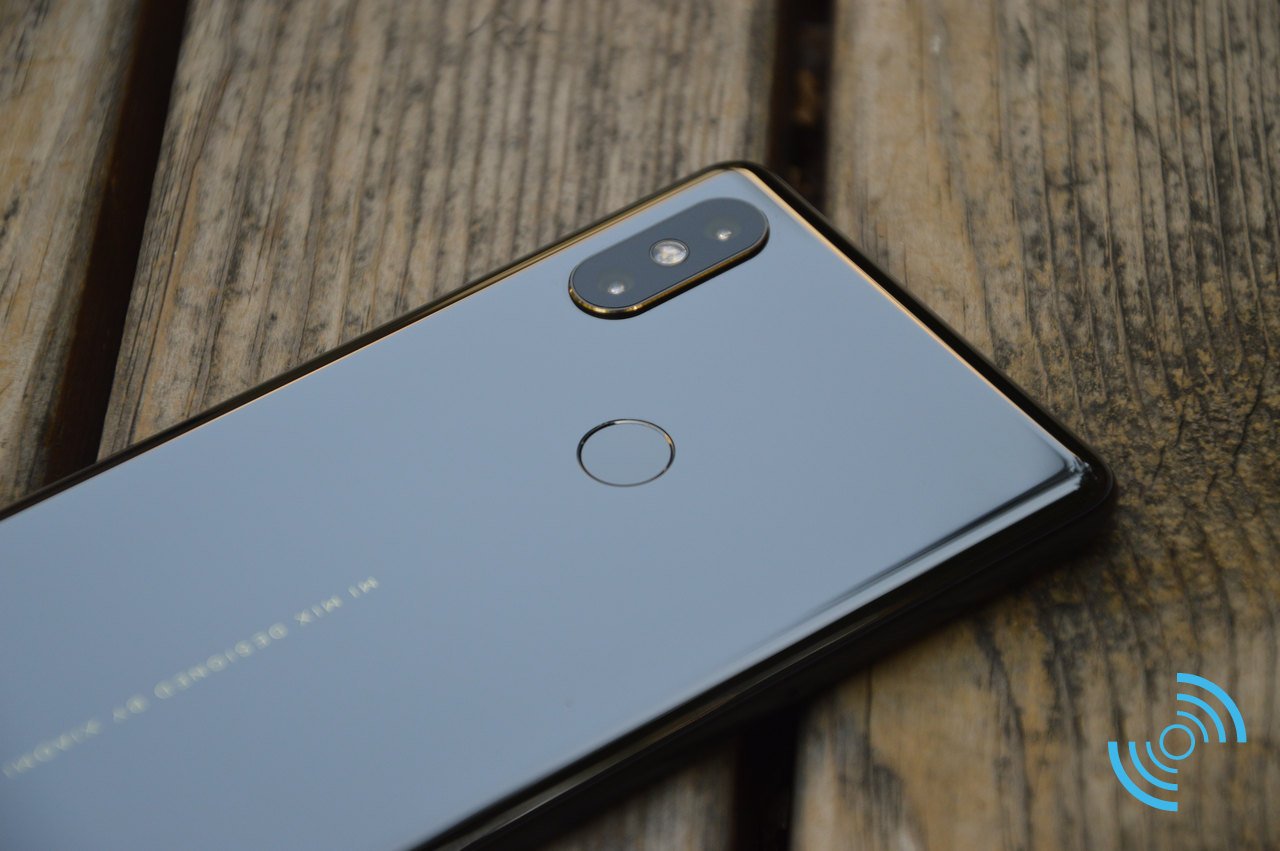
From first glance, this LOOKS like a premium device… and it is. It also looks nearly identical to last years Xiaomi Mix 2 in the front with the 5mp selfie camera on the bottom-right of the phone. The ceramic housing with metal frame is truly one of the best looking phones I’ve seen and the heft just FEELS premium in the hand. I’ve got a black version for review, and the device also comes in a nice shiny white model. The back of the phone is soooo smooth, and definitely attracts fingerprints and smudges quite easily. My tastes are a little less flashy, so using the included matte finish protective case gets rid of the shine and fingerprints, all the while flattening the back due to the gold accented dual-camera bump. I’ll share more about that camera later in this review.
With a somewhat compact body size of about 6 inches tall and 3 inches wide, with a minimal 8mm thickness, Xiaomi still found room for a massive battery. This battery will certainly help the 5.99 inch 1080 x 2160 18:9 form factor IPS LCD screen, with beautiful rounded corners, last as long, or longer, than many others with lower resolutions. Although I’d prefer an OLED display, I gotta say, the 403 ppi screen Xiaomi delivers below the Gorilla Glass 4 is bright, beautiful, and smooth in use, with little-to-no pixilation up close. I really like where, and how, Xiaomi placed the main headset speaker tucked in a small bezel at the top of the phone. It looks great, and the sound quality is seriously good. It even outputs a little sound when in speaker mode.
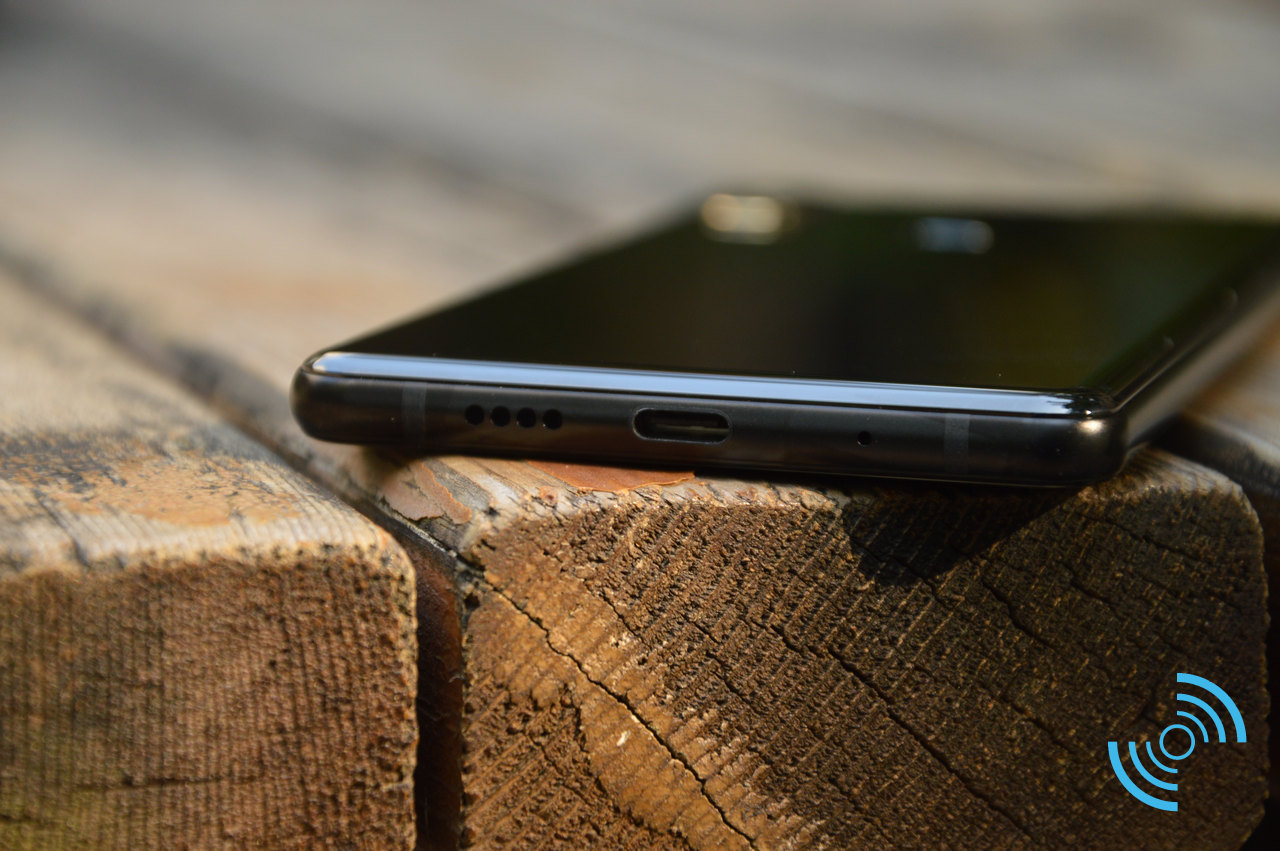
As this phone has no headphone jack, they make great use of the space with second speak… wait… nah… that space is taken by only the bottom microphone in the 2 mic Active Noise Cancellation that is common these days. The center of the bottom is the USB-C port for charging and a wired music connection and at the right is the speaker. I was a bit surprised at the quality and range coming from the single speaker port. Check this out… (Speaker sound vid.)
The shiny ceramic back of the phone has a single landscape orientation camera bump, trimmed in gold, that houses both rear cameras and a dual tone LED flash. In the center, about ¼ from the top of the device, is the fingerprint reader. I found the reader to be fast, and efficient and I used it more than the face unlock option, which I’ll go over later in this review. Halfway down the middle is the “Mi Mix Designed by Xiaomi” text branding in gold.
The left side of the Xiaomi Mix 2S has only a dual SIM card tray and there is no SD card storage expansion for this device.
The right side has the volume rocker and power buttons. Each of these are clicky and feel excellent to use, as a flagship should.
Hardware
The Xiaomi Mix 2S is going right to the top of the smartphone world with the MiUI 9.5 skin on top of Android 8.0 Oreo. All powered by a hardcore Snapdragon 845, which really beefs up the performance over it’s predecessor, the Xiaomi Mix 2. With industry leading 6 or 8gb of ram depending on the model (The 64gb and 128gb getting 6gb and the 256gb model getting 8 smoking gb) the Mix 2S should dominate the import phone market. My review unit is a 128gb model with 6gb of ram and, as you see here, it scored better than every phone but the recently released Galaxy S9… only losing out by a little. I’d imagine the 8gb version would sit right alongside, or above the best Android can offer. The performance of this device shows in scrolling through menus, super fast unlocking, be it with the fingerprint sensor or facial recognition, and taking any any app I throw at it with ease.
For all you chipset peepers out there this device has an octacore Kyro CPU and a blazing Adreno GPU. You get all of the best from modern connectivity you’d expect in a proper flagship including Bluetooth 5.0 and NFC with Qi wireless charging.
It’s excellent to have all of the hardware in the world, but if the software doesn’t work, your user experience will fail. Good news is that the Xiaomi Mix 2S designers paid attention to some well know fruit company and included a brilliant, and easy to use gesture system. To be honest, I was worried when I saw this phone doesn’t have a physical home button… But my worry vanished, and is making me want this style of interface on my daily driver. Swiping up to get to home, holding for a moment to get to multitasking… it’s just so smooth and natural! I really like some of the in-built animations, such as when swiping back and forth, you can see the page bending with your touch. Also, a nice touch is when deleting an app, the app kinda blows up. I like it.
If you aren’t a big fan of the gestures, you can still use the standard Android navigation system at the bottom of the phone but I feel you’d have to be a real android prude to not use the gestures. They made my experience better then without. No question.
There are some Xiaomi based customizations and options in the form of the MIUI lab and through a Mi account. With the lab currently offering the ability to learn more about an item just by touching the item on screen, and better gallery search options.
Setting up the Fingerprint scanner is simple as all you do is press your finger and lift it a few times and it’s set.
Setting up the facial recognition is quite similar. Simply place your phone in front of your face and it’ll take a quick scan. Then, next time when you want to unlock your phone, you don’t have to pick it up to access the fingerprint scanner on the back. I found the facial unlocking was pretty good, but not great… Especially in lowlight where it has some real difficulty. For the most part, I use the fingerprint scanner, but with enough light, the facial recognition unlock is speedy and fun to use. Additionally, I absolutely love the option to double tap the screen to wake, then the facial recognition takes over and near instantly unlocks the phone. It’s the best unlocking method, by far, on any phone I’ve used to date.
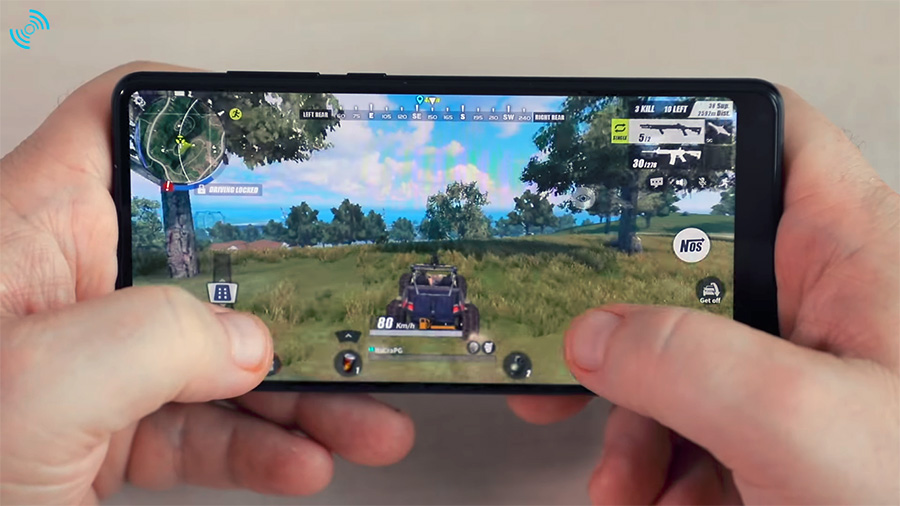
The phone was as expected from a modern super phone. The sound was crisp and detailed and others said the Active Noise reduction worked impressively, even when I was at a busy restaurant. Gaming is fantastic on the Xiaomi Mix 2S! Here are a few gameplay vids showing dynamism and fluidity only found in the best phones.
Camera
As a professional photographer, I’m quite excited for the largest, and most notable new feature to this “S” version of the Xiaomi Mix 2, the rear dual cameras. Both are 12mp with 1 having an f1/8 wide angle lens, and the other having an f/2.4 telephoto lens with a 2X optical zoom. There is 4-axis Optical Image Stabilization and even dual pixel autofocus. These should ensure some crispy and quick photos from a mobile device… But in practice, I wasn’t blown away. Let’s go over my experiences…
At the top of the standard photo mode, you have 5 options, flash, hdr, ai, filters, and settings/photo effects. The hdr mode does its best to try to optimize dynamic range by taking a few shots very quickly then using the shadow/highlight detail to make a more lifelike image. I find in practice it does add some range, but I think choosing the correct contrast mode will ensure more consistent images. More on that setting in a moment. The artificial intelligence mode is really a fine addition, and uses all of the phones processing power to scan a scene and pick an appropriate shooting mode be it landscape, portrait, or food. There’s actually 206 scenes and 25 modes that can be implemented automatically in ai mode. Pretty cool tech!
I’m really impressed with the sheer amount of customization available. Once you open the camera app on standard photo mode, you’ll be able to touch the top right corner to access the camera settings menu, along with a few photo effects, a timer, tilt-shift effect, straighten, group selfie, and beautify/beautify pro modes.
Let’s start with a few of my faves from the camera settings. I prefer the 16:9 ratio in the “camera frame” menu, although you Instagrammers may prefer the 4:3 choice. You can also take advantage of the entirety of the 18:9 screen for some groovy wide shots. Also, I prefer the “spot metering” option on the auto exposure settings menu and use the “lower” setting for Contrast so I can achieve the widest dynamic range and allow for greater flexibility in editing.
In video mode, you get the tome lapse and slow motion options as a secondary menu option. I feel those are better accessed in the main menu next to the video mode… maybe remove the “short video” mode. The settings here is where things get intense. Lots of options. Lots of new tech and codecs.
Of course this camera has image stabilization… but not in 4K. Here are a few examples of video, 1 in 4K and the other in 1080p with IS. Which do you prefer? I think the 4K capture looks great, and can benefit greatly from a mobile device gimbal to assist in stabilization, otherwise, I’d use 1080p, just for the 4-axis optical stabilization.
This is the first phone camera I’ve seen that can encode in the h.265 codec in addition to the h.264. H.265 generally offers better compression and higher quality video, but it’s not fully supported by many editing programs, so h.264 is the safer bet for most.
I chose the tap method for focus as I feel this is most intuitive. For time lapse movies, you get smoother videos at shorter intervals, but it takes up more space and speeds up the scene less. The longer intervals will move time far faster and can give a greater effect overall depending on your needs. This is a time lapse I shot using a mobile device gimbal to help in image stabilization. For the auto exposure settings, I chose spot metering again as it’s simple. Just touch on the screen what you wish to focus on and the exposure should be close.
The Slomo mode has 2 options, 240fps in 720p or 1080p. I didn’t see why anyone would choose the 720p mode… here’s a short video taken showing the travels of a fallen leaf… all in 1080p slomo.
The manual mode is pretty nice and useful when you wish to take full creative control over an image. It helps to understand how white balance, shutter speed, and iso work together. There’s no aperture setting option, so there’s no need to worry about it. I appreciate that if you take full control of focusing, there’s focus peaking to let you know what’s in focus. Not even my high end DSLR has that natively.
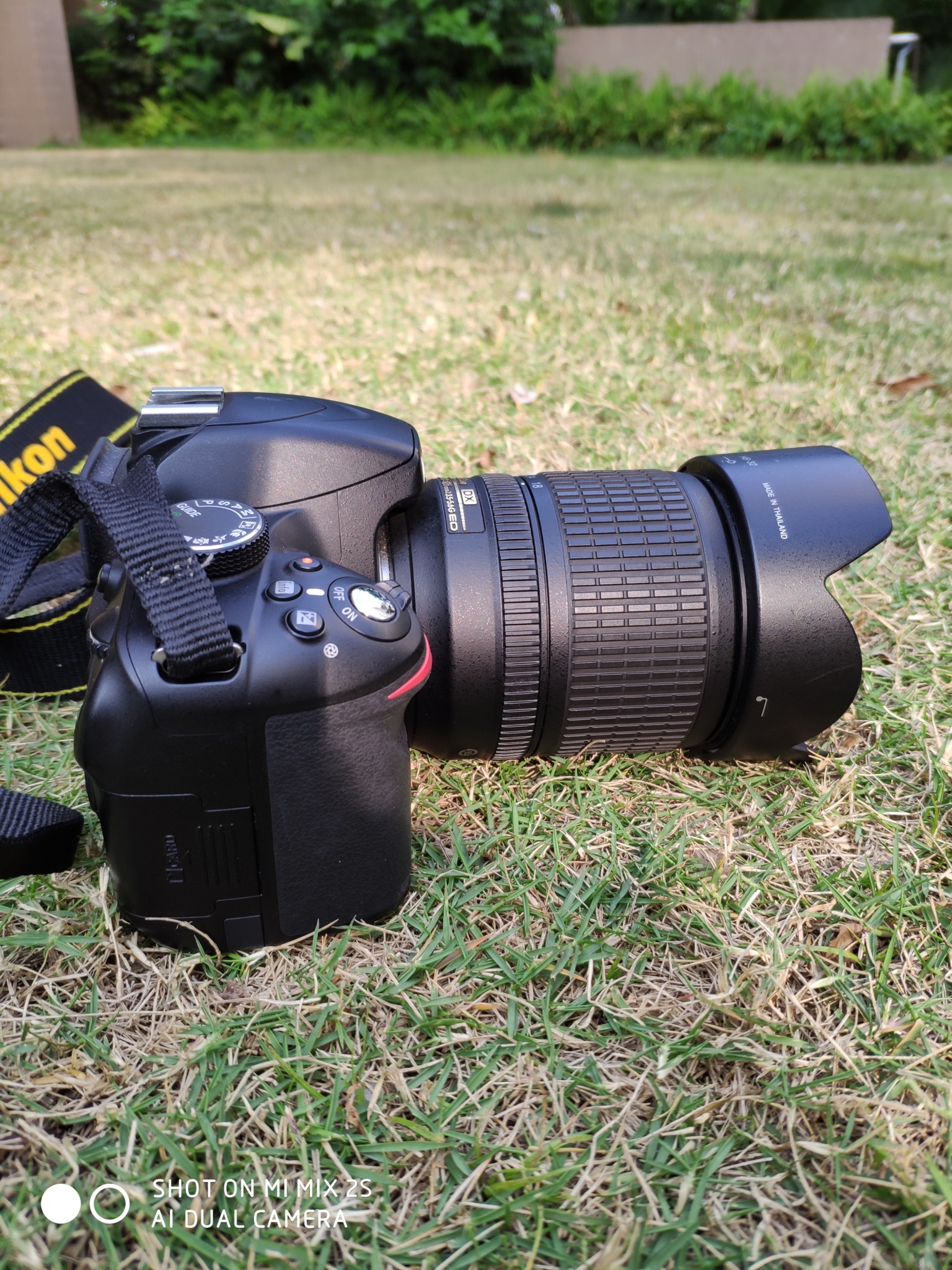
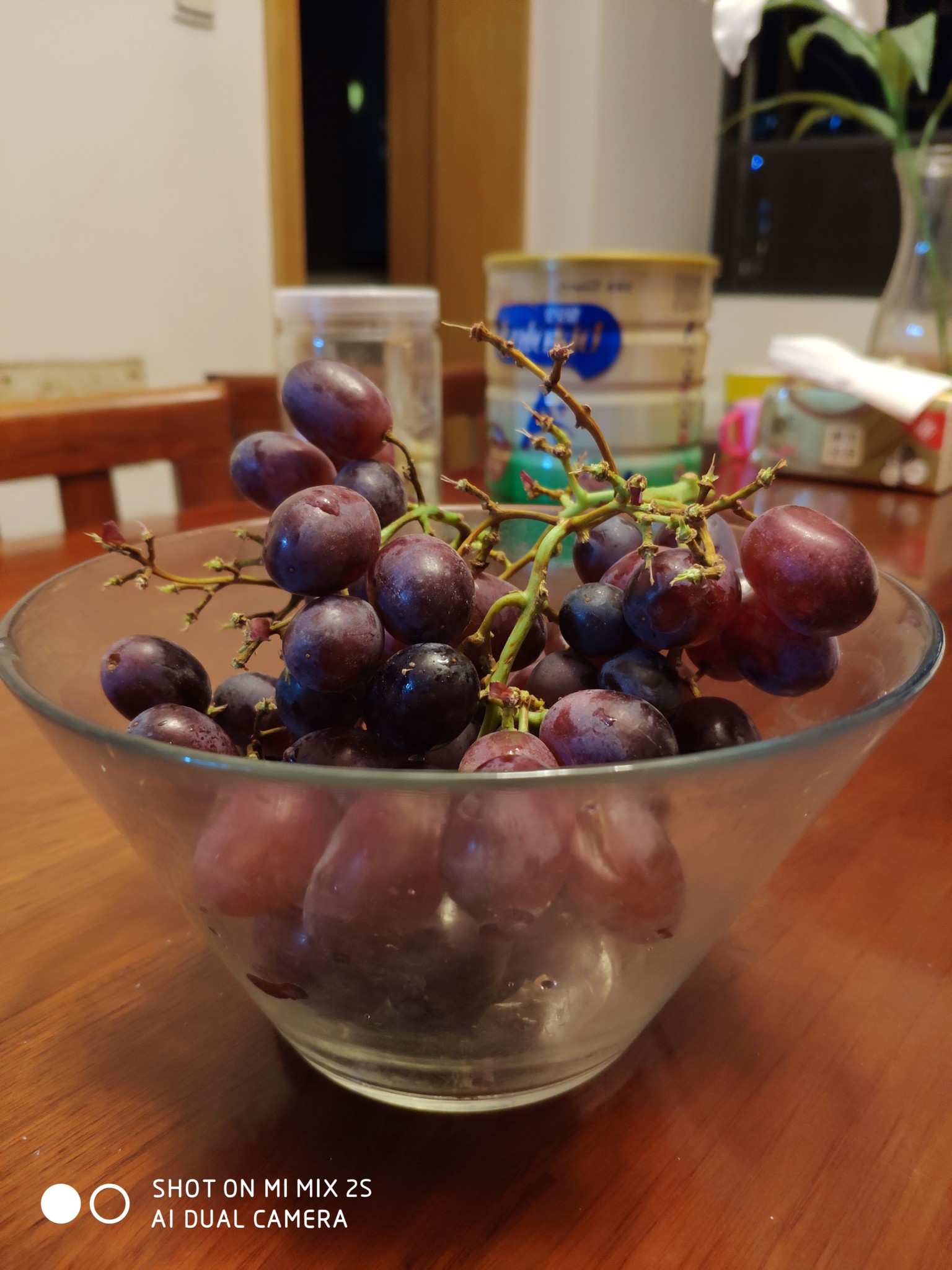
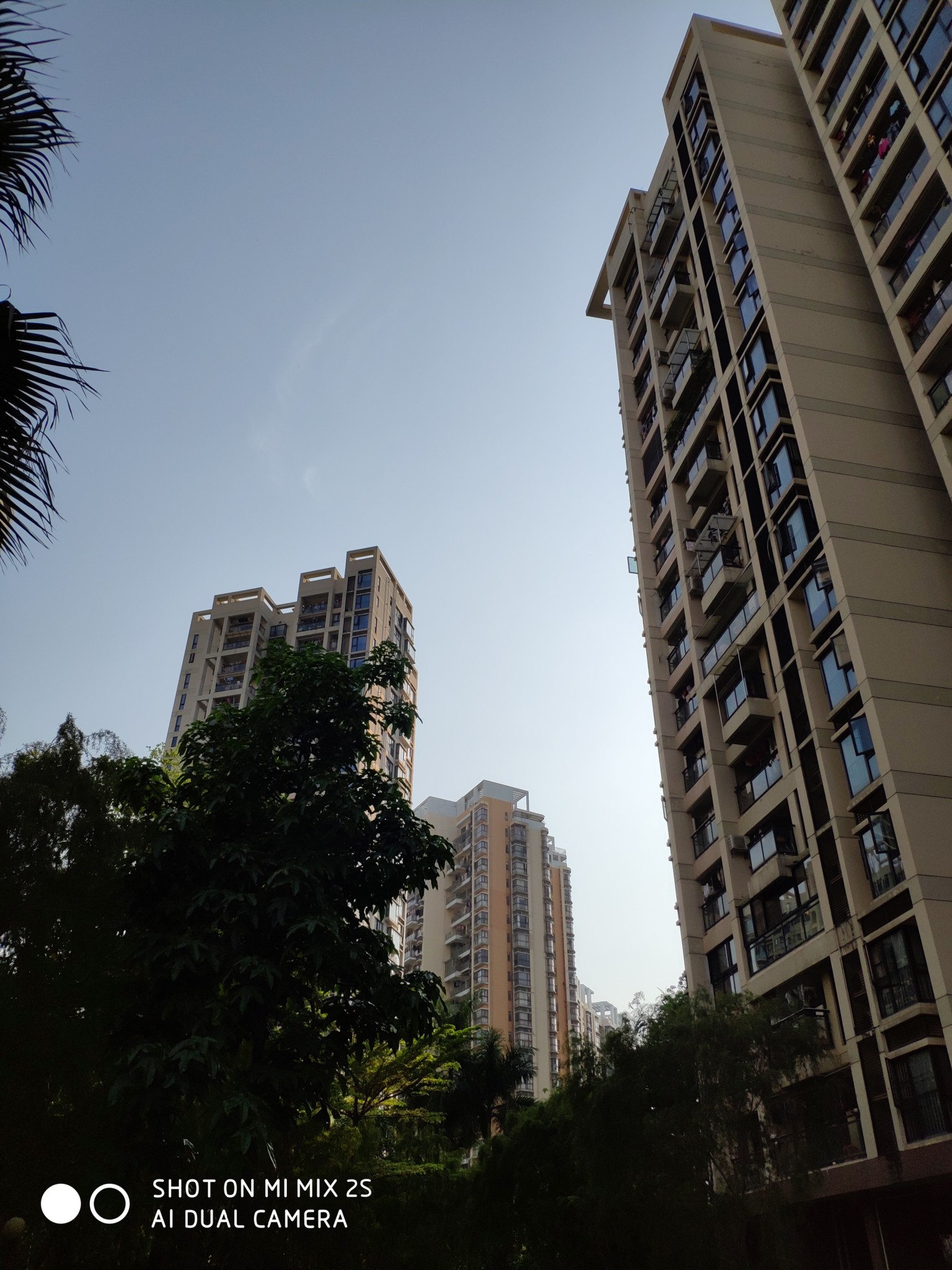
Now as to the dual cameras… the wide angle (or 1x) can focus closely, and with excellent precision, while I had some major focusing issues when in telephoto (or 2x) operation. The minimum focusing distance grows from about 4 inches in front of the camera with the wide angle to about a foot using the telephoto lens option. Here are a few shots showing the wide angle, then the telephoto in the same scene. You can see the cameras auto white balance changed when switching to telephoto mode, which, to me, gave a more pleasant image.
Low light images were not so bad if in wide mode due to it’s wider aperture lens, whereas in telephoto, the images muddied quite a bit. The 5 mp front camera seems to be a bit left behind compared to the rest of this device, and from many other phones on the market. It’s got a beauty mode that just does NOT look natural, and I don’t recommend it’s use unless you are at the top of Mount Everest and then, you’d take a selfie with whatever camera you have.
Final Comments
So did Xiaomi create the NEXT TOP FLAGSHIP?! They got extremely close, and if buying on value, this is certainly the premiere phone to buy at between 3000-4500 Chinese yuan. Its been an excellent few weeks getting to know this phone and it’s multitude of features that just make using the device a wonderful experience. I’m certainly looking forward to the next Mix phone to come as it’ll surely be killer!
Kernel source codes are important for the development of custom ROMs for devices. If the source code for a device is available, developers can keep releasing ROMs based on the latest version of Android even after the manufacturer has stopped releasing updates. The Mi Mix 2S source code comes just three months after the bezel-less flagship was released. The kernel sources correspond to the latest Android 8.0 Oreo. The device already has support for basic AOSP custom ROM as a result of Project Treble support but the released kernel source code will help to make sure that many bugs with an AOSP ROM can be resolved.
The kernel source code is presently available for developers who are interested in working on the Mix 2S to download on GitHub. The device isn’t very much available to buy globally but when it does, we expect development to pick up so that those who are interested to flash the custom ROM to do that.
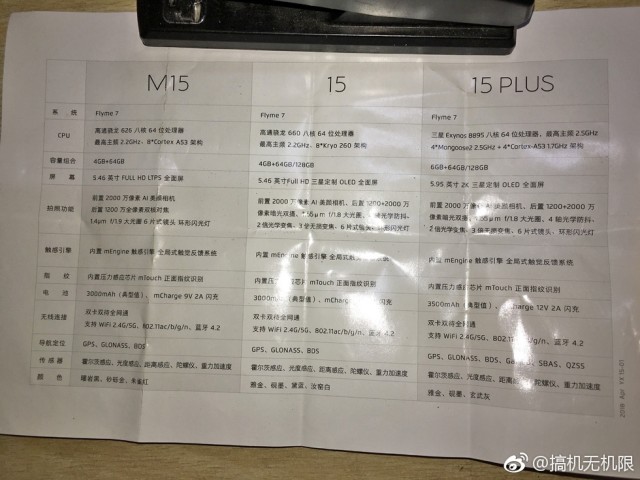
Meizu will be debuting the Meizu 15, Meizu 15 Plus and Meizu 15 Lite smartphones on April 22. The Meizu 15 trio will be unveiled to celebrate the 15th anniversary of the company. Today, a leaked document containing the entire specs of the Meizu 15 series has appeared on Weibo. Here is all the information that is listed on the leaked document:
Meizu 15 Plus
The Meizu 15 Plus features a 5.95-inch OLED display that supports QHD resolution. The Exynos 8895 SoC powers the smartphone along with 6 GB of RAM. It can be availed in 64 GB and 128 GB storage models. For photography, it features f/1. 8 aperture 12-megapixel + 20-megapixel dual camera setup. The primary sensor has a pixel size of 1.5µm. Its 3,500mAh battery supports mCharge 12V/2A fast charging.
Meizu 15
A 5.46-inch OLED display that produces Full HD resolution is available on the Meizu 15. The Snapdragon 660 SoC powers the smartphone along with 4 GB of RAM. It can be availed in 64 GB and 128 GB storage choices. It features the same dual camera setup that is available on the 15 Plus. It also supports mCharge fast charging for its 3,000mAh battery. The exact charging rate is not clearly visible in the leaked document.
Meizu 15 Lite (mentioned as M15 in the image)
The Meizu 15 Lite has a Full HD resolution supporting LTPS IPS LCD display of 5.46 inches. The Snapdragon 626 SoC is supported by 4 GB of RAM. It has a native storage of 64 GB. The dual camera setup of the 15 Lite features an f/1.9 aperture 20-megapixel sensor with a pixel size of 1.4µm and a secondary 12-megapixel sensor. A 3,000mAh battery enabled with mCharge 9V/2A fast charging powers the phone.
The common features available on the Meizu 15 trio include side-mounted fingerprint scanner, Flyme 7 skinned Android (most probably Android Nougat), Wi-Fi 2.4G/5G, 802.11 b/g/n, Bluetooth 4.2.
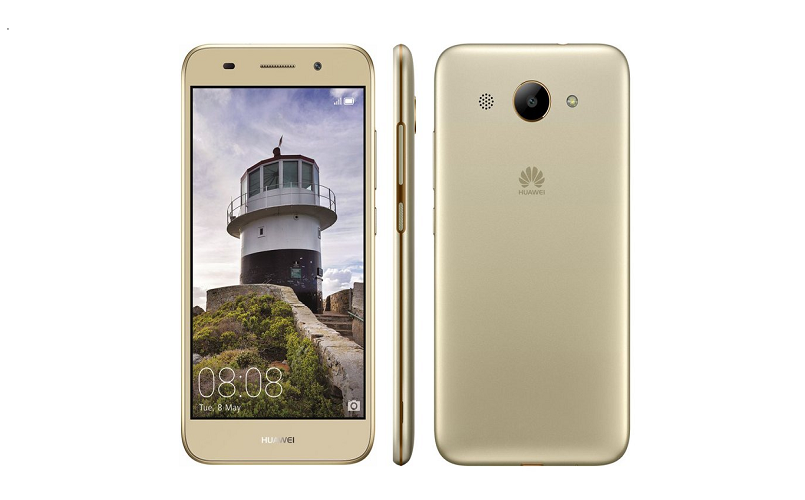
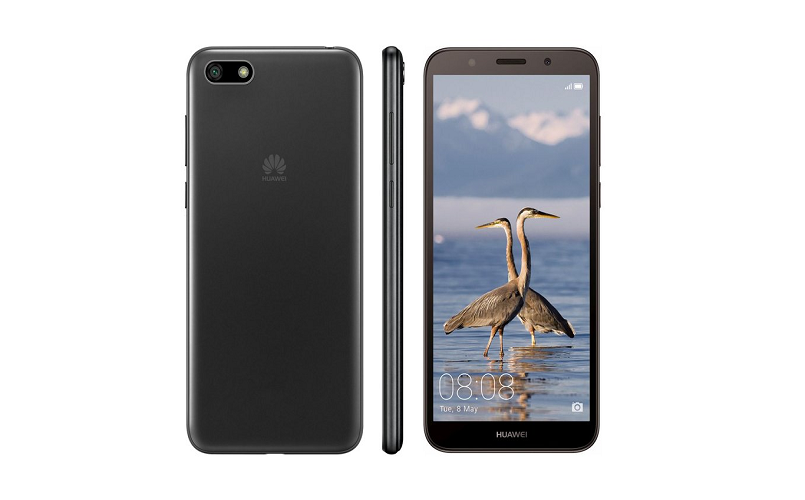
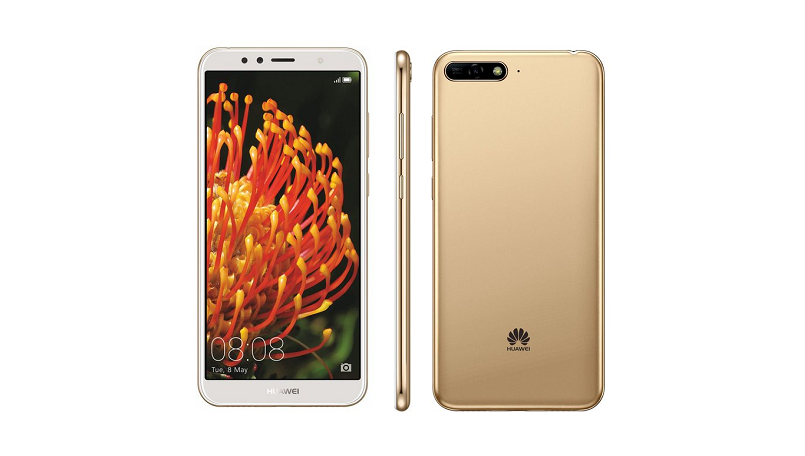
Huawei, after launching its flagship smartphones — P20 and P20 Pro, is now gearing up to launch a couple of budget smartphones. The images of the company’s three upcoming smartphones — Y3, Y5 Prime and Y6 (2018) have surfaced online.
Evan Blass has posted images of the Huawei’s budget Y-series of smartphones, giving us a glimpse at the design of Huawei’s Y3, Y5 Prime, and Y6 (2018).
In the leaked images, the Huawei Y3 2018 appears to have a metal finish design, but there’s a high possibility that the phone will have a plastic body. There are thick bezels surrounding the display, especially on the top and bottom and no fingerprint sensor appears on the device.
The volume rocker and power button are placed on the right side. On the back side, there’s a single camera, LED flash and a speaker grille. The leaked image doesn’t have capacitive navigation buttons, hinting that the phone will have on-screen buttons.
The Huawei Y5 Prime also appears to have been crafted out of metal. Compared to the Y3, the Y5 Prime seems to have a premium design language. There’s a single camera sensor on the back side, coupled with an LED flash.
Apart from these two, there’s Huawei Y6 (2018), which is expected to the premium device among the three. This device too could come with on-screen navigation buttons.
On the back side, the camera module is placed on the top-left corner. The camera sensor is placed along with an LED flash in a horizontal bar, giving it a look as if the phone carries a dual camera setup, although it doesn’t.
Surprisingly, there’s no fingerprint sensor on any of the three devices. However, there’s a possibility that the company could opt to offer a facial recognition feature. Even with face unlock support, the exclusion of a fingerprint sensor is an odd step.
While the specifications related to these devices have not been revealed in this new leak, previous leaked has revealed the specs of Huawei Y3. The phone is expected to carry a display with screen resolution of 480 x 854 pixels and powered by MediaTek MT6737 processor. It’ll have 1GB RAM and 8GB RAM, and will be running Android 8.1 Oreo and pack 2,200mAh battery.
The Huawei Y6 (2018) has already been announced by the company. However, the company has not yet revealed its pricing and availability details. The smartphone has a 5.7-inch HD+ display with 1440 x 720 pixels resolution and 18:9 aspect ratio. It comes equipped with Qualcomm Snapdragon 425 processor with 2GB RAM and 16GB internal storage.
There’s a microSD card support for up to 256GB. For the photography, it comes with a 13-megapixel rear camera with LED flash and a 5-megapixel front camera for selfies and video calling. Running on Android Oreo out-of-the-box with EMUI 8.0 on top, the device is powered by a 3,000mAh battery.
Finally, Honor 10 is among us, and we can place it as a more affordable version of the Huawei P20 since it shares a similar design and very similar specs to the latest Huawei flagship. The handset distinguishes itself from the competition due to its great quality-price ratio, just like Xiaomi Redmi Note 5 Pro which is already a best-seller of 2018, even though it was launched just two months ago. Will the Honor 10 beat Xiaomi Redmi Note 5 Pro in terms of sales and become a best-seller like the iconic Honor 8? In this Honor 10 vs Xiaomi Redmi Note 5 Pro comparison, we will discover if it has the potentialities to do it.
Dual 12 + 5 MP f/2.2 + f/2.0
20 MP f/2.0 front camera
BATTERY
3400 mAh
Fast charging 5V / 4.5A
4000 mAh
ADDITIONAL FEATURES
Hybrid Dual SIM slot
Hybrid Dual SIM slot
The bigger display without a notch found on the Xiaomi Redmi Note 5 Pro is great, but Honor 10 is definitely a more attractive handset if we talk about aesthetics (especially in its gradient hues). It has a much better design with its glass back and its notched front panel helping to reduce the overall dimensions of the phone. Honor 10 is more beautiful and also more compact than its opponent. Further, it has better performance thanks to a more powerful Kirin 970 chipset which is exactly the same as Huawei P20 and P20 Pro. On the other hand, Xiaomi Redmi Note 5 Pro has a more efficient chipset (the Snapdragon 636 by Qualcomm) and even a bigger battery.
So, if your biggest priority is battery, you should go for the Redmi Note 5 Pro. But Honor 10 wins again in terms of camera performance. It features a dual camera which supports AI in order to fine-tune parameters automatically and shoot perfect photos. The front camera is outstanding as well with its 24 MP, and it supports AI just like the rear cameras for selfie beautification. Xiaomi Redmi Note 5 Pro is far from being a bad camera phone, but we do not think it is at the same level.
Honor 10 is definitely a better device, but it has a higher price tag. Xiaomi Redmi Note 5 Pro has been launched in India first, with prices starting from $218. Honor 10 has just been launched in China and it costs about $414. So, Xiaomi Redmi Note 5 Pro definitely has a higher value for money.
Huawei Honor 10 vs Xiaomi Redmi Note 5 Pro: PRO and CONS
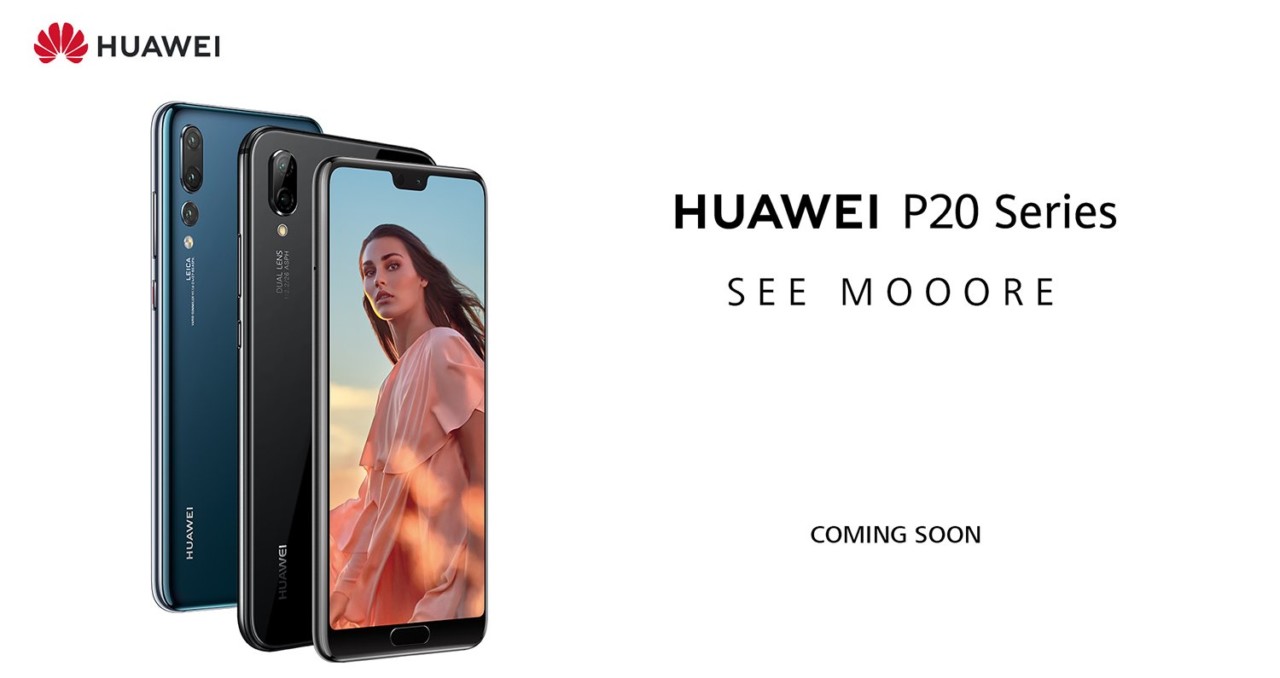
The Huawei P20 and P20 Pro flagship phones were unveiled in the last month through a launch event in Paris. After teasing the Indian launch for few days, Huawei has just confirmed that it will be debuting the P20 series on April 24 in India. Moreover, the new landing page that has surfaced on Amazon India suggests that the company will be launching only mid-range P20 Lite alongside the P20 Lite. There is no information on whether the country will be receiving the P20.
Huawei P20 Pro and P20 Lite Specifications
The Huawei P20 Pro and P20 Lite respectively feature 6.1-inch AMOLED display and 5.84-inch LTPS IPS LCD display. Both the phones feature a display notch like the iPhone X. The P20 Pro offers FHD+ resolution of 2240 x 1080 pixels whereas the P20 Lite produces resolution of 2280 x 1080 pixels.
The P20 Pro has Kirin 970 chipset, 6 GB of RAM and an internal storage of 128 GB. It features a 4,000mAh battery. On the other side, the Huawei P20 Lite features Kirin 659 SoC, 4 GB of RAM and 64 GB of storage. It receives power from 3,000mAh battery.
The P20 Pro features 40-megapixel + 20-megapixel + 8-megapixel triple rear cameras and a selfie camera of 24-megapixel. The P20 Lite has 16-megapixel + 2-megapixel dual camera setup and the same 24-megapixel selfie camera.
The Huawei P20 Pro is priced at 899 euros (~$1,106) whereas the P20 Lite carries a pricing of 369 euros (~$454). As of this writing, there is no information available on the pricing of the Huawei P20 Pro and P20 Lite for India.
We use cookies on our website to give you the most relevant experience by remembering your preferences and repeat visits. By clicking “Accept”, you consent to the use of ALL the cookies.
This website uses cookies to improve your experience while you navigate through the website. Out of these, the cookies that are categorized as necessary are stored on your browser as they are essential for the working of basic functionalities of the website. We also use third-party cookies that help us analyze and understand how you use this website. These cookies will be stored in your browser only with your consent. You also have the option to opt-out of these cookies. But opting out of some of these cookies may affect your browsing experience.
Necessary cookies are absolutely essential for the website to function properly. This category only includes cookies that ensures basic functionalities and security features of the website. These cookies do not store any personal information.
Any cookies that may not be particularly necessary for the website to function and is used specifically to collect user personal data via analytics, ads, other embedded contents are termed as non-necessary cookies. It is mandatory to procure user consent prior to running these cookies on your website.