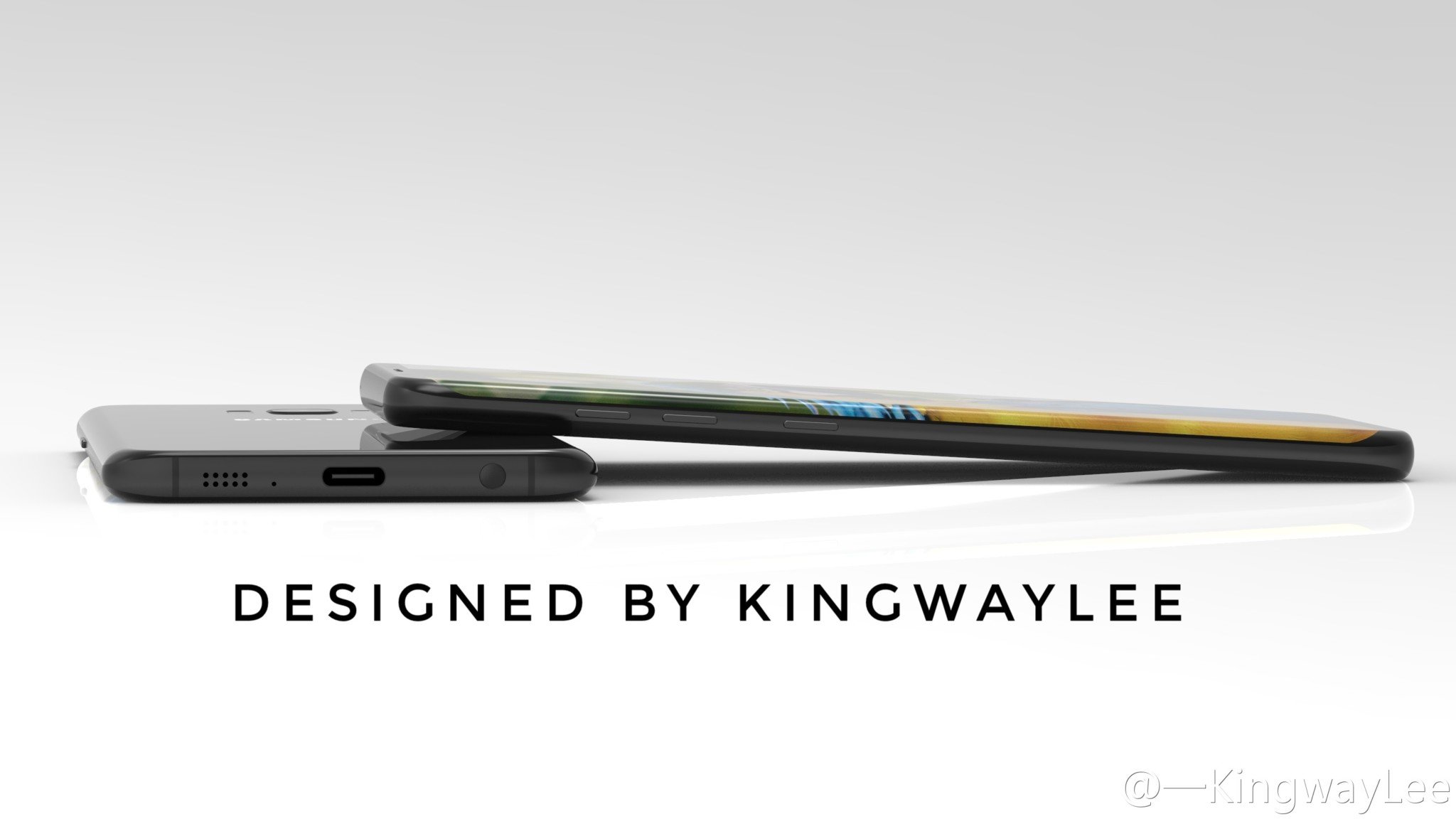
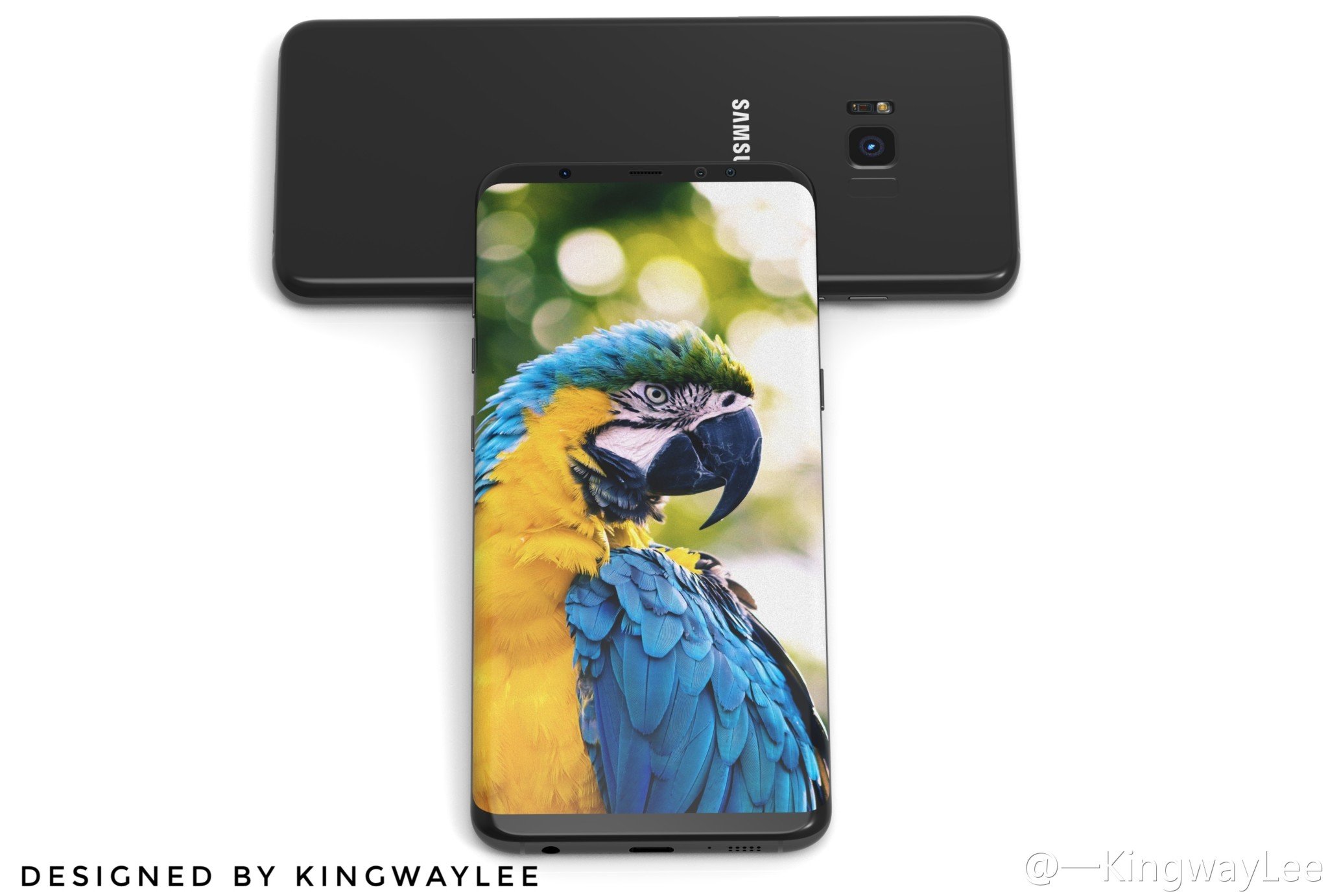
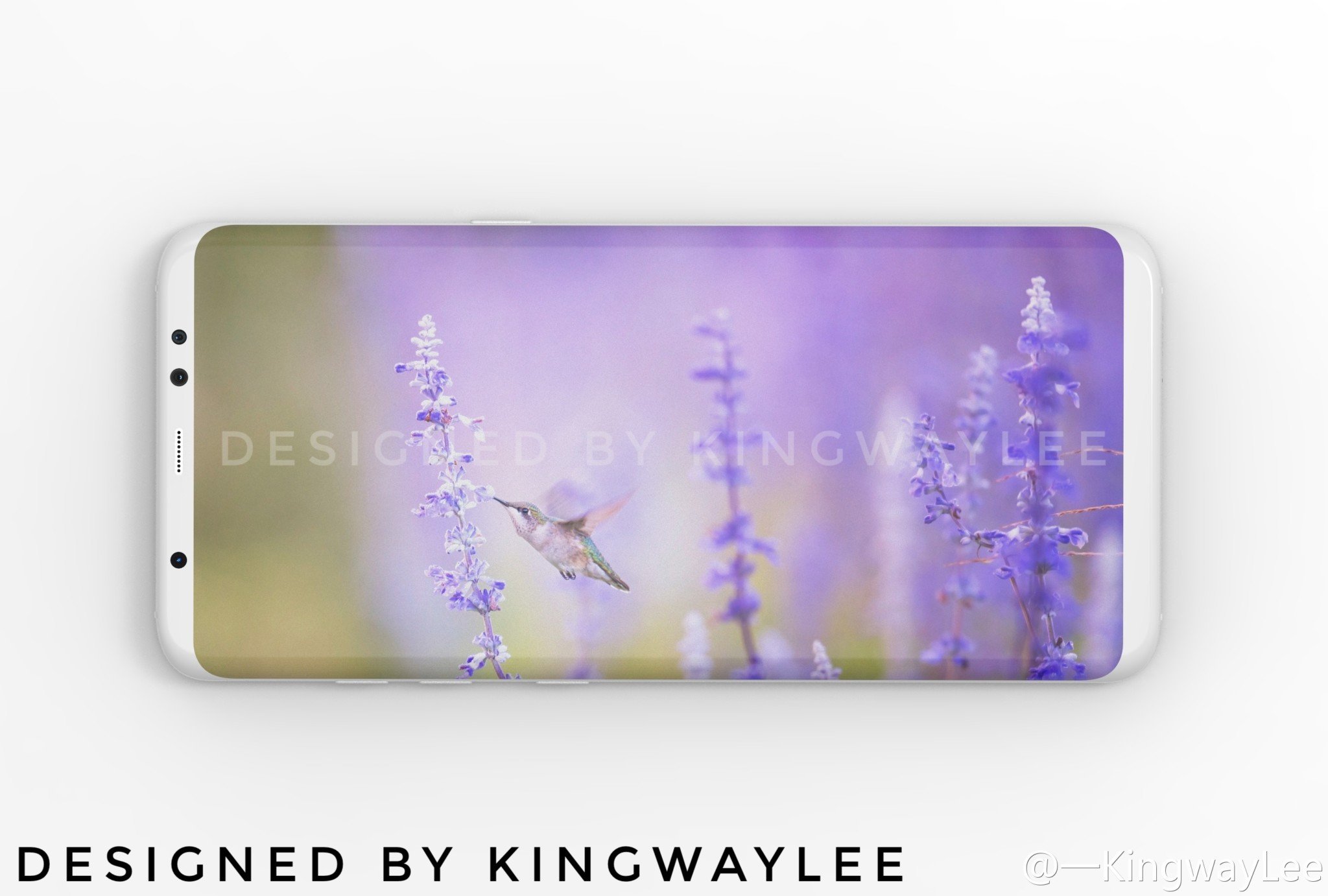
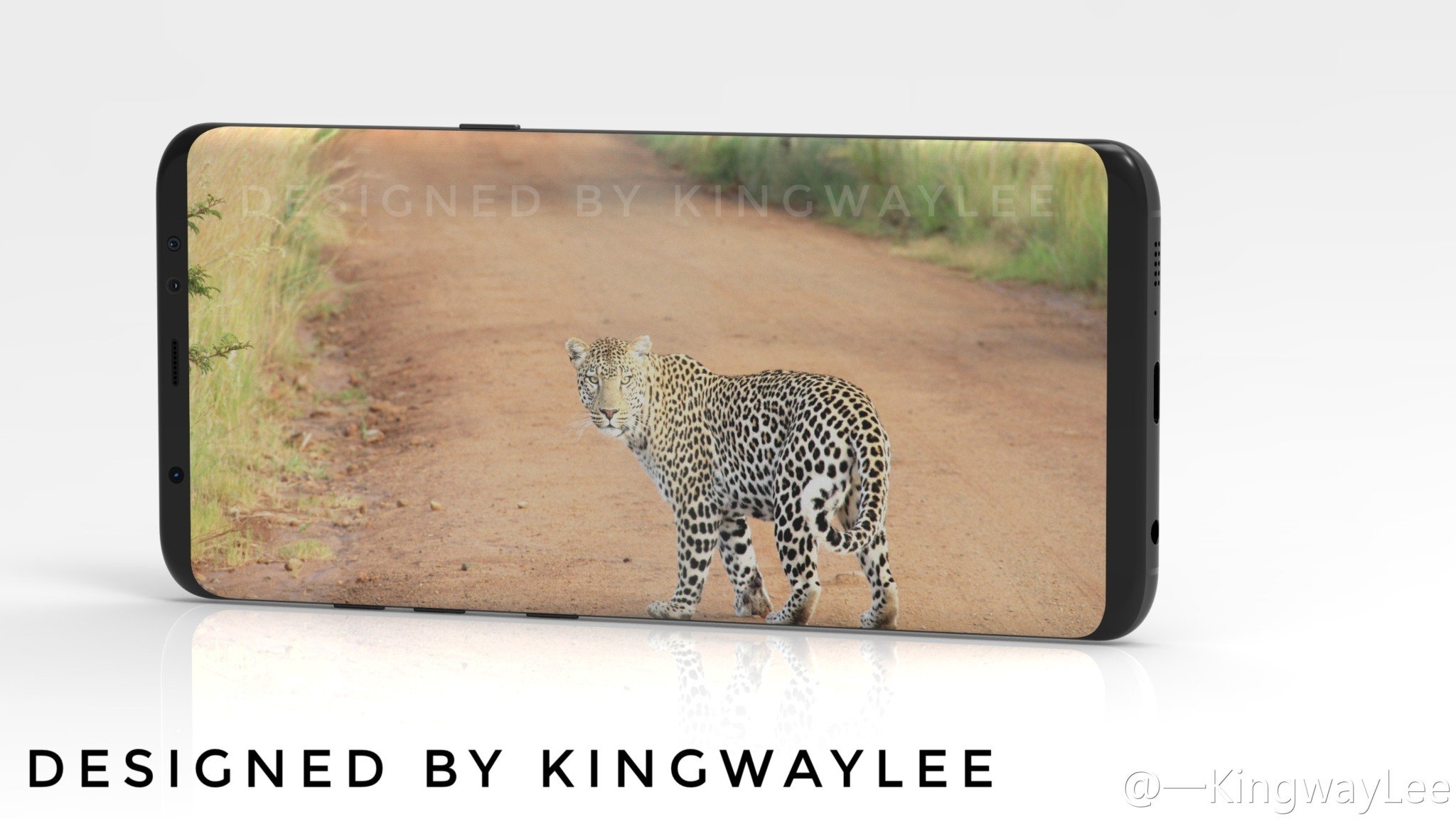
Mi will be officially releasing Mi Max, Mi Band 2 and MIUI8 on 10th May, we are already aware of that. What we also know is that Mi Max will have a 6.4” screen and is designed for heavy users as it will house a huge battery too. However, its price along with some important features have also been leaked now.
Sources now have revealed information more than Mi’s liking. The Mi Max will be sporting a 1080p 6.44-inches screen, equipped with a Qualcomm Snapdragon 650 processor. It will come with a HUGE 4500mAh battery, a fingerprint sensor at the back and will support dual SIM China Netcom. All this, priced at just 1299 CNY or USD $200!!
However, on the basis of the information received from the 3C certification centre, Mi Max, unfortunately, will not support fast charging technology. It may take up to 3.5 hours to charge its mammoth 4500mAh battery from 0-100%. However, we still feel that this price of 1299 CNY or USD $200 is very impressive.
Today, we saw details about the Kirin 960 as well as the Snapdragon 830 chipsets. The same source also revealed some details about the upcoming Mediatek flagship chipset, namely the Helio X30. Today’s report comes via two different sources, one is a noted analyst, Pan Jiutang who also revealed details about the above two chips and another is a frequent leakster black_digital, who had previously revealed info about the X30 chip.
So, let’s see what Mediatek could have in store for us for 2016. According to the analyst, the Helio X30 chip will come with the same deca-core architecture as the X20 and X25 chips. It will be built on the 10nm manufacturing node from TSMC. But the cores will be slightly different. The chip will be a combination of the new ARM Artemis cores, Cortex A53 and Cortex A35 cores. However, the source didn’t reveal the exact number of each cores. For GPU, MediaTek Helio X30 could use PowerVR graphics which would be a good upgrade from the Mali chips. The chip would also support 8GB RAM modules revealed the source. Other possible specs include upgraded video and audio features. Finally, he revealed that the chip should score around 160,000 on the AnTuTu benchmark.
Adding to this information, Black Digital released more details on Weibo. He said that the Helio X30 should also come with quad channel LPDDR4 RAM with support for up to 8GB memory. Plus, the storage would be super fast as the chip would support UFS 2.1 standard.
Helio X20 and X25 chips were left out from the pack of Samsung, Qualcomm and even Huawei flagship chips because they supported UFS 2.0. On the other hand, MTK chips only supported eMMC storage standard, which was clearly a let down. Looks like MTK is going to fix this issue with the new generation Helio X30.
Like mentioned above, this is not the first time we are hearing about the Helio X30. Lots of details were leaked about a month ago, and you can check out the info from our previous coverage.
Chinese Mobile brand Huawei has been really active off late. Honor 5C is scheduled for a launch tomorrow and now as per the recent news, Honor V8 will be launched on May 10.
Although Huawei releases flagship phones under the P series or Mate series, its sub-brand Honor’s flagship V8 is also a powerful device. Honor V8 will have the similar dual camera like P9 and will be the first phone with a 2K screen from Huawei.
The company has released four new teasers for the device. You can check them out from above.
According to TENAA certification, V8 comes with a Full metal body, 2.5D arc glass design, Fingerprint sensor on the rear panel along with a 5.7 inch 5.7-inch 1080p / 2K screen, Kirin 955/950 octa-core processor, 4GB of RAM, 32 / 64GB storage.
The front camera on the phone is 8MP while the rear one is a 12 MP shooter. Honor V8 comes with a 3400mAH battery and EMUI 4.1 on top of Android 6.0. Huawei does not want to leave any stone unturned in promoting this phone and is aggressively promoting the launch as even Xiaomi has announced an event where it will launch its phablet Mi Max, Mi Band 2 and MIUI 8 on the same day.
A limited edition of V8 will also be launched with the movie “X-men: Apocalypse”.
After the success of the Snapdragon 820 chipset, which powers most flagship smartphones in the market right now, Qualcomm will be preparing to release the next generation version of the Snapdragon flagship chipset, most likely called as the Snapdragon 830.
So, what upgrades can we expect to see on the new chip? Analyst Pan Jiutang revealed a lot of details about the upcoming chipsets like Kirin 960, Helio X30 and even Snapdragon 830 (MSM 8998) earlier today. So, we have an idea about the possible upgrades.
He reveals that the Qualcomm will stick with Kryo cores for the Snapdragon 830, but increase the number to eight-cores. Current generation Snapdragon 820 comes with just quad Kryo cores, so imagine the performance we will see with eight such cores. Moreover, the chip is expected to be built on a much more efficient 10nm process. On the connectivity department, we can expect support for the super fast Cat. 16 LTE networks.
From the above specs, it looks like next year as well, Snapdragon 830 could rule the market. We just hope that the chip is optimized for efficiency and no problems such as overheating plague it like the SD810. This is not the first time we are hearing about the SD830. Earlier rumors have given out a quite detailed information about the SD823, SD828 and SD830 chipsets. Check that out from the previous link.
Huawei has come a long way as a smartphone chipmaker. The company’s new Kirin 950 and 955 chipsets are good enough to compete with MediaTek’s top end flagship SoCs. Naturally, we could expect the upcoming Kirin 960 chipset to be even more powerful and today, we have got some details about the chip from the noted analyst from China, Pan Jiutang.
Kirin 950
He reveals today that Kirin 960 may not be a huge upgrade as compared to the current generation Kirin 955, but still there are some things that are going to change like the Cores inside. Huawei will reportedly stick with TSMC’s 16nm process for the Kirin 960, but the high-end Cortex A72 cores inside will be replaced by its successor, Artemis cores. So, the Kirin 960 will be a combination of Artemis cores and Cortex A53 cores in an octa-core architecture.
In terms of GPU, the company is said to upgrade to an octa-core one, much-needed upgrade from the current quad-core Mali-T880 MP4 GPU found in the Kirin 950. Finally, the chip is said to come with support for Cat. 12 LTE networks and CDMA networks, becoming the first true full netcom chip from the company. These specs would also make the most powerful chip from the company till date!
It is still early to know whether this information will turn out to be true, but the analyst is usually right with his predictions. We can expect official details sometime in the second half of the year.
MIUI 8 seems to have improved a lot in terms of functions, fonts, UI and visual effects.
The look and feel of MIUI 8 have completely changed from MIUI 7 as we saw in the first video that was released along with the official announcement, the notification bar, especially, has been redesigned totally.
Today, Mi cofounder, Hong Feng, shared a sneak peak of MIUI 8 in a video on Weibo. This video showed how one can create notes using an app called Mi Notes. Using a finger swipe downwards, a user will be able to create a new note and with two fingers swipe upwards, the notes can be deleted.
As for the visual effects, it’s really impossible to describe, you must watch the video here to feel the difference.
360 Mobiles, formerly known as Qiku released the budget 360 F4 and the F4 Pro model back in March. However, the company had revealed back then that there were two other smartphone lineups this year, namely the mid-range 360 N series and the top-end 360 Q series. Now, it looks like the 360 N4 mid-ranger has just passed through the TENAA certification.
Looks wise, the phone seems just normal. It comes with a white plastic body with a fingerprint sensor and the 360 logo at the back. The front seems to feature 2.5D glass.
As for the specs, the phone will be powered by the deca-core Helio X20 chipset clocked at 2GHz. This is much lower than the 2.3GHz clock speed of the X20, so it could be an underclocked version. Since MTK is known to release multiple variants of its chipsets, it is a possibility.
As for the other specs, you get 4GB of RAM on board and a 5.5-inch 1080p display. There will be 32GB of expandable storage with a 3000mAh battery, rear fingerprint sensor, dual SIM , 4G LTE, 13MP front and a 5MP rear camera. The 360 N4 will run on Android 6.0 Marshmallow. It isn’t the thinnest phone that we have seen with a 3000mAh battery at 8.4mm, but I guess, it’s acceptable. Also, it weighs about 160 grams.
Considering the specs of the device, the 360 N4 would be a good competitor to the recently announced Le 2 mid-ranger. It comes with similar specs and cost just 1099 Yuan ($170). So, expect the pricing to be on the similar lines for the N4.
So, it looks like the leaked photos of the new 360 smartphone wasn’t of the N4. The design looked premium and with dual cameras on board, it could be of the 360 Q series!
Now that the Vernee Thor is out of the pre-sale period and will soon start shipping, our focus is going to turn on the next major product launch from the company, namely the Vernee Apollo Lite. Most of the features of the phone have already been revealed by the company, and now, Vernee informs us that the phone will be coming with a customized IGZO LCD screen from Sharp.
So, what’s so special with an IGZO display? Vernee reveals a few details about the technology. IGZO stands for Indium Gallium Zinc and Oxygen and these crystals make for a unique crystalline structure that supports consistently stable performance. This helps deliver high resolution, natural color screen and also helps power consumption, especially for still image display. Further, the panel is said to come with operational improvements and ultra-sensitivity.
(Image Source: Sharp-world.com)
To recap, the Vernee Thor comes with a 5.5-inch 1080p panel. It aims to be the world’s cheapest Helio X20 smartphone in the market starting at just $199.99. Although less powerful than competitors like SD820 and Exynos 8890, the Mediatek flagship chip is a worthy processor capable of handling intensive tasks. In fact, the Helio X20 inside the ZOPO Speed 8 with similar configurations managed to score above 91K on AnTuTu.
Rest of the specs are as follows:
5.5 inch, 1920 x 1080 pixel display
MediaTek Helio x20 MT6797 processor
4GB of RAM
32GB of storage
16 MP rear camera
5MP front camera
USB Type-C
Dual-SIM support (one SIM card slot can also be used as a microSD card reader)
Android 6.0
For $200, these specs are quite good. The company will launch the device in May, so stay tuned for more updates soon.
After the recent launches, Huawei seems to be pretty quiet about the launch of their new processor Kirin 650. According to the rumors, Huawei Honor 5C will be released on 28th April and its highlight will be the all new Kirin 650 processor in it.
As per the leaks on the benchmark site, Geekbench, Kirin 650 is an octa-core processor and is clocked at 1.7GHZ. It single core score is 881 while the multi-core score is 3781. Its multi-core processing seems to be better than that of Mediatek P10’s score of 3371.
As for the complete details, Kirin 650 uses an octa-core A53 (4 × 1.7GHz + 4 × 2.0GHz) architecture, 16nm technology, Mali880MP2 GPU and supports LTE Cat.6 technology. It is, however, not clear whether Kirin 650 will support full Netcom.
If this processor is not released before the Huawei P9 youth version, Honor 5C would be the first device equipped with the Kirin 650 processor. Honor 5c will house a 5.2-inch 1080p screen, 2GB RAM/16GB internal storage and will be running on Android 6.0 system. Honor 4C was released almost a year back and is due for an update.
In terms of the camera, this device will come with an 8MP front camera and 13 MP rear camera and a 2900mAh battery will power the device. Honor 5C will house a fingerprint sensor at the back side of the device and will have a full metal body with gold, silver and gray color options.
The launch is tomorrow, so more details coming your way in the next 24 hours.
I have received numerous emails from readers asking about the gold version of the Xiaomi Mi 5 flagship. Now, we finally have a date! Xiaomi has just announced that the Xiaomi Mi 5 Gold Edition will go on sale from April 29, 10AM. This will be the first time this particular color is being made available for the device. Fans had to wait long (around 2 months), but finally, their patience has paid off.
According to the official website, the Mi 5 Gold Edition will come in standard and high versions. This also means that the gold version will feature 3D glass and not ceramic. Not surprising, since even the recently announced Mi 5 Pro White version comes with a glass back. So, the Mi 5 Pro is still limited to two colors at the moment, white and black.
The standard version of the Xiaomi Mi 5 Gold Edition will come with Snapdragon 820 clocked at 1.8GHz, Adreno 530 @ 510MHz, 3GB of RAM, 32GB UFS 2.0 storage and front facing fingerprint sensor. The phone retails for 1999 Yuan ($308). The high version features an overclocked Snapdragon 820 @ 2.15GHz and Adreno 510 @ 624MHz, 64GB storage but retains the 3GB RAM on board. This particular edition retails for 2299 Yuan ($354). The Mi 5 Pro version increases the RAM and storage to 4GB and 128GB respectively. And this particular model retails for $416. But there are only two colors available, white and black.
The Mi 5 Pro version increases the RAM and storage to 4GB and 128GB respectively. And this particular model retails for $416. But there are only two colors available, white and black.
The newly announced Mi 5 Pro white and Mi 5 Gold editions will go on sale on the April 29 flash sale. In case you are wondering, since the Mi 5 Pro white comes with a 3D glass body, the price will be lower than the black edition. This particular model will retail for 2599 Yuan i.e. around $400.
To sum up, Xiaomi is now offering the Mi 5 Pro at four different price points. The standard ($308) and high ($354) version will be available in black, white, purple and gold colors.
The Mi 5 Pro with a glass back comes in white color and retails at $400.
The Mi 5 Pro with ceramic body comes in black and retails for $416.
All models except Mi 5 Pro Ceramic black edition will be available for purchase on the flash sale on Friday.
Blackview has produced quite a few budget phones and the A8 model is probably the best we’ve tested so far. It costs just $50 and it is a good device for the price. Learn more in the full review.
It was a pleasant surprise when we saw that Blackview included some nice extras like a flip-style case and a pair of earphones with this $50 phone.
Blackview A8 Review: DESIGN and DISPLAY
It is pretty cool that this cheap phone has a metal frame that goes all around the device, the buttons are tactile and the overall build quality is great.
The loudspeaker is not going to impress you much but it is actually not bad at all for a cheap phone and it easily rival some $100 devices.
The backplate can be removed and underneath it you can find a replaceable 2000mAh battery, 2 SIM card slots and the microSD card slot. Keep in mind that the phone does not support 4G network but the 3G signal reception is good and I didn’t have call quality issues.
The phone feels nice in the hand too. The only shortcomings would be non-backlit capacitive buttons and the lack of the notification LED light. Instead, you are getting a front firing LED flash for night selfies.
The phone has a 5” 720p display and it is probably the best we’ve seen on the $50 phone. It is sharp and vivid and you can’t ask more from a phone this cheap.
Blackview A8 Review: HARDWARE and PERFORMANCE
The Blackview A8 is not going to be your next powerhouse device but the specs are pretty good for the price. It sports a quad-core 1.3GHz MTK6580 chip, 1GB of RAM and 8GB of expandable storage.
This phone is definitely not for gamers but it is still possible to play games like Asphalt 8 on the lowest graphics settings.
Blackview A8 Review: BENCHMARKS
Blackview A8 Review: USER INTERFACE
The phone runs on Android 5.1 with Blackview’s skin on top of it, which removes an app tray but adds some features and customization options.
There are some themes, skins and some nice looking widgets to play with. Also, you can find some gesture controls, which work very slowly.
The UI performance is good but not perfect. You can expect some minor hiccups or skipped frames in animations. On the other hand, I didn’t have any major lags.
Blackview A8 Review: CAMERA
The image quality is not really impressive but this is what you have to expect from a $50 phone. Still, you can get some okay looking daylight images that could be used for social media. However, don’t expect great results in low-light.
Blackview A8 Review: BATTERY LIFE
The 2000mAh battery will give you just around 3 hours of screen-on time on a mixed use, which is not very impressive.
Blackview A8 Review: CONCLUSIONS
Blackview A8 is a phone that has a great build quality and even metal frame in its construction and it costs just $50.
Also, it has decent HD display, the UI has some extra features and the phone is easily manageable in one hand.
However, you should expect some minor hiccups in the UI and the battery life could be better.
Still, the phone is a great offering for $50. In fact, it is one of the best we’ve tested in this price range of phones and it can be highly recommended for those who are on a very tight budget.
Meizu has just releasedthe new Flyme 5.1.5.0 Stable release for a number of devices like the Meizu MX5, MX5e, PRo 5, MX4 Pro, MX4, M2 Note, M2, M1 Note and Meizu Metal. So, that’s a lot of devices getting the new Flyme version. While there are some notable upgrades available to many devices in this new version, the biggest benefit will be for the Pro 5 flagship. This new Flyme version will add VoLTE support for the flagship model which enables high definition voice and video calls.
Other features added by this version include browser support for flash to play videos, ad blocking, Wi-Fi network diagnostics, slide to camera from lock screen, power consumption manager and a lot more as mentioned in the change log below.
One thing to note here is that while upgrading the Meizu MX4 model, you might not be able to see the progress on the screen. However, on the background the update will be running. Hence, once you start the upgrade, don’t restart or downgrade until the process is completely finished. You can check out all the details, including the download links from down below.
– Desktop editing: adding mobile support under Utility mode icons and widget
– Optimization: prompt desktop editing position adjustment
Update log | WLAN
– Network speed: new network speed function, a key to view the current network speed
– Network Diagnostics: new network diagnostic function, a key to detect the current network status
– Entrance: Settings – Wi-Fi – Click on the currently connected hotspot enters details page
– Fix: After a Wi-Fi switch to the data network will pop up authentication information
Update log | browser
– Intro: increased functionality for the first time to launch a new intro
– Ad blocking: browser settings increase the “ad blocking” switch
– Flash: Support Flash Player mainstream video site
Update log | install external applications
– Optimization: Depending on the installation source and application versions to distinguish between different installation scenarios, detailed display application permissions and chargeback risk
ZOPO had announced the Speed 8 flagship back at MWC 2016 in Barcelona, Spain. However, we still haven’t got a good hands-on with the device, mainly because the phone is still in the pre-sale period. Earlier reports had revealed that the Helio X20 inside the ZOPO Speed 8 only managed to get around 85,000 on the AnTuTu benchmarking app. But that was mainly because the device was not fully optimized.
Now, ZOPO has just revealed to us the first official benchmark scores of the Helio X20 inside the ZOPO Speed 8 and the score is much better than before. According to the recent test, the phone managed to score 91,464 on AnTuTu which is pretty good. The company says that the increase in scores was due to the final optimizations being made to the device.
While this might not be the best score by an SoC in the market right now, it’s still pretty good for a mid-range flagship. Performance was never going to be the highlight of the Helio X20 deca-core chip, instead, the power efficiency brought by the use of tri-cluster design was always going to be the focus. We still haven’t seen the phone in action to see whether the battery life is significantly good, but we sure hope that the new chip contributes to a more than average life.
Of course, AnTuTu isn’t the best nor the only benchmark in the market. So, we will have to see the phone’s performance on Geekbench and GFXBench to judge its overall performance. And then, there’s the real life performance, of how the hardware works with software. So, there’s still a lot of tests to be done before we can comment on the performance of the Speed 8.
Since it has been a few months since the phone’s release, let recap the specs. The ZOPO Speed 8 comes with Helio X20 with 4GB RAM, 5.5-inch 1080p display, 32GB ROM, fingerprint sensor, NFC, 3600mAh battery, dual SIM, USB Type-C, 21MP Sony IMX230 rear sensor with dual LED flash, 8MP front-facing shooter, 4G LTE support, and Android 6.0 Marshmallow OS.
The phone is already up for pre-order via various retailers for $279.
UMi’s Touch metal flagship seems to be doing well so far, thanks to the competitive specs inside the device. In the past few days, we have seen the company put the Touch under some stress tests to show that the phone can survive a few hits. Recently, it was the UMi Touch hammer smash test, and now, the company has performed a few drop tests to show that the phone won’t easily break even if it falls out of your hand.
First up, the person in the video carried out the drop test from the waist height (90 cm / 1.3m). The phone seems to take the drop pretty well, surviving the fall with hardly any scratches. Next up, it was the drop test from 2 meters, i.e. above the head. Although such circumstances are rare, it is still good to see if your phone can survive such a fall. In the video, it looks like the phone did well even after falling from such a height.
However, we wouldn’t advise you trying out these tests with your phone. If you are unlucky, you could end up with a broken screen just by a minor fall.
To recap, the UMi Touch comes with a metal body and MT6753 octa-core chip inside. Other features of the phone include 3GB of RAM, 13MP Sony camera, front placed fingerprint sensor, and a large 4000mAh battery fitted inside its slim 8.5mm body.
OPPO seems to be focused on its R9 series flagships for the time being, but we all know that R9 isn’t the true flagship smartphone lineup of the company. OPPO’s Find series have always been the one to bring top-end hardware and innovative software to the public and we are expecting a lot of good things from the OPPO Find 9 phone. However, details about the device seem to be scarce at the moment and the company has showed no sign to confirm that the lineup will be updated this year.
However, that doesn’t stop the leaks and rumors about the Find 9, as the most recent rumors about the phone claim that the device will be announced in June this year. The news comes via some users from China who claim to have recieved info regarding the phone’s release period. However, we still don’t have a specific date. It looks like OPPO is keeping things tight with the Find 9.
Naturally, being a top-end flagship, we can expect powerful hardware inside the OPPO Find 9. Past rumors have revealed that the phone will be powered by the Snapdragon 820 chipset under the hood with 6GB of RAM and 128GB of internal storage. You should also find OPPO specific features such as Super VOOC fast charging and OPPO’s SmartSensor which comes inbuilt with image stabilization at the sensor level. But these are just some possibilities.
What’s also possible is a 4K display on the top-end version of the OPPO Find 9. Recently, we have seen rumors that OPPO and Lenovo are both planning to launch 4K display phones in 2016 and what better phone to debut this high-end feature than the Find 9.
Given the powerful hardware, don’t expect the phone to be cheap. Rumors say that the pricing could be as high as 3998 Yuan which is a lot (around $616), but still possible considering OPPO’s pricing history.
So, what would be the ideal specs for the Find 9 according to you?
Nokia seems to be gearing up for a re-entry in the consumer market. The Finish tech company plans to buy digital health firm Withings for $ 191 million. It can be seen as Nokia’s a step to get into digital healthcare segment.
Withings is headquartered in France and was founded in 2008 by Chairman Eric Carreel and CEO Cedric Hutchings. It has approximately 200 employees across its locations in Paris, France, Cambridge, US and Hong Kong.
Withings’ products include activity trackers, weighing scales, thermometers, blood pressure monitors, home and baby monitors and more. Withings’ own products are accompanied by an ecosystem of more than a hundred compatible apps.
“We have said consistently that digital health was an area of strategic interest to Nokia, and we are now taking concrete action to tap the opportunity in this large and important market,” said Rajeev Suri, president & CEO of Nokia.
“With this acquisition, Nokia is strengthening its position in the Internet of Things in a way that leverages the power of our trusted brand, fits with our company purpose of expanding the human possibilities of the connected world, and puts us at the heart of a very large addressable market where we can make a meaningful difference in peoples’ lives.”
This deal is expected to be formally completed by the third quarter, after which Withings’ 200 employees will join Nokia Technologies, and its CEO Cedric Hutchings will report to Nokia Technologies head Ramzi Haidamus.
As announced at the launch, 1 Million units of 3 superphones from LeEco, Le2, Le2 Pro and Le Max 2 went on 1st sale today, priced at 1099, 1499, 2099/2499 CNY respectively. All these 3 devices are the first ones to ditch the 3.5mm analogue audio jack.
And guess what, a million units of these three devices were sold out today in just a matter of 2 hours! That’s a new record for the fastest sale of 1 million smartphone units. The Le Max 2 flagship was reportedly sold out in just 57 seconds!
The Le 2 comes with Helio X20 processor, 3GB memory +32GB storage, 5.5-inch screen, 16MP rear camera and 8 MP front camera. The device comes with a full metal body and supports full Netcom connectivity. It supports dual sim and VoLTE along with LeEco’s CDLA lossless digital audio technology and has a super snappy fingerprint sensor at the back.
Le 2 Pro, however, has four major upgrades compared to Le 2. It comes with a new bezel-less 3.0 design, equipped with a more powerful MediaTek Helio X25 processor, a Sony IMX230 21MP rear camera, 4GB of RAM and inbuilt 32GB storage.
Le Max 2 is equipped with Qualcomm Snapdragon 820 processor, 6GB RAM, 64GB body storage, QC3.0 + PD fast charge technology. It houses a 5.7 inches 2K resolution screen and is equipped with ultrasonic metal fingerprint recognition technology. It has a 21 MP Sony IMX230 rear camera with OIS optical image stabilization technology. Le Max 2 comes with dual-band dual-antenna design and offers full Netcom connectivity.
Although ZTE had a conference back at MWC 2016 in Barcelona, Spain, the company didn’t release any flagship smartphone at that time. The company’s next major flagship is expected to be the ZTE Axon 2, which will succeed the popular first gen Axon flagship released in the second half of 2015. Now, more details about the upcoming flagship have been revealed thanks to the TENAA listing of the device.
Looks wise, the company seems to be continuing with the design of the earlier generation model. So, the new ZTE Axon 2 will come with the same metal body, speaker grills up front and slightly curved design as the Axon. However, there seem to be a few changes in the hardware. First of all, this particular model ditches the dual camera design on the earlier model. So, just a single camera sensor at the back with LED flash. You also get a fingerprint sensor located just below the setup.
As for the specs, this ZTE A2017 model, most likely called as Axon 2 will come with the powerful quad-core Snapdragon 820 chipset under the hood with 4GB of RAM and 64GB of storage. This is further expandable up to 128GB via MicroSD. At the back, the phone will feature a 20MP sensor while up front, there will be an 8MP shooter. There will be a 3140mAh battery onboard. As for software, it will run on Android 6.0.1 OS.
One interesting thing to note here is the thickness of the phone. According to the listing, the Axon 2 is going to be 9.8mm thick. That’s unusually thick for a phone with such battery capacity which makes us wonder what contributes to the phone’s thickness. Is the camera module going to be large? Or are we missing something else? Well, we will have to wait for more details to see what more hardware the phone has in store for us.
All major smartphone manufacturers have already released their flagship smartphones for the year. This leaves out only a few companies like the OnePlus who are yet to reveal their big guns for 2016. Last year’s OnePlus 2 was slated as the “2016 flagship killer” and it’s likely that this year the company might call its next phone the “2017 flagship killer”. But to stay true to that name, it will need to come with killer specs, and from the recent benchmark leaks of the device, we can expect powerful hardware inside the new device.
OnePlus A3000 RAIN RAIN model has just been spotted on the benchmarking website, Geekbench revealing key specs and benchmark scores of the device. Under the hood, the phone seems to be running the quad-core Snapdragon 820 chipset that currently dominates the top-end market. In addition to that, the model comes with 6GB of RAM on board. Plus, the phone runs on Android 6.0.1 Marshmallow OS. These are some pretty powerful hardware inside, and should ensure top-notch performance.
As the benchmark reveals, in the single-core test, the OnePlus A3000 does a fine job of scoring 2266 points. The multi-core test score is a bit less impressive, mainly due to the limited quad-core design. Still, at 5012, the score is pretty competitive. But these are not the only set of information we have about the OnePlus 3 yet.
According to the latest rumors, the OnePlus 3 flagship is all set to launch around May 18, less than a month away. The phone will go on sale by early June. There will be two versions, 4GB RAM + 32GB ROM and 6GB RAM +64GB of ROM. The two models will reportedly retail at 2299 Yuan ($354) and 2499 Yuan ($384) respectively. If true, this would be pretty aggressive pricing. The Le Max 2 retails for the same price, i.e. $384 and we would have one more great flagship to choose at this price.
If the launch is indeed in May, expect a lot more details about the OnePlus 3 flagship in the next few weeks.
Gone are the days where you would have to spend upwards of $300 to get a decent powerful smartphone. Thanks to the efforts of the Chinese smartphone companies, powerful smartphones have become cheaper and cheaper, and now we get more bang for the buck than ever before. It is at these times buying a smartphone becomes difficult. You get multiple options, which look equally good that you eventually end up getting confused.
Both Xiaomi and Meizu are two value for money handset makers, and both Meizu M3 and Xiaomi Redmi 3 phones are the best budget devices that you can currently get in the market. Given that Meizu announced the new M3 earlier today, it becomes necessary to see whether it has an edge over the existing champion, the Redmi 3. Today’s comparison will be solely on the basis of their specs, mainly because we haven’t got the M3 for review yet. So, let’s take a look at the Meizu M3 vs Redmi 3 comparison.
By the way, in case you are wondering why I didn’t compare it with the Redmi 3 Pro version, it’s because it would be unfair. The Pro version comes with a fingerprint sensor and is priced higher than the top-end version of the M3. So, the regular version seems to be the apt competitor for the device.
DESIGN:
Different people have different preferences when it comes to the design, so we can’t really make conclusions in this department. Both are good looking handsets, with the Meizu M3 coming with a custom polycarbonate body while the Redmi 3 sporting a gorgeous metal body, much like the Redmi Note 3. Plus, if you are a big fan of the plaid design, you’ve got that at the back of the Redmi device.
So, let’s take a look at the dimensions. Both are 5-inch smartphones, so technically, they should have very similar sizes.
Meizu M3: 141.5 x 69.5 x 8.3mm
Redmi 3: 139.3 x 69.6 x 8.5mm
Personally, I feel Redmi wins here, because its a bit more compact. And another reason is that with just 0.2mm increase in thickness, you get a humungous battery on the Redmi 3. Can’t beat that.
Meizu M3 Weight: 132 grams
Redmi 3 Weight: 144 grams
You already know why Redmi is heavier among the two. Apart from the battery, the metal body should also be responsible for the heavier weight of the phone.
Meizu M3 vs Redmi 3 SCREEN:
Both have a 5-inch 720p IPS LCD display on board. Even the screen to body ratio is similar, with the Redmi 3 having an edge with a slightly better 71.1% coverage. Nothing else to talk about in this department.
Meizu M3 vs Redmi 3 SPECS:
Meizu has continued its tradition of sticking with Mediatek chipsets. This time it’s the all new MT6750 octa-core SoC clocked at 1.5GHz. You get Mali T860 MP2 GPU inside. Now, the Redmi 3 also comes with a similarly specced Snapdragon 616 with octa-core Cortex A53 based architecture and Adreno 405. In our official review of the Redmi 3, we got over 33,000 points on AnTuTu benchmark. On the other hand, Meizu revealed in its official event today that the MT6750 inside the M3 scores over 39,000 in the same test. Does this mean that the M3 is significantly better than the Redmi 3? Most likely not! Manufacturers are known to reveal the best scores of the device officially, and real life tests scores turn out to be much lower. So, on paper, Meizu could have an edge, but only by a little margin. And this is based on just one AnTuTu test. Real life performance could differ, especially considering we have not yet tested out the Flyme 5.1 UI powered by YunOS on the M3.
Other specs like 2GB RAM, 16GB storage come as standard on both the devices. The M3 has a 3GB RAM + 32GB ROM version as well ($123). On the other hand, there’s the Redmi 3 Pro version which comes with 3GB RAM, 32GB storage but it’s slightly costlier ($138). But for that additional price, you get a fingerprint sensor. One thing to note here is that the Meizu’s storage will be much faster since it is of eMMC 5.1 standard! Also, both have expandable storages but they are hybrid slots (uses SIM2).
At the back, the Meizu M3 features a 13MP f/ 2.2 camera with PDAF and dual tone flash. Up front, you get a 5MP f/ 2.0 shooter. As for the Redmi 3, you have a 13MP f/2.0 camera at the back with PDAF and single LED flash and 5MP f/2.2 shooter up front. Can’t comment on the camera quality of the M3 yet, so we will have to wait for a review, which should be real soon.
If you are confused which one to pick till now, you might finally be able to make a decision in the next few seconds. The Meizu M3 comes with a decent battery, bigger than its predecessor, with a capacity of 2870mAh. Now this is pretty good for a 5-incher and will last a day. But after seeing what Redmi 3 is offering, a massive gigantic 4100mAh battery, the M3 looks like its missing something big. And it is! In our review, we saw that even after super heavy usage, the Redmi 3 couldn’t be drained completely within a day. We got a good 7 hours screen on time on the device, which is just plain amazing. The Meizu M3 doesn’t even come close in this department.
I personally feel Meizu should have done a better job. This is kind of a deal breaker when you have the mighty Redmi 3 as an option. The Meizu M3 Note was a much better competitor in its segment.
As for the software, both run on Android 5.1 Lollipop. Meizu M3 comes with Flyme 5.1 powered by YunOS while the Redmi 3 comes with the familiar MIUI 7.
Meizu M3 vs Redmi 3 PRICING:
Well, Meizu has done a good job in this area, with the Meizu M3 starting at just $92 for the 2GB RAM variant. The 3GB + 32GB variant retails for 799 Yuan which comes to $124. Still pretty cheap. On the other hand, Xiaomi Redmi 3’s official pricing starts at 699 Yuan ($106) for the 2GB RAM version. If you want a 3GB RAM model, you can get the Redmi 3 Pro for $138.
So, the M3 is the cheapest, and for that price you get a lower capacity battery. On the other hand, for $15 more, you get a super large battery on the Redmi 3.
We use cookies on our website to give you the most relevant experience by remembering your preferences and repeat visits. By clicking “Accept”, you consent to the use of ALL the cookies.
This website uses cookies to improve your experience while you navigate through the website. Out of these, the cookies that are categorized as necessary are stored on your browser as they are essential for the working of basic functionalities of the website. We also use third-party cookies that help us analyze and understand how you use this website. These cookies will be stored in your browser only with your consent. You also have the option to opt-out of these cookies. But opting out of some of these cookies may affect your browsing experience.
Necessary cookies are absolutely essential for the website to function properly. This category only includes cookies that ensures basic functionalities and security features of the website. These cookies do not store any personal information.
Any cookies that may not be particularly necessary for the website to function and is used specifically to collect user personal data via analytics, ads, other embedded contents are termed as non-necessary cookies. It is mandatory to procure user consent prior to running these cookies on your website.