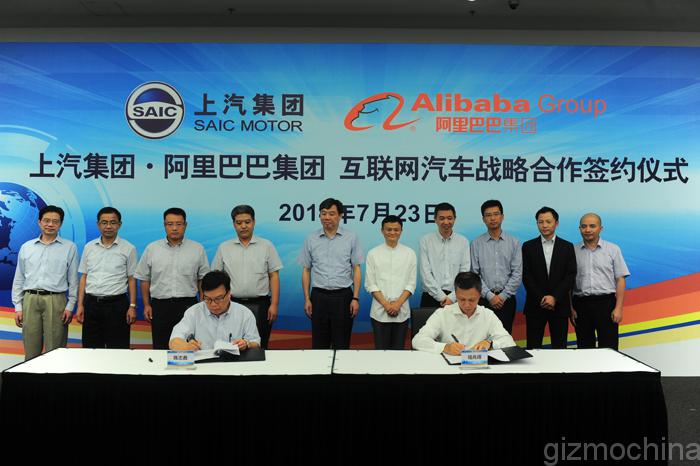
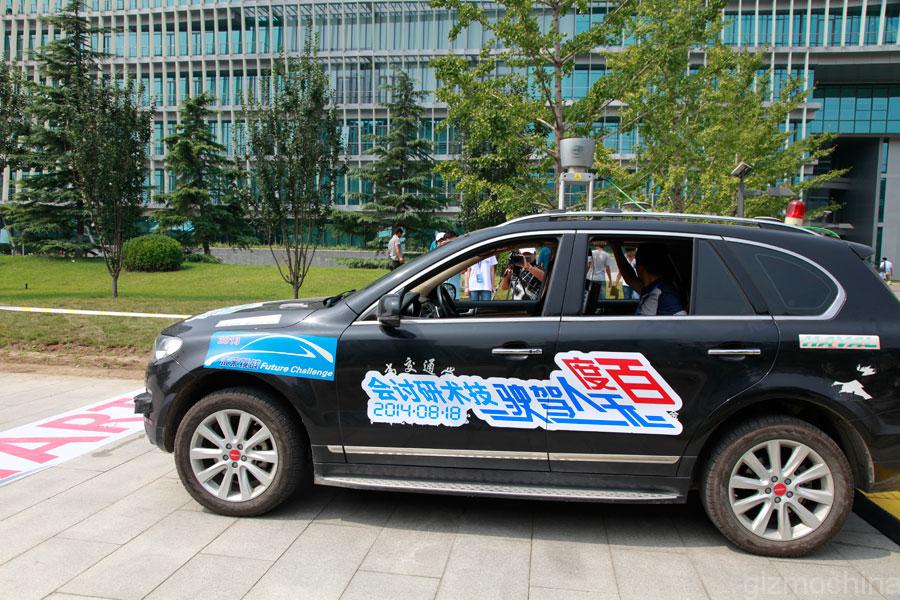
Last year, SAIC, China’s leading automobile company entered into a partnership with Alibaba to develop internet enabled smart cars. Earlier today, both the companies jointly set up an Internet Car Fund of $1 billion to further speed up its research and development. This is an open capital fund which means other companies too are encouraged to invest and participate in the development of Internet cars.
The companies are said to be focusing on the needs of the user while developing such a car. SAIC Chief Engineer Cheng said that Internet will become an important aspect of a user’s car and travel plans. Wang Jian, Alibaba’s CTO also said that internet enabled cars will not only help people communicate effectively with their vehicles but also enable other cars to communicate with each other. This will further help in the development of unmanned vehicles in the future.
The partnership also aims to develop a new automobile ecosystem with relevant applications.
Last year’s press release gave us some idea about the plans of the company.
“Targeting end-user experience, the two companies will integrate Alibaba’s Yun operating system, big data, Ali communication, Autonavi navigation technology, Aliyun cloud computing and Xiami music with SAIC Motor’s resources in car and parts R&D and auto service trade, open and merge Internet and big data services. They will also provide users with smart travel solutions through combining and optimizing the two companies’ online and offline resources.”
The first internet car as a result of this partnership is expected to hit the markets by 2016.
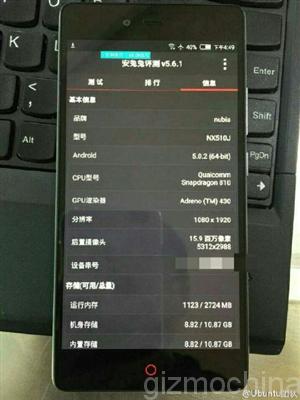
ZTE has an official event on March 26 where it will unveil a number of devices in the Z series lineup like the ZTE Nubia Z9 and the Z9 Max. While we patiently wait for the official announcement, the device was recently spotted on the AnTuTu benchmark test which revealed most of the important specs of the device.
The ZTE Nubia Z9 with the model number NX510J will reportedly feature a Qualcomm Snapdragon 810 processor with 3GB RAM. There will be a 5.2-inch display with a full HD 1080p resolution. The rear camera will be of 16MP while the front shooter of 5MP. Finally, the listing reveals that the phone will run on the latest Android 5.0.2 Lollipop update.
While the specs look high end, the older flagship model, i.e. the ZTE Nubia Z7 featured a 5.5-inch 2K display panel. So, it would make no sense for ZTE to bring down the size as well as the resolution on its successor.
Also, according to the picture leaked on Weibo by the Ubuntu team, the device which ran this test had thick bezels, which is the exact opposite of what recent leaks and rumors say about the ZTE Nubia Z9. Several images claiming to be the Z9 flagship revealed a bezel-less design. So, its very likely that this is a new model in the Z9 lineup, which could end up as the ZTE Nubia Z9 mini.
The company usually announces three different variants in the Z series and the specs is probably of the smaller Mini version.
Anyways, we will have to wait only for a few more days to get full details about the upcoming ZTE devices. So stay tuned.
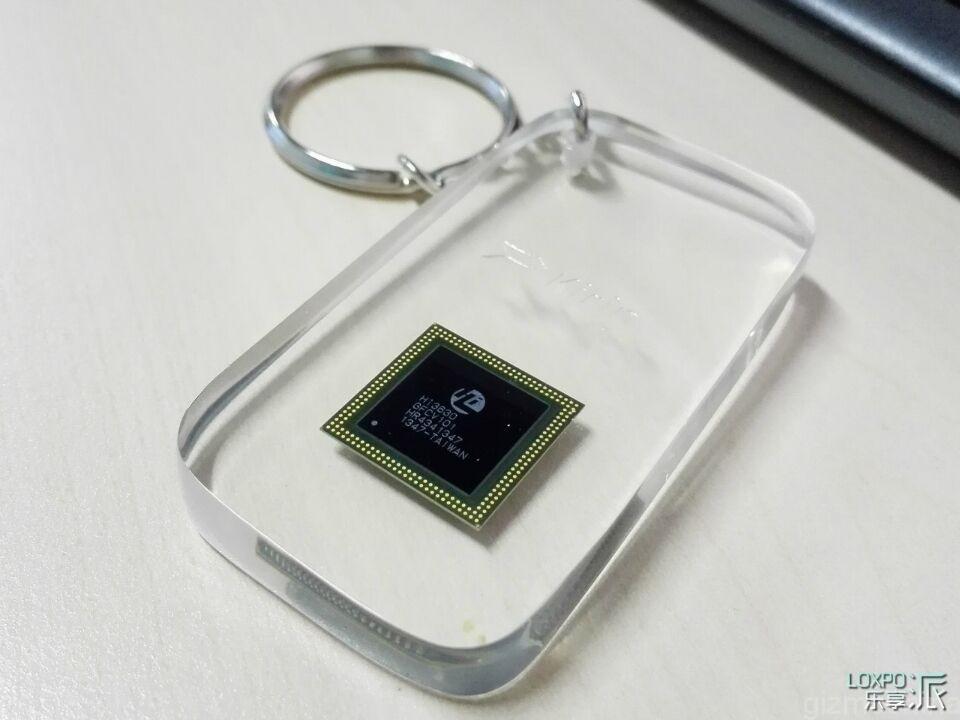
Ever since the news about a possible Huawei made Nexus made the headlines, the company’s Hisilicon Kirin processors have suddenly entered into the spotlight. Before this news, not many cared about Huawei’s processors, but since it could make it to the next Nexus, everyone wants to know the true capability of its Kirin processor lineup.
This year, the company is expected to announce the upgrade to the Kirin 930, possibly Kirin 940 and Kirin 950 SoCs. However, as of now, we only know details about the existing Kirin 930. The processor is based on four Cortex A53 cores and four Cortex A57 cores clocked up to 2.0GHz. It comes with ARM’s Mali T628 GPU and dual-channel LPDDR3 RAM.
eMMC 4.51 / SD 3.0 (UHS-I)
BT 4.0 Low Energy
Dual-band a/b/g/n Wi-Fi
USB 2.0
UFS 2.0 / eMMC 5.1 / SD 4.1 (UHS-II)
MU-MIMO ac Wi-Fi
BT 4.2 Smart
USB 3.0
NFC
UFS 2.0 / eMMC 5.1 / SD 4.1 (UHS-II)
MU-MIMO ac Wi-Fi
BT 4.2 Smart
USB 3.0
NFC
Release
Q2 2015
Q3 2015
Q4 2015
The SoC has a built in Tensilica HiFi 3 DSP and an ISP which supports sensors up to 32MP. Like the Kirin 925, the new Kirin 930 too features the i3 co-processor. Other features include support for LTE Cat.6, Bluetooth 4.0 LE, Dual Band Wi-Fi, USB 2.0. The processor was expected to hit the markets by Q2 2015 and will most likely end up on the upcoming Huawei P8 flagship.
Luckily, we have some details about the upcoming Kirin 940 and 950 processors too. Our source tells us that the Kirin 940 which is expected to be announced by Q3 2015 will feature four Cortex A53 and four Cortex A72 cores clocked up to 2.2GHz. If you remember, the Cortex A72 is the latest launch from ARM which is very powerful yet power efficient. The GPU will be upgraded to Mali T860 and it will support dual-channel LPDDR4 RAM. The HiFi DSP gets upgraded to Tensilica HiFi 4 and the processor will have dual ISP which supports up to 32MP sensor. Kirin 940 is expected to bring native 10bit 4K Main 10 HEVC VP9 Encoding and Decoding. It will feature the new i7 co-processor and will support dual SIM cards with LTE Cat. 7 connectivity. The processor will support the new MU-MIMO Wi-Fi ac standard, Bluetooth 4.2 Smart, NFC and USB 3.0.
Unlike the Kirin 940 which is expected to be a big upgrade to the Kirin 930, the Kirin 950 will only have slight modifications. Our source tells us that the SoC will use the same Cortex A53 + Cortex A72 combination but will bump up the clock speed to 2.4GHz. Other important upgrades include a newer Mali T880 GPU, support for Cat. 10 LTE networks and Dual ISPs which now support up to 42MP sensors. Most of the remaining specs of the processor are expected to be the same as the Kirin 940.
Remember that this news comes via a new source, so it may happen that some of the details of the upcoming SoCs turn out different. Hence, make sure that you take this news with a pinch of salt. Still it looks like Huawei is all set to strengthen its processor lineup this year with faster and power efficient chips.
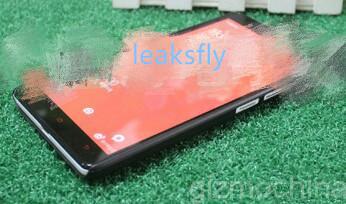
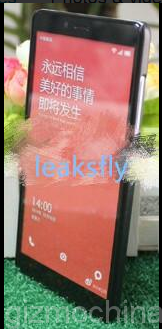
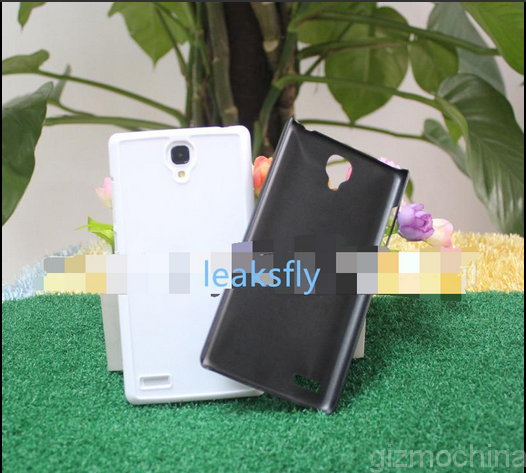
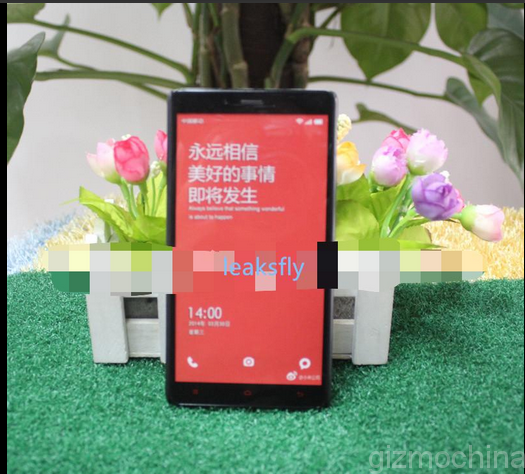
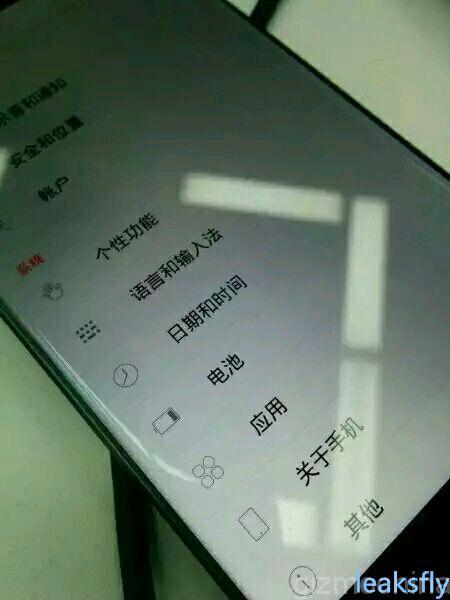
A twitter handle, leaksfly has revealed off some images of Redmi Note 2, It looks very similar to Redmi Note. The pictures show that the phone has very thin bezels and a big screen. We asume it to be 5.7″.
The specs rumured of the phone is also great, It has a Snapdragon 615 with 2GB of RAM . It is running MIUI6 based on Android 4.4.4. It will have a 5.7″ IPS LCD display protected with OGS Glass (Similar to Corning gorilla glass 3). As for connectivity options, the phone is said to feature dual microSIM slots and will support GSM: 850/900/1800/1900MHz; WCDMA: 850/900/1900/2100MHz, FDD LTE: 1800/2100/2600MHz. Yes, it is rumored to have FDD-LTE support which it compatible with a lot of country’s 4G network band.
As this version is a 4G version, we may see a 3G version with a MediaTek processor but for now, there is no information on that. Redmi Note is one of the top selling phones in china in the phablet category and with Redmi Note 2, Xiaomi may set a new benchmark. If the size of the phone increase, the size of battery will also increase, Hence we can expect a battery of around 4000mAh, which could make phone easily last for 2 days. There are also some rumors going on that it may have NFC and Finger Print Scanner.
Do let us know what you think about it in the comment section below.
This job is very specific, so only apply if you meet the below criteria:
– You are passionate about technology, drones, phones, and tablets
– You are technical minded
– You are very creative
– You are excellent at keyword research & SEO and can use YOAST SEO plugin in WordPress
– Your English writing skills are exceptional
– You can write interesting and persuasive and engaging copy
– You put 100% effort and pride into everything you write and you’re only happy when you’ve done your best job and work.
It seems that Xiaomi’s CEO Lei Jun is quite happy about its company’s products and he is sure that the so called Apple of China is producing very high quality products.
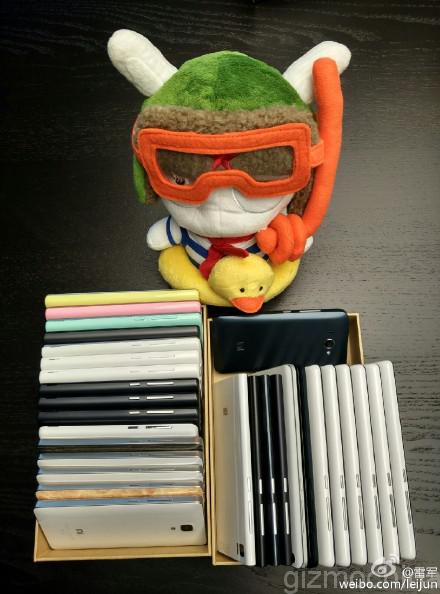
Lei Jun said that Xiaomi is very concerned about the experience and the quality of each model, so the company usually makes at least 5 or 6 prototype devices until they reach the perfection.
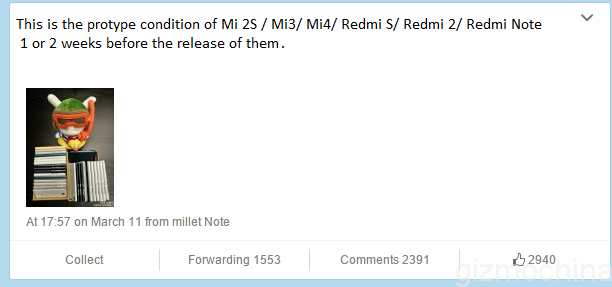
Lei Jun posted on his Weibo about the Research and Development for the MI5, he posted a picture with Xiaomi phones, Mi2S / Mi3 / Mi4 / Mi Note and all the Redmi Series in their prototype state. He Posted-
Lei Jun said that they are very concerned for the user experience and the quality of each model they produce, a model tend to have five or six versions of the project to verify the perfect machine.
At the Mi4 conference, Lei Jun has said that its R & D process up to 18 months, the project has gone through six generations machine .
According to the time inference, Mi5 design is almost finalized at present, but there is a long distance from the official release time. Previously, analysts @ Pan Jiutang just broke the news on the Weibo that Mi5 will be released in fourth quarter of this year in order to meet us .
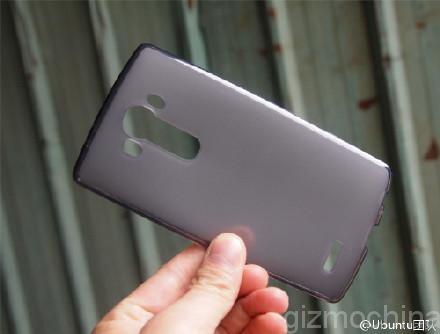
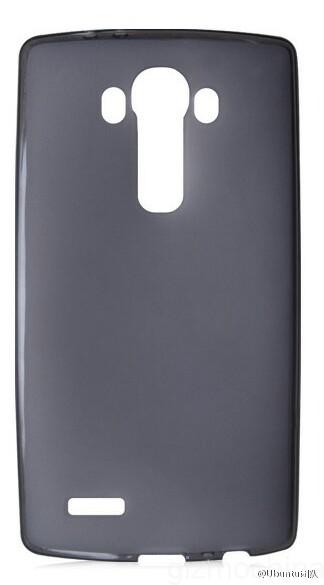
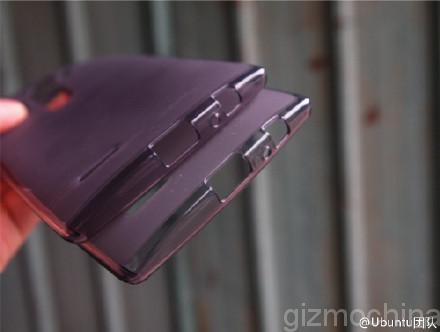
LG G4’s Case leaked before the launch of the phone. The picture was leaked by a weibo page, looking at the case, the LG G4 looks very similar to G3, though not the exact same. It has a protruding camera and a bigger and taller button known as Key Plus on the back, with flashes on either of the sides. Yesterday there were some rumurs about the LG G4 and today after the release of the cover, It seems LG has confirmed the design. Following the G series, it would have a shiiny back and a great build.
It is also rumoured that the phone will have a little curve that is it will have a little bend. LG G3 also had a little curve on the back side but lets see what LG does with LG G4.
The rumors point that the innards of G4 will include Qualcomm Snapdragon 810 SoC, 16MP rear camera, QHD display and a massive front camera. These leaks are early stage press renders, so the actual product might look different when it launches.
Do let us know what you think about it in the comment section below.
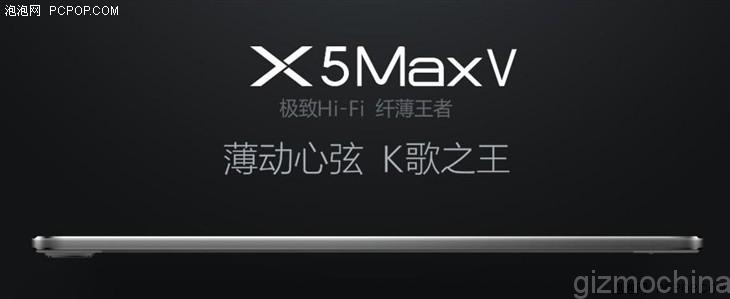
Vivo surprised everyone last year by releasing the world’s thinnest smartphone at that time, the Vivo X5Max. The phone featured a ultra slim 4.8mm body. Now, the company has just announced the Vivo X5Max CDMA edition in China, that brings small changes in the device.
First of all, the CDMA edition is not as thin as the regular version. This particular model will feature a 5.1mm body, which is still extremely thin as compared to most phones in the market. The increase in the thickness is due to the additional battery capacity on the device. The phone will have a 2300mAh battery which is slightly bigger than the 2000mAh found on the regular version.
Apart from the increased thickness and additional CDMA network support, the tech specs of the Vivo X5Max CDMA Edition is the same as the regular version. It will come with a 5.5-inch full HD 1080p resolution display and Snapdragon 615 64-bit octa-core processor underneath. There will be 2GB RAM onboard and 16GB internal storage. Despite its super thin design profile, the phone has a MicroSD slot which can take up to 128GB size cards.
The phone will feature a 13MP rear camera unit along with a 5MP front shooter. It will support 4G LTE networks and will run Android 4.4 KitKat OS with FunTouch 2.0 UI on top.
The Vivo X5Max CDMA Edition will be available for a price tag of 2998 Yuan which comes to around $480.
Yesterday evening, while reporting its earnings for Q4 2014, Zhou Hongyi, the CEO and founder Qihoo 360, revealed some interesting details about the company’s plans for mobile business.
Qihoo 360 is a well known internet security company known for its anti-virus software and web browser. The company has over 496 million users for its internet security software as of June 2014 and 641 million mobile users.
Zhou revealed that the company is working with Coolpad to launch a revolutionary smartphone brand in the market. Coolpad’s supply chain sources will be responsible for developing the hardware on the new phone, while Qihoo 360 will focus on developing the software of the device.
Last December, the company invested about $400 million in a Joint Venture with Coolpad for developing a brand new ecosystem for mobile devices. So, this news doesn’t come as a surprise.
Since Qihoo 360 is an internet security company, Zhou is aiming to develop the new OS into a much more secure platform than competitors like Android and iOS. The company has over 10 years of experience in internet security and it could use its expertise to streamline the new OS. He said that the new operating system will be called as the SEAL and will be safe from the core. However, he didn’t mention whether SEAL will be an entirely new OS or based on an existing platform like Android.
Apart from the security features, the new OS is also said to be fast. It will come with options such power saving mode to attract users. As mentioned above, Qihoo has a lot of loyal fans, which could turn into potential buyers of this new device.
However, software won’t be the only selling point of the device. Zhou claims that the new phone will feature the best tech specs in the market. Naturally, price won’t be cheap. The retail price could exceed well over 5000 Yuan ($798) but he says that the company does not plan to profit from the phone’s hardware.
Clearly, the new smartphone brand will be targeted at high end users who like the best hardware as well as a secure environment for their phones. He has not yet revealed the name of the device, but it is said that the phone will launch sometime after June 2015.
There’s still plenty of things unclear about the device, such as the exact configuration and security features, but expect more details in the next few months.
So, would you be willing to spend over $800, even for a phone that’s highly secure and comes with top end hardware?
There have been plenty of instances where data on an Android phone is lost. Most of the times, it is just accidental deletion, and a few other times formatting. Whatever the reason may be, there will be times when you have realized that an important file or folder on your device is now gone. While its natural to panic in such a situation, you have to realize that just because the data is not available on your smartphone doesn’t mean its lost for ever.
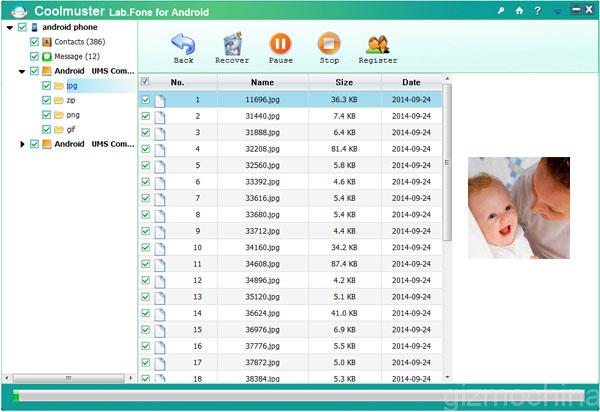
When you accidentally delete a file, the file is not really erased from your device. Most of the time, you can recover lost data without much hassle. This is where the Coolmuster Lab.Fone for Android comes to your rescue. This particular desktop application scans your Android smartphone for any recoverable files and then gives you the option to recover each file, one by one. This desktop application is ideal for someone who has lost an important message, contact, or even file on the device and they need it urgently.
Since recovering lost data is not an easy task, its always better to root your device before using Lab.Fone. Root access grants the app extra permissions to make sure that everything that’s recoverable can be found on your phone.
Interestingly, the company has given a guide to root your device before you use their app and hence, you can check out their guide if you have not already rooted your device.
Anyways, here’s how you recover your deleted files on your smartphone / tablet.
1. Connect your phone / tablet to the computer.
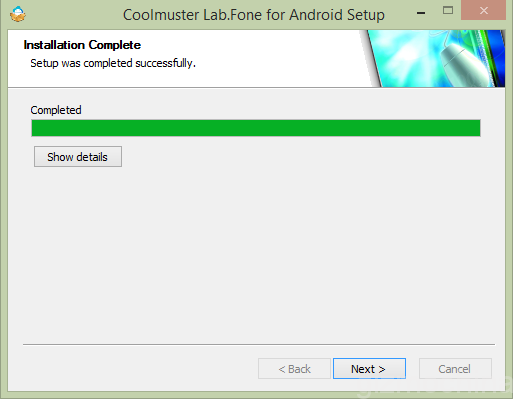
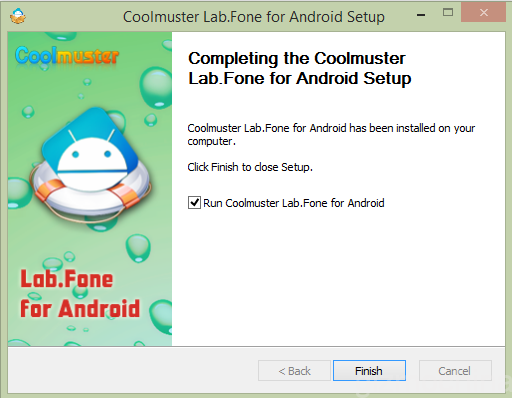
2. Install and launch the Android Data Recovery Software.
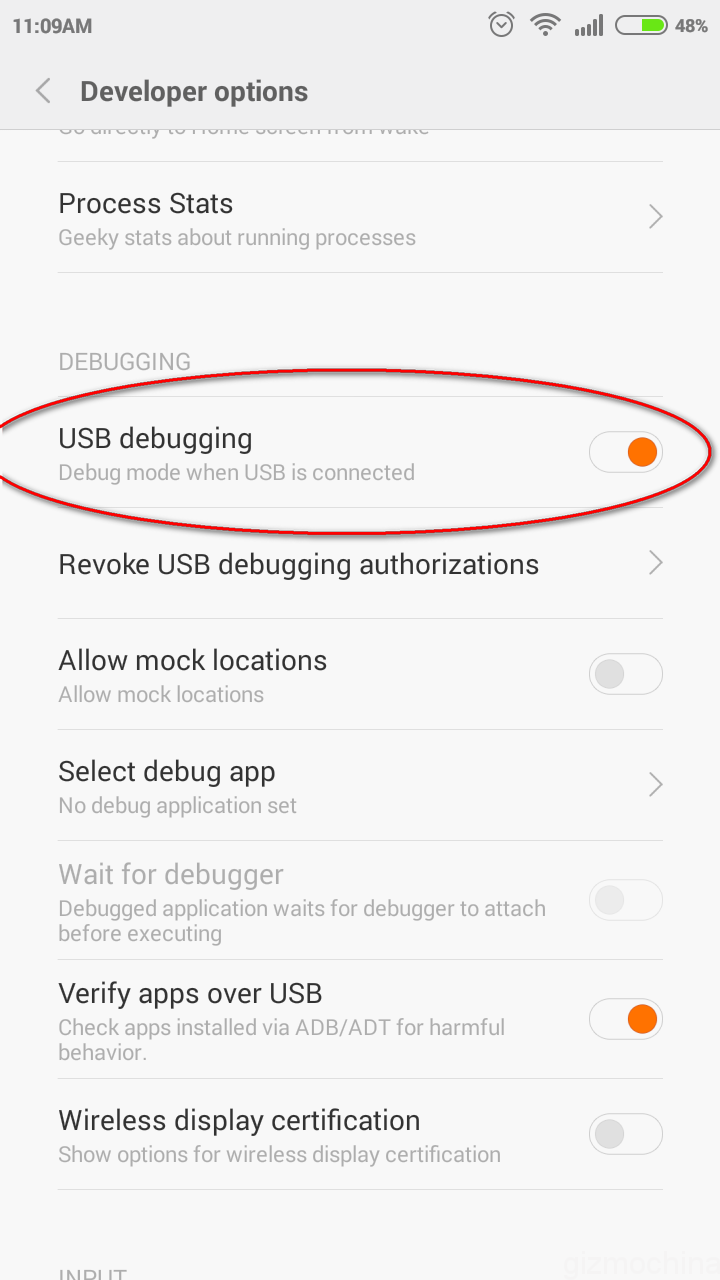
3. Select USB Debugging mode on your device.
4. Now you’ll see a pop up window where you should click on Allow. This will give the app necessary permissions to scan your phone for any recoverable files.
5. Once the scan is completed, you will see a number of files available for recovery in different categories like contacts, text messages, videos etc. You can go to each category and select a file to recover.
6. Once you have found the files that needs to be recovered, just click on the RECOVER button on top. This will undelete the file and transfer it to your computer.
This is one of the easiest ways to recover lost data. So, now you don’t have to worry if you accidentally delete a file as this software will help you find it back.
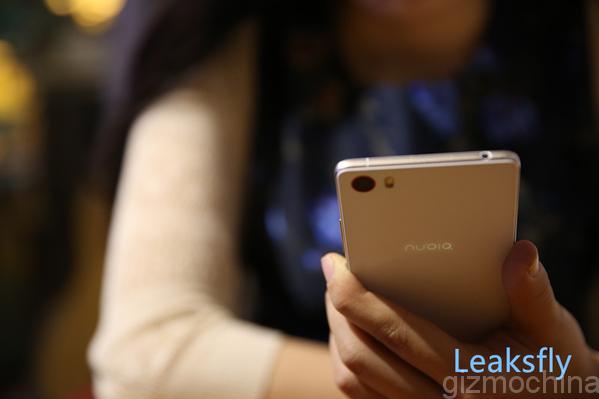
ZTE showed off the ZTE Nubia Z9 Max at MWC this year. But the company has one more device in store for us in the Z series. A number of earlier leaks as well as a recent listing on JD.com confirmed the existence of ZTE Nubia Z9. We had already seen a bunch of pictures which revealed a very thin bezel display. Hhowever, today we have a set of new images which clearly show the amazing workmanship of this Chinese company.
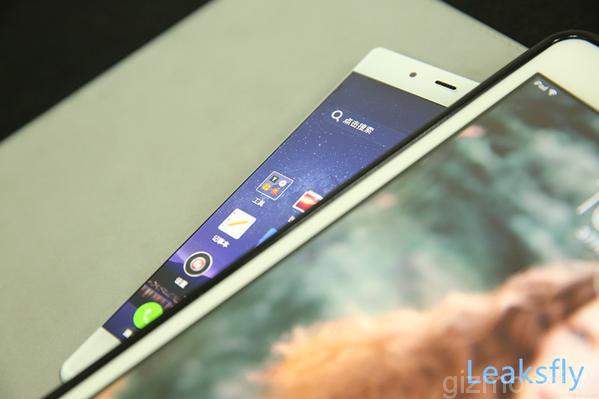
The pictures leaked by a known leakster, Leaksfly reveals the bezel-less display of the ZTE Nubia Z9. Unlike other phones which claim to have super slim bezels, it looks like the Z9 has no bezels at all. To be honest, the display looks somewhat like the one on Sharp Aquos Crystal, which was also bezel-less. If this is indeed the final model, then surely it would be the selling point of the device.
Another picture reveals the back panel, which looks similar to the Z9 Max. So, the Z9 too could feature metal plus dual glass design.
As for the tech specs, you can expect only high end internals. So, the phone is said to feature the latest Qualcomm Snapdragon 810 processor with 4GB RAM onboard. It is said that the camera will be very powerful on the device. If you look closely, the picture of the phone’s rear panel does show a larger than usual round camera unit.
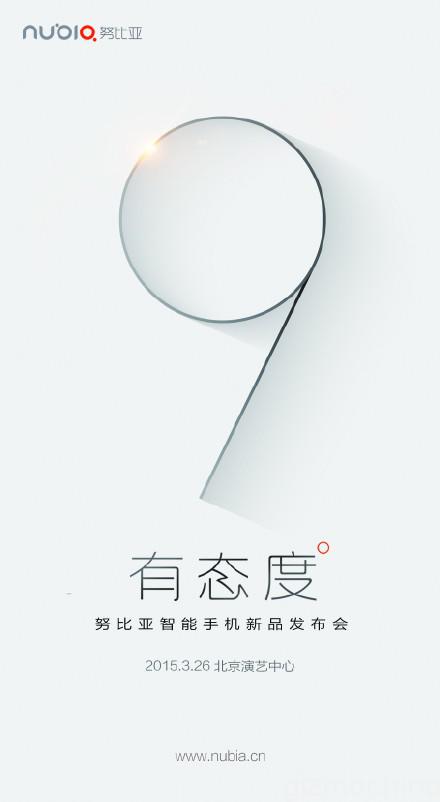
ZTE will announce the ZTE Nubia Z9 and the Nubia Z9 Max at an official event on March 26. Just a day back, the company released a new teaser confirming the launch event. So, we can expect more information about both the devices at the event. In case you are wondering, both the models will most likely hit the markets by April this year.
2015 is turning out to be a great year for Xiaomi, they have launched their flagship, Mi Note and also is now launching Redmi 2 in India and Indonesia(Soon in Indonesia). Right now almost every company has stepped into Android Wear including Apple, Huawei and oppo. Xiaomi always focuses on Price to Performance ratio and they are pretty good at it. With the release of Apple watch some might be thinking that they can not even think of a smartwatch. Xiaomi is always in the market, they Launch products which are necessary and is required for a Normal Strata Person. Xiaomi also makes Premium devices keeping in mind Price to Performance ratio.
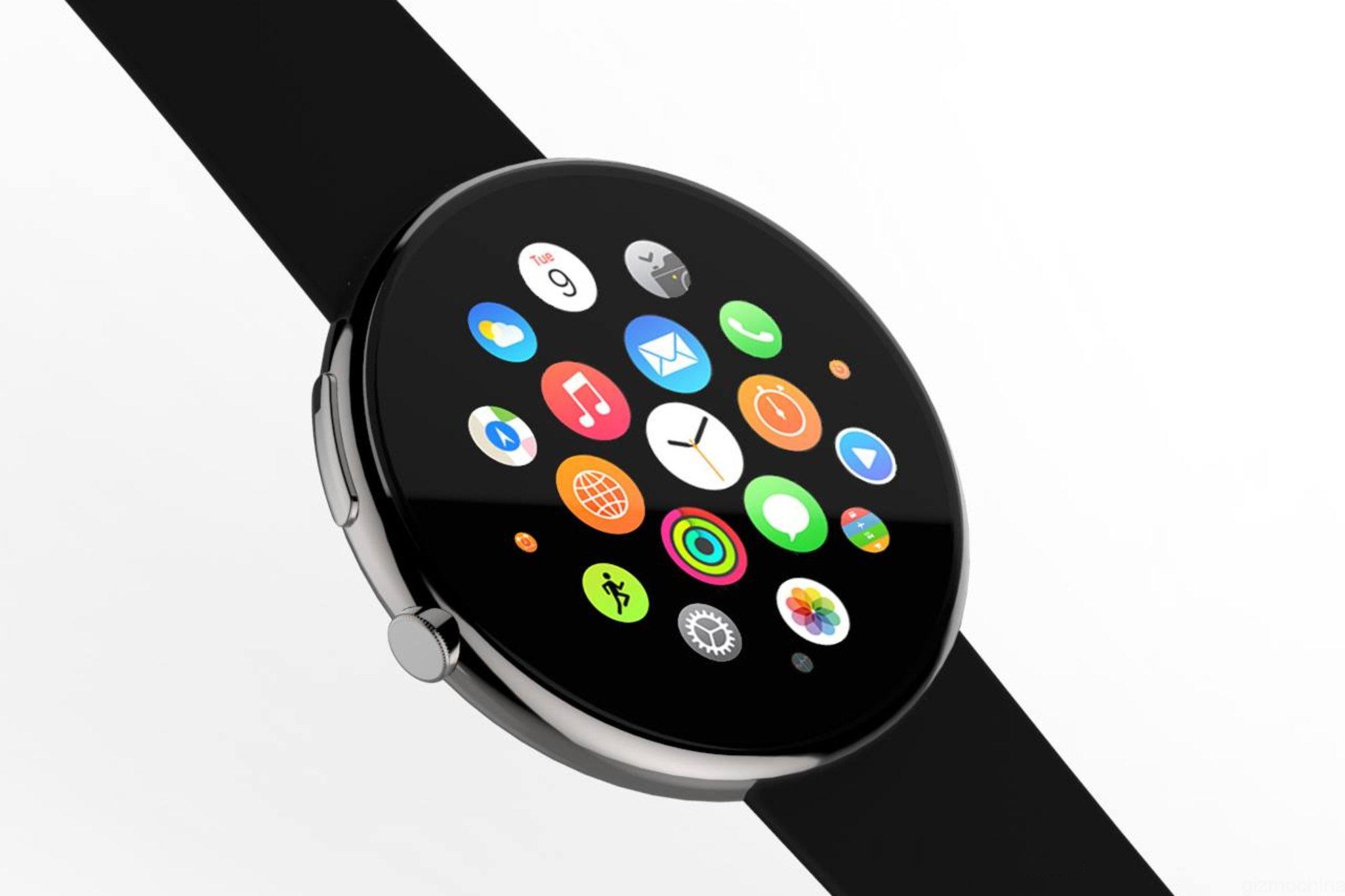
A Concept for Xiaomi Watch
After Huawei and Oppo smartwatch, we think it’s time for Xiaomi, The Android wear market has got a lot of choices but all have some great problems, majority of them can’t last more than 8 hours, and the one’s which can last does not fit well in the pocket. Xiaomi would be going to launch Mi5 in Q4 this year. If it also launches its Smartwatch then it would be a icing in top. Xiaomi already has it’s fitness band, Mi band, Mi band tracks steps and major the sleep. In a nutshel it takes care of the daily routine.
If Xiaomi releases its Smartwatch, it would be one of the best smartwatch, it would be running android wear, with a MIUI6 flavor in it at a very reasonnable price. So tell us what do you think. Will Xiaomi launch its Android Wear this year?
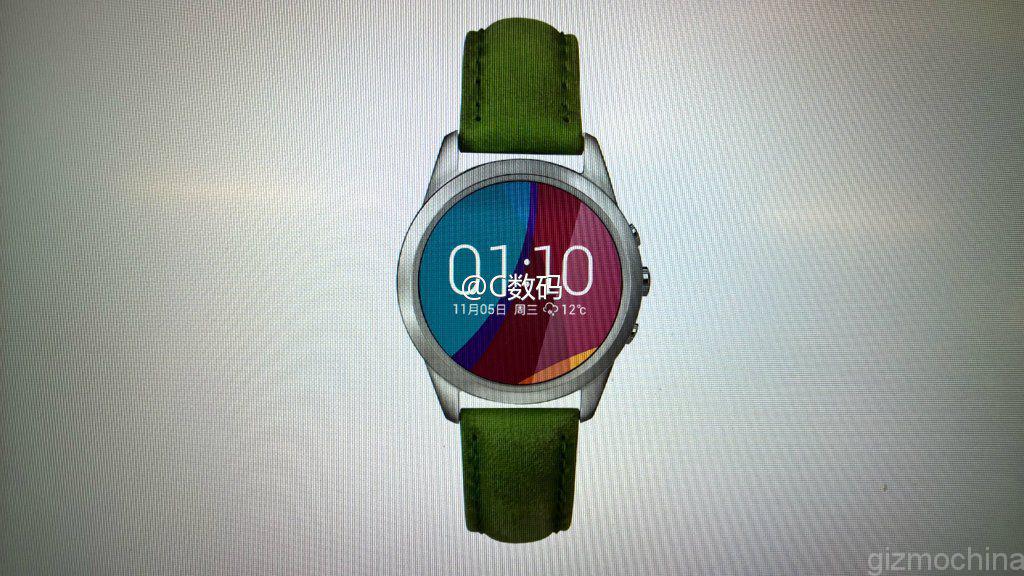
It may be that Oppo is working on a smartwatch which can charge in just 5 minutes. With Smartwatches like Moto 360 and Apple Watch, which hardly las’ts a day, this watch may be the deal breaker.
Android wear was first introduced in west last year but has now arrived in China, with the Huawei watch, android wear has just became more worthy. Huawei smartwatch has a 2 days battery life which made it one of tthe best android smartwatch till now.
Last year when Android wear was just launched, the watches which arrived were like Moto 360 and LG G watch, both these watches didn’t had a great look, neither they weere able to meet people’s expectations. They looked too geeky and didn’t lasted more than 6-7 hours, with the launch of Huawei or Oppo watch, The android wear will ave a drastic change, Rather we can say, Opo watch has emerged from all these watches with some great looks as well as great features. The best part in Oppo watch is that it will be charged in just 5 minutes, Oppo has been great in inventing new charging technologies.
Do let us know what you think about this watch in the comment section below
Mediatek seeing Qualcomm has launched its own fast-charge technology, Qualcomm has this technology with a variety of mobile phones in the market. MTK fast charge is named PumpExpress, abbreviated as PE. Creative design has been announced.
They have designed the logo very smartly, with “M”, “T”, “P” and “E” in capital, the logo looks very attractive and much better then Qualcomm’s Quick Charge. Whether it is a high-pass or MTK fast charge, no Chinese name, are not easy to promote. Technically essential difference: MTK fast charge current is up to 9V, and Provides 7V output; Qualcomm fast charging technology had two generations of improvements, upgraded to 2.0, provides a 5V, 9V, 12V output, 12V is currently not yet open. If we look at Qualcomm and Mediatek Fast charge logo, there are some similarities. You can see both of them has a power or we say a electric shock symbol in them.
MTK unified Recognition icon failed to publish together with fast charge technology, allowing Qualcomm to seize the opportunity to promote; and Qualcomm has taken the first step, the promotion of technology, while also supporting the establishment of improved authentication mechanism. Now Moto, HTC, Xiaomi, Ktec and other brands have launched Qualcomm Quick Charge 2.0 certified charger, in addition to a number of OEM / ODM manufacturers have joined the alliance, fast charging product line covers a charger, car charger, mobile power and other fields. Compared with Qualcomm, MTK is a lot slower, hope MTK can catch up. This market competition will benefit consumers.
Xiaomi’s online-stores in the US go online in the middle of Feb. 2015. Today, Hugo Barra (VP of Xiaomi) expressed that Xiaomi’s online-stores will go online in Europe market on MWC 2015 Conference, that is to say, Xiaomi’s online-stores in Europe will only sell some accessories like Xiaomi Band, Xiaomi headphones etc. rather than its major product- Xiaomi Smartphone.
Xiaomi, steps down from the peak gradually
Xiaomi, founded in 2010, began to sell smartphone in 2011, and took the most market share in China smartphone market Q2 of 2014, then became the top one in China smartphone market and ranked the 3rd globally in Q3 of 2014. All these halo makes Xiaomi be regarded as the most sparkling company in China.
However, in 2014, as Ren Zhengfei (CEO of Huawei) found that Xiaomi is unsurpassable regarding the Internet marketing, he asked to reform the strategy, that is, compress the low-end version smartphones and promote the high-end version smartphones, Huawei HONOR kept on to Xiaomi, HiSilicon focused on Research and Development, and in return it made a great progress – Kirin 920 SOC, which has surprising performance on processing, baseband technology, making a greater improvement on sales, profit and brand awareness etc. And at the same time, Huawei HONOR’s surging sales in Q4 of 2014 lay great pressure upon Xiaomi.
Even the price of Redmi and Redmi Note get a price cut of 100 RMB, Xiaomi sales shrinked in Q4 2014. This situation made them realize that Xiaomi could not keep the high speed as before, they began to set foot into international market, however with so many setbacks, like be fined in Taiwan due to the make-up for the sales, and banned in Indian market due to infringement of the Intellectual property of Ericsson etc.
The consequence is Xiaomi couldn’t reach its expected capital raising – 1.5 billion USD, even Xiaomi makes combination blows in Internet Business and cooperates with the US strategically, the final capital raising is only 1.1 billion USD. Later Xiaomi meets a wealthy real estate businessman in China Pan Shiyi (President of SOHO China) immediately, which made us recoginize that the reason may related to the shortage in capital raising.
The importance of setting online-stores in the US and Europe
Chinese has been longing to see its brand go onto the global stage, indeed, brands sold in the US and Europe do have the advantage to improve the fame rapidly internationally. Huawei has been insisting on launching smartphones to Europe market, and emphasizing the price in Europe priced more than that in China. It helps Huawei win the praise from Chinese countrymen, till the end of last year, Huawei gain 3% market share in Germany and Spain according to its own words, and netpals in China also feel proud of it, they think Huawei set higher price in international market than that in China, the strategy will help Huawei win the brand awareness. Till Q2 of 2014, international sales took 42.3% of Huawei’s whole sales results (data from ISUPPLI), the global sales surged more than 40%, which is the best result since 2011.
Obviously, Xiaomi wants to sell their smartphones to the US and Europe, winning the brand awareness, however, Xiaomi has less smartphone patents, on the other hand, markets in the US and Europe have been known for the strict policy for intellectual property. HTC has ever taken the most market share in the US market, but tumbled down after Apple sued its infringement of intellectual property.
Xiaomi chose to enter Indian market, where the patent policies are not so strict as that in the US and Europe, however, being sued by Ericsson due to the infringement of intellectual property. Under such circumstances, Xiaomi launches the sales of smartphone accessories to the US and Europe market is the wise choice. Xiaomi is so good at Internet marketing, and it can take advantage of its Internet marketing for its online-stores in the US and Europe, winning brand awareness, and laying foundations for its smartphone entering the US and Europe market.
Xiaomi enters the US market by opening online-stores to expand its influence is also regarded as the base for the be-listed project.
At this moment, choosing to open online-stores in the US and Europe is a good choice, which can help itself to gain more benefits. The interesting thing is that, Huawei, Xiaomi’s old rival, did not do well in the US smartphone market, and Huawei announced that it will launch the wearable devices to the US market this year. Does that mean the two will compete from China to the US?
After the release of Mi Note in January, Xiaomi would be releasing Xiaomi Mi5 in the fifth season this year.
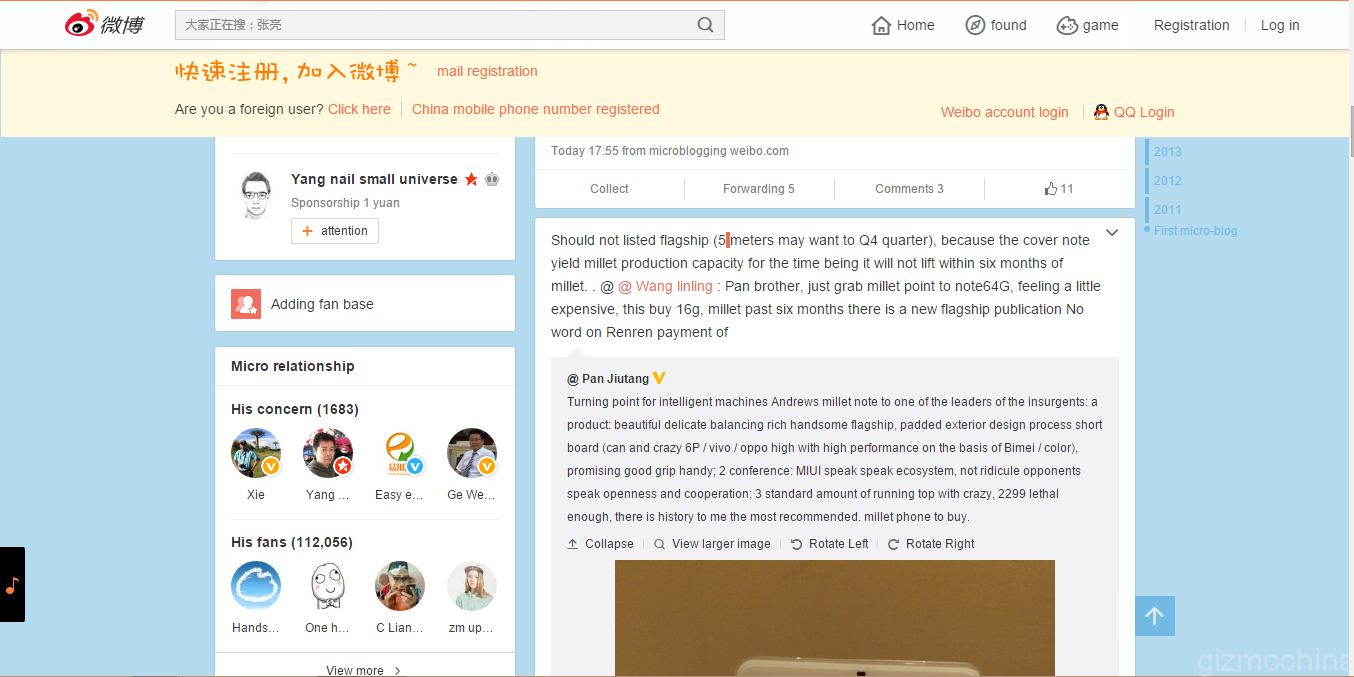
Analyst, panjiutang just broke the news on the weibo, For the next 6 months, There will not be any flagship from Xiaomi, Mi5 will release in Q4 this year.
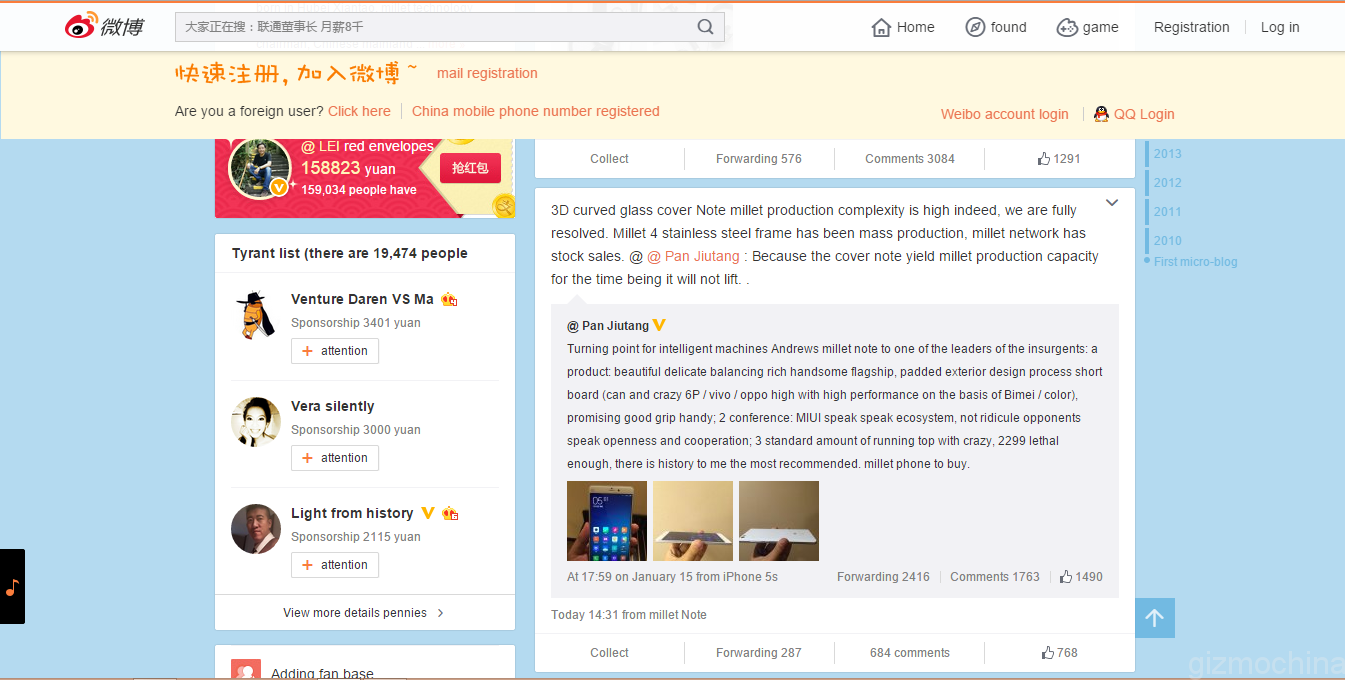
In addition, Pan Jiutang also revealed some information Mi Note productivity, he said existing Mi Note has cover problem, so it will not have much capacity to improve.
Subsequently, Lei Jun’s weibo forwarded Pan Jiutang confirmed Note millet production capacity argument. He said that the production of 3D curved glass cover of Mi5 complexity is high indeed and is currently fully resolved.
Blackview has a number of good looking smartphones in its lineup. Today, the company has shown off yet another well designed phone, the Blackview Breeze. The device is particularly targeted at users who would like a compact phone. The 4.5-inch display on the Breeze is perfect for those would like a phone that can even be operated with one hand.
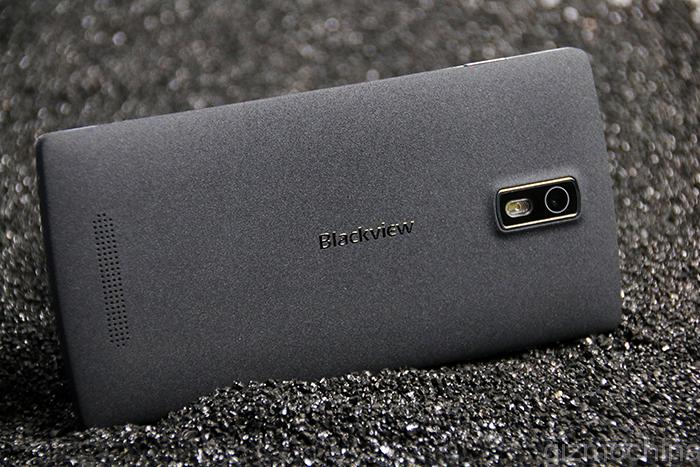
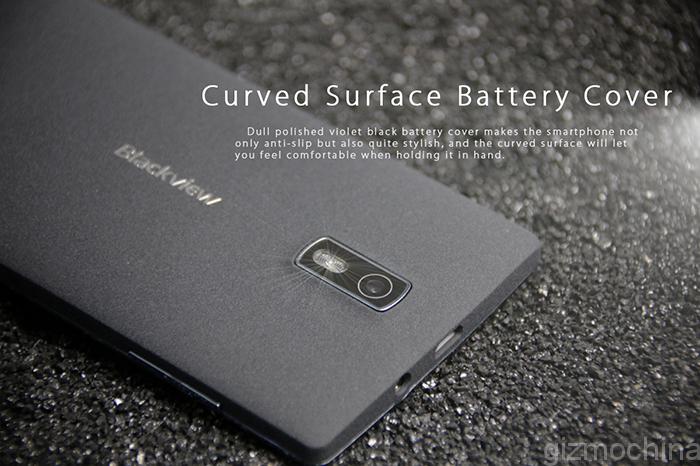
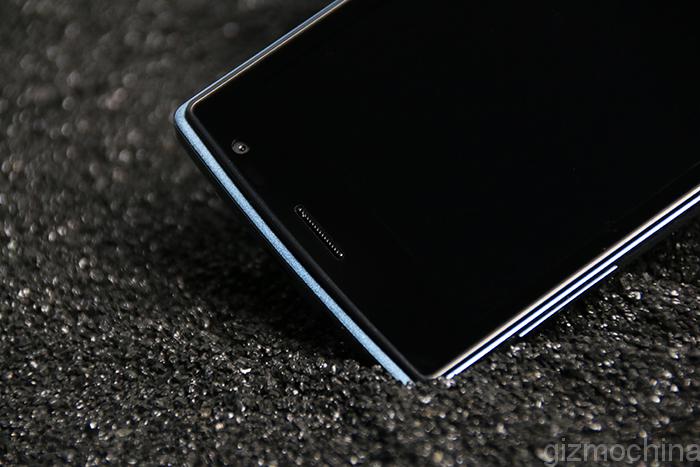
The Blackview Breeze is targeted at first time Android users. However, that doesn’t mean the phone isn’t well built. The device features a beautiful metallic gloss frame which gives it a very premium look despite its entry level specs. Further, the back features a dull polished violet black finish which improves the grip and the overall feel of the device.
Like mentioned above, the phone is aimed at entry level segment and comes with a 4.5-inch display. There are many users who like a compact phone and this display strikes a balance between compactness and entertainment value.
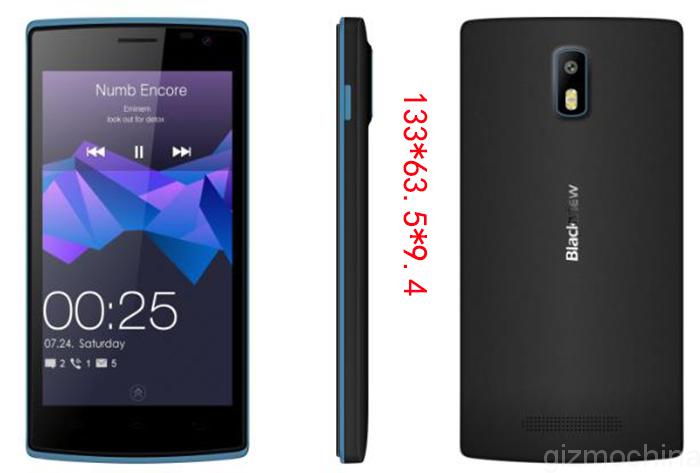
The Breeze isn’t the thinnest phone that we have seen lately, still its overall measurements 133 x 63.5 x 9.4mm makes it a handy device. The 9.4mm thick body also ensures a decent battery on this small device. It is said that the 2000 mAh battery should provide around 8 hours of talk time, which is above average for a phone in its class.
Apart from the compact nature, Blackview has also taken the camera performance into consideration. For an entry level device, the Breeze sports a good camera. There is an 8MP shooter with LED flash at the back and a 5MP one up front. This should ensure better camera performance than most other smartphones in the entry level market.
Finally, this budget device also comes with the company’s Blackview Xender file transfer technology app which can transfer data up to an amazing 3000kbps speed without any Wi-Fi, cellular or cable connections.
We still don’t know some of the specs of the device like processor, RAM, internal storage and display resolution. But from what we can see, the Blackview Breeze does look like a strong competitor in the entry level segment.
Wait for more specs and pricing details in the coming days.
ASUS made the headlines back in January at CES 2015 by releasing a number of affordable yet powerful Zenfone 2 smartphones. The Zenfone 2 lineup has a number of different variants, all priced according to their specifications.
Just yesterday, ASUS unveiled the entire Zenfone 2 lineup in its domestic market, Taiwan. This helped clear some things about the different variants of the device, since all of them are called as the Zenfone 2.
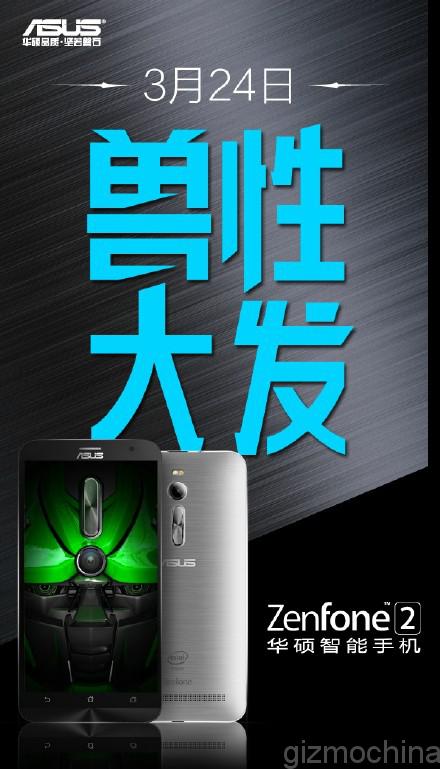
Now, the company has released a new teaser on Weibo which confirms a Chinese launch of its latest flagship lineup on March 24. It is assumed that all the four models that were unveiled in Taiwan would make it to the Chinese market.
There are four different variants of the Zenfone 2 smartphone. At the top is the Zenfone 2 ZE551ML which features a 5.5-inch display, 4GB RAM, 13MP camera, 2.3GHz quad-core Intel processor and 32GB of internal storage. Below that is a slightly toned down version which features 2GB RAM and 1.8GHz quad-core Intel processor. In Taiwan, the top model retails for around $285 and the second model for $220.
There are two other phones in the lineup, namely ZE550ML and ZE500CL. The former model features a 720p 5.5-inch display with the same 1.8GHz processor and 2GB RAM as the earlier mentioned model. But the internal storage is reduced to 16GB. Finally, at the bottom is the ZE500CL which features a smaller 5-inch 720p display, 2GB RAM and 1.6GHz Intel processor. The ZE550ML will cost about $190 and the ZE500CL will the the cheapest of the lot costing about $160.
Expect the pricing of the models in China to be similar to the pricing in Taiwan.
The Zenfone 2 clearly looks like one of the best value for money lineup in the market right now. If ASUS manages to price the 4GB RAM model under 1800 Yuan like in Taiwan, we can expect a very good response for the device in China.
Google may be the king of search engines globally but when it comes to the Chinese market, no one can come close to Baidu, the China’s leading search engine company. In fact, many a times, the company is called as “China’s Google”.
Baidu had confirmed last year that it was working on a smart car. But the company’s concept of a futuristic car didn’t replace the driver, instead aided him in his driving. This was the opposite of what Google is trying to develop. Google has been working on its driver-less car for almost five years now and the company has already showed off its prototype without any steering wheels or gas pedals to the media last year.
Today, CEO Robin Li confirmed that Baidu is developing a smart car which it will launch in 2015. This is in line with what we heard last year from the company’s Vice Director of Research, Kai Yu.
While the source does not reveal what to expect from the smart car developed by Baidu, it is said that the car will be fast and will have a steering wheel, gas and brake pedals like regular cars.
In fact, last year, Kai Yu had explained what the company had in mind for a smart car.
“Freedom means the car is intelligent enough to operate by itself, like a horse, and make decisions under different road situations,” Yu said. “Whenever the driver wants to resume control, you can do that. It’s like riding on a horse, rather than just sitting in a car where you only have a button.”
Baidu may also partner up with other manufacturers for launching the new car.
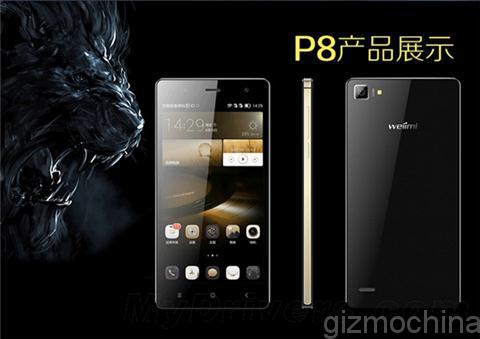
Huawei did not announce its flagship smartphone at MWC this year. Instead, the company has decided to unveil the new Huawei P8 at a special event in China by mid-April. In fact, the company has confirmed the event in April.
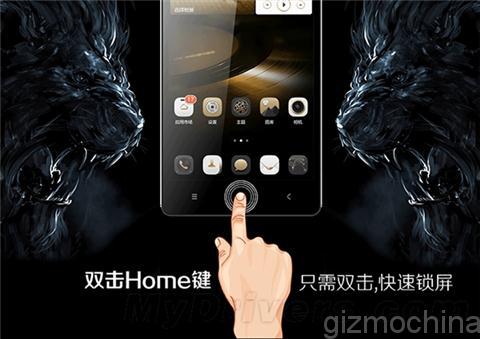
However, even before the official announcement of the device, we have come across its clone. This does not come as a surprise, as we have seen many popular phones being cloned by small manufacturers in the domestic market. And its not just smartphones, even wearables like Apple Watch have clones.
We have seen a lot of pictures in the past few days of the upcoming Huawei P8 flagship and the ones added here looks quite similar to them. Unsurprisingly, the phone will be called as the Honor P8.
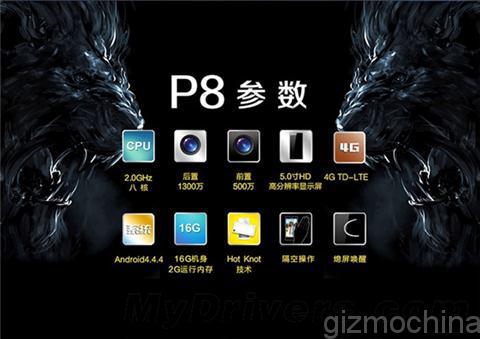
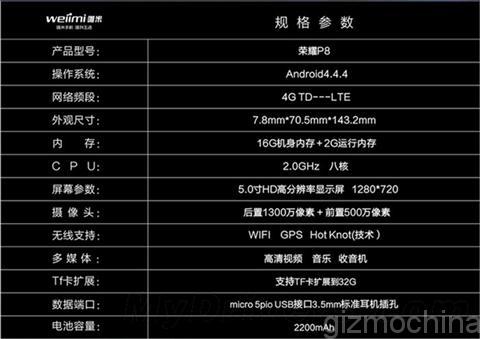
Specs wise, the Honor P8 looks quite good. It will be powered by an octa-core processor clocked at 2.0GHz. Interestingly, the new Huawei P8 could feature Kirin 930 which is also an octa-core SoC clocked at 2.0GHz. There will be 2GB RAM onboard with 16GB of expandable internal storage.
It will have a 5-inch display with 720p resolution. The rear camera will be of 13MP while the front shooter will be of 5MP. The phone will be quite thin measuring just 7.8mm which is why there will be just 2200mAh battery onboard.
As for connectivity options, the Honor P8 supports Wi-Fi, HotKnot, GPS and 4G TD LTE networks. It will run on Android 4.4 KitKat with a launcher which looks very similar to Huawei’s Emotion UI.
So what do you think about this clone? The specs and the design looks quite high end for a clone.
We use cookies on our website to give you the most relevant experience by remembering your preferences and repeat visits. By clicking “Accept”, you consent to the use of ALL the cookies.
This website uses cookies to improve your experience while you navigate through the website. Out of these, the cookies that are categorized as necessary are stored on your browser as they are essential for the working of basic functionalities of the website. We also use third-party cookies that help us analyze and understand how you use this website. These cookies will be stored in your browser only with your consent. You also have the option to opt-out of these cookies. But opting out of some of these cookies may affect your browsing experience.
Necessary cookies are absolutely essential for the website to function properly. This category only includes cookies that ensures basic functionalities and security features of the website. These cookies do not store any personal information.
Any cookies that may not be particularly necessary for the website to function and is used specifically to collect user personal data via analytics, ads, other embedded contents are termed as non-necessary cookies. It is mandatory to procure user consent prior to running these cookies on your website.