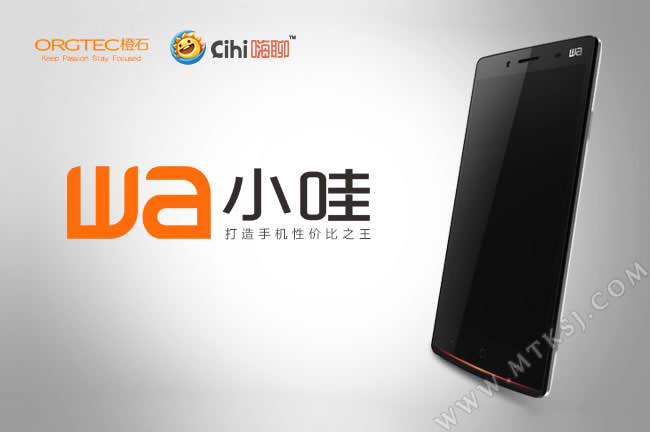
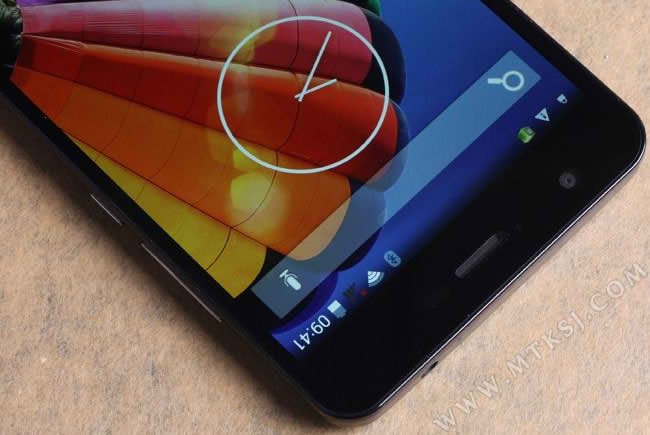
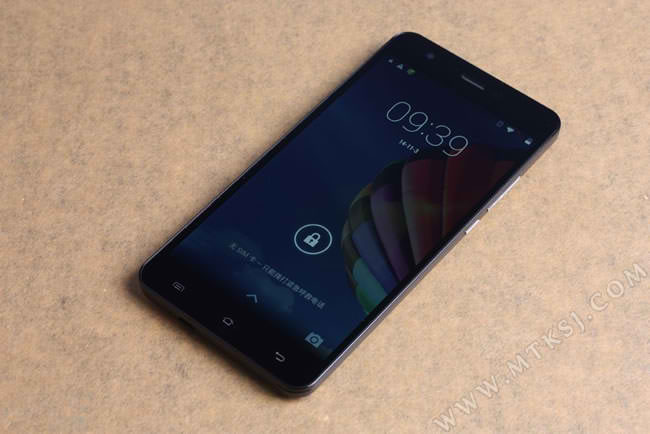
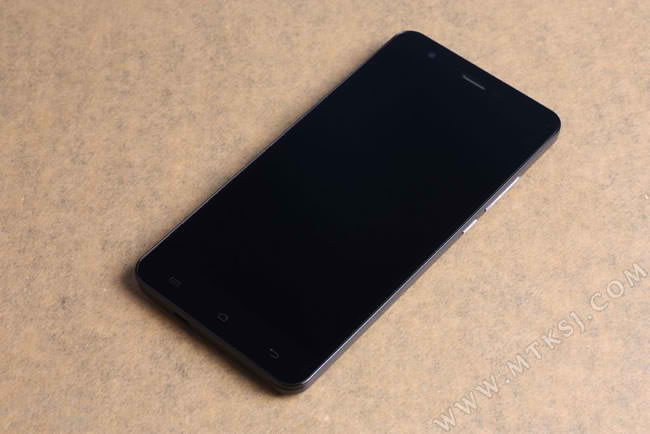
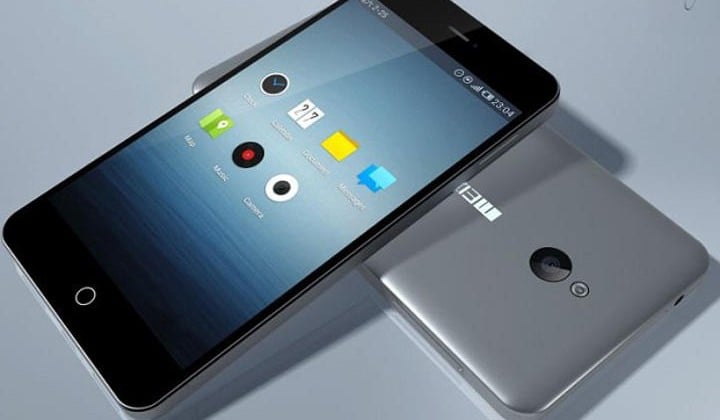
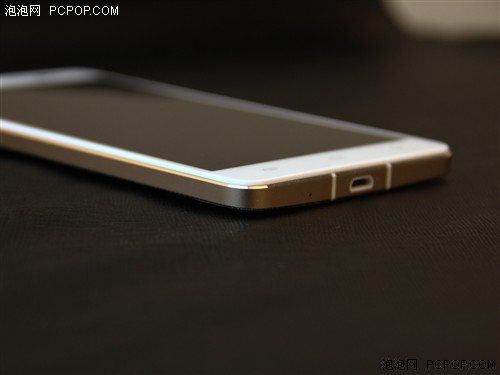
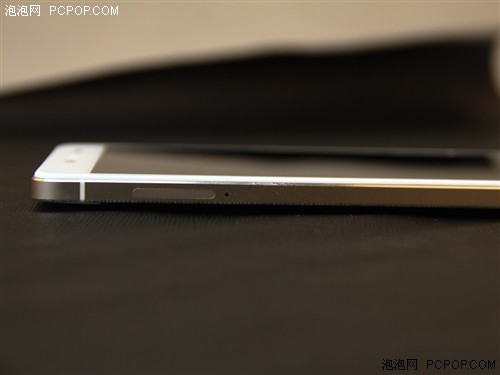
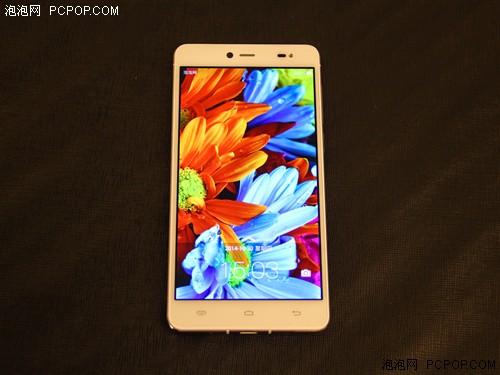
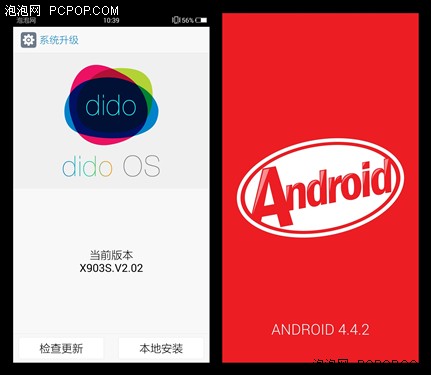
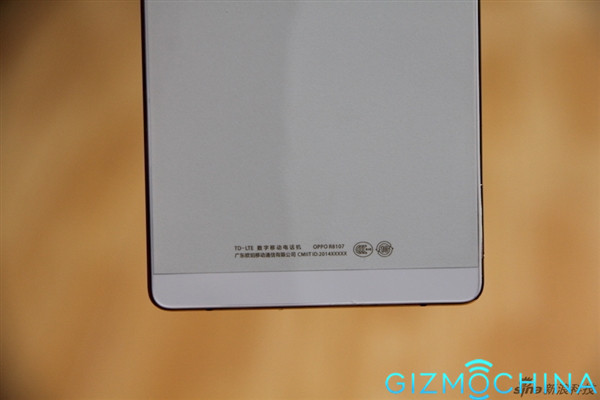
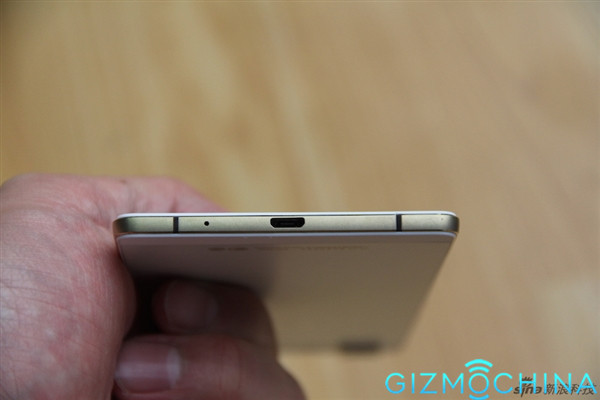
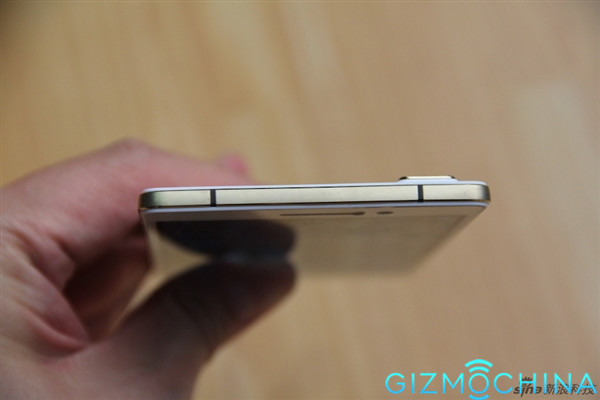
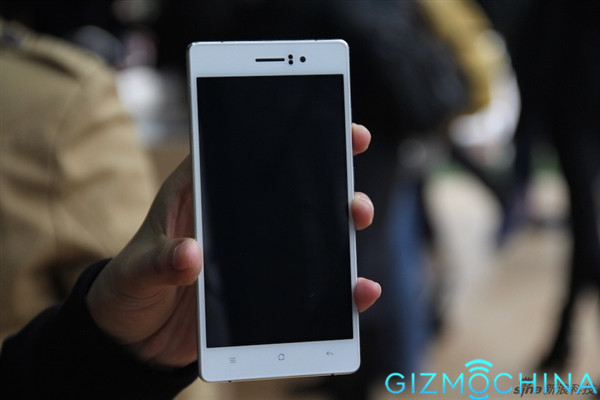
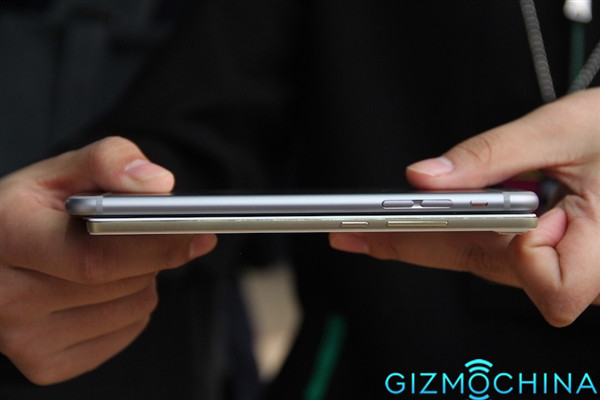
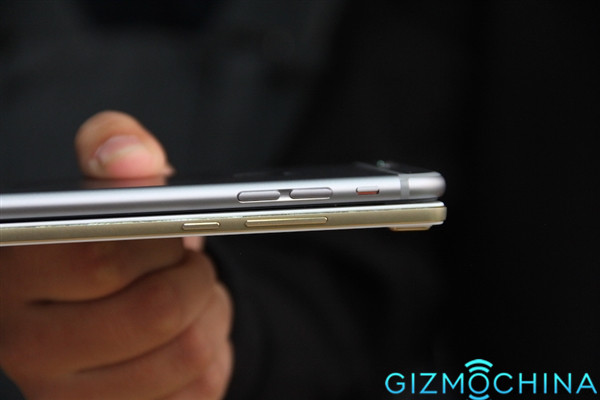
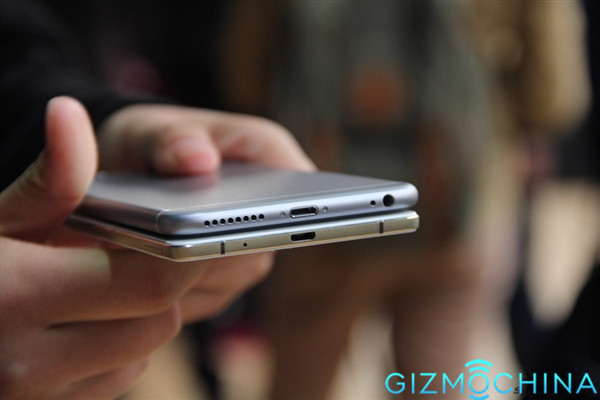
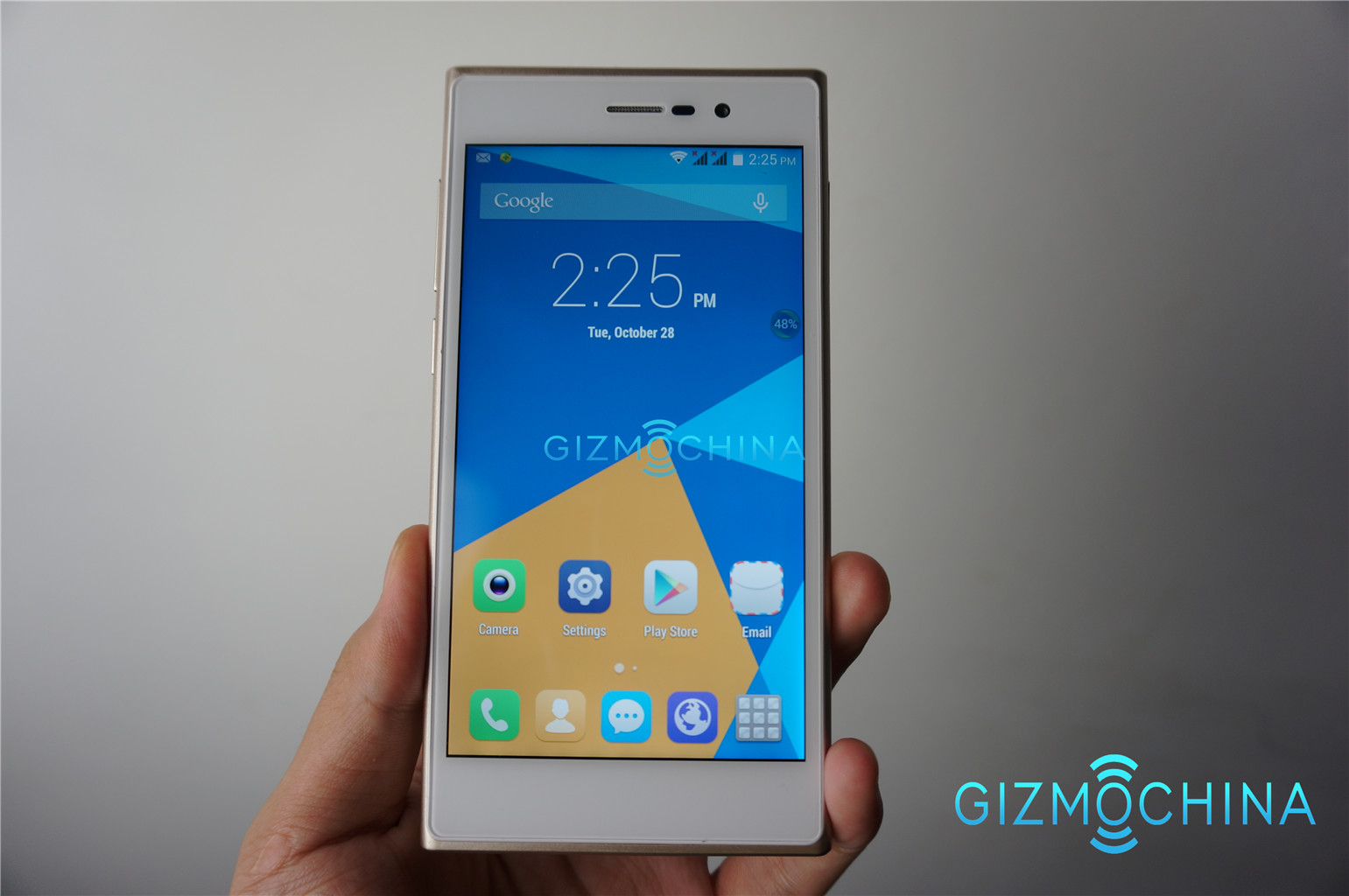
This August, we were introduced to a new cellphone brand called Wa Mobile. Everyone has had their eyes on it for a while since it strives to create the most cost-effective products. Recently, they announced that they will launch the Wa Cellphone on December 12 in Zhengzhou, China.
This phone has a very narrow frame along with a 5.5-inch 1080p display screen. As a device that will be sold in online channels, it will have a customized user interface. In addition, the Wa Cellphone uses MTK’s new 64-bit octa-core SoC, the MTK MT6752 making it one of the first cellphones to use this processor.
On November 11, Xiaomi will release a special edition of the Xiaomi Mi4. At the time, some thought that it was the low-end version which received a network license from MIIT. Its specifications were mostly the same but the RAM was decreased from 3GB to 2GB. Now, Xiaomi CEO, Lei Jun, has officially confirmed it in his Weibo account.
This afternoon, Lei Jun announced that the Xiaomi Mi4 Special Edition will go on sale that on the 11th for 1799 RMB, and will have 2GB RAM and support for 4G internet. It will only go on sale for that day at the Chinese online store T-mall. Its other specifications were not announced but it’s assumed that they are the same as in the original. Furthermore, Lei Jun said that Xiaomi has produced 1,200,000-1,500,000 Mi4 phones this month and will try to make over 2 million by December.
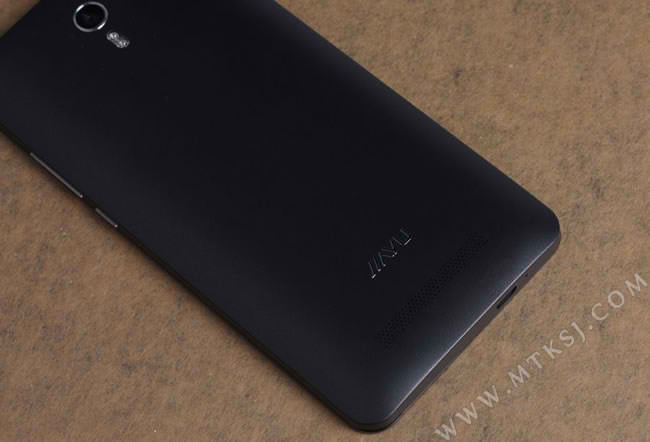
Jiayu had previously announced the devices that they plan to release late this year and early next year. Soon, they will release the Jiayu F2 and S3, both of which support dual-SIM and dual-4G. The Jiayu S3 uses the LTE 64-bit MTK MT6752 octa-core processor. Recently, more information regarding this phone has come out.
The version that has been introduced so far is the black version. It has a 5.5-inch 1080p OGS display screen. It also has a width of 75.5mm, a height of 152mm, and a thickness of 9.4mm. Even though it is not very slim, it is powered by a battery with over 3000mAh.
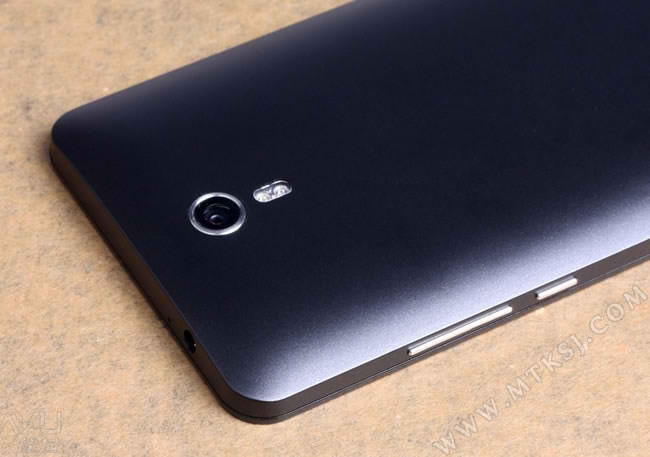
The Jiayu S3 has a curved back that makes it easy and comfortable to carry. The rear-facing camera barely sticks out and also comes with dual-LED flash. According to reports, Jiayu will release a 2G RAM version and 3G ram version and the prices will be affordable.
Analyst Bo Jiutang, announced in his Weibo account that Xiaomi was already preparing the Xiaomi Red Mi2 and that it will use a processor that is part of the Snapdragon 600 series. Since Qualcomm has already stopped production for the Snapdragon 600 recently, it is likely that the Red Mi2 will use the new 64-bit Snapdragon 615 octa-core chipset.
It was also leaked that the Red Mi2 will cost around 1000 RMB (162.63 USD), have a 5.5-inch 1080p display screen, a 13mp camera, and 2GB RAM.
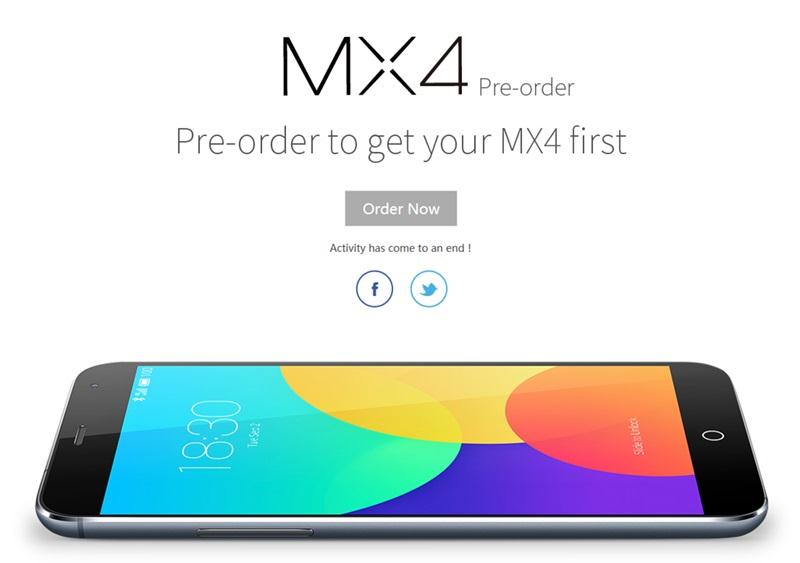
It has not yet been announced when they will release the Meizu MX4 Pro, so we do not know if they will release a China Telecom version or China Mobile version. We do know, however, that the Meizu MX4 Pro supports SIM cards from China Telecom, China Mobile, and China Unicom, so there is no reason why the MX4 Pro won’t. In addition, since the MX4 also has support for 4G networks, the MX4 Pro should too.
Since the MX4 Pro is supposed to be more advanced than the original, there is no reason why the former will not support these.
It is rumored that the Meizu MX4 Pro has a 5.4-inch 2560 x 1536 display screen, the Exynos 5430 octa-core processor, and support for Hi-Fi sound effects. It will also have fingerprint reader that users can just press instead of swiping. It may cost around 2499 RMB (406.40 USD).
On October 29, Chinese cellphone manufacturer OPPO held a launch event in Beijing for its fall releases: The OPPO N3 and R5 which is probably the slimmest cellphone in the world, along with other products.
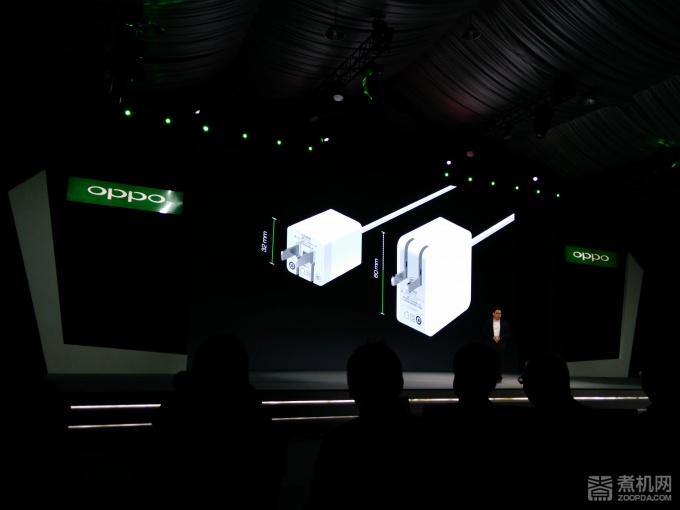
VOOC Rapid Charger
The rapid charger was first used in the OPPO Find 7. As the size of the screens of cellphones increase, so does the amount of power consumed. Cellphone battery developers could no longer keep up with the increasing power consumption rate. Rapid chargers have greatly helped solve the problem. In the launch, OPPO showed the upgrades they made to the batteries of their products as well as the chargers. They also showed that their new products will use VOOC.
Pure Image 2.0
OPPO’s cellphones will also use the Pure Image 2.0 image processor which was first used in the OPPO Find 7.
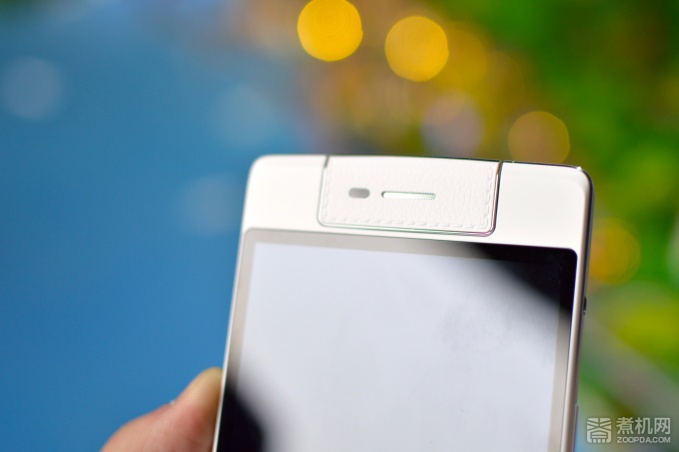
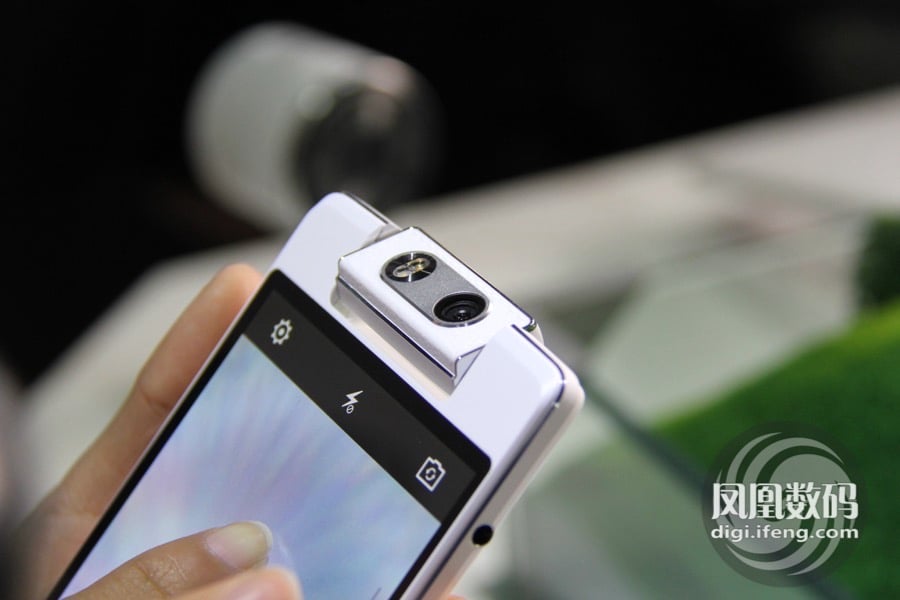
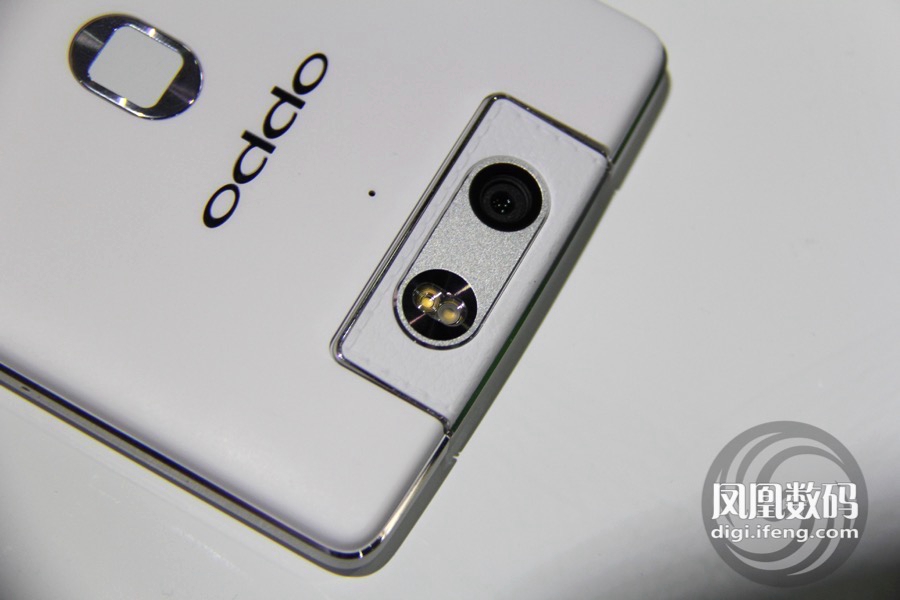
OPPO N3’s motorized rotating camera
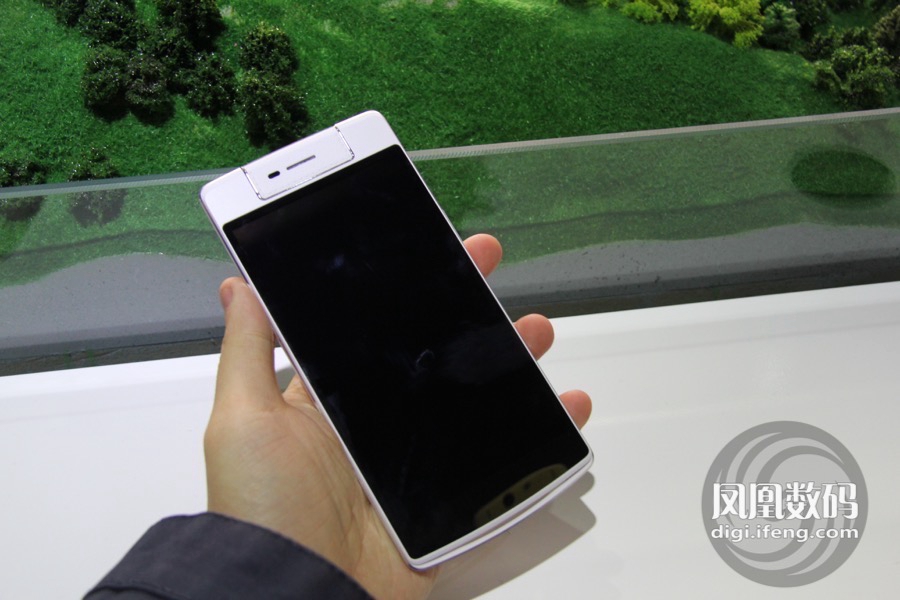
The main selling points for the OPPO N1 were its big screen and rotating camera. This time, OPPO added a small motor to the N3’s rotating camera allowing it to follow objects as they move.
Fingerprint encryption
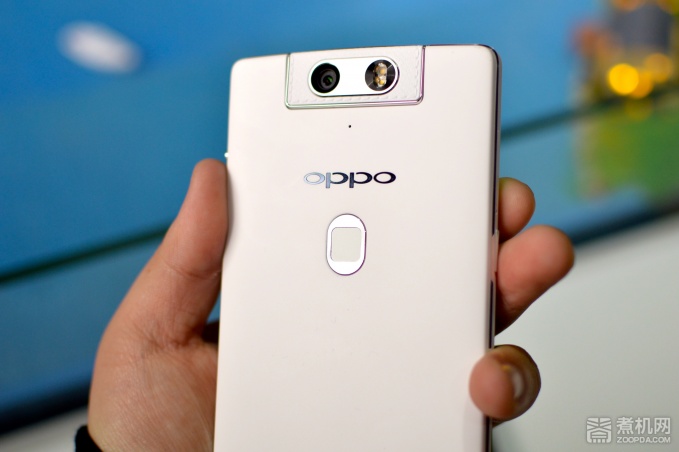
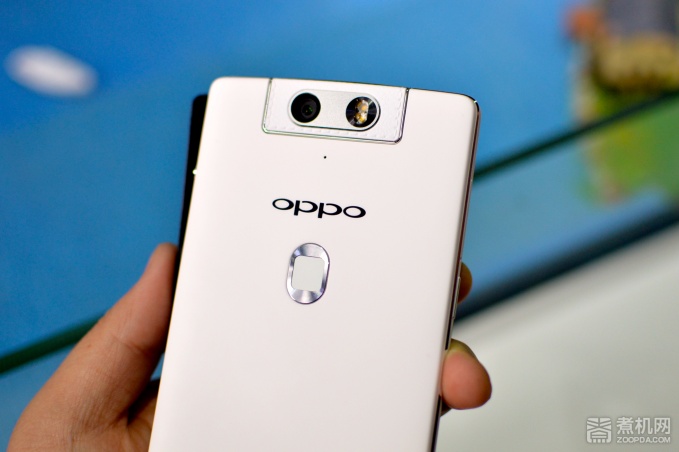
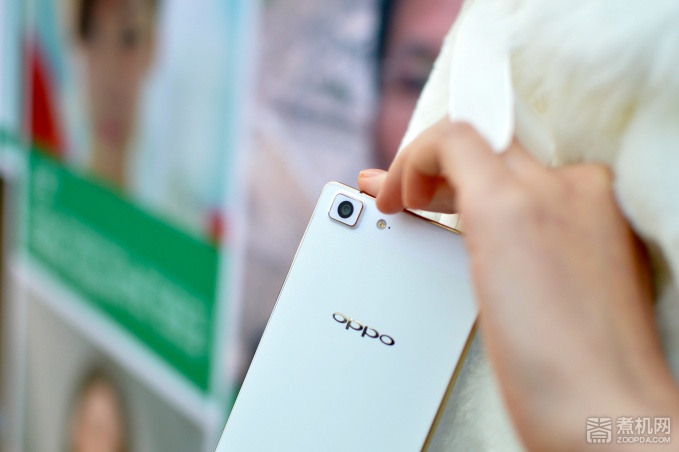
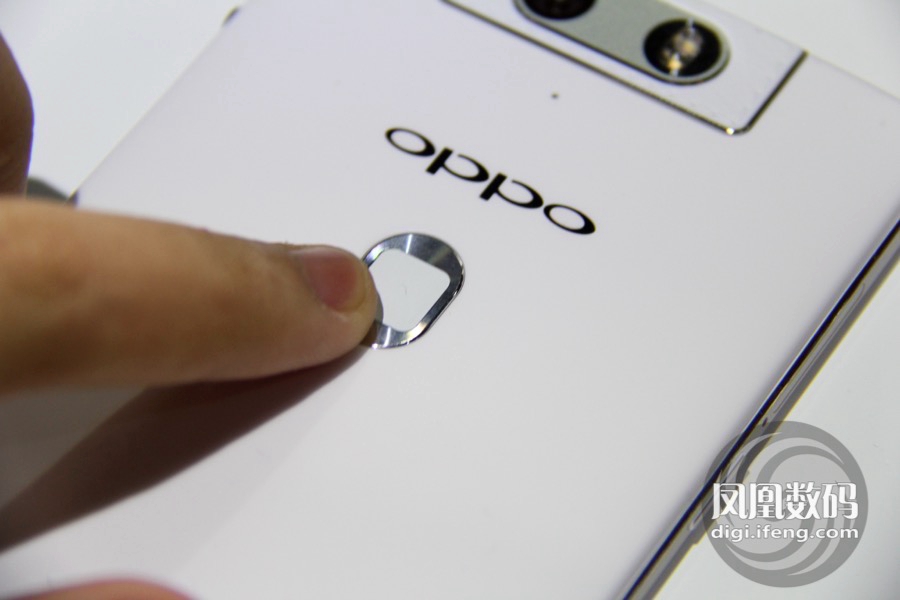
The OPPO N3 comes with a fingerprint reader at the back which can be used to do things such as open the camera and the photo album.
OPPO R5 breaks the record for thinnest cellphone in the world
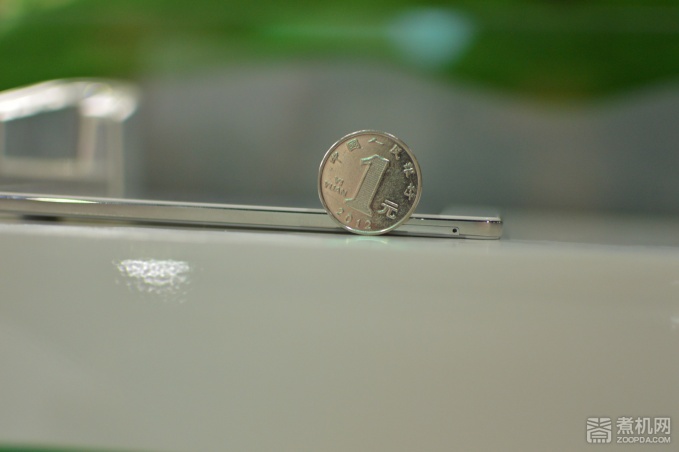
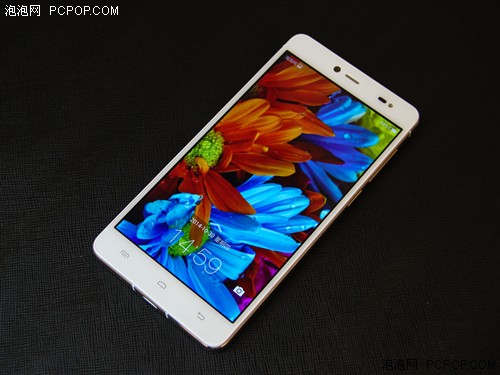
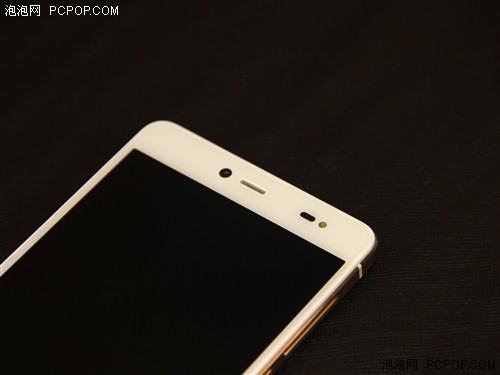
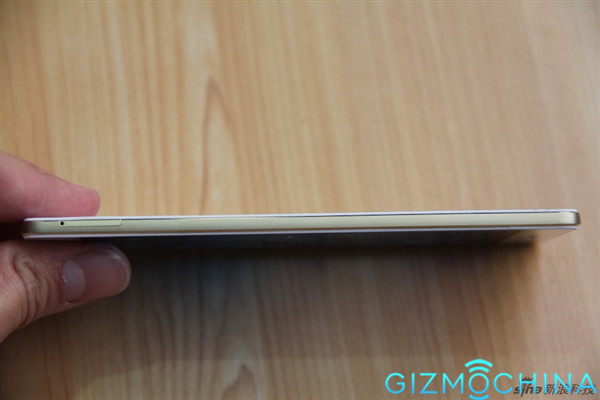
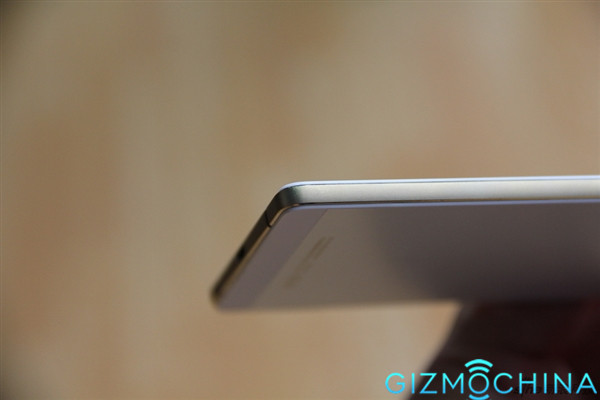
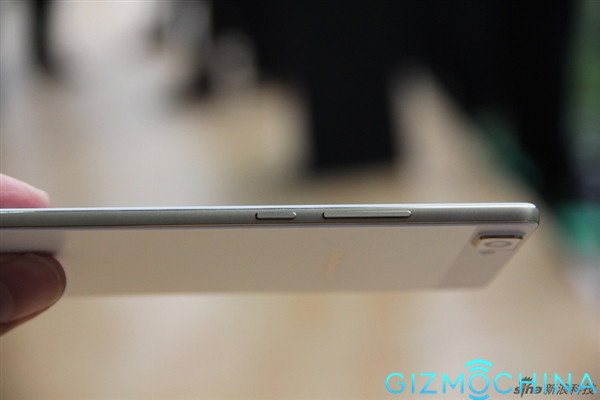
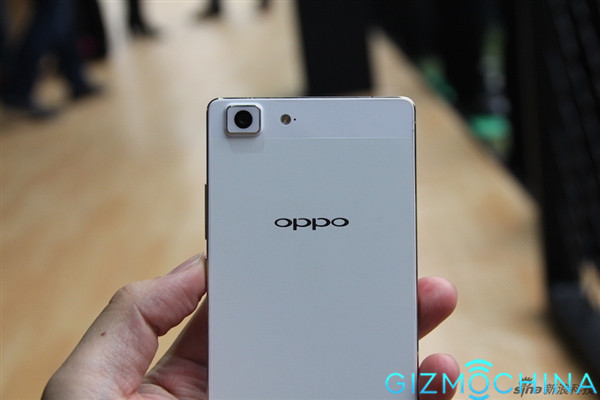
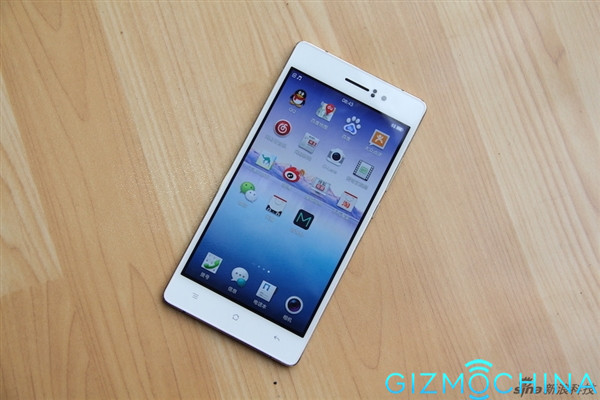
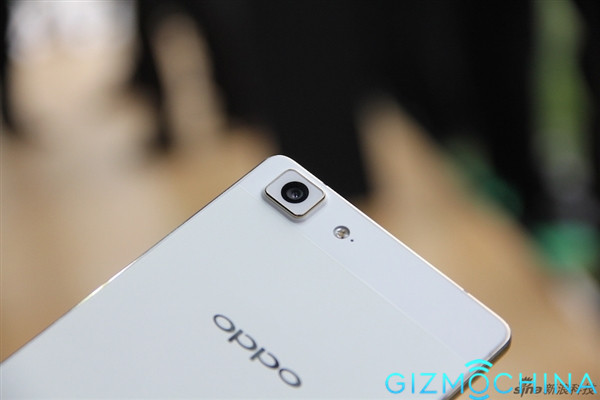
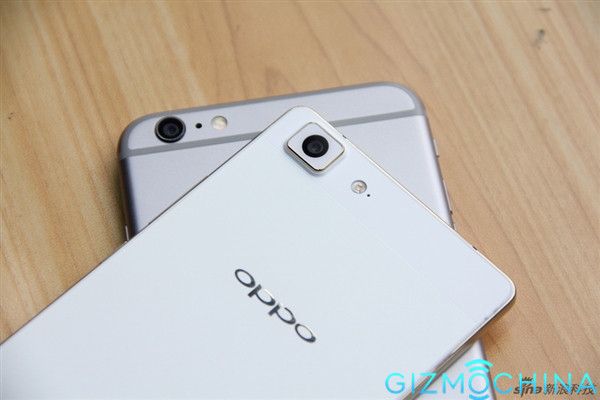
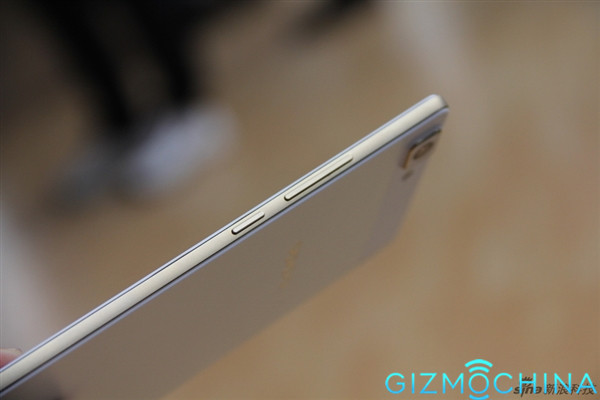
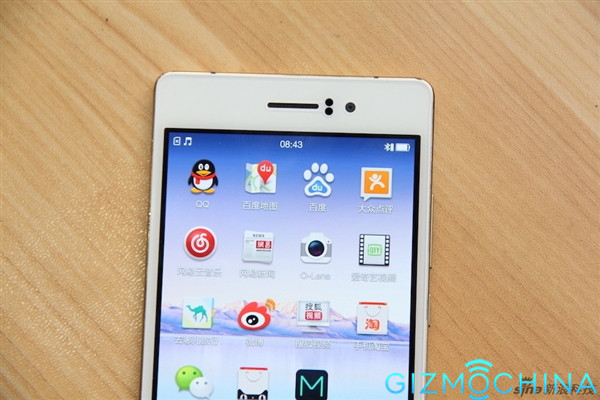
The Gionee S5.1 is no longer the slimmest cellphone around. Meet the OPPO R5 which has a thickness of only 4.85mm. It also uses a 1080p display screen (OLED) and IMX 214 camera.
It is best to use a Micro USB if you want to use earphones as this phone may be too thin for a 3.5mm earphone jack.
Prices
The OPPO N3 costs 3999 RMB (654.21 USD) while the R5 costs 2999 (490.62 USD). They may look expensive but take note that OPPO will send them using traditional channels, not online stores, so do not be surprised that they are so expensive.
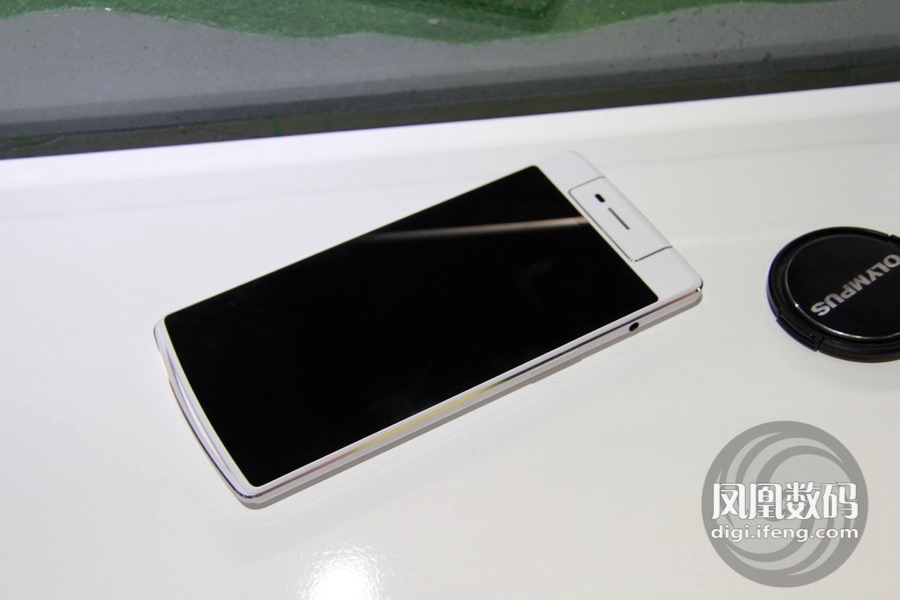
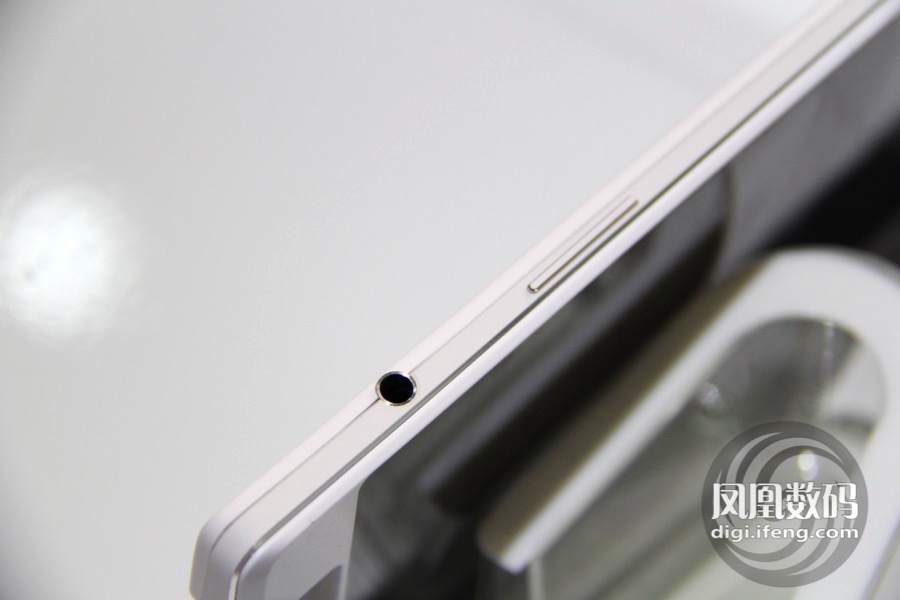
Here, we go hands on with OPPO’s latest device, the OPPO N3. This 3999 RMB (654.21 USD) phone has an interesting design featuring a motorized camera and fingerprint scanner.
Appearance
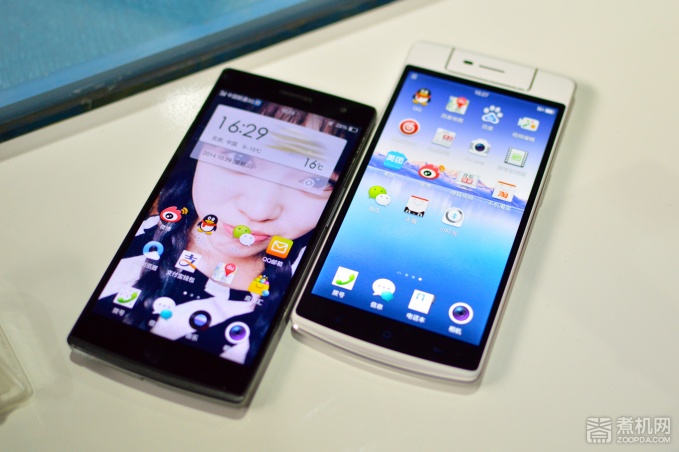
In terms of appearance, the OPPO N3 actually looks pretty similar to its predecessor, the N1. Not only did the N1 have such a big screen, the rotating camera also took a lot of space, making it easier for users to hold the phone with one hand. To fix this, the screen size for the N3 was lowered from 5.9 inches to 5.5 inches.
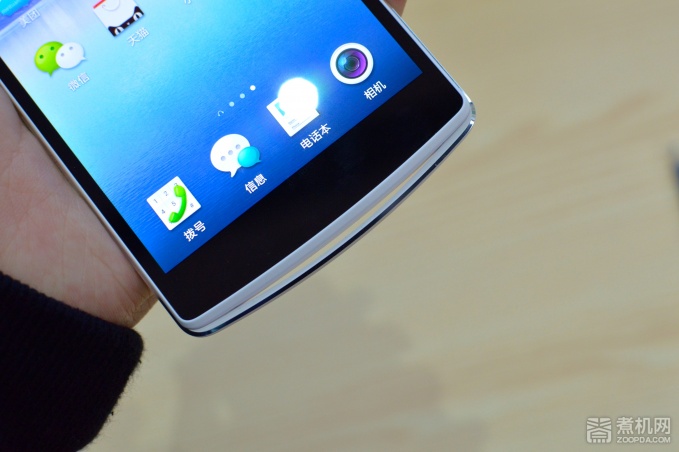
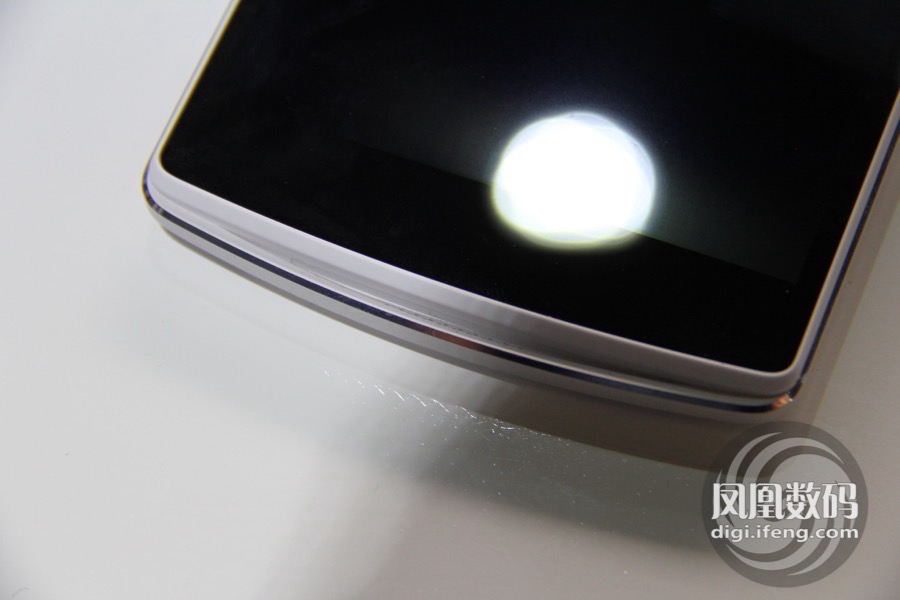
The OPPO N3 also has a notification light bar at the bottom similar to the Sony LT26, although it has been hollowed out, replacing the LED notification light bar commonly used by Android phones.
Is a motorized rotating camera practical?
One of the benefits to having a motorized camera is that it allows the user to hold the phone more easily.Small-handed users of the OPPO N1 and N1 Mini would have to use their other hand to adjust the camera angle. Another advantage to having a motorized camera is that after you place a camera in a stable position, it can automatically scan the entire landscape. This allows you to take great photos of places such as tall skyscrapers.
As you can see, having a motorized camera can be very helpful. You can also expand the field of view of the camera as well as track down objects. This camera, in particular, is a 16mp camera and has a 1/2.3 sensor. However, users can take 64mp panoramic shots with a camera like this.
How does the fingerprint sensor work?
The OPPO N3’s fingerprint scanner is not the kind that you have to swipe your finger on to use. You can just press your finger on it like a button.
FPC provide sensor chip, algorithm provided by swedish company Precise Biometrics. Module(scanner), packing solution and related software service provided by Crucial Tech of Korea. I am equity investor.
Users can lock certain apps using the fingerprint scanner so that when you lend your phone to someone, access to certain apps is limited.
Overall, it’s a pretty interesting phone and is worth a look, especially if you are into photography.
After the price cut down of the Huawei Honor 6 and Meizu’s announcement that over 100,000 Meizu MX4 phones will go on sale on 11th November, it looks like it is going to be an interesting huge sale day.
It was reported earlier that Xiaomi was preparing to release a low-end version of the Xiaomi Mi4 with no differences in the specifications except that the low-end version will have 2GB RAM instead of 3Gb RAM like the original. Of course, they will also cut down the price. In this case, it is expected to go done to 1799 RMB (294.31 USD) or even lower. Today, Xiaomi’s official website confirmed this saying that they will release a “special version” of the Mi4 on 11th November, but did not say anything about its specs and price.
The low-end edition Xiaomi Mi4 is actuarly the Xiaomi Mi4 Youth Edition which will only go on sale on 11th November.
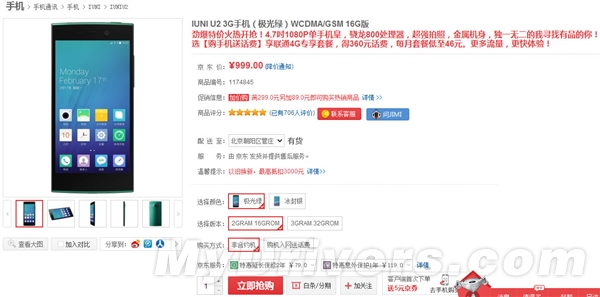
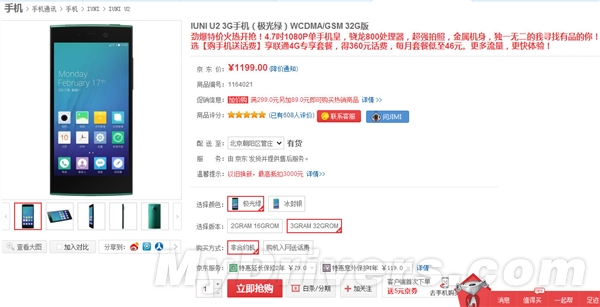
If you already thought that the Xiaomi Red Mi Note and Huawei Honor 4 are powerful for phones that cost 999 RMB, then you have not seen anything yet, as the IUNI U2 not only costs 999 RMB but also uses the Qualcomm Snapdragon 800.
Two versions of the IUNI U2 are on sale at Chinese online store, JD. One is the low-cost version (999 RMB) with 2GB RAM and 16GB ROM, while the other is the high-cost version (1199 RMB/196.15 USD) which has 3GB RAM and 32GB ROM. Unfortunately, it is only available in select locations.
The IUNI U2 sports a 4.7-inch 1080p touchscreen, the 2.2GHz Snapdragon 800 processor, a 4mp/16mp dual-camera, and 2200mAh battery. Its OS is the IUNI OS which is based on the Android 4.3. It only has support for GSM and WCDMA networks, not 4G.
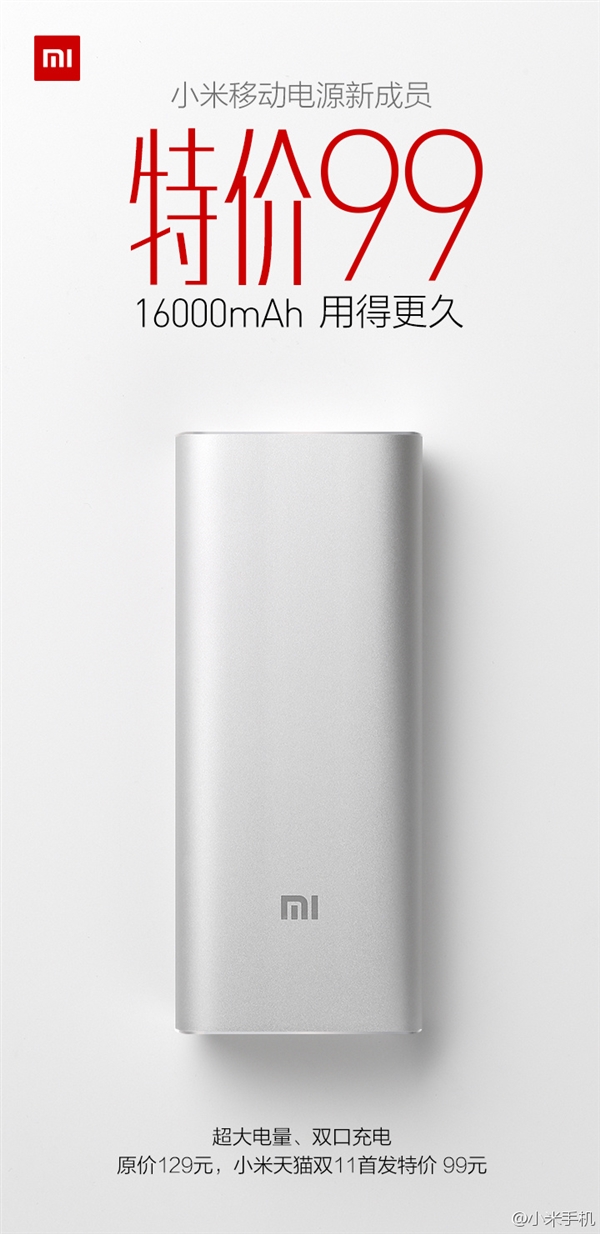
A few days ago, Xiaomi announced on their official Weibo account that they would release a mysterious device for a special price (99 RMB) at the Chinese online store T-Mall on Singles Day. Netizens debated over what this device could be, with many guessing that it is an enhanced version of a mobile phone battery. Some claimed that it might be a 3G MiFi. Now, the veil has been lifted. It is actually a new mobile phone battery with 16000mAh, which is about 50% higher than the previous 10400mAh battery. It also comes with two USB ports and its cover is still made of aluminum.
The official price of this battery is actually 129 RMB (21.10 USD), but will cost 99 RMB at T-Mall during China’s Singles Day. Despite having a much higher battery capacity than the 10400mAh battery, it is not as wide and can be easily carried.
The Xiaomi Red Mi series are, perhaps, one of Xiaomi’s most popular products, and some of the best-selling Chinese cellphones around.
Tonight, Xiaomi CEO, Lei Jun, announced on his Weibo account that since last July, Xiaomi has shipped 25 million Red Mi phones to stores. This is an unbelievable number for a Chinese cellphone. No other phone in the country must have reached this number before.
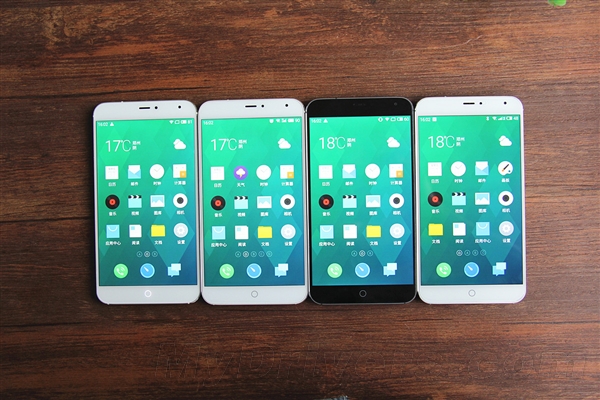
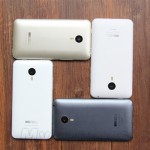
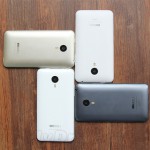
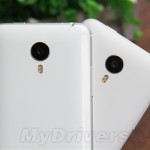
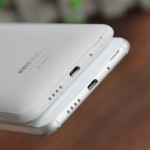
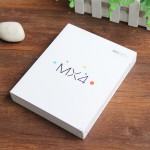
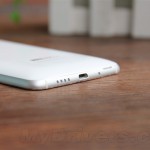
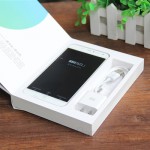
Besides releasing gray, white, and gold versions of the Meizu MX4, Meizu also released the MX4 Silver Wings Edition. This version retains the phone’s metal frame. Here are photos of the Silver Wings Edition alongside the other versions.
According to Meizu’s vice-CEO, Li Nan, we should see the Meizu MX4 Pro this November. As the last day of October ends, we are one step closer to seeing it.
This afternoon, two new Meizu phones were identified at the certification center. Their model numbers are M462 and M462U, both of which received their certification on October 28. These model numbers could be for the upcoming Meizu MX4 Pro. Will Meizu release two versions of the MX4 Pro with different hardware? Three other phones were identified as well: the Meizu M460 (Meizu MX4 China Mobile phone), M460A (MX4 YunOS version), and M461 (MX4 China Unicom).
Previous reports have said that the Meizu MX4 Pro will have a 5.5-inch 2K screen, the 2GHz Samsung Exynos 5 octa-core chipset, 3GB RAM, 16GB ROM, a 5mp/20.7mp dual-camera, and support for NFC.
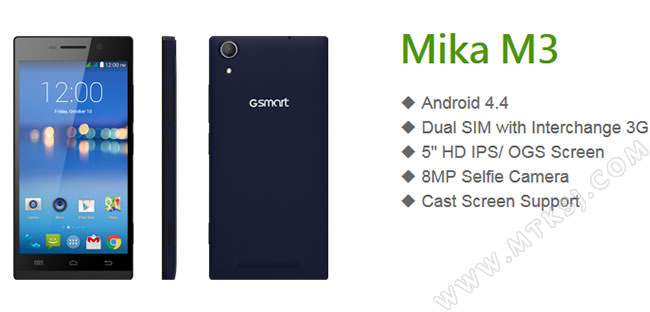
This year, GSMART has released a lot of products that use processors from MediaTek. One of them is the just-released GSMART Mika M3.
This phone has a very simple and clean design. The front side is black while the rear is blue. Its dimensions are 144 x 70.5 x 8.3mm.
The GSMART Mika M3 phone has a 5-inch 720p OGS display screen. As stated earlier, this phone uses a processor from MTK. Specifically, it uses the 1.3GHz MTK MT6582 quad-core CPU. It also has 1GB RAM and 8GB ROM, which can be expanded up to 32GB. It also has powerful camera specs, sporting an 8mp front-facing camera and 13mp rear facing camera. Its operating system is the Android 4.4.
Unfortunately, the GSMART does not have support for LTE networks. It only supports HSDPA+/42M (WCDMA), GSM, and EDGE networks. It also supports dual-SIM cards.
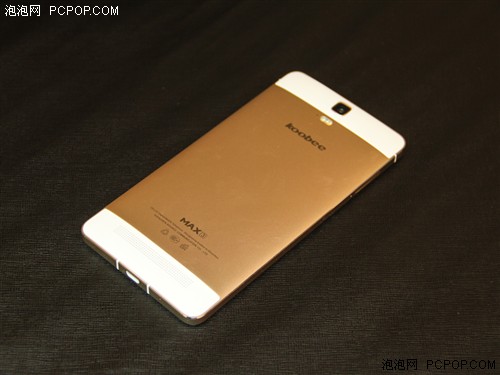
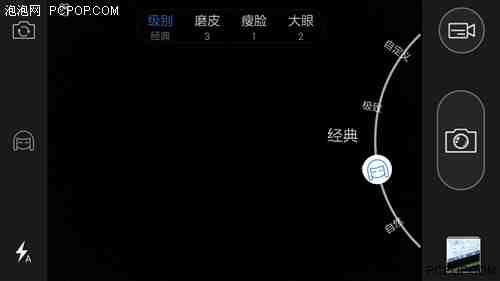
The Koobee MAX3 sports a 13mp dual-camera and it also has the female-favorite beauty enhancing feature. Not only does this phone have a powerful camera, its specifications and craftsmanship are excellent. Here’s our review of this phone.
Design
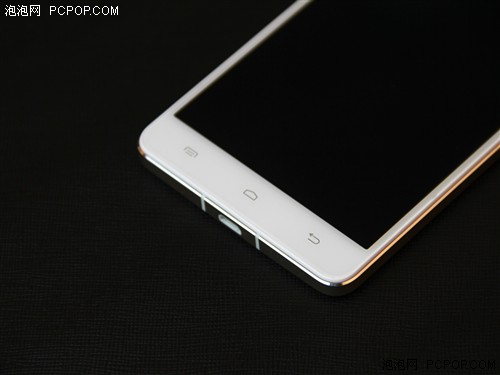
It sports a 5.5-inch Full HD screen. It has a high screen-to-body ratio and has a very thin frame.
Above the screen, from left to right, are the 13mp front-facing camera, receiver, proximity and light sensors, and LED flash. Below the screen are the menu, home, and return buttons.
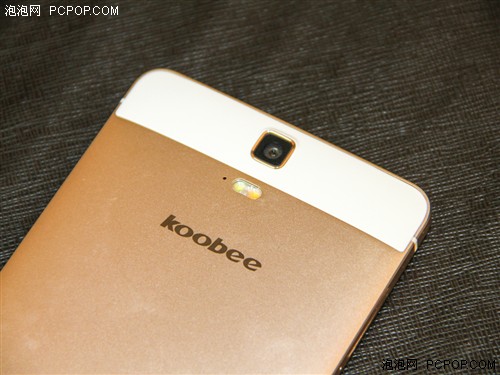
The upper part of the back of the phone also has a 13mp camera. Below it are dual-LED lights. Beside it is the noise-cancelling microphone.
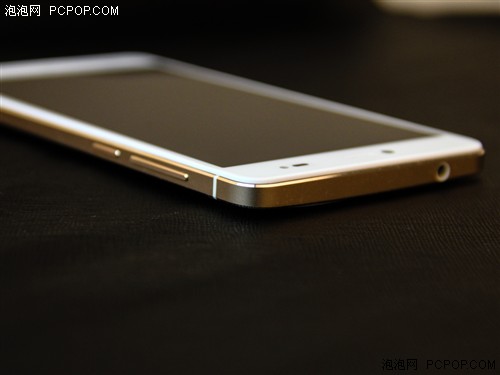
The physical buttons are located on the right side where the Micro SIM slot is located. At the top is also a 3.5mm earphone jack, and on the bottom are the USB port and microphone.
Operating System
Koobee’s own operating system is called the Dido OS and is based on the Android 4.4.2. What’s so unique about it? Let’s check it out.
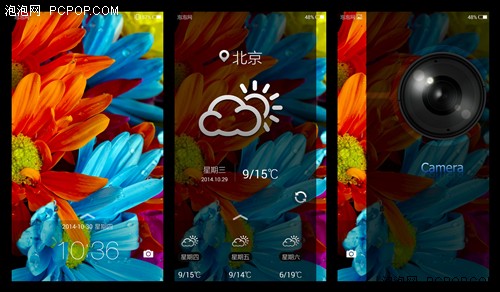
When you press on the unlock button, we get the lock screen which looks really simple. Just swipe your finger upwards to unlock your phone. At the same time, swipe your finger left to right to check the weather and take photos.
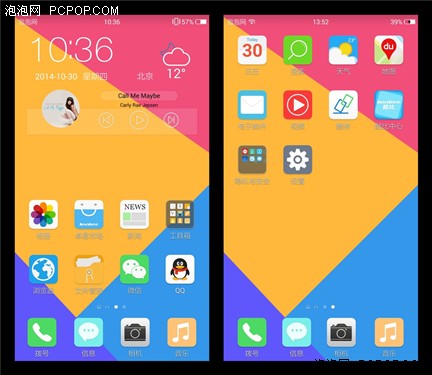
After unlocking the phone, we get into the main screen. The Dido OS does not have an app drawer so all the installed apps are laid out in the main screen. The four most commonly used apps are located at the bottom of the screen and can be changed at any time.
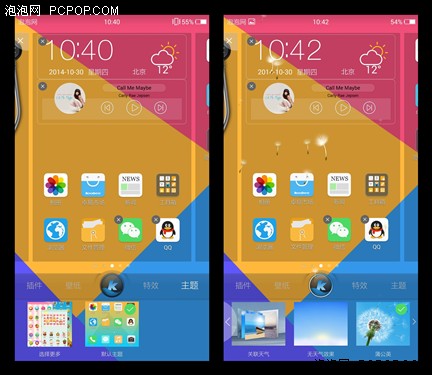
When you hold your finger on the space in the main screen, you get access to the main screen’s settings where you can not only change the wallpaper, add or delete plug-ins, etc., you can also add the “Special Space” and “Free Weather Watch” on the main screen by pressing the “K” tab in the middle.
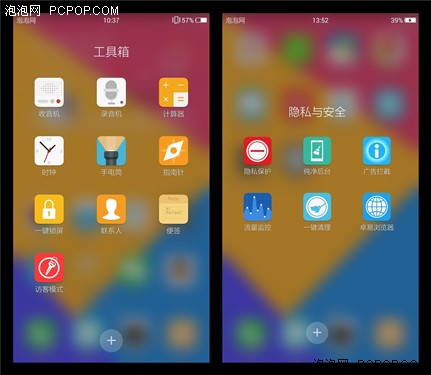
The Dido OS’ file manager is similar to the MIUI V6’s. Both use frosted glass effects making the interface more translucent.
Camera and performance
The most appealing part of the Koobee MAX3 is its camera specs. Let’s see if its use of a 13mp dual-camera is as good as they say it is.
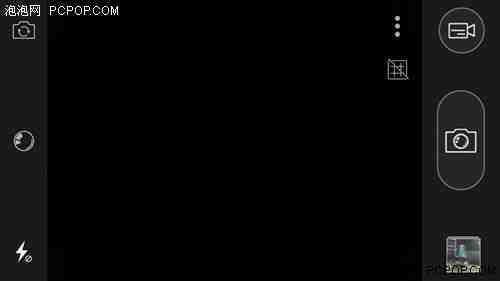
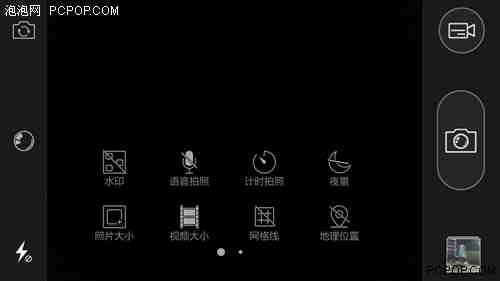
The interface looks very simple. The right side has the camera switch, mode switch, and flash buttons. On the right are the video camera, shoot, and gallery buttons.
Below are photos taken using the Koobee MAX3’s cameras.
As you can see from the photos, the quality of the lens is pretty good. It’s definitely worth the price. Next, let’s look at the hardware and performance.
The Koobee MAX3 uses the MTK MT6592 chipset (1.7GHz). This processor was made using the 28nm manufacturing process and has 8 cortex-A7 cores. Its GPU is the Mali-450MP. It also has 2GB RAM. It received a score of 31148 in the Antutu test. We tested it three times and got an average score of 31305. It looks the hardware is good enough for most software and games.
Regarding playing videos, the Koobee MAX3 has no problem playing all kinds of 1080p videos. Overall, the performance is really good.
In addition, this phone is dual-SIM supported. It also does not support expandable memory cards and it is powered by a 2700mAh battery that cannot be changed.
Conclusion:
Based on our evaluation of its design, operating system, camera, and performance, everyone can see that this is a good cellphone. There’s the excellent design, amazing camera specifications, and powerful processor. Overall, it’s definitely worth the price. As of now, it costs 2599 RMB (422.67 USD).
Although there have been a lot of products sold at similar prices, the 1999.99 RMB (327.05 USD) OnePlus One is still one of the best products that are worth the price.
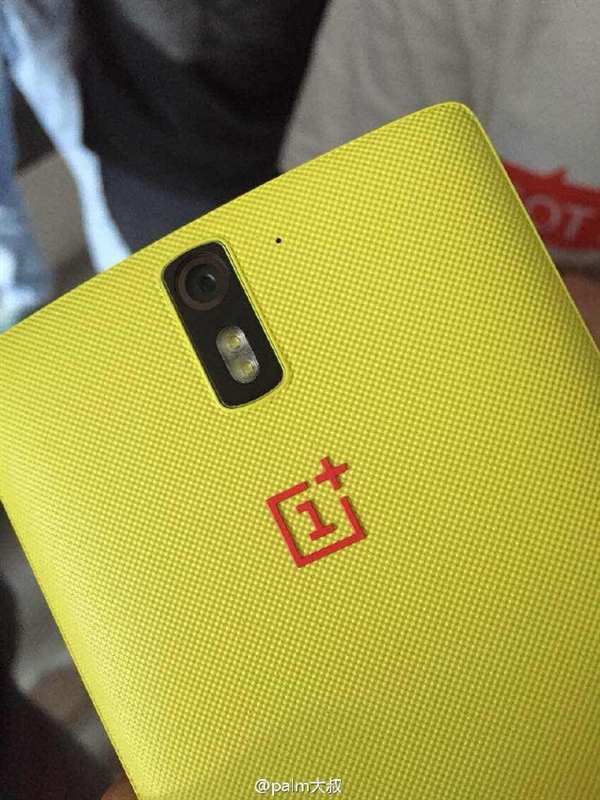
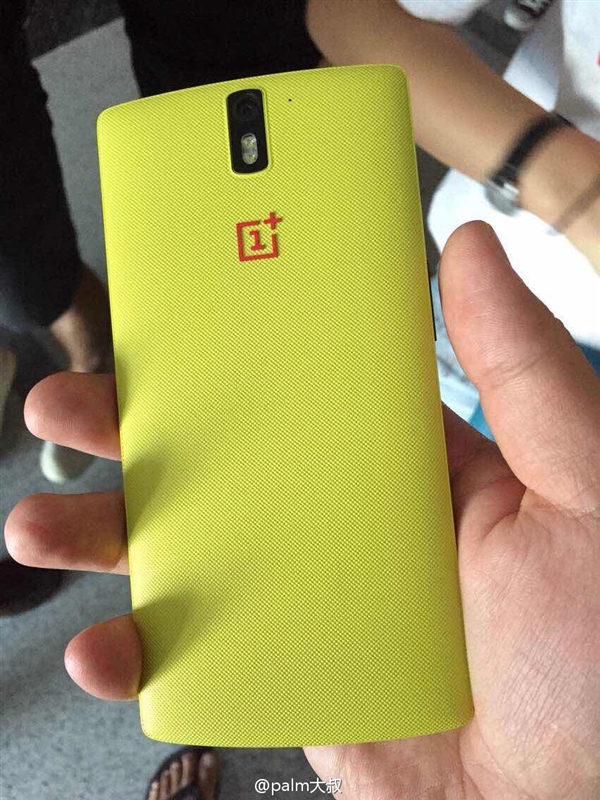
Regarding the rear cover, the OnePlus One only comes in sandstone black, and baby skin white as of now. There is also a bamboo version. Netizen @palm, however, has leaked photos that show a yellow OnePlus One rear cover, but nobody knows what it is made of.
Of course, as of now, there is no way to confirm whether this is an official rear cover by OnePlus or a 3rd party product. Hopefully, it will have a comfortable texture.
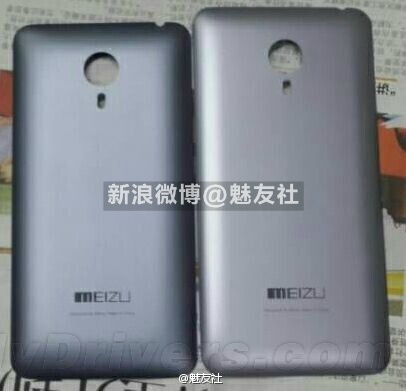
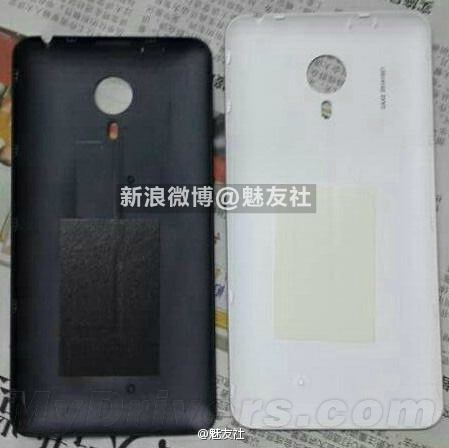
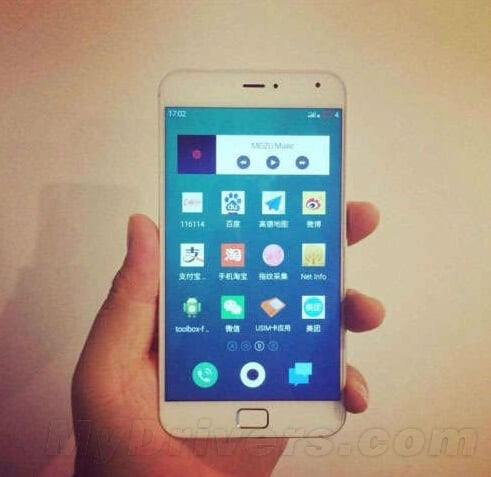
A lot of information about the Meizu MX4 Pro has already been revealed such as the fact that they will integrate the fingerprint sensor into the Home button. Now, a netizen leaked photos of what is purportedly the MX4 Pro’s rear cover which seems bigger than the MX4’s. There is also a difference in color. Both phones still sport a 5.5-inch screen, but the size of the phone has increased.
According to GFXBench, the Meizu MX4 Pro sports a 5.5-inch 2K screen (5660 x 1536) and has the Samsung Exynos 5 octa-core chipset (2GHz), Mali-T628MP6 GPU, 3GB RAM, 20.7mp camera, and the Android 4.4.4 OS.
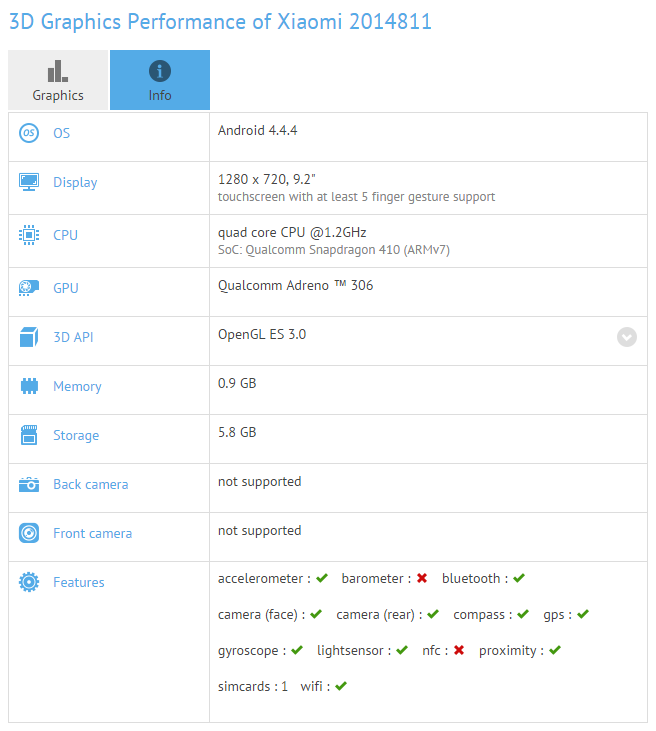
It seems like an ultra-budget friendly Slate from Xiaomi on cards. A leaked results from GFXBench database hints a device from Xiaomi code named Xiaomi 2014811 is in pipeline. While nothing much is revealed regarding the specifications or features, the results shows that it could include a 9.2 inch HD 720p display and comes with a 64-Bit quad-core Snapdragon 410 SoC clocked at 1.2 GHz, 1 GB of RAM, 8 GB of internal storage space. There is rear camera, even a front snapper but the potential of it is not known. This device may run on Android Lollipop, as it comes with a 64-Bit processing unit. Withal, this device comes with a SIM card slot and a bunch of sensors.
These specifications might be let out by the prototype benchmark , but we need to wait until Xiaomi announces the slate officially to know what it could boast of.
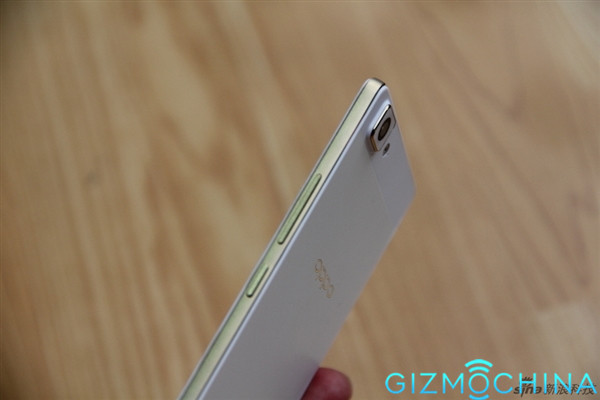
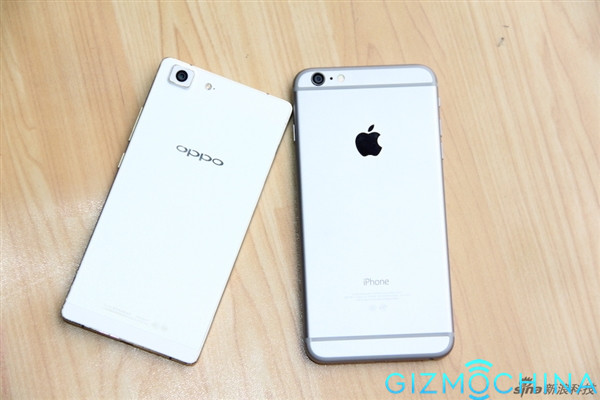
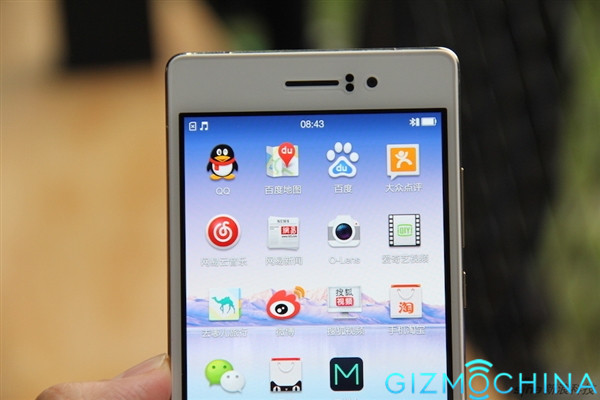
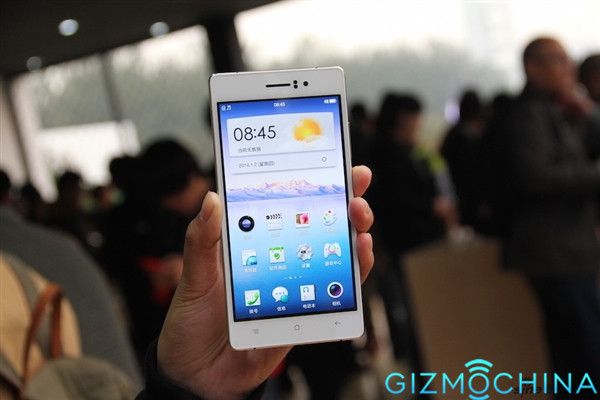
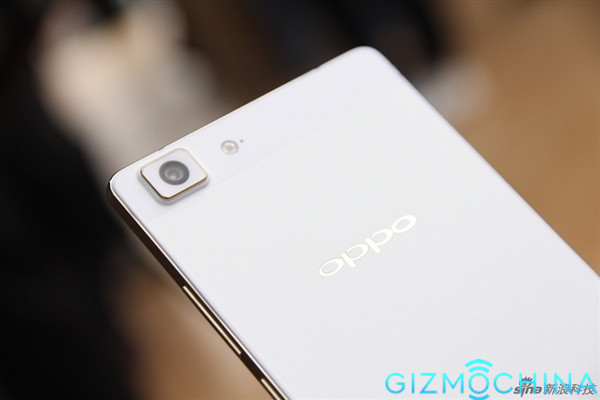
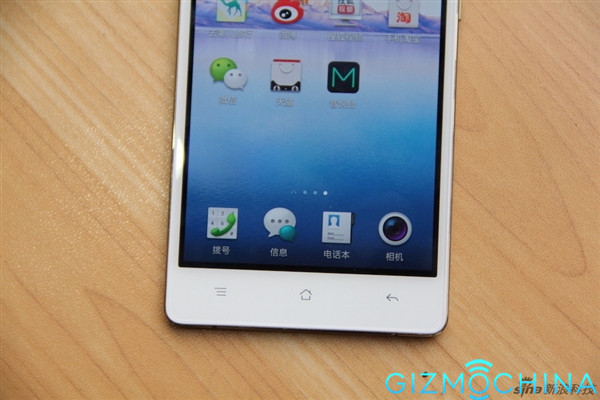
OPPO released OPPO R5 today along with OPPO N3, and it’s 4.85mm thin! OPPO R5 is powered with 5.2 inch 1080p display,1.5GHz octa-core snapdragon 615, 2GB ram, 16GB rom, 5 megapixel front facing camera and 13 megapixel rear camera with a 2000mAh battery. OPPO R5 will have a colors, grey and gold, priced at RMB2999 ($491) in China, and we do not sure when will it be on sale. Luckily we got hands on the OPPO R5 at the launch show. Here is the hands on pictures.
The Good/ Very light to hold, fast octa-core processor, premium-looking device at an affordable price.
The Bad/ Battery life is as poor as iPhone6 , Doesn’t support LTE.
The Bottom Line/ The Doogee DG900 is a great device to consider if you’re looking for a smartphone that stands out with its looks.
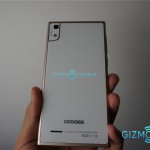
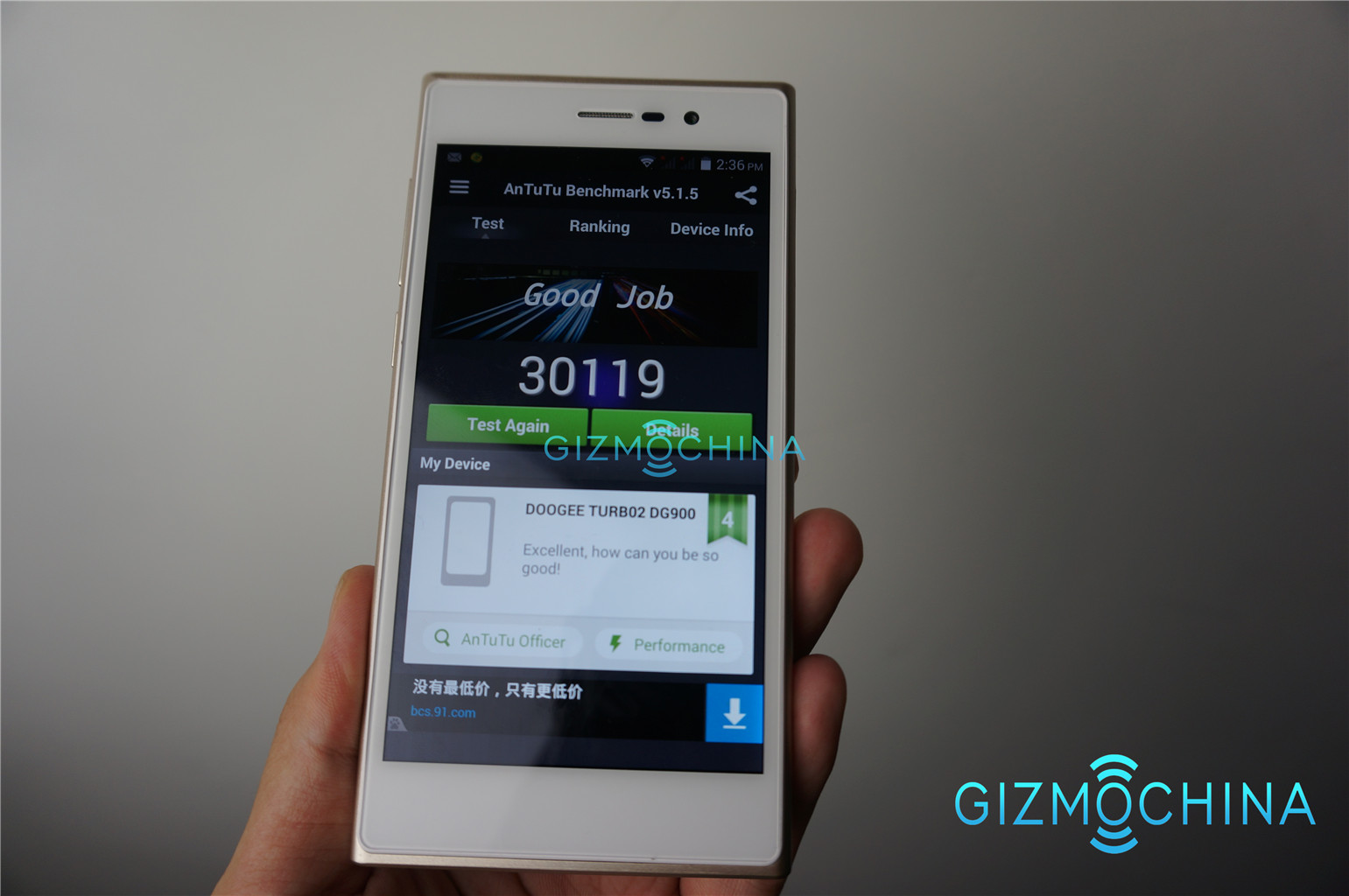
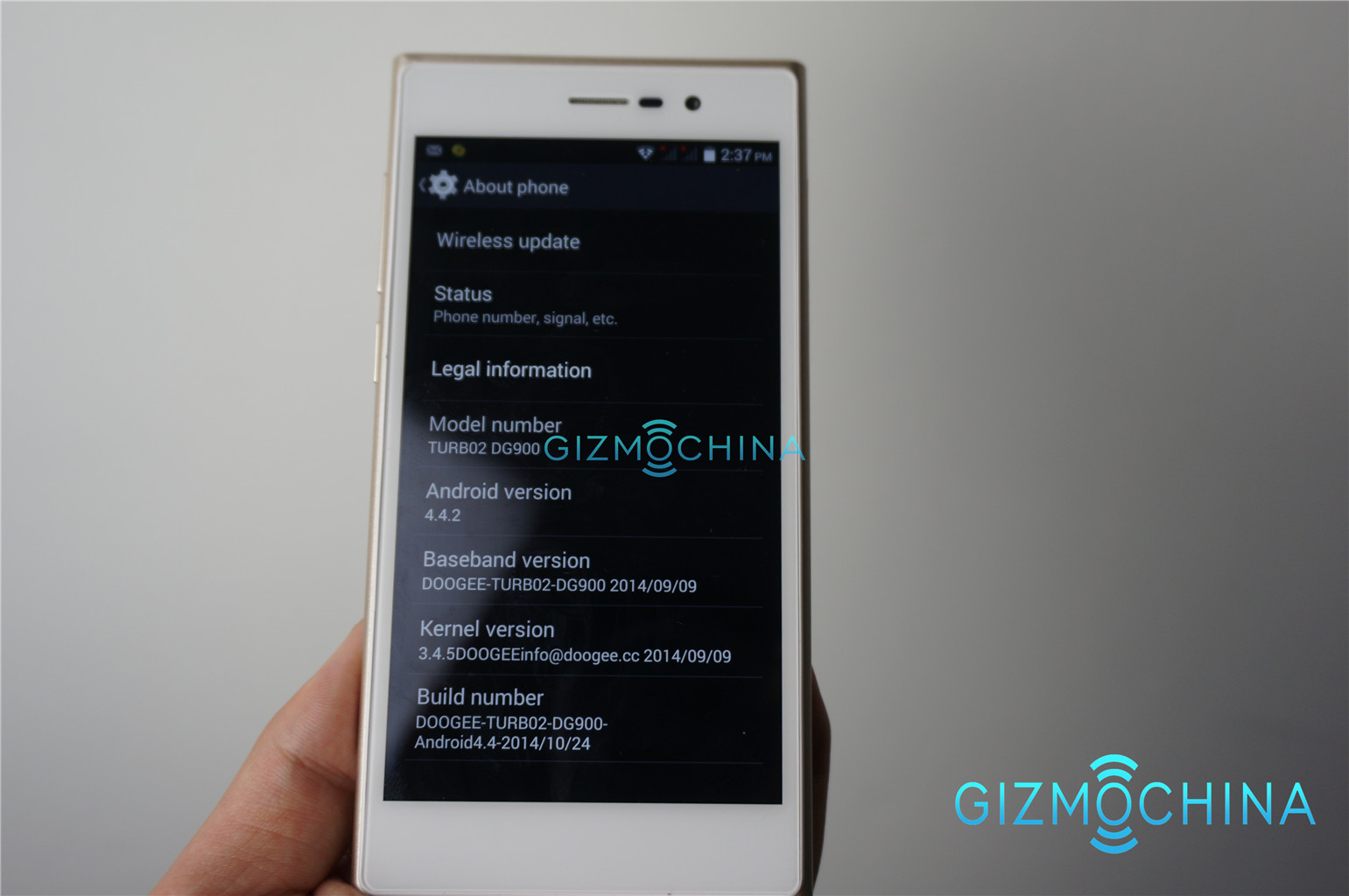
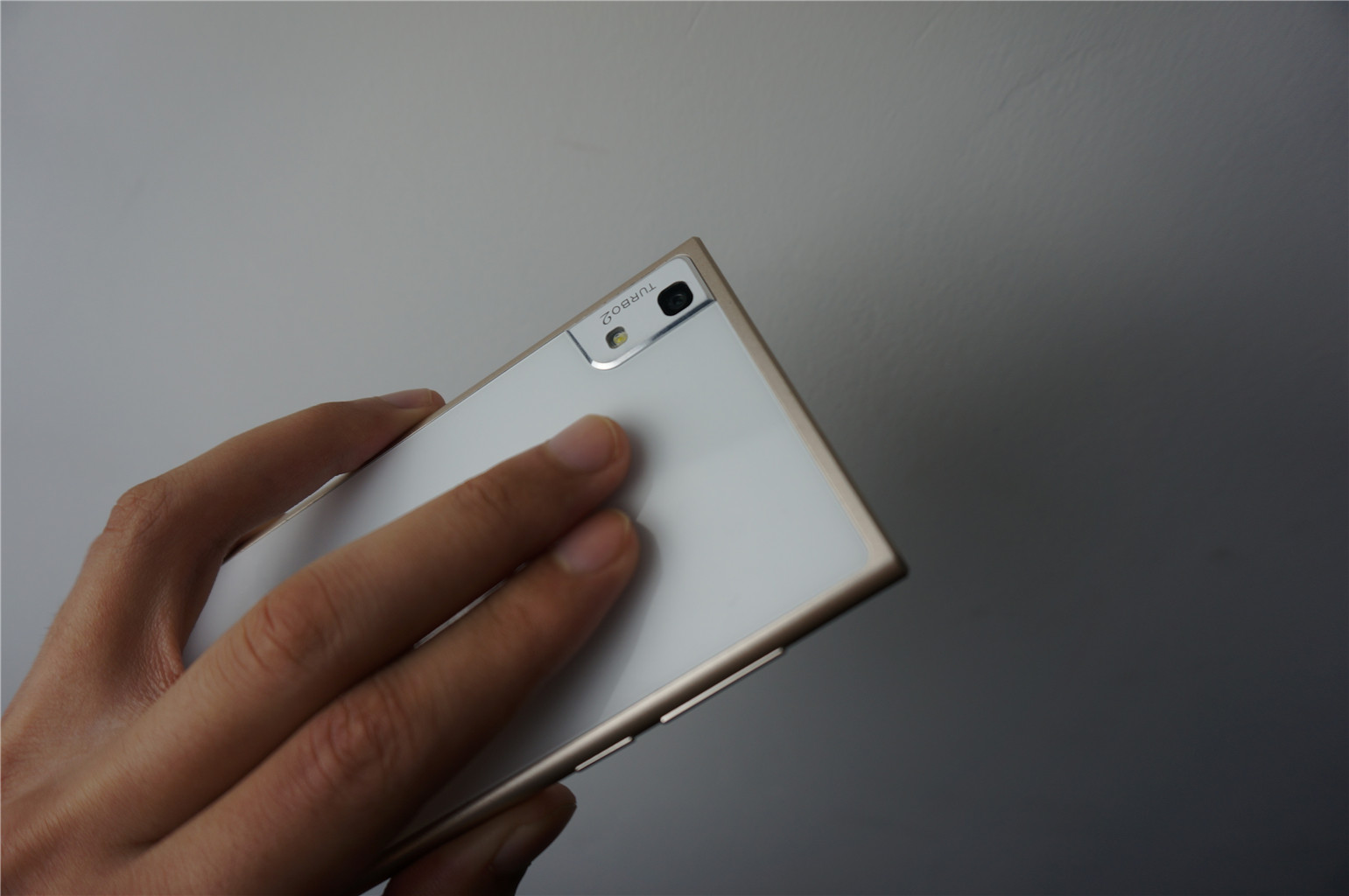
Doogee DG900’s design borrows liberally from Gionee Elife S5.5, but it also possesses a lot of unique features that let it stand on its own. Doogee DG900 is a beautiful glass phone no matter how you look at it. The DG900 from Doogee is not just another fancy little device with some moderately identifiable features. It is a plethora more than that. The handset rides on the back of a pack of astounding specs to claim its share of the limelight. A 5 inch screen, the MTK6592 1.7 GHz Octa core processor, 16 GB user memory, 2 GB RAM, 13 MP rear lense, and the 5 MP front camera are equal stakeholders in the claim. All of this is bundled into the Android 4.4 KitKat. Here is a spec-to-spec Doogee DG900 Review of its latest Smartphone, Doogee DG900 Turbo2, which is all set to take you by surprise with its superb features.
DESIGN
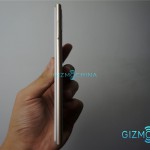
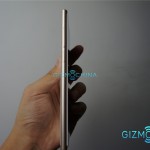
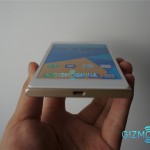
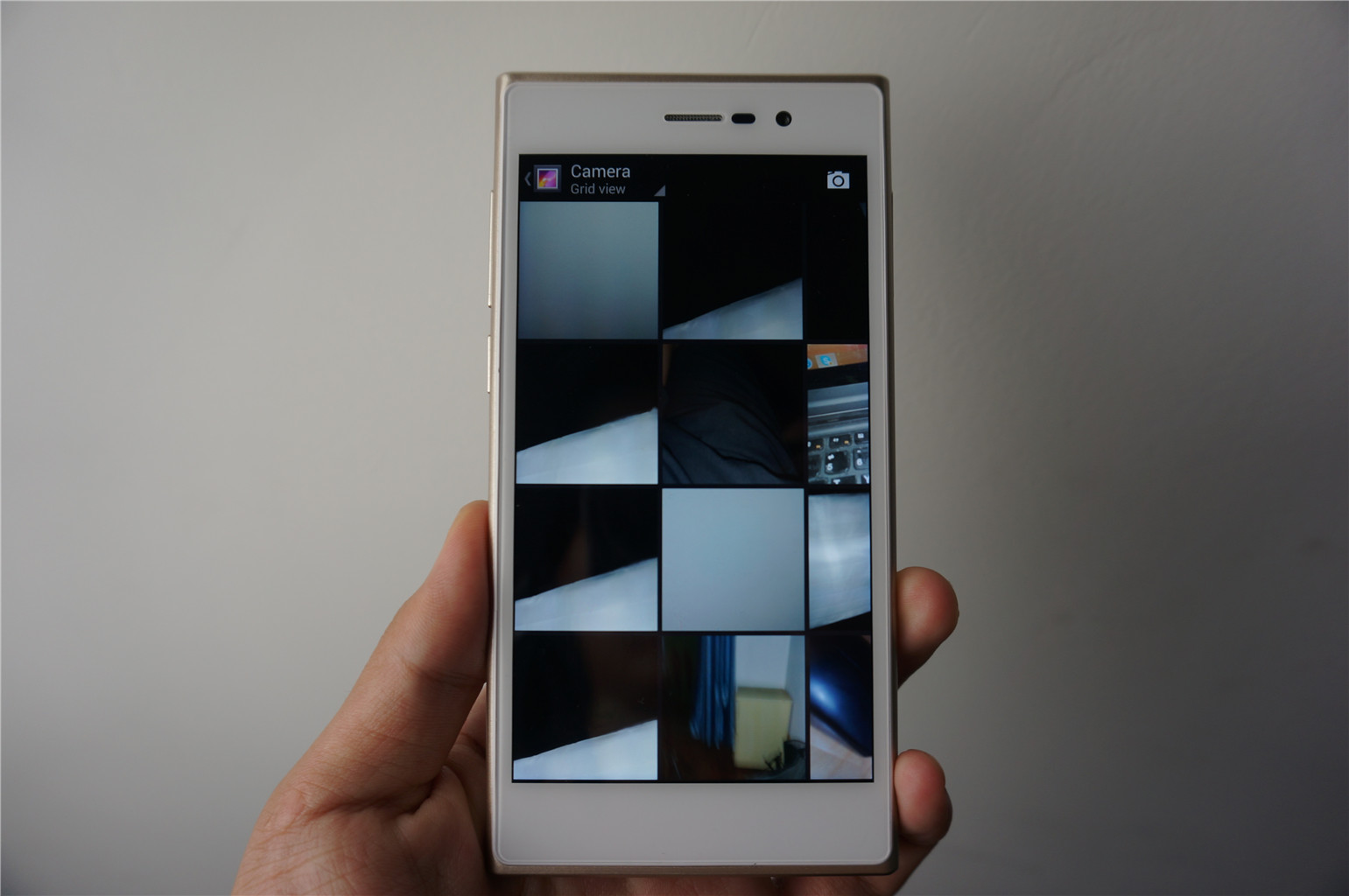
The Doogee DG900 Turbo2 has a brilliant body design which one is sure to love. It is an ultra slim smart phone having the dimensions, 153 x 76 x 6.9mm, and weighs just 134.4 grams which makes it easy and good to hold. Its body is plated on the back and has a crystal finish on the front screen. Even the screen frame is thin and measures just 2.2mm. Moreover, it has a sharp rectangular design made around a strong chassis with the volume and power key provided on the left side. This phone is available in two colour choices too, black and white. It is needless to say, that this phone has awesome looks which is a treat to the eyes.
DISPLAY
when you put it under the sun
Display is yet another area worth appreciation in this Doogee DG900 Review. It features a 5.0 inch and 5-point Capacitive IPS Touch screen which has a full HD resolution of 1920 x 1080 pixels and pixel density of 441 ppi. This makes the images look crystal clear, sharp and vibrant. Another great thing is that it is equipped with two 5 inch 3rd generation Corning Gorilla Glass, instead of a single panel; one protects the front Touch Screen while the other is for the back of the body as the back body also has a touch panel. This makes the Smartphone, three times more resistant to scratches and any kind of shocks.
CAMERA
DG900 comes with 8MP 88º wide angle front camera and an 18 MP rear camera according to the official specifications listed on the website, however there seems to a major flaw in the details given on the website which is contradicting, the headline says 18MP but if you scroll down you’d see in the description that it is actually a 13MP rea camera. We didn’t know what to believe until we tried the phone our self and the 13MP rear camera is the real camera spec indeed. The DG900 uses IMX35 Sony’s sensor for its 13MP rear camera. Also the front camera doesn’t really seem wide angle at all, we can’t confirm the claims but the result of the camera is below, so you can be the judge of it. Our experienced opinion, this ain’t wide angle.
Processor and PerformancePowered by Android 4.4 (Kitkat), DOOGEE Turbo2 DG900 has MTK6592 Cortex-A7 Octa Core processor with a processing power of 1.7GHz. The Octa Core performance is complemented by a whooping 2GB RAM and 16GB ROM. This smartphone really comes packed with just too many high-end features, but does it then live up to the expectations? Obviously such a super charged device would run heavy games as well as play 1080p full HD videos smoothly, but when we put the device to test we had some mixed results. The game performances had been is immaculate. We ran some hi-end graphics intensive games, which did show minor jerks here and there, but the overall experience was quite decent. However running 1080p Full HD video experience was not up to the par. Doogee DG900 stuck often and the video skipped frames, so we can’t truly say you should play 1080p videos using it, you can record 1080p videos but try watching 720p videos on the phone for a smoother experience. One definite problem we experienced was the heating up of Doogee DG900, which is quite acceptable if you’re playing heaving games on it, but the speed at which it heats up is kind of alarming, but then again it might be an issue with the handset we got for review. Another reason we can think of is the Octa Core processor, the MKT6592, the chip itself might be heating up due to the design factor of the phone, the full HD screen and gorilla glass on either ends. OPERATING SYSTEMDoogee DG900 uses the most popular operating system in the world: Android. It has Android KitKat v4.4 installed which lets you have the familiar and user-friendly interface. This also means that you will have access to more than one million applications that can be downloaded from Google Play Store, from health apps to games to music apps, all in the palm of your hand owing to its superior processor.
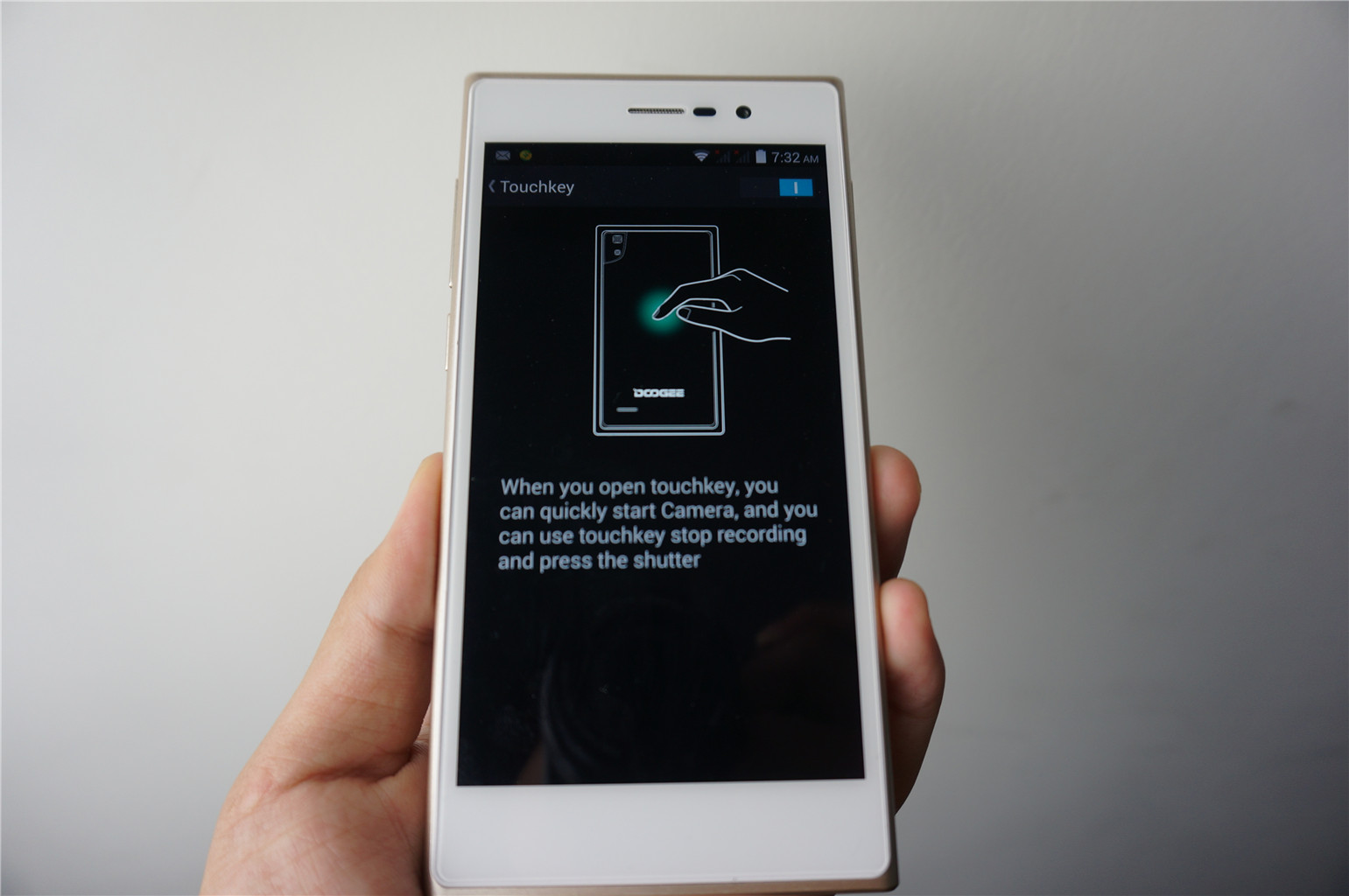
Rear Touch PanelThe back side of the Doogee DG900 comes with a touch sensitive panel, which is a refreshing add on to the smartphone market. Double tab on the back opens up the camera app, this feature is being marketed as a single handed selfie mode. So if you’re one of the millions who love taking selfies, this feature might come in very handy to you.
Touch the back panel, the camera will be turned on, even you are playing games!
The only annoying thing is, if you accidently tab or touch the back panel, while keeping the phone in your purse or pocket or even while playing games, the camera pops open. We personally found it very distracting while playing games! This feature can thankfully be turned on or off from within the phone settings.
all the photos taken by this feature!
Irrespective of how us boys think, the female squad at GizmoChina have only flowering words for this new feature and unanimously have voted this to be one of the best new features in a smartphone.
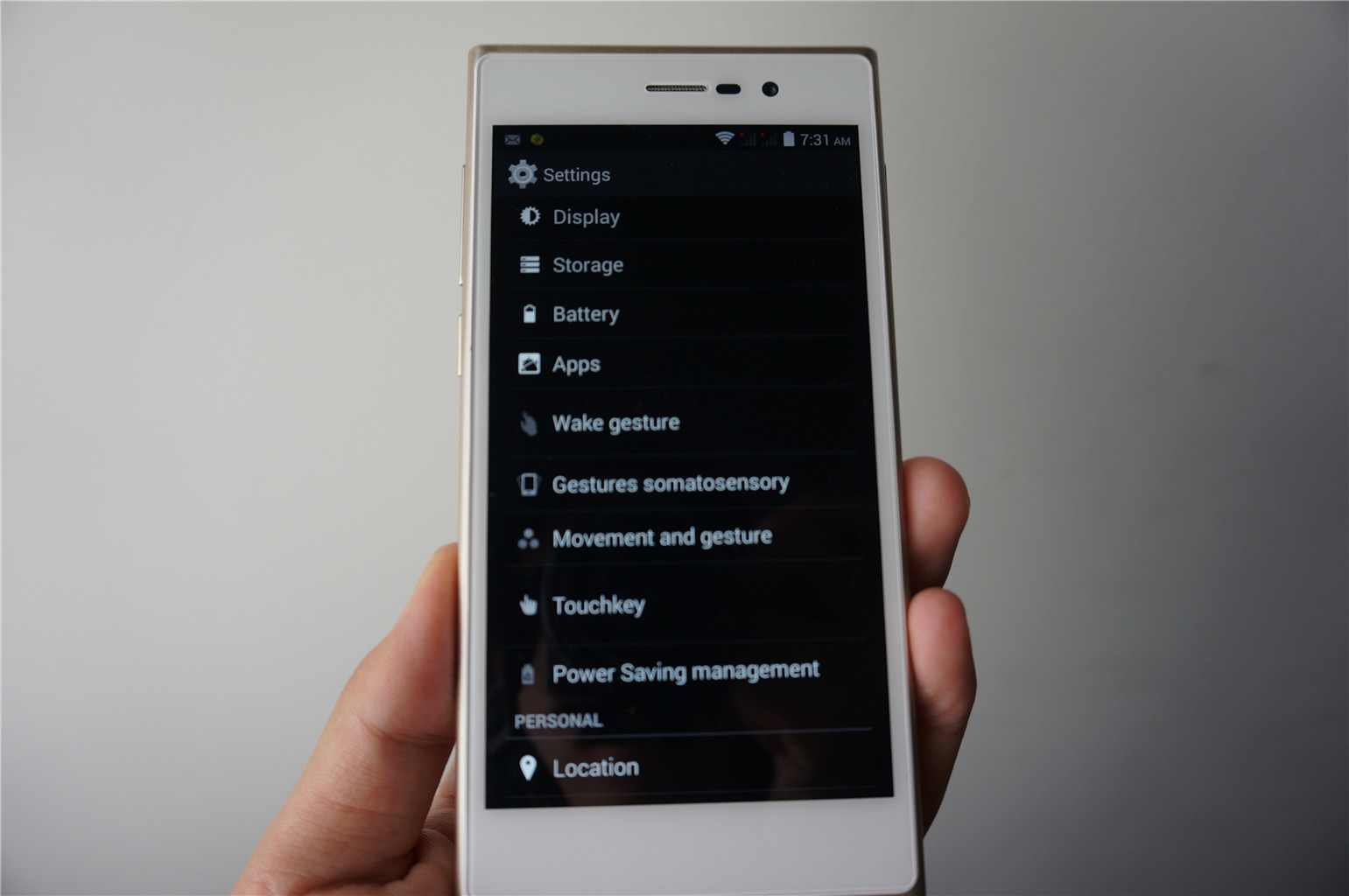
OTHER FEATURESApart from all these major features, there are many other features that make this device a great choice when it comes to high end smart phones that I need to show in this Doogee DG900 Review. It also has dual SIM slots. You can extend its memory up to 64 GB with TF card. It features 16000K colours in display. It supports 2G Band 850/900/1800/1900 and 3G band WCDMA 900/2100 MHz. Moreover, you can enjoy faster internet speeds with Wi-Fi v802.11 b/g/n and faster file transfers with the latest Bluetooth version 4.0. It also has Gravity Sensor, FM, EBook, Email, Tethering and portable hotspots and a highly accurate GPS. Doogee DG900 also has intelligent gesture support which automatically receives the phone call as you put the phablet next to your ear. There are many more gesture features like draw C on phone’s screen, it will not only unlock the phablet, but also opens up the camera for you. Similarly double tap on the home button to wake up the phone and review the lock screen updates.Another astonishing feature of this Smartphone is that also supports about 43 languages from around the globe. It recognises input in Handwrite, Swype and QWERTY forms. It has a decent battery life which is powered by a non removable 2500mAh battery and has a 3.5mm headphone jack on the top of the body.
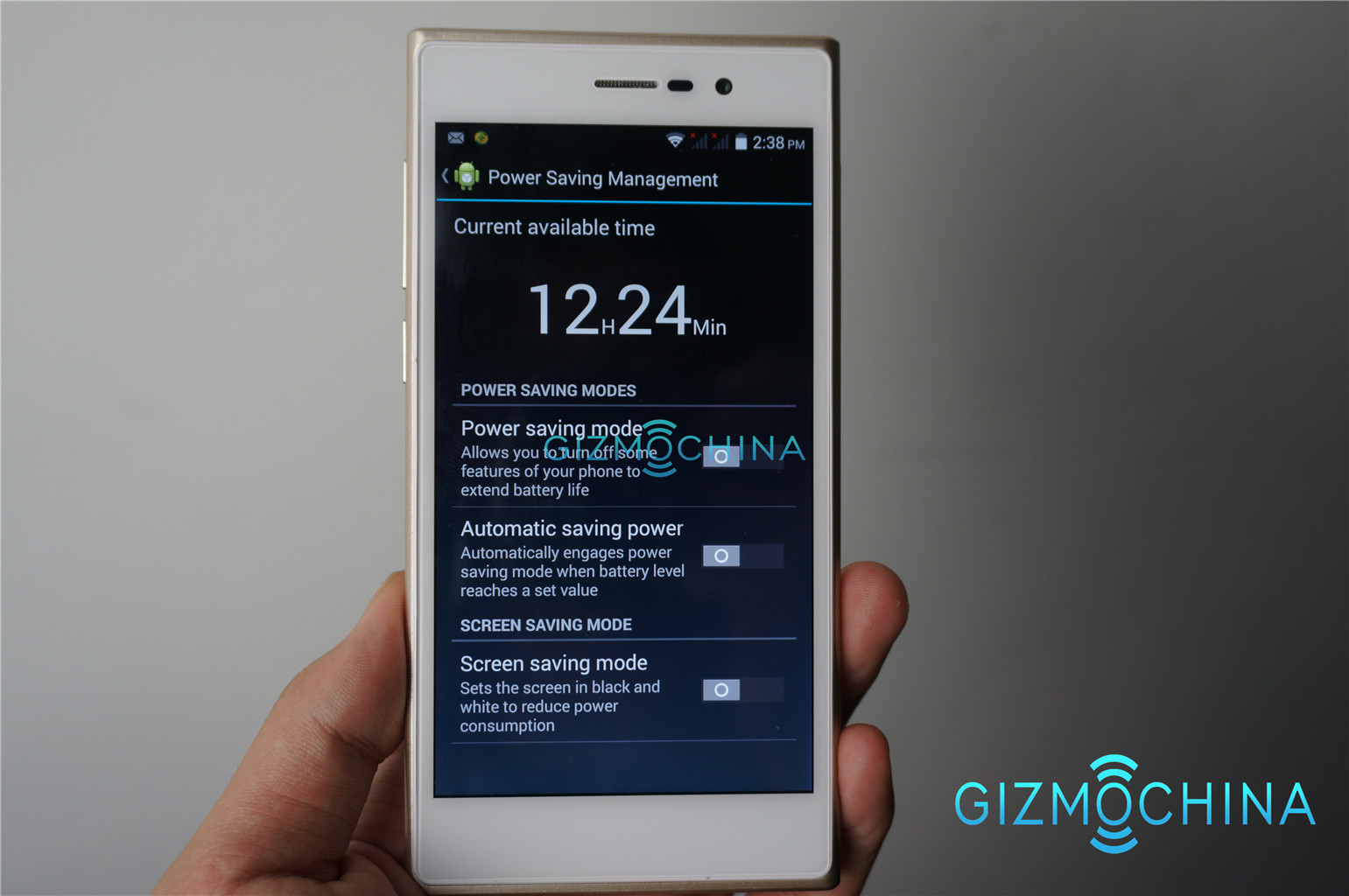
Battery life Battery life was a common problems among all the slim phones. The 2500mAh battery barely managed 7 hours on Doogee DG900 before shutting down during our tests. Hope the battery will last one day with moderate usage. This is at least 90 minutes short of what most phones usually last in our tests. But the good thing is it can achieve full charge in 2 hours.
Doogee DG900 Review: Verdict and price Doogee DG900 is good looking, well made, and is suitably different to most other Android devices. With the elegant design it gets a good scores for its aesthetic appeal. For the price, it also delivers good results in terms of its hardware i.e the camera, speed and overall build quality. Doogee DG900 is sold in various countries around the world, you can get it at giztop for $199.
We use cookies on our website to give you the most relevant experience by remembering your preferences and repeat visits. By clicking “Accept”, you consent to the use of ALL the cookies.
This website uses cookies to improve your experience while you navigate through the website. Out of these, the cookies that are categorized as necessary are stored on your browser as they are essential for the working of basic functionalities of the website. We also use third-party cookies that help us analyze and understand how you use this website. These cookies will be stored in your browser only with your consent. You also have the option to opt-out of these cookies. But opting out of some of these cookies may affect your browsing experience.
Necessary cookies are absolutely essential for the website to function properly. This category only includes cookies that ensures basic functionalities and security features of the website. These cookies do not store any personal information.
Any cookies that may not be particularly necessary for the website to function and is used specifically to collect user personal data via analytics, ads, other embedded contents are termed as non-necessary cookies. It is mandatory to procure user consent prior to running these cookies on your website.