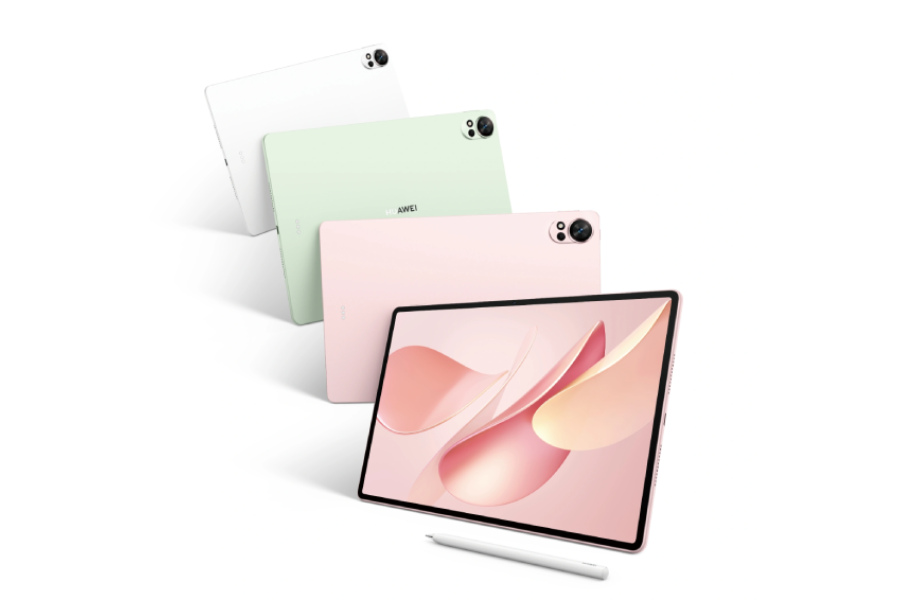
Alongside the MatePad Air, Huawei also announced a more affordable tablet, the MatePad 11.5 S 2025. Like the MatePad Air, it comes in both a regular version and a Soft Light Edition, which reduces glare and reflection. Here are all the details.
Specs and features
The MatePad 11.5 S has an 11.5-inch 2.8K IPS display (2800 × 1840, 291ppi) as standard. The Soft Light version has Huawei’s nano-etched surface that reduces reflections to 2% and meets TÜV Rheinland certifications for low blue light and flicker-free viewing. It also supports an adaptive 30–144Hz refresh rate and the full P3 color gamut.
The chassis measures 6.1mm thick, weighs 515g, and comes in Field Green, Feather Sand Purple, Frost Silver, and Deep Space Gray. Inside, it runs HarmonyOS 5.0, with configurations up to 12GB of RAM and 512GB of storage.
Huawei says the tablet features a redesigned cooling system that improves performance by 27% over the last generation. Power comes from an 8800mAh battery with 40W fast charging.
For cameras, there’s a 13MP rear sensor and an 8MP front shooter, both capable of 1080p video. Audio comes from a quad-speaker setup with Histen 9.0 sound tuning, while connectivity includes Wi-Fi 6, Bluetooth 5.2, USB-C (USB 3.1 Gen 1), and Huawei’s Star Flash tech for low-latency stylus and keyboard pairing.
The tablet also features some software tweaks. For example, the updated Huawei Note app has AI handwriting beautification, formula recognition, and 60x zoom canvases, plus the “Xiaoyi” assistant for real-time translation, problem solving, and document Q&A.
Artists get “Born to Draw” mode with 3D oil painting brushes, animation tools, and smart color palettes, though the M-Pencil Pro 3 stylus is sold separately.
Pricing
In China, the Huawei MatePad 11.5 S starts at 2,199 yuan for the 8GB RAM + 256GB Wi-Fi Smart version. The 12GB + 256GB Wi-Fi model is 2,499 yuan, while the 12GB + 256GB Wi-Fi Soft Light version costs 2,799 yuan. The top-end 12GB + 512GB Wi-Fi Soft Light configuration comes in at 3,199 yuan.
For more daily updates, please visit ourNews Section.
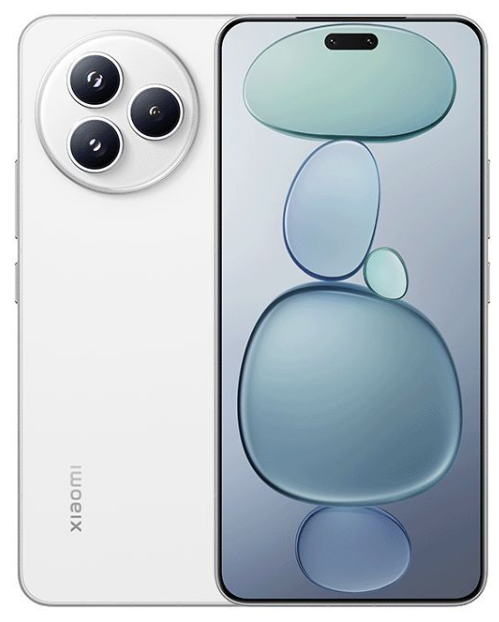
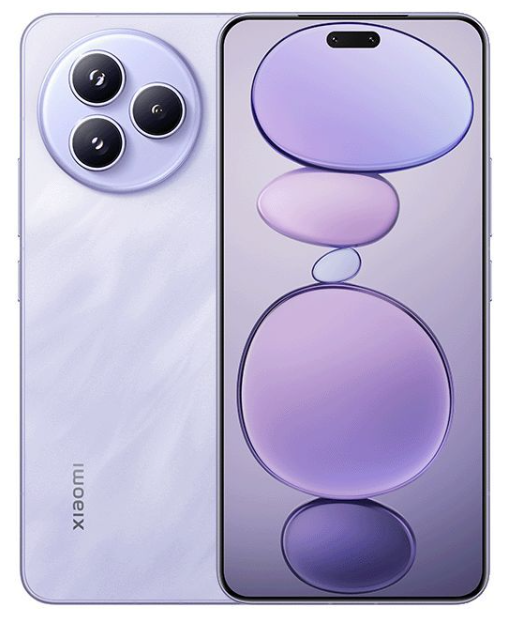
Xiaomi is gearing up to launch its next flagship phones — the Xiaomi 16 and 16 Pro — with some of the biggest camera changes we’ve seen from the brand in years. The lineup is expected to debut in the last week of September 2025, and early leaks suggest photography will be a major focus this time.
Big jump in selfie and main camera hardware
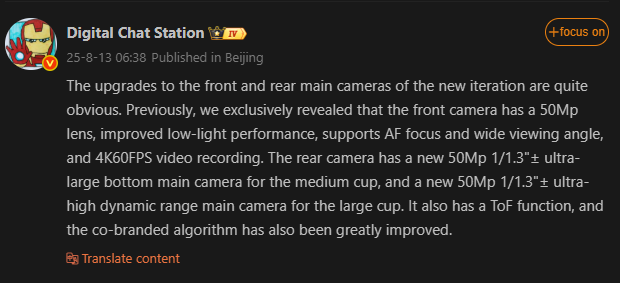
A reliable tipster on Weibo, Digital Chat Station, claims both models will ditch the 32MP f/2.0 front camera that’s been around since the Xiaomi 13 series. In its place will be a new 50MP sensor with a wider field of view, autofocus, and continued support for 4K 60fps recording — a big plus for selfies and vlogging.
On the back, both phones are said to feature a 50MP 1/1.3-inch main sensor, with the Pro model getting a boost in dynamic range and a ToF sensor for better depth detection in portrait shots. Leica’s image tuning has also been improved.
The entire Xiaomi 16 series — which may also include a “Pro Max” — is expected to run on Qualcomm’s Snapdragon 8 Elite 2 chip. A leak from April also claims the base model will pack a massive 7,000mAh battery.
With the new image sensors and improved Leica tuning, it’ll be interesting to see how the Xiaomi 16 series stacks up against the Oppo Find X9 and Vivo X300 in challenging shooting conditions.
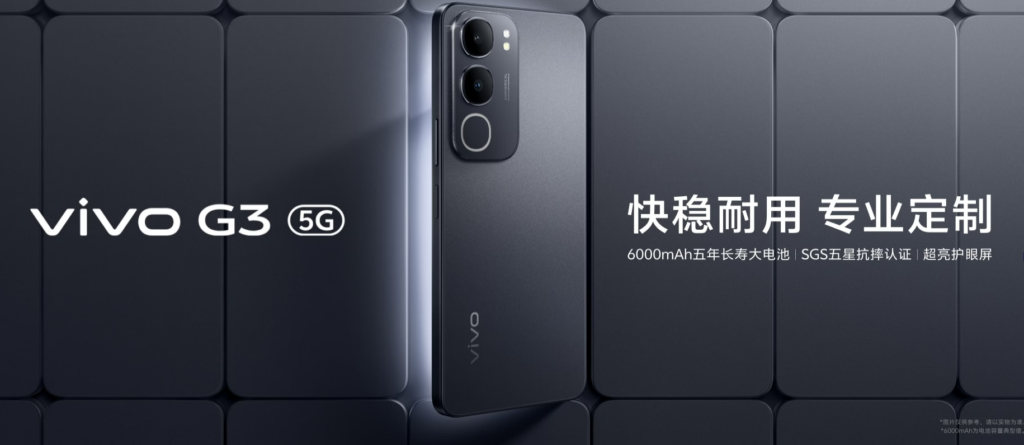
Vivo has introduced a G-series phone called the Vivo G3 5G in China as a successor to last year’s Vivo G2. Key highlights include a large 6.74-inch LCD with 90Hz refresh rate, a Dimensity chipset, and a big battery. Read on to know the detailed specifications, features, and pricing.
Vivo G3 5G specifications and features
Vivo V3 5G
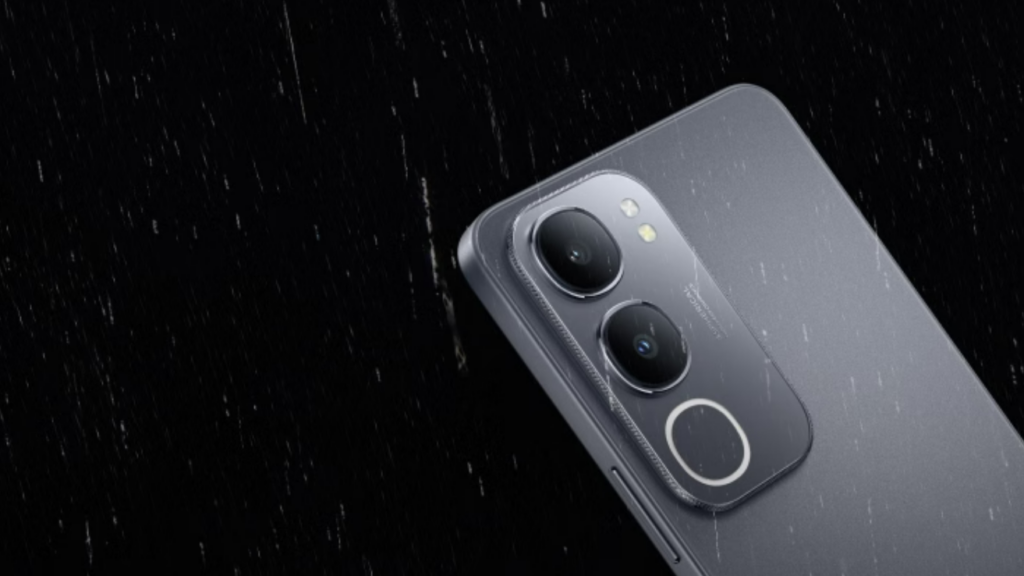
The Vivo G3 5G sports a 6.74-inch LCD waterdrop notch display with a resolution of 1600 x 720 pixels, 20:9 aspect ratio, 1500:1 contrast ratio, and 90Hz refresh rate. The rear camera setup features a 13-megapixel main sensor with autofocus, while the front camera has a 5-megapixel sensor.
The smartphone is powered by the MediaTek Dimensity 6300 chipset, paired with 6GB or 8GB LPDDR4X RAM. Storage options include 128GB or 256GB UFS 2.2, while the 6GB+128GB variant uses eMMC 5.1. It packs a 6,000mAh single-cell battery supporting 44W fast charging.
Vivo T3 5G
The Vivo G3 5G runs on OriginOS 5-based Android 15. It comes with other features, such as a side-facing fingerprint sensor, dual SIM, 5G, Wi-Fi 5, Bluetooth 5.4, an IR blaster, USB-C port, and a 3.5mm jack. It features an IP64-rated body, which measures 167.3 x 76.95 x 8.19mm and weighs 204 grams.
Vivo G3 5G price and availability
The Vivo G3 5G is available in Diamond Black. The 6GB+128GB variant is priced at 1,499 Yuan (~$210), while the 8GB+256GB model costs 1,999 Yuan (~$280). Aimed for the offline market in China, the V3 5G specs and design are identical to the existing Vivo Y50 5G, which also comes in blue and white shades.
For more daily updates, please visit our News Section.
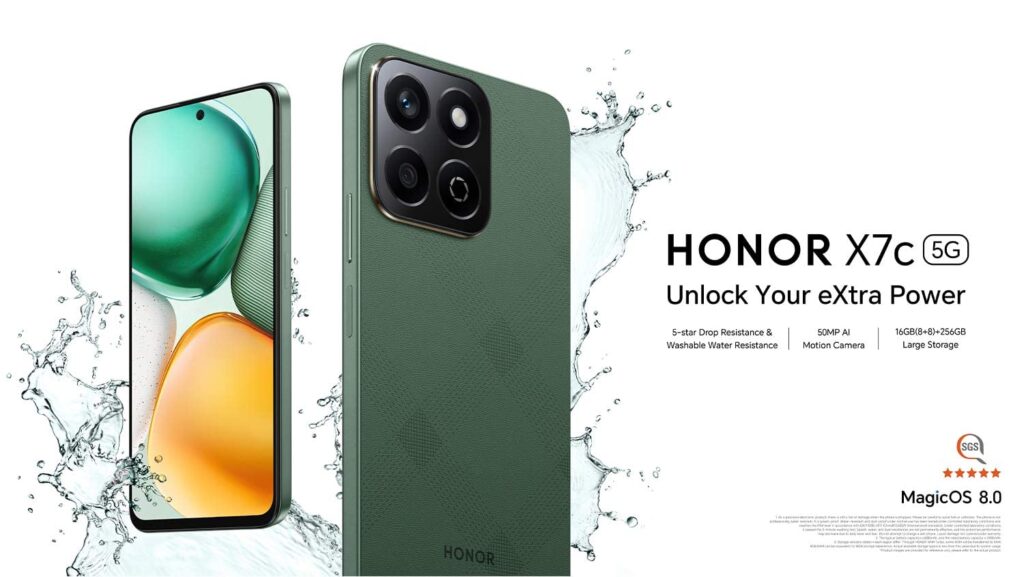
Honor has officially confirmed the arrival of its X7c 5G smartphone for the Indian market. The company has begun sharing details, indicating that the debut is scheduled for next week. Here’s a look at everything that’s known about the device.
Honor X7c 5G launch date
Honor X7c 5G is launching on August 18 in India
The Honor X7c 5G will launch in India on August 18 and will be sold exclusively through Amazon. Buyers will have a choice between Forest Green and Moonlight White finishes. The specifications suggest that it could be priced at around Rs 15,000 in India.
Honor X7c 5G specifications
The Honor X7c 5G features a 6.8-inch full-HD+ display with a 120Hz refresh rate and peak brightness of 850 nits. Dual stereo speakers are included for an enhanced audio experience. It is powered by Qualcomm’s Snapdragon 4 Gen 2 chipset, paired with 8GB of RAM and 256GB of storage. There’s a 5,200mAh battery with 35W charging support.
For photography, the X7c offers a 5-megapixel selfie snapper and a dual-camera setup comprising a 50-megapixel main sensor and a 2-megapixel secondary lens. It will run Android 15 with MagicOS 8.0. The device is IP64-rated for dust and splash resistance and has SGS-certified drop resistance for added durability.
In related news, Honor is working on a couple of new phones for the Chinese market. In October, the brand may unveil the Honor Magic 8 and Magic 8 Pro powered by the Snapdragon 8 Elite 2 chipset. The brand is also expected to announce the Honor GT 2 Pro series of sub-flagship phones before the end of this year in China.
For more daily updates, please visit our News Section.
A report that surfaced yesterday revealed that Vivo will soon announce a new T4-series phone called the Vivo T4 Pro in India. It appears that the device’s launch is close at hand, as the brand has started teasing its arrival on Flipkart. As can be seen below, the brand has revealed the rear design of the phone.
Vivo T4 Pro officially teased
Vivo T4 Pro teaser
The Vivo T4 Pro’s camera module resembles what’s available on the Vivo V60 and X200 FE. However, one noticeable difference is that the camera island does not have the ZEISS branding. The official promo says that the T4 Pro will offer a flagship-level 3x periscope zoom experience, thereby officially confirming that the device is equipped with a periscope telephoto camera.
Vivo T4 Pro teaser
It is likely that the brand will use the entire next week to tease and reveal the key features of the Vivo T4 Pro and probably unveil it in the last week of August. The T4 Pro will be positioned lower than the Vivo T4 Ultra, which was priced at Rs 37,999 at launch. Therefore, the Pro edition could be priced at around Rs 30,000.
Vivo T4 Pro specifications (rumored)
Vivo T4 Pro design leak by SmartPrix
According to reports, the Vivo T4 Pro could be equipped with a quad-curved AMOLED panel that supports a 1.5K resolution and a 120Hz refresh rate. Under the hood, it may feature a Snapdragon 7 Gen 4 chip and a 6,500mAh battery with 90W charging.
The device is expected to run on Android 15 layered with FunTouch OS 15. Its rear camera setup may include a 50-megapixel main camera with OIS support, an 8-megapixel ultra-wide lens, and a 50-megapixel Sony IMX882 periscope telephoto camera with OIS support. It is expected to debut in two shades: Nitro Blue and Blaze Gold.
For more daily updates, please visit our News Section.
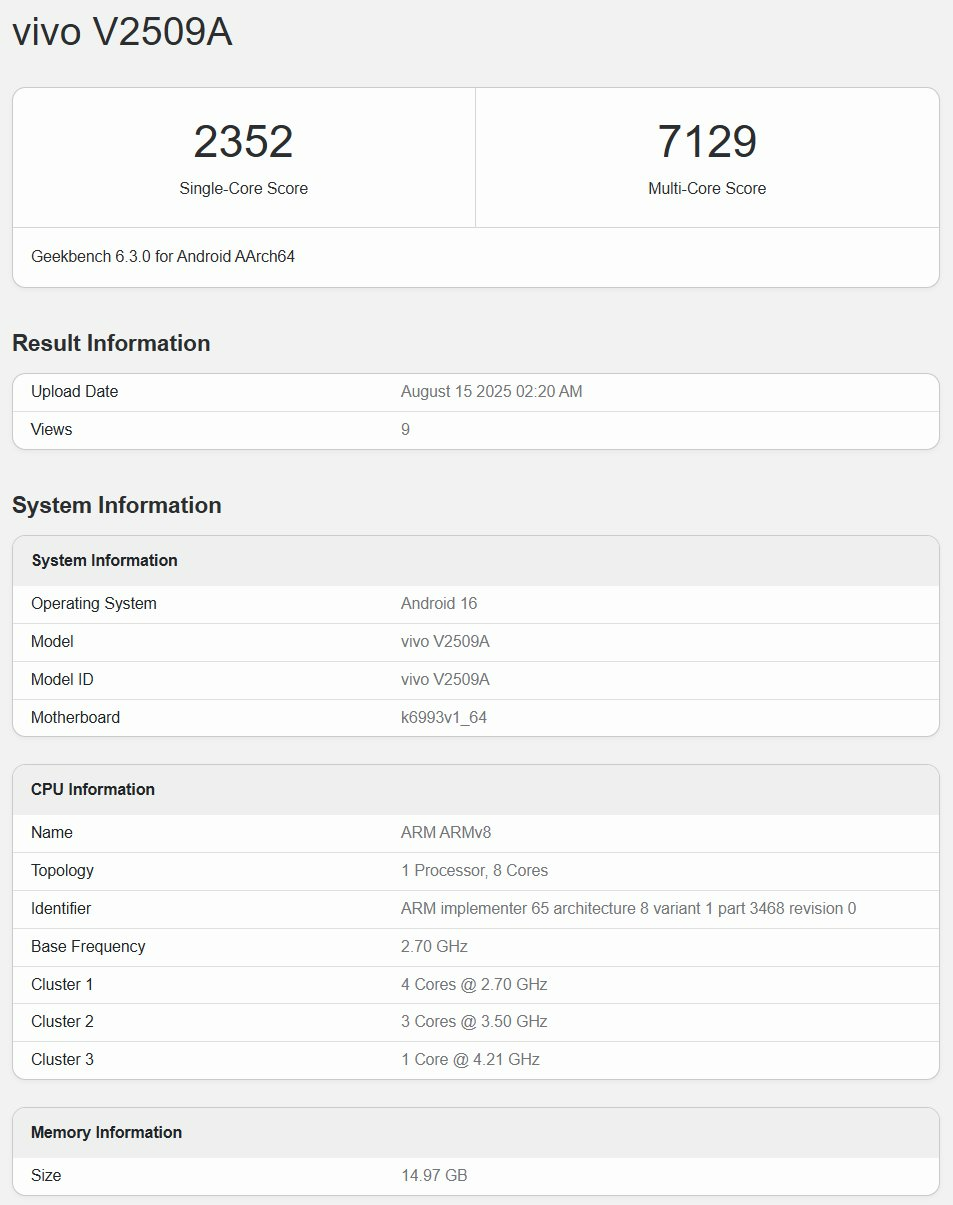
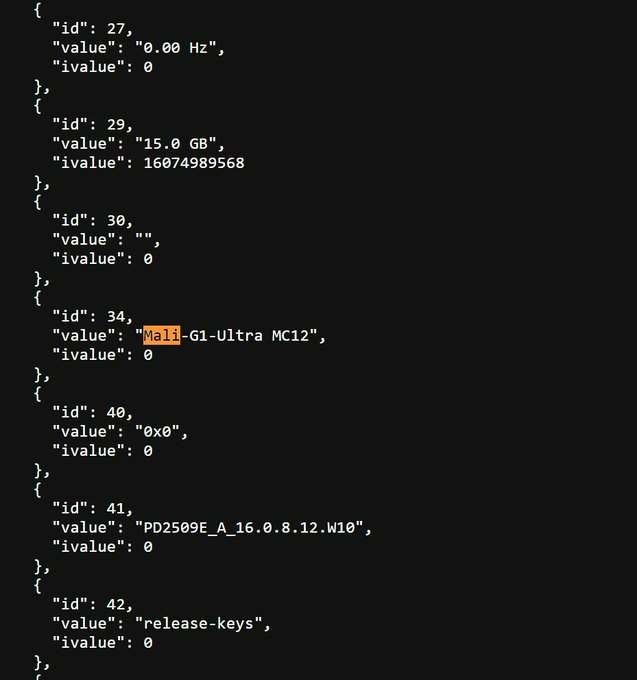
A report from yesterday revealed that Vivo devices, which are part of the upcoming X300 series, have received radio certification in China, setting expectations for a September launch. The report mentioned two devices with model numbers V2502A and V2509A. In a new development, the V2509A device has appeared in Geekbench’s database, revealing its chipset, RAM, and OS version. Unfortunately, there is no clarity on whether it is the standard Vivo X300 or the X300 Pro.
Vivo X300 Geekbench listing
The above screenshots show that the Vivo V2509A, powered by the upcoming Dimensity 9500, has emerged in Geekbench. The CPU configuration includes one ultra-core clocked at 4.21GHz (Travis), three cores at 3.50GHz (Alto), and four cores at 2.7GHz (Gelas). For graphics, it is equipped with the Mali-G1-Ultra MC12 GPU.
The Geekbench listing further reveals that the Vivo X300 series phone is equipped with 16GB of RAM and Android 16. The device scored 2,352 and 7,129 points in the single-core and multi-core tests of Geekbench, respectively.
The single-core and multi-core scores are quite low compared to what’s expected from the Dimensity 9500. This is probably because it’s an early test, and the final version of the device may generate much better scores.
MediaTek is expected to unveil the Dimensity 9500 chip on Sept. 22 in China. It is speculated that the X300 and X300 Pro, equipped with the new chip, may debut before that month. As mentioned above, the V2502A has passed radio certification, and alongside it, the V2502DA variant has also received the same certification. The V2502A and V2502DA are the same phones, with the latter offering support for the Beidou satellite short messaging service.
For more daily updates, please visit our News Section.
AI might be the headliner for most new tech in 2025, but Huawei’s latest tablet is betting that your eyes deserve the bigger upgrade. The company today officially announced the MatePad Air 2025 with eye protection technology that reportedly reduces screen flash points by 50%. Here are the complete details.
Huawei MatePad Air 2025 Specifications
The MatePad Air 2025 comes in two variants: a regular and a Soft Light Edition. The latter uses a high-precision nano-etching technology that cuts screen flash points by 50% to improve screen clarity. The model is also equipped with a “Cloud Clear Soft Light” screen that creates diffuse reflections to reduce the impact of light and make the viewing experience better.
Both models flaunt a sharp 12-inch, 2800 × 1840 LCD panel with a 144Hz refresh rate, HDR Vivid certification, and a P3 movie-grade color gamut. The 3:2 aspect ratio adds about 10% more horizontal display space compared to standard formats, which should help with documents and spreadsheets.
Visually, the MatePad Air 2025 leans on a macaron-inspired design. It has an iridescent pearlescent electrophoresis finish that gives it a creamy, starlit texture. The tablet is available in Grass Green, Sakura Pink, Feather Sand White, and Smoky Gray shades. It weighs 555g and measures 5.9mm, and the all-metal unibody keeps it slim and portable.
On the productivity side, Huawei is pushing its upgraded in-house ecosystem. Apps like Huawei Notes and Tianshenghuihua now integrate with Xiaoyi Intelligent Body, the company’s AI assistant, to handle document summarization, split-screen translation, and even handwritten formula recognition. The new M-Pencil Pro stylus adds a hidden Hongmeng Star Ring smart button for quick AI commands or voice-to-text conversion.
For entertainment, the MatePad Air 2025 packs a six-speaker system with extra-large sound cavities, tuned with Huawei’s Sound tech. Connectivity includes Wi-Fi 7 and NearLink support.
Price and Availability
The Huawei MatePad Air 2025 lineup starts at 2,999 yuan for the 12GB RAM and 256GB storage variant. The 12/512GB model retails for 3,399 yuan.
For those opting for the new Soft Light screen, the 12GB + 256GB configuration comes in at 3,299 yuan, while the 12GB + 512GB Soft Light version is also set at 3,699 yuan.
For more daily updates, please visit ourNews Section.
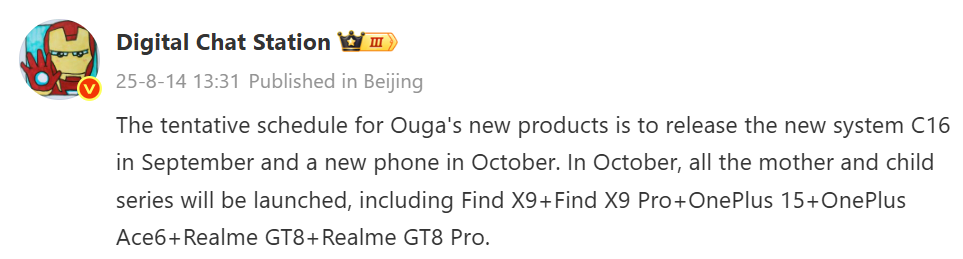
Next month (September), MediaTek and Qualcomm are expected to unveil their next-generation flagship chipsets, namely the Dimensity 9500 and Snapdragon 8 Elite 2. Several reports have claimed that the Xiaomi 16 series, powered by the Snapdragon 8 Elite 2, will debut by the end of September in China. It is also speculated that the Vivo X300 series featuring the Dimensity 9500 may also debut in the same month. In October, Oppo, OnePlus, and Realme will announce their flagship offerings in China. A new Weibo post, courtesy of tipster Digital Chat Station, reveals the sequence of the Ouga Group phones that will debut in October.
Flagship phones debuting in October
Flagship phones debuting in October in China
According to the tipster, the Ouga Group will unveil ColorOS 16 in September, followed by the announcement of new phones running on this system in October. In October, Oppo will take the covers off the Find X9 and Find X9 Pro, whereas OnePlus will unveil the OnePlus 15 and Ace 6.
This leak seemingly puts an end to claims that a third device named the Find X9 Plus will also be a part of the lineup. Also, this time there will be no OnePlus Ace 6 Pro launching alongside the Ace 6. It remains to be seen whether the company will launch the Ace 6 Pro in Q1 2026. Globally, the OnePlus Ace 6 may get rebranded as the OnePlus 15R.
In one of the boldest tech moves of the year, Perplexity AI has reportedly made a $34.5 billion all-cash offer to acquire Google’s Chrome browser — a deal that could seriously change the web browser market.
A high-stakes bid under antitrust pressure
The San Francisco–based startup is valued at $18 billion and has a track record of ambitious plays — including a failed attempt earlier this year to acquire TikTok’s US operations. Perplexity plans to fully fund the Chrome purchase through backing from unnamed venture capital firms, despite having raised “only” $1 billion itself.
The timing is key: the US Department of Justice has been pushing for Google to divest Chrome following a 2024 ruling that found its search business in violation of antitrust laws. A federal judge is expected to rule on possible remedies this month, and other potential suitors — including OpenAI, Yahoo, and Apollo Global Management — are reportedly interested.
Chrome’s roughly three billion users make it a highly strategic asset. Perplexity recently launched its own AI-focused Comet browser, and owning Chrome could give it a huge advantage in competing with OpenAI, which is working on its own AI-powered browser.
The company says it would keep Chromium’s code open-source, invest $3 billion over the next two years to develop Chrome, and — interestingly — retain Google as the default search engine, a move likely aimed at calming regulatory concerns.
Google, for its part, has no plans to sell Chrome and is appealing the antitrust ruling, arguing that a forced divestiture could harm its broader business. With over 50% share of the US browser market, Chrome remains the dominant player, meaning the court’s decision could have major implications for the entire industry.
Whether or not the bid goes anywhere, Perplexity’s offer underscores how aggressively AI companies are moving to challenge tech’s biggest names.
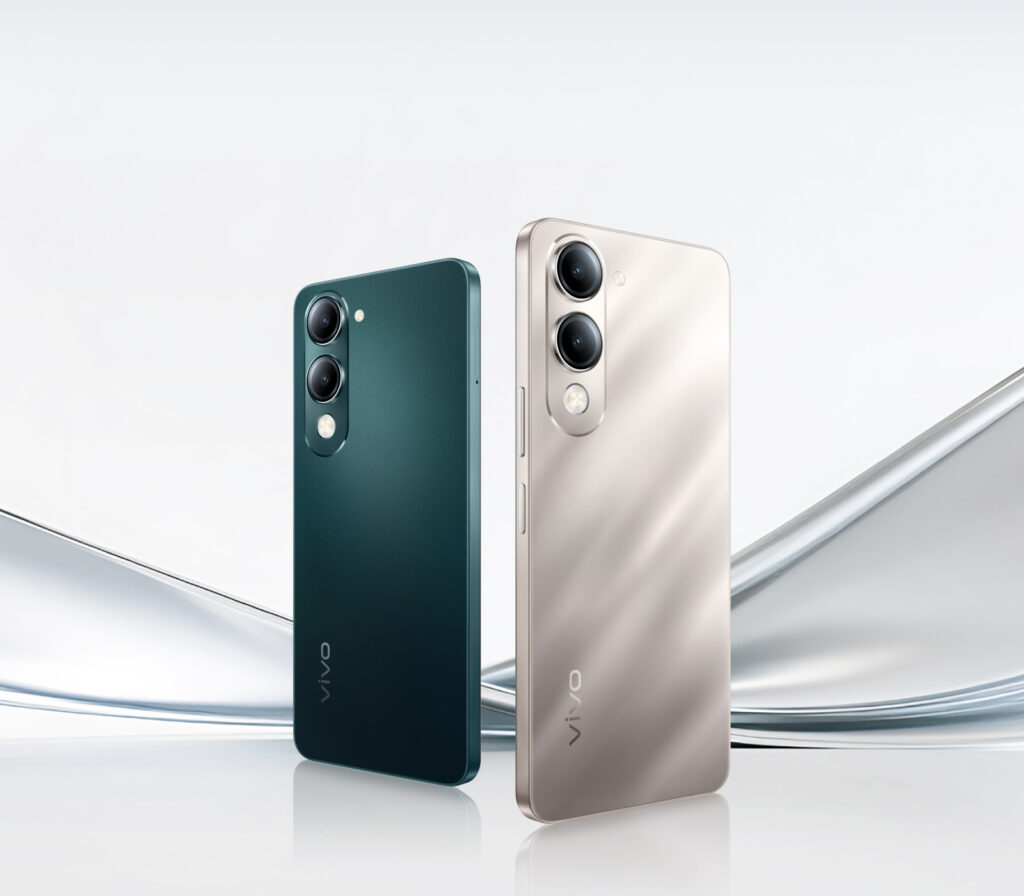
While Vivo isn’t as popular as other Chinese smartphone makers like Xiaomi in the European market, it is still slowly expanding its foothold in the region. So if you’re looking to explore a new brand and are considering a Vivo smartphone, here’s a 2025 buying guide for the best options available across the continent. We are covered models that have been released within this year, so here are all the details.
Vivo Y29s 5G
Vivo Y29s 5G
Talking about the most affordable option first, we have the Vivo Y29s 5G. This is an entry level smartphone that brings capable specs and features at an affordable rate. It sports a tall 6.74-inch 90Hz LCD display with an HD+ resolution. The smartphone is equipped with the Dimensity 6300 SoC along with 8GB RAM and 256GB storage. There is even storage expansion, dual rear cameras, and Android 15 OS out of the box. So if you’re in the market for a budget phone, the Y29s with a large 5,500mAh battery, IP64 rating, and military-grade shock resistance is a perfect option.
Please Note: When you buy something using the links in our articles, we may earn a small commission at no cost to you.
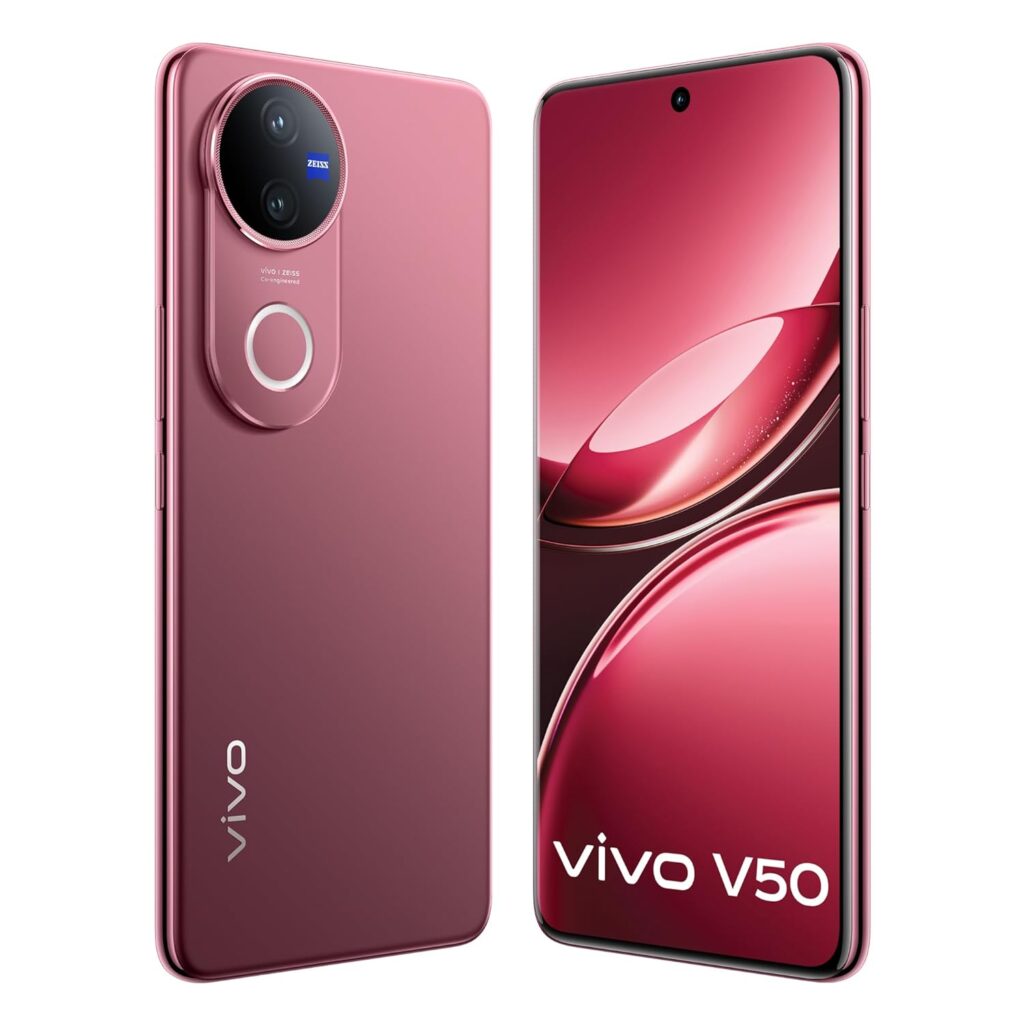
Vivo V50
Vivo V50
Moving a bit ahead, we have the Vivo V50 as a mid range model that brings improved specs and better camera system. You get a better quad curved AMOLED display with a smoother 120Hz refresh rate and higher FHD+ resolution. The chip is a more powerful Snapdragon 7 Gen 3 chip and a massive 6,000mAH battery pack with 90W wired fast charging. But what makes it worth considering is the 50MP + 50MP dual camera setup that come with Zeiss lenses. So you can expect a consistent photography experience with this model.
Vivo X200 FE
Vivo X200 FE
The Chinese tech giant recently unveiled the Vivo X200 FE, which dropped as the brand’s new compact flagship phone. Based on its pricing, it is positioned right below the premium X200 lineup. For around 849 euros, the Vivo X200 FE brings flagship level performance with the Dimensity 9300+ SoC and humongous 6,500mAh battery pack. All of this packed in a small form factor with a 6.31-inch LTPO AMOLED display. Another big highlight is the Zeiss branded cameras.
Please Note: When you buy something using the links in our articles, we may earn a small commission at no cost to you.
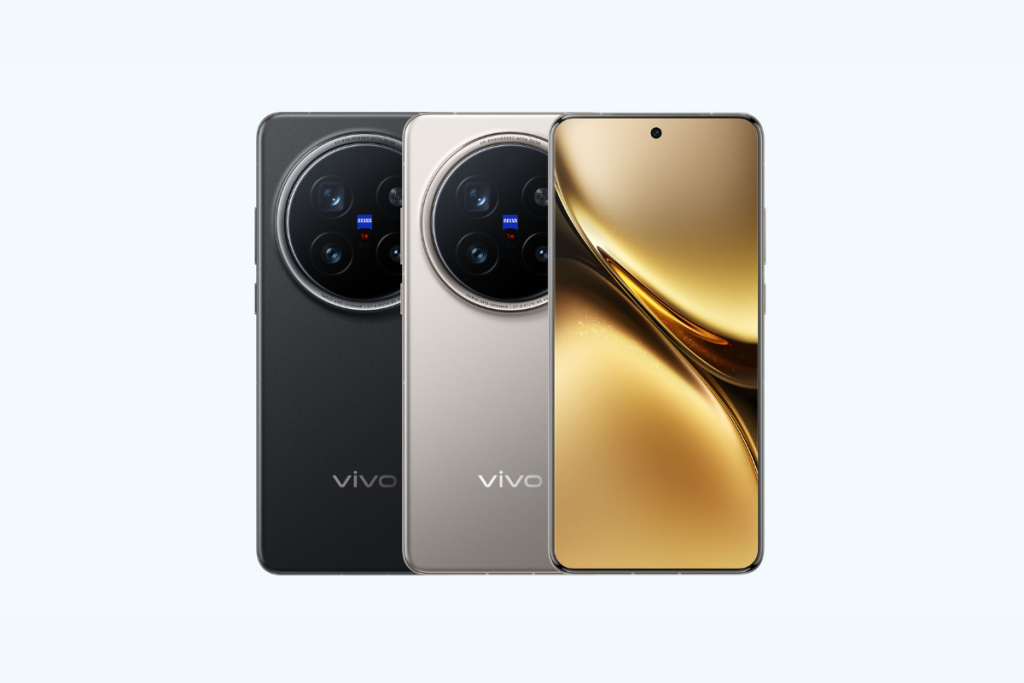
Vivo X200 Pro
Vivo X200 Pro
If you’re looking for a true flagship experience, look no further than the Vivo X200 Pro. It was announced earlier this year with a hefty price tag, packing the newer Dimensity 9400, triple Zeiss cameras (including a 200MP periscope telephoto), and a big 6,000mAh battery. In other words, you’re getting one of the best smartphone photography experiences in the market, with no compromises on display and performance either.
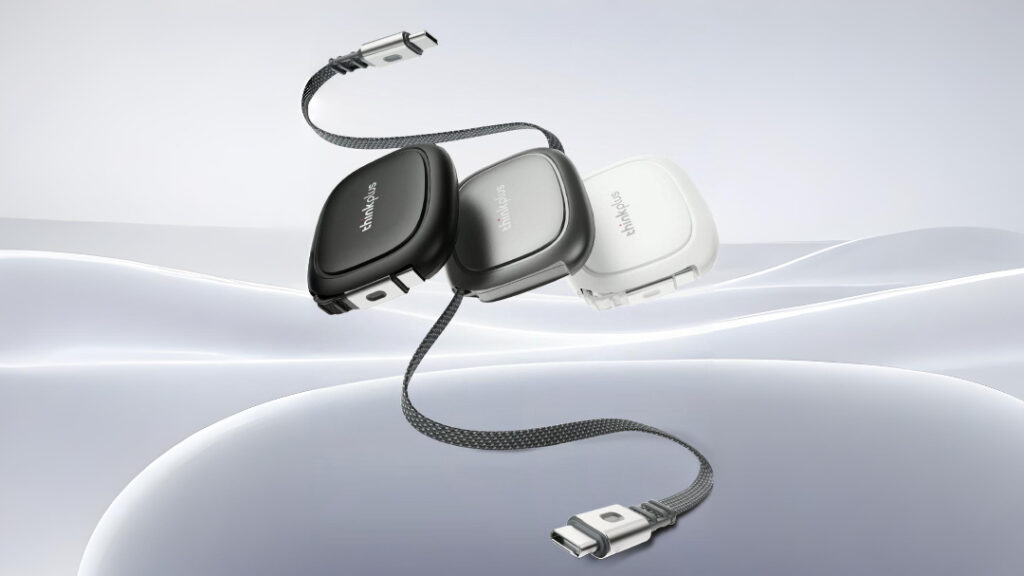
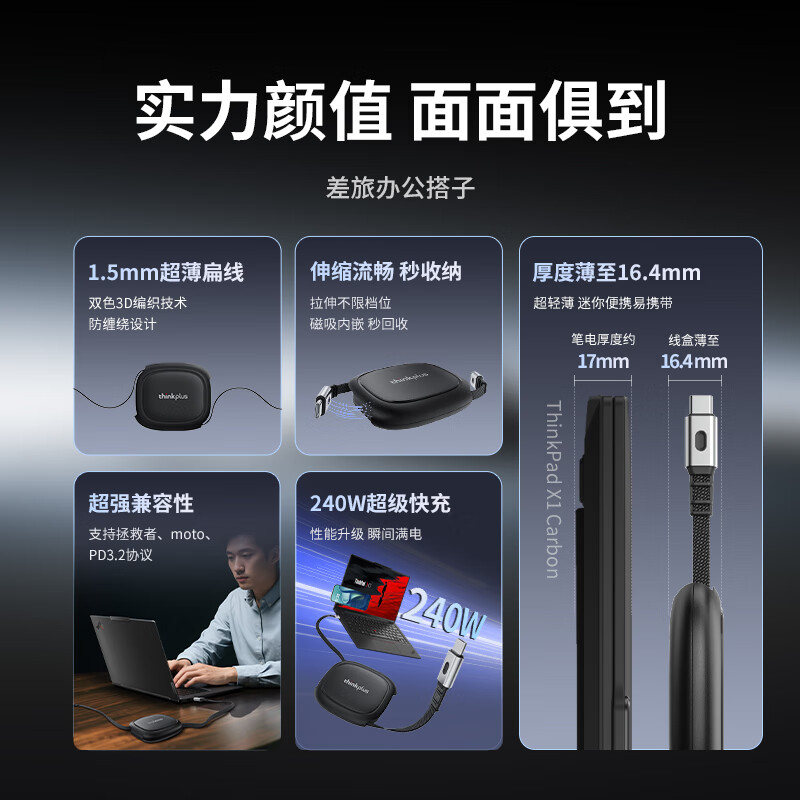
Lenovo has launched the Thinkplus Qingfeng 240W retractable C-to-C fast charging cable in China for 69 yuan ($10). It is designed for portability, durability, and high-speed charging, with black, white, and silver-grey color options. The cable is now available on major e-commerce platforms like JD.com.
Lenovo Thinkplus 240W Retractable Cable Specs
The Thinkplus retractable cable features a central reel box that stores the cable inside. Each end can extend 60 centimeters, offering a total length of 120 centimeters. The reel supports stepless extension and uses magnetic auto-retraction for quick and tidy storage.
The housing measures 74.5mm by 63mm with a thickness of 16.4mm and a weight of about 63 grams, making it easy to carry alongside slim laptops.
The cable features a 1.5mm ultra-thin flat wire with a dual-color 3D braided structure that enhances flexibility and resists tangling. Lenovo has strengthened the connector ends with an anti-bend net tail design to protect the wire core. It has passed durability tests for over 10,000 bends and more than 20,000 plug and unplug cycles.
It supports USB PD 3.2 up to 240W for fast charging laptops, smartphones, and other high-power devices, works with Lenovo Legion and Motorola proprietary protocols as well as other fast charging standards, and features an integrated E-Marker chip that regulates voltage and current for safe, cool operation.
For data transfer, the cable offers USB 2.0 speeds of up to 480Mbps. It works with Android, iOS, and laptops, making it suitable as a single cable for multiple devices. The cable is made from high-flame-resistant materials that have passed fire safety tests.
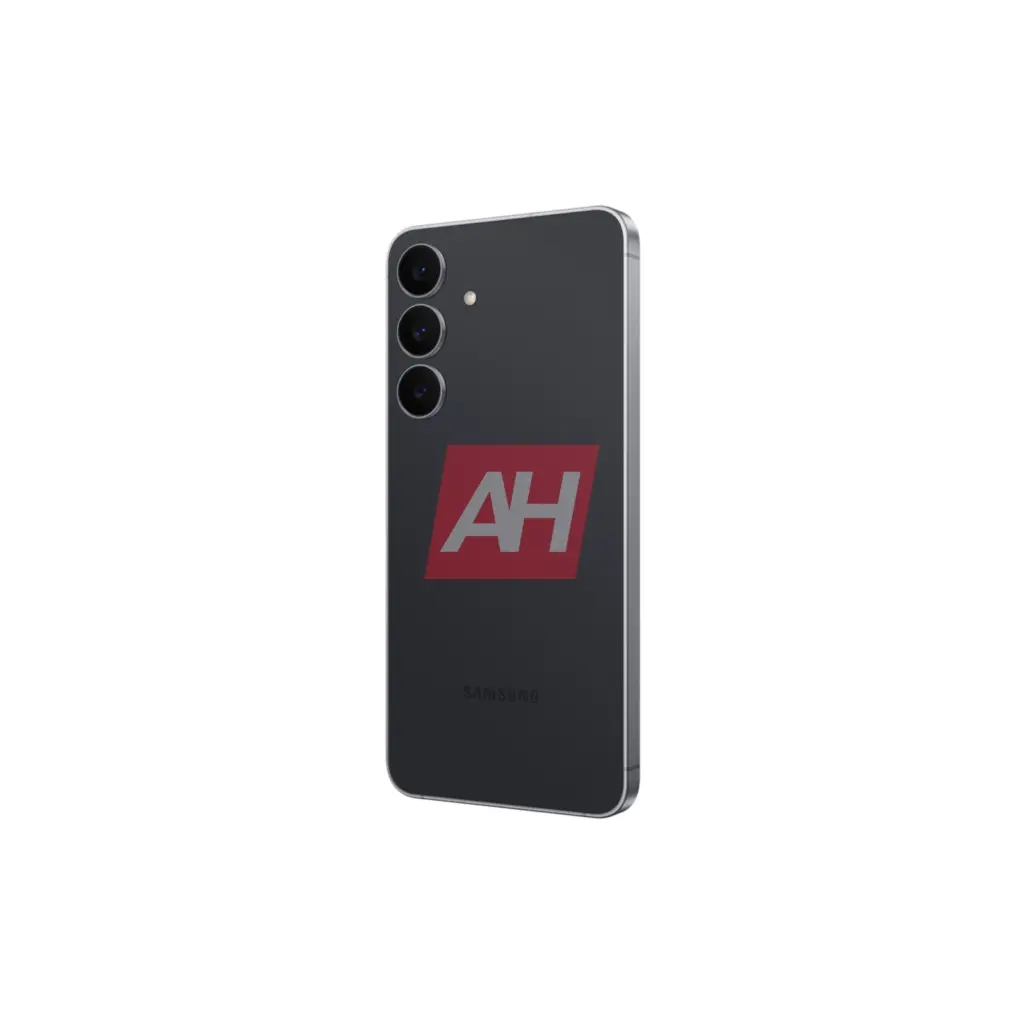
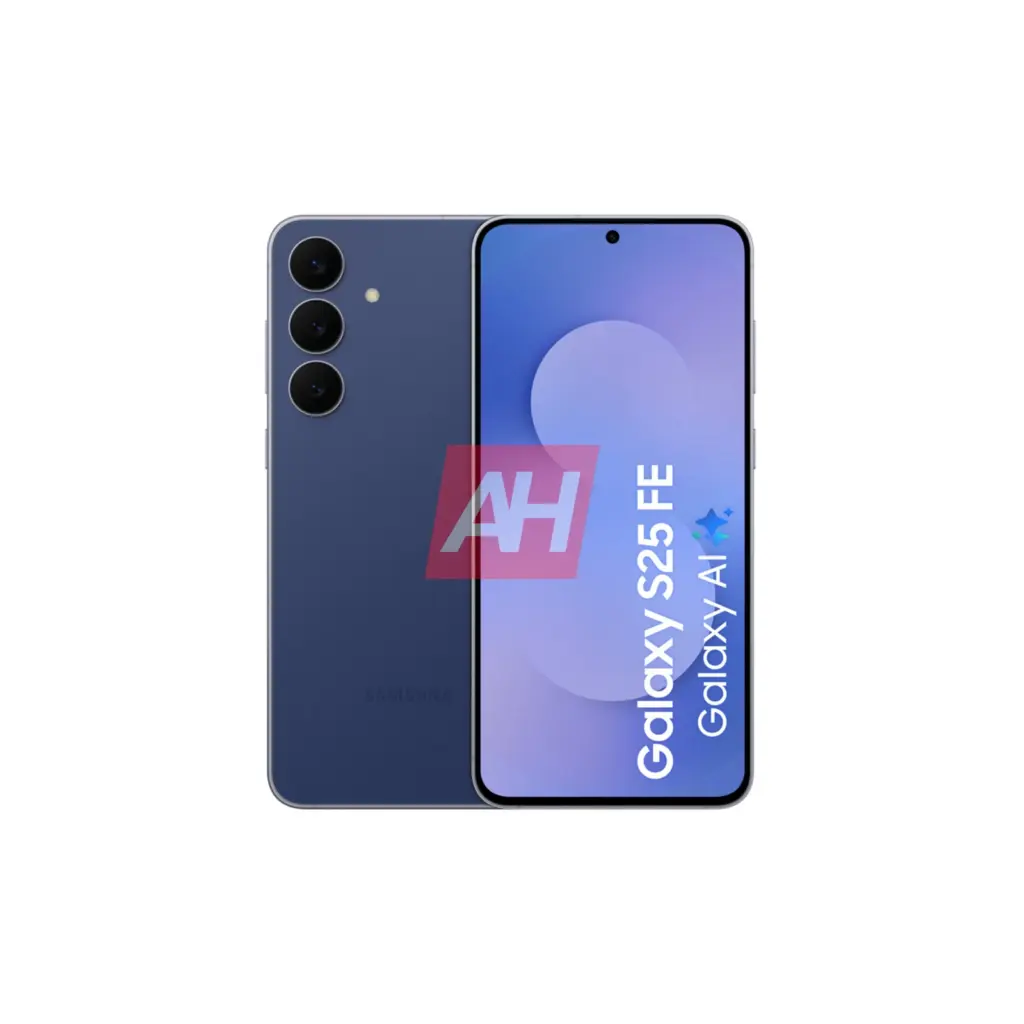
Another leak has offered us a proper look at Samsung‘s next budget flagship. The Galaxy S25 FE has just surfaced in a fresh report, showcasing its design in all its glory. We can see a familiar look, but with some refinements, so let’s have a look.
Samsung Galaxy S25 FE
Galaxy S25 FE Leaked Renders Show Thinner Body
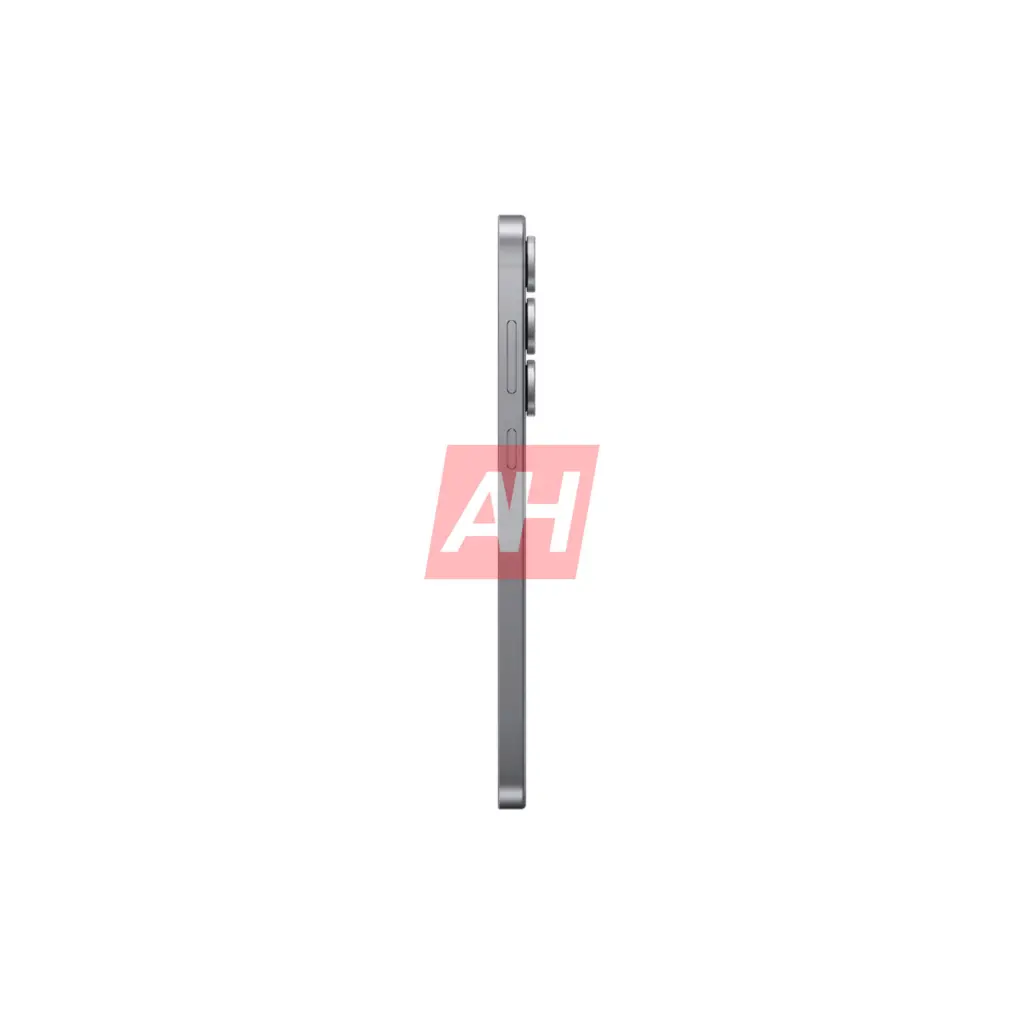
The South Korean tech giant’s next Fan Edition smartphone model has just been spotted in an AndroidHeadlines report. This report showcases the Galaxy S25 FE in all four color options from all sides. We get a proper look at the display on the front, the camera module and panel on the rear, and the slimmer frames on the side. The four colors in the pictures include black, icy blue, white, and black. It also marks the return of the white color variant, which was skipped on the Galaxy S25 series.
On the front, we can see the slim bezels around the display (although these are not uniform) along with a center aligned punch hole cutout for the selfie camera. Early rumors hinted at the Galaxy S25 FE being thinner than its predecessor, which can be seen in this leak as well. Samsung’s new budget phone is expected to measure just 7.4mm.
Under the hood, this model is expected to feature the Exynos 2400 SoC, which is likely paired with 8GB of RAM and up to 256GB of internal storage. Based on the recent sightings and leaks, Samsung will likely announce the Galaxy S25 FE soon. There are rumors of this device debuting in the upcoming IFA conference along with the Galaxy Buds 3 FE, which is set to kick off on 4th September 2025.
For more daily updates, please visit our News Section.
Xiaomi has launched the Mijia Thermostatic Electric Kettle 3 Pro in the Chinese market. The kettle is available across all sales channels at a first-release price of 229 yuan ($32).
Mijia Thermostatic Electric Kettle 3 Pro Specifications
The Mijia Thermostatic Electric Kettle 3 Pro features a 2.0-liter capacity, allowing it to boil up to ten cups of water in a single cycle. It uses a 316L food-grade stainless steel inner liner that is corrosion-resistant, rust-proof, and prevents unwanted odors, ensuring clean-tasting water. The body has a double-layer insulation design that locks in heat while keeping the exterior cool to the touch.
The kettle features a 1800W circular heating base for fast and even boiling. It offers four preset temperatures at 45°C, 60°C, 70°C, and 85°C for different beverages, and allows adjustments from 40°C to 90°C in 1°C steps via the Mijia App, which also supports real-time temperature monitoring and remote control.
The device supports a 24-hour keep-warm function with quiet 30.7 dB operation. It uses a sensitive thermostat for precise heating, has passed over 10,000 durability tests, and includes safety features such as boil-dry prevention, automatic shut-off after boiling, and overheating protection.
The kettle supports two boiling modes to suit different water sources. In tap water mode, it first boils the water before cooling to the set temperature for storage. In purified water mode, it directly heats to the desired keep-warm temperature without an initial boil.
The Electric Kettle 3 Pro has a dual-stage lid that opens to 30 degrees for safe steam release and 65 degrees for refilling or cleaning. It measures 217 × 156 × 278 mm, weighs 1.26 kg.
In related news, Xiaomi has recently introduced a mini washer-dryer designed for delicate clothing and unveiled a new water filter that promises rust-free, sediment-free tap water.
For more daily updates, please visit ourNews Section.
Pebble recently announced a comeback after Google’s announcement of the PebbleOS going open source. We got a glimpse of this with the PebbleOS Core Time 2 and Core 2 Duo, which were prototypes of upcoming models. These showcased the overall look and ultra long battery life, but now, we finally have the first look at the Pebble Time 2 and its design and features.
The New Pebble Time 2: E-Paper + Metal + 30 Days
A couple of things helped the Pebble smartwatches stand out from the crowd. Two of the biggest features include the e-paper display and the long battery life. Both are making a return on the Pebble Time 2, which sports a 1.5-inch e-paper LED backlit display with support for up to 64 colors. On a single full charge, this wearable can apparently last for up to 30 days. It runs on the PebbleOS and even brings a stylish new aluminum frame to a squarish dial.
Pebble Time 2
The Pebble Time 2 has a matte finish with the strap sizes being 22mm. On the sides, we can also see multiple buttons for controls. Eric Migicovsky, the founder of the original Pebble company, shared the details and design in a 15 minute long YouTube video. He further added that the Pebble Time 2 will debut in four color options. You also get various modern smartwatch features on this model, which include heart rate tracking, sleep tracking, and step tracking.
There is also a speaker, a linear actuator motor, and water resistance as well. As of right now, the release date is still at large. However, the Pebble Time 2 will be announced for around 225 US Dollars while the Pebble 2 Duo will carry a 149 US Dollar price tag.
For more daily updates, please visit our News Section.
The latest compact gaming tablet from Red Magic has finally begun rolling out in the global market. So far, the Red Magic Astra was available for a long pre order period, and now, it is available for purchase in regions like the US, Europe, and other markets. So here are all the details.
Red Magic Astra: What do you get for 499 Euros?
The Chinese brand unveiled the Red Magic Astra globally back at the start of last month. It sports a 9.06-inch OLED display offering a 2400 x 1504 resolution, a 165Hz refresh rate, up to 1600 nits of peak brightness, 5280Hz PWM dimming, and TÜV Rheinland certification for low blue light and flicker-free viewing. Under the hood, this tablet is equipped with the Snapdragon 8 Elite chipset that is paired with up to 25GB of RAM and 1TB of UFS 4.1 Pro storage.
Red Magic Astra Gaming Tablet
Out of the box, the gaming tablet runs on the Android 15 OS based RedMagic OS 10.5 custom skin, with the Cube Game Engine. A sizeable 8,200mAh battery pack powers this device, which supports 80W wired fast charging. The company also offers bypass charging, which keeps the temperature in check during long gaming sessions. For audio, there is a dual stereo speaker setup with spatial audio support. Other notable features include Wi-Fi 7, Bluetooth 5.4, and USB Type-C 3.2 Gen 2, and a side mounted fingerprint sensor.
The Red Magic Astra is available in three configurations globally:
12GB + 256GB: $549/€499/£439
16GB + 512GB: $699/€649/£559
24GB + 1TB: $899/€849/£739
It is available in two color options, namely Eclipse Black and Starfrost Silver.
For more daily updates, please visit our News Section.
Projectors are no longer limited to conference rooms and movie theatres. They have emerged as a logical solution for both productivity and fun as more people work remotely and turn to flexible home technology. A projector might be the ideal solution for your home office if you are looking for an all-in-one screen solution or are limited in space.
In addition to saving room, projectors have adjustable screen sizes, which makes them perfect for small spaces. It can turn any wall into a breathtaking display, whether you are using it for a video conference or to relax with a movie after work. Projectors are also becoming increasingly essential in remote settings as more people become curious about what wfh means and how to set up productive workstations at home.
Section 1: Choosing the Right Projector for Small Spaces
Before you jump into setup, choosing the right projector is crucial, especially for small rooms where space and clarity are most important.
1. Consider Throw Distance and Brightness
The distance between the projector and the screen is crucial in small spaces. Due to their ability to produce enormous displays from just a few feet away, short-throw or ultra-short-throw projectors are ideal for tiny settings. Maintaining a sharp image requires a brightness level of at least 2,000 lumens. This keeps images sharp and vivid even in well-lit spaces.
2. Resolution and Connectivity Options
For both work and play, a projector with a minimum resolution of 1080p guarantees a crisp, detailed image. Whether you are watching your favourite series or on a Zoom call, it is ideal. Select devices with wireless features like Bluetooth or Wi-Fi and HDMI. With these capabilities, connecting computers, phones, or tablets is simple and does not require frequent plugging and unplugging.
3. Noise Level and Heat Management
A loud projector fan can soon become an annoyance in a small home office. Selecting a model that is made to operate silently and remain cool is crucial for this reason. Overheating in confined spaces can be avoided with effective heat regulation and enough ventilation. This prolongs the projector’s life and improves the comfort of your workspace when using it for extended periods of time.
Section 2: Setting Up Your Projector in a Home Office
Your home office setup isn’t just about productivity; it’s also where comfort and clarity matter most. Here’s how to place and prepare your projector for the best experience.
1. Finding the Optimal Location
The position of your projector has a direct impact on comfort, image quality, and how well your setup blends into your everyday workspace.
Ambient Light
Images may be obscured in bright, windowed spaces. To enhance contrast and manage natural light, use blackout curtains or shades. You will have an advantage if your office is naturally dark because less light implies crisper images without requiring your projector to be extremely bright.
Screen Size and Distance
Consider the size of your screen and the required distance for your projector. Short-throw versions can produce a large image while remaining close to the wall. More distance is required for standard projectors. To discover the ideal arrangement, always verify the throw ratio of your projector.
Seating Arrangement
Ensure that the screen is in the centre of your desk or chair. Aim to position the screen at eye level or just above it. Long meetings or work hours may strain your neck or eyes if the image is too high or too low.
Ventilation
Avoid cramming projectors into confined spaces like shelves or corners because they heat up while in operation. To facilitate ventilation, provide room around the vents. In addition to keeping your projector cool, adequate ventilation extends its lifespan and reduces the need for regular maintenance.
2. Screen vs. Wall Projection
Whether you project onto a screen or a wall can affect clarity, colour accuracy, and the overall quality of your image.
Screen Projection
A suitable projector screen delivers superior light reflection, clarity, and brilliant colours. Even budget-friendly displays improve image contrast and eliminate blur. They’re also portable, so you can relocate or store them conveniently when not in use. For lengthy hours or presentations, displays are worth the expenditure.
Wall Projection
Using a clean white wall is an easy, no-cost solution. It performs fine in well-controlled lighting situations. But bear in mind, textures or off-white tones can distort your visuals. Flat, smooth, matte surfaces give the best wall-based performance if you’re skipping the screen.
3. Lighting Considerations
Room lighting may enhance or break your projector’s image, especially during daytime meetings or video calls. Avoid intense overhead lighting and choose dimmable desk lamps for focused tasks. If feasible, position your projector opposite the windows to prevent glare. Soft, ambient lighting keeps the image readable without making the room feel too dark or cave-like.
Section 3: Connecting Devices to Your Projector
Whether you’re giving a presentation or watching a movie, your projector is only as good as the device it connects to. Let’s break down both wired and wireless options, along with some quick troubleshooting tips to keep everything running smoothly.
1. Wired Connections (HDMI, USB-C)
The most dependable option for steady audio and pictures is still wired connections. For media players and laptops, use HDMI; for more recent tablets and phones with display output, use USB-C. These connections are ideal for presentations, real-time screen sharing, and uninterrupted HD video streaming since they lower latency.
Use the proper cable lengths and refrain from laying them freely across the room for the neatest arrangement. Solutions for managing cables, such as floor coverings, sleeves, or clips, make your area neat and safe, especially in conference rooms or home offices.
Wireless projection is the best option if you like a clutter-free setting. Without the need for physical wires, you may stream media from your laptop, tablet, or phone using technologies like Miracast, AirPlay, or Chromecast. When several people need to swiftly cast their screens in a shared area, these choices are ideal.
With built-in wifi capability, smart meeting projectors like CZUR StarryHub eliminate the need for dongles or adapters. Connect the projector and your casting device to the same Wi-Fi network to begin. Then, with a few taps, start screen mirroring by following the on-screen instructions or the user manual that came with your projector.
Troubleshooting Tips
Even the best tech setups sometimes hit snags, especially with wireless casting. If you also face issues of screen mirroring not working or failing to connect, there are a few quick things you can try before diving into deep settings.
Check your internet connection first if screen mirroring is not functioning for you right now. Screen lag, blackouts, or complete casting failures are often the result of unstable or slow Wi-Fi.
The simplest solution is sometimes the best one. To fix short-term issues and reset network detection, restart your projector and the casting device if screen mirroring stops working.
Make sure that both devices are connected to the same wireless network. Mismatched networks are a common cause of screen mirroring issues.
Section 4: Optimising the Setup for Work and Entertainment
Whether you are seeing a late-night movie or participating in a Zoom session, your projector setup should smoothly support both business and play.
1. Best Practices for Video Meetings
During video calls, ensure your projector displays a clear and bright image. Glare can affect both your camera’s sharpness and viewing experience, so position the projector away from strong lights and reflective surfaces. To maintain a professional appearance on camera, choose a neutral-colored background and keep ambient lighting well-balanced.
2. Dual-Purpose Setup
With a well-configured projector, your space can effortlessly transition from work mode by day to entertainment mode by night. Use wall-mounted projectors or folding screens to keep your workspace neat and organized. After hours, simply dim the lights, connect your streaming device, and enjoy a movie in the very spot where you held your meetings or presentations.
3. Sound Solutions for Small Spaces
Particularly in tiny rooms, built-in projector speakers are typically weak. Invest in a tiny sound bar or a portable Bluetooth speaker to increase clarity during meetings or movie nights. These are essential for both business and pleasure calls because they are compact and produce better, more engaging audio.
Section 5: Maintenance and Longevity Tips
With just a little regular maintenance, you can keep your projector running smoothly for years. Here’s how to keep it in top condition.
Regular Cleaning and Dust Management
Dust accumulation can affect the lifespan and brightness of your projector by clogging air vents and dulling the lens. Every week, carefully wipe the lens with a soft, lint-free cloth. To assure even airflow and prevent overheating, clean the projector’s exterior and vents once a month with a can of compressed air.
1. Proper Cooling and Ventilation
Your projector must have proper ventilation because compact spaces heat up rapidly. To avoid overheating, always leave adequate space around the unit. Keep the projector away from closed cupboards and walls. In addition to working more silently, a well-cooled projector prolongs the life of its internal parts.
2. Keep Software/Firmware Updated
Always check for firmware updates from your projector’s manufacturer. These updates often include performance improvements, bug fixes, and better compatibility with newer devices. If wireless casting or screen mirroring begins to lag, a simple update could resolve the issue without the need for extra hardware or complicated troubleshooting.
Conclusion
Setting up a projector in a small home office might seem daunting at first, but with the right guidance and equipment, it’s quite simple. A projector provides a versatile, space-saving solution for remote work, virtual meetings, and after-hours entertainment all from the same setup. Whether you’re just discovering the wfh meaning or you’re an experienced remote worker looking to upgrade your workspace, a projector can be a surprisingly powerful tool. And if you ever hit a snag, you’ll find plenty of video tutorials to guide you through each step.
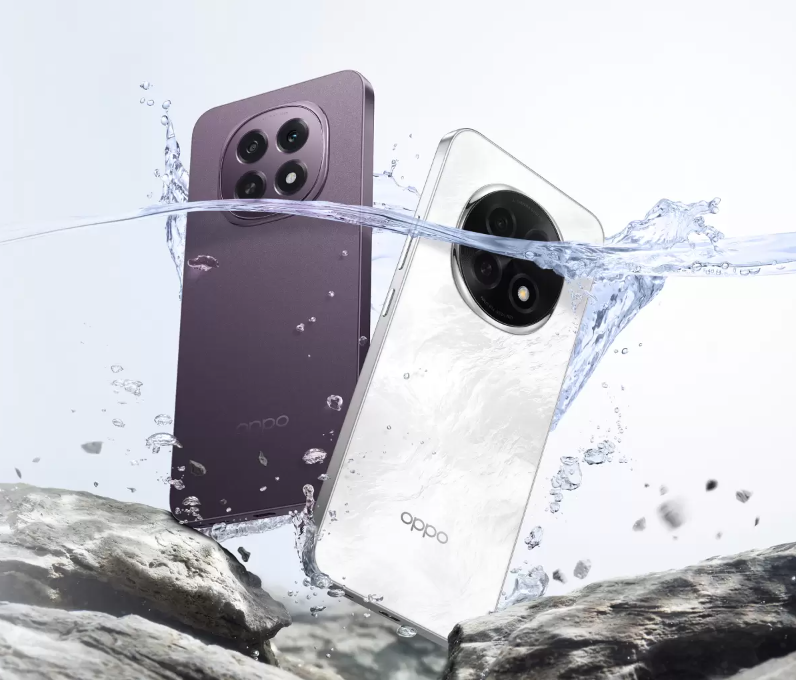
Oppo’s upcoming mid range smartphones could arrive with impressive durability, just like its predecessor. The Oppo F31 series has just been spotted in a fresh leak, which revealed its flagship level tough build. So here’s what you need to know.
Oppo F31 Leak Suggests Flagship Level Water & Dust Protection
The latest information arrives from known tipster Paras Guglani, who shared the details on XX (formerly Twitter). Guglani claims that the new Oppo F31 series will offer an IP68 and IP69 rating for water and dust resistance. He further adds that the tagline for these mid range phones is the “Next Level Durability”. To recall, the Oppo F29 and F29 Pro debuted earlier this year with the same IP rating, so the company is bringing back the high-end durability on its more affordable phones as well.
Oppo F29
The IP68 and IP69 rating basically implies a dust proof design with 1.5 meters of water resistance for 30 minutes as well as protection against high pressure water jets. Great protection was a highlight of the F29 series, so we can expect many of the same features to return. This likely includes a military grade body with a 360 degree Armor Body. The tipster claimed that Oppo will showcase the impressive toughness with an “insane water test” and another test that will have the devices getting hammered.
Unfortunately, this is the first mention of the Oppo F31 and F31 Pro at the moment. So we don’t have any idea regarding its specs, design, and other features. But stick around for more as new details should surface in the coming days or weeks.
For more daily updates, please visit our News Section.
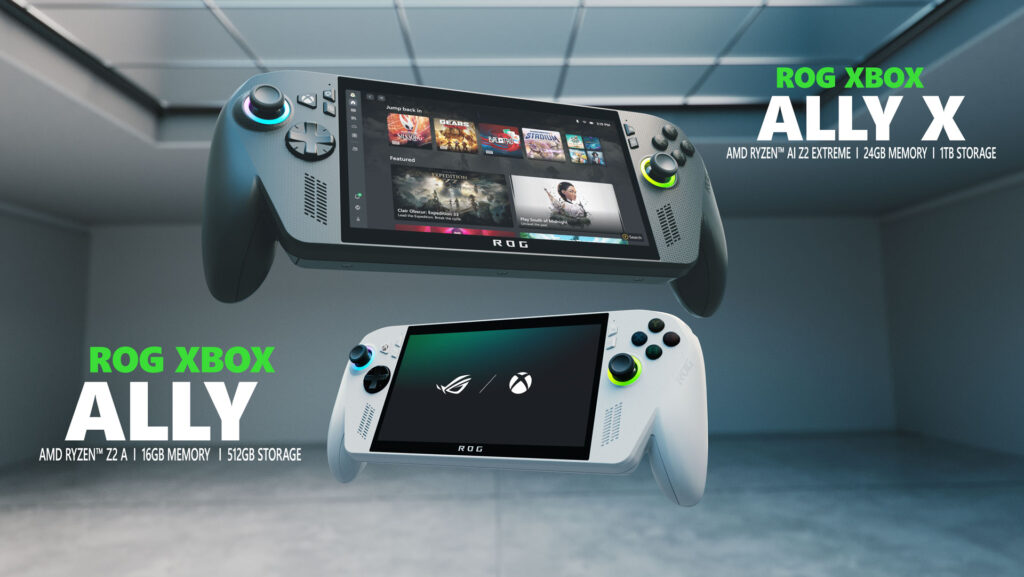
ASUS might be gearing up to drop its first Xbox-branded gaming handheld soon. The ROG Xbox Ally recently appeared in an e-retailer listing, which hints that this portable gaming machine could debut soon. So here’s what we know.
ASUS ROG Xbox Ally Spotted on Amazon
To recall, the Taiwanese tech giant announced the ASUS ROG Xbox Ally and ROG Xbox Ally X back in June 2025. These two consoles were the first Windows based gaming handhelds with special optimizations that made them the closest thing we have to an Xbox handheld. ASUS unveiled the duo ROG Xbox Ally series with software optimizations for an Xbox full screen experience. The new modifications to the software allow the system to reduce background activity and end all non-crucial tasks. This makes the system more energy efficient while allowing it to divert more power to the games.
ASUS ROG Xbox Ally and ROG Xbox Ally X
Despite all these upgrades, the brand had yet to release the duo in the market. But now, an Amazon product page listing has hinted at these gaming handhelds rolling out soon. The ROG Xbox Ally can be seen with the tagline ‘#playALLYourgames’. It was also spotted with a bunch of its key specs, like the 7-inch touchscreen display with an FHD resolution, a 120Hz refresh rate, and 500 nits of peak brightness. Under the hood, this model is equipped with the AMD Ryzen Z2 APU, which is a Zen 5 based processor with RDNA 3.5.
The processor is also paired with 16GB of LPDDR5 RAM and 512GB of PCIe Gen 4 SSD storage. It runs on the Windows 11 Home OS and a large 60Wh battery pack. ASUS’ Armoury Crate SE makes a return along with Xbox Game Bar and a more Xbox Wireless Cotnroller inspired design. A recent leak has hinted at the ROG XBOX Ally releasing for around 599 Euros, so stick around for more.
For more daily updates, please visit our News Section.
Vivo X200 FE and Xiaomi Civi 5 Pro target premium mid-to-flagship buyers but take very different approaches, one prioritizing rugged durability, extreme battery life, and outdoor usability, while the other focuses on design elegance, cutting-edge performance, and advanced camera versatility. This comparison is important because both deliver flagship-level features at different price points, helping buyers decide whether to invest in endurance or value-packed performance.
Design and Display
Vivo X200 FE
Build and Feel: The Vivo X200 FE offers a premium glass-and-aluminum build with IP68/IP69 water and dust resistance, making it more durable for harsh environments. The Xiaomi Civi 5 Pro, while slim and stylish, lacks such high-grade ingress protection, which could be a drawback for outdoor users. The Civi 5 Pro focuses on elegance and lightweight handling, while the X200 FE is better equipped for rugged use. The Vivo X200 FE wins for durability and practicality in challenging conditions.
Display Quality: The X200 FE uses a 6.31-inch LTPO AMOLED with up to 5000 nits peak brightness, offering exceptional visibility in sunlight. It supports HDR10+ and a 2160Hz PWM dimming rate for eye comfort. The Civi 5 Pro counters with a larger 6.55-inch AMOLED, 68B colors, Dolby Vision, and HDR Vivid for richer visuals, though brightness peaks at 3200 nits. While the Civi delivers a more immersive viewing experience, the X200 FE’s extreme brightness and LTPO efficiency make it better for outdoor and adaptive usage.
Verdict: For build quality, the Vivo X200 FE dominates due to its rugged certification. In display tech, the Civi 5 Pro offers cinematic quality, but the X200 FE’s LTPO panel and extreme brightness give it the edge for versatile conditions.
Specifications
Xiaomi Civi 5 Pro
Performance: The Vivo X200 FE runs on the Dimensity 9300+, a flagship-level chip with a focus on power efficiency and AI acceleration. The Xiaomi Civi 5 Pro’s Snapdragon 8s Gen 4 delivers higher single-core performance and uses UFS 4.0 storage for faster data handling. In raw speed, the Civi 5 Pro’s chipset and storage tech make it slightly snappier for heavy app loads, while the X200 FE focuses on stable, sustained performance under long sessions.
Battery and Charging: The X200 FE offers a massive 6500 mAh battery (global version) with 90W charging, reaching full charge in under an hour, plus reverse wired charging. The Civi 5 Pro has a 6000 mAh battery with 67W charging, also efficient but slower. In longevity, the X200 FE should last longer due to its larger battery and adaptive LTPO display.
Verdict: The Civi 5 Pro excels in peak performance and faster storage speeds, making it ideal for demanding users. However, the X200 FE wins in endurance, charging speed, and versatility, appealing to those needing maximum uptime.
Camera
Xiaomi Civi 5 Pro
Main and Secondary Lenses: The X200 FE sports a Zeiss-tuned triple setup with a 50 MP wide sensor, a 50 MP periscope telephoto with 3x optical zoom, and an 8 MP ultrawide. The Civi 5 Pro counters with Leica lenses, a 50 MP wide, a 50 MP telephoto with 2.5x zoom, and a sharper 12 MP ultrawide with autofocus. The Civi’s ultrawide versatility and color science give it an advantage for creative shots, while the X200 FE’s periscope zoom and Zeiss optics make it better for distant and low-light precision.
Selfie Camera: Both feature a 50 MP PDAF selfie camera with 4K recording, but the Civi 5 Pro adds panorama mode and refined Leica color tuning for more flattering portraits. The X200 FE delivers equally sharp selfies but focuses on accurate tones and HDR balance rather than stylized output.
Verdict: The Civi 5 Pro edges ahead for content creators due to its ultrawide autofocus and Leica processing, while the X200 FE is stronger for telephoto work and detail-focused photography.
Pricing
Xiaomi Civi 5 Pro
The Vivo X200 FE is priced at approximately $750, while the Xiaomi Civi 5 Pro costs around $500. The $250 difference is substantial, making the Civi 5 Pro a more budget-friendly flagship option. The X200 FE justifies its higher price with rugged build, larger battery, and higher brightness display, but the Civi 5 Pro offers exceptional value with premium performance and advanced camera features at a significantly lower cost.
Disclaimer: Prices are approximate and may vary based on country, region, and applicable taxes.
Conclusion
Vivo X200 FE
The Vivo X200 FE stands out with IP68/IP69 durability, a huge 6500 mAh battery, extreme display brightness, and Zeiss optics for telephoto precision. The Xiaomi Civi 5 Pro shines with Leica lenses, UFS 4.0 storage, 68B-color AMOLED, and superior ultrawide versatility, all at a lower price.
Verdict: Choose the Vivo X200 FE if durability, long battery life, and telephoto reach are priorities. Go for the Xiaomi Civi 5 Pro if you want flagship performance, excellent ultrawide imaging, and high-end display features at a far lower price.
For most users, the Civi 5 Pro offers better value, while the X200 FE caters to power users who demand endurance and ruggedness.
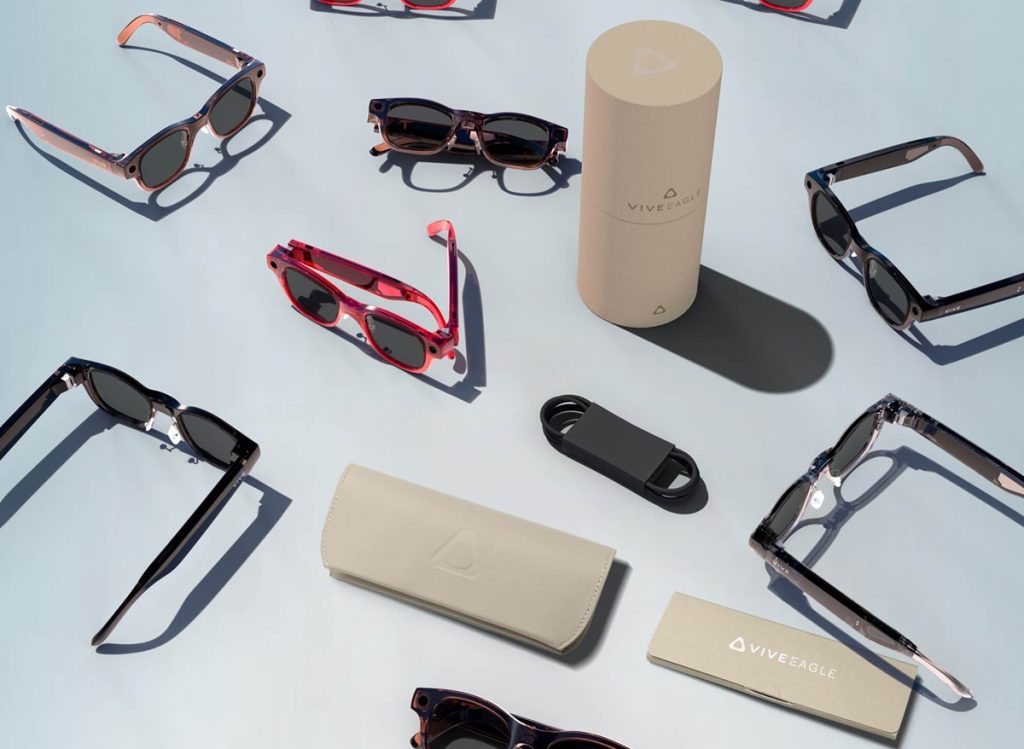
HTC has lifted the curtain on its latest wearable. Despite its popularity in the smartphone market years ago, the brand now targets the smart wearable segment. Its latest Vive Eagle AI Glasses arrive as the competitor to Ray-Ban Meta AI Glasses, bringing seamless AI integration, a bunch of nifty features, and cameras for capturing moments on the go.
HTC Vive Eagle AI Glasses: What makes it special?
The brand unveiled the Vivo Eagle AI Glasses with a sleek and ultra lightweight design (weighing just 49 grams). Unlike AR glasses (Augmented Reality), the Zeiss lenses on these AI glasses are for clear vision. But thanks to integration with OpenAI’s ChatGPT and Google’s Gemini, the smart wearable offers “natural interaction” via its vision and voice. Alongside the frame, there is a 12MP ultra wide angle camera that allows the Vive Eagle AI Glasses to see what the user sees.
HTC Vive Eagle AI Glasses
This is where the AI kicks in, letting the glasses view the world with real world translations for menus, take photos, record videos, and more. Users can even give out voice commands powered by GPT and Gemini to set reminders, get recommendations for cafes and restaurants. It has an open ear audio system that uses large drivers and virtual bass for spatial sound. A 235mAh battery pack powers this device, which promises to offer up to 36 hours of battery life or around 4.5 hours with direct music playback.
You can charge this device via magnetic fast charging, reaching 50 percent battery level in just 10 minutes. HTC’s new AI glasses support real time translation in 13 languages, including Arabic, Traditional Chinese, English, French, German, Greek, Italian, Japanese, Portuguese, Spanish, Korean, Thai, and Turkish, without requiring any third party app. The Qualcomm Snapdragon AR1 Gen 1 chip powers this device, which is paired with 5GB of RAM and 32GB of internal storage. Other notable features include WiFi 6E, Bluetooth 5.3, IP54 rating, and LED lighting.
For more daily updates, please visit our News Section.
We use cookies on our website to give you the most relevant experience by remembering your preferences and repeat visits. By clicking “Accept”, you consent to the use of ALL the cookies.
This website uses cookies to improve your experience while you navigate through the website. Out of these, the cookies that are categorized as necessary are stored on your browser as they are essential for the working of basic functionalities of the website. We also use third-party cookies that help us analyze and understand how you use this website. These cookies will be stored in your browser only with your consent. You also have the option to opt-out of these cookies. But opting out of some of these cookies may affect your browsing experience.
Necessary cookies are absolutely essential for the website to function properly. This category only includes cookies that ensures basic functionalities and security features of the website. These cookies do not store any personal information.
Any cookies that may not be particularly necessary for the website to function and is used specifically to collect user personal data via analytics, ads, other embedded contents are termed as non-necessary cookies. It is mandatory to procure user consent prior to running these cookies on your website.