
OPPO Find 9 Certified In Indonesia?
Although OPPO has released a few handsets recently, the company is yet to update the famous OPPO Find series, which has garnered attention from users across the globe. We all are eagerly waiting for the release of the OPPO Find 9 flagship, now for more than a year, but as of now, officially, there doesn’t seem to be any clues as to its release.
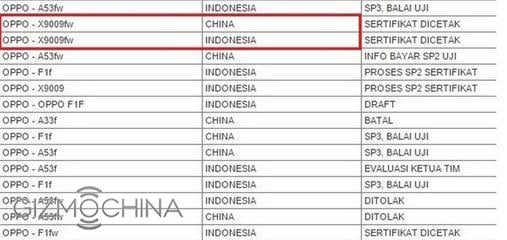
However, earlier today, a new device from OPPO was spotted on the Indonesian Telecommunications Regulatory Authority, which is similar to China’s TENAA. The device had the model number OPPO X9009 and it is being said that it could be OPPO’s long awaited Find 9 flagship smartphone. The reason for this possibility is because the Find 7 came with the model number OPPO X9006, so a similar model could only mean a new device in the same series.
Since these devices have already been certified in Indonesia, its possible that the company will officially announce them soon. As for the specs, the OPPO Find 9 is said to come with a 5.9-inch 2K display and the powerful Snapdragon 820 processor under the hood. Another possible feature rumored to come on the device is a hidden fingerprint sensor. While we don’t have any more details about the device, we hope to update you guys with new information pretty soon.
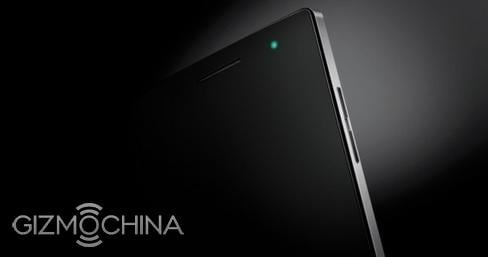
The image above could be how the front of the OPPO Find 9 will end up looking as per the earlier leak. But let’s wait for more concrete details before getting too excited.
QICENT 6-Port 2.4A Smart Usb Charger Review
We have reviewed quite a few multi-port USB chargers lately and this time around we are looking at the QICENT 6-Port 2.4A smart USB charger. Find out more in our full review.
UNBOXING
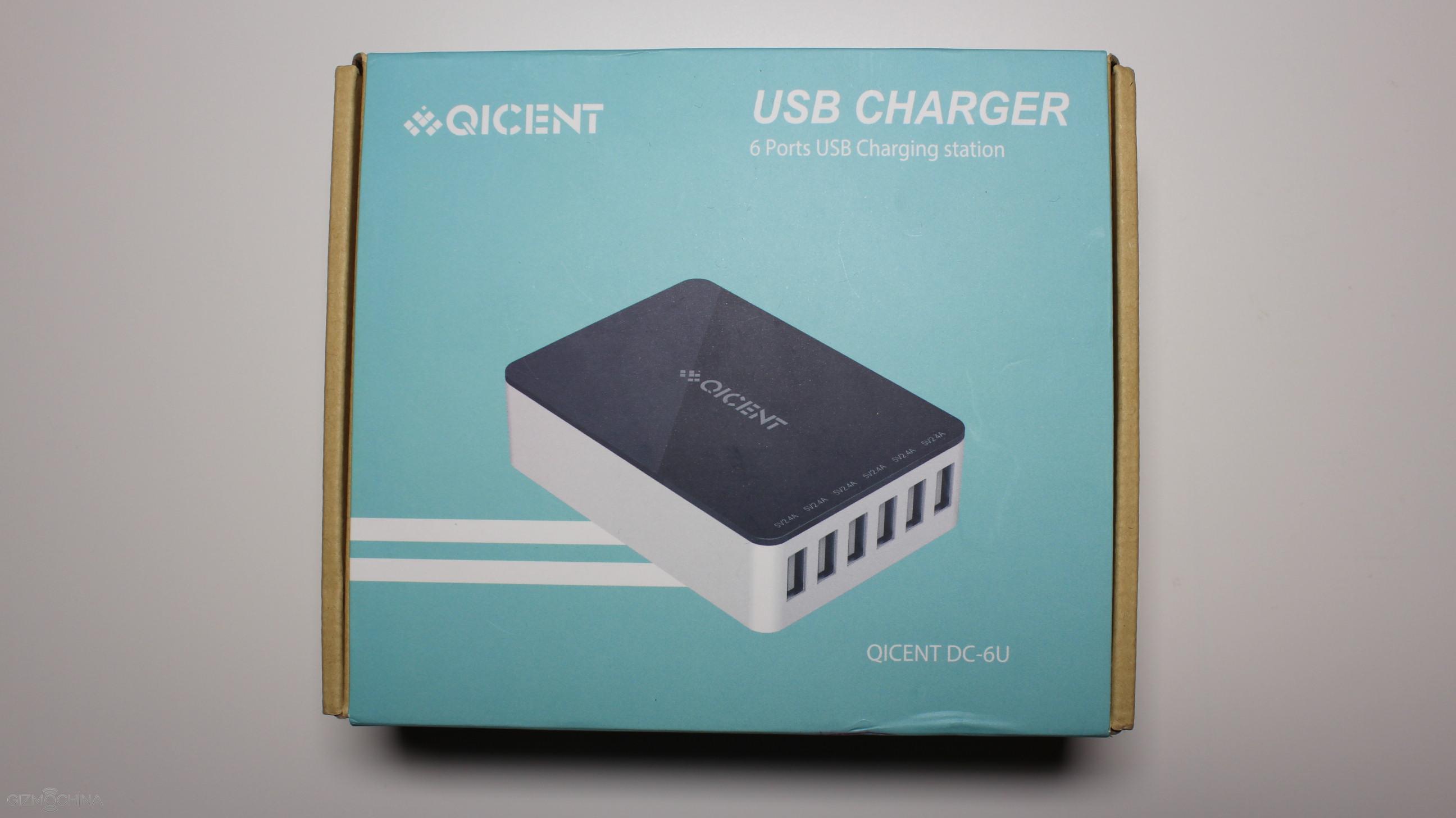
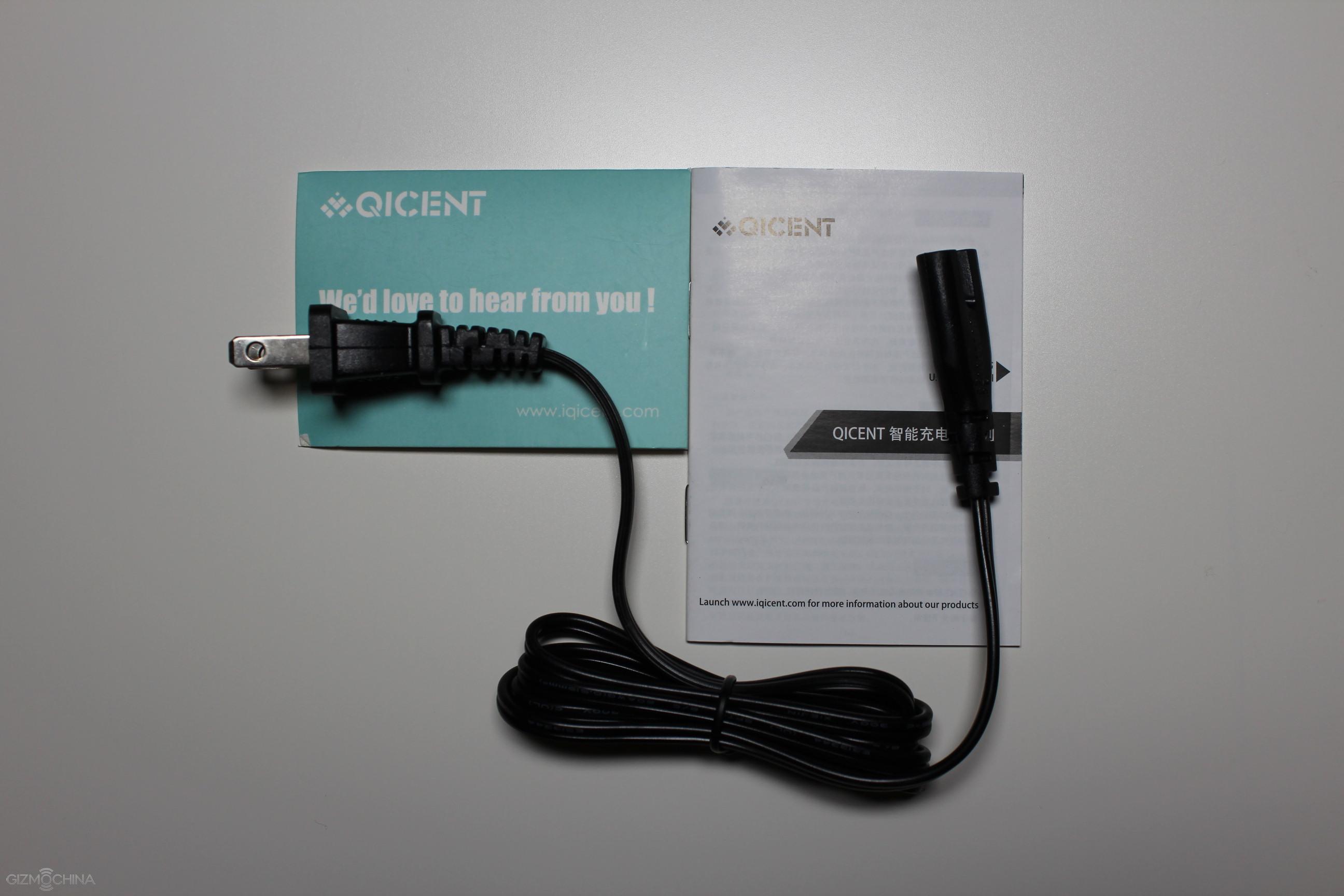
The Qicent 6-Port USB charger comes in a neat packaging and the contents include some instruction manuals and a power cord.
DESIGN
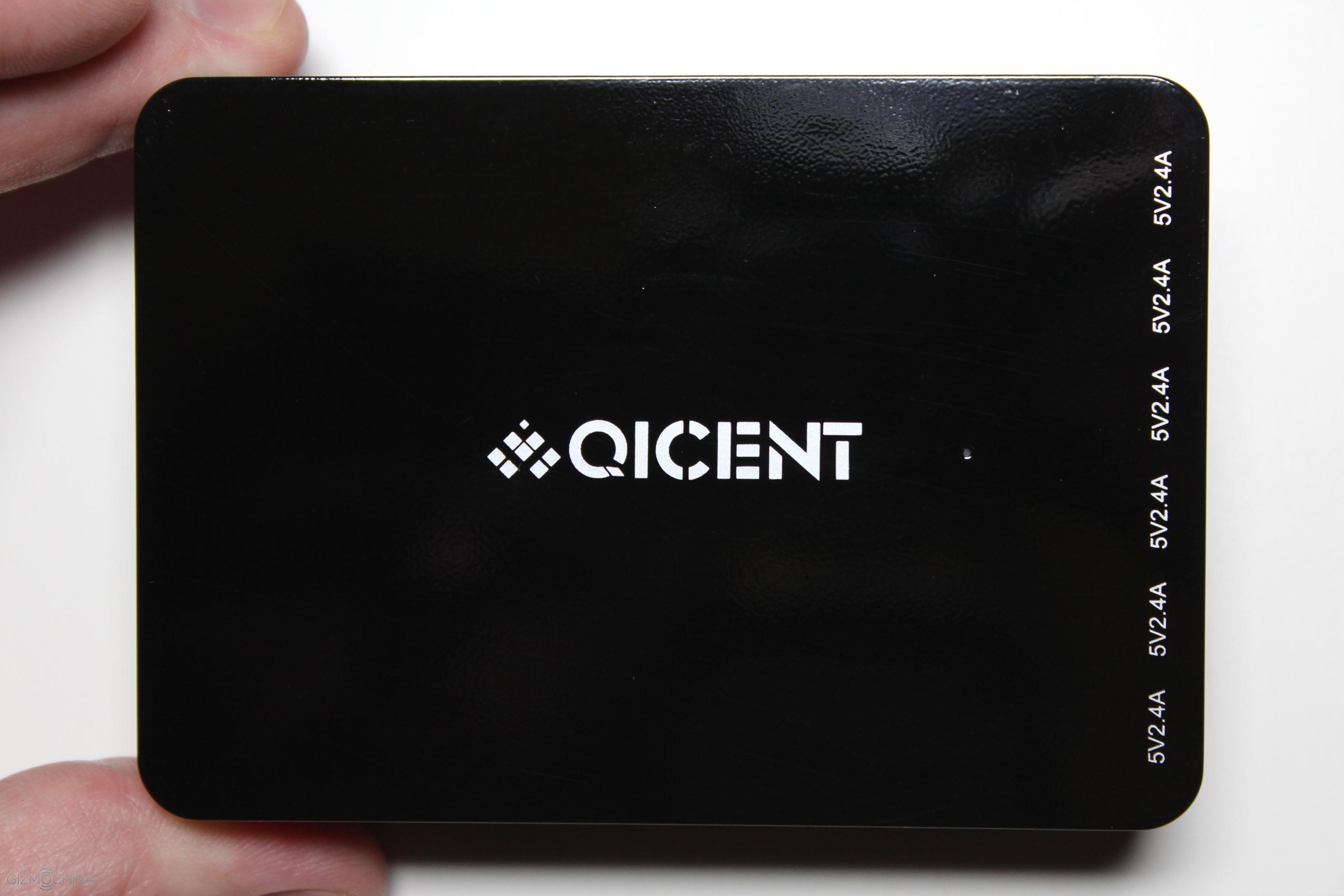
The Qicent USB charger is very compact and it easily fits in the palm of your hand. It is made of glossy plastic, which does not not feel but it attracts fingerprints very quickly.
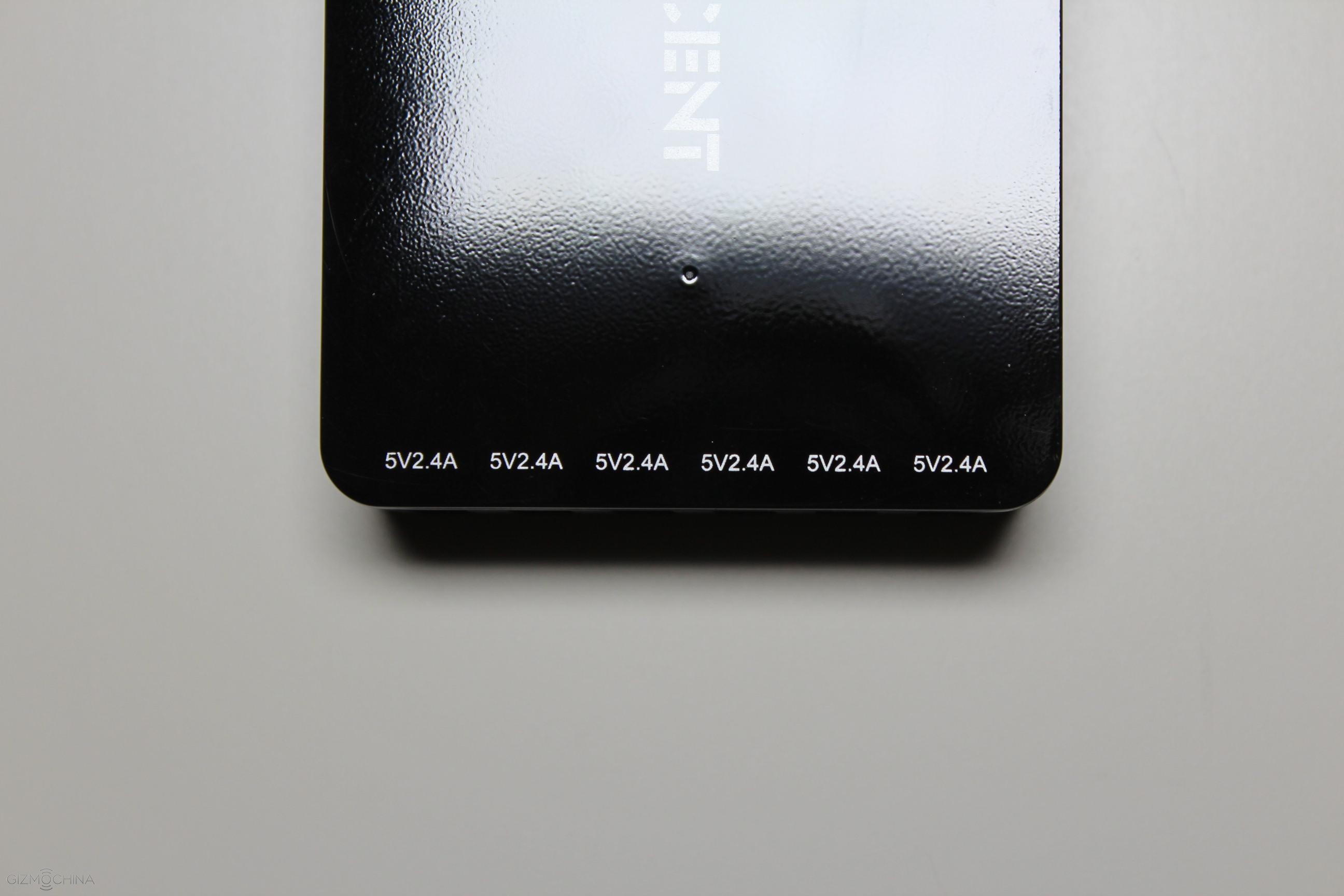
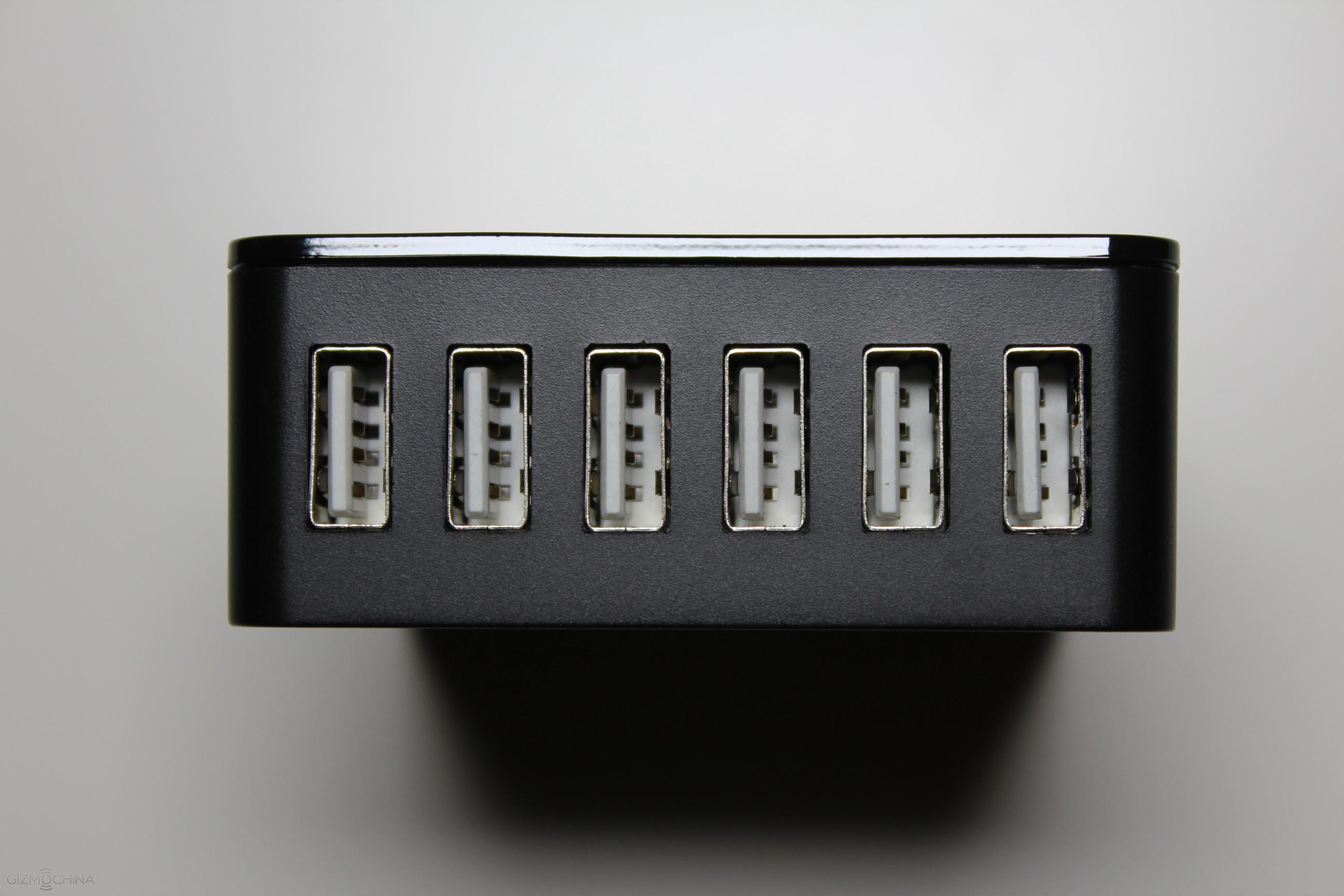
The star of the show here are 6 USB ports and each of them are capable of providing 2.4A of power output. In addition, each port detects the device you connected at charges it at the maximum possible speed.
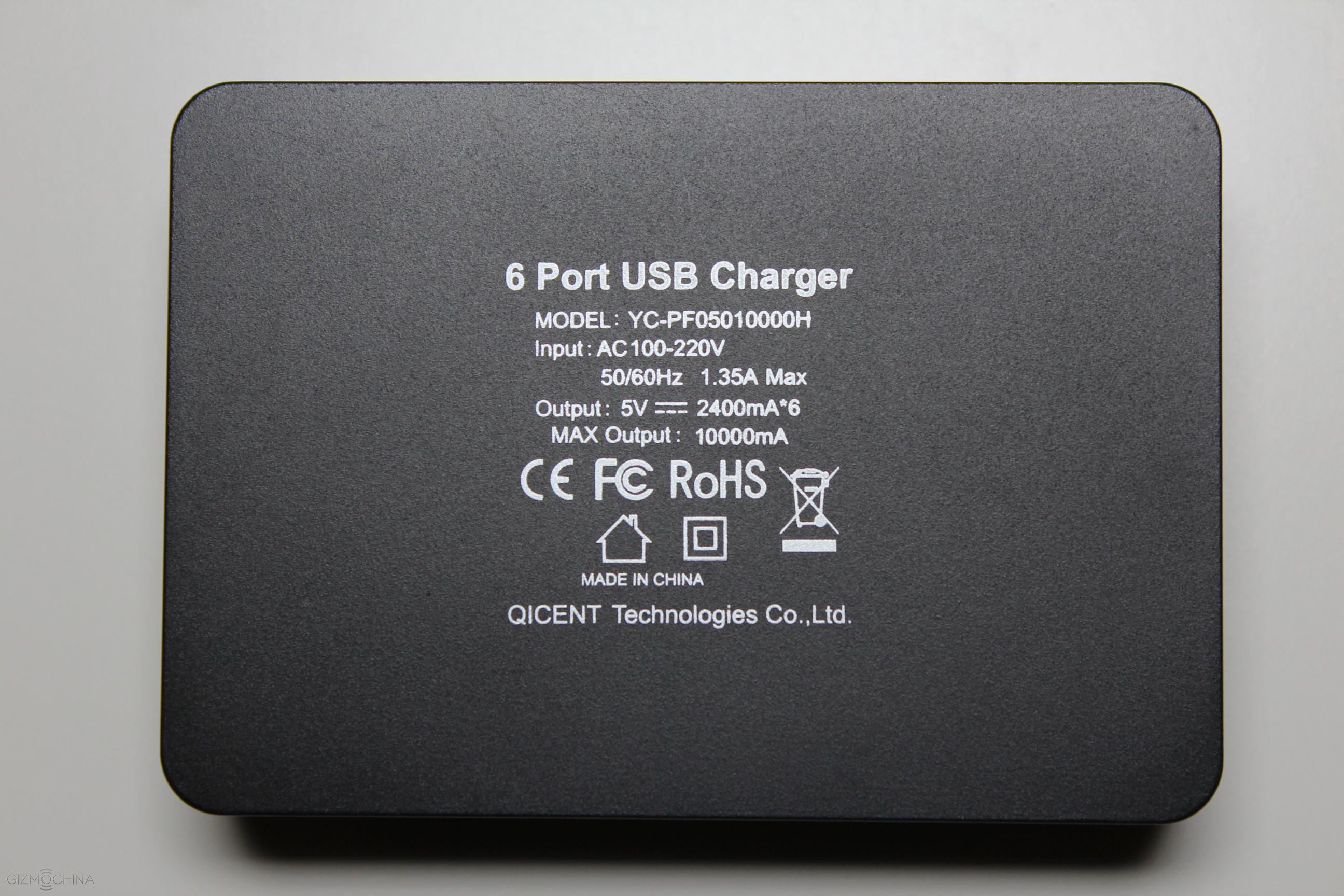
The bottom is made of matt plastic (they should have made the top part matt too, in my opinion). Here you can find some specs. However, there is a major disadvantage. There are no silicone or any other pads, which would help the USB hub stick on the table and prevent it from sliding. Of course, it can be easily fixed by buying those pads but we believe each manufacturer should include them either already sticked on the USB charger or packed separately.
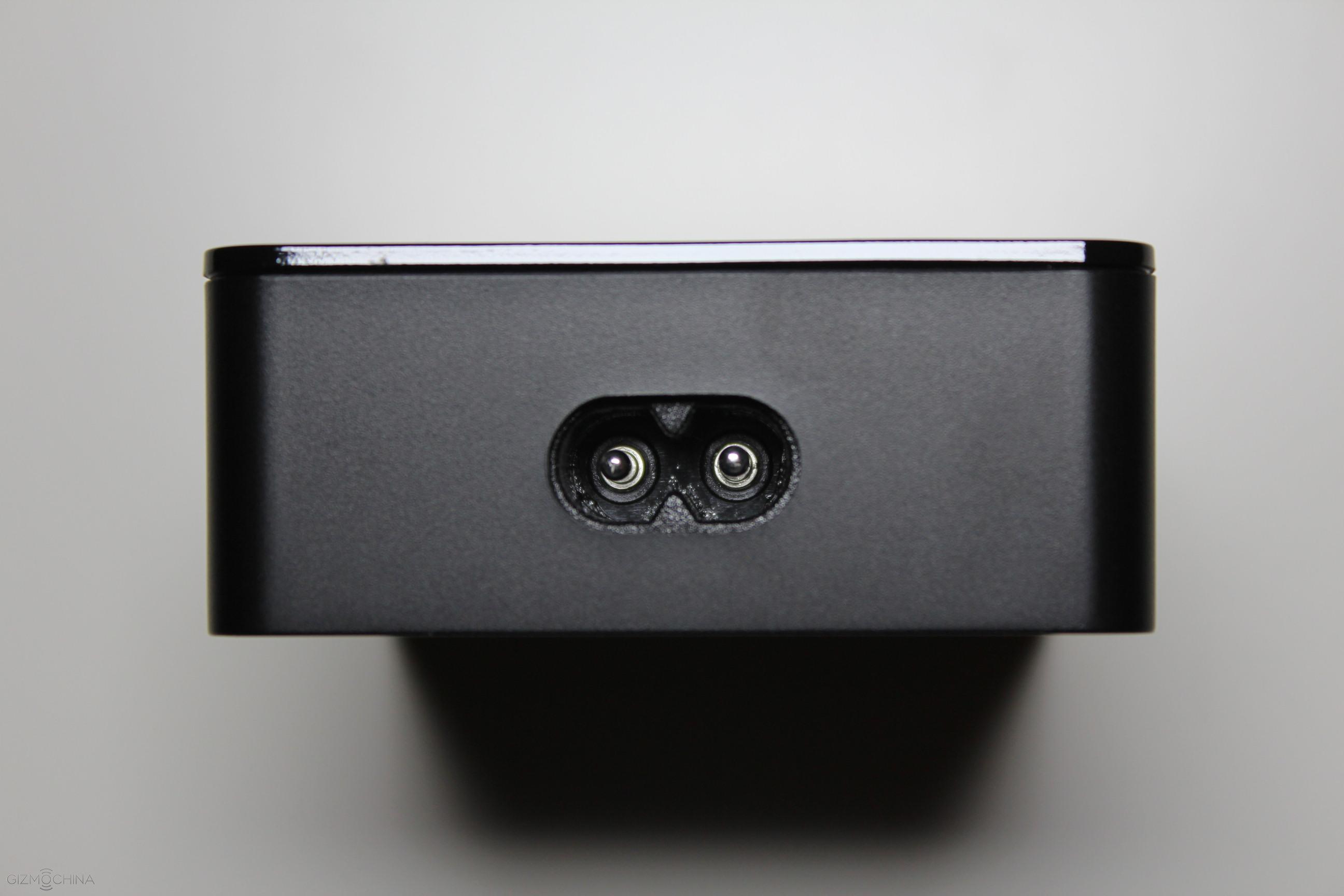
On one of the sides there is a power input port.
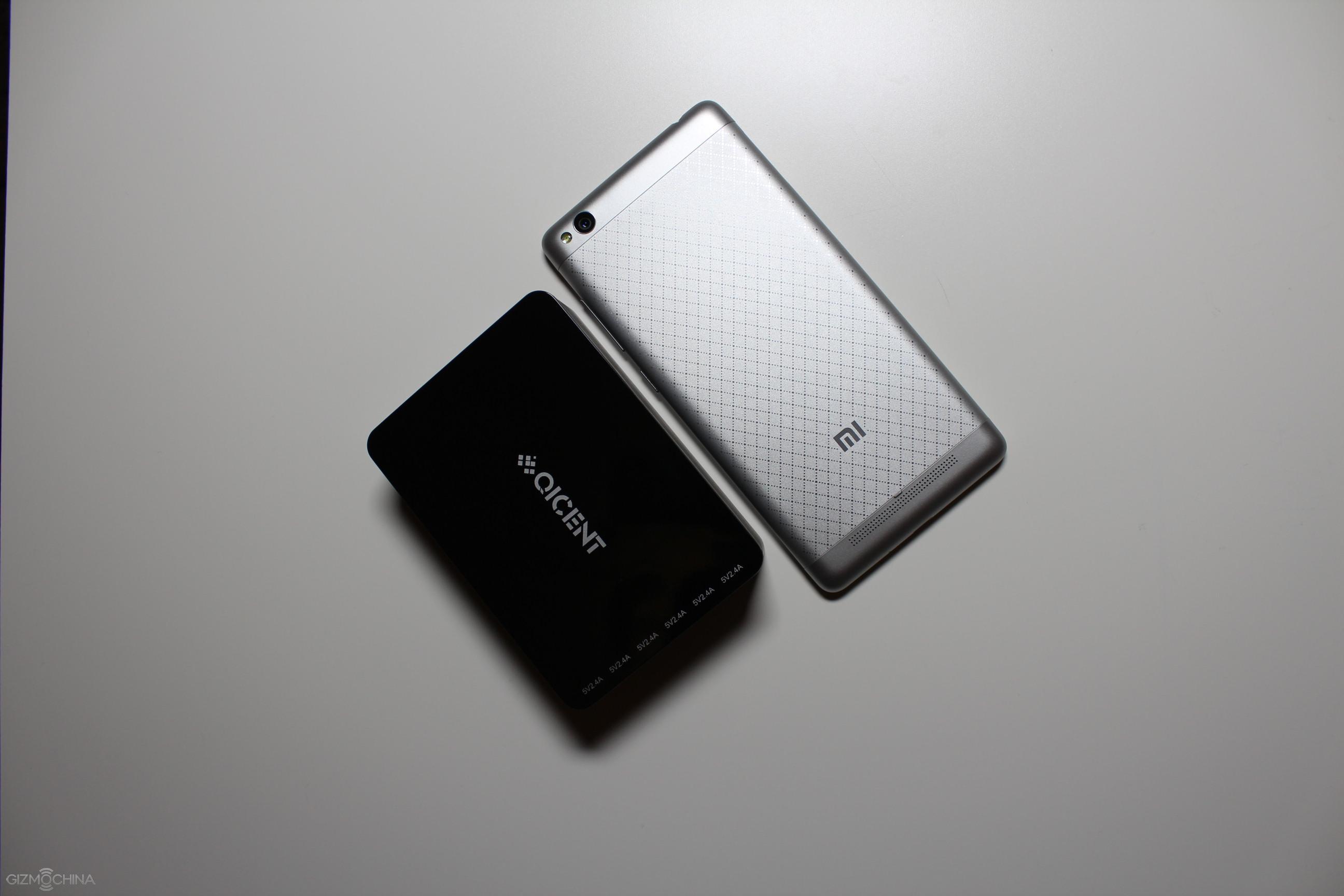
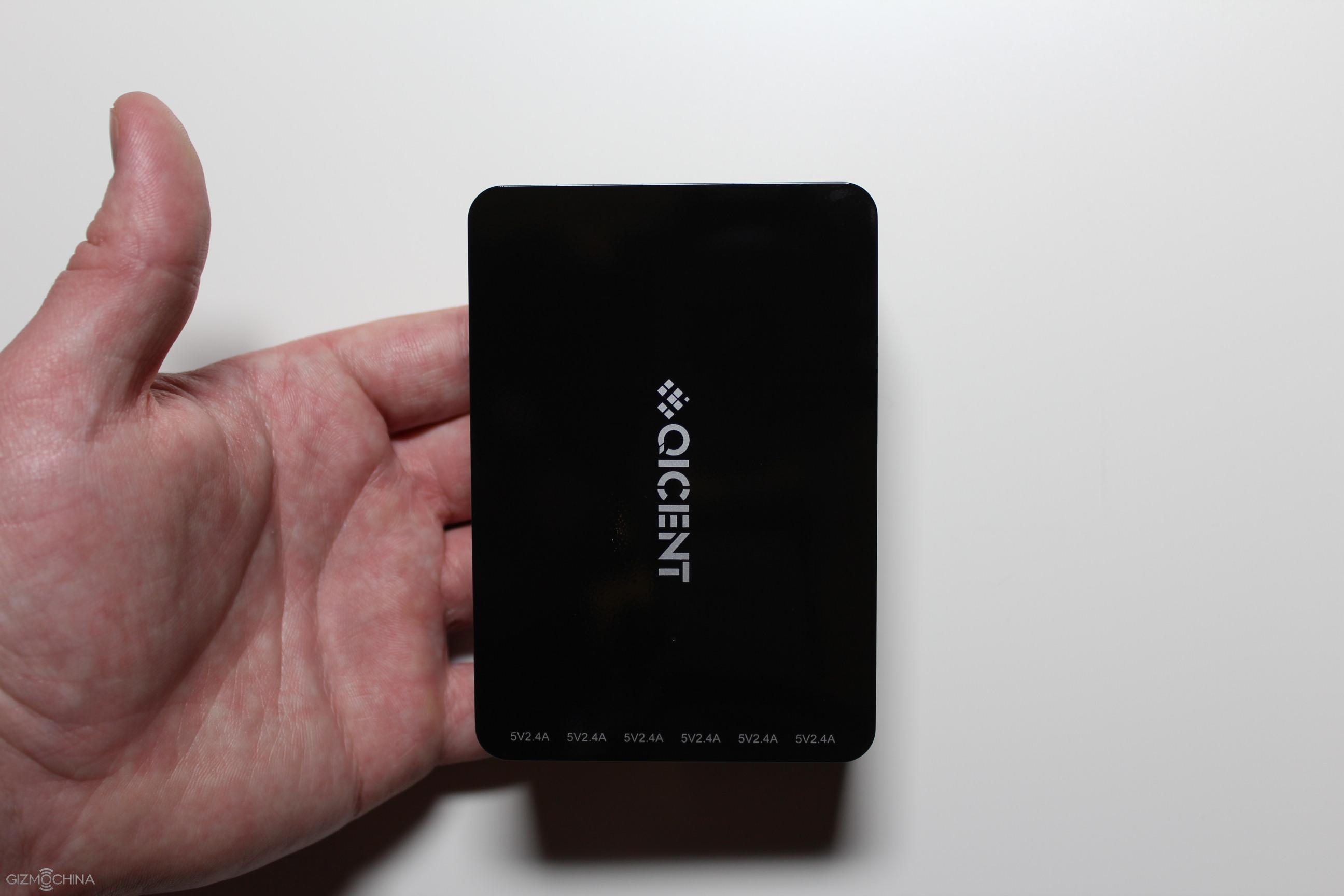
Overall, Qicent 6-Port 2.4A smart USB charger is sturdy, compact, well constructed and it does not seem to break anytime soon.
FEATURES and FUNCTIONALITY
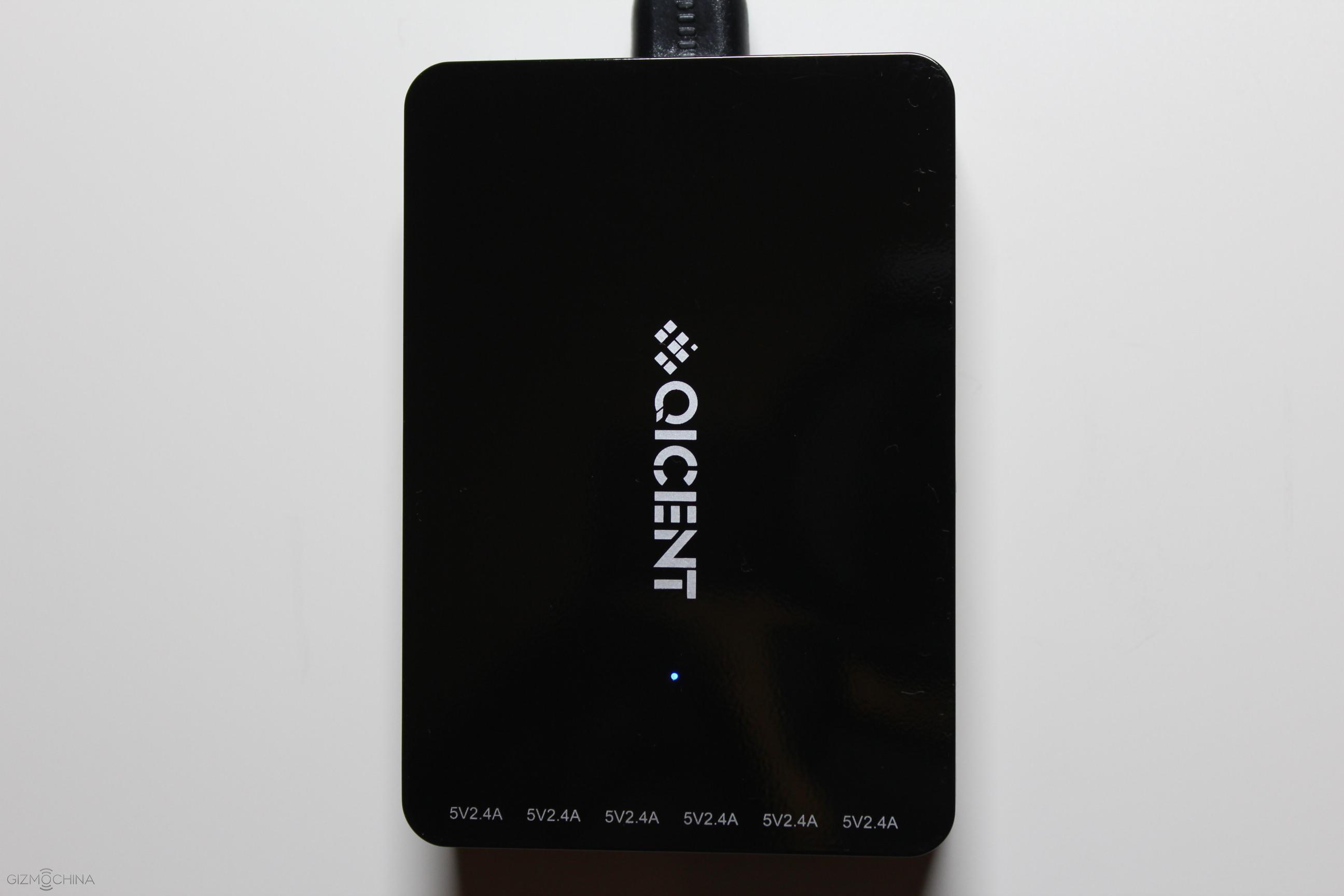
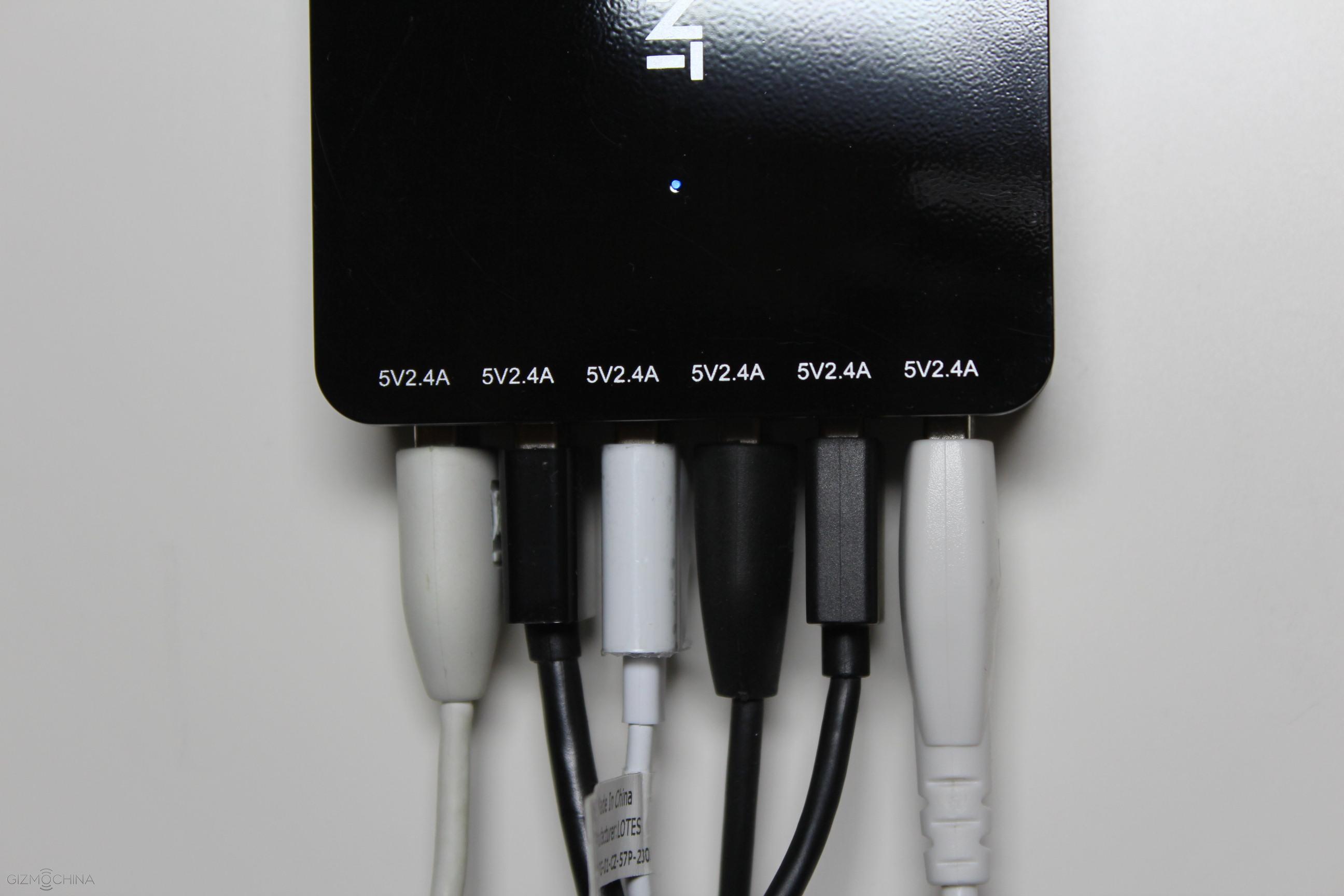
Once you power the device up, a tiny LED lights up to let you know that the USB hub is ready charge your devices.
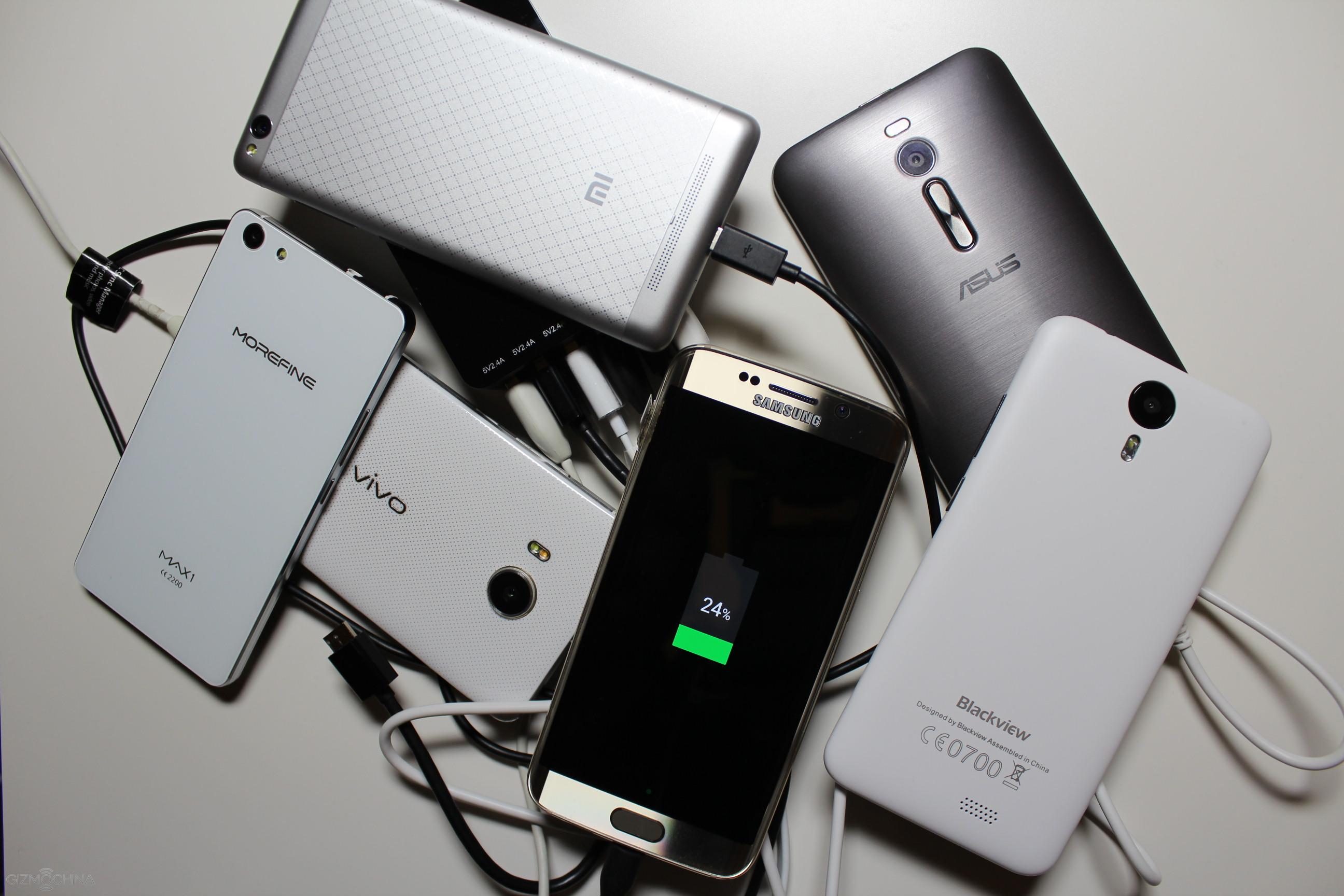
I actually needed to find all my USB cables to be able to use all 6 ports to charge my devices. The test results suggest that USB hub works flawlessly. While the Samsung Galaxy S6 Edge did not reach the same charging speeds as with the original charger (the phone ships with a fast charger), other phones indeed charged quickly. In fact, Asus Zenfone 2, which charges extremely slowly with the stock charger, detected Qicent as a fast charger.
CONCLUSIONS
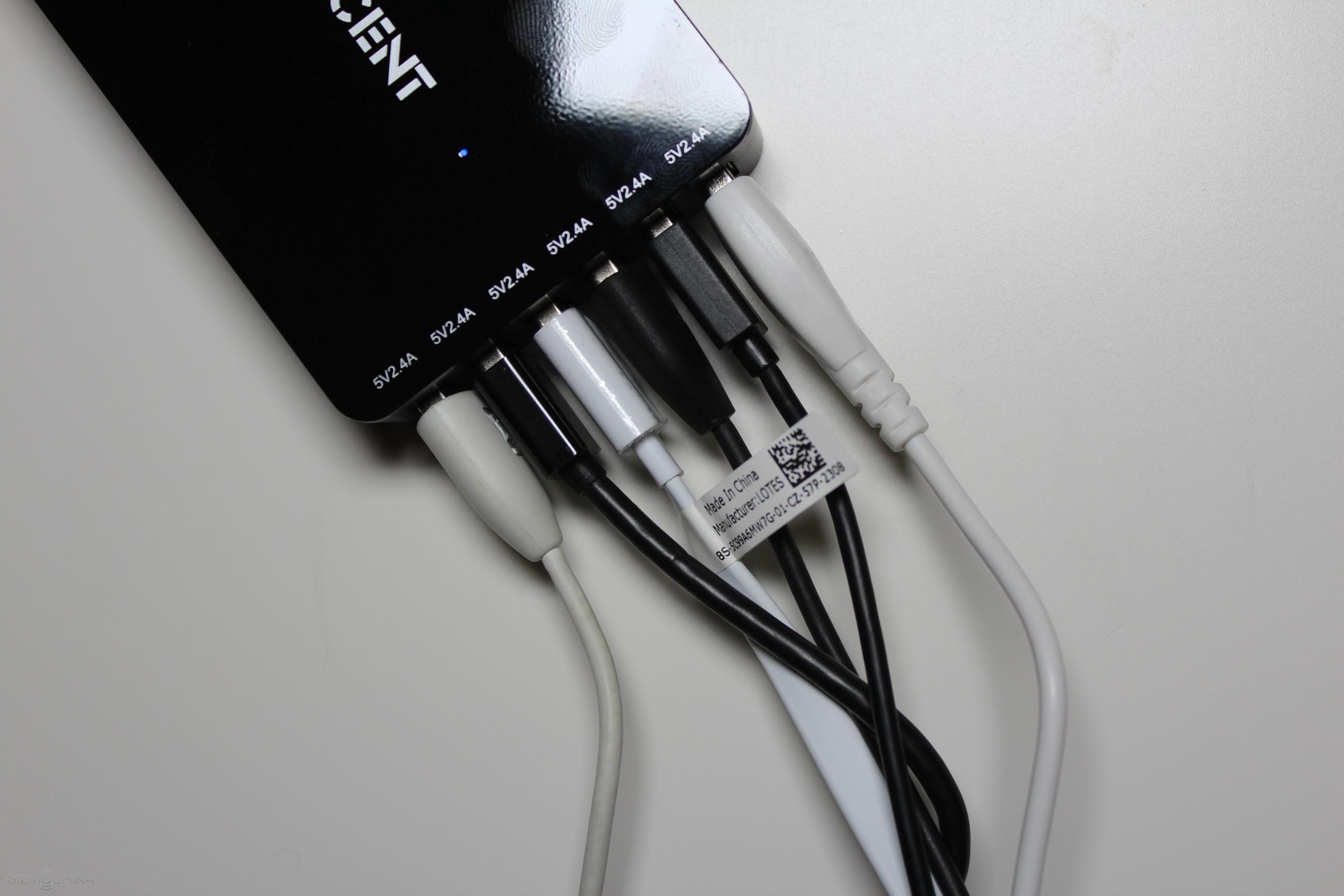
While the market is full of multi-port USB chargers and it may be hard to choose from the variety of them, Qicent is worth your consideration. It does all the things right as far as functionality goes and it indeed charges the devices fast.
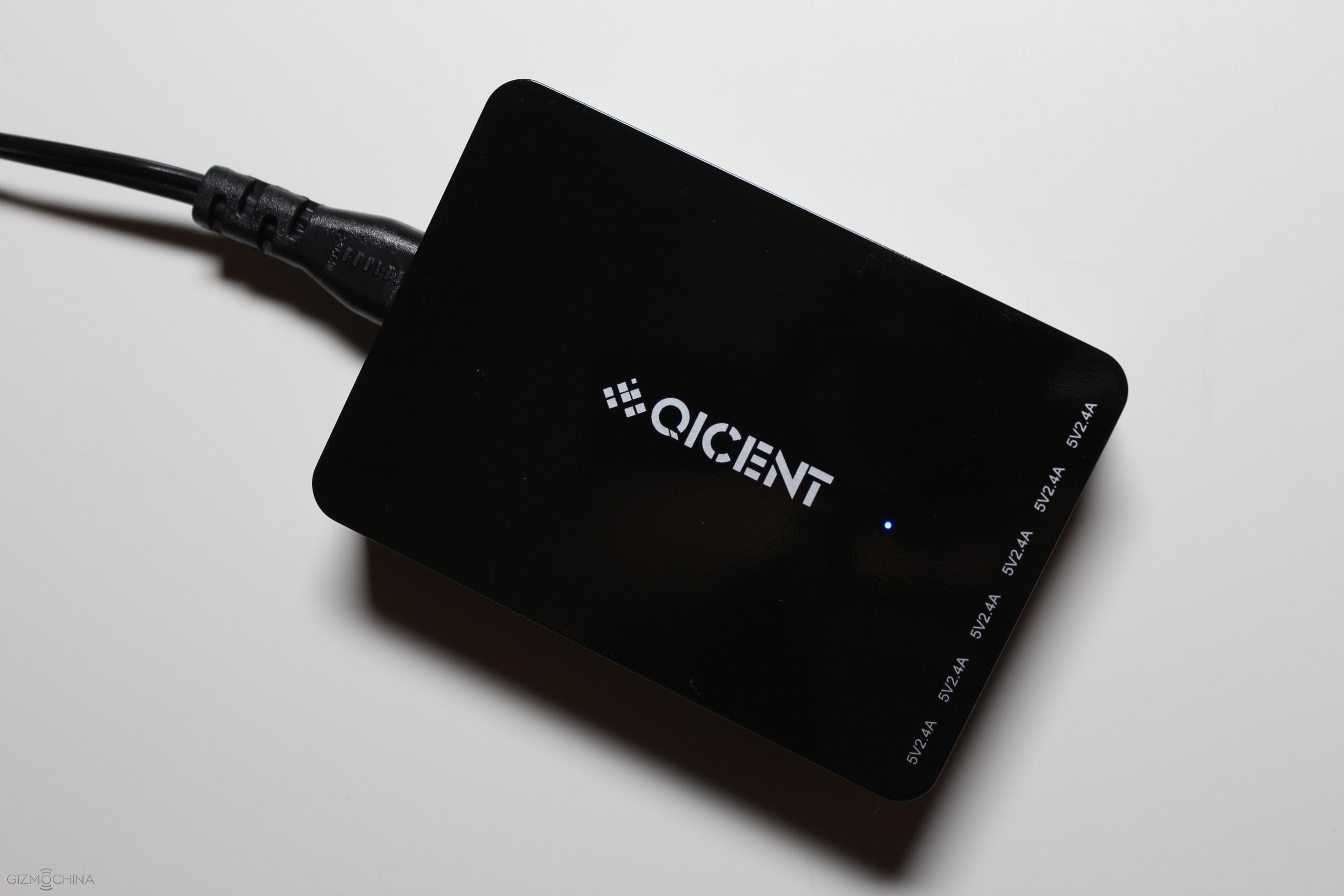
However, a glossy plastic finish attracts fingerprints and smudges easily and the lack of silicone pads on the bottom of the USB charger are a few disadvantages.
Still, the Qicent is well worth the price of just $16.99.
Cubot S600 Review – Beautiful and Affordable
Today we are looking at affordable yet very nice looking Cubot S600. Is it any good? Find out in our full Cubot S600 review.
Cubot S600 VIDEO REVIEW:
[embedyt] https://www.youtube.com/watch?v=QZ–_0FV2WQ[/embedyt]
Cubot S600 Review: UNBOXING

Cubot S600 Review: SPECS
Display |
5″ 720p (HD) |
Processor |
Mediatek MT6735, 64-bit, octa-core (up to 1.3GHz) |
RAM |
2GB |
Camera |
2MP Front/16MP Back |
Connectivity |
Bluetooth, 3G, 4G, GPS, WIFI, GSM,EDGE, GPRS, UMTS, HSPA, HSPA+, dual-SIM. |
Battery |
2.700 mAh (non-removable) |
Dimensions |
14.650 x 7.130 x 0.750 cm / 5.76 x 2.80 x 0.29 inches |
OS |
Android 5.1 |
Storage |
16GB (expandable via microSD card slot up 128GB) |
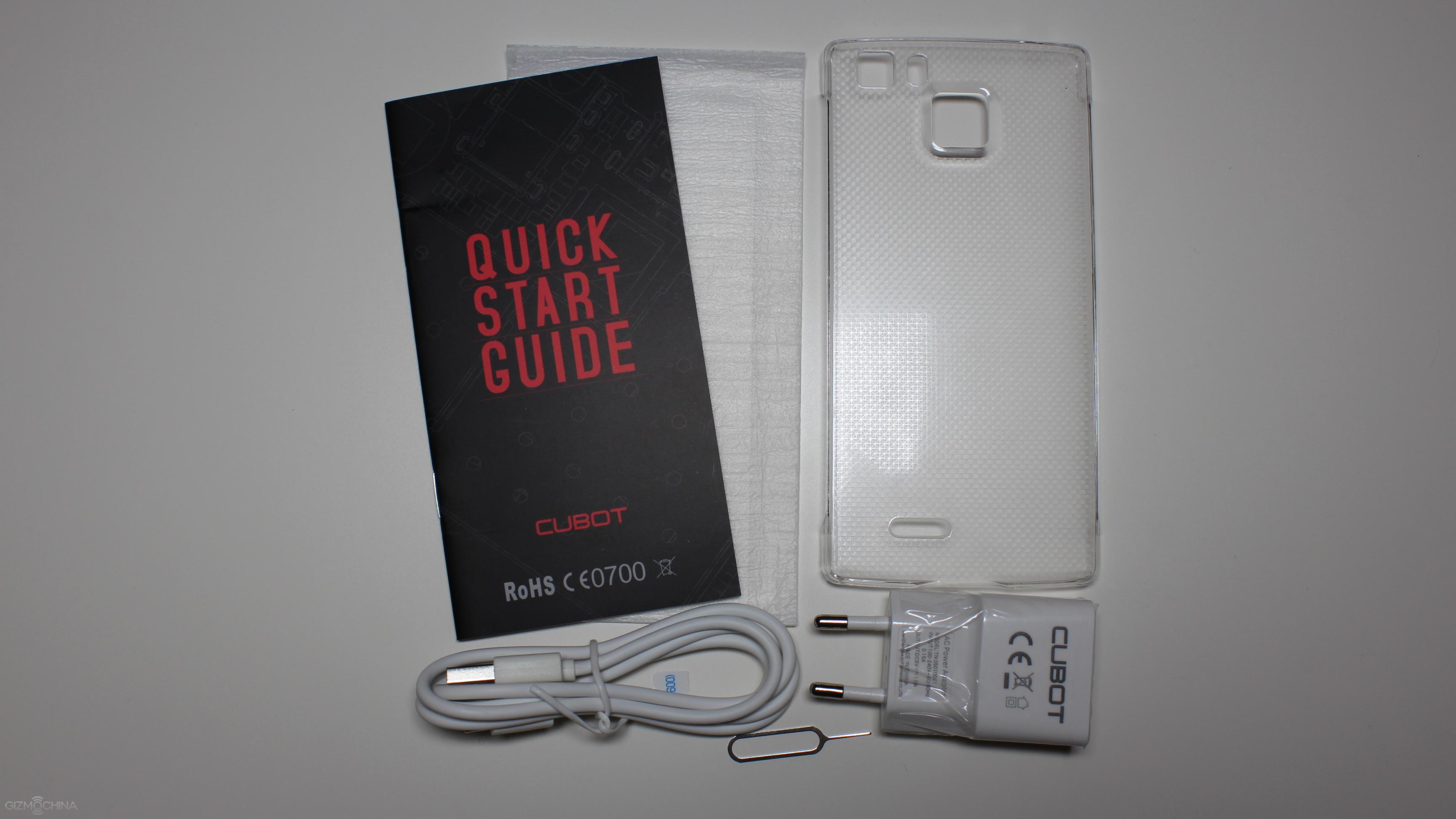
Cubot included some nice accessories along with the S600 phone. The contents include a tempered glass screen protector, a nice soft TPU case, a charging plug, USB cable, SIM ejector pin and some documentation.
Cubot S600 Review: DESIGN and DISPLAY
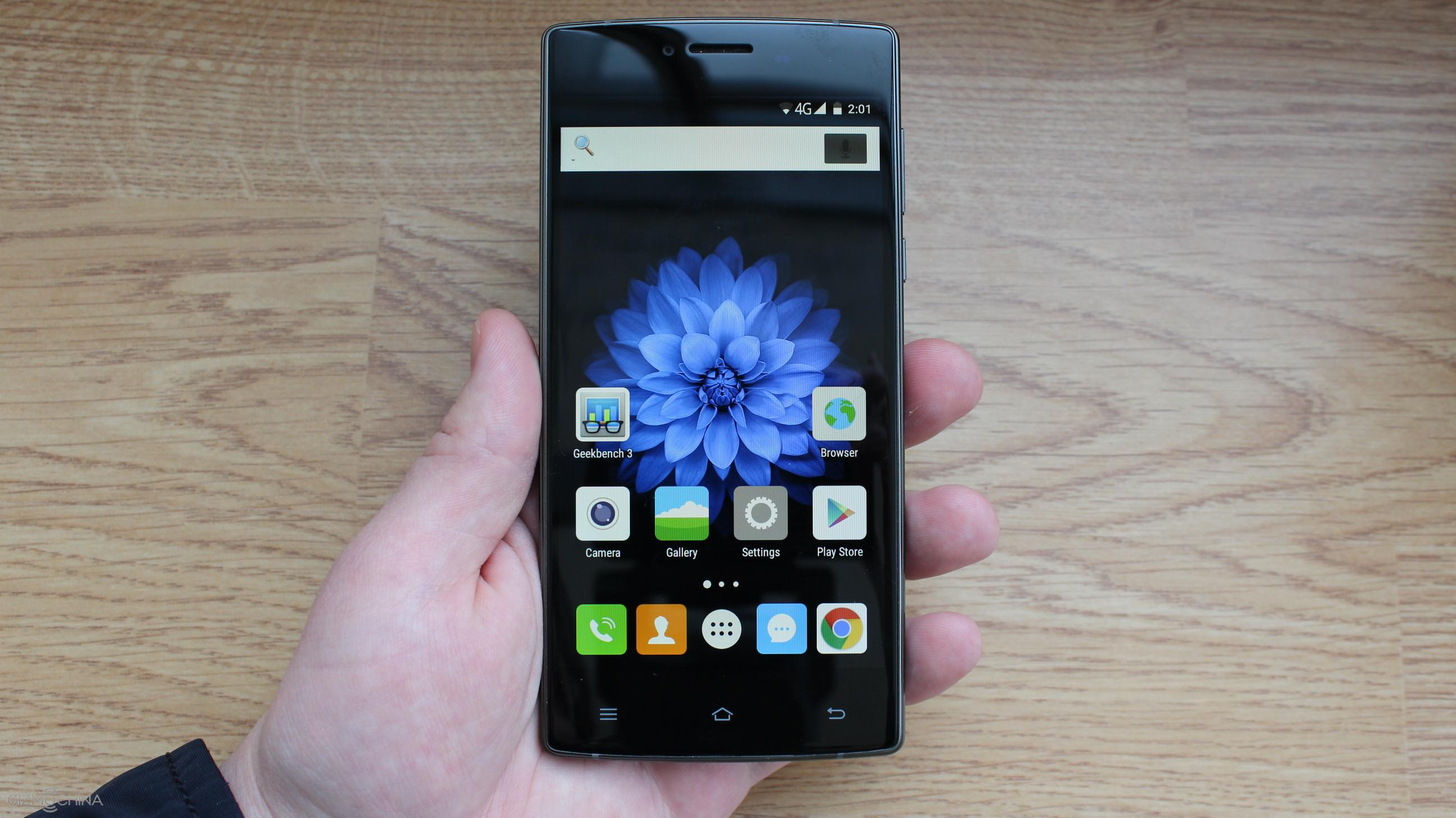
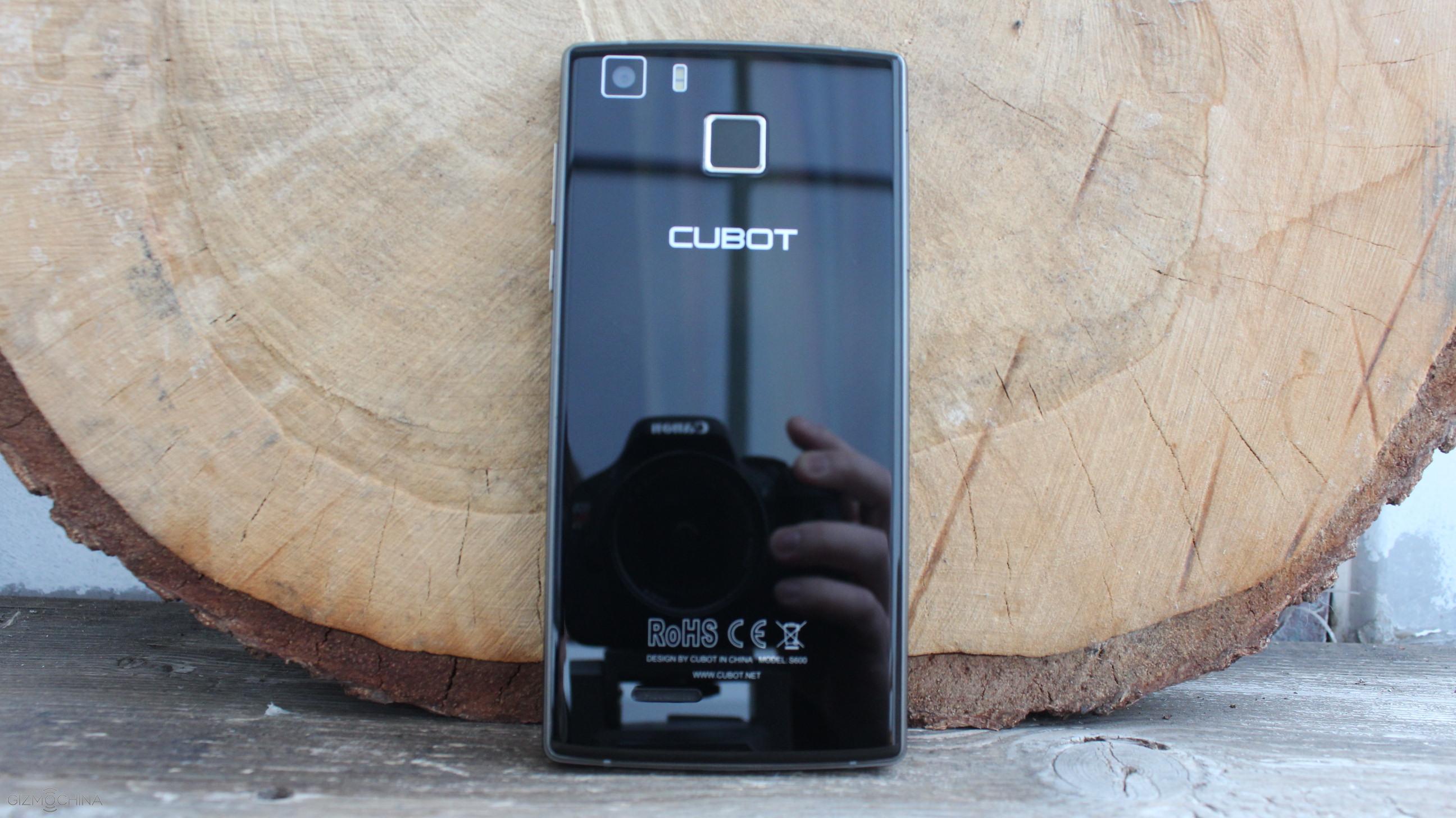
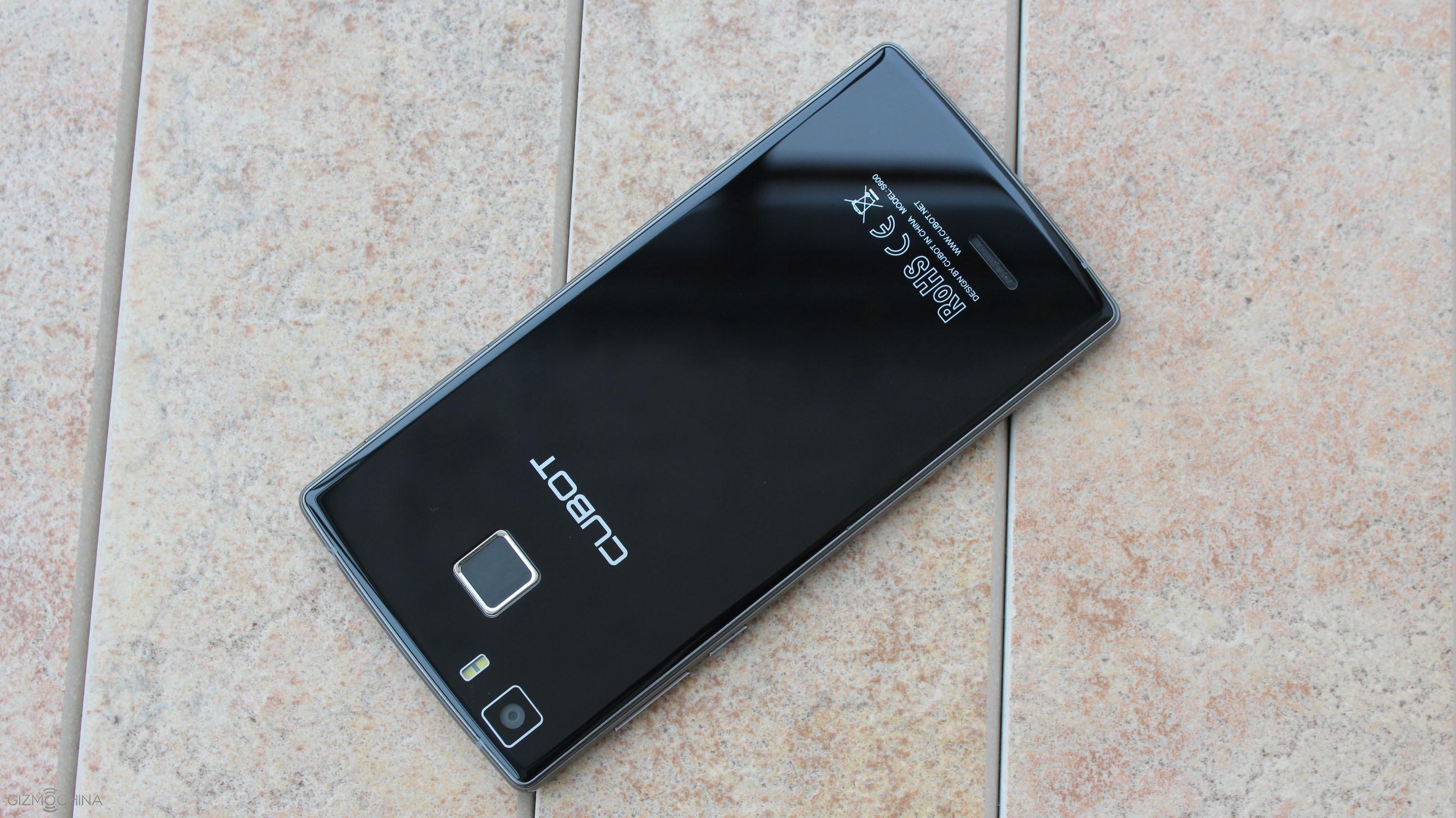
As soon as you pick up the phone, Cubot S600 feels like an expensive flagship device. It uses a high quality metal frame around the device and 2.5D glass on the front and rear.
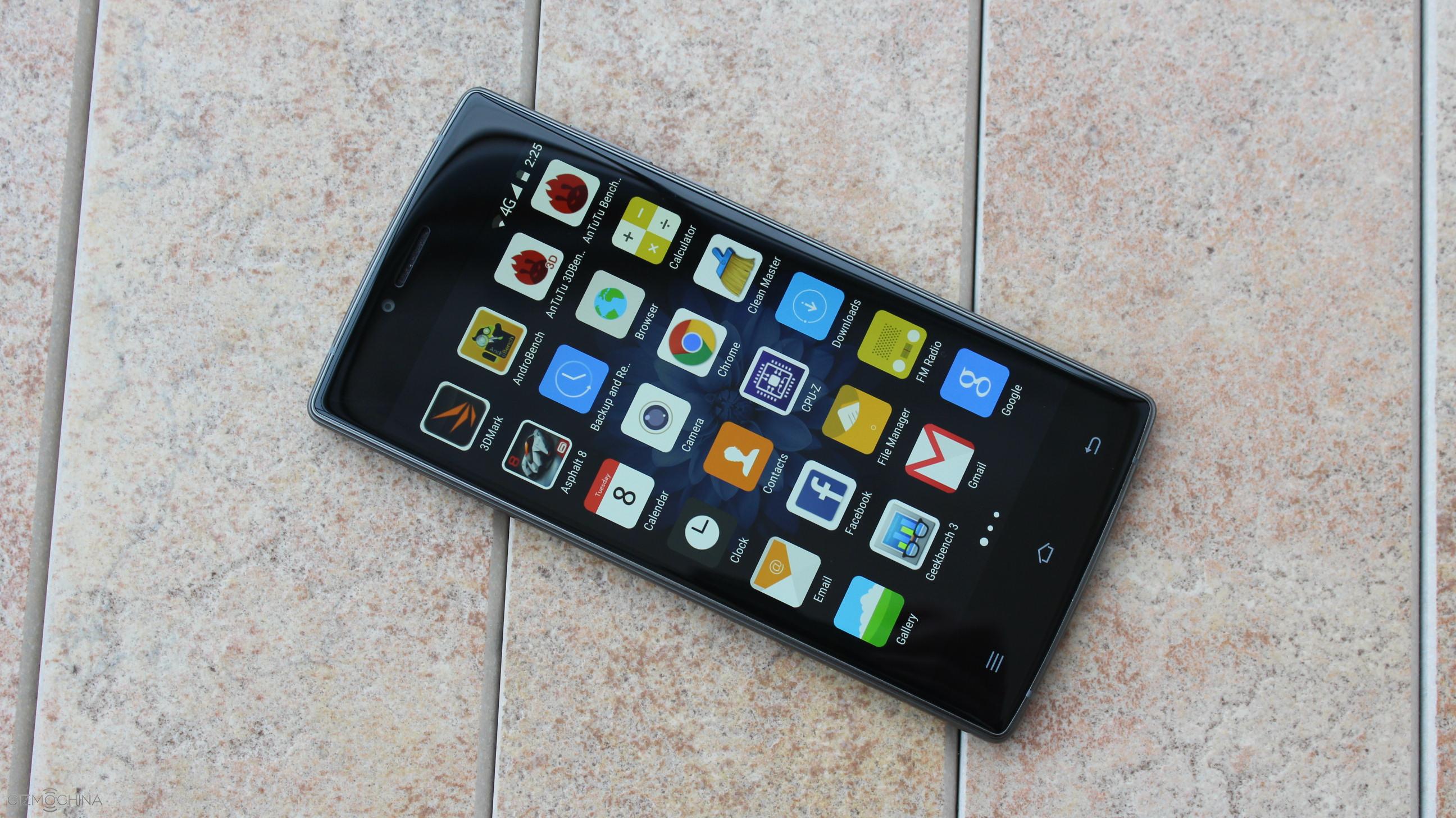
Also, the phone is compact due to the 5” inches display, which only has 720P resolution but it is a high quality panel. It is bright, vivid, colours look natural and it has exclellent viewing angles.
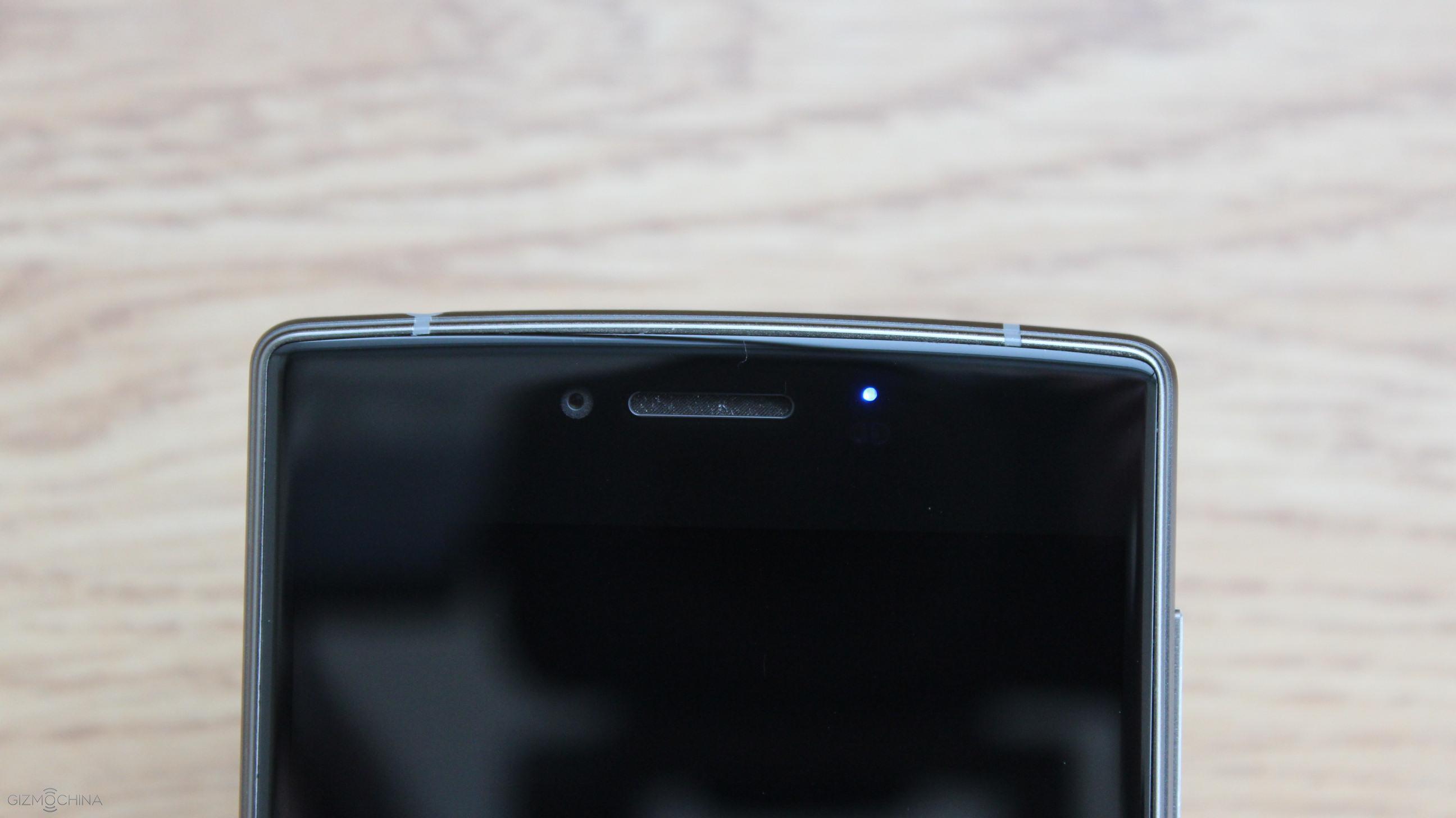
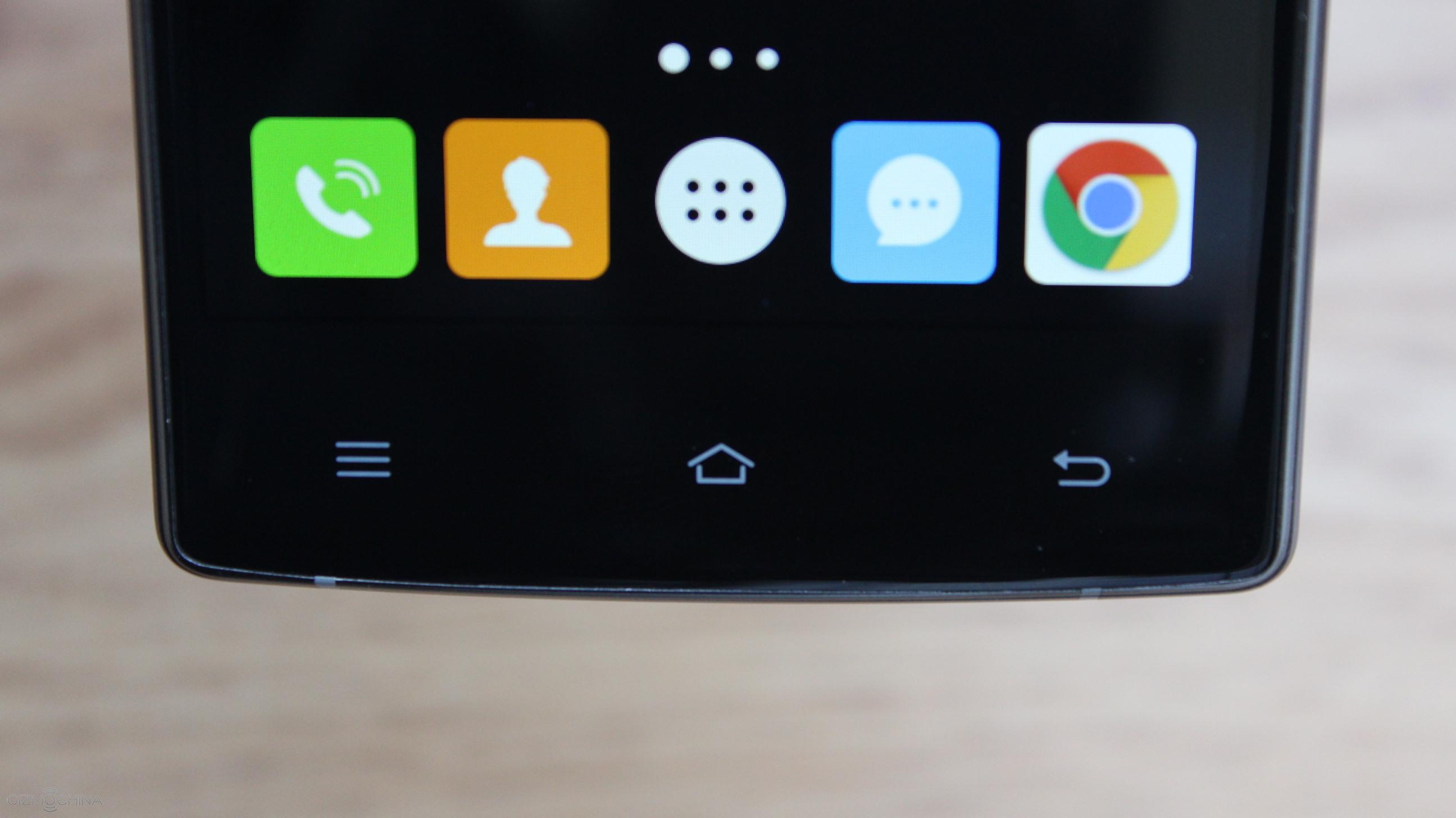
There is an 8MP selfie shooter and a highly customizable LED light on the front top. The capacitive buttons, which also have a nice backlight, are on the bottom.
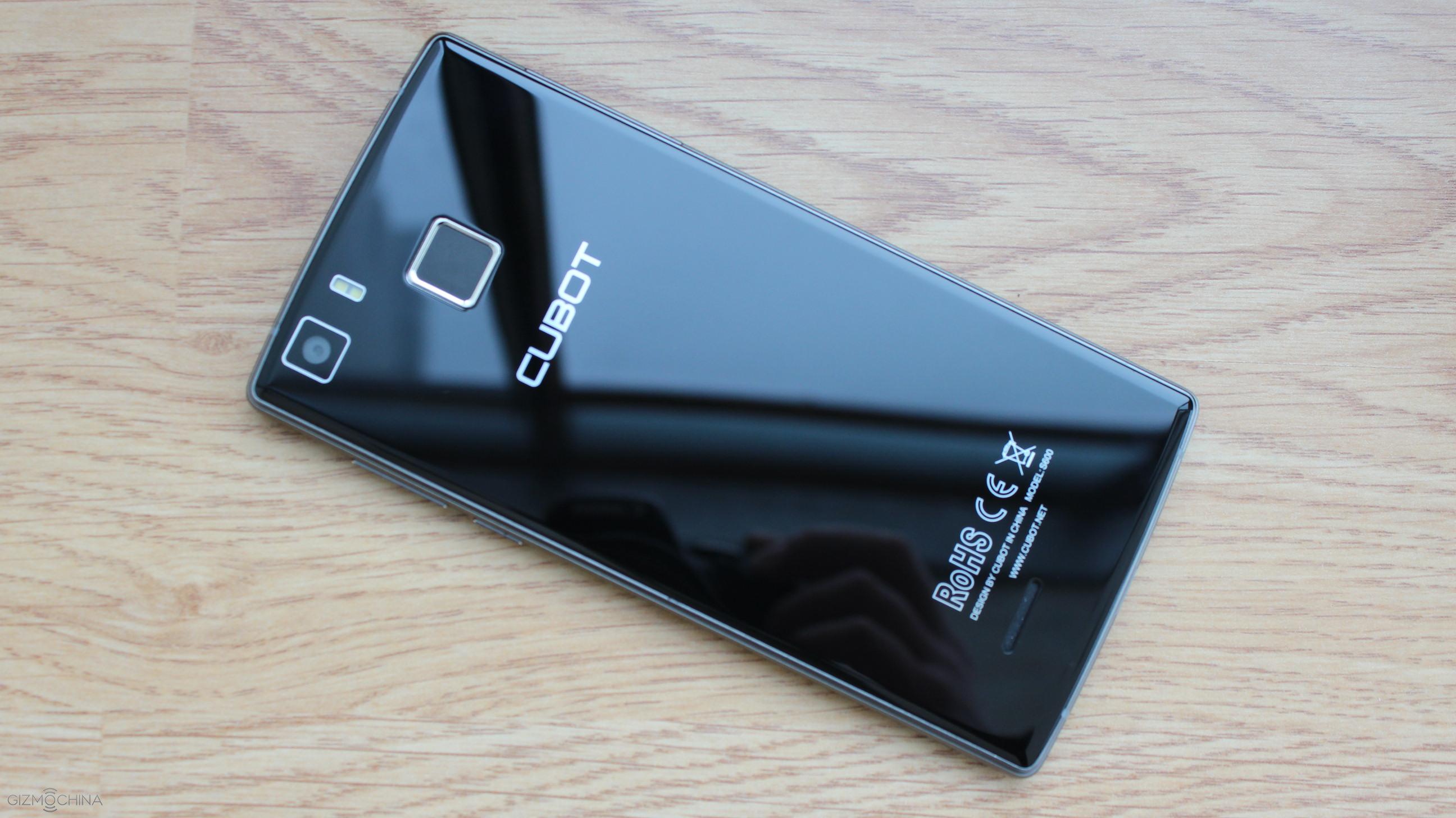
The glass back is a ridiculous fingerprint magnet and if you hate all the smudges I suggest you going with the white or gold S600 models.
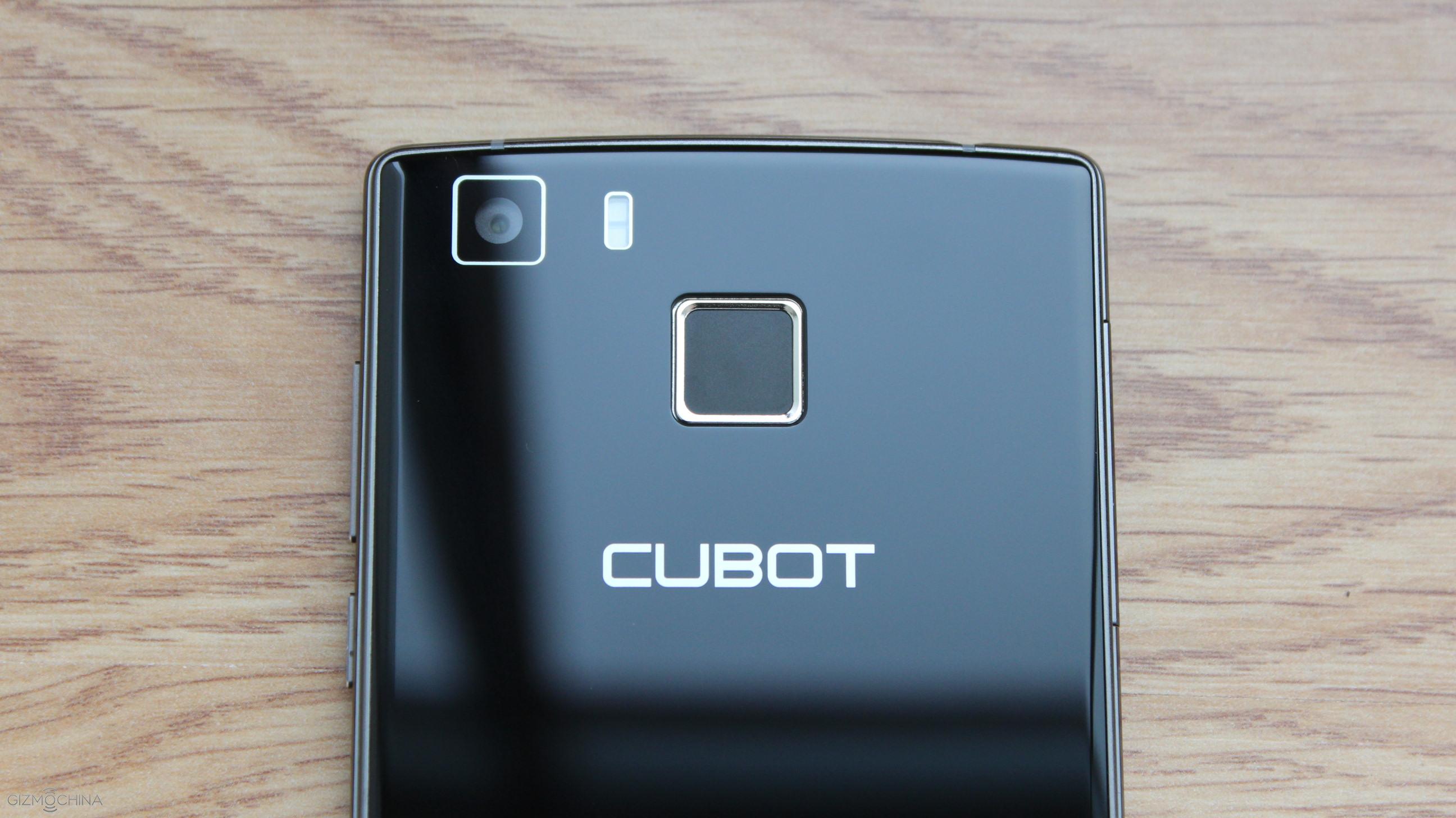
As far as camera, we have a 16MP Samsung shooter with PDAF and dual LED flash. Right below the camera is a fingerprint scanner. I found it to be very easy to setup and accurate to use. Also, it works straight from the standby mode. However, it could be slightly faster at times.
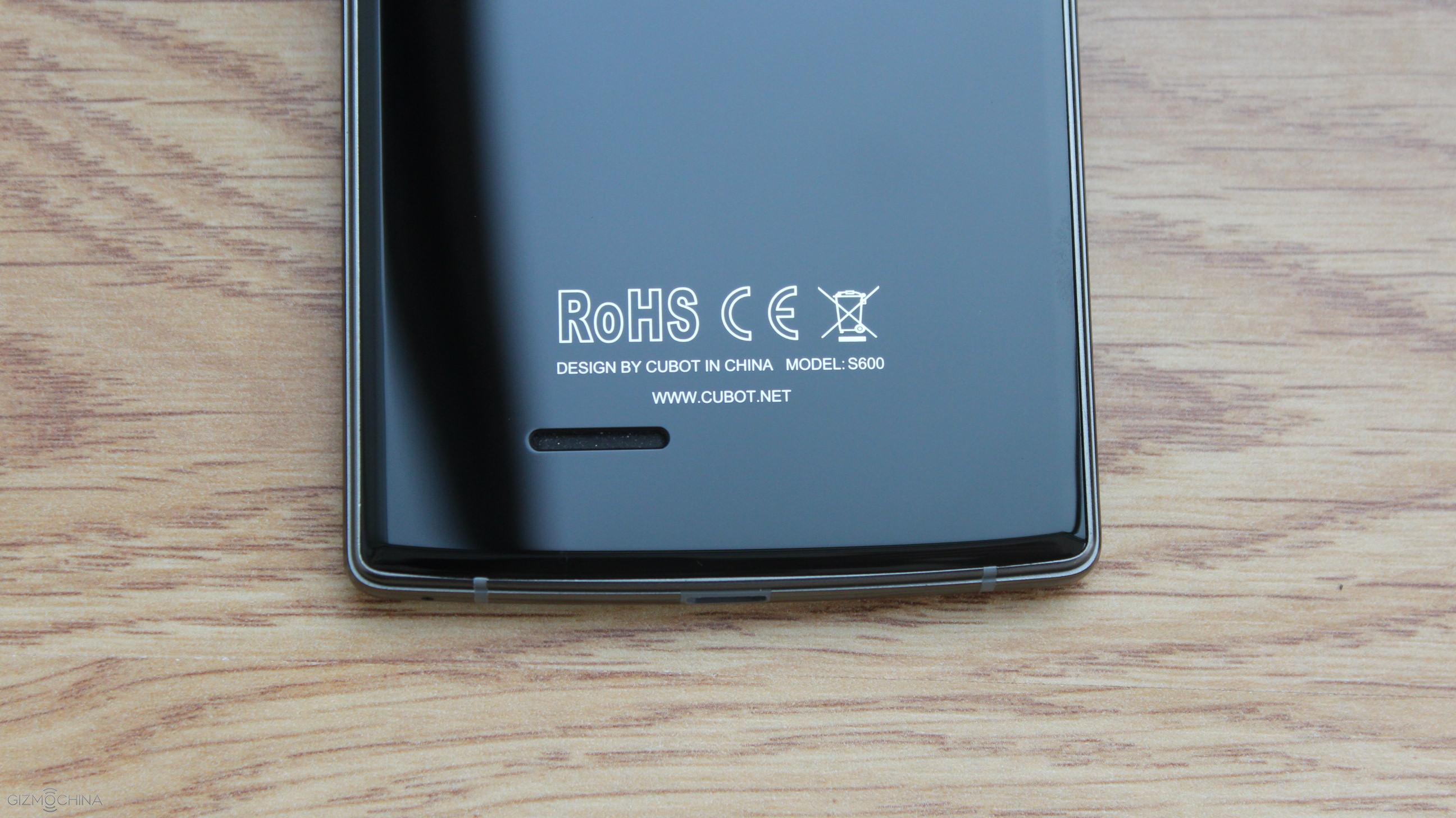
On the bottom there is just a speaker grill.
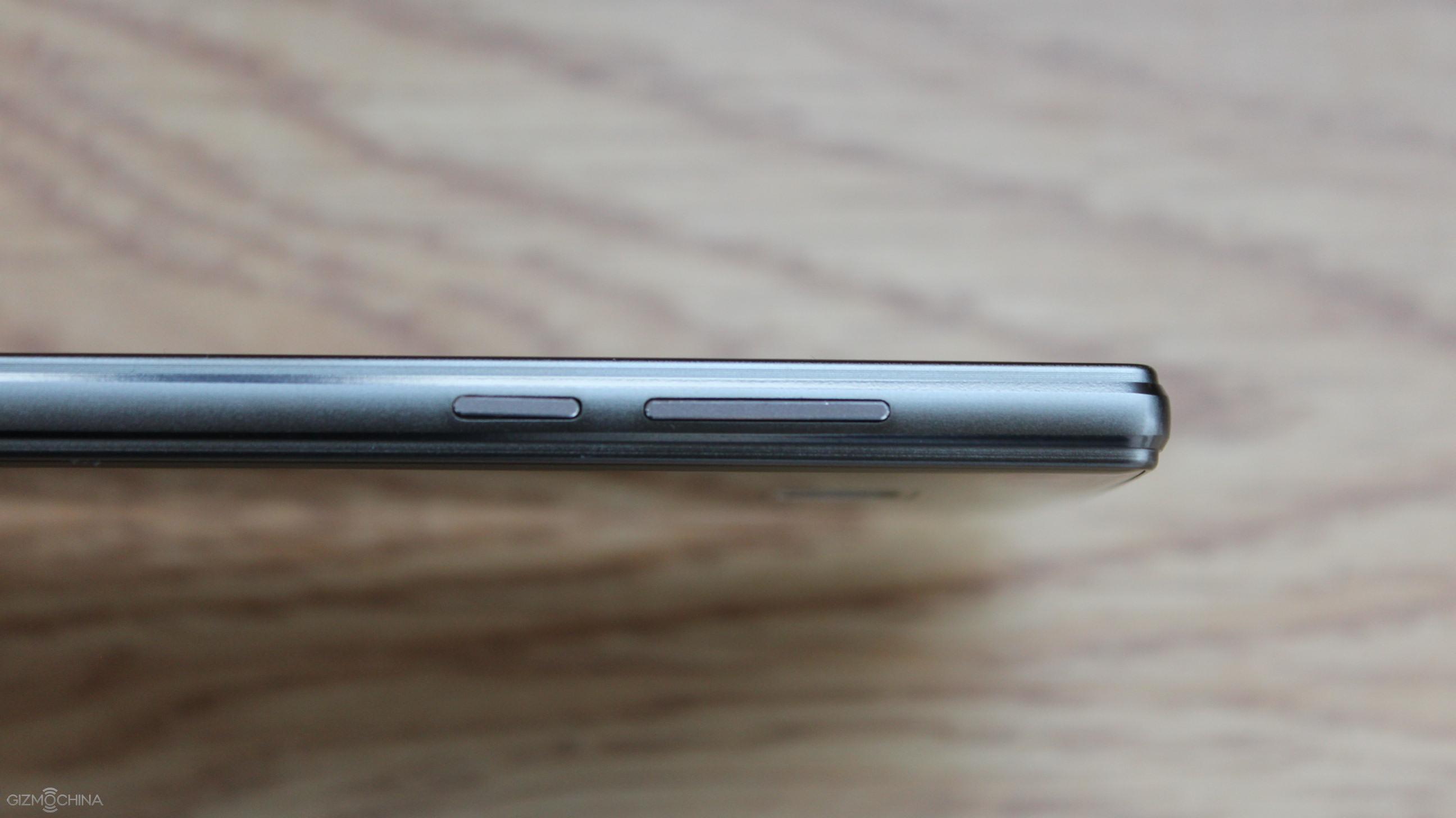
The buttons are located on the right, they are also metal-made and have a good tactile response.
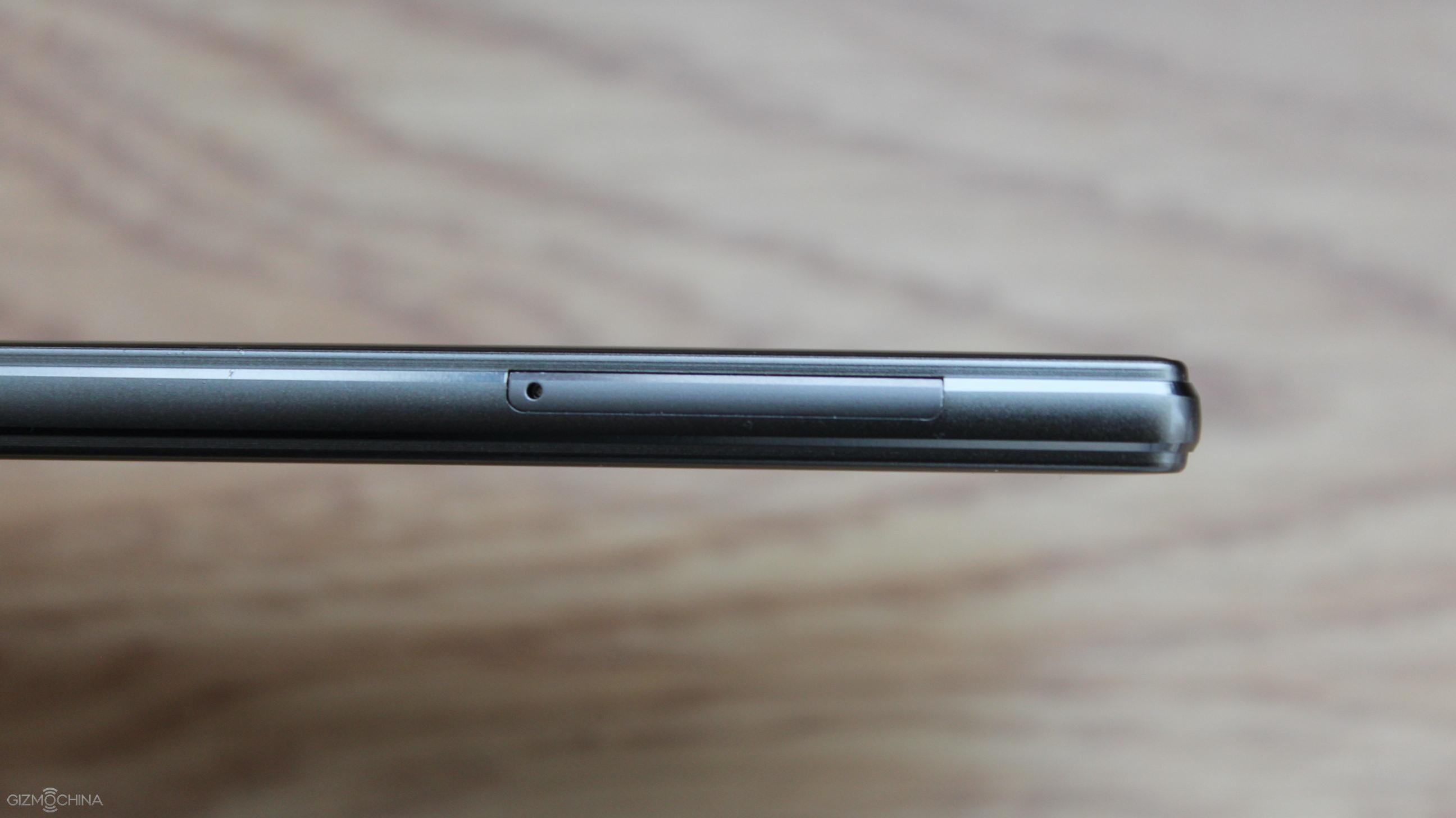
The left side is where you can find two micro SIM card slots and a separate slot for the microSD card for storage expansion.
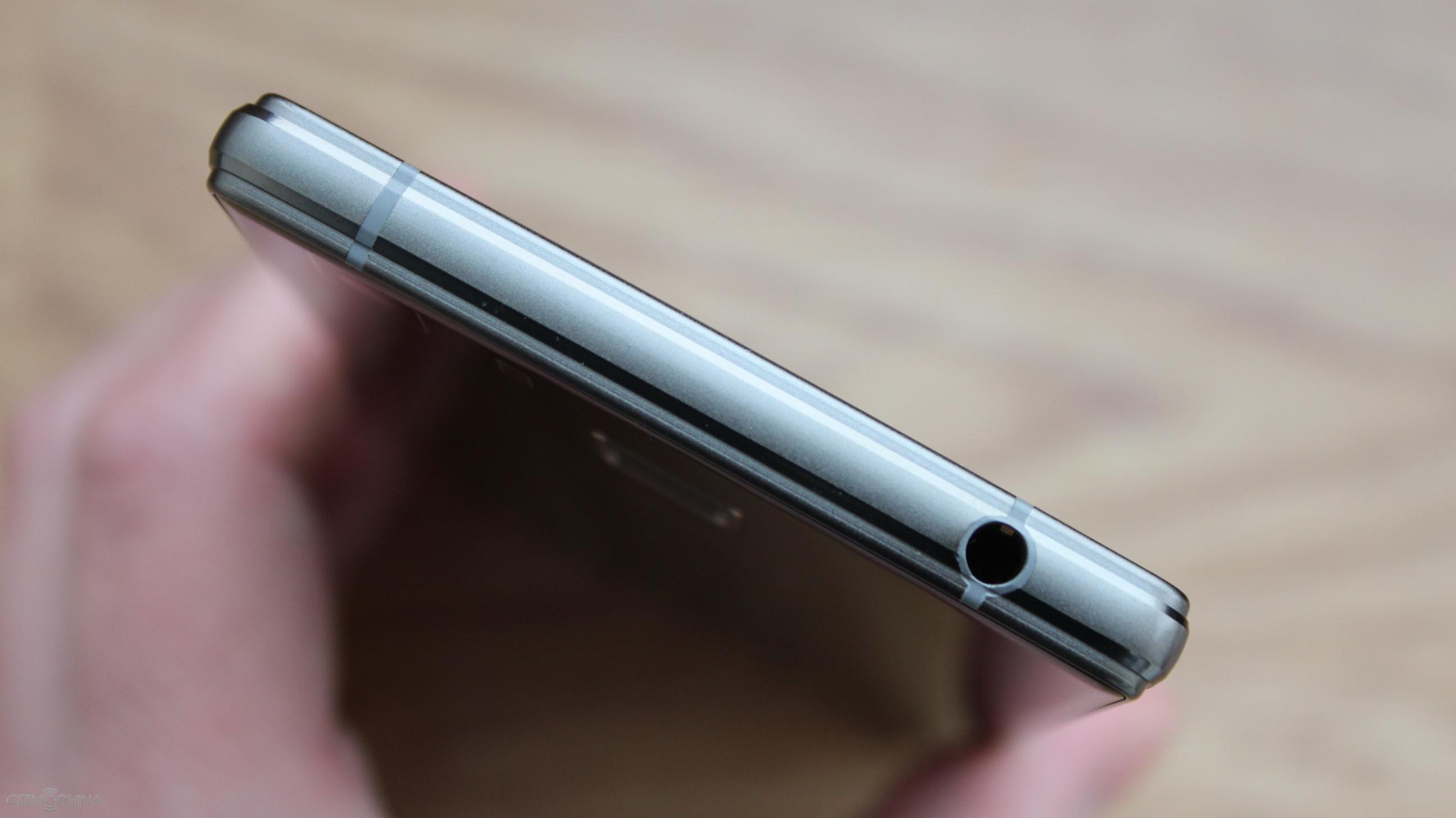
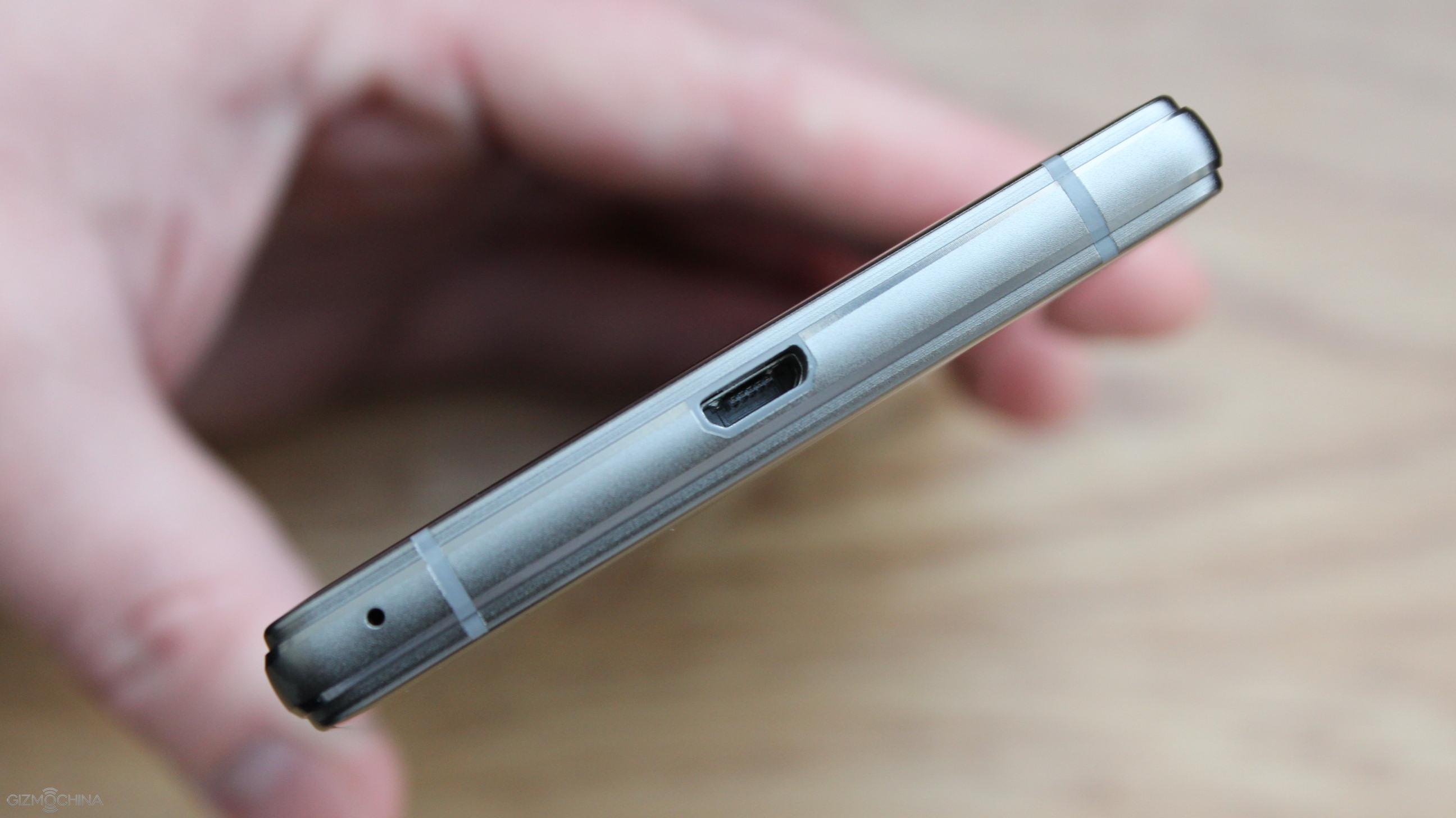
The headset jack is on the top and the micro USB port is on the bottom.
Overall, Cubot S600 sports a great build quality, it is nice to look at and hold in the hand, and it literally looks like an expensive handset. However, I don’t like a glass back as it attracts fingerprints and smudges very quickly.
Cubot S600 Review: UI
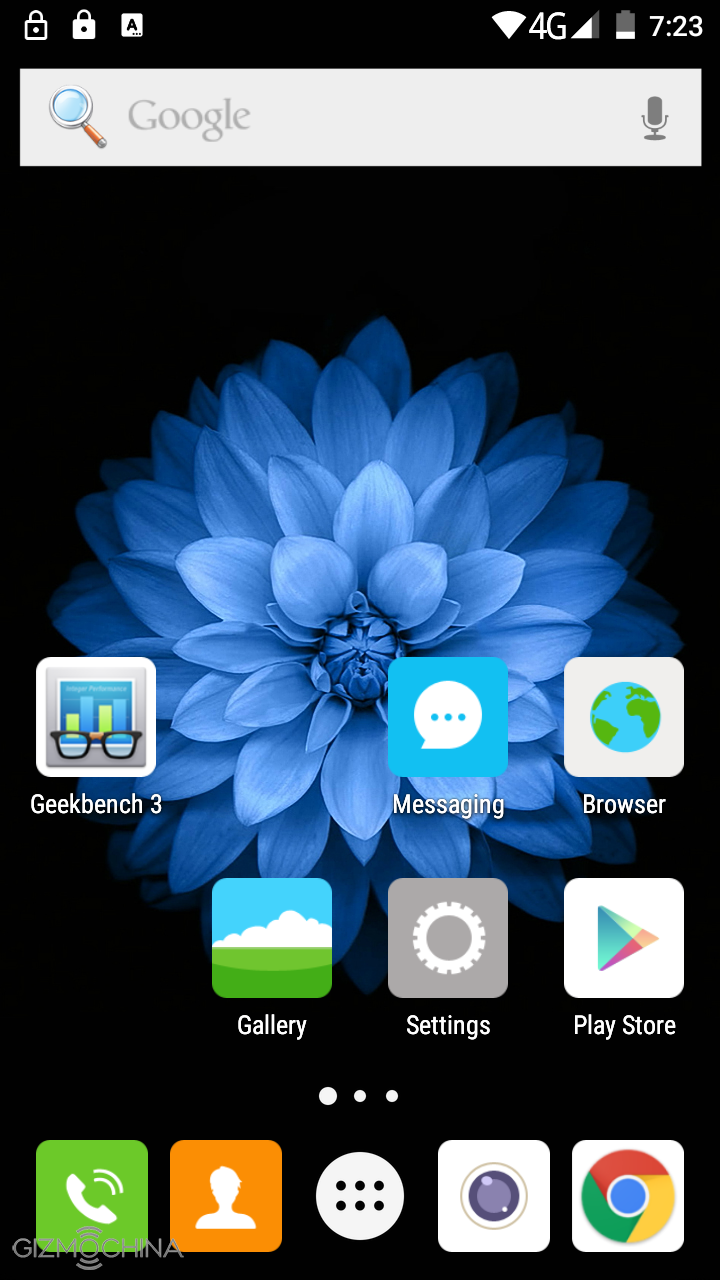
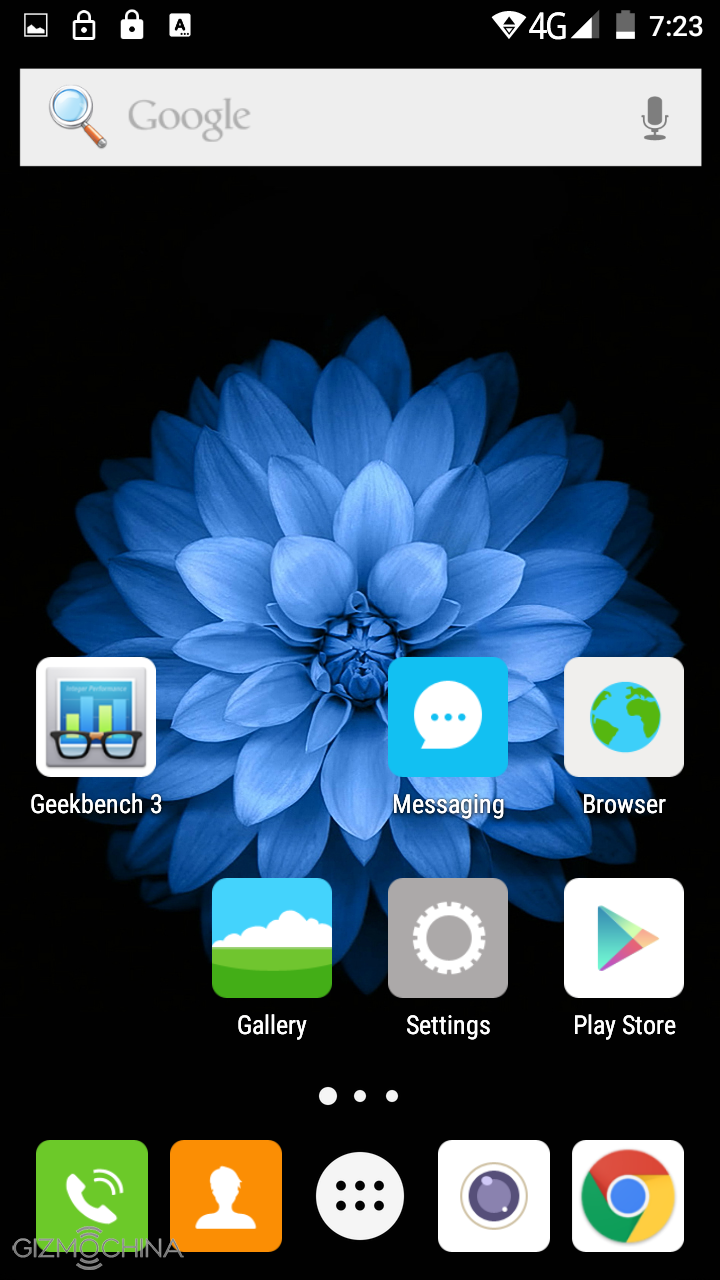
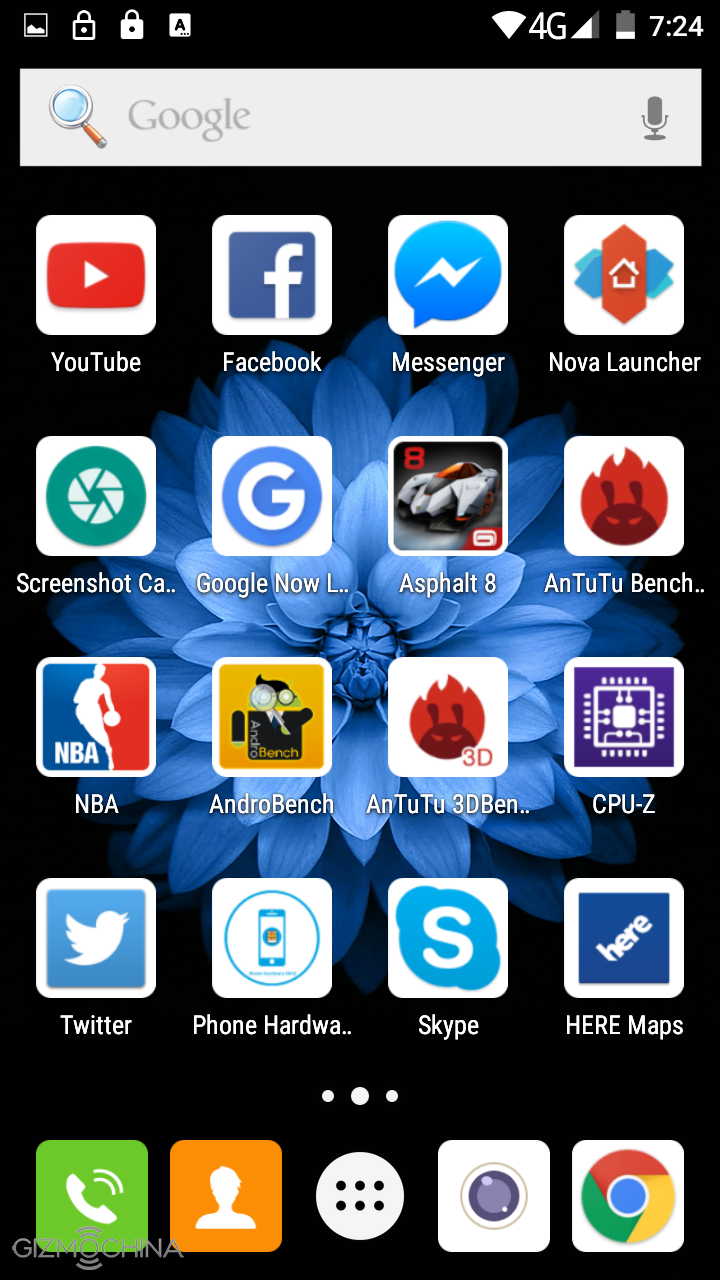
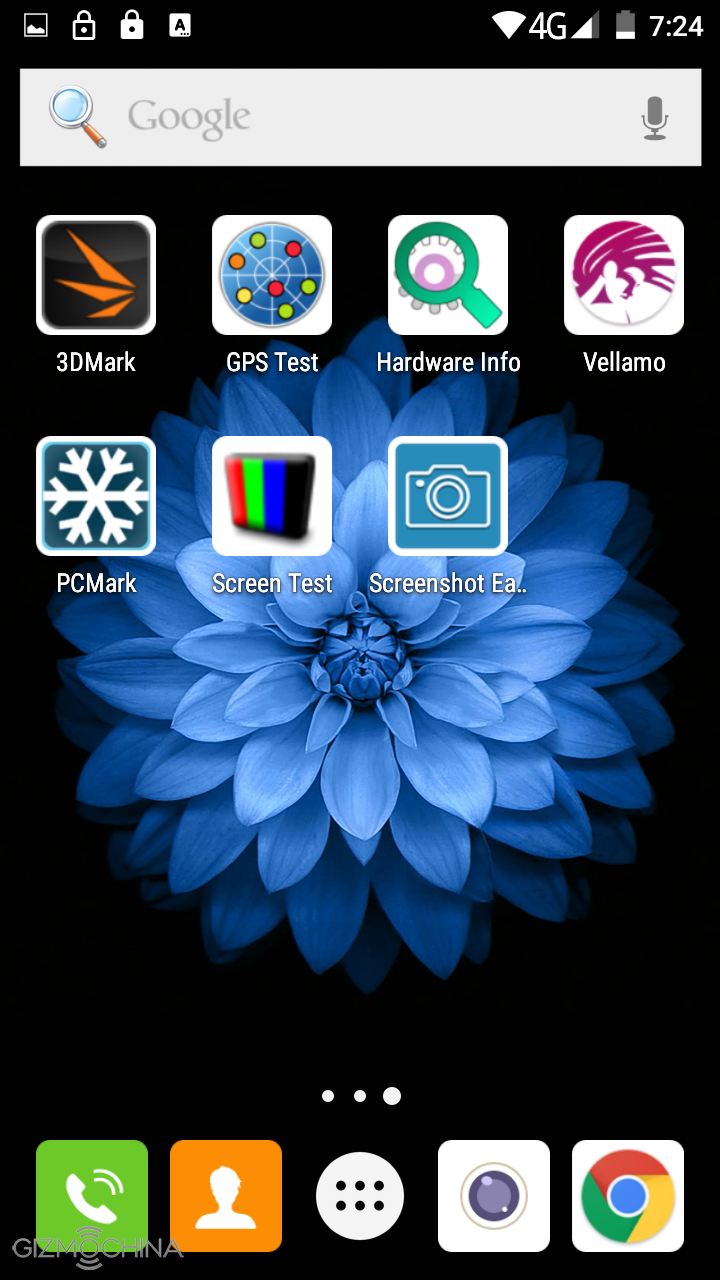
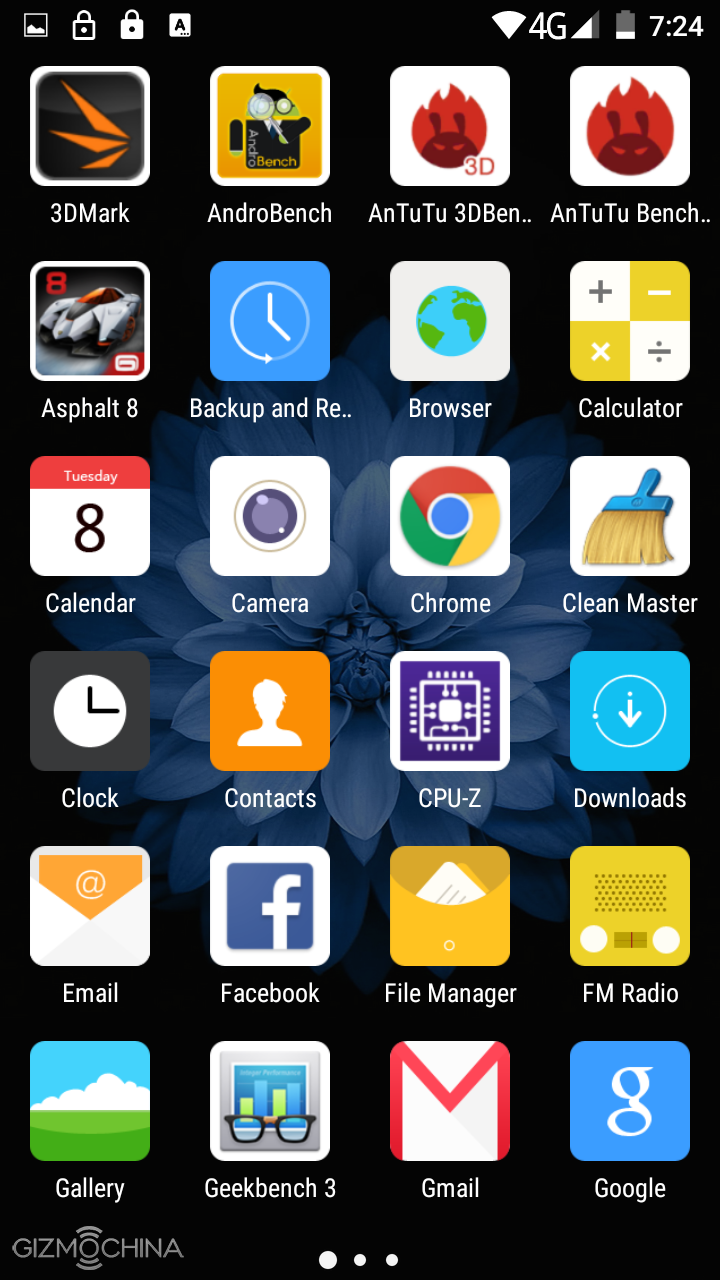
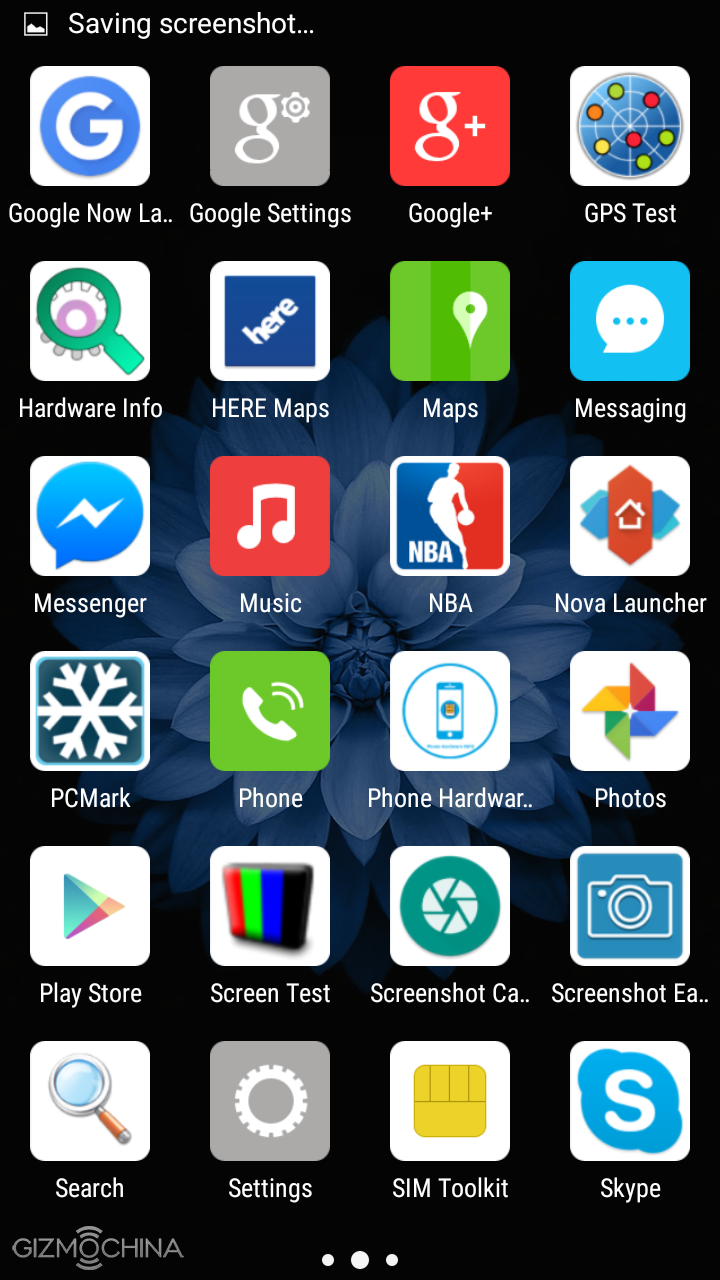
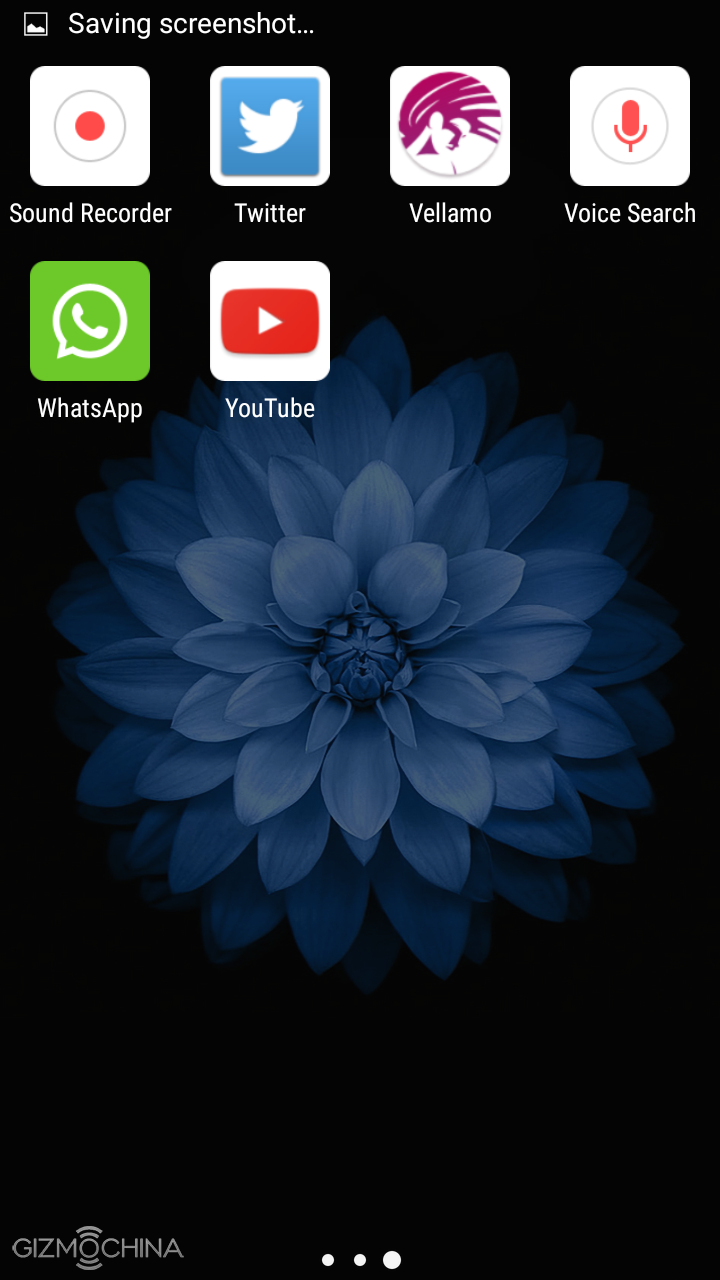
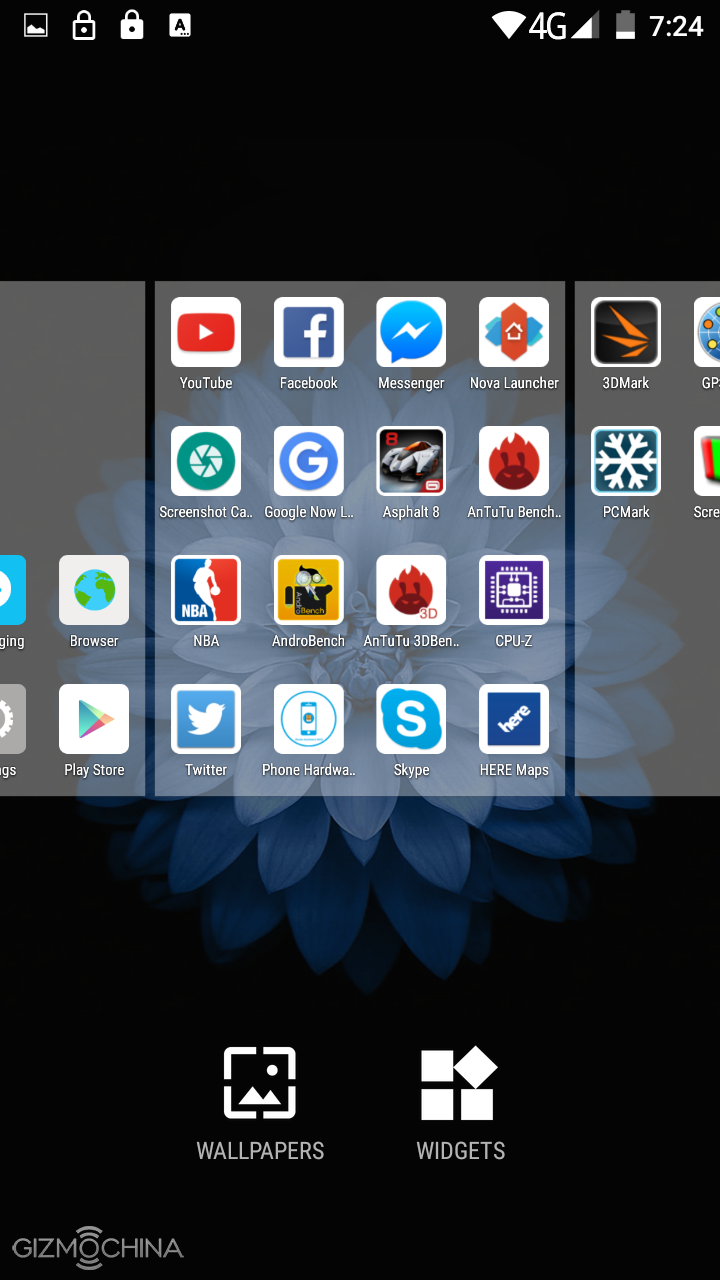
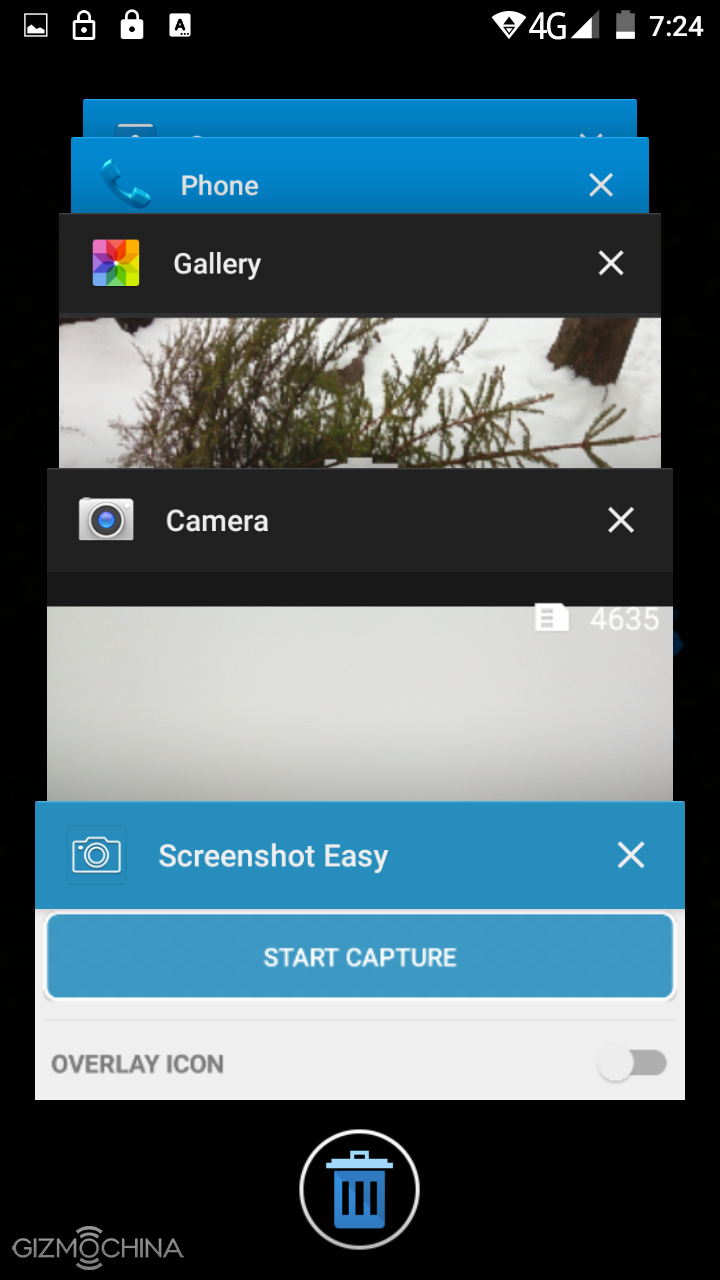
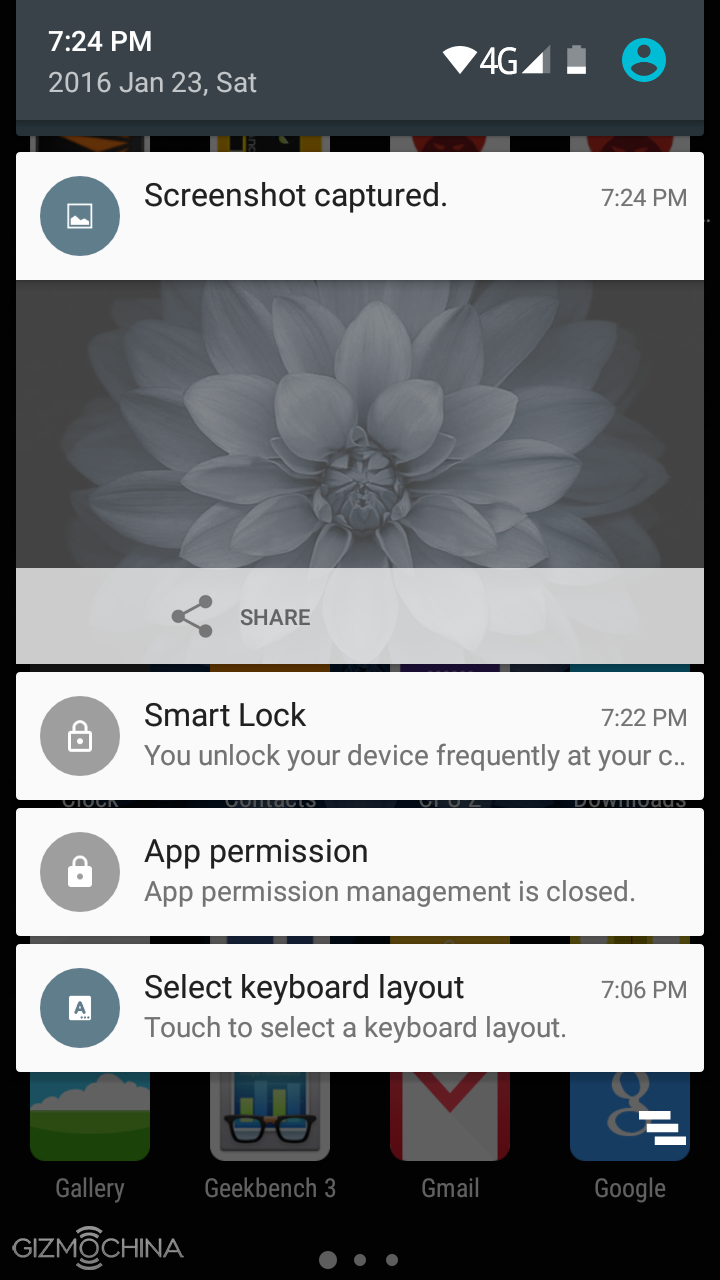
Cubot S600 comes with Android 5.1 with a light Cubot’s skin on top of it. A great thing is that we still have an app drawer and overall the UI looks like a stock Android with just a few added features and minor design changes.
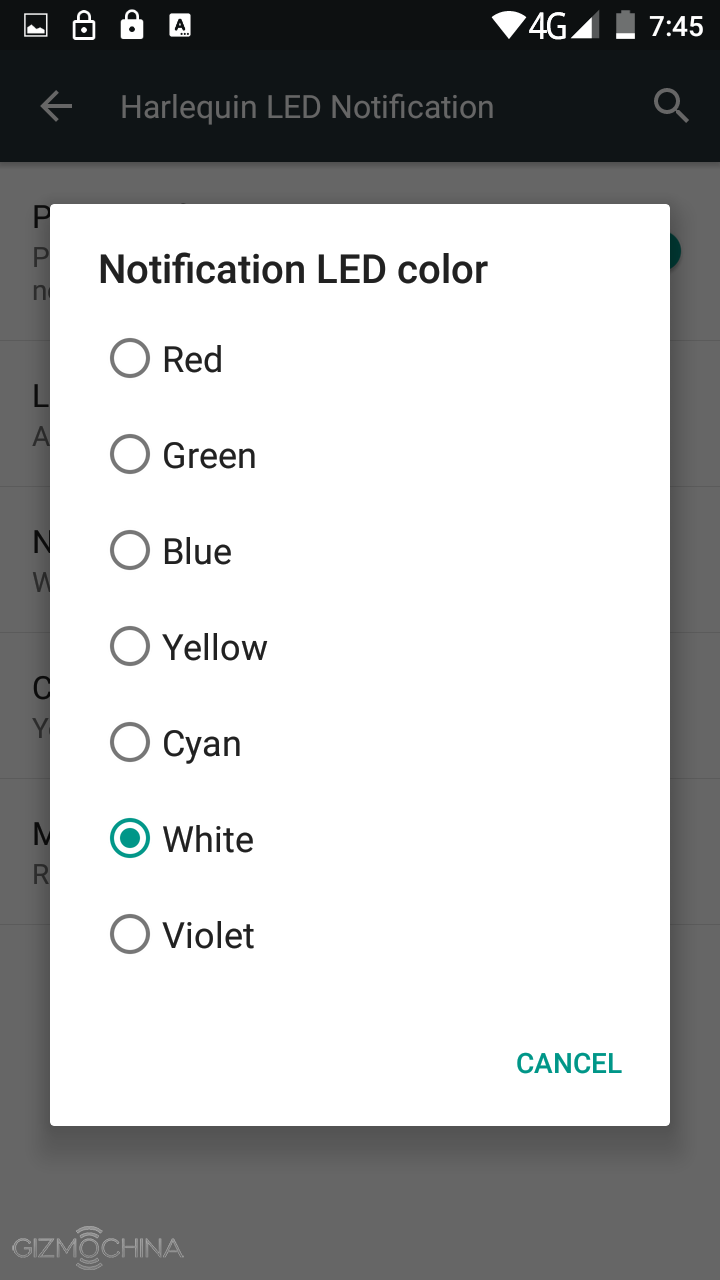
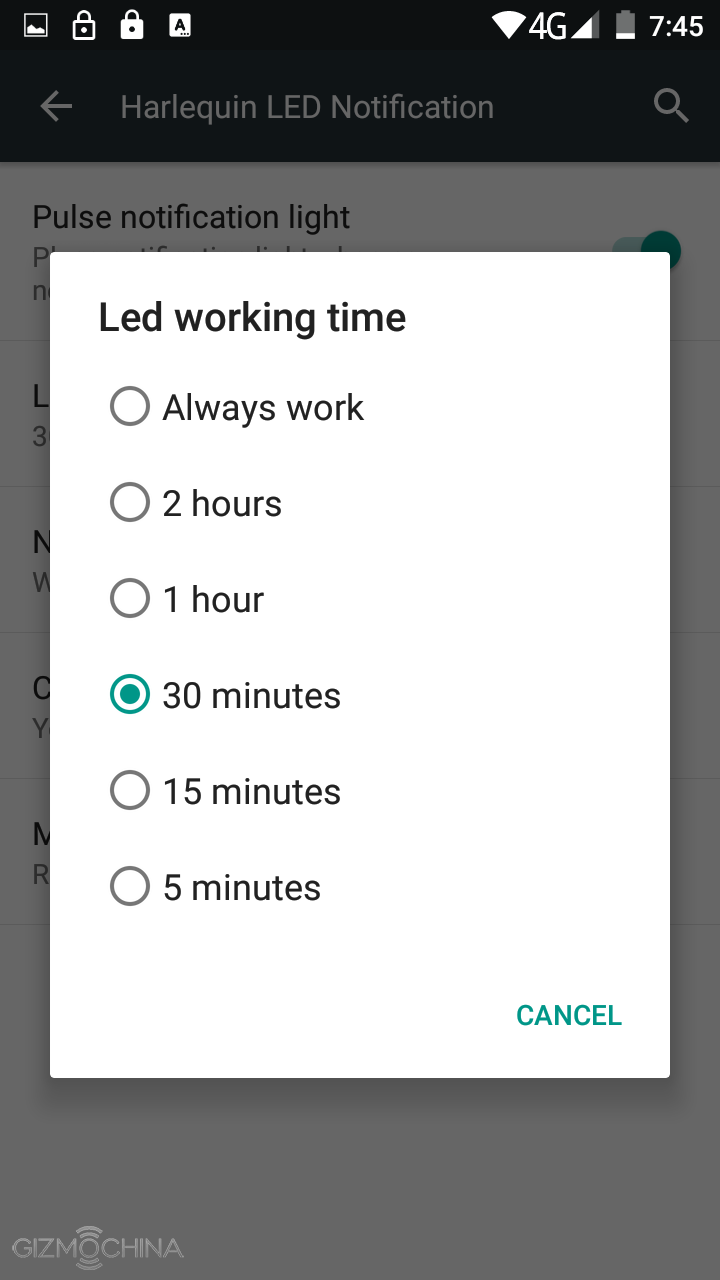
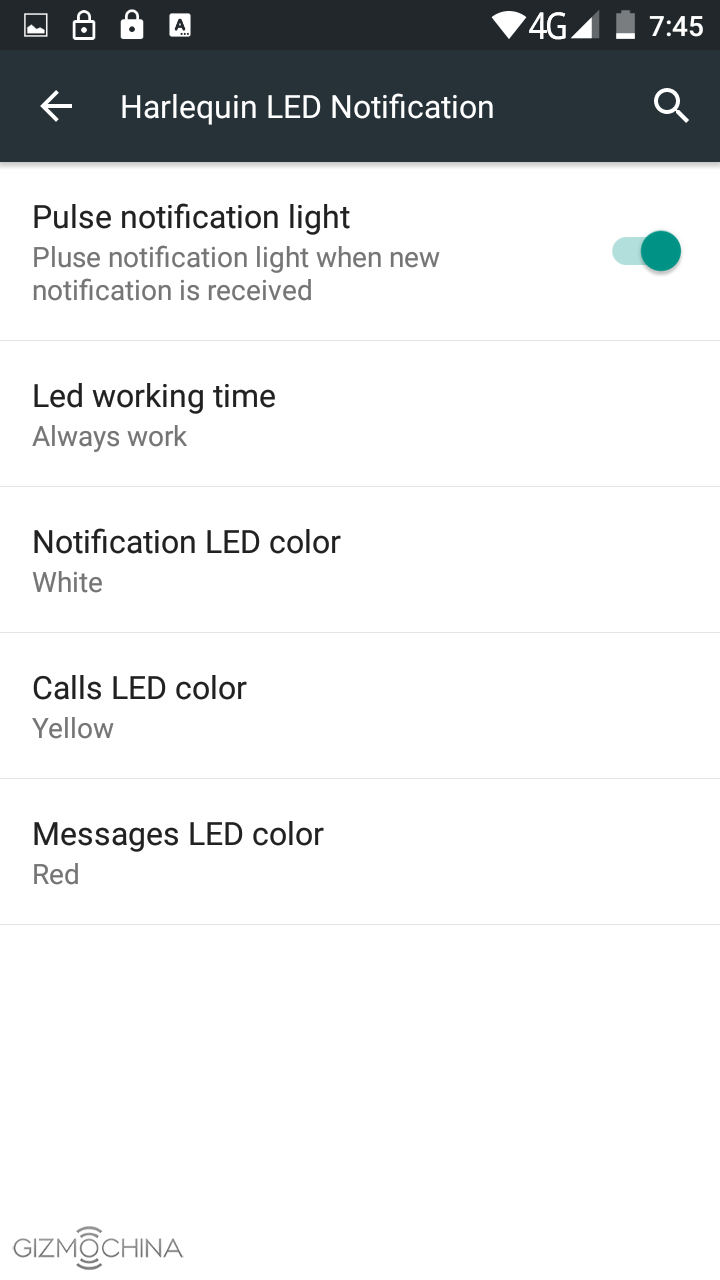
A few notable features would be the ability to highly customise the LED light and assign different colours to different events. Also, the phone has some gesture controls and they work pretty well if you really care about them. However, I miss some more conventional gesture controls like double tap to wake up the screen and so on.

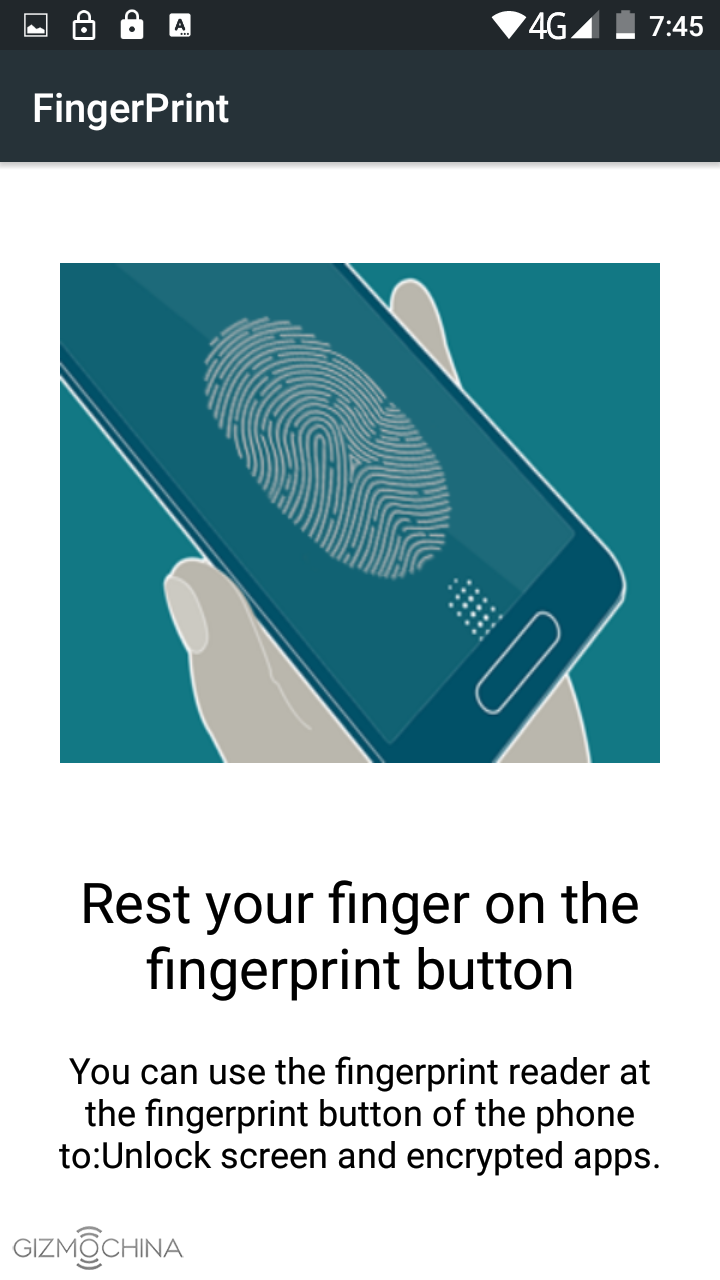
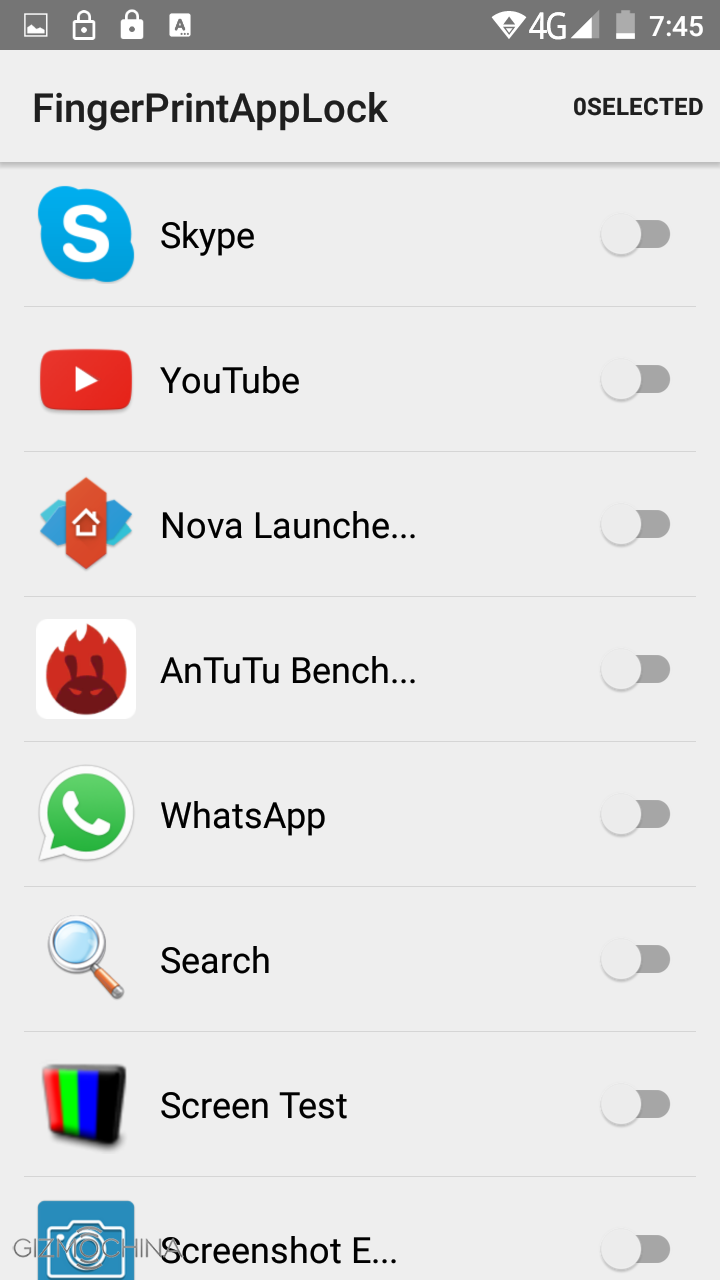

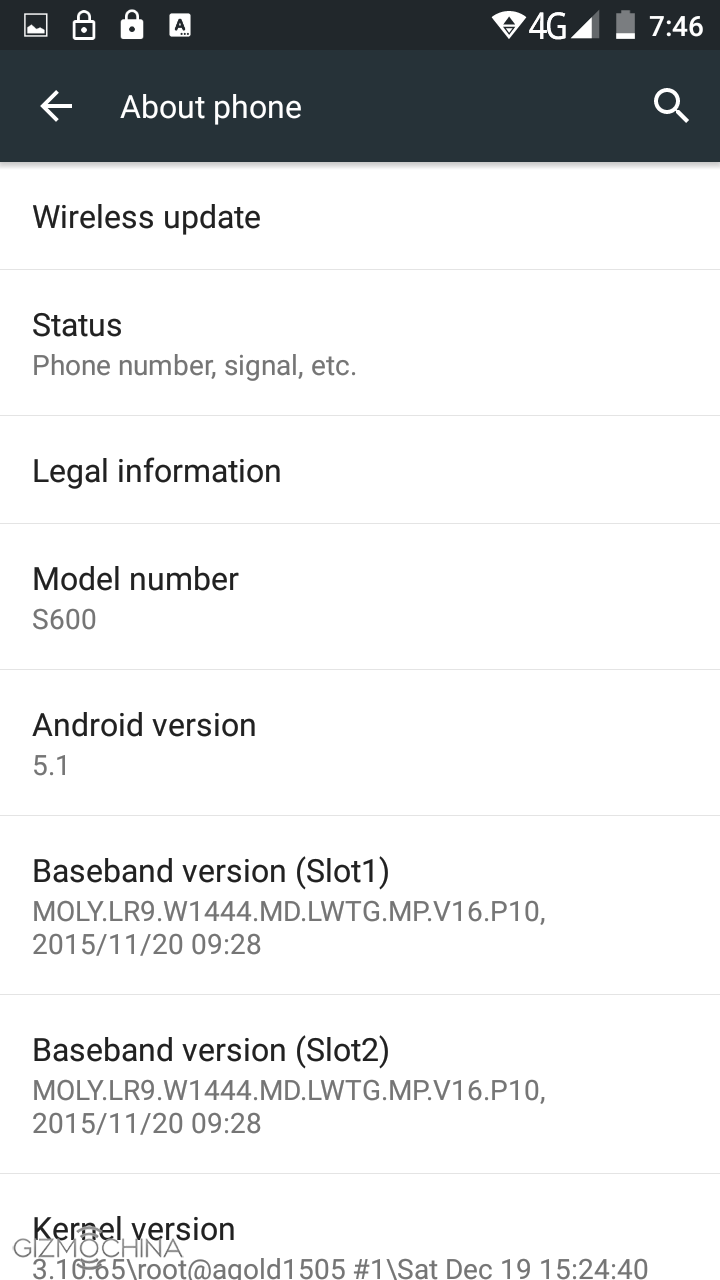

There is one annoying bug that hopefully will be fixed with a software update. Almost every time you enter the camera app, it thinks you have opened it for the first time. Believe me, it is really annoying as it happened to me almost every time I wanted to take a picture.
Overall, the UI is running very fast and fluid, and this bug is my only complaint but I believe it will be fixed with a software update soon.
Cubot S600 Review: HARDWARE and PERFORMANCE




Cubot S600 is not going to be your next flagship device as far as sheer specs go. It has a quad-core MTK6735A chip with the clock speeds of up to 1.3GHz, 2GB of RAM and 16GB of expandable storage.
While these specs assure that day to day performance is nice and smooth, what about gaming?
Well, Asphalt 8 runs without lag but you have to keep in mind that there are quite a few skipped frames and a little bit of stutter. On the other hand, it is still possible to have an enjoyable gaming experience and Cubot did a great job optimising the software and hardware.
However, there is one bug that I haven’t seen on any other devices. The game interface gives a pop-up message saying that the keyboard is connected then it is disconnected and it happens randomly.
Cubot S600 Review: MULTIMEDIA
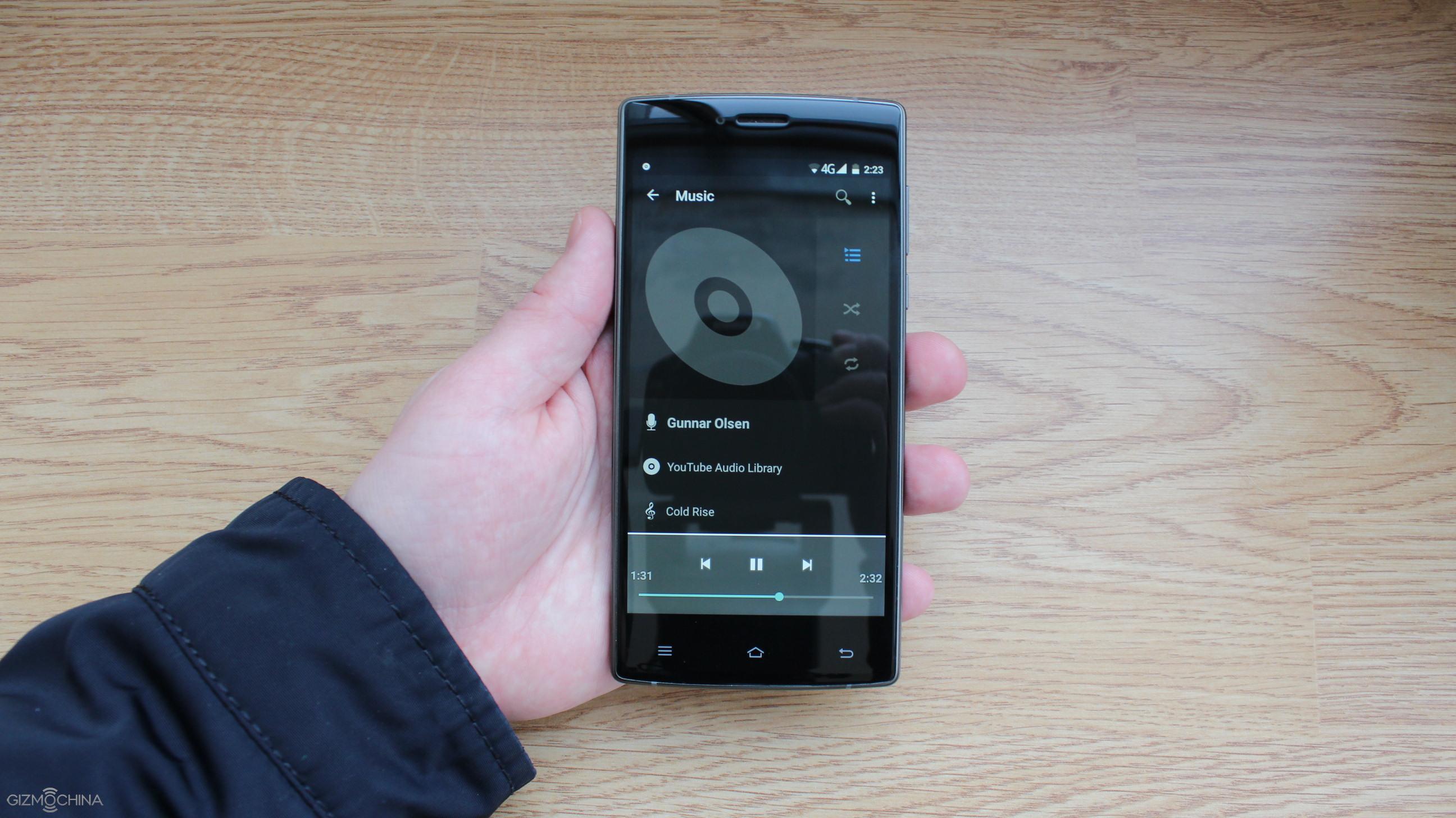
As usual, full-HD content plays without any issues. The sound via earphones is pretty good but nothing expectational.
As far as the loudspeaker, I would say it is above average. While it is not bad, it could have slightly more depth and the volume output is kind of low.
Cubot S600 Review: CAMERA












When it comes to the daylight image quality, they look pretty good as the pictures have a decent amount of details and colours look natural. However, some of the images don’t have even focus throughout the entire picture.









Indoor shots are usually okay but when there is not enough light, you have to keep your hands steady to avoid blurry shots.






Night shots are above average for the phone carrying this price tag. However, most of images are ruined by a slight purple tint.
1080p video looks pretty mediocre with just average amount of details but this is what you have to expect with most of the phones in this price range. See a video review for the video sample.


As far as selfie camera, it will be enough to take pictures usable for social media.
Cubot S600 Review: CONNECTIVITY
All the connectivity options work great. Call quality is okay and signal reception is excellent. Also, Wifi, GPS and Bluetooth are working fine.
Cubot S600 Review: BATTERY LIFE
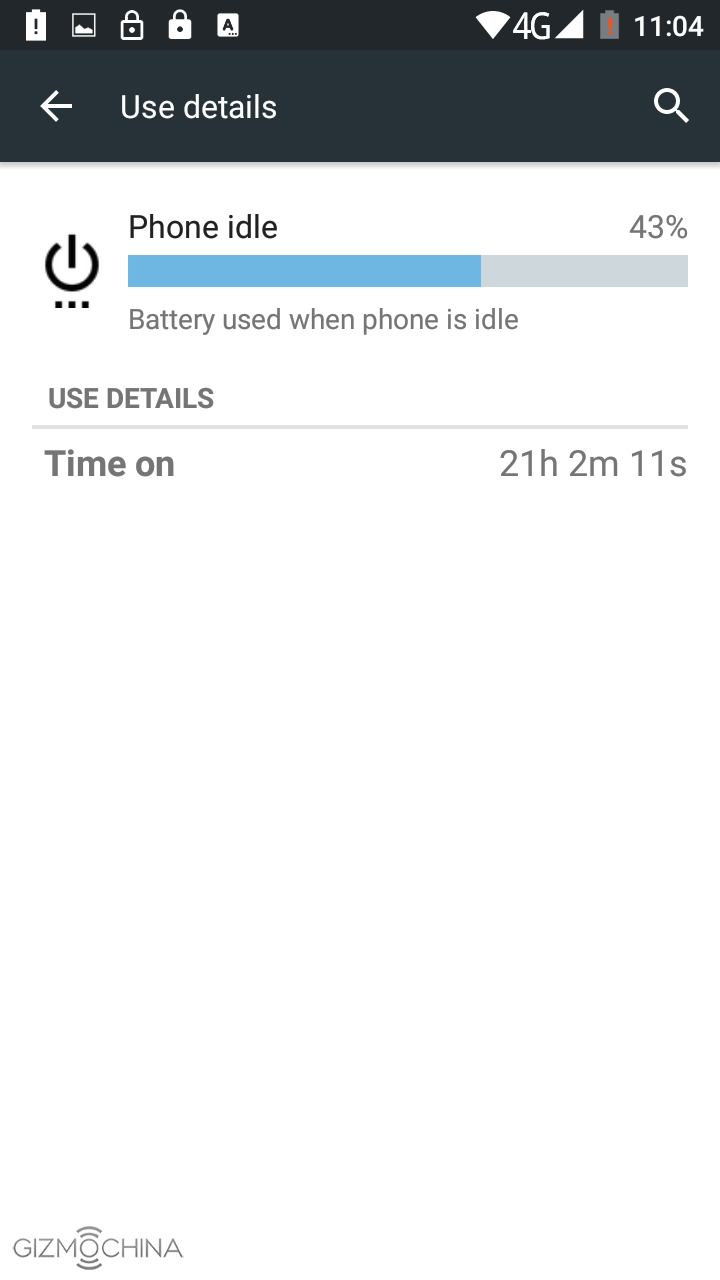
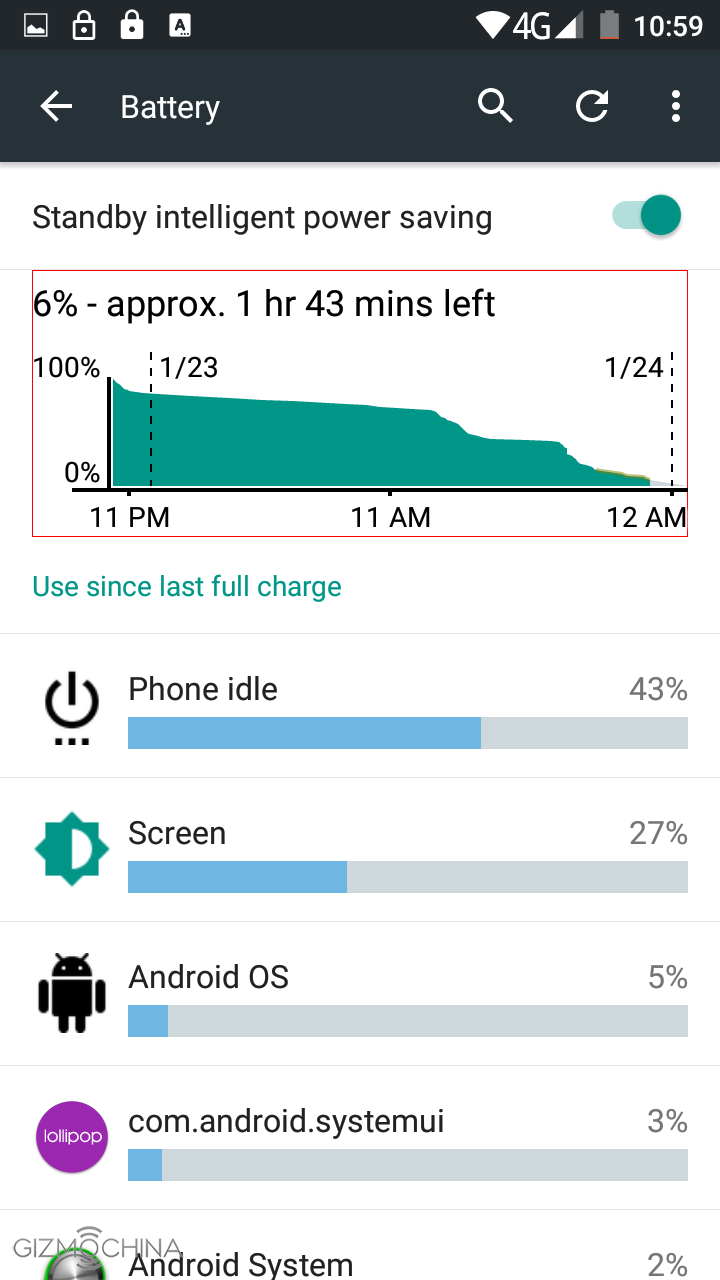
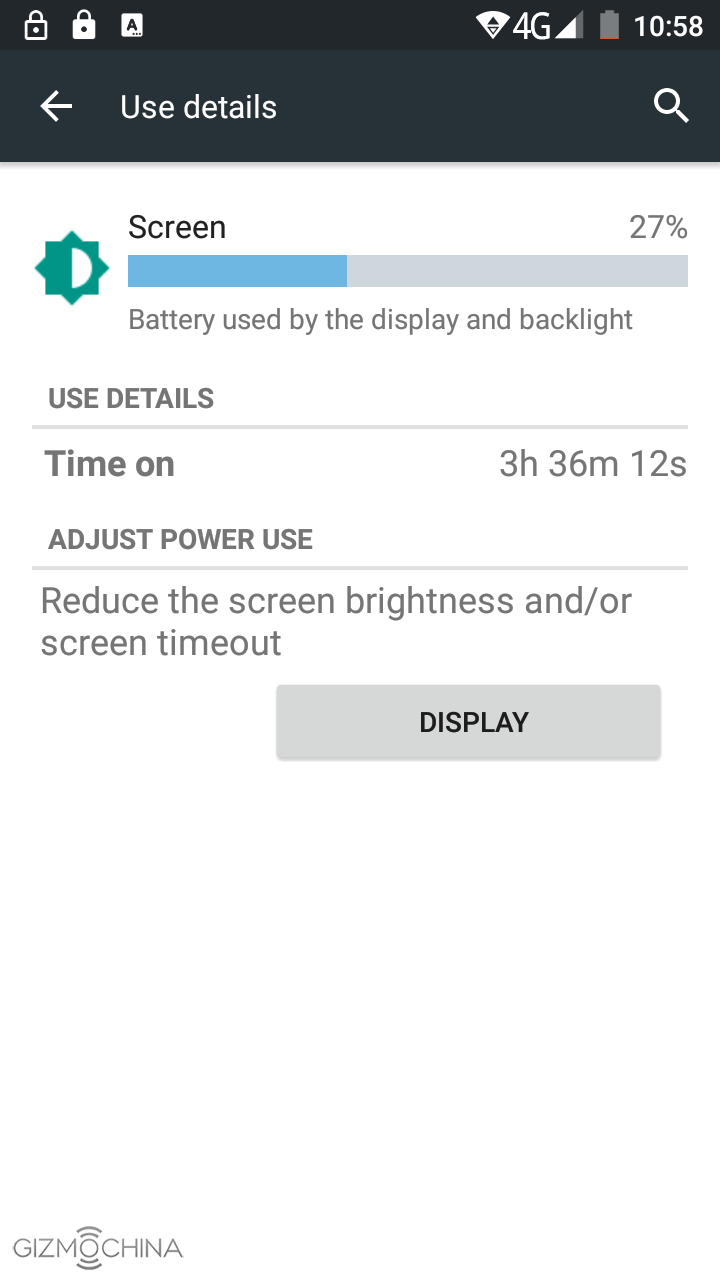
Cubot S600 has an embedded 2700mAh battery and it performs well for its capacitiy but it is far from the best. I could get just over 3.5 hours of screen on-time when using auto max. brightness setting.
Cubot S600 Review: CONCLUSIONS
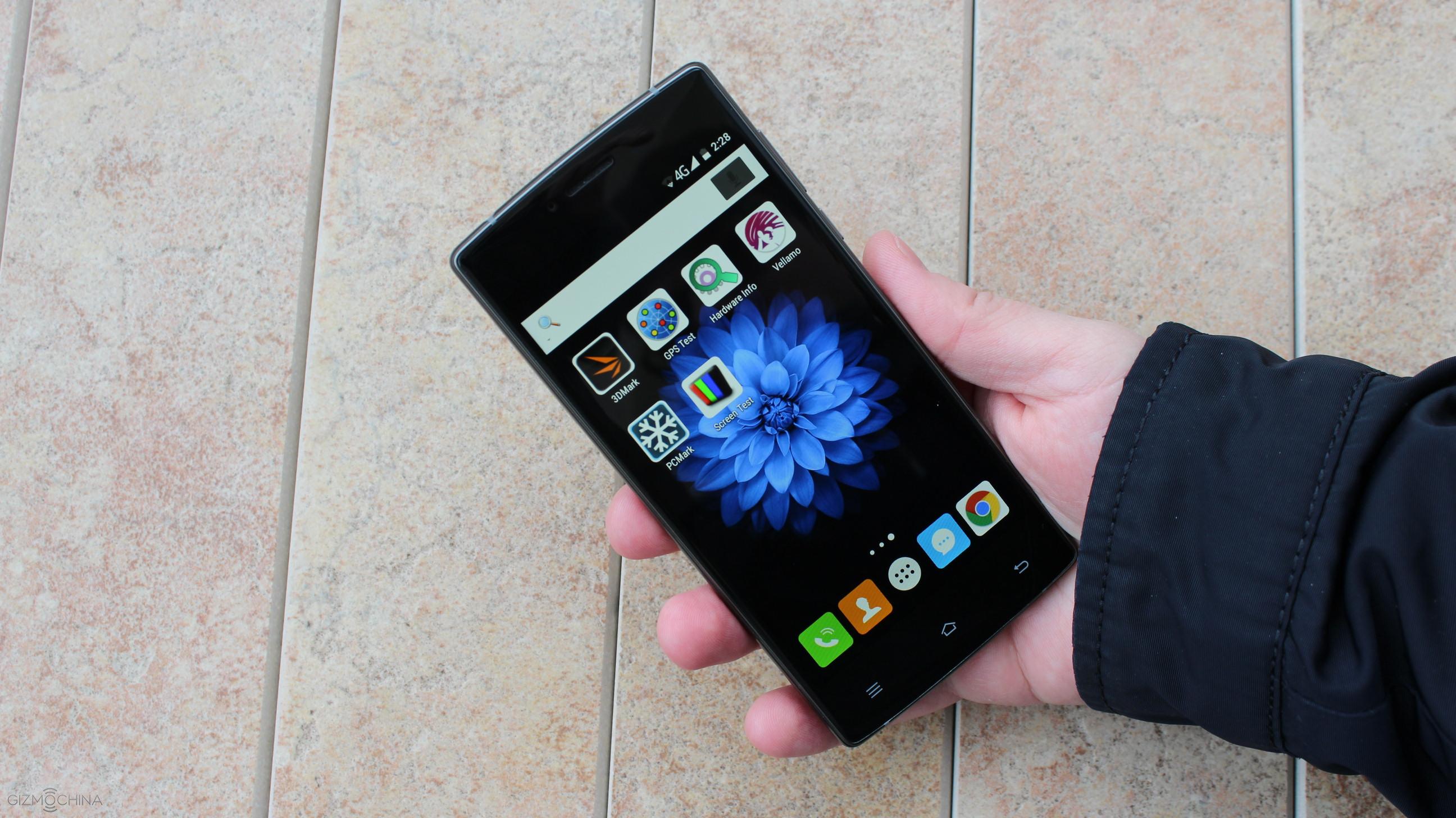
Cubot S600 costs around $130 and although it is not a perfect phone, it is definitely worth the price.
It all starts with a nice looking design and excellent build quality, and the fact that the device is compact and can managed with one hand.
Also, Cubot S600 has a high quality display although it is only 720P, it is very fast and responsive in daily use, the camera performs quite well in good lighting conditions and you can use 2 SIM cards and the microSD card at the same time.
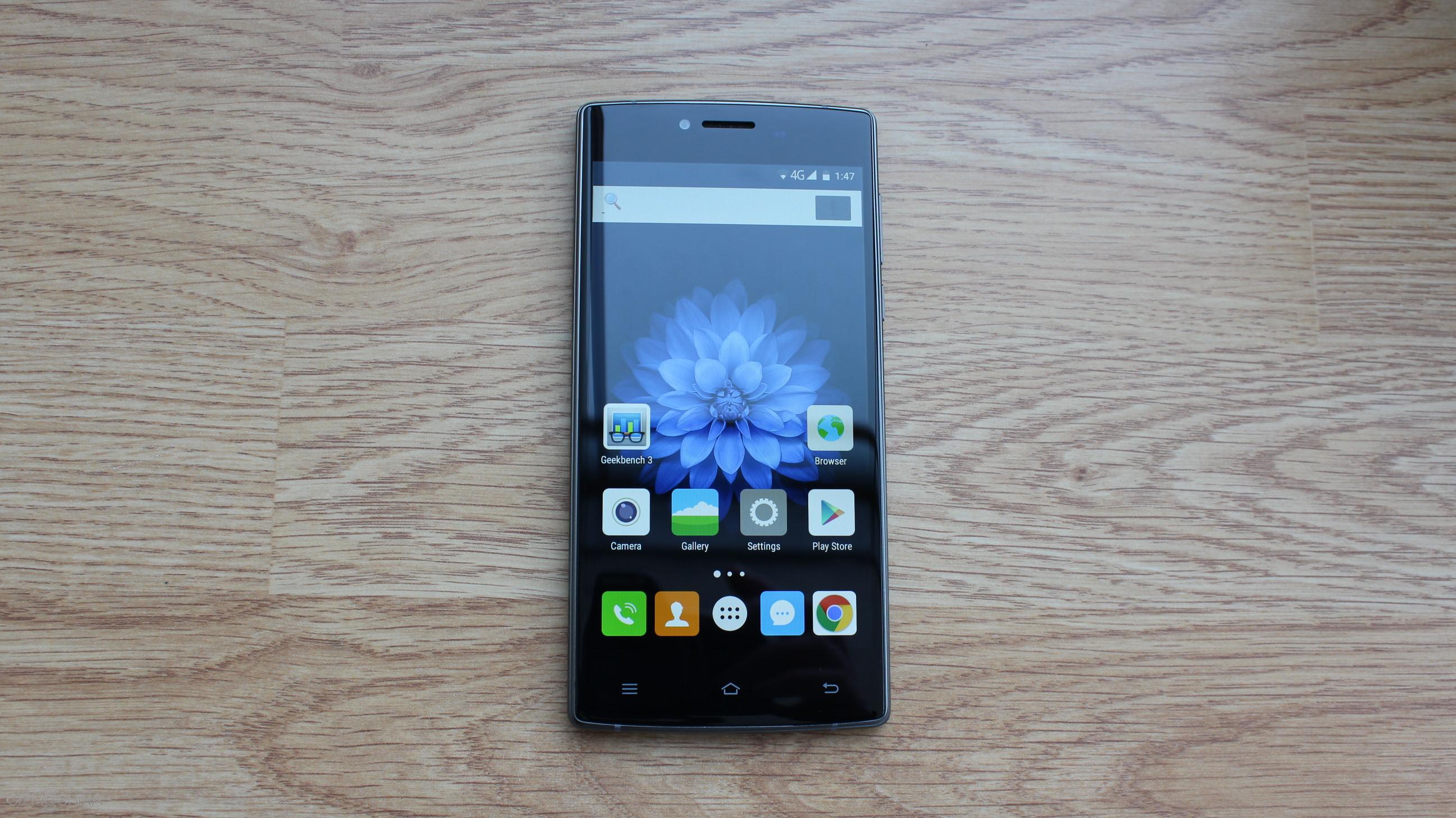
However, the battery capacity could have been slightly bigger, the loudspeaker could be louder and the glass back is a huge fingerprint magnet.
Still, despite a few shortcomings, Cubot S600 is a reasonably priced smartphone that can be recommended and you can check out the product link down in the description if you are interested.
Entry Level ZOPO Speed 7C Smartphone Launching In February
ZOPO has just revealed that the company will announce a new entry-level smartphone next month called as the ZOPO Speed 7C. From the name, it looks like the phone will feature similar looks as the Speed 7 flagship but with modest specifications.
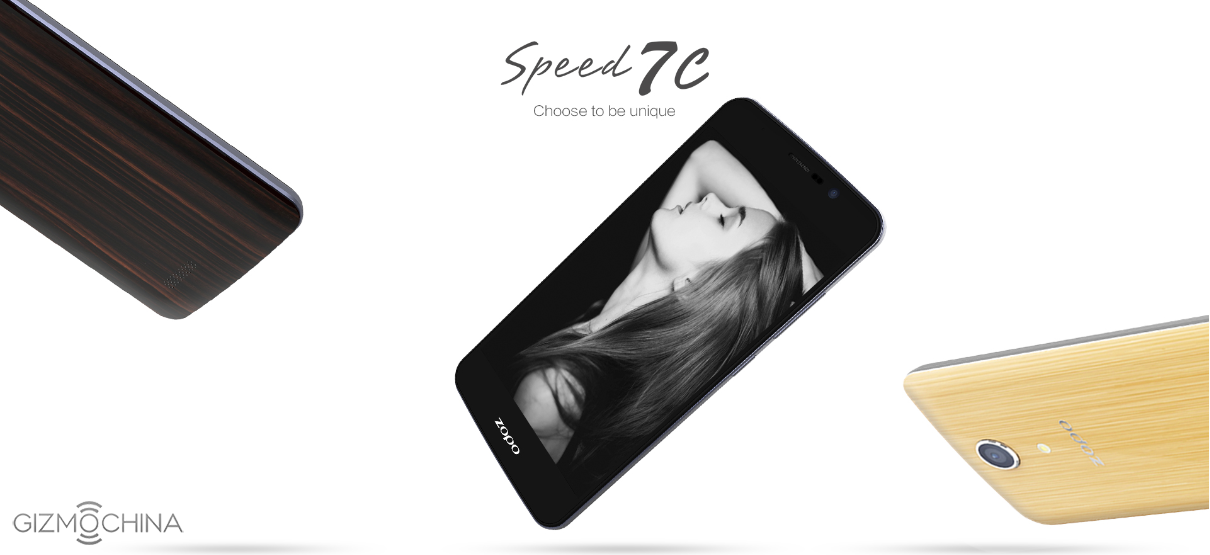
The Speed 7C smartphone will feature a elegant wood or bamboo veneer back case to make sure that it stands apart from the crowd. So despite its modest specs, there will be a differentiation factor.
As for the specs, the ZOPO Speed 7C will with a 5-inch 720p display with a quad-core CPU and 2GB of RAM on board. For internal storage, you have 16GB. At the back, there’s a 13.2MP rear camera while up front, you get a 5MP shooter. The battery is also decent, as you get a 2500mAh capacity battery on board. Other features include Android 5.1 with Marshmallow update scheduled around March / April period, dual SIM support and 4G LTE.
As for the release, the Speed 7C will be first available in European countries like Spain, France and Italy in February.
Xiaomi Hybrid Dual Drivers Earphones Review
It’s been a while since we reviewed any earphones on Gizmochina and thus we decided to take a look at Xiaomi hybrid dual drivers earphones. We were definitely impressed by the Xiaomi Pistons 3 earphones and this is a new and (hopefully) upgraded model. Find out more in our full review.
Thanks to Banggood for sending Xiaomi Hybrid Dual Drivers Earphones for a review.
Xiaomi Hybrid Dual Drivers Earphones Review: UNBOXING
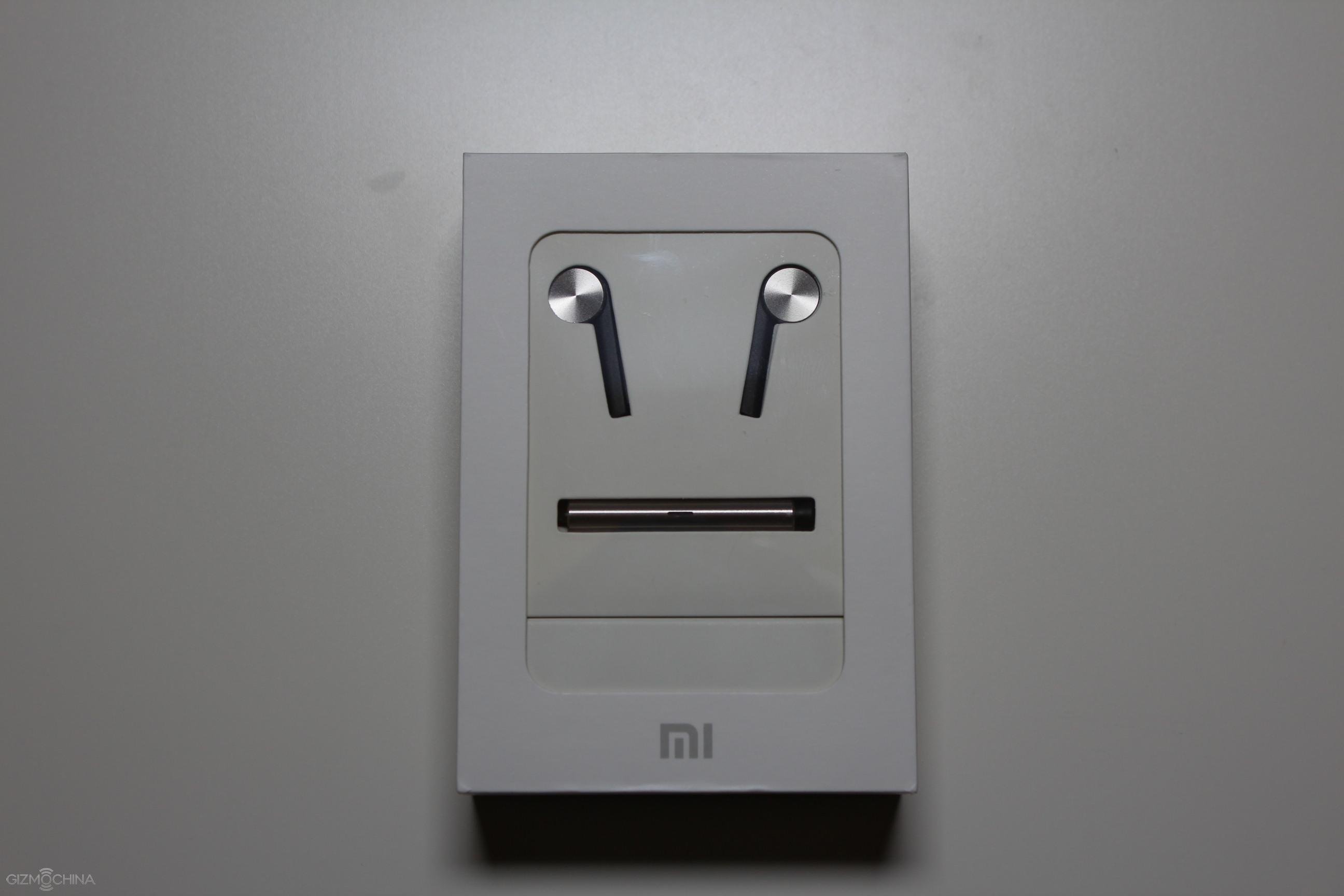
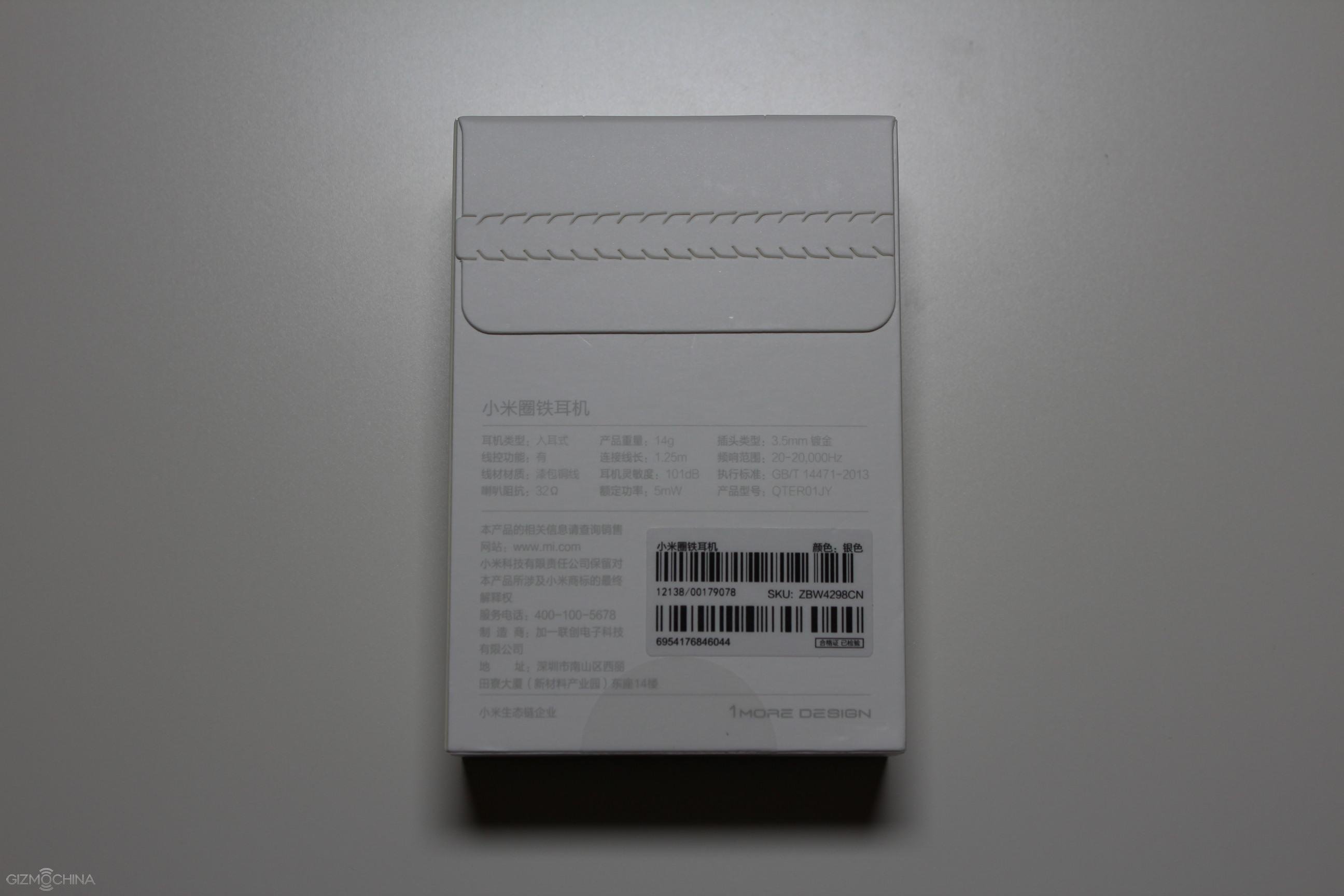
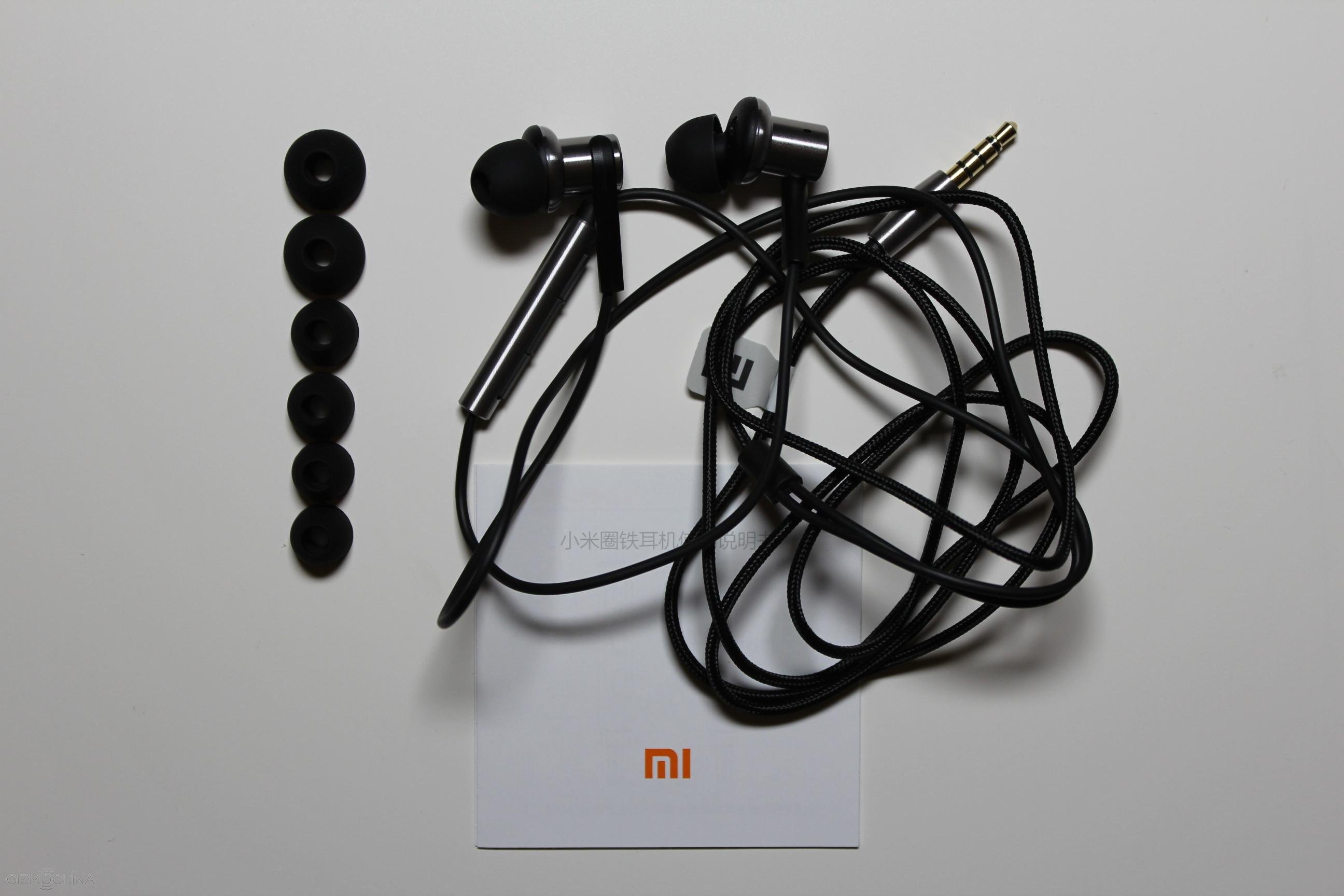
The earphones are packed in quite a typical Xiaomi fashion were all the items stuffed in neatly. The contents include the earphones itself, extra sets of different sizes earbuds and instruction manuals in Chinese.
Xiaomi Hybrid Dual Drivers Earphones Review: DESIGN

When it comes to the design, Xiaomi earphones are very well made and uses high quality materials in the construction.
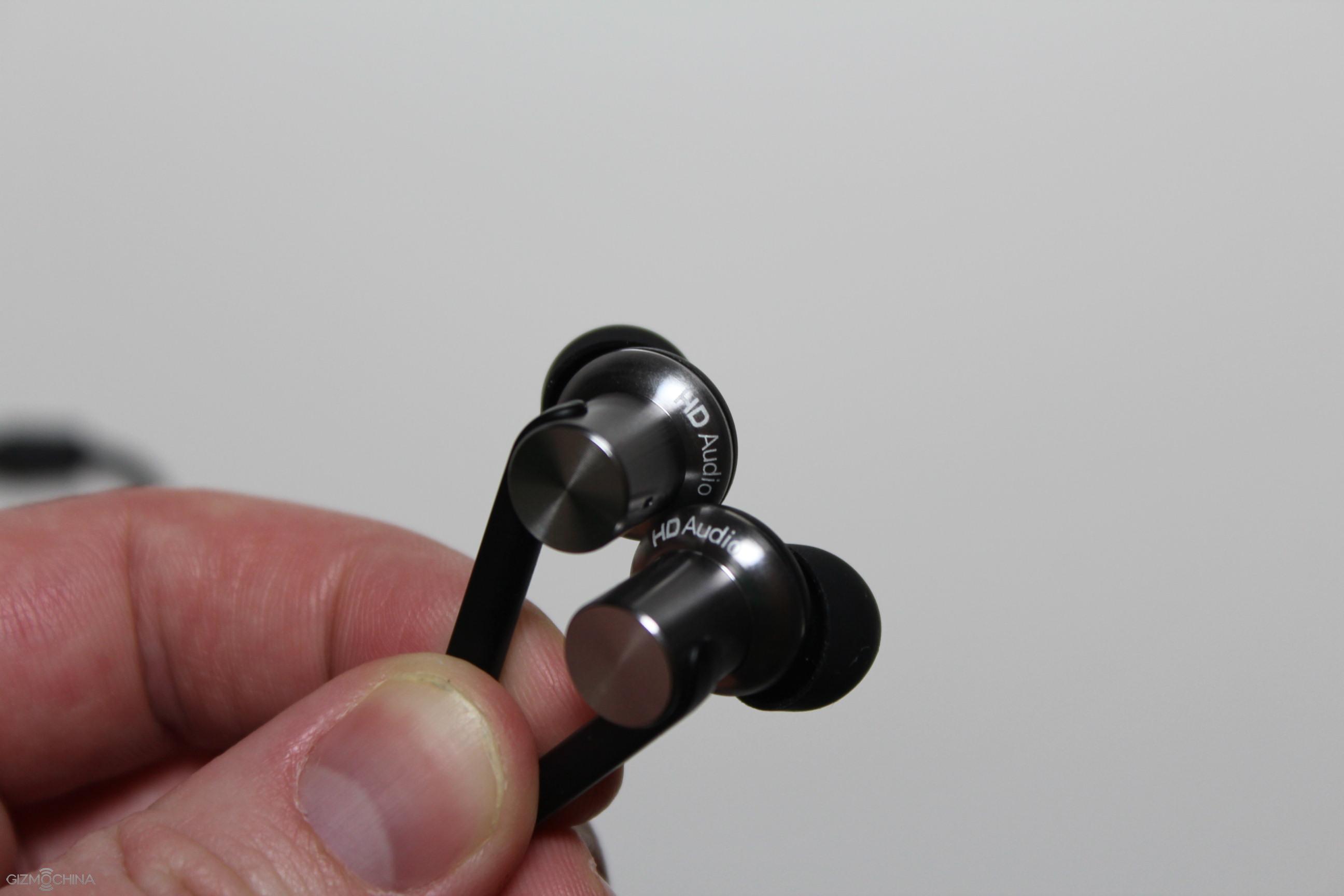
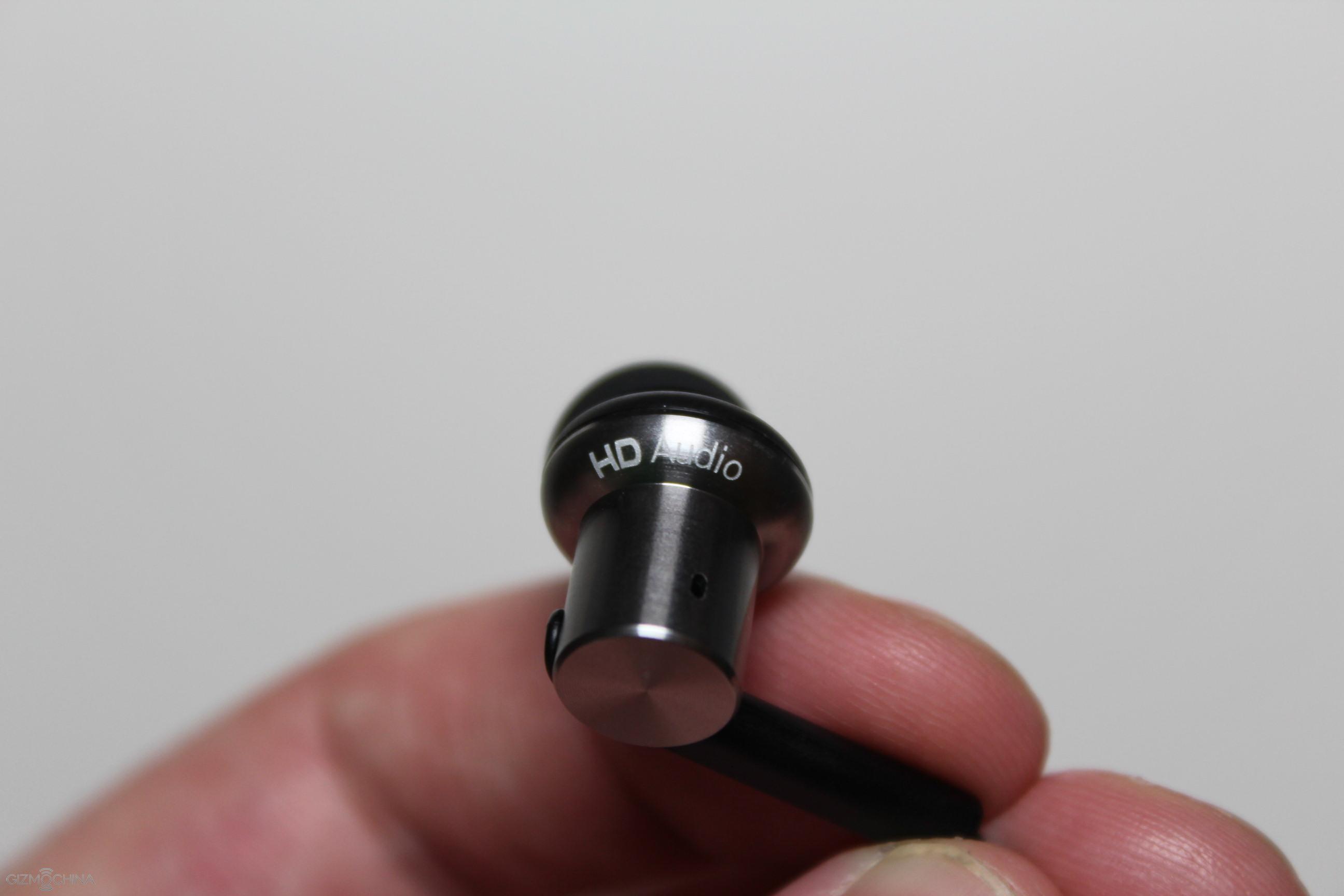

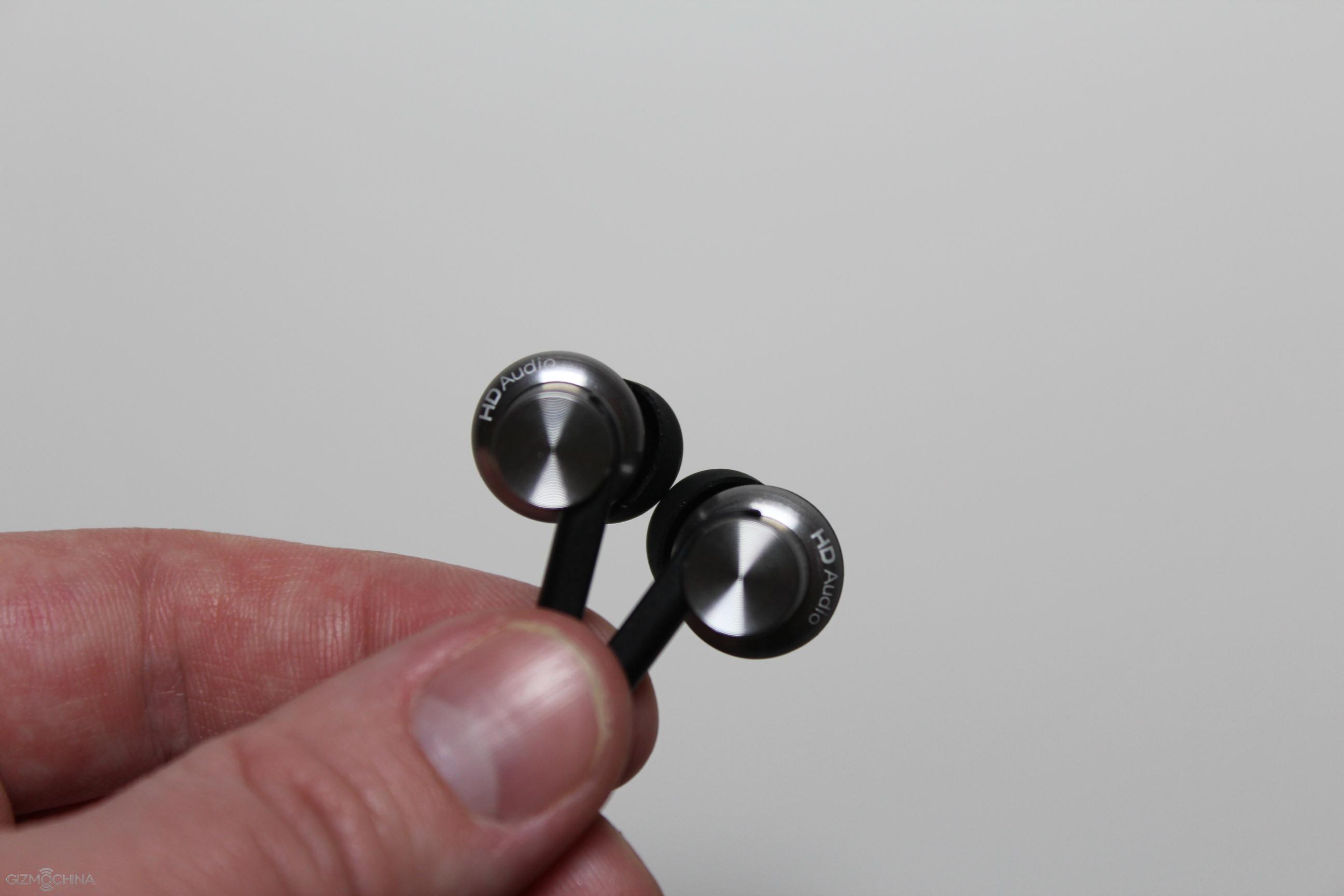
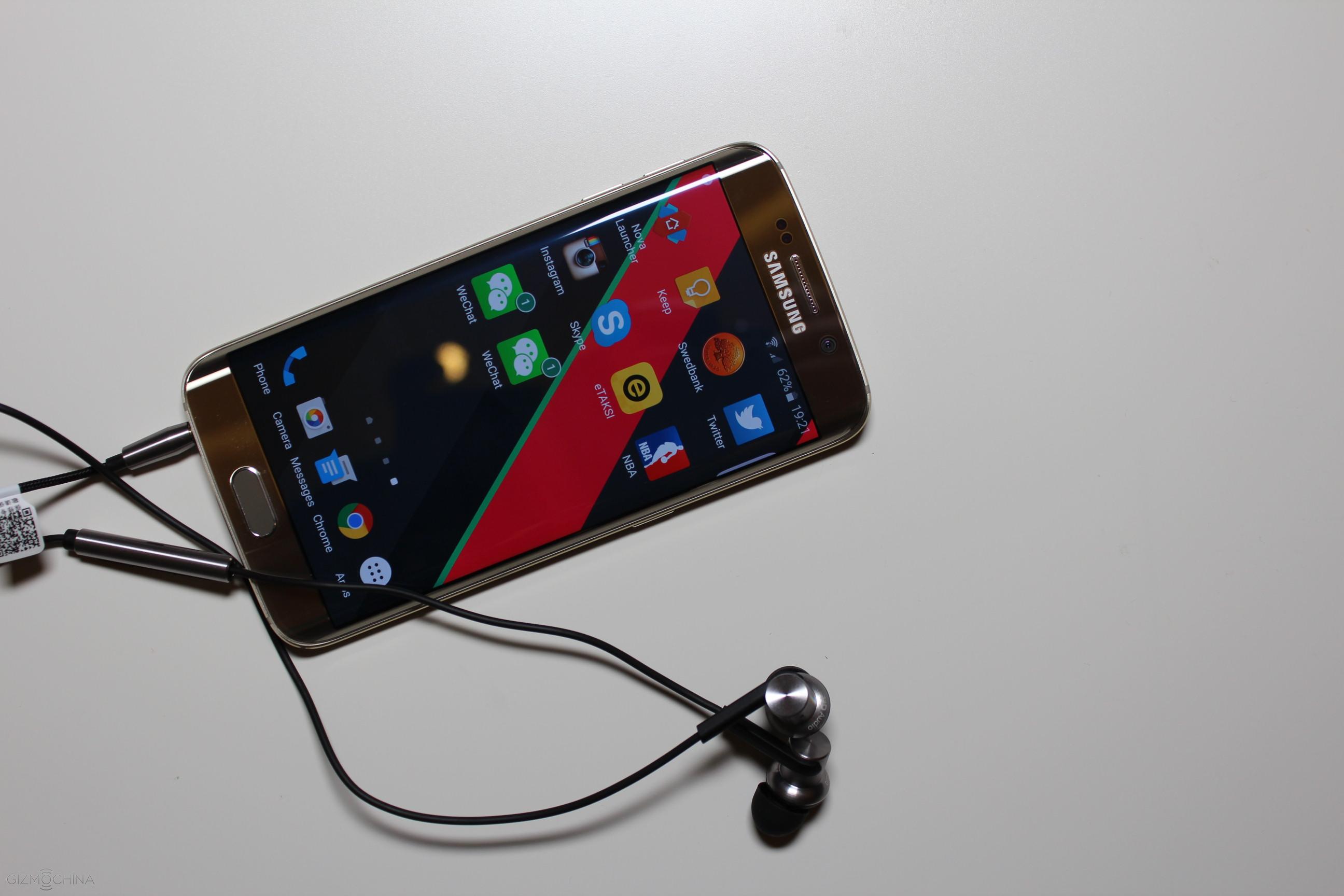
The earphones itself are made of metal and plastic, and they feel very sturdy. “HD Audio” is written on both earphones.
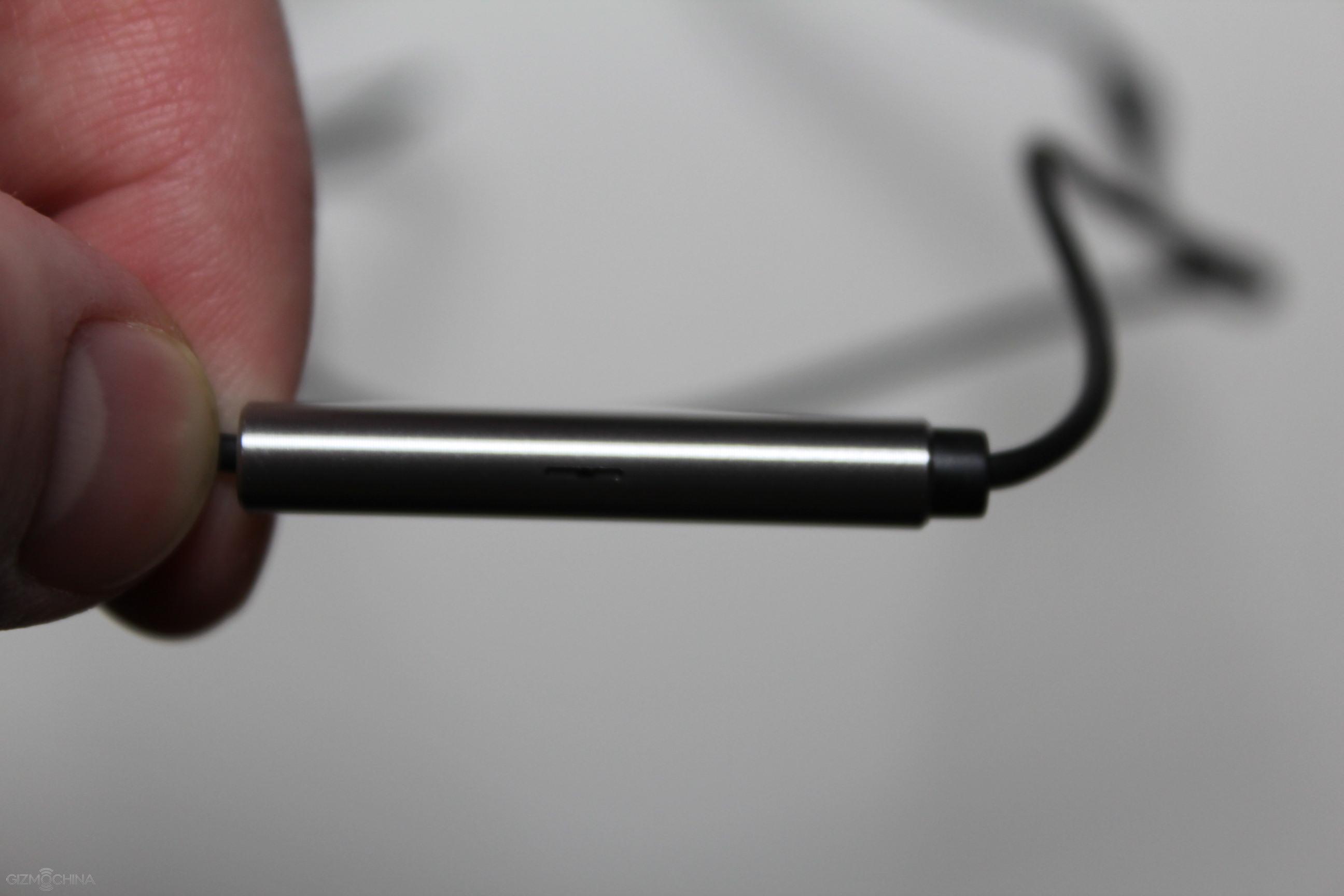
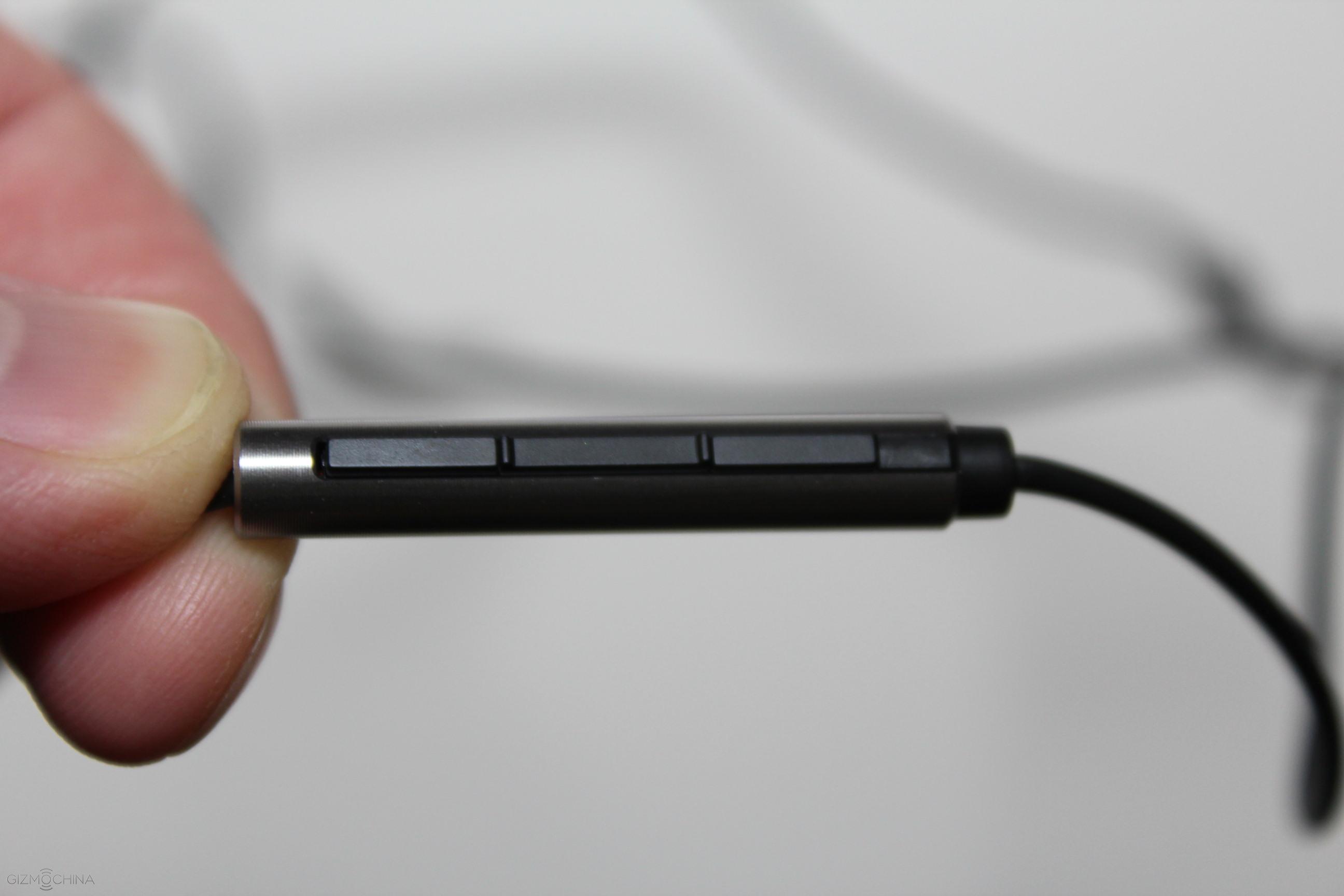
On the right earphones there is a remote control where you can find volume up/down, play/pause buttons. On the other side there is a mic for hands-free calling, which works pretty well if you move it away from your clothes or anything else that touches while walking. The conversations were clear on both ends and thus we could not ask more for the call quality.


The most part of the wire is made of kevlar, which was chosen to make the cable tangle-free. It sure works great but we are curious why the kevlar coating was not used for the entire cable. Therefore, the tangential part of the cable that goes to the earphones itself is made of rubber, which is quite easy to tangle. Anyway, this design is used on the majority of earphones and it may have something important to do.
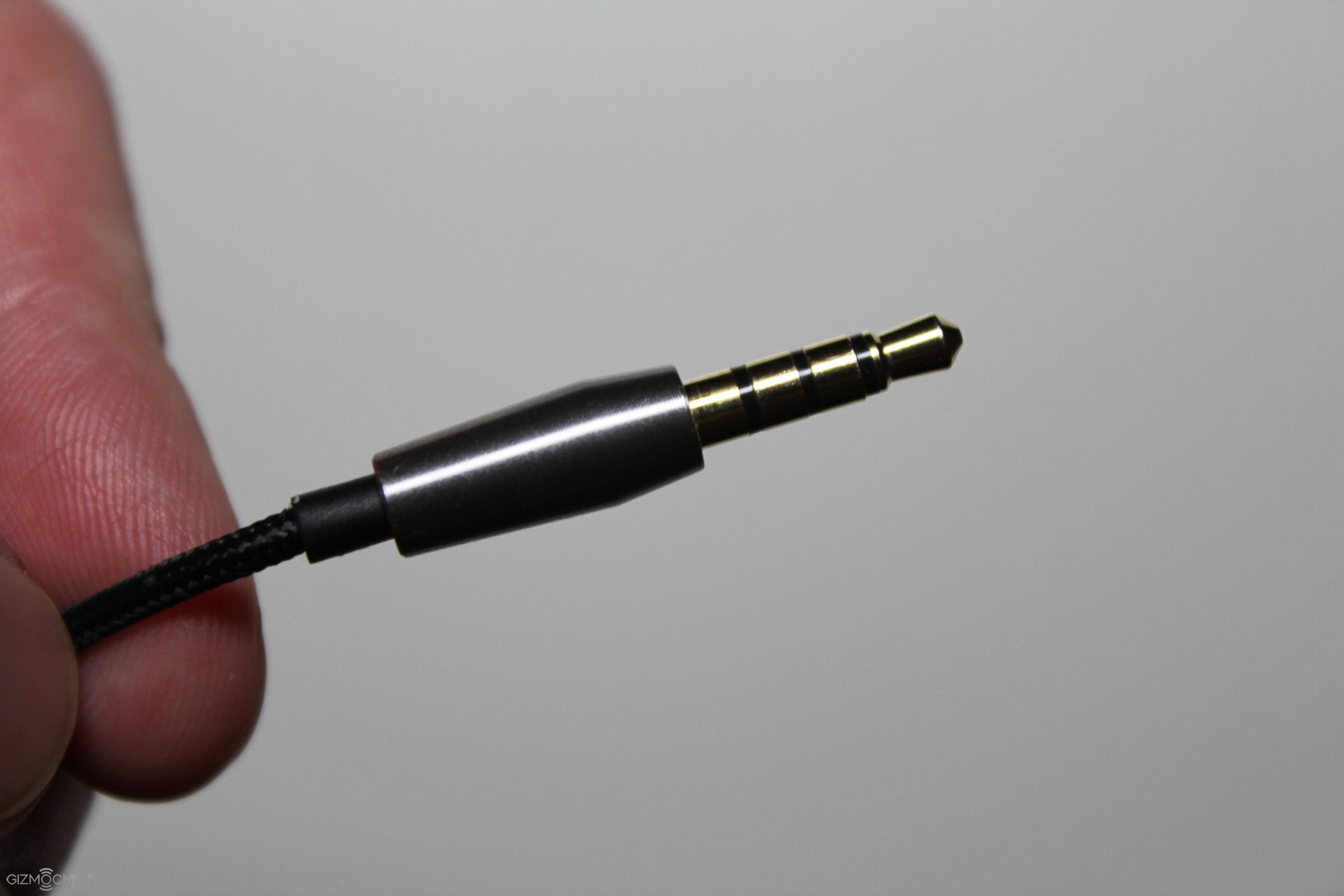
The headset connector is made of plastic but looks like metal.
Overall, the design and build quality of the Xiaomi earphones is excellent. In fact, they look like a much more expensive pair of earphones.
Xiaomi Hybrid Dual Drivers Earphones Review: SOUND QUALITY
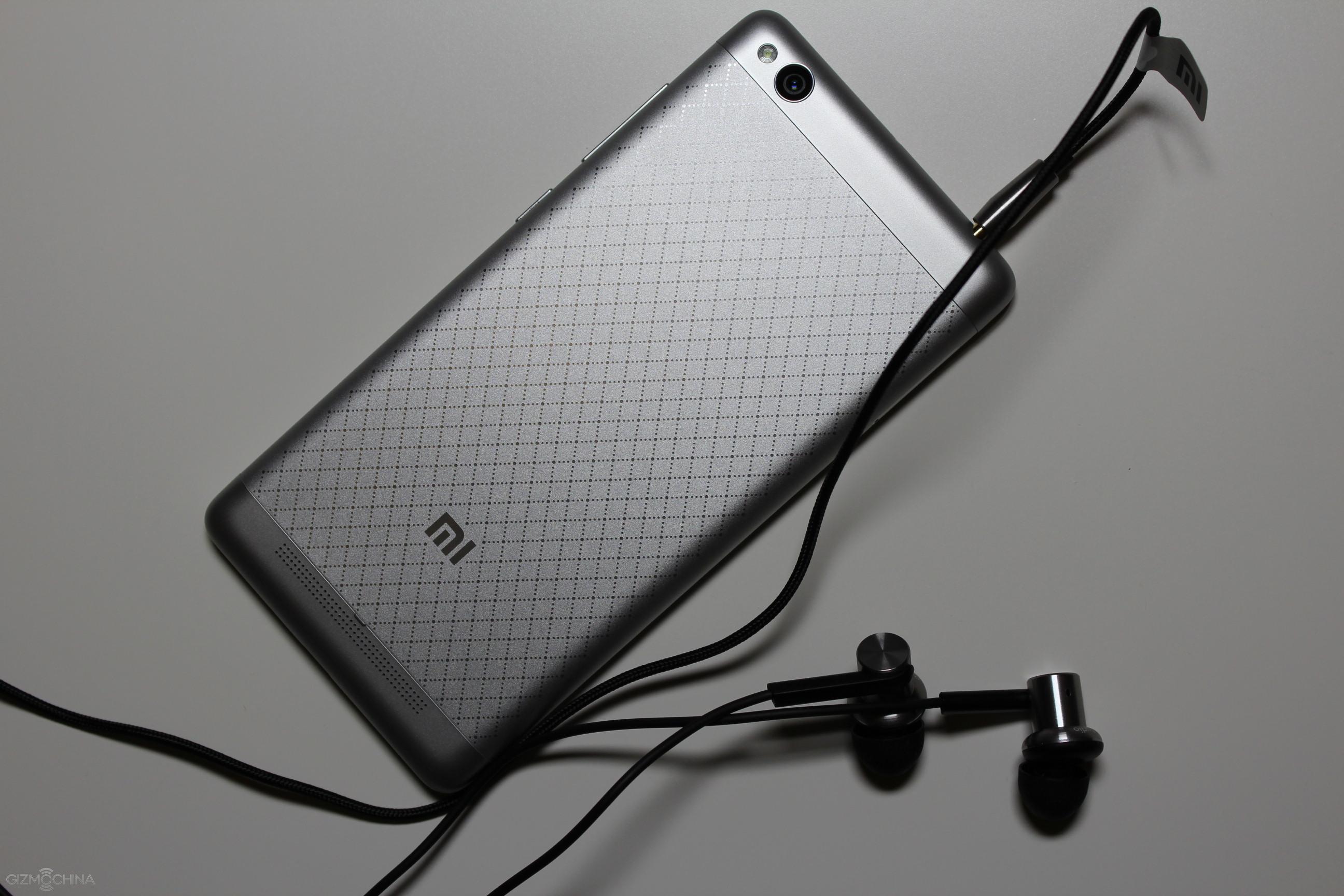
To put it simply, they sound amazing. I have been using Xiaomi Pistons 3 every single day for quite a while and I have already told that they were probably the best cheap earphones under $20.
This time around Xiaomi managed to do a couple of noticeable improvements. First of all, the dual hybrid earphones are slightly louder but that’s probably not the most important factor. Secondly, the sound is crispier and clearer and it may even have more depth in it.
As far as other aspects, the sound that is coming out of these earphones is very balanced, there is a huge amount of quality, punchy, soft and deep bass. In addition, the highs and mids sound equally pronounced for my taste but it may be subjective. Finally, there were no distortions at the highest volume setting on neither smartphone or laptop I tested (Samsung Galaxy S6 Edge, MacBook Pro and Xiaomi Redmi 3).
Xiaomi Hybrid Dual Drivers Earphones Review: CONCLUSIONS
Xiaomi hybrid dual drivers earphones are without a doubt one of the best if not the best earphones under $20. We are very happy to see that the Xiaomi keeps on upgrading their audio accessories portfolio. The company already had some great products but they keep on releasing new and improved models.
My only wish would be that either Xiaomi or other company would start making tangle-free cables from the top to bottom of the earphones.
All in all, Xiaomi Hybrid Dual Drivers Earphones are probably the best earphones the money can buy if you are on the budget.
The Wait Is OVER! Xiaomi Mi 5 Launching On Feb 24!
After nearly 1.5 years of waiting for a new Xiaomi flagship, the company has finally confirmed that the Xiaomi Mi 5 will launch on February 24. We already had confirmation that the phone was launching next month from Xiaomi’s executives, however, now, we finally have a date to look forward to!

A few minutes ago, Xiaomi’s Senior VP Wanqiang Li, revealed via his official Weibo page that the company’s Spring Conference was going to be held on Feb 24. So, we can all expect to see the flagship Mi 5 at the event.

However, Mi 5 may not be the only device that could be unveiled that day. According to the leaked presentation images, the company has kept the main event for two hours long. If it was just for Xiaomi Mi 5’s launch, it should have been shorter. So, many are speculating that we might see more than one launch at the Feb 24 event. The leak reveals that the event will go on from 2 pm to 4 pm and later on, the attendees will be given a chance for a hands-on with the launched devices.
We still don’t know what could be the other announcements on Feb 24. However, at this moment, I am sure fans will finally be relieved to hear a date for the Mi 5 launch event. Mr. Li also added that more details will be revealed on Tuesday, i.e. January 26.
Stay tuned, as I am sure we will soon receive more details about the device, both officially and unofficially!
Meanwhile, you can read more about the recent specs and leaked images of the Mi 5 from here.
Snapdragon 830 Rumored To Use Samsung’s 10nm Process, Supports 8GB RAM
Even before the Snapdragon 820 powered smartphones hit the market, rumors about its next generation, namely Snapdragon 830 have started making rounds. The latest rumor from Weibo states that Qualcomm will rely on Samsung for manufacturing its next-generation chipset.
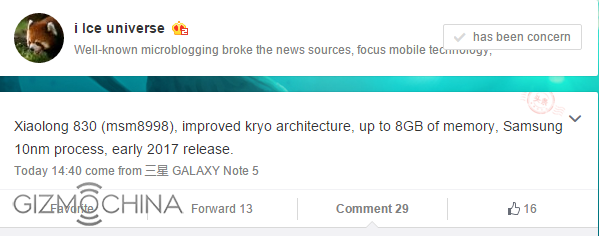
The source states that Snapdragon 830 (MSM8898) will continue to use Kyro architecture. So, it looks like the rumors about the company ditching custom cores in favor of stock ARM cores may not be true. However, the chip will feature the upgraded generation Kyro architecture.
According to the rumor, Snapdragon 830 will use Samsung’s 10nm manufacturing process which will be even better than the current 14nm process used by Exynos 8890 and Snapdragon 820. In fact, Samsung recently revealed that it has undertaken the mass production of the Snapdragon 820 chipset this year. So, it likely that next year too, Qualcomm may ask Samsung to manufacture its chip, based on the company’s latest 10nm process.

If true, this will mean that next year’s chipsets will be even smaller than the current generation. It will be more powerful but efficient at the same time, which will significantly improve the overall performance of the chip. What’s more, the source states that the chip will be able to support up to 8GB of RAM on board, which means multitasking will be a breeze on the devices that end up with the Snapdragon 830.
The chip is said to release sometime early 2017.
This Is How Much Google Makes From Android!
In case you were wondering how much Google makes from Android, here’s some idea. Thanks to an Oracle lawyer, we now know that Google has made $31 billion USD in revenue from its Android Operating System. From this, the company earned a profit of around $22 billion. So, this means the company’s profit margin for Android is nearly 70%!

Google does not reveal financial information about Android separately. So the company is not happy with the Oracle Lawyer revealing such sensitive information. It further states that the lawyer got this information from confidential internal financial documents which were never meant to be made public.
The two major sources of the company’s profits from Android come via advertisements on phones and Google Play store. So, it looks like the company is making a lot of money from its Android business.
However, if you consider that Android was launched way back in 2008, i.e. nearly eight years back, this figure is not that surprising. Apple generates this amount in iPhone sales in just a quarter. But the margin is what’s interesting here, as even Apple (although not directly comparable to Android) enjoys only around 40% margin on its iPhones.
So, what do you think about these figures for Android? Are you surprised?
Le 1S Receives More Than 100,000 Registrations On Flipkart In A Day, Breaks Record
LeEco, formerly known as LeTV recently entered the Indian smartphone market with its budget Le 1S and high-end Le Max smartphones. Le 1S is going to be the first phone available to purchase in the country when it goes on sale on Feb 2. Like tradition, the company has already started accepting registrations for the event, from Jan 20. Now, the company reports that it has already received more than 100,000 registrations for the Feb 2 sale day in just one day.

This is a tremendous achievement for the company, who just entered the market just recently. Although LeEco has been marketing its brand throughout the country via its social media brands, the company launched its first three devices only this Wednesday.
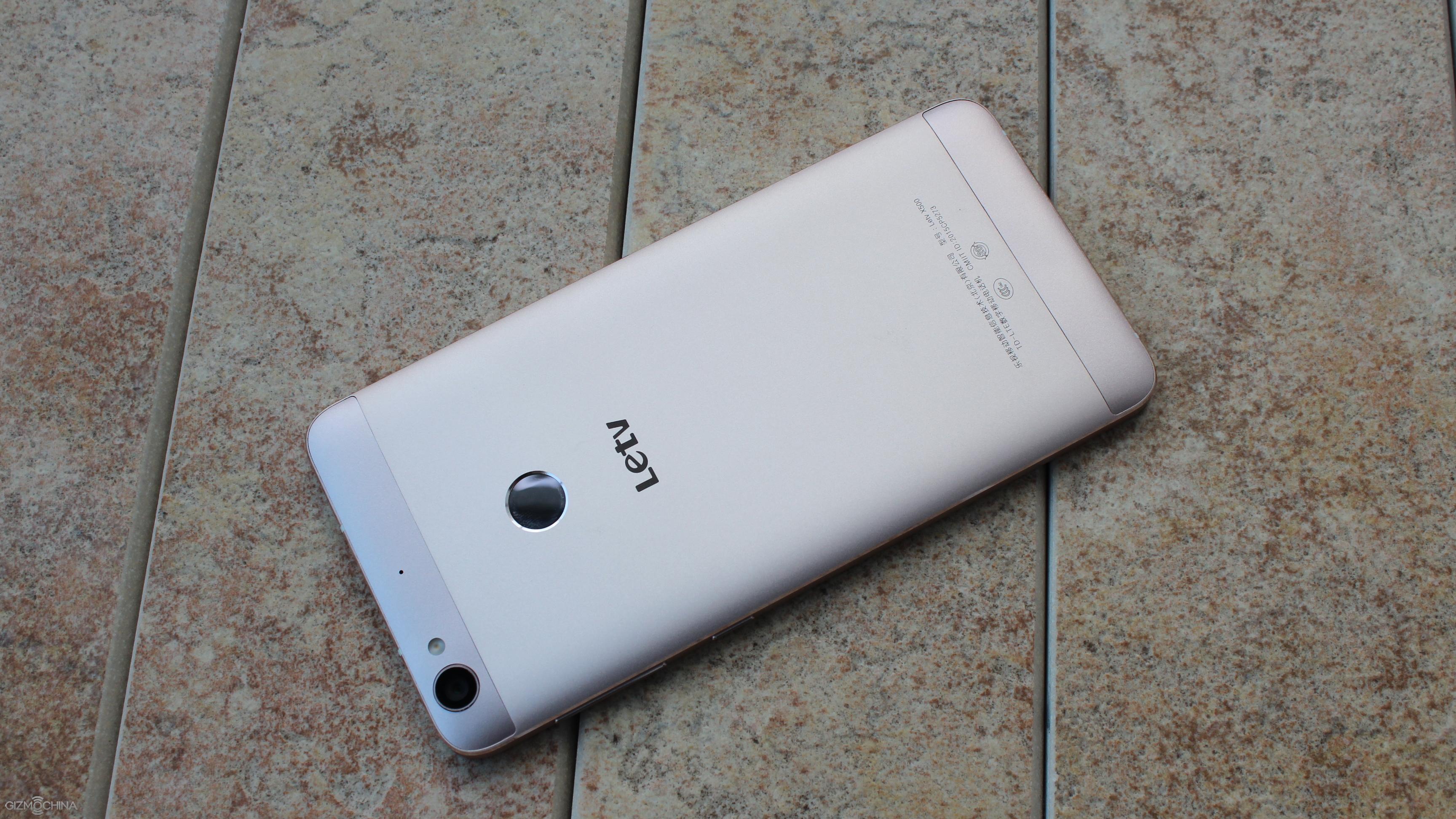
With such tremendous response for the device, the company has managed to set a new record in India. It’s the first smartphone company to have crossed over 100,000 pre-sale registrations in 24 hours for a smartphone in the price bracket upwards of Rs. 10,000.
The phone is priced aggressively in the country, at Rs. 10,999 ($162) and goes on sale on Feb 2 at 12 pm. What’s more, if you have an Axis Bank debit card, you can further get a discount of 10% on this price, making the deal sweeter.
The Le 1S features Helio X10 Turbo edition with 3GB of RAM and 32GB of storage. At the back, you get a 13MP camera while up front a 5MP shooter. The display is of 5.5-inches with FHD 1920 x 1080 pixel resolution. As for the battery, you have a 3000mAh capacity battery on board with fast charge that will give you 3.5 hours of talktime in just 5 minutes of charging. Moreover, you have a fingerprint sensor on the back as well.
So, it looks like a pretty good deal! With the company planning to launch 555 service centers throughout India, it looks like LeEco is planning to build a strong presence in the country.
Xiaomi Redmi 3 Review – The Best Cheap Smartphone Got Better?
Xiaomi has released quite a few great affordable smartphones lately. Firstly, we have the recently reviewed Redmi Note 3, which turned out to be one of the best in class. This time around we have a just released very affordable Redmi 3. Find out if it is any good in our full Xiaomi Redmi 3 review.
Thanks to Giztop for sending Xiaomi Redmi 3 for a review.
Xiaomi Redmi 3 VIDEO Review:
[embedyt] http://www.youtube.com/watch?v=V3uvp0Cvbw0[/embedyt] [embedyt] http://www.youtube.com/watch?v=ZneYpwiEipw[/embedyt] [embedyt] https://www.youtube.com/watch?v=zMb_S2CCTu0[/embedyt]Xiaomi Redmi 3 Review: UNBOXING
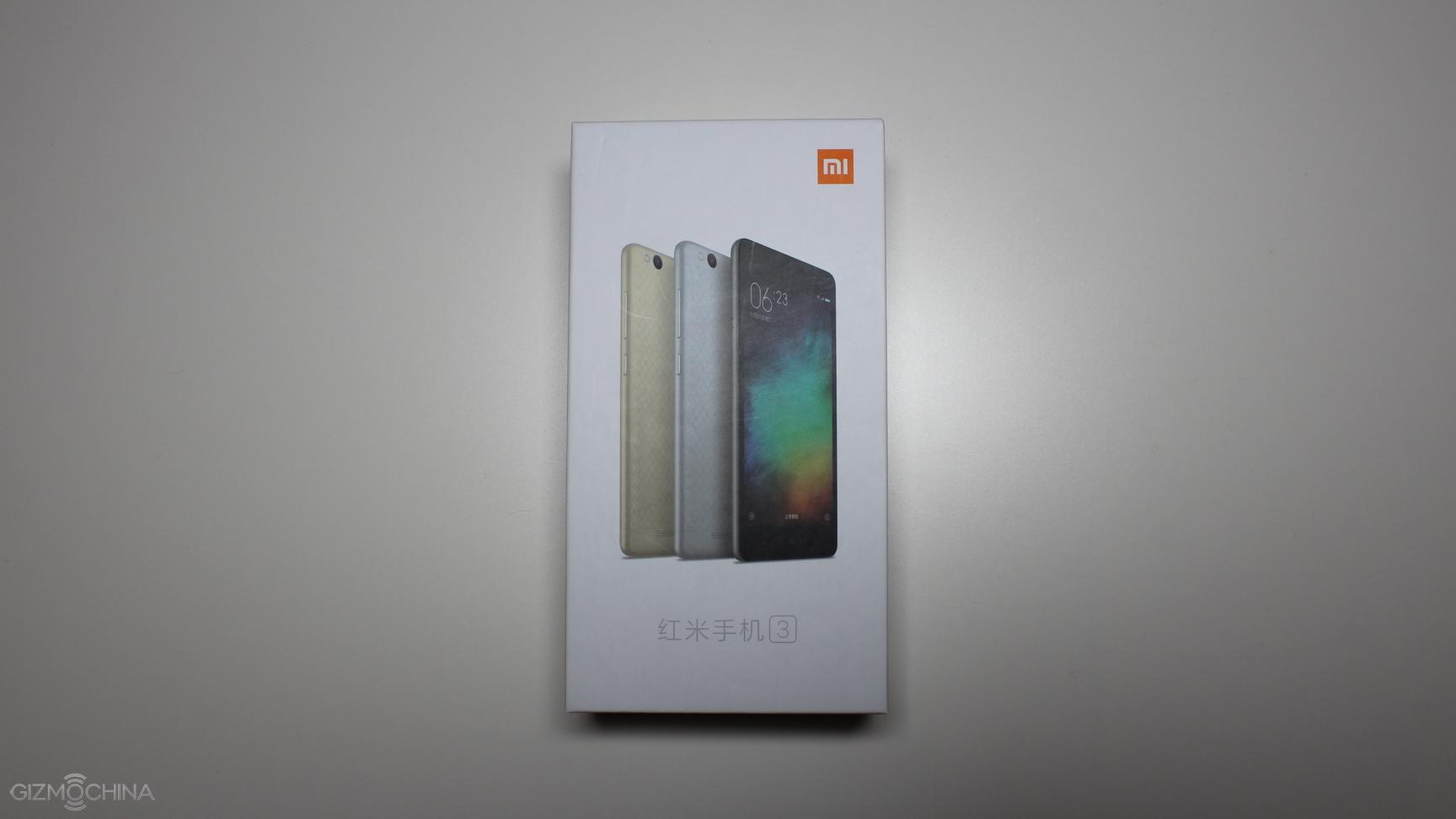
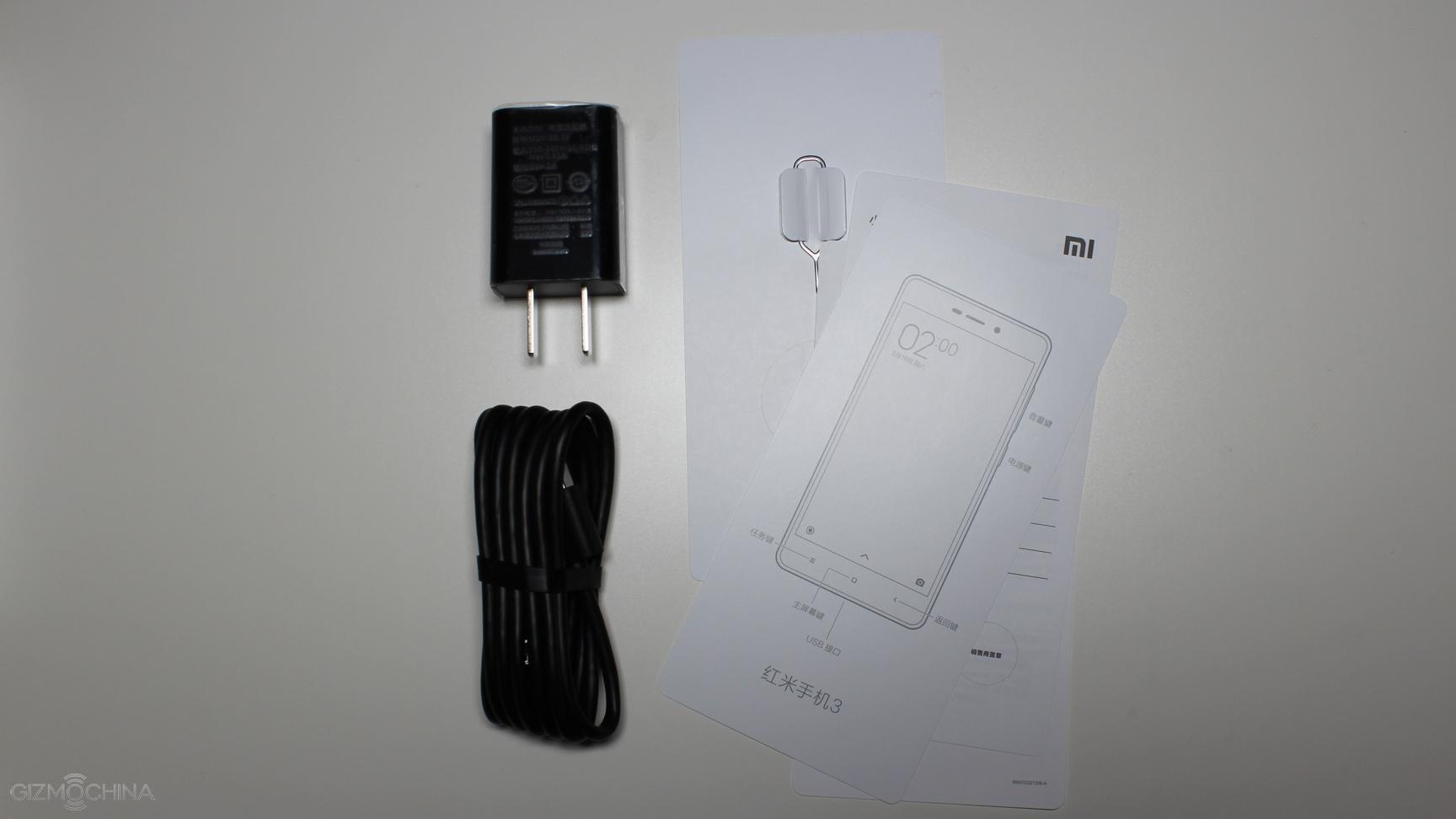
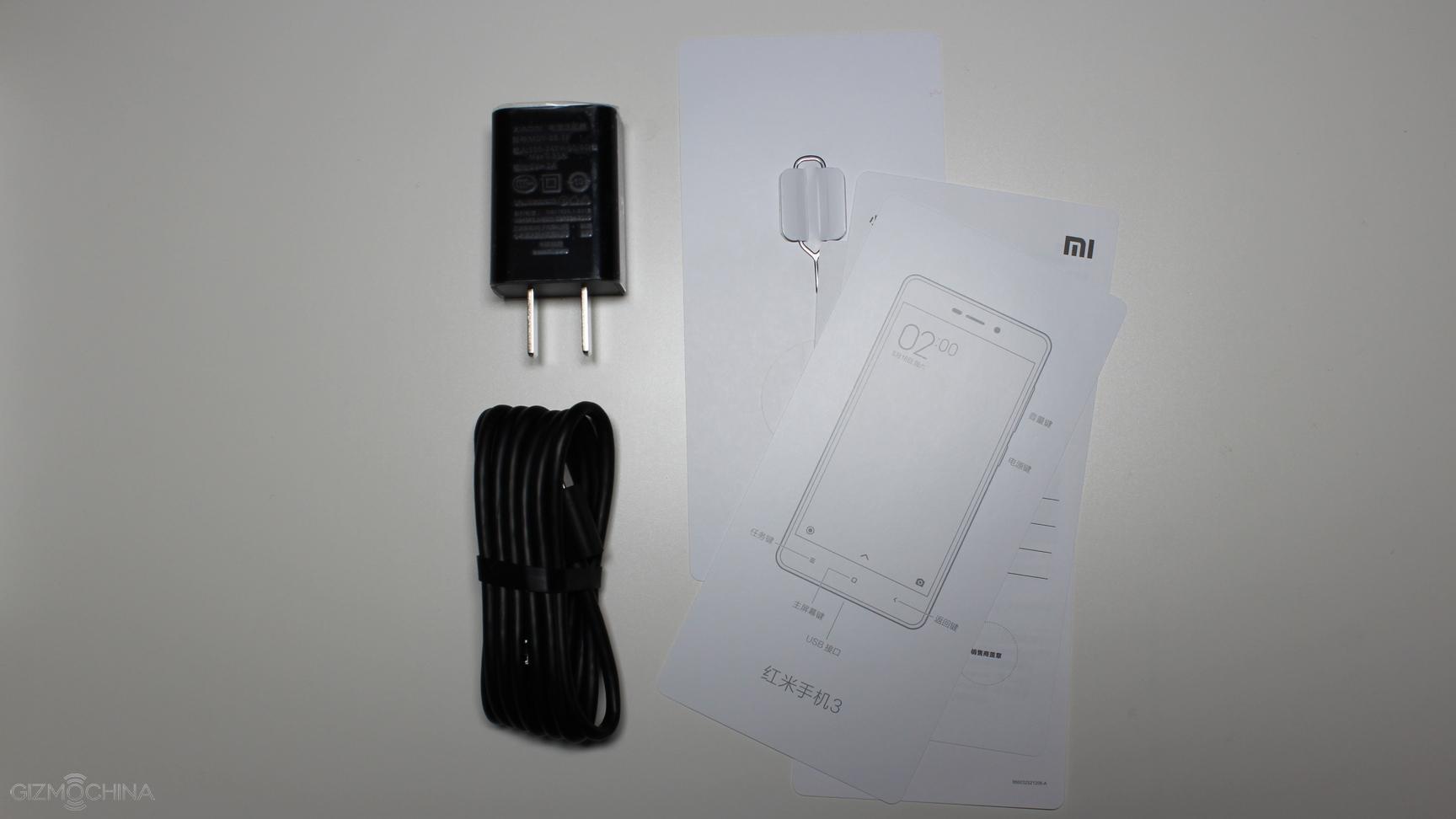
The device comes in a nice looking little box and the contents include a charging plug, USB cable, SIM ejector pin and some documentation.
Xiaomi Redmi 3 Review: SPECS
Display |
5″ 720p (HD) |
Processor |
Qualcomm Snapdragon 616, 64-bit, octa-core (up to 1.5GHz) |
RAM |
2GB |
Camera |
5MP Front/13MP Back |
Connectivity |
Bluetooth, 3G, 4G, GPS, WIFI, GSM,EDGE, GPRS, UMTS, HSPA, HSPA+, dual-SIM.LTE Bands: LTE band 1(2100), 3(1800), 7(2600), 38(2600), 39(1900), 40(2300), 41(2500) |
Battery |
4.100 mAh (non-removable) |
Dimensions |
139.3 x 69.6 x 8.5 mm (5.48 x 2.74 x 0.33 in) / 144g |
OS |
MIUI 7.1 (based on Android 5.1.1) |
Storage |
16GB (expandable via microSD card slot up to 128GB) |
Xiaomi Redmi 3 Review: DESIGN and DISPLAY
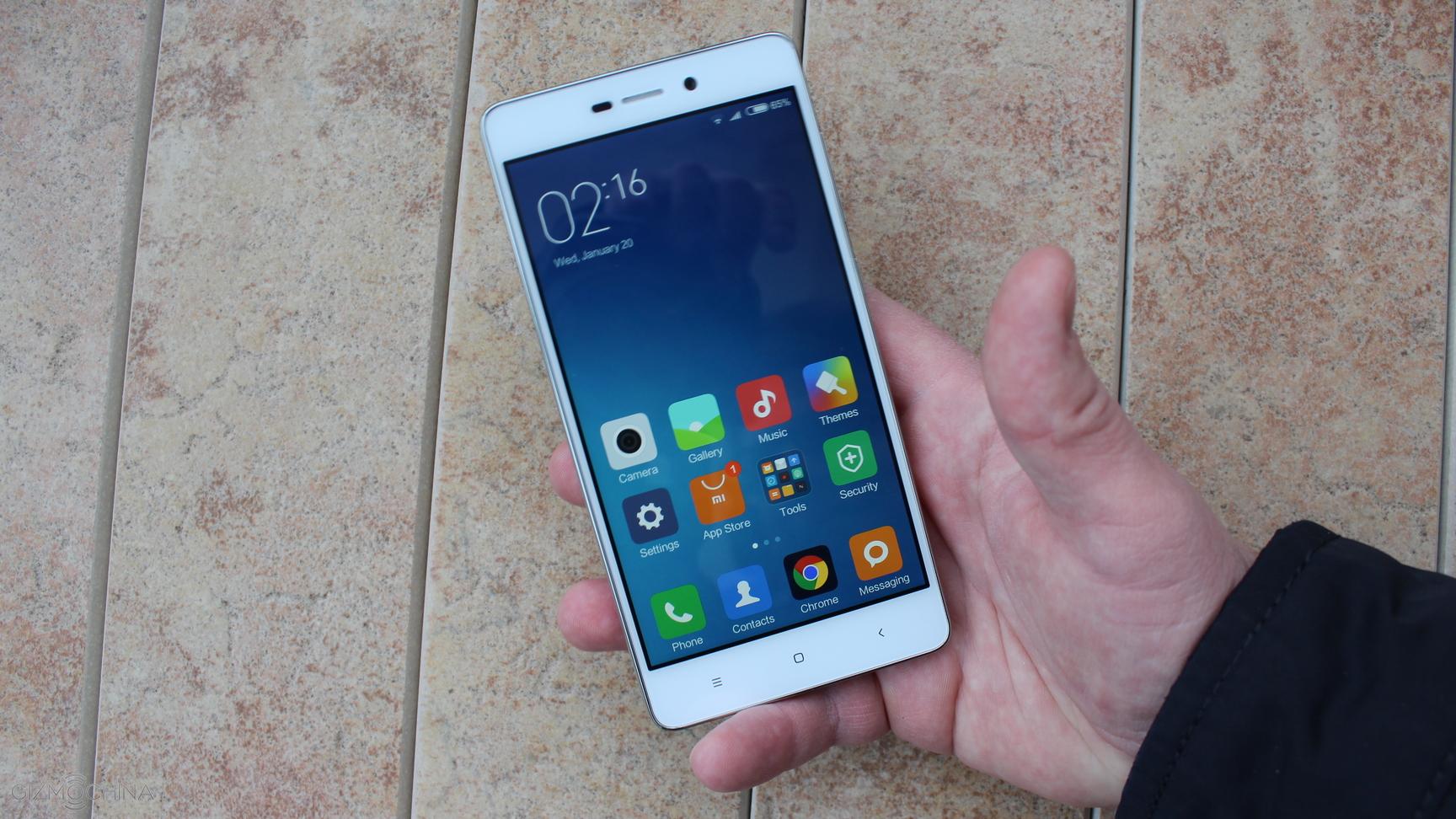
When it comes the design, we are looking at a very compact phone as it has a 5” display and it is similar to the iPhone 6s in terms of the overall footprint.
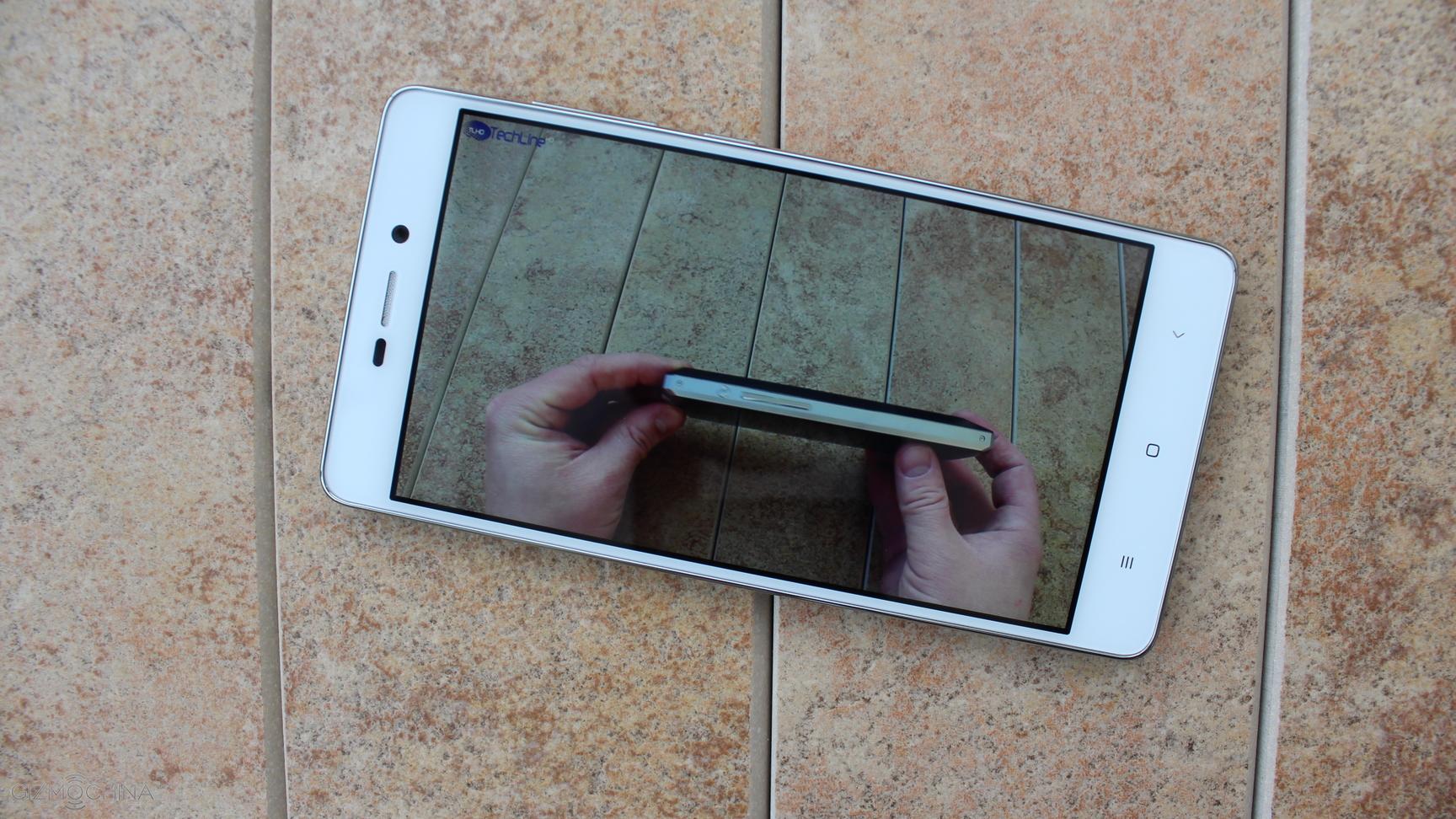
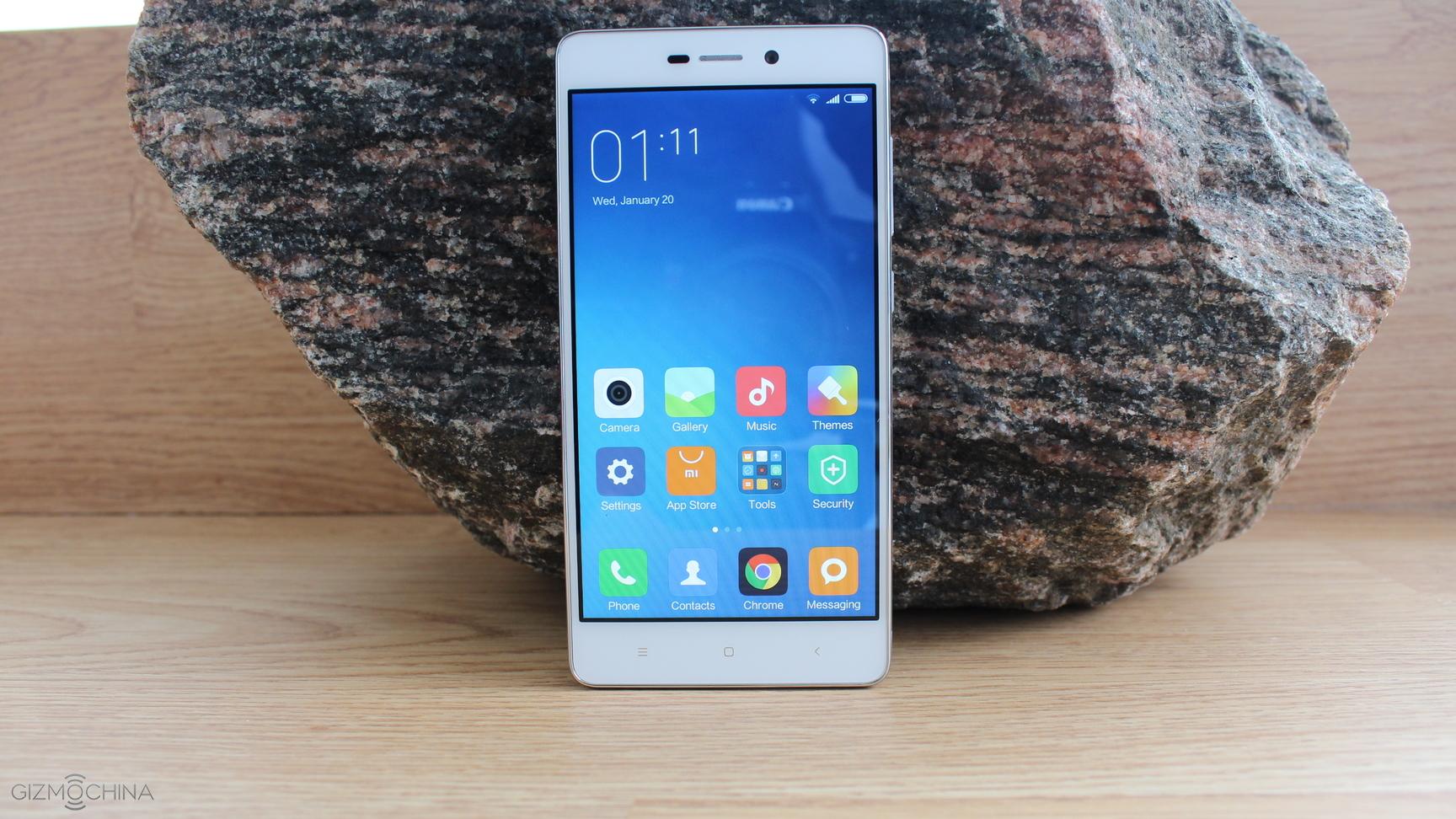
Speaking of display, we have just a 720p panel, which was chosen to keep the low cost of the phone. It is not a bad panel though as it is quite bright, it has good viewing angles and natural colour reproduction. However, it is not as sharp as 1080p panels and you can notice that immediately. Also, the colours could look more vibrant to my taste.
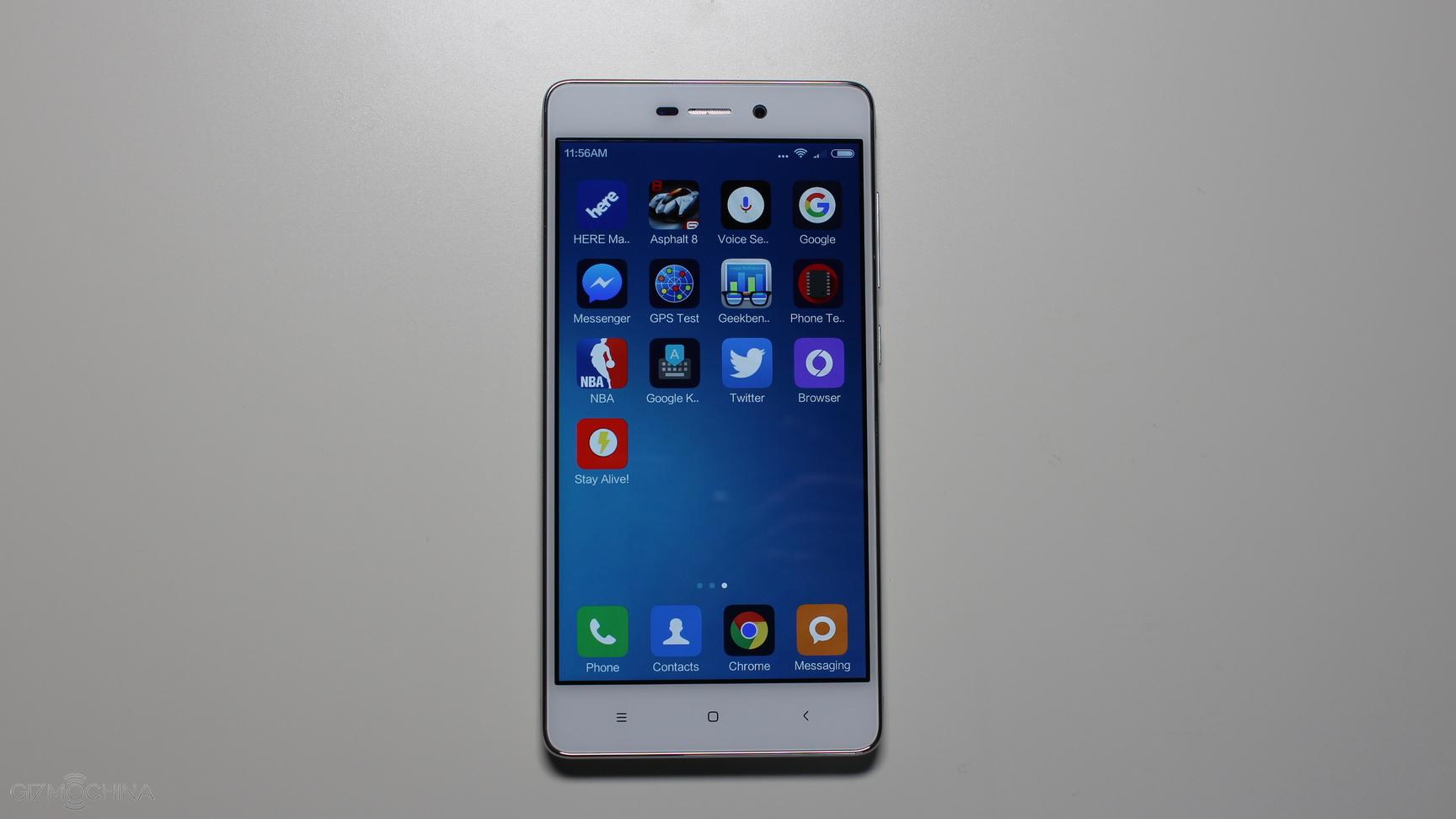
On the front we have a 5MP selfie camera and some other usual stuff, and on the bottom there are 3 capacitive buttons, which are, however, not backlit. A funny thing is that Xiaomi implemented a notification LED light right below the home button (not on the top side of the device like the majority of phones).
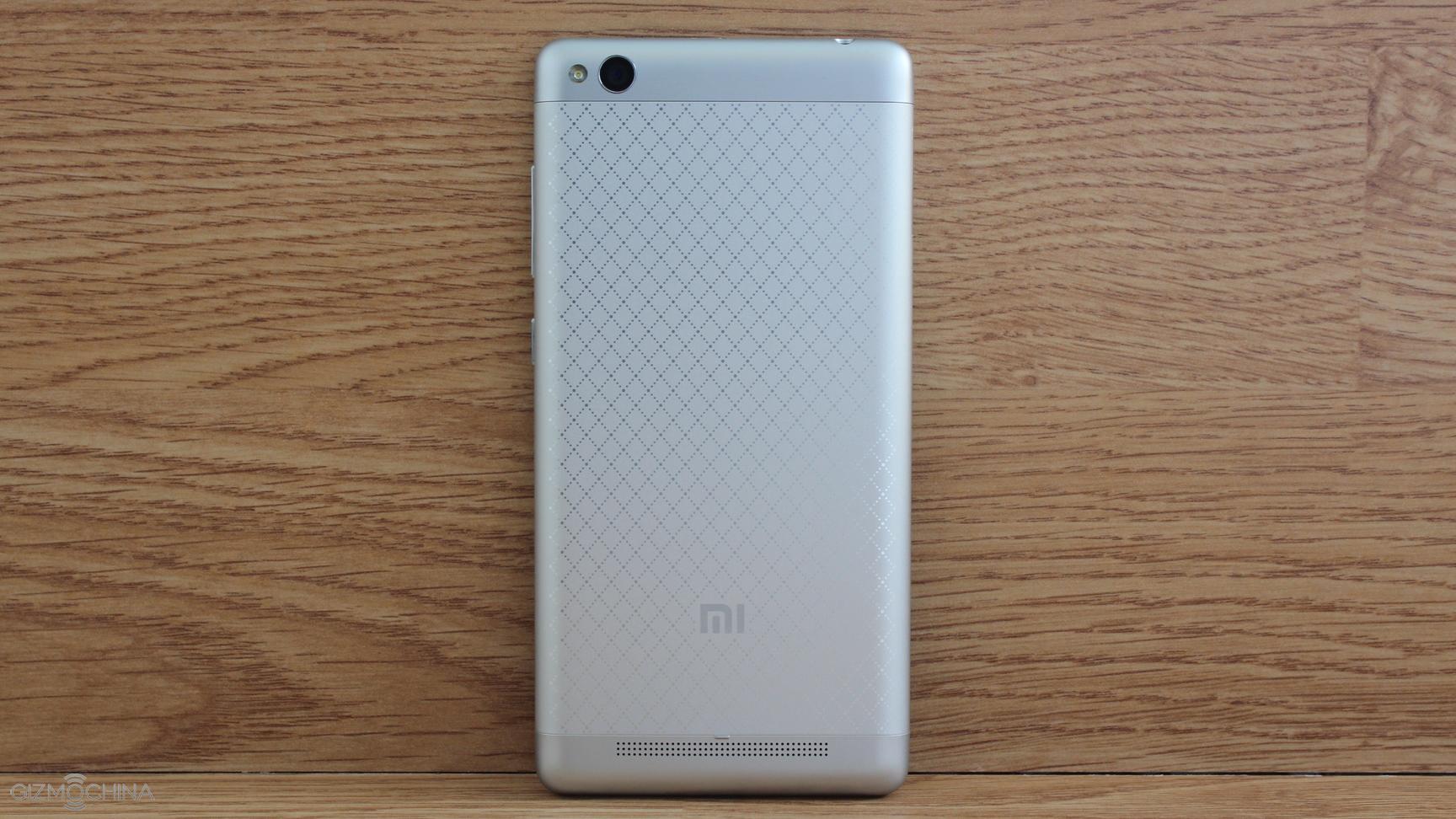
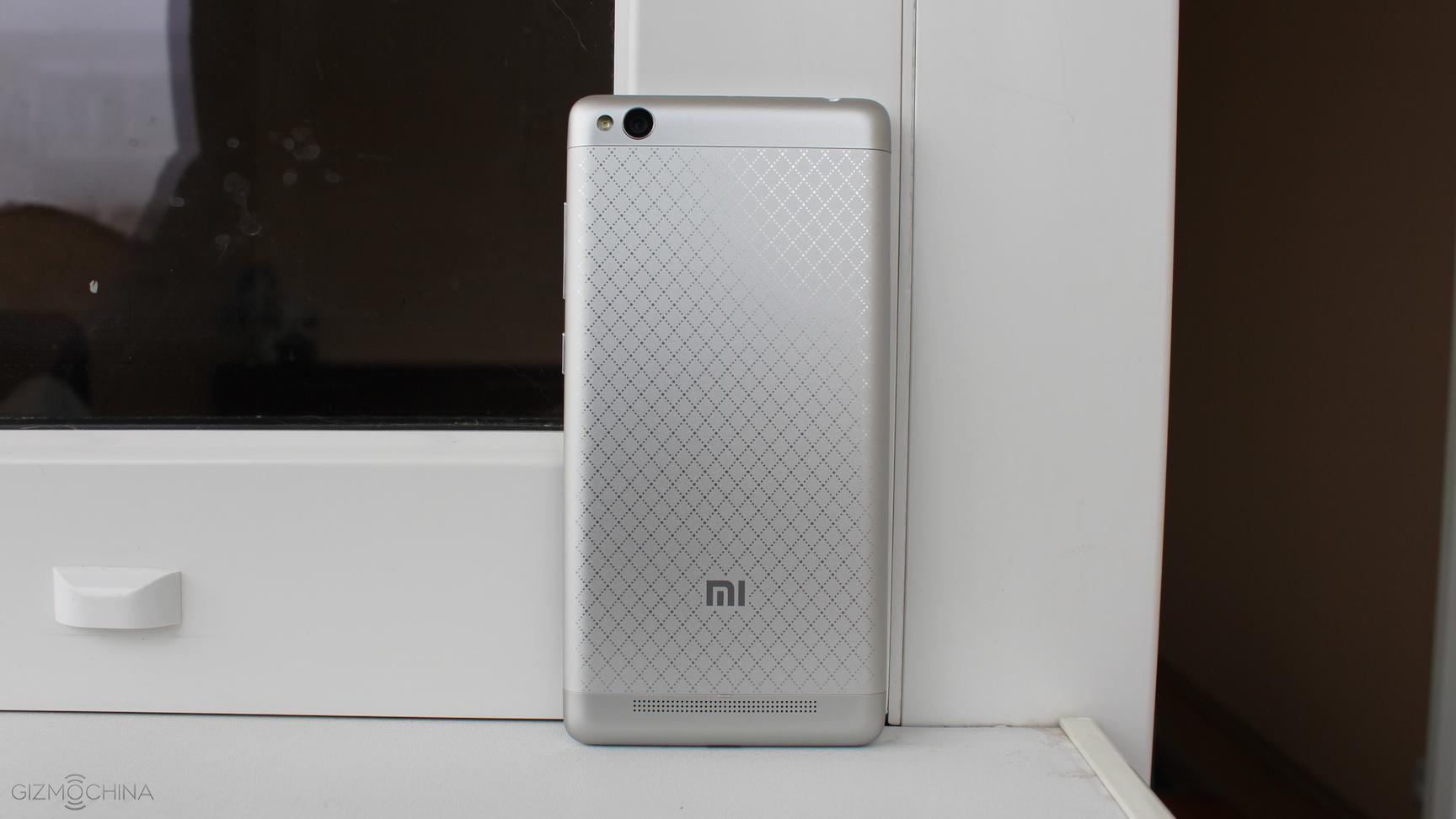
The backplate is made of metal (except for the top and bottom parts for antennas) and it has some nice looking diamond shape patterns, which also hide most of visible smudges.
As far as optics, we are looking at 13MP camera with PDAF and a single LED flash.
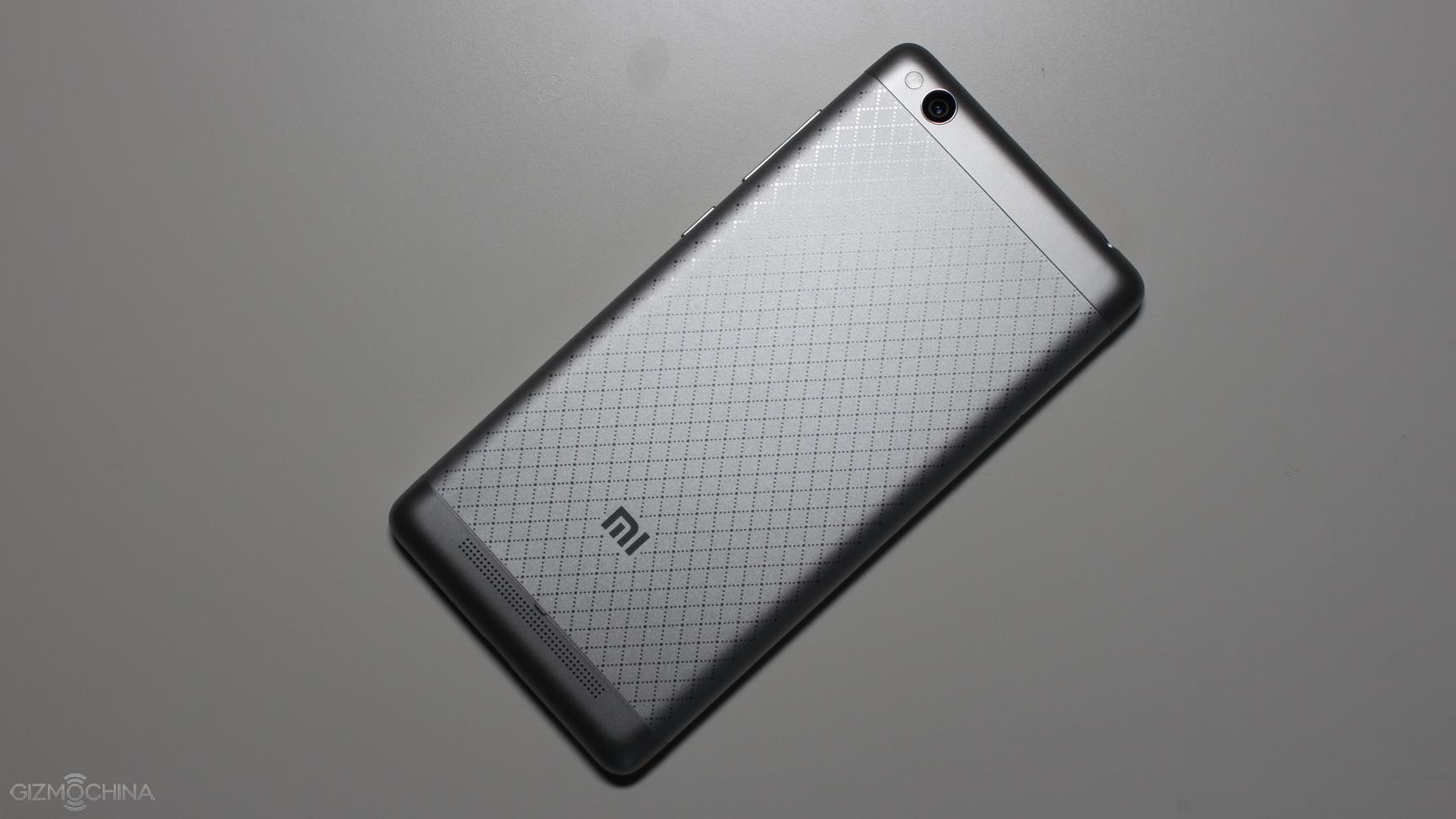
On the bottom there is just a speaker grill.
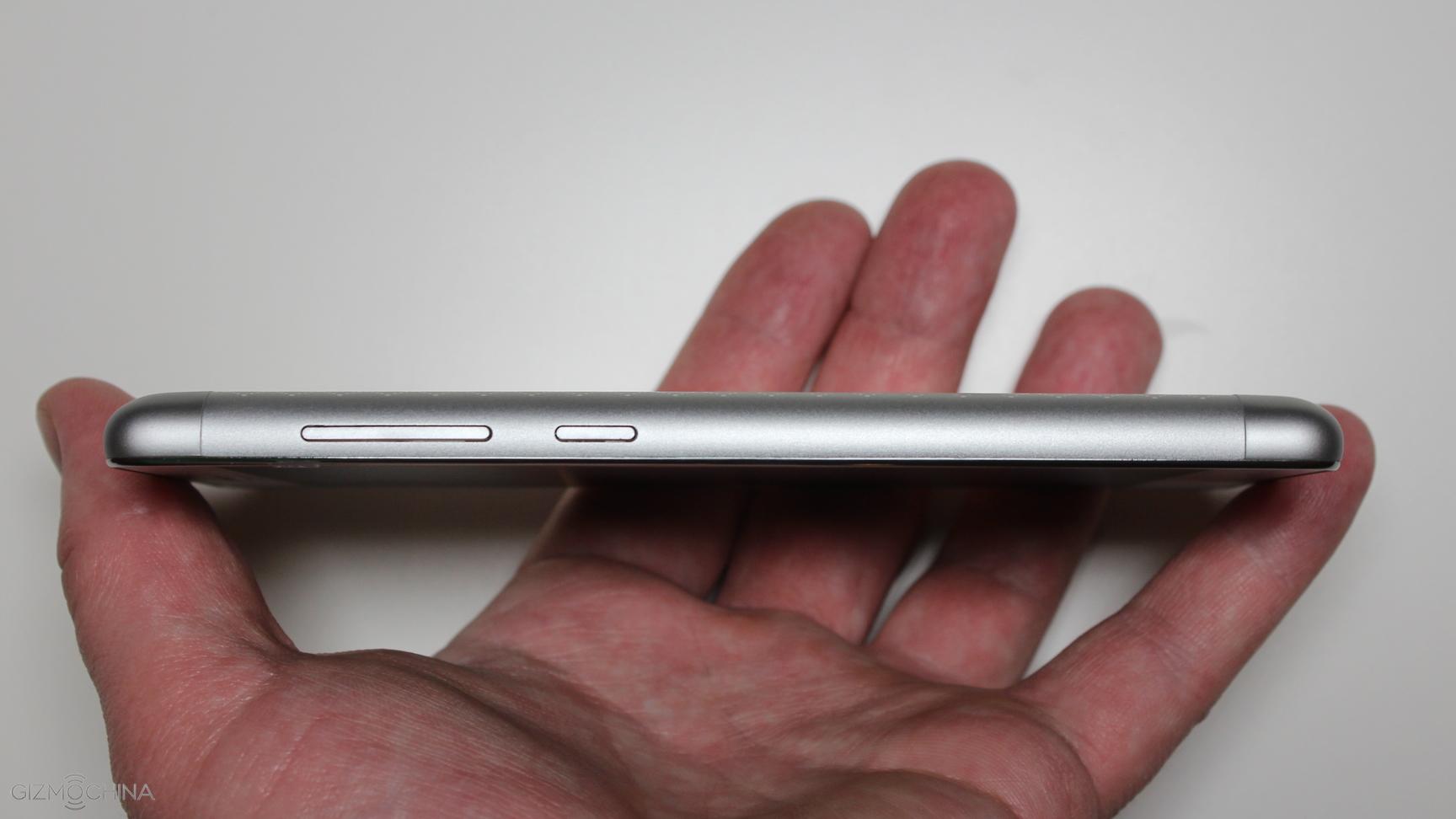
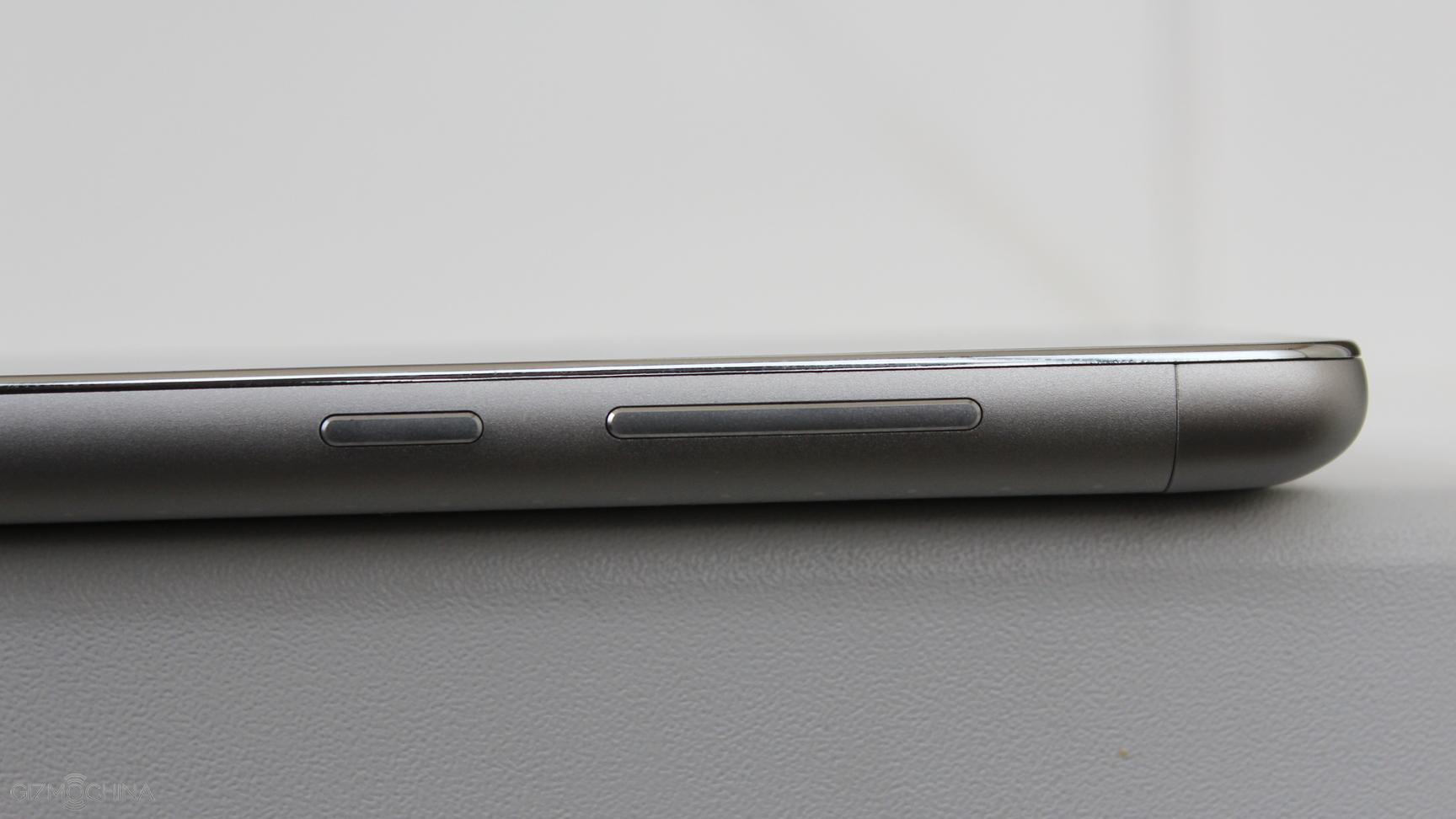
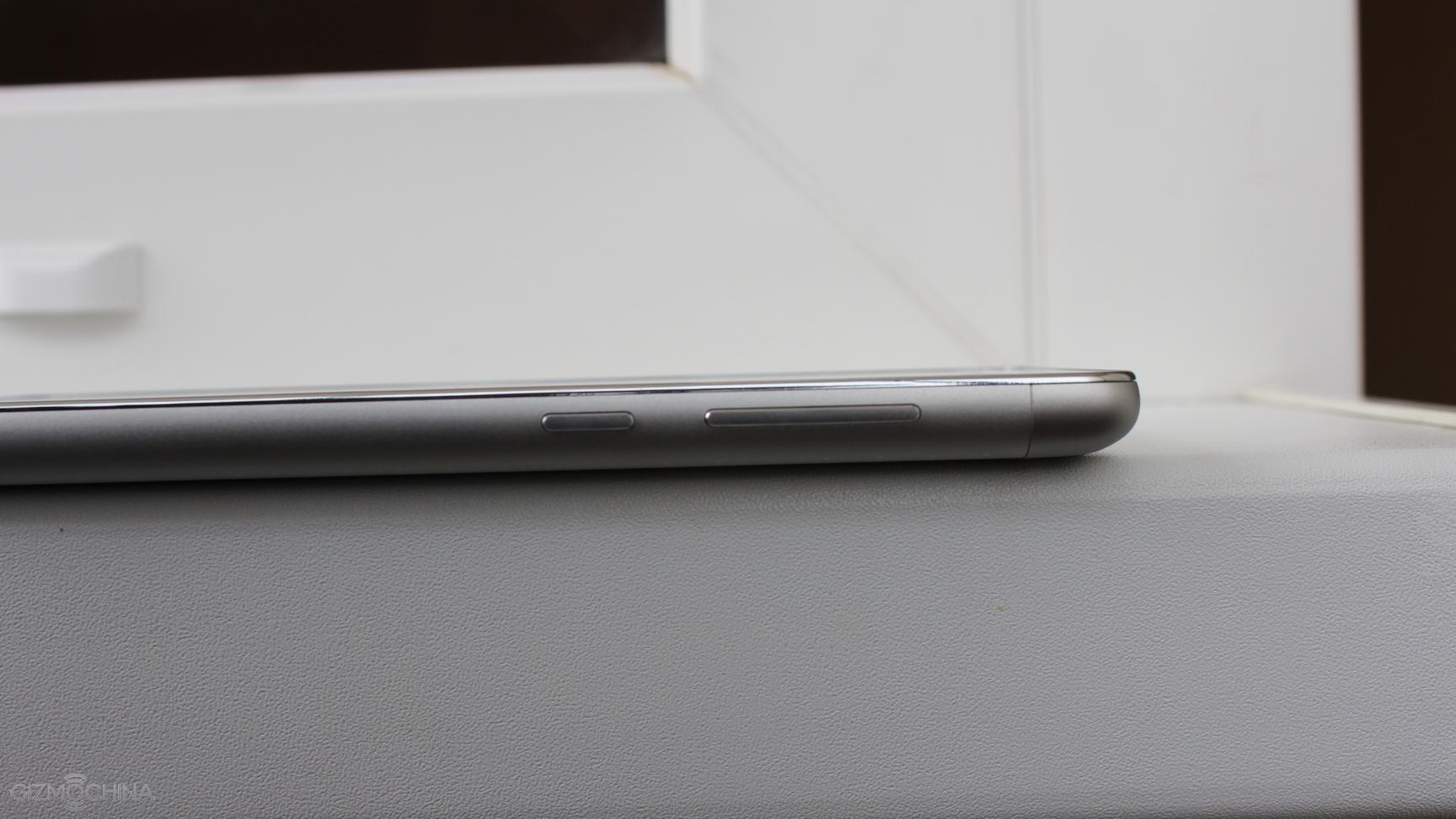
The buttons are located on the right, they are also metal-made and have a good tactile response.
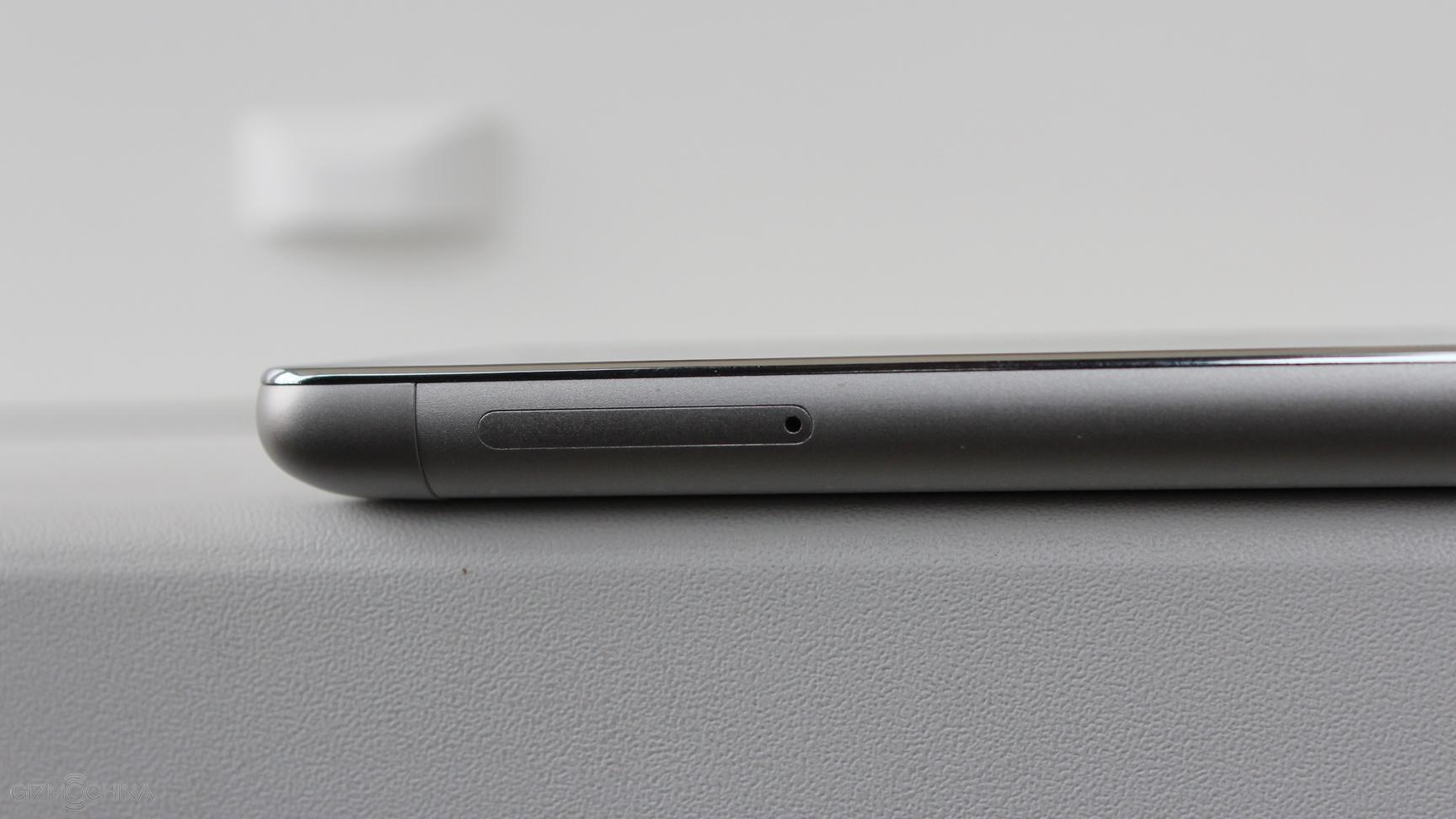
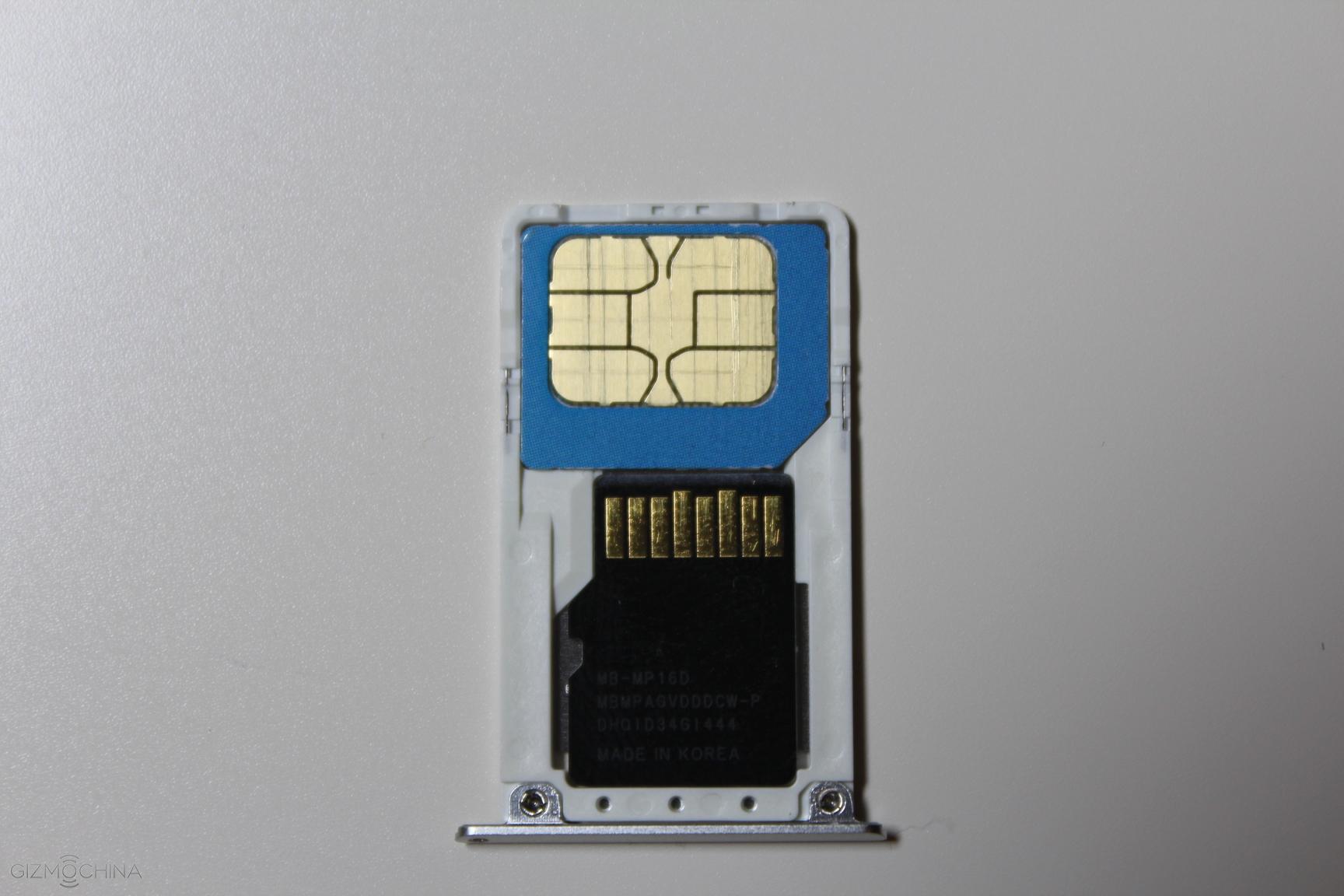
The left side is where you can find a dual SIM card slot, where one slot also doubles as an optional microSD card slot for storage expansion up to 128GB.
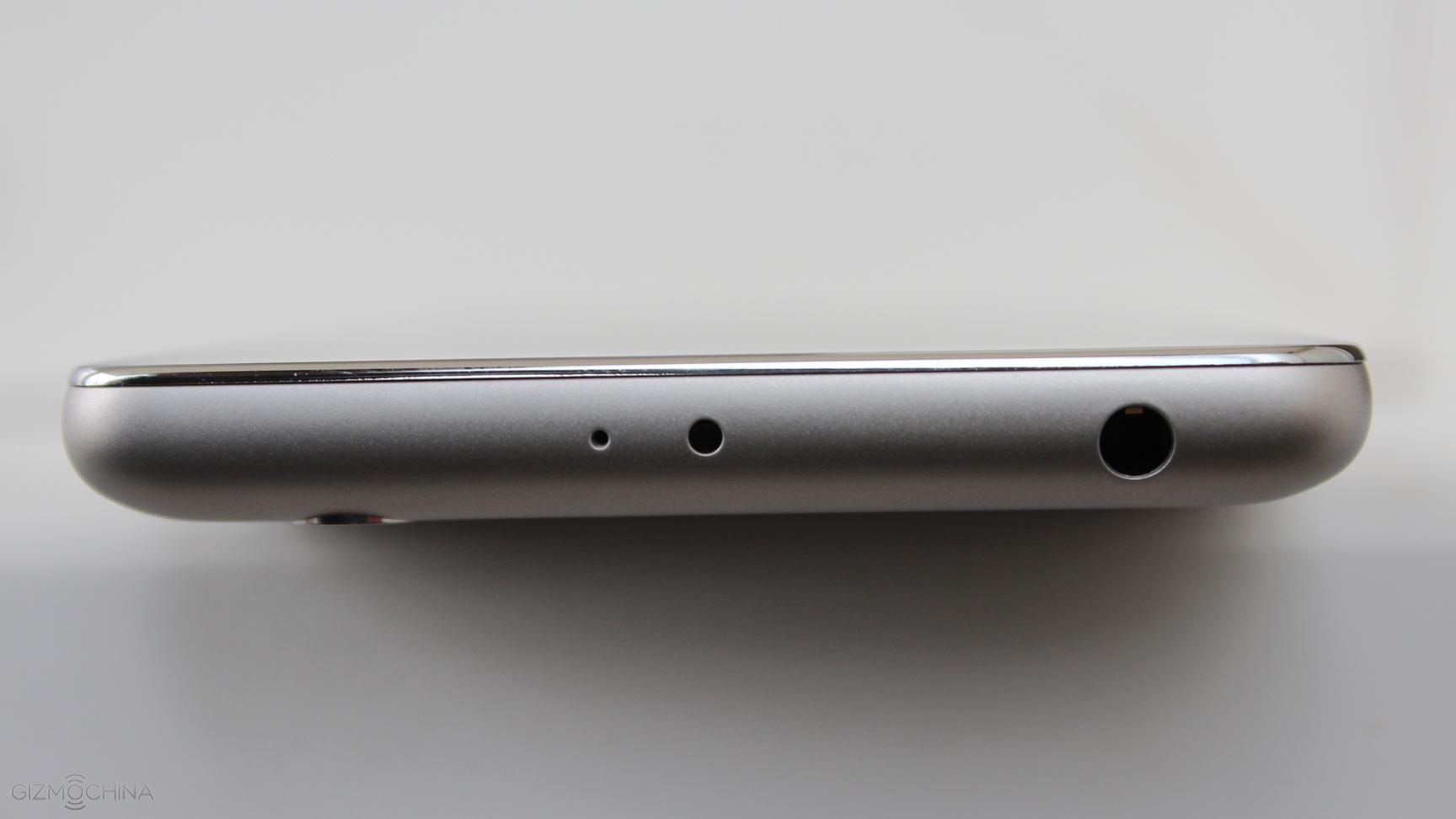
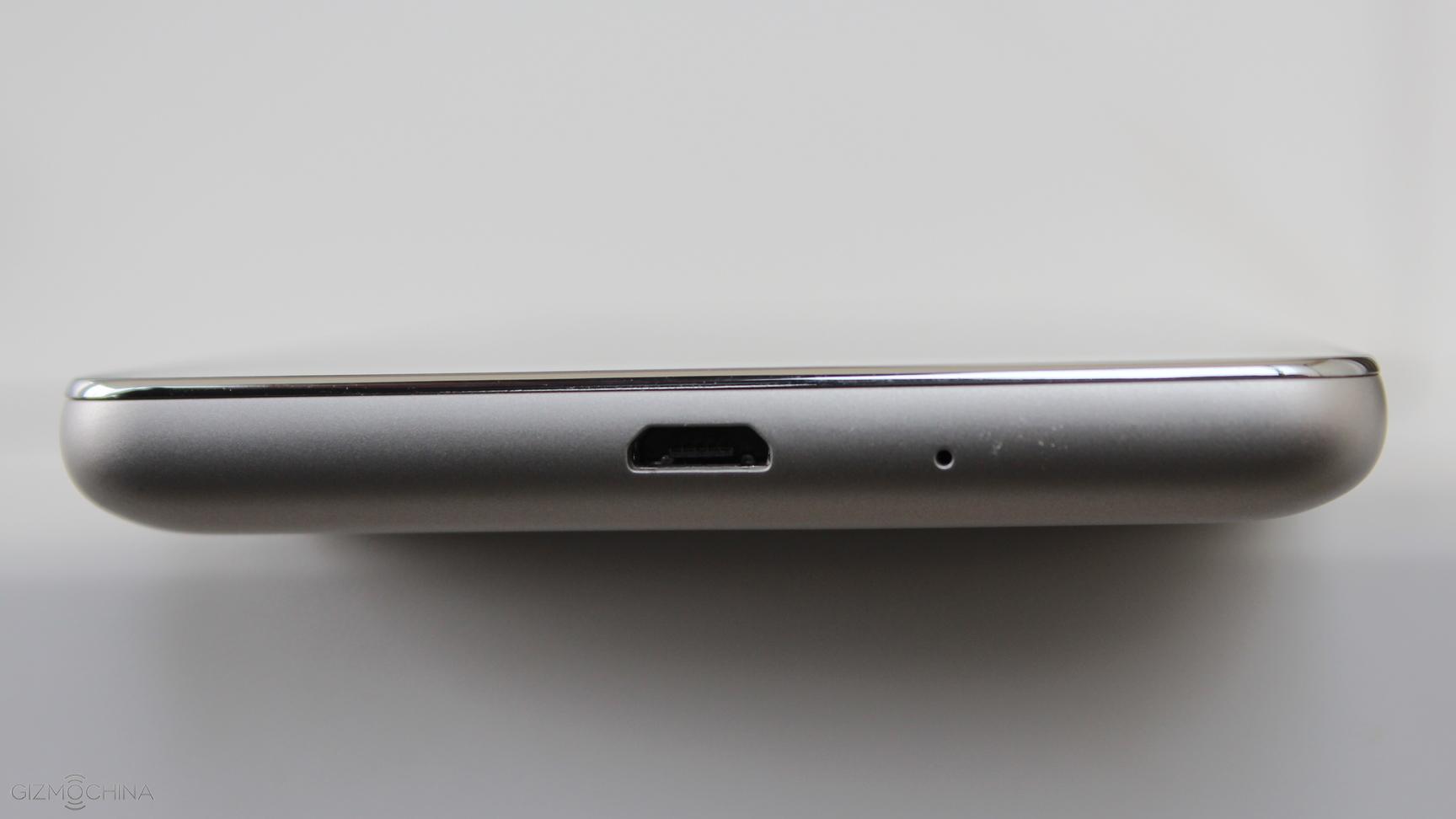
On the top there is a headset jack and the IR blaster to control devices like TV and on the bottom you can find the micro USB port.
Overall, I’m really happy with the design of the Redmi 3. It feels nice in the hand, it is very compact and almost all-metal design makes it look like a premium phone. However, the backlight for capacitive buttons would have been nice.
Xiaomi Redmi 3 Review: UI
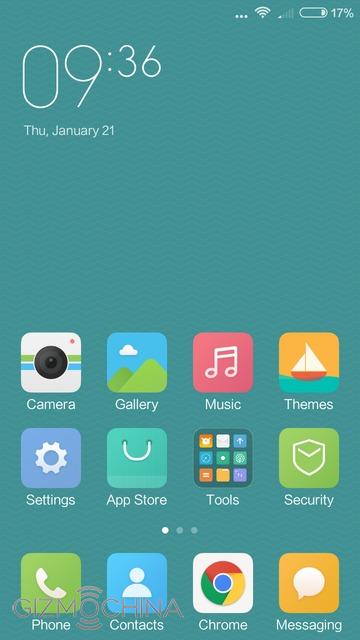
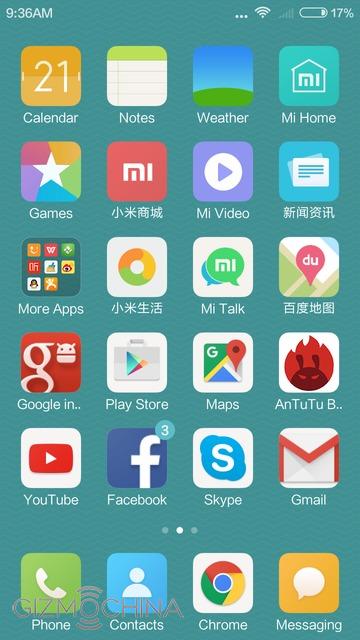


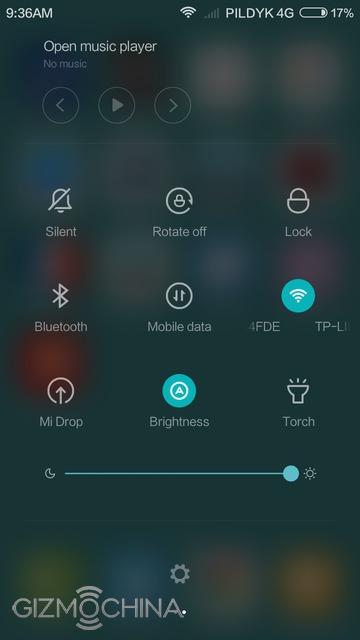
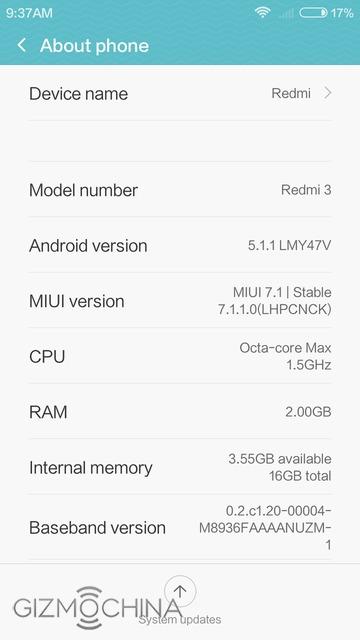
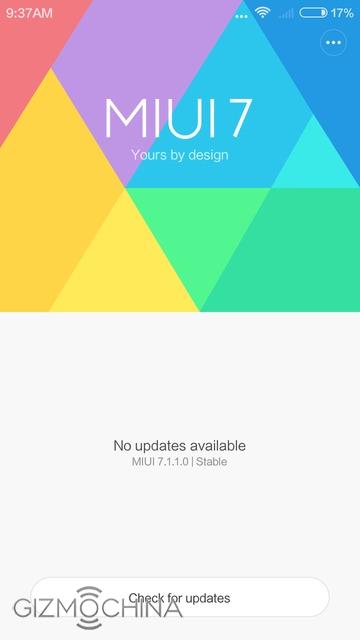
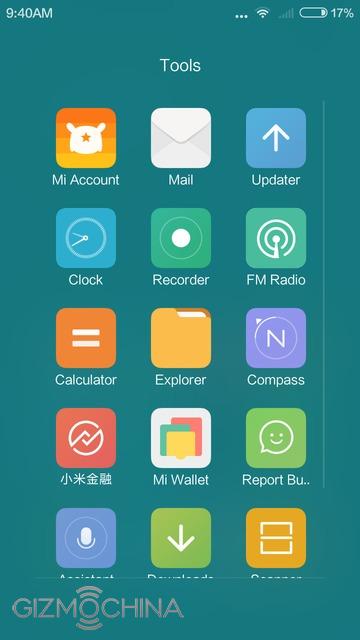
Xiaomi Redmi 3 comes with MIUI 7.1, which is built on top of Android 5.1. As usual, there is no app tray and all apps sit on the home-screens.
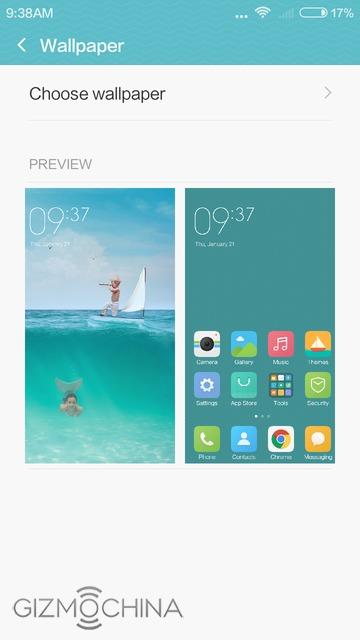

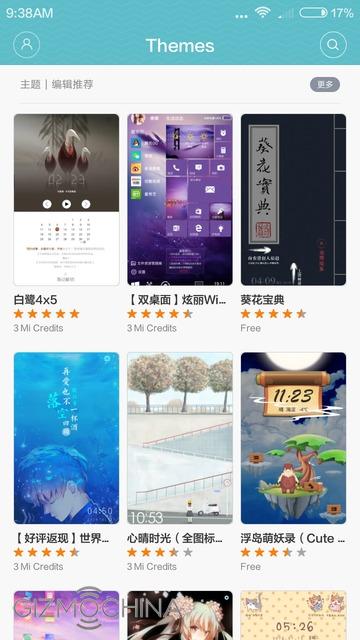
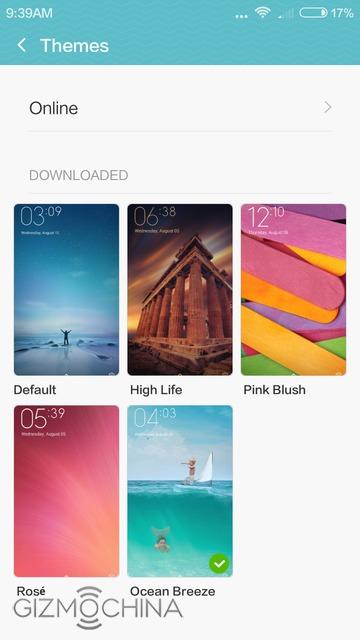
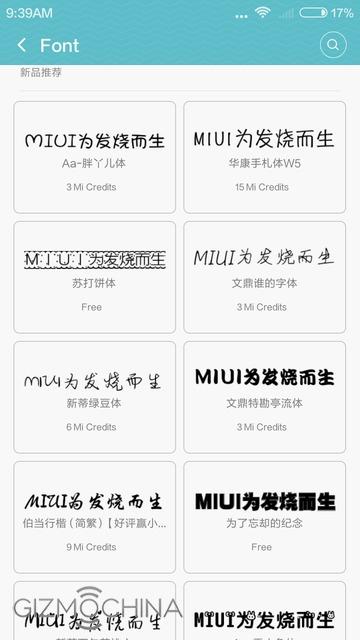
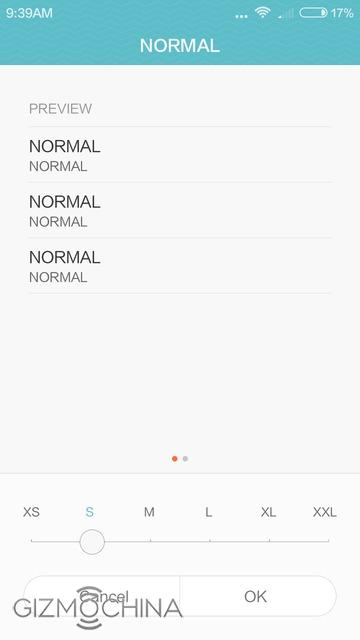
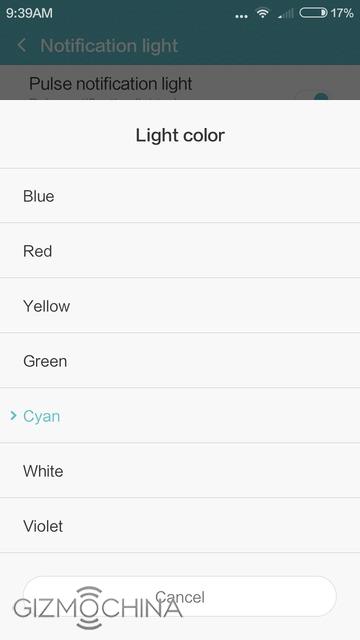

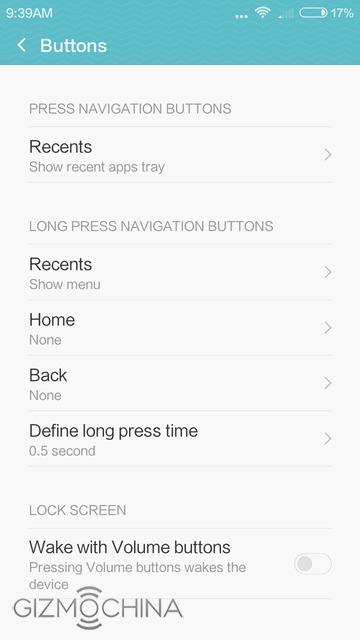
If you are not yet familiar with the MIUI, it has tons of customisation options, which include a wide choice of themes, wallpapers, fonts and so on. You can select from a few pre-installed ones or simply go to the online theme store where you will find thousands of different themes to suit everyone’s taste. Also, you can highly customise the LED light, assign different tasks to capacitive buttons and so on.
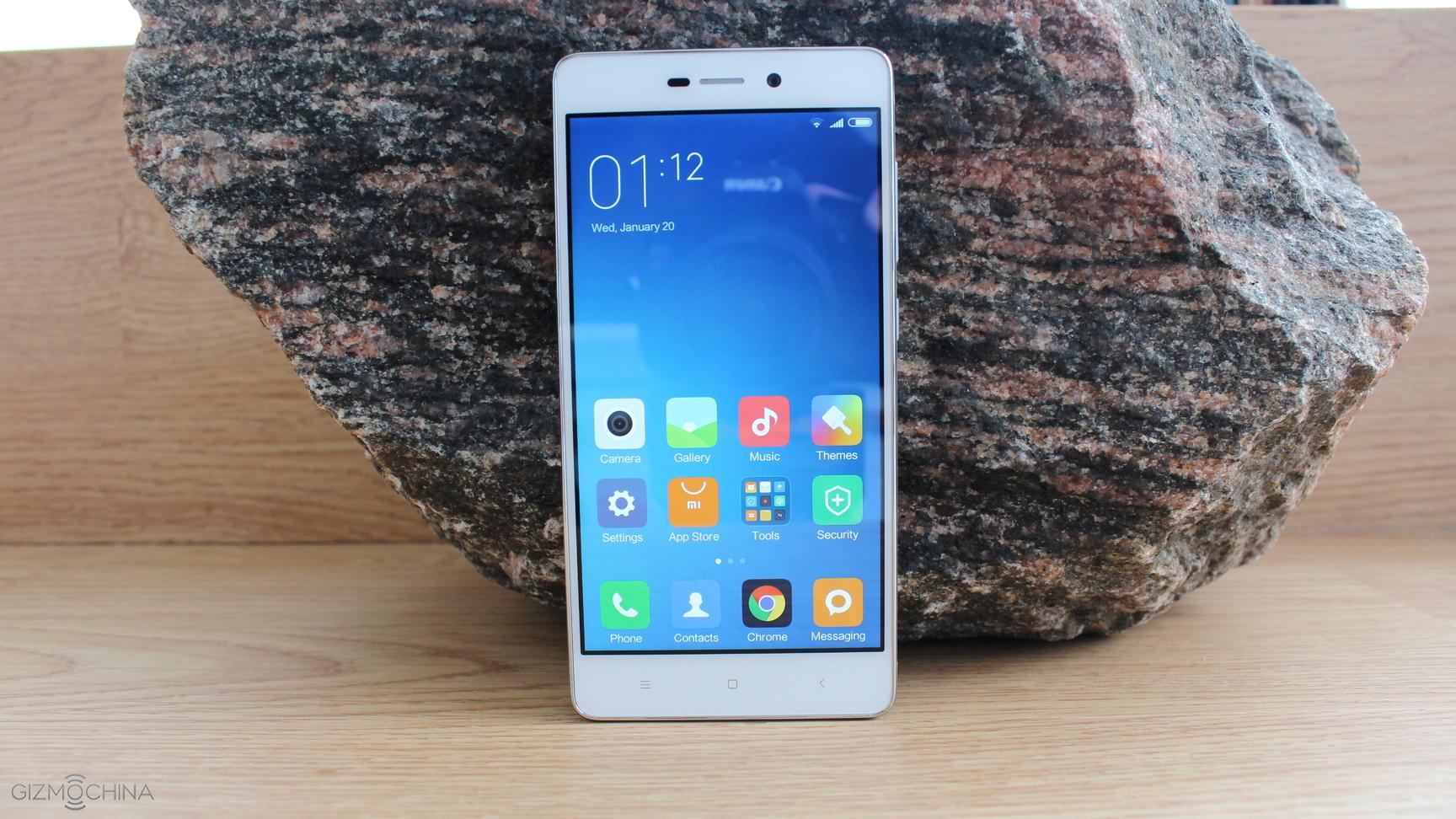
MIUI 7.1 runs fast and fluid most of the times. There were just a few minor hiccups but they are not even worth complaining about. Overall, I’m happy with the way the user interface works on a daily basis especially if you consider a feature set and customisation options it offers.
Xiaomi Redmi 3 Review: HARDWARE and PERFORMACE
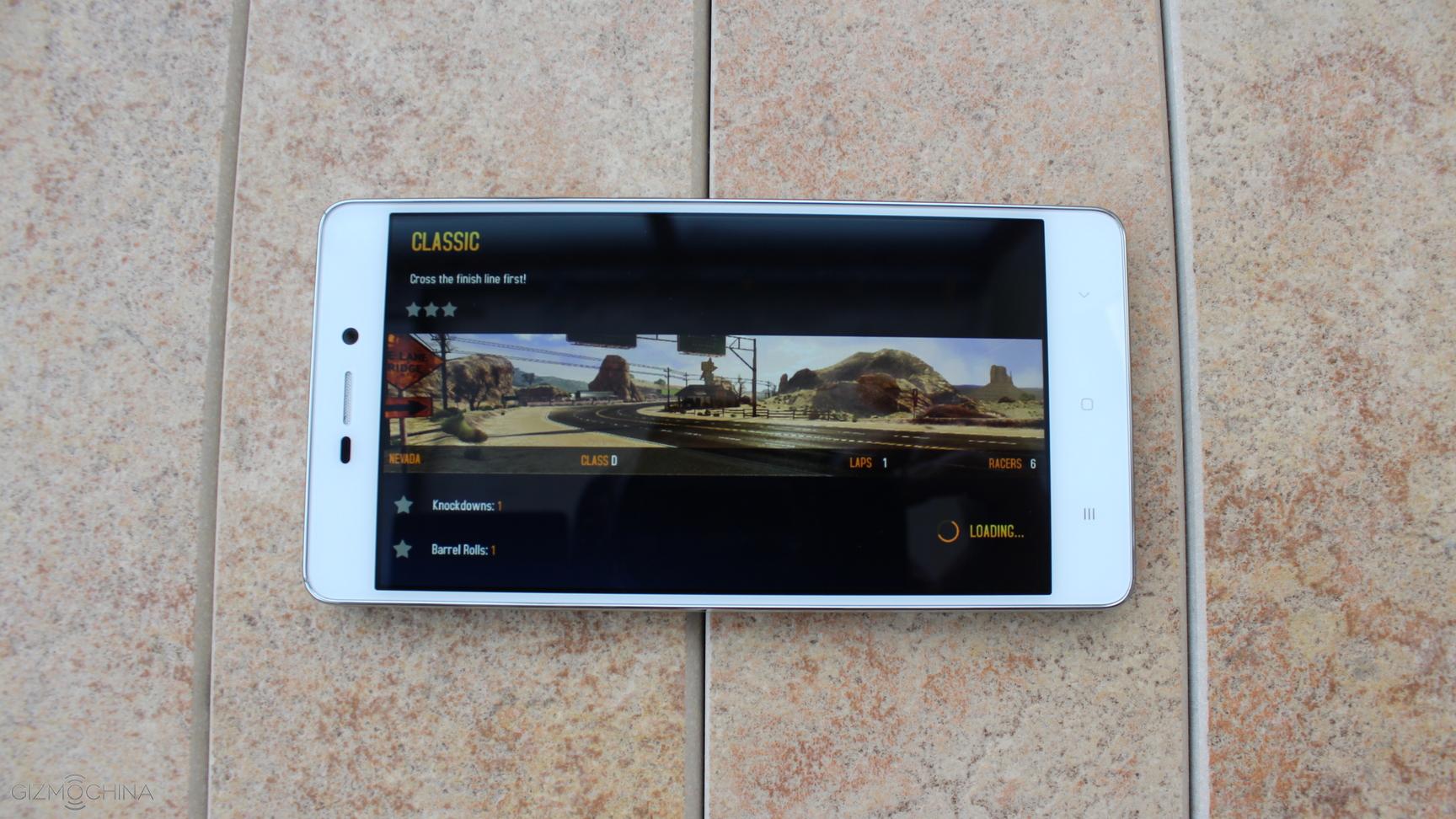
Xiaomi Redmi 3 has a pretty good hardware as it sports an octa-core Snapdragon 616 chip with the clocks speeds of up to 1.5GHz, 2GB of RAM and 16GB of expandable storage.
Although the phone is far from being the synthetic benchmark champion but it performs really well in 3D gaming.




Asphalt 8 runs perfectly on medium graphics and there were just a few minor skipped frames on the highest graphics settings, so you may enjoy playing even the most demanding games on the Redmi 3.
Finally, the phone does not heat up much even after 30 minutes of gaming.
Xiaomi Redmi 3 Review: MULTIMEDIA
Watching full-HD content is a blast as videos in different formats play smoothly. The sound via earphones is pretty good with a loud volume output and clear sound for a budget device.



As far as the loudspeaker, it is pretty good too. While it is definitely not the best but it has a reasonable amount of depth and it does not sound tinny like a lot of cheap phones.
Xiaomi Redmi 3 Review: CAMERA
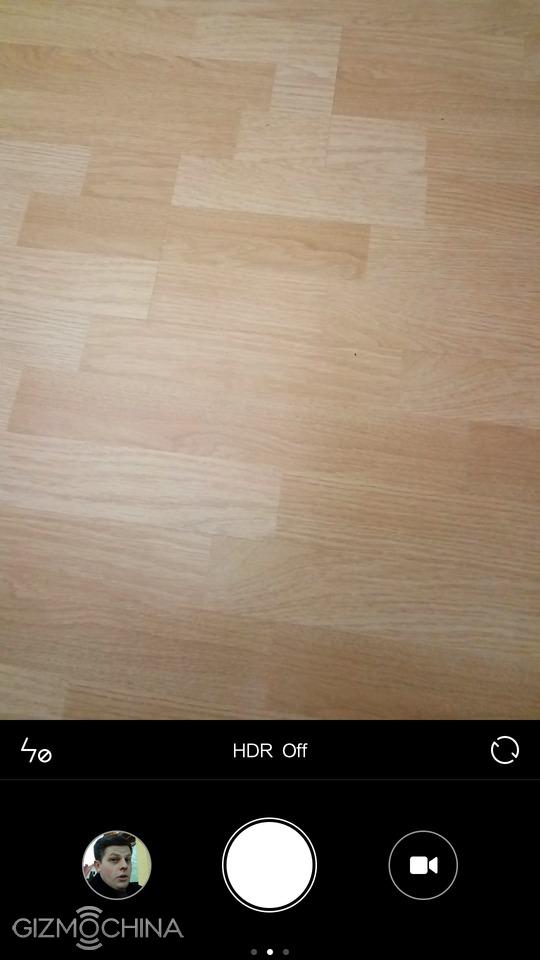
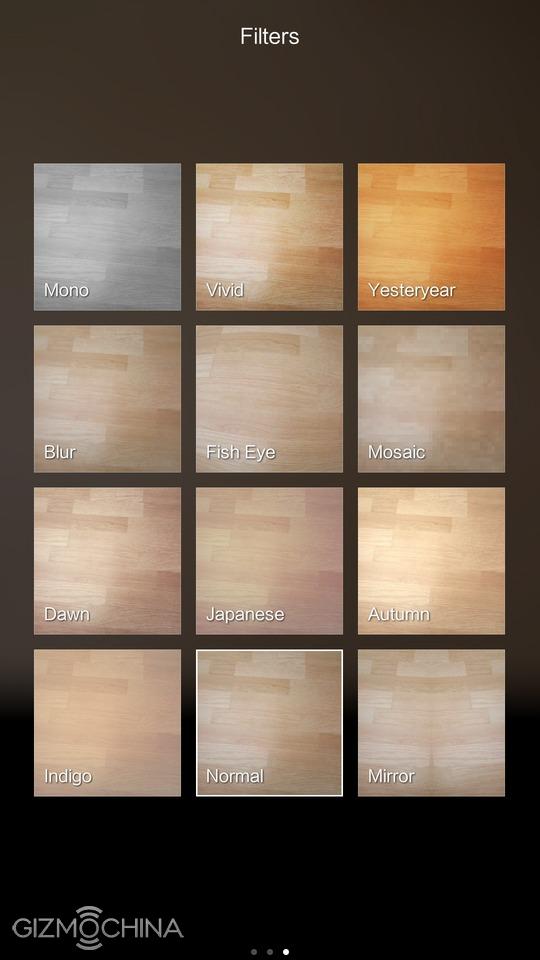
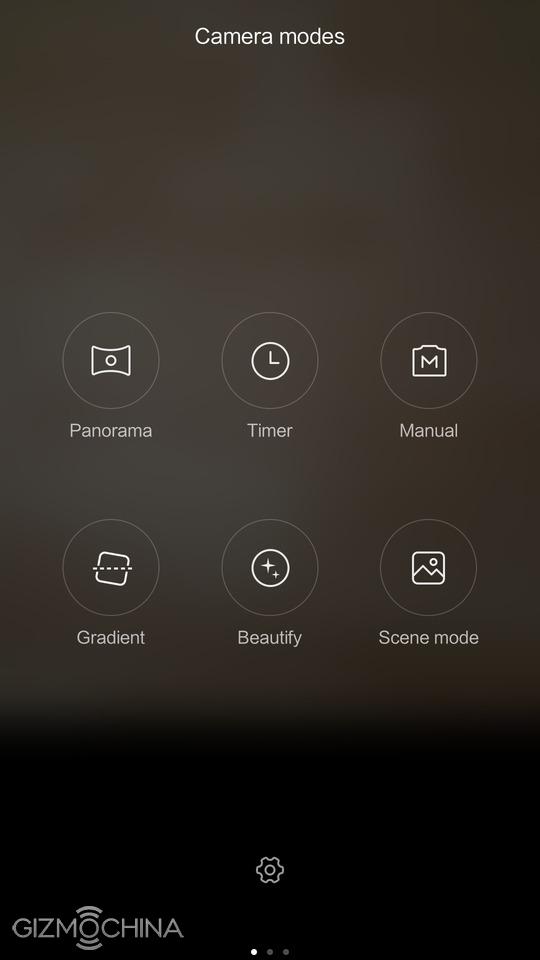
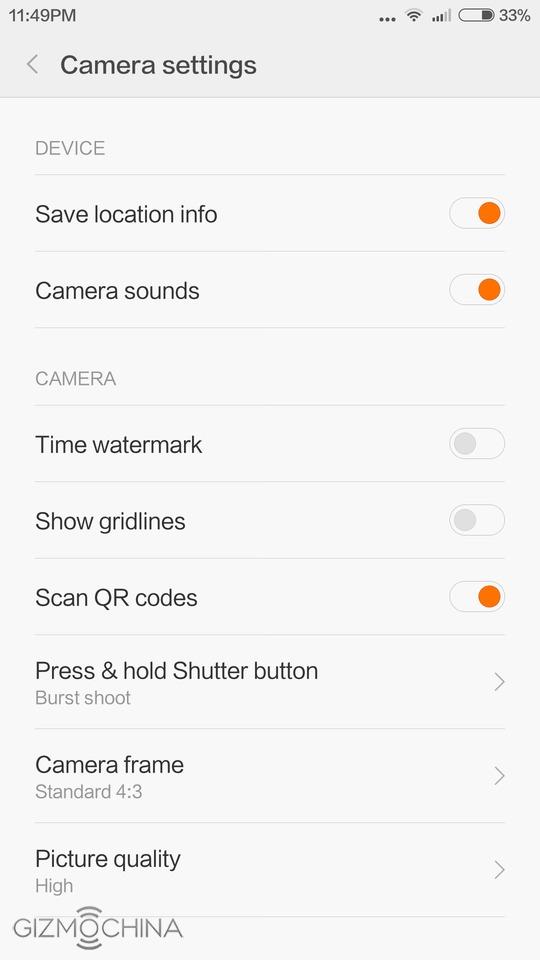
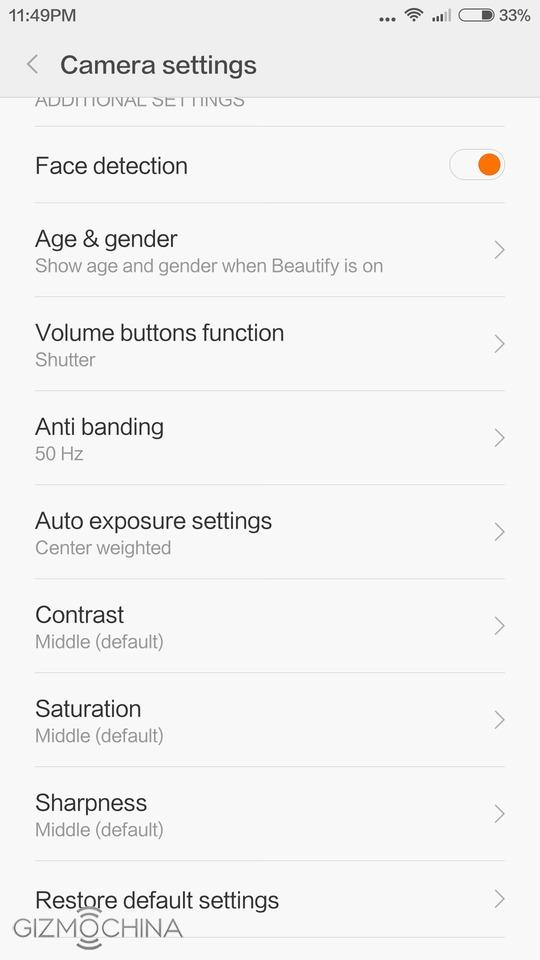
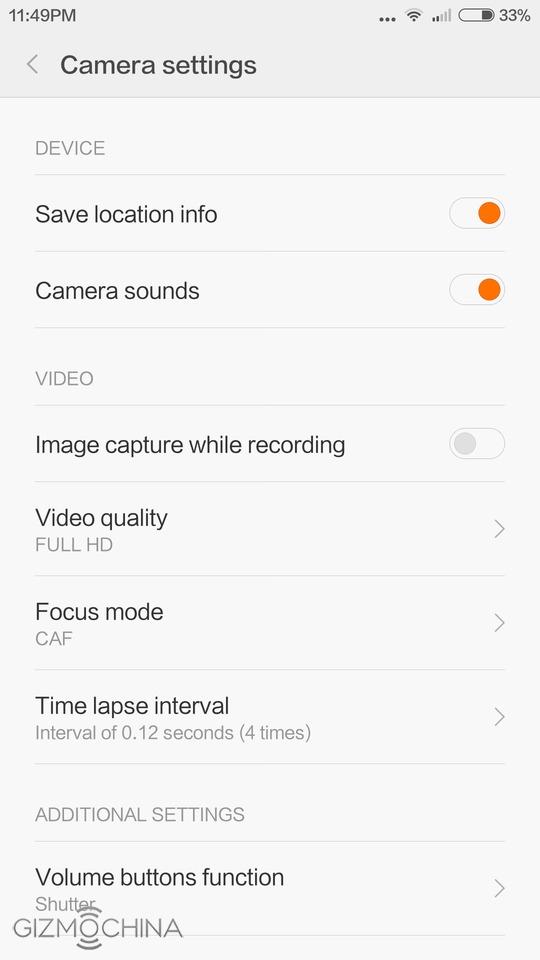
The MIUI camera app is fast and easy to use and there are a few shooting modes and settings to play with. However, I don’t like that picture taking and video recording modes are separated.
Xiaomi Redmi 3 Review: IMAGE QUALITY
Xiaomi Redmi 3 vs Xiaomi Redmi Note 3 Camera Comparison:
[embedyt] http://www.youtube.com/watch?v=vi5Pq0FDQAU[/embedyt]The 13MP camera takes pictures very fast thanks to PDAF system. But what about the image quality?
















Daylight images turn out to be pretty good. There is a reasonable amount of details, colour reproduction is very accurate and most of the pictures look pretty sharp.
However, some of the pictures have softer focus on the corners or in some parts of the image or uneven focus throughout the image. Also, I had a few slightly blurry shots meaning that auto-focus is not always reliable.











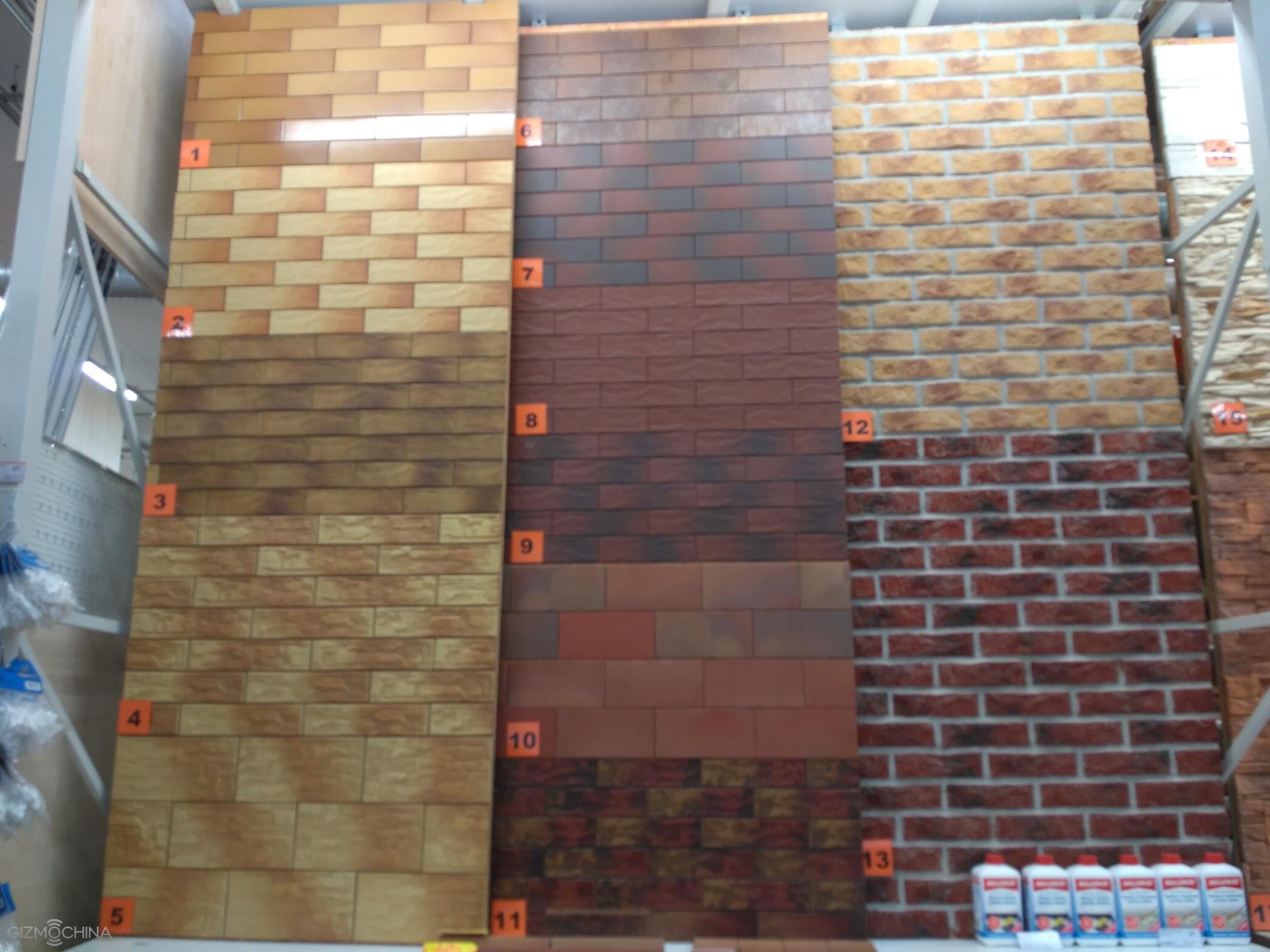
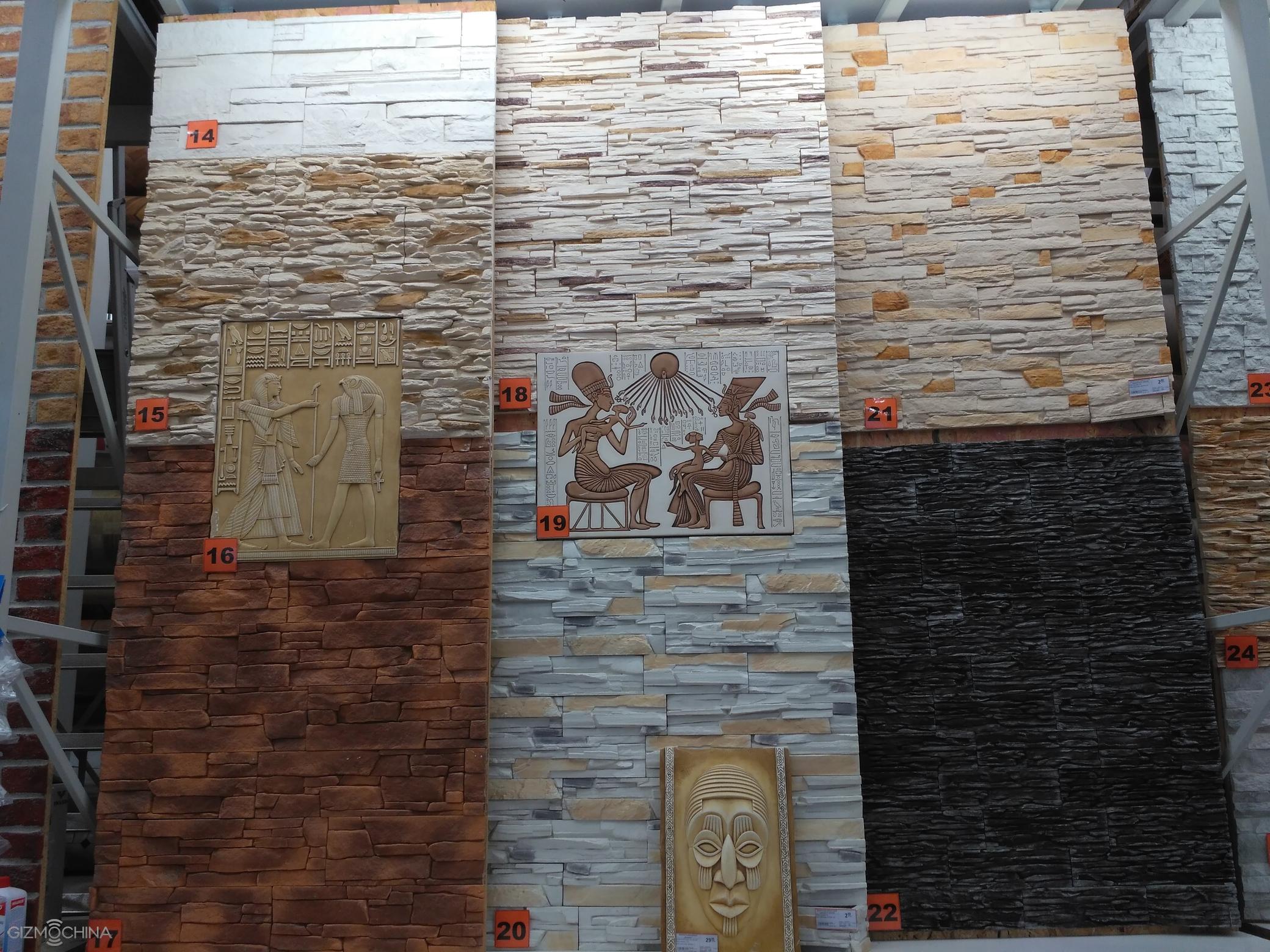






When it comes to indoor and lower-lit environments, it is a hit or miss situation. Most of the times, the Redmi 3 will take a good and sharp looking image but other times you may face some camera’s struggles like less details than expected, uneven focus or even blurry shots. In addition, sceneries I took pictures of didn’t look that good on the camera’s viewfinder and thus I used tap-to-focus technique in a lot of shots to be 100% sure about the correct object the sensor focuses.















As far as night shots, they do not impress. There is a low amount of details and a lot of noise in each and every picture. To be honest, they looked a lot better on the phone than on the computer’s screen.
1080p video is not bad for the phone this cheap. However, the footage looks a bit shaky and the camera could capture a bit more details. See a video review for a video sample.

As for selfie shooter, it will do the trick for social media but I suggest you taking images in good lighting conditions.
All in all, the Redmi 3 has a decent camera for daylight images but it becomes inconsistent in lower-lit situations and it kind of disappoints at night.
On the other hand, maybe we shouldn’t be so picky for the phone this cheap, right?
Xiaomi Redmi 3 Review: CONNECTIVITY
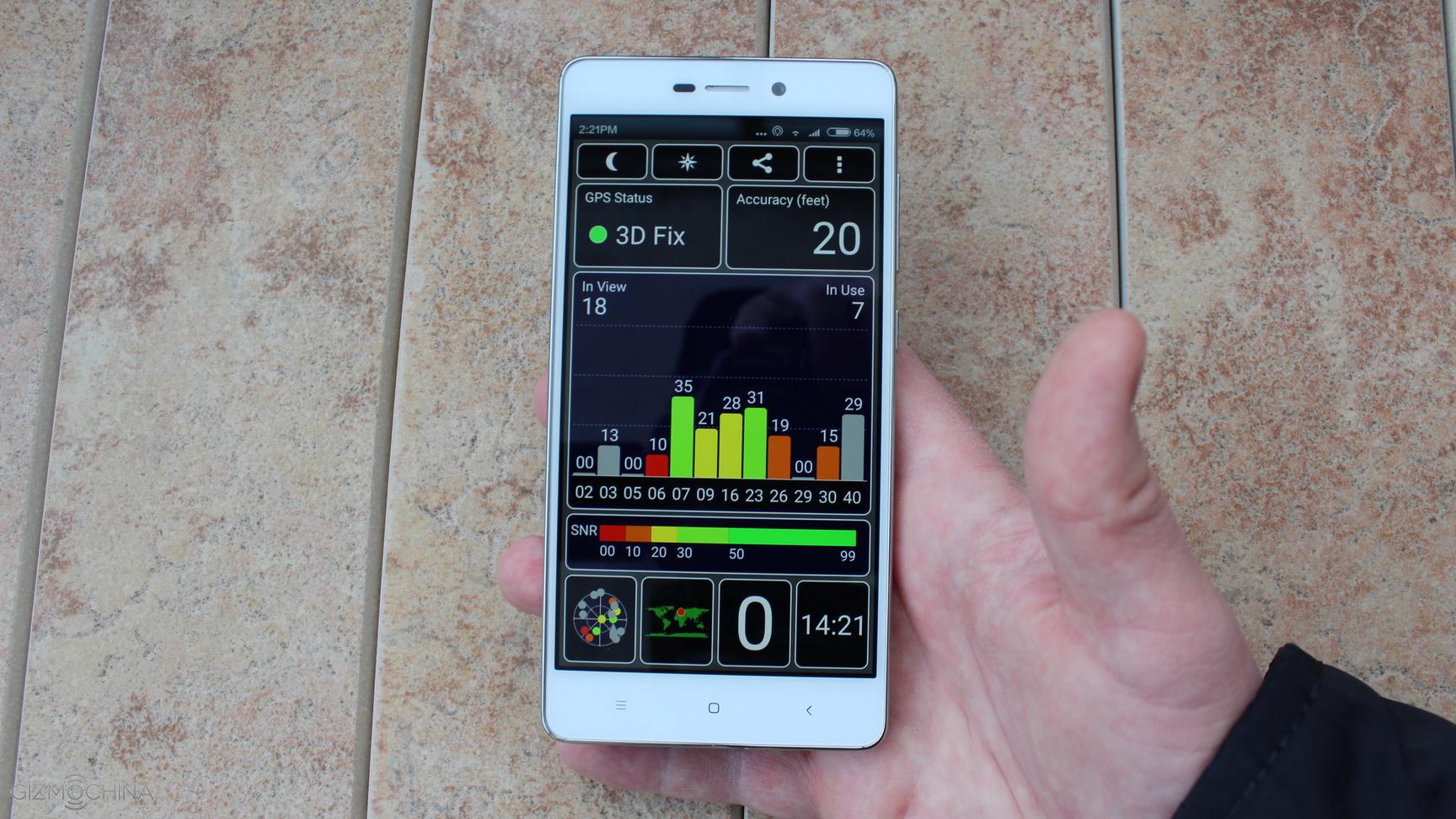
All the connectivity options work great. Call quality is okay and signal reception is excellent. Also, Wifi, GPS and Bluetooth are working fine. However, I was disappointed as the phone does not support 5GHz Wifi connection.
Xiaomi Redmi 3 Review: BATTERY LIFE
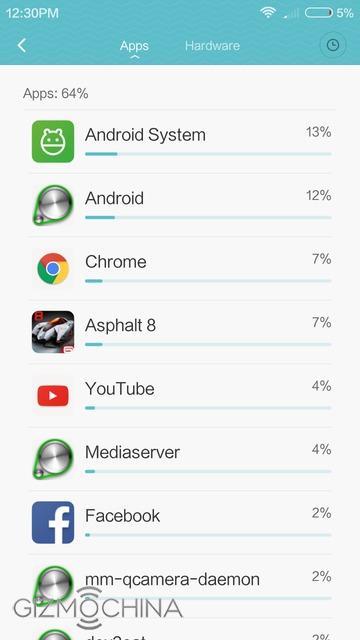
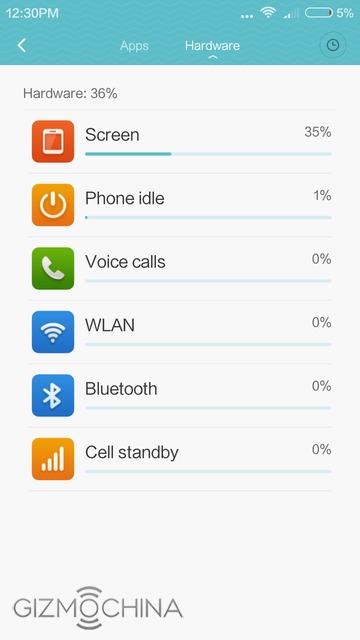
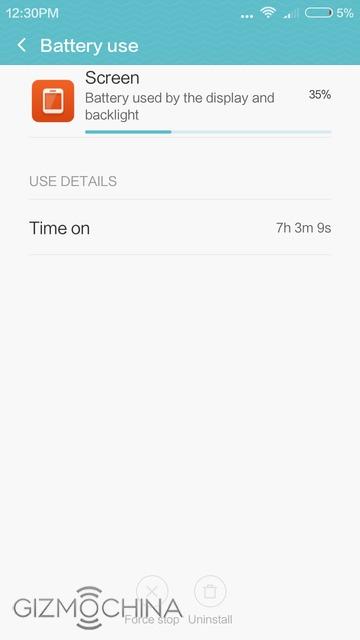
The Xiaomi Redmi 3 has a huge 4100mAh non-removable battery. It sounds really impressive considering a 5” 720p display and it delivers in real life.
In fact, the battery is one of the best in class. I could not squeeze the battery out in one day even on heavy usage that involved gaming, installing lots of apps, watching a lot videos, taking pictures, browsing the web and so on.
I was able to achieve over 7 hours of screen-on time with max. auto brightness setting of the screen. That means that you can achieve even more impressive results if you reduce the brightness or don’t use the phone that heavily like I did during my testing period.
Finally, Xiaomi claims that the Redmi 3 has a fast charging feature. It took me just over 3.5h to charge the phone. While it is not the fastest charging time I’ve seen, it is not a bad result for the battery this huge.
Xiaomi Redmi 3 Review: CONCLUSIONS
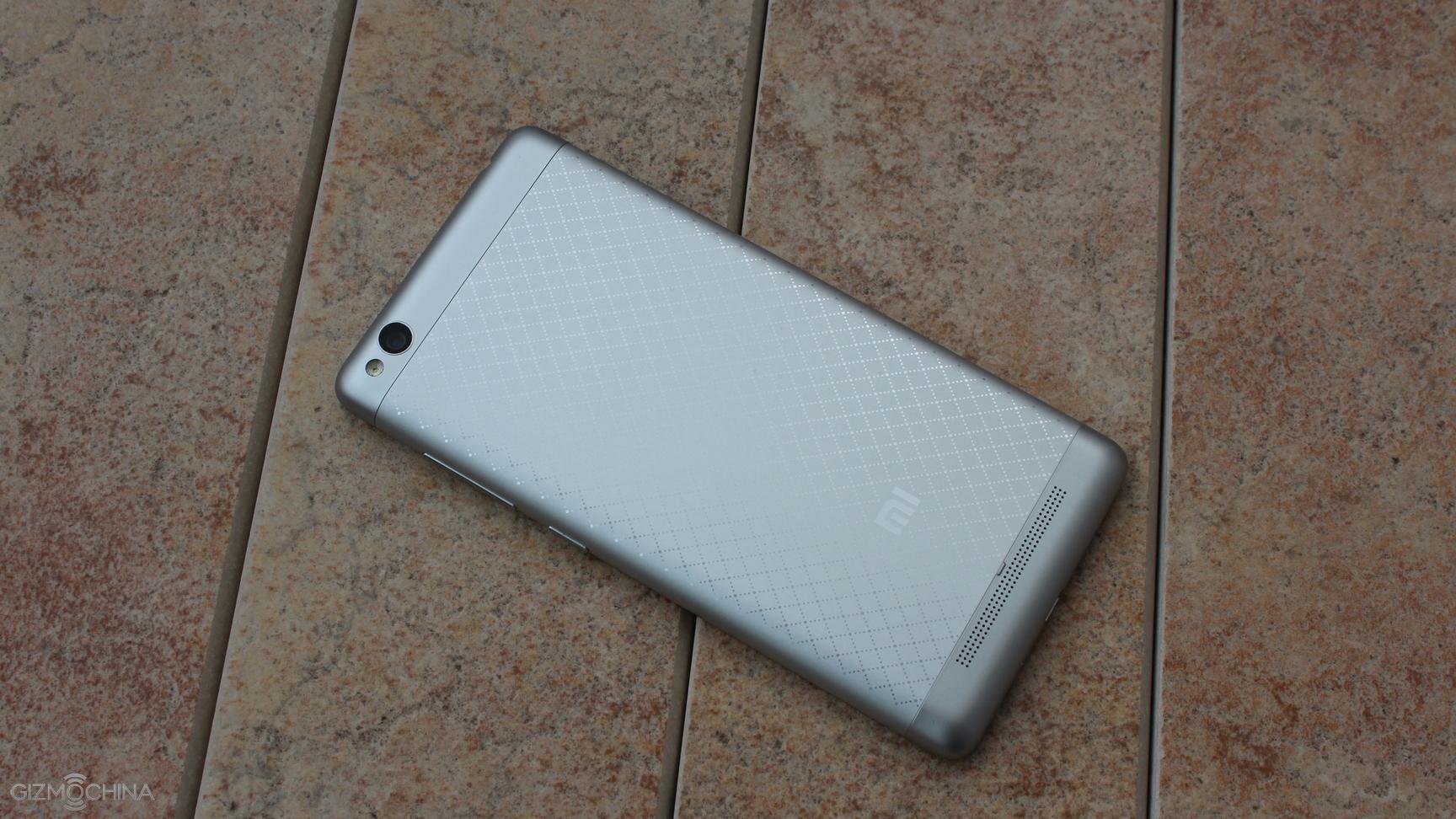
So, there you have it, another affordable yet awesome Xiaomi. The Redmi 3 costs just $107 in China which is simply ridiculous. As always, you would need to pay extra for third-party resellers if you want to order the phone in the West and it will cost you less than $150.
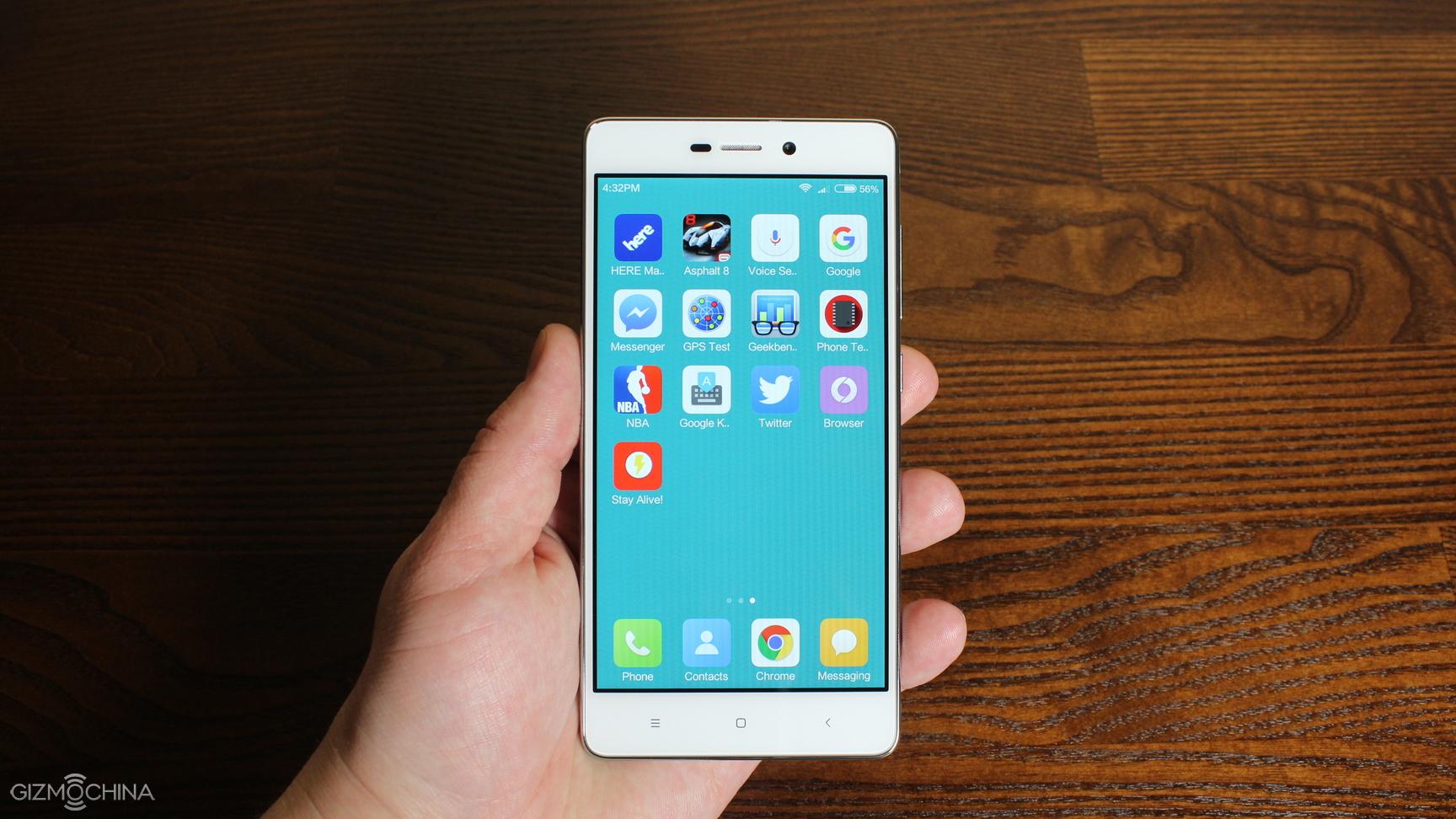
Still, I believe the Redmi 3 is well worth the price. You are getting a very compact phone with a premium metal design, good build quality, quite a powerful hardware, good gaming performance, feature-rich user interface and some other good stuff.
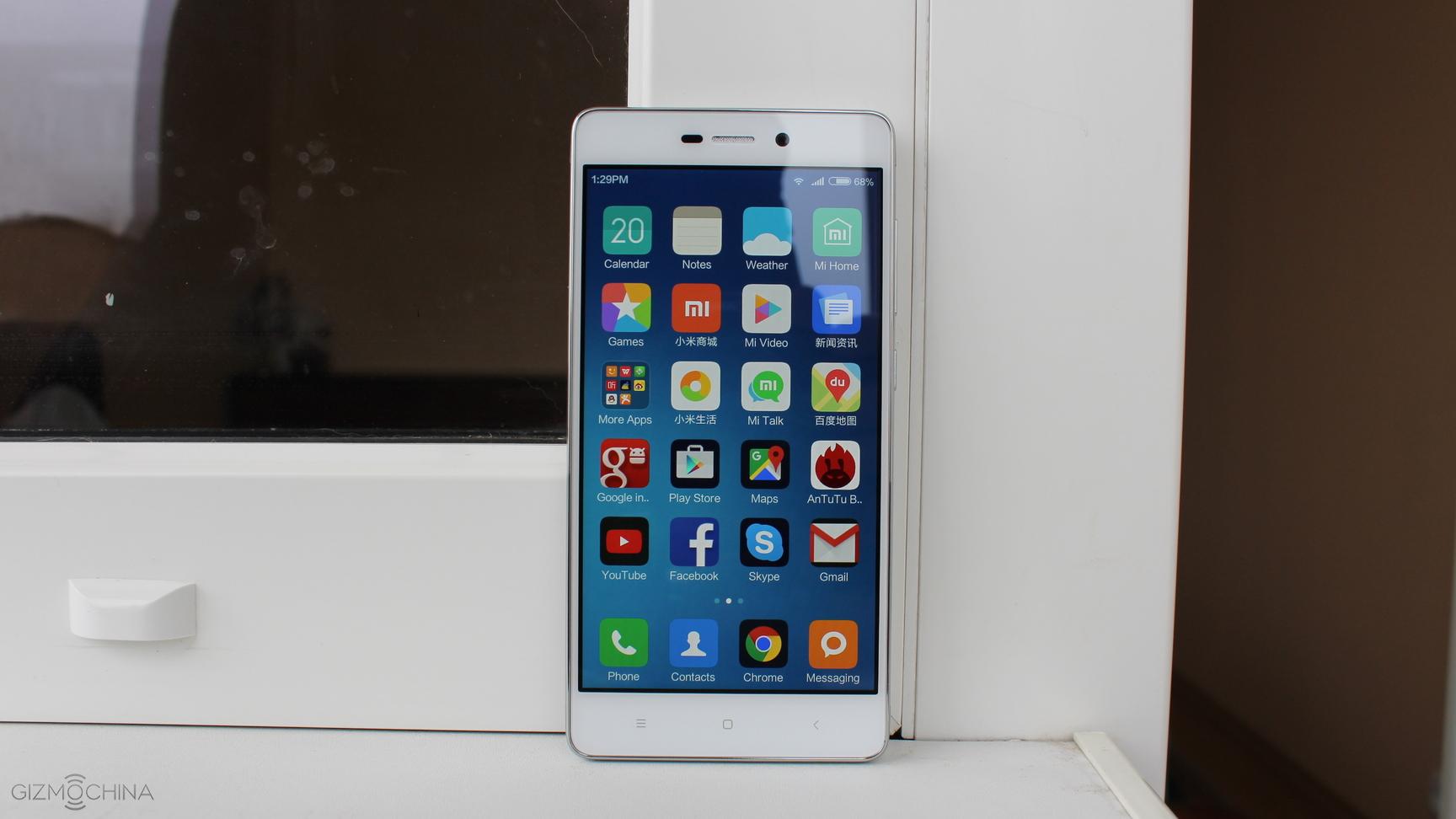
The battery life is definitely one of the selling points here and the Redmi 3 is definitely for those who use their phones day in, day out.
However, while the screen is definitely good for a 720p panel, we would love to start seeing 1080p displays even on the cheapest devices.
Also, the camera is not bad for daylight images but it faces various issues with less lighting and there were times that it really disappointed.
Last complaint would be non-backlit capacitive buttons but it is definitely not a deal breaker.
At the end of the day, the Xiaomi Redmi 3 is a very easy recommendation especially for those on a budget. It brings a powerful hardware and it does most of the things right without breaking your bank. Some features may be even improved with future software updates, some may not but you have to keep in mind that you are not paying a fortune for this device.
Helio X10 MT6795 Powered Smartphones Experiencing Wi-Fi Problems?
Recently, we have seen a number of budget smartphones running on the Helio X10 MT6795 chipset. This performance oriented chip which was initially only available on upper mid-range flagship smartphones, suddenly came as a savior to the low-end devices, breathing in new life into them. All the major Chinese manufacturers have used this chip quite frequently on devices like the Xiaomi Redmi Note 3, Meizu MX5 and even LeTV Le 1S. However, it looks like the chip may have some problems in connecting to Wi-Fi.

Back when the Meizu MX5 was released, many users reported in various forums about problems associated with the phone’s Wi-Fi. Similarly, Xiaomi Redmi Note 3 users have also had similar complaints. Even Le 1S users have reported of similar issues with Wi-Fi. Earlier it was said that MIUI or Flyme OS could the reason for this issue. But since many users from different manufacturers are facing the same issue, it looks like the MT6795 Helio X10 chipset that’s running inside all these devices could be the real culprit.
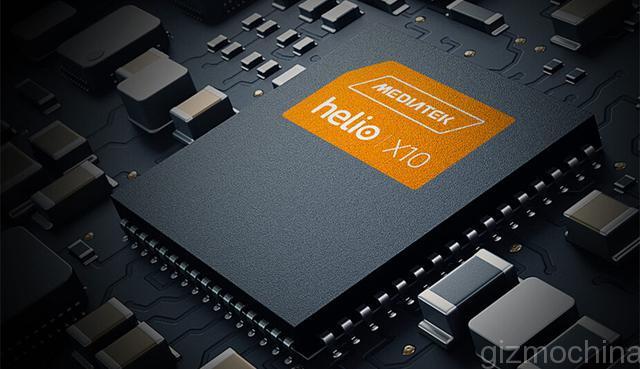
So, if you have been facing Wi-Fi connectivity issues on your MT6795 powered phone, it’s likely that your chipset which integrates the Wi-Fi chip is the cause of the problem. We still don’t know how severe is this issue, but even if it’s minor, connectivity drops is not something we would expect on phones from respectable manufacturers like Xiaomi or Meizu.
Let us know in the comments section below whether you have come across such Wi-Fi drops in your Helio X10 powered smartphones.
Xiaomi Mi 5 Premium & Standard Editions Pricing Leaked
Not a day goes by without news about Xiaomi’s upcoming flagship, the Xiaomi Mi 5. We already know a lot about the device, thanks to its leaks and renders, and latest information has given us some idea about the phone’s pricing.

Xiaomi Mi 5 is confirmed to come with the powerful Snapdragon 820 chipset on board, which means that the phone is targeted at the high-end market. The company executive had earlier said that it wants to make its mark in the high-end market, i.e. in the 3000 Yuan segment ($455) this year. So, we are expecting the Xiaomi Mi 5 with top of the line specifications and a price tag around $400.
Latest information reveals that the Mi 5 will come in two editions, namely a standard variant and a premium variant. The standard edition will reportedly be priced around 2499 Yuan ($379) and will feature Snapdragon 820, 3GB RAM + 16GB storage, 16MP rear camera with OIS, and a 5.2-inch 1080p display. On the other hand, the premium edition will feature the same specs but increases memory combination to 4GB + 64GB storage. The premium version will be priced at 2999 Yuan ($455).
While this may be a bit costly as compared to Xiaomi’s previous smartphones, it will turn out to be relatively well priced. The only Snapdragon 820 powered smartphone announced this year, namely Le Max Pro is rumored to cost around $535. That’s almost $100 higher than the high-end Xiaomi Mi 5 variant.
Of course, at this moment, we can’t really confirm these prices. But expect the final figures to be somewhere near this. As for the release date, it should be after February 20, possible on Feb 23.
Xiaomi is yet to release invites for the event, so we will have to wait for a few days at least to get this information confirmed.
Meanwhile, the company could announce something in addition to the Mi 5 at the event, since its going to be around 2 hours long. Read more about that from here.
Xiaomi Mi Note Getting Android 6.0 based MIUI 7 Developer ROM This Week
Late last month, we reported that Android 6.0 based MIUI 7 has entered closed beta for a bunch of Xiaomi models like the Mi Note, Mi 4, Mi 3 etc. Now, it looks like the ROM is finally getting to the next stage as a screenshot from a user reveals that the Mi Note is getting an updated developer ROM based on the latest Android 6.0 Marshmallow version.
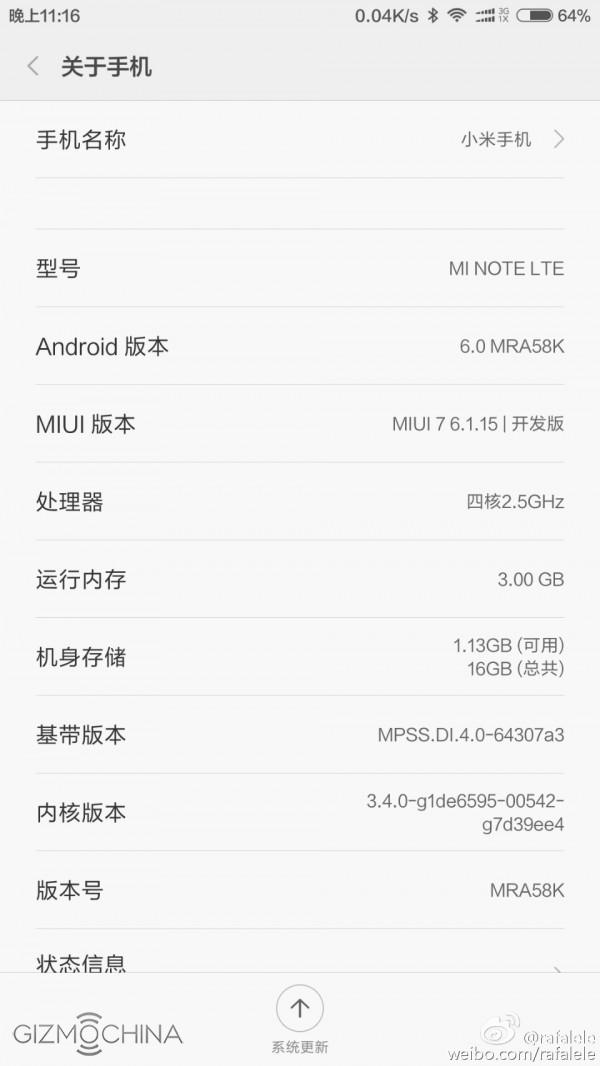
The screenshot reveals that the build number of the new ROM will be MRA58K and the phone runs on the new MIUI 7 version based on Android Marshmallow. It is said that the ROM will be available to download this week and you can update your developer ROM to this version pretty soon.

It’s actually great to see Android 6.0 on the Mi Note within a few months of the new version’s release. However, if you are looking for a stable build, it may take some time. Especially since the development will be slow during early February when China celebrates its annual Spring Festival. So, you can expect a stable release of MIUI 7 based on Android 6.0 sometime after the festival.
LeEco Makes Its Official Entry In India, Launches Le 1S, Le Max & Le Max Sapphire Models
LeEco, formerly known as LeTV made its official entry in India earlier today with three important smartphones, namely Le 1S, Le Max and the Le Max Sapphire Edition. While the first two are quite aggressively priced, the Sapphire Edition will reportedly cost a lot in the country, even beating the iPhone 6S in terms of pricing.

All the three models were already announced in China, so in terms of specs, there are no surprises. Hence, let’s directly take a look at some India specific details such as pricing and availability before recapping the specifications.
First of all, the Le 1S model will be the company budget offering the country, priced aggressively at just Rs. 10,999 ($161). The phone will be available for purchase via the usual flash sale model on February 2 at 12pm. Users can register for the sale from January 20 6pm onwards until 11AM on February 2.
For a complete review of the Le 1S, check out this article.
As for the high-end Le Max model, the phone will be available for sale on Flipkart on February 16. The 64GB variant will be priced at Rs. 32,999 ($485) and the 128GB variant at Rs. 36,999 ($543).
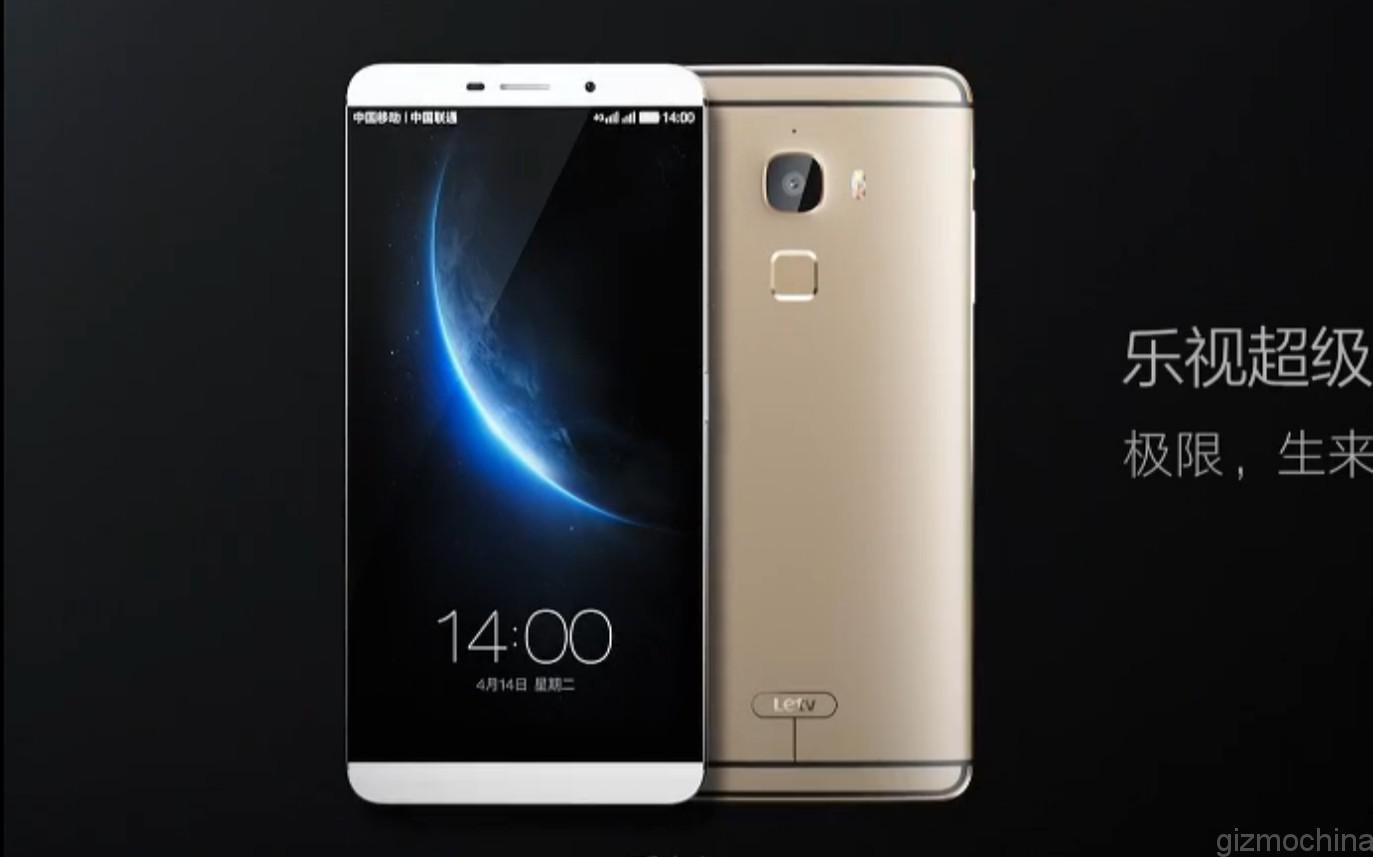
Finally, coming to one of the costliest smartphones that you can buy in the country right now, the Le Max Sapphire Edition, it will cost you a whopping Rs. 69,999 which comes to $1027. Not cheap, but then, you get the hard to crack sapphire glass on top. The company knows that this is going to be a special product and hence, its available to buy only via invites, that too limited to a total of 1000 units.
Coming to the specs, the Le 1S features a 5.5-inch 1080p display with 3GB RAM, 32GB storage, 13MP rear camera, 5MP front shooter, aluminum body, and a 3000mAh battery. Not at all a bad deal for $161.
As for the Le Max, it comes with a powerful 2GHz Snapdragon 810 chipset with 4GB RAM, 64GB/ 128GB storage options, 21MP Sony IMX230 rear camera, 4MP Ultrapixel front camera, 6.33-inch QHD 2560 x 1440p display and a decent 3400mAh battery.
Further, the company adds that its going to invest a lot in the country this year. LeEco is currently working to build a network of around 555 service stations in India, and a large R&D center with around 1000 employees working on a number of LeEco products like TVs, smartphones and accessories.
Given that LeEco aka LeTV is actually focused on its core business of video streaming, the company has partnered with Eros Film company and live channel provider YuppTV. So, it looks like LeEco, in just one year, will build a strong presence in the country.
New Xiaomi Mi 5 Images Leaked With A Rear Fingerprint Sensor
It looks like the internet won’t stay quite until the Xiaomi Mi 5 launches officially. In just one day, we have come across multiple leaks about the upcoming flagship device, which really shows the excitement level among fans.
Now, the latest alleged images of the Mi 5 flagship shows us the back of the device for the first time. And to our surprise, we can see a rear placed fingerprint sensor.
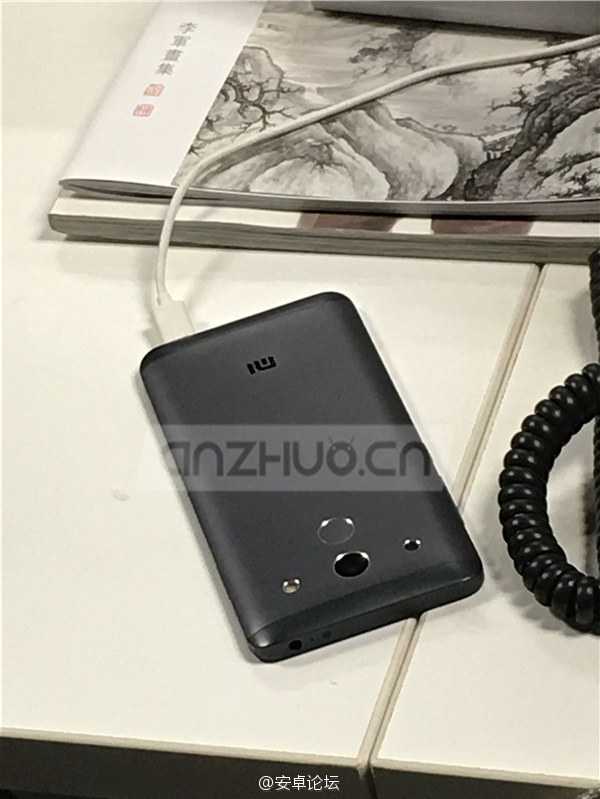
Now, this makes things confusing. The majority of the Xiaomi Mi 5 images that we have seen recently confirms a physical home button up front. Now, since Xiaomi’s smartphones don’t usually come with a physical home button, we assumed that this button will most likely come with a fingerprint sensor as well. However, things get confusing after this image shows us the sensor at the back. So, it’s possible that these Xiaomi Mi 5 images are of an early prototype model.
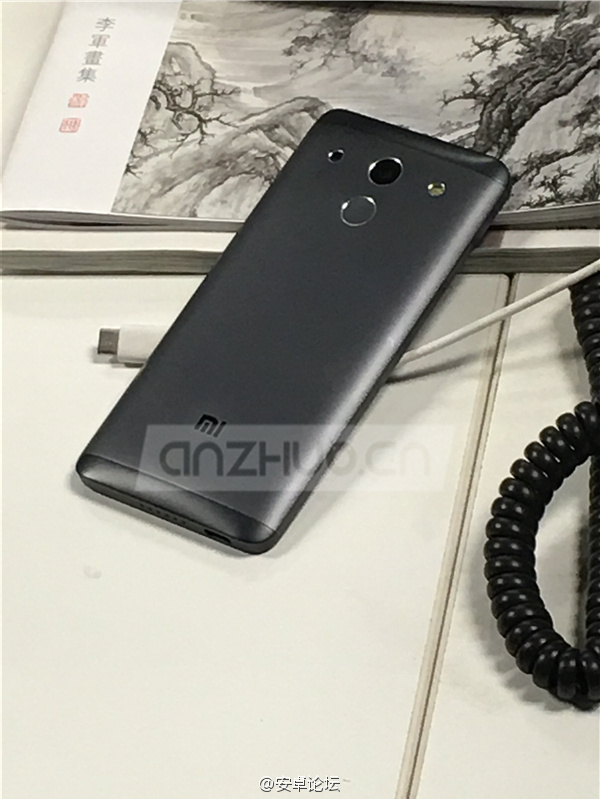
These images reveal that the phone will have a large camera sensor at the back along with a standard LED flash and Laser Autofocus as well. The overall body seems to be made out of metal, which contradicts recent rumors which said that the phone will come with 2.5D glass both on the front as well as the back. This is why we suspect that these are two different devices.
So, one of these designs could be an early prototype. Or this could be an entirely different smartphone, maybe the successor to the company’s Mi Note series. At this moment, these Xiaomi Mi 5 images make things more confusing, so we better wait for some more clarification in the coming days.
Meanwhile, let us know which of these two design you prefer? The one that was leaked in white or the one leaked today?
Cubot S600 Unboxing and First Impressions
We have reviewed a bunch of affordable yet well designed phones from China and Cubot S600 is no exception. Find out more in our unboxing and first impressions article.
Thanks to Cubot Official for sending Cubot S600 for a review.
Cubot S600: Unboxing

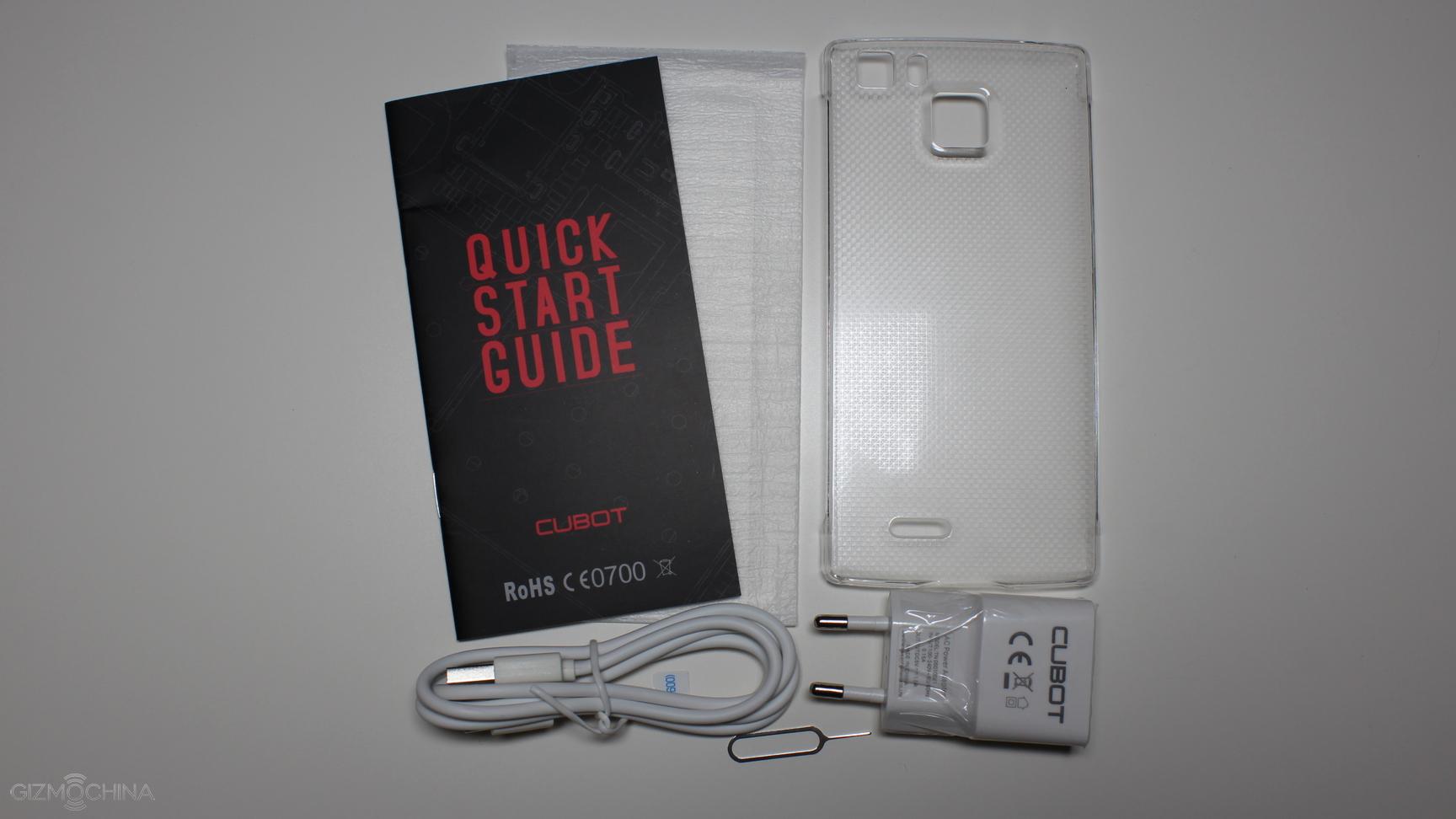
The phone ships with charging plug, USB cable, SIM ejector pin, documentation, a tempered glass screen protector and a nice TPU case.
Cubot S600: DESIGN and FIRST IMPRESSIONS
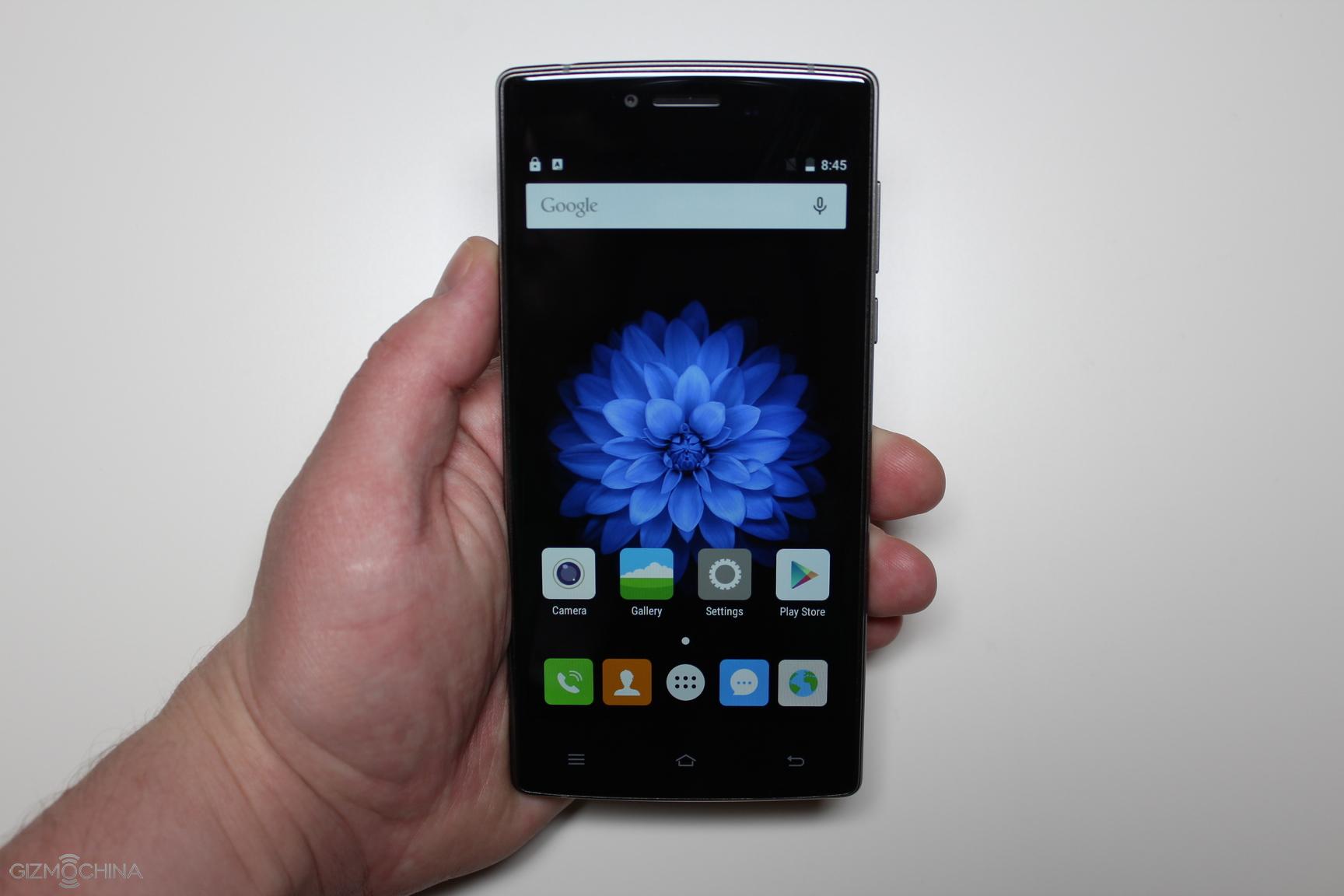
First of all, I was immediately impressed by the design of the phone. It uses a very high quality metal band around the device and 2.5D glass on the front and back. The device feels like a flagship phone due to its excellent build and the choice of materials.
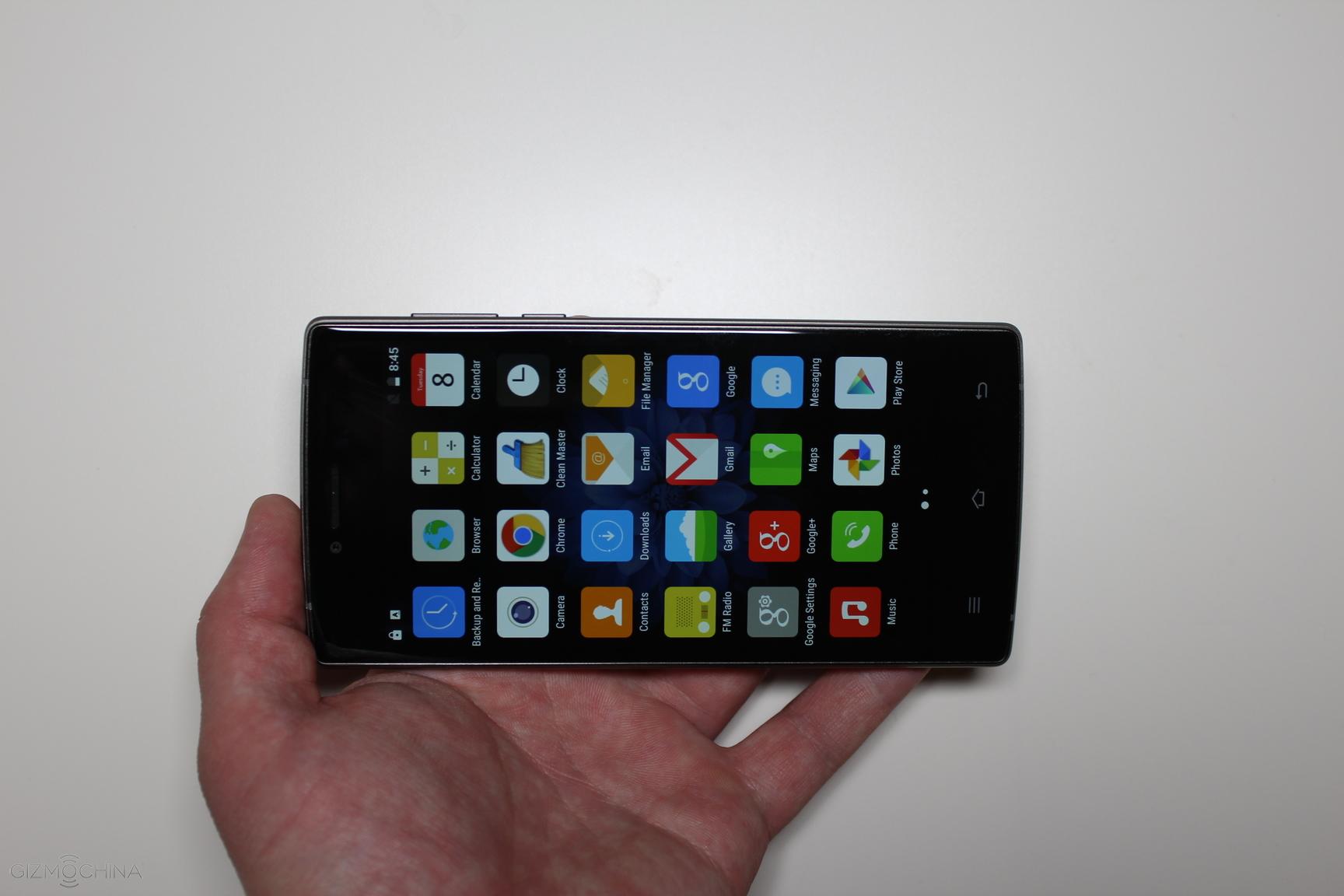
On the front we have an 8MP shooter, all usual stuff and LED flash. On the bottom there are nicely backlit capacitive buttons.
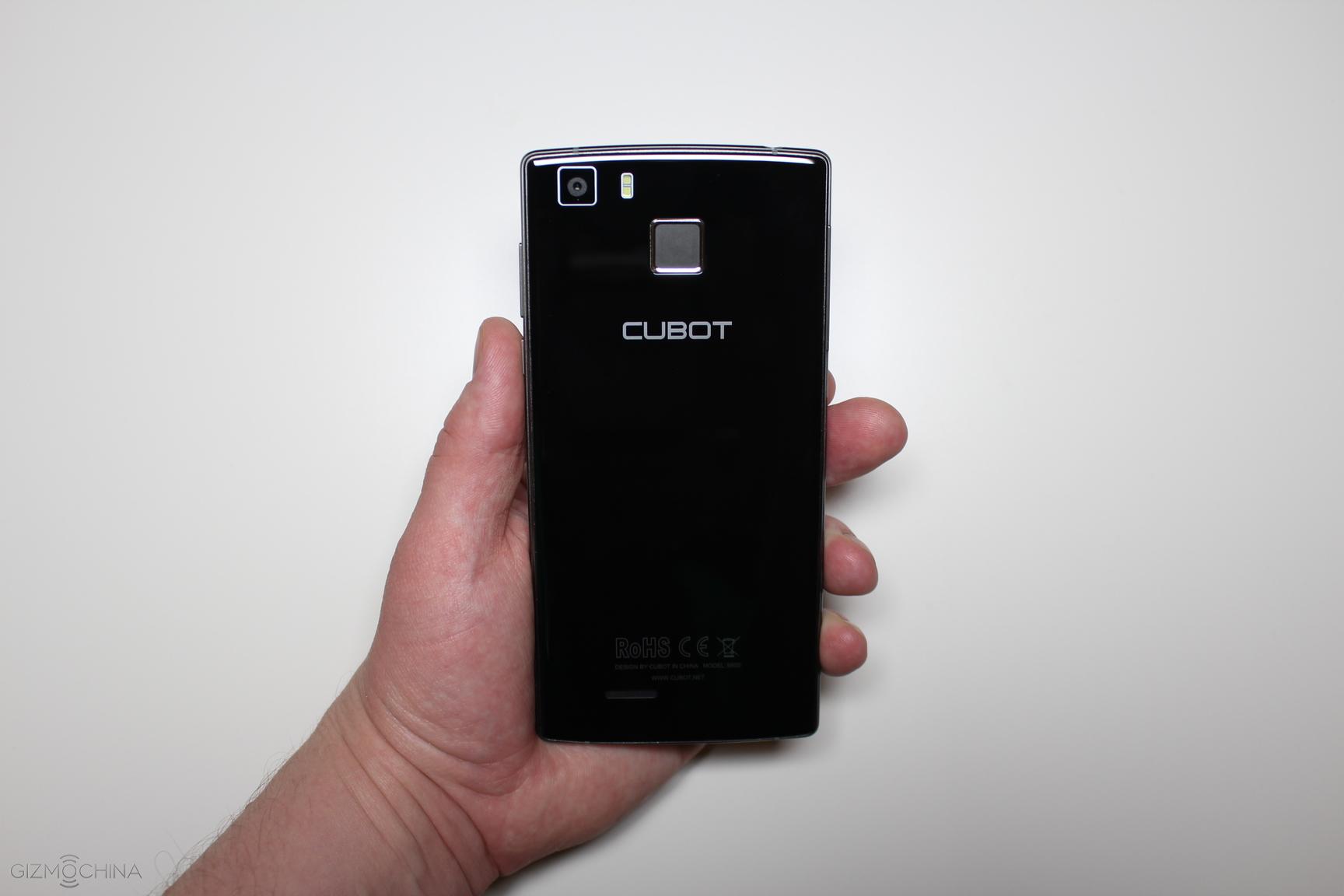
The back is made of glass and it is a huge fingerprint magnet on the black review unit we have.
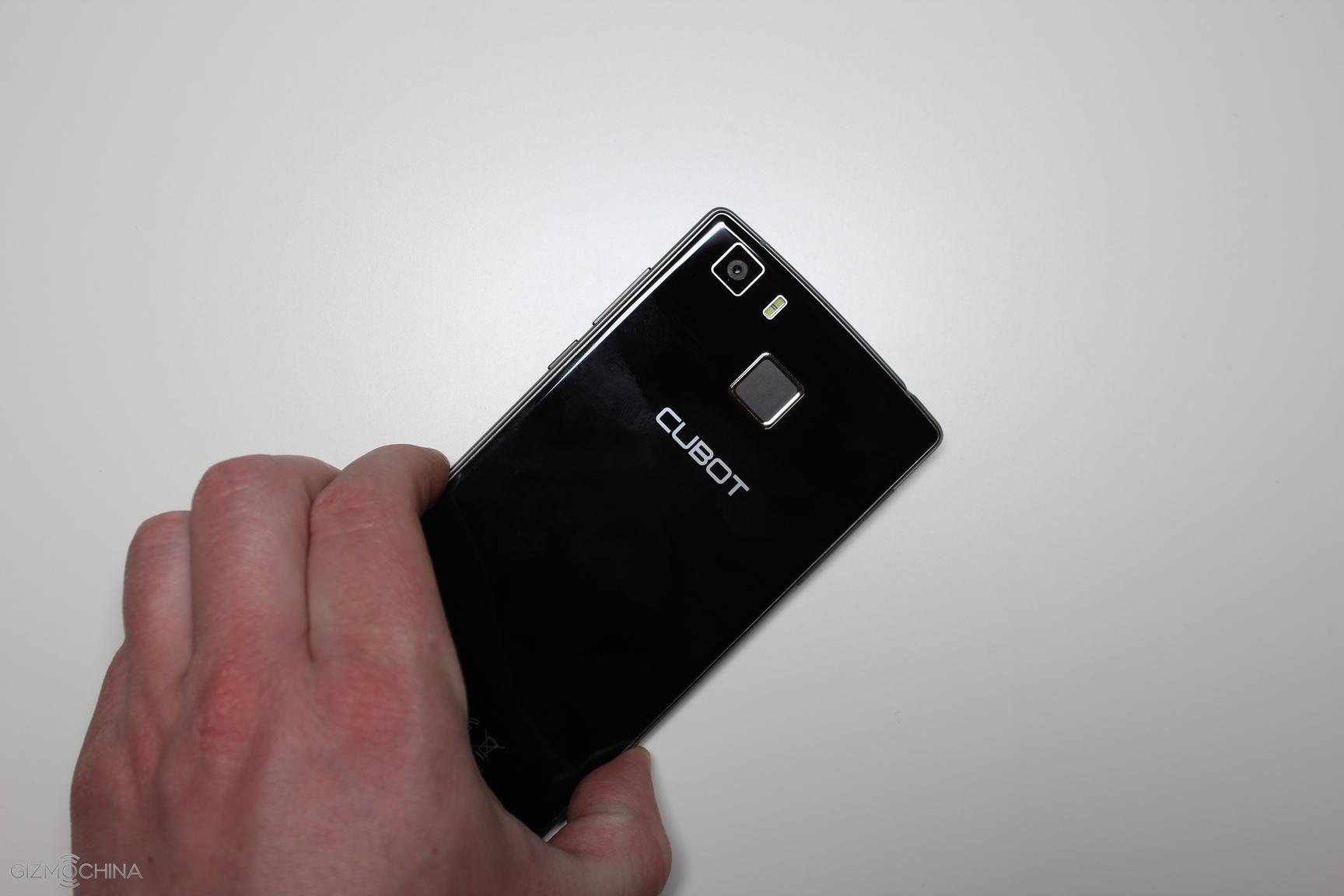
As far as optics, we have a 16MP camera with dual LED flash. The fingerprint scanner is right below, which was really easy to setup and it is both fast and accurate to use.
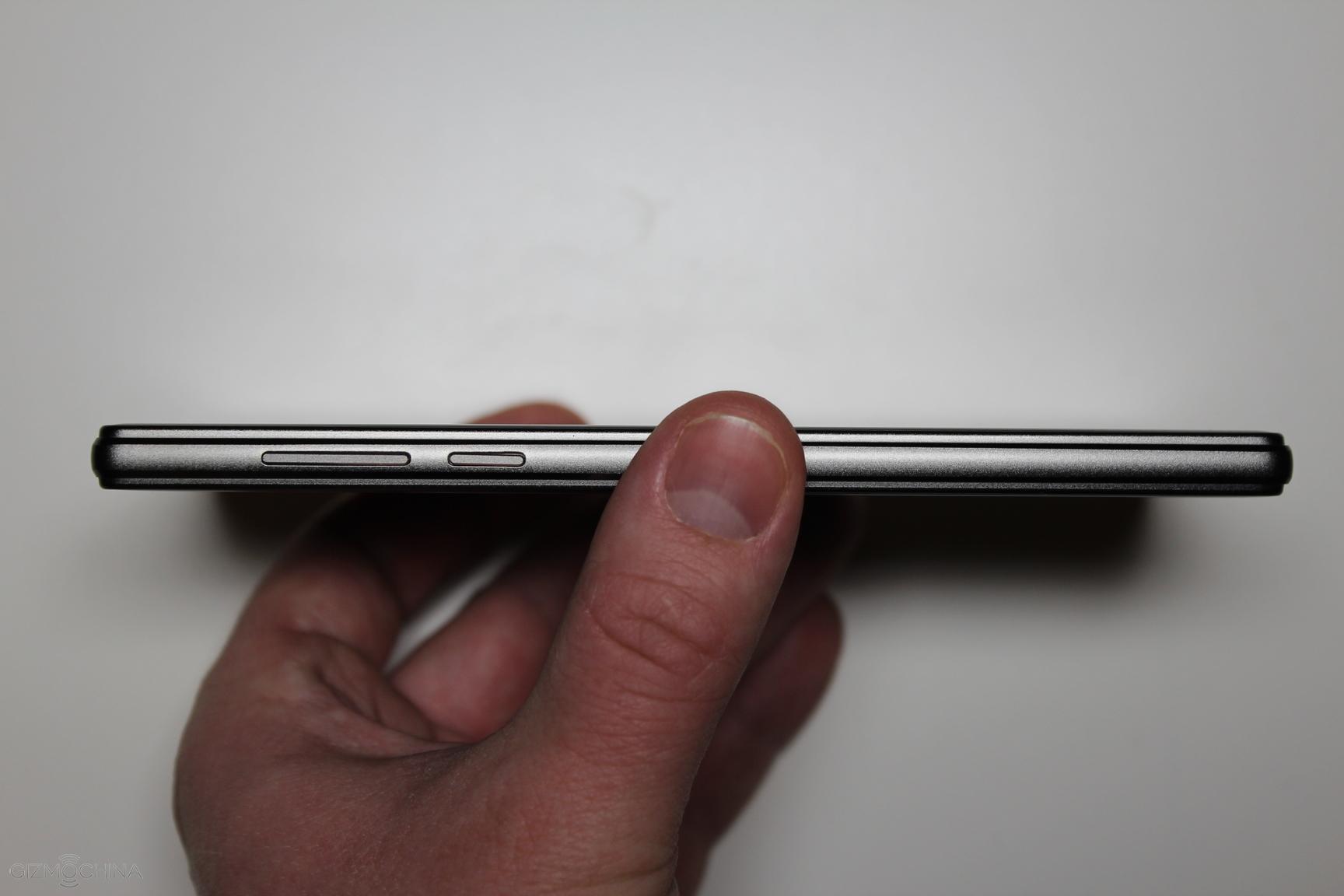
The buttons are located on the right side and the are also made of metal. They are easy to press and tactile but the volume rocker is not of the highest quality but it may be just my review unit. The problem is that once I want to press volume up, I need to push the button kind of in the middle, not at the top.
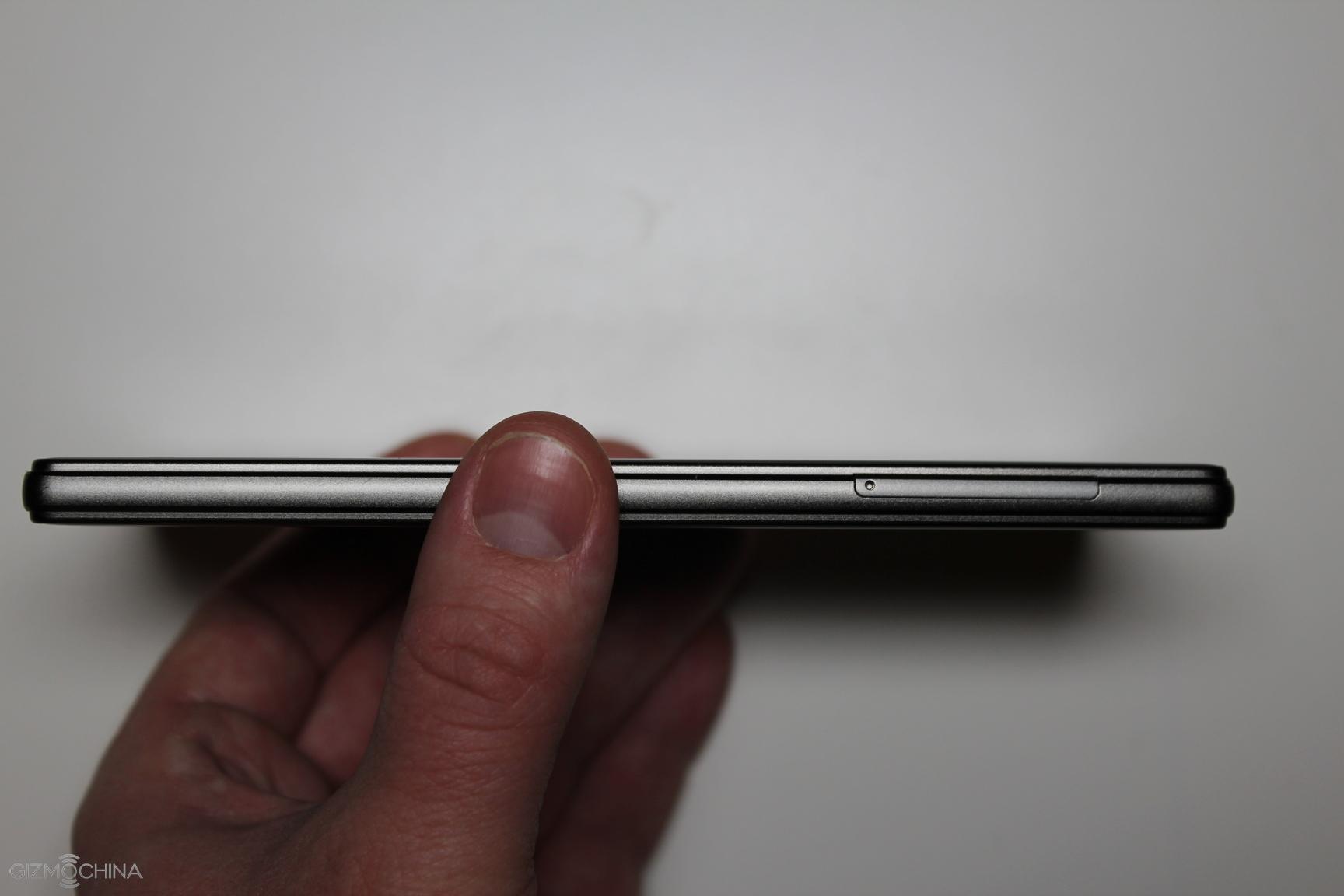
On the left there is a dual micro SIM card slot. One slot also doubles as a microSD card slot.
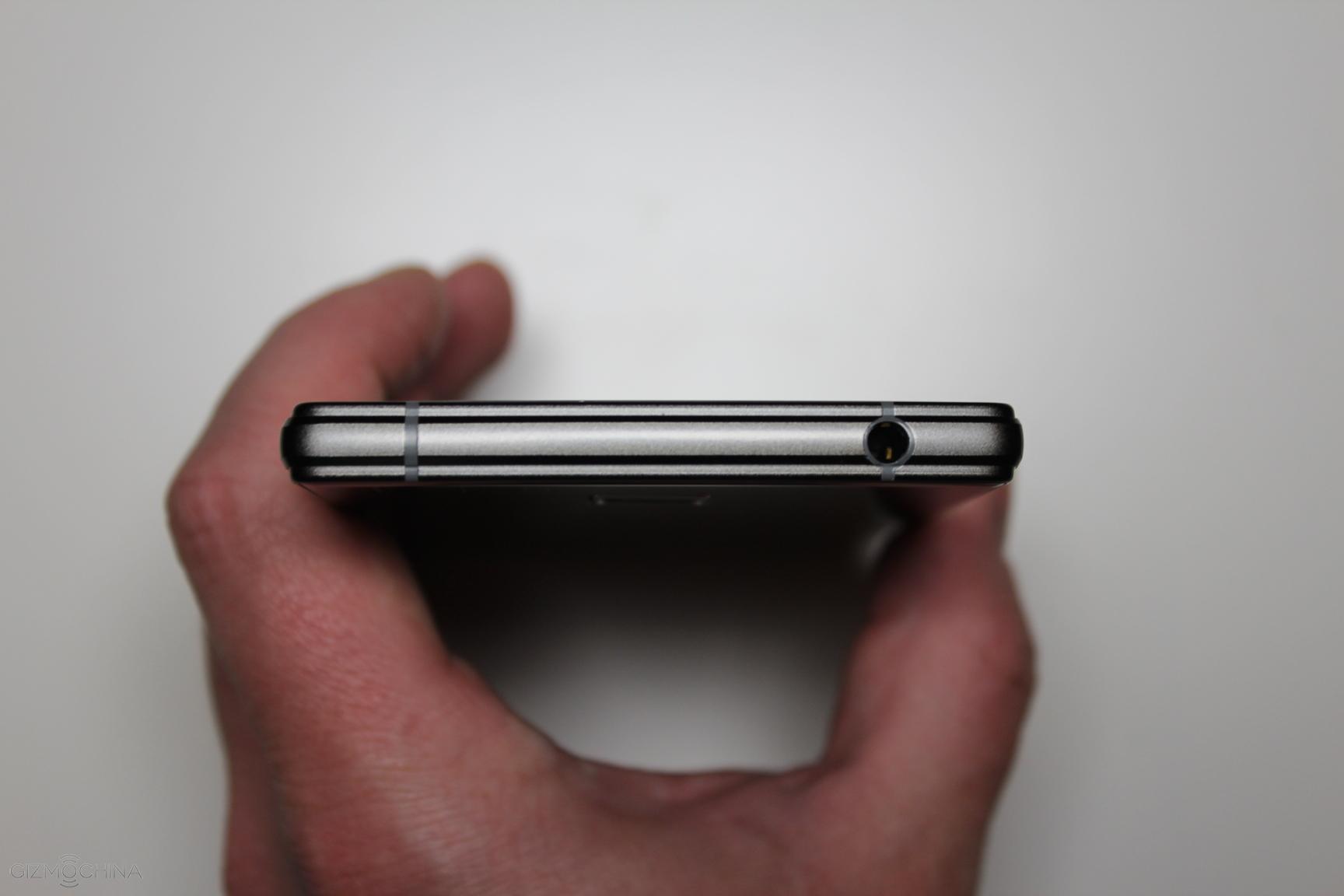
The headset jack is on the top and the micro USB charging port is on the bottom.
So far I’ve been impressed with the Cubot S600 mainly due to its great design and build quality. It literally feels like expensive handset in the hand. Also, the UI seems to be working fast and the fingerprint sensor does its job very well.
However, we need to spend some more time with the device testing it. Stay tuned for a full review.
Blackview BV2000s Unboxing and First Impressions
We have recently reviewed the Blackview BV2000 and right now we have a slightly upgraded model. Find out more in our first impressions article.
Thanks to the Blackview Official for sending Blackview BV2000s for a review.
Blackview BV2000s: Unboxing
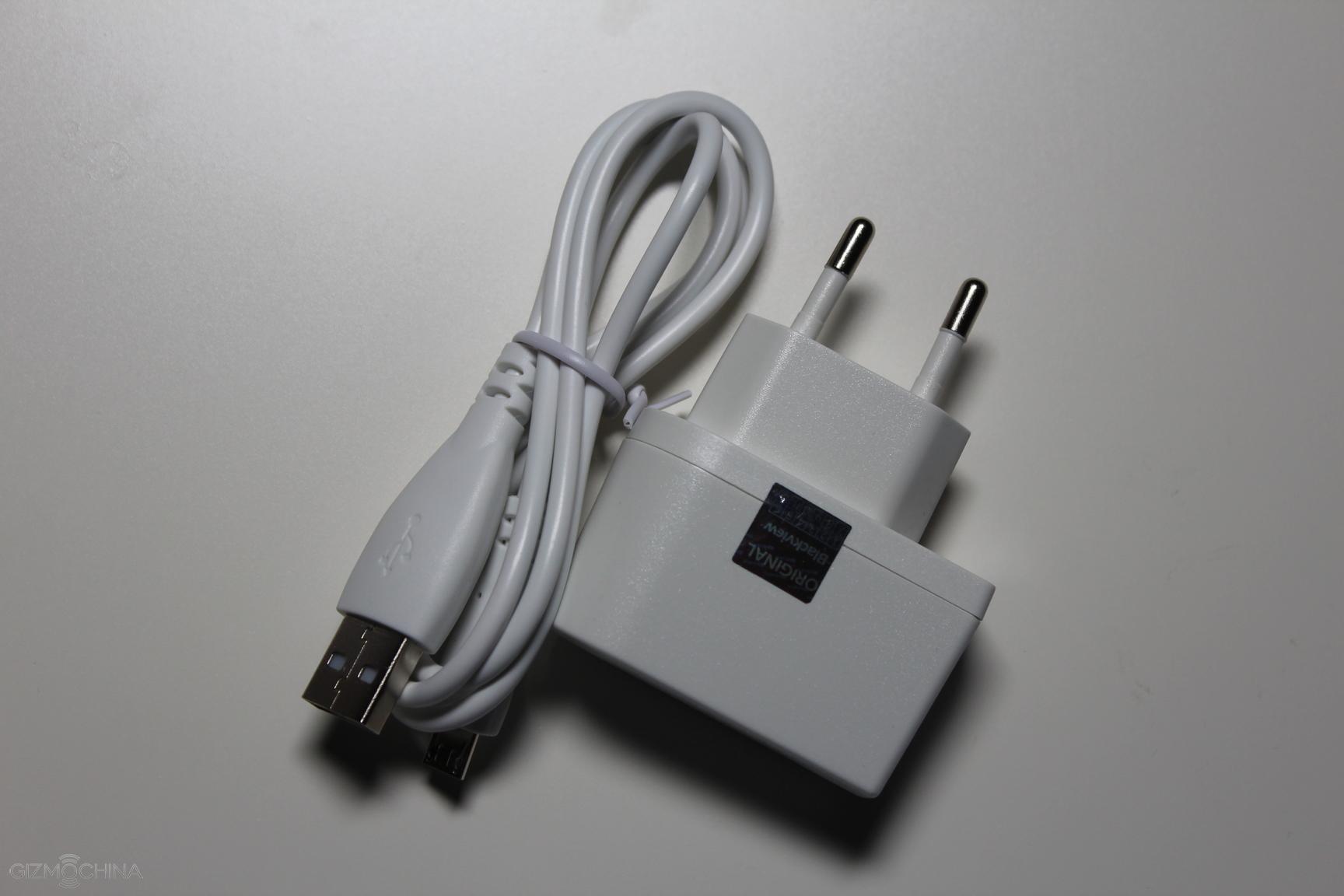
The contents of the packaging include only the USB charging plug and the cable.
Blackview BV2000s: DESIGN and FIRST IMPRESSIONS
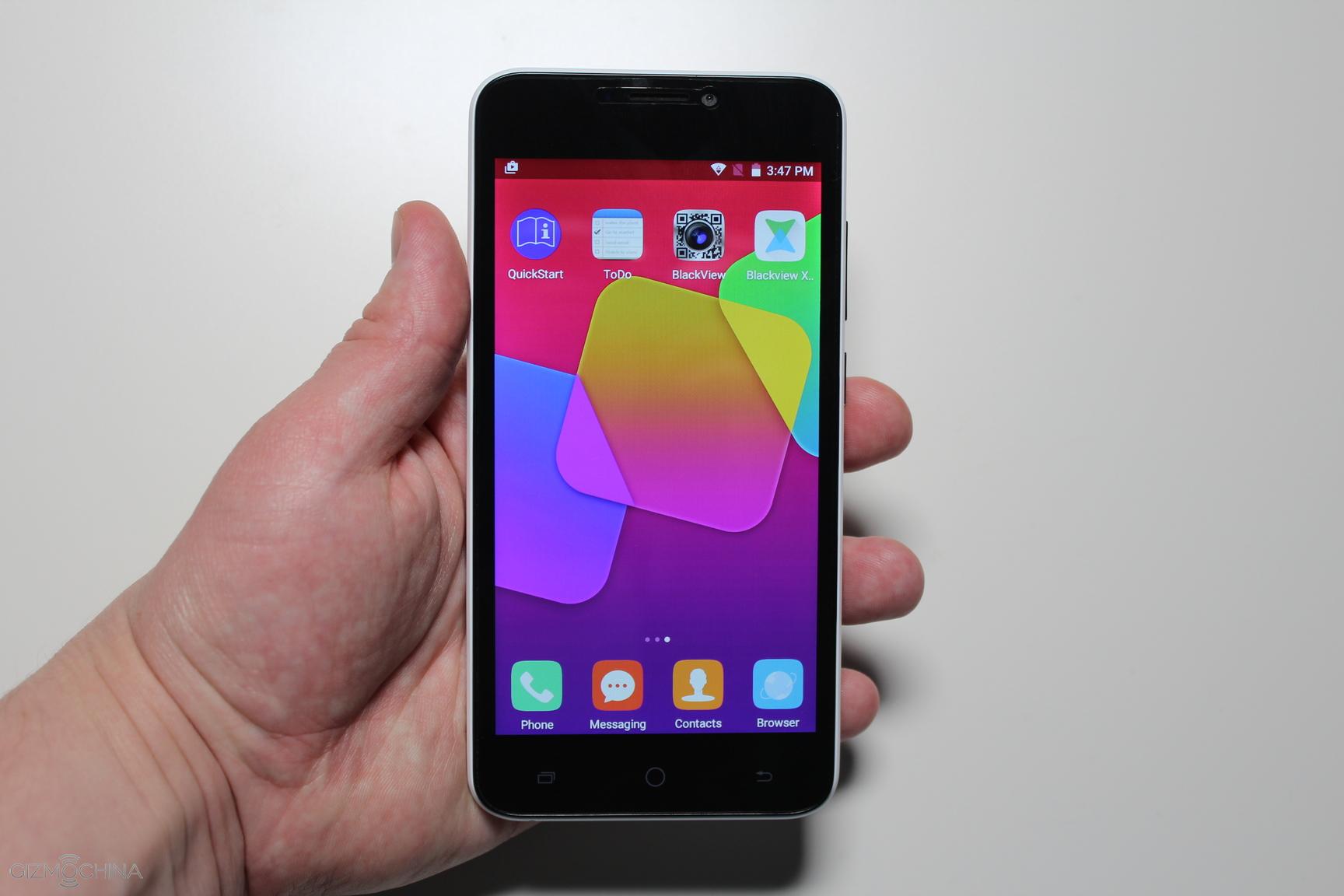
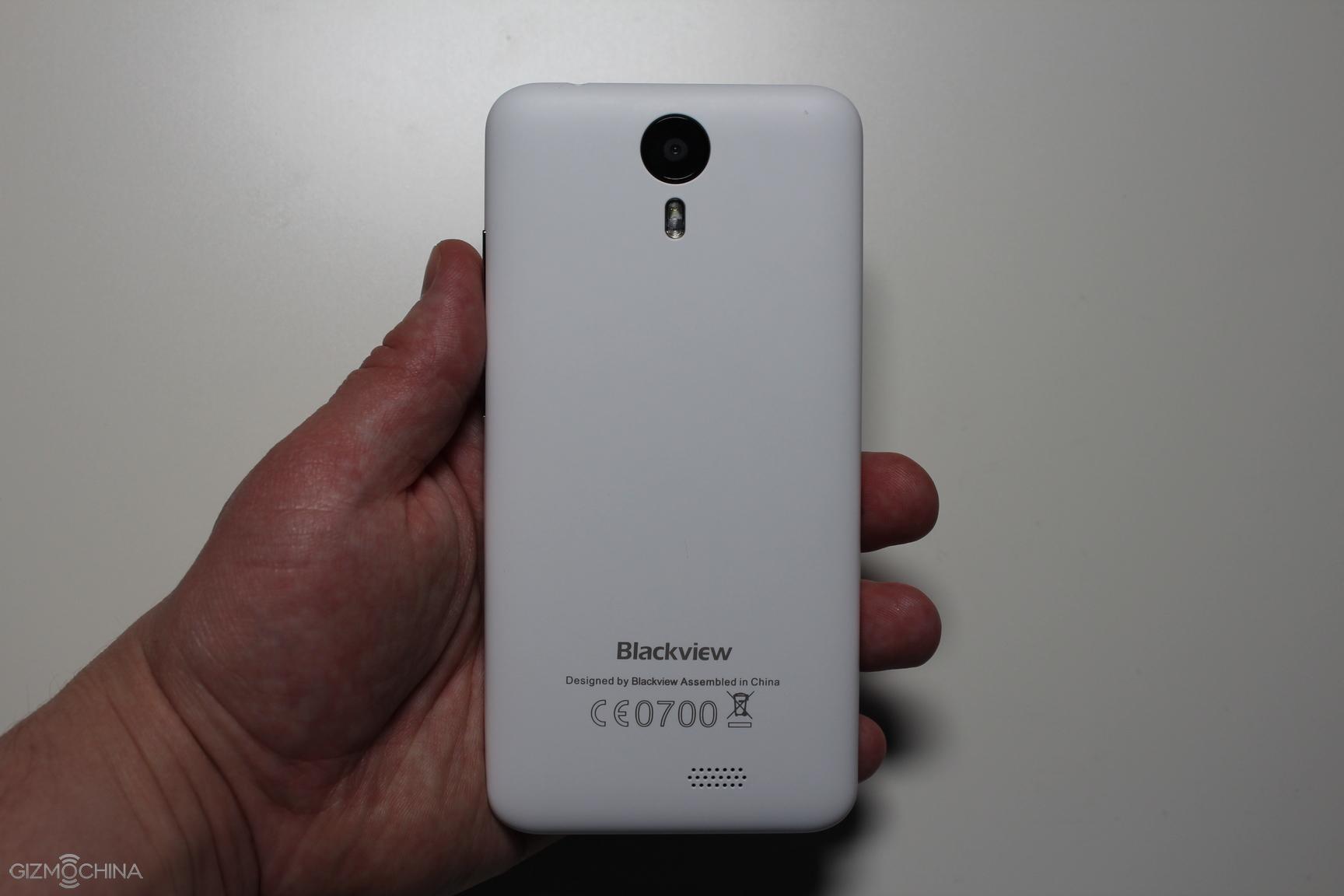
When it comes to the design, nothing has really changed in comparison to the BV2000 model. The phone is made of matt plastic and it feels comfortably in the hand due to rounded corners.
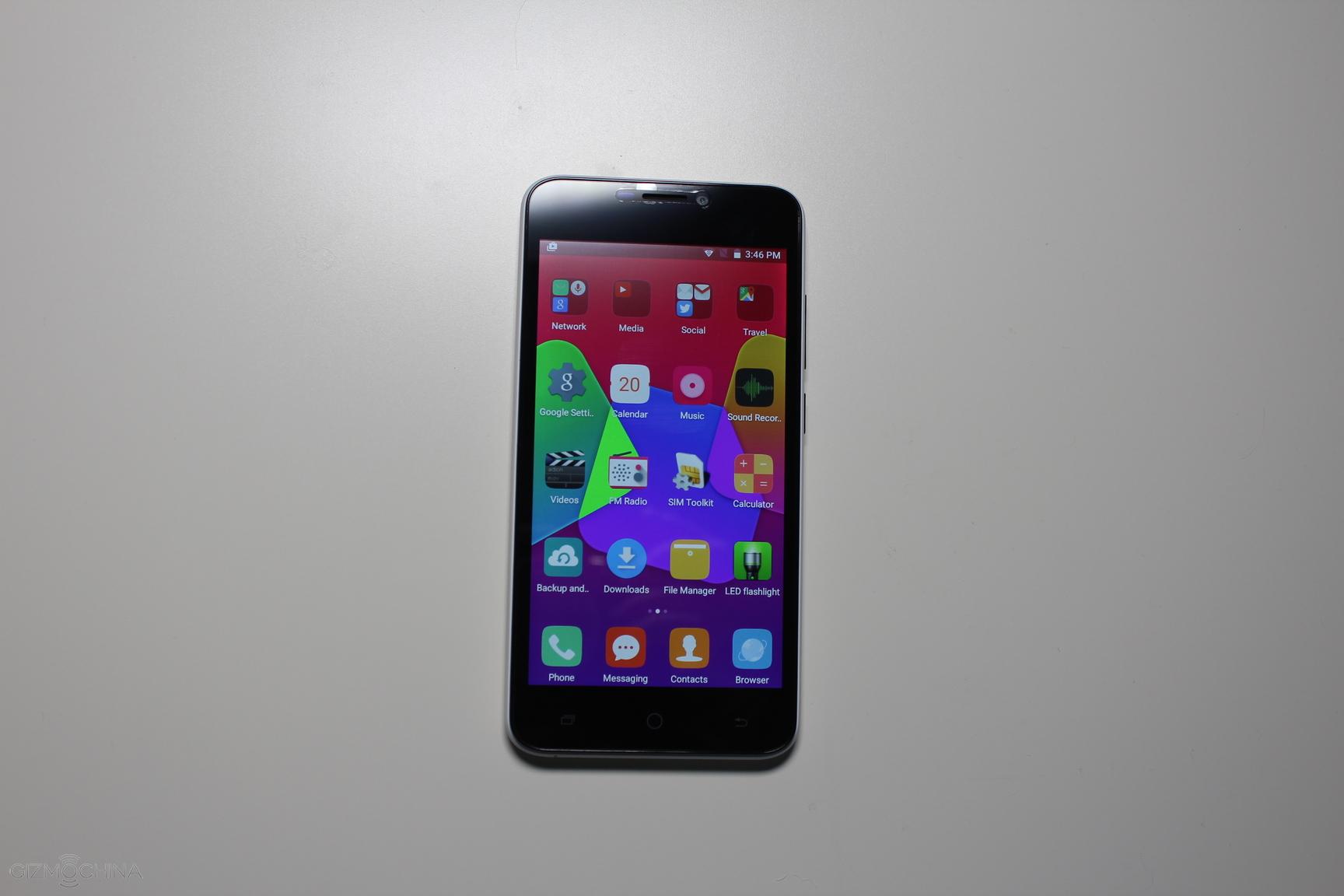
The device has a 5″ display, which is okay to look at but it only has a 720p resolution. It is definitely not the sharpest out there but it is quite good considering a low price of the phone.
On the top we have a 2MP camera, LED light and some other usual stuff. On the bottom there are 3 non-backlit capacitive buttons.
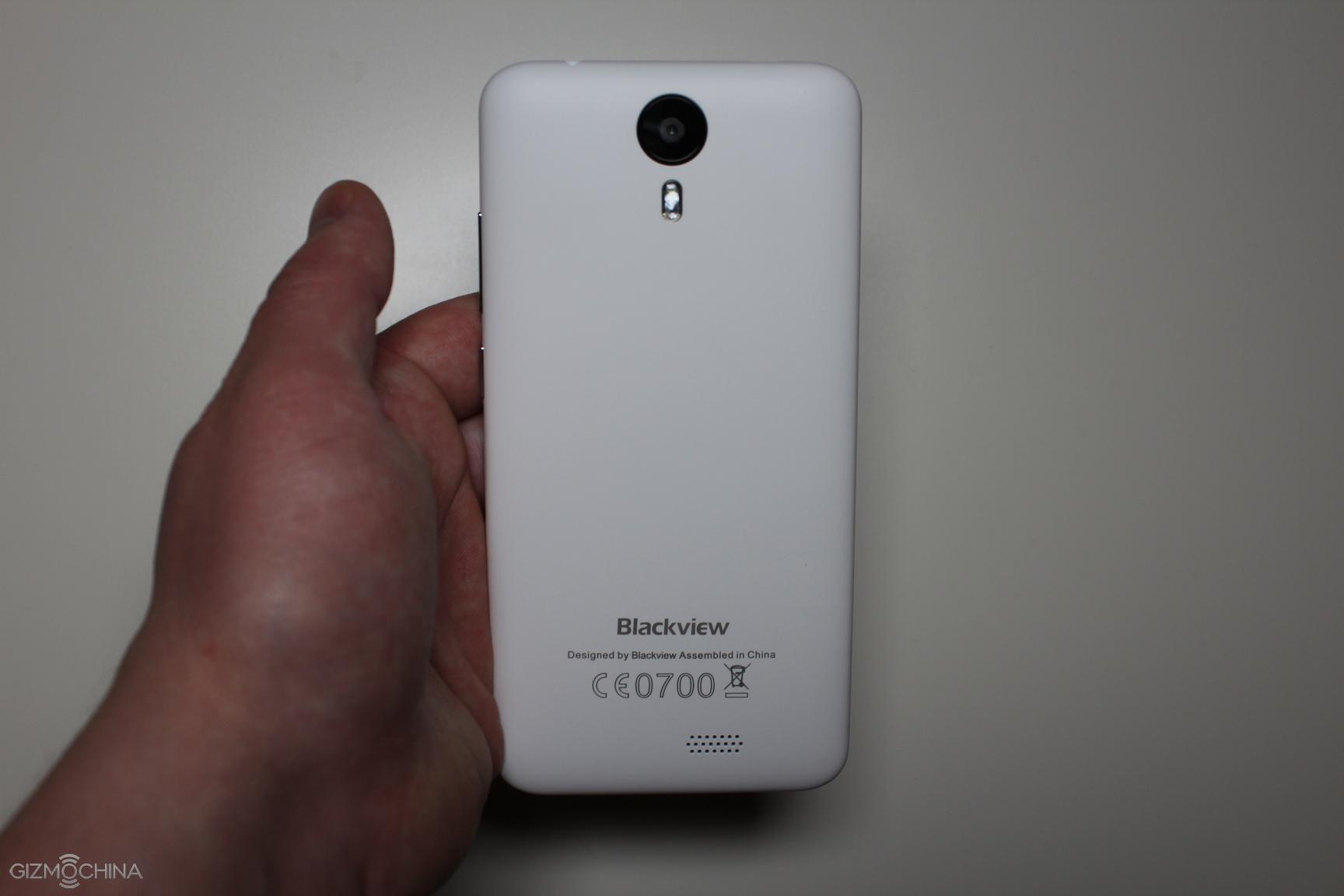
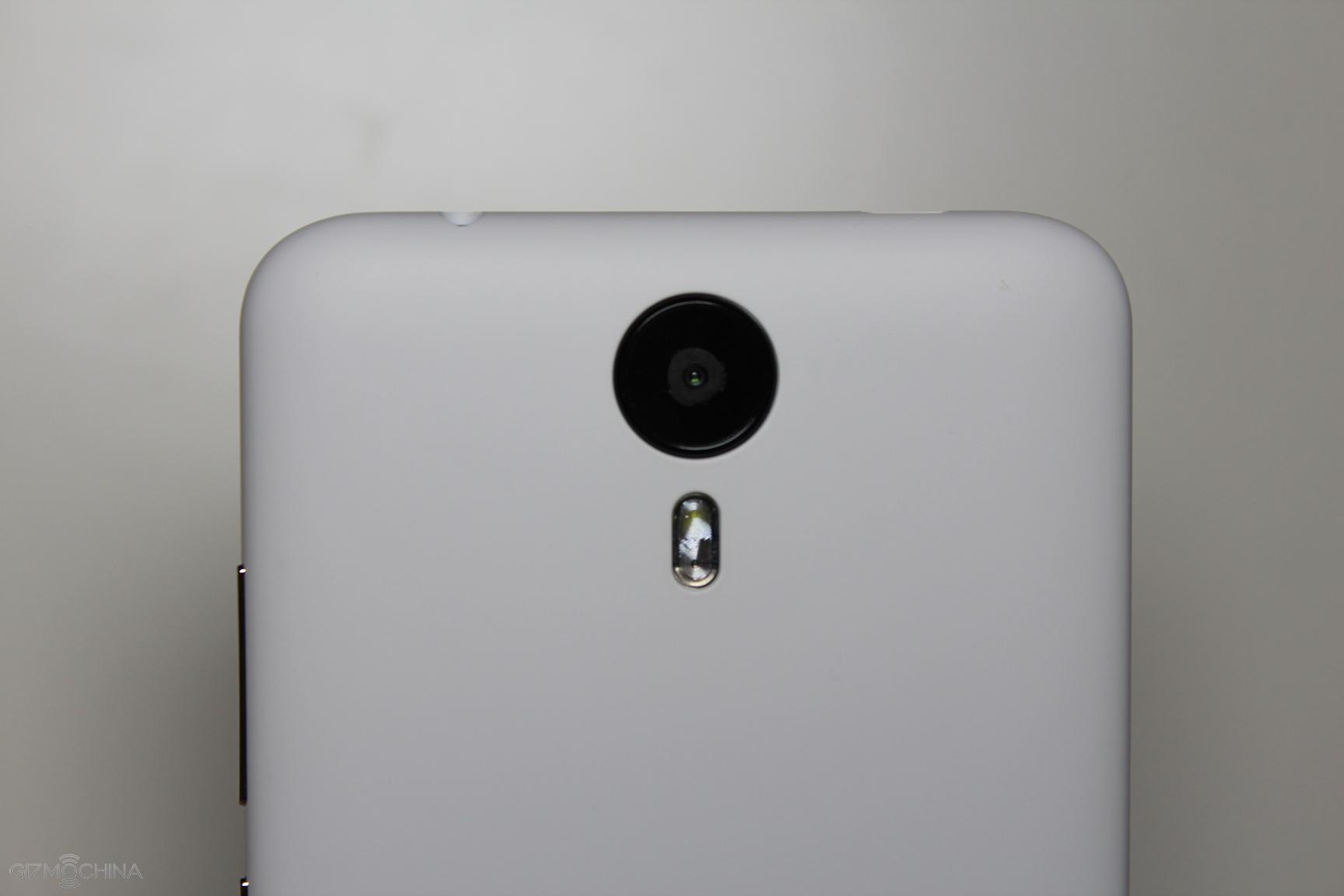
The back is made of matt plastic and thus the fingerprints are not that visible.
As far as optics, we have an 8MP snapper and a dual LED flash.
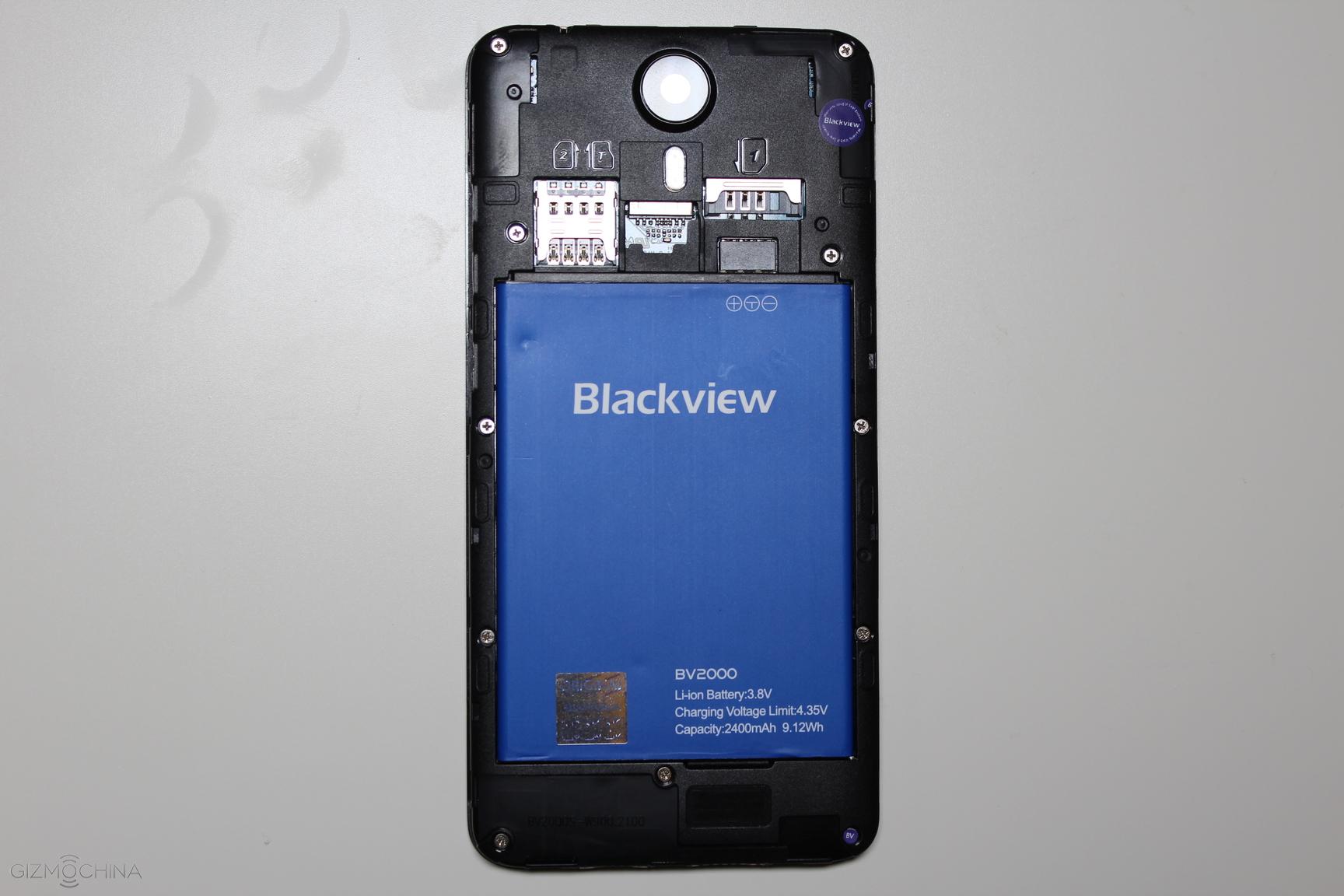
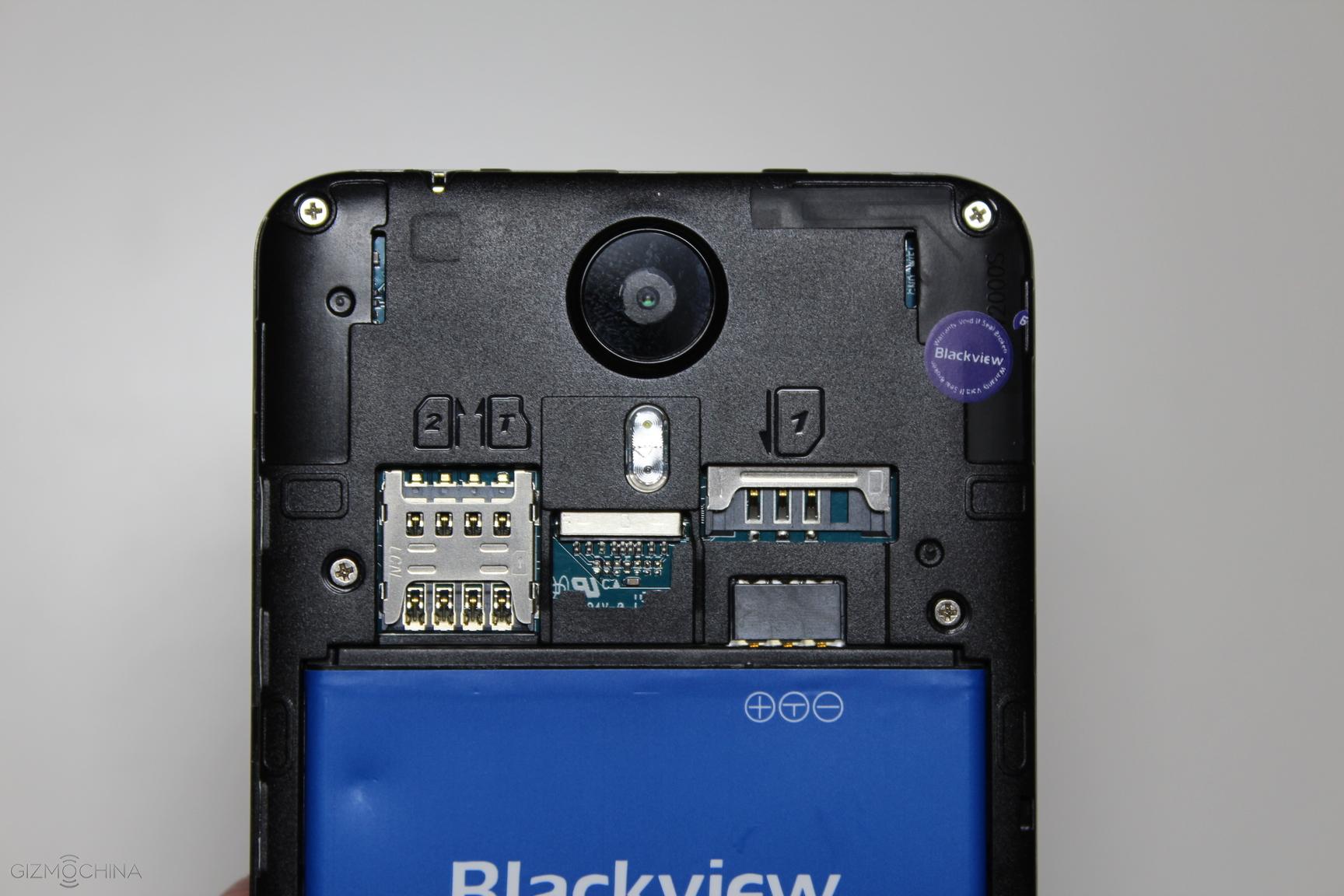
Under the hood you can find a usual combo on China phones: two SIM card slots and the microSD card slot.
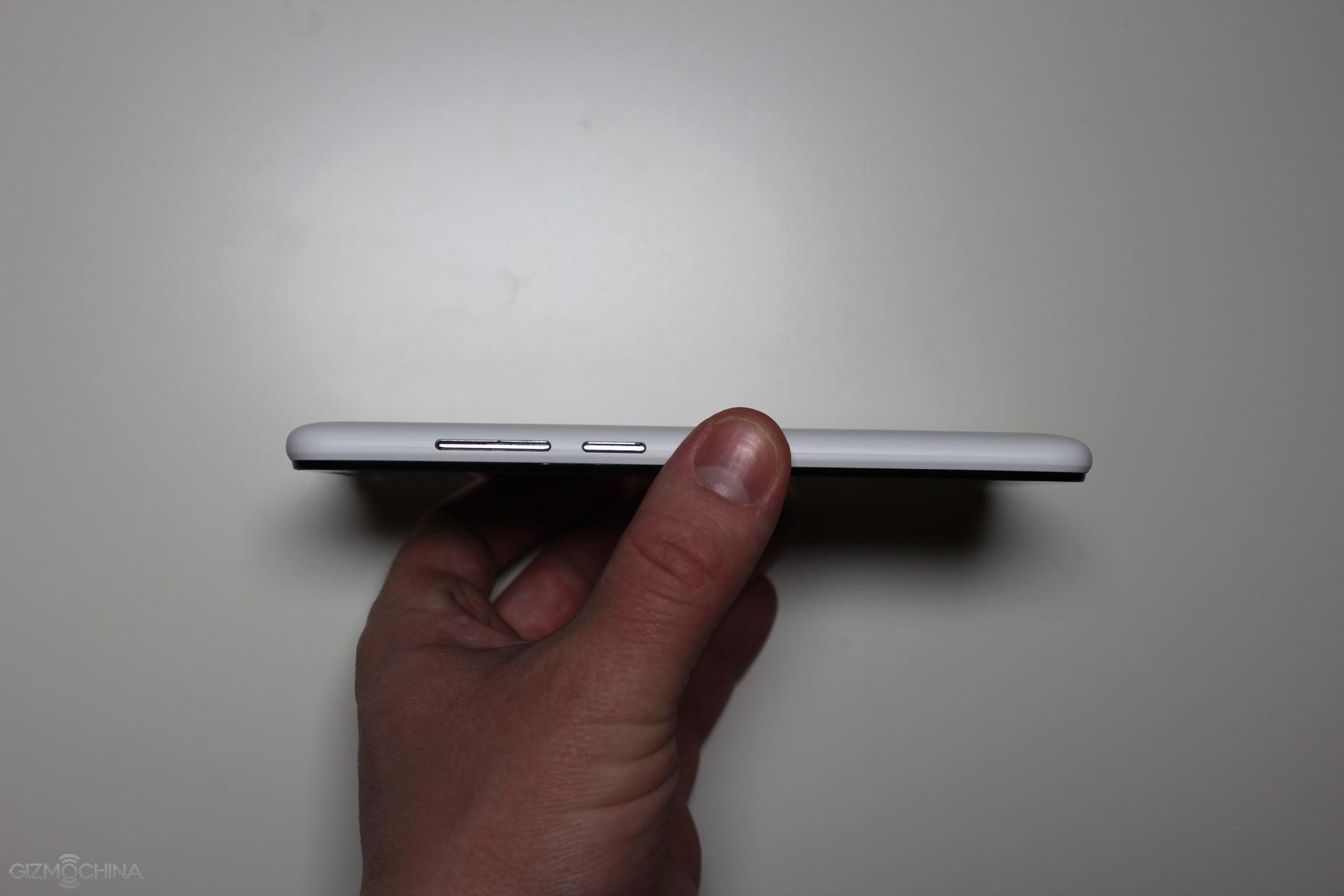
The buttons are located on the right and they are made of plastic. I can’t say they are of a bad quality but they feel a bit mushy.
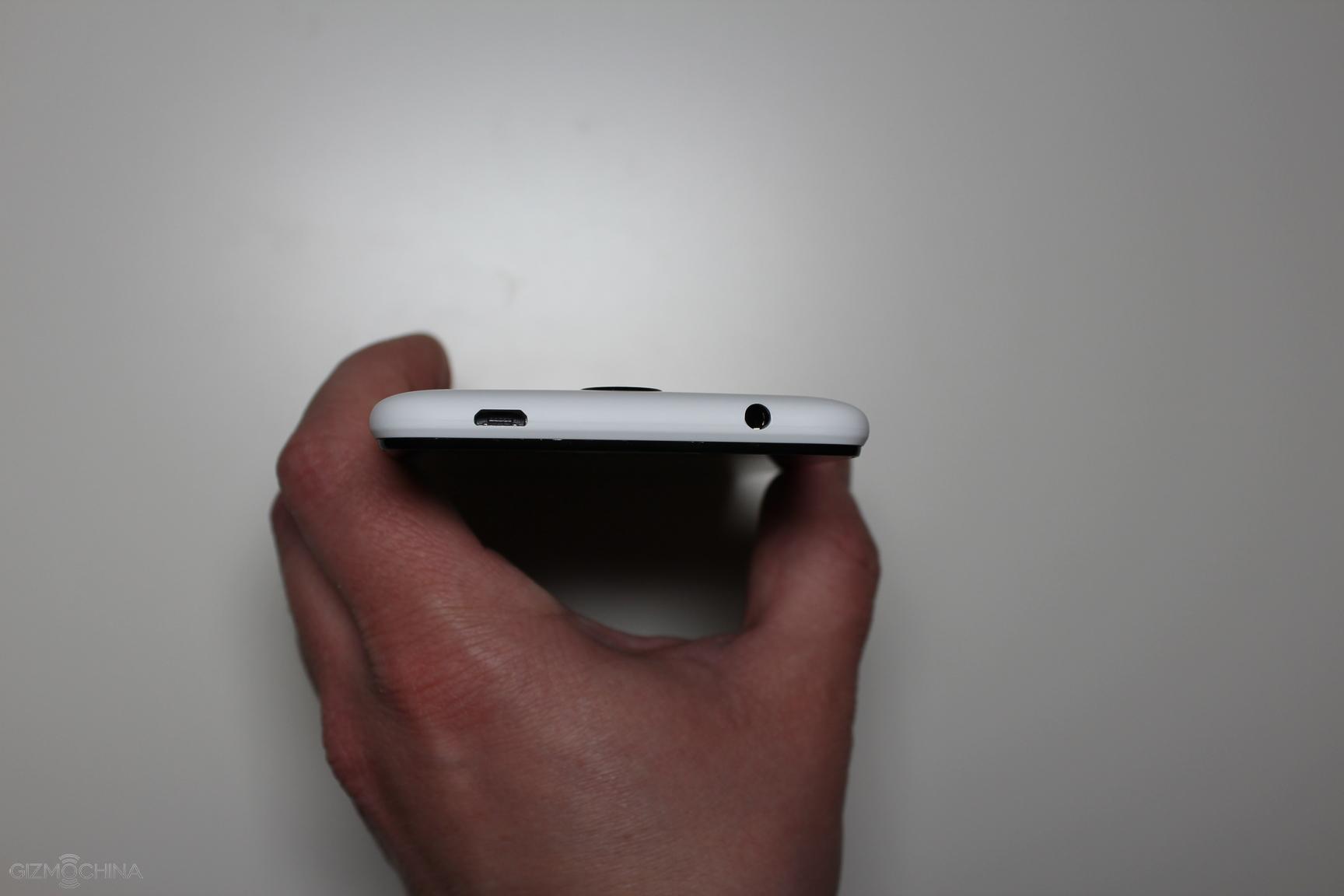
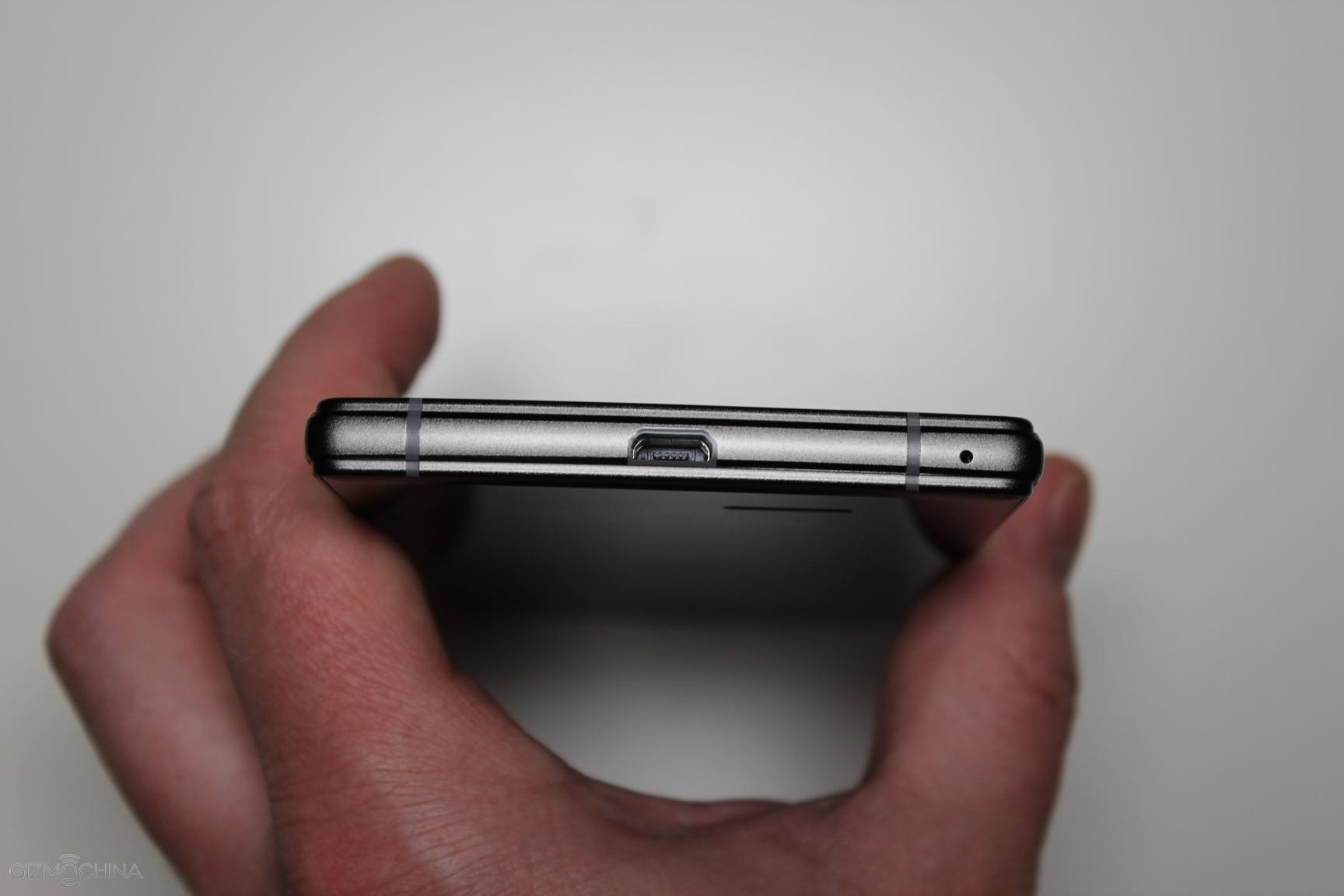
The headset jack and the micro USB port are on the top.
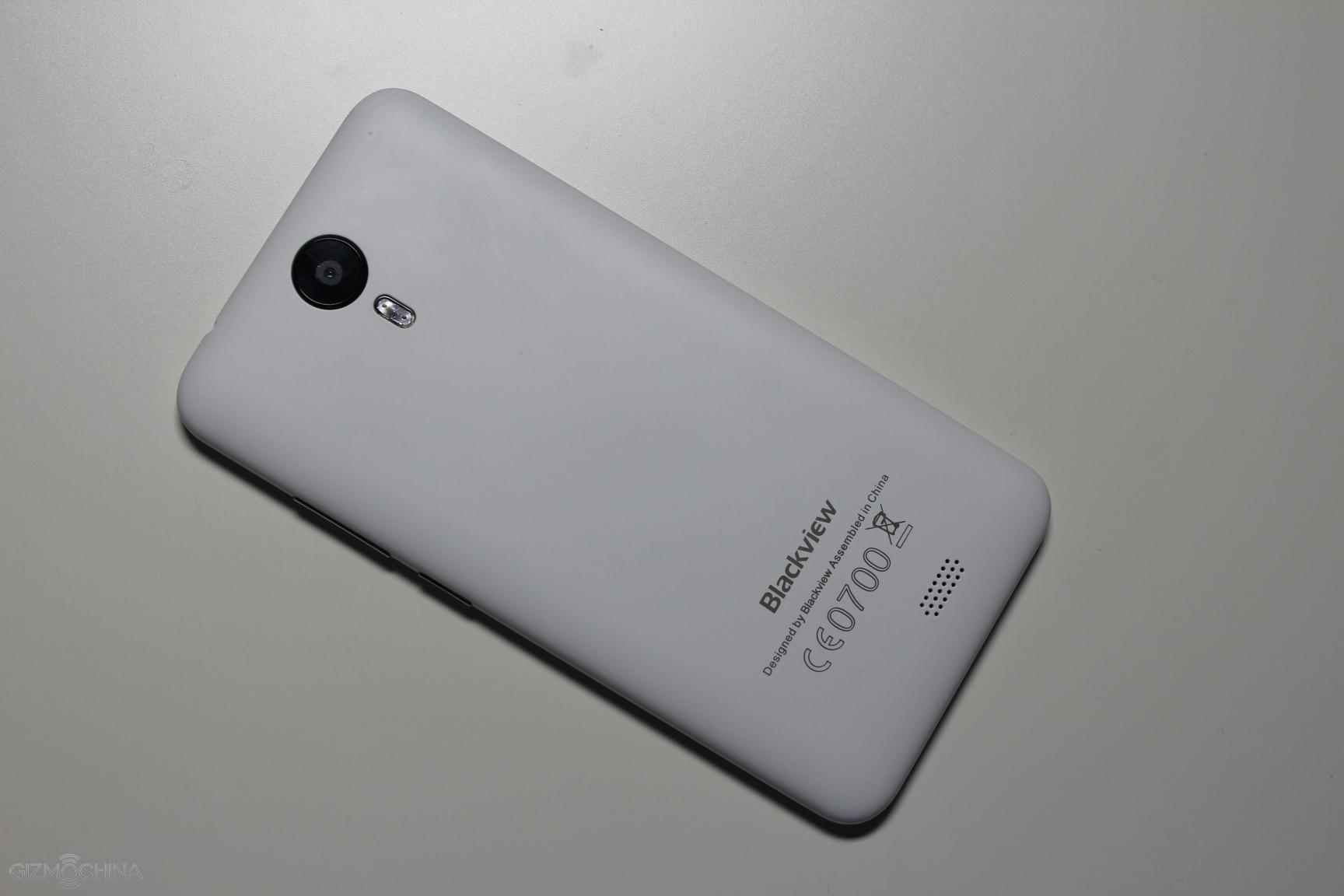
Overall, the Blackview BV2000s is well made cheap device. It does not look or feel premium but it does not look very cheap either. Matt plastic finish and rounded corners definitely help with the grip. Also, 5″ display makes this phone compact and manageable with one hand.
The specs of this phone do not impress but the Blackview BV2000s is all about budget. So far the phone looks and feels nice for a $68 device but we have to use it for some time. Stay tuned for a full review.
Meizu’s New Invitations Leaked, Could Be For The MX6 Flagship Launch
Earlier today, a couple of new media invitations of Meizu surfaced online, hinting at the possibility of a new smartphone launch. While many predict the new launch could be from the budget Blue Charm range, some rumors claim that the upcoming phone is possibly the Meizu MX6 flagship.

According to the latest rumors, Meizu will release the MX6 flagship earlier than tradition this year. The company will reportedly launch the device sometime around March, which is just a few weeks away. Considering this launch period, it’s possible that today’s leaked invites are for the flagship launch event.

It is said that the Meizu MX6 flagship will be designed on the same lines as last year’s MX5. However, the bezels will be ultra-thin and the phone will feature a metal frame + glass design. As for the specs, AnTuTu had recently given out some details about the phone’s hardware.
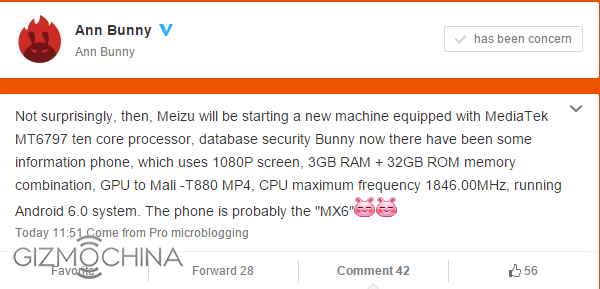
The Meizu MX6 is said to come with Mediatek’s powerful deca-core Helio X20 processor. The phone revealed by the benchmarking app featured 3GB RAM, Mali-T880 MP4 GPU and Android 6.0. While the display size was not leaked, the resolution is said to be FHD i.e. 1920 x 1080 pixels.
However, some rumors give out an even powerful hardware for the MX6. The device will reportedly come with 4GB of RAM, 20.7MP rear camera, 8MP front-facing shooter and a large 4000mAh battery.
Unfortunately, as of now, nothing can be confirmed as Meizu has not yet officially scheduled an event for a new device. So, even if these invites are real and for the MX6 flagship, we will have to wait at least for a few days to hear something from the company.
Rumor: Xiaomi Mi 5 Could Be Priced Above 3500 Yuan ($532)
We are just a couple of weeks away from the official unveiling of the Xiaomi Mi 5 flagship. Fans have been waiting for the company to launch this device for more than a year now. But Xiaomi is taking its time to develop and release the device, probably because it’s one of the most important products the year. The Mi 5 is expected to come with top-end specs, including the newly launched Qualcomm flagship, Snapdragon 820. Given that the phone will feature such high-end tech, we have been wondering whether the company will price the device higher than Mi 4 (1999 Yuan i.e. $304).
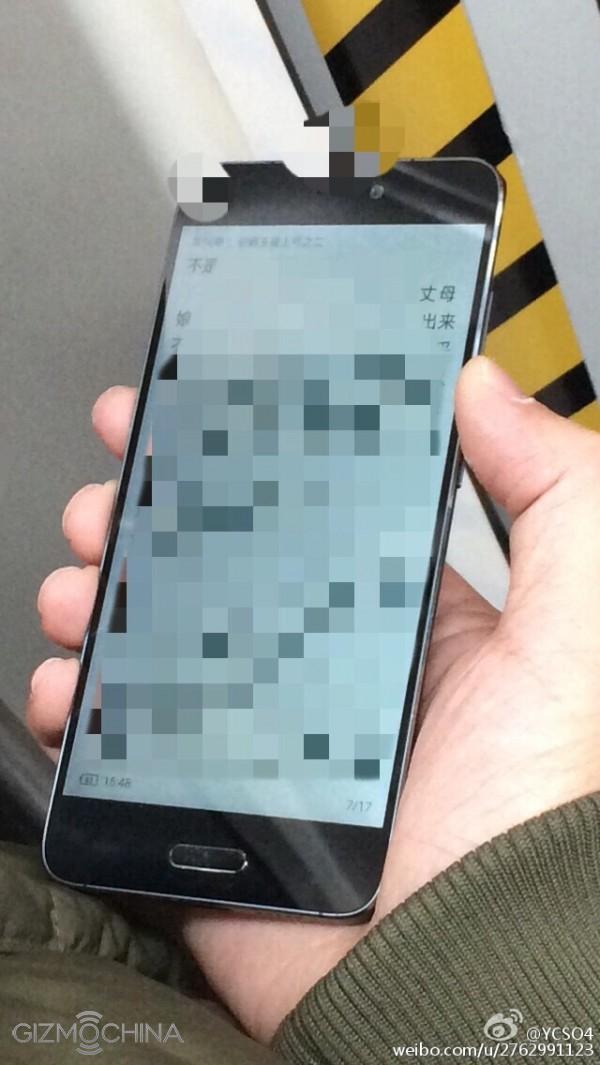
Now, a new rumor via the Chinese social networking website Weibo reveals that the Xiaomi Mi 5 could be priced more than 3500 Yuan which comes to around $532. The source says that the price could even go higher, but he didn’t give a specific upper limit.
This is contrary to what we heard about Mi 5’s pricing in the past. The company was expected to price the phone somewhere around 2499 Yuan which comes to around $380. The high-end version was rumored to cost somewhere in the 3000 Yuan range ($450). So, this pricing is really not what we are expecting from a Xiaomi flagship.

As for the specs, the Xiaomi Mi 5 is confirmed to come with Snapdragon 820 quad-core chip onboard. Other rumored features include 4GB of RAM, 32GB storage, 5.2-inch display with 2K resolution, 16MP rear + 8MP front cameras and a 3600mAh battery. There are even rumors about 3D touch feature on the device.
So, Mi 5 is definitely going to be a powerful device. Considering that the phone ends up with these specs, would you be willing to shell out anywhere upwards of $500 for the device?