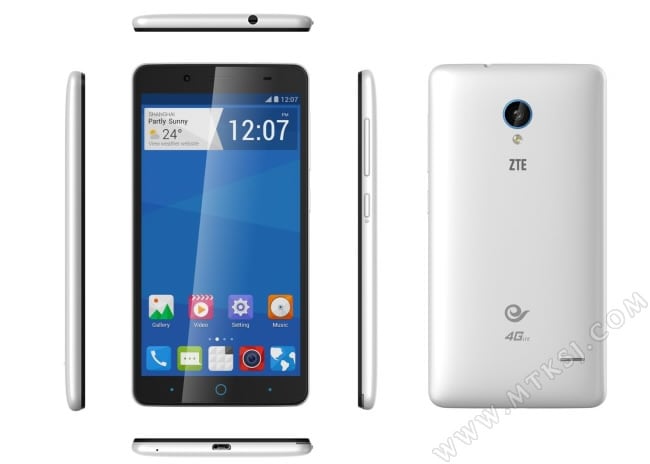
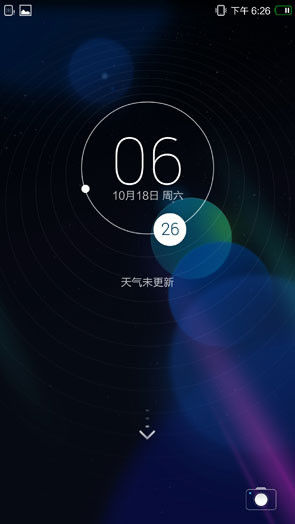
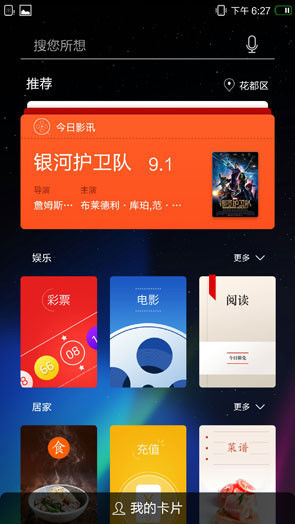
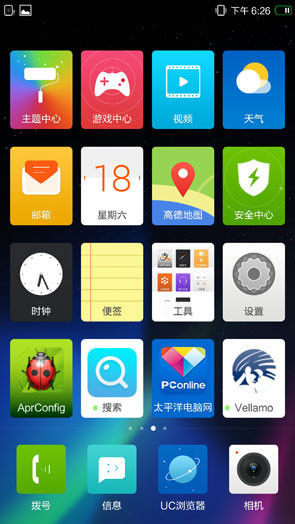
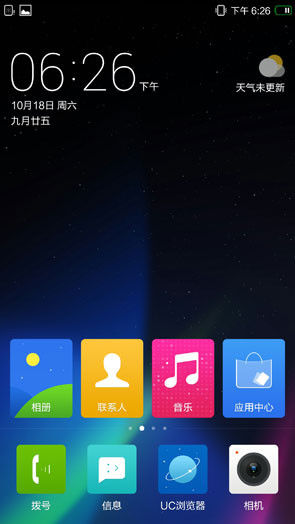
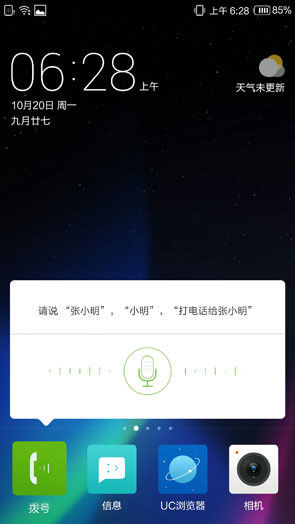
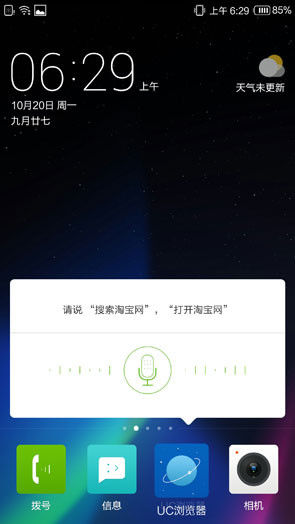
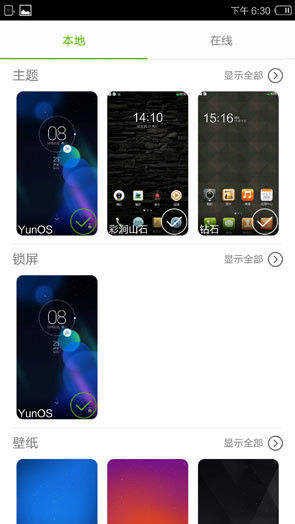
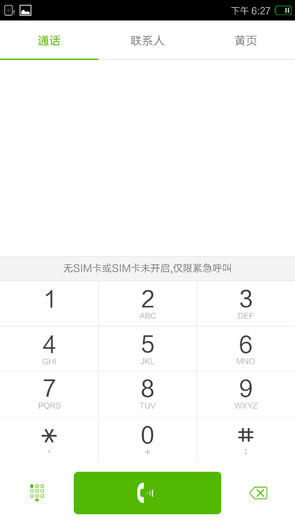
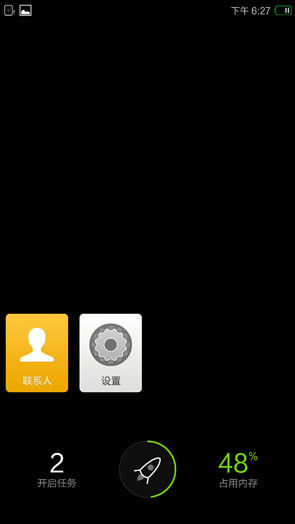
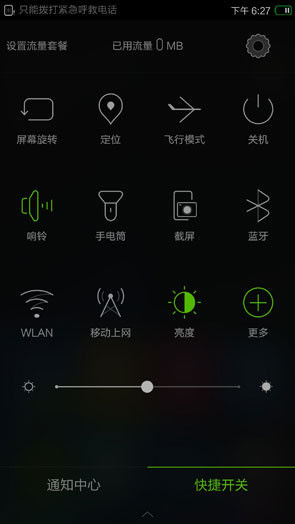
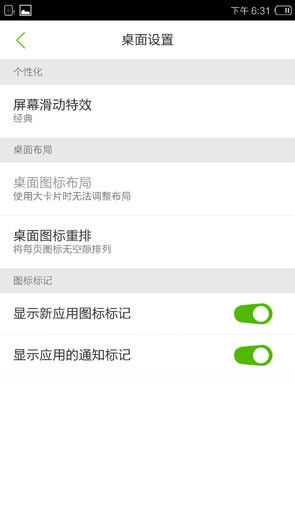
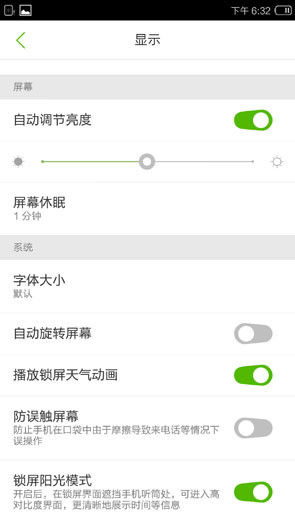
Yesterday afternoon, ZTE, in collaboration with China Telecom, released a new 4G phone called the ZTE Xiaoxian phone (ZTE A880).
This 4G phone sports a very beautiful design. The first version uses the panda design (black front/white back). This will be followed by yellow, green, and red versions. Its dimensions are 141.2 x 73.3 x 8.9mm.
The most appealing thing about the ZTE Xiaoxian is its camera specifications. It has an 8mp dual-camera with an f/2.2 aperture and 88 degree wide angle. Among its features, you can take photos by voice command.
A 64-bit cellphone, the ZTE Xiaoxian cellphone has the Snapdragon 410 (MSM8916) quad-core chipset, 1G RAM, 8G ROM, a 2300mAh battery, a 5-inch display screen with 720p resolution, and support for China Telecom 4G (TD-LTE, FDD-LTE), 3G, 2G, and dual-SIM. Its operating system is based on the Android 4.4.
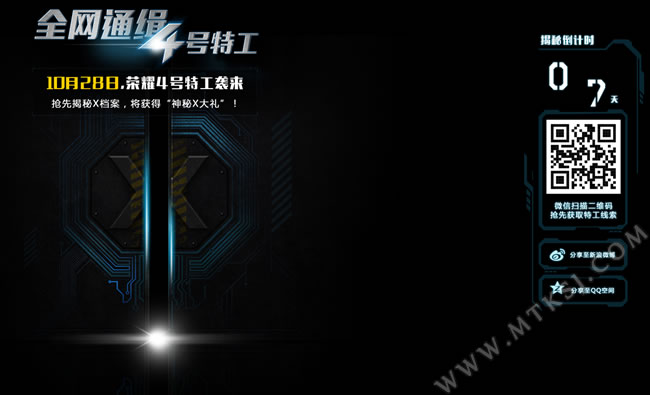
Here’s some big news regarding the upcoming Huawei Honor 4X, which was first introduced as “Che1-CL20.” In its official website, Huawei announced that the Huawei Honor 4X will make its debut on October 28.
This phone is the first Honor smartphone to support all internet bands. Besides having support for 6 internet bands, it also has 2GB RAM, a 5mp front-facing camera, a 13mp rear facing camera, and a 5-in 720p display screen. Its round edges make it resemble the Huawei Honor Play 4. As for its operating system, it will use the EMUI 3.0 (kitkat).
The Huawei Honor 4X may cost around 1000 RMB (163.08 USD).
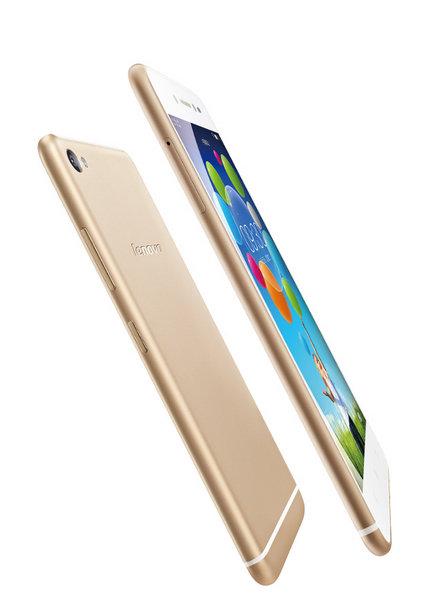
If you like the iPhone 6’s design but think it’s too expensive, then why not try the Lenovo Sisley.
This phone has a thickness of only 6.9mm and weighs 129g, making it very comfortable to carry. The Lenovo Sisley also sports a 5.0-in Super Amoled display screen with a resolution of 720p with a contrast ratio of up to 30000:1.
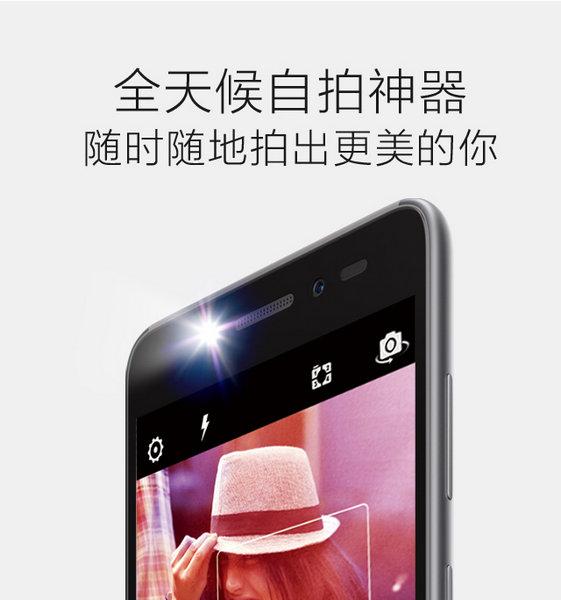
The biggest strength of the Lenovo Sisley is its 8mp front-facing camera. It has a 1/3.2 inch sensor and a front-facing flash. Other features include those that allow users to take photos by voice command. It also has a 13mp main camera with an LED light and F2.0 aperture, 1GB RAM, and 16GB ROM, the 64-bit Snapdragon 410 chipset, and support for dual-SIM and dual-4G. It also has support for China Mobile and China Unicom LTE networks.
As the launch of OPPO’s latest flagship device nears (October 29), let us summarize what has been reported so far about the OPPO N3.
Specifications
In early September, it was reported that this device would use a VOOC charger which is 4 times as fast as a regular mobile cellphone charger. It was also reported that this phone will sport a 5.5-inch FHD screen and will run on the Qualcomm Snapdragon 801 processor. The phone’s chassis is said to be made of metal. It will also have a new cooling system called the “Ice Nest”
Fingerprint scanner and rotating camera
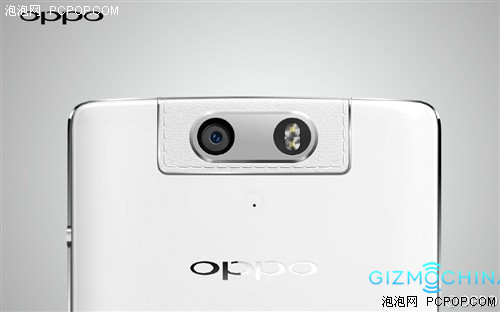
Perhaps the two biggest pieces of information about the OPPO N3 are that it will have a fingerprint sensor and a rotating camera. A fingerprint sensor is nothing new among Chinese smartphones as the Huawei Mate 7 has one. Recent photos show that the scanner will be located at the back of the phone. The OPPO N3 will also sport a rotating camera with 16mp.
Pre-sale cost
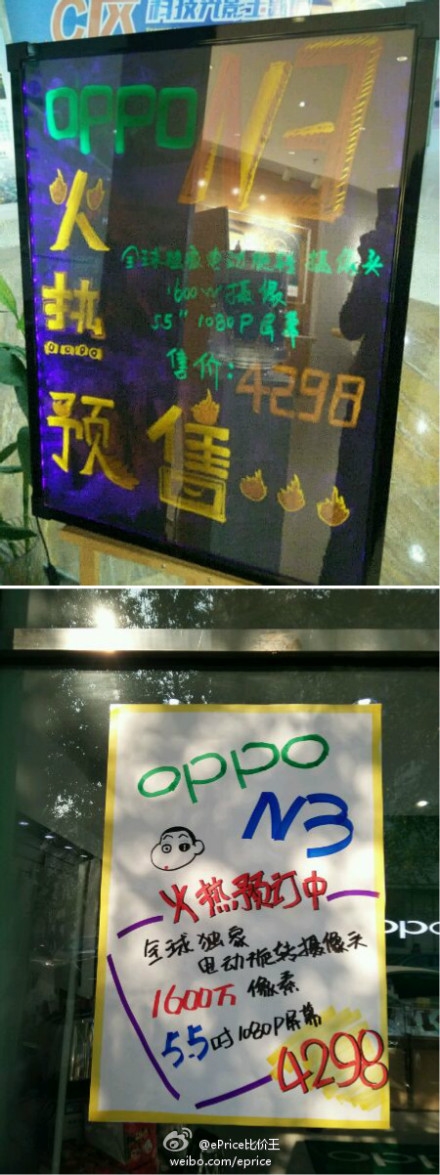
Recently, there were signs outside OPPO stores saying that they were accepting pre-orders of the OPPO N3 for 4298 RMB (702.18 USD) which is far more expensive than the OPPO Find 7.
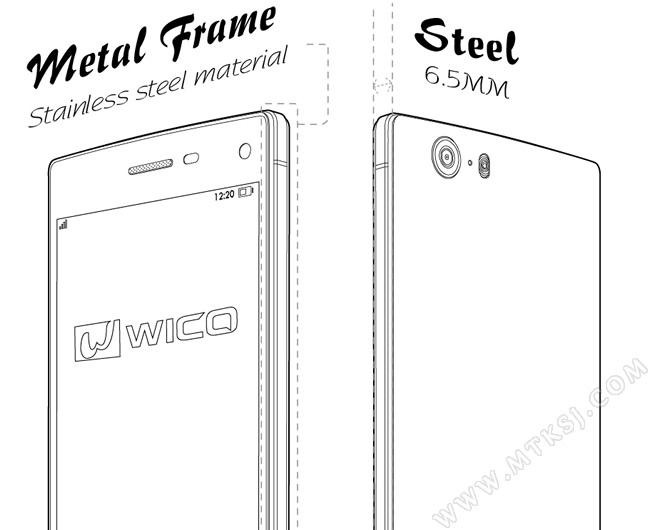
Wico is preparing to release what they call the “world’s cheapest octa-core cellphone.” Its name is the “Wico S100,” or the “Lightning God.” A picture showing what appears to be a rendering of the Wico S100 shows that this will use a frame made of stainless-steel and will only have a thickness of 6.5mm.
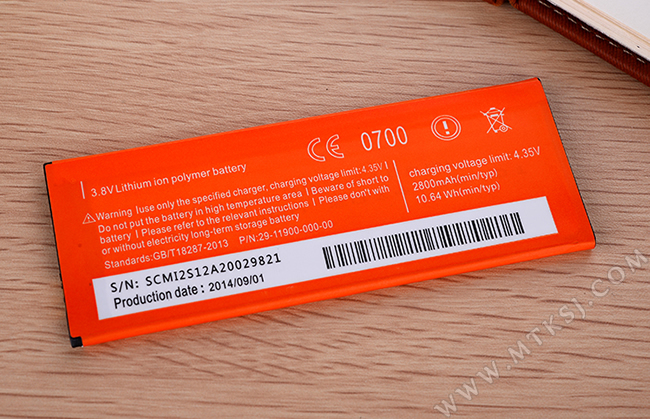
Another photo shows the Wico S100’s battery. It appears that this phone will use a long thin rectangular battery. Considering the phone’s slim body, the battery may have as much 2800mAh.
As stated before, the Wico S100 has been called the “world’s cheapest octa-core smartphone” and will cost 89 USD. According to reports, it will use an octa-core processor from MTK, probably the MT6592. It will also have a 5-in OGS display screen, 1G RAM, 8G ROM, and an Android kitkat OS. It will also have WIFI, GPS, Bluetooth, etc.
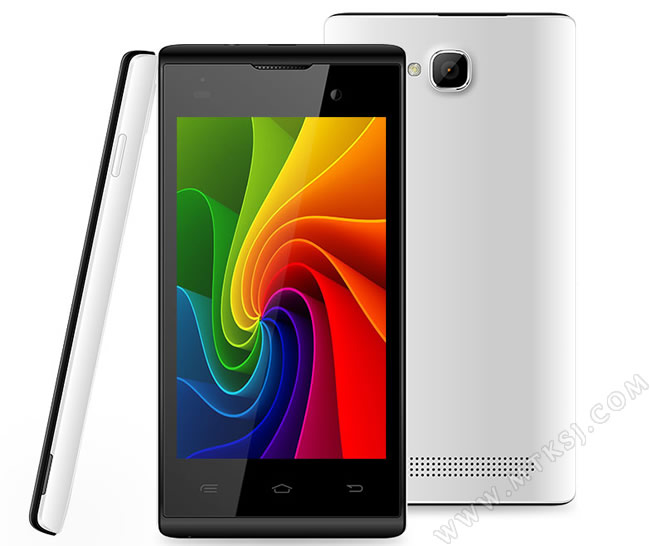
Not long after releasing the iNew V3 and I8000, iNew plans to release another entry-level phone. This one is called the iNew U1.
The iNew U1 has a 4-inch display screen with a resolution of 800 x 480. Its processor is the dual-core MTK6572 chipset with 1GHz. It also has 512MB RAM, 4GB ROM, a .3mp/2mp dual-camera, and a 1400mAh battery.
One of the most important things about this phone is that supports Android 4.4 kitkat OS. It also has support for WDMA , GSM, and dual-SIM. It also has support for OTG, dual-WIFI, and an e-compass. As for its appearance, this is not a bad looking phone. One side is black while the other white.
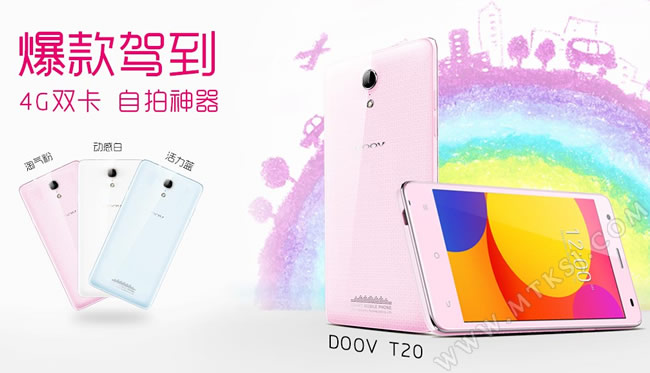
Recently, DOOV released a 4G dual-SIM phone called the DOOV T20. Its core selling points are the fact that it has support for dual-SIM and its selfie specs.
The DOOV T20 has support for TD-LTE, TD-SCDMA, GSM, and dual-SIM cards. One card is big while the other is small. Its processor is a 1.5GHz quad-core chipset which insiders confirm to be from MTK.
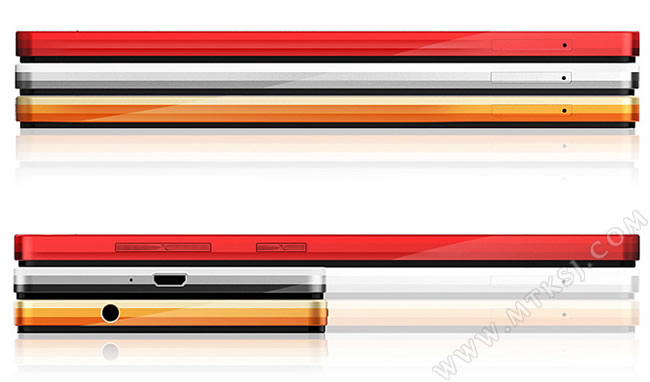
Female users may also buy this phone because of its fashionable design and selfie specs. It is available in pink, blue and white and sports golden bars at the sides. Regarding the camera, it has a dual-5mp camera with the CAM2.0 software.
Besides these, the DOOV T20 also has a 5-inch qHD OGS display screen as well as 1G RAM, 8G ROM, and a 1900mAh battery. Its OS is the Android 4.4. The price has not yet been revealed but this phone will go on sale this November.
Recently, a user on Weibo posted a photo showing signs outside an OPPO store that is already accepting pre-orders for the OPPO N3 for 4298 RMB, which is 800 RMB (130.70 USD) more expensive than fellow-flagship phone, OPPO Find 7. This is much more expensive than many devices produced by many Chinese companies. Can you imagine how stunned OPPO’s rivals like Xiaomi and Meizu are?
The biggest highlight about the OPPO N3 is its electronically-controlled rotating camera and fingerprint sensor. As for its specs, it has a 5.5-inch 1080p screen, the Qualcomm Snapdragon 805 processor, 3GB, and a 16mp camera. It also has the new VOOC charger as well as a new cooling system called the “Ice Nest.”
Recently, the white version of the Lenovo Vibe X2 went on sale. This version is not completely white as it is only the rear cover that is white. The mid-frame and body comes in other colors like black and grey.
Other than the color, the specs of the Lenovo Vibe X2 White Version remain the same. It still has the 2GHz MT6595 octa-core chipset, 2G RAM, 16G ROM, a 5-in 1080p screen, a 5mp/13mp dual camera, and support for 4G, 3G, and GSM, as well as dual-SIM cards. It also uses the new Vibe UI and has a noise-cancelling microphone. It also has support for dual-band WIFI and a gyroscope. It also supports Blue Tooth connection.
The Lenovo Vibe X2 white and gold versions cost 2499 RMB, and this phone will be released in other colors soon.
As cellphones continue to become more advanced, so do their features. However, this has also led to greater concern over power consumption since in the fast-paced society that we live today, we do not have a lot of time to recharge our devices. As a result charging quickly has become big issue in the industry.
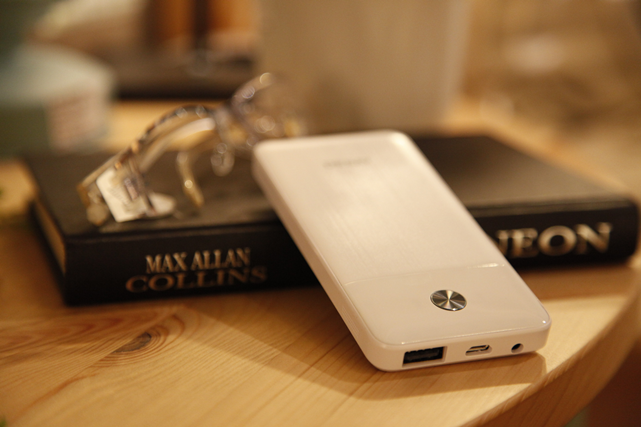
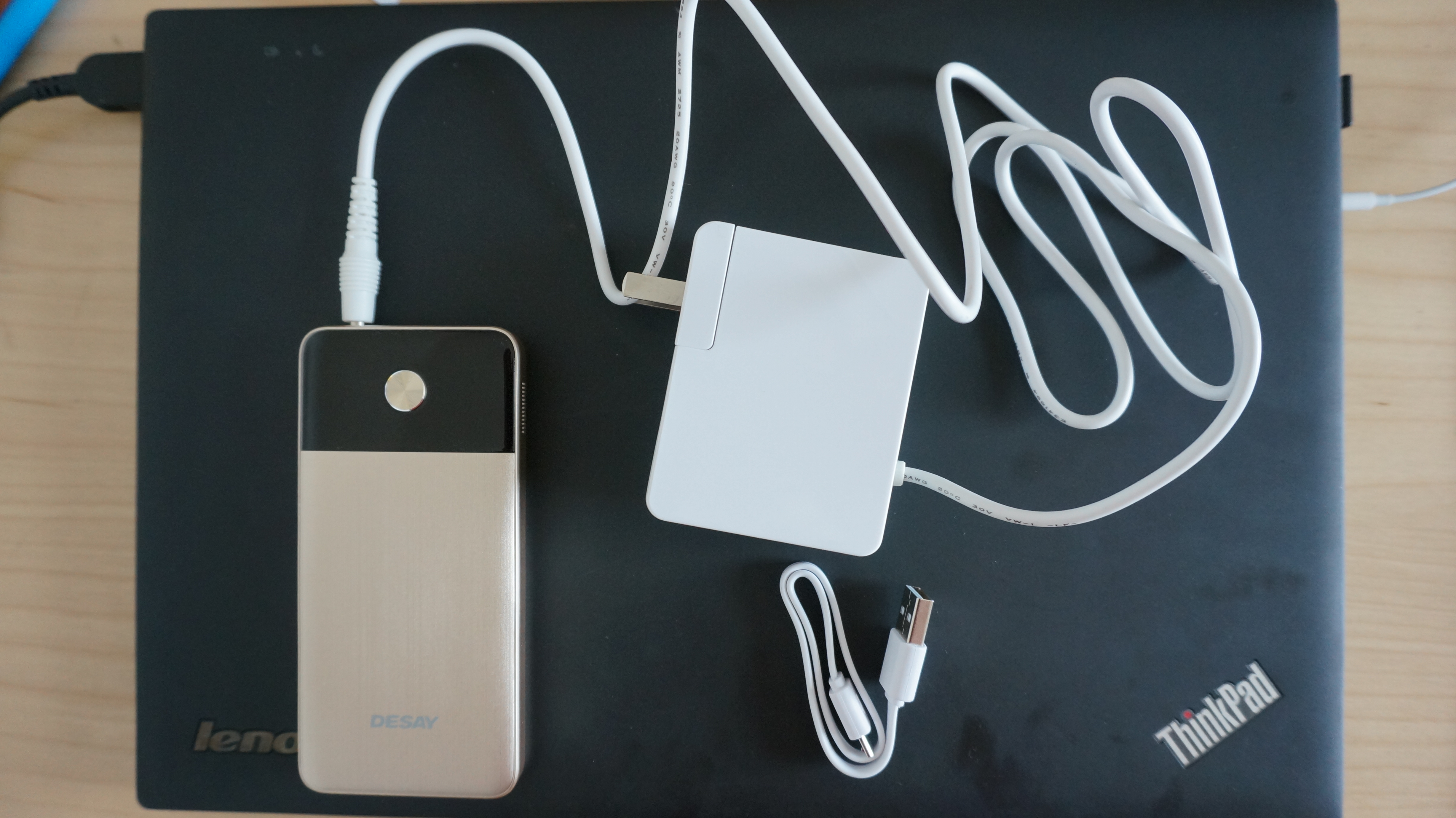
The Desay DS18 power bank will soon hit the market, but before it does, let us review it.
Here are the Desay DS18’s Specifications:
Product
Desay DS18 Power Bank
Battery
Polymer Lithium-Ion battery
5000mAh
Battery indicator
LED
25%/50%/75%/100%
Charger
MicroUSB
5V 1.0A
Charging time
5 hours (full)
Quick Charge
DC (DS18 charger)
19V 2.1A
Charging time
30 minutes (95% full)
Appearance
Dimensions (L x W x H)
123 x 59 x 12.5mm
Current output
USB 5V 1-2A
Iphone/Ipad/Android Phone/MP3/MP4
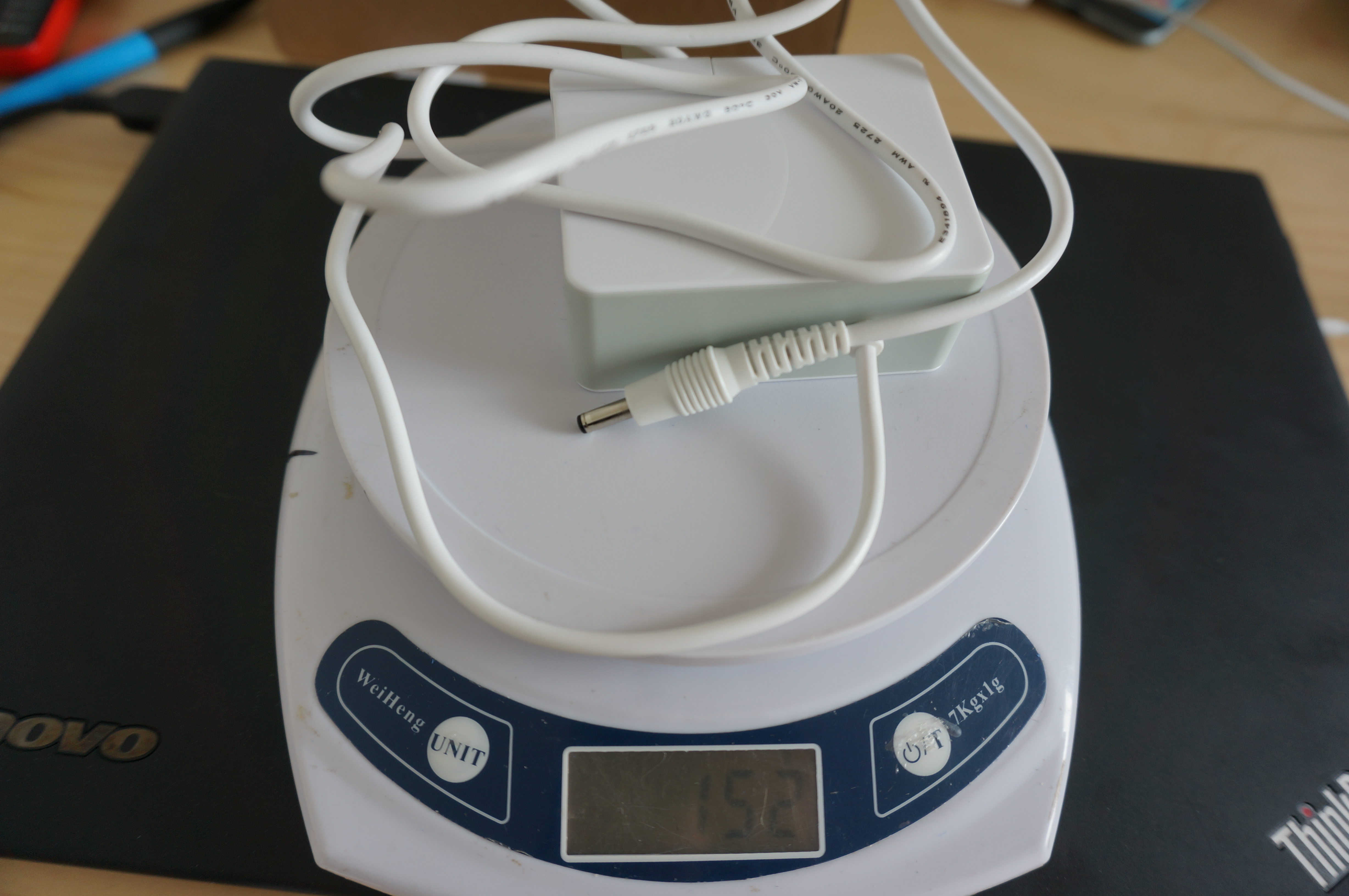
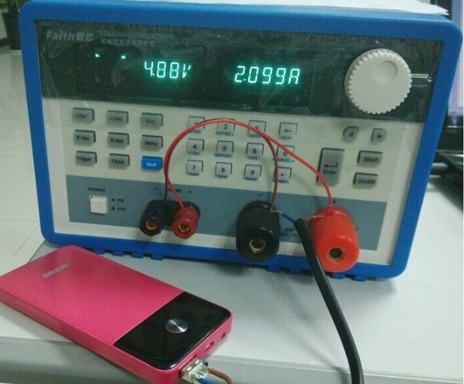
We can see the charger is unexpectedly very heavy,152g, there is high tech in it to make it be the world’s fastest charging speed power bank.
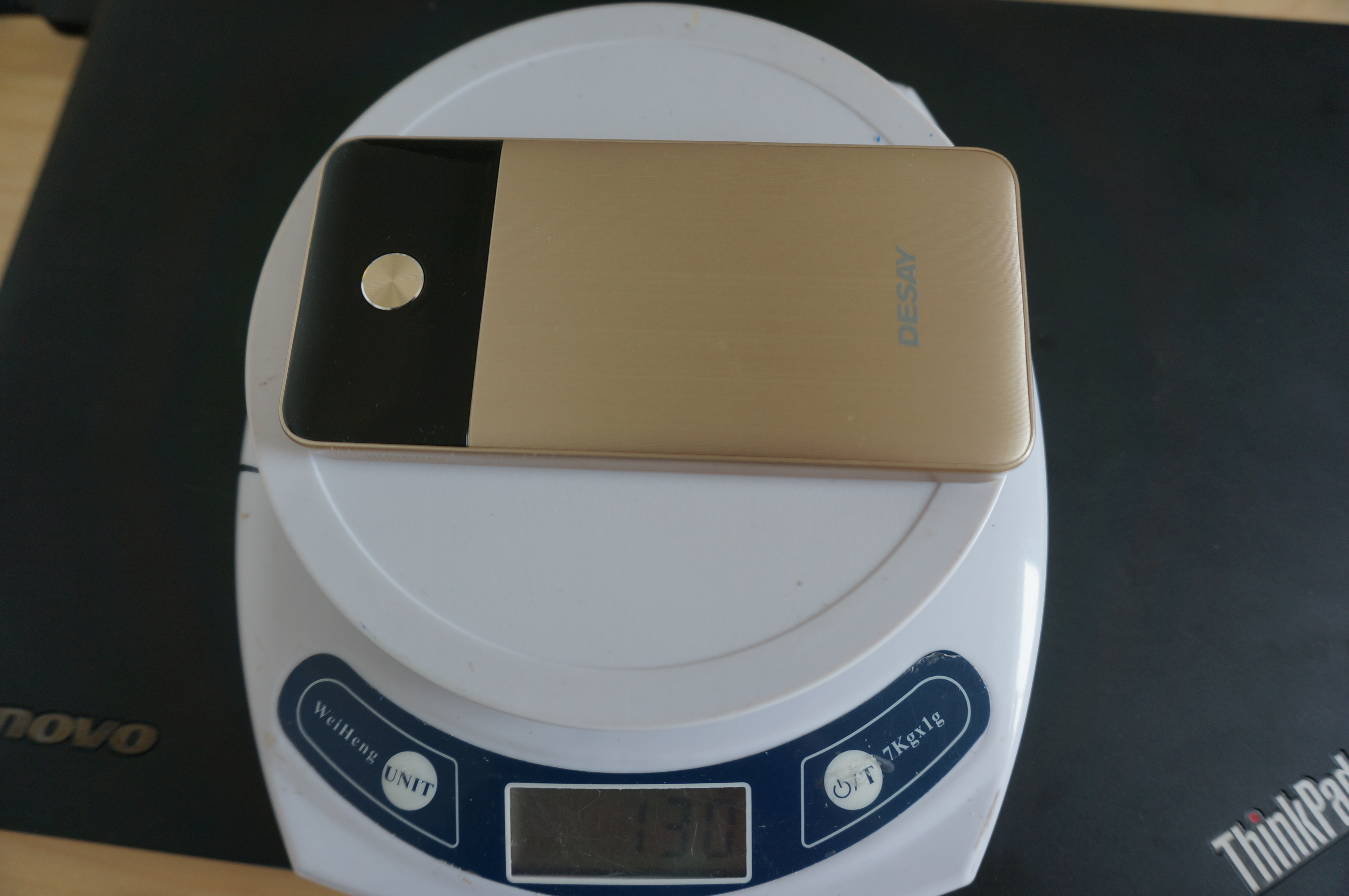
The power bank is 130g.
Because this charger has 19V 2.1A, the DS18 is emits a lot of power very fast. It can be fully-charged at 1/10 the time of a regular mobile phone battery. A higher charging rate means it is more likely to overheat. However, Desay used some advanced cooling materials for the DS18 to prevent this.
With a 5000mAh battery, it only takes 40 minutes to fully charge the Desay DS18 making it a very powerful power bank. And here is the charging progress video:
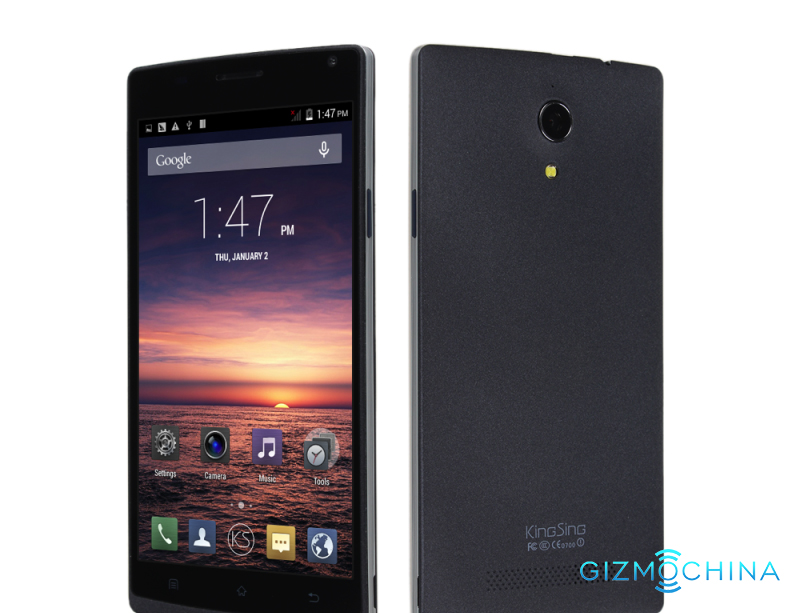
One Plus One is among the most popular smartphones in the market right now, and no doubt about it. If you love the look of prodigious One Plus One and want it for even more affordable cost this Chinese knockoff will be your perfect match. Chinese clones of smartphones look near perfect and can reach any stretch of the imagination and this to proves the same. It’s KingSing S1+ .
In terms of aesthetics, it almost matches the original one,
KingSing S1+, is equipped with 5.5-inch OGS Full fitting display with a 960 x 540 resolution. It is powered by a 1.3 GHz quad-core MediaTek 6582 SoC coupled with 1 GB of RAM and 8 GB of internal storage with option to expand up to 32-GB via Micro SD card. This clone runs on Android KitKat (v4.4.2). A 8-megapixel AF with led flash rear-camera and a 2-megapixel front camera completes the imaging hardware. The battery is of 2,500 mAh .
Considering the specifications, the $120 asking price makes the KingSing S1+ somewhat interesting. But, it no where matches One Plus One apart from the look and feel.
So which one do you choose One Plus One or KingSing S1+? Let us know.
The Alcatel Pop8 is a phablet (phone tablet) that is aimed at the entry-level market, and so, only costs 899 RMB (146.85 USD). It has the MT8382 quad-core processor (1.3GHz), 1GB RAM, and 4GB ROM. It also sports an 8-inch IPS display screen with a resolution of 1280 x 800.
This phablet has a 2mp front-facing camera that works for making video calls.
The Alcatel Pop8 has a thickness of 7.9mm and weighs 325g which is considered very light.
The back of this phablet is neatly designed.
The Alcatel Pop8 supports memory expansion cards up to 64GB.
The Alcatel Pop8 is designed with round edges that make it comfortable to hold.
Despite being a phablet, the Alcatel Pop8 does not have a receiver. Unless you have earphones, you will have to use the speakers when making calls.
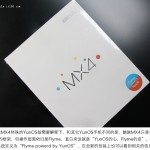
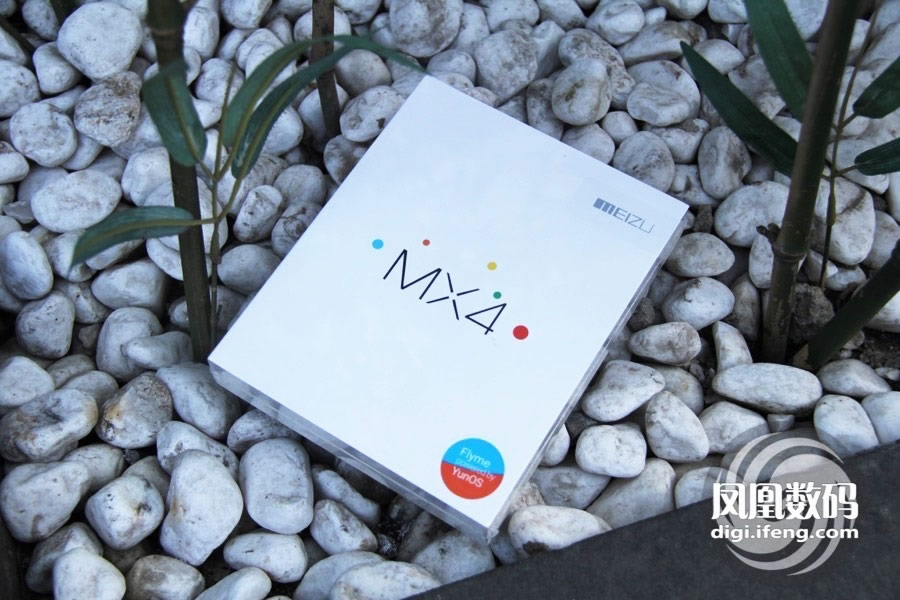
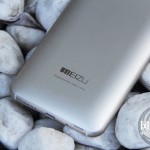
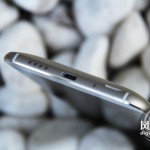
This is the gold version of the YunOS-operated Meizu MX4 which had recently made its debut. It will go on sale on November 11 along with the silver version for 1799 RMB each (293.87 USD).
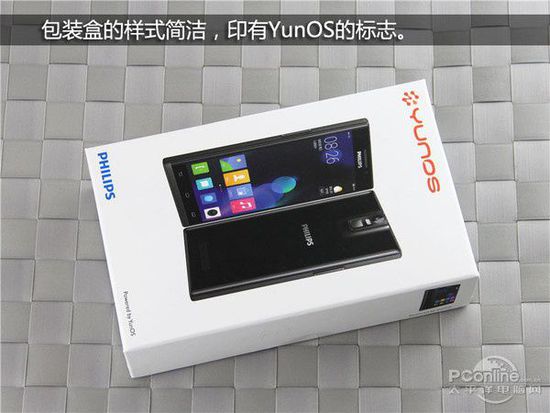
At the bottom right corner of the box, there is a message that says “Flyme powered by YunOS. The Flyme is Meizu’s own operating system, and here it is combined with the new YunOS.
The Meizu MX4 has support for 4G and 3G networks (China Unicom and China Mobile). This cellphone supports 5 modes and 13 frequencies. The gold version is also the same.
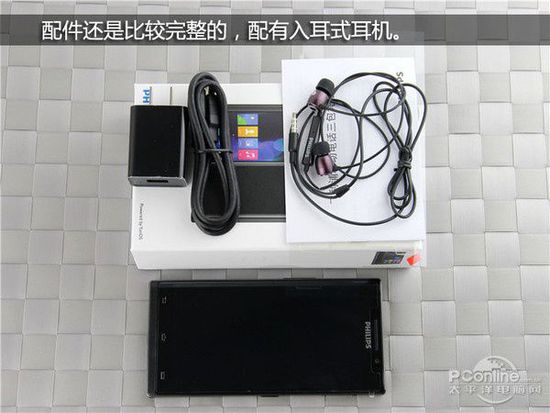
The Meizu MX4 comes with the manual, charger plug, and USB cable. The package does not include earphones.
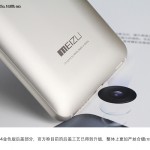
The front side of the Meizu MX4 Gold Version is white, while the gold color is limited to its frame and rear cover. The interface uses the same style as the Flyme 4.0.
The phone’s screen makes up about 80% of its body, and its chassis is made of aluminium and magnesium.
The small round Home button has become a trademark of Meizu’s products. Among its functions besides returning you to the desktop, is that it gives you access to a voice assistant when you hold your finger on it.
The Meizu MX4 Gold Version sports a 2mp front-facing camera with a 5.36in 1920 x 1152 display screen.
The gold design of this version brings to mind the iPhone 5S’s design.
As for the rear-camera, the Meizu MX4 Gold Version sports a 20.7mp camera with a 1/2.3in sensor. It also comes with dual-LED lights.
The rear cover is detachable.
The battery cannot be taken off. Fortunately, it has up to 3100mAh. According to some users, the original Android version can last about 2 days while the official tests reveal that YunOS version can go for 5 hours longer than the original.
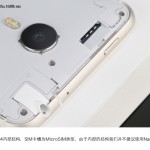
The Meizu MX4 Pro has support for a MicroSIM card.
There’s no fundamental difference between the regular Meizu MX4 and the YunOS version but they added a Life Service Center thanks to the YunOS 3.0. This is similar to Apple’s Passbook.
Thanks to the YunOS, the new Flyme has Life Service Center where you can buy movie tickets, look for restaurants nearby, etc. by choosing their respective cards.
They also changed the security center. In the original, LBE provides this service while in the YunOS version, Aliyun does it.
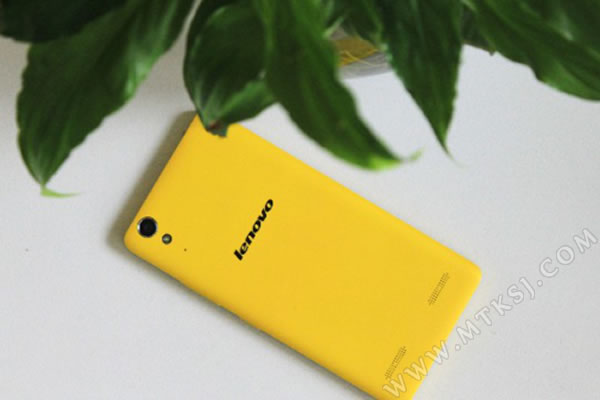
After releasing the Lenovo Vibe series, Lenovo will form a new subsidiary company early next year that focuses on making internet cellphones and smart products for it. But before that, they will release their first true internet cellphone called the Lenovo K3. Recently, more details came out about the specs of this new phone.
The Lenovo K3 is also known as the Lenovo Lemon K3, perhaps because it is yellow. It has a simple and fashionable design with round edges.
Regarding the specs, the Lenovo Lemon K3 will purportedly use a 64-bit processor (Snapdragon 410) and the 8mp Sony IMX219 camera. The sound quality is also worth mentioning. It will sport dual-speakers that will be compatible with Waves sound technology. It will also sport a 5-inch display screen and use a 2300mAh battery. Its OS will be the Android-customized Vibe UI.
This afternoon, Meizu and Alibaba held a joint-launch event for their new products. One of them was YunOS Flyme UI version and the YunOS 3.0 version of the Meizu MX4. This phone is available in black, white, and gold. Other than the fact that it uses the YunOS 3.0, the hardware for this version of the Meizu MX4 is still the same. Here are pictures of the unboxing of the gold version. Enjoy!
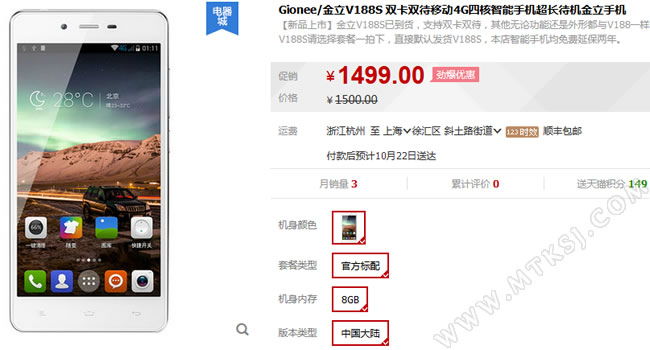
Recently, Gionee released an upgraded version of the Gionee V188 called the Gionee V188S. Unexpectedly, this phone is being sold at the same price as the original, 1499 RMB (244.76 USD).
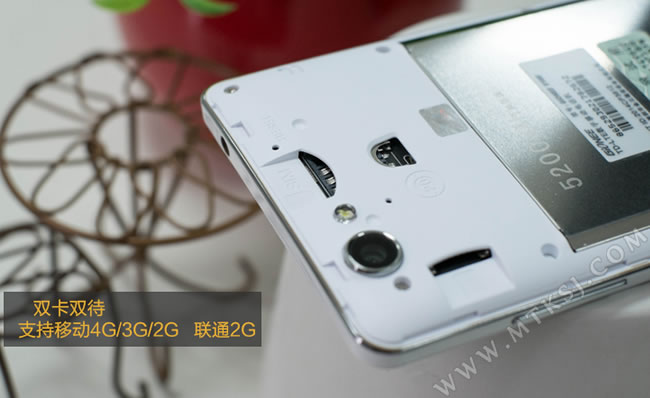
So, what is the difference between the two? The original version has support for a single SIM card while this version has support for dual-SIM and dual-standby. This phone has support for TD-LTE (China Mobile 4G), TD-SCDMA, and GSM.
Another interesting feature about the Gionee V188S is its battery. It uses a 5200mAh Samsung battery and can be charged via OTG. Although the rear cover can be taken off, the battery cannot be changed.
As for its other specs, the Gionee V188S has the MT6582 and MT6290 chips, 1G RAM, 8G ROM (can be expanded to 128G), a 5-inch 720p OGS screen, and a 2mp/8mp dual-camera. Its OS is the Android 4.4-based Amigo, and it has support for an e-compass and Hotknot.
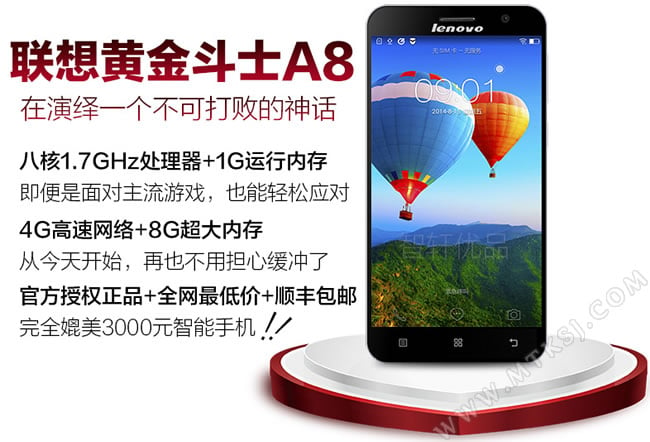
Recently, Lenovo released a low-end version of the Lenovo Golden Warrior A8. Its model number is “Lenovo A808T-i. This phone went on sale a few days ago.
The original version had 2G RAM and 16GB ROM. This version saw its memory cut by half. As a result, the Lenovo A808T-I only has 1GB RAM and 8GB ROM. This is basically the main difference between the two.
The CPU, display screen, etc. have not changed. The Lenovo A808T-I still has the 1.7GHz MTK6592 octa-core chipset, a 5-inch IPS display screen with a 720p resolution, a 5mp/13mp dual-camera, a 2500mAh battery, and support for 4G, 3G, and GSM internet.
The Lenovo A808T-I costs at least 830 RMB (135.52 USD) in some stores while, at most, it costs about 900 RMB (146.95 USD).
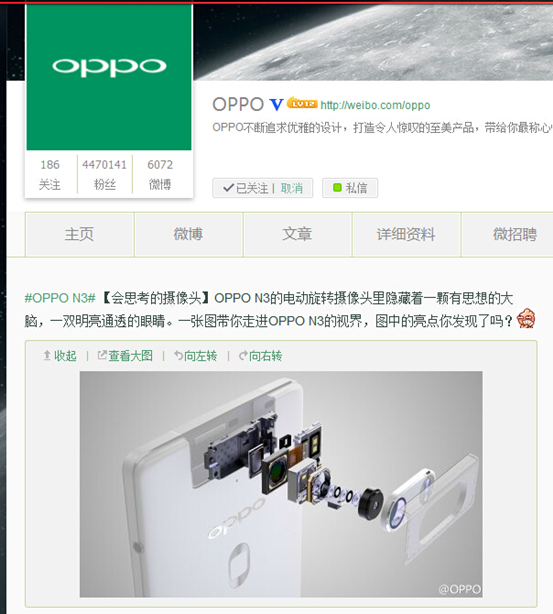
Today, OPPO released more news about their upcoming OPPO N3 phone (due to be released on October 29). According to the company, the OPPO N3 will sport a 16mp camera with 1 2/3in digital camera sensor. They even posted an exploded view photo of it. However, some netizens think there is something else about the photo. Many netizens point out what appears to be a fingerprint scanner on the back of the OPPO N3. As the photo shows, like many Android phones with fingerprint scanners, the OPPO N3’s fingerprint scanner is located on the back of the cellphone, and like the iPhone 6, you have to press it not rub it with your finger. The OPPO N3 will also have an electronically-controlled rotating camera (16mp) and VOOC rapid charging technology. It will also have a 5.5-in FHD screen and the Qualcomm Snapdragon 801 processor.
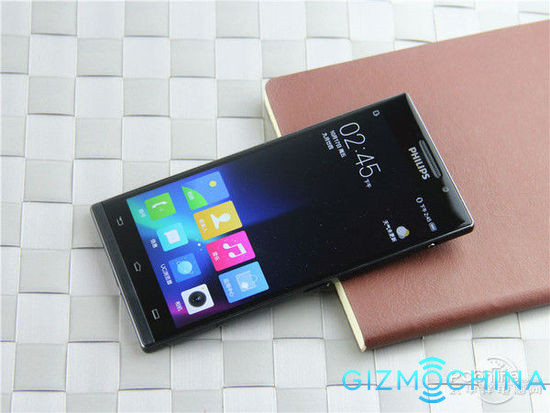
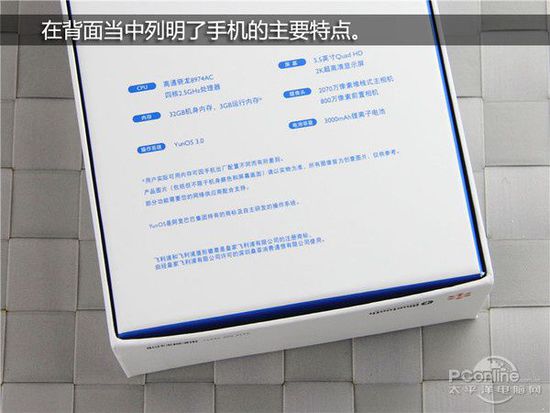
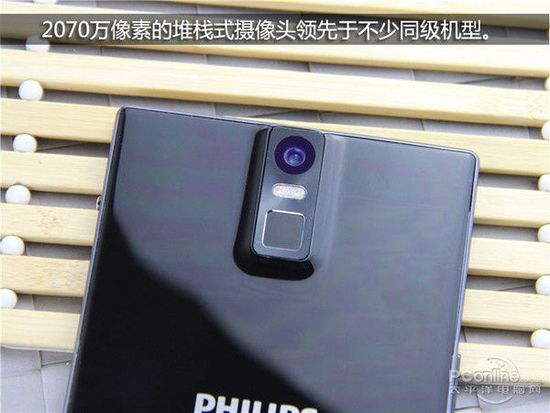
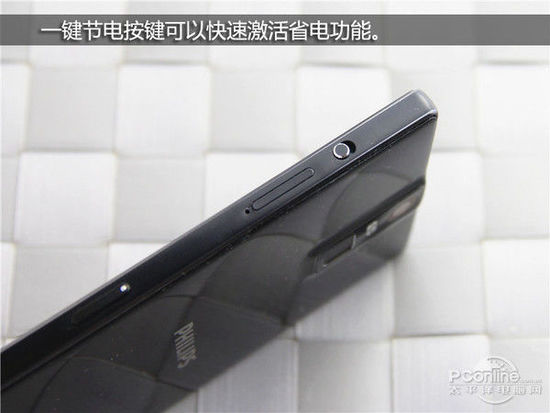
Recently, Philips released a new cellphone that uses the just-released YunOS 3.0. It is called the Philips Aurora I966, and it looks like this smartphone comes some of the best hardware around such as the Qualcomm Snapdragon 801 quad-core processor (8974AC, quad core, 2.5GHz), a 5.5-in 2K UltraHD screen, and a 20.7mp camera. It also has 3GB LPDDR3 and 32GB ROM. It is a shame that it does not support expanded memory cards. Many netizens have also focused on the phone’s design. Below is our review of this new phone.
Parameters
Philips Aurora I966 parameters
CPU
Qualcomm Snapdragon 801 8974AC, quad-core, 2.5GHz
RAM
3GB LPDDR3
ROM
32GB
Display
5.5-inch, 2560 x 1440
Camera
8mp wide-angle/20.7mp, dual-LED
OS
YunOS 3.0
Battery
3000mAh (undetachable)
Internet
TDD-LTE, FDD-LTE, TD-SCDMA,GSM, WCMA, 5 modes and 13 frequencies
Unboxing
Front and appearance
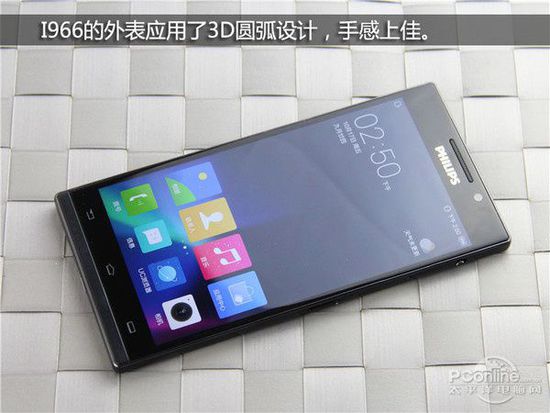
The Philips Aurora I966 sports a very good-looking appearance due to the big changes Philips did, such as the round design.
This phone is the first smartphone to sport a curved 3D glass screen.
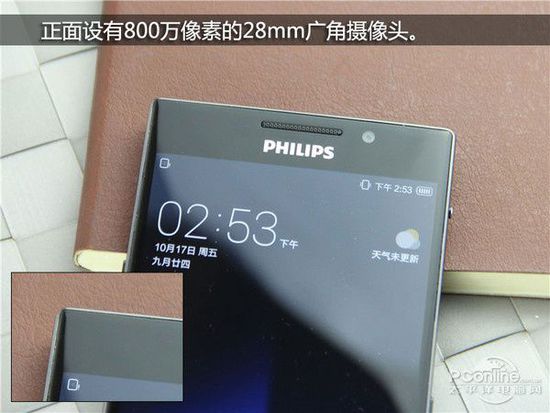
Above the screen is the phone’s 8mp front-facing camera with a 28mm wide-angle lens, so you can have more people join you in your selfie.
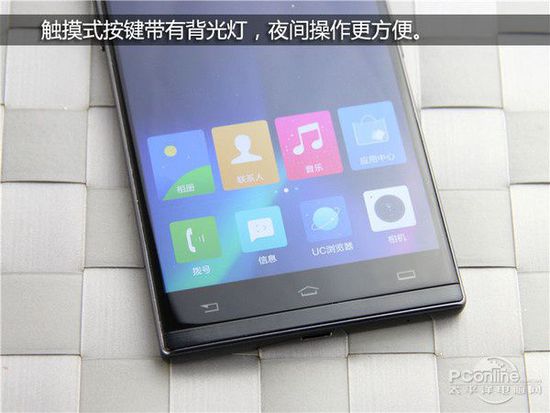
At the bottom of the front side are the return, Home, and menu buttons. There is also a background light so that you can use your phone at night. The screen is not too touch-sensitive which is good.
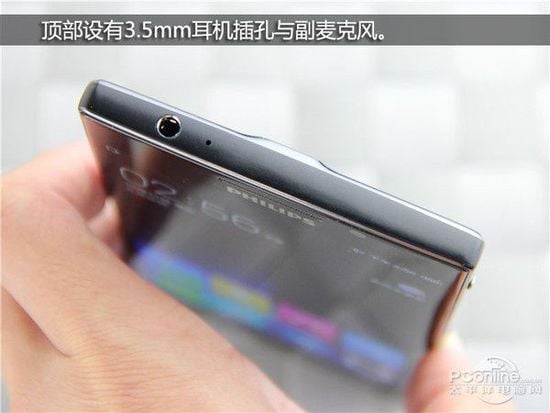
On the top are the 3.5mm earphone jack and secondary noise-cancelling microphone.
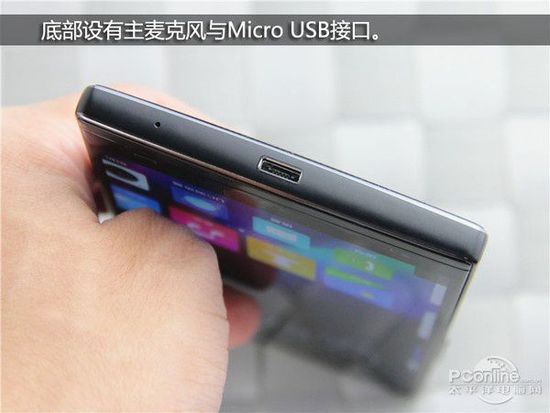
On the base are the primary microphone and Micro USB port which are neatly placed.
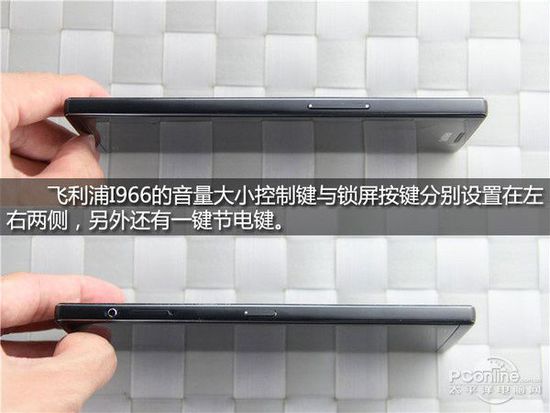
The Philips Aurora I966’s frame and body are black. It has a thickness of 8.2mm and it does not disappoint. The volume and lock screen buttons are placed on both sides.
Back cover
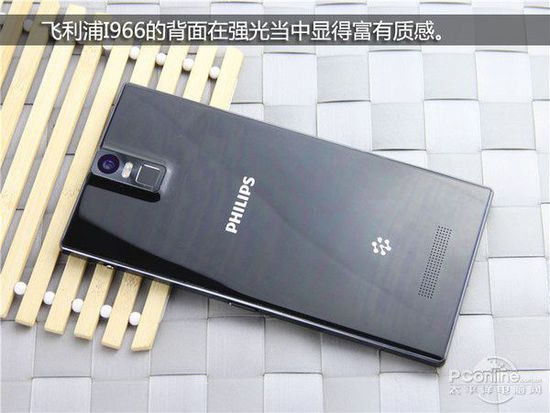
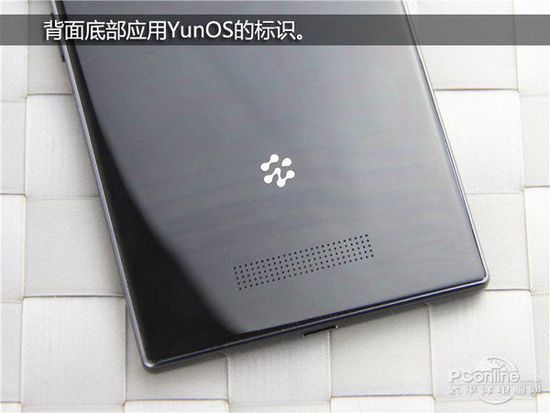
The surface of the back is flows well with the front. It feels very slippery and sleek.
It also sports a 20.7mp Sony Exmor RS camera with F1.8 lens. It also comes with dual-LED light.
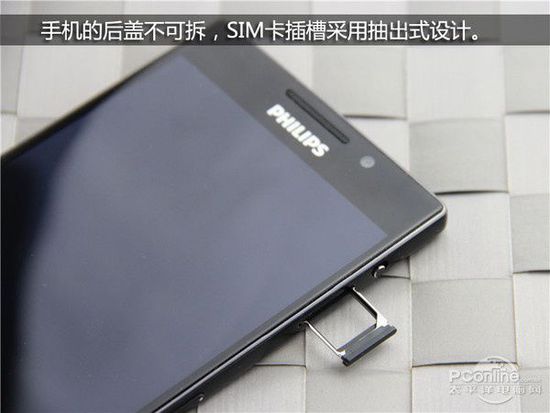
The cellphone’s battery is built-in and the rear cover cannot be taken off. As a result, the Micro SIM card tray is lookated at the side. This phone has support for TD-LTE Band38/39/40, FDD LTE Band7/3, TD-SCDMA Band34/39,WCDMA Band1/2/5, and GSM Band2/3/8.
Display screen
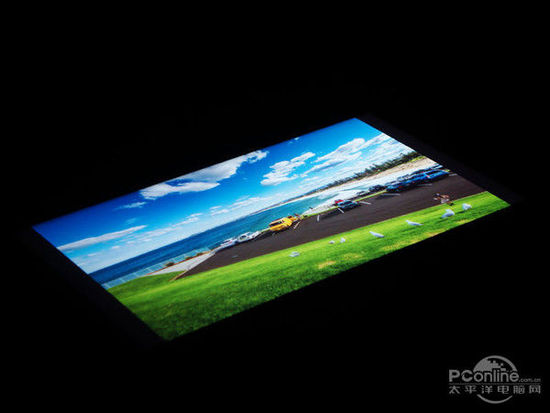
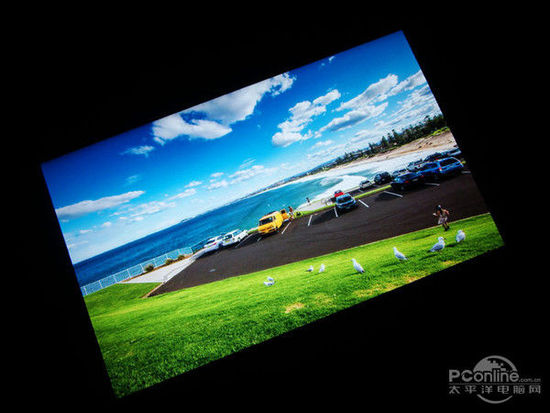
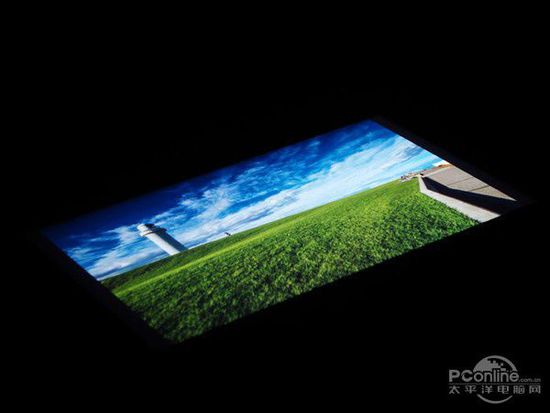
As stated earlier, the Philips Aurora I966 has a 2K screen (2560 x 1440). Its resolution 1.64 times that of the iPhone 6. It is also covered by Gorilla Glass 3. It also has a high scratch-resistance and is very durable.
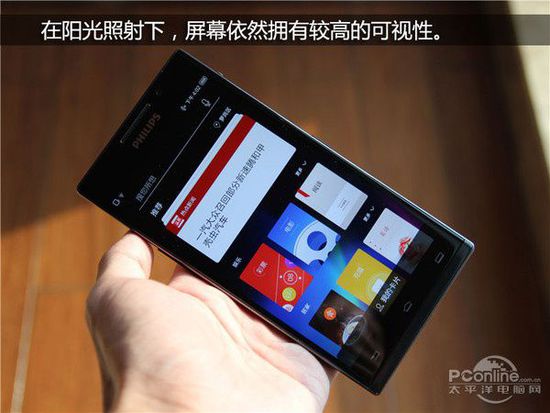
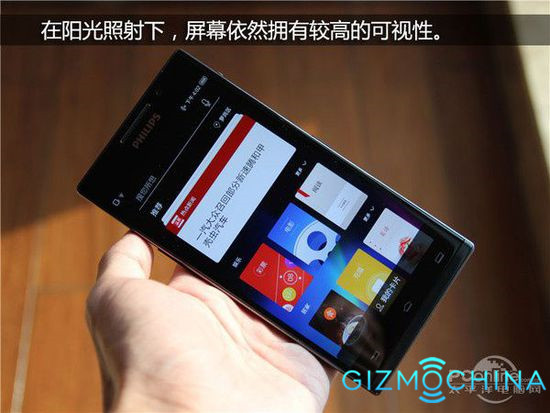
This phone also enjoys a very high brightness (over 500cd/m2). Theoretically, this is 30% higher than that of a regular FHD screen. Even when you use it outside during a bright sunny day, the quality will still be good. Here are some samples.
With a size of 5.5 in and a resolution of 2560 x 1440, we can estimate that this phone has a pixel density of 534ppi, which already surpasses the standard for a Retina display screen.
YunOS 3.0
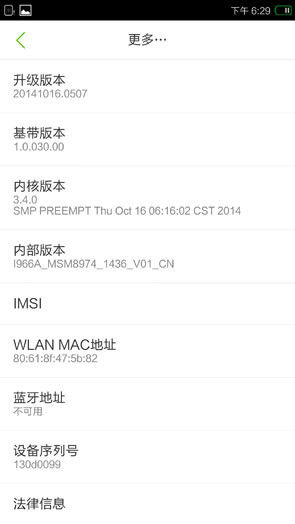
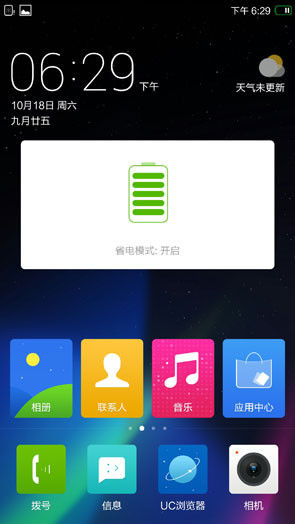
Here are some pictures of the user interface of the YunOS 3.0 which was launched along with the Philips Aurora I966 which uses this OS.
From the pictures, you can see that the rectangular icons have a similar style. Everything is organized neatly. The colors are also pleasing to the eye.
It also has a voice assistant like Siri. Even when you are offline, you can still use it to make calls or send a text.
The YunOS 3.0 also allows users to do type in different ways such as typing by voice.
This phone is also NFC-supported.
Camera interface and sample photos
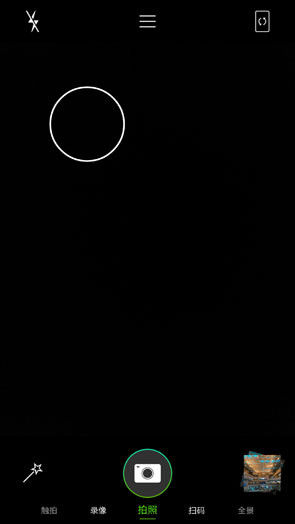
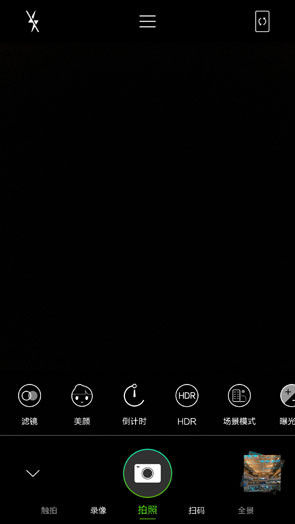
The Philips Aurora I966 has an 8mp front-facing camera with a 28mm wide-angle lens which is good for taking group selfies. Its main camera is also a 20.7mp Sony Exmor RS camera (IMX220). It also comes with dual-LED lights.
There are many things you can do with this phone’s camera. Features include taking videos, panorama shots, etc.
Hardware and performance
The Philips Aurora I966 has some of the most advanced hardware right now. It has the Qualcomm Snapdragon 801 80974AC quad-core processor (2.5GHz) and Adreno 330 GPU. Its RAM is 3GB (LPDDR3) while its ROM is 32GB. It does not support expanded memory cards, however.
One way of grading its performance is by looking at its benchmark scores:
Dalushi: 42408
Antutu: 38979
Linpack: 417.081;699.862
Quadrant Advanced(10802)
Vellamo: 1763;1191
Multitouch tester: 10
Nenamark 1: 59.5fps
Nenamark 2.4: 59.4fps
Battery life
Like its predecessors, one of the biggest features of the Philips Aurora I966 is its battery endurance.
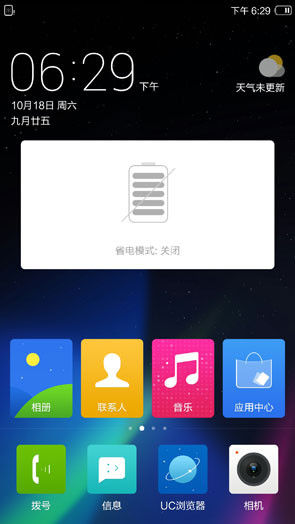
With the use of L&CABC stand-by technology, theoretically, the power used by the background light can be reduced by 60%. This goes well with Philips’ main standby technology (Smart Power Technology). It can also lower power consumption for gaming and net surfing. This phone also has support for the new QuickCharge 2.0 technology which can fully charge your phone faster.
Even when you close “power conservation mode”, you can still use WIFI and the screen at maximum brightness without any problems. It’s even better of course, when you turn it on. You can end up using the phone for about a day and a half.
Conclusion
The Philips I966 is a big improvement from its predecessors when it comes to design and hardware. Its use of the YunOS 3.0 has personalized this phone even further, enough to match its rivals.
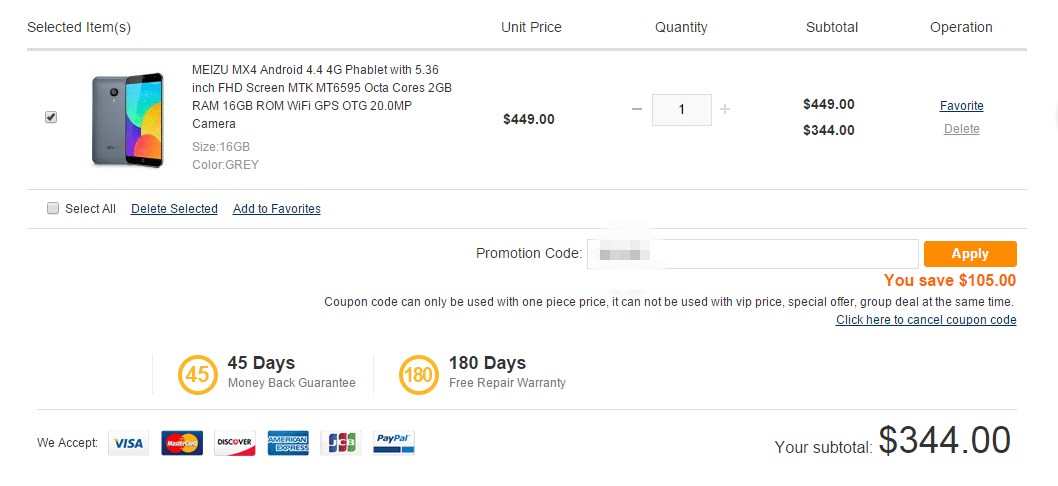
What’s up guys, good news here. Meizu’s official dustributor just send me a lot of $105 Coupons, I can’t tell their domain here cause Meizu does not allow their international distributors to price Meizu MX4 under $449. But I can email it to you about where to buy Meizu MX4 for $344. Time is limited, I promise you you can’t get any phones better than Meizu MX4 at $344. Just Join the activity below, leave your email in the comment below, I will send the coupon code to your email one by one in a few days. Be sure to use every coupon in 24 hours. You can email me, if you didn’t get the coupon.
We use cookies on our website to give you the most relevant experience by remembering your preferences and repeat visits. By clicking “Accept”, you consent to the use of ALL the cookies.
This website uses cookies to improve your experience while you navigate through the website. Out of these, the cookies that are categorized as necessary are stored on your browser as they are essential for the working of basic functionalities of the website. We also use third-party cookies that help us analyze and understand how you use this website. These cookies will be stored in your browser only with your consent. You also have the option to opt-out of these cookies. But opting out of some of these cookies may affect your browsing experience.
Necessary cookies are absolutely essential for the website to function properly. This category only includes cookies that ensures basic functionalities and security features of the website. These cookies do not store any personal information.
Any cookies that may not be particularly necessary for the website to function and is used specifically to collect user personal data via analytics, ads, other embedded contents are termed as non-necessary cookies. It is mandatory to procure user consent prior to running these cookies on your website.