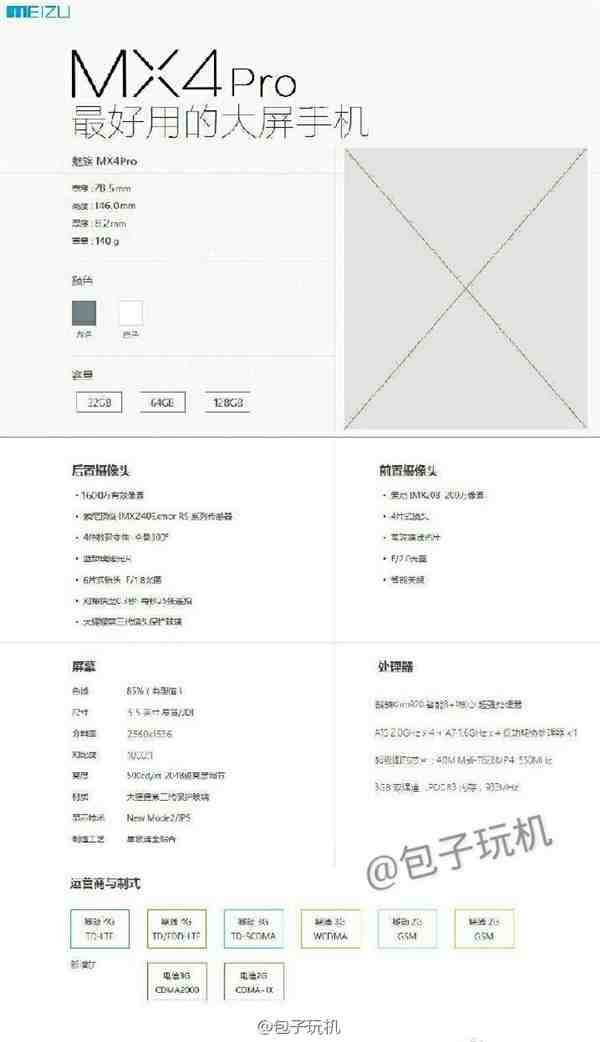
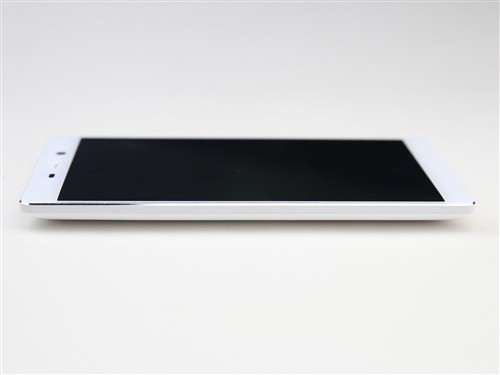
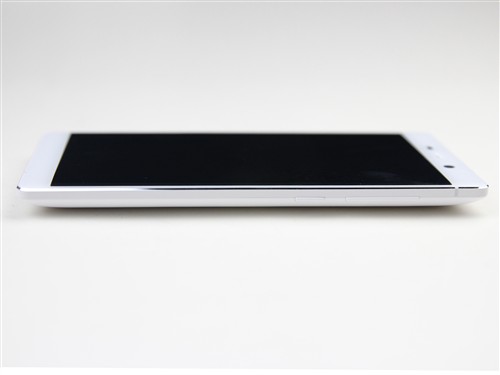
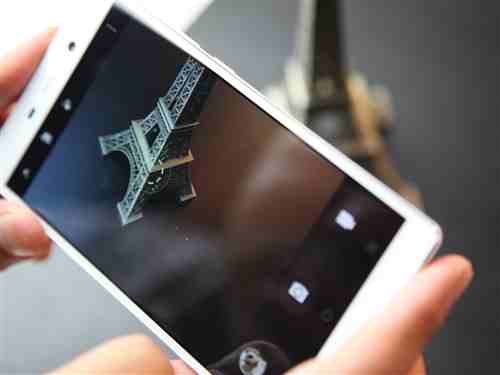
Recently, Weibo user, @包子玩机 posted a picture revealing details about the MX4 Pro. According to the picture, the MX4 Pro’s measurements are 146 x 78.5 x 8.2mm, bigger than the MX4, but its thickness is 0.7mm and its weight is 140g.
The Pro version sports a 5.5-inch 2560 x 1536 display screen and uses the 2GHz Kirin 920 octa-core chipset. It also has 3GB RAM and has 32/64/128GB ROM. No information about the battery has been revealed as of now. The MX4’s 20.7mp IMX220 camera was also replaced with a 16mp IMX240 one for the Pro edition. The camera also has an f/1.8 aperture and can take 25 photos per second.
However, one problem with the photo is that this device is supposed to support China Telecom 2G and 3G but the Kirin 920 does not support China Telecom networks. Therefore, if the MX4 Pro does use the Kirin 920 and be China Telecom-supported, it must use a separate baseband chip.
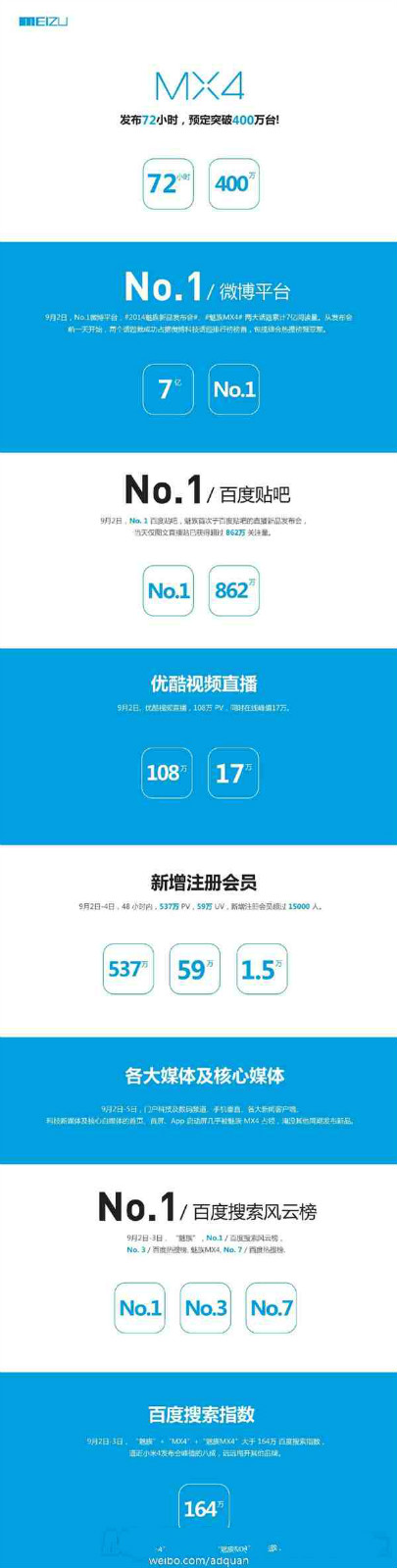
Everyone has had their eyes fixed towards the Meizu MX4 ever since it was launched. Today, 今天@ posted all kinds of data about Meizu’s new flagship phone such as links to threads discussing the Meizu MX4 and the number of pre-orders made. According to him, over 4 million pre-orders for the MX4 were made just 72 hours since it was launched. Threads about the MX4’s launch in Weibo have also received over 700,000,000 hits.
The number of members in Meizu’s official forums also grew by over 1500 from September 2-4. From September 2-3, more than 1.64 million searched for the MX4 in Baidu.
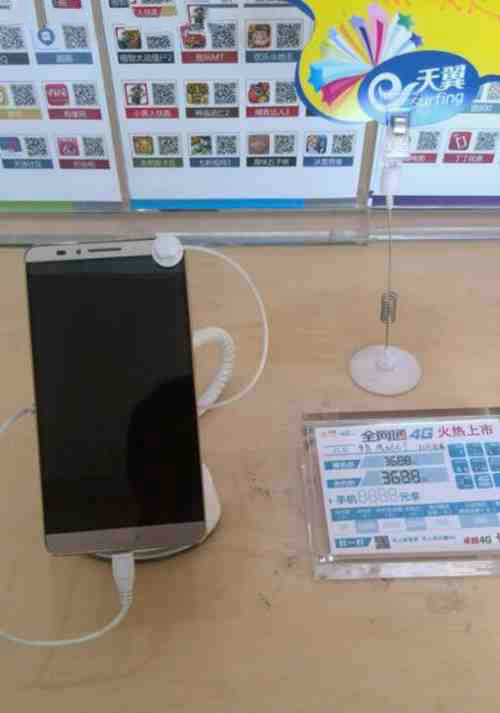
There has been a lot buzz surrounding the Huawei Mate 7 since its launch with its price being a hot topic. Even though the official price of the Mate 7 will be announced on September 12, off-line distribution channels have already announced the price of the high-end version. An internet user revealed that the Huawei Mate 7 high-end edition costs 3688 RMB, more expensive than previously reported.
As Huawei’s newest flagship device, there has been a lot of speculation regarding the Mate 7’s specs. Despite the fact that Huawei has only announced the overseas price of the Mate 7 and that they will only announce the official price on the 12th, an internet user revealed that the high-end version will cost 3688 RMB in off-line distribution channels, more expensive than previously reported (3499 RMB/570.88 USD).
If this is true, then, the low-end version may cost around 3088 RMB (503.82 USD), higher than the reported 2999 RMB (489.30 USD) price.
Although it may seem expensive, we should still check out what Huawei has to offer. The Mate 7’s case is made of a strong alloy and is 95% metal. It sports a 6-inch 1080p display screen and has a thickness of 2.9mm. It also has a 83% screen-to-body ratio.
The Mate 7 uses the Kirin 925 octa-core chipset. The high-end version has 3GB RAM and 32GB ROM while the low-end version has 2GB RAM and 16GB ROM.
The Huawei Mate 7 will be launched on September 12 at 2:30 PM in Shanghai.
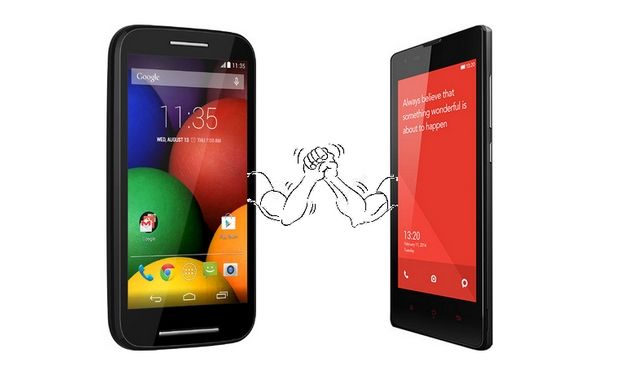
Xiaomi, the Chinese mobile phone manufacturer launched Redmi 1S in India at a price of INR 6,999 which was exactly same as the online price of Moto E. But as the flash sale of Redmi 1S was announced recently the price has been slashed to INR 5,999. A comparative report of the two phones can illustrate their detailed spcefications.
Redmi 1S has a 4.7 inch, 720X1280 p display while the Moto E has a slightly smaller 4.3 inch 540X960 p display. The former is protected by AGC Dragontrail scratch-resistant glass while the latter has a Corning Gorilla Glass 3 shield.
Redmi 1S is powered by a Quad core 1.6 GHz Qualcomm Snapdragon 400 chipset while Moto E comes with a Dual core 1.2 GHz Snapdragon 200 processor.
On the storage front, Moto E has internal memory of 4 GB expandable to 32 GB while Redmi 1S has 8 GB internal expandable to 64 GB.
Redmi 1S has better camera specifications with 8 MP rear camera and 1.6 MP rear camera. On the other hand, Moto E has a 5 MP rear camera and no front camera.
The Chinese smartphone runs on a 2000 mAh battery and a customised Android Jelly Bean 4.3 operating system. Moto E is fuelled by a 1980 mAh non-removable battery and runs on Android Kit Kat 4.4.4 operating system.
Keeping in mind the specifications, the Redmi 1S is definitely more power packed as compared to the Moto E. But Motorola as a company is directly backed by Android makers – Google. So, the final call has to be yours.
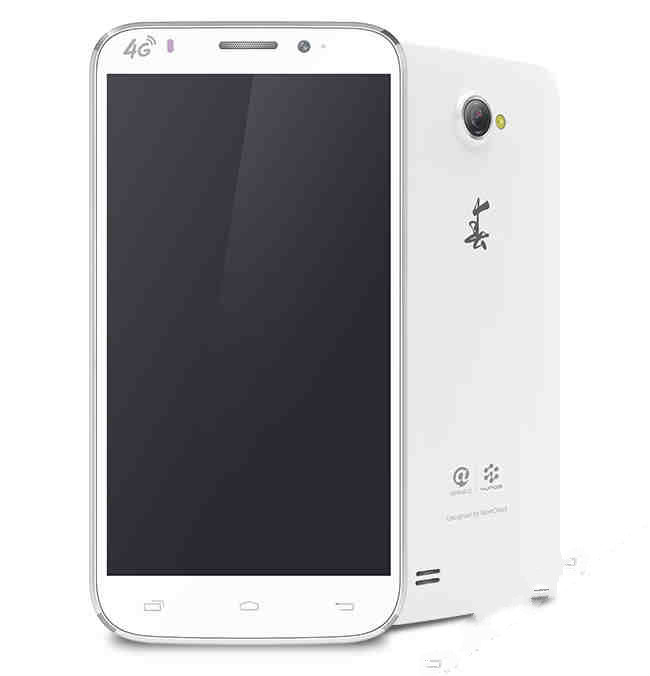
On September 3, at the Beijing National Conference Center, Dakele Mobile will launch its first flagship 4G cellphone, the Dakele Spring. It will also be the first 4G phone to use the Cloud OS, more precisely, the Yun 2.9 OS, which places great importance on safety and security.
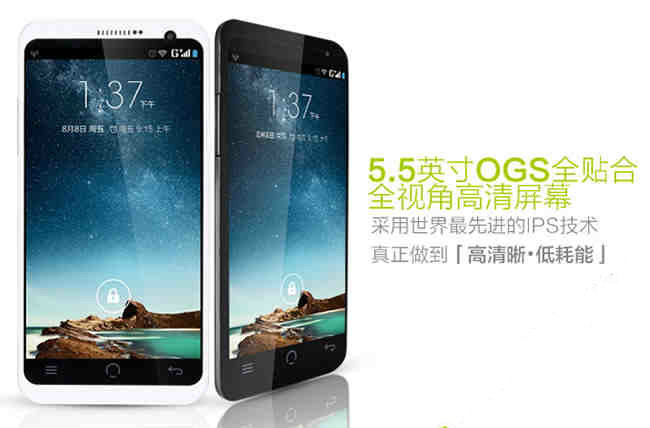
Even before its launch, a lot of information about the Dakele Spirng has already been released online. The latest news on the phone reveal the Spring’s specs and that the Spring will cost 699 RMB. This phone will sport a 5.5-inch IPS screen with qHD resolution (960 x 540). Its processor is the MSM8926 (1.2GHz) chipset and has 1GB RAM and 4GB ROM. It also sports a 2mp/8mp dual-camera. The rear camera uses OV lens. The Dakele Spring supports TD-LTE China Mobile 4G internet, TD-SCDMA, and GSM. One of its selling points is that it supports dual-SIM. Its biggest selling point though is that it will use the Yun 2.9 OS which has, among other features, greater security features.
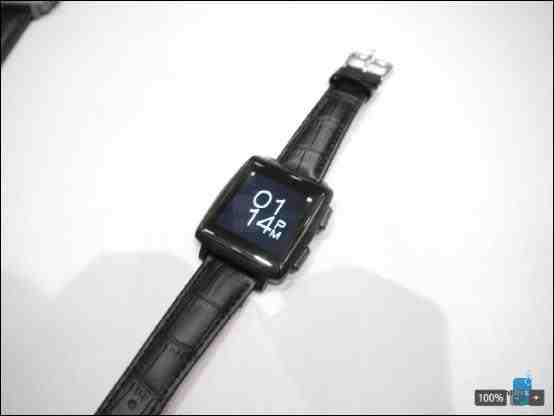
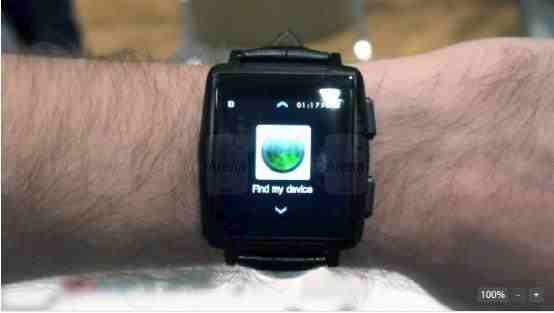
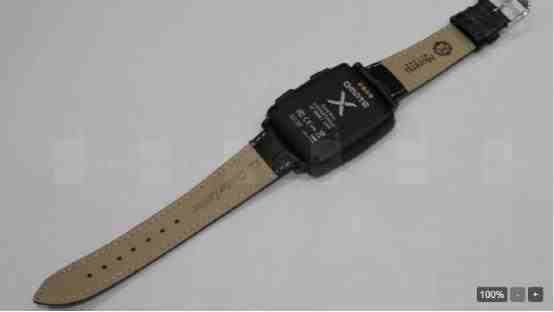
Hong Kong-based portable device company, Omate, introduced its new smartwatch called the Omate X. This device is more focused on notifications than apps and can send notices to Android and iOS devices or vice-versa. It has many programs such as an alarm clock, contacts list, and a music player.
One of the biggest problems with the Omate X is that the screen automatically shuts off after an hour. As a result, even if the user just wants to look at the time, he has to keep turning it on. Its screen resolution is also a bit low and the graphics are not clear enough, but it has good craftsmanship. It is made of metal and can fit with a leather watch.
As stated earlier, the Omate X’s specs are pretty low. It uses a processor from MTK but it is the only smartwatch with a color display screen in the market with a battery that can last for 5-7 days. The Omate X goes on sale in October for 129 USD in the American market (796 RMB) and 99 Euros in the European market (790 RMB).
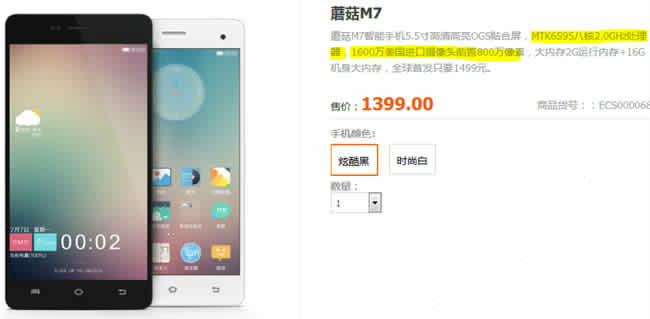
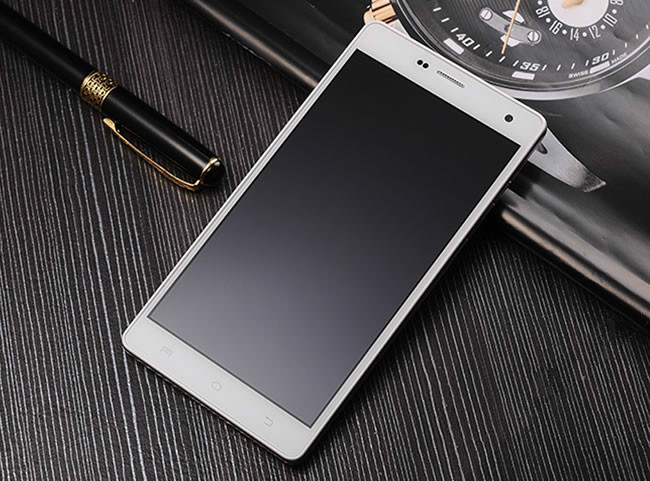
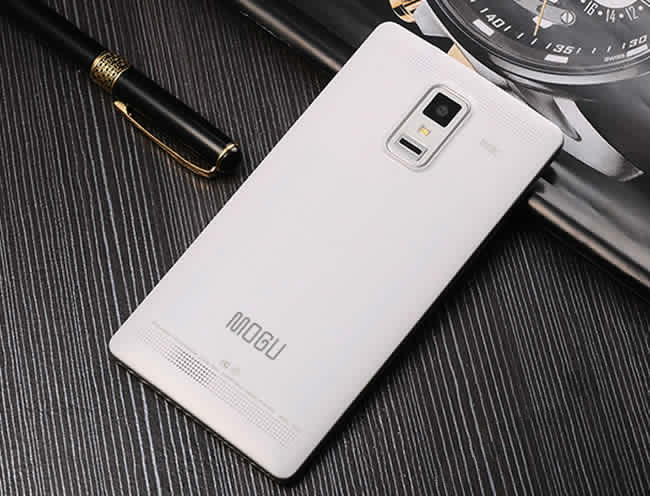
Moguphone which, last year, released the 399 RMB (65.06 USD) M6, recently released its follow-up. The Mogu M7, which is now on sale, uses MTK’s newest processor, the MTK6595 LTE octa-core chipset.
The M7’s hardware is pretty standard for cellphones like it. It sports a 5.5-inch FHD screen and a 8mp/16mp dual-camera, and has 2GB RAM and 16GB ROM. It is also powered by a 2600mAh battery and uses the Android 4.4 OS. It also supports common features like a GPS.
Mogu has stated that the M7’s processor is the 2GHz MT6595. If it is true, then, it should be the MT6595M, which the Lenovo Vibe X2 also uses. What does not make sense is that this phone is aid to use Cotex A-7 and PowerVR SGX544 cores. Everybody knows that the MT6595 uses A17 and A7 cores and that its GPU is the Power VR G6200. This phone also only supports WCDMA/GSM but the MT6595 does not, casting doubt on whether or not this chipset is the M7’s processor.
The Mogu M7 is already on sale in Mogu’s official online store for 1399 RMB.
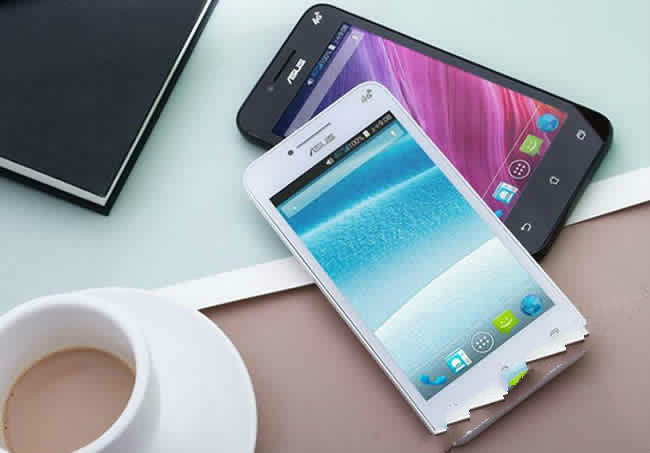
Recently, ASUS formally released its first 4G cellphone to use a chipset from MTK. The ASUS T45 can be bought online at T-mall for 699 RMB.
The T45’s design is similar to the ZenFone’s. There are black, white, red, and yellow versions but only the black version is on sale right now.
The T45’s camera specs are not that great with a .3mp front camera and 5mp rear camera. You can take photos using voice recognition and it also supports smile shutter and panoramic shots. The screen is just what you would expect from an entry-level phone. It sports a 4.5-inch 854 x 480 TFT display screen and has 512M RAM and 4G ROM. It is also powered by a 1750mAh battery and its OS is the kitkat. Its chipset is the MT6582M processor which, along with the MT6290, supports China Mobile 4G/3G and GSM.
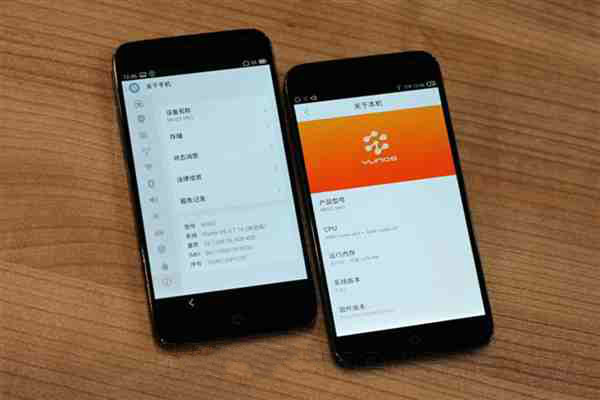
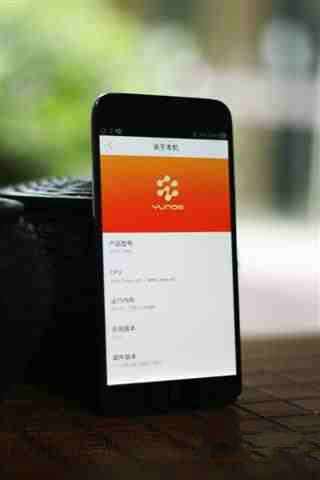
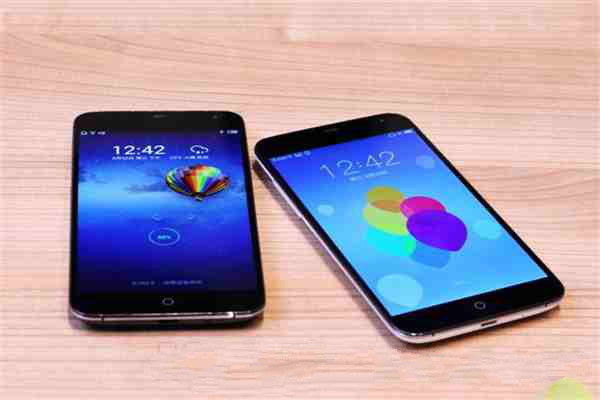
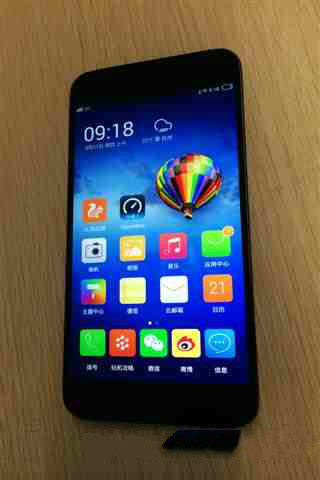
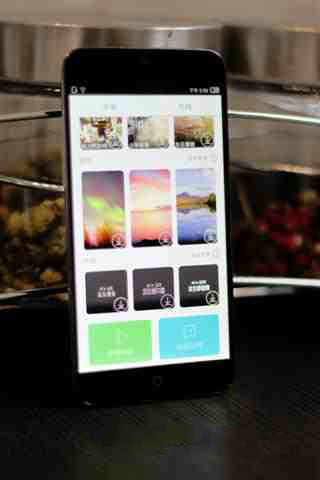
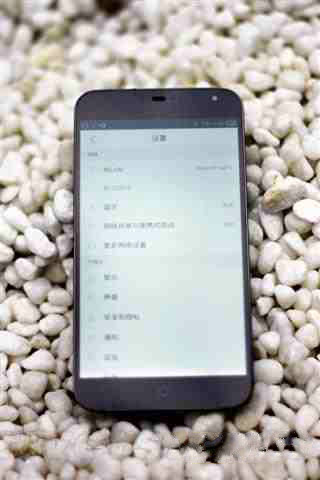
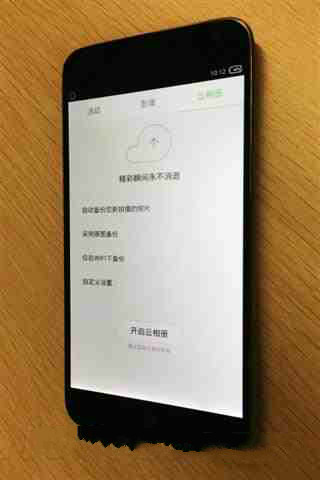
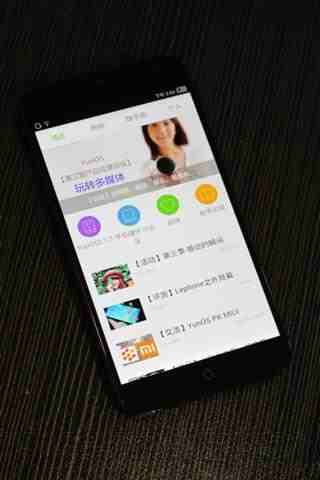
Yesterday, it was reported that a netizen successfully installed the Yun OS into their Mi 3. Now, not willing to let the Mi 3 enjoy all the fame and glory, someone also installed the Yun OS into their Meizu MX3. Does it work?
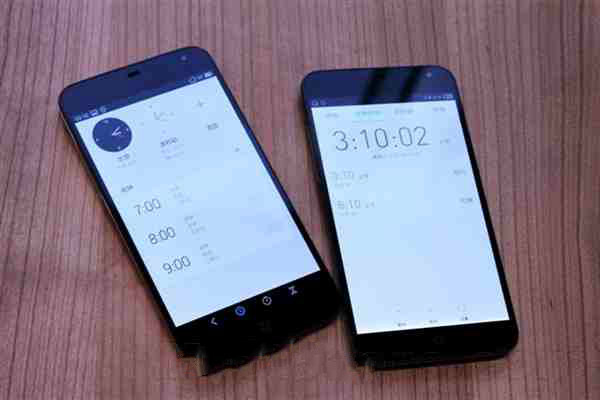
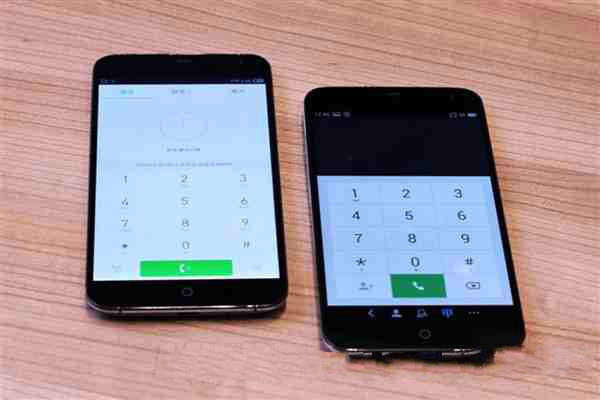
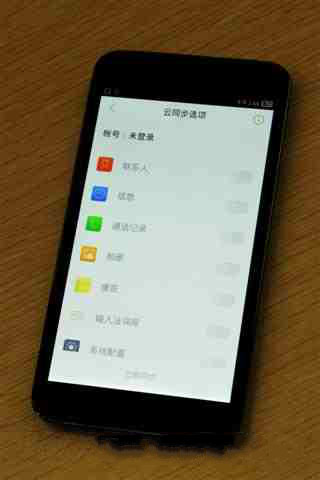
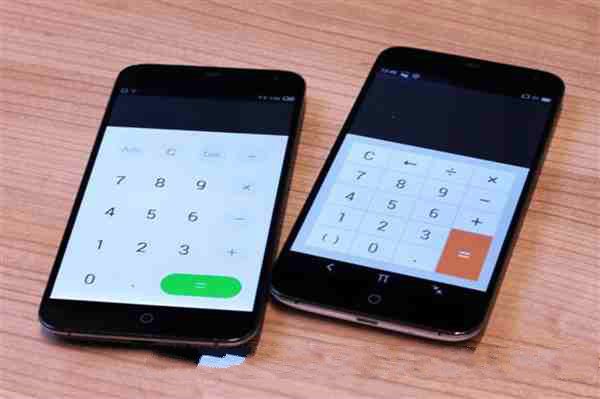
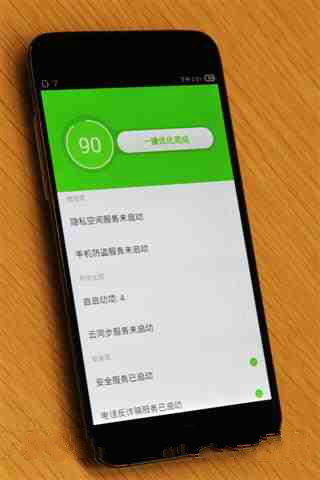
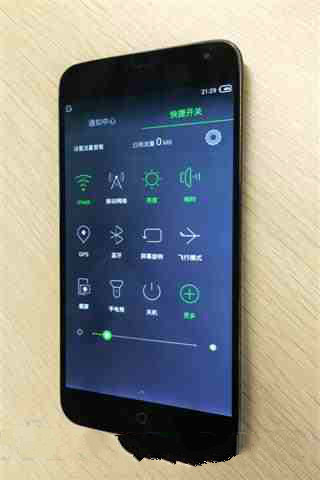
As the screenshots posted by this netizen show, the Yun OS’s lock screen, desktop, and notification bar are pretty clean and simple. Common features such as the Cloud Album and Safety Center are there. According to this netizen, his MX3 experienced high fluidity and better performance after installing the Yun OS 2.9.2.
In addition, the Yun OS is said to save more power than the Flyme OS but its unclear how long it can last. Many think that the snapshots are a sign that Meizu and Alibaba will work together. Meizu’s ex-CEO, Li Nan, did confirm that Meizu and Alibaba were in talks regarding a possible partnership. Could the Yun OS working with the MX3 be a result of this partnership?
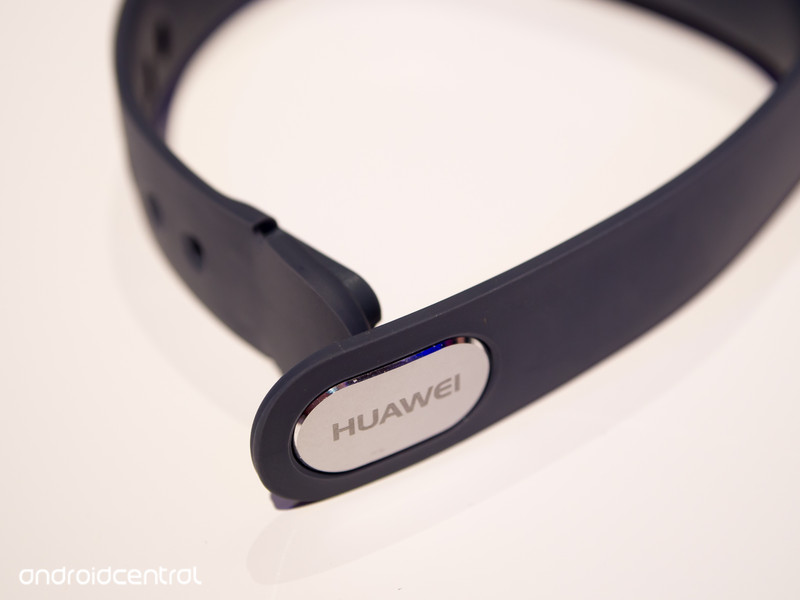
It was at Berlin, IFA 2014 that Huawei CEO – Richard Yu finally gave a statement in an official interview that the company was making their own Android based smartwatch.
According to the reports, Huawei smartwatch will still take 1 more year and it would be launched in the year 2015. Richard Yu did not talk anything about the specifications of the watch or the design but smiled and said that the Huawei smartwatch will look better than the Samsung’s Gear S. He seemed very confident about this new addition under Huawei’s belt as he said that our smartwatch will be innovative as well as beautiful. We guess that Huawei has already made the designs and the proto type smartwatch might be under production.
Huawei had recently launched a fitness tracker band which is a success in regard to sales. Almost all companies are now entering the android wear market by manufacturing their own smartwatch. Well, this is an official announcement but let’s see when the company will come up with their smartwatch teasers, pictures along with more detailed information.
Xiaomi Redmi 1S has been a hit in the budget friendly smartphones since the day it was launched. No doubt, Xiaomi has put in the best specifications to make this phone a wonderful one and we know from the sales it has recorded in various countries where it has been launched.
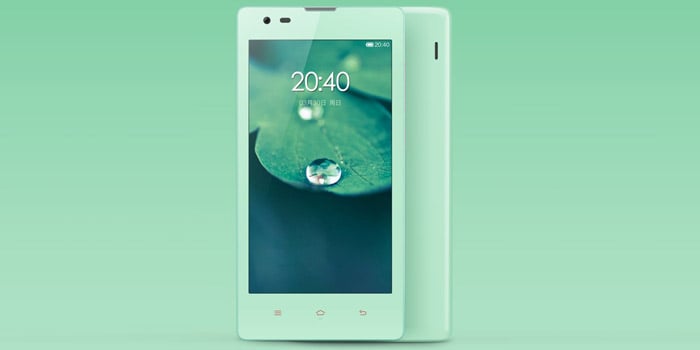
One problem with Xiaomi phones is that there are no color options available to the consumer to choose. Taking a strict action on this, Xiaomi will soon launch a mint green version of its popular Redmi 1S. The mint green Redmi 1S will be launched in China first.
Till now Redmi 1S was only available in Red color and maybe that is from where this phone got its name. But now consumers will have an option to choose between red or mint green color while buying a Xiaomi Redmi 1S.
Specifications and the design of mint green Redmi 1S version will exactly be the same as the red colored version. The only change which has been brought is the color. Xiaomi is now looking forward to add more colors to its available range of smartphones to boost sales and reach those who are more style conscious. Let’s see if this mint green color is a good option or not.
Tell us which color appeals to you more – Red or Mint Green?
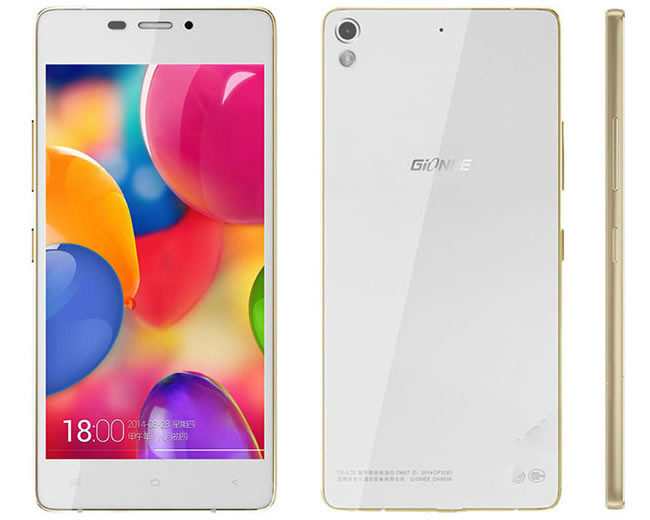
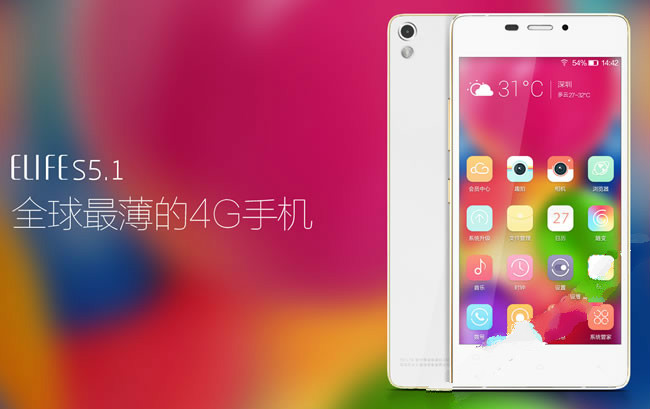
With a 5.15mm thickness, the Elife S5.1 is the thinnest cellphone to date. It recently went on sale and those who want it (especially those who want thin cellphones) can make pre-orders in its official store at JD. It costs 1999 RMB making it cheaper than the Elife S5.
Besides its 5.15mm thickness, the camera does not point out like the S5.5’s and it is powered by a 2100mAh battery which puts many 5-inch phones to shame since it uses a 4.8-inch Samsung SuperAmoled screen with 720p resolution.
The Elife S5.1, like the S5, uses a screen made of Corning Gorilla 3 Glass and Aluminum magnesium alloy. It is available in many colors like black, white, pink, and blue.
Its other specs are not that special. The S5.1 uses the MSM8926 quad-core processor which supports TD-LTE internet and has 1GB RAM and 16GB ROM. It also sports a 5mp/8mp dual-camera and its OS is the Android 4.3-based Amigo 2.0. It supports sensory programs such as an electric compass and gyroscope. It also has a noise-cancelling dual-microphone.
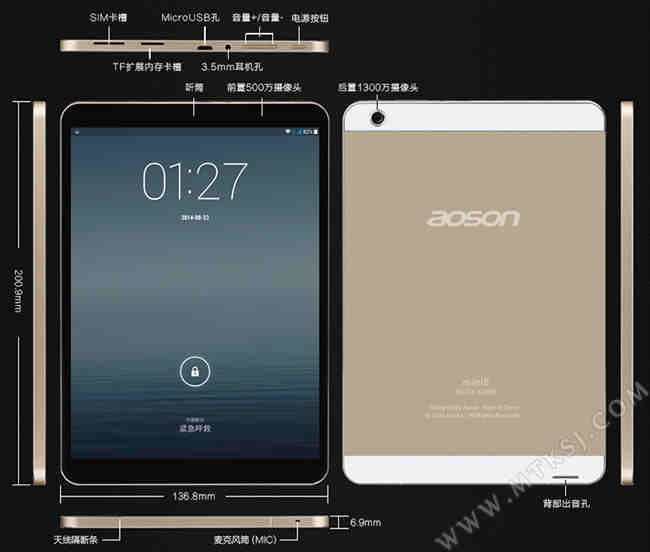
After releasing the large iPhone 5S clone, the M787T, Aoson immediately released an enhanced version, the Mini 5 tablet, which is now on sale in Aoson’s section in Taobao.
The Aoson Mini 5 has the same design as the M787T and their measurements are exactly the same (200.9 x 136.8 x 6.9mm). Its mid-frame is made of aerometal.
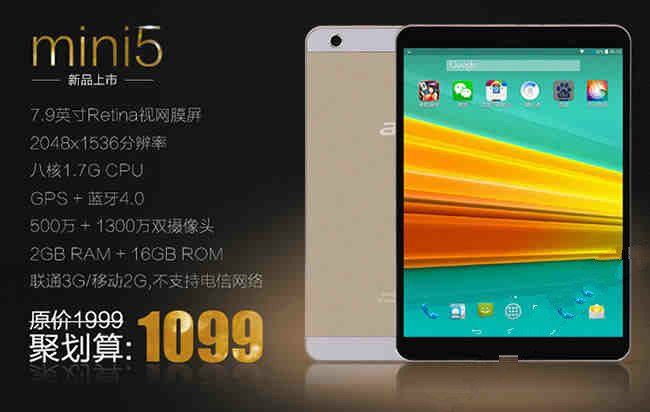
The Mini 5’s chipset is the 1.7GHz MT6592 octa-core processor. It has 2GB RAM and 16GB ROM (expandable). Its cameras have also been upgraded to 5mp and 13mp respectively and its battery is now 5000mAh. Its OS is the Android 4.2 and it supports WCDMA/GSM networks.
The most alluring thing about the mini 5 is its 7.9-inch OGS screen with 2048 x 1536 resolution and 326 PPI (retina level).
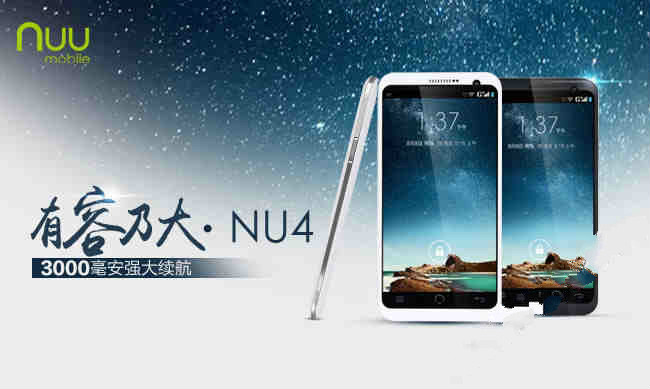
Since it was founded last year, NUU has released three devices: the NU1, 2, and 3. The latter two look almost alike in design. Now, a new one will hit the market, the NUU NU4, and it has the biggest screen yet.
The NUU NU4’s selling point is its 5.5-inch big OGS screen with HD resolution (1280 x 720), the most powerful an NUU phone has yet. It is powered by a 3000mAh battery and has a quad-core chipset. It also has 1GB RAM and 8GB ROM as well as a 5mp/8mp dual-camera. However, this phone does not support 4G internet, only WCDMA/GSM dual-SIM.
Its design is similar to its predecessors and is available in black and white. The mid-frame is also made of silver metal.
The NUU NU4 is already on sale in the internet for 1190 RMB (193.98 USD).
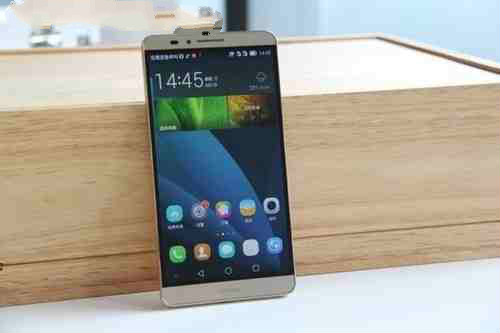
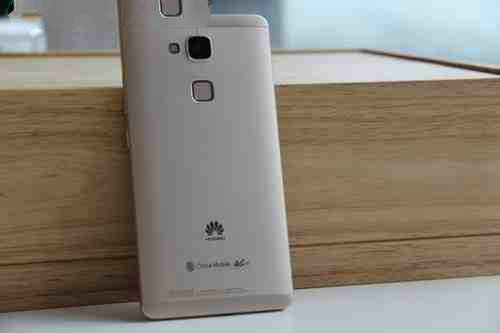
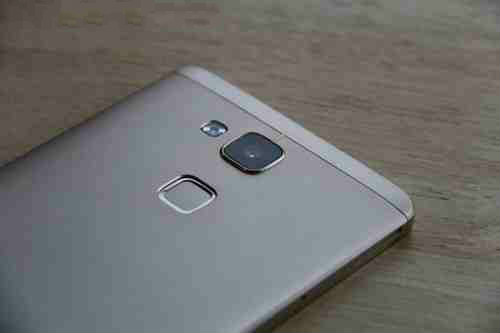
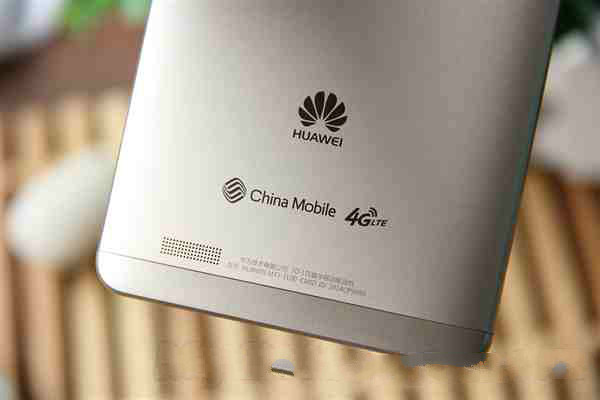
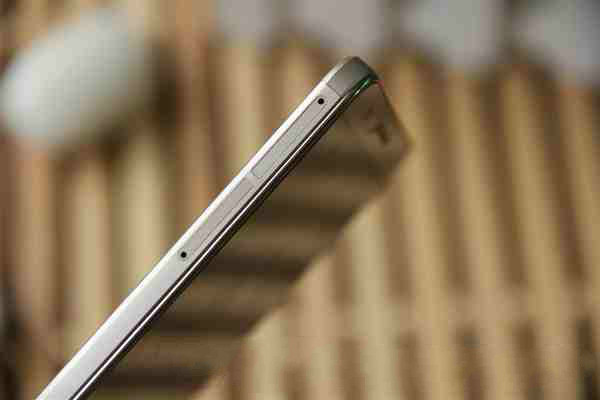
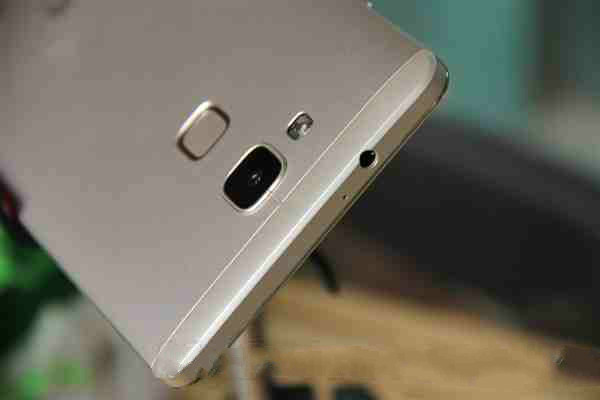
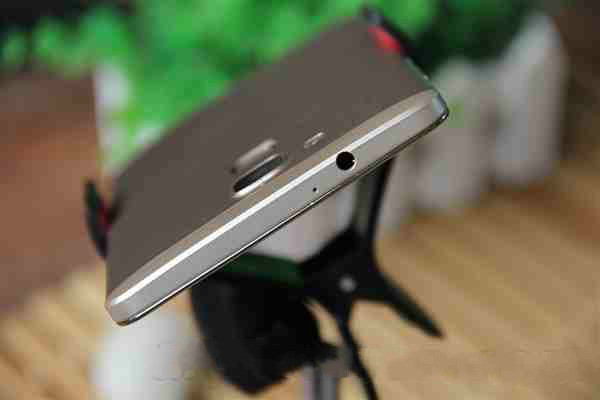
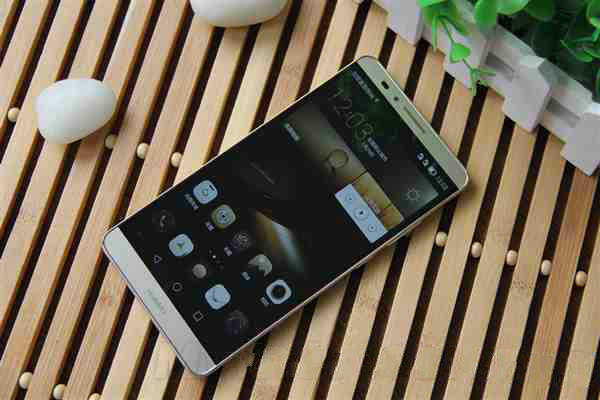
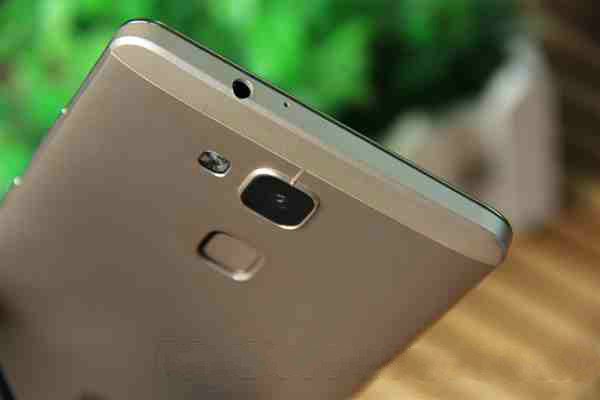
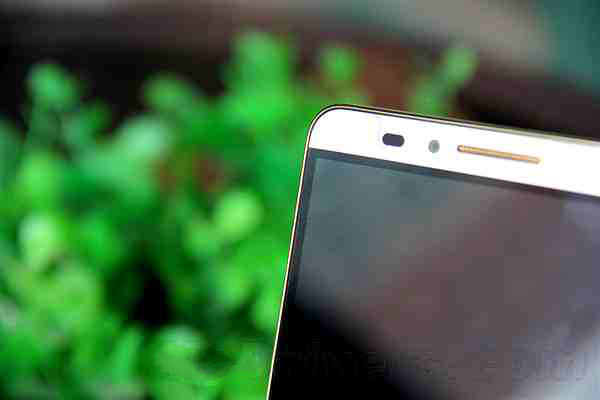
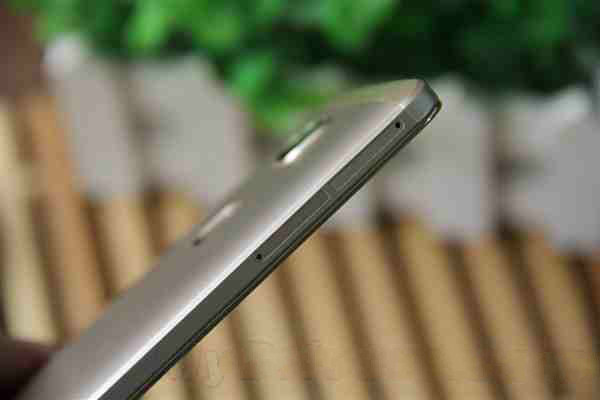
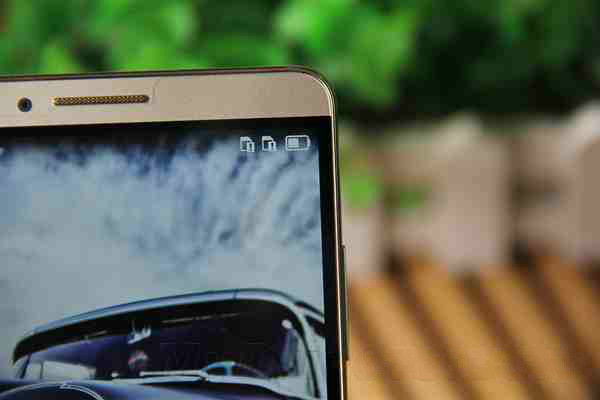
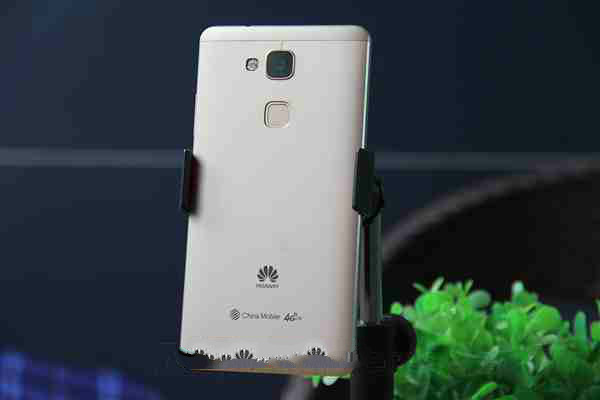
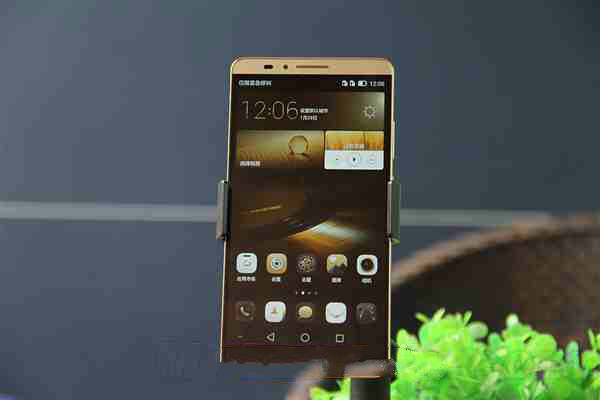
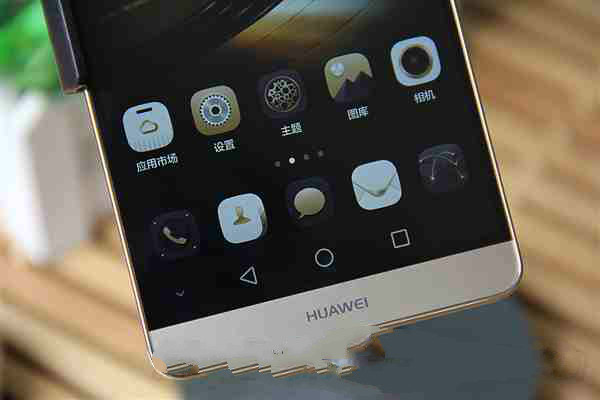
On September 4, Huawei formally launched its new flagship phone, the Mate 7. Here are snapshots of the new phone.
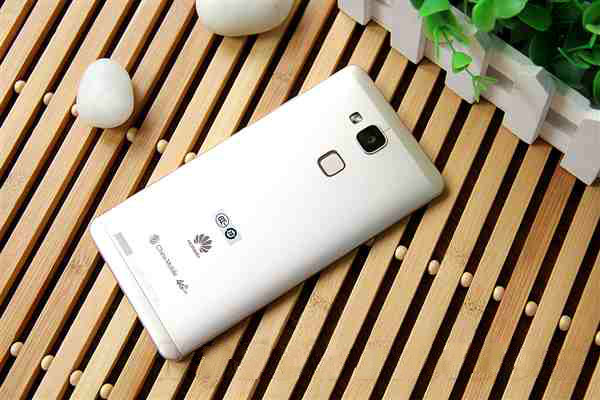
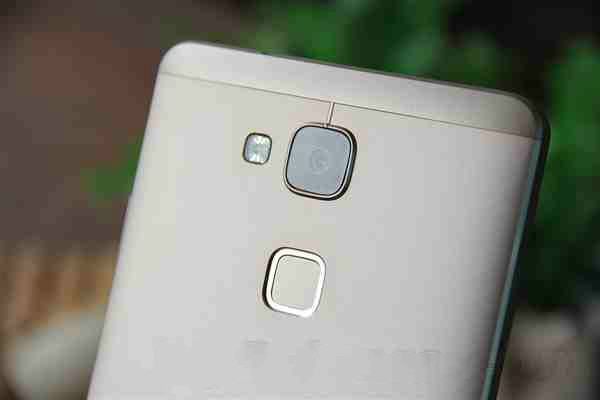
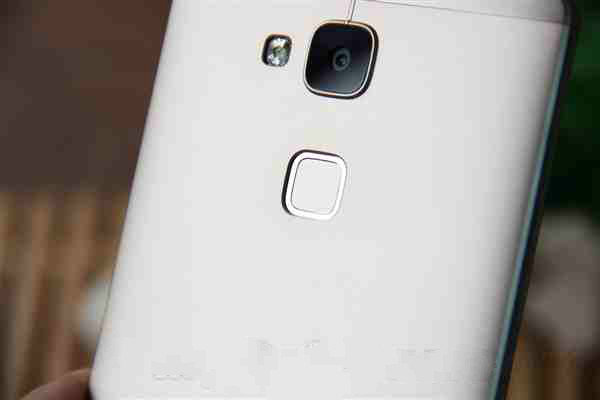
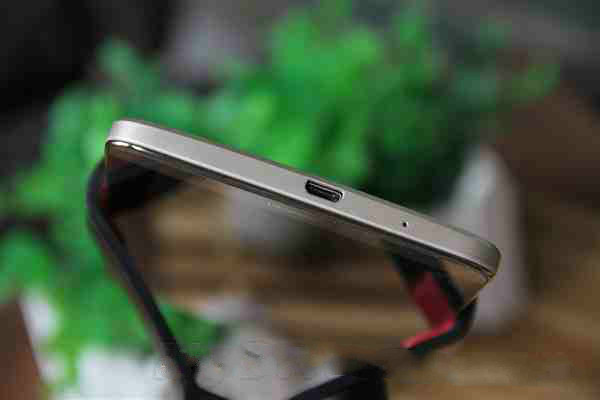
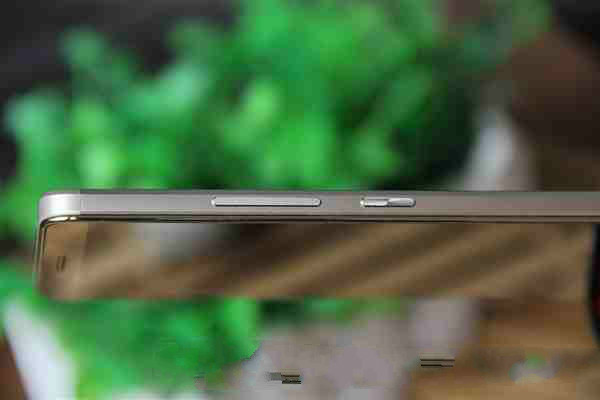
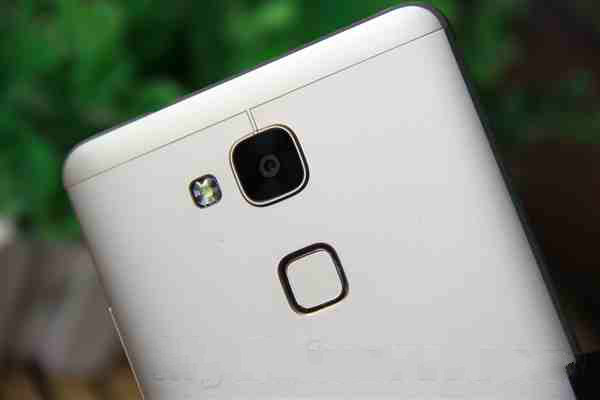
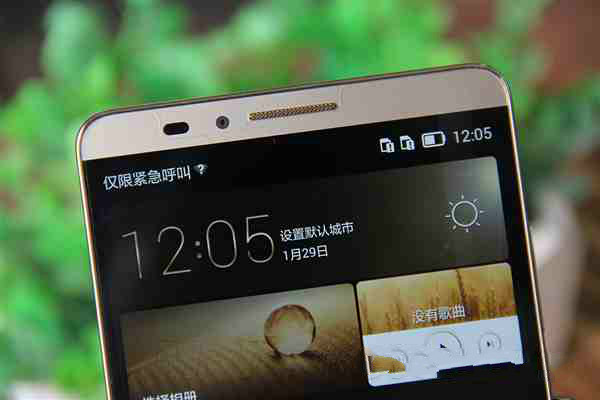
This device is available in silver, grey, and gold which we have. The frame surrounding the Mate 7’s front side is very thin. Its biggest feature is fingerprint recognition, the first Android phone to have such a feature. It has a sensitivity degree of 1 second which surpasses the iPhone 5S’ 1.8 seconds. This phone can handle, at most, 5 fingerprints. Functions include, screen locking, hidden files, app lock, and account verification.
Regarding its specs, the Mate 7 sports a 6-inch 1080p display screen, uses the Kirin 925 octa-core chipset, and has 2GB RAM and 16GB ROM (high-end edition has 3GB RAM and 32GB ROM). It also has a 5mp/13mp dual-camera and is powered by a 4100mAh battery. Its OS is the Android 4.4-based EMUI 3.0 and it supports dual-SIM and China Mobile 4G.
The Huawei Mate 7 goes on sale in China on September 13. Low-end version will cost 3499 RMB (570.35 USD) while the low-end version will cost 3999 RMB (651.85 USD).
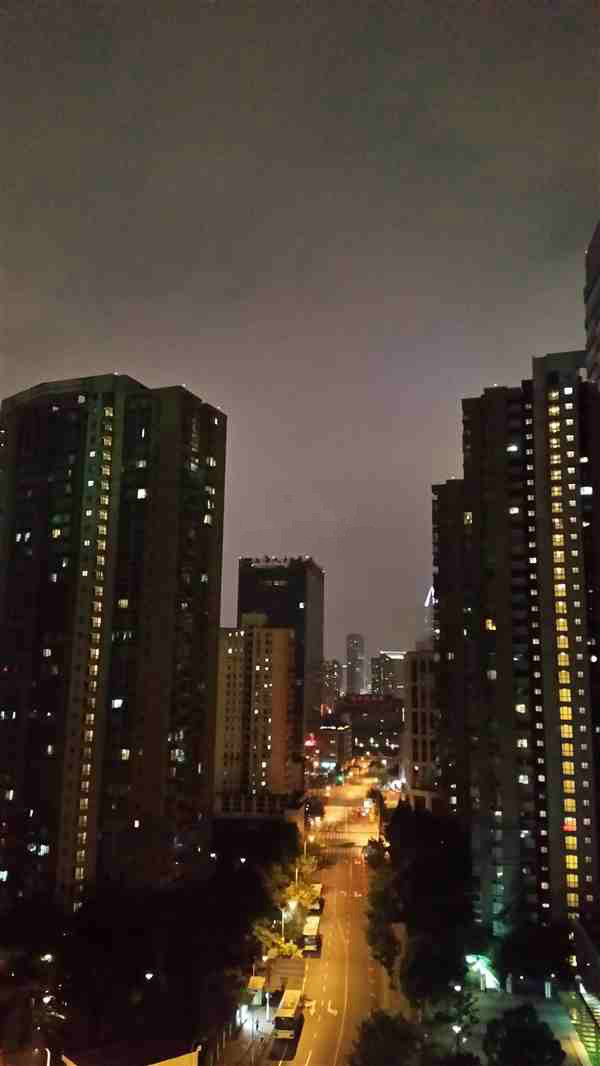
When the iPhone 6 was first revealed, Weibo user @瑞记 leaked night photos that were taken using Apple’s new phone. He also added photos taken using the iPhone 5S, Smartisan T1, LG G3, SM-G906K (Galaxy S5 high-end version), and nubia Z7 mini for comparison. Although this photos are compressed, they are still worth analyzing.
According to China Mobile, the camera that the 4.7-inch edition of the iPhone 6 uses still has a disappointing 8mp but has better photo quality than the similarly 8mp camera of the iPhone 5S.
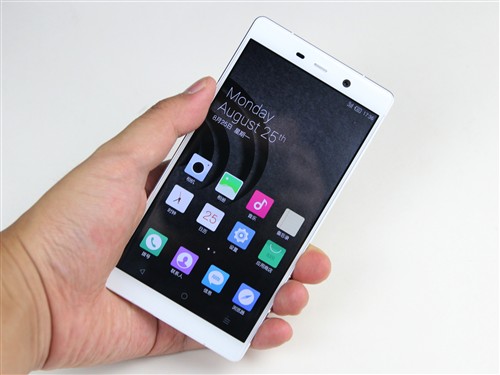
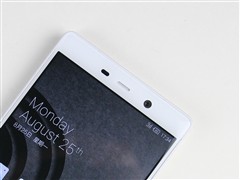
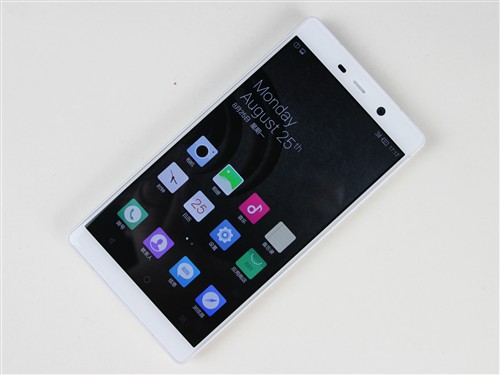
The best thing about the IUNI U3 is its appearance, especially the front. It sports a 5.5-inch 2K display screen that takes up about 77% of the phone’s body, the highest screen-to-body ratio for a phone with a 2K screen in history. It is also only 10mm thick. Furthermore, its screen is covered by a 2.5D curved glass that is as transparent as a drop of water creating a big visual impact.
From these two close-ups, we can see just how powerful a visual impact the IUNI U3 has as a result of having such a high screen-to-body ratio. Above the screen is a sensor, speaker, and 4mp front camera with an f/2.0 aperture. To put the screen to best use, the U3 uses virtual buttons. Regarding the texture, this phone uses Corning Gorilla 3 Glass and is covered by Canon Optron AF giving this phone a smooth and slippery texture. Overall, the IUNI U3 delivers as it is the only phone out right now that can maintain a high screen-to-body ratio with a 2K screen.
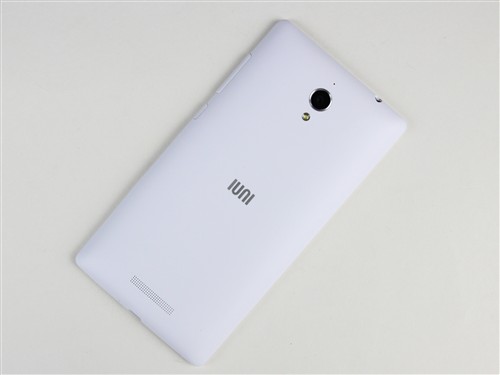
There is a huge contrast between the IUNI U2 and U3, not just regarding the screen but also the way the back has been redesigned. It has been designed with two intertwined fibers that make it comfortable for the user to hold when he carries the phone. The phone’s great curvature makes holding like lying down on a pillow without increase its thickness. The snapshots may make the phone look a bit thick but it is actually very comfortable to hold.
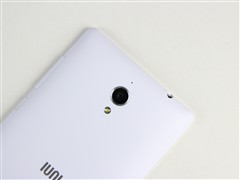
On top middle part at the back of the phone is the U3’s 13mp Sony IMX135 camera. Despite it having lower resolution than the U2’s 16mp camera, many disliked the U2’s “volcano-shaped” camera. The U3 rear camera’s design is much simpler and easier to deal with. It also has F/2.0 aperture and is OIS-supported. It also has a built-in professional imaging algorithm engine from ArcSoft.
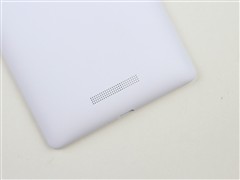
Located in the middle of the back is IUNI’s logo. The font is small but imposing, something that many manufacturers seem to be comfortable with. At the bottom is the speaker.
The IUNI U3’s measurements are 145 x 74.9 x 10.3mm. At one side, its thickness is 10.3mm at most which is not really slim, based on the industry’s standard, but its curvy design makes it comfortable for the user when holding it. There are no buttons on the left side.
On the right side are the power and volume buttons. The part of the side below them is connected to the rear cover.
A 3.5mm earphone jack is located at the top side of the phone. At the bottom are the cable port and microphone. To give the user the best quality for phone calls, the U3’s frame is covered with antennas giving the phone a good 4G signal.
Summary: The best part about the IUNI U3’s design is its front side. Its 5.5-inch 2K screen which covers 77% of the phone’s body enjoys a high quality and clear screen performance. Even though it is only 10.3mm thich, it has a pillow-like texture due to its curved design.
IUNI OS
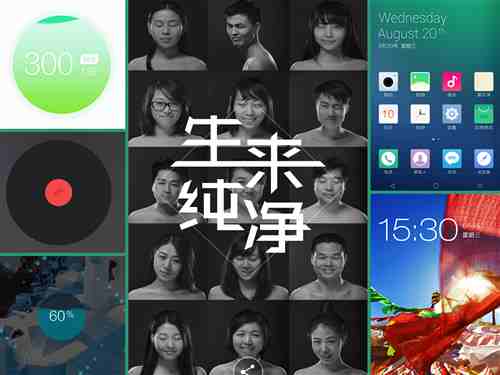
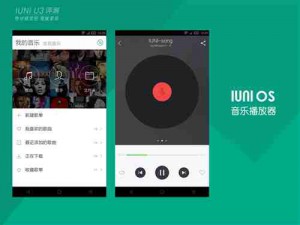
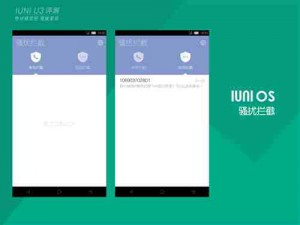
IUNI U3’s OS has a new App market, music streaming program, memo feature, anti-harassment and spam features, as well as voice assistant feature. These features allow the OS to better meet the user’s needs. As a result, the IUNI OS can be considered to be one of the best Android-based OS right now.
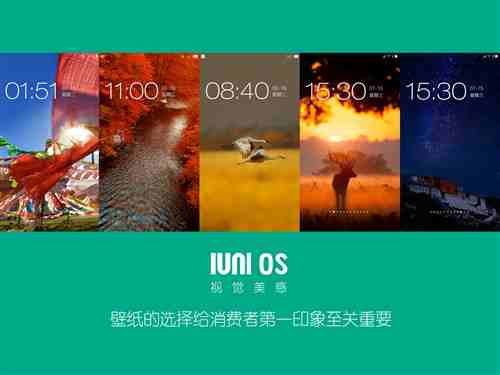
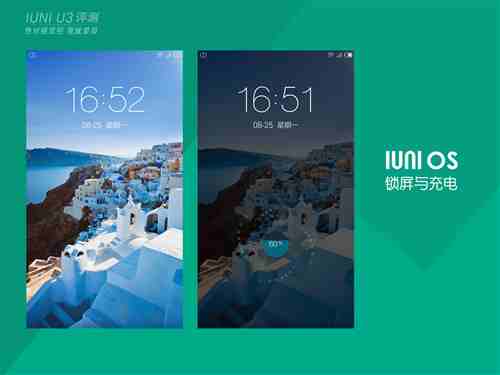
The Time Wallpaper feature allows the phone to automatically change its wallpaper everyday according to the date. This is not even its biggest highlight. The wallpapers provided by the IUNI OS are so beautiful that no matter what theme you prefer, it has it all. The lock wallpaper and desktop wallpaper are not exchangeable though.
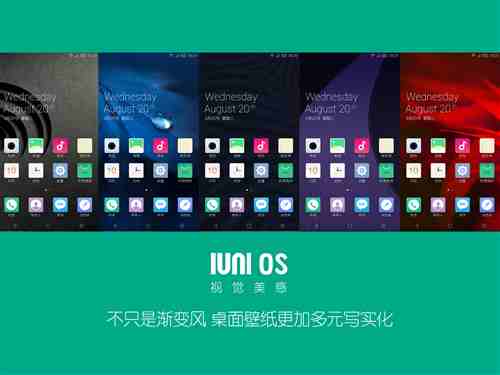
Many changes and upgrades were also made for the main screen wallpaper. As the wallpapers shown above show, they have become more diversified. There are now more colors and styles to choose from.
There were not a lot of changes to the IUNI OS’ lock interface. It just has more animated effects when it is recharged.
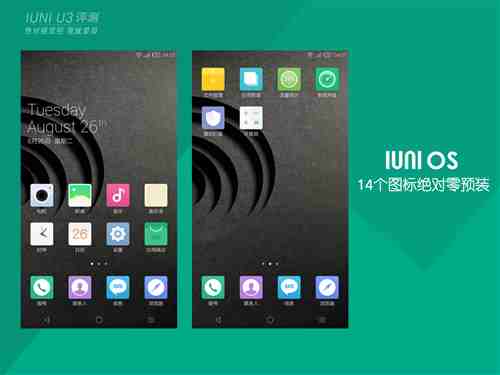
Like before, the IUNI OS still has only 14 tabs and has a simple but effective design.
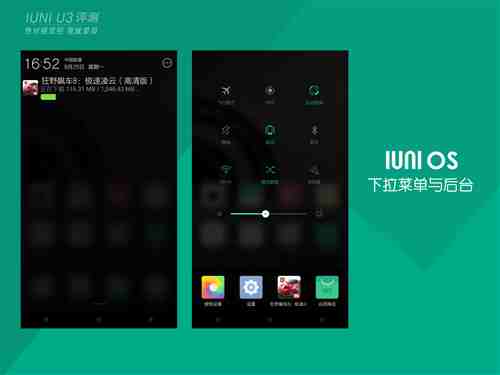
These are the scroll-down menu and the background. Shortcuts are integrated into the background’s interface to create more space.
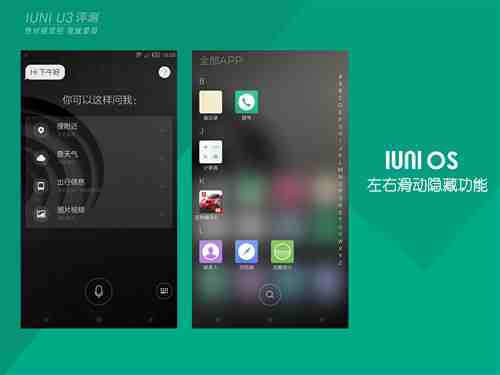
When you scroll your finger left and right on phone dial icon, you can access the voice assistant and all the apps.
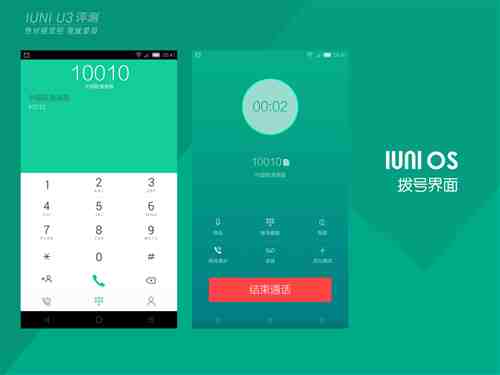
The dial interface still looks the same.
Changing the wallpaper lets the OS be more personalized by the user. IUNI U3 makes this processor easier and simpler to do than the MIUI.
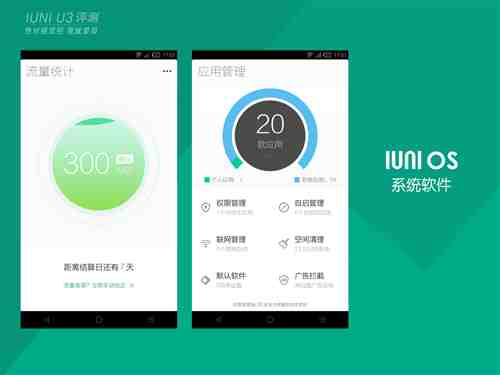
The new IUNI OS comes with an app store and can be access after the right software is installed.
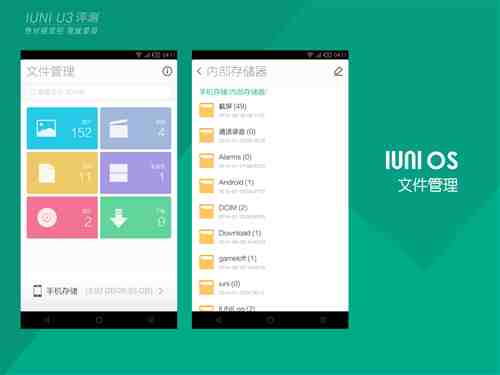
The file manager is one of the most used software in the IUNI OS. If you look carefully, then you can see that the IUNI OS does not have an icon for video software. You can only play videos using the file manager.
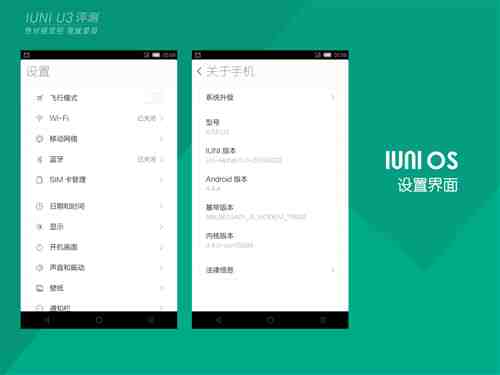
The settings page is composed of 13 sections are easy to understand and use.
Summary: There is not much to say about the IUNI OS. Not only does it have an interactive design but is a more diligently and carefully done Android OS. Its simple and practical design should make it very useful for everyday use.
13mp Sony IMX135 camera with f/2.0 aperture
Many people disliked the IUNI U2’s “volcano-shaped” camera, so for the U3, IUNI decided to use a OIS-supported Sony IMX 135 camera at the back with an F/2.0 aperture. It also uses a powerful image algorithm engine from ArcSoft. As for the quality of photos taken by the U3, below are samples taken by the U3’s camera.
Theses photos are pretty good. The brightness and focus can be adjusted separately.
Snapdragon 801
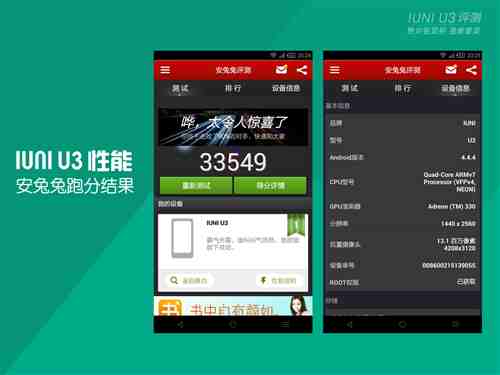
The IUNI U3’s processor is the 2.3GHz 8974AA Snapdragon 801 quad-core chipset. How does it fare?
The IUNI U3 scored 33549 in its benchmark test.
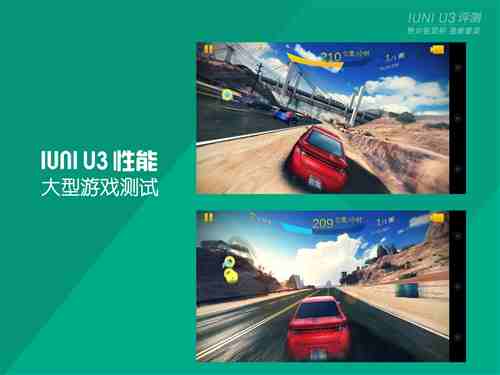
Big games seem to work fine without any problems.
I was able to watch 4K videos without any problem as well.
Conclusion:
The IUNI U3’s hardware is amazing. Its biggest advantage for the user is the fact that it is the first internet brand phone to use a 2K screen which makes up 77% of the phone’s body. Compare this phone to other phones with a 5.5-inch screen and you will see just how good a phone with a high screen-to-body ratio is. The IUNI OS also helps a create user experience with its simple but varied design.
Overall, the IUNI U3 is an amazing device that nobody should miss.
OPPO seems to be doing all it can to make its presence felt in India and to capture a good market share of the Indian mobile market.
Tom Lu, CEO of OPPO Mobiles India said that the company was feeling fortunate by winning the title sponsorship right of such a popular cricket tournament in India. Cricket as a game is the most popular sport in India and OPPO thinks that this can be the best way to reach the Indian audience. In India, cricket is being watched by majority of the people and by sponsoring this T20 Champions League, OPPO is confident of making their presence felt as a strong mobile company.
This Cricket Champions League T20 will be called as “OPPO CHAMPIONS LEAGUE T20”. The matches will start from 13th September and will go on till 4th October. This tournament will see participations from other countries as well which include – Australia, New Zealand, South Africa, Sri Lanka and Pakistan. Probably, OPPO CEO himself or some other official of the company will be present to witness the matches and deliver trophies to the winning team.
Recently, OPPO had announced its sponsorship with a TV serial named “BIG BOSS” on a popular Indian TV channel. Let’s see will these marketing strategies will give OPPO any benefit or not.
As Huawei launched its Ascend G7 at IFA Berlin, it also announced in its press conference that it would roll out limited edition of Ascend P7 smartphones with sapphire glass.
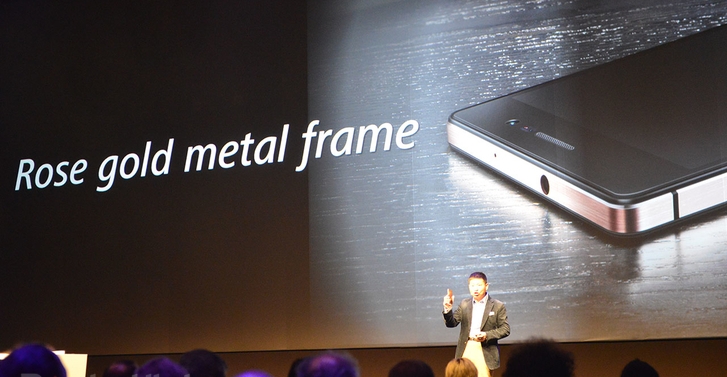
We are still not sure whether Apple iPhone 6 will have a sapphire glass or not, but Huawei has launched a phone with Sapphire glass before Apple. The Sapphire edition of P7 will not be very expensive as compared to the normal version. It was revealed that the phone will have a ceramic finish and the metal frame will be of a rose gold color.
The specifications of this limited edition Ascend P7 will remain the same as the normal version. Huawei has not yet revealed the price of the phone and the country where it will be launched first. The company had earlier also launched a special Arsenal edition Ascend P7 which was a hit amongst Arsenal fans across the globe.
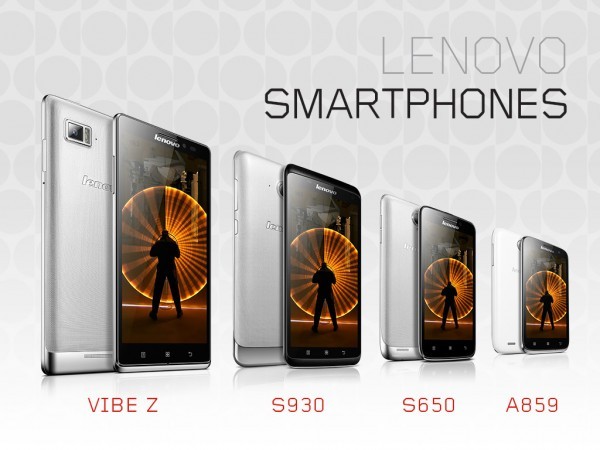
Lenovo Smartphones will soon be available in Europe
Lenovo is looking forward to expand its global presence by launching its smartphones in 10 different countries of Europe. If we talk about Lenovo in Europe, then it is already selling its smartphones in two countries which are Czech Republic and Romania.
According to the expansion plans of Lenovo, it would launch its handsets in other European countries in 2 phases. Phase 1 includes countries of Bulgaria, Hungary, Slovakia, Greece and Turkey. Lenovo is expecting to start selling their phone in these countries by the end of September or by the start of October 2014. A launch date has not yet been confirmed. In the second phase, Lenovo will cover Poland, Croatia and Slovenia where it plans to roll out its phones by November or December 2014.
Ivan Bozev, Lenovo’s regional general manager (South-East Europe) said that the company’s goal is to acquire a minimum of five percent mobile market share in a period of six months. And by the end of 1 year, Lenovo is confidently eyeing a double digit figure in terms of market share. The company has already partnered with retails and telecommunication giants in these countries to sell their phones.
Lenovo sees the European continent as a good market for their phones. Let’s see what response Lenovo will get, when it launches its phones in these European countries.
We use cookies on our website to give you the most relevant experience by remembering your preferences and repeat visits. By clicking “Accept”, you consent to the use of ALL the cookies.
This website uses cookies to improve your experience while you navigate through the website. Out of these, the cookies that are categorized as necessary are stored on your browser as they are essential for the working of basic functionalities of the website. We also use third-party cookies that help us analyze and understand how you use this website. These cookies will be stored in your browser only with your consent. You also have the option to opt-out of these cookies. But opting out of some of these cookies may affect your browsing experience.
Necessary cookies are absolutely essential for the website to function properly. This category only includes cookies that ensures basic functionalities and security features of the website. These cookies do not store any personal information.
Any cookies that may not be particularly necessary for the website to function and is used specifically to collect user personal data via analytics, ads, other embedded contents are termed as non-necessary cookies. It is mandatory to procure user consent prior to running these cookies on your website.