Advertisement

Poco M7 Pro 5G, Poco C75 5G key specifications officially confirmed before India launch

The Poco M7 Pro 5G and the Poco C75 5G are set to debut on Dec. 17 in India. Each of these phones is equipped with stellar features that are poised to redefine the smartphone user experience in the mid-range and low-budget smartphone categories. Poco has recently confirmed key specifications of both devices. Here is a look at the details that have been officially confirmed by the brand.

Poco M7 Pro 5G

The Poco M7 Pro 5G is designed for photography enthusiasts, featuring a 50-megapixel Sony LYT-600 sensor. This camera is enhanced by the segment’s largest f/1.5 aperture, which significantly improves low-light photography. Users can capture vibrant, detailed images in any lighting condition, making it ideal for documenting life’s precious moments.

Additionally, the M7 Pro 5G is equipped with a comprehensive AI suite, including AI Zoom and AI Night Mode. These intelligent features facilitate effortless photo editing, allowing users to enhance images, remove unwanted elements, and achieve a polished finish with minimal effort.

Poco C75 5G

On the other hand, the Poco C75 5G is geared towards users seeking robust performance and efficiency. It is powered by a 4nm Snapdragon 4s Gen 2 processor, the only one of its kind in its segment.

The C75 5G supports up to 8GB of RAM, including 4GB of virtual expansion, and offers storage extendable up to 128GB. It will have other features, such as a microSD card slot, a side-mounted fingerprint sensor, and an MIUI dialler. The handset is entitled to receive two years of OS upgrades and four years of security updates, which is excellent considering that it will be an entry-level 5G phone priced at around Rs 7,000.

The Poco M7 Pro 5G and the Poco C75 5G each bring unique strengths to the table. The M7 Pro 5G excels in photography with its advanced sensor and aperture, complemented by AI-powered features that simplify the process of capturing and editing stunning photos. Meanwhile, the C75 5G focuses on delivering high performance and efficiency, with a powerful processor and ample memory, ensuring a smooth user experience.

These new offerings from Poco cater to different aspects of smartphone use, whether it’s capturing beautiful photos or ensuring reliable performance for everyday tasks. Both models set new benchmarks in their respective segments, making them compelling choices for a wide range of users.

Don’t miss a thing! Join our Telegram community for instant updates and grab our free daily newsletter for the best tech stories! 🚀

POCO X7 global version appears on Geekbench with 12GB RAM, launch imminent

The POCO X7, the successor to the POCO X6, seems to be on the verge of an official launch as it has recently appeared on Geekbench, revealing key details about the upcoming smartphone. The POCO X-series is known for offering value-for-money devices with impressive specifications, and the X7 is expected to continue that tradition.

POCO X7 details from Geekbench listing

As per the listing spotted by 91mobiles, the POCO X7 has been assigned the model number 24095PCADG, which was also seen in a previous NBTC certification. The Geekbench listing reveals some important specifications and performance scores for the device. In the benchmark test, the POCO X7 scored 1029 in the single-core round and 2901 in the multi-core test, which is fairly comparable to its predecessor, the POCO X6, which scored 1025 and 2951 in the respective tests.

The listing also reveals that the POCO X7 will run Android 14 OS out of the box and will be equipped with 11.17GB (12GB) of RAM, with potential for other RAM options at launch. While the exact chipset details remain unlisted, the Poco X7 was previously reported to pack specifications similar to the Redmi Note 14 Pro. It means the Poco device could be powered by the Dimensity 7300 Ultra. The (4+4) core architecture also suggests the same.

What else to expect from the POCO X7?

The phone is also expected to share its camera setup with the Redmi Note 14 Pro variant released in China. This could include a 50MP IMX882 main camera with Optical Image Stabilization (OIS), an 8MP Sony IMX355 ultra-wide camera, and a 2MP macro sensor. For selfies, the POCO X7 may feature a 20MP front-facing camera.

The POCO X7 will likely sport a 6.67-inch AMOLED display with a 120Hz refresh rate and FHD+ 1.5K resolution, similar to the Redmi Note 14 Pro. A robust 5,500mAh battery with 45W fast charging support is expected to power the device. The phone is expected to launch around the same time as its predecessor, which debuted in India in January 2024.

Don’t miss a thing! Join our Telegram community for instant updates and grab our free daily newsletter for the best tech stories! 🚀

(Via)

TECNO partners with Universities to enhance its Universal Tone Technology

TECNO has announced a partnership with the University of Leeds in the UK and Dar Al-Hekma University in Saudi Arabia to enhance the representation of diverse skin tones, particularly for Saudi consumers. This collaboration seeks to improve TECNO’s Universal Tone technology, which is designed to accurately capture a wide spectrum of skin tones, ensuring more authentic mobile imaging experiences. The initiative highlights TECNO’s commitment to innovation, especially in markets like Saudi Arabia, where the diversity of skin tones is rich and varied.

Details about the partnership:

It uses AI to power mobile imaging systems capable of authentically capturing the full range of human skin tones. While the technology has made strides globally, TECNO recognizes the importance of catering to region-specific needs, particularly in Saudi Arabia, where skin tones range from pale to dark brown and olive. This collaboration with academic institutions aims to expand the skin tone database, particularly for Saudi Arabia, ensuring that TECNO’s devices deliver a more accurate and representative imaging experience for local users.

The research team leading this development includes Professor Kaida Xiao, a renowned expert in color and imaging science in the School of Design at the University of Leeds, and Professor Ahmed Nasseraldin from Dar Al-Hekma University. Their combined expertise will help TECNO build a more comprehensive skin tone database for the Saudi market. By gathering and analyzing a diverse set of skin tones specific to the region, TECNO will refine its Universal Tone technology to better reflect the local population’s unique complexions.

An essential part of this collaboration will be the creation of new skin tone patches designed for Saudi Arabia. These patches will expand TECNO’s existing global database of 268, ensuring that the brand’s devices reflect local skin tones with greater accuracy. The partnership will also focus on fine-tuning TECNO’s imaging algorithms to adapt to the specific nuances of Saudi skin tones, further enhancing the technology’s precision.

The collaboration is part of TECNO’s broader strategy of “Glocalization,” which tailors global innovations to meet regional needs. TECNO has previously worked with academic institutions like NTU Singapore to address the aesthetic preferences of Southeast Asia, further underscoring the company’s commitment to inclusive imaging technologies.

By refining Universal Tone for Saudi Arabia, TECNO aims to ensure that every individual, regardless of their skin tone, is authentically represented in mobile imaging. This initiative reinforces TECNO’s mission to lead the way in inclusive technology while embracing the beauty of diversity across the globe.

Tech enthusiast? Get the latest news first! Follow our Telegram channel and subscribe to our free newsletter for your daily tech fix! ⚡

OnePlus Ace 5 specifications leak reveals 6.78-inch BOE X2 display, 6415mAh battery, Snapdragon 8 Gen 3, and more

OnePlus is expected to unveil the Ace 5 series of smartphones in China later this month. The lineup has two phones, such as the Ace 5 and Ace 5 Pro, which are expected to respectively feature the Snapdragon 8 Gen 3 and Snapdragon 8 Elite chipsets. The rumor mill has been intermittently leaking the specifications of the Ace 5 series. A new leak, courtesy of tipster Digital Chat Station, has revealed almost everything about the standard model.

OnePlus Ace 5 specifications (rumored)

OnePlus Ace 5
OnePlus Ace 5

According to DCS, the OnePlus Ace 5 has a 6.78-inch BOE X2 8T LTPO panel with a flat design and super-slim bezels on all four sides. The screen will offer a 1.5K resolution and possibly a 120Hz refresh rate.

Under the hood, the device will feature the Snapdragon 8 Gen 3 chip, which clock at 3.3GHz. A recent report revealed that the handset is capable of delivering a gaming experience similar to phones powered by the latest Snapdragon 8 Elite chipset.

The OnePlus Ace 5’s battery has a 6,285mAh rated value, and its typical value is 6,415mAh. The handset will have support for 80W rapid charging. In terms of design, the Ace 5 will have a premium appeal, featuring a Crystal Shield Glass, a right-angle metal middle frame, and a cyan variant with a ceramic back panel. Additionally, it will feature an alert slider.

The Ace 5’s previous leaks have suggested that it will have a 16-megapixel front camera and a 50-megapixel + 8-megapixel + 2-megapixel triple camera setup on the back. The device will run on ColorOS 15, based on Android 15. Likely, the highest variant of the device may offer 16 GB of RAM and 1 TB of storage.

The OnePlus 13R, which is expected to debut globally in January 2025, is said to be a tweaked version of the Ace 5. The 13R is expected to feature a 50-megapixel (main) + 8-megapixel (ultra-wide) + 50-megapixel (2x telephoto) triple camera setup and a smaller 5,500mAh battery.

Don’t miss a thing! Join our Telegram community for instant updates and grab our free daily newsletter for the best tech stories! 🚀

(source)

Honor GT live shots emerge to showcase front, rear design; full specifications leaked

On Dec. 16, Honor will hold a launch event in China to unveil the Honor GT, a gaming-focused and affordable flagship phone. The company has been teasing the rear design and color options of the smartphone. A new leak by tipster Panda is Bald showcases real-life images of the GT’s white variant and reveals a few of its key specifications.

Honor GT’s white variant showcased in real-life images

The white edition of the Honor GT has a sophisticated and sleek look. The front of the Honor GT features a flat display, seemingly encircled by slim bezels on all four sides. The rectangular camera module on the back has a GT logo, which accentuates its appearance.

Honor GT specifications (rumored)

Honor GT
Honor GT in Phantom Black

As per the leak, the Honor GT will feature a 6.7-inch LTPS OLED panel with a flat design. The screen will support a 1.5K resolution and a high-frequency 3840Hz PWM dimming. The Snapdragon 8 Gen 3 processor will power it and feature a plastic middle frame.

Honor GT
Honor GT

The phone will be equipped with a 5,300mAh battery supporting 100W fast charging. On the back, it will have a dual-camera setup featuring an OIS-enabled 50-megapixel primary camera and a 12-megapixel ultra-wide lens. The device will measure 7.7mm in thickness and weigh 186 grams.

Honor GT has already confirmed that it will arrive in multiple configurations, such as 12GB+256GB, 12GB+512GB, 16GB+512GB, and 16GB+1TB. It will be available in three shades: Ice Crystal White, Phantom Black, and Aurora Green.

Don’t miss a thing! Join our Telegram community for instant updates and grab our free daily newsletter for the best tech stories! 🚀

(source)

Is Redmi Note 14 Pro really better than Redmi Note 13 Pro?

Xiaomi recently launched the Redmi Note 14 Pro in India, promising improved specifications and features over its predecessor, the Redmi Note 13 Pro. But is the latest device a significant upgrade? Let’s break down the differences and find out.

Xiaomi Redmi Note 14 Pro

1. Design & Build Quality

The design philosophies of the two smartphones share similarities, yet there are notable differences. The Redmi Note 13 Pro offers a sleeker design with flat edges and an AG matte glass back. The Redmi Note 14 Pro, on the other hand, takes a more robust approach with IP66, IP68, and IP69 ratings, making it significantly more resistant to water and dust compared to the Note 13 Pro’s IP54 rating.

In terms of dimensions, the Note 14 Pro is slightly thicker and heavier, measuring 162.33 x 74.42 x 8.4mm (8.55mm for leather models) and weighing 190g. The Note 13 Pro is more compact at 161.15 x 74.24 x 7.98mm, with a lighter weight of 187g. While both phones are comfortable to hold, the Note 14 Pro’s additional water and dust resistance makes it more durable.

2. Display

The displays of both phones feature a 6.67-inch OLED panel with a 1.5K resolution of 2712 x 1220 pixels and a 120Hz refresh rate. The Redmi Note 14 Pro stands out with a peak brightness of 3000 nits, significantly brighter than the 1800 nits offered by the Redmi Note 13 Pro.

The Redmi Note 14 Pro also features the latest Corning Gorilla Glass Victus 2 for better screen durability, whereas the Redmi Note 13 Pro uses Corning Gorilla Glass Victus. Both displays support HDR10+, Dolby Vision, 1920Hz PWM dimming, and 12-bit color depth, ensuring vibrant visuals and smooth scrolling.

3. Performance

The Redmi Note 14 Pro is powered by the MediaTek Dimensity 7300-Ultra chipset, a significant upgrade from the Snapdragon 7s Gen 2 SoC found in the Redmi Note 13 Pro. This newer MediaTek processor delivers slightly better efficiency and sustained performance.

The Note 14 Pro also benefits from a cooling system featuring a 13780mm² Graphite sheet, ensuring sustained performance under load, compared to the 9000mm² cooling solution in the Note 13 Pro. Both models feature the same LPDDR4X RAM and UFS 2.2 storage.

4. Camera

The camera setups of these phones cater to different user needs. The Redmi Note 14 Pro features a 50MP Sony LYT-600 sensor with an f/1.5 aperture, designed for improved low-light photography. It is accompanied by an 8MP ultra-wide camera and a 2MP macro lens.

The Redmi Note 13 Pro, however, offers a higher resolution 200MP Samsung ISOCELL HP3 main sensor with optical image stabilization, an 8MP ultra-wide camera, and a 2MP macro lens.

While the Note 13 Pro is ideal for photography enthusiasts seeking high-resolution shots, the Note 14 Pro focuses on delivering better low-light performance and AI-driven camera enhancements like AI Clear Capture and AI Erase Pro.

5. Battery & Charging

Battery capacity and charging speeds vary between the two models. The Redmi Note 14 Pro houses a 5500mAh battery that supports 45W fast charging. In comparison, the Redmi Note 13 Pro has a slightly smaller 5100mAh battery but supports faster 67W charging. Both devices are capable of delivering all-day battery life, but the Note 13 Pro’s quicker charging speed may appeal to users who prioritize convenience.

6. Software & Other Features

The Redmi Note 14 Pro ships with Android 14 and Xiaomi’s latest HyperOS, which promises a more streamlined and efficient user experience. In comparison, the Redmi Note 13 Pro originally launched with MIUI 14 based on Android 13 but is also upgradable to HyperOS. Both devices offer long-term software support with three major Android updates and four years of security patches.

Both phones offer stereo speakers, Dolby Atmos support, USB Type-C audio, and 5G connectivity, ensuring a premium multimedia and connectivity experience. The Redmi Note 14 Pro includes additional AI features like AI Live Interpreter, AI Subtitles, and AI Translation, making it a better option for users who frequently require cross-language communication.

7. Pricing

Pricing plays a significant role in deciding between the two devices. The Redmi Note 14 Pro starts at Rs. 24,999 for the base variant with 8GB RAM and 128GB storage, while the Redmi Note 13 Pro is priced slightly higher at Rs. 25,999 for the same configuration.

The Note 14 Pro provides better durability, a brighter display, and updated software, making it an excellent value for its price. The Note 13 Pro justifies its price with a higher-resolution camera and faster charging, making it a compelling choice for users who prioritize these features.

8. Final Thoughts

The Redmi Note 14 Pro refines the mid-range smartphone experience with improvements in display brightness, durability, and software. The Redmi Note 13 Pro remains a strong contender for users who value camera resolution and faster charging.

Your choice will depend on whether you prioritize durability and AI-driven features or prefer a high-resolution camera and quicker charging. Both phones are excellent options in their price range, catering to slightly different user needs.

Stay ahead in tech! Join our Telegram community and sign up for our daily newsletter of top stories! 💡

G-Shock x thisisneverthat: A Fresh Minimalist Take on the Classic DW-6900 Series Watch

Casio is gearing up to launch the DW-6900TNT24-7TSHIRT, a new addition to its G-Shock lineup created in collaboration with South Korean streetwear brand thisisneverthat. Set to debut in Singapore and Malaysia later this month, this marks the fourth time the two brands have teamed up, bringing a fresh twist to the iconic DW-6900 series, which first hit the scene in 1995.

Casio G-Shock DW-6900TNT24-7 features

As mentioned above, the DW-6900TNT24-7 is a nod to the original DW-6900, which launched in 1995 and was the first G-Shock with an electroluminescent (EL) backlight. It keeps things simple with an ivory resin finish and minimal branding, featuring the thisisneverthat logo on the watch face, which also lights up with the EL backlight. The watch is relatively compact measuring 53.2 x 50 x 18.7 mm and weighing just 67 grams. The case and band are made of resin, making it lightweight and durable.

To complete the look, the watch comes with a black t-shirt that matches its understated vibe, adding to its appeal to the fashion-forward crowd. But the DW-6900TNT24-7 isn’t just about style—it’s packed with G-Shock’s signature toughness and features. It’s shock-resistant and water-resistant up to 200 meters.

The watch is powered by a CR2016 battery, which provides an estimated battery life of 2 years. It features a mineral glass crystal, a 1/100-second stopwatch, a countdown timer, multiple alarms, and an hourly time signal. The backlight is electroluminescent and has a pastel sky-blue color.

The watch also includes a full monthly auto-calendar accurate to within ±15 seconds. It displays time in 12 or 24-hour format and includes regular timekeeping functions like hours, minutes, seconds, PM indicator, month, date, and day.

Pricing & availability

The Casio G-Shock DW-6900TNT24-7 is a limited edition watch priced at S$249 (~$186) in Singapore and MYR818 (~$185) in Malaysia.

Don’t miss a thing! Join our Telegram community for instant updates and grab our free daily newsletter for the best tech stories!

(Source 1, 2 via G-Central)

Comparing Oppo Reno 13 Pro and Huawei Nova 13 Pro: Which is Better?

Oppo Reno 13 Pro and Huawei Nova 13 Pro are two premium smartphones catering to different user priorities. Both offer advanced features like stunning displays, powerful cameras, and efficient chipsets. While Oppo emphasizes durability, battery life, and affordability, Huawei focuses on innovation with unique features like adjustable aperture and satellite calling. This comparison highlights their standout features to help you decide which device better suits your needs.

1. Design and Display

Huawei Nova 13 Pro
Huawei Nova 13 Pro

The Oppo Reno 13 Pro boasts a sleek design with a glass front and back framed by aluminum alloy, exuding a premium feel. Its larger 6.83-inch AMOLED display offers a higher peak brightness of 1200 nits, making it ideal for vibrant and outdoor viewing. The Huawei Nova 13 Pro, while slightly smaller at 6.76 inches, features an LTPO OLED panel. This advanced technology enhances battery efficiency while maintaining smooth 120Hz refresh rates. The Oppo’s IP68/69 rating outclasses Huawei’s IP65, offering better water resistance.

The Oppo Reno 13 Pro is a better choice for users prioritizing a larger, brighter display and durability. However, Huawei Nova 13 Pro’s LTPO technology is a win in terms of power efficiency and adaptive refresh rates.

2. Specifications

OPPO Reno 13 Pro
OPPO Reno 13 Pro

The Oppo Reno 13 Pro is powered by the Dimensity 8350 chipset, offering reliable performance for multitasking and gaming. It packs a massive 5800mAh battery with 80W wired and 50W wireless charging. Conversely, Huawei Nova 13 Pro offers HarmonyOS 4.2, a smooth ecosystem experience. Its 5000mAh battery supports faster 100W wired charging but lacks strong wireless options. Both devices skip expandable storage, but Oppo’s storage tiers go up to 1TB with more RAM options (up to 16GB).

Oppo offers a bigger battery and wireless charging, making it better for heavy users. Huawei’s rapid 100W charging, however, is great for those seeking quick top-ups.

3. Camera

Huawei Nova 13 Pro
Huawei Nova 13 Pro

Oppo Reno 13 Pro features a triple camera system, highlighted by dual 50MP sensors for wide and telephoto shots, and an 8MP ultrawide lens. It excels in optical zoom at 3.5x. Huawei Nova 13 Pro rivals this with its 50MP primary lens but includes a more versatile dual selfie setup (60MP ultrawide and 8MP telephoto). Huawei’s adjustable aperture feature (f/1.4-f/4.0) provides creative flexibility.

Oppo’s optical zoom gives it an edge for distant shots, while Huawei’s versatile selfie cameras and aperture settings cater to content creators and selfie enthusiasts.

4. Pricing

When it comes to pricing, the Oppo Reno 13 Pro is positioned as a more affordable option, costing approximately $465 In contrast, the Huawei Nova 13 Pro is priced at around $590, reflecting its premium build and additional features. Oppo provides excellent value for users looking for flagship performance without overspending, particularly with its larger battery and wireless charging capabilities. Huawei, on the other hand, justifies its higher price with unique features like satellite calling, adjustable aperture, and a dual selfie camera setup.

Oppo Reno 13 Pro is ideal for budget-conscious buyers who still want high-end features, while Huawei Nova 13 Pro appeals to those who value innovation and premium hardware despite the higher cost.


5. Conclusion

OPPO Reno 13 Pro
OPPO Reno 13 Pro

Oppo stands out with its larger battery, stronger IP rating, and wireless charging. Meanwhile, Huawei has introduced BDS satellite calling, adjustable aperture, and dual selfie camera, features that are unique in its category. Oppo’s brighter AMOLED display suits multimedia enthusiasts, while Huawei’s LTPO OLED is tailored for power savers.

Oppo is great for durability and daily use, while Huawei’s unique features appeal to niche audiences like adventurers and content creators.

Best Flagship Phone 2024: iPhone 16 Pro Max Takes the Crown

In 2024, the competition among flagship phones has reached new heights, delivering groundbreaking features and unmatched performance. Among these elite devices, the Apple iPhone 16 Pro Max emerges as the winner, while the Samsung Galaxy S24 Ultra, Xiaomi 14 Ultra, and Vivo X100 Pro are strong runner-ups. Here’s a comprehensive look at why these phones stand out as the best flagships of 2024.

While the Samsung Galaxy S24 Ultra, Xiaomi 14 Ultra, and Vivo X100 Pro all boast impressive specs and features, the iPhone 16 Pro Max emerges as the clear victor, thanks to its unparalleled combination of performance, camera capabilities, display quality, and overall user experience.

iPhone 16 Pro Max
iPhone 16 Pro Max

1. Why the iPhone 16 Pro Max Reigns Supreme

  • Unmatched Performance: The iPhone 16 Pro Max is powered by Apple’s A18 Bionic chip, a technological marvel that sets a new standard for mobile processing. This translates to lightning-fast speeds, seamless multitasking, and effortless handling of even the most demanding games and applications.  
  • Camera Excellence: Apple has once again raised the bar for smartphone photography with the iPhone 16 Pro Max. Its advanced camera system captures stunning images with incredible detail, vibrant colors, and impressive low-light performance. Whether you’re a casual snapper or a photography enthusiast, the iPhone 16 Pro Max will consistently deliver exceptional results.
  • A Visual Feast: The iPhone 16 Pro Max boasts a breathtaking Super Retina XDR display with ProMotion technology, offering an incredibly smooth and responsive viewing experience. With its vibrant colors, deep blacks, and high refresh rate, this display is perfect for everything from watching movies and playing games to browsing the web and editing photos.  
  • Seamless Ecosystem: Apple’s tightly integrated ecosystem is a major advantage for the iPhone 16 Pro Max. Seamless connectivity with other Apple devices, such as Macs, iPads, and Apple Watches, enhances productivity and convenience.
  • Software Support: Apple’s commitment to software updates ensures that the iPhone 16 Pro Max will continue to receive the latest features and security enhancements for years to come, extending its lifespan and value.

Please Note: When you buy something using the links in our articles, we may earn a small commission at no cost to you.

2. Runner-Ups: Worthy Contenders

Samsung Galaxy S24 Ultra

While the iPhone 16 Pro Max takes the crown, the runner-ups are no slouches. Each of these flagship phones excels in specific areas:

  • Samsung Galaxy S24 Ultra: This Android powerhouse boasts a versatile camera system with impressive zoom capabilities, a stunning 6.8-inch Dynamic AMOLED 2X display with a 120Hz adaptive refresh rate, and the S Pen for enhanced productivity and creativity. Samsung continues to refine its software experience by offering up to seven years of OS upgrades and Galaxy AI suite of advanced features. Its durable design and IP68 water resistance make it a reliable companion for any adventure.

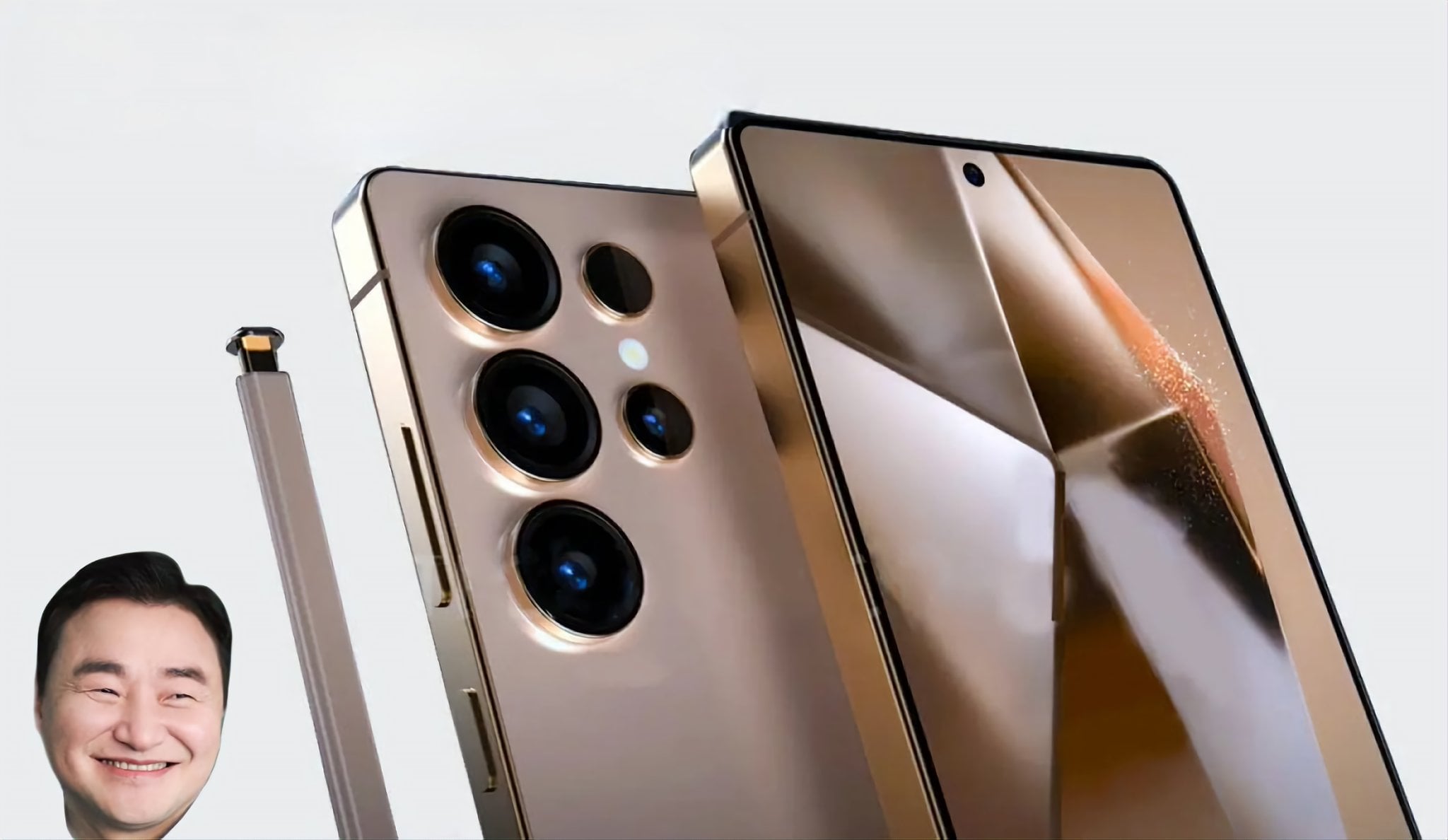
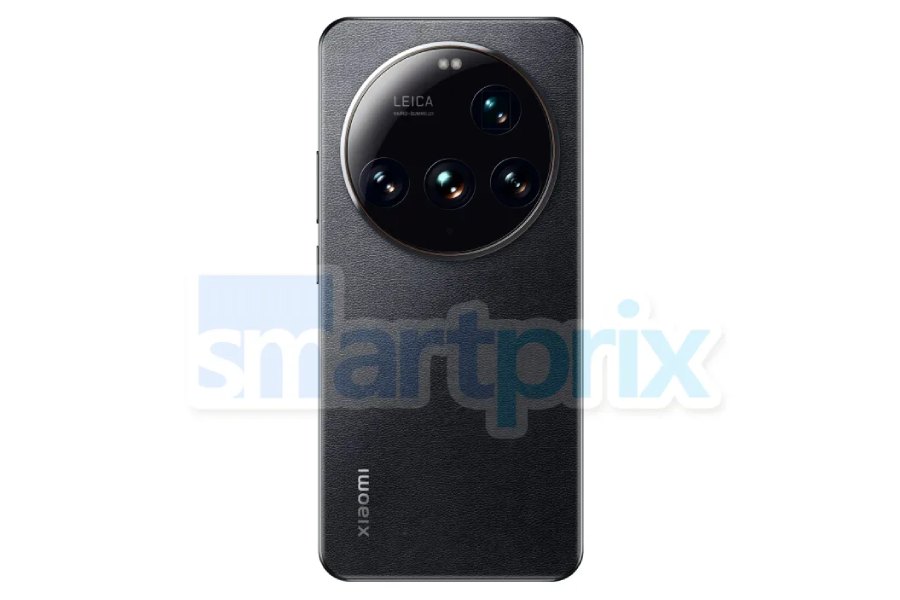
  • Xiaomi 14 Ultra: Xiaomi’s flagship offering delivers exceptional value for money, with top-tier specs, a powerful camera system co-engineered with Leica. The Xiaomi 14 Ultra impresses with its sleek design and premium build quality. Its large battery capacity ensures long-lasting performance, and its HyperOS software offers a unique user experience with extensive customization options.

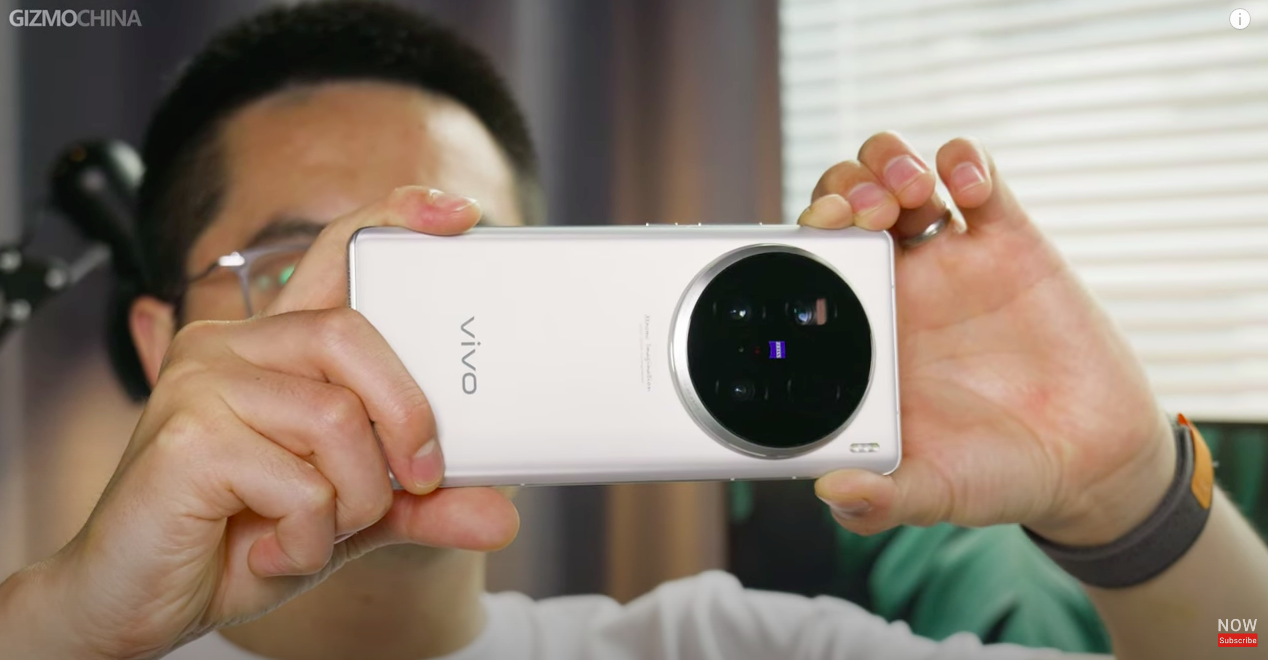
  • Vivo X100 Pro: Vivo’s photography-focused flagship, the Vivo X100 Pro, impresses with its innovative camera technology, including advanced optics, making it a compelling choice for mobile photography enthusiasts. Its sleek design and vibrant display further enhance the user experience. While the other Android flagship phones are powered by the Snapdragon 8 Gen 3 chipset, the X100 Pro comes equipped with the MediaTek Dimensity 9300 SoC, which delivers a smooth and stellar experience.

3. Final Thoughts

Xiaomi 14 Ultra
Xiaomi 14 Ultra

The Apple iPhone 16 Pro Max stands tall as the best flagship phone of 2024. Its exceptional performance, stunning camera system, beautiful display, and seamless ecosystem make it the ultimate smartphone experience. While the runner-ups offer compelling features and impressive specs, the iPhone 16 Pro Max reigns supreme as the most complete and polished flagship phone on the market.

Don’t miss a thing! Join our Telegram community for instant updates and grab our free daily newsletter for the best tech stories! 🚀

Lenovo Introduces ThinkPad T14s Gen 6 with AMD Ryzen AI Power, 17-Hour Battery Life, & WUXGA Display

Lenovo India has introduced the ThinkPad T14s Gen 6 (AMD), a compact yet powerful AI-driven PC designed for businesses and IT professionals. At the core of this device is the AMD Ryzen AI 7 PRO 360 processor, capable of delivering up to 50 TOPS of AI processing power, making it suitable for handling advanced data analysis and real-time machine learning tasks efficiently.

Lenovo ThinkPad T14s Gen 6

Lenovo ThinkPad T14s Gen 6 (AMD) AI PC features

The ThinkPad T14s Gen 6 features a 14-inch WUXGA touchscreen display and a sturdy ThinkPad design known for durability. Powered by a 4nm architecture Ryzen AI 7 PRO 360 processor, it offers integrated AMD Radeon 880M graphics for seamless performance on visual and demanding applications. It promises a battery life of over 17 hours on a single charge, which makes it well-suited for professionals who require uninterrupted productivity throughout the day.

Lenovo ThinkPad T14s Gen 6

Security is one of the top priorities of this laptop, for which, it features Lenovo’s ThinkShield, providing robust protection for sensitive data. Connectivity options are versatile, including dual Thunderbolt 4 ports, Wi-Fi 7 for ultra-fast wireless connectivity, USB-A ports, HDMI, and an optional SIM slot for additional flexibility.

Lenovo ThinkPad T14s Gen 6

The device is available in configurations that include up to 64GB of LPDDR5X RAM and up to 1TB of SSD storage, running on either Windows 11 Pro/Home or Ubuntu Linux. Weighing only 1.30kg, the ThinkPad T14s is both portable and powerful, complemented by a 58Wh battery with 65W rapid charging for quick power boosts.

Pricing & availability

Priced starting at Rs. 1,37,270 for the 32GB RAM and 256GB SSD configuration in the Eclipse Black variant, the Lenovo ThinkPad T14s Gen 6 (AMD) is now available for purchase through Lenovo’s official website and select retail outlets.

Tech enthusiast? Get the latest news first! Follow our Telegram channel and subscribe to our free newsletter for your daily tech fix! ⚡

Zebronics Zeb Thunder Max wireless headphones with foldable design & 120-hour launched for ₹1,299

Zebronics has launched its Zeb Thunder Max wireless headphones in India, targeting users who value comfort, powerful sound, and extended battery life at a budget-friendly price.

Zebronics Zeb Thunder Max wireless headphones features

The Thunder Max features a lightweight design with soft ear cushions, ensuring comfort even during extended use. Its 40mm drivers deliver deep bass and immersive sound, offering a delightful experience for music, movies, and gaming. The foldable design makes it easy to carry.

For improved audio clarity, the headphones are equipped with Environmental Noise Cancellation (ENC), reducing background noise for clearer calls. Its low-latency Gaming Mode ensures audio and visuals are perfectly synchronized, creating a seamless gaming experience.

Users can tailor their listening experience with three EQ modes: Balanced Mode for everyday audio needs, Sound Monster Mode for enhanced bass, and Vocal Enhance Mode for clear and crisp vocals, making it suitable for podcasts and audiobooks. With Bluetooth v5.4, the Thunder Max supports dual pairing, allowing it to connect to two devices simultaneously and switch between them with ease.

Battery life is a standout feature, with Zebronics claiming up to 120 hours of playback at 60% volume. Its rapid charging adds another layer of convenience, delivering 10 hours of playback with just a 10-minute charge. The headphones come with Type-C charging and an Aux In option for wired use. Media and volume controls are conveniently placed, along with a dedicated button for answering calls. The headphones also offer a range of additional features, including a voice assistant and gaming mode.

Pricing & availability

Backed by a one-year warranty, the Thunder Max is available in Black, Grey, and Purple at an introductory price of ₹1,299 ($15). Customers can purchase them starting today from Amazon.in and Flipkart.com.

In other news, Blaupunkt has launched the BH61 Moksha ANC headphones in India, which feature advanced noise cancellation, 50-hour battery life, TurboVolt fast charging, Bluetooth 5.4 with dual-pairing, and IPX5 water resistance.

Stay ahead in tech! Join our Telegram community and sign up for our daily newsletter of top stories!

Meizu 22 series may launch next year with Snapdragon 8 Elite and a dedicated AI button

In a surprising turn of events, Meizu, once a prominent name in the smartphone industry, is gearing up to re-enter the market with its highly anticipated Meizu 22 series. This news comes after a period of uncertainty, with the company previously hinting at discontinuing traditional smartphone production.

Meizu 21 Pro

Earlier this year, tipster Digital Chat Station had mentioned that Meizu was working on the Meizu 22 series, though details were scarce apart from an expected launch timeline.

Now, popular tipster Smart Pikachu has revealed that the Meizu 22 series will likely be powered by Qualcomm‘s latest Snapdragon 8 Elite chipset. The devices are also expected to feature a white panel design, reminiscent of their predecessors.

The tipster also says that the company is planning to launch two distinct models within the series: one with a compact screen for those who prefer a more manageable device size, and another with a larger flat screen.

Meizu 22 leak

Both models are expected to feature enhanced in-car connectivity powered by Flyme Auto, reflecting Meizu’s strategic ‘All In AI’ approach aimed at integrating artificial intelligence more deeply into the user experience. Additionally, Meizu is testing an AI button, which could be incorporated into the device to introduce innovative interactions and functionalities.

While Meizu has traditionally excelled in design and performance, the company has faced criticism for its camera capabilities. To address this, Meizu is reportedly exploring advanced imaging technologies and software optimizations to elevate the photography experience.

The display is another crucial aspect of the Meizu 22 series. Rumors suggest that the lineup will feature high-quality Chinese OLED panels, with the standard model offering a 1.5K resolution and the Pro version boasting a 2K resolution.

The devices are expected to feature domestically produced ultrasonic fingerprint sensors, and the company is reportedly testing high-density batteries, potentially offering capacities exceeding 5500mAh.

To recall, Meizu launched its Meizu 21 series in 2023, followed by additional models in 2024, including the Meizu 21 Pro in February and the Meizu 21 Note in May. The Meizu 21 Pro boasts a 6.79″ 2K+ 120Hz LTPO AMOLED display, Snapdragon 8 Gen 3, 50MP triple cameras, a 5050mAh battery with 80W wired and 50W wireless charging, IP68 certification, and up to 16GB RAM with 1TB storage.

In September 2024, Meizu also released the Note 21 series and the Lucky 08. The Meizu 22 series is anticipated to launch sometime in 2025.

Don’t miss a thing! Join our Telegram community for instant updates and grab our free daily newsletter for the best tech stories! 🚀

Casio Launches Eco-Friendly G-Shock Urban Utility Series in the US

The G-Shock Urban Utility series watches by Casio have finally arrived in the US market after being launched in Japan last month. The series introduces four models that offer durable construction, and functionality while using eco-friendly materials.

G-Shock Urban Utility Series

G-Shock Urban Utility Series features

The series includes two models: the DW-5610UU and the GA-B2100LUU. Both feature bezels and bands made from biomass plastic, reflecting Casio’s commitment to sustainability.

The DW-5610UU, available in green and gray, highlights G-Shock’s classic design with a layered bezel, an inverted LCD display for better visibility in low light, and a Super Illuminator LED backlight.

The GA-B2100LUU, offered in beige and gray, provides a modern look with a dual-molded bezel and a lightweight, carbon-fiber-reinforced case for added durability and a sleek profile.

Clockwise from top right: GA-B2100LUU-5A, DW-5610UU-3, GA-B2100LUU-8A, DW-5610UU-8

Both models are built to withstand tough conditions, featuring shock-resistant construction, Carbon Core Guard protection, and 200-meter water resistance, making them suitable for daily wear and outdoor activities.

These watches also include advanced features. Bluetooth connectivity syncs with the CASIO WATCHES app for automatic time updates, World Time in 300 cities, reminders, and a phone finder. Tough Solar technology powers the watches, with a power-saving mode extending battery life up to 18 months without solar exposure.

Pricing & availability

The GA-B2100LUU models are already listed on Casio’s US website without price tags. However, these watches are expected to be priced around $170. The DW-5610UU models, available in green and gray, are also expected to follow soon.

In other details, Casio has launched the G-Shock Flame Inside series in the US, featuring four models. The collection offers two colorways—Flame Orange and Flame Blue—representing intensity and resilience.

Don’t miss a thing! Join our Telegram community for instant updates and grab our free daily newsletter for the best tech stories!

(Source: 1, 2, via Notebookcheck)

How to Use OpenAI Sora Video Generator Right Now

OpenAI has launched Sora, its cutting-edge AI-powered video generation model, for public use. Initially introduced as a research preview in February 2024, Sora is now accessible to paid ChatGPT subscribers. If you’re eager to explore this innovative tool, here’s a detailed guide on how to access and use Sora.

OpenAI Sora

1. What is Sora?

Sora is an innovative video generation model that creates videos using text prompts and supports additional functionalities. It operates similarly to OpenAI’s earlier image-generation tool, DALL-E, but extends these functionalities into dynamic video creation. Users can animate static images, remix existing videos, and merge multiple clips to produce cohesive results.

The model offers advanced tools such as Storyboard, Re-cut, Remix, and Loop, enabling users to make highly personalized videos. Sora is designed for casual users and professionals and is accessible through a dedicated platform.

2. Who Can Access Sora?

Access to Sora is currently limited to paid subscribers of OpenAI’s ChatGPT Plus and ChatGPT Pro plans. ChatGPT Plus subscribers, who pay $20 per month, can generate up to 50 videos per month with a resolution of up to 720p and a duration of up to 5 seconds.

ChatGPT Pro subscribers, who pay $200 per month, can create up to 500 priority videos per month with high-resolution outputs of up to 1080p and 20 seconds in duration. Pro users can also generate unlimited relaxed-mode videos and download them without watermarks. Free, enterprise, or educational accounts do not currently have access to Sora.

3. Steps to Access Sora

To access Sora, users need to subscribe to either ChatGPT Plus or ChatGPT Pro. After subscribing, users can visit Sora’s dedicated platform at Sora.com and log in using their OpenAI account credentials. Once logged in, users can configure their profile settings and adjust preferences such as default resolution or toggling the option to publish creations on the Explore feed.

To generate videos, users can enter a description in the text input field or upload an image or video clip to remix or extend. Before submitting the prompt, users can adjust parameters like resolution, duration, and aspect ratio. Sora offers features such as Storyboard, where users can arrange frames on a timeline, and Remix, which allows modifications to video elements.

The Loop feature helps create seamless looping videos, while Blend lets users combine two videos into a single cohesive clip. Once the video is ready, users can preview, download, or share it. Pro subscribers can download videos without watermarks.

4. Tips for Smooth Access

Users experiencing delays with Sora should clear their browser cache and cookies, as outdated cache data can interfere with performance. Using an incognito window can help resolve issues caused by browser extensions. Checking OpenAI’s system status page is also recommended to ensure there are no server issues. Users may experience faster response times during off-peak hours, as demand tends to be lower.

5. Limitations

While Sora offers immense creative potential, it also has limitations in handling complex actions and maintaining realistic physics over longer videos. OpenAI has implemented several safeguards to ensure ethical usage and prevent the creation of harmful content, such as deepfakes.

6. Availability

Sora is currently rolling out globally, although its availability may be delayed in certain regions such as Europe. Users can check the list of supported countries on the Sora website to confirm if it is accessible in their area.

In related news, Baidu has unveiled the Xiaodu AI Glasses, the world’s first AI glasses with native Chinese model support. Meanwhile, flagship smartphones are setting new trends with features like the Snapdragon 8 Elite chipset, advanced battery technologies, cutting-edge cameras, foldable designs, and enhanced AI capabilities, driving the next wave of innovation.

Don’t miss a thing! Join our Telegram community for instant updates and grab our free daily newsletter for the best tech stories! 🚀

Best Flip Foldable Smartphones in India 2024

Earlier today (10th December 2024), we crowned the Vivo X Fold 3 Pro as the Best Book-style Foldable Smartphone in India. So now, here’s our pick of the Best Flip Foldable Smartphones in the region in 2024. Just like the Book-style list, our flip phone has the winner and the runner up. So read on to find out.

1. Samsung Galaxy Z Flip 6: Best Flip Foldable Phone 2024

Samsung Galaxy Z Flip 6

Samsung is one of the most recognizable names in the foldable phone segment, with its Flip series being quite popular. The Galaxy Z Flip 6 is its latest clamshell folding device, and it is our choice of the best flip foldable phone in India. The South Korean tech giant’s Z Flip 6 is currently listed for Rs 101,999 and features a polished flip phone experience. It is powered by the Snapdragon 8 Gen 3, so you get flagship performance.

Thanks to its design, it has a compact and light weight body. The main screen is a 6.7-inch LTPO AMOLED 2X panel (120Hz, FHD+, and 2600nits), while the cover display is a 3.4-inch AMOLED panel (60Hz, 1600nits). In our Galaxy Z Flip 6 review, we praised the design, performance, and AI powered features, which were also a major highlight. This model isn’t a big upgrade over its predecessor, but enhances the experience in many ways. It packs a new primary camera, a bigger battery, more RAM, and plenty of AI features. All of this packed together made it the best of 2024.

Please Note: When you buy something using the links in our articles, we may earn a small commission at no cost to you.

2. Motorola Razr 50 Ultra: Runner Up

Moto Razr 50 Ultra
Moto Razr 50 Ultra

Motorola launched the Razr 50 Ultra just before the Galaxy Z Flip 6 and it currently sells for just Rs 79,999 with Amazon bundling it with Moto Buds+. At this price, it can rival affordable flagships. While it is the runner up, the Razr is a great alternative to the Z Flip 6. The flip phone has a taller primary and cover display. The device sports a 6.9-inch main pOLED (165Hz, FHD+, 3000nits) and a 4-inch pOLED cover panel (165Hz, 2400nits).

Unlike the Z Flip 6, it is equipped with the Snapdragon 8s Gen 3 chip that also powers various flagship killer models. You get two 50MP rear cameras, a 4,000mAh battery pack with faster 45W wired fast charging (15W wireless charging as well), and an IPX8 rating. So while some of its specs are better than Samsung’s Flip, the latter brings has its own advantages along with a more polished experience.

Please Note: When you buy something using the links in our articles, we may earn a small commission at no cost to you.

Tech enthusiast? Get the latest news first! Follow our Telegram channel and subscribe to our free newsletter for your daily tech fix! ⚡

Galaxy S25 to be the second Android to use this Wireless charging tech

The Samsung Galaxy S25 series, expected to debut in January 2024, is set to introduce a notable update for wireless charging enthusiasts: support for the Qi2 wireless charging standard. This new technology promises more efficient wireless charging, thanks to the integration of magnets that align the device and charger.

For context, Apple has supported Qi2 wireless charging since the iPhone 12 series. But the HMD Skyline is the only Android phone that currently supports the Qi2 standard. Samsung’s decision to integrate Qi2 into its flagship devices is expected to make a significant impact on the broader Android ecosystem.

The Galaxy S25 series’ adoption of Qi2 will enable faster, more efficient wireless charging up to 15W. However, it’s worth noting that Qi2 support will be limited to 15W charging speed, which is relatively modest compared to the wired charging speeds many Android phones now offer.

Wired charging speed and battery capacity:

While the Qi2-based magnetically attachable wireless charging is a highlight, it seems Samsung isn’t prioritizing significant advancements in wired charging speed for the Galaxy S25 series.

According to the FCC database, the Galaxy S25 model will continue to use the EP-TA800 charging adapter, which supports only 25W fast charging. This is a far cry from its competitors, which have reached much faster-wired charging speeds. Even Apple has matched Samsung’s wired charging rates in recent years.

Galaxy S25 Ultra (2)

On the other hand, the Galaxy S25+ and S25 Ultra models are expected to feature 45W fast charging, offering a faster option for users who prefer wired charging.

In terms of battery capacity, it seems that Samsung is not planning to make any major changes either. Unlike most of its Chinese competitors, which have adopted the Si/C battery tech (that results in much higher capacity within the same volume), According to a previous rumor, Samsung will stick to the same battery capacities as the S24 series, which means only iterative improvement in battery life that is due to the more efficient and more expensive Snapdragon 8 Elite chip.
Tech enthusiast? Get the latest news first! Follow our Telegram channel and subscribe to our free newsletter for your daily tech fix! ⚡

(Source)

Casio’s G-Shock Flame Inside Watches Blaze into the US

Last month, Casio unveiled the G-Shock Flame Inside series watches in Japan featuring four models: GA-2100FL-1A, GA-100FL-1A, GA-2100FL-8A, and GA-100FL-8A. These four models have now arrived in the US market.

Casio G-Shock Flame Inside series features

G-Shock’s Flame Inside collection introduces new colorways for the GA-100FL and GA-2100FL models. The Flame Orange models boast a gradient orange dial and a smoky black-and-gray band, symbolizing intensity and energy. The Flame Blue models offer a sleek, cooler look with a blue dial and band, representing resilience and strength. Both colorways embody the collection’s theme of overcoming challenges.

G-SHOCK Flame Inside Series Watches

The GA-2100FL models are lightweight at just 51 grams and use a bio-based resin case and band, emphasizing sustainability without compromising G-Shock’s trademark shock resistance and 200-meter water resistance. These models include features like a double LED light system, world time for 31 time zones, a countdown timer, and a three-year battery life.

The GA-100FL models weigh 72 grams and include added functionality such as magnetic resistance, a Mach indicator, and a stopwatch capable of measuring speeds up to 1,998 units per hour.

Pricing & availability

The collection is expected to be priced competitively and is currently listed on Casio’s US store, where customers can mark items as favorites before the official release. In Japan, the GA-100FL models are priced at ¥22,000 (approximately $145), while the GA-2100FL models cost ¥20,900 (around $138).

In other news, Casio has also introduced the limited-edition G-Shock MTG-B2000YST1 in the United States, priced at $1,450. This model features a Storm Chaser design that includes a rainbow ion-plated bezel, lightning-inspired patterns, and a glowing phosphorescent layer. Constructed with a carbon-metal frame, sapphire crystal, and 200-meter water resistance, it offers durability while remaining lightweight at just 104 grams.

Don’t miss a thing! Join our Telegram community for instant updates and grab our free daily newsletter for the best tech stories!

Source: 1, 2, 3, 4, via Notebookcheck

Xiaomi launches Mijia Smart Safe 30cm with sturdy build, six unlocking methods, app control & more

Xiaomi has introduced its latest product in the Chinese market: the Mijia Smart Safe 30cm. This compact and intelligent safe, designed for modern households, is priced at 649 yuan ($89) and is now available on JD.com. Let’s explore its key features.

Xiaomi Mijia Smart Safe 30cm

Xiaomi Mijia Smart Safe 30cm Specifications

The Xiaomi Mijia Smart Safe Box 30cm features a compact and stylish design with dimensions of 300mm x 400mm x 300mm, making it suitable for various home environments.

It comes equipped with a C-grade high-security lock cylinder and 19mm solid locking bolts, adhering to advanced safety standards for enhanced protection. The safe sports a triple-layered steel door structure, crafted from Q235 solid steel, ensuring durability and resistance against external force.

It equips advanced AI 3D fingerprint recognition technology powered by the Swedish PB fingerprint detection algorithm, achieving a 99.2% accuracy rate and a swift 0.5-second unlocking speed. This intelligent system continuously learns and adapts for improved performance over time. The safe offers six unlocking methods, including fingerprint, password, one-time password, dual authentication (fingerprint + password), Bluetooth, and a physical key, catering to diverse user needs.

Xiaomi Mijia Smart Safe 30cm

The smart safe box comes with a built-in Mijia security chip featuring financial-grade EAL4+ encryption, ensuring data security between the device and the user’s smartphone. It supports remote monitoring and notifications through Wi-Fi and Bluetooth connectivity, allowing users to check the safe’s status, unlocking records, and receive alerts via the Mijia app.

It features a convenient automatic door mechanism that opens the door upon successful authentication and locks it with a gentle push. The safe also comes with multiple alarm features, including unauthorized access alerts, door-left-open notifications, and an emergency distress fingerprint alarm that sends a preset contact an emergency call.

The safe features a spacious interior with a detachable shelf, allowing storage for laptops up to 12 inches, A4-sized documents, and other valuables. It comes with Type-C emergency power support and boasts a 12-month ultra-long battery life powered by four AA batteries.

It equips a soft velvet interior lining to ensure scratch-free storage for delicate items. Weighing 14kg, it sports sturdy installation options, delivering reliable security while seamlessly complementing modern home aesthetics.

Xiaomi also introduced a mini washing machine with a 1kg capacity, smart dosing, and sterilization features, alongside the Mijia floor scrubber boasting 15,000Pa suction, triple anti-hair technology, and a 30-minute runtime earlier this year.

Tech enthusiast? Get the latest news first! Follow our Telegram channel and subscribe to our free newsletter for your daily tech fix! ⚡

Best Book-style Foldable Smartphones in India 2024

Foldable smartphones have always pushed the boundary with design and next-gen models have offered impressive features. So now, here’s our pick of the Best Book-style Foldable Smartphones in India. These models are ultra premium foldable that launched in the region in 2024, so let’s check them out.

You can also read our Best of 2024 list for mid-range and affordable flagship smartphones as well.

1. Vivo X Fold 3 Pro: Best Flagship Foldable Phone in India 2024

Vivo X Fold 3 Pro
Vivo X Fold 3 Pro

The Vivo X Fold 3 Pro debuted in India back in June 2024 and it is our pick for the best book-style foldable smartphone in India. Having used this device quite a bit, I was pretty impressed by the overall package. It has a hefty Rs 159,999 (roughly 1,885 US Dollars) for the 512GB option. It measures an ultra thin 5.2mm when unfolded (11.2mm when closed) and weighs 236 grams. This is pretty heavy but this isn’t surprising for its form factor.

The Chinese brand made impressive upgrades to the design with a carbon fiber hinge, reasonable width and heft, and a premium feel. Vivo X Fold 3 Pro’s primary screen is a tall 8.03-inch LTPO AMOLED panel with a 120Hz refresh rate, 2K+ resolution, and more, while the cover panel is a 6.53-inch has similar specs but with a 1.5K resolution. Under the hood, it packs the Snapdragon 8 Gen 3 for flagship performance and a massive 5,700mAh battery pack for great battery life. You also get 100W wired and 50W wireless fast charging support.

So even if you take away the folding design, Vivo still offers true flagship grade hardware. While foldable smartphones bring a unique design, they are not well known for battery life or cameras. But the Vivo X Fold 3 Pro has a decent battery life and the same camera setup as the Vivo X100 series. To recall, the X100 lineup is the brand’s last gen flagship phone. So the camera setup can hold its own against most devices in the market.

Please Note: When you buy something using the links in our articles, we may earn a small commission at no cost to you.

2. Samsung Galaxy Z Fold 6: Runner Up

Samsung Galaxy Z Fold 6

Samsung is the runner up in this category with its Galaxy Z Fold 6. The South Korean tech giant is a veteran in this category and is the most popular brand for foldable phones. The Galaxy Z Fold 6 was relatively well-received but it only offered slight upgrades over its predecessor. So the Vivo X Fold 3 Pro took the spot as the Vest Book-style Foldable Smartphone of 2024.

As of right now, this model retails for just over Rs 152,000 but this is for the base 256GB option. So it is more expensive for a similar storage configuration. The Z Fold 6 packs the Snapdragon 8 Gen 3, enhanced armor aluminum design, and even an under-display selfie camera on the primary screen. You can expect a well rounded foldable phone experience but the camera setup and battery specs are a slight letdown.

Please Note: When you buy something using the links in our articles, we may earn a small commission at no cost to you.

Don’t miss a thing! Join our Telegram community for instant updates and grab our free daily newsletter for the best tech stories!

Anker 322 Magnetic Wireless 5000mAh Power Bank goes on sale once again for Rs 999

Anker 322 Magnetic Power is once again on sale for the price of Rs 999 via Amazon India. Anker 322 Magnetic Wireless Power Bank offers wireless charging up to 12W and is compatible with iPhone 12 later phones and other Android smartphones. The MagSafe charging port holds a strong magnet and can withstand a load of around 900 grams.

Anker 322 Magnetic Wireless 5000 mAh Power Bank also converts to a foldable stand that makes the overall wireless power bank more useful. It also supports pass-through charging, which means the user can charge the device wirelessly while the battery is itself charging.

It is well protected from power surges and other anomalies and is equipped with a Negative Temperature Coefficient (NTC) sensor. It monitors temperatures up to 7200 times per hour. Overall size and in-hand grip make it comfortable to hold and easily fits in the pocket.

The slim size makes it possible to fit in a pocket while charging the smartphone. It is perfectly designed for the iPhone 15, iPhone 14, iPhone 13, and iPhone 12 series.

If you’re looking to grab a Magsafe charger for your iPhone, then it is the right time to grab the Anker 322 Magnetic Wireless 5000 mAh Power Bank.

Please Note: When you buy something using the links in our articles, we may earn a small commission at no cost to you.