OnePlus is gearing up to unveil its latest product lineup at an upcoming launch event scheduled for July 16. While the event is still a week away, the team at Android Headlines has already managed to leak render images of the new devices.
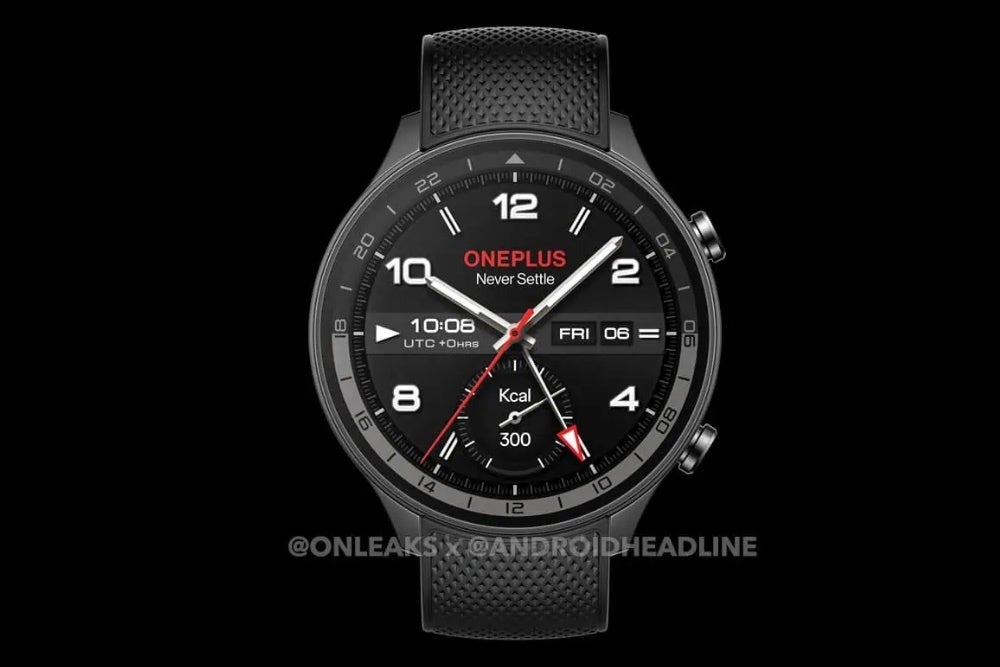
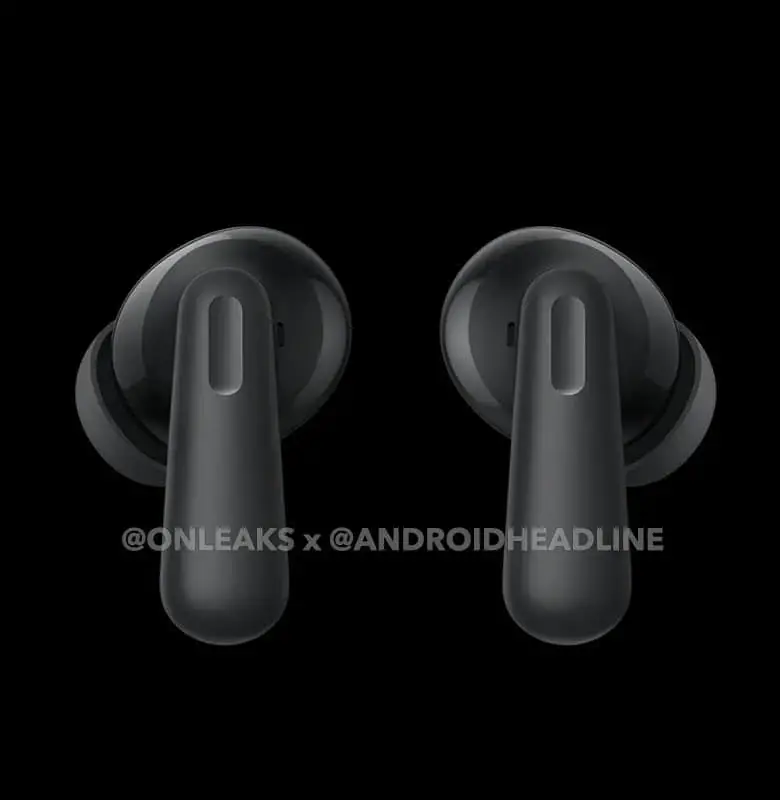
The newly revealed renders give us our first look at the OnePlus Pad 2, OnePlus Watch 2R, and OnePlus Nord Buds 3 Pro. The images reveal OnePlus is sticking with black and green color themes for its upcoming devices.
OnePlus Pad 2
The leaked render shows that the the Pad 2 doesn’t significantly deviate from the first-generation OnePlus Pad in terms of design. It features a centrally located main camera on the back and is expected to come with a Snapdragon 8 Gen 3 chipset and a 9510 mAh battery with 67W charging.
OnePlus Pad 2
OnePlus Watch 2R
It seems the OnePlus Watch 2R will be a more affordable version of the regular OnePlus Watch judging by its naming. The render images suggest that the watch will have an impressive look, available in green and black.
OnePlus Watch 2R
OnePlus Nord Buds 3 Pro
The renders of the OnePlus Nord Buds 3 Pro show a design reminiscent of AirPods. Previously, we shared an unboxing video of the Galaxy Buds 3 that highlighted a similar design, indicating that OEMs are increasingly adopting this style. The Nord Buds 3 Pro will come in black and mint green.
OnePlus Nord Buds 3 Pro
OnePlus’ upcoming product launch event will be held in Milan, Italy. These devices will launch on July 16. Read Android Headlines’ story here.
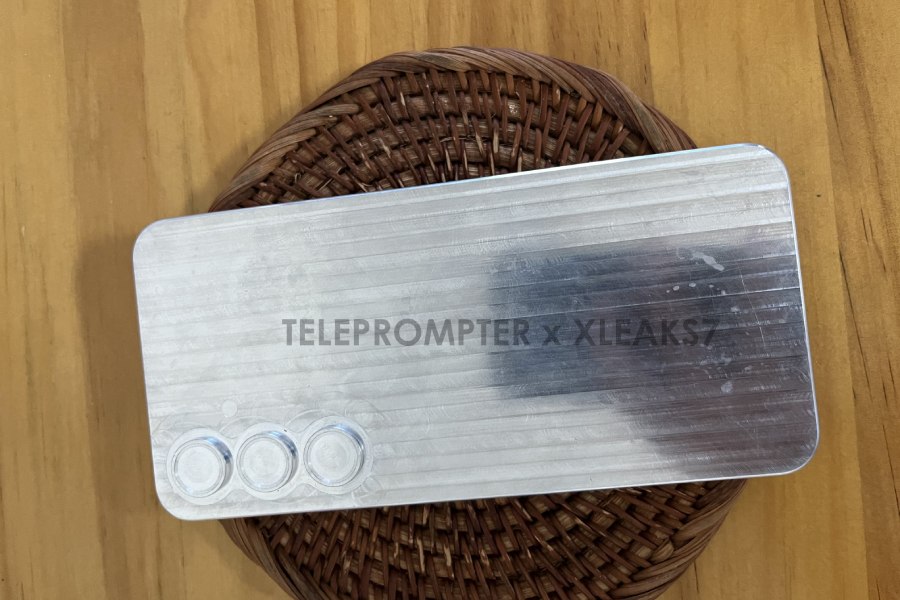
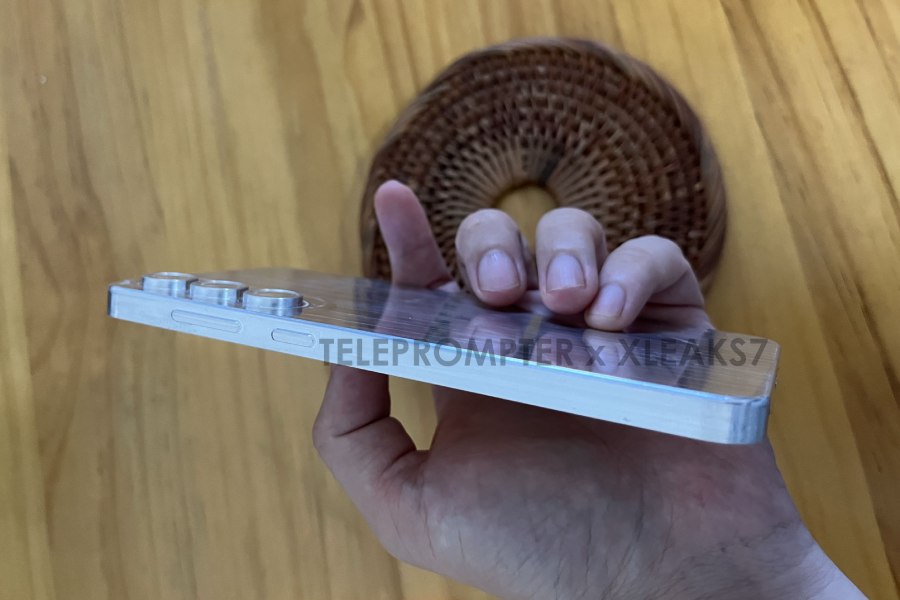
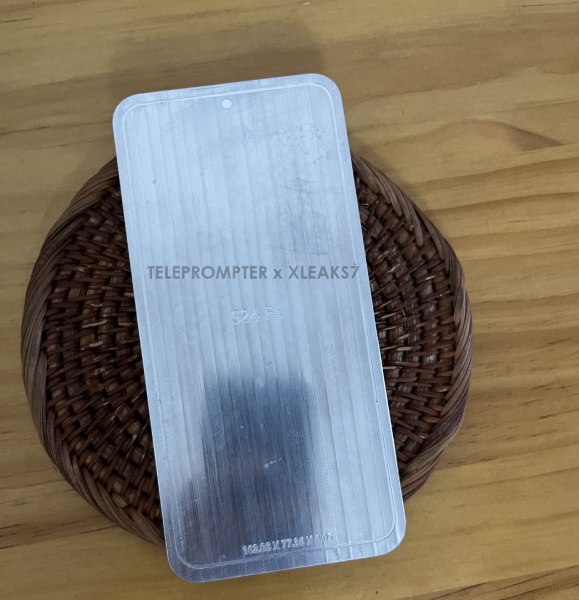
We’ve already seen renders of the Samsung Galaxy S24 FE, which boasts a design similar to the rest of the S24 line. Now, tipster xleaks7 and Teleprompter have teamed up to give us our first look at a dummy unit of the Galaxy S24 FE in live photos.
The S24 FE, like the other phones in the S24 series, will have a flat side frame, unlike the slightly rounded frame of the S23 FE. The back features a typical triple-lens camera setup and a flashlight.
The front of the phone has fairly noticeable bezels, with the chin bezel being particularly thick. Many mid-range smartphones now offer symmetrical bezels all around, making the uneven and thick bezels on the S24 FE somewhat disappointing for a sub-flagship phone from Samsung.
The front also has a punch-hole cutout in the center for selfies and an earpiece at the top of the screen. Dimension-wise, the Samsung Galaxy S24 FE measures 162.06 x 77.36 x 8.05 mm. Compared to the S23 FE’s dimensions of 158.0 x 76.5 x 8.2 mm, the new model is slightly longer, wider, and thinner.
In terms of specifications, the Galaxy S24 FE is expected to feature a 6.65-inch AMOLED panel. For performance, the device will likely use an Exynos 2400 chip, which scored 2,047 in single-core and 6,289 in multi-core tests on Geekbench. The software will be handled by Android 14-based OneUI 6.1, which includes AI features.
The S24 FE is expected to retain the camera setup of the Galaxy S24 and S23 FE, with a 50MP main camera, a 10MP telephoto lens, and a 12MP ultrawide lens. Both the main and telephoto lenses will support OIS.
The battery life and charging specs are expected to remain the same, with a 4,500mAh battery, 25W fast charging, and 15W wireless charging.
Samsung isn’t the only brand that is gearing up to launch a new flip phone. Xiaomi is set to unveil a Mix Flip model soon. But while there is no official word on its launch, a fresh certification sighting has confirmed its design elements and more.
Xiaomi Mix Flip visits NCC
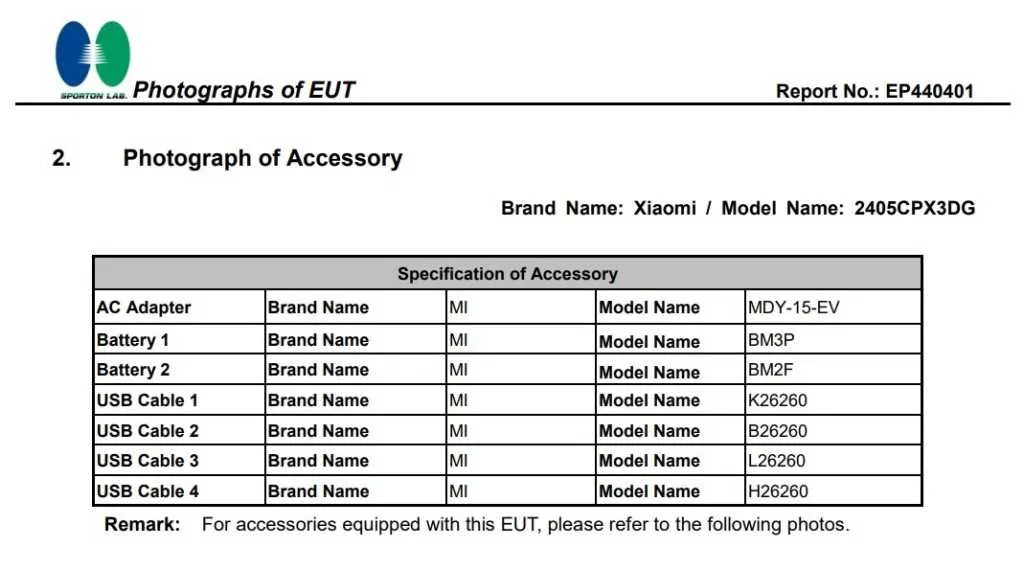
The Chinese tech giant’s upcoming Mix Flip foldable phone was spotted on the NCC certification (Via MySmartPrice). It is not just the documentation as live images of the device were also shared. The upcoming flip phone carries the 2405CPX3DG model number. The picture confirms that the Xiaomi Mix Flip has a dual camera setup on the cover display, while the front houses a punch hole cutout for the selfie shooter.
Apart from the camera modules, there weren’t any other notable aspects. This is the black color option with a minimalist aesthetic save for the Xiaomi branding at the bottom. On NCC, the charging adapter of the new flip phone was also revealed. It carries the MDY1-EV adaptor, which confirms support for 67W wired fast charging. The device packs dual cells under the hood with an 1145mAh + 3595mAh battery. These specs are in line with one of our previous reports.
Xiaomi is expected to equip the Mix Flip with the Qualcomm Snapdragon 8 Gen 3 SoC, which is a flagship grade processor. The device was spotted on the 3C certification in China back in May with the 2405CPX3DC model number. Its chip is rumored to be paired with up to 16GB of RAM and 512GB of internal storage. For optics, the Mix Flip could feature a 50-megapixel primary camera that is paired with a 60-megapixel OmniVision OV60A telephoto shooter that offers 2x optical zoom. Other notable design elements include a 4-inch cover panel and a side mounted fingerprint scanner.
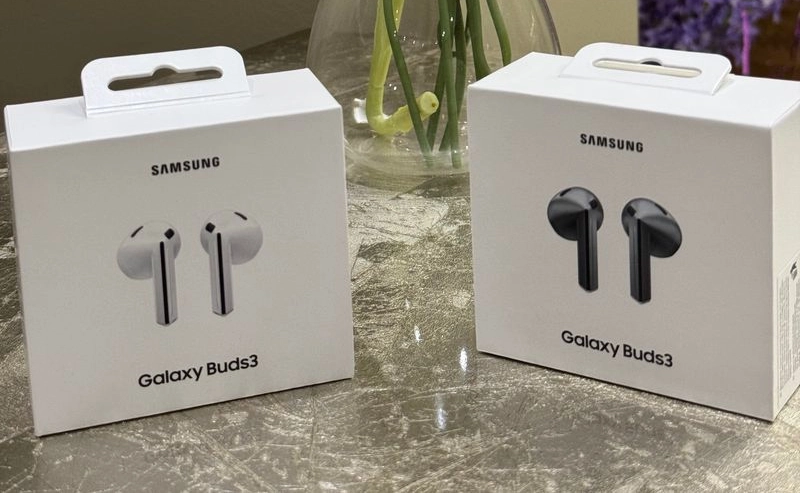
Early leaks about the Galaxy Buds 3 design turned out to be inaccurate, as leaked images from 91mobiles showed a terrible design. Thankfully, the wait for a genuine look at the Samsung’s upcoming earbuds is over. A recently surfaced unboxing video offers a detailed view into the packaging and design of the Buds 3.
Galaxy Buds 3 packaging, color options
Samsung has moved away from the classic bean-like design with the Buds 3, adopting a look similar to AirPods. The recently leaked unboxing videos show that the top part of the Buds 3 charging case is transparent. Additionally, there are two color options available: white and black.
Galaxy Buds 3
Earlier, a Korean website revealed the pricing of Galaxy Buds 3 series. Galaxy Buds 3 is priced at approximately $148, while the Galaxy Buds 3 Pro carries a price tag of $215. Despite the radical design change, Samsung has kept the pricing close to the Buds 2 series. The regular Galaxy Buds 3 has the model number SM-R530, while the Buds 3 Pro’s model number is SM-R630. You can watch the leaked Galaxy Buds 3unboxing video on Chinese social media Bilibili from the given link. This video was also seen on OnlyTechAE’s Twitter account.
Red Magic 9S Pro+ is the ultimate gaming smartphone. Equipped with a Snapdragon 8 Gen 3 processor, 16GB RAM, and a stunning 6.8-inch AMOLED display, this device is designed for those who demand excellence and a seamless gaming experience. You can now buy Red Magic 9S Pro+ for $999 at GeekWills.
The Red Magic 9S Pro+ is a gaming smartphone that runs on Red Magic OS 9.5, an upgraded custom UX from Nubia designed specifically for an enhanced gaming experience. This system is built to provide smooth and efficient performance, making it ideal for both gamers and everyday users.
Blazing Fast Speed
The device offers a fast web connection for downloading apps, streaming content, and staying connected on social media. It features 2×2 dual-antenna MIMO functionality, Bluetooth 5.3, and supports most major wireless networking standards. As a result, the Red Magic 9S Pro+ is a torchbearer for mobile wireless and telephone connectivity.
Processing Power
At the heart of the Red Magic 9S Pro+ is the Qualcomm Snapdragon 8 Gen 3 Leading Version Octa-core processor clocked at 3.2GHz, paired with an Adreno 750 GPU. Combined with 16GB of LPDDR5X RAM and 512GB dual-channel UFS 4.0 flash memory, this setup delivers lightning-fast performance and seamless multitasking capabilities, making it perfect for gaming and demanding applications.
Ample Storage Space
The Red Magic 9S Pro+ offers two storage variants: 256GB and 512GB of internal storage. This storage space ensures that you have plenty of room for your contacts, music, photos, apps, and more, eliminating the need for additional expansion.
Stunning Display
The 6.8-inch AMOLED Full HD+ display of the Red Magic 9S Pro+ is a visual delight. With a 120Hz screen refresh rate and a 960Hz touch refresh rate, it provides ultra-smooth visuals and responsiveness. The display also boasts 10-bit color depth, 100% DCI P3 color gamut, 1440Hz PWM high-frequency dimming, DC dimming, and a peak brightness of 1600 nits, offering vibrant and crystal-clear visuals in any lighting condition.
Triple Rear Cameras
Capture the world in stunning detail with the Red Magic 9S Pro+’s triple rear cameras. The primary 50MP Samsung GN5 sensor, along with a 50MP Samsung JN1 ultrawide angle camera and a 2MP macro camera, allows you to take high-quality photos in various settings. The 16MP under-display front camera is perfect for selfies and video calls, ensuring you look your best.
Advanced Cooling Technology
The Red Magic 9S Pro+ features ICE 13.5 liquid-cooling technology, which includes a large 10,182mm² single-layer vapor chamber plate, a high-speed fan spinning at 22,000 rpm, and a new cooling gel. This advanced cooling system ensures that the device remains cool even during intensive gaming sessions, providing optimal performance at all times.
Long-lasting Battery with Fast Charging
Powered by a 5500mAh battery, the Red Magic 9S Pro+ supports 165W fast charging, allowing you to fully charge the device in just 35 minutes. This means you can spend more time using your phone and less time waiting for it to charge.
Enhanced Gaming Experience
The Red Magic 9S Pro+ features faster 520Hz touch shoulder keys, offering a dual IC touch gaming shoulder key solution. With a 520Hz shoulder key touch sample rate, each IC is responsible for a separate shoulder key, providing a smooth multi-finger control experience. This feature is a game-changer for mobile gamers.
Immersive Audio
Enjoy an immersive audio experience with the Red Magic 9S Pro+’s ultra-linear dual stereo speakers. Supporting Snapdragon sound, 96kHz lossless audio, and 48ms low latency, the device delivers high-quality sound that enhances your gaming, music, and video experience.
Dual SIM Dual Standby
The Red Magic 9S Pro+ supports dual SIM dual standby, allowing you to use two SIM cards simultaneously. This feature is particularly useful for those who need to separate work and personal numbers or frequently travel internationally. Additional carrier charges may apply.
Red Magic 9S Pro+ is a powerhouse of a smartphone, offering exceptional performance, advanced features, and unparalleled connectivity. Whether you’re a gamer, a tech enthusiast, or someone who demands the best from their device, the Red Magic 9S Pro+ is designed to meet and exceed your expectations.
Let’s quickly go through what happened in the tech world over the past 24 hours.
First off, Microsoft is making waves with a bold move in China that’s got everyone talking.
But hold onto your chips, because Huawei’s not backing down. There’s buzz about their new Kirin processor, which might just give Snapdragon a run for its money. Can they pull it off despite the odds?
Meanwhile, Xiaomi’s throwing a party, and you’re invited! They’re celebrating a decade in India with some tantalizing new product launches.
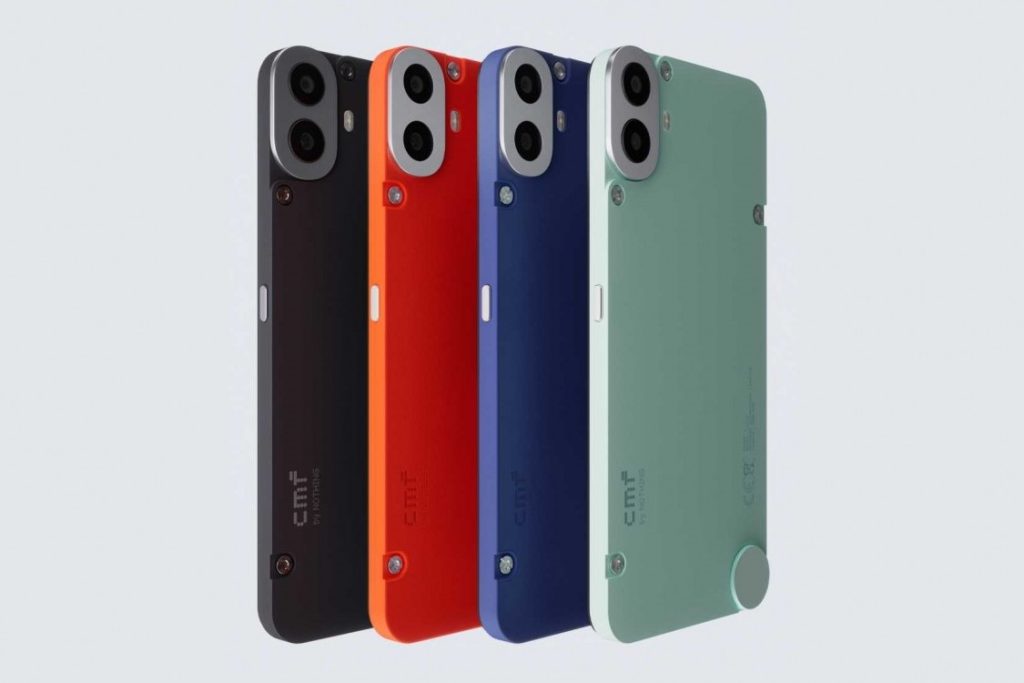
Finally, CMF is here to prove you wrong. Their new Phone 1 is turning heads with a feature that’ll let you change its look faster than you can say “customizable back panel.”
More details on the above stories are in today’s roundup below.
Microsoft is making a significant policy change for its employees in China. Starting this September, iPhones will become the mandated device for work purposes, effectively barring Android phones from accessing company resources. An internal memo obtained by Bloomberg News cites security concerns as the primary reason for this shift.
There are rumors that the Kirin 9100 could mark a significant performance leap for the Chinese tech giant. However, there are doubts about this since Huawei and its chip manufacturer, SMIC, lack the latest chip manufacturing infrastructure due to the US trade ban.
Xiaomi India is turning 10 and celebrating its 10th anniversary. To mark this milestone, Xiaomi is launching new products on July 9 at 12 PM. The company had previously announced the arrival of these exciting new products on July 9. Additionally, Indian customers can look forward to special discounts in honor of Xiaomi’s anniversary.
CMF Phone 1 was announced yesterday as the Nothing sub-brand’s first-ever smartphone. It is a budget offering and packs impressive specifications and features. The USP of the device is its customizable back panel.
ONEPLUS ACE 3 Pro the latest smartphone from OnePlus is designed for those who demand excellence and innovation. Geekwills is giving a $50 discount on this smartphone. You can now get OnePlus Ace 3 Pro for $499 at GeekWills.
At the heart of the ACE 3 Pro is the cutting-edge Qualcomm Snapdragon 8 Gen 3 chipset. This powerhouse ensures a seamless and lag-free experience, whether you’re navigating demanding apps or engaging in intensive gaming sessions. The octa-core CPU, with its combination of Cortex-X4, Cortex-A720, and Cortex-A520 cores, delivers exceptional performance and efficiency.
Display
The ACE 3 Pro features a stunning 6.78-inch 8T LTPO display with a 1.5K resolution, providing a crisp and vibrant viewing experience. The AMOLED screen supports 1 billion colors and a 120Hz refresh rate, making it perfect for immersive entertainment and gaming. With a peak brightness of 2150 nits, you’ll enjoy clear visibility even in bright sunlight.
Camera
Capture life’s moments with unparalleled clarity using the 50-megapixel Sony IMX890 primary camera. The advanced sensor, combined with PDAF and OIS, ensures sharp and detailed photos. The ultra-wide-angle lens allows you to fit more into your frame, while the macro lens lets you capture intricate close-ups. Video recording capabilities include 4K at 60fps and 1080p at 240fps, with gyro-EIS and OIS for smooth footage.
Battery Life
Stay connected longer with the ACE 3 Pro’s robust 6100mAh battery. This high-capacity battery supports 100W fast charging, allowing you to charge from 1% to 52% in just 15 minutes and reach full charge in 36 minutes. Whether you’re on the go or in the middle of an important task, you’ll never be left without power when you need it most.
Design
The sleek and modern design of the ACE 3 Pro not only looks great but also offers a comfortable grip. The device comes in two editions: the silver edition with a glass back and the green edition with a skin-friendly leather back. Both versions are IP65 rated for water and dust resistance, ensuring durability against the elements.
Software
Running on the latest OxygenOS, based on Android 14, the ACE 3 Pro provides a clean, fast, and intuitive user interface. This enhances the overall user experience, making navigation smooth and efficient. Features like customizable gestures and an optimized app drawer make daily usage a breeze.
Storage and RAM
The ACE 3 Pro offers multiple configurations to cater to every user’s needs. Choose from 256GB with 12GB or 16GB of RAM, 512GB with 16GB of RAM, or an impressive 1TB with 24GB of RAM. This flexibility ensures that whether you’re a casual browser or a heavy multitasker, there’s a model that fits your requirements. The UFS 4.0 storage technology ensures rapid data access and app loading times.
Connectivity
With support for a wide range of network technologies, including GSM, CDMA, HSPA, LTE, and 5G, the ACE 3 Pro keeps you connected no matter where you are. The device supports dual SIM, allowing you to manage personal and professional contacts seamlessly. Advanced positioning technologies, including GPS, BDS, GALILEO, QZSS, and GLONASS, ensure precise navigation and location services.
Additional Features
Sound: Enjoy an immersive audio experience with stereo speakers. Note that the device does not have a 3.5mm headphone jack.
Comms: The ACE 3 Pro supports Wi-Fi 6, Bluetooth 5.4, NFC, and an infrared port, ensuring versatile connectivity options.
Sensors: Equipped with an under-display optical fingerprint sensor, accelerometer, gyro, proximity sensor, and compass, the ACE 3 Pro offers comprehensive functionality for various applications.
With its powerful processor, stunning display, advanced camera system, long-lasting battery, and sleek design, the OnePlusACE 3 Pro is the perfect device for those who demand the best in mobile technology.
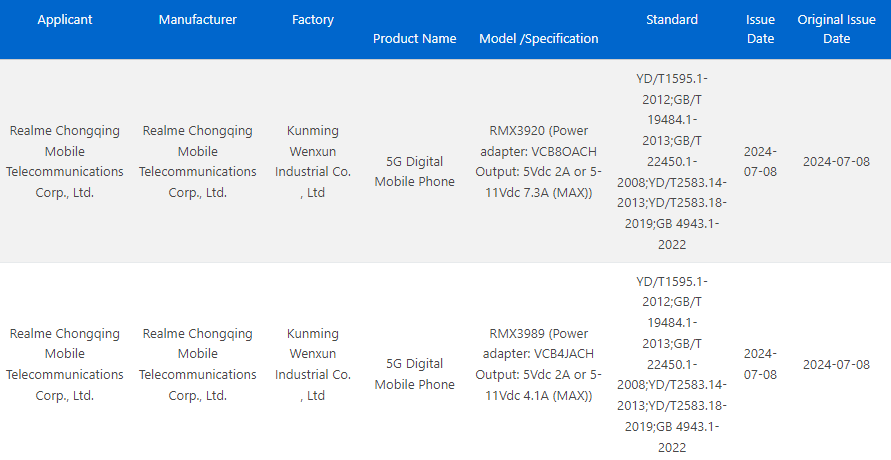
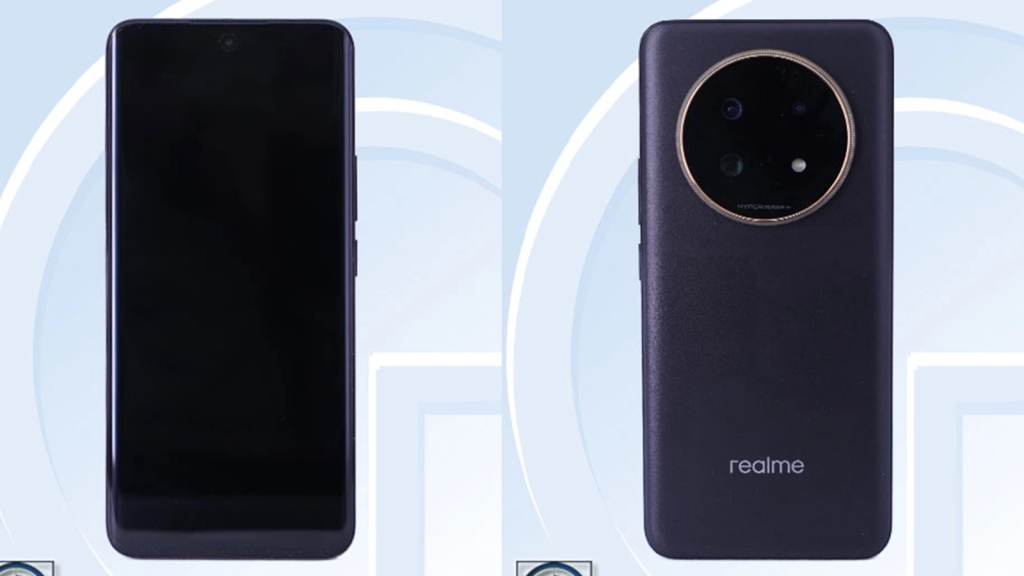
The upcoming Realme 13 Pro+, which bears the RMX3920 model number, was recently approved by China’s TENAA certification platform. The listing revealed its key specifications and images. Now, the said device has bagged approval from China’s 3C certification, revealing its fast-charging capabilities.
Realme 13 Pro+ 3C certified
As can be seen above, the Realme 13 Pro+ has been spotted with a VCB8OACH charger at the 3C certification. It suggests that the device may arrive with support for 80W fast charging. This will be an upgrade considering that the Realme 12 Pro+ has a 5,000mAh battery with 67W fast charging support. Now that the device has received 3C certification, the Realme 13 Pro+ may debut by the end of this month.
The 3C certification authority has also approved another Realme 5G phone with model number RMX3989. It reveals that the device may support 45W fast charging. At present, there is no clarity about the identity of the device. It remains to be seen whether it debuts in the market as a Realme 13 series phone.
Realme 13 Pro+ specifications (rumored)
Realme 13 Pro Plus TENAA images
As per the TENAA certification, the Realme 13 Pro+ will have a 6.7-inch curved-edge AMOLED panel that offers an FHD+ resolution and an in-screen fingerprint scanner. Under the hood, the device may feature the Snapdragon 7s Gen 2 or 7s Gen 3 chipset. It may arrive with up to 16 GB of RAM and up to 1 TB of storage.
The rated value of the Realme 13 Pro+’s battery is 5,050mAh, which indicates that its typical value could be 5,150mAh or 5,200mAh. The device will come preloaded with Realme UI 5-based Android 14.
For selfies, it will arrive with a 32-megapixel front camera. Its rear camera setup is expected to include a 50-megapixel Sony LYT-701 primary camera with OIS support, an 8-megapixel ultrawide lens, and a 50-megapixel LYT-600 periscope telephoto camera with 3x optical zoom. The device is also expected to offer several AI-driven photography features.
Samsung is scheduled to hold its next Galaxy Unpacked event on July 10 globally. The event is expected to see the arrival of the Galaxy Z Fold 6, the Z Flip 6, the Galaxy Watch Ring, the Galaxy Watch 7 and Watch Ultra, and Galaxy Buds 3 series. The South Korean tech giant has now confirmed that its next Galaxy Watch will have the latest iteration of Samsung’s BioActive Sensor, designed to deliver advanced predictive and preventative wellness features.
Galaxy Watch Ultra to feature new BioActive sensor
According to Samsung, the updated BioActive sensor is set to enhance health measurements and introduce unprecedented capabilities in wearable technology. It will arrive with three major upgrades: enhanced photodiode performance, the inclusion of additional LED colors, and an optimal arrangement of these components.
By doubling the efficiency of each photodiode, Samsung has reduced the number needed from eight to four, allowing more space for a larger variety of LEDs. The new sensor now includes Blue, Yellow, Violet, and Ultraviolet LEDs, along with an increased number of Green, Red, and Infrared LEDs. This strategic integration and arrangement of LEDs and photodiodes enables more precise health insights.
The new BioActive Sensor’s impenhancelocation of Green, Red, and Infrared LEDs enhances accuracy and performance across various health metrics, including heart rate, sleep quality, blood pressure, blood oxygen levels, and stress levels. Notably, heart rate measurement during intensive workouts is now 30% more accurate compared to the previous sensor.
In addition to these improvements, the diverse LED colors and redesigned photodiodes offer new possibilities for preventative wellness. The sensor will introduce an advanced glycation end products (AGEs) index, an indicator of metabolic health and biological aging influenced by lifestyle and dietary habits. This index serves as a valuable biomarker, providing a snapshot of biological age and guiding users in making informed decisions about their wellness journey.
As per reports, the upcoming Galaxy Watch Ultra will be Samsung’s most premium smartwatch and it will be available in 40mm and 44mm size options. Leaks have claimed that it will be equipped with a titanium frame and three physical buttons, a 3nm Exynos chip, a 5,90mAh battery, 32 GB of built-in storage, Galaxy AI support, One UI-based Wear OS, and 10ATM pressure resistance.
Xiaomi recently confirmed that the Xiaomi Mix Flip and Mix Fold 4 will debut this month in China. The Mix Flip will be the company’s first foldable display phone with a flip-style design. Both devices are expected to feature the Snapdragon 8 Gen 3 chipset. A new leak on Weibo has revealed the phone’s battery size and charging capabilities.
Xiaomi Mix Flip battery size (rumored)
The Xiaomi Mix Flip, which bears the 2405CPX3DC model number, was spotted in the database of China’s 3C certification in May. The listing revealed that the device may ship with a 67W fast charger. The latest leak reveals that the device will house a 4,700mAh battery and support 67W fast charging, as seen in the screenshot above.
The only flip-style foldable phone that offers a larger battery size is the Honor Magic V Flip. It packs a 4,800mAh battery with 66W fast charging support. The Mix Flip boasts a flagship Snapdragon 8 Gen 3 SoC, whereas the Magic V Flip utilizes an older Snapdragon 8+ Gen 1 chipset.
A recent report revealed that the Mix Flip will be available in configurations, such as 12 GB RAM + 256 GB storage, 12 GB RAM + 512 GB storage, 16 GB RAM + 512 GB storage, and 16 GB RAM + 1 TB storage. Its rear camera setup is expected to feature a 50-megapixel primary camera with OIS support and a 60-megapixel OmniVision OV60A telephoto camera with 2x optical zoom.
Xiaomi Mix Flip schematic by tipster DCS
Last month, a leaked schematic revealed that it would feature a massive 4-inch cover display. Additionally, it will be the only clamshell foldable phone to feature an external earpiece. It will have a side-mounted fingerprint sensor. The other details of the device are yet to be revealed.
Realme is expected to unveil the Realme GT 7 Pro flagship phone at the end of this year. Rumors are rife that the Xiaomi 15 and 15 Pro will debut as the world’s first Snapdragon 8 Gen 4 phones in October of this year in China. Given the announcement of the Realme GT 5 Pro in December 2023, it’s probable that the GT 7 Pro will make its debut in China during the same month. However, rumors suggest that the GT 7 Pro might be the first Snapdragon 8 Gen 4 phone to hit the global market. At present, the rumor mill has been leaking its key details in bits and pieces. The latest leak, courtesy of reliable tipster Digital Chat Station, sheds some information on its battery size and charging capabilities.
Realme GT 7 Pro key specifications (rumored)
The screenshot above shows that DCS has not revealed the device’s name in the leak. However, the emoji that the tipster has used is a good hint that he is referring to Realme’s upcoming Snapdragon 8 Gen 4 phone, the GT 7 Pro.
According to DCS’ Weibo post, the GT 7 Pro will bear a resemblance to a rival device, potentially the OnePlus 13, with a flat or nearly flat display. The device will come equipped with a 6,000mAh silicon-negative electrode battery, supporting 100W rapid charging. Despite the large battery, the phone will maintain a slim profile, with a thickness of approximately 8.5mm.
The GT 7 Pro will feature a triple-camera setup within a rectangular module, including a 50-megapixel primary sensor and a periscope telephoto camera, likely the Sony IMX882 sensor with 3x optical zoom.
Multiple sources have claimed that Xiaomi will announce the Xiaomi 15 and 15 Pro flagship phones in October of this year. Both devices are expected to debut as the world’s first phones powered by the Snapdragon 8 Gen 4. A new leak that has emerged on Weibo has leaked the purported specs sheet of the Xiaomi 15 and 15 Pro well before the launch. Here is a look at what the leak reveals about both smartphones.
Xiaomi 15, 15 Pro specifications (rumored)
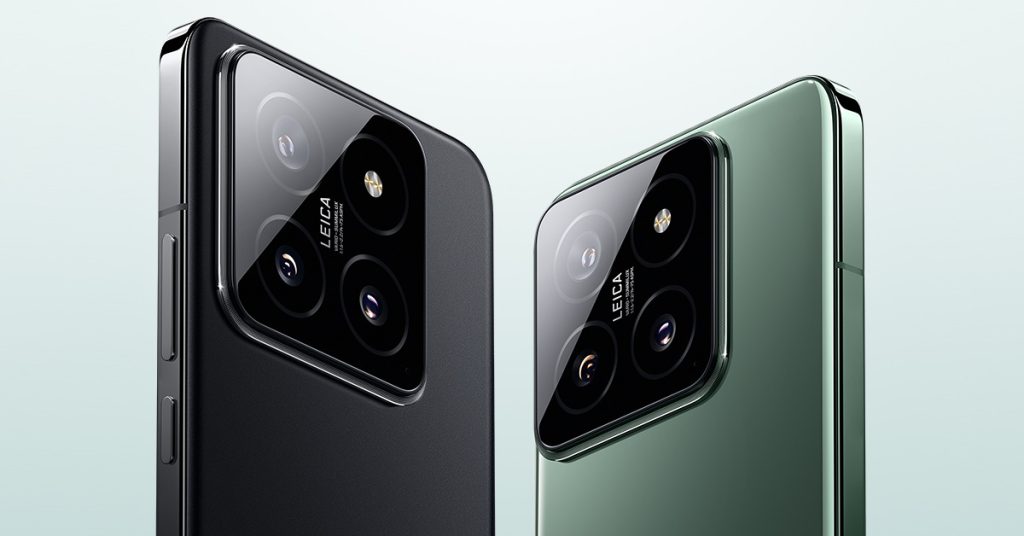
Xiaomi 14 series
As per the leak, the Xiaomi 15 will be a compact flagship phone featuring a 6.36-inch flat OLED panel that offers a 1.5K resolution, whereas the Xiaomi 15 Pro will be a larger device equipped with a 6.73-inch OLED screen with micro-curvature on all four sides and support for 2K resolution. Both screens will offer a 120Hz refresh rate and up to 1400 nits of brightness in HBM (high brightness mode).
The Snapdragon 8 Gen 4-powered smartphones will ship LPDDR5x RAM and UFS 4.0 storage. The standard model will have a 4,800mAh or 4,900mAh battery that supports 100W wired and 50W wireless charging. On the other hand, the Pro variant will pack a 5,400mAh battery. It will offer support 120W wired and 80W wireless charging.
On the front, the Xiaomi 15 series will have a 32-megapixel front-facing camera. The vanilla model will have a pair of 50-megapixel OmniVision OV50H sensors for primary and ultrawide cameras. The rear camera setup will also feature a 50-megapixel Samsung JN1 telephoto camera with a 3x optical zoom.
On the back, the Xiaomi 15 Pro will pack a 50-megapixel OmniVision OV50N primary camera, a 50-megapixel Samsung JN1 ultrawide lens, and a 50-megapixel periscope telephoto camera with 3x optical zoom. Both devices will offer an IP68 rating, 5.5G connectivity, dual speakers, and an IR blaster. The Xiaomi 15 will come equipped with an 0809B linear motor and an optical in-screen fingerprint scanner, whereas the 15 Pro will arrive with an x-axis linear motor and an ultrasonic in-display fingerprint sensor.
Readers are advised to digest the above leak with a pinch of salt, as it may not be completely accurate.
The Red Magic 9S Pro was launched just a couple of days ago in China and is finally on sale. The series includes two models – Red Magic 9S Pro and Red Magic 9S Pro+. The two of them only differ from each other in battery capacity and charging speed.
The pricing starts from 4,799 yuan (equivalent to $660) and the phone is now available in the home country. Different color variants of the two models come with slightly different price tags.
Starting with the Red Magic 9S Pro, the ‘Dark Knight’ and ‘Day Warrior’ color options are priced at 4,799 Yuan and 5,199 Yuan for the 256GB and 512GB color options respectively. On the other hand, the ‘Deuterium front transparent Silver Wing’ and ‘Deuterium Front Transparent Dark Night’ are priced at 4,999 Yuan and 5,399 Yuan for the same configurations.
Speaking of the Red Magic 9S Pro+, the ‘Dark Knight’ and ‘Day Warrior’ color variants are priced at 5,799 Yuan for the 16GB + 512GB configuration. The ‘Deuterium front transparent Silver Wing’ and ‘Deuterium Front Transparent Dark Night’ variants with the same configuration are priced at 5,999 Yuan.
Notably, the 24GB+1TB variant of the Red Magic 9S Pro+ is only available in the ‘Dark Knight’ color.
Both the phones offer 6.8″ AMOLED displays that reach a peak brightness of 1600 nits. Both the models also have the exact same dimension, which is 163.89mm x 76.35mm x 8.9mm.
Speaking of cameras, both of them equip a 50MP main (1/1.57″, 1.0µm, with OIS), a 50MP ultrawide (1/2.76″, 0.64µm), and a 2MP depth sensor. There is a 16 MP under-display selfie camera on the front.
While the Pro model comes with a 5,500mAh battery and supports 165W wired charging, the Red Magic Pro+ packs a larger 6500 mAh battery but supports a much slower 80W charging speed.
Xiaomi CEO Lei Jun made an announcement on Weibo revealing that the new generation smartphone production factory located in Changping, Beijing will soon become operational. The CEO also released a video further introducing the factory.
The factory can also maintain itself with micron-level dust removal
The new factory will be a “dark factory” that can operate 24 hours a day without people. Additionally, the machines in the factory can cooperate with each other. The factory can also create a dust-free environment all by itself with micron-level dust removal.
The production quality of the factory will be controlled by self-developed intelligent machines. It is claimed that the production process can manufacture one smartphone unit every second. According to the promotional video, the smart factory is just a small step for Xiaomi to explore the future, which has just begun.
Xiaomi has reportedly invested 2.4 billion yuan in the development of the new production process. The new factory in Changping occupies a construction area of 81,000 square meters. It has also been certified as a “national smart manufacturing benchmark enterprise” with an annual production capacity of 10 million flagship smartphones. This factory will handle the production of the upcoming foldable phones – Xiaomi MIX Fold 4 and Xiaomi MIX Filp.
However, Xiaomi has been using automation in its production process for quite a while at this point. Xiaomi’s smart factory in Yizhuang, Beijing was completed and ready for production as early as 2019. According to a previous report, the production of the company’s first book-style foldable, the Xiaomi Mix Fold, was handled completely by the first phase smart factory located in Yizhuang, Beijing.
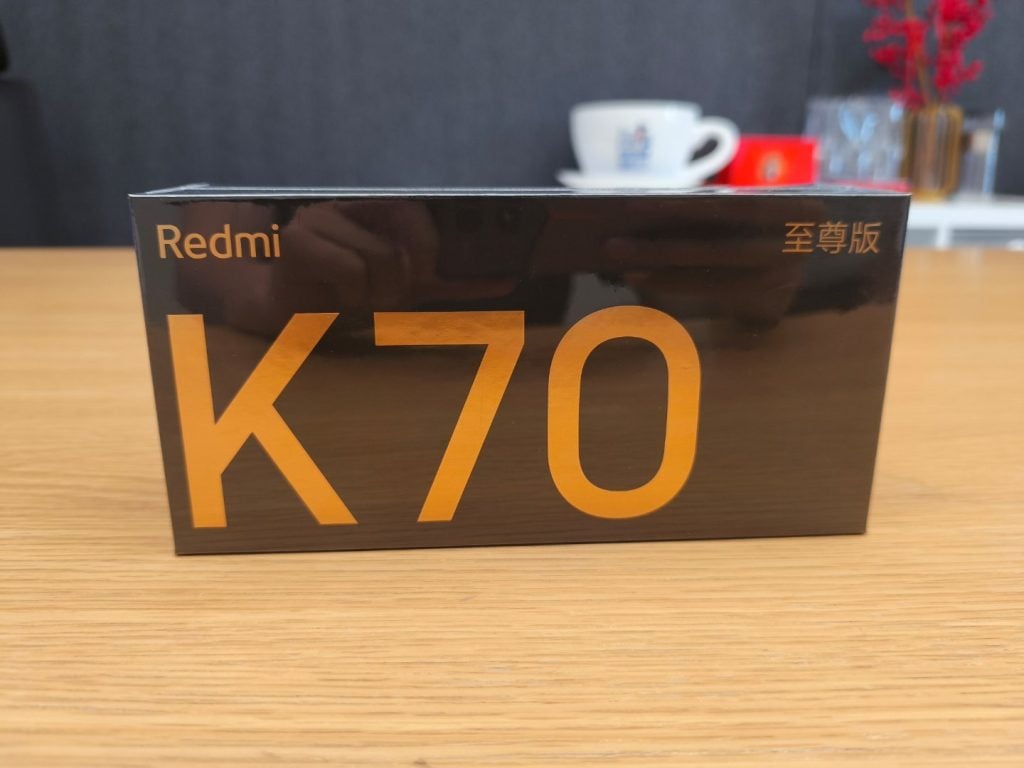
The Redmi K60 Ultra was launched in August last year and the successor is also expected to launch this month. In the latest news, tipster Digital Chat Station claimed that the phone will support 3840Hz high-frequency PWM dimming below 60 nits brightness and DC dimming above that. According to the IEEE Std1789-2015 international standard, when the screen flicker frequency is greater than 3125Hz, the flicker reportedly poses no risk to the human eye. So the display can be considered eye-safe.
Reportedly, the display will use the C8+ luminous materials jointly developed by Xiaomi and Huaxing. The display is now more efficient and the longevity of the panel has achieved an “unimaginable breakthrough” of more than 100%. The Redmi K70 Ultra will be the first phone to launch with this new display panel. The high PWM frequency reduces eye fatigue and helps the panel to offer rich colors. The display panel will have a 1.5K resolution and will come with a flat design.
According to a recently revealed Geekbench listing, the phone equips the Dimensity 9300+ chipset, which offers a Cortex-X4 performance core that reaches up to 3.4GHz, 3X Cortex-X4 clocked at 2.85GHz, and 4X Cortex-A720 clocked at 2.0GHz. The chipset uses TSMC’s 3rd generation 4nm fabrication process and comes with an 18MB L3 + SLC cache. The phone will likely equip UFS 4.0 fast storage and could offer up to 24GB + 1TB configuration.
The phone will also equip on-device generative AI models such as “Tongyi Qianwen”, “Baichuan”, and “Wenxin Yiyan” and will reportedly offer a number of multimodal generative AI features. There will be a discrete graphics chip to provide super-resolution and super-frame functions for games.
The phone will come with an IP68 dust and water resistance rating just like the predecessor. To give you an idea of what to expect, the K60 Ultra equips the Dimensity 9200+ (4 nm) chipset and is available in the following configurations – 256GB 12GB RAM, 256GB 16GB RAM, 512GB 16GB RAM, 1TB 16GB RAM, 1TB 24GB RAM. It packs a 50MP main (1/1.49″, with OIS), an 8MP ultrawide, and a 2MP macro camera. There is a 20MP (1/2.0″, 0.8µm) selfie camera on the front.
Xiaomi is already working on the next high-end flagship, the Xiaomi 15 Ultra. Already developing the Xiaomi 15 and Pro, the company is now working on the Ultra model. It’s curious what the new Xiaomi 15 Ultra will offer compared to the previous Xiaomi 14 Ultra.
We should see a refreshed new Qualcomm processor (this is Snapdragon 8 Gen 4), superior camera features, and more in the Xiaomi 15 Ultra. Many people might think it’s too early for the Xiaomi 15 Ultra. But Xiaomi is planning to launch the Xiaomi 15 and Ultra in the global market. Again like the Xiaomi 14 Pro, the Xiaomi 15 Pro will be a China-only smartphone.
Xiaomi is developing the Xiaomi 15 Ultra
The Xiaomi 14 Ultra is a smartphone with superior features, but it has some issues. One of them is the camera fogging problem, also seen on the Xiaomi 13T, Xiaomi 14, and Xiaomi 14 Pro. The Xiaomi 14 Ultra has the same problem and users are not happy with it. That’s why some users returned their devices. Therefore, this is the first problem that Xiaomi should fix on the new Xiaomi 15 Ultra. Why am I mentioning this? For Xiaomi’s sales to increase. I have seen the effects of this problem a lot. Apart from this problem, the Xiaomi 14 Ultra was an excellent device.
Now let’s come to the Xiaomi 15 Ultra. We expect the Xiaomi 15 Ultra to be a highly advanced smartphone. The latest Snapdragon 8 Gen 4 processor will power the Xiaomi 15 series. Xiaomi 15, Xiaomi 15 Pro, and 15 Ultra models will use this processor. Using the latest Snapdragon SOCs is a classic Xiaomi tradition and happens every year. Xiaomi 15 and Pro were already spotted in the database. Now we come to the highly anticipated “Ultra” device. The Xiaomi 15 Ultra has been spotted in the IMEI database. Xiaomi 15 and Ultra will be officially unveiled at MWC 2025.
25010PN30C25010PN30G25010PN30I
The Xiaomi 15 Ultra has 3 different model numbers: 25010PN30C, 25010PN30G, and 25010PN30I. The first model number refers to the Chinese version of the device, while the other model numbers refer to the Global and Indian models respectively. You will be able to easily access the Xiaomi 15 Ultra from anywhere in the world.
The “2501” at the beginning of the model number represents January 2025. However, we expect the new Xiaomi 15 series to be introduced in the global market in February 2025. As mentioned above, the Xiaomi 15 and Xiaomi 15 Ultra will be launched globally, while the Xiaomi 15 Pro will be a China-exclusive device. For the moment, we have announced the first known facts about the new Xiaomi 15 Ultra.
The ongoing artificial intelligence revolution highlights the critical importance of processing power. Luckily, quantum computers, significantly more advanced than traditional ones, emerge as crucial in this context.
For those who don’t know, quantum computers are a type of computation based on the principles of quantum mechanics, unlike classical computers. While classical computers process data using bits (0 or 1), quantum computers use quantum bits (qubits).
Although this solves the processing power issue, running such a system brings along different challenges like heat. However, scientists have solved this problem with a cooling system that’s colder than space. Here are the details…
Researchers Develop Ultra-Cold Cooling System
Researchers at the Swiss Federal Institute of Technology, who have been researching new methods to cool quantum computers for some time, have finally developed a cooling system that creates an environment cooler than the depths of space itself for these systems.
In their experiment, they successfully cooled a quantum computer processor to -273°C. This temperature is even colder than the average temperature of space, which is around -270°C. So why are researchers trying to cool the system so much?
As you know, quantum computers unlike current computers, need to be constantly cooled. However, you can’t just attach a computer cooler and start it up. The components that perform quantum calculations, called “qubits,” must be kept as close to zero degrees as possible to avoid being affected by heat.
Therefore, significant effort has been made to operate quantum computers as accurately and smoothly as possible. The interesting part is that this groundbreaking cooling system is made using off-the-shelf computer parts.
This means it didn’t cost millions of dollars to develop. This also suggests there’s not a significant barrier to its applicability in consumer electronics. As you know, while modern hardware is quite powerful, heat often limits it from reaching its full potential.
Who knows, perhaps this system might appear in gaming consoles, PCs, and laptop models in the near future. This could mean even my 1 kg MateBook X Pro could handle playing GTA VI.
Chinese smartphone manufacturer Coolpad has announced the release of its latest budget-oriented smartphone, the Cool 50.
The phone boasts several features a 256GB storage capacity, a 4700mAh battery for extended usage, and an AG glass back cover for a premium feel. The Cool 50 also sports a 6.56-inch waterdrop display on the front and dual cameras and an LED Flash at the back.
The phone will be available in three attractive colors: Snow Domain Silver, Frosted Black, and Sakura Pink. While the official pricing is yet to be revealed, Coolpad has confirmed that the phone will be sold through both online and offline channels.
The phone was spotted on the China Compulsory Certification (CCC) recently which reveals the Cool 50 features a screen resolution of 720×1600 pixels and measures 163.6×74.8×9.2mm. The phone weighs approximately 199g.
The processor model for the Cool 50 remains undisclosed, but certification information reveals an octa-core CPU with a clock speed of 1.8GHz.
Coolpad’s latest release follows the earlier launch of the Cool 60, a budget smartphone introduced in China earlier this year. The Cool 60 is priced at 599 yuan ($83) and features a UNISOC T760 chipset, 4GB RAM, and 128GB storage.
It sports a 6.51-inch, 720p LCD screen with a 90Hz refresh rate and includes a 13MP rear camera and a 5MP front camera. It also supports 5G networks and split-screen functionality.
The exact launch date is currently unknown, but with the company offering limited-time deals for its Weibo users, the launch is anticipated soon. Full pricing and specifications will be revealed at that time. Stay tuned for updates.
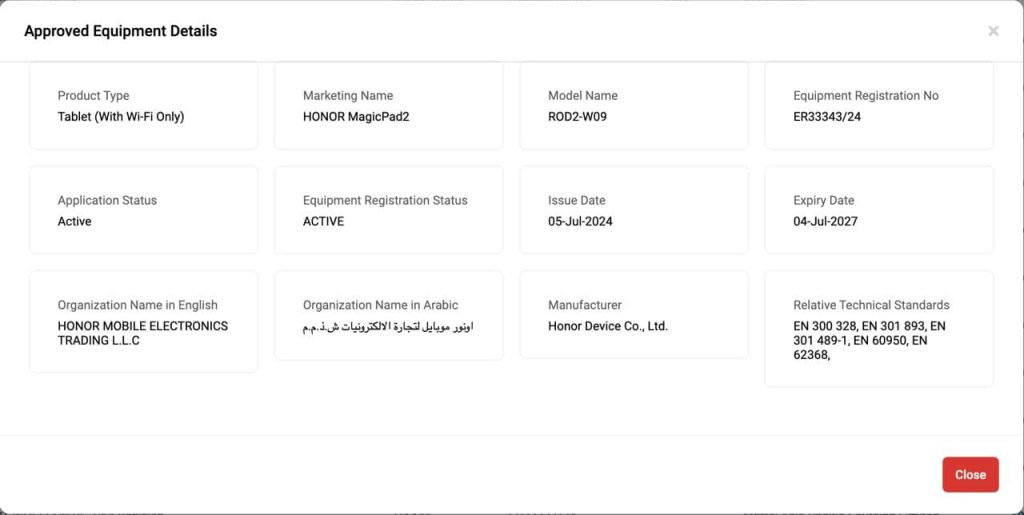
Honor is gearing up for a busy launch season, with the Honor 200 5G series confirmed for India on July 18th. In China, they’ve announced the July 12th launch of several devices including the Honor MagicPad 2. This tablet has now been spotted on the UAE’s TDRA certification website, hinting at a global release alongside the Chinese launch.
The TDRA listing reveals a Wi-Fi-only variant of the MagicPad 2 (model number ROD2-W09), suggesting a wider rollout beyond China. Pre-orders for the tablet are already underway in China, where it’s available in three colors (Sky Blue, Moon Shadow, Starry Black) and four configurations: 8GB+256GB, 12GB+256GB, 16GB+512GB, and a top-tier 16GB+1TB option.
Last week, a few details about this upcoming tablet were leaked online. As per the leak, the MagicPad 2 will feature a 12.3-inch OLED panel offering 3K resolution with 144Hz refresh rate and an ultra-high frequency eye protection dimming.
Previous leaks also suggest that the tablet will be powered by a Snapdragon 8s Gen 3 processor. Its display is confirmed to offer HDR capabilities since it has “IMAX Enhanced” written on the back, and it is also expected to offer keyboard connectivity via Bluetooth since it lacks metal contact points. More details are expected to be revealed as we get closer to the launch.
In related news, the details of the upcoming Honor Magic V3 foldable also surfaced in a recent leak, revealing that it will feature a Snapdragon 8 Gen 3 processor, along with an IPX8 water-resistant body and a 50-megapixel primary camera with OIS support. It is also rumored to boast a periscope telephoto camera with a 3.5x optical zoom.
Celebrate Prime Day with LONGER and get huge discounts on the Ray5 20W Laser Engraver. Designed for precision and versatility, this powerful tool empowers hobbyists, professionals, and creative enthusiasts alike to achieve detailed and accurate engravings on a variety of materials.
Prime Day Specials: Unbeatable Discounts and Exclusive Offers
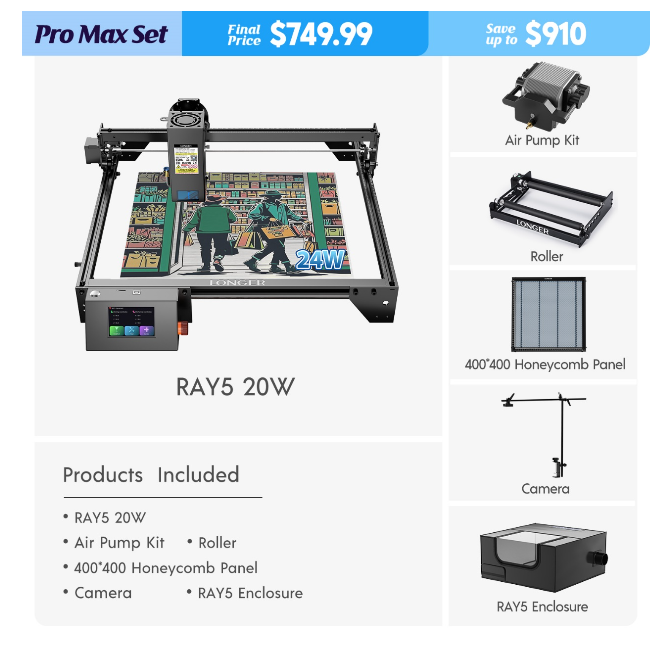
From July 8th to July 23rd, LONGER offers unbeatable Prime Day specials on the Ray5 20W. Enjoy a generous 37% discount on the basic model, priced at just $499.99 (originally $799.99), saving you $300. For those seeking more advanced features, the Ray5 20W Pro Max Set is available for $749.99, a remarkable 55% discount off the original $1659.99 price, saving you $910.
Additional Perks: Spin the Wheel and Beginner Gift Pack
In addition to exceptional discounts, LONGER offers exclusive perks to enhance your purchase experience. Use the special $50 discount code (LONGERr50) for extra savings. Orders over $700 qualify for a free Beginner Gift Pack valued at $39.99, providing additional tools and resources to kickstart your engraving journey. Don’t forget to visit LONGER’s official website and spin the wheel for a chance to win consumables and discount coupons, adding even more value to your investment.
Product Highlights: From Basic to Pro Max Set
The Ray5 20W Basic model is perfect for entry-level users looking to explore laser engraving. It comes equipped to handle a wide range of projects with ease and precision. Meanwhile, the Ray5 20W Pro Max Set includes additional features like Air Pump Kits, a 400*400 Honeycomb Panel, Rotary Roller, Ray5 Enclosure, and Camera Kits, catering to professional-grade applications and enhancing your creative capabilities.
Enhanced Features
Key enhancements such as the air pump, honeycomb panel, rotary roller, enclosure, and camera kits (included in the Pro Max Set) ensure optimal performance and versatility. These features not only streamline operations but also enable users to achieve intricate designs and professional-quality results effortlessly.
User-Friendly Design
Ease of use is a hallmark of the Ray5 20W. Designed with both beginners and experienced users in mind, it offers straightforward setup and operation. Whether you’re new to laser engraving or a seasoned professional, you’ll find the Ray5 20W intuitive and efficient, allowing you to focus on unleashing your creativity.
This Prime Day, embrace innovation and precision with the LONGER Ray5 20W Laser Engraver. Whether you’re looking to enhance your crafting capabilities, create personalized gifts, or delve into professional-grade projects, the Ray5 20W offers unmatched versatility and quality.
We use cookies on our website to give you the most relevant experience by remembering your preferences and repeat visits. By clicking “Accept”, you consent to the use of ALL the cookies.
This website uses cookies to improve your experience while you navigate through the website. Out of these, the cookies that are categorized as necessary are stored on your browser as they are essential for the working of basic functionalities of the website. We also use third-party cookies that help us analyze and understand how you use this website. These cookies will be stored in your browser only with your consent. You also have the option to opt-out of these cookies. But opting out of some of these cookies may affect your browsing experience.
Necessary cookies are absolutely essential for the website to function properly. This category only includes cookies that ensures basic functionalities and security features of the website. These cookies do not store any personal information.
Any cookies that may not be particularly necessary for the website to function and is used specifically to collect user personal data via analytics, ads, other embedded contents are termed as non-necessary cookies. It is mandatory to procure user consent prior to running these cookies on your website.