Haier is reentering the mini PC market with their new Yunyue mini H13, now available for pre-order on JD.com for 2,899 yuan (around $400 USD). This compact powerhouse packs a punch with an Intel Core i7-12650H processor (boasting 6 performance cores, 4 efficiency cores, and a 4.7GHz turbo frequency) alongside 16GB of memory and 512GB of storage – all in a tiny package measuring less than 3 liters and weighing only 1.36kg.
The Yunyue mini H13 will go on sale on May 9th at 10AM
The Yunyue mini H13 is designed for versatility. The front offers easy access to USB-C, two USB-A ports, and an audio jack, while the back provides dual network ports for wired connections, two more USB-A ports, and both DP and HDMI display outputs.
Connectivity is further enhanced with Wi-Fi 6 support, and the system comes pre-installed with Windows 11. Haier even suggests its potential for “soft routing” applications. The company previously released the Yunyue mini H12 mini PC in December 2023, and it’s also packed with a bunch of features, such as 12th Gen Intel Core i5-12450H processor, 16GB DDR4-3200 RAM, and 512GB PCIe 4.0 SSD.
While some details remain under wraps, the Yunyue mini H13 is set to go on sale on May 9th at 10:00 AM.
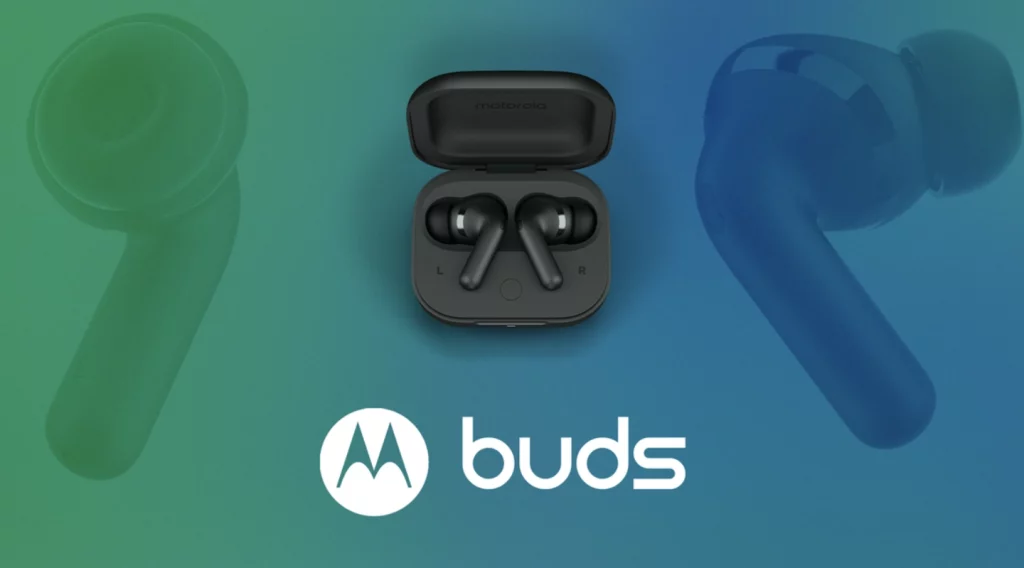
Motorola is gearing up to announce a new pair of truly wireless earbuds in India. The company’s latest online post has shared a video that teases the Moto Buds and Moto Buds+ launch in the region. So here’s everything you need to know.
Moto Buds & Moto Buds+ nears Indian release
The brand shared a fresh teaser on X (formerly Twitter), which showcased an upcoming TWS earbuds. These seem to resemble the Moto Buds lineup that was previously unveiled in the Chinese market earlier this week. Looking at the video teaser, Motorola has confirmed that the upcoming TWS will feature a water resistance design.
This teaser also reveals that it will be offered in multiple color options as well. To recall, the China launch included options like starlight blue, glacier blue, coral peach, and kiwi green. So we can expect similar options in India. Motorola refrained from revealing any finer details like its pricing or release date. But based on the Chinese release, we have key details like its specs and features.
Get ready to immerse yourself in a world of rich, detailed audio with Motorola.
The Moto Buds were announced with 12.4mm dynamic drivers with Hi-Res audio support. Meanwhile, the Buds+ offered 11mm dual woofers and 6mm tweeters with Hi-Res audio. The former comes with ANC with up to 48 decibels. On a single full charge, the base model boasts 9 hours of playback. The Moto Buds+ features Dolby Atmos, Dolby Head Tracking, and 46 decibels of ANC. We can expect more details to surface soon, so stay tuned for more updates.
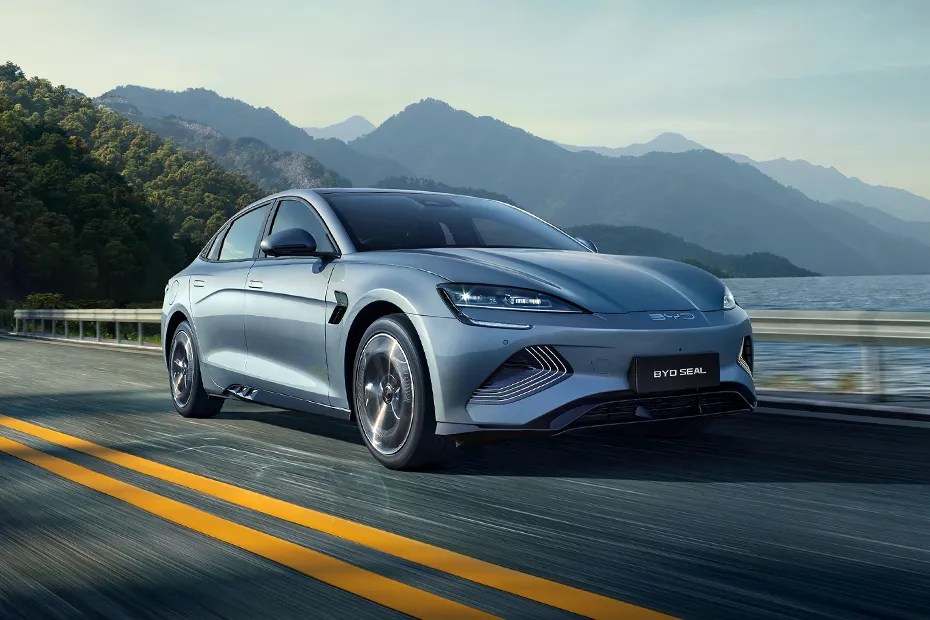
China‘s automobile industry has reached a historic milestone, surpassing 30 million units in both production and sales for the first time in 2023. This significant achievement solidifies China’s position as the world’s leading auto market and paves the way for even greater dominance in the electric vehicle (EV) sector.
China’s auto sales hit 30 million in 2023
Industry experts predict a bright future for China’s EV industry, with the potential to capture a staggering 60% of the global market share by 2030. This translates to a projected annual sales volume of 60 million EVs, a significant jump from the current global figure.
This optimistic outlook stems from a confluence of factors. Firstly, China already boasts a commanding 32% share of the global automobile market and over 60% of the global EV market share.
Secondly, the shift towards EVs presents a unique opportunity for China to “overtake on a curve.” While traditional automakers from Europe, America, and Japan previously dominated the market with their expertise in internal combustion engine technology, the rise of EVs has leveled the playing field. Batteries, motors, and electronic controls – the core components of EVs – are areas where China has rapidly developed its capabilities.
China’s success in the EV market can be attributed to government incentives like subsidies and infrastructure, a vast domestic market with a growing middle class, and a surge in homegrown EV technology that challenges established players. This potent mix has propelled China to the top of the global EV market.
The future of the global automobile industry appears to be increasingly electric, and China is well-positioned to capitalize on this transformation. With its ambitious goals, technological advancements, and supportive government policies, China’s auto market is poised for continued dominance in the years to come.
Chinese EV giants Xpeng and its affiliate AeroHT are set to transform city transportation with their ambitious entry into the flying car industry. AeroHT is close to achieving airworthiness certification for its innovative flying car, marking a major advancement in urban air technology.
AeroHT, a subsidiary of Xpeng, has been developing its flying car for a decade, with recent successful low-altitude flight tests in Guangzhou’s busy central business district showcasing its progress. The company’s CEO, He Xiaopeng, underscored the transformative potential of low-altitude air travel during his address at Auto China 2024, highlighting its profound impact on daily urban life.
source: aeroht.com
The forthcoming AeroHT flying car, set to commence pre-orders in the fourth quarter of this year, promises a dual-mode electric vertical take-off and landing (eVTOL) vehicle capable of seamlessly transitioning between ground and air travel. While exact launch dates and pricing details are yet to be disclosed, insiders suggest a price range estimated at around 1 million yuan ($138,000), with plans for further cost reductions in the pipeline.
Xpeng’s scope reaches beyond flying cars, with its robotics division focused on creating robots for household tasks and human interaction. This multi-faceted approach underscores Xpeng’s commitment to innovation across various sectors, solidifying its position as a pioneer in cutting-edge technologies.
In a broader context, Chinese companies like Xpeng and AeroHT are spearheading the commercialization of flying cars globally, leveraging China’s unparalleled expertise in EV technologies. With the Civil Aviation Administration of China reviewing type certification for AeroHT’s eVTOL vehicle, and Xpeng gearing up for pre-orders, the stage is set for a paradigm shift in urban mobility.
Flipkart’s Big Savings Days is taking place from May 3 to May 9. Ahead of the commencement, Samsung has announced an attractive sale price on last year’s flagship Galaxy S23 smartphone. However, the whopping discount is only for a limited period meaning you should quickly grab it if you’re interested. The sale price makes the Galaxy S23 a solid flagship under the Rs 50,000 segment. Read on to know all the details below.
Samsung Galaxy S23 gets an unprecedented discount for a limited period
To recall, Samsung slashed the price of the Galaxy S23 by Rs 10,000 earlier in January this year. The smartphone launched last year at Rs 74,999 now starts at Rs 64,999 for the base 128GB variant.
Starting May 2 at 12am, the Samsung Galaxy S23 will be available for Rs 44,999. This is a whopping discount of Rs 20,000 from the regular price tag of Rs 64,999. Samsung India says that the sale price is inclusive of Rs 2,000 bank discount. This likely means that the phone will be listed at Rs 46,999. It’s worth noting that this sale price is only for the 128GB of the smartphone.
Alongside the massively discounted price, interested buyers can also get the Galaxy S23 at a lower price by exchanging the old smartphone. Alongside Flipkart, the smartphone will also be available from Samsung.com.
The Samsung Galaxy S23 is worth considering at a discounted price tag because it comes with Galaxy AI features including Circle to Search, Live Translate, Interpreter, and more. The device has a 6.1-inch dynamic AMOLED display with FHD+ resolution and a 120Hz refresh rate. It is powered by a Snapdragon 8 Gen 2 processor and backed by a 3,900mAh battery with support for 25W wired and 15W wireless charging. The phone has triple rear cameras including a 50MP main sensor.
Beijing’s local government has introduced a subsidy plan to help local businesses buy Chinese semiconductors, especially GPUs, aiming to strengthen its computing capabilities and lessen reliance on foreign tech. This initiative comes as part of a broader effort to enhance the city’s smart computing capabilities by 2027.
Under the undisclosed subsidy scheme, local firms will receive financial incentives to purchase domestically manufactured GPUs, with the subsidies being proportional to the investment required for building computing services. The policy focus emphasizes the use of domestic-designed and manufactured GPUs, essential for high-performance systems in data centers, particularly for AI development projects.
source: AI
Recent changes to US export regulations have made it difficult for Chinese companies to get their hands on advanced AI processors and semiconductor manufacturing gear. US trade sanctions have restricted companies like Nvidia from exporting sought-after components to China, prompting Chinese entities to seek alternative solutions.
Beijing’s smart computing initiative aims to support the training of both general and industry-specific large language models (LLMs), crucial for AI development. Access to advanced computing resources, particularly GPUs, is essential for AI development, driving Beijing’s subsidy scheme to ensure self-sufficiency in this area by 2027.
China’s strategic shift to become self-sufficient in AI technology
China is shifting its strategy towards promoting domestic production of AI chips over-reliance on international firms like Nvidia, Intel, and AMD. The subsidy scheme reflects a broader national strategy to encourage the adoption of homegrown AI chips, ensuring self-sustainability in AI semiconductor technology despite external restrictions.
Leading players in the Chinese AI chip market include Huawei, Alibaba, Baidu, and Tencent, with Huawei making significant advancements in AI chip technology. Other emerging companies are expected to gain market share with time and further development.
Beijing’s initiative shows its commitment to technological self-sufficiency amid escalating trade tensions and US export controls. Financial incentives provided to local firms aim to accelerate the adoption of AI processors, bolstering Beijing’s computing infrastructure and reducing dependence on foreign technology.
In addition to traditional semiconductor technology, China is also targeting advancements in silicon photonics and quantum computing chips to achieve full self-reliance on smart computing infrastructure by 2027. However, geopolitical tensions and potential expansion of US-led export restrictions pose business risks for chip makers and equipment suppliers like ASML.
Qualcomm recently introduced its new Snapdragon X series of processors for Windows on Arm laptops. The company revealed four chipsets in the line, where three of them belong to the Snapdragon X Elite tier while the remaining is the Snapdragon X Plus which will power more affordable Windows laptops.
However, according to industry insider Kamila Wojciechowska (via Android Authority), Qualcomm might have further plans for the Snapdragon X Plus lineup. The tipster says Qualcomm is working on a second and more powerful variant of the X Plus chipset, called X1P-42-100.
It will feature eight Oryon CPU cores, up from six on the X1P-64-100. Notably, the X1P-42-100 is rumored to lack the four efficiency cores present in its counterpart.
While this could translate to better performance for the X1P-42-100, it comes with fewer PCIe lanes compared to the X1P-64-100.
Here’s the table showing the specs of all the SoCs in the Snapdragon X line:
X1 Elite (X1E-84-100)
X1 Elite (X1E-80-100)
X1 Elite (X1E-78-100)
X1 Plus (X1P-64-100)
X1 Plus (X1P-42-100)
Performance cores
8x Oryon – 3.8GHz
8x Oryon – 3.4GHz
8x Oryon – 3.4GHz
6x Oryon – 3.4GHz
8x Oryon – ?
Efficiency cores
4x Oryon – 3.8GHz
4x Oryon – 3.4GHz
4x Oryon – 3.4GHz
4x Oryon – 3.4GHz
–
Turbo
4.2GHz up to two cores
4.0GHz up to two cores
–
–
–
GPU frequency
1.5GHz
1.25GHz
1.25GHz
1.25GHz
?
Video hardware
4K 60 fps encode, 4K 120 fps decode
4K 60 fps encode, 4K 120 fps decode
4K 60 fps encode, 4K 120 fps decode
4K 60 fps encode, 4K 120 fps decode
4K 30 fps encode, 4K 60 fps decode
PCIe
8+4 lanes of PCIe 4.0, 2+2 lanes of PCIe 3.0
8+4 lanes of PCIe 4.0, 2+2 lanes of PCIe 3.0
8+4 lanes of PCIe 4.0, 2+2 lanes of PCIe 3.0
8+4 lanes of PCIe 4.0, 2+2 lanes of PCIe 3.0
4+4 lanes of PCIe 4.0, 2+2 lanes of PCIe 3.0
The X1P-42-100 is also said to have limitations in video encoding and decoding capabilities, supposedly capped at 4K/30 FPS encoding and 4K/60 FPS decoding.
In contrast, the X1P-64-100 is rumored to offer 4K/60 FPS encoding and 4K/120 FPS decoding. Many other details about the X1P-42-100, such as CPU clock speeds and GPU specifications, remain under wraps for the time being.
Wojciechowska’s leaks extend beyond the X series, suggesting Qualcomm is also working on a server-grade chipset codenamed “SD1”. The processor is purported to feature 80 Oryon cores on a 9470-pin LGA socket and will use TSMC’s 5nm (N5P) production process.
The leak also suggests that SD1 will support 16 channels of DDR5-5600 RAM, boast 70 PCIe 5.0 lanes, and have the capability to run two chipsets simultaneously.
Furthermore, Wojciechowska mentions that the SD1 integrates Compute Express Link (CXL) 1.1. However, other details about the silicon are unclear at this stage.
Qualcomm unveiled the Snapdragon X Elite processor in October last year. The chipmaker recently announced an affordable version of the Elite, the Snapdragon X Plus. For those unaware, the company’s Snapdragon X series is for PC platforms and aims to compete against legacy chipmakers Intel and AMD and even Apple’s M-series. Snapdragon X CPU-powered laptops are surfacing in benchmarks in recent times with the latest one coming from Dell.
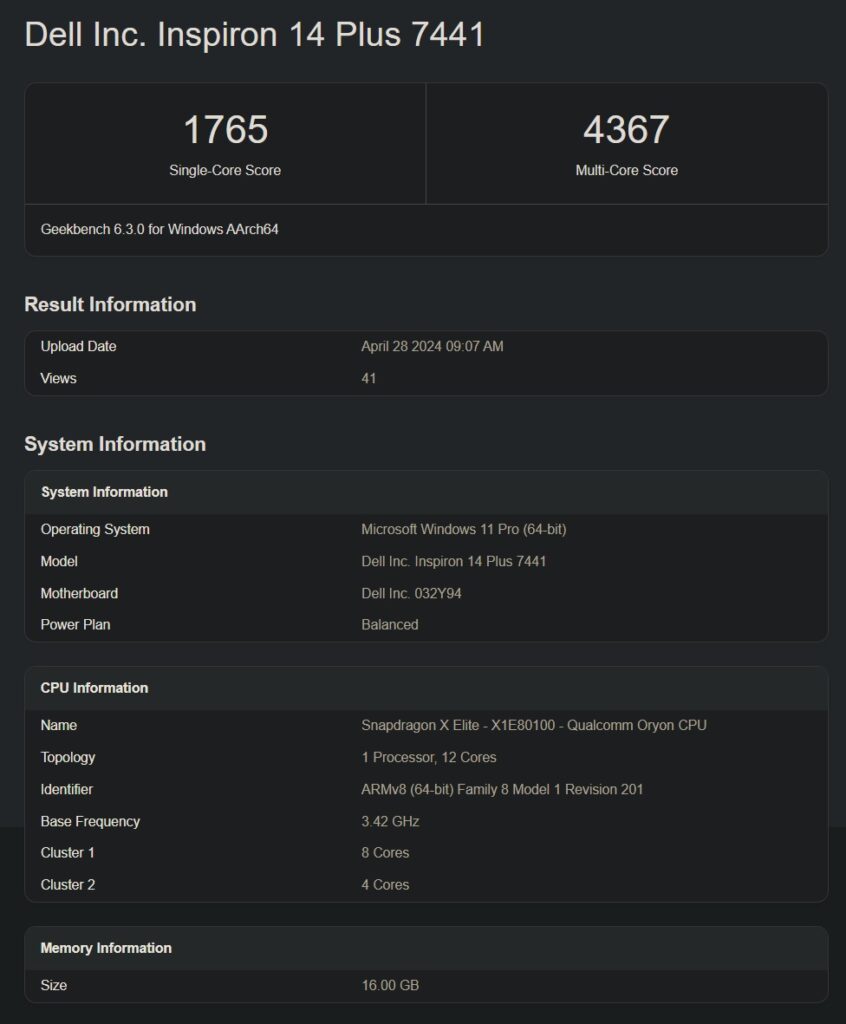
Dell Inspiron 14 Plus 7441 appears on Geekbench
The Geekbench listing confirms that Dell is working on a Snapdragon X-powered CPU laptop. The database mentions it as a Dell Inspiron 14 Plus 7441. It reveals a Snapdragon X Elite (X1E80100) processor with cluster 1 comprising of eight cores and cluster 2 of four cores. The CPU is clocked at a base frequency of 3.42 GHz. The laptop is listed with 16GB RAM onboard and runs on Windows 11 Pro OS out of the box.
In the Geekbench’s single-core and multi-core test results, the Dell Inspiron 14 Plus 7441 scored 1,765 and 4,367 points respectively. The multi-core scores of the laptop are weirdly lower under 5,000 compared to the Microsoft Surface 6 and Samsung Galaxy Book 4 Edge which have the same chipset underneath but ticking at a speed of 4.01GHz.
The Dell Inspiron 14 Plus 7441 is likely tested with incorrect settings or lower power configuration that resulted in much lower multi-core test scores. A higher clock speed would have recorded better performance results. It’s worth noting that several factors affect the benchmark scores.
Alongside Microsoft, Samsung, and Dell, a Lenovo laptop had also surfaced on Geekbench with Snapdragon X Elite last month.
In a smart move to push forward the connected car technology, Hyundai Motor Company and Kia Corporation have inked an agreement with Baidu Inc., the renowned Chinese tech giant. The agreement signed between them is a crucial step toward developing advanced automotive technologies.
The signing ceremony, held at the prestigious Yosemite Hotel in Beijing, China, saw the presence of key personnel from all participating entities. Notable figures such as Song Chang-hyun, Head of Advanced Vehicle Platforms (AVP) of Hyundai and Kia, and Wang Yunpeng, Head of Baidu IDG and Vice President of Baidu Group, were among the attendees.
source: Wikipedia
The primary objective of the collaboration is to lead innovation in the connected car market, especially in China’s growing automotive industry. Through this partnership, Hyundai, Kia, and Baidu aim to not only meet but exceed the evolving demands of consumers by delivering unparalleled value through technological advancements.
A key aspect of the deal involves using Baidu’s Smart Cloud to create solutions that meet China’s strict data rules. Moreover, the collaboration will delve into connectivity, autonomous driving, intelligent transportation systems, and cloud computing, paving the way for a new era of mobility solutions.
The significance of this partnership extends beyond mere business objectives. It represents a strategic alignment between Hyundai Motor Group’s long-term software strategy SDx and Baidu’s technological prowess in connectivity, AI, autonomous driving, and search engines.
This partnership builds on successful teamwork between Hyundai, Kia, and Baidu since 2014. Together, they’ve created various connectivity systems like navigation, voice recognition, and smart content services.
In a joint statement, Hyundai and Kia expressed their commitment to establishing a robust ecosystem for connected cars in the Chinese market, highlighting their dedication to driving innovation and meeting the evolving needs of consumers.
China’s connected vehicle market is expected to grow rapidly, and this partnership is poised to drive significant advancements in the automotive sector, reshaping mobility in China and globally.
Amazon India is finally here with the Amazon Great Summer Sale, commencing on May 2. There will be exciting offers and discounts on most of the inventory on Amazon. Some special discounts for Prime users will be in line. Moreover, they will get access to the sale items a day before the normal users. Lucrative instant discounts will be available via the credit an debit cards. Let’s decode the discounts, and information about the Amazon Great Summer Sale till now:
Amazon India Great Summer Sale Details
The event page is now live, and the users can check deals and details about the upcoming sale event.
The sale will be starting at 12:00pm on May 2nd, meanwhile, the Prime users can shop deals from the midnight of May 2nd.
There will be dedicated 10% instant discounts for the ICICI Bank, Bank of Baroda, and One Card holders. Additional banks will be added later in the day.
Exquisite discounts will be applicable on Realme Narzo 60x 5G, iQOO Z9 5GG, and Redmi 13C smartphones. Details about the offer have not been revealed.
Samsung HD Smart Ready TV will retail for Rs 14,,490, and Mi 32 HD Ready Smart TV will be available for Rs 12,999.
Certain discounts on Nise smart products including wearables.
There will be discounts on Refrigerators and Air Conditioners to beat the heat.
We will keep you in the loop with the exciting deals on the Amazon India Great Summer Sale. Stay Connected for deals.
Details about the upcoming MediaTek Dimensity 9400 keep popping up, and the latest rumor suggests it might be much faster than its rivals.
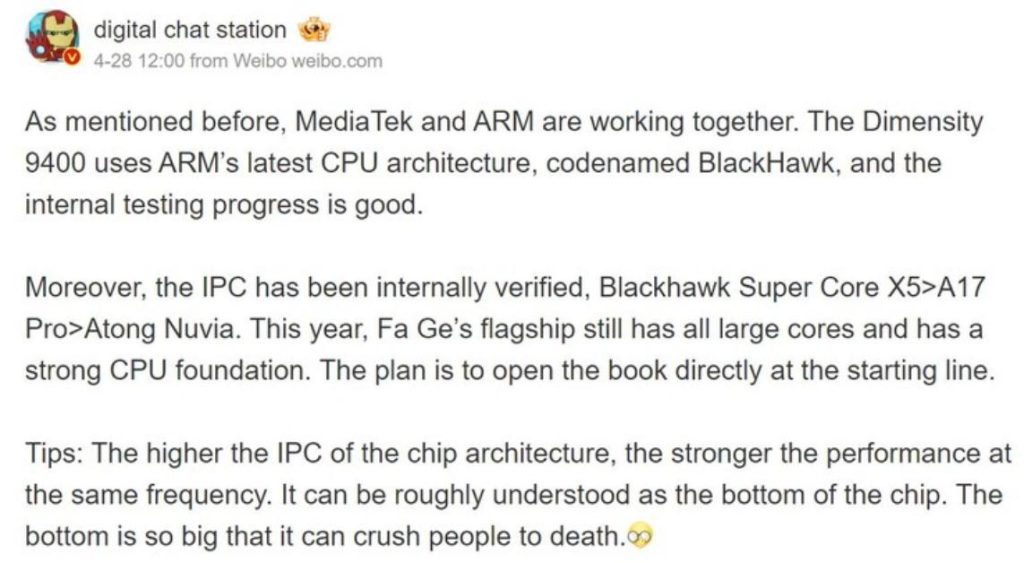
A trustworthy source, Digital Chat Station (DCS) claims that the Dimensity 9400 will outperform Qualcomm’s Snapdragon 8 Gen 4 and Apple’s A17 Pro in terms of instructions per clock (IPC) performance.
DCS confirms earlier leaks that MediaTek and ARM are working closely to develop the next-generation Dimensity 9400. This chip will reportedly use ARM’s newest CPU architecture which is codenamed “BlackHawk.”
Meanwhile, Qualcomm is going a different route altogether as it will use Nuvia-designed CPU cores in the Snapdragon 8 Gen 4. That’s a departure from their usual ARM-based designs for flagship SoCs.
The big news from the leak is that the Dimensity 9400’s Cortex-X5 core supposedly offers better IPC performance than Qualcomm’s Nuvia cores and Apple’s A17 Pro core in the iPhone 15 Pro. However, DCS hasn’t shared any concrete numbers to back up these claims.
Instructions per clock (IPC) is a metric that measures a processor’s efficiency. It essentially indicates how many instructions a processor core can execute within a single clock cycle.
In simpler terms, a higher IPC translates to a processor that can get more work done per tick of its internal clock, leading to faster performance.
If the Dimensity 9400 indeed surpasses Qualcomm’s new Nuvia cores in IPC, it could mean a significant performance boost over the current generation.
However, it’s important to remember that these are just leaks. We’ll need to wait for the official specs and benchmarks to surface to confirm the Dimensity 9400’s true capabilities.
Back in December 2021, the Huawei Watch D made its debut in China with the ability to monitor blood pressure and ECG. While rumors have been going around that Huawei could soon launch a successor the the Watch D, the brand has not made anything official.
That being said, a new software update (HarmonyOS 2.1.0.399) for the Watch D has recently arrived bringing some new features and optimization changes. You can take a look at the changelog below.
Huawei Watch D HarmonyOS 2.1.0.399 changelog:
New Features
New Sleep Mode: When enabled, raise to wake will be disabled.
Long press app icons in quick access menu to open the app
Alarm clock can now intelligently skip weekends and holidays
New ‘Show notification when screen is on’ toggle (Settings > Notifications): When enabled, the watch will light up when you receive a notification.
Optimizations
Do not disturb mode: Raise to wake will now function normally.
Alarm clock function optimized: you can now set up to 10 alarms.
The entry point for the ‘Show notifications only when watch is worn’ toggle has been moved from Settings > Accessibility to Settings > Notifications for a better user experience.
Optimized content display on some screens.
Improved system stability in some scenarios.
Currently, this update is only available in China, however, since the Huawei Watch D is available in many regions outside of China, we can expect a similar update to arrive in the global variants soon.
iOS 18 is already touted to be the most ambitious update in recent years. It is expected to come with major changes, improvements, and generative AI features. Now, reliable analyst Mark Gurman in his Power On newsletter reveals the changes that the next-generation OS update will bring to the stock apps on iPhones.
Native apps on iPhones to get an overhaul with iOS 18
Gurman reports that the upcoming iOS 18 update will revamp the most popular built-in Apple apps including Mail, Notes, Photos, and Fitness. He does not dive into the specific details but we can expect these apps to come with new features and a refreshed design. It’s worth noting that the primary applications on iPhones are not updated through the App Store. They are only updated through iOS updates.
Recently, it was rumoured that the Notes app will get two new impressive features including the option to record audio and the ability to perform complex mathematical calculations. The latter will likely be possible with the integration of Calculator in the Notes app. The Apple Watch’s exclusive topographic maps is also expected to arrive in Apple Maps on the iOS 18.
Gurman also adds that the iOS 18 will bring changes to the Home Screen. It will allow users to pin an app anywhere on the screen instead of being restricted to the grids that currently exist. This will make the app designs more modular and easier to update and customize.
iOS 18 is set to be announced at WWDC which kicks off on June 10.
Sony has officially announced the new Summer Sale in India. During this promotional event, the company is offering a special discount on the newly announced PlayStation 5 Slim. So here’s everything you need to know about this sweet deal.
Sony PS5 Slim Summer Sale
To recall, the brand had first unveiled the new PS5 Slim version for 54,990 INR. The PS5 Slim Digital Edition arrived with a cheaper price tag of 44,990 INR. But now, the non-Digital version is getting a 5,000 INR discount, which brings down its effective price tag to just 49,990 INR. The discount is available for limited quantity and will be listed on major platforms like Amazon, Flipkart, Blinkit, Croma, Reliance, Sony Center, Vjay Sales, and others.
This offer will kick off on 1st May 2024 and goes on till the 14th of May, or until stocks last. For those unaware, the Slim version is a thinner and lighter version of the standard PS5. It even features a detachable disc drive. The refreshed design brings a 30 percent reduction in volume and 24 percent reduction in weight.
The storage offering also gets a bump to 1TB with an additional USB-C port in the front. Apart from the design, the internals haven’t seen much of a change. In other words, the performance offer the PS5 Slim is similar to the standard PS5 console.
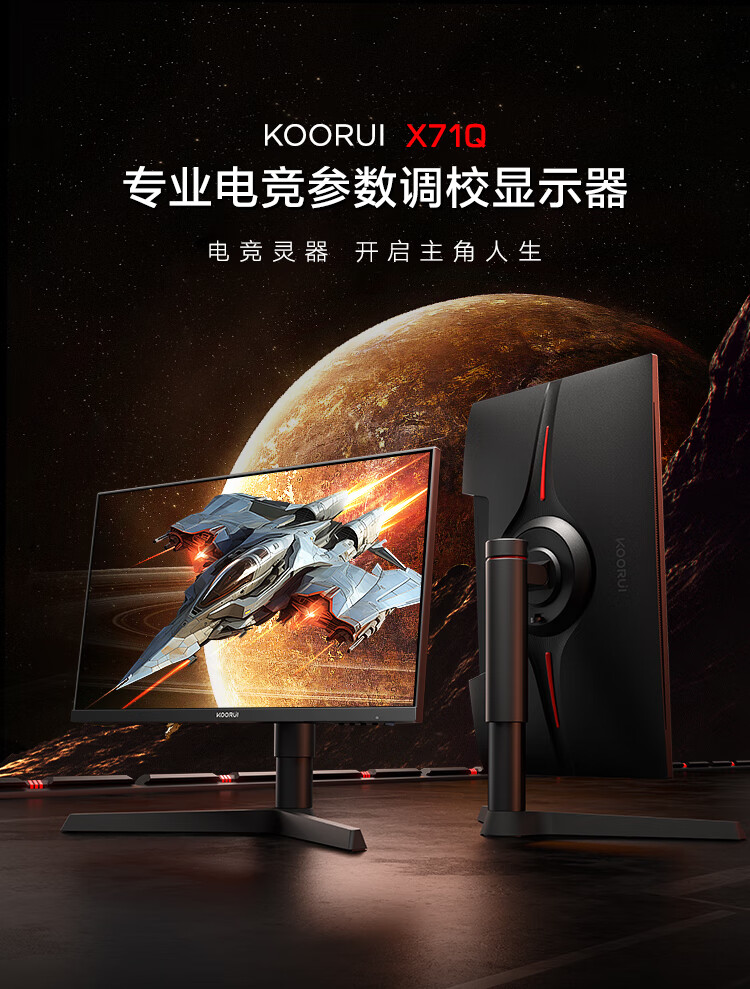
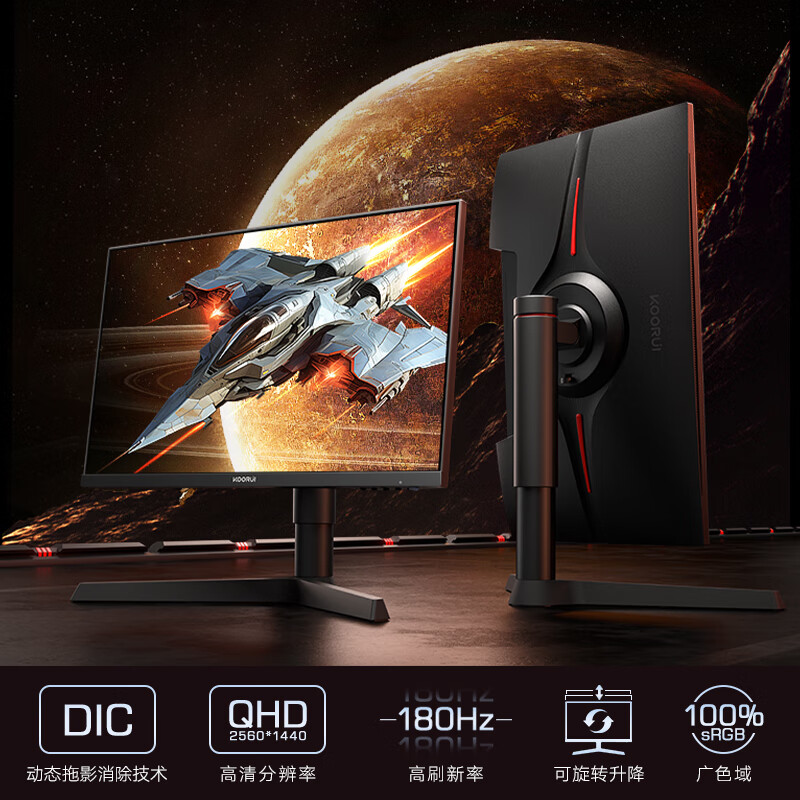
Koorui has launched a new gaming monitor in the Chinese market, the X71Q, priced at a competitive 879 Yuan ($123) (originally 1099 Yuan). The monitor is available on JD.com. Let’s check out its key specs.
Koorui X71Q Monitor Specifications:
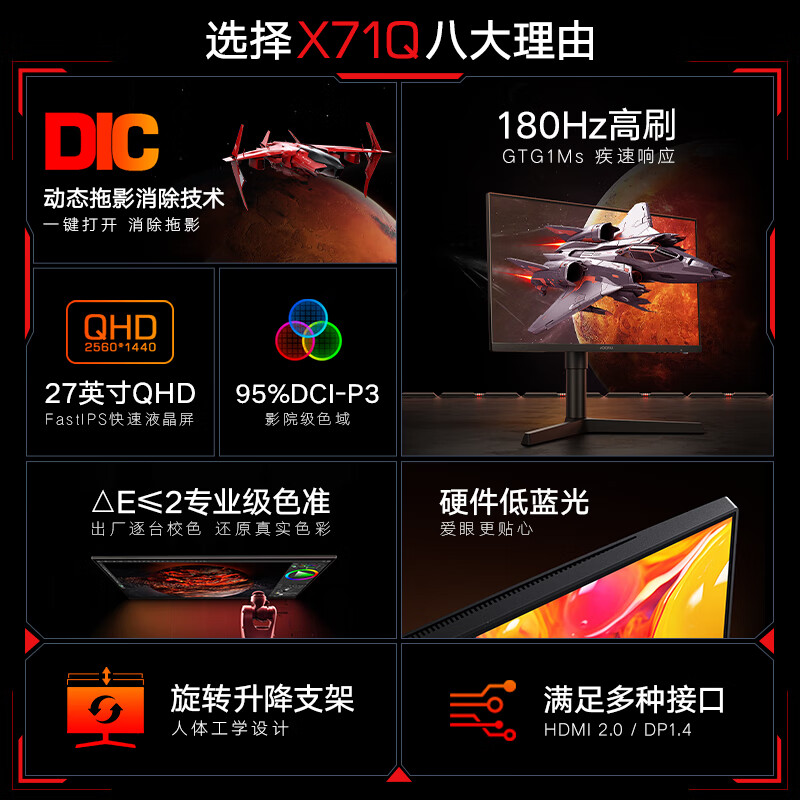
The X71Q features a 27-inch Fast IPS rapid liquid crystal screen with a 2K resolution (2560 x 1440), wide 178° viewing angle, and a blazing-fast 180Hz refresh rate, making it ideal for competitive gamers.
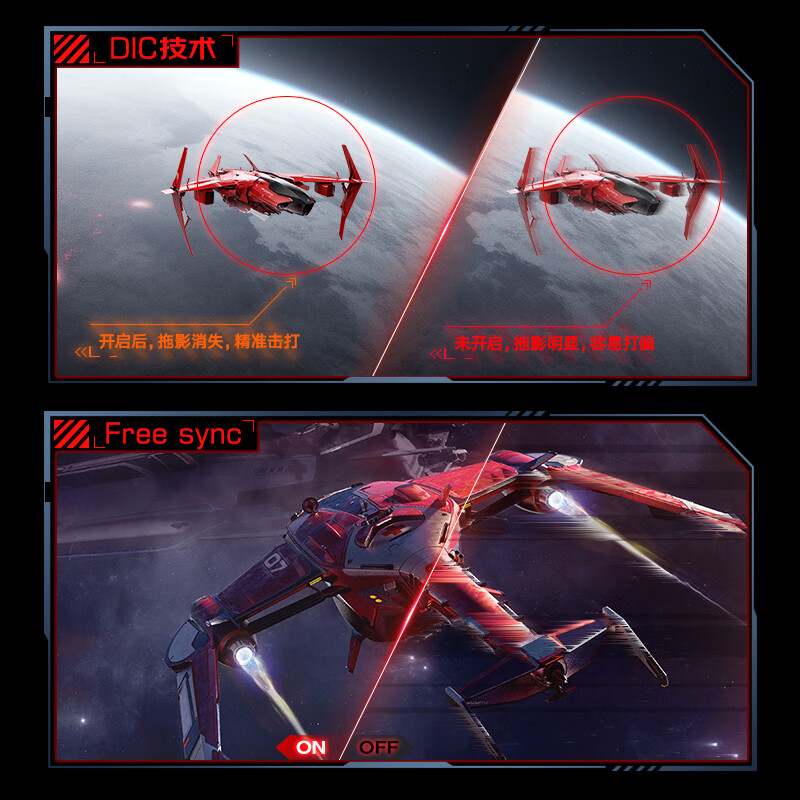
The X71Q is equipped with DIC motion blur elimination technology, which the company claims can significantly improve the clarity of motion images and reduce ghosting. It also boasts a 1ms GTG response time and supports FreeSync and G-Sync technology for tear-free gameplay.
In terms of color accuracy, the gaming monitor boasts ΔE≤2 rating and covers 95% DCI-P3 and 100% sRGB color gamut. Additionally, it supports HDR10 for enhanced brightness and contrast, providing a more immersive visual experience.
The monitor comes with preset game modes tailored for different gaming experiences, including RPG, FPS, and RCG. These modes optimize display settings to enhance gameplay immersion and performance in various gaming genres.
The monitor features hardware-level low blue light technology to reduce eye strain without affecting color accuracy. The X71Q comes equipped with two HDMI 2.0 ports, one DP 1.4 port, and an audio interface, providing ample connectivity options for gaming PCs and consoles.
The rotating lifting bracket allows for adjustments in tilt, height, and even vertical screen rotation, ensuring a comfortable viewing experience for long gaming sessions. It also supports VESA (75x75mm) wall mounting for flexible placement. The company is providing three years of warranty on this monitor.
Earlier this year, Koorui also introduced the budget-friendly P5 gaming monitor featuring a 27-inch 2K display with a 100Hz refresh rate, priced at 649 Yuan ($91).
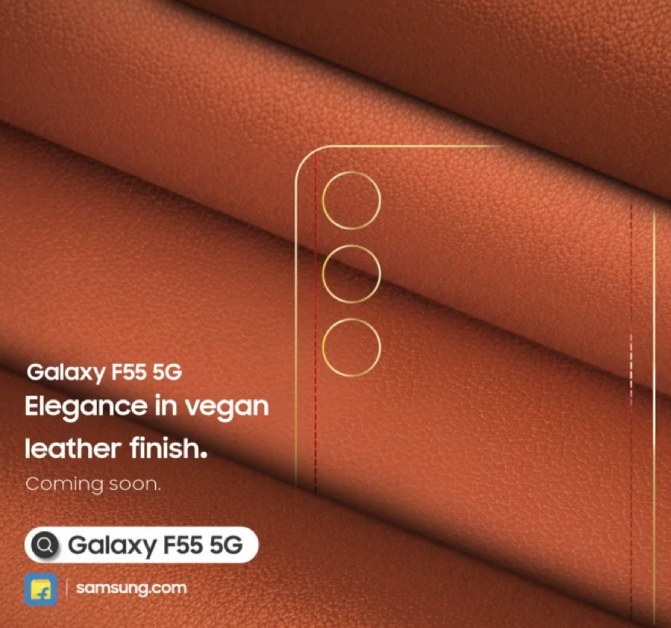
Samsung has just confirmed the launch of the Galaxy F55 in India. It was initially rumored to be a rebranded Galaxy M55, but turns out, it’s actually the Indian version of the China-exclusive Galaxy C55.
The smartphone inherits the design of the C55, including the vegan leather back cover with a stitched design. The teaser reveals an Orange color option, but we are expecting a Black variant too, just like the C55.
As far as the specs go, there will be no changes compared to the Galaxy M55 or C55. The F55 will run on a mid-range Qualcomm Snapdragon 7 Gen 1 processor, paired with either 8GB or 12GB of RAM and 256GB of storage.
The display will be a 6.7-inch Super AMOLED+ panel with FHD+ resolution and a smooth 120Hz refresh rate. All this will be backed by a sizable 5,000mAh battery with support for 45W fast charging.
On the camera front, rumors suggest that the F55 will feature a triple-camera system on the back. The main will be an 50MP sensor which will be accompanied by an 8MP ultrawide lens, and a 5MP additional sensor, likely for macro or depth sensing. For selfies, there will be 50MP front-facing camera on the punch-hole cutout.
Samsung India hasn’t disclosed pricing or availability details for the Galaxy F55 yet. However, a leak earlier this week revealed the price of all the variants of Galaxy F55 in India.
Reportedly, the base 8/128GB variant will retail at Rs 26,999. The mid-tier 8/256GB model will go for Rs 29,999 while the top-of-the-line variant with 12/256GB variant is expected to retail at Rs 32,999.
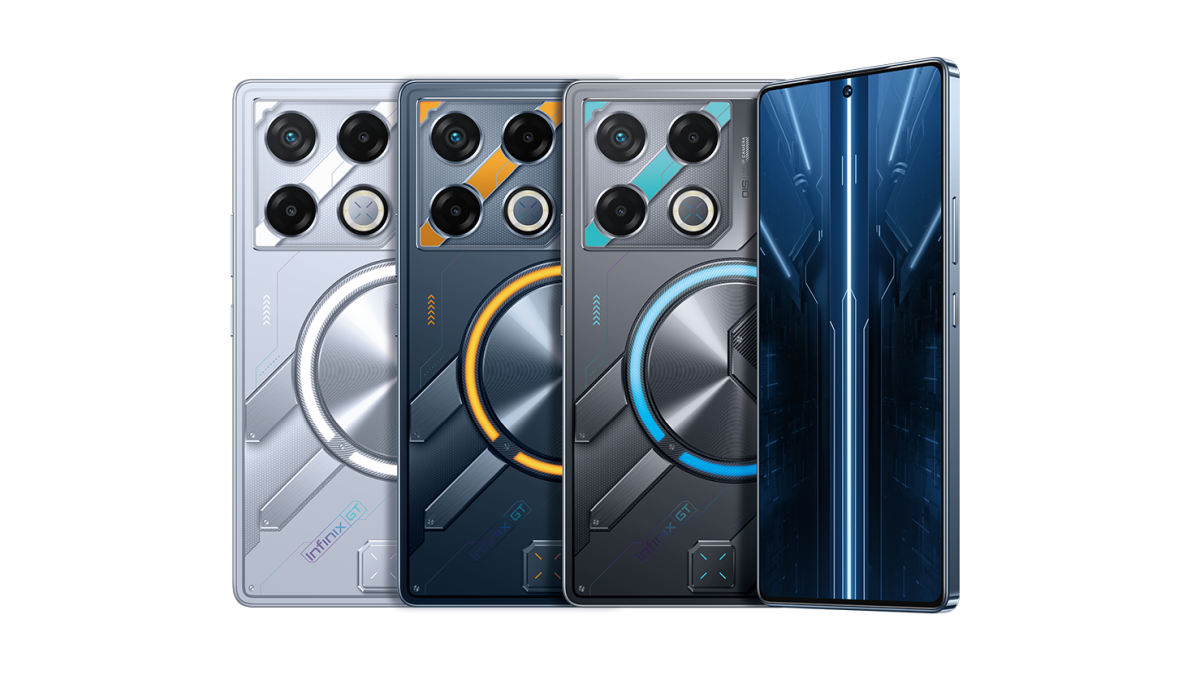
Infinix has recently debuted its GT 20 Pro mid-range smartphone in the global market. This new model in Infinix’s gaming-focused GT line promises many improvements over its predecessor. But is it really that different from the GT 10 Pro? Keep reading to find out.
The new Infinix GT 20 Pro has a bigger 6.78-inch AMOLED screen, compared to the 6.67-inch AMOLED display. Both of these panels feature an FHD resolution, however, the newer model offers a refresh rate of 144Hz compared to 120Hz on the GT 10 Pro.
While the GT 10 Pro came with a screen-to-body ratio of 87%, the newer mode has a 91% ratio, meaning that it has thinner bezels compared to its predecessor. It is also worth mentioning that the GT 20 Pro has a peak brightness of 1300 nits, compared to the 900 nits on the GT 10 Pro. However, it’s important to note that these peak brightness levels are tailored for HDR content and aren’t achievable manually or even under direct sunlight. This means HDR videos will display with enhanced clarity and vibrancy on the GT 20 Pro.
2. A more powerful processor & faster RAM
Under the hood, the GT 20 Pro comes with a Dimensity 8200 Ultimate chipset, which is a significant improvement over the Dimensity 8050 on the GT 10 Pro. The Dimensity 8200 Ultimate is a more efficient processor as it is based on a 4nm node, while the Dimensity 8050 is 6nm. Beyond efficiency, the difference in performance is also quite significant with the GT 20 Pro scoring around 955,00 points on AnTuTu compared to around 734,000 points scored by the previous model.
In addition to that, the GT 20 Pro also features faster LPDDR5X RAM, while the GT 10 Pro model only uses LPDDR4X RAM. Both of these devices have UFS 3.1 storage, with the GT 20 Pro offering up to 12GB RAM and 256GB storage configuration.
3. A new dedicated display chip
Perhaps the most unique feature of the GT 20 Pro compared to its predecessor is the inclusion of a dedicated display chip called the Pixelworks X5 Turbo to improve gaming performance. It uses technologies like MEMC (Motion Estimation, Motion Compensation) and Game Optical Optimization to achieve 120FPS in games that aren’t usually capable of running at such high framerates.
4. Some improvements in the camera
While both smartphones feature the same camera hardware with a 108MP primary sensor, paired with two 2MP macro and depth sensors, the GT 20 Pro has some key improvements. Firstly, it comes with optical image stabilization technology, ensuring stable shots and smooth video recording by steadying the camera sensor.
Additionally, thanks to the Dimensity 8200 processor, the camera is now able to record videos with higher framerates. While the GT 10 Pro is limited to 30 FPS when recording in 4K, the GT 20 Pro can record 4K 60FPS footage. Additionally, the GT 20 Pro can record 1080p videos in 240FPS, while the GT 10 Pro is limited to 1080p 60FPS recording.
5. Longer software support
The GT 10 Pro debuted last year with Android 13-based XOS 13 onboard and the promise of 1 major OS update and 2 years of security updates by the brand. Infinix has slightly improved its policy with the GT 20 as it now promises 2 major OS updates and 3 years of security updates. Since the GT 20 Pro has debuted with Android 14-based XOS14, it will receive major updates up to Android 16.
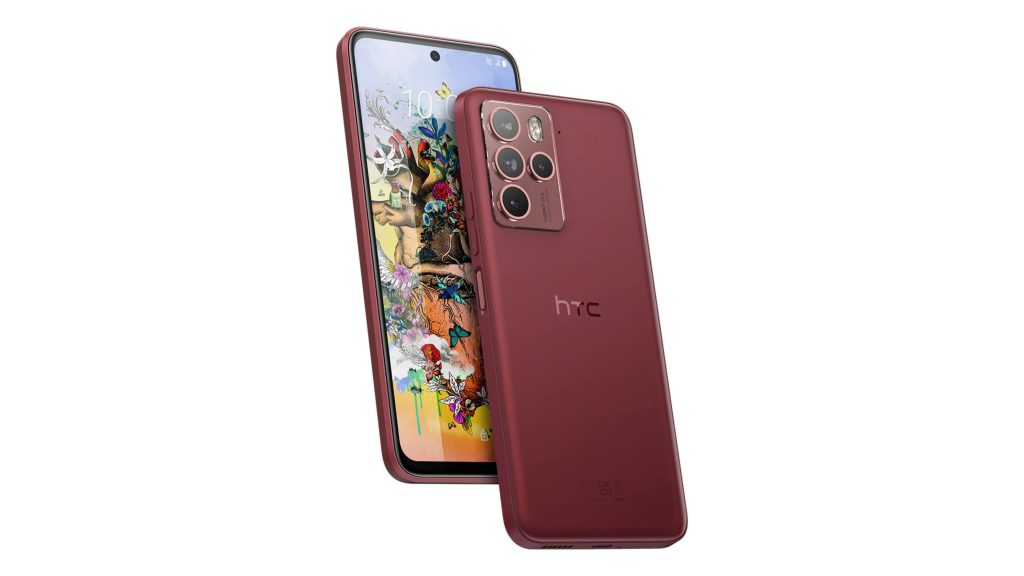
It looks like HTC is working on a new smartphone which could launch soon. This new device recently made an appearance on Geekbench and Bluetooth SIG certification.
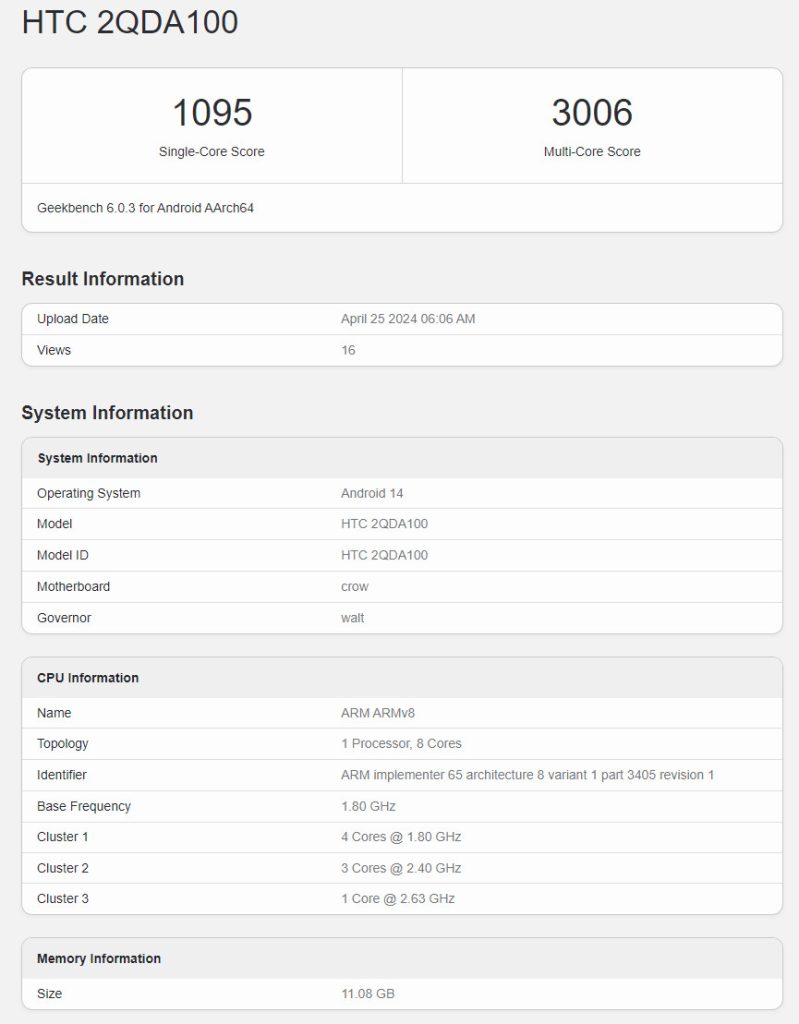
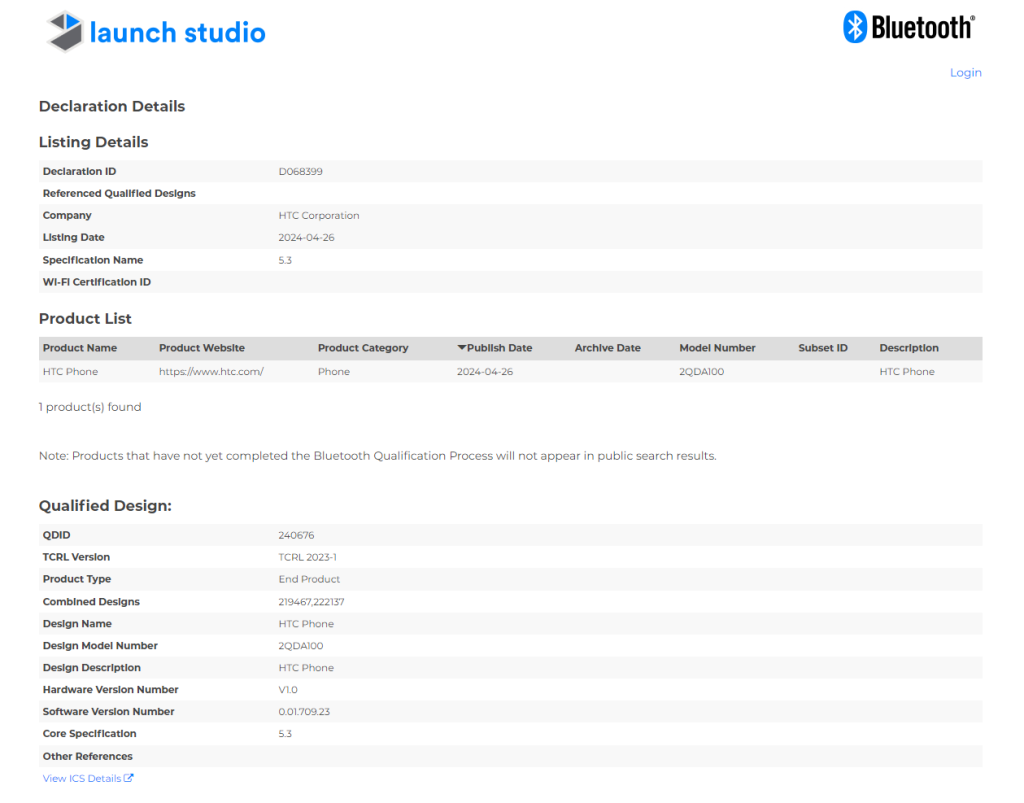
The device, identified by model number 2QDA100, is likely to be the successor of last year’s HTC U23. It could be called the HTC U24 or the U24 Pro. Geekbench results for the 2QDA100 show it scored 1,095 in single-core and 3,006 in multi-core tests.
The smartphone is expected to run on a Qualcomm Snapdragon 7 Gen 3 SoC, which includes an octa-core processor configuration and an integrated Adreno 720 GPU. It also features 12GB of RAM and will operate on Android 14. Considering the fact that the U23 from last year features a Snapdragon 7 Gen 1 chip, the upcoming HTC U24/U24 Pro will offer vastly improved performance.
The Bluetooth SIG certification confirms the device will support Bluetooth 5.3, enhancing its connectivity options.
While full specifications remain undisclosed, the new HTC model could potentially maintain features comparable to its predecessors, such as a Full HD+ 120Hz OLED display and IP67 dust and water resistance. The battery capacity could exceed the 4600mAh found in the U23 series. Currently, there are no details available on a launch window. However, since the device has started picking up key certifications like Bluetooth SIG, we can expect it to debut in the coming months.
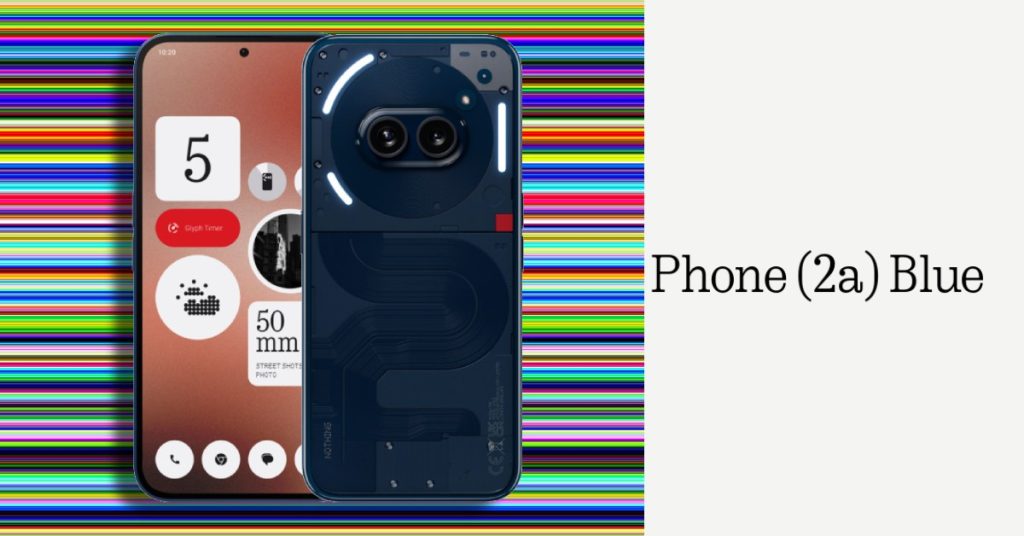
Following up on last month’s launch, Nothing has introduced a new exclusive Blue color variant for the Phone (2a) in India. The addition expands the available choices for users, who can now opt for the Black, White, or Blue version per their preferences.
Image: Gizmochina
Nothing Phone (2a) Blue India Launch and Availability
The Nothing Phone (2a) Blue will be available exclusively in India via Flipkart starting May 2nd at 12 PM IST.
The company is offering a special launch day price of Rs 19,999 for the base 8GB RAM + 128GB storage variant. It will increase to Rs 23,999 after the launch day.
The other storage options, 8GB + 256GB and 12GB + 256GB, will retain their original prices of Rs. 25,999 and Rs. 27,999 respectively.
Flipkart will also be hosting a “Zero Hour” live sale for the phone where you can win CMF audio products alongside the purchase.
Specifications
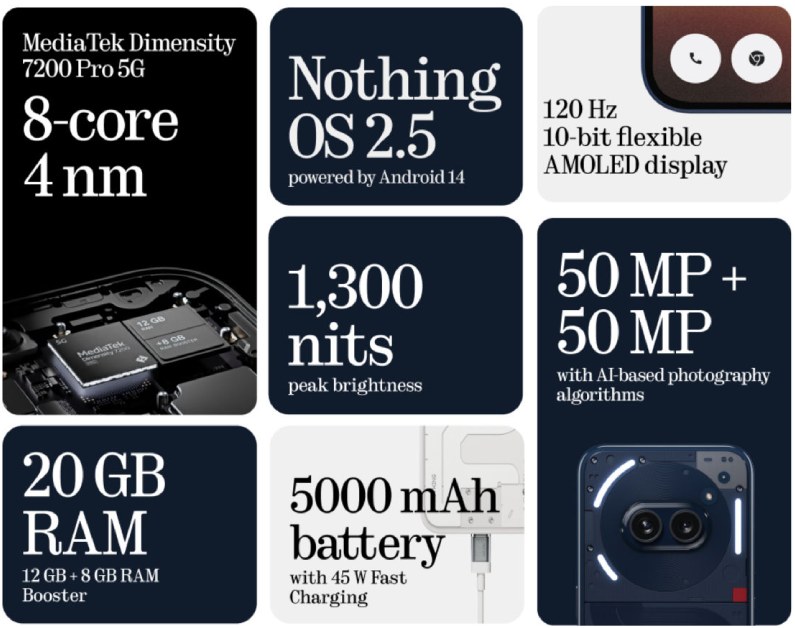
Apart from the new color, the design and specifications of the Nothing Phone (2a) Blue remain identical to the previously launched models. It features a 6.7-inch FHD+ OLED display with a 30Hz-120Hz adaptive refresh rate and Corning Gorilla Glass 5 protection.
Under the hood, the phone is powered by the MediaTek Dimensity 7200 Pro processor paired with LPDDR4X RAM and UFS 2.2 storage options.
The camera department consists of a dual rear camera system with a 50MP main sensor and a 50MP ultra-wide sensor. The front houses a 32MP selfie camera. The phone runs Android 14 with Nothing OS 2.5 on top and packs a 5000mAh battery with support for 45W wired charging.
One UI 6.1 is an exciting upgrade, as it brings some really cool AI features, such as AI wallpaper, circle to search, generative edit, chat assist, and live translation. It brings lots of non-AI features and improvements as well. Sadly, many Galaxy devices will miss out on these new features as One UI 6.1 will be rolled out to select devices.
I have curated a list of Galaxy devices that are ineligible for the One UI 6.1 update. Review the list to check if your device will get the next One UI update.
Samsung is yet to release an official list, but if the One UI rollout history is considered, then these Galaxy phones and tablets won’t get the One UI 6.1 update:
[Galaxy S-series]
Galaxy S20 series
Galaxy S10 series
Galaxy S9 series
Prior S-series launches
[Galaxy A-series]
Galaxy A12
Galaxy A32 (4G & 5G)
Galaxy A03 / A03s / A03 Core
Galaxy A12 / A12 Nacho
Galaxy A22 / A22 5G
Galaxy A32 / A32 5G
Galaxy A02 / A02s
Devices launched before 2021
[Galaxy M-series]
Galaxy M04
Galaxy M52 5G
Galaxy M21 (2021)
Galaxy M32
Galaxy M42
Galaxy M12
Galaxy M62
Galaxy M02s
Galaxy M02
Devices launched before 2021
[Galaxy F-series]
Galaxy F04
Galaxy F42 5G
Galaxy F22
Galaxy F52 5G
Galaxy F12
Galaxy F02s
Galaxy F62
Devices launched before 2021
[Galaxy Z-series]
Galaxy Z Fold 2
Galaxy Z Flip 2
Galaxy Z Fold
Galaxy Z Flip
[Galaxy Tab-series]
All Galaxy Tabs launched before 2021 won’t get the One UI 6.1 update.
[Galaxy Xcover-series]
All Galaxy Xcover phones launched before 2021 won’t get the One UI 6.1 update.
If your Samsung Galaxy is not on this list, your device is most likely eligible for the exciting One UI 6.1 update.
One UI 6.1: What to Expect?
If your Samsung Galaxy device is eligible for the next One UI upgrade, I know you’d be curiously waiting to explore new features and improvements.
Here are the top things you wouldn’t want to miss:
1. Galaxy AI Features
AI features are the highlights of One UI 6.1, but sadly, these are only coming to select Galaxy devices, including the Galaxy S22 series, S23 series (including S23 FE), Galaxy Tab S9 series (including Tab S9 FE, Tab S9 FE+), Tab S8 series, Galaxy Z Fold 5/Flip 5, Galaxy Z Fold 4/Flip 4.
If you have any of these Galaxy devices, you’ll get to experience AI Wallpaper, Real-Time Translation, Circle to Search, Note Assist, Browser Assist, and Generative Edit, among many AI features, after upgrading to One UI 6.1.
2. Smoother Animations
The animations in One UI 6.1 feel smoother than before. It adds to a better device experience.
3. Better Battery Protection
One UI 6.1 brings better protection protection. You’ll get three battery protection modes: Basic, Adaptive, and Maximum.
Basic protection keeps your device charged between 95% and 100%, while Adaptive protection pauses charging while you’re asleep and completes it just before you wake up. Maximum protection limits the maximum charge to 80% for better battery health.
4. New Widgets
There are new widgets for the home screen and lock screen to make them more personalized.
There are plenty of other small changes, improvements, and additions to One UI 6.1, which you’ll read in the changelog upon receiving the update.
Which Galaxy device do you own? Do let us know in the comment section below.
We use cookies on our website to give you the most relevant experience by remembering your preferences and repeat visits. By clicking “Accept”, you consent to the use of ALL the cookies.
This website uses cookies to improve your experience while you navigate through the website. Out of these, the cookies that are categorized as necessary are stored on your browser as they are essential for the working of basic functionalities of the website. We also use third-party cookies that help us analyze and understand how you use this website. These cookies will be stored in your browser only with your consent. You also have the option to opt-out of these cookies. But opting out of some of these cookies may affect your browsing experience.
Necessary cookies are absolutely essential for the website to function properly. This category only includes cookies that ensures basic functionalities and security features of the website. These cookies do not store any personal information.
Any cookies that may not be particularly necessary for the website to function and is used specifically to collect user personal data via analytics, ads, other embedded contents are termed as non-necessary cookies. It is mandatory to procure user consent prior to running these cookies on your website.